Since the start of the war in Ukraine, NATO has drastically upgraded its focus on the Black Sea. A visit to the Romanian air base that NATO uses as a base to monitor its southeastern flank, and the open questions even among allies.
 Worldcrunch
Since the start of the war in Ukraine, NATO has drastically upgraded its focus on the Black Sea. A visit to the Romanian air base that NATO uses as a base to monitor its southeastern flank, and the open questions even among allies.
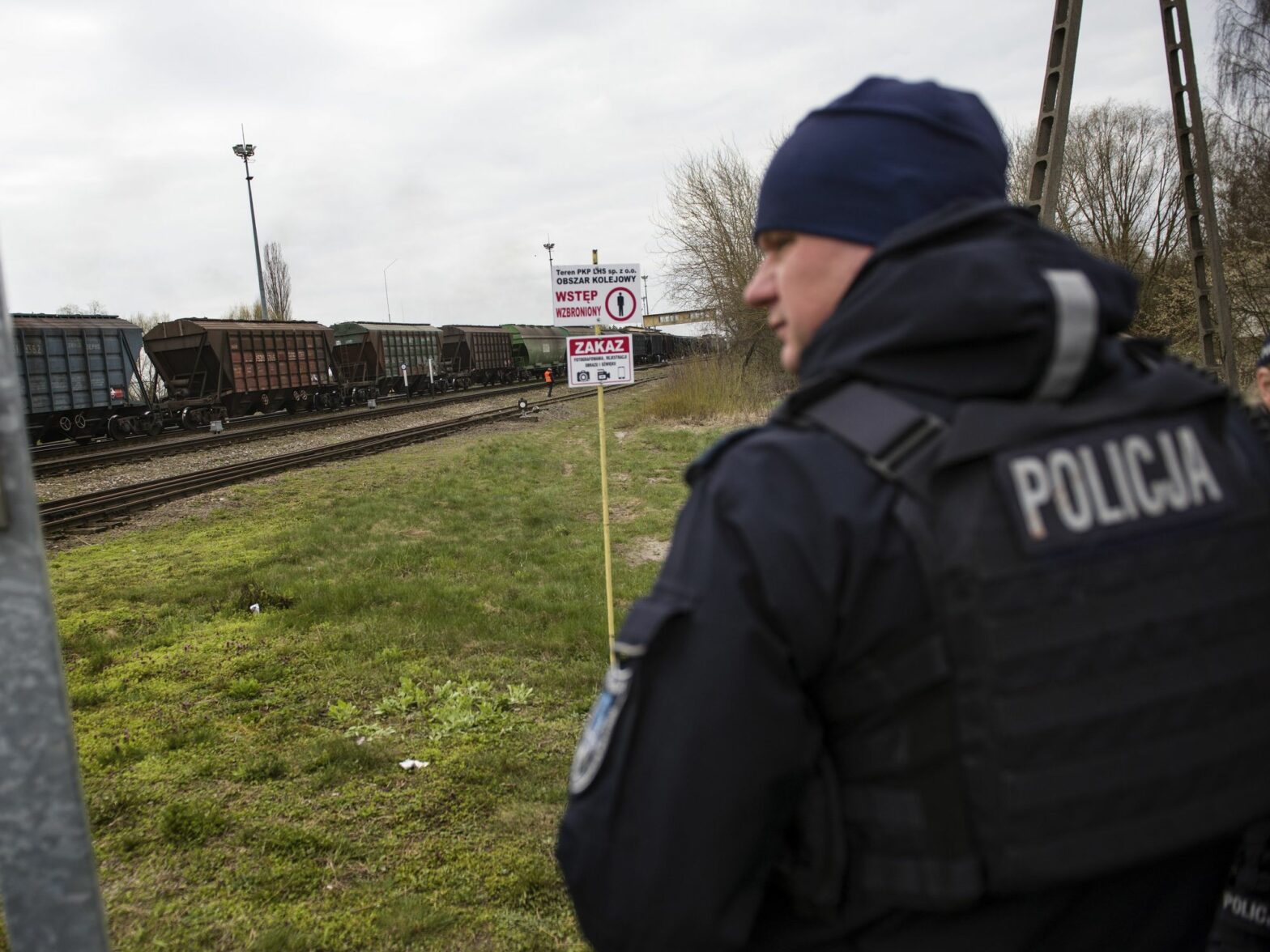
Poland’s unilateral decision to ban imports of Ukraine’s agricultural products, in violation of EU agreements, has caused shock among Ukrainians. Nazar Bobytsky, head of the Ukrainian office of the Polish Union of Entrepreneurs and Employers, says Brussels must show Kyiv it is serious about Ukraine joining the EU.
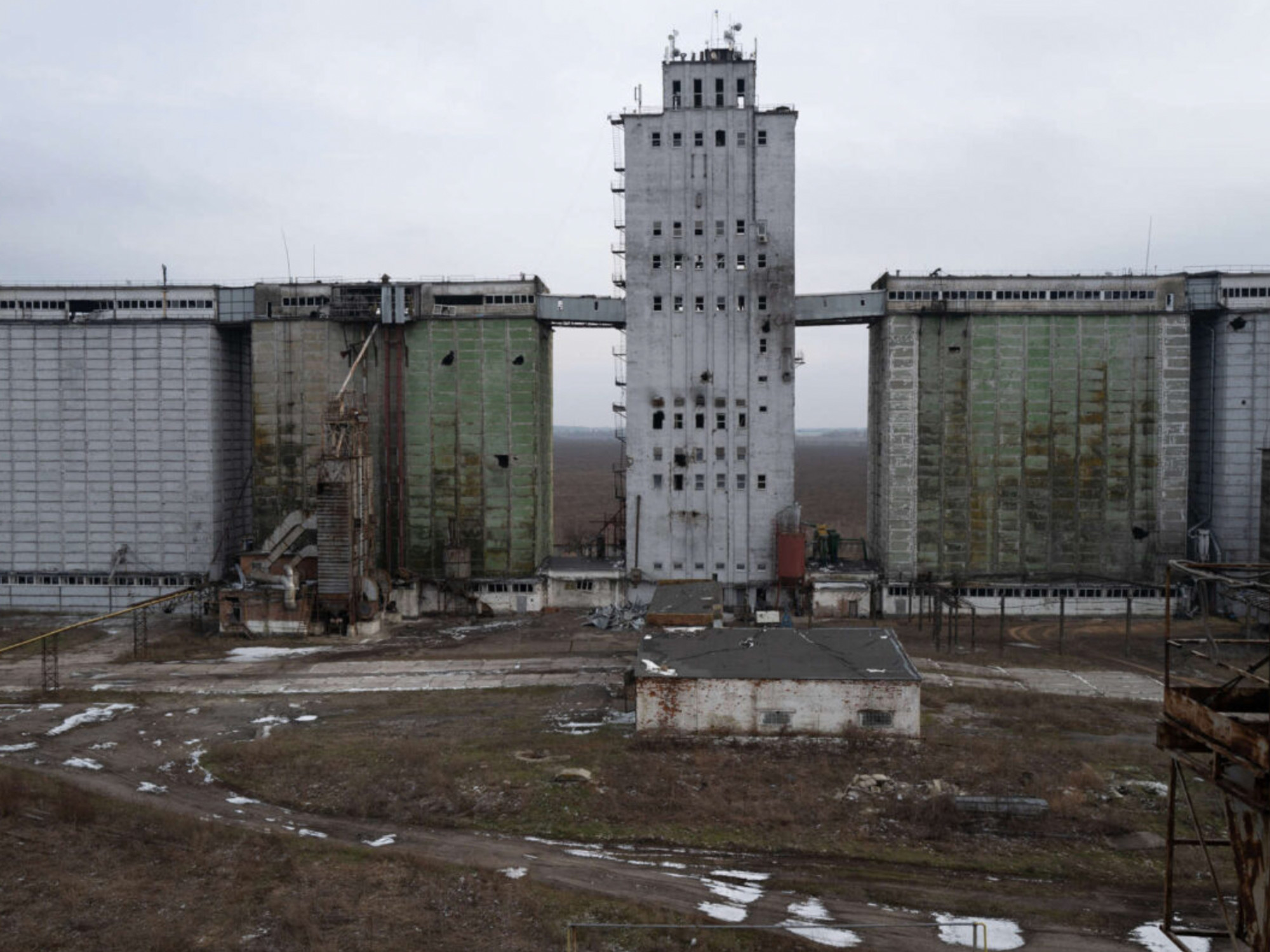
Reporting from agricultural centers in eastern Ukraine confirms a landmark study: Extensive wartime damage to the country’s crucial agricultural sector risks raising hunger in places that have counted on Ukrainian grain.
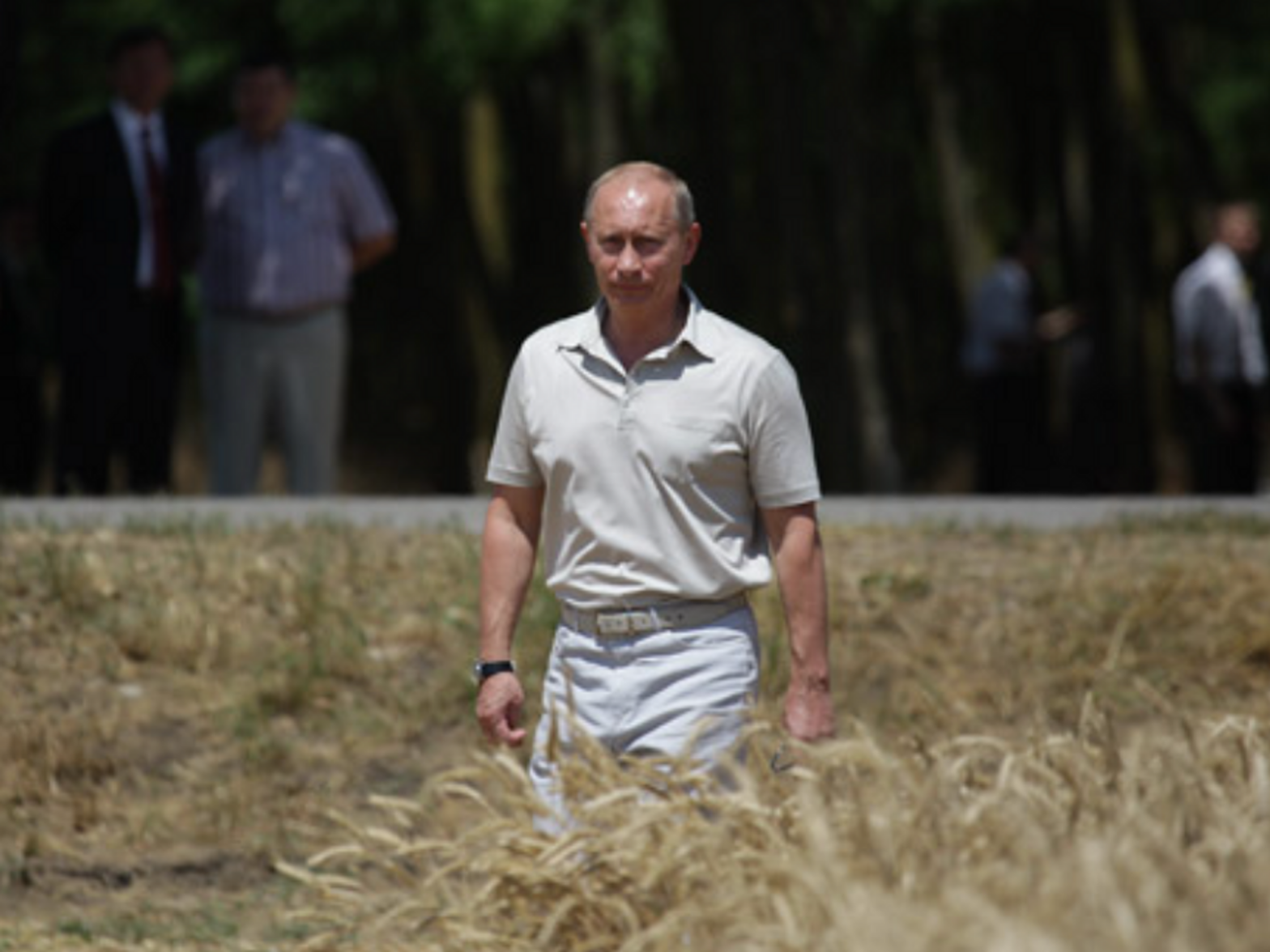
Moscow and Kyiv reached a much hailed accord in July to allow transport of Ukrainian agricultural output from ports along the Black Sea. However, analysis from Germany’s Die Welt and Ukraine’s Livy Bereg shows that it has done little so far to solve the food crisis, and is instead being used by Putin to advance his own ambitions.
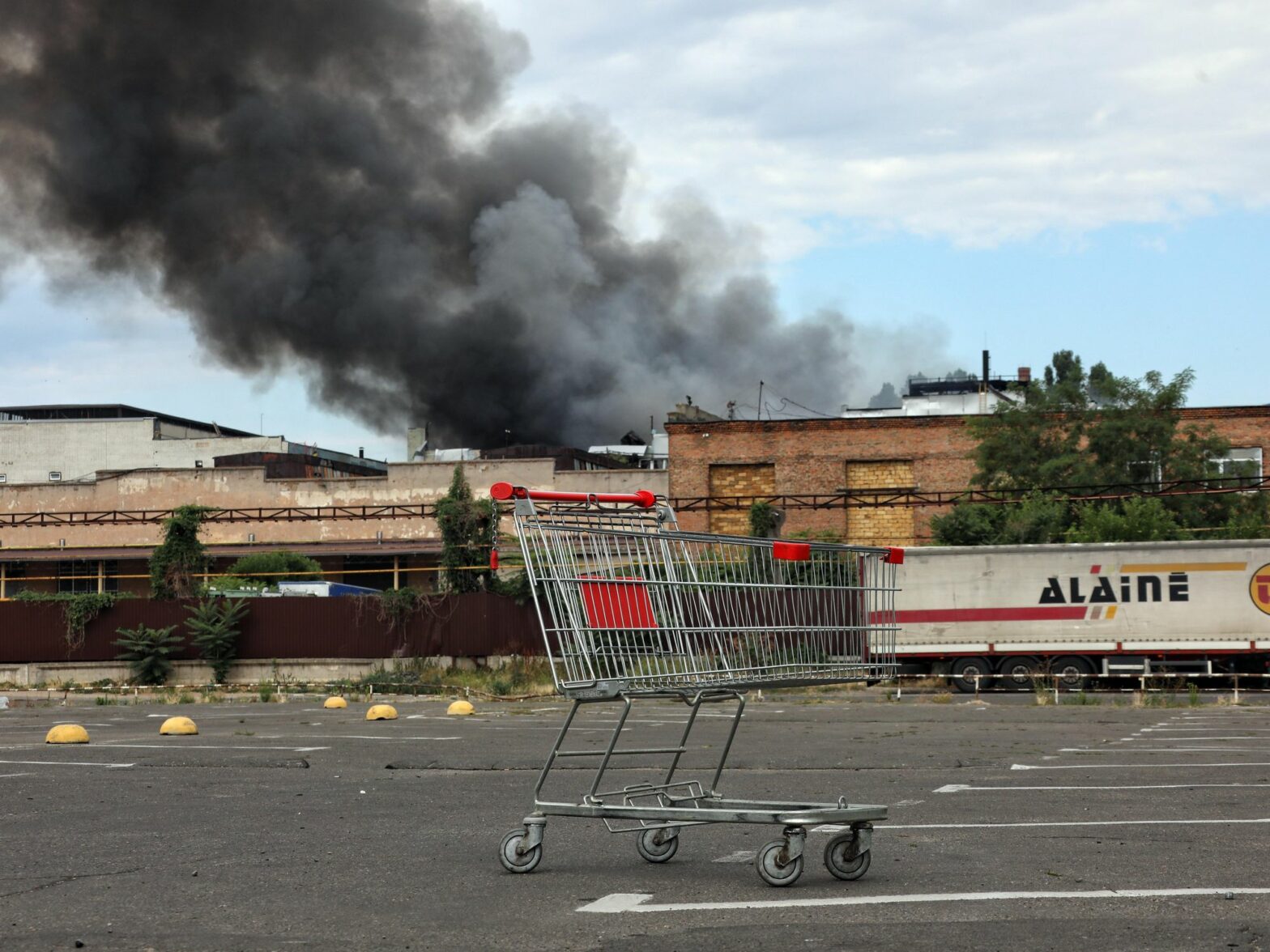
The timing and location of Russia’s latest attacks shows that the southern Ukrainian city is more important than ever to the Russian leader, for symbolic and strategic reasons.
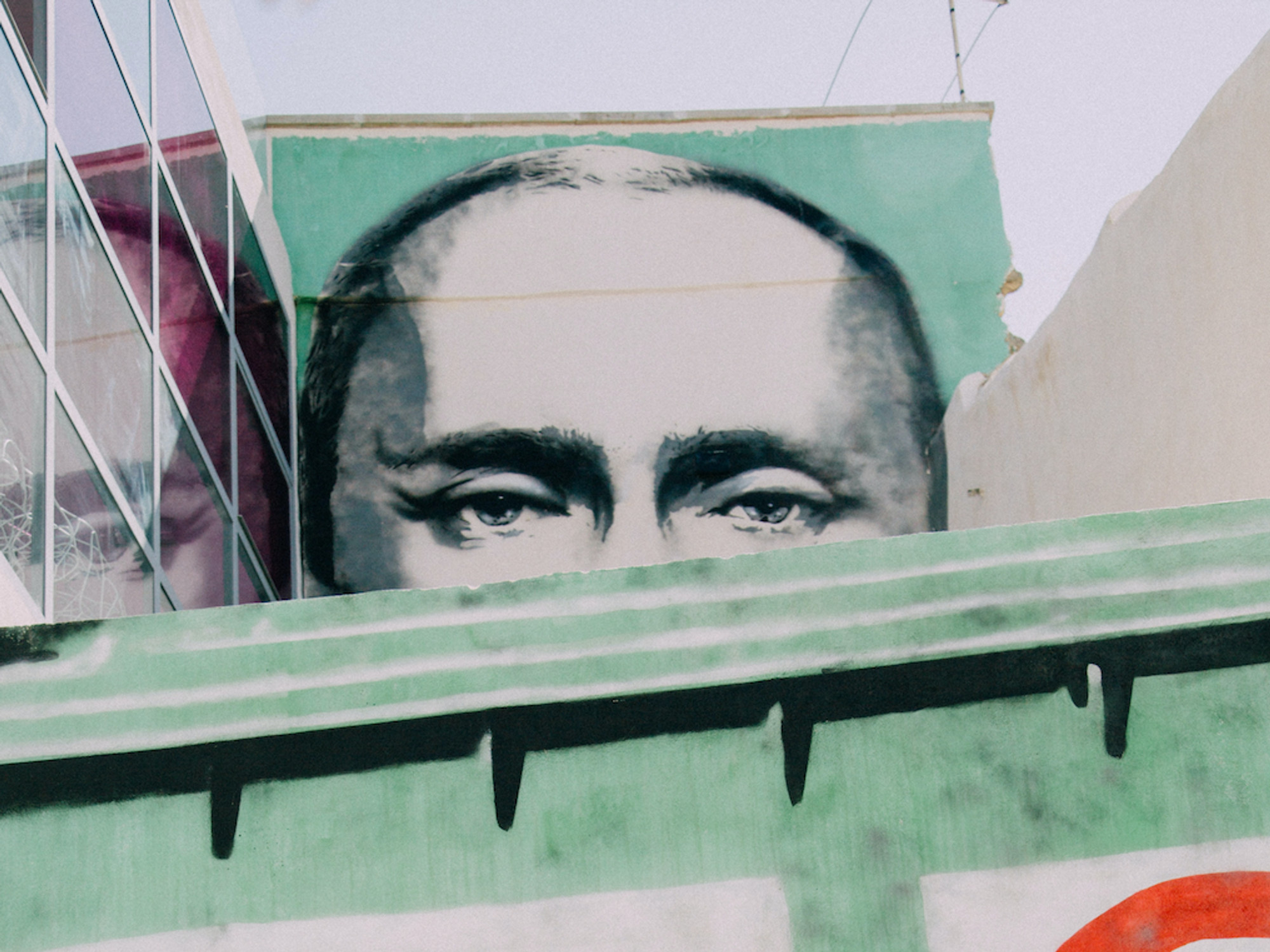
Western leaders have given mixed messages on ending war in Ukraine. They fear the fallout of a power change in Moscow, and when it comes to Putin, it may be a case of “better the devil you know.”
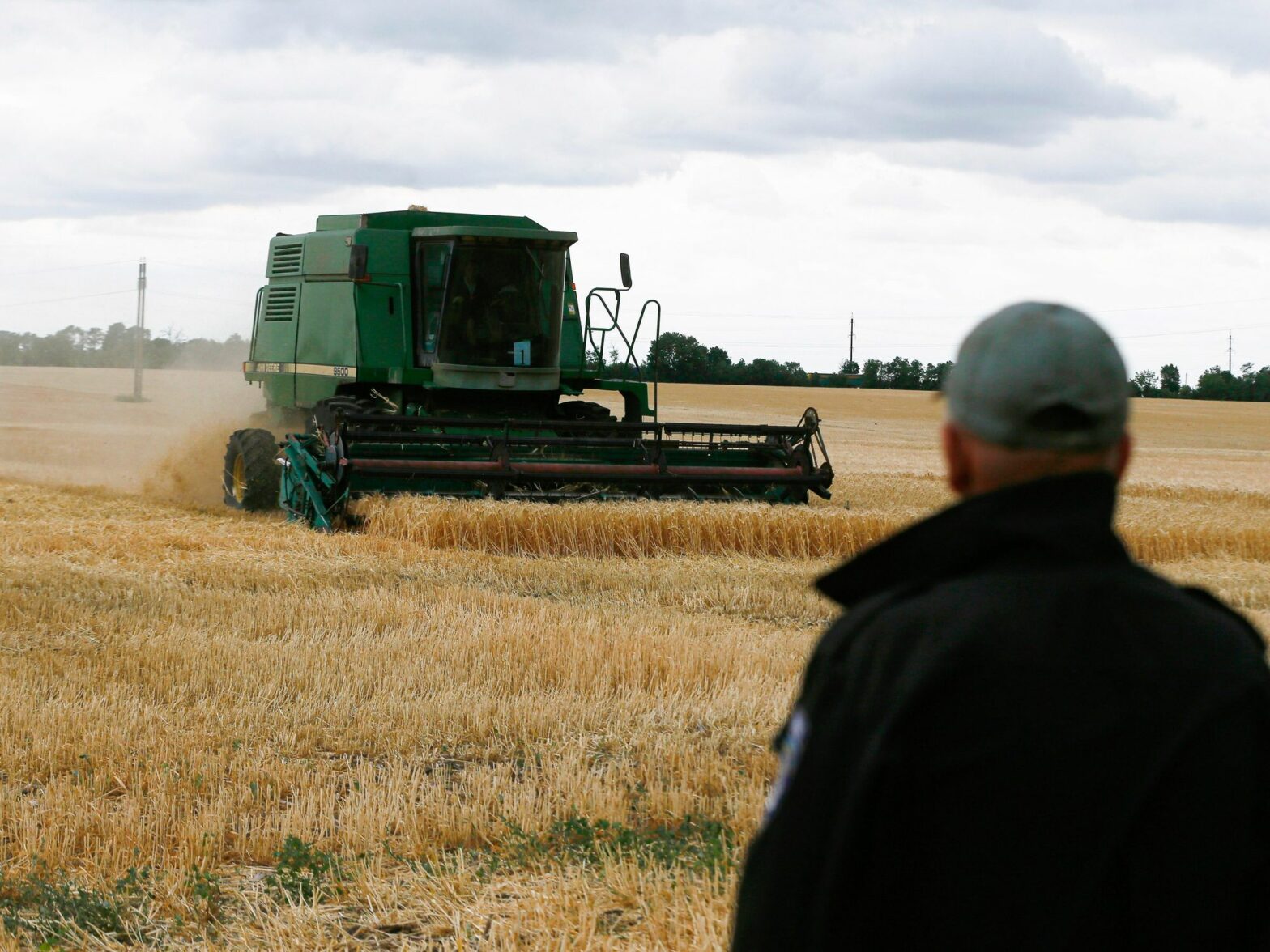
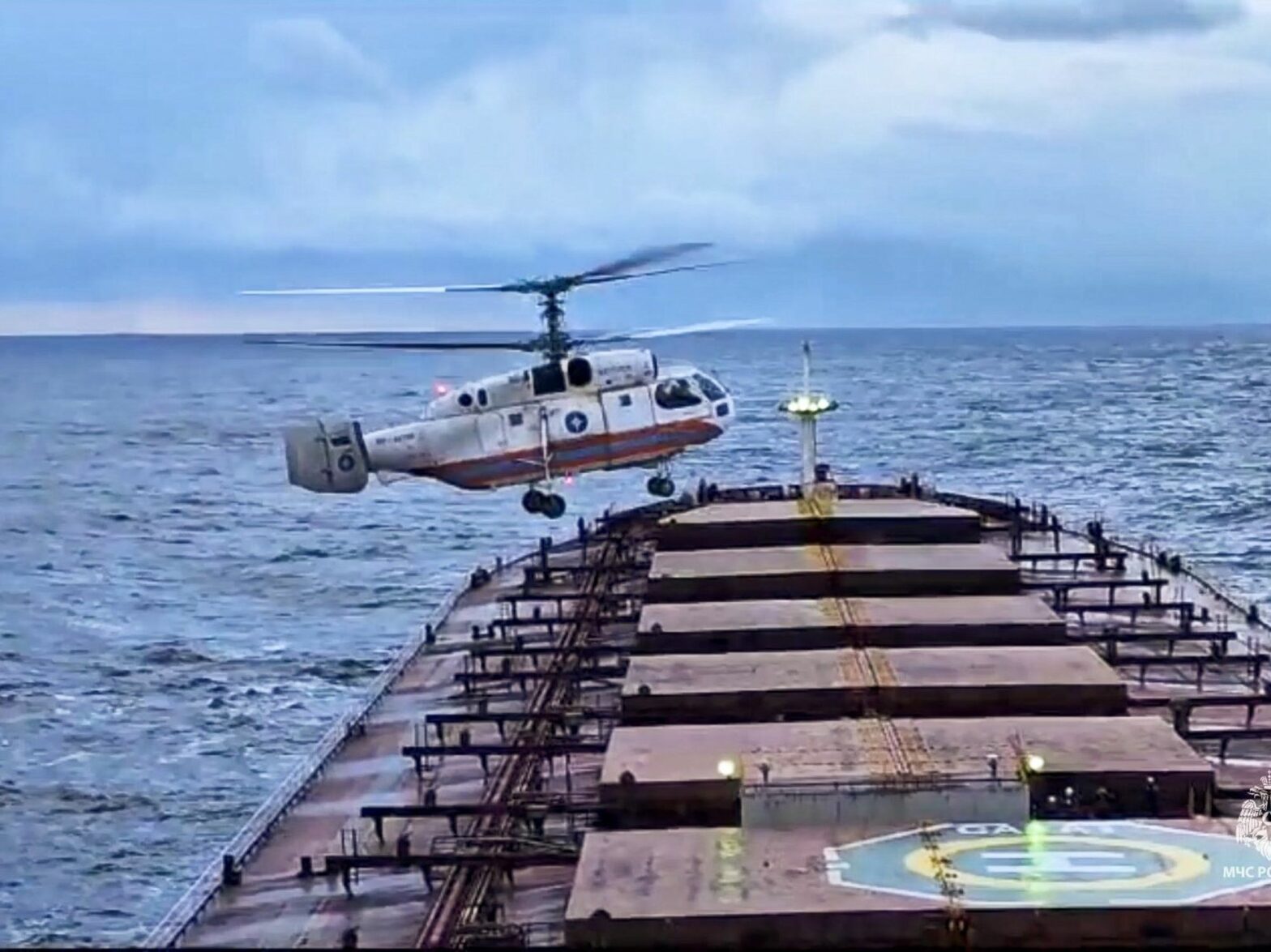
Russia’s blockade of the Black Sea has sent food prices skyrocketing around the globe, with poorer countries being affected most severely. But if the blockade continues, then the cost of a vast variety of foods looks set to go even higher.