Europe sends part of its textile surplus to unregulated hubs, sometimes returning it to the same country of origin, tripling emissions in the process.

 Worldcrunch
Europe sends part of its textile surplus to unregulated hubs, sometimes returning it to the same country of origin, tripling emissions in the process.
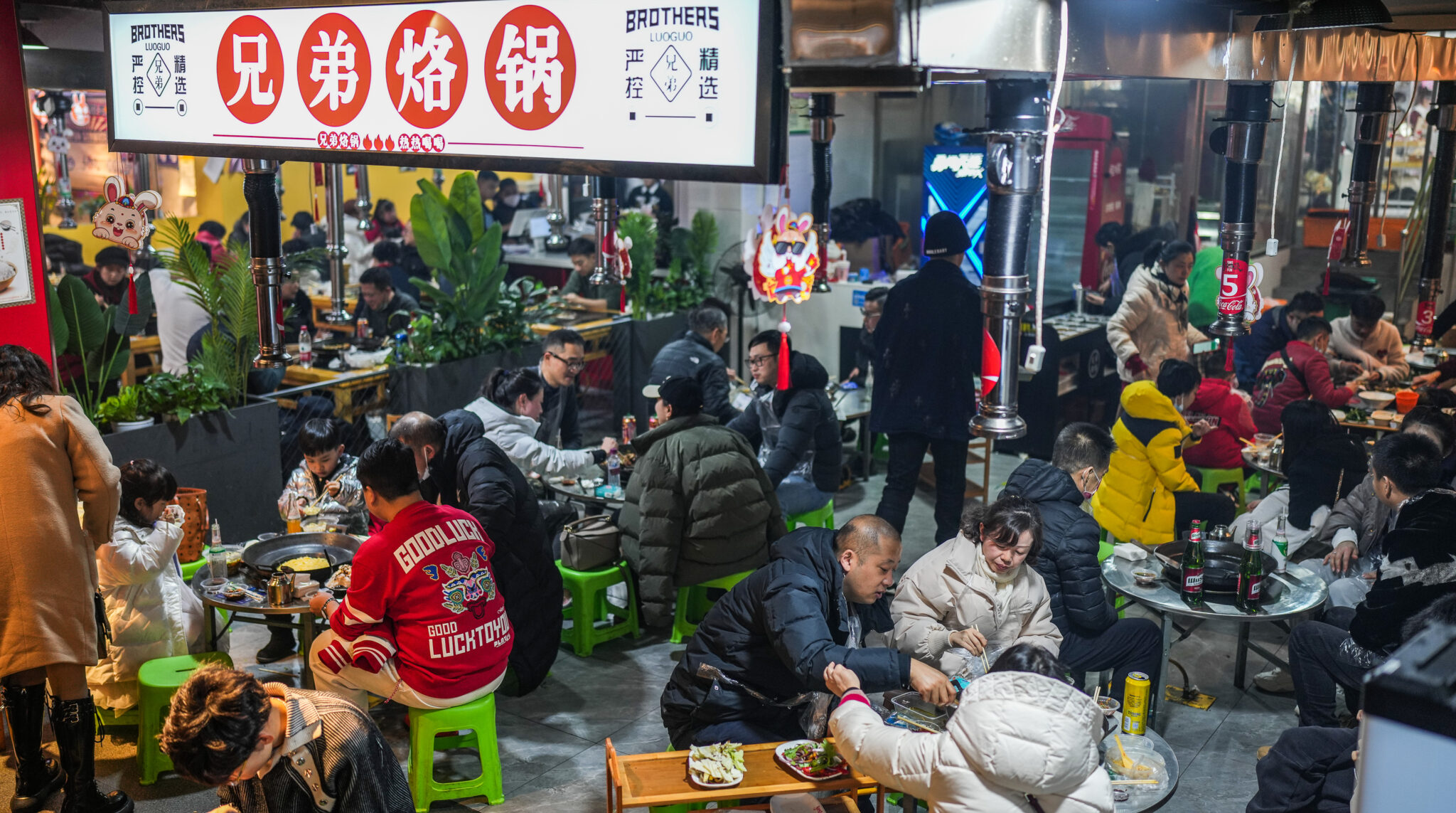
China’s current food waste challenge is more of a production than a consumption problem.
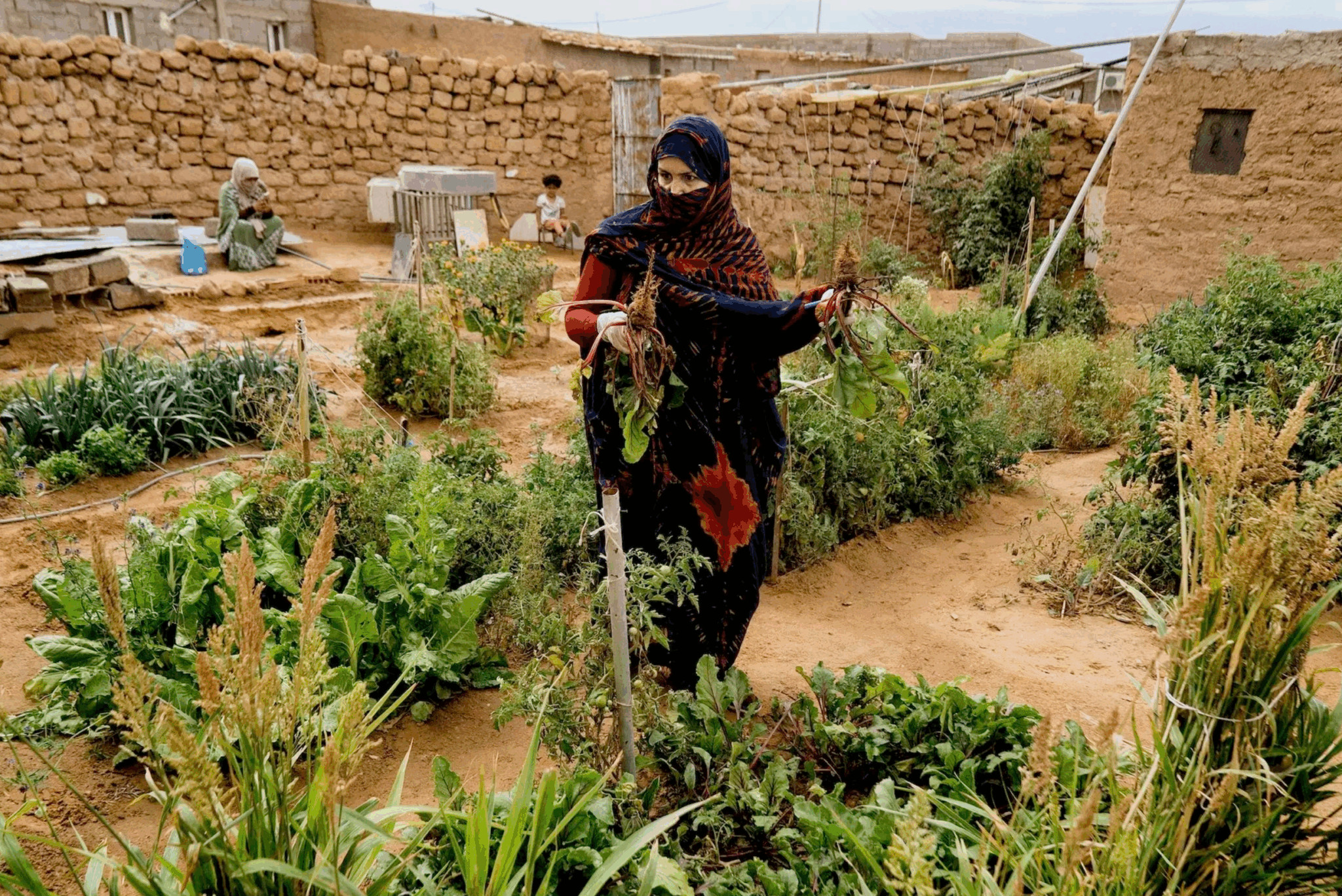
In Western Sahara, a small green revolution is being led by women in the harshest of conditions. Their goal: to build a network of gardens in the desert.

Extreme weather and climate events have severely affected the two largest coffee producers on the planet, Brazil and Vietnam. Here’s how climate change is fueling the surge in prices.
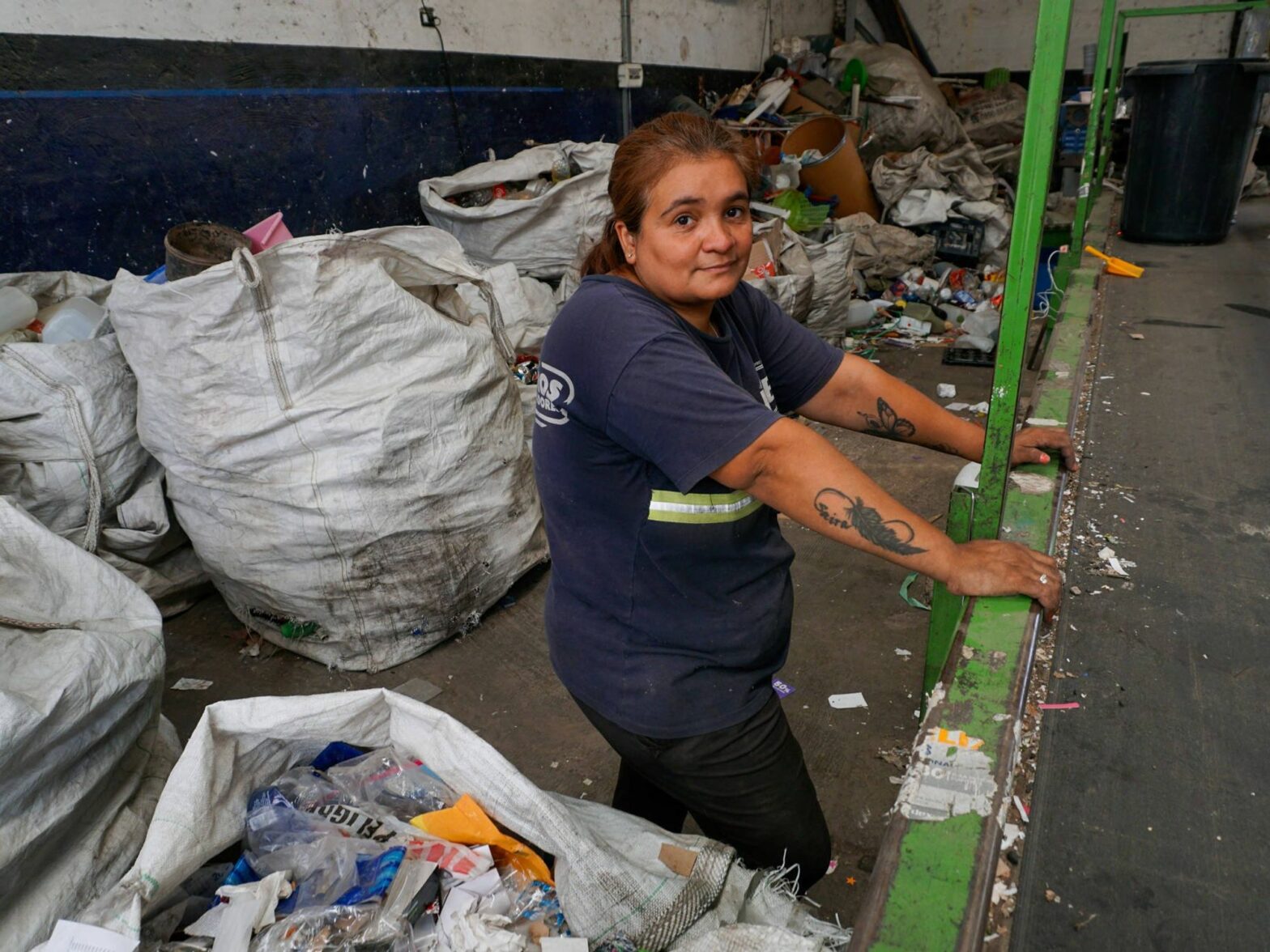
Argentina’s informal recycling network, once a lifeline for thousands, is unraveling as falling prices and new policies make waste-picking unsustainable.

Increasingly widespread across France, these alternative currencies are emerging as a new tool for promoting short supply chains, local economies and ecological transition.
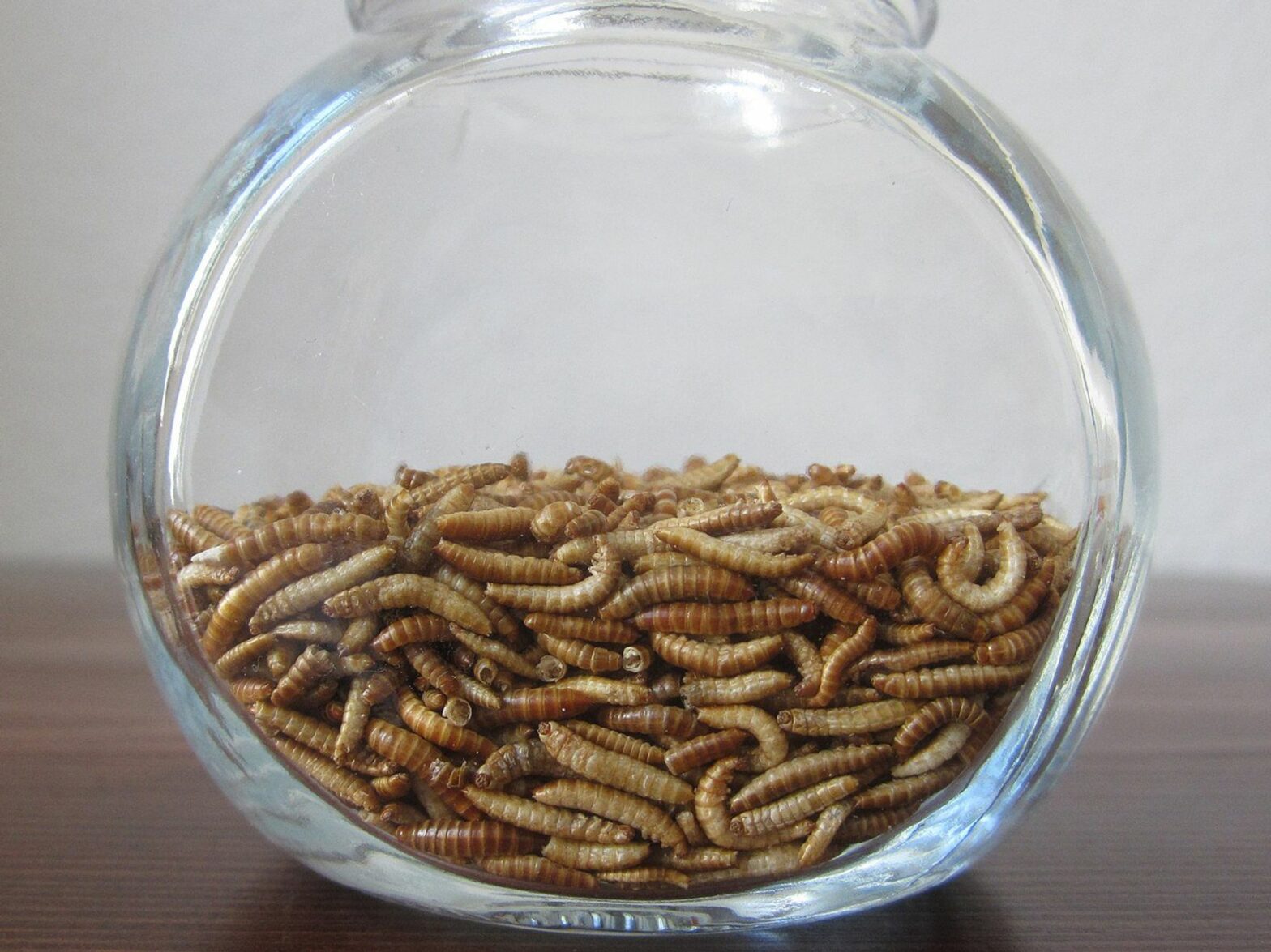
Scientists in Nairobi have discovered that the larvae of the Kenyan lesser mealworm are capable of consuming polystyrene and now hope to create new tools that help get rid of plastic waste faster and more efficiently.
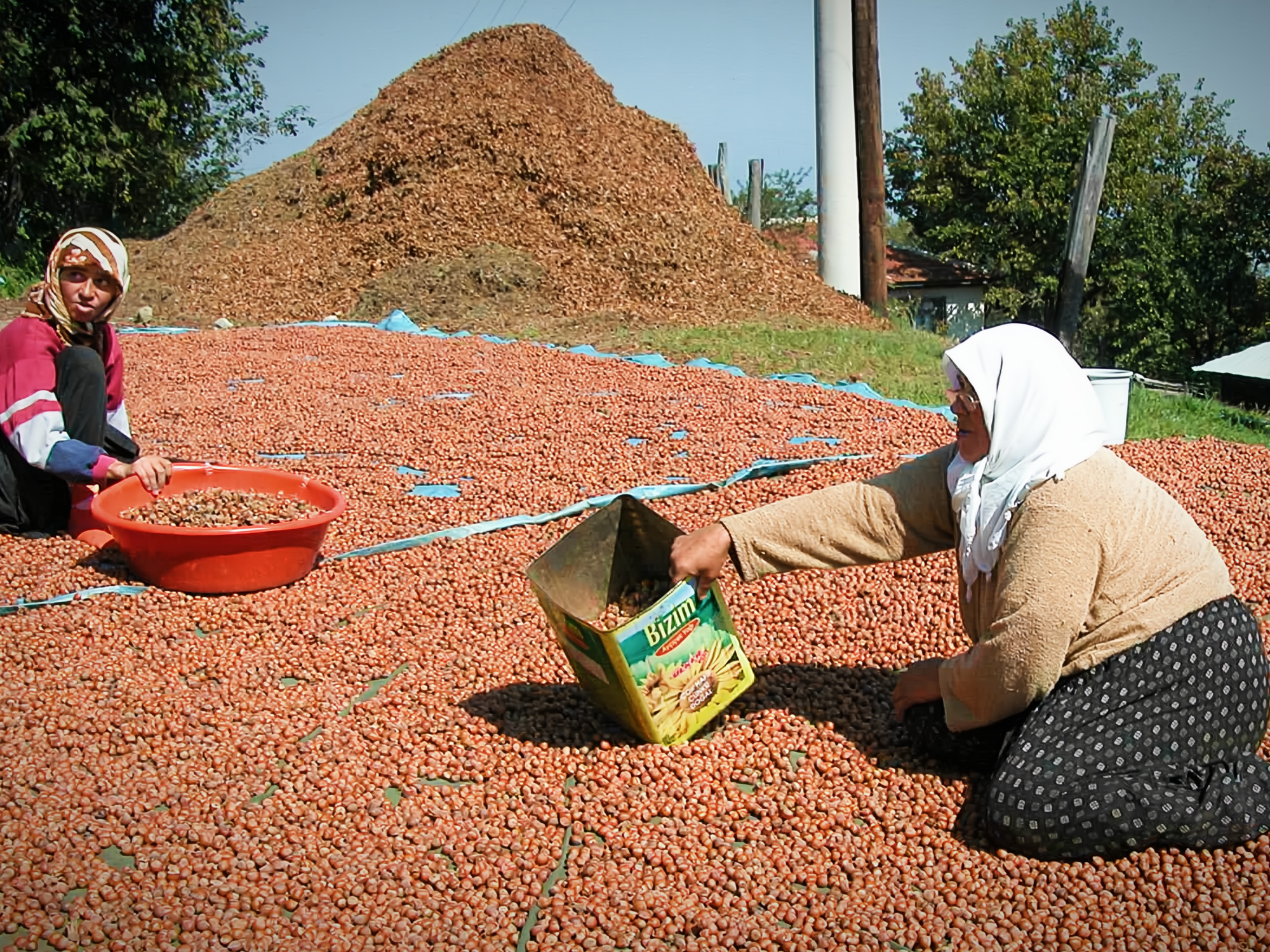
Turkey is the top world producer of hazelnuts. Yet, very little trickles down to its producers, and to Turkey in general. One Italian company, in particular, reaps the rewards of its harvest.
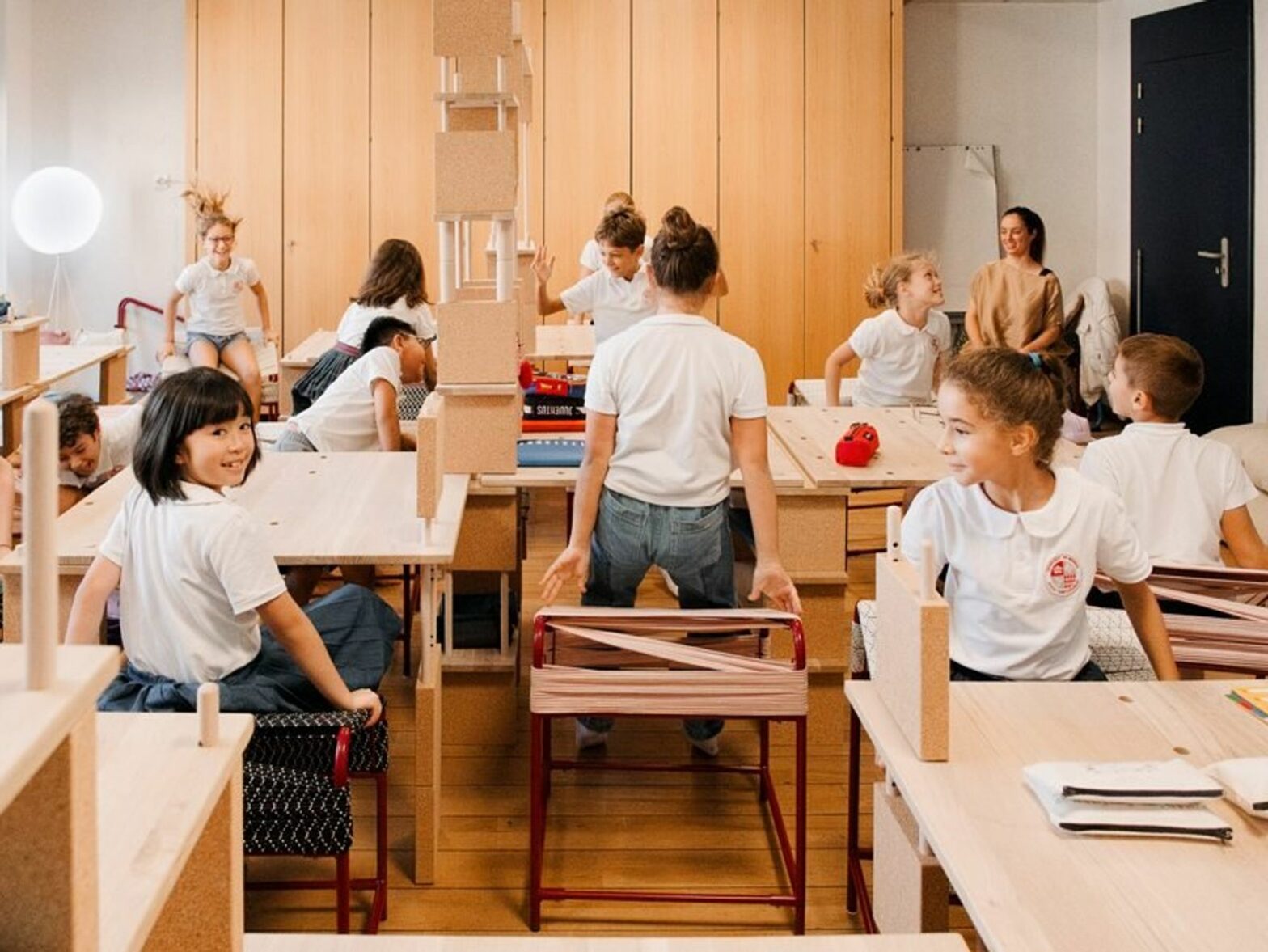
Students at the Saint-Charles school in Monaco are starting their school year in a classroom created by French designer Stéphanie Marin. Today, rethinking school furniture to reflect current teaching methods and respond to ecological challenges has become necessary — and designers are not short on ideas.

Mexico is already suffering the effects of the climate emergency. And president-elect Claudia Sheinbaum — a climate scientist and former environmentalist — will have to choose between taking her predecessor’s fossil route and a harder but more sustainable path.
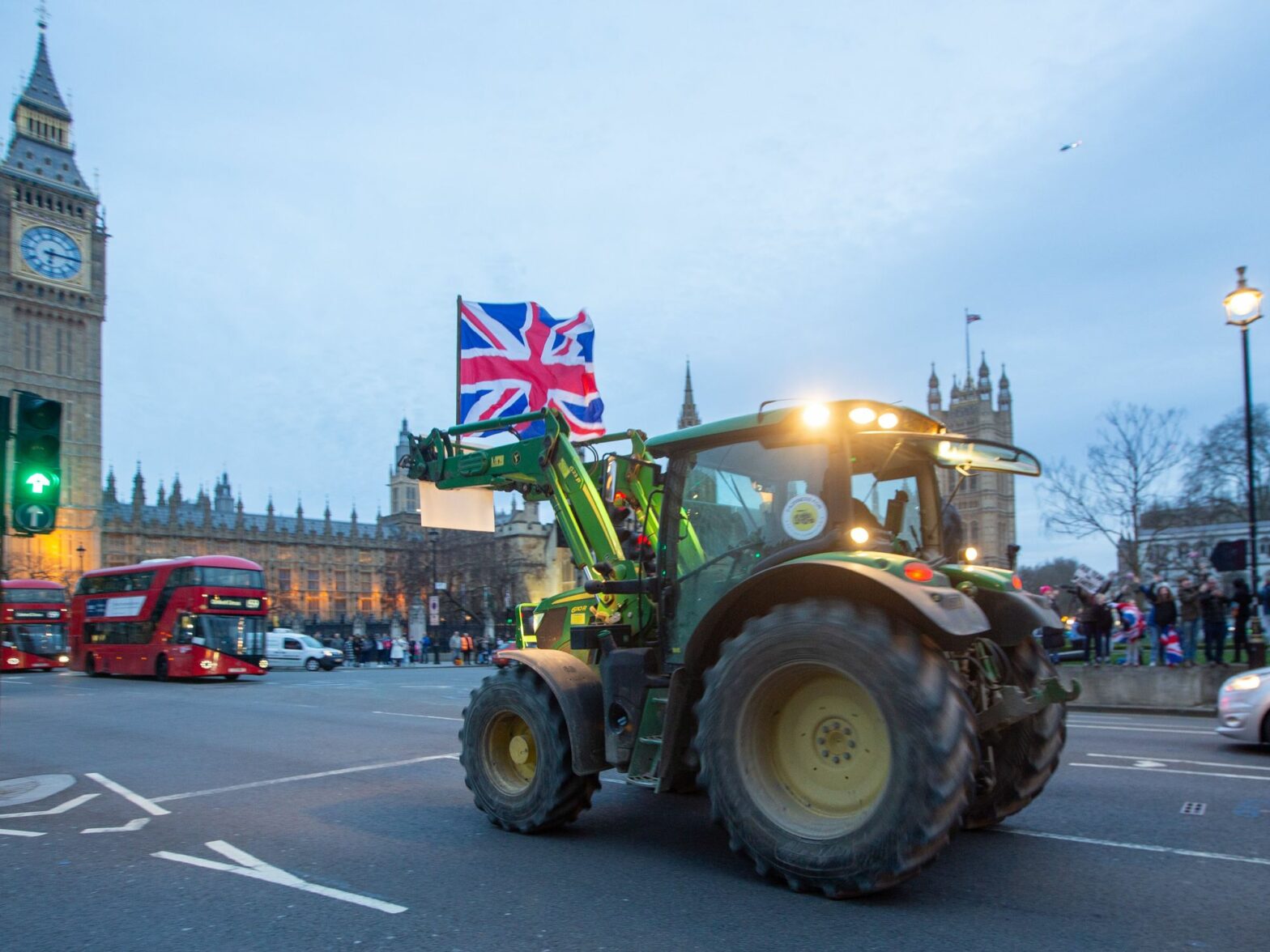
The UK government wants its farming sector to transition to a more sustainable model. But farmers fear the complex post-Brexit agricultural policy and lack of EU subsidies are threatening their livelihood.
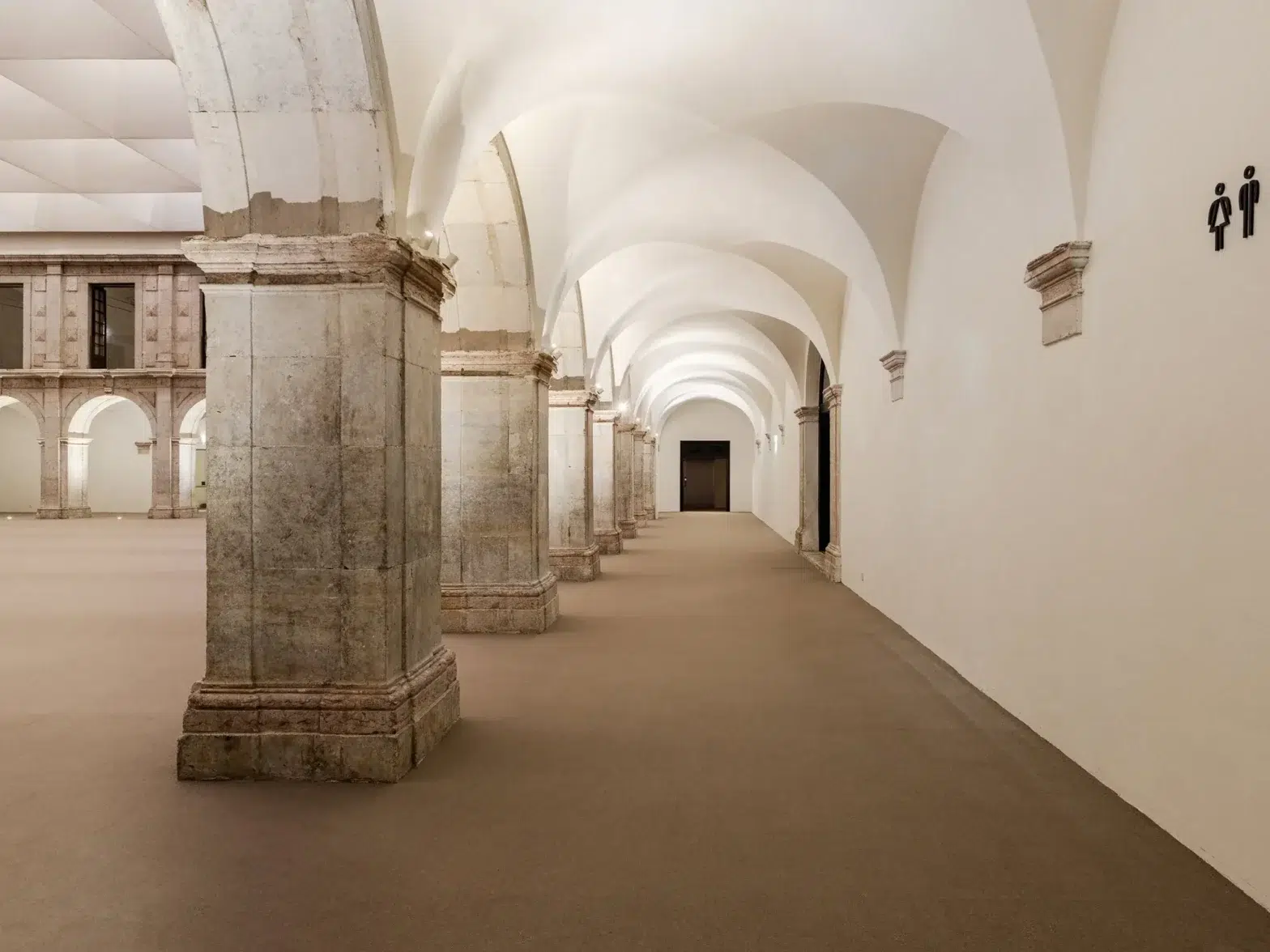
Throughout the ages, convents have been adapted and transformed to fulfil the needs of growing cities such as Portugal’s capital city Lisbon. Now more than ever, with an ongoing housing crisis, researchers, politicians and developers are looking at convents to be transformed into housing solutions.
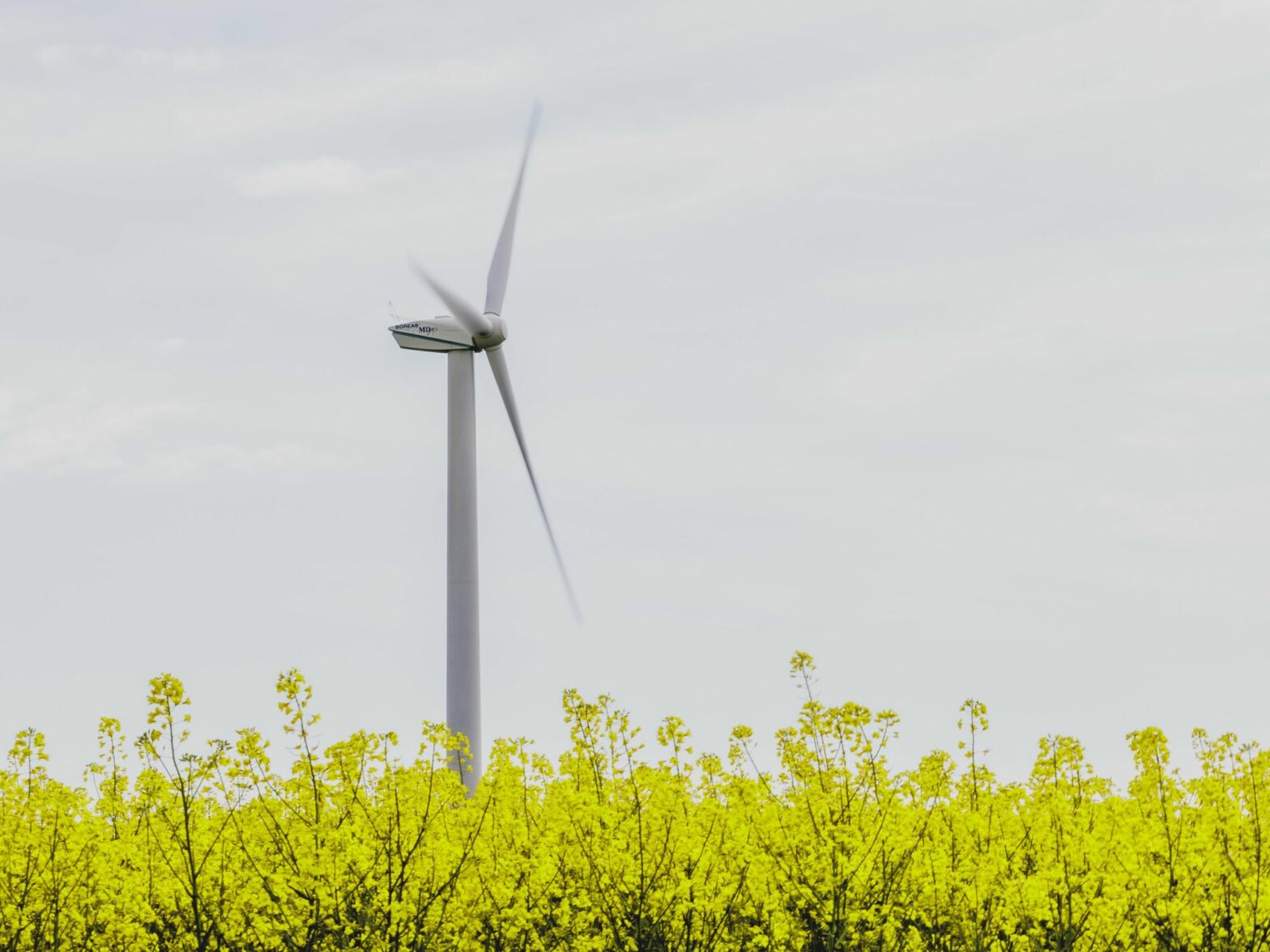
Scholars are increasingly pointing to ways that an overwhelming focus on emissions reduction — what has become known as carbon tunnel vision — can get in the way of holistically addressing the many sources of environmental decay.
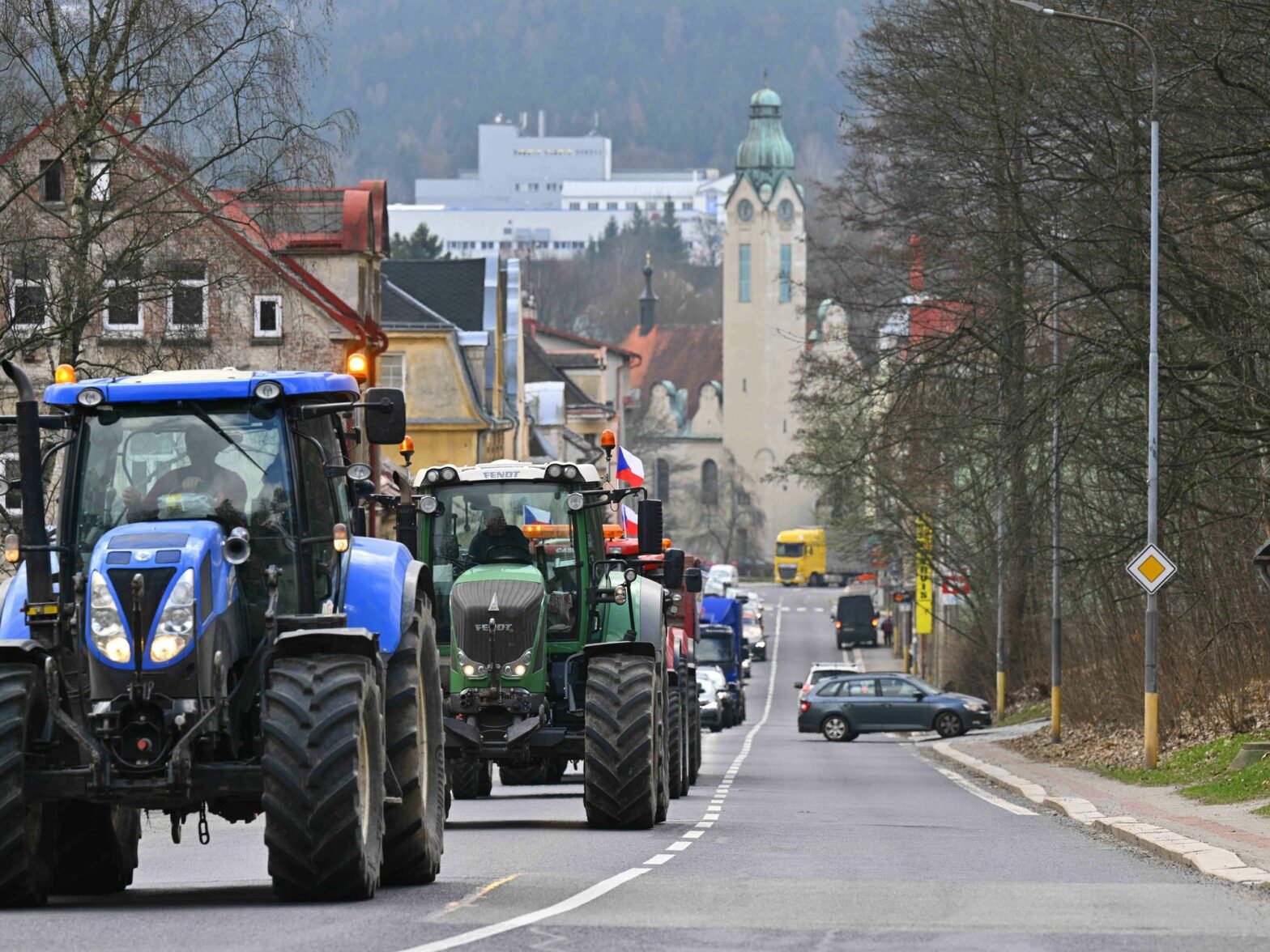
The industrial revolution, which was also agricultural, allowed humanity to escape the “nutritional trap.” Now, agriculture is facing new challenges: income and ecological traps.
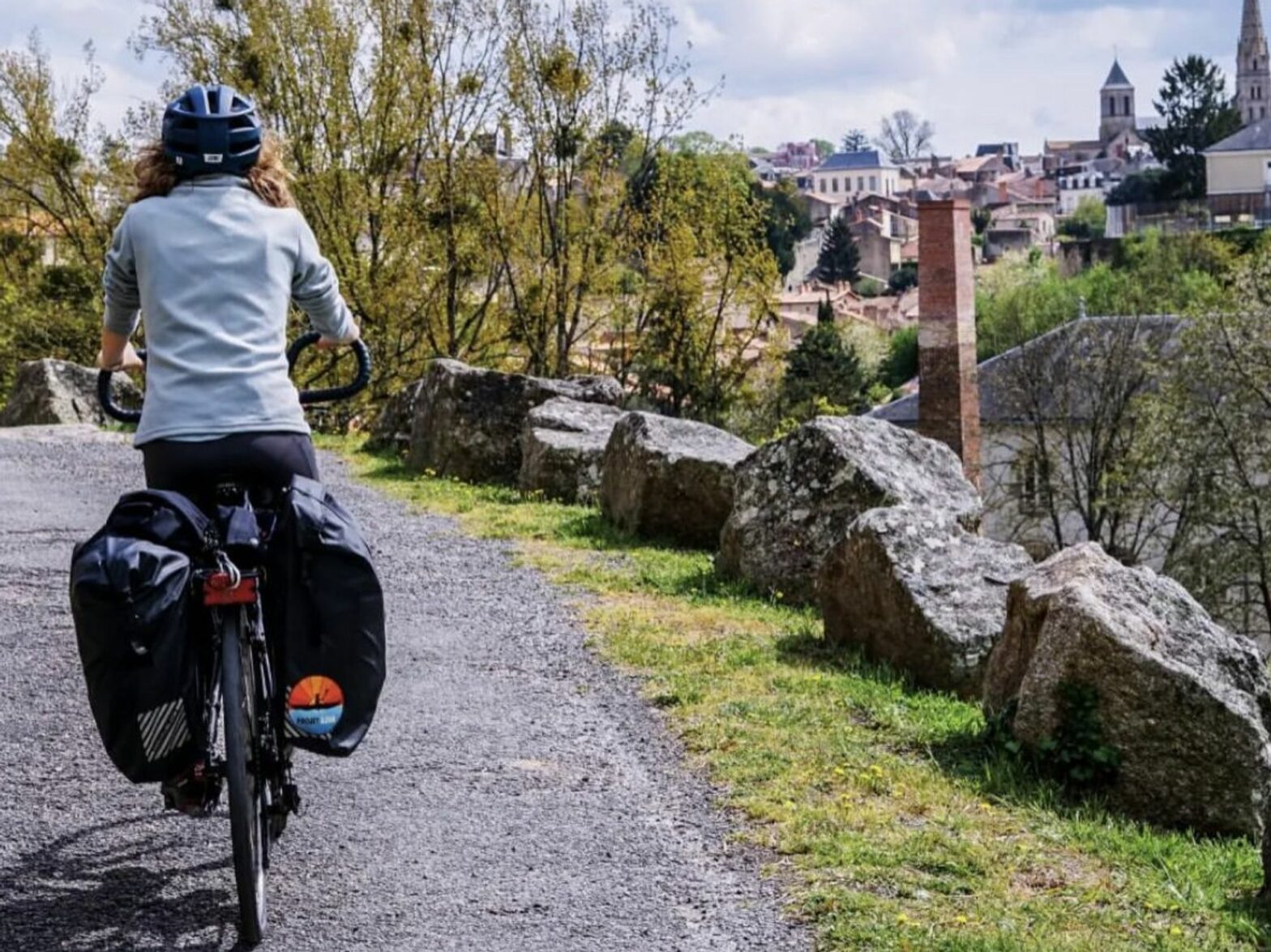
The climate crisis could provide an opportunity to invent a new way of discovering the world that is more local and sustainable.
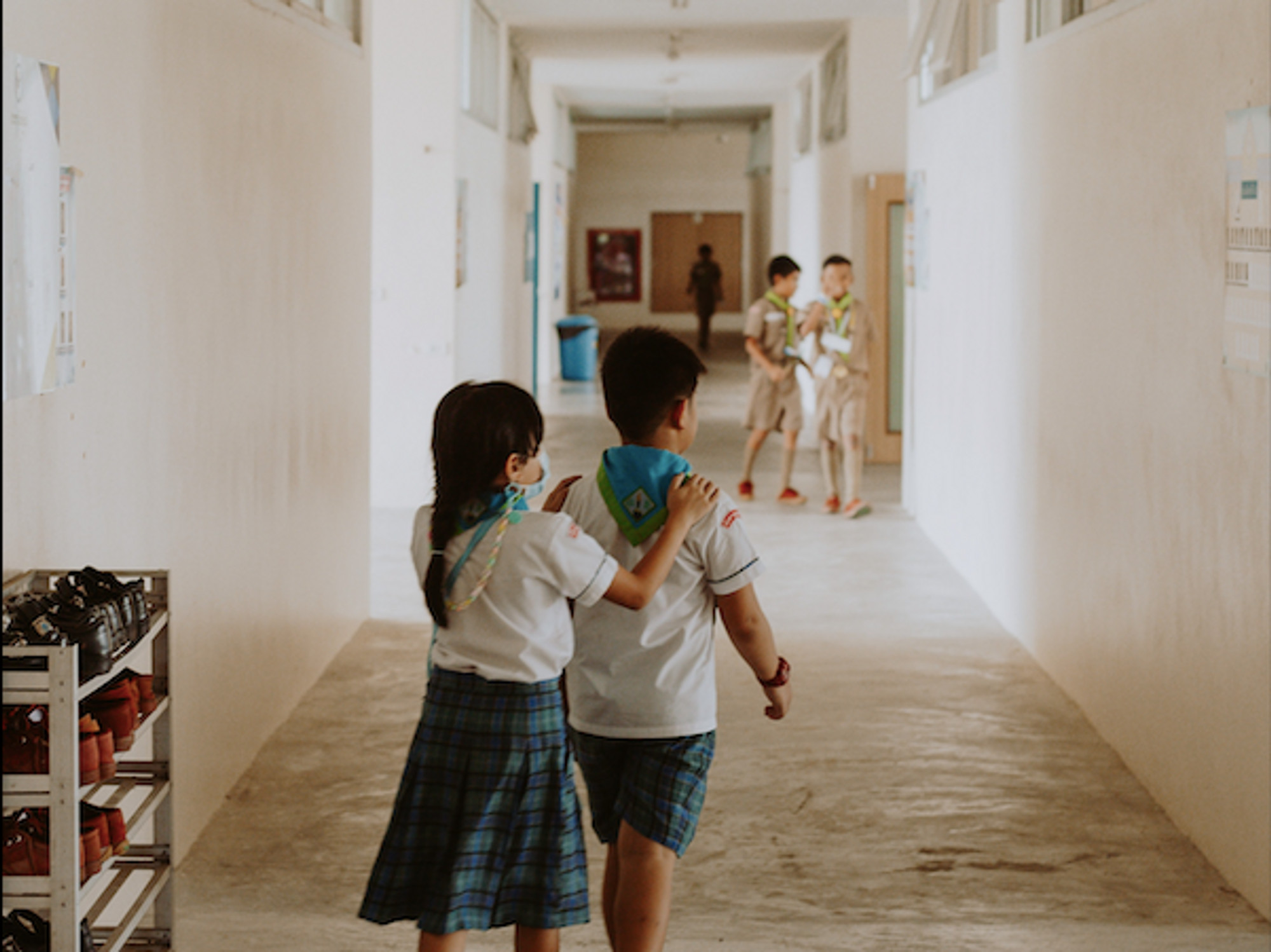
For decades, countries like Germany have resisted implementing school uniforms. But dress codes in schools are not just for the elite. They can help reduce social stigma for students living in poverty, as well as helping fight the climate crisis.
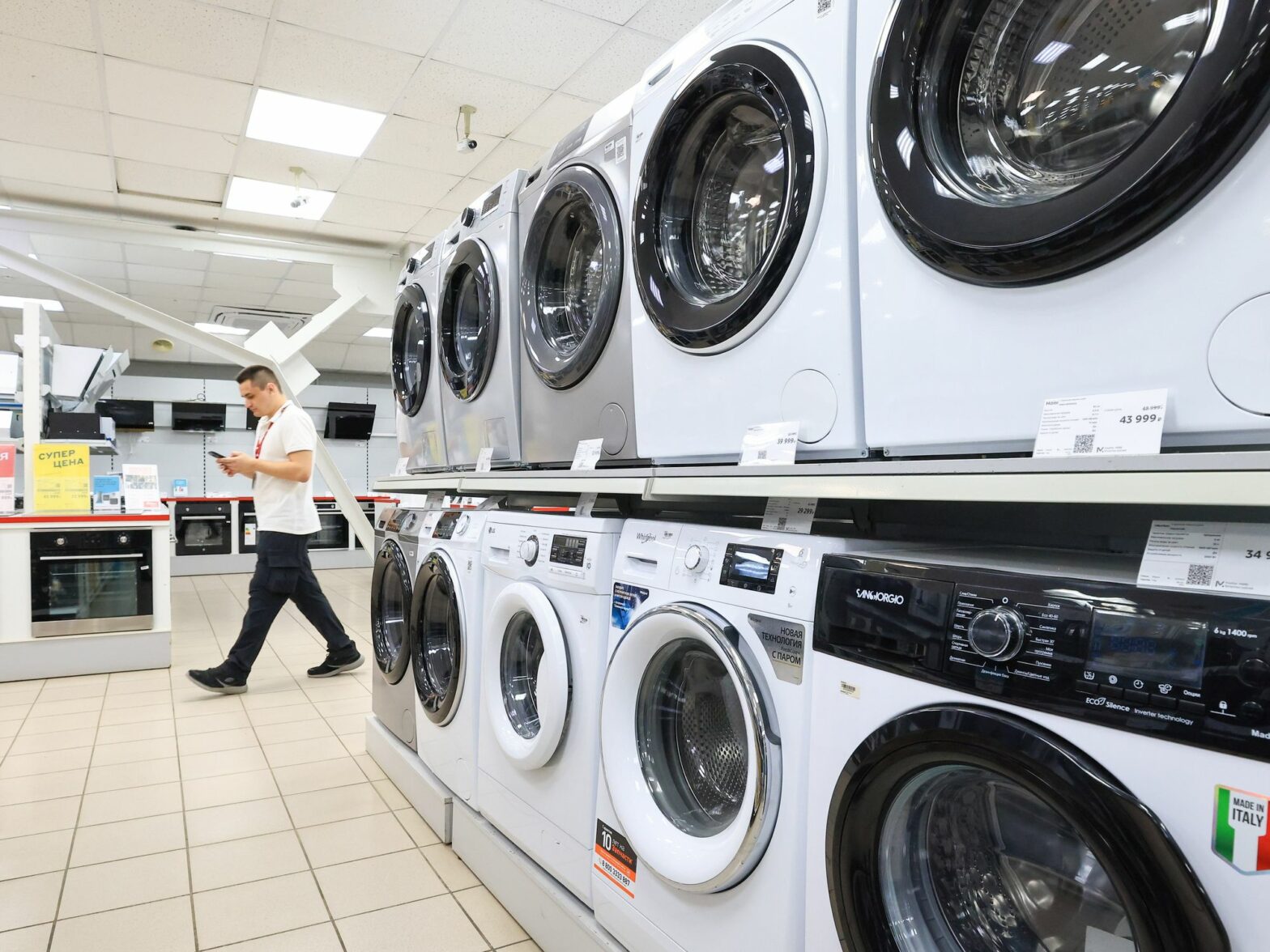
In the short term, a fall in consumption of material objects would be an economic and social catastrophe. In the long term, it is necessary.
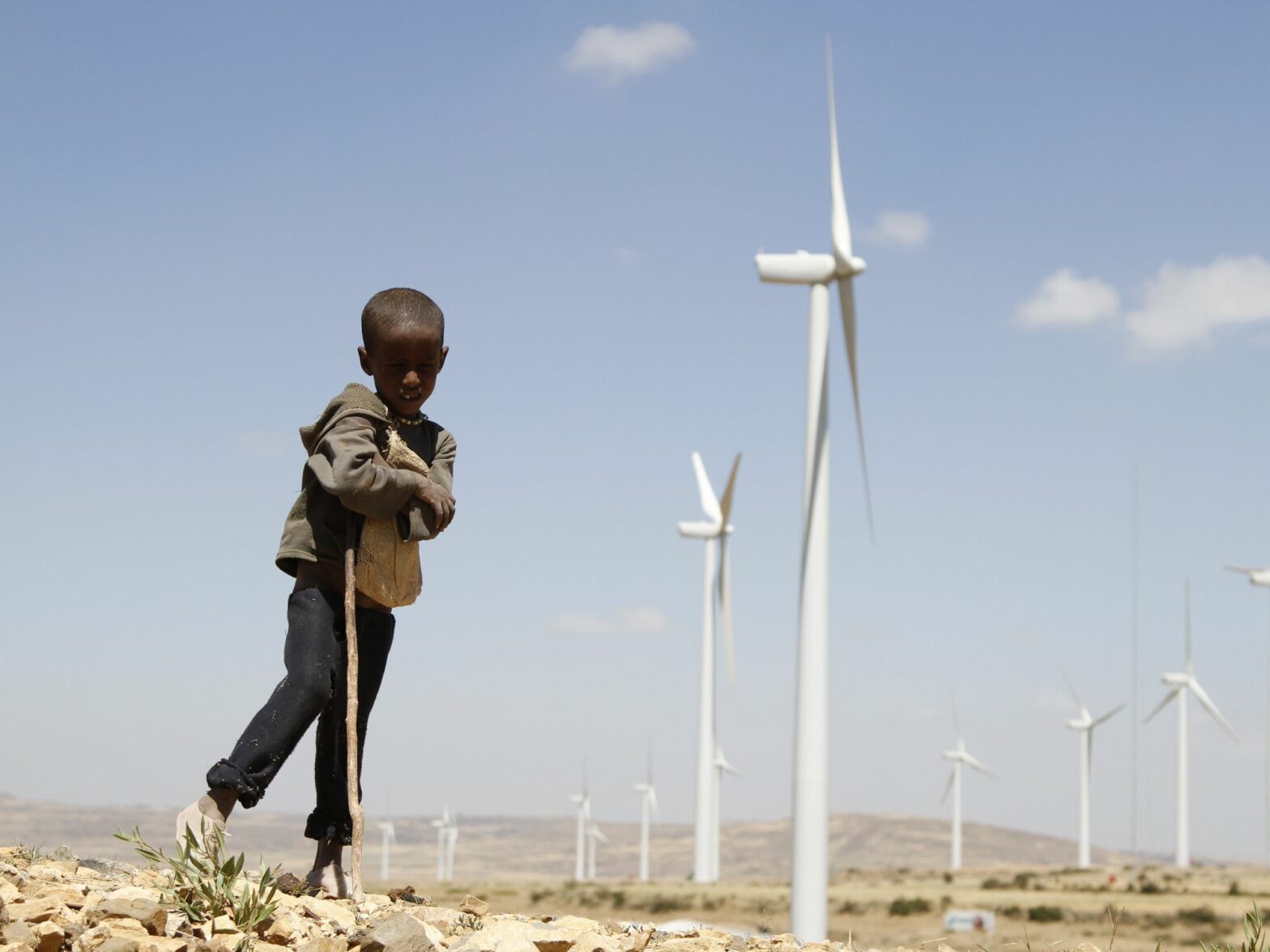
Africa faces a complex choice: entirely eliminate fossil fuels and risk slowing down development, or alter the energy mix and maintain a balance between the environment and the economy.
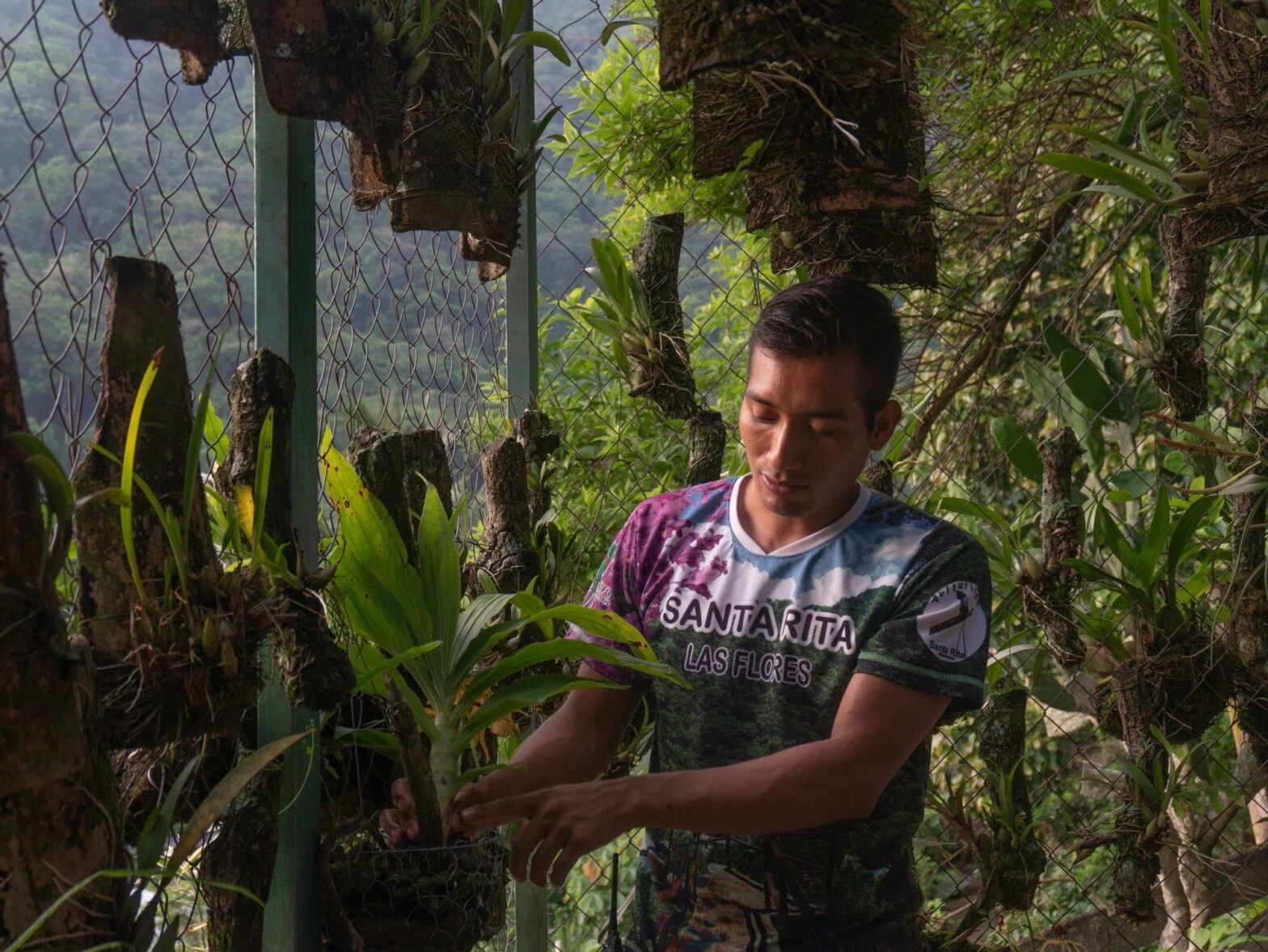
An orchid rehabilitation project is turning a small Mexican community into a tourist magnet — and attracting far-flung locals back to their hometown.
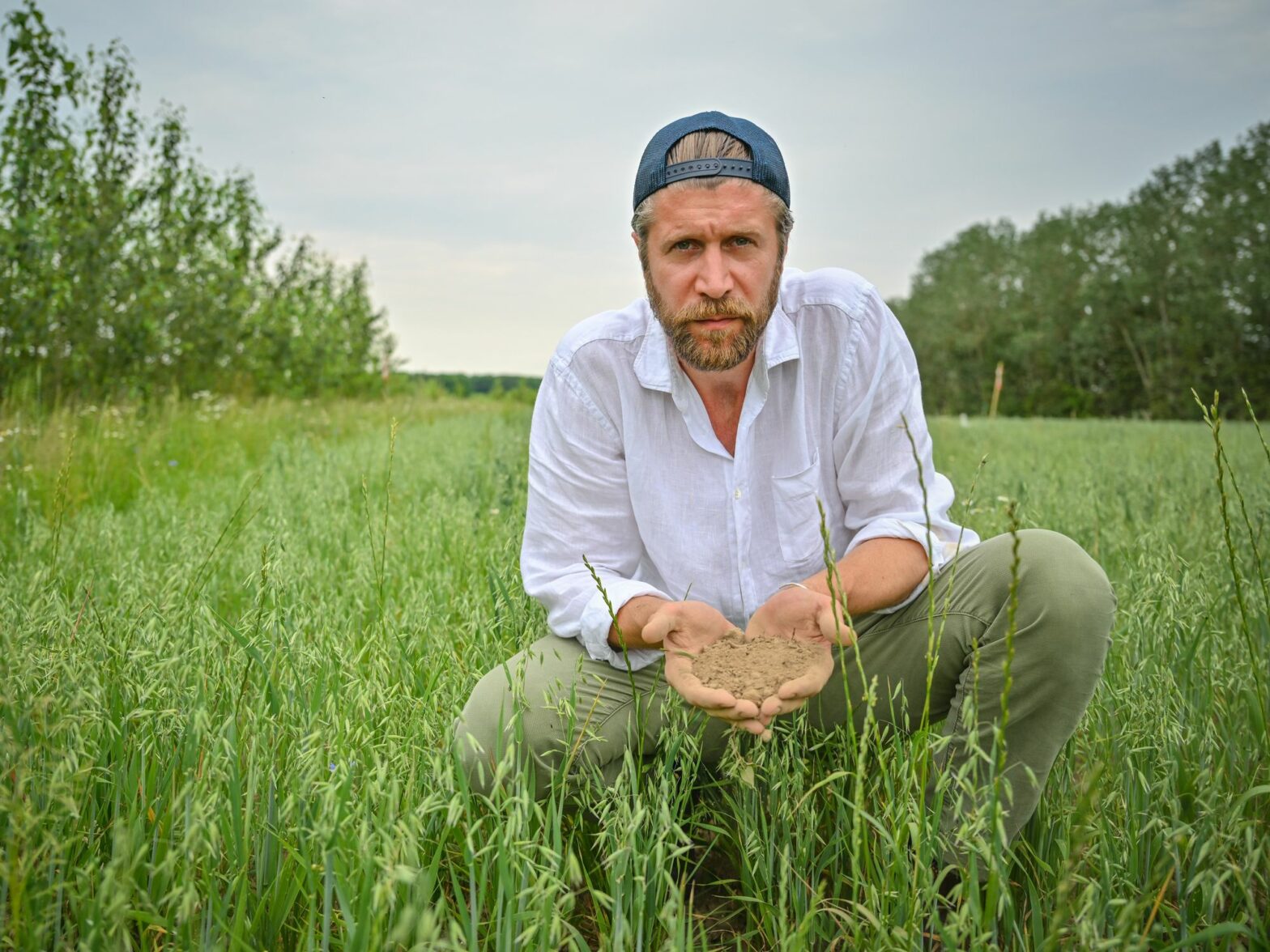
Dry soil, hardly any rain — this summer’s drought is making life difficult for farmers. In one of the driest regions in Germany, environmentally friendly farmer Benedikt Bösel is turning his fields into a laboratory, experimenting with an exciting new approach.
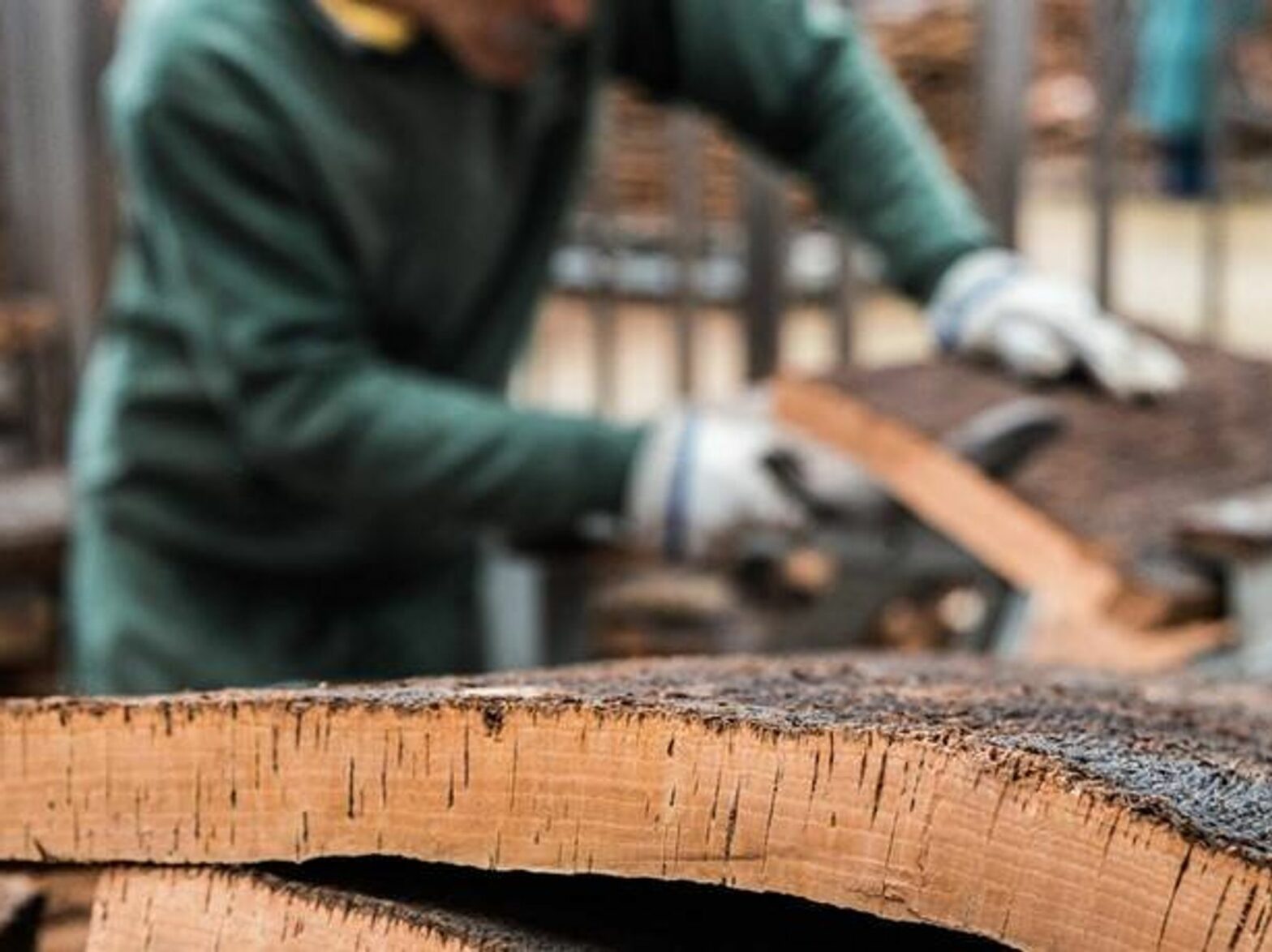
In the hands of the same family since 1870, the world’s largest producer of corks almost disappeared in the early 2000s. Today, this gem of Portuguese industry has not only reconquered its historic market, but has made cork the darling of many other sectors.
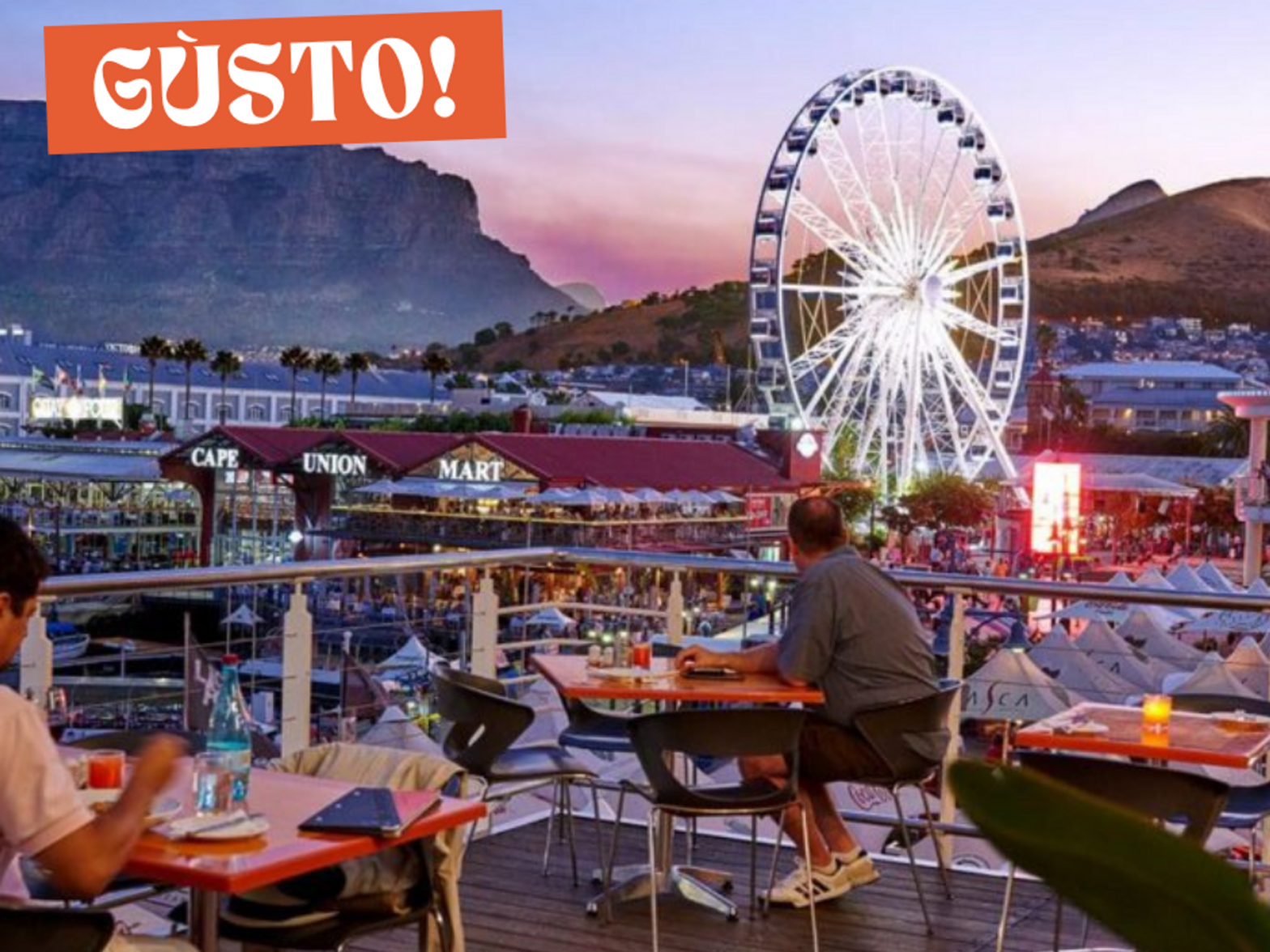
The best tables near Table Mountain!

With the rise of influencers has come a sub-category: deinfluencers, who tell their followers what NOT to buy instead of promoting products in an effort to reduce wasteful consumption.
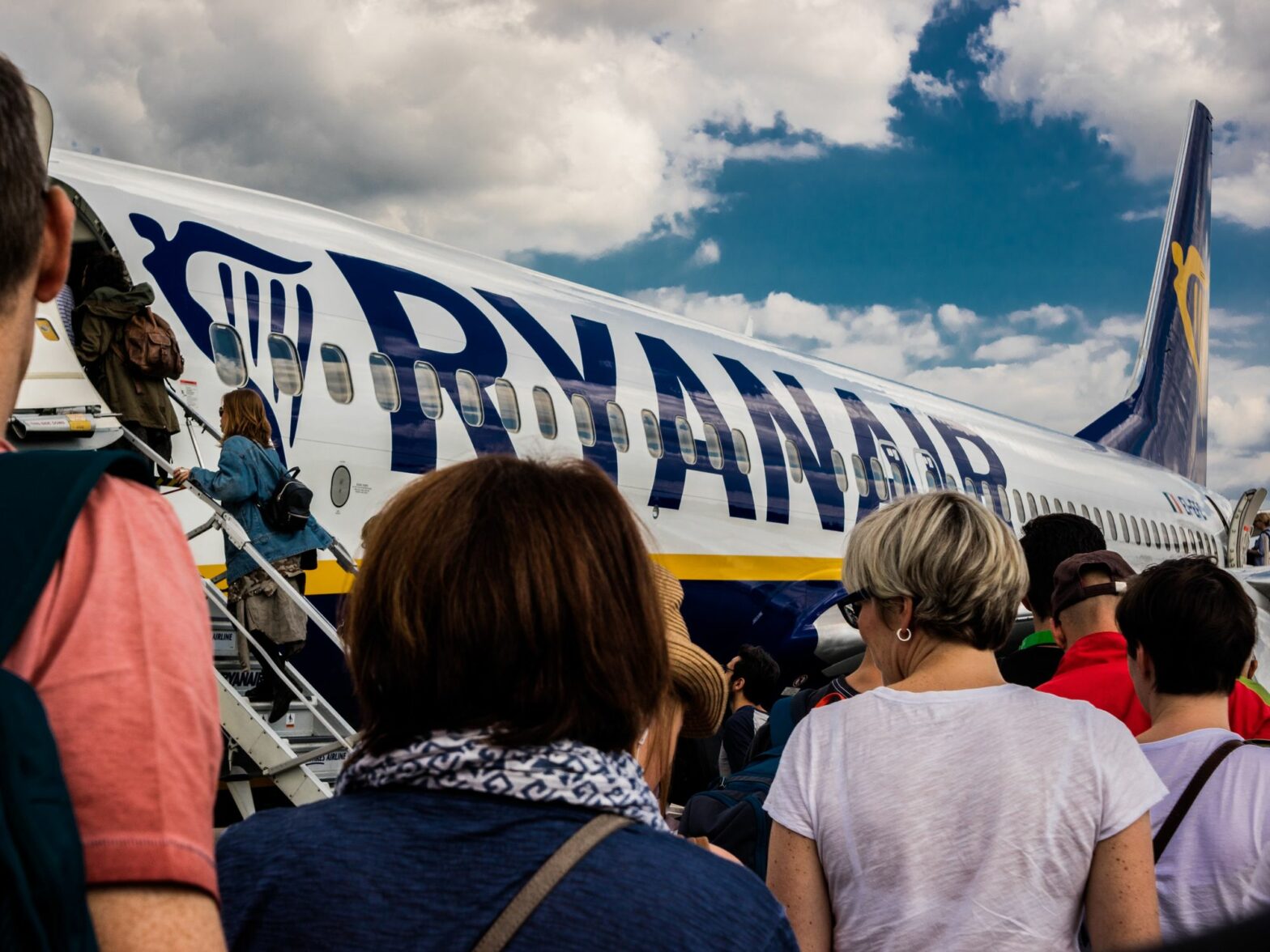
With the Ukrainian war, rising energy prices and the scarcity of personnel, airplane prices are up by 30-50%. But there is something more structural that could bring a definitive end to low-cost options like RyanAir and EasyJet, but also putting the entire industry’s market model into doubt.

Bologna is the first major Italian city to join the city30 initiative, taking on a model that limits the speed of cars in cities to 30 kilometers-per-hour (18.6 mph) and aims to return road space to pedestrians and cyclists.
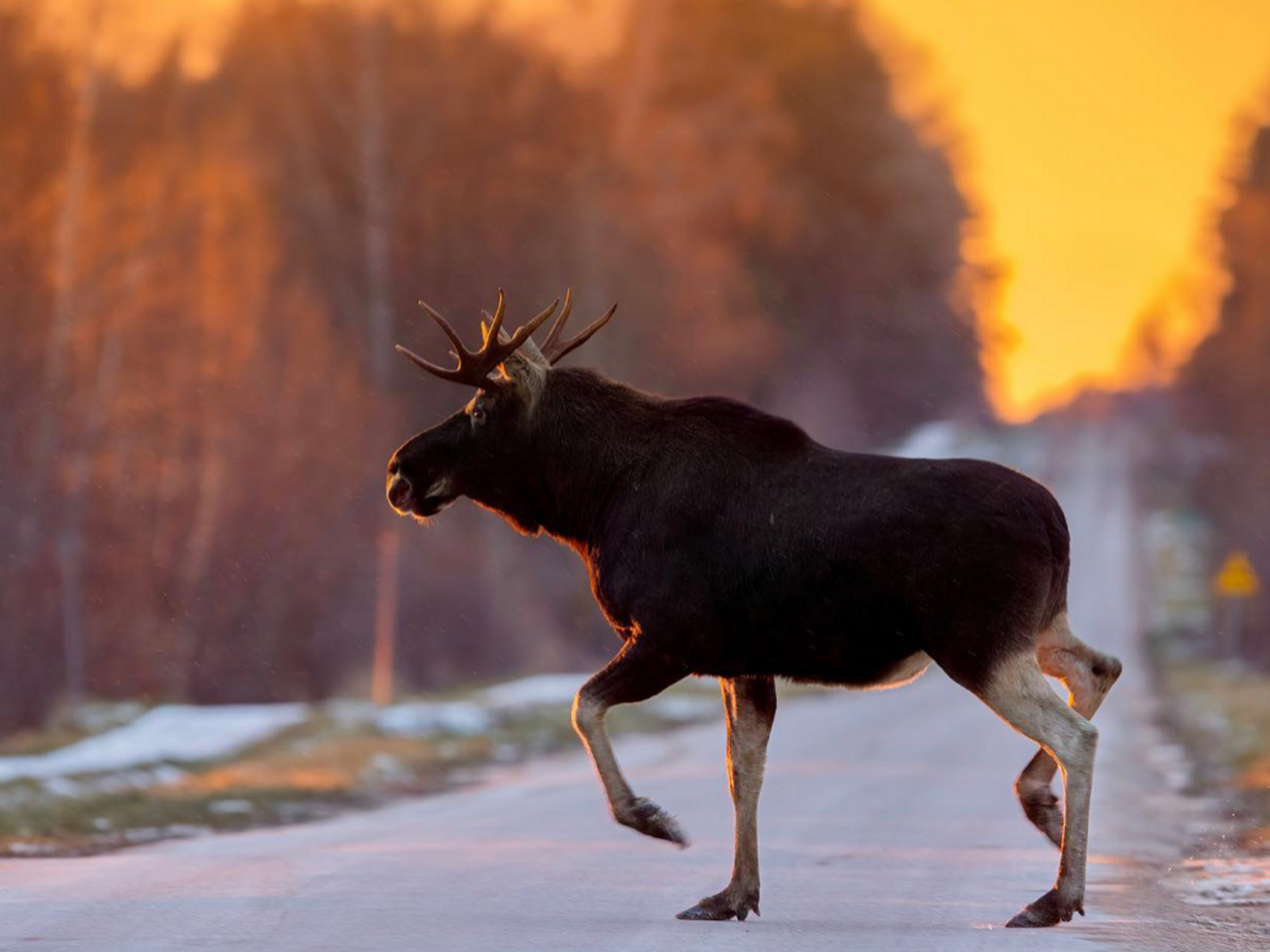
Wild moose have been spotted on Polish beaches and even near cities. They’re a rare example of successful conservation efforts, but they’re increasingly coming into contact with people.
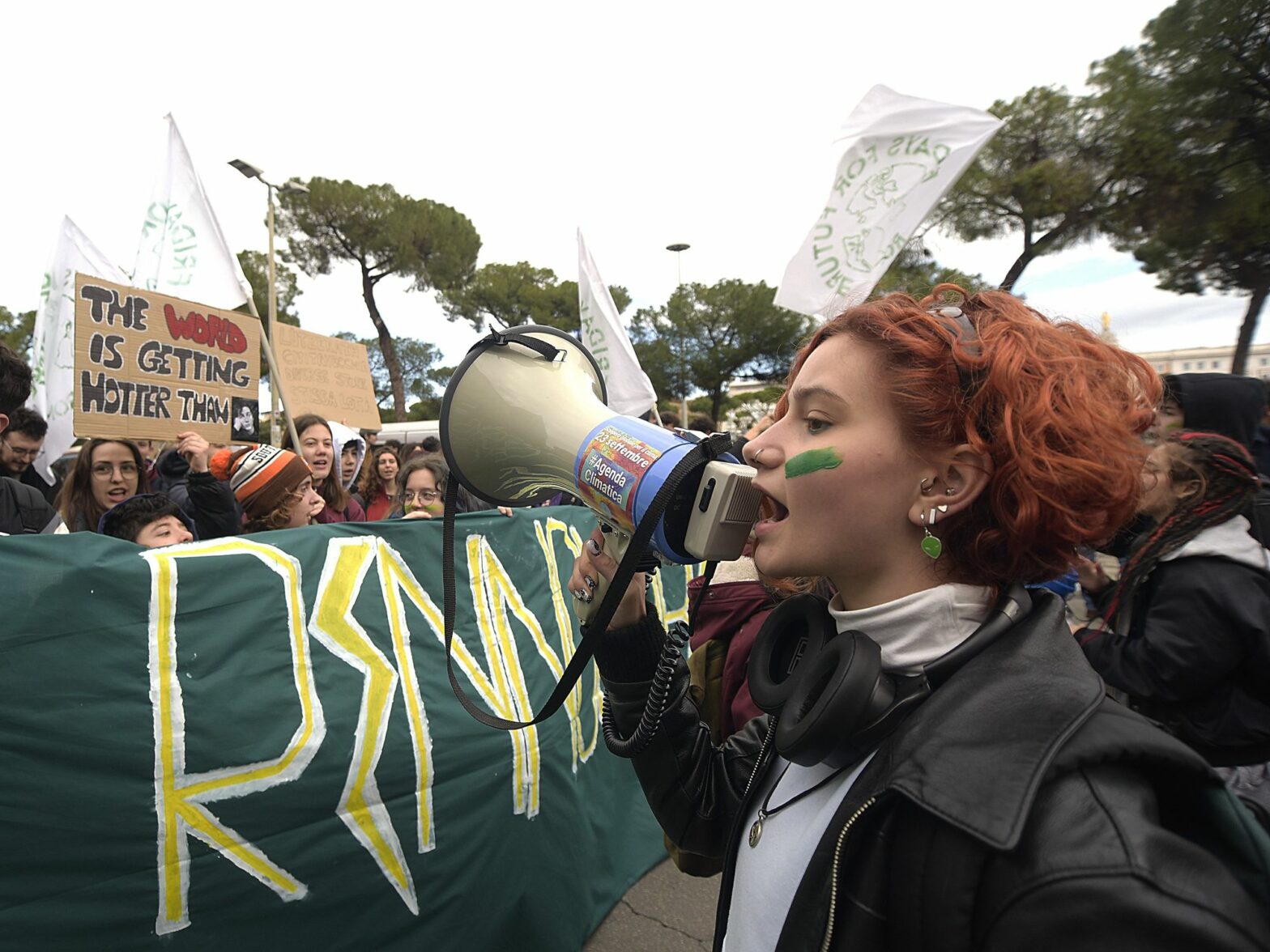
Climate quitting is a lasting residue of the larger mass resignation since the pandemic. The phenomenon mostly involves young people who change or quit their jobs if they consider it harmful to the planet.
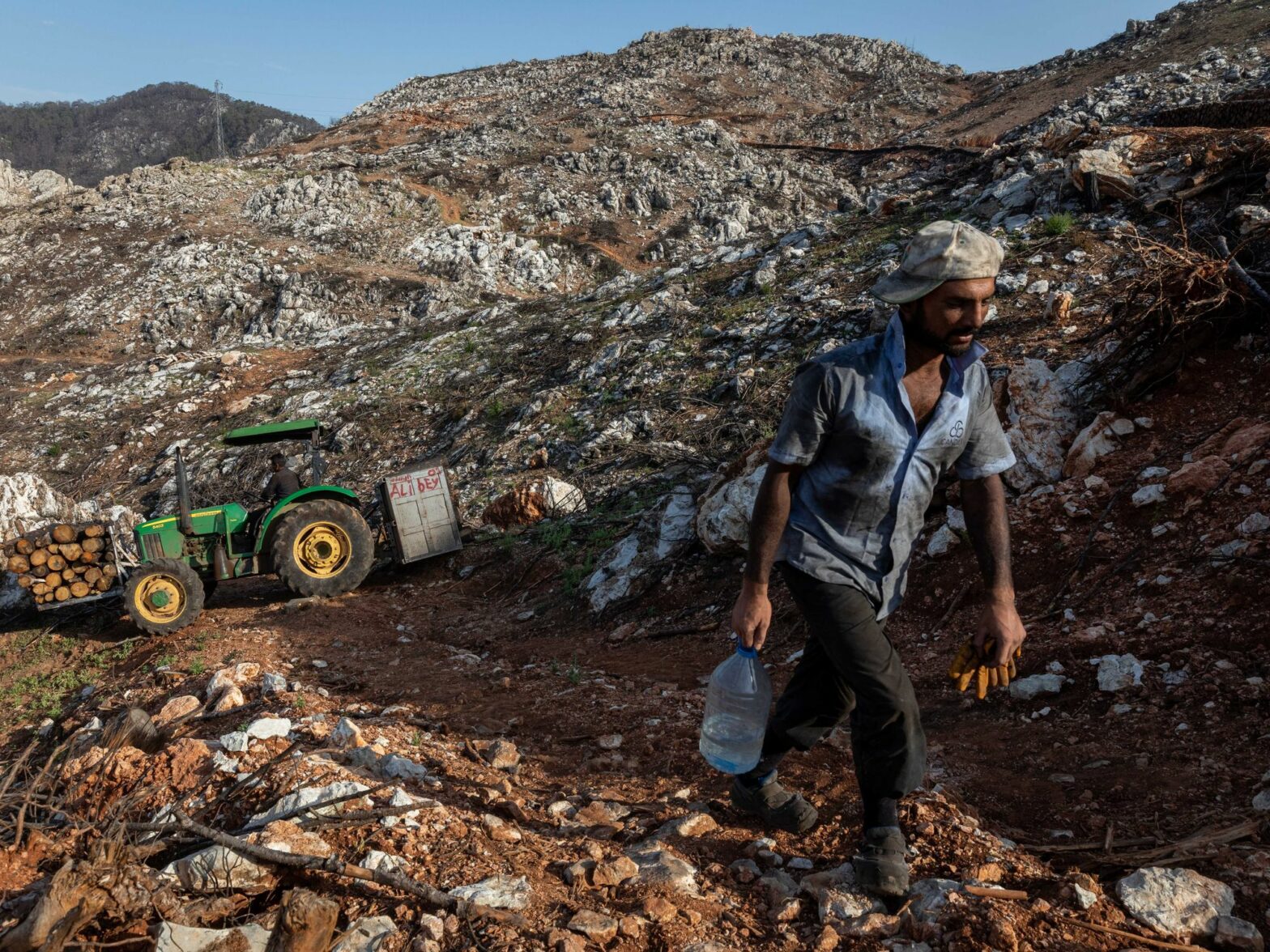
Election day is approaching in Turkey. Unemployment, runaway inflation and eroding rule of law are top of mind for many. But one subject isn’t getting the attention it deserves: the environment.
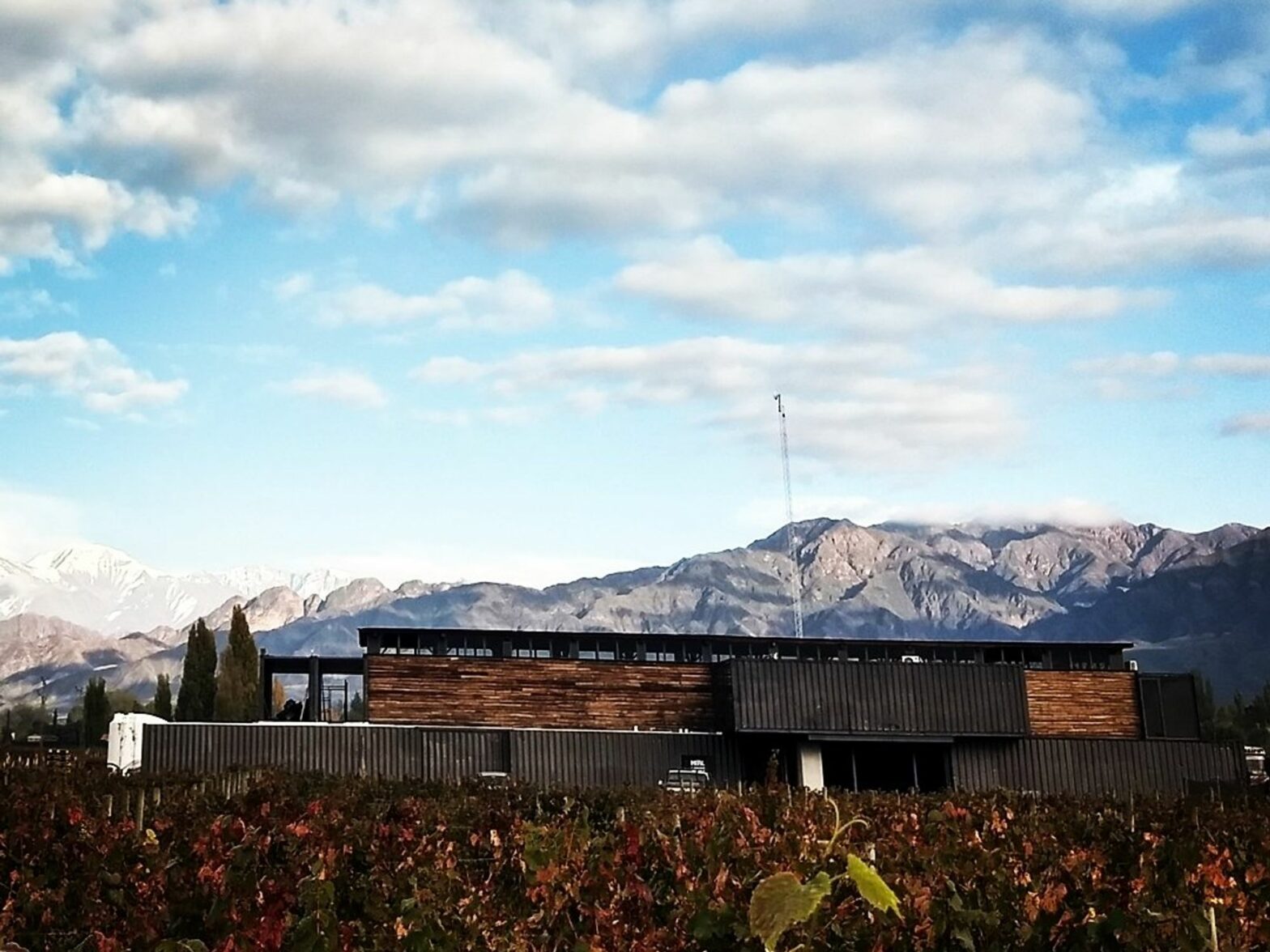
Architects in Mendoza, western Argentina, have used hundreds of tons of recycled building material, shipping containers and discarded decorations to create an otherwise high-tech winery.
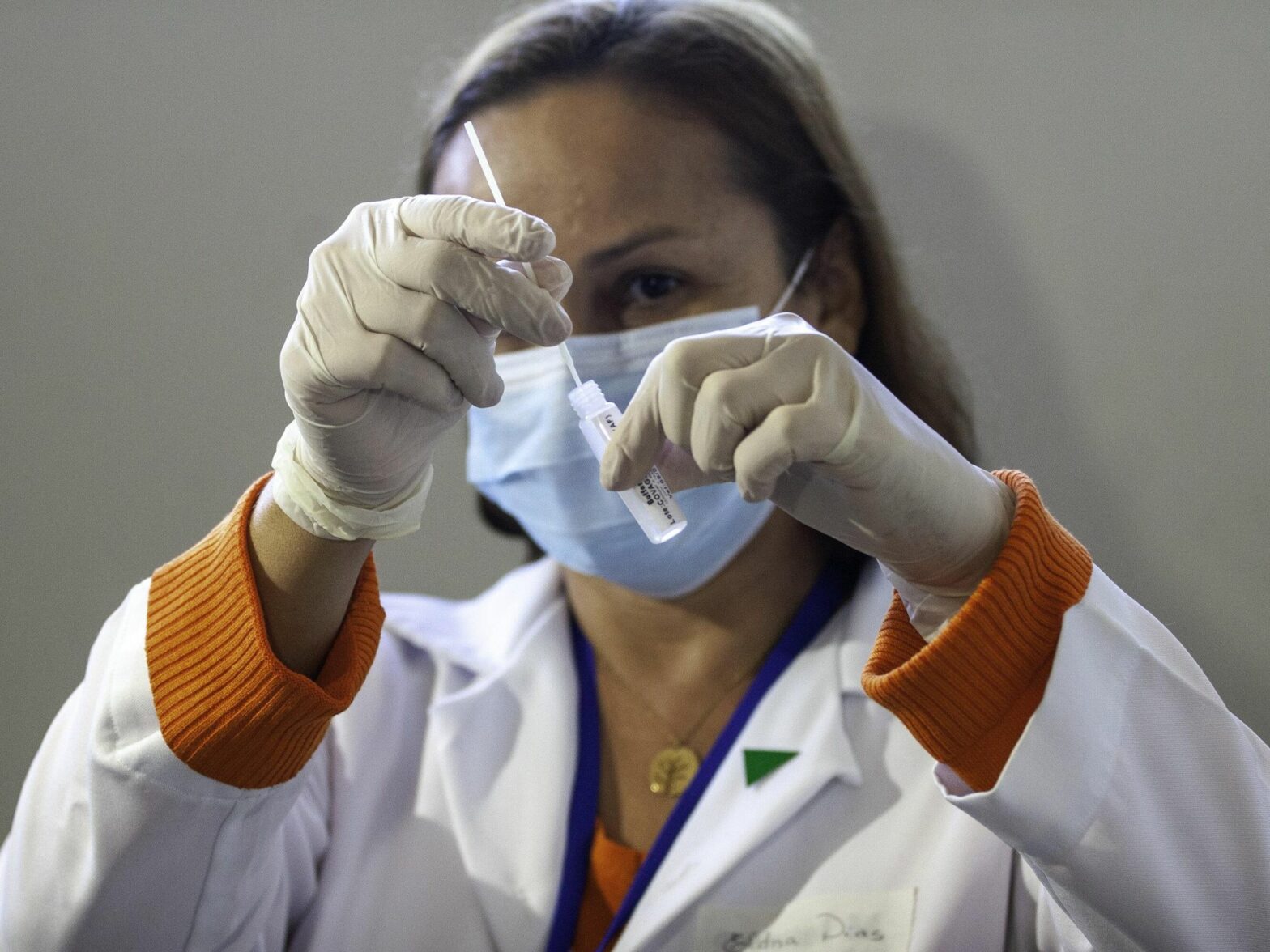
More than a decade ago, with the economy growing and political capital committed to public research and development, Brazil was the poster child for investing in the future. It was all bound to drop out quickly once the winds changed.
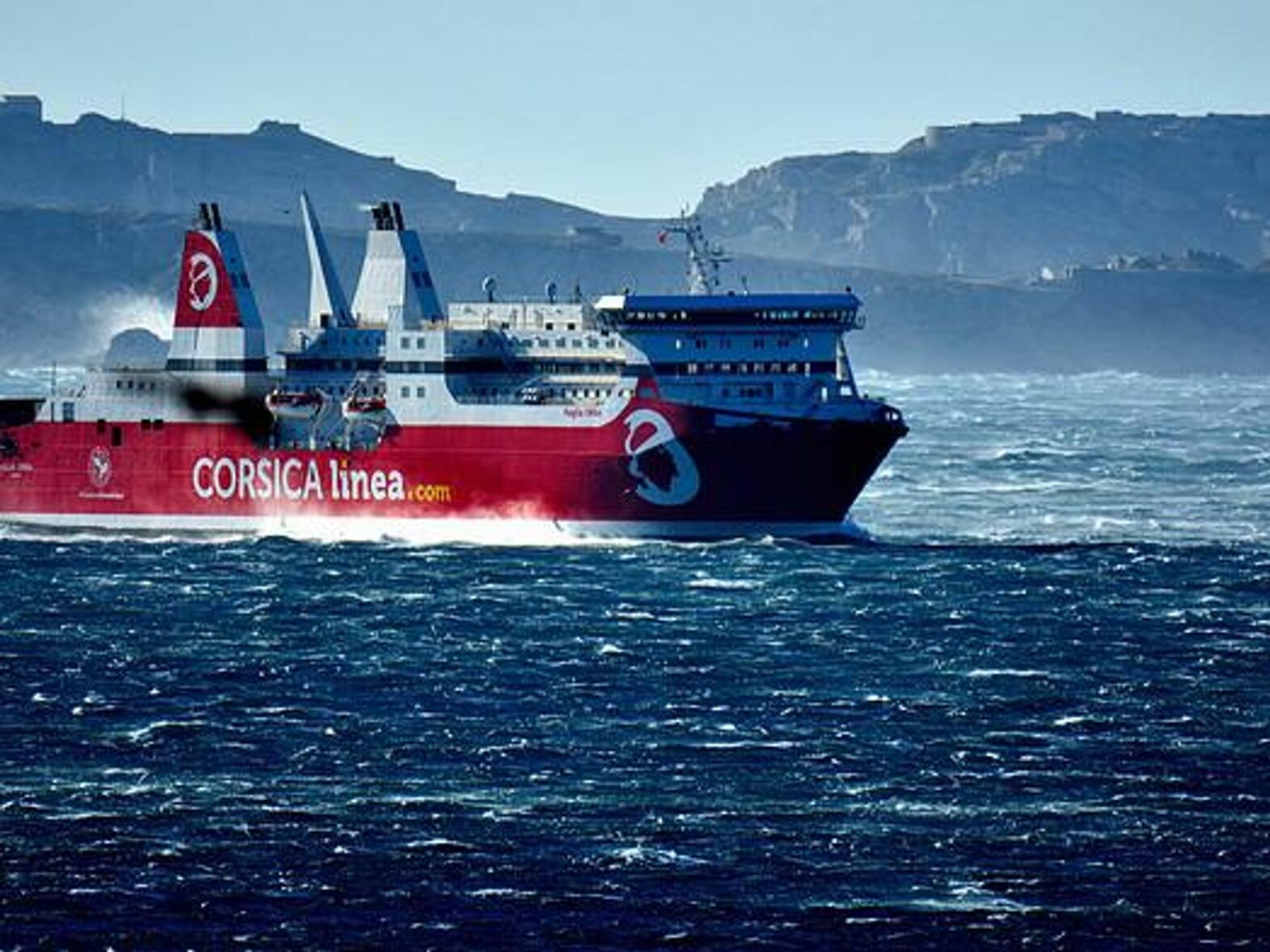
Mass tourism developed by taking advantage of cheap and abundant energy. But those days are over and we are all going to have to reinvent how we holiday. But as I found out, that is no easy task.
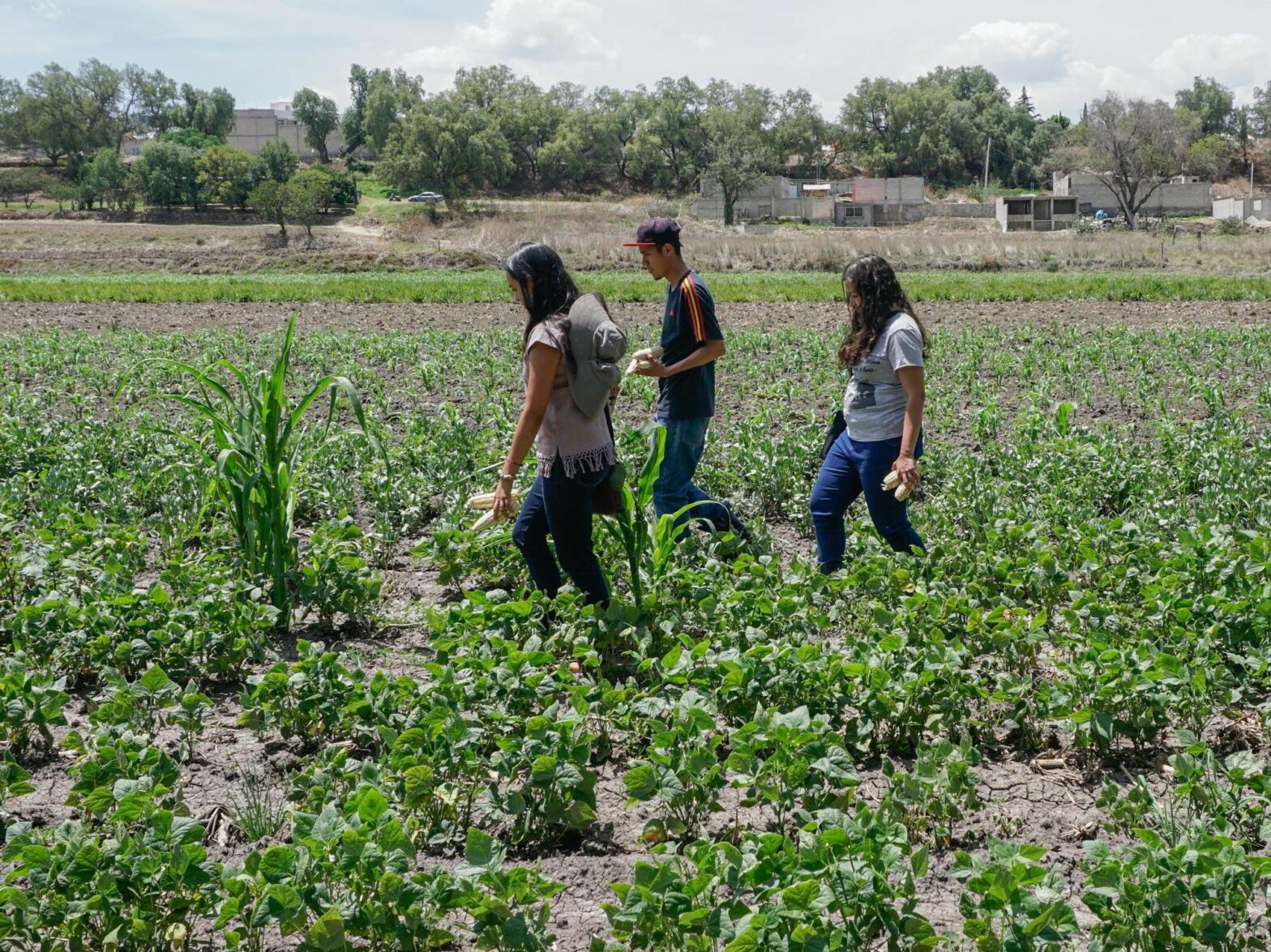
When the pandemic disrupted livelihoods and supply chains, young urban Mexicans decided to learn to grow food themselves.

Frenzy has replaced frustration, and some have dubbed it “revenge travel.” But far away or nearby, people want to move, move, move…to travel! Beyond the ridiculous moniker, “revenge travel,” this never-before-seen rush may bring on lasting changes for tourism.

In an area the size of Singapore, Egypt is building its new capital. Constructed under the close control of the military and the head of state, the city embodies the grand ambitions of an increasingly autocratic president. But will it turn out to be a ghost city?
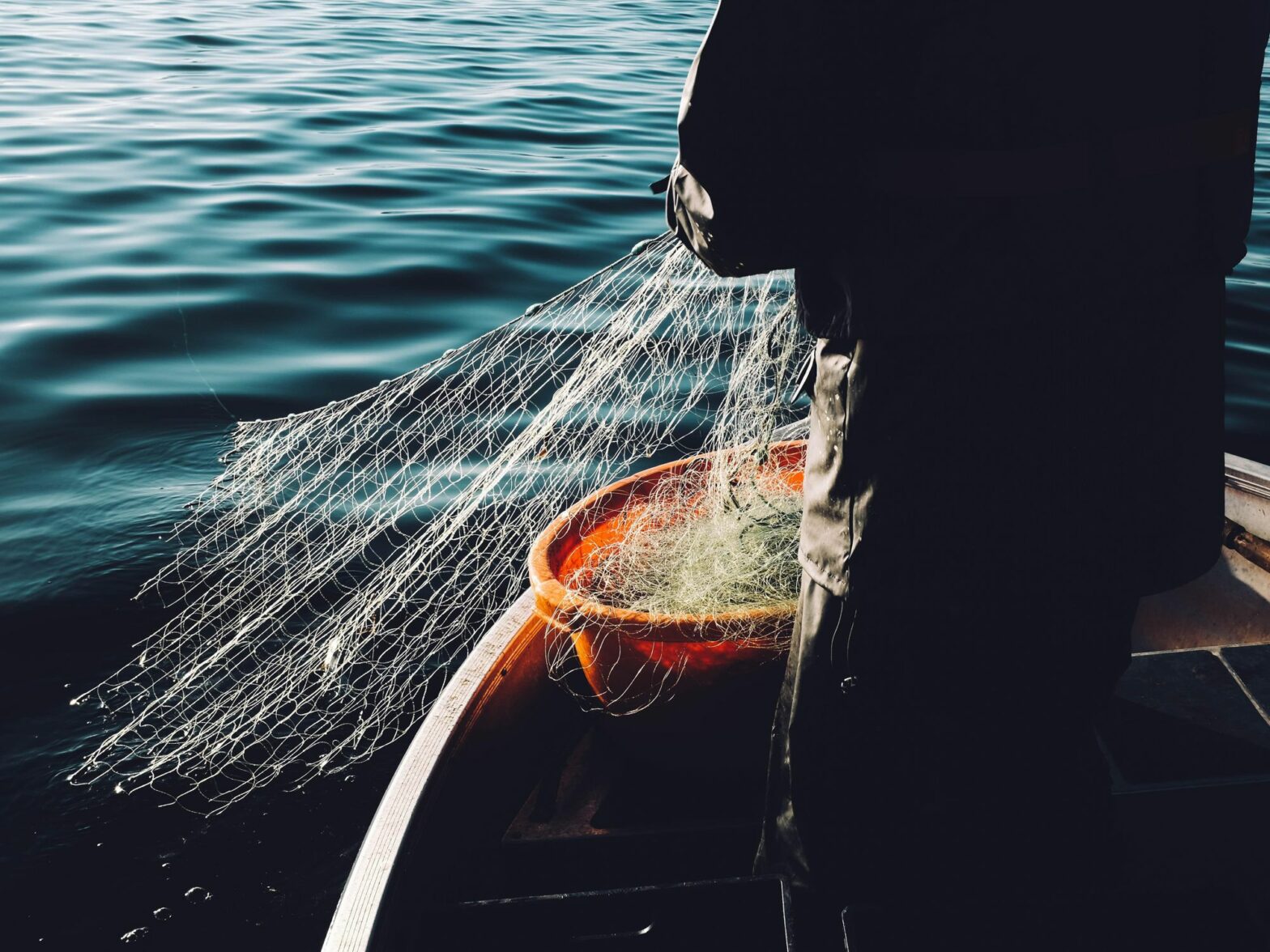
The Danish government has banned further growth in sea-based fish farming, claiming the country had reached the limit without endangering the environment. A marine biologist says it is a misguided policy for both economic and ecological reasons.
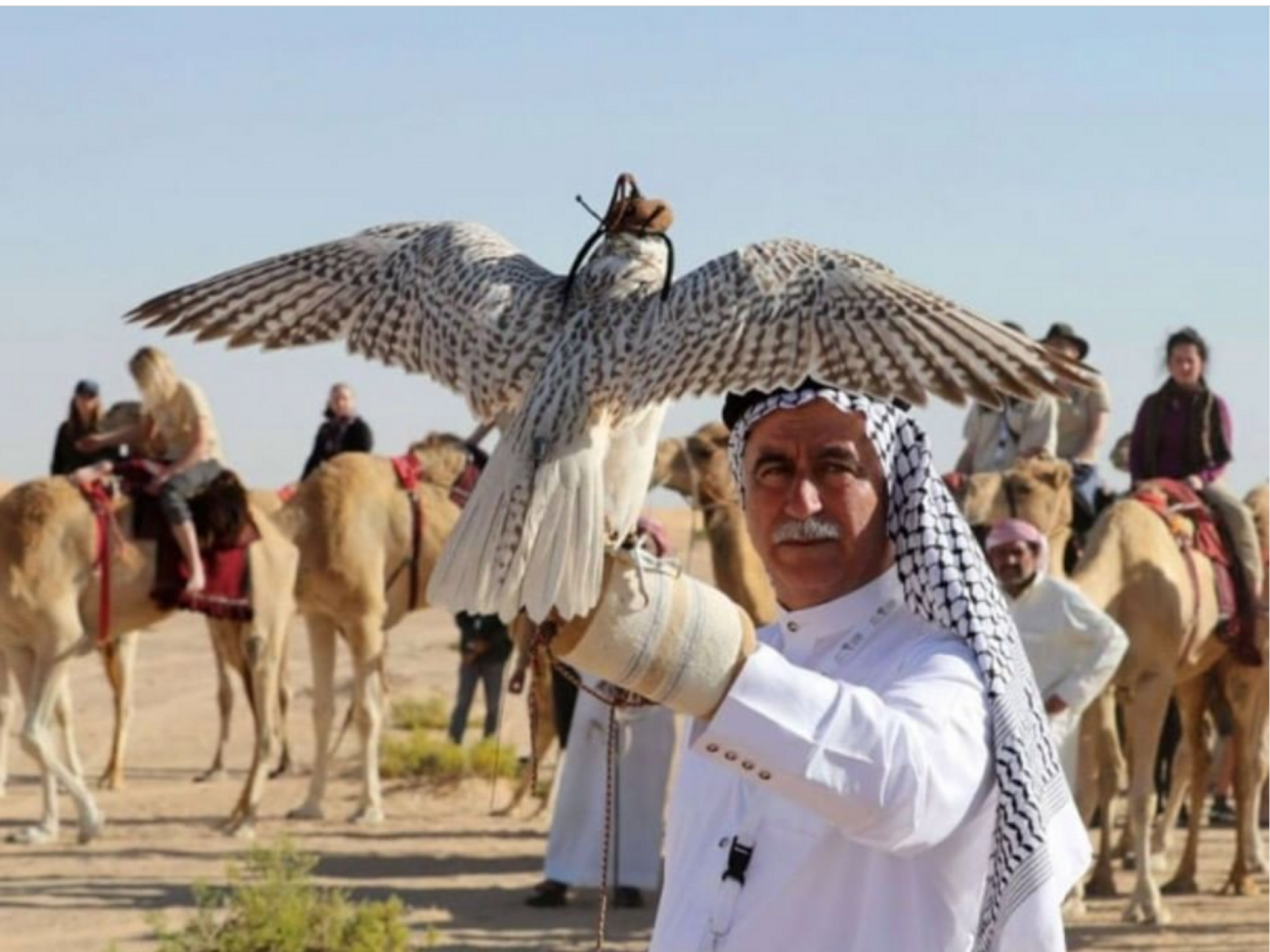
Facing biodiversity loss, hunting can be seen as not only cruel but also damaging to natural ecosystems. Yet hunters argue that their activity is a natural way to “replace” animal predators and a tradition that should be preserved. Can there be a happy hunting medium?

Driven by the desire to offer an experience rooted in their terroir, more and more star chefs are turning into farmers. They have the same goal: to keep up with the times by offering local and sustainable produce.
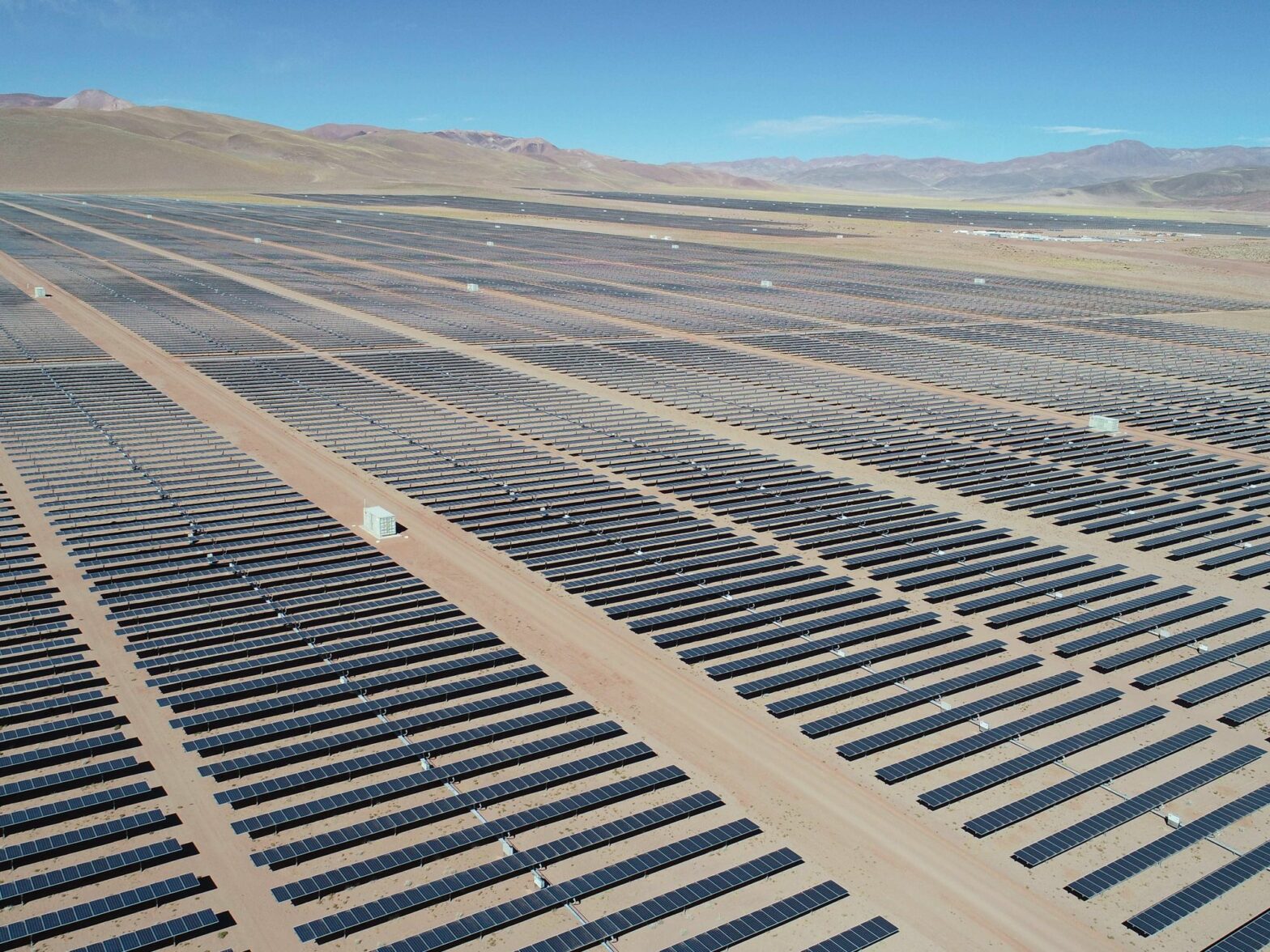
With loans and solar panels from China, the massive solar park has been opened a year and is already powering the surrounding areas. Now the Chinese supplier is pushing for an expansion.
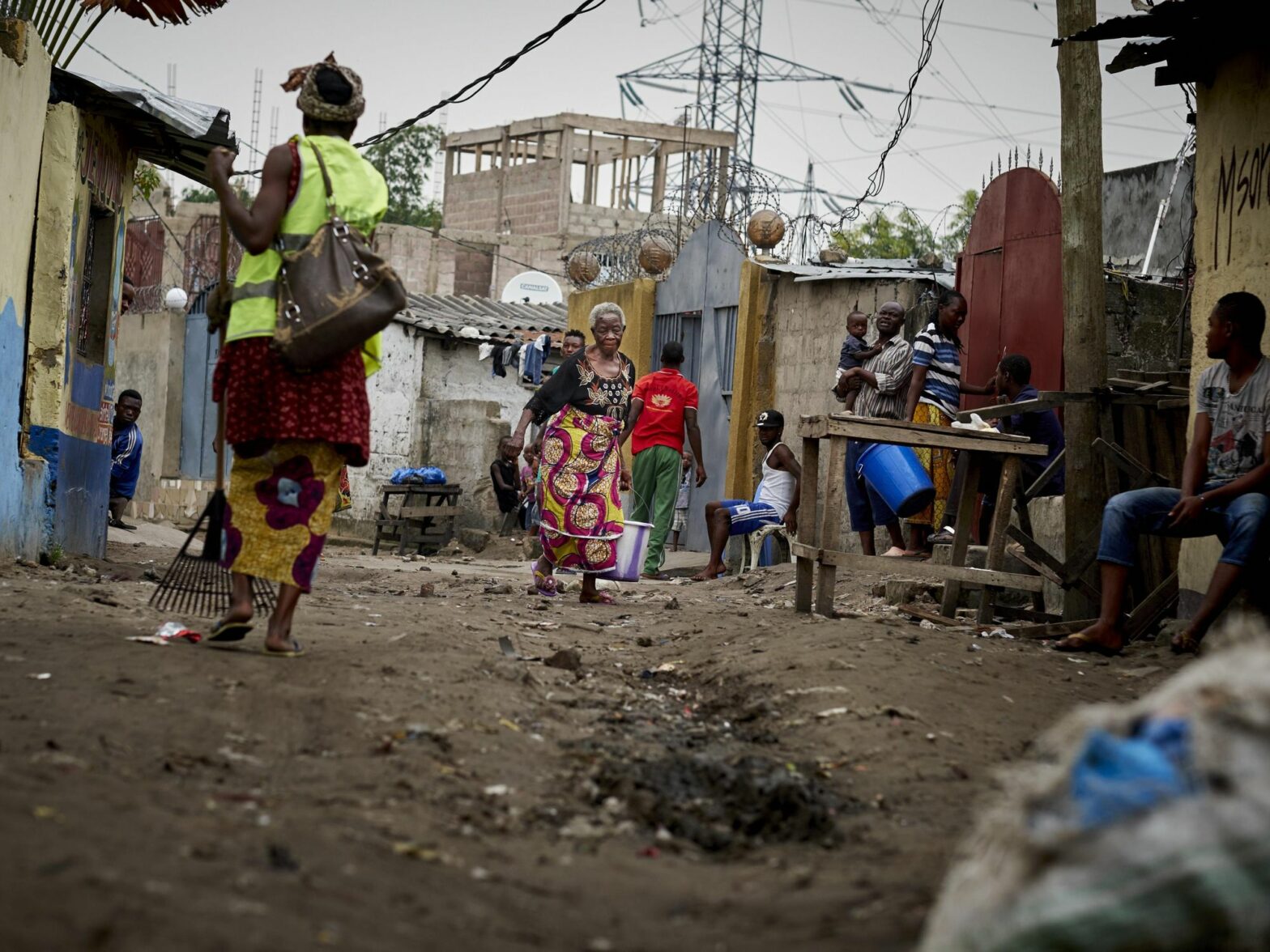
Due to climate change and pollution, entire neighborhoods and cities on the continent are destined to vanish. A new vision of African urbanism is needed to replace the illusion of the “city without limits.”
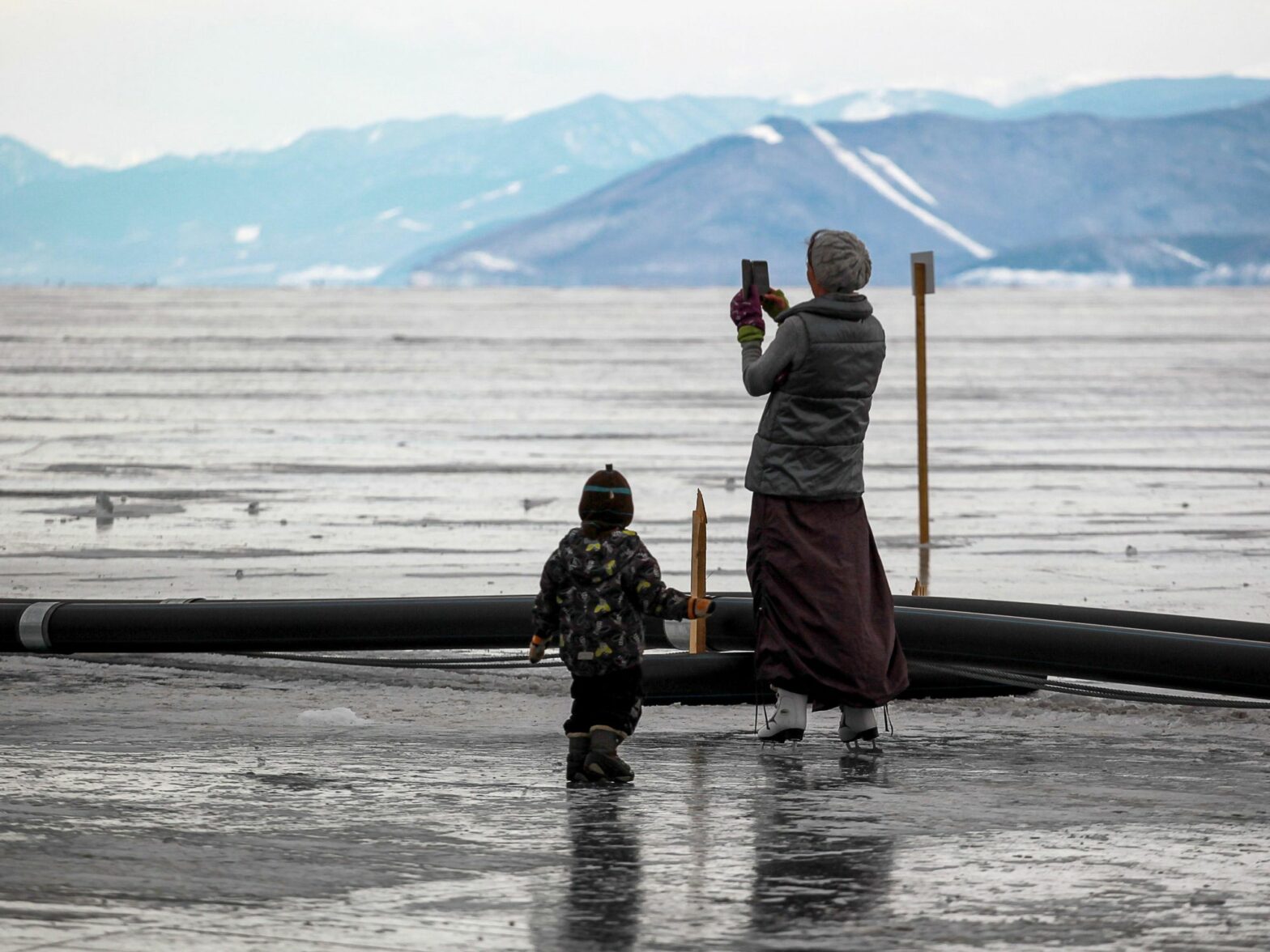
Fishing nets, industry and other human-caused dumping are poisoning Russia’s Lake Baikal, the world’s largest, deepest (and oldest) lake. Bigger than all the North American Great Lakes combined, it’s at risk after 25 million years of life.