Streaming video channels that allows interactive home shopping has been booming in China, and is beginning to win over customers abroad as a cheap and cheerful way of selling products to millions of consumers glued to the screen.

 Worldcrunch
Streaming video channels that allows interactive home shopping has been booming in China, and is beginning to win over customers abroad as a cheap and cheerful way of selling products to millions of consumers glued to the screen.
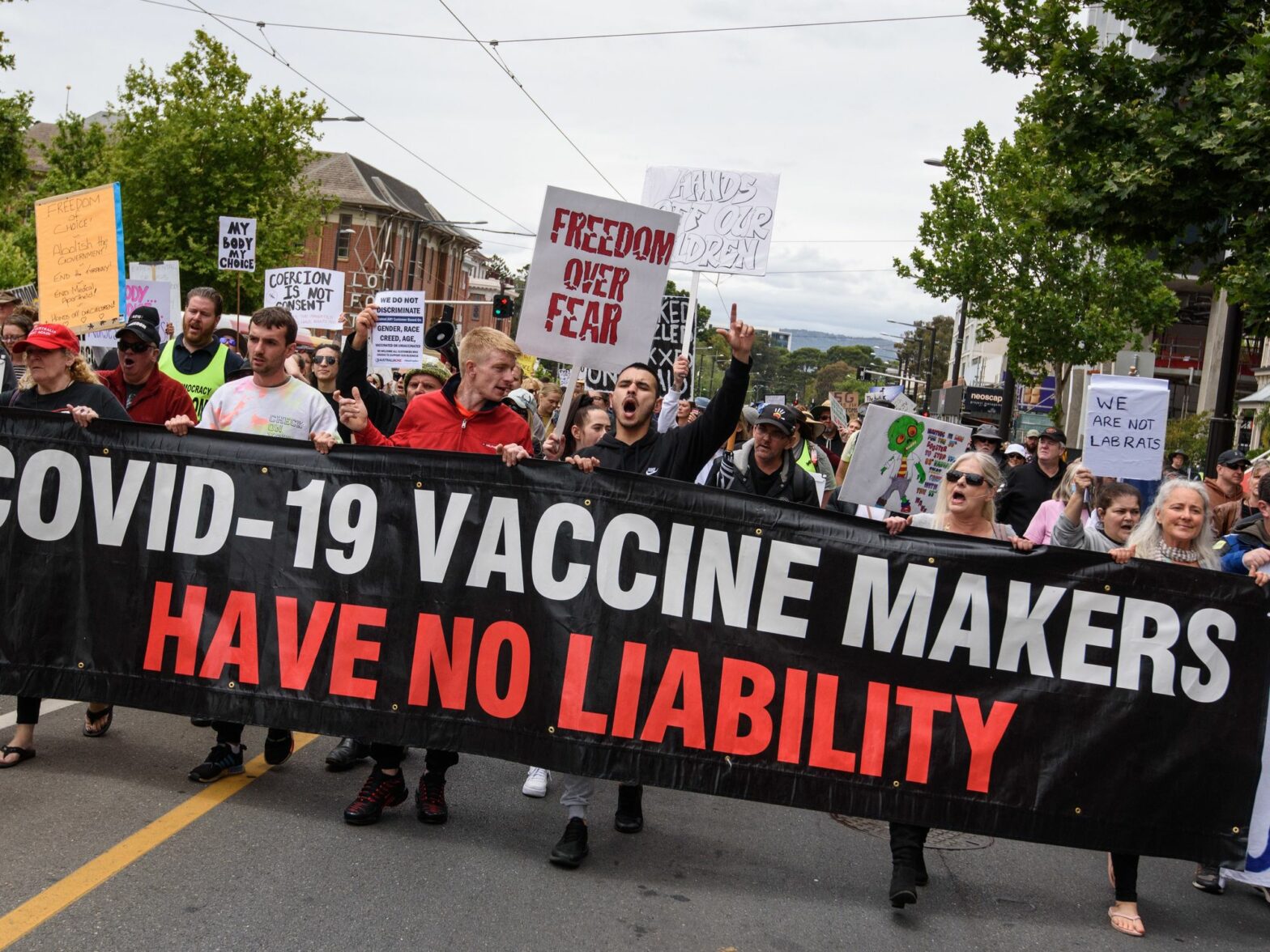
The pandemic brought a massive effort to limit the spread of bad health information. Did it do more harm than good?

The writer hits a professional wall the year after the birth of her second child. It’s a reminder of the limits of our modern uber competitive economy.
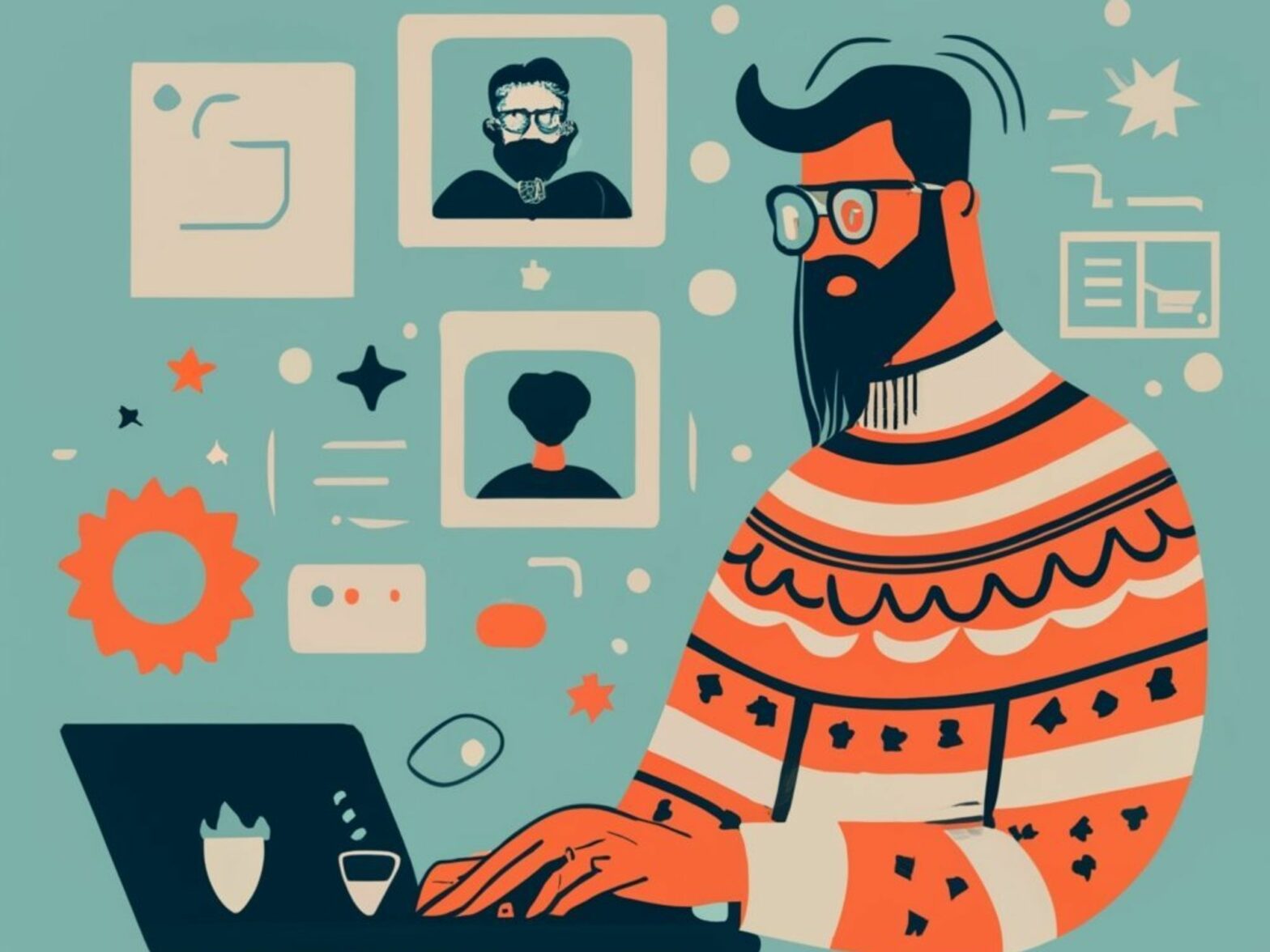
On learning that being French may make me genetically predisposed to grumpiness — and on coming to terms with my addiction to GIFs.

The list of notable deaths in 2023 includes Henry Kissinger and Silvio Berlusconi, who many believe had already overstayed their public welcome before our writer was even born.

For some with communication skills and charisma, likes on social media can turn into lavish earnings. But influencers face a crisis of trust, as well as algorithms that often discriminate — particularly against women.
With the end of the Hollywood writers and actors strikes, the creator economy is the next frontier for organized labor.
The term was coined by journalist Cory Doctorow to explain the fatal drift of major Internet platforms: if they were ever useful and user-friendly, they will inevitably end up being odious.

Phd candidate Tashi Dema, from the University of New England, discusses how social media apps, particularly WeChat, are helping to preserve local Bhutanese languages without a written alphabet. Dema argues that preservation of these languages has far-reaching benefits for the small Himalayan country’s rich culture and tradition.

Javier Milei has scored a stunning victory on a populist far-right platform promising maximum personal liberties and a shrunken state. But the deep rifts and economic hardship in Argentinian society present huge risks for the nation and its incoming president.
Italy’s highest-profile nemesis of organized crime networks, prosecutor Nicola Gratteri, discusses the mob’s use of social networks, and how TikTok allows criminal organizations to advertise their lifestyle to impressionable viewers. Sound familiar?
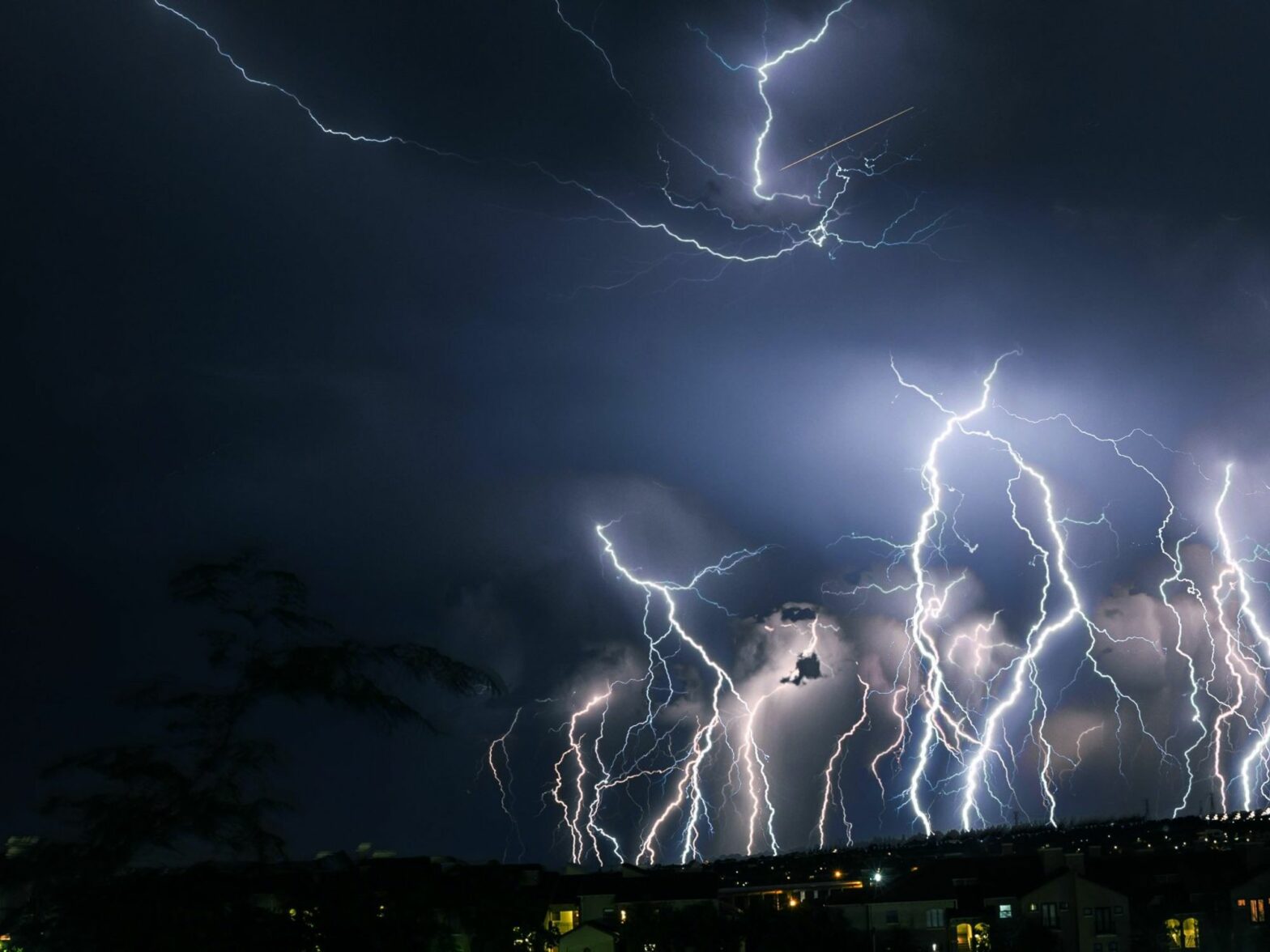
In recent years, social interest in climatology has grown exponentially, turning meteorologists into quasi-rockstars who, thanks to technology, can interact with their audiences and provide real-time updates.
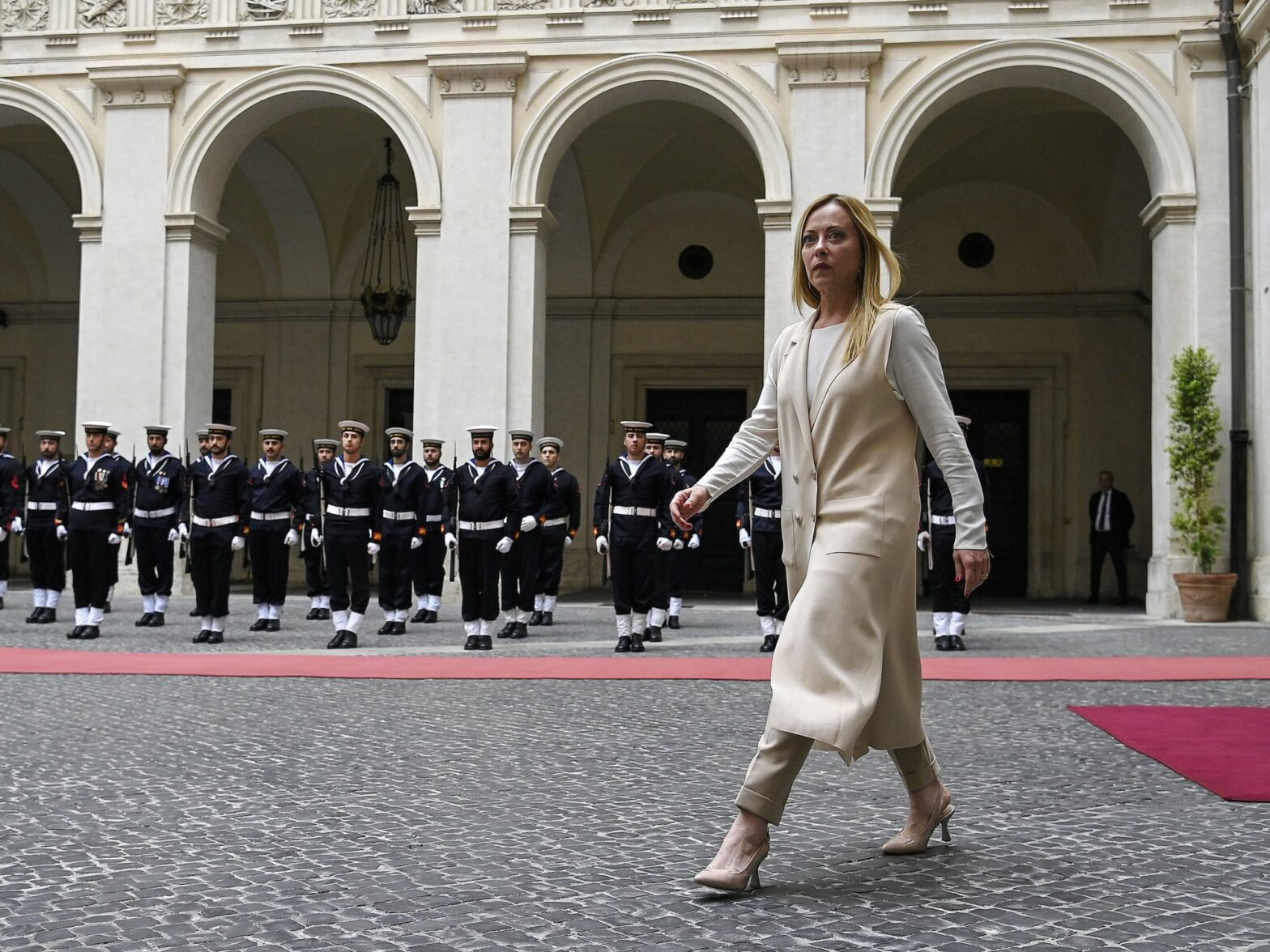
Last week, Italy was caught in the uproar of Giorgia Meloni’s break-up, a swirl of TV scandal and political controversy. But now that the dust is settled, what does this mean for a single mother standing strong, though alone, on the political right.

Since the beginning of Israel’s attacks on Gaza, journalists on the ground have been on the front lines, and many of them have already lost their lives. Meanwhile, the media machine in the rest of the world has gone wild, with even the most prominent media outlets spreading fake news.
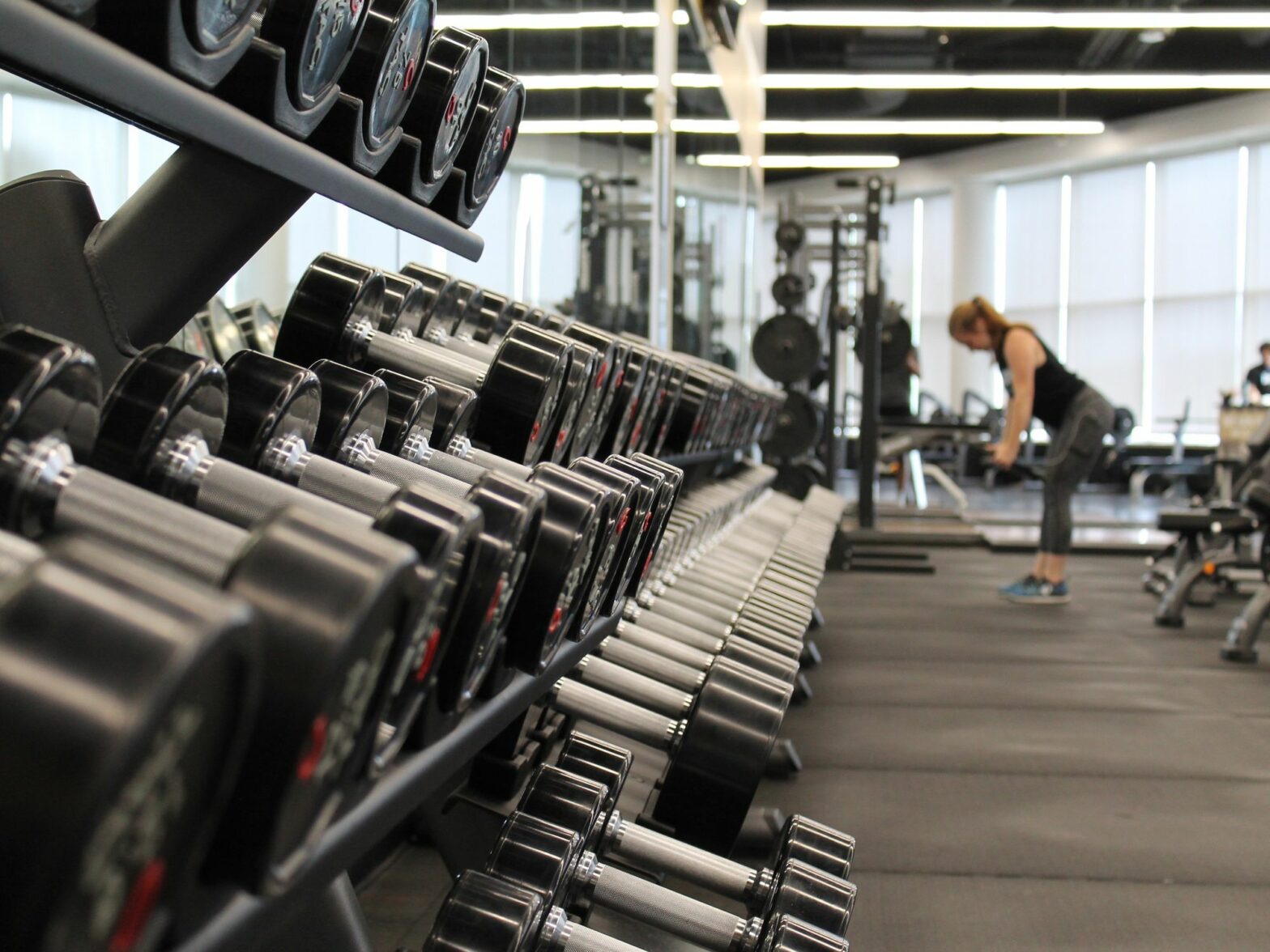
With the social value of sports having recently been officially acknowledged in the Italian constitution, writer Simonetta Sciandivasci reflects on the cult of excessive health, and rants about the impossibility of keeping up beauty trends masked as self-care.
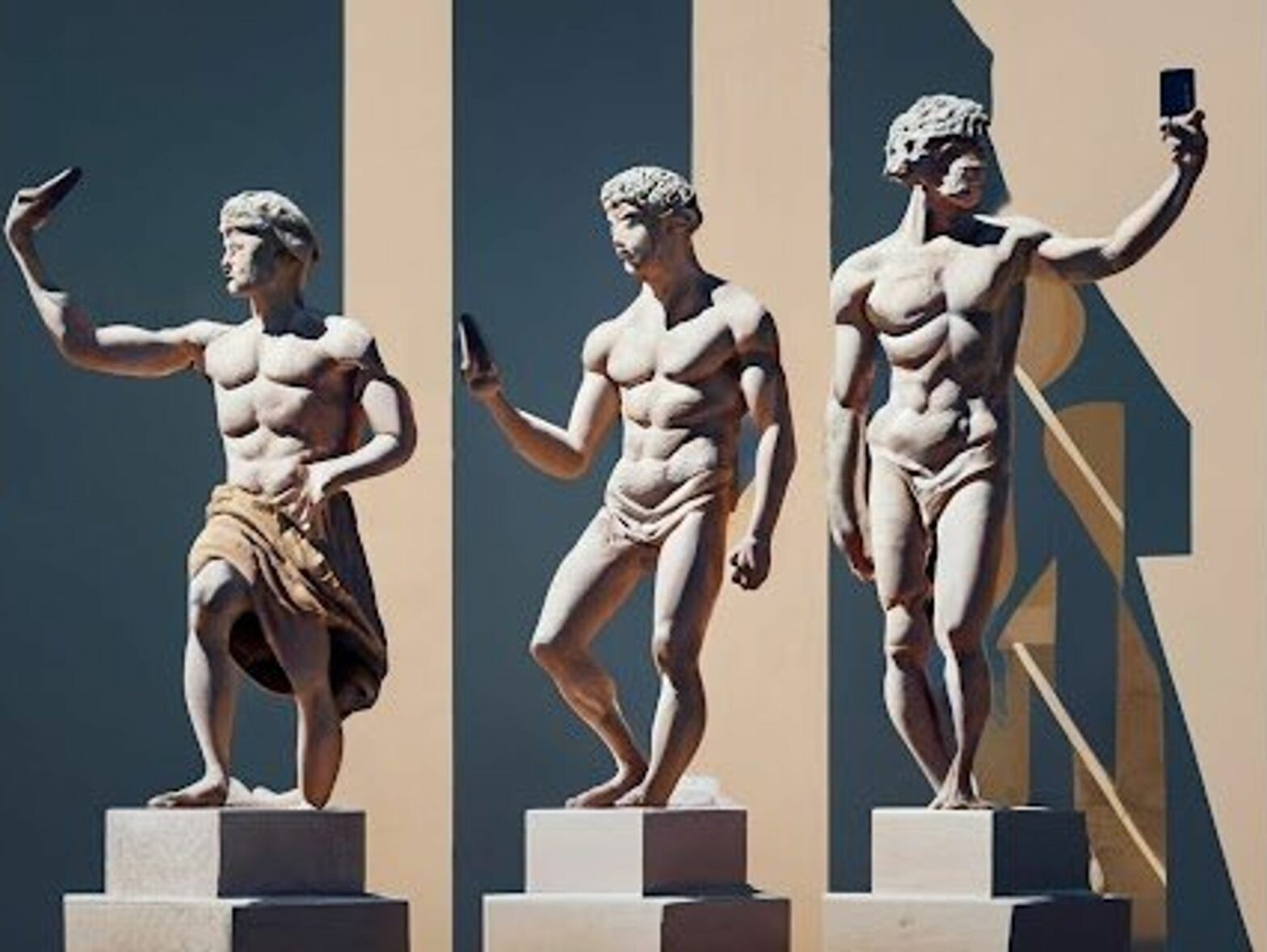
Italian philosopher Umberto Galimberti says it is a tragedy to photograph a life into existence rather than living it.
Elon Musk has been criticized before for his management of Twitter, now known as X. But it was not until Saturday that the social network revealed just how inept and dangerous it had become, as fake news spread far and wide. It may never recover.
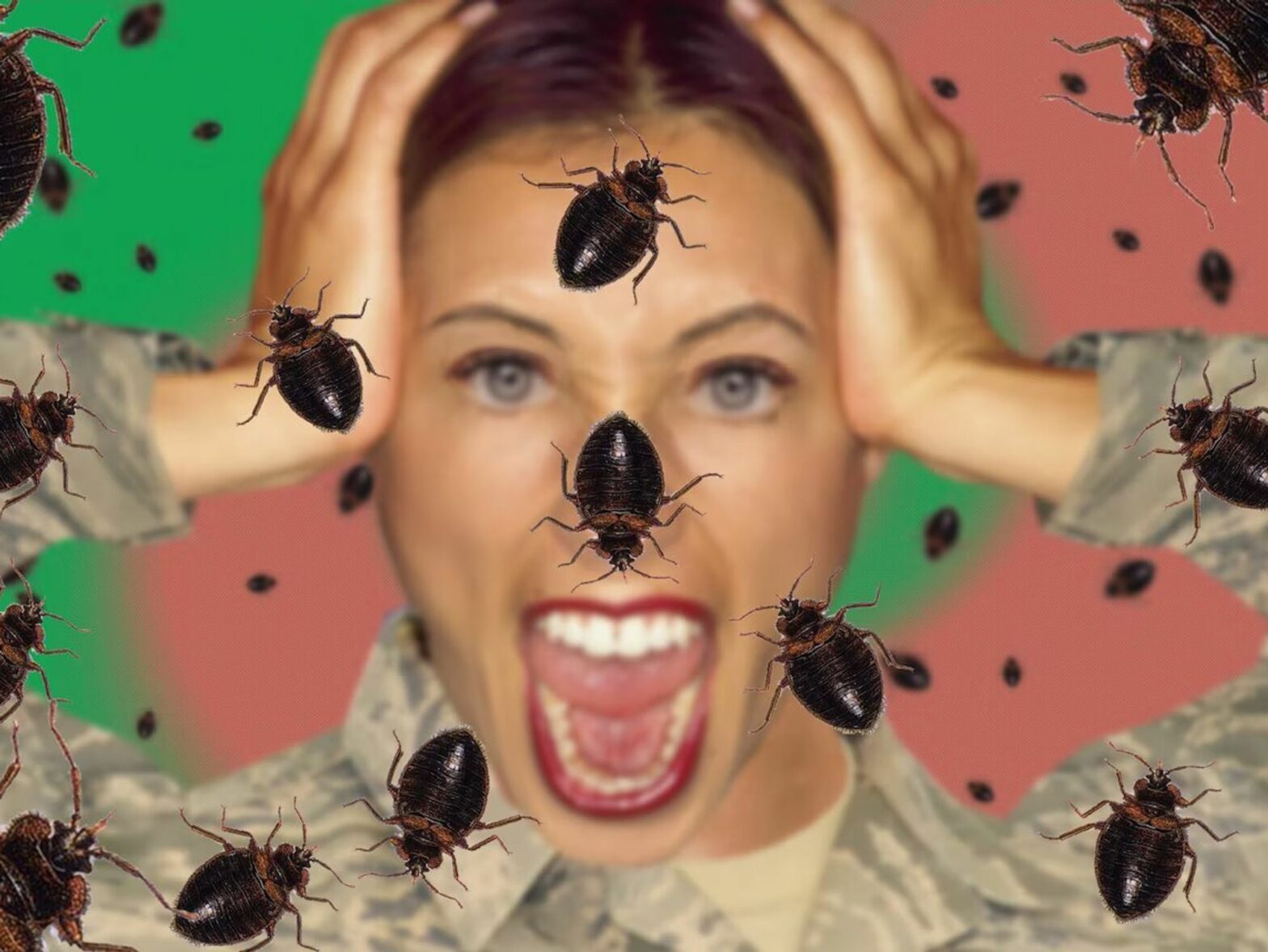
Despite the panic on social media, at home and abroad, there is absolutely no evidence of a “bed bug invasion” in the City of Lights. French philosopher Gaspard Koenig explores why Paris (and the world) get sucked in to a bunker mentality of always fearing the worst.
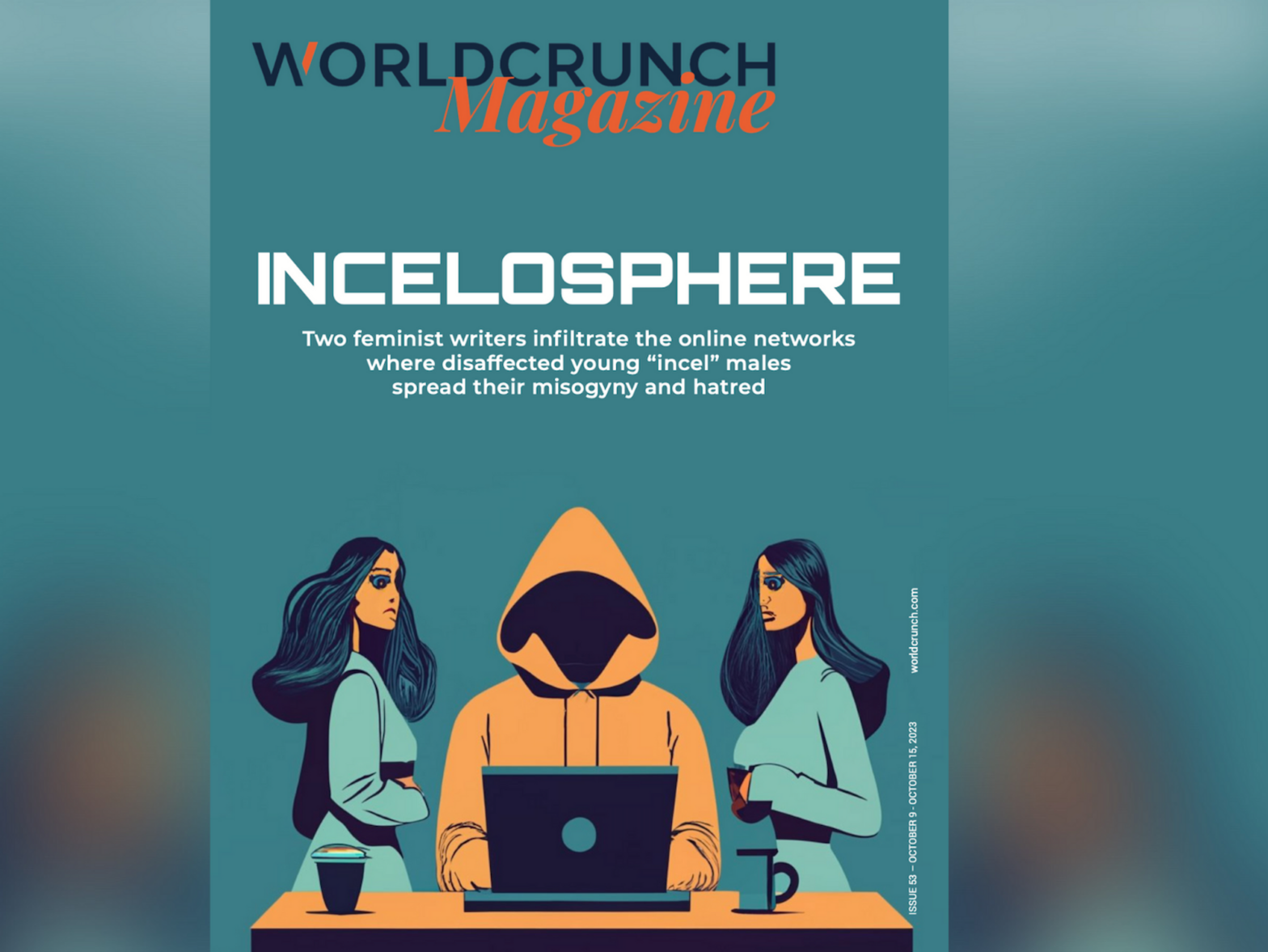
October 9 – October 15, 2023
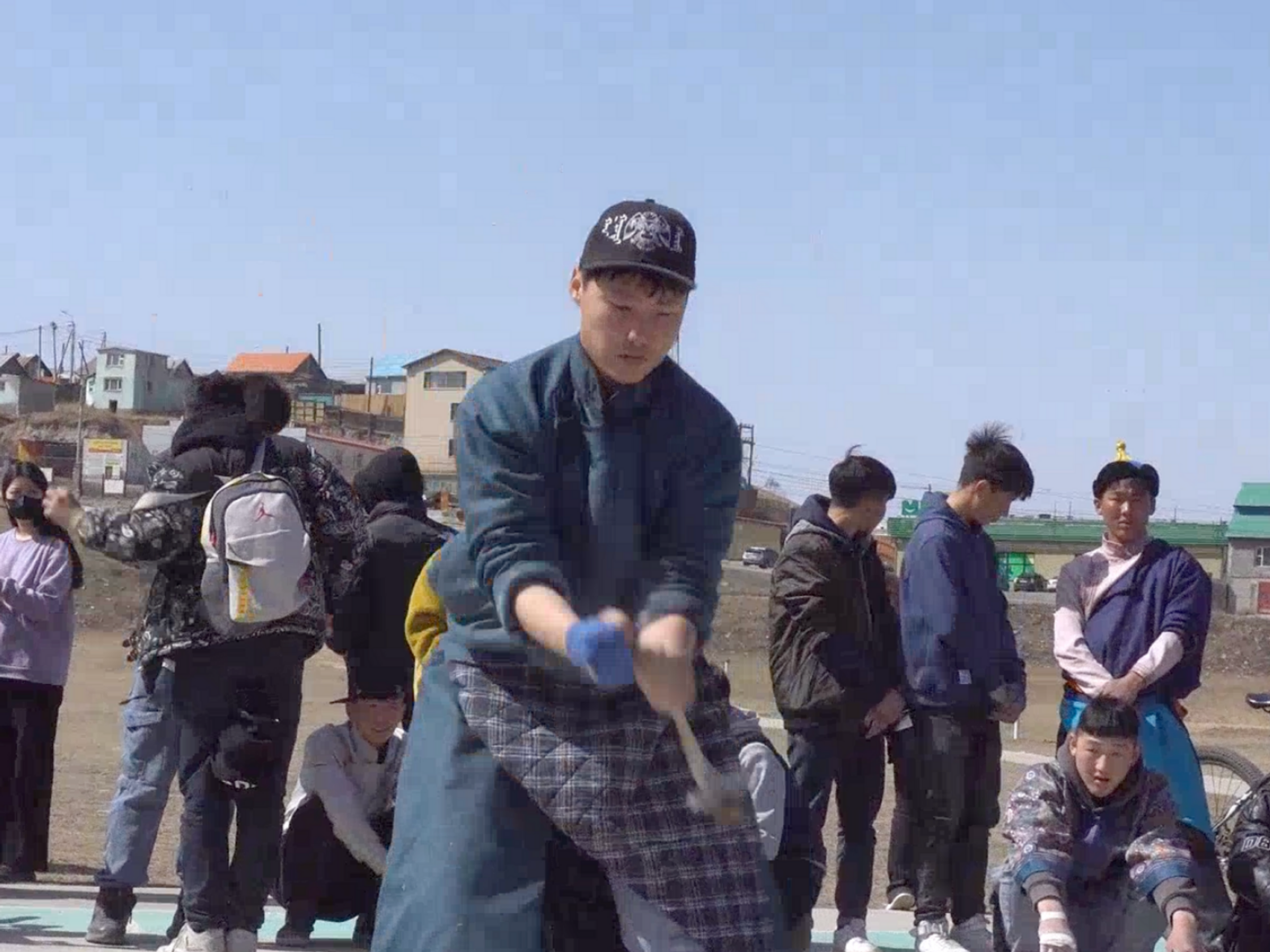
The nomadic pastime, in which people compete to break thick animal bones in half with only their hand, carries dire risks for the untrained. That hasn’t slowed its popularity.
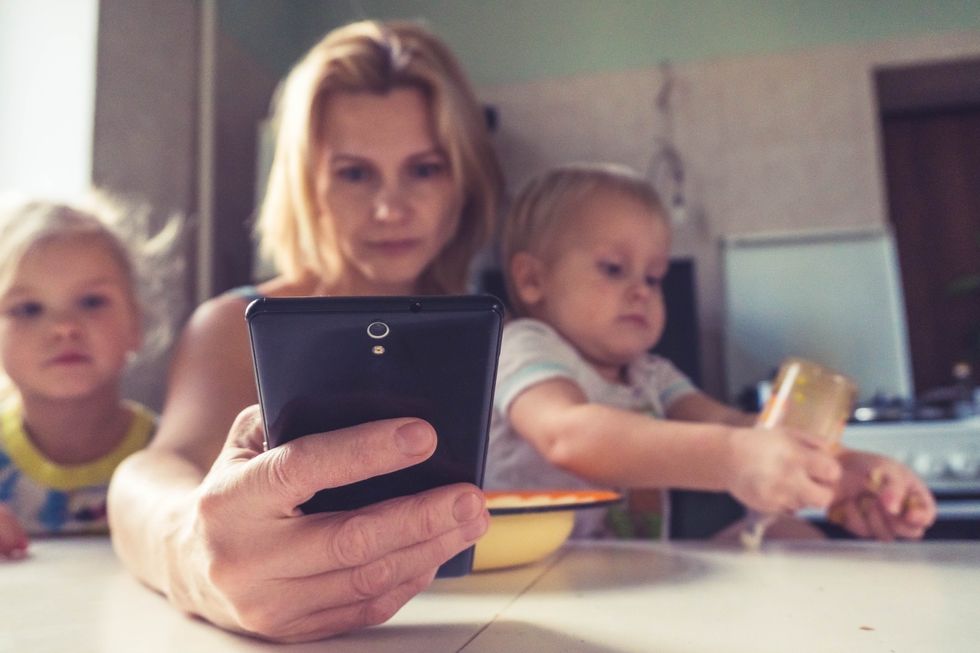
Mothers everywhere are struggling with the pressures of parenting in an increasingly individualistic culture. Enter the rapidly growing empire of parenting influencers who promise to help – at a price. In Italy, where mothers have long been seen as models of strength, the novelty is particularly acute.
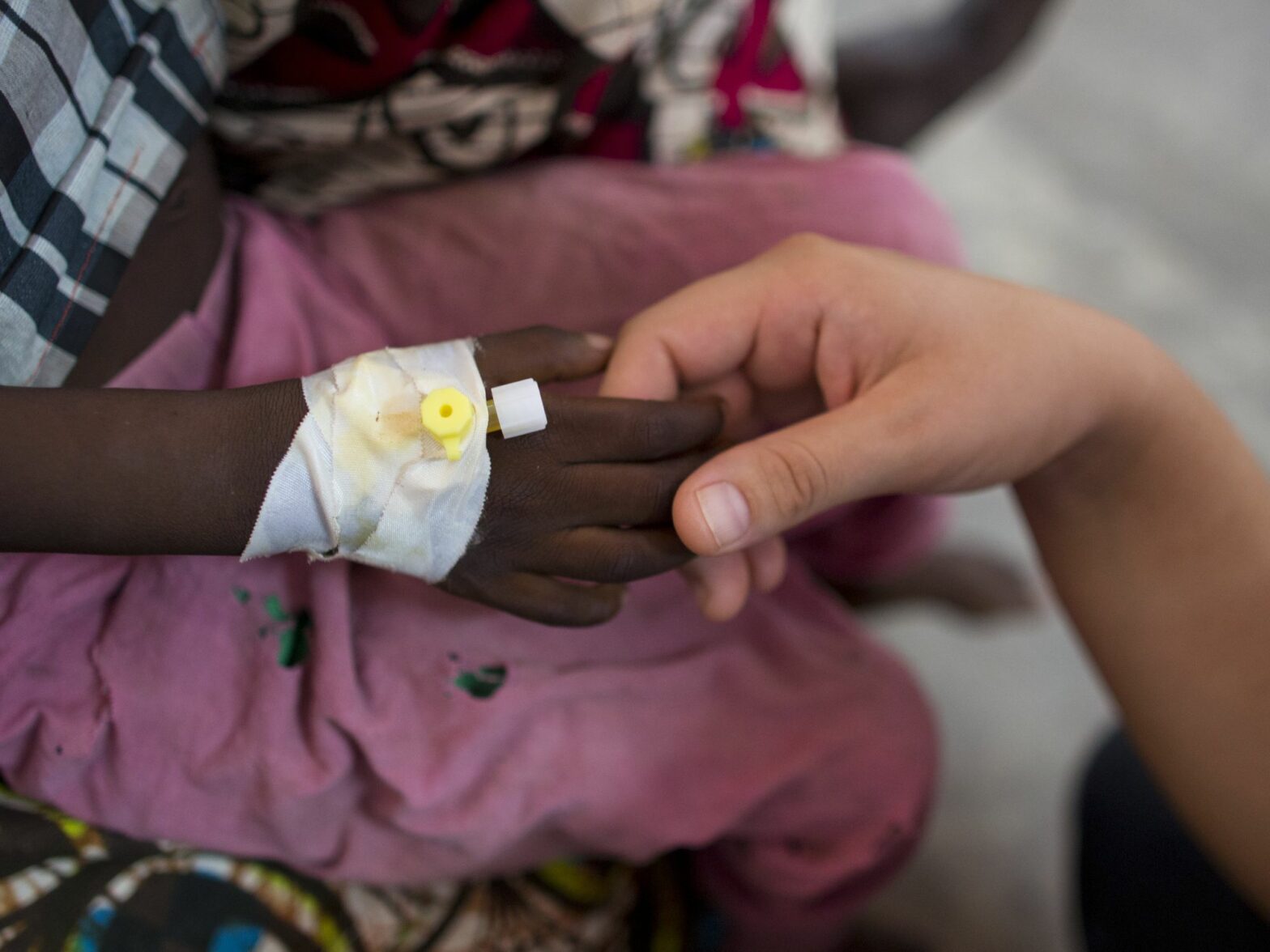
Tracing back to Christian colonialism, which was supposed to somehow “civilize” and save the souls of native people, White Savior Syndrome lives on in modern times: from Mother Teresa to Princess Diana and the current First Lady of Colombia, Verónica Alcocer.
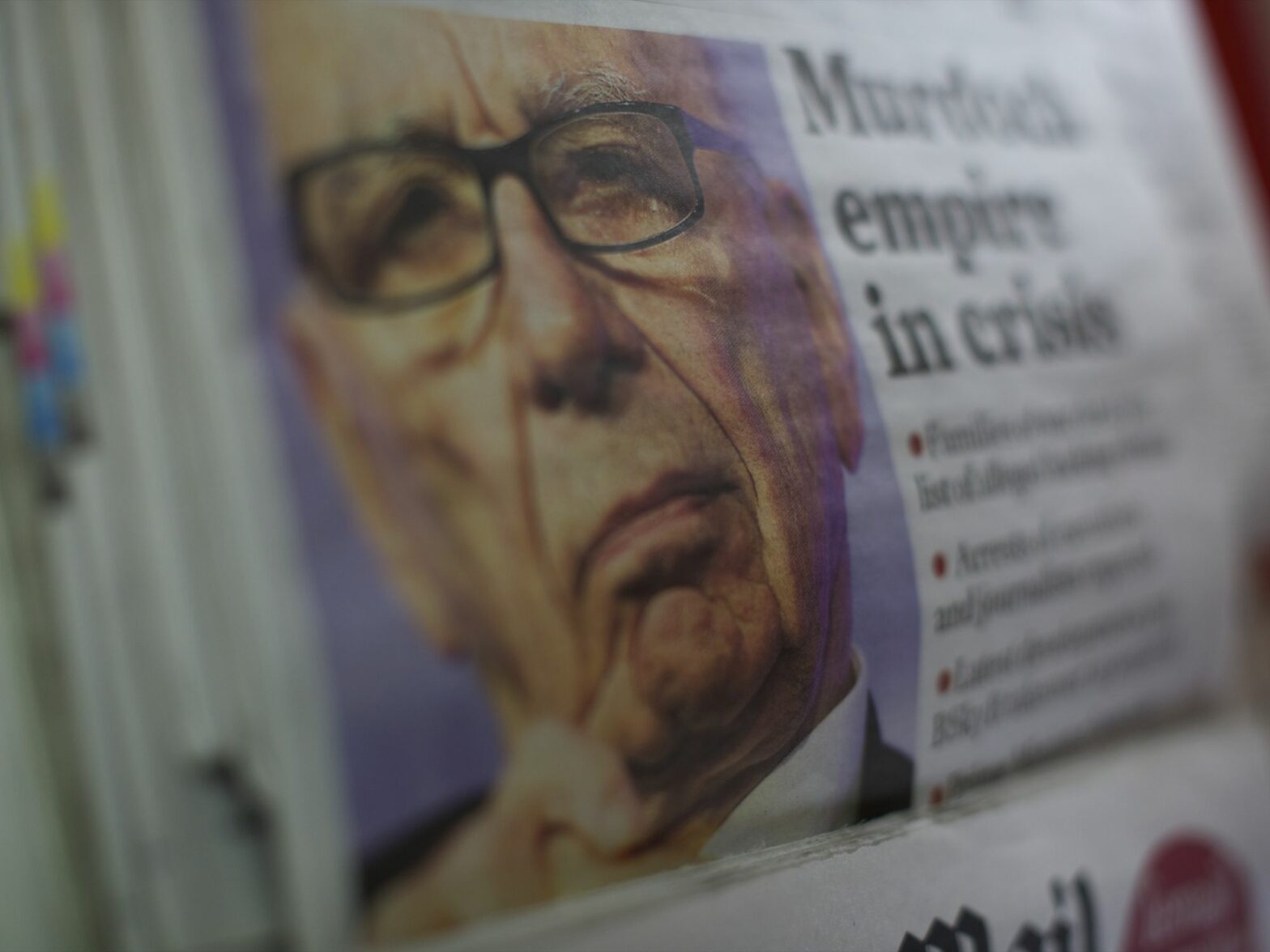
Robert Murdoch’s resignation from Fox News Corp. so soon before the next U.S. presidential elections begs the question of how directly media coverage has impacted Joe Biden as a figure, and what this new shift in power will mean for the current President.

The Greek islands have always been the dream destination of many, with their crystalline waters and wild flora. But there is one attraction that captures the attention of the masses, who clamber on top of one another for the chance of capturing it: the sunset. In the economy of attention and social media, how does sunset tourism affect the enjoyment of our vacation?
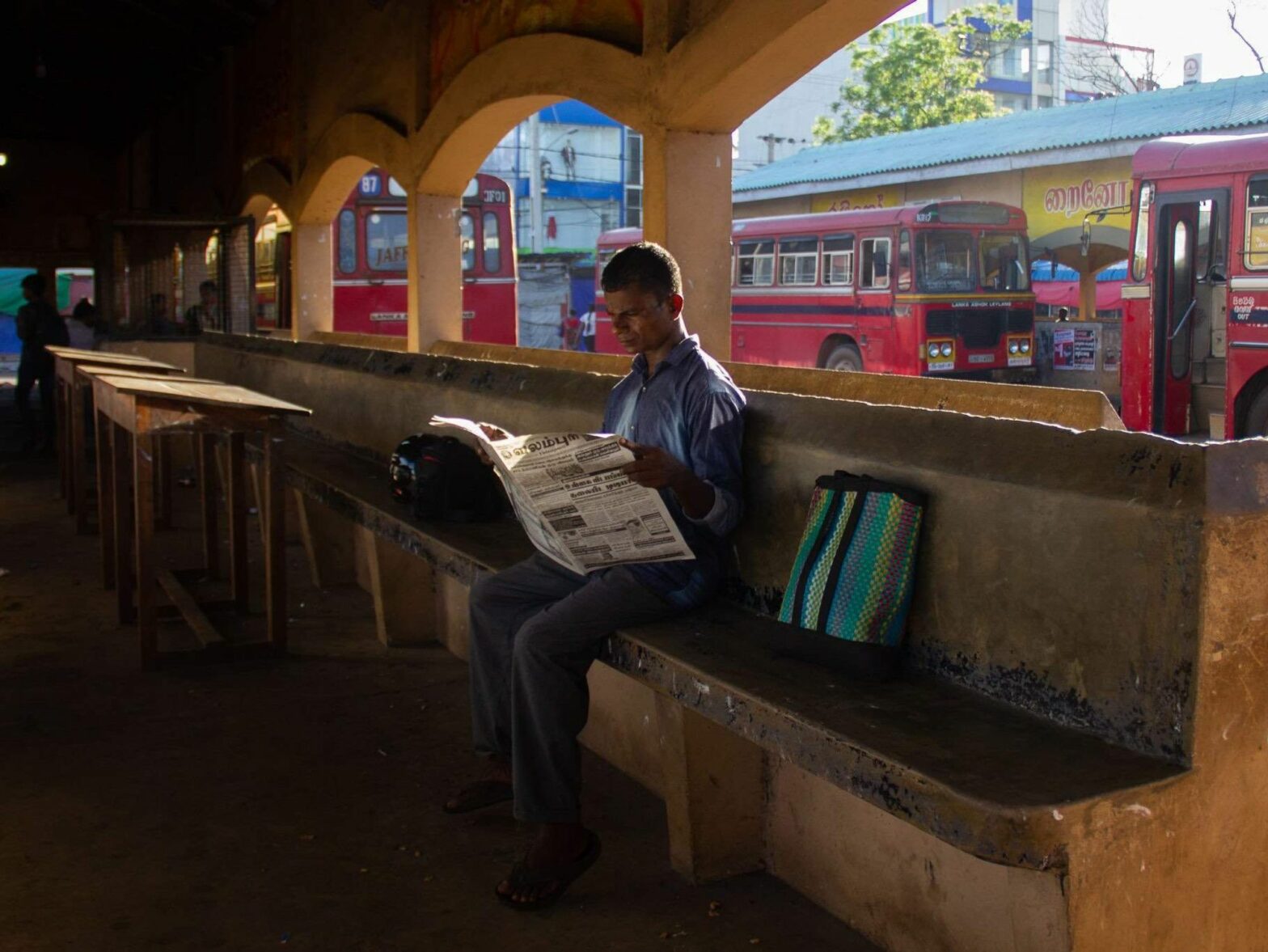
As newspapers reduce or fold, the elderly find themselves with less connection to their community and at risk of misinformation in an online world that is unfamiliar.
You swipe until your fingers are sore, seeing the same poses over and over again, the same buzzwords and backgrounds. Online dating feels so hopeless because it has killed any notion of individuality.

Bye-bye blue bird, all hail X … Elon Musk’s recent rebranding of the Twitter platform app has sparked significant reactions from users and in the tech community, but brand designers also have their say. While rebranding can be for the better, success is never guaranteed — and can do more damage than good to a big name.

With the rise of influencers has come a sub-category: deinfluencers, who tell their followers what NOT to buy instead of promoting products in an effort to reduce wasteful consumption.

A woman in China who falsely accused a man of filming her on the subway has sparked an avalanche of vitriol against her. There are now fears that the case will stop the many real victims of secret filming from coming forward and fighting back.
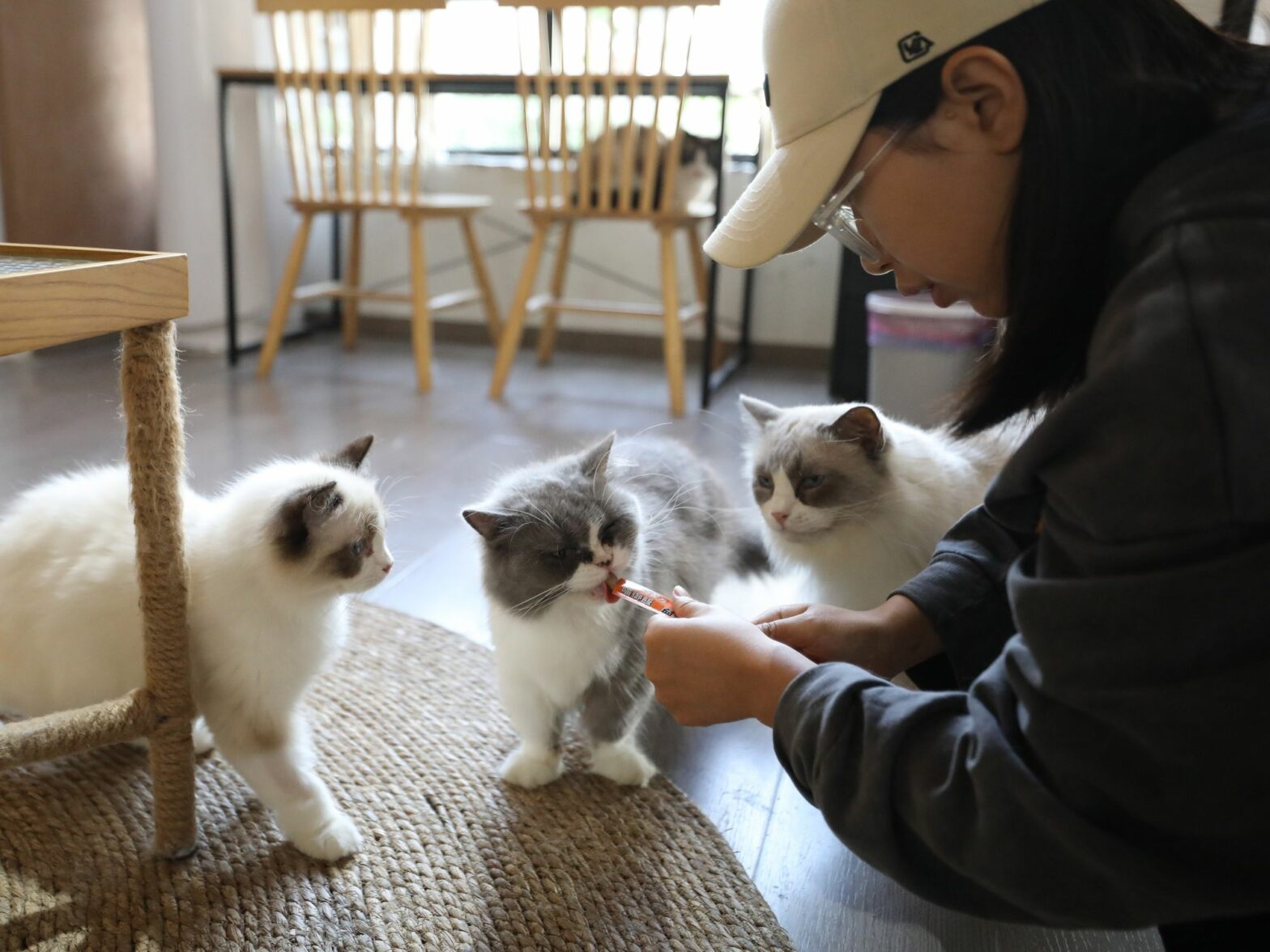
The Chinese pet market is booming, driven by young city dwellers who are increasingly reluctant to have babies. Care, food, yoga classes, strollers, specialized detectives and pet-cloning are all part of a 35 billion-euro industry.

Here’s the Brazilian media spectacle of brazen masculinity, white privilege — and, finally, an arrest.
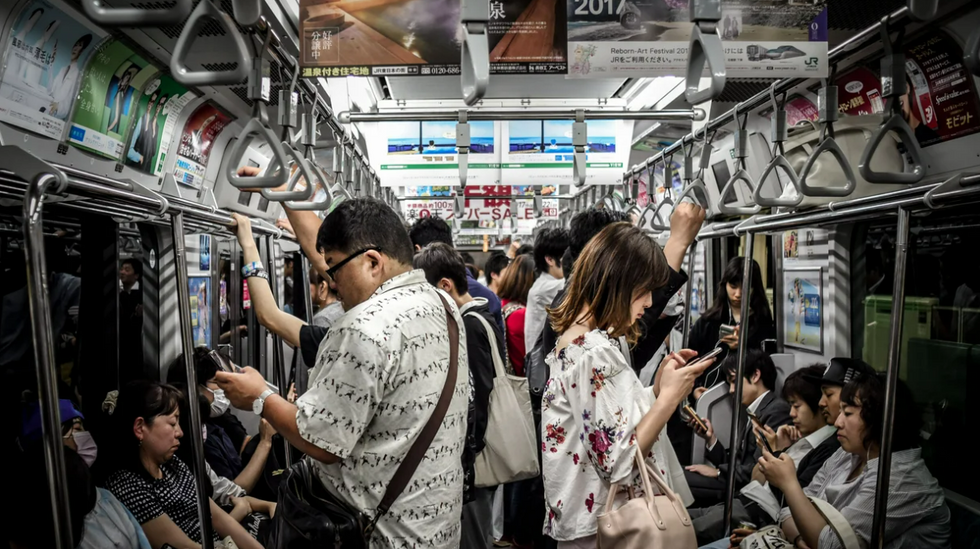
A simple tale from Italy of a hundred strangers in a waiting room, and the limits of our modern obsession with privacy.
A school in the US is suing social media giants for damage done to children’s well-being. But fining tech giants is a feeble response to their attacks on society’s welfare.
Without an extended family network, modern parents have sought to raise happy kids in a “hostile” world. It’s a tall order, when youngsters absorb the fears (and devices) around them like a sponge.
As more young people in Taiwan use Chinese social media, drawn to the fun and glitzy elements of life on mainland China, they need to learn to distinguish real life from propaganda.
Social media hype and the “obsessive-compulsive” tendencies of younger generations are demonizing some basic foods, like bread, that have fed humanity for some 8,000 years.

Greta Thunberg dealt a knock-out blow online to self-proclaimed “misogynist” Andrew Tate. However, taming the spread of toxic masculinity online is not as simple.
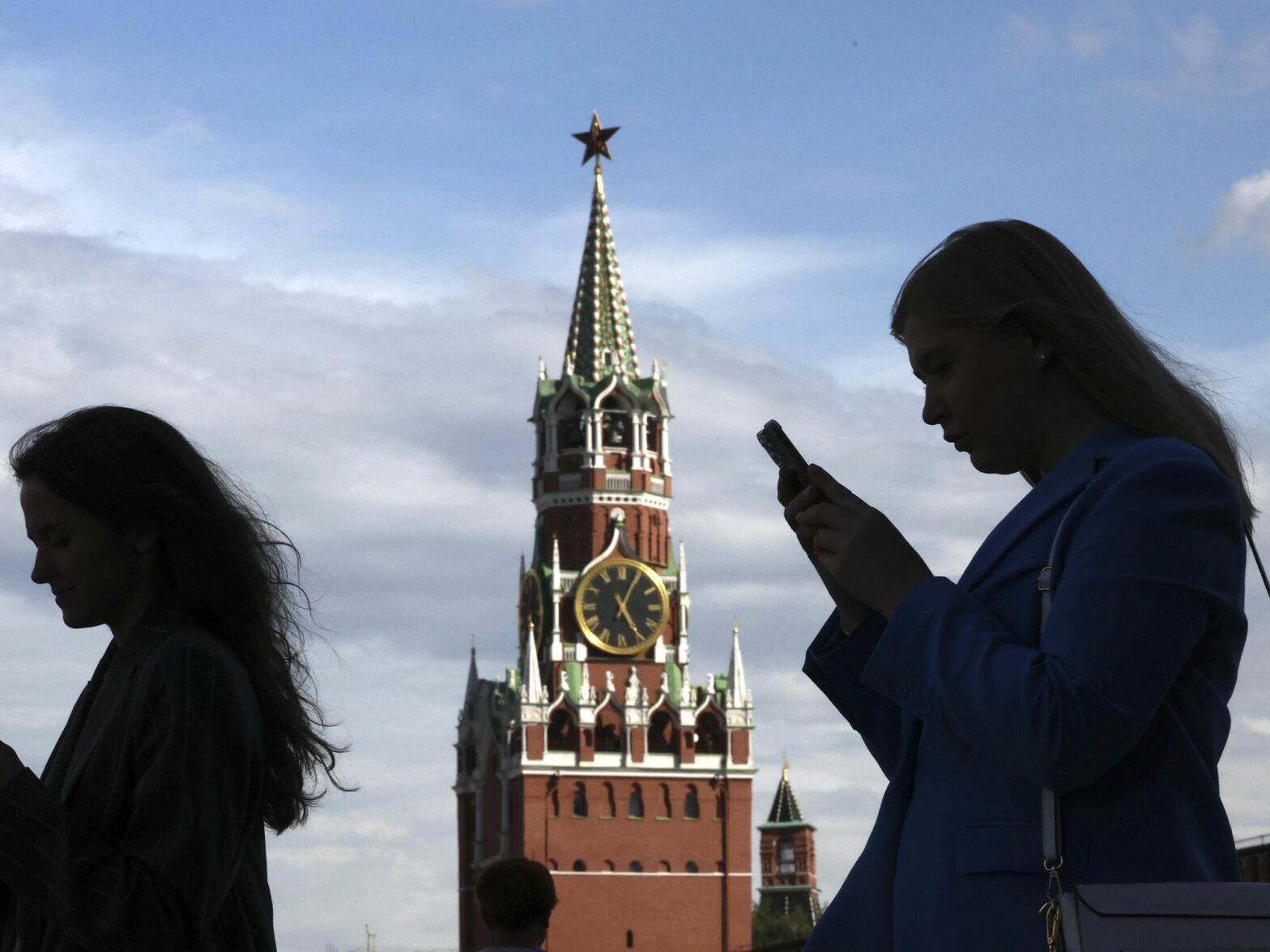
A video series appeared then vanished this week from Russia’s only authorized social media platform. Its purpose seemed to be to recruit men (of all ages) to enlist in the war, as a way to make money. But who exactly is behind the campaign? What was the ultimate objective?

Theodore Kury, Director of Energy Studies at the University of Florida, sees value in thinking of social media as the pipeline that carries a new kind of utility: information. He makes the case for regulating companies like Twitter accordingly.
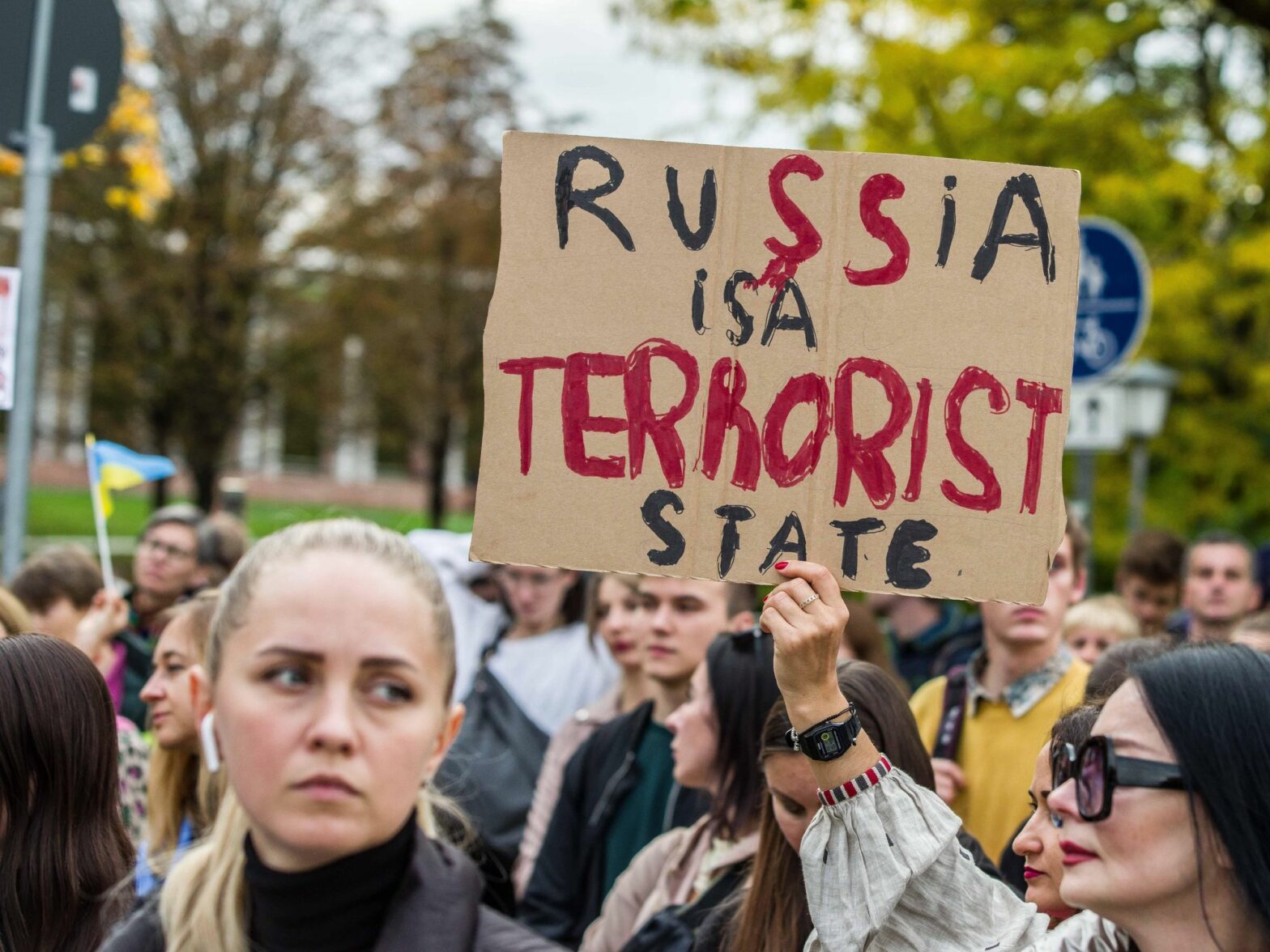
A Ukrainian journalist considers the controversy over the shutting down of exiled, independent Russian television station TV Dozhd. Can Russians be opposed to Putin’s war and yet support the troops?