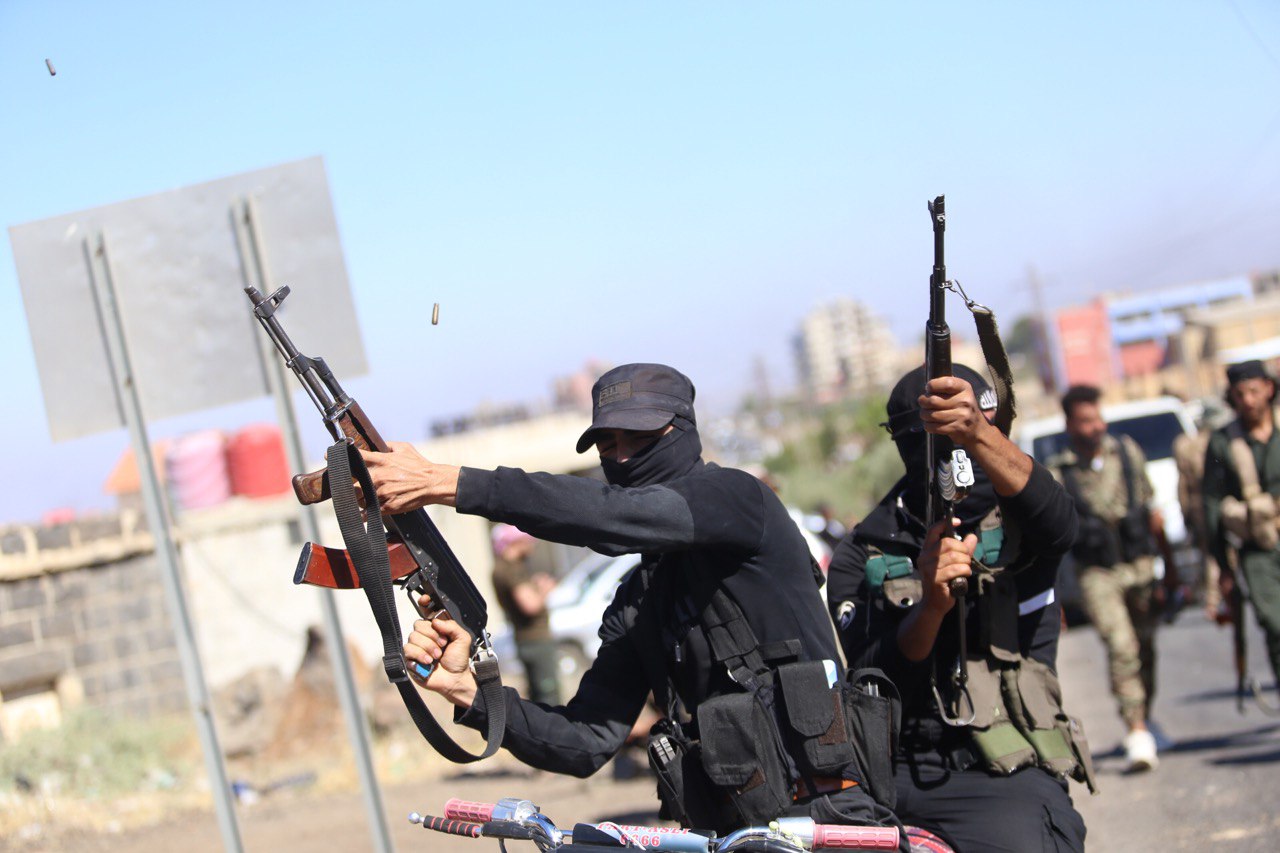
With Israel and Iran’s shadow war spilling into Syria, the new government in Damascus has warned that “foreign actors” aim to plunge the country into a cycle of instability and chaos.
 Worldcrunch
With Israel and Iran’s shadow war spilling into Syria, the new government in Damascus has warned that “foreign actors” aim to plunge the country into a cycle of instability and chaos.
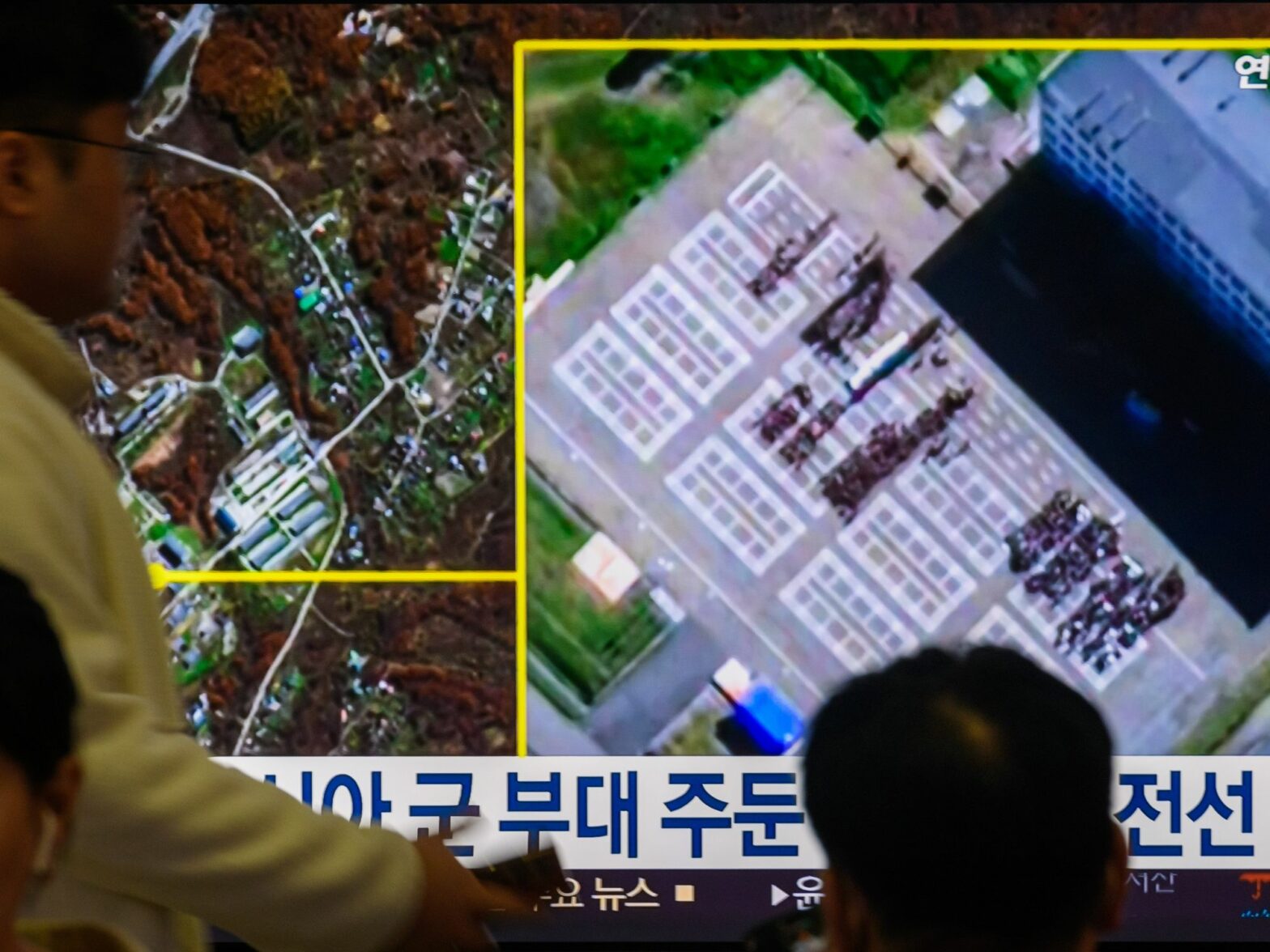
With tens of thousands North Korean troops confirmed to be moving toward the Russia-Ukraine front line, to fight on Moscow’s side in Ukraine, the two big questions are: What is Kim Jong-un trying to achieve? And more importantly, how does China fit into this picture?
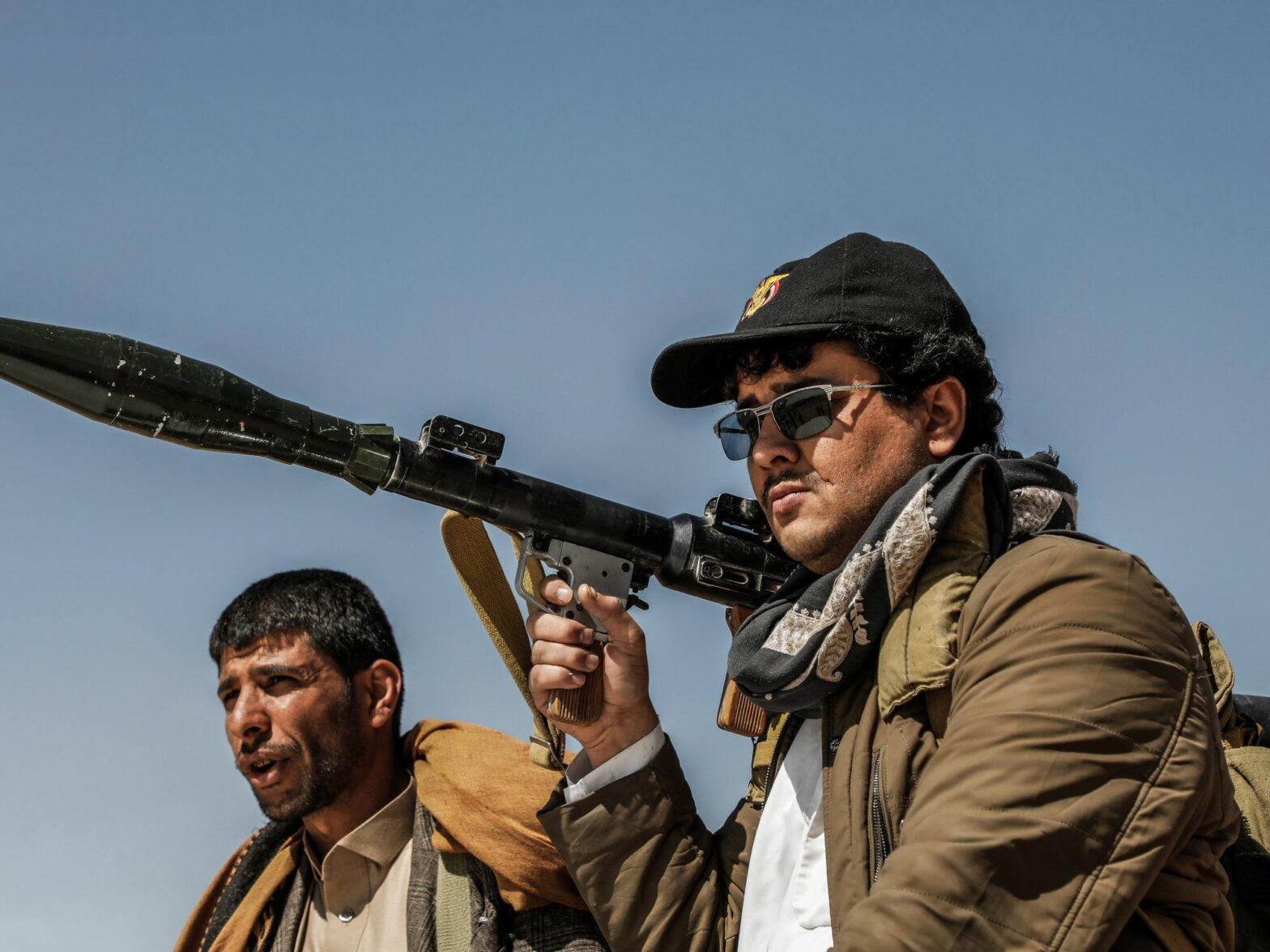
The Middle East’s militant and terror gangs, often described as Iran’s proxy forces, may have more in common with the cartels of a globalized war than with the fighters with a cause, more typical in the 20th century.
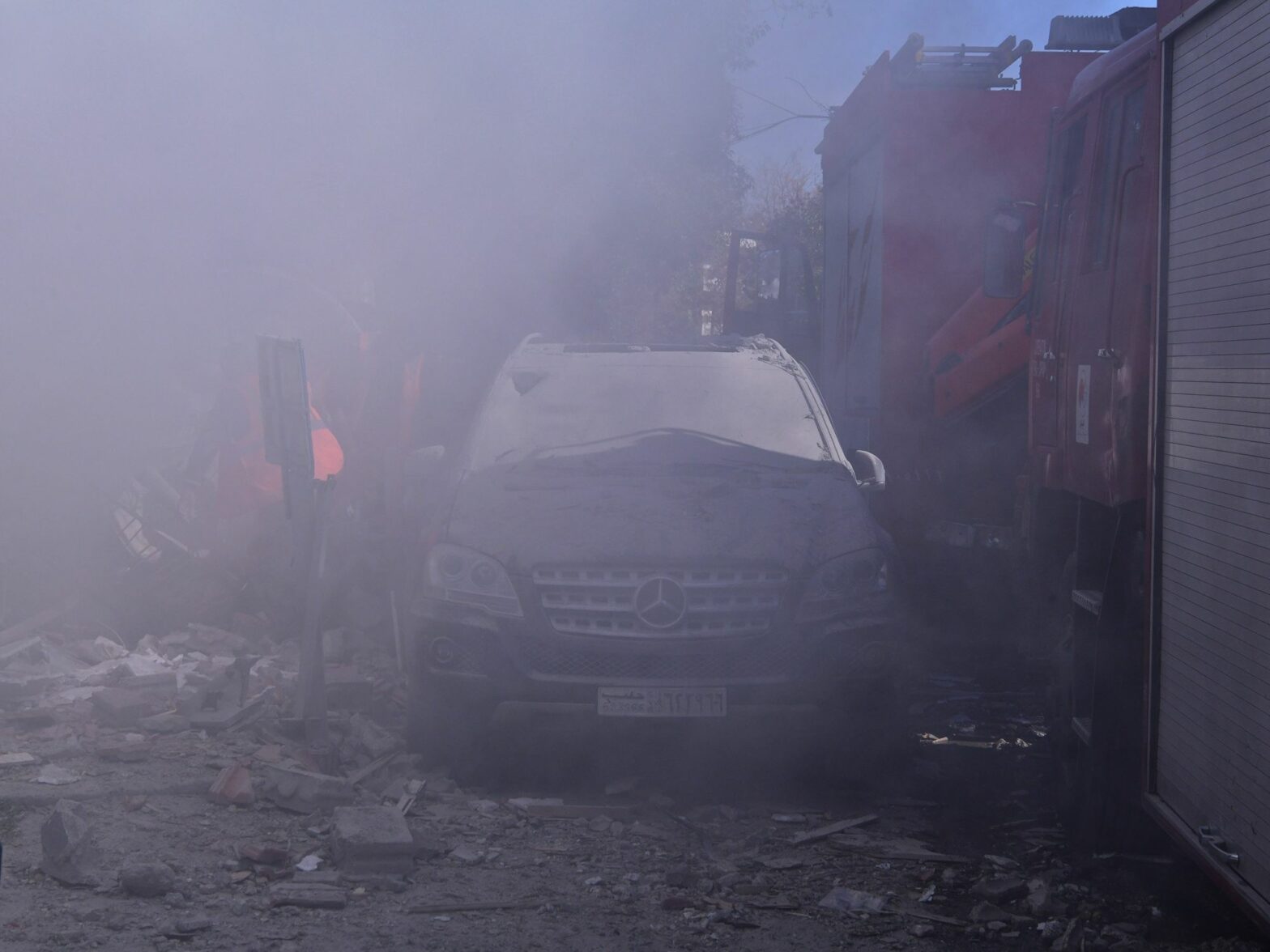
Now in its third month, the Israel-Hamas war has led to an increase in Israeli strikes on Iranian posts in Syria. At the same time, the pace of drug smuggling from Syria to Jordan has increased, prompting the latter to launch airstrikes inside Syria.
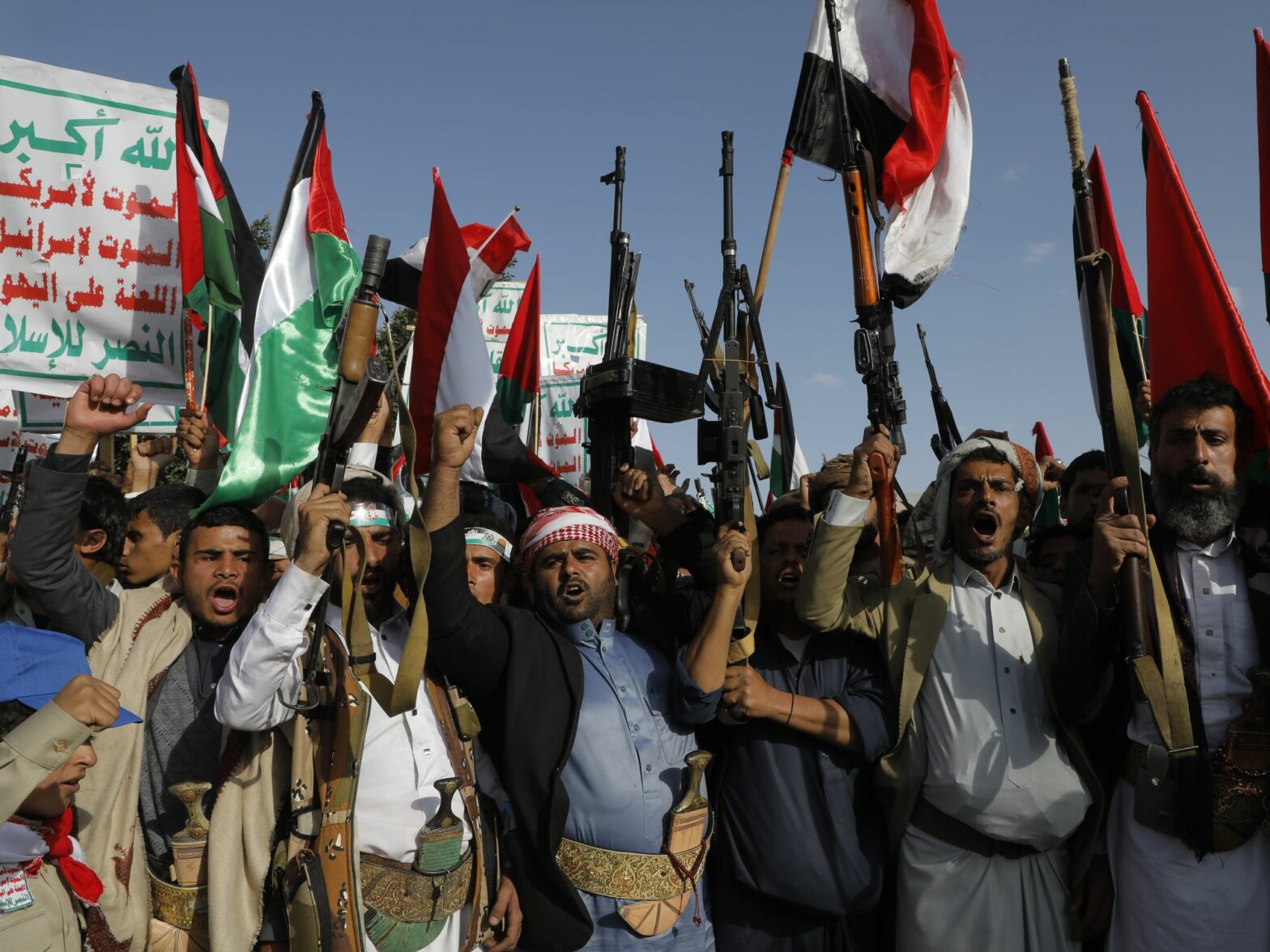
The Iran-backed Yemeni rebel group Houthis have seized a vessel in the Red Sea’s shipping route and took the ship’s 25 crew members hostage. It’s just the latest sign that the spillover from Gaza may arrive first from the south.
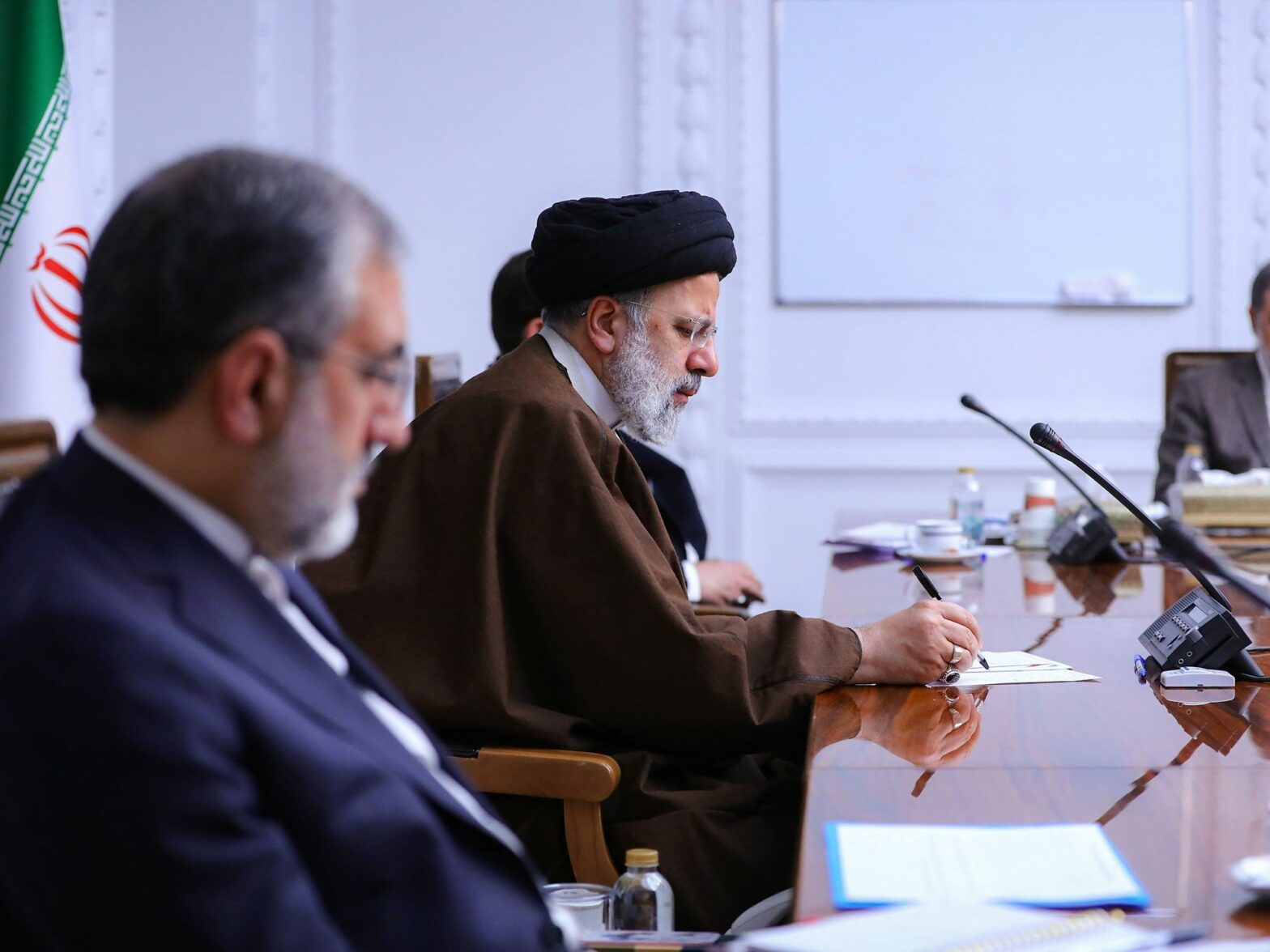
Iran and Saudi Arabia have announced they will restore diplomatic relations. The news may have proved startling — especially China’s role — but is unlikely to dispel long-standing distrust between two regional rivals.