Knowledge is acquired when students grasp the essential characteristics of the subject being studied and are able to transfer them.
 Worldcrunch
Knowledge is acquired when students grasp the essential characteristics of the subject being studied and are able to transfer them.
The return of war in Europe is not just a political or strategic challenge — it is changing how people live, relate to one another and imagine the future.
Some patients “come back to life” shortly before dying: they regain consciousness and control of their minds and interact with their families as they normally would. It is an illusion, but one with interesting scientific implications.
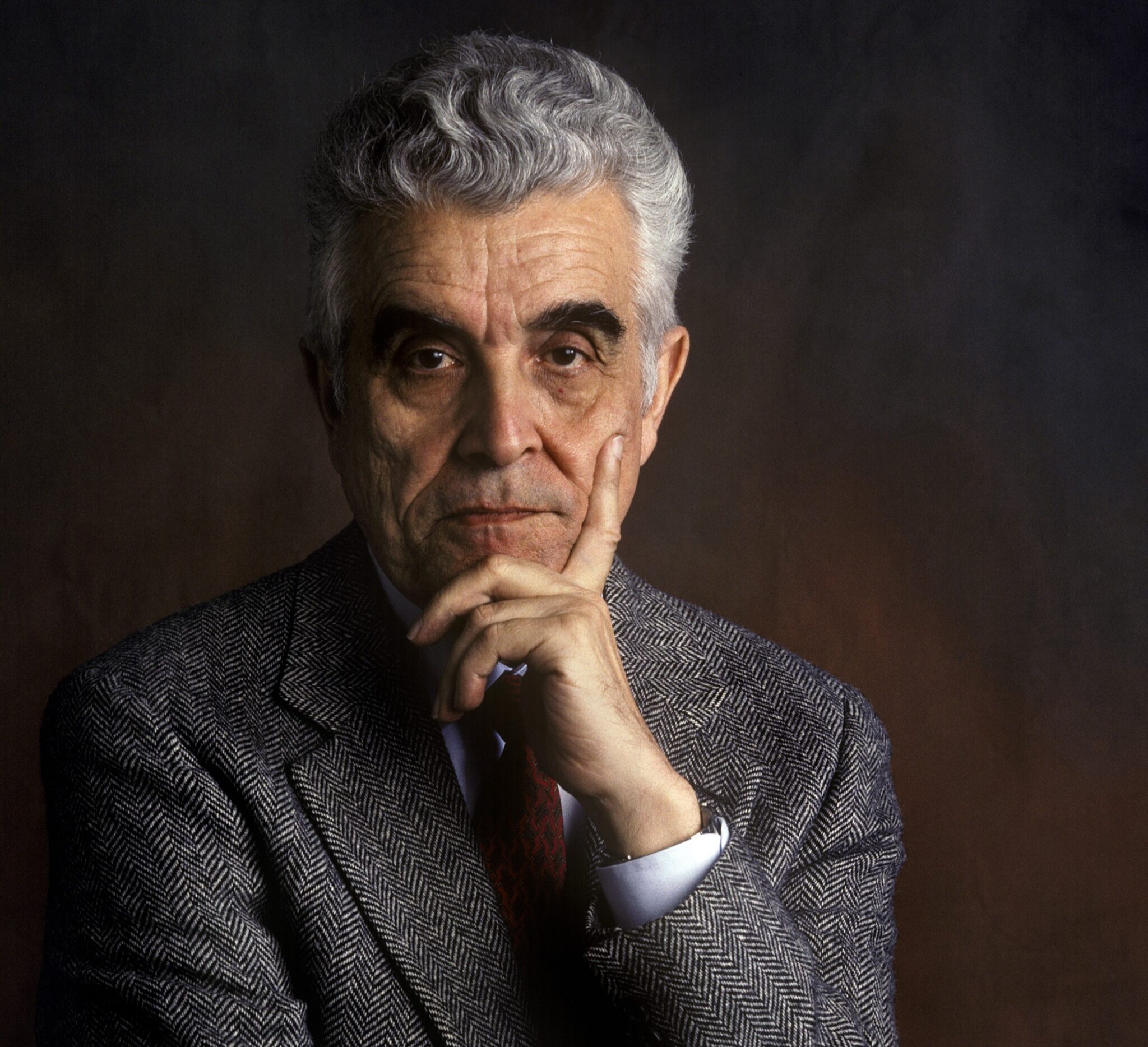
René Girard’s theories of mimetic desire, scapegoating, and Christianity have found unexpected champions among American conservatives like Peter Thiel and JD Vance, who see his work as both spiritually profound and politically useful. But critics argue this appropriation distorts Girard’s deeply nonviolent, apolitical philosophy into a tool for nationalist agendas.
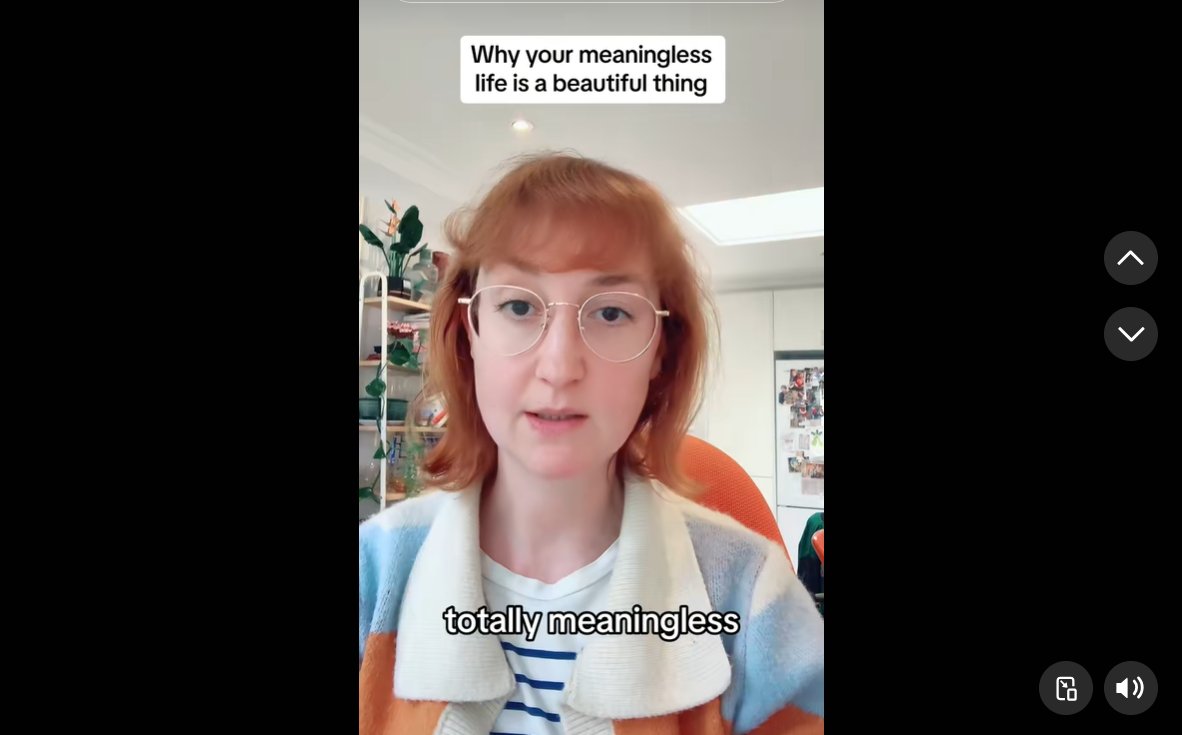
Amid global crises, political disillusionment, and economic precarity, younger generations are redefining nihilism as a coping mechanism and a consumer trend.
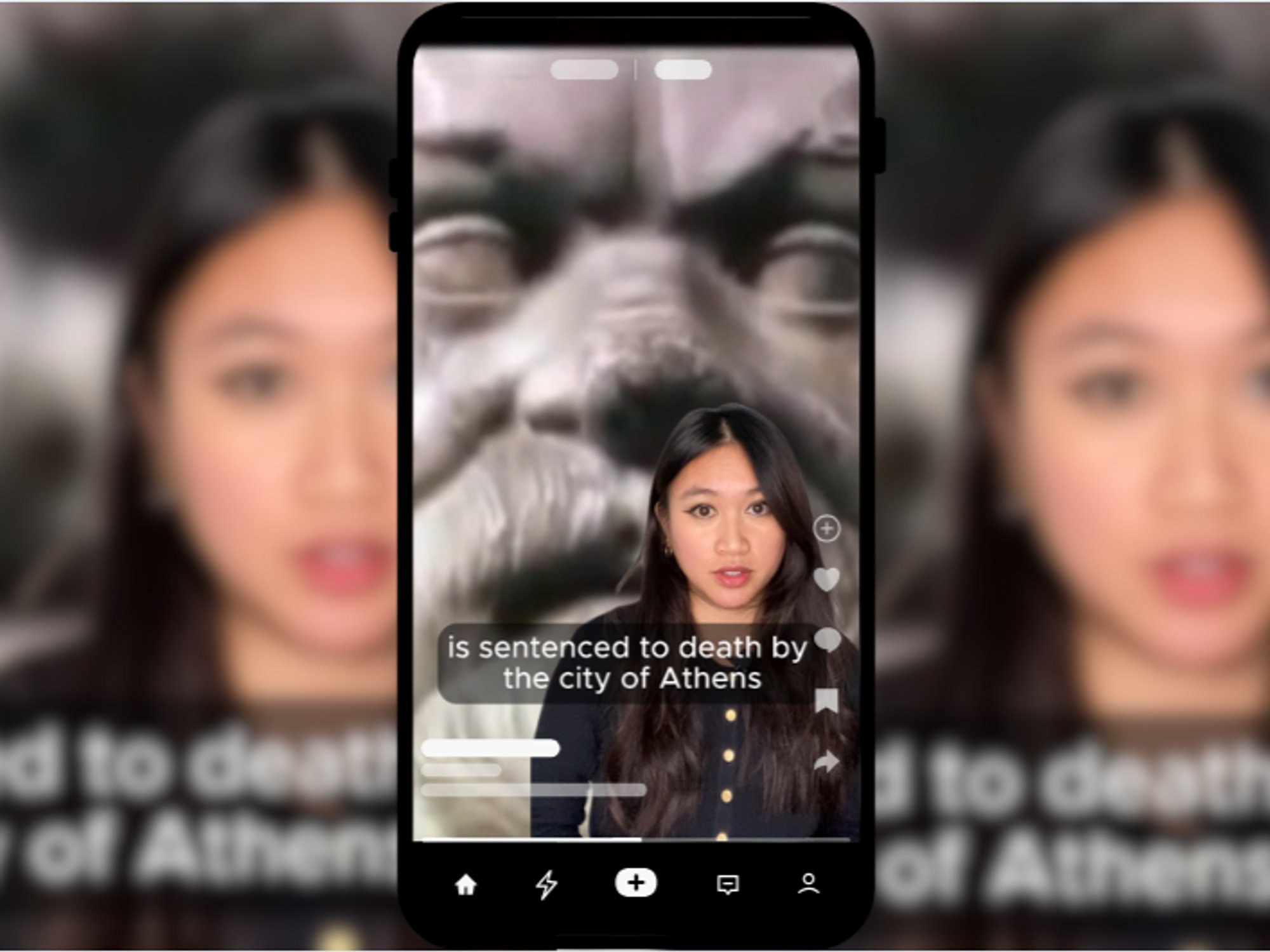
An assassination attempt, the founding of a political party, and the death of a disco King.

Many of life’s biggest questions can’t be answered by an algorithm. We must learn to embrace uncertainty instead.
Updated July 20, 2024 at 4 p.m. Bruce Lee died on this day 50 years ago, at the age of 32. His sudden death was attributed to a cerebral edema, although some conspiracy theories and controversies have surrounded his passing. Where was Bruce Lee born? Bruce Lee was born in San Francisco, California, in the […]
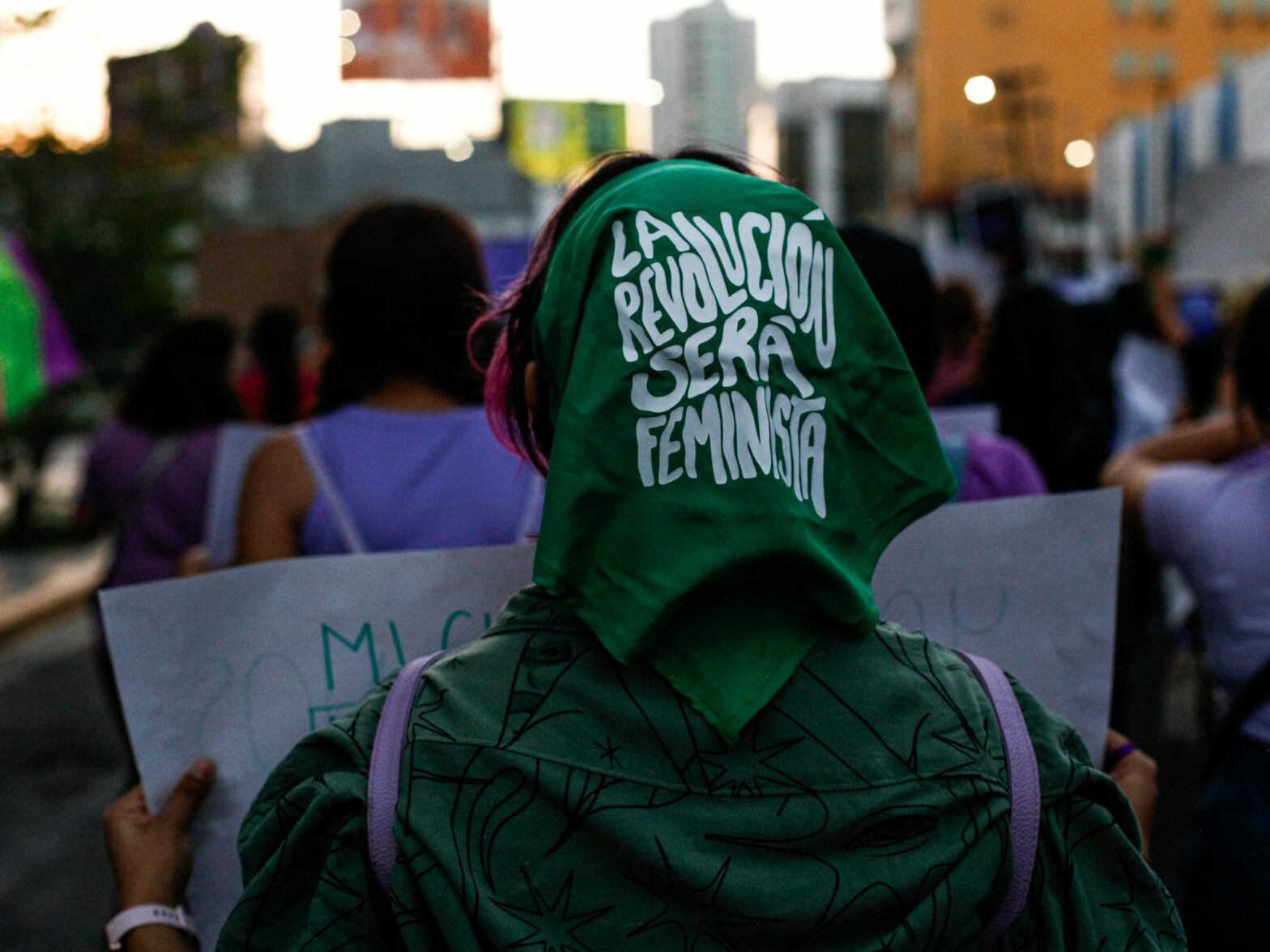
For decades, feminists have accused Marxism of not addressing women’s specific struggles. With presidential elections in Mexico approaching in June, an interesting experiment may happen, as two female candidates are in the race. A vision for how Marxism and feminism, together, can help change Mexican society — with a woman at the helm.
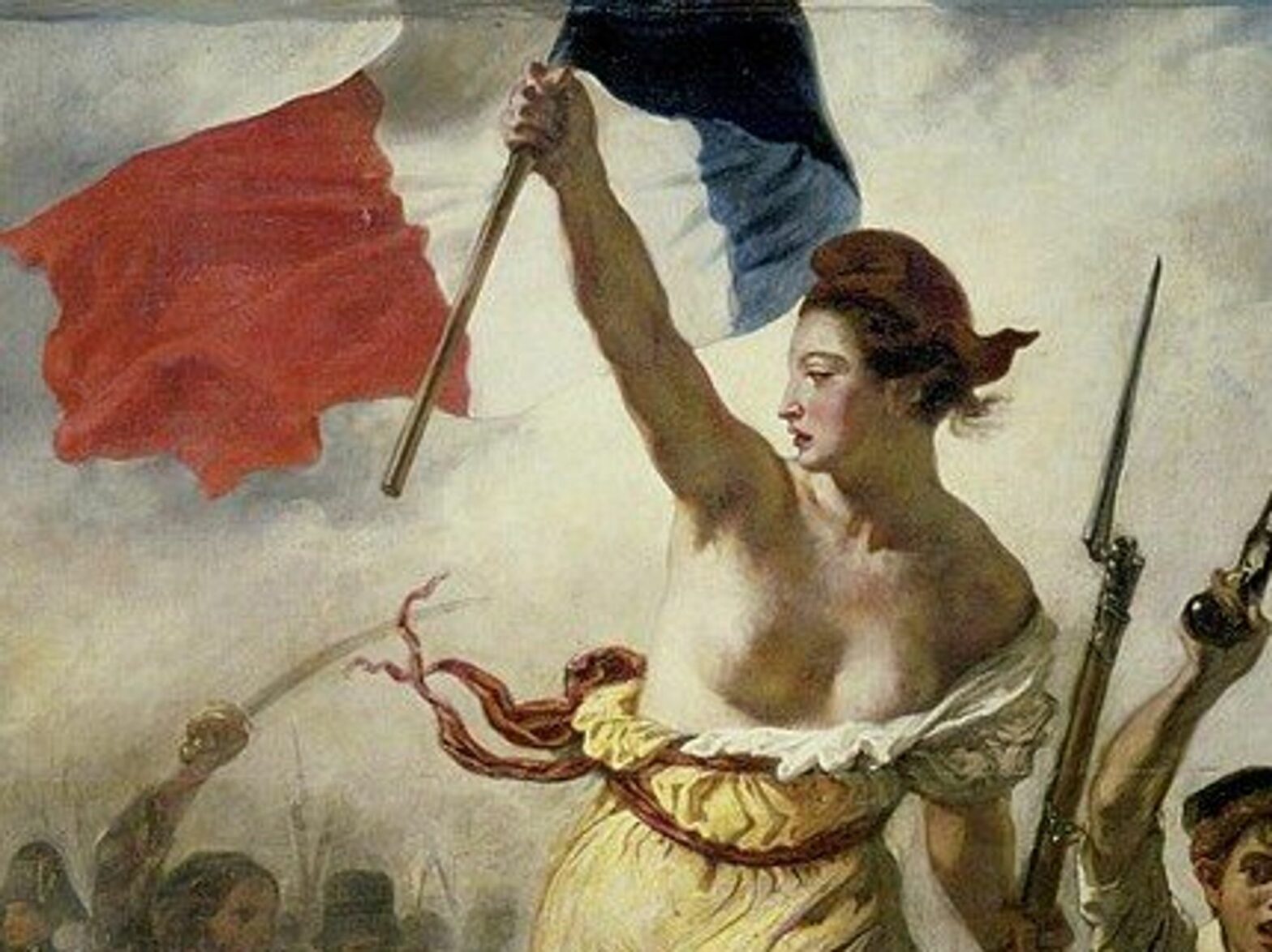
Political battle lines are becoming increasingly entrenched, and opposing views are being pushed towards ever greater extremes. Language has become a battlefield. If morality pushes us apart, and religion does not help in the process, we may find a solution in our sense of humanity, writes German psychiatrist Manfred Lütz in Die Welt.
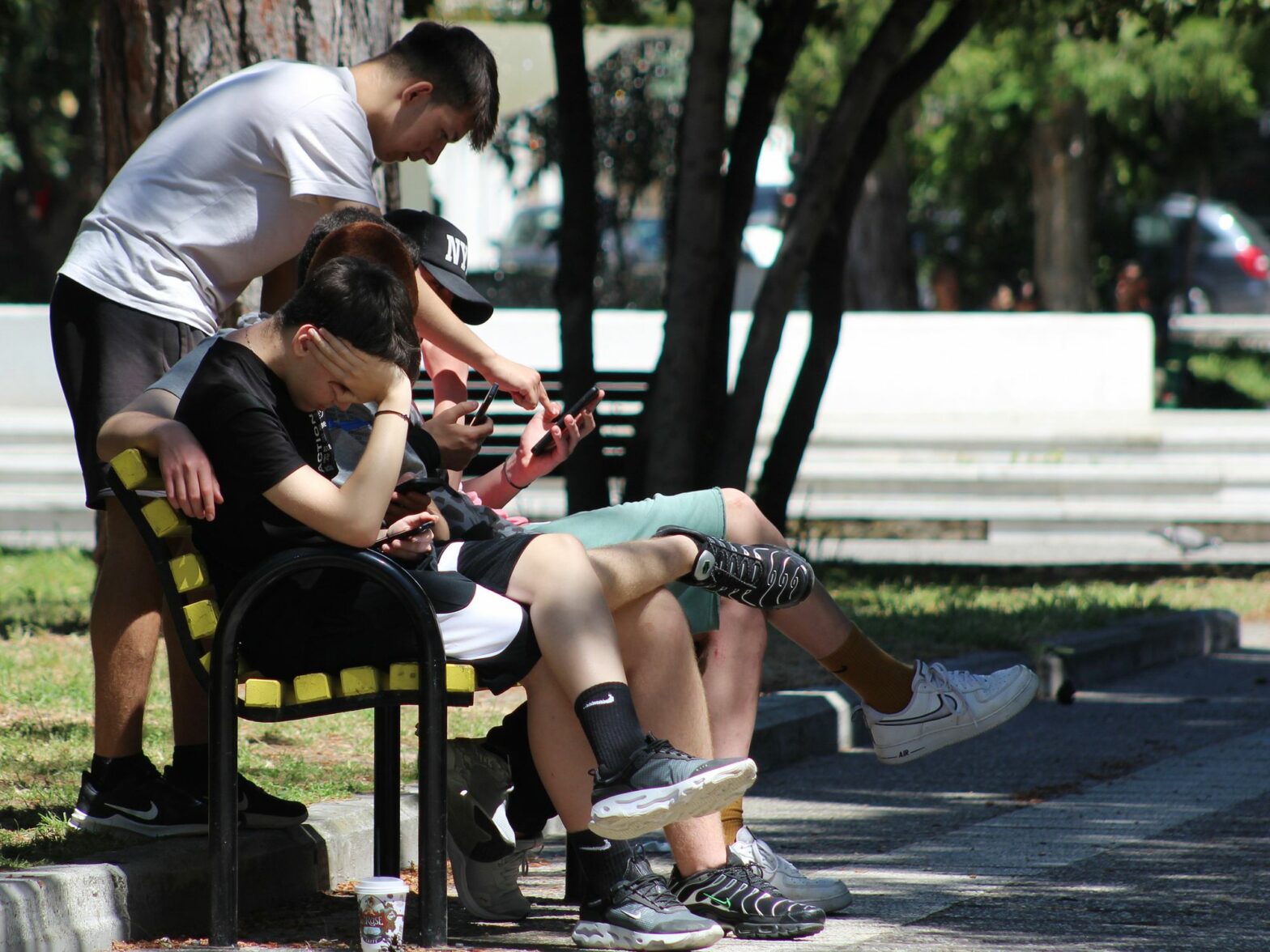
We’re renouncing books to gorge ourselves on digital imagery and short texts. If we continue like this, ditching the written word of the past, we may soon become fitting descendants of the cringing, timorous masses of the dark ages.
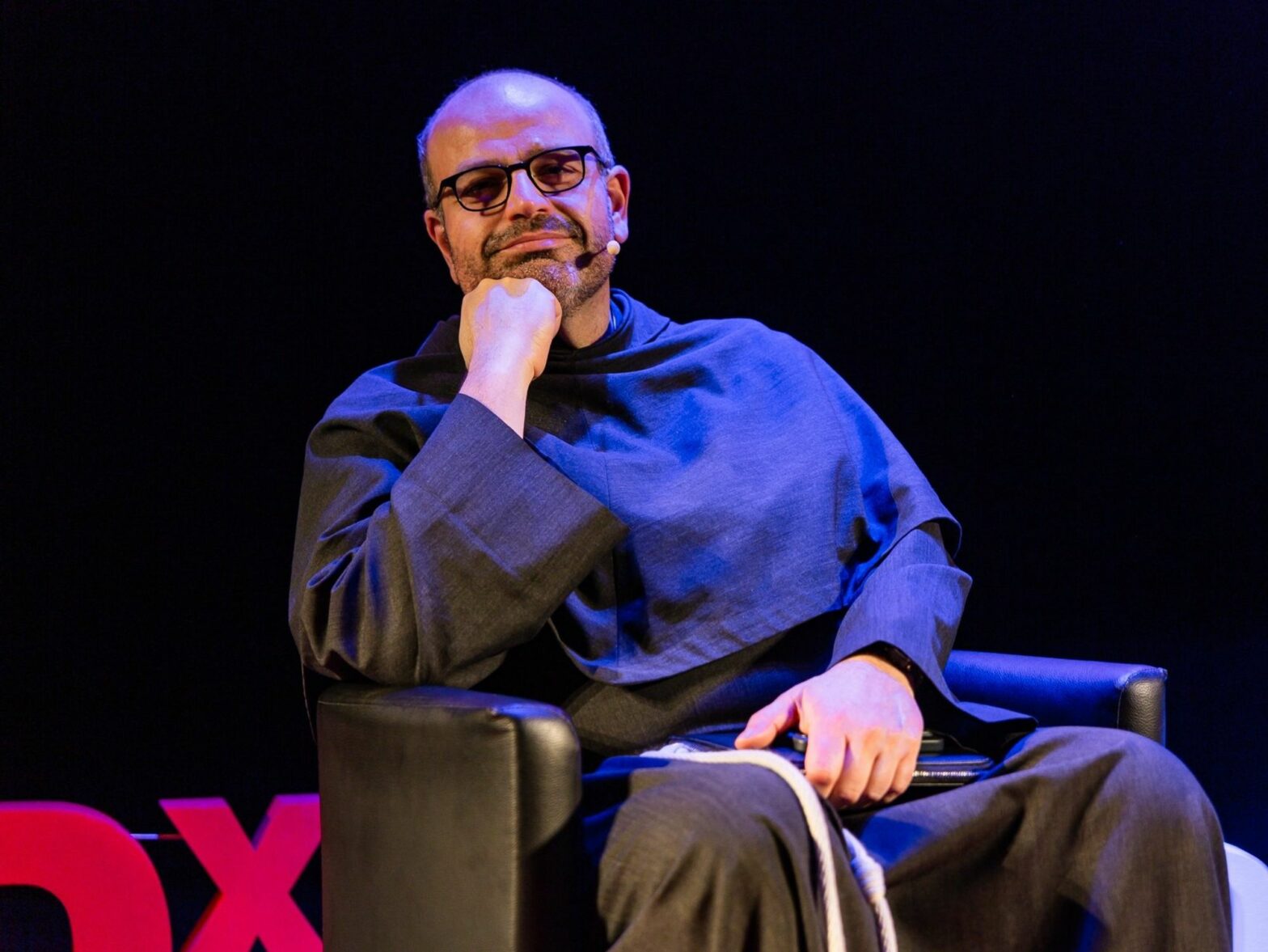
Francesco Profumo, a former Italian education minister and the current rector of the Open Institute of Technology, explains why artificial intelligence needs a voice like Father Paolo Benanti, the only theologian on the UN Committee on Artificial Intelligence.

The practice of gift giving exists in every culture in the world, and has for as long as recorded history. What does it tell us about the nature of human society?

Postmodernism’s eagerness to relativize what is commonly considered factual, objective or real is attractive to recent, jaded, generations, but can barely help a contemporary world lurching between chaos and calamity.
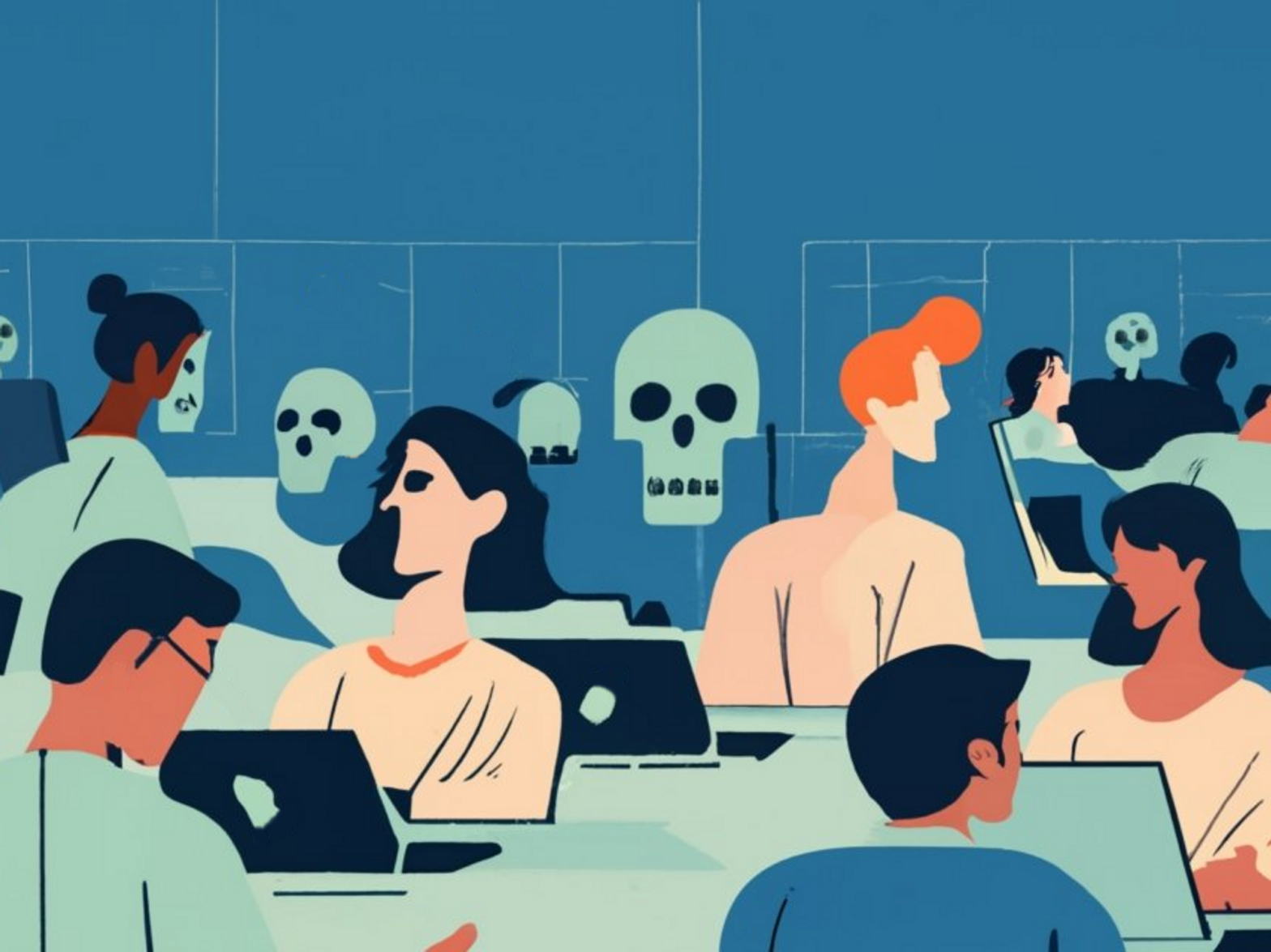
Thanatology or the study of death has entered Italian academia, led by the University of Padua, which is taking an interdisciplinary approach to our fascination with mortality.
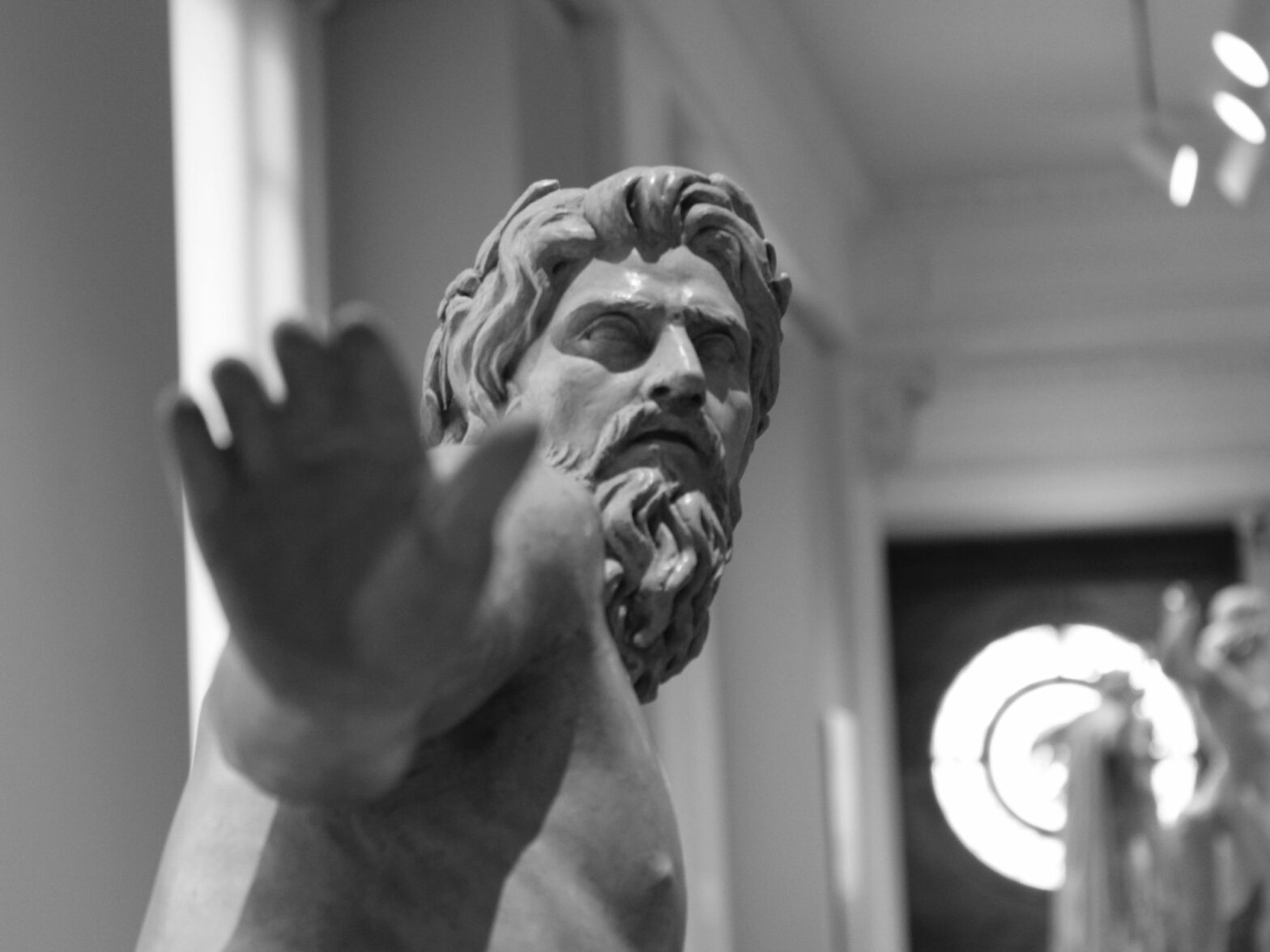
Faced with rising violence and climatic catastrophes, stoicism teaches us how to cultivate our inner selves, and how to continue living without giving in to fear.
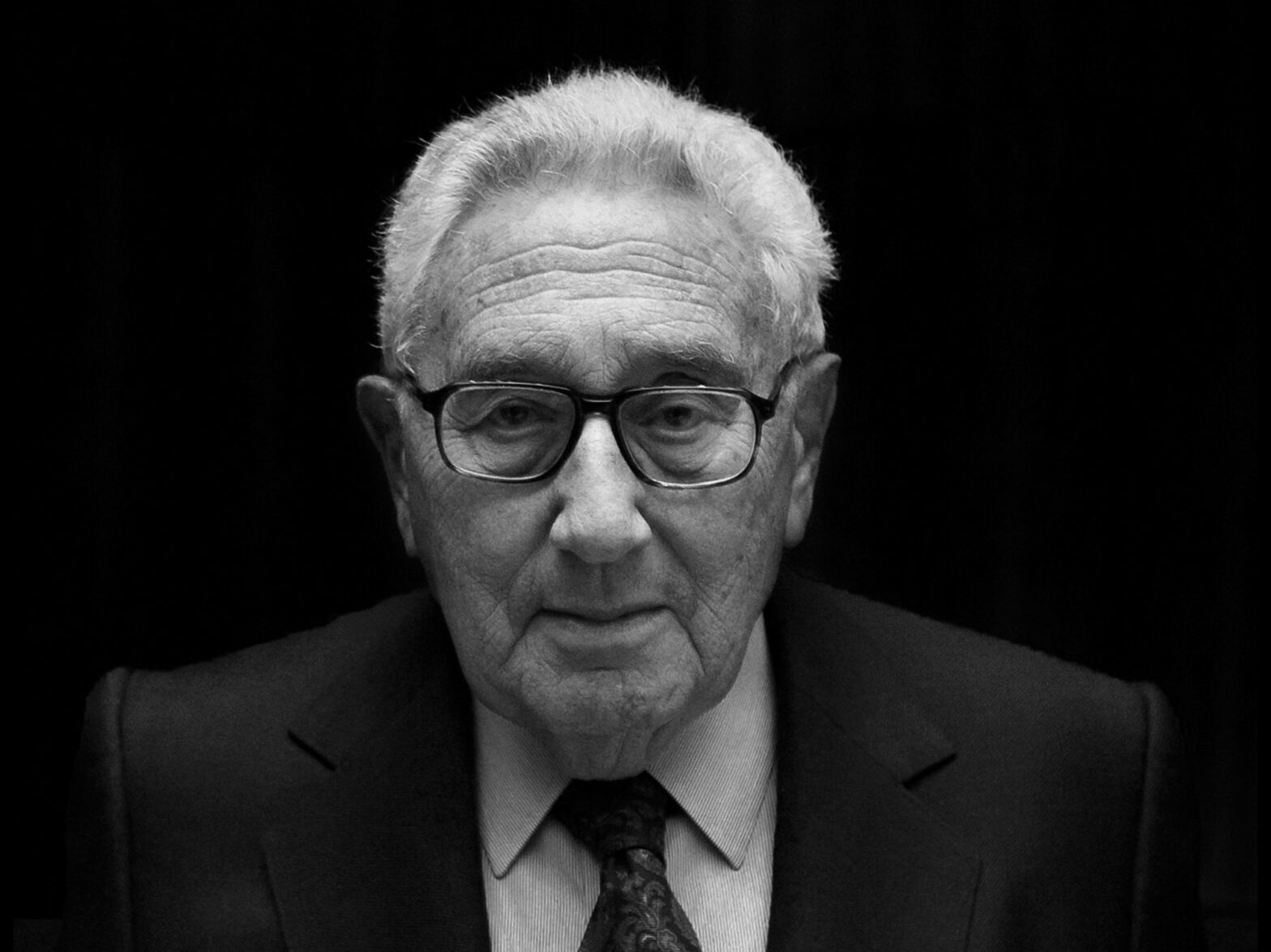
China shares praise, Cambodia throws shade, Germans show pride … and from Moscow?
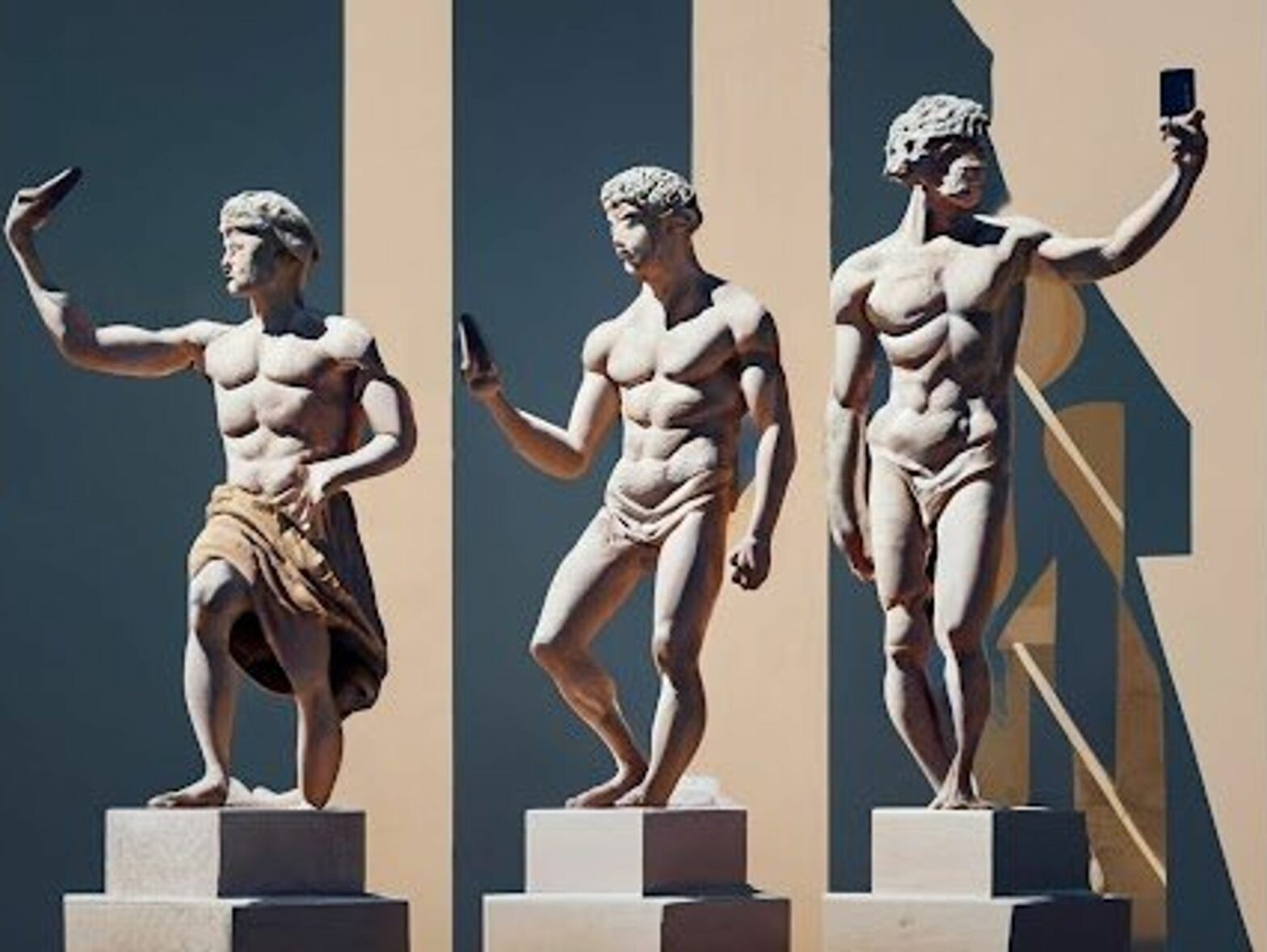
Italian philosopher Umberto Galimberti says it is a tragedy to photograph a life into existence rather than living it.
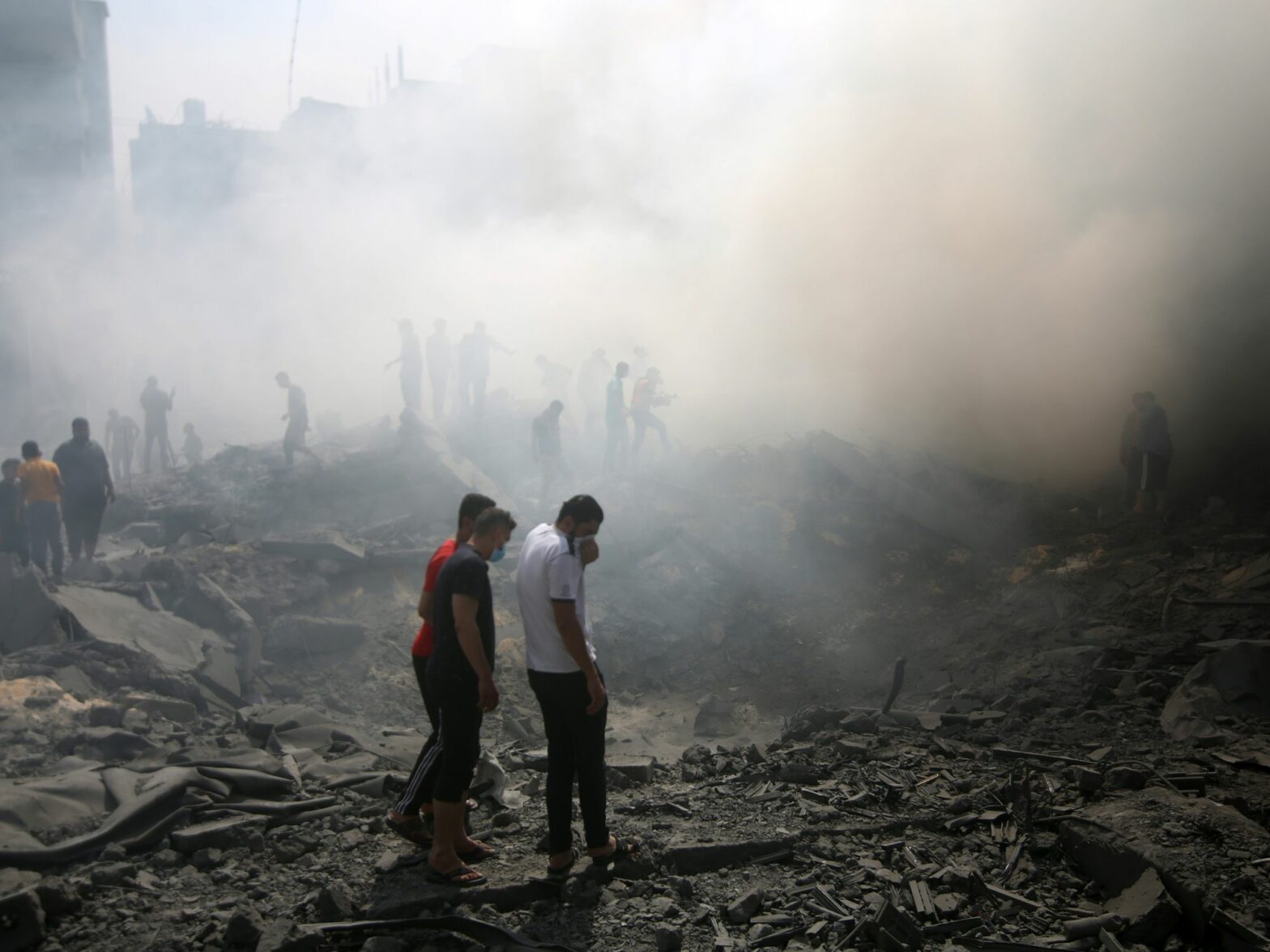
Over the past week, Gaza has been officially under siege, even if the roots have long been planted in the confined territory. Others may say that Israel itself has long felt under siege, surrounded by hostile nations. It’s worth tracing the origins of this policy of war that targets entire populations, from Troy in ancient Greece to Leningrad in World War II.
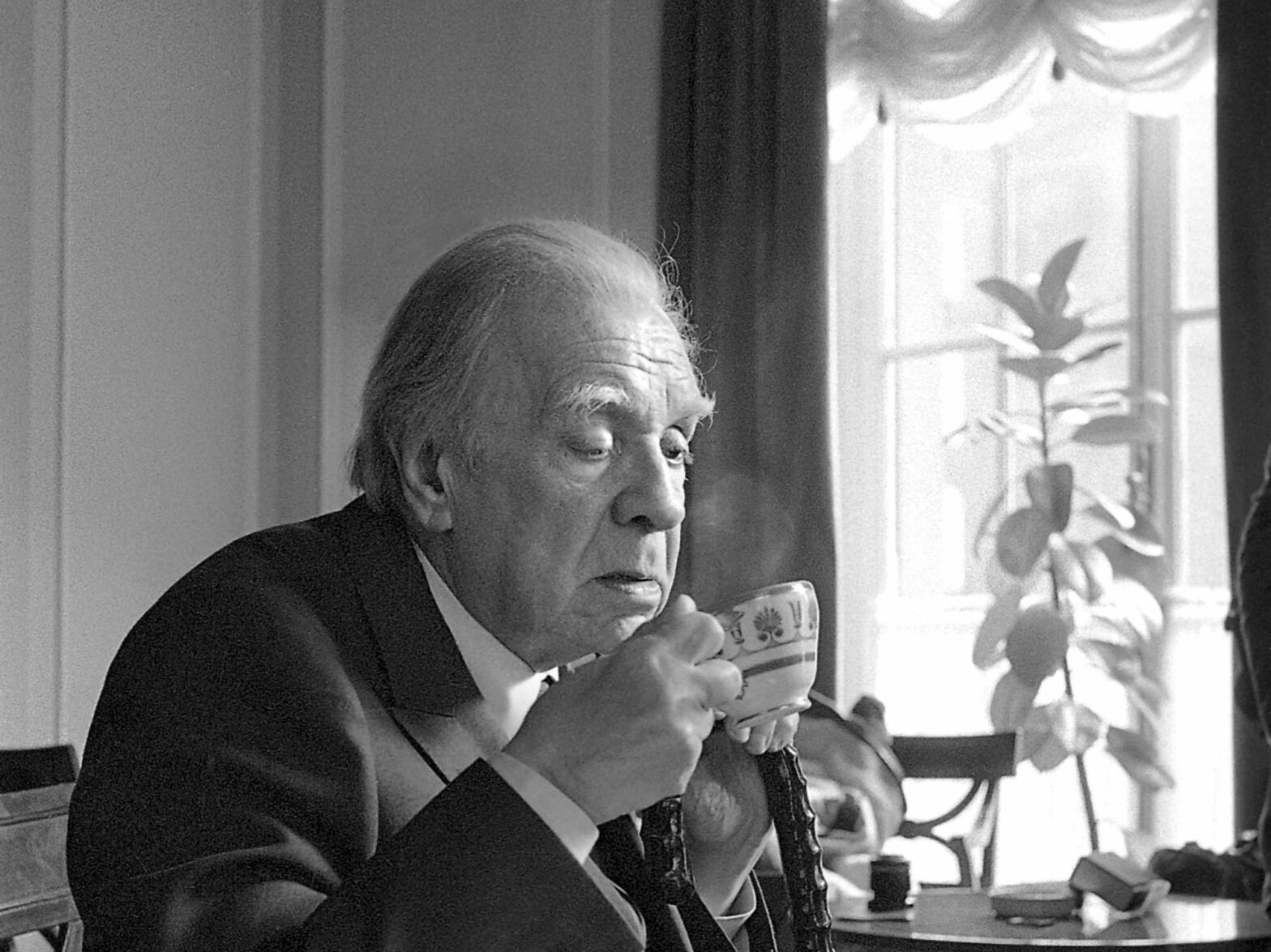
The vigorous liberalism of Argentina’s literary giant, Jorge Luis Borges, and his disdain for the 20th century’s oppressive regimes, may yet make him an icon of today’s youthful, if less learned, libertarians.
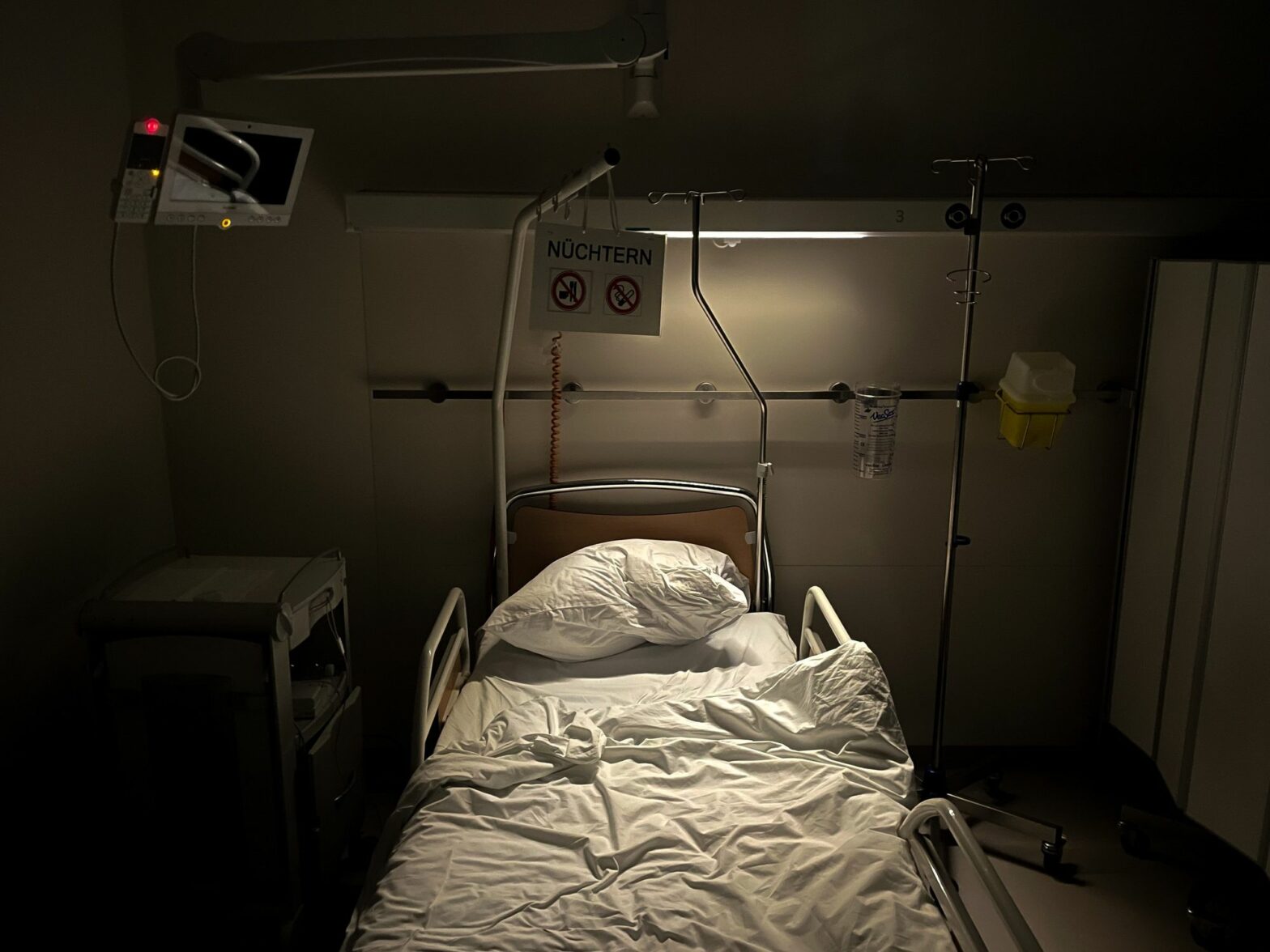
France’s much discussed citizens’ convention on assisted dying has just delivered its conclusions, including some proposals the government deems too ambitious. But the freedom to choose one’s own death is the ultimate achievement of self-control, says French philosopher Gaspard Koenig.

Atheists may not have been blessed with faith, but God has graced them with a mischievous wit and a love of the arts that has led to some of the most beautiful depictions of religion.

A widely mocked tweet by the Associated Press tells its reporters to avoid dehumanizing labels such as “the poor” or “the French”. But one French writer replies that the real dehumanizing threat is when open conversation becomes impossible.

Two patients walk with our Naples-based psychiatrist on that fine line between freedom and insanity.
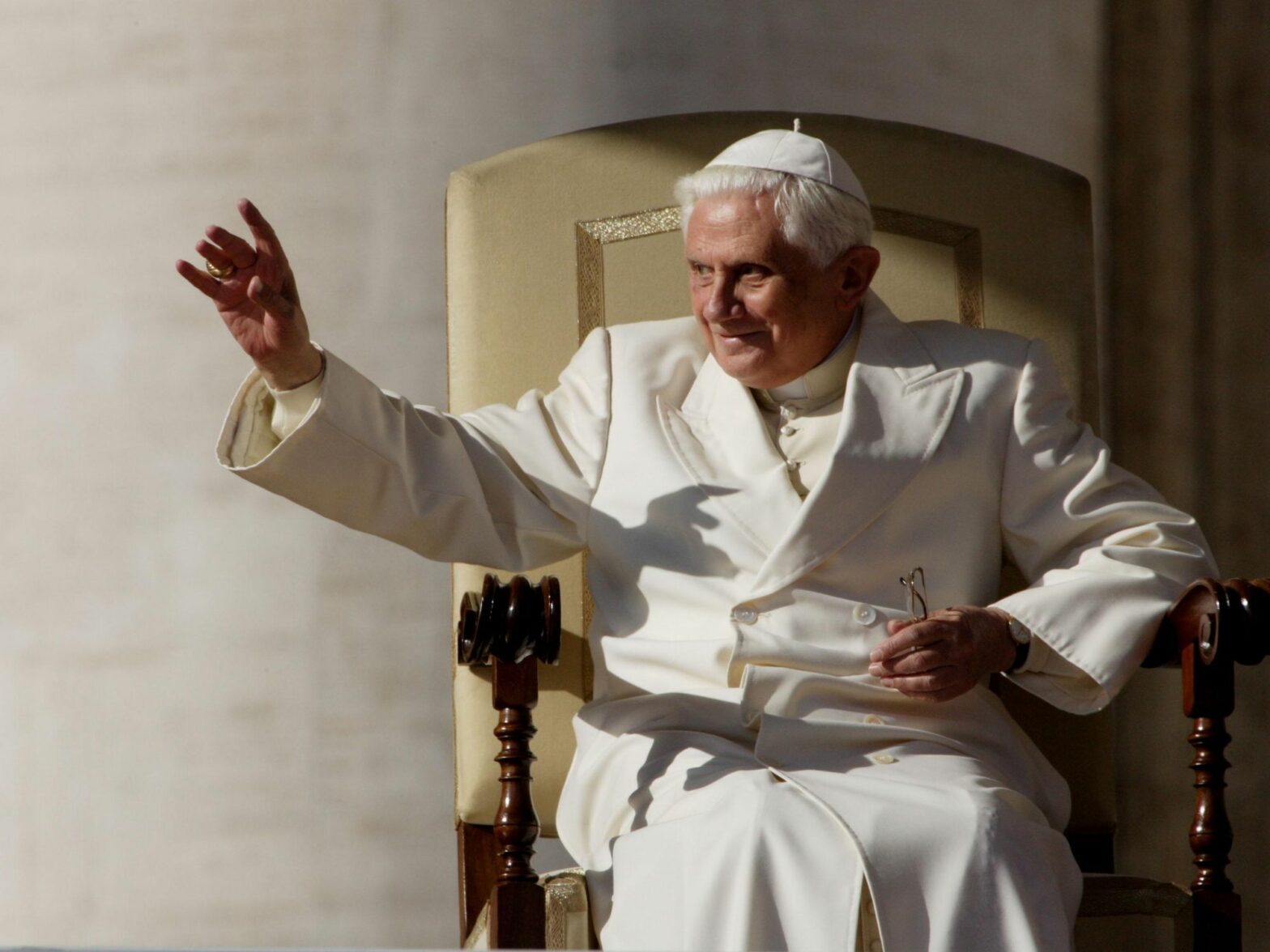
In his Spiritual Testament, Pope Benedict XVI only cited Protestant theologians – not a single Catholic thinker. Were the Catholics not interesting enough for him? And what do Joseph Ratzinger’s pre-modern understanding of the concept of reason and inaccurate Kant quotes have to do with it?
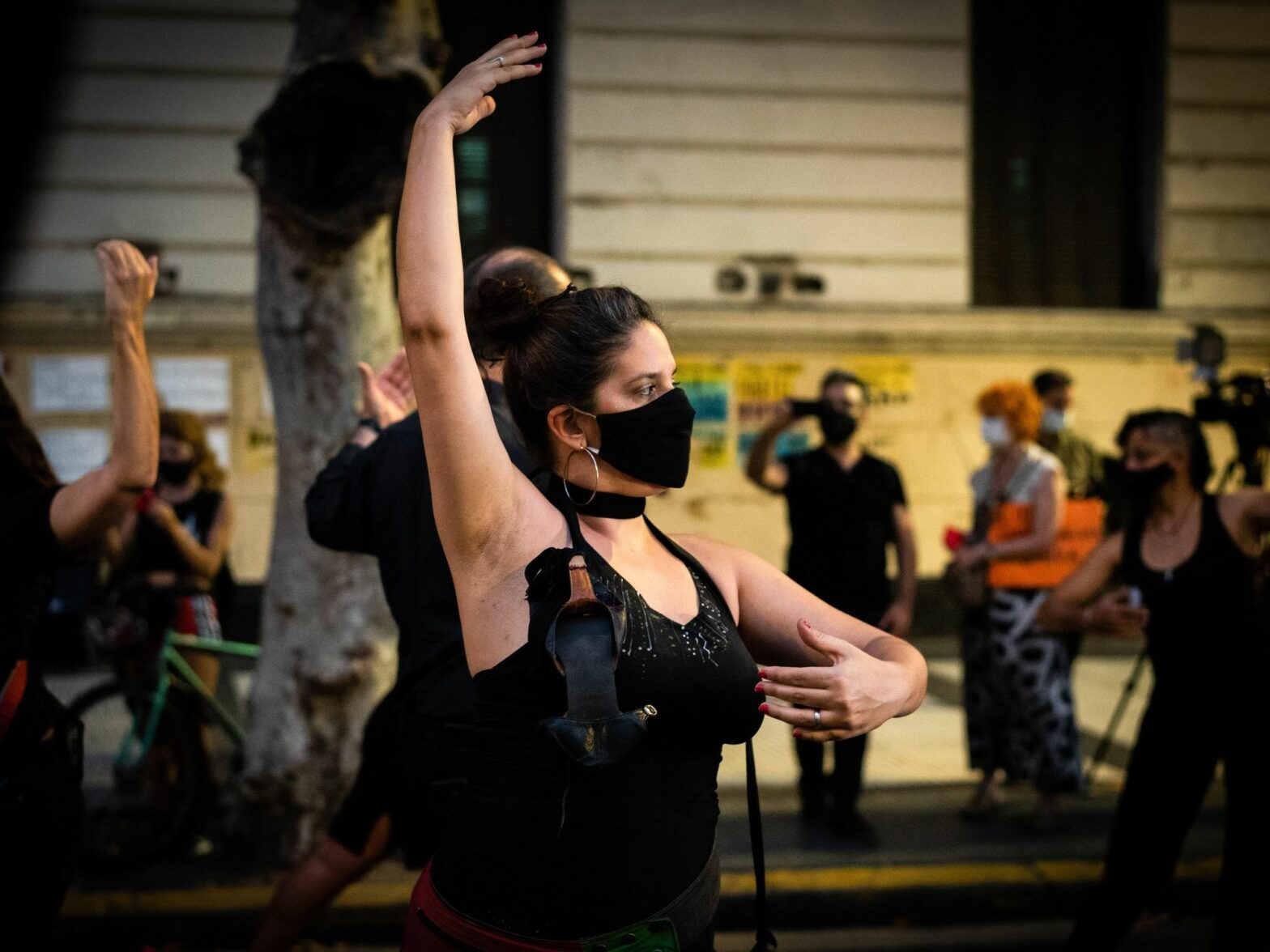
Two years of restrictions and millions of deaths brought on by the pandemic might have had us reflect on the reality of suffering and death, but as booming pharmaceutical and retailing figures suggested, nothing can distract modern folk from their love of distraction. A view from an Argentine physician.
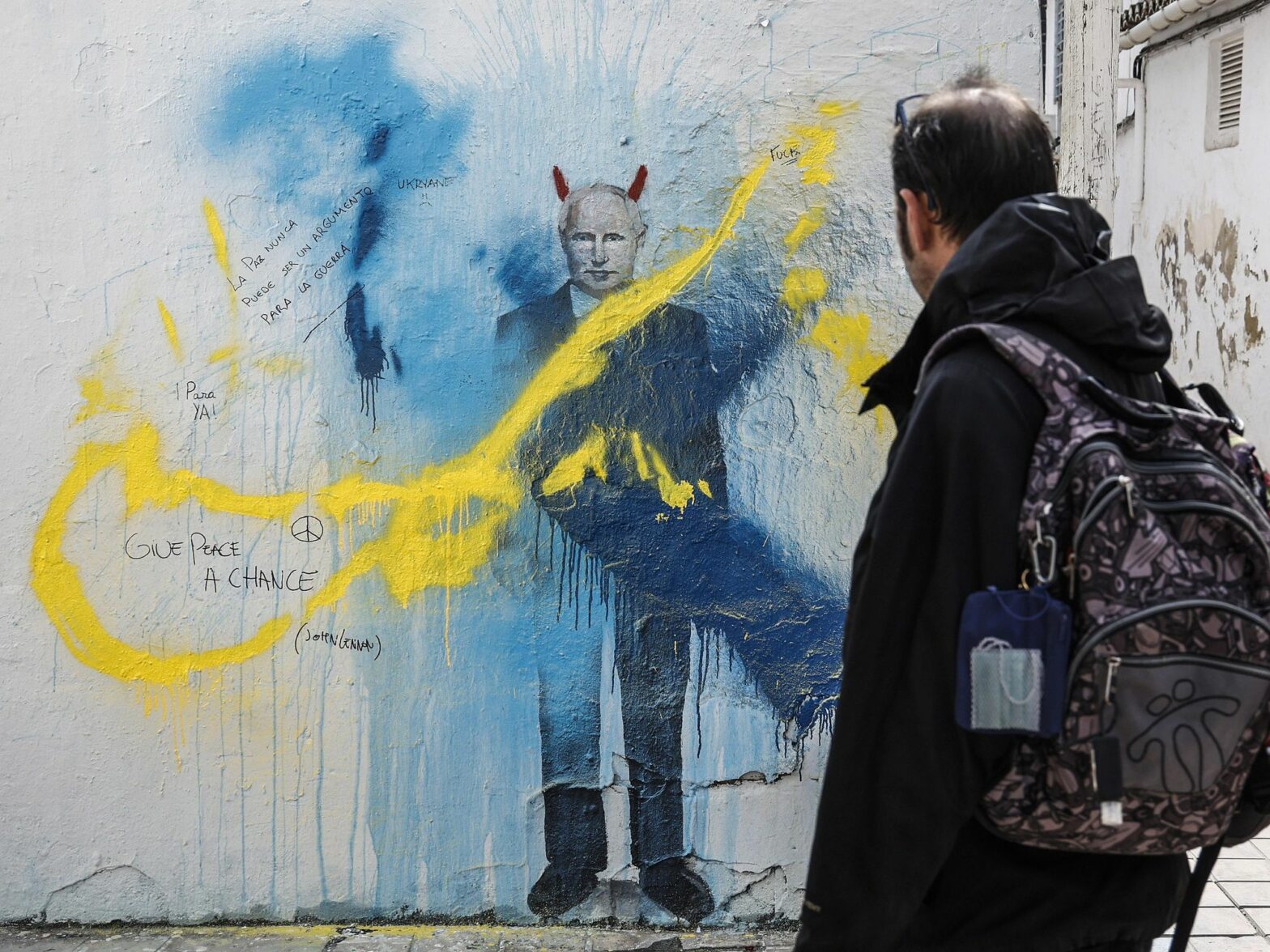
French philosopher Gaspard Koenig’s view on Russia’s unprovoked invasion of Ukraine and its targeting of civilians leads him to a notion explored by Immanuel Kant, and so mocked by post-modernity.
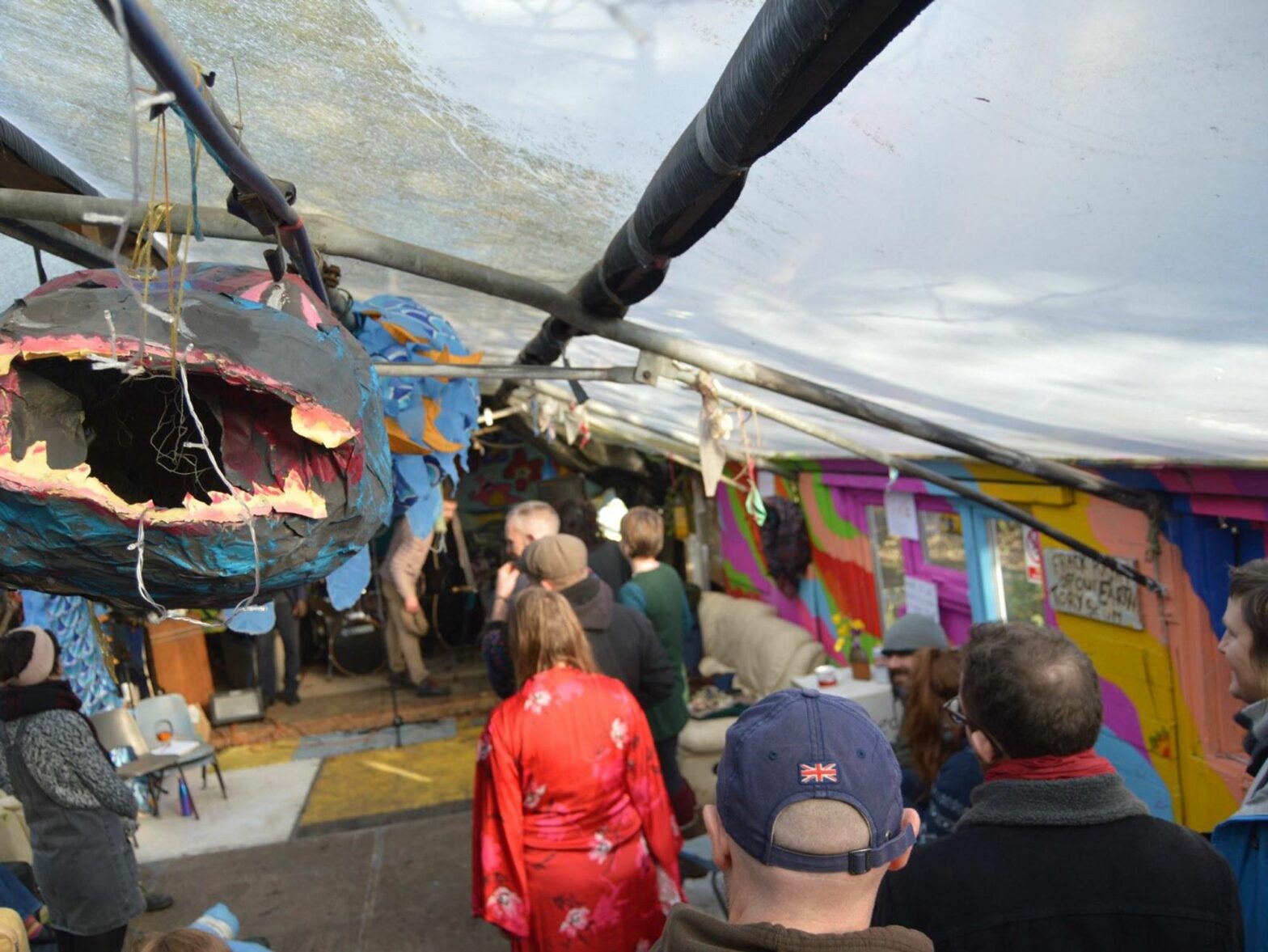
Imagine self-organized forms of building, from remodeling existing structures to building entirely new spaces to accommodate individual liberty and radical change in social organization. It’s a movement whose time may be coming.
Here are the 10 most-read articles of the past year: Who Is Lauriane Doumbouya, The French Wife Of Guinea’s Coup Leader? During the recent inauguration of new Guinea president Mamadi Doumbouya, the presence of a female French police officer alongside the coup leader grabbed the public’s attention. But little is still known about the new […]
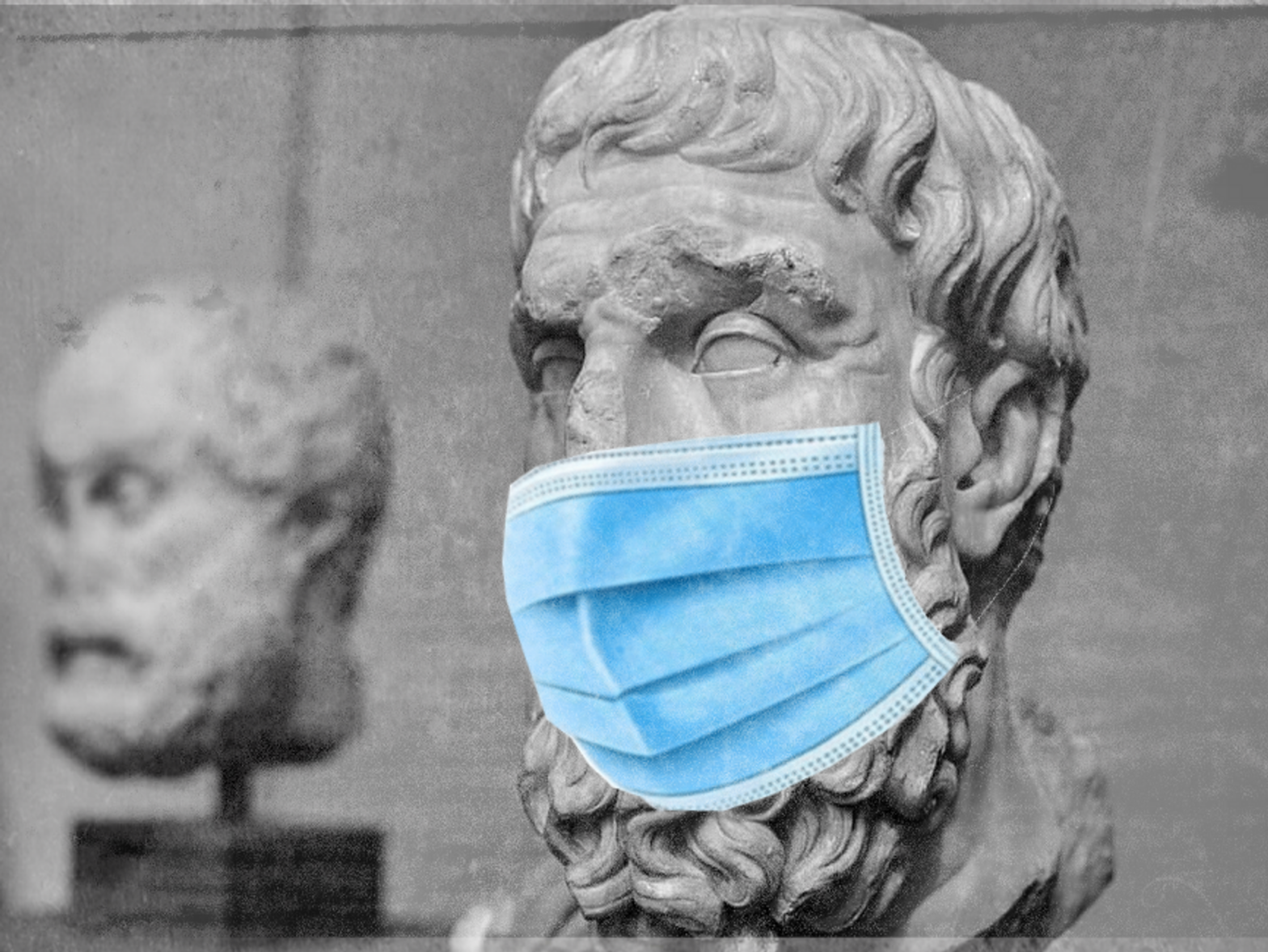
In Italy, Epicurus’s “Letter on Happiness” is being sold at pharmacies to help people face down the stress and anxiety of COVID times.
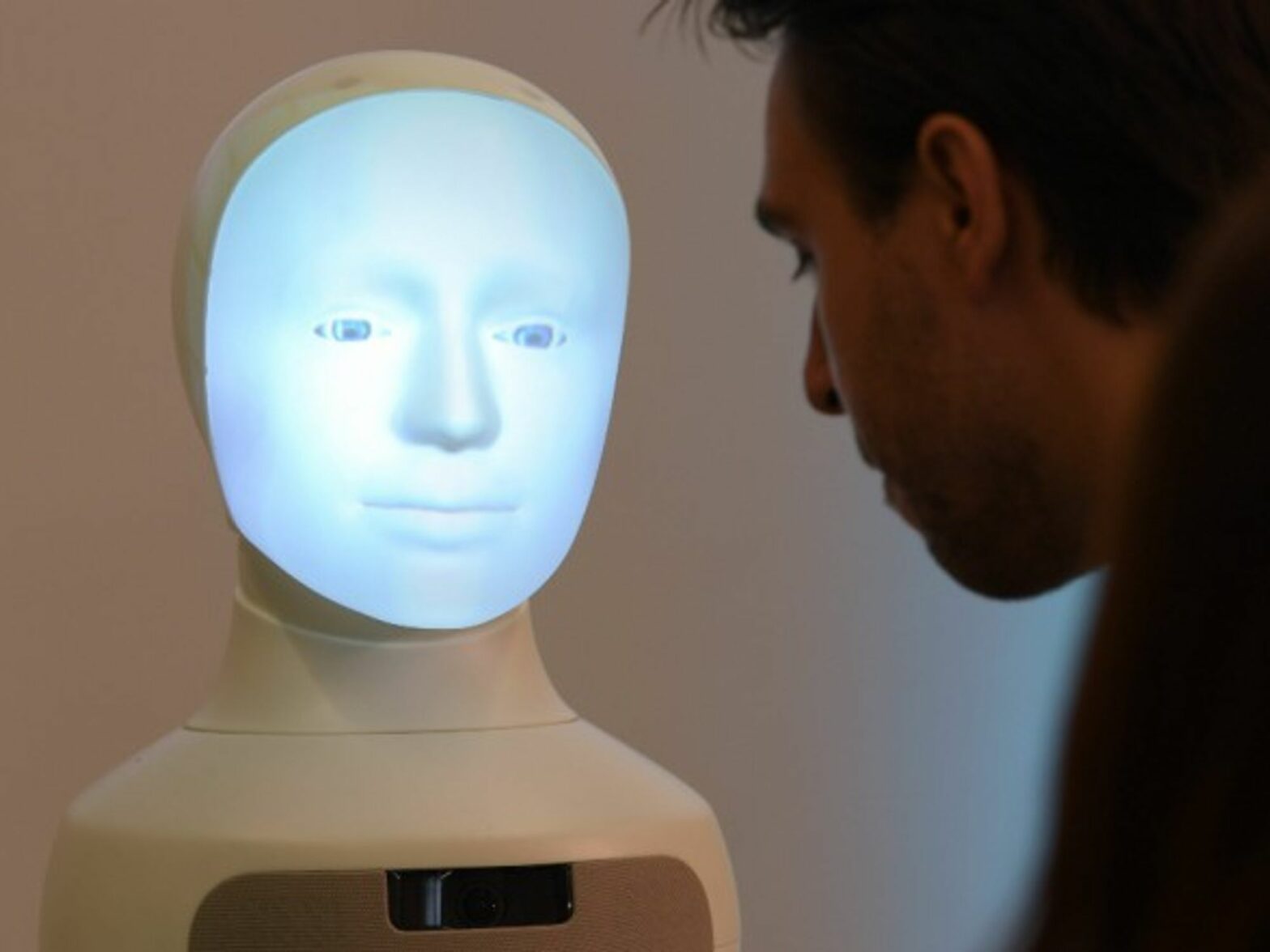
Technological progressions have always changed how we behave. But AI has much more far-reaching potential to change the very meaning of what it is to be a human.
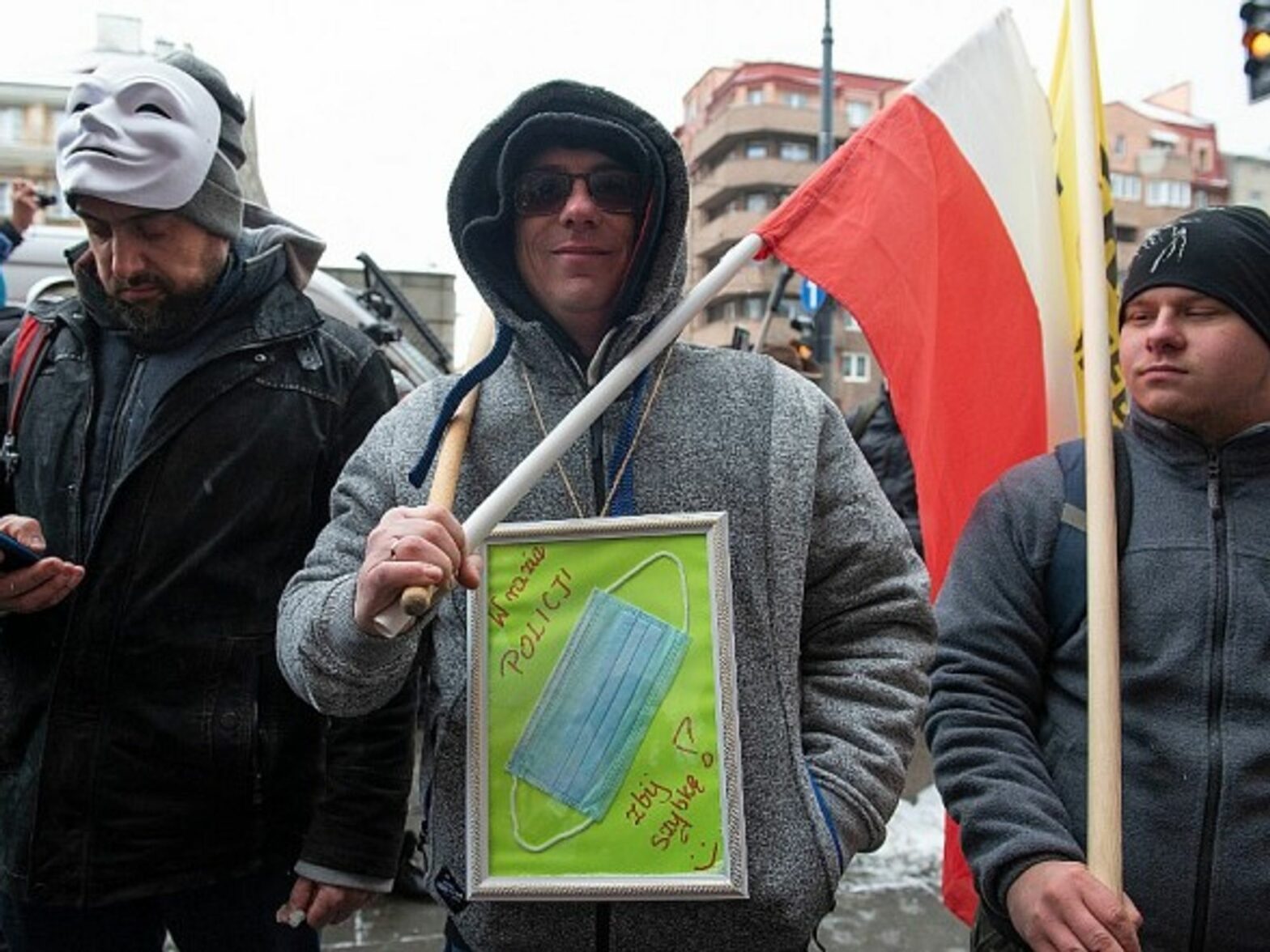
The virtues that laid the groundwork for Western civilization’s many advances are being eclipsed, it would seem, by an internet-driven rush of irrationality.
New Year’s resolutions are still freshly made, but how long will we stick to them? Here’s what legendary German thinker Immanuel Kant has to say about them.
In the place of narcissistic and subjective dignity wrongly invoked by procreation militants, we need a return to the transcendent and objective dignity of human nature.

-Essay- PARIS — Growing crops without the herbicide glyphosate is probably a good thing. Or maybe not. I admit that I have no idea. I’m no doctor, no farmer, nor do I possess any technical competence that would enable me to have an informed opinion on the matter. On the other hand, I do have […]
PARIS — What becomes of psychoanalysis in our hyper-connected digital world? The question is ripe, as new technologies capture the psyche and absorb the libido of each and every one of us. As relations among individuals are now broadcast to everyone, your relationship with yourself is fundamentally altered. This changes the status of speech and […]
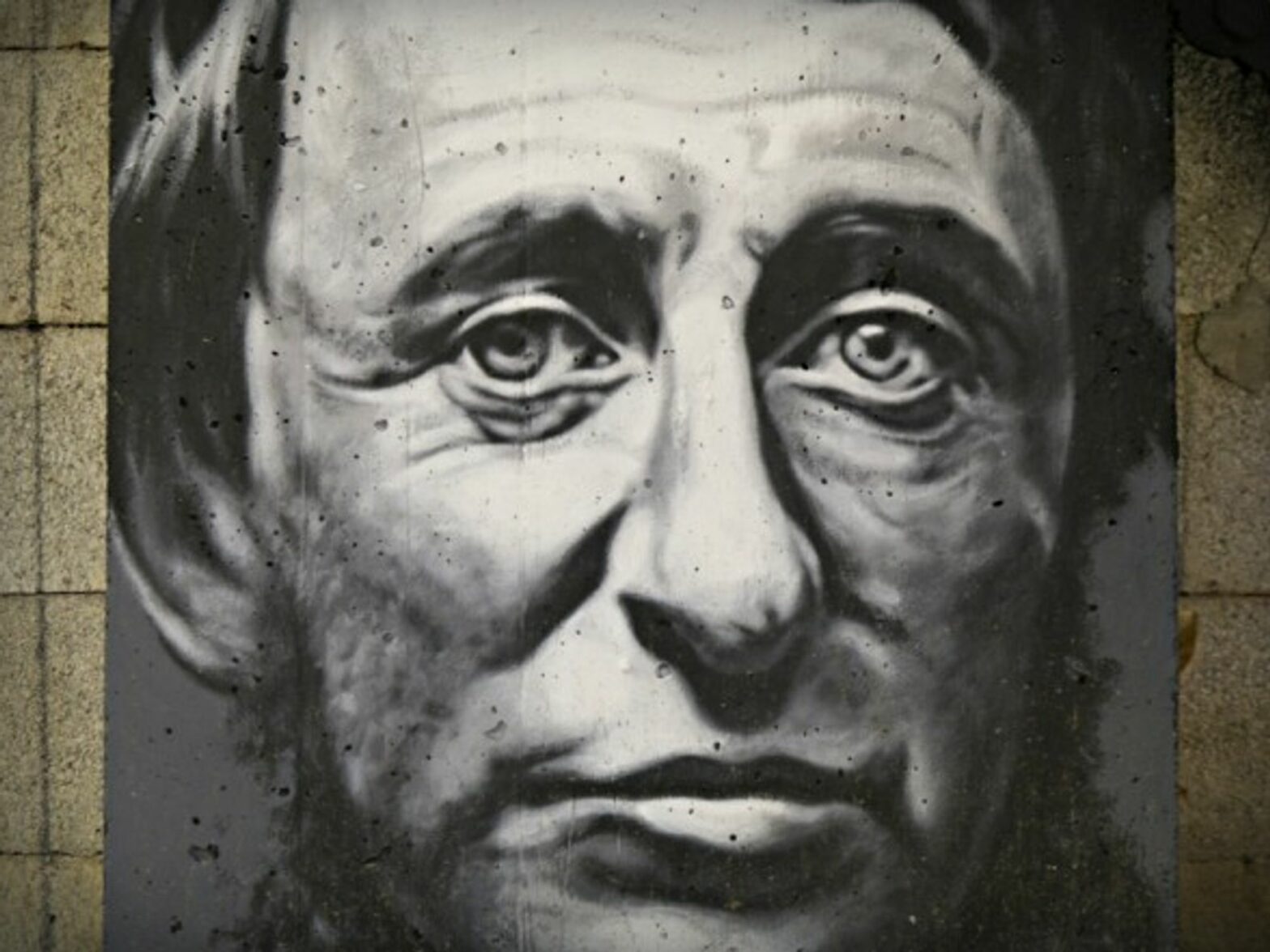
-Essay- Does anyone even read Henry David Thoreau anymore? Today, July 12, marks the 200th anniversary of the American poet and philosopher’s birth. And much is being said and written about him — not all of it flattering. His work is “anecdotal,” some say. Or “irrelevant,” “juvenile” even. To answer the initial question, I do. […]

Thinking of death is inherent to being human. Technological advances, like so many human activities, reflect our desire to avoid it. But that may all be bound to change.
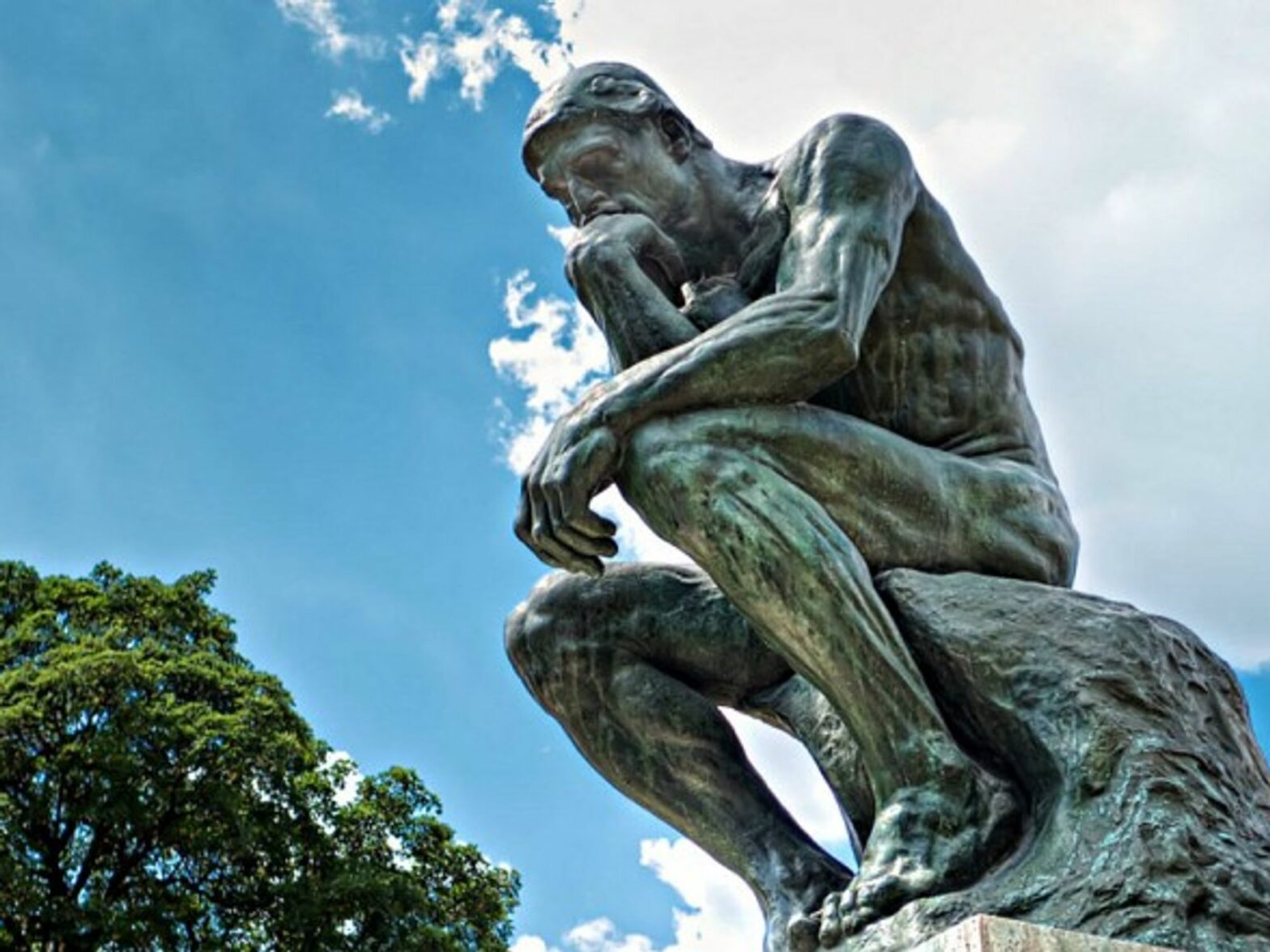
Our era of authoritarian rulers and ‘alternative facts’ makes the guiding light of philosophy more vital than ever.
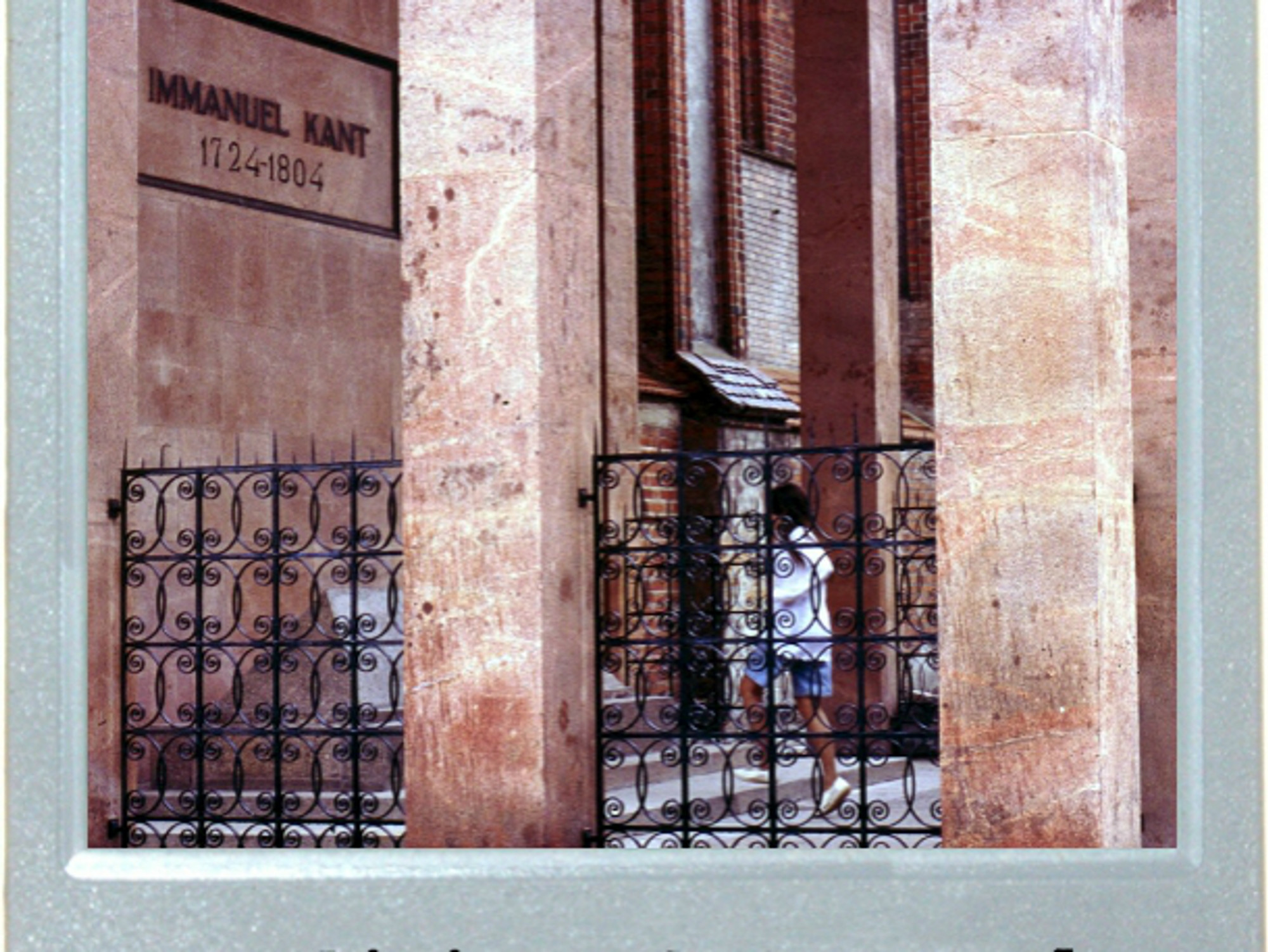
The famous German philosopher Immanuel Kant spent most of his life in Königsberg, in what was then known as Prussia. HIs mausoleum has seen borders and names change: The city is now a Russian enclave between Poland and Lithuania called Kaliningrad.