Tired of being set up on blind dates by family and friends, some young people in China are turning to live stream blind dating chats on the social media platform Xiaohongshu to look for potential partners — with an online audience.

 Worldcrunch
Tired of being set up on blind dates by family and friends, some young people in China are turning to live stream blind dating chats on the social media platform Xiaohongshu to look for potential partners — with an online audience.

As concerns grow over the risks of social media and technology on young people, a new and largely unregulated digital frontier is emerging: interactions with artificial intelligence. Platforms like Character.AI allow users to create AI-generated characters that seem human, prompting critical questions about how these virtual experiences affect our understanding of reality and relationships.

The Dating Agency, founded by a psychologist-turned-matchmaker, was supposed to help Polish singles tired of looking for love on dating apps. Today, many are back on Tinder.

An increasing number of male teens and young adults who’ve experienced feelings of rejection wind up in what’s been dubbed the “incelosphere,” a place where they can find mutual understanding in a world they think is against them. Two women Polish journalists spent two years on the online servers these “beta males” are flocking to in ever greater numbers.
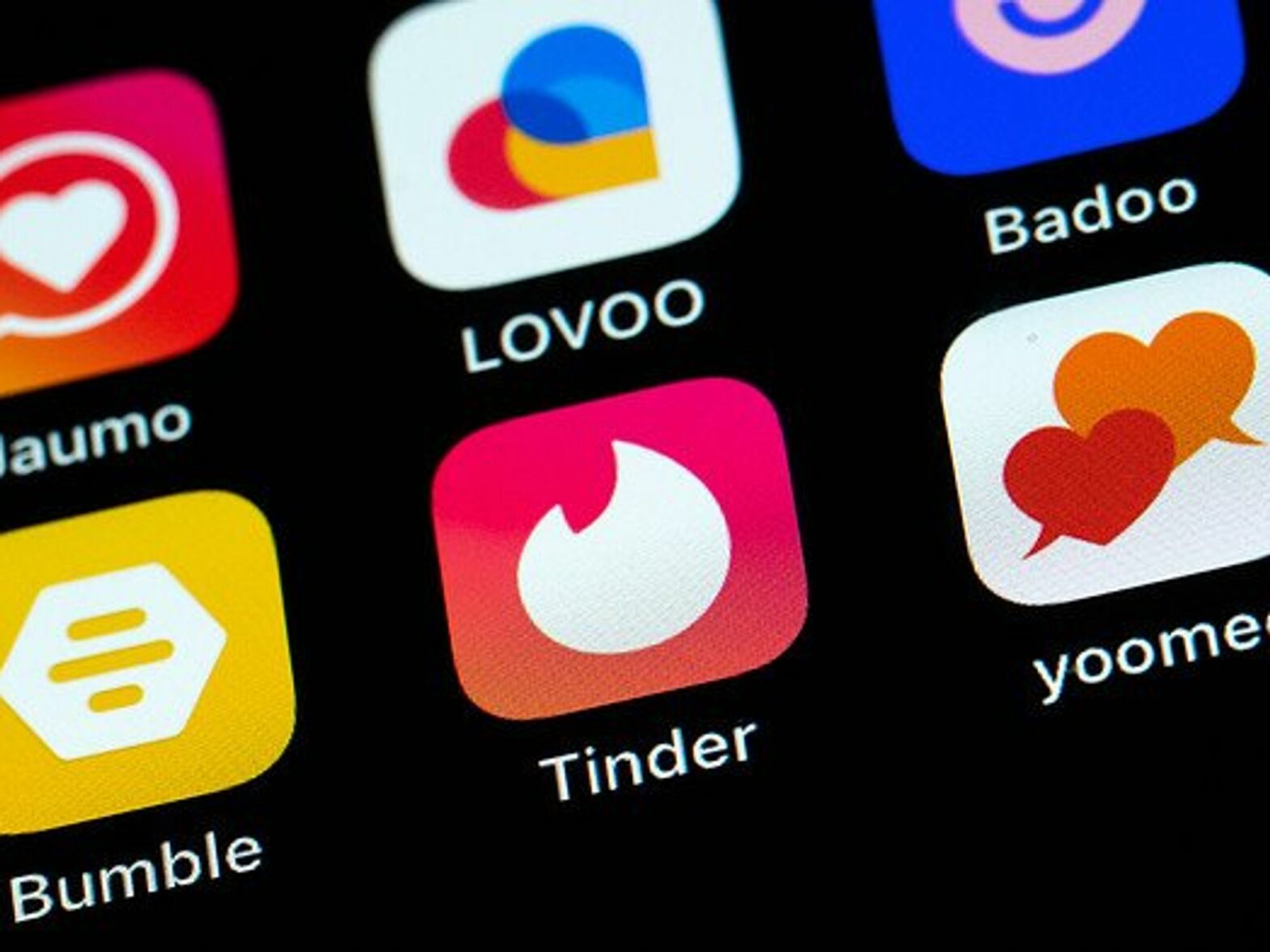
Contrary to what you might hear, 18-25-year-olds are less concerned with looks and more with kindness and respect when it comes to finding a partner.

Platforms like Tinder have a reputation for facilitating quick hook-ups. But their impact on society is far more profound than that, argues a French economics professor.

A website created by and for women to arrange discrete extra-marital escapades has attracted 800,000 users in France. Another tale of French sexual morals, now with a digital twist.