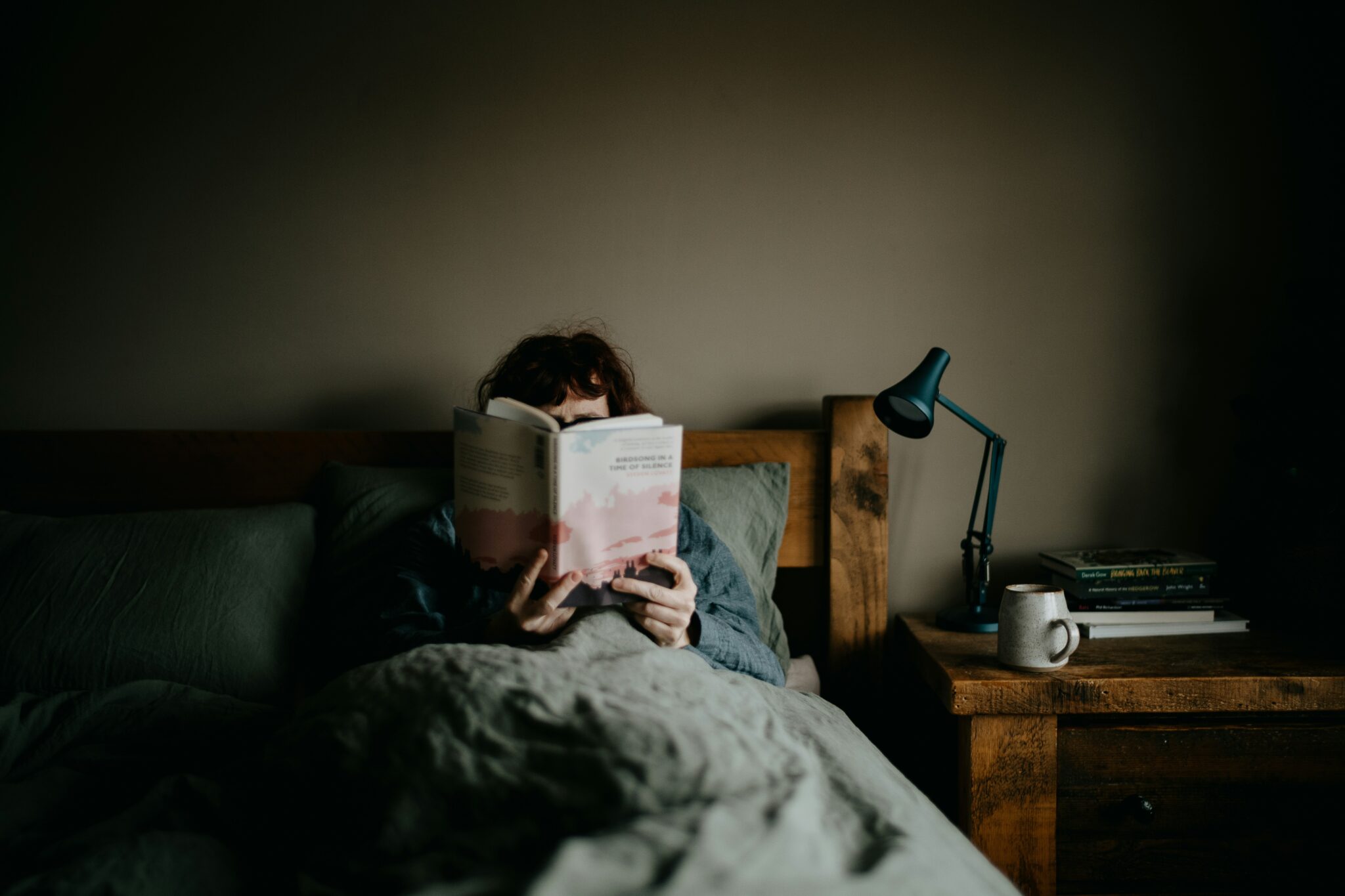
What if reading could help us heal? That’s the wager some doctors are taking these days — prescribing books alongside medication. Here’s a look at stories that might just do you good.
 Worldcrunch
What if reading could help us heal? That’s the wager some doctors are taking these days — prescribing books alongside medication. Here’s a look at stories that might just do you good.
Putting authors and artists in categories may help pinpoint their work in socio-cultural and stylistic terms, but is inevitably restrictive of literature’s essential universality. In South America, there is one, tiresome if profitable label literature seemingly cannot shake off, namely Magic Realism.
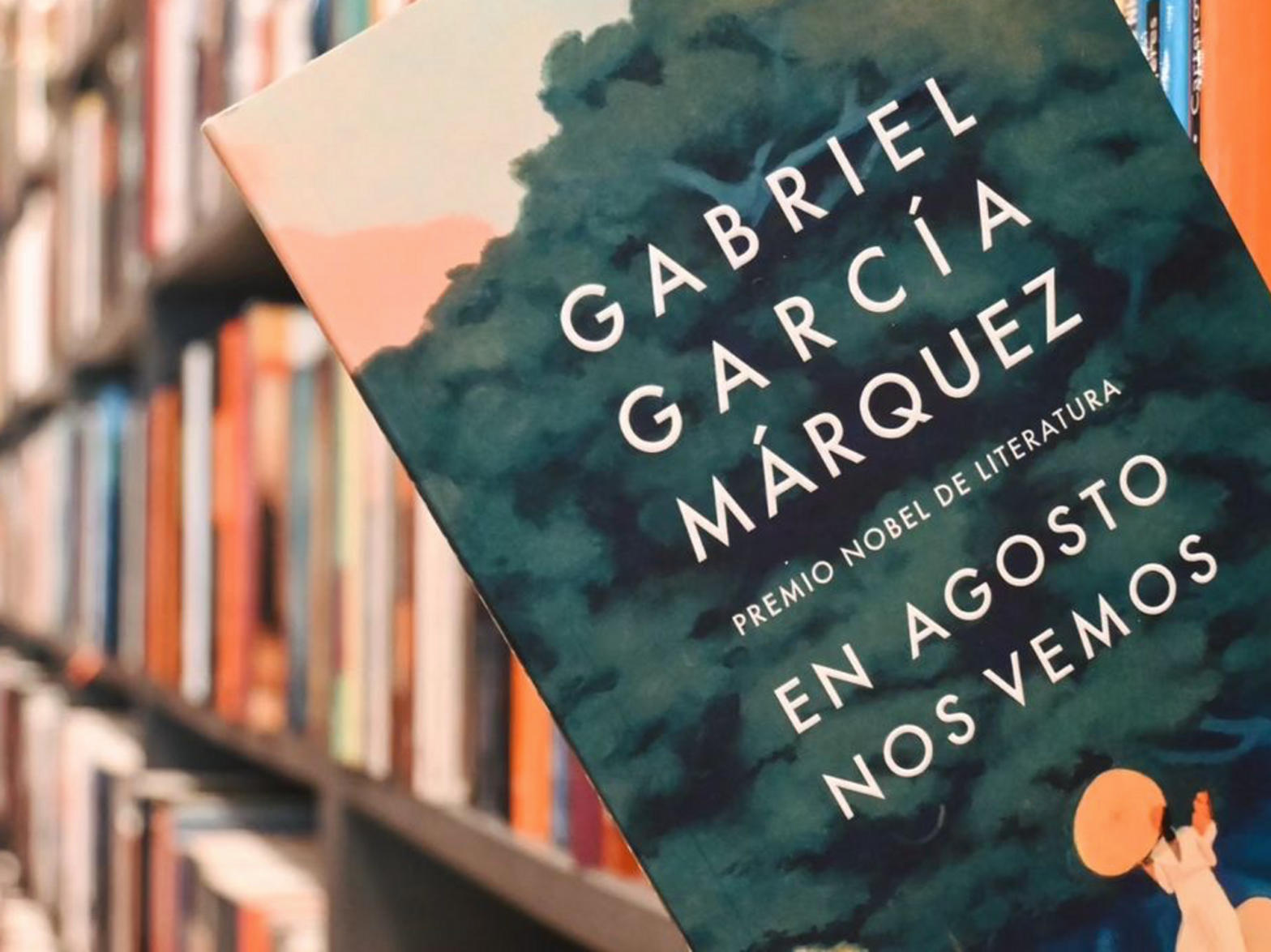
The late Nobel Prize-winning Colombian author’s sons have published his draft novel Until August against his will. Yet no work of art is ever really finished. And excerpts and fragments are suited to our anxious times.
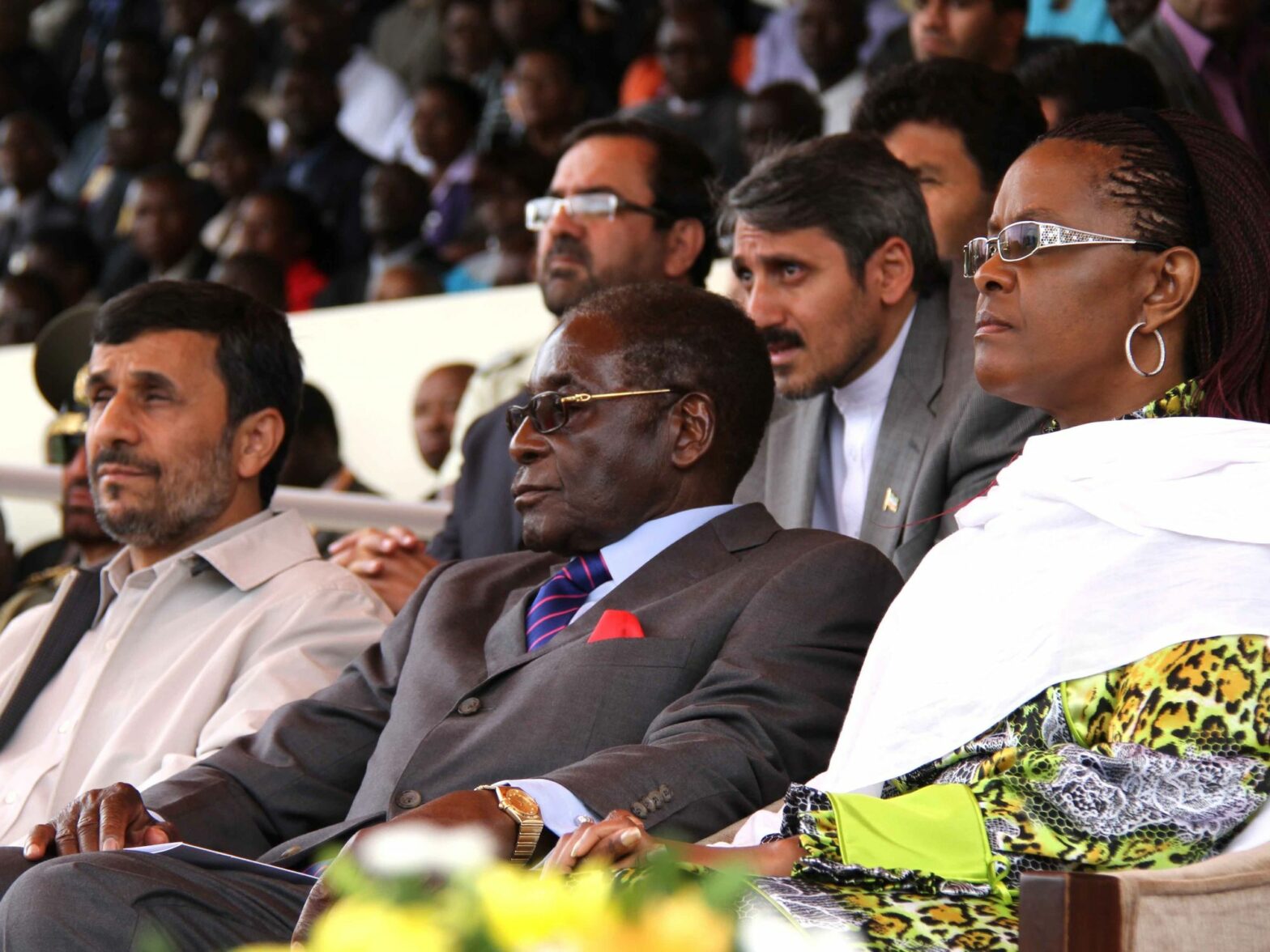
Writers and translators in Shona, the most widely spoken language of Zimbabwe, have dedicated the past five years to bringing the George Orwell classic to a country that has known the cruel formula of human despotism first-hand.
Atheists may not have been blessed with faith, but God has graced them with a mischievous wit and a love of the arts that has led to some of the most beautiful depictions of religion.
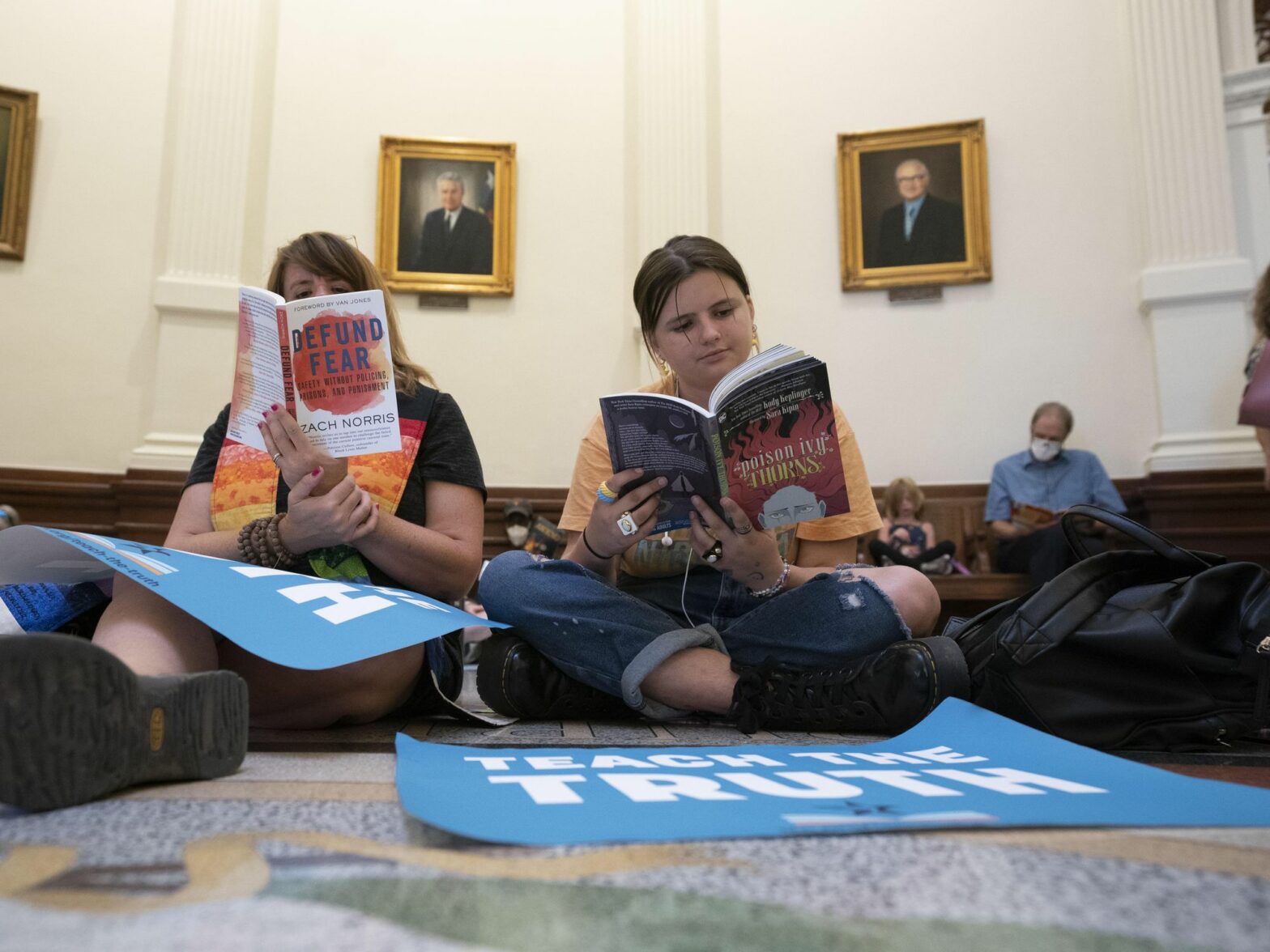
Readers can be unduly critical of authors for a range of reasons, from old-fashioned spite to the modern phenomenon of wokeness. But writers should not consider these people enemies, but rather guides to help dig deeper.
Police say the published novelist killed his father with a hammer and slit his mother’s wrists to make it look like the wife killed her husband and then herself. The mother is clinging to life.
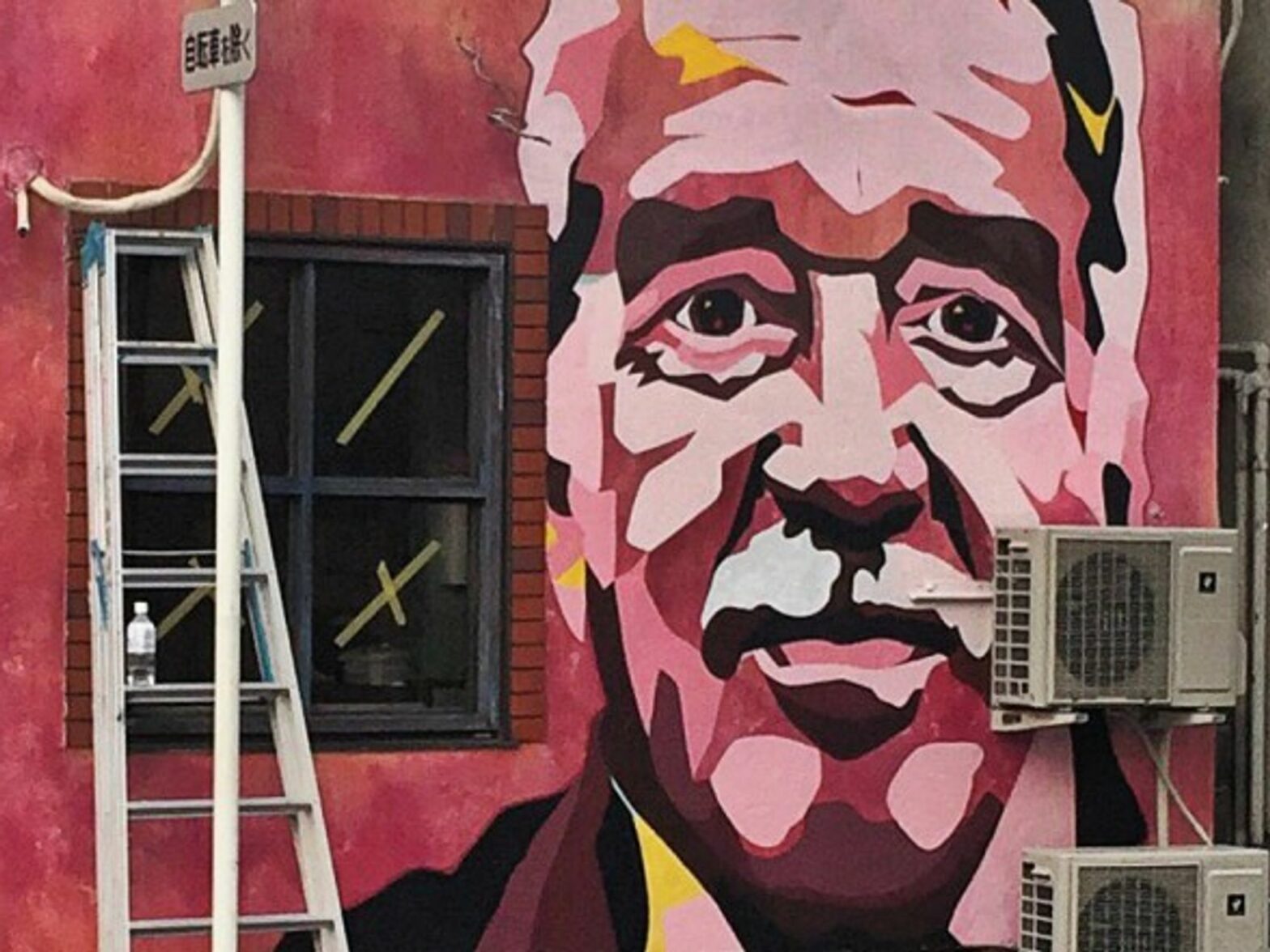
In spite of the thousands of miles and cultural distances between Colombia and Japan, Gabriel García Márquez’s masterpiece has become a national treasure among Japanese readers and artists.