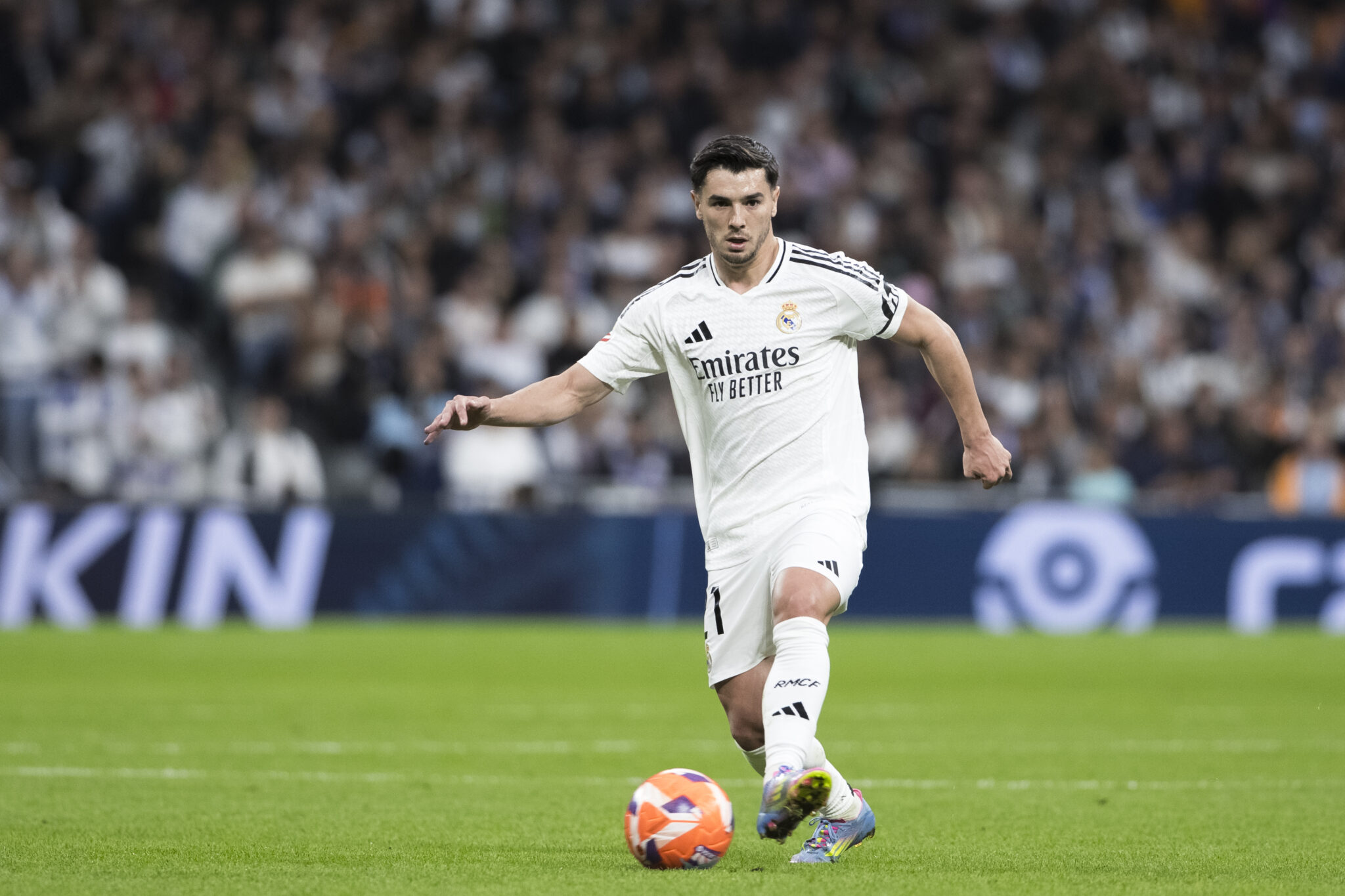
For a dual-national soccer player, choosing a national team goes beyond the sporting sphere: It involves family, identity and geopolitical issues, pitting major European nations against Maghreb countries.
 Worldcrunch
For a dual-national soccer player, choosing a national team goes beyond the sporting sphere: It involves family, identity and geopolitical issues, pitting major European nations against Maghreb countries.
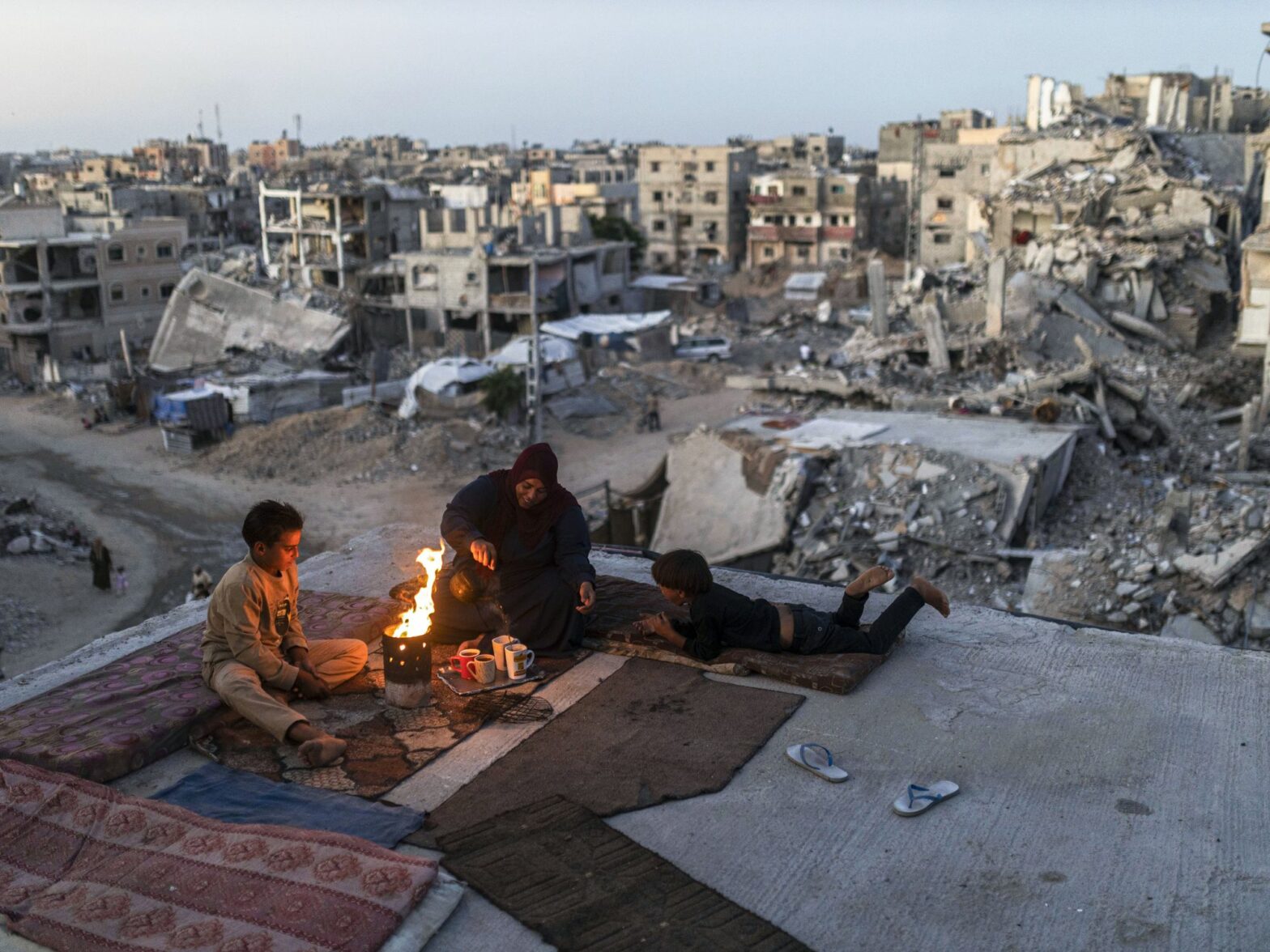
In the Middle East and North Africa, divisions are as stark as they can be. War-torn nations stand side-by-side with wealthy oil-rich countries where the elites feel disconnected from the rest of the region. But, as Yemeni freelance journalist and a human rights defender Afrah Nasser, warns, these inequalities breed monsters, and wealth will not prevent oil-rich countries from experiencing chaos and destruction.
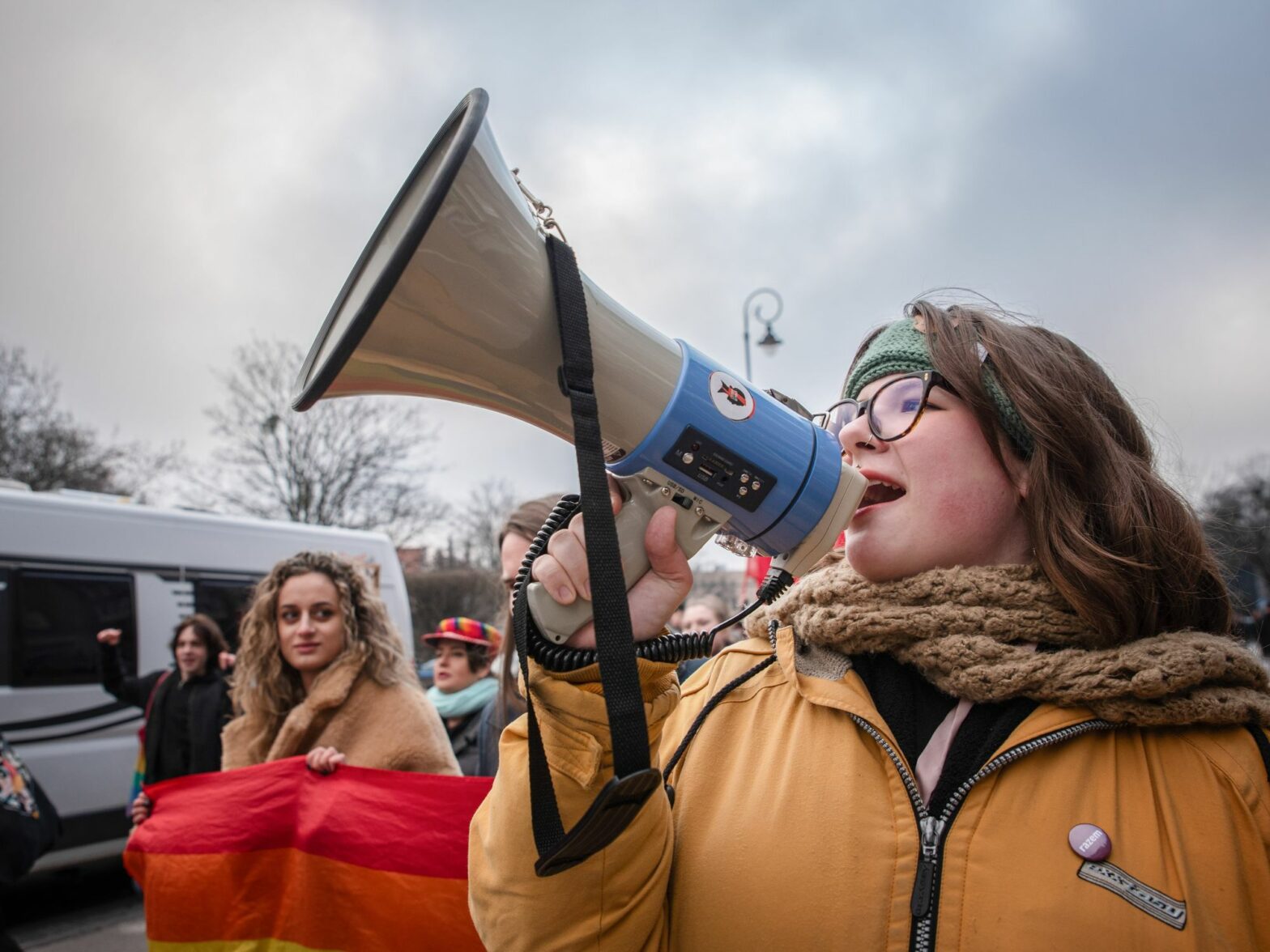
A landmark decision last year by the Mexican Supreme Court is part of a push in Latin America to expand abortion access. But as seen by the U.S. overturning Roe v. Wade in 2022 and the presidential election in November of this year the issue is moving in different directions around the world.
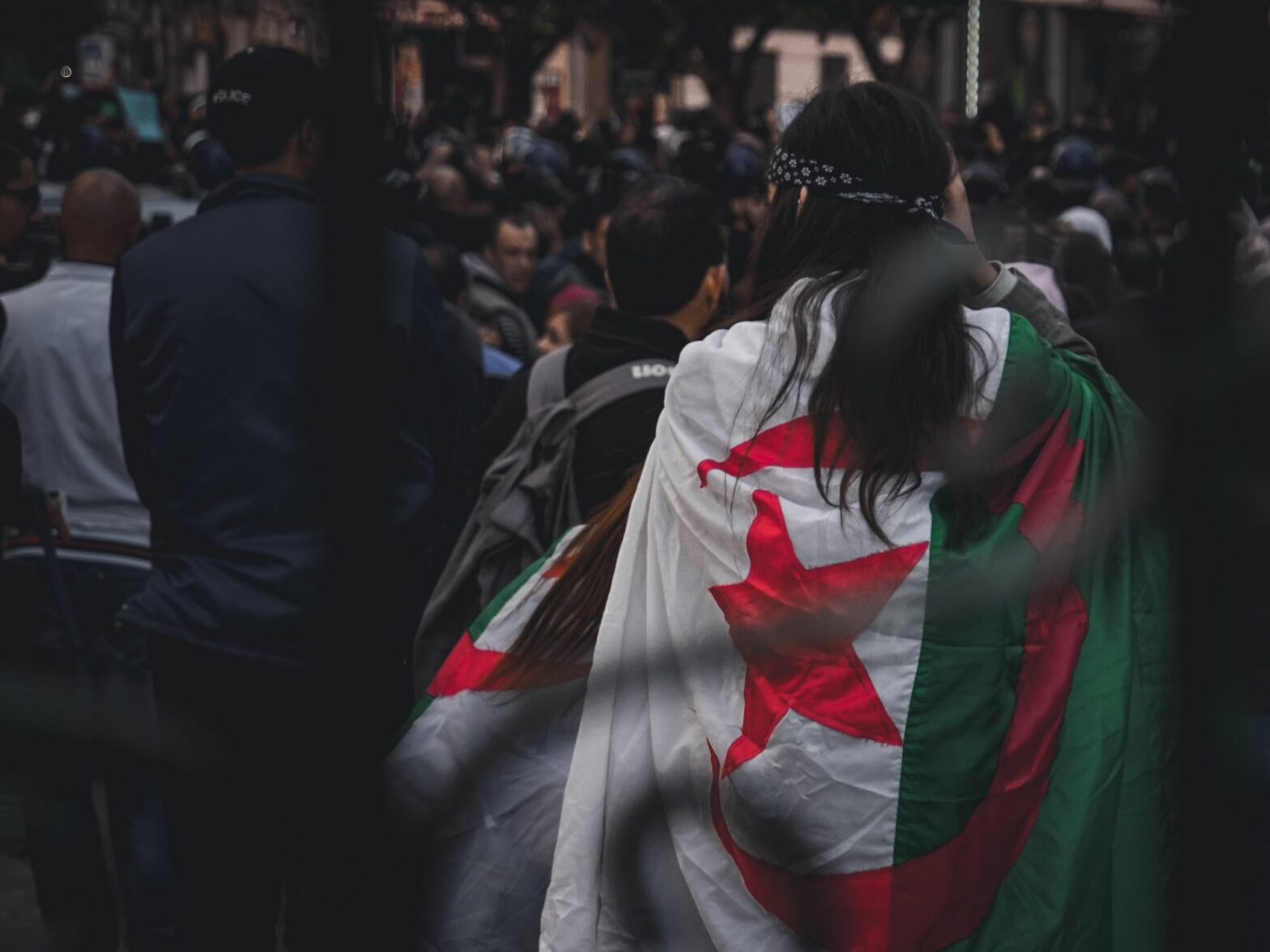
Whether it’s in Tunis, Algiers or Rabat, France is faced with the near-impossible task of finding its diplomatic footing in countries that were under its colonial rule last century.
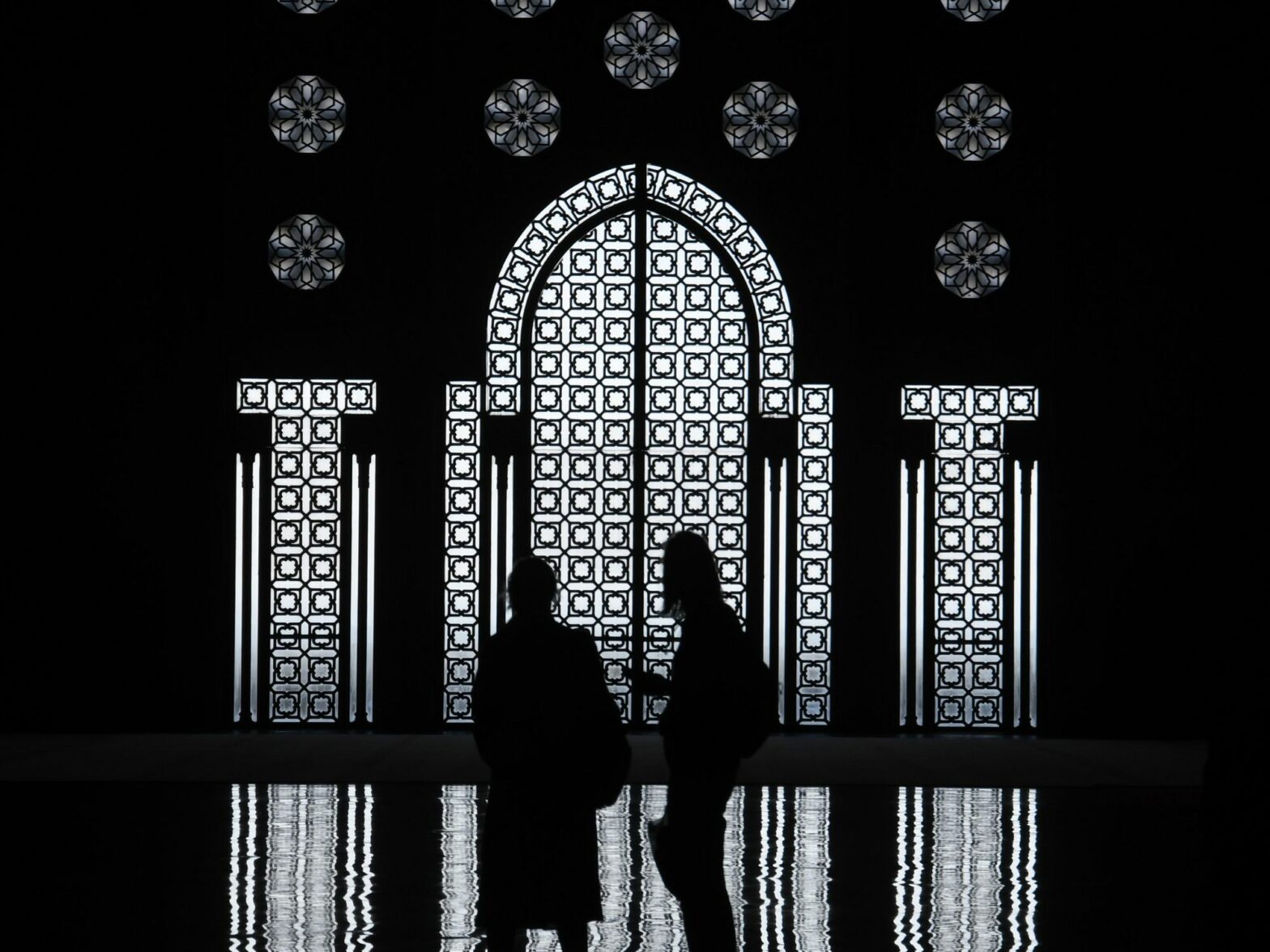
Launched in 2017 to combat radicalization, the Moussalaha program is finding success by helping those incarcerated for terrorism by providing counseling, reducing their prison sentences and following up after release.
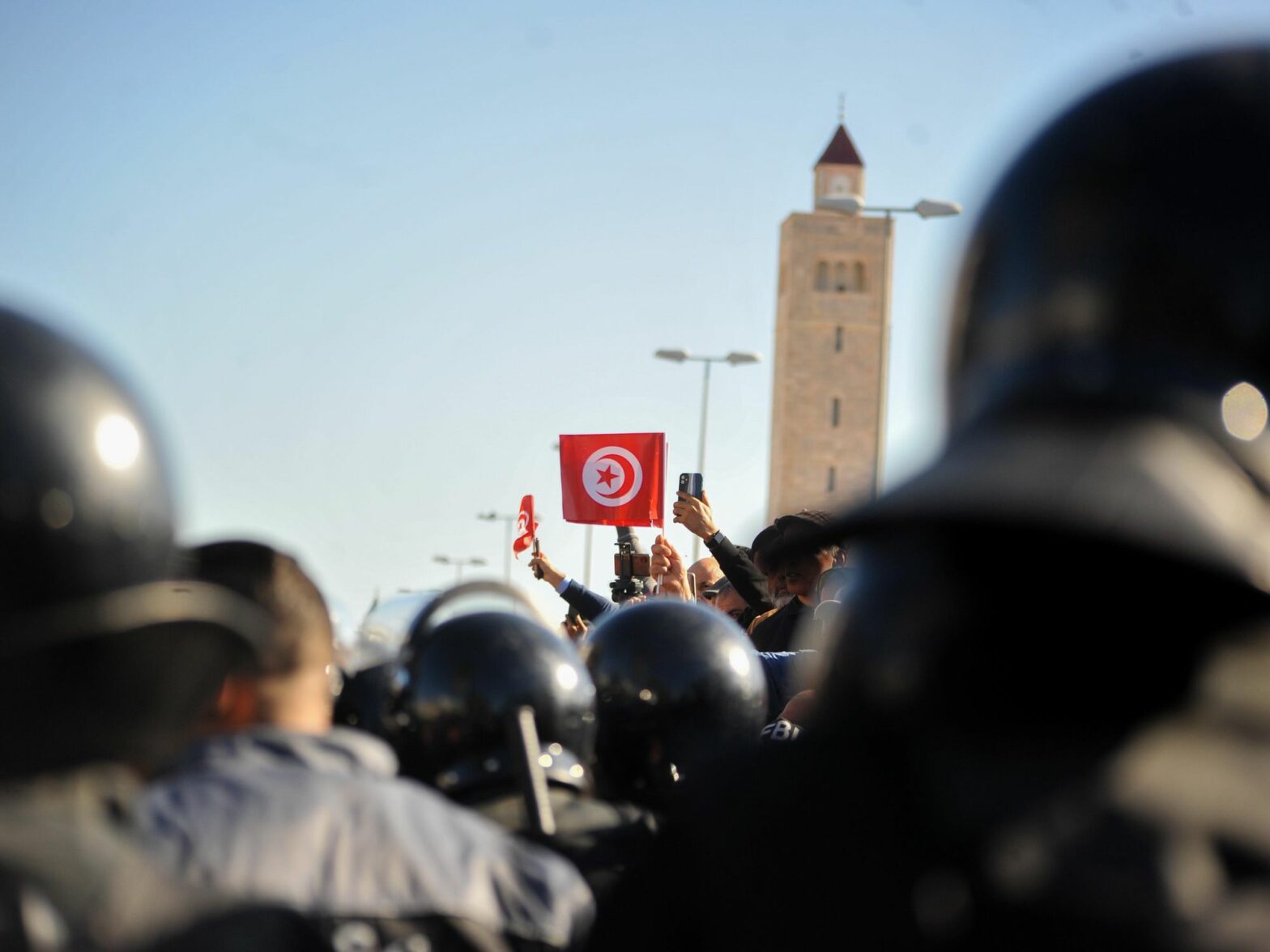
The Tunisian president is cultivating his ambiguities and pushing his constitutional reform, without proposing a roadmap to get the country out of the crisis. Refusing to speak to the media, he has an increasingly populist tone with messianic accents.
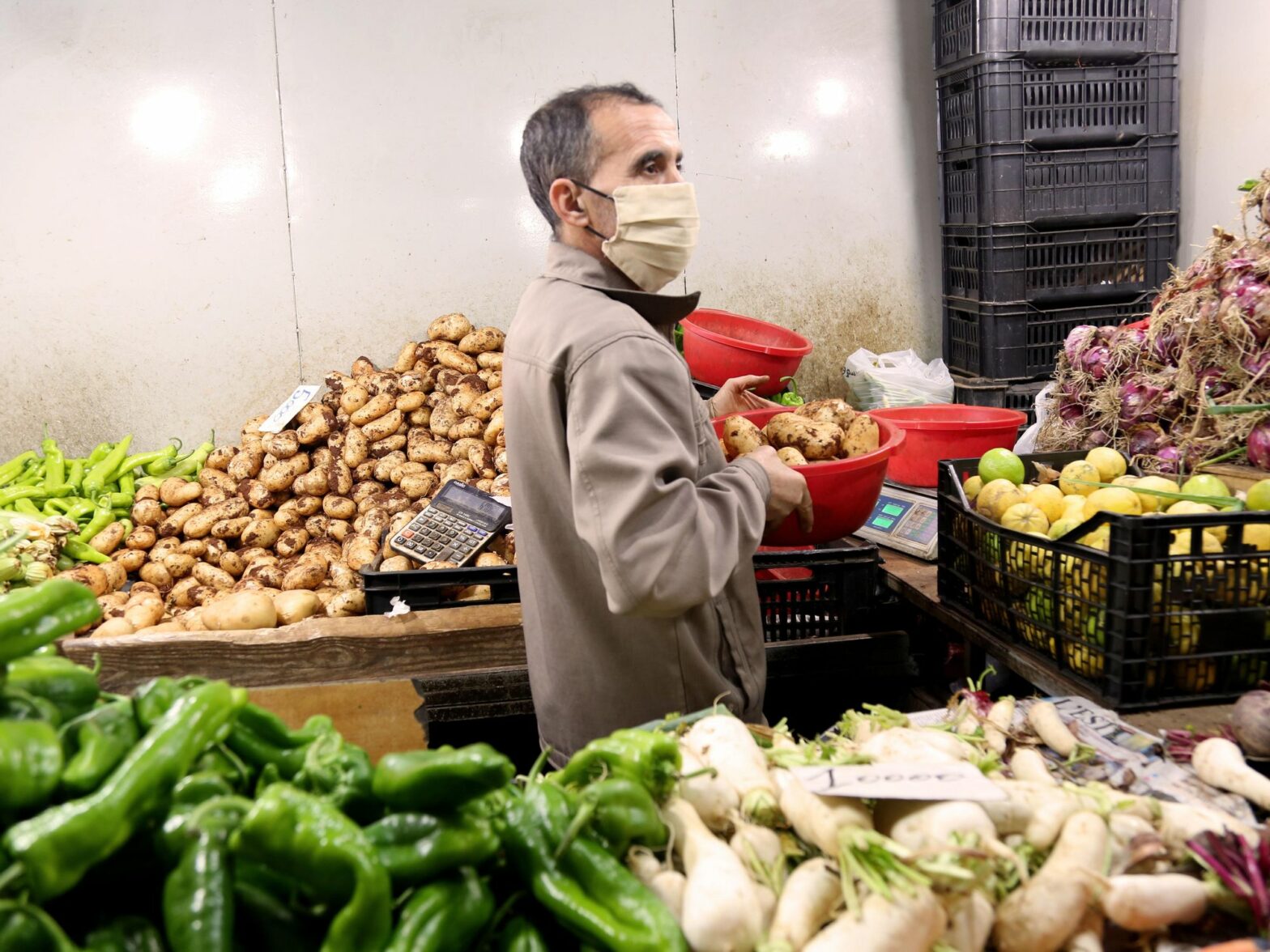
Prices have tripled on the staple product, as farmers and the government blame each other while ordinary Algerians struggle to put food on the table. It’s yet another crisis between economics and politics in the troubled North African nation.
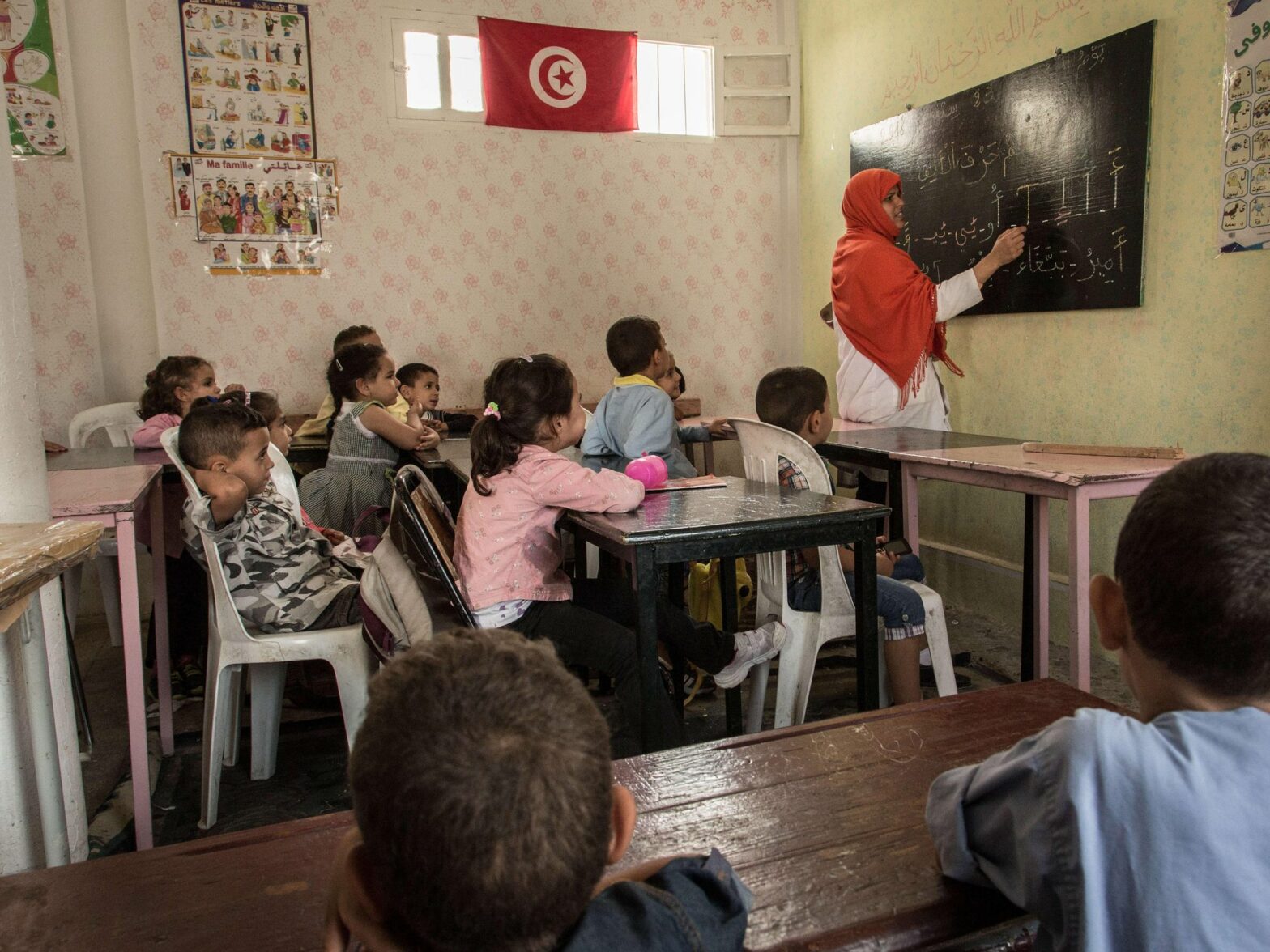
Violence against teachers, poorly received educational reforms, conflicts with parents: In Tunisia, the entire education sector is in crisis.
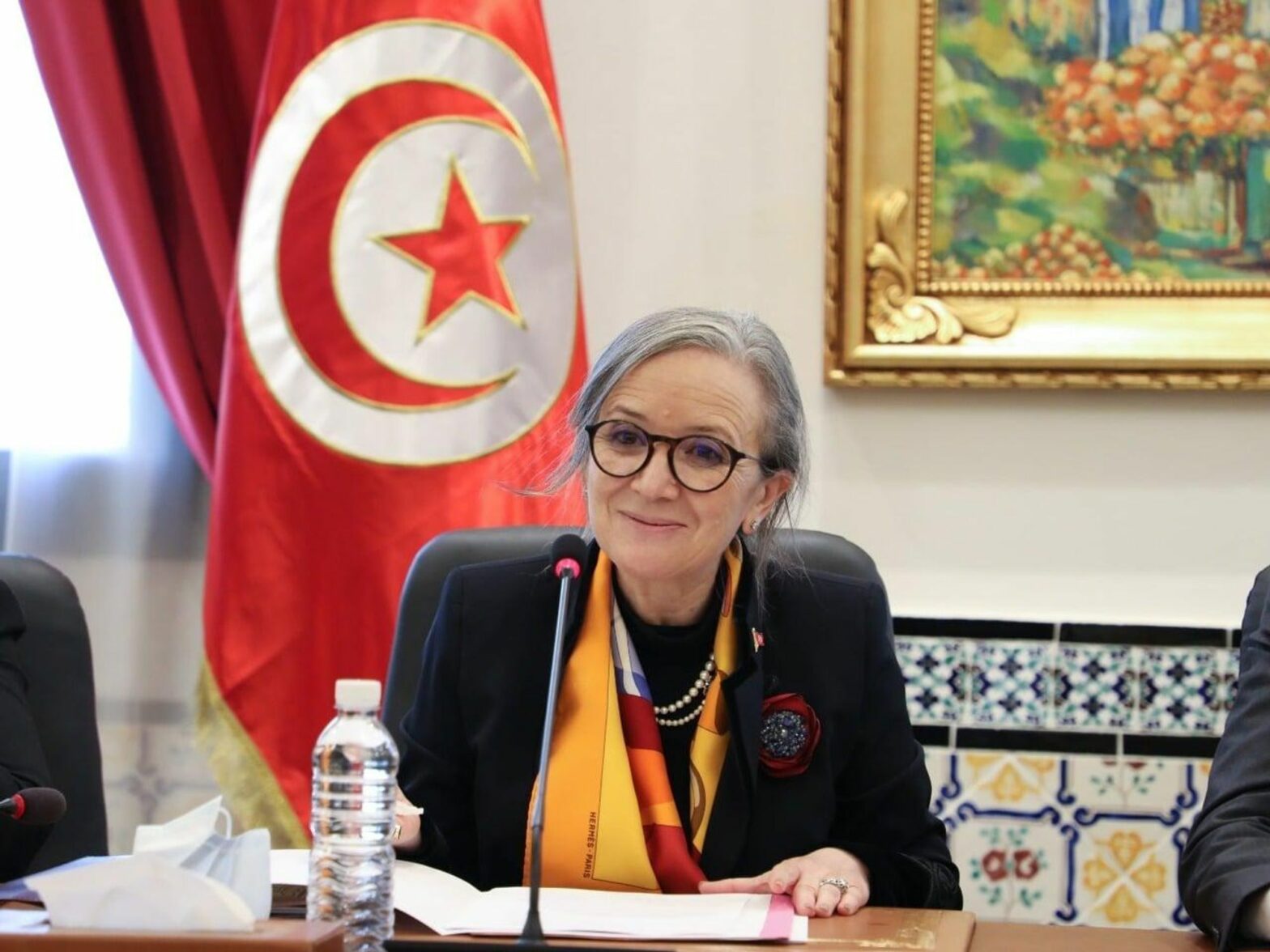
Tunisian President Kaïs Saïed caused a stir by appointing Najla Bouden, the first female head of government in the Arab world. But as the president has assumed full powers a decade after the launch of the Arab Spring, it is a choice with a mixed message.

In a country where homosexuality is still penalized, the feminist LGBT+ group Nassawiyat launches a poetic and political video series to try to change conservative mindsets.
NEW YORK TIMES (USA) Worldcrunch WASHINGTON – Nineteen American diplomatic outposts across the Middle East and North Africa will remain closed this week, the State Department said Sunday, despite what officials said was no new information about terrorist plots that they believe are in the works. One day after President Obama’s top national security aides […]