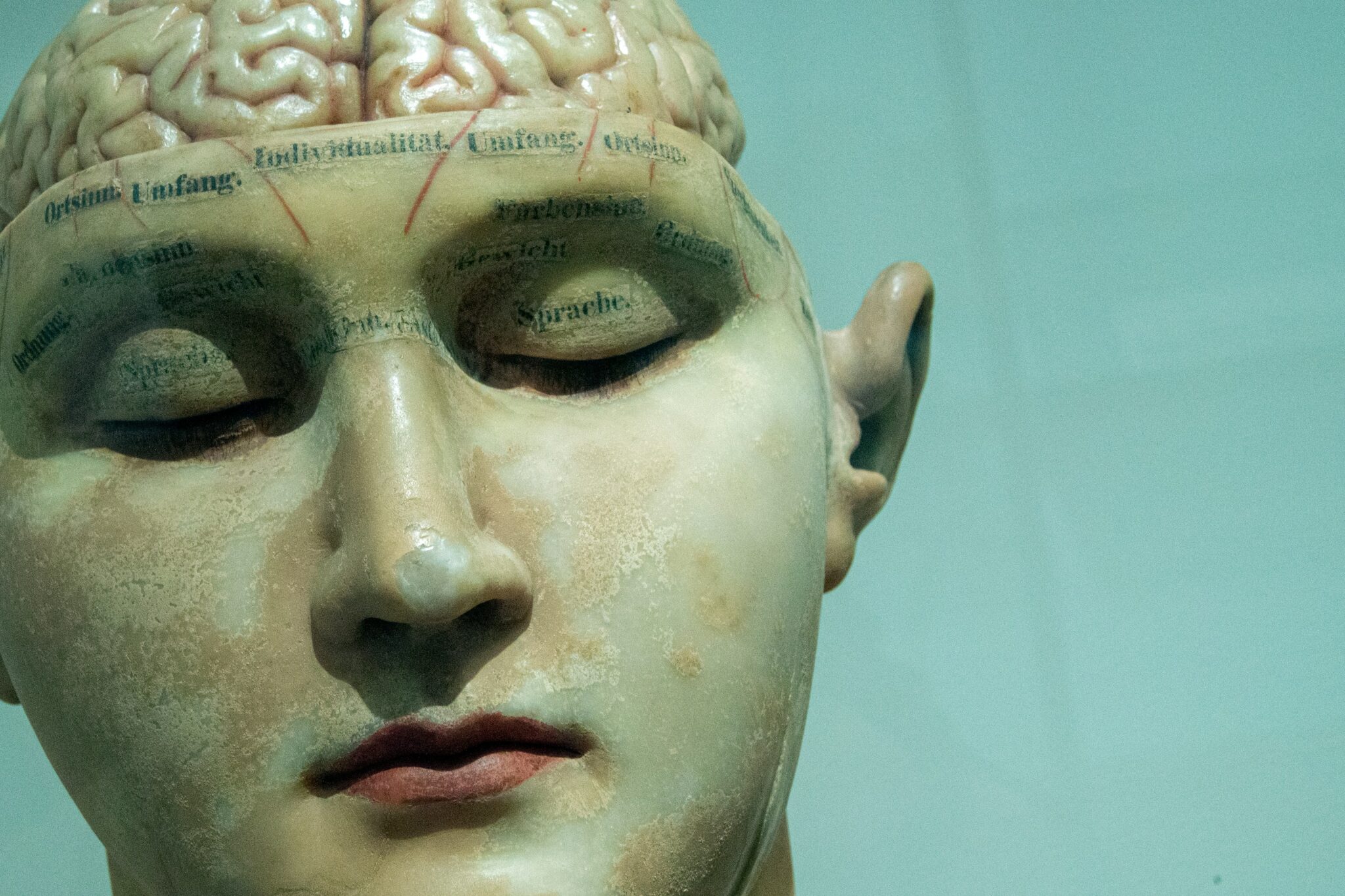
In a new book, Steve Ramirez explores the potential of memory manipulation to ease depression and other afflictions.
 Worldcrunch
In a new book, Steve Ramirez explores the potential of memory manipulation to ease depression and other afflictions.

At the Paris Brain Institute, a team of scientists is exploring the mental processes that occur during the transition from wakefulness to sleep, with potential clinical applications.
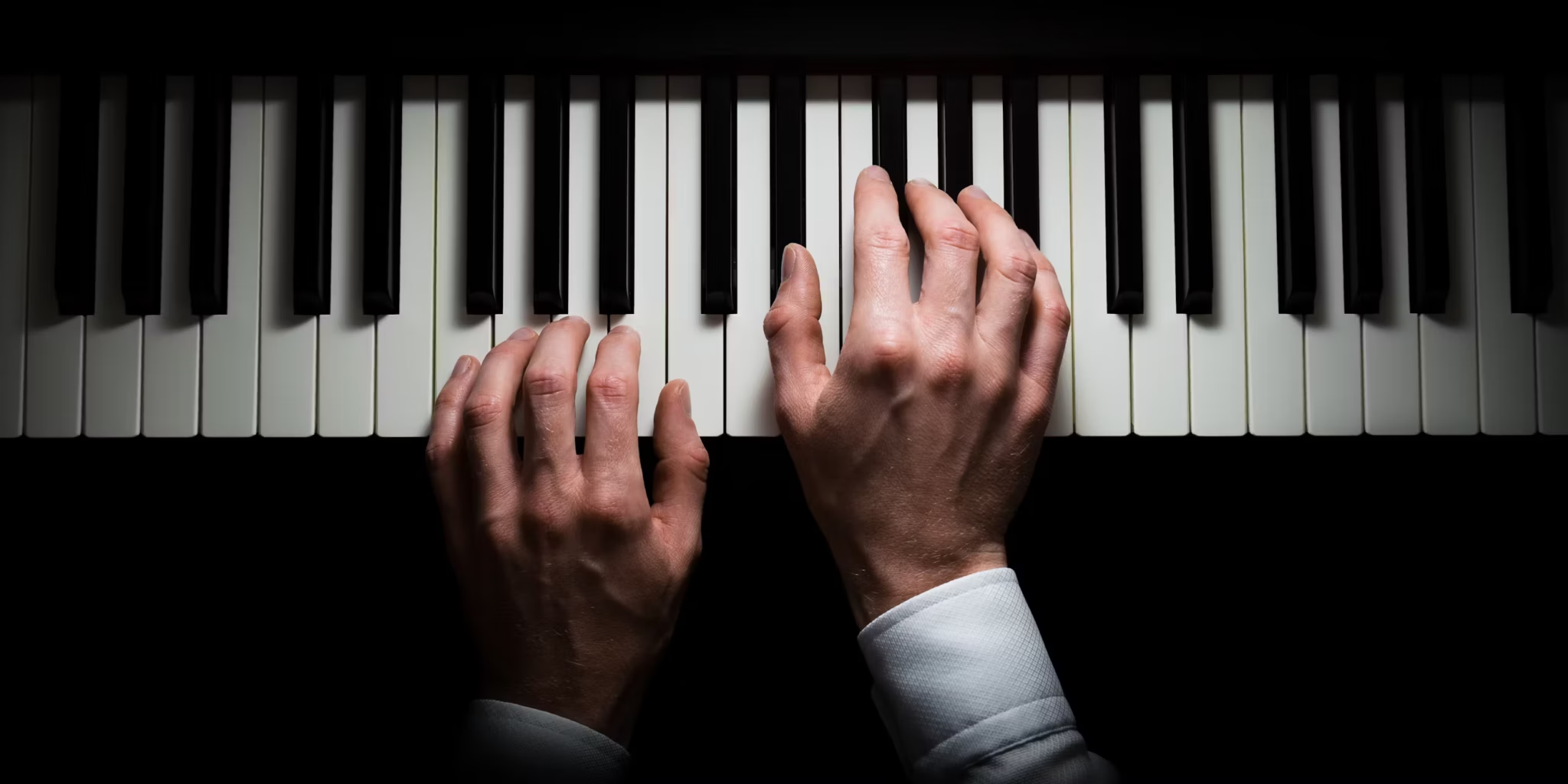
It’s well known that learning to play an instrument can offer benefits beyond just musical ability. Indeed, research shows it’s a great activity for the brain – it can enhance our fine motor skills,language acquisition, speech, and memory – and it can even help to keep our brains younger.
Some patients “come back to life” shortly before dying: they regain consciousness and control of their minds and interact with their families as they normally would. It is an illusion, but one with interesting scientific implications.

Experience, stress regulation, and mental rewiring may matter more than raw speed and strength when it comes to staying at the top, and explain why some athletes in their 30s and 40s, like LeBron James or Novak Djokovic, keep dominating.
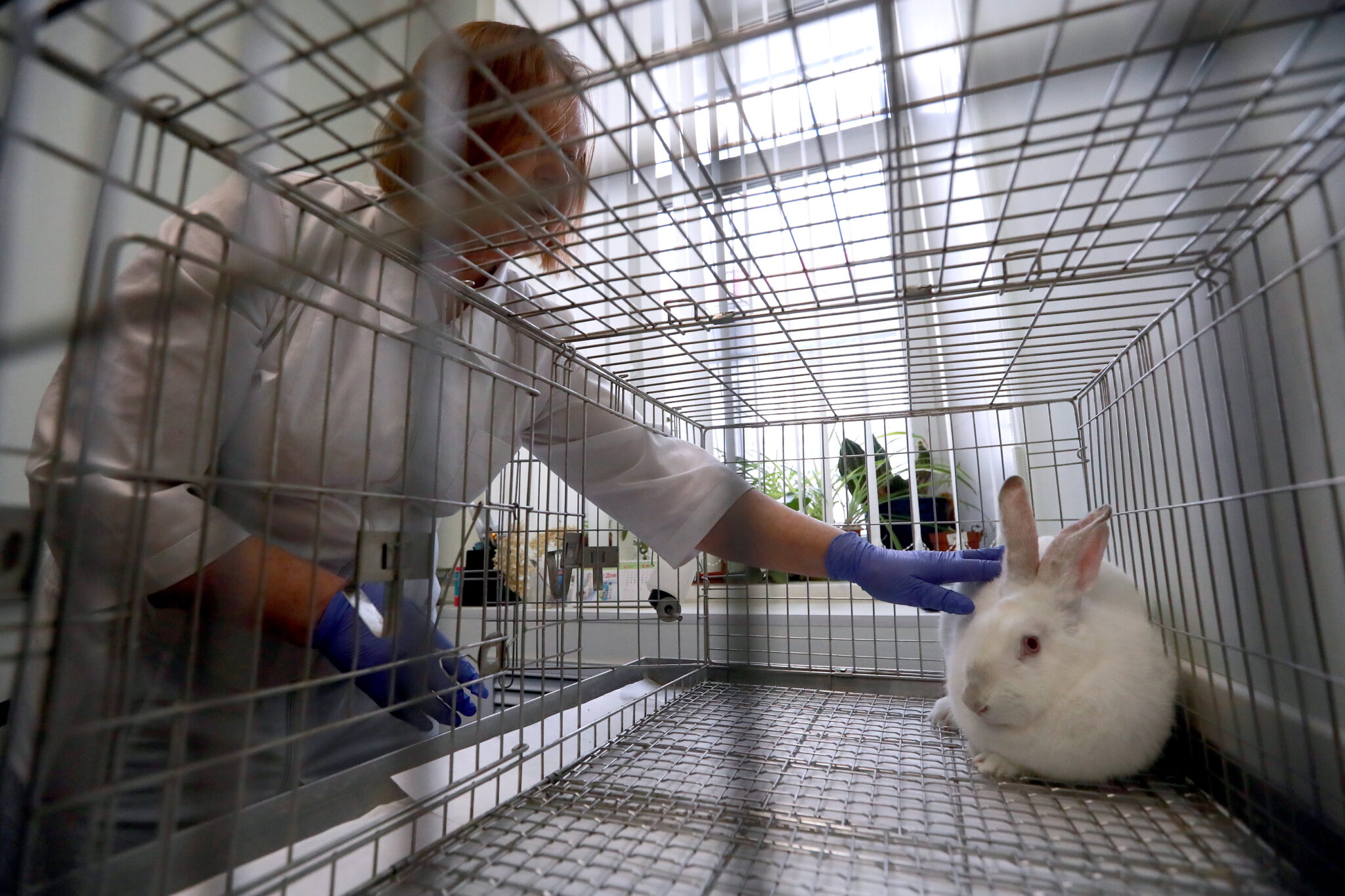
Most of us can accept that animal experiments are ok before allowing new drugs on the market. But allowing such animal testing is important even when no specific application is at stake. They are also crucial for understanding complex biological processes to help treat diseases like Alzheimer’s, Parkinson’s and depression.

How are you feeling? Is it time to stop? Is it me or my therapist? Here are the questions to ask if you’ve taken that plunge.

Becoming a parent doesn’t just change your life — it rewires your brain. Science is showing that both mothers and fathers experience profound neurological shifts, with emotional, mental, and social consequences that go far beyond biology.

Classifying students as visual, auditory, or tactile learners can actually do more harm than good. Research shows what truly improves learning.
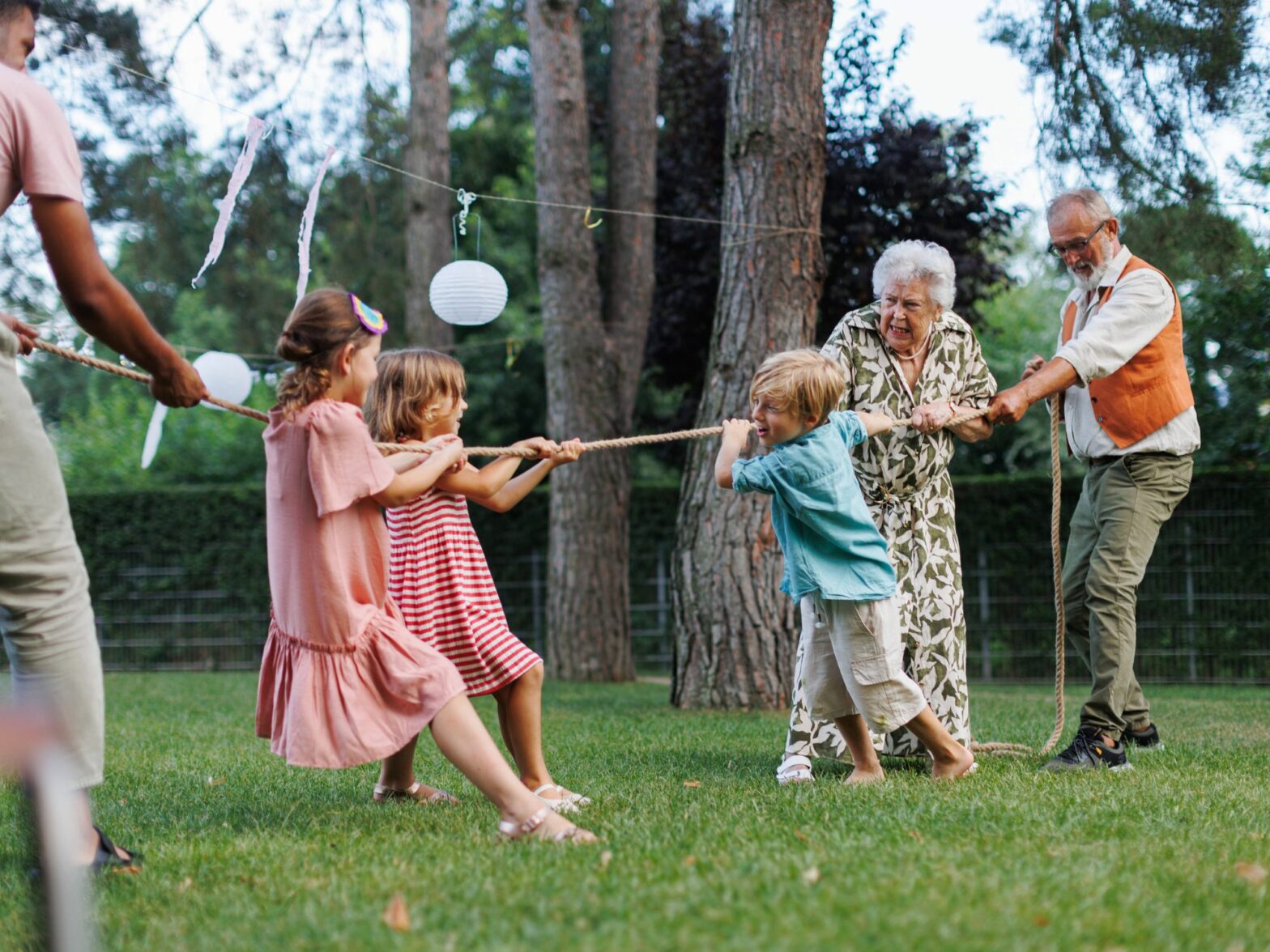
Between positive education and family traditions, the dialogue between grandparents and young parents often becomes a source of tension.

Several top athletes from racing drivers to sprinters have reported experiences of time slowing down. Can neurological science explain this phenomenon?

How does déjà vu happen? Psychologists have long avoided the complicated question, but researchers are now trying to understand this uncanny phenomenon.
Have you ever been torn between two emotions and don’t know why? Research is uncovering how your brain can cause you experience two conflicting emotions at the same time.

Debate over Canada’s Medical Assistance in Dying law shows the need to rethink the biological model of mental illness.
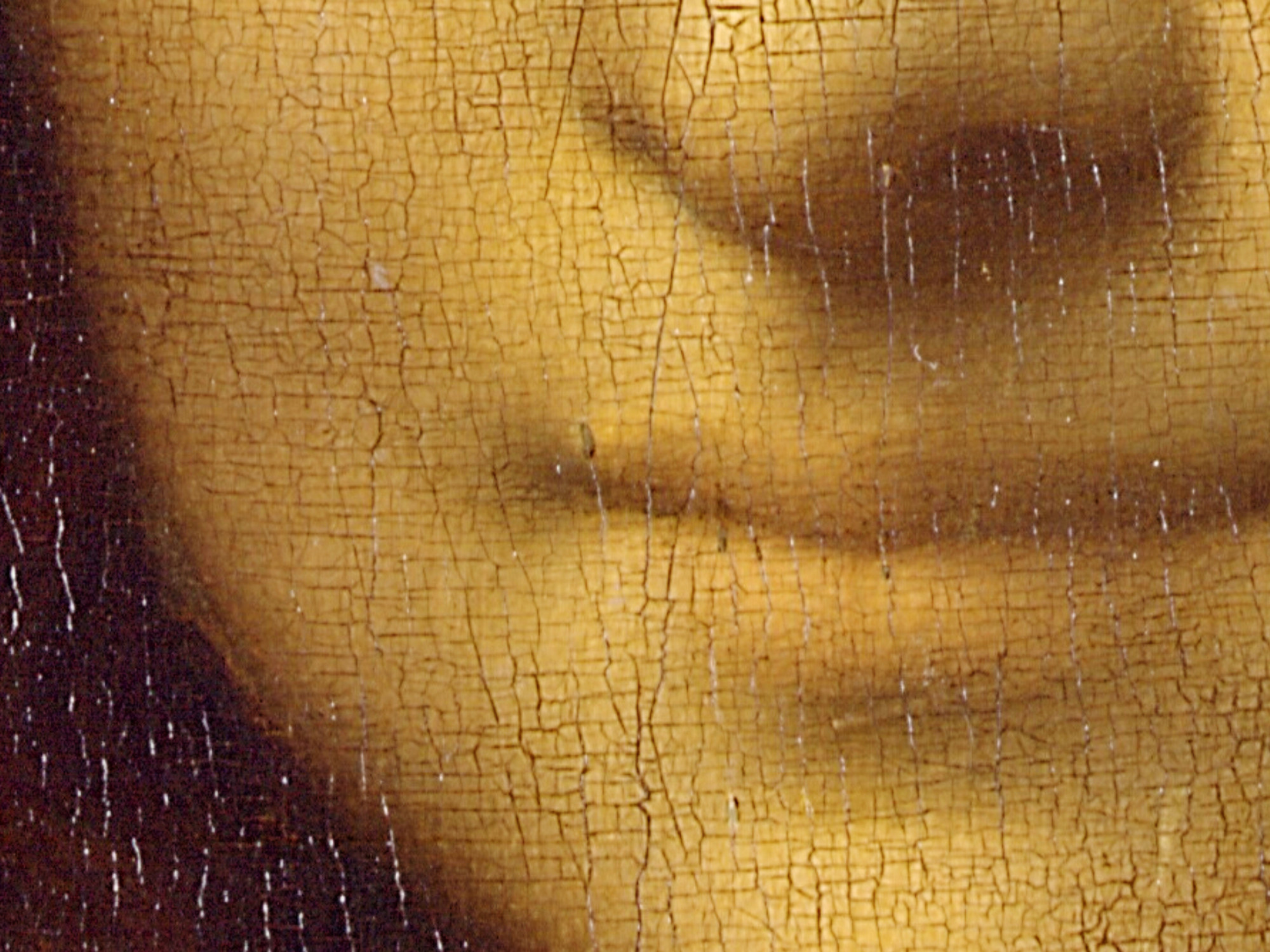
Even more so than laughter, smiling is the human trait par excellence. It’s a real language — but can we learn to understand it? Or to cultivate it? The rewards could be high, and not just to boost morale: Smiling could increase life expectancy.

On the road to the 2024 Olympic Games, the global leader of sport has launched a major offensive to regain ground lost in recent years in the athletic gear market, and is preparing a flurry of innovations to rekindle the flame of fuel-starved global sales.

As with people, some dogs may be more neurologically prone to anxiety. But canine stress is often mistaken for mischief.
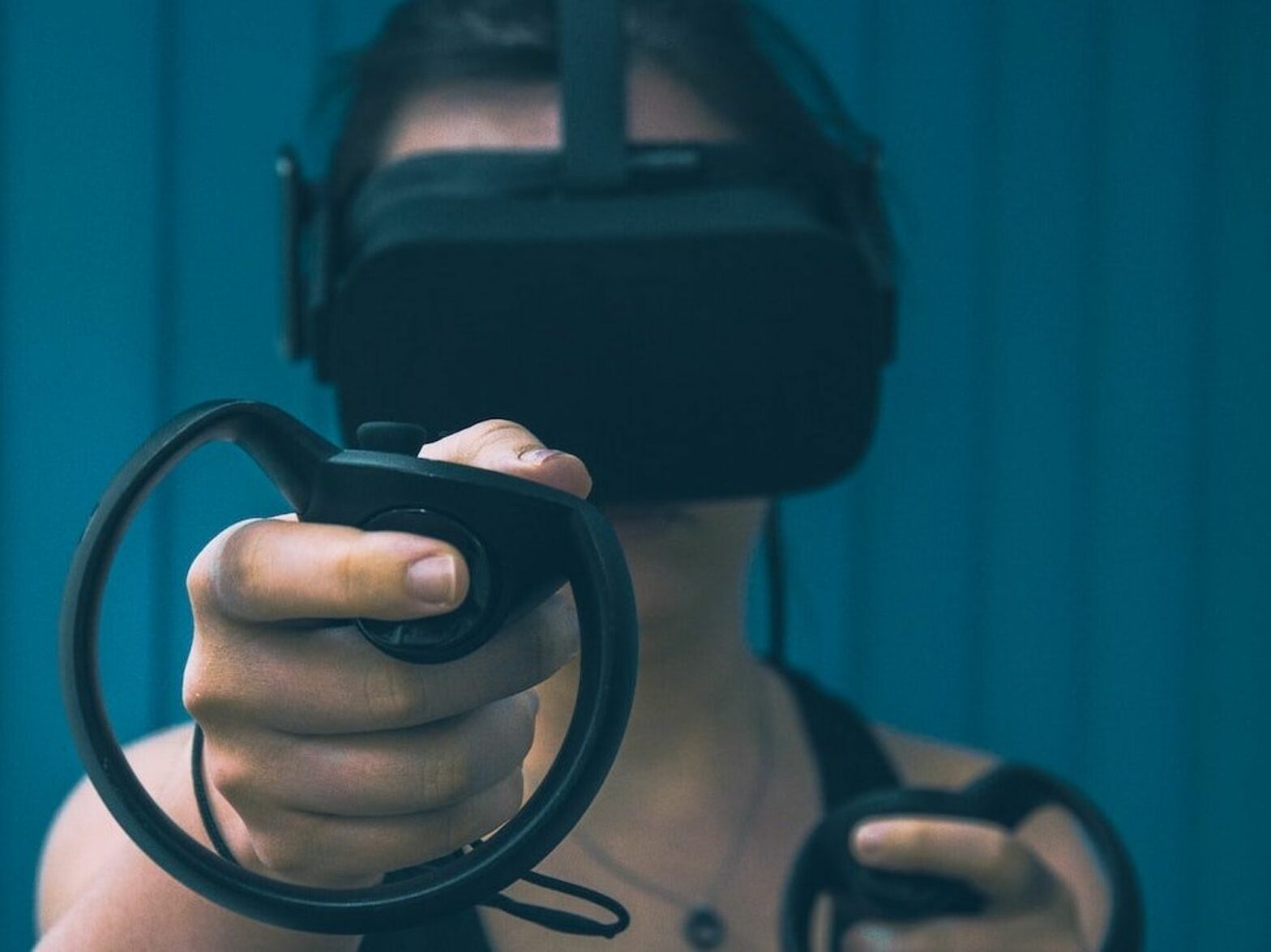
A new flood of consumer-facing neuroscience-driven products, including those using electroencephalograms (EEGs) raise complicated questions about data privacy and beyond.

Scientists need to learn more about climate change’s negative impact on the nervous system in order to mitigate it.

Why do we like what we like? New insights from neuroscience reveal that objects that please us are as much about our own values as the objects themselves.
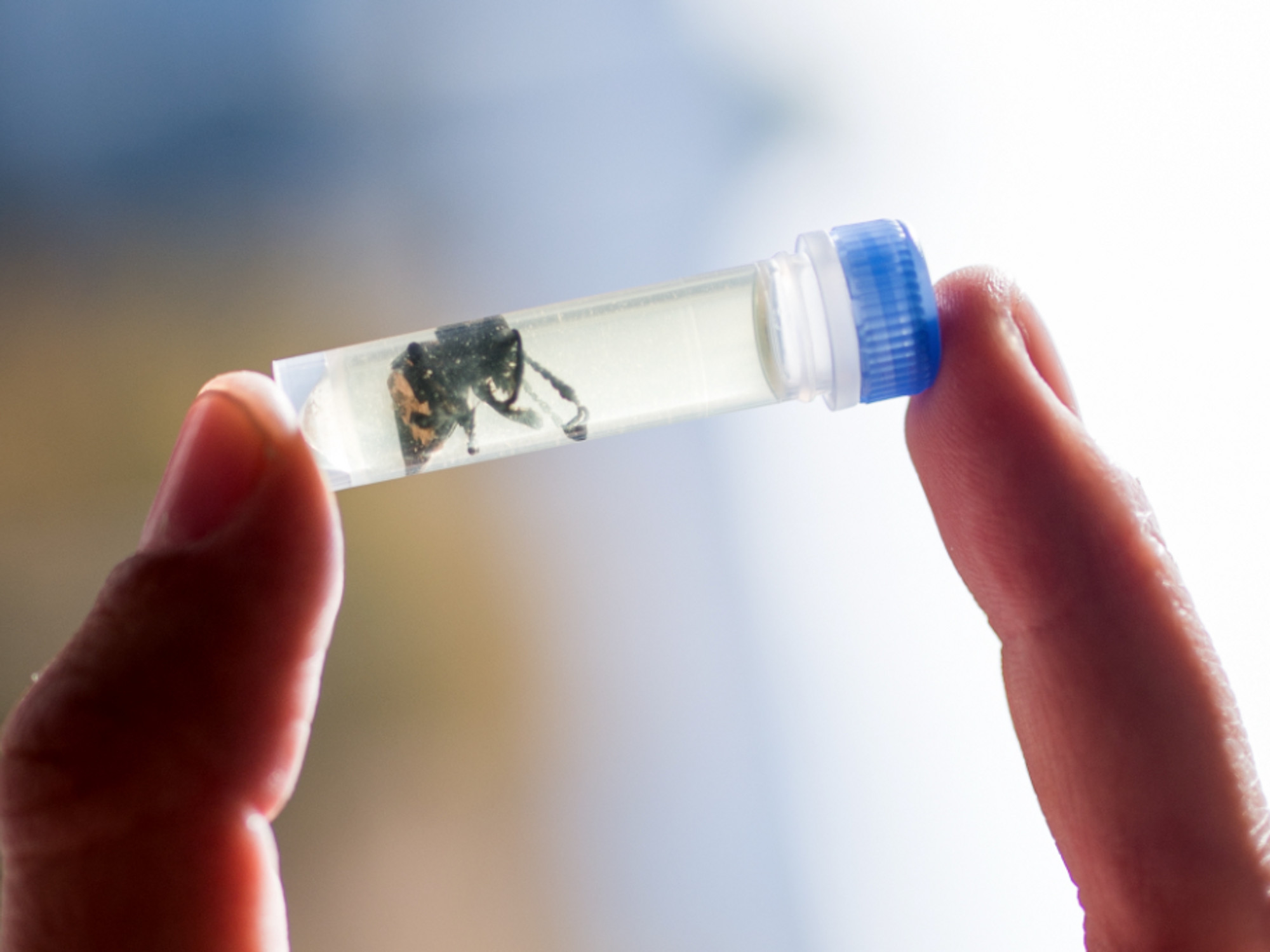
Opening bee skulls. Electric shocks for cockroaches. Some researchers want to grant more invertebrates ethical consideration, questioning long-held assumptions on consciousness.

From self-induced trance to psychedelics, altered states of consciousness are experiencing a renewed interest in the scientific community for their therapeutic value.
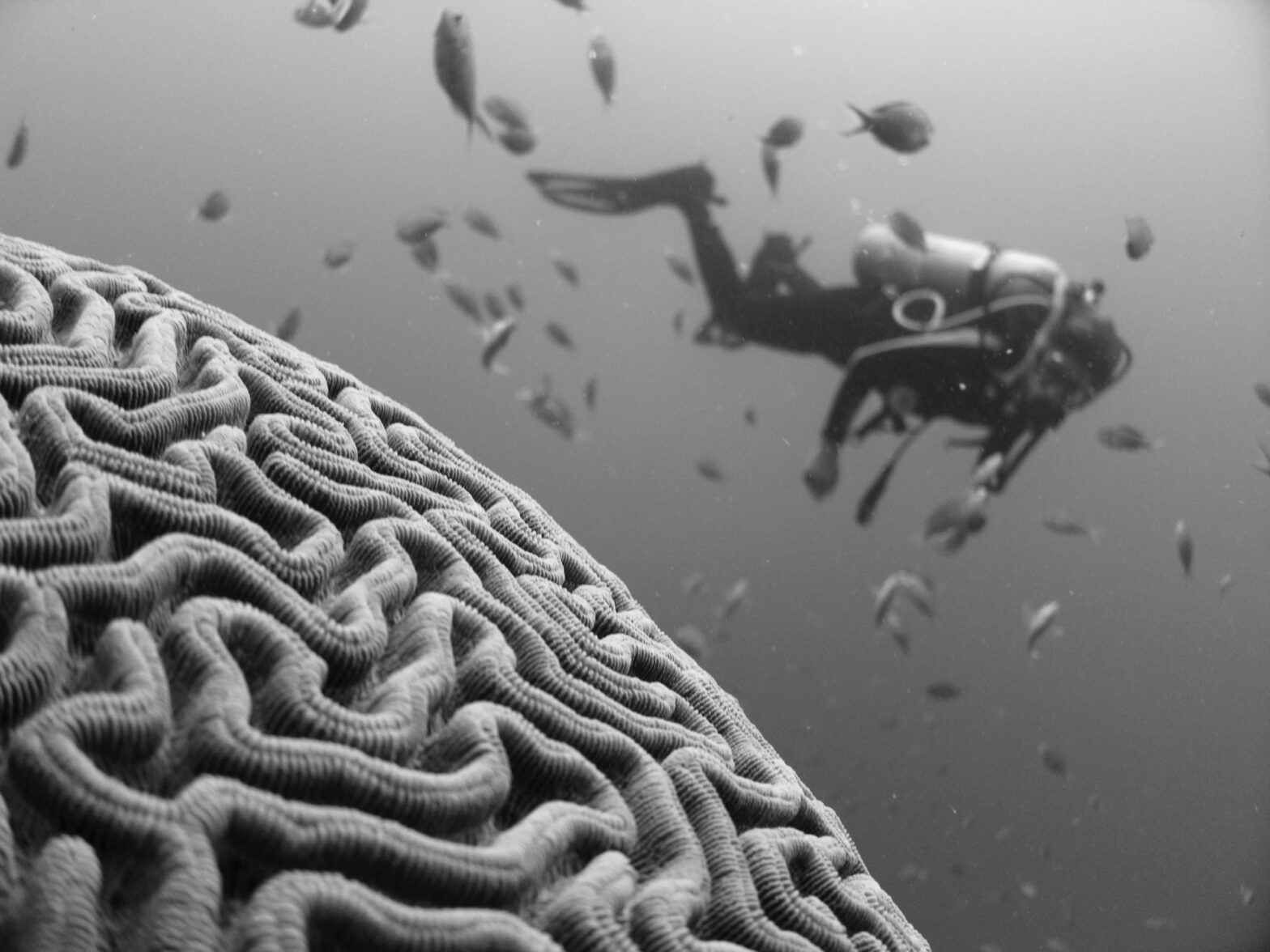
Our carelessness toward the environment could be due, in part, to the functioning of a very primitive area of our brain: the striatum.

With COVID-19 vaccines working and restrictions lifting across the country, it’s finally time for those now vaccinated who’ve been hunkered down at home to ditch the sweatpants and reemerge from their Netflix caves. But your brain may not be so eager to dive back into your former social life. Social distancing measures proved essential for slowing COVID-19’s spread worldwide – preventing upward of an estimated 500 million cases. But, while necessary, 15 months away from each other has taken a toll on people’s mental health. So how can people be so lonely yet so nervous about refilling their social calendars? […]

Welcome to Monday, where the Pope is recovering from surgery, an indigenous woman helps Chile move past its Pinochet legacy, and the world record for competitive hot dog eating is broken. From Gaziantep, French daily Les Echos’ Catherine Chatignoux looks at the difficult integration of the four million Syrians living in Turkey. • COVID update: […]

GENEVA – Chances are that at least once in your life you’ve found yourself at a restaurant, sitting next to someone who claims to know everything about wine. They usually hold their glass up toward the light to see the color of the wine, talk about tannins, grape variety, soil quality… Of course, the most […]
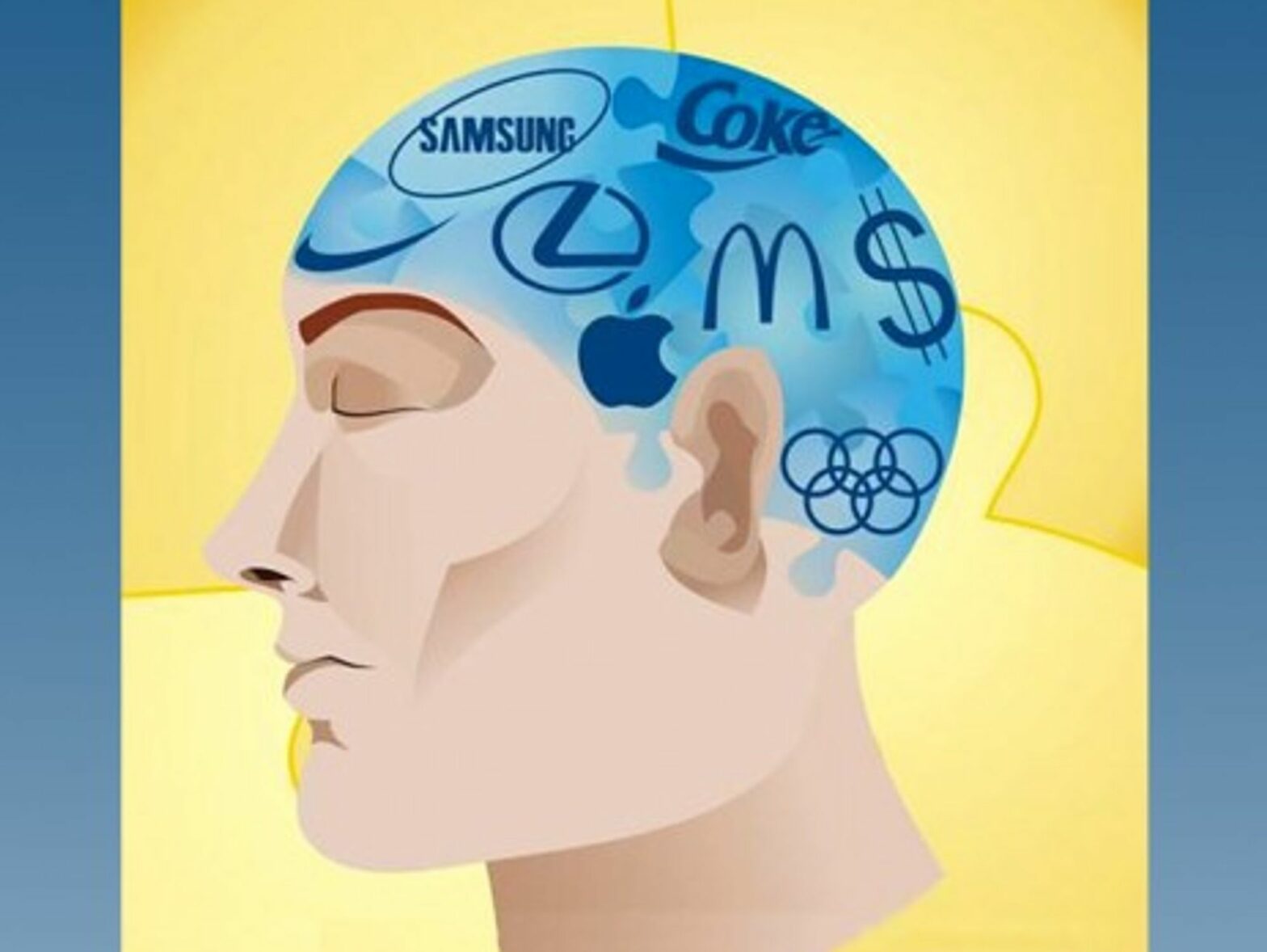
Not many years ago, the concept of “neuromarketing” was presented as a revolutionary discipline. Introduced as the newest buzz word along such topics as neuroscience, emotions, sensory, unconscious, subliminal, neuromarketing was presented as the key to understanding consumer behavior. Those most passionate about the subject promised companies that it could even help them read their […]
GENEVA – It’s called simply, “Human Brain Project” (HBP), and it is as audacious as it is ambitious: 256 individual labs scattered across 24 countries in order to create a virtual human brain. Though only officially awarded a one-billion-euro grant Monday by the European Union, the debate around the endeavor has been brewing for years […]