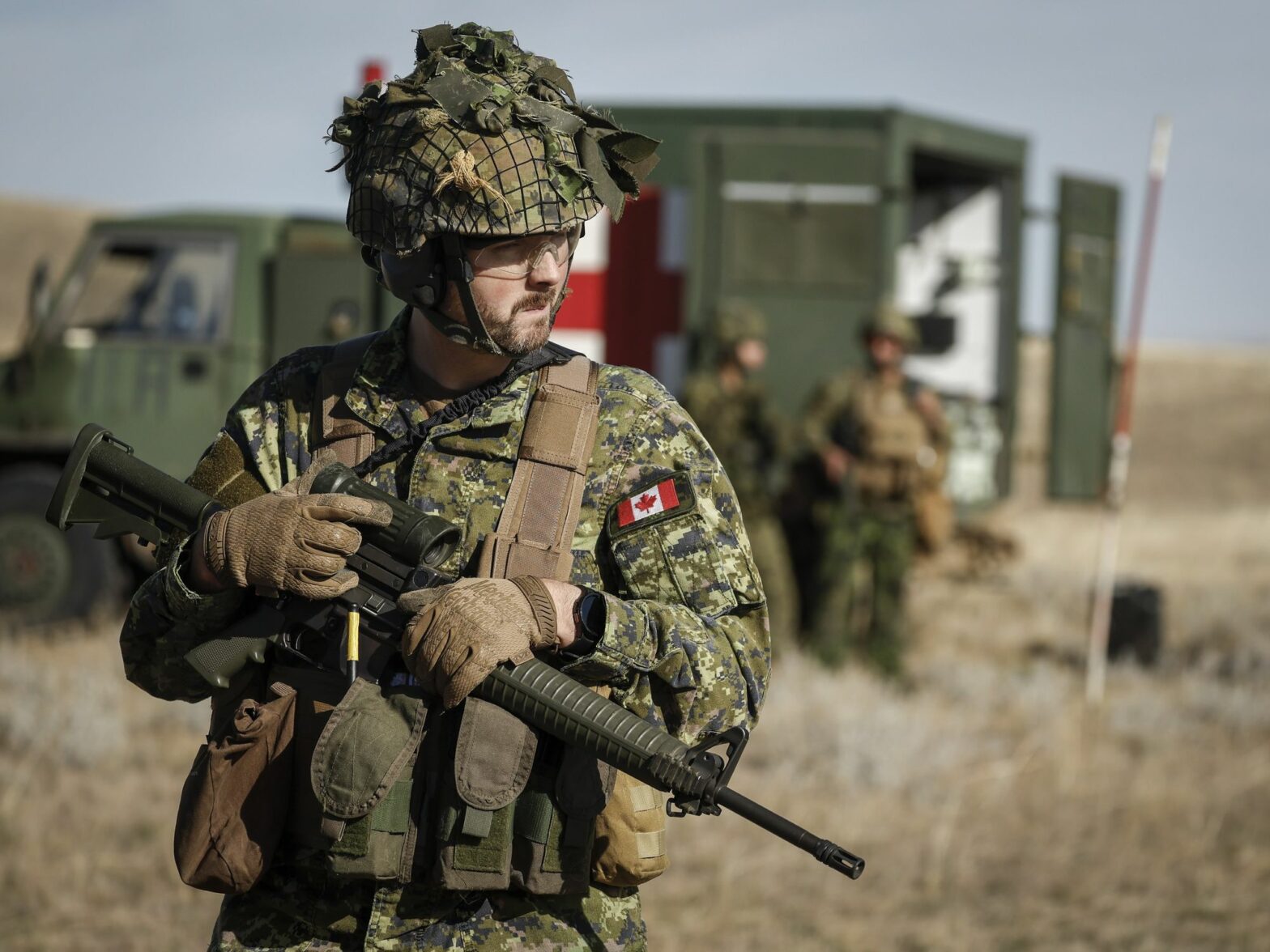
The fundamental premise of NATO is that an attack against one of its members is considered an attack on them all. These words of solidarity were written when they saw Russia as the threat. But what happens if one of its own members turns rogue?
 Worldcrunch
The fundamental premise of NATO is that an attack against one of its members is considered an attack on them all. These words of solidarity were written when they saw Russia as the threat. But what happens if one of its own members turns rogue?
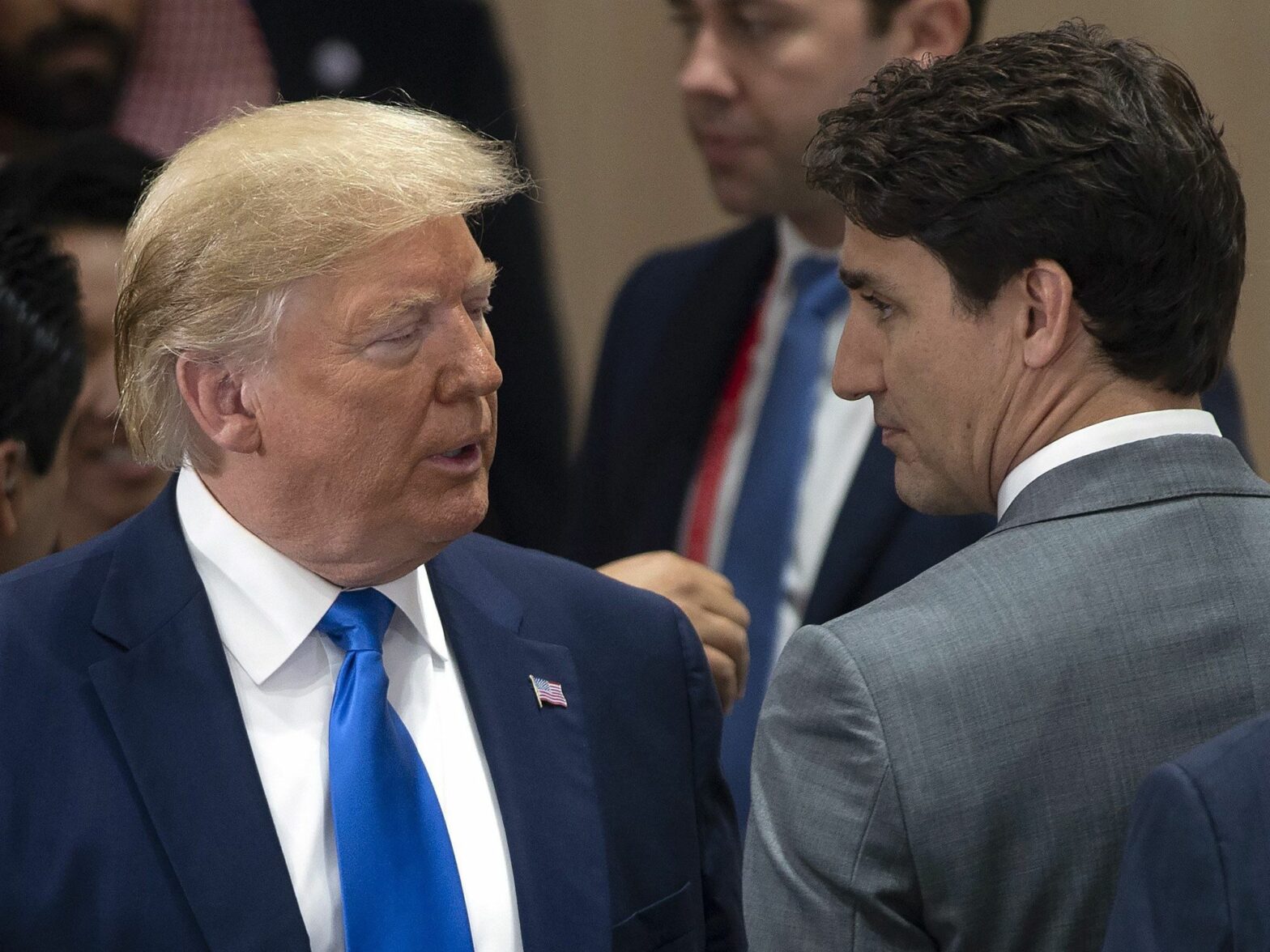
The fundamental premise of NATO is that an attack against one of its members is considered an attack on them all. These words of solidarity were written when they saw Russia as the threat. But what happens if one of its own members turns rogue?
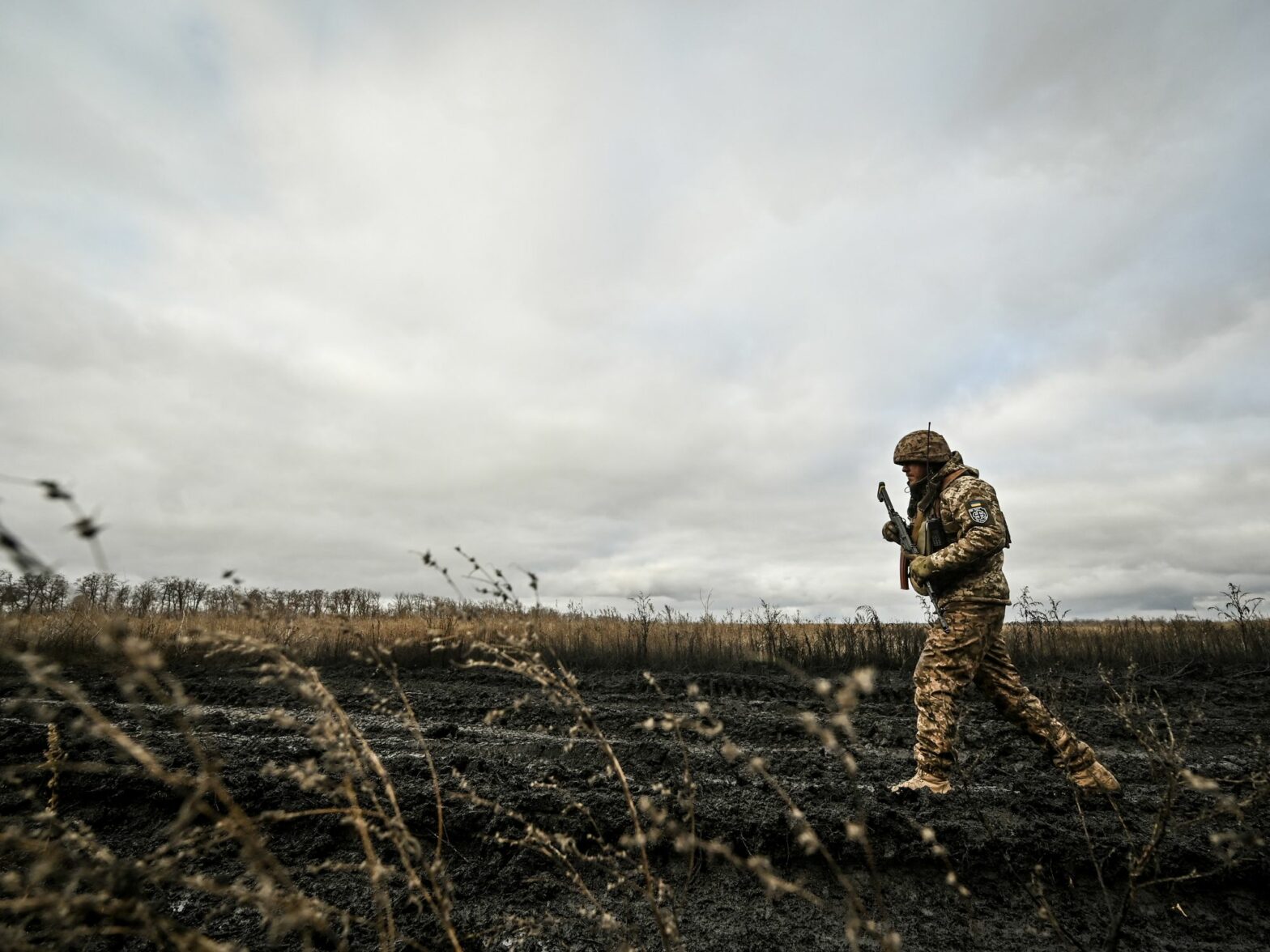
As Russia negotiates exclusively with the U.S., Putin aims to redraw spheres of influence, pulling former Soviet states back under Moscow’s control. All of this, paradoxically, continues to leave the fate of Ukraine as the vital issue for our times.
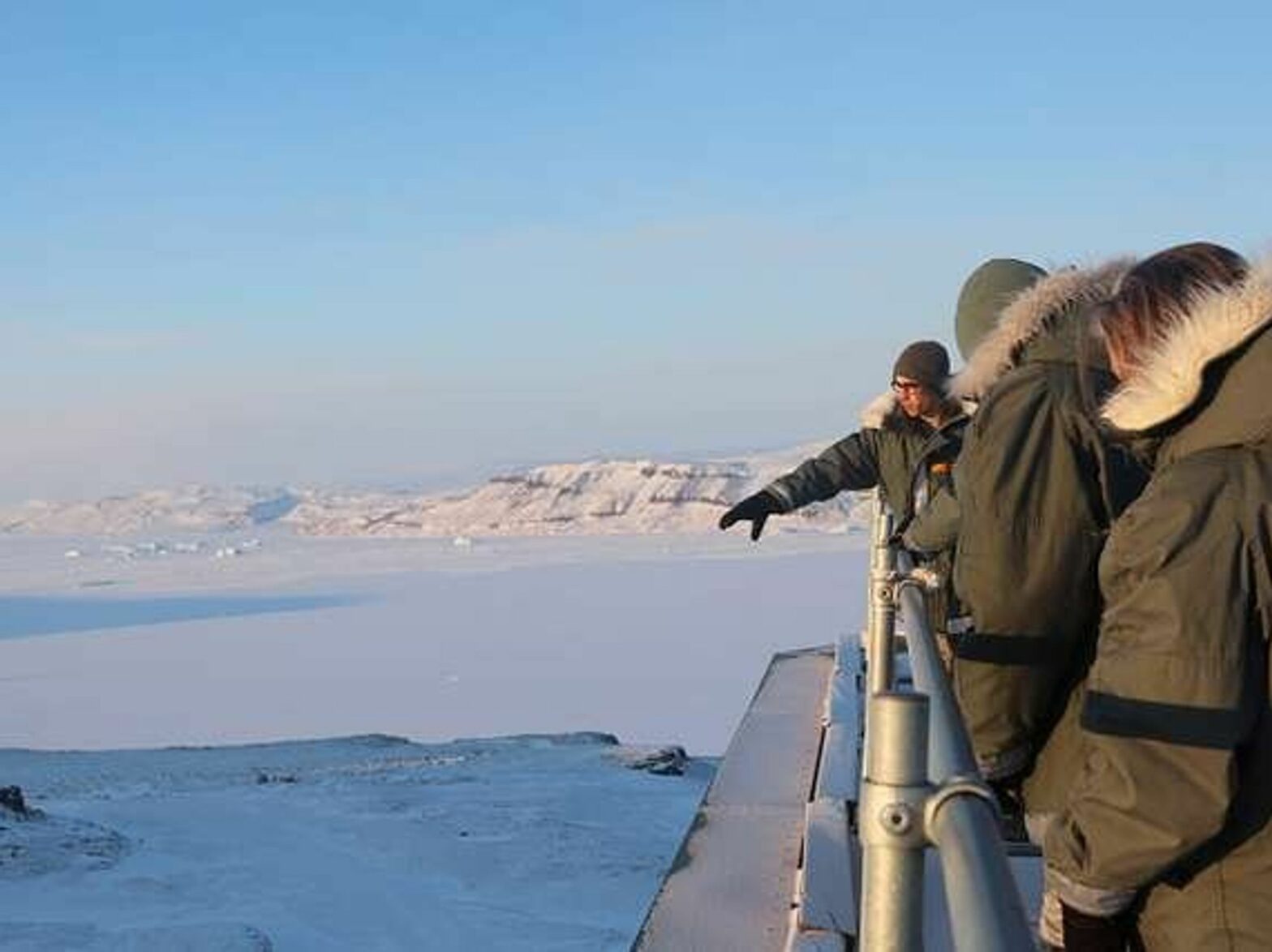
The newly inaugurated U.S. president is missing the real strategic and economic value of the island, which is ultimately linked to world’s ability to reduce global warming.

Impoverished by decades of intensive farming, soils are losing their capacity to store carbon and retain water. Today, alternative farming methods try to offer a solution to the problem, but the results are far from ideal.
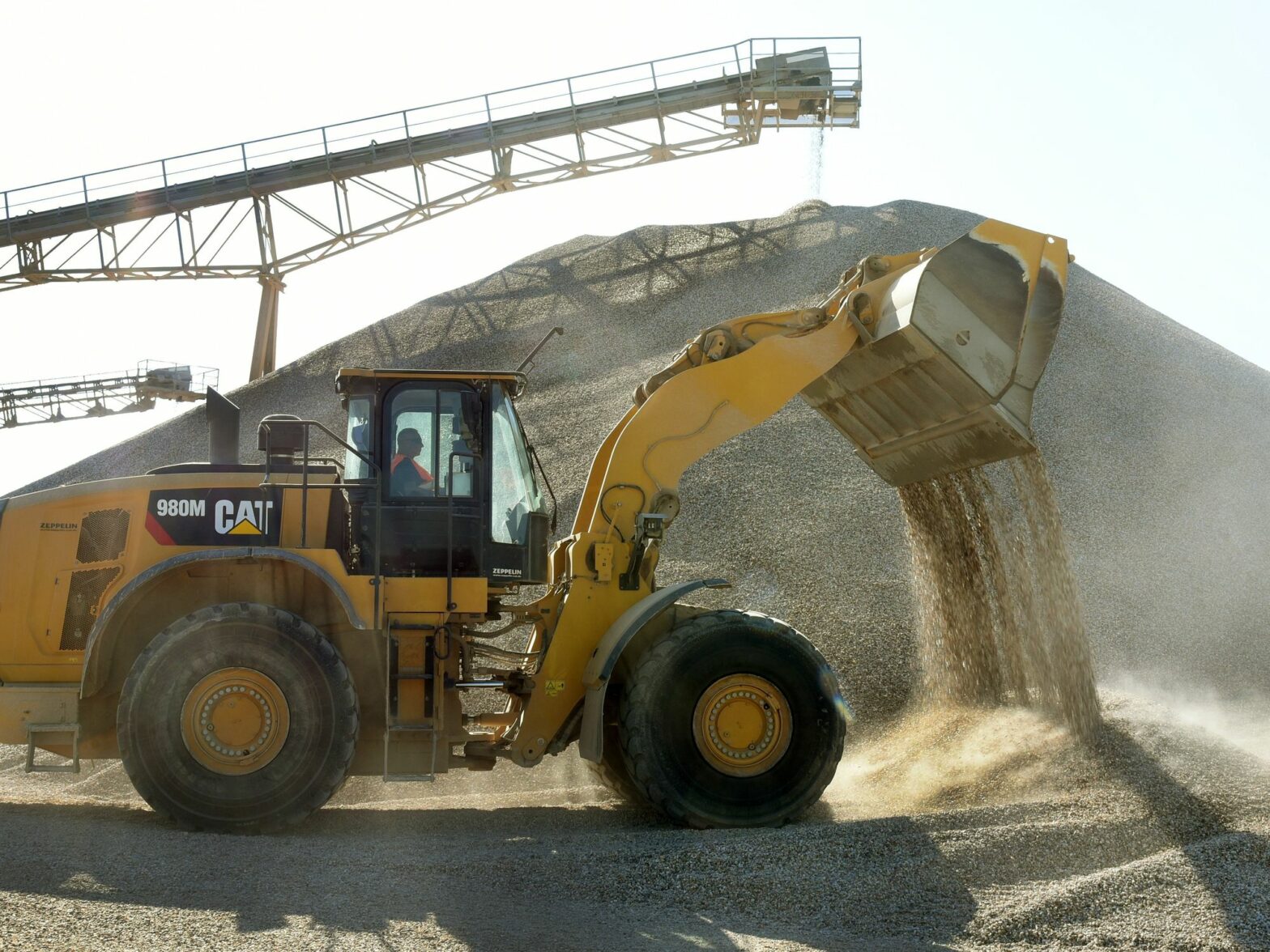
Global sand consumption has tripled in 20 years, to the point where the United Nations has called for countries to rethink their use of this “strategic resource” that is fueling tensions between states.
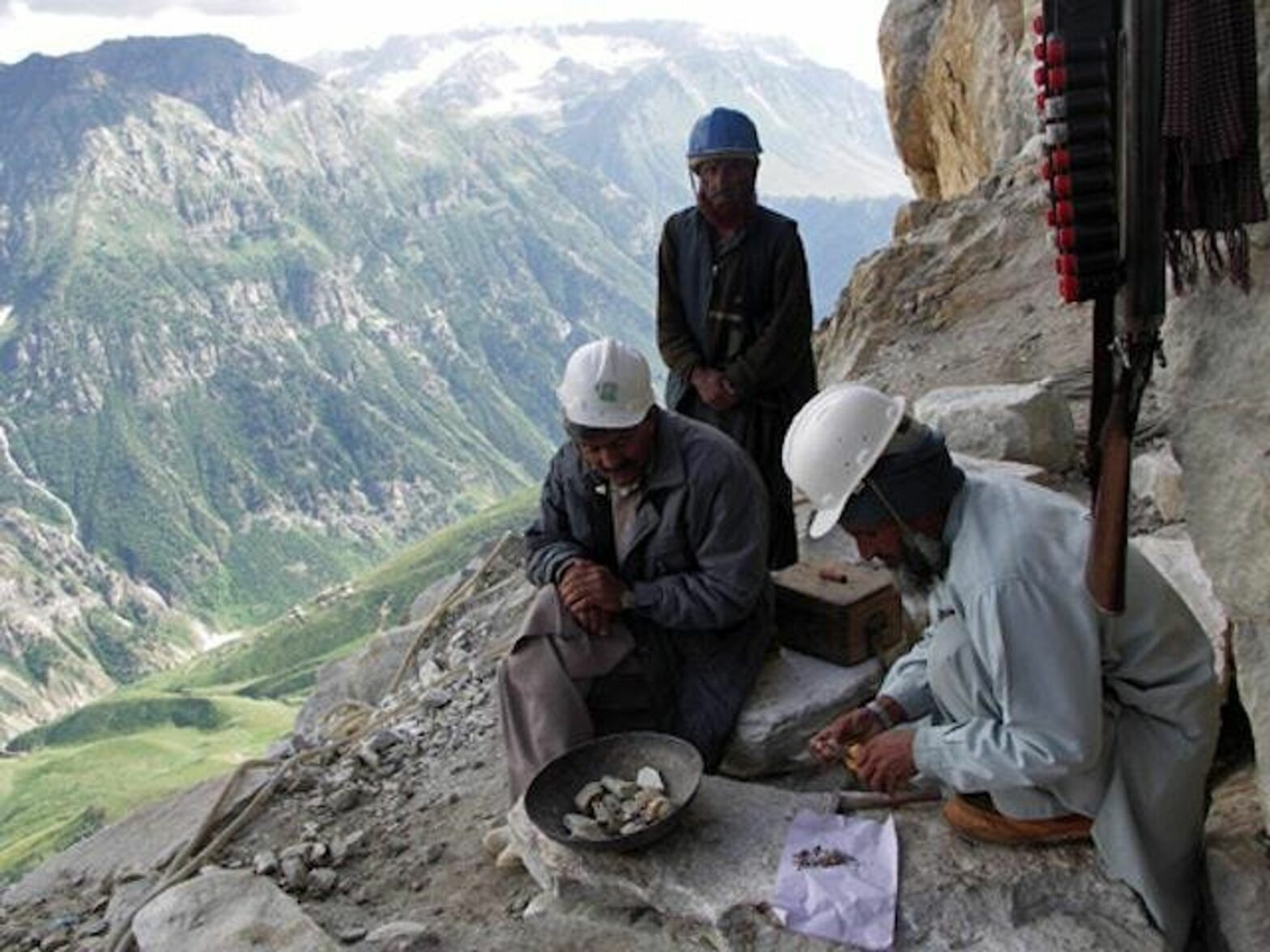
A vast stretch of mountains in India’s Padder Valley is believed to house sapphire reserves worth $1.2 billion, which could change the fate of one of the poorest districts of Jammu and Kashmir.
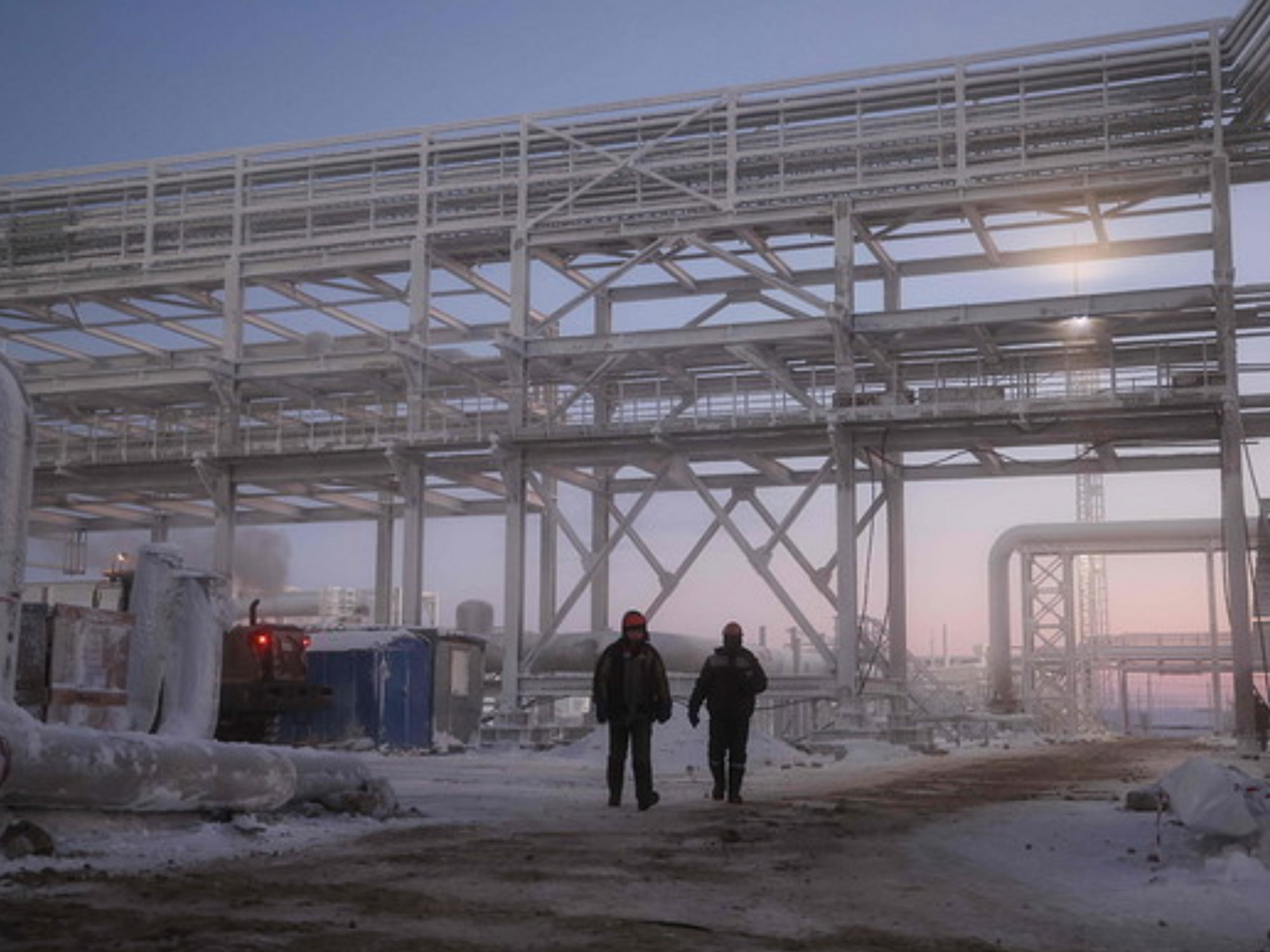
Russia owns 60% of Arctic coastline and half of the region’s population. In recent history, NATO has not been overly concerned with the defense of the Arctic region because the U.S. military has been focused on the Middle East. This is all changing since Russia’s invasion of Ukraine.
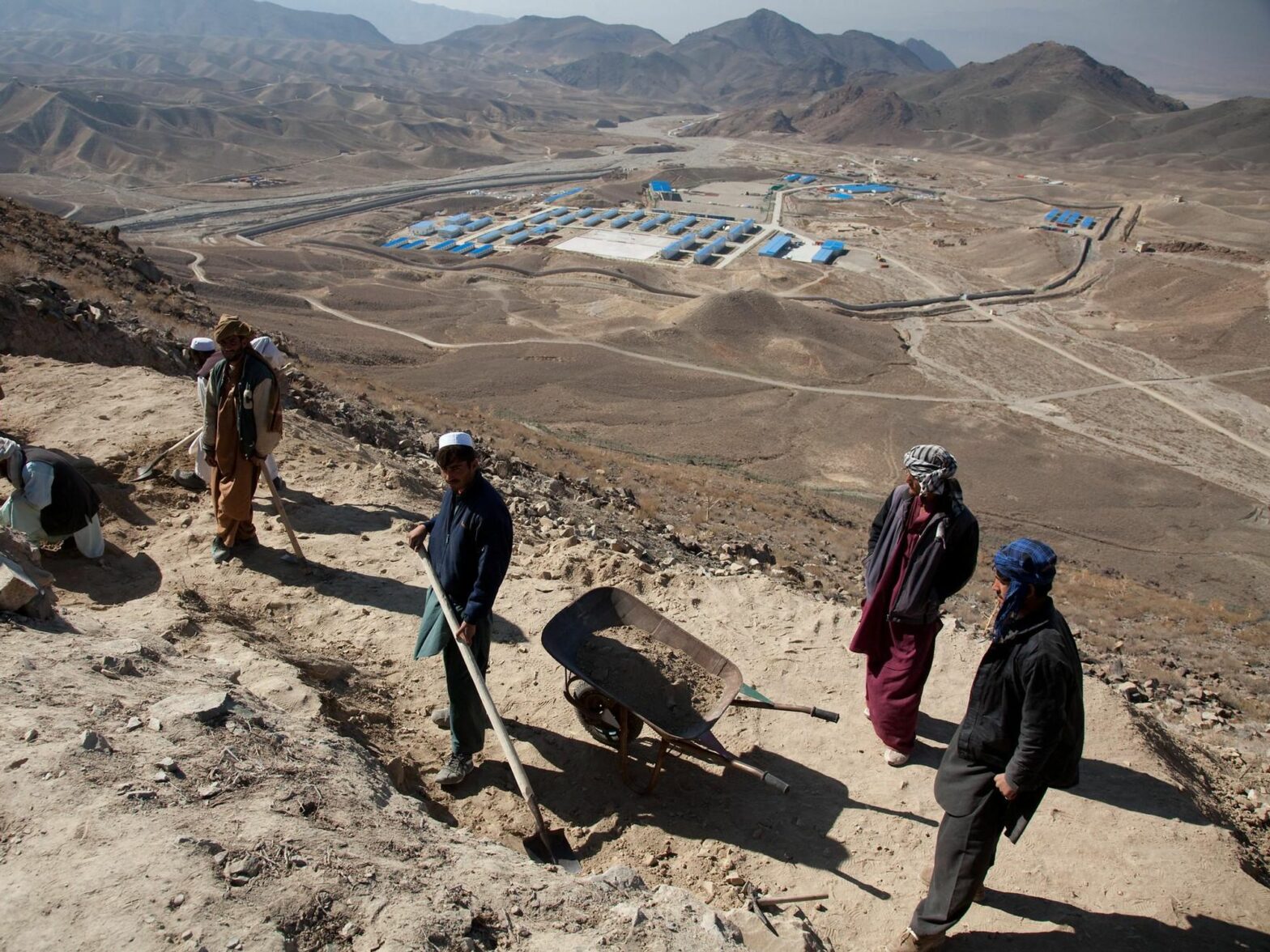
After withdrawing from Afghanistan, the U.S. left a power vacuum. The Taliban regime is officially isolated internationally, but the country has vast mineral resources — on which Beijing is keeping a close eye.
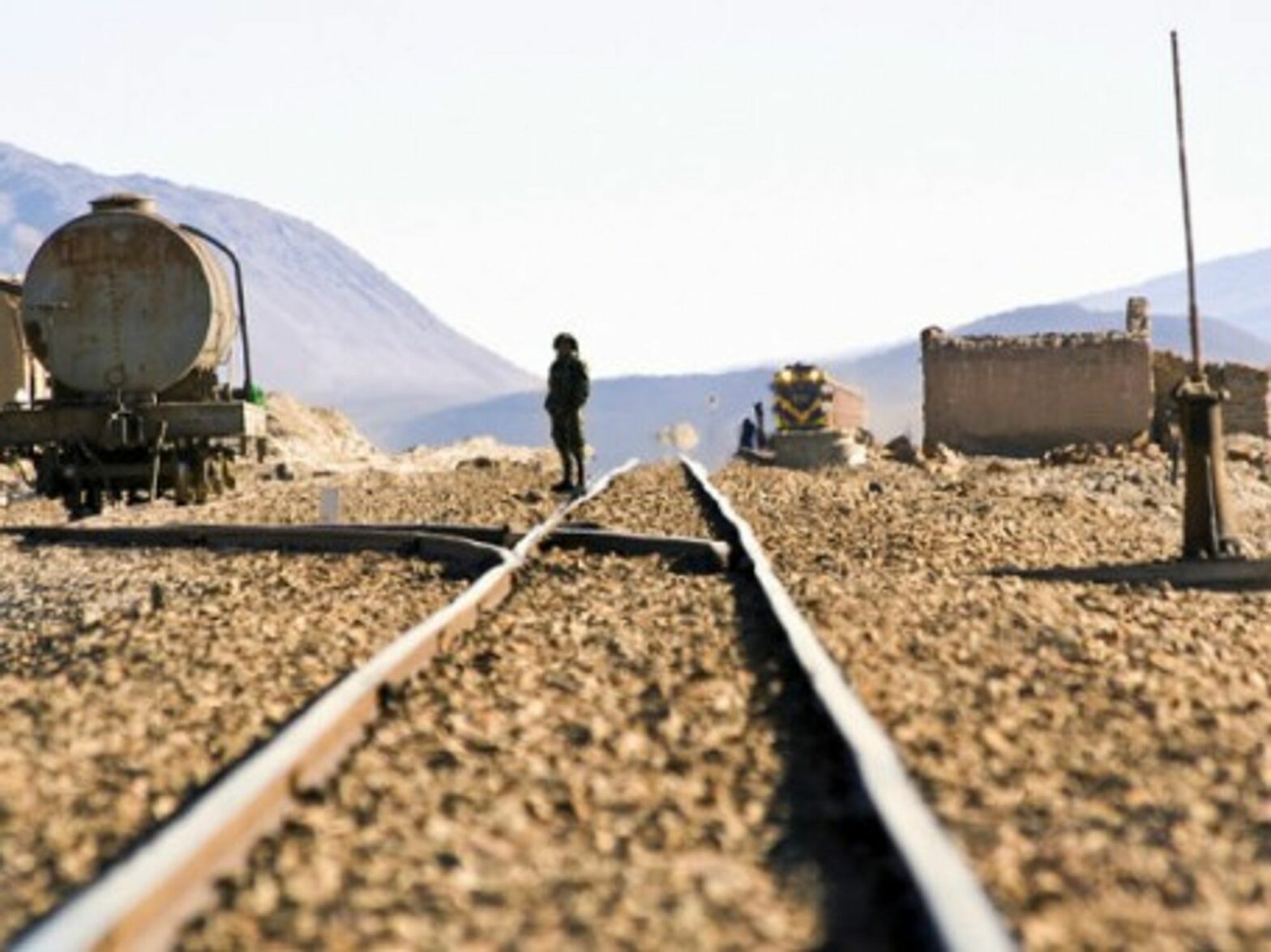
Latin American countries have used a decade-long revenue boom to boost prosperity and stabilize their economies. But there is a *productivity problem*.
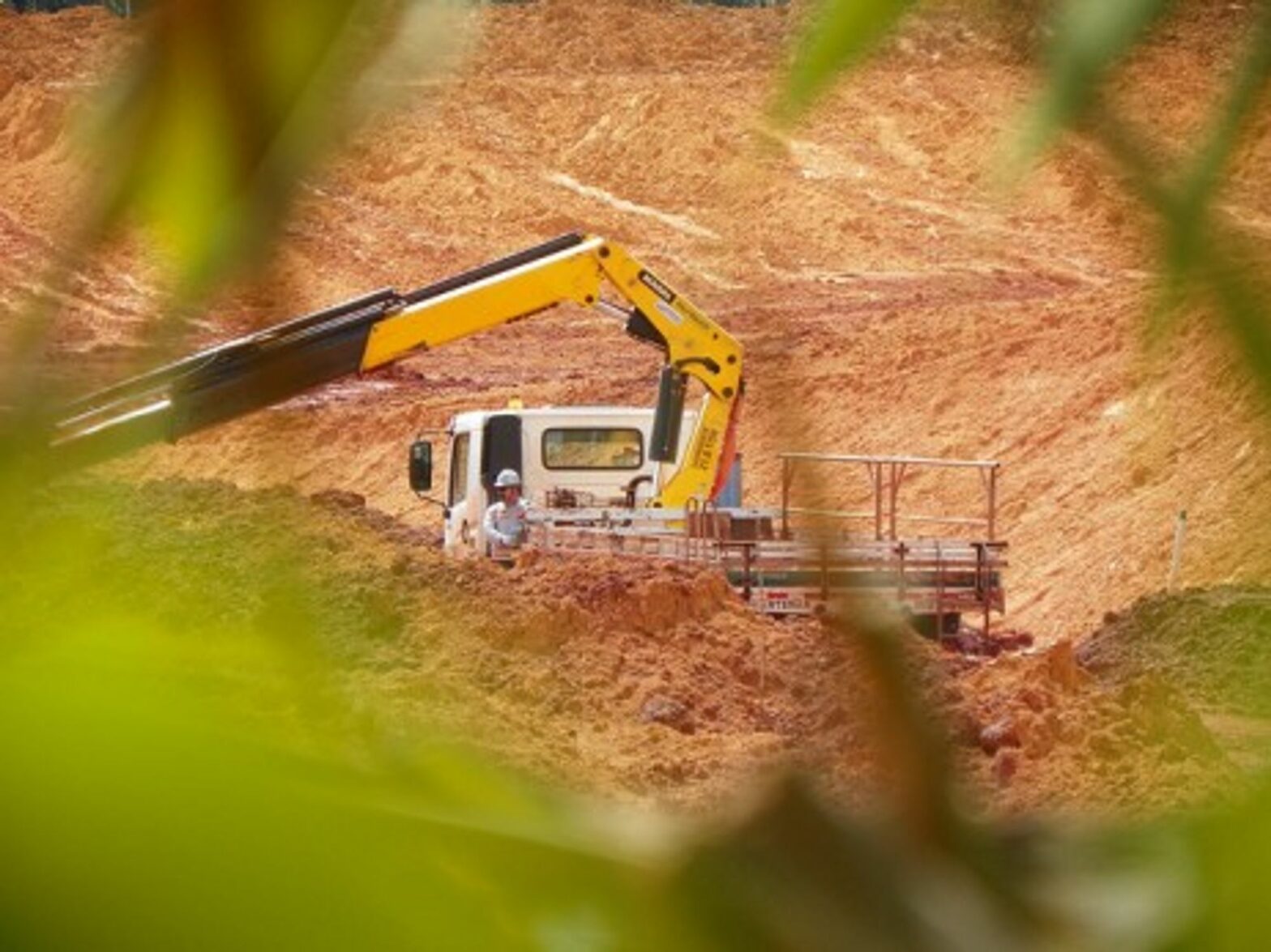
The death of Hugo Chavez, who propped up Venezuela with oil profits, is another reminder that Latin America needs to look for economic development beyond natural resources.