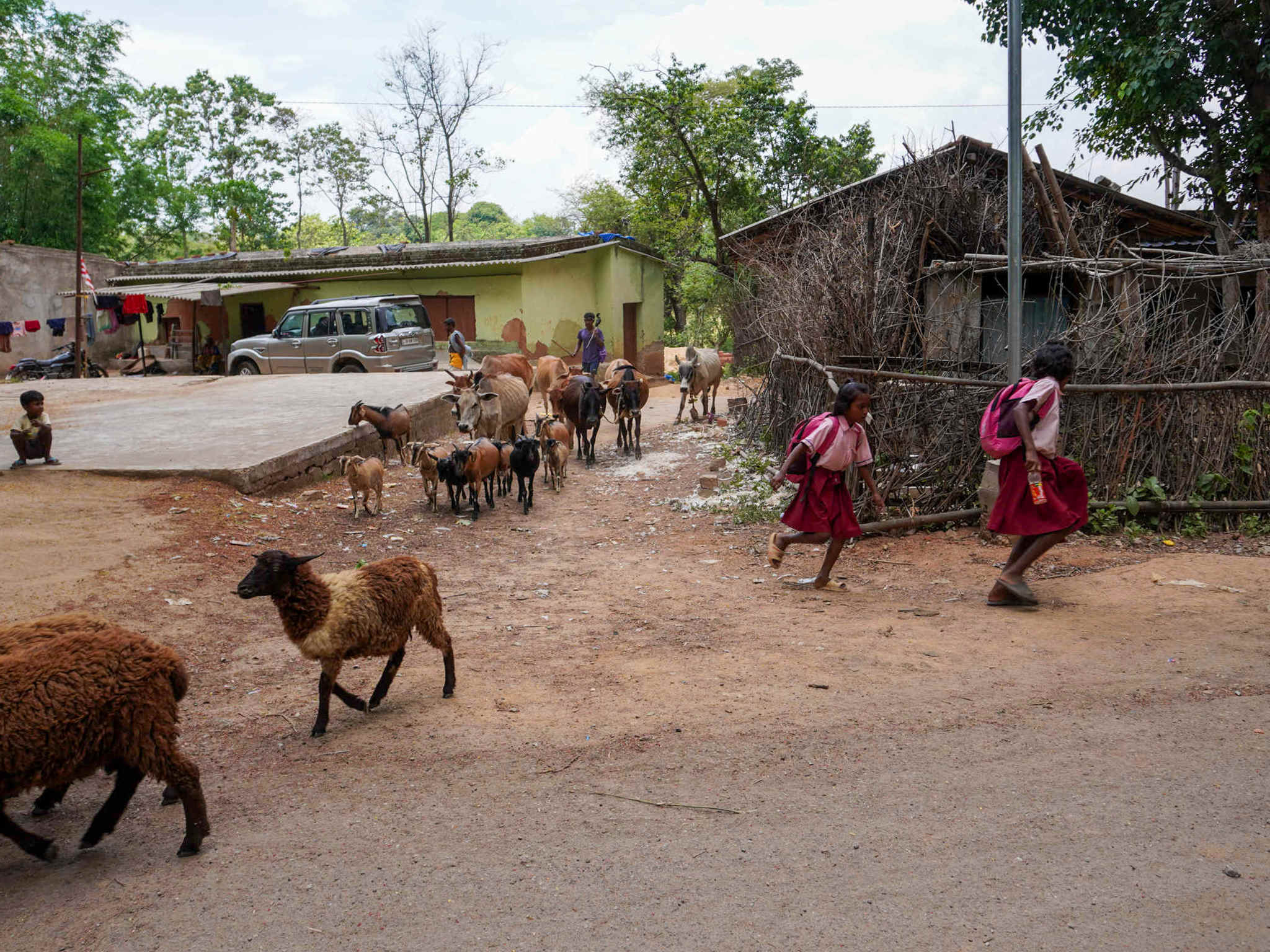
Hindu nationalists go toe-to-toe with Christians in attempting to convert indigenous Adivasis.
 Worldcrunch
Hindu nationalists go toe-to-toe with Christians in attempting to convert indigenous Adivasis.
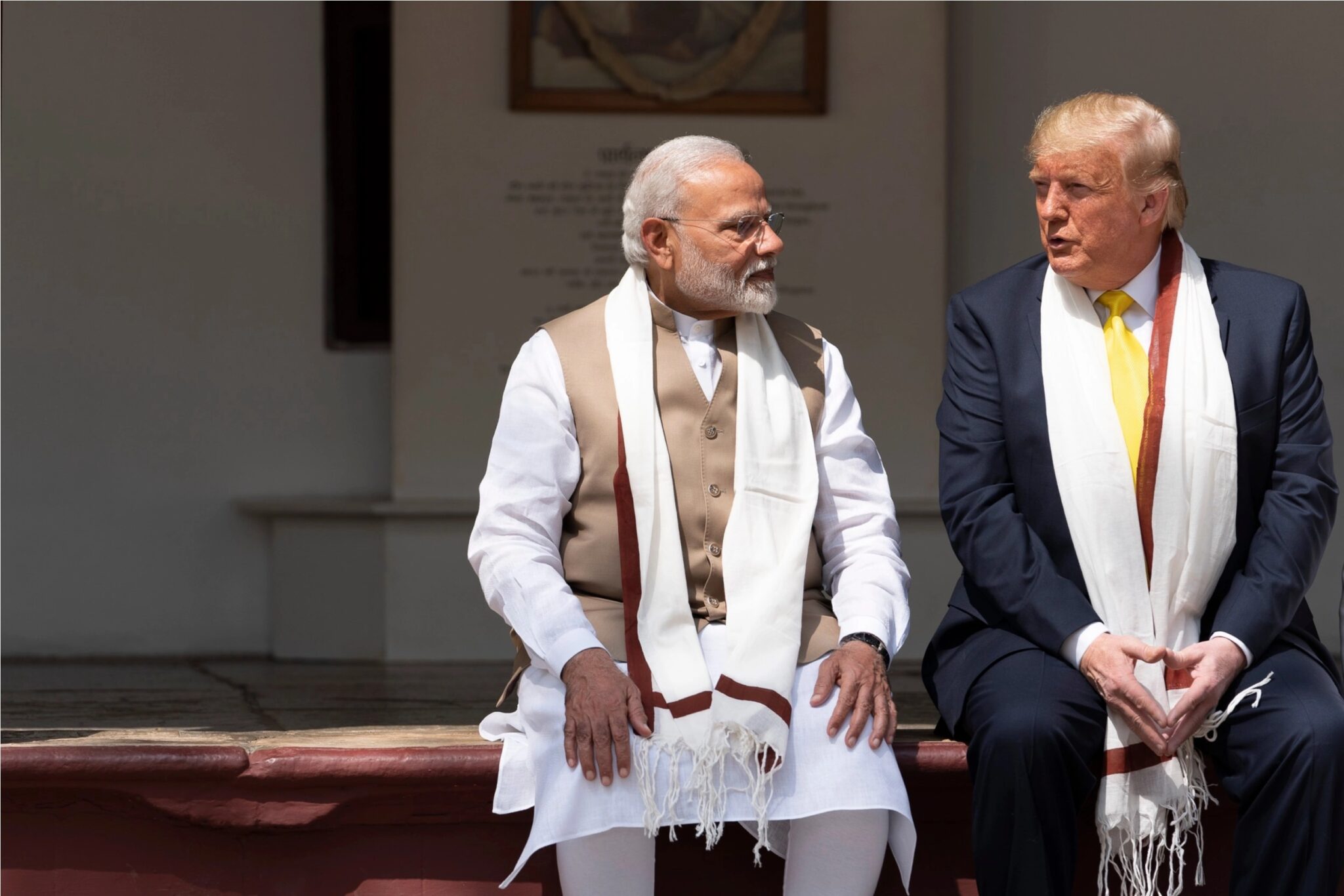
As U.S. President Donald Trump again threatened on Monday to raise tariffs on goods from India over its Russian oil purchases, it may be time for India’s prime minister to respond accordingly — and turn to India’s former leaders for potential playbooks.
Opponents, and now some allies, are saying the right thing to do is for Modi to respect tradition and retire for his 75th birthday in September. It’s what he’s forced others to do, after all.
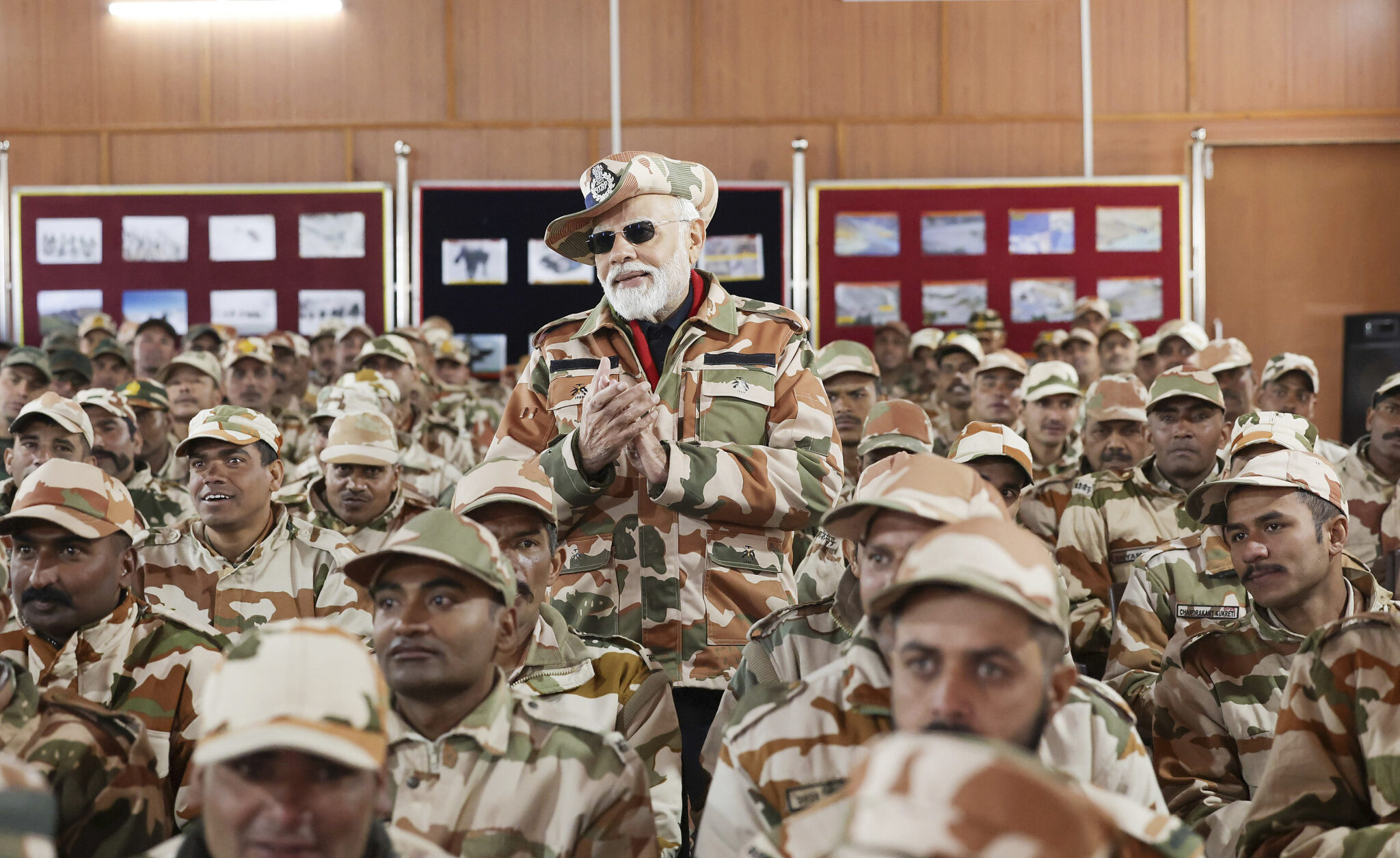
When in doubt, outsource to the soldiers. The Kashmir debacle shows Prime Minister Narendra Modi retreating behind India’s armed forces, leaving it up to them to mop up the mess, calm the rage, and maybe even help the politician save face.
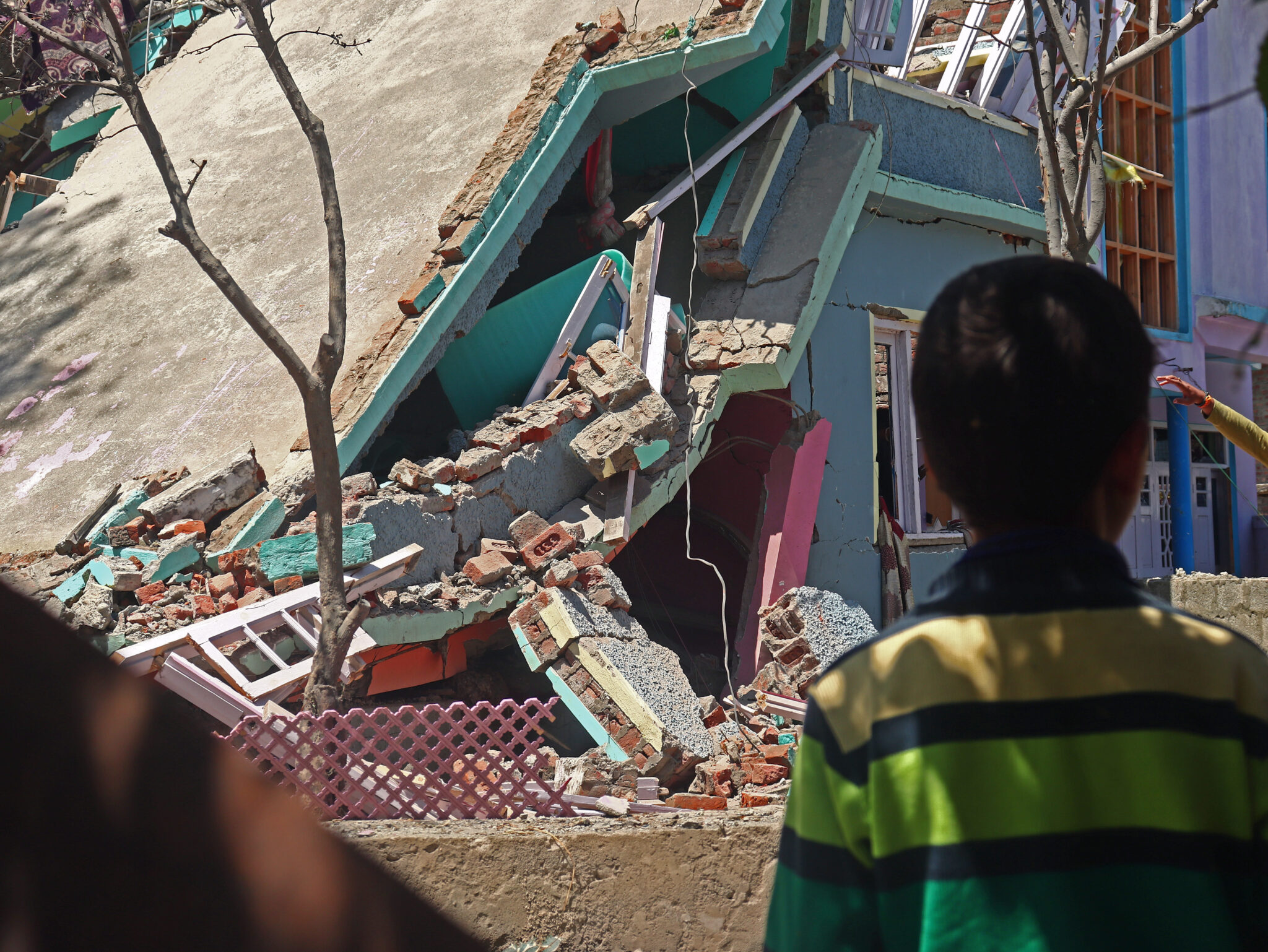
In the wake of the recent Kashmir attack, the Modi government has responded by demolishing homes allegedly linked to suspects, a move seen by some as more spectacle than justice. These retaliatory demolitions reflect a pattern of collective punishment that raises serious concerns about due process and human rights in conflict regions.
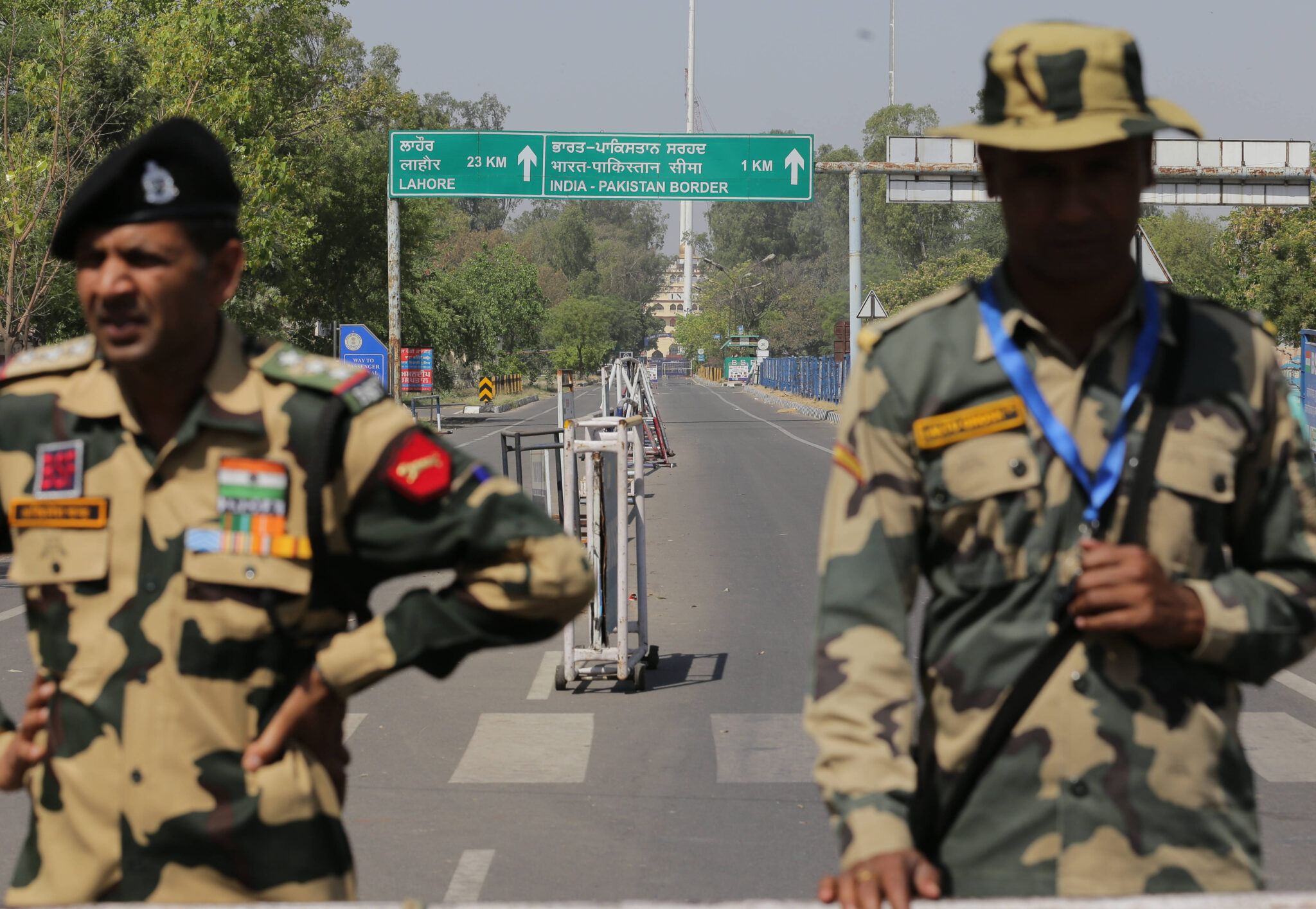
The massacre in northern Kashmir has reignited calls for retribution and nationalist bravado — but behind the noise lies a deeper challenge: can India’s leaders hold the line against communal rupture and resist falling into Pakistan’s strategic trap?
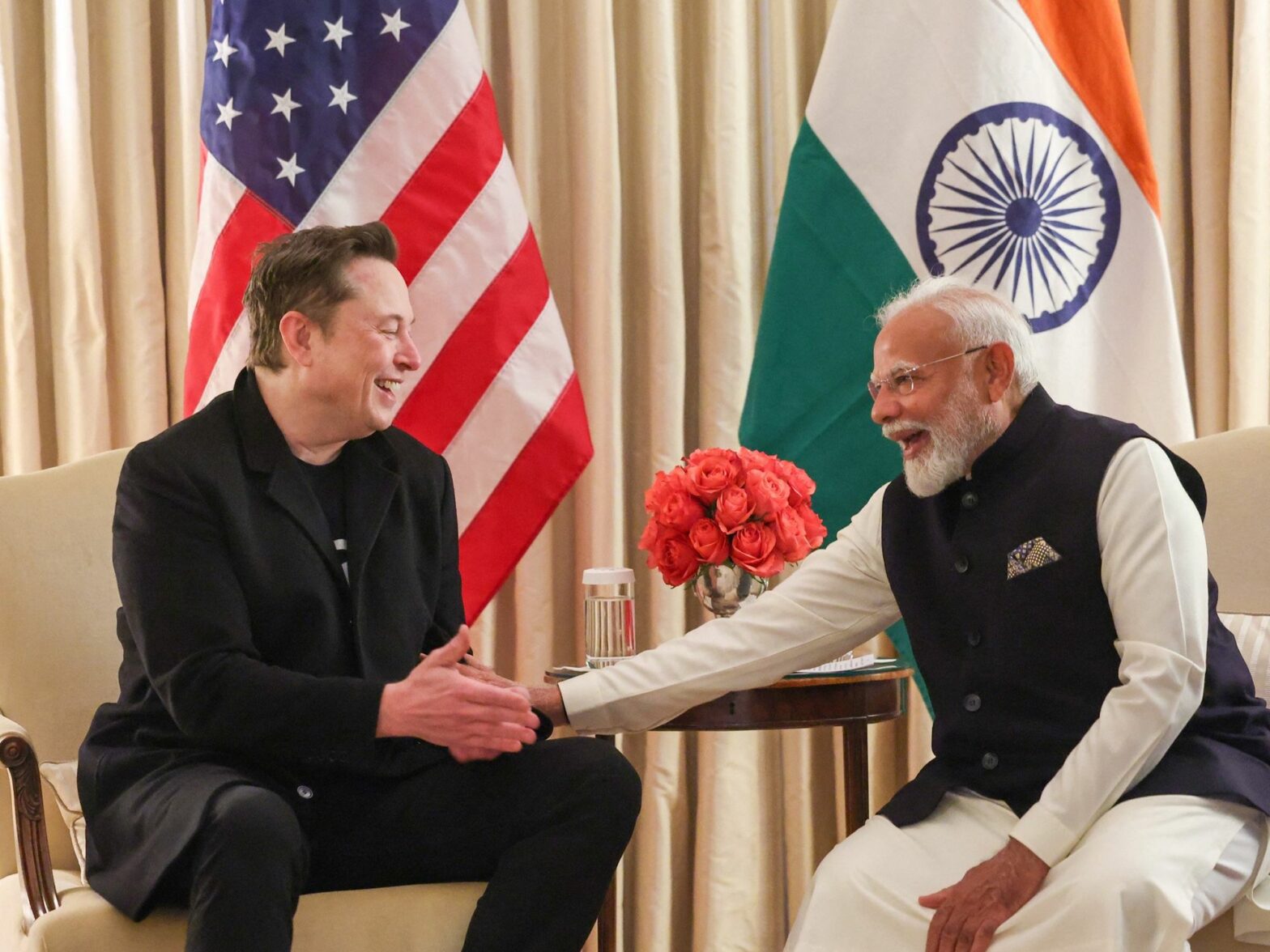
Elon Musk’s AI tool, Grok, has started challenging India’s political elite, calling out Narendra Modi, Amit Shah, and more. But will the government react to the irreverential bot?
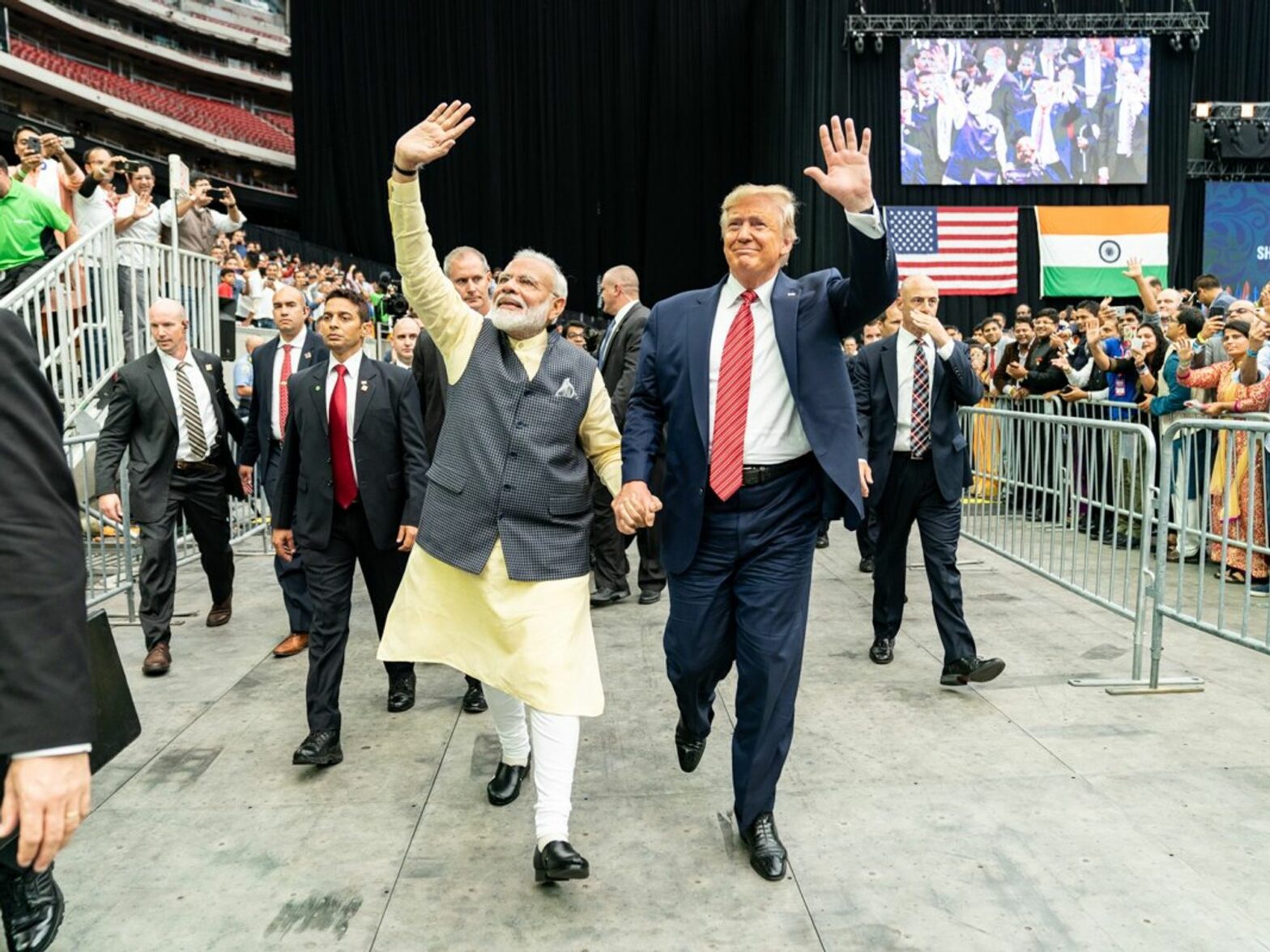
India’s silence on Trump’s imperialistic notions about taking over Greenland and Gaza does not sit well with its growing relative strength in the world.
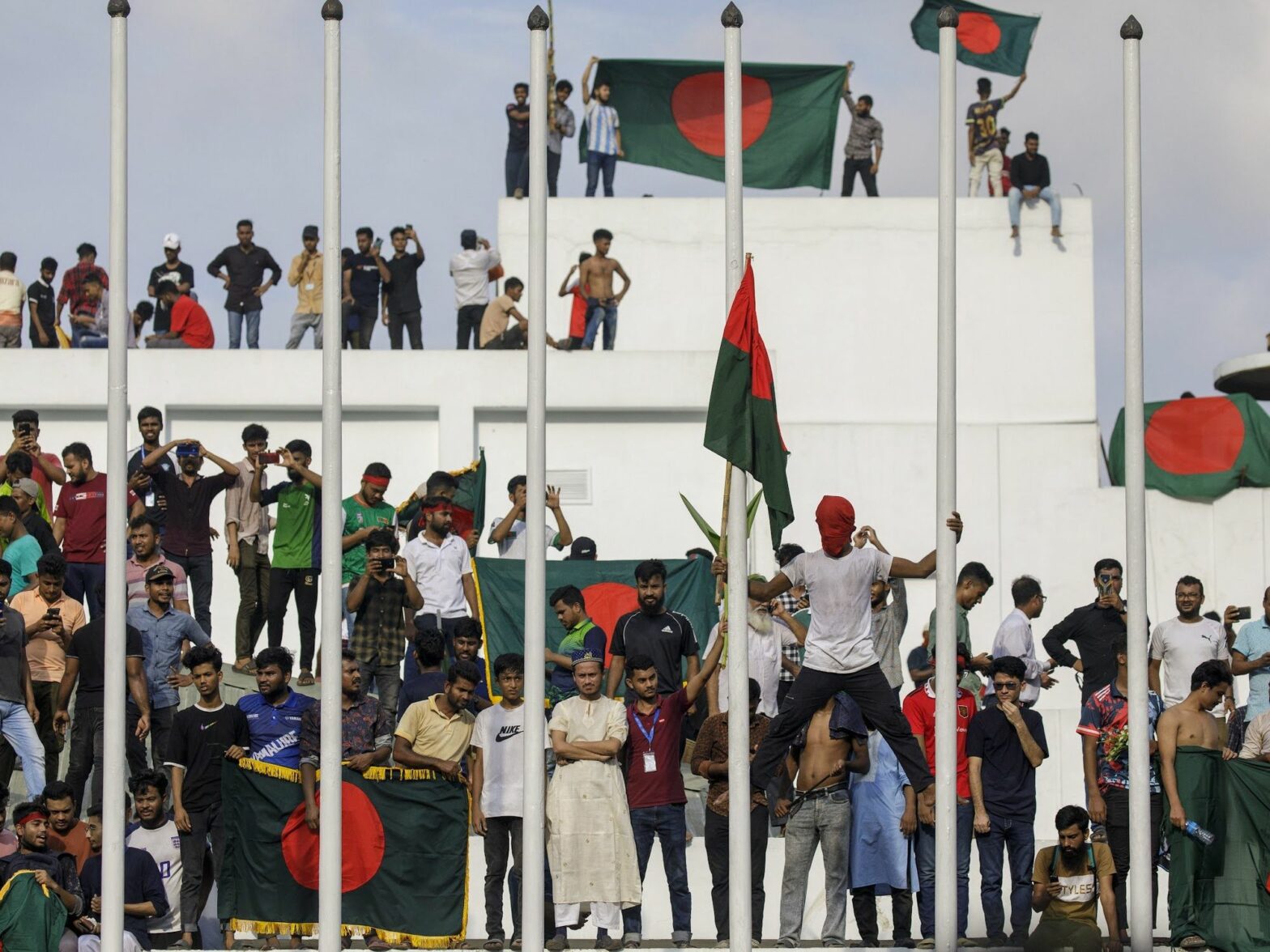
Syria is the latest in a series of Indian foreign policy disasters. But can the government’s clear lack of vision on that front explain the flagrant haplessness of the Indian state on the global stage?
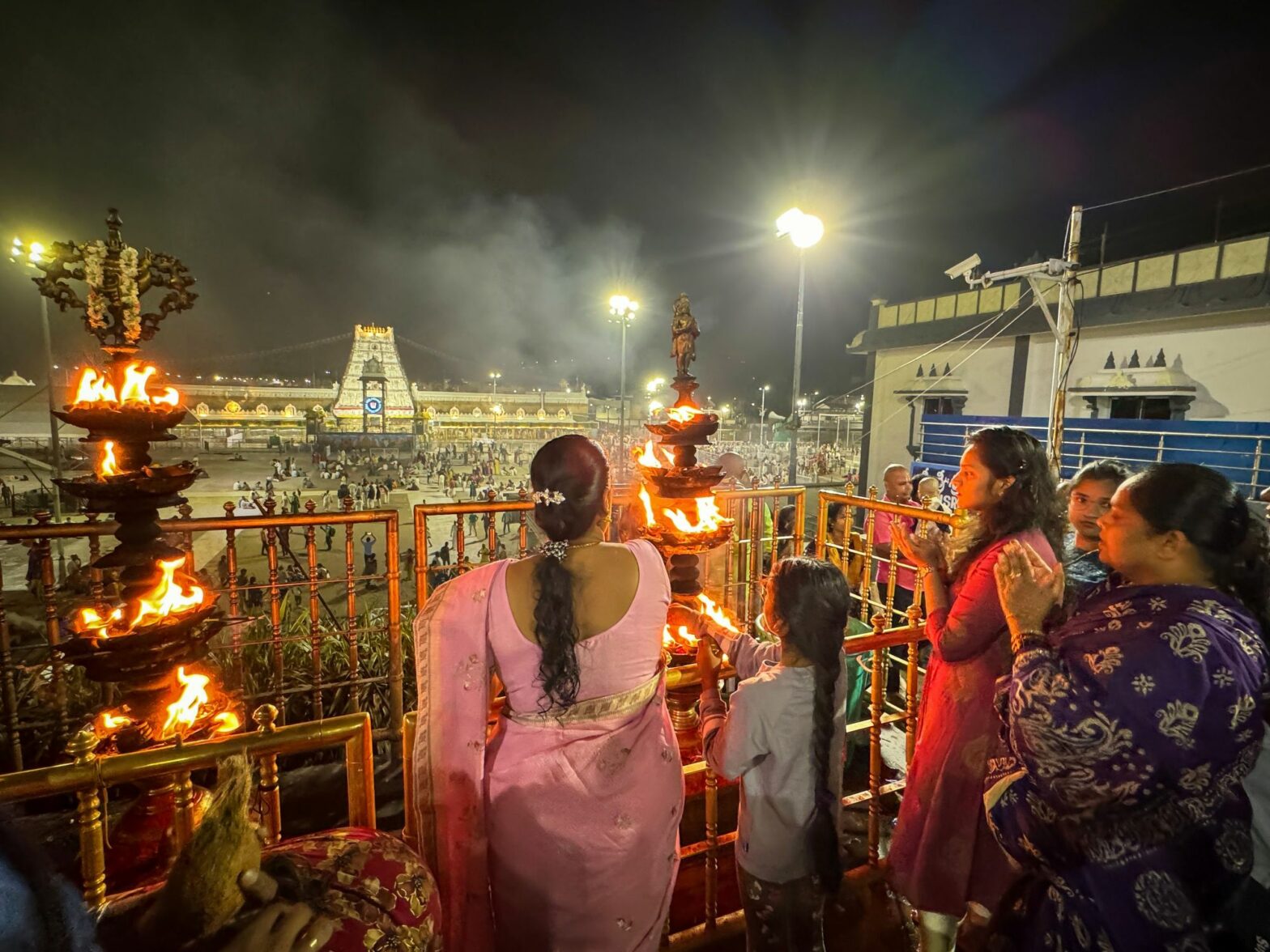
Reservation is not the cause of caste — it is a consequence. Without dismantling caste-based discrimination, even reservations cannot create a level playing field.
India operates in the gap between what society considers morally acceptable and what is legally permitted. While instances of blatant corruption can still shock, the idea of corruption in India is not condemned in its totality.
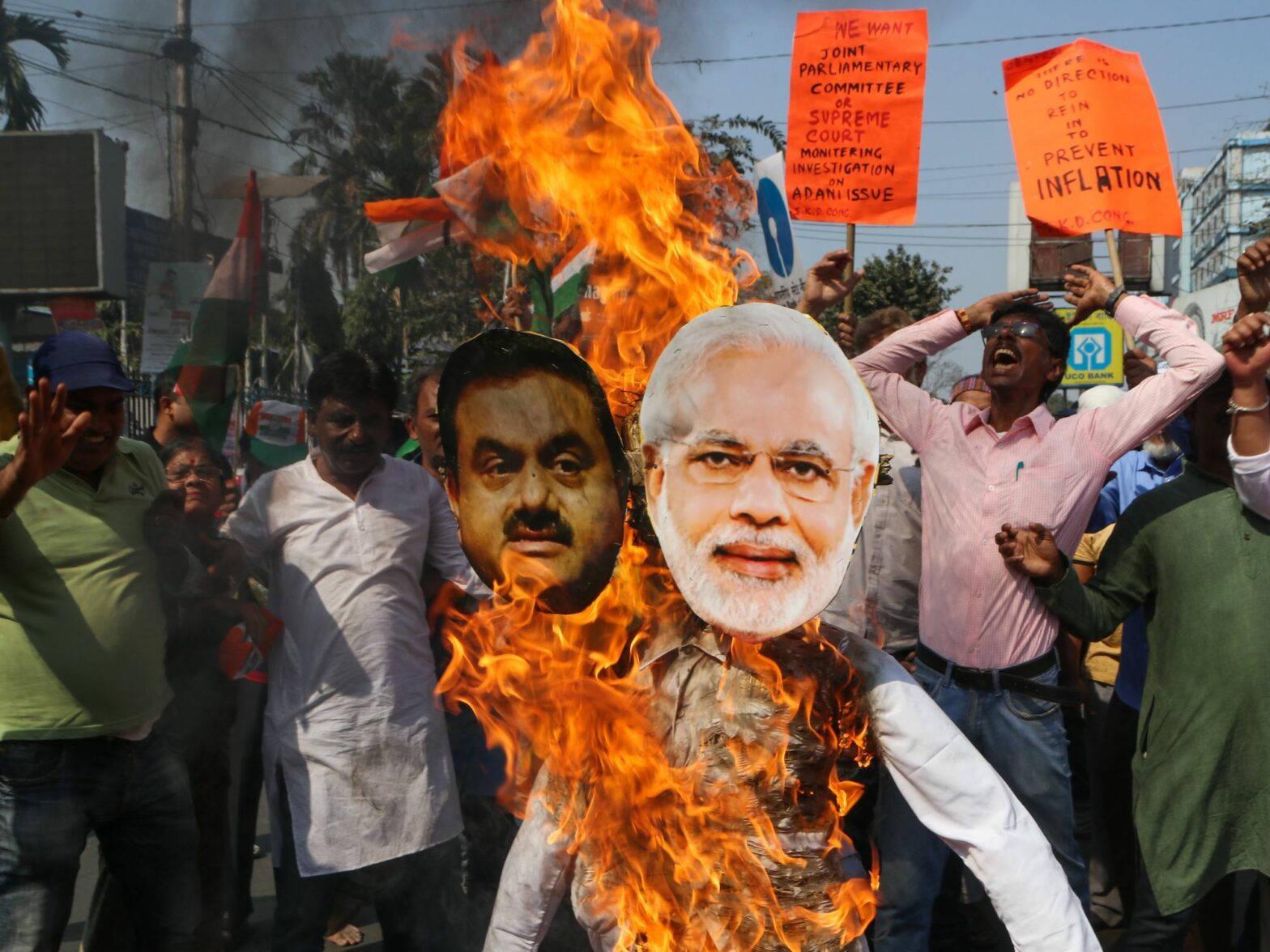
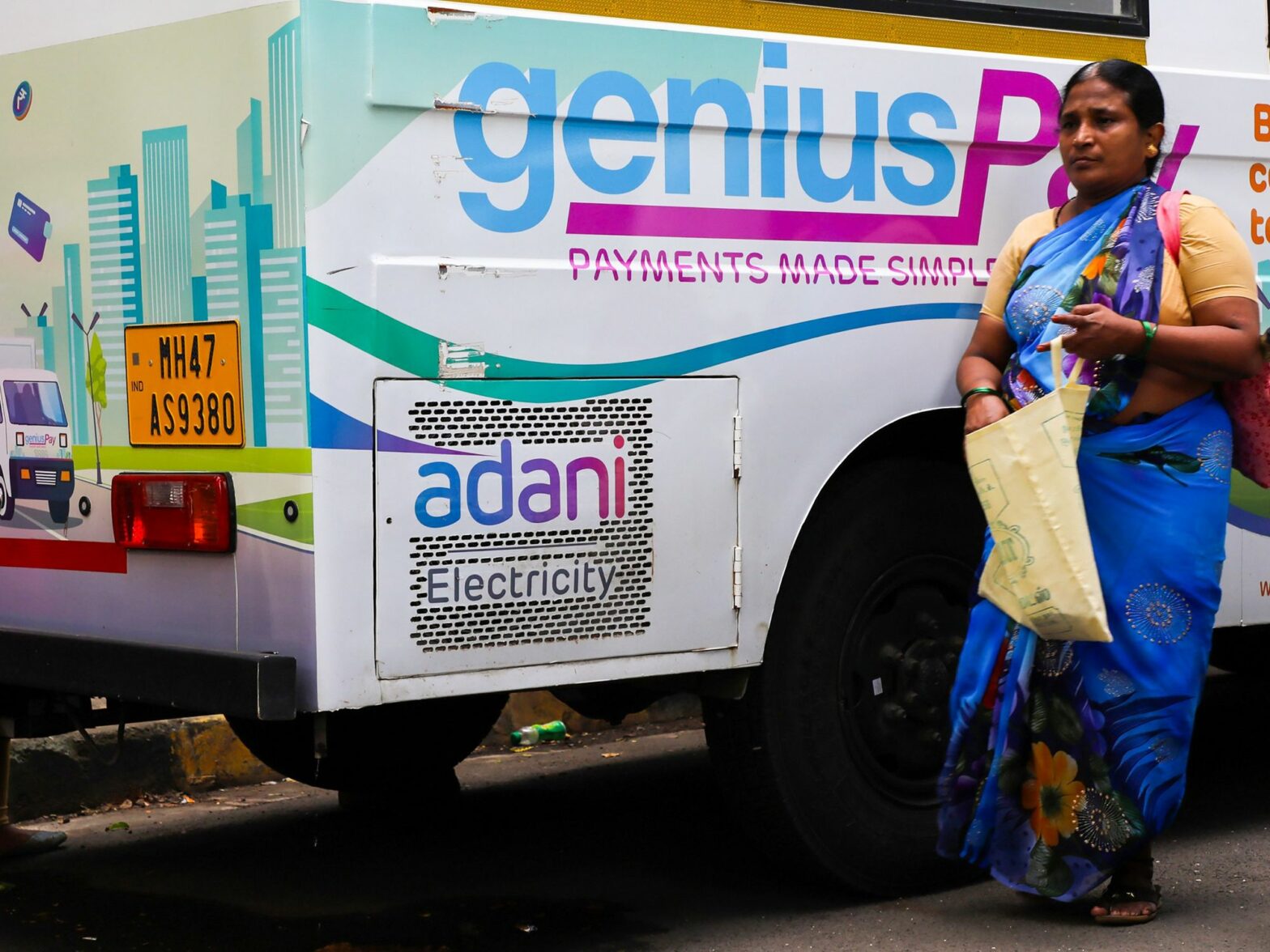
As Indian billionaire Gautam Adani faces U.S. indictment, the implications for his longtime support Prime Minister Narendra Modi’s administration are significant — all the while raising concerns about India’s sovereignty and the costs of protecting influential business allies.
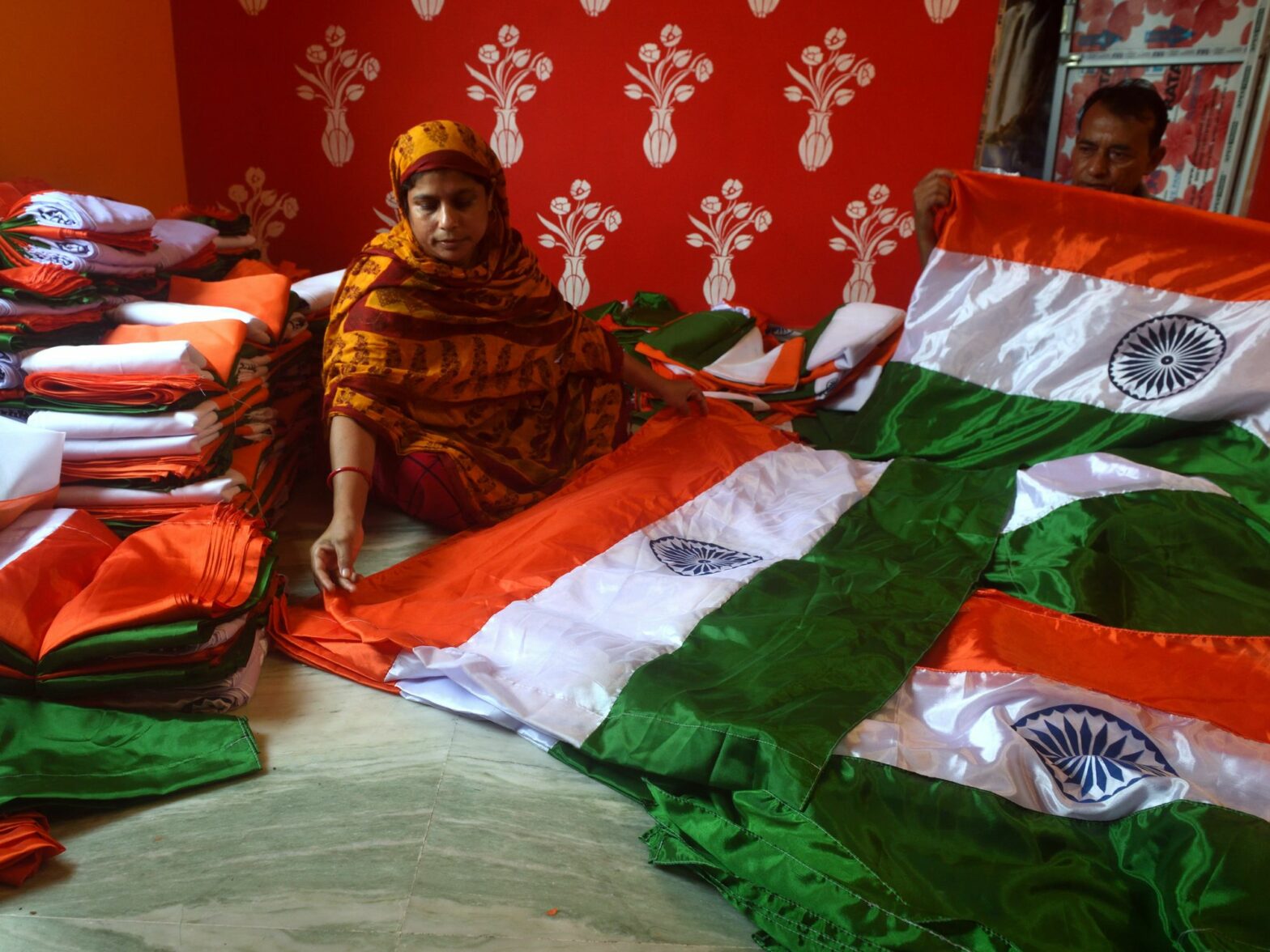
Ten years after the launch of the Modi’s “Make in India” program, India’s industry problem has deepened — just like its dependence to China.
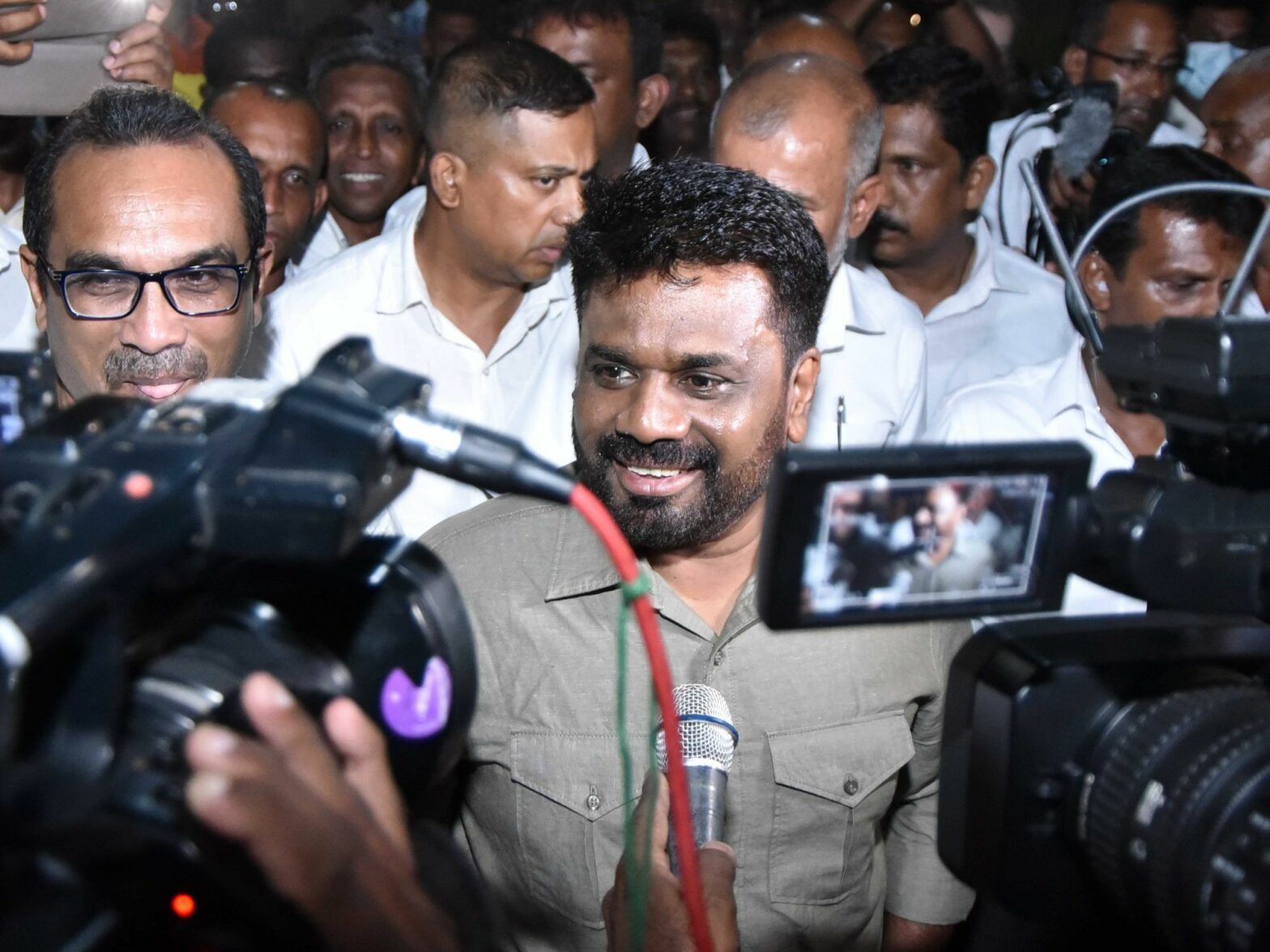
The outgoing Sri Lankan government had signed an agreement in secret for the Indian conglomerate Adani to build a wind farm in the north of the country. Now the newly elected President Anura Kumara Dissanayake arrives with plans to scrap the massive project.
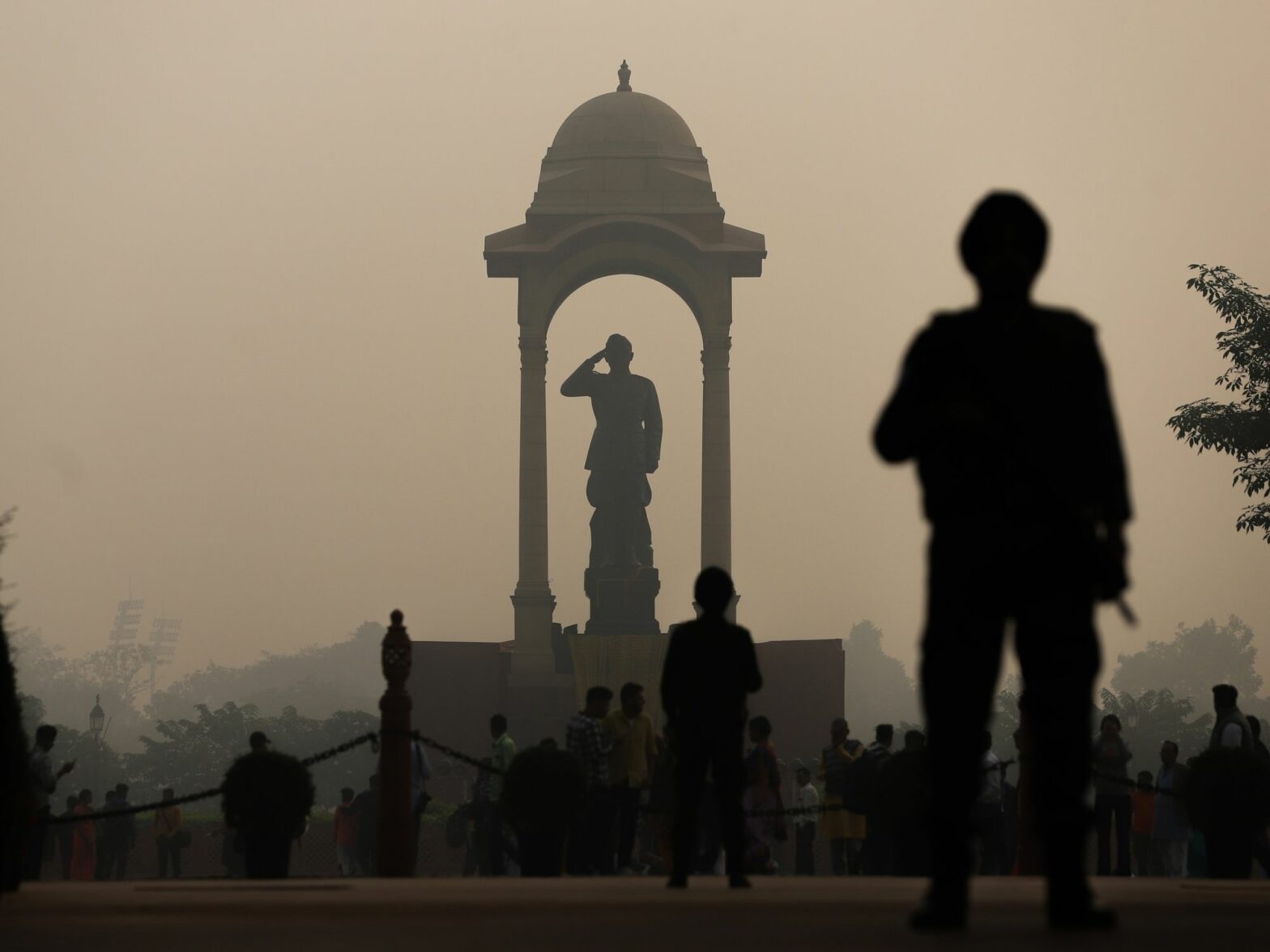
Indian Prime Minister Narendra Modi’s plans for beautification supposedly capture the aspirations of citizens but are a cover for the actual political project of legitimizing his narrative of history, which glorifies right-wing groups and appropriates leaders who have been purportedly overlooked by Congress.
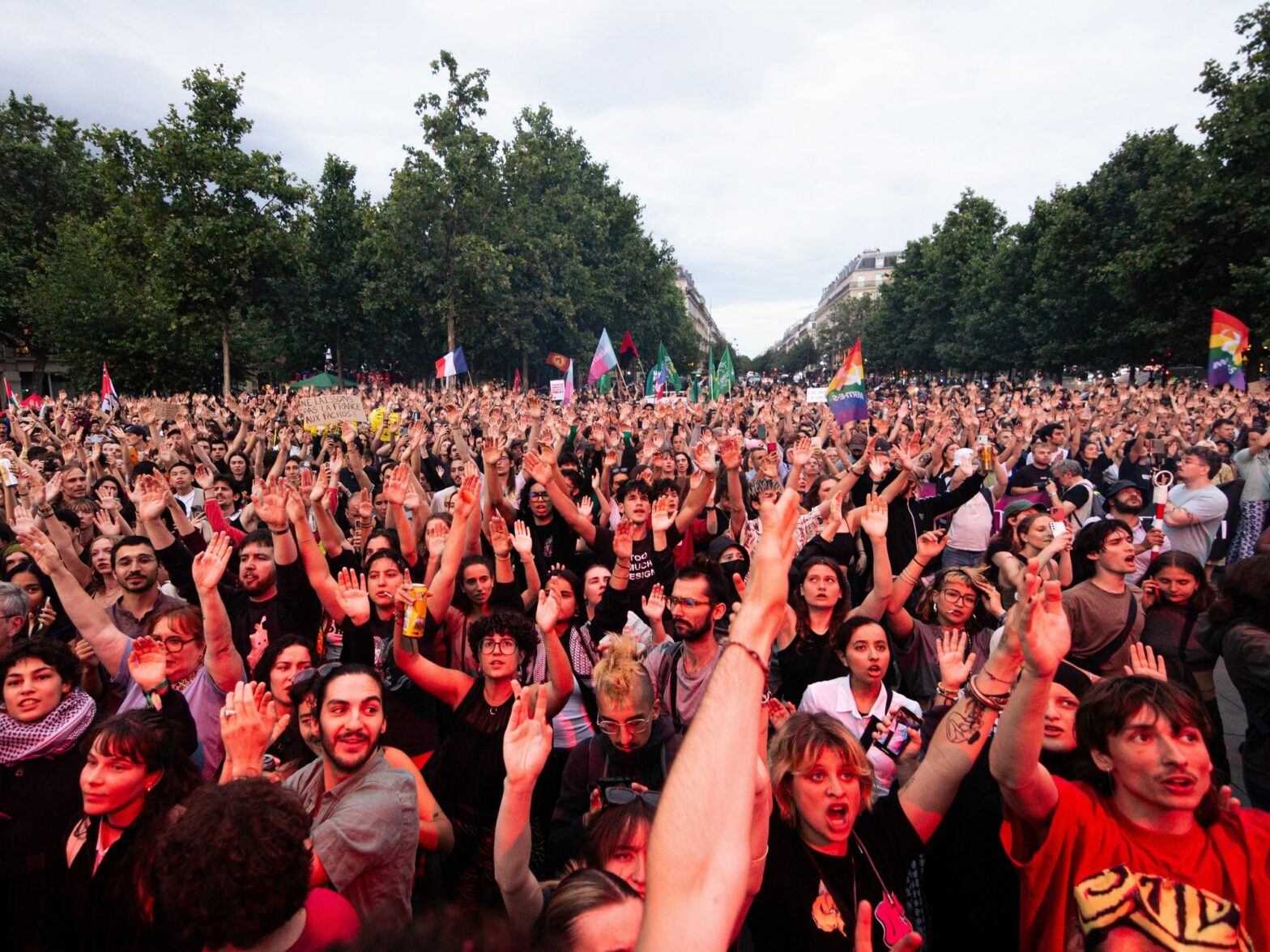
Ahead of the second round of French parliamentary elections, a possible far-right takeover forces the youth around the world to face a future that might be different from the one they were hoping for.
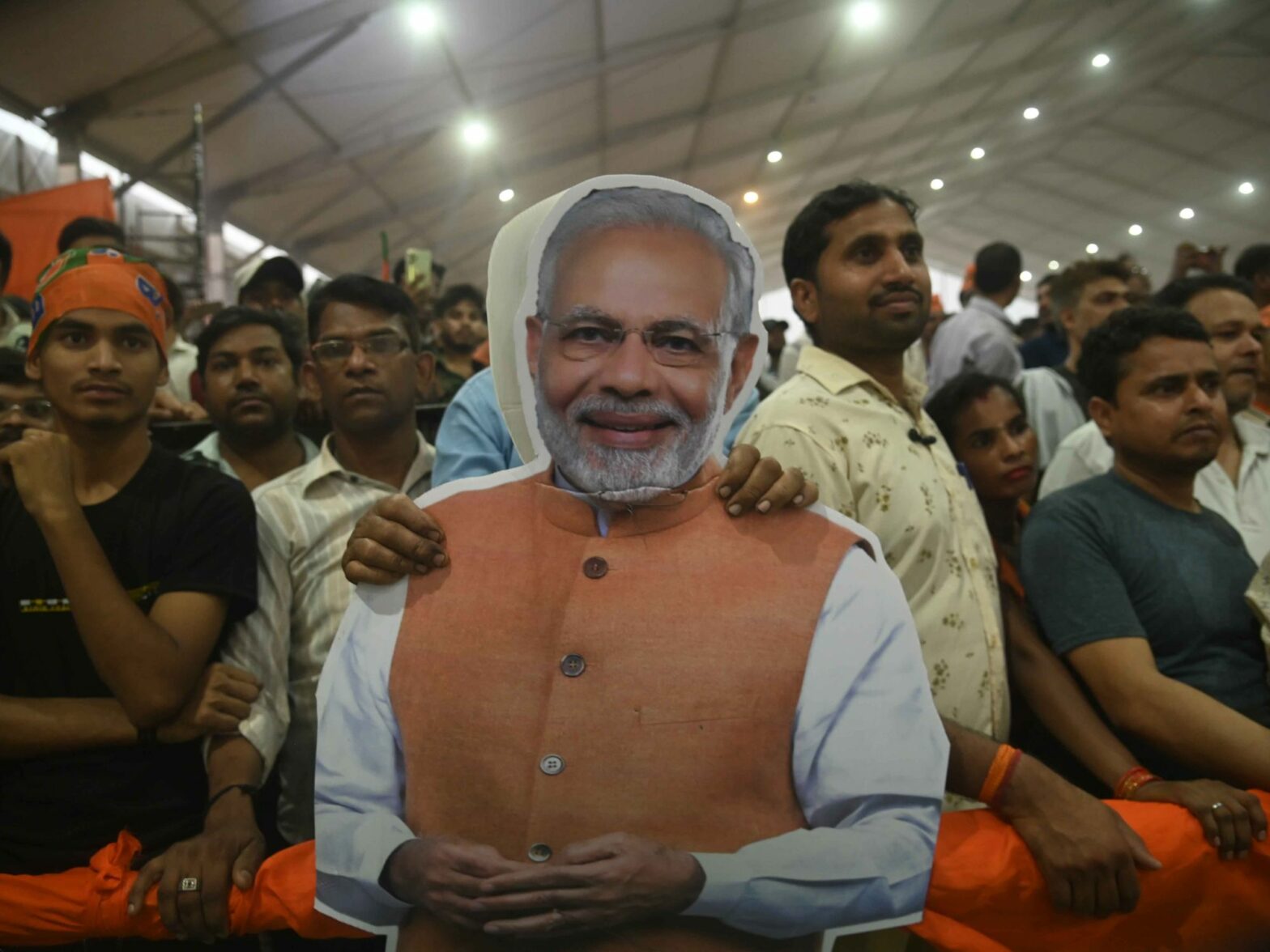
China will remain the elephant in the room when it comes to foreign policy during Narendra Modi’s third term too. Though he boasts of his closeness to many world leaders, Modi failed to charm President Xi Jinping.
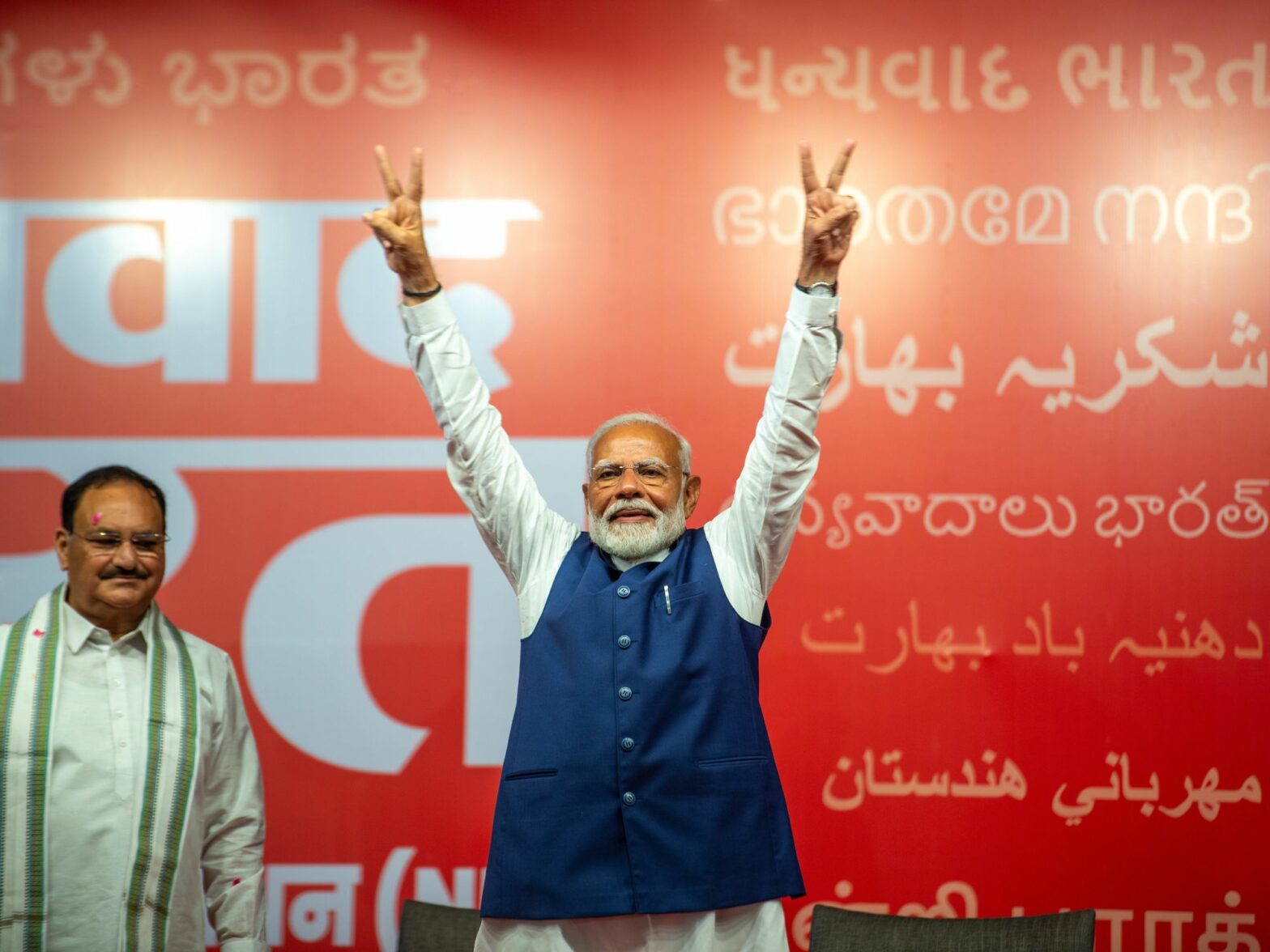
While the party of India’s Prime Minister came on top on the general elections, it failed to win an outright majority at the lower house. This means Modi will have to form a coalition government for the first time and learn how to work with others.
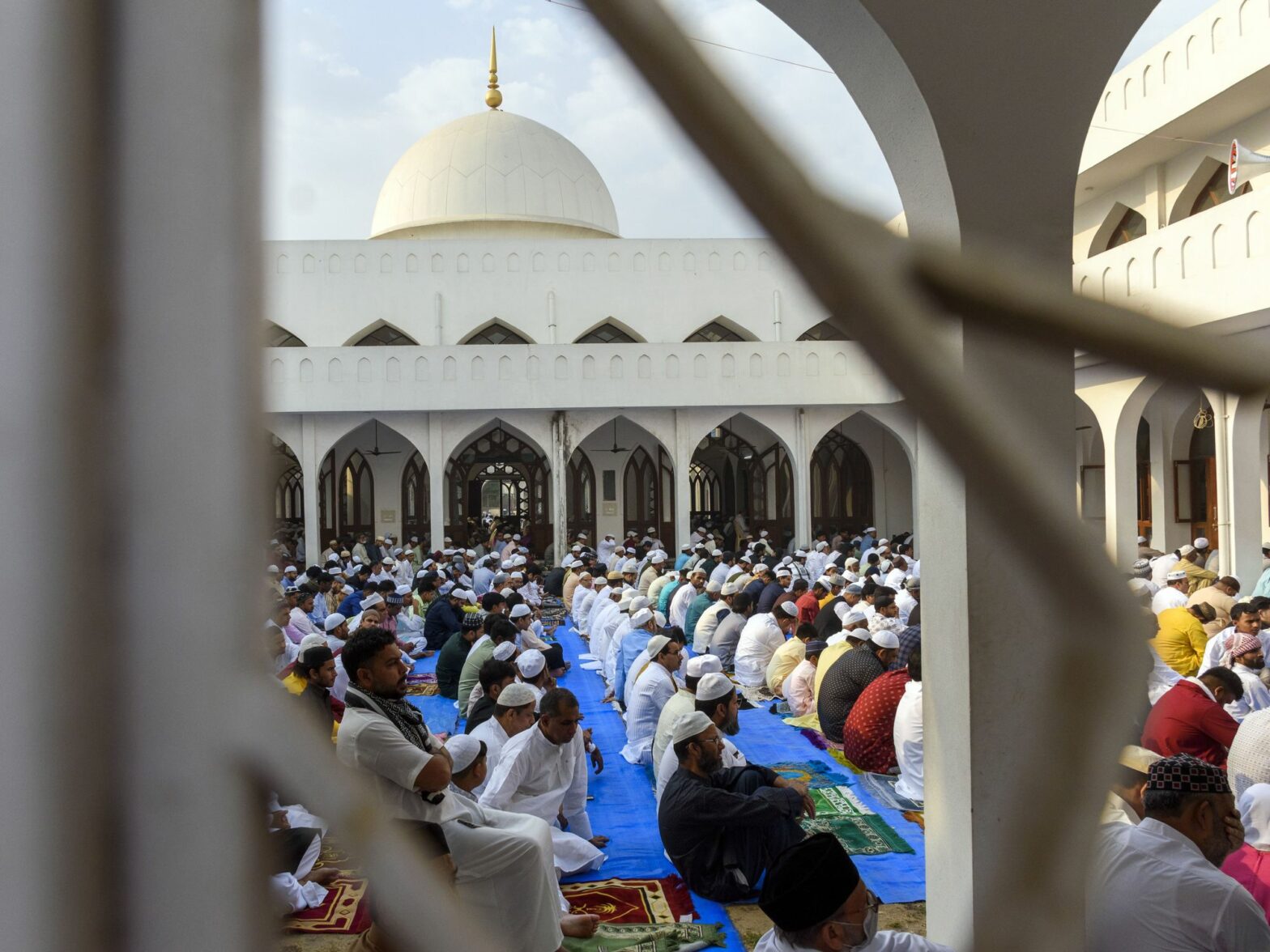
It is hard to reconcile the long list of brutalities and a government validating hate toward its Muslim minority. But the leaders are not the country. Elections are when people get to choose new ones.
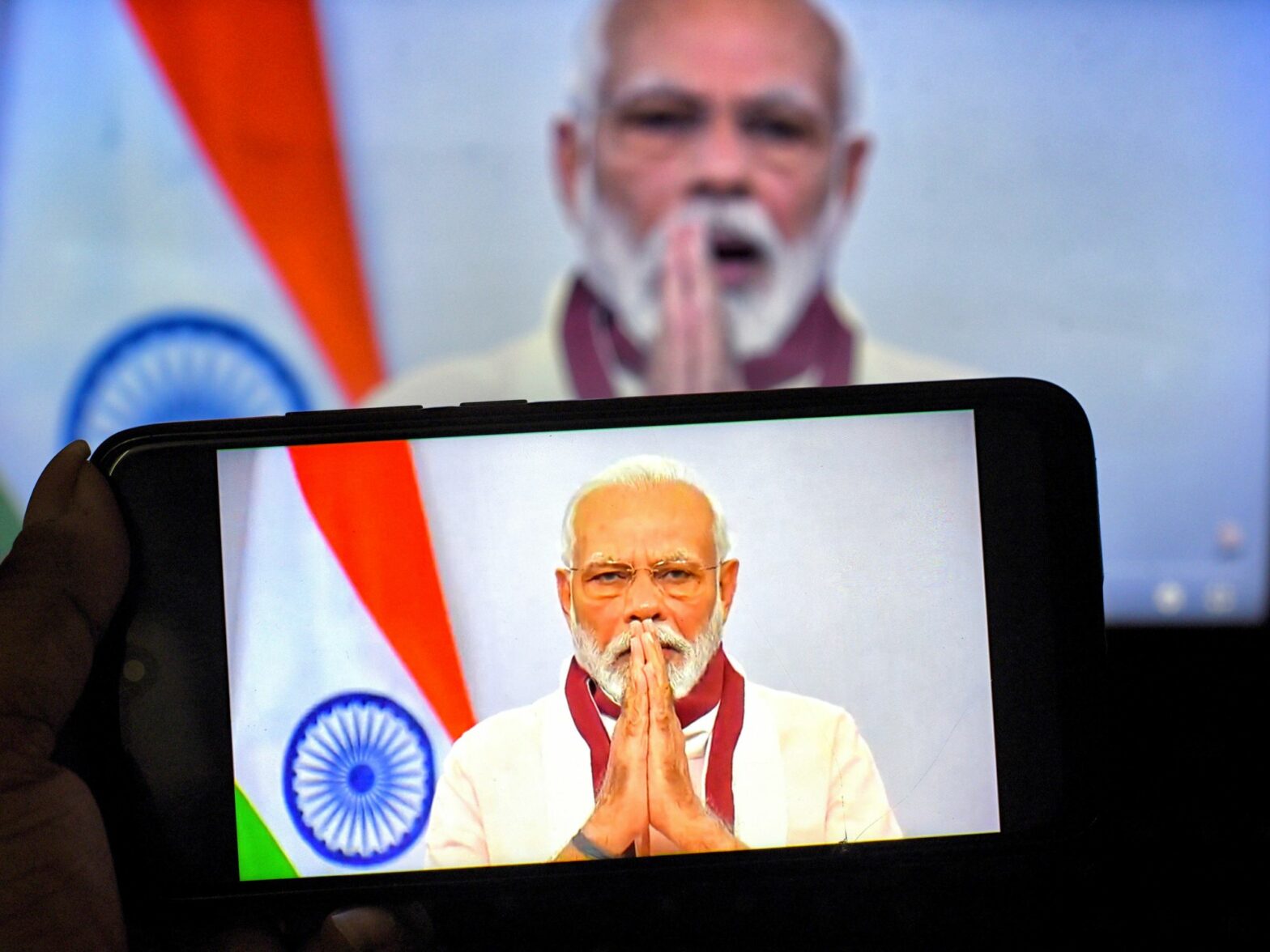
In the run-up to India’s general elections this spring, Prime Minister Narendra Modi has been showcasing his adventures in social media posts, his preferred method of communication, saturating the digital landscape of a highly connected country — and avoiding hard questions from the press.
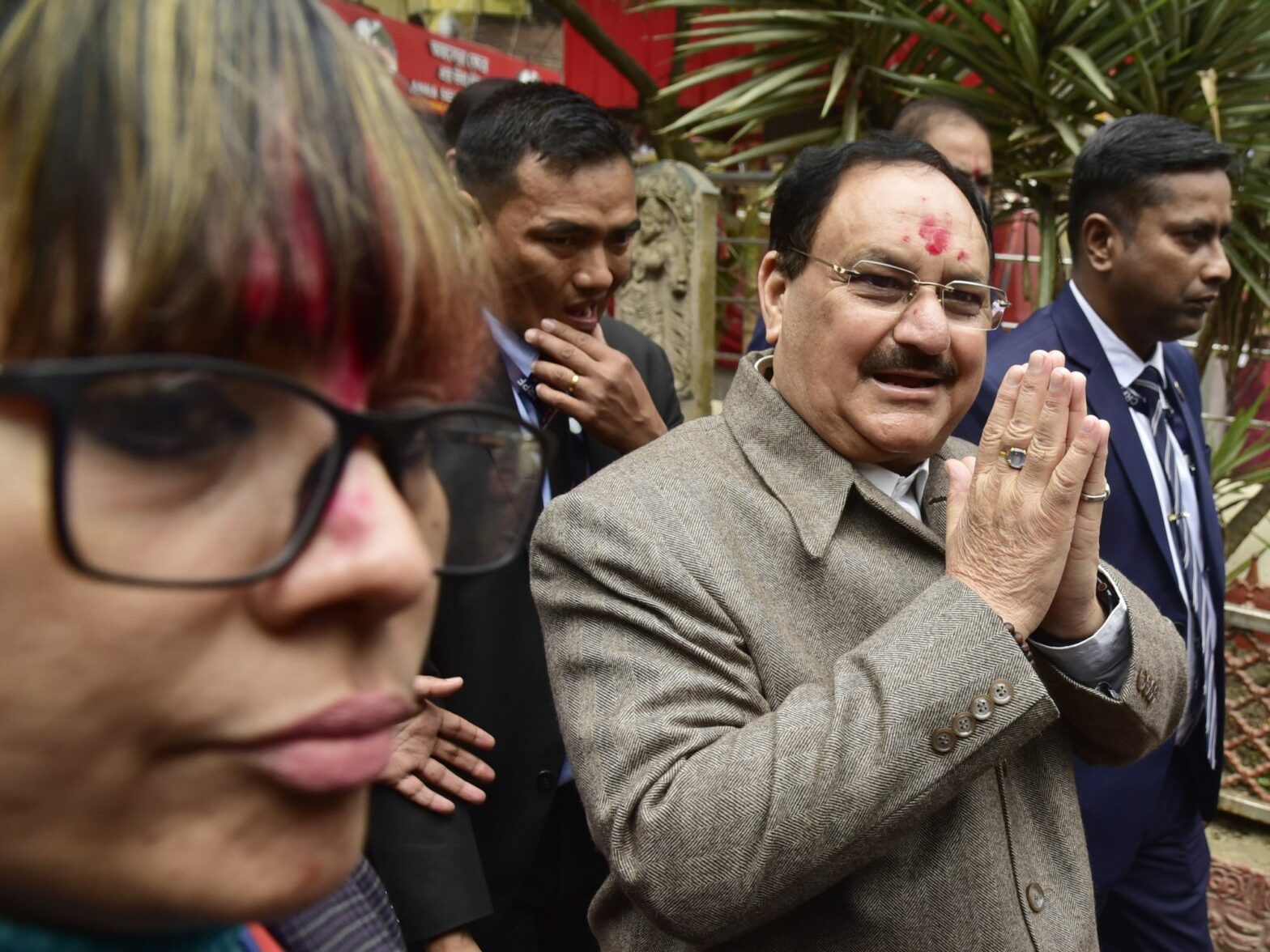
As the far-right propagates a simplified and emotionally resonant message, the lack of coordination and a shared vision among the “non-far-right” strengthens the far-right’s illusion of representing the entirety of “the people.”
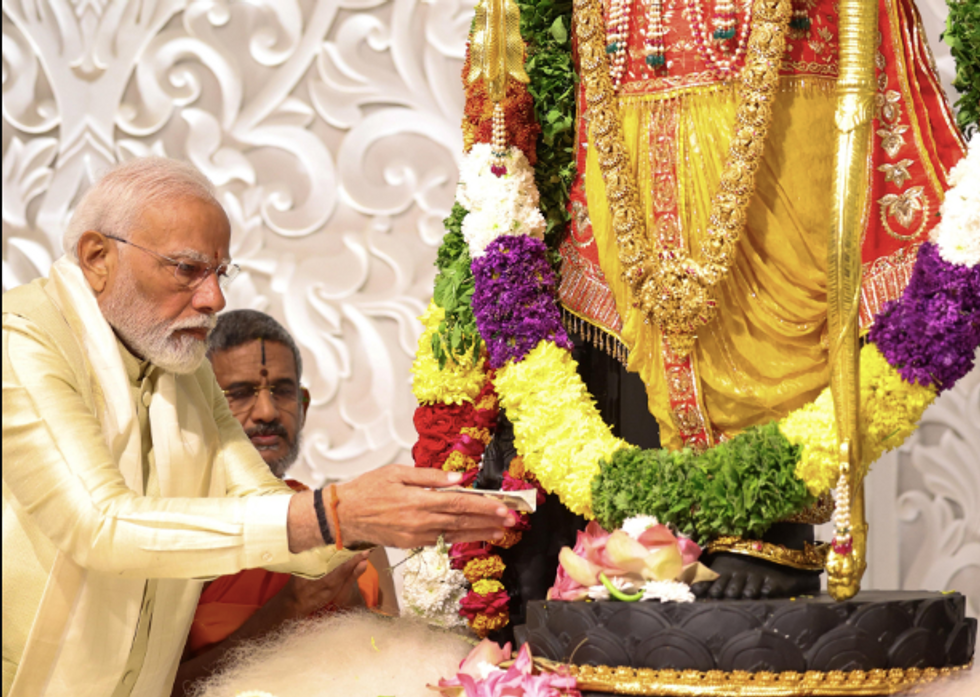
With Monday’s consecration of the controversial new Hindu temple, Ayodhya Ram, Indian Prime Minister Narenra Modi declared that God had “made him the representative of the people of India” to be present at the ceremony. This is a dark watershed in modern India’s attempt to reconcile church and state.
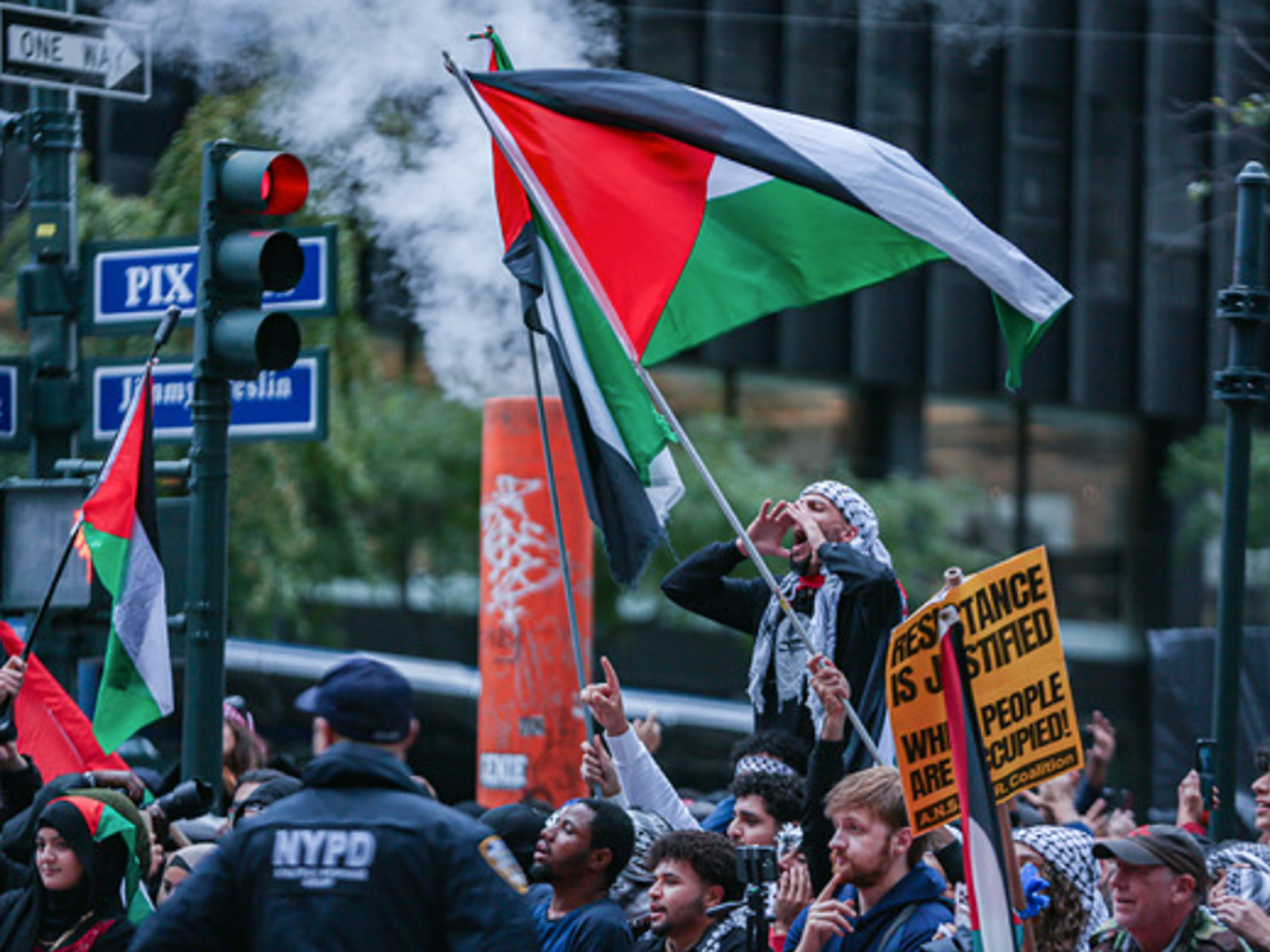
The author’s native country, India, is both a burgeoning world power and part of the Global South. And yet, its ambitious Prime Minister Narendra Modi hasn’t dared to say a single word against Israel’s actions in Gaza and the West Bank, even when countries in South America and Africa have severed their diplomatic relationships with Israel.
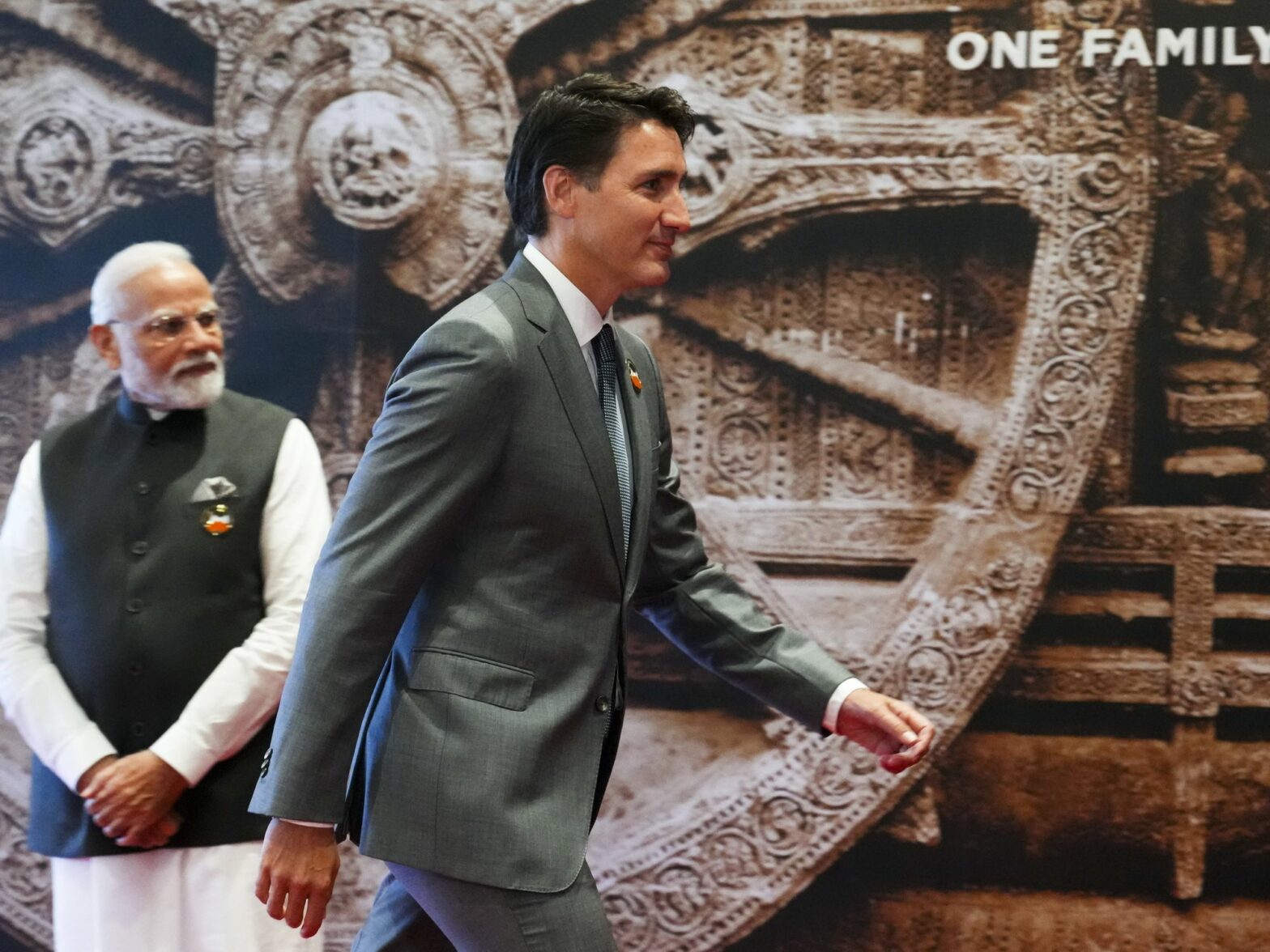
Western governments will not be oblivious to the growing right-wing activism among the diaspora and the efforts of the BJP and Narendra Modi’s government to harness that energy for political support and stave off criticism of India.
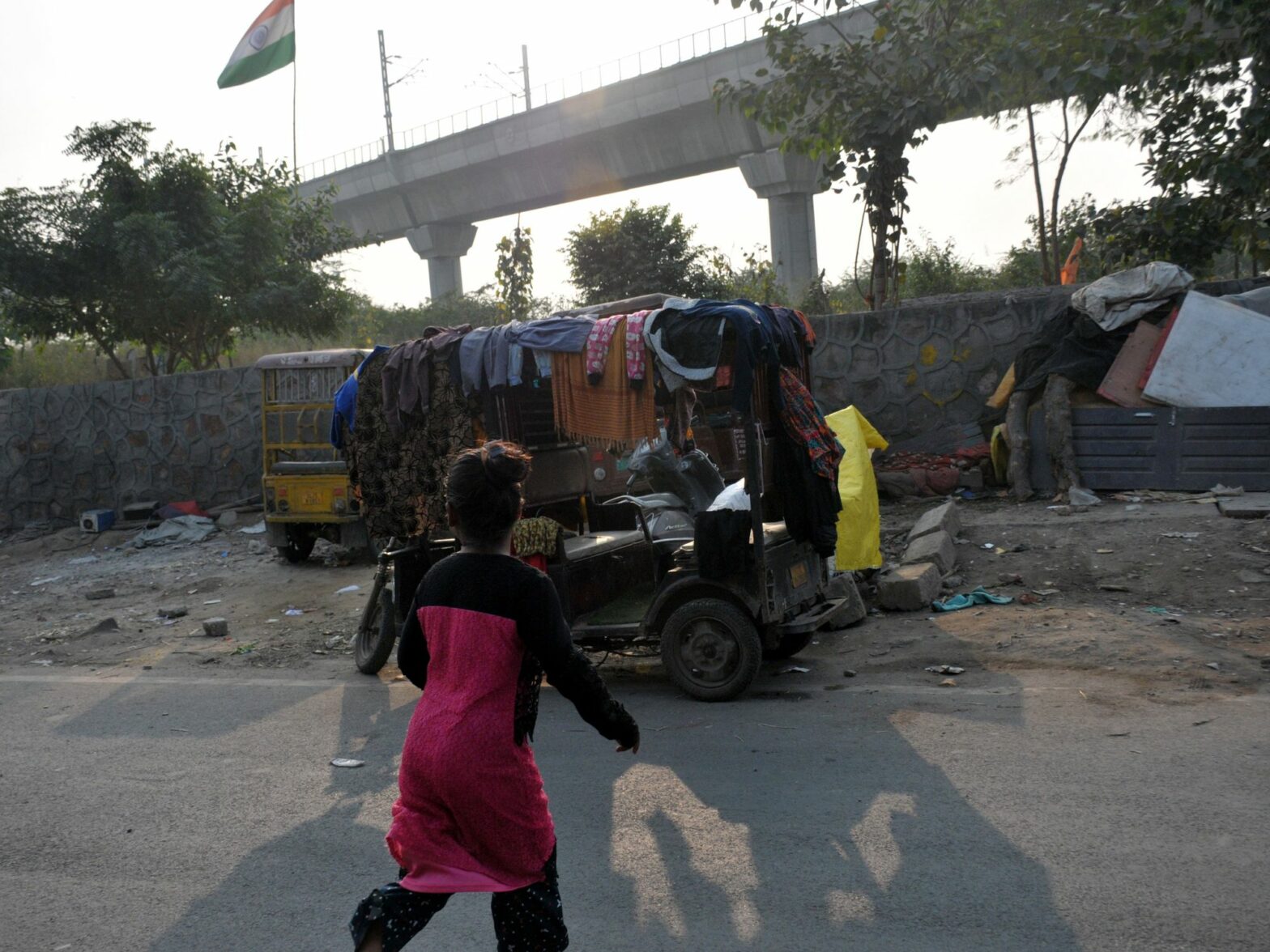
Before the G20 summit, which took place in New Delhi from Sept. 9-10, Indian authorities carried out a “beautification” of the city. Entire slums were bulldozed, forcing some of the city’s most vulnerable residents into homelessness.
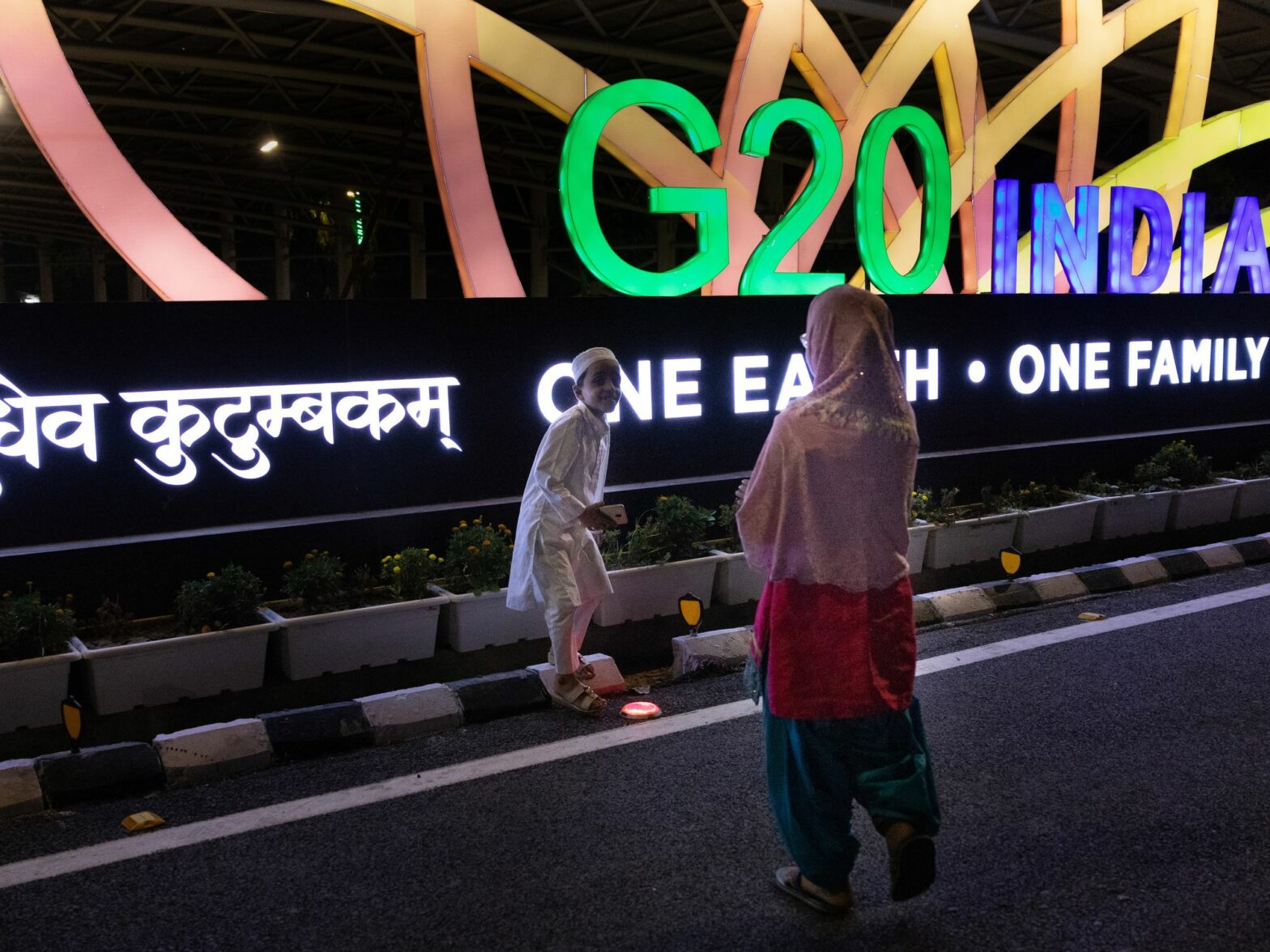
One official invitation and two booklets, issued ahead of the G20 meeting in New Delhi, refer to India as “Bharat” — a word with a long history of political, etymological and religious significance. But there is little clarity as to which name should be used in English.
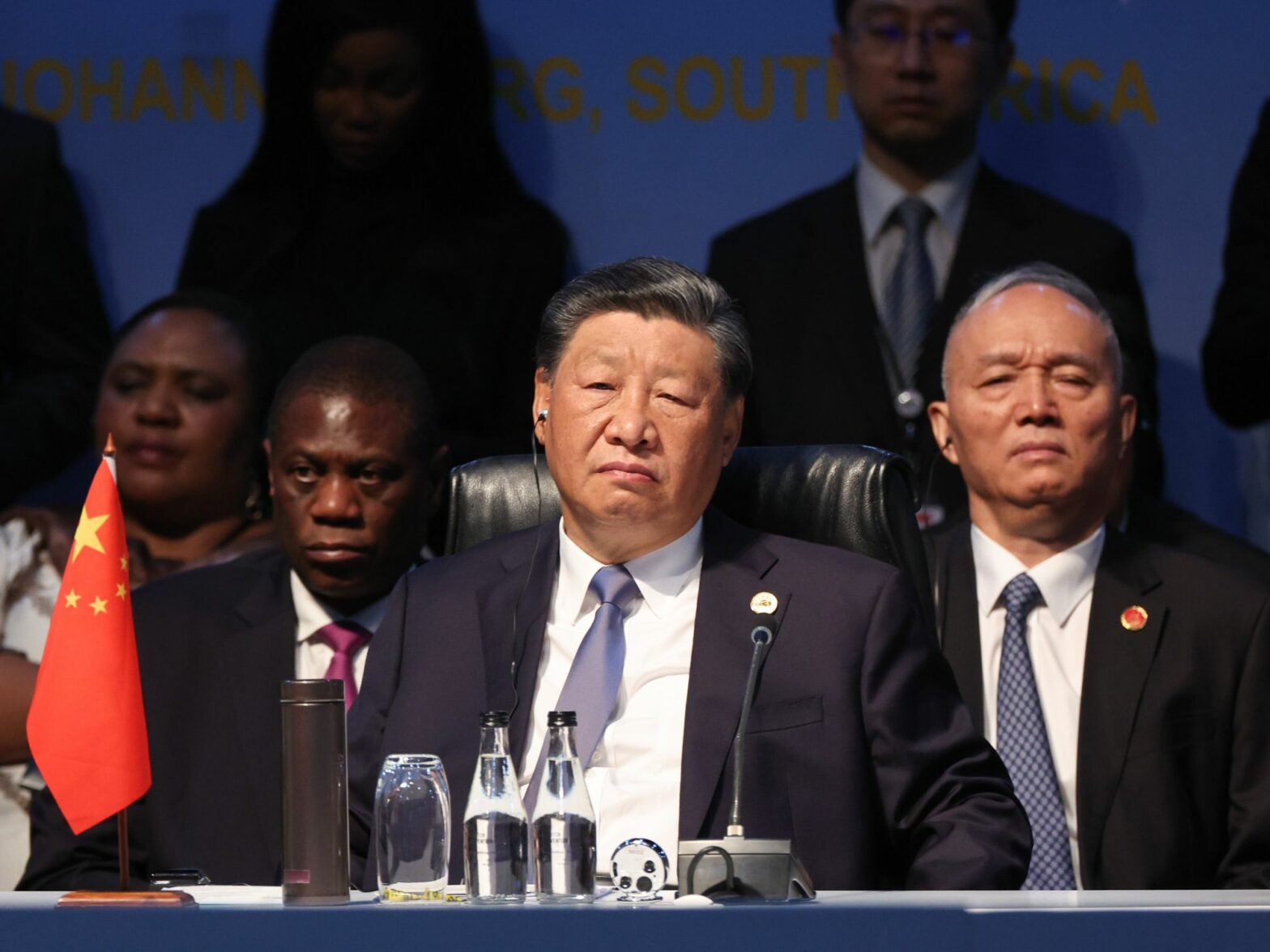
There will be no Vladimir Putin or Xi Jinping at this weekend’s summit of the world’s 20 leading economies in New Delhi: a symbol of the fragmentation of the world that has accelerated since Russia’s invasion of Ukraine.
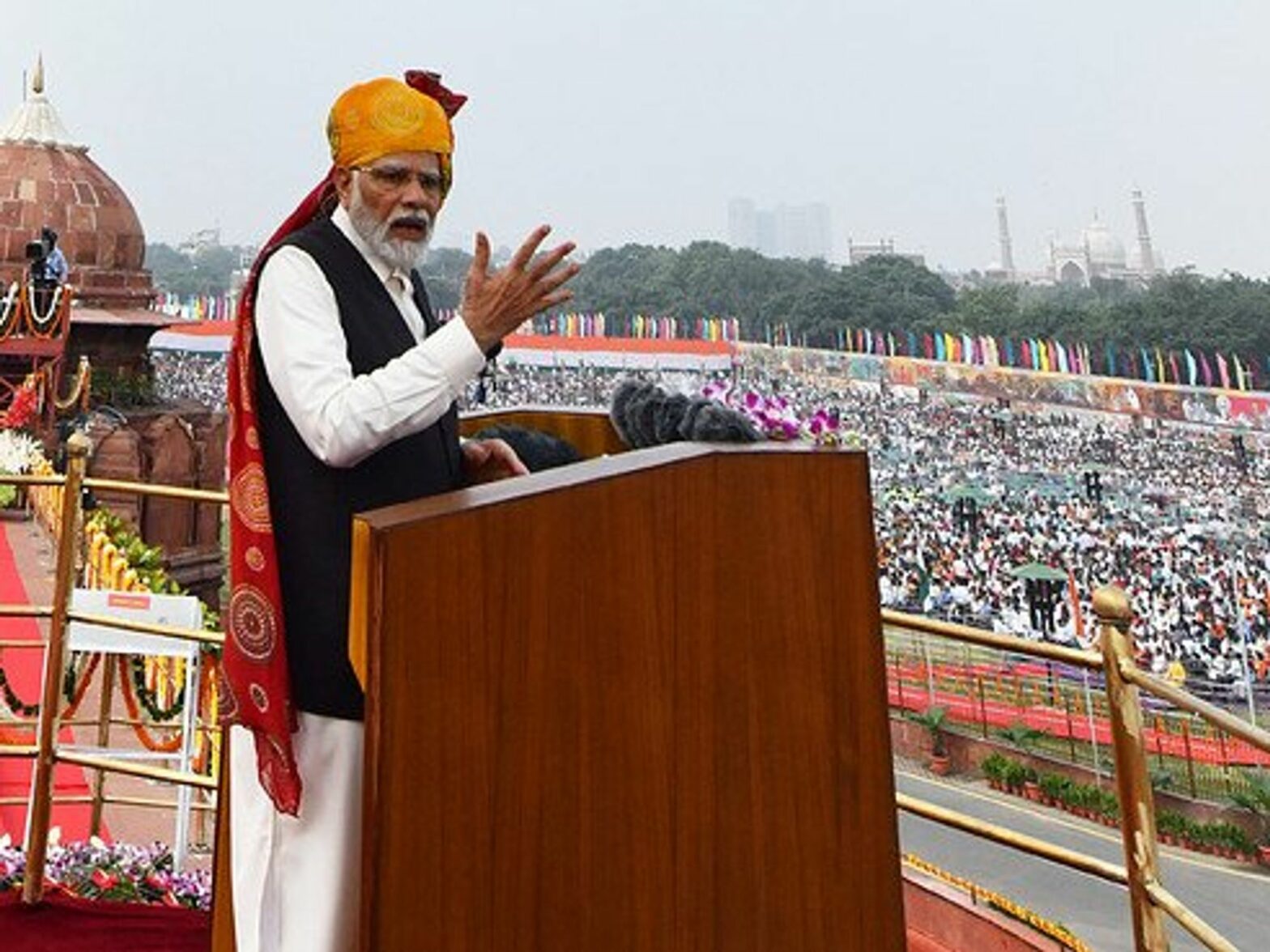
Narendra Modi’s fixation with unflinching loyalty from those close to him is a worrying trait that betrays the Indian prime minister’s own insecurities.
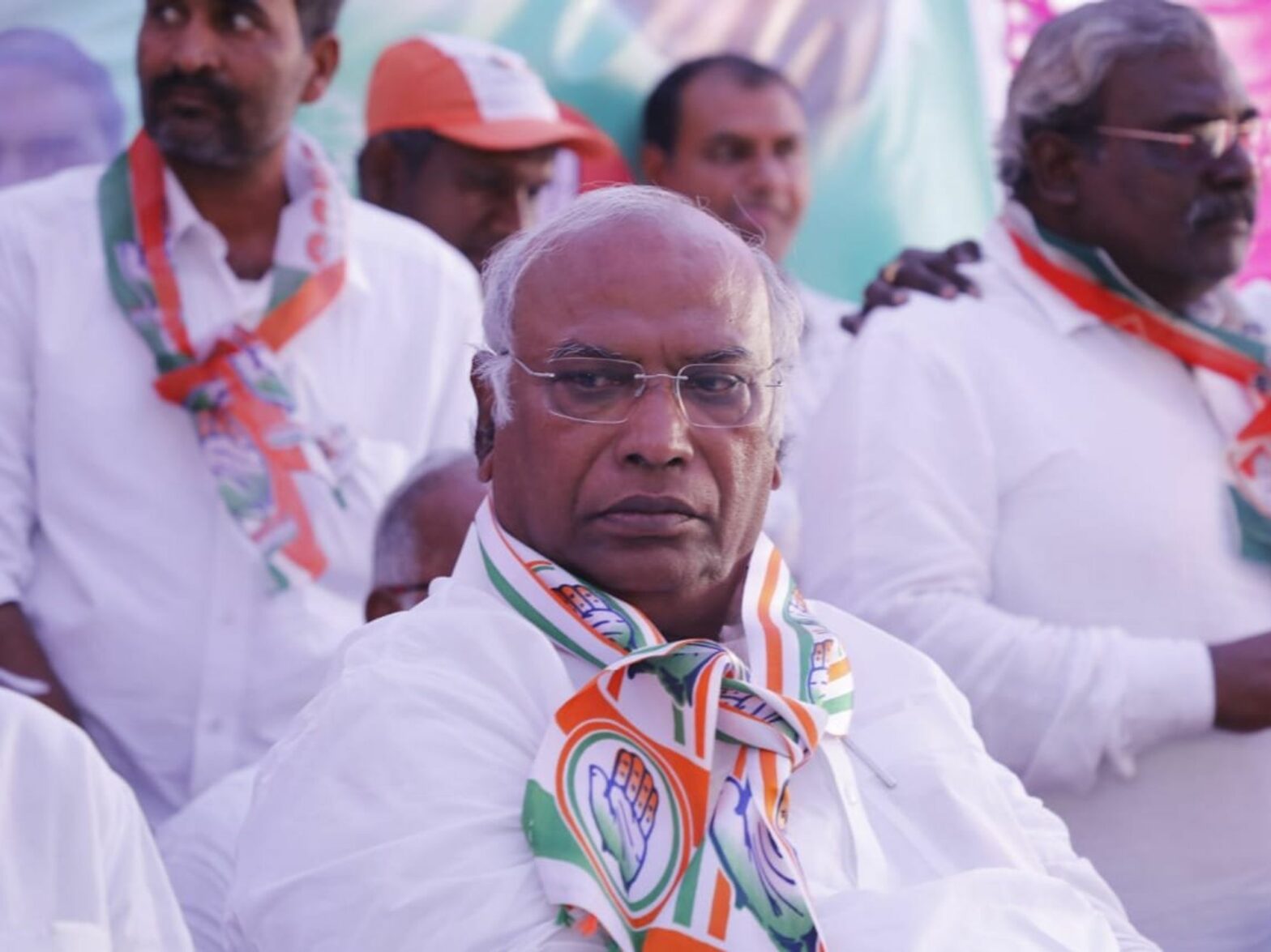
India goes to the polls next year, with a united opposition hoping to unseat Prime Minister Modi after 10 years in power. Mallikarjun Kharge, who may be the best candidate, is from India’s “lowest” caste system.
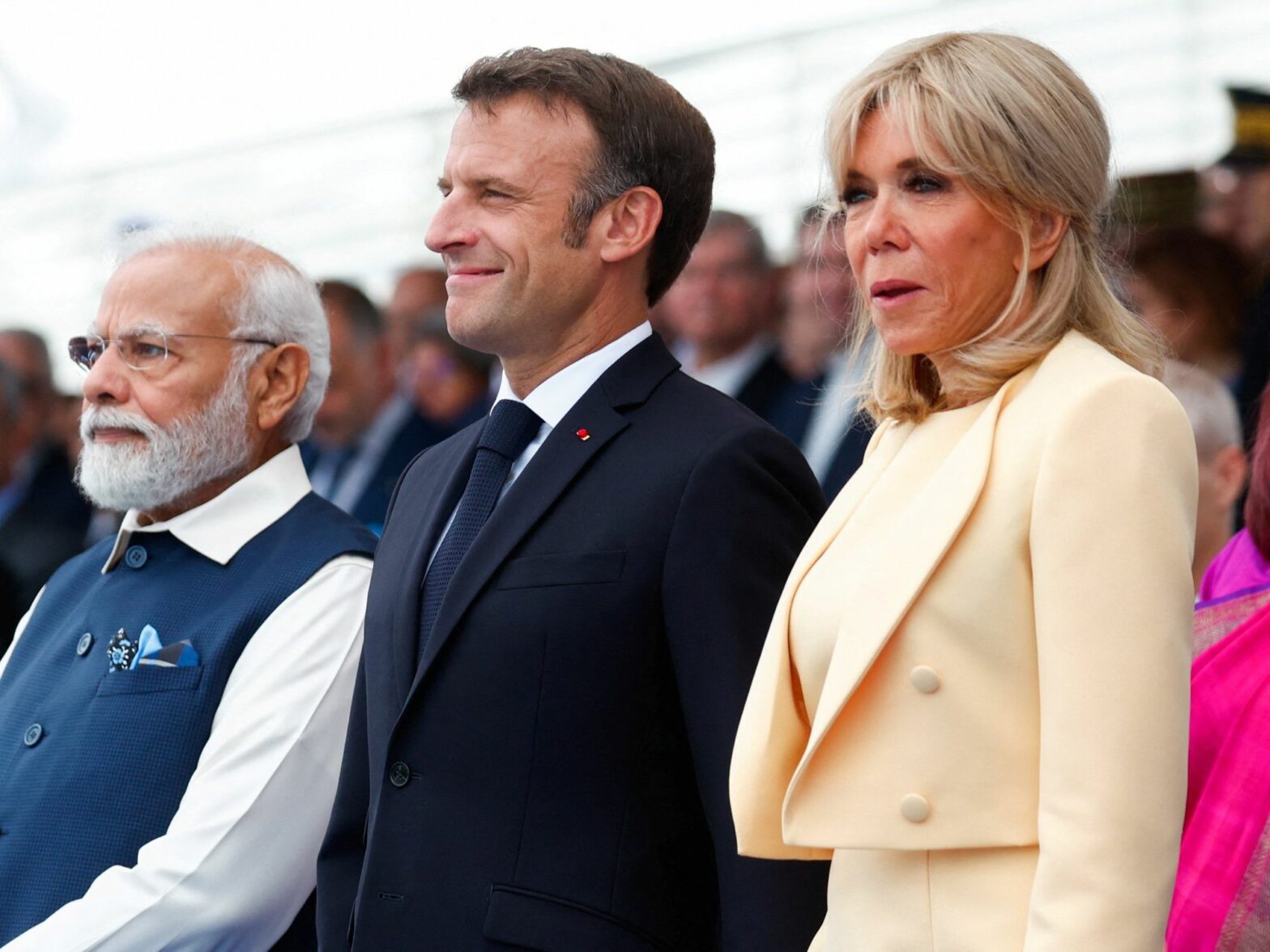
Indian Prime Minister Narendra Modi is the guest of honor for the July 14-Bastille Day celebrations in Paris, a choice that has benefits and risks for both France and India, two medium-sized powers cultivating their relative independence.
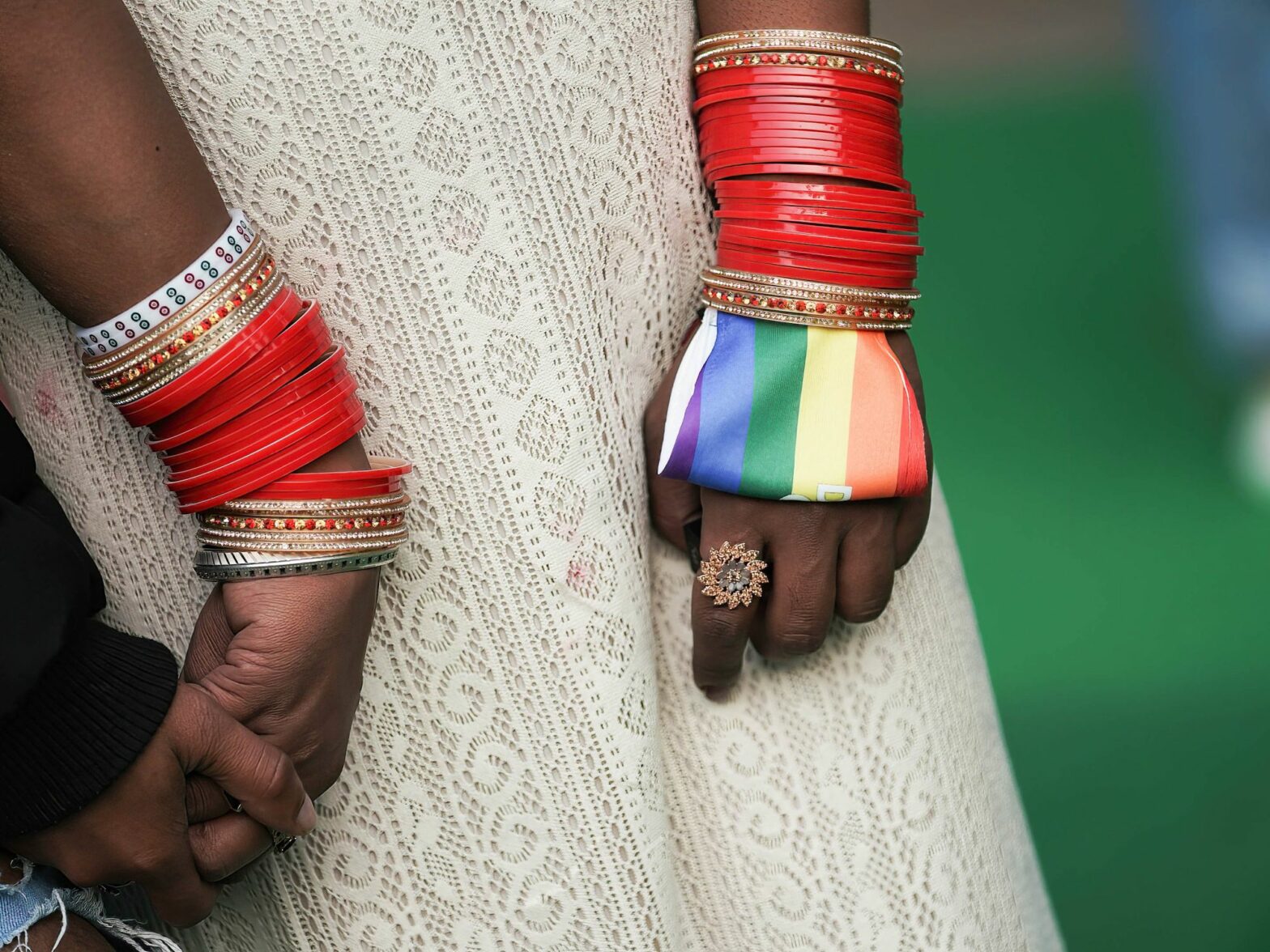
Interfaith and inter-caste relationships have always been difficult in India. As the Supreme Court hears petitioners pleading for marriage equality, the time is ripe to see how laws and hatred have stopped love.
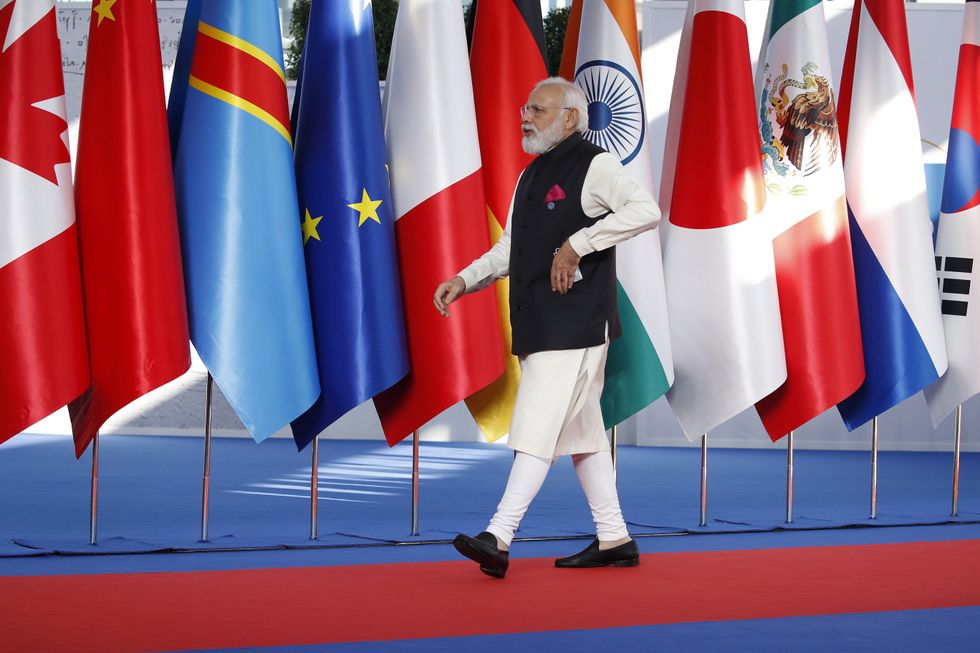
After not buying any aircraft for 17 years, Air India has announced the largest order in the history of aviation. It’s a symbol of India’s new standing in the world, its ambitions and the role it has as a model for other non-aligned nations
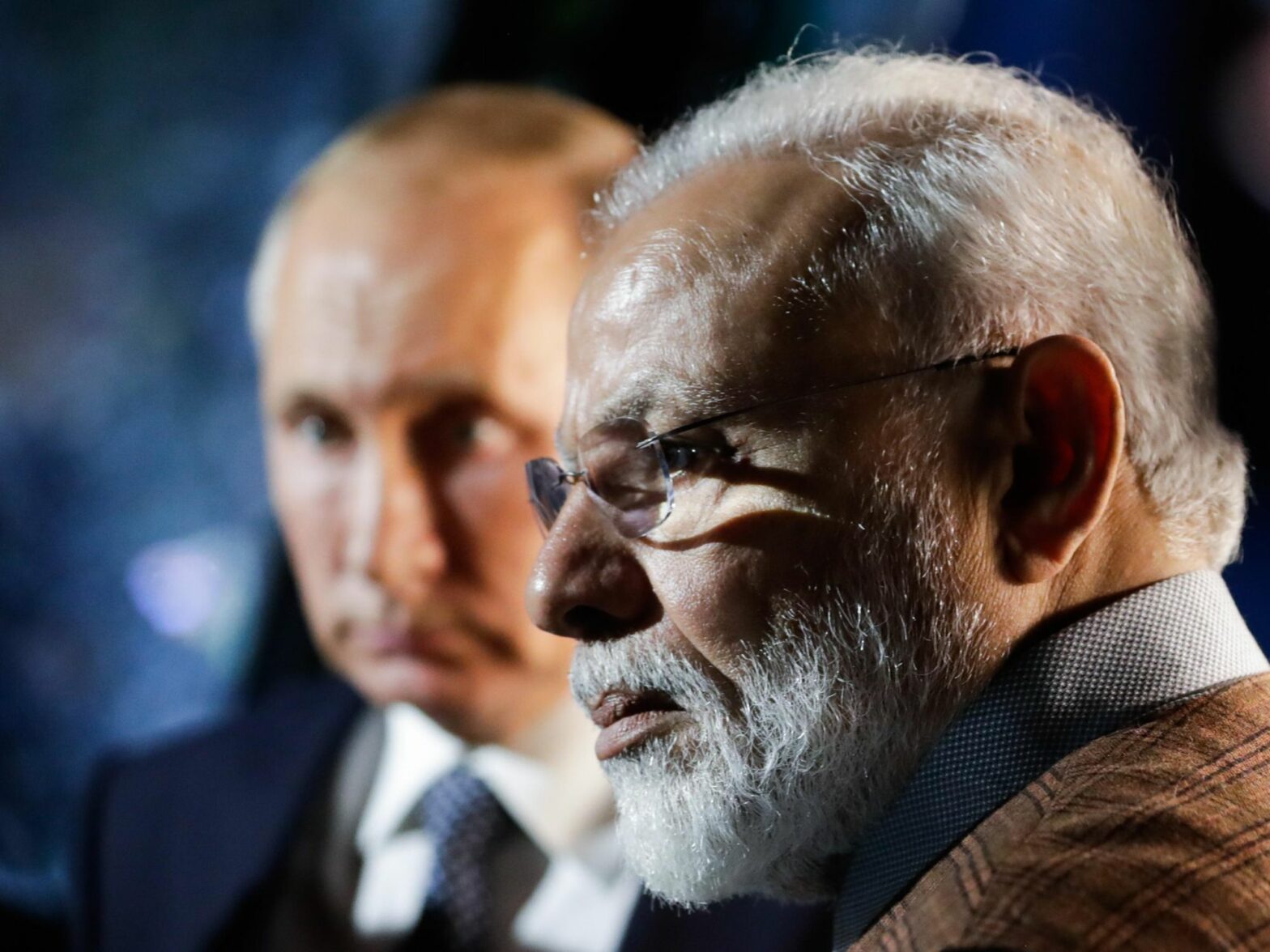
By shrugging aside Russia’s aggression, India has shown indifference to fears that China could follow Russia’s example.
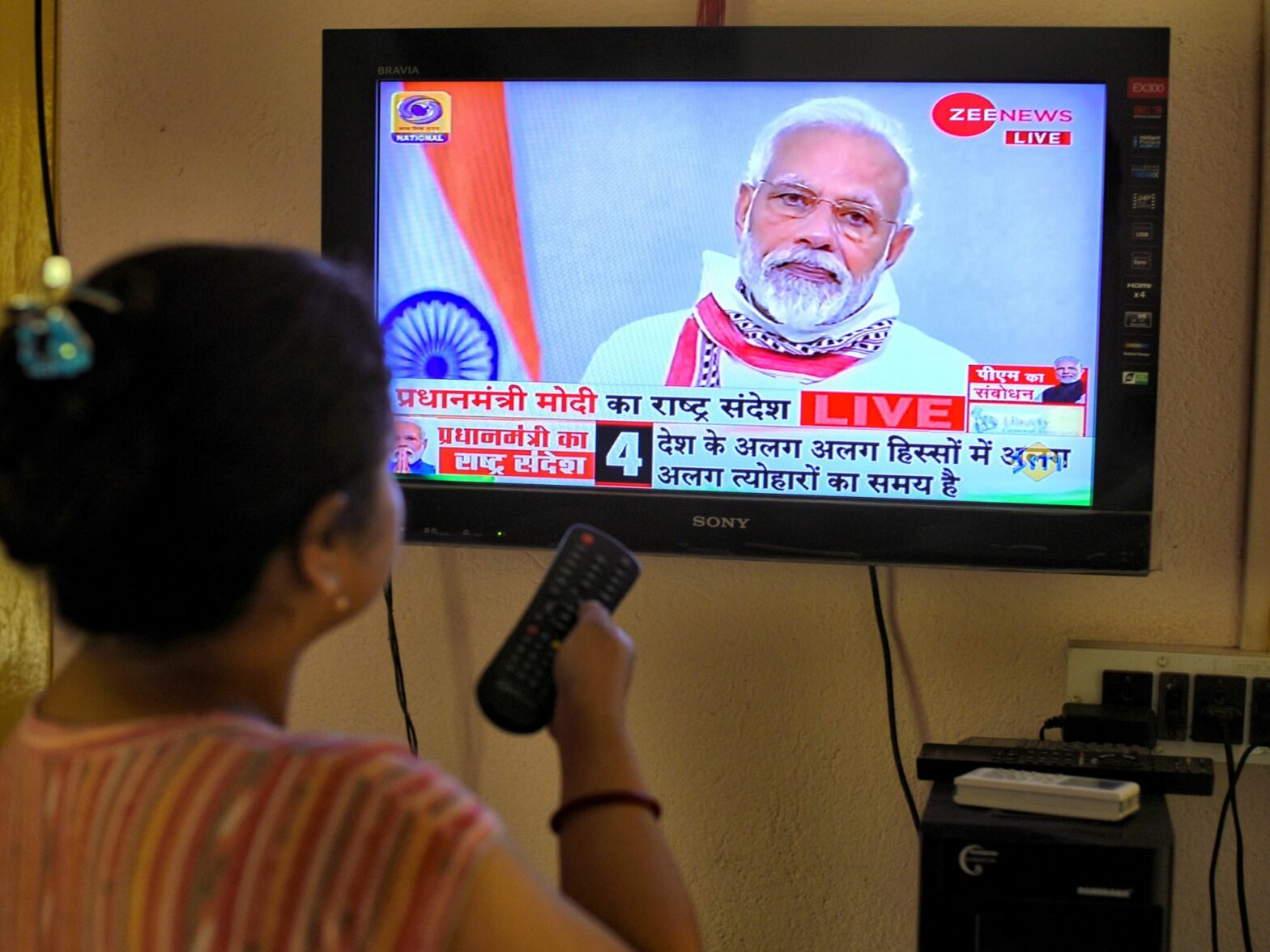
The Modi government’s attempts to censor the media and intimidate independent journalism pose a grave danger to Indian democracy.
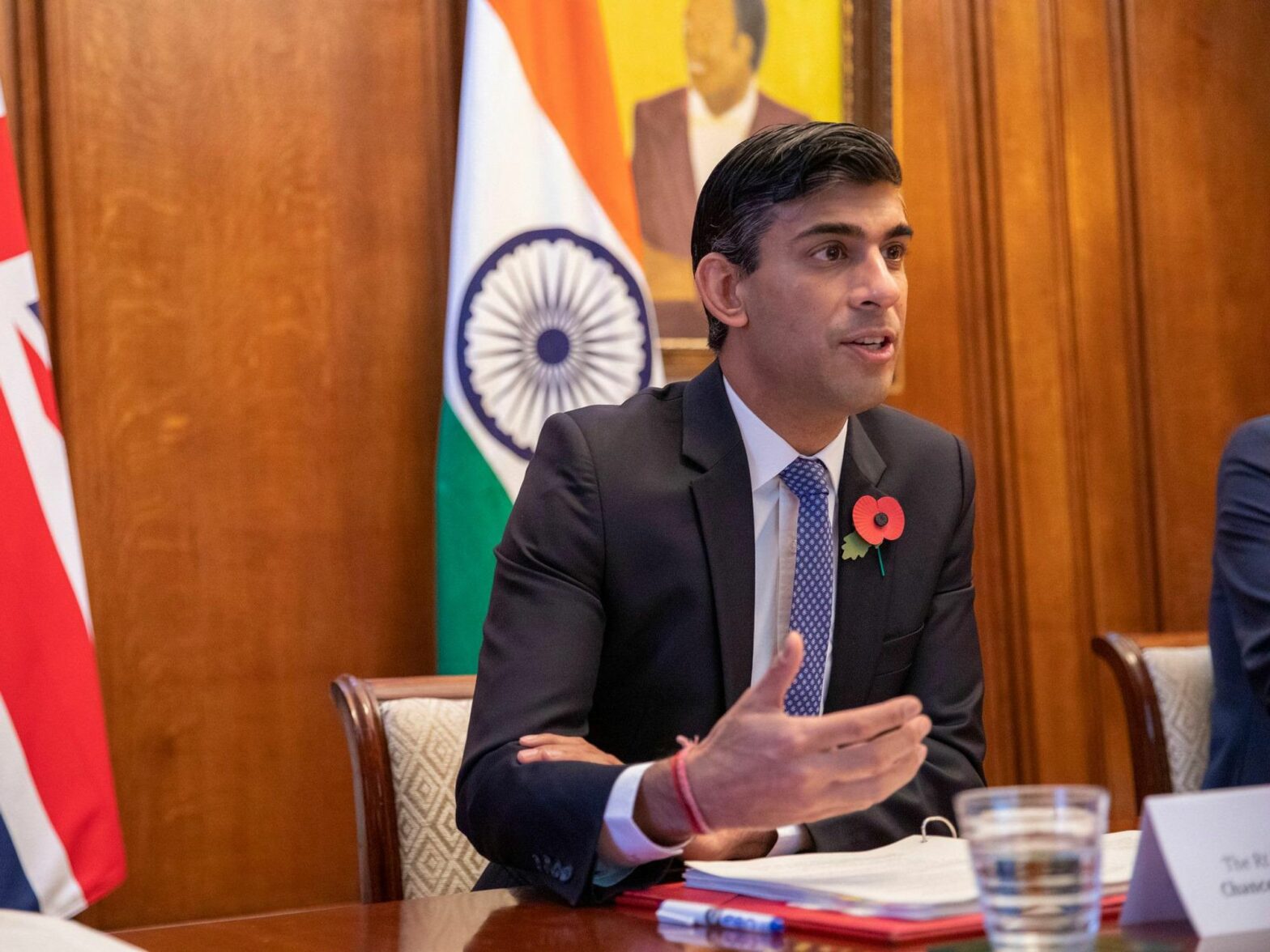
Rishi Sunak, a Hindu of Indian origin, has become the UK’s prime minister. His religion has not factored at all into debates — a fierce contrast to a religiously divided India.
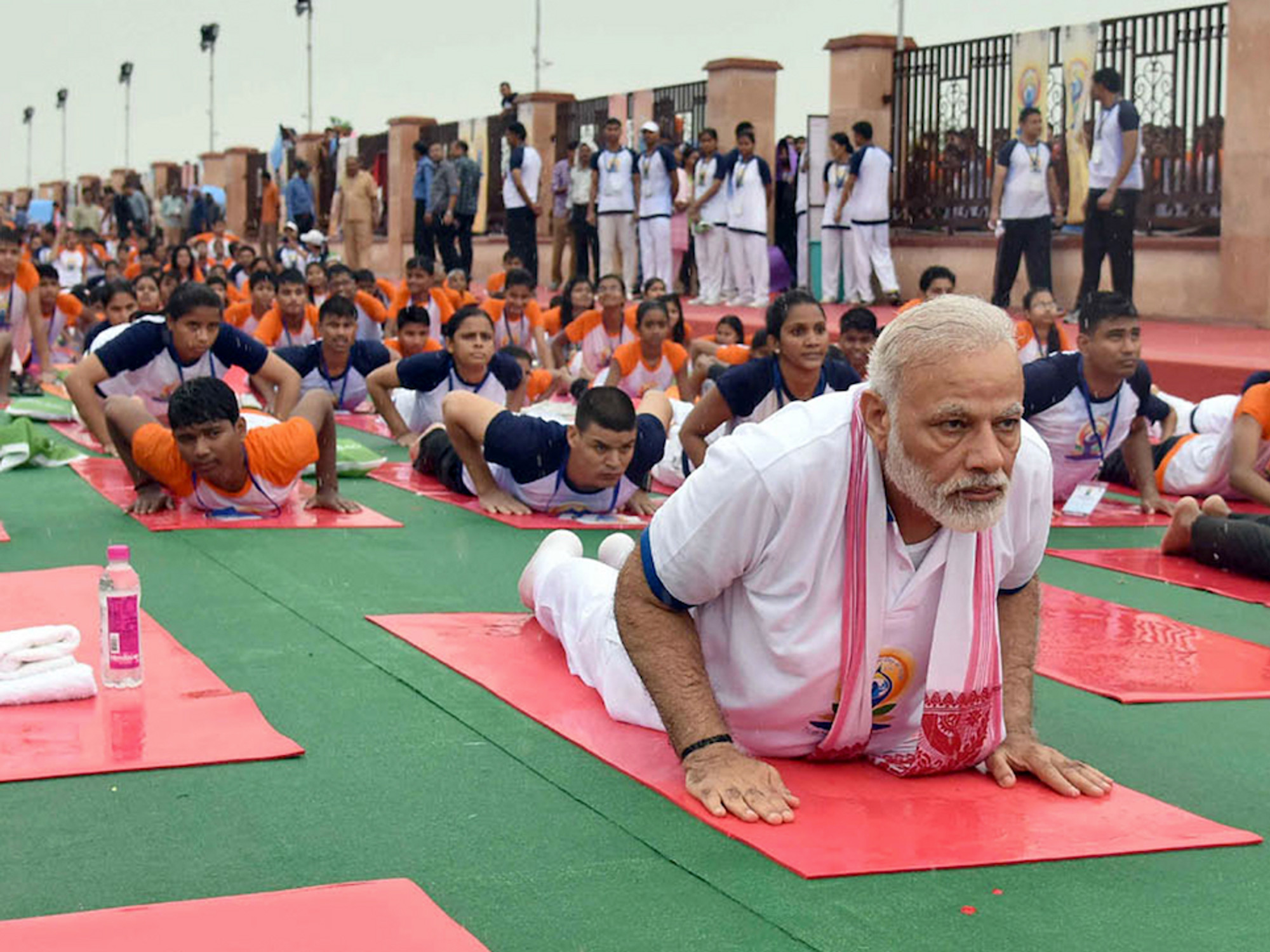
Trained practitioners warn that unregulated yoga can be detrimental to people’s health. The government in India, where the ancient practice was invented, knows this very well — yet continues to postpone regulation.
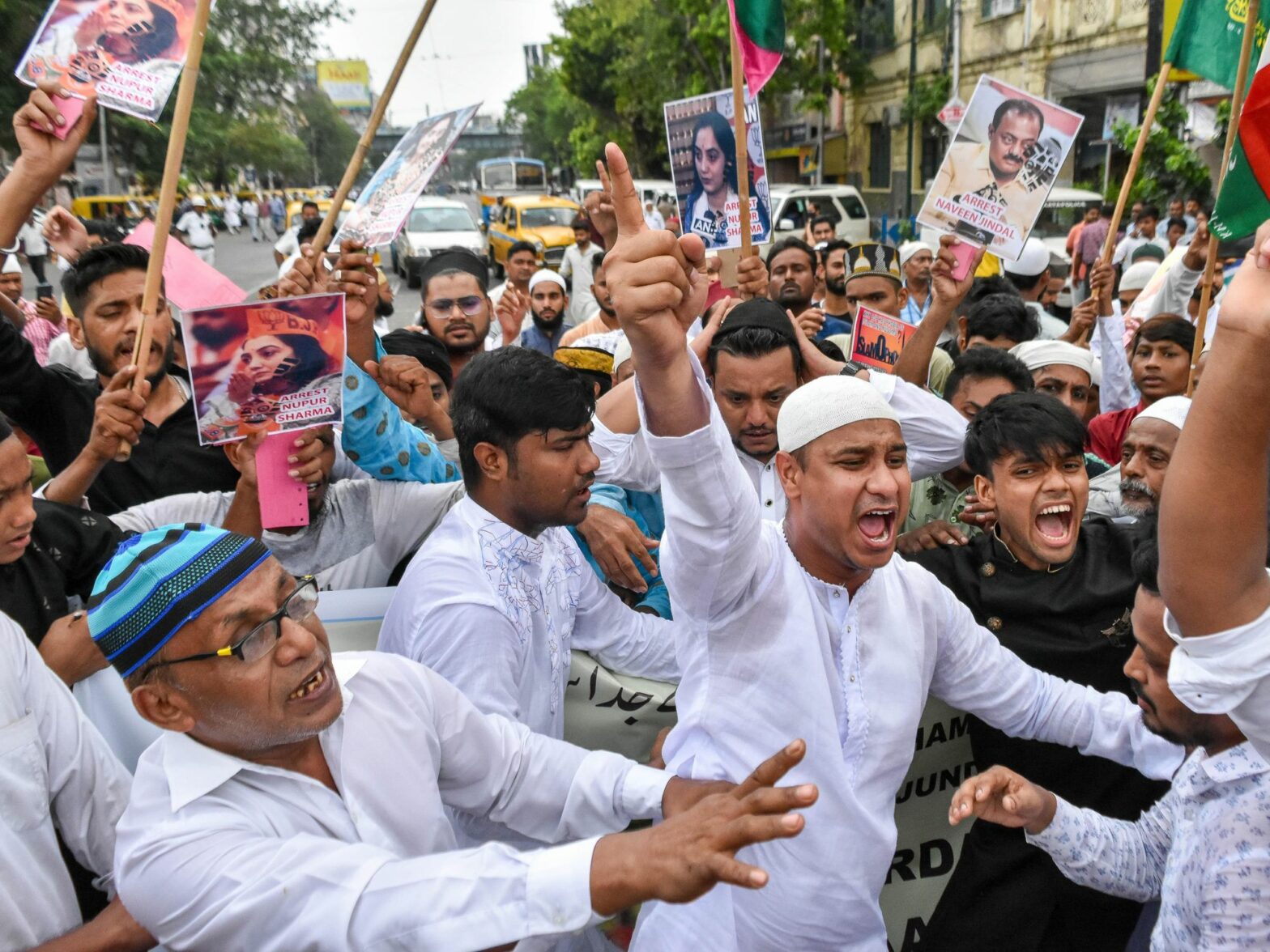
The Gulf region’s public reaction to the controversial comments on Prophet Muhammad made by two senior officials from India’s ruling party is worrying Muslim Indians who feel this intervention might do more harm than good. For the author, the BJP’s “ideology of Islamophobia” is the center of the problem.
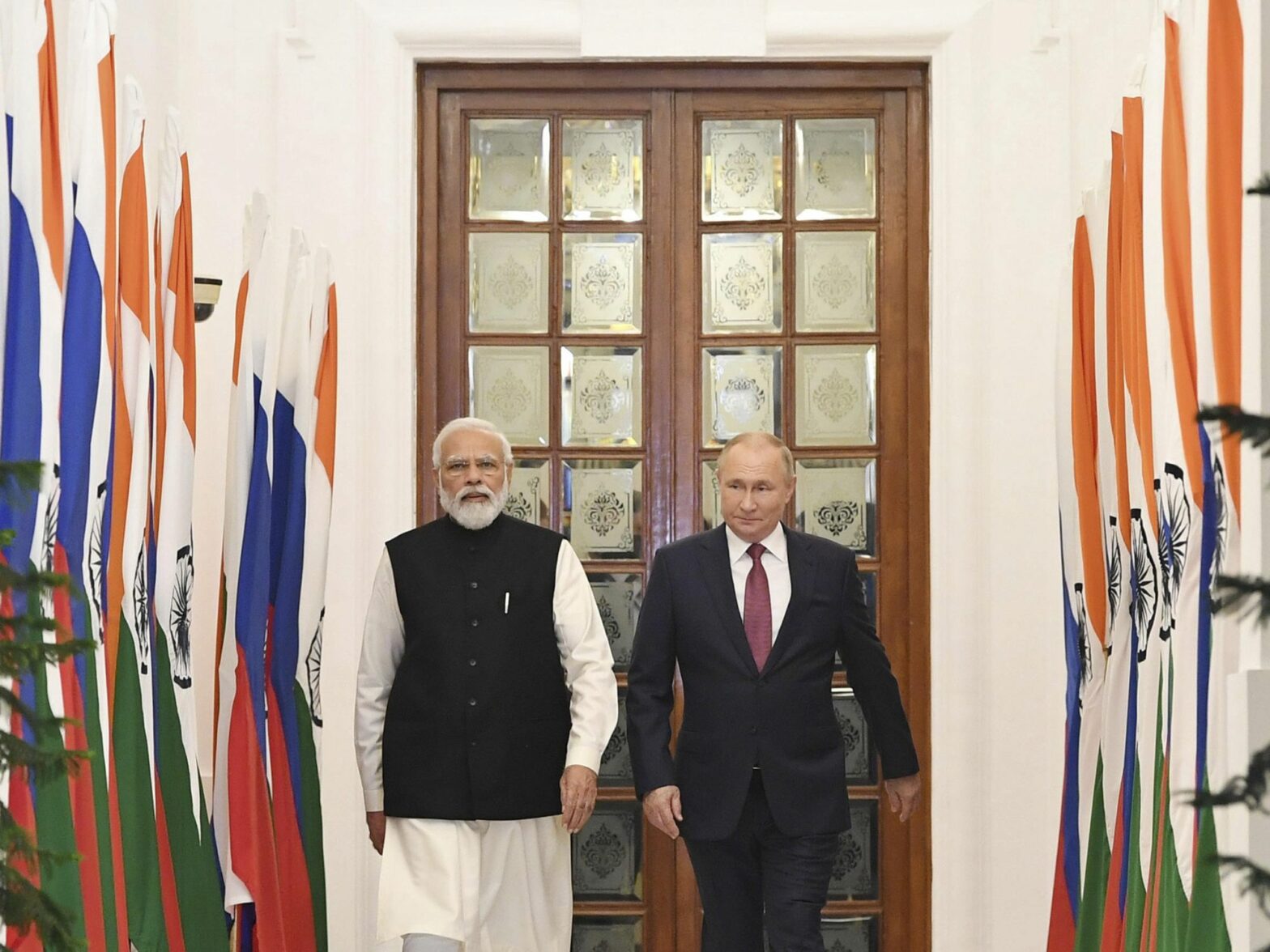
Prime Minister Narendra Modi has not called out Russia for its unprovoked invasion of Ukraine, but not because he wants to help broker a peace. Rather he only has domestic concerns in mind.
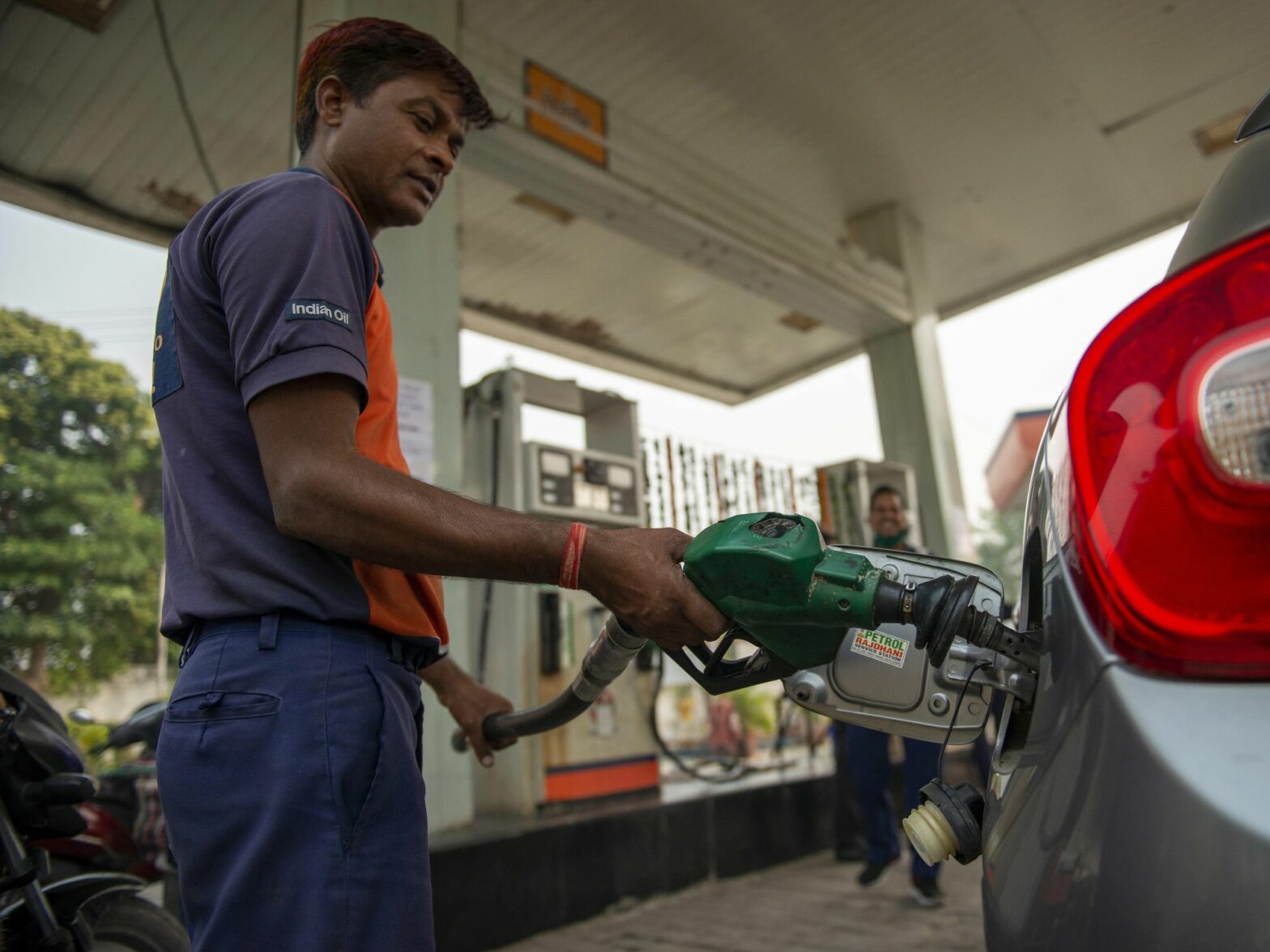
While the strategic issues are still being debated, the Indian government has dismissed the moral issue by concluding a cheap oil agreement with Russia. But are Indian consumers prepared to accept the true cost of discount Russian oil?
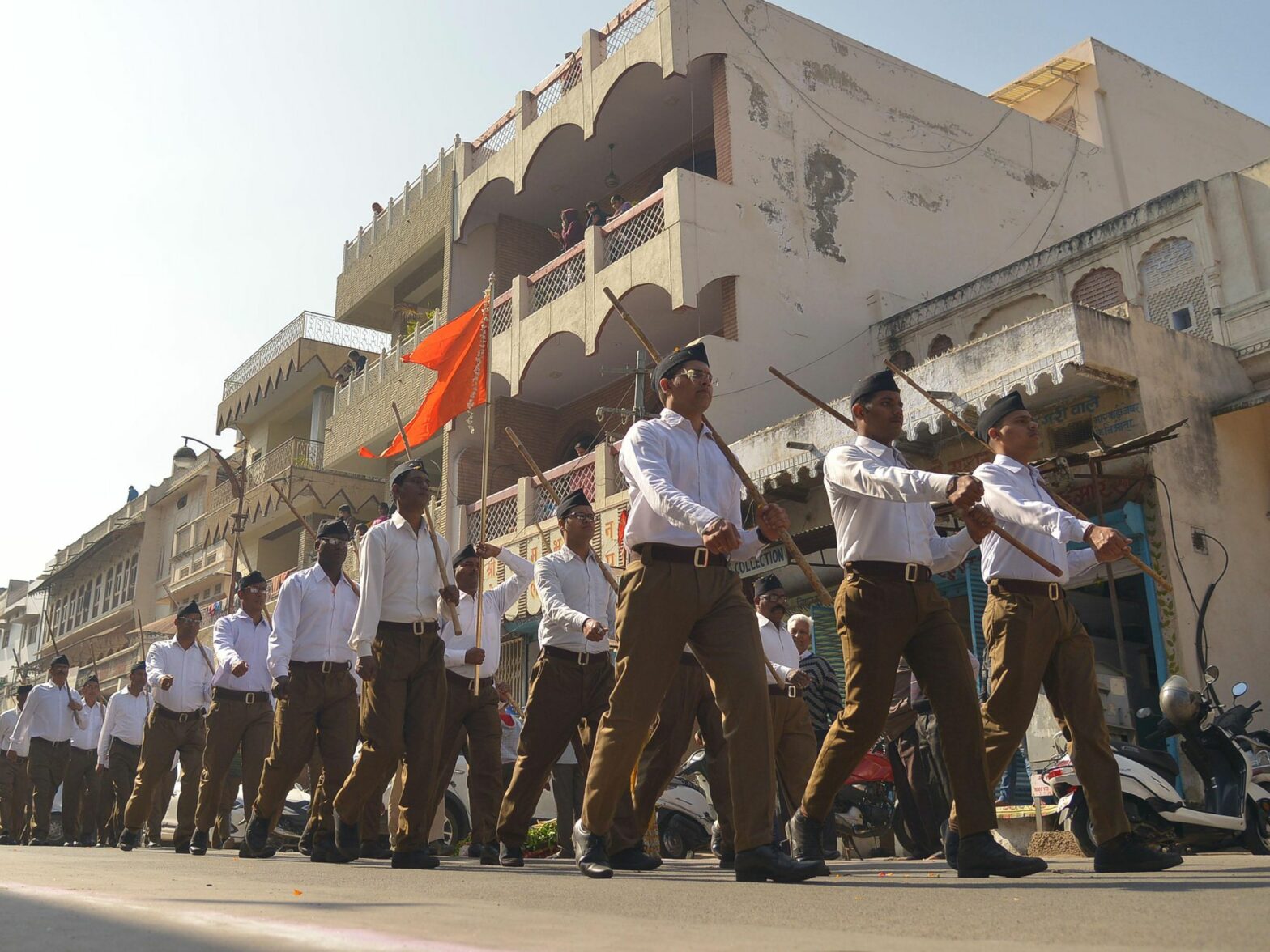
The true version of Hinduism teaches that one has to respect other faiths. That has been threatened the past century by ideologues inspired by the worst ideas of our times.