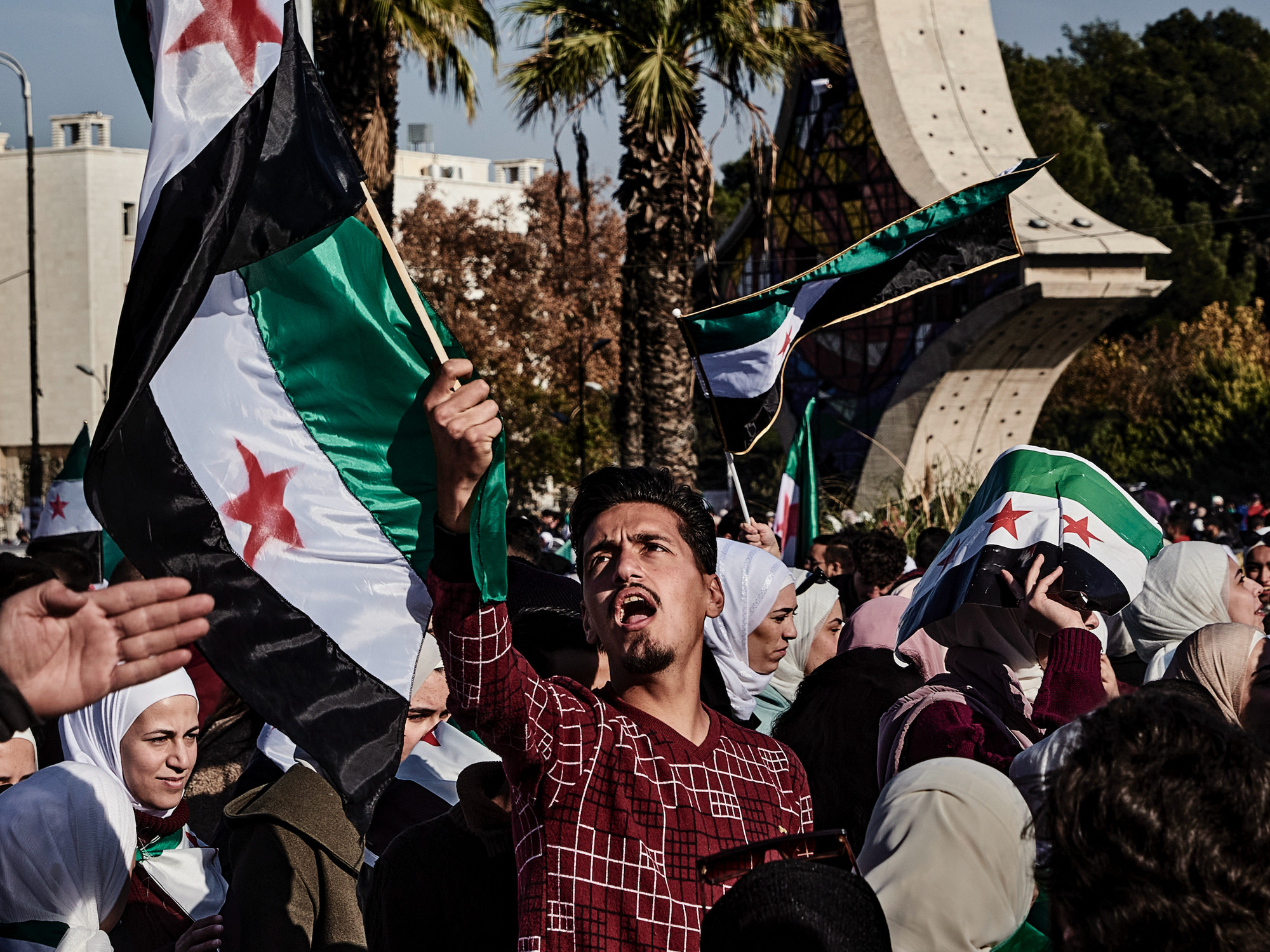
The year started without the tyrant of Damascus. Lebanon elected a president. Gaza has a ceasefire. Some of this progress is due to external geopolitical forces, yet there are signs that the region could be turning around from within.
 Worldcrunch
The year started without the tyrant of Damascus. Lebanon elected a president. Gaza has a ceasefire. Some of this progress is due to external geopolitical forces, yet there are signs that the region could be turning around from within.
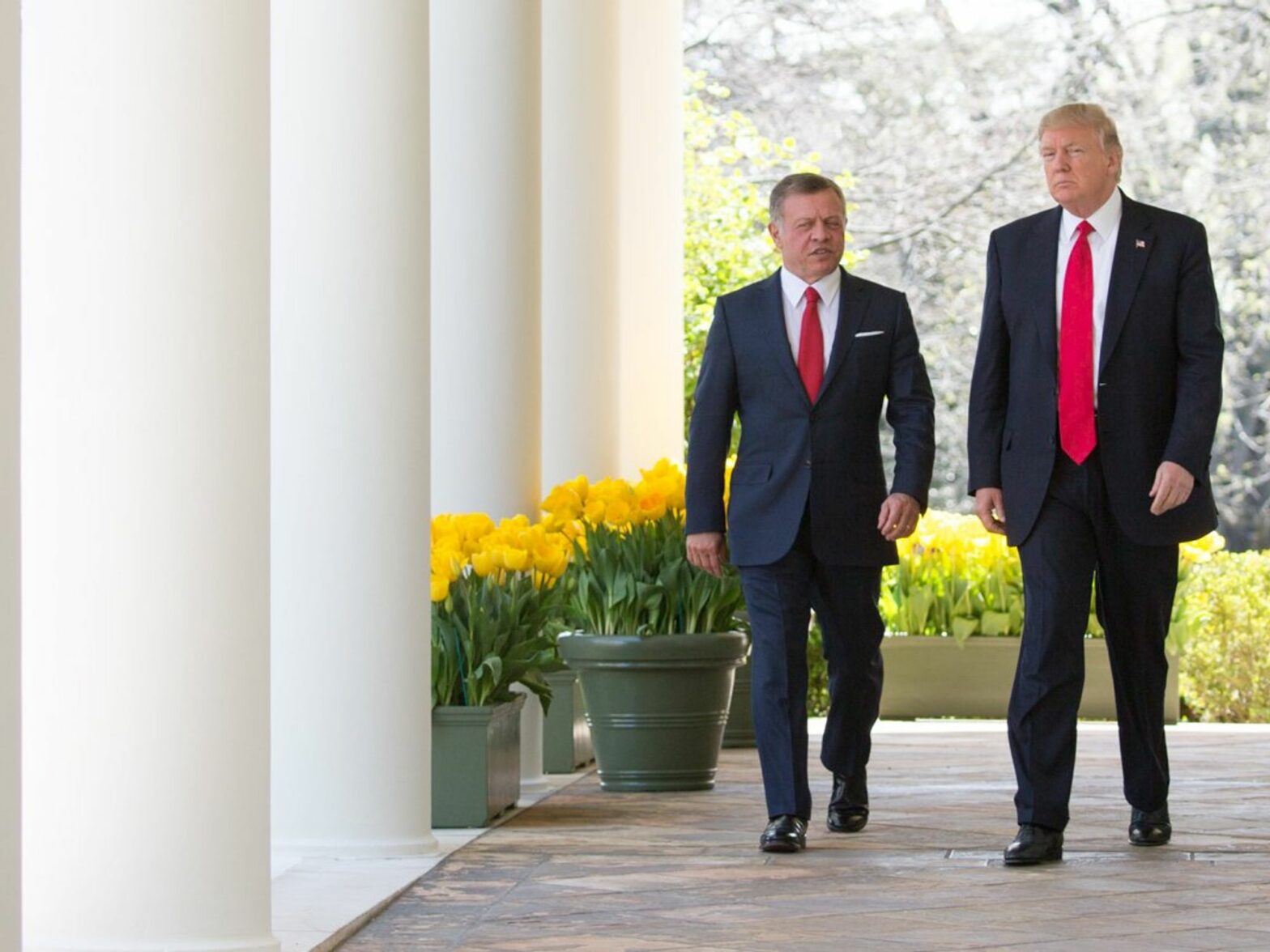
The upcoming challenge is the most serious for Jordan since King Abdullah II assumed power 25 years ago, as the incoming U.S. president will be pressing for a deal that could reshape the whole region.
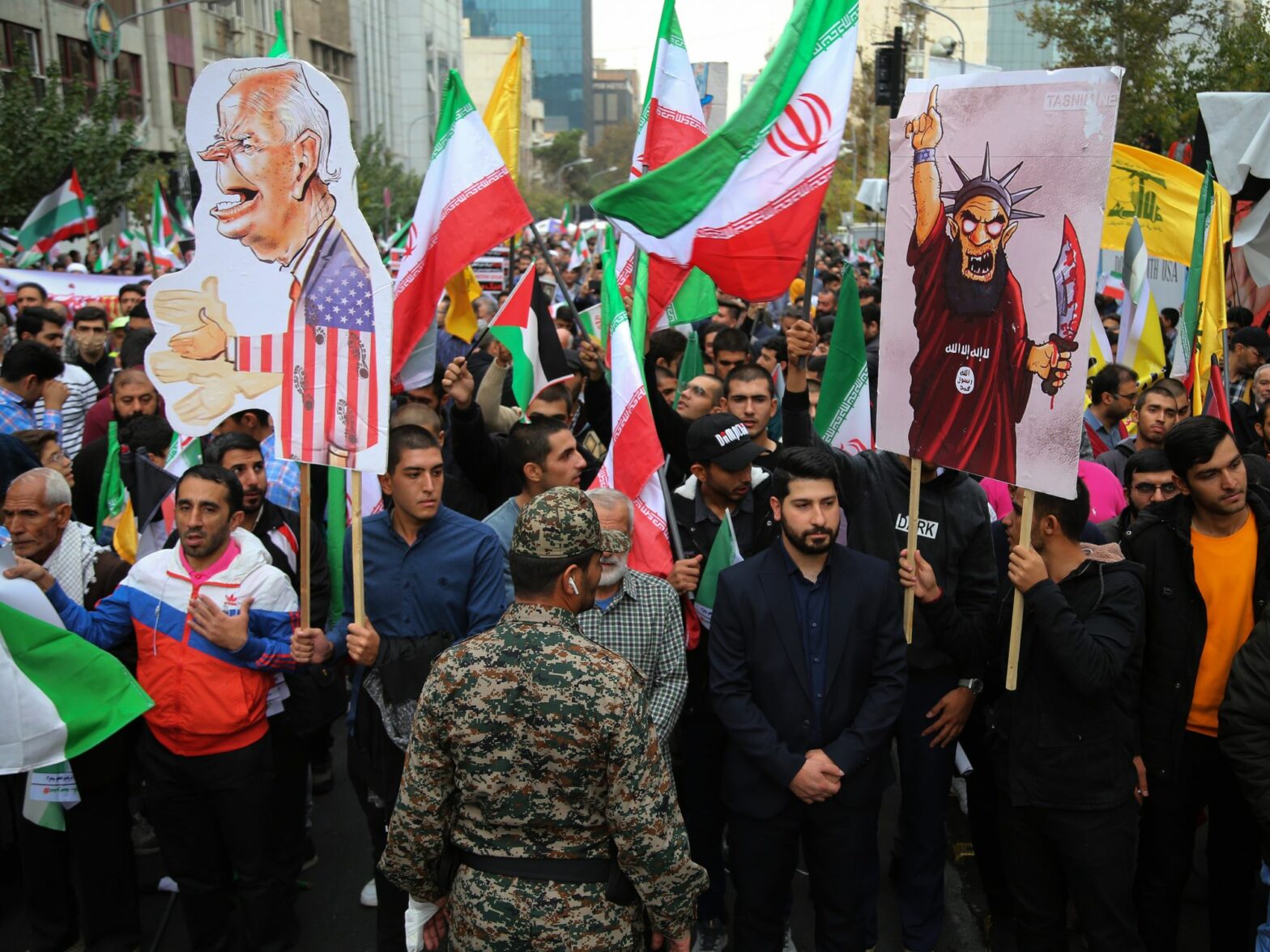
The West’s decision to pressure Israel over Gaza, and indulge Iran’s violent and troublesome regime, follows the U.S. Democrats’ line with the Middle East: just keep us out of your murderous affairs.
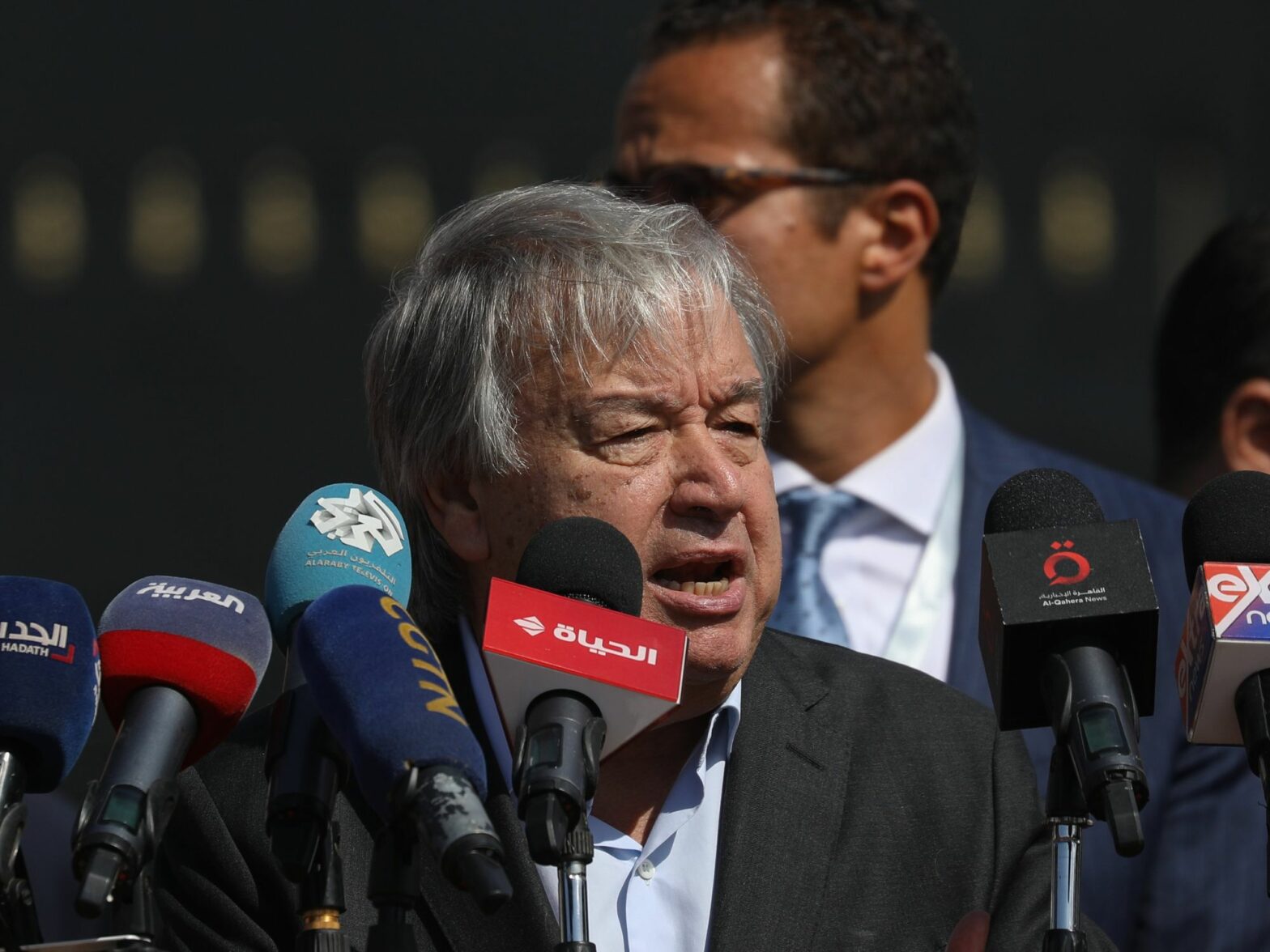
UN Secretary-General Antonio Guterres’ comments on the Oct. 7 attacks on Israel by Hamas, which he said “did not occur in a vacuum,” constitute an incomprehensible relativization of a barbaric mass murder. Shameful, but not surprising, writes Die Welt‘s editor-in-chief Jennifer Wilton.

The 21-year-old French-Israeli woman was captured by Hamas at the music festival on Oct. 7 and brought to Gaza.
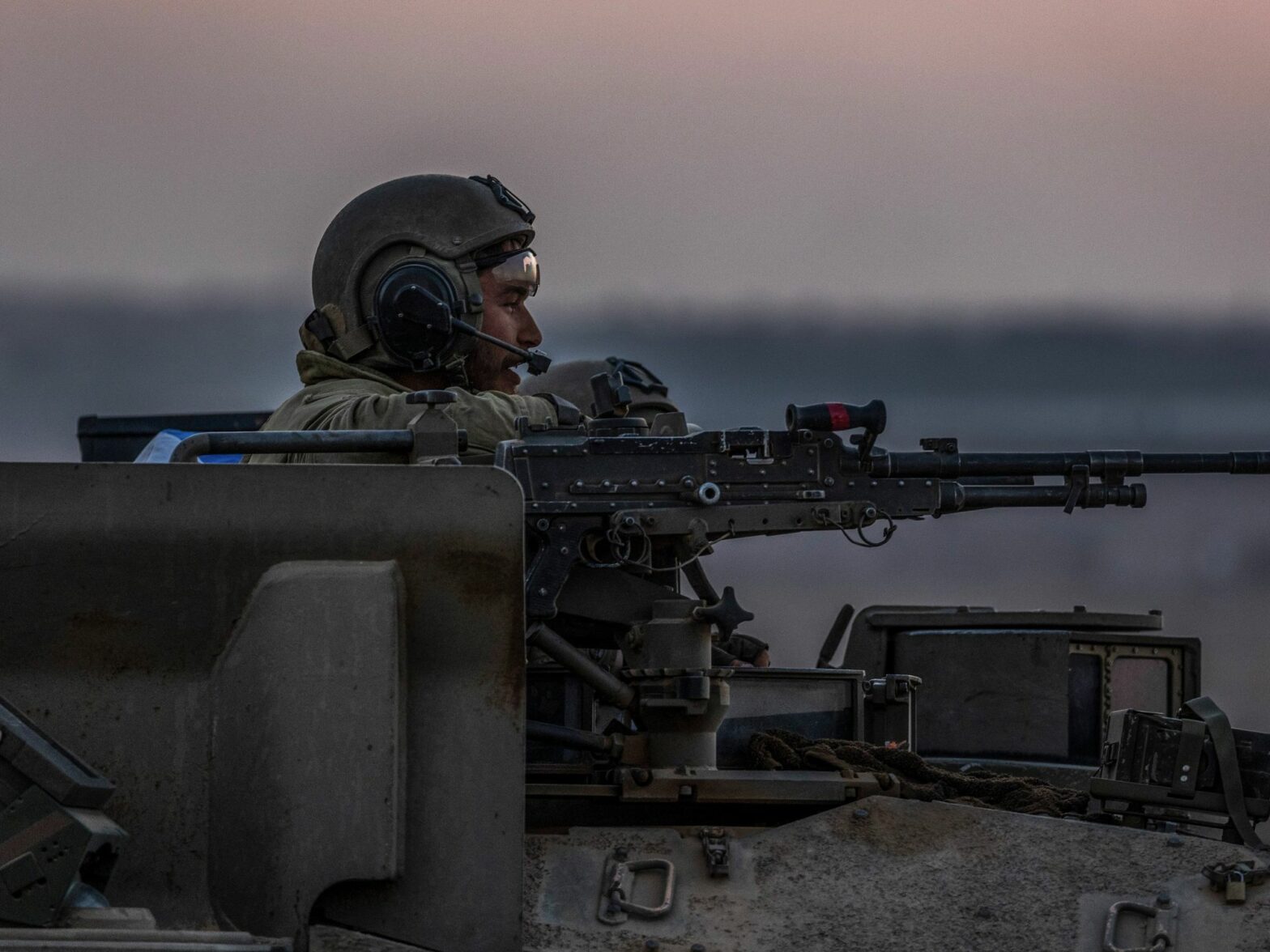
After extending its complete support to Israel in the wake of the October 7 attacks, the West has started to soften its stance and demand that the state follow international law. But there are scant signs that Israel will let up its all-out assault in Gaza.