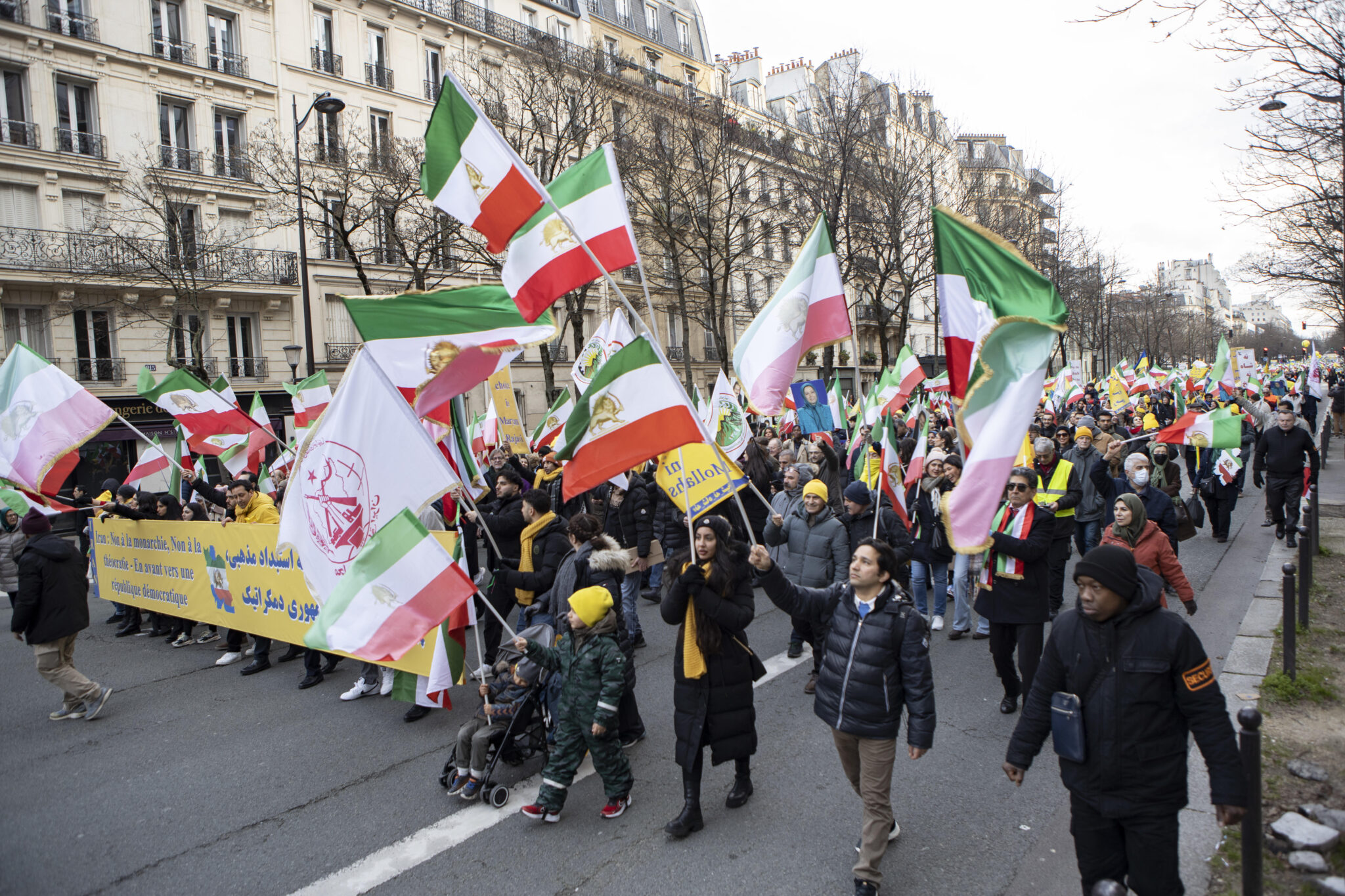
In the 15th arrondissement of Paris, exiled opponents of Iran’s ruling regime are tightening their guard, fearing reprisals against loved ones still in Iran.
 Worldcrunch
In the 15th arrondissement of Paris, exiled opponents of Iran’s ruling regime are tightening their guard, fearing reprisals against loved ones still in Iran.
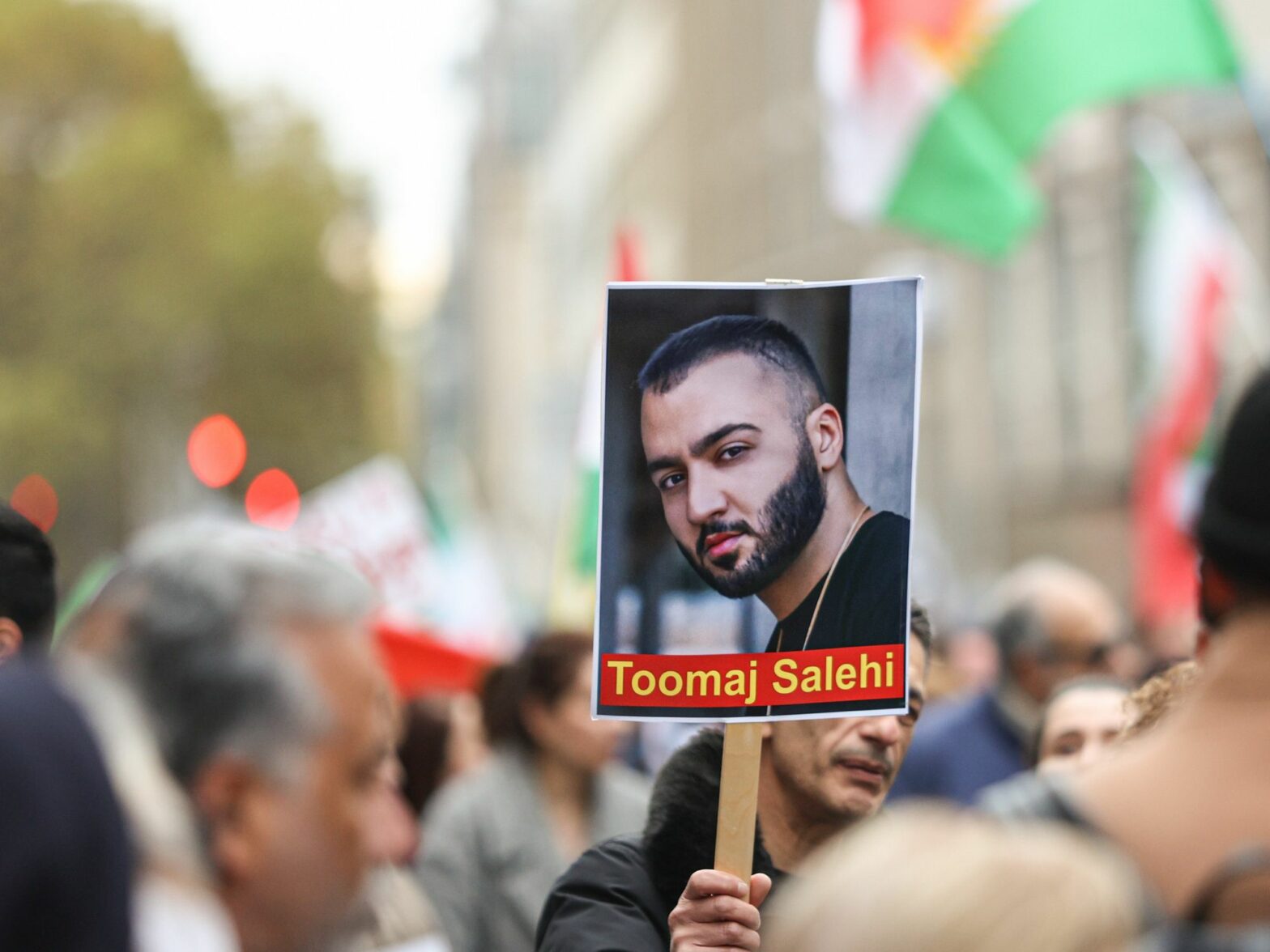
Injustice and inhumanity comes in many forms and places in the Middle East, including the Iranian regime’s death sentence for the rapper Toomaj. Why can’t those protesting the deaths of civilians in Gaza take a moment to try to save this innocent life as well?
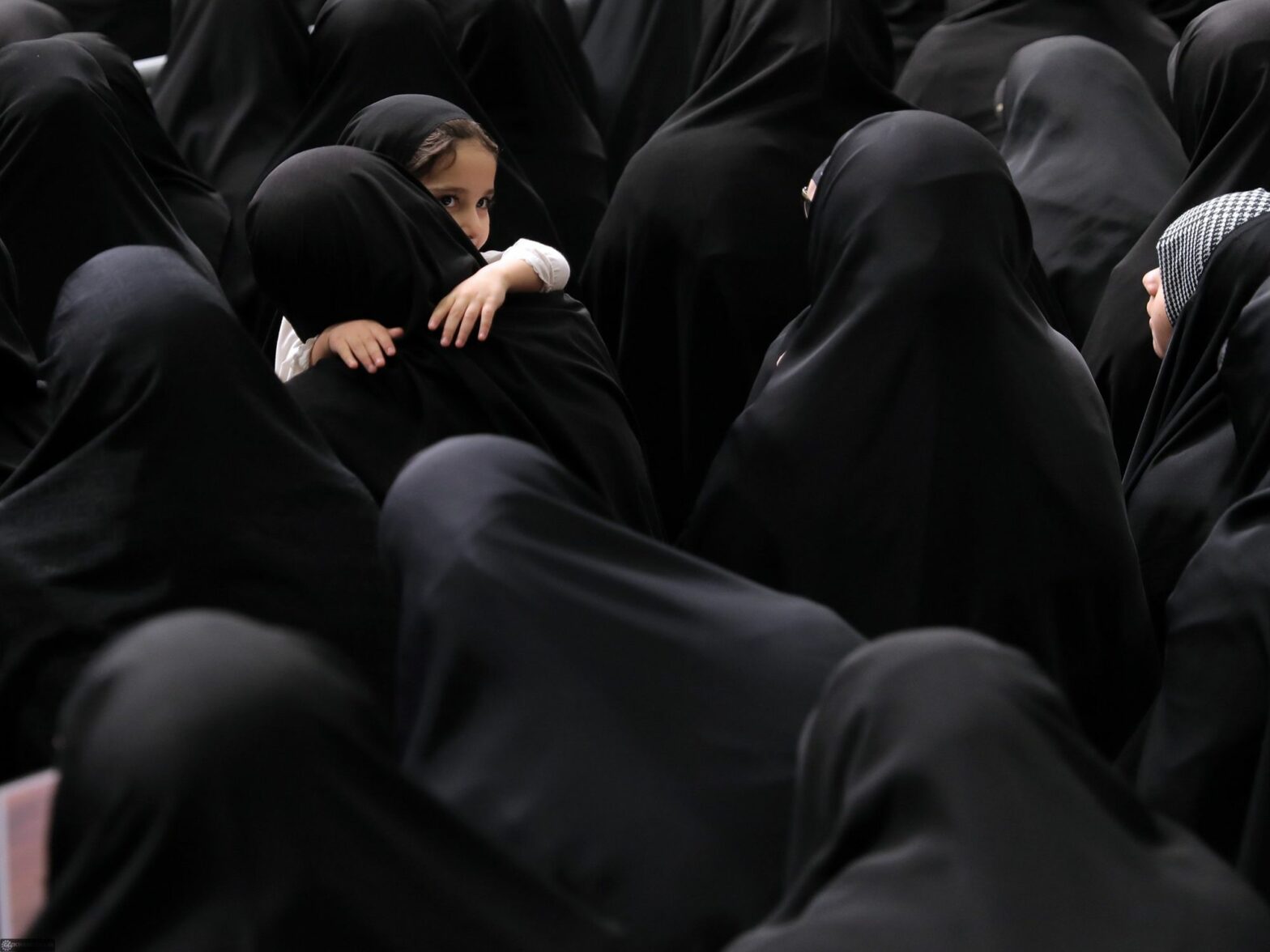
Women in the Islamic Republic are fighting to recover social rights and freedoms granted some 80 years ago by a monarchy that was once reviled and is now keenly missed by younger generations.
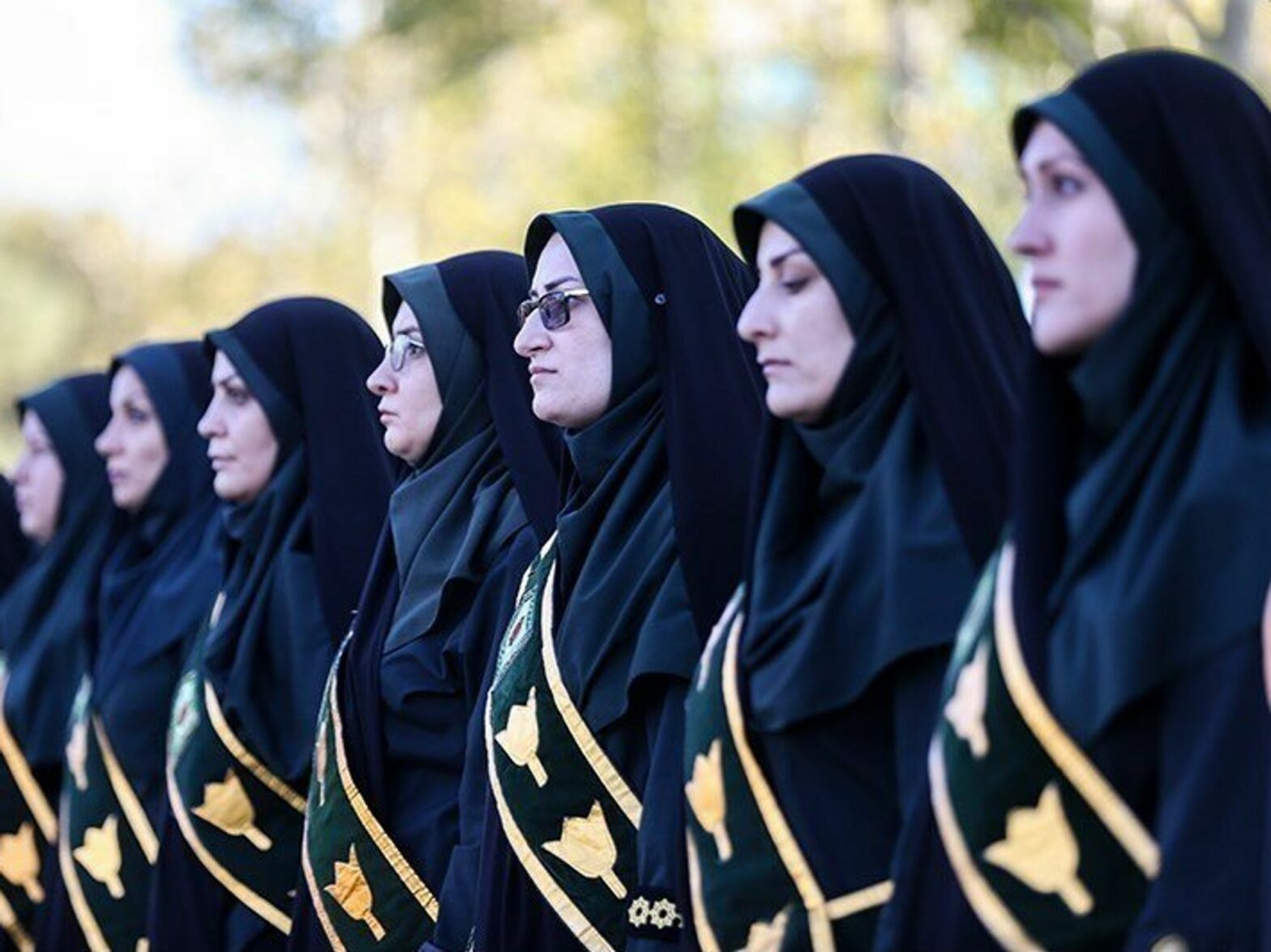
Recovering from the shock of Iran’s 2022 mass protests, the clerical regime has vigorously resumed its campaign to enforce Islamic hijab rules. But it is also pushing for gender segregation in other important ways across society
With $6 billion freed up to go in the coffers of the corrupt and repressive regime in Tehran, nobody is happy. But sometimes there is no alternative to the imperfect nature of international diplomacy.
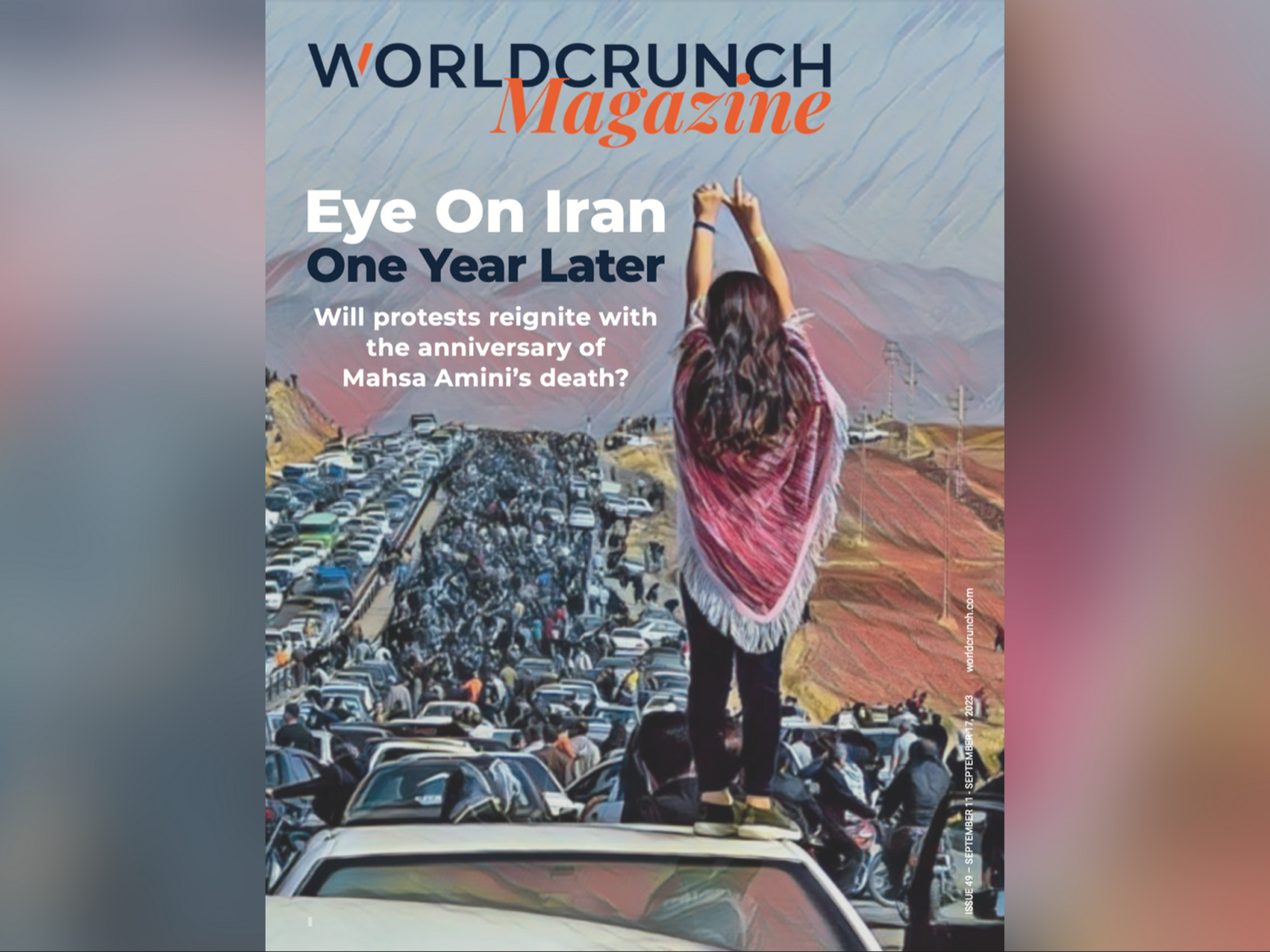
September 11 – September 17, 2023
Iran’s regime has tightened its grip on the population ahead of the September 16 one-year anniversary of the death that set off the country’s biggest revolt of recent years.
Impatient to be rid of a 40-year dictatorship, many Iranians have sunk into despair at the failure of protests last year to topple the Islamic Republic. They must be patient and sober in their immediate expectations, before a longer, ongoing process of change turns Iran into a free nation with the rule of law.
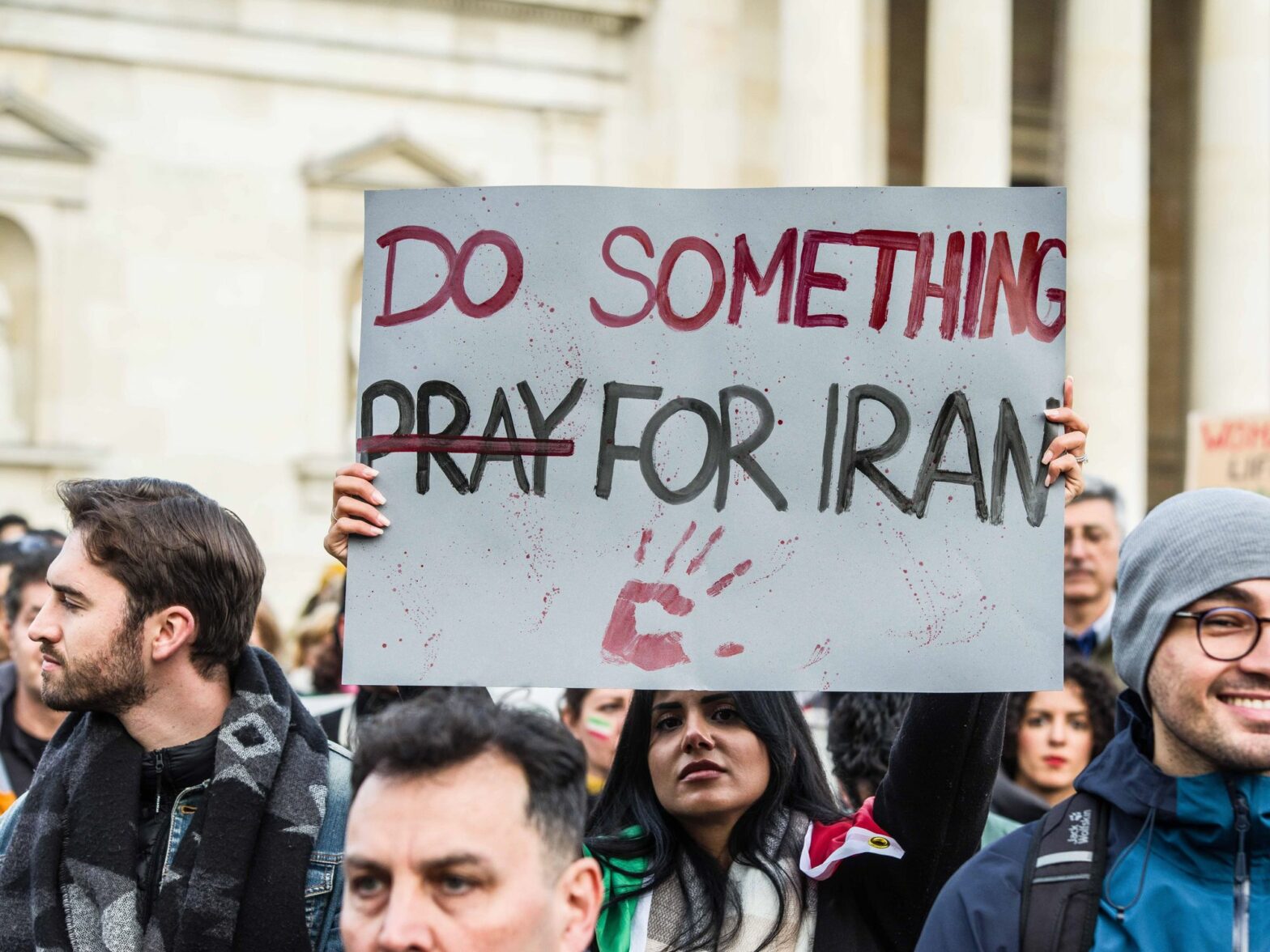
Inside Iran, people are risking their lives to fight the oppressive Islamic Republic. Now, they need support from compatriots abroad and Western democracies to bring an end to this decades-long fight for democracy.
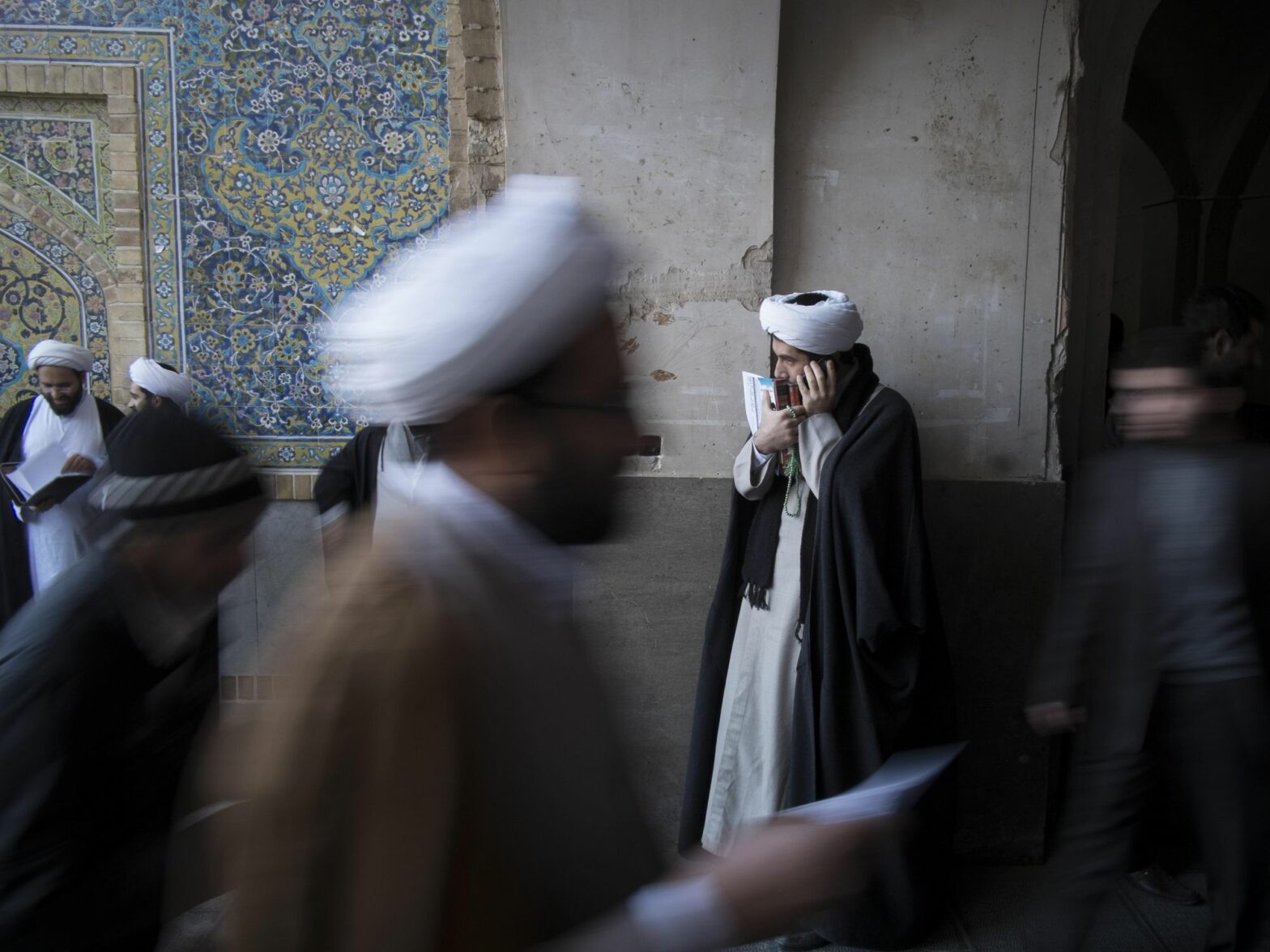
In an unusual challenge to Iran’s senior leaders from Shia clerics in the country, a group of theologians and jurists in Qom say the state has been incompetent and had no right to execute protesters. At least two Iranian demonstrators have been executed this month, with the latest publicly hanged on a crane.
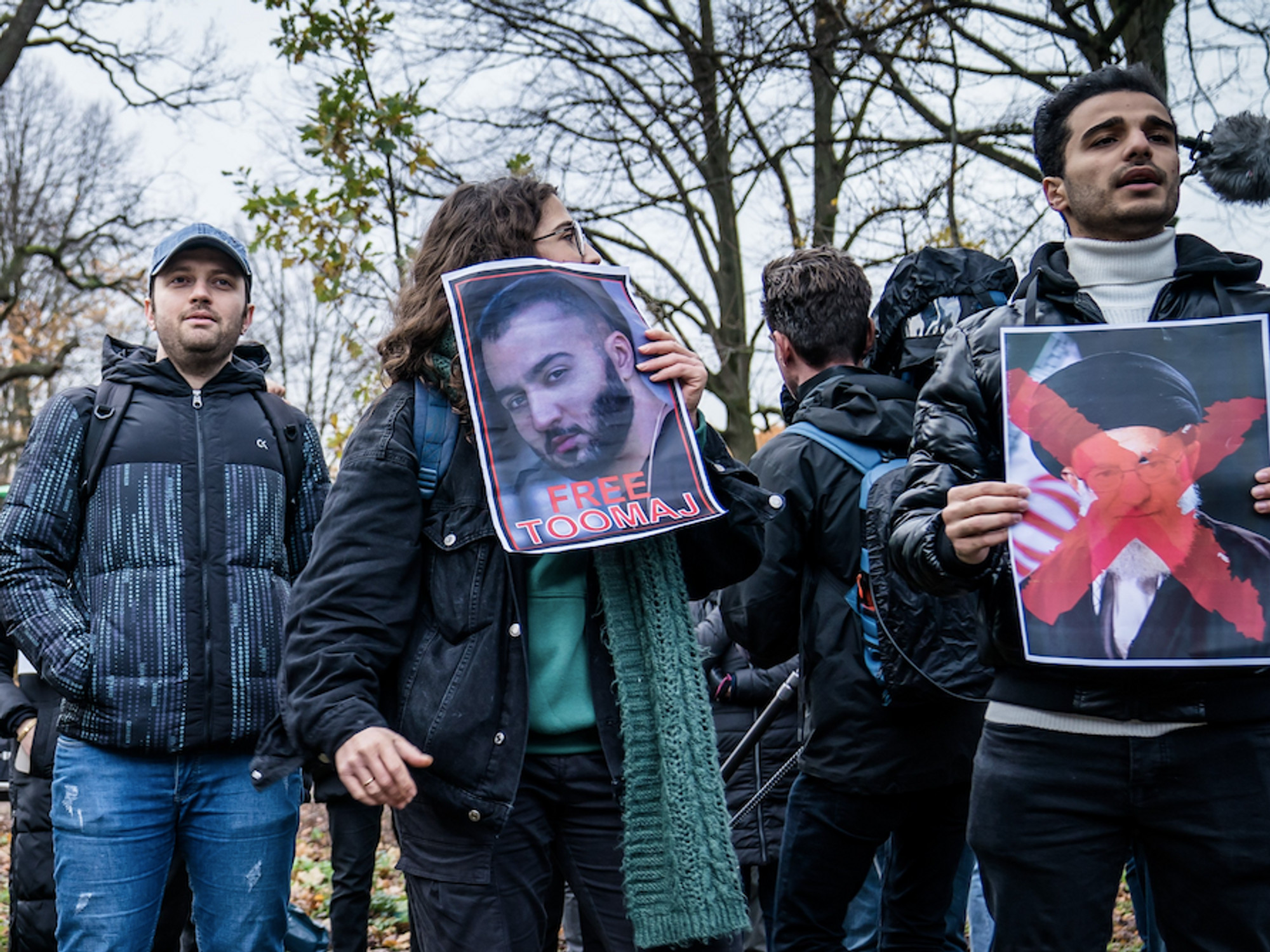
By executing a protester after a rapid trial, Iran’s clerical regime has taken its clampdown on the once-in-a-generation uprising to a new level. Observers fear there are more to come soon.
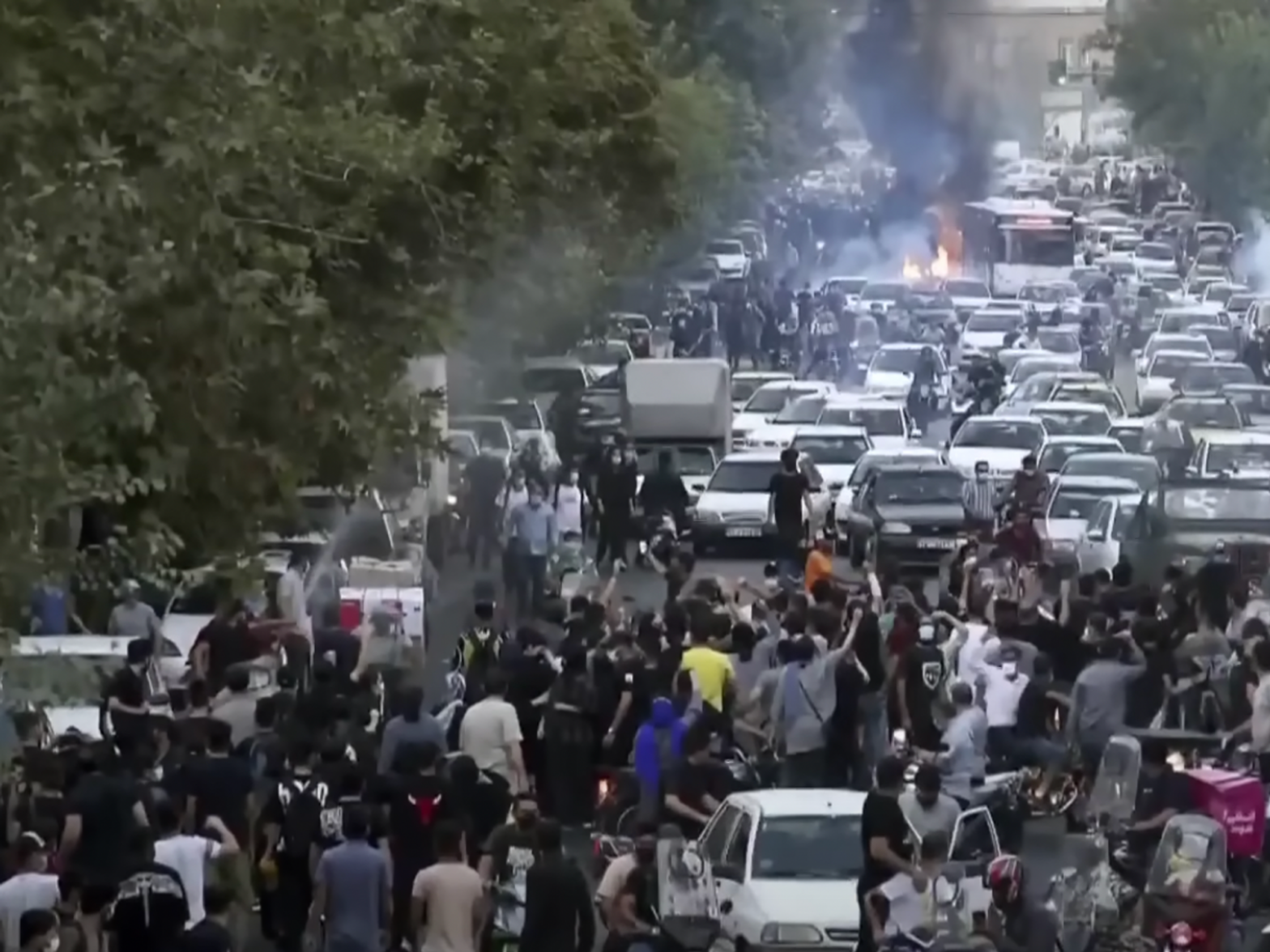
Faced with the resilience of the national protests, Iran’s security forces are now facing unusual acts of sabotage on state installations, and clerical authorities have started to wonder which of their loyalist forces can be firmly relied on still to defend the regime.
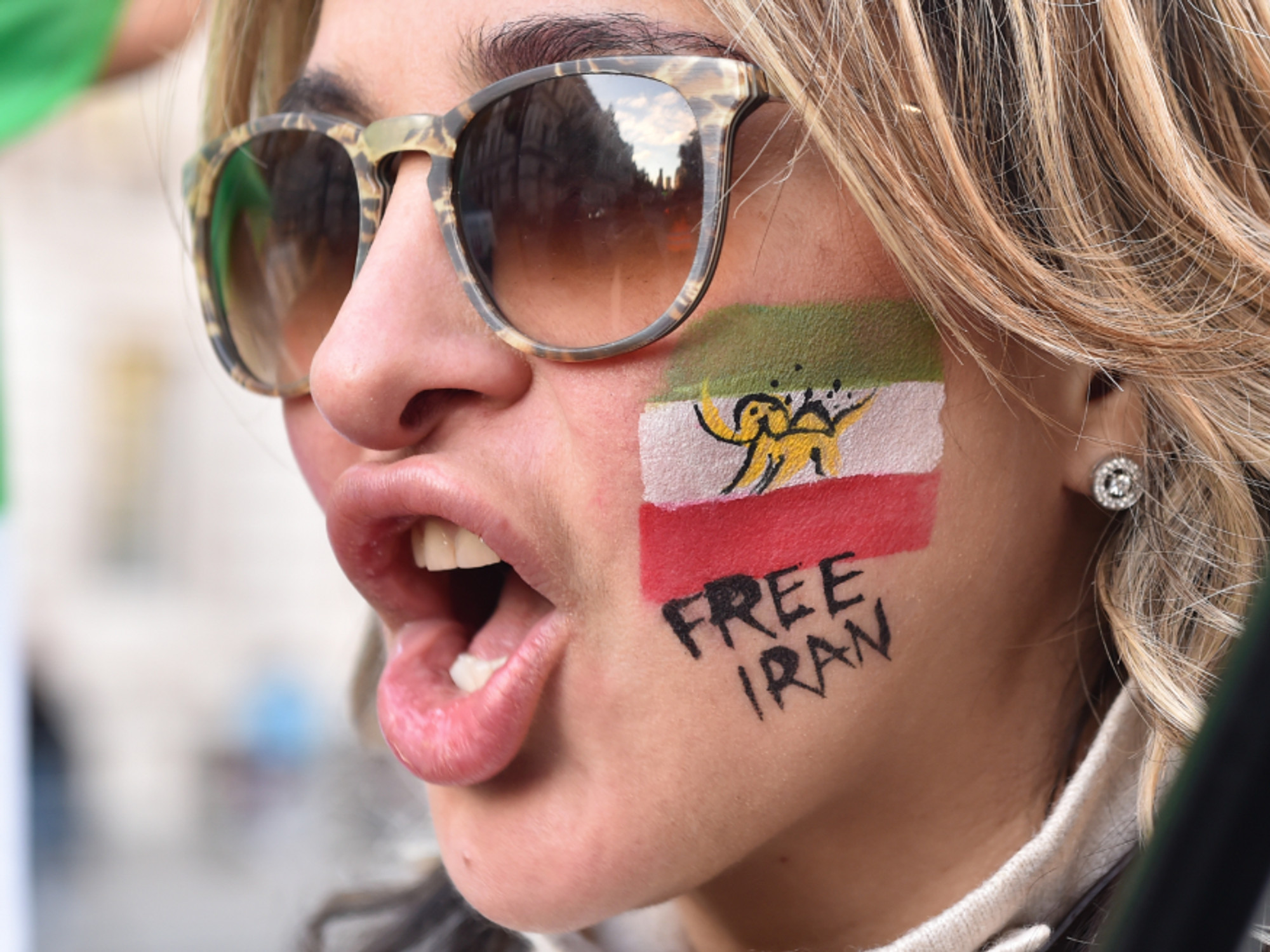
Iran’s clerical regime has worked hard over 40 years to set Iranians against each other on multiple bases, and must now watch a nation united in opposition to itself and breaking its red lines, notably those set around gender, faith and even ethnicity.
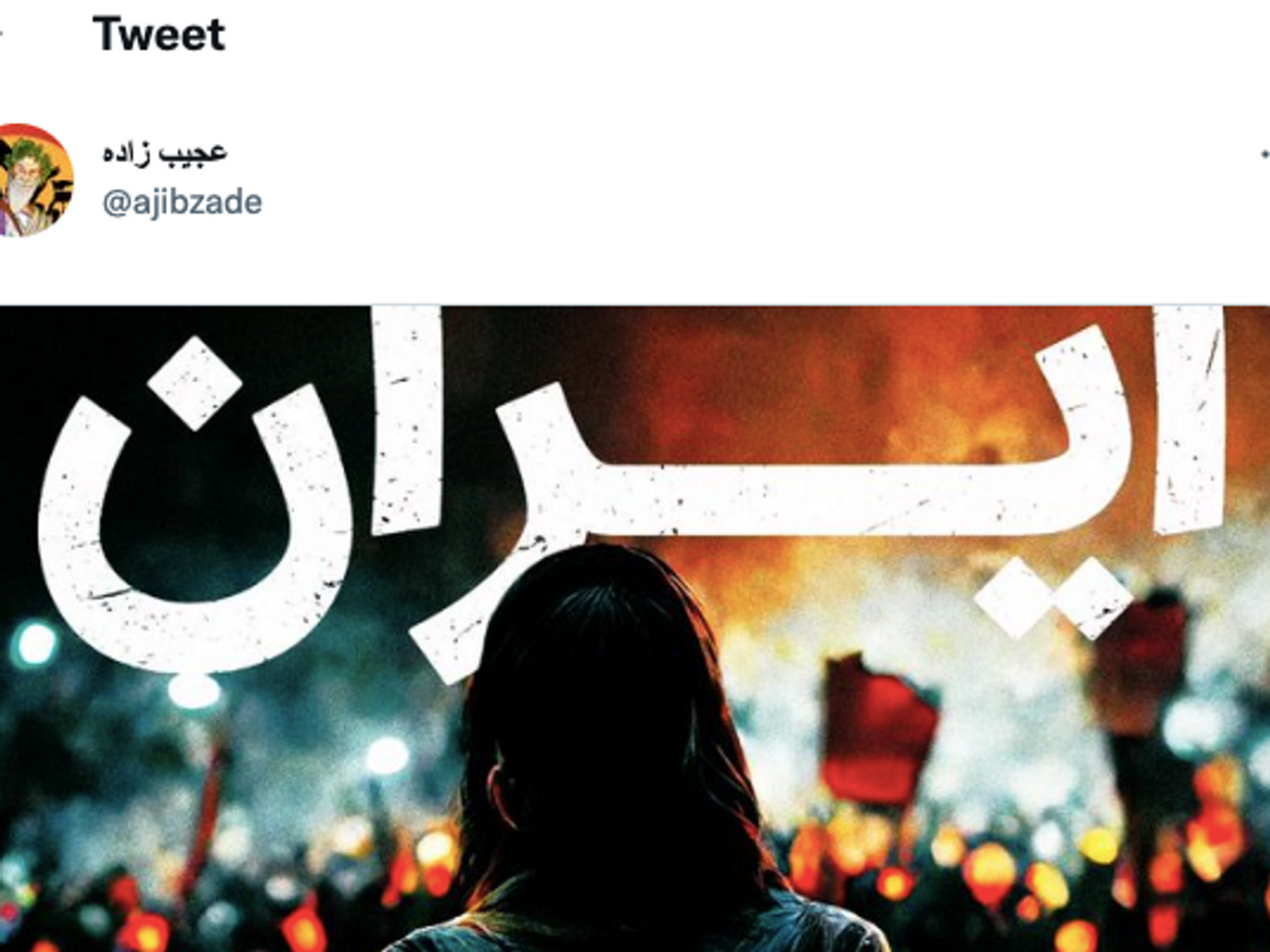
Two anonymous Iranian Twitter users spoke about their hopes that Iran’s protests could hasten the end of the unpopular regime, and what Elon Musk’s takeover of the the platform could mean for them.
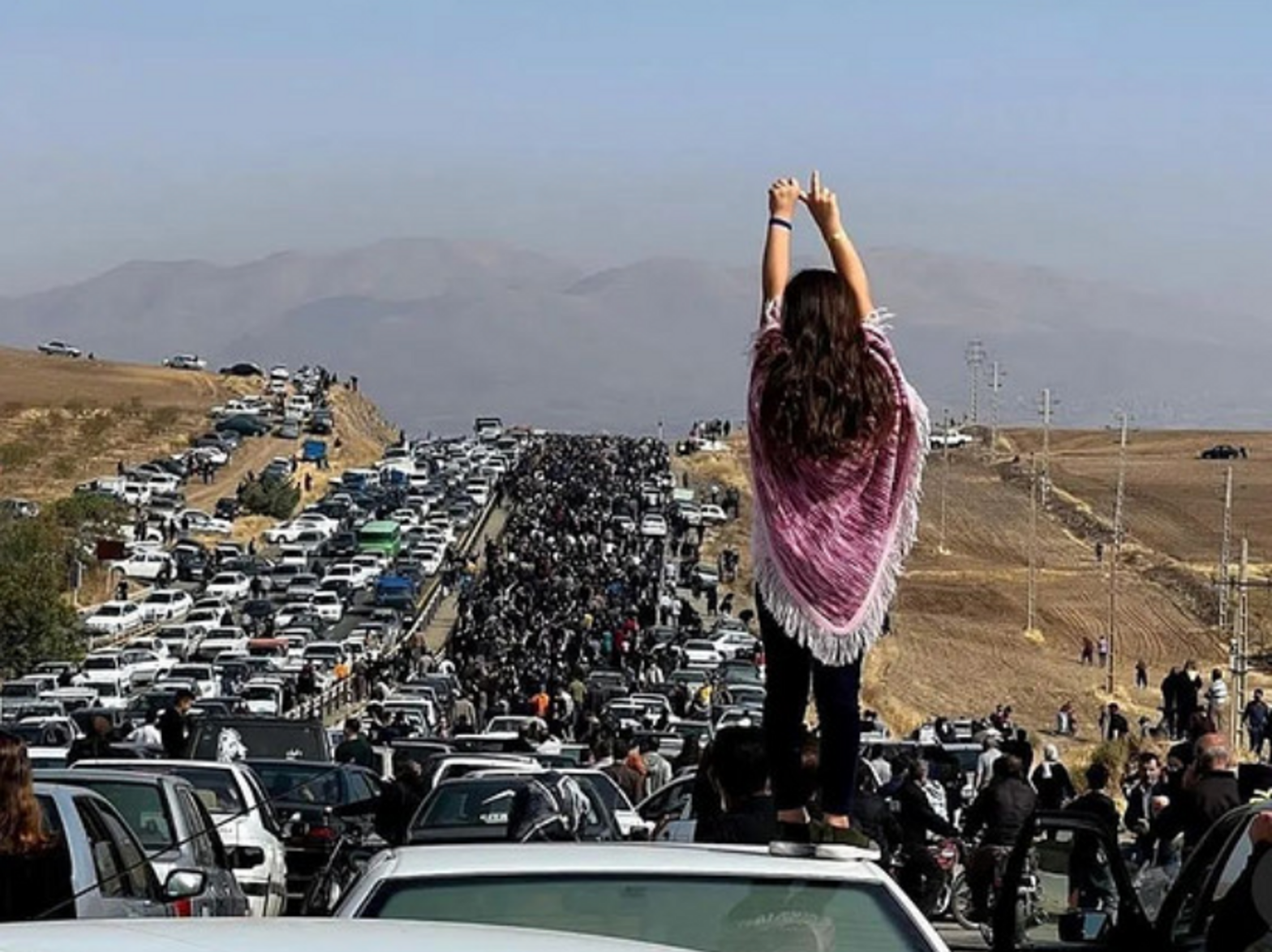
Mass demonstrations and civil disobedience continue to take place in Iran, shaking both its ruling regime and the world. But beyond the headlines, gauging what effects they will really have is a trickier exercise. Mada Masr asked Iranian political scientist Fatemeh Sadeghi about the biggest acts of civil disobedience Iran has seen in decades.
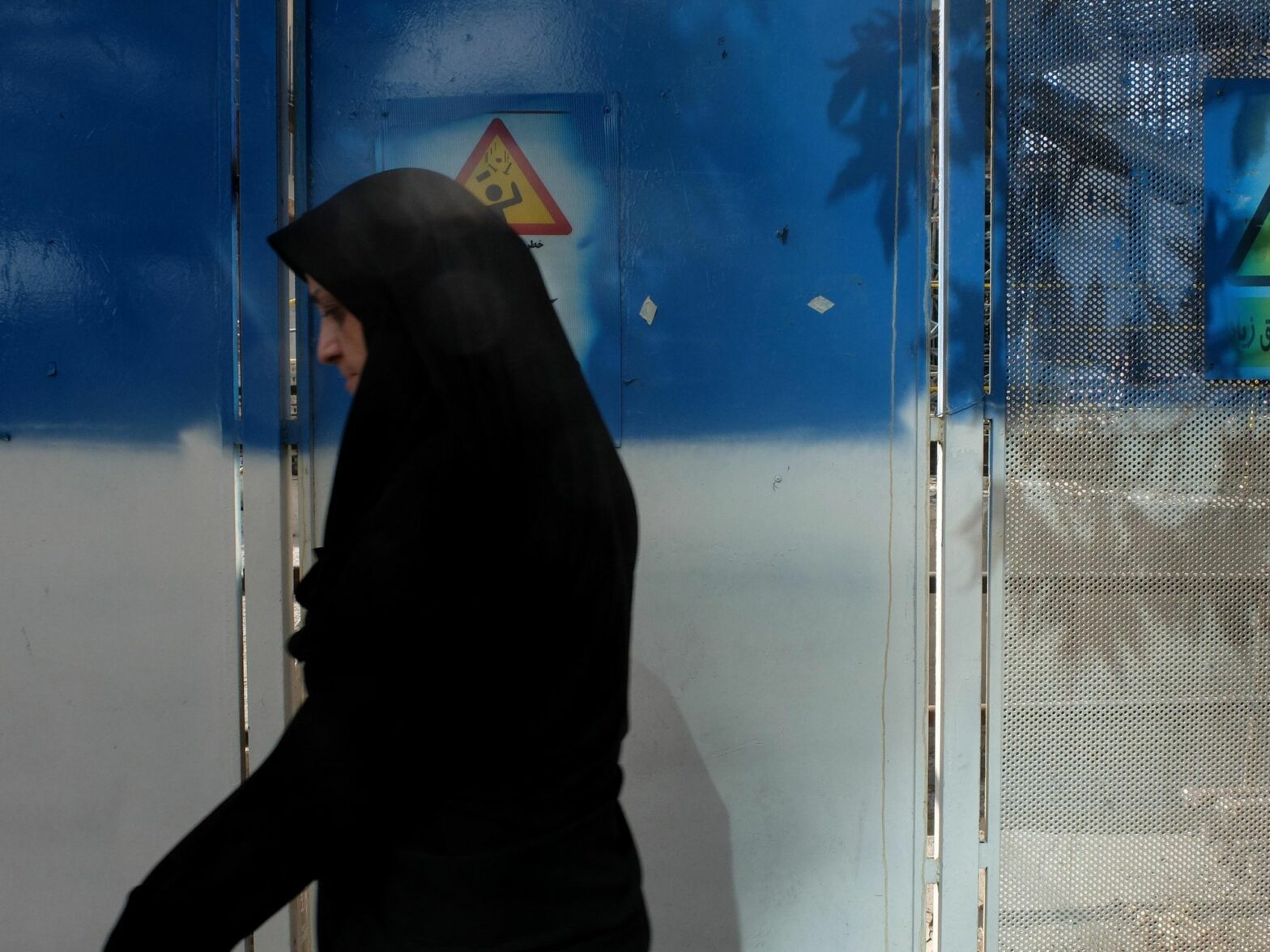
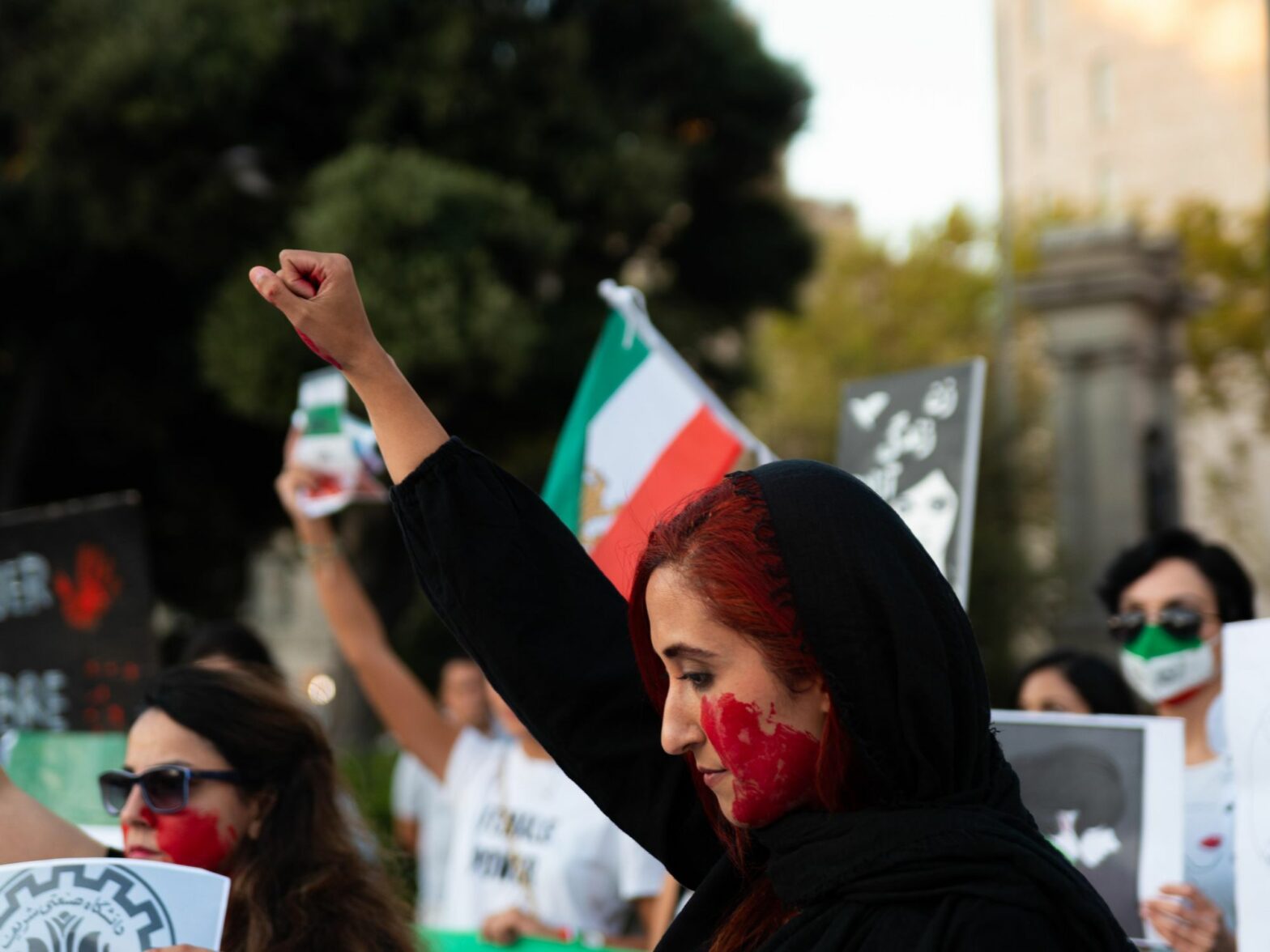
By defending their fundamental rights, Iranian women are effectively fighting for the rights of all in the Middle East. Their victory could spell an end to Islamic fundamentalism that spouts lies about “family values” and religion.
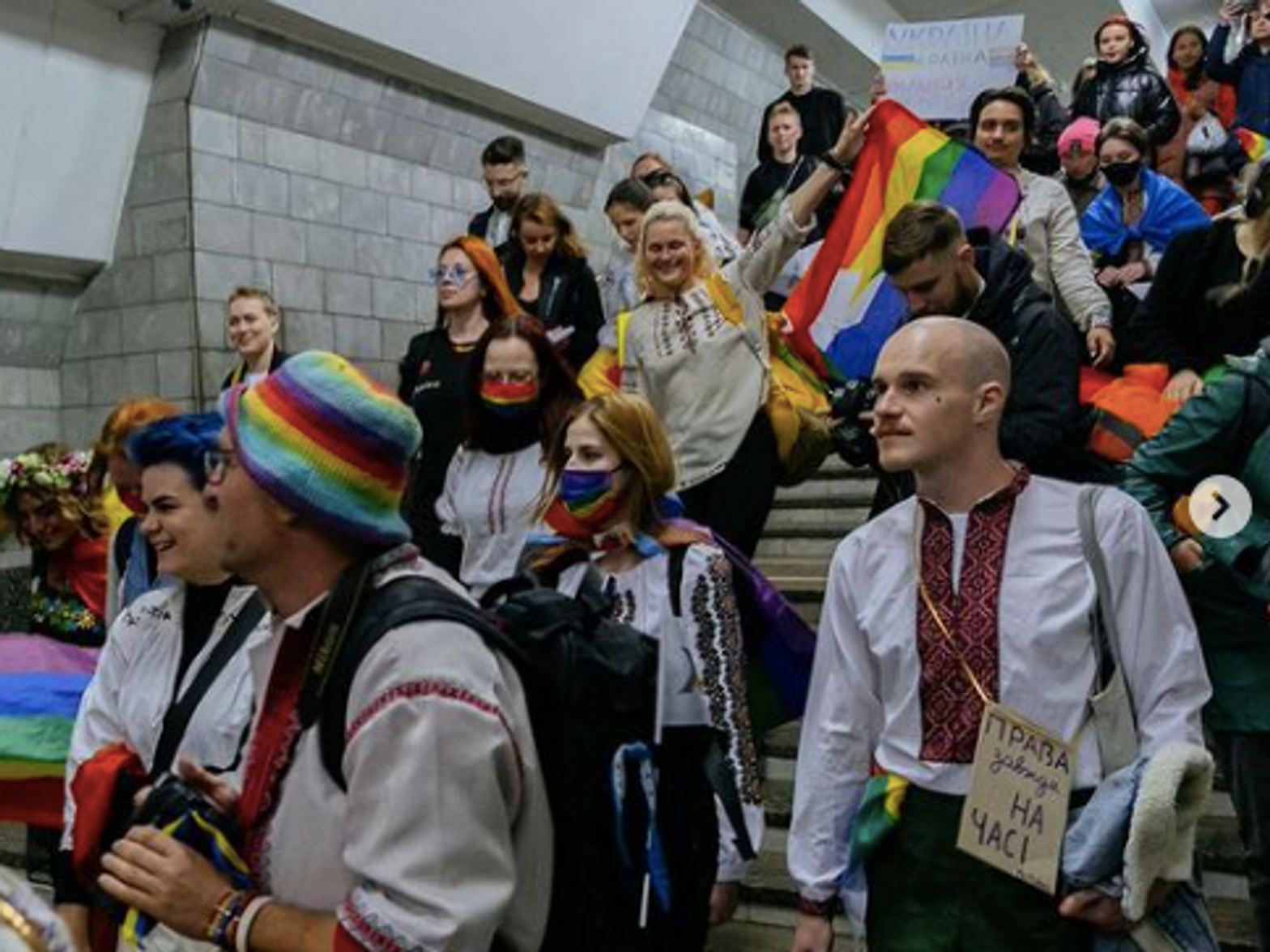
Welcome to Worldcrunch’s LGBTQ+ International. We bring you up-to-speed each week on a topic you may follow closely at home, but can now see from different places and perspectives around the world. Discover the latest news on everything LGBTQ+ — from all corners of the planet. All in one smooth scroll! This week featuring: Cuba […]
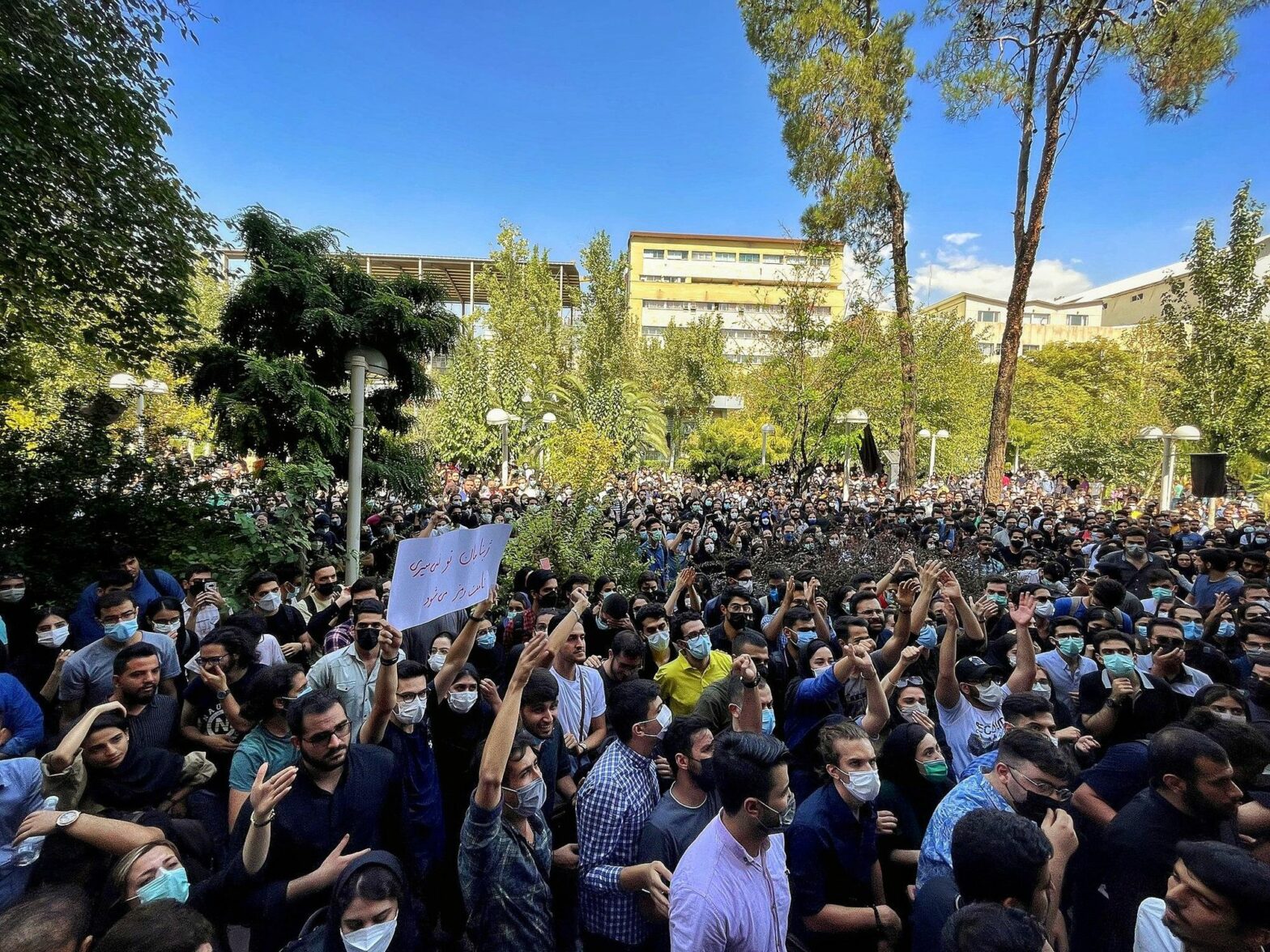
In the aftermath of the death of 22-year-old Mahsa Amini, who was arrested by the morality police mid-September for not wearing her hijab properly, many Iranians have taken the streets in nationwide protests. Independent Egyptian media Mada Masr spoke to one of the protesters.
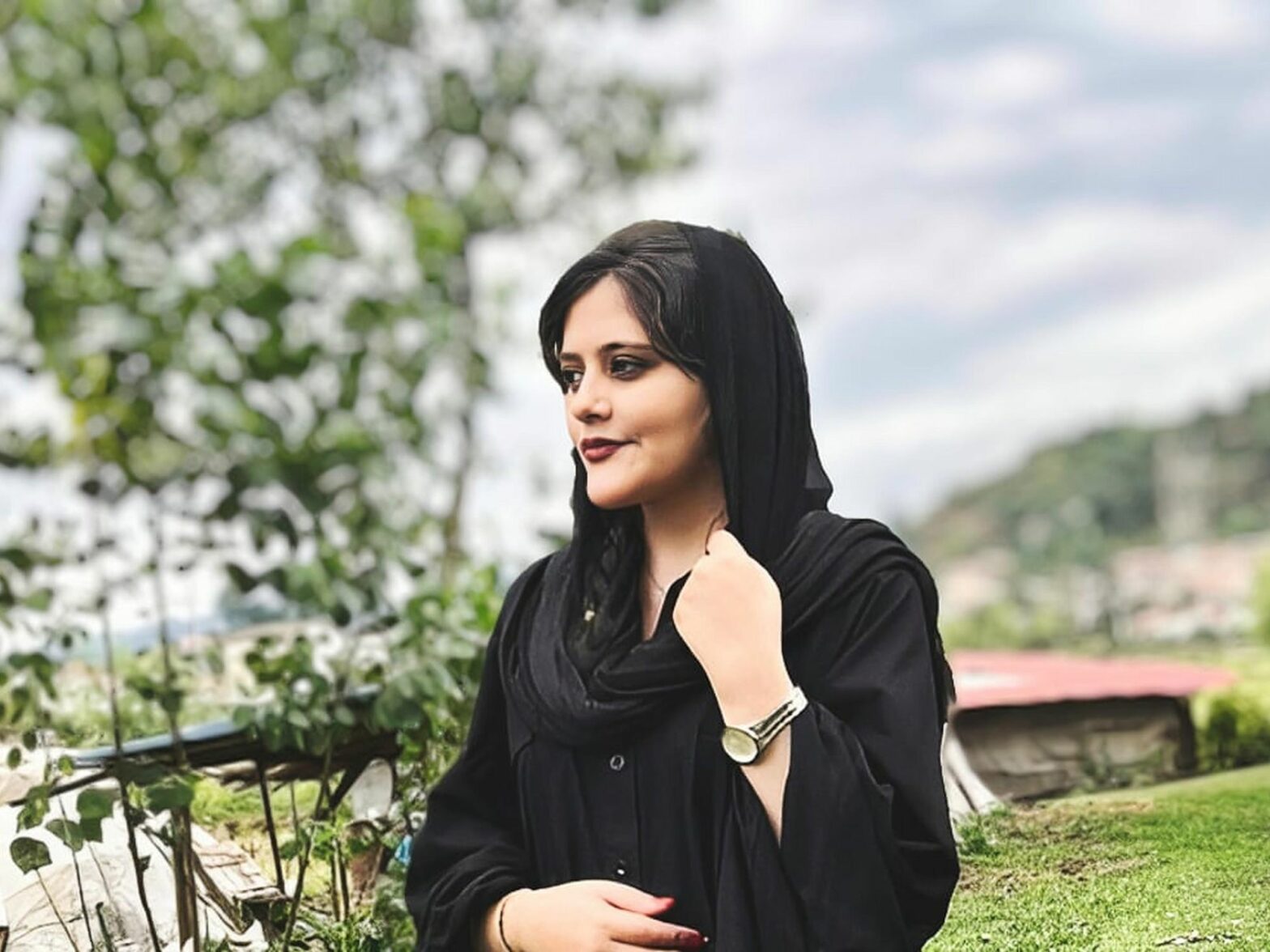
The 22-year-old is believed to have been beaten to death at a Tehran police station last week after “morality police” had reprimanded her clothing. The case has sparked the nation’s outrage. But as ordinary Iranians testify, such beatings, torture and a home brand of misogyny are hallmarks of the 40-year Islamic Republic of Iran.