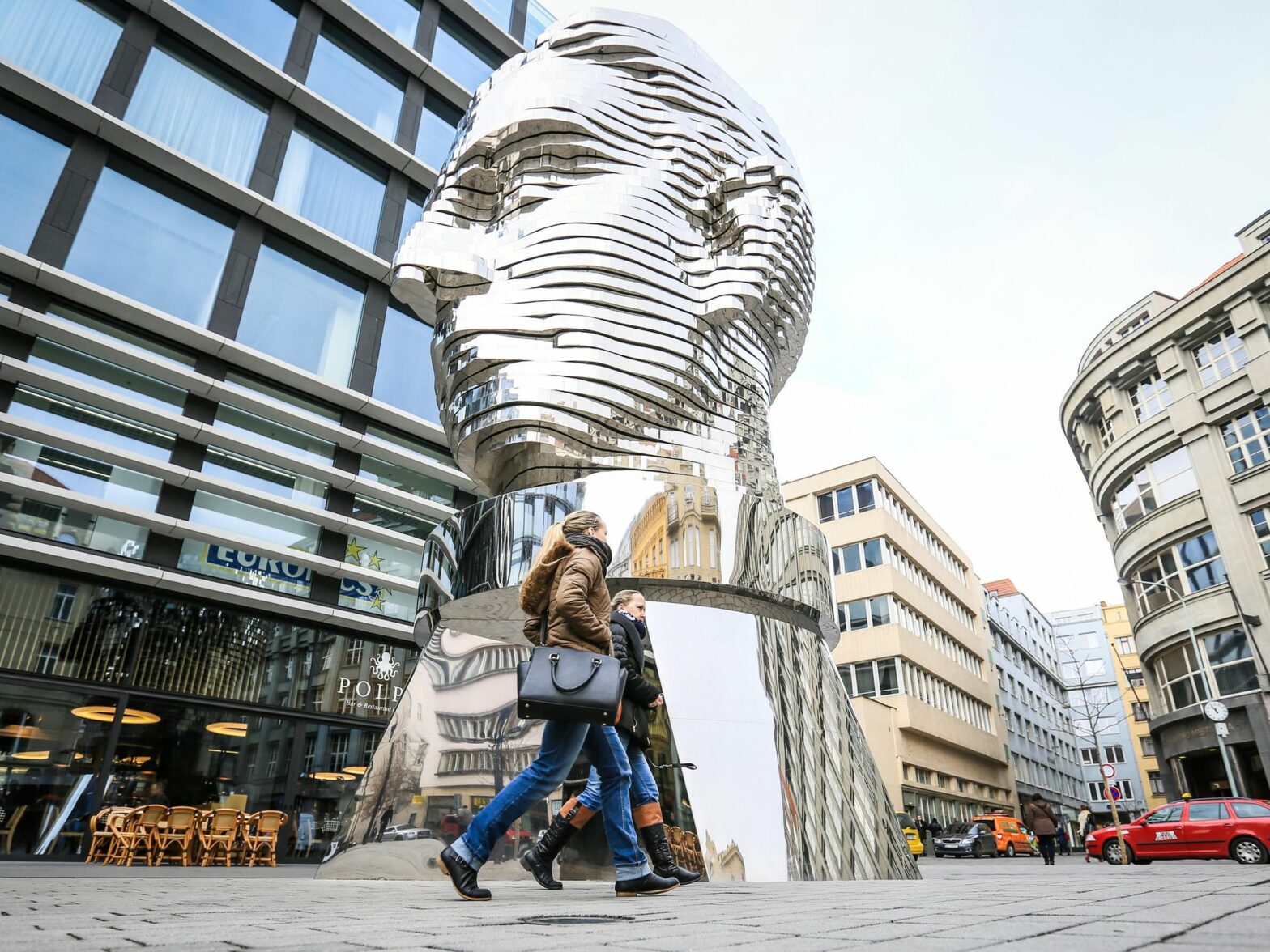
The 21st century has made certain plots implausible. How can fiction manage to recapture suspense and longing?

 Worldcrunch
The 21st century has made certain plots implausible. How can fiction manage to recapture suspense and longing?
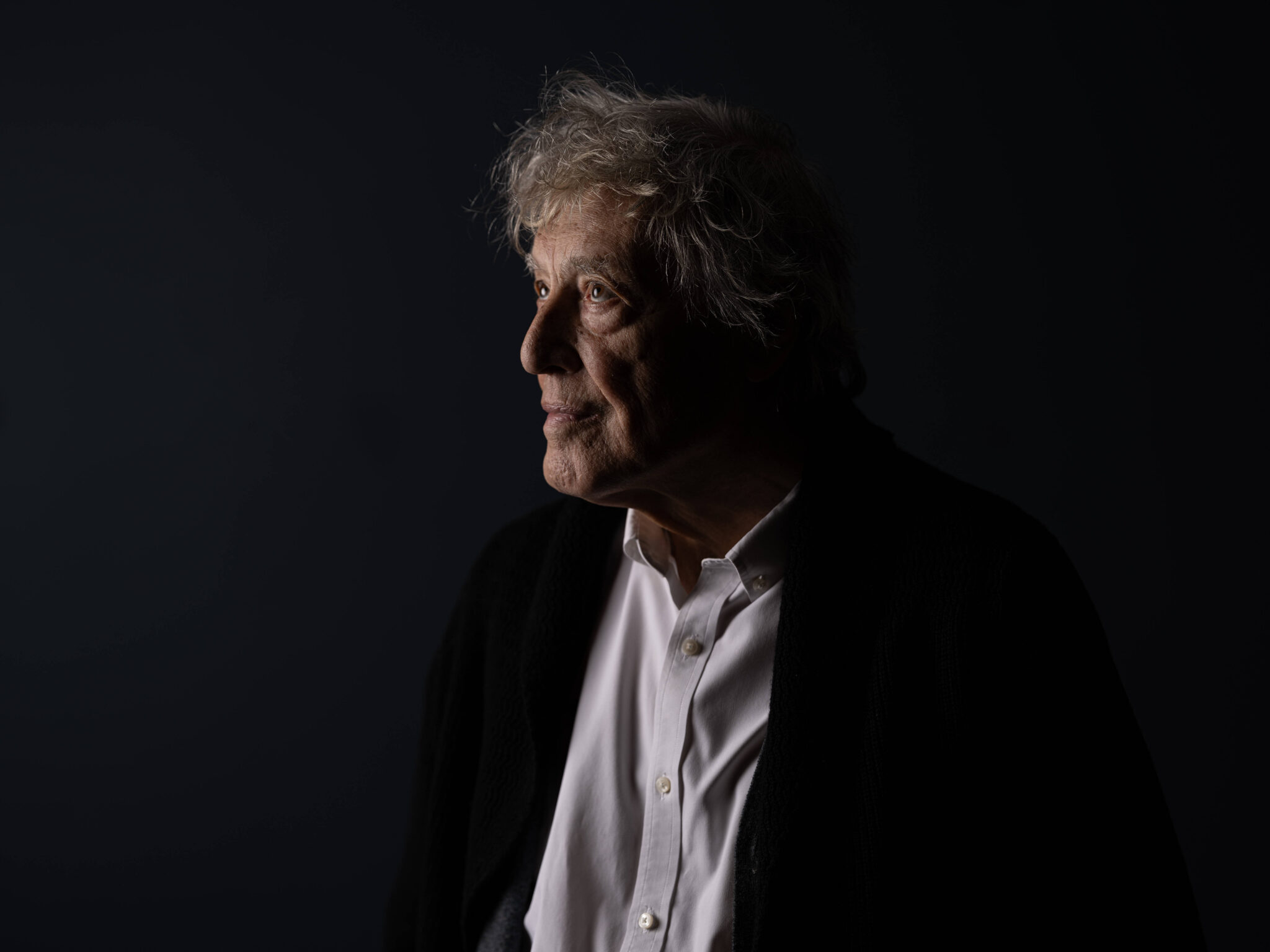
India was the first country that gave Stoppard clear, continuous memories of childhood. Darjeeling was the first landscape he remembered.
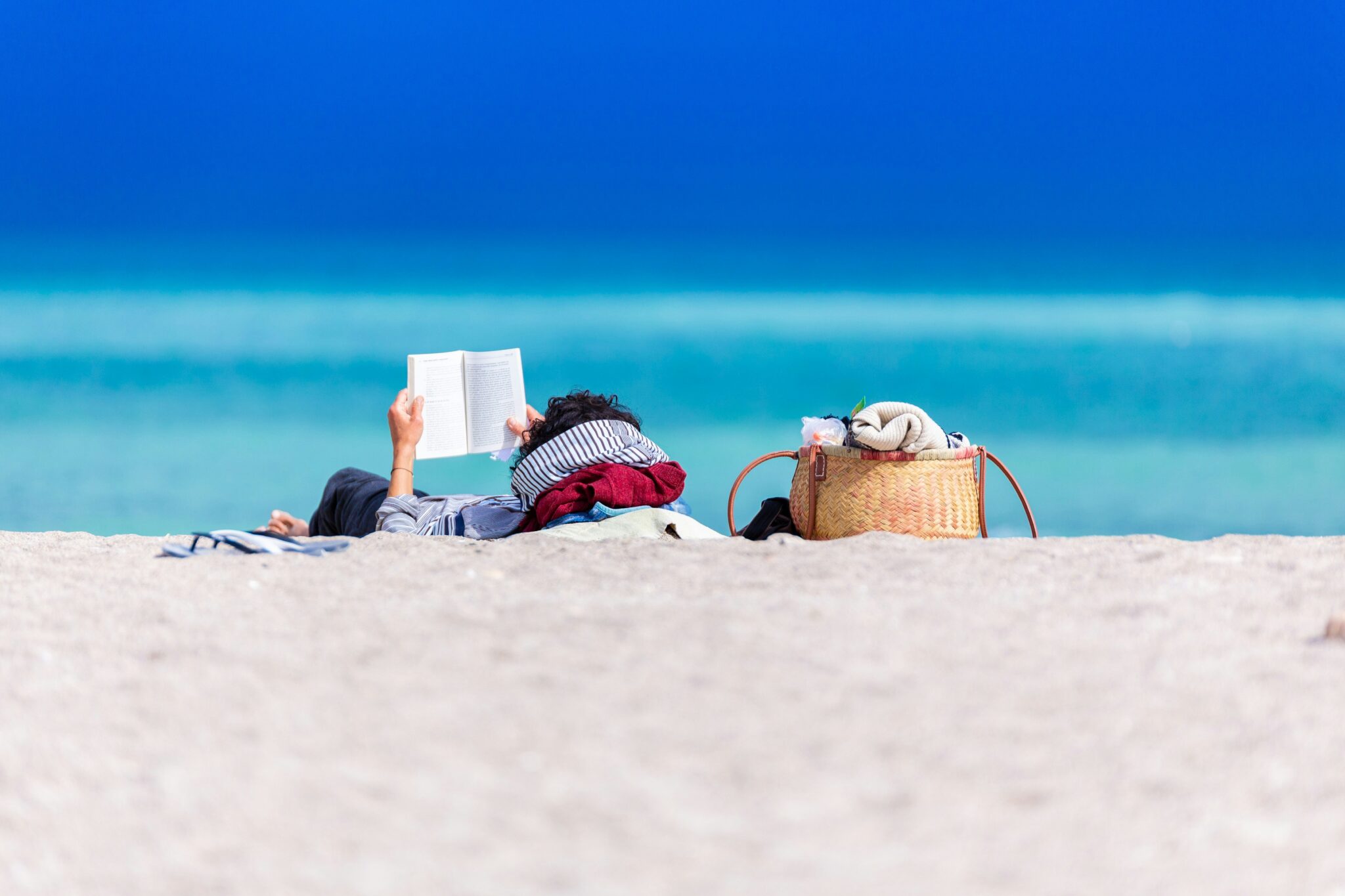
A self-described “veteran reader, aspiring writer and a long-term bachelor” considers the summer trend of reading to build your public image.
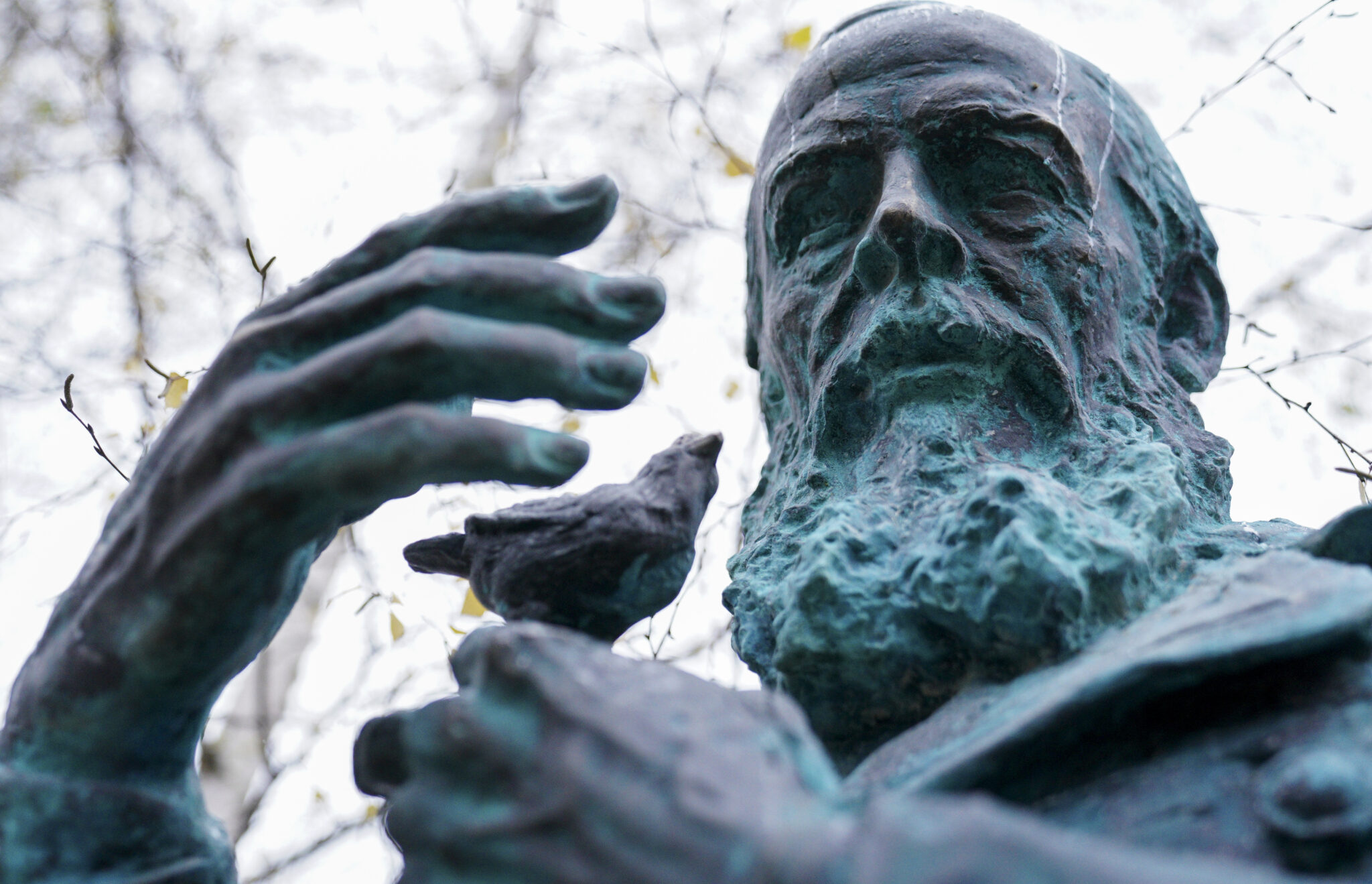
The Russian author of “Crime and Punishment” thought plain-old realism was not good enough in art. Realism, he believed, must be but a tool to reveal a bigger, “hidden” and even implausible realities of earthly existence. The notion was expanded on a century later far away in South America.
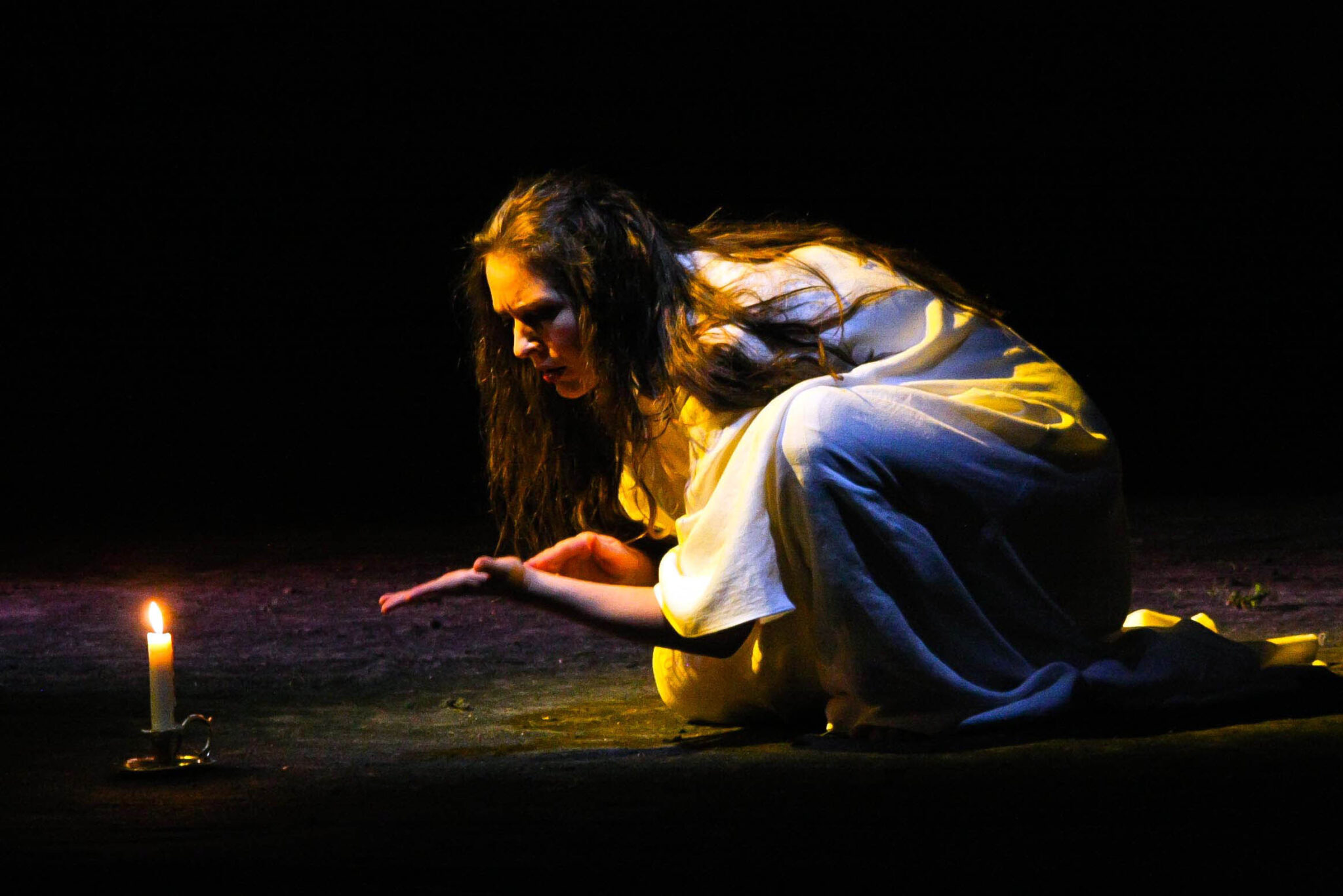
Literature is filled with characters suffering from mental health issues… and with authors who weren’t necessarily much better off. In a fascinating book, a psychiatrist and a journalist attempt to unravel the mysteries of these minds.
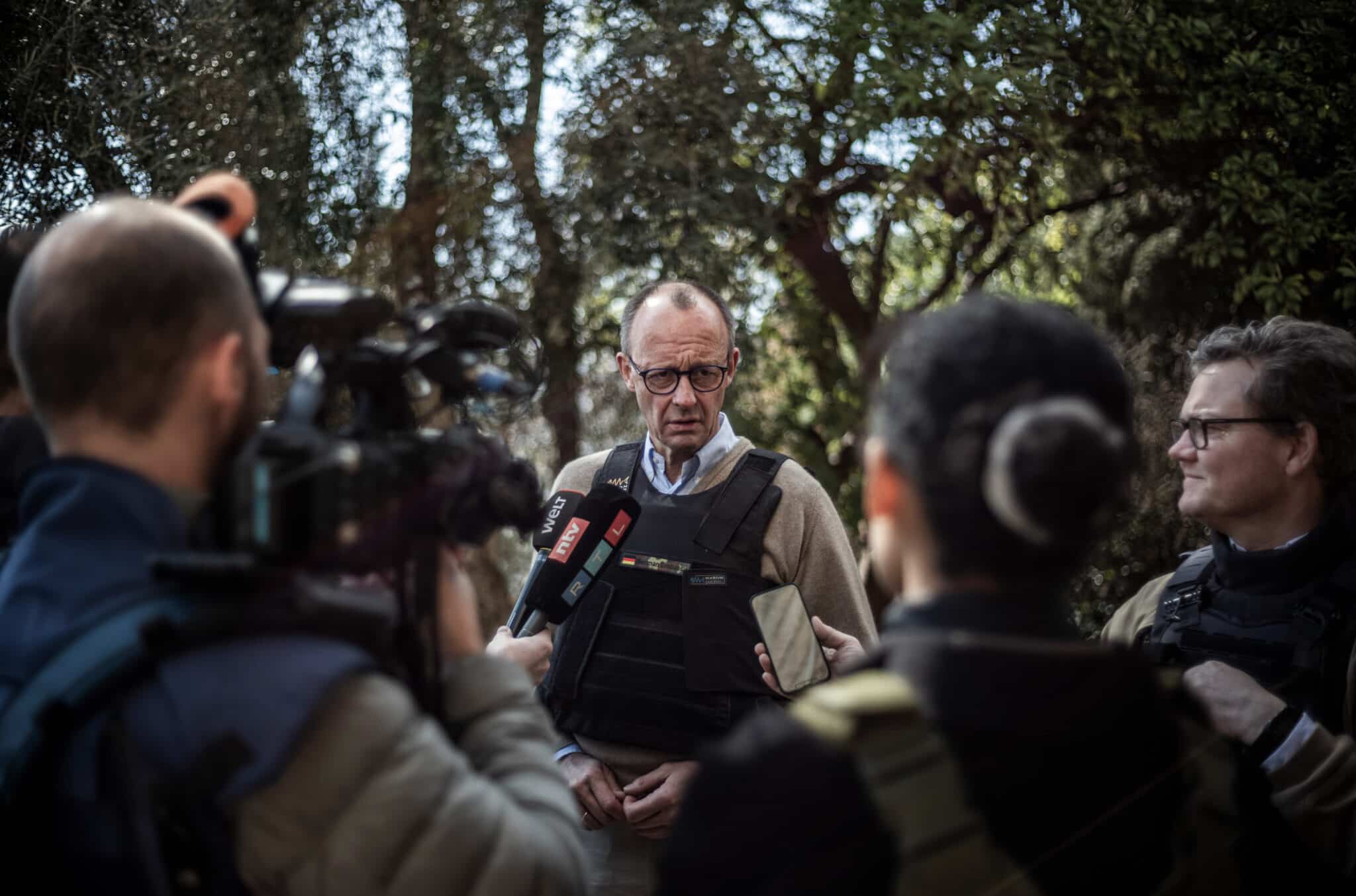
As Berlin and Tel Aviv mark a diplomatic milestone, the relationship born out of pragmatism, guilt and survival faces its toughest questions yet — especially amid war, protest and growing calls for criticism.
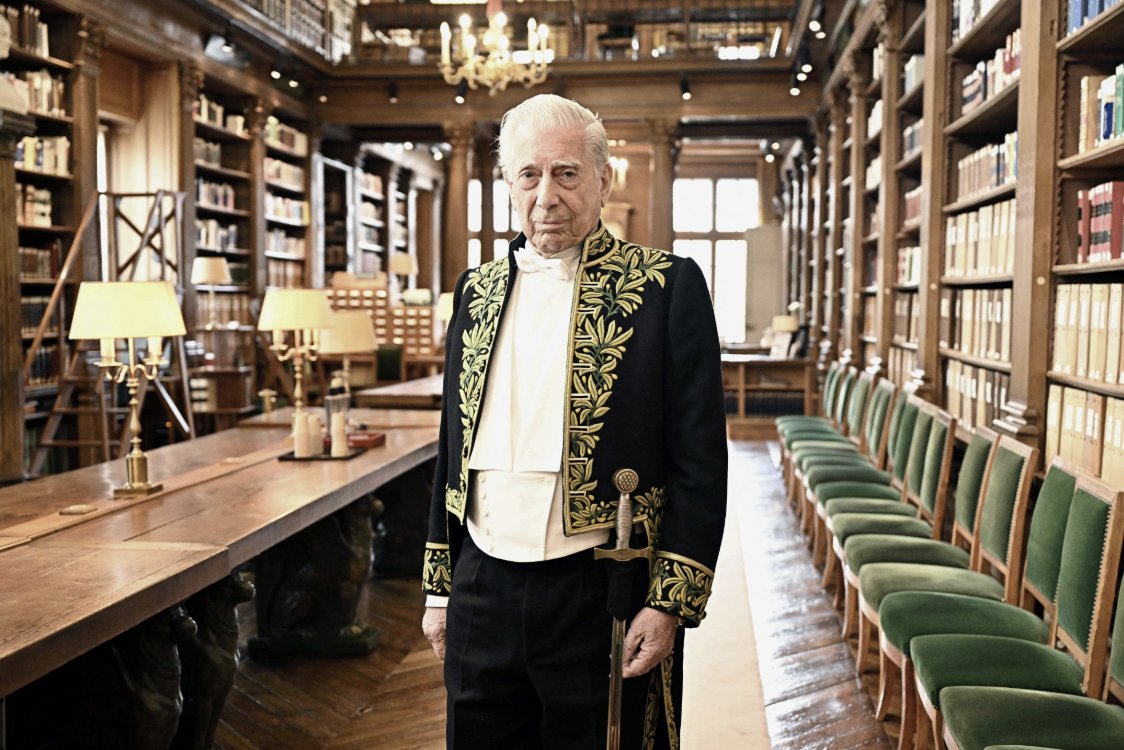
In one of his final major interviews, the Peruvian Nobel laureate reflected on literature, Trump, feminism, and mortality. His passing in Lima marks the end of an era for Latin American letters.
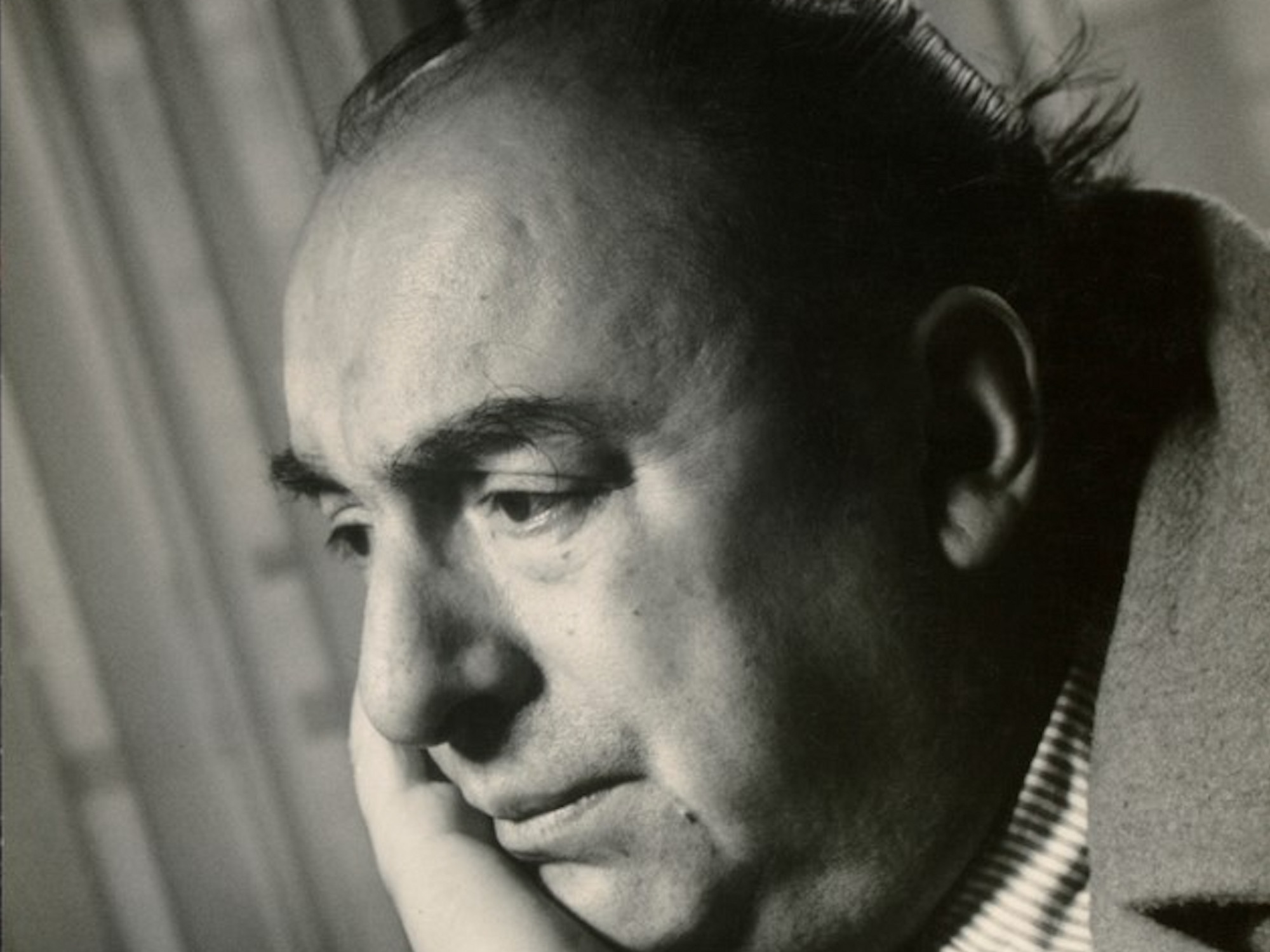
The Nobel Prize-winning poet was a renowned defender of humanitarian causes through much of the 20th century. Yet he had no time or interest for Malva Marina, his only child, who was born with hydrocephalus. Neruda’s mistreatment of his daughter is one more part of his biography that has feminist activists denouncing him after revelations of sexual assault and other predatory behavior.
An election victory, a literary debut, and the birth of a Baroque legend.
Putting authors and artists in categories may help pinpoint their work in socio-cultural and stylistic terms, but is inevitably restrictive of literature’s essential universality. In South America, there is one, tiresome if profitable label literature seemingly cannot shake off, namely Magic Realism.
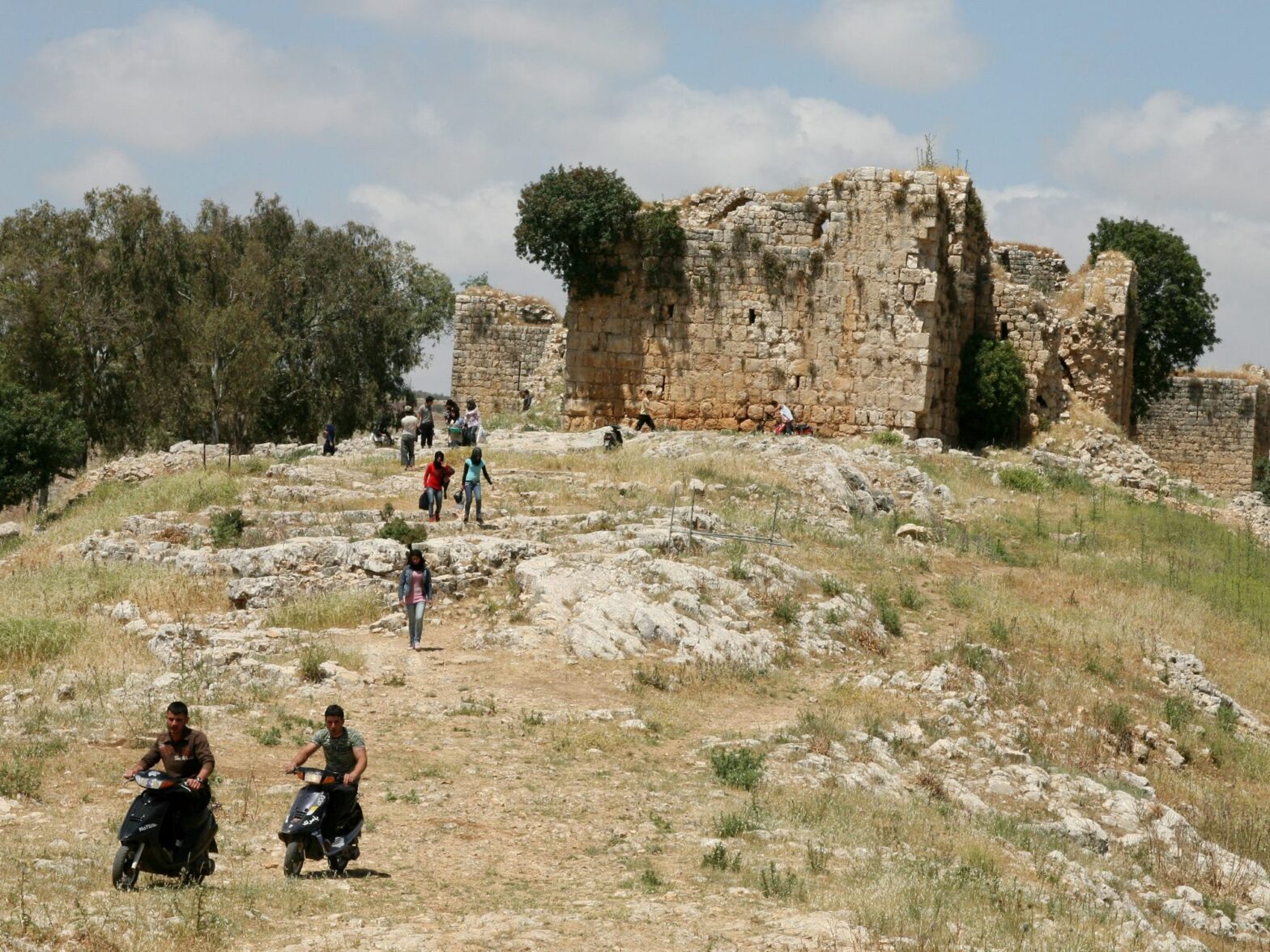
Lebanese writer Tarek Ismail, who fled his village in southern Lebanon in September, reflects on his new life as a displaced person: “I am now facing a fate that is not in my hands.”
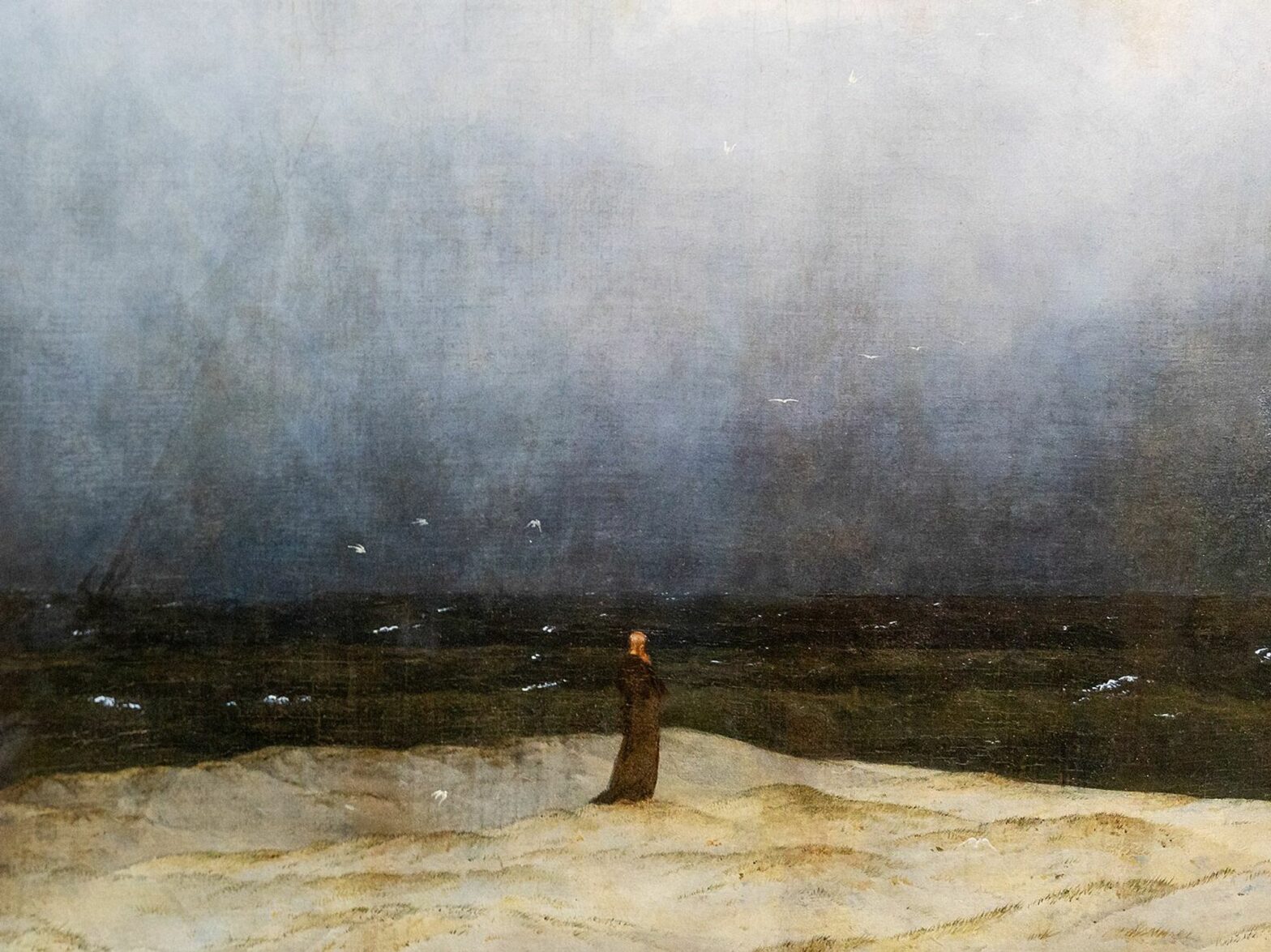
Nowhere is loneliness celebrated as much as in literature and music. For centuries, this celebration of proud or penitent solitude was an artistic luxury, but it has also inspired a powerful political concept.

The prize-winning García Márquez library in Barcelona has joined the ranks of the Catalan city’s designer buildings, showing with its runaway popularity the enduring appeal of civilizing, communal spaces.
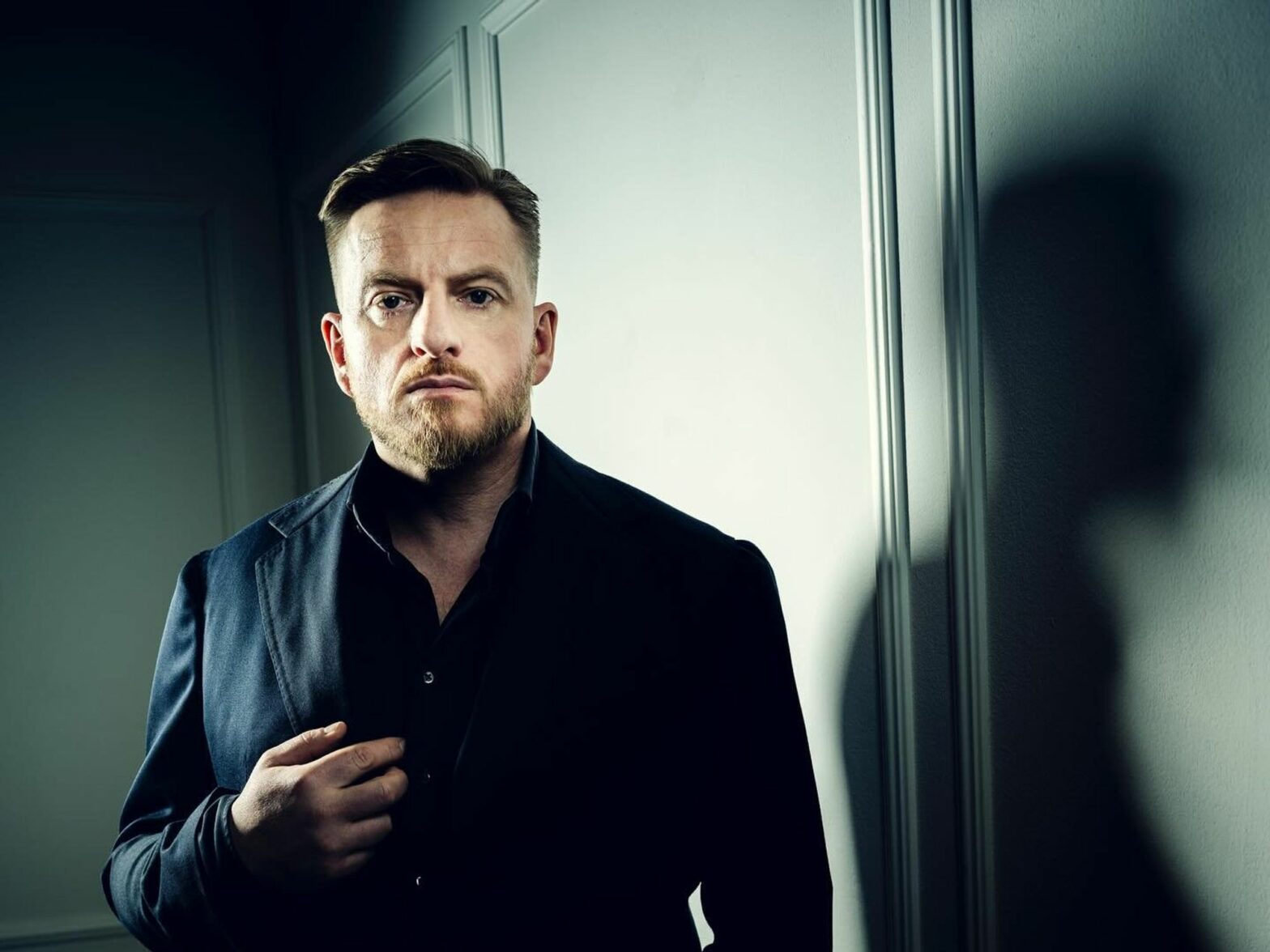
Russians want to publish a translation of Polish author Szczepan Twardoch’s bestselling novel The King — a confusing development given that the writer has just been awarded for helping Ukraine.
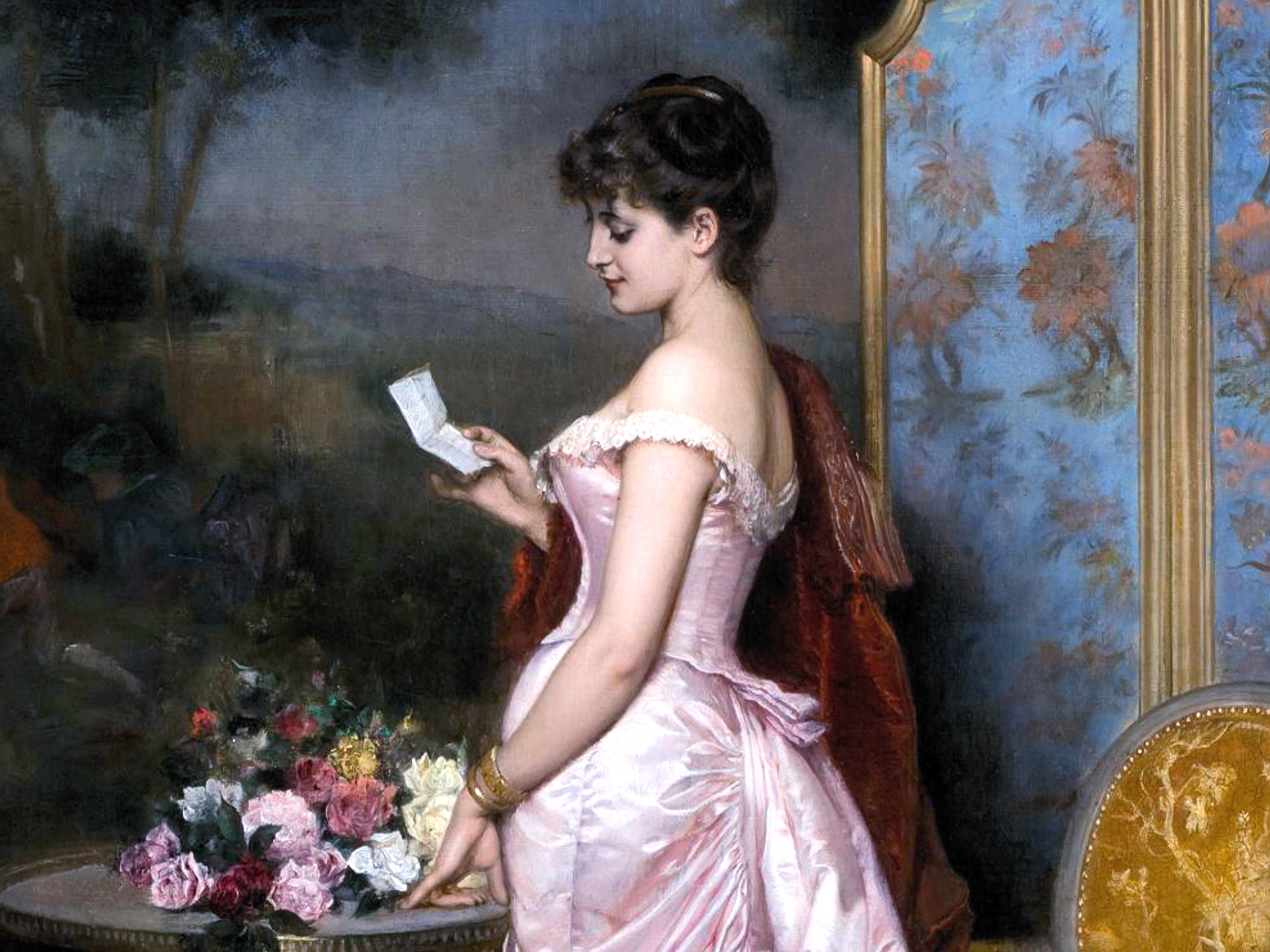
Whatever happened to the love letter? Many are sitting in literary archives, while today’s youth prefers WhatsApps and emojis.
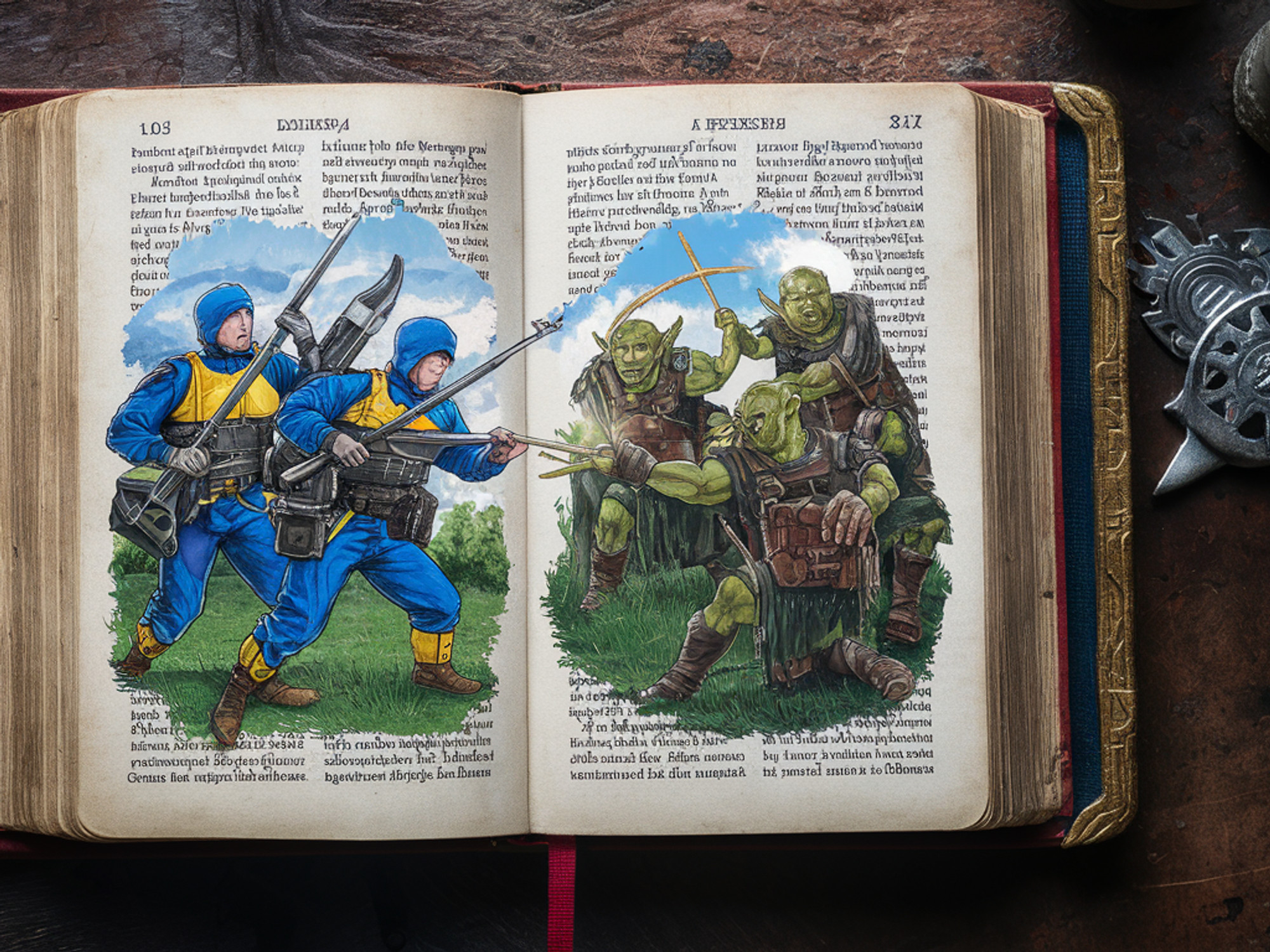
Literary scholar and fiction writer Mykhailo Nazarenko discusses the would-be cast of characters of fantasy writer JRR Tolkien in Ukraine’s war against the Russian invaders.
Certain contemporary writers may be deluded and even deceived in claiming there is nothing subjective in their fictional writings, forgetting that their literary “realities” are, inevitably, the fruit of a personal vision.
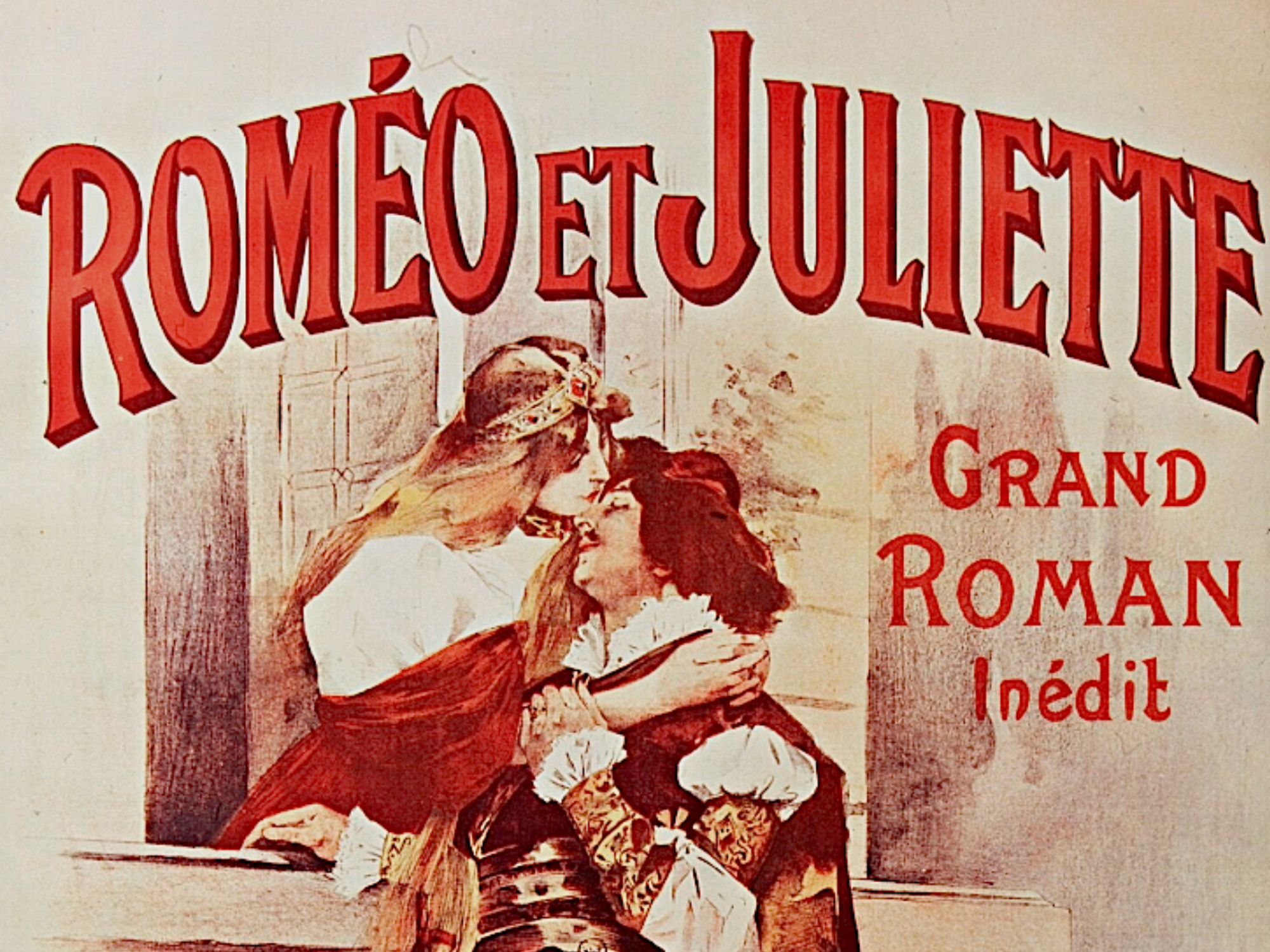
A recent bilingual edition of Shakespeare’s complete works has turned new attention to the English playwright’s lasting (but not always appreciated) influence on French literature.
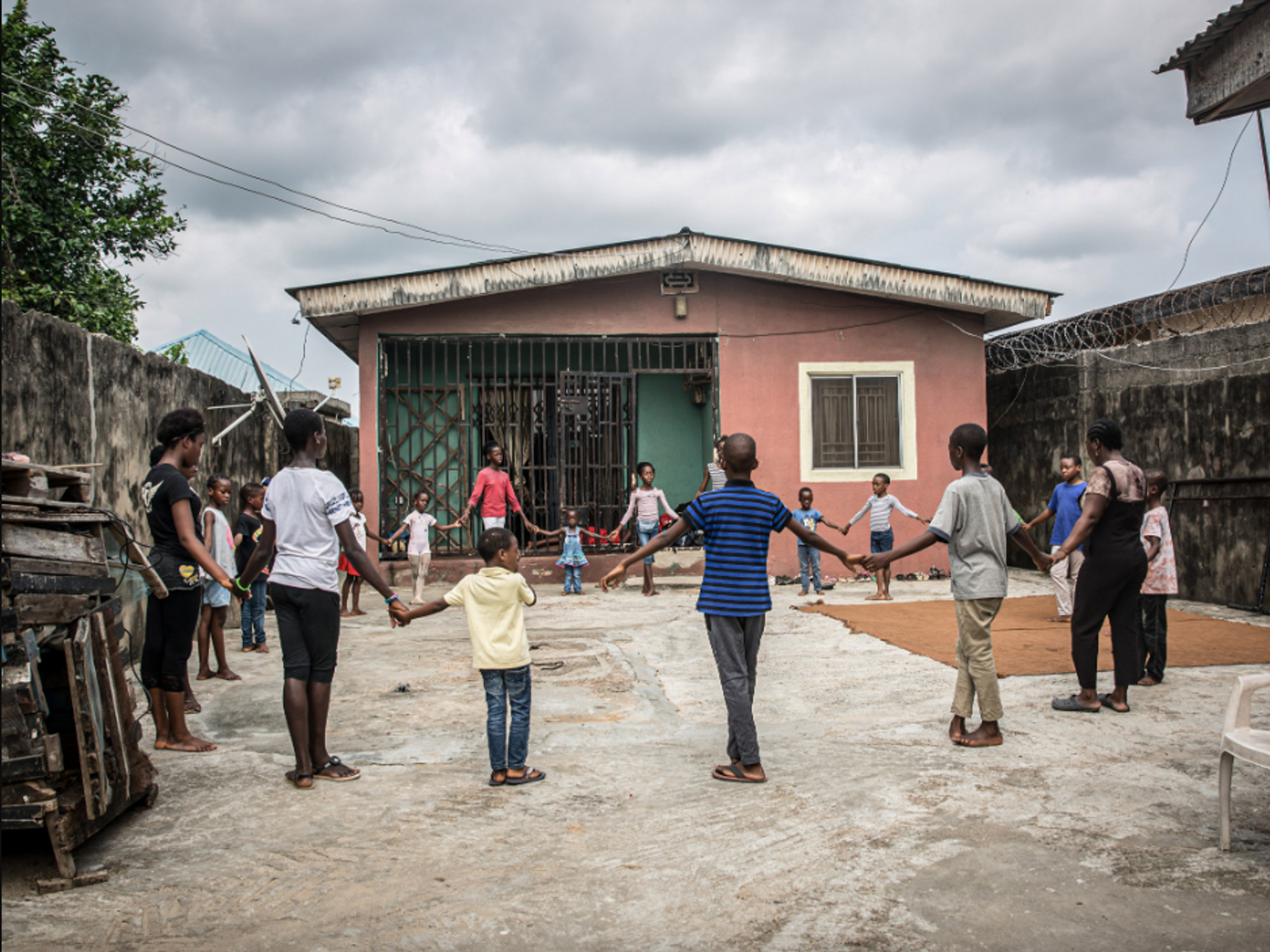
As technology advances, machine translation threatens to replace the art of learning languages. Will we lose the cultural richness and personal growth that comes from mastering a foreign tongue?
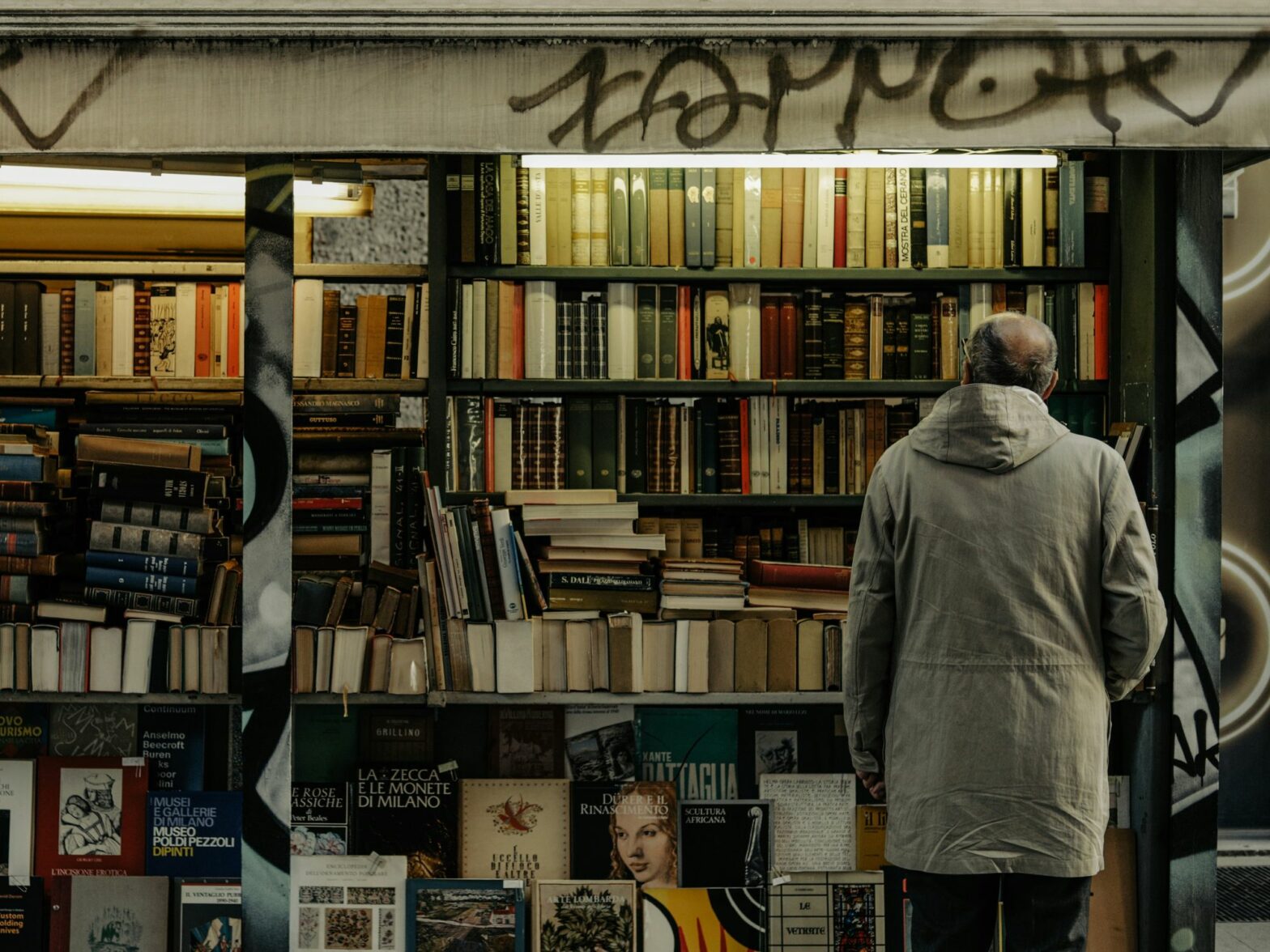
While literary distinctions are evolving, the divide between local and foreign literature remains firmly in place. In 2024, it is easier for writers to change passports than to change bookshelves, says Vincenzo Latronico, an Italian writer who lived in Berlin and published a book in German.
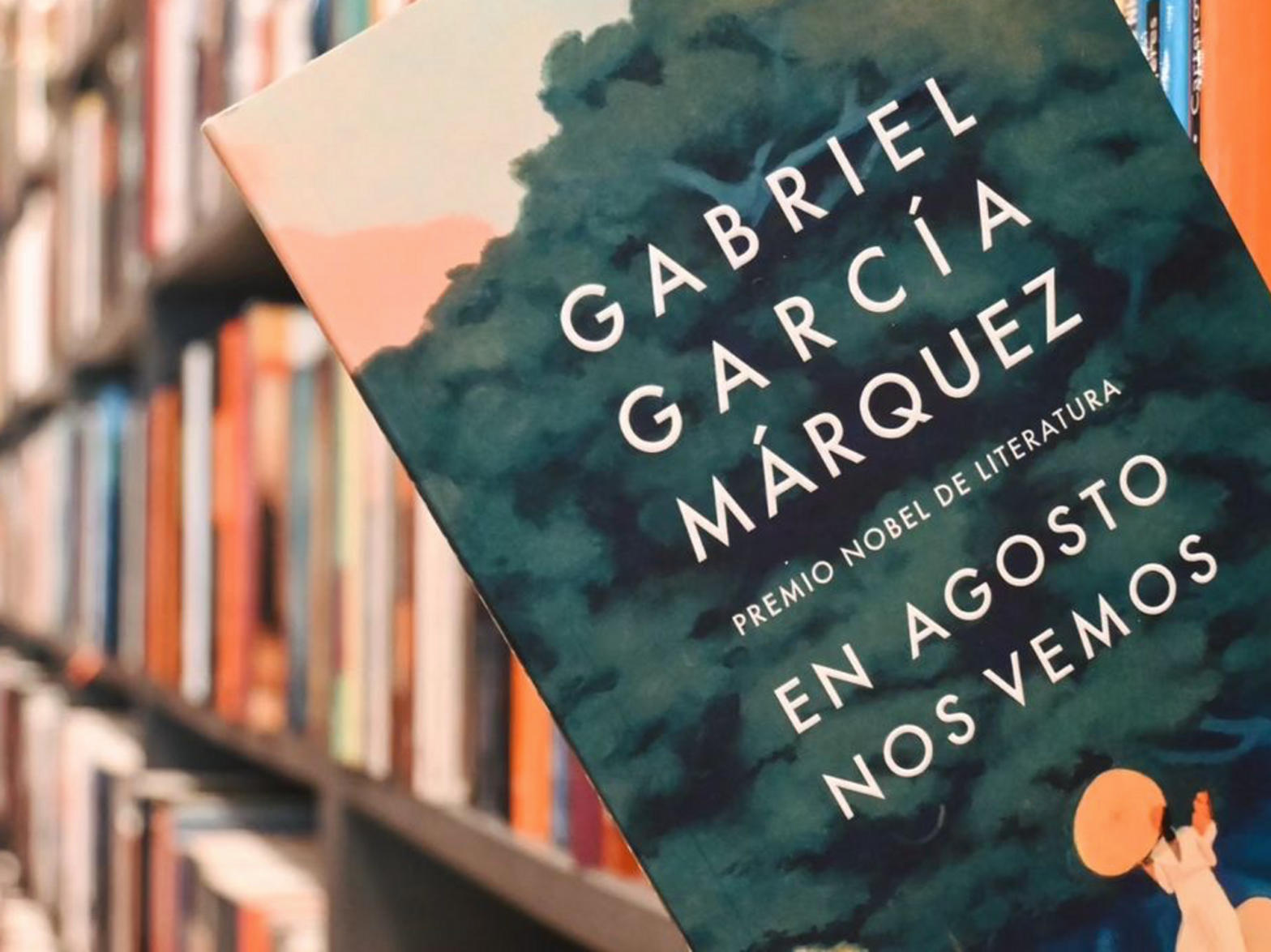
The late Nobel Prize-winning Colombian author’s sons have published his draft novel Until August against his will. Yet no work of art is ever really finished. And excerpts and fragments are suited to our anxious times.
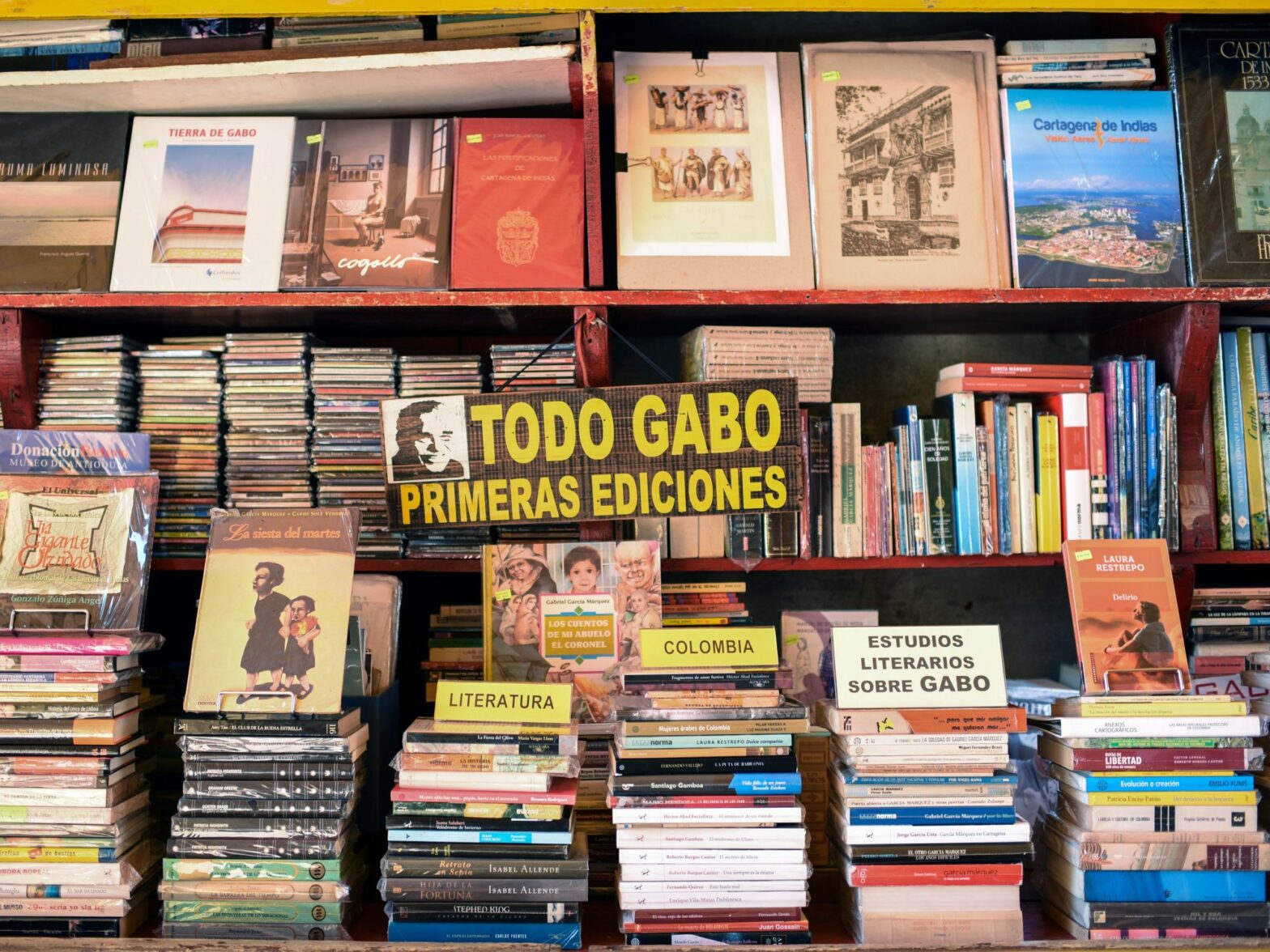
The release of “En agosto nos vemos” as a posthumous novel by Gabriel García Márquez would have horrified Colombia’s Nobel laureate, who had described it as useless and wanted it to be “destroyed.”
The phenomenon of retranslation is both paradoxical and inherent in every culture but it’s also a true source of vitality for literature, as well as pleasure for the readers.
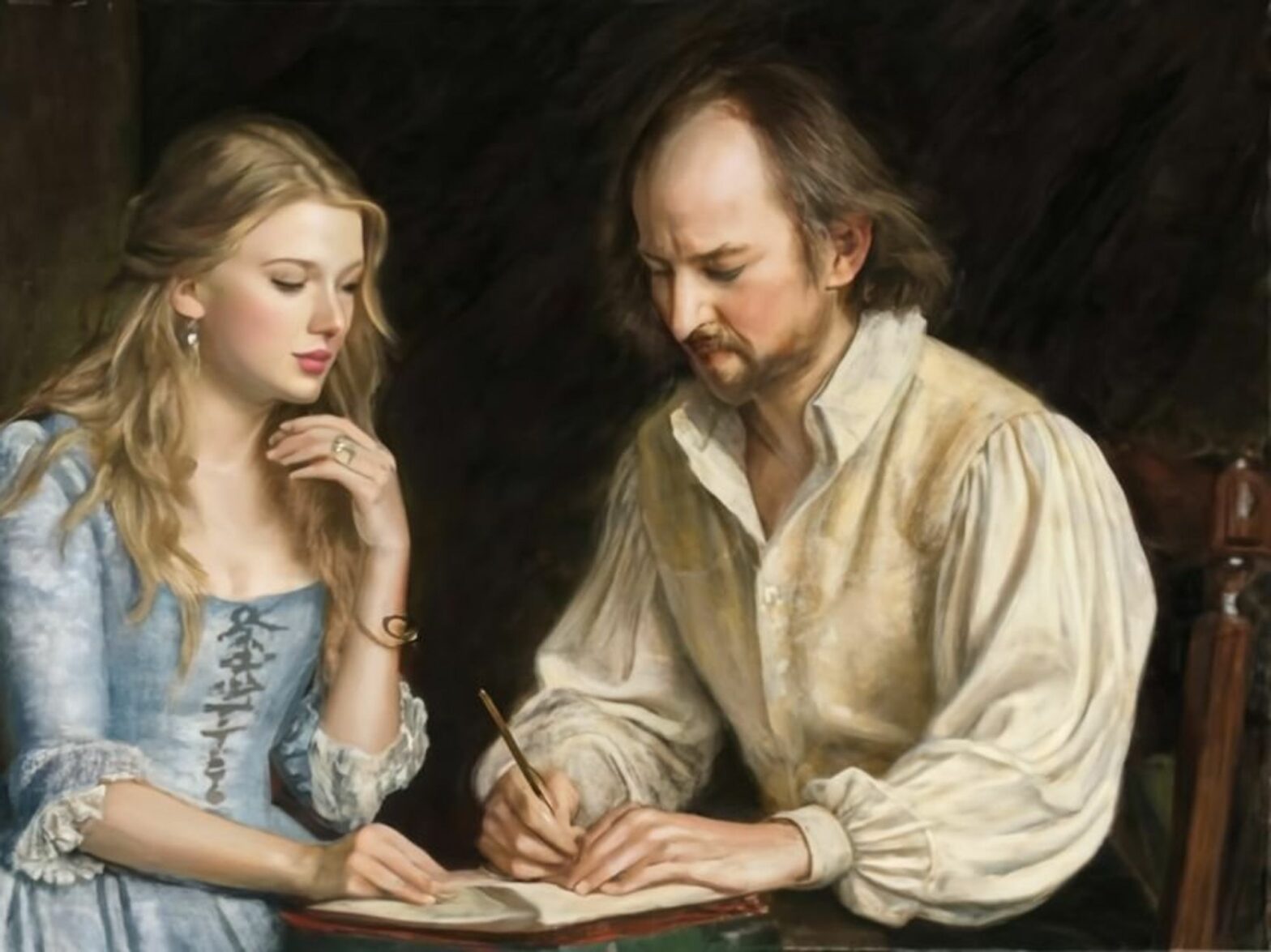
Will the Bard, Taylor a poet…
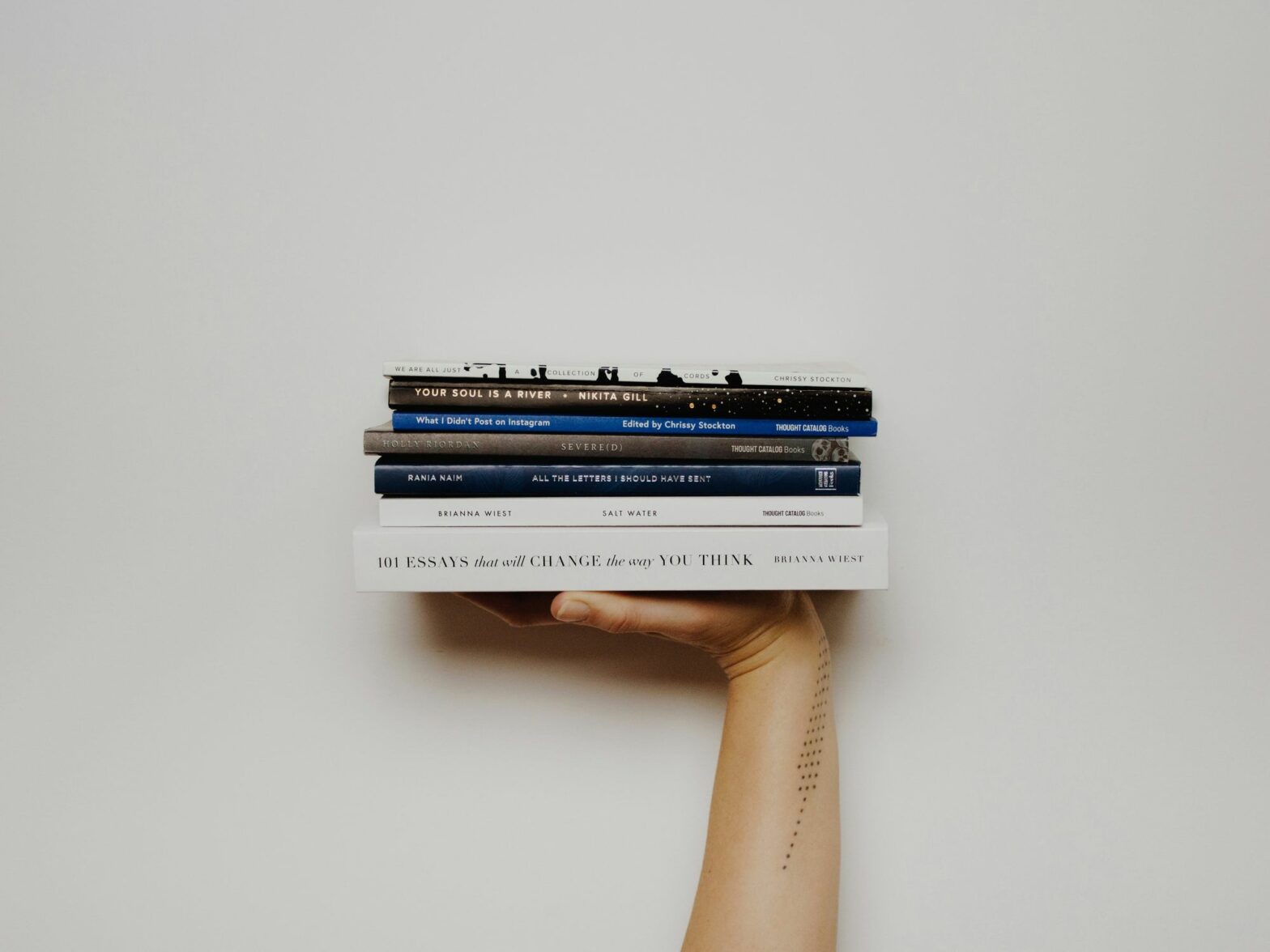
Bookshops’ shelves display an increasing number of books with a smaller number of pages. Data seems to confirm that books with more than 400 pages are increasingly becoming a rarity. Why are shorter books being published, and what does that tell us about how we engage in our free time?
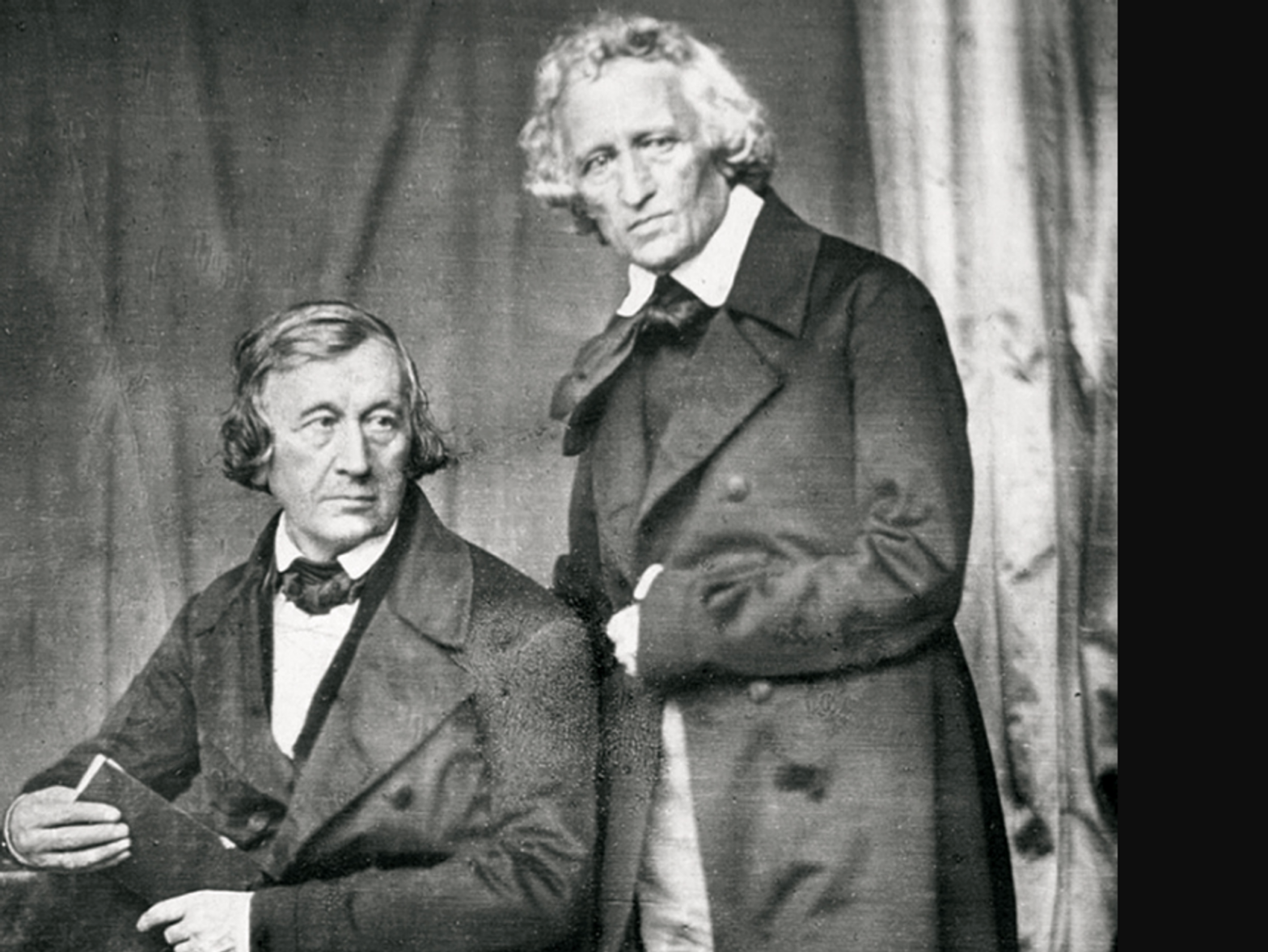
The 19th-century publishers of classic Fairy Tales like Cinderella and Hansel and Gretel were also renowned academics who established a way of working that offers important lessons for the modern world.
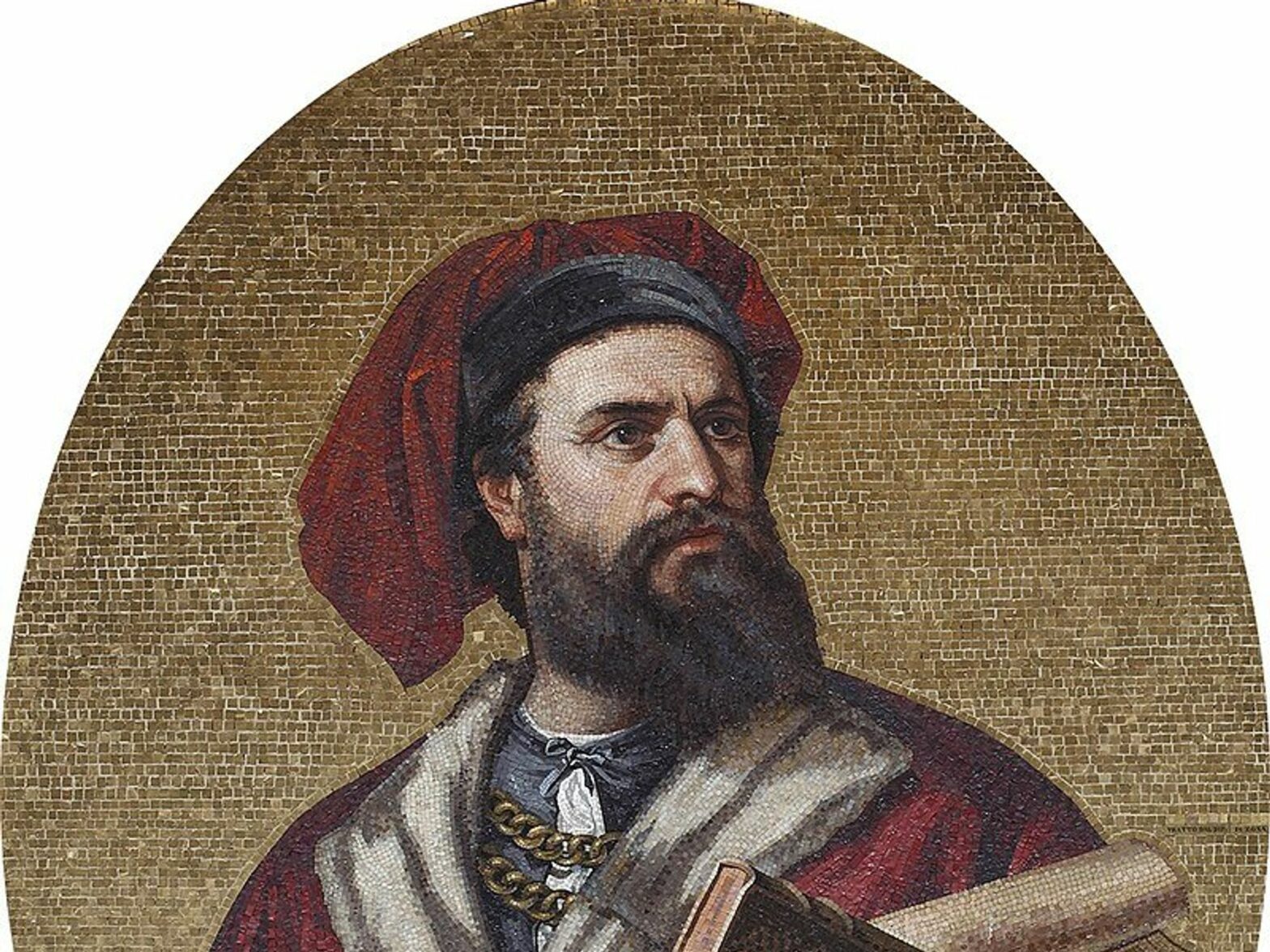
A spurious happy ending and a focus on the marvels of the exotic East characterize our understanding of The Travels of Marco Polo, the book about the 13th-century Italian explorer. But the Italian writer who worked on the book’s latest translation reveals how focused on war, profit and money the explorer was — and how translators sugarcoated the work through the centuries.
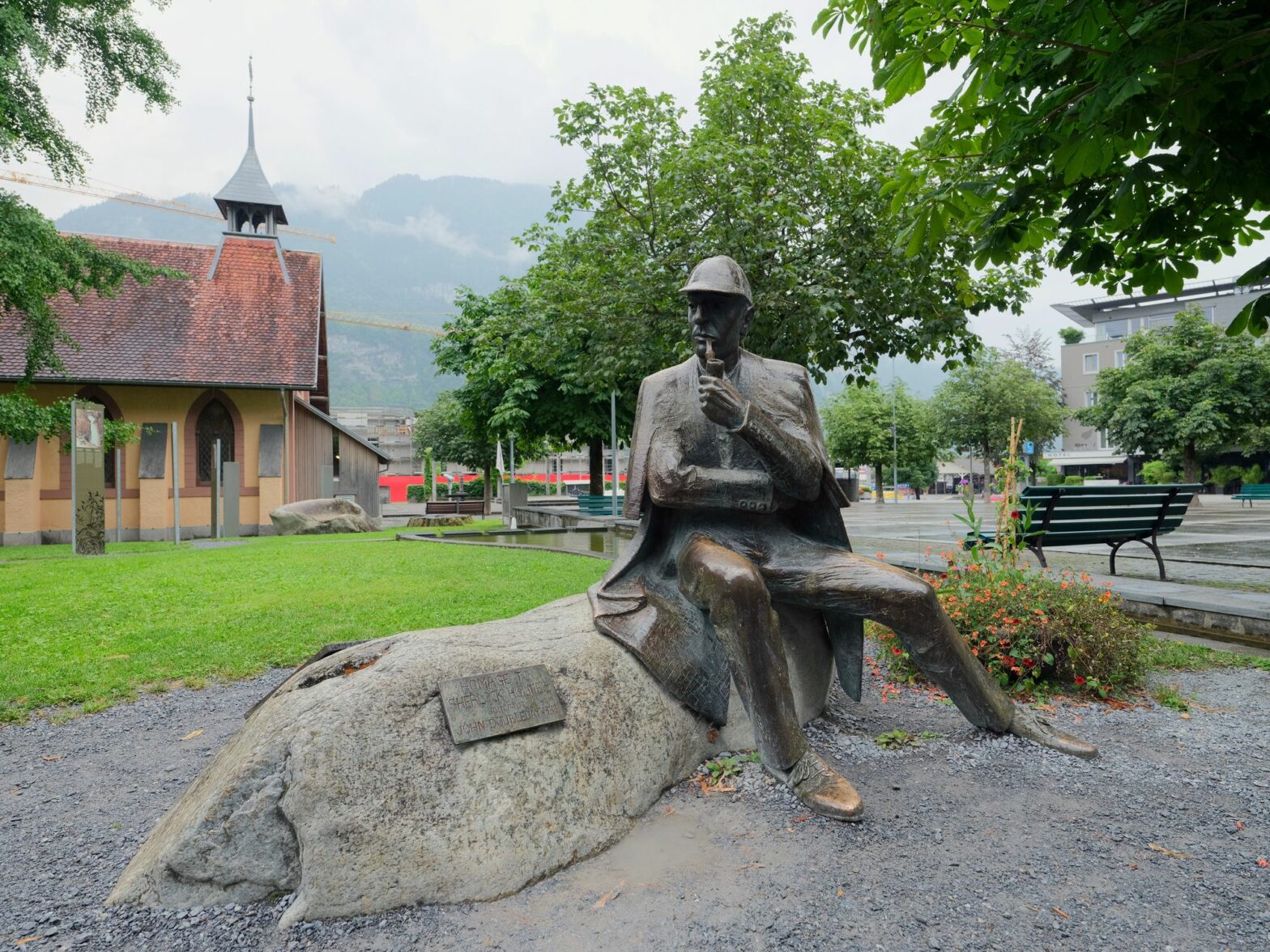
Every year, countless tourists make the pilgrimage to the place where Sherlock Holmes is supposed to have died – the Reichenbach Falls, near Meiringen, in northern Switzerland. Die Welt looks back at the famous detective, and his final days — and how those pages of literature have become a driving force for locals to market their land to tourists.
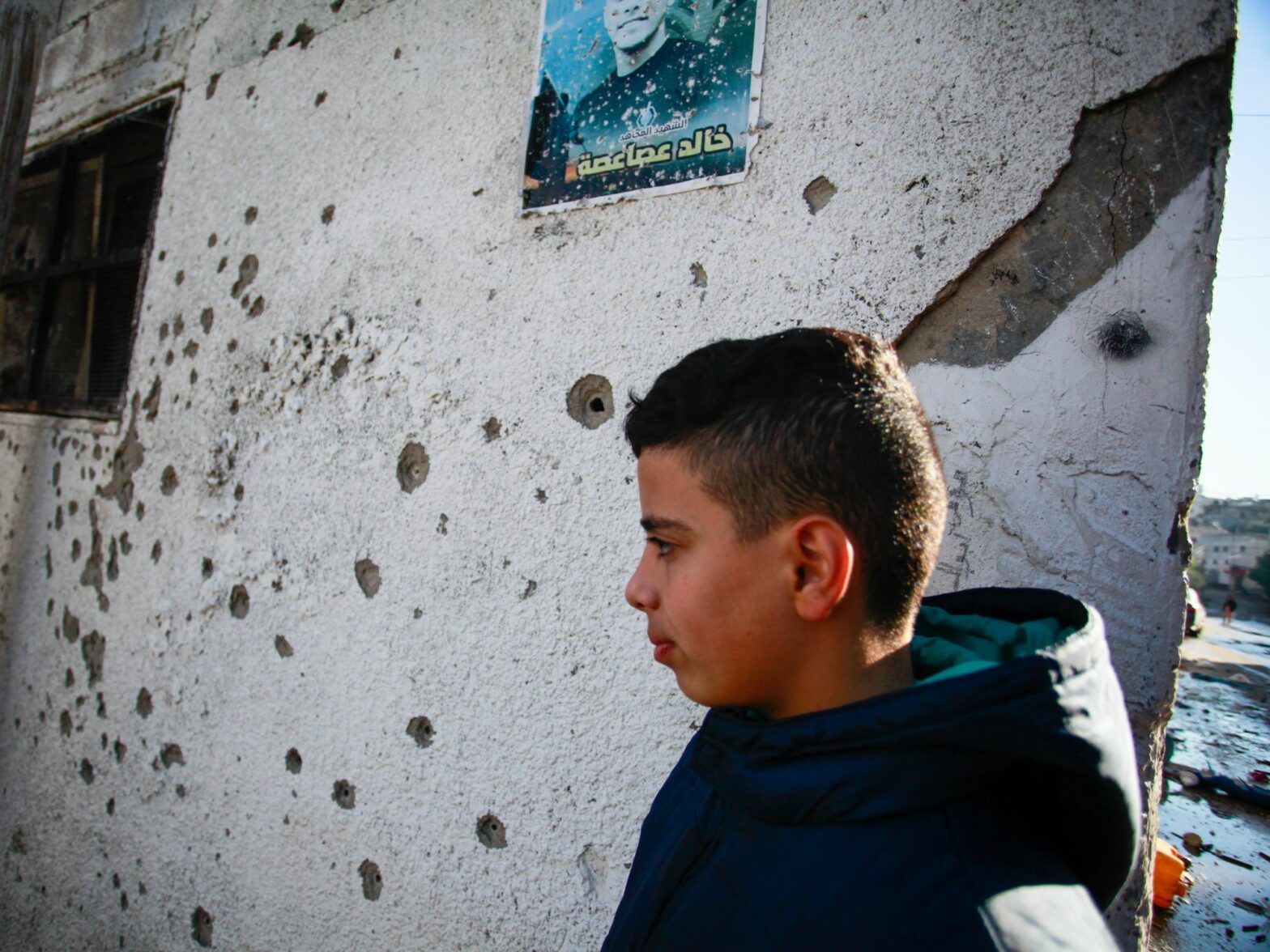
Fedaa Zeyad is tired of seeing all the attempts to portray the people of Gaza as superheroes, somehow undeterred in the face of death. She prefers to present them simply as human beings: fearful, tired, desperate, objecting to the terms and conditions of this war.
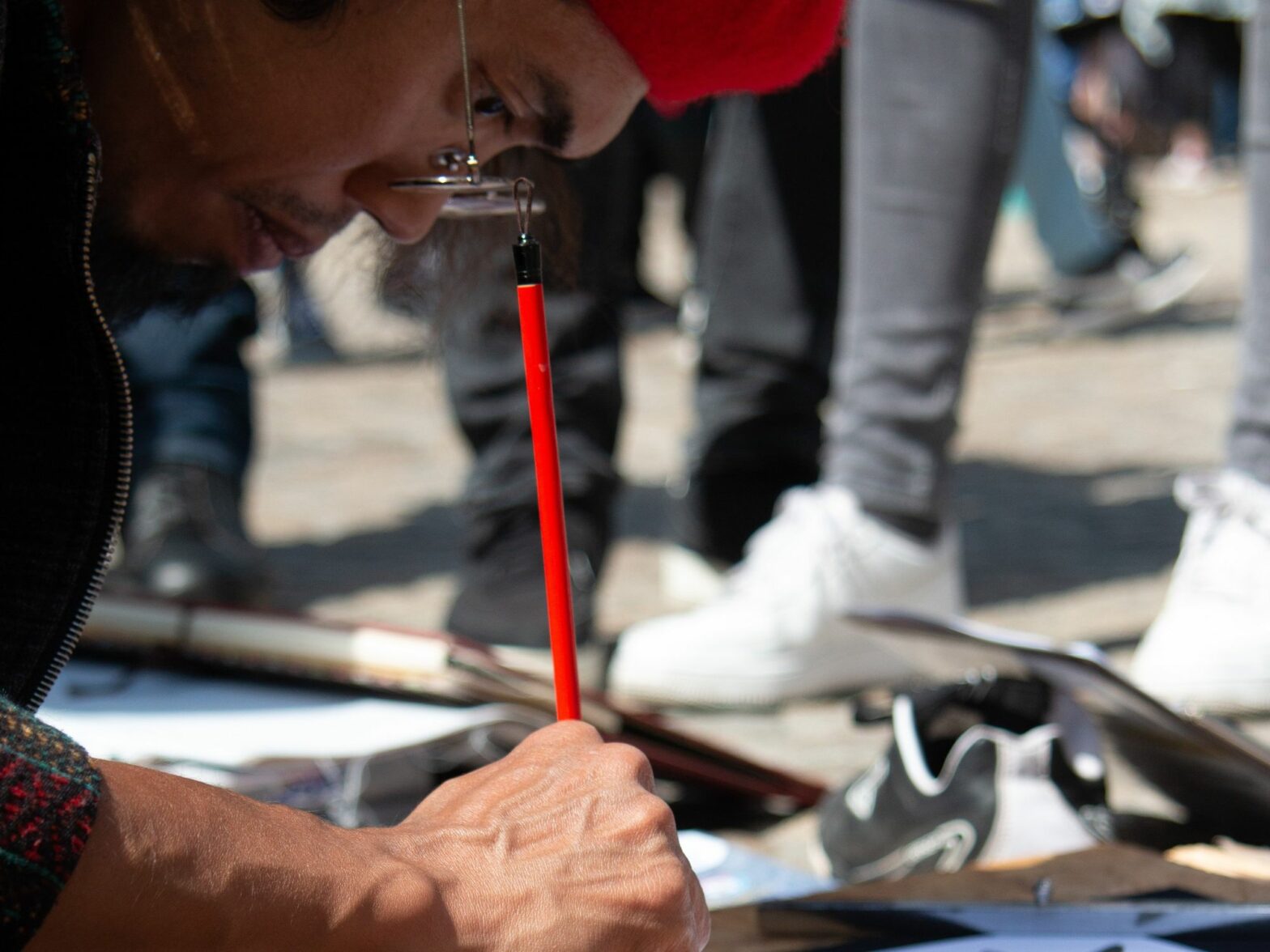
If Chinese food is a link to the homeland, then so is Chinese literature. Two Chinese immigrants in Europe have found a way to connect themselves and others to their culture by setting up spaces where people can buy or borrow Chinese paperbacks.

The latest season of Germany’s largest festival celebrating the adventure writer Karl May ended with a record audience. Over 430,000 visitors watched the adventures of the Native American character Winnetou, despite criticism of the story’s problematic legacy from some sections.
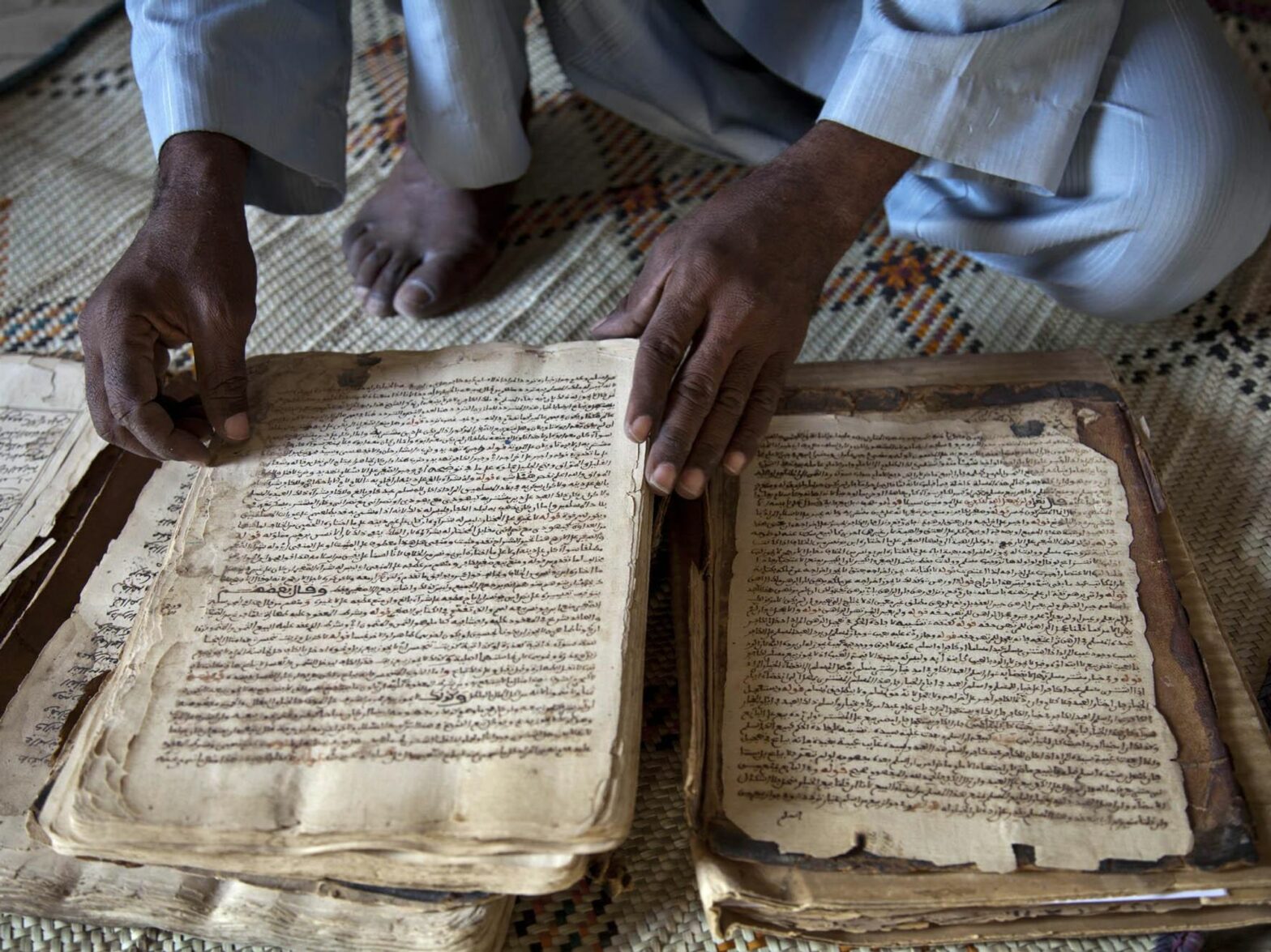
Mali’s “mysterious city” welcomes a new class of students trained in looking after ancient books. From conservation to digitization of these works, a colossal task awaits them to preserve this endangered heritage and the secrets they contain.
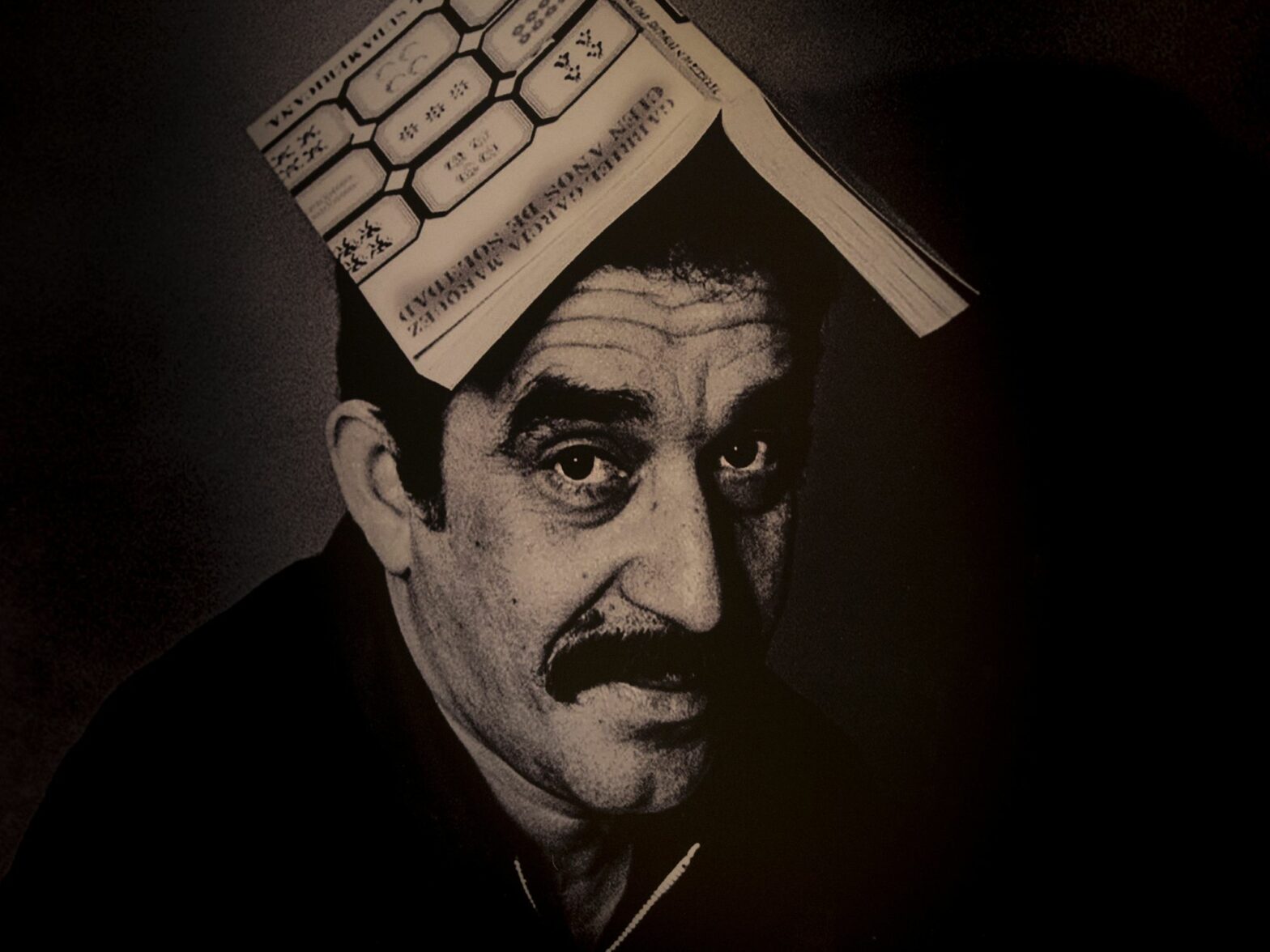
A noted expert of the late Gabriel García Márquez is putting to rest the idea that the legendary Gabo was just a fantasist and man of fiction, revealing poignant and pointed essays and literary criticism.
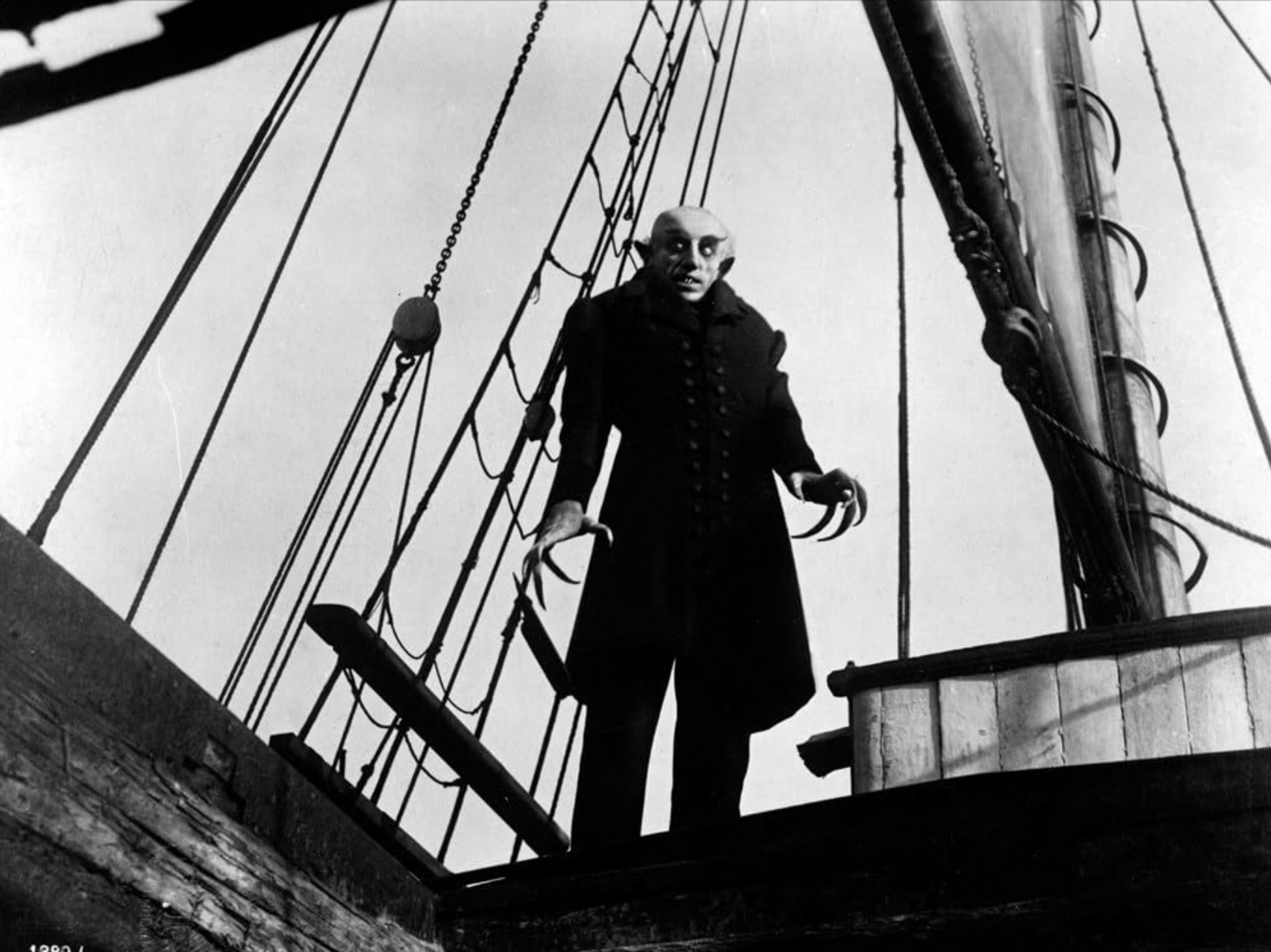
Inspired by a new book on vampires, Italian writer Chiara Valerio analyzes how the figure of the vampire has come to represent life and death over centuries of science, art and culture. When understood through a modern lens, what can the vampire tell us about our own Gothic concerns?
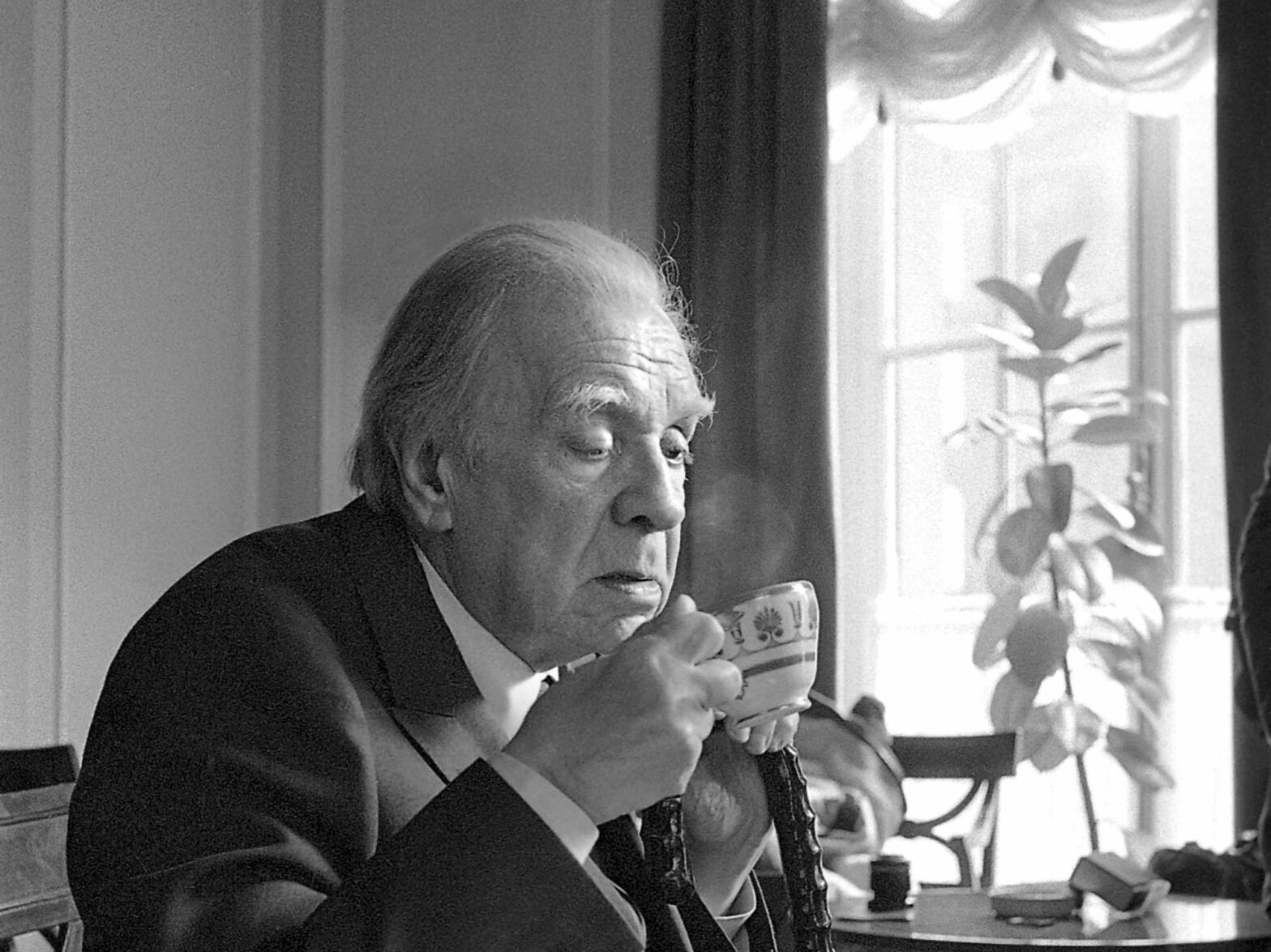
The vigorous liberalism of Argentina’s literary giant, Jorge Luis Borges, and his disdain for the 20th century’s oppressive regimes, may yet make him an icon of today’s youthful, if less learned, libertarians.
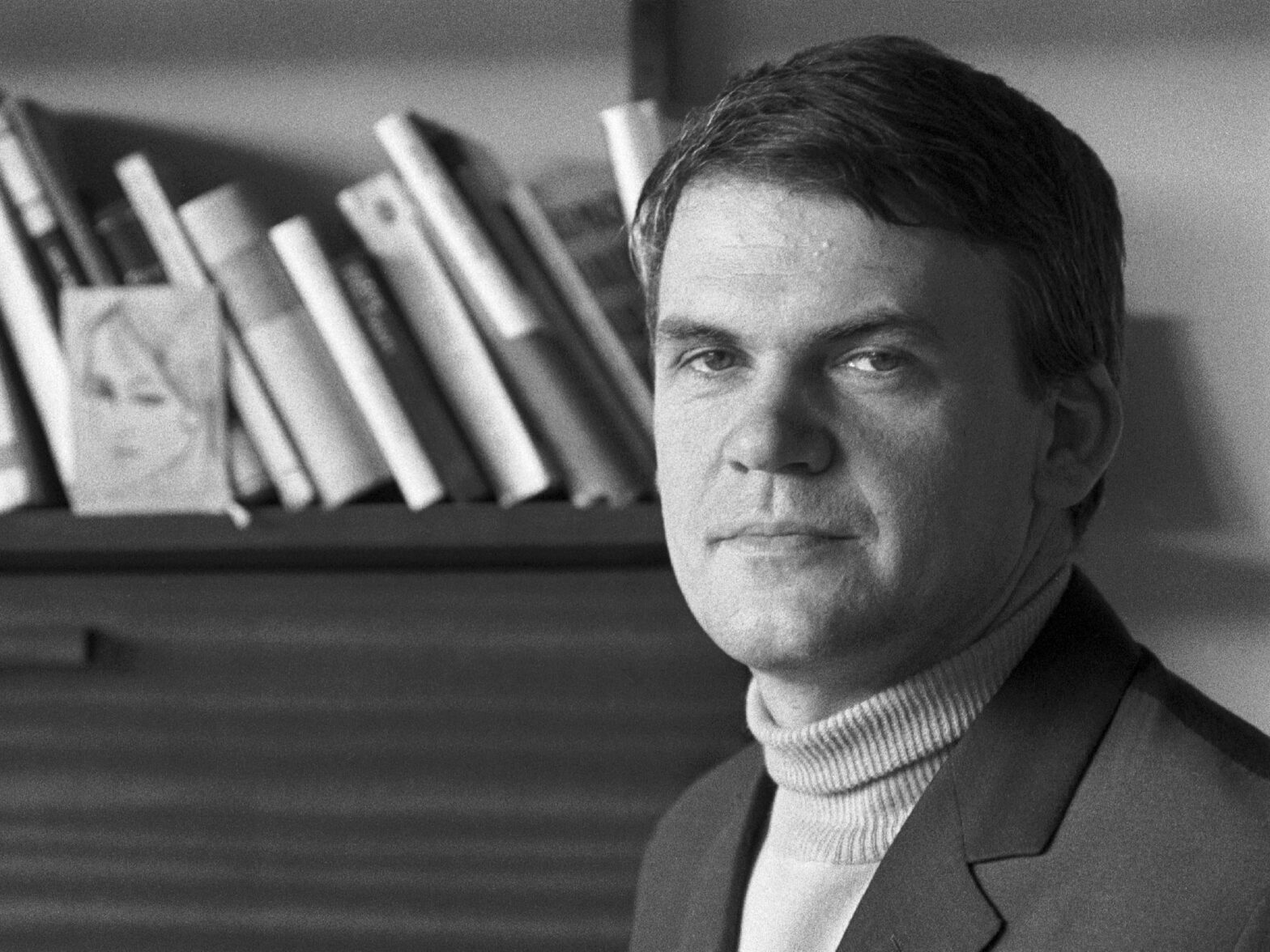
A week has passed since the passing of the Czech-born author of the novel The Unbearable Lightness of Being Milan Kundera in his Paris apartment. Having emigrated to France in 1975 after being ostracized for criticizing the Soviet invasion of Czechoslovakia, his relationship with his homeland would remain complicated for decades.
Atheists may not have been blessed with faith, but God has graced them with a mischievous wit and a love of the arts that has led to some of the most beautiful depictions of religion.
A bit like the playwright Fernando Arrabal who launched an artistic project of decades after spotting a several disjointed phrases, our columnist reflects on the anodyne coincidences that led him to write these words.
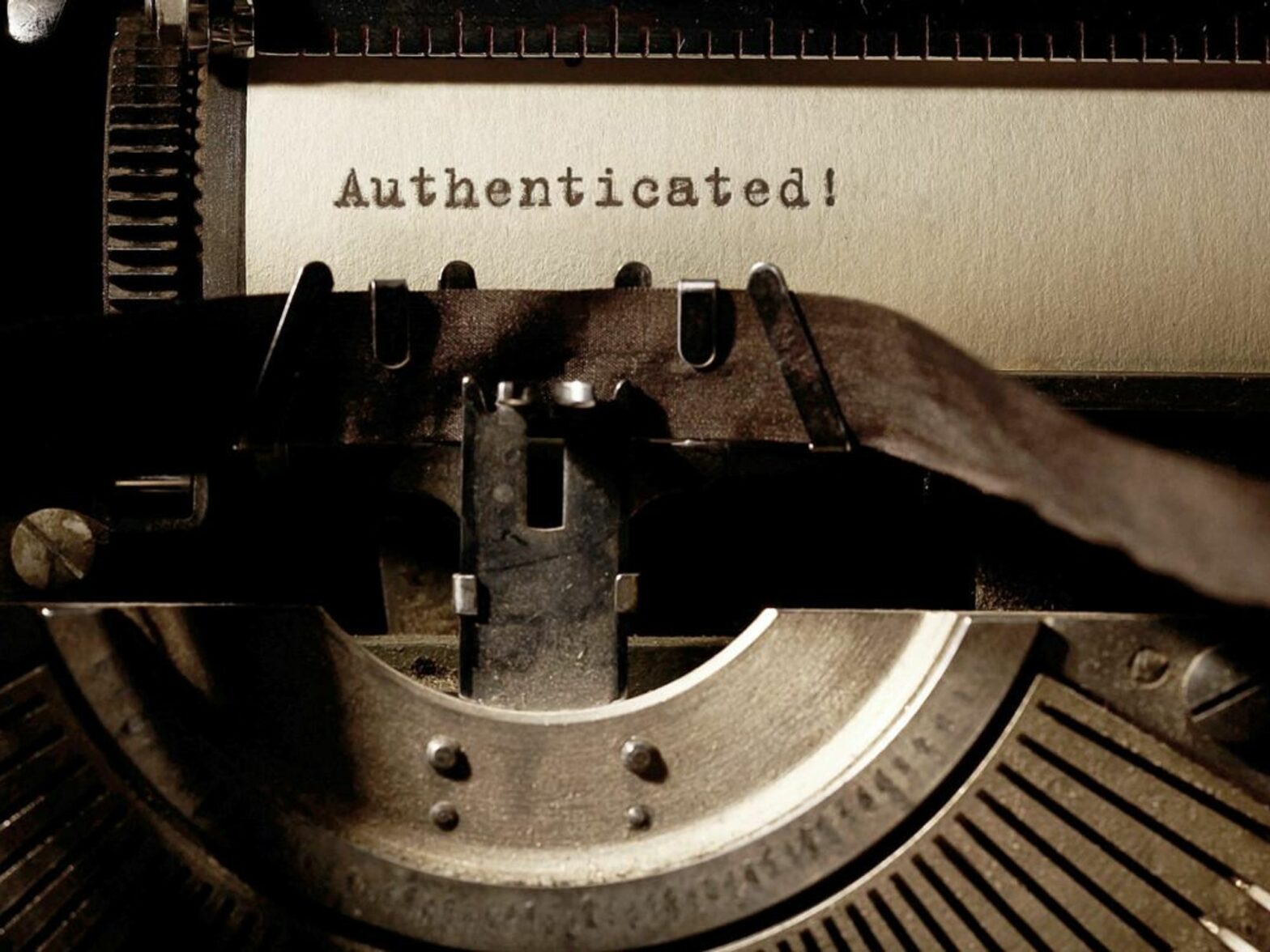
The internet has brought about a Golden Age for authors, making it easier to share their work and connect with others in the writing community. It has also led to the rise of new risks, such as large-scale piracy, theft and plagiarism. For writers, the key to a harmonious future may very well reside in a new generation of secure platforms allowing them to publish through authenticated accounts.