Why do the autocrats of this first quarter of the 21st century from Donald Trump to Jair Bolsonaro hate women so much? It may have something to do with the role of female activism in strengthening and expanding democracy.

 Worldcrunch
Why do the autocrats of this first quarter of the 21st century from Donald Trump to Jair Bolsonaro hate women so much? It may have something to do with the role of female activism in strengthening and expanding democracy.
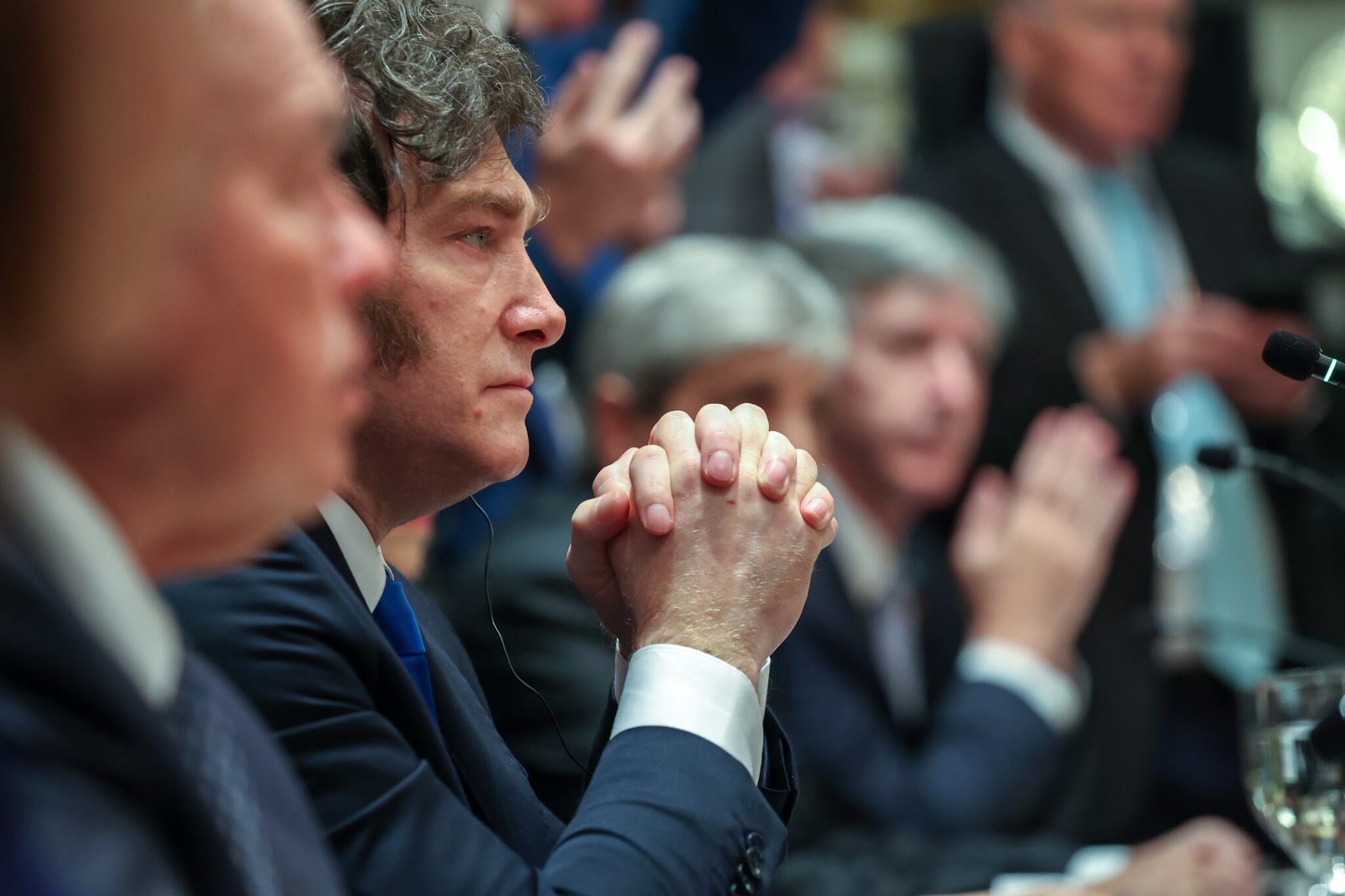
Perhaps the conditions are finally right for a shift in Argentine politics. Here are some reasons for hope — and reasons to fear.

Donald Trump was the first to congratulate Javier Milei on his surprise victory Sunday, having earlier promised financial support tied to his Argentine ally’s campaign. But that alone doesn’t explain the success of a man who has slashed social services.

Latin American voters are turning to leaders seen as efficient and able to tackle endemic problems like crime and corruption. Does it mean they have also turned their back on party politics for good, and even their own rights or liberties?

With striking shots from Washington, D.C., Gaza, Cologne, Russia’s far east, and more.
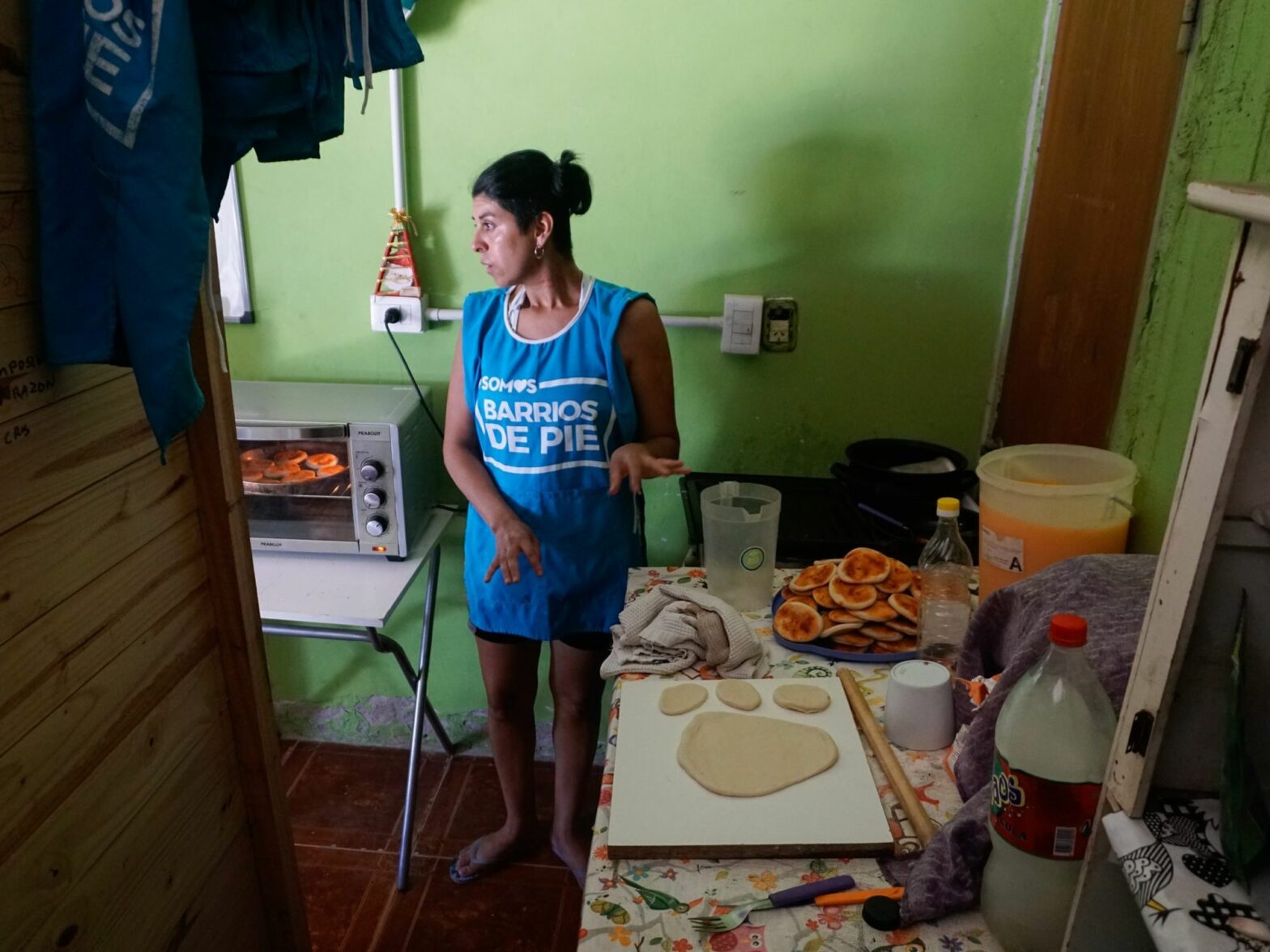
A year ago, Javier Milei’s government lifted price controls. Since then, food costs have spiked by more than 90%.

Observers thought the libertarian maverick could never transform the Argentine state’s entrenched welfare system without unleashing social chaos, but one-year later and disaster has yet to strike amidst a modest uptick in economic indices.
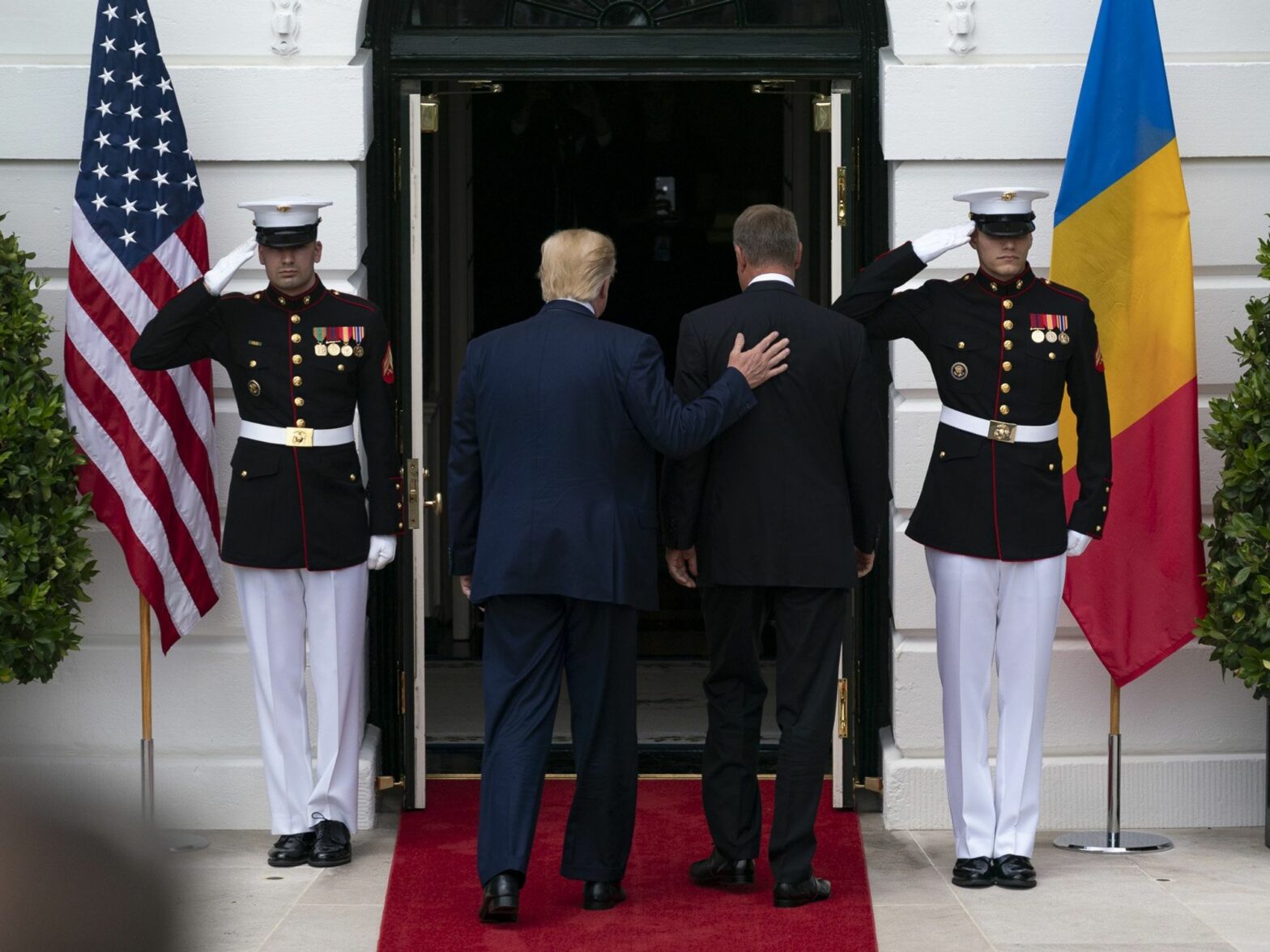
The impacts of the impending Trump presidency, and its unscrupulous use of social media platforms, are already being felt internationally. Trump’s unprecedented comeback is becoming the playbook for how to capitalize on dissatisfaction and regain power.
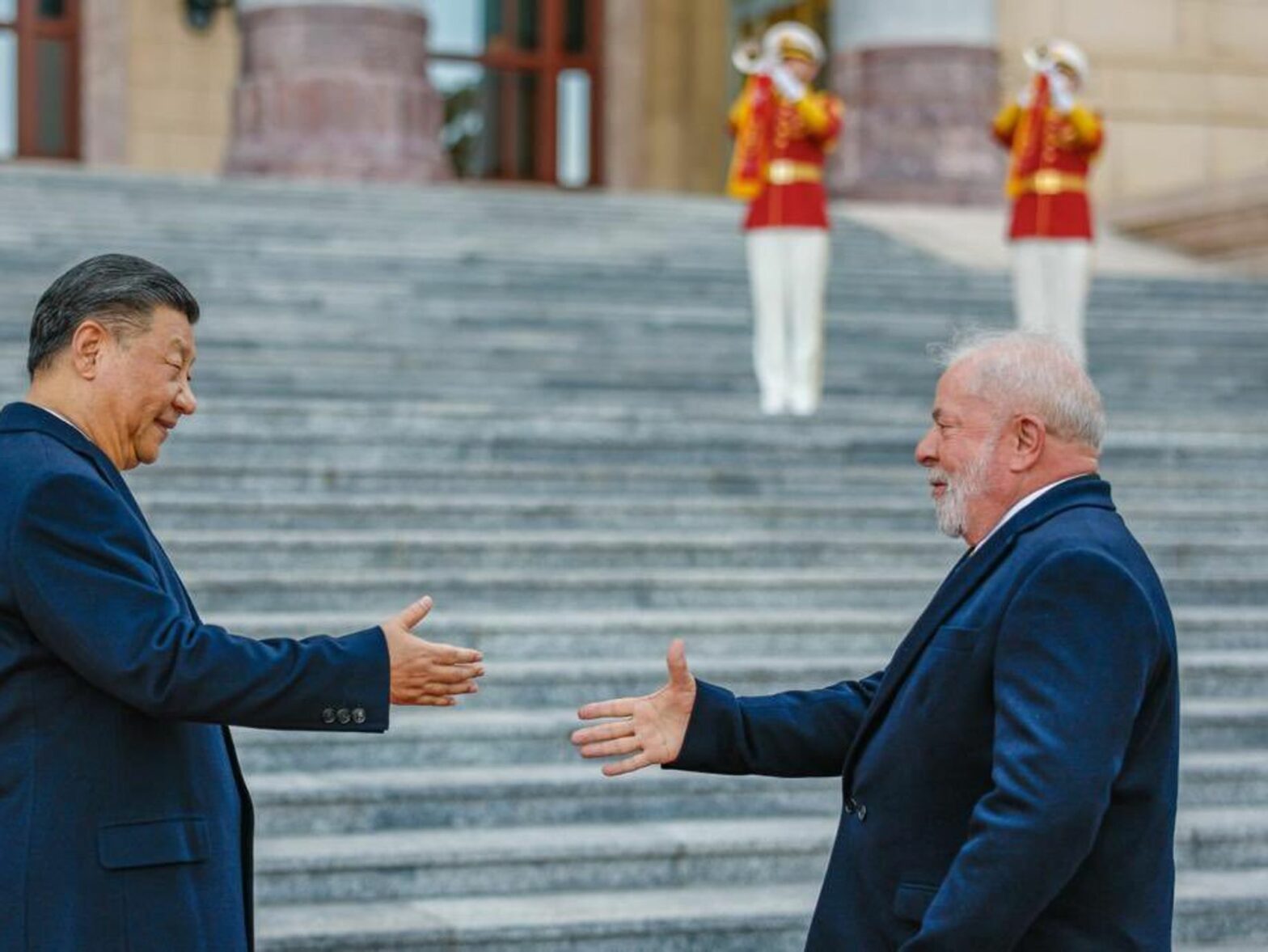
Asia and above all China, have shown how the size of a market can drive state relations, and nowhere is this truer than in the Mercosur bloc’s increasing dependence on Asian exports. But regional integration in South America is stalling, as Argentina and Brazil are in another nasty spat.
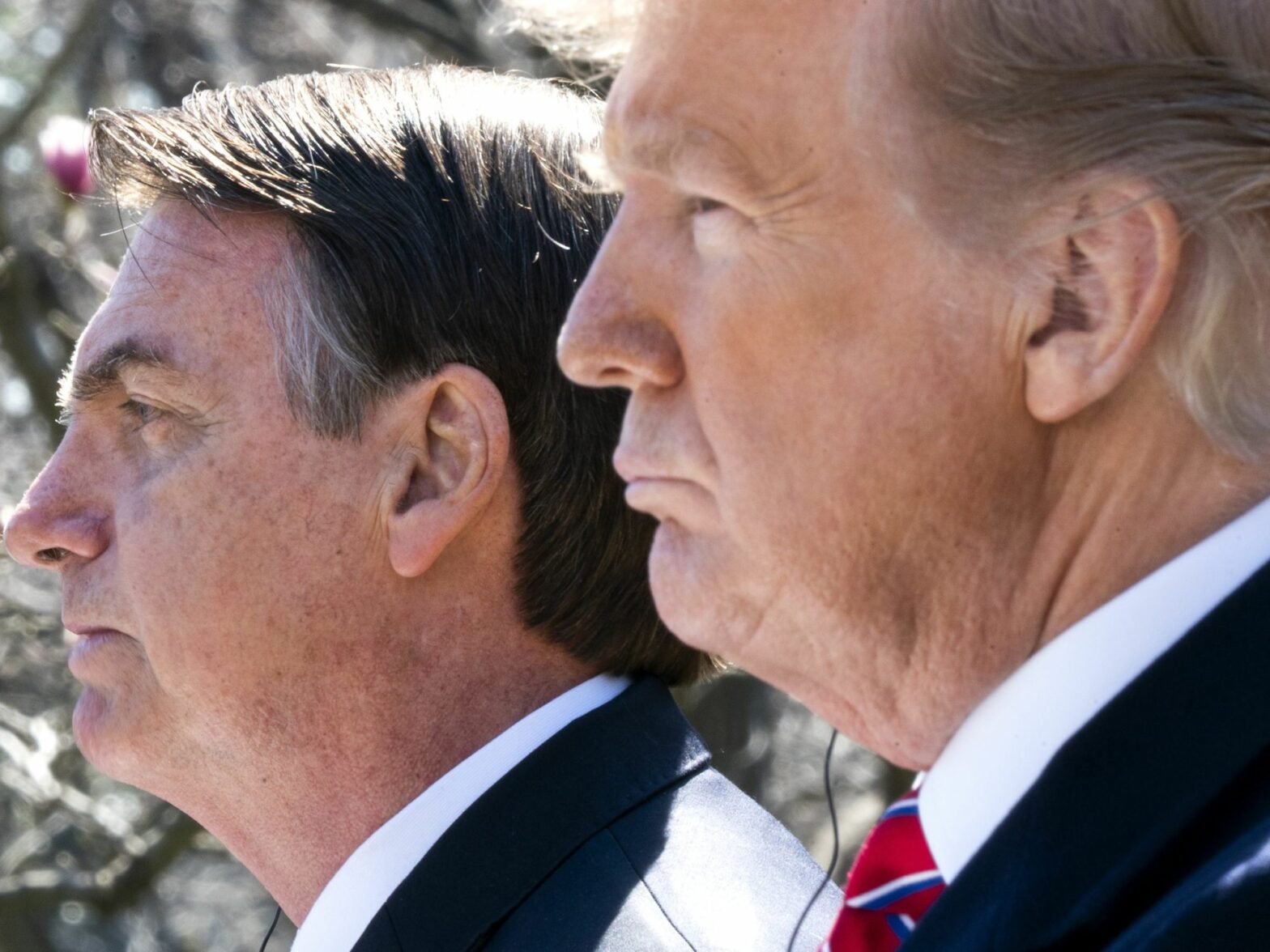
Natalia Viana, editor-in-chief of Agência Pública, draws a comparison between Trump and Bolsonaro, who survived an assassination attempt in 2018. The path to victory for the Democrats is narrowing with every passing day.
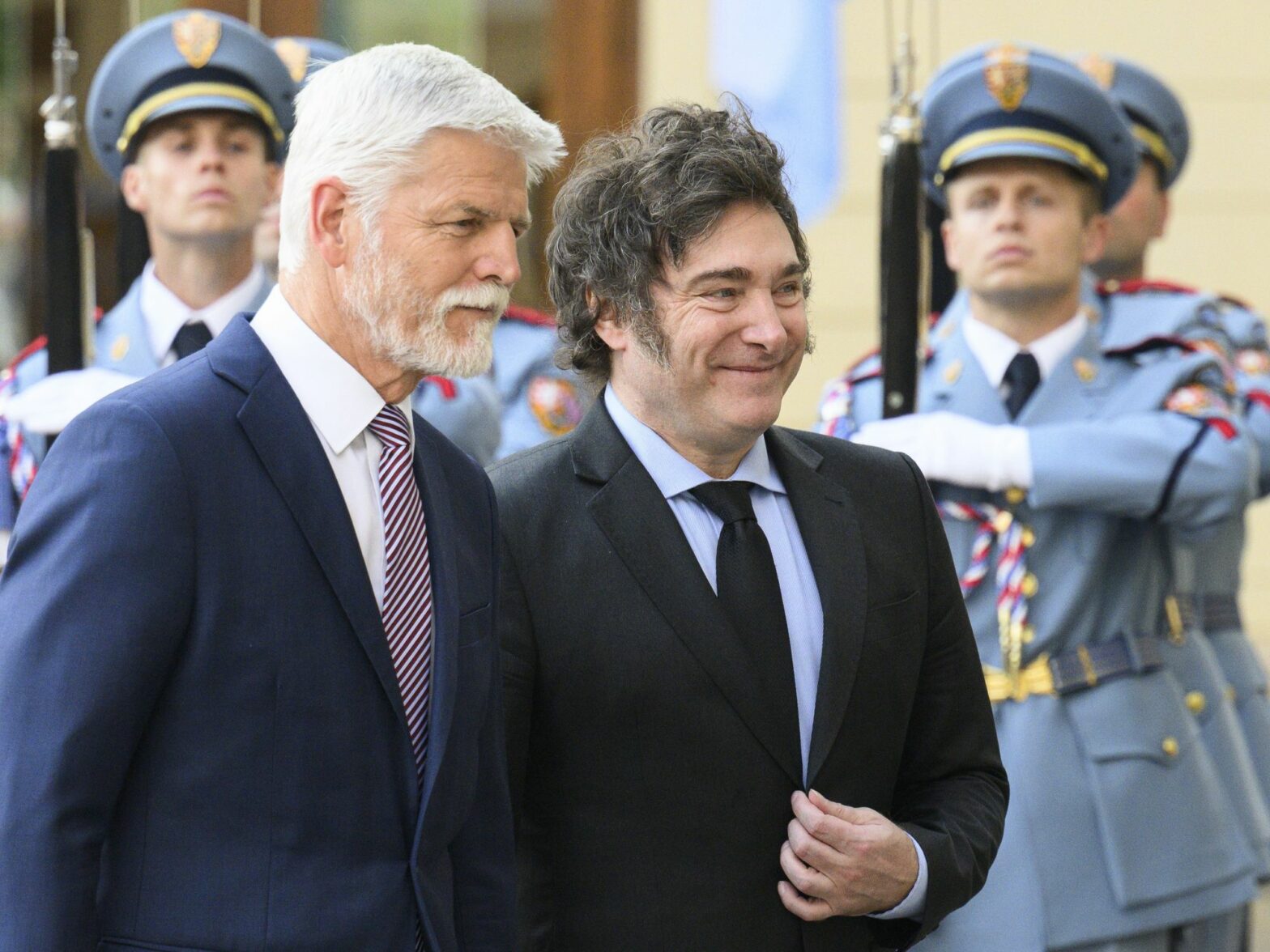
Argentina’s rabidly neo-liberal president, Javier Milei, is downsizing the state at home and curbing diplomacy to the bare minimum of promoting the free market, lambasting communism, and nurturing ties with just two, cherished states, Israel and the United States.
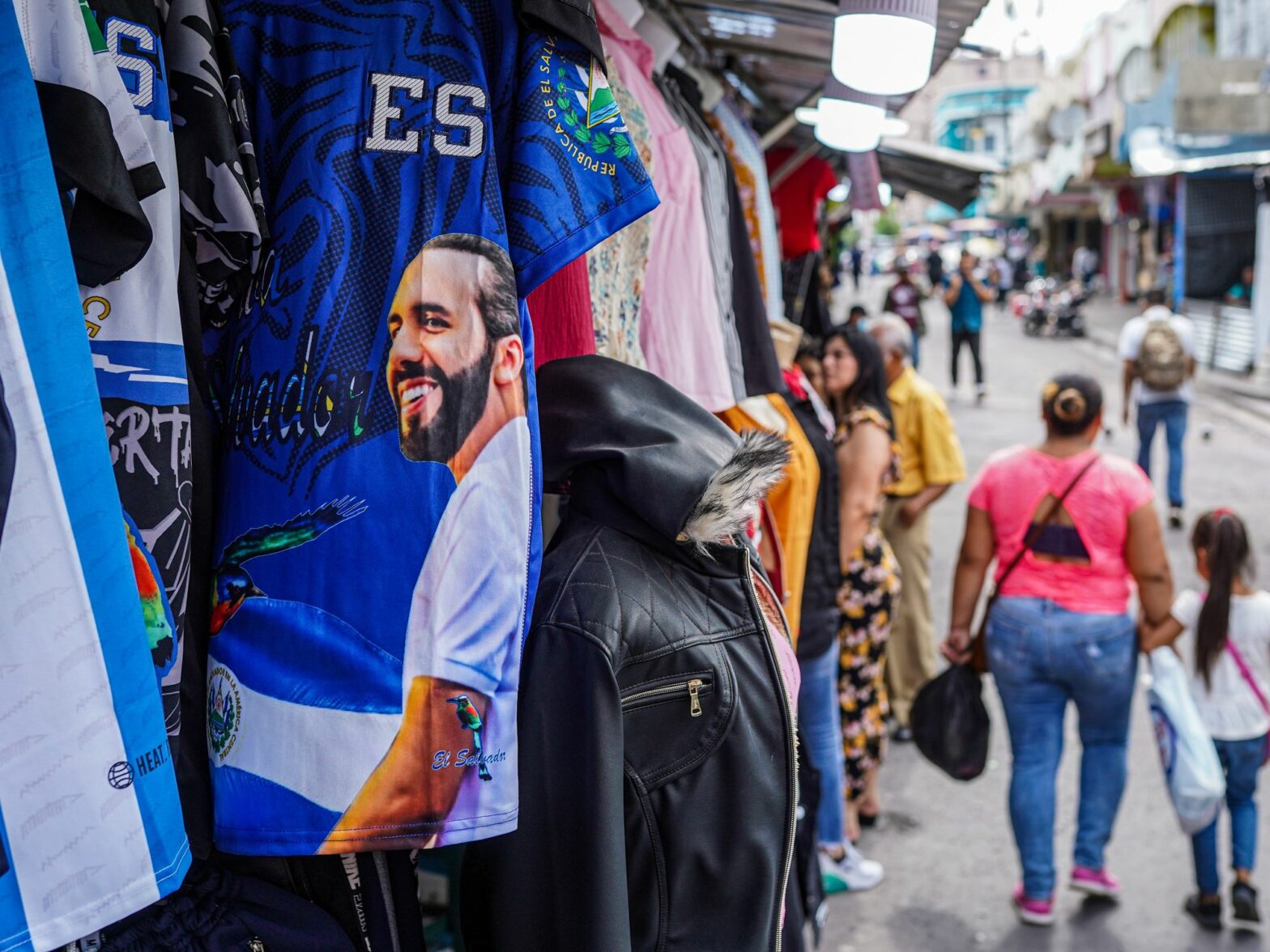
Through quiet diplomacy, Russia may be courting the rising star of Latin American populism, El Salvador’s President Nayib Bukele. In time, he must decide between international respectability and a bear hug from Vladimir Putin.

Argentina’s Antarctic bases are staffed by isolated and often young scientists confined in close quarters.
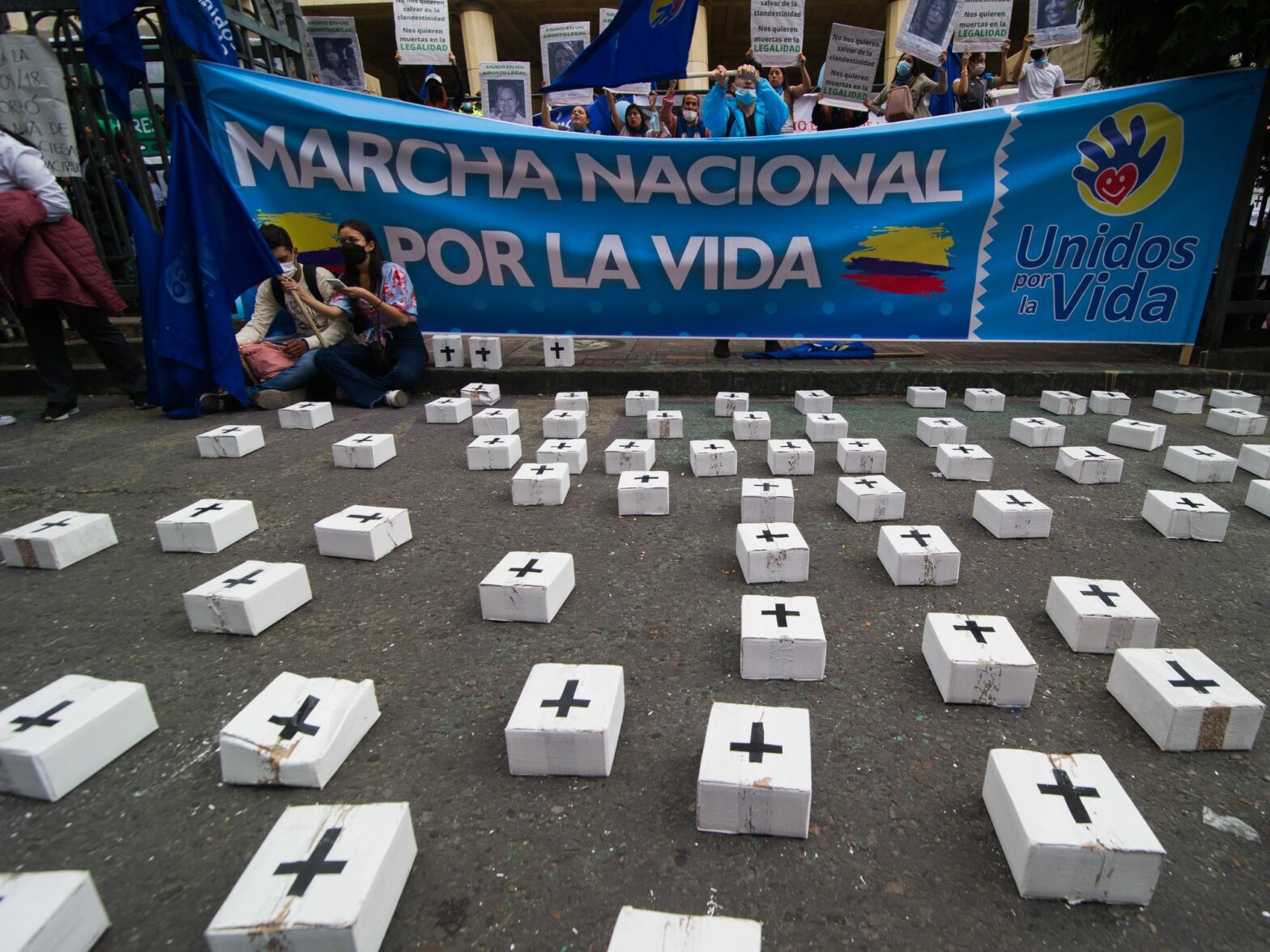
Legalized in Argentina up to 14 weeks in 2020, abortion is now under attack by Javier Milei’s far-right government, which is compromising access to the procedure and spurring anti-abortion movements in the country — with implications for women in neighboring Brazil, Paraguay and Chile.
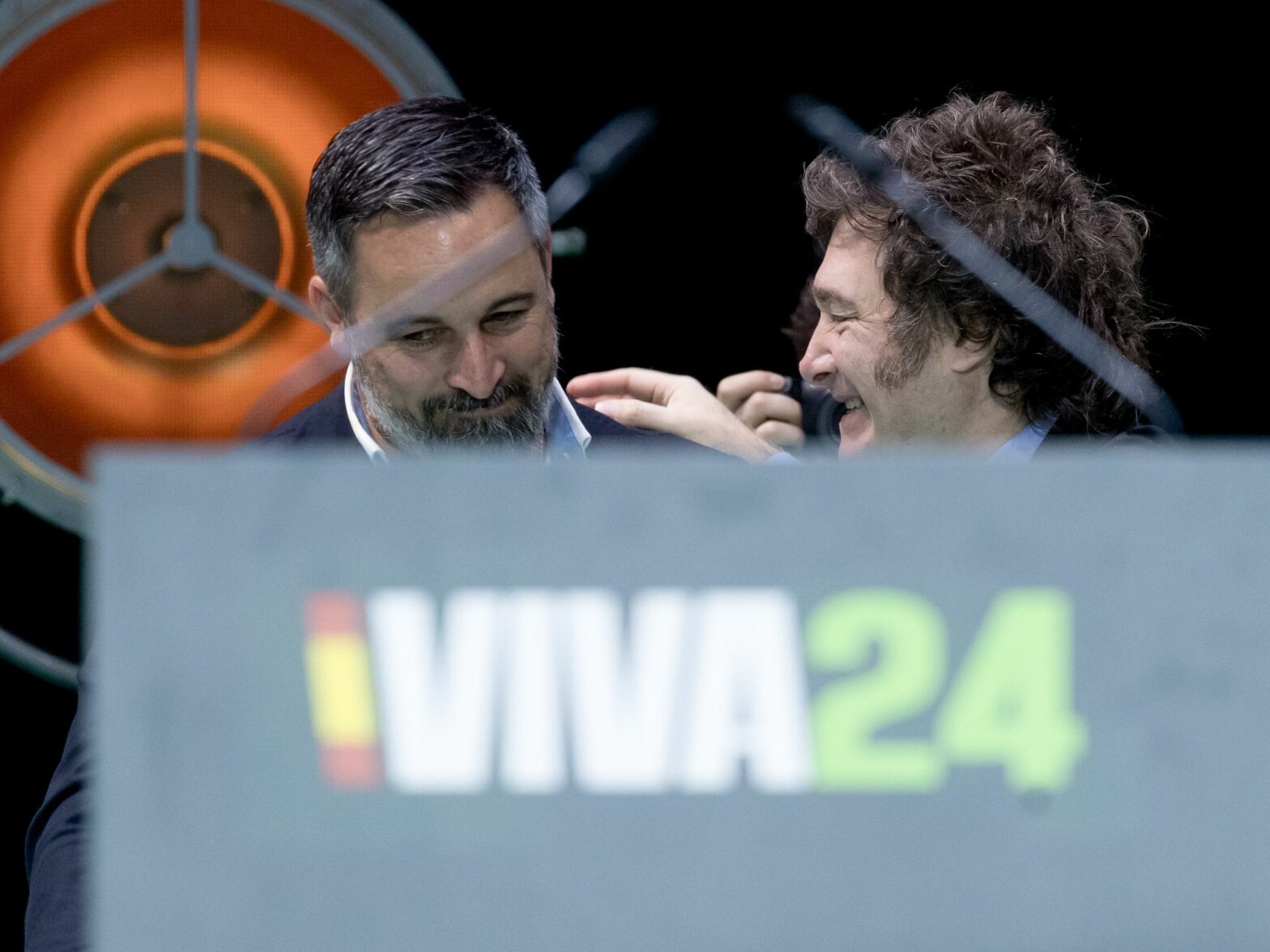
Argentina’s erratic right-wing president Javier Milei, seems to emulate Trump and Bolsonaro. But he has taken his bad diplomacy to a new level after last week’s spat with Spain’s Socialist party prime minister Pedro Sánchez.
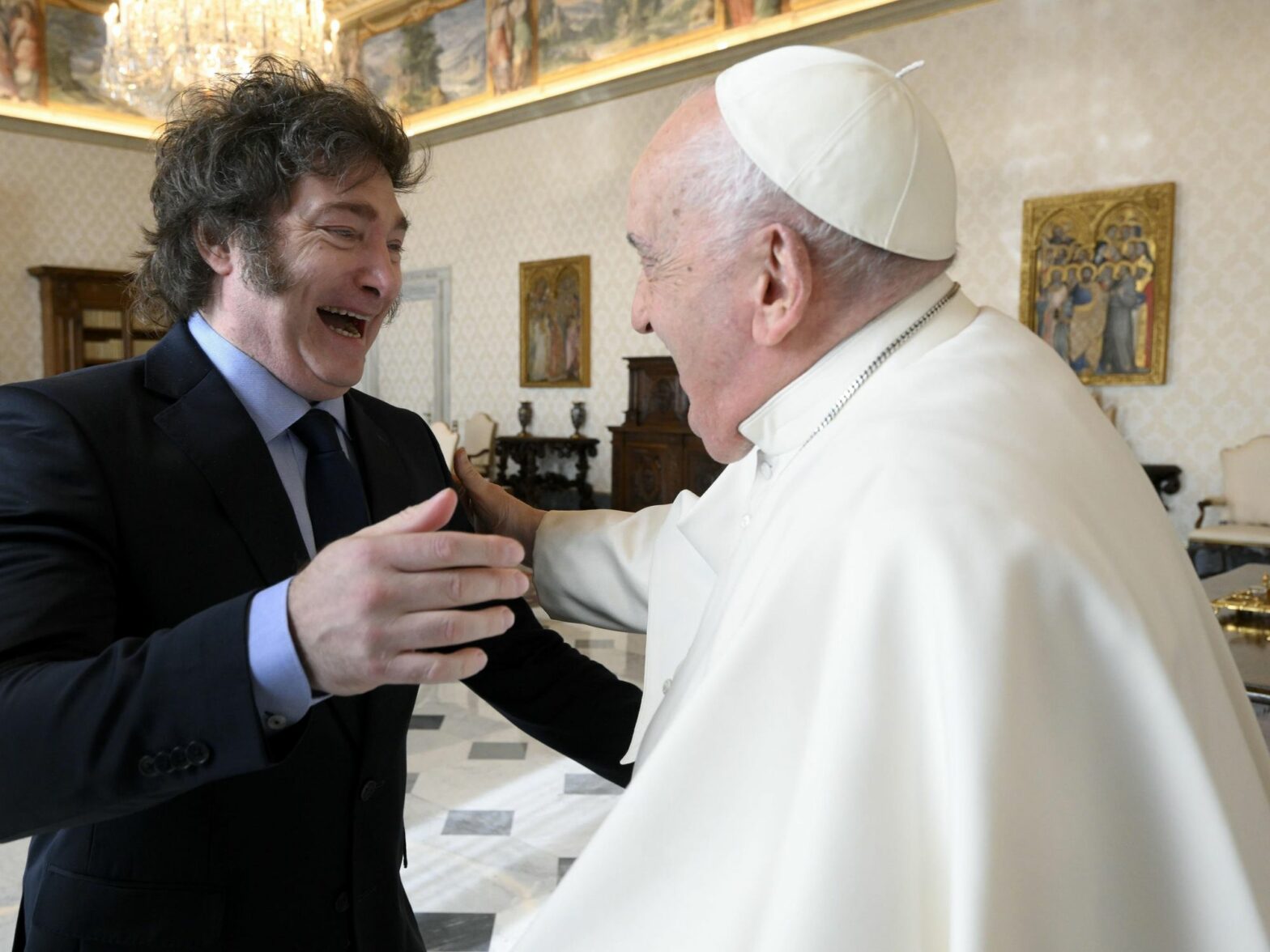
Argentina’s rabidly privatizing president, Javier Milei, had a curiously warm meeting with “socialist” and fellow Argentine Pope Francis. As both have an emotive side and abhor the technocratic élites, it could even open the door to an unlikely entente, and even a long-awaited papal visit.
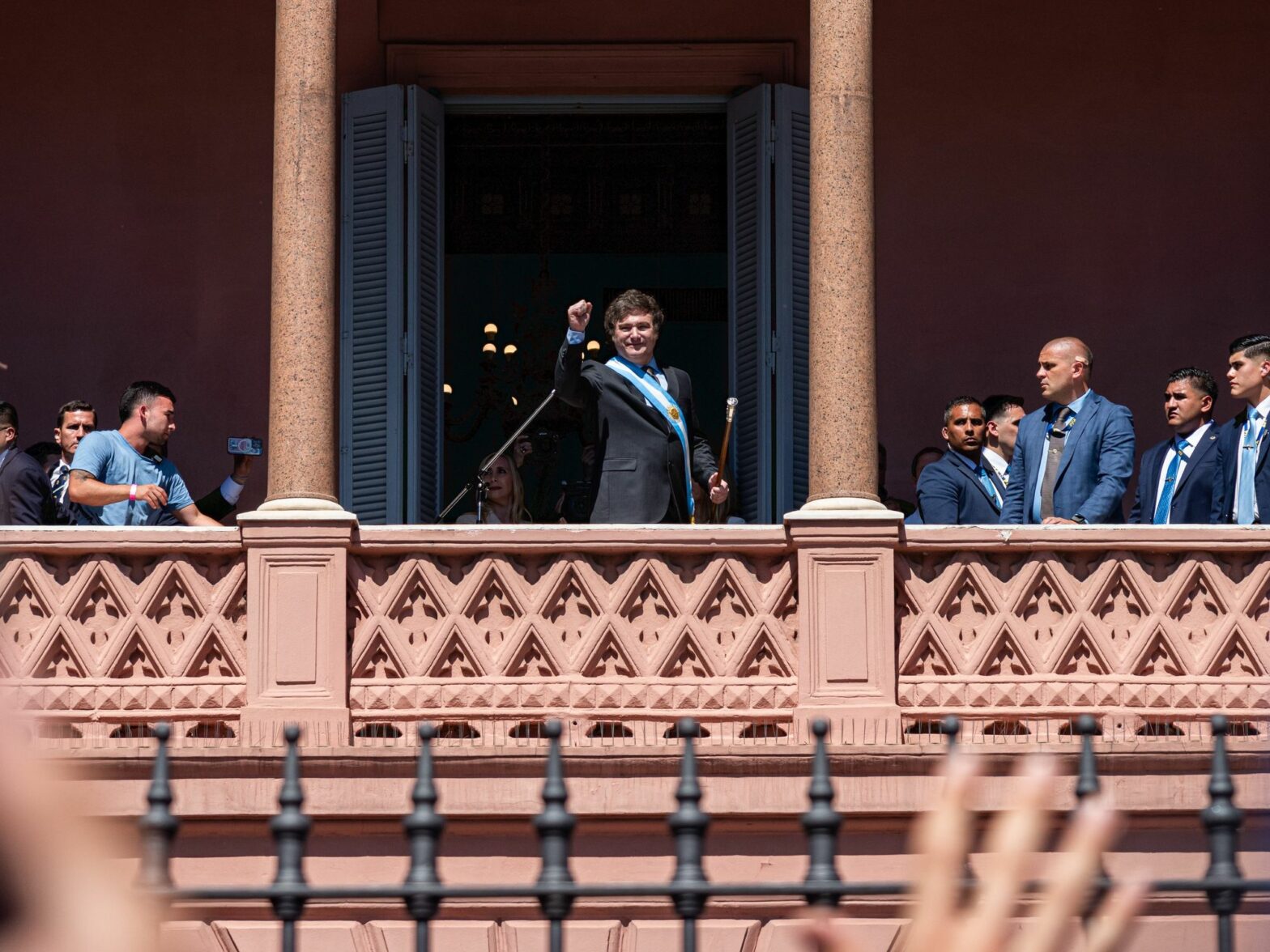
From Orban to Zelensky to Bolsonaro, the list of those who did and didn’t travel to Argentina says much about the new president, and the current state of the world.

Right-wing movements have surged in Europe, and fascism is on the ascendancy across disparate regions of the world. As populist leaders gain power, the specter of authoritarianism looms large.

Argentina has elected a “paleolibertarian” outsider with little experience, and by a wide margin. What does this say about the existing structures of power around the democratic world?
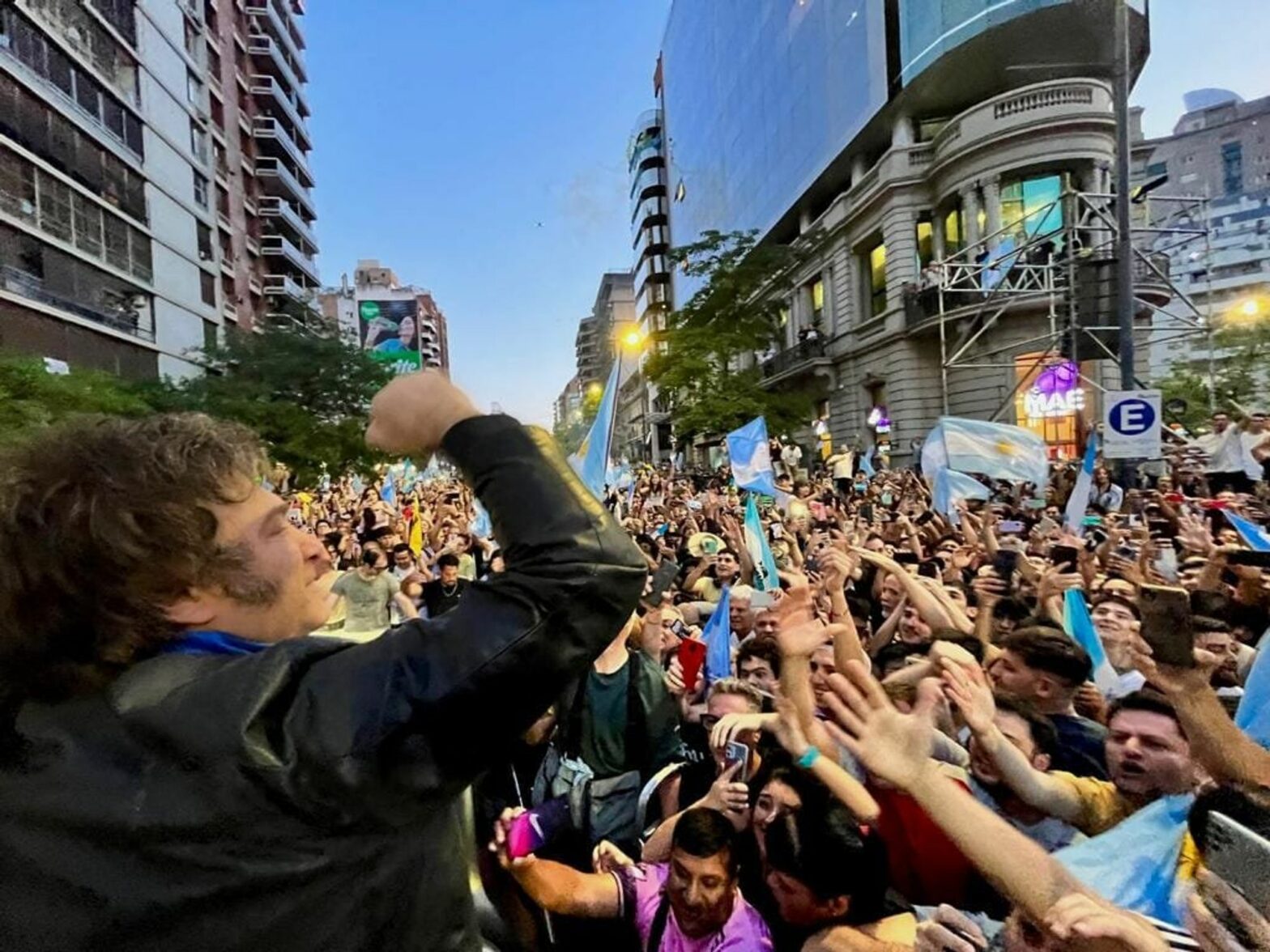
The radical libertarian Javier Milei confounded the polls to decisively win the second round of Argentina’s presidential elections; now he must win over a nation that has voiced its disgust with the country’s brand of politics as usual.

Javier Milei has scored a stunning victory on a populist far-right platform promising maximum personal liberties and a shrunken state. But the deep rifts and economic hardship in Argentinian society present huge risks for the nation and its incoming president.
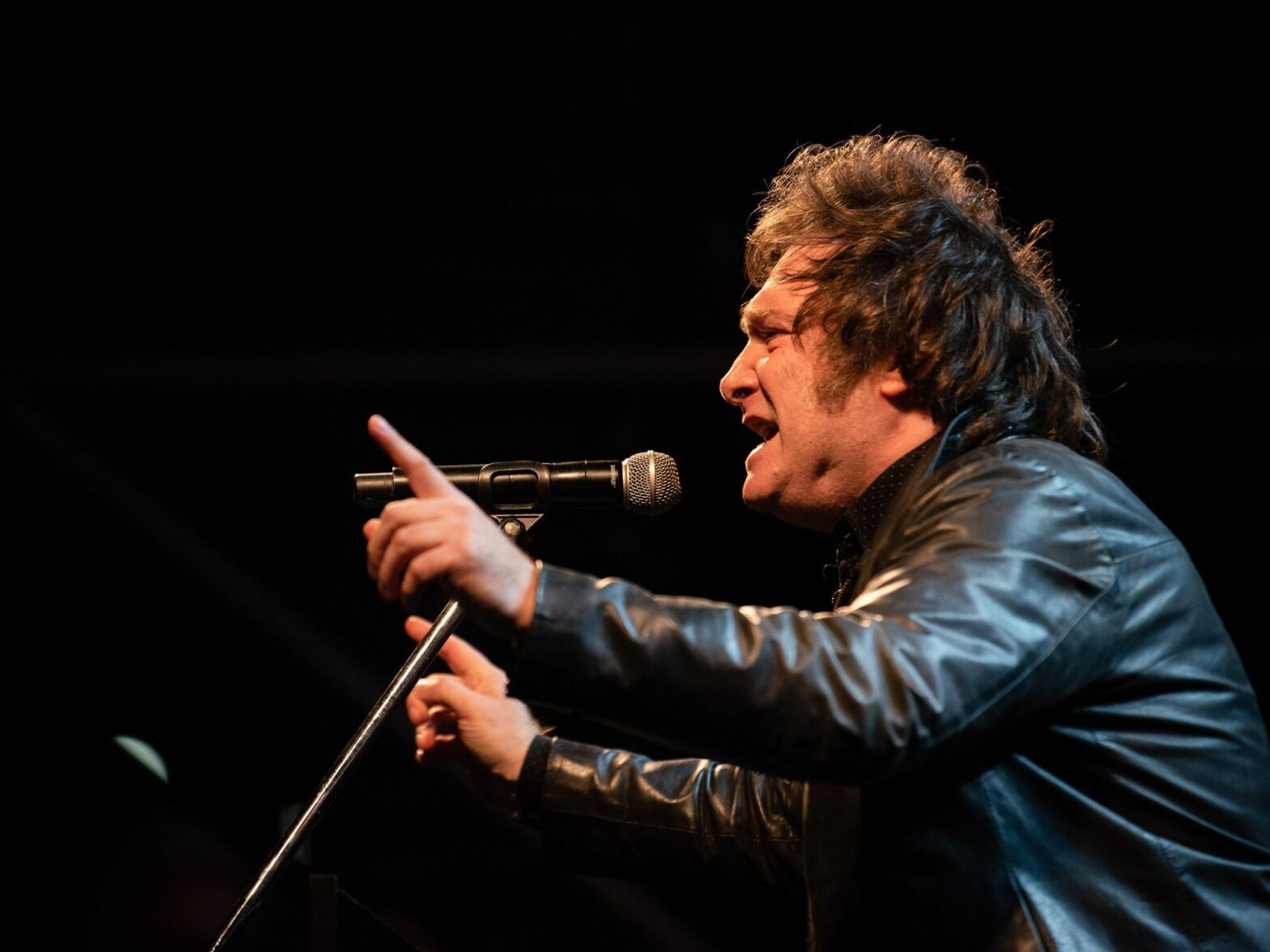
Argentina’s far-right presidential candidate Javier Milei, riding a wave of voter fury over dismal socio-economic conditions, wants to shrink the state to the bare minimum. But that’s not even the most dangerous part…