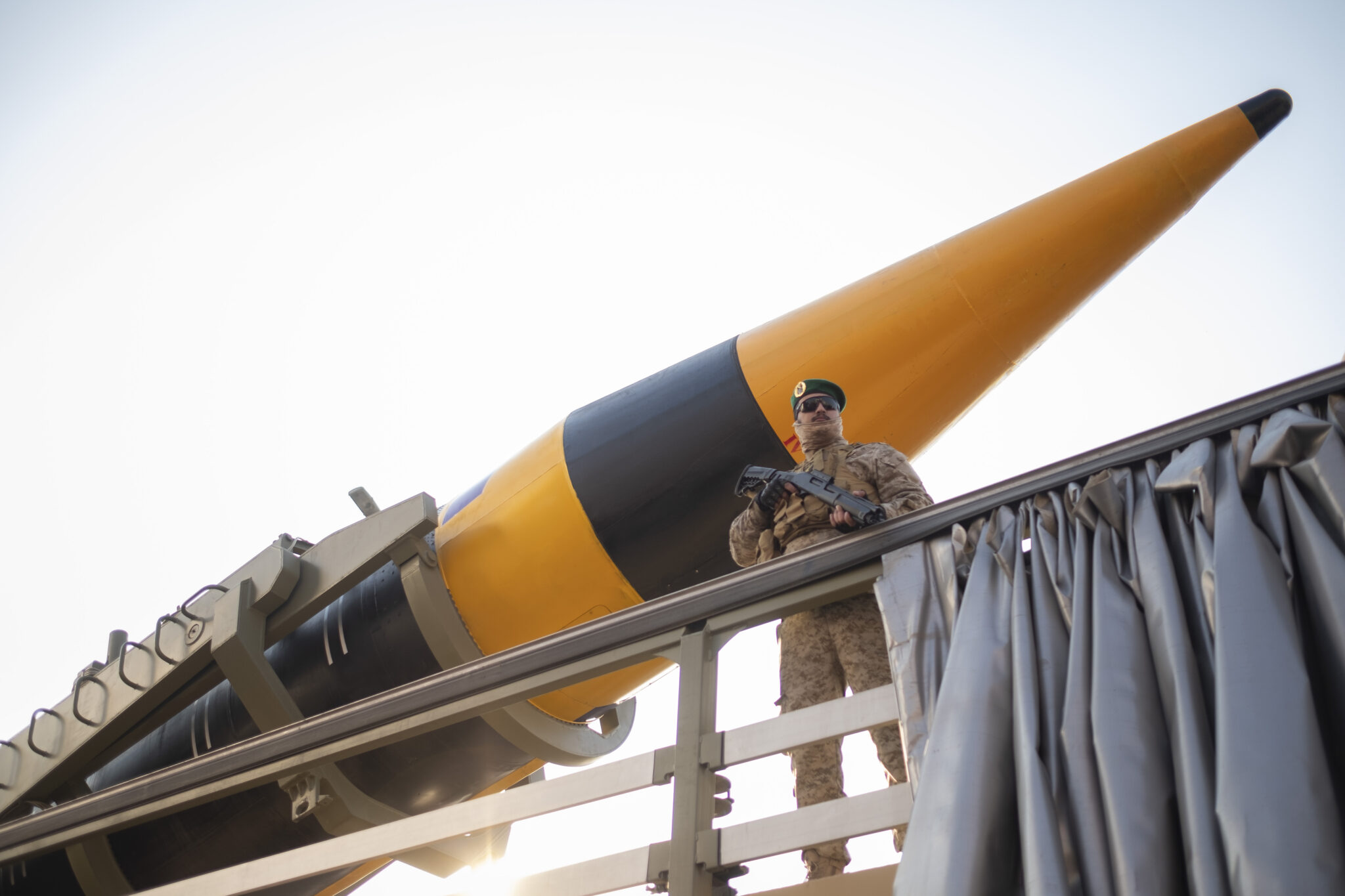
The so-called 12-day war ended in a June ceasefire. But it really just returned the Israel-Iran war to the shadows, with both sides now preparing for the direct conflict to start again.
 Worldcrunch
The so-called 12-day war ended in a June ceasefire. But it really just returned the Israel-Iran war to the shadows, with both sides now preparing for the direct conflict to start again.
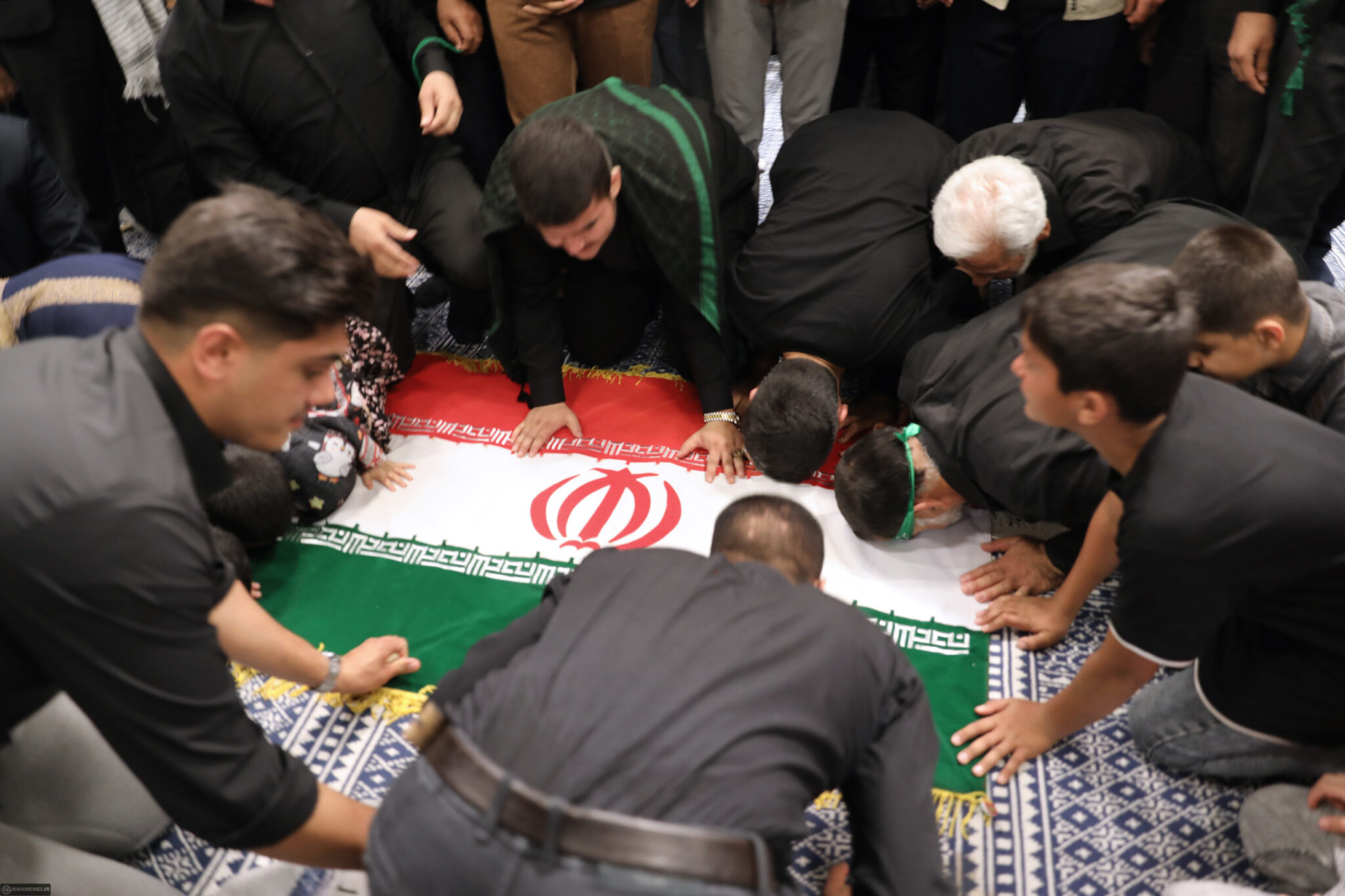
Tehran’s revolutionary regime is suddenly turning to Iranian nationalism hoping to rustle up public support for itself as it faces Israeli and U.S. threats. But who in Iran could believe it now, when everything it has done for years has shown its contempt for the very notion of historical roots and national interests.
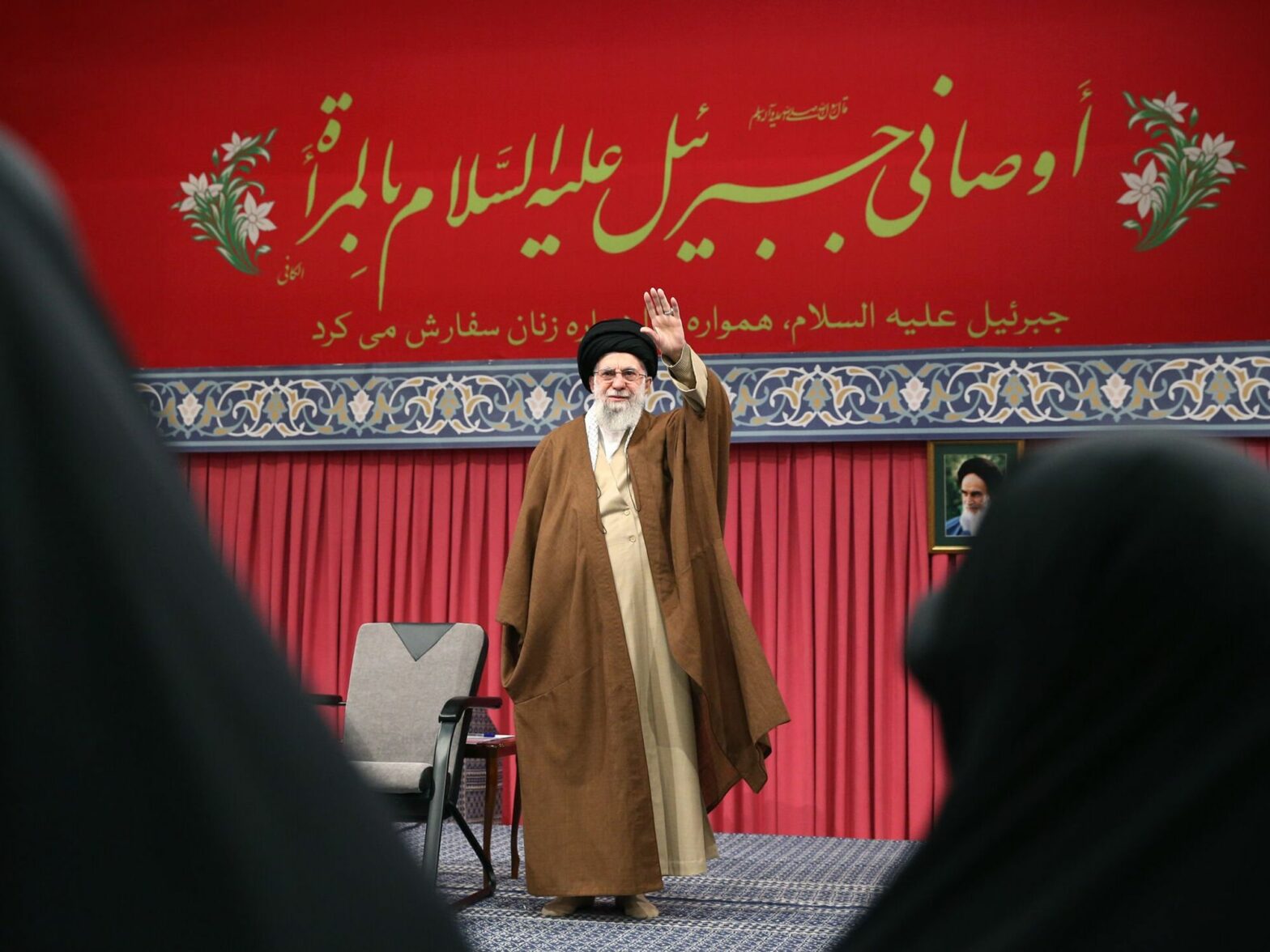
Israel’s decimation of Iran’s proxies in Gaza and Lebanon, and now events in Syria, have shown the Tehran regime is far weaker than it had wanted the world and its neighbors to believe. The Supreme Leader is now scrambling to rationalize it all, as the Islamic Republic clings to power.
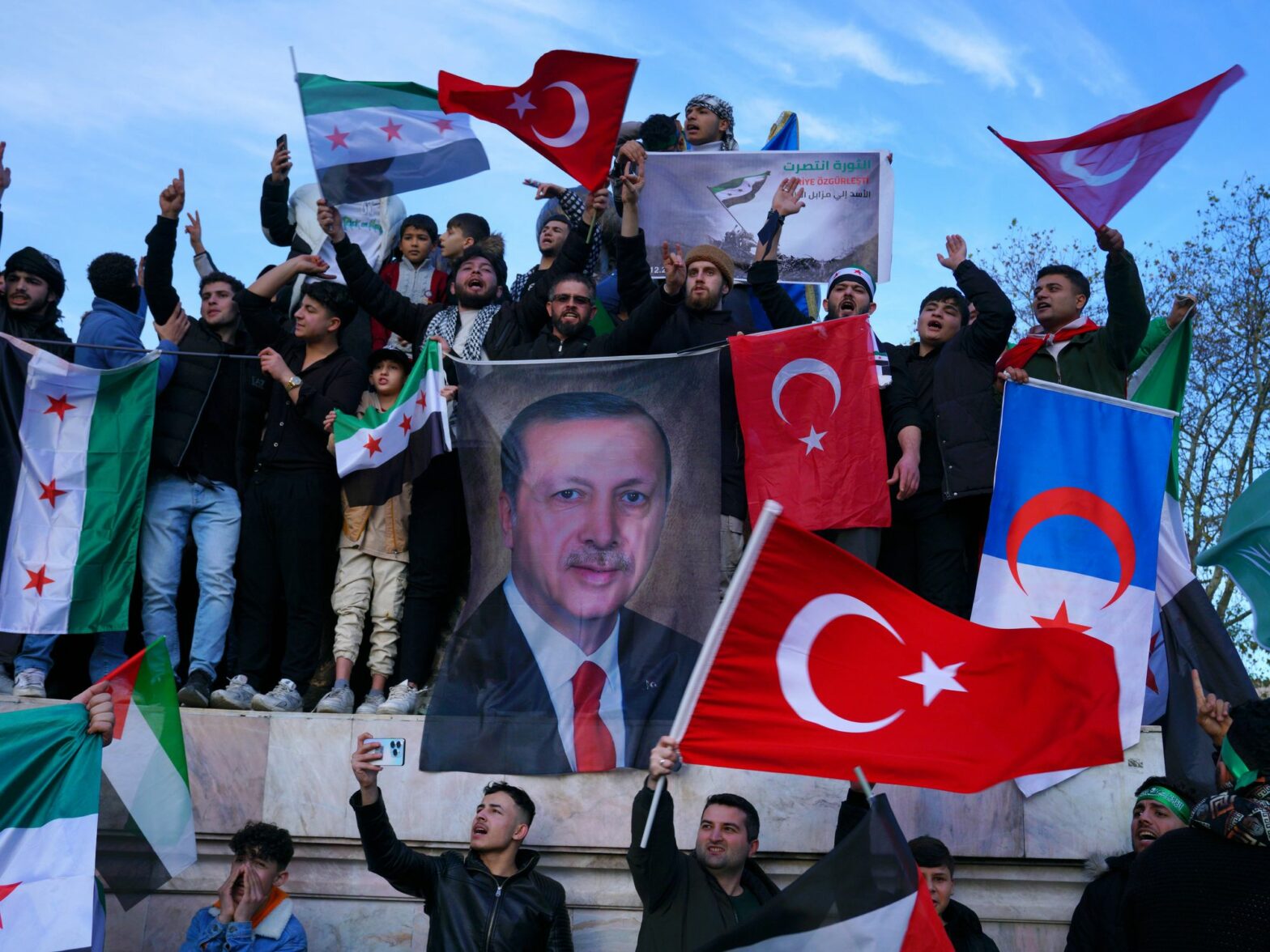
While the Islamic Republic of Iran mulls an official response to the fall of its Syrian ally Bashar al-Assad, Iranian politicians are already voicing their anger at the “backstabbing” conduct of two key powers, Turkey and Russia. Could Tehran be the next to get left to fend for itself?
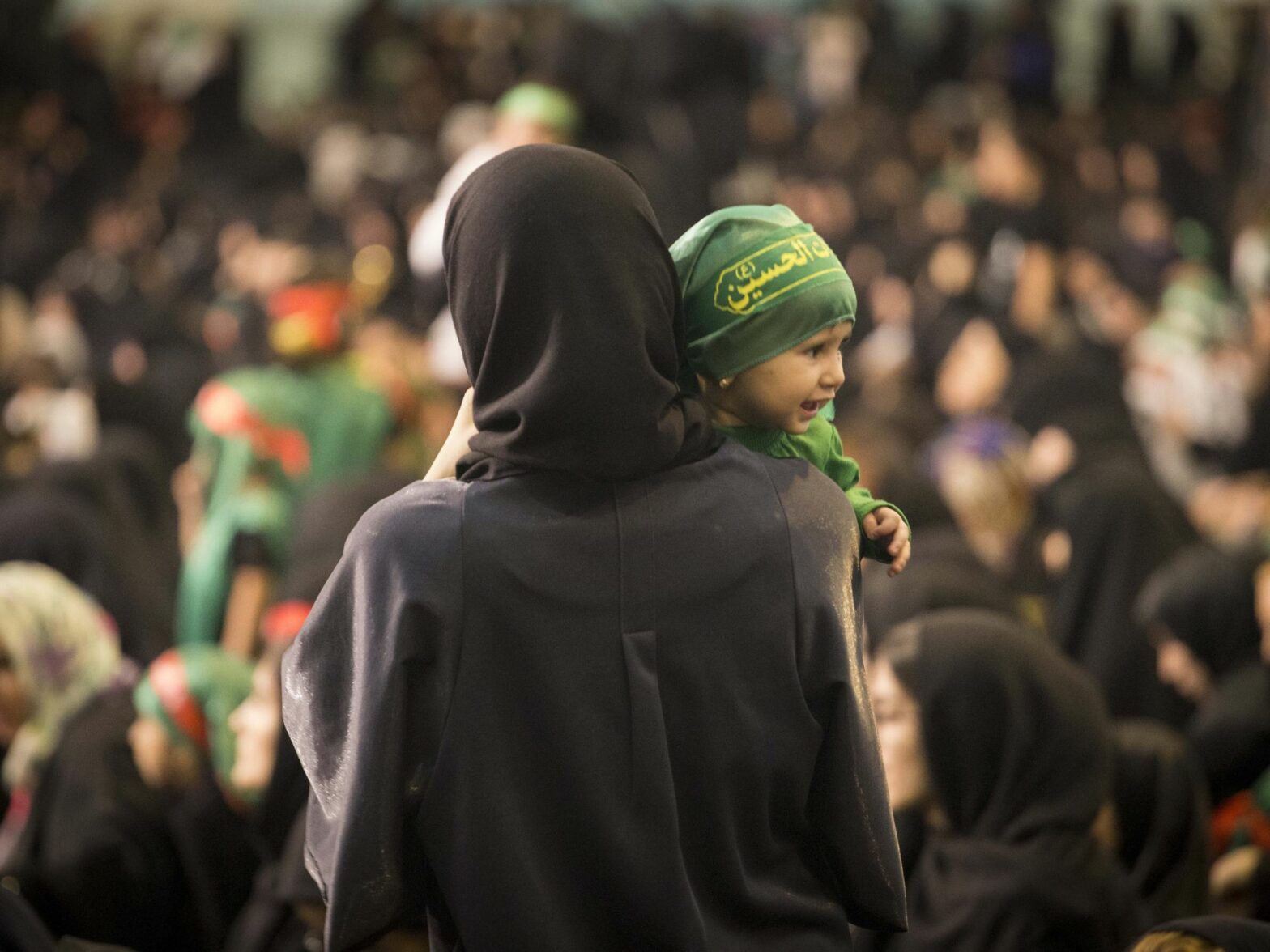
The nation’ deputy health minister, concerned about declining birth rates, wants more young brides, and expects them to start procreating as soon as possible.
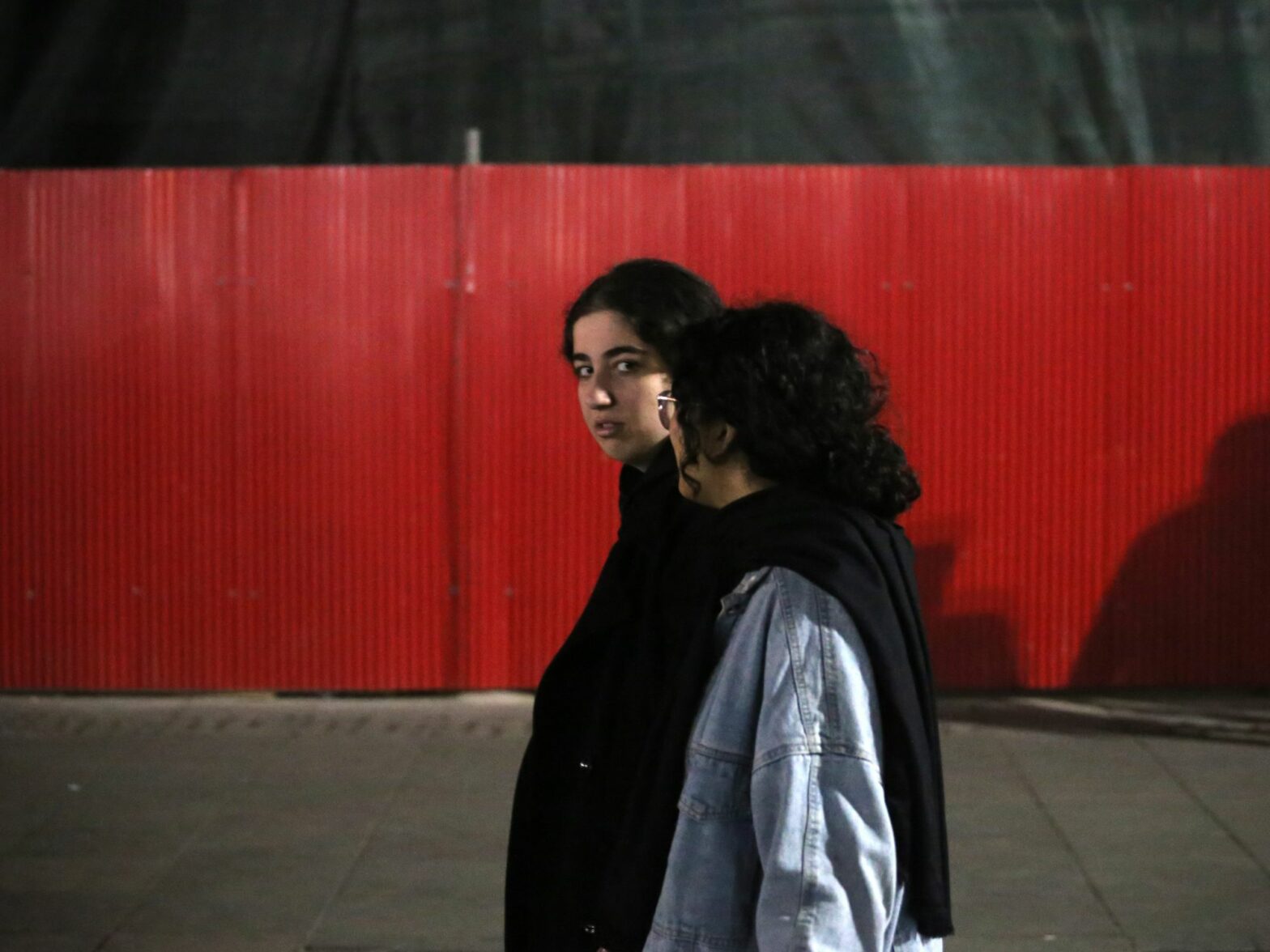
The “eye-for-an-eye” principle does not technically apply to so-called honor killings. Yet fathers and grandfathers are essentially free to kill their daughters or granddaughters if it’s perceived to protect the reputation and religious status of the family.
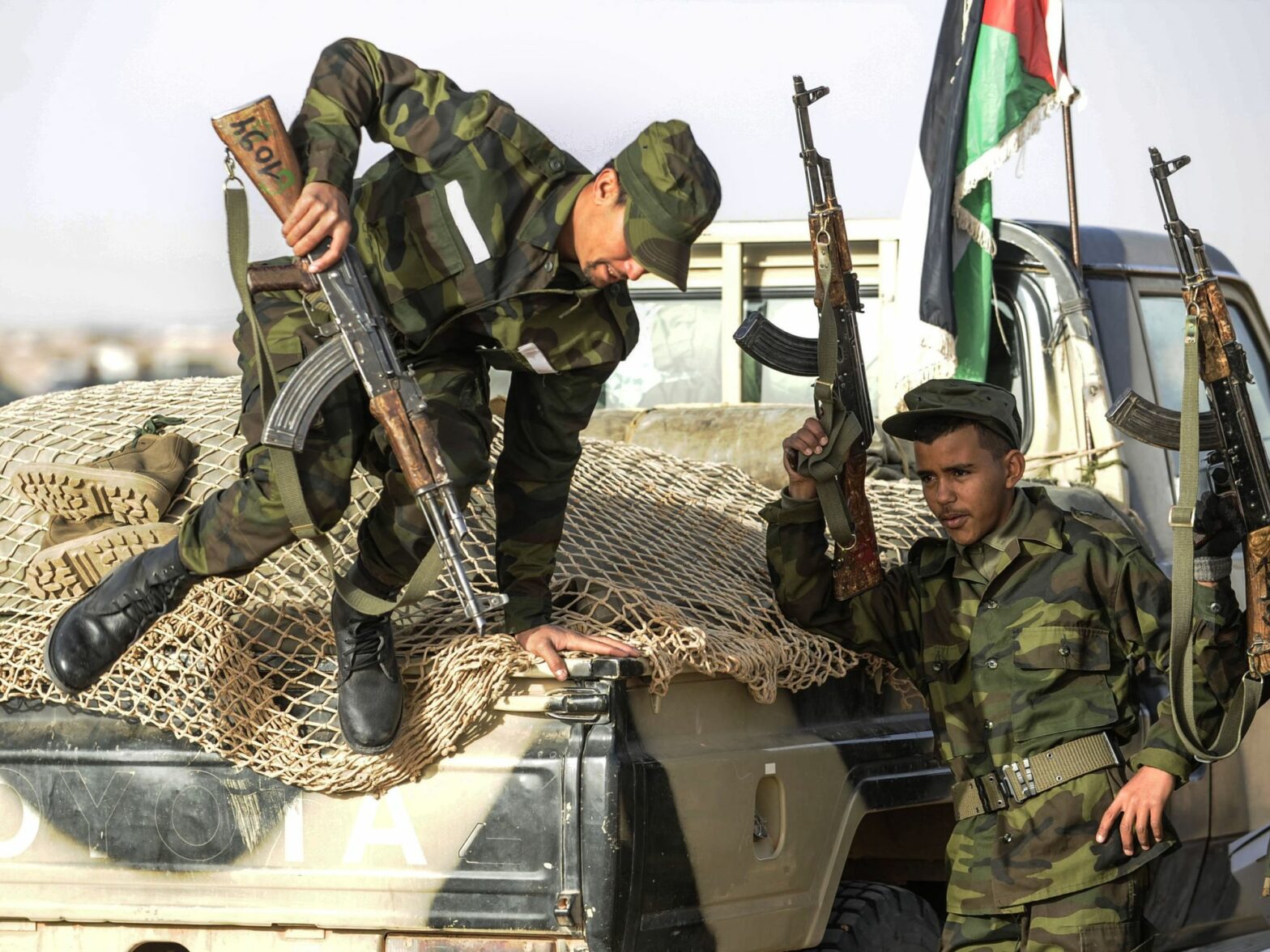
Germany’s Die Welt newspaper has had access to information from secret services that reveal Iran’s trail of support of anti-Israel terrorist groups that go as far as the Sahara. A militia is developing there that supports Hamas — and aims to plot deadly attacks against Israel and its interest wherever possible.
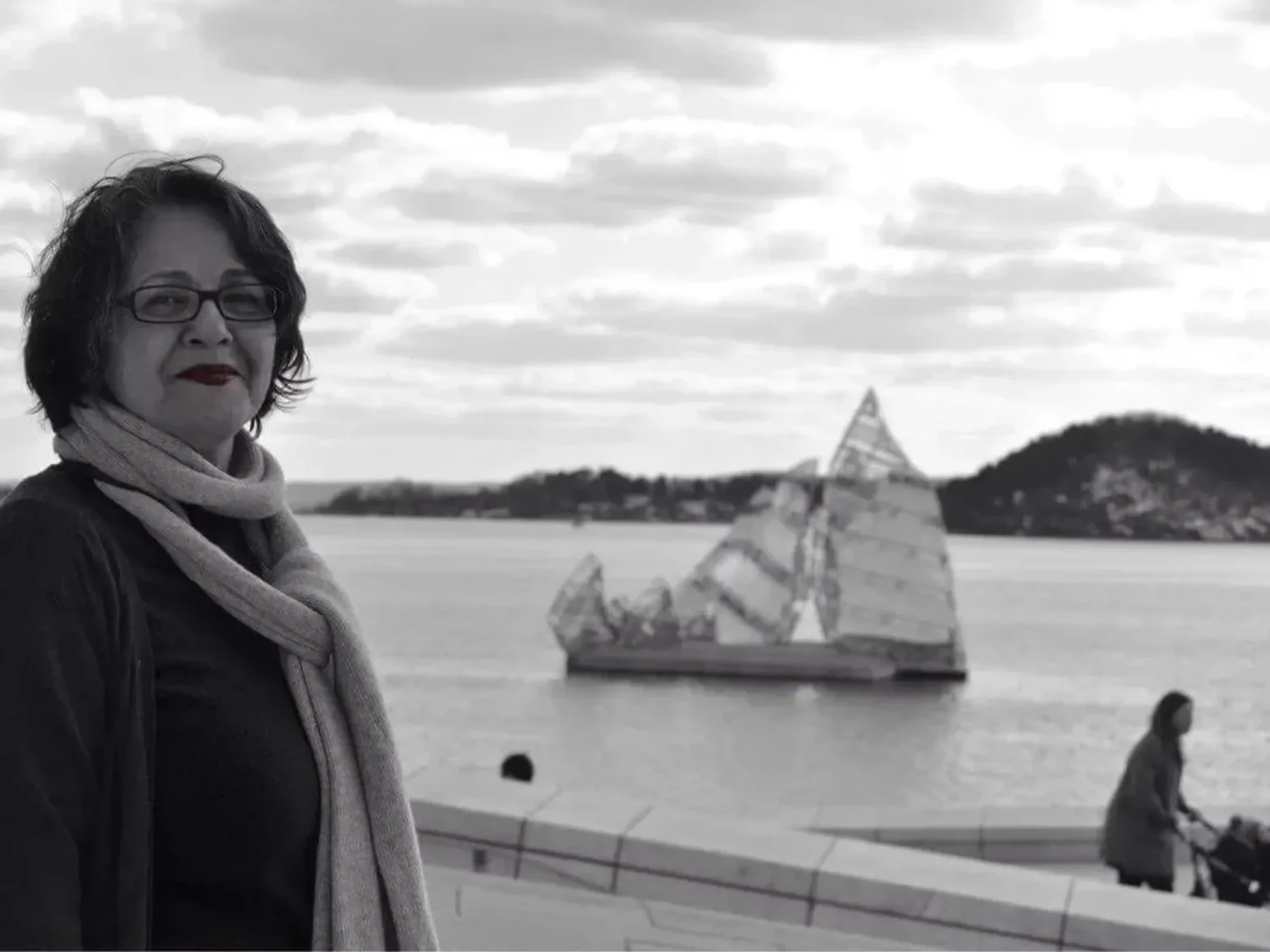
For the third year in a row, Nahid Taghavi, a retired architect and German citizen, is in Tehran’s brutal Evin Prison, where she has been mistreated after being wrongly convicted on trumped up charges as the Iranian regime exploits her foreign citizenship for money and influence.
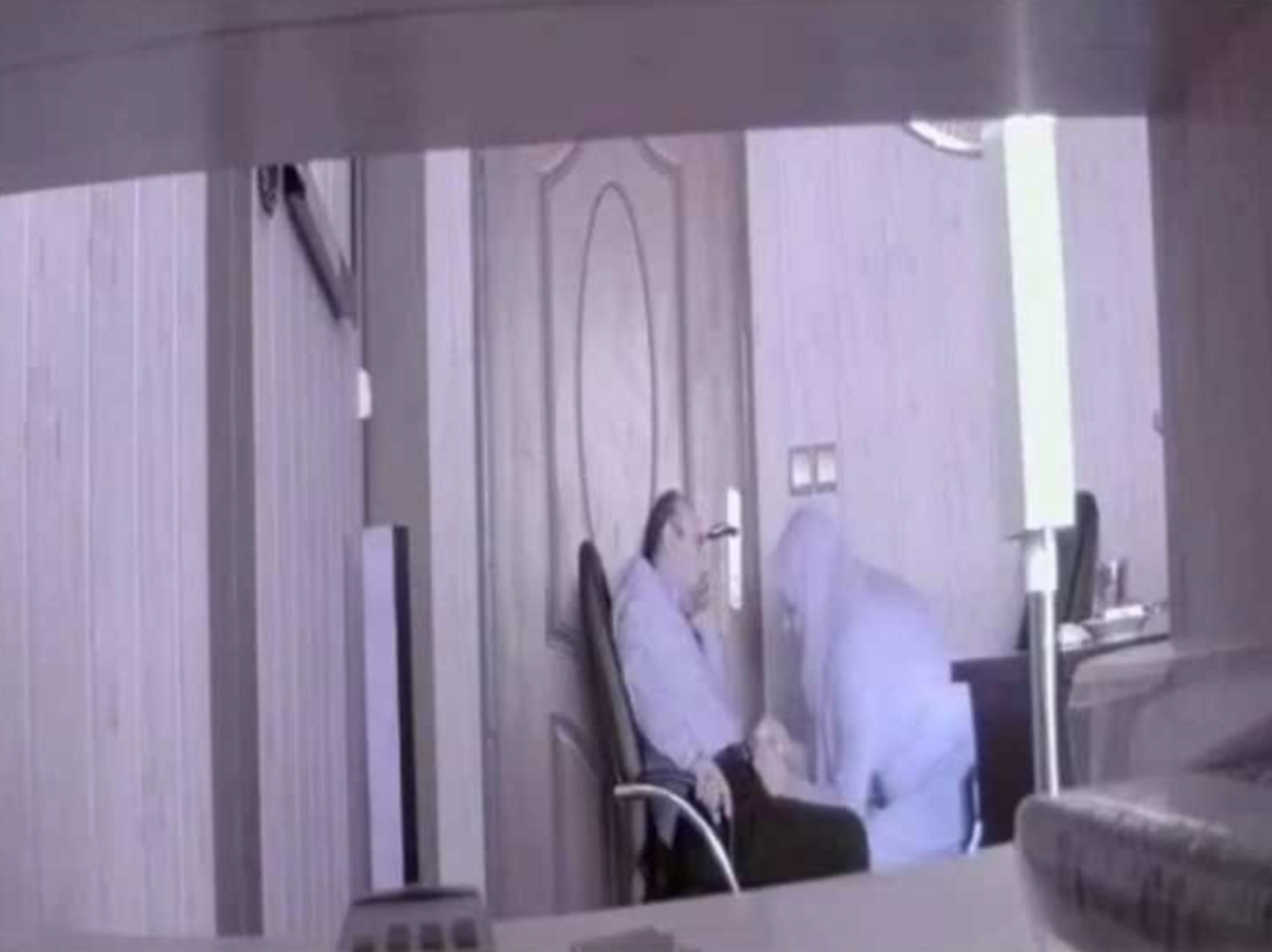
A scandal of the secret gay life of a senior Tehran official set off ricocheting accusations in the regime. Now compromising photos have emerged of a top state broadcasting manager with a female employee, who nonetheless kept her hair covered. The piousness of the Islamic Republic is ever more called into question.
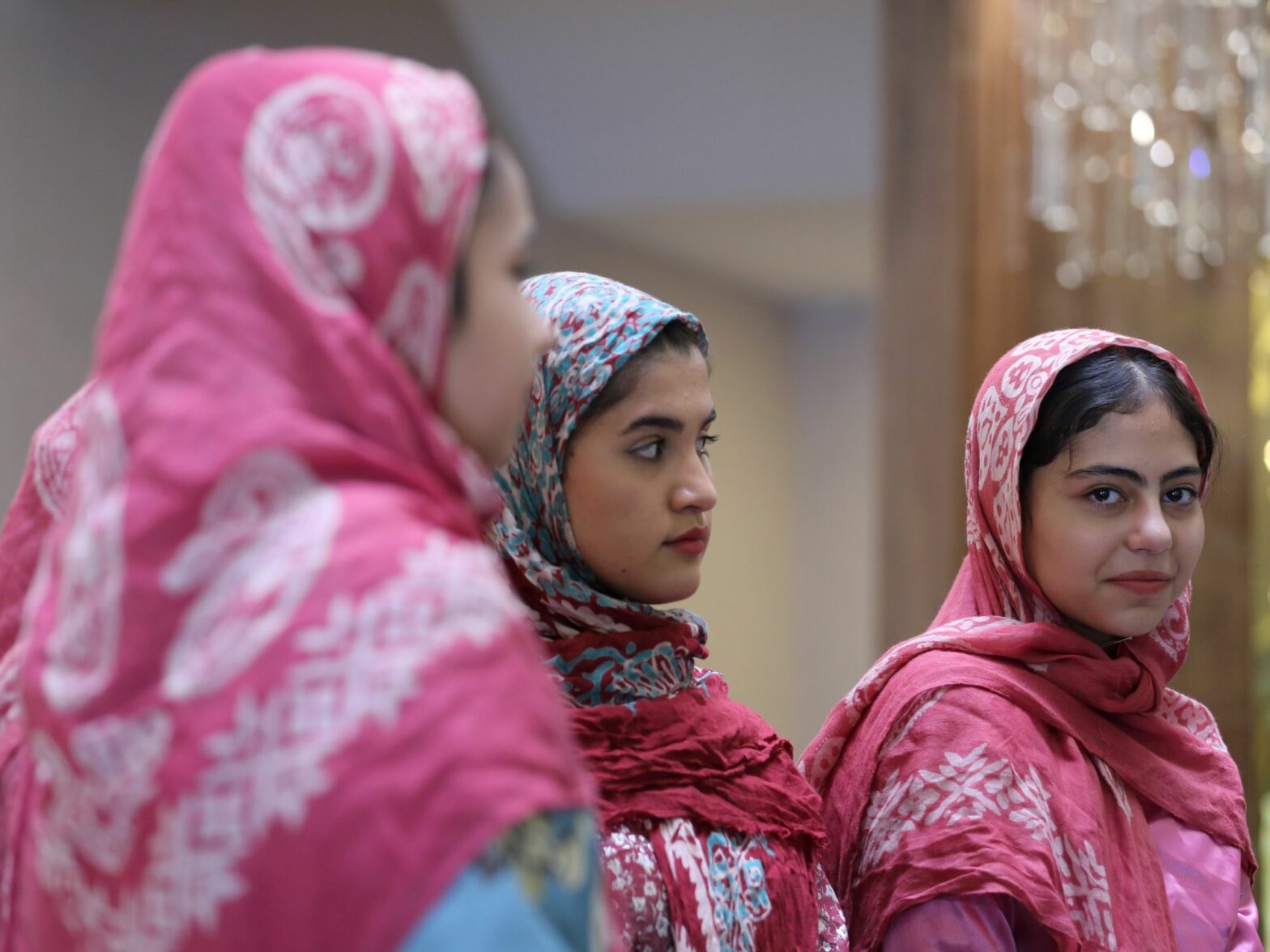
With the suppression of last year’s anti-regime protests in Iran, its people can barely stomach the West’s resumption of its business-as-usual approach with the Islamic Republic. The key to challenging the renewed status quo, the author writes, may very well lie with the country’s women.
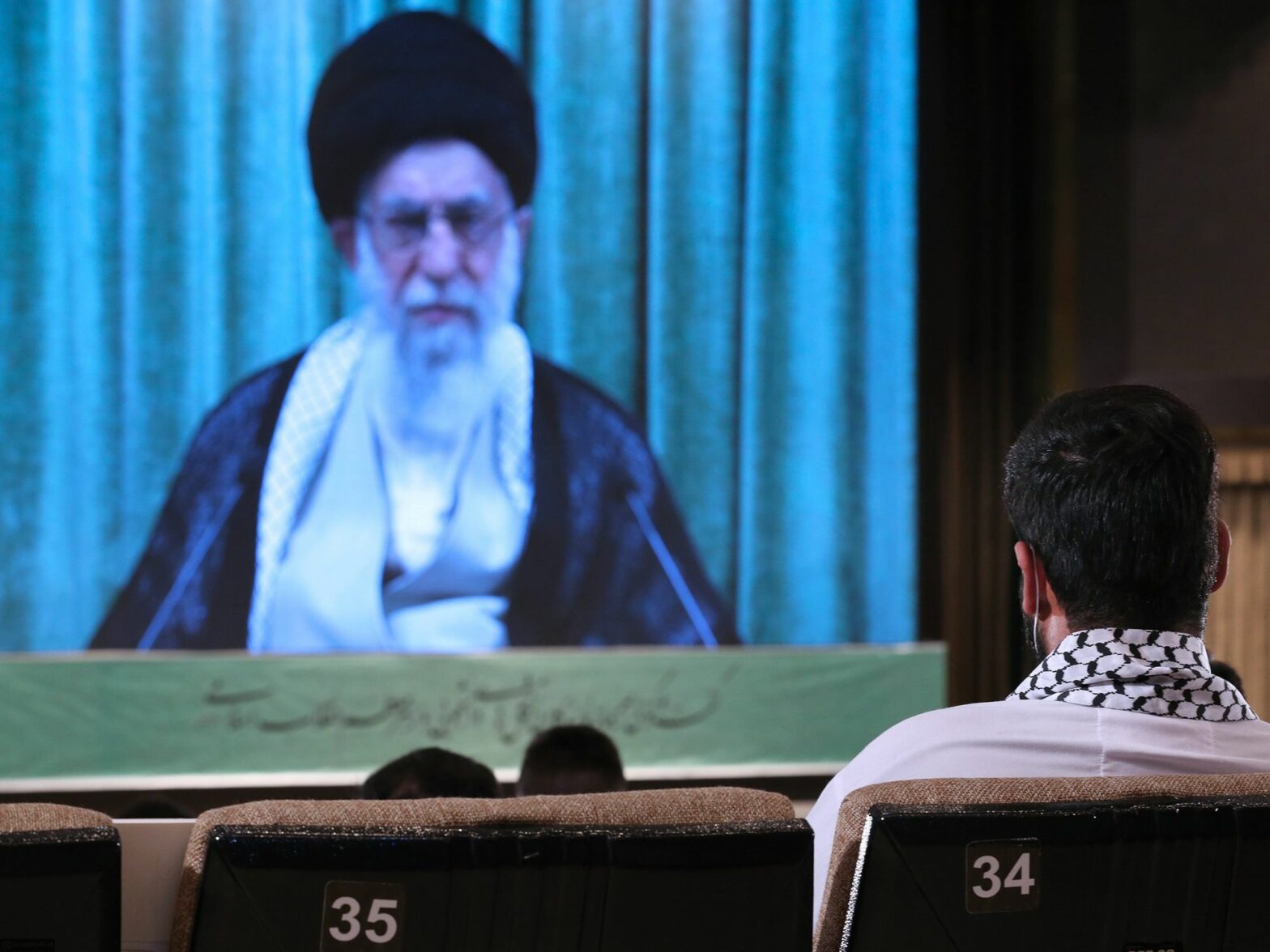
Finding themselves amid a range of strategic, economic and regional interests, Iranians in a post-regime future will have to deftly maneuver their country toward a peaceful, constitutional state. Bahram Farrokhi writes about the good, the bad and the worst-case scenarios.
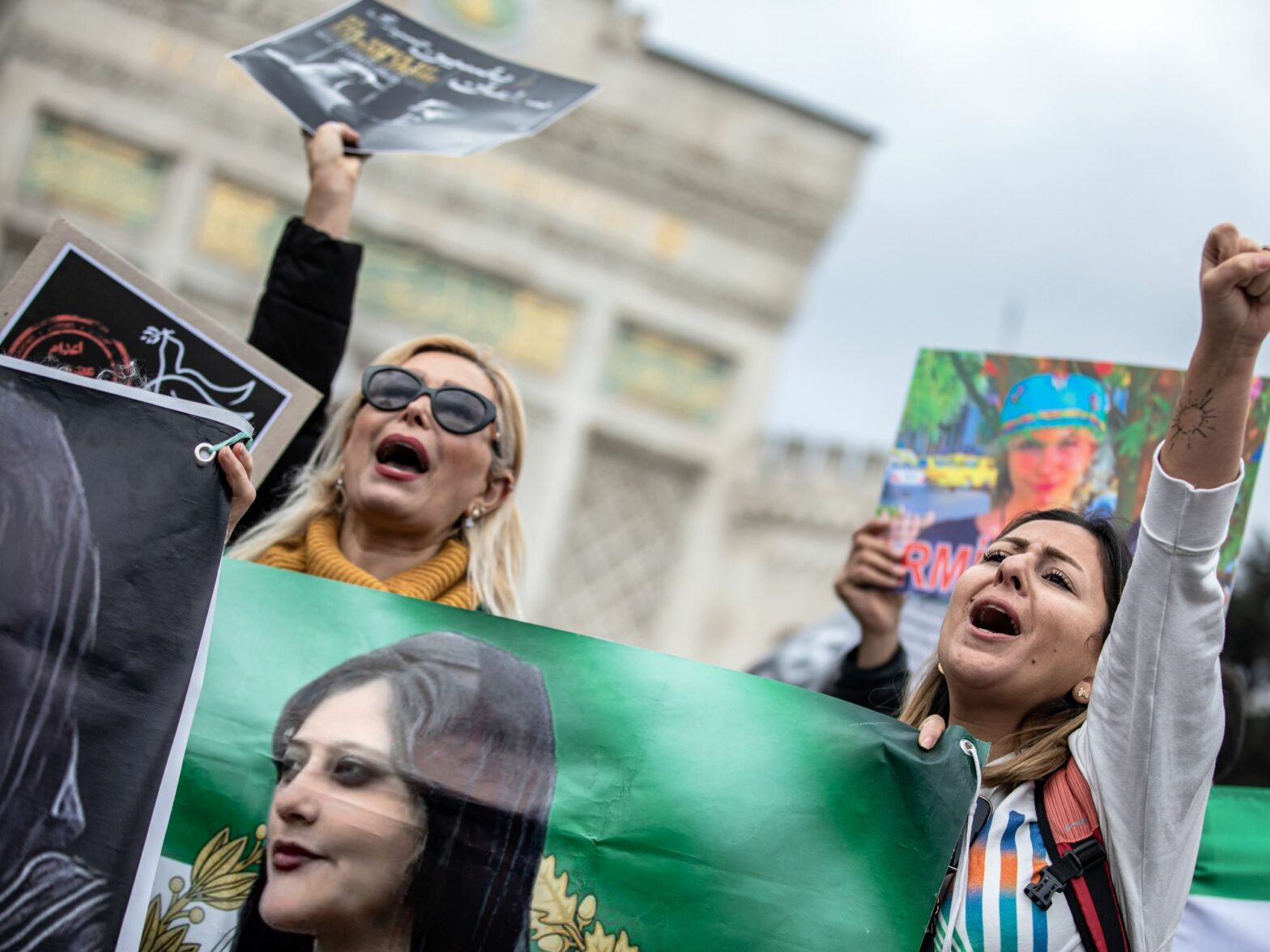
Iran must one day write the history of the violence perpetrated on its women, especially under the 40-year Islamic Republic, if historiography is to serve its progress toward a peaceful, democratic society.
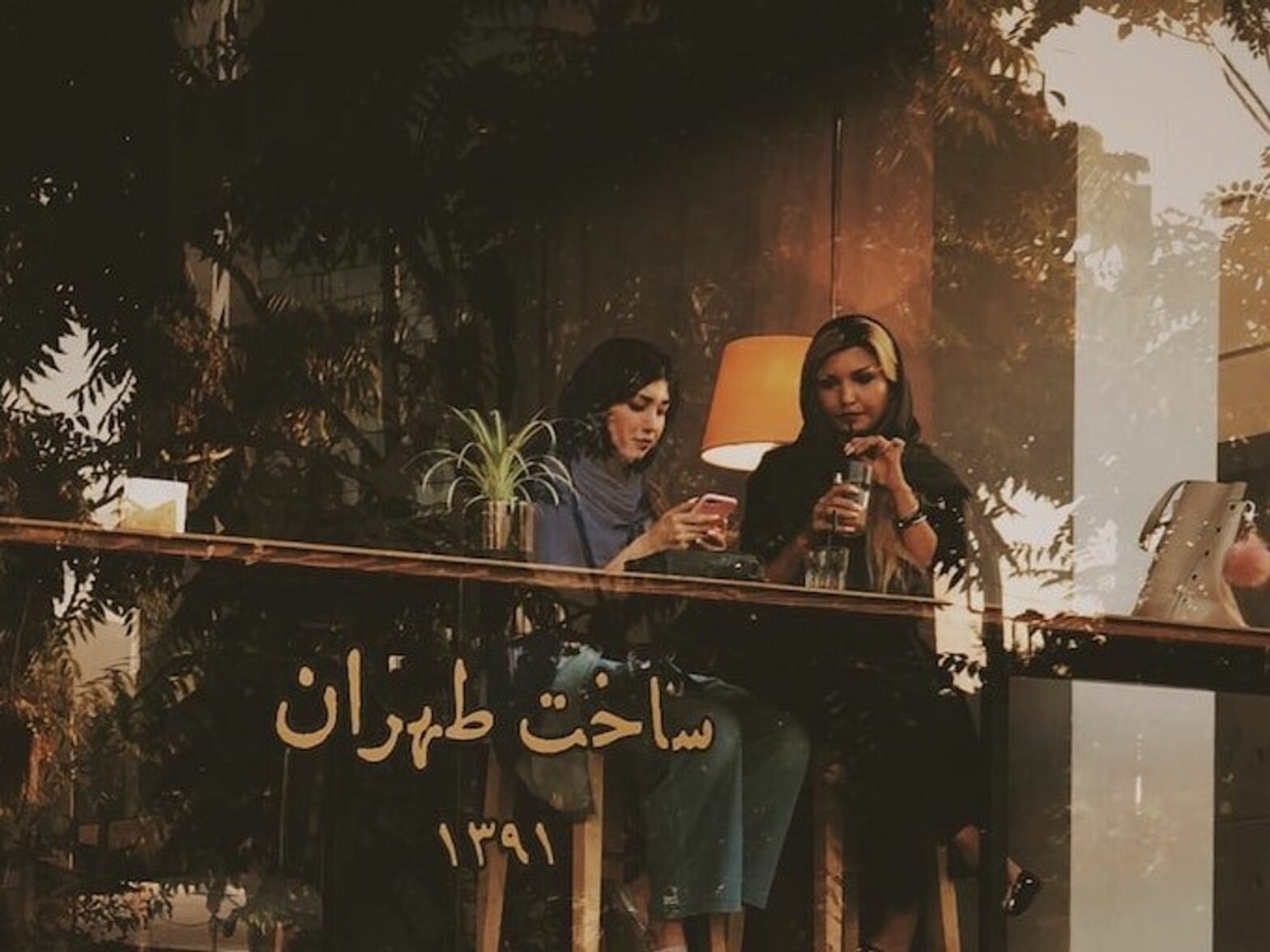
Media coverage of Iran’s mass protests of 2022 failed to truly show how most Iranians thought about the hijab or a general dress code for women. Centering the whole fight for justice in Iran around the headscarf has its risks.
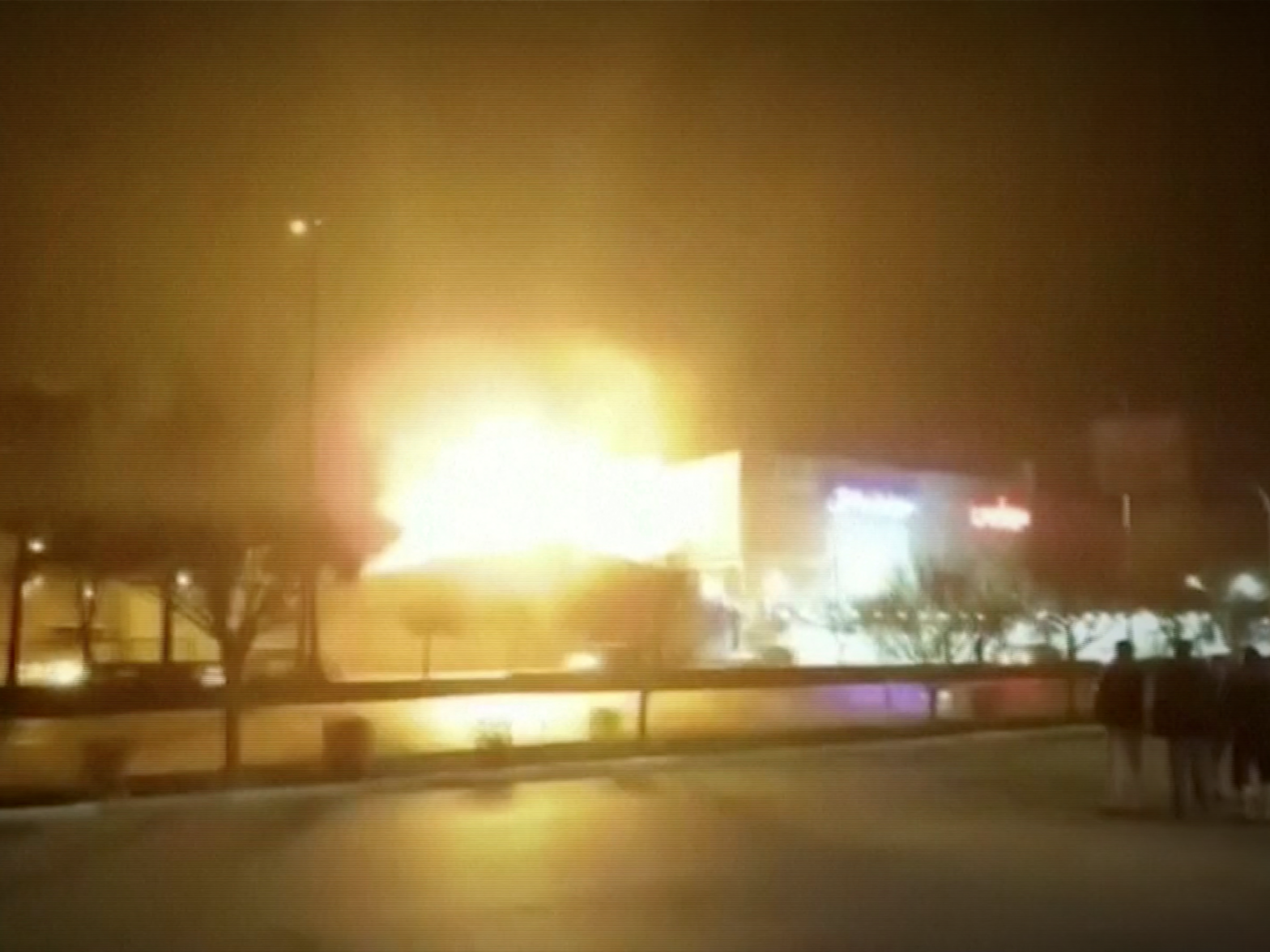
It is still not clear what was the exact target of an attack by three armed drones Saturday night on an arms factory in central Iran. But it comes as Tehran authorities appear increasingly vulnerable to both its foreign and domestic enemies, with more attacks increasingly likely.
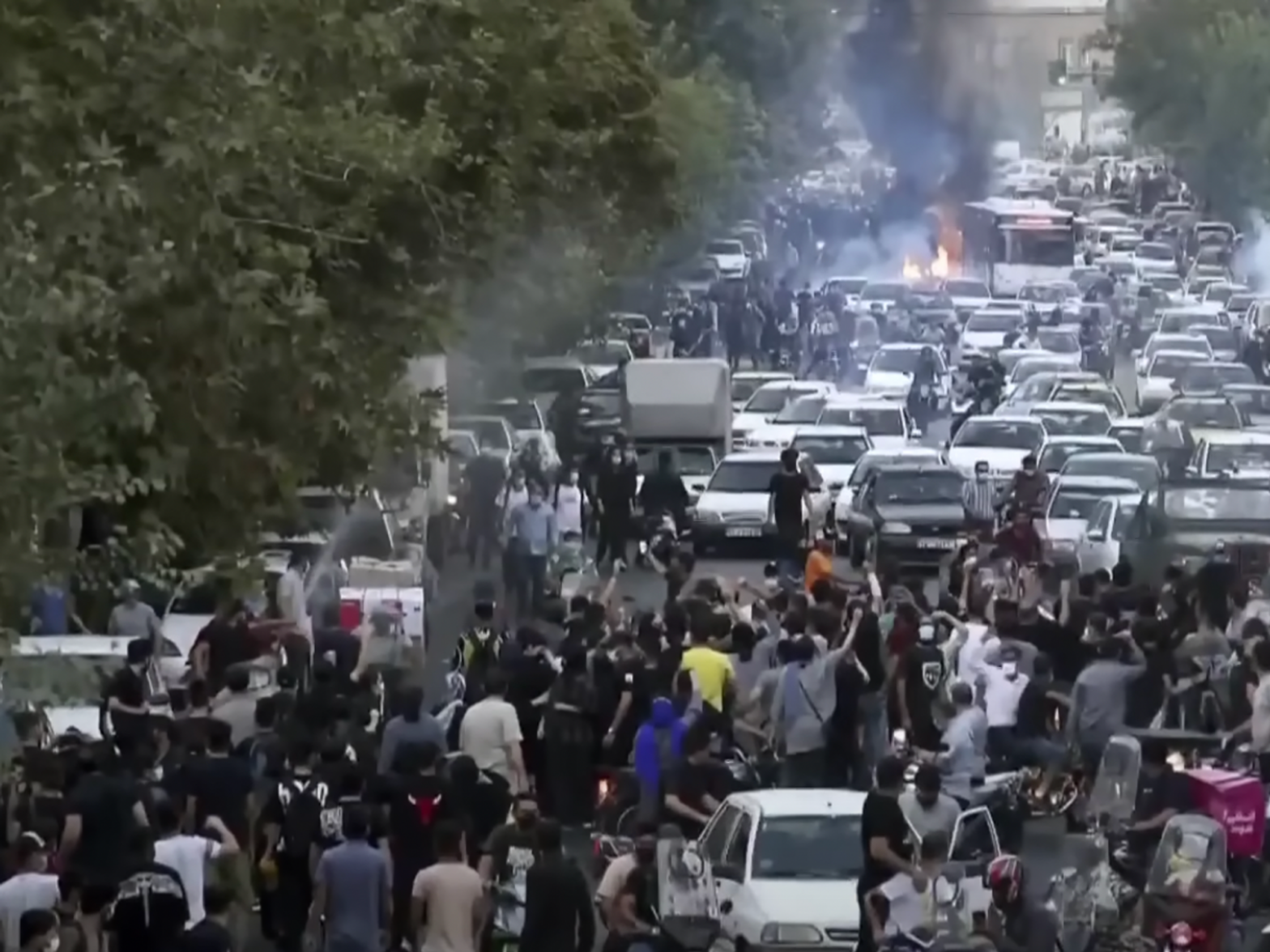
Faced with the resilience of the national protests, Iran’s security forces are now facing unusual acts of sabotage on state installations, and clerical authorities have started to wonder which of their loyalist forces can be firmly relied on still to defend the regime.
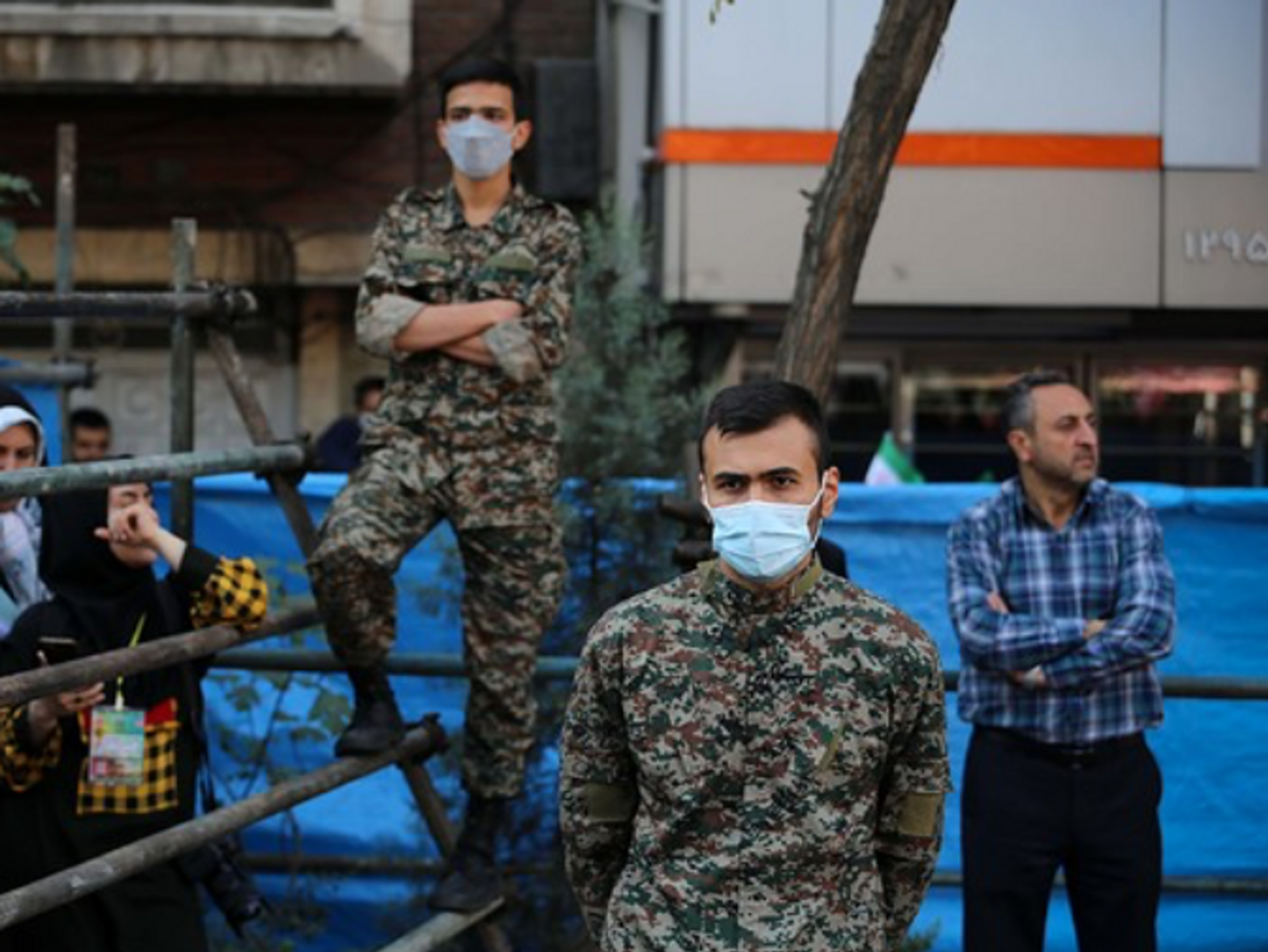
Amid increasing tensions prompted by ongoing anti-government protests, reports from Tehran show increased surveillance of some foreign embassies. Iranian agents are said to be particularly curious about visas to get out of the country.
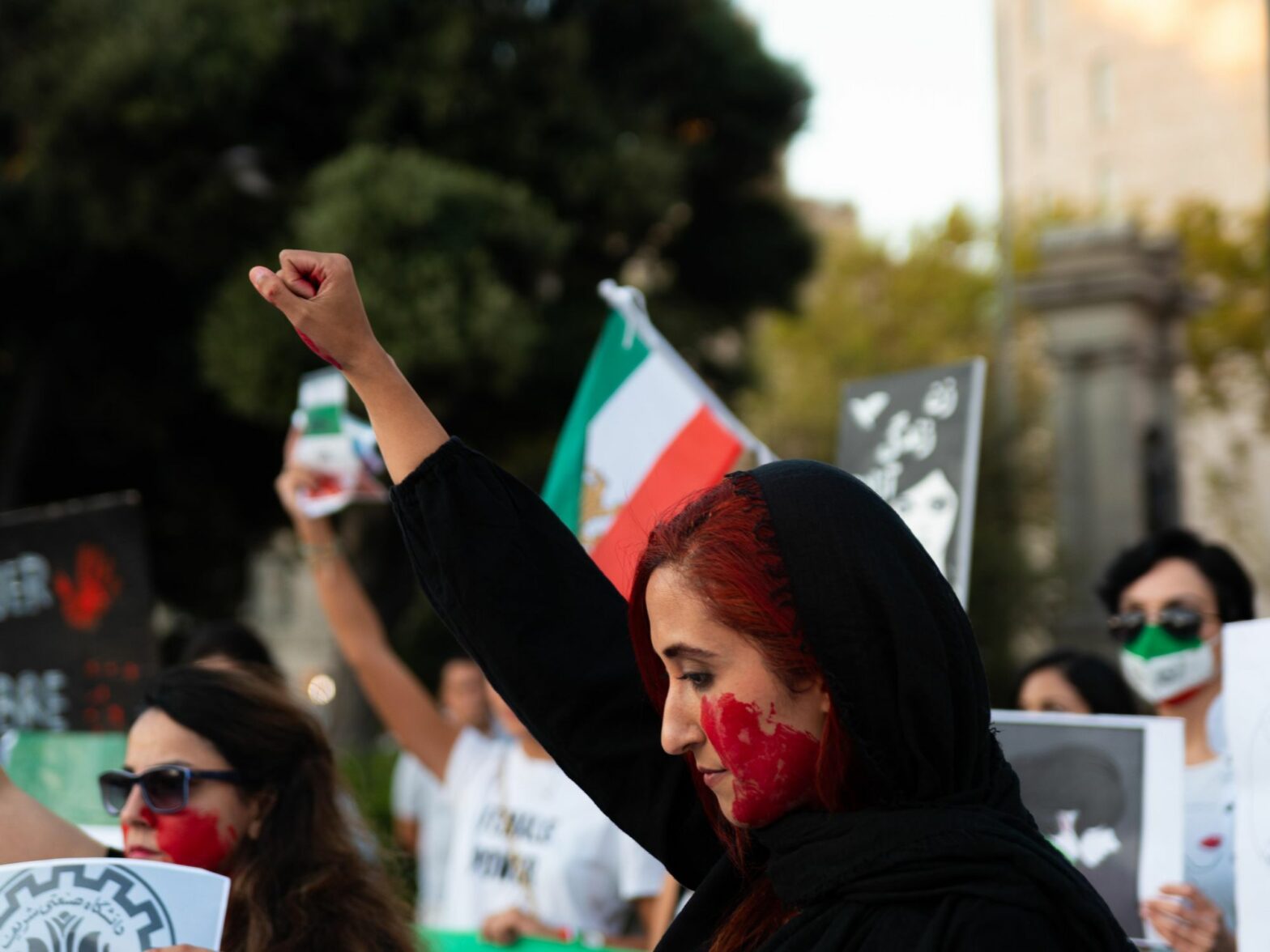
By defending their fundamental rights, Iranian women are effectively fighting for the rights of all in the Middle East. Their victory could spell an end to Islamic fundamentalism that spouts lies about “family values” and religion.
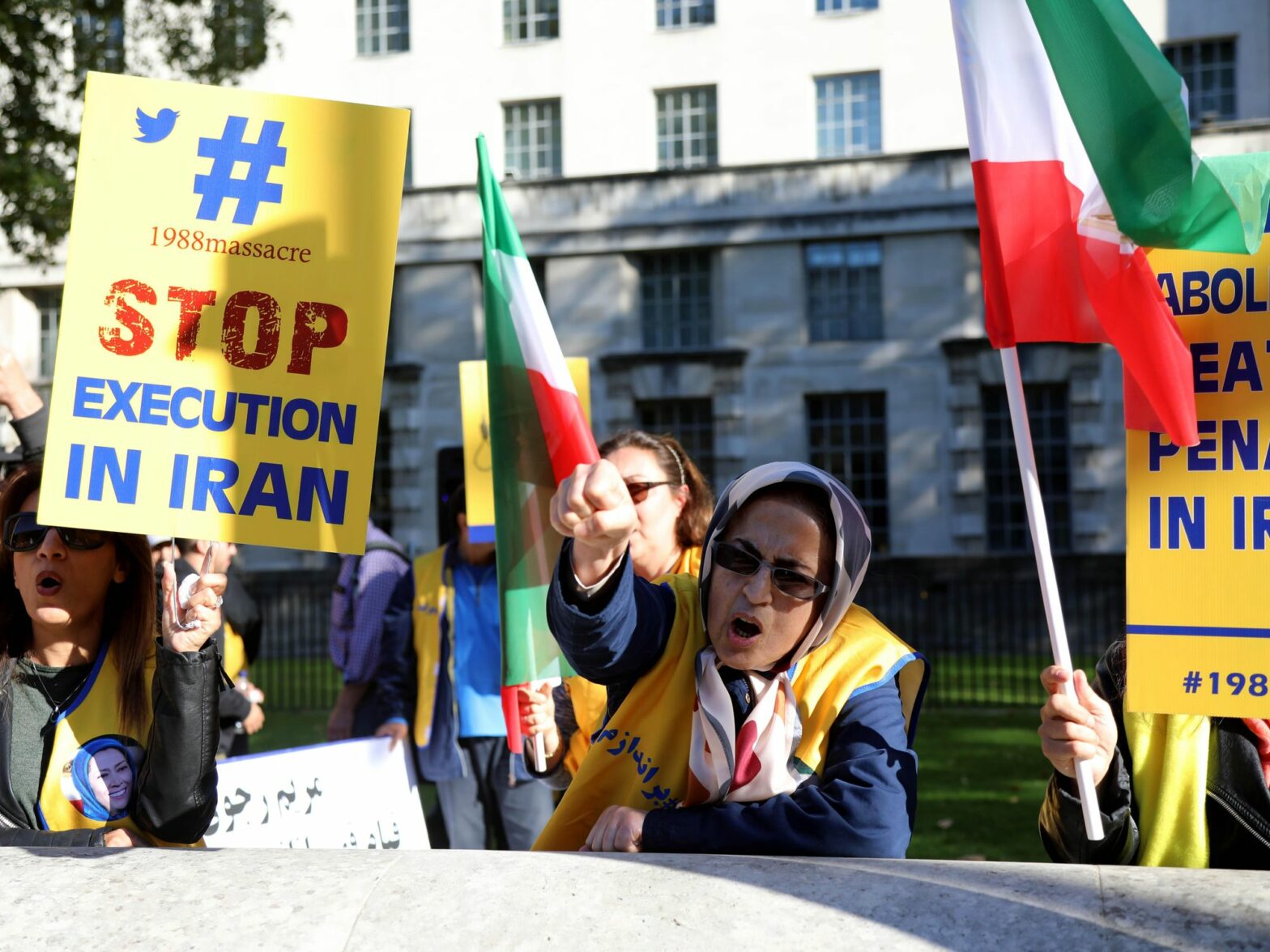
Iran has long had a simple and prolific response to political opposition and the worst criminal offenses, namely death by shooting or hanging. Whether opening fire on the streets or leading the world in carrying out the death penalty, the regime insists that morality is on its side.
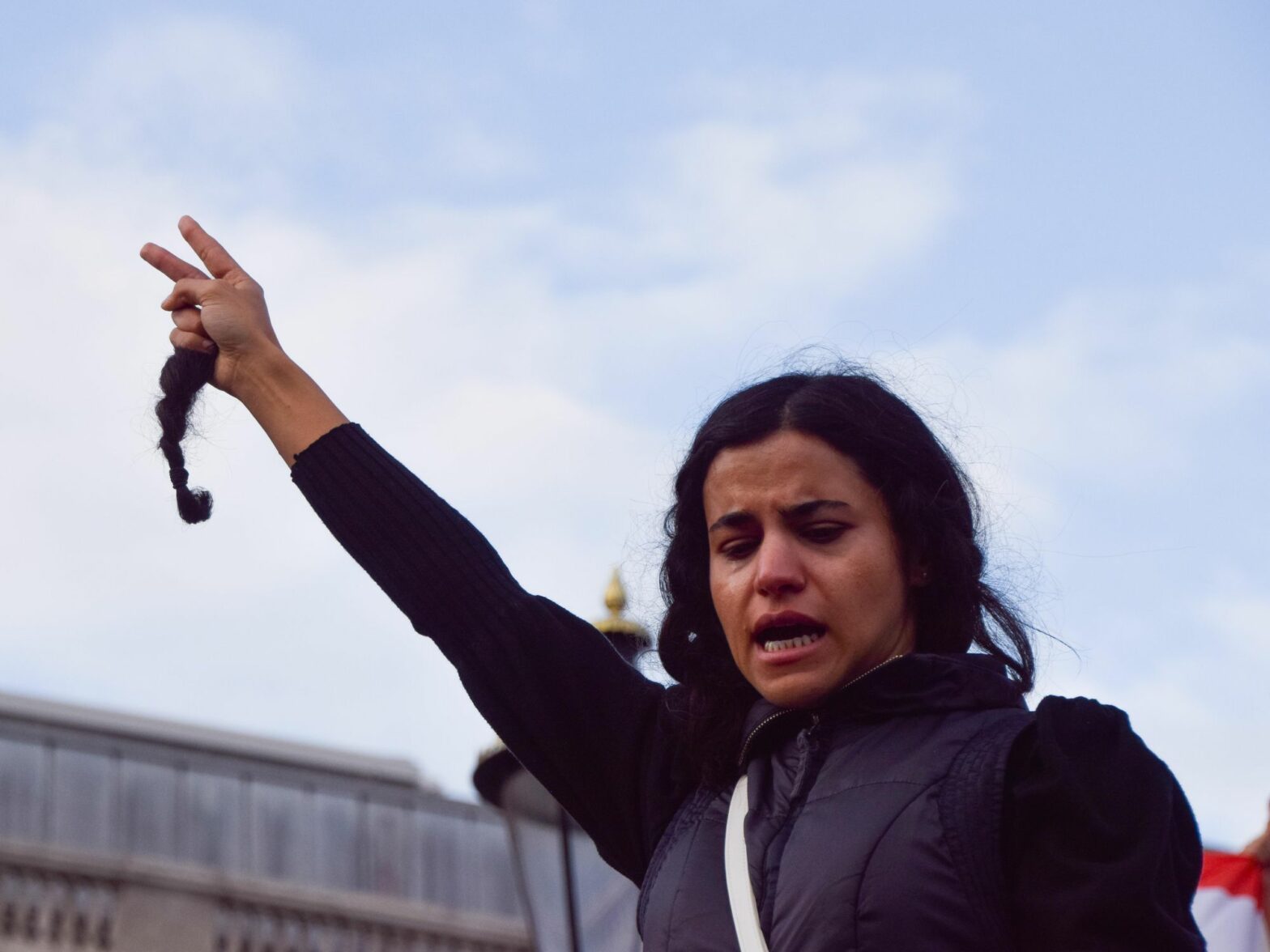
The latest round of anti-regime protests in Iran is different than other in the 40 years of the Islamic Republic: for its universality and boldness, the level of public fury and grief, and the role of women and social media. The target is not some policy or the economy, but the regime itself.
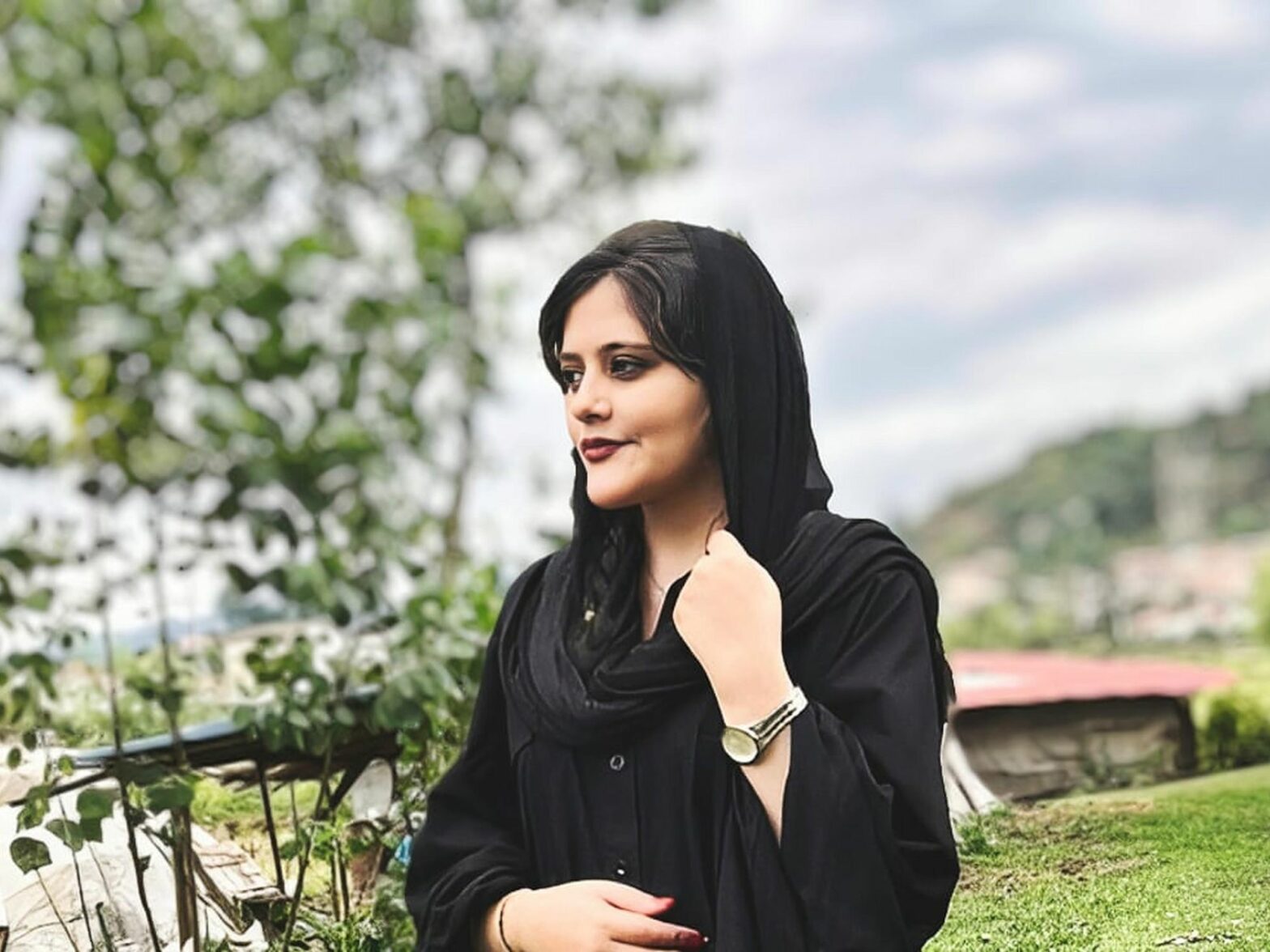
The 22-year-old is believed to have been beaten to death at a Tehran police station last week after “morality police” had reprimanded her clothing. The case has sparked the nation’s outrage. But as ordinary Iranians testify, such beatings, torture and a home brand of misogyny are hallmarks of the 40-year Islamic Republic of Iran.
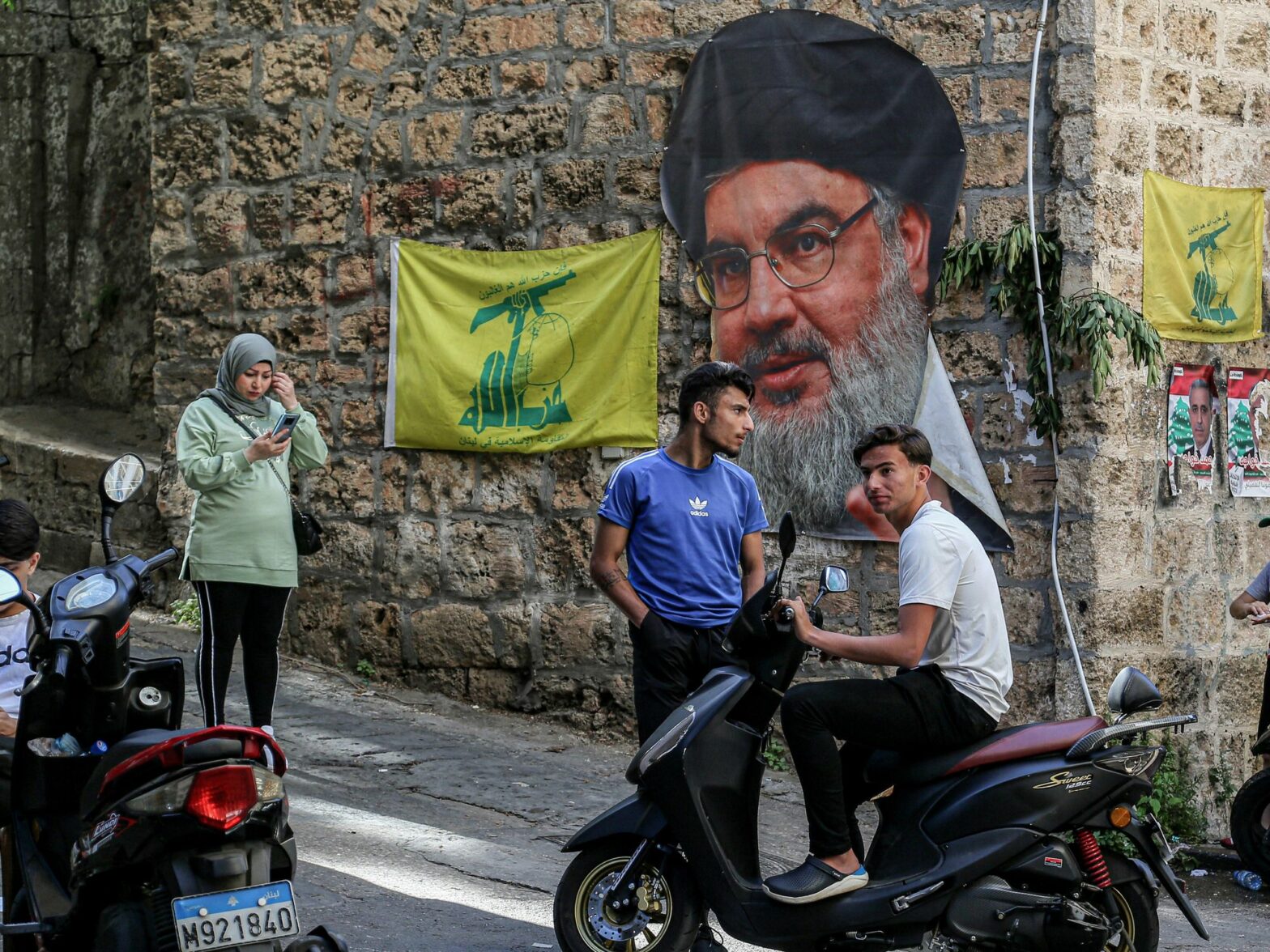
Lebanon’s recent elections have shrunk the legislative block led by national power-brokers Hezbollah. But will a precarious new majority be able to rid the government of the long shadow of Tehran?
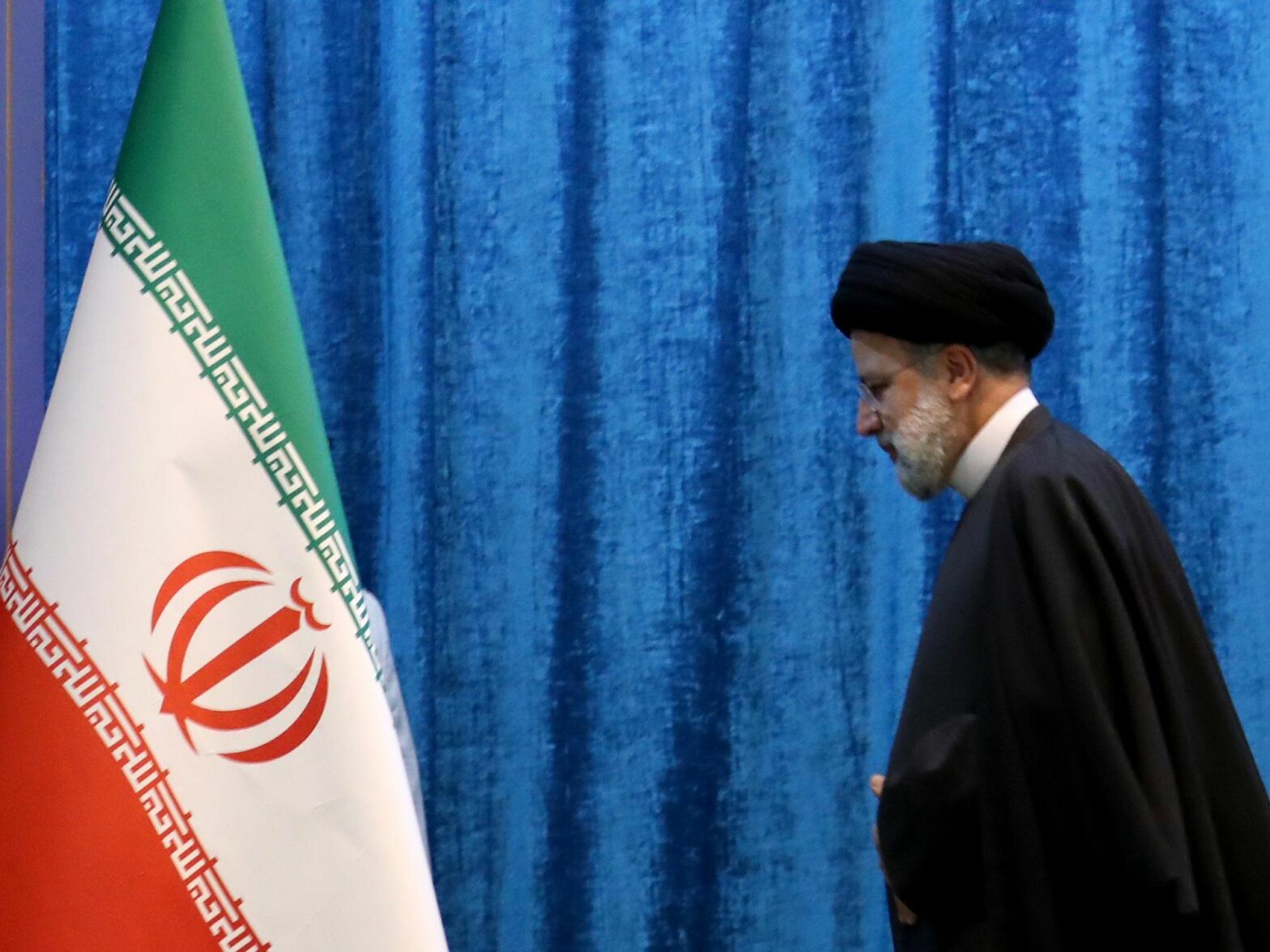
After a break in late March, small protests have broken out all over Iran over wages and pensions. A higher cost of living caused by the war in Ukraine may be the final straw for exasperated Iranians.
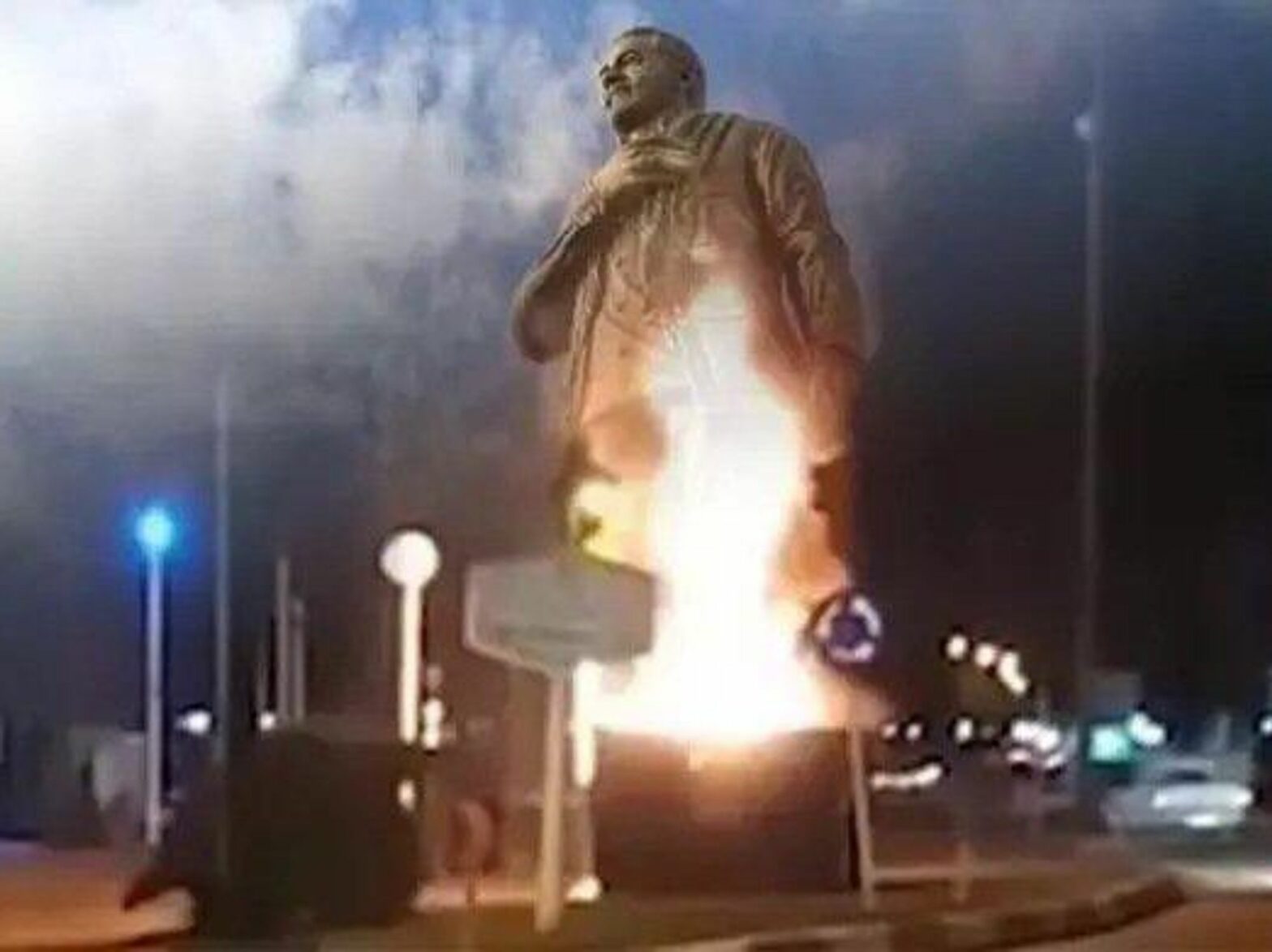
With increasing frequency, Iranians are destroying or defacing the monuments of revolutionary and clerical leaders that they have come to loathe as symbols of oppression. It is a dangerous act of protest against the regime, which has called the vandalism “vile.”
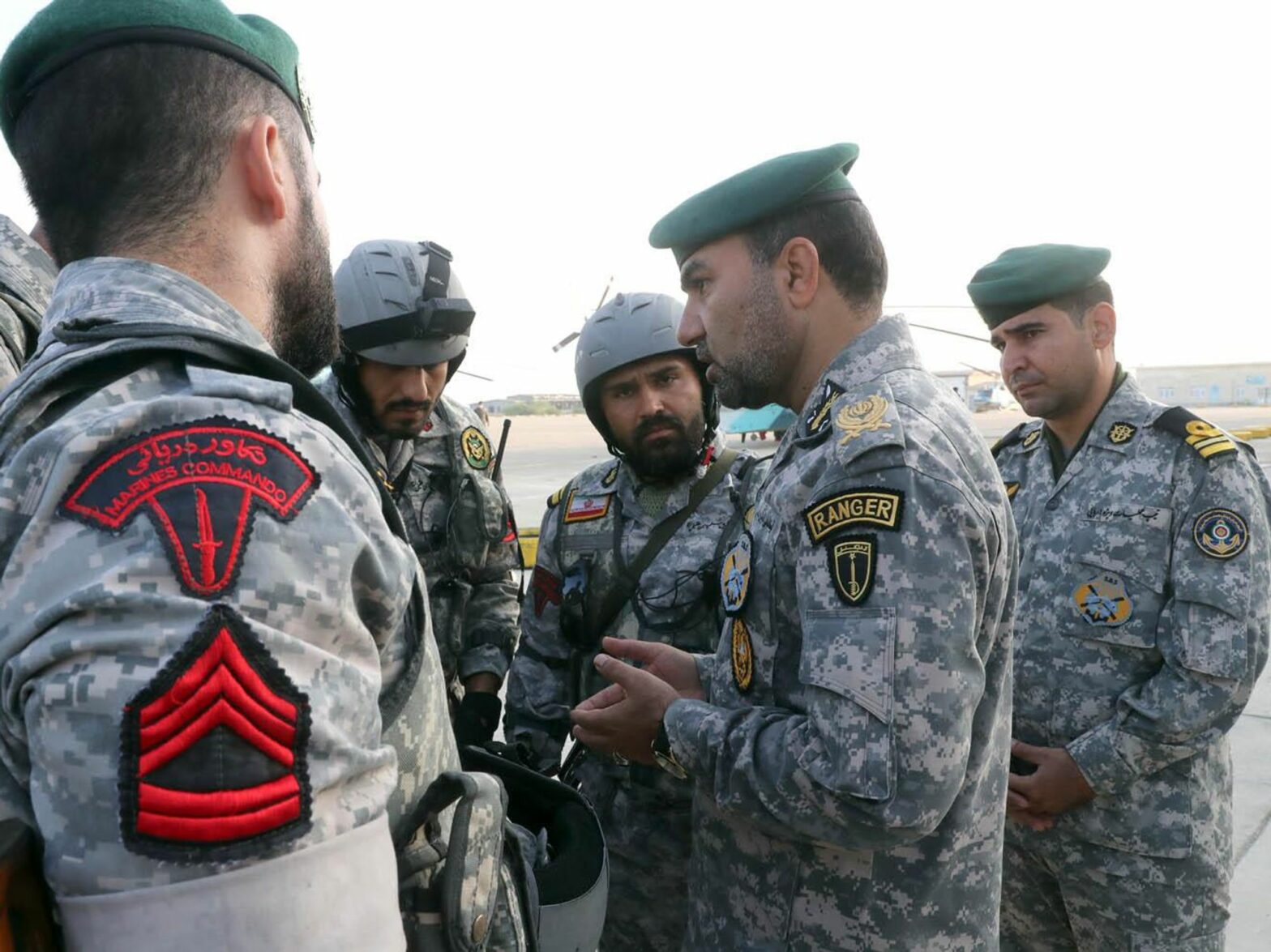
Iran’s clerical regime is handing over vital economic sectors to its “allies,” Russia and China. But future generations may end up paying the real price for the country’s “Look to the East” philosophy.
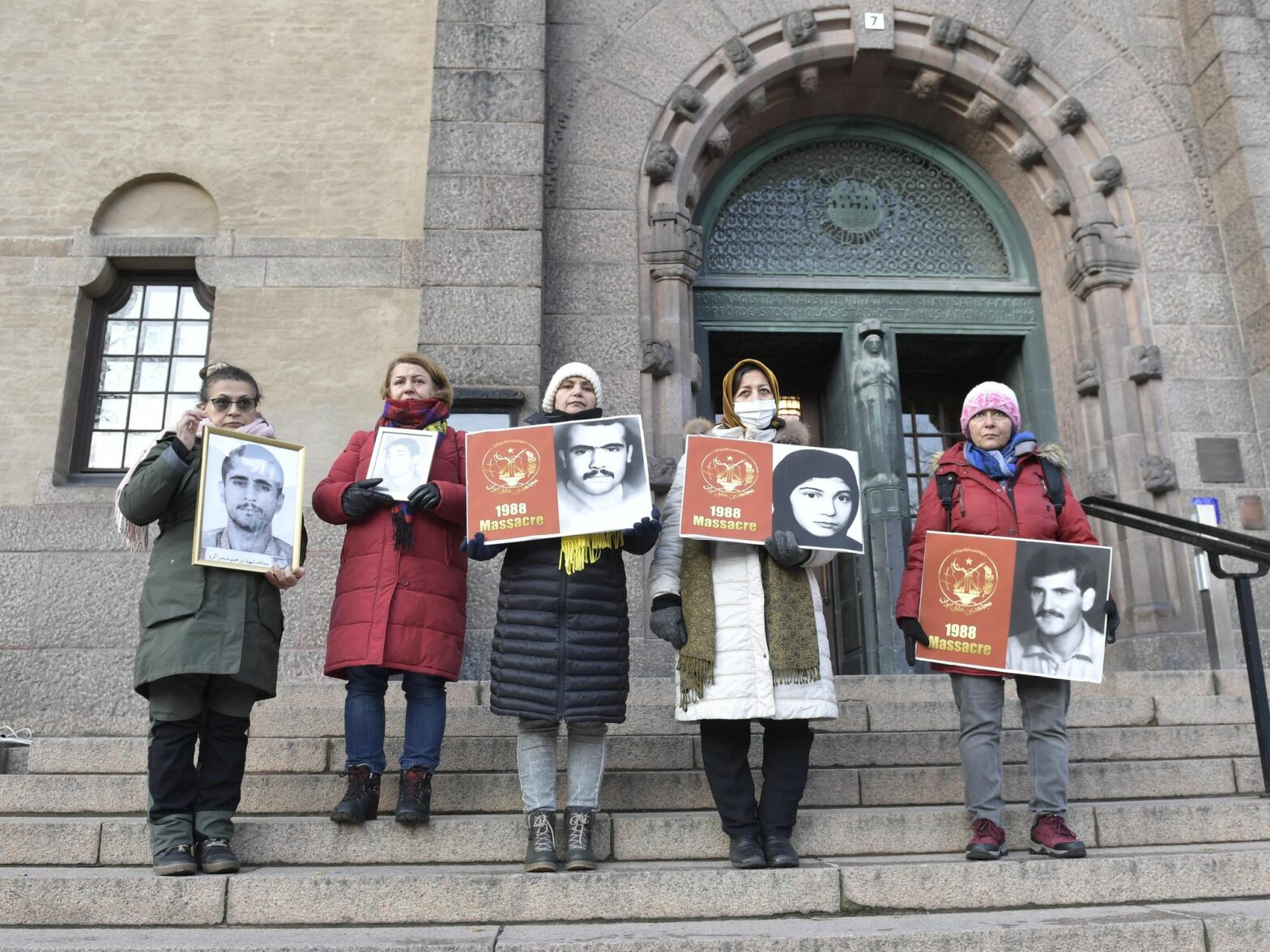
A former Iranian official being tried in Sweden on charges of complicity in murders of hundreds of prisoners outside Tehran in 1988, typifies the violent nature of the Islamic leaders who took over Iranian institutions 40 years ago.
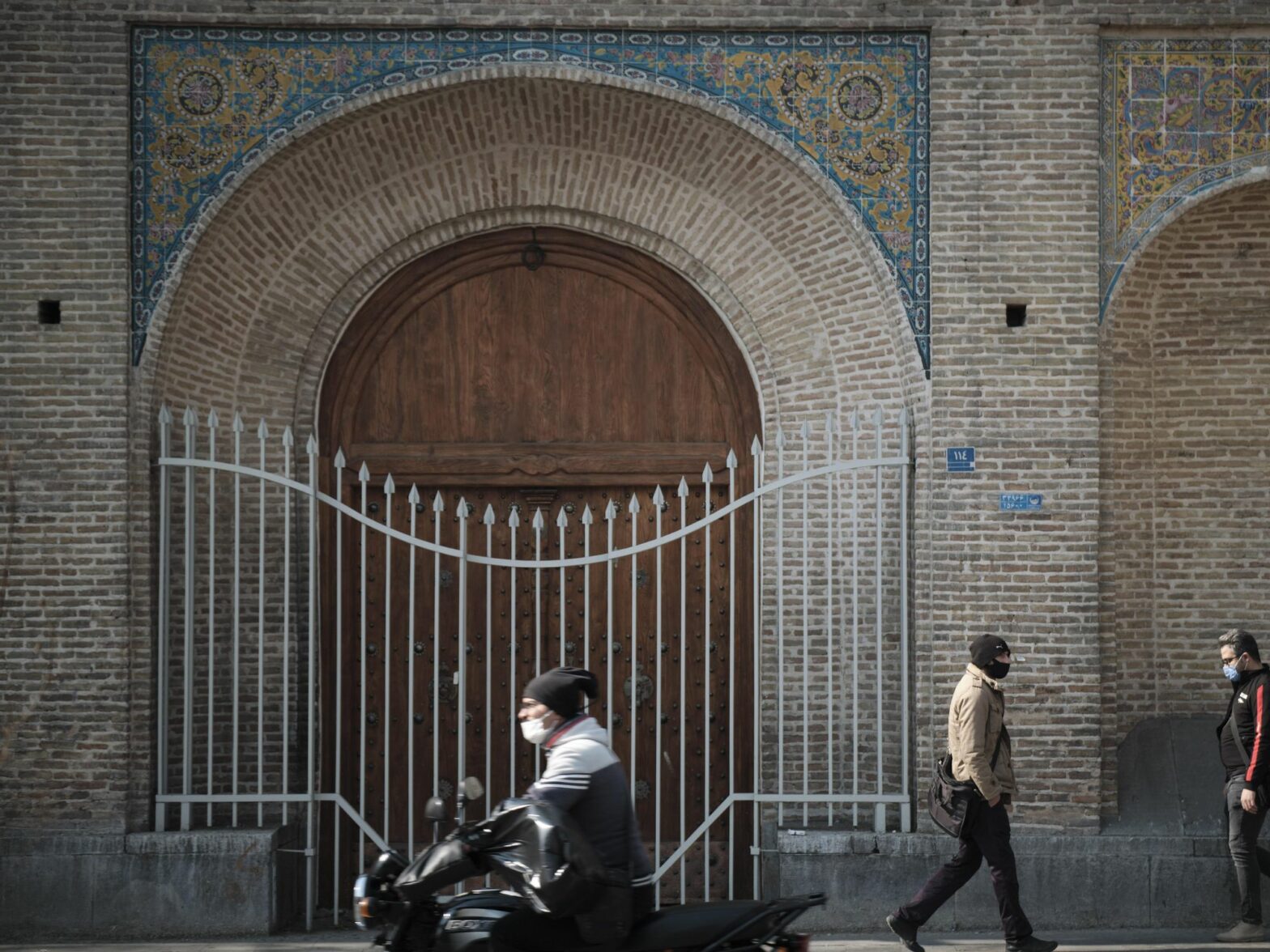
The desperation to leave Islamic Iran has spread from writers, dissidents and minority groups to hundreds of thousands of Iranians willing to live and work “anywhere that isn’t Iran.”
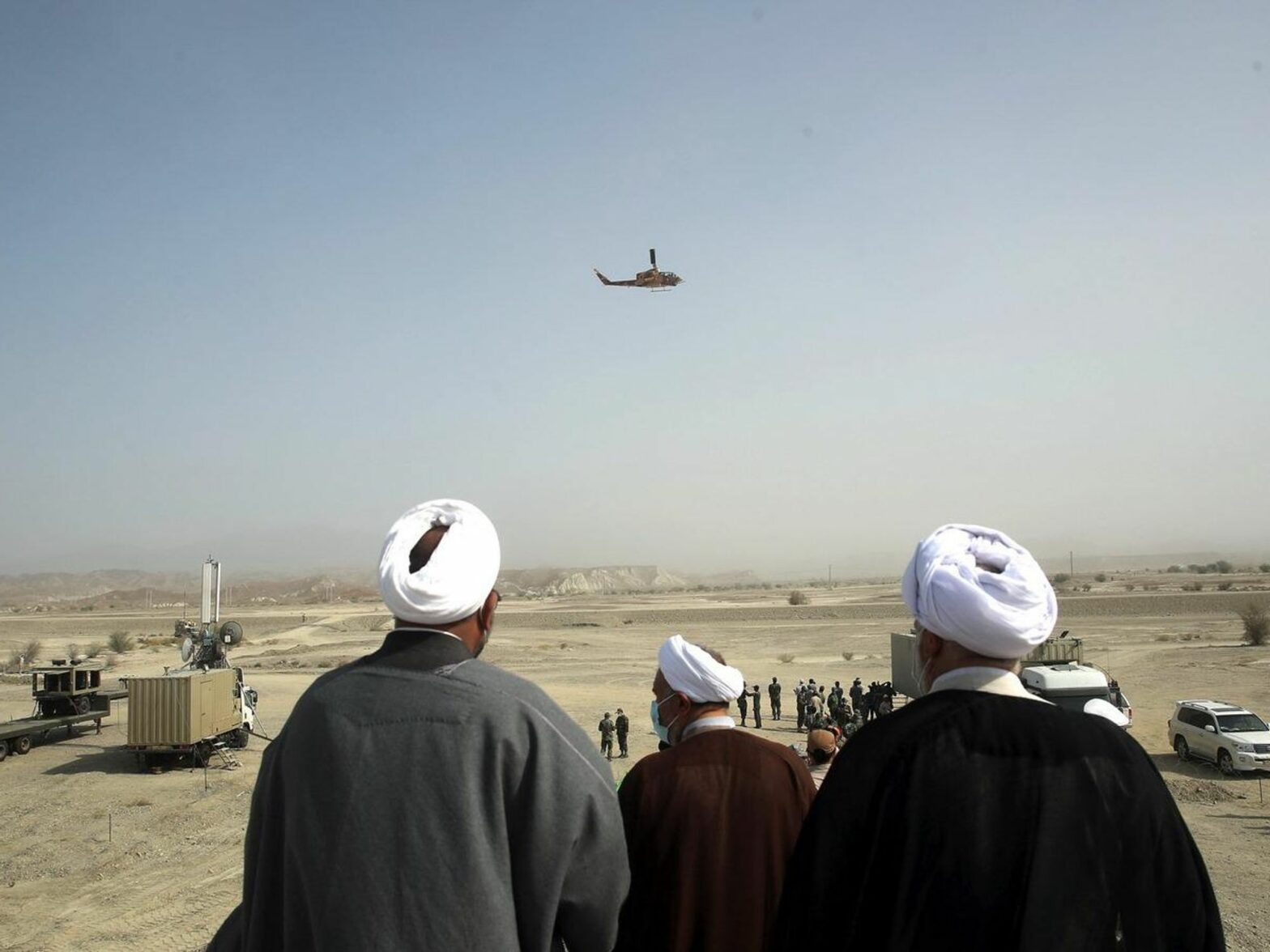
Russia’s role in in Iranian affairs goes to the highest levels of its military and security structures. But will anyone in Iran dare question Supreme Leader Ali Khamenei, in spite of the grave risks to the country’s national security?
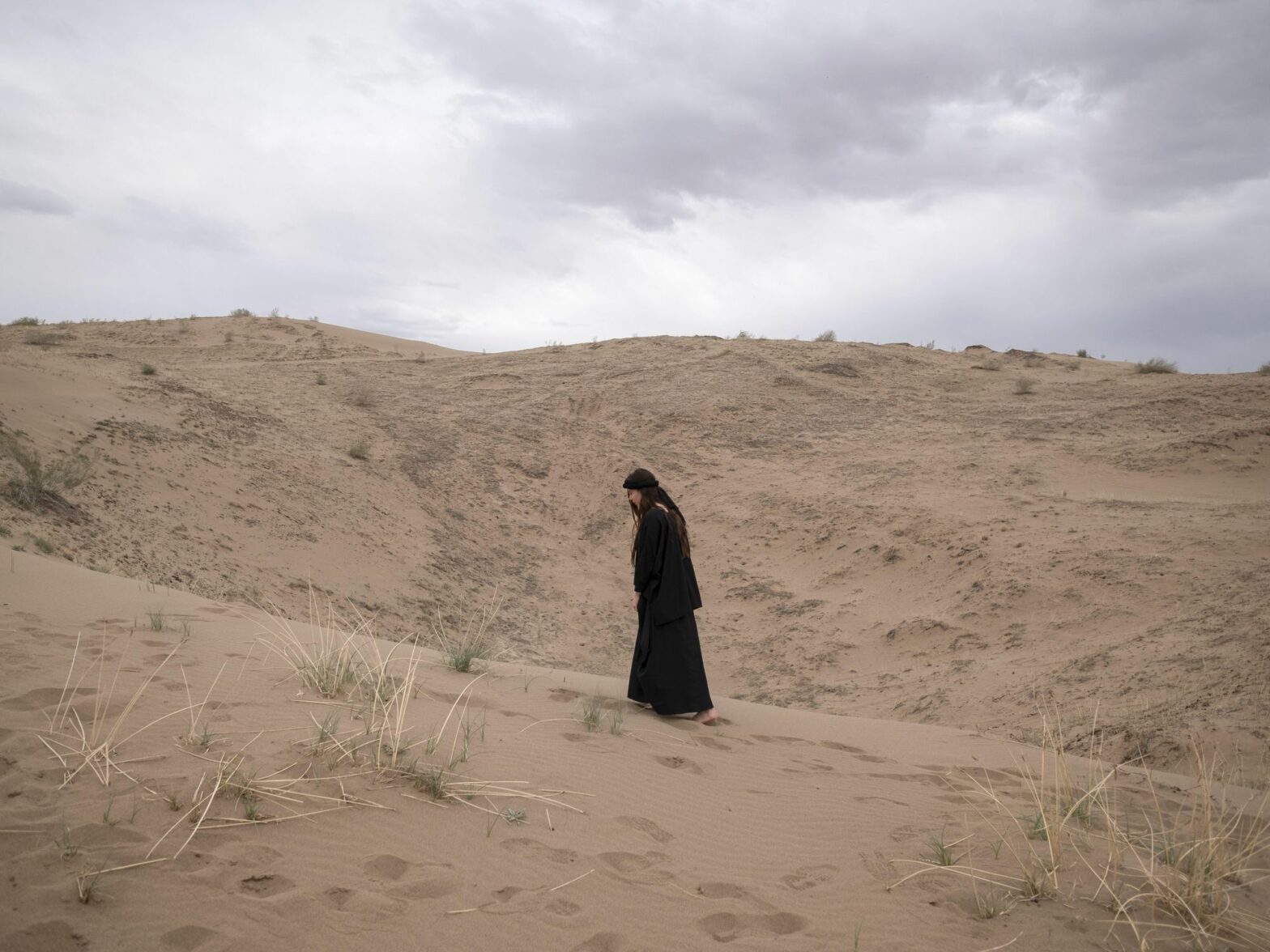
The Iranian government is responding to peaceful protests with batons and bullets. Their brutality and criminal incompetence are galvanizing protestor solidarity and resistance, which might finally prove fatal to the ruling elite.
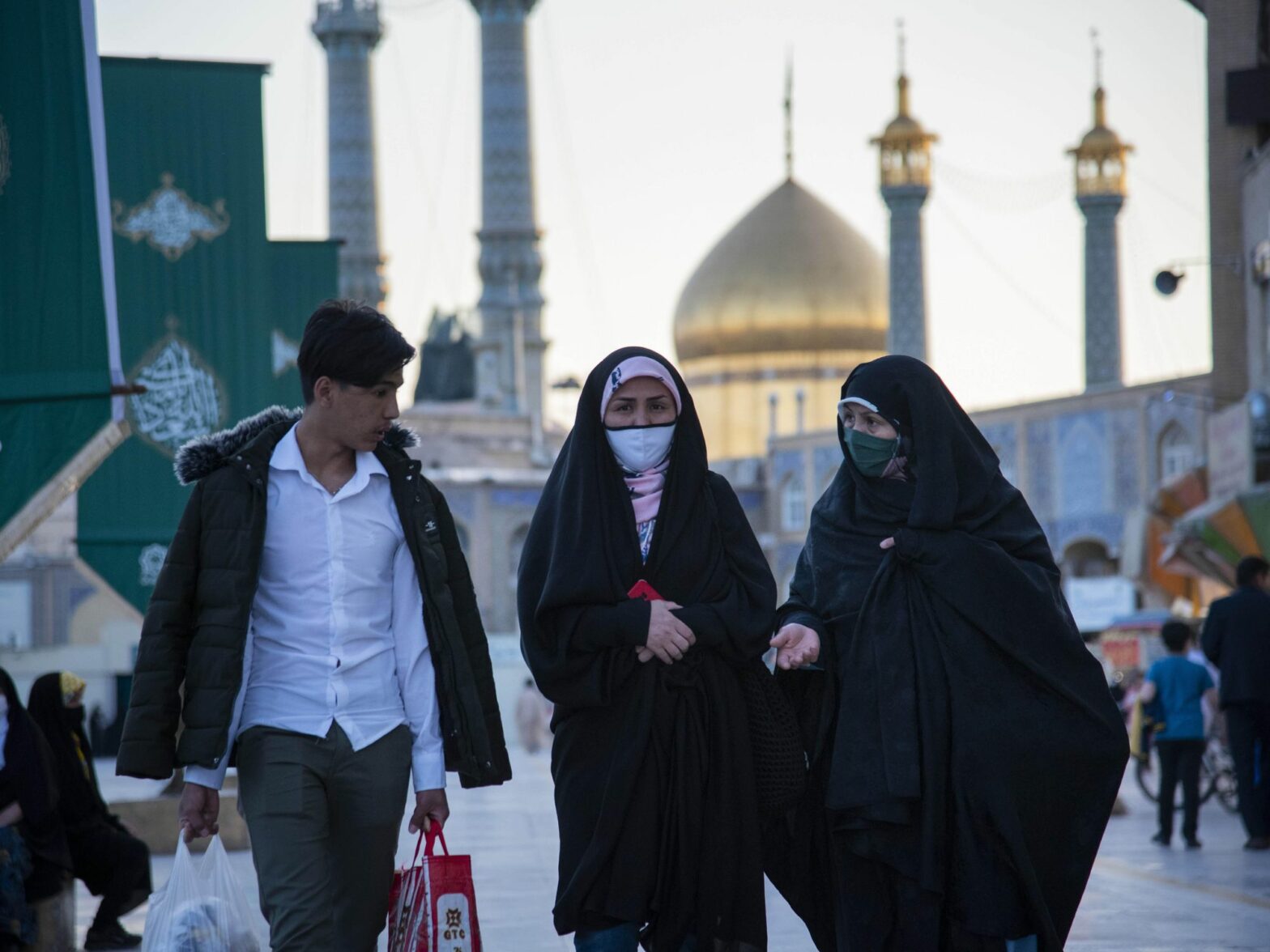
For those aiming to serve the Islamic Republic of Iran as experts to train the public morality agents, there are now courses to obtain the “proper” training.
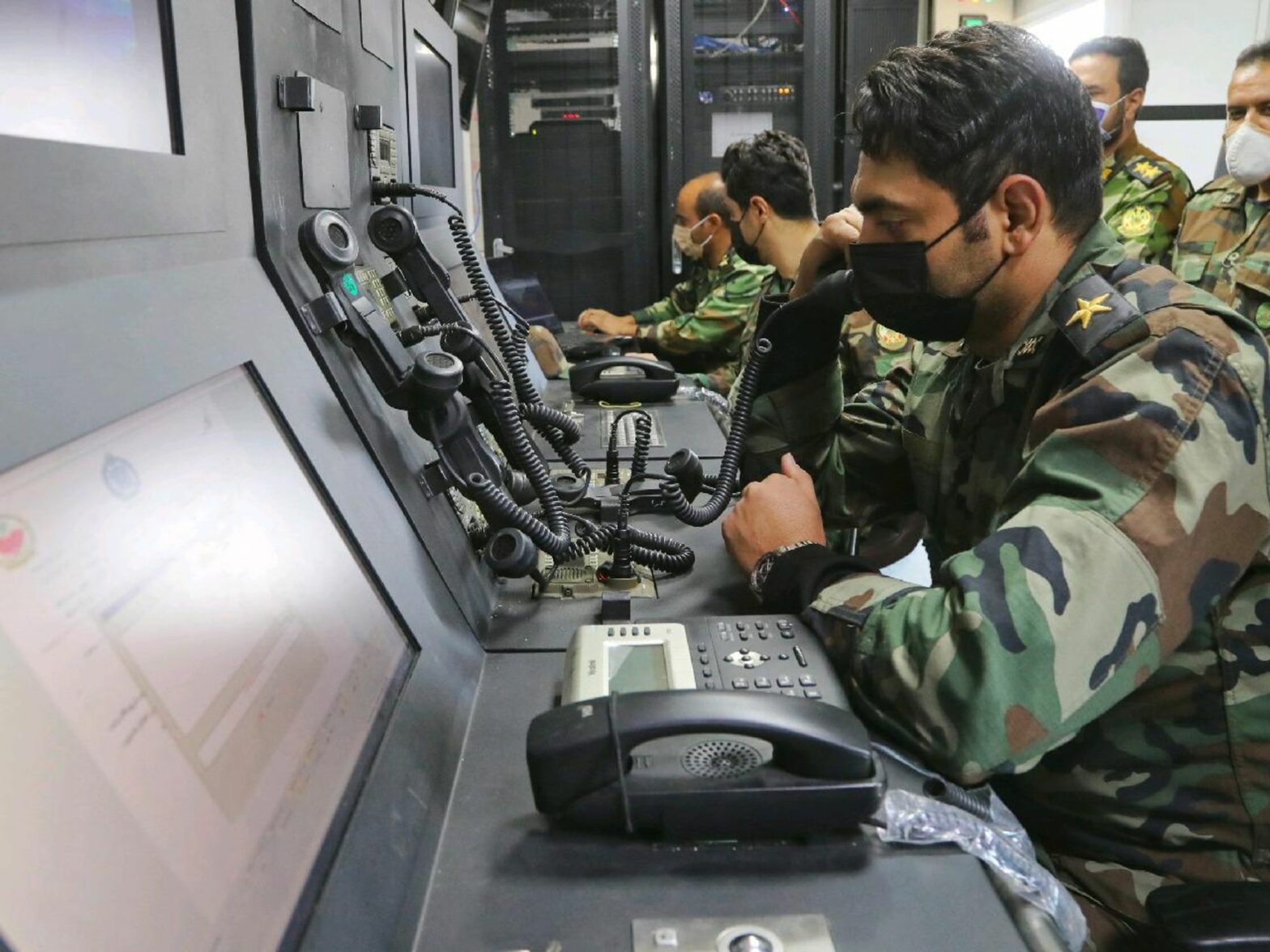
The U.S. is calling for “imminent” return to talks. But Tehran has made advances on its nuclear program that could force the West to accept, in a new pact, its bomb-making capacity, which Iran will “freeze” if Western powers lift sanctions.