Nicaragua’s brief withdrawal from the genocide case against Israel raised eyebrows — and questions about legal tactics, international pressure, and the future of global support for Palestine.
 Worldcrunch
Nicaragua’s brief withdrawal from the genocide case against Israel raised eyebrows — and questions about legal tactics, international pressure, and the future of global support for Palestine.
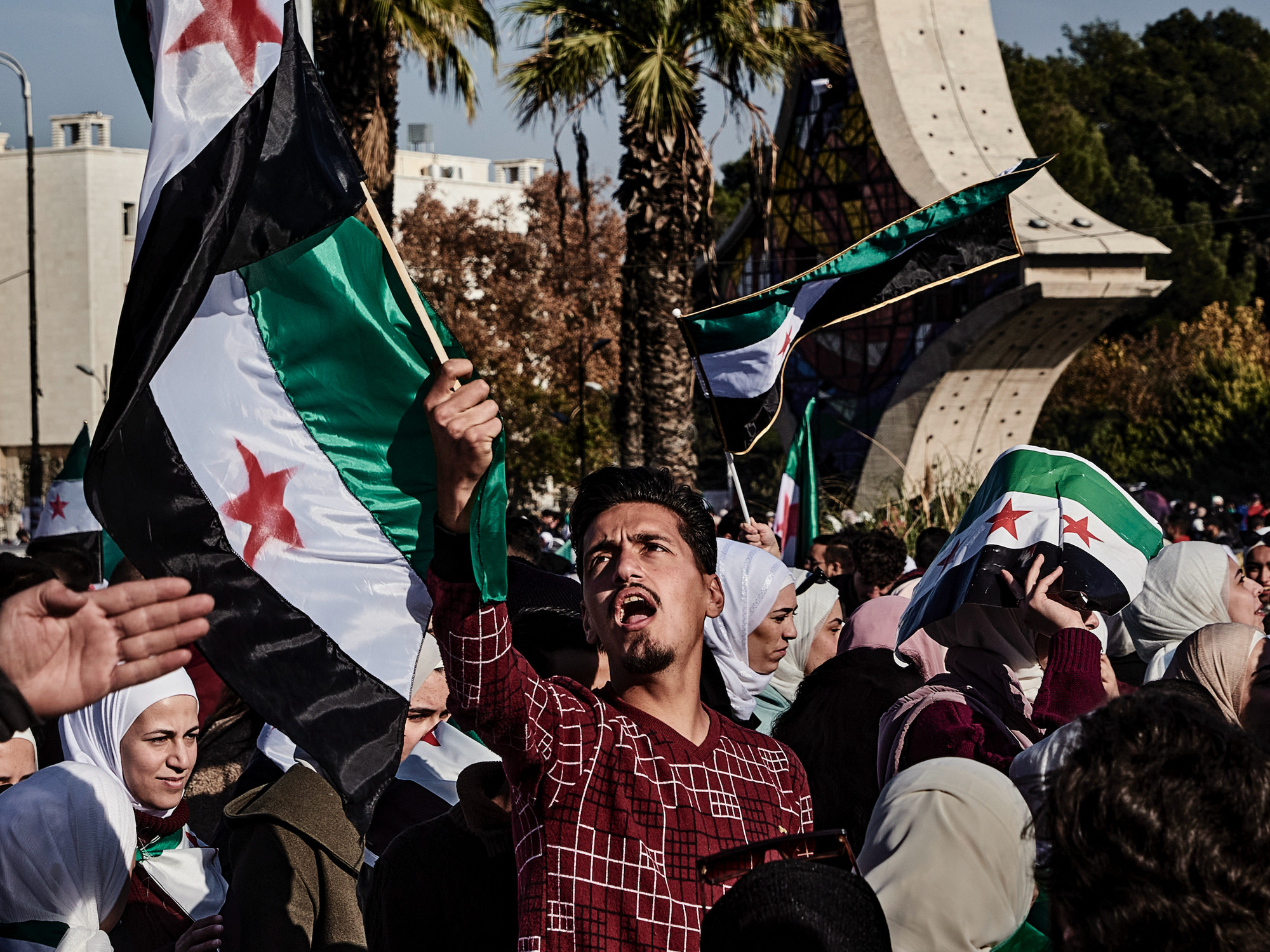
The year started without the tyrant of Damascus. Lebanon elected a president. Gaza has a ceasefire. Some of this progress is due to external geopolitical forces, yet there are signs that the region could be turning around from within.
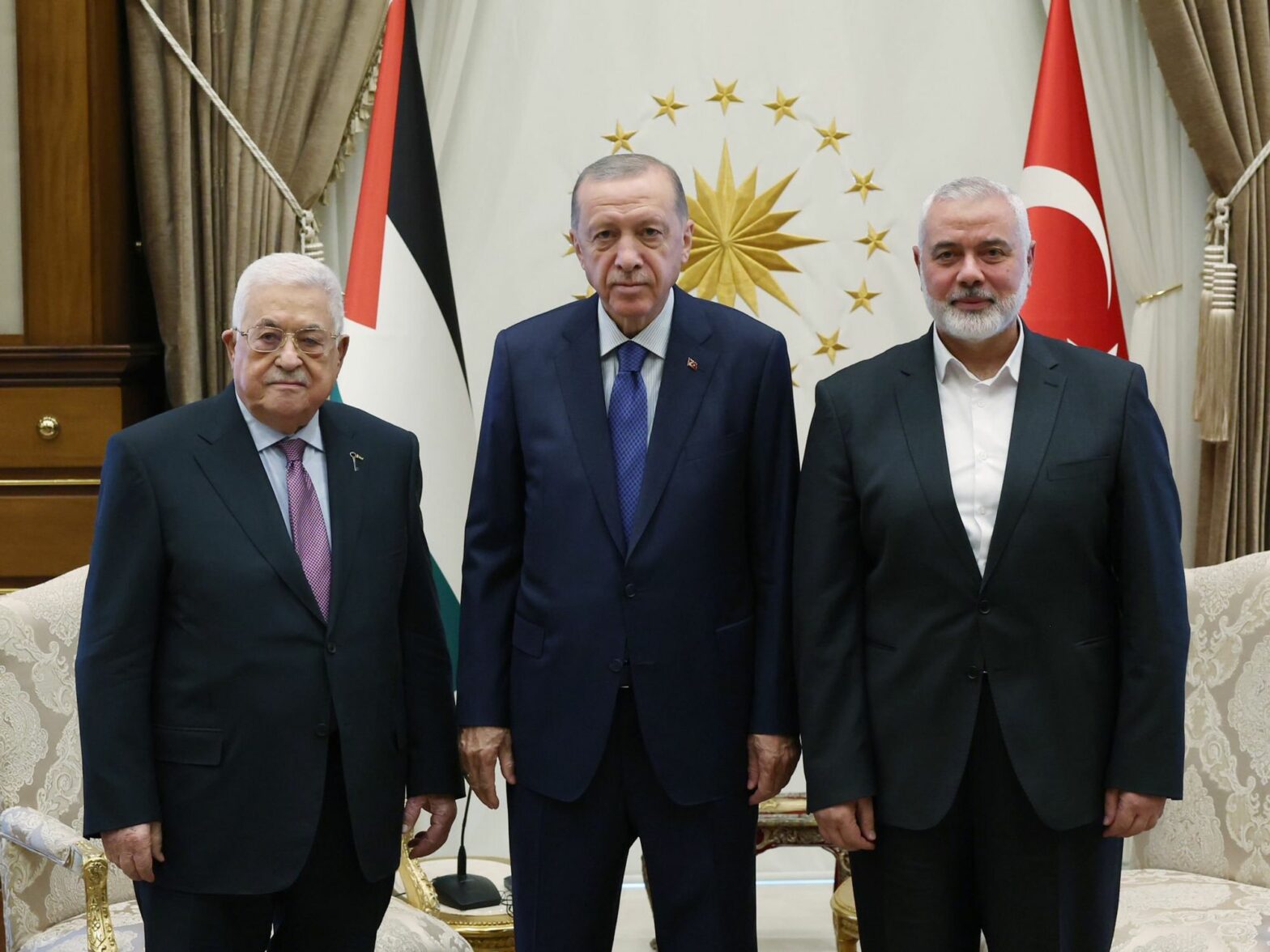
Turkey has become increasingly concerned about Israel’s expansionist ambitions, both for peace in the region and the Turkish claims to contested territory, given Israeli officials’ comments about “Greater Israel.”
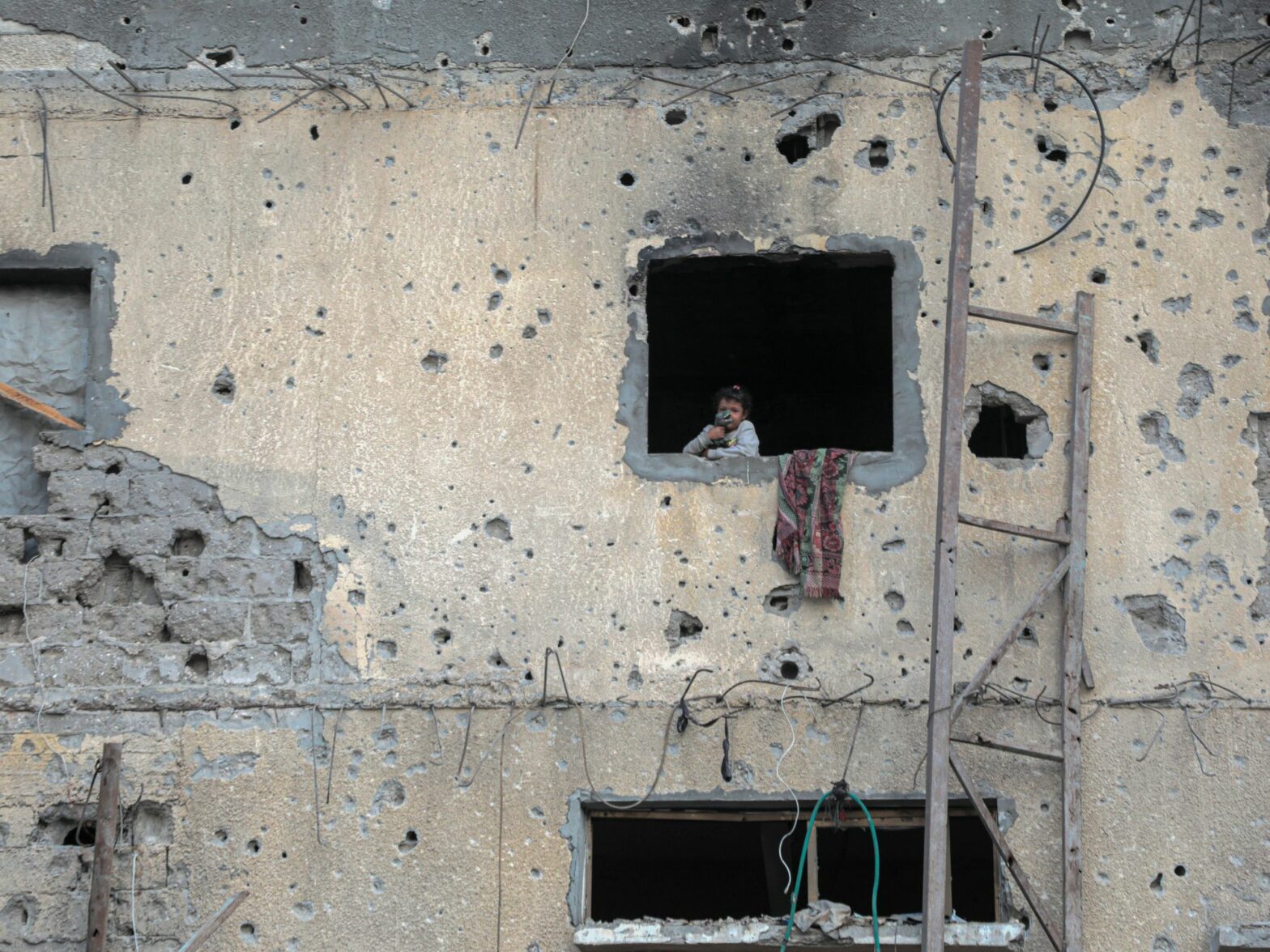
It’s clearer than ever that Israel — backed by a number of militarily and economically powerful countries that claim to abide by international law and human rights — continues to destroy these laws and standards that are based on the equality of all human beings.
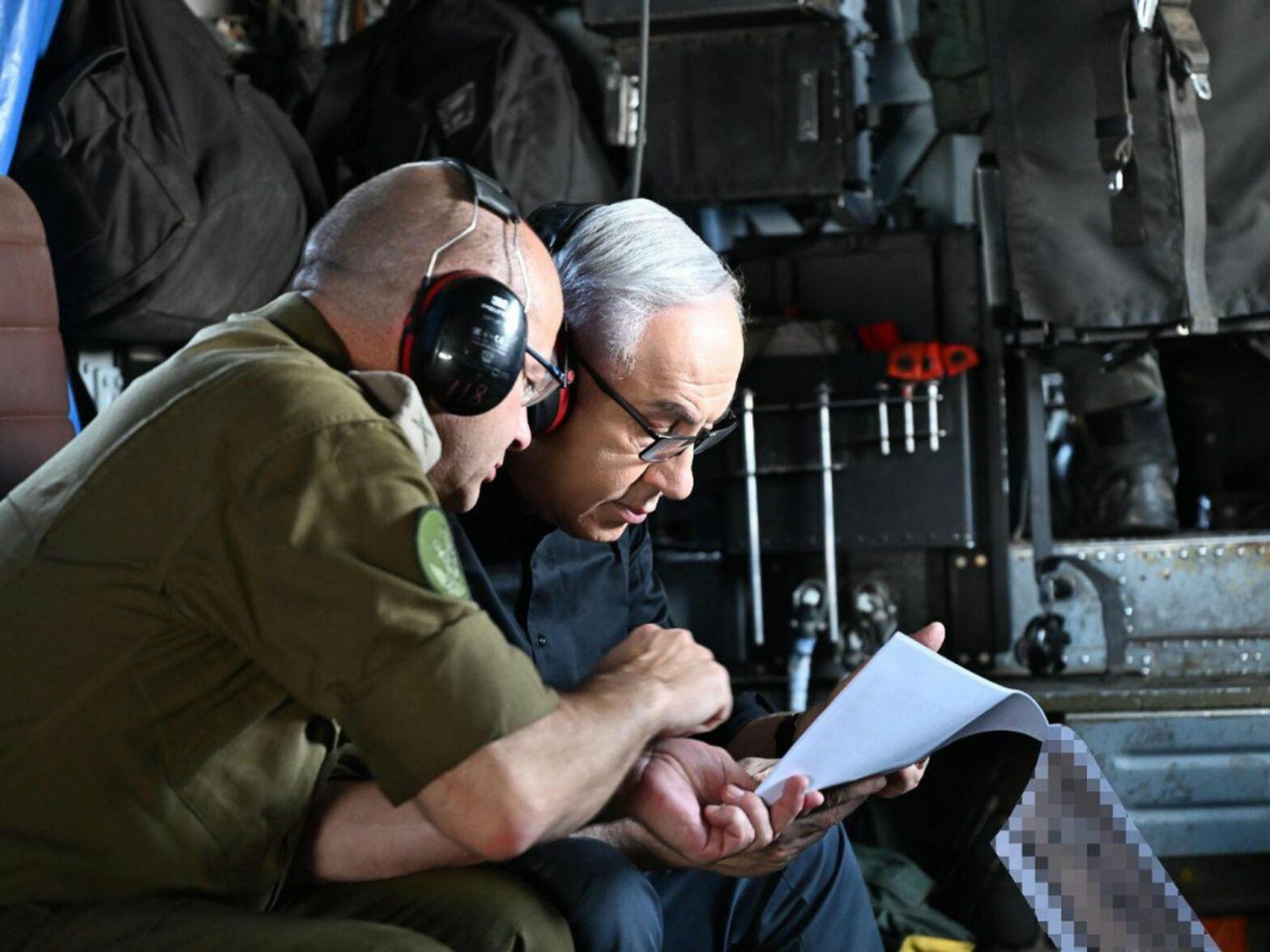
Logic suggests that continuing the fighting on the southern Lebanon front is no more than meeting Netanyahu halfway toward a full-scale war. It also suggests that disrupting this man’s mission requires finding ways to stop the war.
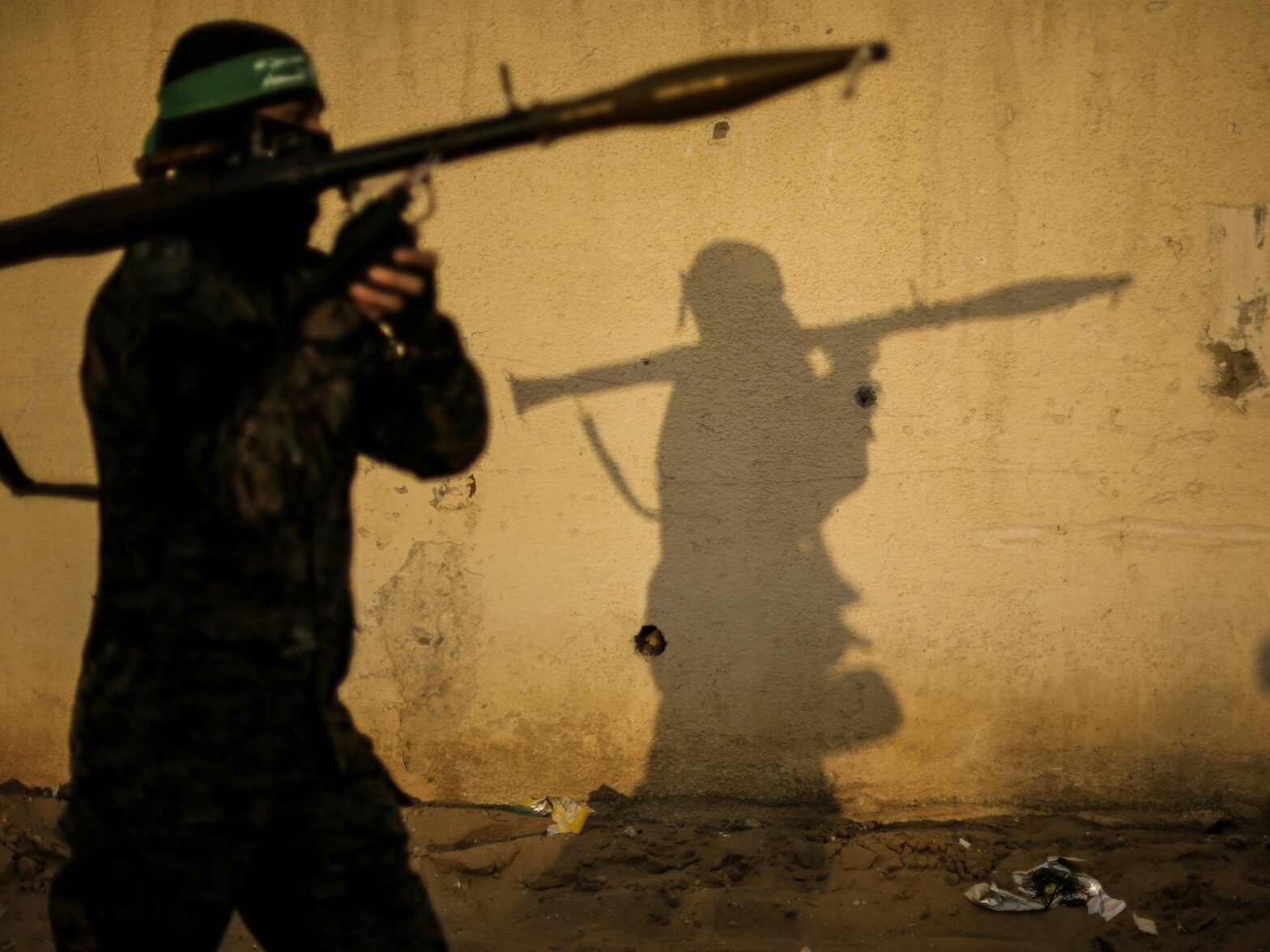
Since Oct. 7, the Israel-Hamas conflict has continued to spread, deepening divisions within Israeli society and radicalizing a section of public opinion. Radicals both in Israel and Hamas are taking advantage of the chaos of war to prevent peace — just as they did in the 1990s. For how long will the world allow them to do so?
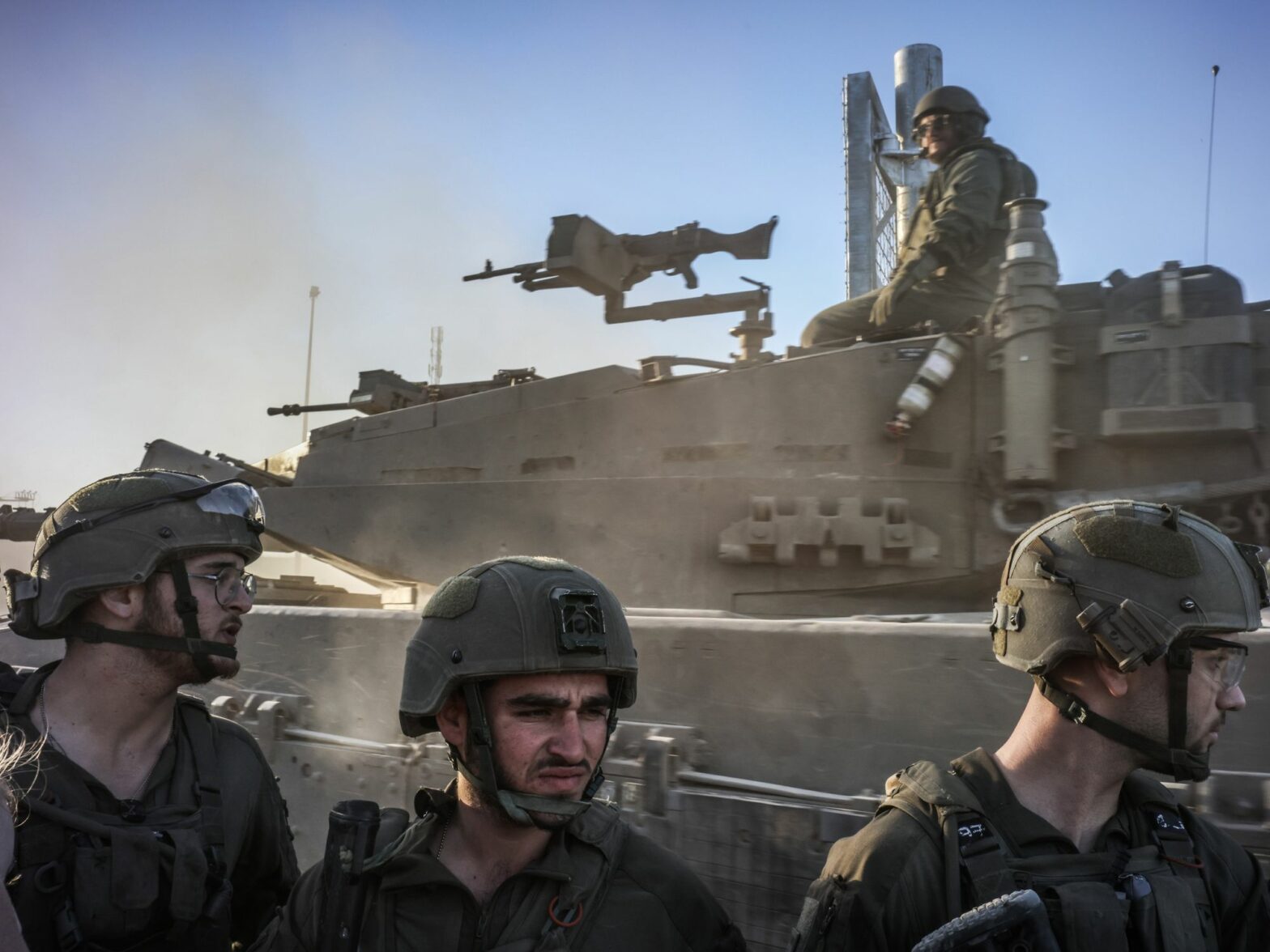
The eighth part of an anthology of poetry from the IDF’s front line soldiers prompted the withdrawal of its copies, with some poems articulating an Israeli “call for revenge.” Sometimes only poetry can truly expose the brutal truth.
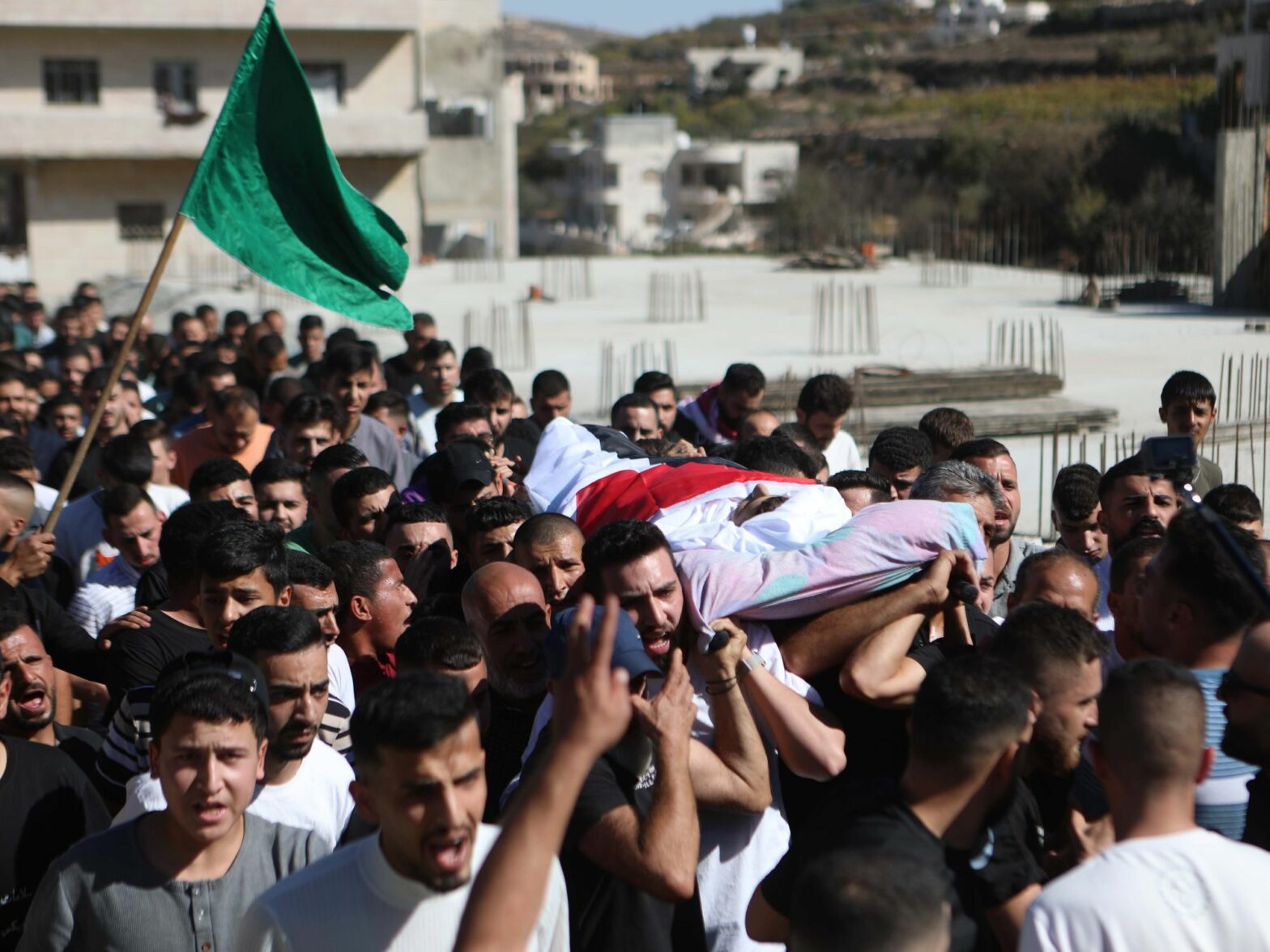
Israeli settlements in the occupied West Bank, which reached record levels in the first year of Netanyahu’s far-right government, have accelerated since Oct. 7 and are undermining a two-state solution to the Israel-Palestine conflict.
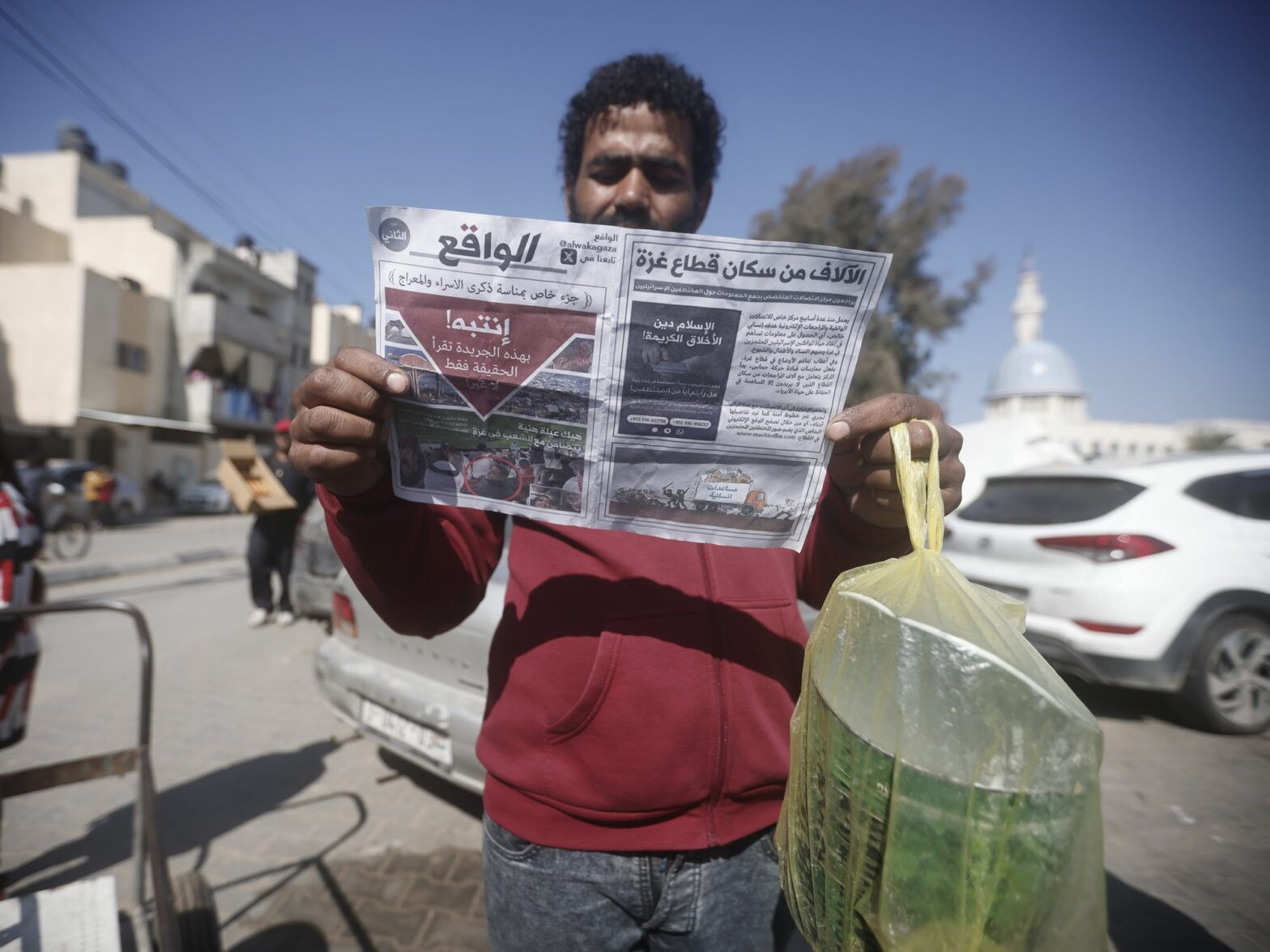
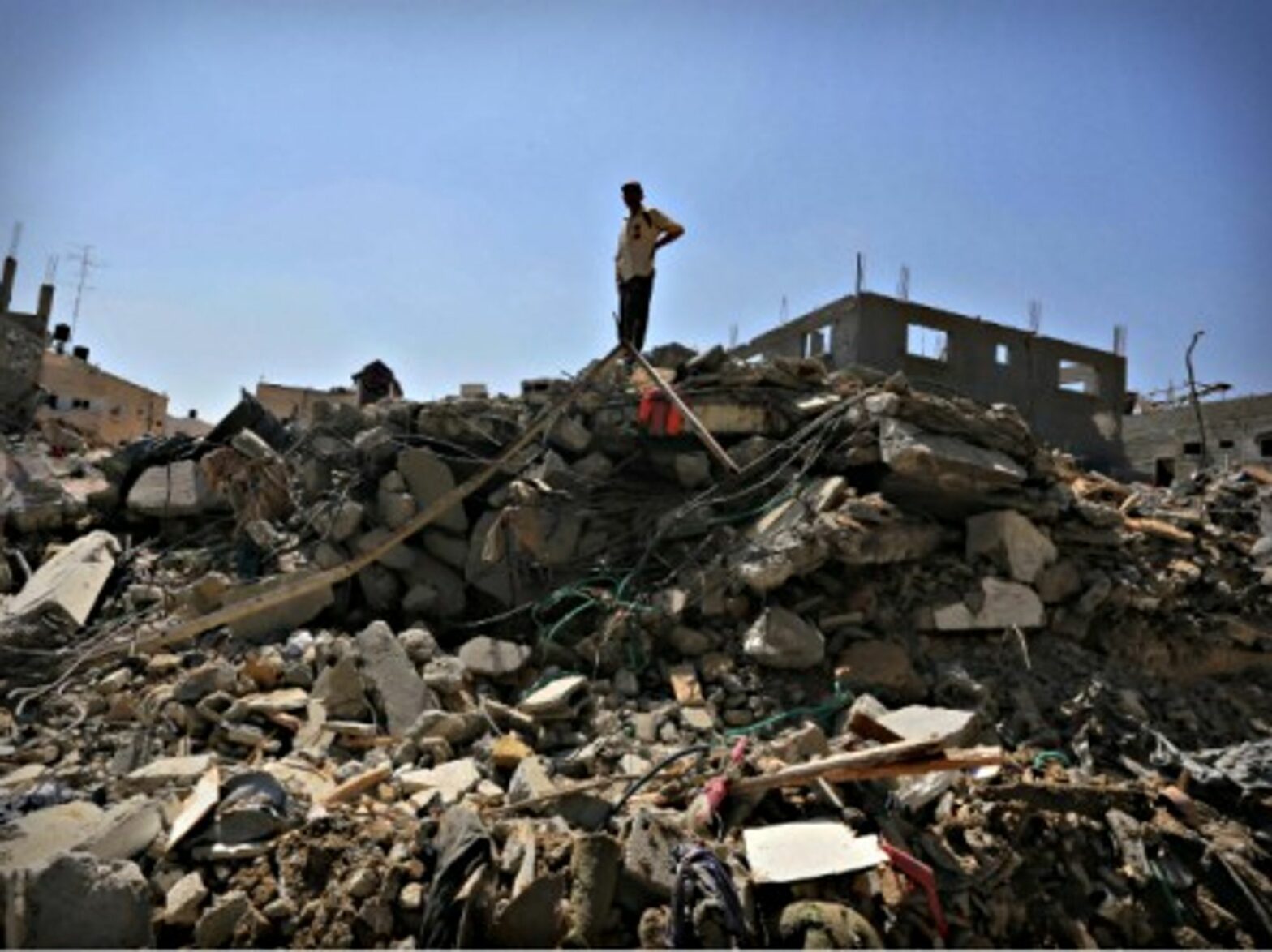
Rafah has become, by far, the largest concentration of displaced people in Gaza. Now Israel is threatening to invade the city, sending waves of desperation among 1.4 million people there. It’s simple: There’s nowhere else to go.
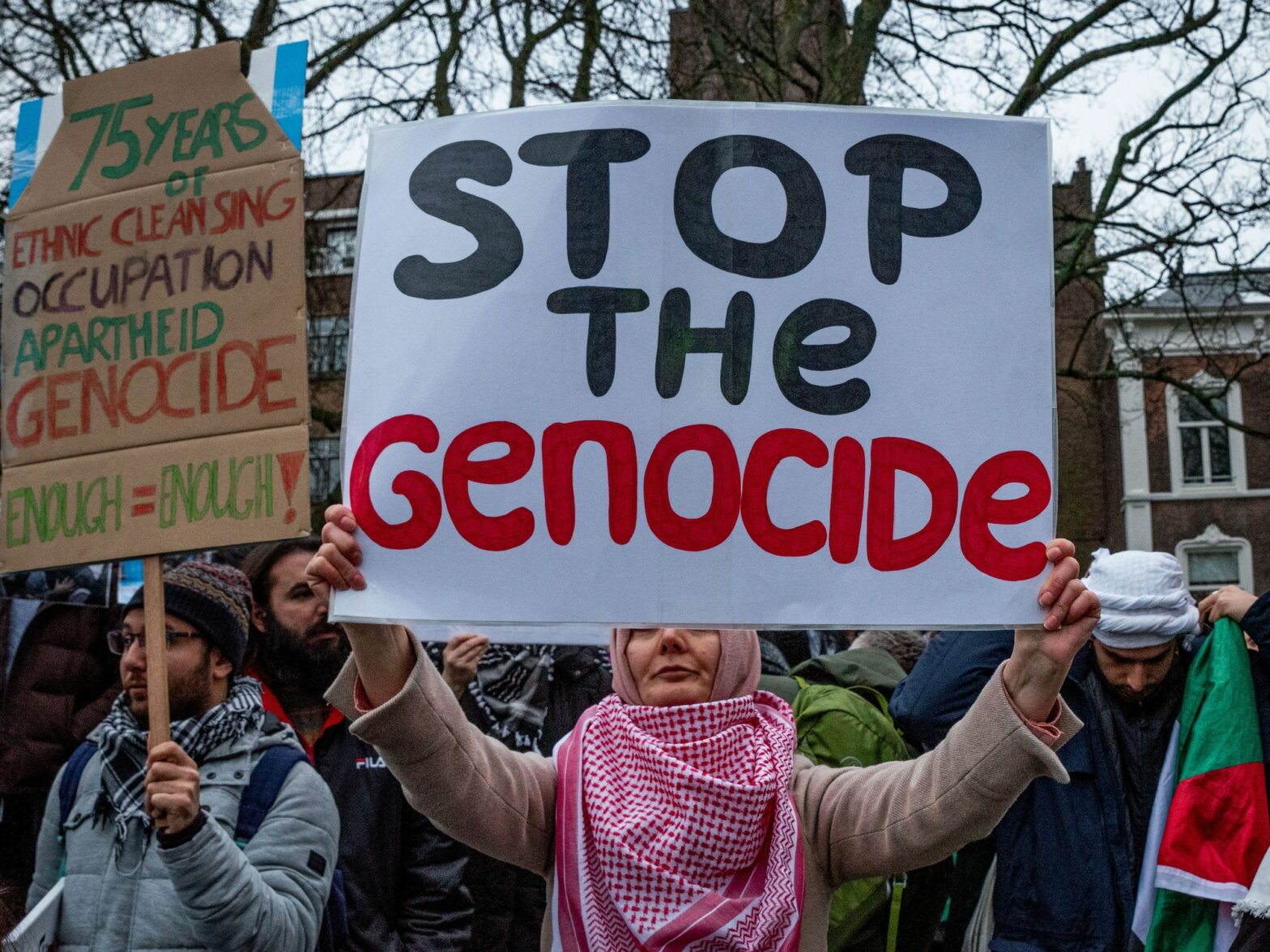
South Africa’s genocide case against Israel at the International Court of Justice attempts to turn longstanding international law on its head, writes Kai Ambos, a top expert on international law, for German daily Die Welt.
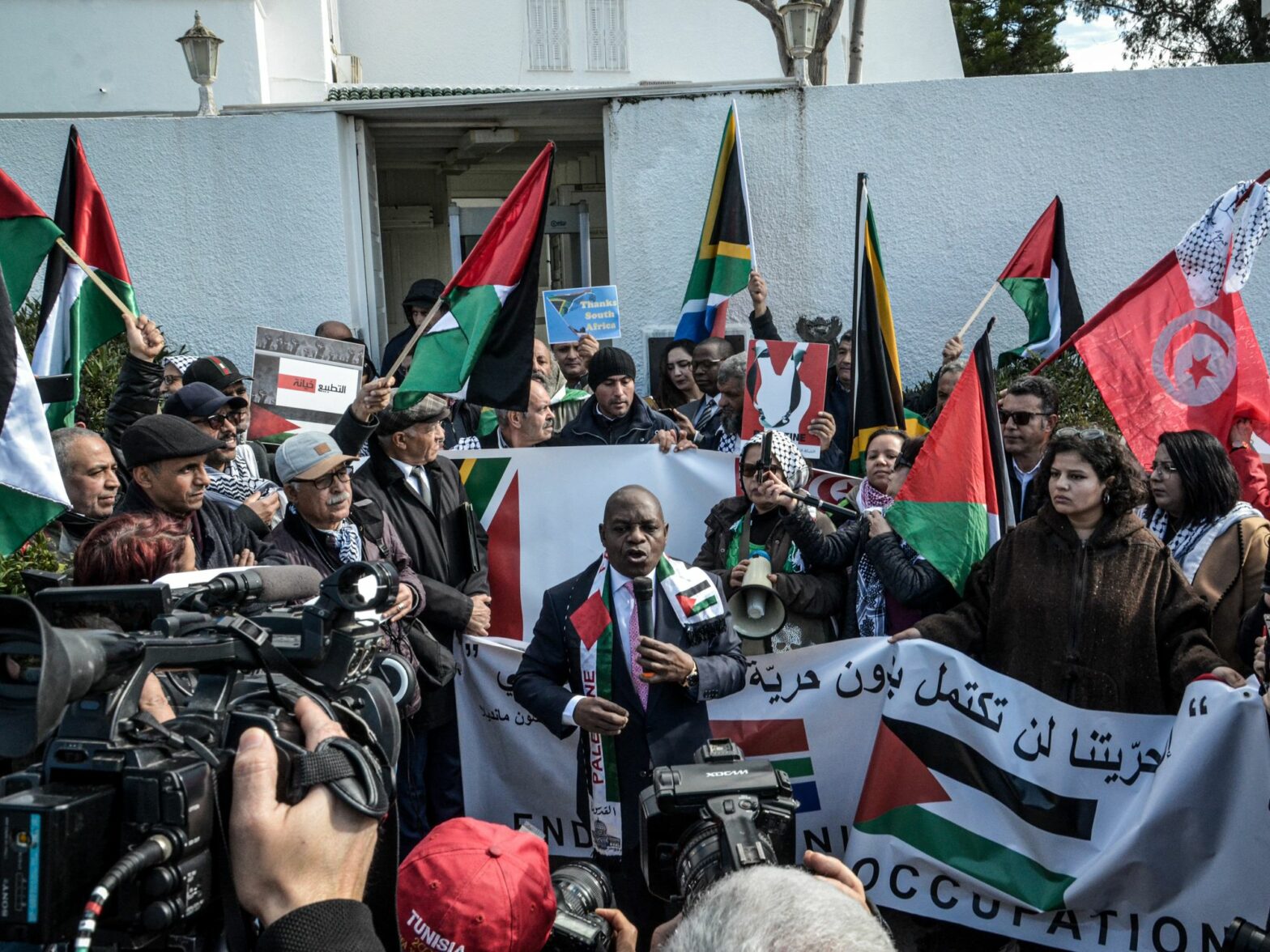
Cicero declared that when weapons speak, the law goes mute. So what happens when the law speaks up even as the weapons keep firing? That’s what happening now at the International Court of Justice at the Hague.
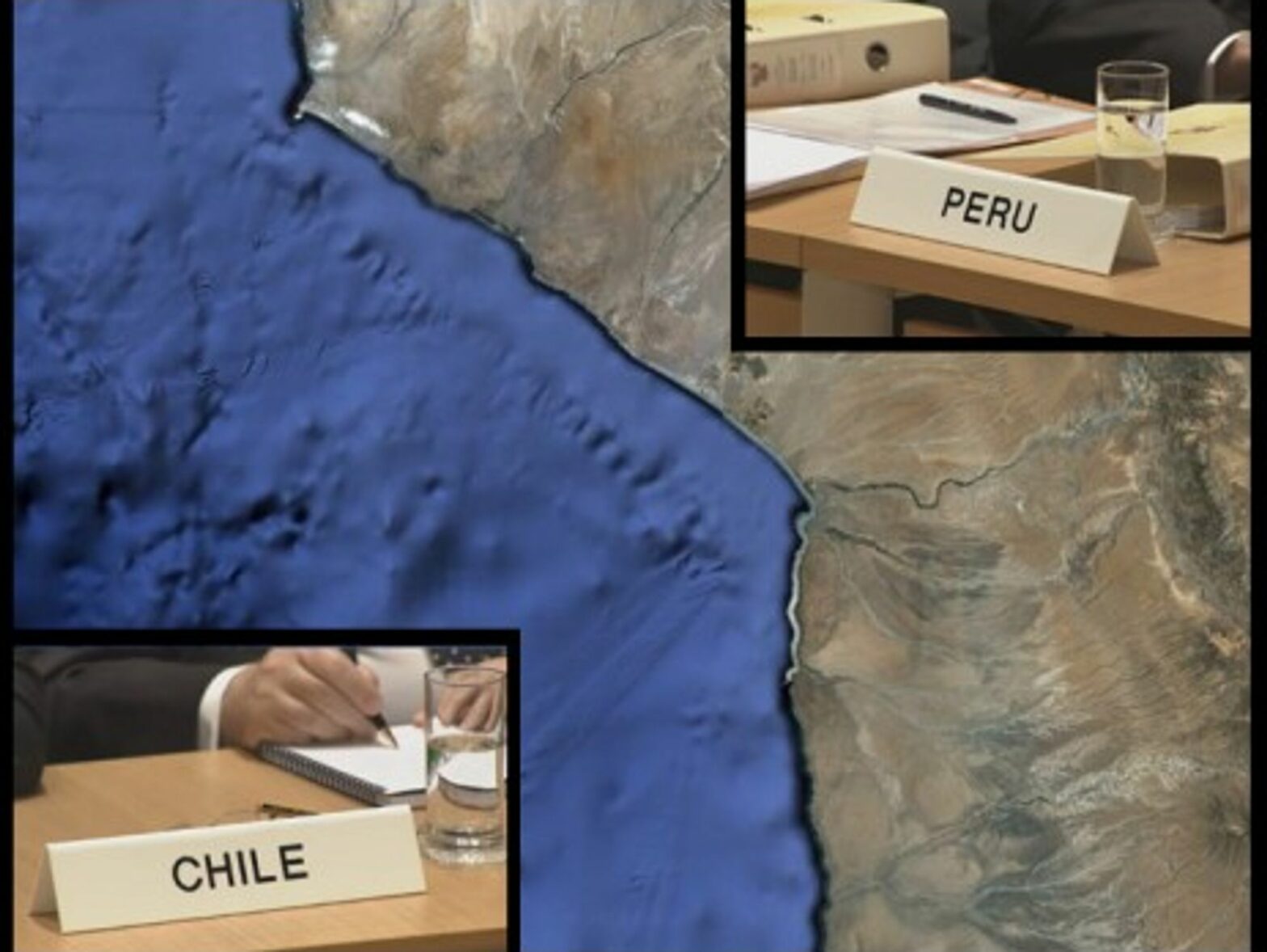
-Analysis- SANTIAGO – After presenting their closing arguments, Peru and Chile are now awaiting the verdict of the International Court of Justice (ICJ) in The Hague on a maritime border dispute dating back to the 1980s. While the verdict is not expected for several months, how both countries respond to the ruling when it is […]