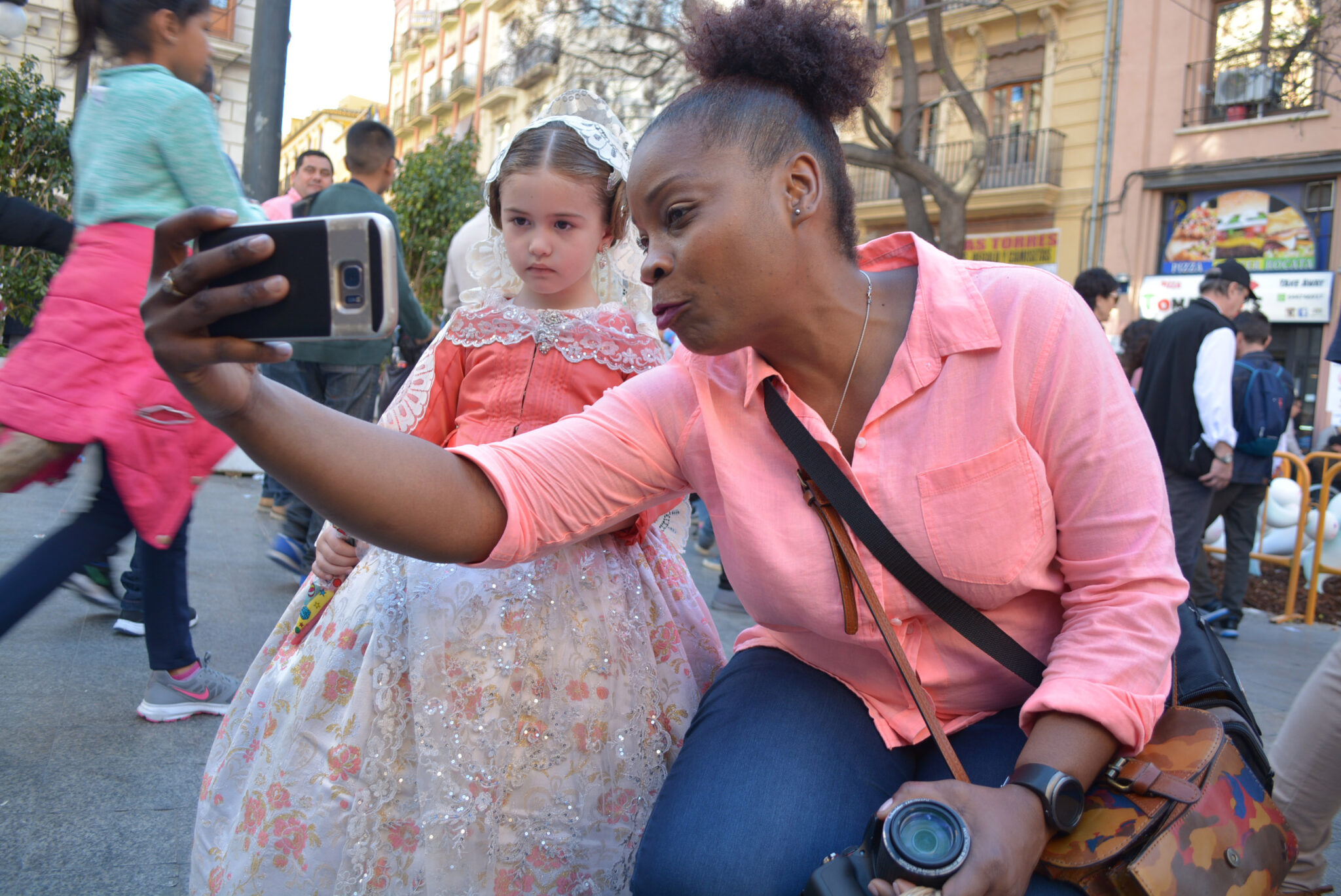
Tourism is transforming neighborhood festivals across Spain, from Horta to Seville, leaving locals to navigate crowded streets, altered traditions, and celebrations increasingly shaped for visitors rather than the communities that created them.
 Worldcrunch
Tourism is transforming neighborhood festivals across Spain, from Horta to Seville, leaving locals to navigate crowded streets, altered traditions, and celebrations increasingly shaped for visitors rather than the communities that created them.
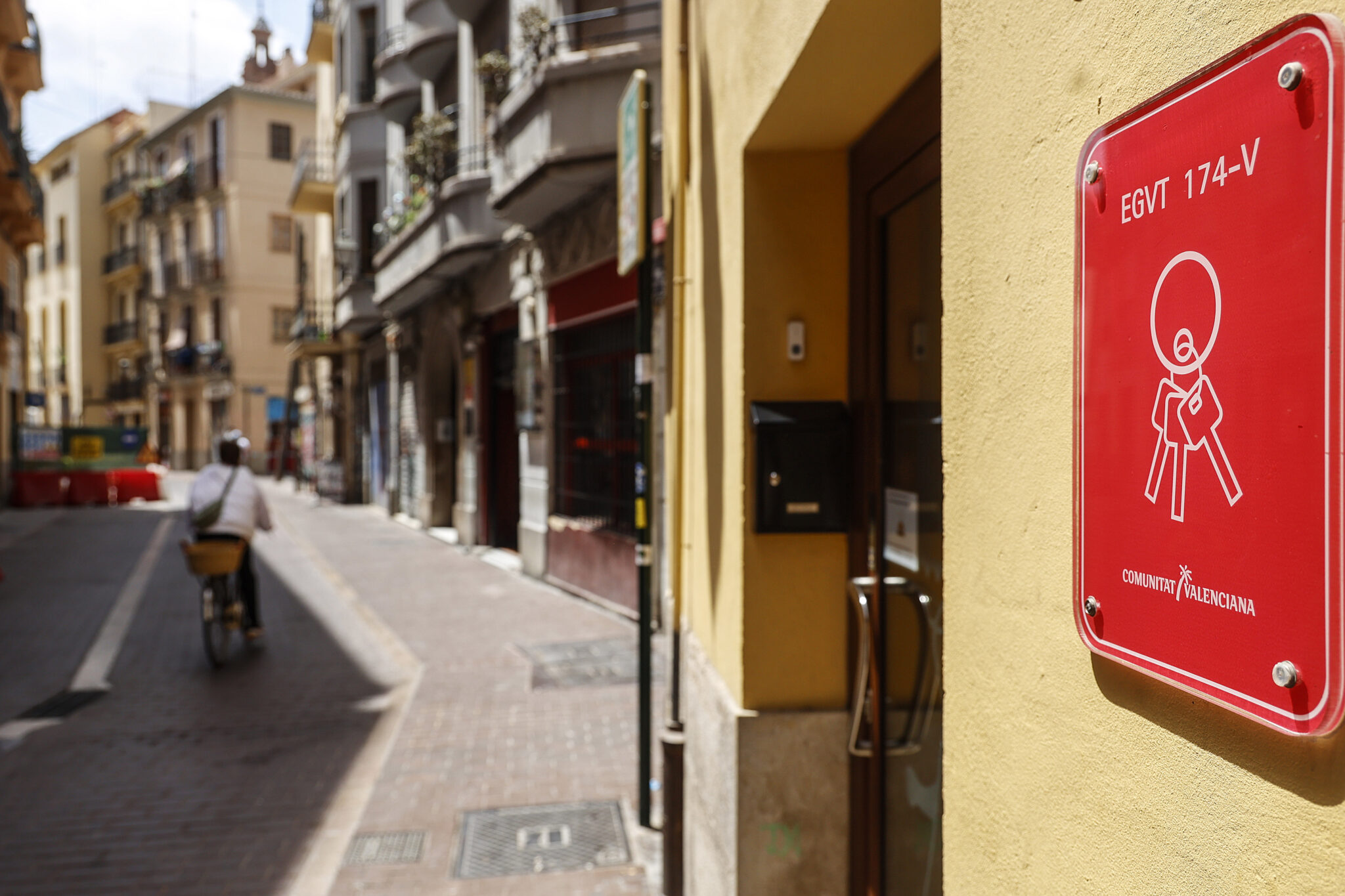
In Valencia, Spain, the expansion of both licensed and unlicensed tourist accommodations is raising housing prices and pushing locals out of traditionally working-class neighborhoods.
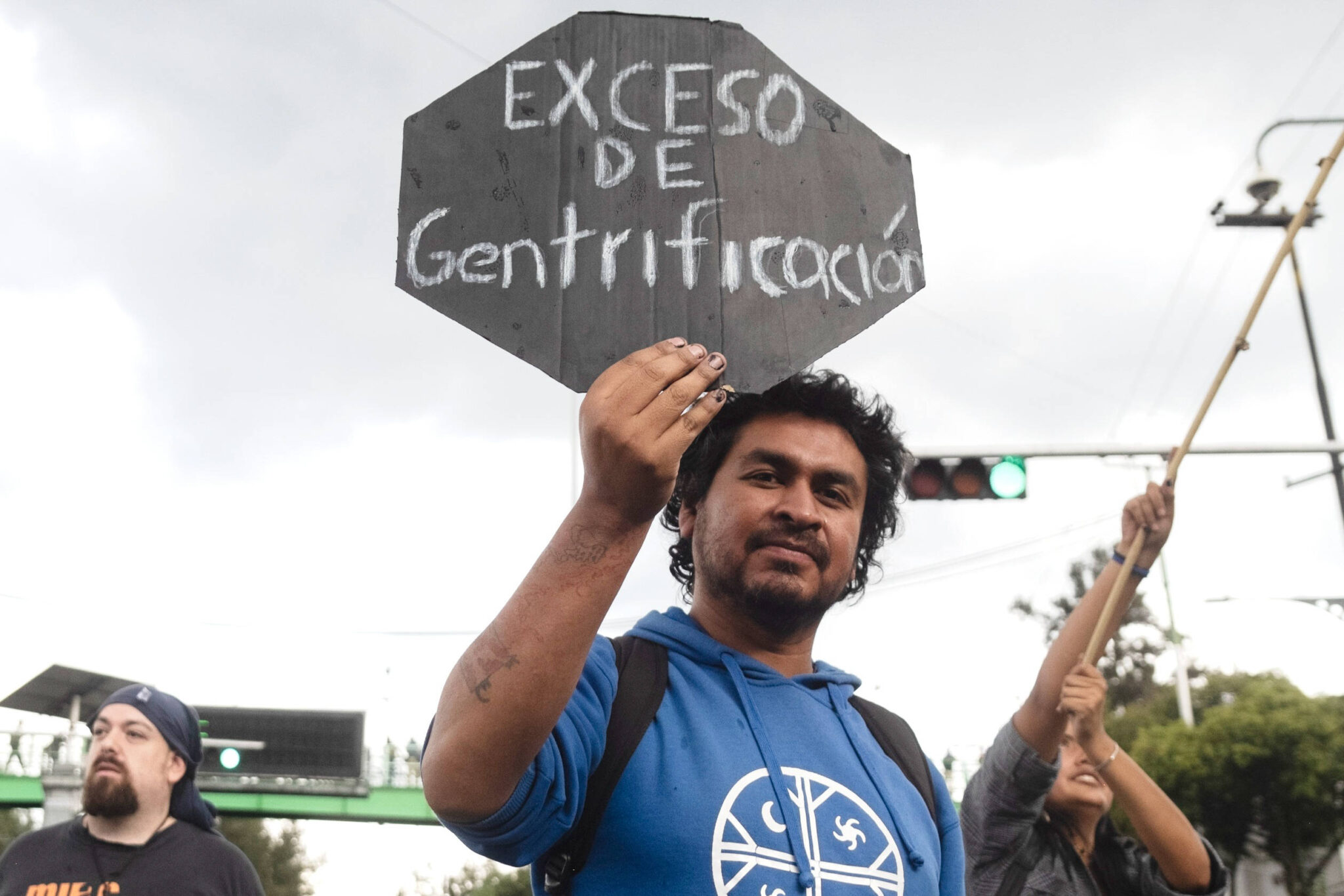
Across Mexico, where gentrification has pushed housing prices up by 247% from 2005 to 2021, locals are angry over their forced displacement and lack of housing rights. They recently protested against mass tourism and “digital nomads.”

While billionaire Jeff Bezos turns Venice into a vanity set, the Prado museum in Madrid is currently featuring a major exposition of legendary Venetian painter Paolo Veronese. What was true in the Renaissance is almost true today: Art, power and decadence intertwine in the city that learned to live from its own sinking.
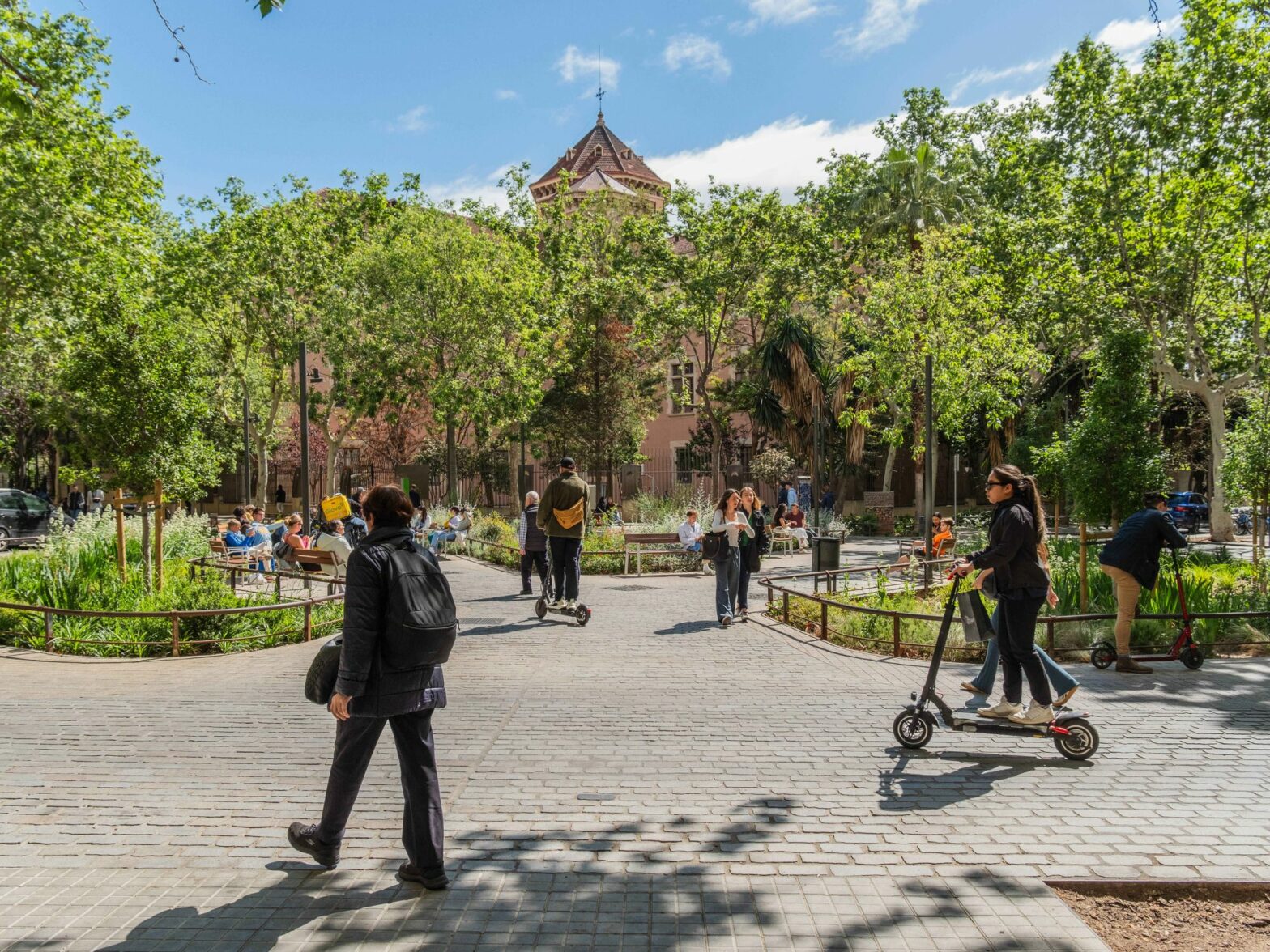
Pollution and climate change have prompted some cities to convert into more sustainable and liveable spaces. But these same policies can widen social inequality. How can cities fix this paradox?
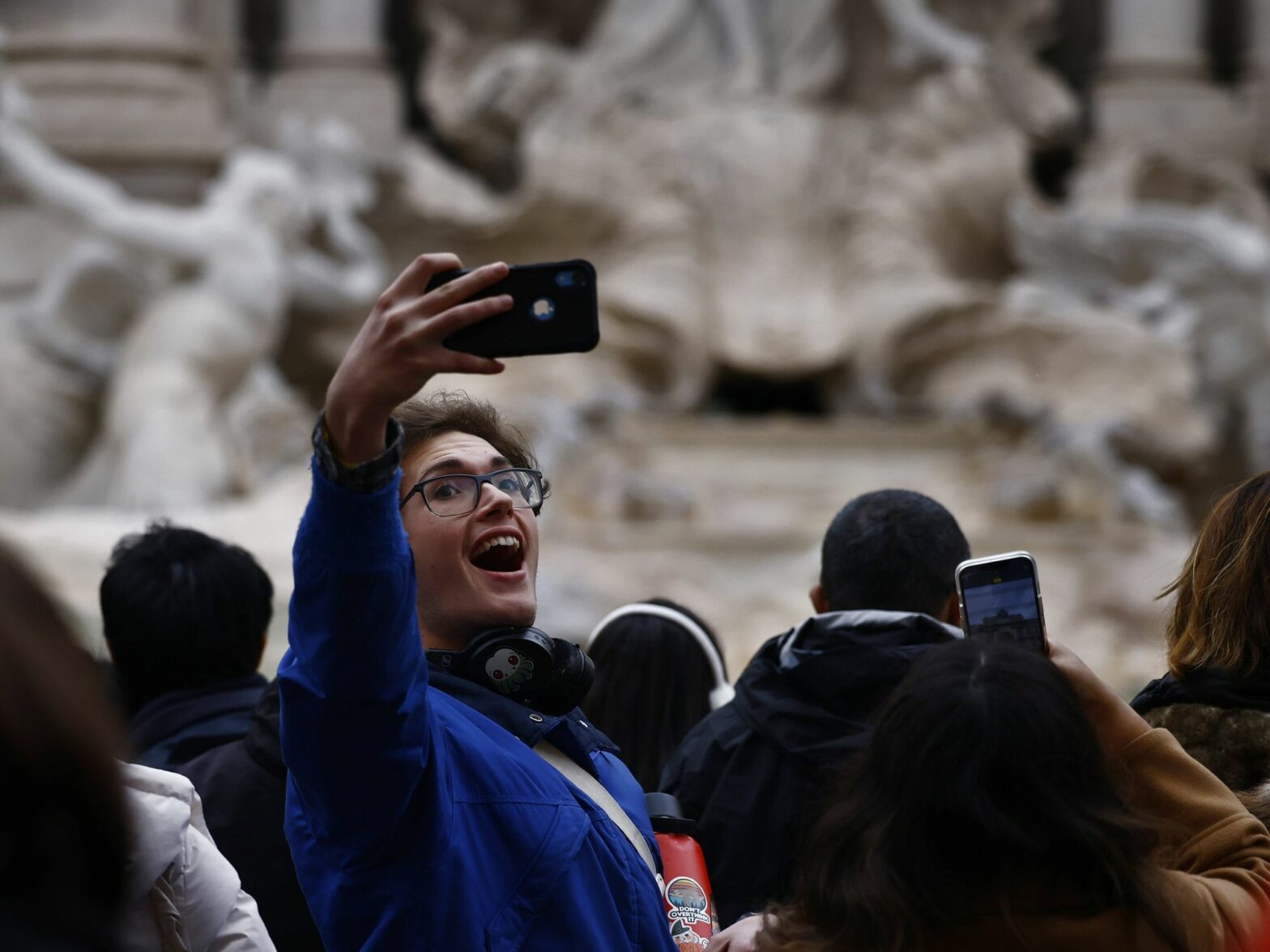
As the negative effects of overtourism intensify in popular destinations across the globe, some communities are mobilizing to prevent tourists from taking over their cities, whether its vigilante water gun attacks or blocking construction or buying up local real estate.
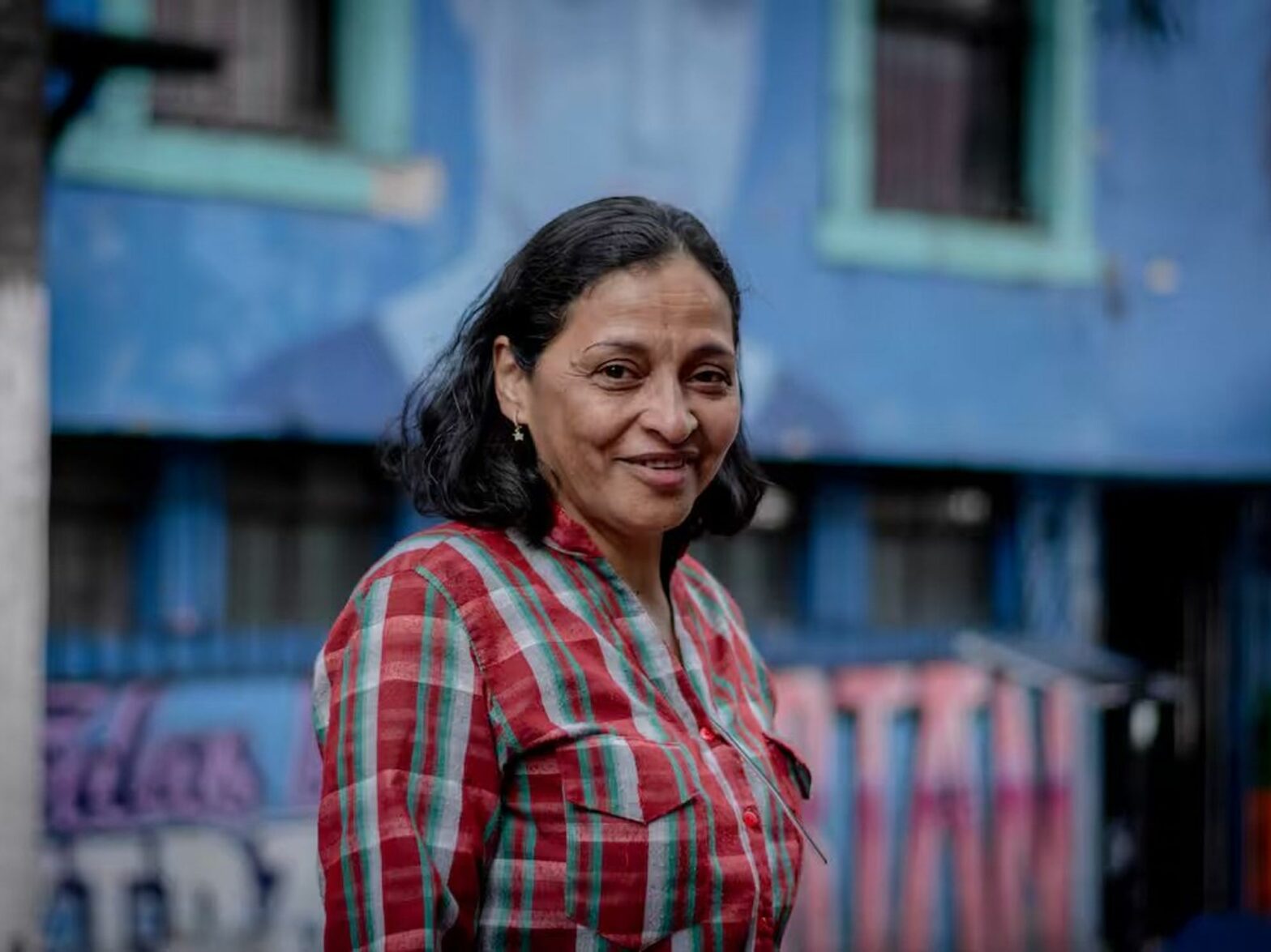
Marta Lida Arias, a veteran LGBTQ+ activist in Medellín, discusses how she’s created a community for other women who were once intimidated by Colombia’s patriarchal society and norms, and why their fight isn’t over yet.
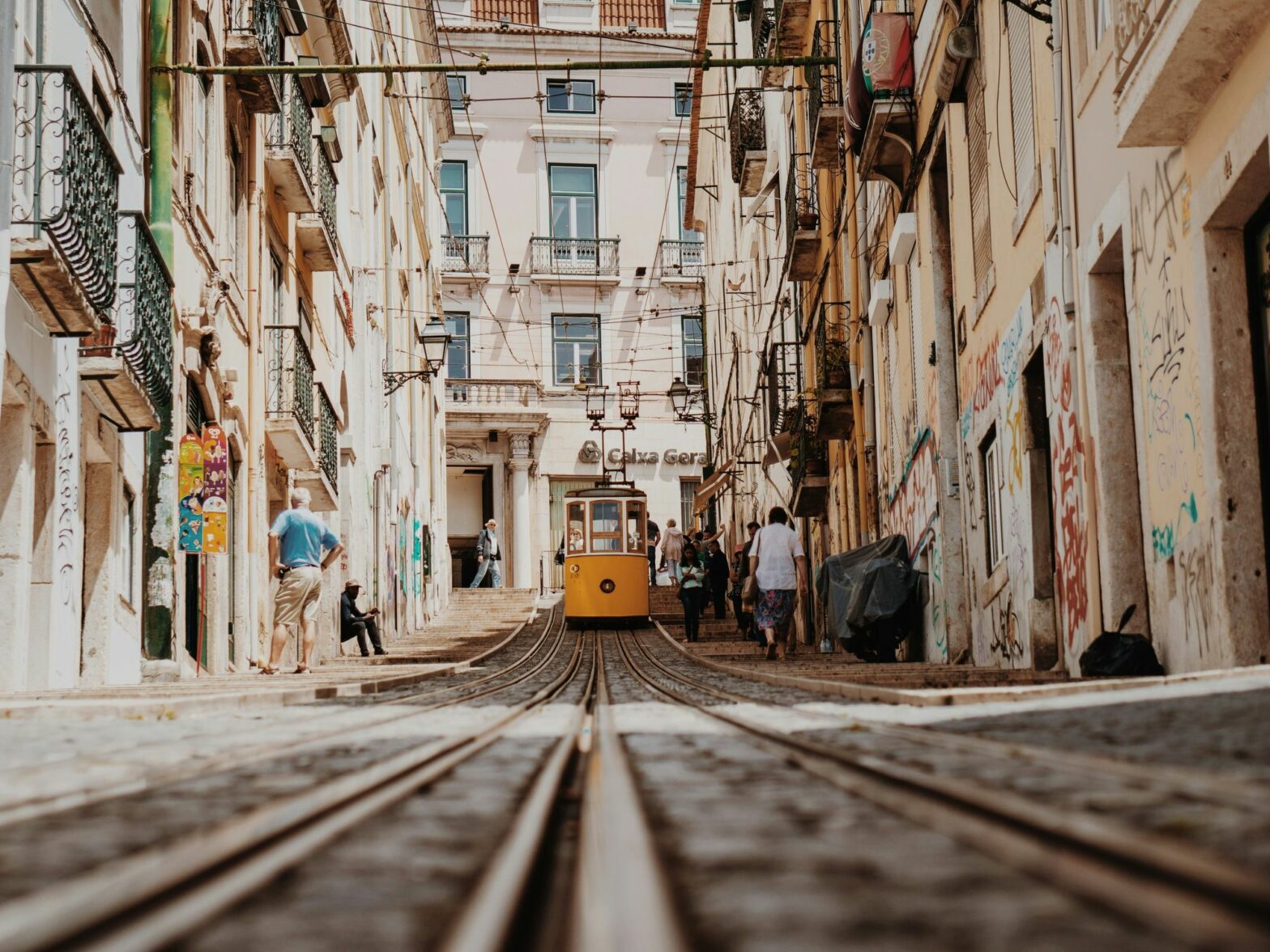
The “Return to the Neighborhood” program aims to recover vacant houses in order to create affordable rentals that will allow former residents to return to Lisbon’s historic center.
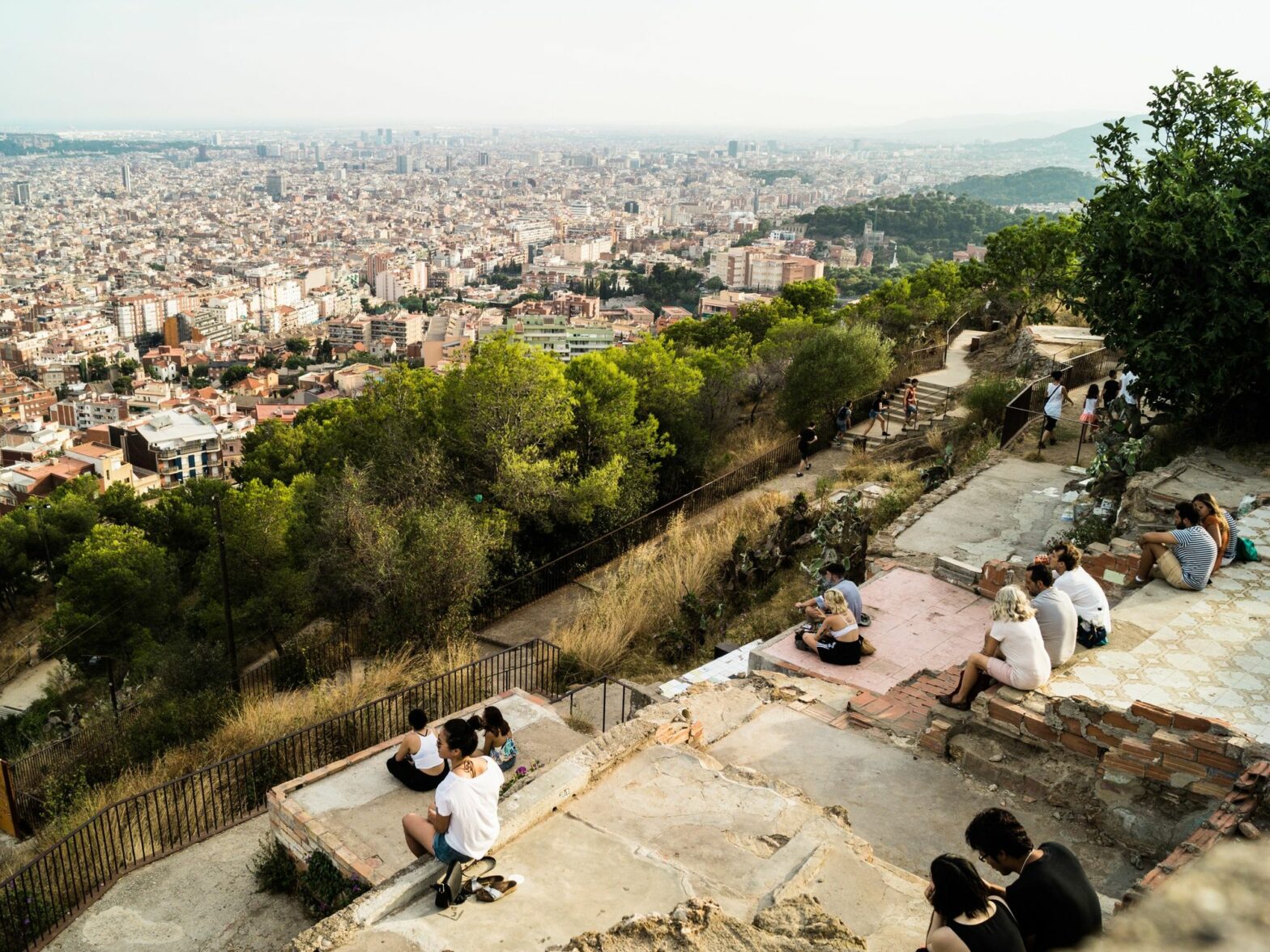
Pollution and climate change have prompted some cities to convert into more sustainable and liveable spaces. But these same policies can widen social inequality. How can cities fix this paradox?
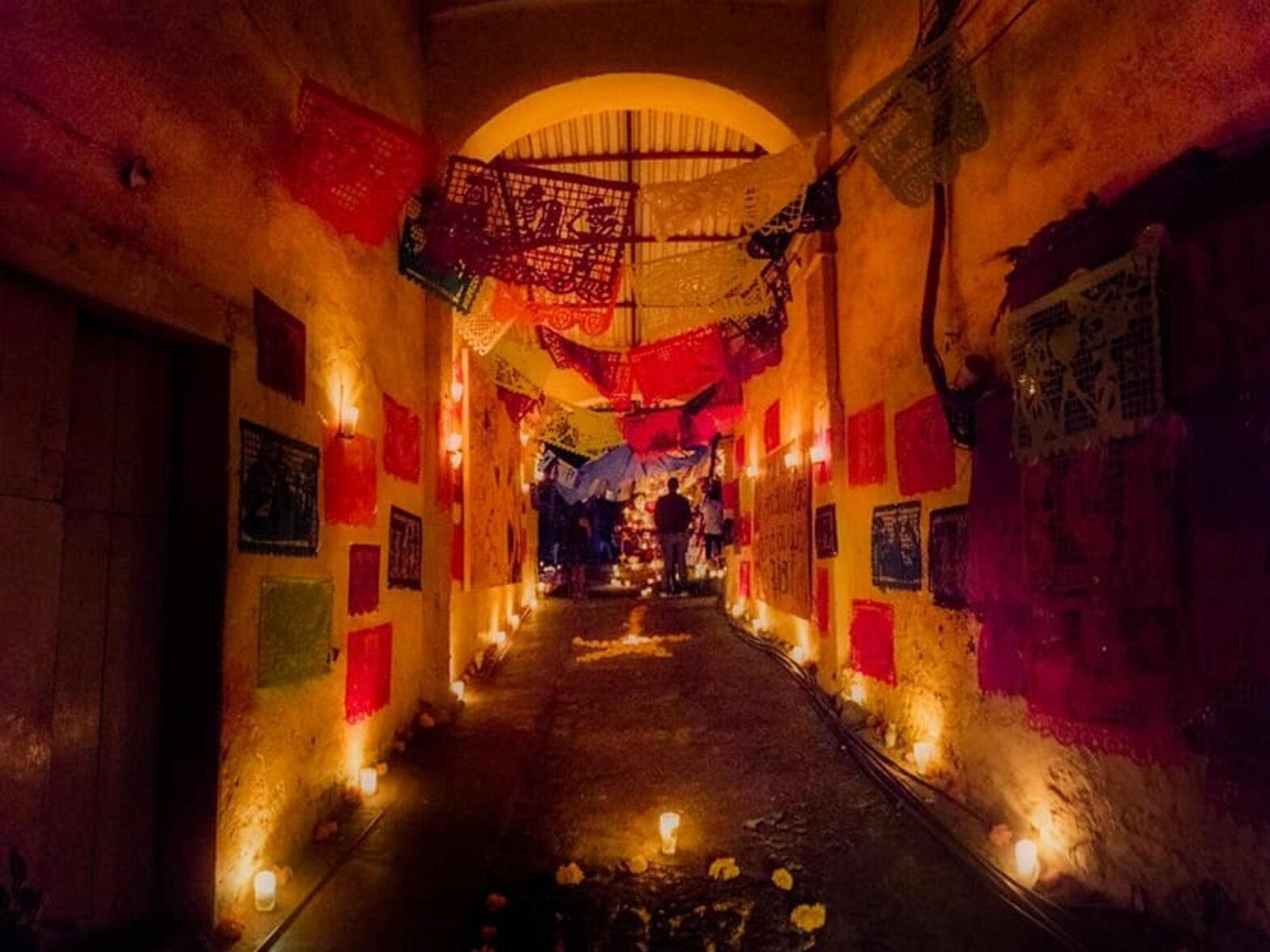
The Patio de la Estrella neighborhood being hailed as a “magical” place in Córdoba, Mexico is a perfect example of “touristification,” where the most vulnerable residents suffer the consequences.
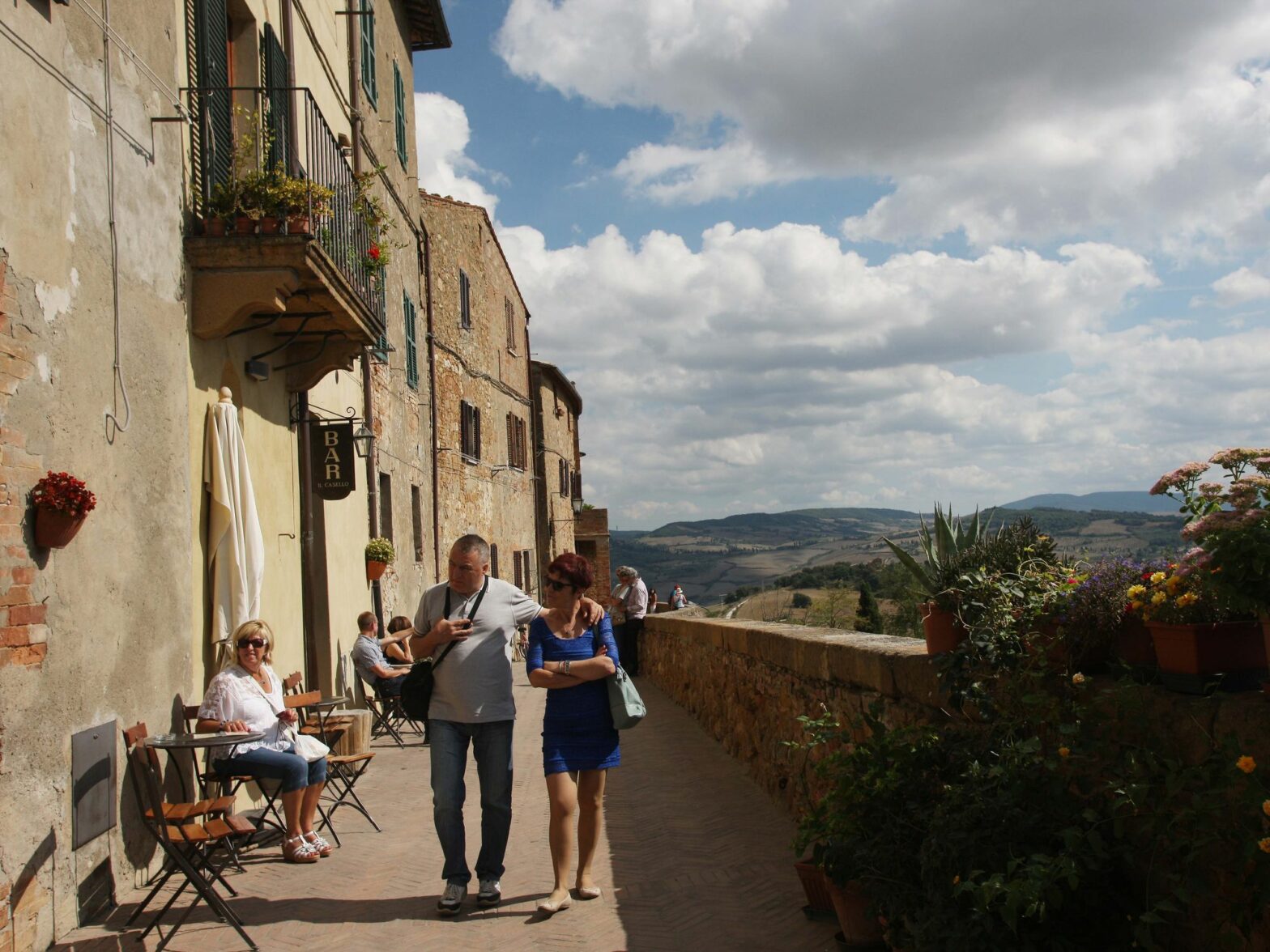
Along with mass tourism, large investors have arrived in the Tuscan Valley — investors with no ties to the traditions and agriculture of the place. If the residents leave, the landscape of this countryside will disappear forever.
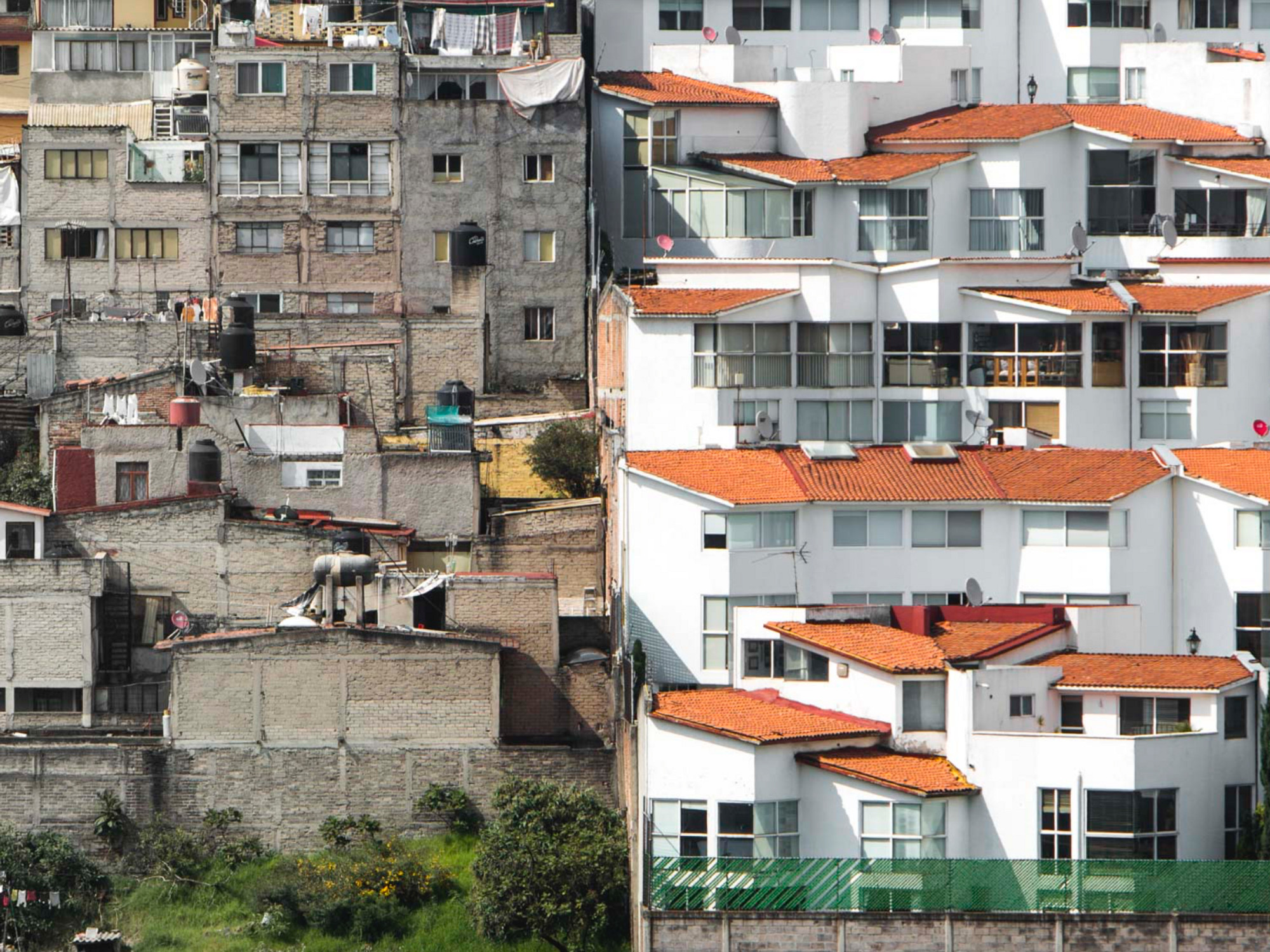
Gentrification is affecting many Latin American cities. As residents push back, there are worries that existing residents and cultures alike will be erased.
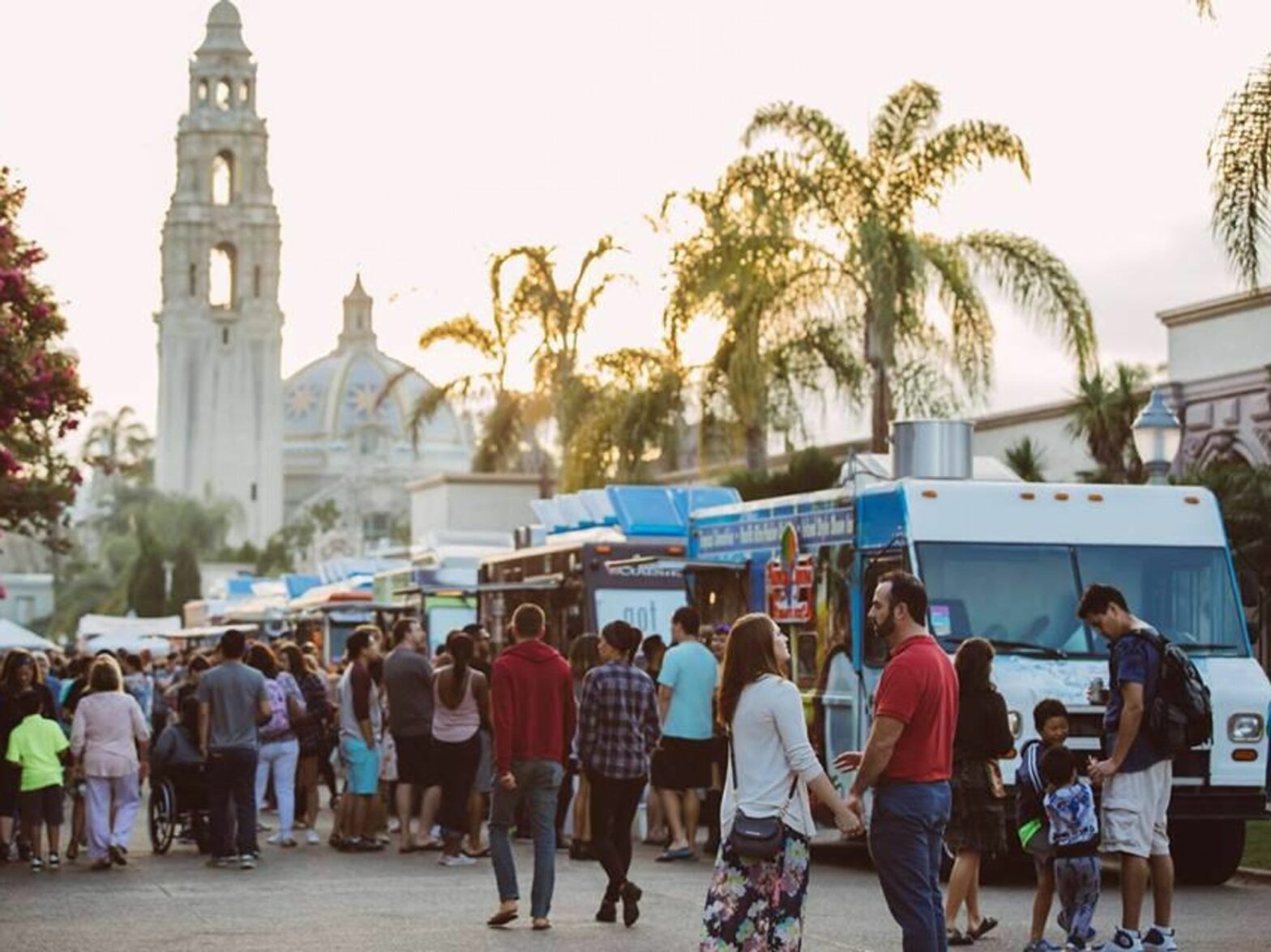
In San Diego, California, a researcher tracked how in the city’s low-income neighborhoods that have traditionally lacked dining options, when interesting eateries arrive the gentrification of white, affluent and college-educated people has begun.
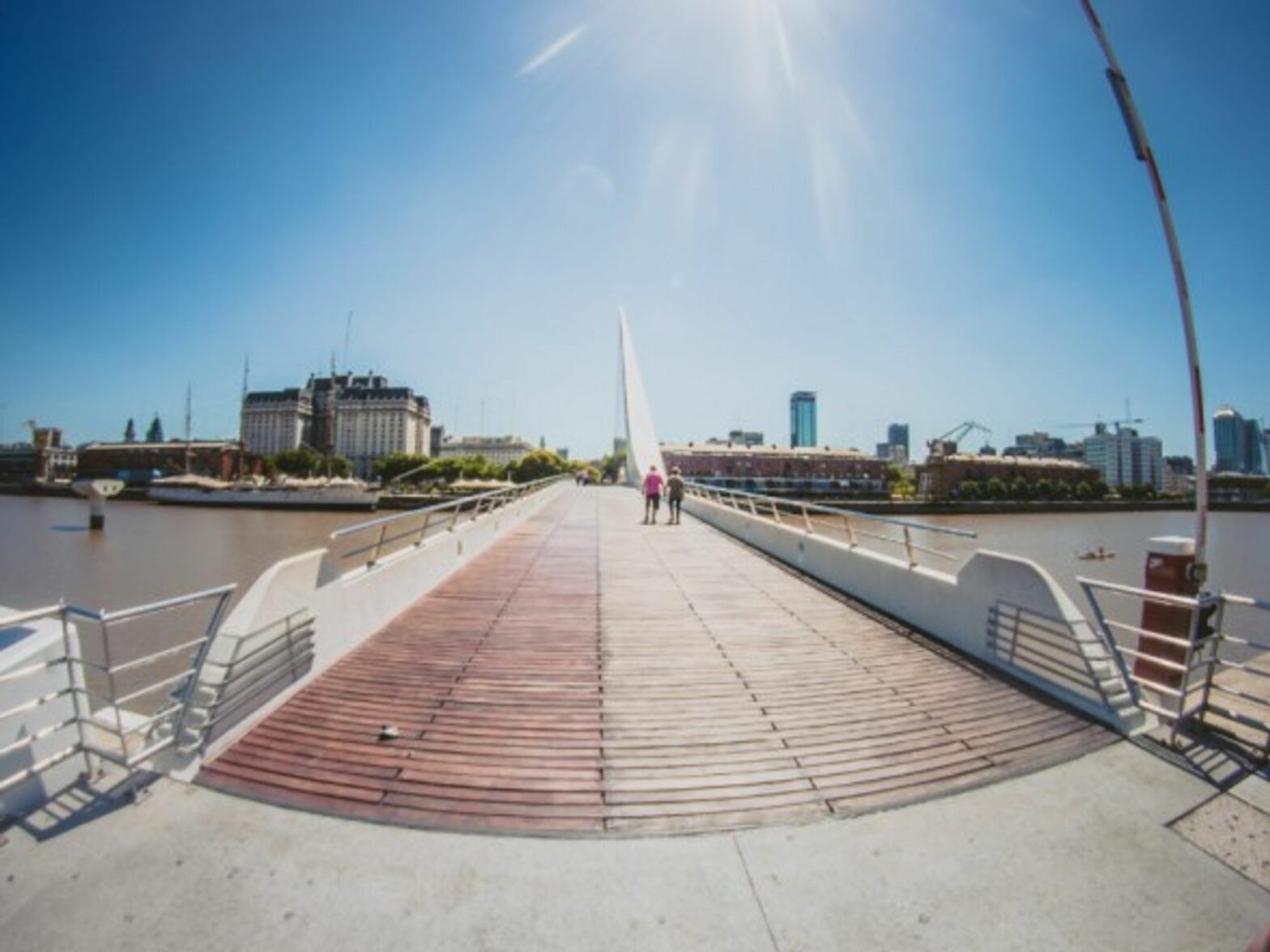
The former docks in Buenos Aires have become a model of how to turn an area in the doldrums into a multi-million dollar investment magnet.
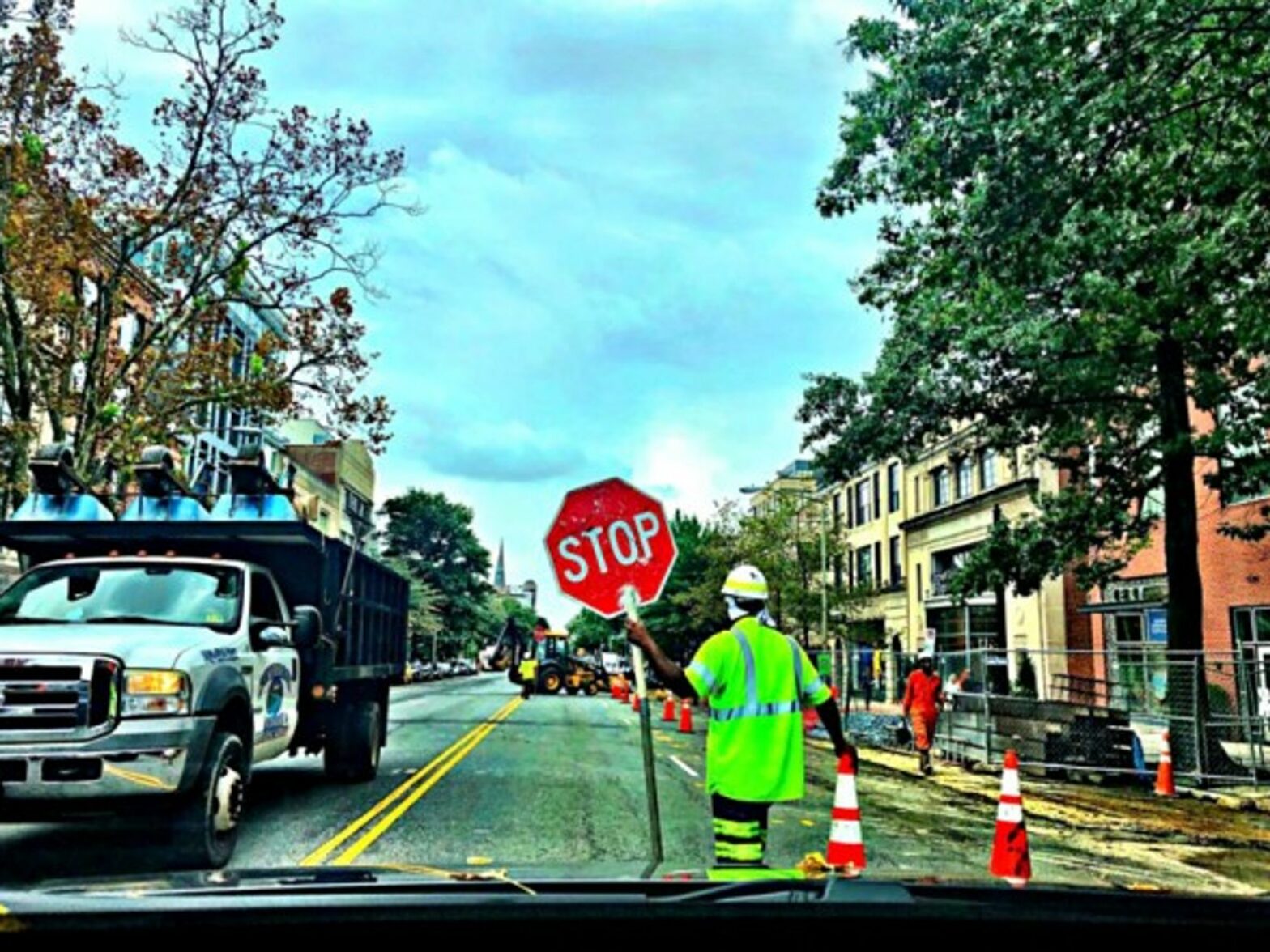
Yonder’s Slovenian-born Andrej Mrevlje is also a part-time Uber driver in Washington. Oh, the people he meets.
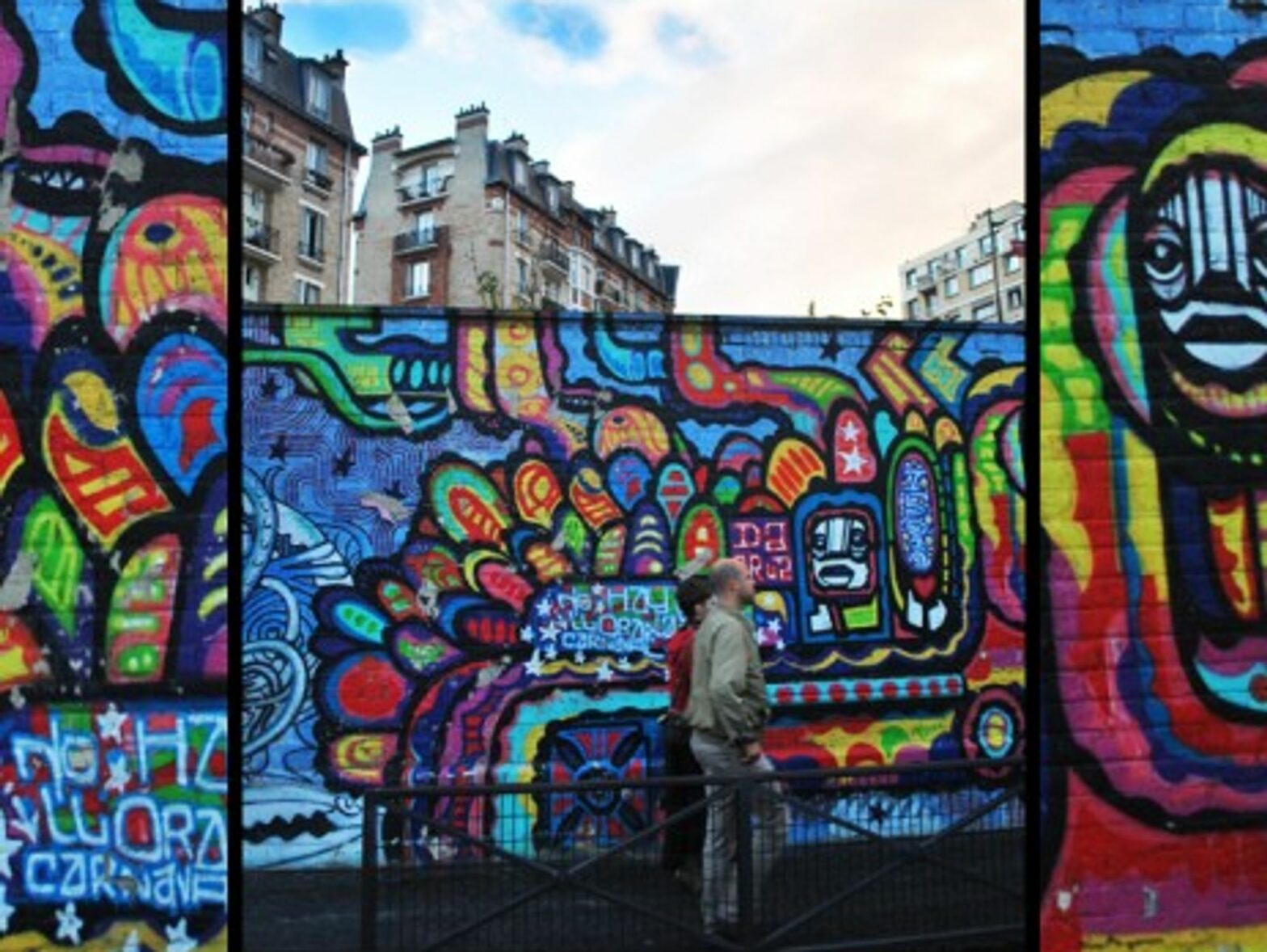
The most memorable graffiti and wall murals are often demolished by the force of urban real estate development projects.
DIE WELT (Germany) Worldcrunch BERLIN – “Tear down this wall!” Ronald Reagan famously implored in Berlin in 1987, challenging Mikhail Gorbachev to bring an end to the Cold War. Now, it appears, this was also the much quieter request of a luxury condominium developer. The longest remaining portion of the Berlin Wall, stretching 1,316 meters […]