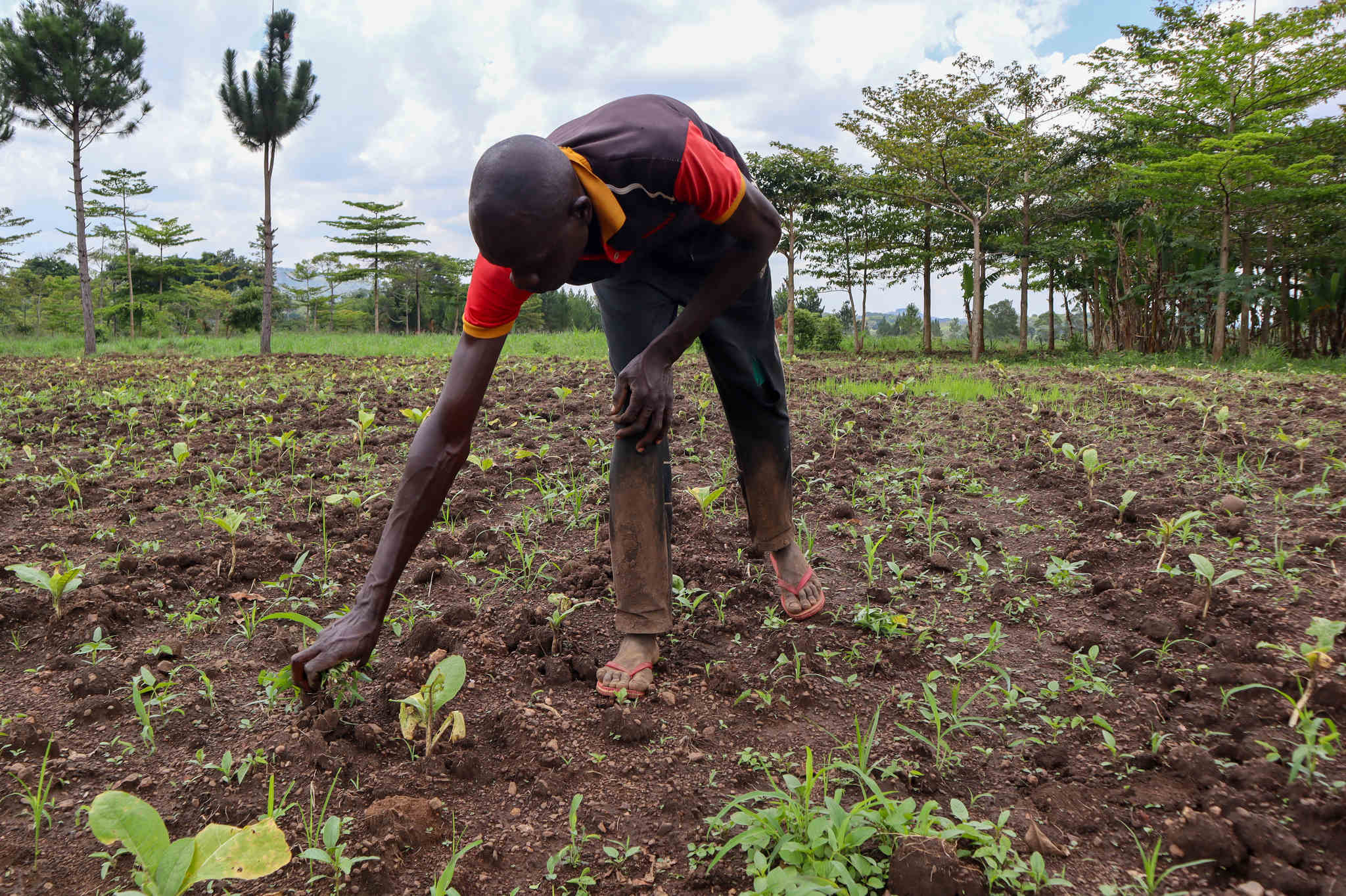
Tobacco farming in Uganda has resulted in the loss of trees key to the diets of chimpanzees and baboons, increasing human-primate interactions — and the risk for disease spillover.
 Worldcrunch
Tobacco farming in Uganda has resulted in the loss of trees key to the diets of chimpanzees and baboons, increasing human-primate interactions — and the risk for disease spillover.
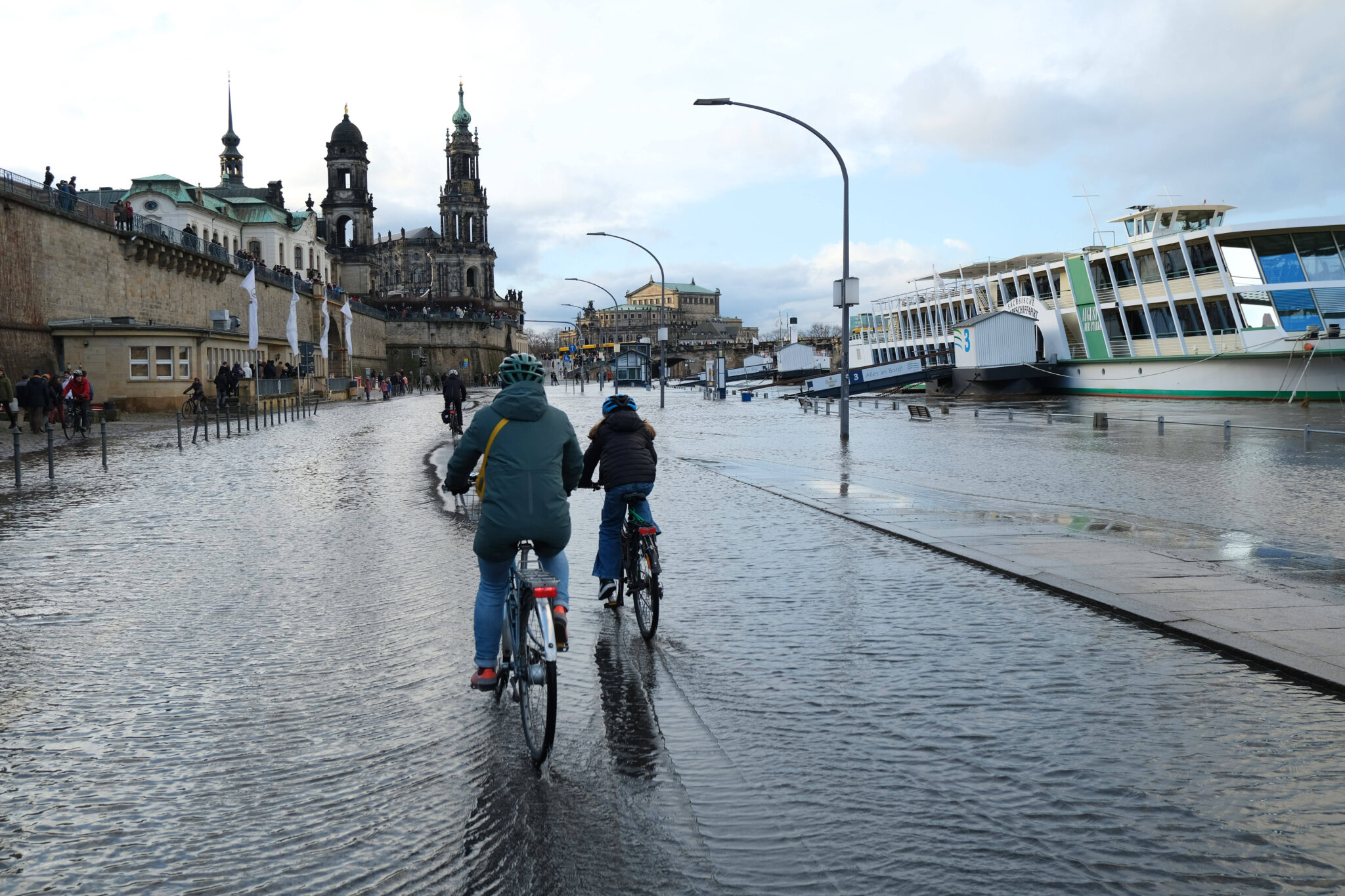
German scientists warn global warming is accelerating faster than expected, raising the risk of a 3 °C rise by 2050 and forcing Europe to confront unthinkable adaptation plans.
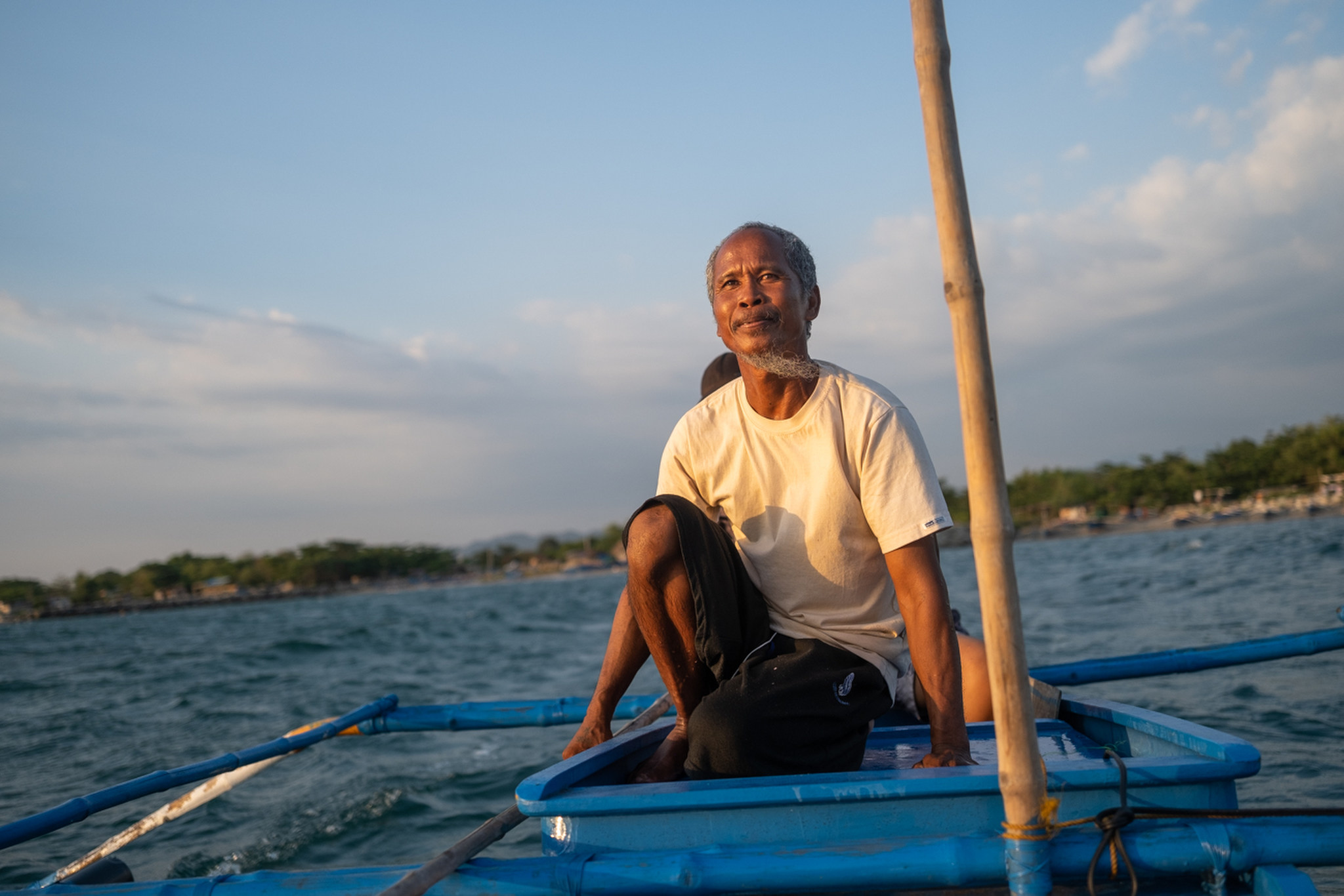
A decision by the country’s highest court opens up nearshore waters to export-minded commercial trawlers, waters that had been reserved for the small-scale fishers who feed the nation.
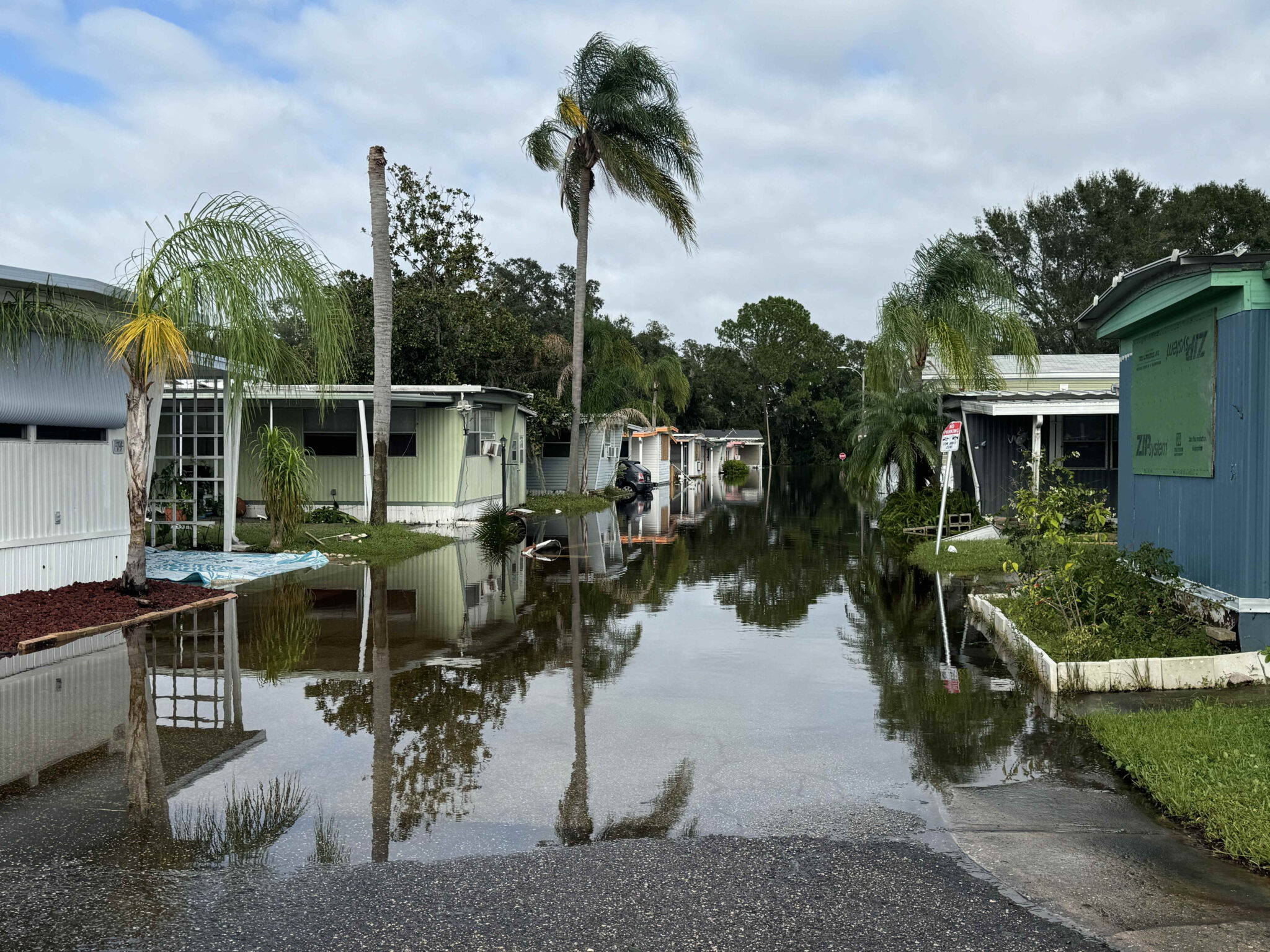
Experts in flood mitigation see a national system decades behind. A disbanded FEMA advisory group was supposed to help.
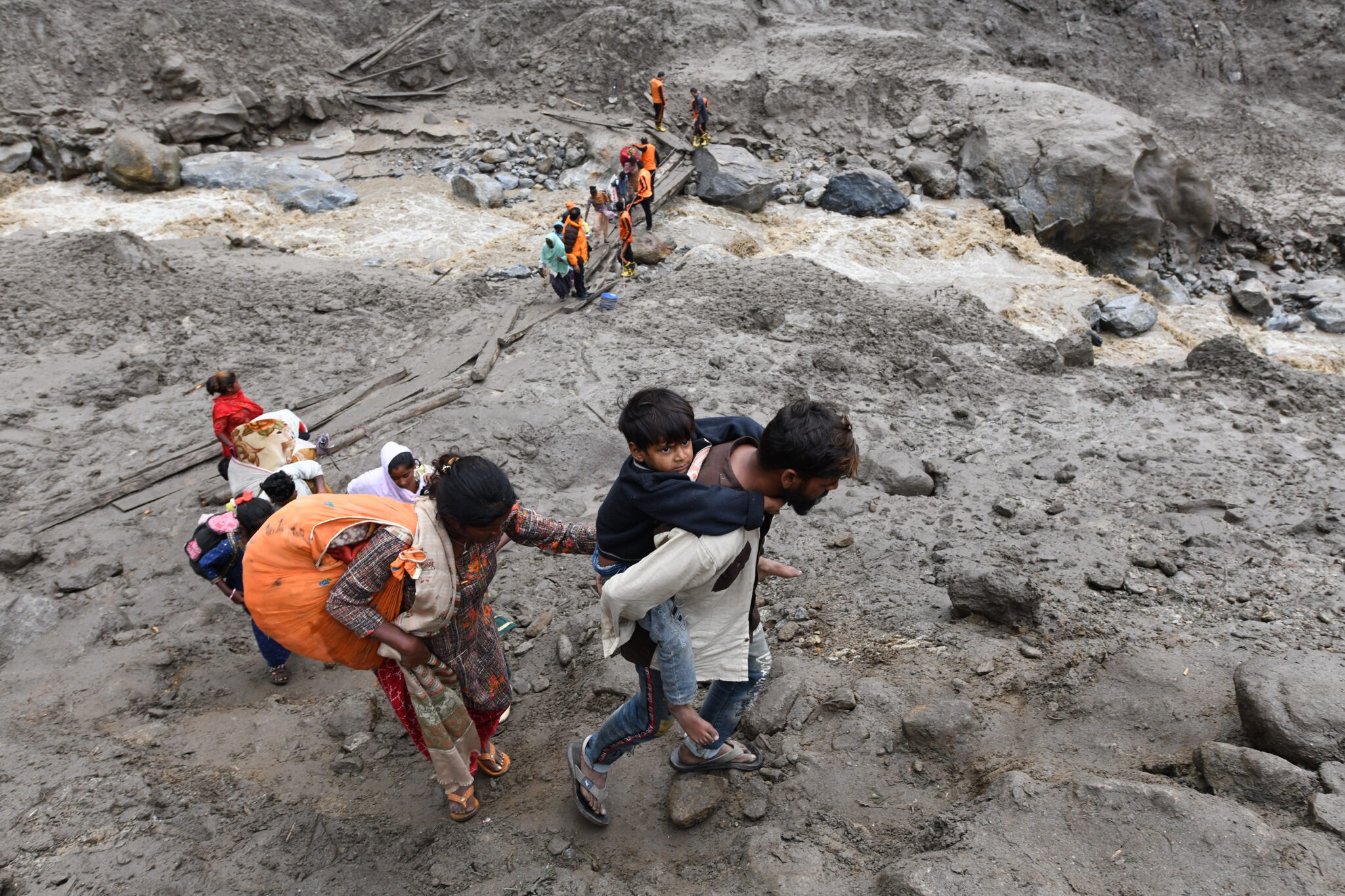
The Himalayas, once celebrated as a sacred and resilient landscape, are now collapsing under the weight of reckless development, corporate exploitation, and political neglect. What we call “natural disasters” in Himachal Pradesh and Uttarakhand are, in truth, human-made tragedies — preventable catastrophes born of greed, denial, and the systematic erasure of ecological wisdom.
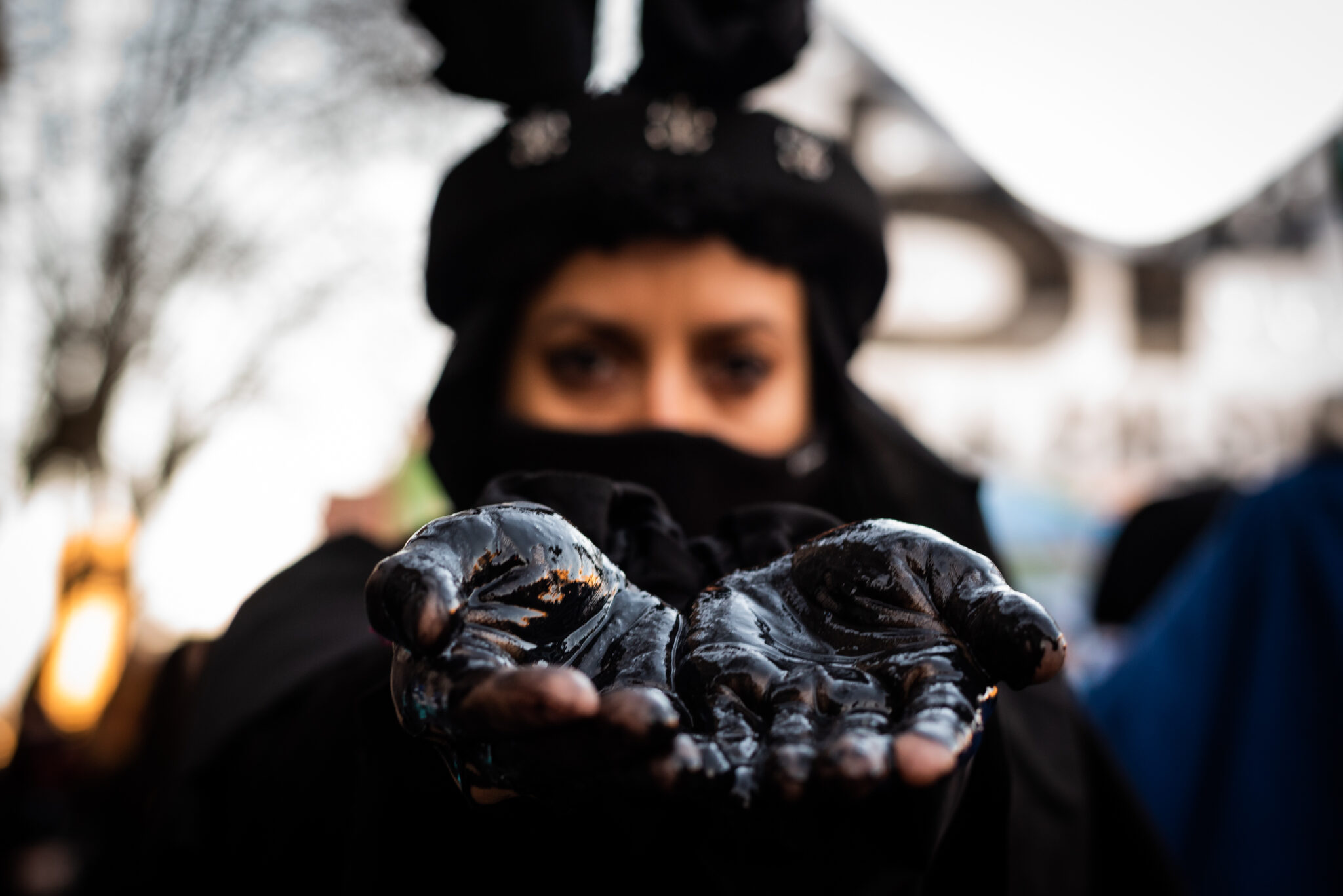
In Argentina, gas and oil are more than fuels — they’re sacred words, woven into the nation’s identity. But this devotion is not just economic, it’s linguistic: The way Argentinians talk about hydrocarbons builds a cultural fortress, which makes any shift toward cleaner energy all the more difficult.
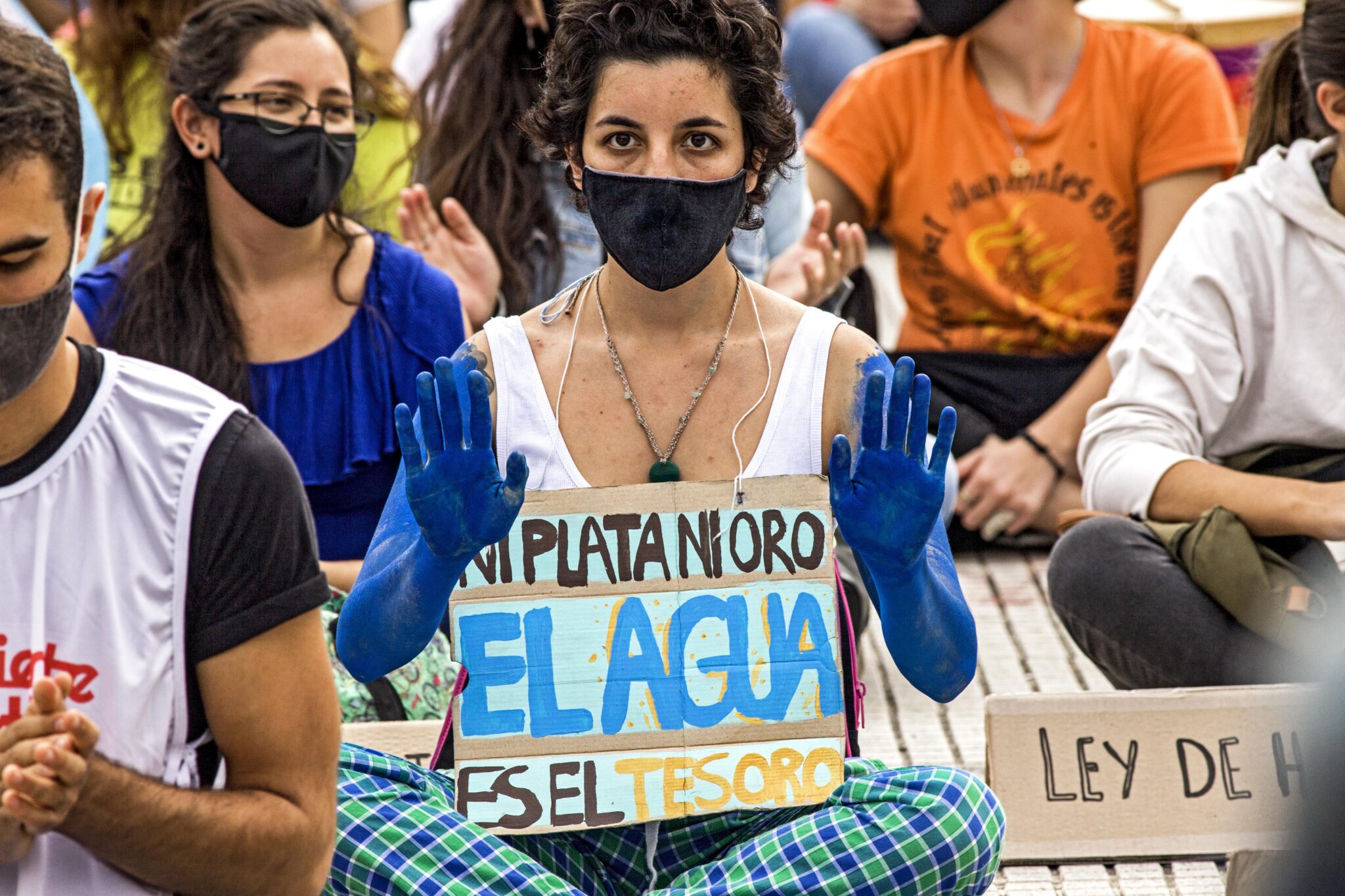
In the midst of discussions about the use of artificial intelligence, ecofascist narratives have crept in. How did this happen? What are the dangers?

As surf tourism expands around the world, overcrowded spots and increasing pollution have created tensions between locals and tourists eager to catch waves.
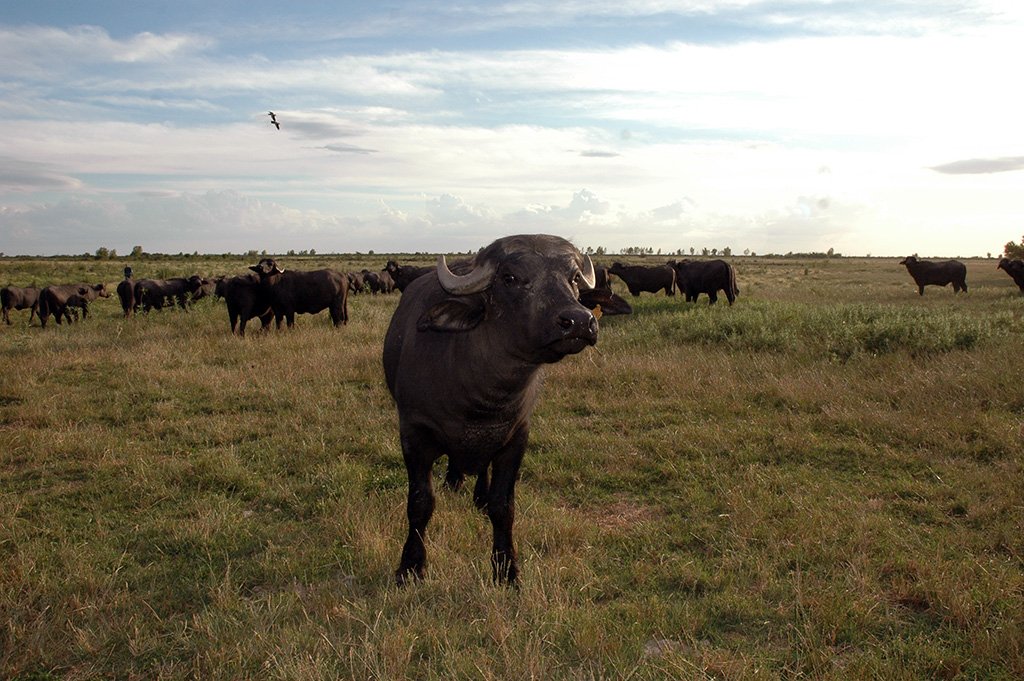
Water Buffalo farming and consumption are expanding in beef-loving Argentina, where chefs and younger diners are already noting advantages: it’s lean, nutritious and helps preserve swamplands.
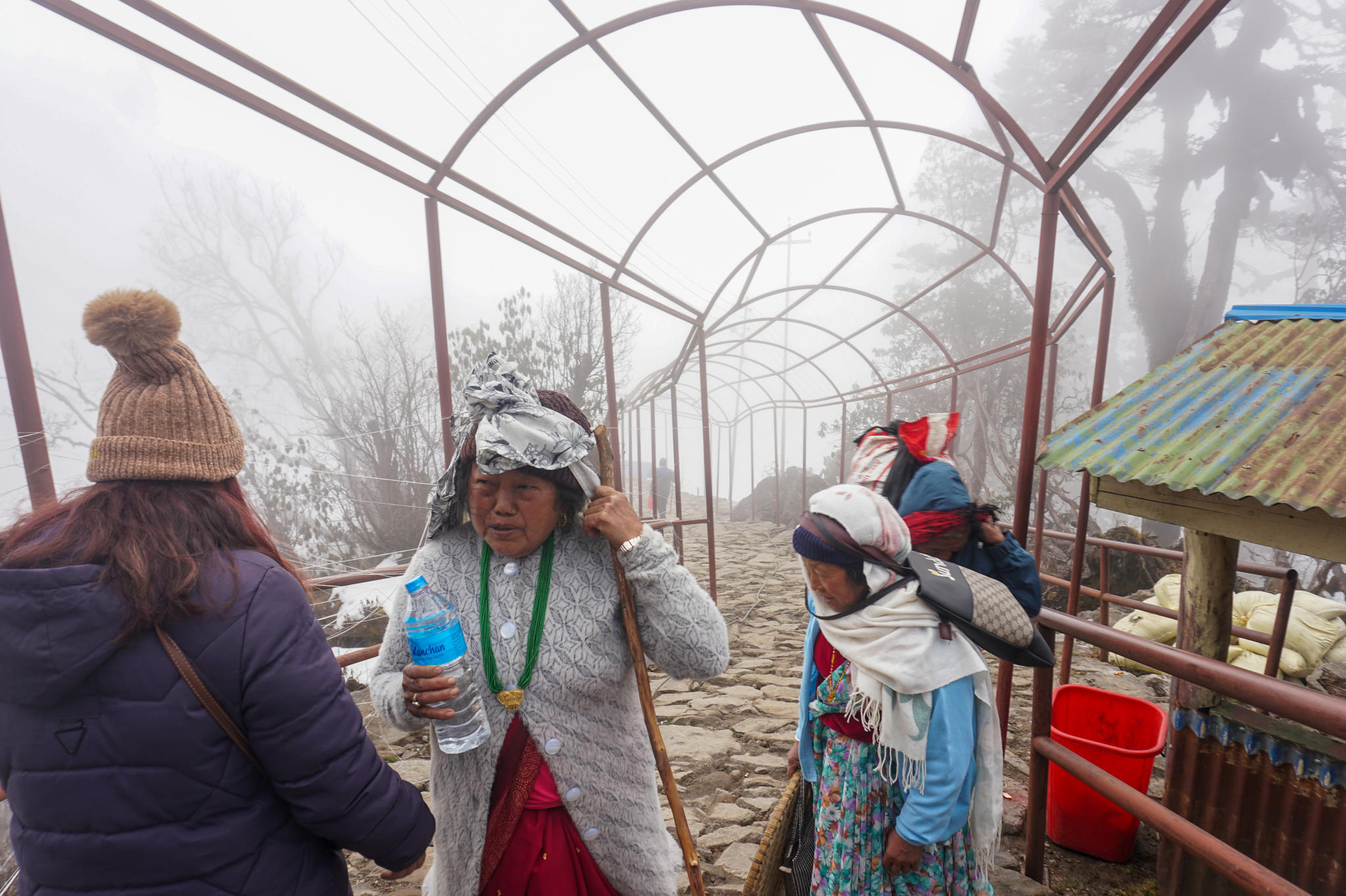
A cable car project to Nepal’s Pathibhara temple threatens the livelihood of porters and is seen by the indigenous Limbu community as a desecration of sacred land. Their protests reflect broader struggles over development and indigenous rights in the country.
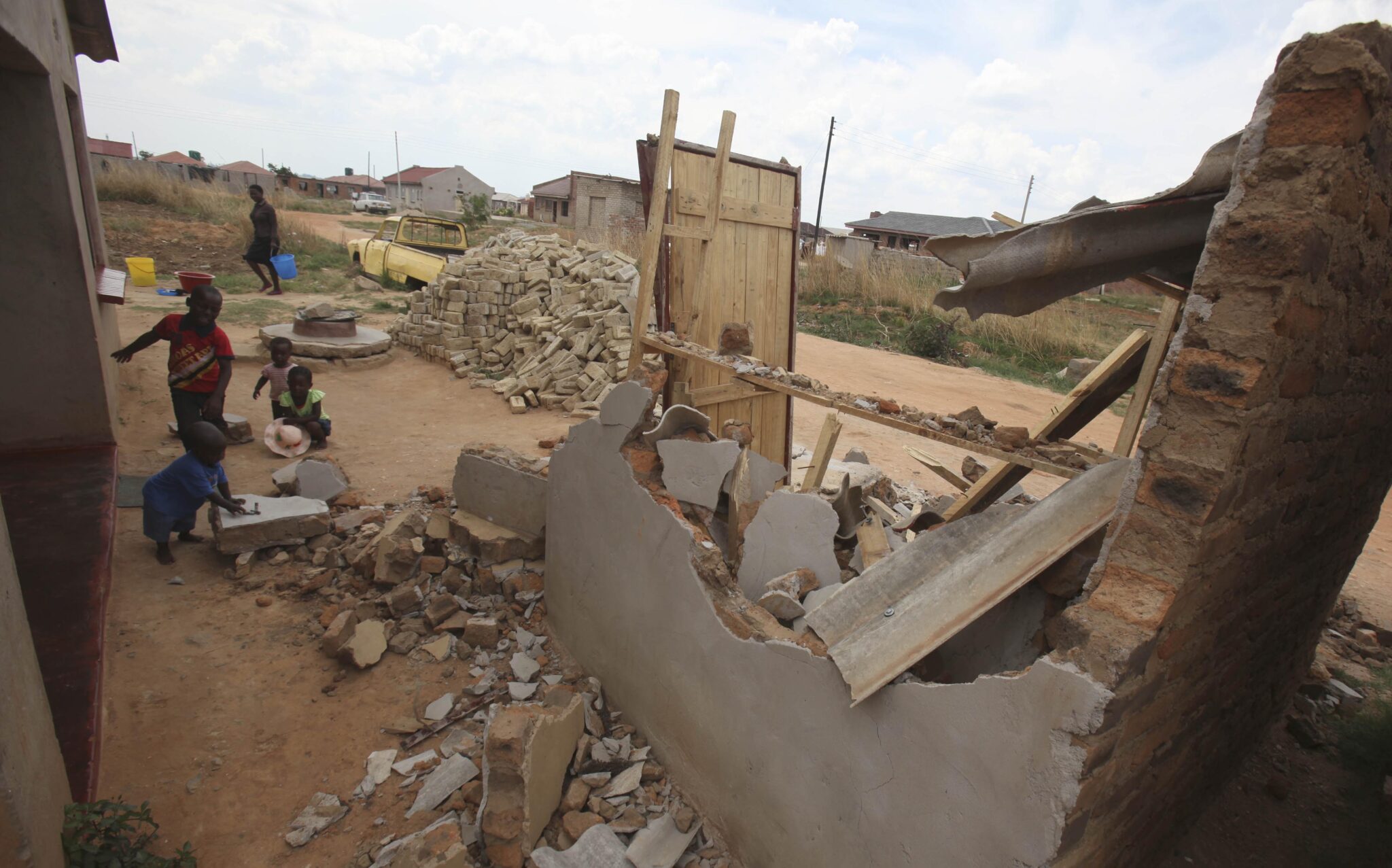
As Zimbabwe prepares to host a global wetlands summit, its own wetlands are disappearing at an alarming rate.

Scientists are racing to define and map the human exposome — the sum of all environmental exposures over a lifetime — in a groundbreaking effort that could transform our understanding of disease and precision medicine.
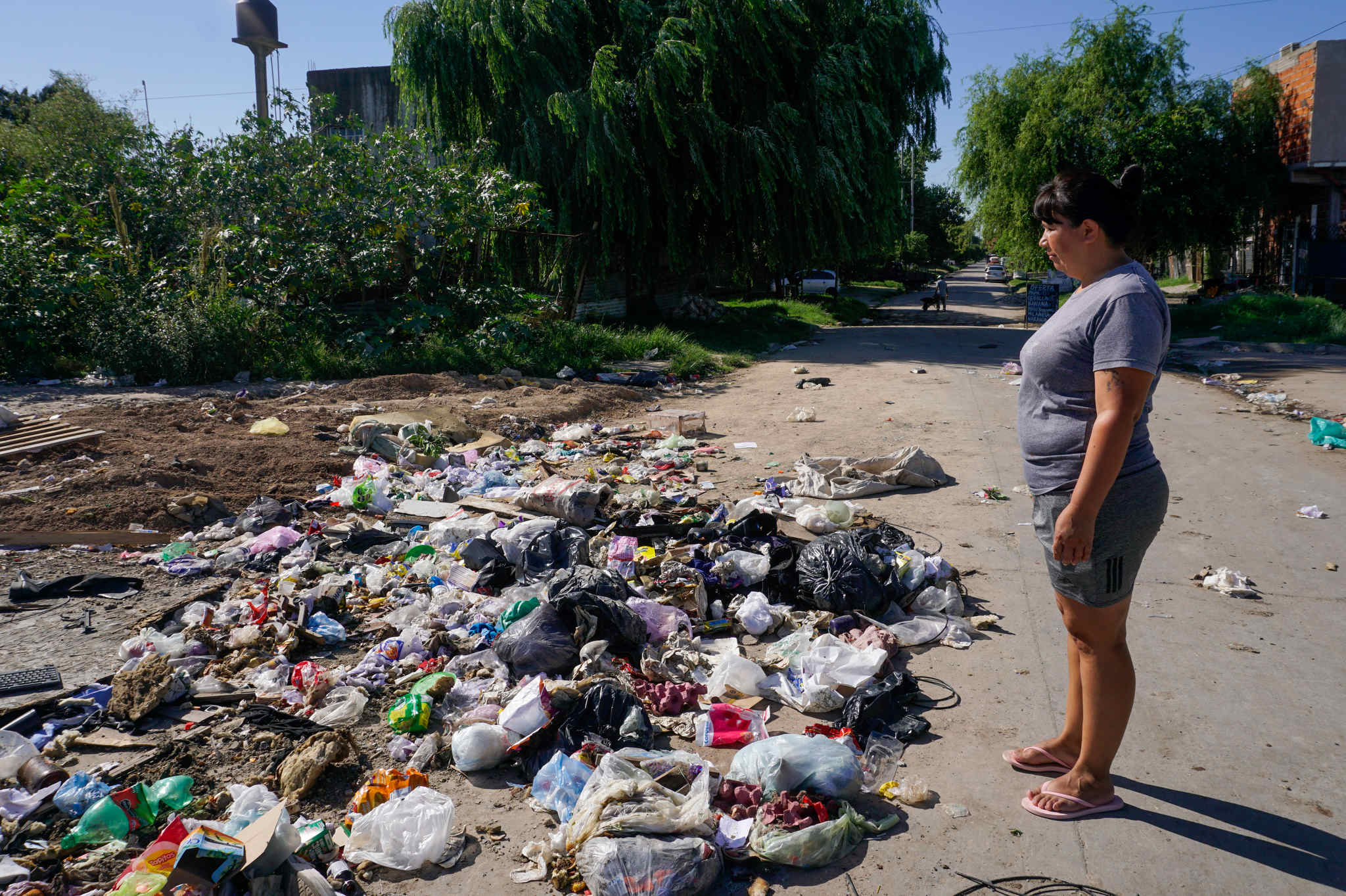
Among the many cuts by the Milei government was a program that paid people to clear trash from their own neighborhoods. Now, both garbage and health fears are piling up.
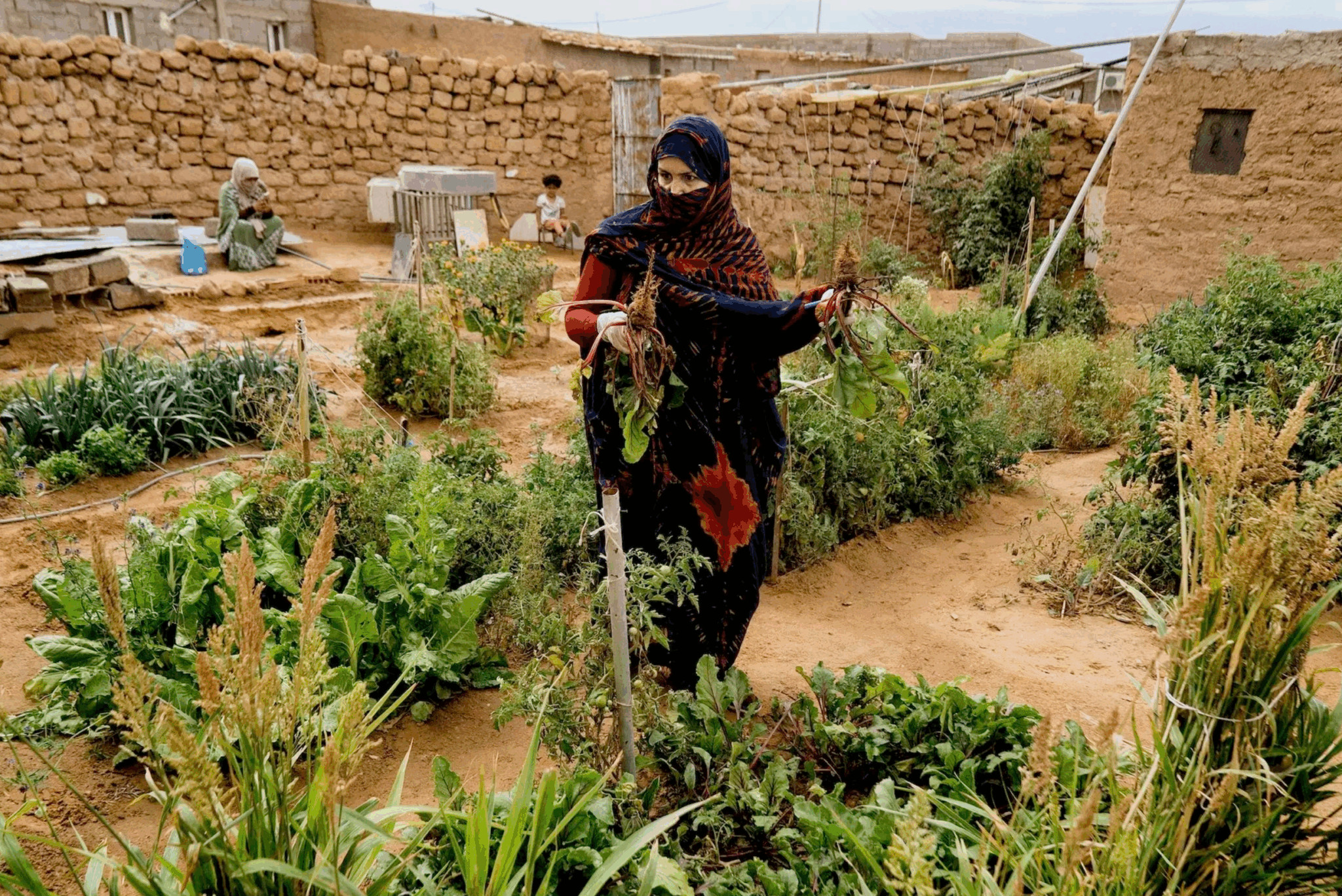
In Western Sahara, a small green revolution is being led by women in the harshest of conditions. Their goal: to build a network of gardens in the desert.
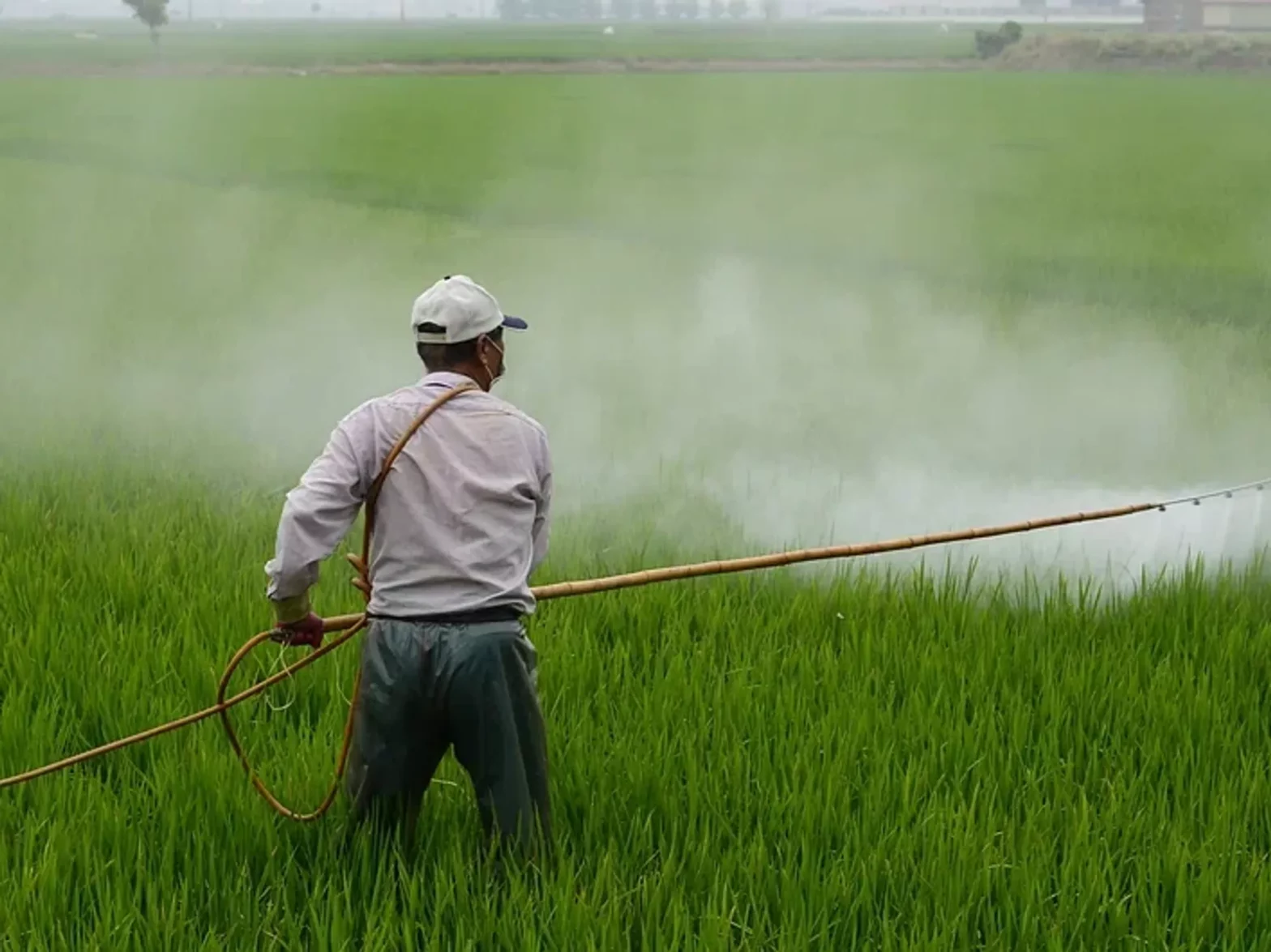
Herbicides pose environmental and human health risks but are also an essential tool for controlling invasive plants.
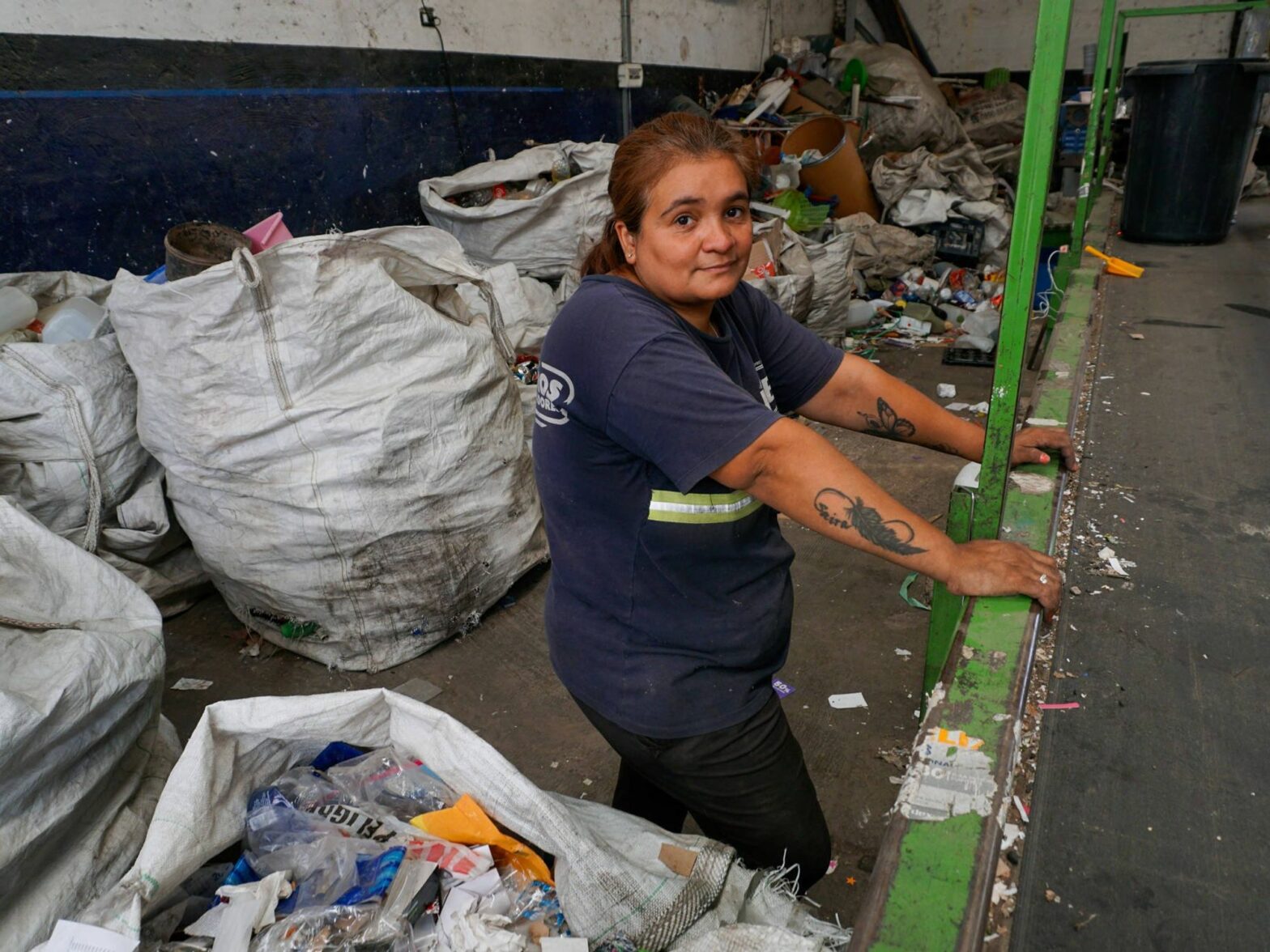
Argentina’s informal recycling network, once a lifeline for thousands, is unraveling as falling prices and new policies make waste-picking unsustainable.
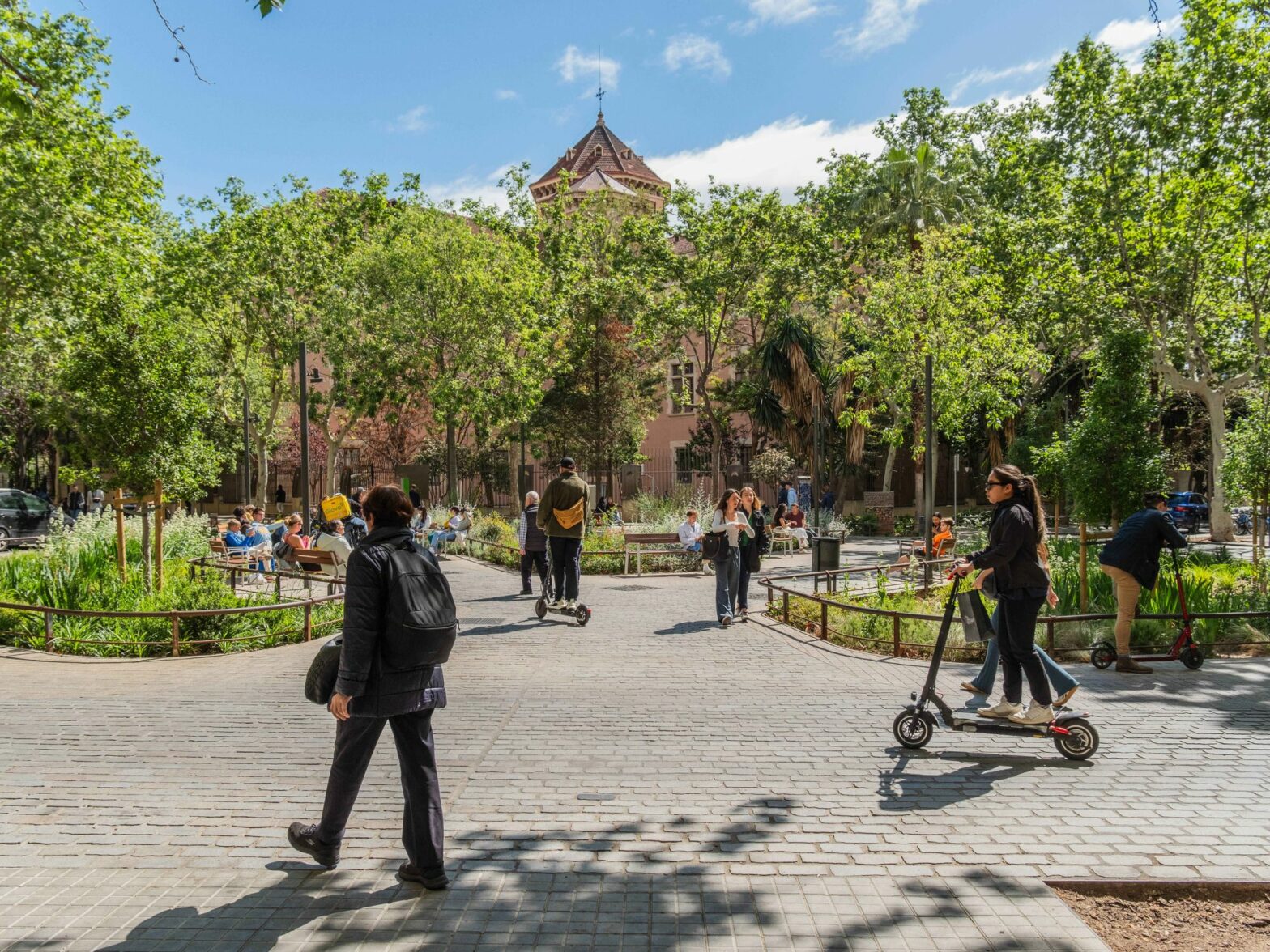
Pollution and climate change have prompted some cities to convert into more sustainable and liveable spaces. But these same policies can widen social inequality. How can cities fix this paradox?
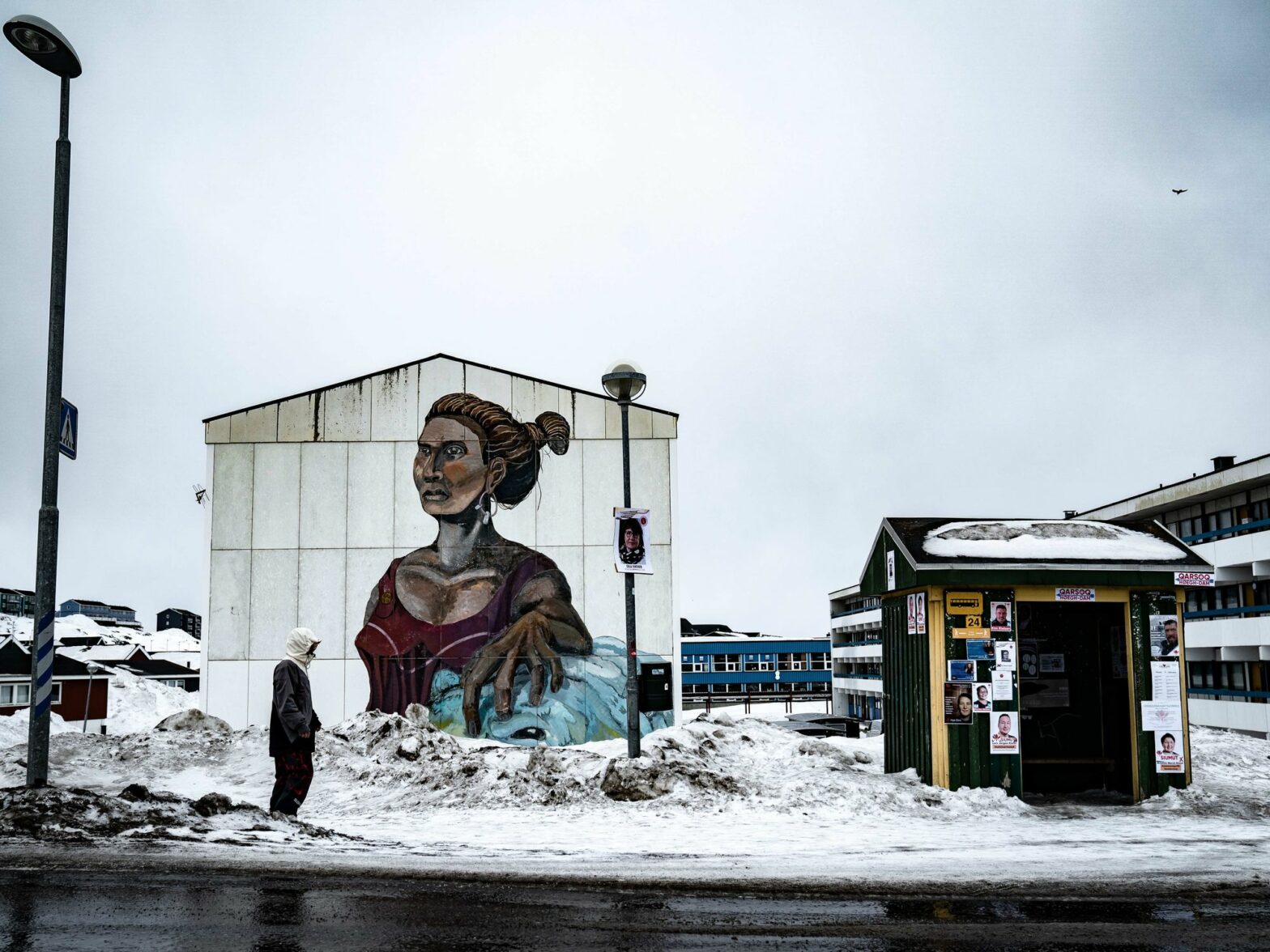
Greenland’s soil is packed with valuable resources, yet many of its people struggle to make ends meet. The world’s highest suicide rates, school dropouts and alcohol abuse are also part of Greenland’s reality. These issues are central to the March 11 general election.
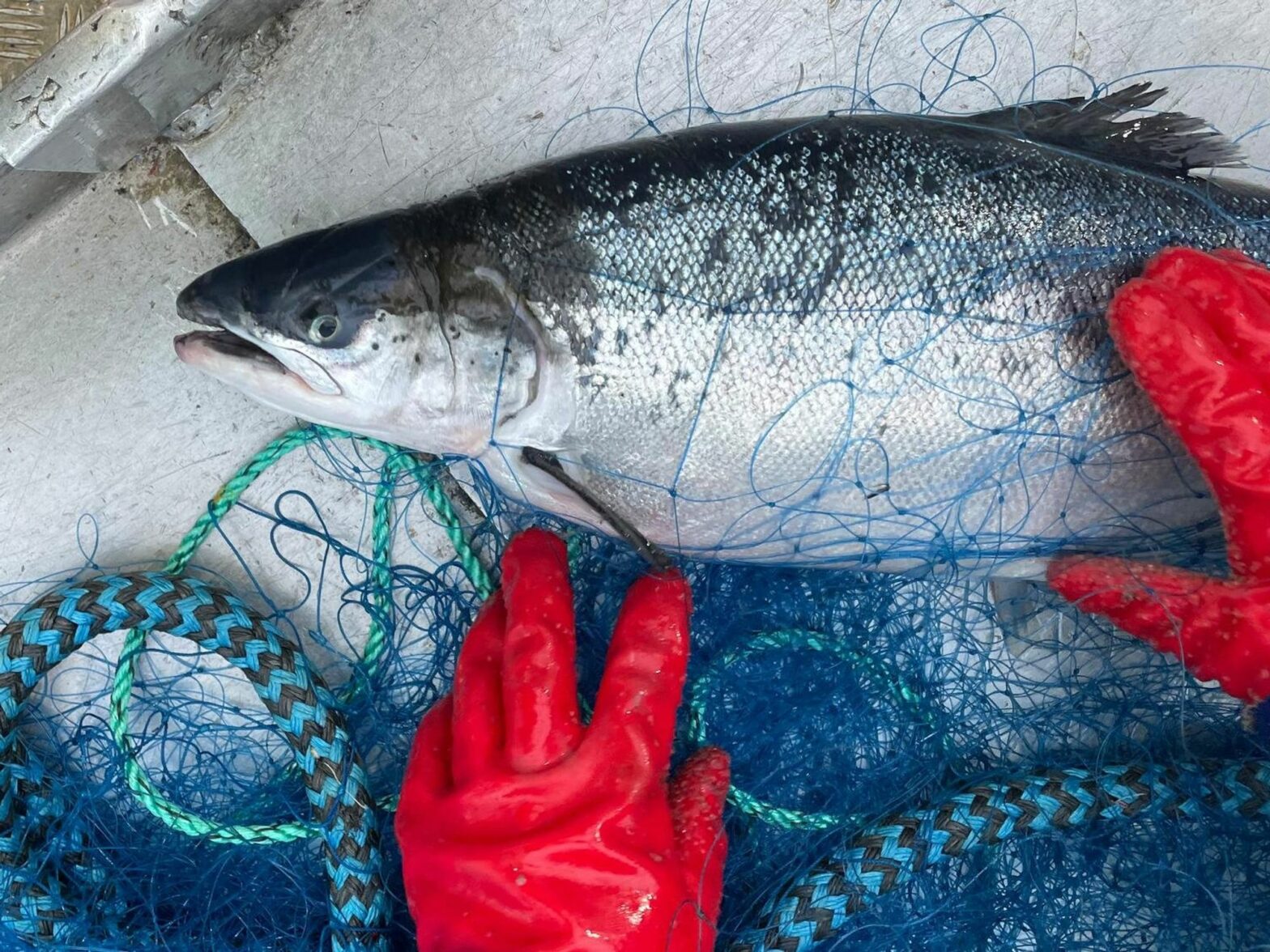
When 27,000 farmed salmon escape from a Norwegian aquaculture facility, it sets off a high-stakes chase that could determine the fate of wild salmon populations. With a bounty on each fish, local fishermen set out to recapture them — both for profit and to protect the fragile ecosystem.
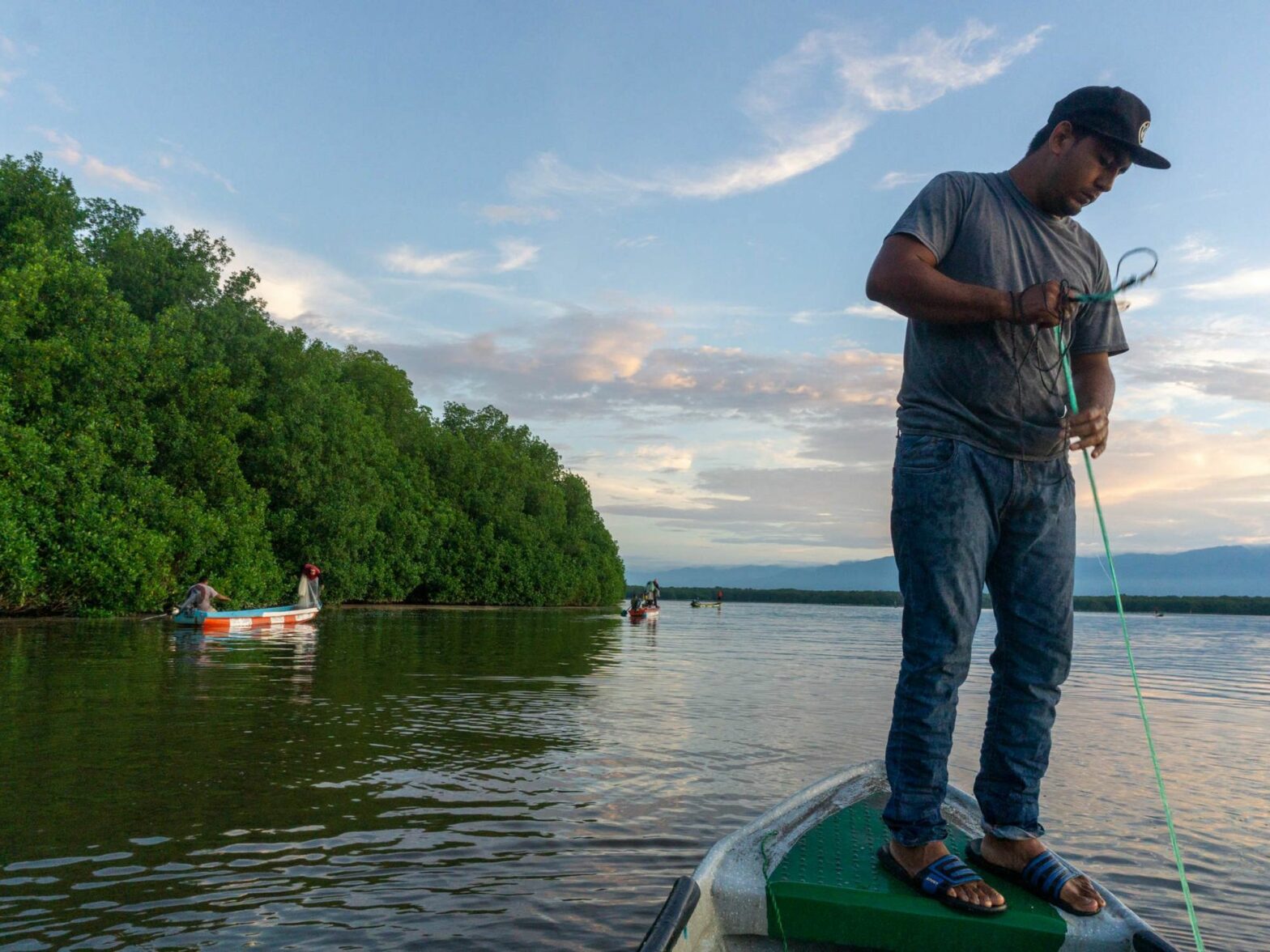
Once teeming with seafood, Los Cerritos lagoon is now nearly barren due to rising sediment levels. As fishers struggle to make ends meet, many are forced to seek new livelihoods — or leave their homes behind.
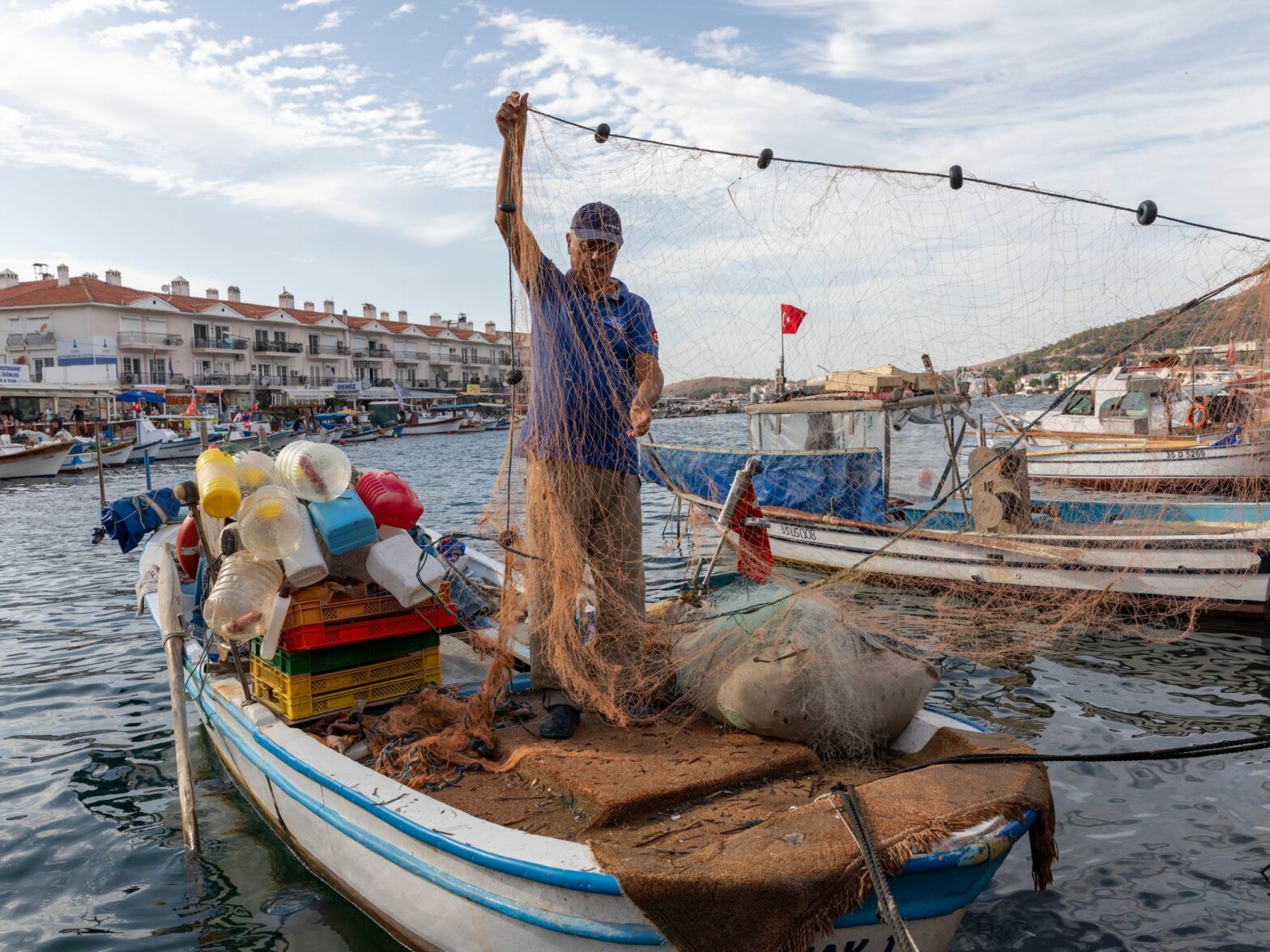
Currently, the majority of Turkey’s fish currently comes from cultivation, also known as fish farming, compared to just 10% two decades ago. The short-sightedness of this shift risks eliminating fishing output from both the farms and the open seas along Turkey’s 5,200 miles of coastline.
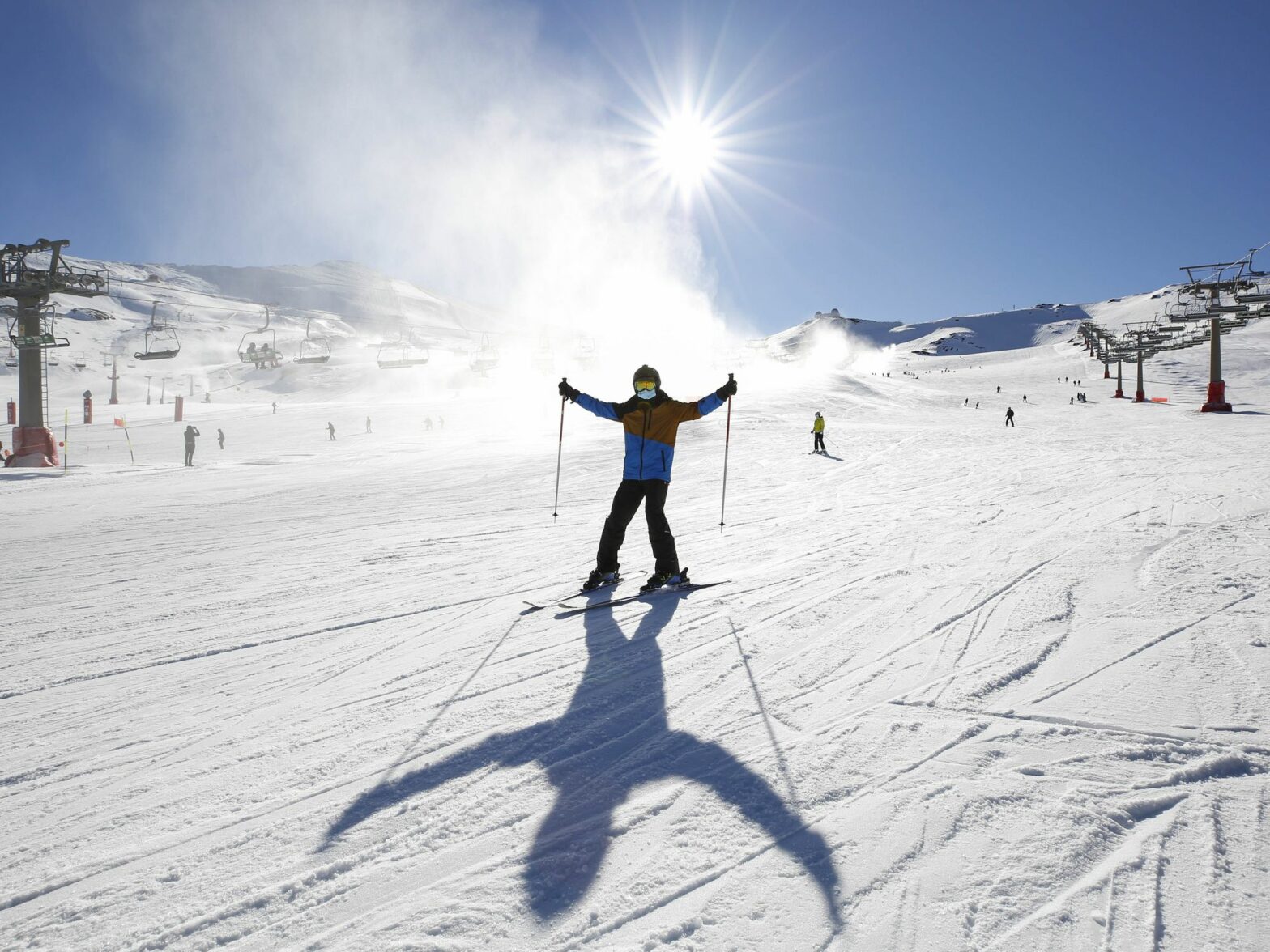
As ski seasons grow increasingly shorter and irregular, the Cetursa company and Andalusia Regional Government are asking to extract twice as much water from the Monachil River to produce more artificial snow for the Sierra Nevada resort. The official argument is that this will have no environmental impact. Experts disagree.
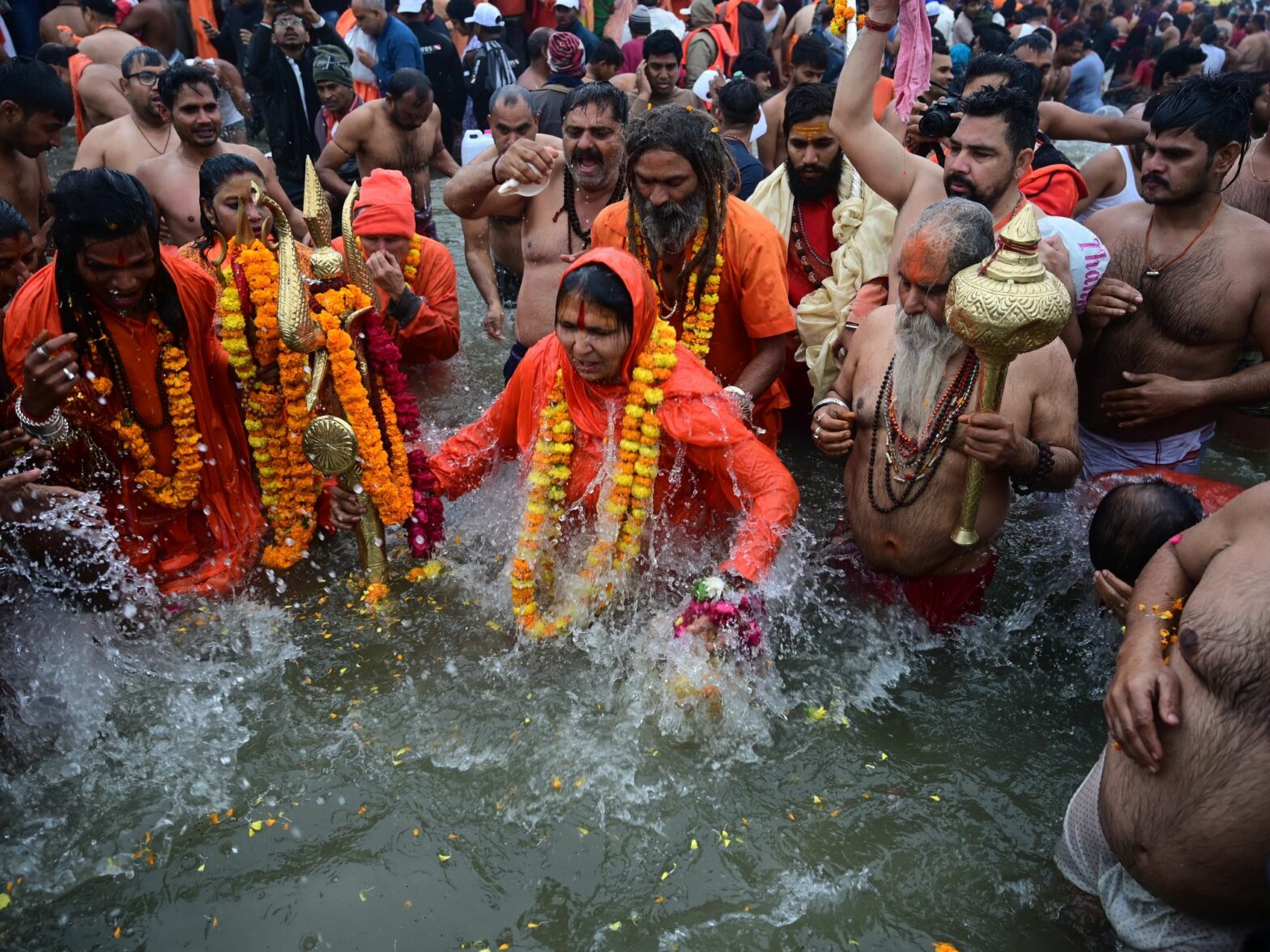
The Indian river risks not being able to heal or nourish anyone for very long after the Kumbh Mela festival in Prayagraj.
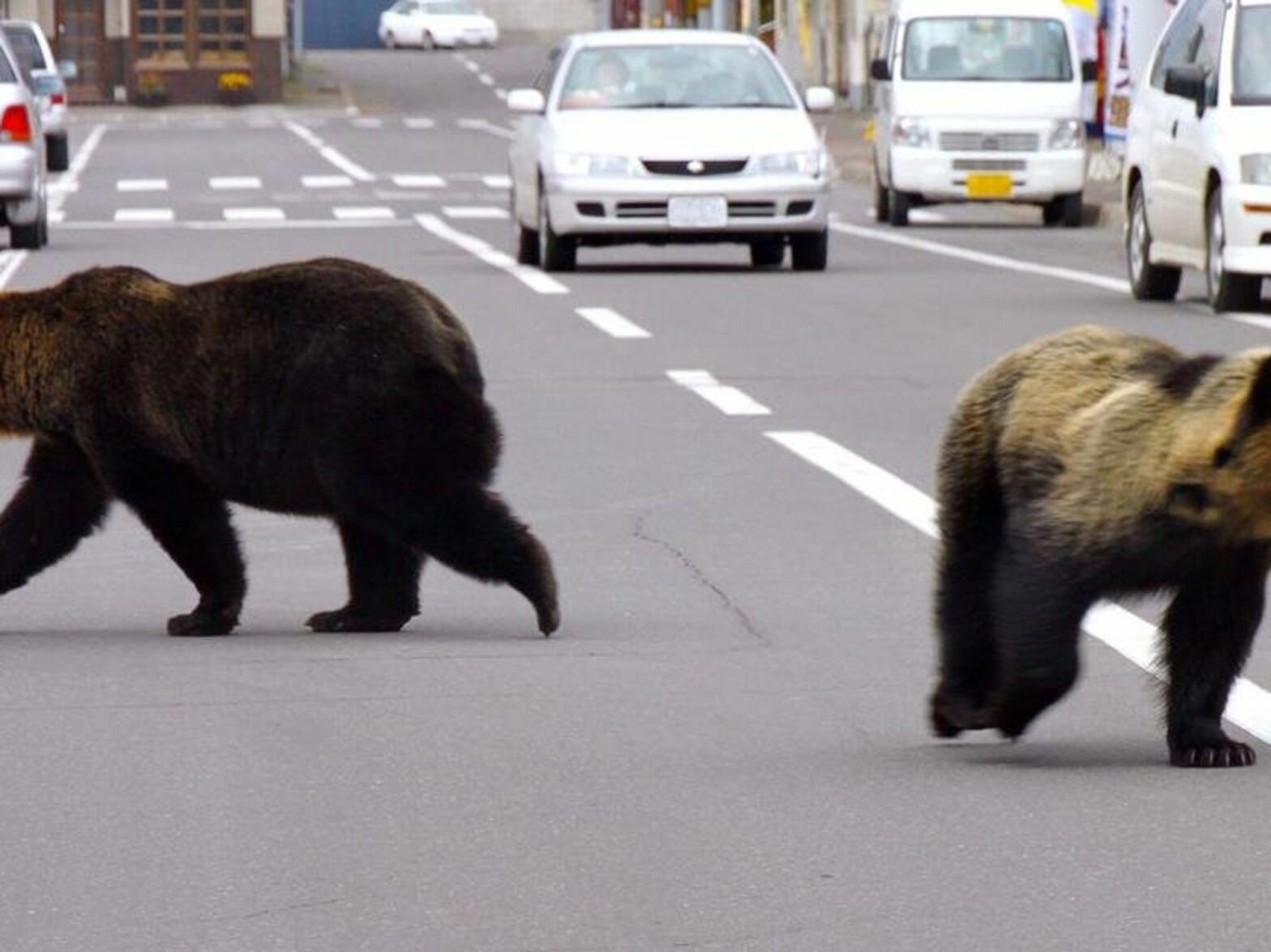
Climate change and demographic collapse have driven bear attacks to reach a record high in Japan. In both the countryside and the cities, bears and other animals are taking back territory from humans. Should locals learn to live with them or take extreme measures?
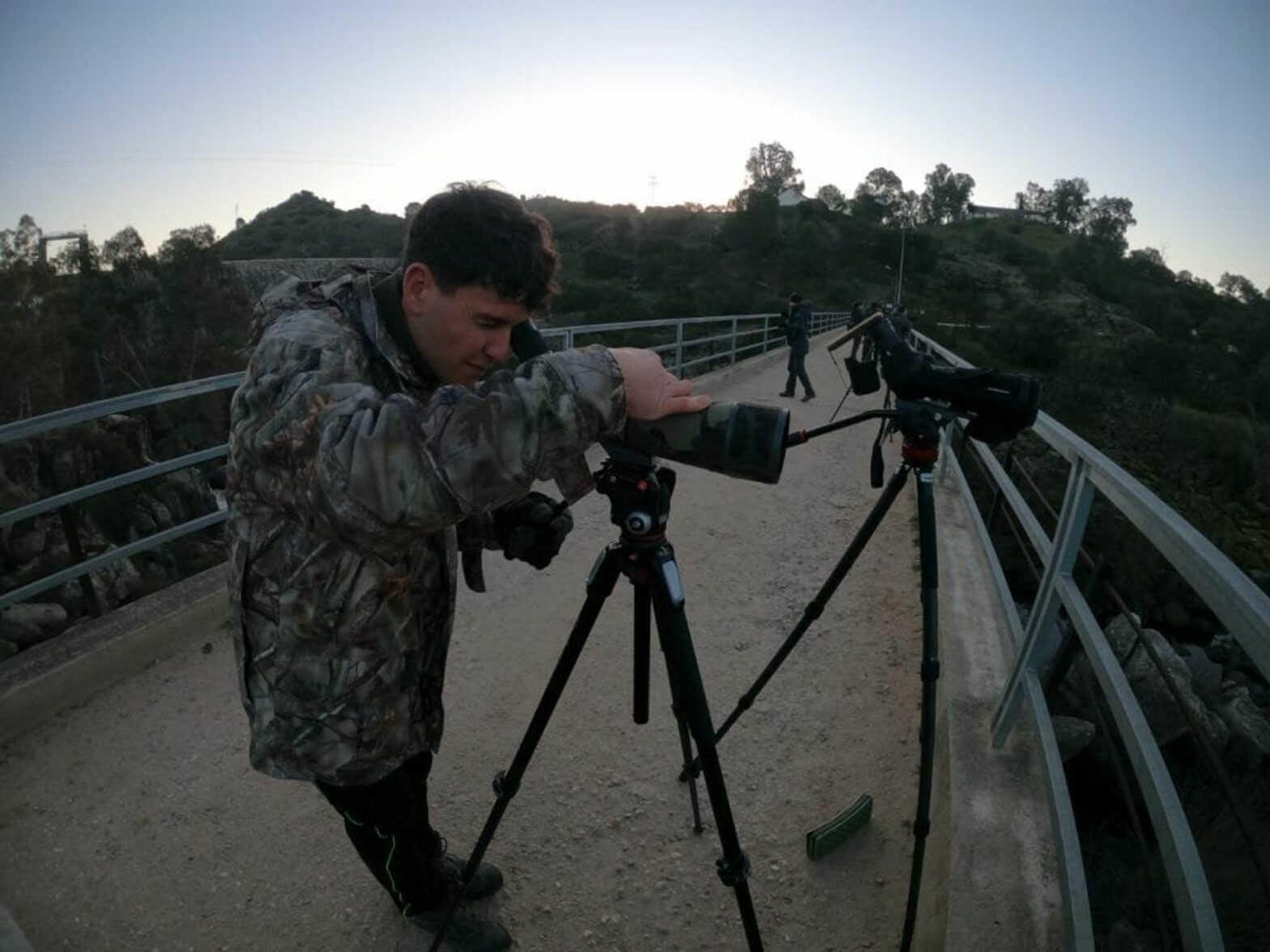
Thanks to the many citizen science projects that exist today, all of us who make up the social fabric can actively contribute to scientific knowledge and sustainable development.

From an Italian take on Hawaiian pizza to gay rodeo, Sam Altman’s eye-scanning “orb”… and more!
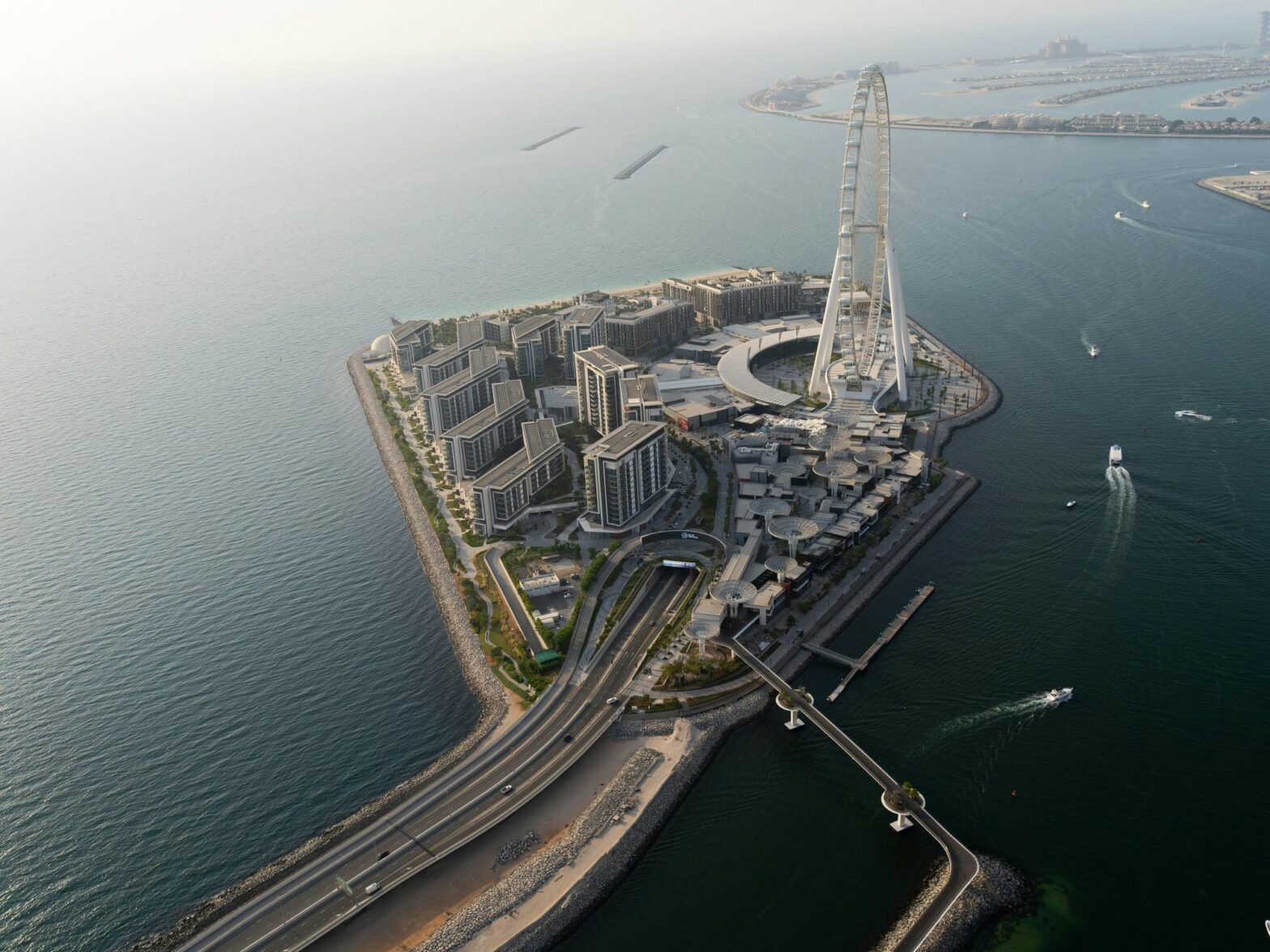
Used as military bases, airports, residential areas, or platforms to drill for resources, artificial islands are growing — despite warnings that sea levels are rising. A deep dive into the phenomenon of why we are building more islands — and what an islander mentality is.
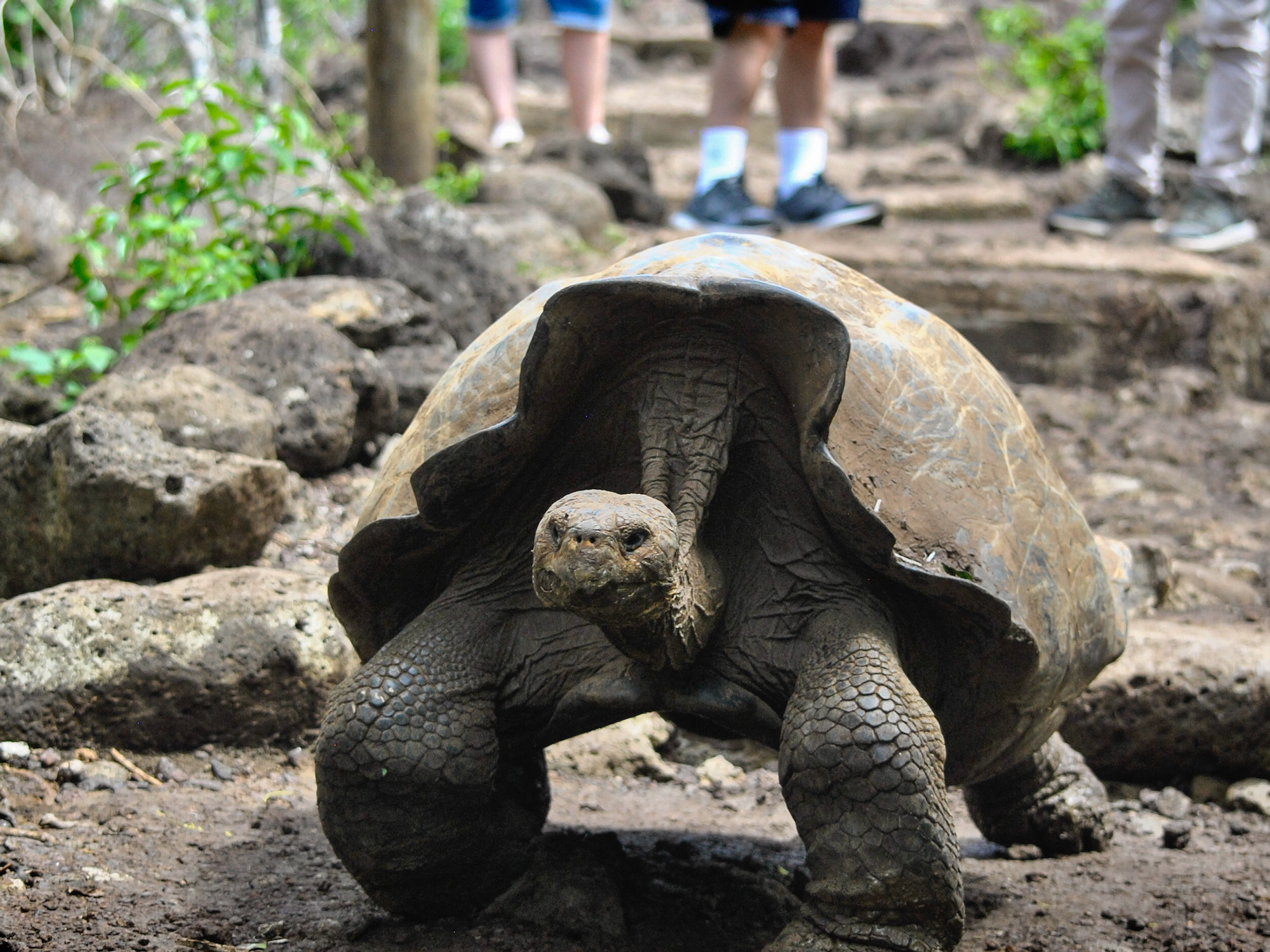
Ecuador’s exceptional Galapagos archipelago has been at the heart of an ambitious decades-long preservation policy to protect its unique fauna from too many visitors. Could it serve as a model for others for how to resist overtourism?

Tire particles contribute significantly to global microplastic pollution, affecting soil, water, and wildlife. Despite their growing impact, they remain largely unaddressed in environmental policies and solutions.
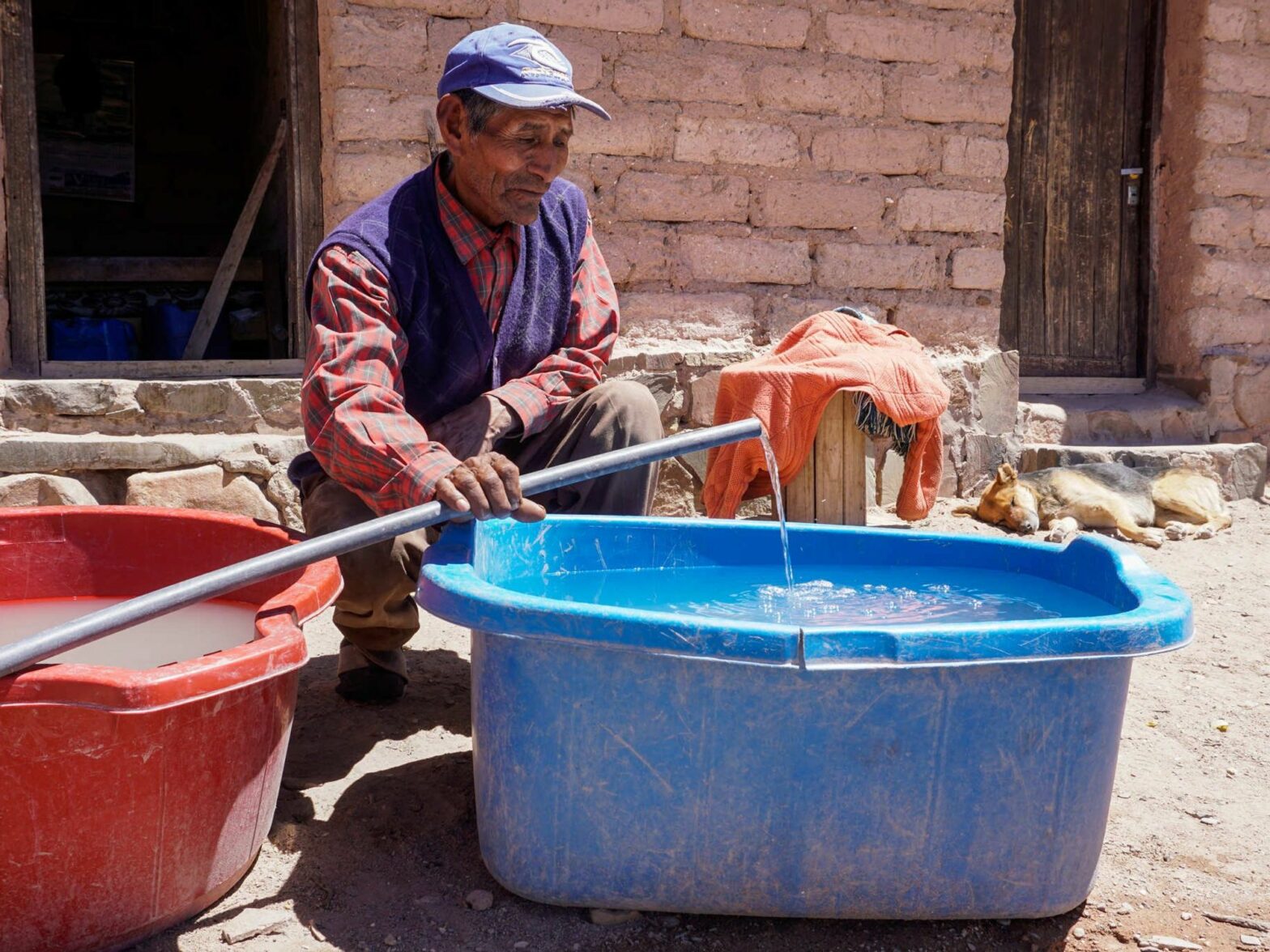
People in northwest Argentina let lithium mining companies onto their land. They didn’t expect to lose their water sources in the process.
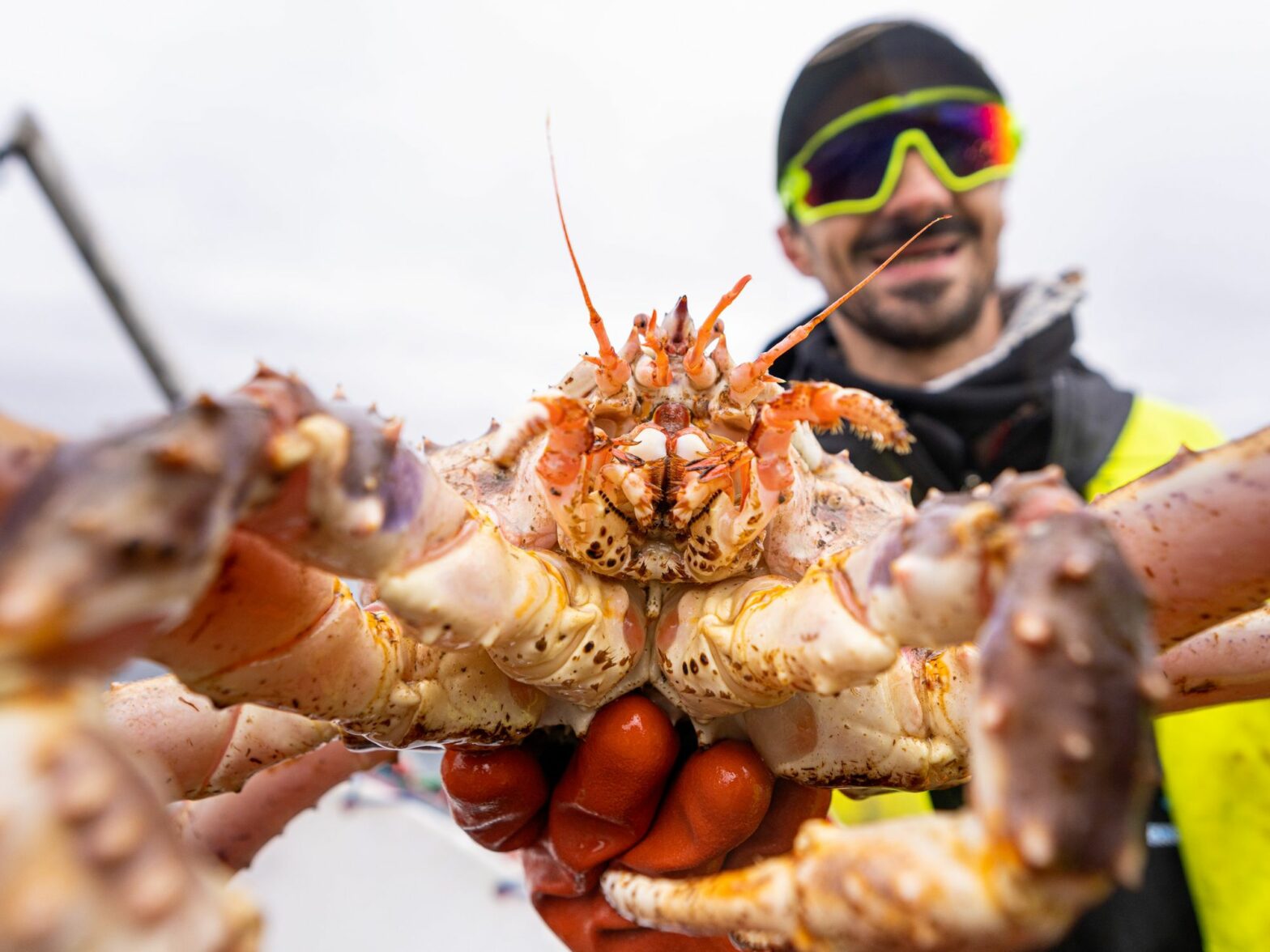
For the past two decades, Norway has developed an industrial and tourist sector around the king crab, a giant crustacean whose leg span can exceed two meters. But this boon for the economy of the great Norwegian north is now in more than a pinch.
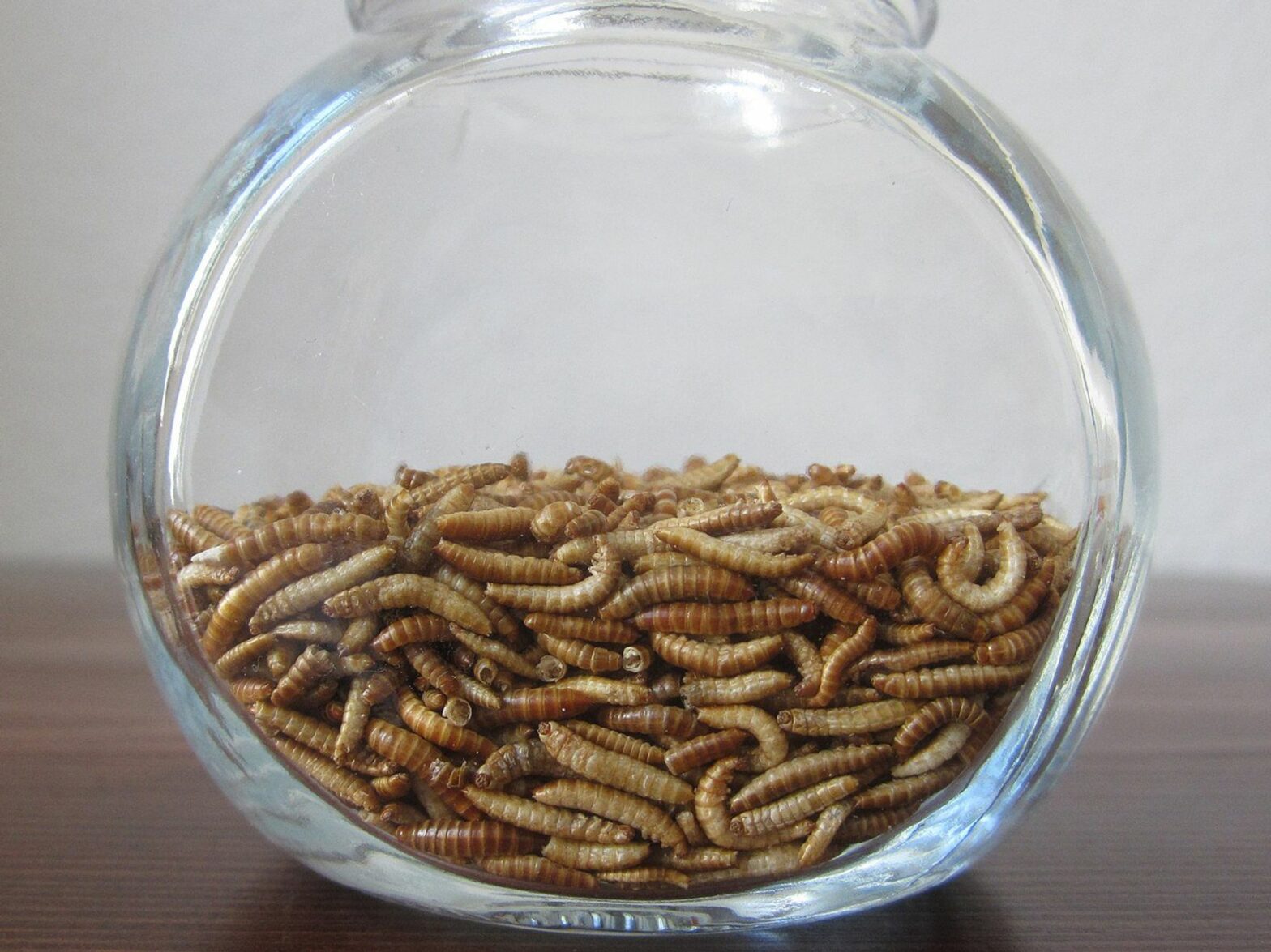
Scientists in Nairobi have discovered that the larvae of the Kenyan lesser mealworm are capable of consuming polystyrene and now hope to create new tools that help get rid of plastic waste faster and more efficiently.

The International Festival of Performing Arts Temporada Alta is hosting the Spanish premiere of this European project that explores our links with nature and the landscape.
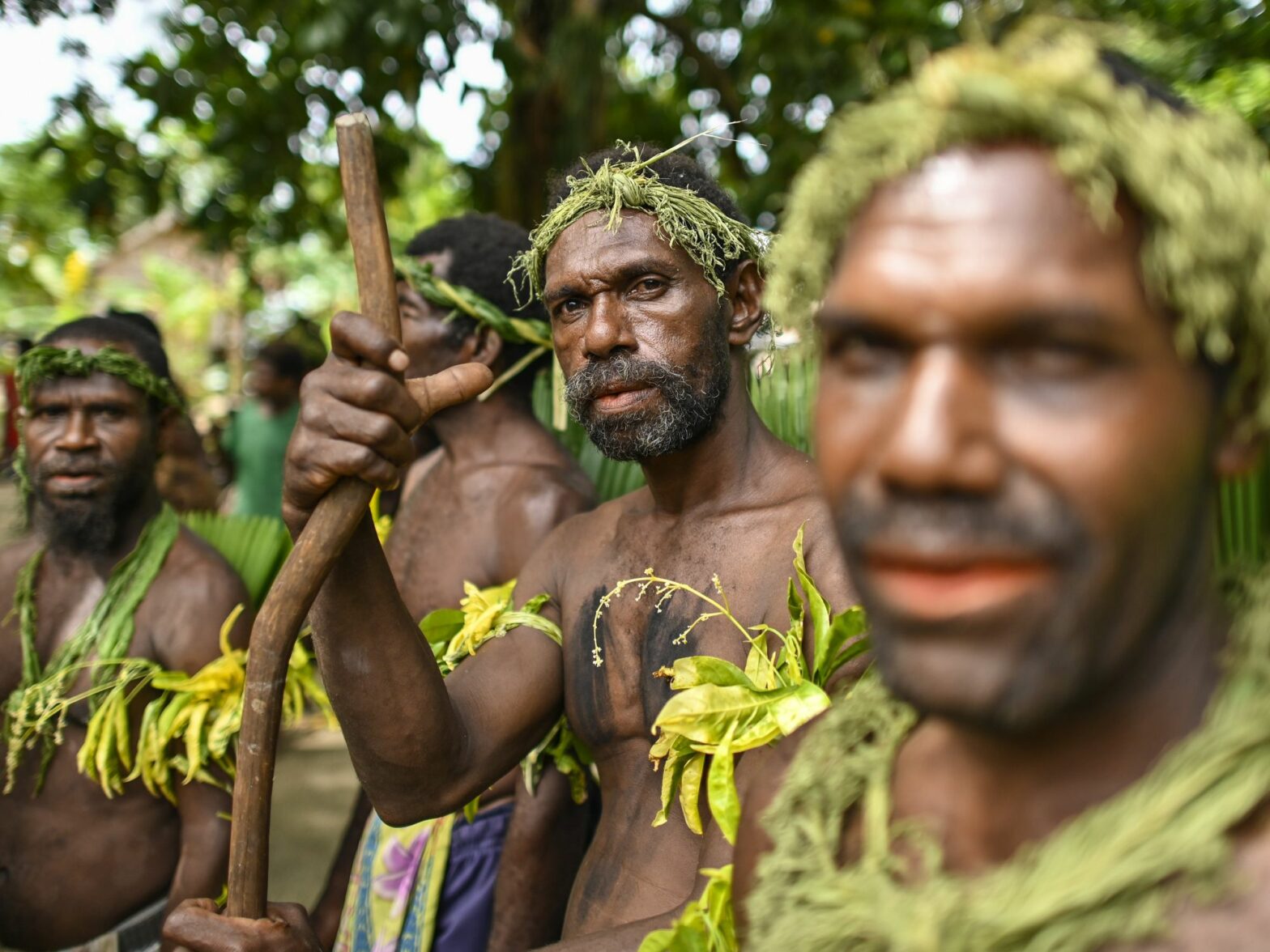
From combating invasive species in New Zealand to dealing with melting ice in Alaska, Indigenous peoples are on the front lines of climate change adaptation — yet often overlooked in international initiatives.
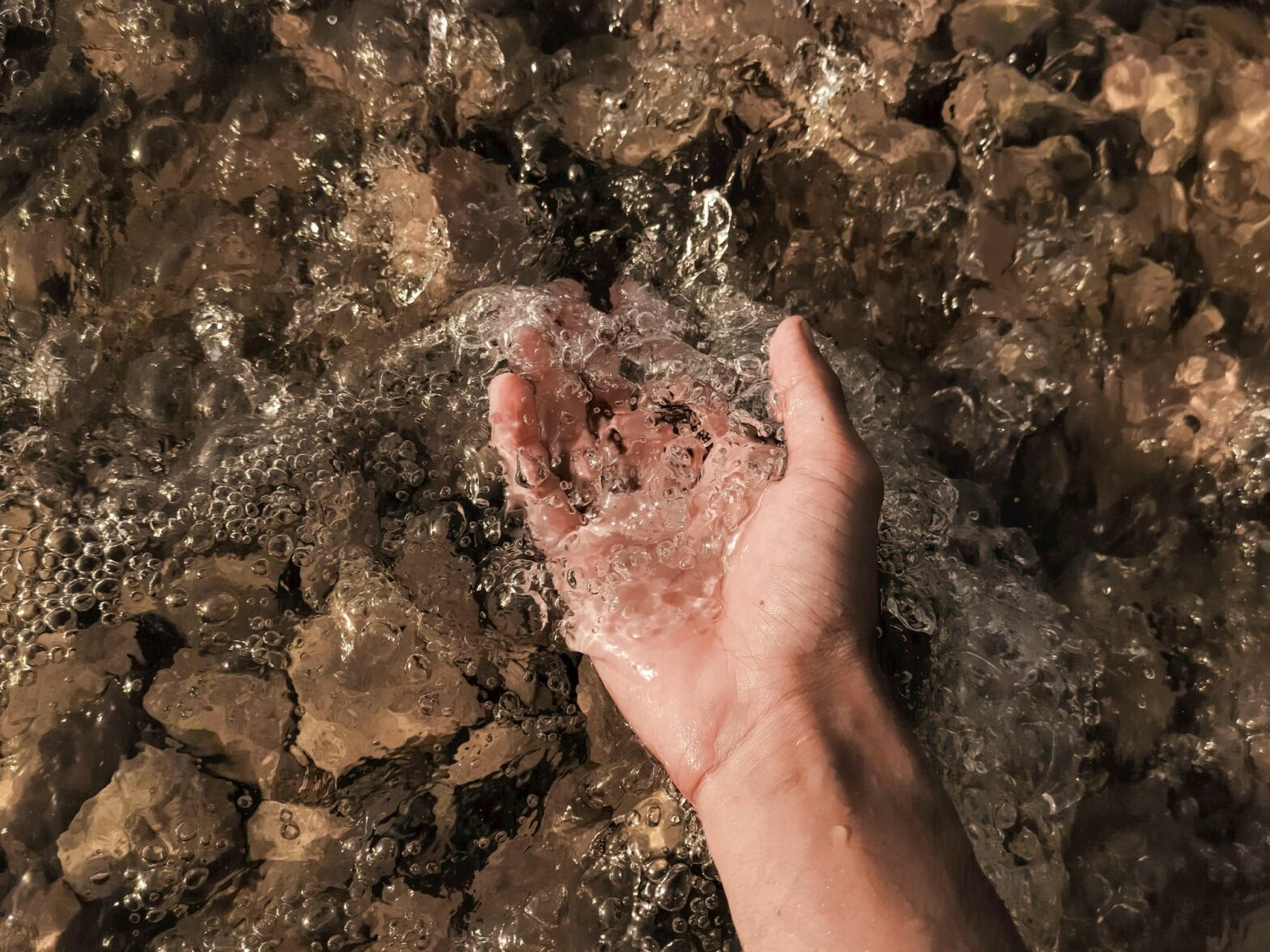
The Vilcabamba, the Atrato or the Whanganui have achieved recognition as living entities with rights. More and more rivers are achieving this type of legal protection (and respect). In Spain, the Tins was the first river to have its rights recognized.

A $2.4 billion project to exploit lithium deposits in Serbia’s Jadar Valley could cover 90% of Europe’s current lithium needs. But the plan has sparked protests across the country and created an unlikely coalition of opposition, which President Aleksandar Vučić’s government has sought to suppress.
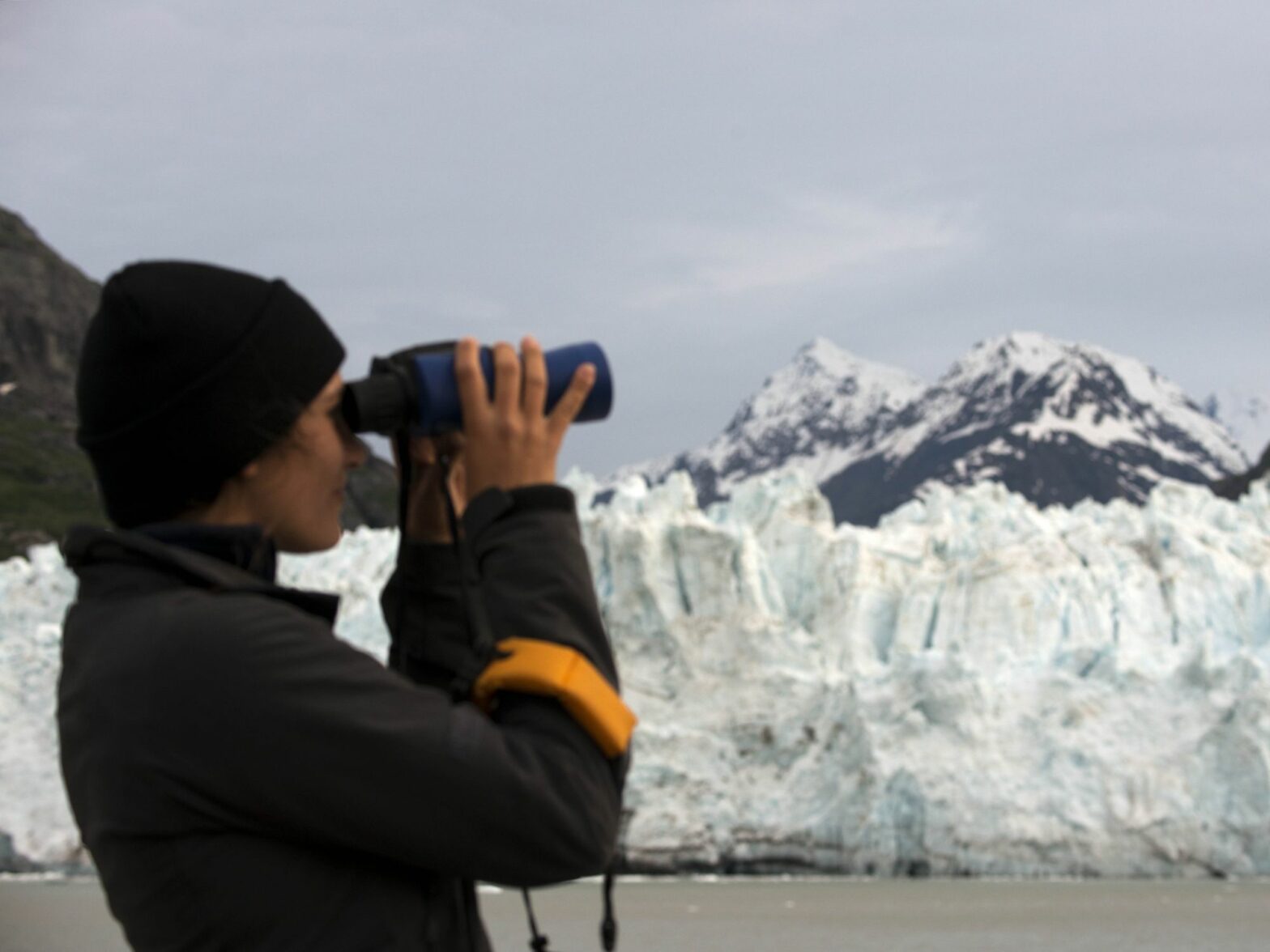
A research project is collecting ice cores from glaciers and icefields before they melt way. The aim is to study both the past and possible future of humanity’s impact on the world’s climate.
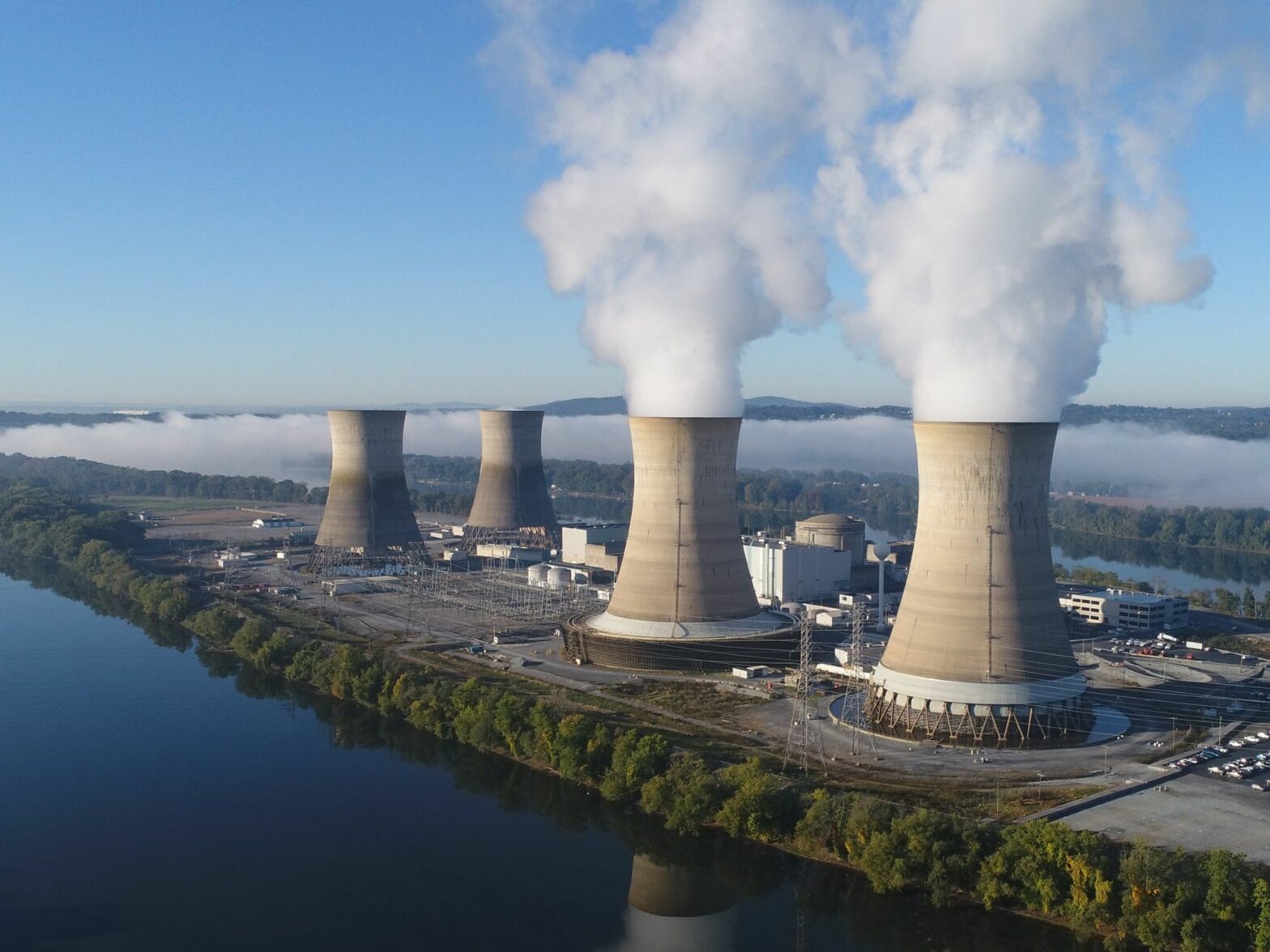
Should the U.S. revive nuclear power to satisfy the growing electricity demands of artificial intelligence? The Three Mile Island nuclear power plant offers a cautionary tale of technology outpacing expertise.
Updated Oct. 8, 2024 at 11:00 a.m. The Kashmir earthquake struck on this day in 2005, with a magnitude of 7.6 on the Richter scale. Where did the Kashmir earthquake occur? The earthquake primarily affected the Kashmir region, which includes parts of India, Pakistan, and even Afghanistan. The epicenter was located near the town of […]
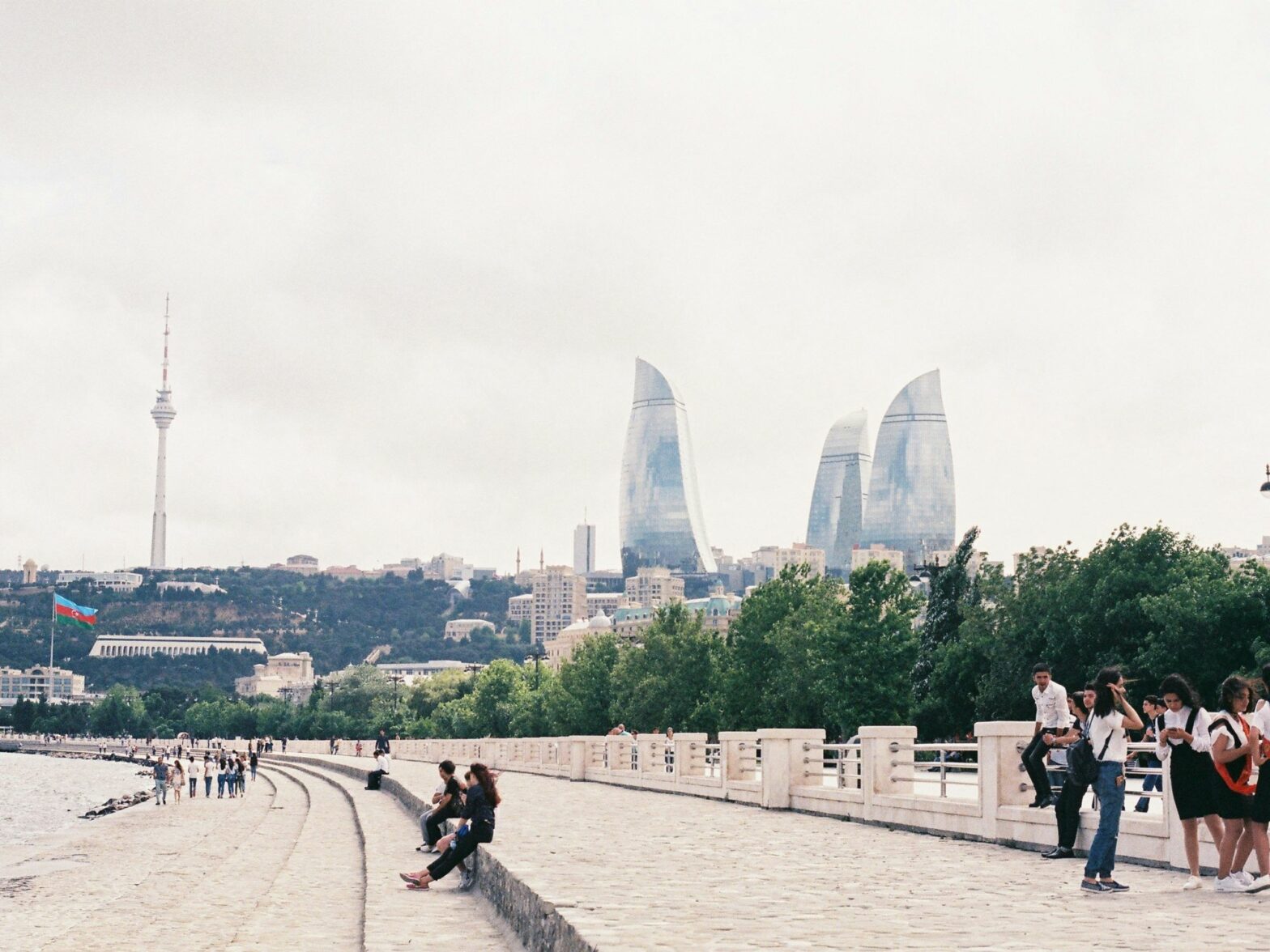
As the host of the next UN climate summit, Azerbaijan is positioning itself as a peacemaker, calling for the end of conflicts that “worsen climate change.” But this stands in stark contrast to the country’s commitment to increase gas and oil production and its record of military aggression against Armenia.