A default would be one of the clearest signals that the sanctions are having their intended effect on the Russian economy. But its impact on Russia’s ability to wage war in Ukraine may be another story.
 Worldcrunch
A default would be one of the clearest signals that the sanctions are having their intended effect on the Russian economy. But its impact on Russia’s ability to wage war in Ukraine may be another story.

Metaverses are introducing ownership and rarity to the internet for the first time in its history. It is already generating billions of dollars in transactions, but the risk is that it becomes a club exclusively for the wealthy.
“Dottoré, the reason why I am depressed is simple. But to explain it, I need an answer first. How much did you use to pay for a coffee?” “Over the last few years, it was 80 cents, then 90 cents, and now one euro.” “And what did you use to do with the 10 or […]
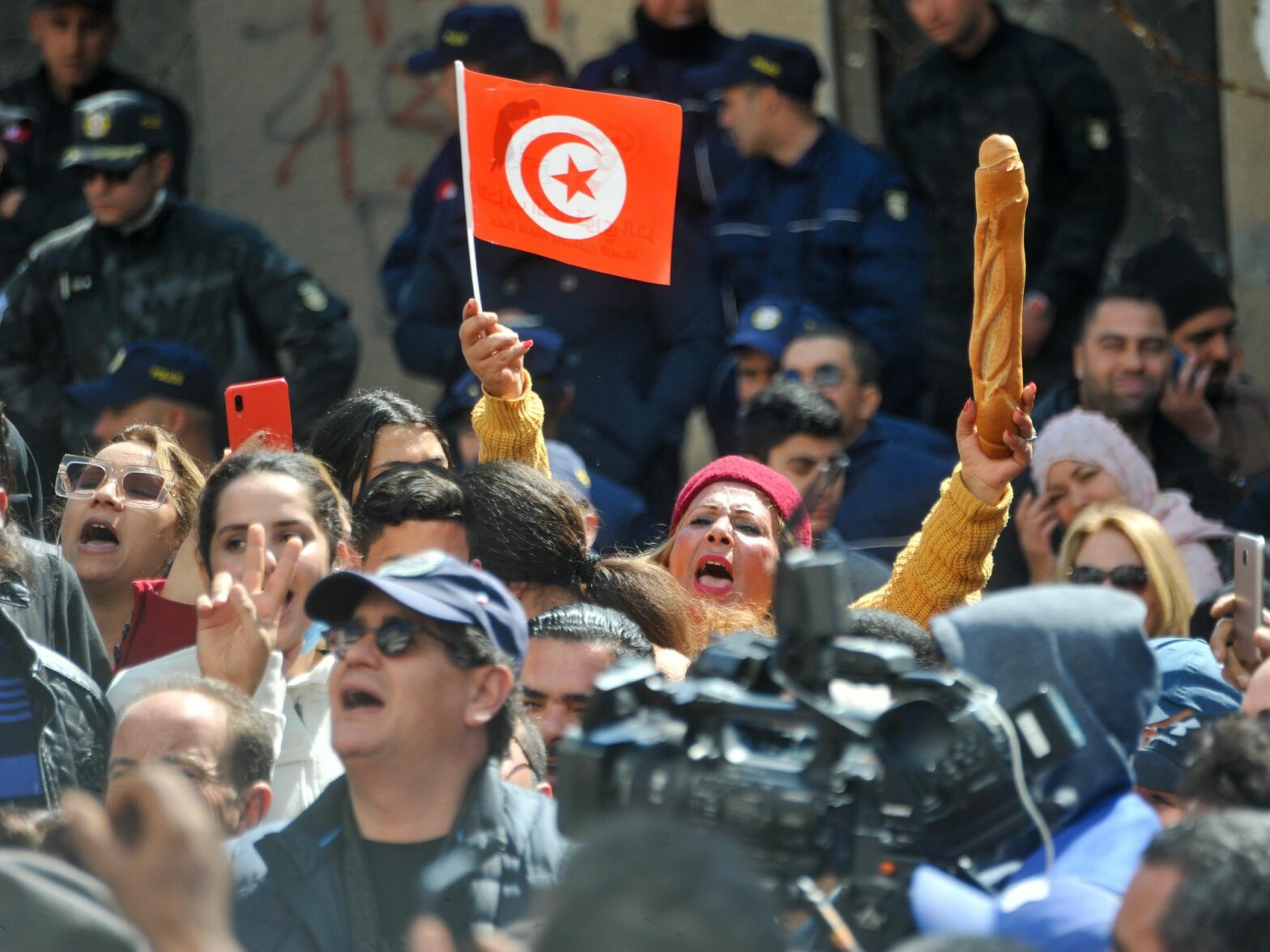
Rising tensions in wheat productions, explosion of oil prices, fear of the unknown, could the Ukraine war lead to a popular Arab uprising similar to the one in 2011?

The pandemic has devastated Argentina’s tango culture — and the thousands of people who depend on it.
In an attempt to shore up its failing economy, Russia is trying to blackmail the West and asking to be paid in rubles for its natural gas. However, such a move is unlikely to help Moscow in the long-term. And the important question still remains of how the EU will manage without Russian gas.
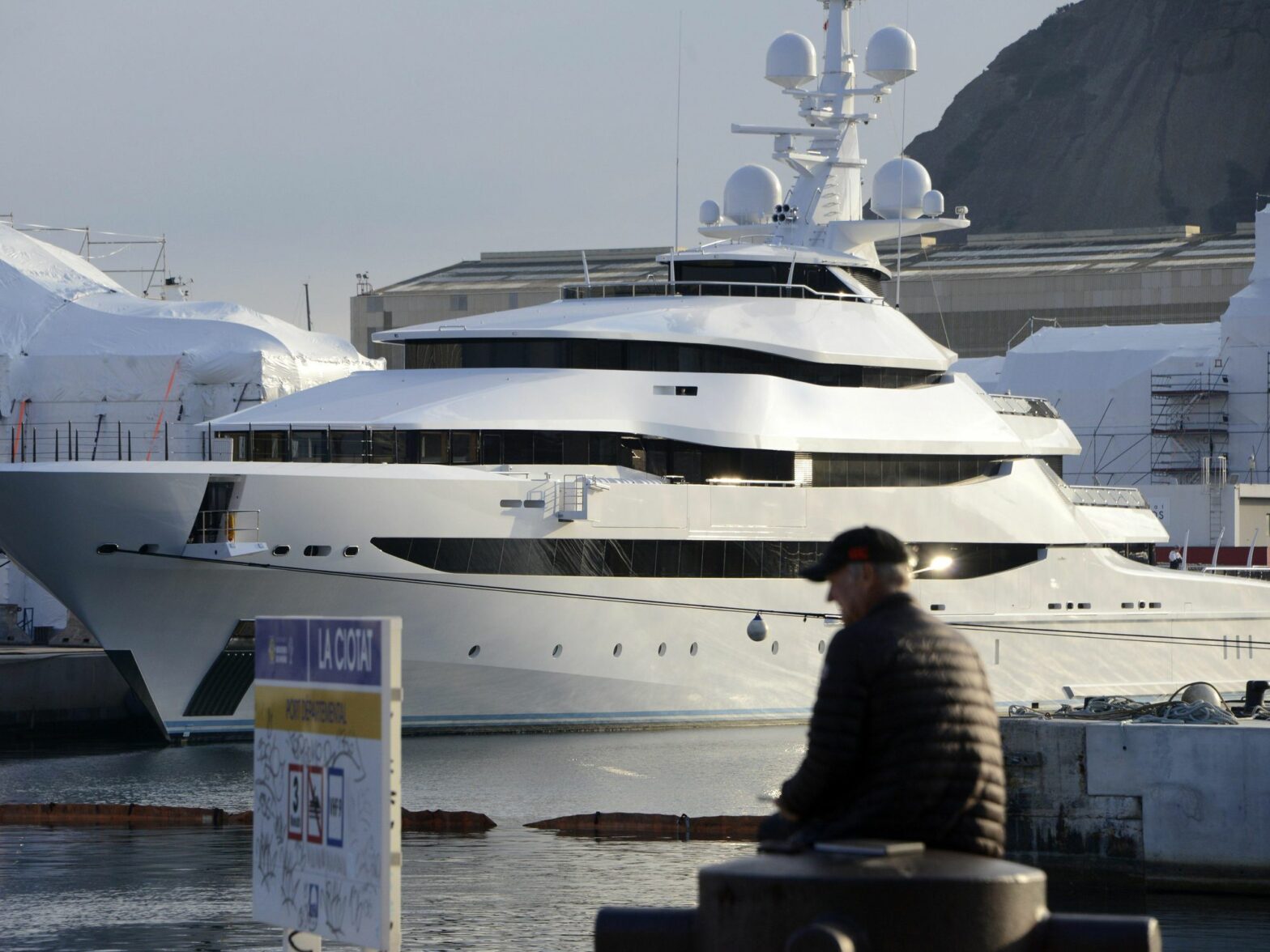
Chalets in Courchevel, villas on the Cap d’Antibes peninsula, yachts and valuable paintings are in the sights of the Ministry of Economy’s task force. But in this game of cat and mouse through a maze of offshore companies, nominees and trusts, oligarchs are often one step ahead.
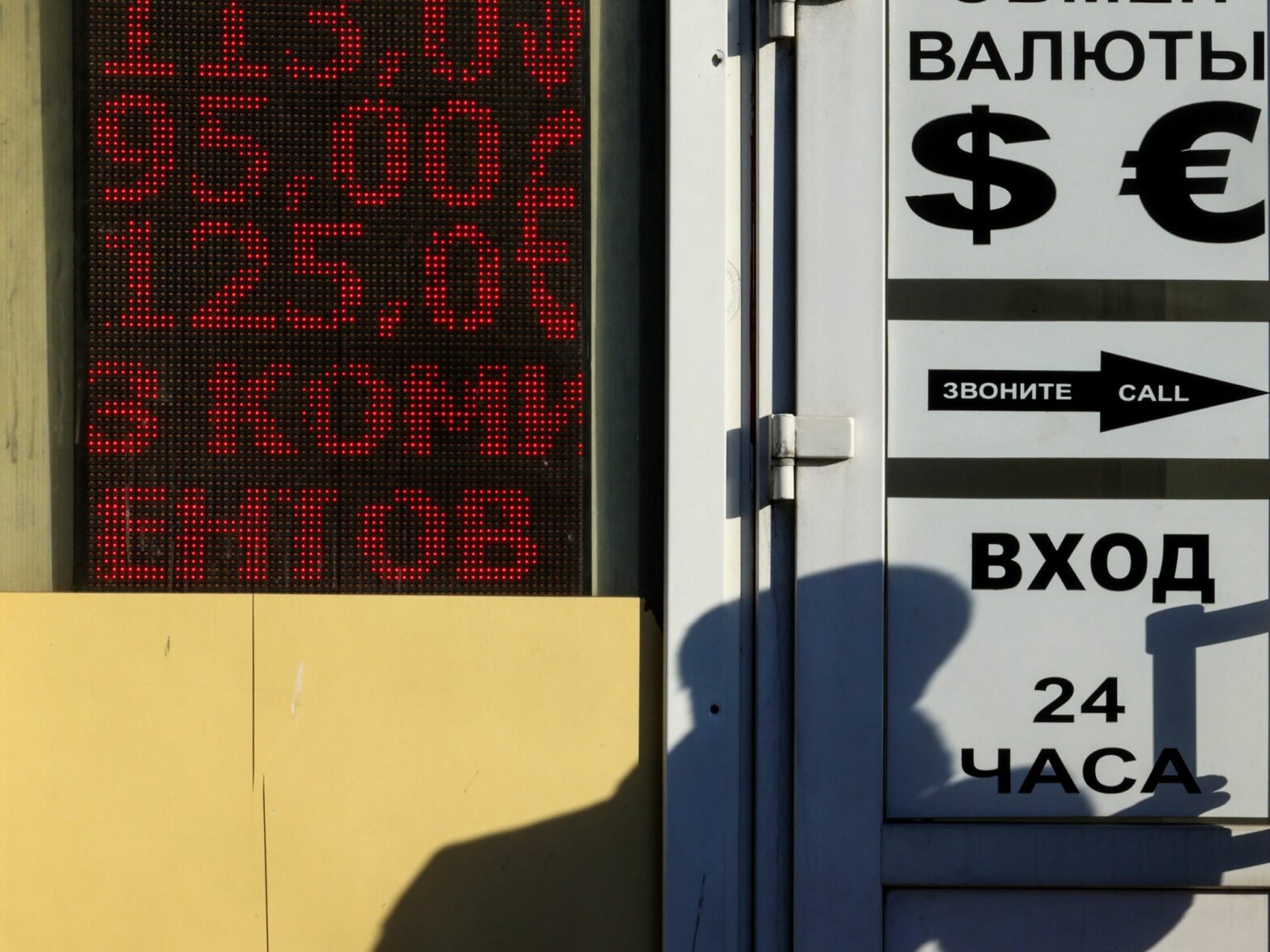
French firms TotalEnergies and Renault announced they were, over time, suspending their activities and halting production in Russia after being widely criticized for their inaction since the invasion of Ukraine. But leaving Russia doesn’t have the same cost or the same consequences for all companies. And we should calculate in who will profit later.
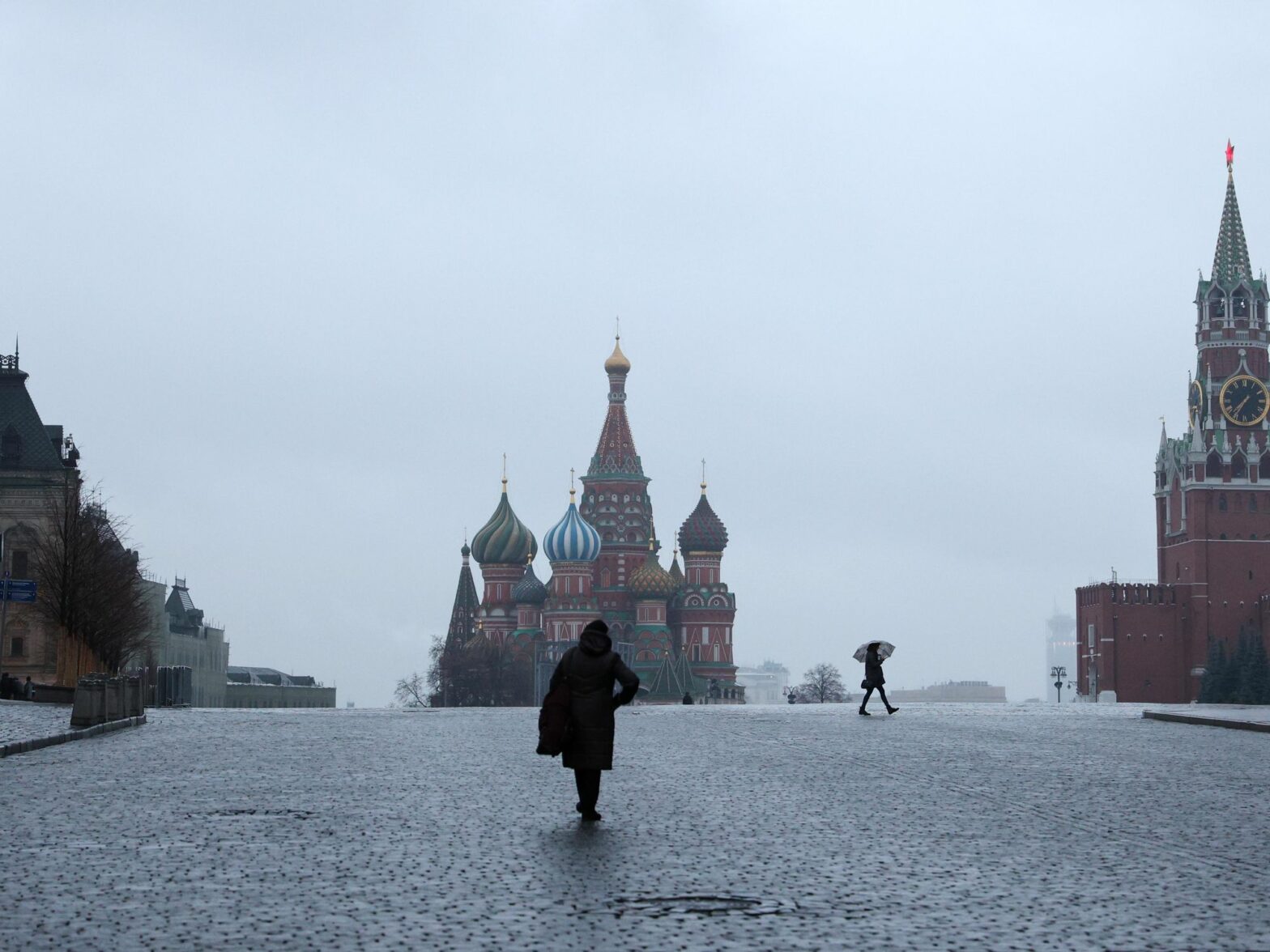
Like from a Pushkin tale, Soviet embargo, or even a COVID lockdown, Russia is at home when it is proudly or despondently cut off from the external world. And after a post-Soviet pause of opening up, here we are again, says Russian writer Yury Saprykin.
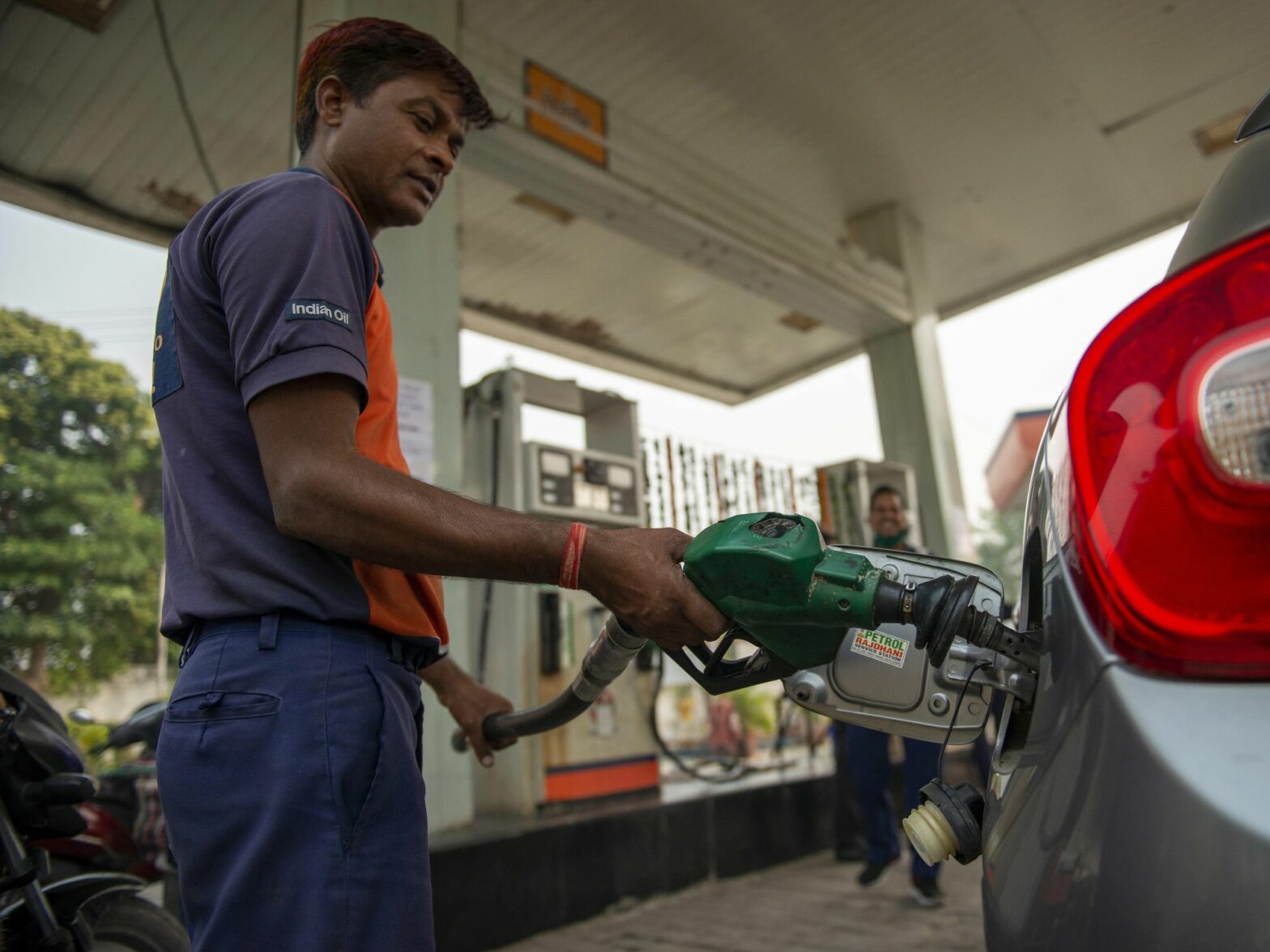
While the strategic issues are still being debated, the Indian government has dismissed the moral issue by concluding a cheap oil agreement with Russia. But are Indian consumers prepared to accept the true cost of discount Russian oil?
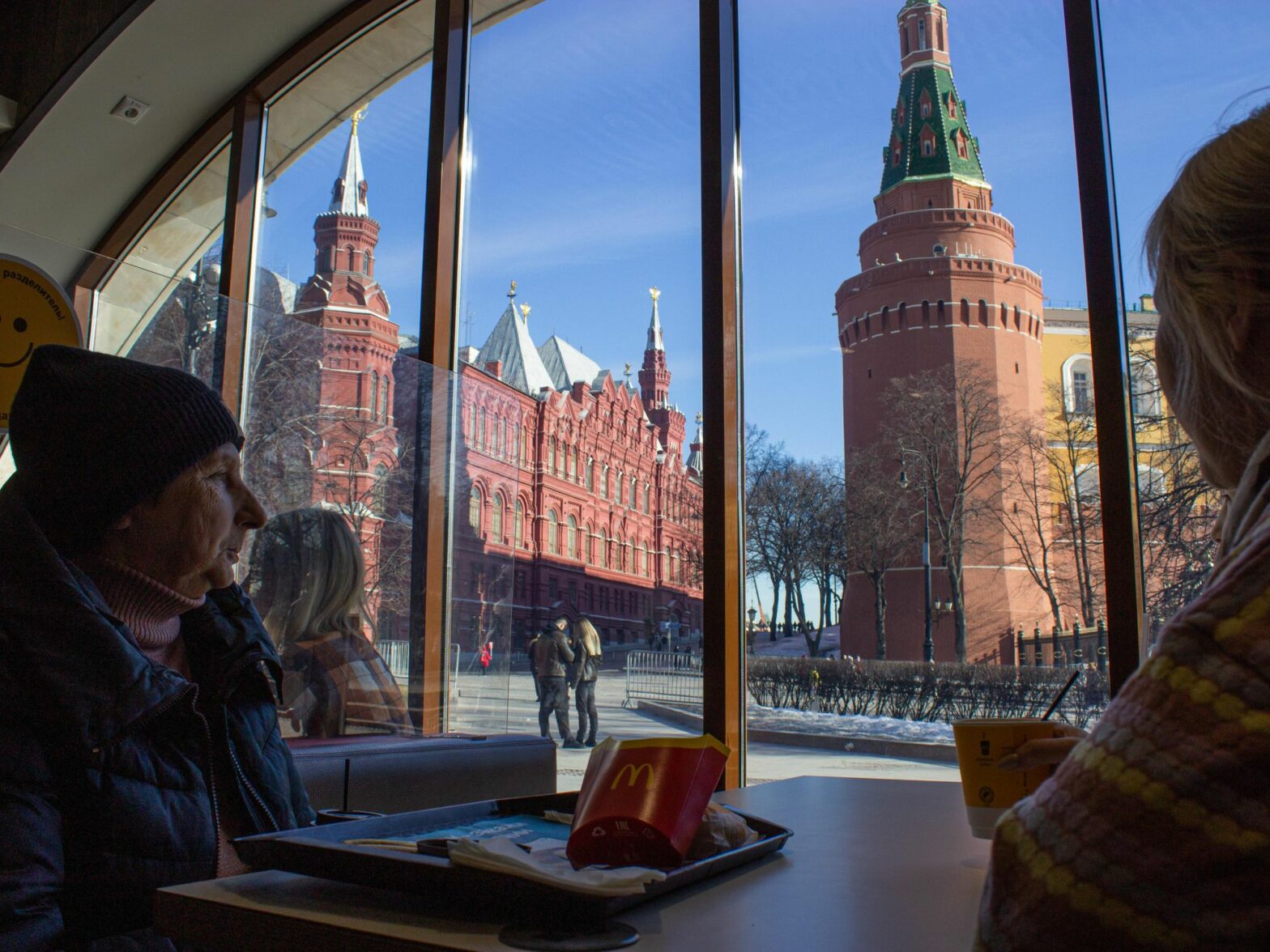
Western freedoms in Russia are only partially appealing, since historically, Russians never had them. Instead, the Russian people are patient, stoic and often irrationally devoted to their cruel motherland.
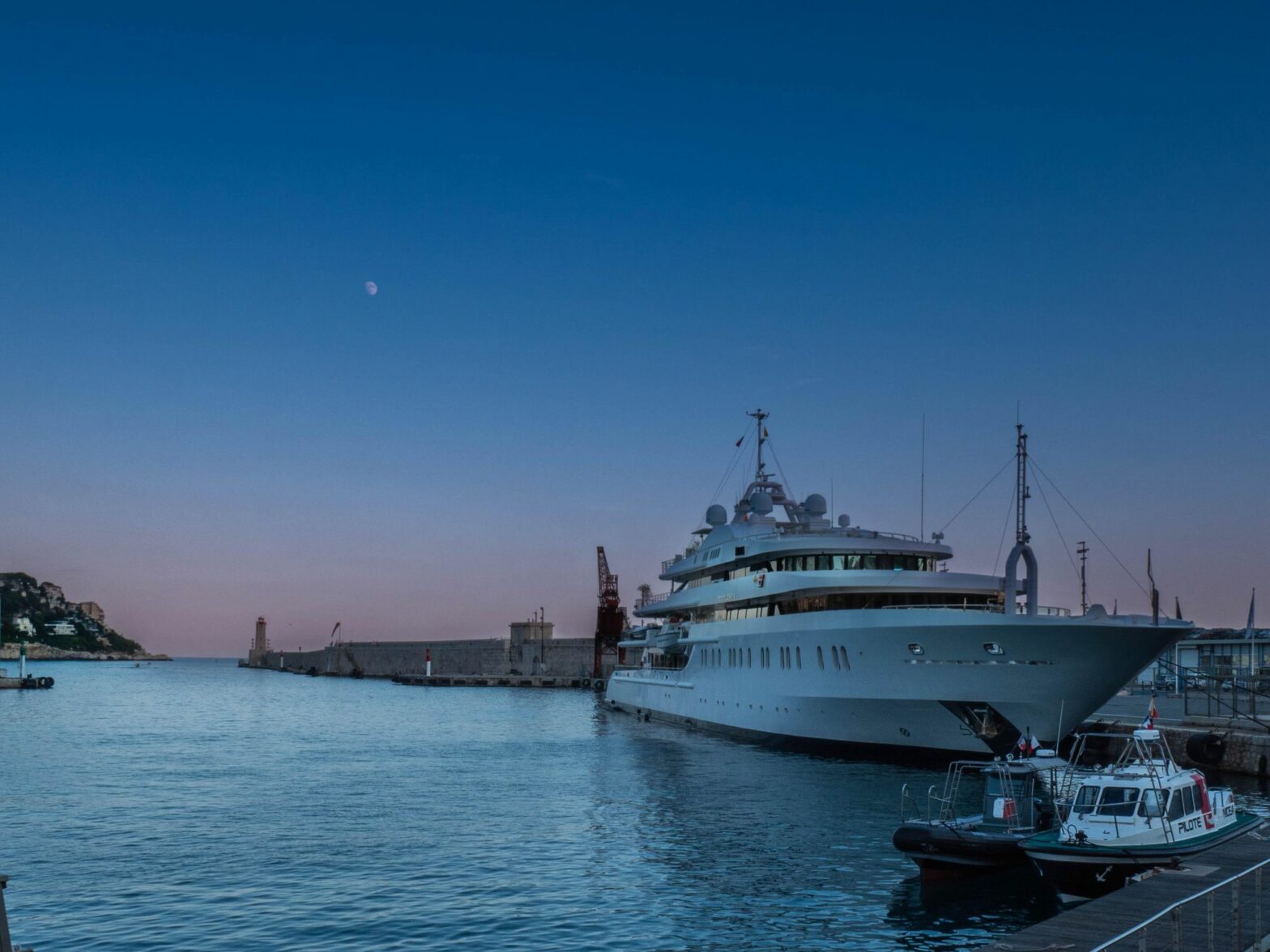
The likely defection of Russian tourists this summer is clouding the prospects of tourism professionals in the South of France, whose activity is still recovering from the pandemic. An emblematic snapshot of the after-effects of Putin’s invasion of Ukraine.
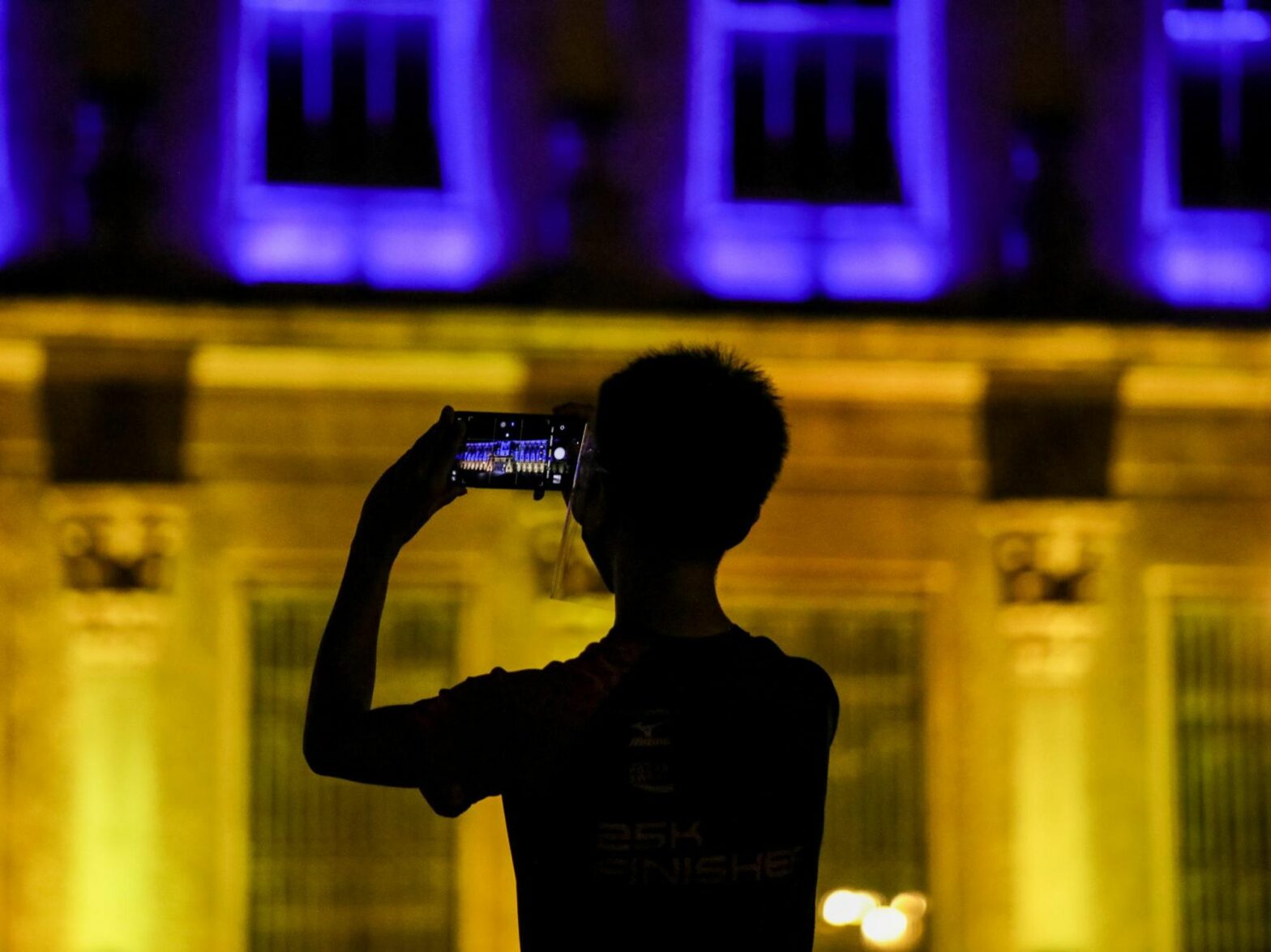
Western countries want to isolate Russia on the world stage. But for many Asian countries, the war in Ukraine is distant geographically and economically, and represents an existential debate between dictatorships and democracies.
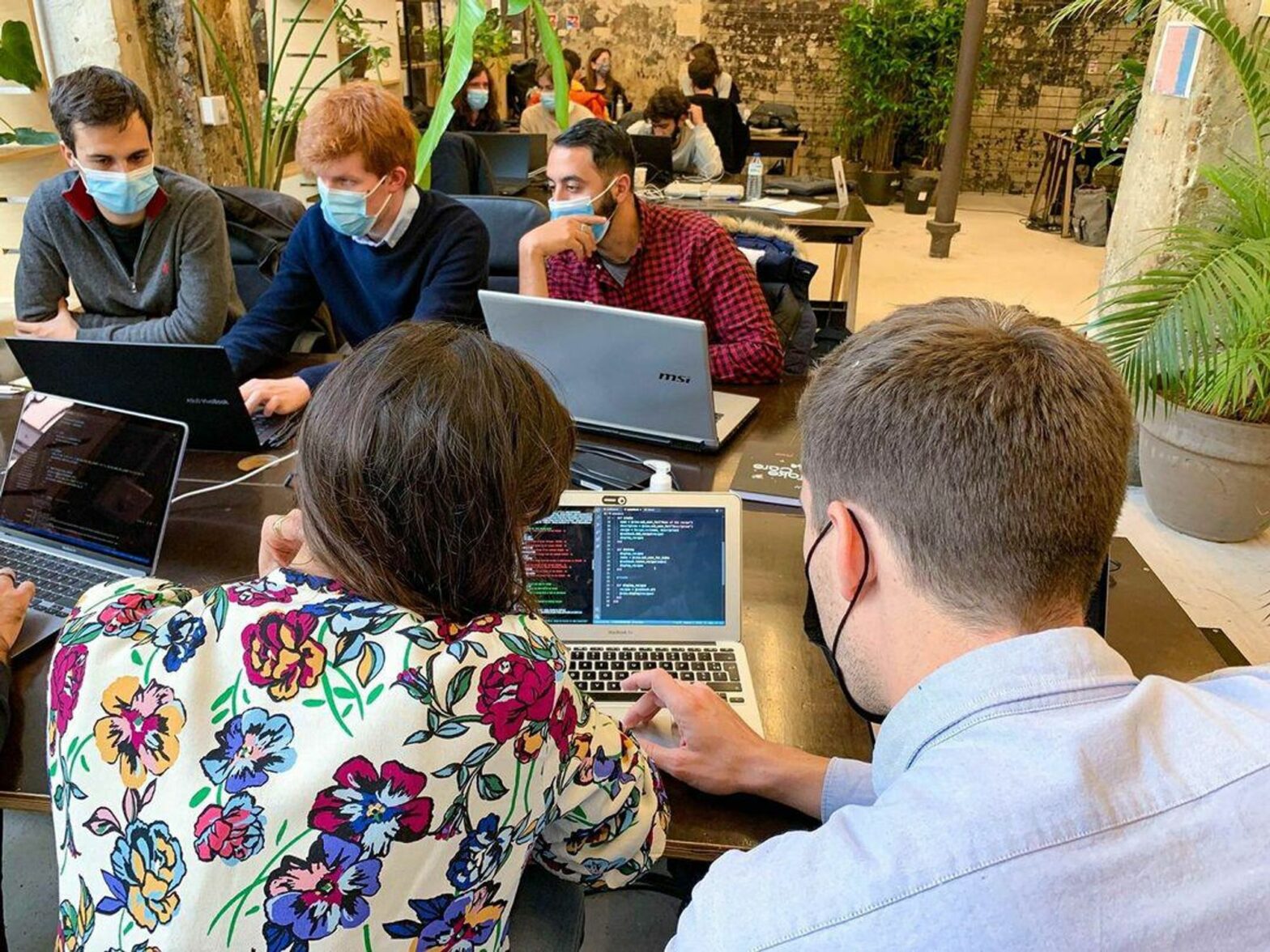
With 43 campuses in 27 countries, Le Wagon has become the world’s leading network for intensive coding education, revolutionizing how coding is taught.
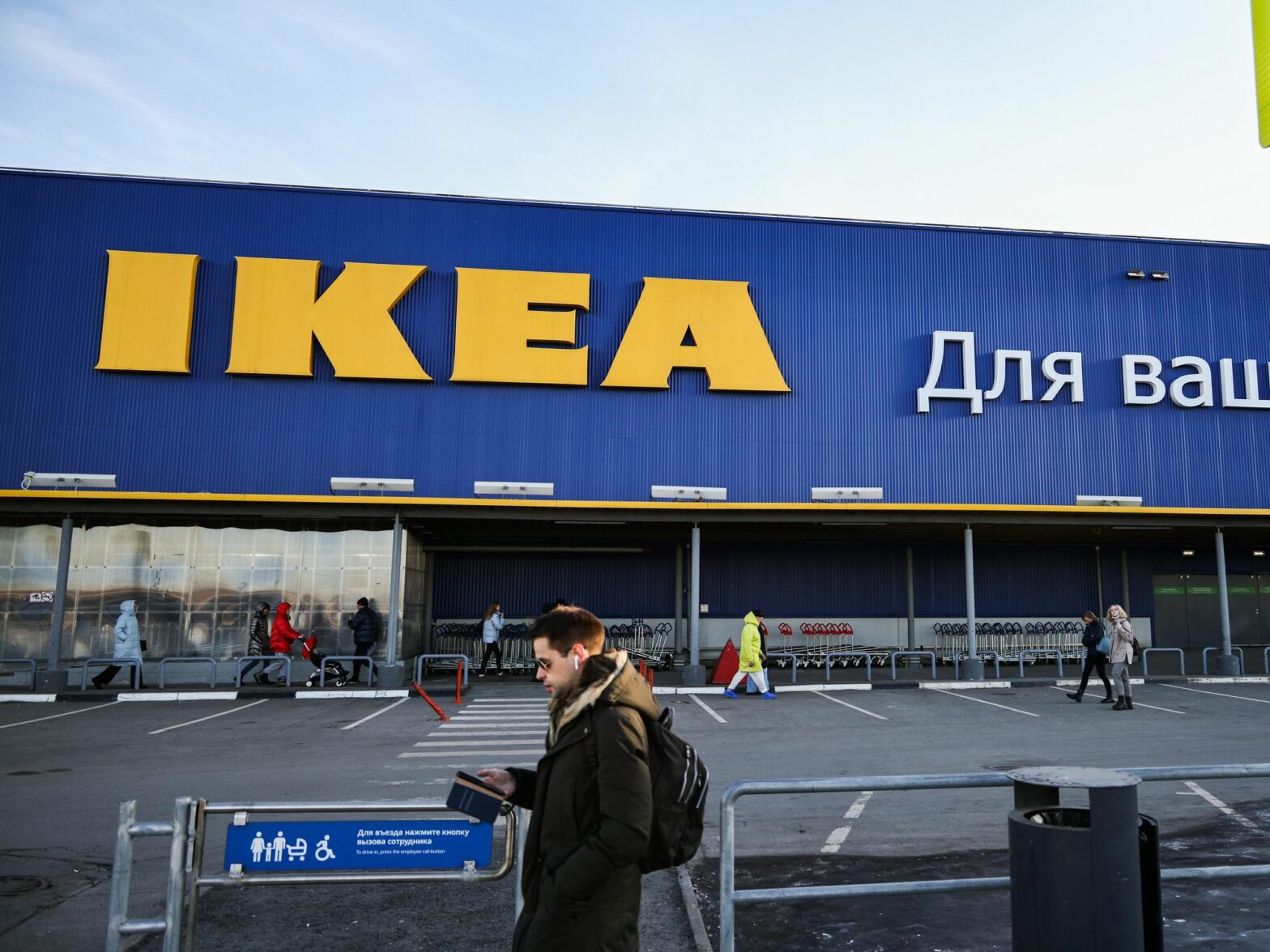
More than 300 companies have announced plans to close stores, reassign staff or stop selling products in Russia since the Feb. 24 invasion. These decisions fit in with a recent trend of companies listening to customers, though the geopolitical factors are a new twist.
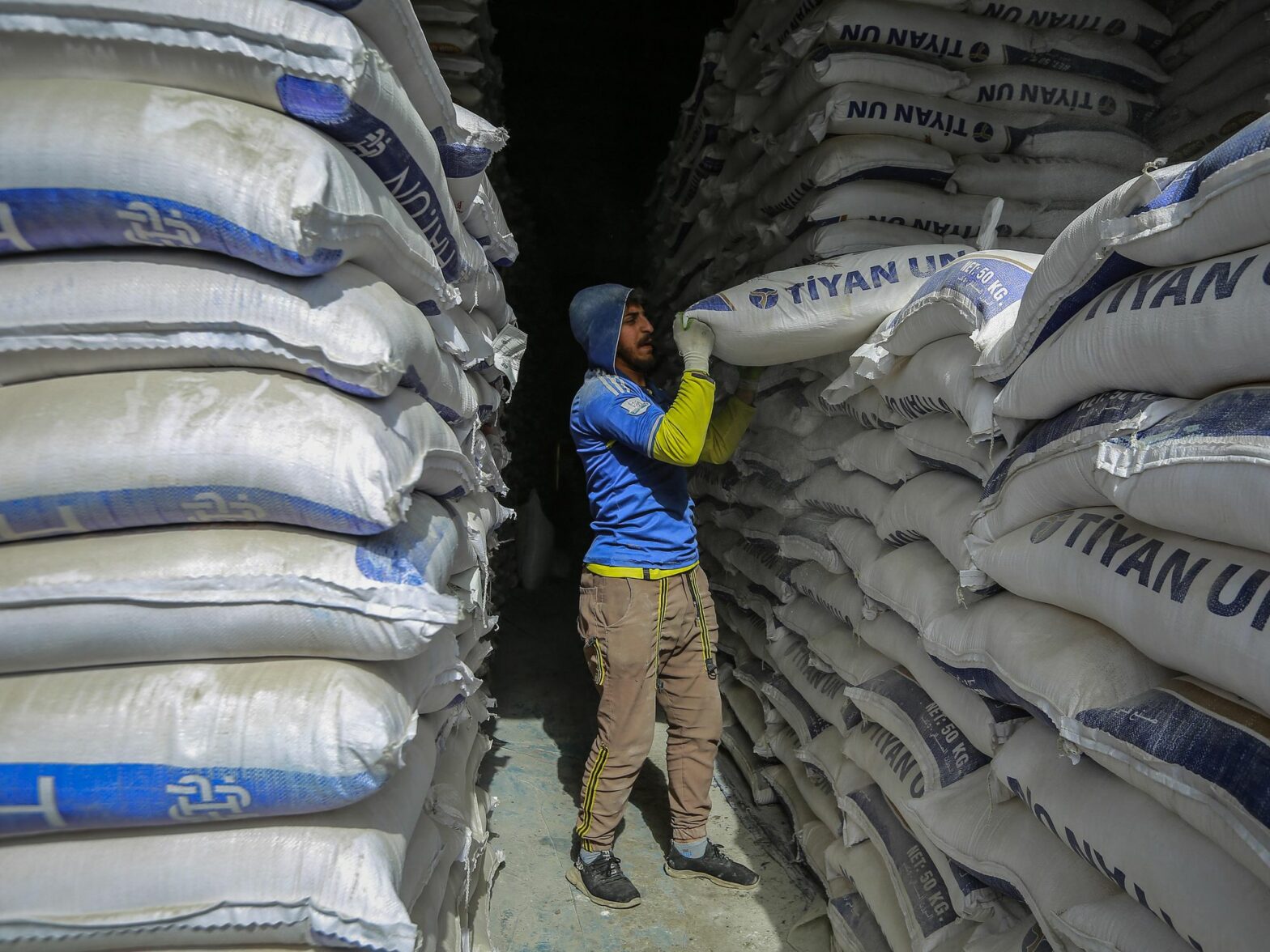
First, the COVID-19 crisis, and now the need to respond to Russia’s invasion of Ukraine, are forcing countries to confront the risks of global interdependence. In its place comes a rush to establish national autonomy for crucial resources, from masks to oil and gas. But at what price?
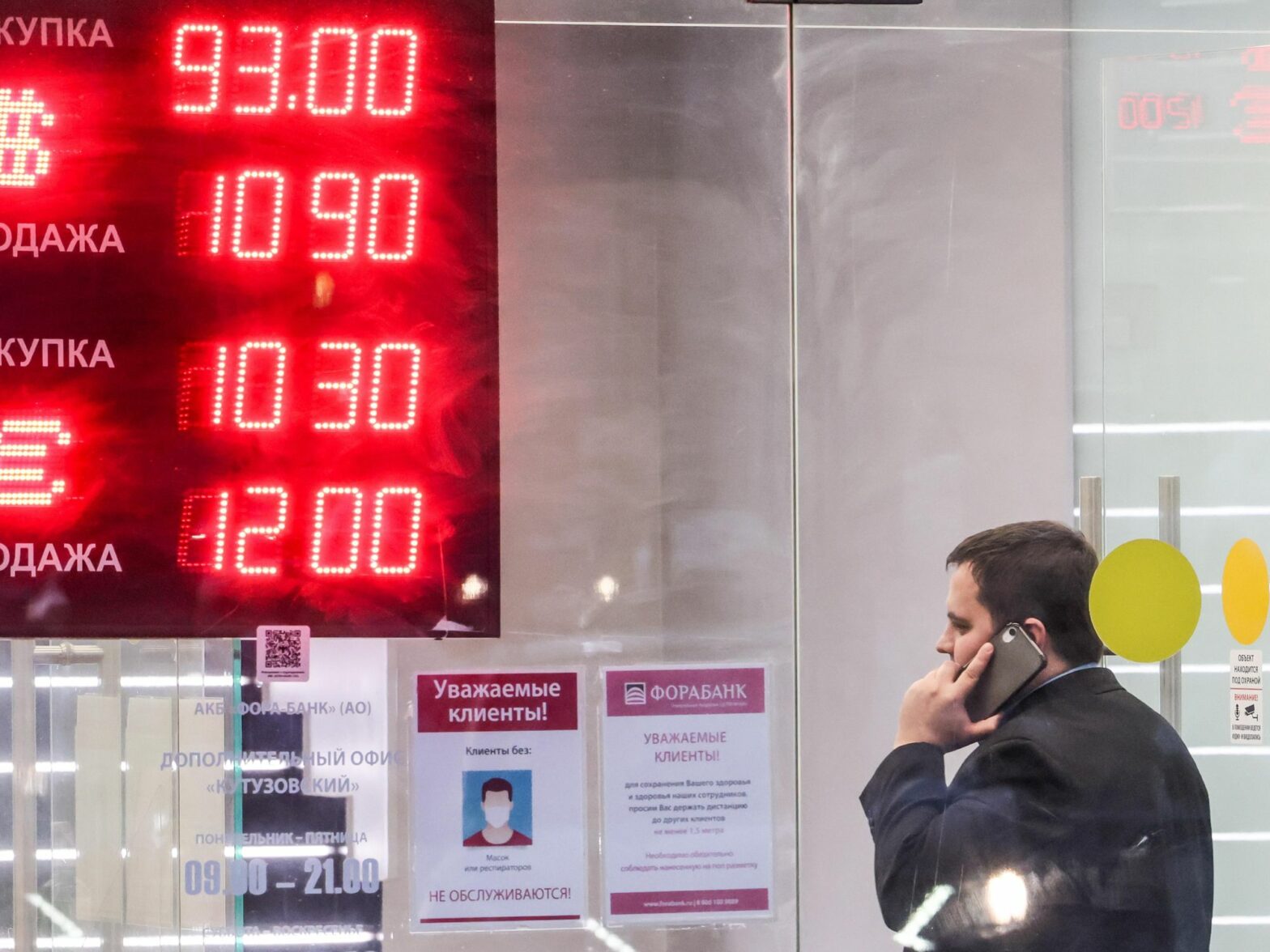
By deciding to invade Ukraine, the President of Russia did so believing that money would protect his country. By trying to prove him wrong, the West is facing its own potential crash.
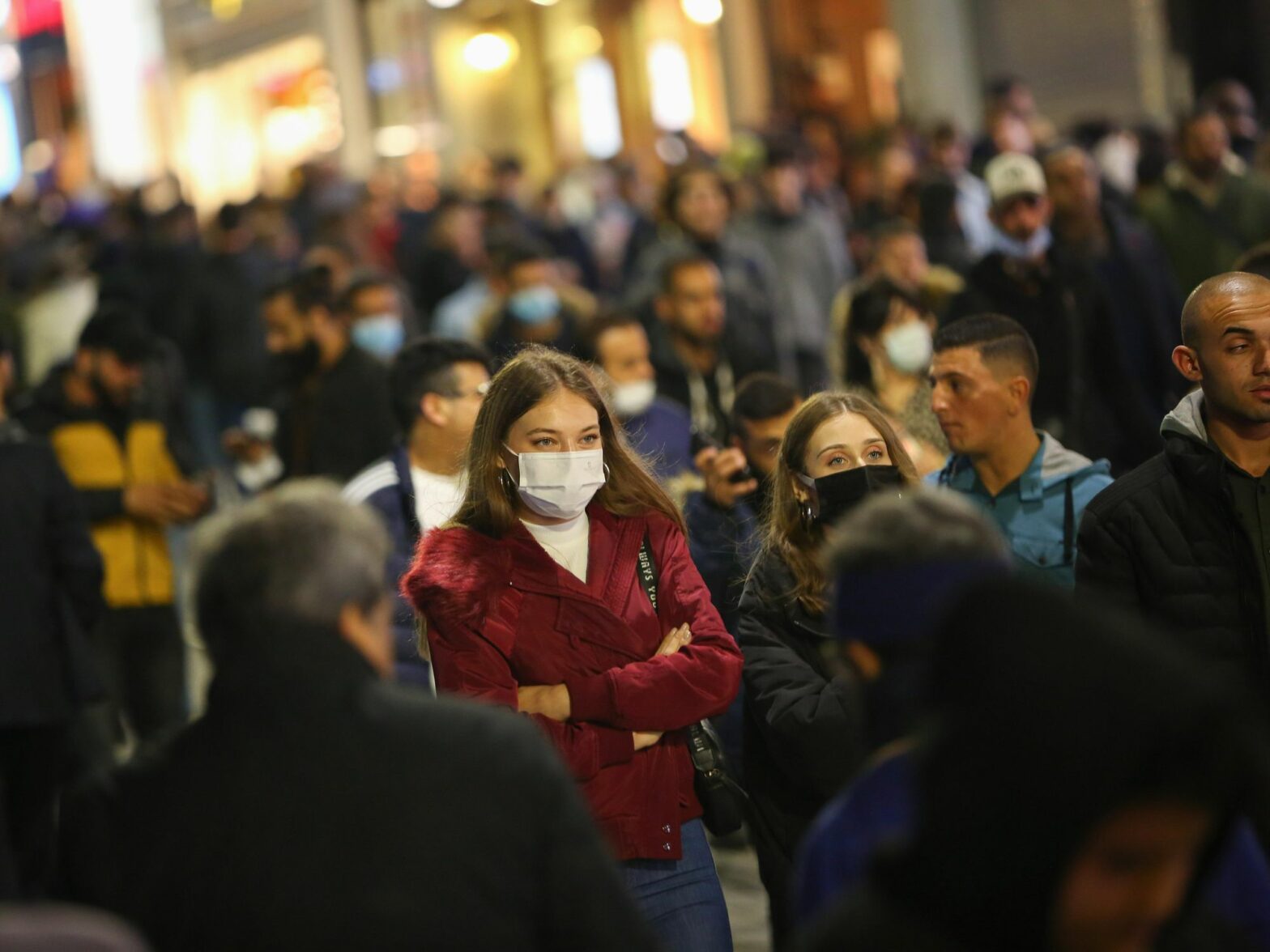
Erdogan has long sought to mould young Turks into a so-called ‘pious generation’ for his brand of Islamic political rule. Now it seems he has failed, as the younger generation longs for what that the president refuses to grant them. In next year’s elections, their votes may prove decisive.
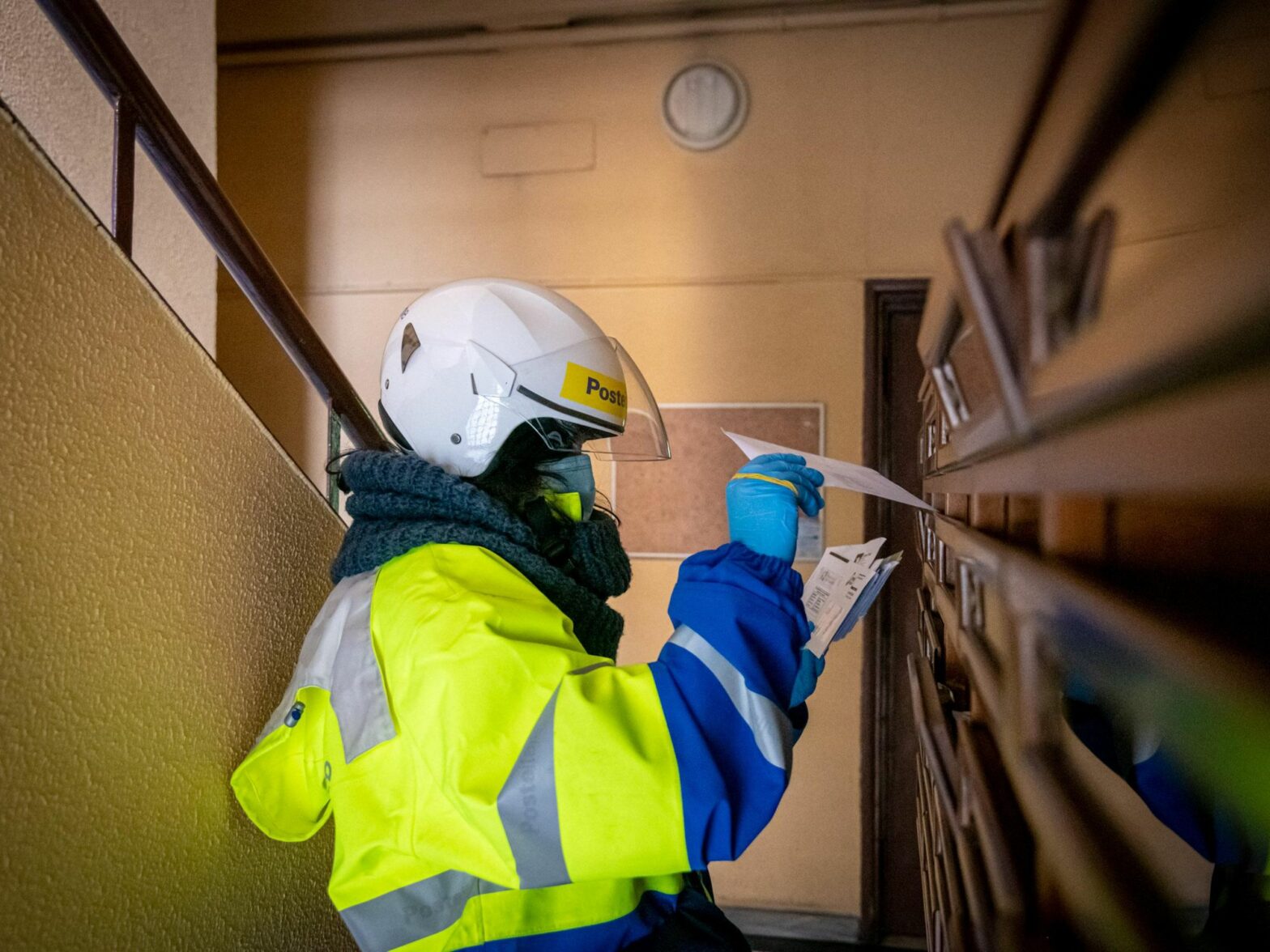
Why are no locals in the northern Italian city of Verona applying for the once prized permanent job posting? The answer is found elsewhere.
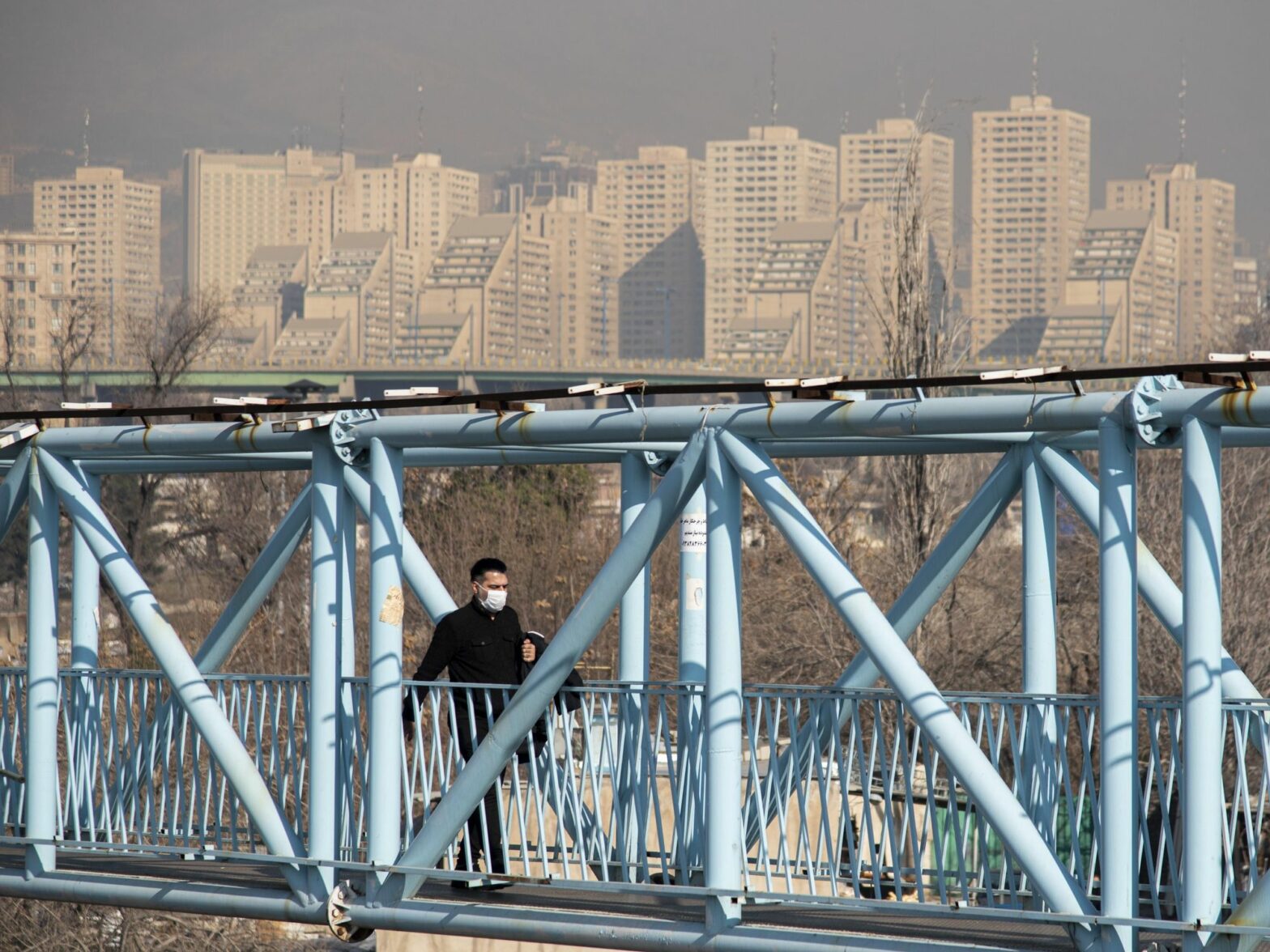
Iranians only have online speculation to guess how much the country’s clerical regime has conceded to China as part of the New Silk Road initiative. There are now reports of 5,000 Chinese security agents being deployed in Iran to “protect” Chinese personnel working in the oil sector.
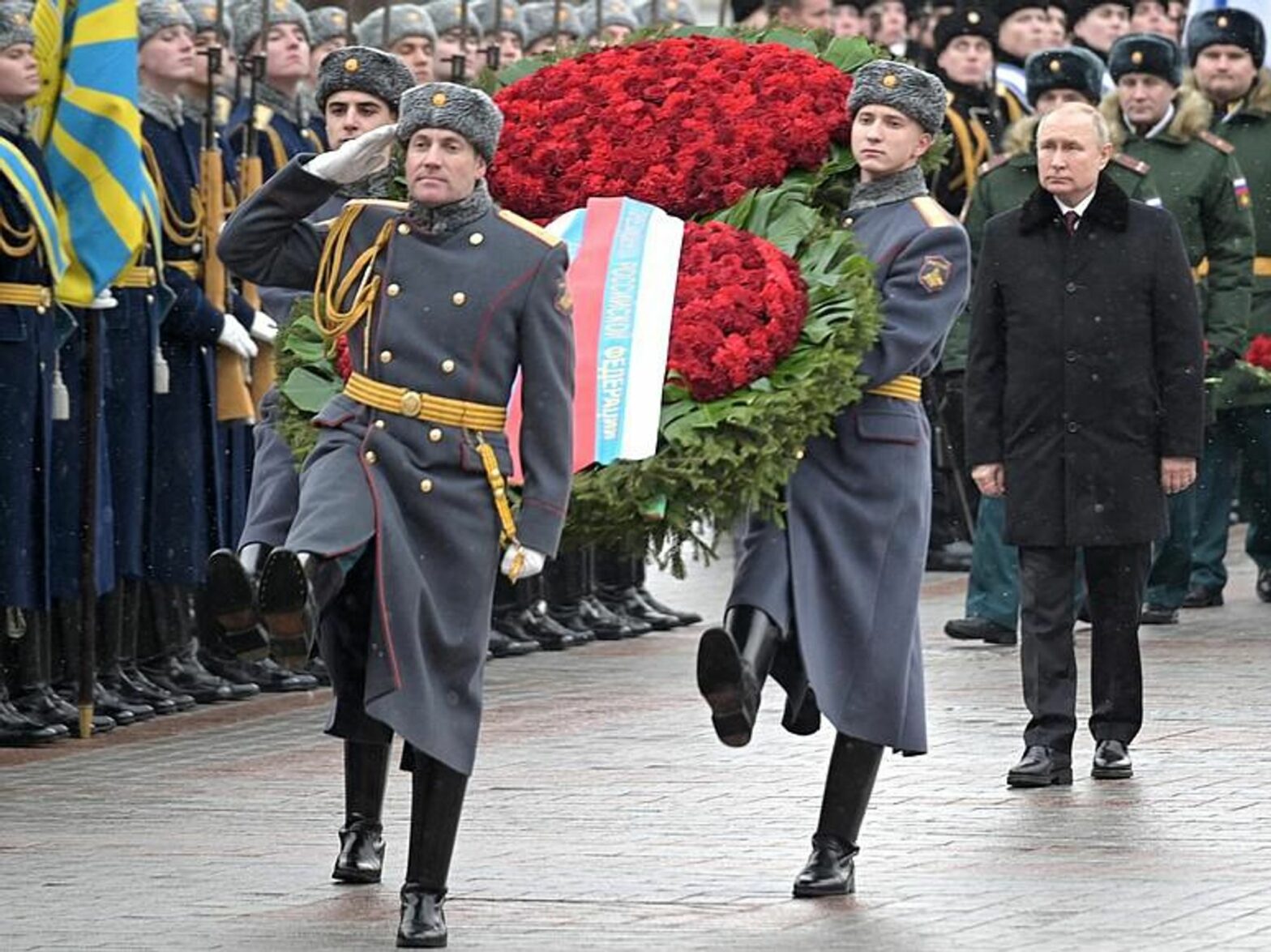
Vladimir Putin’s claims that NATO threatens Russia’s security, and that the only way Russia will back down is if NATO promises never to admit Ukraine, is a bait and switch. His long-term dream is to erase the idea of a Ukrainian nation on the road to his wider tsarist conquests.
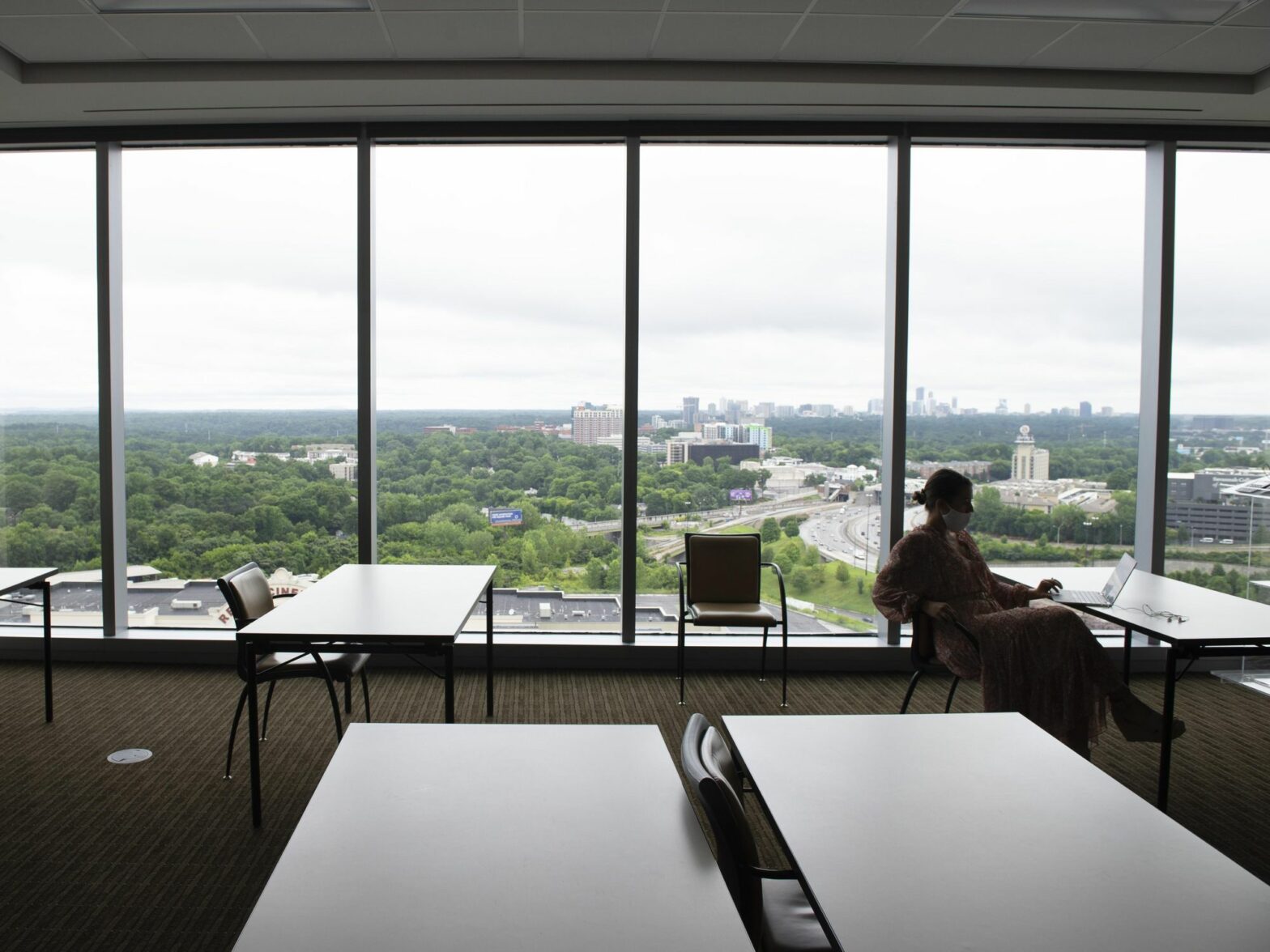
Most workers want to keep the flexibility they had during the pandemic. And they no longer have any qualms about changing jobs if this isn’t possible.
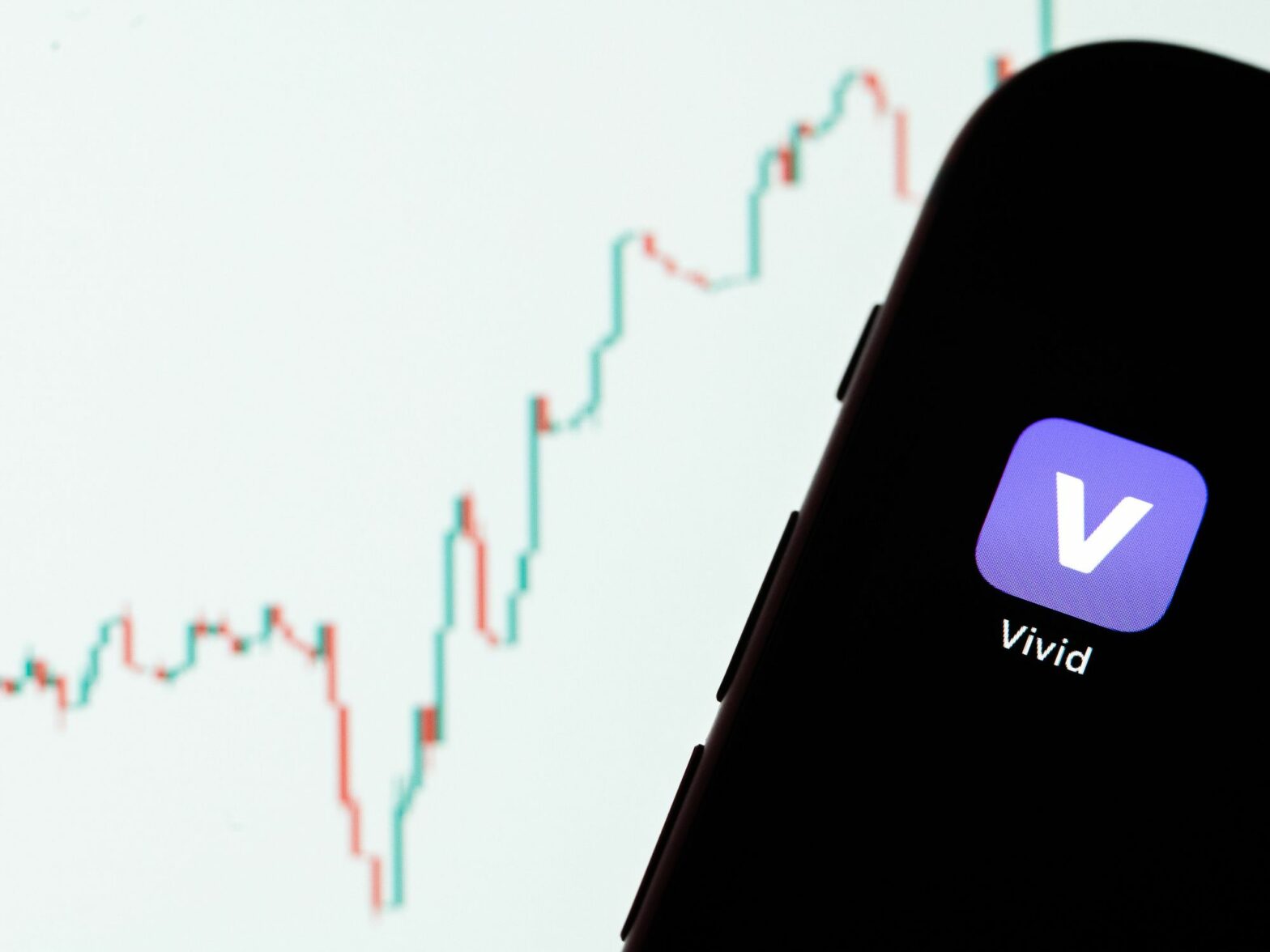
Faced with a $32 billion drop in their wealth this year, Russian oligarchs are looking for assets to allow them to overcome sanctions that will increase with the invasion of Ukraine. Familiar with crises, they see bitcoin and other cryptocurrencies as an escape from the hegemony of the dollar, and a way to diversify their holdings.
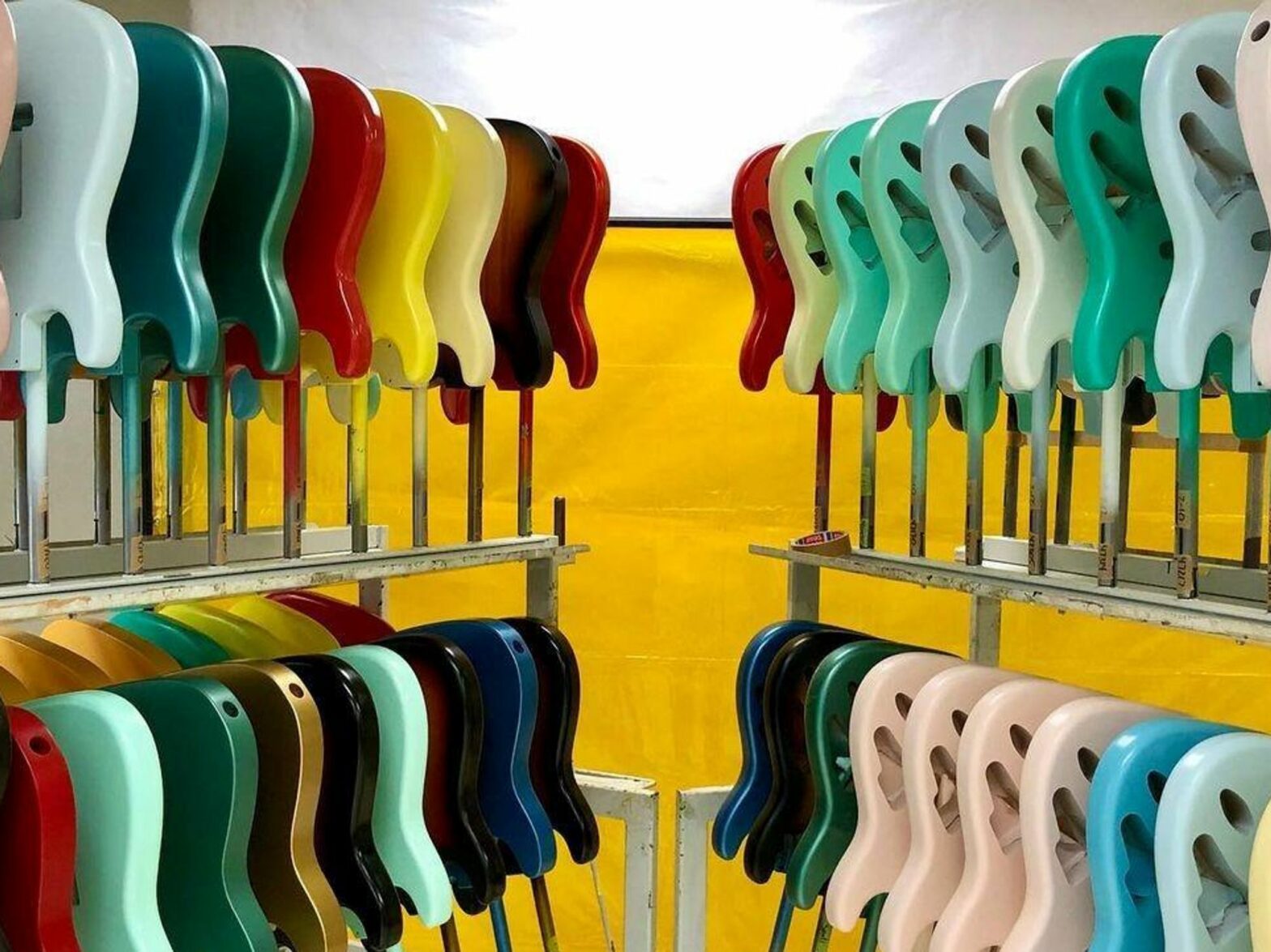
With the electric guitar in full revival thanks to the pandemic, the mythical Fender brand is reviving the glory days of rock and roll stars. Taking advantage of free time during lockdown, many Americans discovered their passion for the classic six-string.
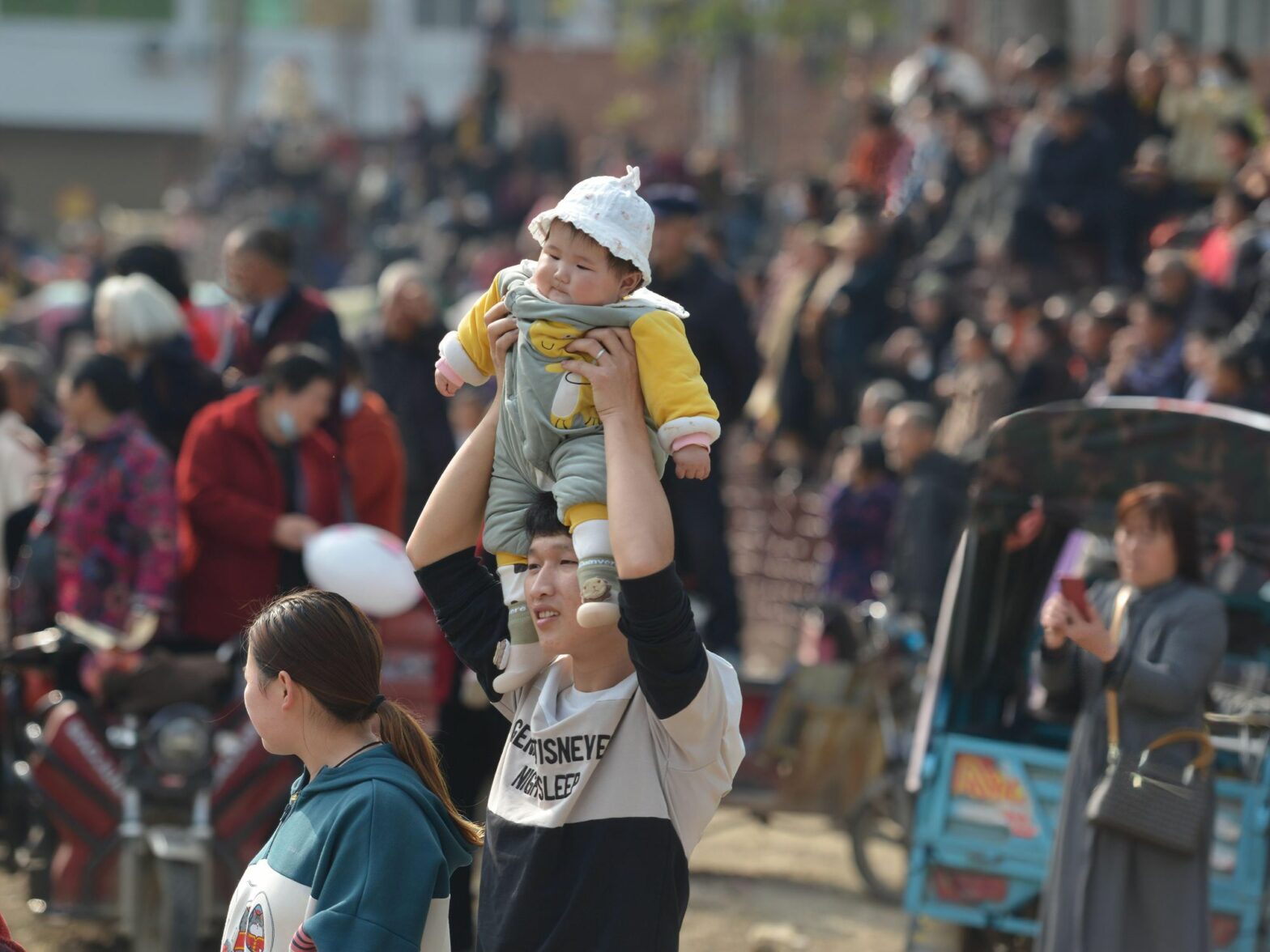
As China grapples with an aging population and falling fertility rate, the government has tried different measures to encourage people to have children. But the suggestion by one of the country’s top economists to print money to kickstart a baby boom did not go down well with the Chinese public — raising children isn’t just a question of money.
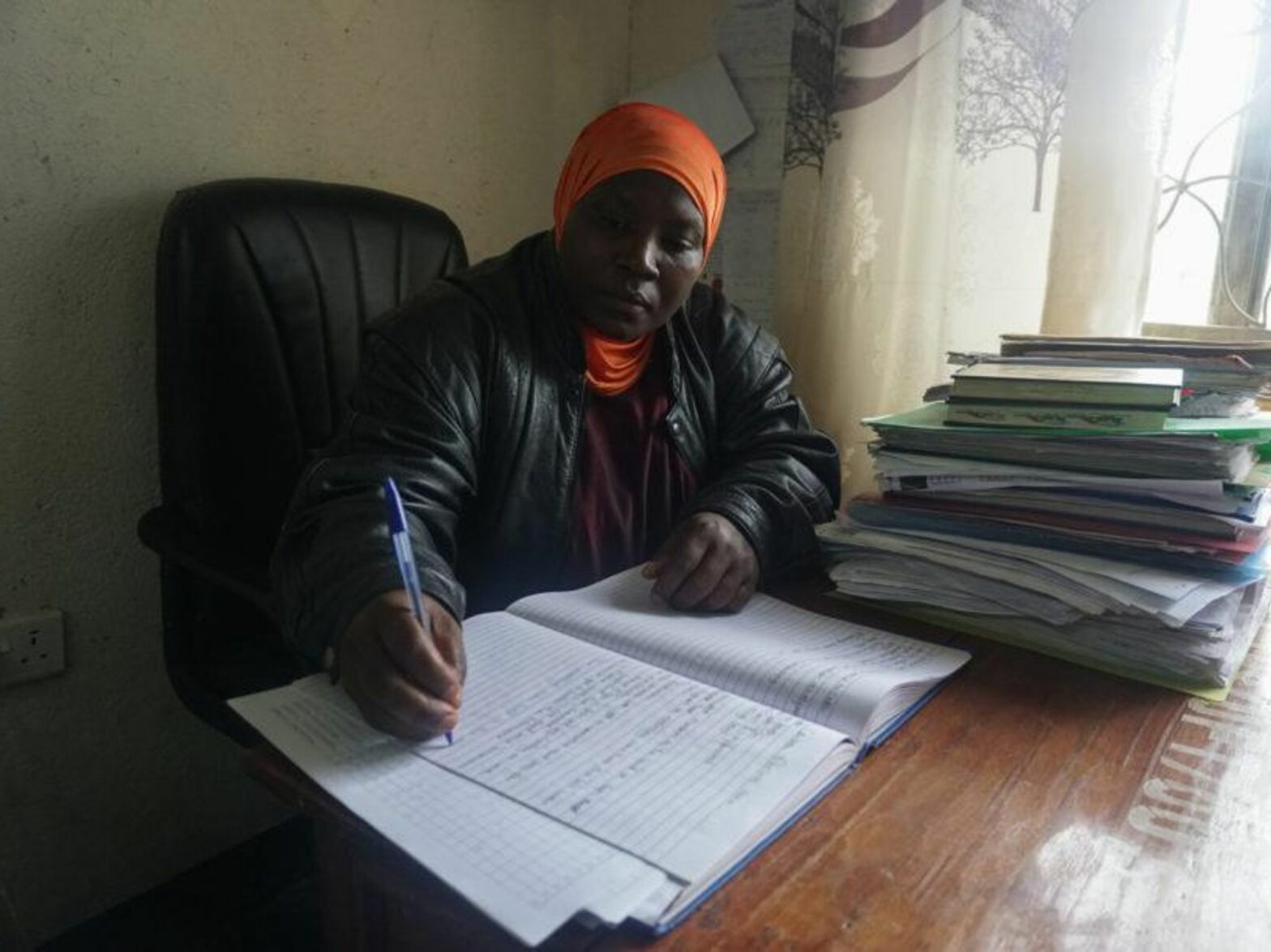
KAMPALA — Allen Asimwe has dedicated more than two decades to teaching geography at a large public high school in southwestern Uganda. Her retirement age, as a public servant entitled to benefits, is just six years away. She doubts she will wait that long. “I am determined, I want to quit,” she says, calculating that she could earn more by shifting full time to the salon she opened six years ago to supplement her income. “Given the frustration, I cannot continue in class anymore.” For years, she hoped the Uganda National Teachers’ Union would succeed in lobbying for better wages. […]
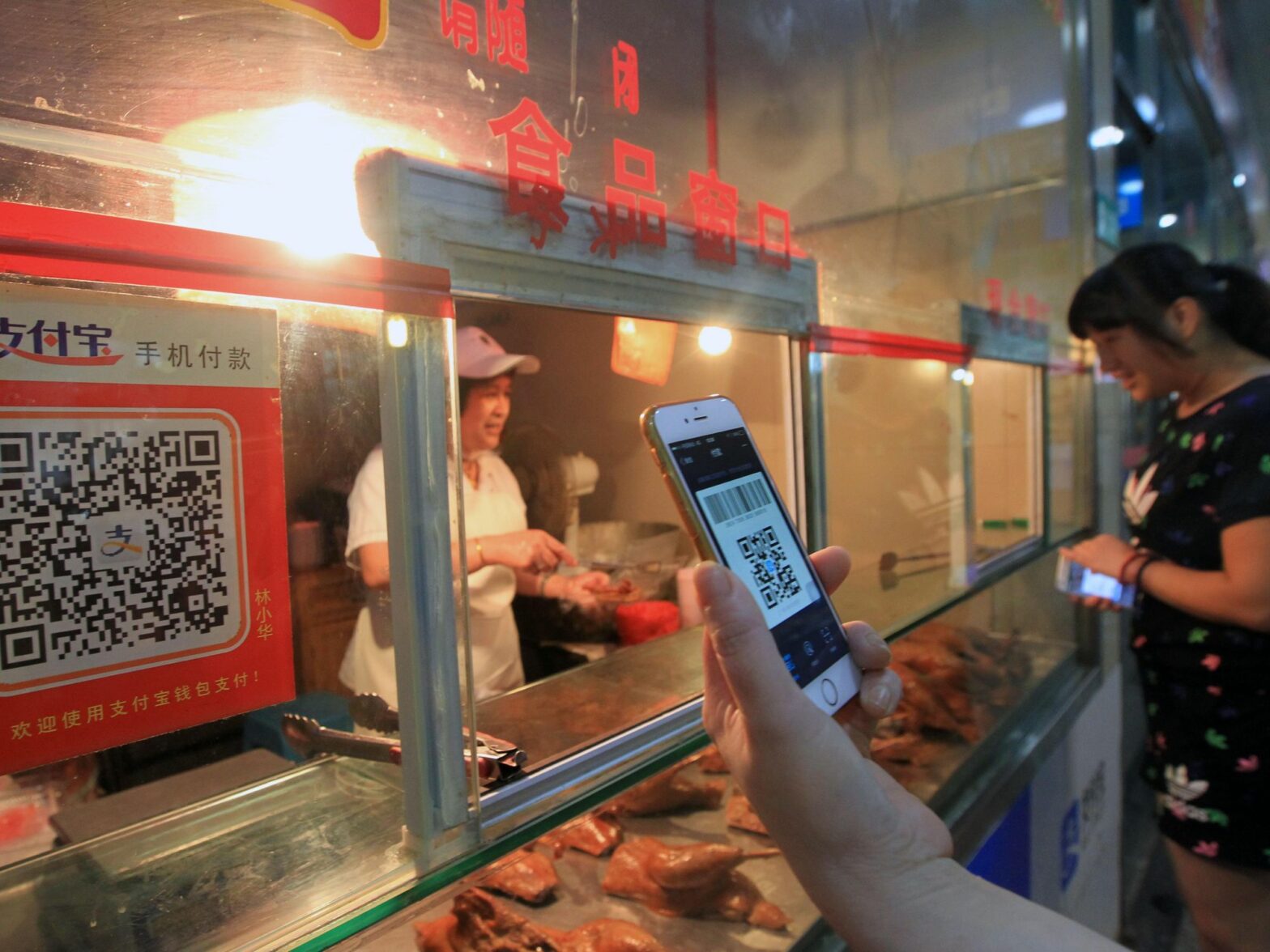
Conceived in the early 1990s, the QR Code has spread exponentially during the pandemic. Its creator, Masahiro Hara, is one of the many continuing to innovate his most famous invention, which has changed everything from medicine to how we dine.
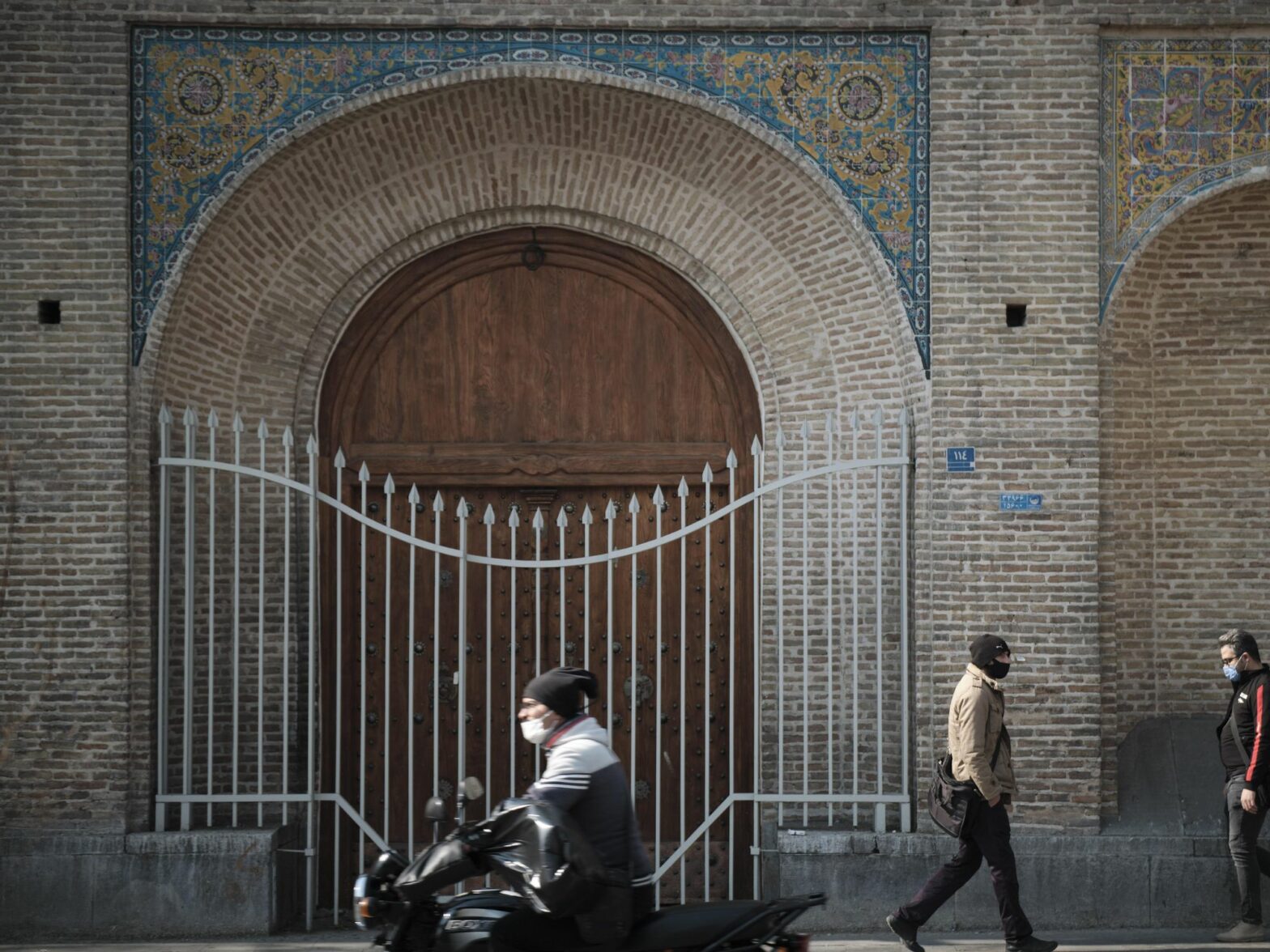
The desperation to leave Islamic Iran has spread from writers, dissidents and minority groups to hundreds of thousands of Iranians willing to live and work “anywhere that isn’t Iran.”
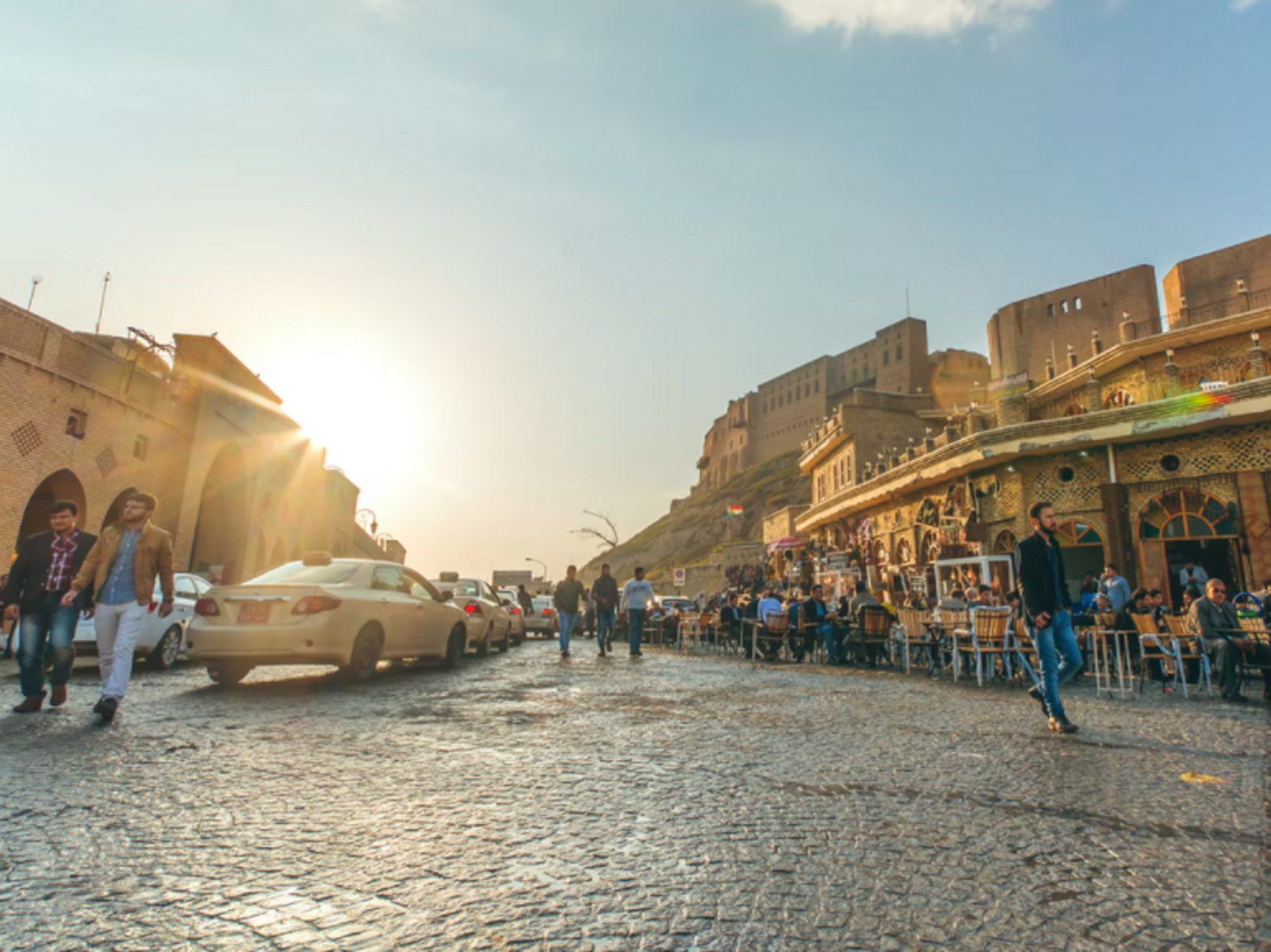
How do you rebuild a country decimated by four decades of war and embargoes? Following the withdrawal of the U.S. military, Iraq faces many challenges, from oil revenues captured by the militias and endemic corruption to religious segregation. However, there are glimmers of hope for the country’s future.
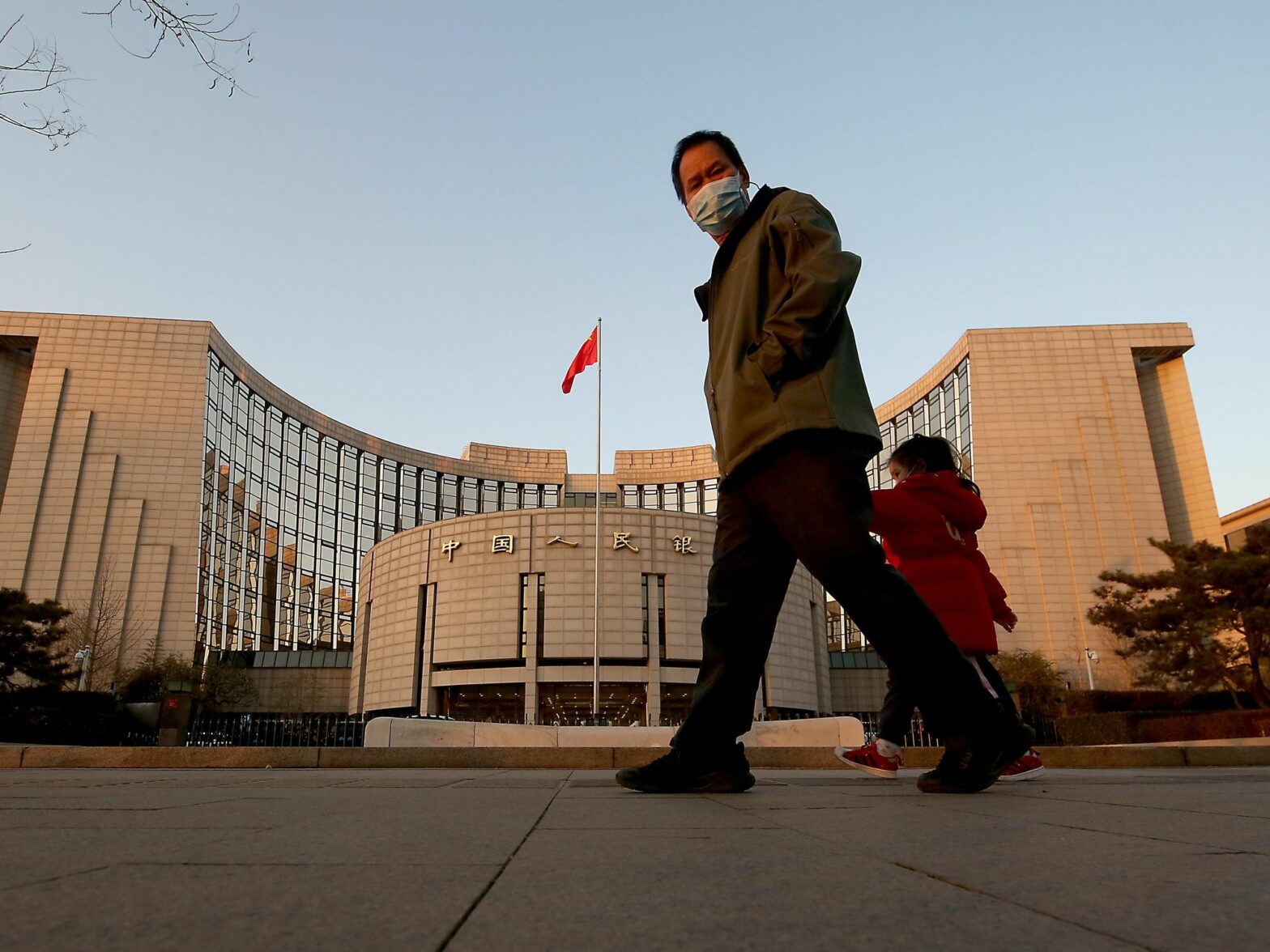
While other major economies are taking steps to tighten credit, China is acting to cheapen it, in order to revive its economic activity and help big firms repay their debts. But will it fuel global inflation, or worse, stagflation?
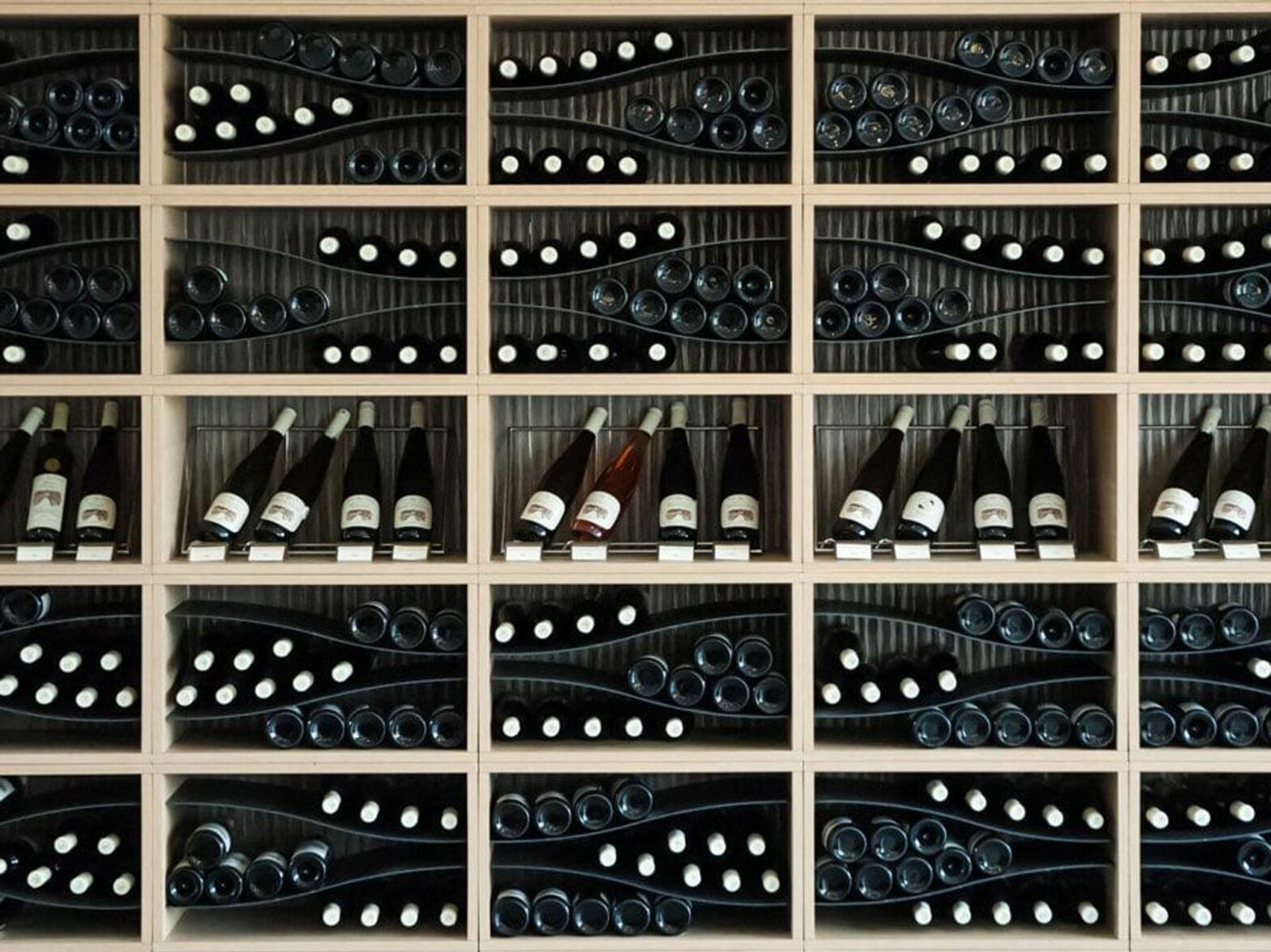
In just a few months, NFTs, the digital equivalent of collectables, have generated over $10 billion. Now, luxury champagne and wine brands are moving into the world of digital assets. But as investors and vineyards toast to the future, will the concept pop or fizzle?
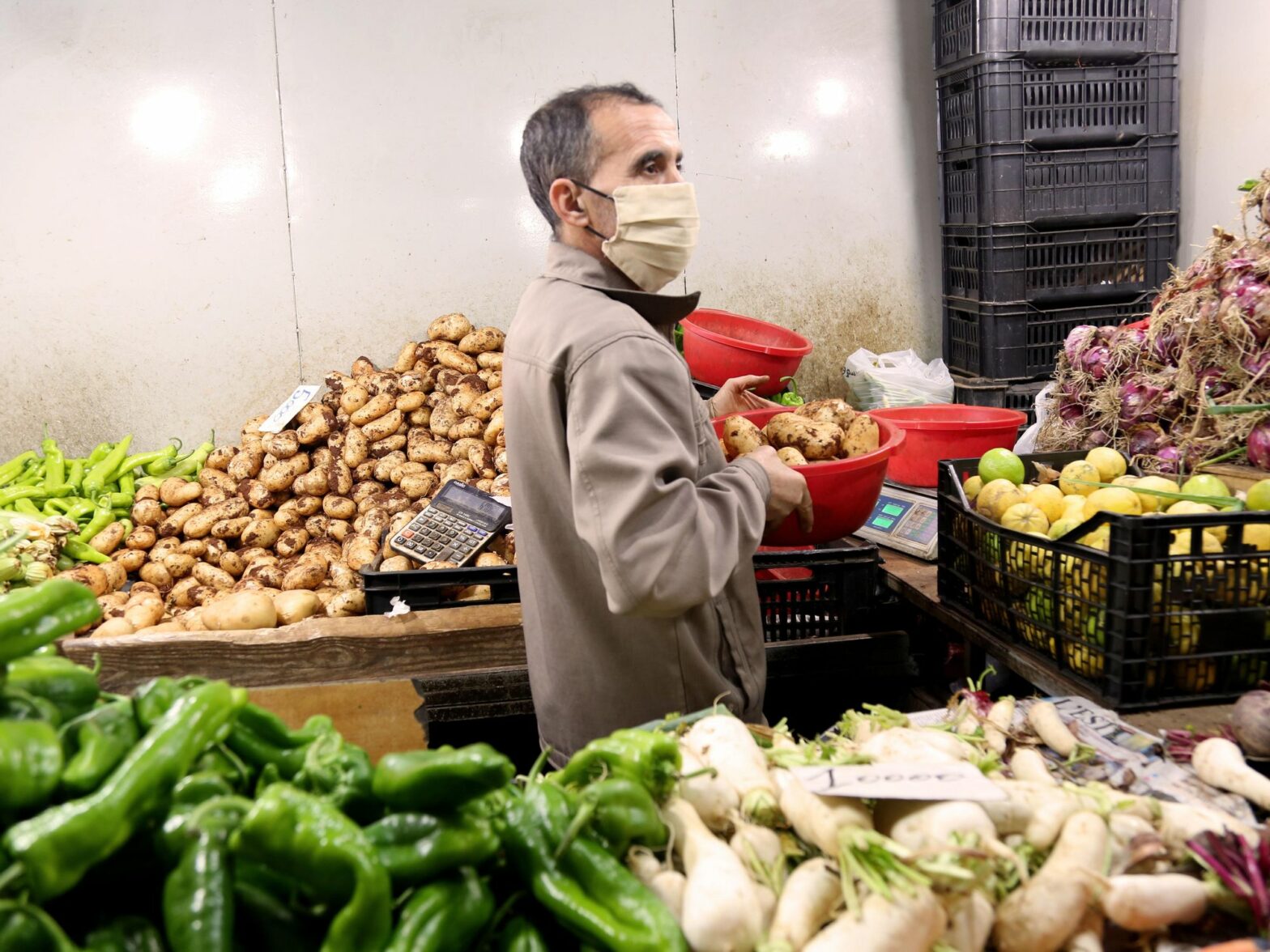
Prices have tripled on the staple product, as farmers and the government blame each other while ordinary Algerians struggle to put food on the table. It’s yet another crisis between economics and politics in the troubled North African nation.
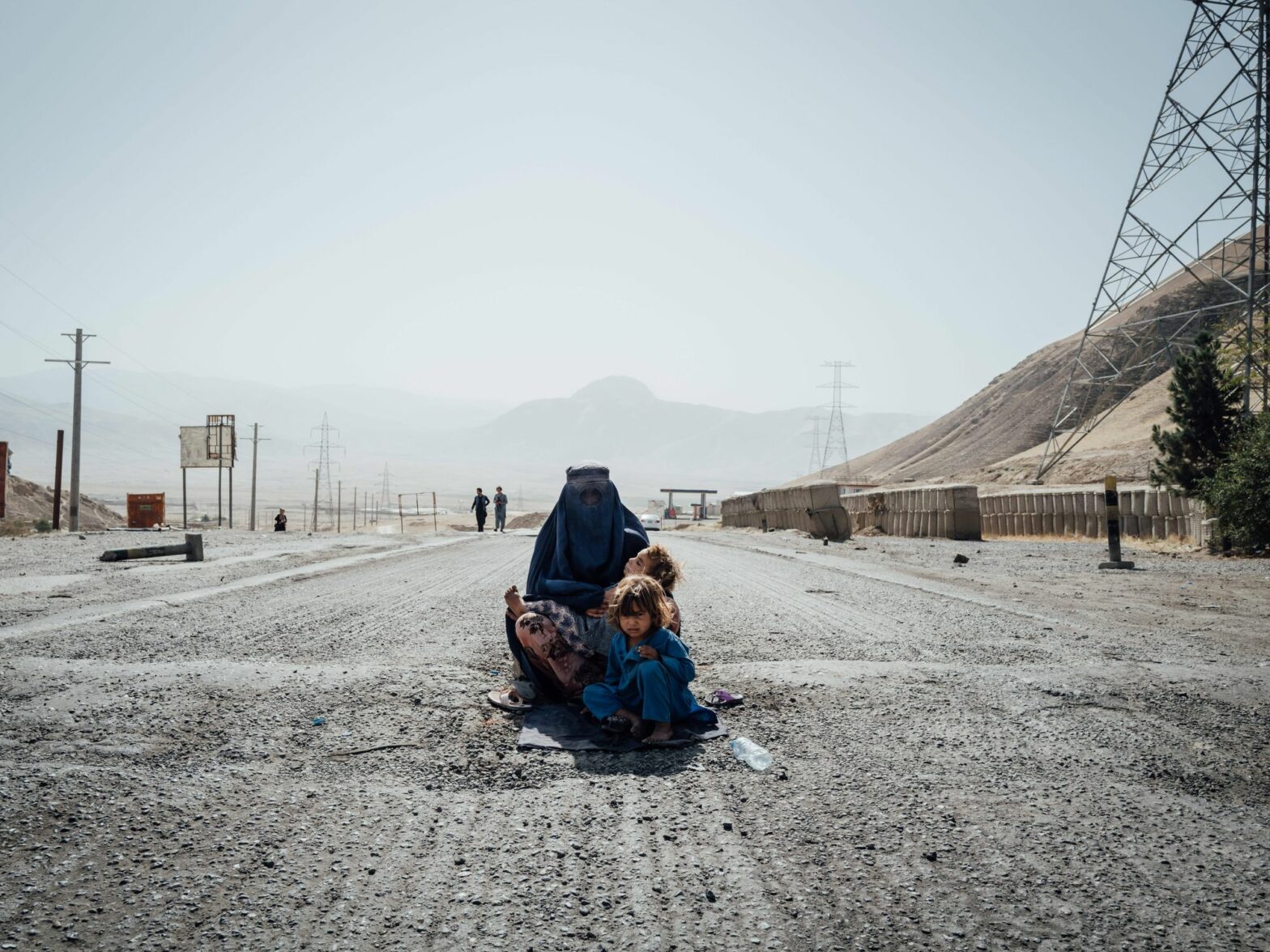
Unlike ISIS-K (Islamic State Khorasan), drug cultivation and trafficking are not an ideological matter for the new rulers of Afghanistan — more likely a bargaining chip in negotiations with the West.
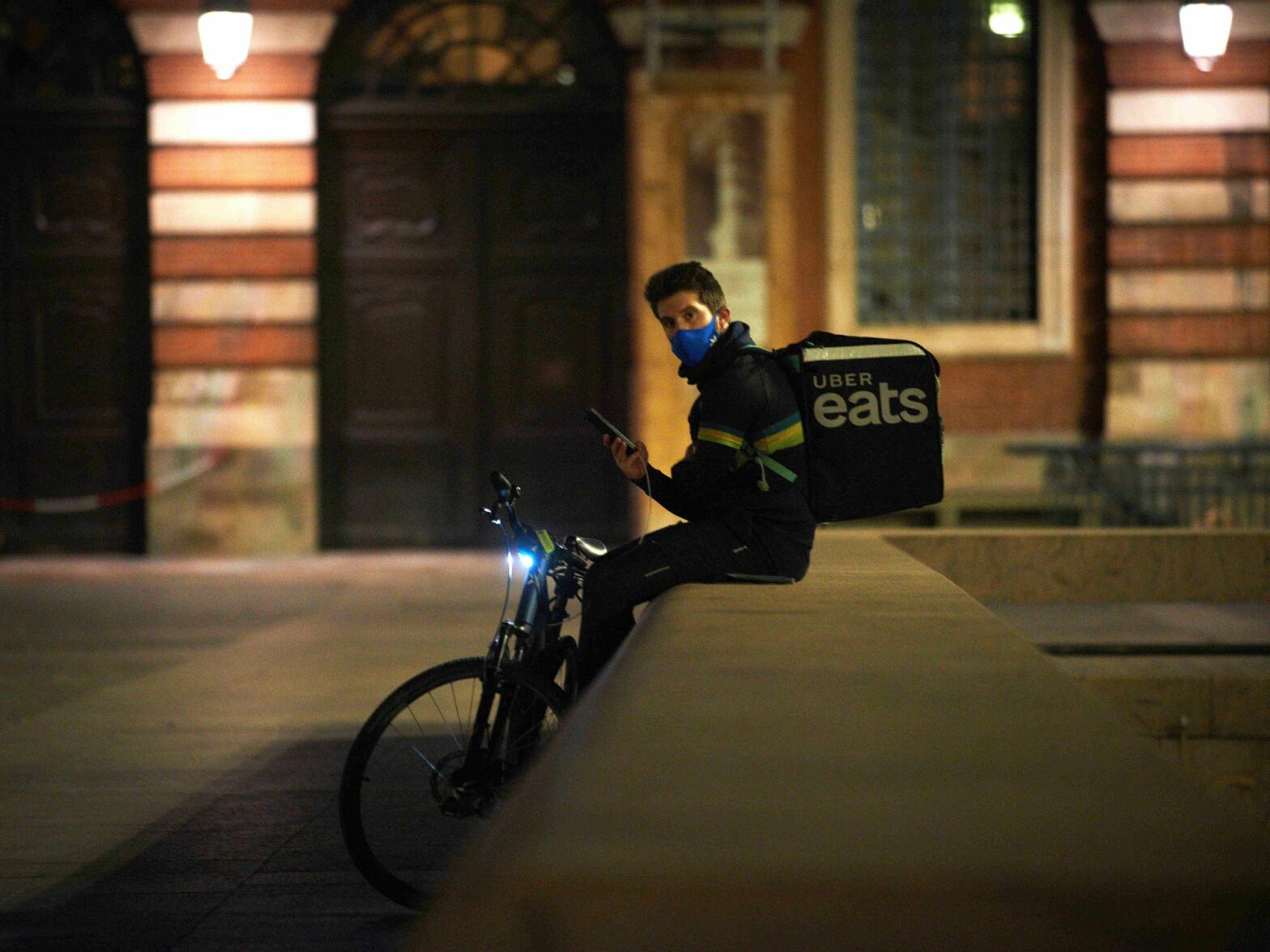
Startups that offer to deliver groceries in less than 15 minutes have learned from the past and are hiring full-time employees, even if they need temporary workers to meet demand.
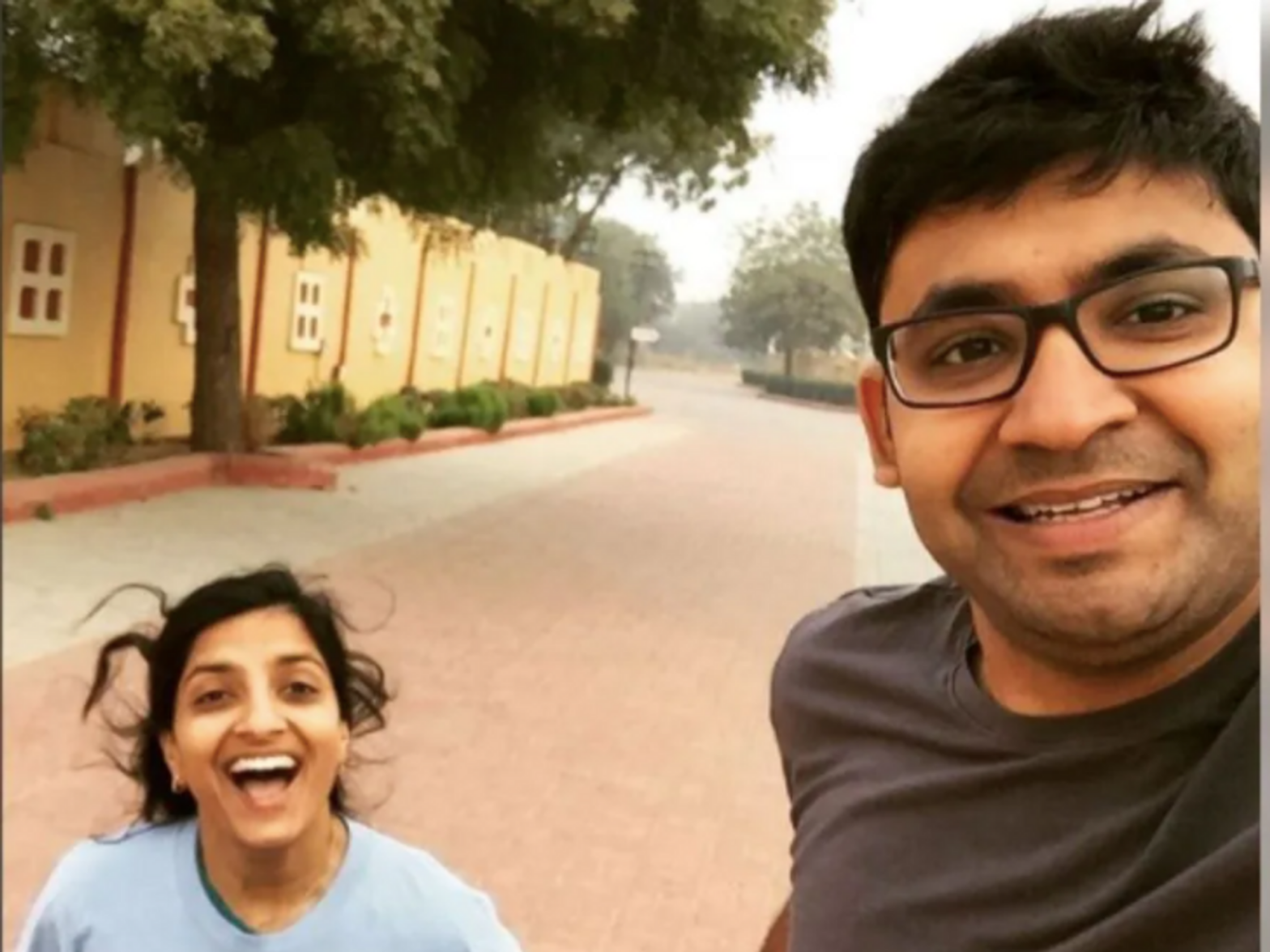
So a dozen of the top CEOs in the world (including heads of Google, Microsoft, IBM and now Twitter) come from a country with 18% of the world’s population. But there are other numbers our overly proud fellow Indians should be running.
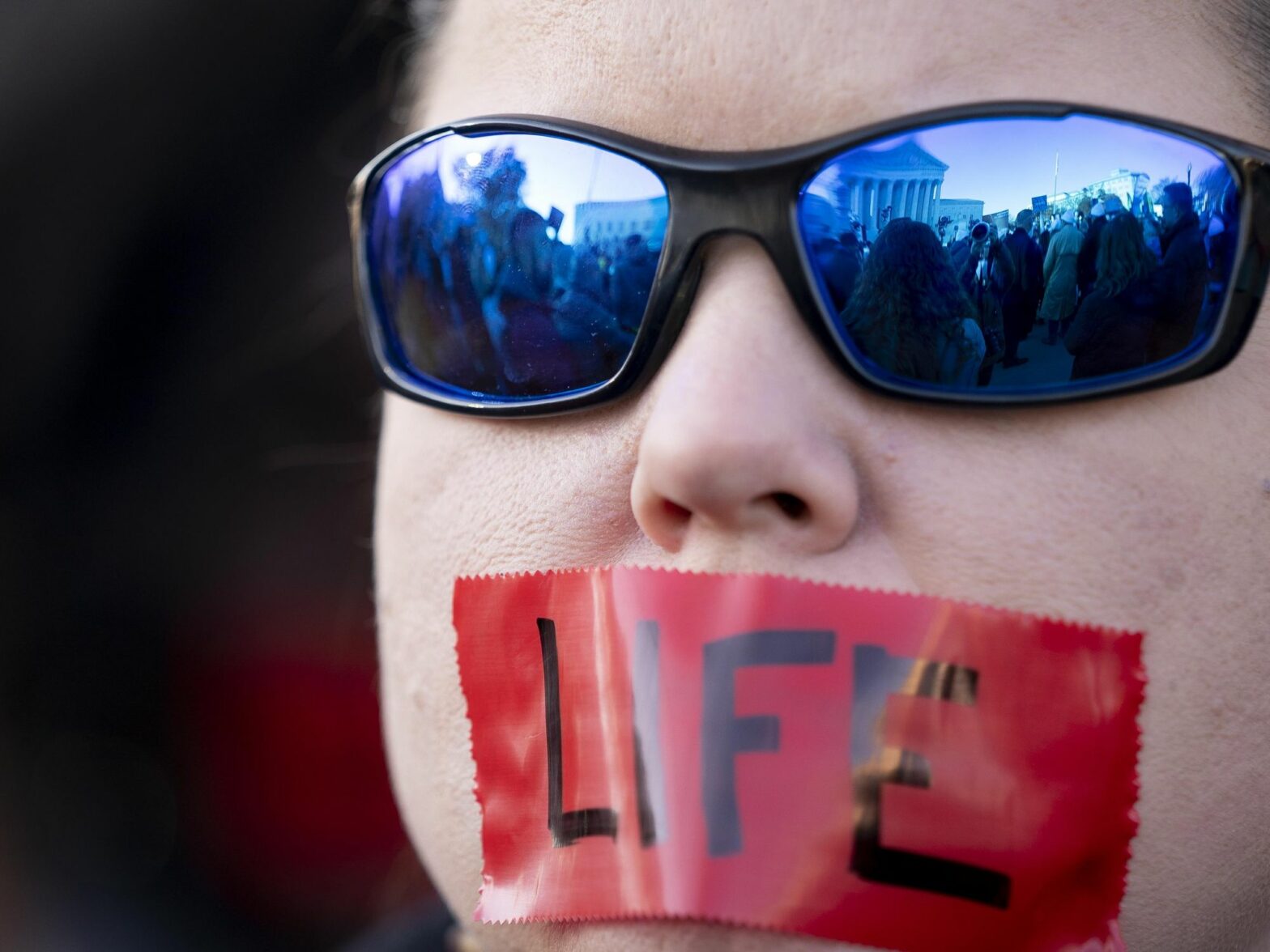
? Håfa adai!* Welcome to Thursday, where new Omicron findings arrive from South Africa, abortion rights are at risk at the U.S. Supreme Court and Tyrannosaurus rex has got some new competition. From Germany, we share the story of a landmark pharmacy turned sex toy museum. [*Chamorro – Guam] SIGN UP This is our […]
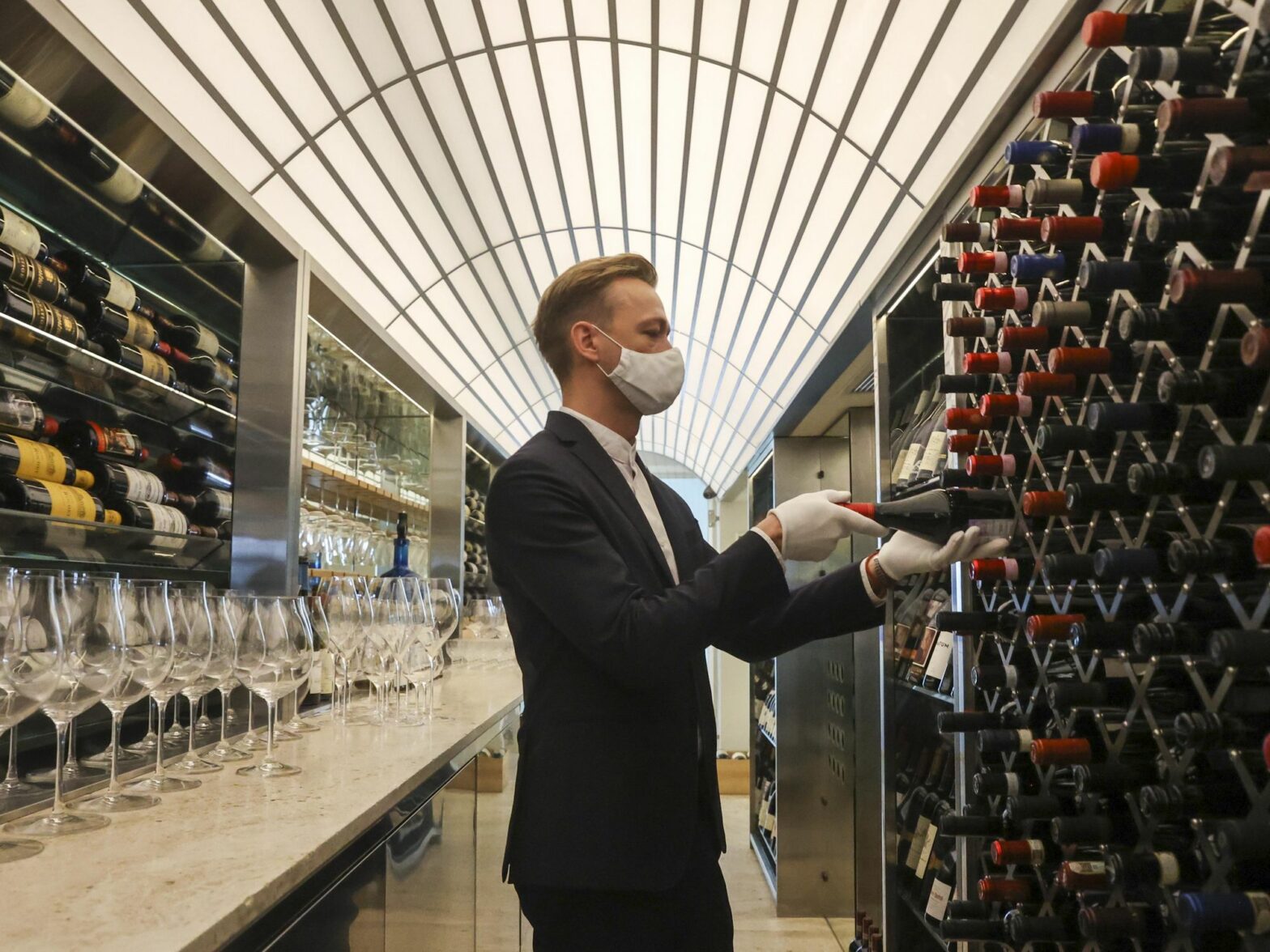
Gone are sweet Soviet wines, forgotten is the “dry law” of Gorbachev, Russian viticulture is now reborn.
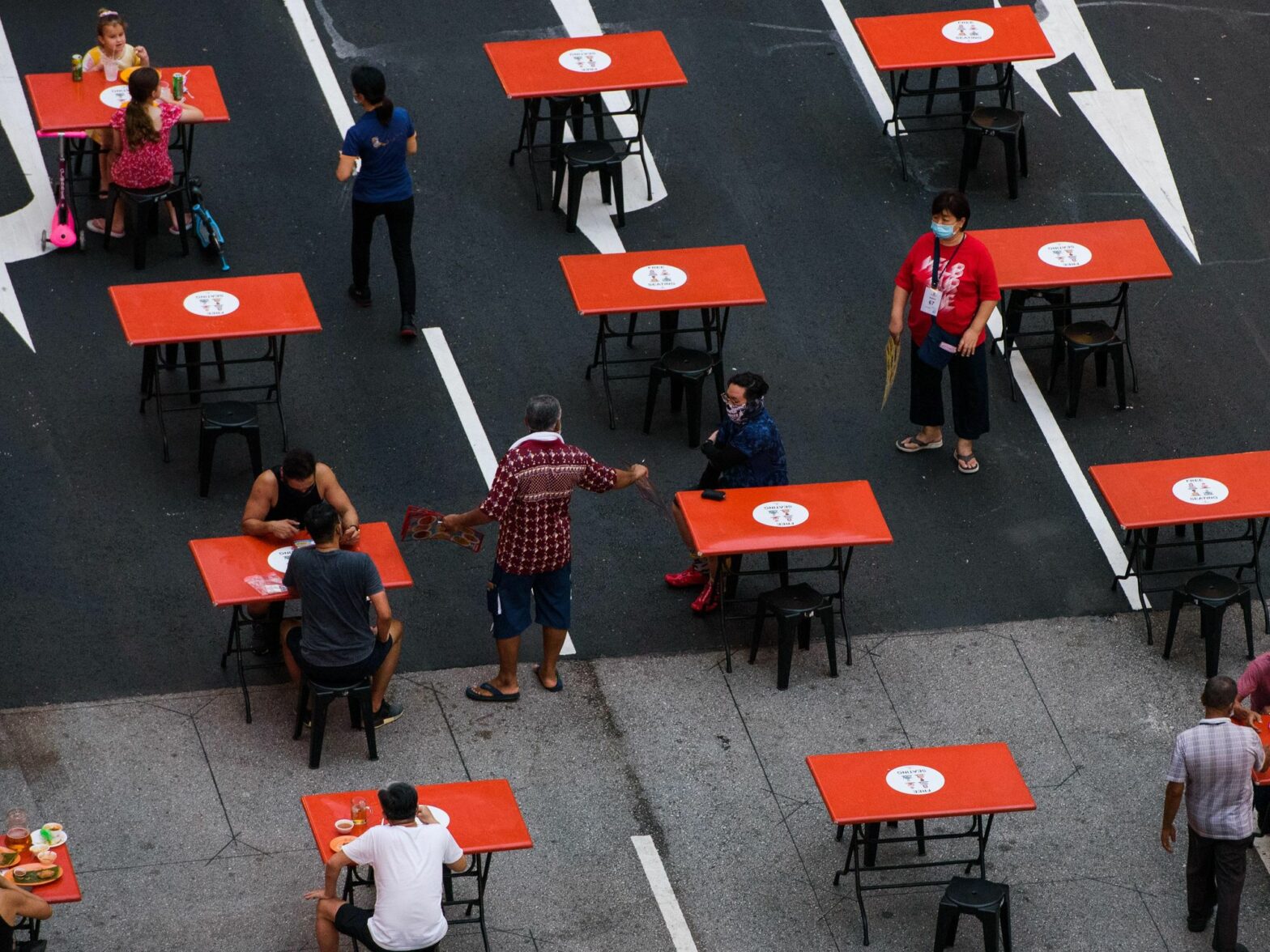
Its Zero-COVID strategy has mostly worked, and vaccinations are going well. Now a breakout spread is raising multiple questions for the Asian nation and global financial hub.
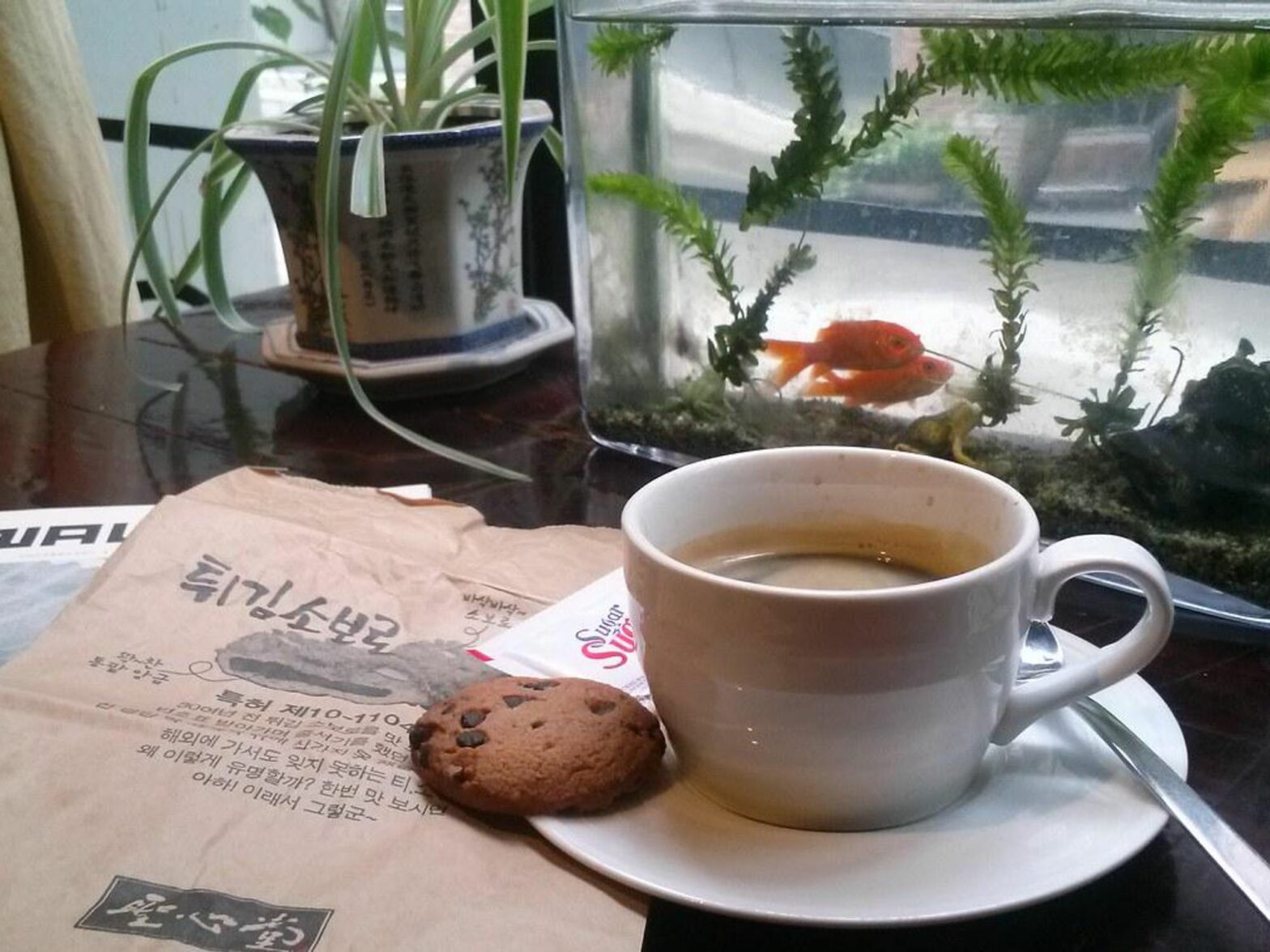
Amid post-pandemic trade distortions and changing consumer habits, Latin American countries seeking to boost coffee exports should eye a growing specialty market in prosperous Asian countries.
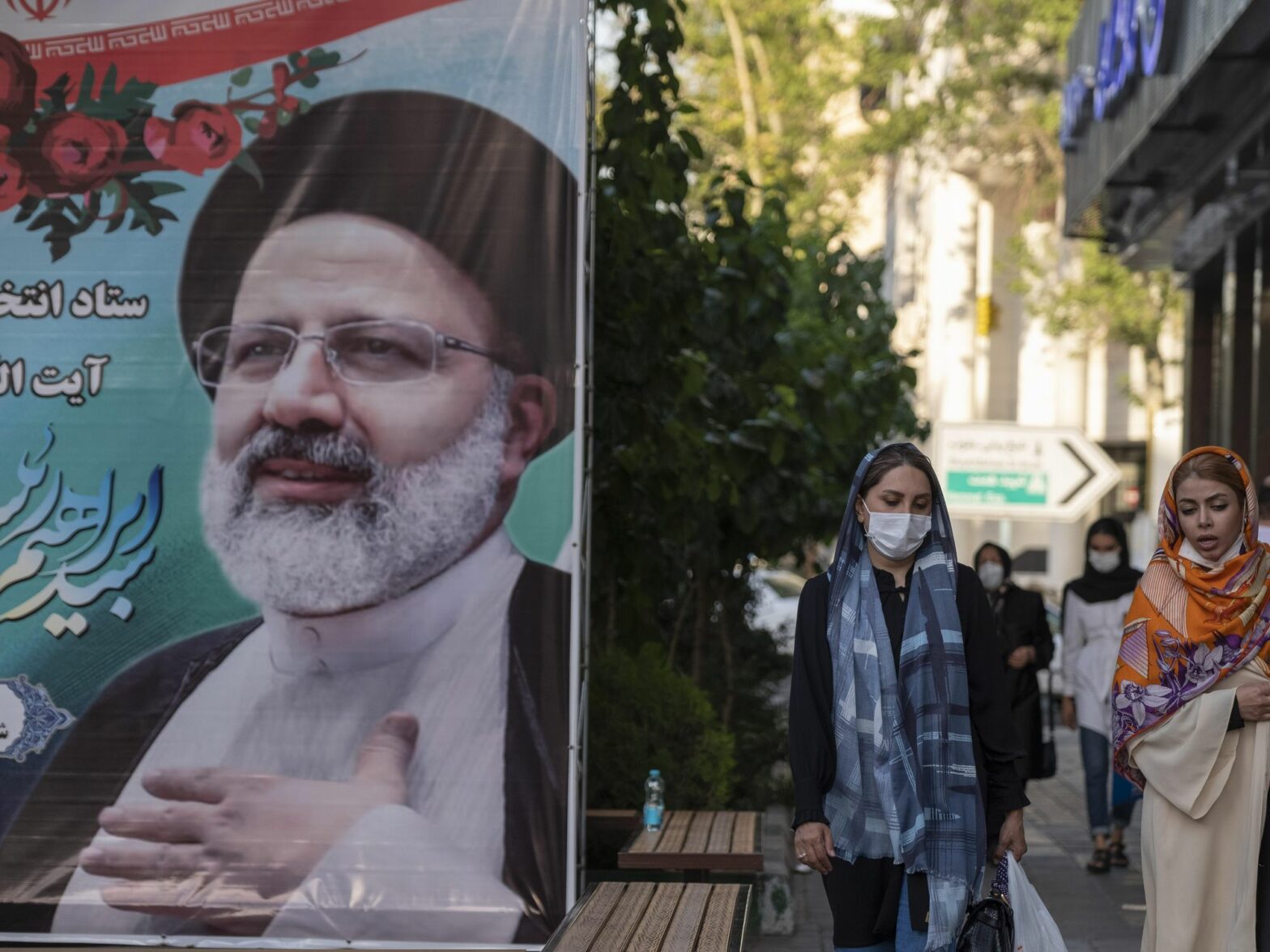
Whether out of cynicism, greed or basic lack of knowledge, the West has willingly embraced the fabricated vision of the Islamic Republic of Iran as a slightly unruly, but essentially legitimate government with which it can do business.