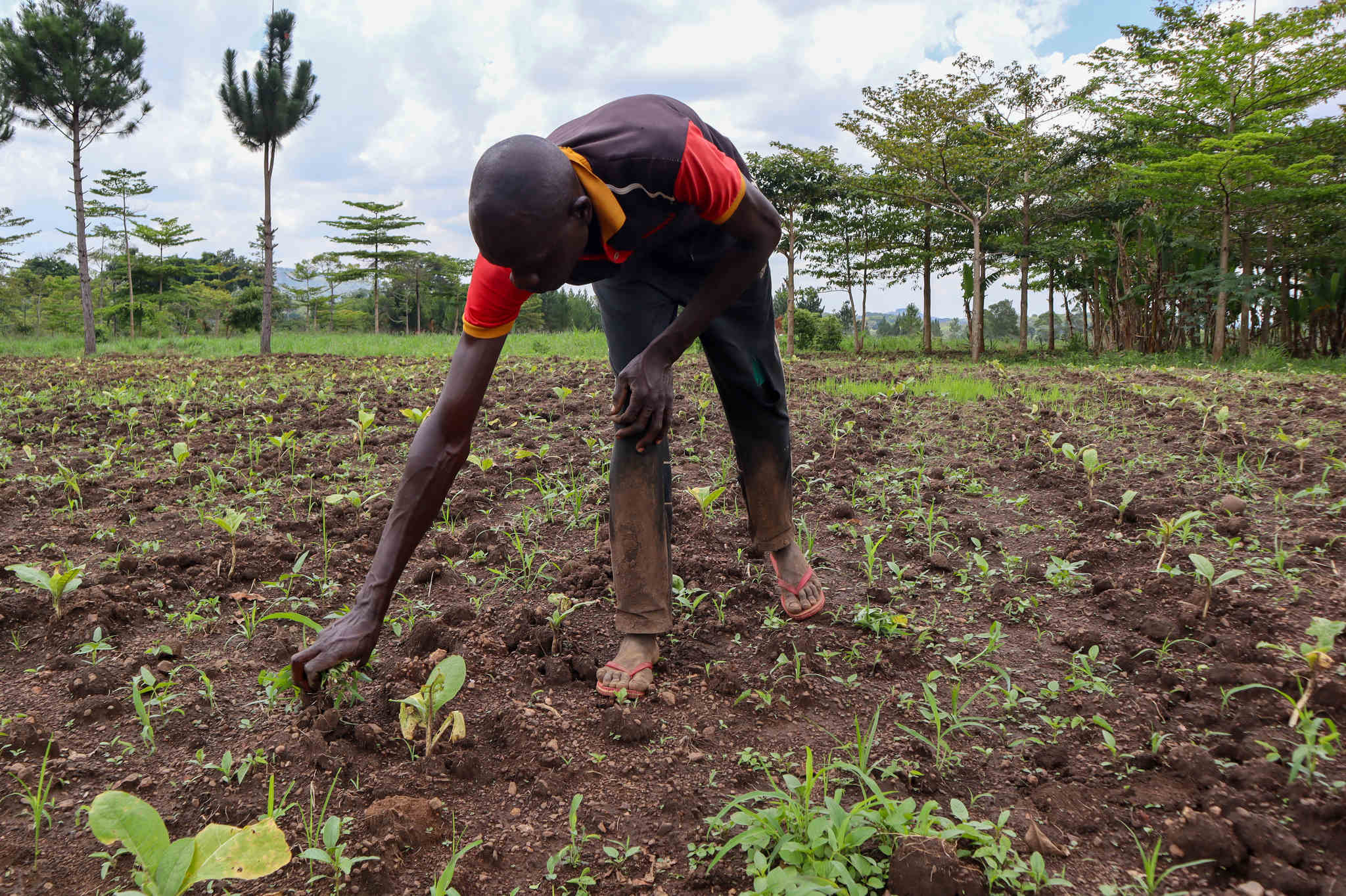
Tobacco farming in Uganda has resulted in the loss of trees key to the diets of chimpanzees and baboons, increasing human-primate interactions — and the risk for disease spillover.
 Worldcrunch
Tobacco farming in Uganda has resulted in the loss of trees key to the diets of chimpanzees and baboons, increasing human-primate interactions — and the risk for disease spillover.

Rats, which can transmit deadly diseases, seem to have proliferated everywhere, unchecked. Is the anthropocene a mere prelude to a nightmarish, golden age of rats?

Physical activity has profound effects on brain performance, cognition and resilience. How often and how intensely should you train to maximize these benefits?
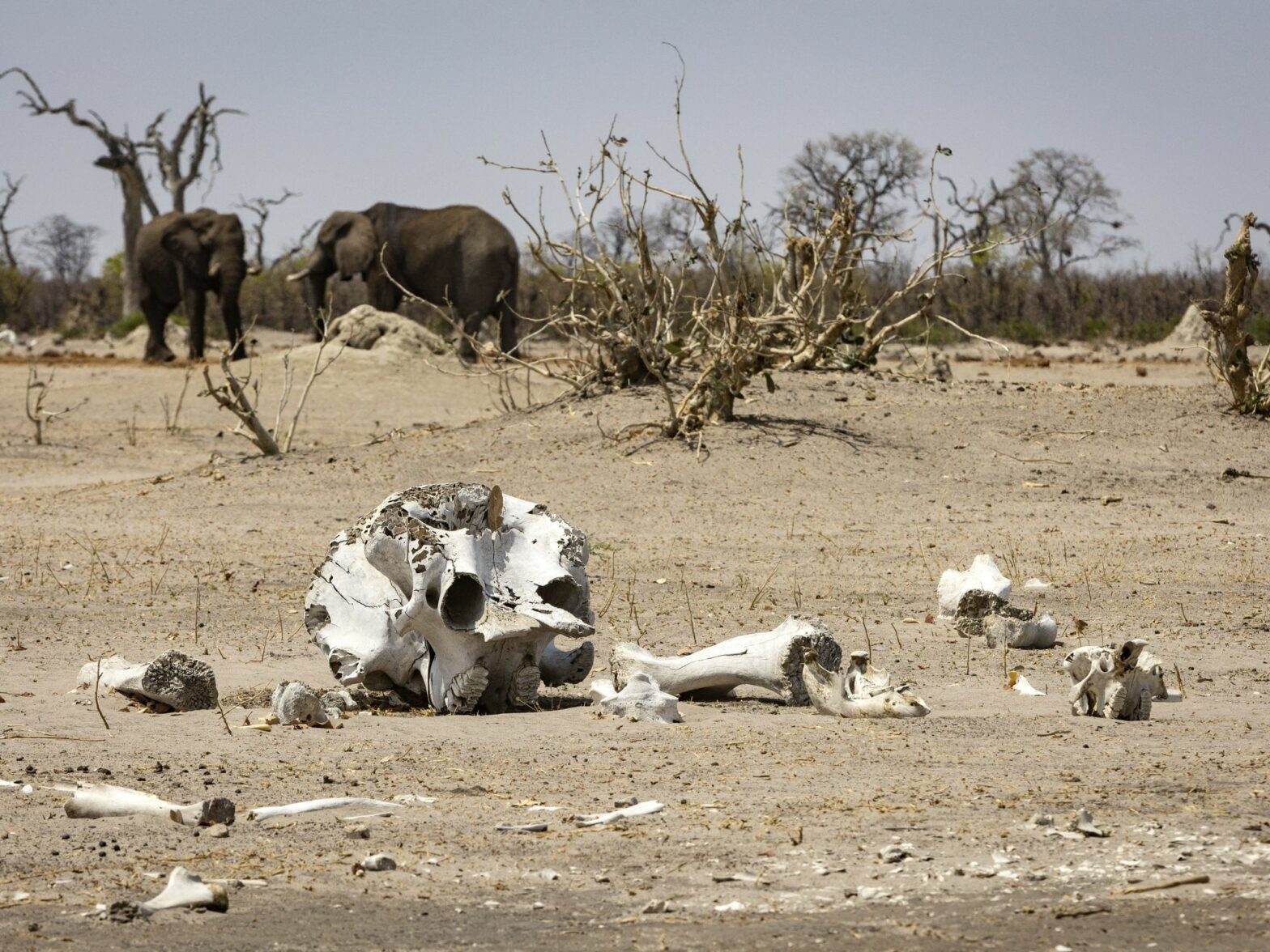
In Botswana’s Okavango Delta — declared a UNESCO World Heritage Site in 2014 — warming trends over the past two decades are approximately twice the global average.
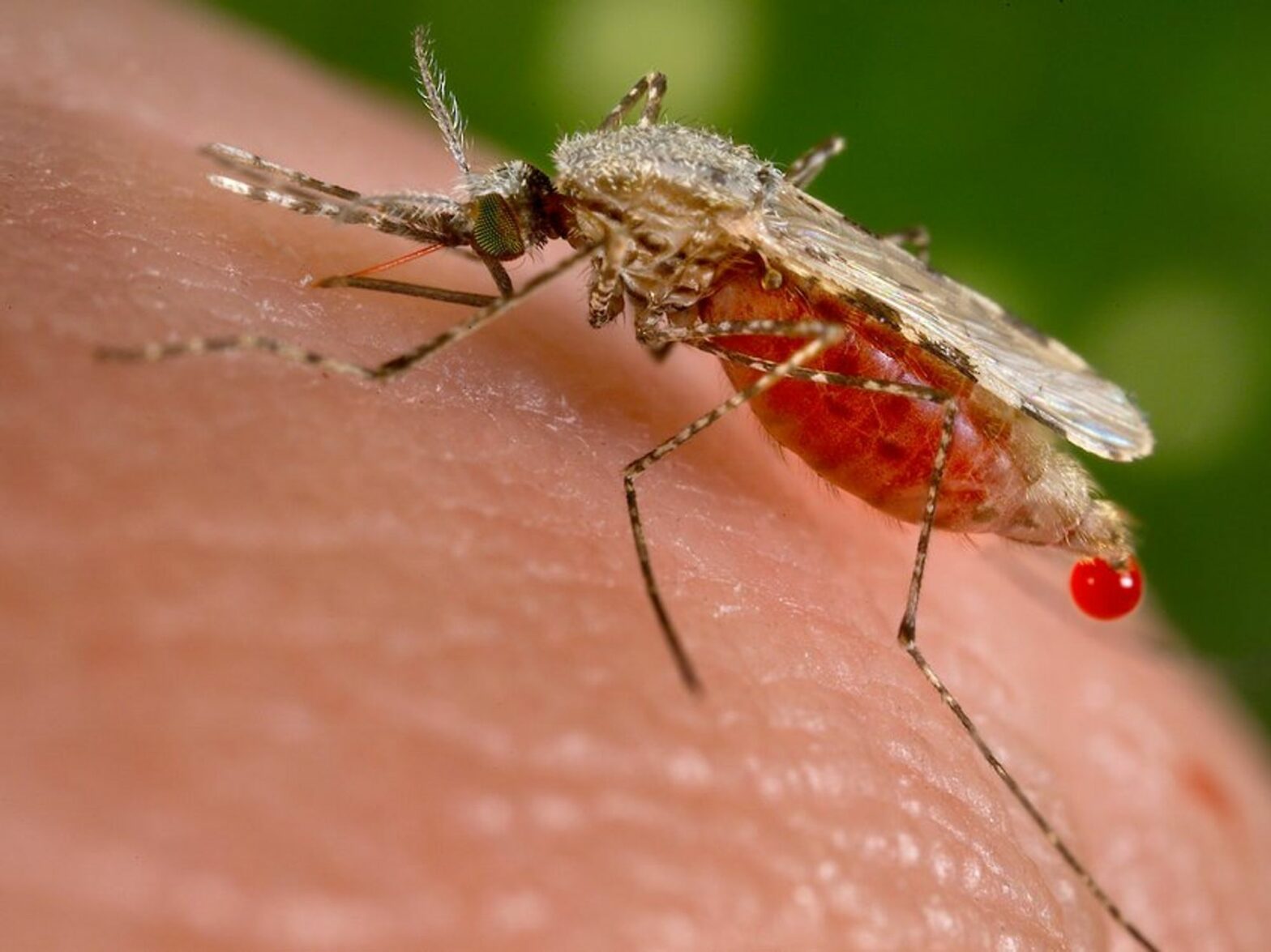
Instead of investing in wiping out zoonotic diseases, we should focus on better ways to fortify ourselves against them.

Chicken soup and vitamins are all fine and dandy, but there’s a world of uncommon ways to fight the common cold out there!

For years, mindfulness has been promoted as a near panacea. But just how much does the brain affect the body?
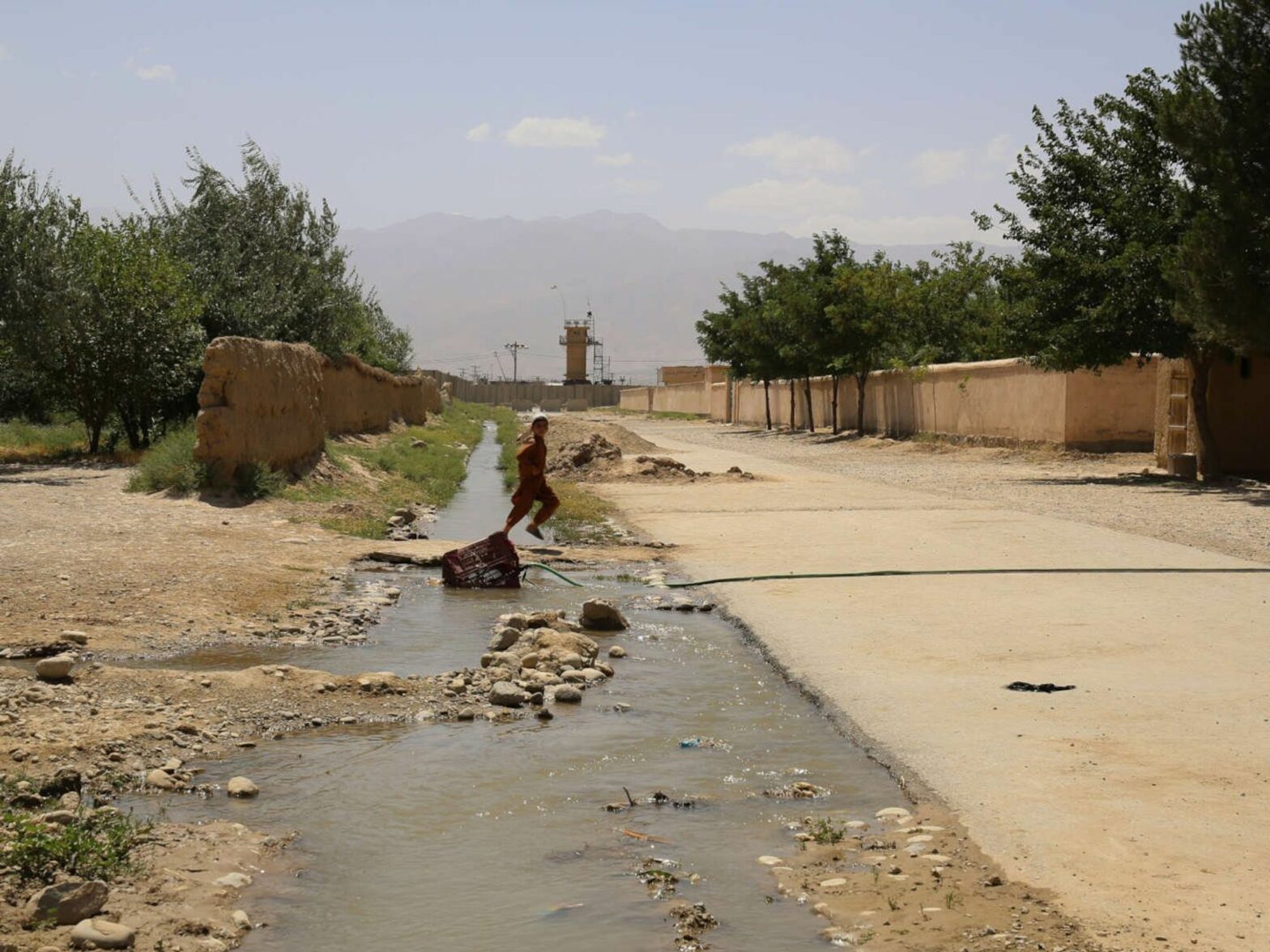
Twenty years of American military intervention and occupation have left vast ecological damage that may never be repaired.
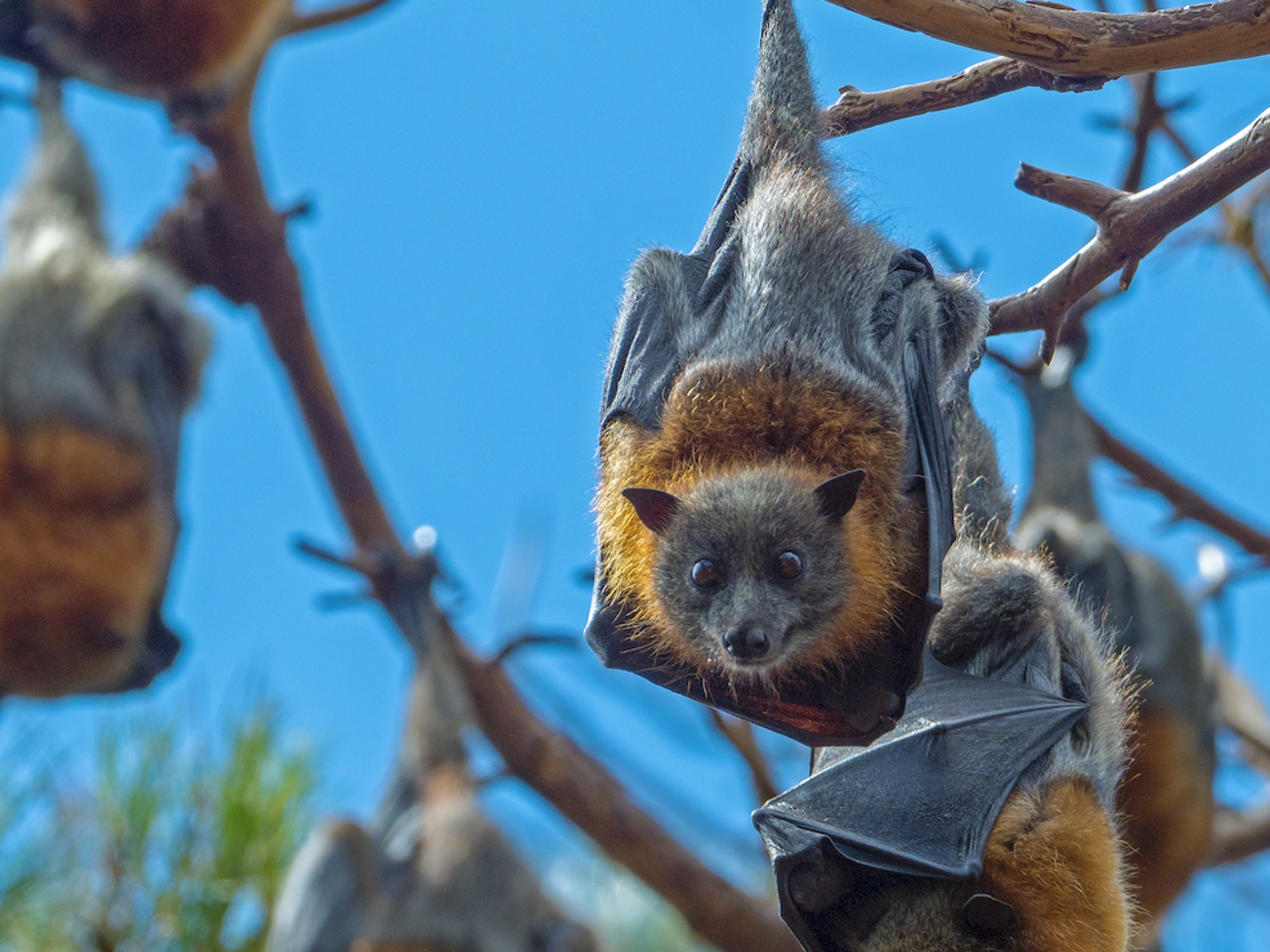
To head-off a new spillover, scientists are combining a menagerie of animals, AI-driven models, and open communication.

The TV series “The Last of Us,” where a fungal infection creates a pandemic that turns people into violent zombies offers hints of what could become more possible as global warming creates the conditions for the spreading of killer fungi.

Traditional medicines, once banned, have regained favor. Government and health officials are endorsing them alongside COVID-19 vaccinations.

Hatred cannot be cured.

Yes, COVID fatigue is real, as are the deep impact of restrictive measures on everything from the economy to mental health to education. But we should remain vigil in making sure we minimize the worst health effects of a still aggressive and deadly virus.

The COVID-19 outbreak has reshaped the world’s emerging superpower both at home and abroad, making China emerge as a more efficient power and helping Chinese overcome their inferiority complex vis-a-vis the West.

‘Smell blindness,’ or anosmia, a common coronavirus symptom, isn’t a pleasant experience for anyone. But for an oenologist, it’s also a serious professional handicap.
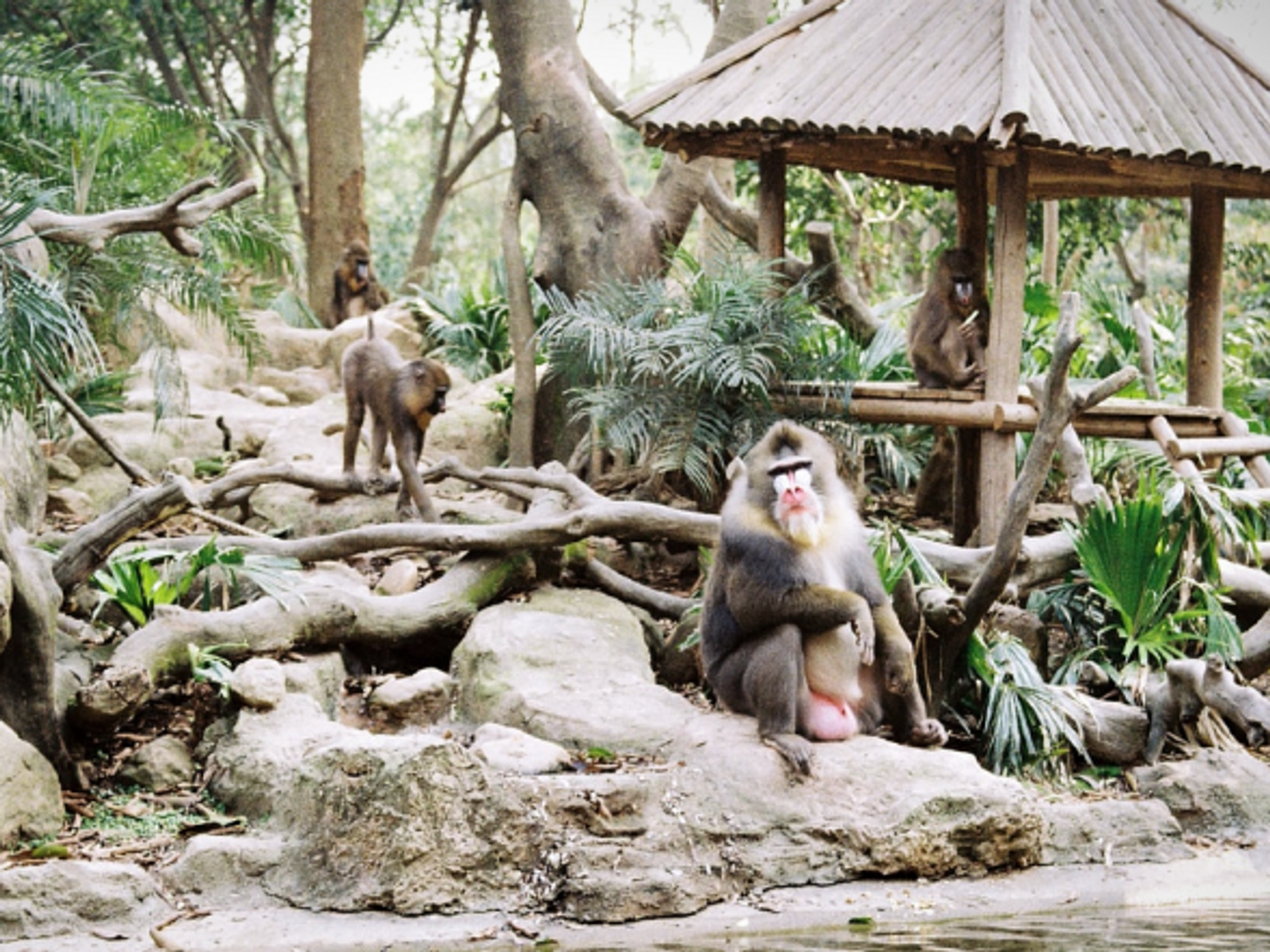
Monkeys, lobsters and even guppies … They all have an innate understanding that there’s only one truly effective way to contain an epidemic.

A new study in Spain found that middle-aged women are by far the most likely demographic to be suffering long-term effects of coronavirus.

The epidemic, and the weapons being used to fight it, are having devastating effects on the economy.

A facility that opened last year in the northern city of Monza offers residents a fleeting respite from the lonely, disorienting effects of dementia.

After the death in prison of deposed President Mohammed Morsi, rights organizations accuse again Egypt’s authorities of medical negligence within prisons.

Unicef France marks World Immunization Week with this OneShot from the Philippines
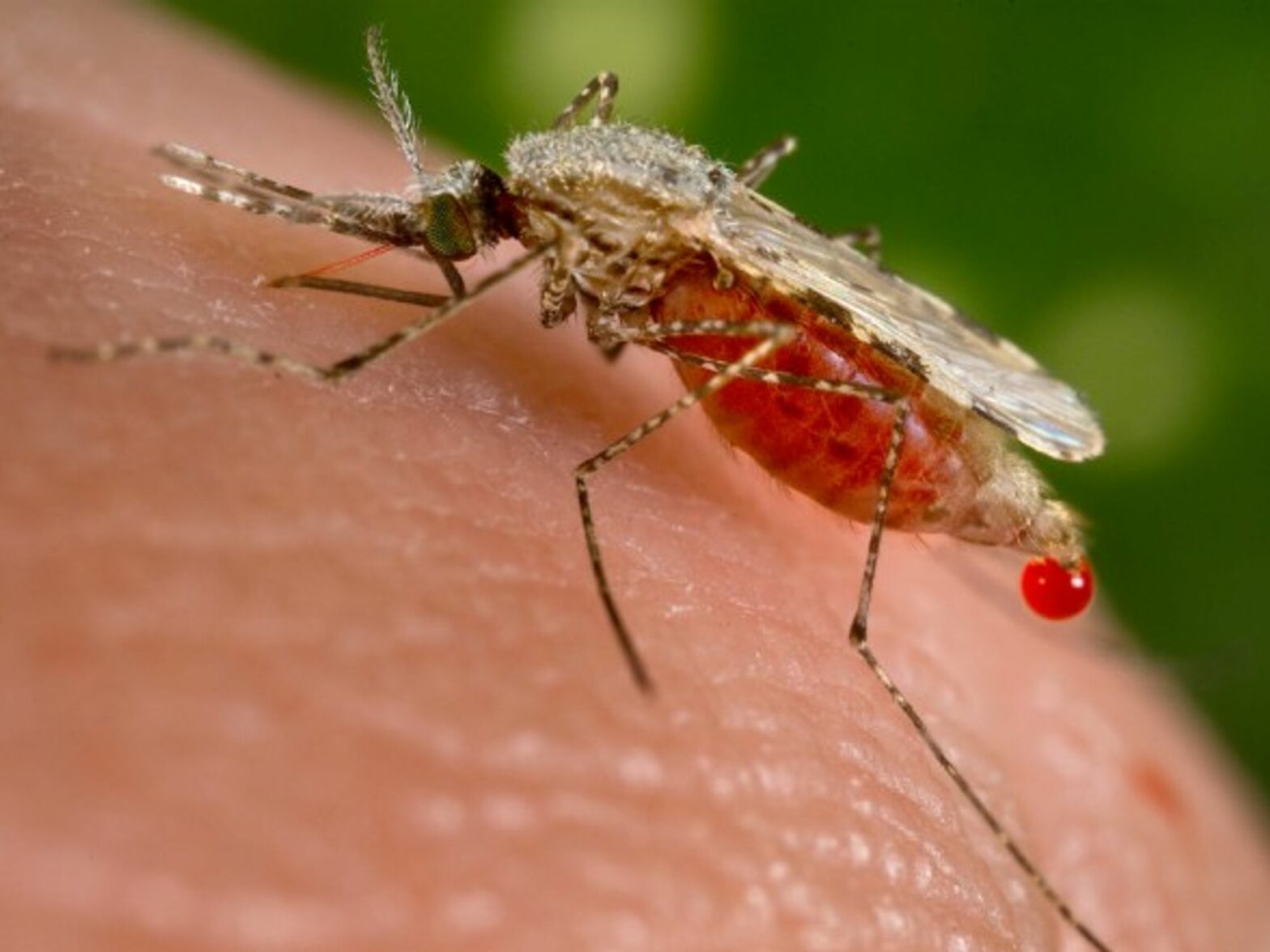
The South American country’s economic and political crises have helped usher in the return of a once eradicated illness, researchers report.
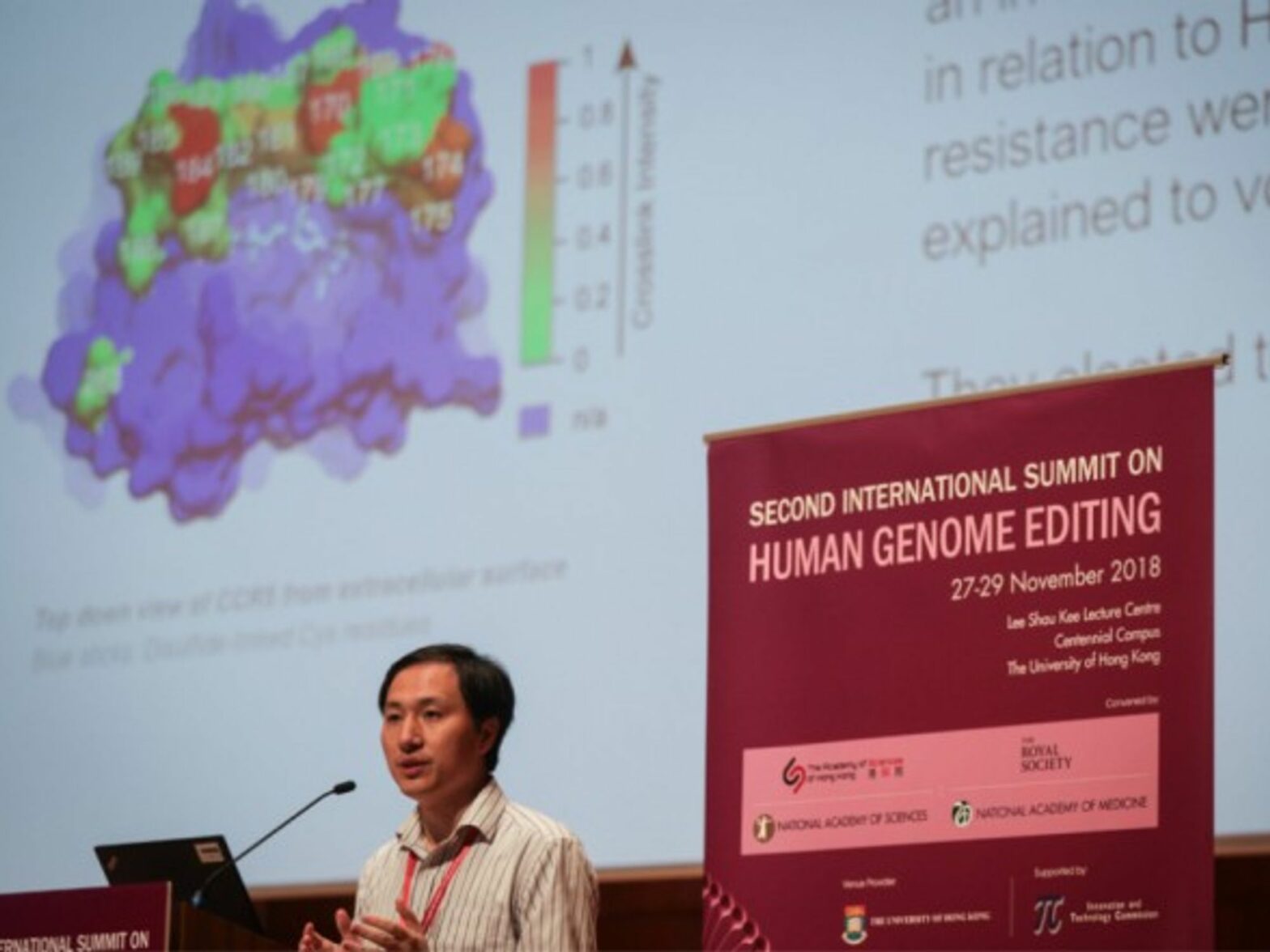
Ethical concerns about last week’s CRISPR breakthrough in China are valid. But they can evolve quickly.
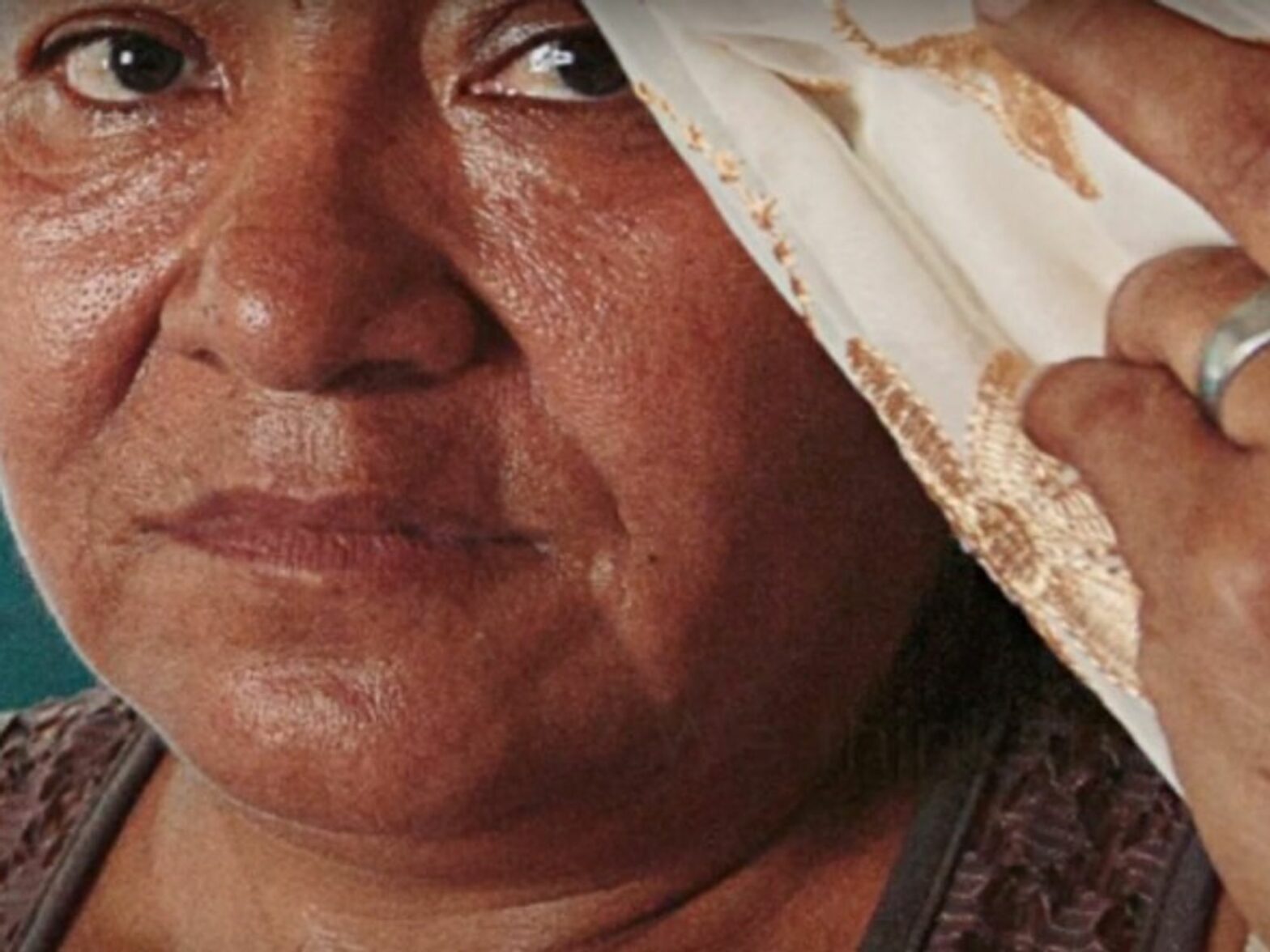
This last instalment of our three-part OneShot series, tells the story of Santos Felipa, who lost her son last year to Chronic Kidney Disease of undetermined causes (CKDu). Photojournalist and National Geographic storyteller Ed Kashi has traveled to rural Peru to document the effects of CKDu, which risks turning into a global epidemic and may be exacerbated by global warming. [youtube https://www.youtube.com/embed/eQmnn1mz7Pw expand=1] Santos Felipa — ©Ed Kashi/OneShot On the coast of Talara, Peru, Kashi met Santos Felipa Abad de Arismendis, a 57-year-old woman whose 33-year-old son Frank died from CKDu. Frank had to travel to Piura for his dialysis […]

An estimated 2.3 billion people worldwide live without toilets. Nearly two-thirds of them are in India. Dr. Bindeshwar Pathak, a sociologist and NGO founder, is determined to do something about it.

An Egyptian writer shares her struggle with keeping bipolar disorder from invading everything she does and everyone she knows.
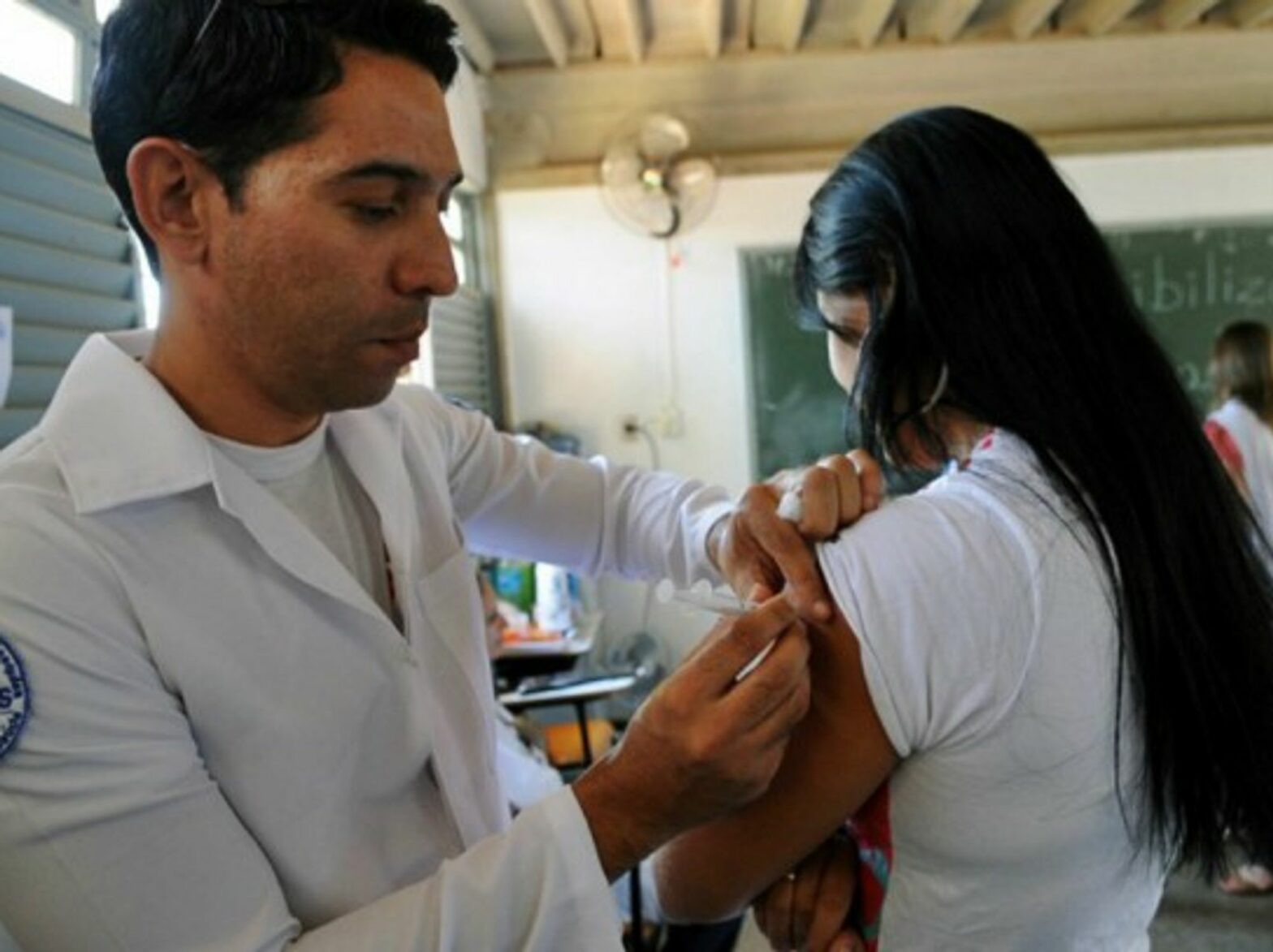
MINAS GERAIS — After two failed attempts to get vaccinated against yellow fever, 72-year-old José Pedro de Jesus woke up before dawn to get the job done. He lives in a municipality in the southeastern state of Minas Gerais in Brazil called Piedade de Caratinga, where four people are believed to have died of the […]
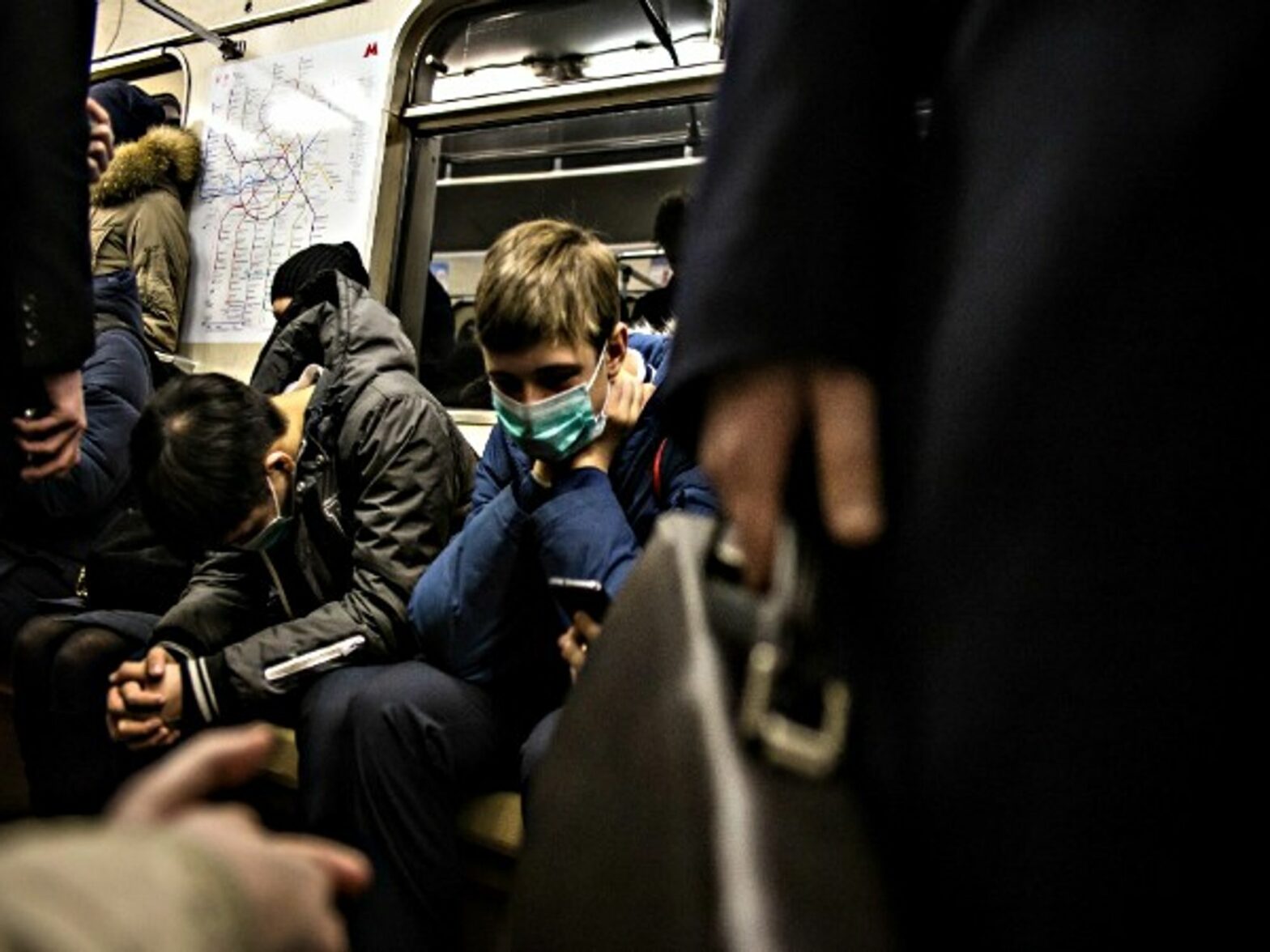
Abnormally high temperatures triggered the outbreak of anthrax on Yamal peninsula. It’s not the only disease that roiled Russia this summer.
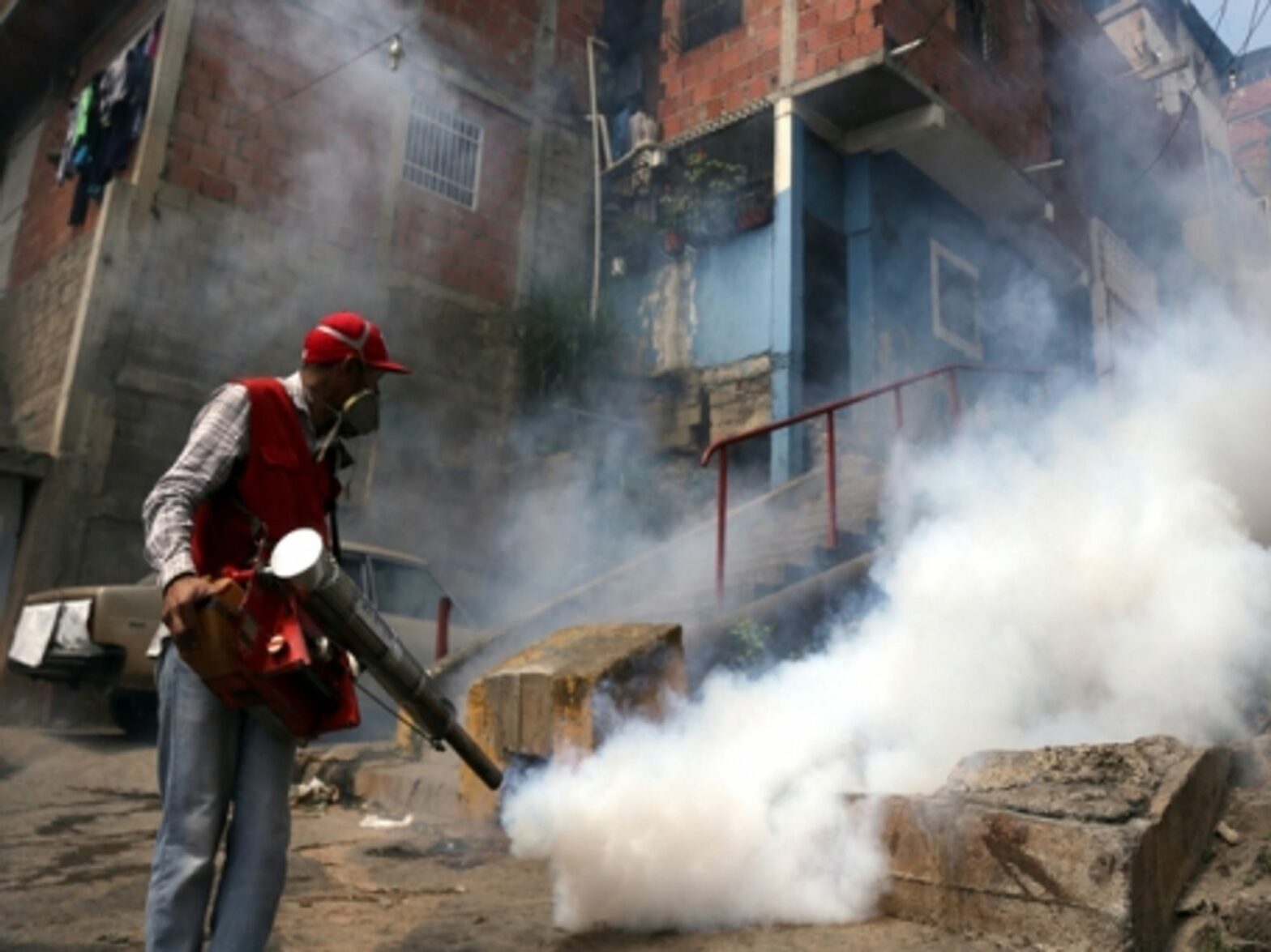
Health authorities in Cúcuta, northeastern Colombia, are struggling to stop the spread of mosquito-borne infections like zika. And the blame game has begun.
Libération, Oct. 8, 2015 “How Brussels screwed up European sperm.” Libération dedicated its front page Thursday to an in-depth story about how the European Union has failed to restrict the use in every day products of endocrine disruptors, which researchers say are responsible for cancers, diabetes and poor sperm quality. Manufacturers use parabens, phtalates, bisphenol […]

The pharmaceutical industry looks to identify new diseases so it can push new drugs on the market, and patients play along. The approval of reduced female libido as a pathology is a case in point.
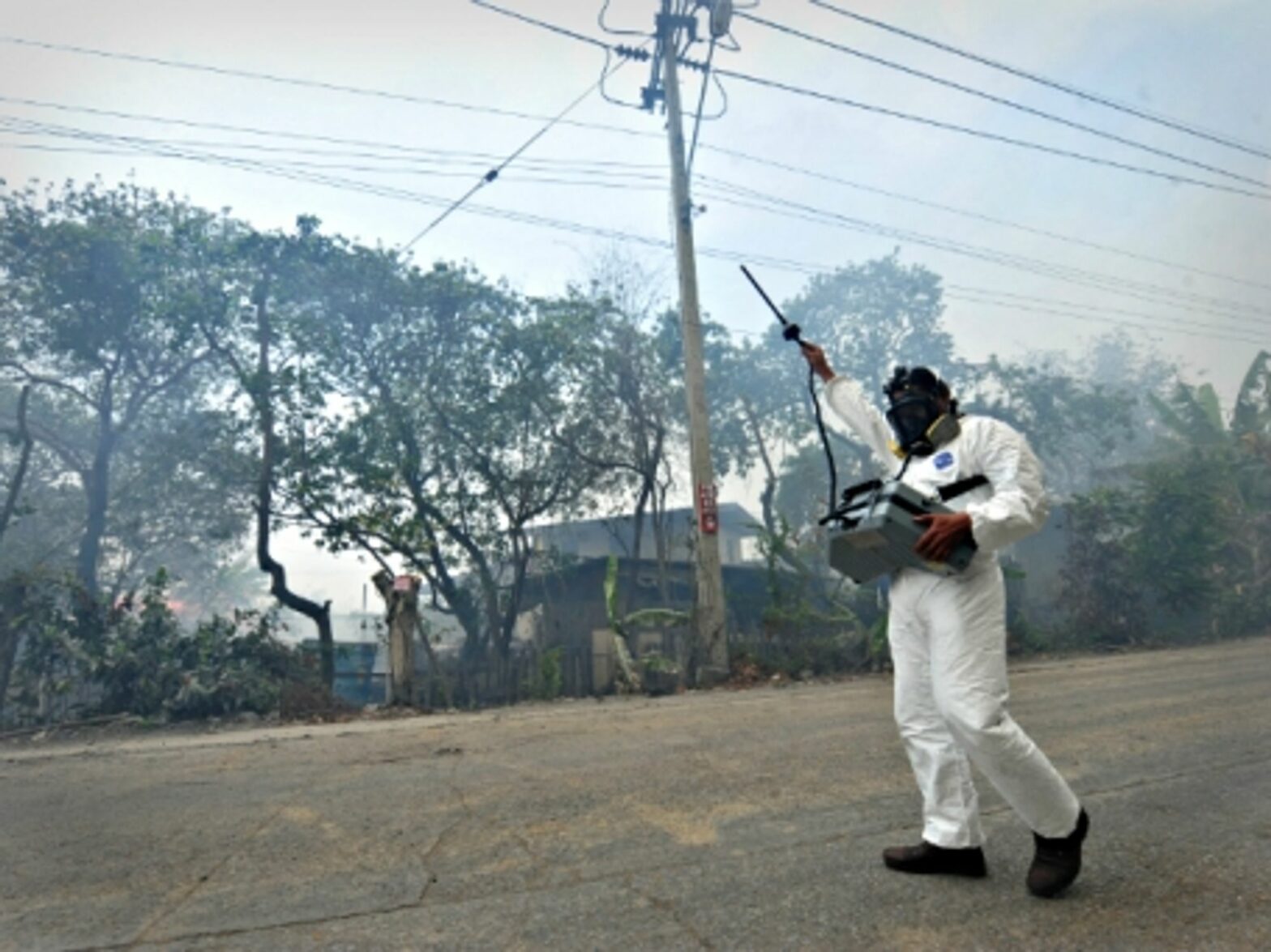
More than 3 million people die prematurely each year from dirty air. But researchers can now trace what exactly causes the bad air in different locations. A way to begin to fix it.
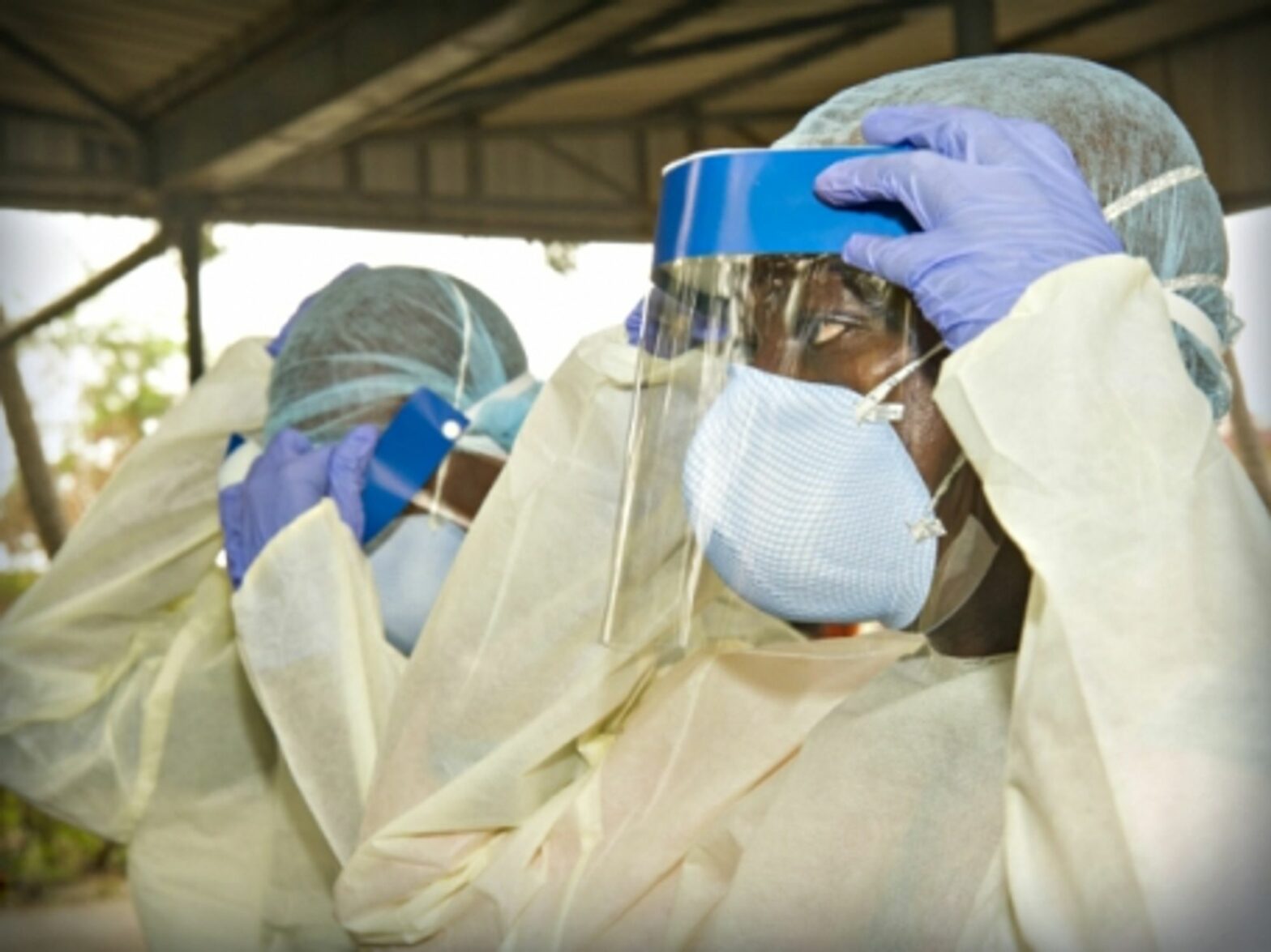
FORÉCARIAH — Assény Touré’s tightly drawn features bear testament to his harrowing ordeal. In December, after he was diagnosed with Ebola, this taciturn 30-year-old was chased out of the village where he was born, Béta, an hour-drive away from Forécariah, in western Guinea. The virus killed 19 members of his family. He survived. And yet […]

A German biologist spent two years on a project whose aim was to understand how people with Down syndrome think about the world. She wound up creating a magazine that capitalizes on their intelligence.
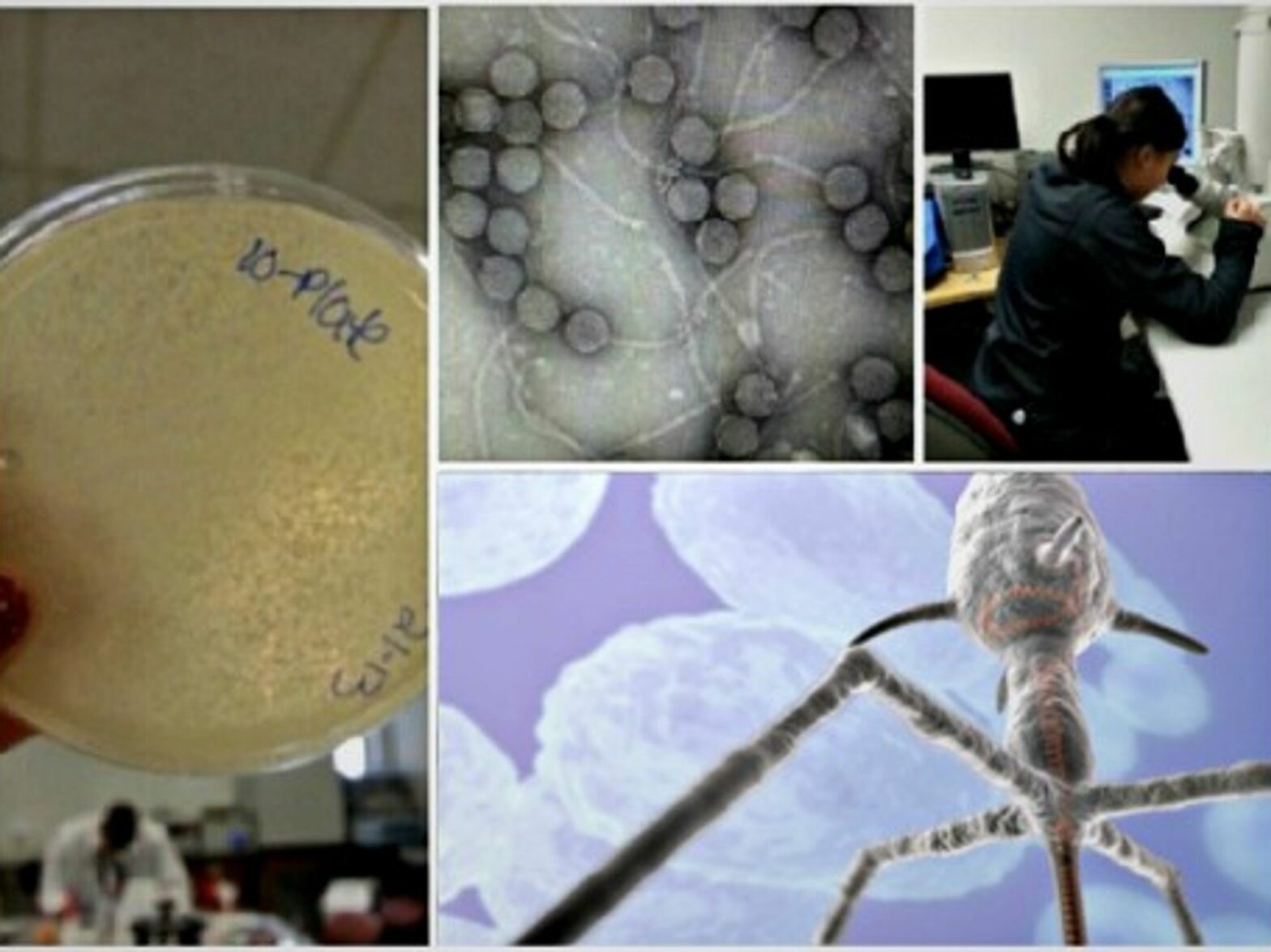
Western medicine had abandoned the use of viruses with the advent of antibiotics. But now promising, non-chemical options are emerging in the fight against bacterial infections and some types of cancer.

A Chinese housing developer recently hired AIDS patients to threaten people with infection so they would leave their homes. It seems shocking, but discrimination in China based on HIV status is actually legal, leaving many patients little employment choic
French researchers have made significant discoveries that lead them to believe that a vaccine is imminent. It would target the protein that allows the HIV virus to multipy.

Contrary to the West, where obesity rates are higher in poorer, less well-educated areas, China’s overweight youth are from wealthy families. It has been dubbed a “disease of affluence.”
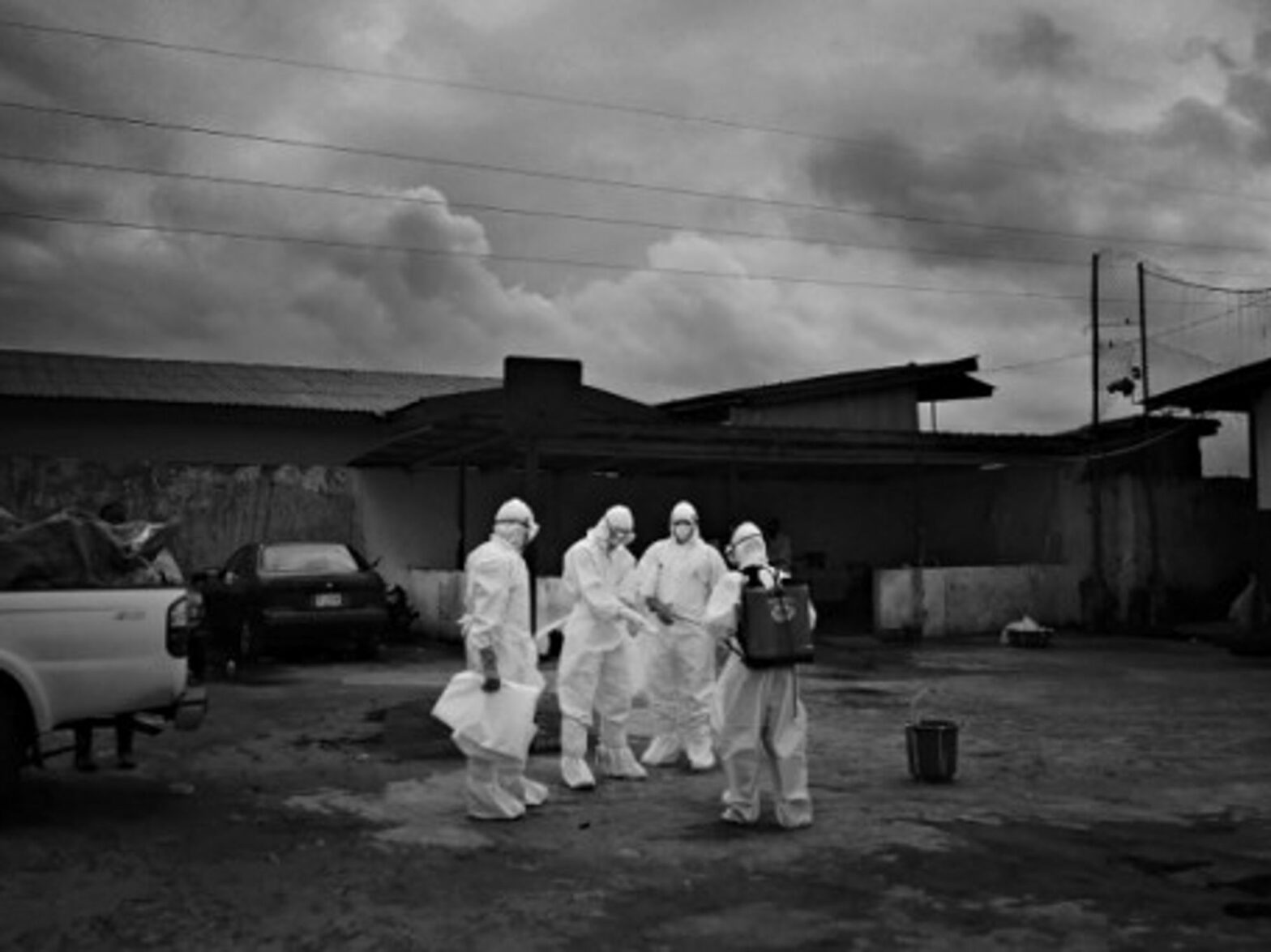
Not far from the epicenter of the Ebola outbreak in West Africa, a growing number of cases of cholera have spread. If these two contagious diseases overlap, it could be a catastrophe.
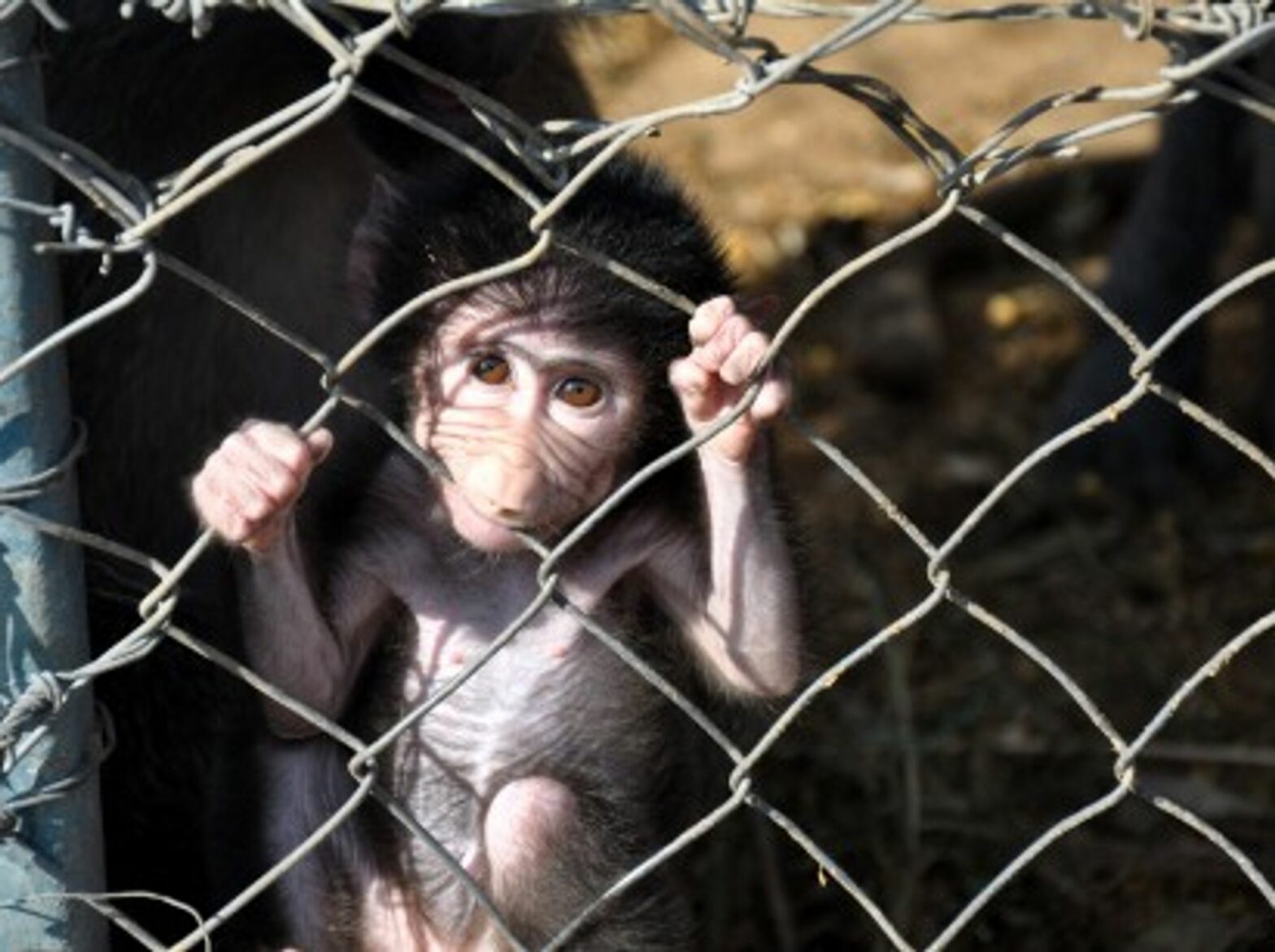
As the Ebola epidemic continues to sweep across West Africa, fear is so great that people have begun to abandon their pet big cats and monkeys out of panic, leading local zoos to take in these animals to prevent potential spread of the deadly virus. The AFP visited one Ivory Coast zoo where vets have […]