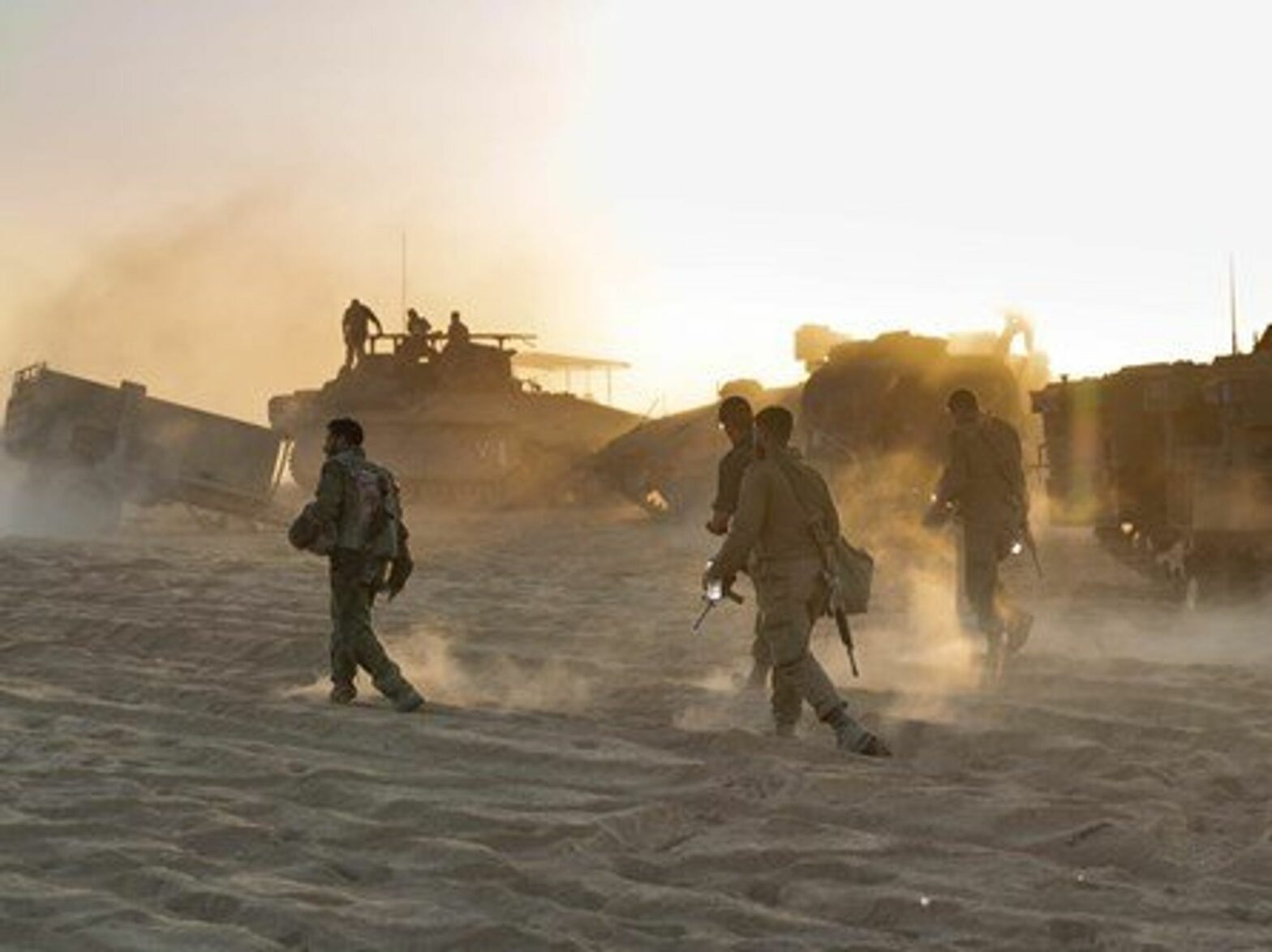
Calls for a “humanitarian pause” are multiplying as the war rages on for almost a month, but the West is careful not to talk about a ceasefire, which Israel totally rejects. Where does that leave us in a search for a way out?
 Worldcrunch
Calls for a “humanitarian pause” are multiplying as the war rages on for almost a month, but the West is careful not to talk about a ceasefire, which Israel totally rejects. Where does that leave us in a search for a way out?
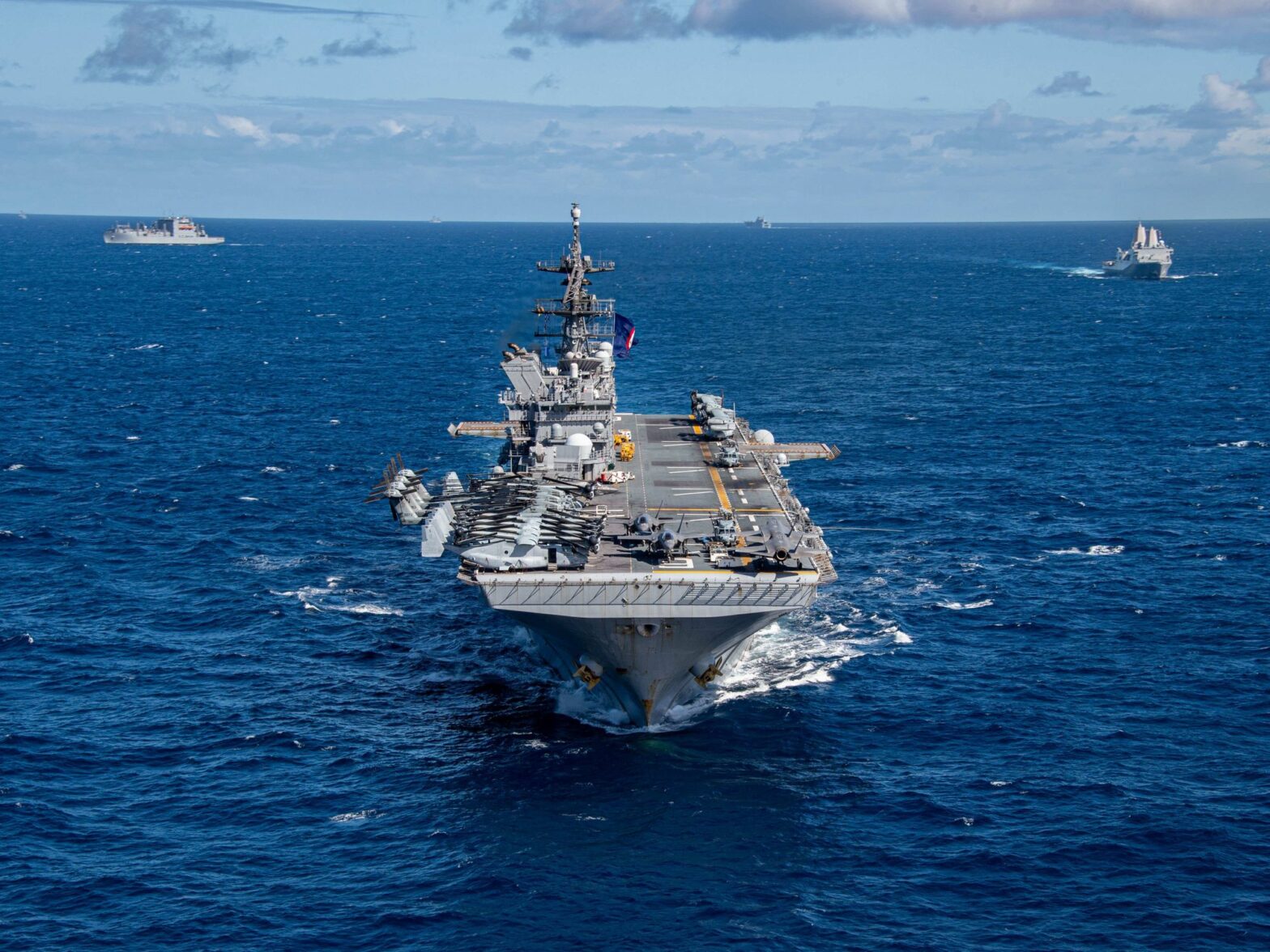
In the wake of Hamas’s attack on Israel, the United States, often projected as no longer wanting to be the region’s policeman, finds itself deploying aircraft carriers in the eastern Mediterranean and conducting F16 raids against Iranian targets in Syria. But the epoch-shifting challenge is elsewhere.
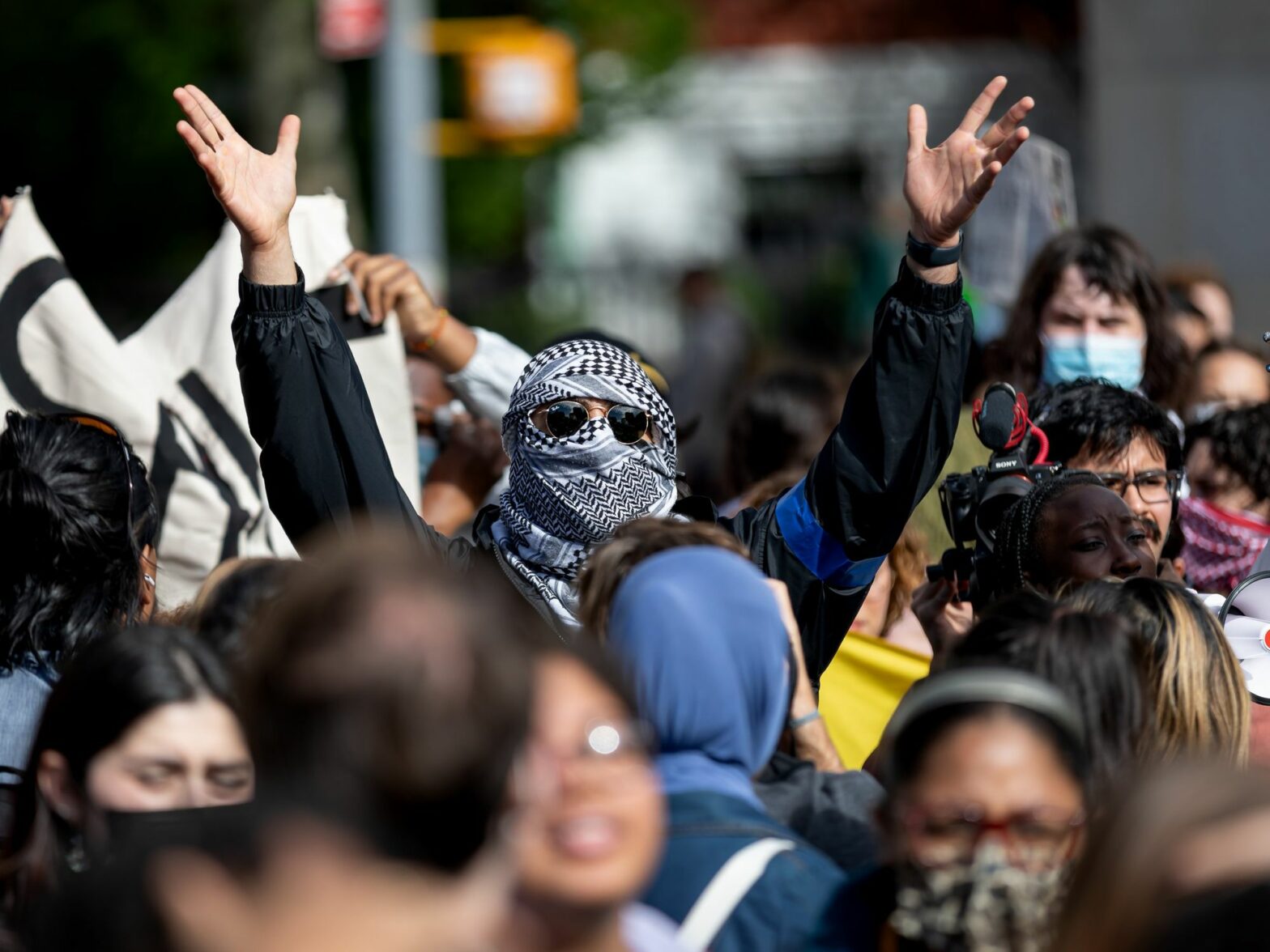
Even as casualties are mounting and bombs keep falling on civilians in Gaza, Western countries fail to reach a consensus and unambiguously call for a ceasefire. It’s a mix of history, alliances and being too careful.
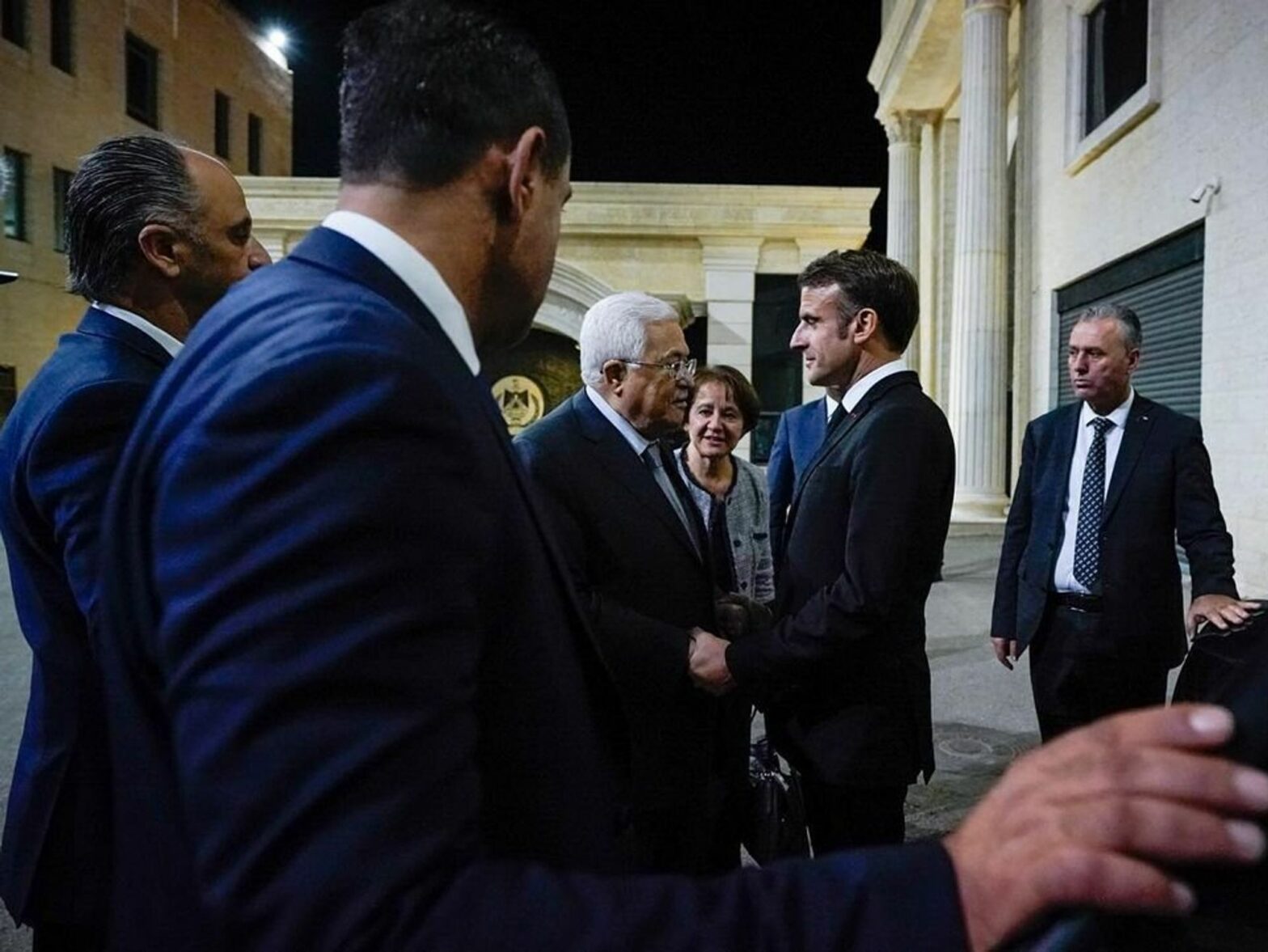
The French president expressed his solidarity with Israel while calling for a political solution for the Palestinians; but he also made a surprise proposal for an international coalition against Hamas, which faces several obstacles — but is also a way to “frame” the conflict so that the dormant two-state solution can return.
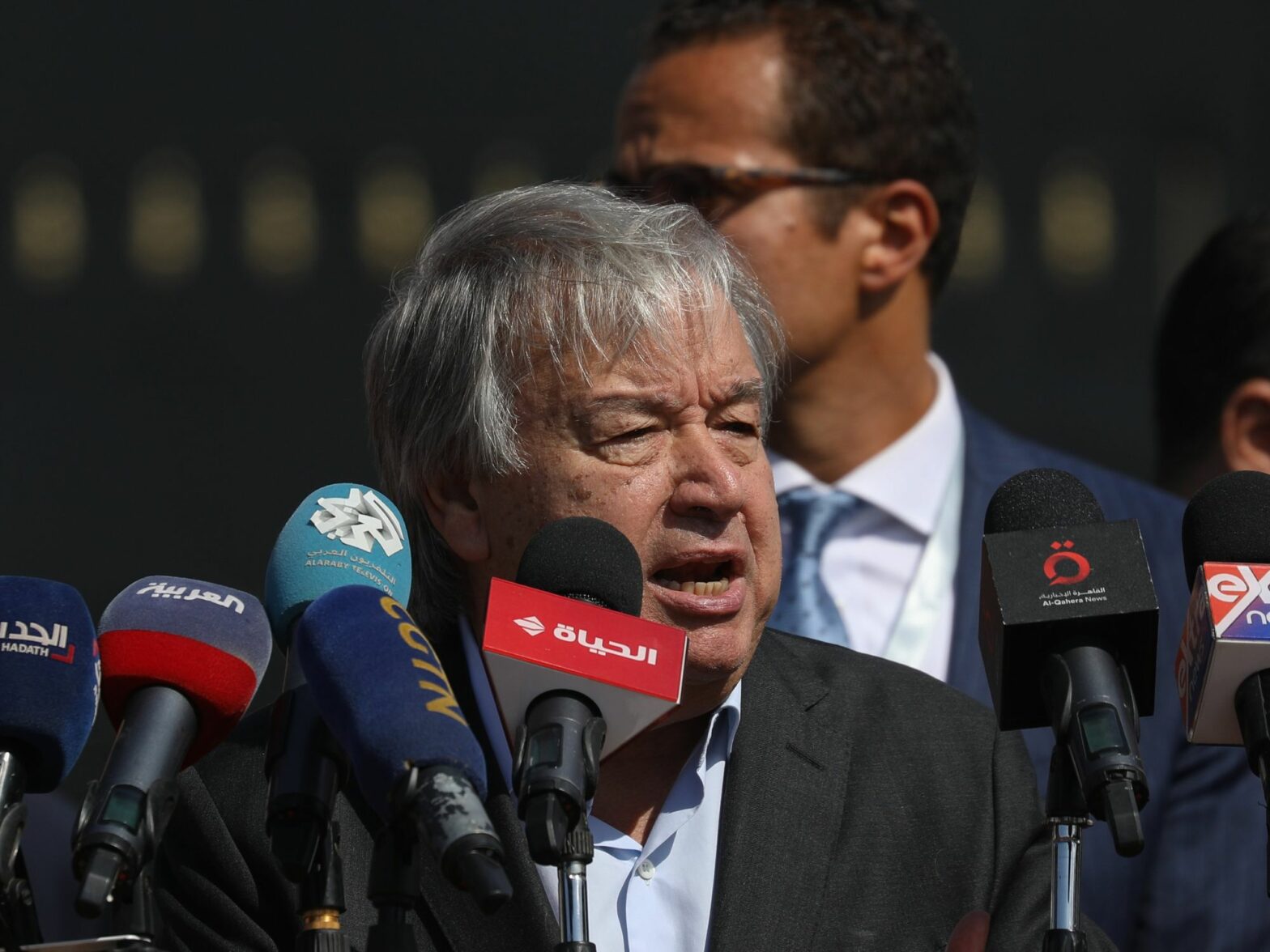
UN Secretary-General Antonio Guterres’ comments on the Oct. 7 attacks on Israel by Hamas, which he said “did not occur in a vacuum,” constitute an incomprehensible relativization of a barbaric mass murder. Shameful, but not surprising, writes Die Welt‘s editor-in-chief Jennifer Wilton.
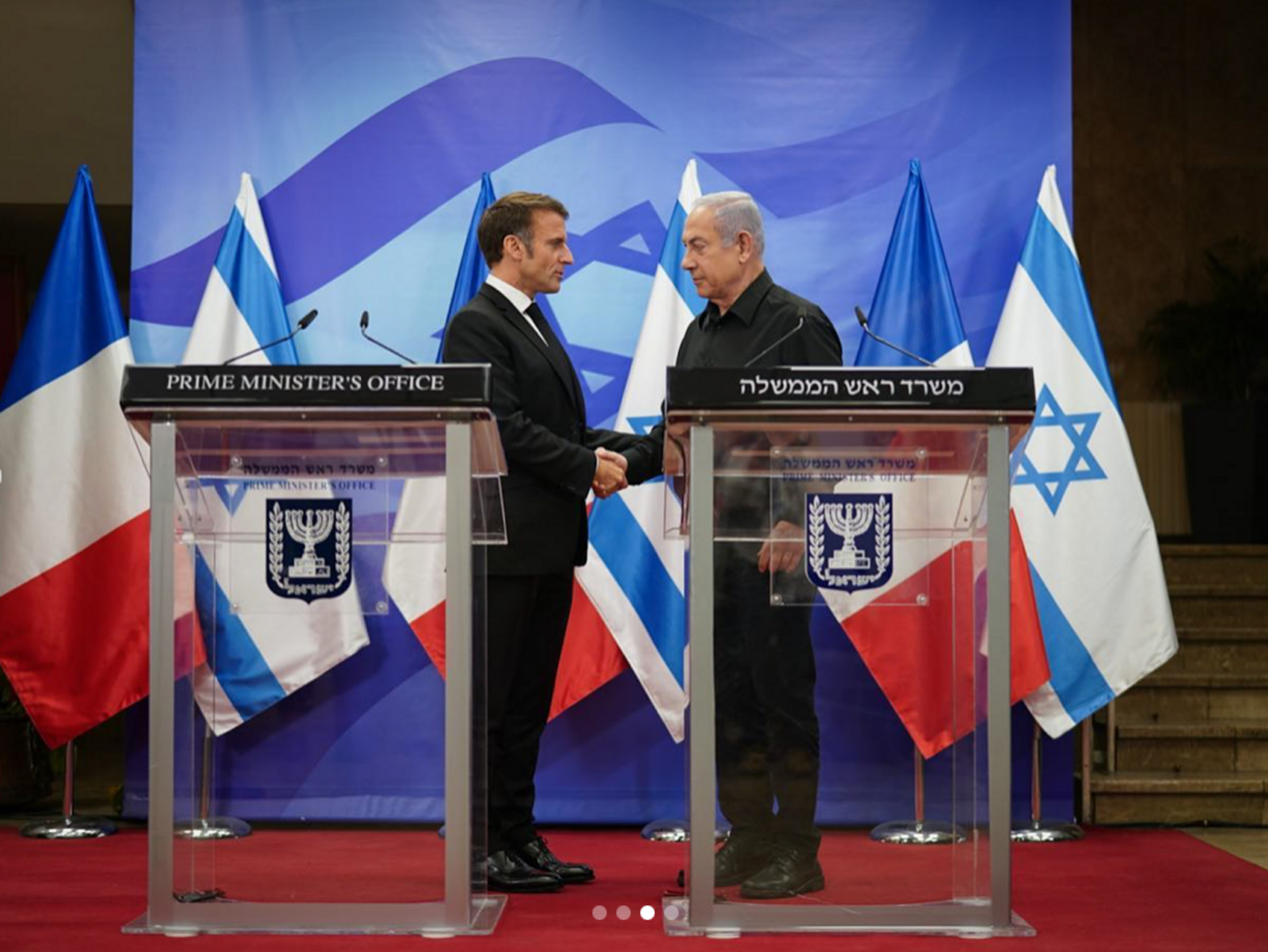
The French president is expected to call for a “humanitarian pause” in Israel and the opening of a “political perspective” for the Palestinians, while displaying his solidarity with Israel. A singular voice, which recalls France’s past commitments, but in a radically changed context.
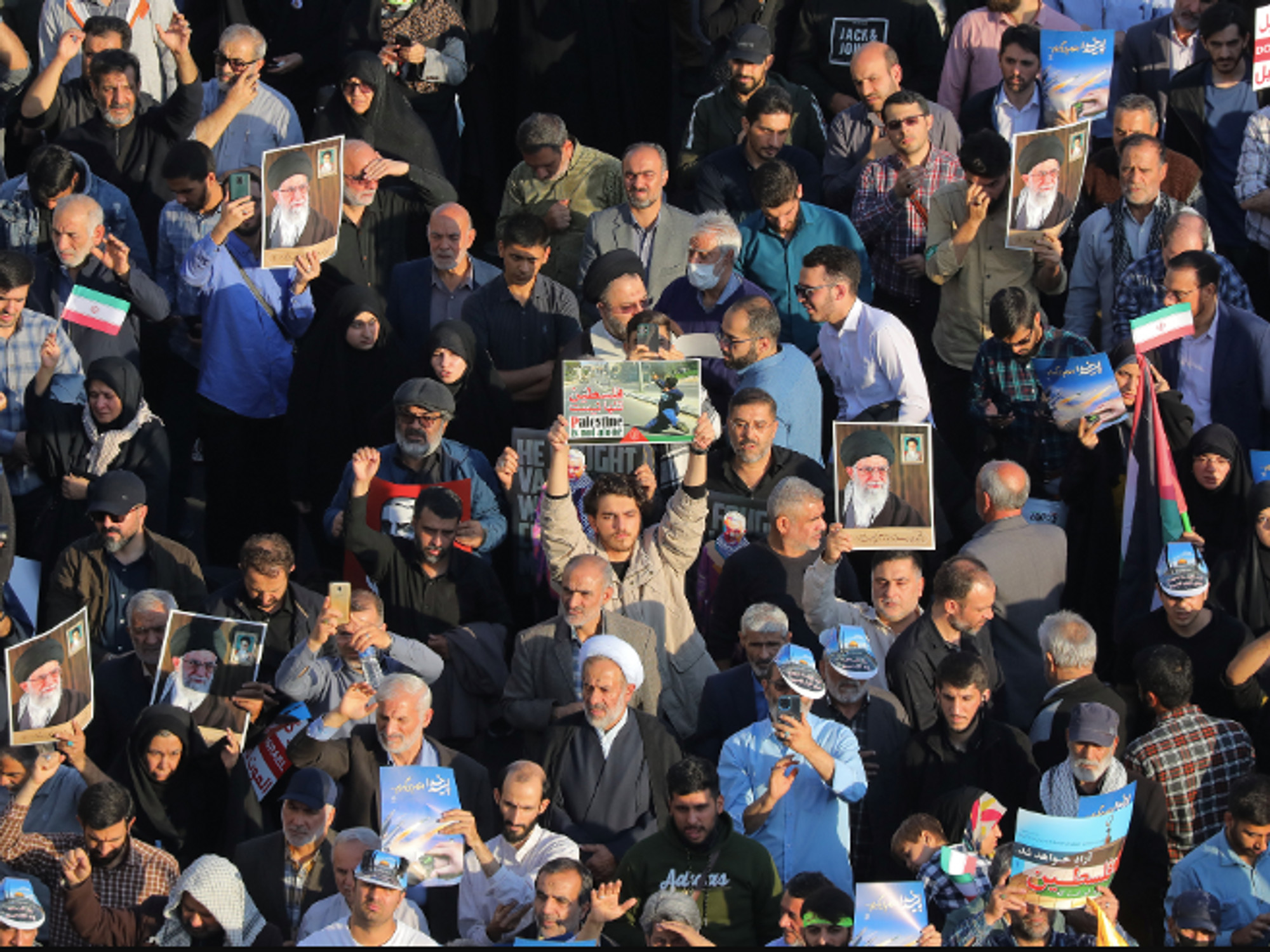
What happens next in the Middle East, including a possible expansion of the war at the Israeli-Lebanon border, will be determined by choices that are made in different capitals. Keep your eye on Tehran.
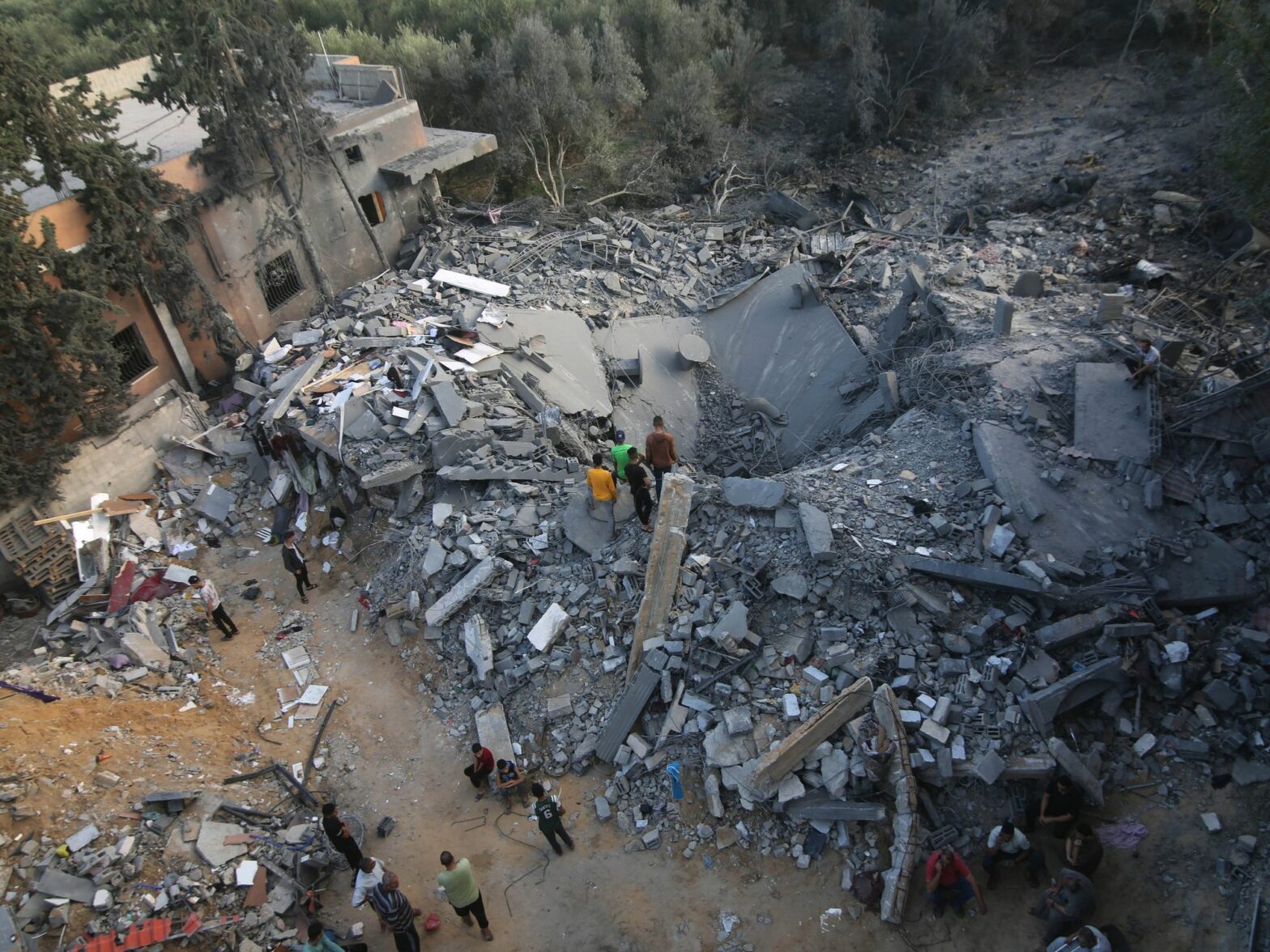
The ongoing conflict between Israel and Hamas has raised numerous issues under international law, including Israel’s unlawful siege of Gaza and Hamas being a non-state actor.
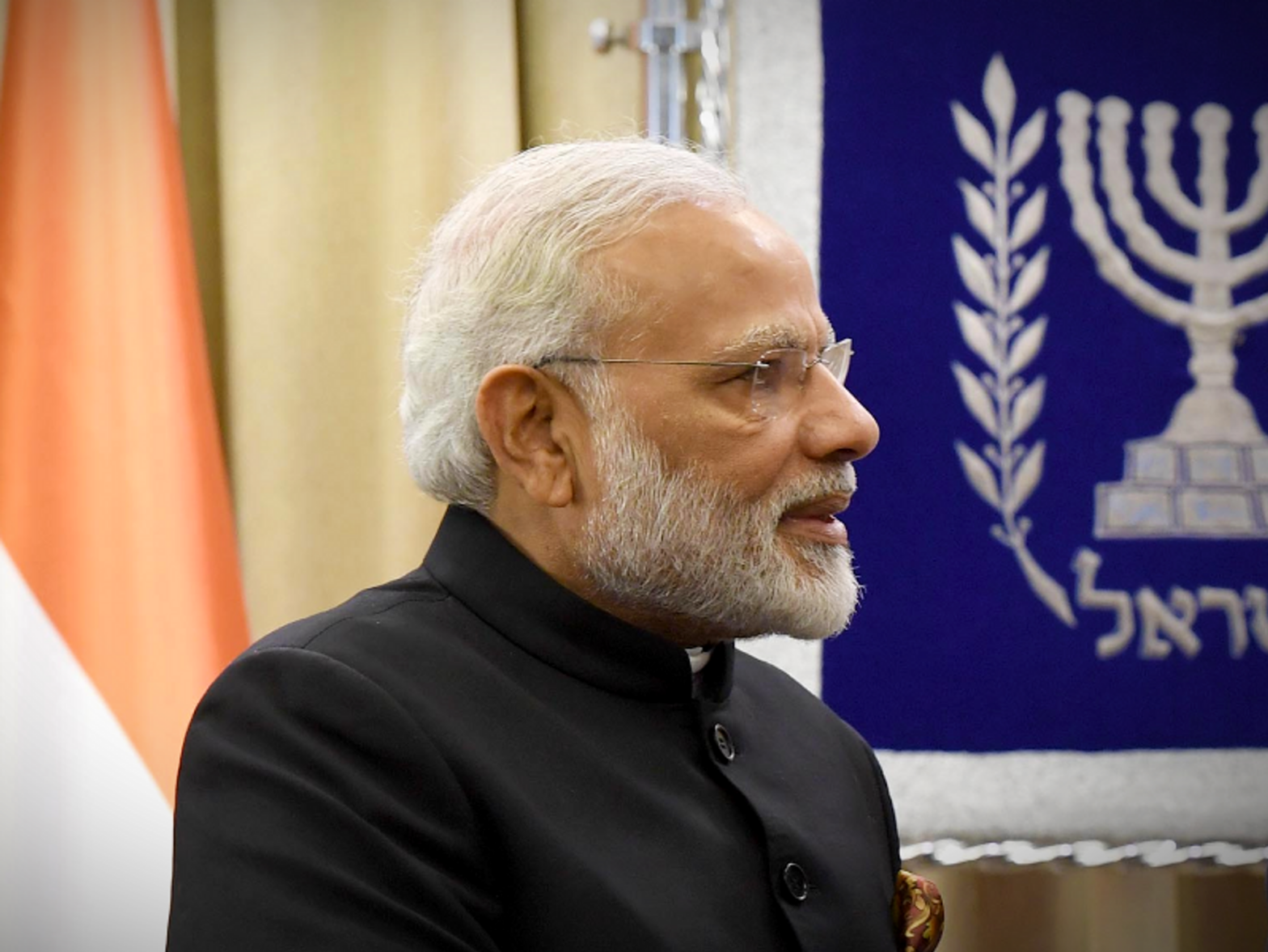
The Indian government’s decision to move from its historic stance on the Israel-Palestine conflict and to actively support Israel following Hamas’ Oct. 7 attack is not only questionable, writes a New Delhi commentator, but it could also have consequences for the country on a diplomatic and geopolitical level.
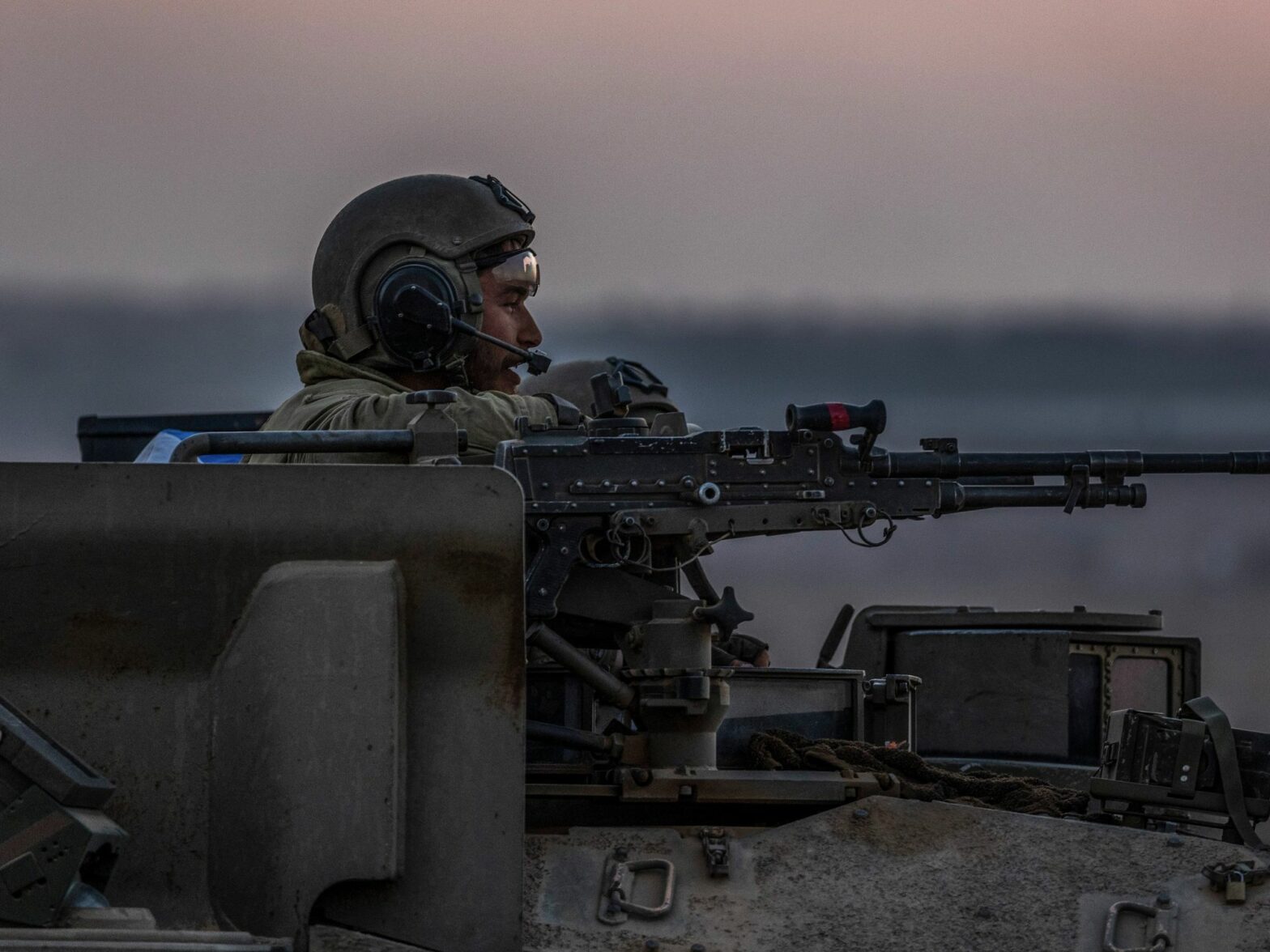
After extending its complete support to Israel in the wake of the October 7 attacks, the West has started to soften its stance and demand that the state follow international law. But there are scant signs that Israel will let up its all-out assault in Gaza.
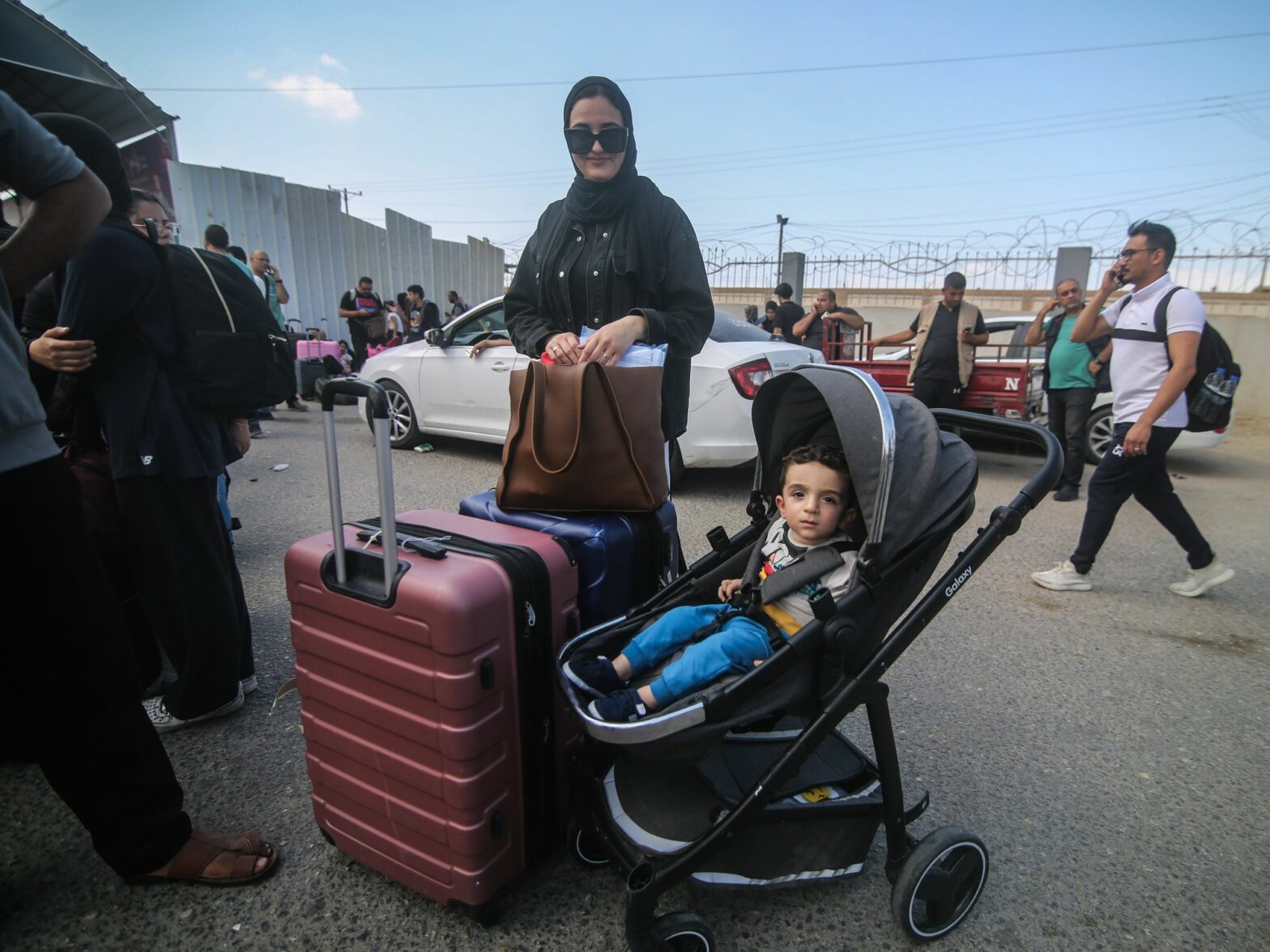
The closure of the Rafah crossing between Gaza and Egpty, and the deteriorating humanitarian situation in Gaza, pose urgent and complex questions for decision-makers in Egypt. There are also wider regional questions that can no longer be swept aside.
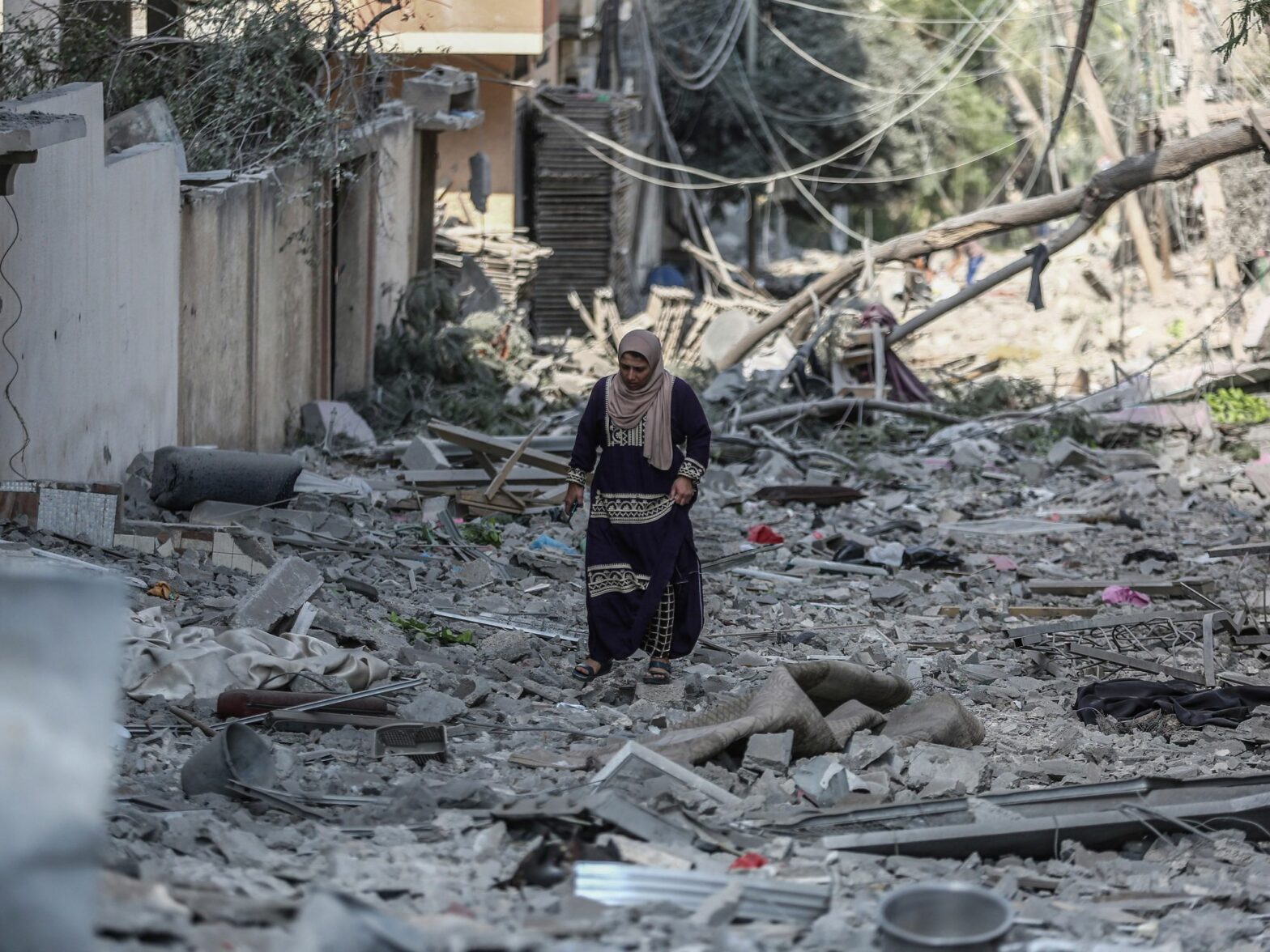
The West has largely been united in clear condemnation of Hamas and support of Israel. For the rest of the international community, even if Hamas has very little backing, most countries have preferred an ambiguous neutrality. It’s part of a deeper shift in geopolitics where the so-called Global South, and elsewhere, no longer tolerate what they see as Western “double standards.”
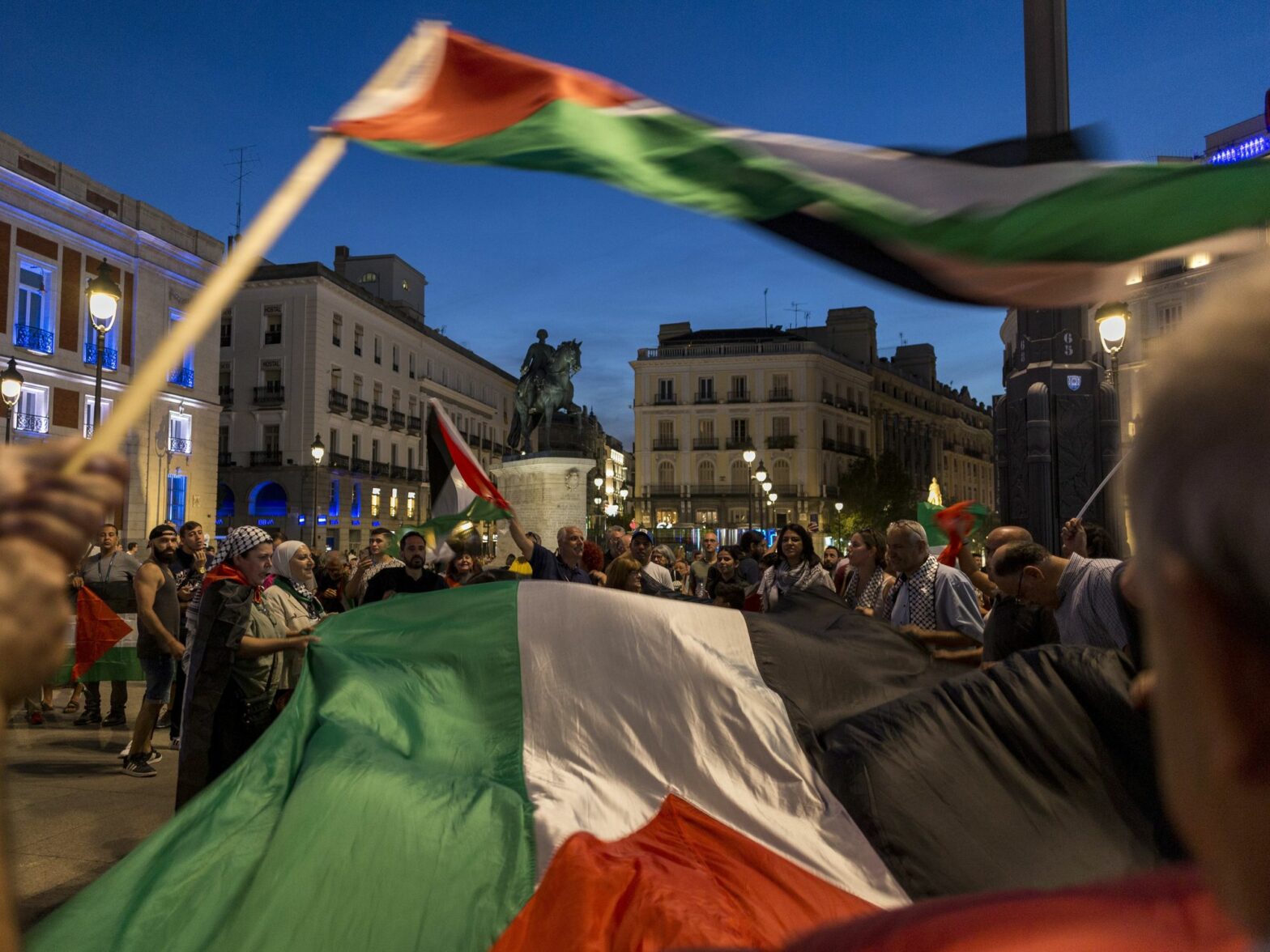
There will be a before and after to October 7, 2023, so unprecedented and traumatic have the events of the last 48 hours been for Israel, followed by massive retaliation. We can already draw several lessons from this.
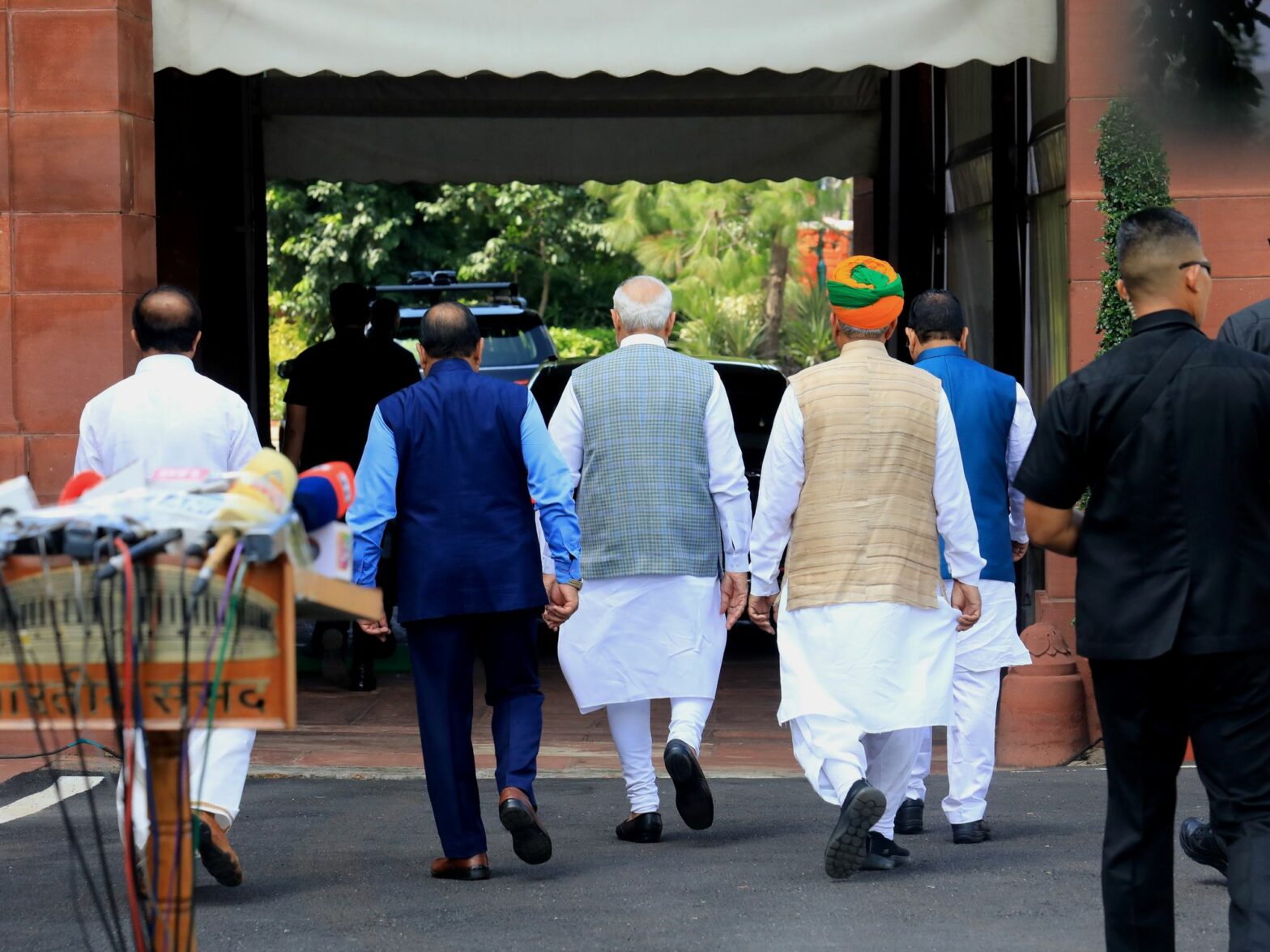
The diplomatic showdown between India and Canada continues to worsen, the latest sign of the rising power of former mid-level nations that increasingly are asserting themselves in the face of Western dominance.
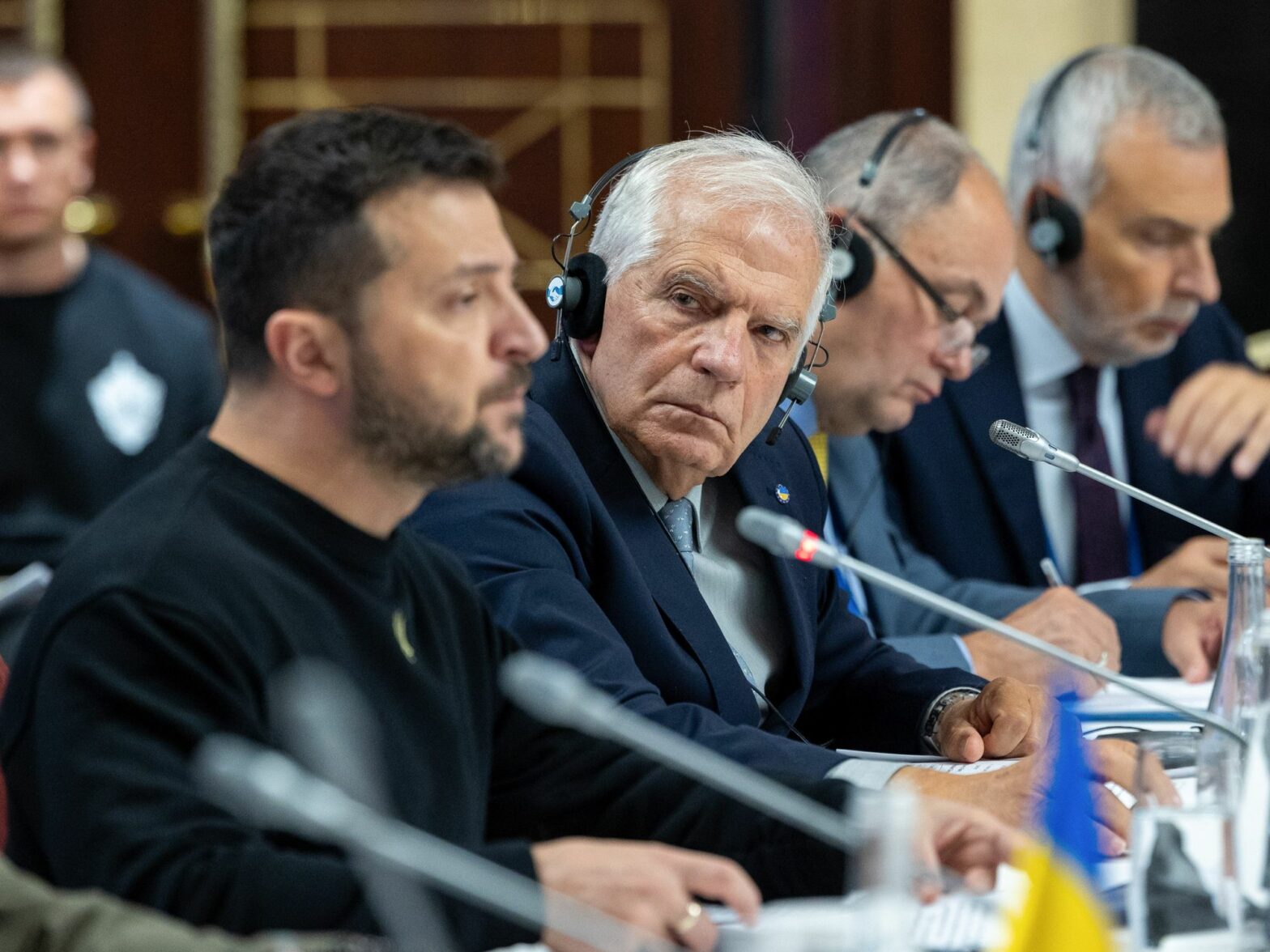
Europe’s foreign ministers traveled together to Kyiv yesterday to reaffirm their support for Ukraine. It is necessary after the first signs of “fatigue” in Western support, from a Polish about-face to the victory of a pro-Russian prime minister in Slovakia.
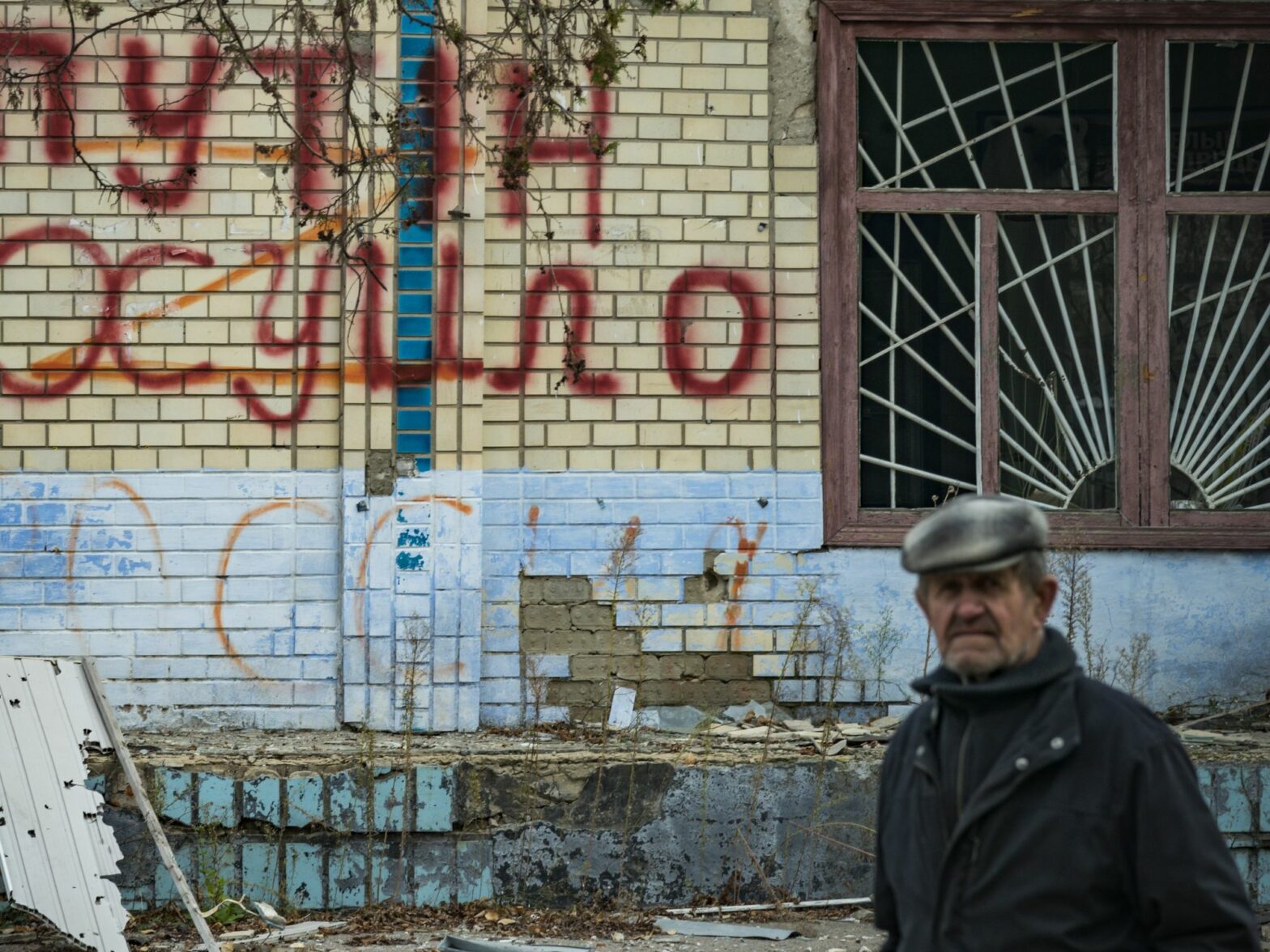
With multilateral diplomacy in tatters, the fighting gumption of weaker states against aggression by bigger powers is helping end the age of empires.
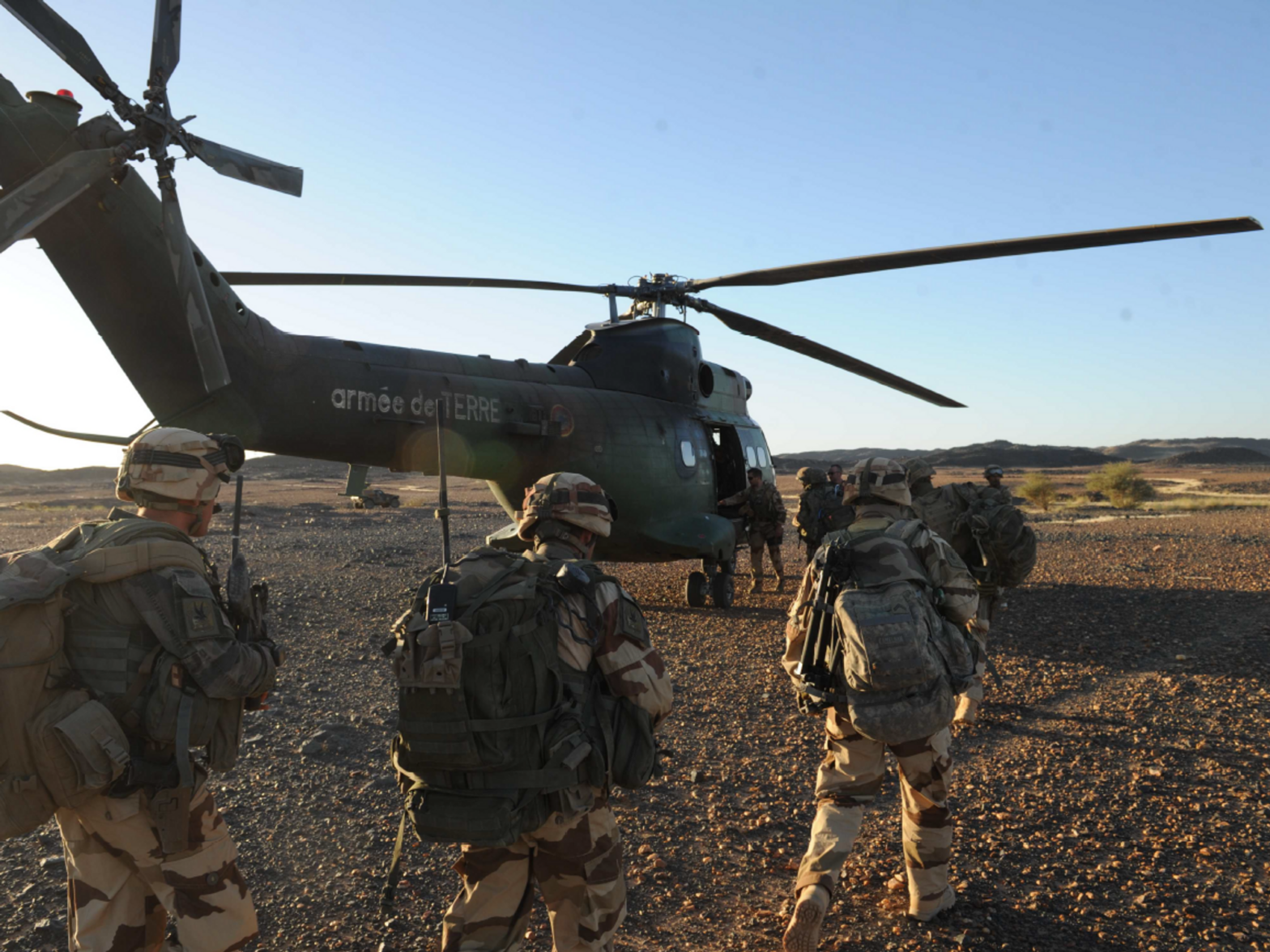
Emmanuel Macron announced on Sunday evening the recall of the French ambassador to Niger, and the departure of the 1,500 French soldiers stationed there: the end of a dangerous impasse. France is being forced to wholly review its African policy.
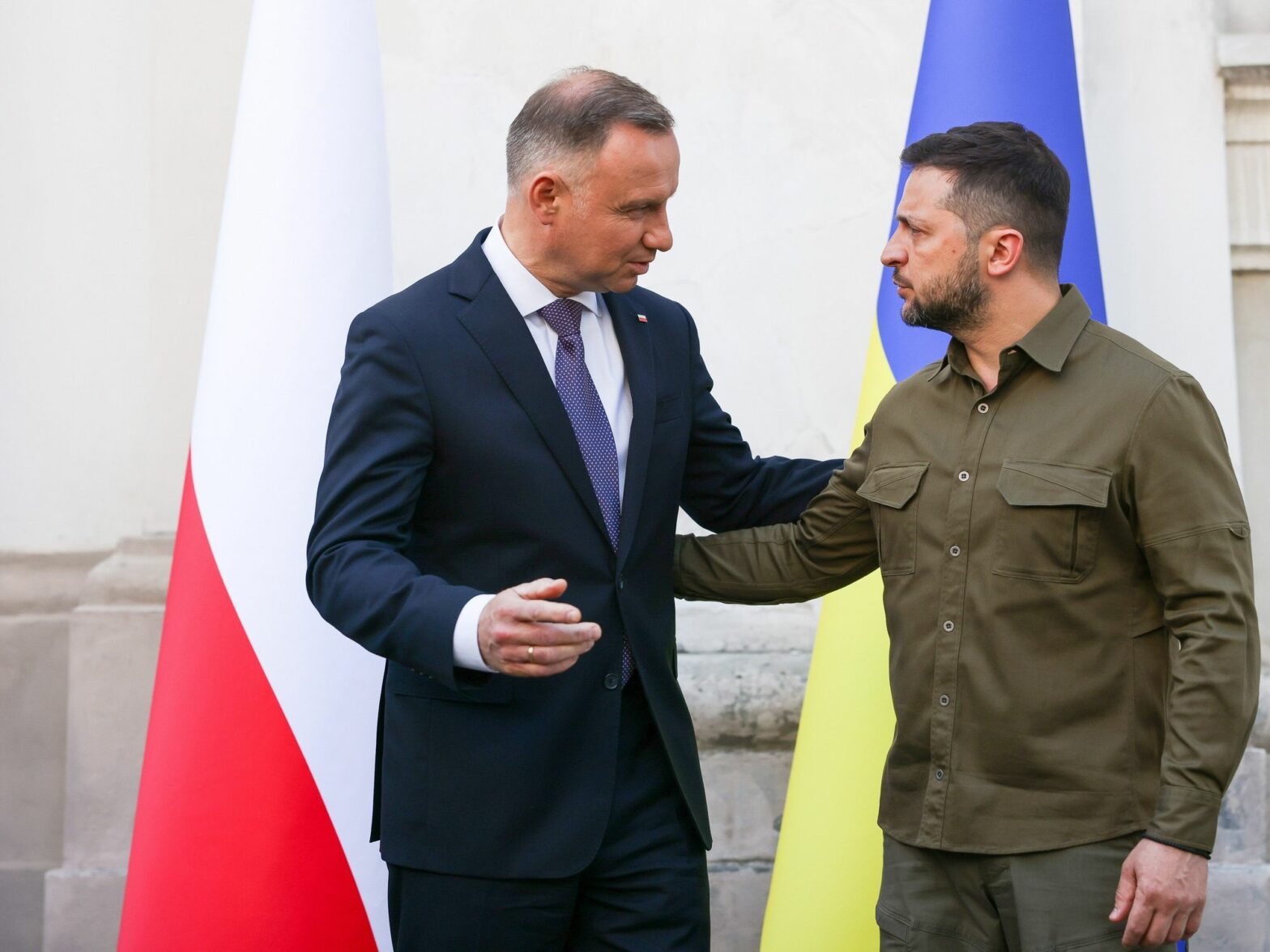
Poland has taken President Zelensky’s criticism at the UN very badly, and has decided to not supply new arms to Ukraine. One man in the Kremlin couldn’t be more pleased.
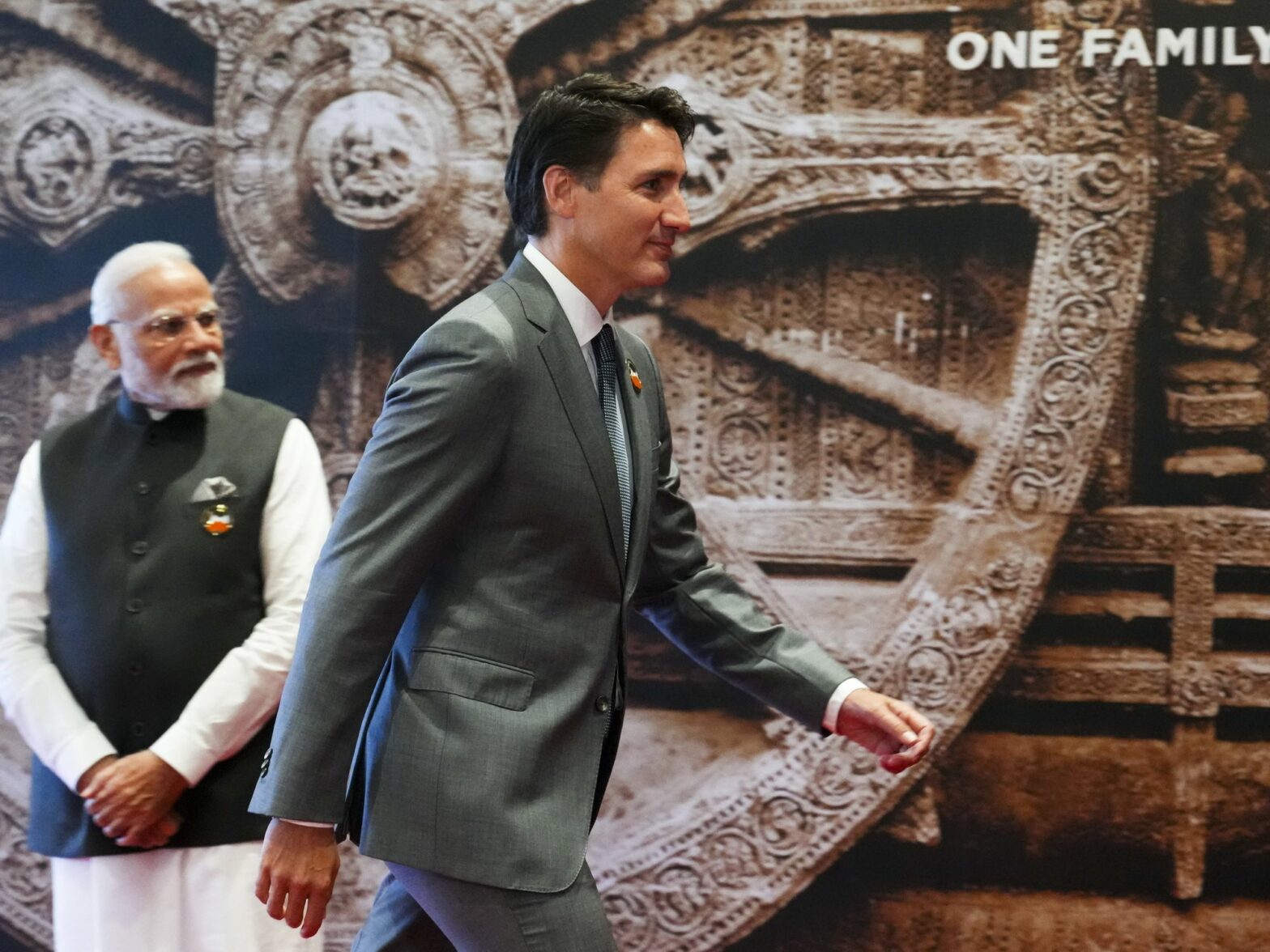
Western governments will not be oblivious to the growing right-wing activism among the diaspora and the efforts of the BJP and Narendra Modi’s government to harness that energy for political support and stave off criticism of India.
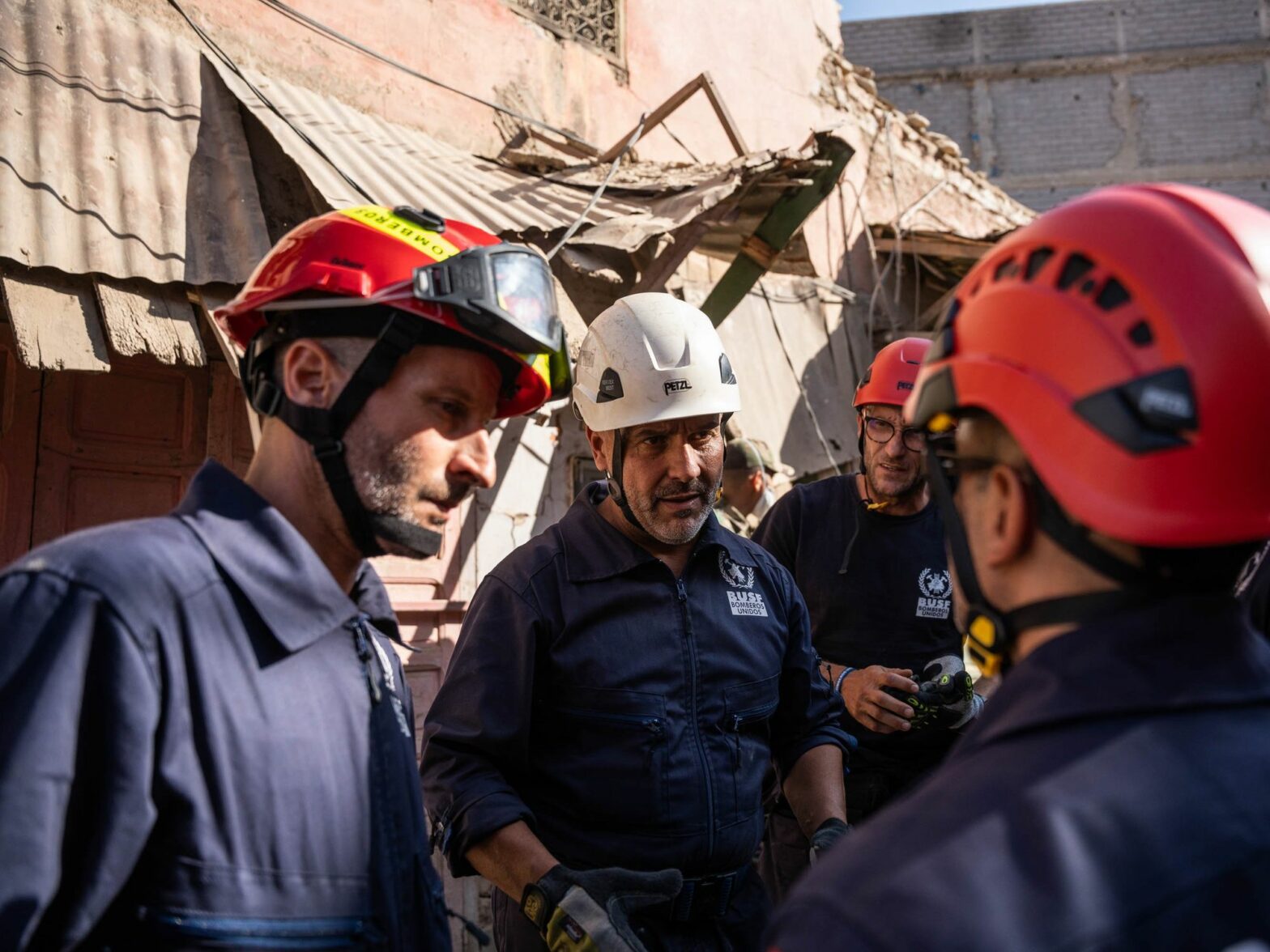
The practice of sending humanitarian aid to foreign countries has always been political, but Morocco’s decision to refuse offers of search-and-rescue teams raises questions about national sovereignty and politics in times of crisis.
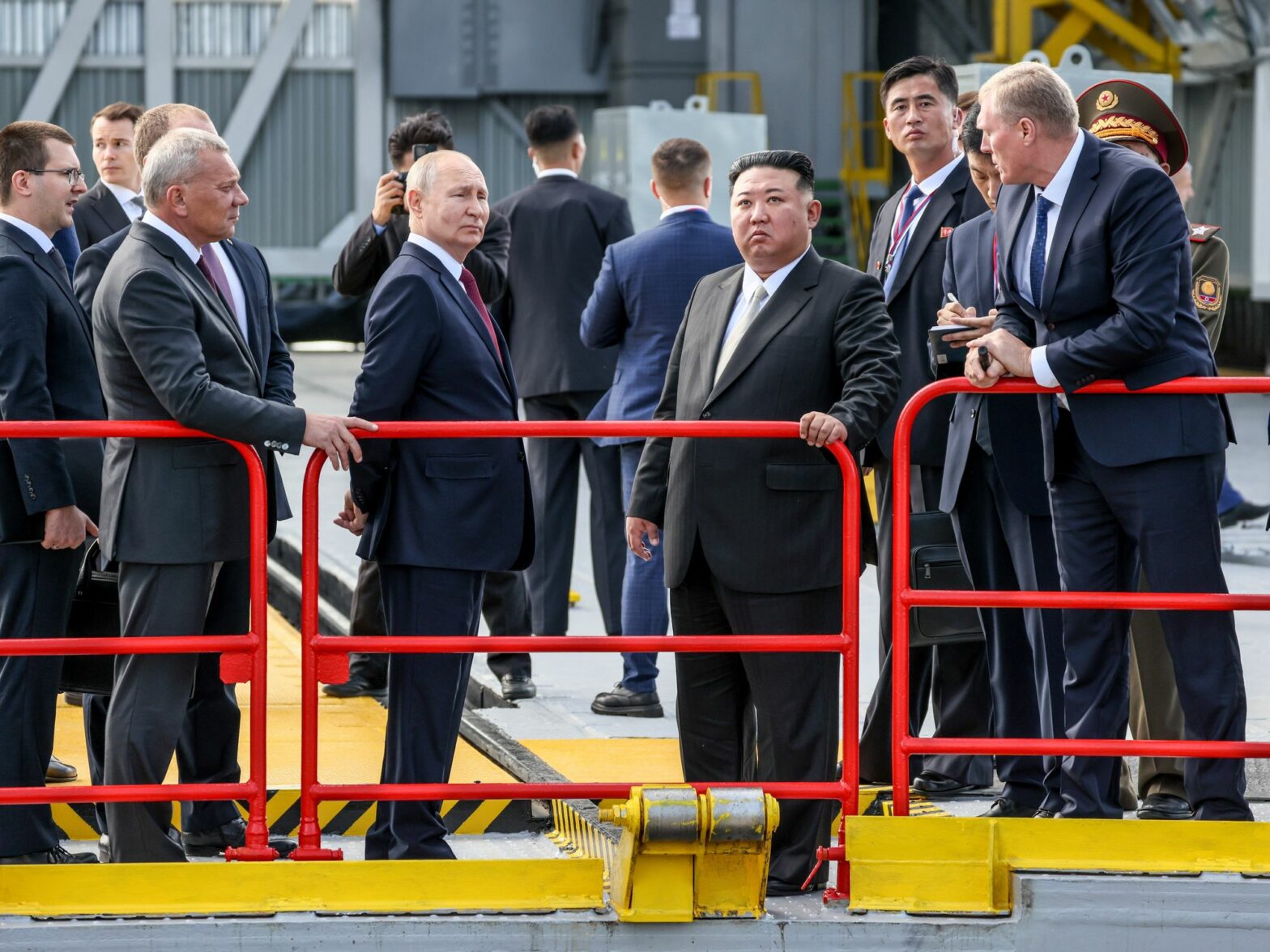
North Korea lends its full support to Russia’s war in Ukraine, and will supply ammunition to Moscow, which in return will help Kim Jong-un with his space ambitions. With the whiff of a Cold War alliance, it shows how two regimes that have become so isolated they multiply the risks for the rest of the world.
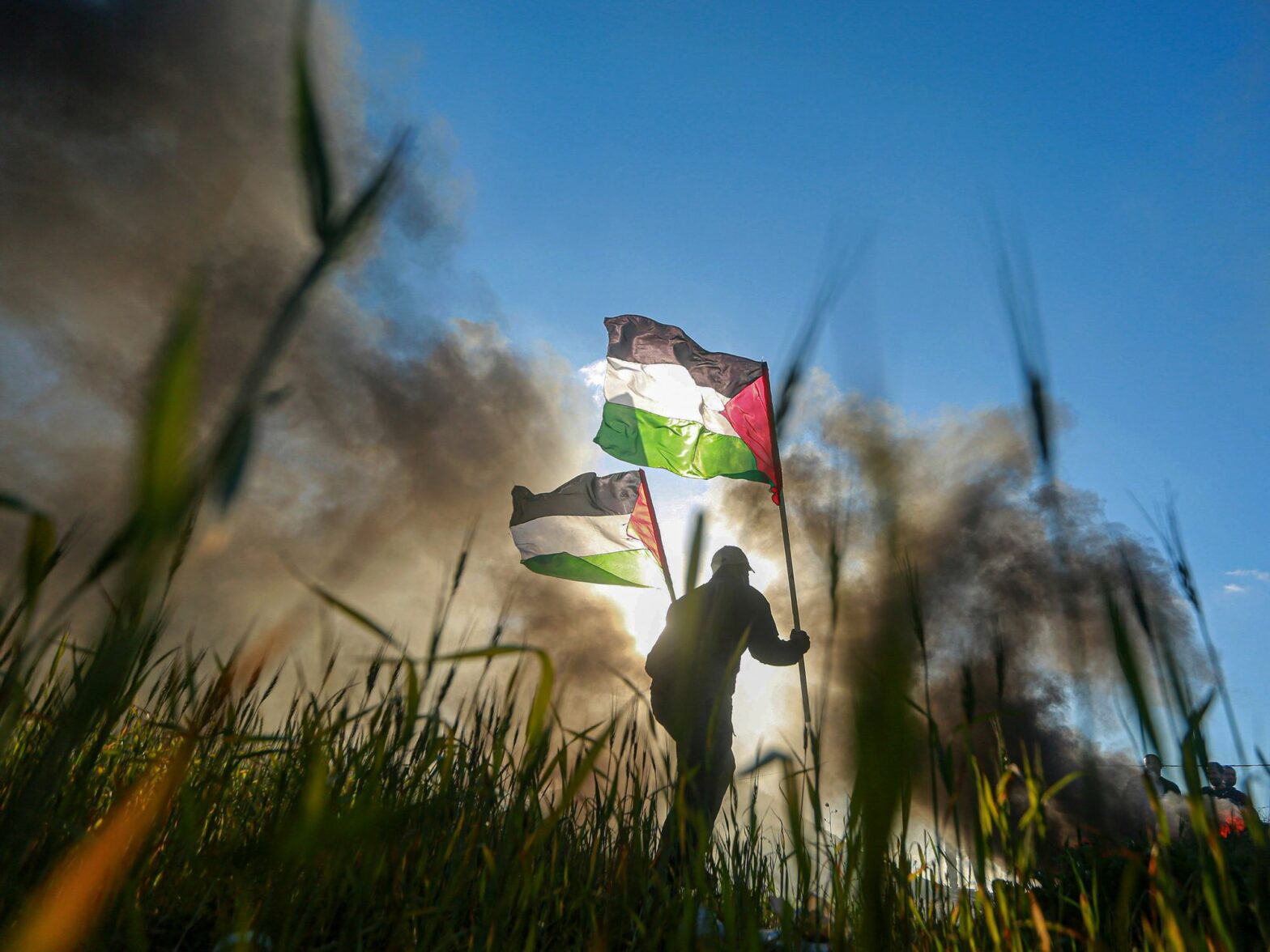
The signing of the Oslo Accords 30 years ago was followed by a failure that set back the very idea of peace between Israelis and Palestinians. A look back at this historic episode and the lessons we can learn from it today.
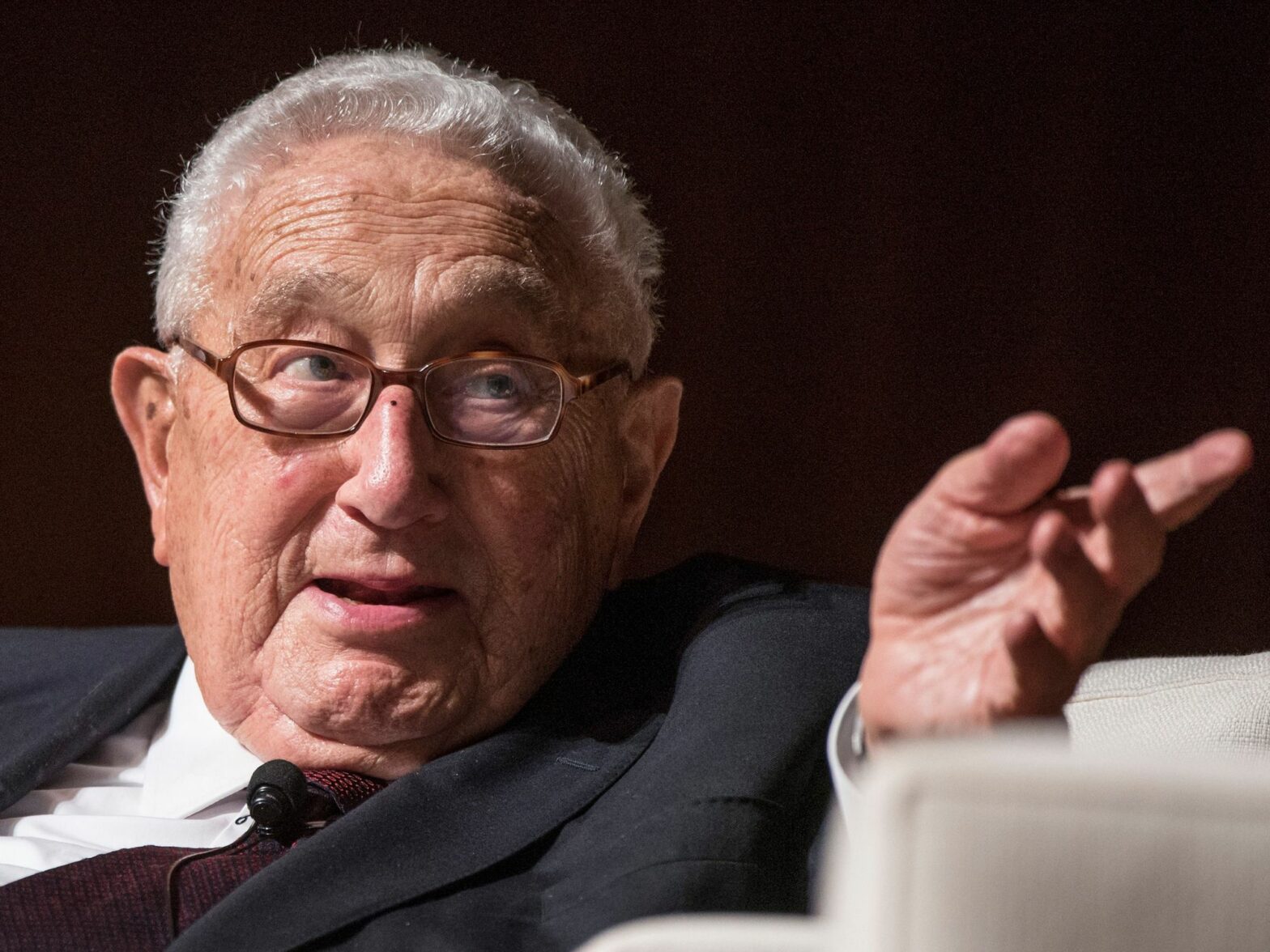
The cold arrogance of Henry Kissinger extends from Santiago de Chile half a century ago, where he helped orchestrate the violent overthrow of the leftist President Salvador Allende to his view today on Russia’s would-be “sphere of influence.”
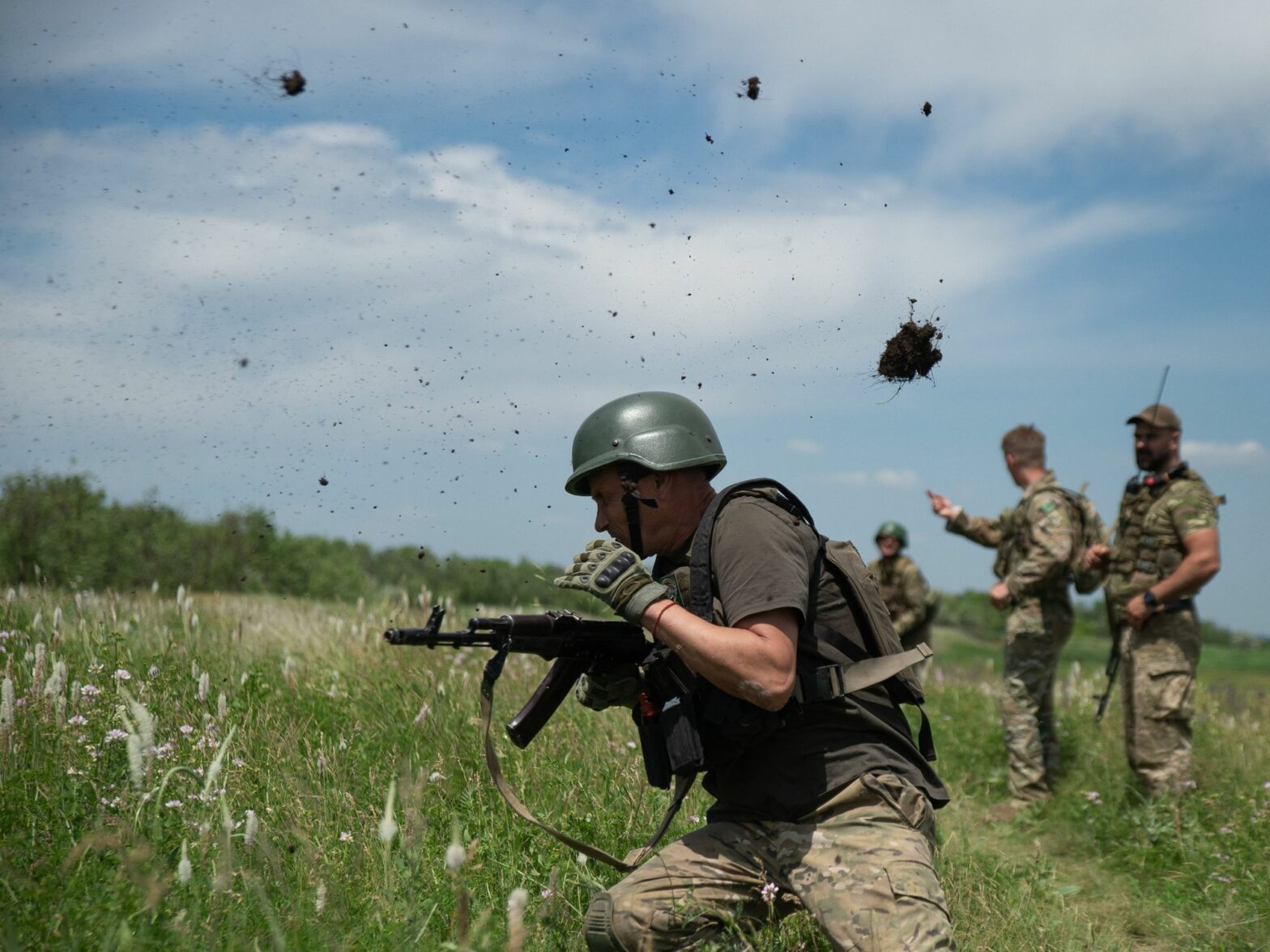
The war in Ukraine continues, and the death toll shows no signs of slowing down. This is prompting some to call for a rush to the negotiating table. This would mean strengthening Russia and, worst of all, abandoning Ukraine and our values.
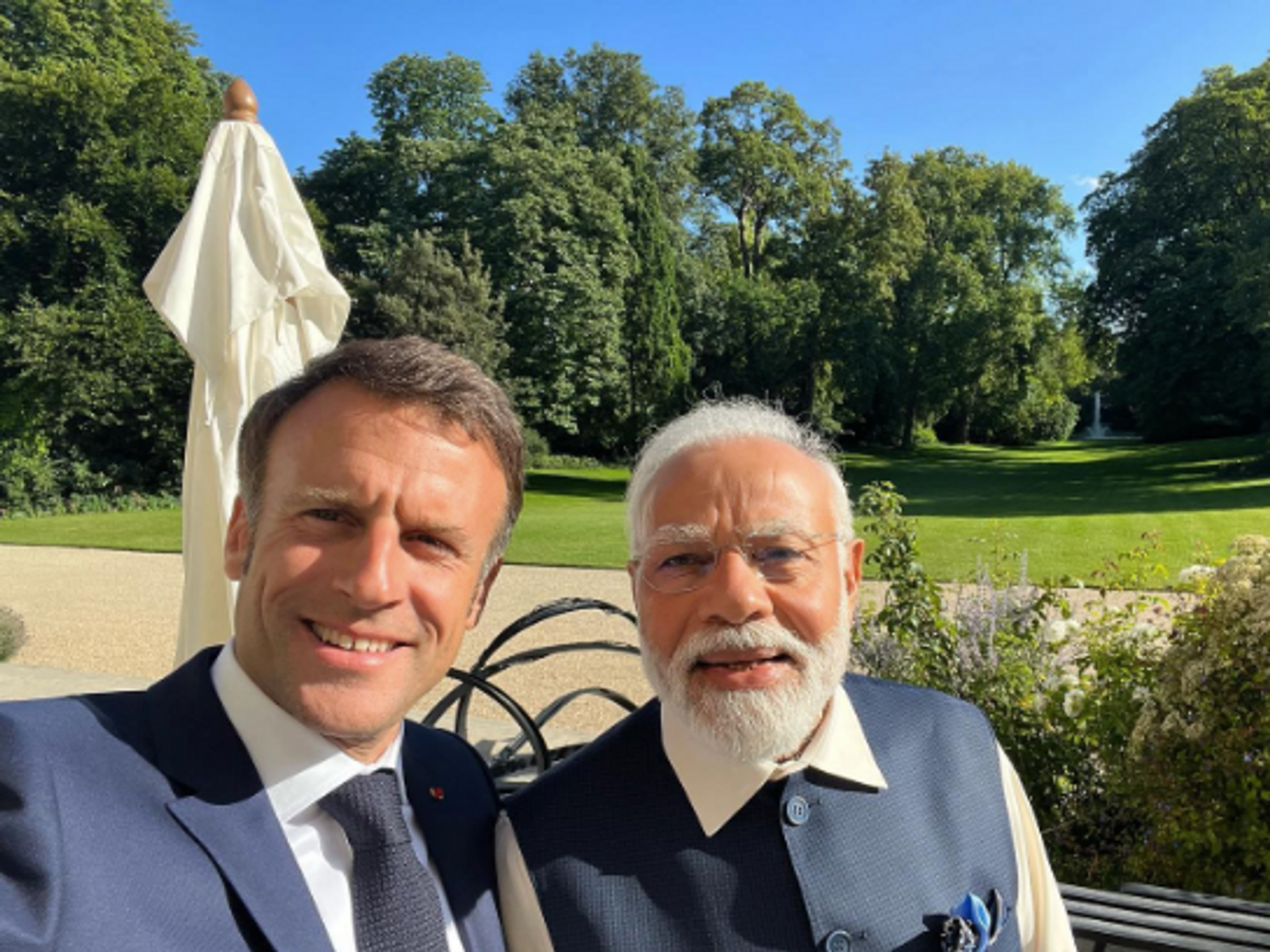
Indian Prime Minister Narendra Modi was received warmly in the U.S. and in France — visits which must have provoked some jealousy in Turkey, where President Recep Tayyip Erdogan, who faces many of the same anti-democratic criticisms as Modi, can’t expect the same kind of red-carpet welcome in Washington.
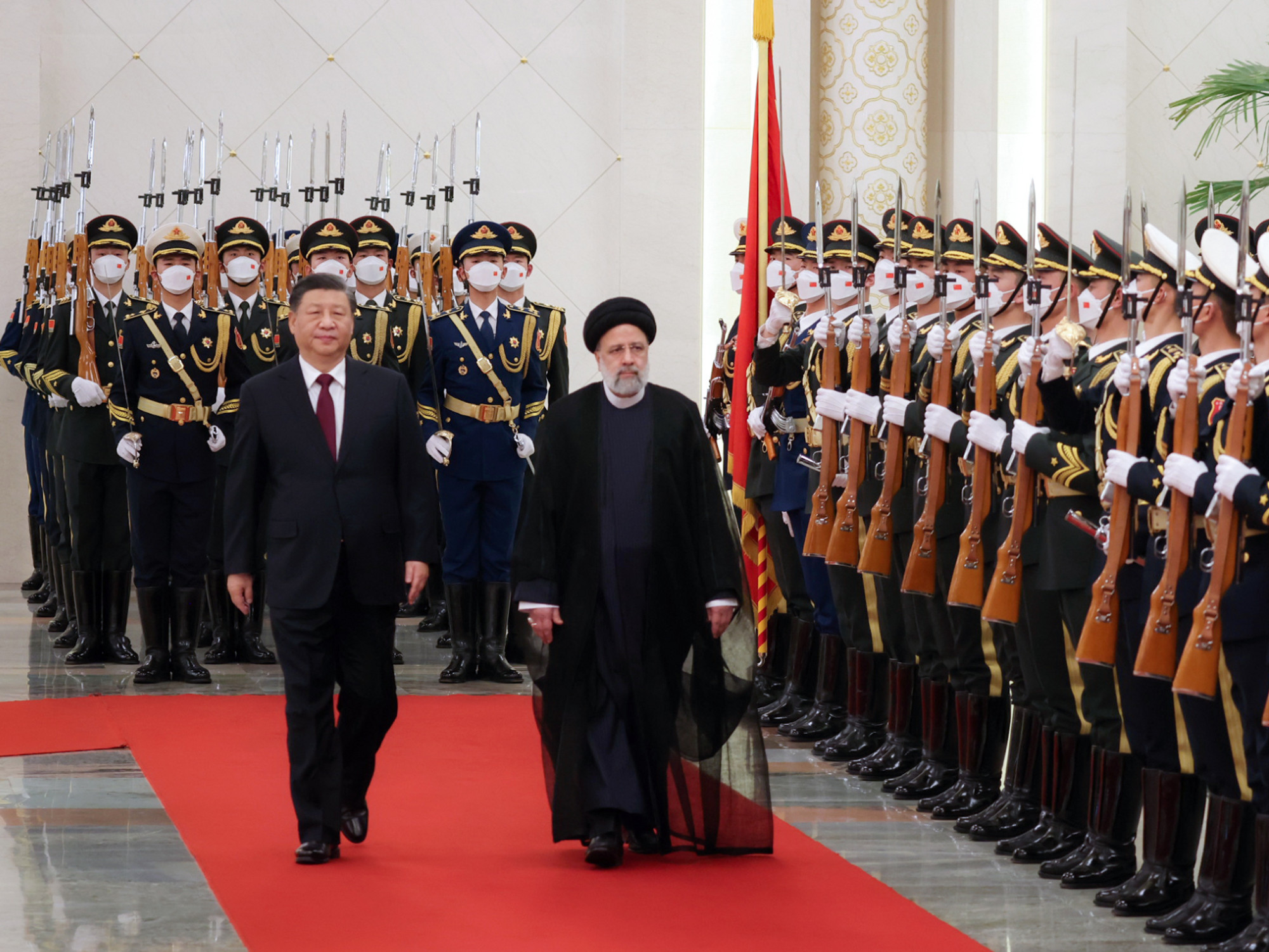
Iran can expect few real economic benefits from joining the China-dominated SCO, but its leaders hope China and Russia will help the regime tighten its grip at home.
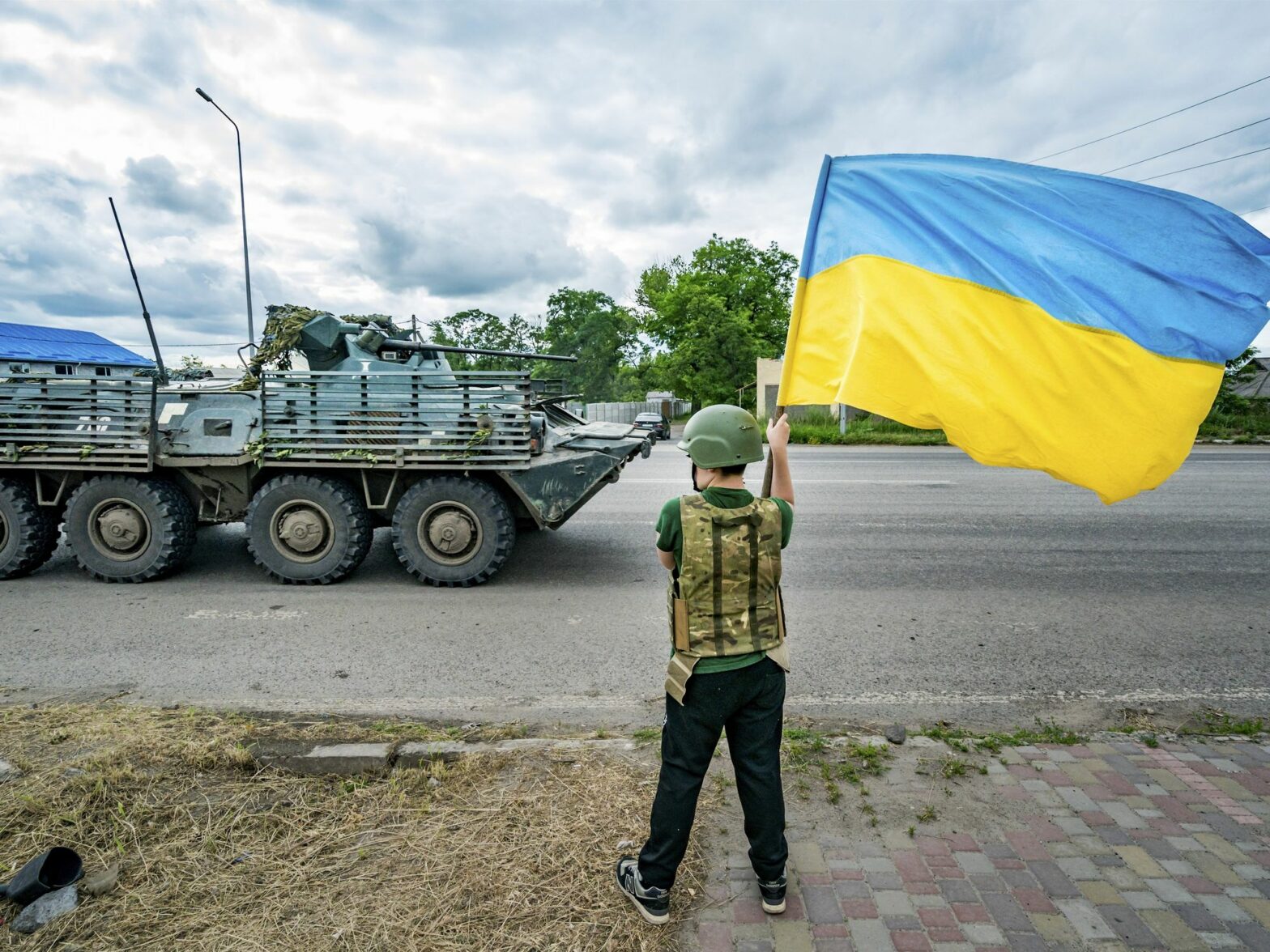
While the Ukrainian counteroffensive is mainly happening on the Southern and Eastern fronts, the struggle for Ukraine’s future is also being waged on the “Western front,” where more aid is desperately needed. Here, Kyiv needs to convince even the most resistant allies that a Ukrainian defeat would leave the European Union and the U.S. much weaker on the global stage.
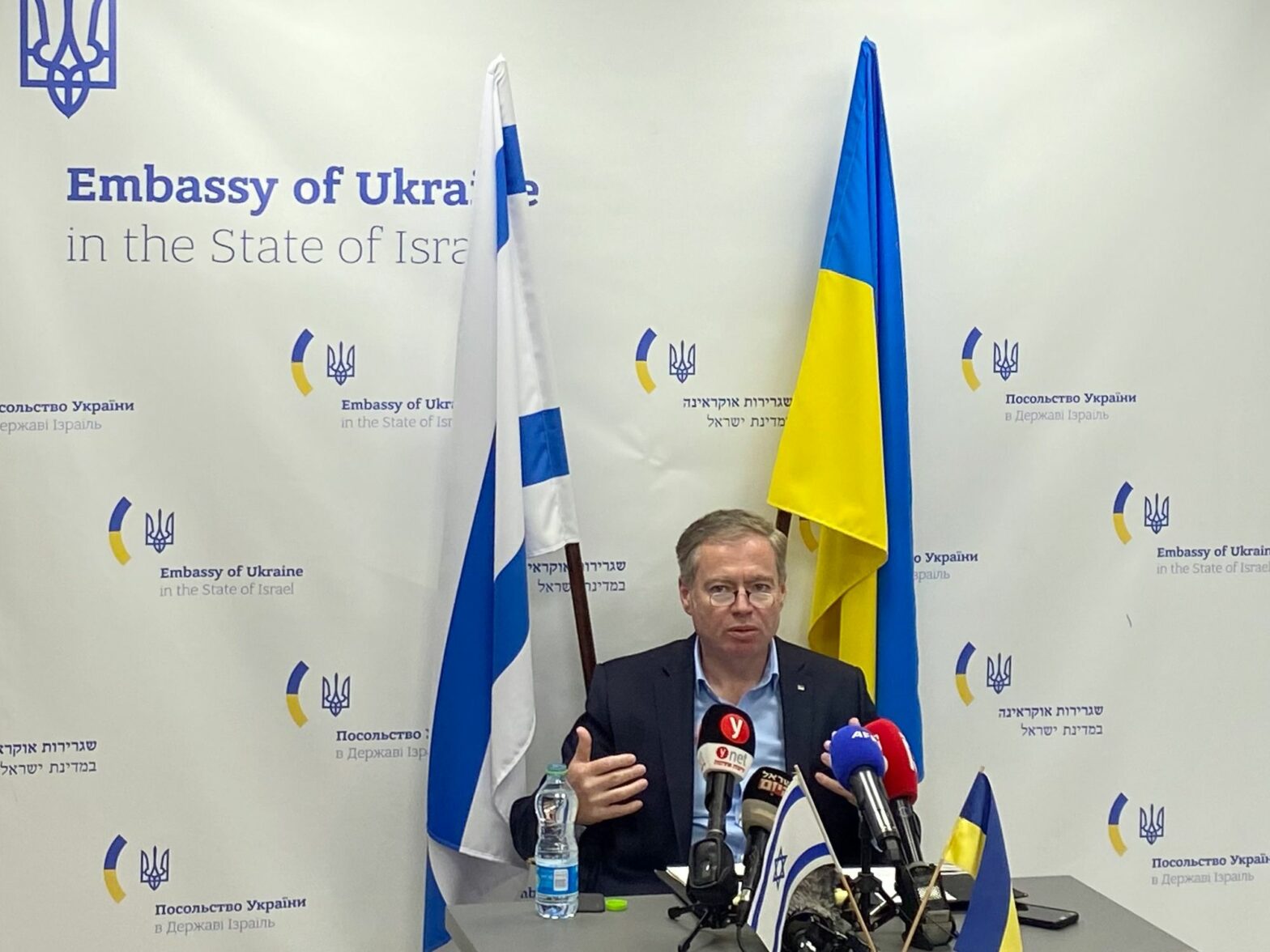
The Ukrainian Embassy in Israel says the current Israeli government is inching closer to Russia, while doing nothing to help Ukraine. A look at what may be driving the shift.
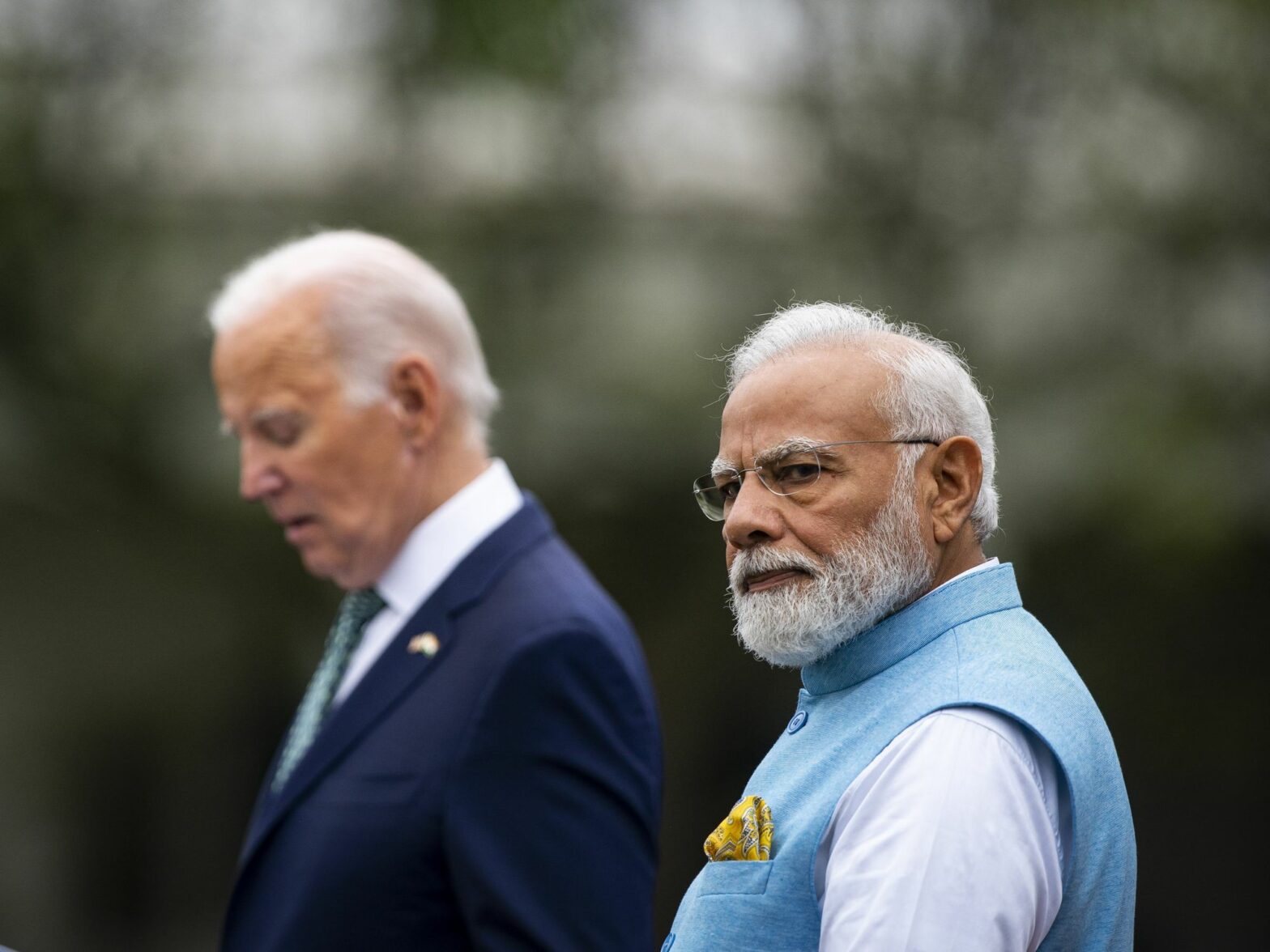
Indian Prime Minister Narendra Modi’s triumph during his state visit to the U.S. is part of a well-honed strategy of realpolitik and geo-economic opportunism. How the West responds says a lot about where the world is heading.
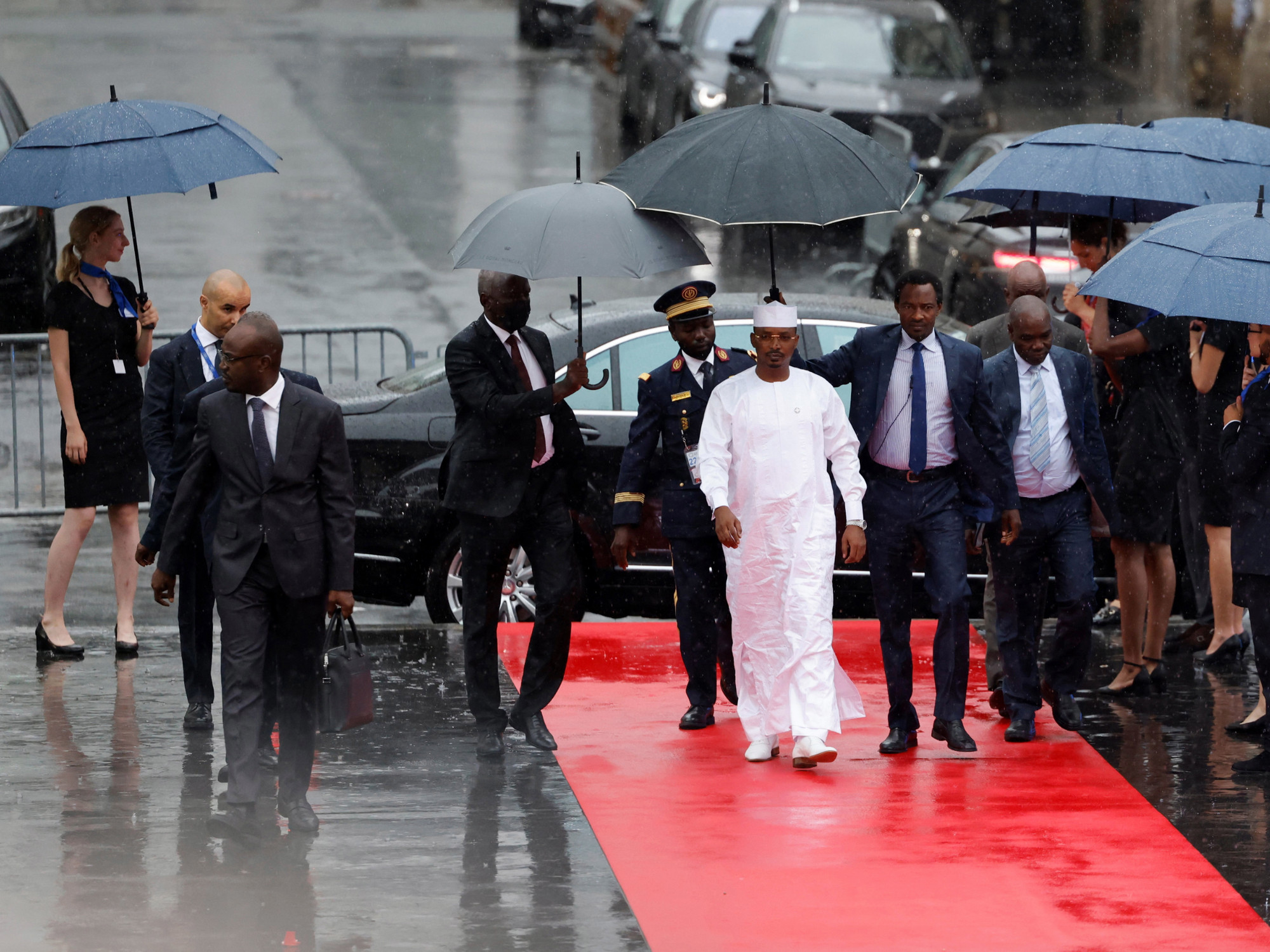
French President Emmanuel Macron has called a unique summit that aims to reset relations between Western countries and the Global South. But the message from China and Russia will be not to trust such diplomatic maneuverings.
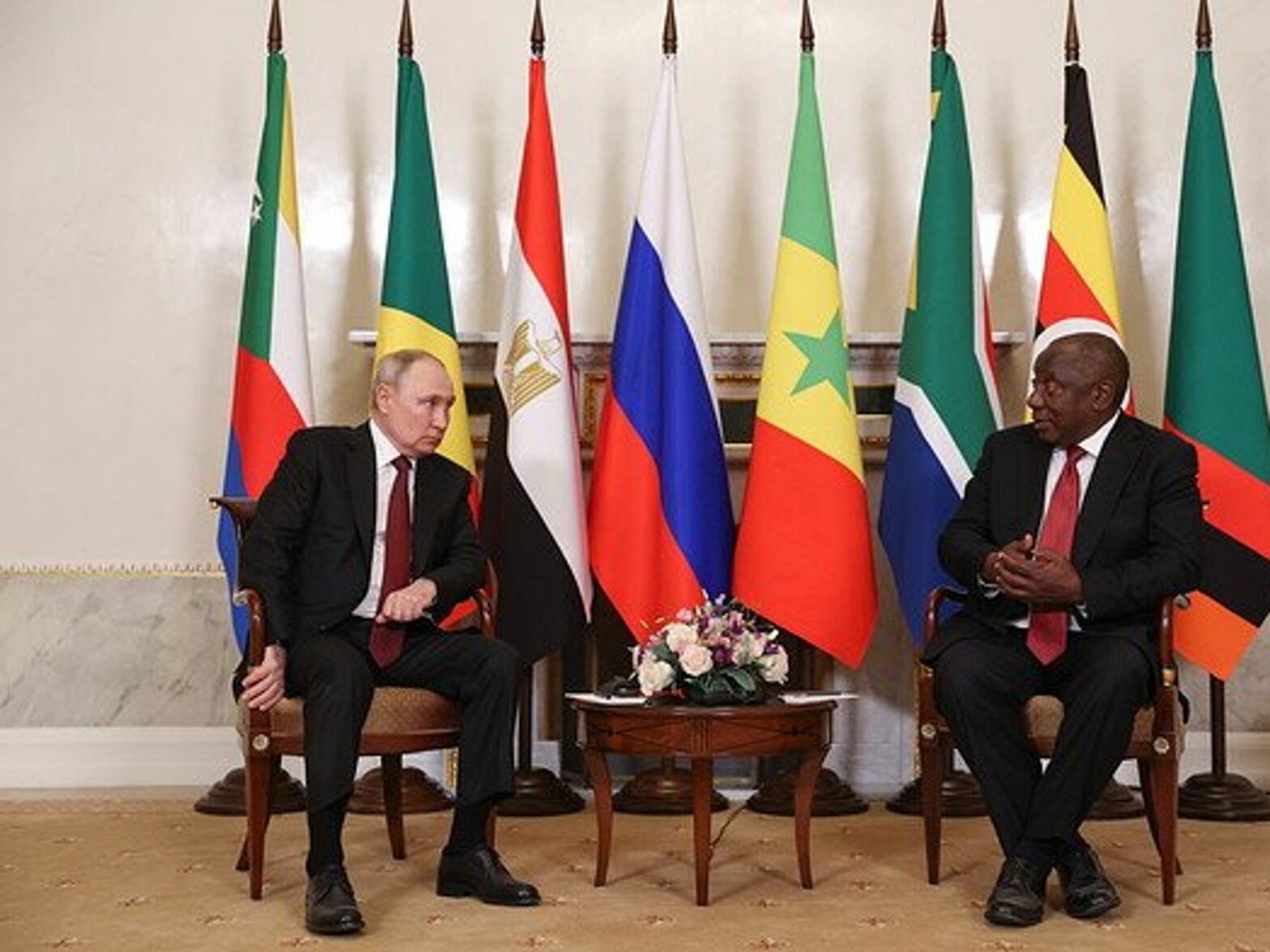
African leaders traveled to both Kyiv and Moscow to discuss a potential “peace plan” for the war in Ukraine. Predictably the envoys failed, and others will likely meet the same fate as Ukraine’s counteroffensive kicks into gear and Putin keeps digging in.
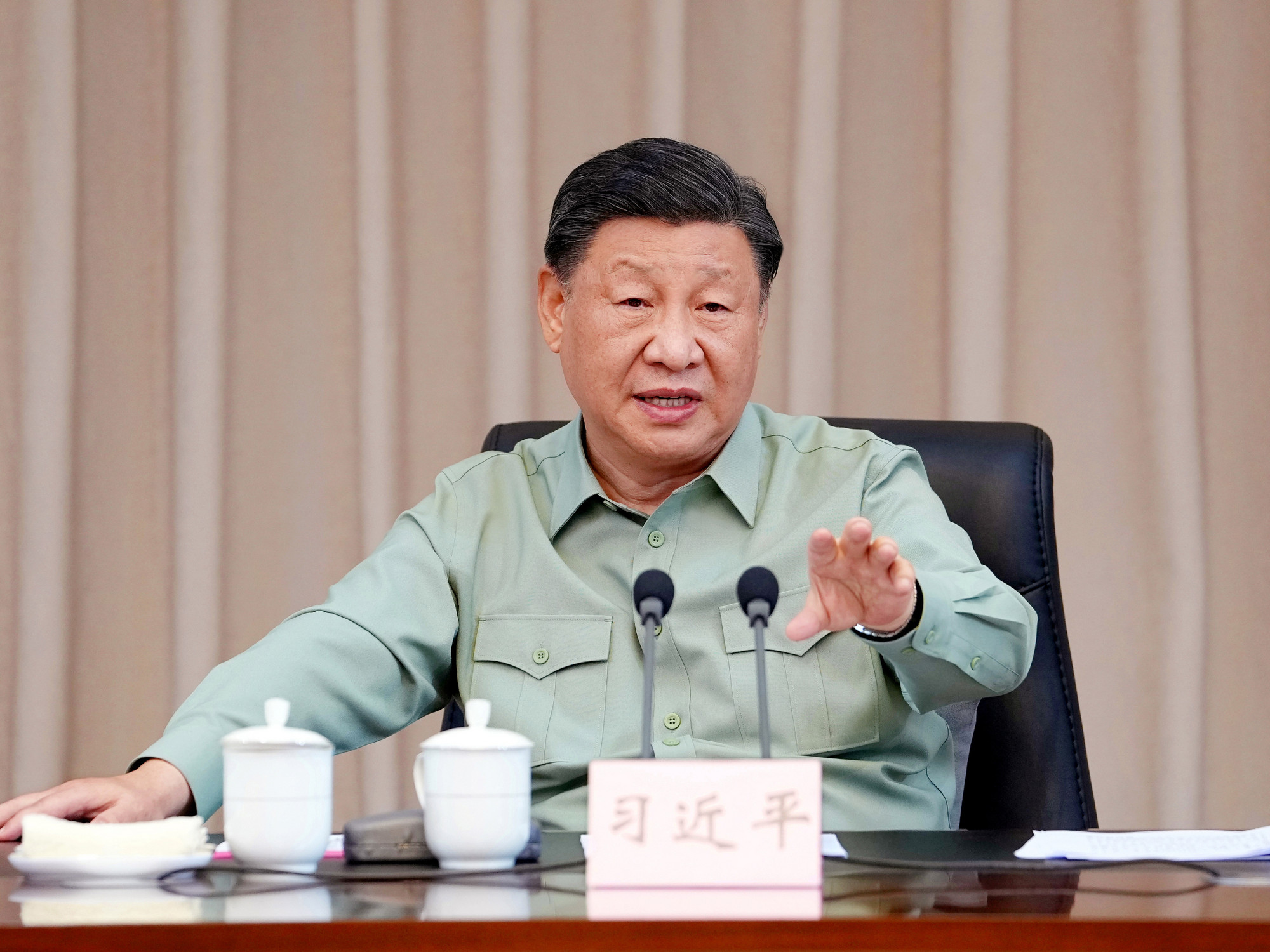
The U.S. Secretary of State is visiting Beijing — but even if it’s a sign of de-escalation, tensions remain high between the two sides, and it’s clear the détente has yet to arrive.
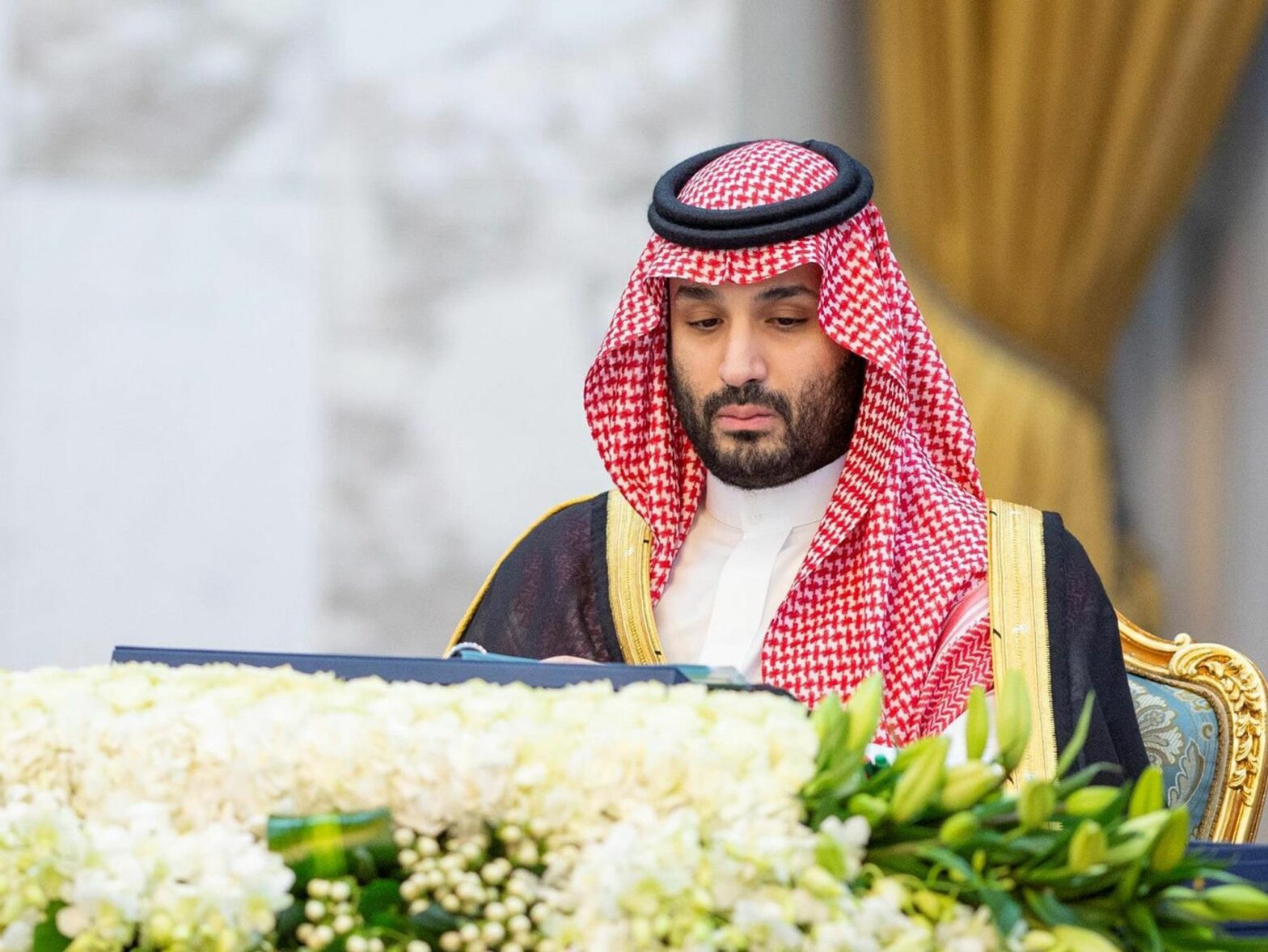
The Saudi Crown Prince Mohammed Bin Salman is getting a warm reception after arriving in France for an extended stay. He has attempted to modernize his country’s image, but can the West turn a blind eye to deep moral problems in his leadership.
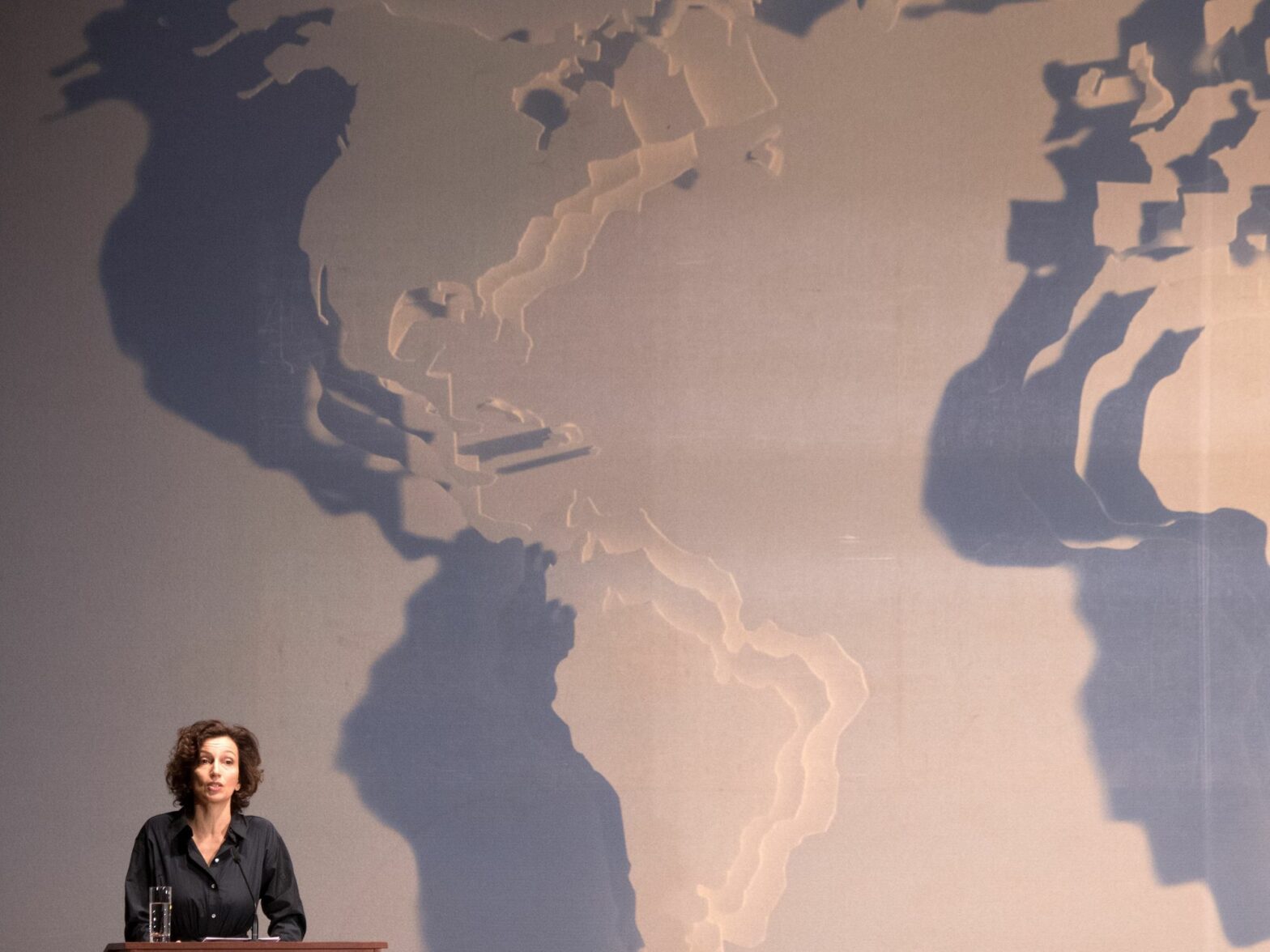
The U.S. is set to rejoin UNESCO, after Donald Trump pulled the country out in 2017, accusing it of being biased against Israel. The reasons for the return include artificial intelligence and pure geopolitics.
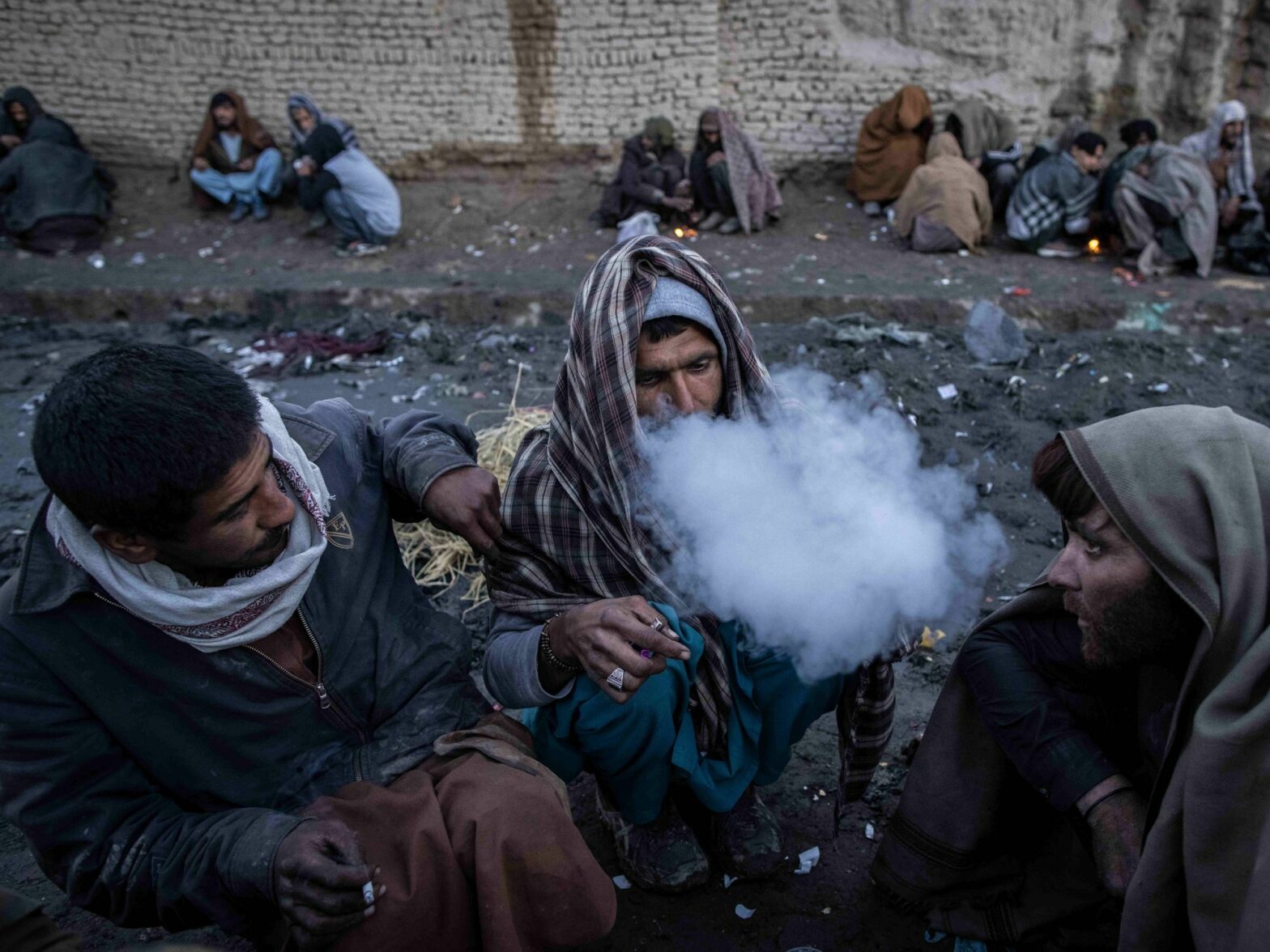
Iran is reacting mildly to recurring Taliban provocations on its frontier. Is this due to diplomatic weakness, policy incompetence or is there some murky complicity inside Iran with the Afghan drug trade?
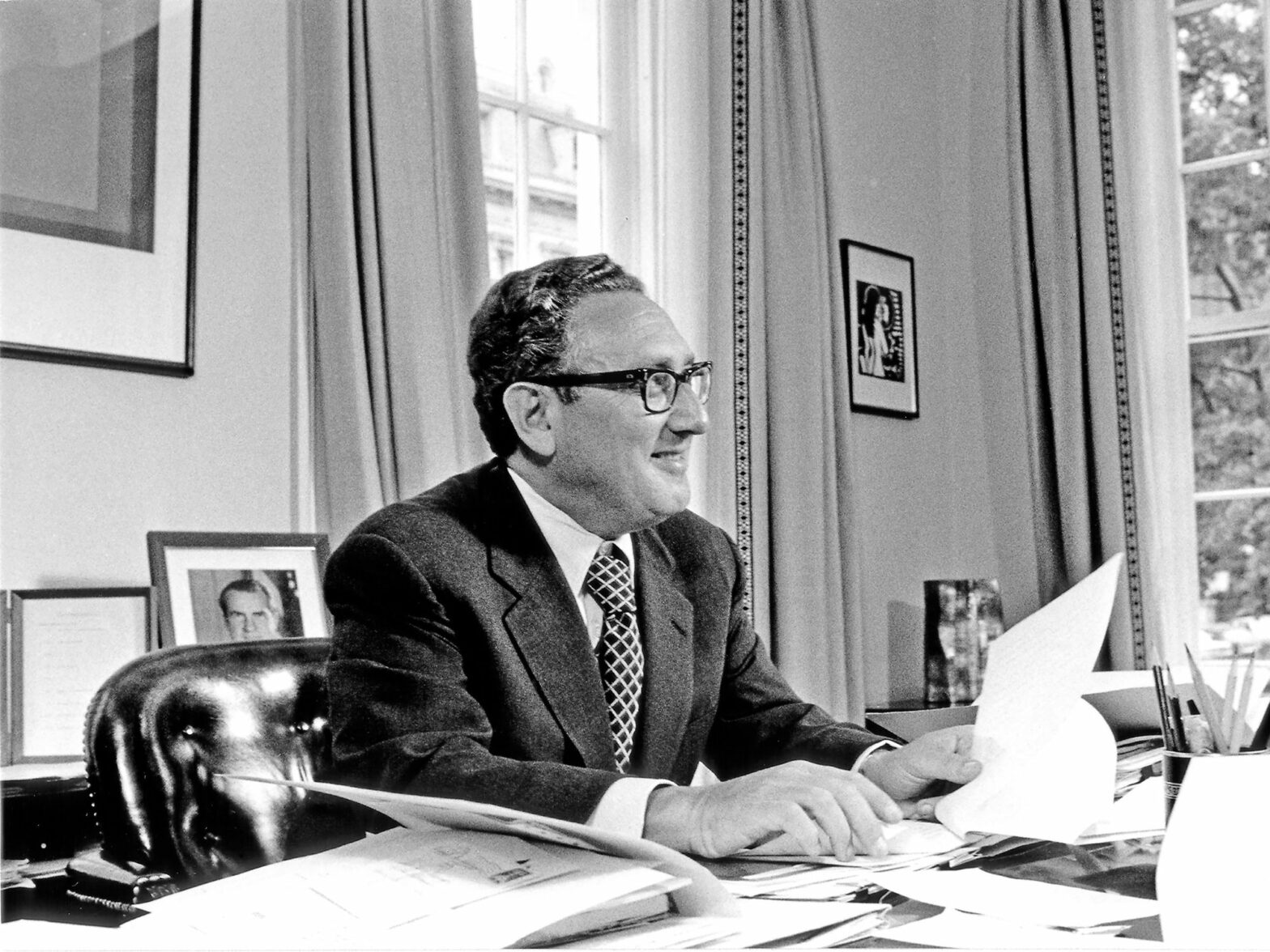
A diplomatic genius for some, a war criminal for others, Henry Kissinger has just turned 100. An opportunity for Dominique Moïsi, who has known him well, to reflect on the German-born U.S. diplomat’s roots and driving raison d’être.

Tunis and Moscow have been increasingly close — at the cost of relations with the West, which had once looked to Tunisia as a model of democracy. The two countries are brought together by Kremlin’s efforts to woo African countries, but also a natural alliance of its strongman Presidents Putin and Saïed.
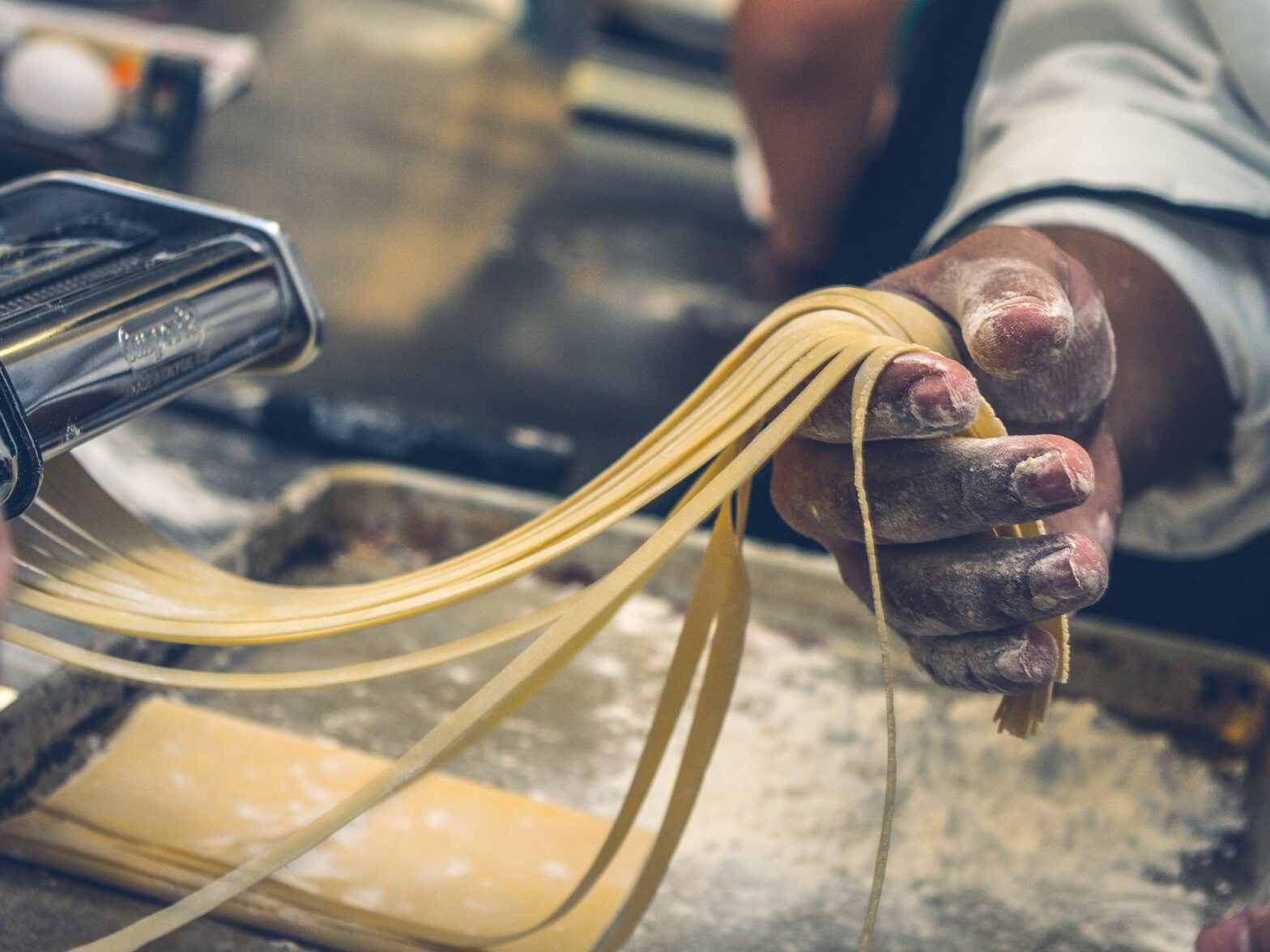
Rome has been strongly opposed to synthetic foods, insect-based flours and health warnings on alcohol, and aggressive lobbying by Giorgia Meloni’s right-wing government against nutritional labeling has prompted accusations in Brussels of “gastronationalism.”
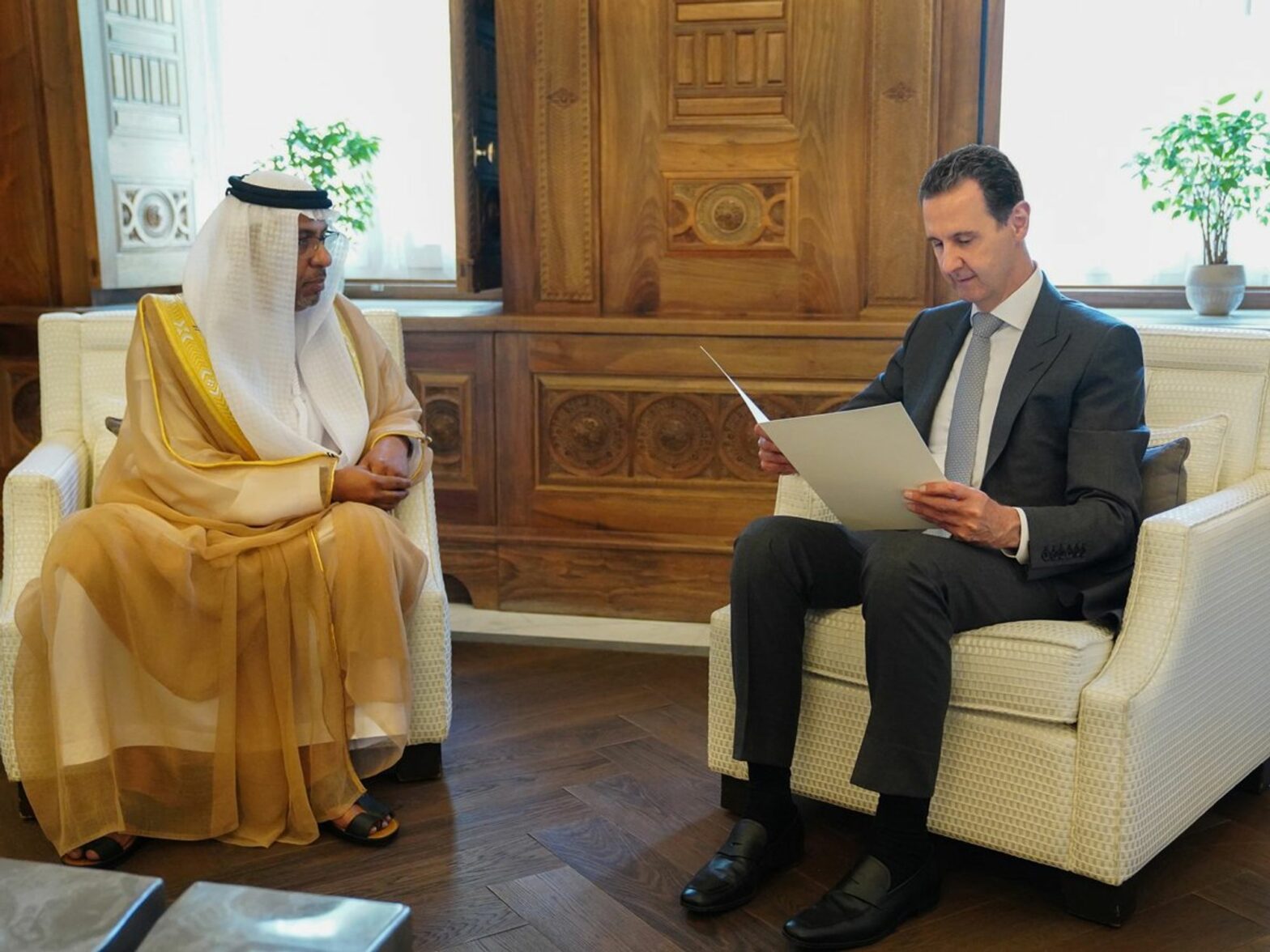
Despite the official “consensus” by Arab League nations to welcome Syria back to the organization after 12 years of suspension, several key countries were opposed on principal — including key questions still open in North Africa.
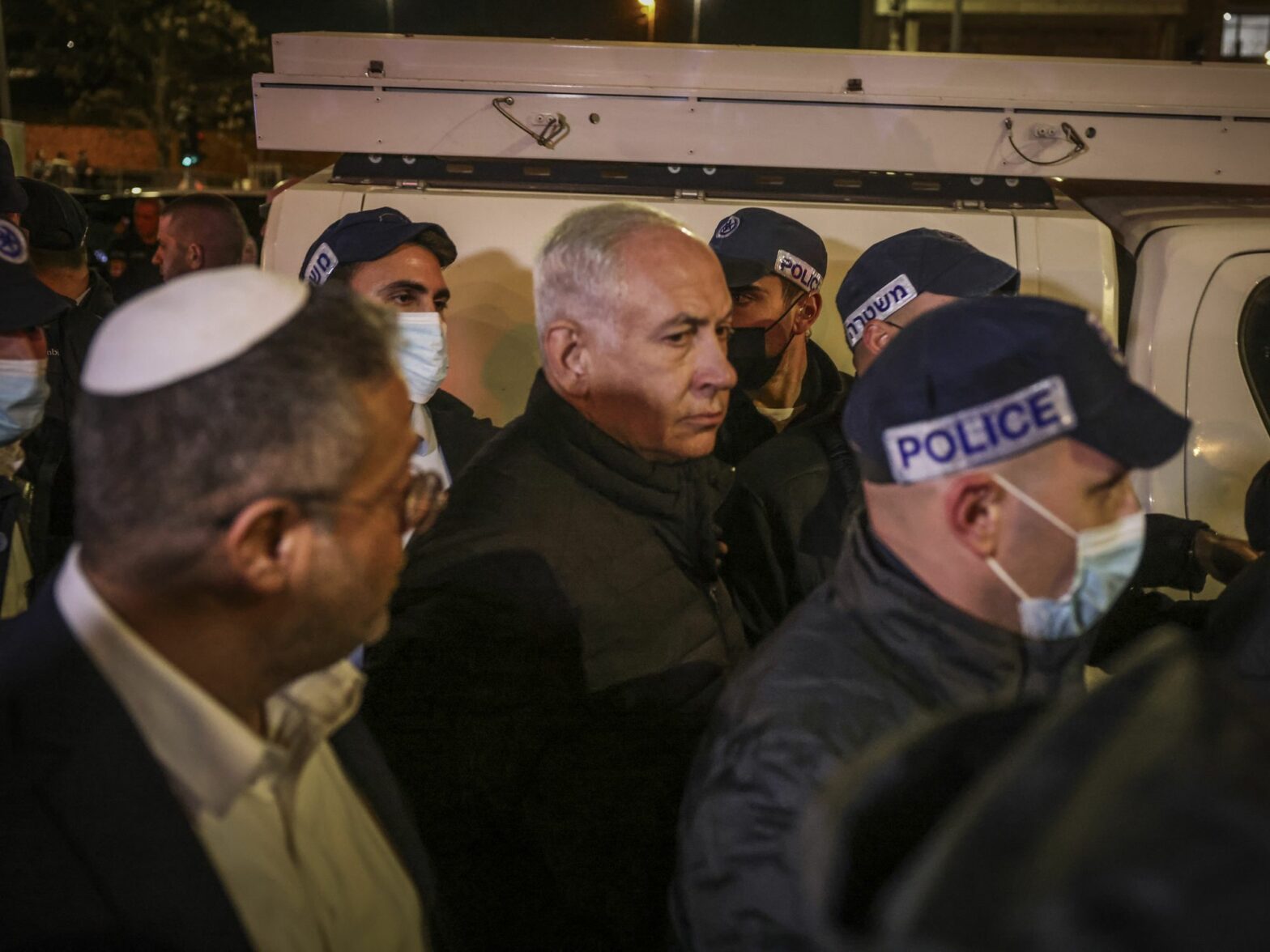
By challenging Israel’s constitutional system and launching a crackdown on the Occupied Territories, Benjamin Netanyahu is playing a high-stakes game opposed by half his country and the country’s allies. It can’t last much longer.