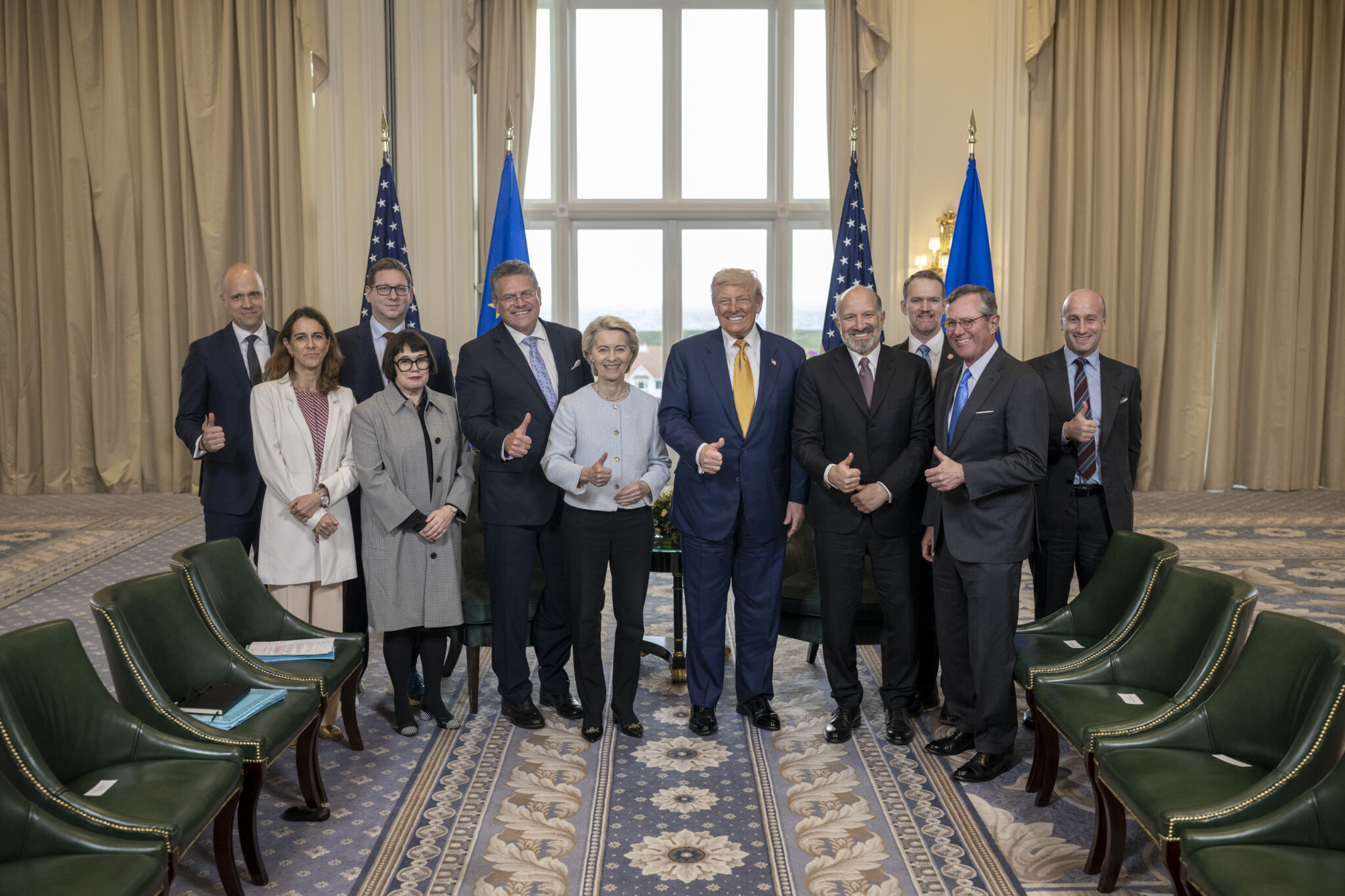
The ink had barely dried on EU-U.S. trade agreement when Trump issued an ultimatum to eliminate digital regulations. Europe is now backed into a corner, caught between trade and security.
 Worldcrunch
The ink had barely dried on EU-U.S. trade agreement when Trump issued an ultimatum to eliminate digital regulations. Europe is now backed into a corner, caught between trade and security.
The online world is now a second home to so many people, with the effect of streamlining and distorting the human activity of communication. This was to be expected in an age obsessed with unending productivity and swift results.
In an age of emotional scams and digital recklessness, older adults are increasingly vulnerable (and dangerous) online. A card-carrying member of the boomer generation is calling out himself and his peers.

As Europe debates how to play a bigger role in the digital sphere, the industry and some politicians blame strict regulations for stifling innovation. But a closer look reveals that smart rules may be Europe’s greatest strength — not its weakness — in the global tech race.
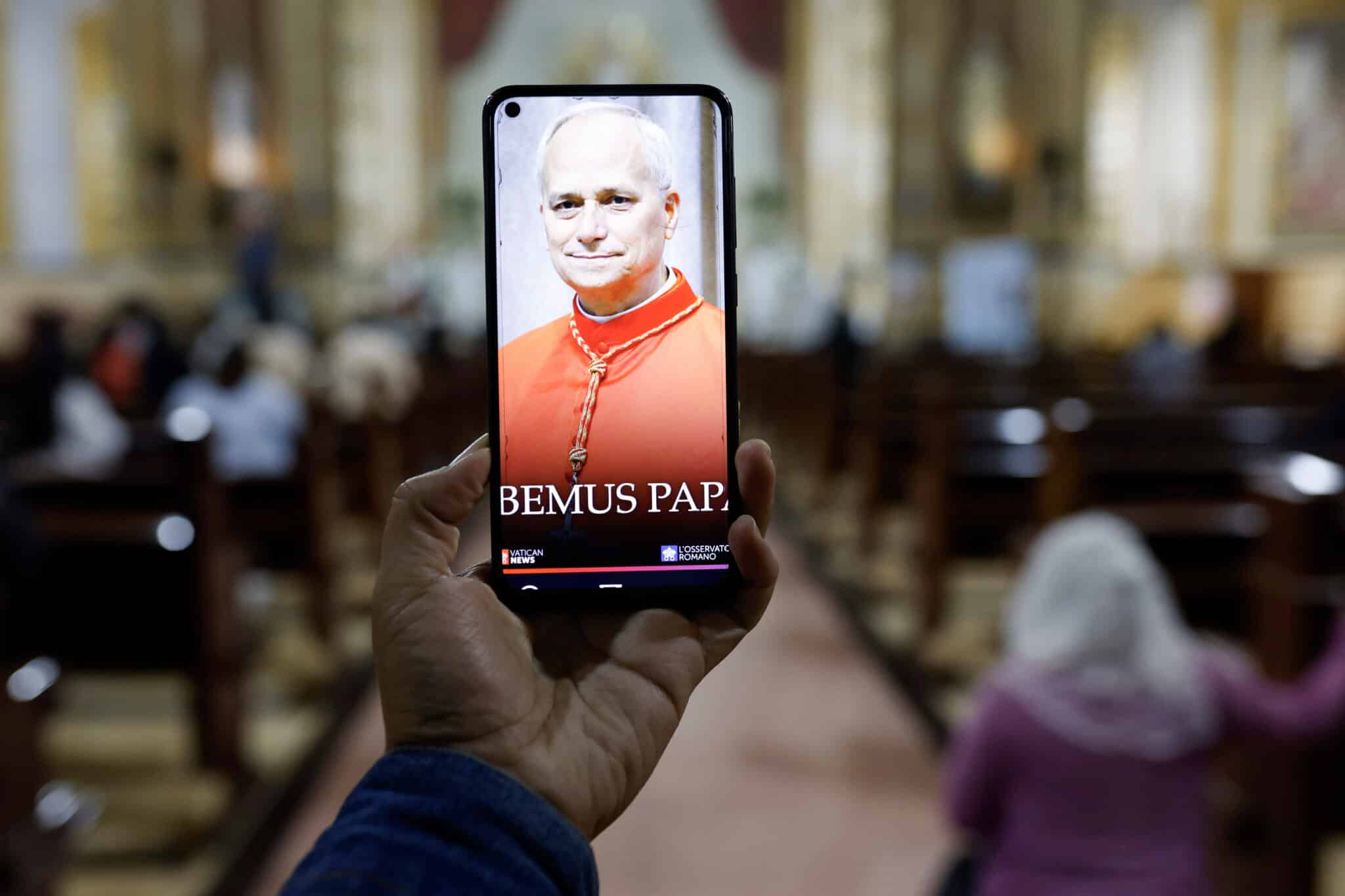
In the U.S., Catholics have been embracing technological innovations to transform the way their faith is practiced and shared. Even Pope Leo XIV has highlighted the importance of using modern communication tools such as social media.
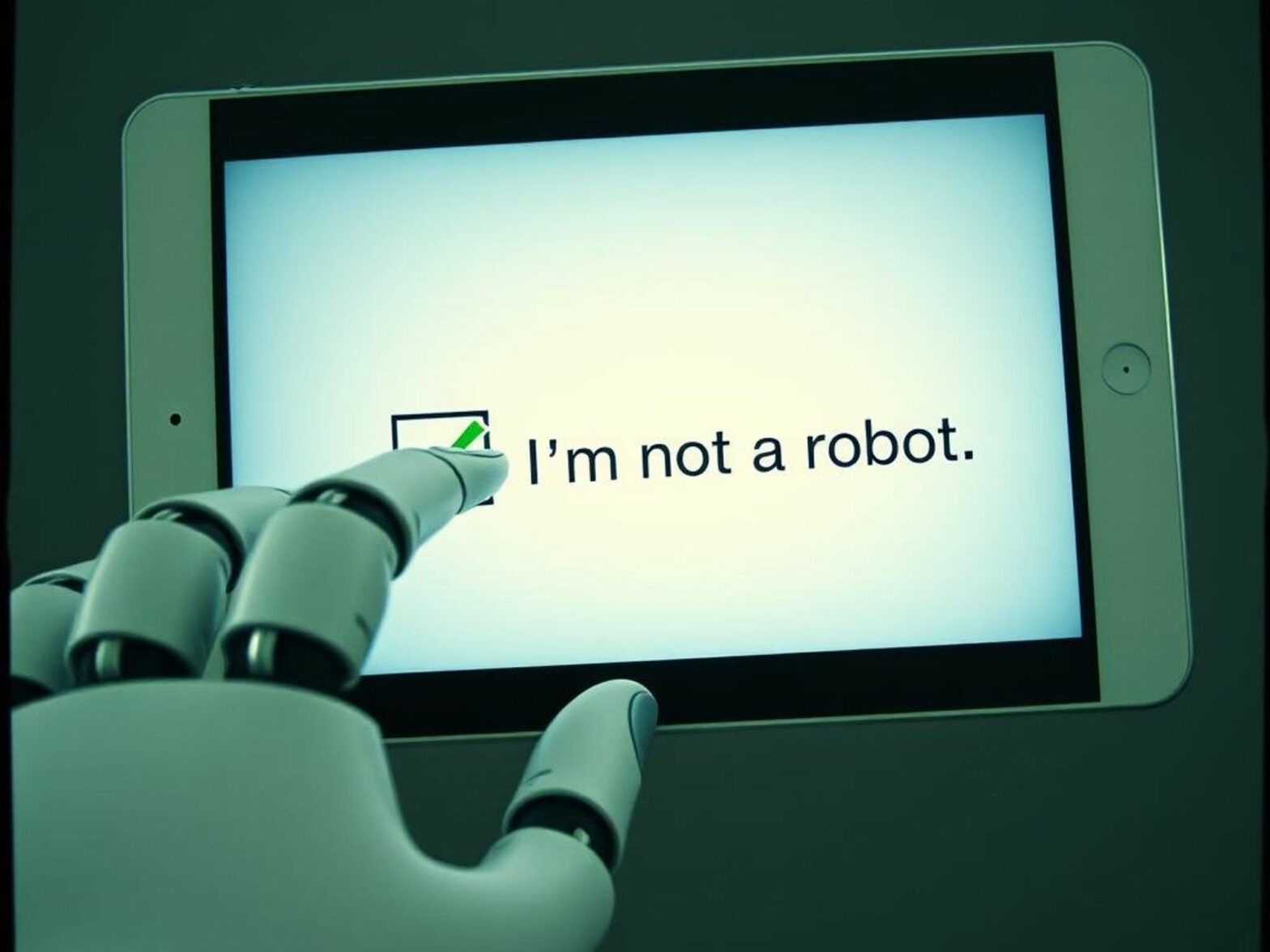
Artificial intelligence can solve tasks that previously only humans could solve. So what distinguishes us from machines?
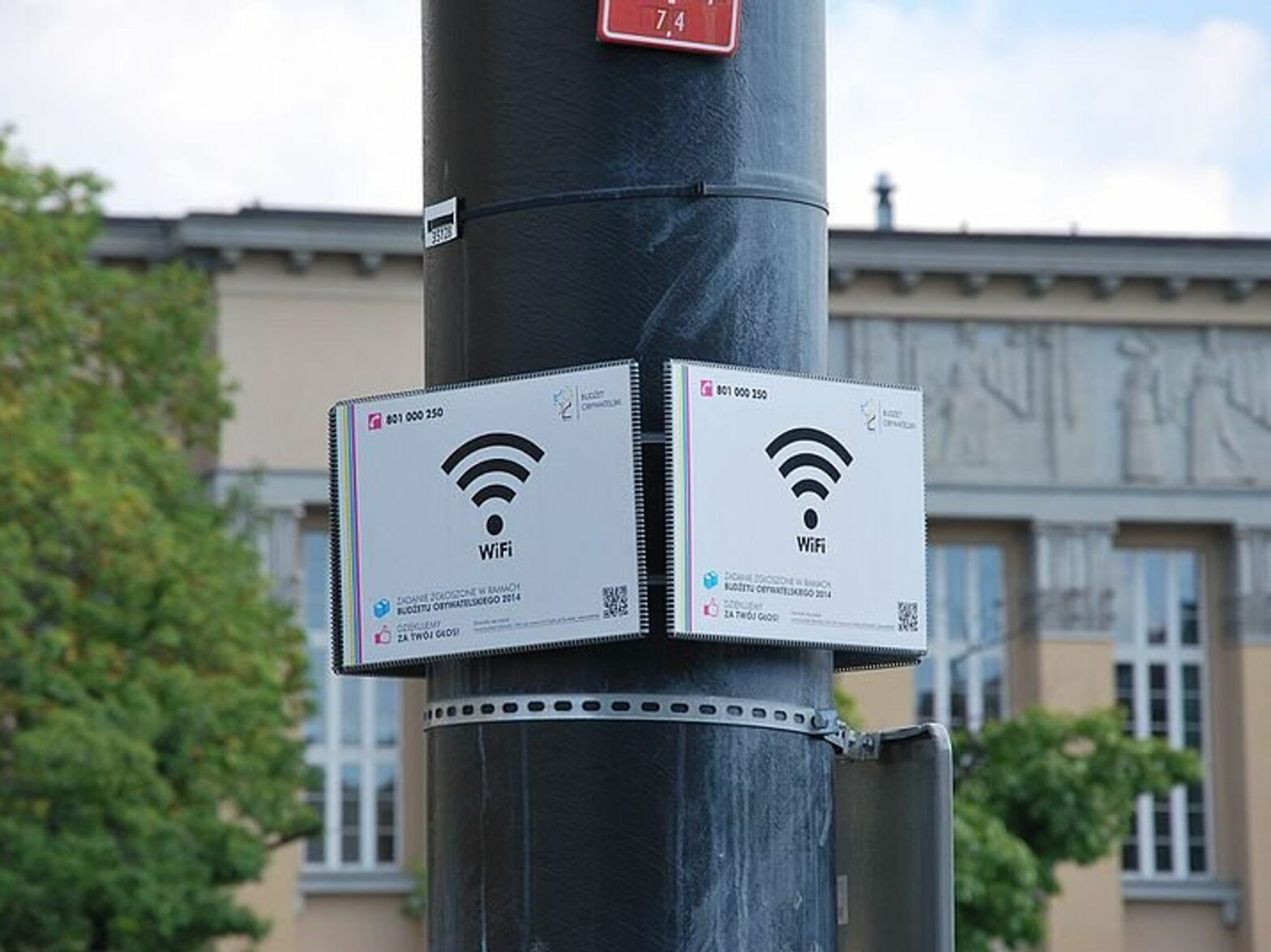
Whether it’s to narrow the digital divide or to attract tourists, foreign businesses, remote workers and digital nomad influencers, it might be time to offer free internet access across society. Here are some of the places leading the push.
A document leak from a major hacking company opens the door to the Chinese system of digital espionage and influence, which is part of worldwide system that is changing the nature of geopolitics.
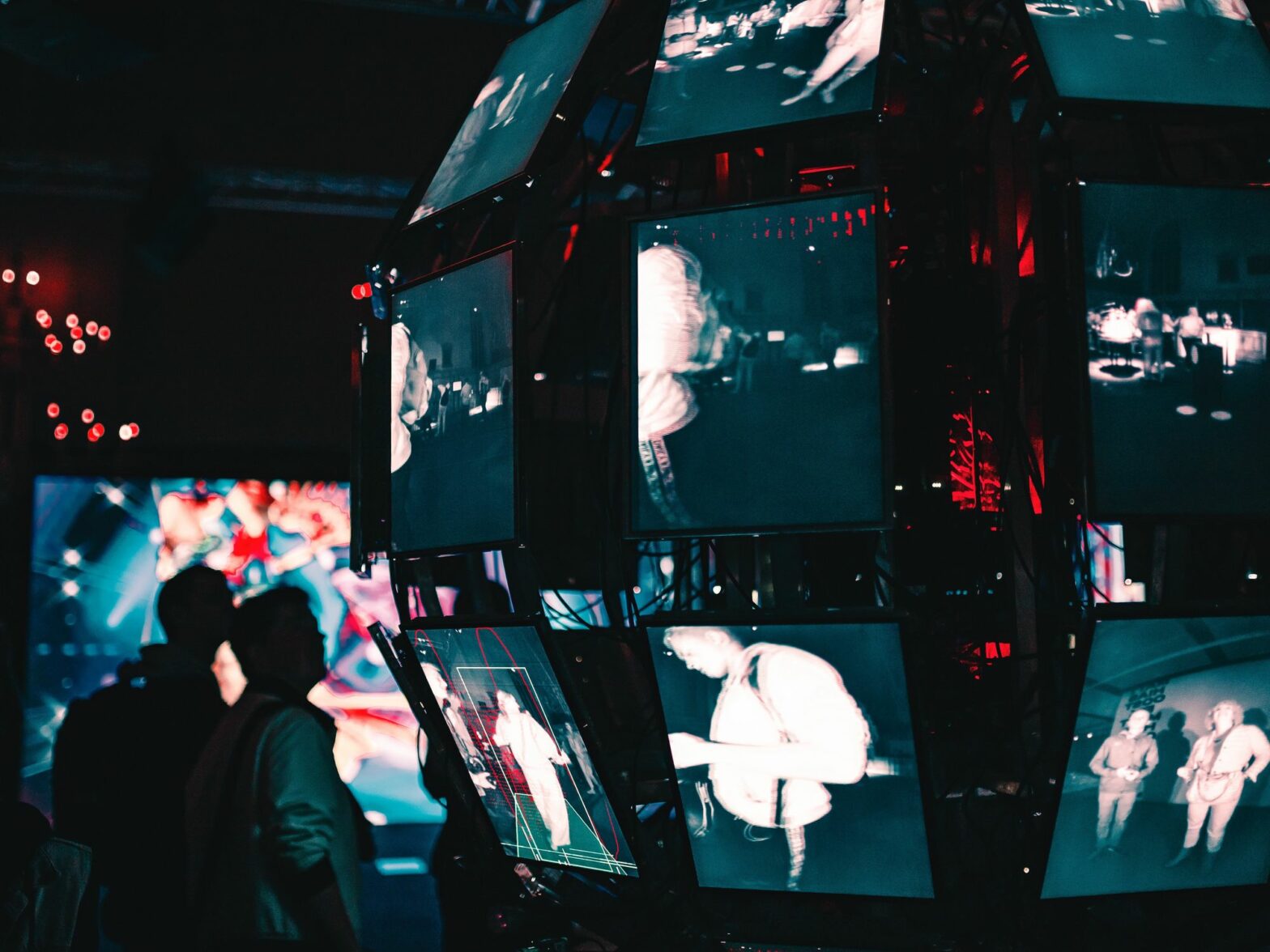
Rationalism and technology are no longer tools in our hands but govern our lives, in a depressing world of our own making.
Stuffed toys, fetish objects, lucky charms, pets — we all have our comforting objects or companions, even if we sometimes find it hard to admit to ourselves. It’s an anthropological need that makes our lives more comfortable. But with smartphones, chatbots, and soon robots, taking up a new role as our future companions, we need to rethink whether our new, digital teddy bears create more harm than they provide comfort.
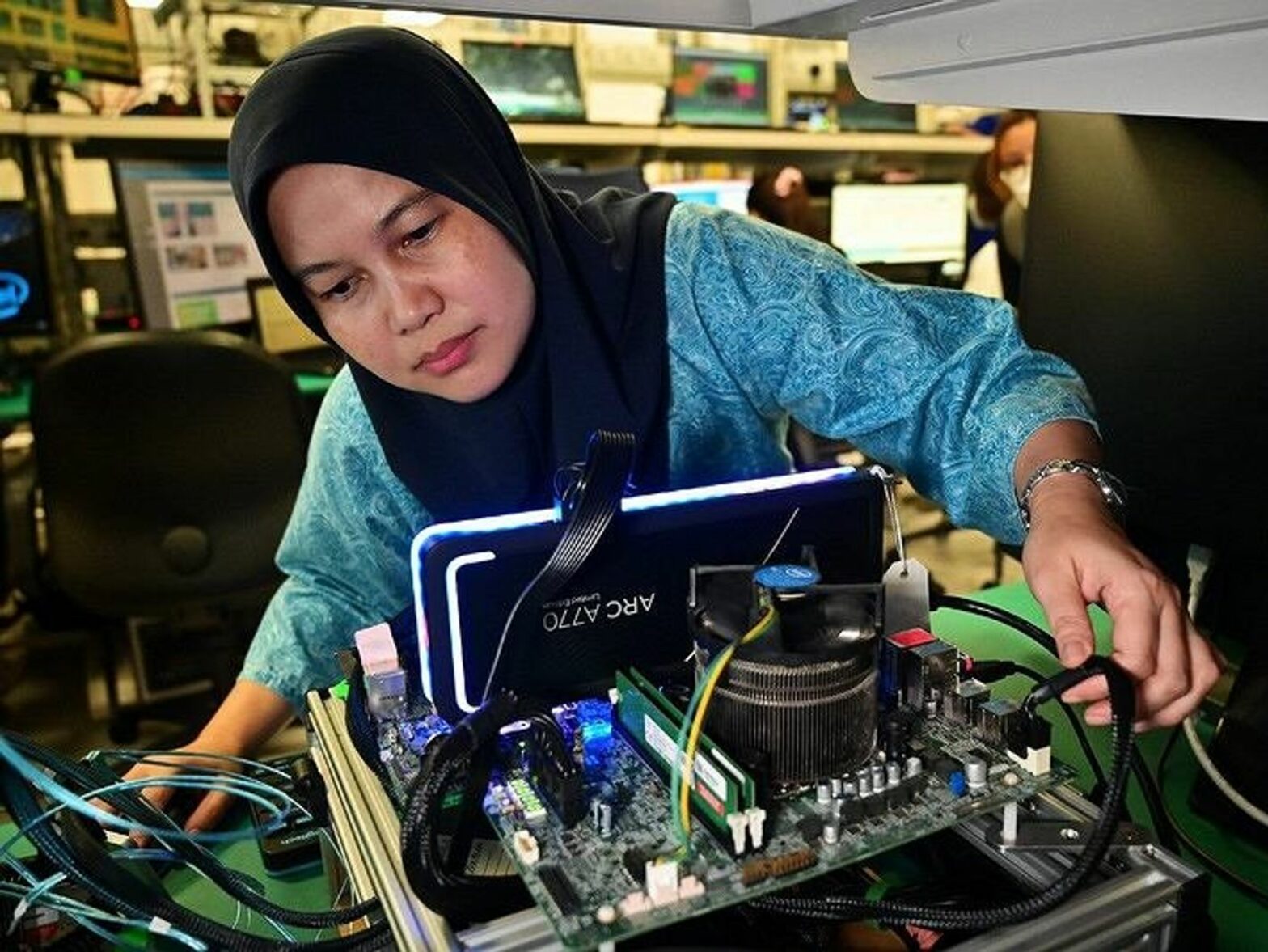
As the importance of the global microchip economy continues to grow, companies like Intel may one day reign supreme over today’s corporate giants: Meta, Apple and Google. And, in a measure some are calling “reverse globalization,” production is beginning to move back into the Global North, including Poland. In a rare visit to Intel’s factories in Malaysia, Polish daily Gazeta Wyborcza takes a look into what the future of its manufacturing will look like.

Research by anthropologist Darren Byler provides a rare look inside the surveillance state China has created to control the Uyghur population of Xinjiang province, where every move is tracked, people are forced to carry cell phones, and “re-education camps” await anyone suspected of trying to break free.
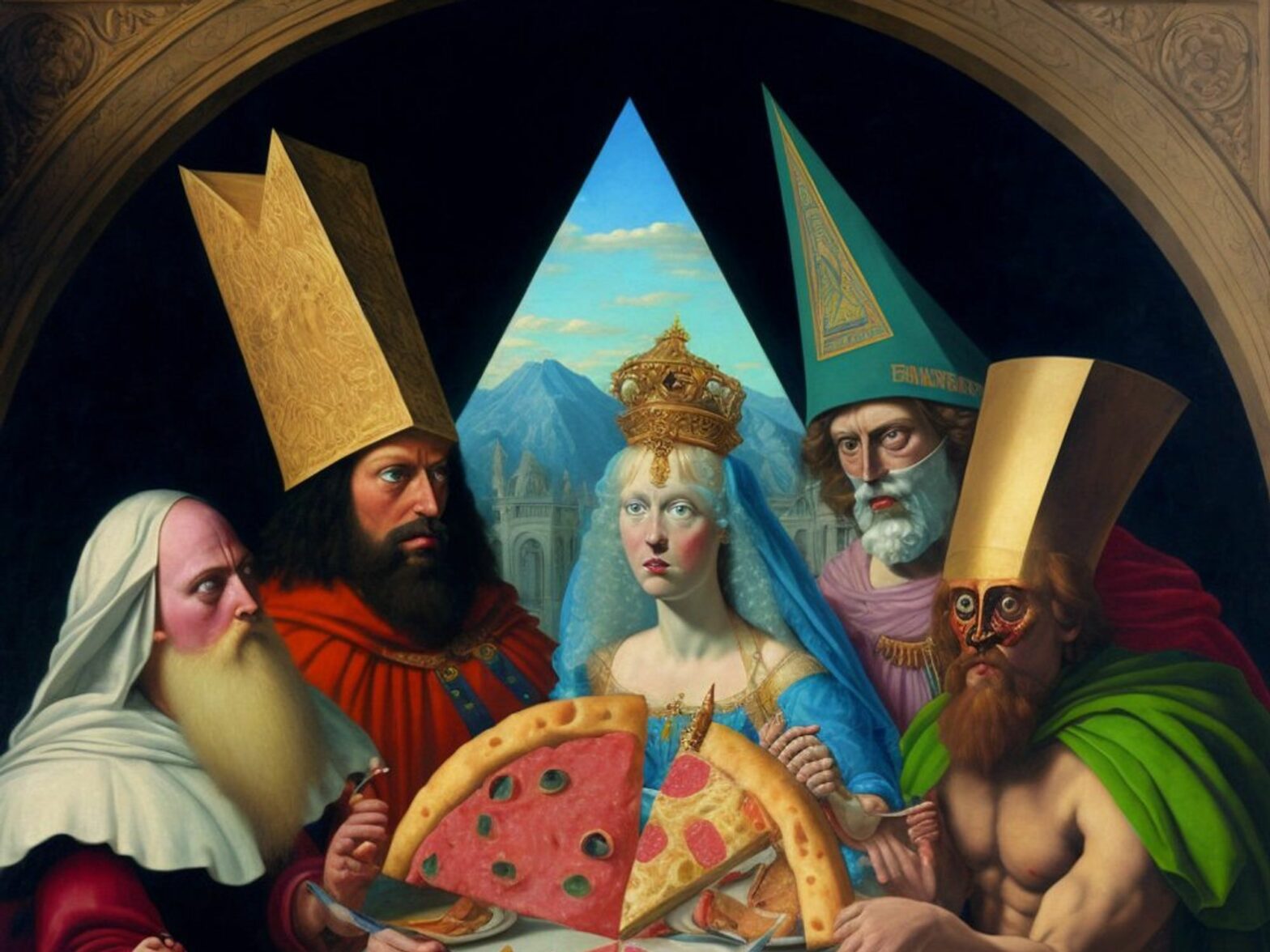
Like photography, new forms of artistic expression arise in every age. Now, new artificial intelligence is making it possible to create incredible images in an instant — but it opens up an ethical and philosophical debate.
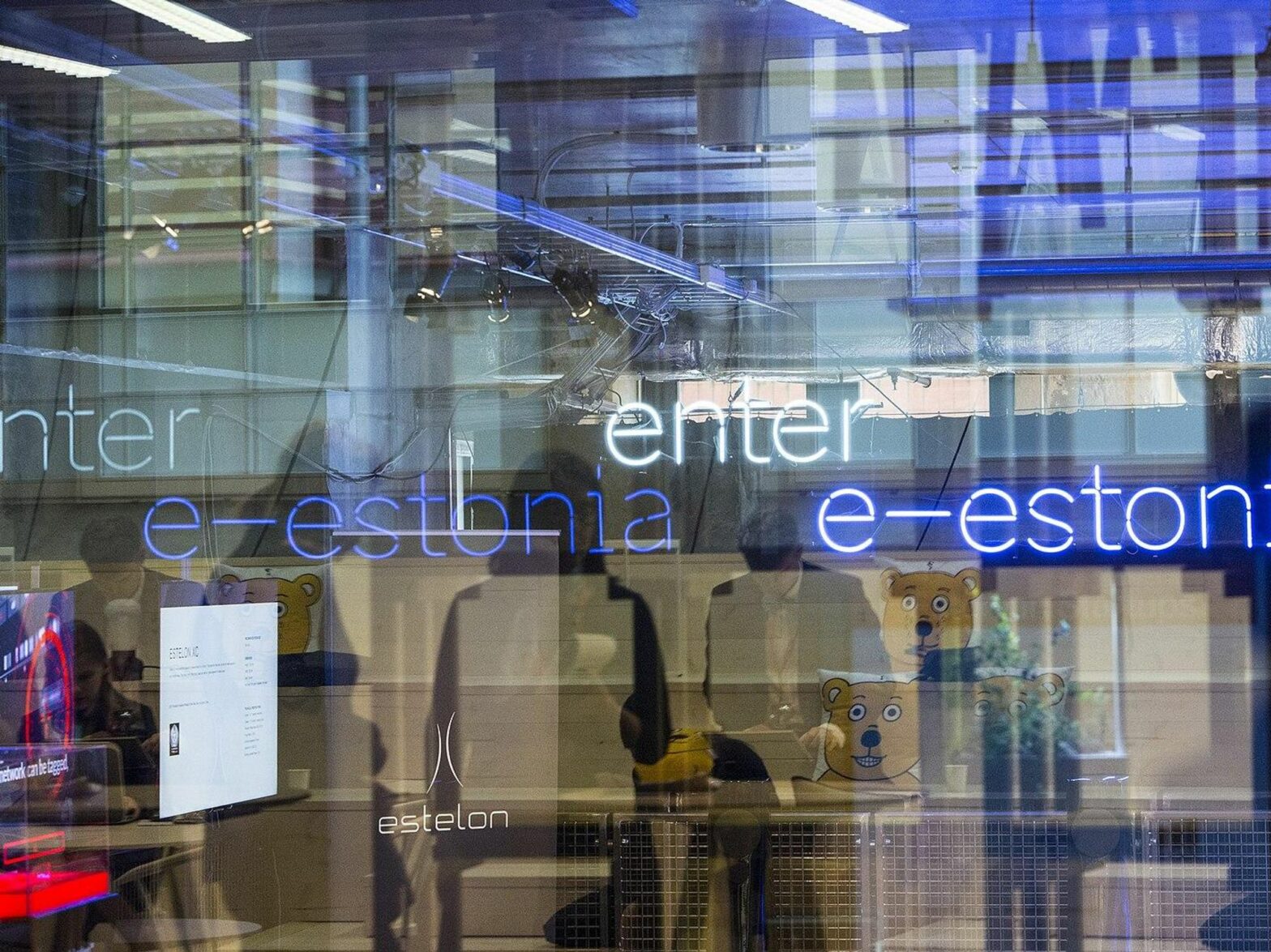
An Estonian e-residency that gives holders access to the country’s government services and business networks has growing takeup in both mainland China and Taiwan. For both business and political reasons.
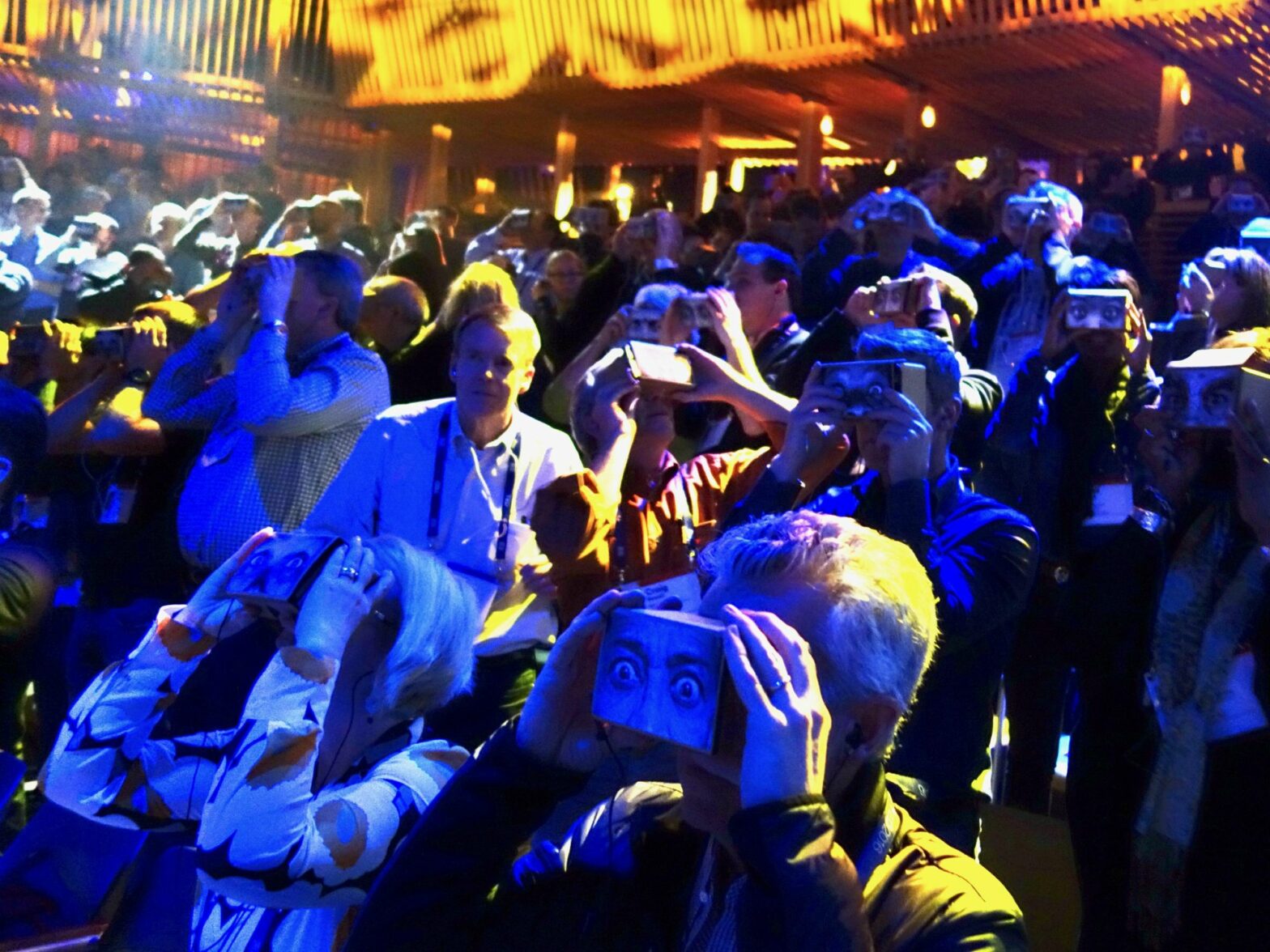
The Metaverse evokes utopian visions of an escape from reality or a life lived online. But for now, it’s still just interactive gaming or networking spaces that does not have the rules or laws necessary to manage its full potential.

Digital currencies may be volatile, but one company in Argentina has found a way to allow farmers to purchase goods and services online using surplus grain.

As cannabis is legalized in more places, investors are taking note. One Luxembourg-based, Uruguayan-led fund has found an innovative way to bypass banking obstacles and raise capital.
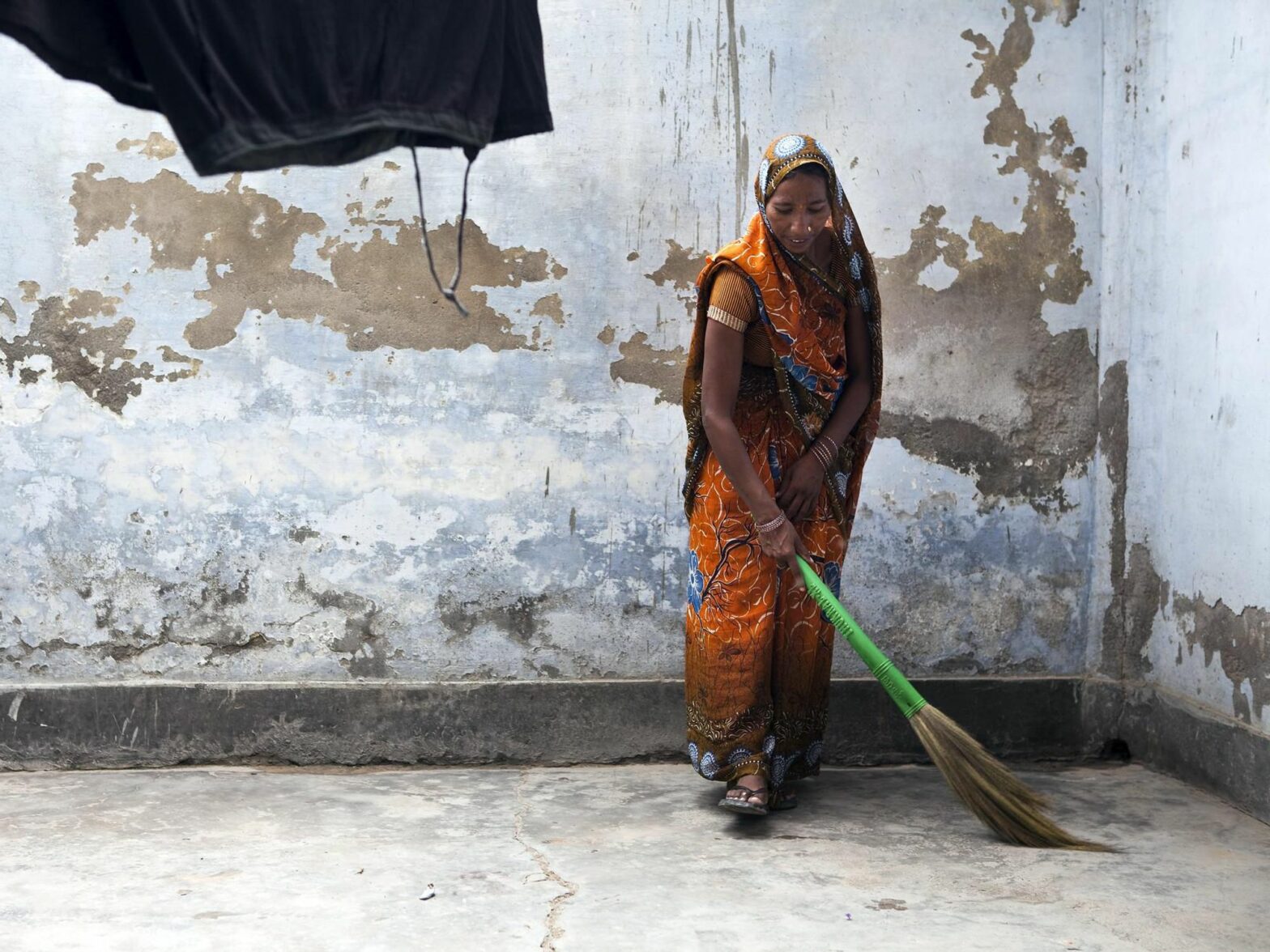
Lower-caste cleaners must wear GPS-enabled smartwatches, raising questions about their privacy and data protection.

At the head of Match Group, the online dating empire composed of Tinder, Meetic and Hinge, this CEO of Indian origin decides millions of people’s love lives on every continent. It’s a unique talent for turning digital relationship building into gold.
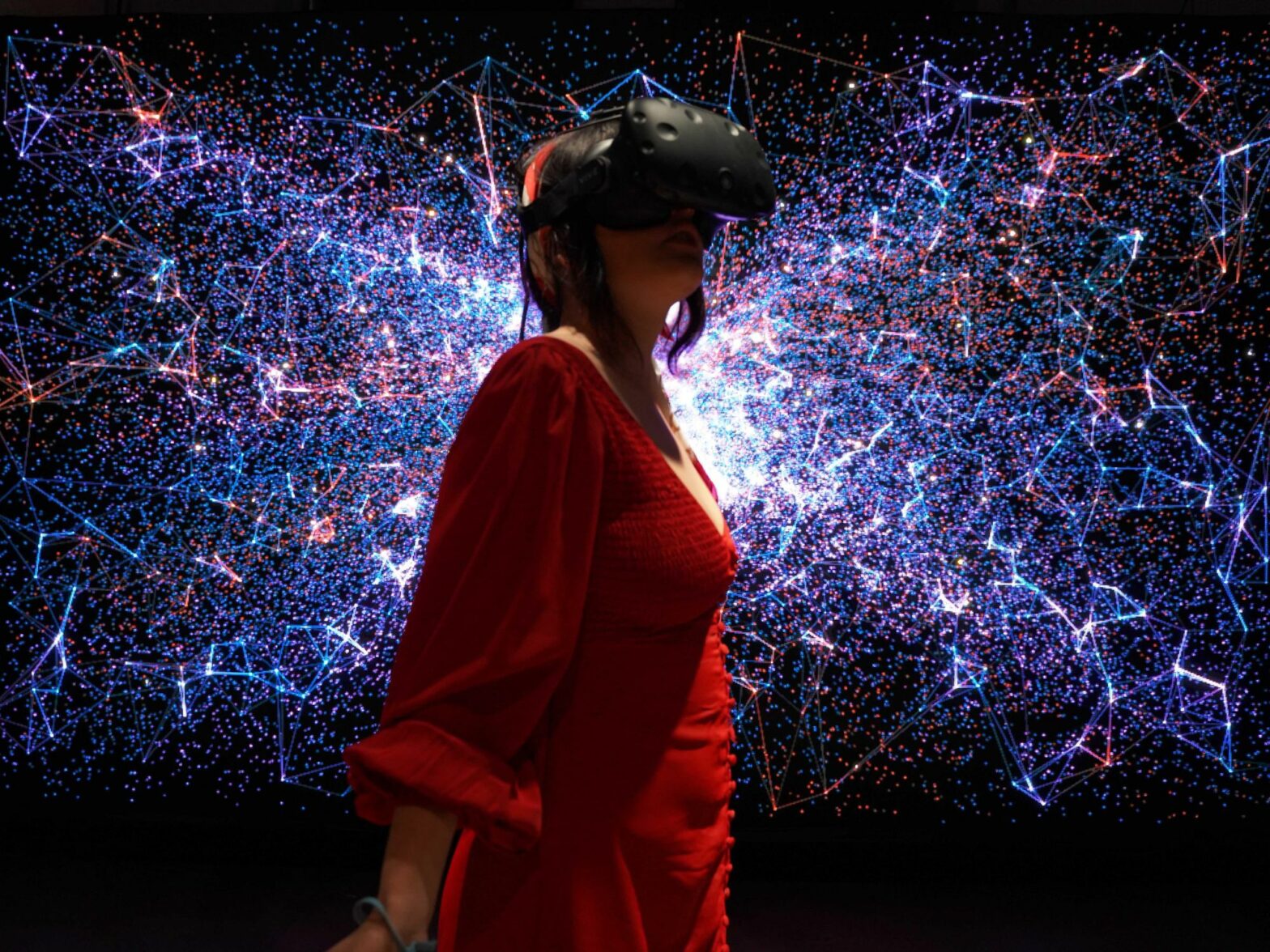
Metaverses are introducing ownership and rarity to the internet for the first time in its history. It is already generating billions of dollars in transactions, but the risk is that it becomes a club exclusively for the wealthy.
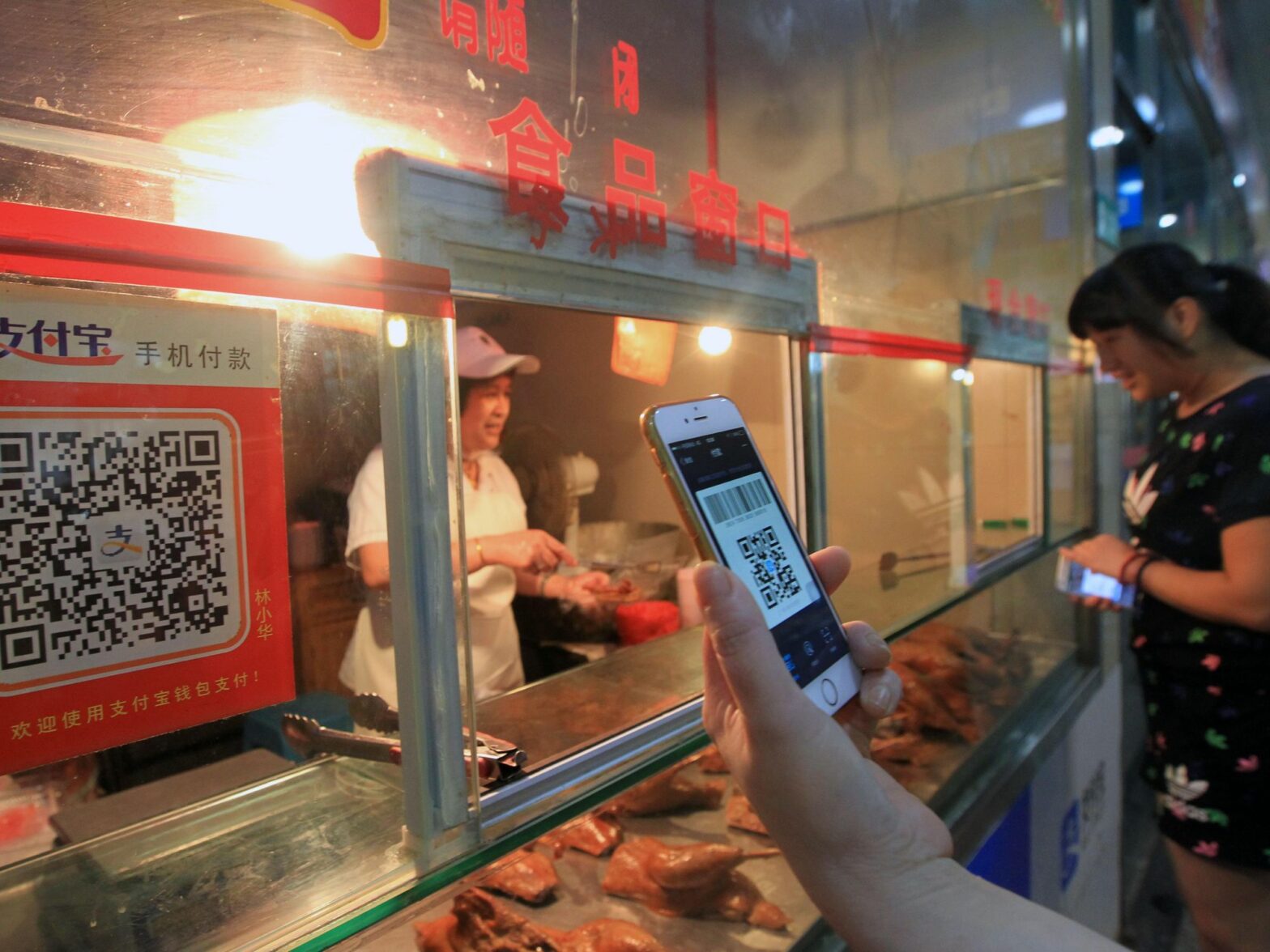
Conceived in the early 1990s, the QR Code has spread exponentially during the pandemic. Its creator, Masahiro Hara, is one of the many continuing to innovate his most famous invention, which has changed everything from medicine to how we dine.

In just a few months, NFTs, the digital equivalent of collectables, have generated over $10 billion. Now, luxury champagne and wine brands are moving into the world of digital assets. But as investors and vineyards toast to the future, will the concept pop or fizzle?
Long perceived as a country chasing Western tech, China’s business and technological innovations are now influencing the rest of the world. Still lagging on some fronts, the future is now up for grabs.
Cyberbullying has gained ground again this school year. For philosopher and free-market advocate Gaspard Koenig, it’s simple: social media has the effects of an addictive and harmful drug, and thus forbidden for those under 16.

Technology is turning education into a data-driven, personalized learning process. It’s up to humans to be sure it serves the needs of students, and societies.
Countries like Argentina, Chile and Mexico have begun charging a value added tax (VAT) on digital purchases. But that may just be the tip of iceberg, especially if governments can reach a regional consensus.
Europe is moving forward in a united front to force Big Tech that could lead to a historic showdown on the future of how the digital economy functions.
A new crop of Tunisian engineers are coming up with clever ways to help farmers streamline their operations and adjust to a changing climate.
The coronavirus outbreak has changed our relationship with work, health and… cash. The fear of contamination while handling coins and banknotes has accelerated a trend that had already been growing for years: contactless payments. Both consumers and businesses that may have been previously reluctant to go digital are changing their preferred payment methods. Does this […]
It’s official: Zoom parties are here to stay. And to anyone who ever attended an actual party, no need here to spell out why there’s no comparison. Yet there I was last week in a text exchange with a friend turning down my invitation to our bi-weekly drinks at my … er … place, suggesting […]
The pandemic has instantaneously forced countless people around the globe to forgo person-to-person contact in favor of digital alternatives. That’s (mostly) good news.
Expect use of blockchain, the digital record-keeping system, to become generalized this year in banks and elsewhere.

Men do not do their fair share of housework and childcare. And companies still discriminate against female employees. And it’s not looking any better for the digital economy.
The collaborative approach to trade, production and services could help countries like Colombia end their dependence on raw materials.
How economic actors, communities and developing countries fare in the digital economy will depend in large part on how much control they have over the data they produce.

Laws take time to catch up with reality. Could we program them into binary systems? It is tempting, but it is also dangerous.

Information technology was supposed to make everything move faster. We need to rethink the way we use our digital tools to serve our real needs.
The digital behemoths Google, Apple, Facebook and Amazon have long sold dreamy ideals. In reality, their business models are very conventional. Their extraordinary power is founded solely on their digital leverage.

South American poets Silvina Giaganti to Pedro Mairal are among those who have successfully used social media and other digital spaces to drive interest in their work.
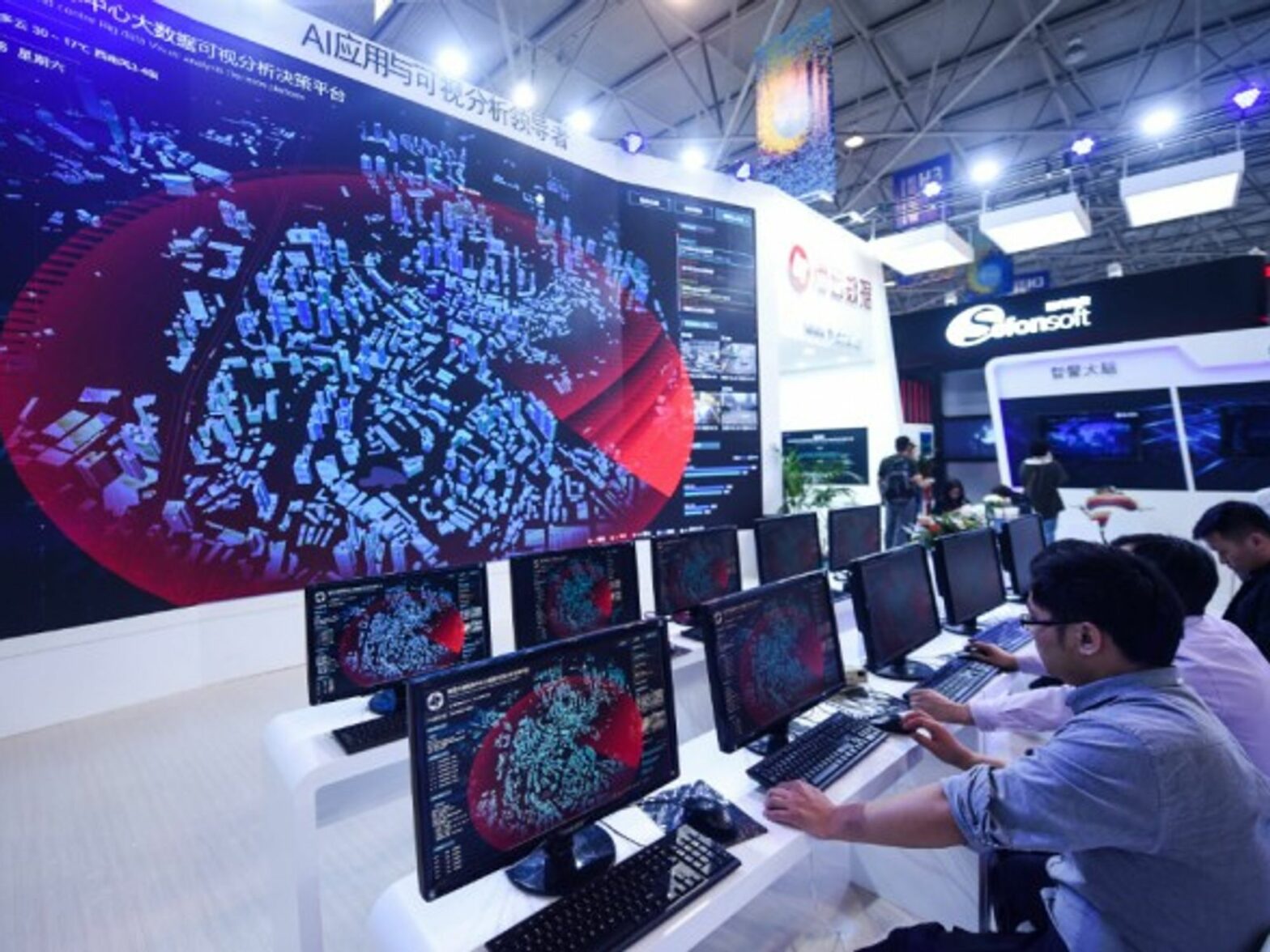
BEIJING — The exhibition was called “Secret,” and opened in the Wuhan Art Museum in April. And what was in the show? The personal information of the 346,000 citizens of the central Chinese city of Wuhan that the artist Deng Yufeng had bought on the black market. Previously treated with a special chemical, certain parts […]