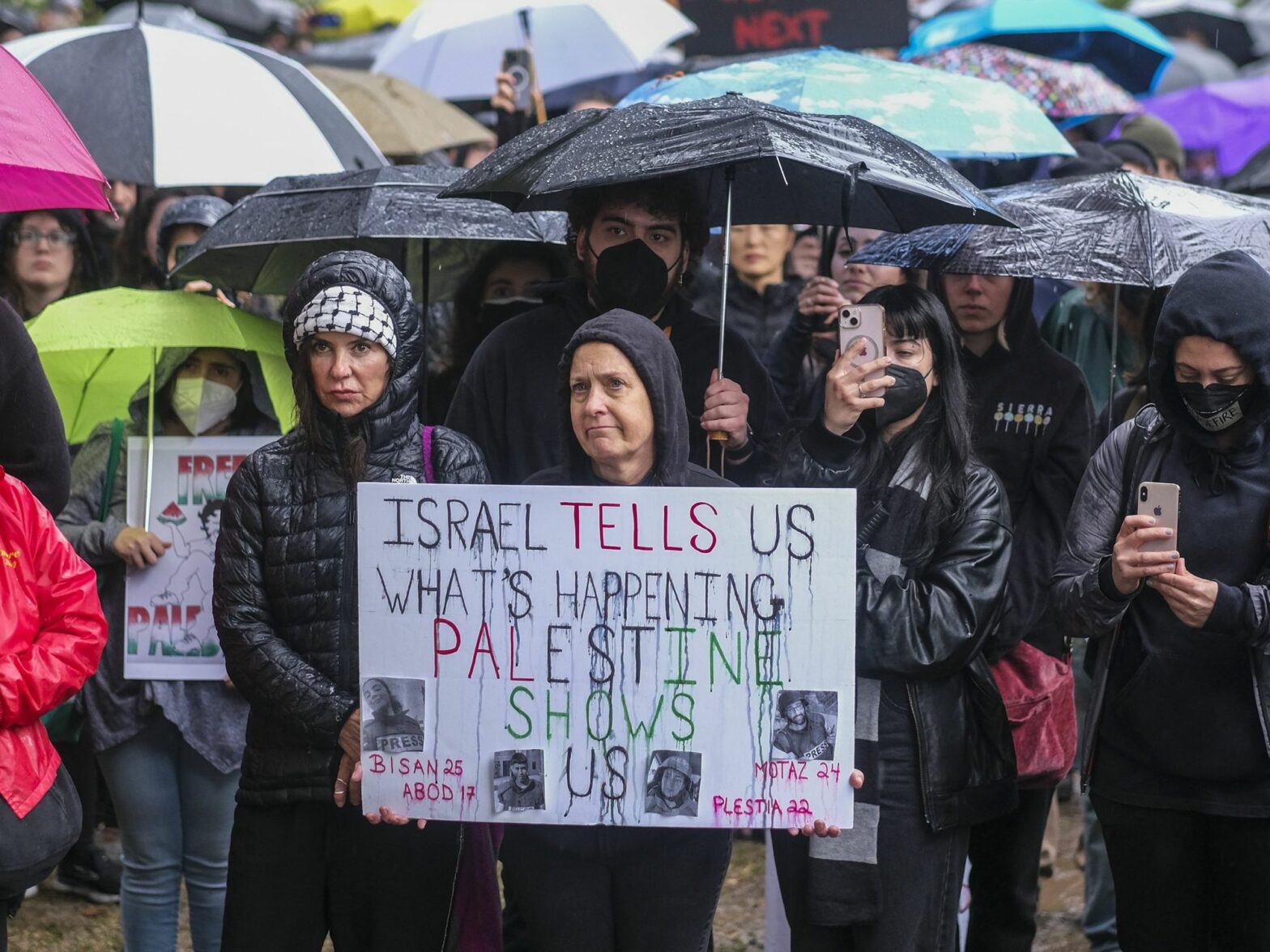
Protests in big cities in the U.S. and Europe against Israel may remind some Iranians of the Western Left’s deluded, and arrogant, support in 1979 for a revolution that turned Iran and the Middle East into a cesspool of terrorism.
 Worldcrunch
Protests in big cities in the U.S. and Europe against Israel may remind some Iranians of the Western Left’s deluded, and arrogant, support in 1979 for a revolution that turned Iran and the Middle East into a cesspool of terrorism.
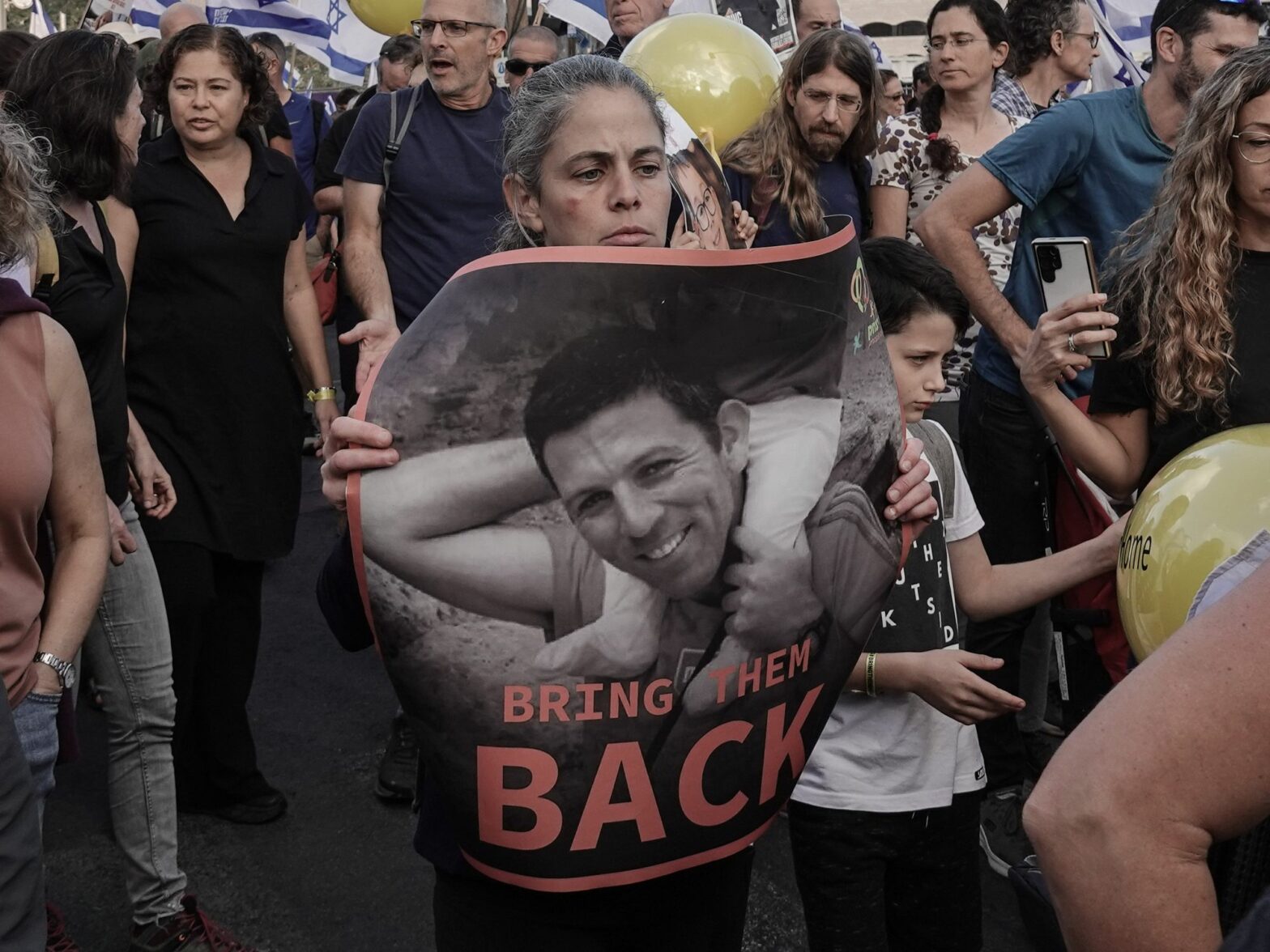
Israeli Prime Minister Benjamin Netanyahu has pushed ahead a deal negotiated via Qatar, for a four-day truce and an exchange of 50 hostages for 150 Palestinian prisoners. Though the humanitarian and political pressure was mounting, Israel’s all-out assault is suddenly halted, with unforeseen consequences for the future.
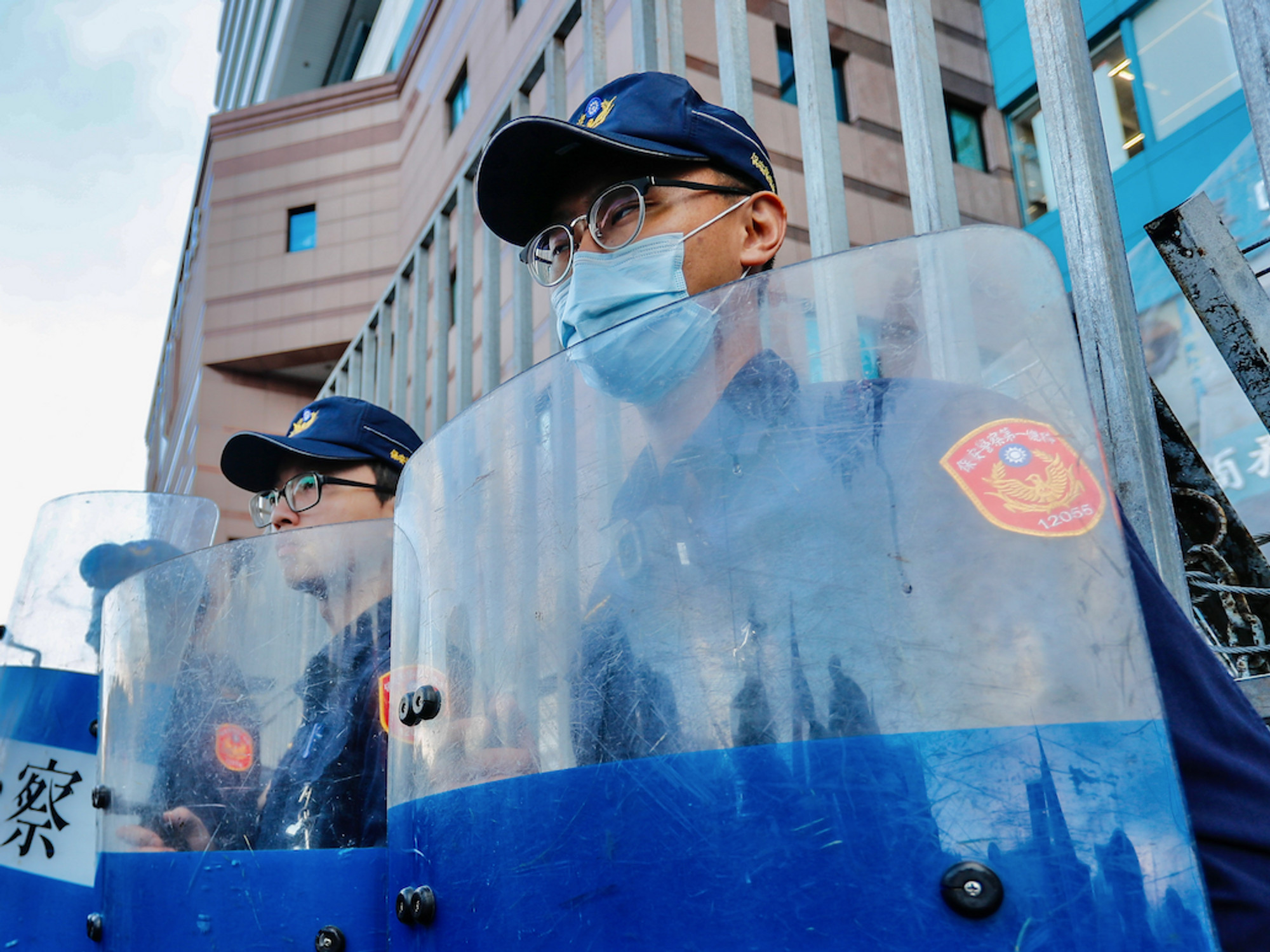
Taiwanese, though under the weight of a far more powerful neighbor, have the tendency to idealize Israel and fail to create a self-definition beyond the island nation’s anti-China image.
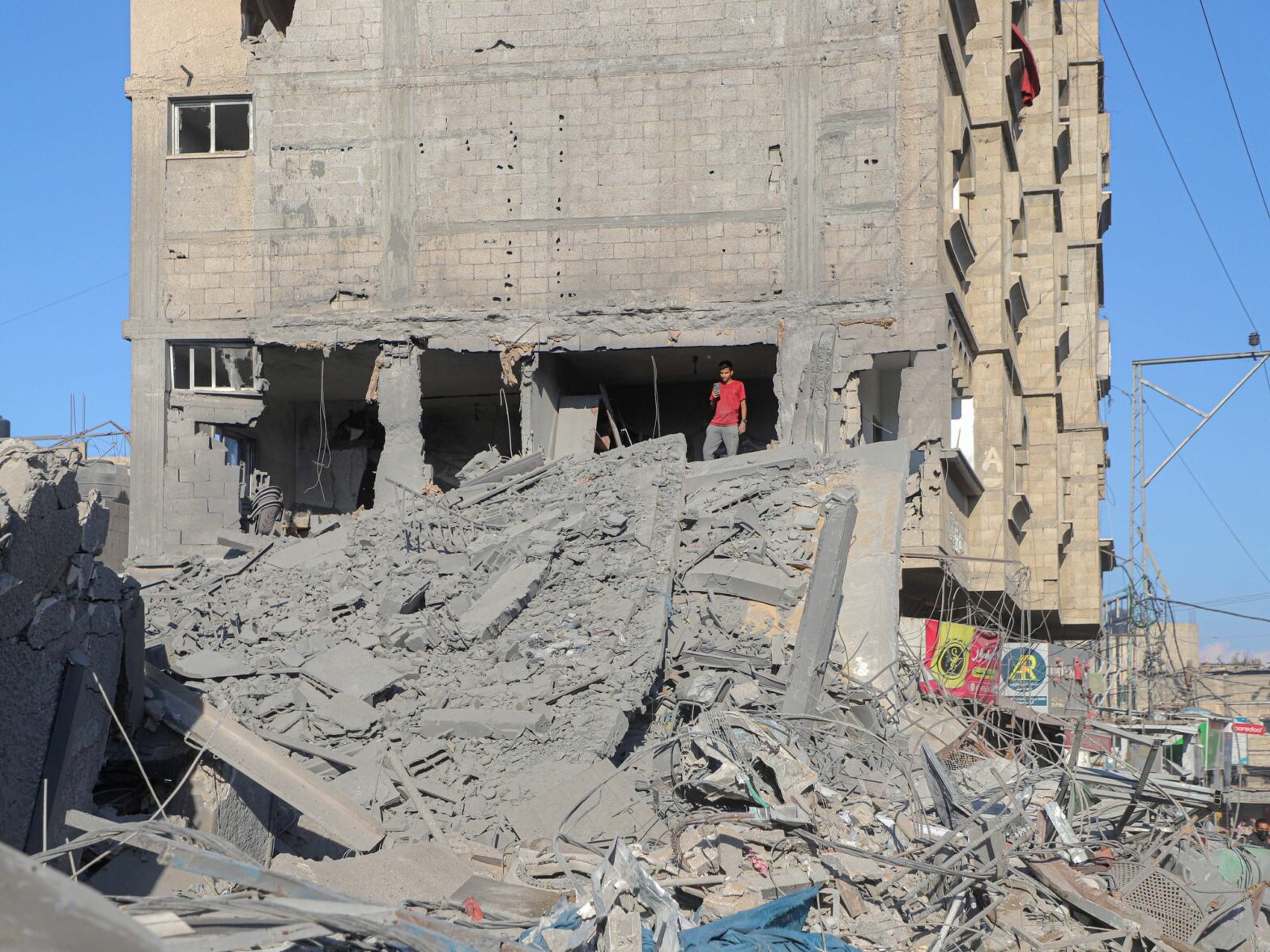
A five-day ceasefire deal in the Gaza war appears imminent. In the past, such provisional truces sometimes turned permanent. But is this time different?
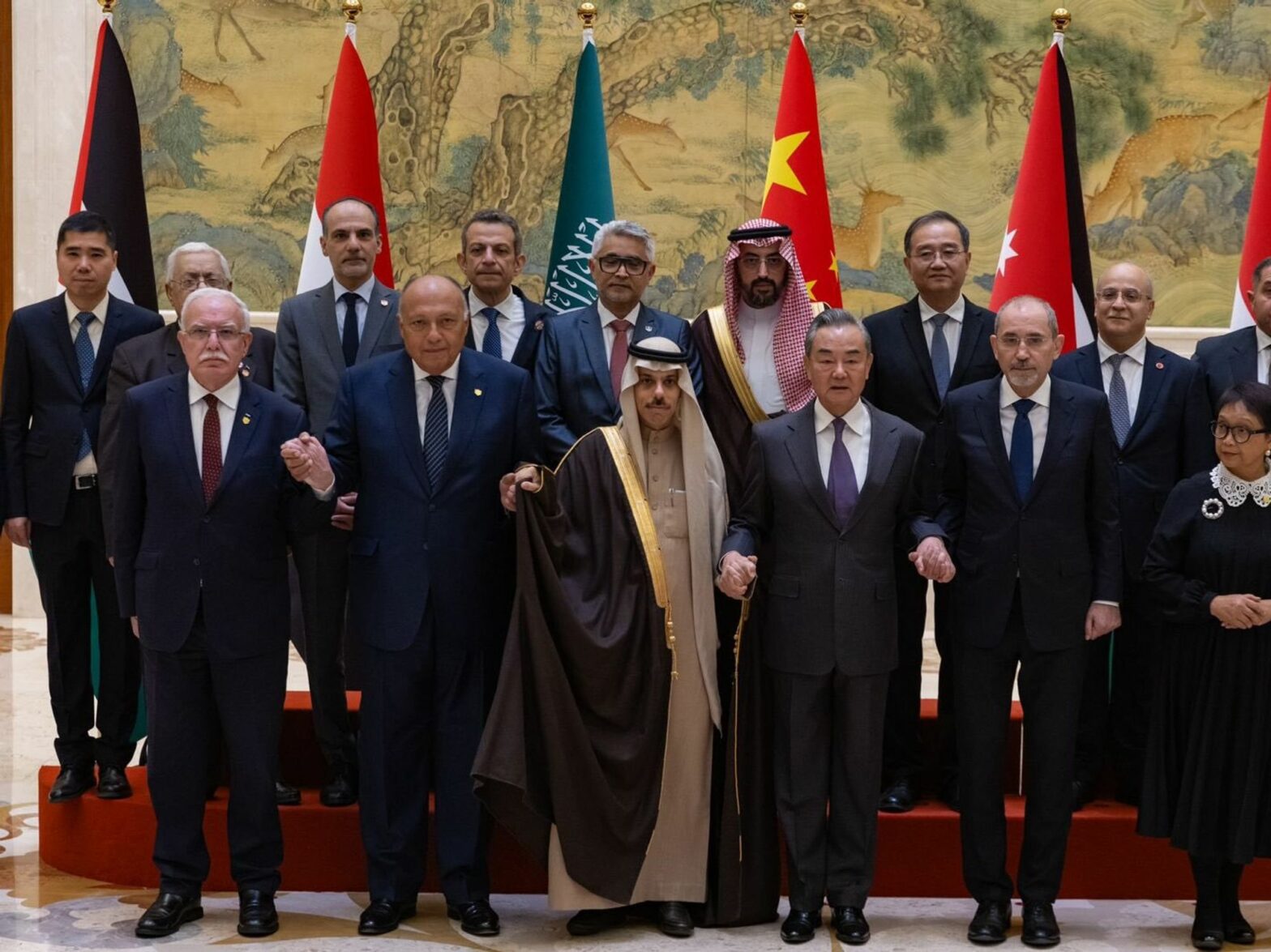
Frustrated by the United States’ unwavering support for Israel’s war on Gaza, Arab governments have looked at other options to help establish a ceasefire before it becomes too late. First stop: Beijing. Moscow’s role may be more obscure, but no less essential, in building a global coalition that counters the West’s stance.
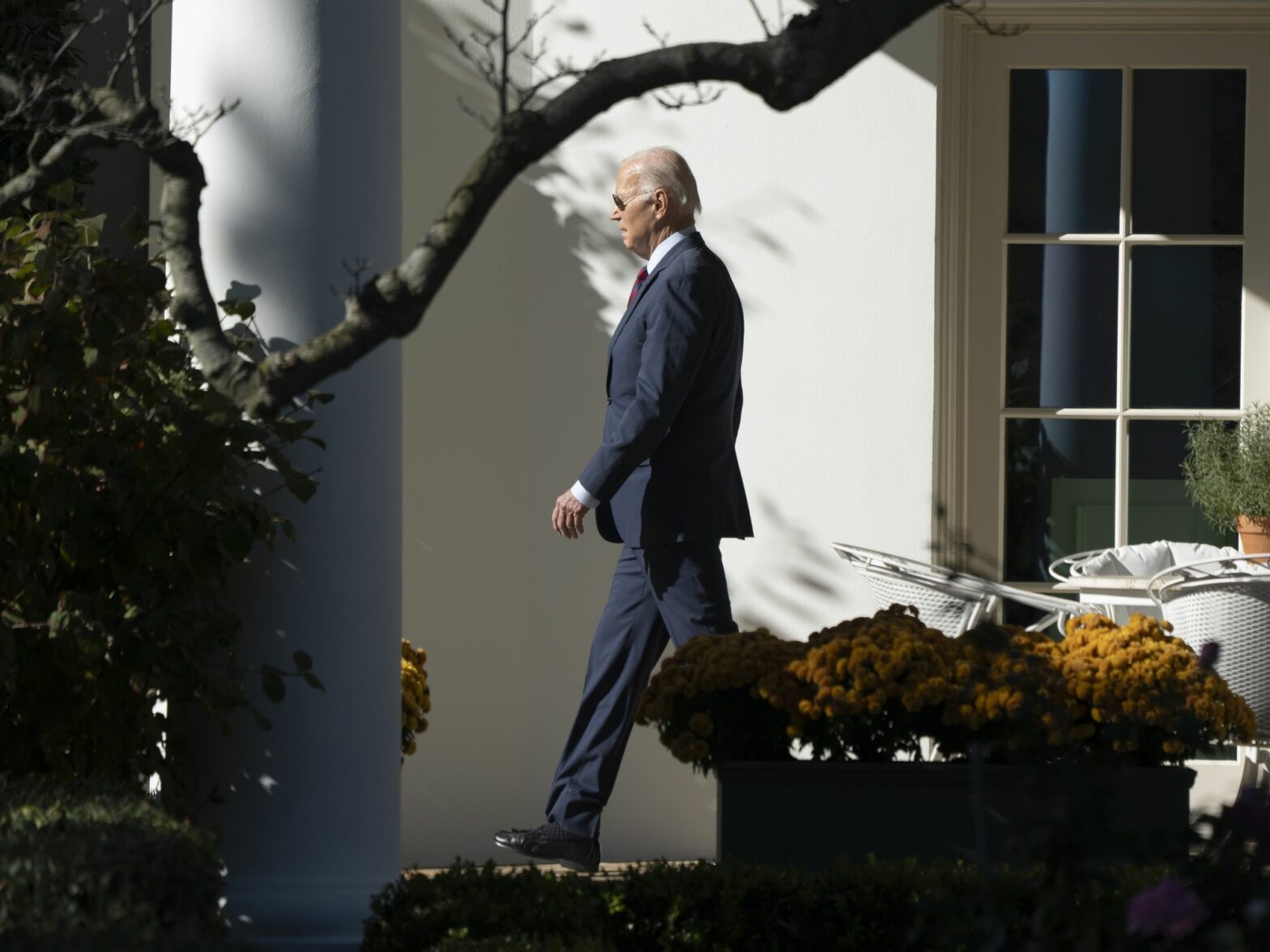
Challenged back home, U.S. President Joe Biden has just published an op-ed in the Washington Post in which he outlines a future for the Palestinian territories that’s different from the one envisaged by Israeli Prime Minister Benjamin Netanyahu, and threatens violent settlers in the West Bank with sanctions. But where are the teeth?
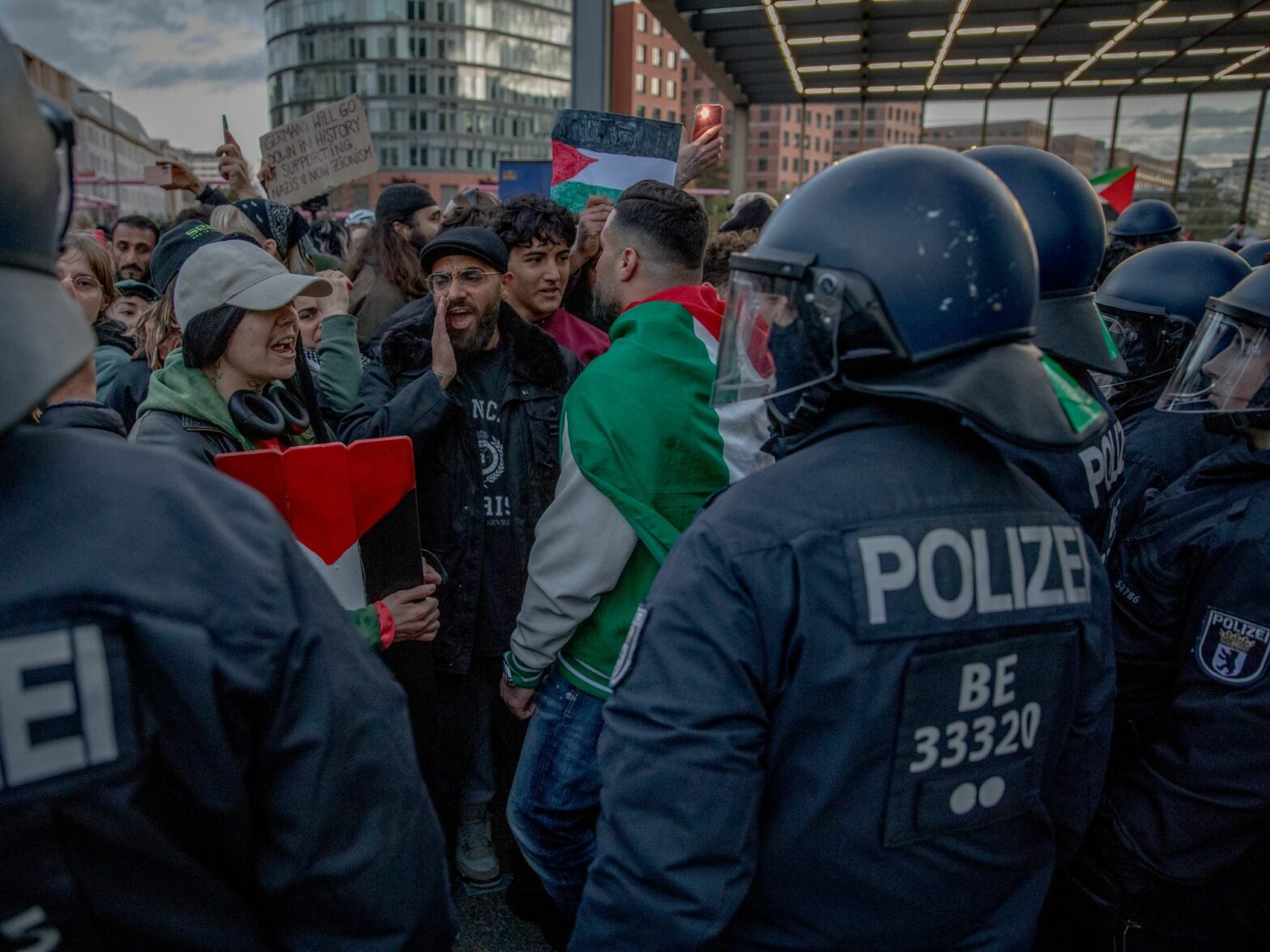
The debate over the war in Israel is raging on social media. In this divisive atmosphere, it is impossible to call out anti-Semitism in Muslim communities or on the right wing without being applauded by all the wrong people. What Germans are failing to acknowledge is how much the country’s own history has to do with this.
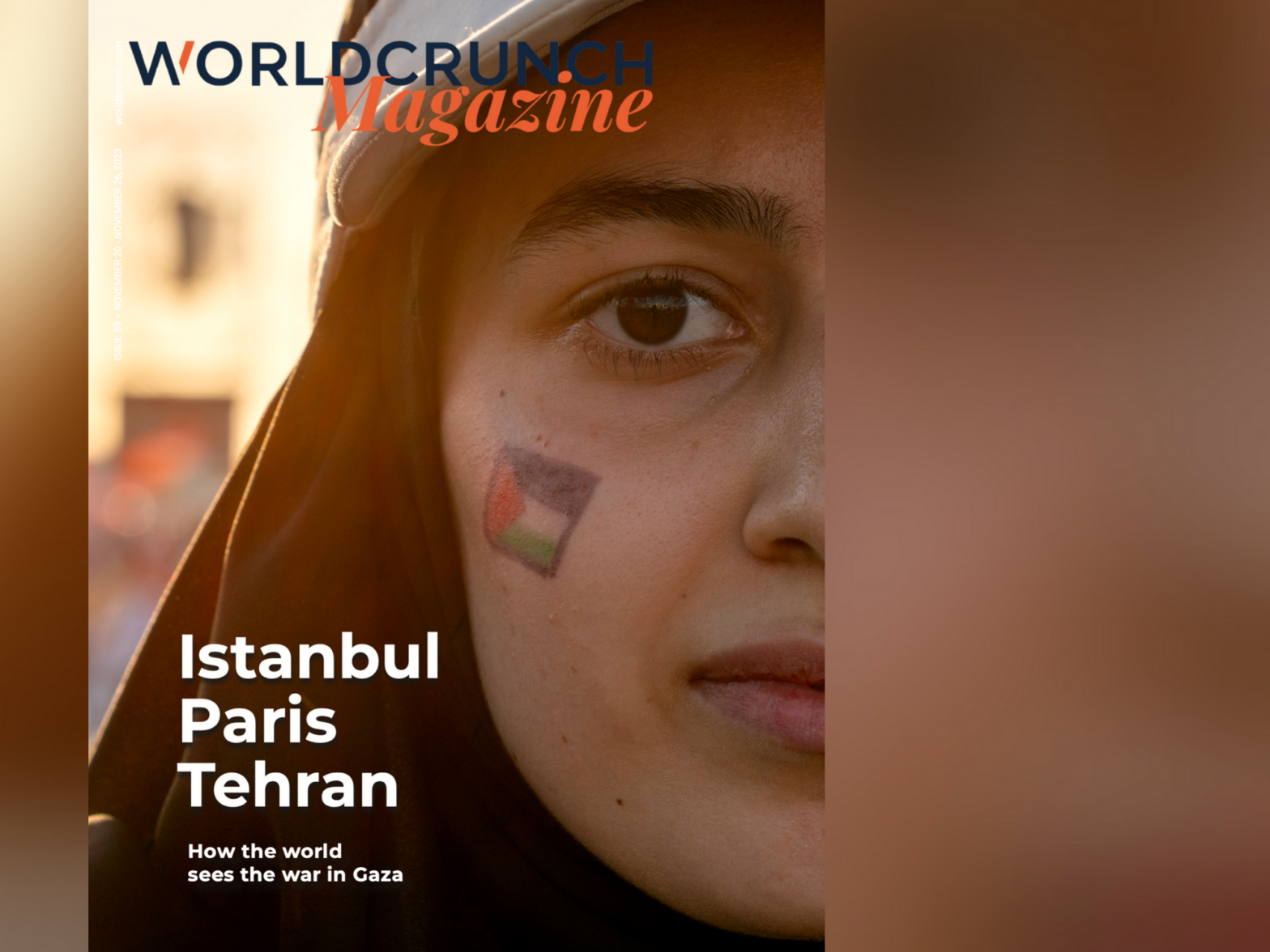
November 20 – November 26, 2023
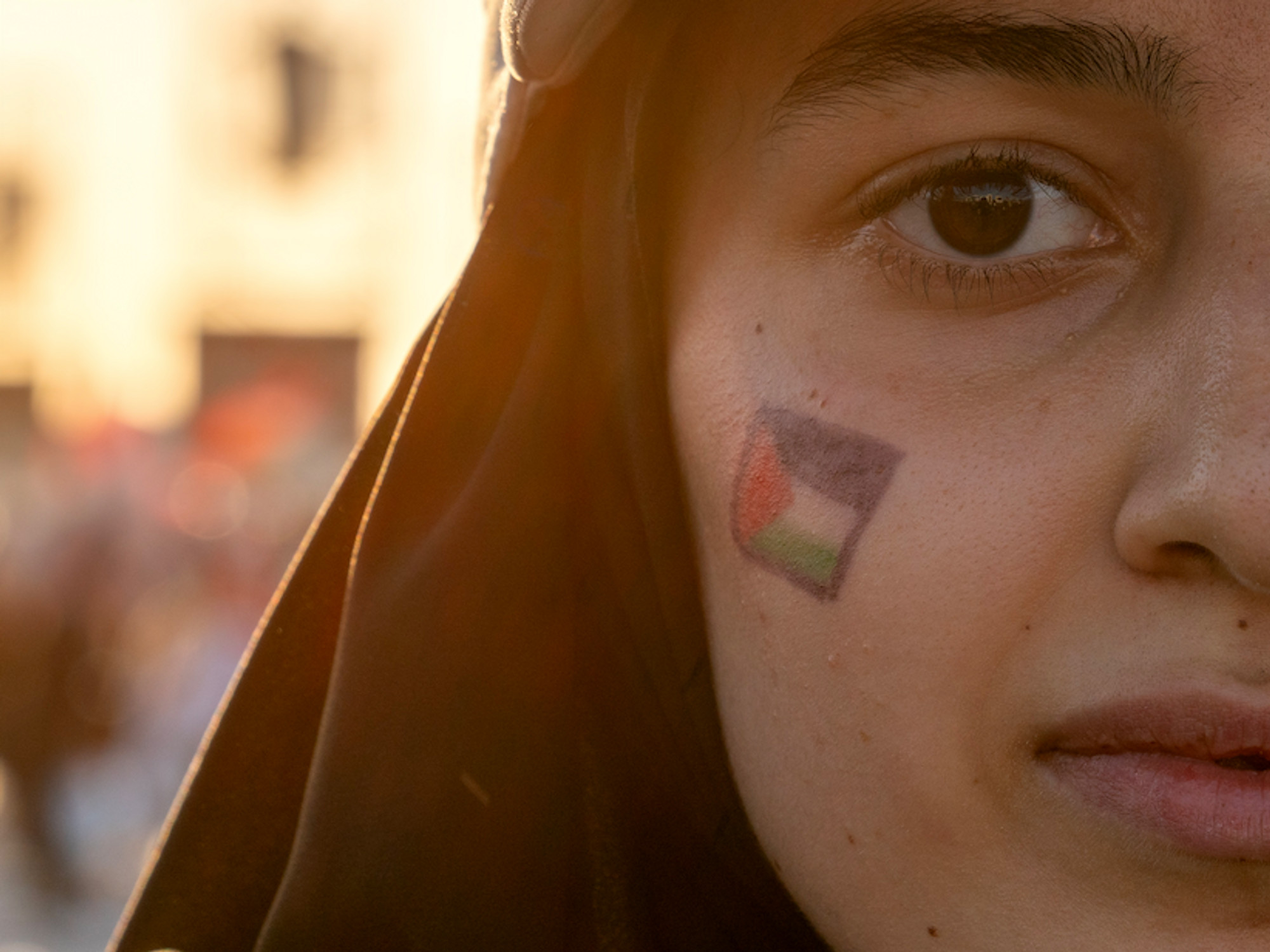
Palestinians are suffering under the Israeli regime and relentless bombardment of Gaza, yet the Western world, also known to be the “civilized” world, continues to support Israel. Turkey’s complex relationship with Islamic and Middle Eastern countries as well as with the West brings back the most fundamental questions about the past and future.
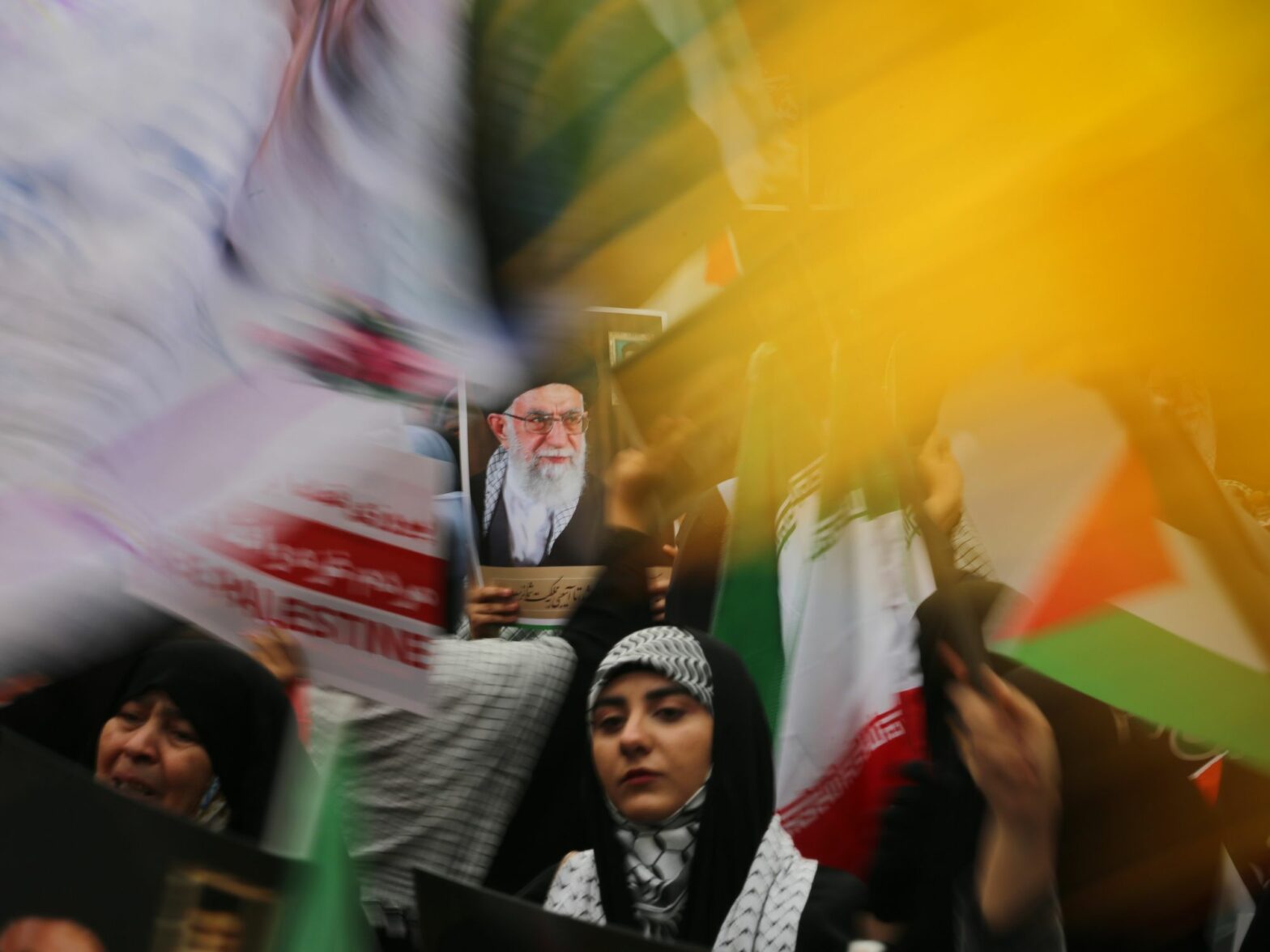
Iran’s revolutionary regime insists it wants Israel destroyed and has threatened a regional war, but its actions are ambivalent, suggesting it may fear a regional war that would hasten its demise. As a result, it may decide to stop supporting Hamas in Gaza.
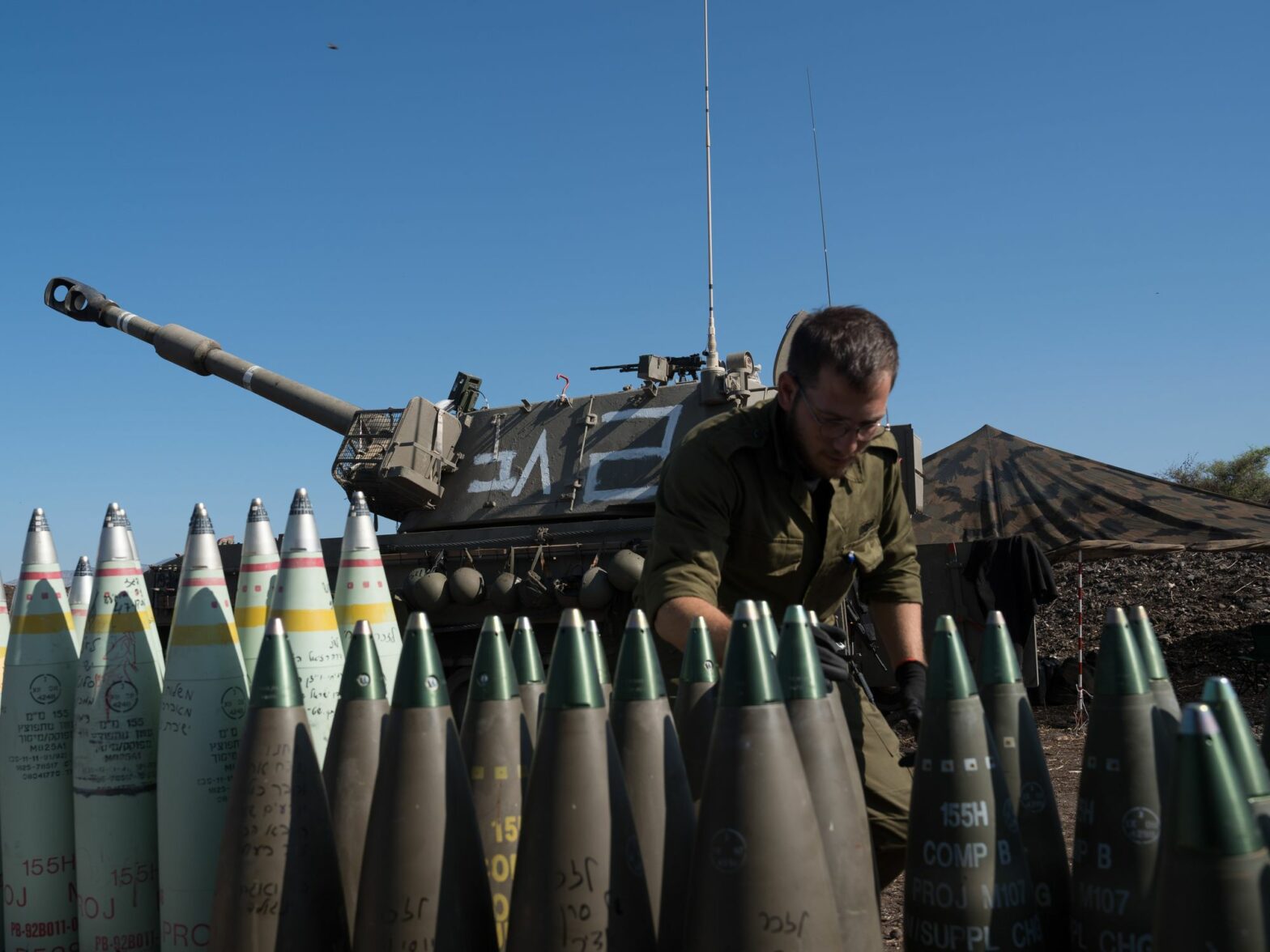
Israel has reacted sharply to the French president’s criticism of the IDF continued bombing of civilians in Gaza. France is the first country to break with Western unanimity on Israel since October 7, which explains the virulence of the reaction.
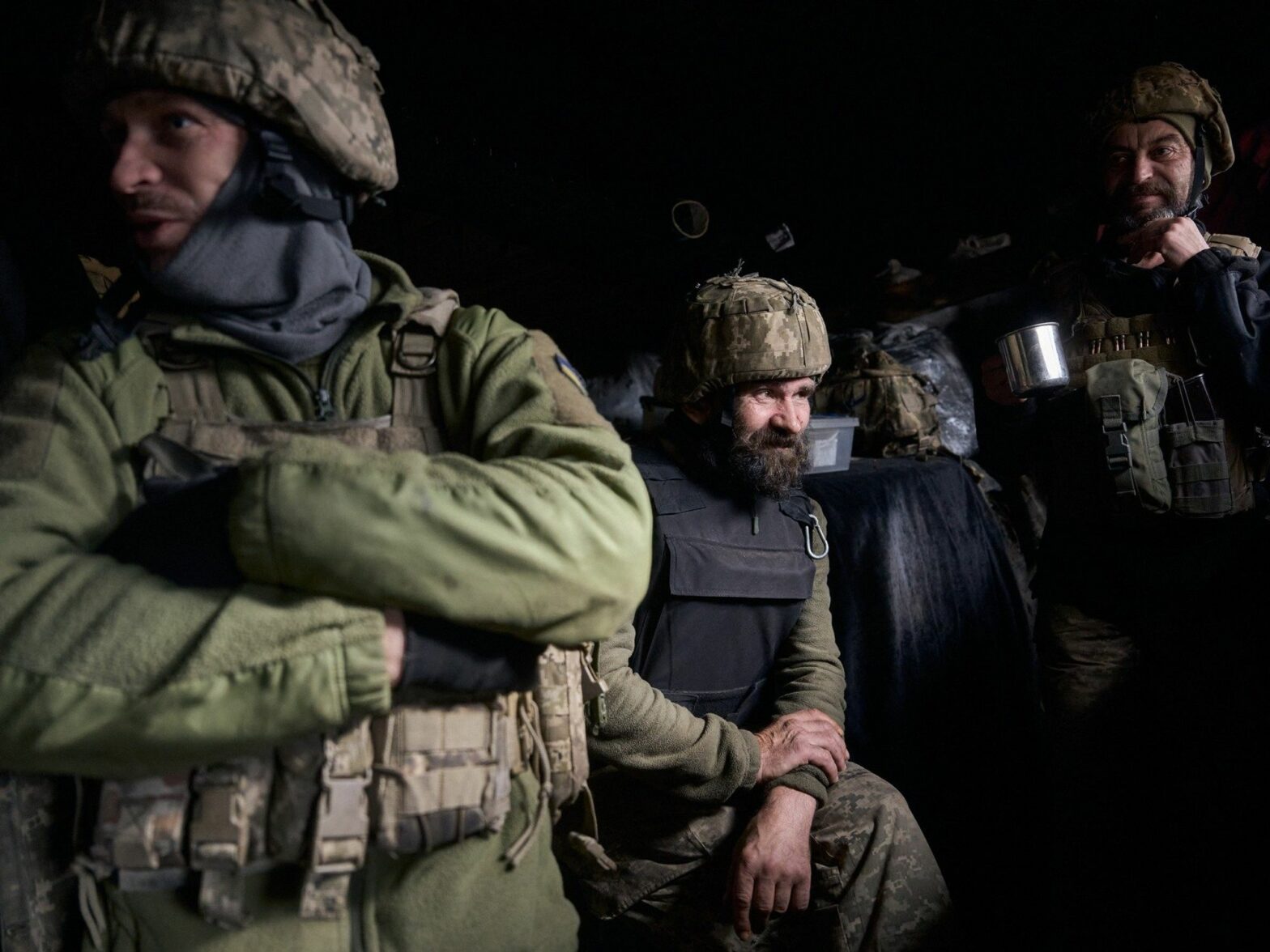
Last winter, many Ukrainians believed the only factor delaying the war’s end was the weather. A year later, the country faces a very different situation, with a stalled counteroffensive ahead of the coming cold days creating fertile ground to lose precious national unity.
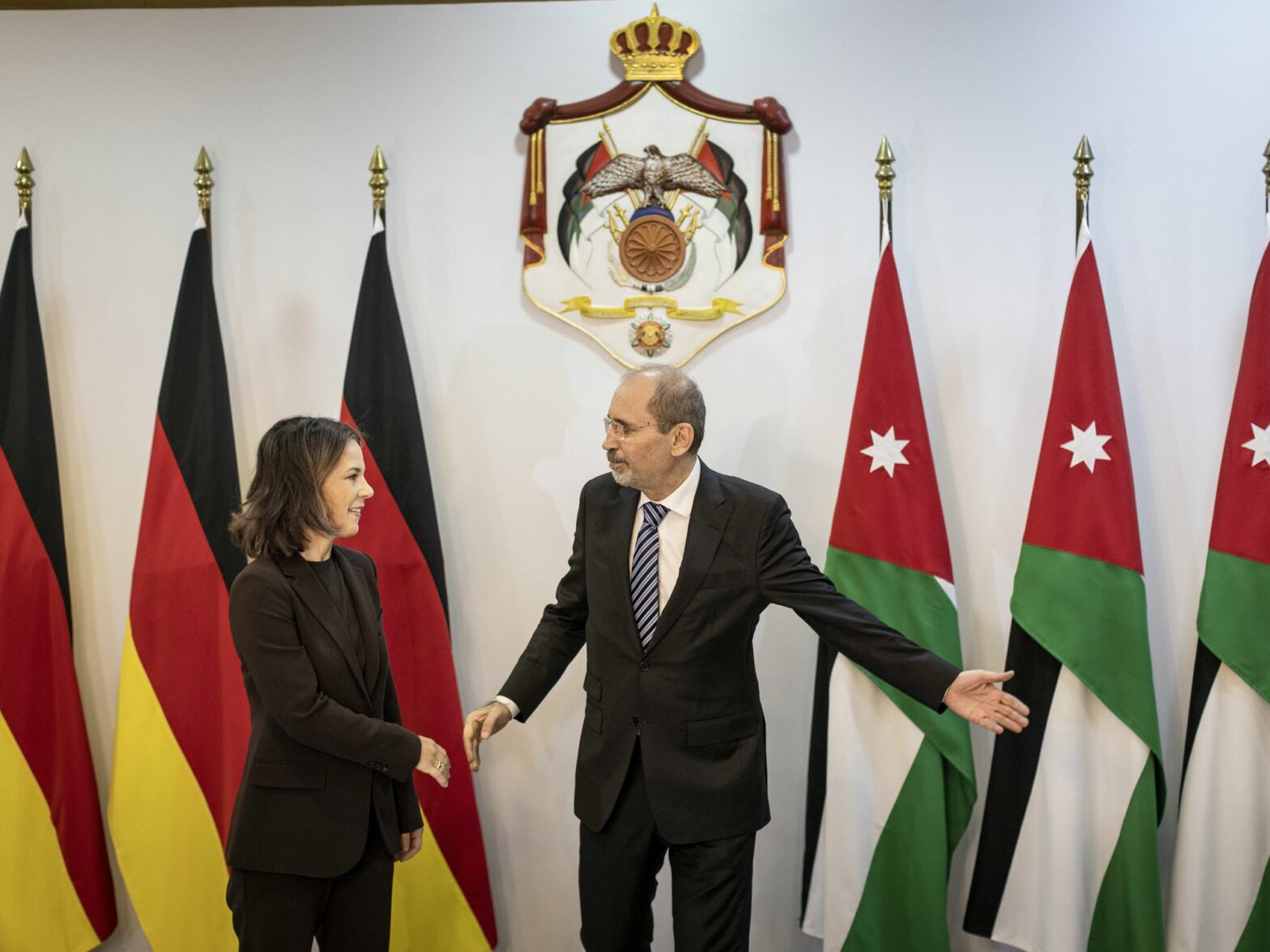
In Qatar, Egypt, Paris or on the phone, negotiators are busy trying to secure the release of hostages, push for “humanitarian pauses”, and prepare for the political aftermath of the war. Meanwhile, the war rages on in Gaza.
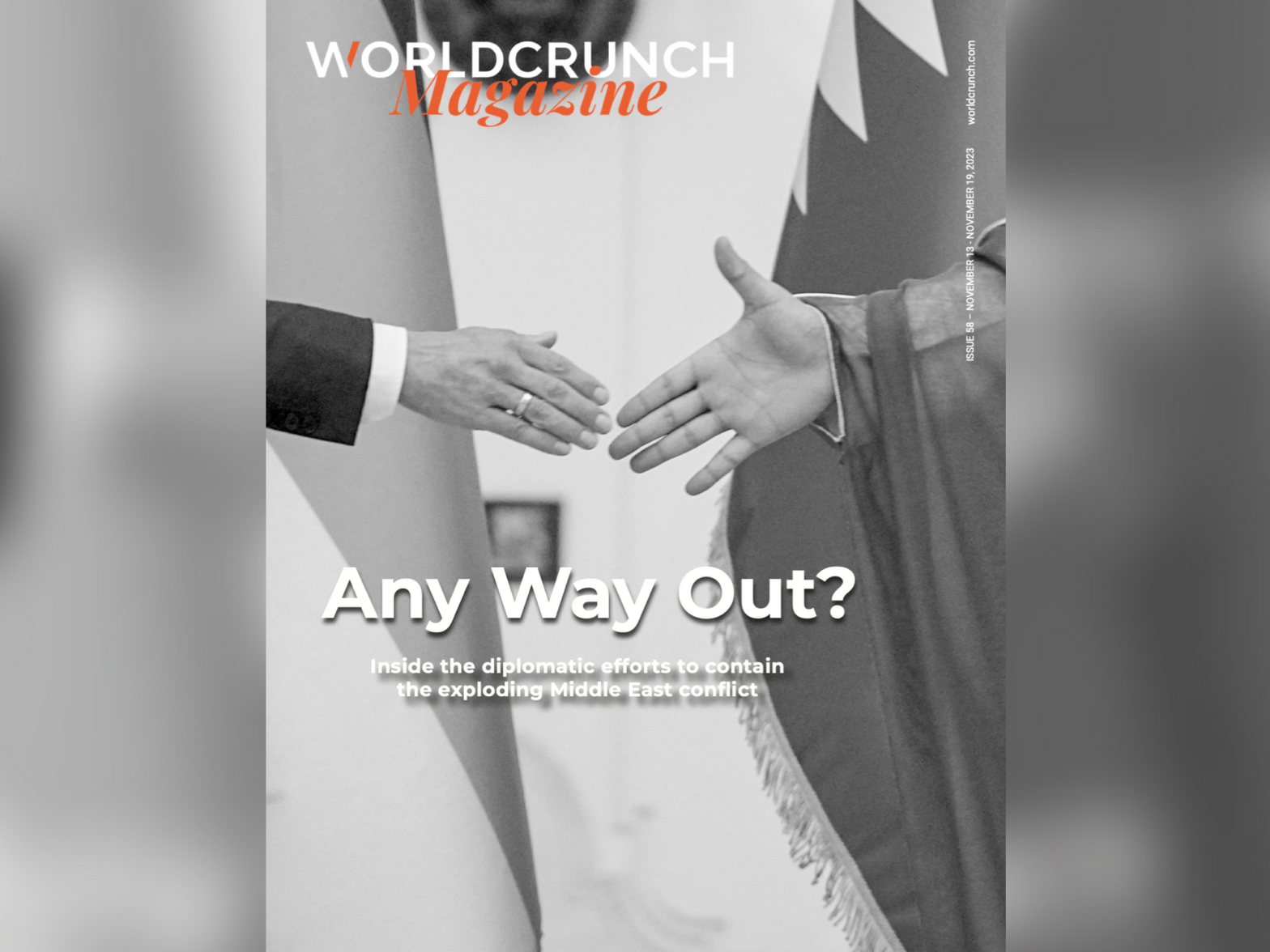
November 13 – November 19, 2023
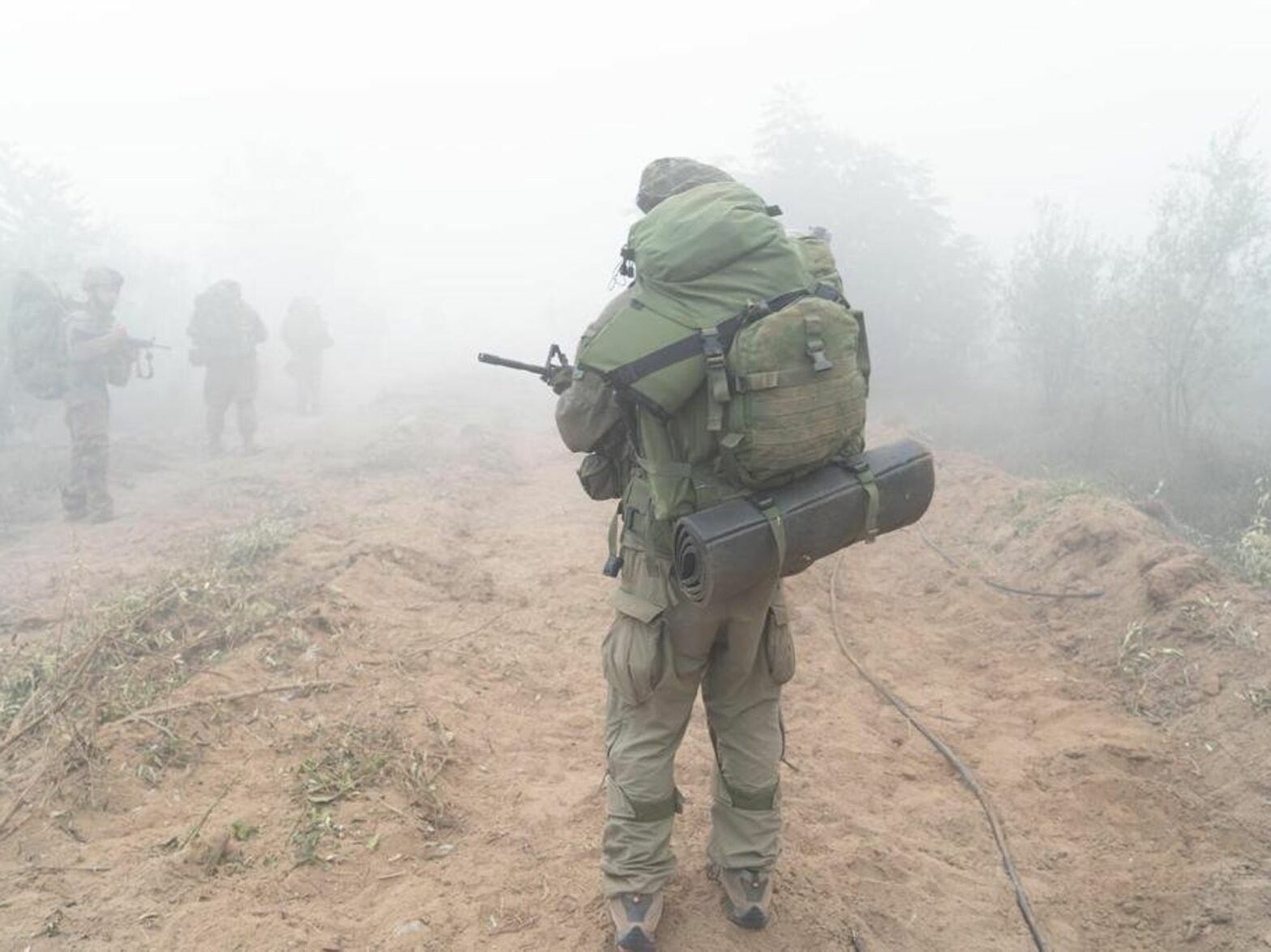
Prime Minister Netanyahu’s mention of “indefinite” control of security in Gaza does not sit well with Washington. Biden has a growing number of reasons to start pushing back against Israel’s war and post-war aims.
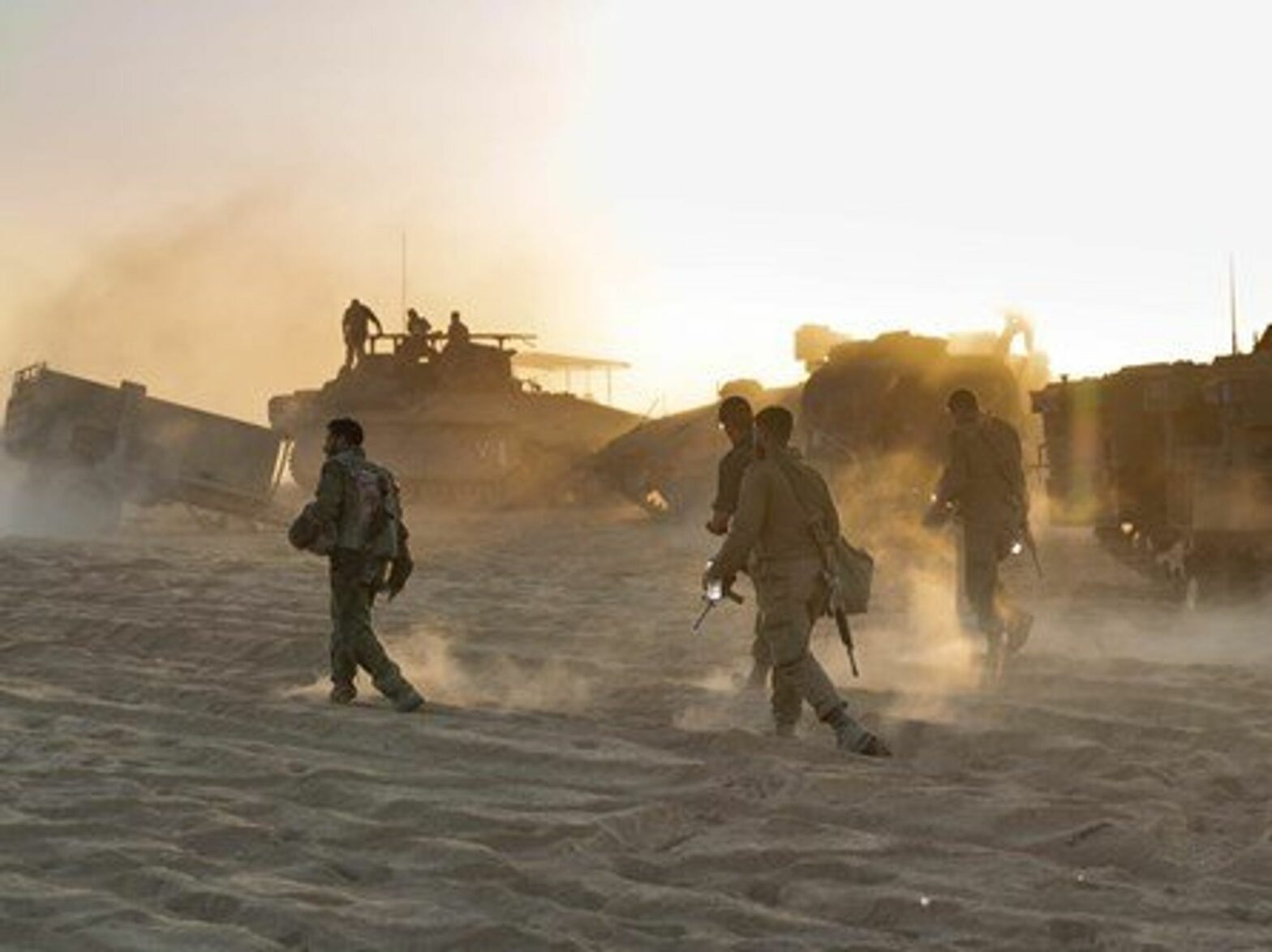
Calls for a “humanitarian pause” are multiplying as the war rages on for almost a month, but the West is careful not to talk about a ceasefire, which Israel totally rejects. Where does that leave us in a search for a way out?
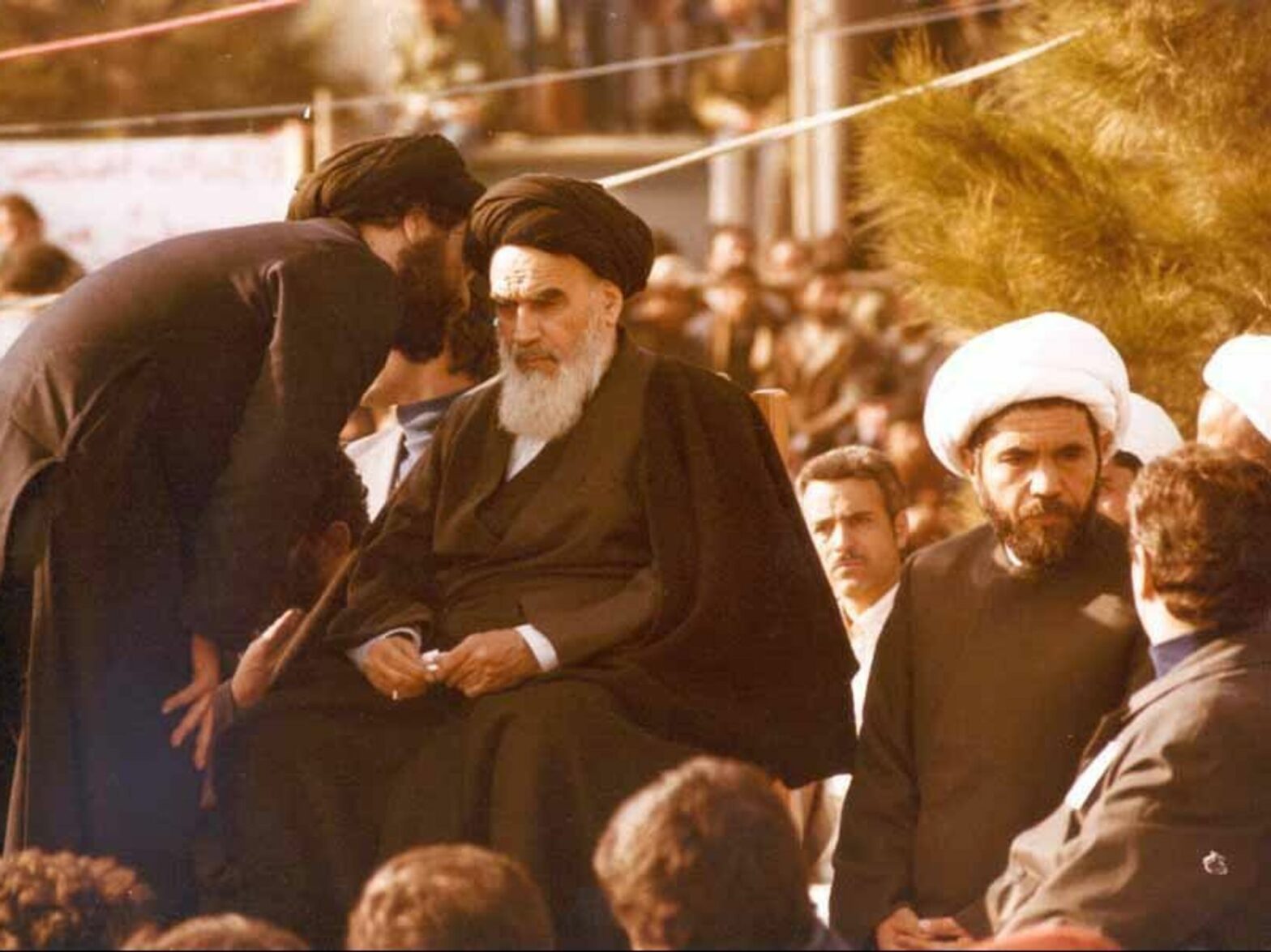
Whom should we blame for the death and destruction in Gaza: terrorists, Israel or ‘warmongers’ beyond them, notably the Tehran regime that envisaged, decades ago, a regional war as the prelude to spreading its “Islamic revolution.”
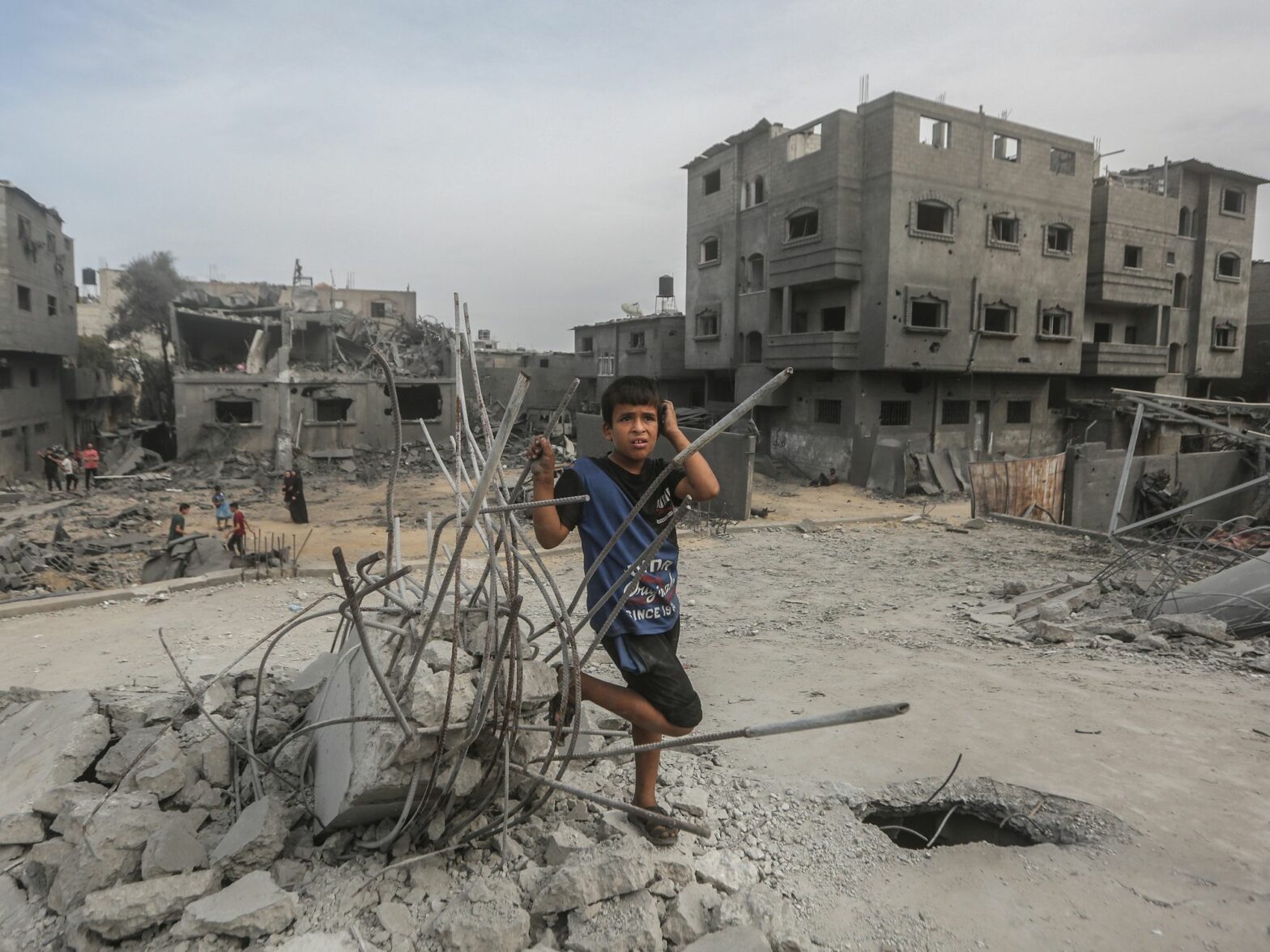
For the future of our world, neither the stakes in Ukraine nor Gaza should be underestimated. But understanding the limits of the comparison is important to trying to find a way out of each, says veteran French political scientist Dominique Moïsi.
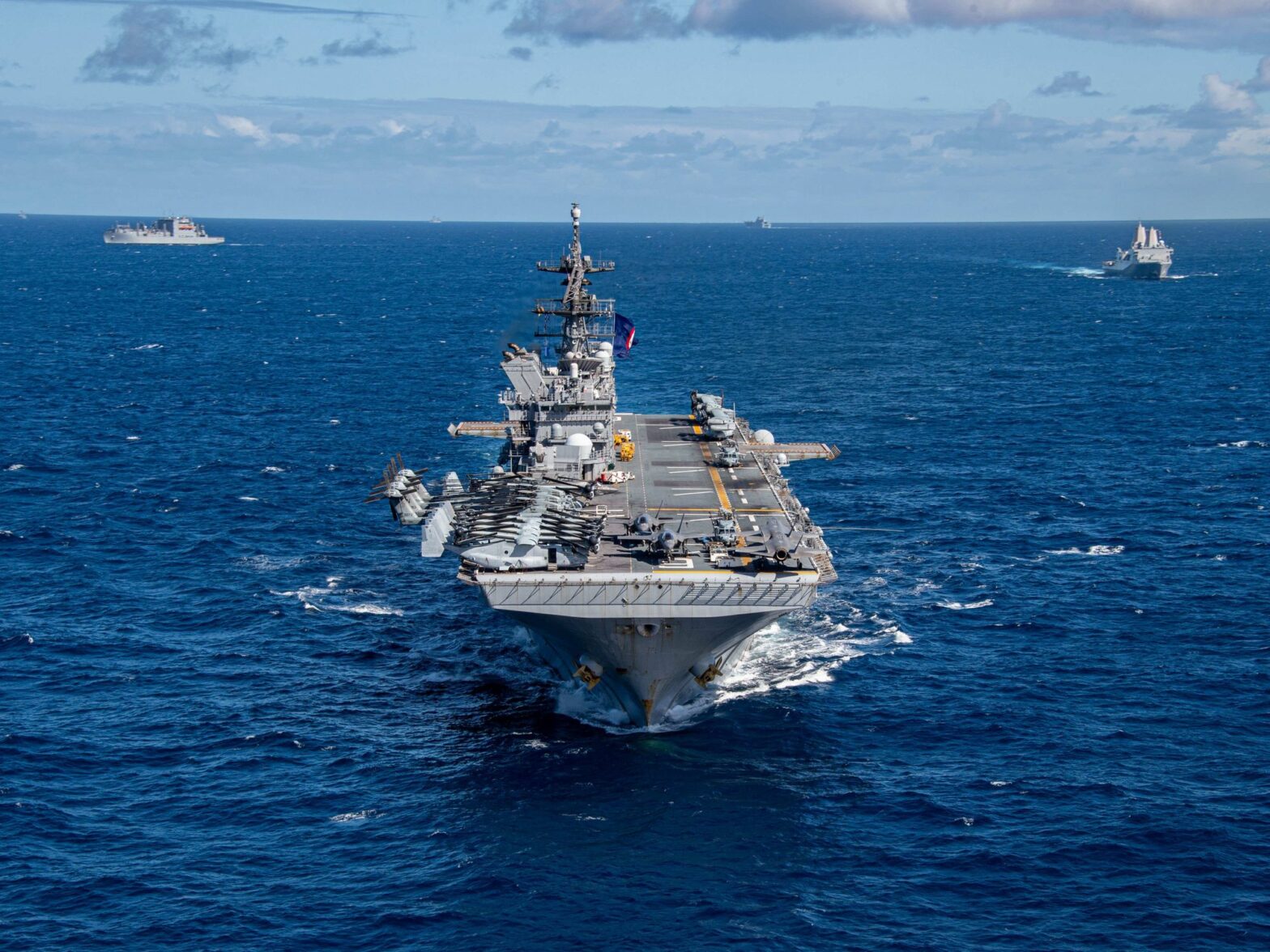
In the wake of Hamas’s attack on Israel, the United States, often projected as no longer wanting to be the region’s policeman, finds itself deploying aircraft carriers in the eastern Mediterranean and conducting F16 raids against Iranian targets in Syria. But the epoch-shifting challenge is elsewhere.
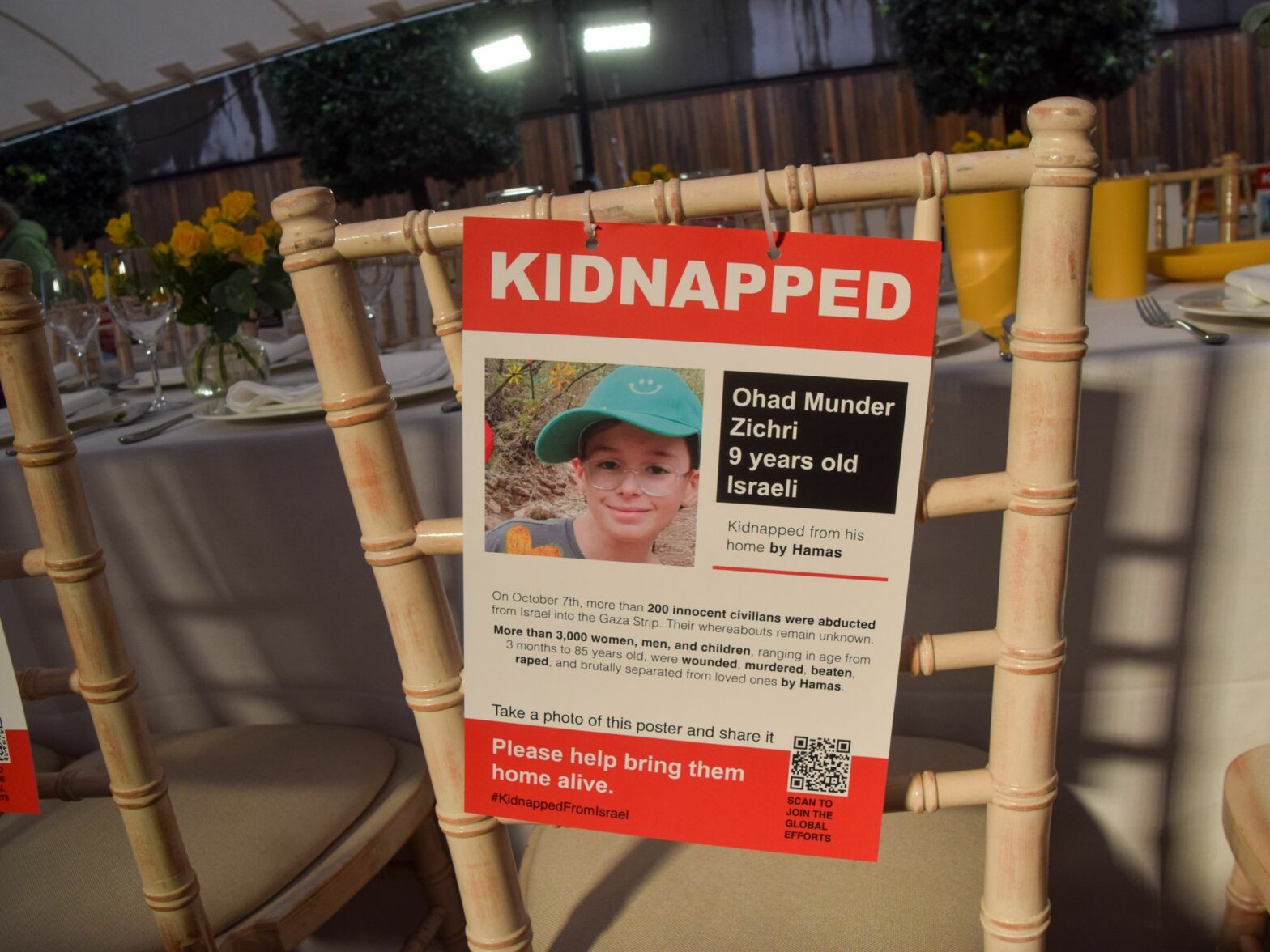
The kidnapping of more 200 Israelis by Hamas suggests that its patron, the Islamic Republic of Iran, is exporting its terrifying and lucrative methods at home to the rest of the Middle East.
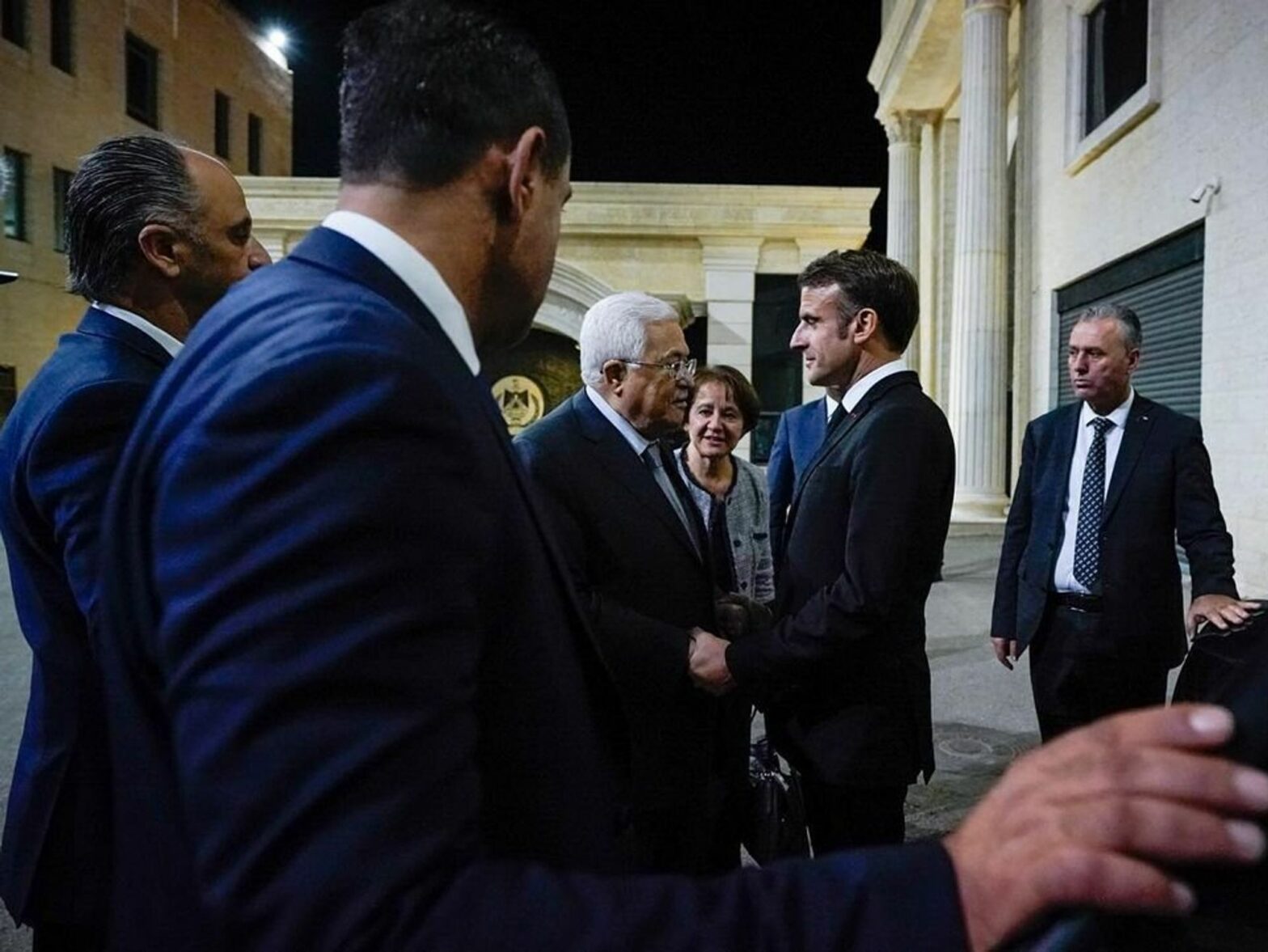
The French president expressed his solidarity with Israel while calling for a political solution for the Palestinians; but he also made a surprise proposal for an international coalition against Hamas, which faces several obstacles — but is also a way to “frame” the conflict so that the dormant two-state solution can return.
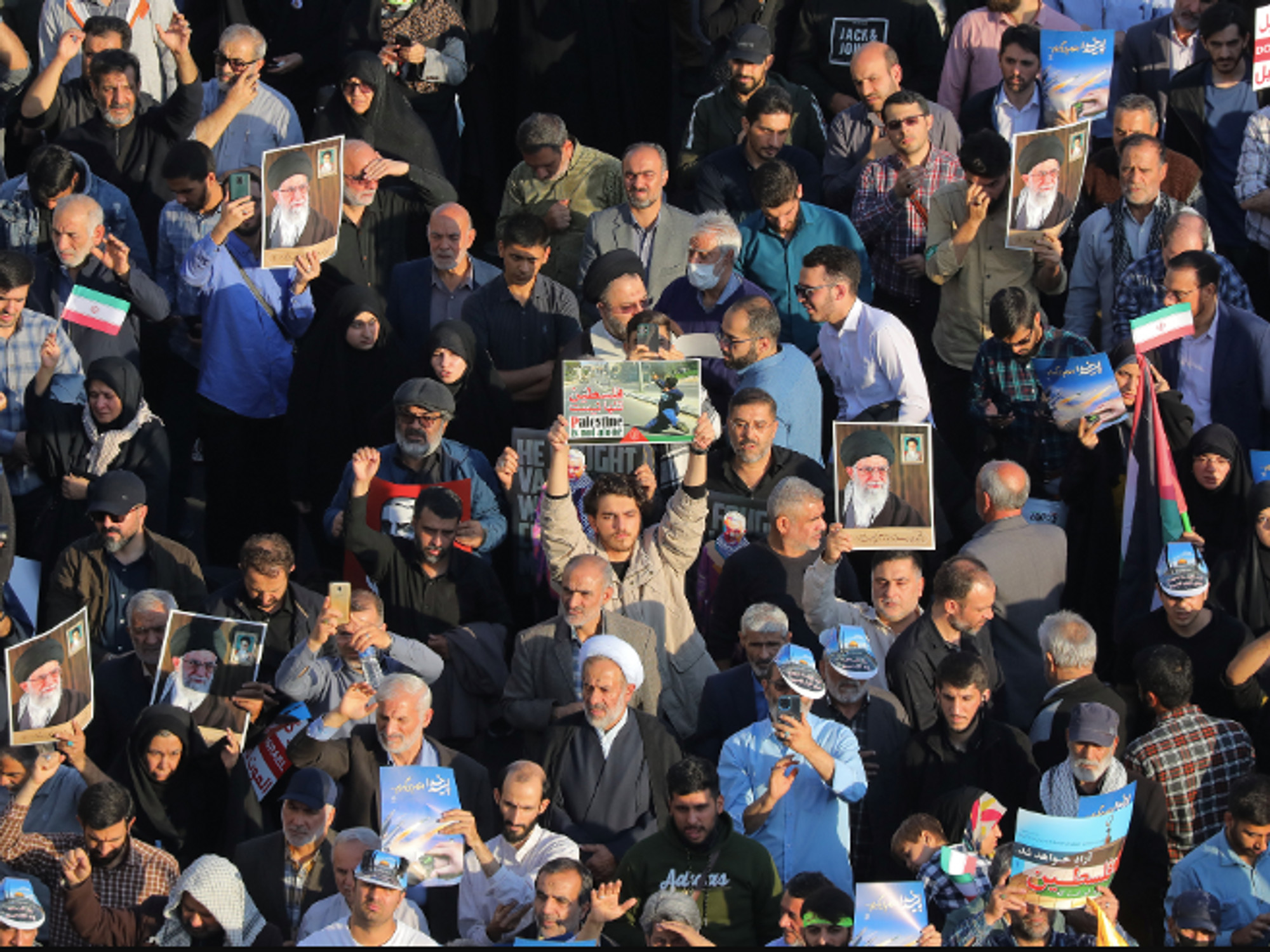
What happens next in the Middle East, including a possible expansion of the war at the Israeli-Lebanon border, will be determined by choices that are made in different capitals. Keep your eye on Tehran.
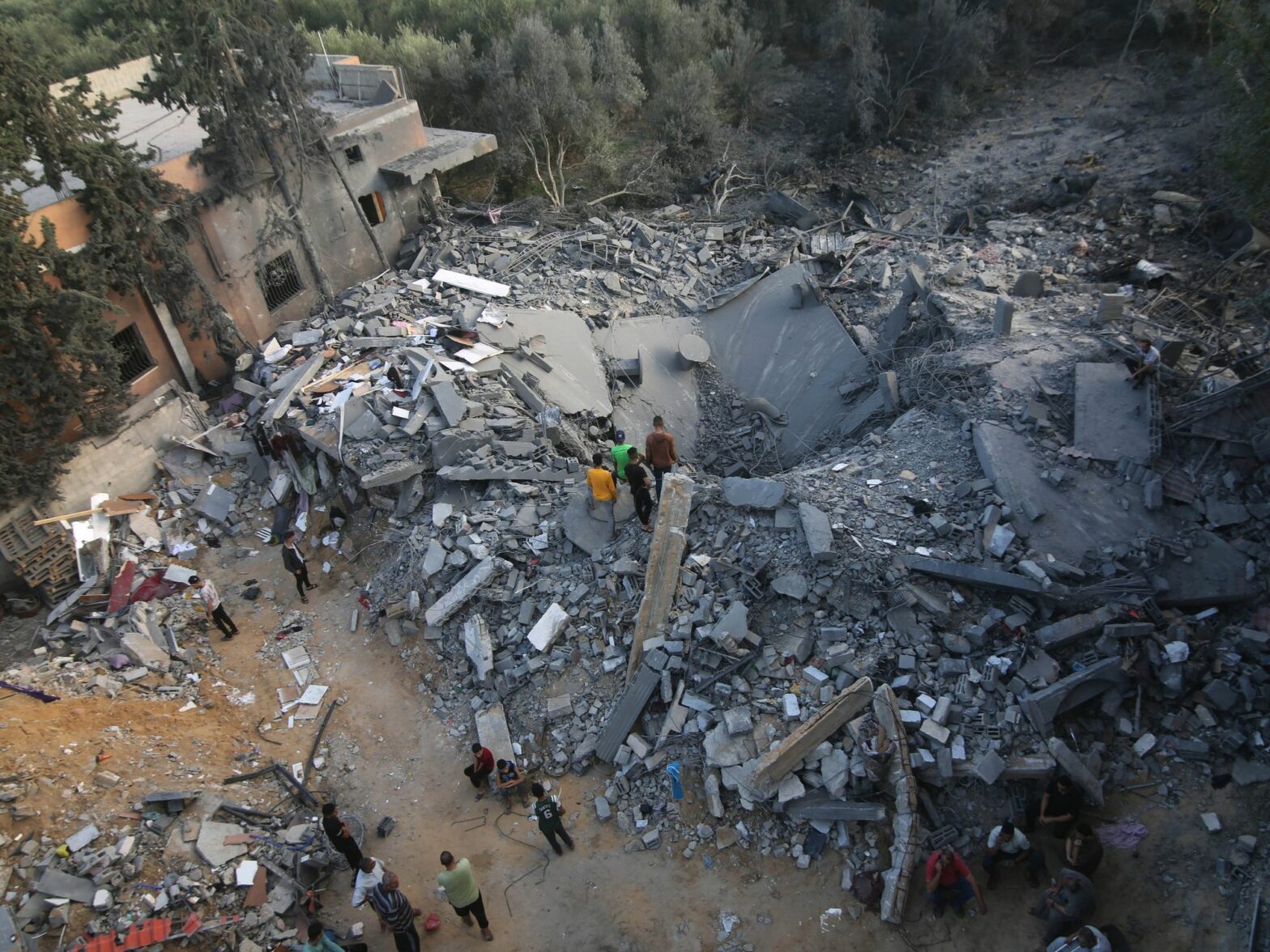
The ongoing conflict between Israel and Hamas has raised numerous issues under international law, including Israel’s unlawful siege of Gaza and Hamas being a non-state actor.
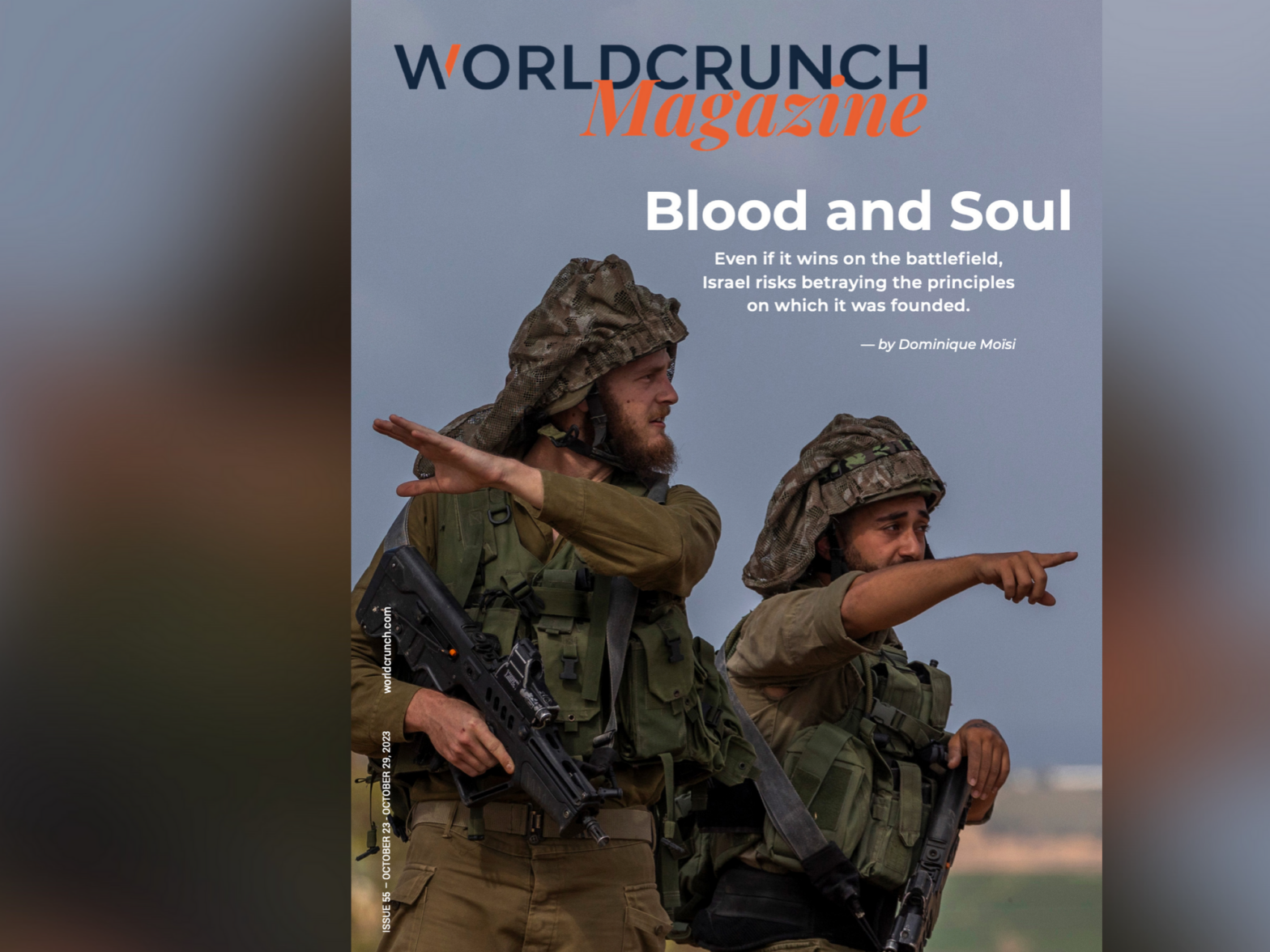
October 23 – October 29, 2023
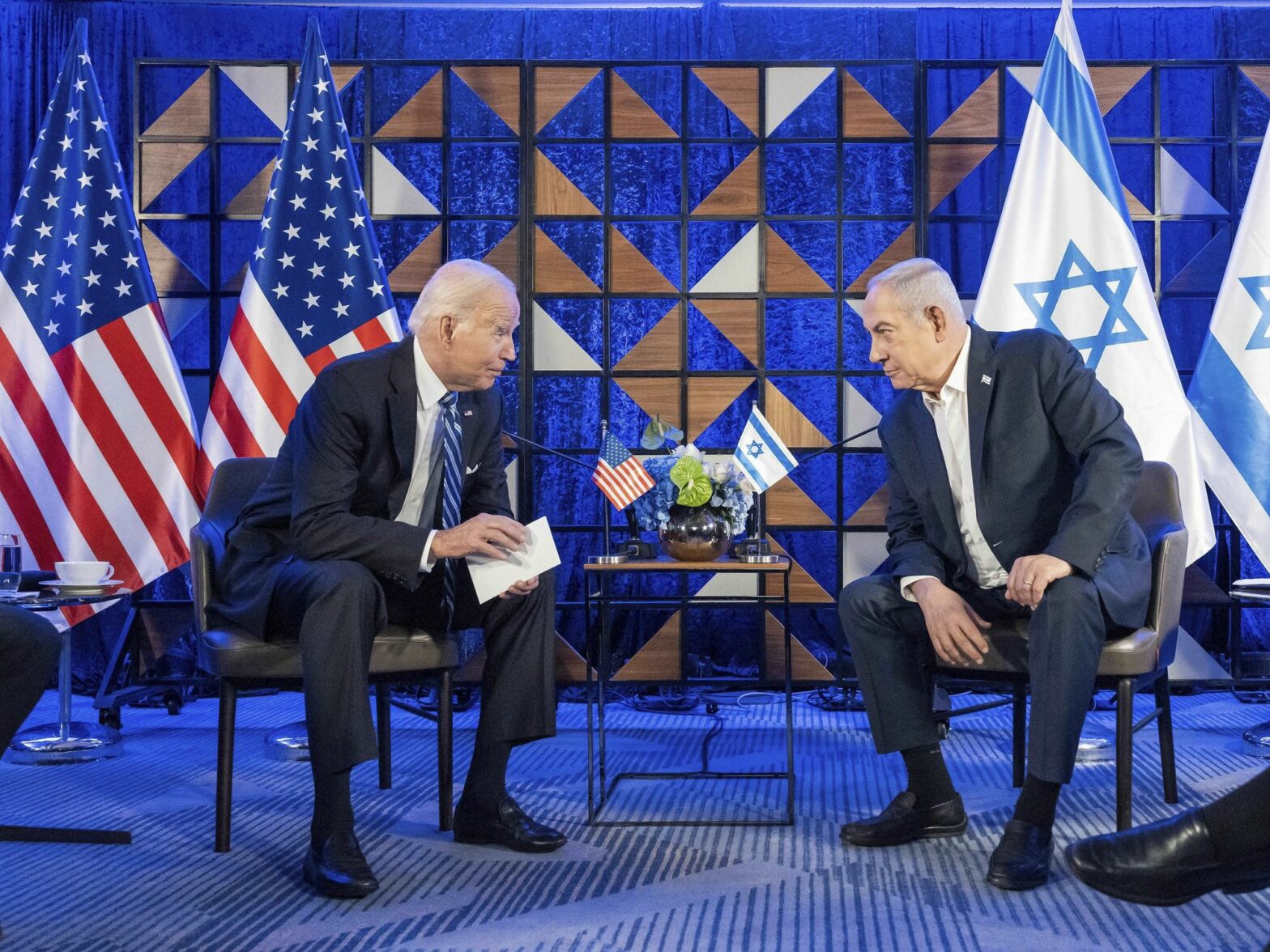
The American president succeeded in obtaining humanitarian corridors through Gaza, and supported Israel’s claims that it wasn’t responsible for bombing a Gaza hospital. But in the Arab world, he consolidated his image as Israel’s main supporter, and lost the political battle for public opinion.
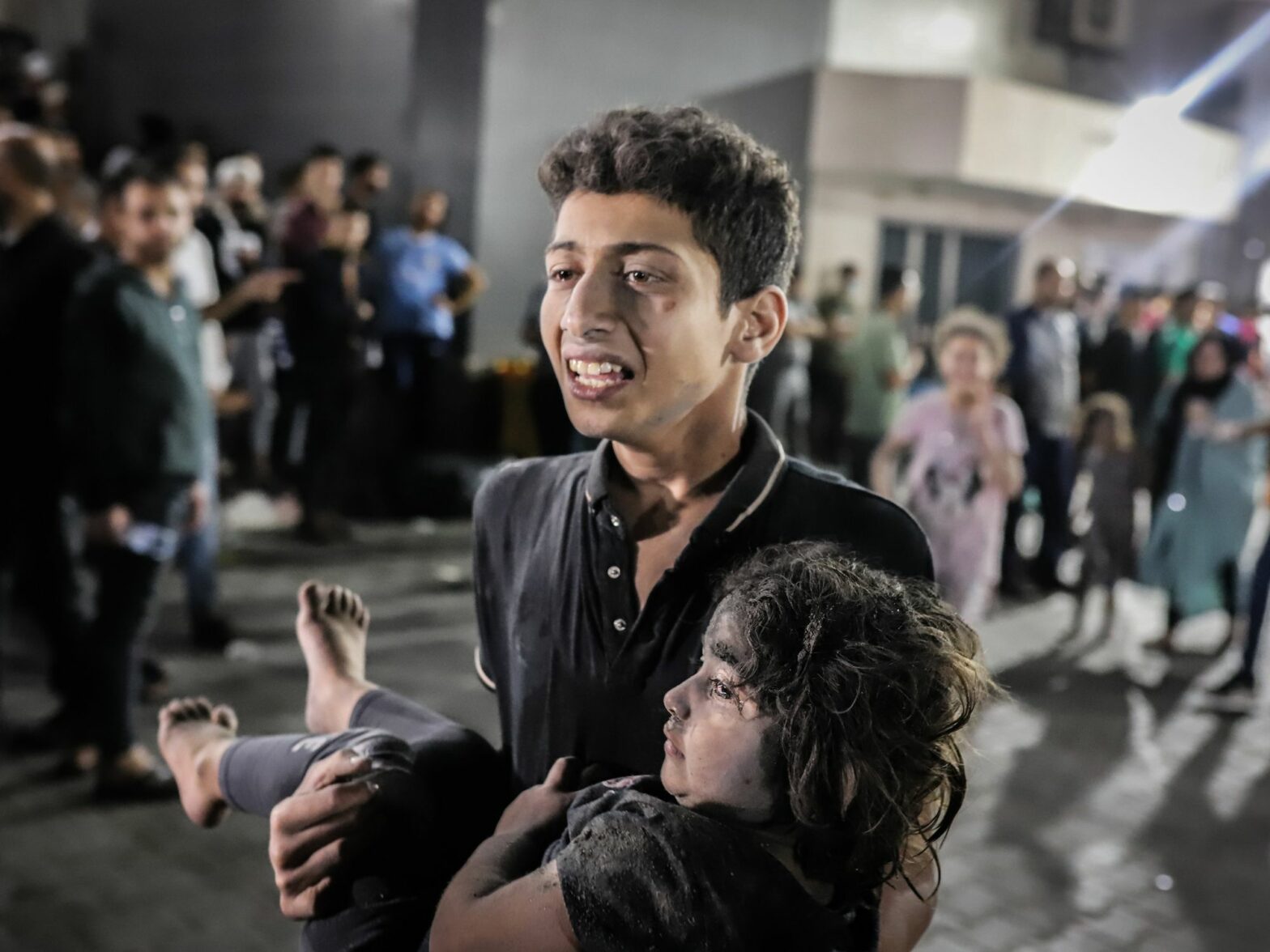
The strike on Gaza’s Al-Ahli hospital, which left hundreds dead, has changed the climate of the conflict between Israel and Hamas, even as the two sides shift the blame to each other. Calls for a ceasefire multiply as Joe Biden arrives in Israel.
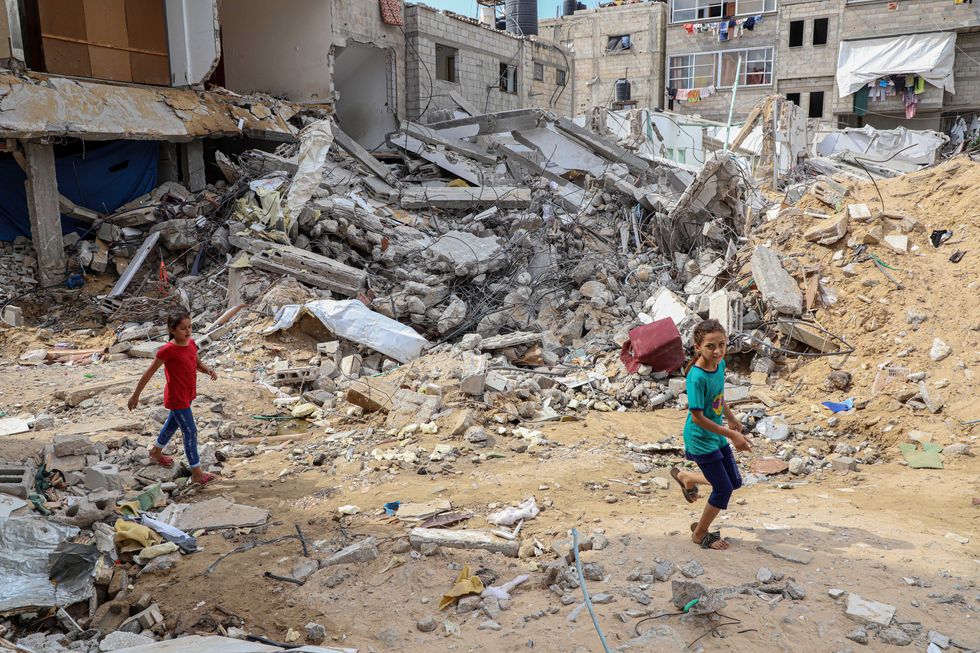
Hamas has shown callous disregard for the lives of Palestinians living in Gaza, but this was inevitable given its history and the inspiration of its patrons – Iran’s hangman regime.
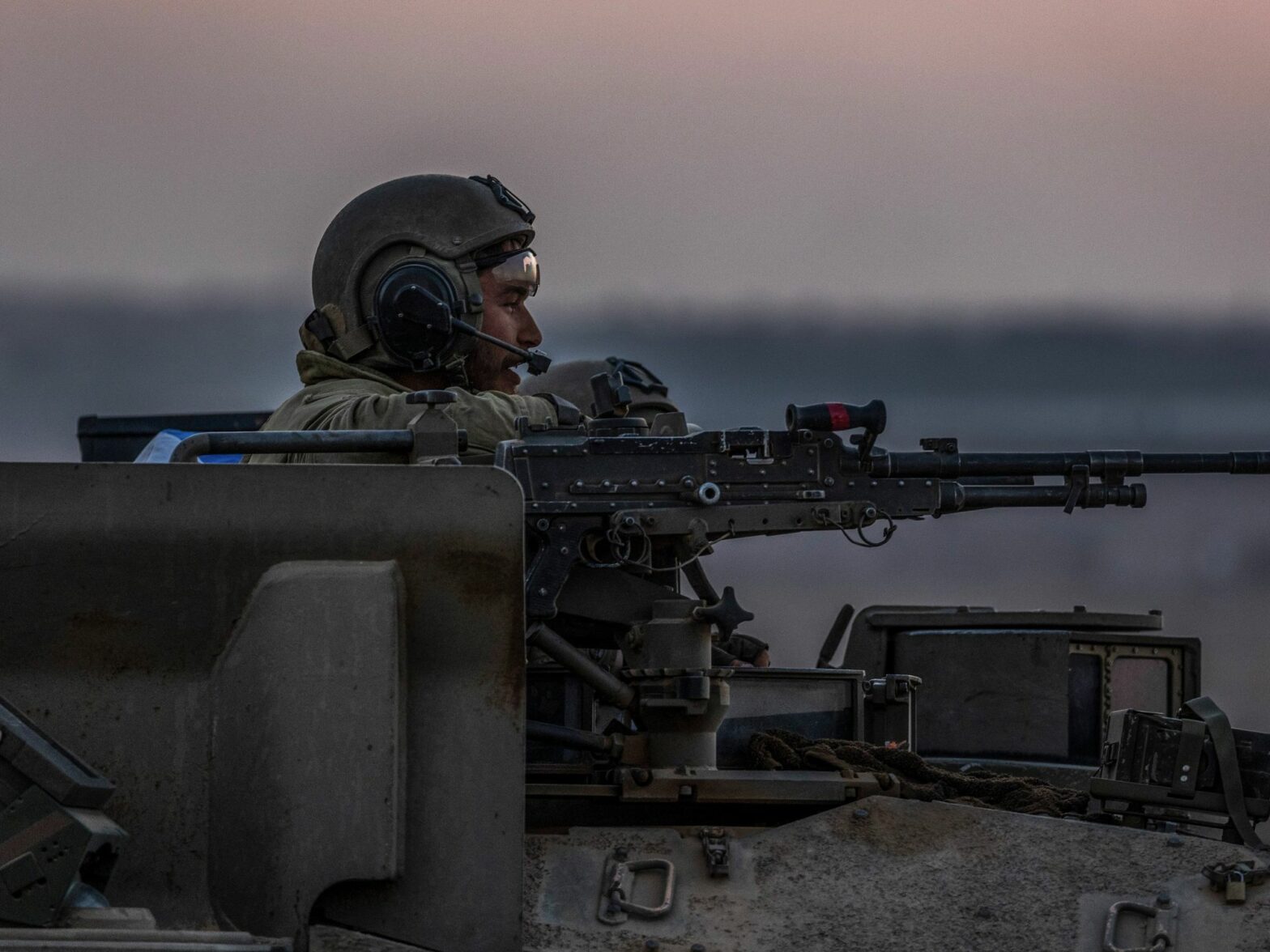
After extending its complete support to Israel in the wake of the October 7 attacks, the West has started to soften its stance and demand that the state follow international law. But there are scant signs that Israel will let up its all-out assault in Gaza.
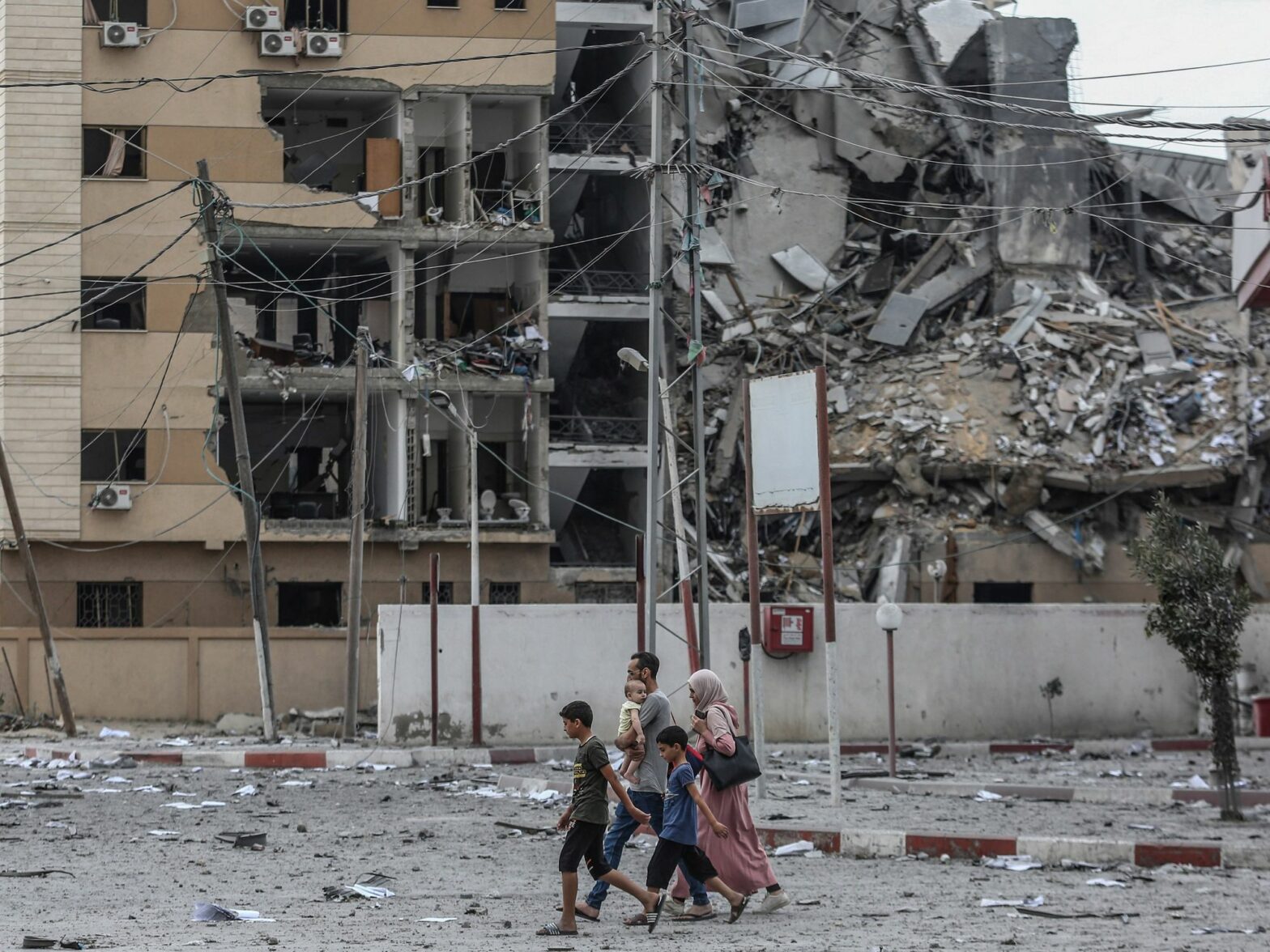
Even as the borders close and the siege tightens, most of the Palestinians also deeply fear leaving, convinced that (like their forebears) they’ll never return.
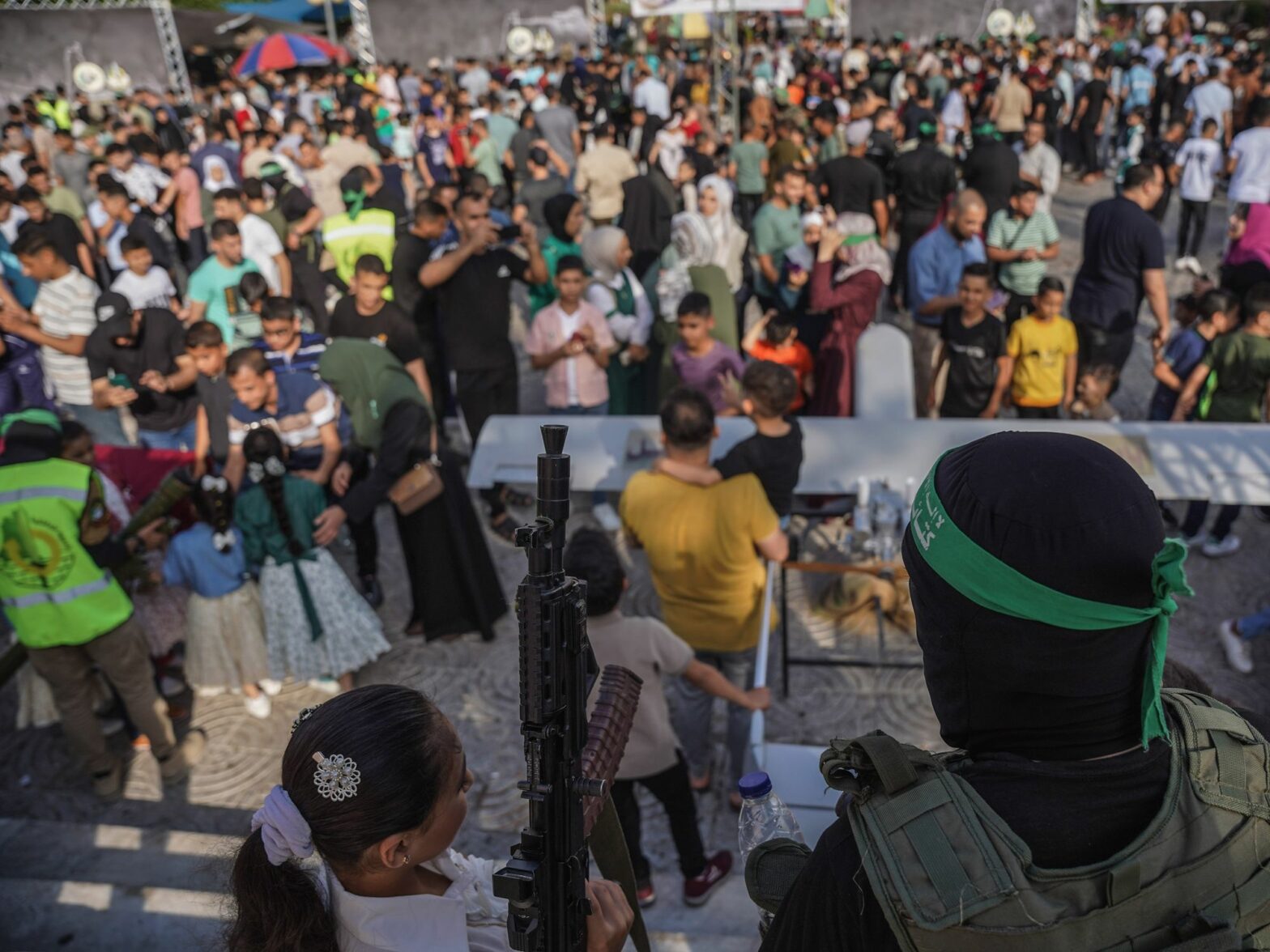
Will the West stop coddling the Iranian regime now, or continue its mix of appeasement and a cat-and-mouse game that Tehran has deftly exploited to undermine peace in the Middle East?
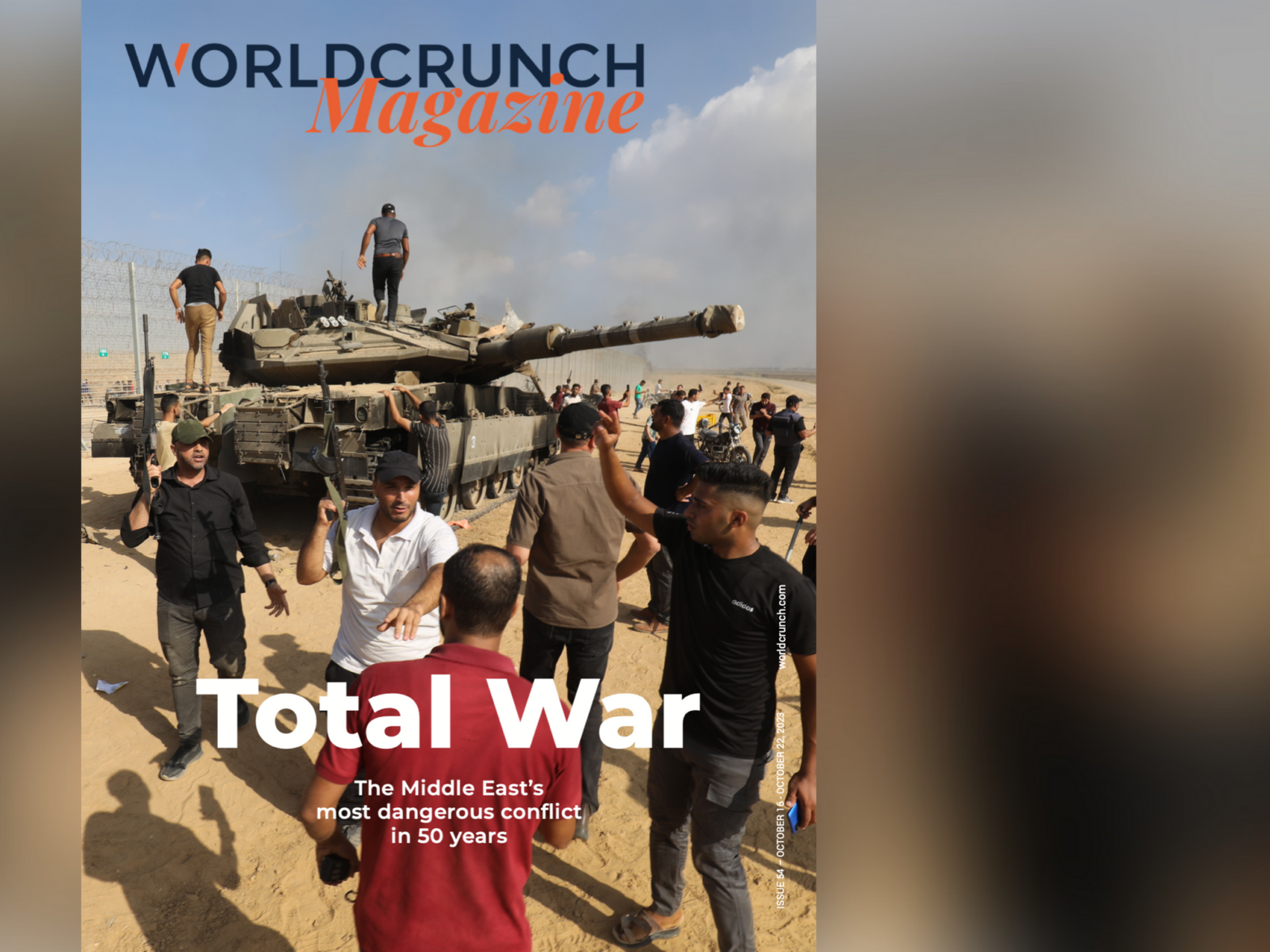
October 16 – October 22, 2023
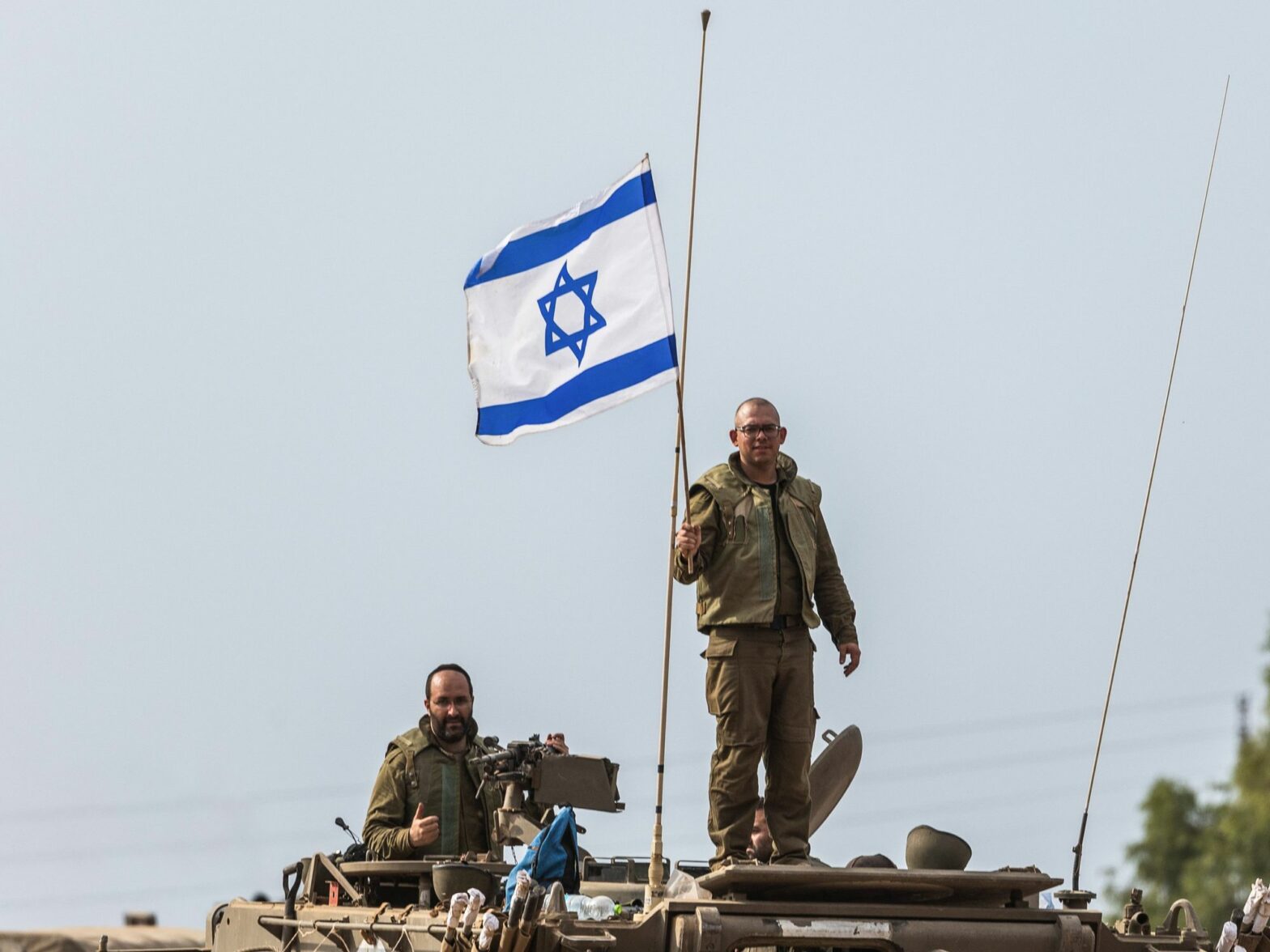
The Oct. 7 Hamas attacks are as devastating on Israel as the Sep. 11 were on the U.S. But like it did 20 years ago, such an attack also has the power to reshape politics inside Israel and around the region in a way that risks making everything worse.
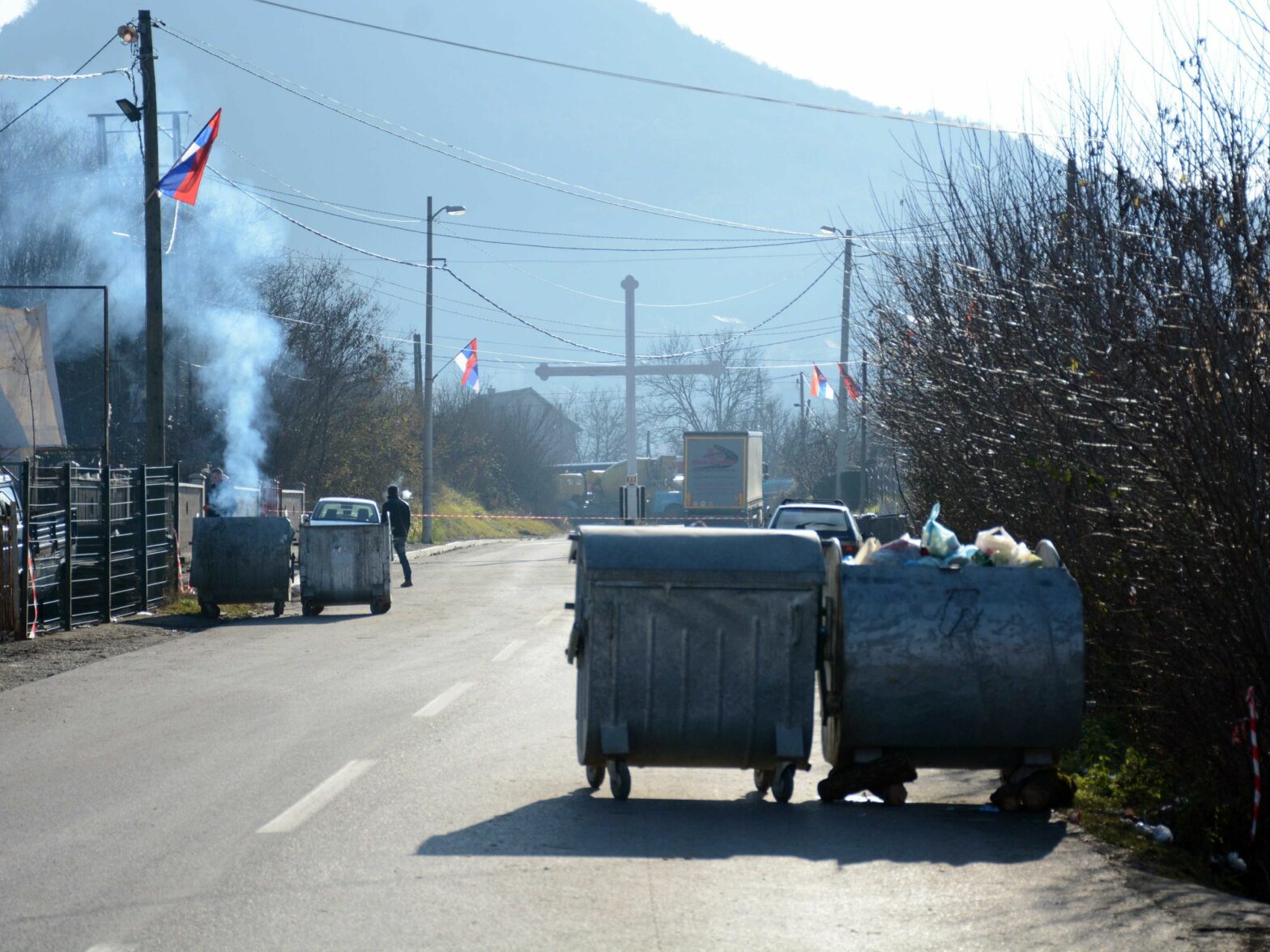
Tension are rising between Serbia and Kosovo, taking on an international dimension with Russia lending its support to Serbia, while NATO has long had a presence in Kosovo. There is only one real solution to such a historic feud over territory and ethnicity, and it’s called: Europe.
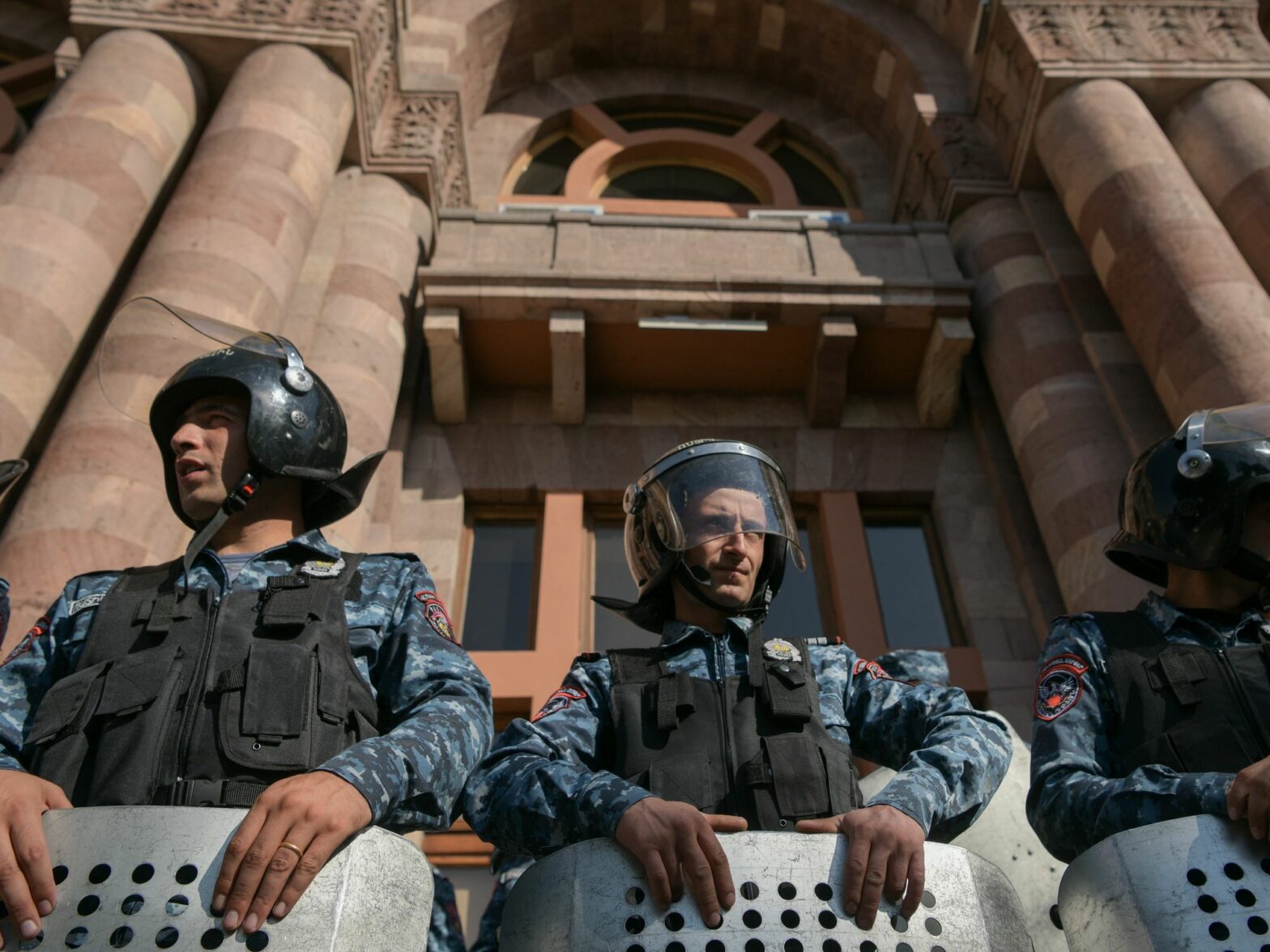
It’s been a whirlwind 24 hours in the Armenian enclave, whose sudden surrender is reshaping the power dynamics in the volatile Caucasus region, leaving lingering questions about the future of a region long under the Russian sphere of influence.
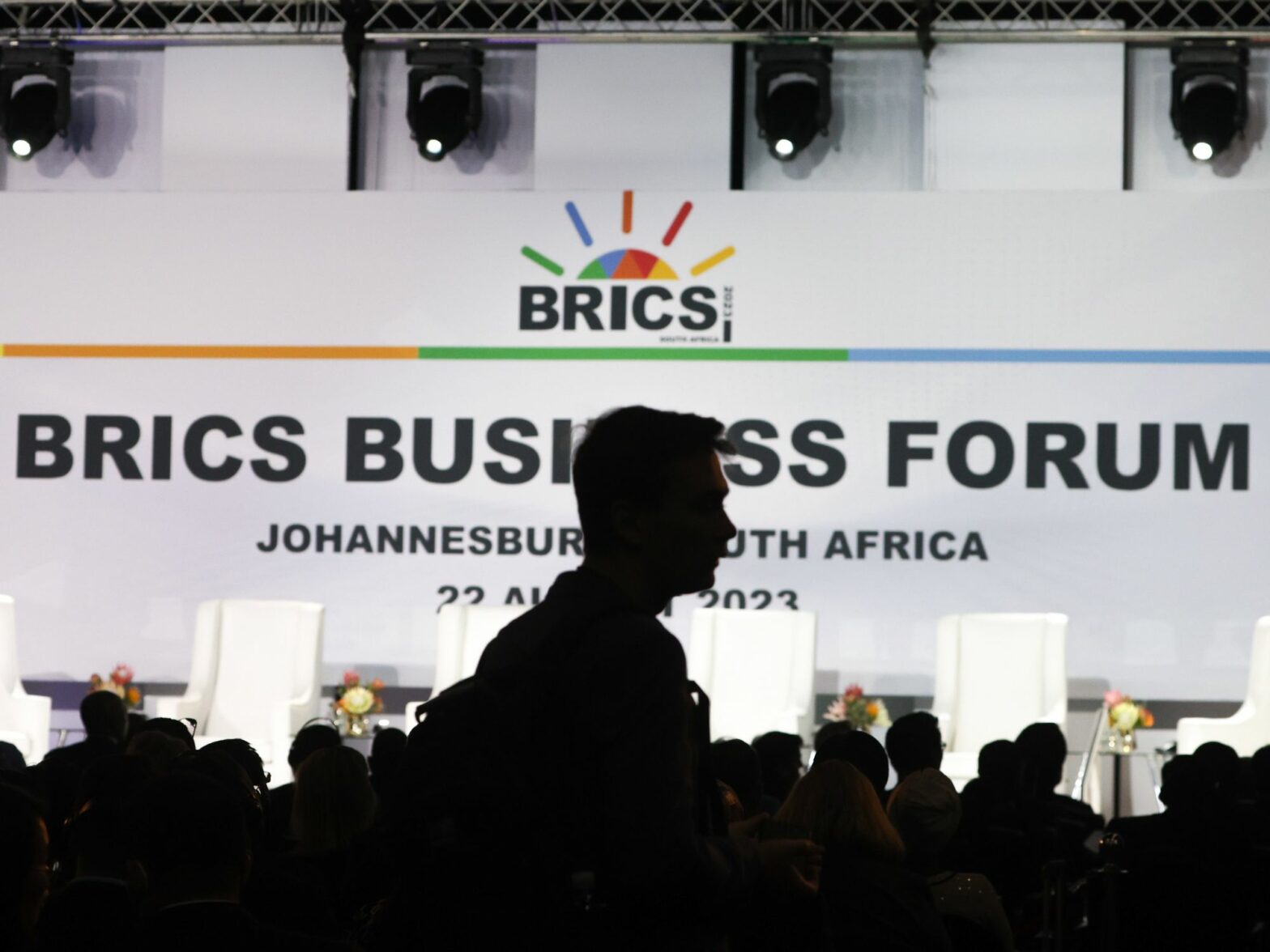
The war in Ukraine has become globalized, with its effects being felt from Africa to China. The only hope of de-escalation is in a potential diplomatic summit between the U.S. and China this autumn.
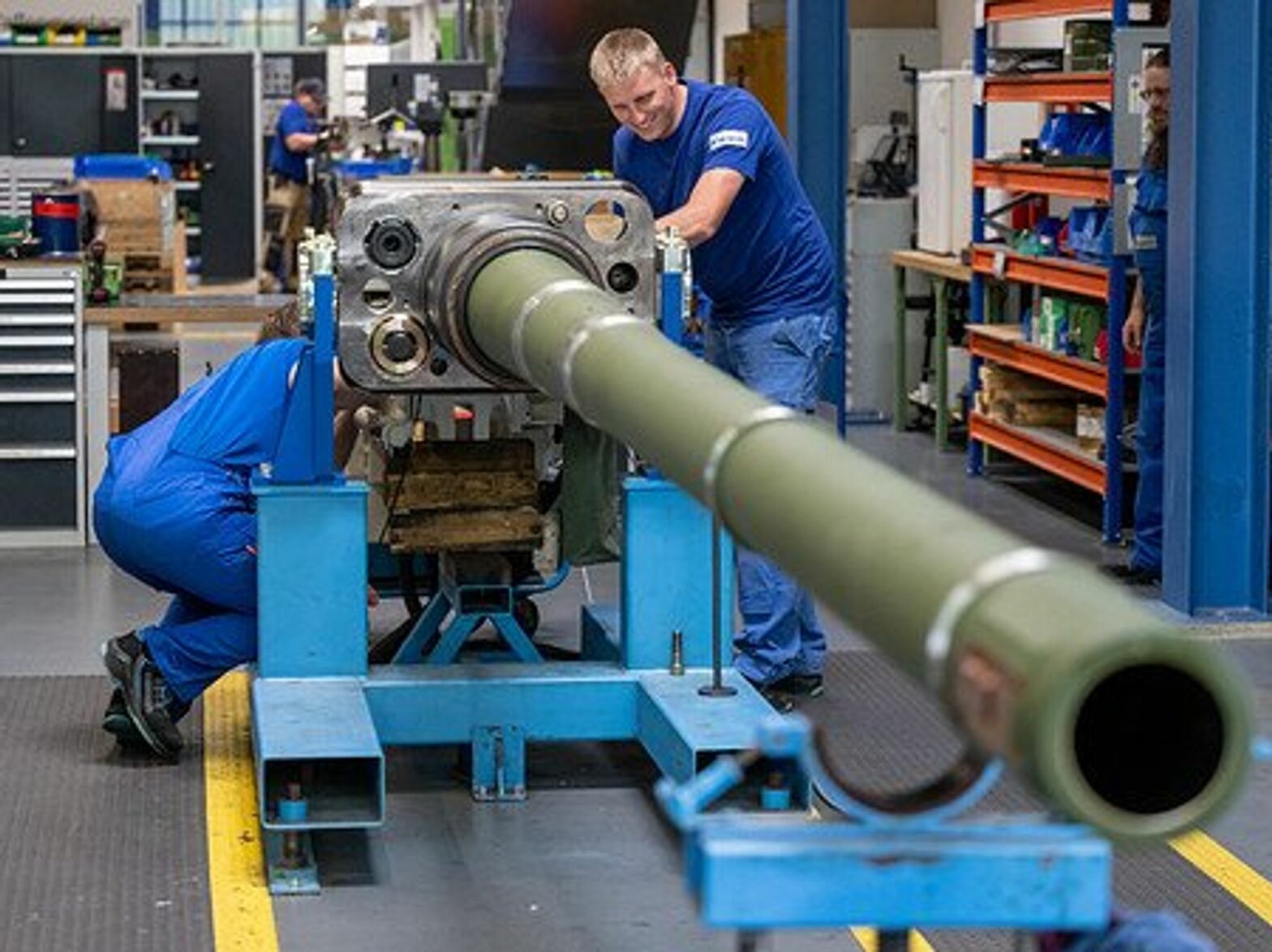
Marder infantry fighting vehicles, Leopard 2 tanks, thousands and thousands of rounds of ammunition: the armament company Rheinmetall is running flat-out, around-the-clock to supply Ukrainian forces. For the first time, Die Welt was granted access to the production floor at the Rheinmetall factory, which is churning out arms as quickly as it did during the depths of the Cold War.
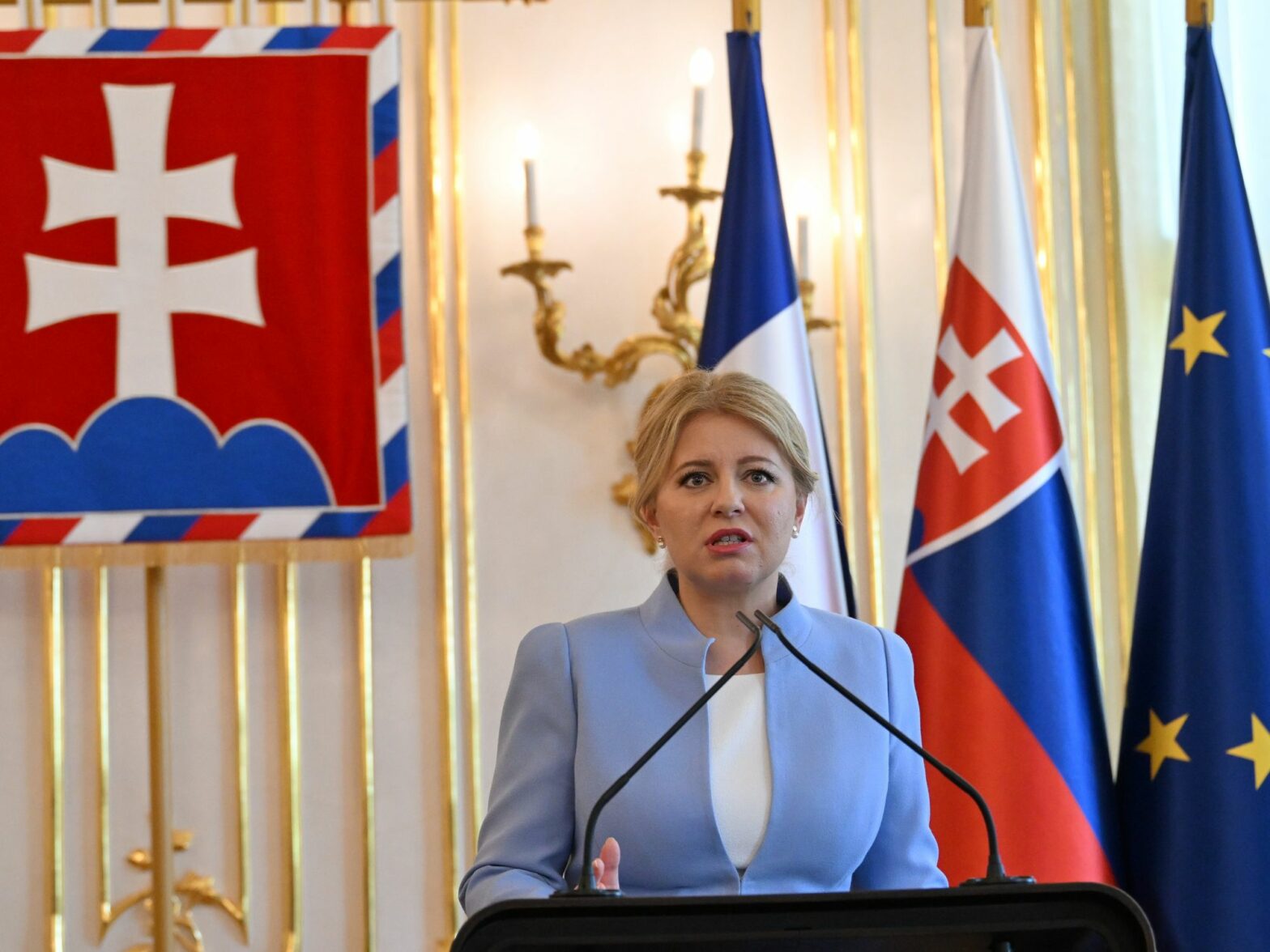
Slovakia, which shares a border with Ukraine, saw liberal President Zuzana Čaputová’s confirmation that she will not seek re-election, in part because of threats against her tough stance on Russia’s invasion. How will the war shape the future direction of Slovakian politics, and vice-versa?
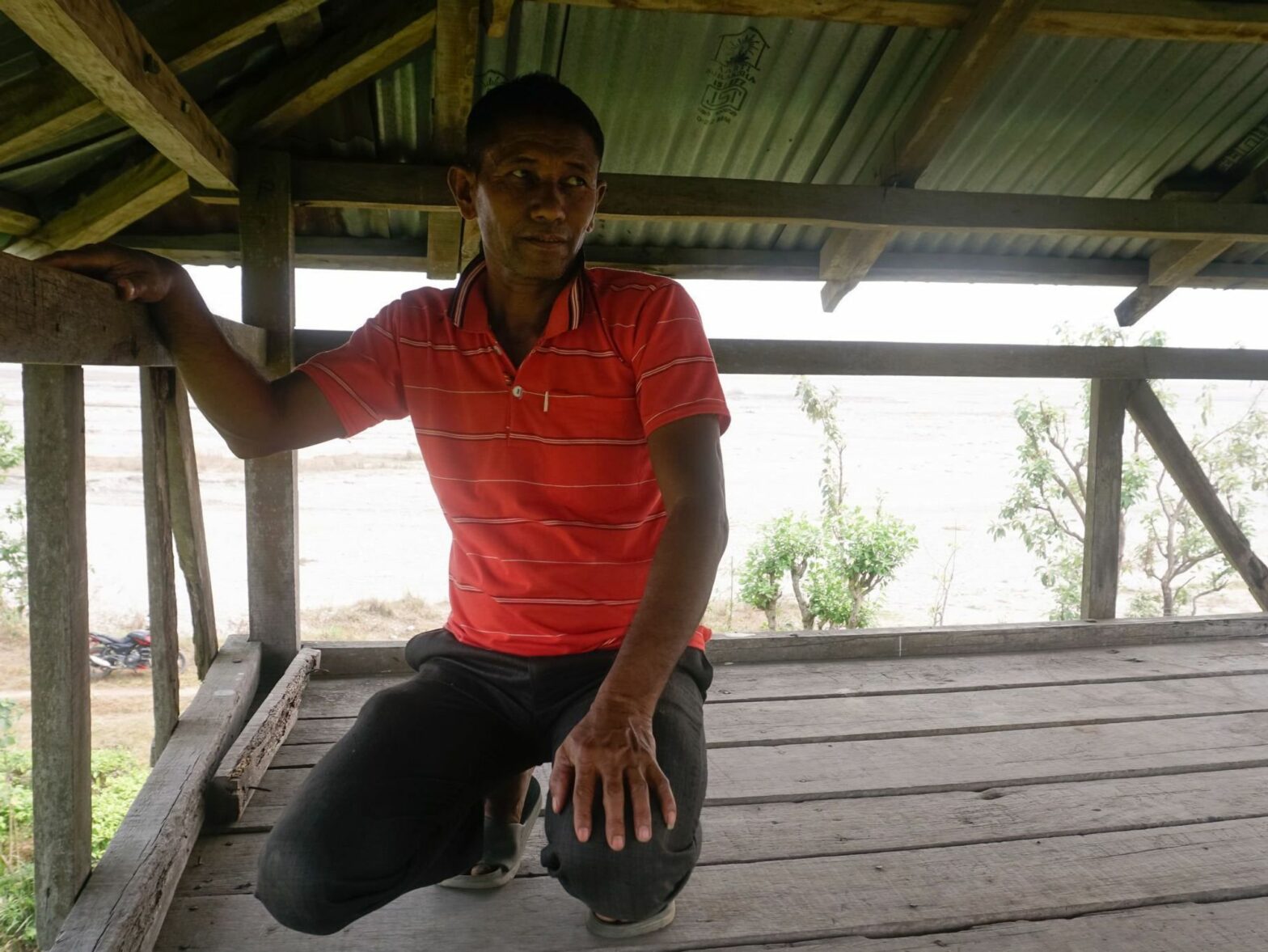
Sick of dealing with dangerous marauding elephants, farmers in Mechinagar are changing their crops and focusing on livestock, but conservationists warn that pivoting won’t solve the problem for good.
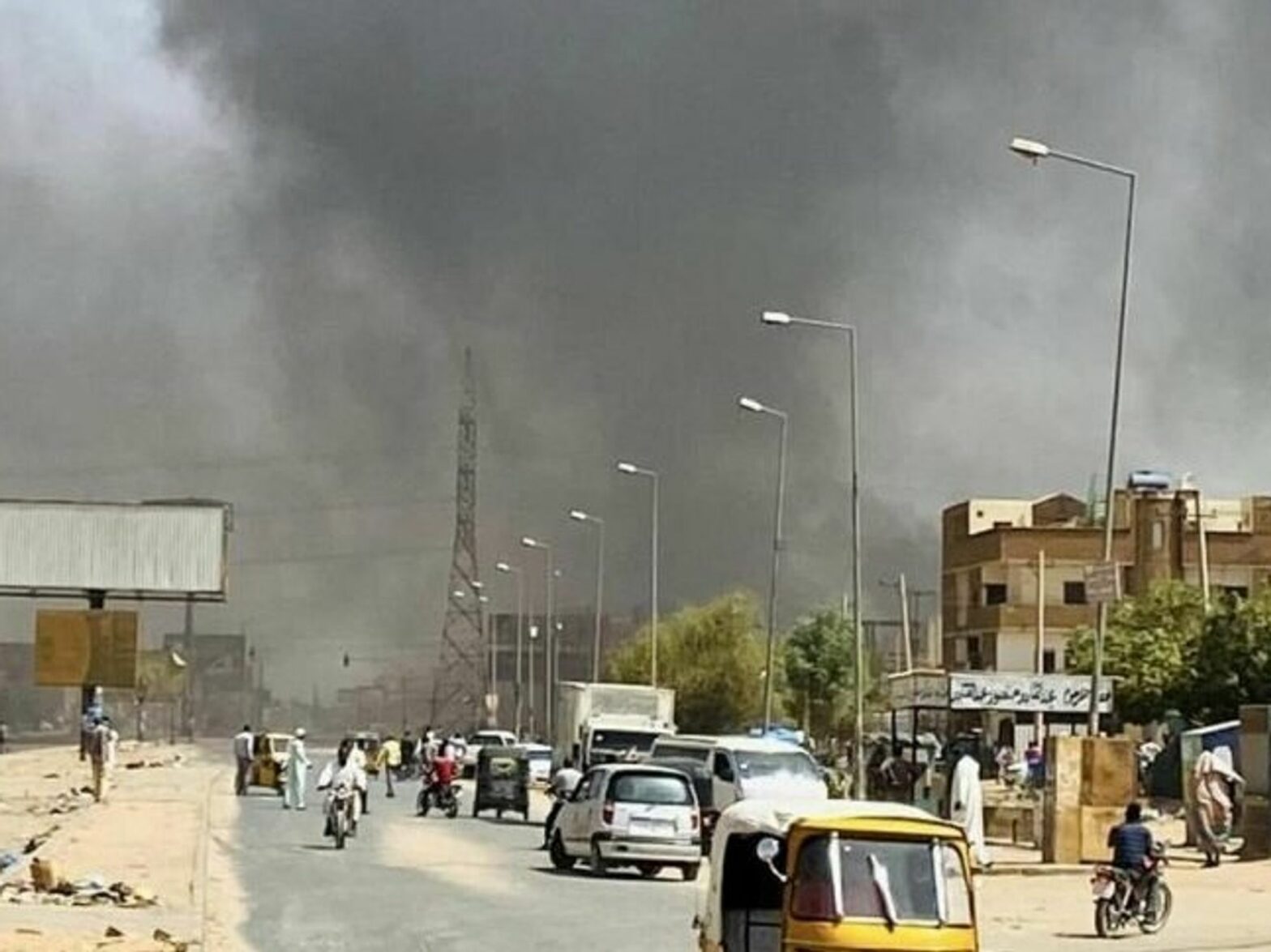
Khartoum, one African capital that hadn’t seen fighting in its recent history, is in the grip of a civil war between rival military forces. How it looks to an architect who grew up in the heart of its creative energy.
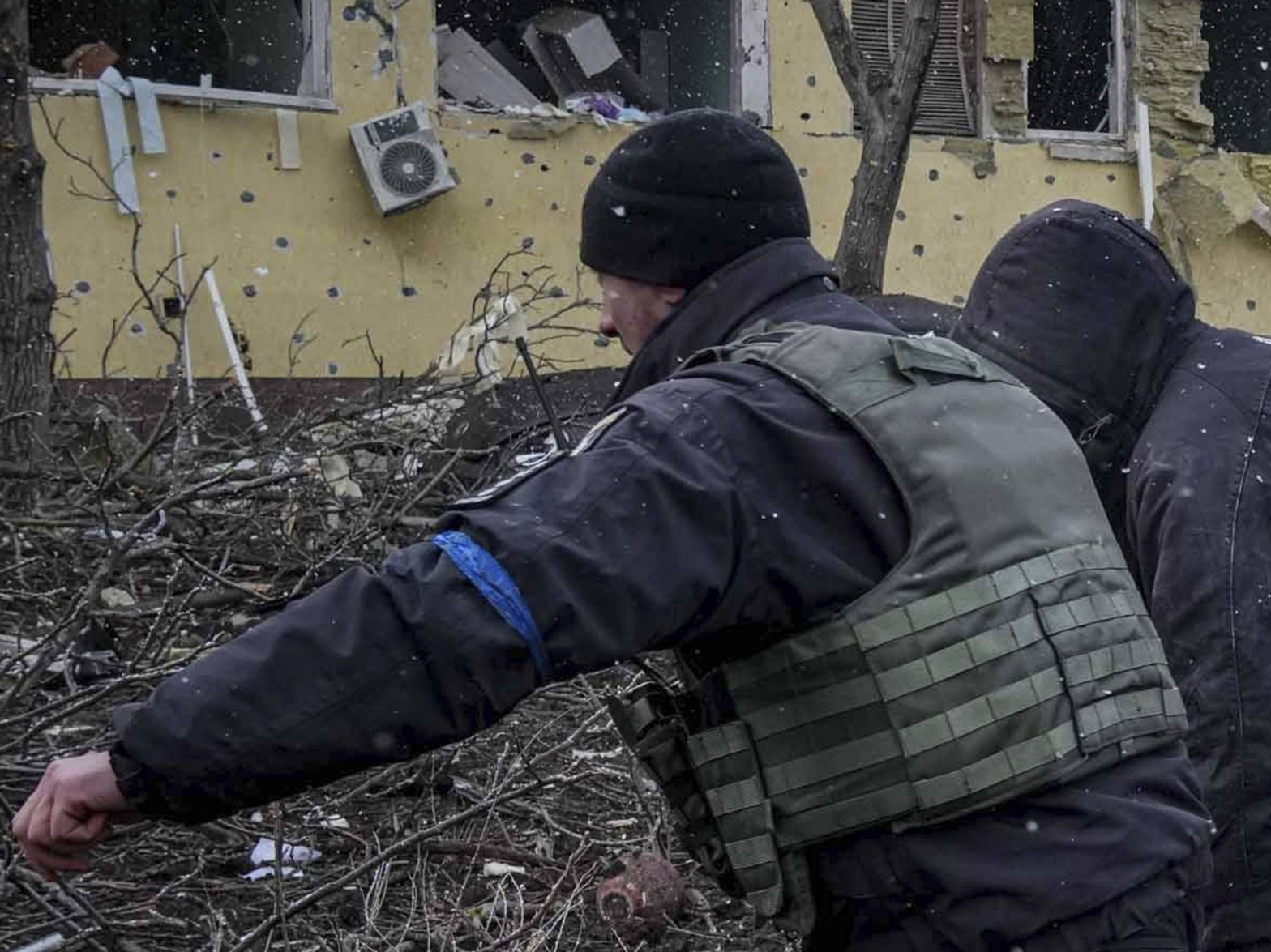
It was one of the most striking photographs since Russia’s invasion of Ukraine, with a tragic postscript. A year later, it has been chosen as World Press Photo of the Year award.