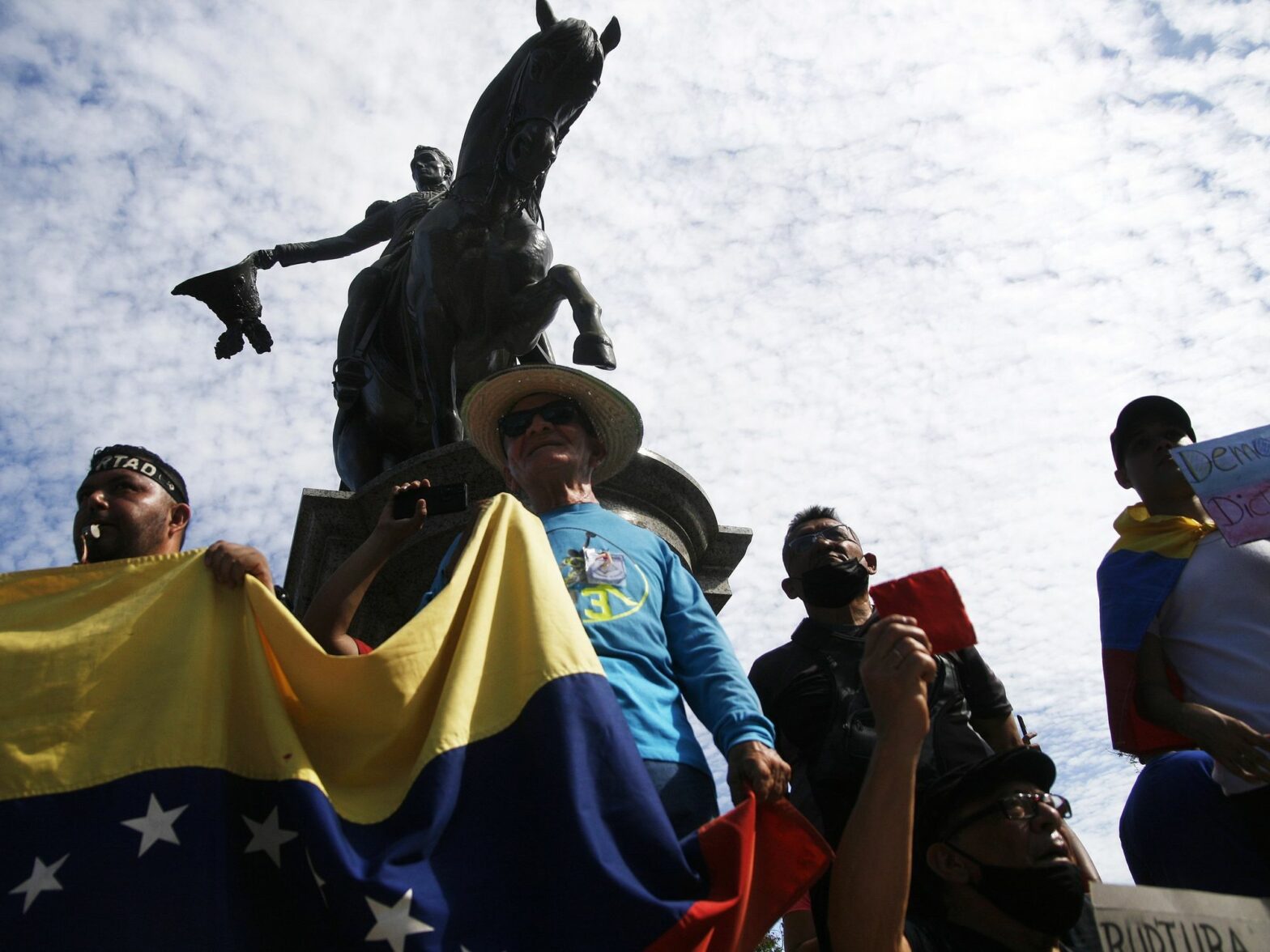
Like fears of communist subversion during the Cold War, claims that the Left will destroy the economy and end freedom persist in Latin American elections, in spite of their ridiculousness.
 Worldcrunch
Like fears of communist subversion during the Cold War, claims that the Left will destroy the economy and end freedom persist in Latin American elections, in spite of their ridiculousness.
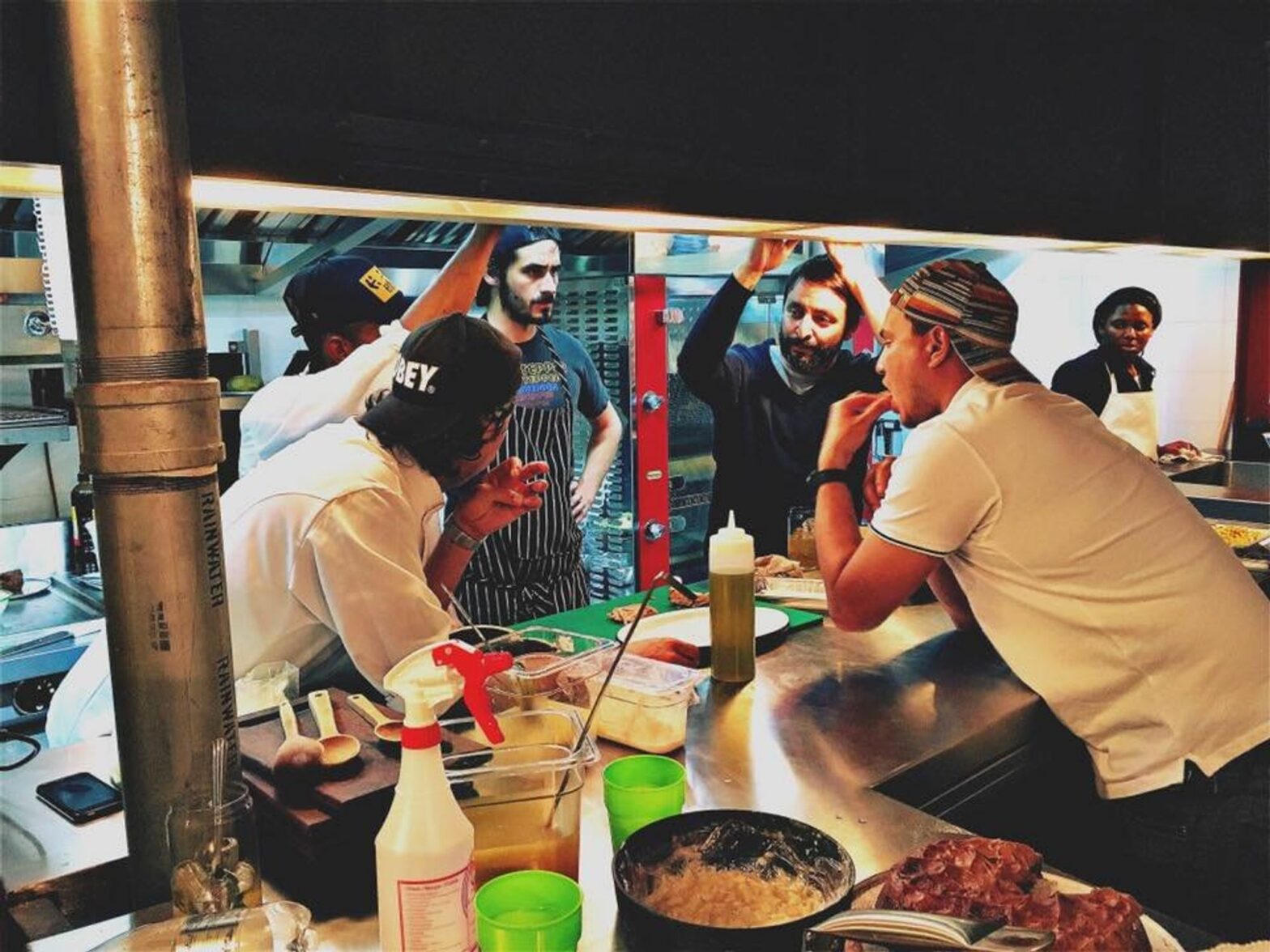
Top chefs in Bogotá and other big cities in Colombia are rediscovering and updating the country’s traditional fare to celebrate local ingredients.
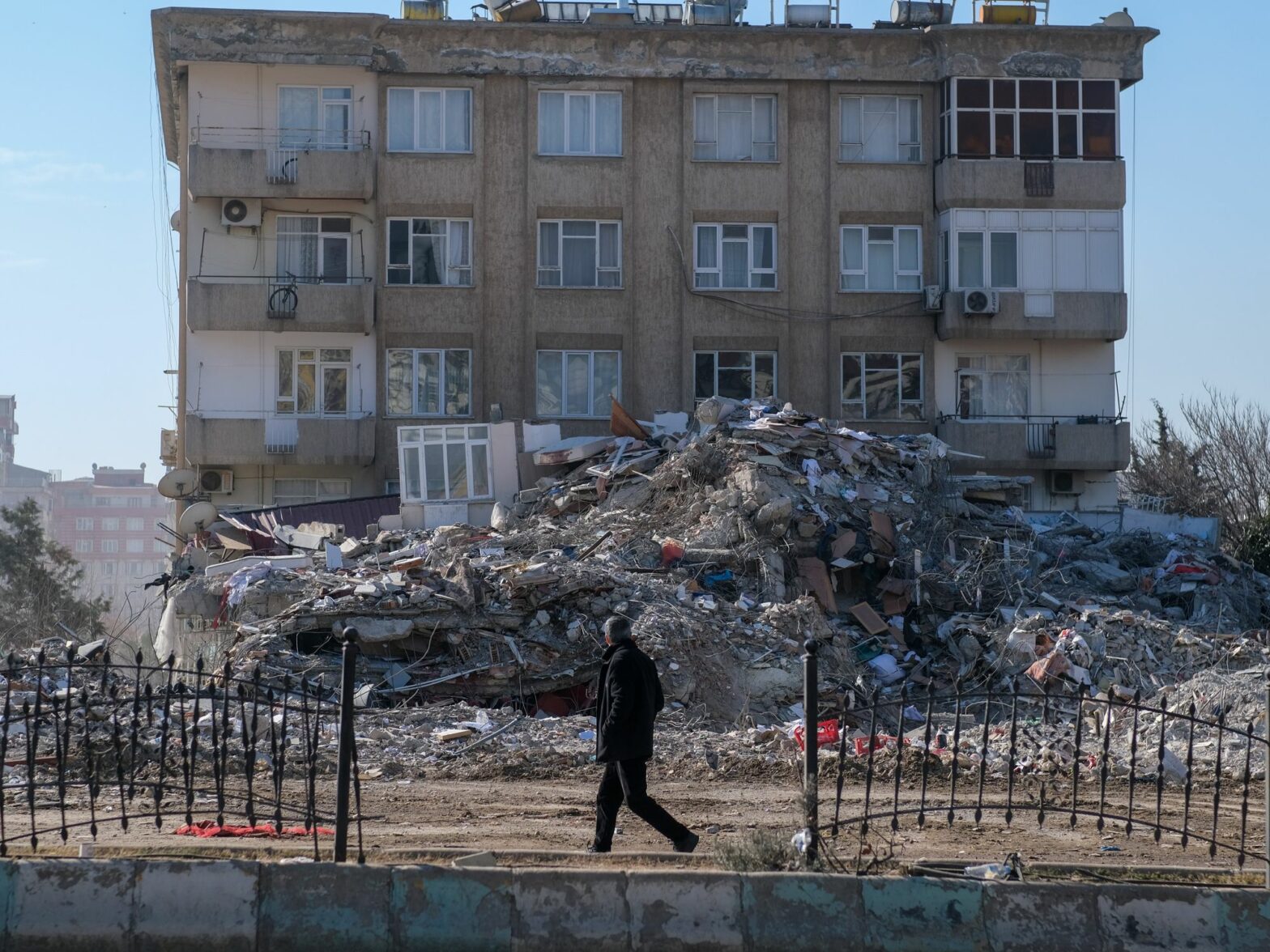
Colombia has a history of earthquakes, yet many of its buildings are not designed to withstand even moderate tremors. As Turkey and Syria reel from disaster, will other countries around the world learn any lessons?
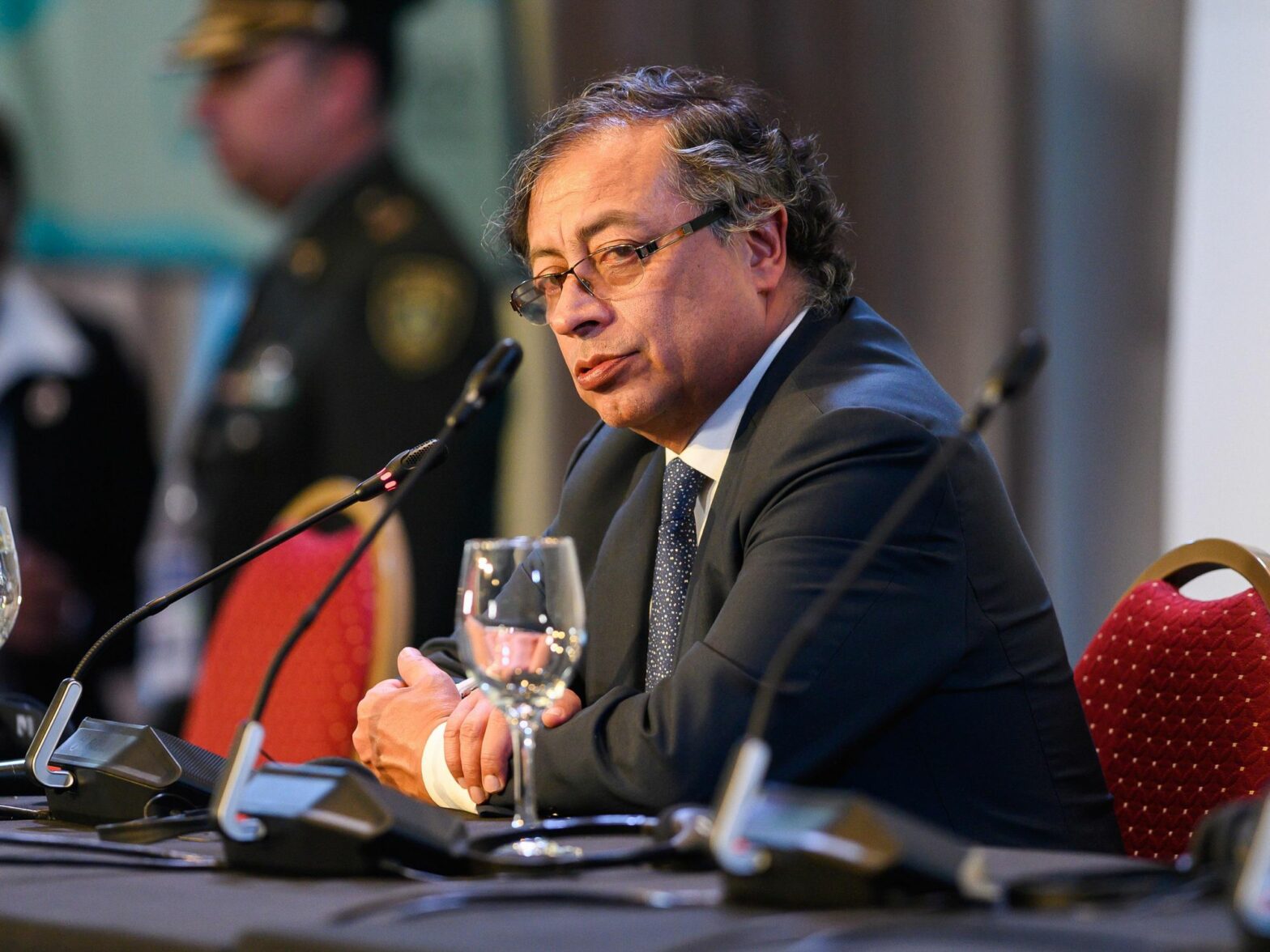
Colombia’s reformist president has promised to tackle endemic violence, economic exclusion, pollution and corruption in the country. So what’s new with a politician’s promises?
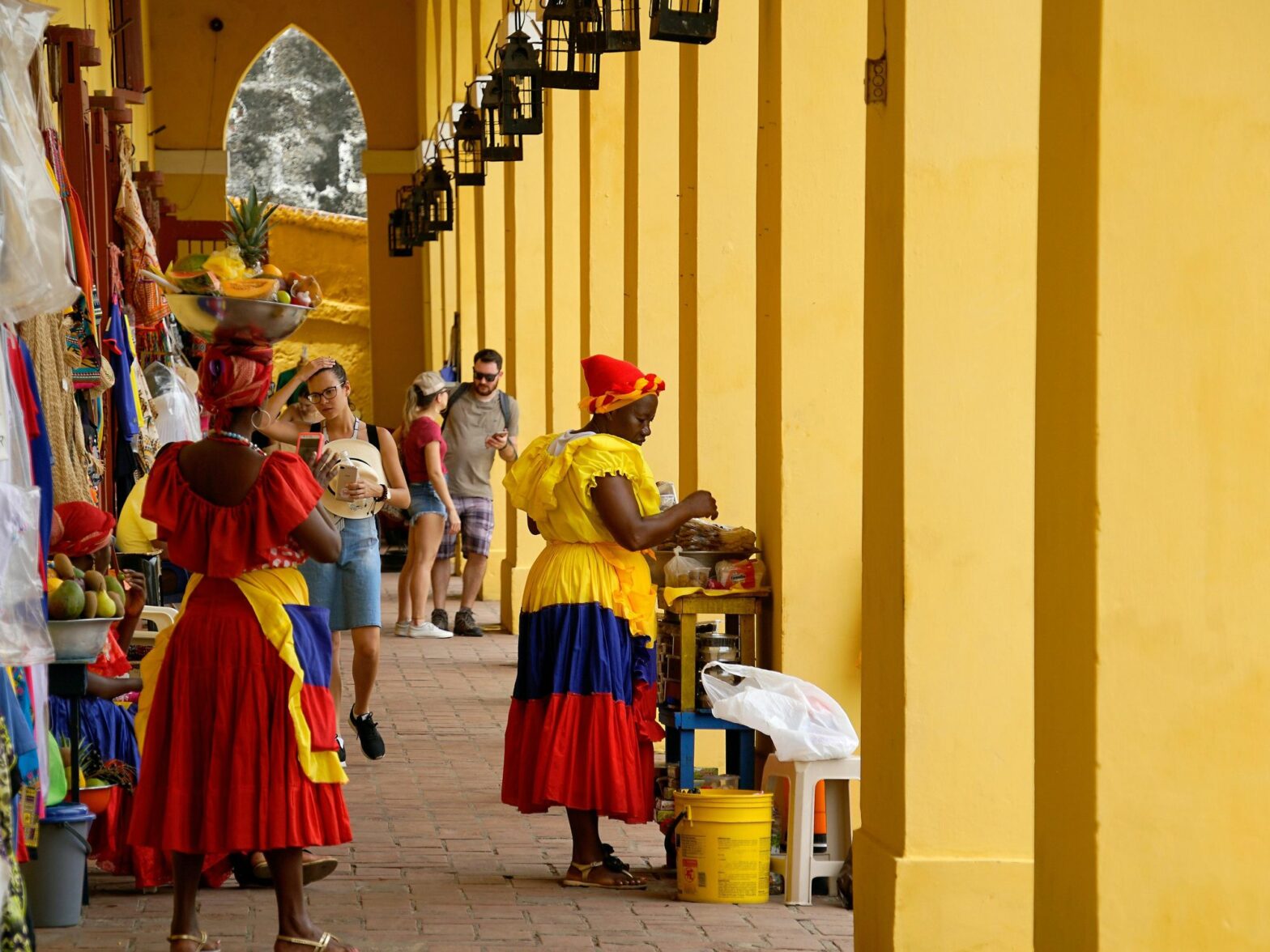
A lavish book to celebrate Cartagena, Colombia’s most prized travel destination, will perpetuate clichéd views of a city inextricably linked with European exploitation.

Justice works around adults. Keen to uphold parental custody rights, family courts have effectively allowed violence against children by giving abusive parents access. So it is time the legal system stopped ignoring children.

The idea of a man carrying a child only receives attention when it is sensationalist or entertaining. But for trans men like me who want to get pregnant, we face discrimination and danger at all levels — from society, the healthcare system, and even from our own communities.
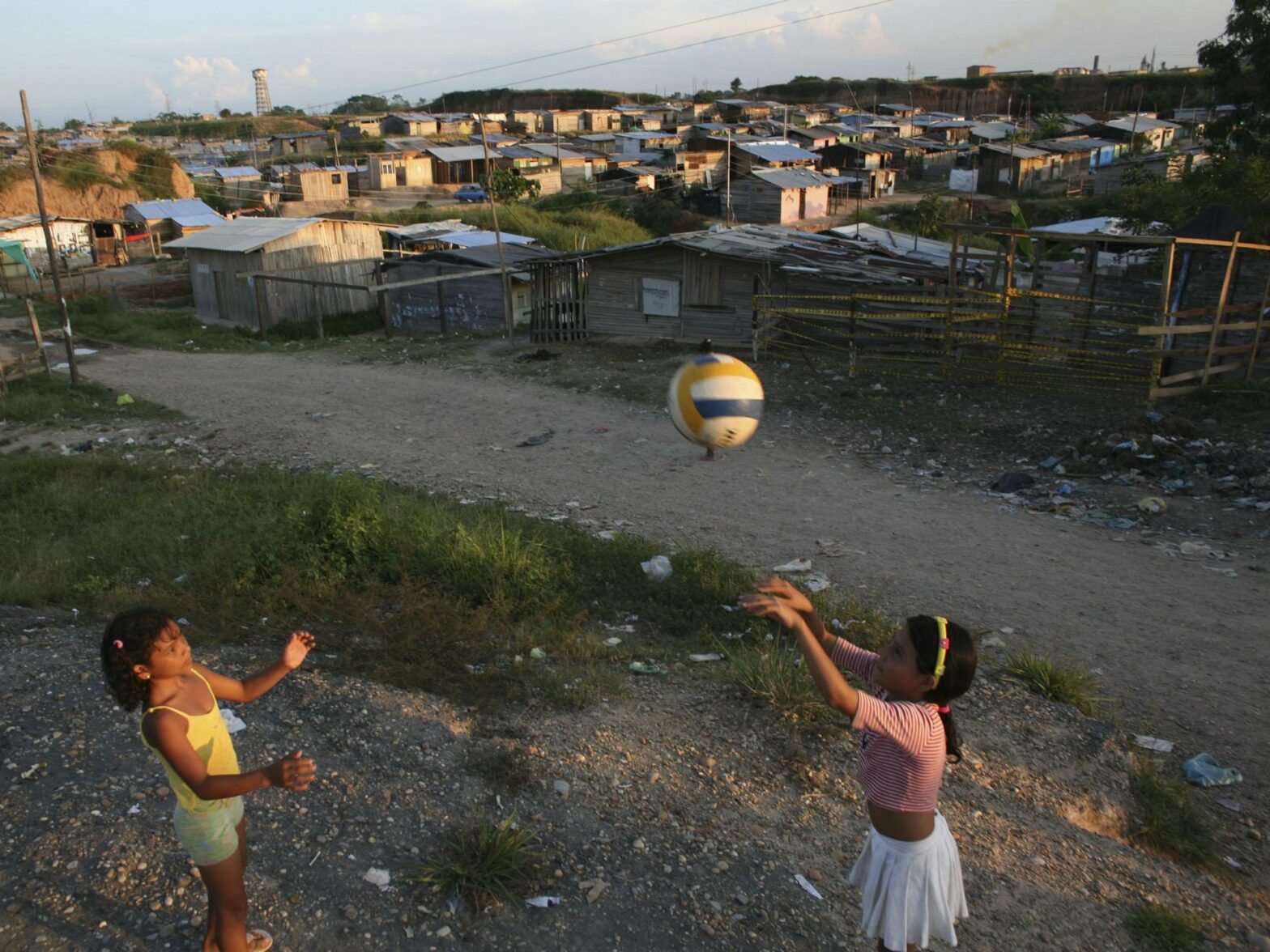
Those touting degrowth for the sake of the planet should remember that the majority of the earth’s population has yet to taste a fraction of the material prosperity now blamed for destroying the natural world.
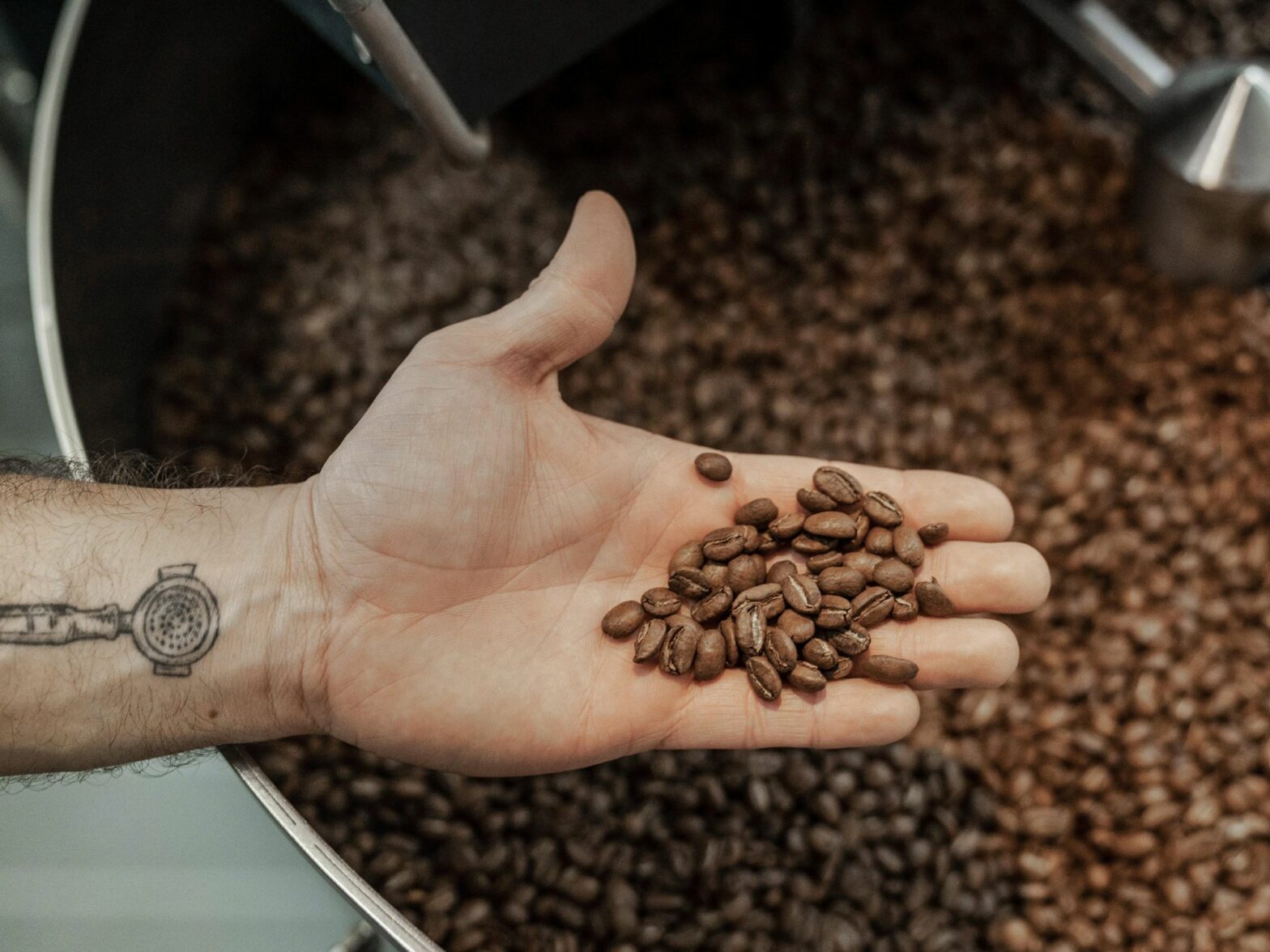
This essential morning drink for millions worldwide was once considered an addictive menace, earning itself a ban on pain of death in the Islamic world.
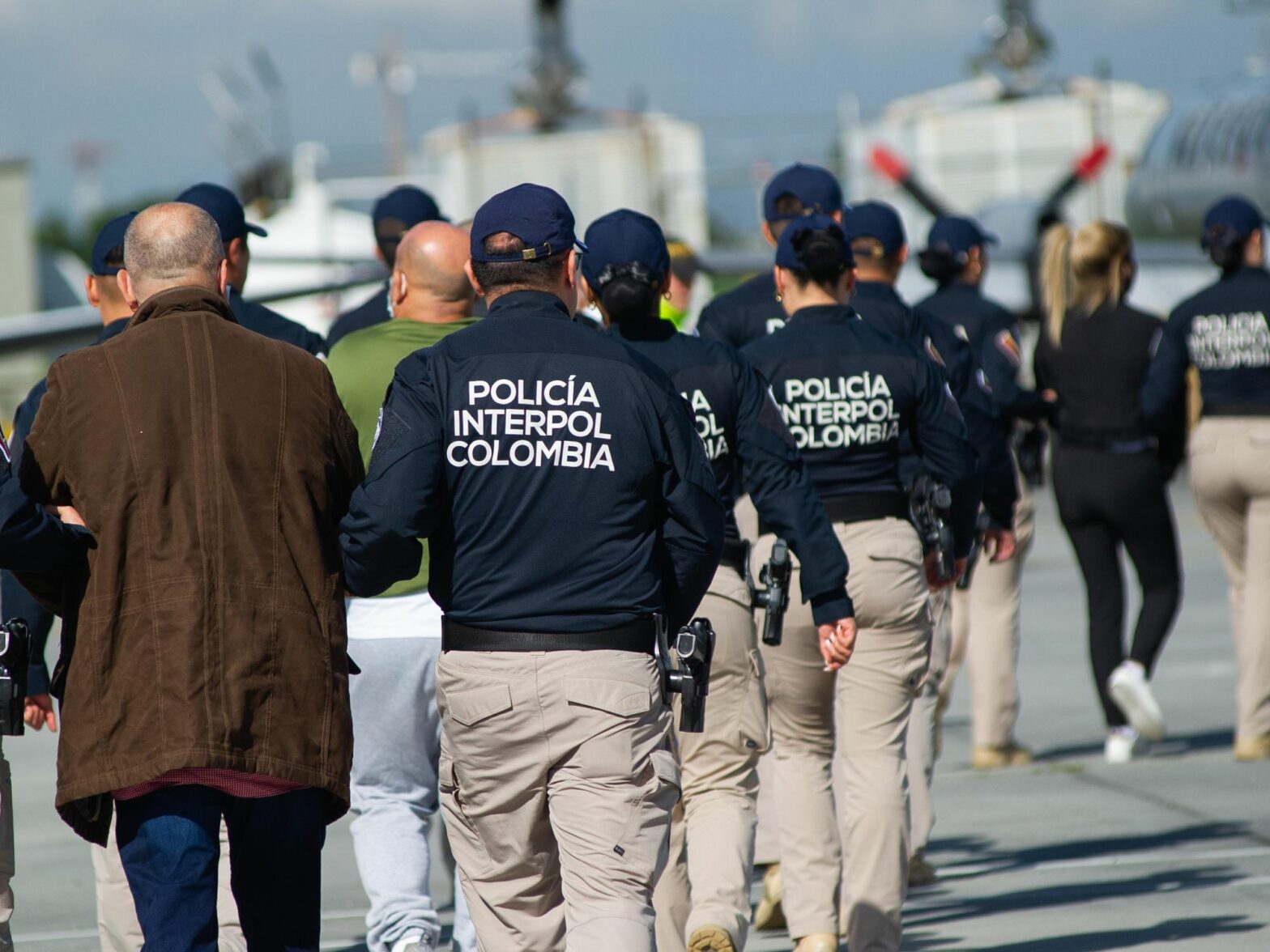
The Biden administration and Colombia’s new government seem to agree on the need for a new approach to drugs policy. But will they be able to find support in their countries to forge a new strategy?
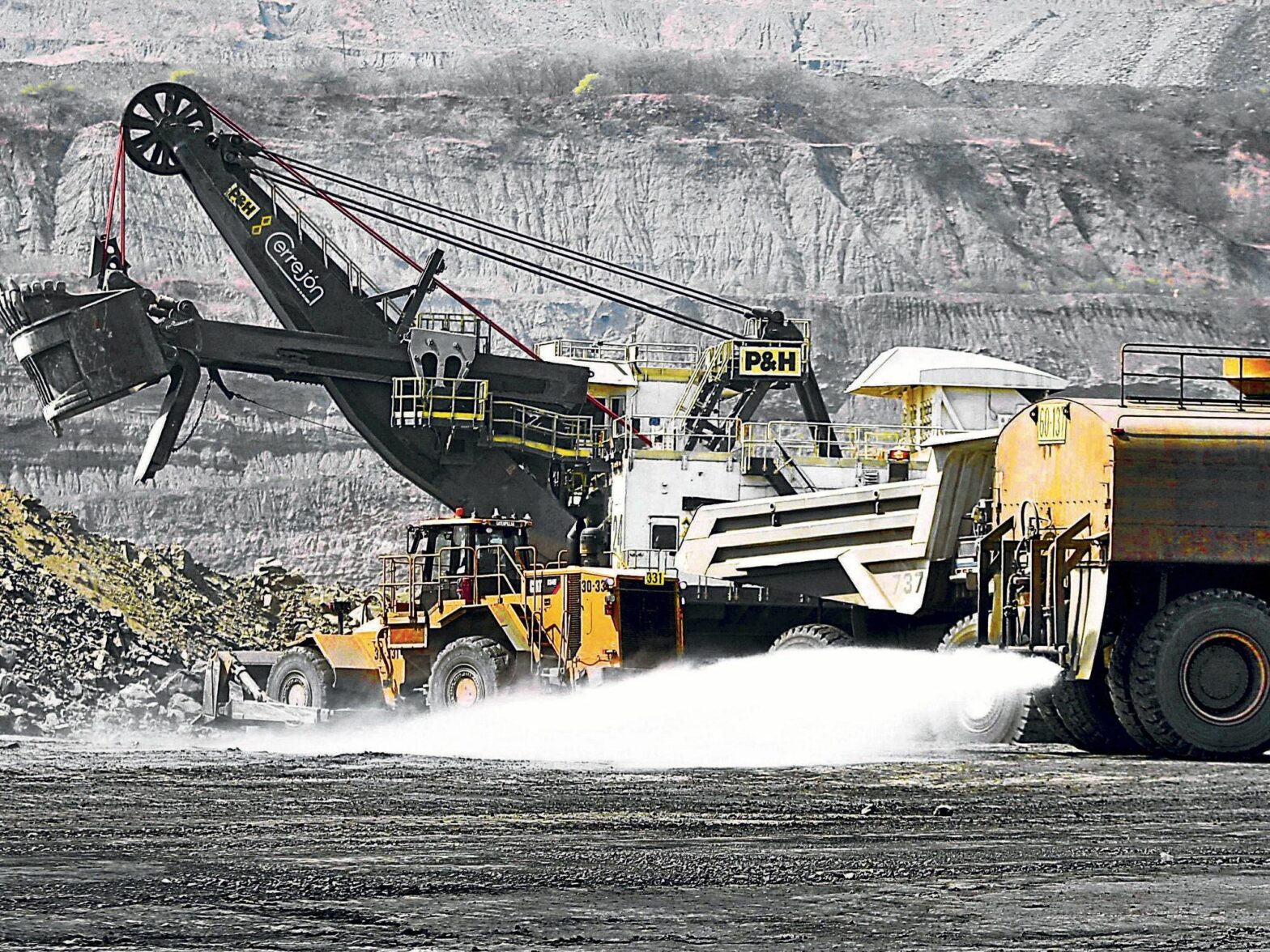
Germany has supplies of climate-damaging resources like oil, gas, coal, lithium. But faced with an energy crisis, its government, including the Greens, has opted to outsource extraction to Latin America. The party’s betrayal of its core values has not gone unnoticed.
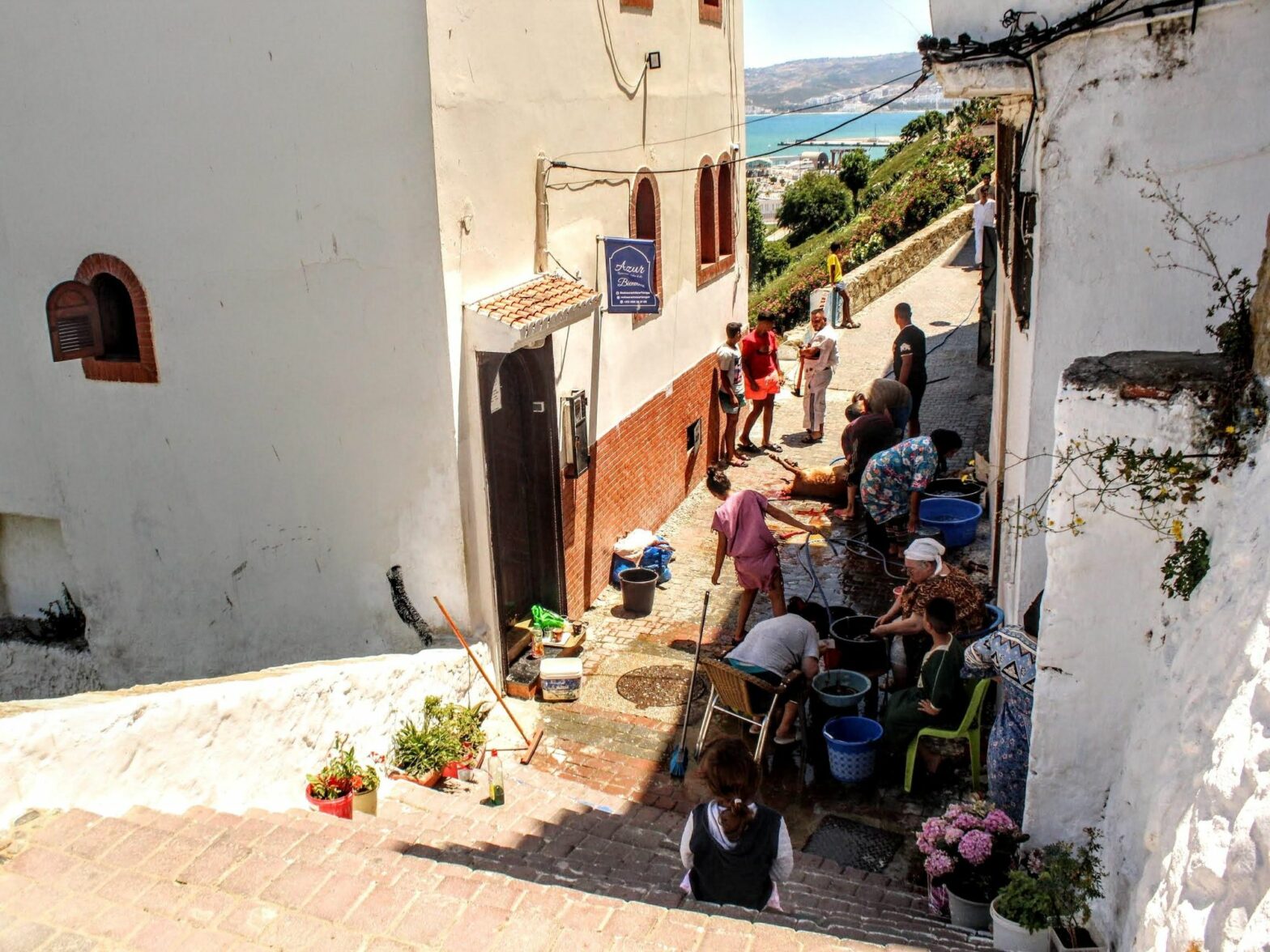
The writer, a Bogota native, was in Tangier for the recent celebration of Eid al-Adha, the Muslim festival of sacrifice. She had been warned about how shocking the ceremony could be, but an impromptu invitation from a local family brought her back to her own.
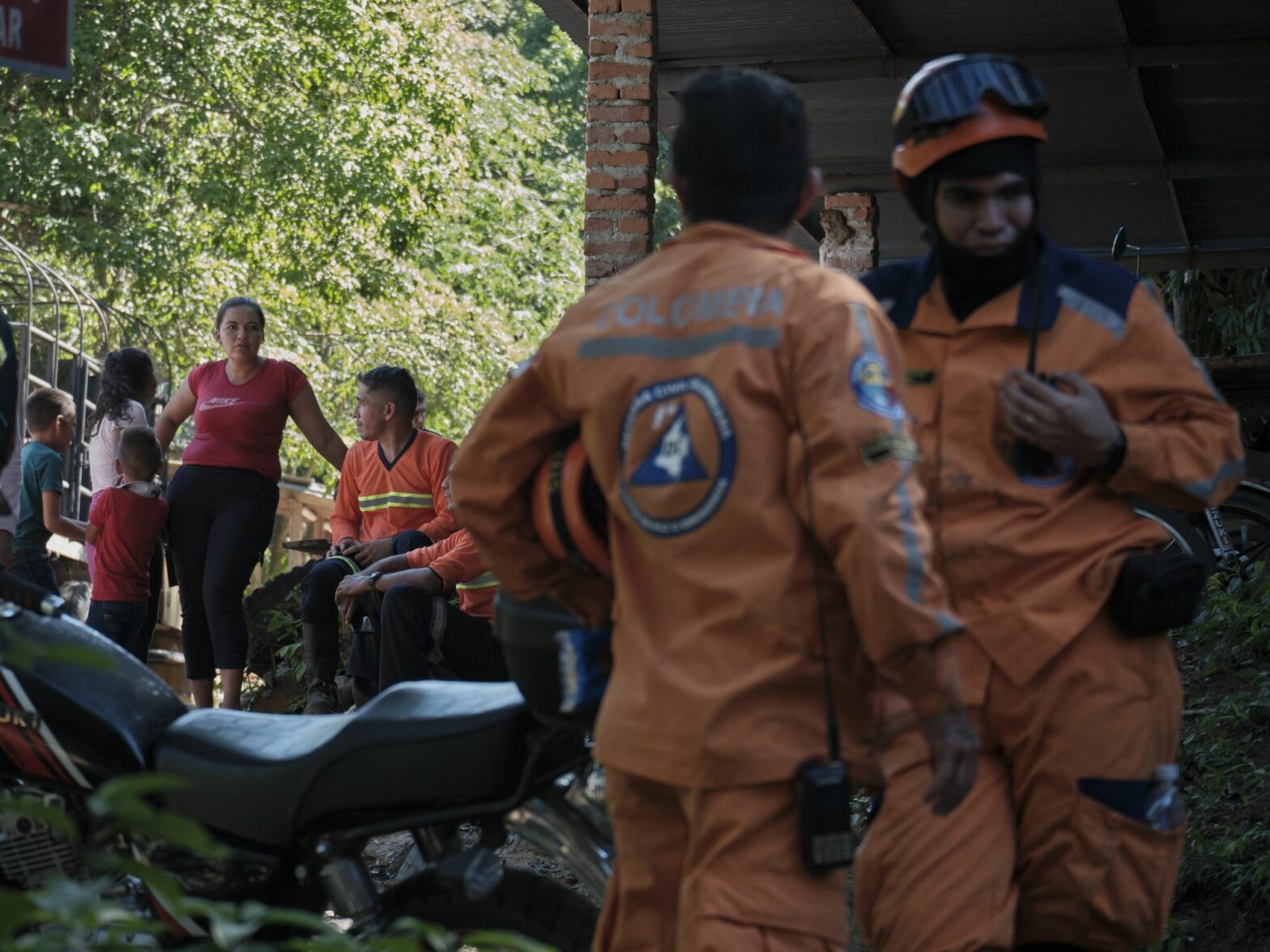
Green technologies are crucial to reducing carbon emissions, but they require ramping up the need for mining of minerals. And since mineral extraction can cause grave natural destruction, how can we ensure renewables are truly good for the environment?
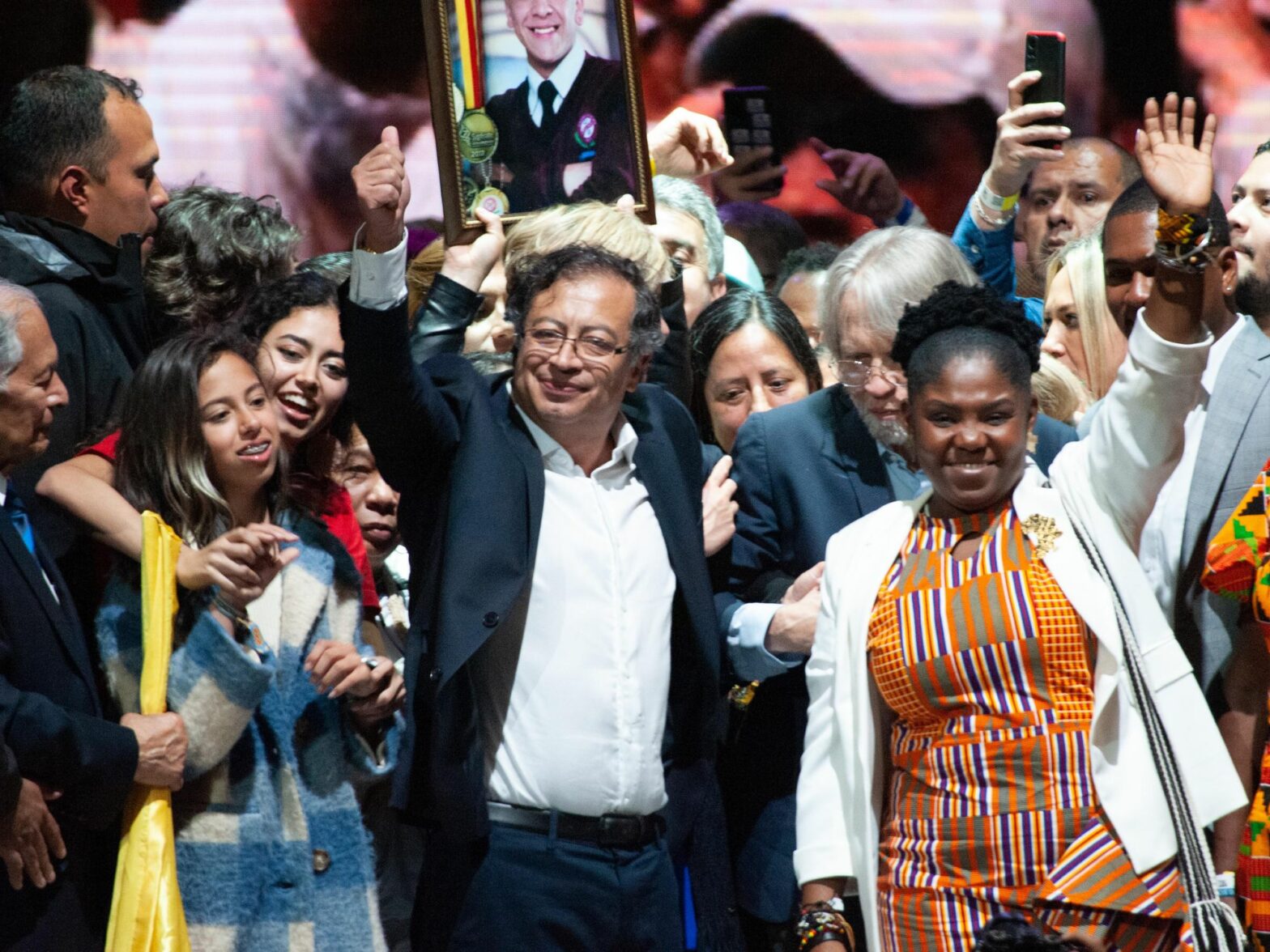
Gustavo Petro’s victory is not only a response to the social ills of today, but having been part of a Marxist guerrilla group that negotiated with the state decades ago, and returned to the social fold, he embodies the nation’s democratic future.
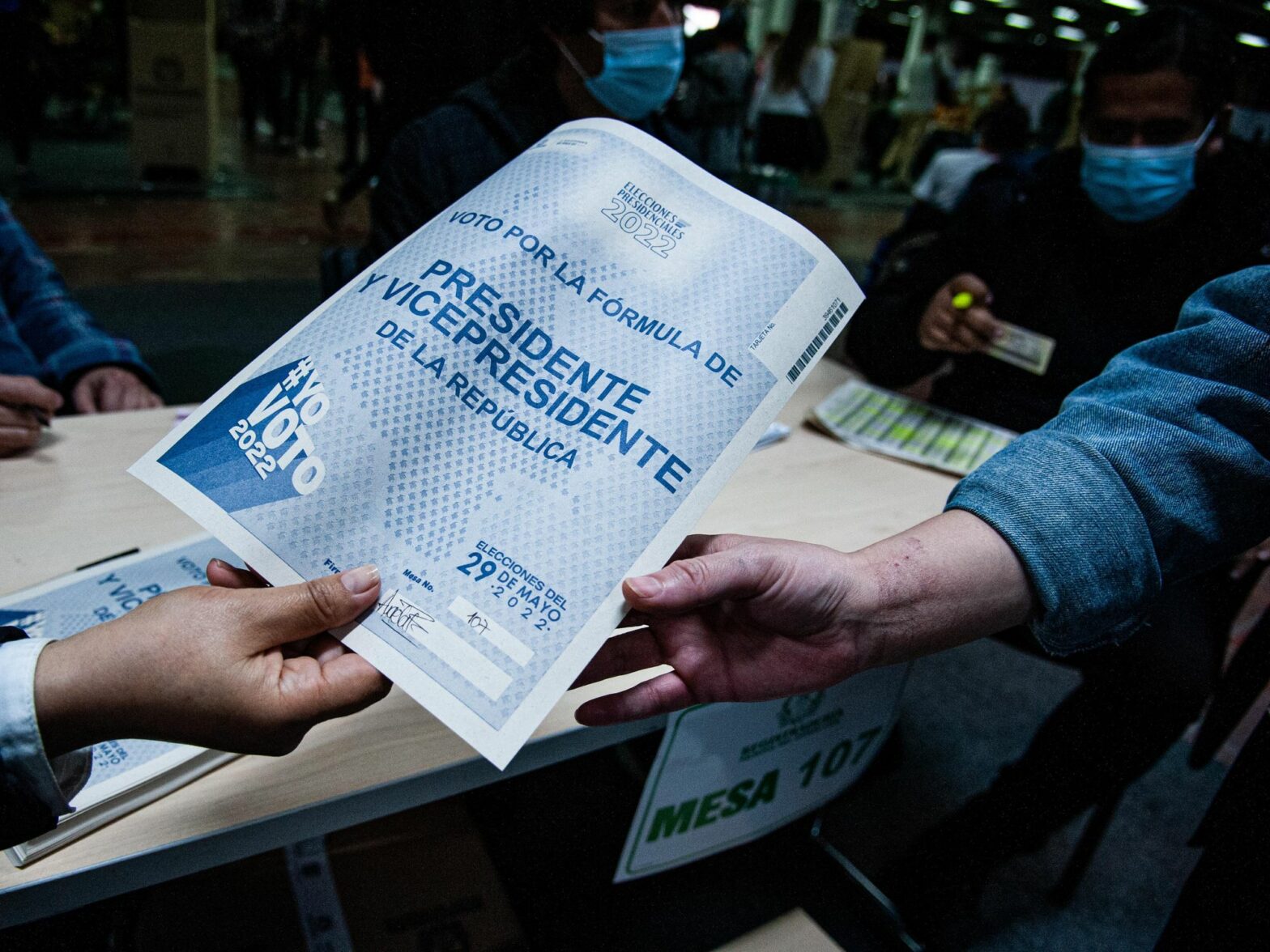
Colombians spurned the establishment candidates in the first round of presidential voting. In the second round, on June 19, they will have to choose between Gustavo Petro, a former Marxist guerrilla, and Rodolfo Hernández a “tough-talking” businessman being compared to Donald Trump.
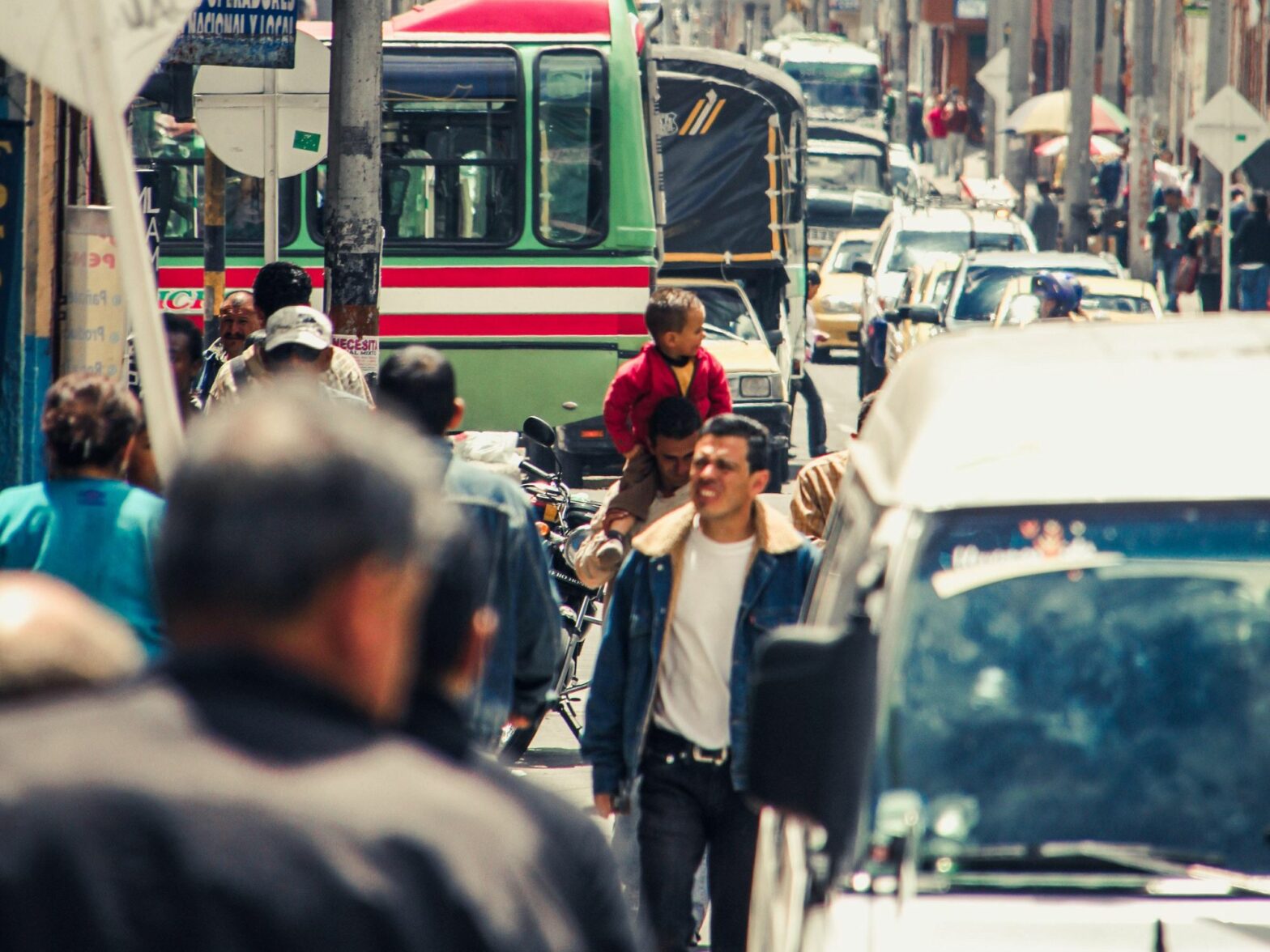
The Colombian president recently said that the country had exported one million barrels of carbon-neutral or offset oil. But in an unregulated carbon market, such a claim is pure greenwashing.
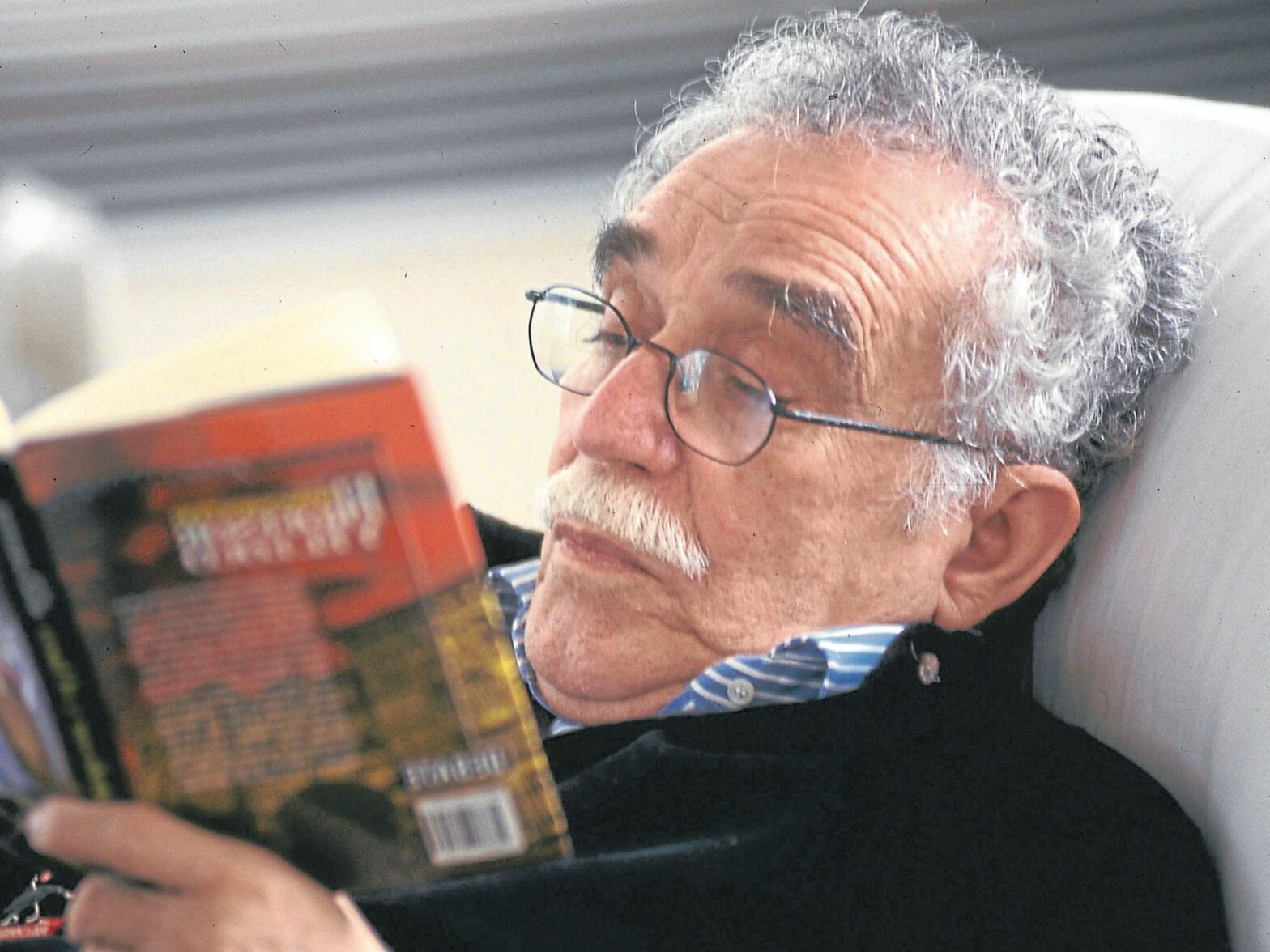
In his early journalistic writings, the Colombian novelist Gabriel García Márquez showed he had an eye for factual details, in which he found the absurdity and ‘magic’ that would in time be the stuff and style of his fiction.

When humans care about the natural world, it means revising our place in it and acting accordingly, not giving nature “rights and concessions” that are figments of our self-serving imagination.
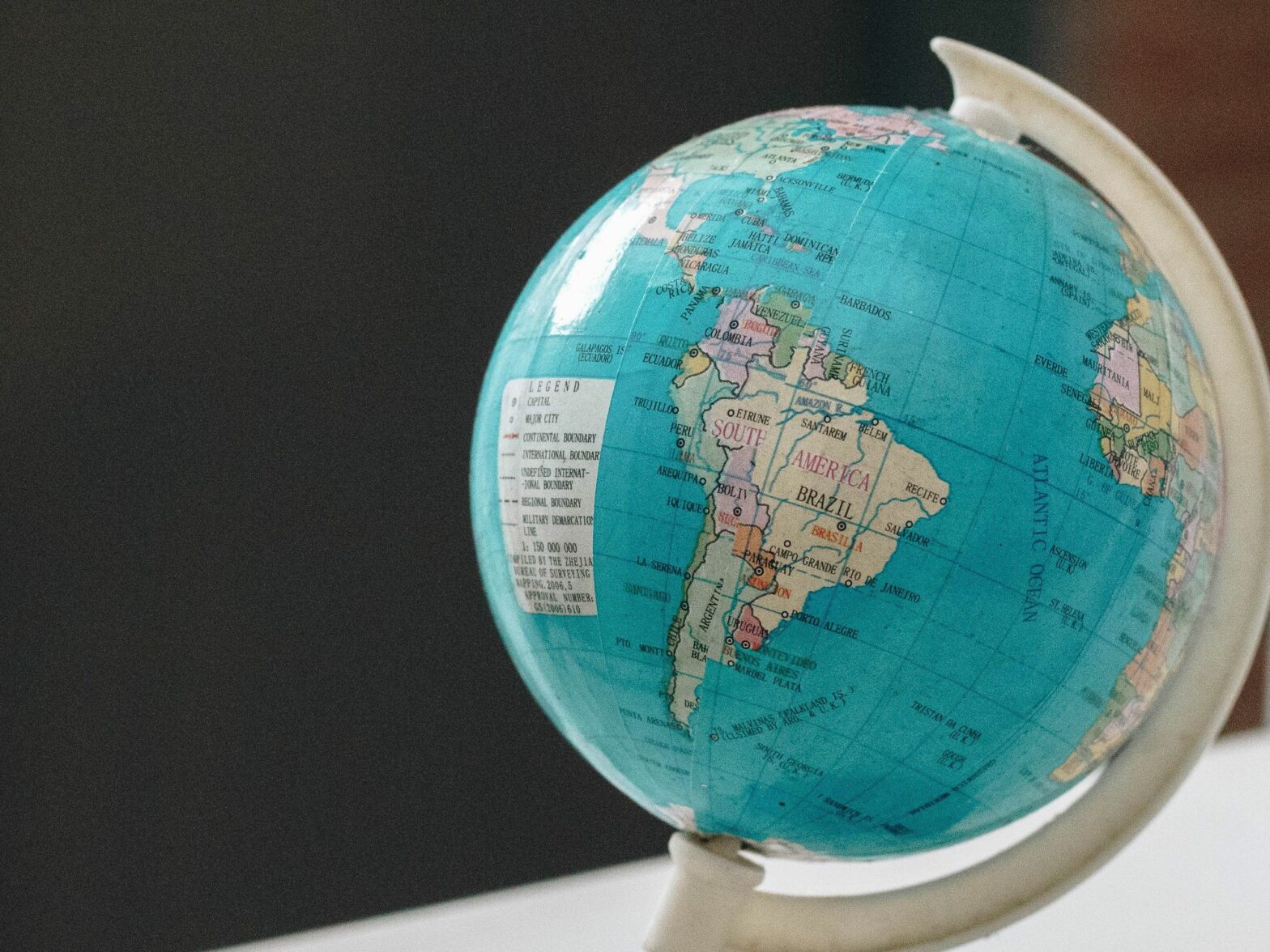
Most Latin American countries fear civil conflicts more than international invasion. A regional union is the best way to assure stability and lawfulness in a troubled but culturally cohesive continent. The EU shows us what that would look like and how to make it happen.
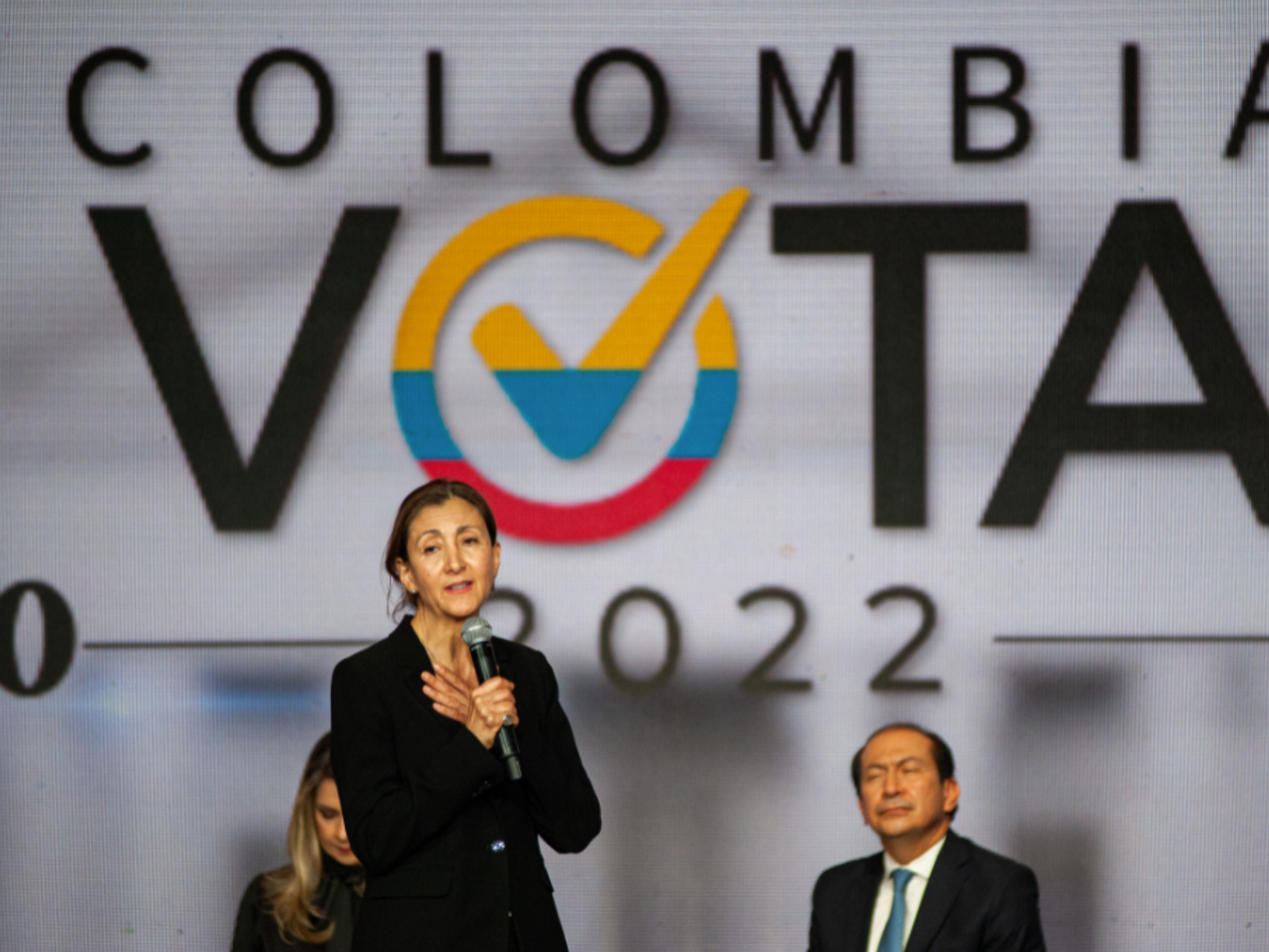
The former hostage Ingrid Betancourt, who recently decided to run for president with a focus on women’s rights, is the center of criticism after her declarations in a presidential debate at a University seemed to say poor women who are raped are somehow provoking it. She later blamed a mix-up between French and Spanish.

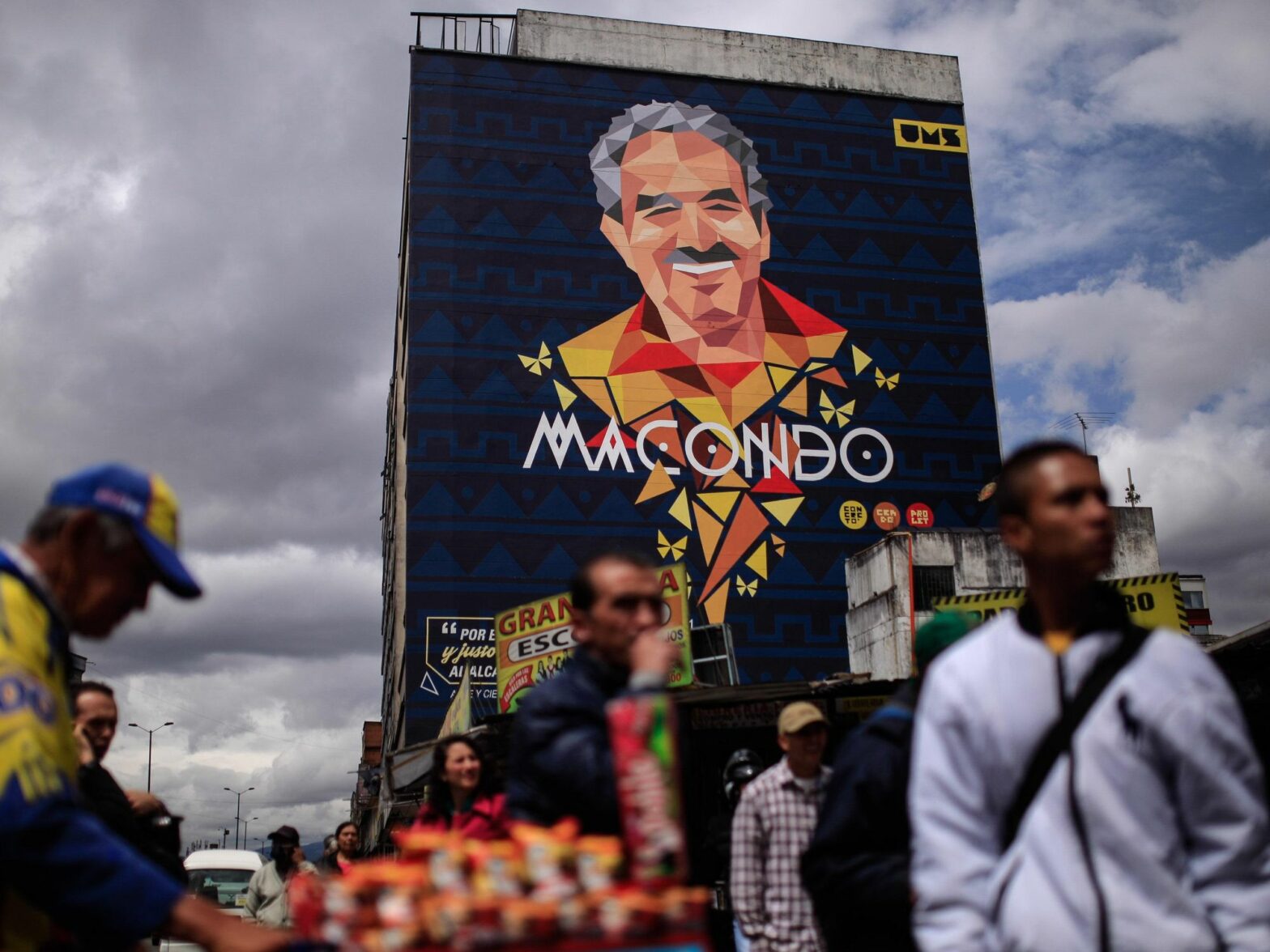
Like other intellectuals of his time, the celebrated Colombian novelist Gabriel García Márquez admired Cuba’s Fidel Castro. What’s just been revealed, however, is also, as one text reveals, the Sandinista rebels who have stifled Nicaraguan democracy in past years.
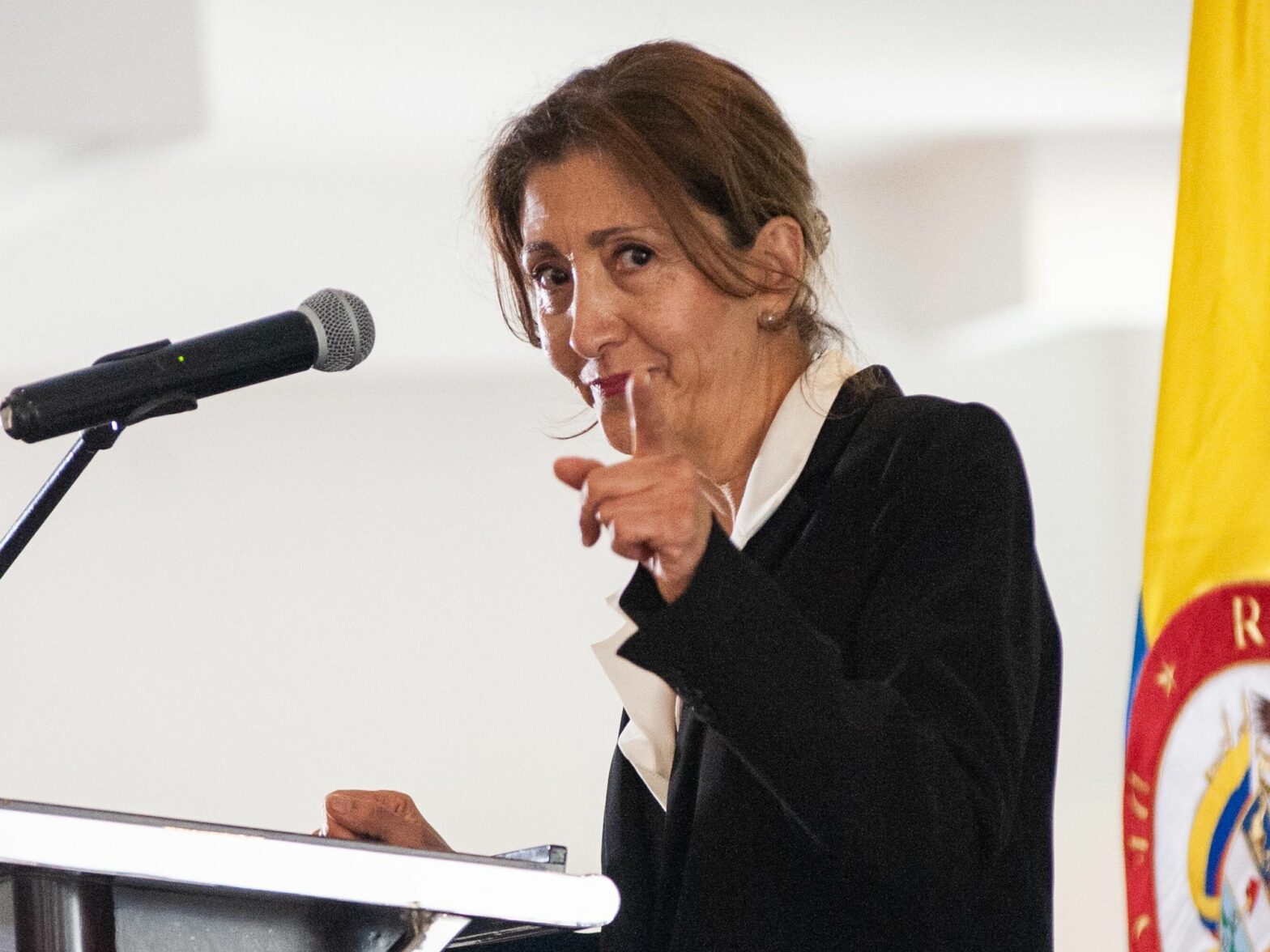
Although Betancourt is best known for surviving six years as a hostage of the Colombian terror group FARC, and is considered a centrist politician, her unlikely new campaign for president will be centered on gender issues.
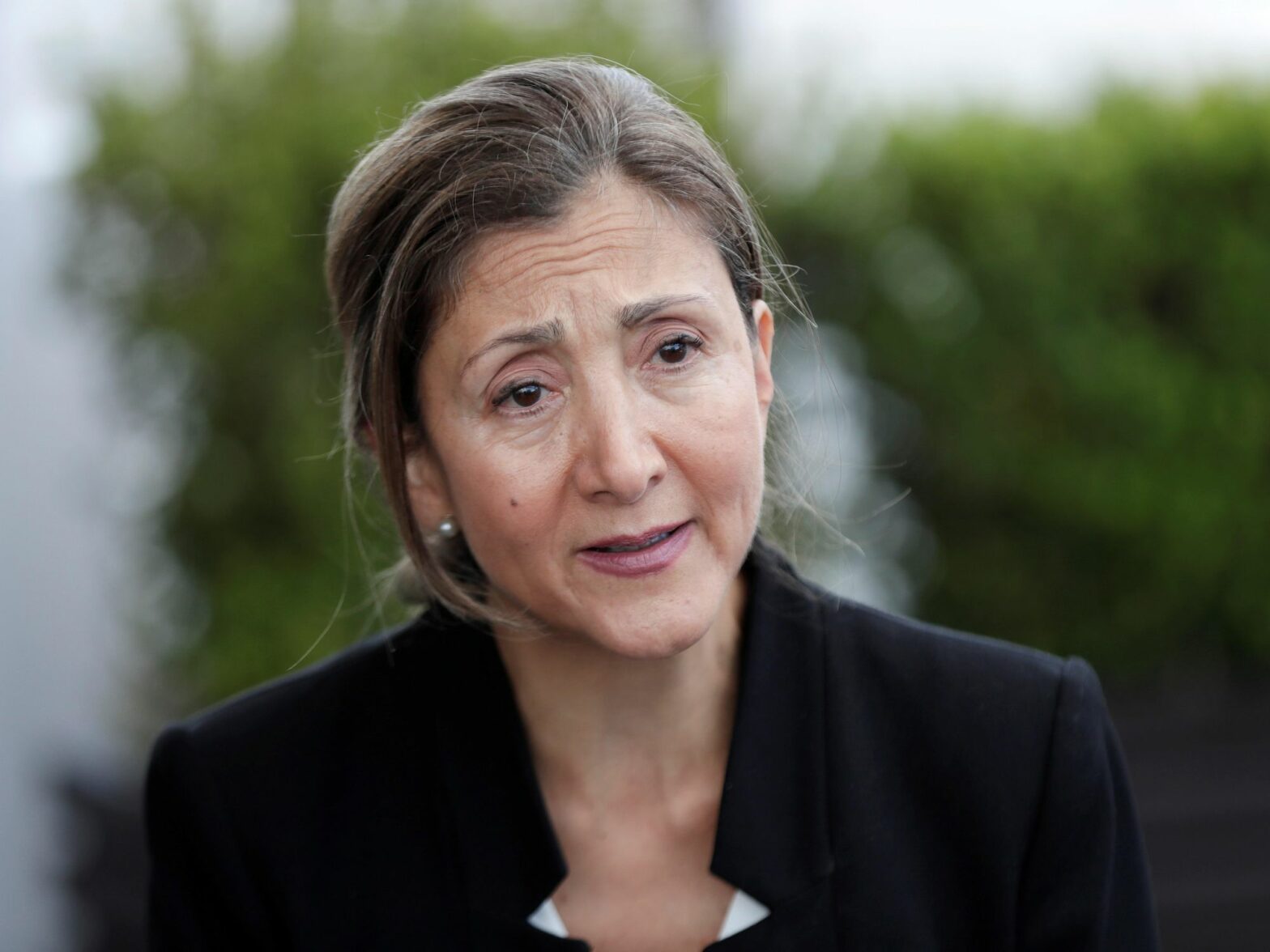
With a personal history of suffering and a humane discourse, the liberal Ingrid Betancourt’s return to Colombian politics, even if not a presidential candidate next year, may prompt voters to shun the extremes.

A dramatic, cinematic-like bid to rob a gold depot in the iconic Colombian city associated with Colombia’s most violent drug cartels is just the latest sign that the city is back to its its old system of crime and no punishment.
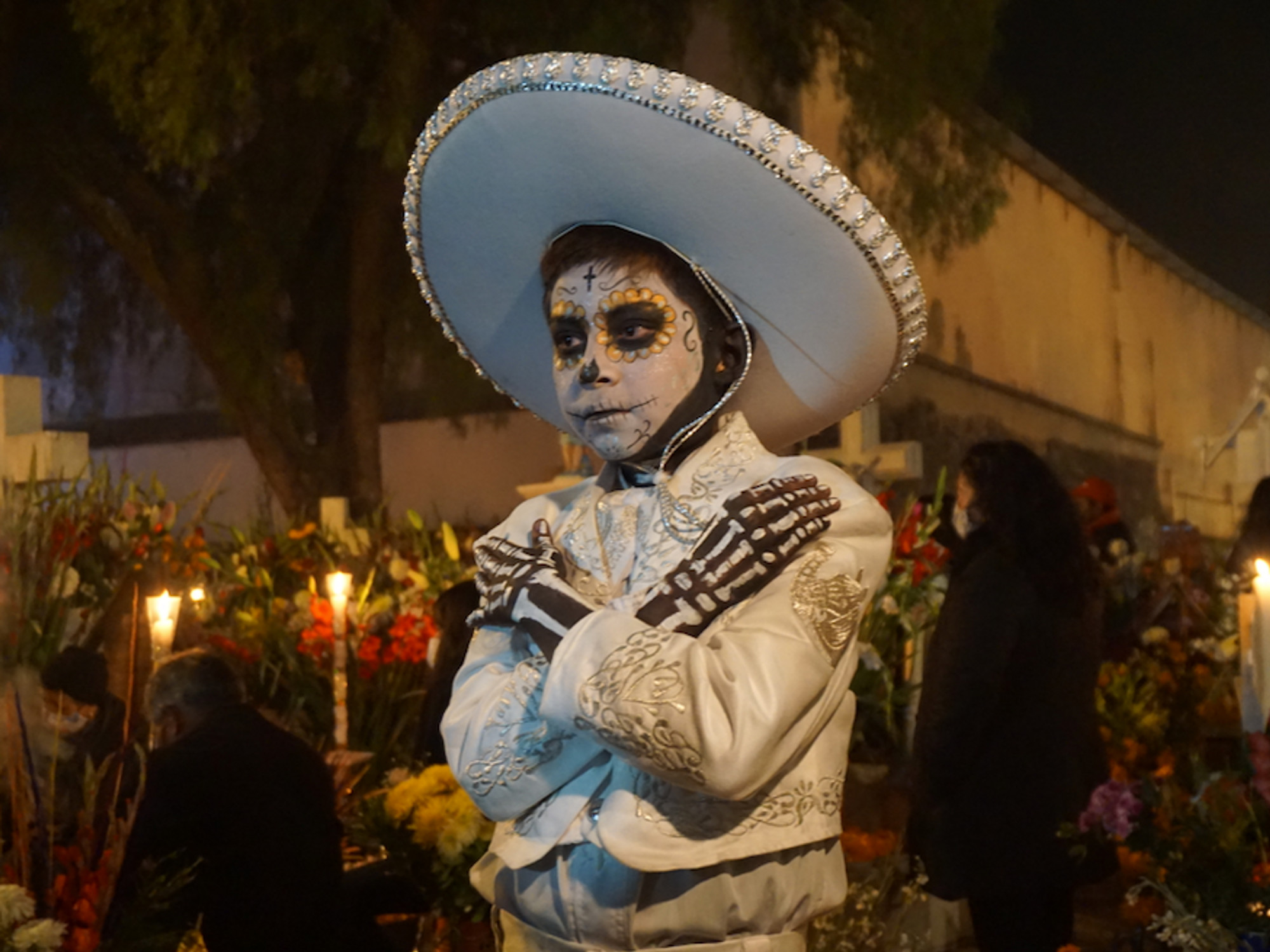
When the author’s father died suddenly two years ago in Colombia, the Catholic Church mourning rituals offered little comfort. Two weeks ago, by chance in Mexico City for the annual Día De Muertos (Day of the Dead) celebrations, she discovered how these ancient rituals for the departed could finally help her face the pain, and find true peace.
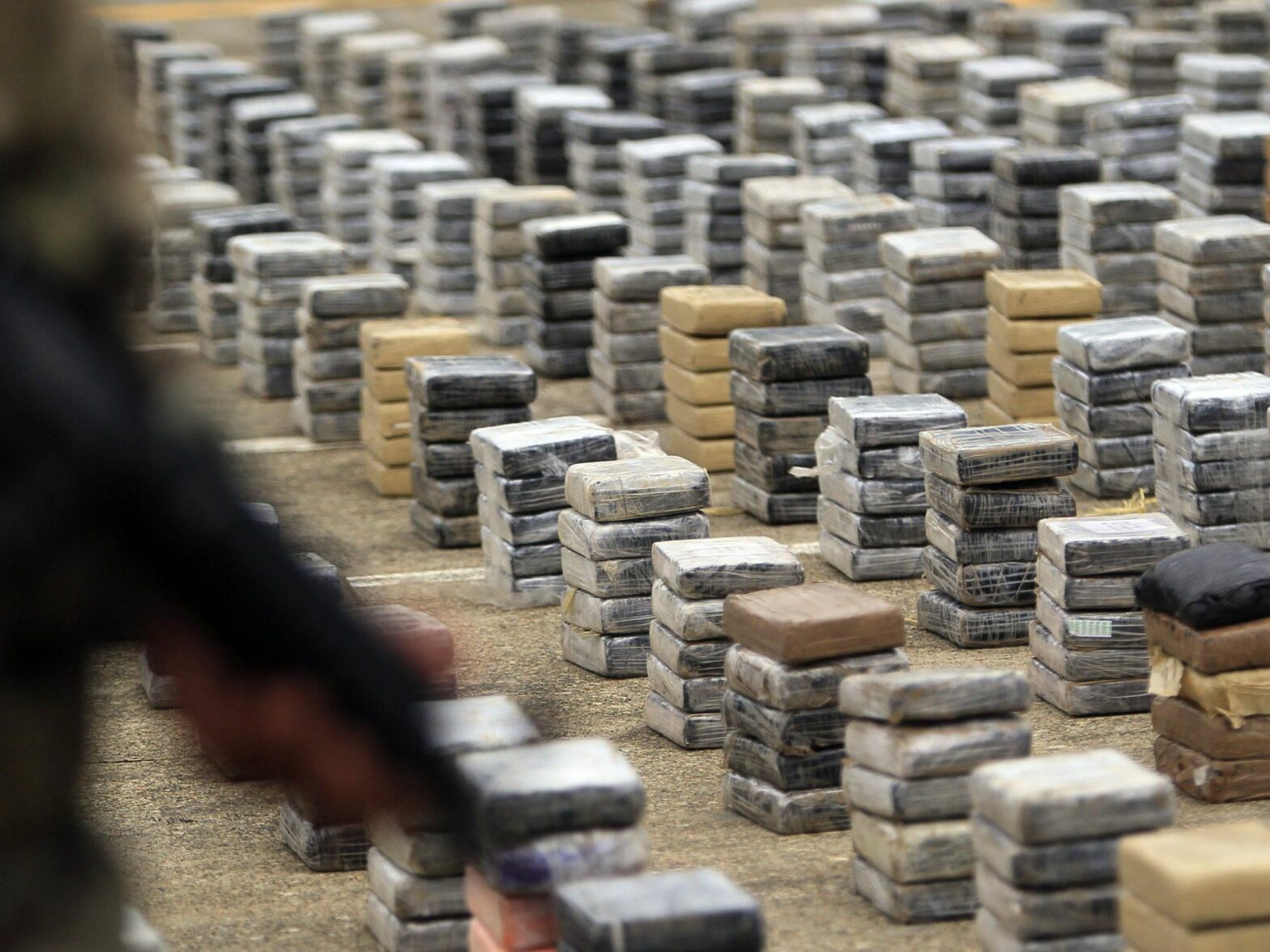
The capture of Colombia’s most wanted drug trafficker shows that in spite of the cartels’ resilience, the state can and will fight crime at the highest levels, writes top Bogotá daily El Espectador.
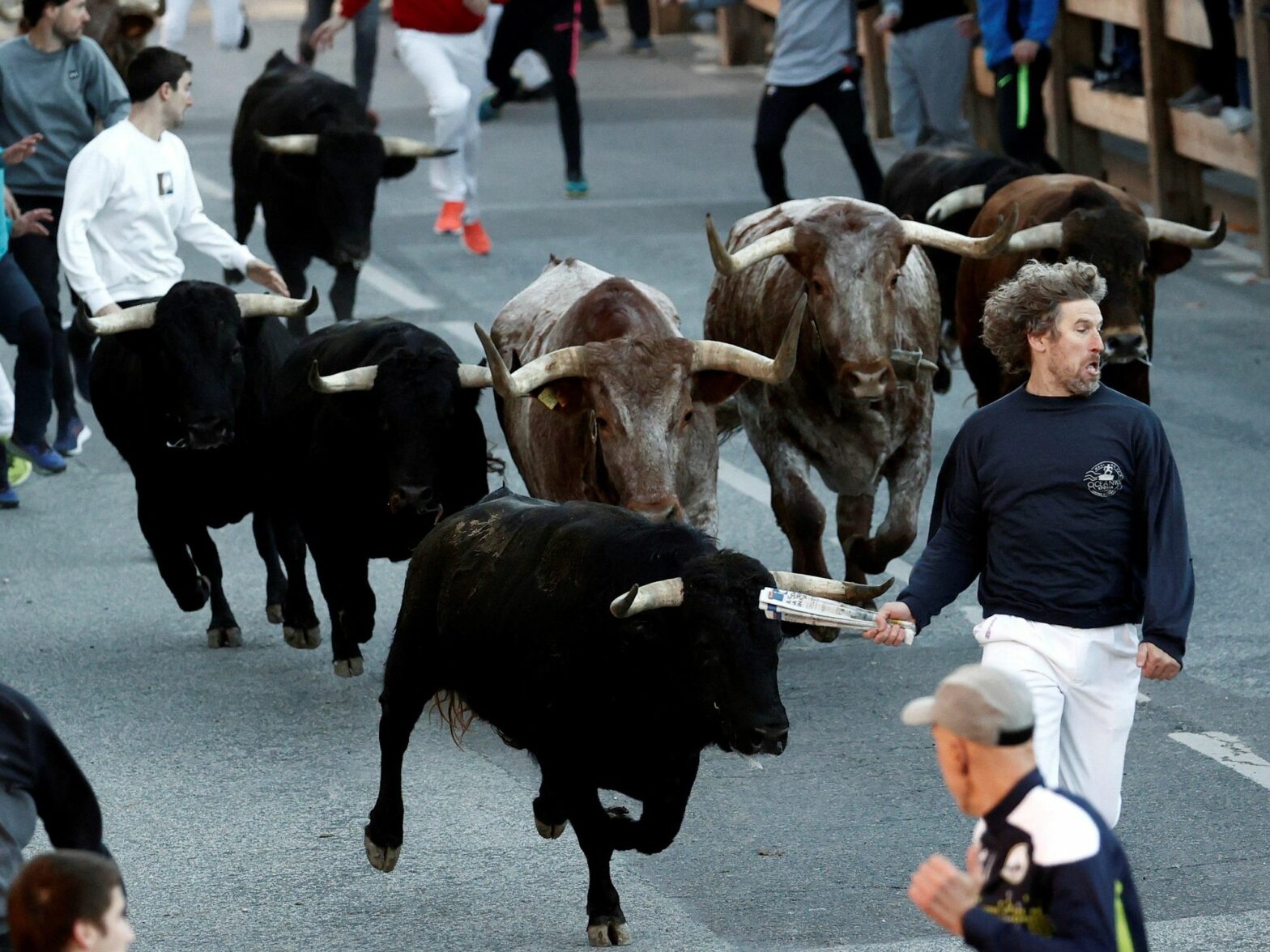
? Здравейте!* Welcome to Monday, where an apparent coup is underway in Sudan, Colombia’s most-wanted drug lord gets caught, and Michael Jordan’s rookie sneakers score an auction record. We also focus on a report that the Thai government is abusing the country’s centuries-old law to protect the monarchy from criticism (lèse-majesté) to target pro-democracy activists […]

In Colombia, killings happen more often on Sundays. Most big city crimes in the U.S. happen during the day, though violence is a night-time thing. Weekends account for more than half of illegal acts in Cape Town, South Africa. A global glimpse at the “when” of crime.
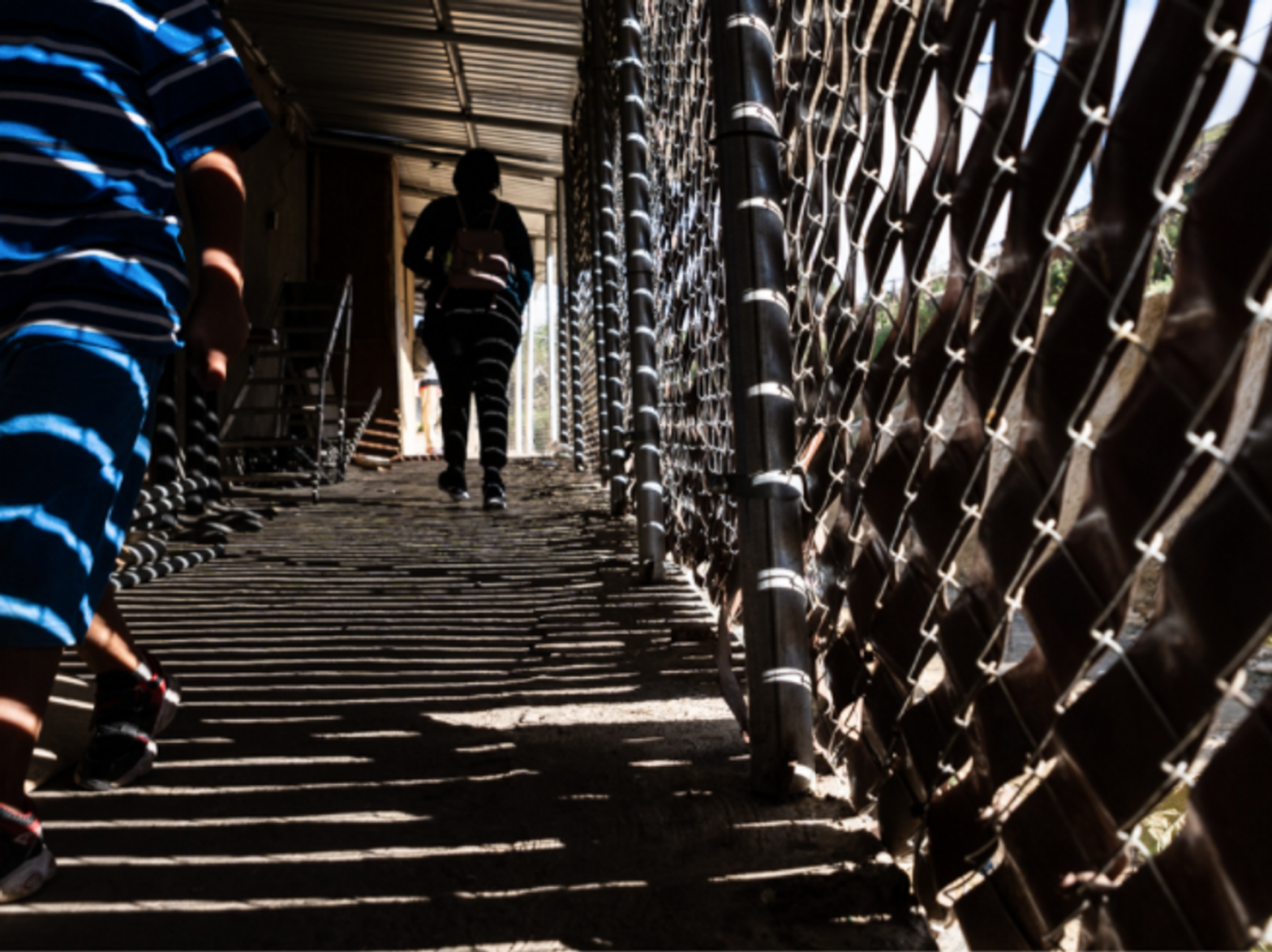
Shella Jean was part of a new migration path from Haiti to the relatively prosperous nation of Chile. But she has since left behind her “Chilean Dream” on a perilous journey northward toward the U.S.-Mexico Border. This is her story.

China’s global investment tentacles have reached South American railways, where Chinese firms are “silent” partners in expanding rail networks, through financing or sale of rolling stock.
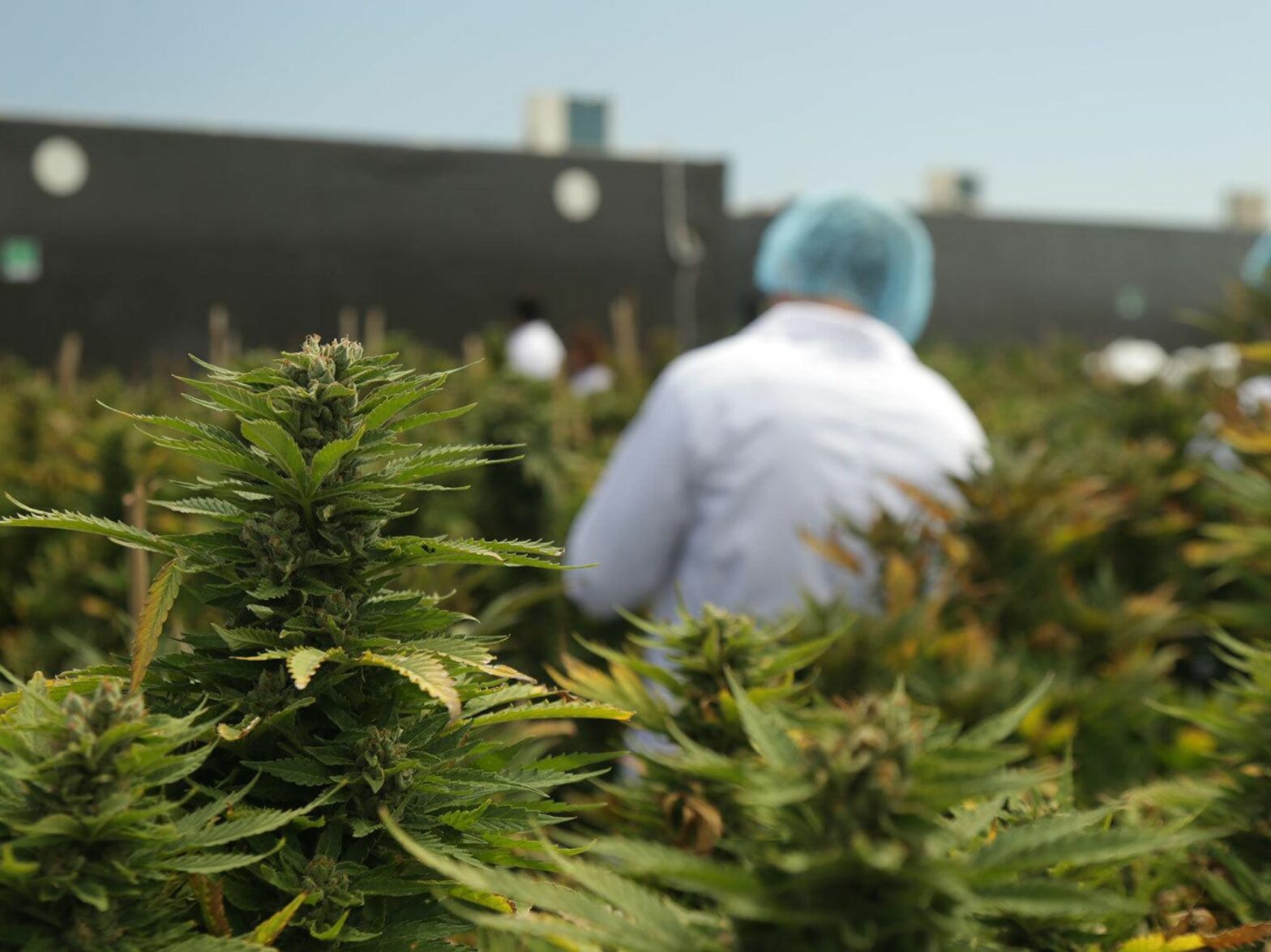
Latin American businesses and governments are seeing the marketing and export potentials of an incipient liberalization of marijuana laws in the region. But to really cash in, it must be an investment in more than simple commodity crops.
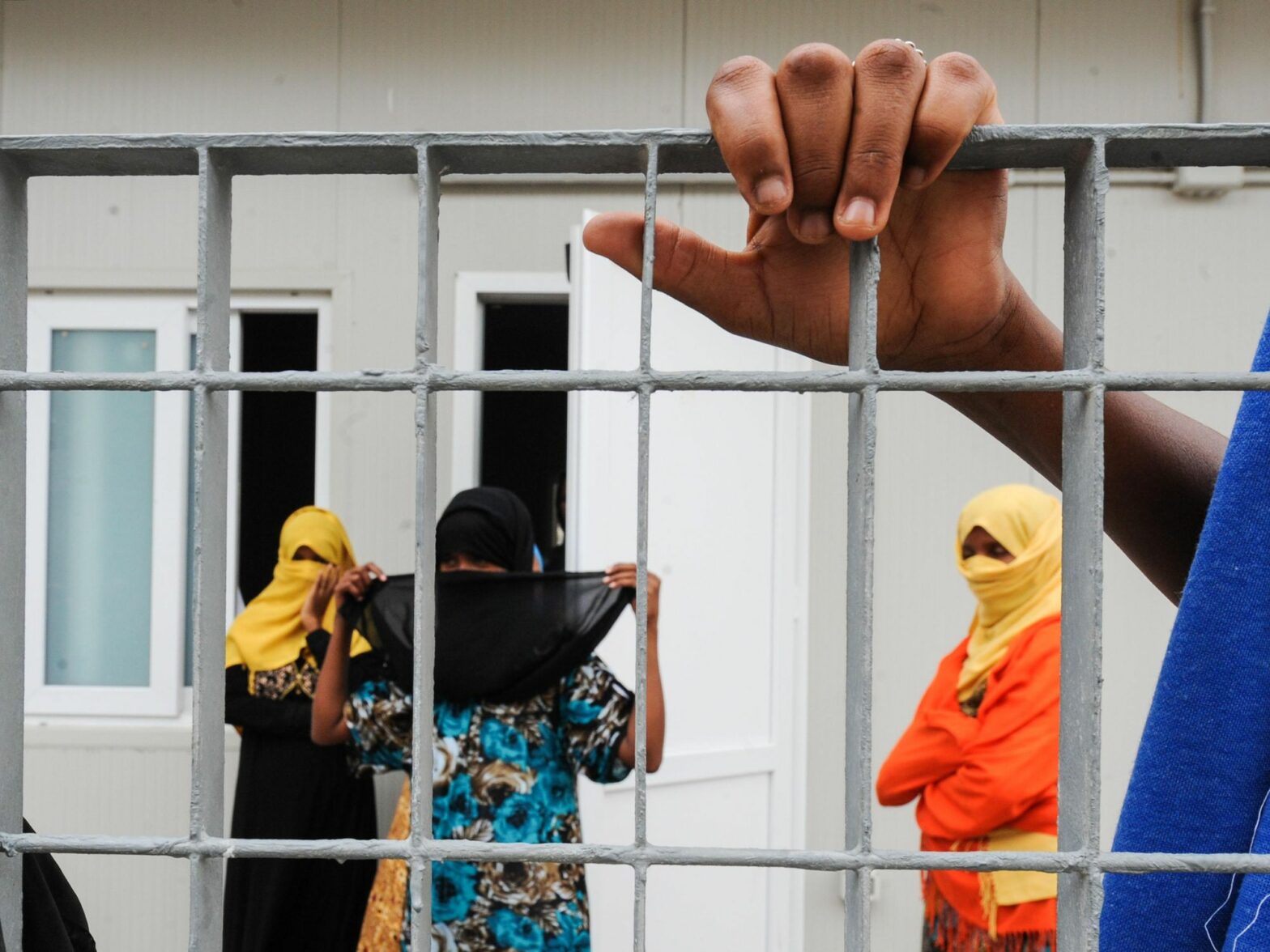
Crunch the numbers, or just look around…and we see that immigrants, wherever they may come from, are not a disproportionate cause of crime or cultural degradation across Europe.
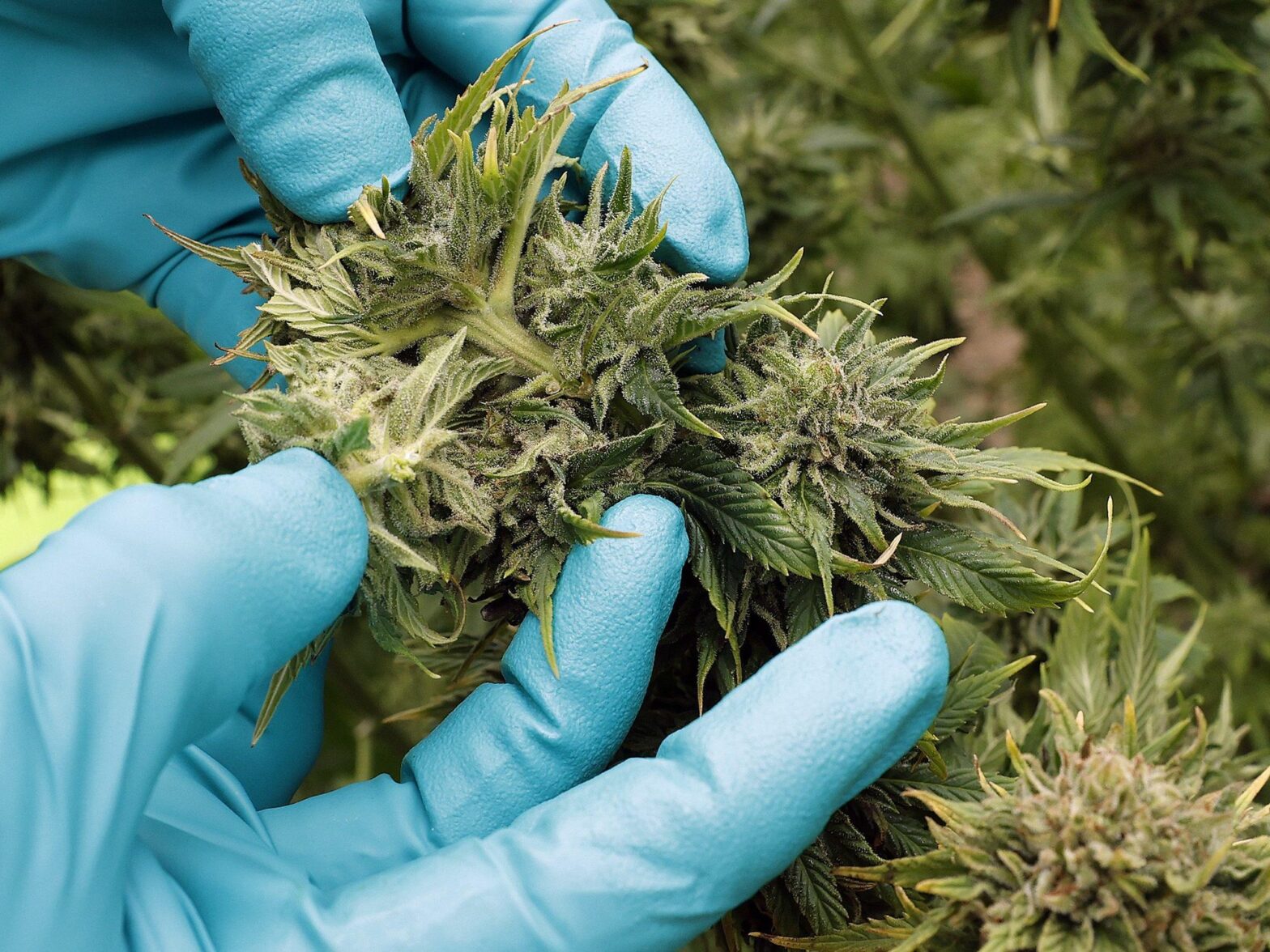
The United States has long dictated policy regarding narcotics, and Colombia, in particular, has paid a heavy price. The current presidential race is an opportunity to shift course and prioritize the welfare of everyday people.

Vaccination was supposed to free us from the pandemic’s frightening grip. Things would go back to normal, with parties and hugs and everything else. But now with the Delta variant, and the vaccines less than full-proof, COVID is again dominating our collective psyche.
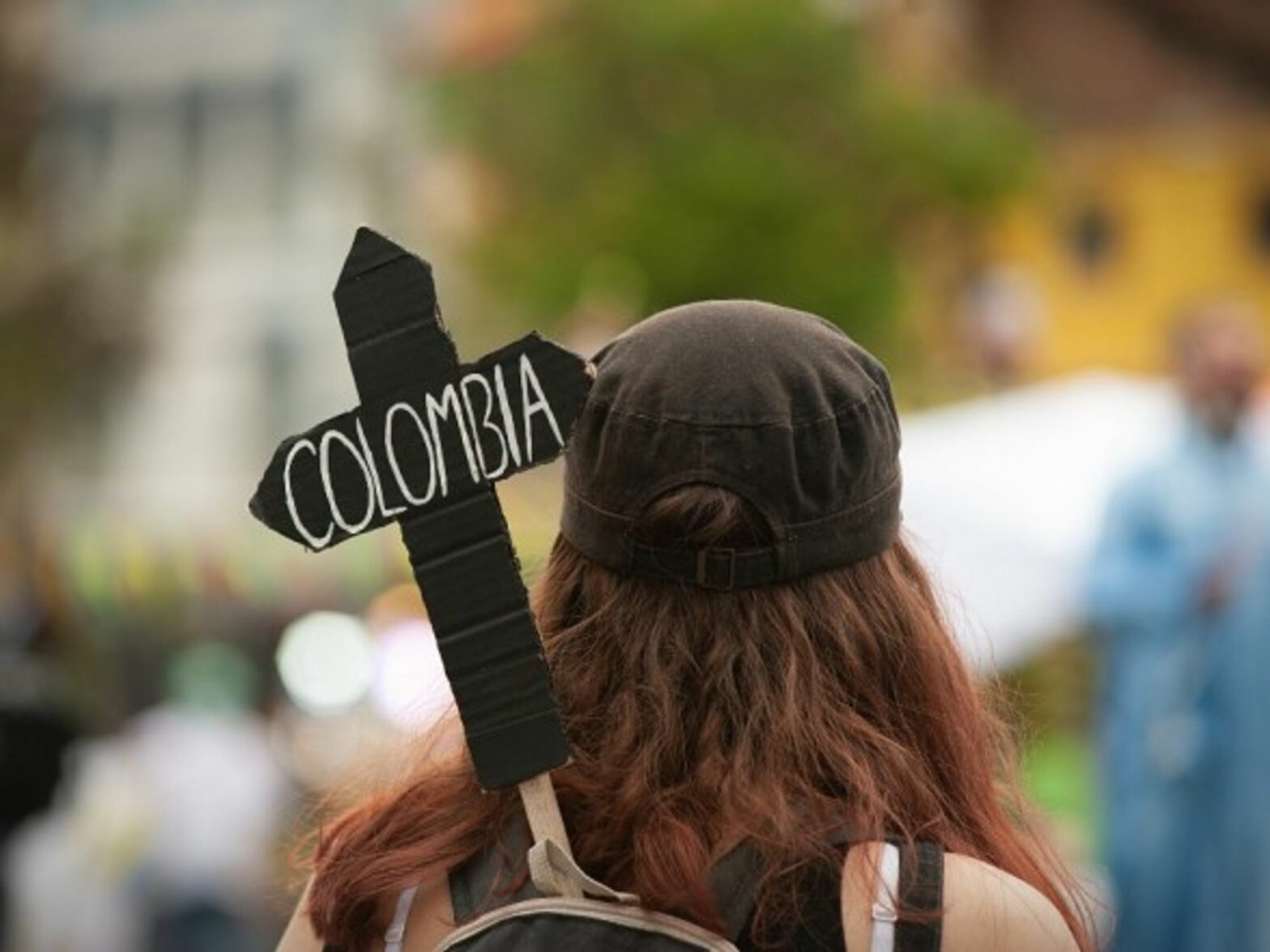
Colombia, not the United States, has been the chief victim of drug trafficking and failed anti-narcotics policies. It has a right, if not a duty, to seek other ways of curbing a chain of actions that have corrupted its society.

European soccer is inspiring and professional, in sharp contrast with the national histrionics and ‘amateurish’ mediocrity of South American football.
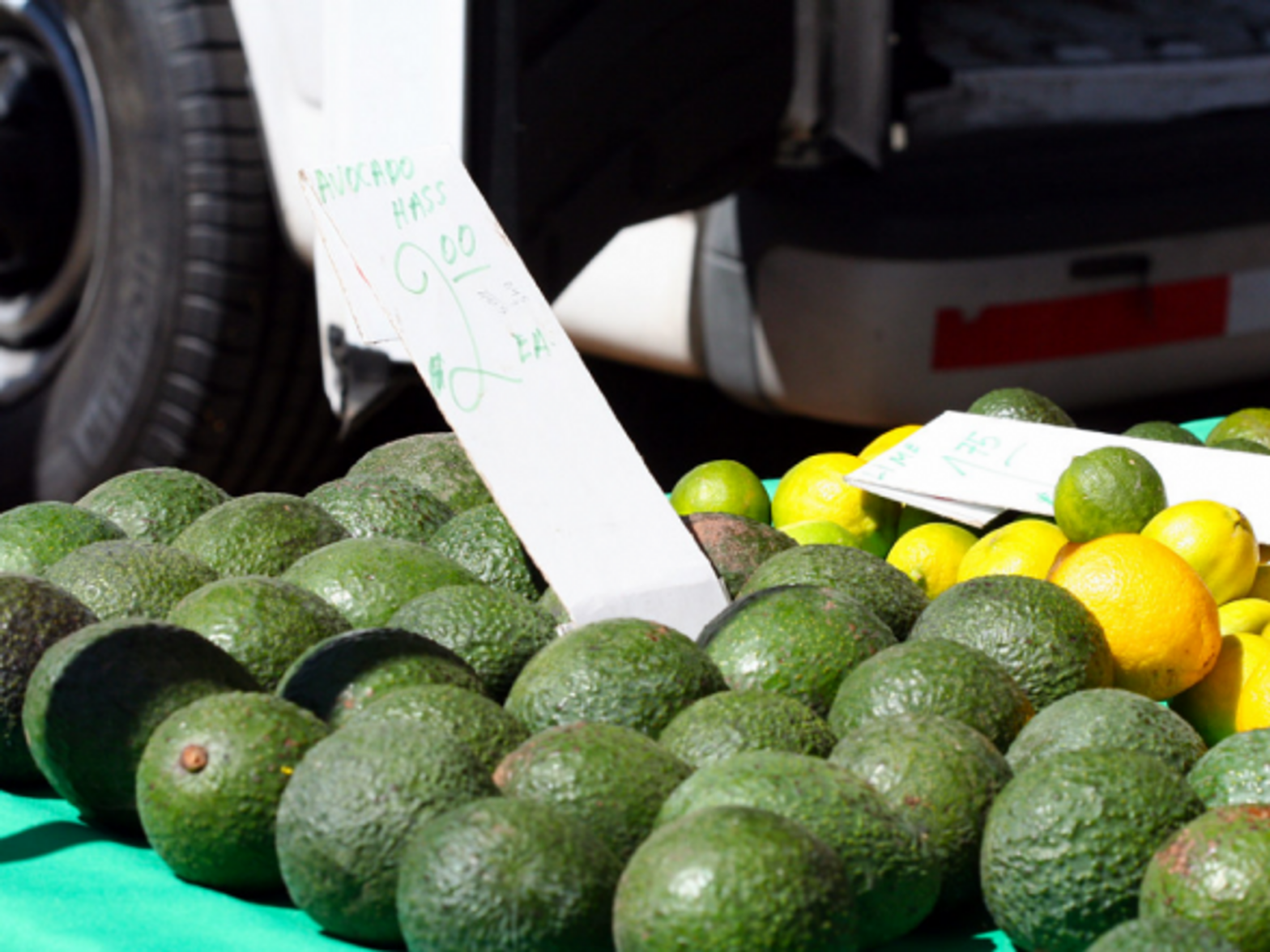
The Hass avocado, fast becoming one of Colombia’s big export earners, is threatening local ecosystems and causing water shortages.
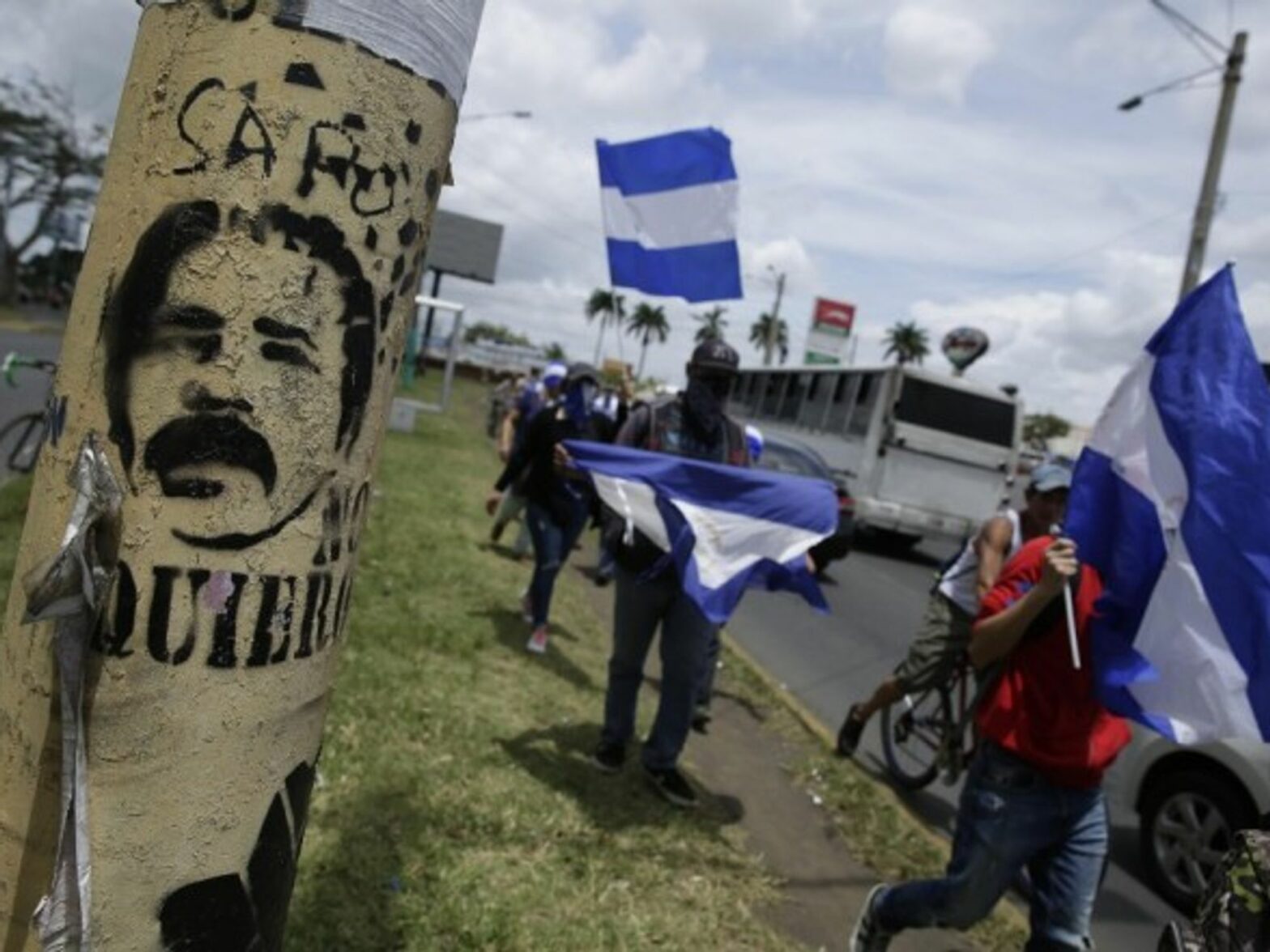
The region, from the U.S. to Latin America, has the diplomatic, economic and legal leverage to end the brazen abuses of Nicaragua’s aspiring dictator-for-life.
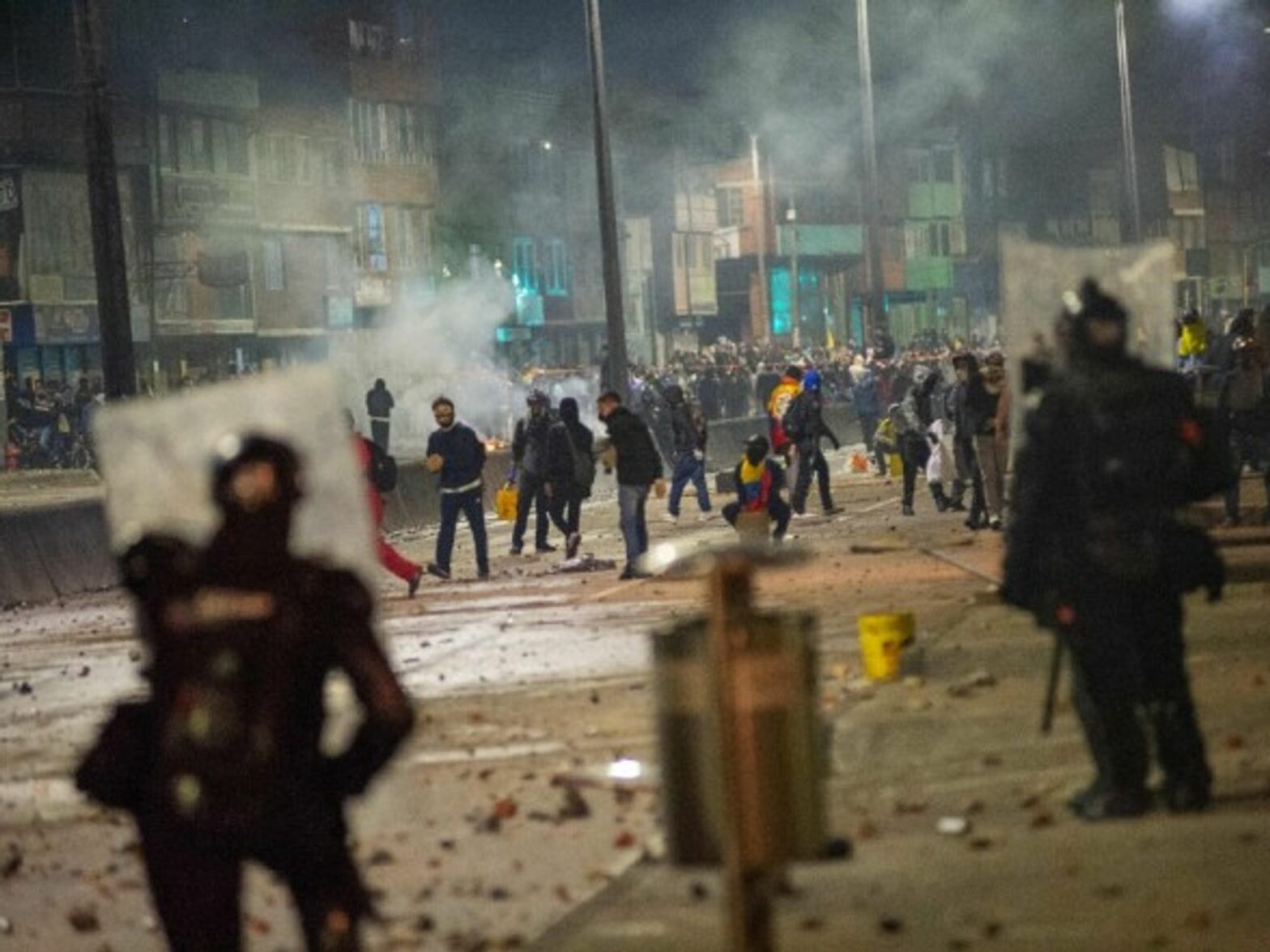
More than 20 people have been killed since demonstrations erupted against a government plan to raise taxes. Dozens more are missing, and yet some insist still on blaming the protestors.