A Wolfenbüttel research team, working with local police, is testing ways to use data from everyday devices to reconstruct break-ins, while Germany’s strict privacy rules and court orders limit access as a prototype tool targets a debut next year.

 Worldcrunch
A Wolfenbüttel research team, working with local police, is testing ways to use data from everyday devices to reconstruct break-ins, while Germany’s strict privacy rules and court orders limit access as a prototype tool targets a debut next year.

Twenty-five years in the making, China has developed a mass surveillance state, from Beijing alleyways to rural villages. And citizens don’t object because they’ve been co-opted into it.

“There is nothing fashionable about installing so many cameras in and outside one’s house,” says a lawyer from a Muslim community. And yet, doing this has helped members of the community prove unfair police action against them.

Registering facial recognition data with a biometric authentication application is all the rage in China, but it comes with major privacy concerns.

An odd postscript to the dramatic events in Paris that says much about the evolving state of the media in China, which sometimes can be as “free” as it wants to be.
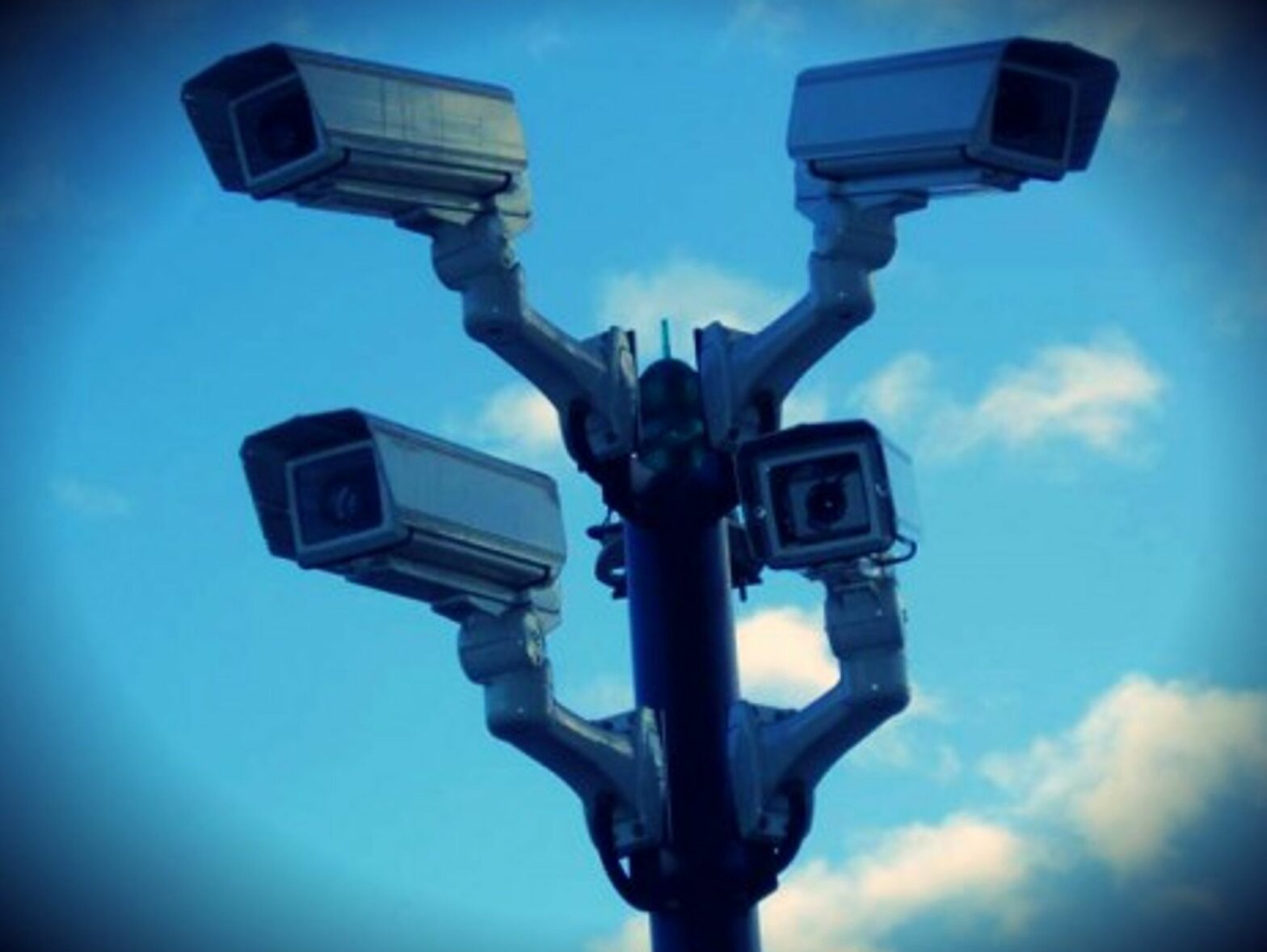
Advances in software for surveillance video help make cameras “smart” about the footage they are collecting of all of us.
DER SPIEGEL (Germany), THE GUARDIAN (U.K) Worldcrunch BERLIN – This is not your daddy’s “video game.” Privacy activists in Berlin are protesting against surveillance video cameras by destroying and debilitating them, as part of a social game where you earn points for every CCTV taken down. The Guardian spoke to the anonymous creator of the […]