Extreme weather and climate events have severely affected the two largest coffee producers on the planet, Brazil and Vietnam. Here’s how climate change is fueling the surge in prices.

 Worldcrunch
Extreme weather and climate events have severely affected the two largest coffee producers on the planet, Brazil and Vietnam. Here’s how climate change is fueling the surge in prices.
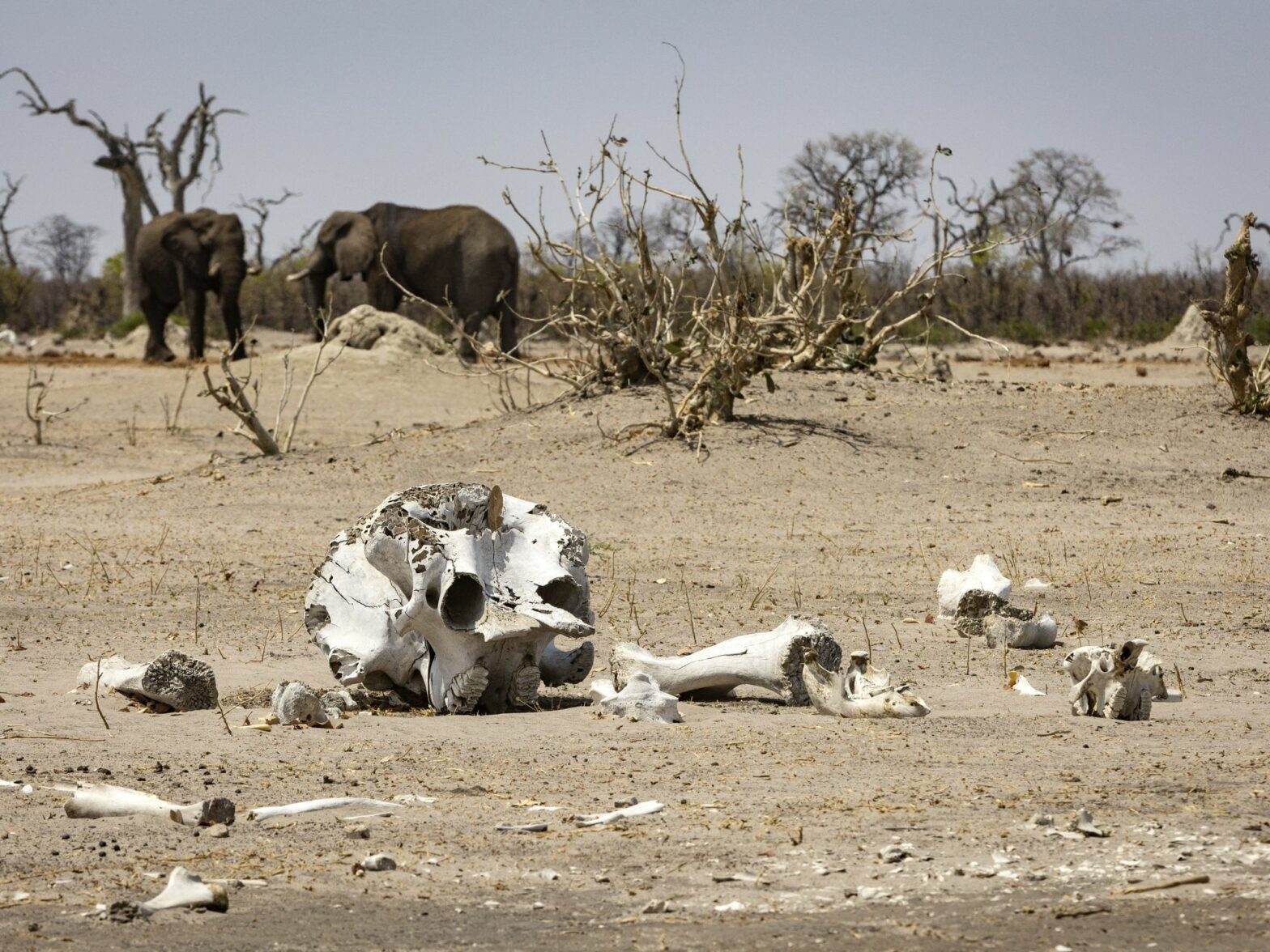
In Botswana’s Okavango Delta — declared a UNESCO World Heritage Site in 2014 — warming trends over the past two decades are approximately twice the global average.
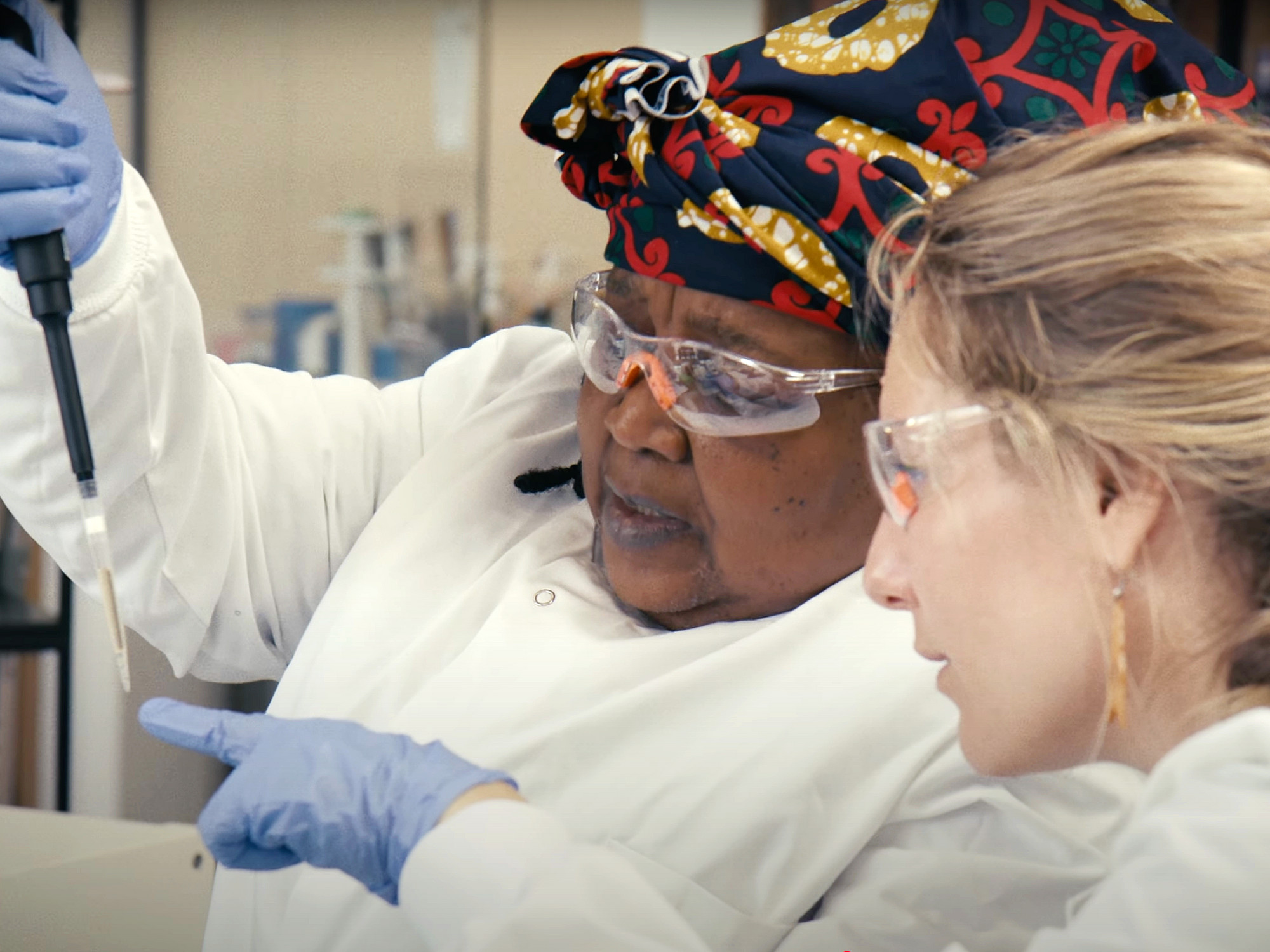
New technologies that allow researchers to understand DNA and other genetic markers are advancing quickly, but the law surrounding who actually owns the information that researchers collect is not advancing fast enough.
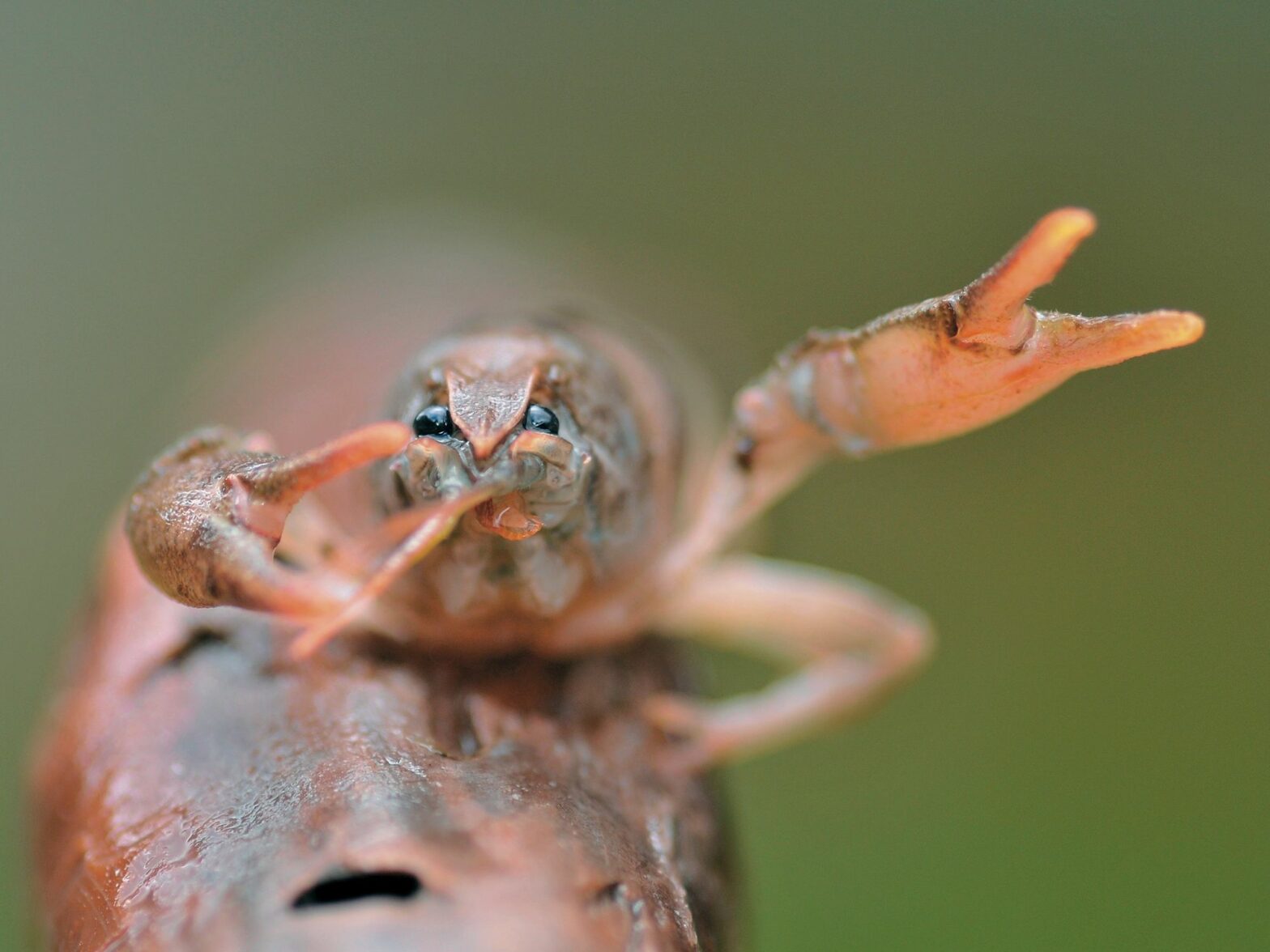
American crayfish, introduced to Spain in the 1970s, have decimated Iberian crayfish populations. However, experts debate reintroducing Iberian crayfish, as they too may not actually be native to the region.
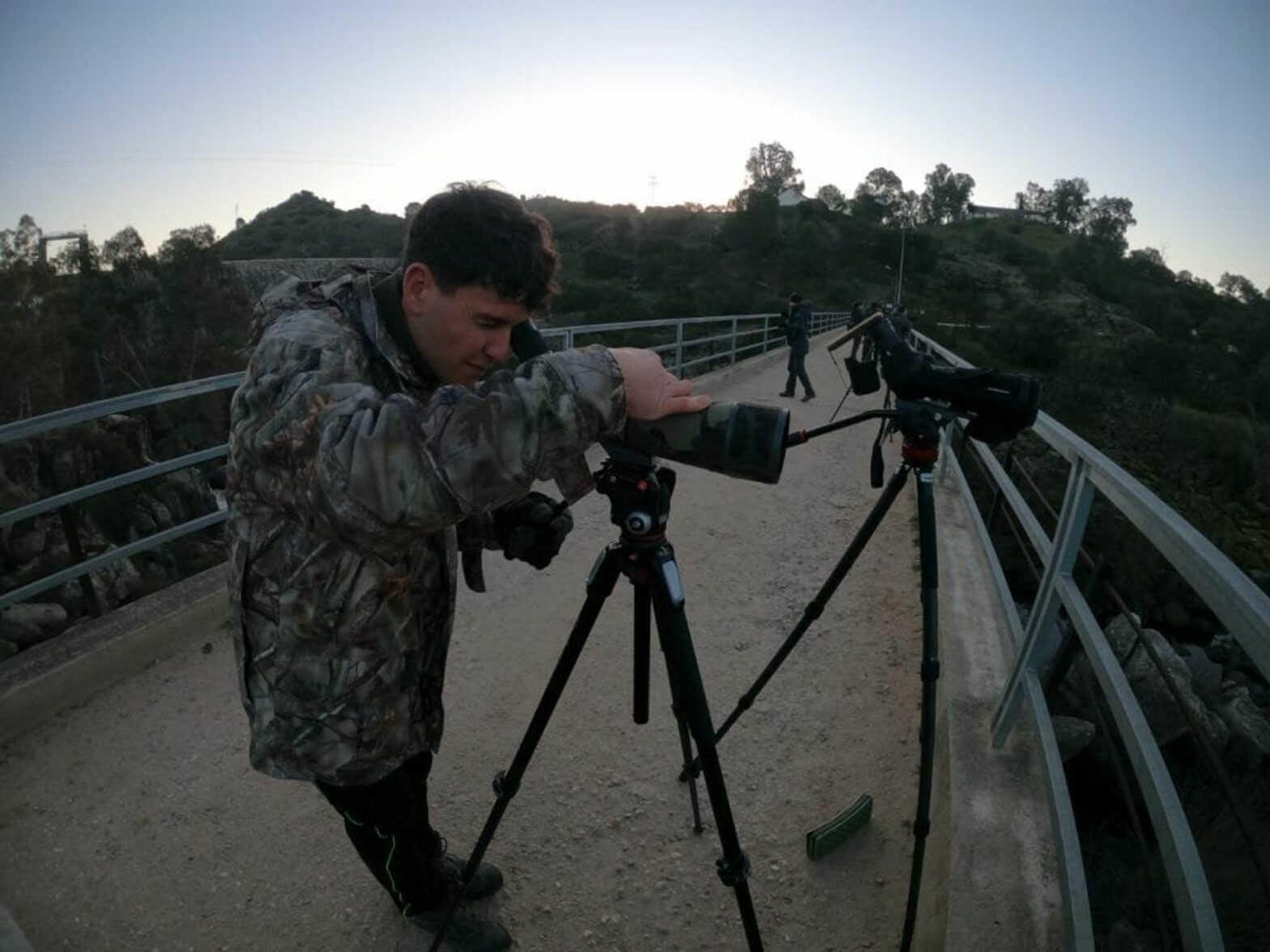
Thanks to the many citizen science projects that exist today, all of us who make up the social fabric can actively contribute to scientific knowledge and sustainable development.
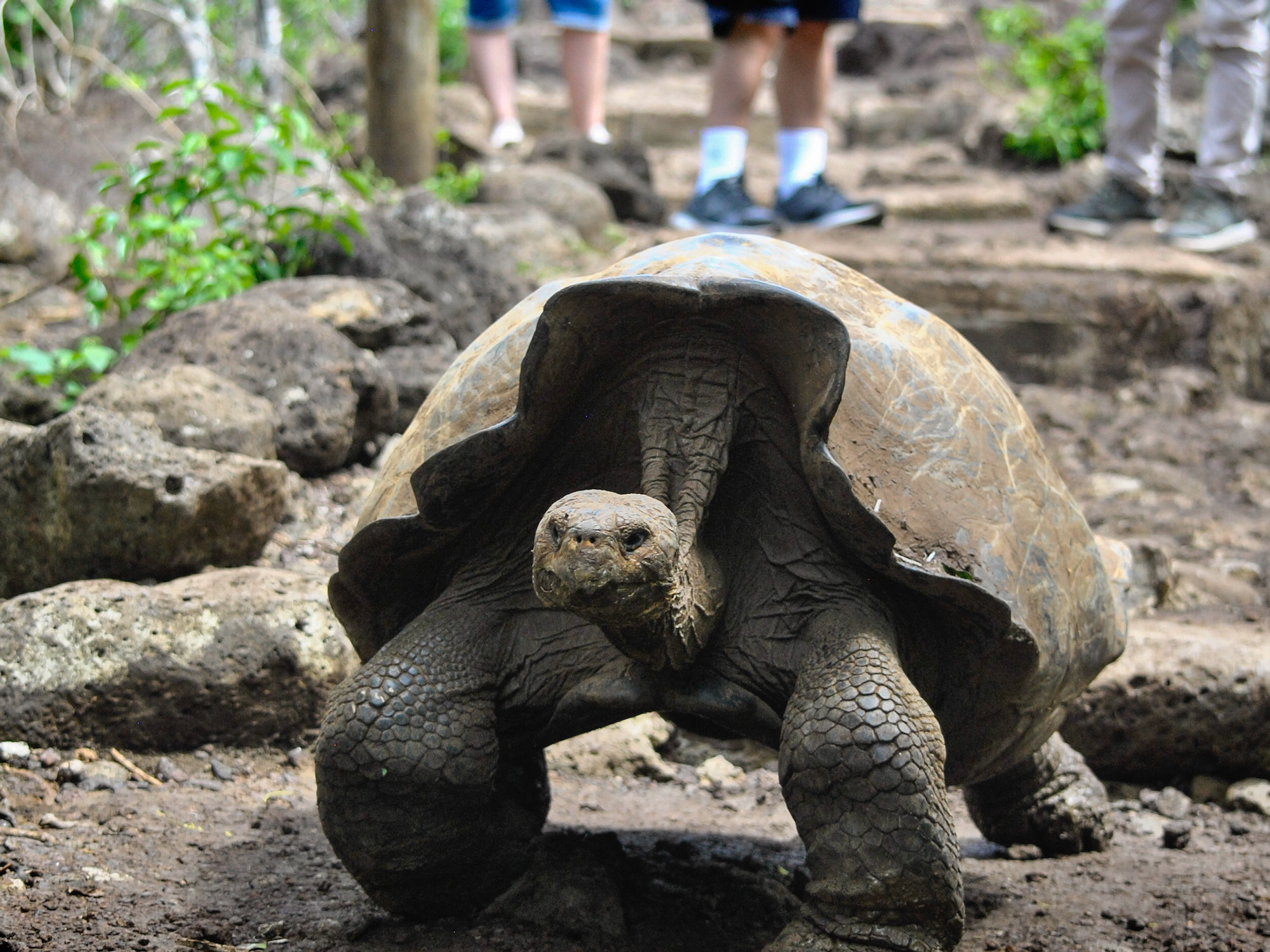
Ecuador’s exceptional Galapagos archipelago has been at the heart of an ambitious decades-long preservation policy to protect its unique fauna from too many visitors. Could it serve as a model for others for how to resist overtourism?
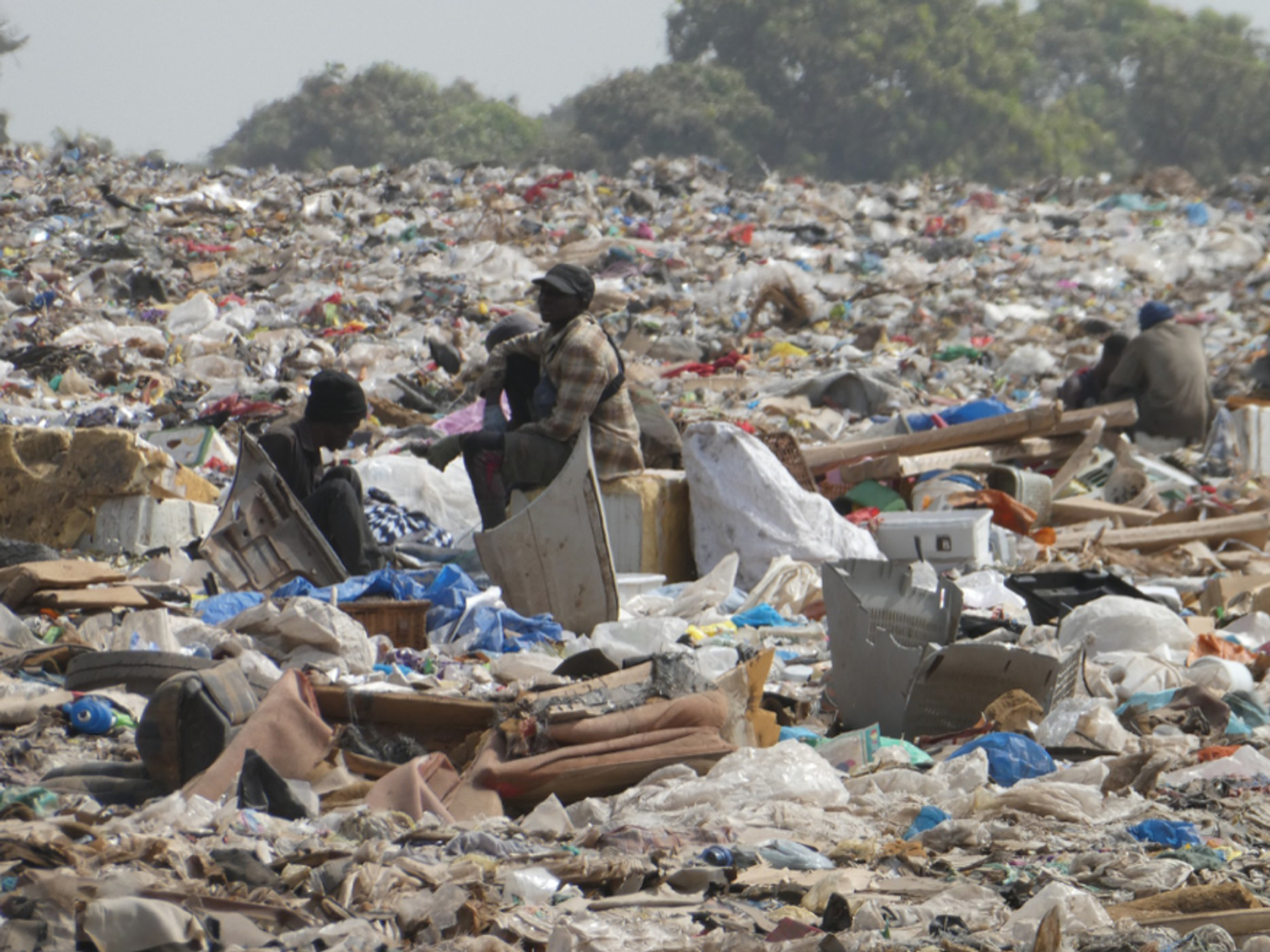
The smallest country in Africa, Gambia is a net importer of plastics. About 84% of this waste is not managed properly, with dire consequences for the people and the environment.
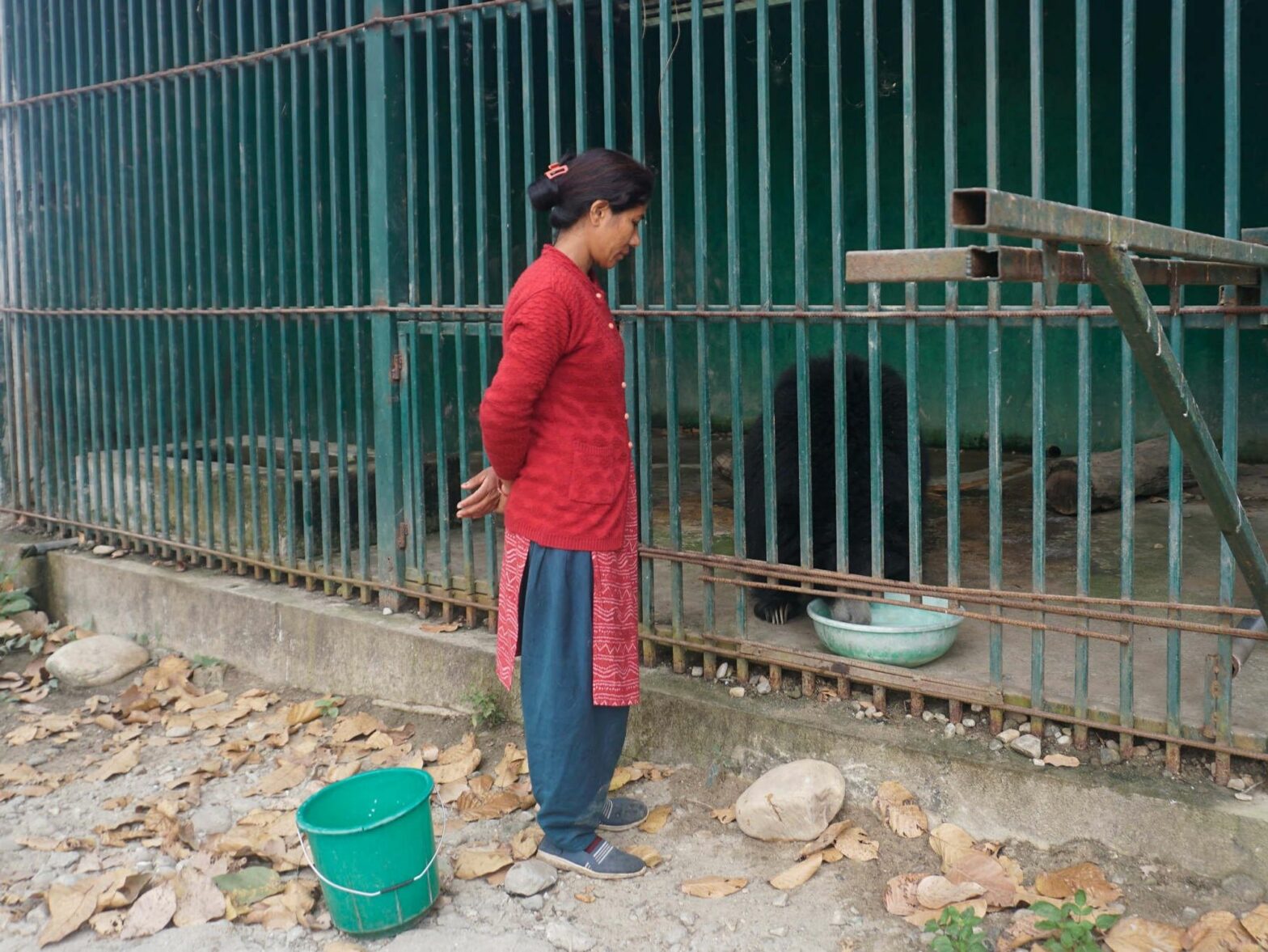
The public can view caged wildlife in these locally managed preserves under federal laws allowing for ecotourism ventures. But the parks do more harm than good, experts say.
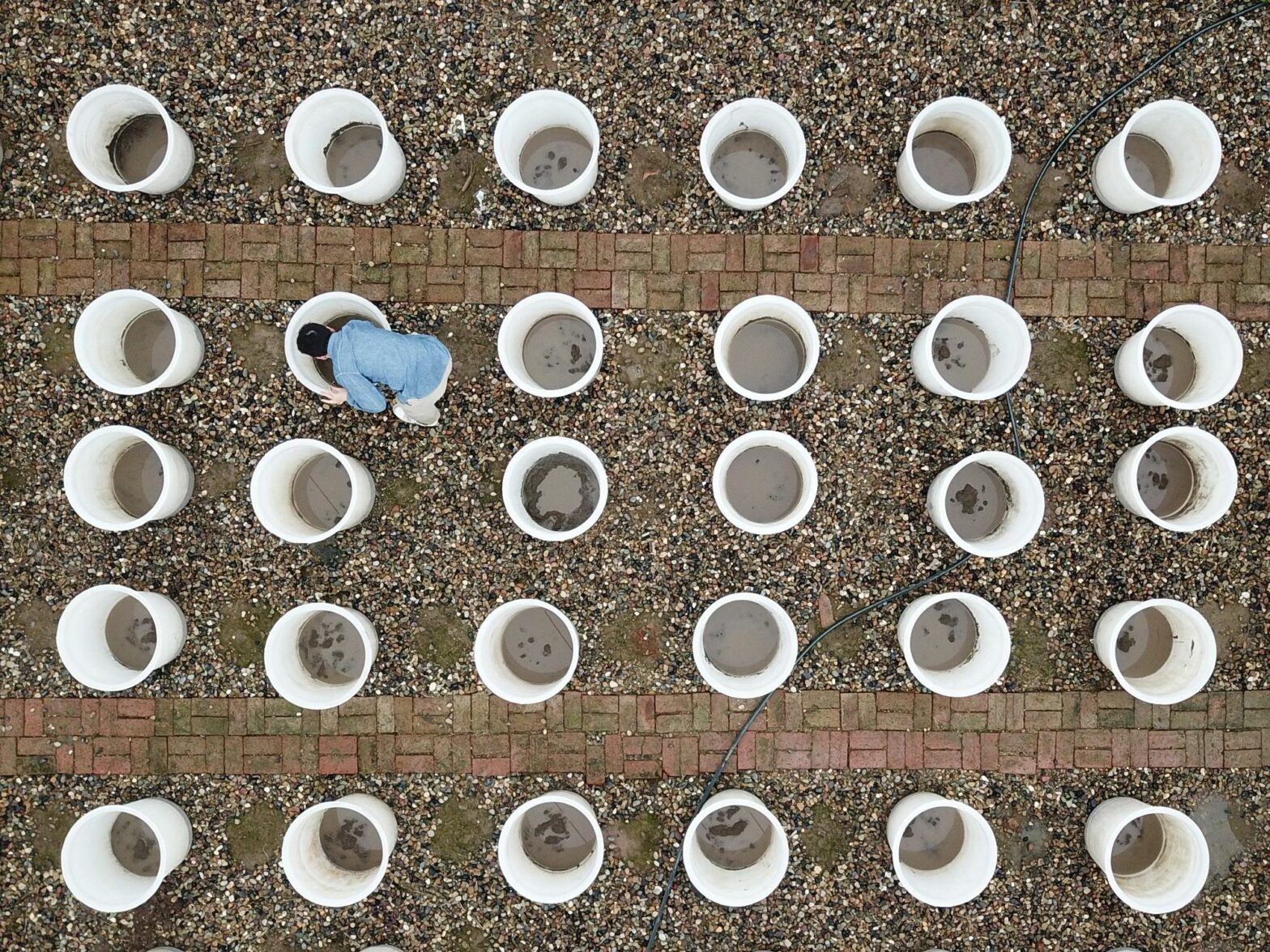
Impoverished by decades of intensive farming, soils are losing their capacity to store carbon and retain water. Today, alternative farming methods try to offer a solution to the problem, but the results are far from ideal.
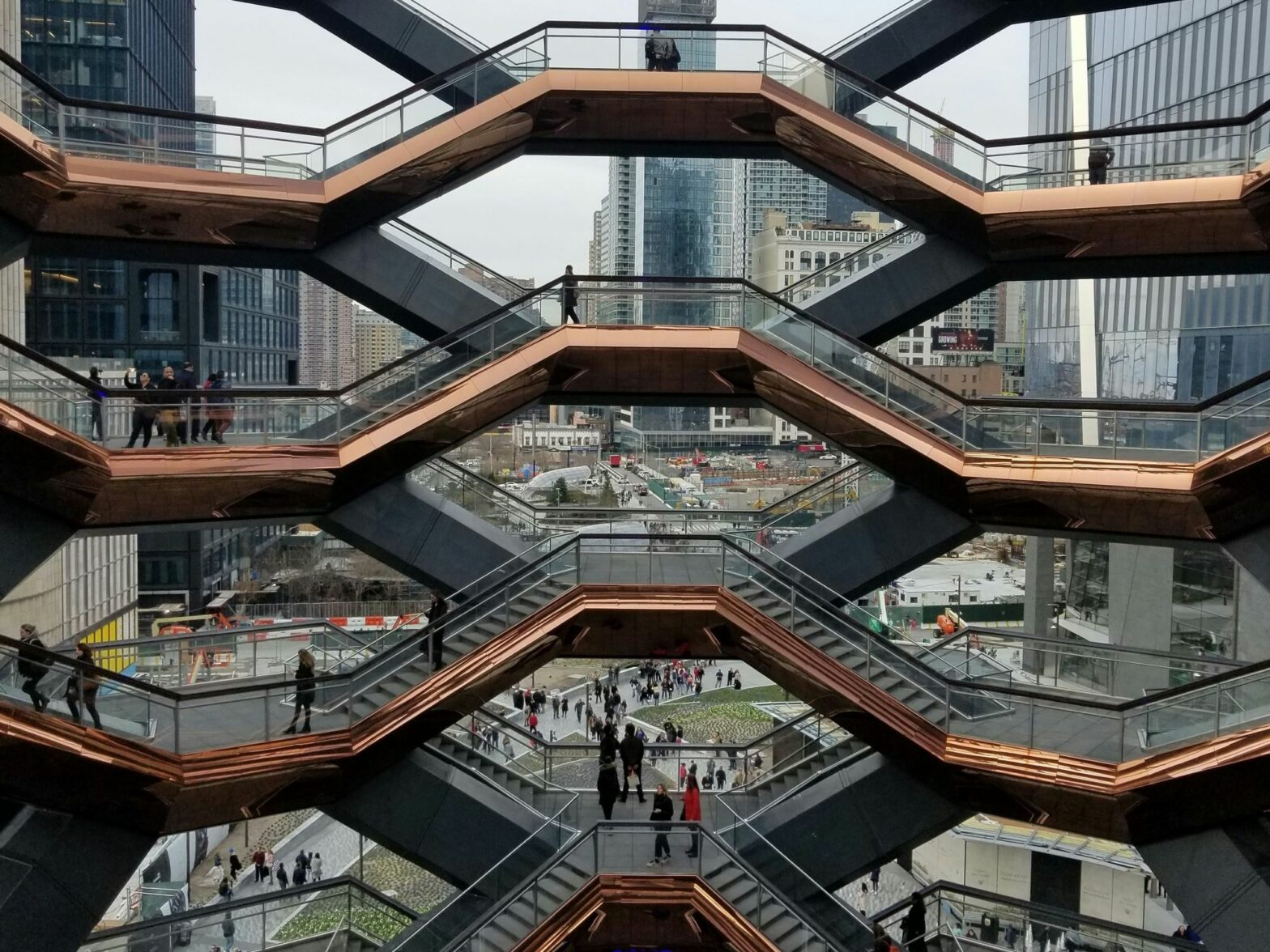
As the world’s climate becomes erratic and hostile, we might remold our cities from being expressions of our cold triumphalism to vessels and tools for inclusive, peaceful cohabitation with nature.
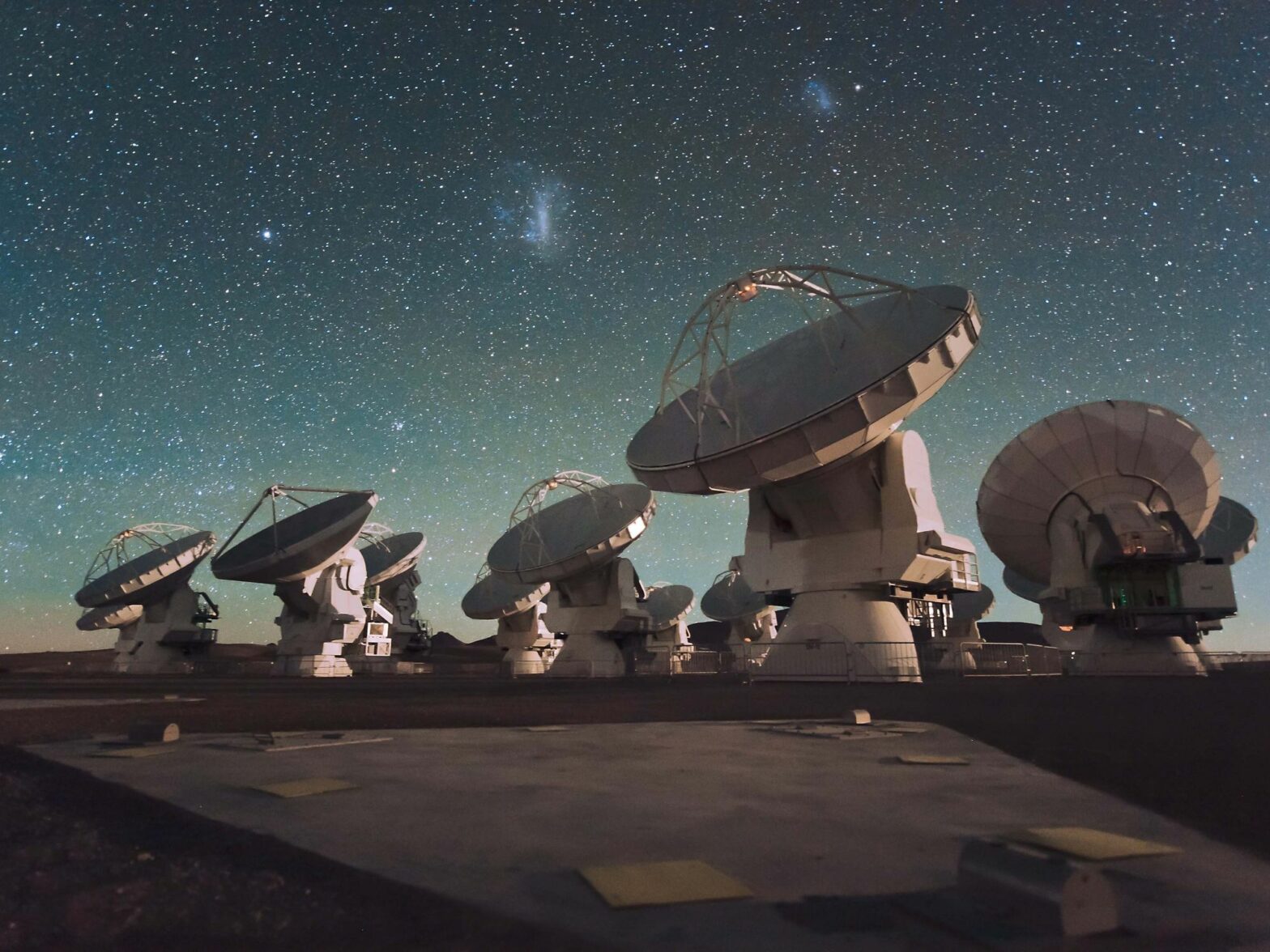
Light pollution in Chile’s Atacama Desert, home to crucial star-gazing infrastructure, is threatening the future of astronomy. Can a new nationwide lighting standard make a difference?
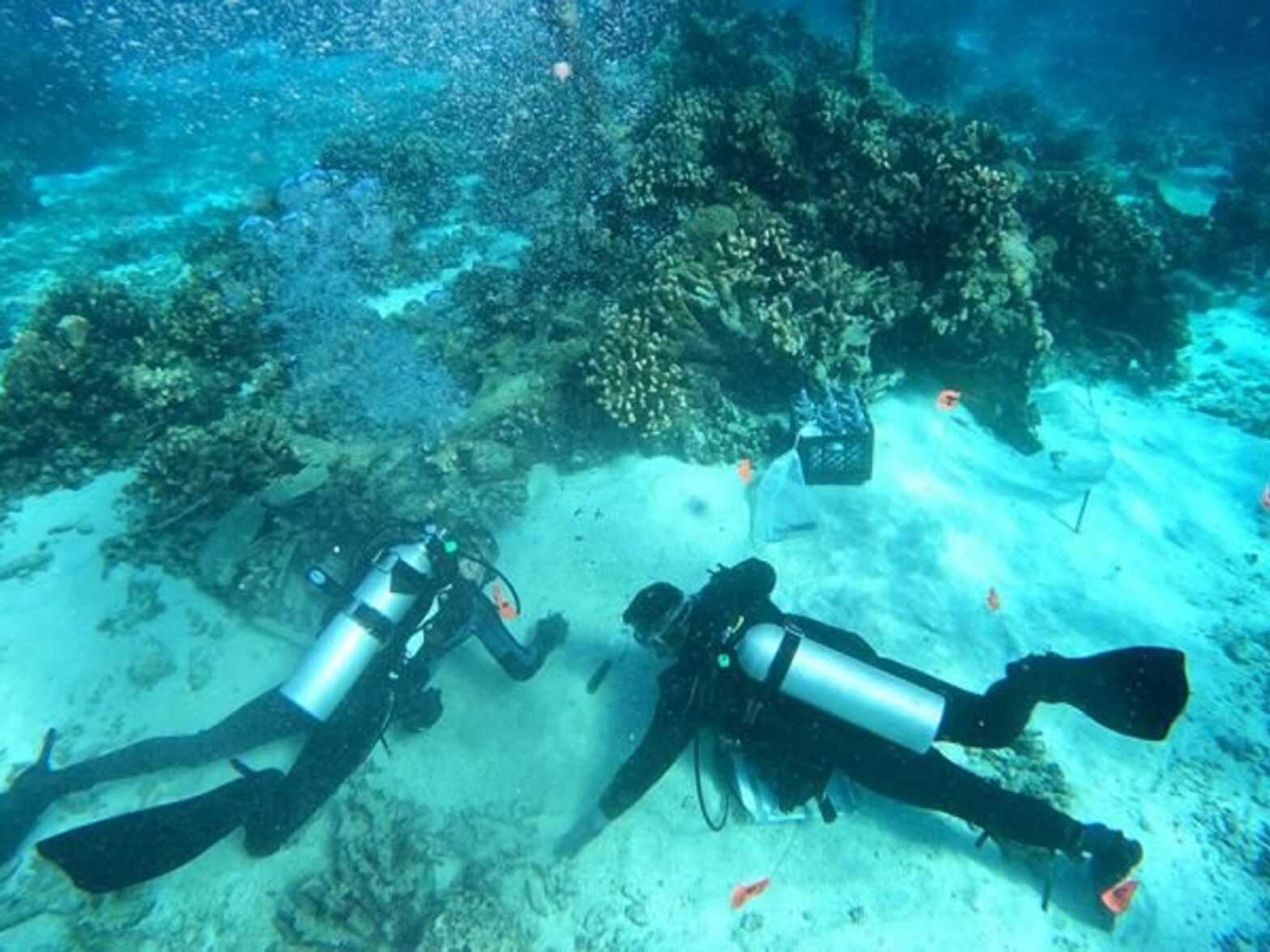
Researchers are testing eDNA as a tool to locate lost soldiers’ remains. Can the approach one day help solve crimes?
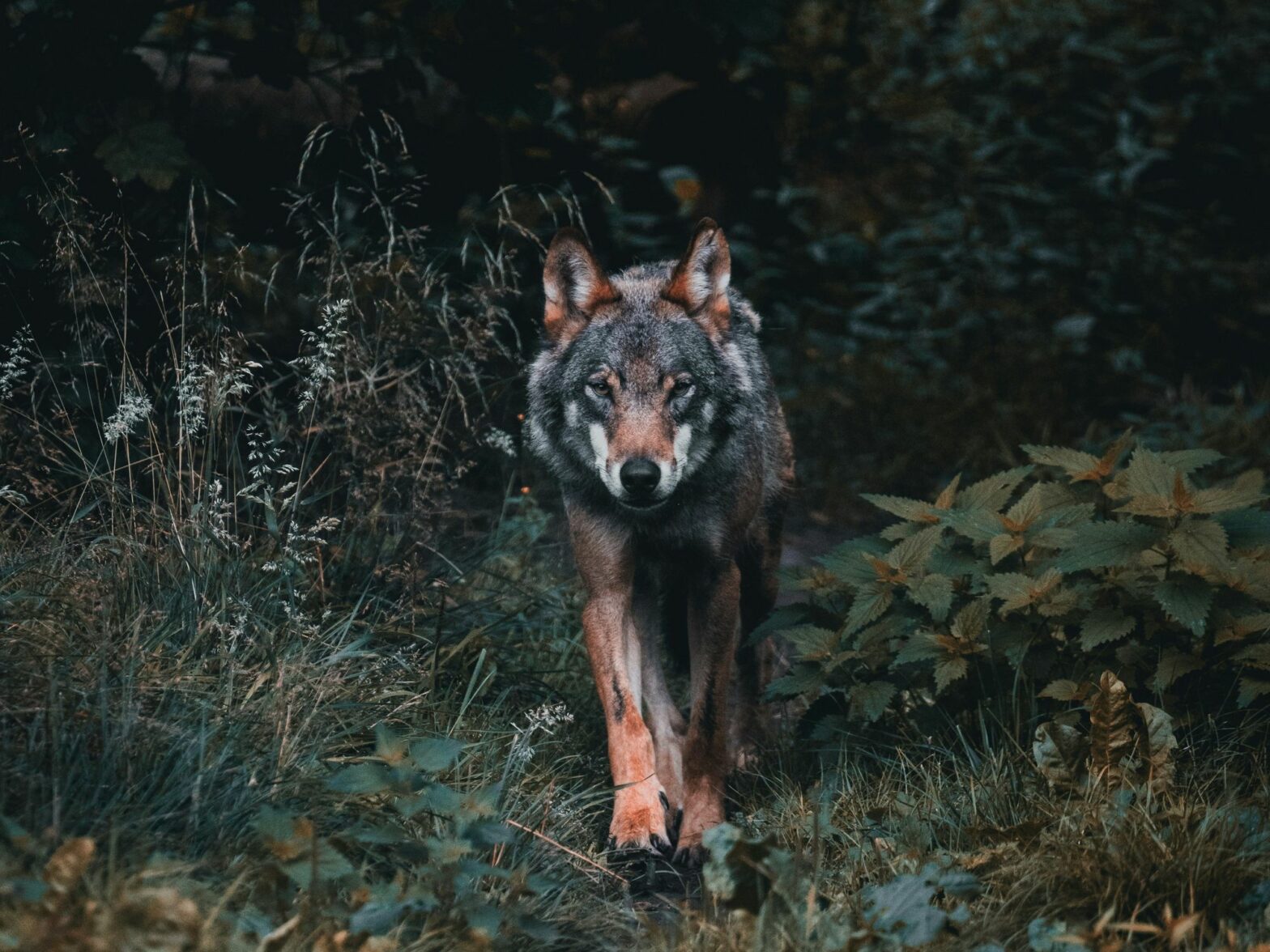
For the past 30 years, the number of wolves has steadily increased in France — great news for biodiversity but not for farmers, who are accusing the predator of attacking and killing their livestock. The topic, which has become explosive, is symbolic of a very contemporary divide in the country.
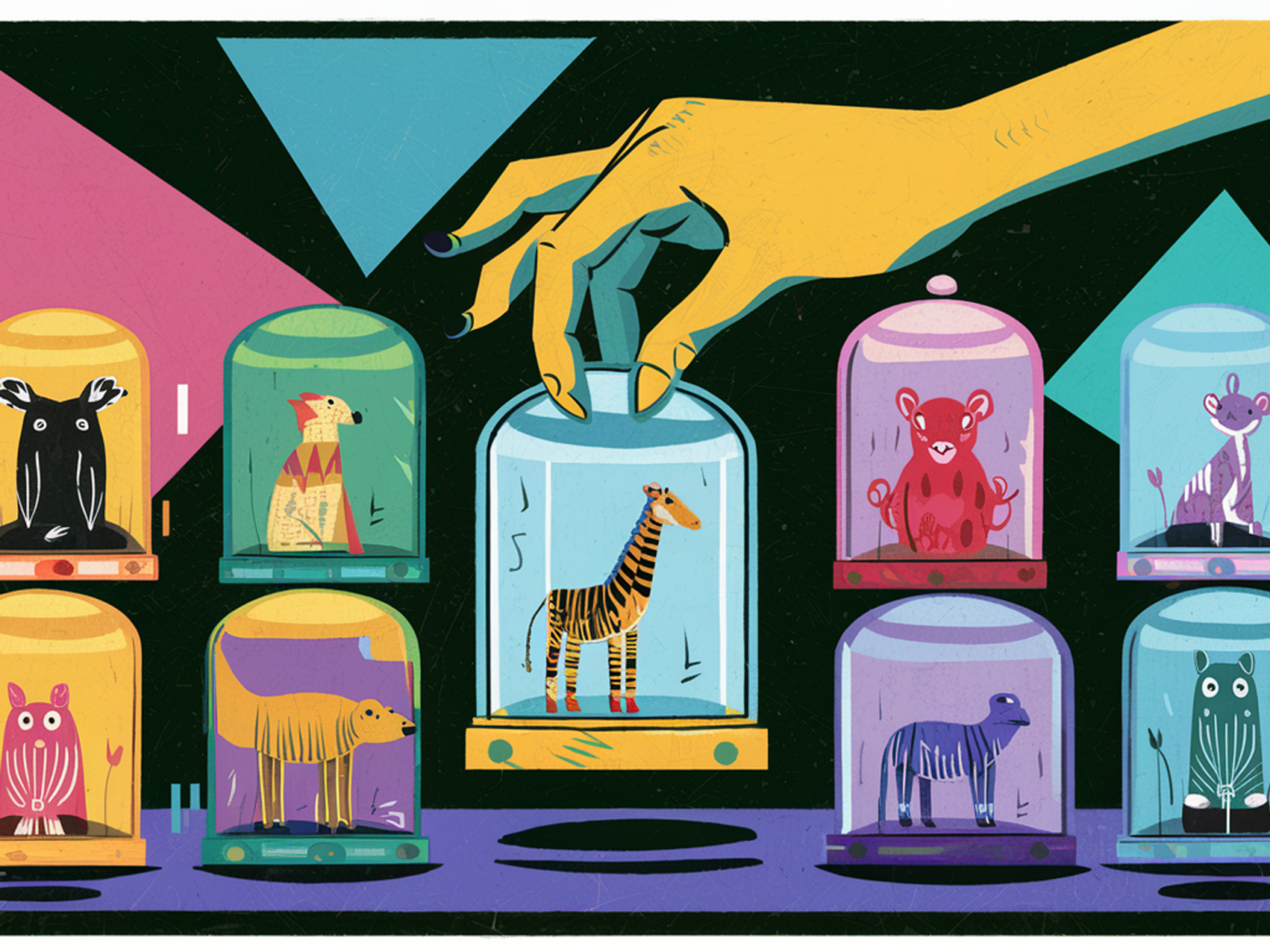
No single, unified list exists of all species cataloged by humans. Some scientists want that to change.
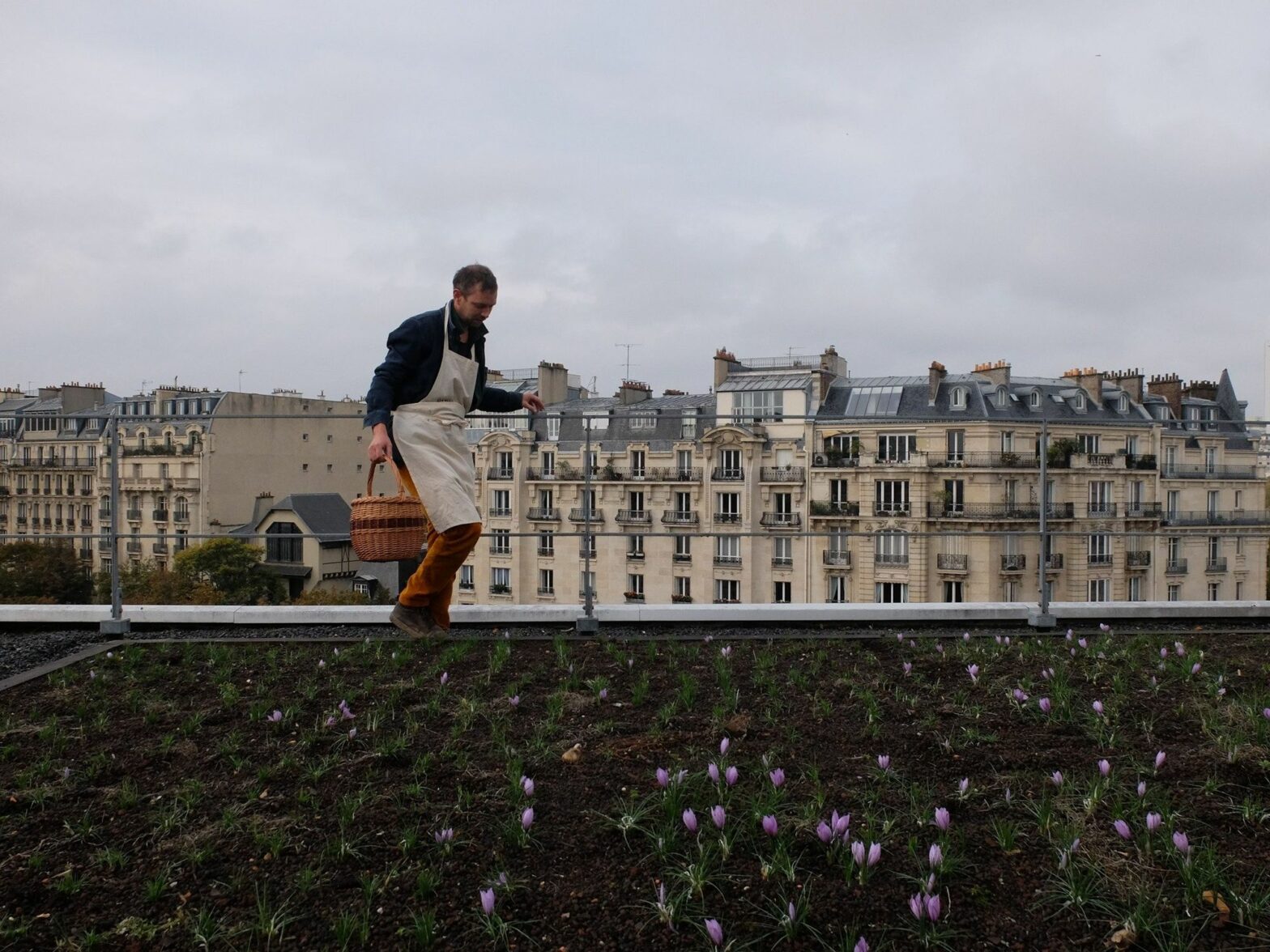
How can we make the city both more dense and more liveable? By opening up its rooftops! At a time of land scarcity and global warming, this vast reservoir of largely unused land is the focus of much interest.
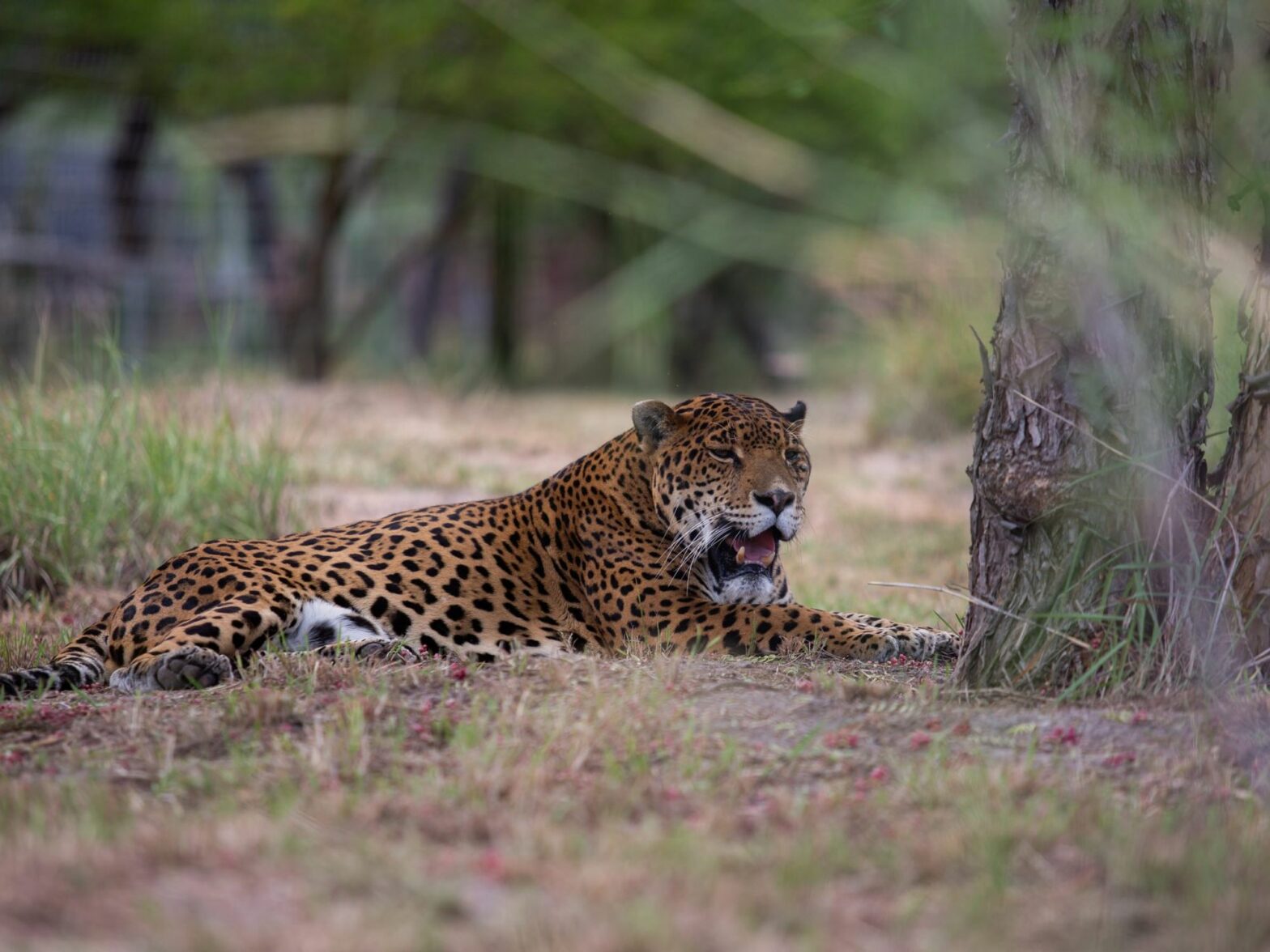
A government mega-project could push the country’s big cats closer to extinction — an outcome that would have devastating ripple effects on the local ecosystem.
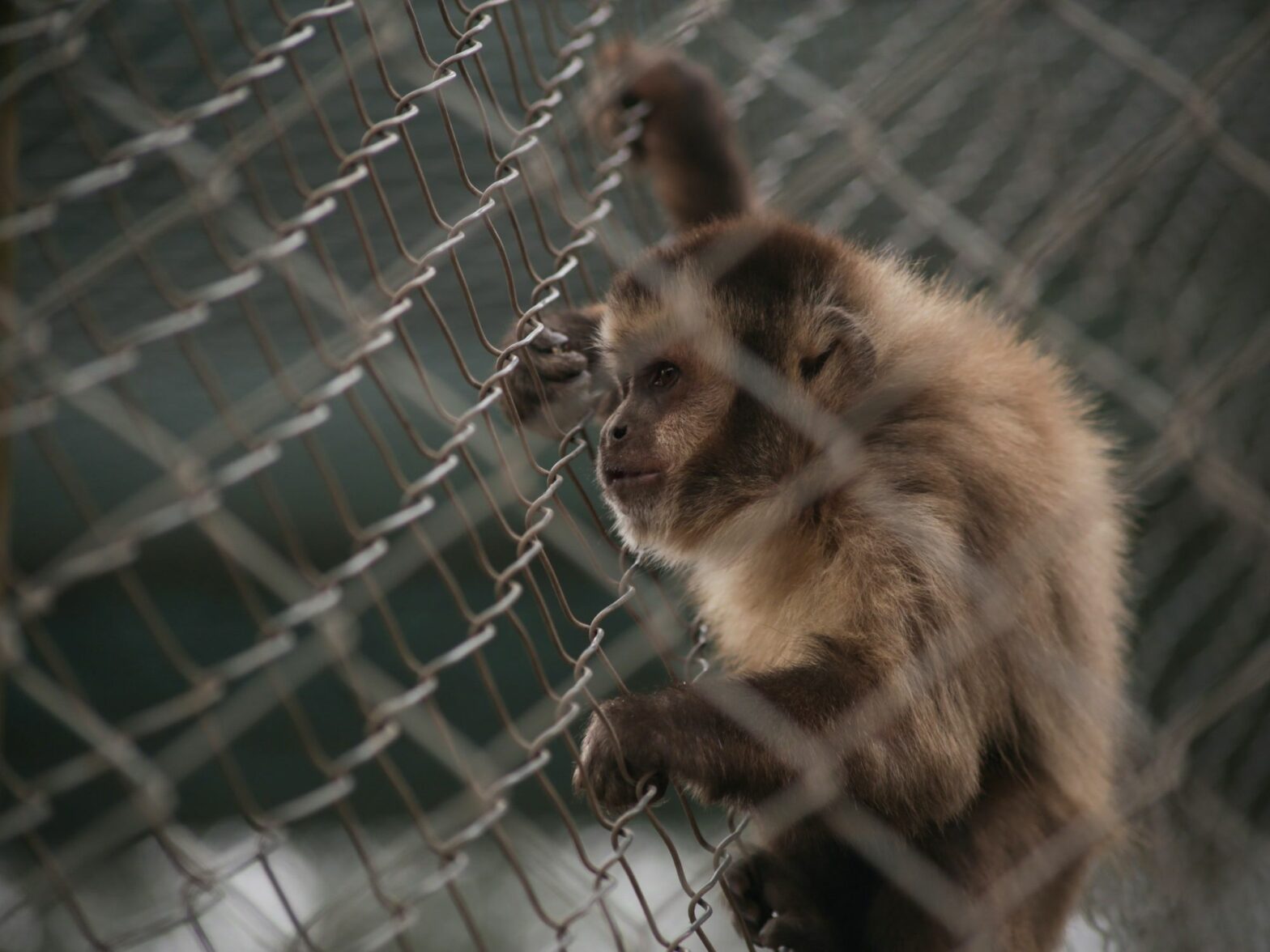
Zoos are often associated with animal cruelty, or at the very least a general animal unhappiness. But on everything from research to education to biodiversity, there is a case to be made for the modern zoo.
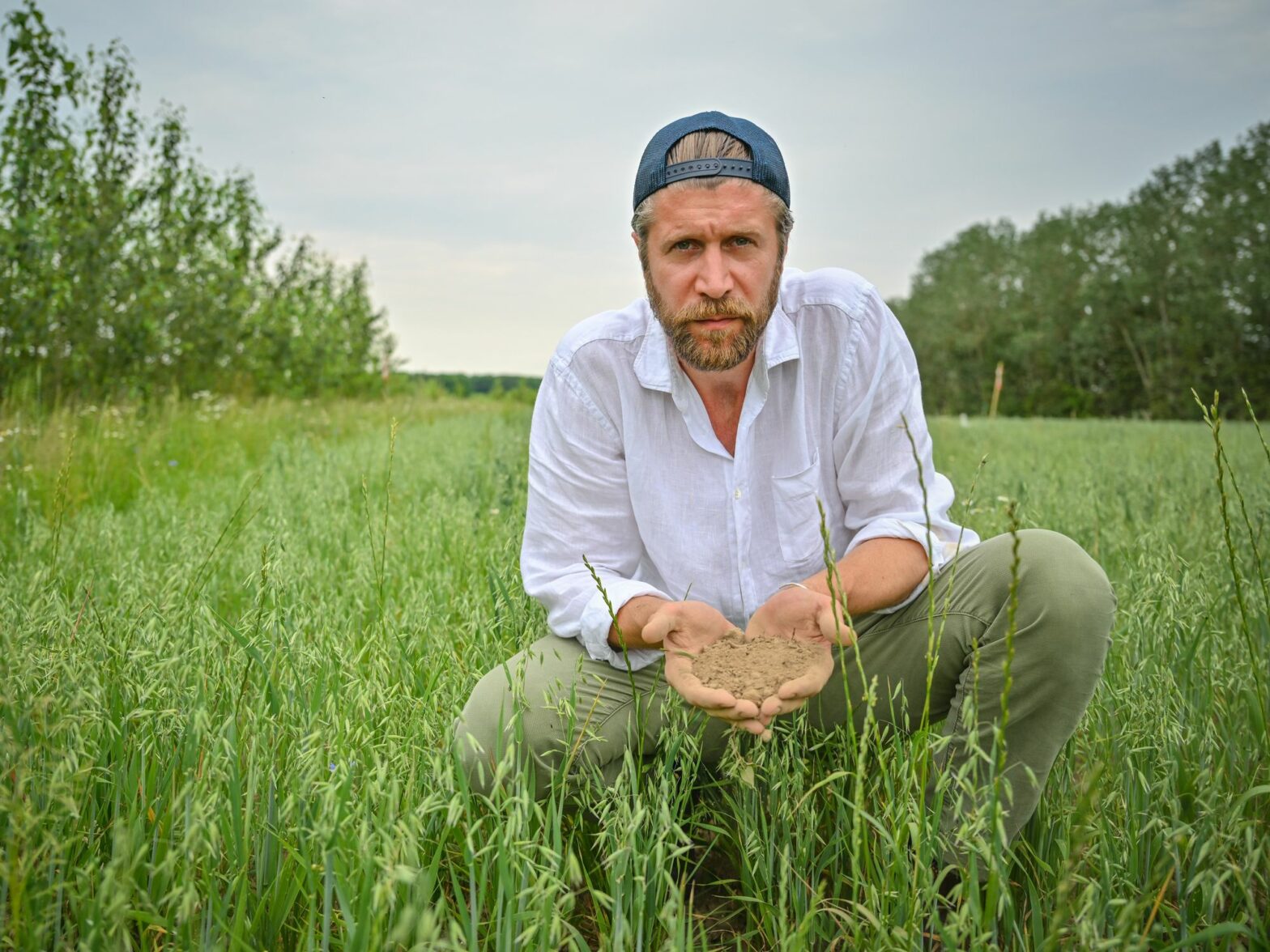
Dry soil, hardly any rain — this summer’s drought is making life difficult for farmers. In one of the driest regions in Germany, environmentally friendly farmer Benedikt Bösel is turning his fields into a laboratory, experimenting with an exciting new approach.
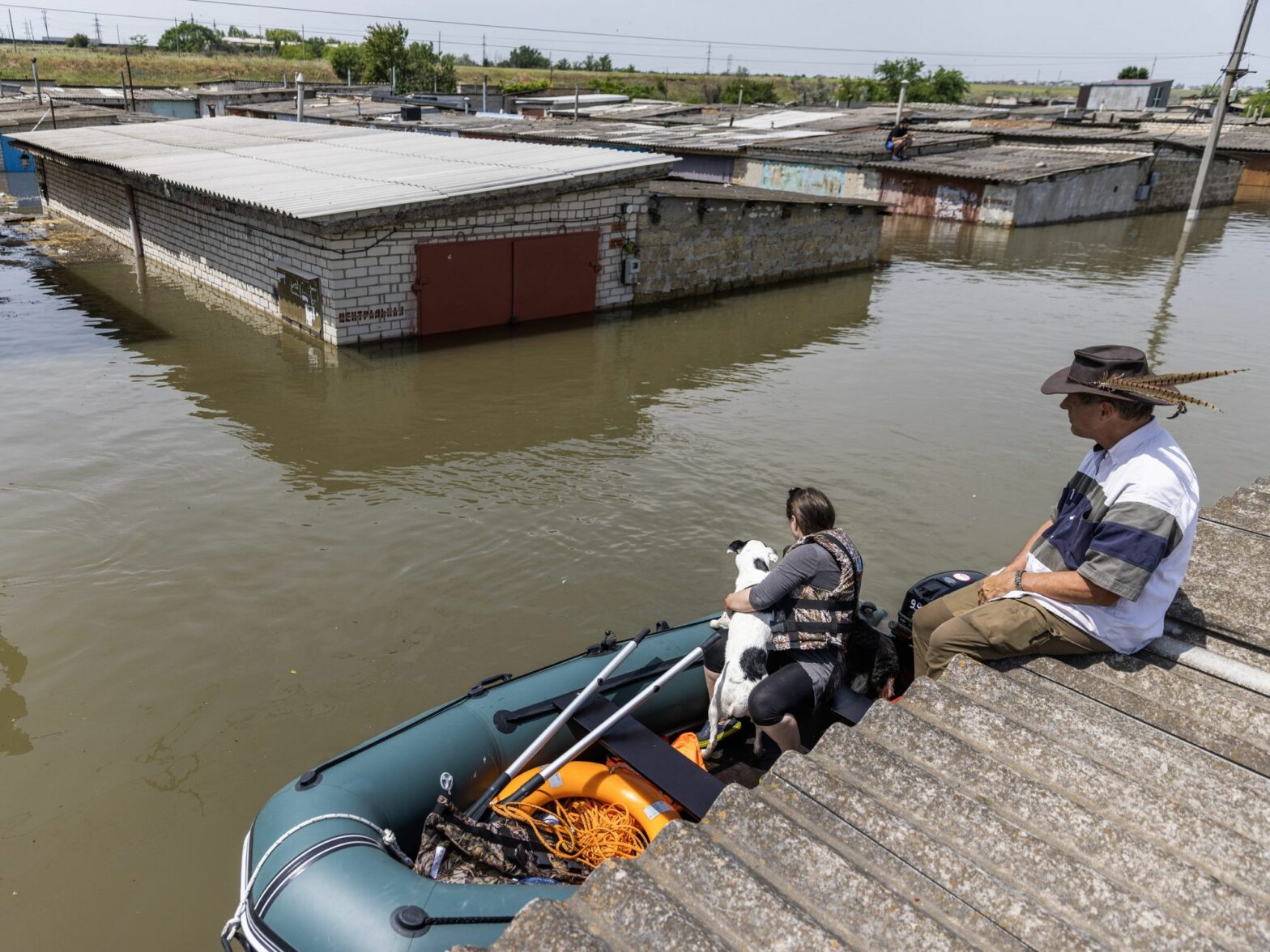
Warfare is not only traumatic for people and infrastructure but also has a large impact on the natural environment. The environmental damages of the Ukraine war will likely be be so great that even neighboring countries will suffer their effects.
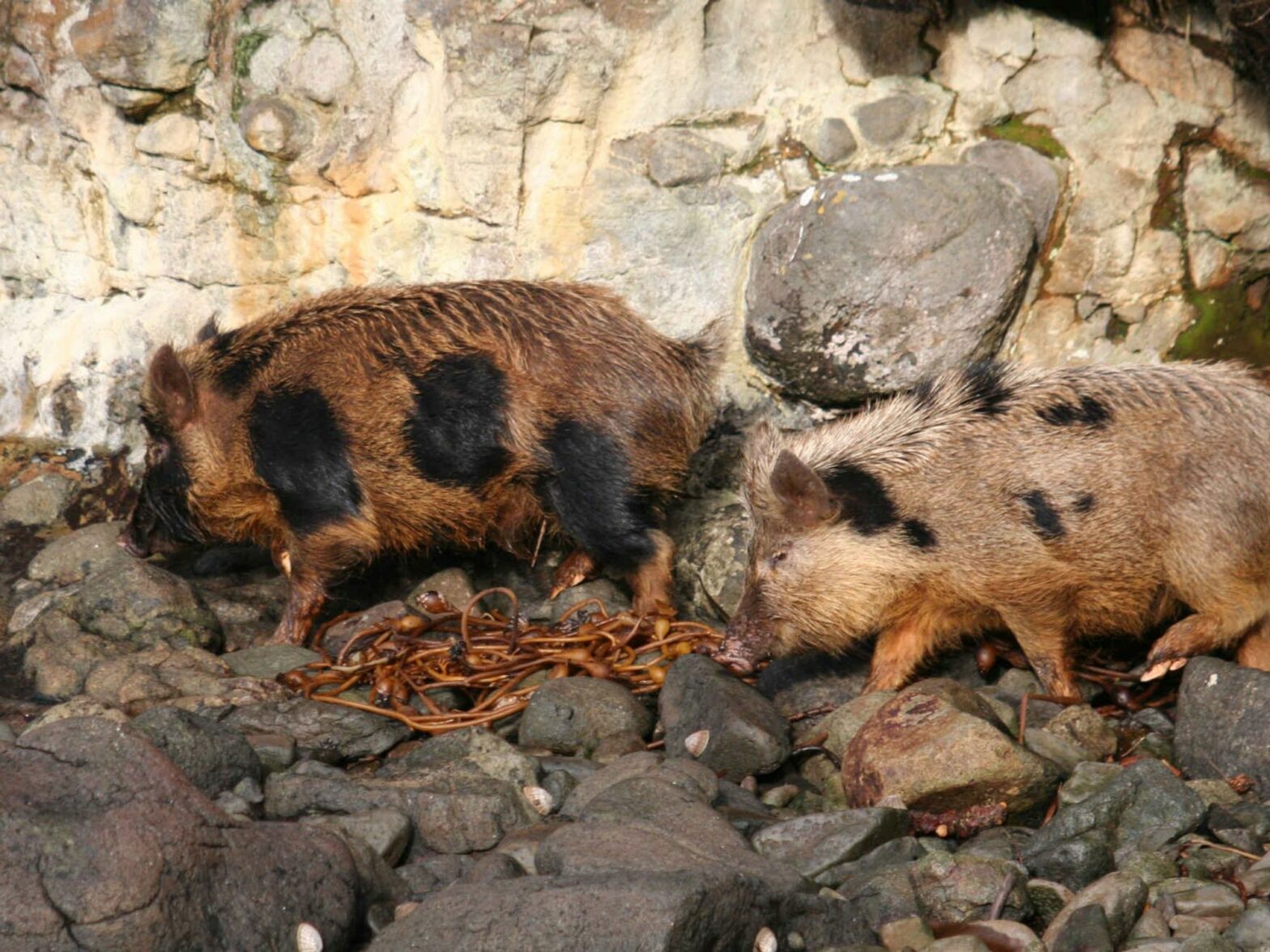
The species of pig evolved into ultra-resilient, disease-free predators while isolated on Auckland Island that could be a boon for state-of-the-art xenotransplantation, a medical procedure in which cells, tissues, or organs from one species are transferred into another species, which could reduce the need for human organ donors.
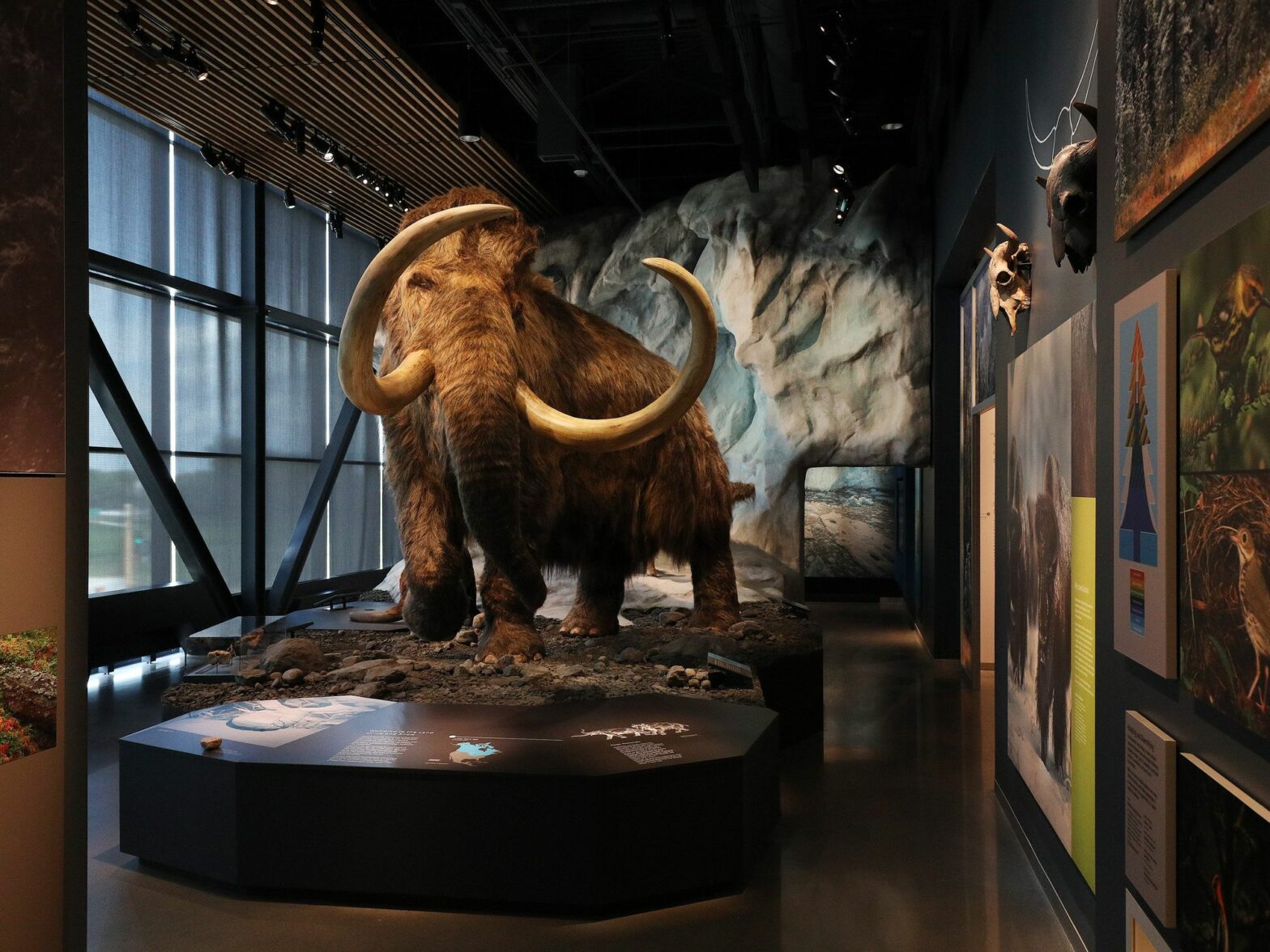
Thanks to advances in science, the reintroduction of extinct animal species is now feasible — even inevitable. But beyond possible benefits for biodiversity, these projects raise numerous environmental and ethical dilemmas.
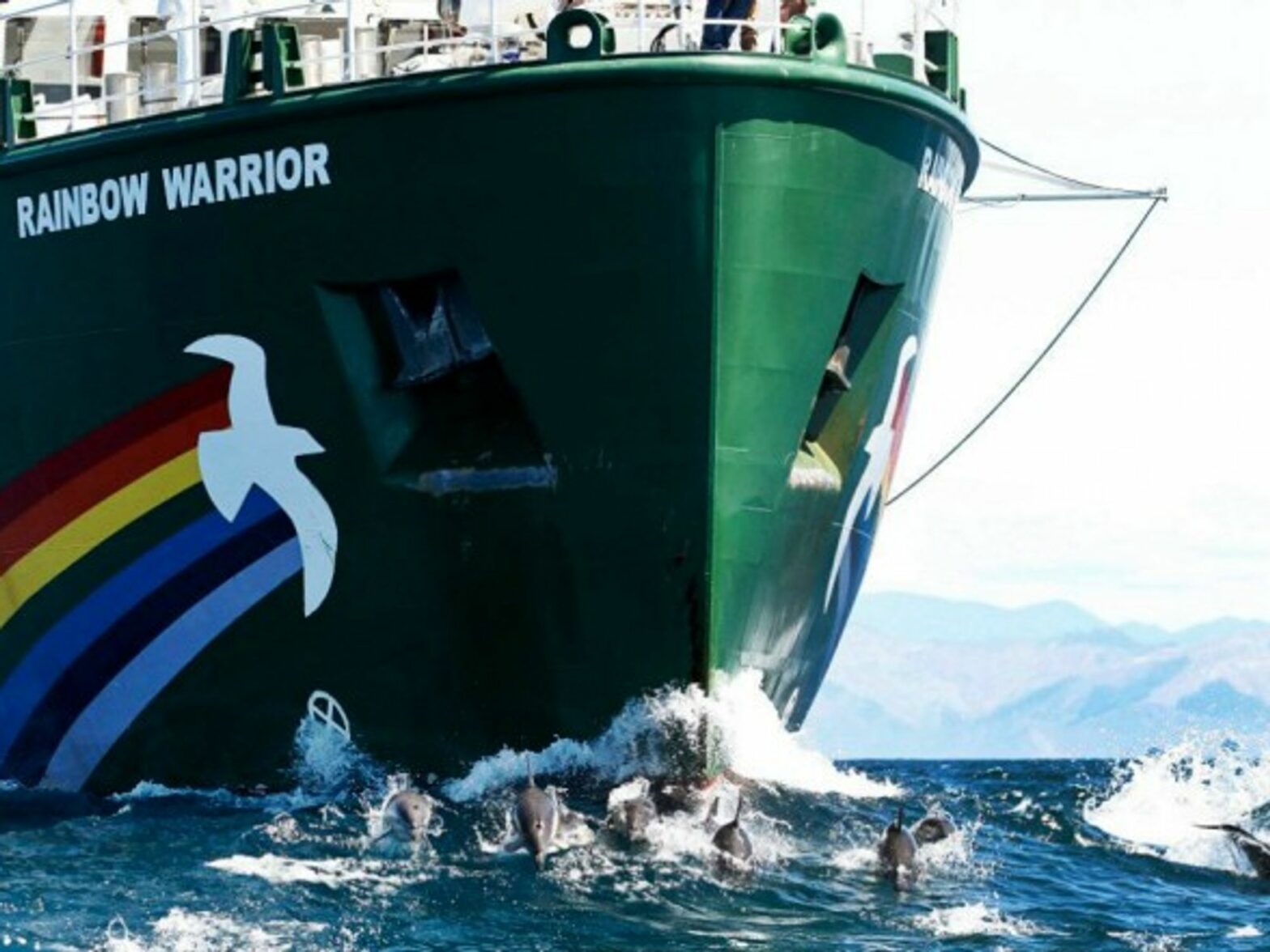
As the Rainbow Warrior III traverses the Strait of Magellan, its crew shows what it means to defend the natural world on a daily basis.
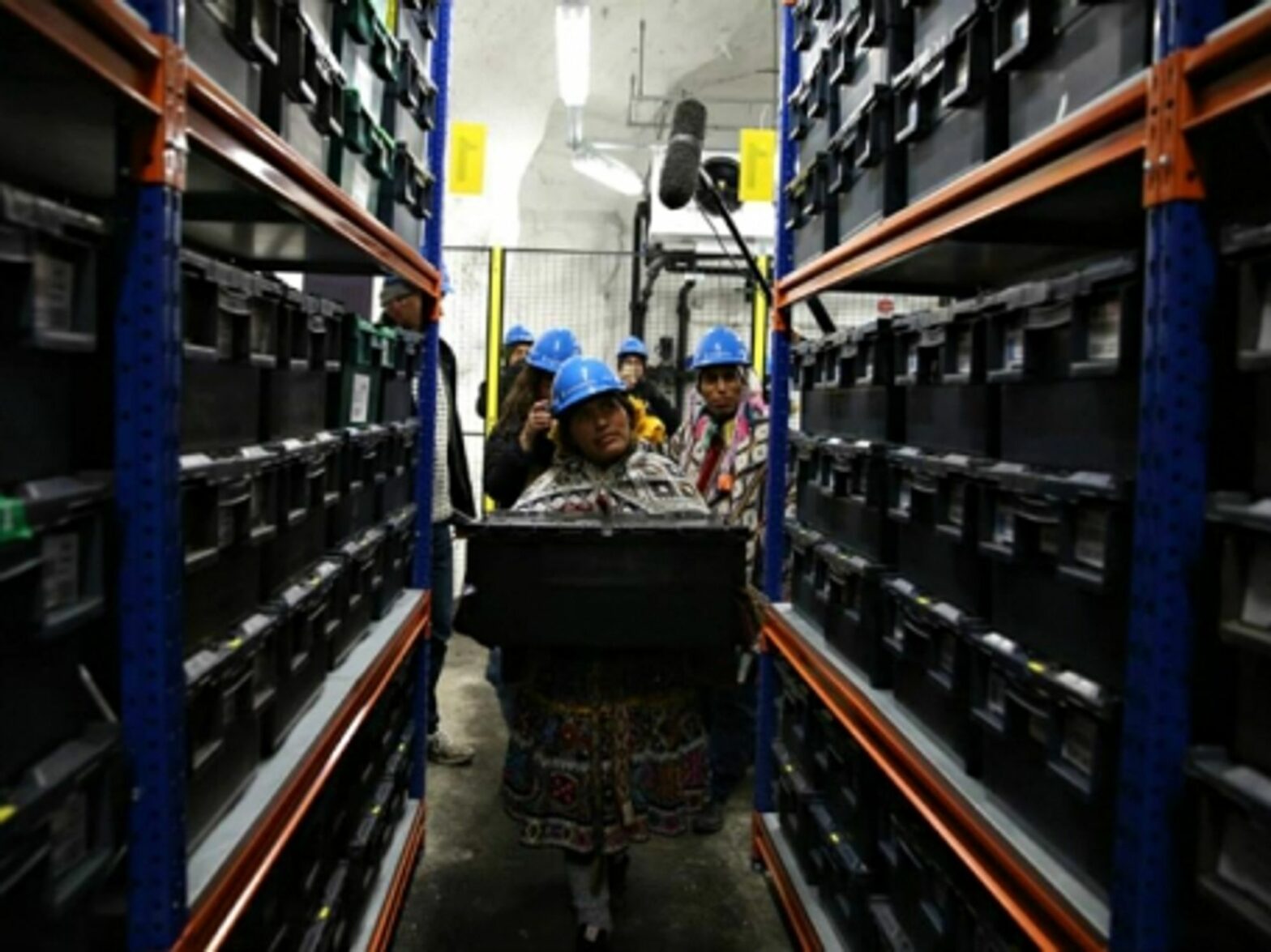
SVALBARD — A cave 80 meters under a mountain looks like the entrance to a war bunker. Or a secret weapons factory. It could be the stuff of fiction: We almost expect Darth Vader to emerge from a wall. Or it could be the gate to an underworld that is populated with dwarfs and trolls […]
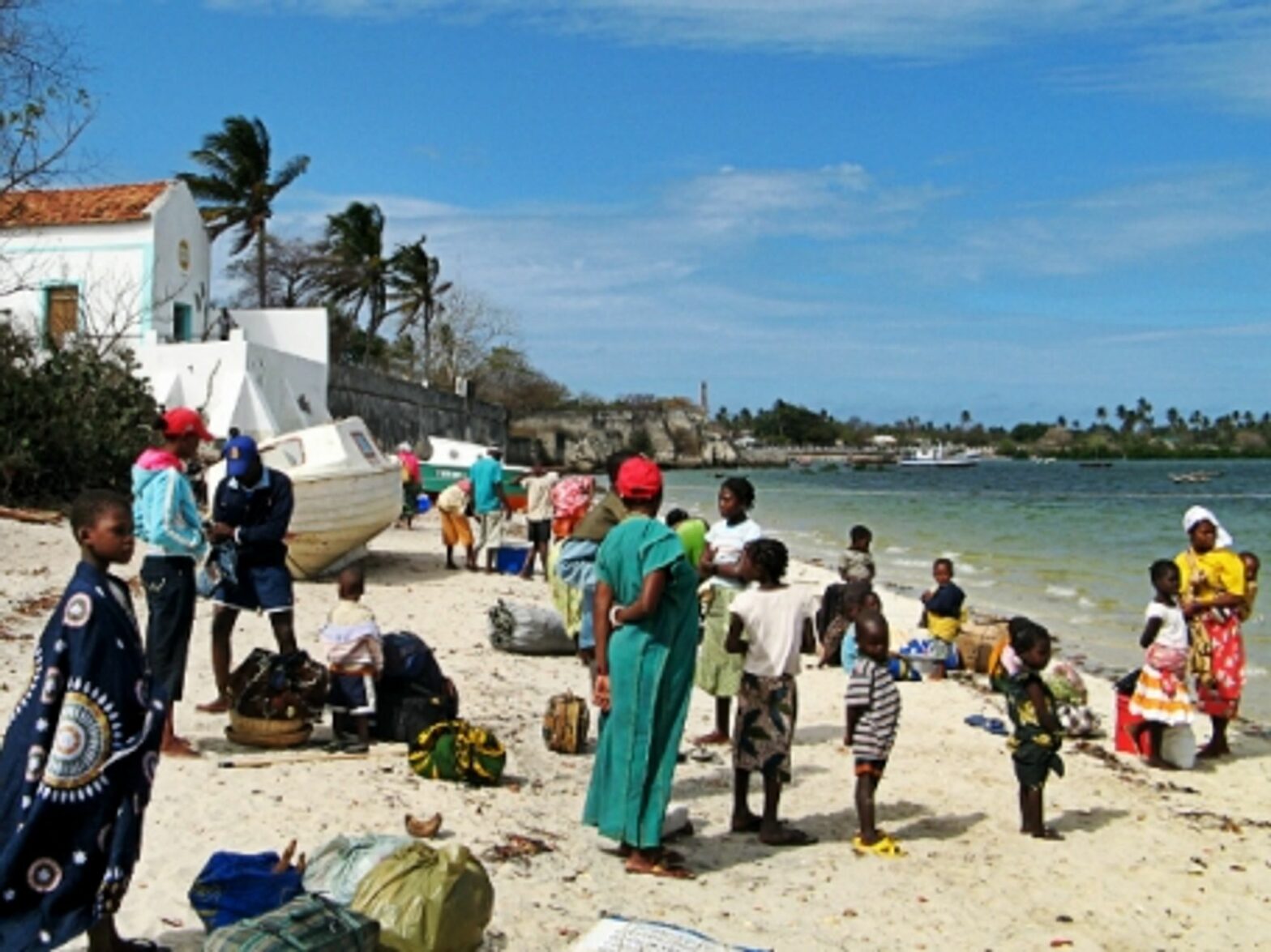
The Quirimbas islands in northwestern Mozambique is the front line in the war on over-fishing.
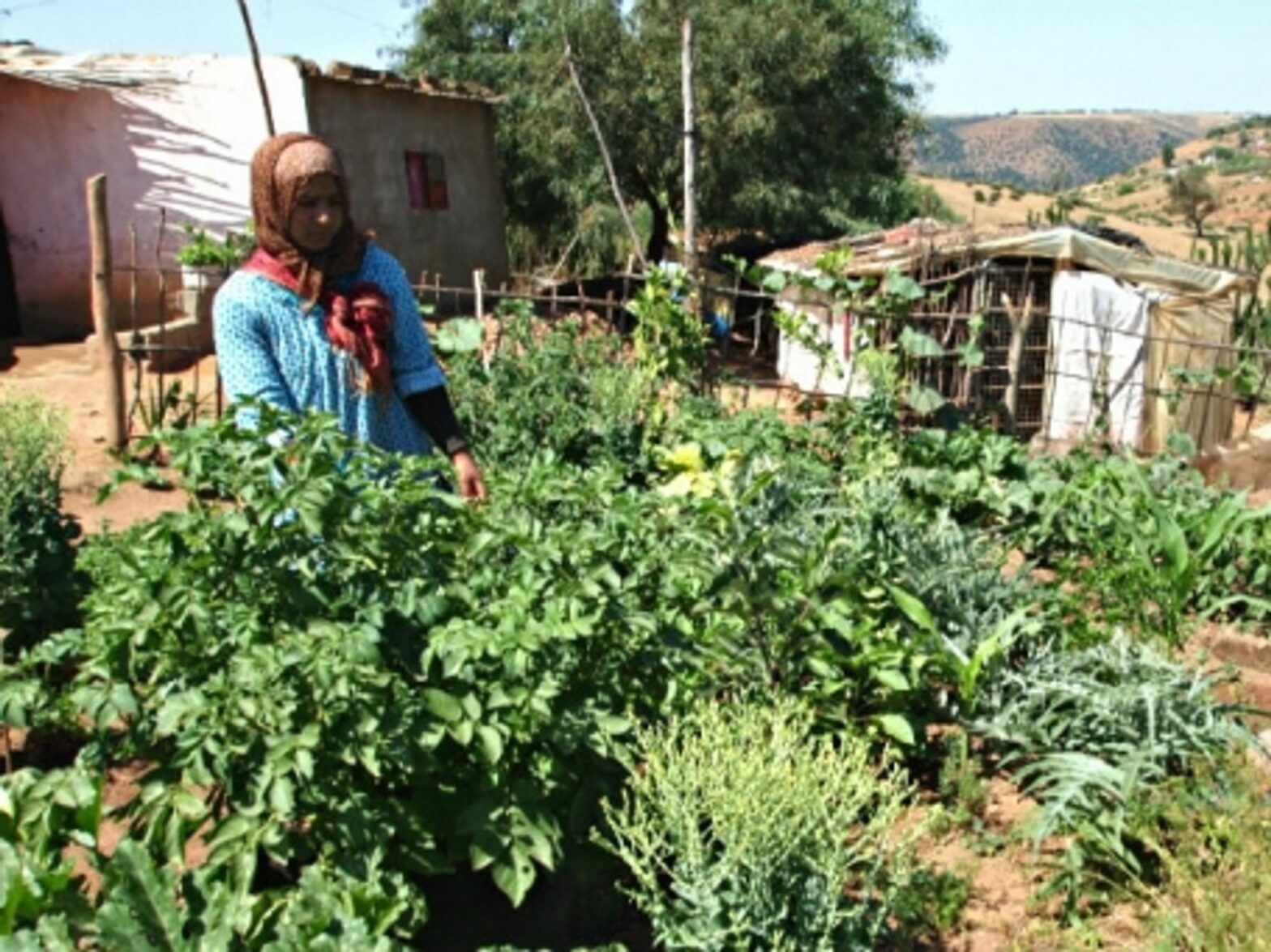
This article is part of sponsored series from the Slow Food Foundation for Biodiversity EL BRECHOUA — A small but significant revolution is underway amidst the golden wheat-covered hills of the Moroccan municipality of El Brechoua, 60 kilometers from the capital of Rabat. The fields of wheat extending as far as the eye can see […]
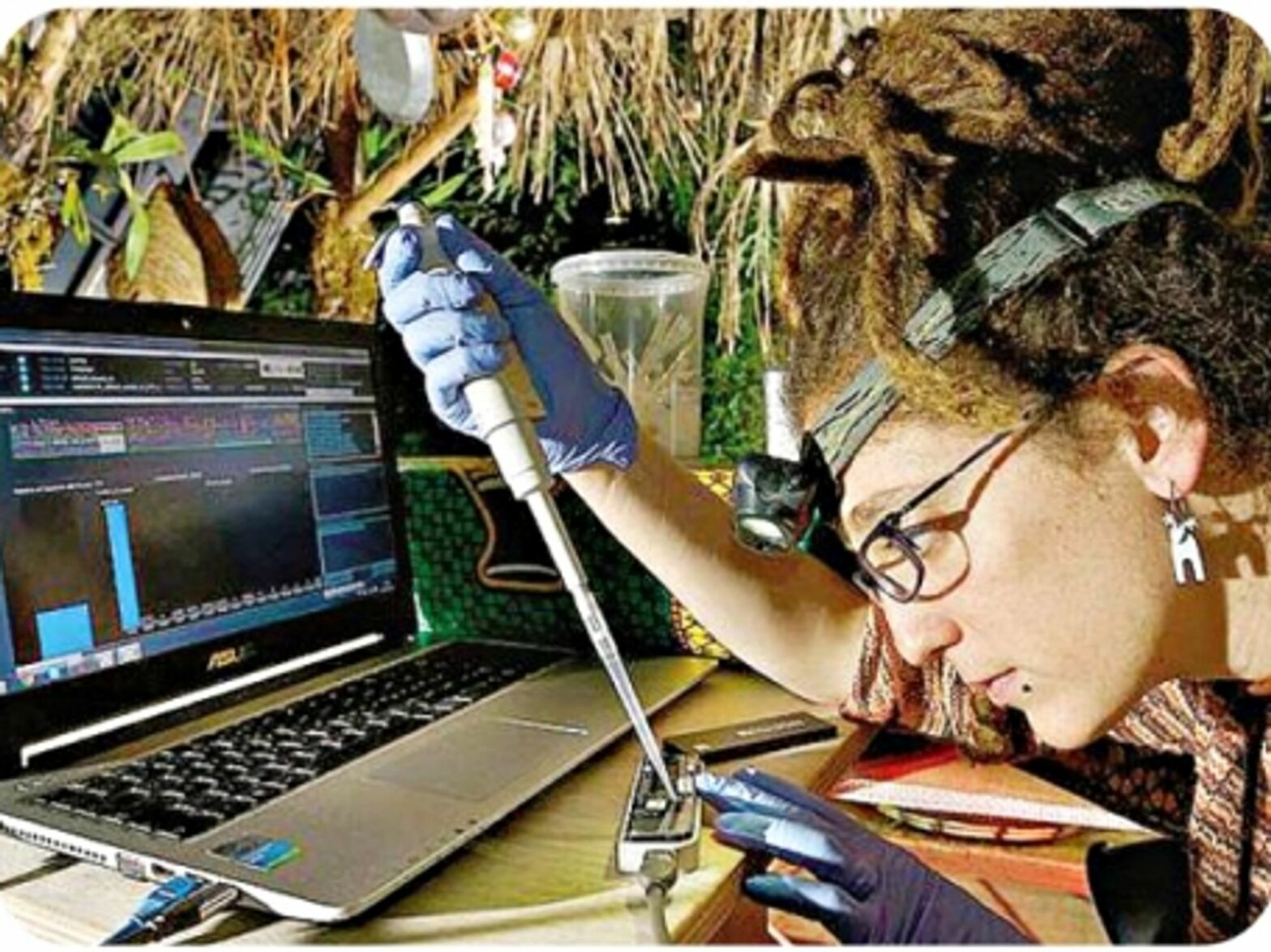
Transportable and cheap, a made-in-Italy DNA kit prototype promises to allow molecular analysis directly in the field, sending collected data instantly across the world.
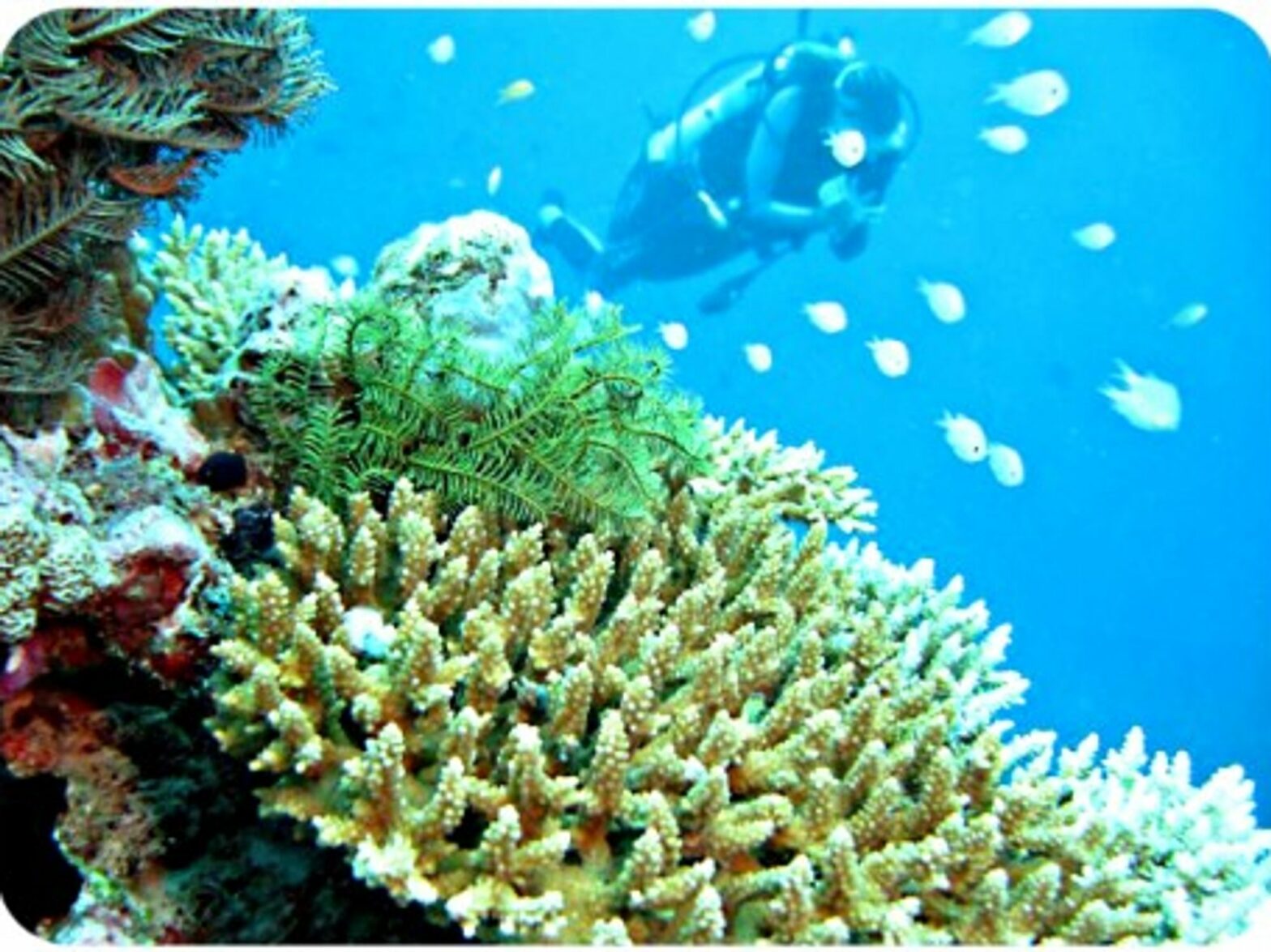
KAAFU ATOLL — The Maldives are slowly sinking, as coral reefs off the coasts of the islands have been destroyed and washed ashore because of warming water temperatures, all of which means sand isn’t propagating as it should. That’s why Thomas Le Berre is dragging an iron frame along the beach of Kuda Huraa. With […]
MYITKYINA — This is a sacred place for all Burmese people. The confluence of the Mali and N’Mai rivers, known as Myitsone in Burmese, forms here in Burma’s northernmost state of Kachin. The converging rivers form the Irrawaddy river, which flows north to south over more than 2,000 kilometers. It’s a vital artery that the […]
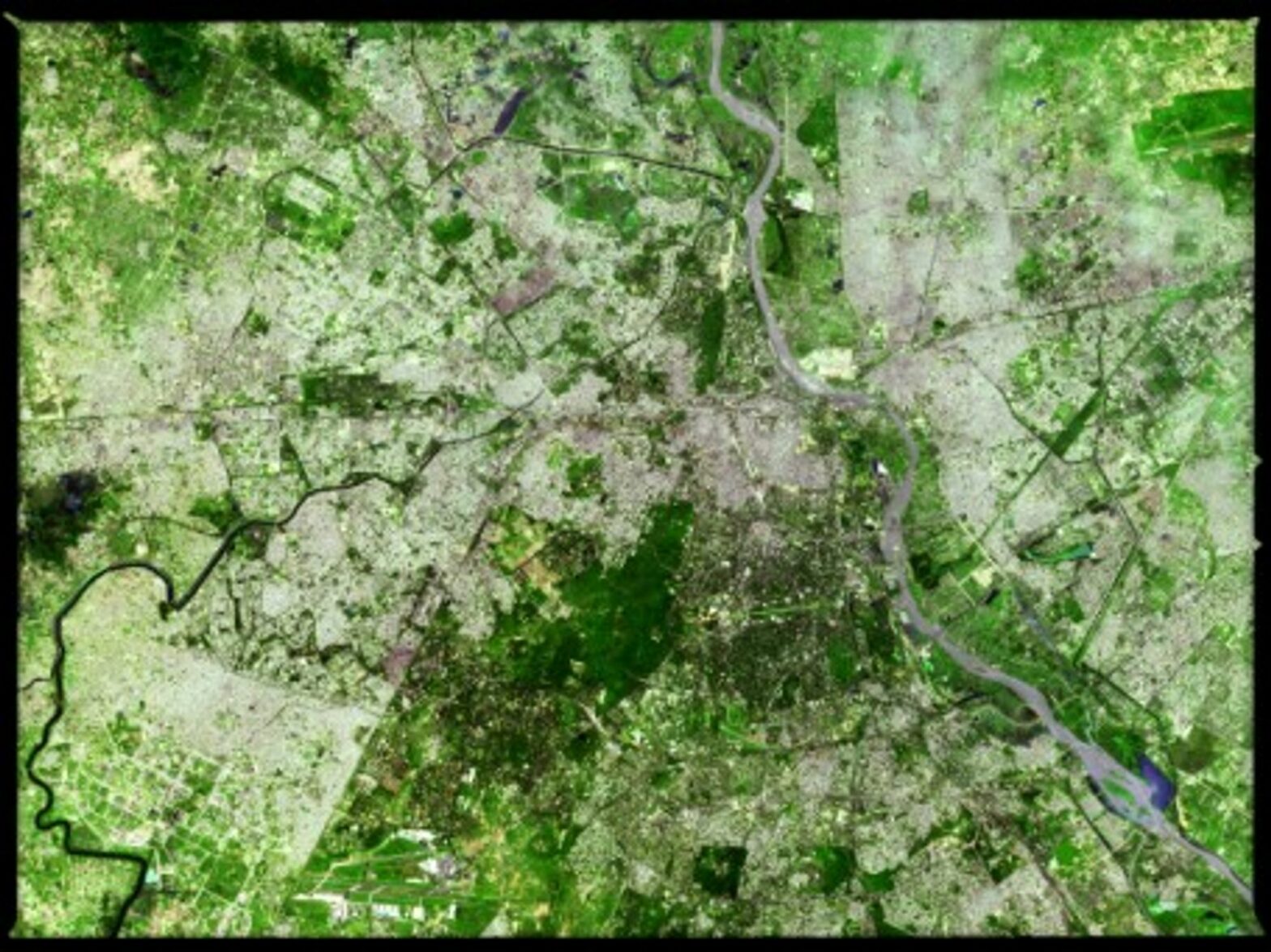
Protecting the ‘green lung’ of the sprawling, wheezing metropolis is becoming increasingly harder in the face of surging population and hungry real estate developers.
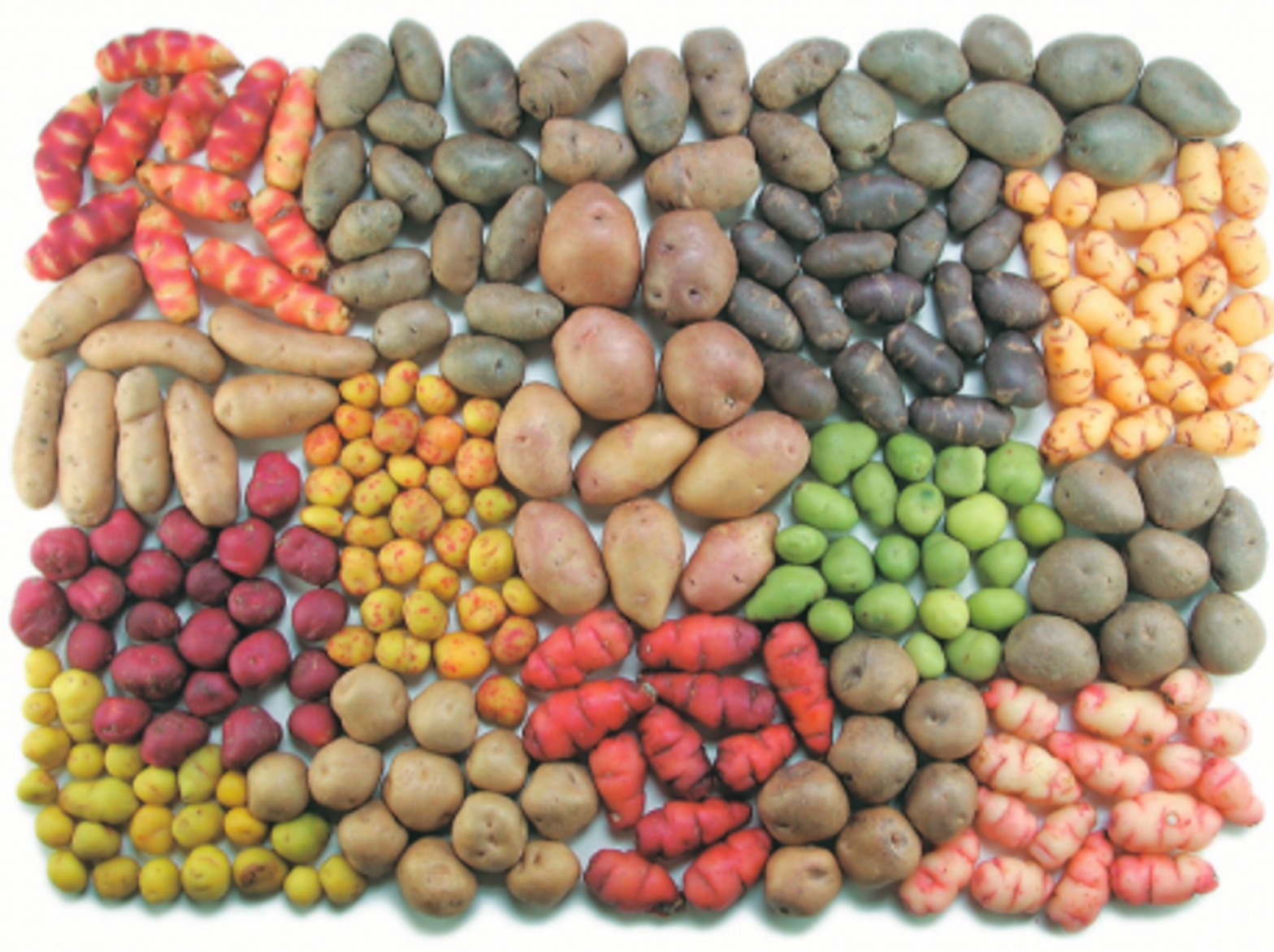
The legendary founder of the Slow Food movement lays out his vision for preserving the world’s biodiversity by returning to ancient forms of agriculture. The future of the planet is at stake.
LE TEMPS (Switzerland) Worldcrunch PUERTO BAQUERIZO MORENO – The famous giant tortoise of the Galapagos is saved! At least for now… It was thought that the ancient Galapagos tortoise endemic to these South American islands had gone extinct with last year’s death of Lonesome George, the last of the living among this type of tortoise, […]
HAMBURGER ABENDBLATT, SENCKENBERG INSTITUT (Germany) Worldcrunch FRANKFURT – German scientists discovered what may be the world’s biggest spider species in a limestone cave in Laos, the Hamburger Abendblatt reports. Researchers from the Senckenberg Institut in Frankfurt, biodiversity specialists, reported that they found a spider with legs that span 33 cm (13 inches). The largest spider […]
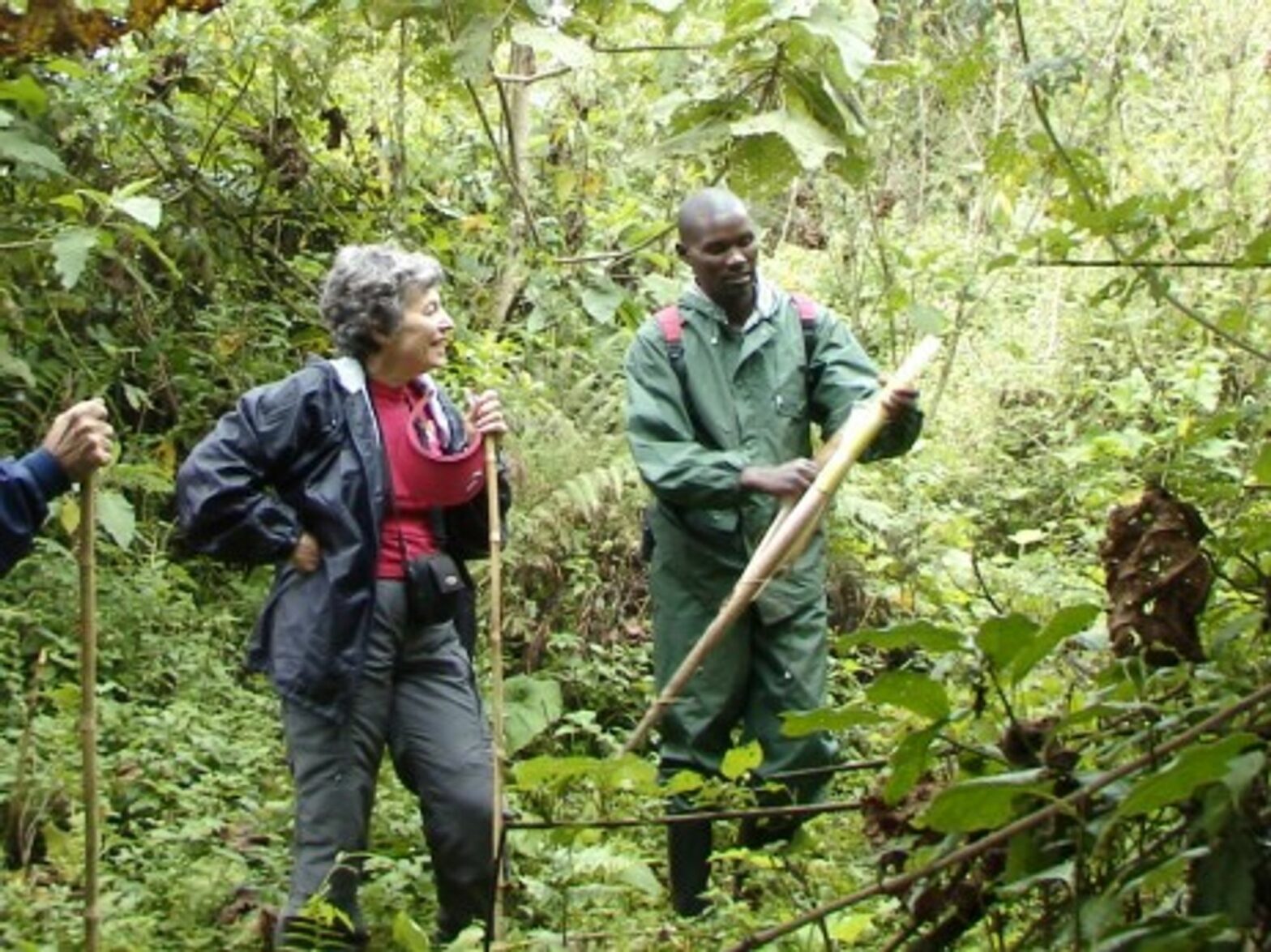
GAHUNGA – Not long ago, the communities bordering Rwanda’s three national parks were the biggest threat to their survival. The villagers poached animals and illegally exploited the forest. But today, locals collaborate with the tourism industry and take part in the protection of biodiversity while improving their living standards. Much of the credit goes to […]