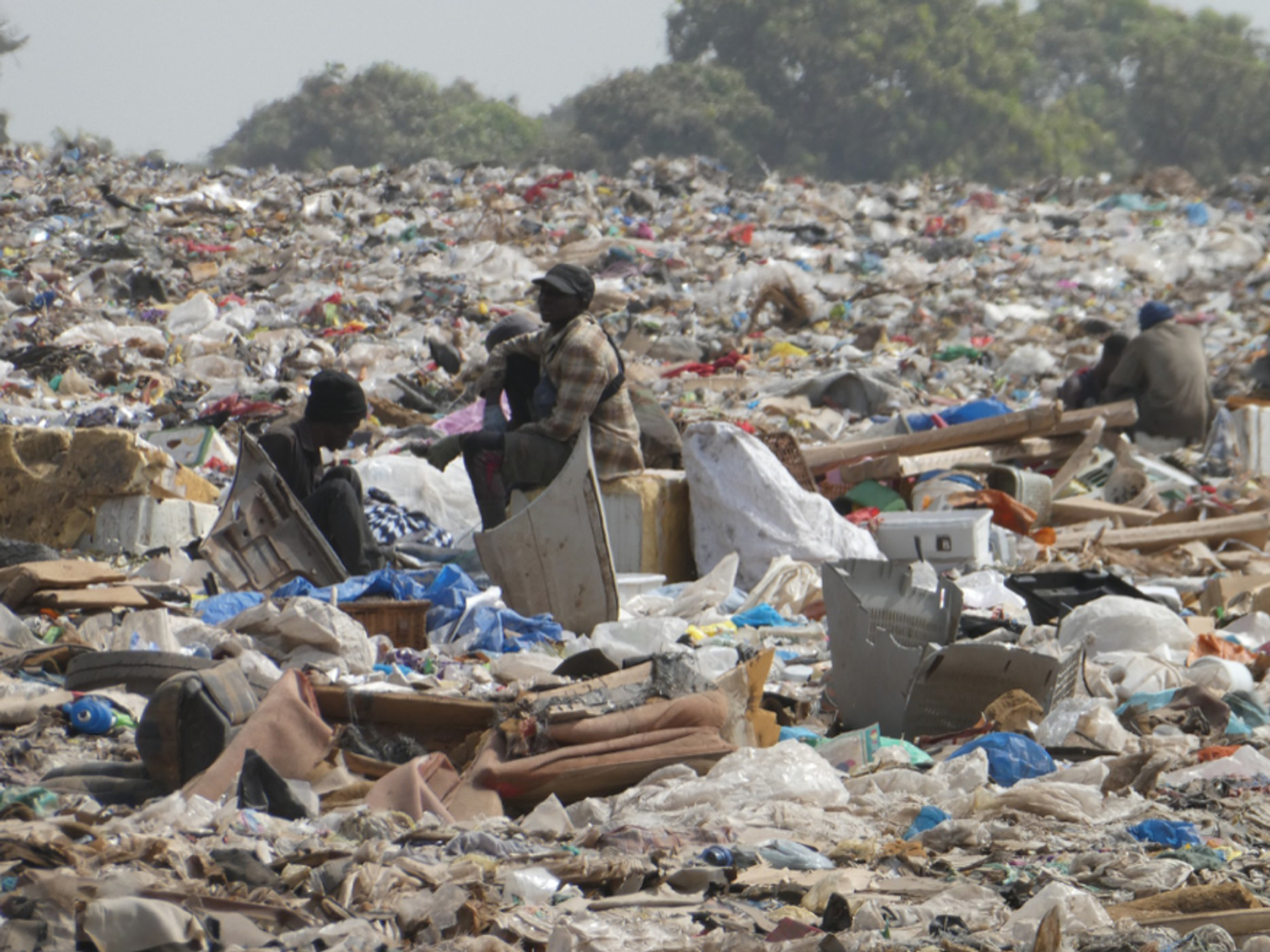
The smallest country in Africa, Gambia is a net importer of plastics. About 84% of this waste is not managed properly, with dire consequences for the people and the environment.
 Worldcrunch
La Marea is a monthly paper magazine and a daily digital medium that is committed to rigorous and in depth journalism, specialized in analysis, research and culture. The publication is edited by the MásPúblico cooperative, 100% owned by its readers and workers, which allows us to be totally independent from political and business powers.
The smallest country in Africa, Gambia is a net importer of plastics. About 84% of this waste is not managed properly, with dire consequences for the people and the environment.
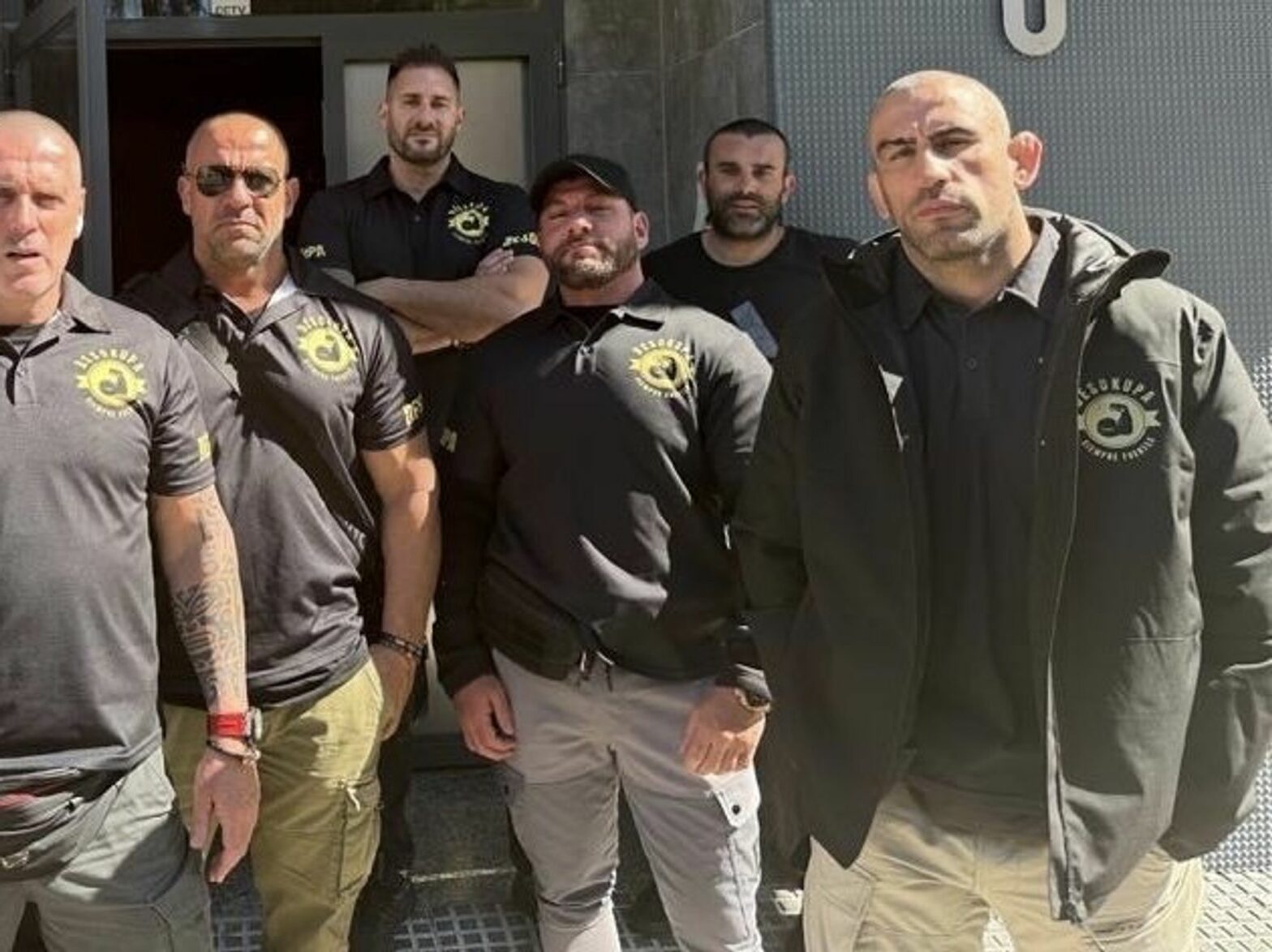
Daniel Esteve, the founder of Desokupa, a company specializing in the extrajudicial eviction of squatters, has become an important player in Spain’s far-right politics. This investigation by Laura Galaup and Dani Domínguez for Spain’s La Marea shows how Esteve built his image and profitable company on fake news and hate speech.
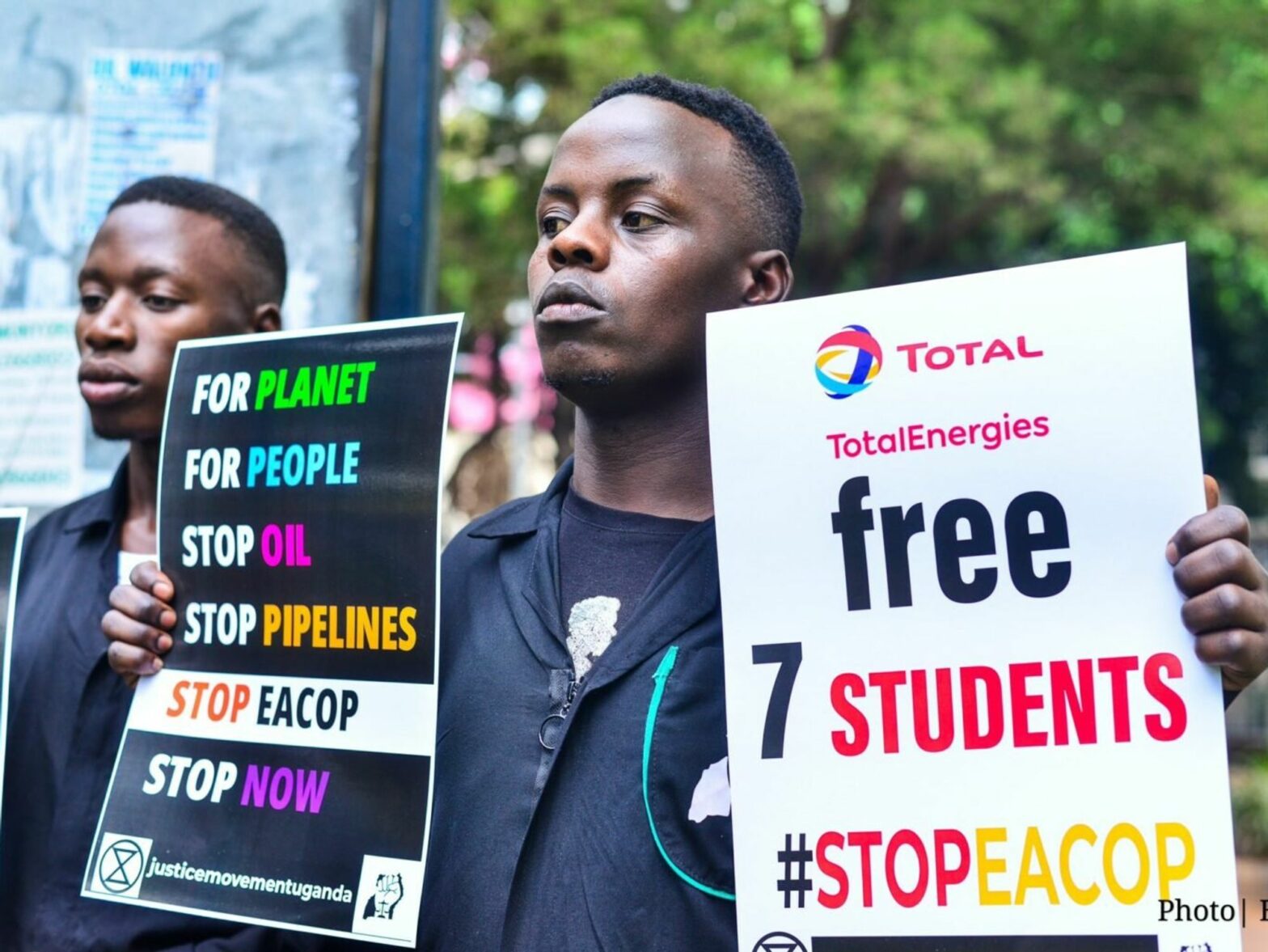
Oil development in Uganda and Tanzania, driven by the French multinational TotalEnergies, is met with opposition from local communities and social and environmental activists. The projects are surrounded by allegations of threats and human rights abuses.
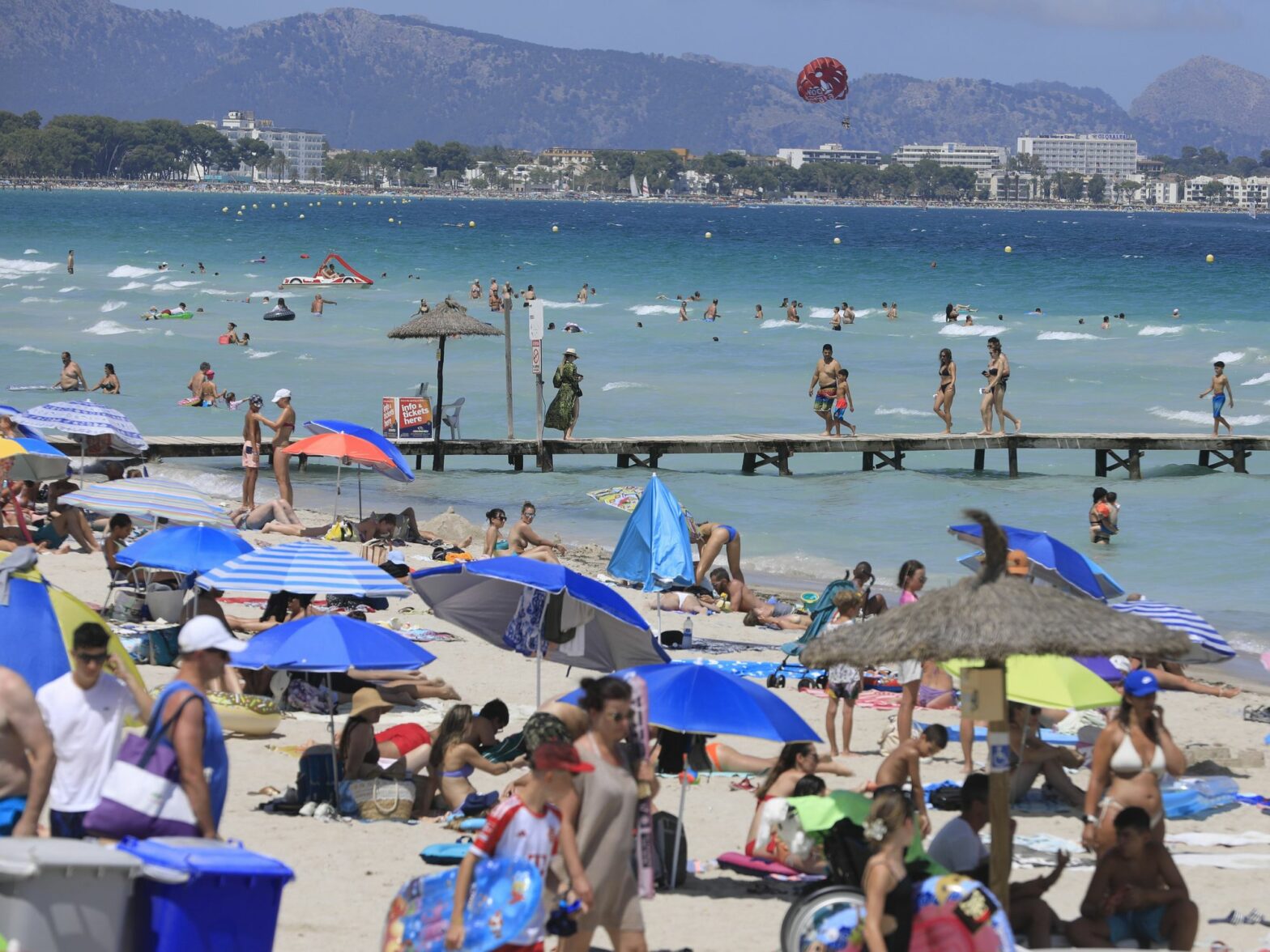
While tourism is a boon for the Spanish economy and has seen record numbers since the COVID-19 pandemic — more than 85 million visitors in 2023 — locals say the current model is untenable, and are taking to the streets to demand limits be set.

The Olympic Games in Paris will be the first in history with a video surveillance system linked to massive databases, algorithms developed by artificial intelligence and facial recognition. With bonafide security fears, as shown by Friday’s attack on rail lines, this new form of individual and collective control also raises real civil liberty concerns.
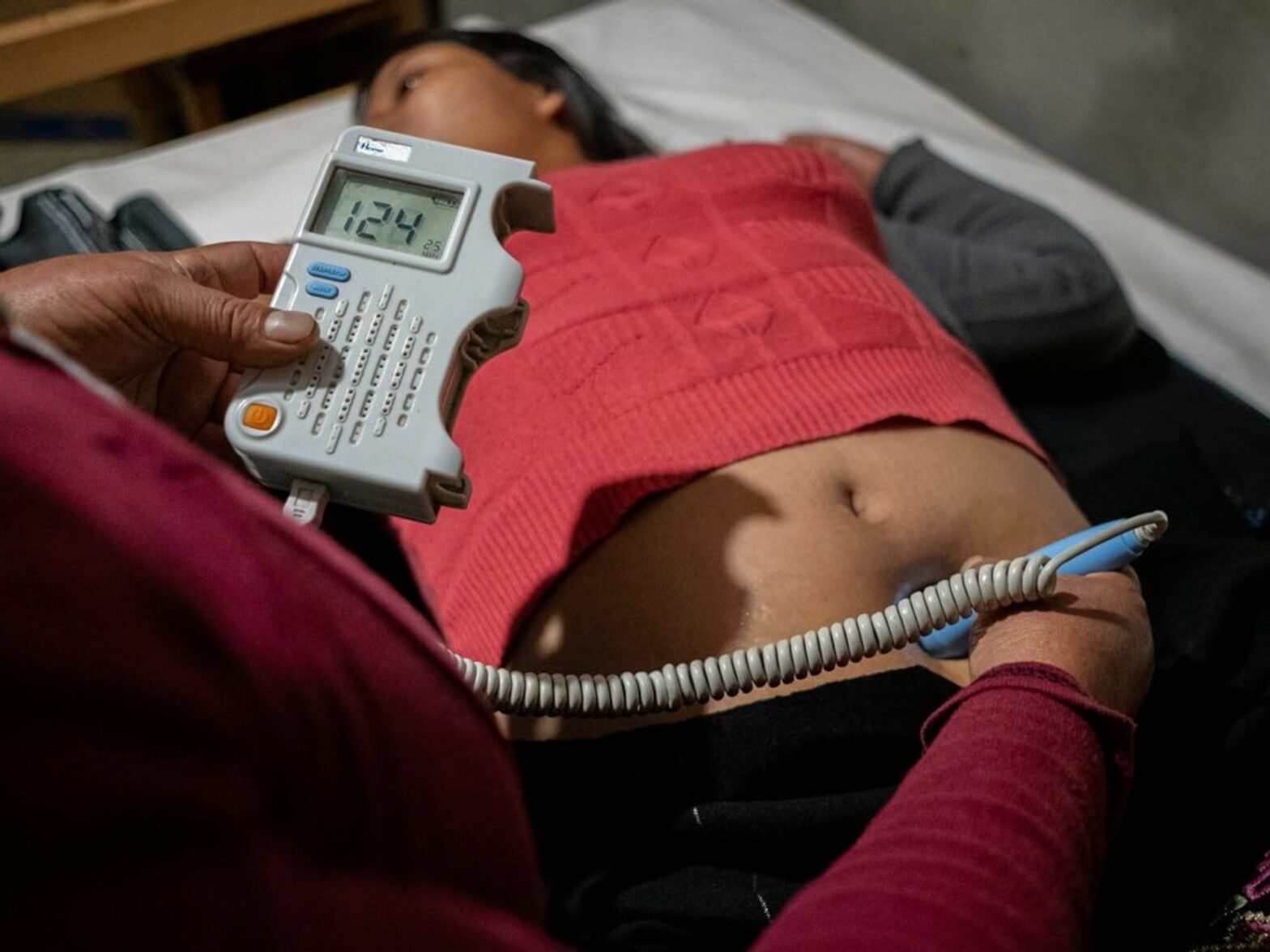
Erasing the practice of midwifery through legislation seems impossible, yet fear persists in Mexico, which counts at least 16,000 midwives, trusted by thousands of women every year, especially peasant and indigenous women.

In his latest book, Spanish meteorologist and author José Miguel Viñas traces the history of painting, observing the skies of artists from different times and latitudes. Walking through a Madrid museum, he explains different types of clouds and historical climatological events.

The story of food is a story of coexistence with nature and of memory. A publishing trend focuses on how the food we eat impacts the planet, and how we can find new recipes and ways of consuming food that are more climate conscious.
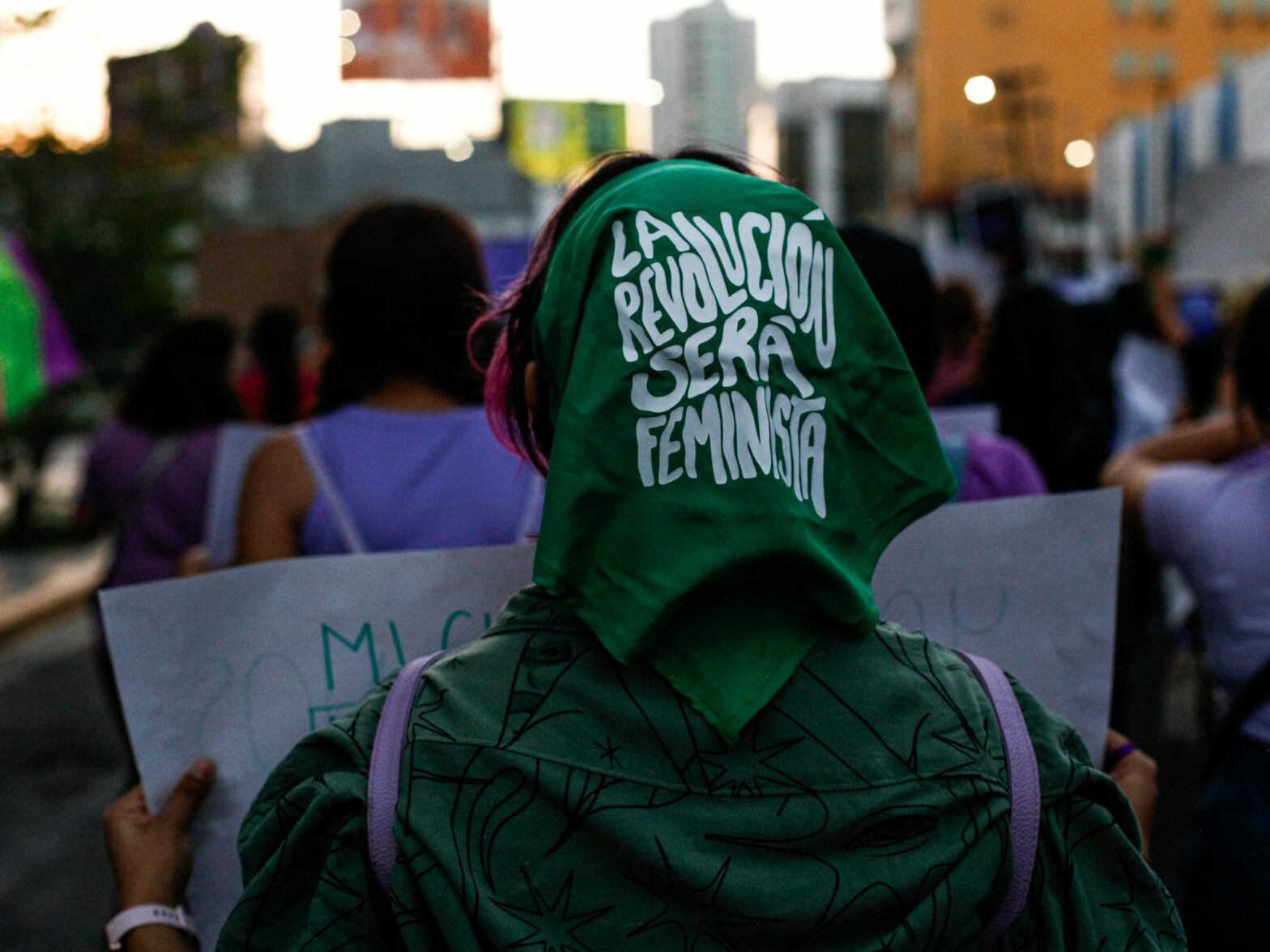
For decades, feminists have accused Marxism of not addressing women’s specific struggles. With presidential elections in Mexico approaching in June, an interesting experiment may happen, as two female candidates are in the race. A vision for how Marxism and feminism, together, can help change Mexican society — with a woman at the helm.
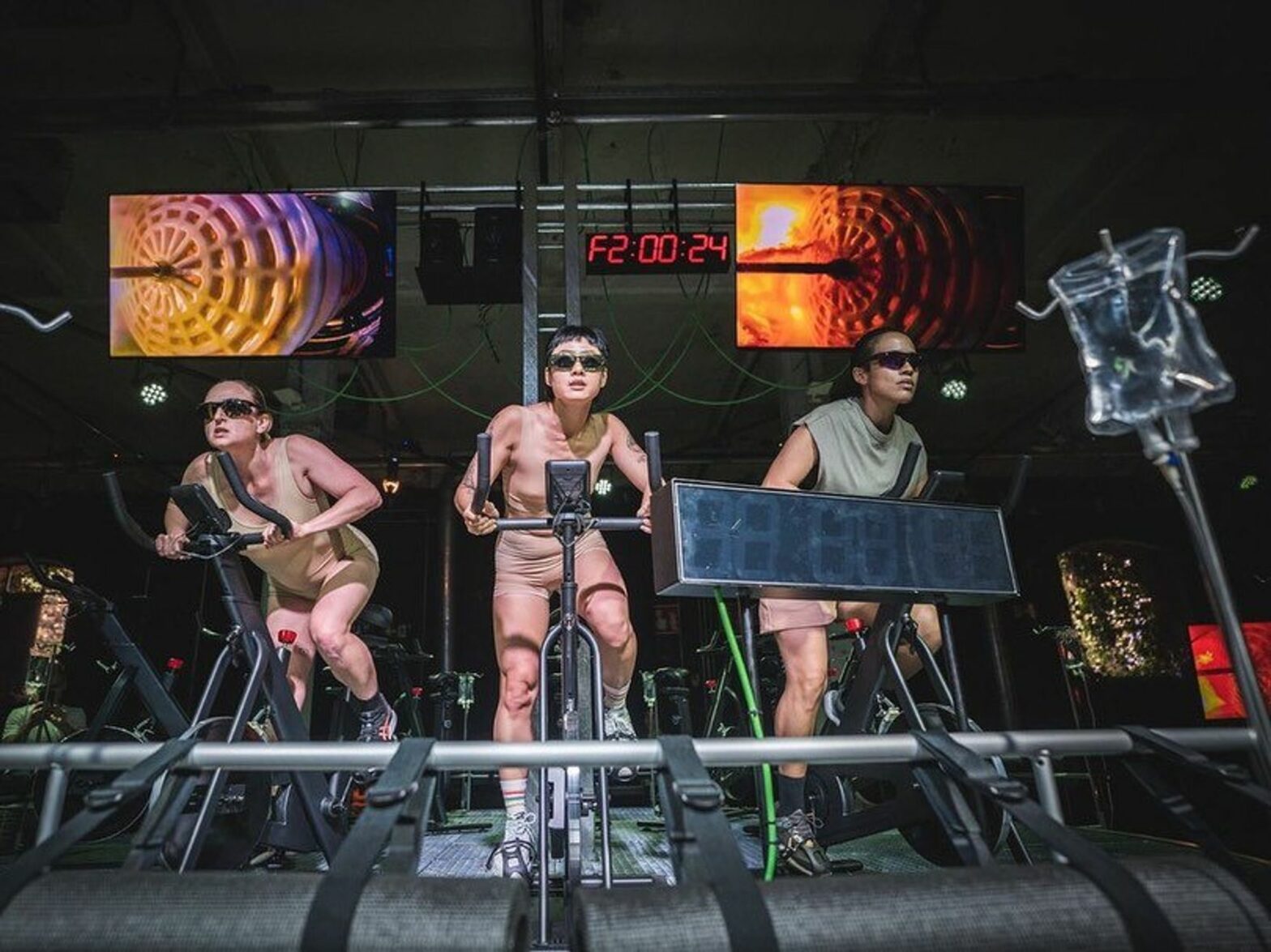
Presented at Madrid’s Matadero cultural center until late July, “Climate Fitness, Rituals of Adaptability” features five works that invite visitors to question the social and economic structures that have led to the climate crisis and consider other possible futures.
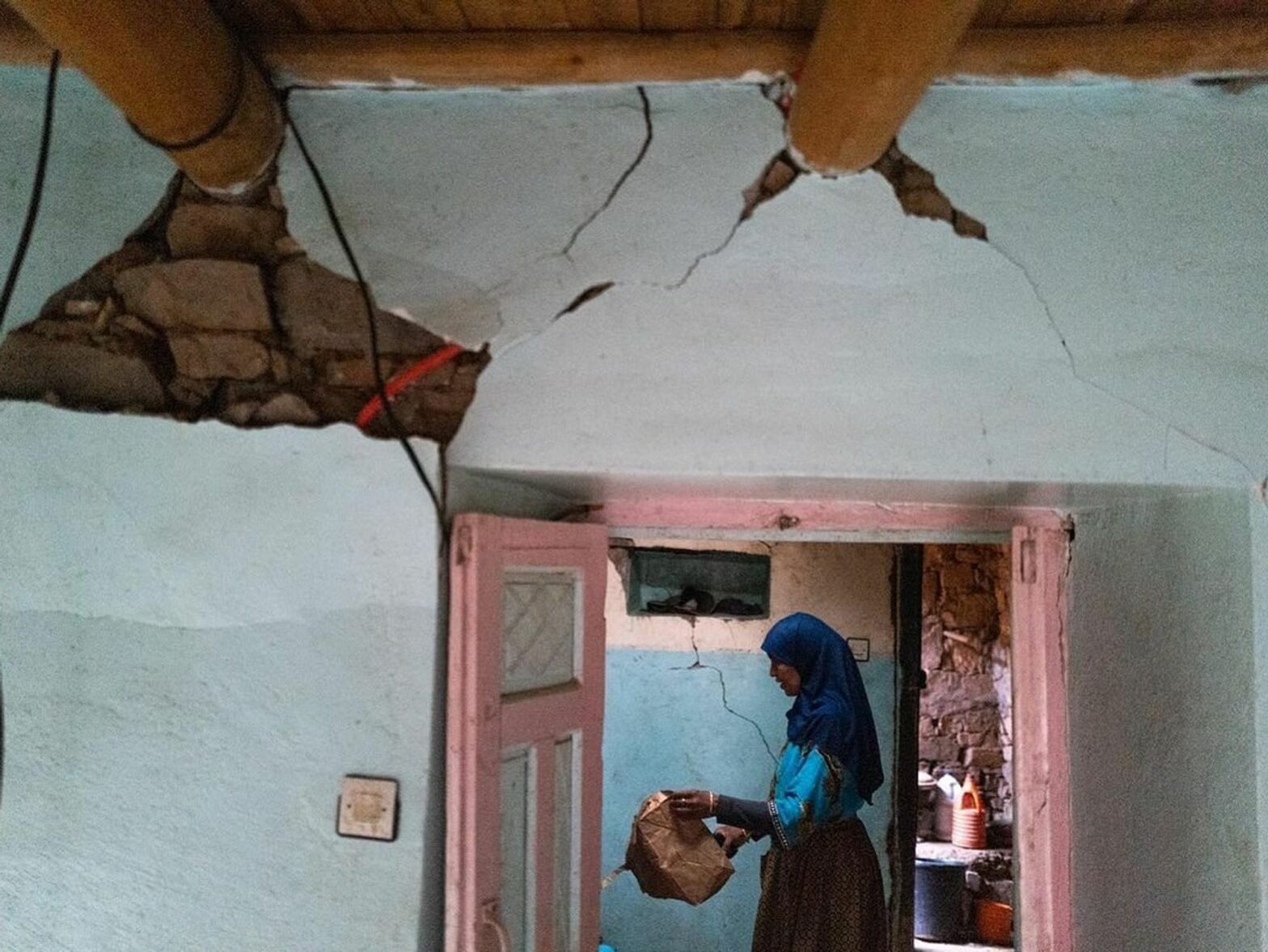
When a violent earthquake rocked the High Atlas in 2023, traditional earthen buildings resisted the seismic shocks better than other more modern ones. Yet despite its resilience and sustainability, this valuable cultural heritage is the victim of misperceptions and risks abandonment.
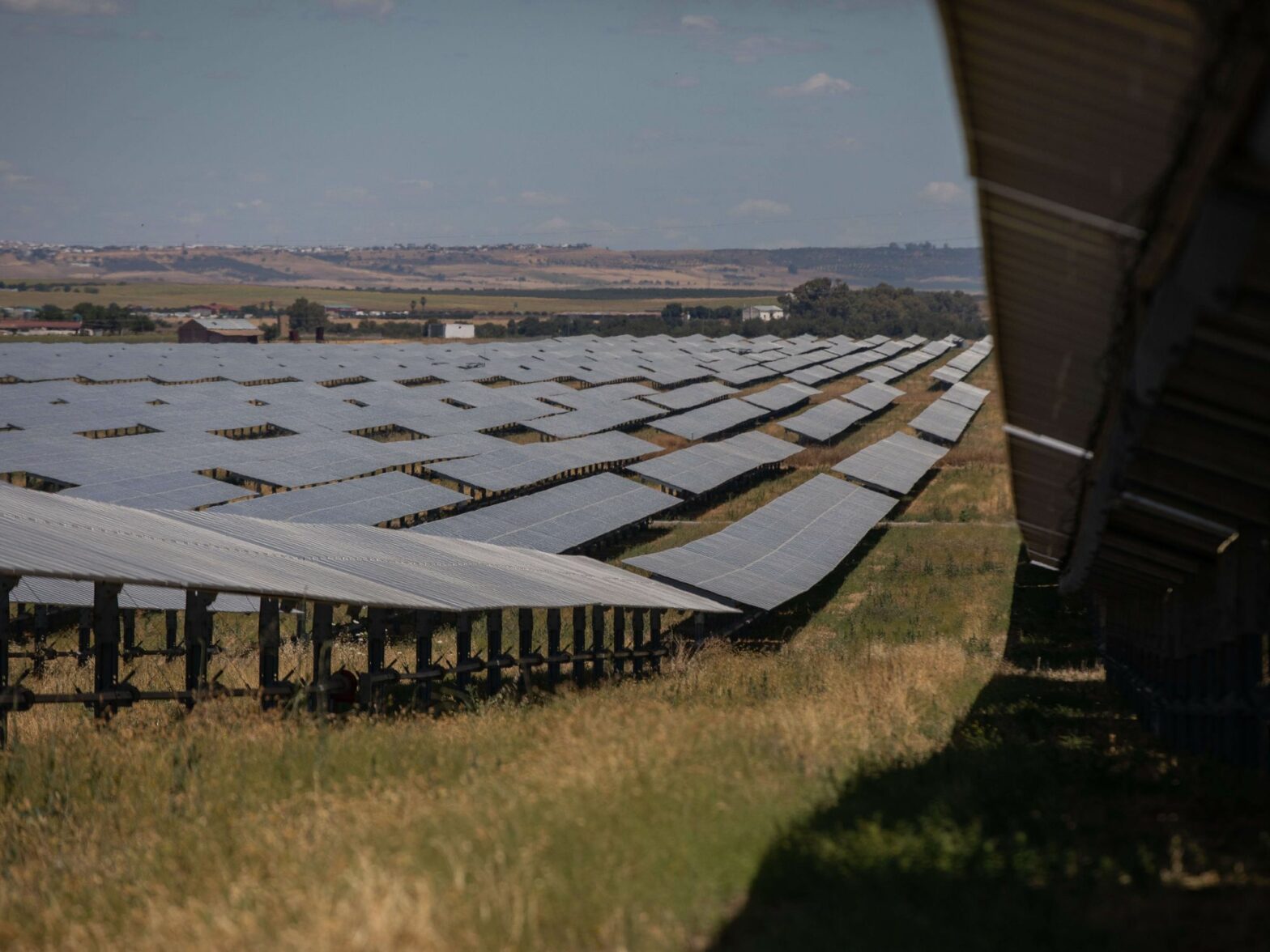
An investigation reveals that the company does not own any of the three renewable power plants it claims to operate in Spain — as well as a scheme allowing Amazon to dodge full regulatory oversight of its projects.

The term was coined by journalist Cory Doctorow to explain the fatal drift of major Internet platforms: if they were ever useful and user-friendly, they will inevitably end up being odious.

A coach who trivializes a gang rape, a ballon d’or winner who is asked if she knows how to twerk, Spanish national team players chanting “bottle blonde…” When Luis Rubiales kissed Jennifer Hermoso without her consent, it was just the latest example of how the male-dominated sport hasn’t changed with the times. In Spain, and beyond…

The largest companies in the fossil fuel sector are responsible for financial costs valued at $209 billion annually from 2025 to 2050, according to a new study published in the scientific journal One Earth.
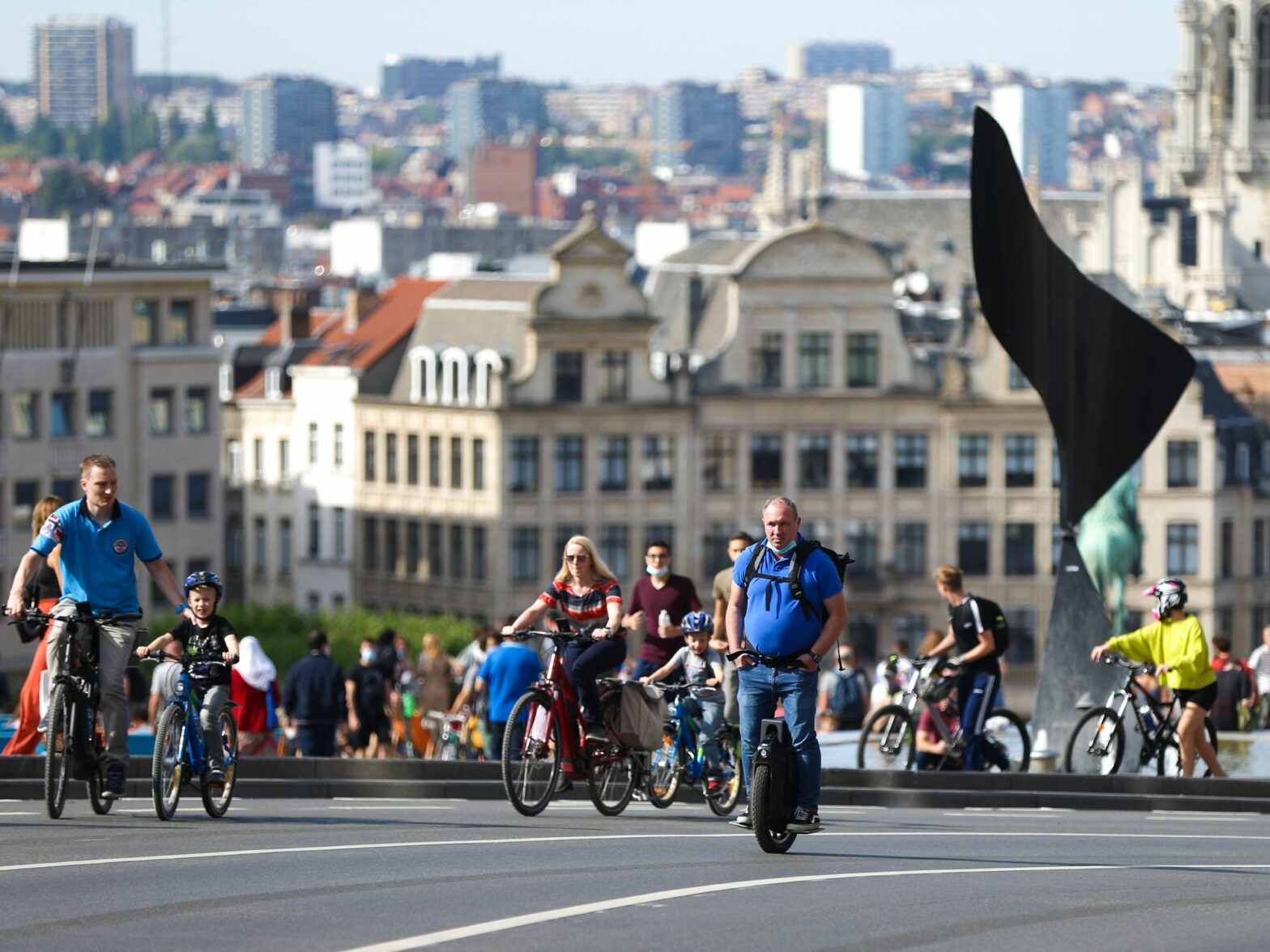
Copenhagen is a great example of the positive impacts of pedestrianization: it provides €400,000 in profit for every kilometer of bike lane, and helps to decrease the deadly effects of air pollution.

The Wagner mercenaries, who came to the world’s attention for their involvement in the Russian invasion of Ukraine, and more recently in the coup attempt, have been operating in Africa and elsewhere for years with a profitable formula to cash in on ongoing conflict.

From Gibraltar, a local ship-spotter watches the new Cold War through binoculars: Russian, American and Chinese warships, among others, regularly come through the Strait between Europe and Africa, connecting the Atlantic Ocean to the Mediterranean Sea.
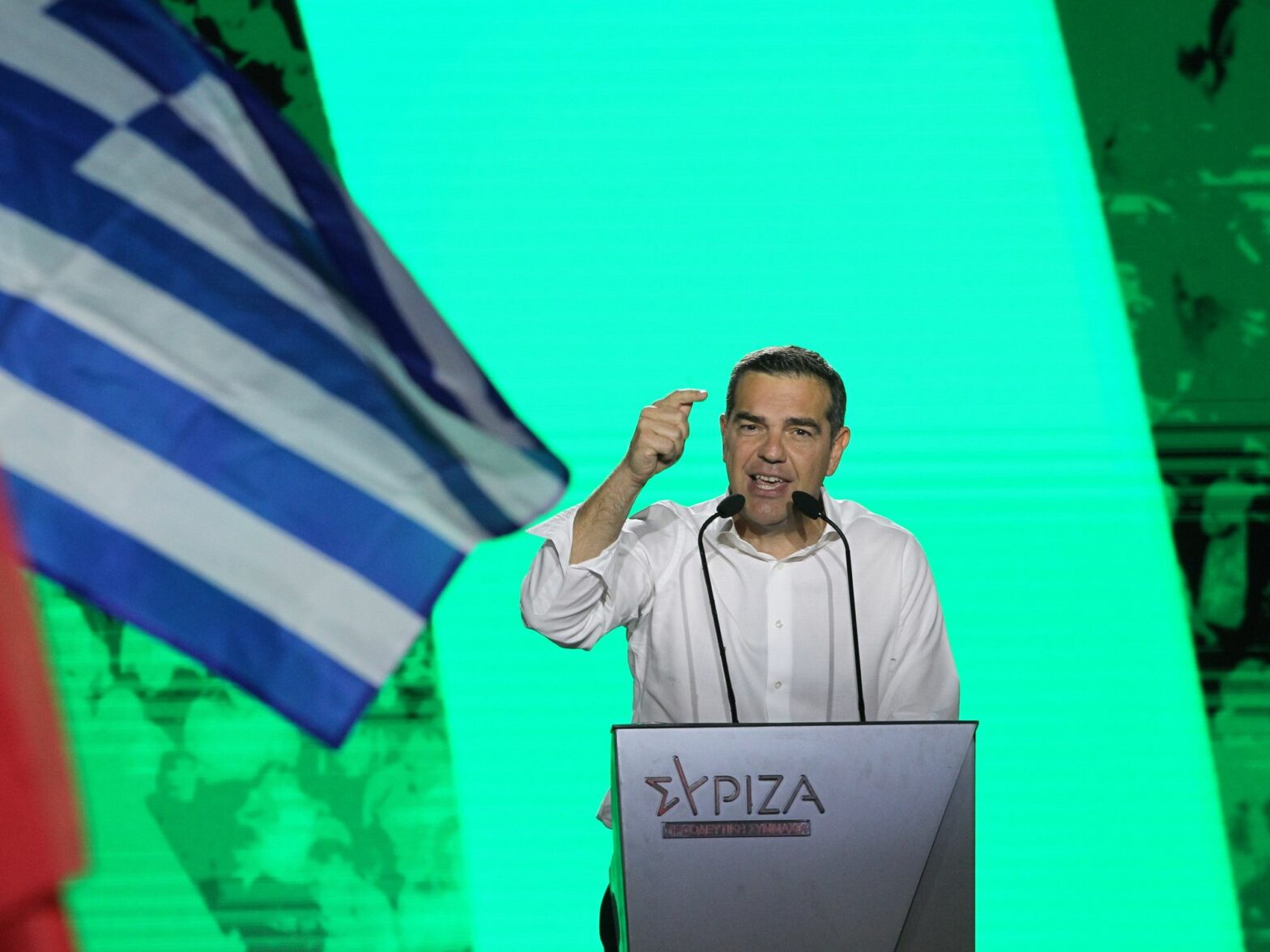
With the opposition Progressive Alliance ‘Syriza’ trailing in the polls for the May 21 election, they’ll need to convince their potential core left-wing voters that they are true progressives. Tspiras’ controversial bailout deal of 2015, however, still hangs in the air.
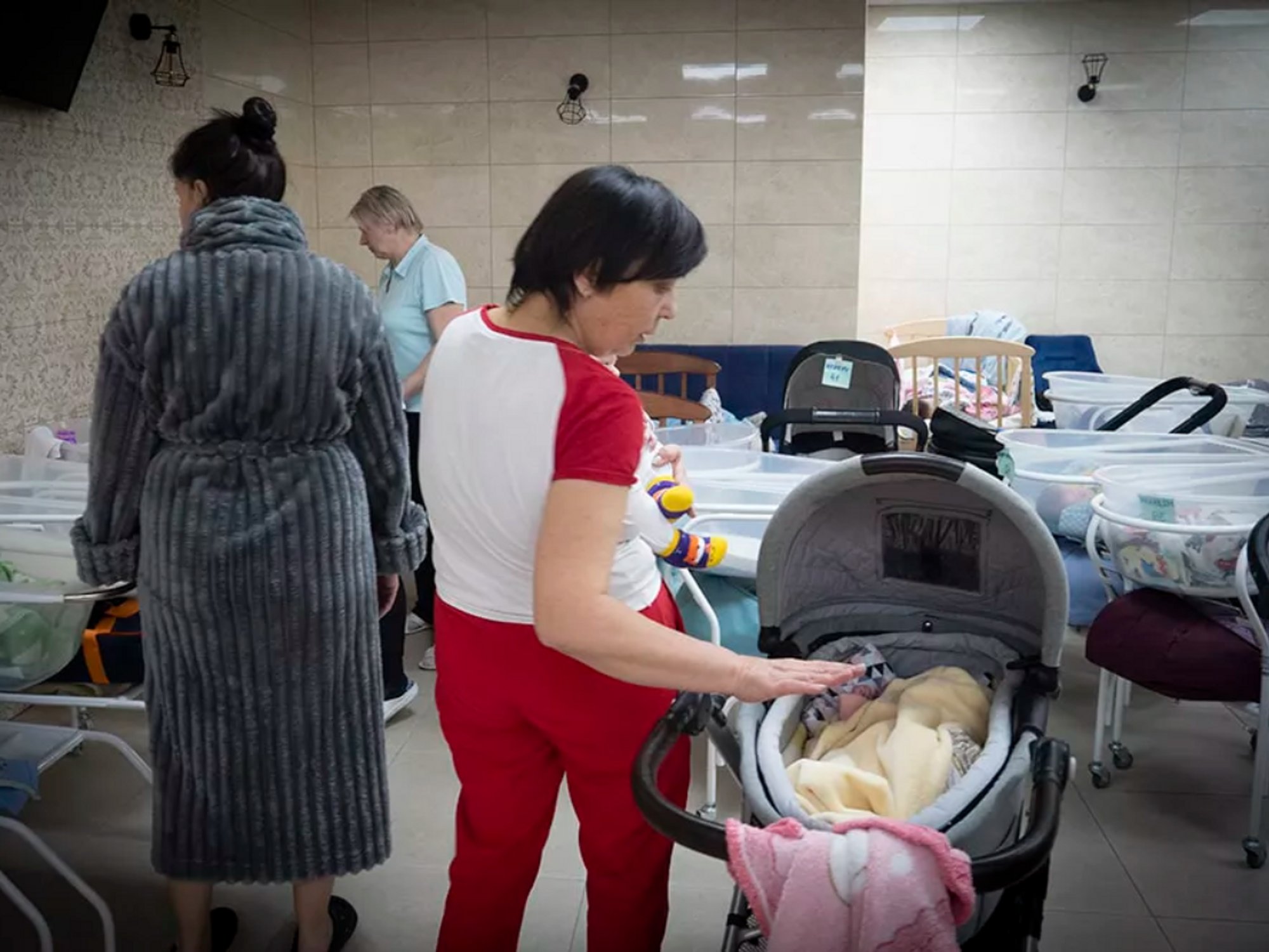
After more than a year of war, a journalist from Spanish publication La Marea returns to one of the capital’s top clinics for foreign couples looking for children. Business is better than ever, though the clinic is looking for women from other former Soviet republics to become surrogate mothers.

Humans and animals have strategies to deal with their surroundings, including the impacts of climate change. But what about trees? Researchers in Spain have identified mechanisms in plant life to learn over time from unfavorable environmental situations.

The government of Chile’s young new president, Gabriel Boric, has begun to develop the National Plan for the Search for Victims of the Dictatorship, half a century after the coup.
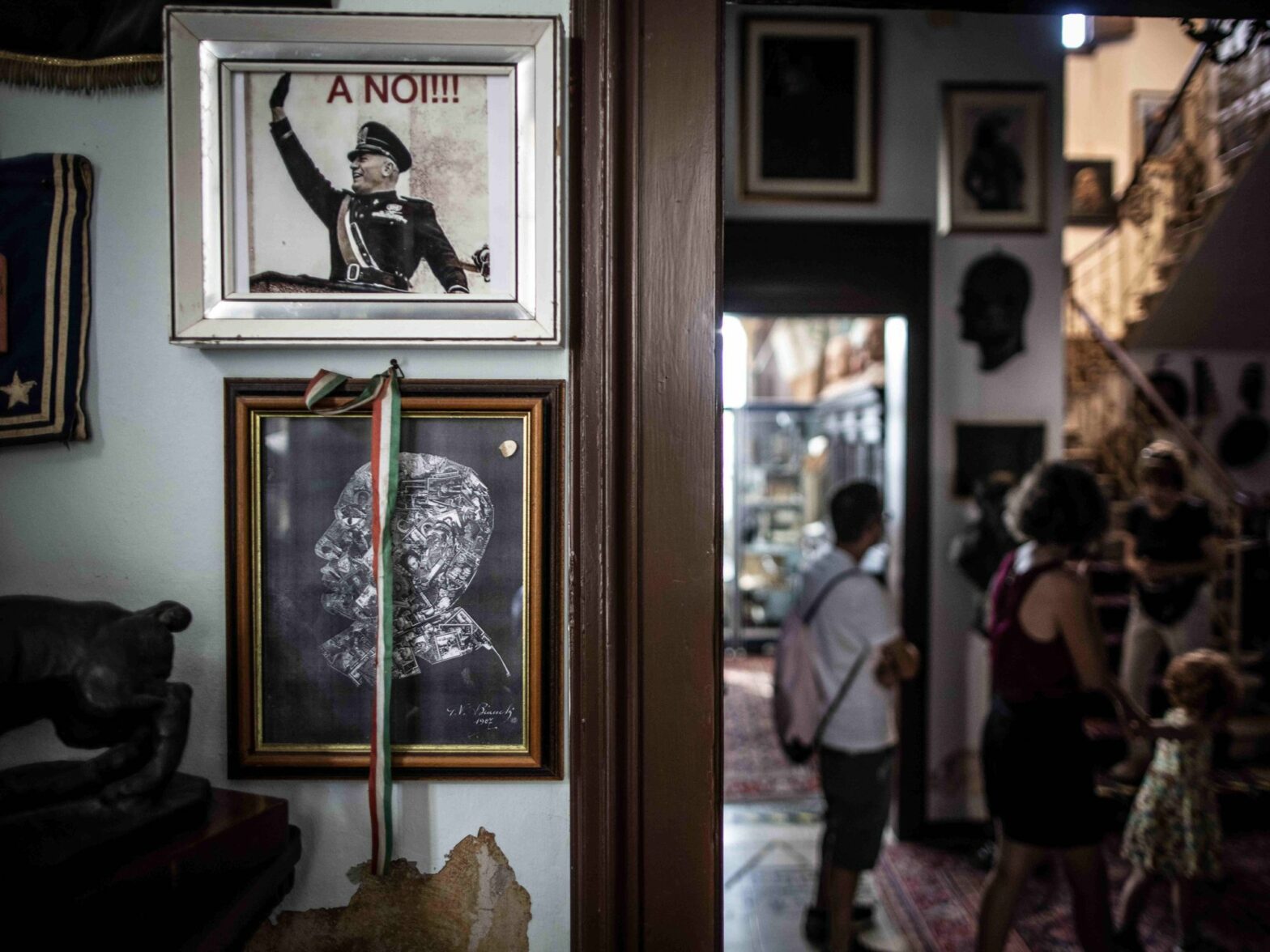
It’s no longer accurate to say the “rise” of the far-right — fascism is already here. After Trump’s election, a group of prominent analysts gathered to discuss how the left could fight back. Six years later, their insights are more urgent and insightful than ever.
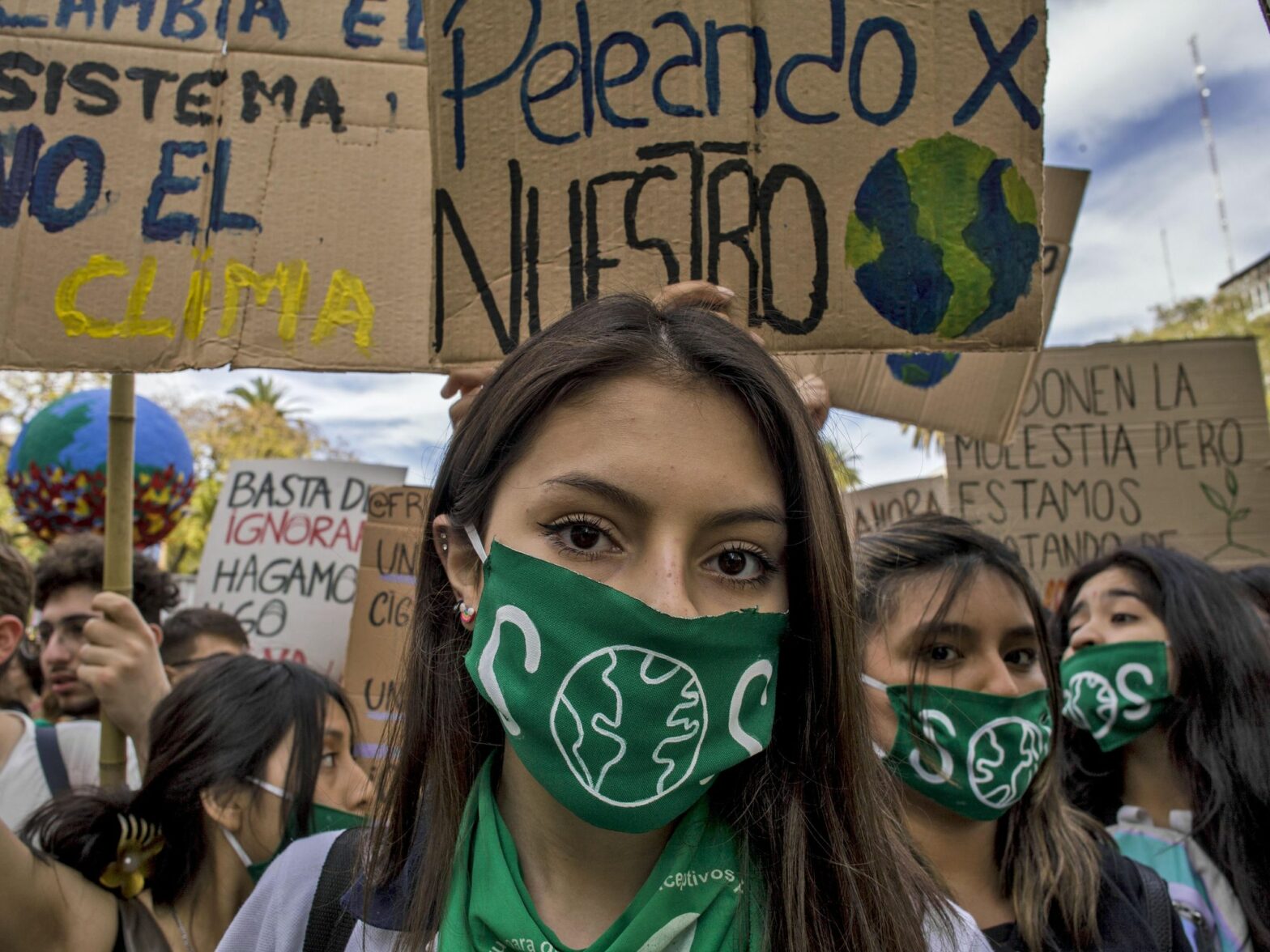
I am part of a generation whose quality of life will be worse than those who came before us. This should encourage society to realize that the idea of infinite growth is a myth, and that time is of the essence when it comes to saving the environment.
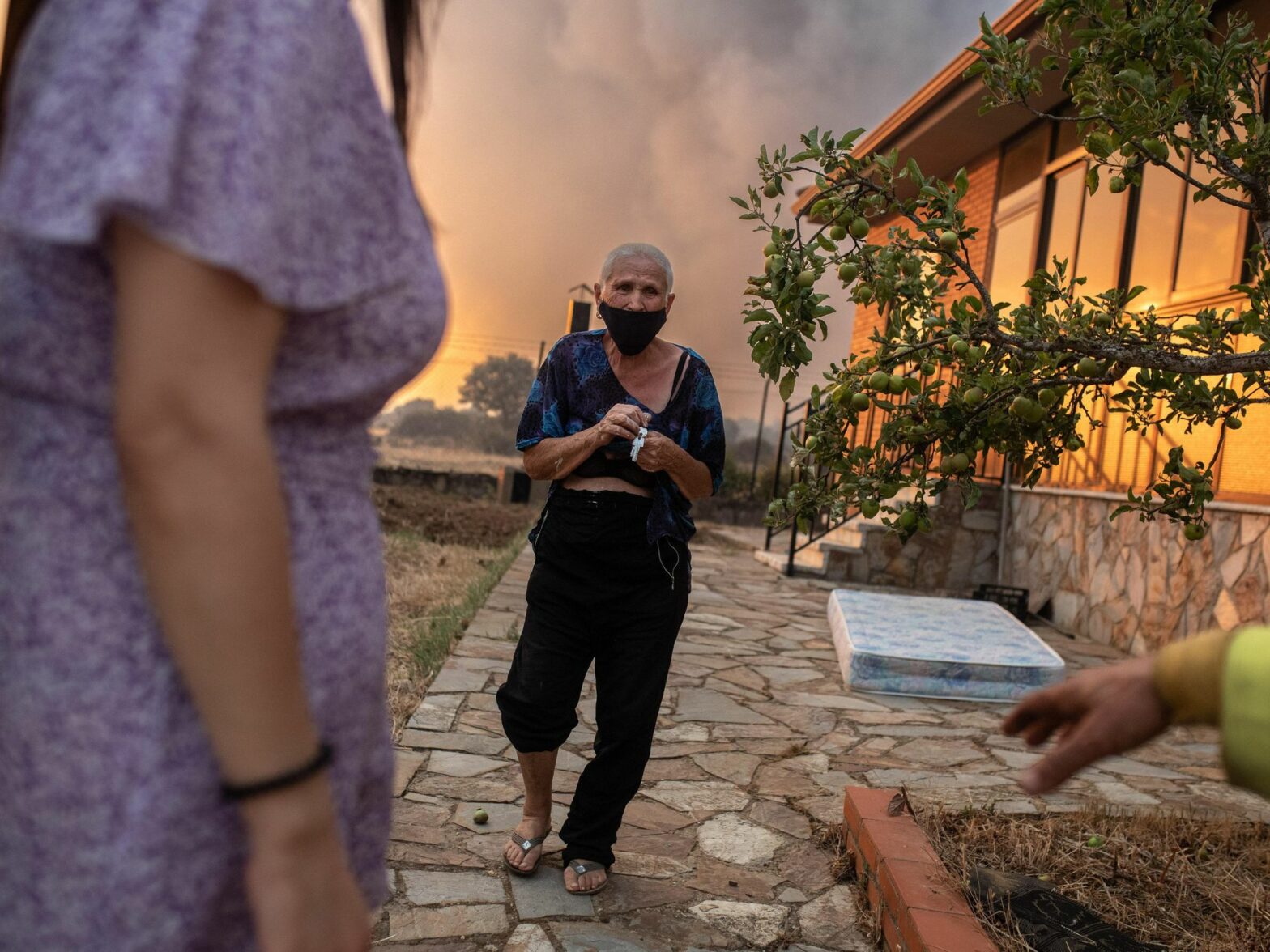
The droughts and extreme temperatures due to climate change, together with the abandonment of the countryside, have caused fierce fires in Spain that have devastate the livelihoods of the few people who still live there.
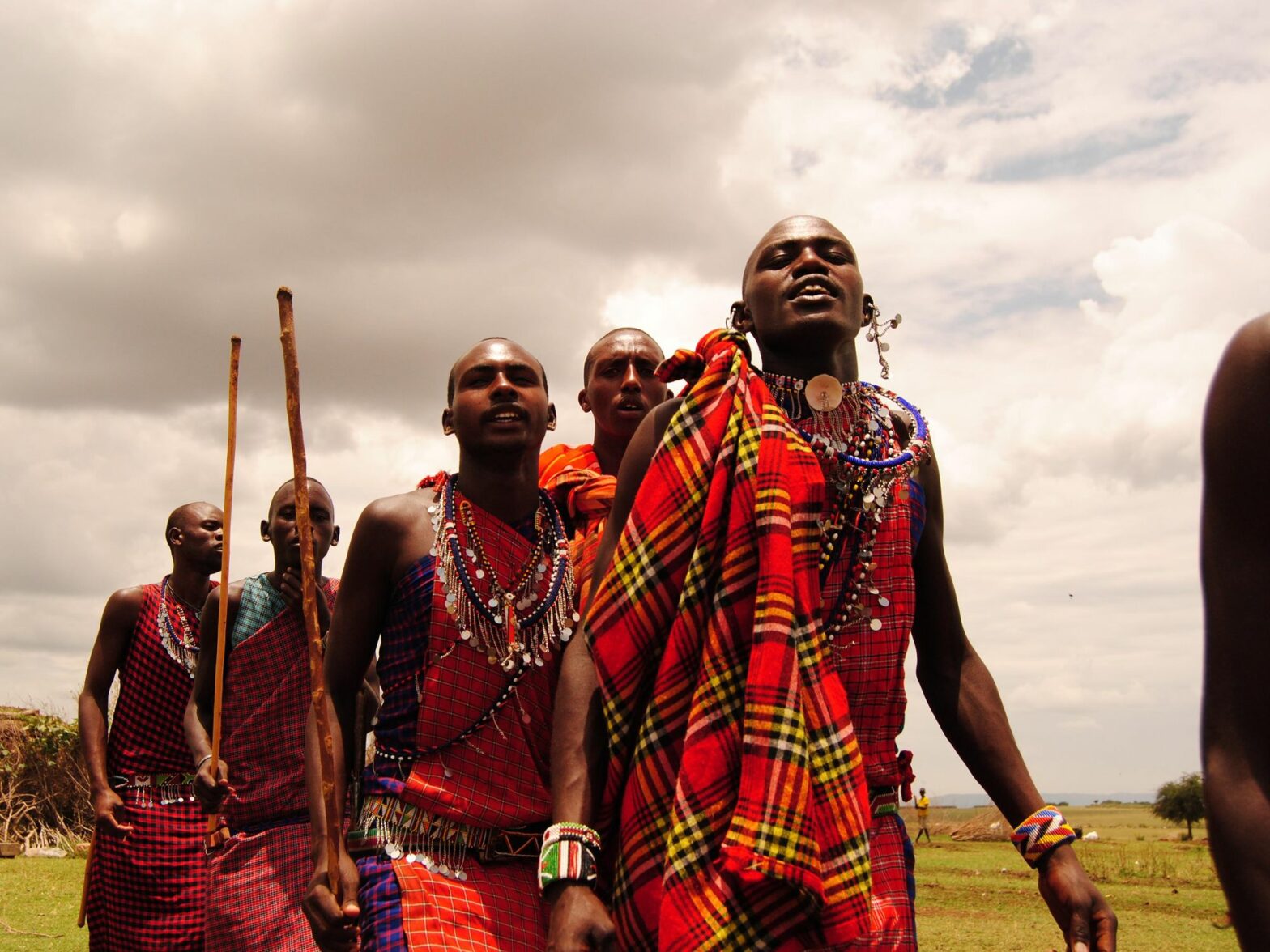
Thousands of Maasai people in Tanzania met brutal police repression when they demonstrated against being expelled from their land, laying bare both how ineffective and inhumane the conservationist movement can be.

U.S. politics around gun control can be confusing to Americans but outright bewildering to foreigners living there. For Azahara Palomeque, a Spaniard who just left the U.S. after 12 years, the country is governed by a “necropolitics” that doesn’t value life.

Nights of Plague is the latest book by the Turkish Nobel Prize winner, a fictional rendering based on historical reality that draws parallels (political and health-wise) between the past and the present.
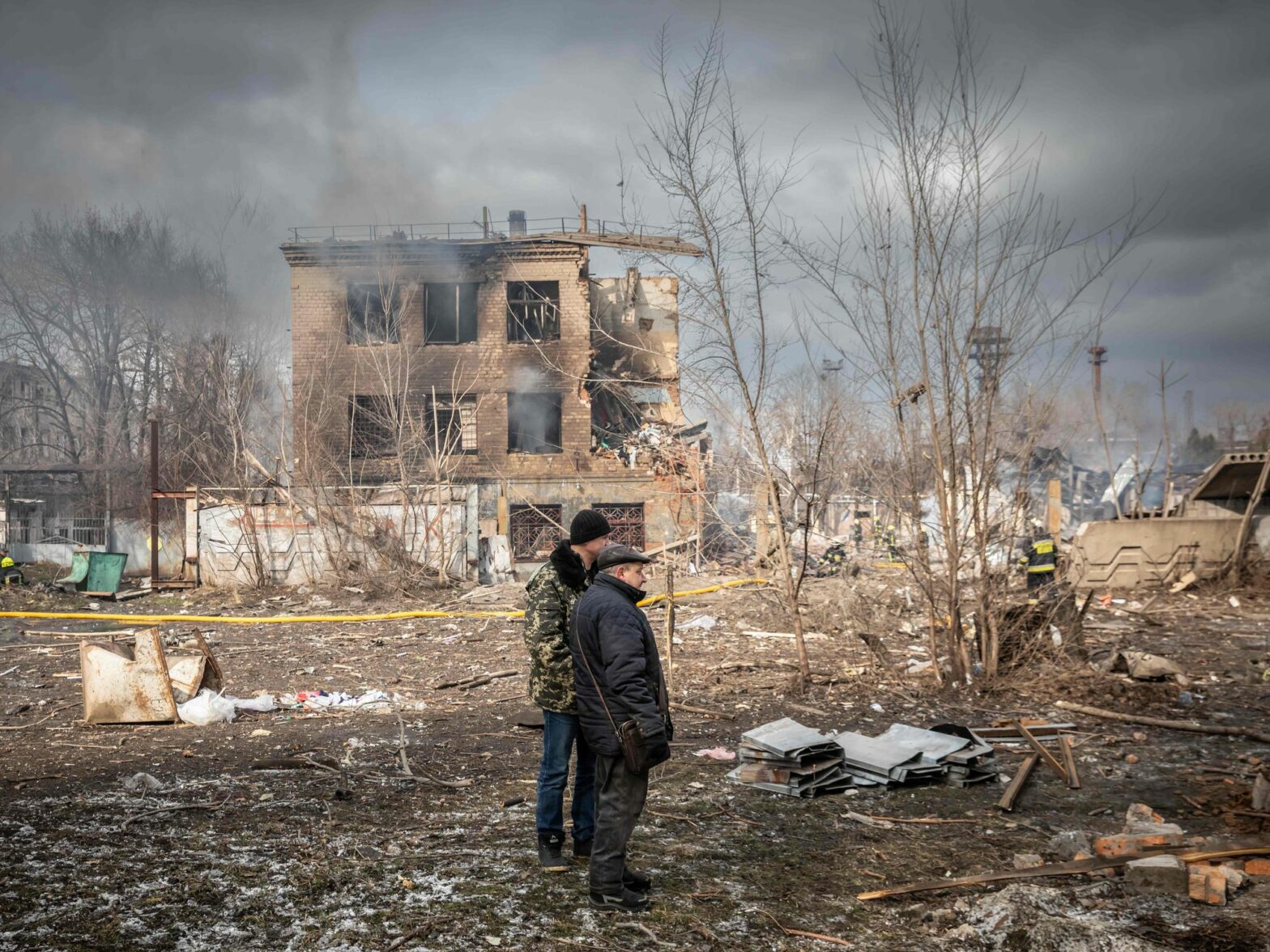
In Ukraine, those who do not want to fight on the front or who want negotiations cannot say so publicly for fear of accusations of being traitors.

There are few children left in Kyiv and other Ukrainian cities, but there are many elderly people, trapped by their health in their homes. Their fate is a mirror of the tragic fate of a nation that was already aging before the war.
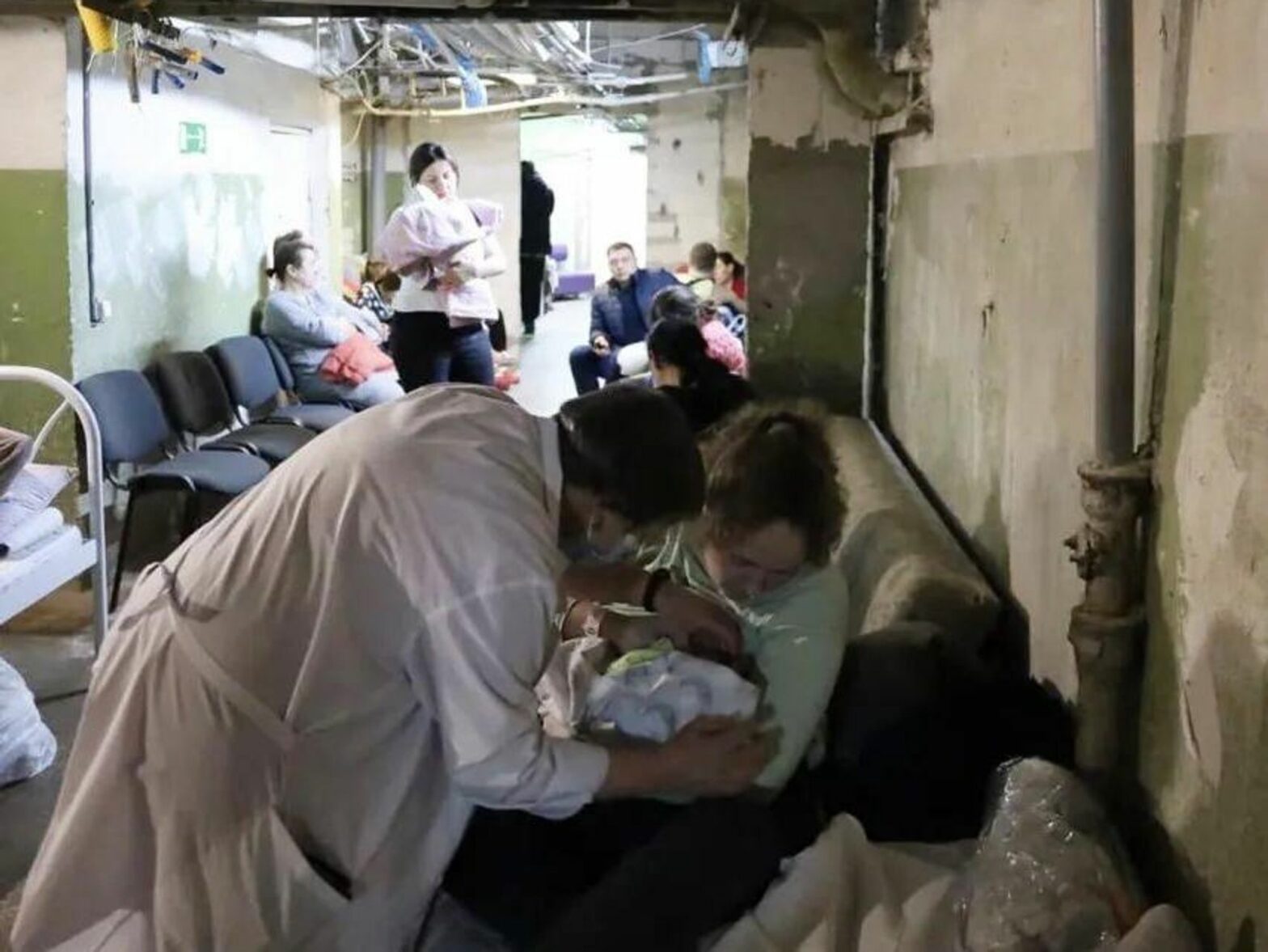
BioTexCom is responsible for more than half of the 2,500 surrogate babies born annually in Ukraine. This is how, in the middle of the war, the surrogacy company continues to function.
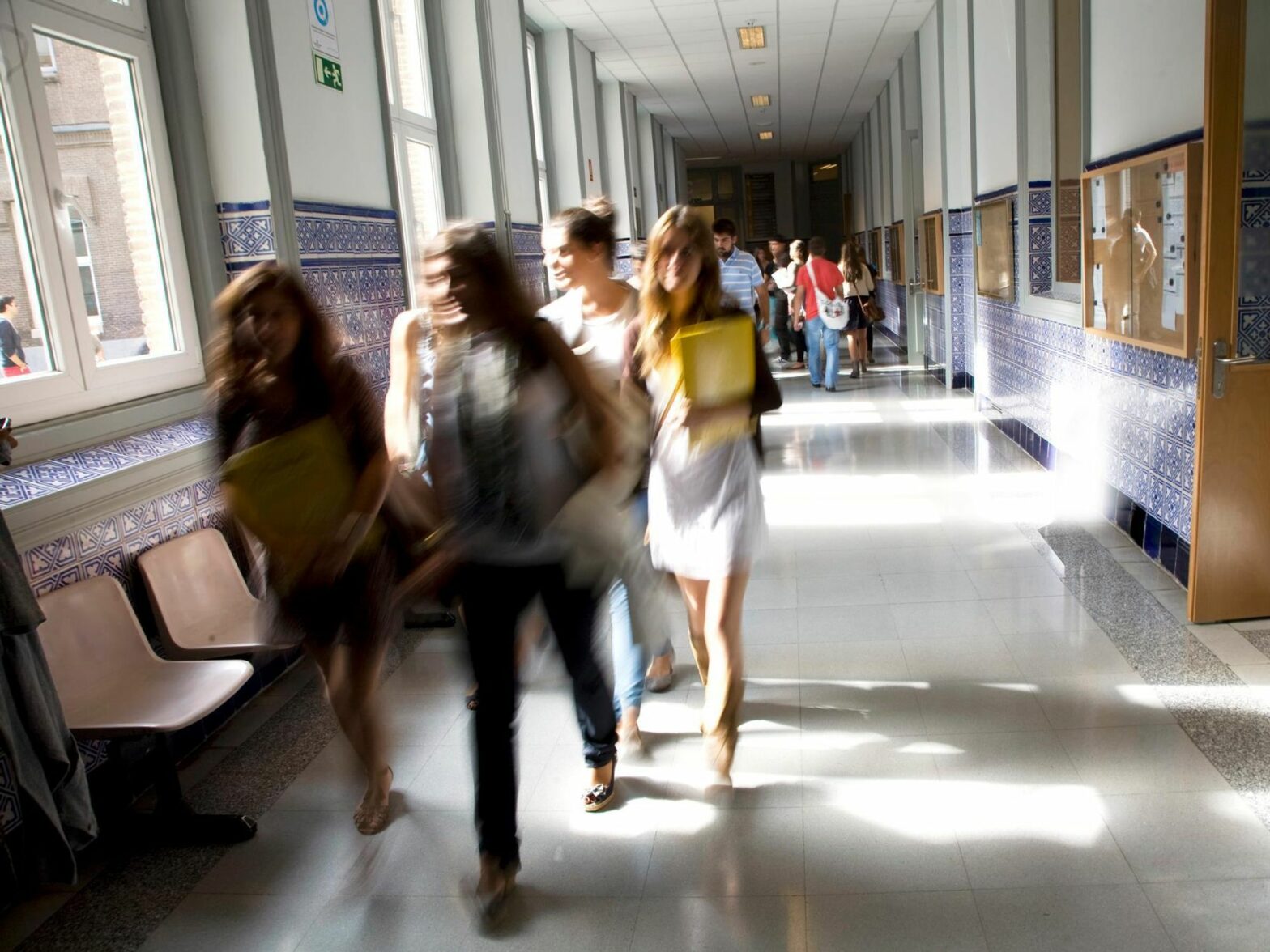
The big Spanish electricity and oil companies sponsor numerous research chairs at top universities: Is this cynical ‘greenwashing’ or innovative collaboration for the energy transition?