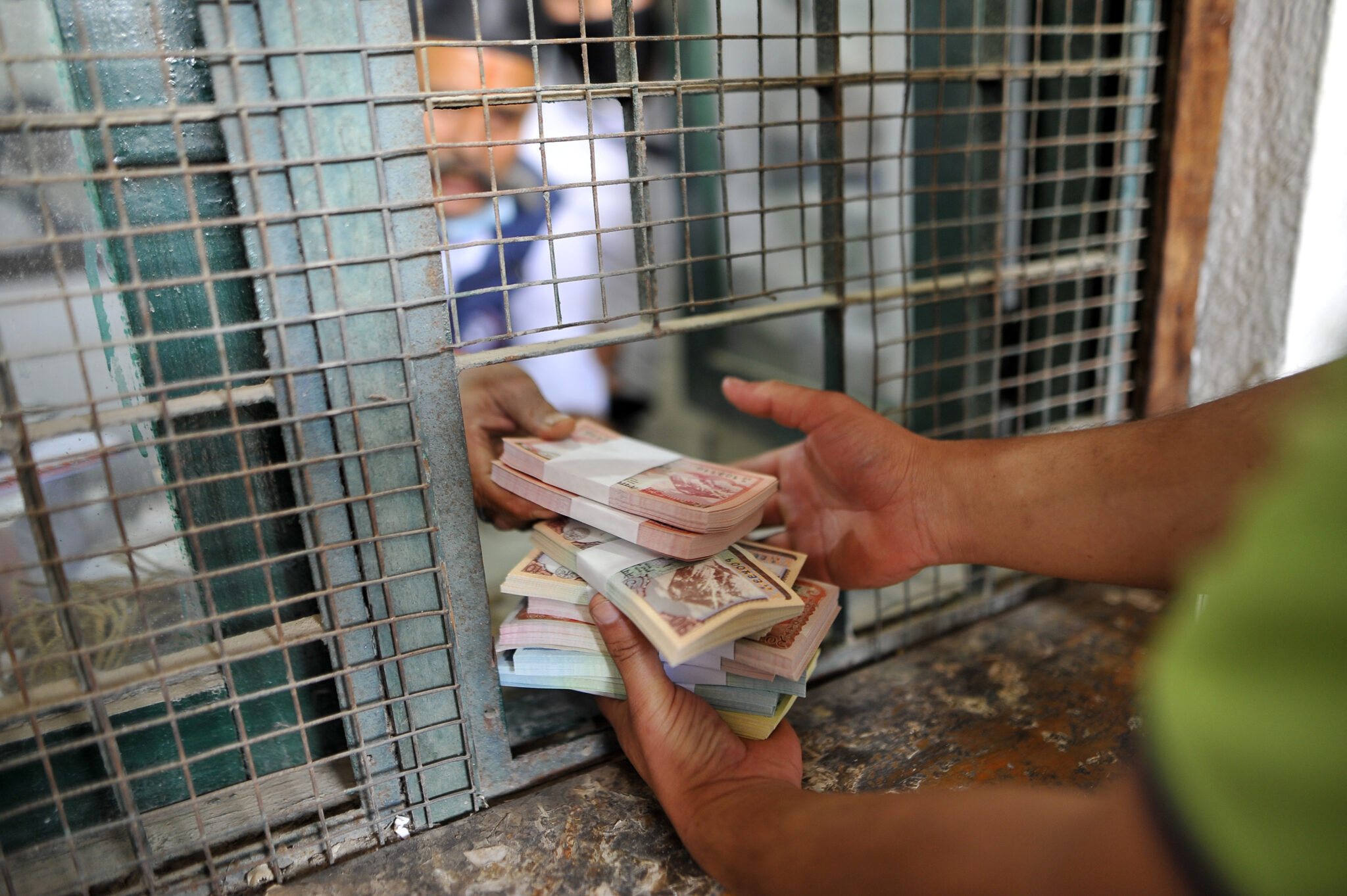
Centuries-old network faces government heat as authorities link it to cryptocurrency, gold smuggling and tax evasion.
 Worldcrunch
Since 2006, Global Press has built and maintained over 40 independent news bureaus in some of the world’s least-covered places, where citizens lack credible access to accurate information. Global Press Journal, the award winning international news publication is staffed by professional female journalists who are from the coverage community. Their feature and investigative journalism is published in six languages and reaches audiences across 190 countries.
Centuries-old network faces government heat as authorities link it to cryptocurrency, gold smuggling and tax evasion.
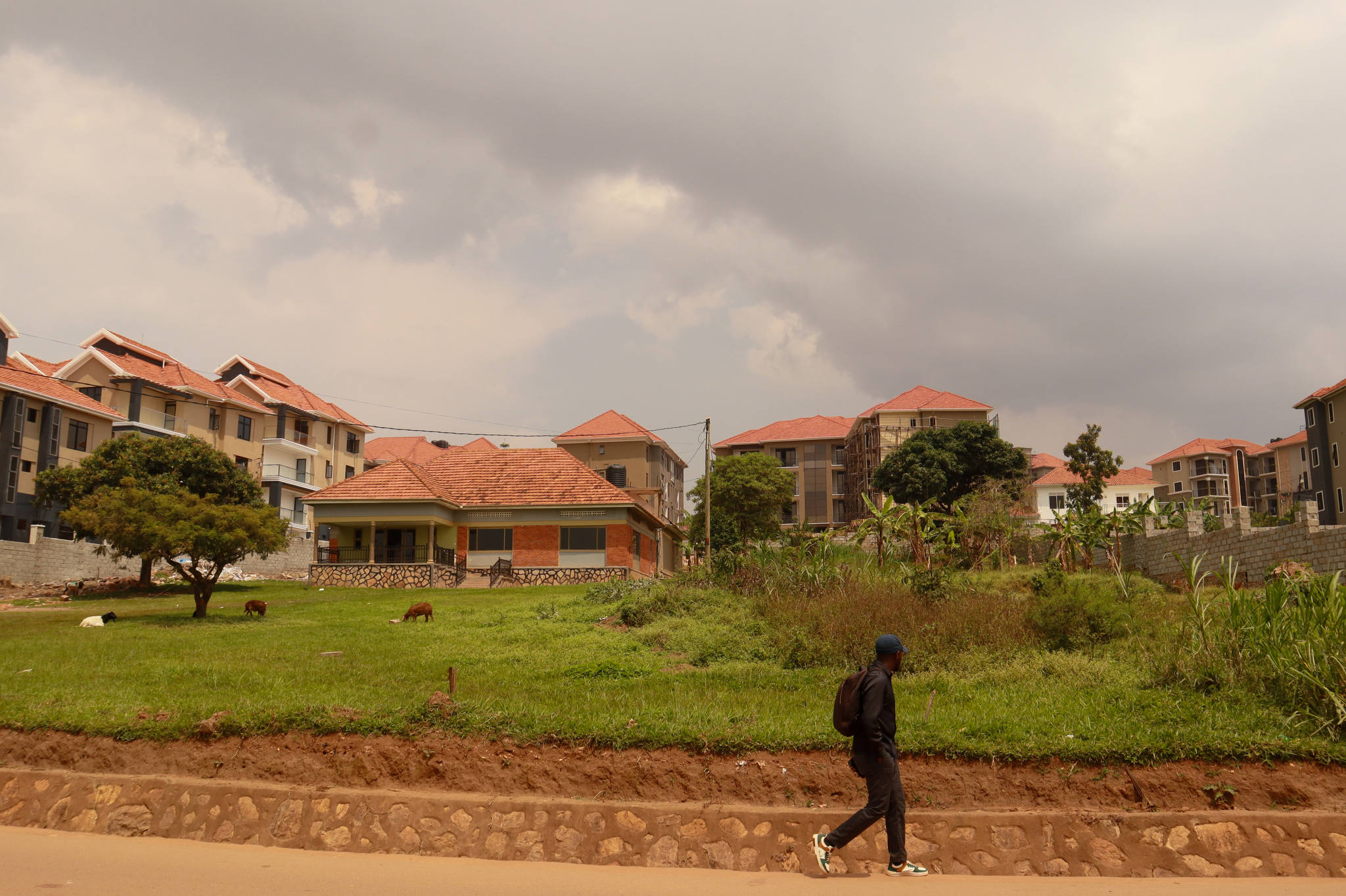
As well-to-do refugees settle in Kampala’s suburbs, Ugandans say they’re being priced out.
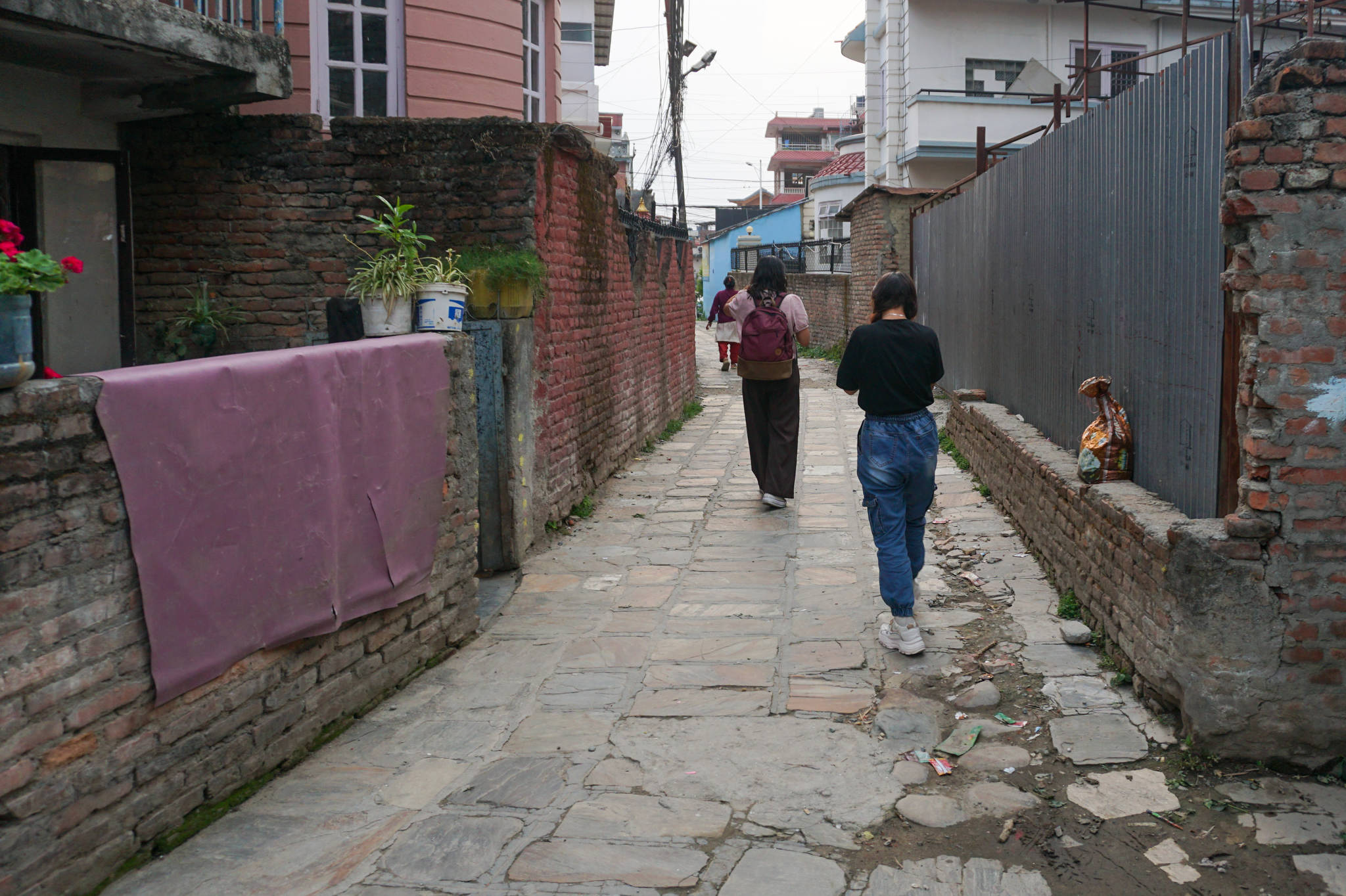
The Nepali government bars working abroad in Iraq for safety reasons. But more Nepali women are ending up there in abusive domestic work — including some who were trafficked.
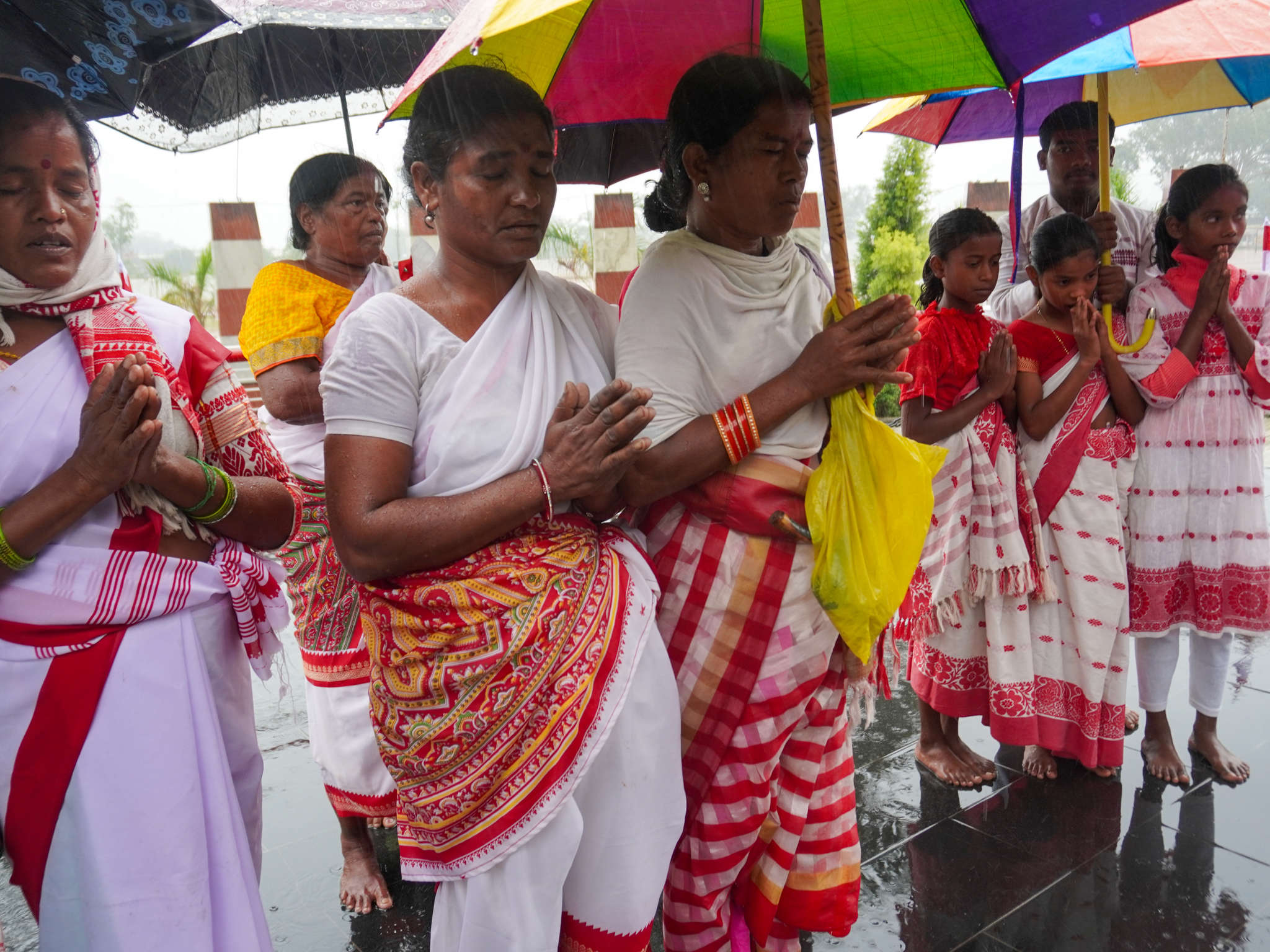
Followers of Sarna, a nature-worshipping faith, want visibility, respect — and political power.
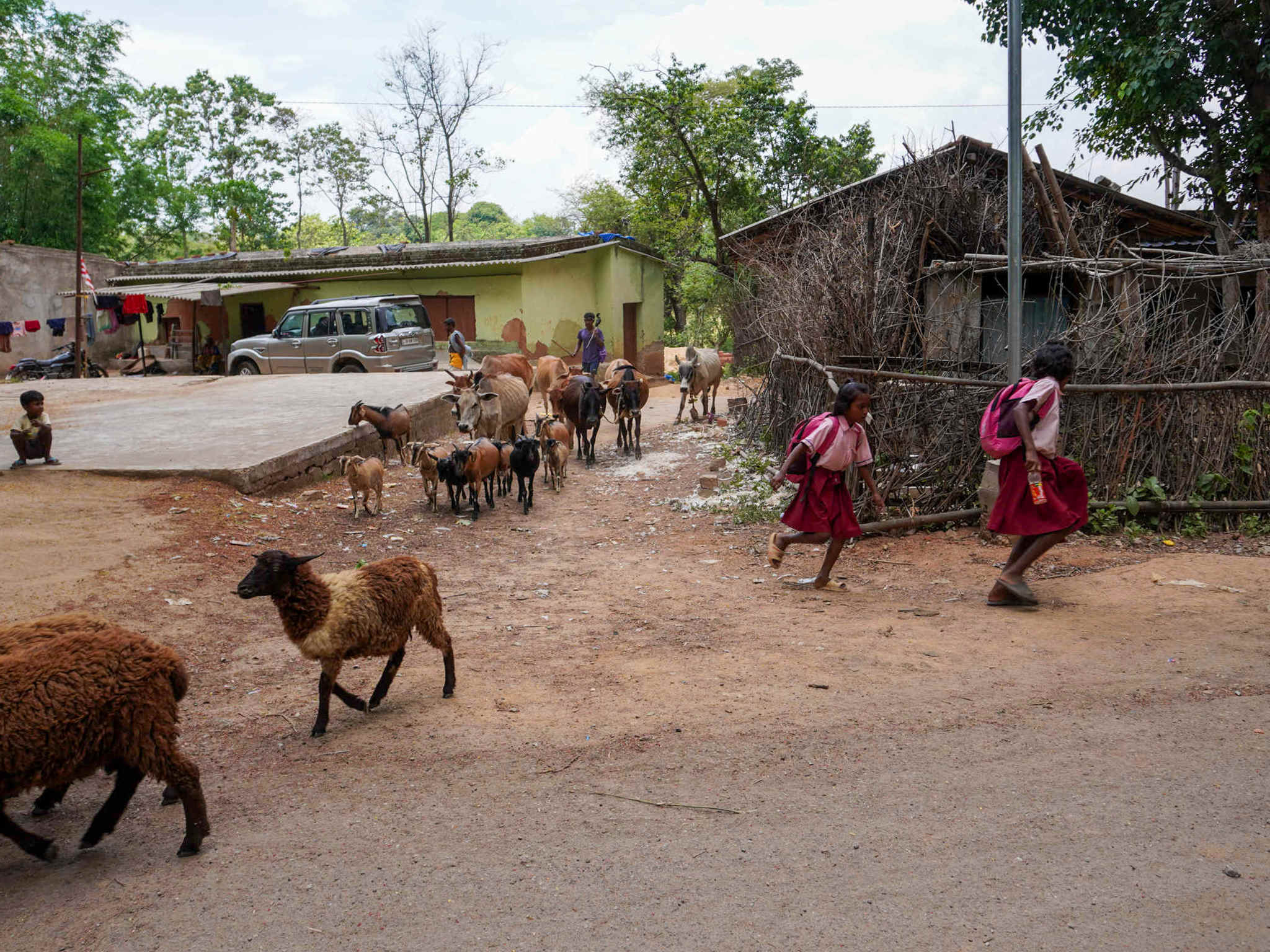
Hindu nationalists go toe-to-toe with Christians in attempting to convert indigenous Adivasis.

A former defense industry insider, once praised for exposing corruption, stands accused of the same abuses. His accuser was recently murdered.
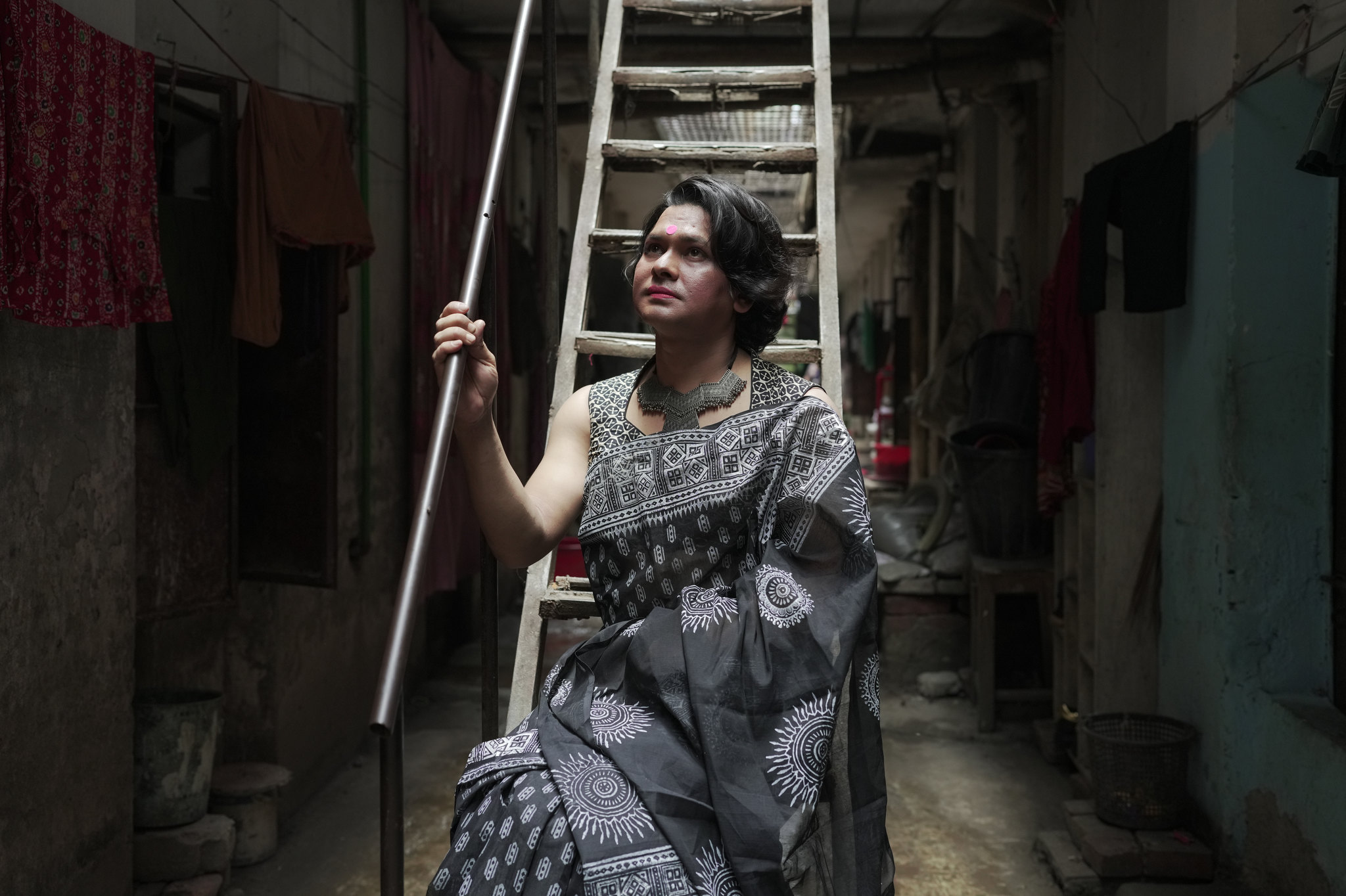
With conservatism on the rise, the capital’s third-gender and trans people retreat from public life, erasing the identities they once fought to display.
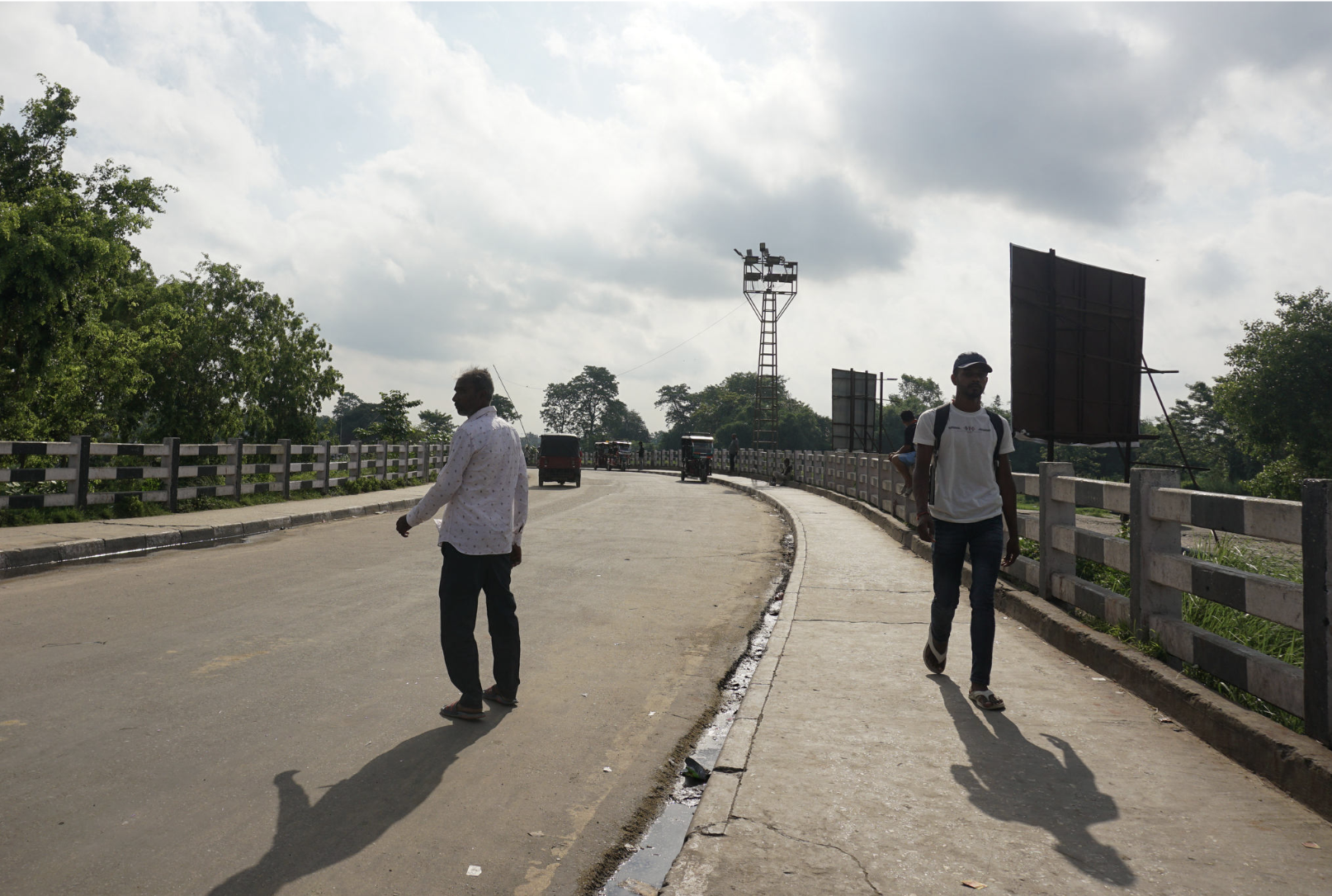
Nepal was late to adopt social media. Now that it’s arrived, cross-border traffickers have access to a much wider field of exploitation.
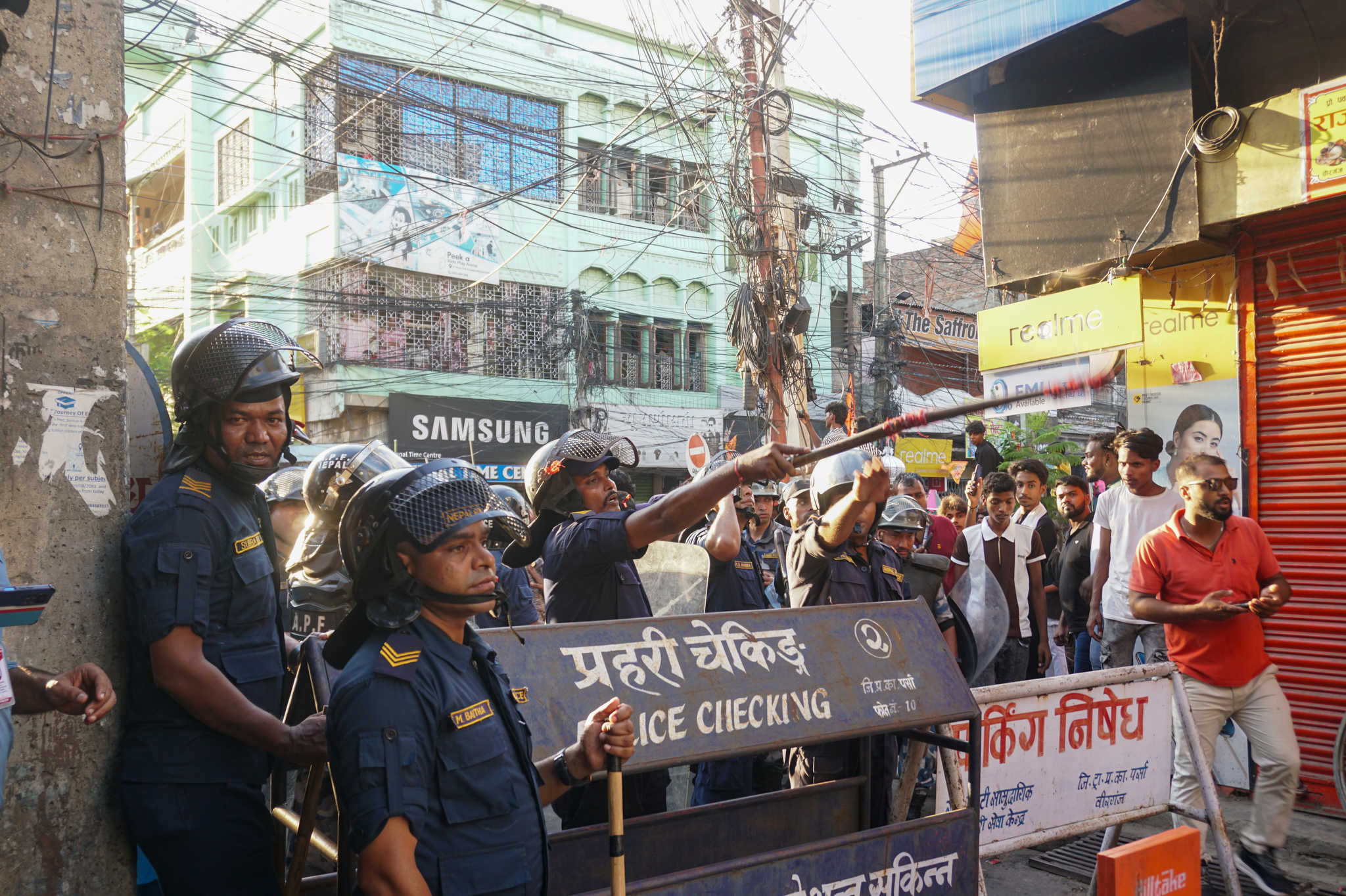
In border towns, rallies organized by Hindu nationalists often end in violence — fracturing communities and threatening Nepal’s fragile secularism.
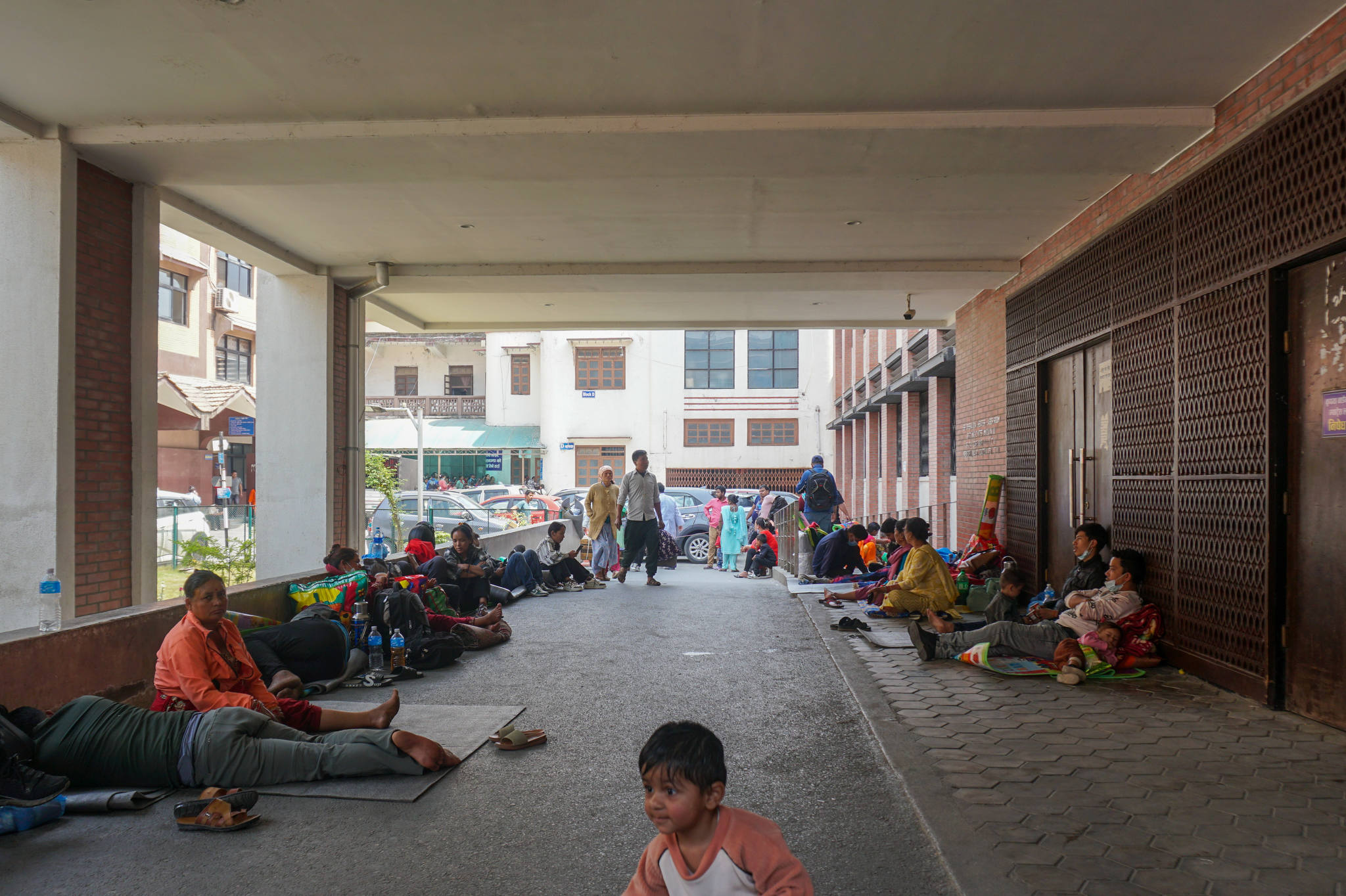
At one public hospital in Kathmandu, half of all infertility cases come from men who work in Gulf countries.
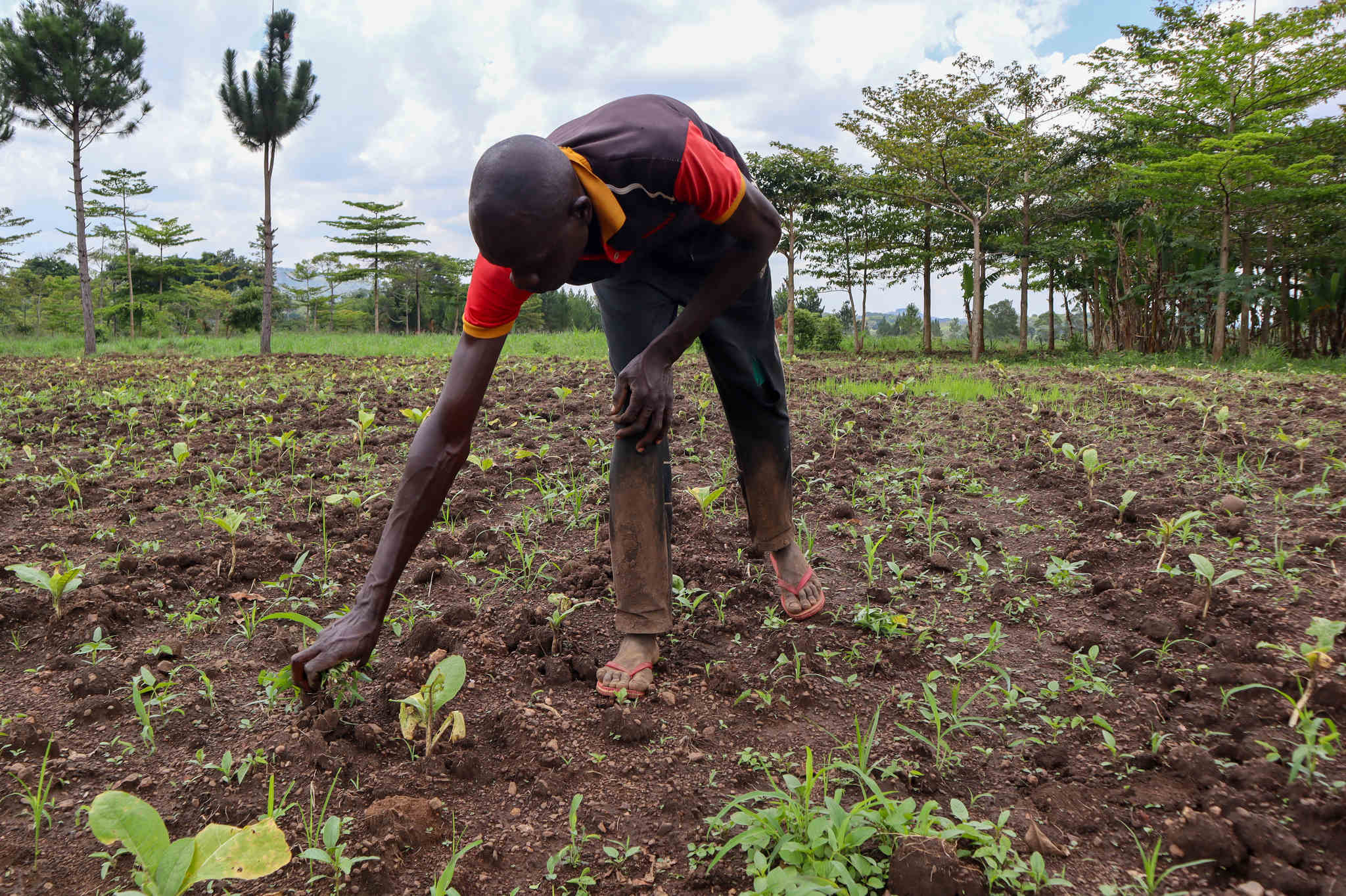
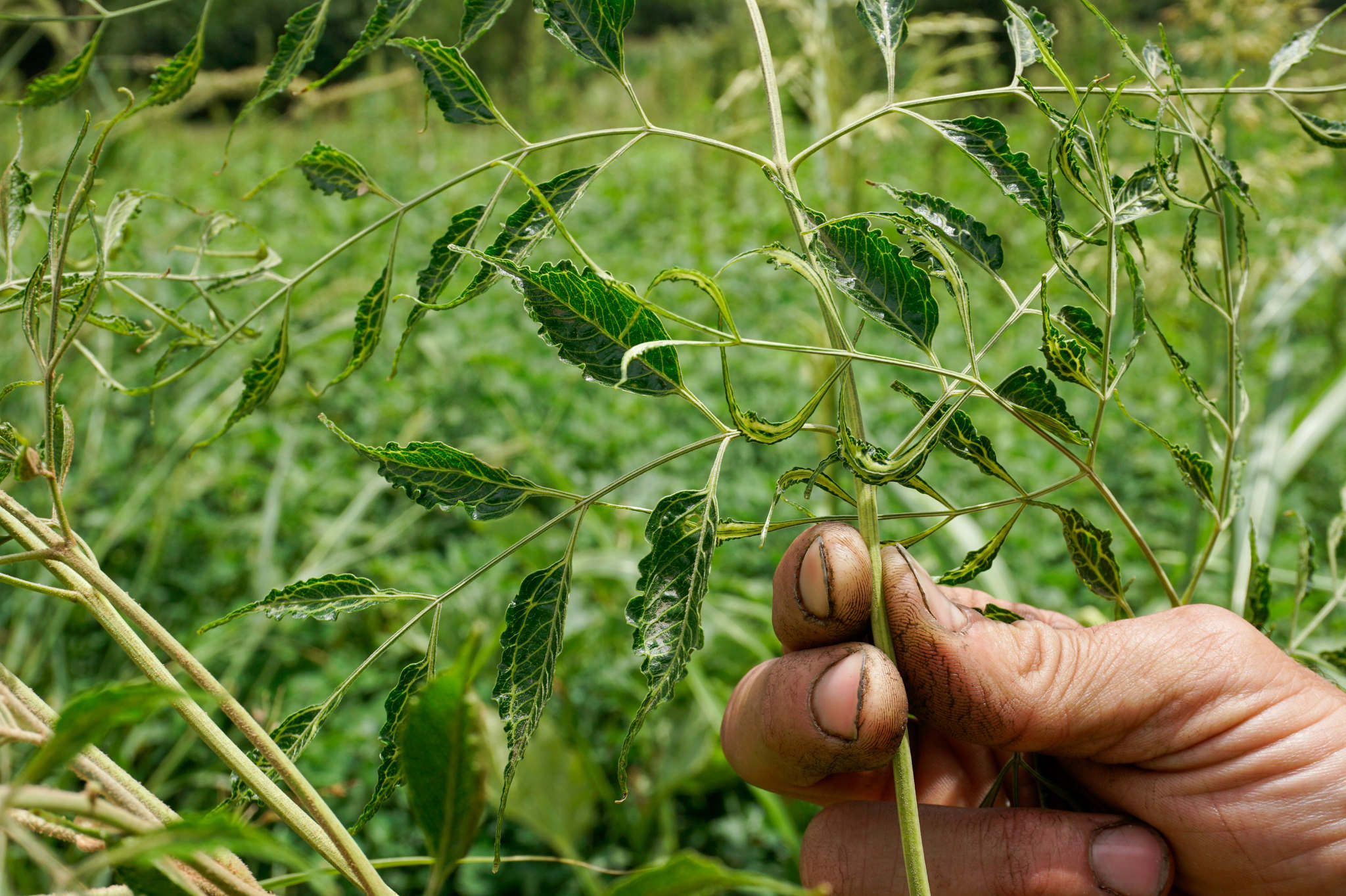
Tobacco farming in Uganda has resulted in the loss of trees key to the diets of chimpanzees and baboons, increasing human-primate interactions — and the risk for disease spillover.
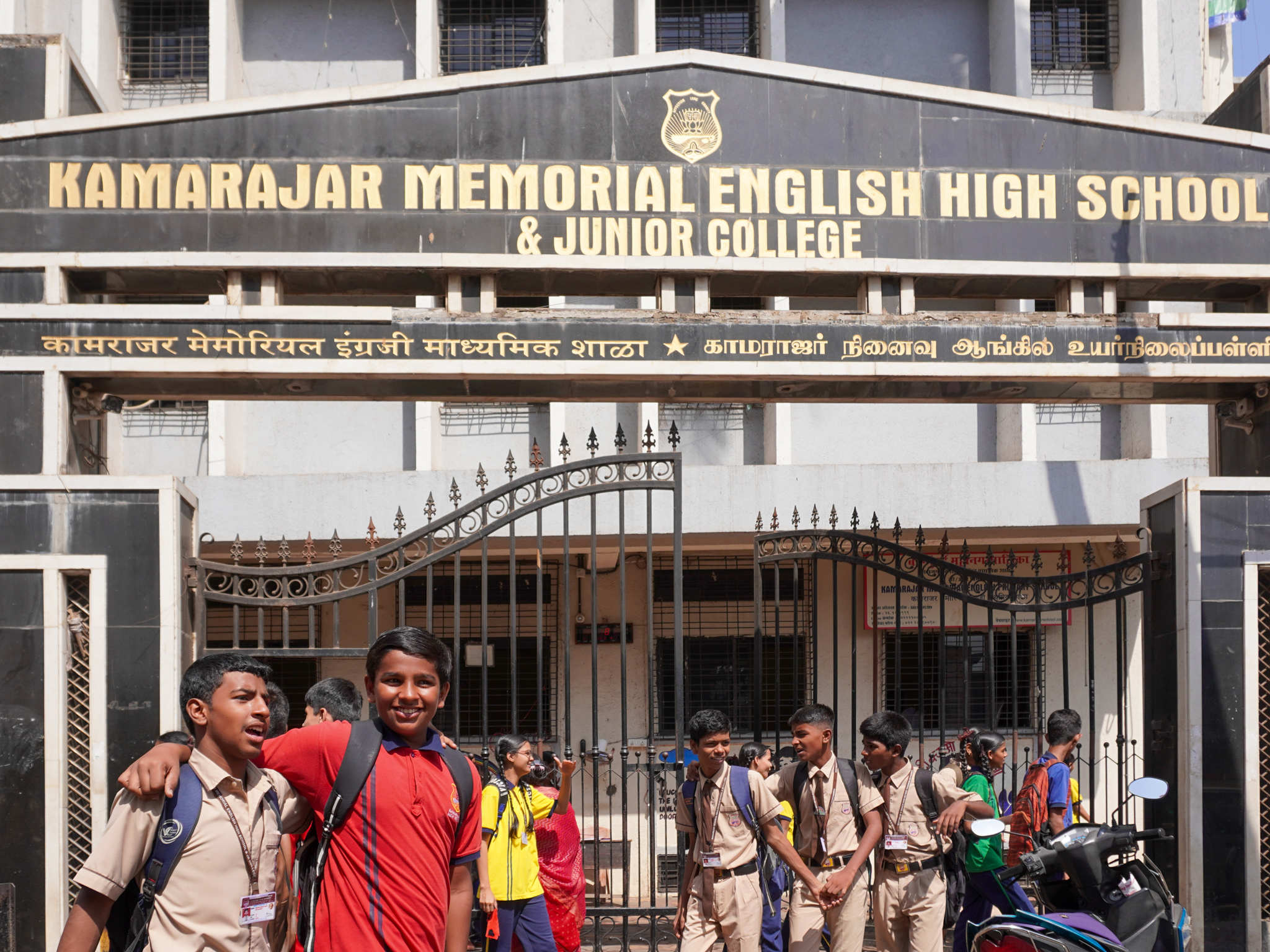
The clash over language teaching is less about classrooms and more about who gets to define what it means to be Indian.
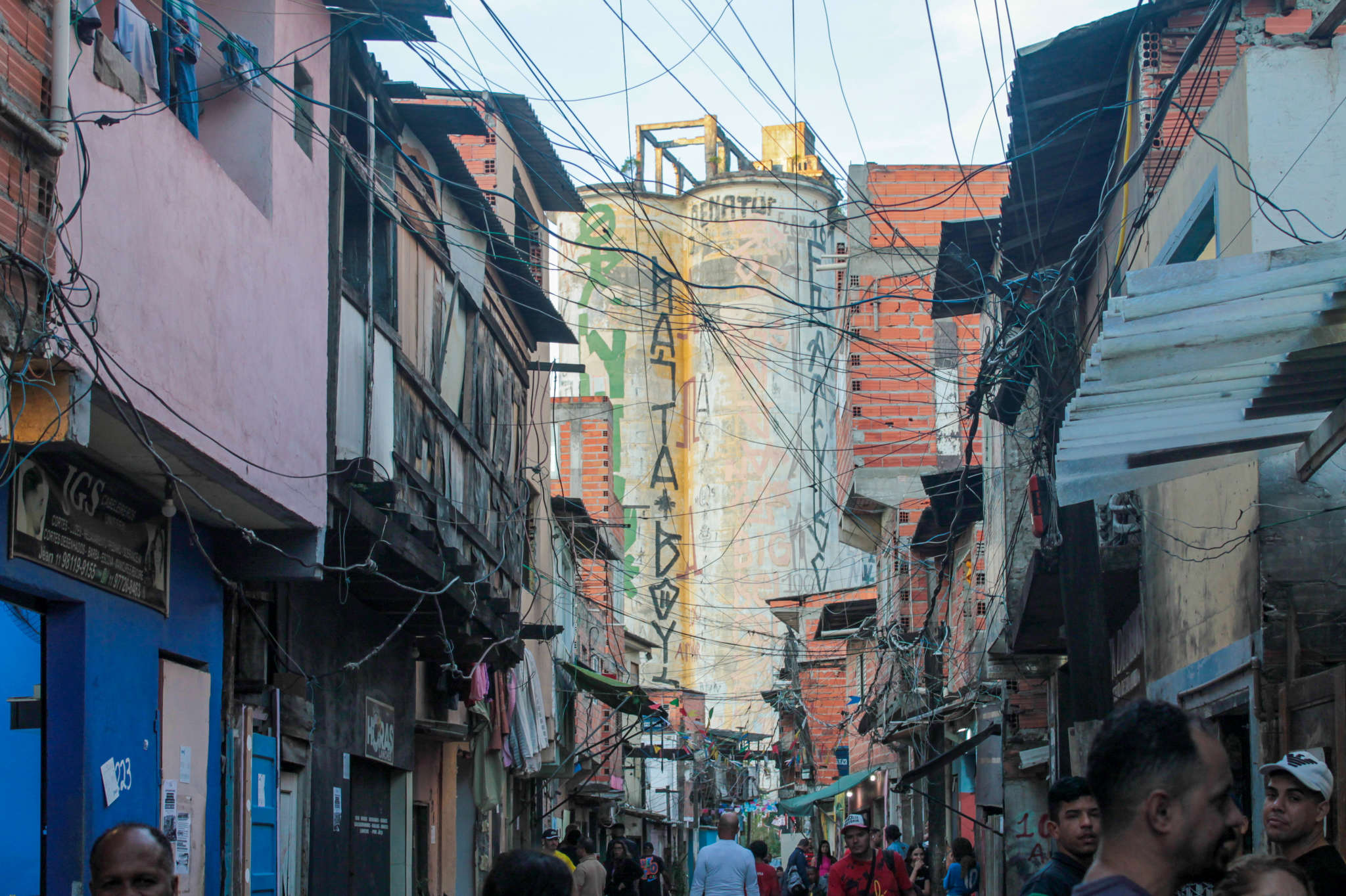
Efforts to evict a São Paulo community for a new headquarters gained the president’s attention.
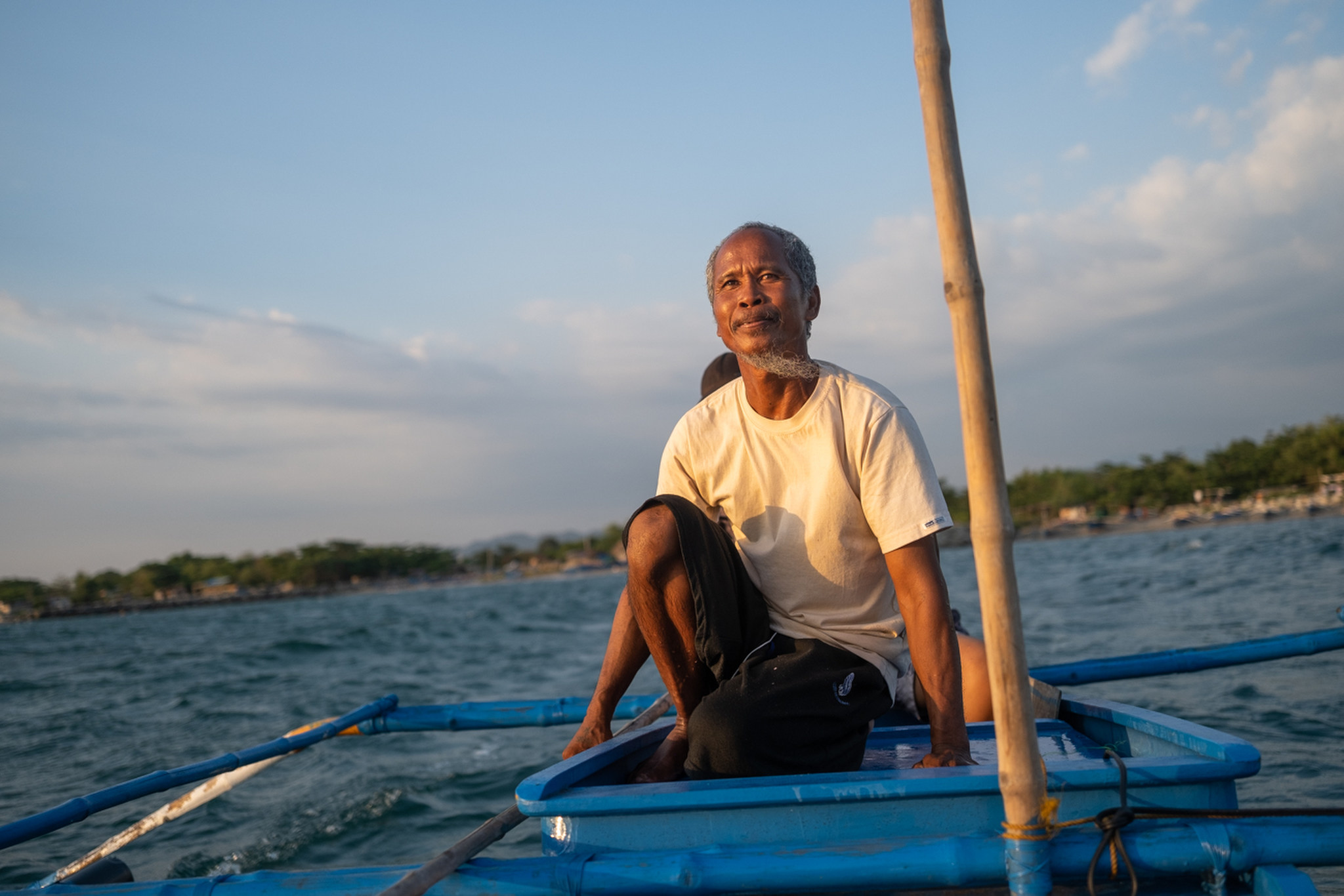
A decision by the country’s highest court opens up nearshore waters to export-minded commercial trawlers, waters that had been reserved for the small-scale fishers who feed the nation.
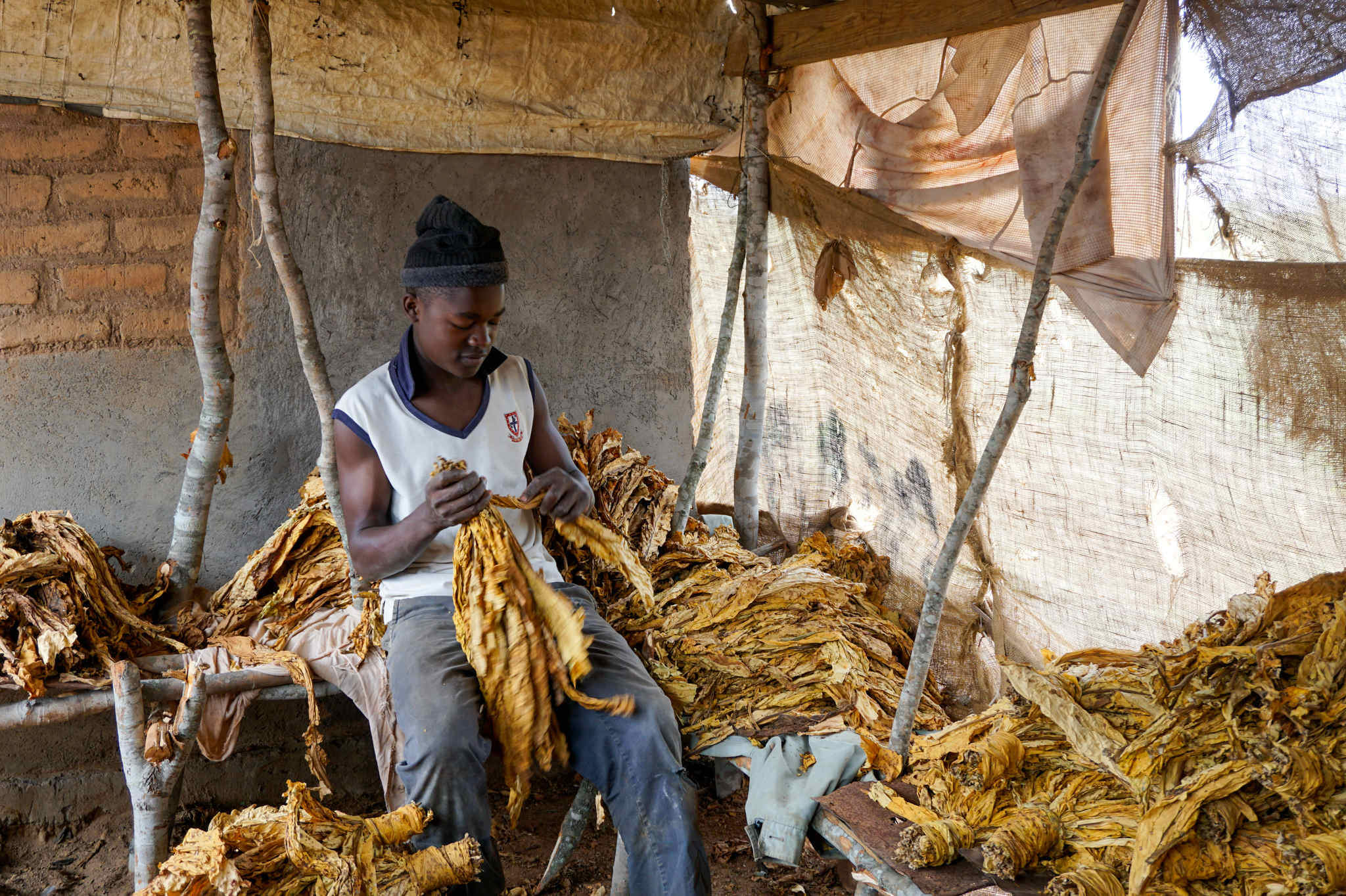
Land reforms gave Zimbabweans farms — but contract tobacco deals have handed power to private companies.
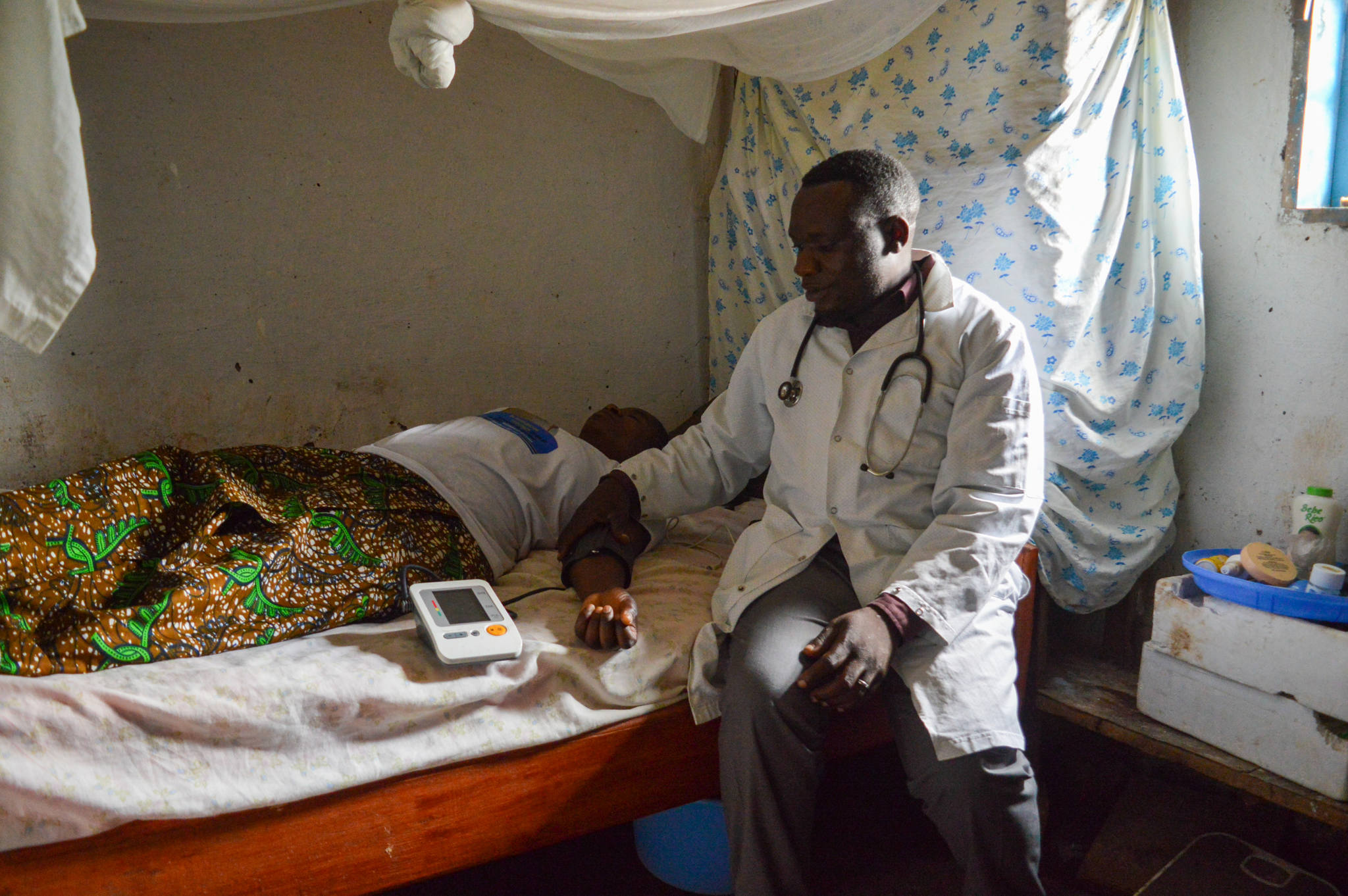
War is eroding the foundations of the health care system in eastern Democratic Republic of Congo. Months of violence between government forces and M23, an armed group with backing from neighboring Rwanda, have spurred looting and closures of medical clinics around Lubero territory. Facilities that remain open are grappling with supply shortages, staff departures and mounting difficulties transporting patients.
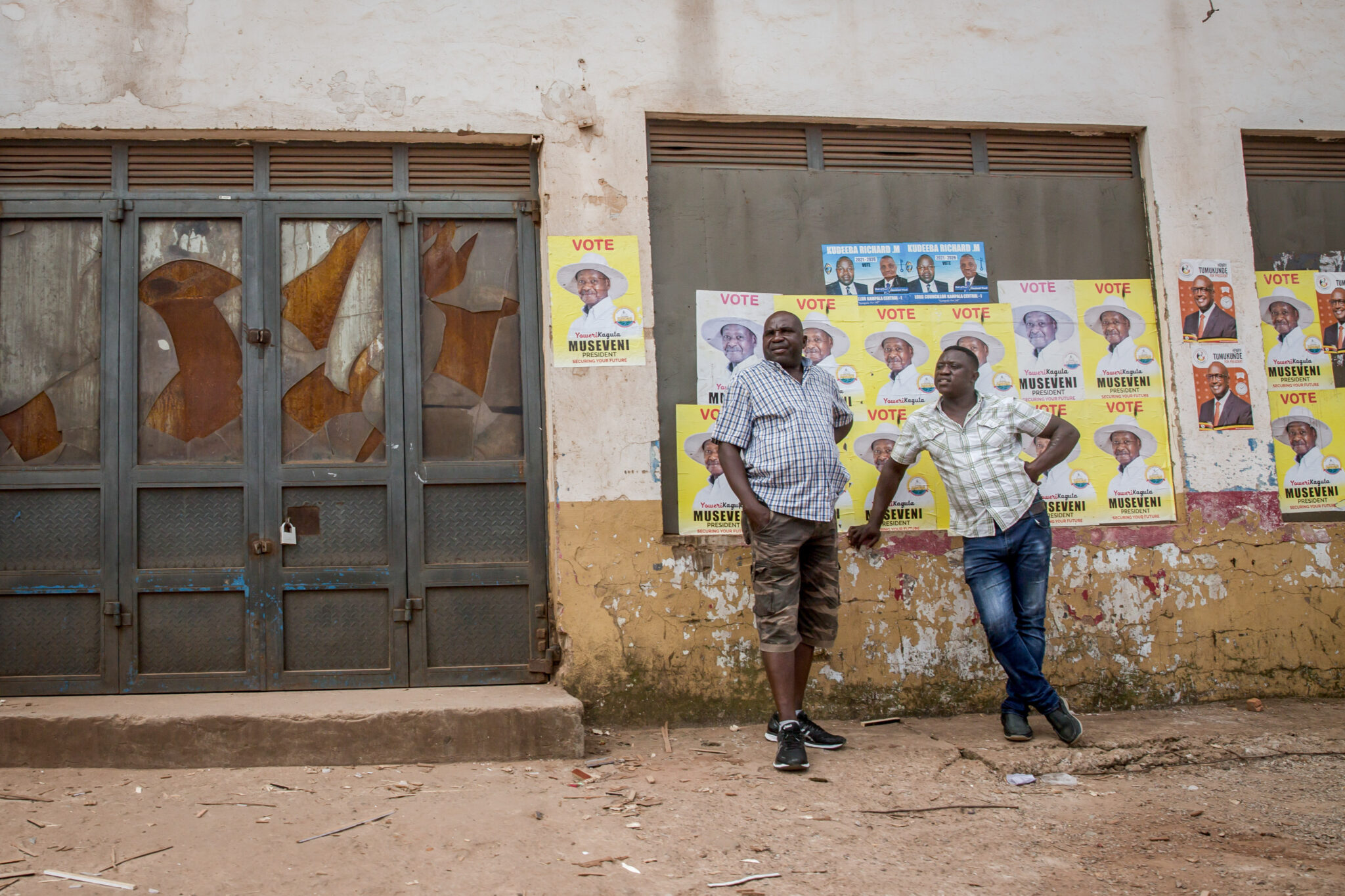
Family ties are shaping Uganda’s Parliament. People who die in office are increasingly succeeded by close relatives — children, spouses or even siblings — and often with strong support from political parties and local communities. At least five members of the current Parliament have succeeded their relatives, and in previous Parliaments, multiple members did as well.
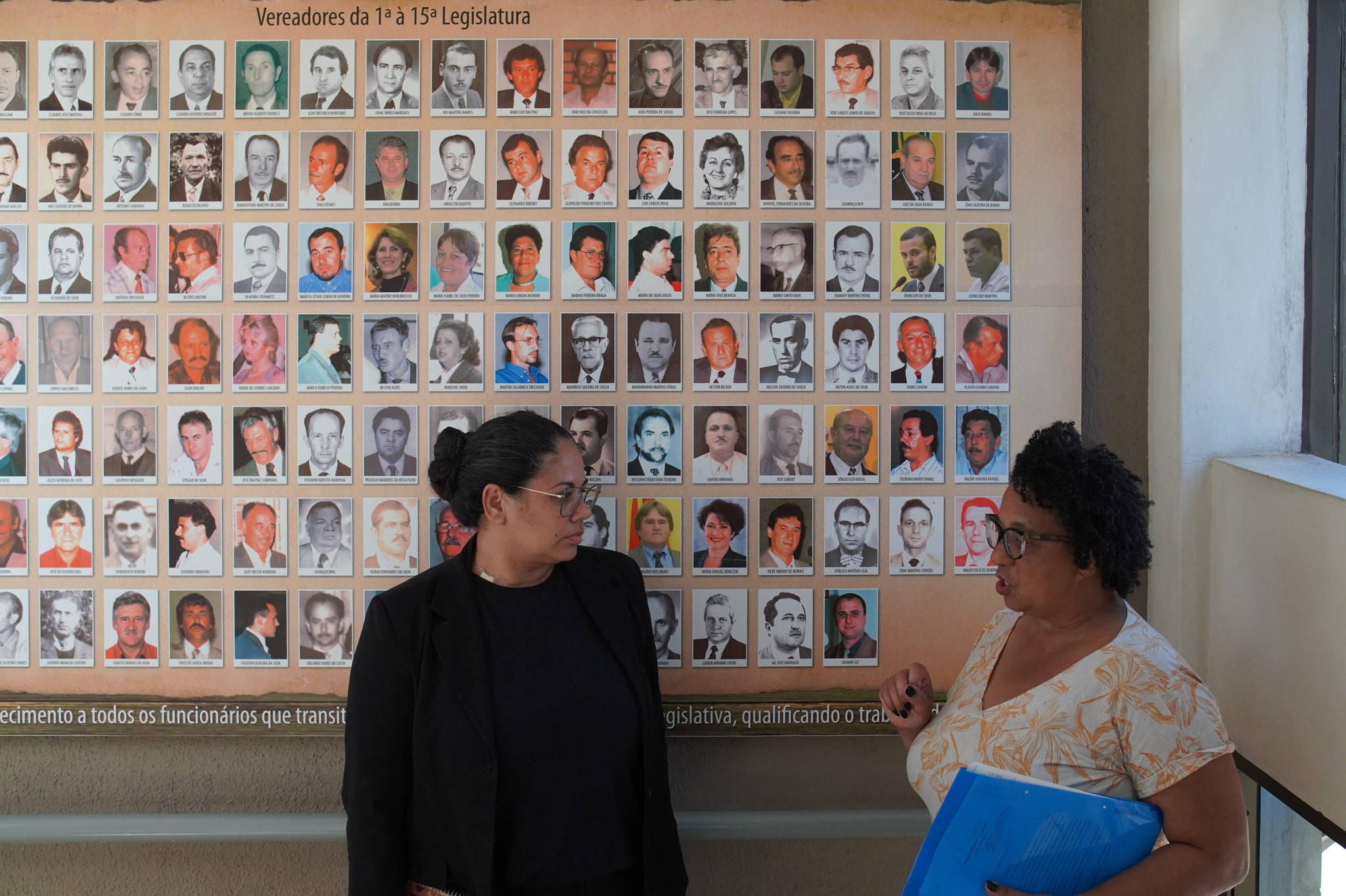
Decades after the country introduced quotas, phantom candidacies and political deals still stifle women’s representation.
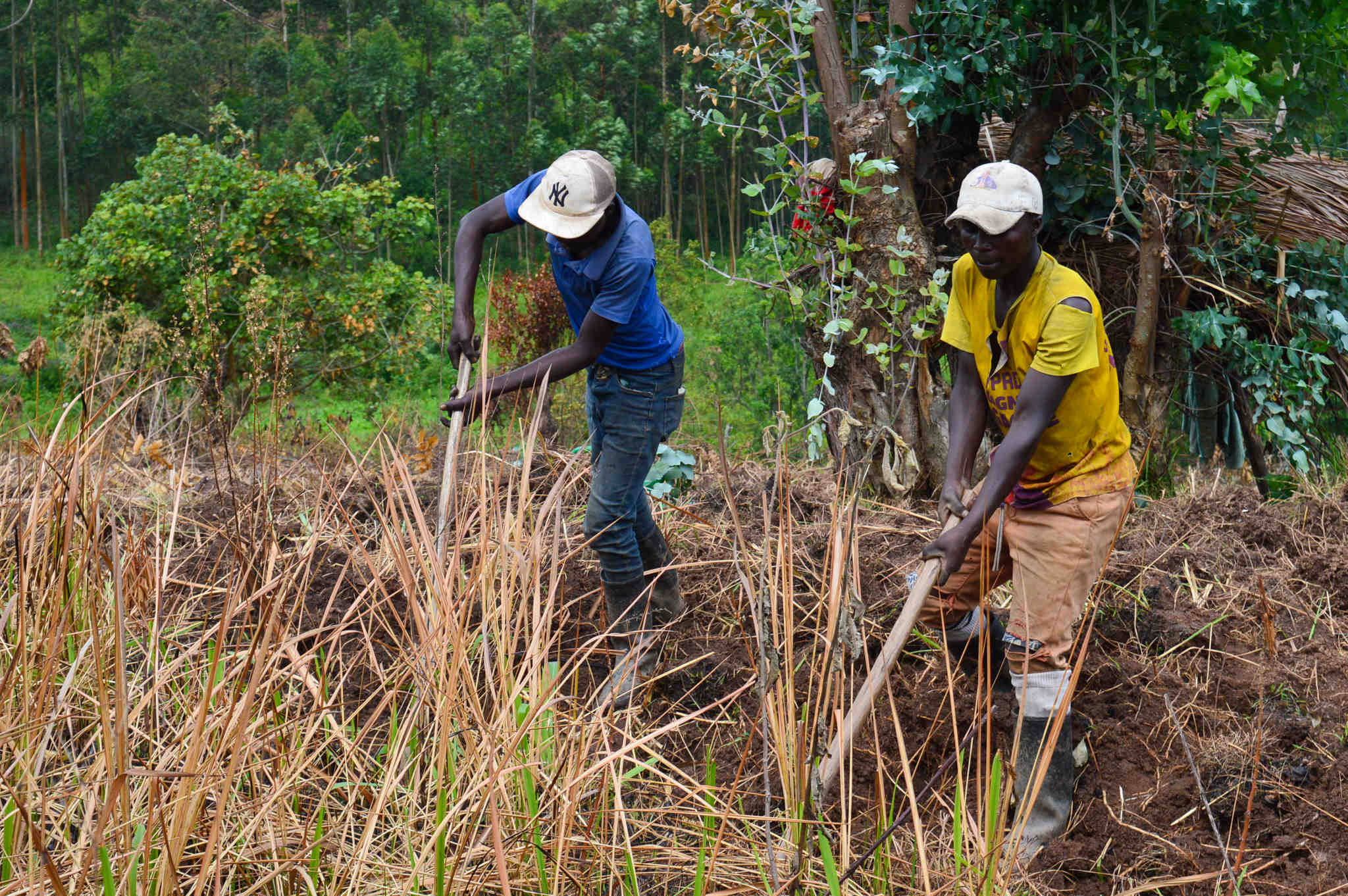
In February, Stino Muhindo Sivyaghendera lit a match and held it to the grass in the field of eucalyptus trees he’d planted three years earlier. In the months before, the army had set up a position there, and left deadly ordnance behind. He’d heard about two young men who were killed by an explosion in the area, and he didn’t want anyone to come to harm in his field.
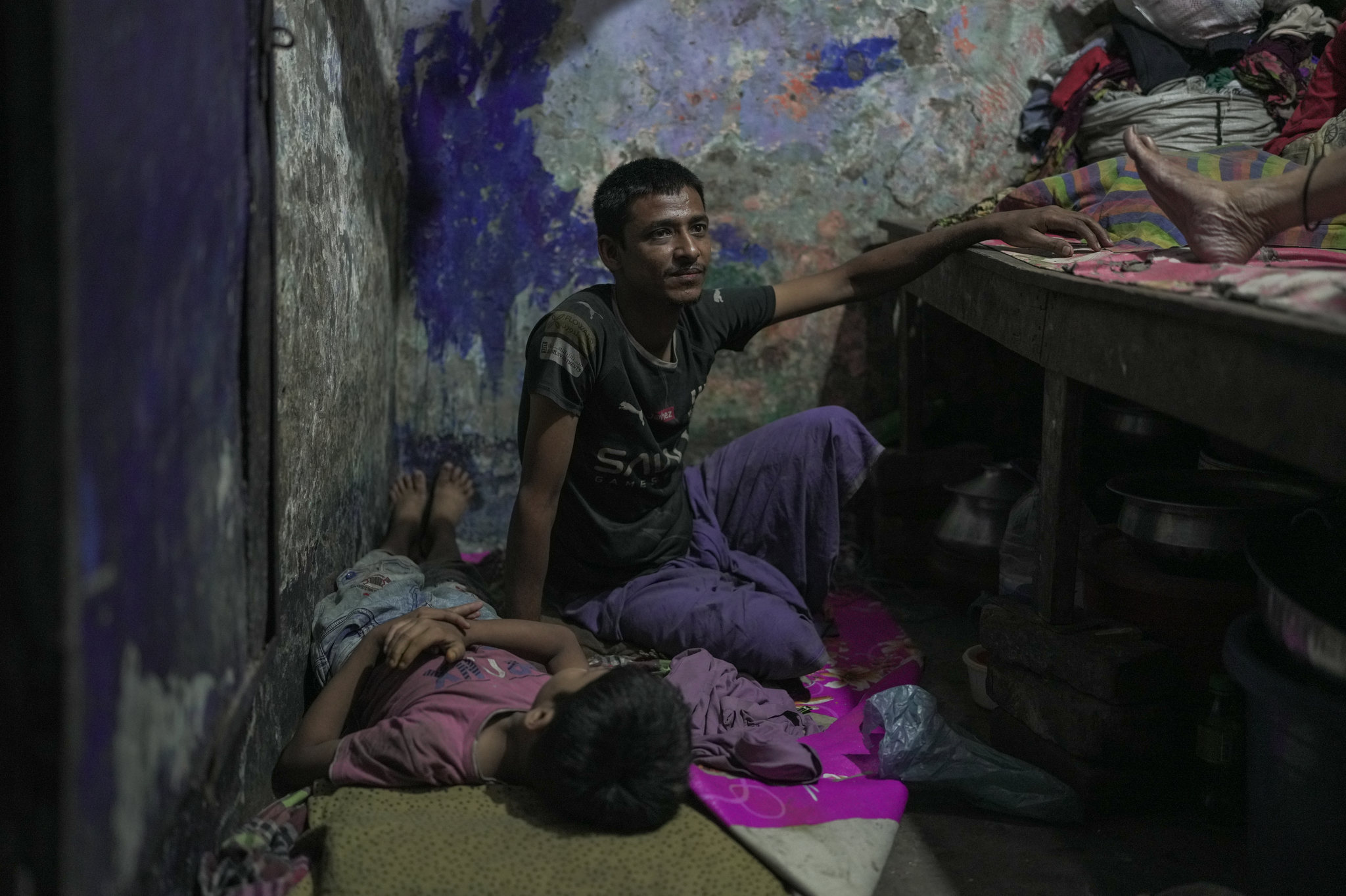
The Urdu-speaking minority remains marginalized in Bangladesh, facing poor living conditions and limited access to education and services. Many Biharis feel abandoned by the government’s unkept promises of citizenship.
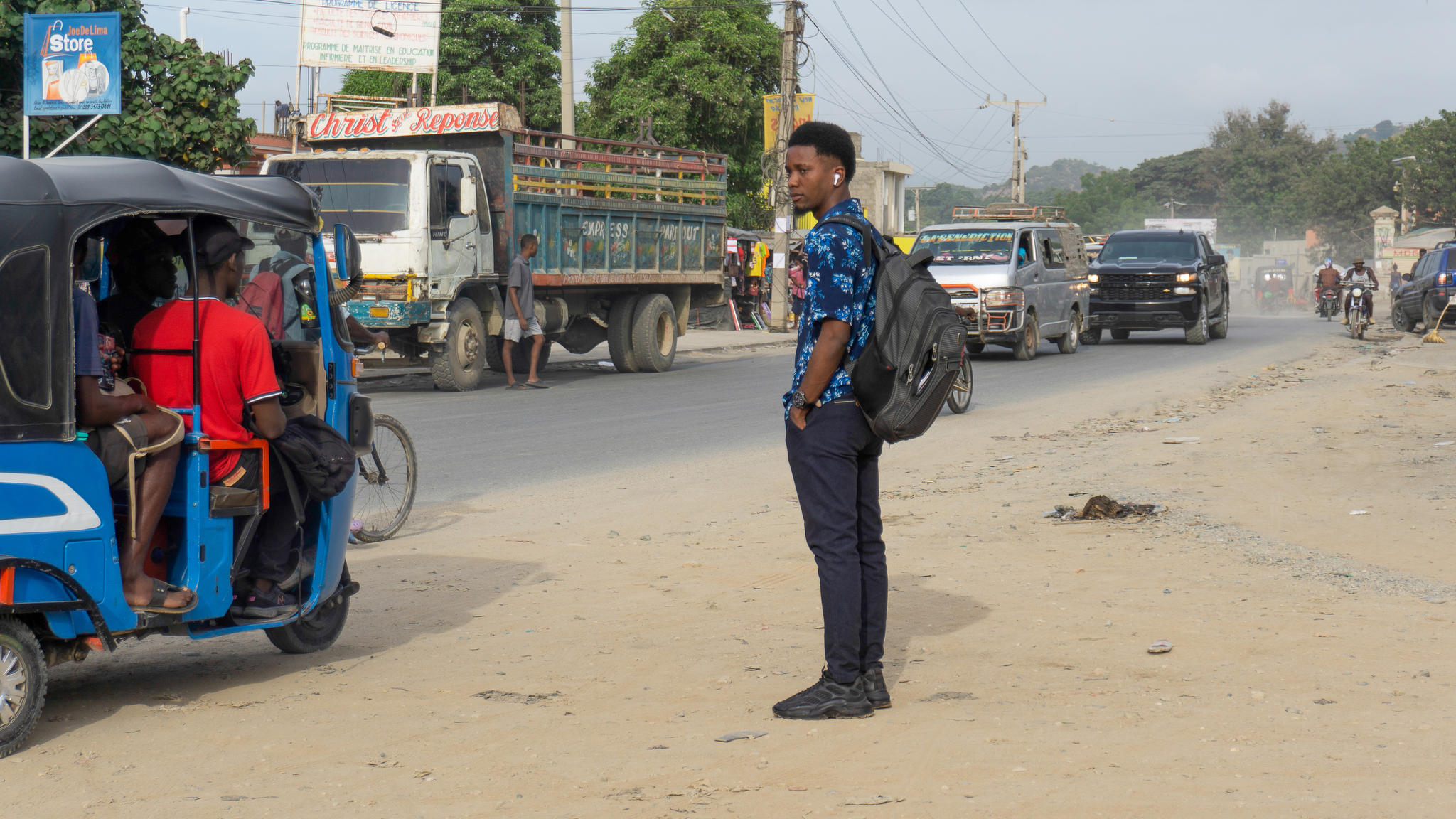
Waves of violence linked to gang attacks in Port-au-Prince have displaced thousands of people, who seek refuge in other Haitian provinces. But the cohabitation with the locals is far from peaceful.
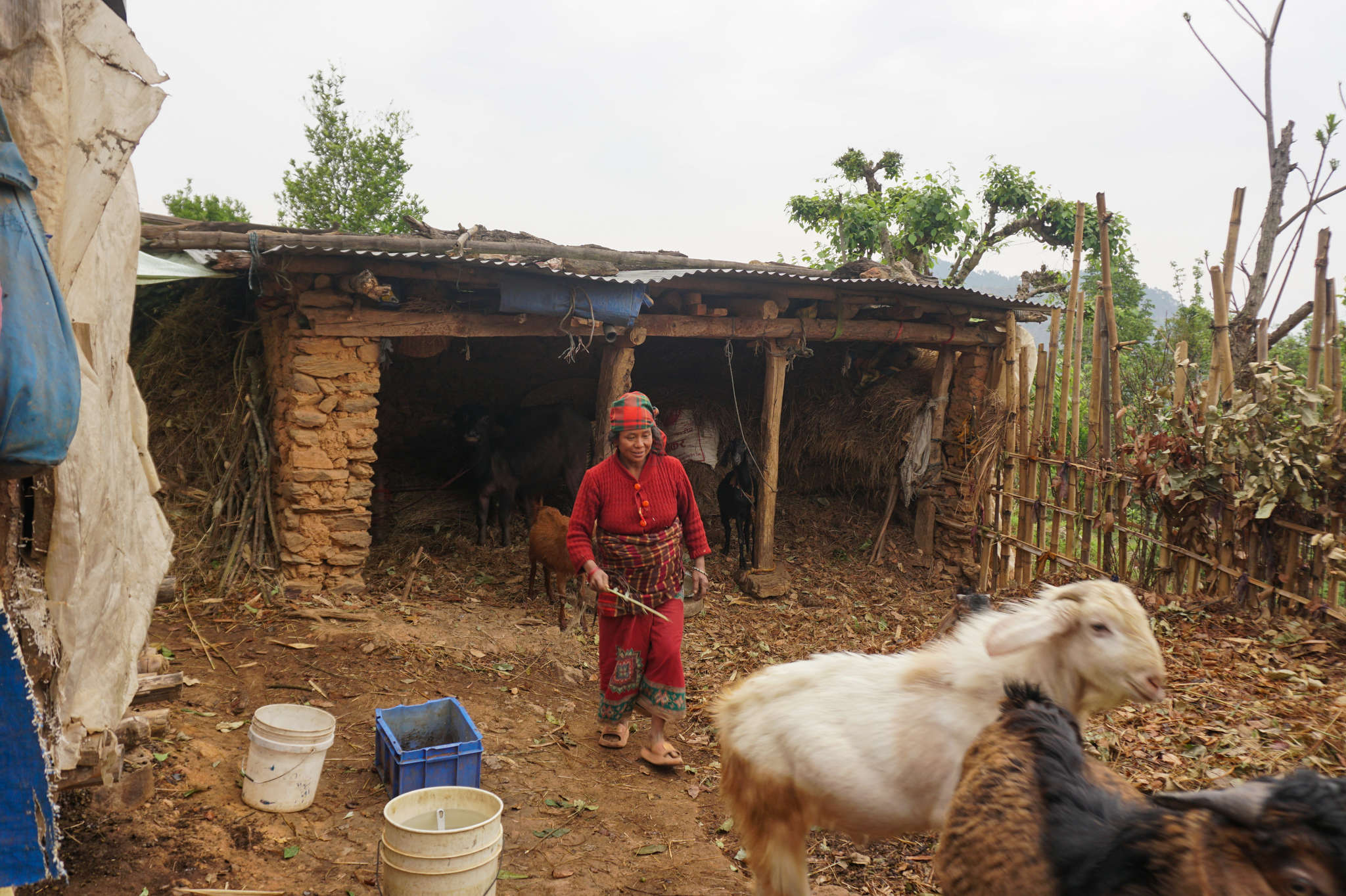
For one farmer, the barley supply once made flour for a year. Now, it is limited to two handfuls. The loss of USAID adds to the long list of challenges.
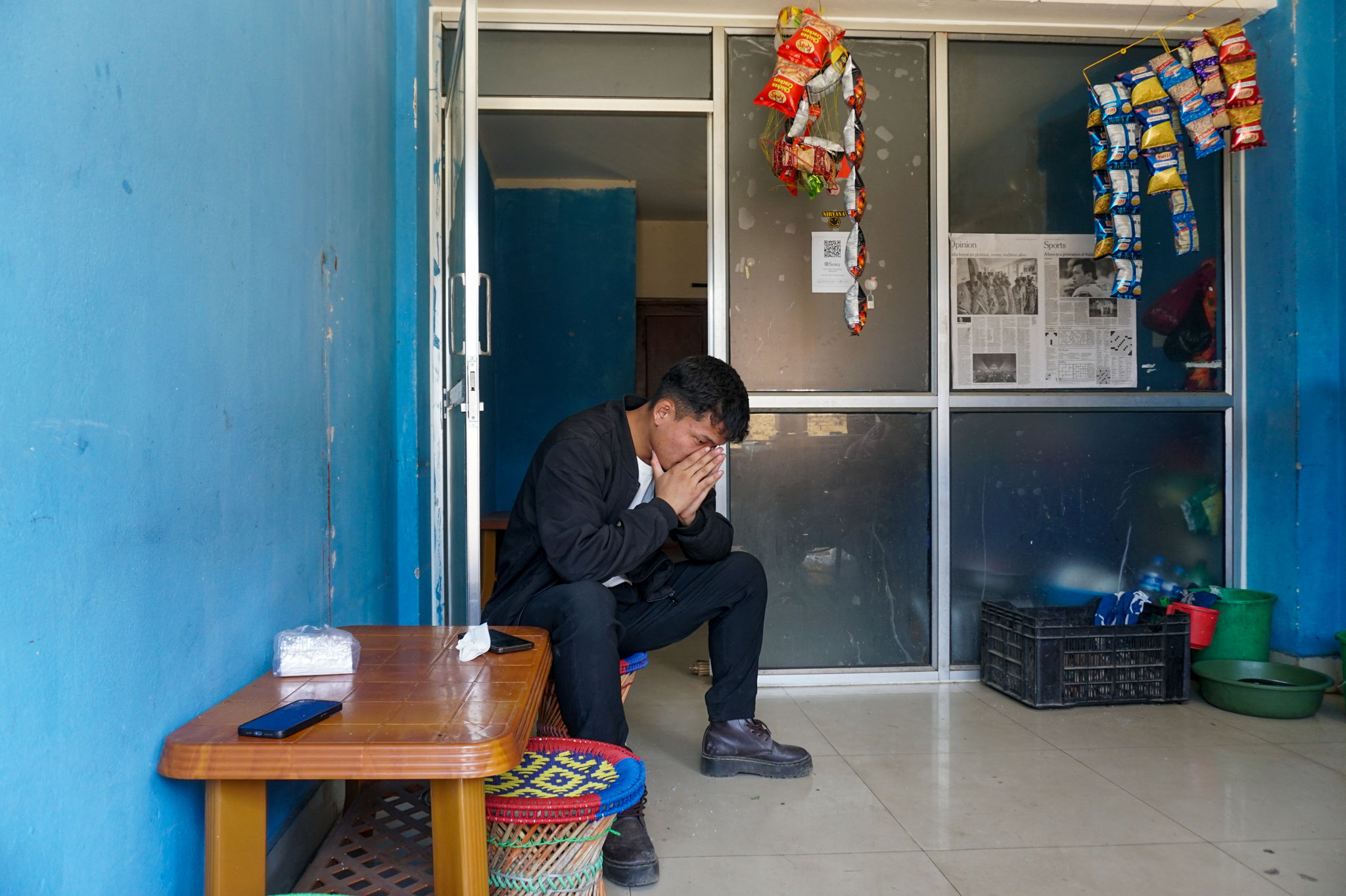
Cyber slavery rings are growing across the region, trapping young jobseekers in brutal scam compounds — and fueling a global criminal enterprise.
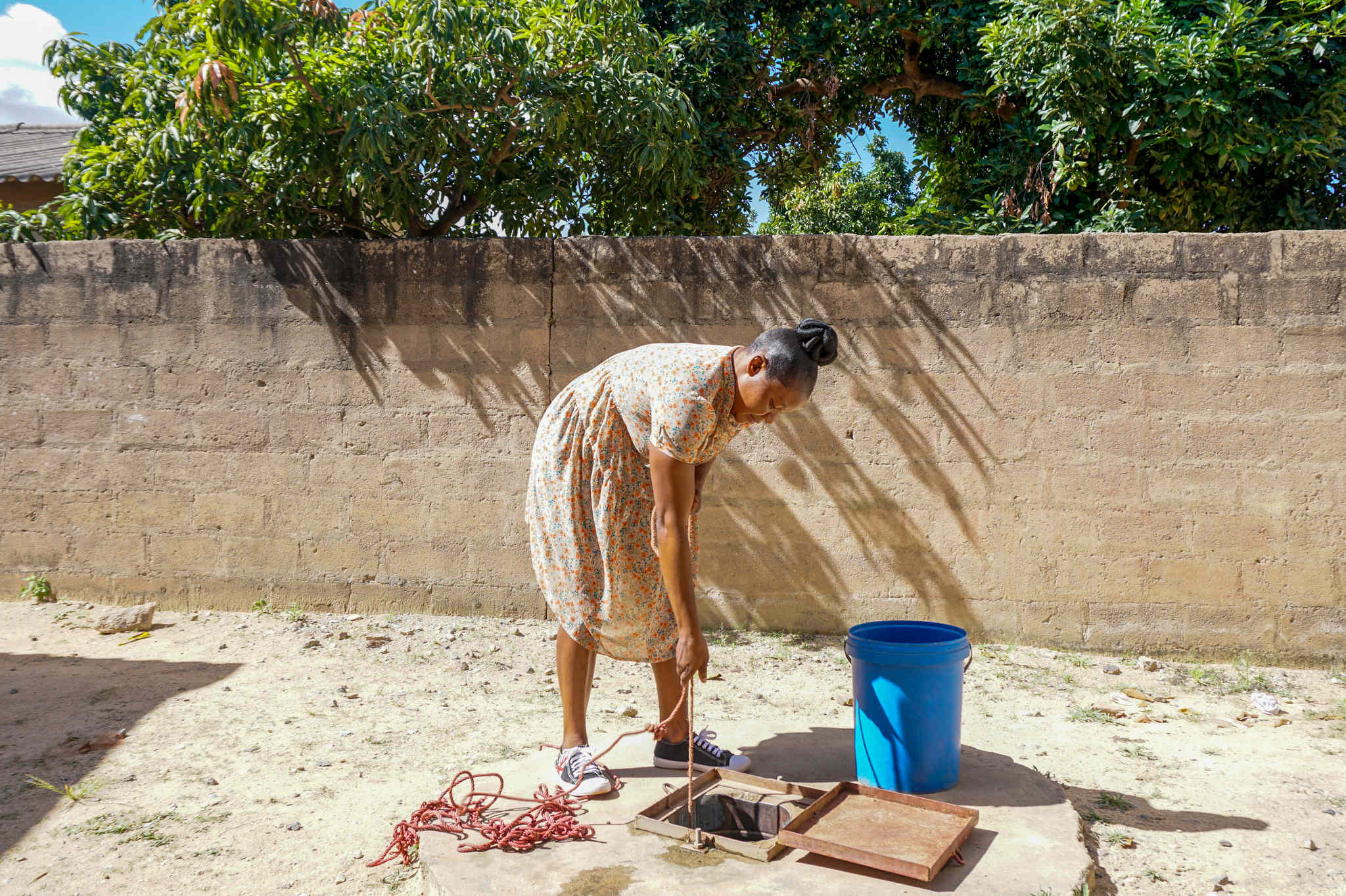
With Chinese bank loans overdue, Harare charges residents for major upgrades that were never completed.
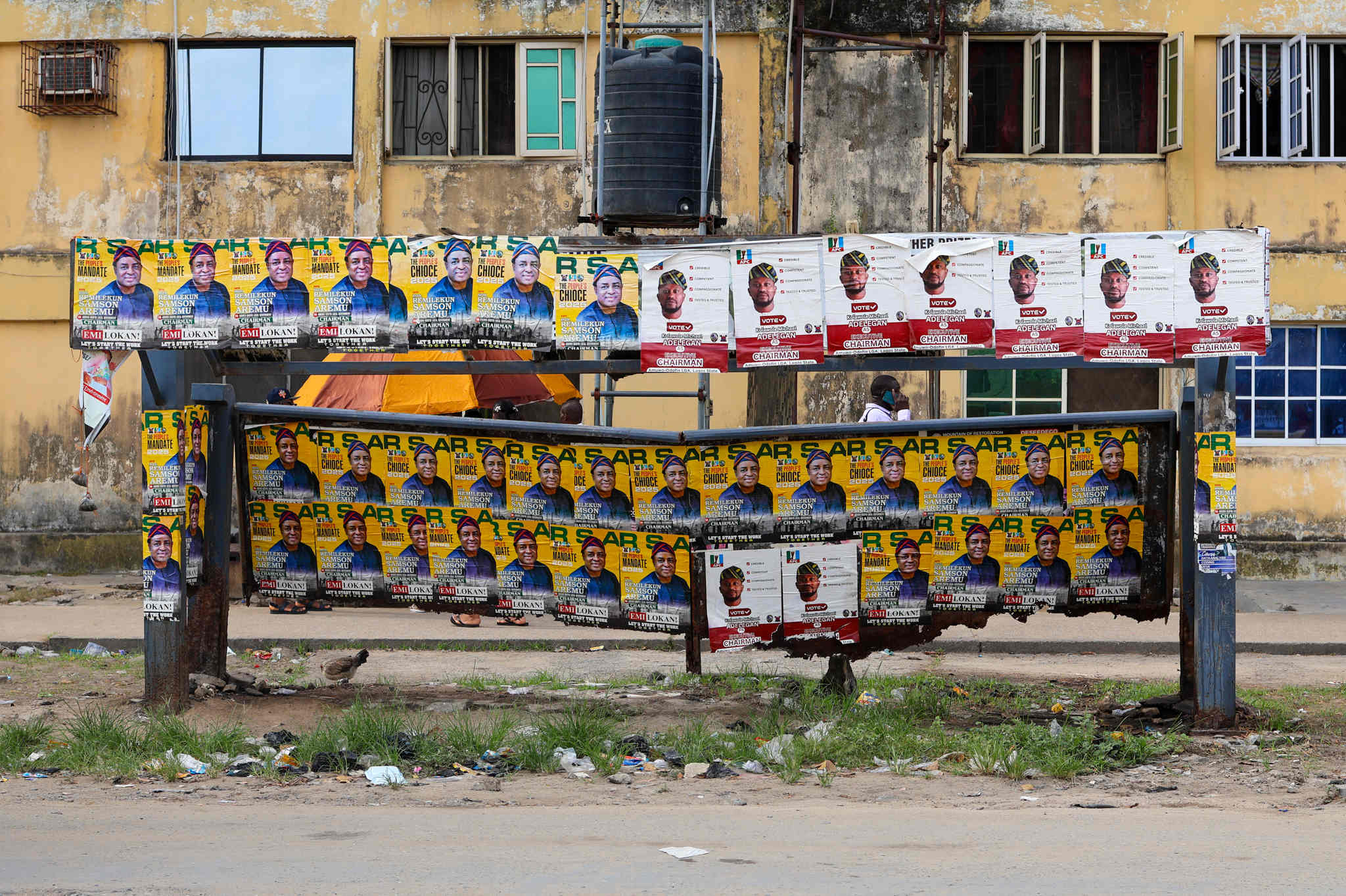
Nomination fees make it difficult for most Nigerians to take even a first step in public service.
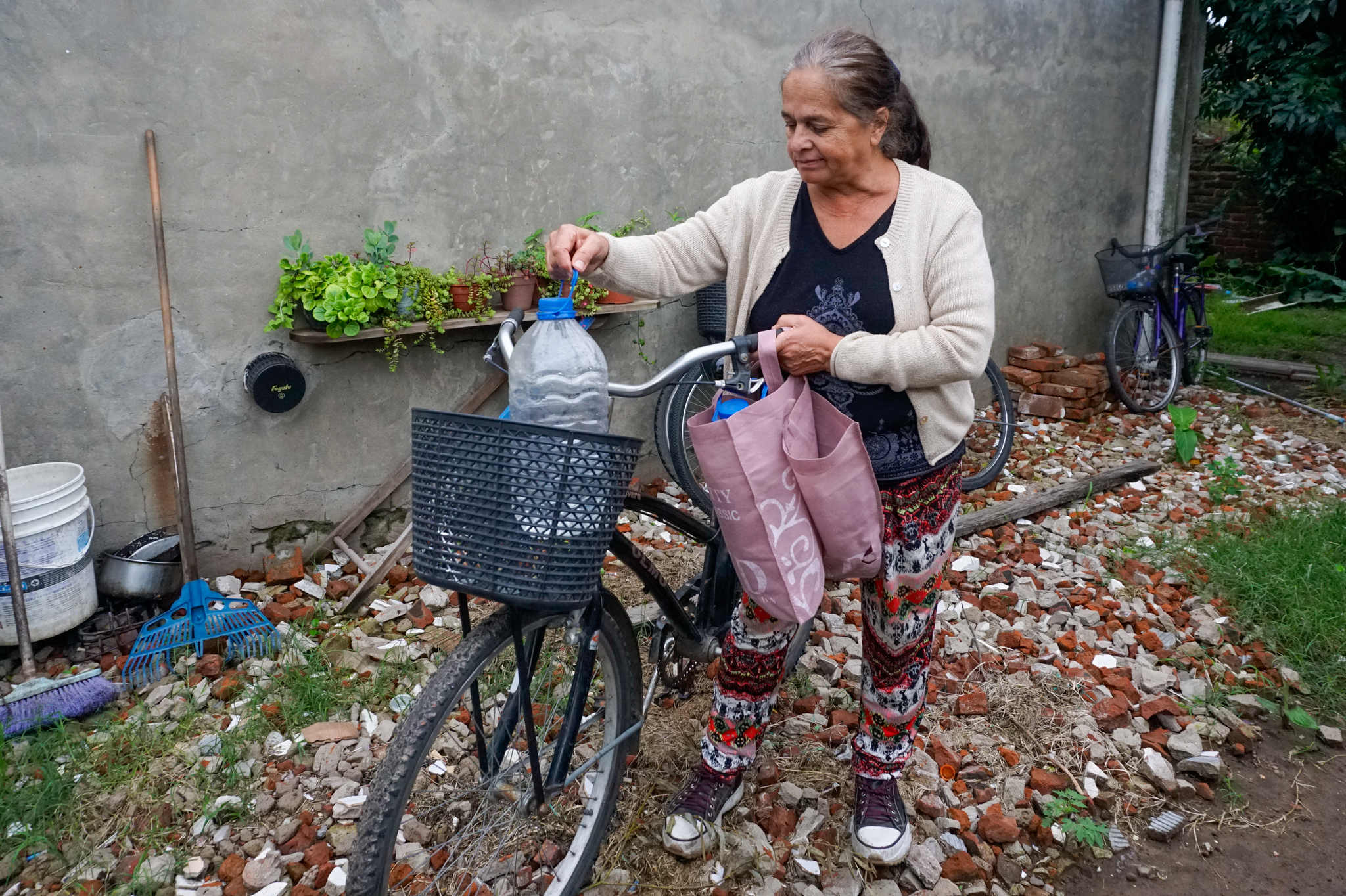
Families in Ciudad Nueva unknowingly drank arsenic-laced water. Now, they live with the scars — and they’re losing faith in the government’s ability to solve the problem.
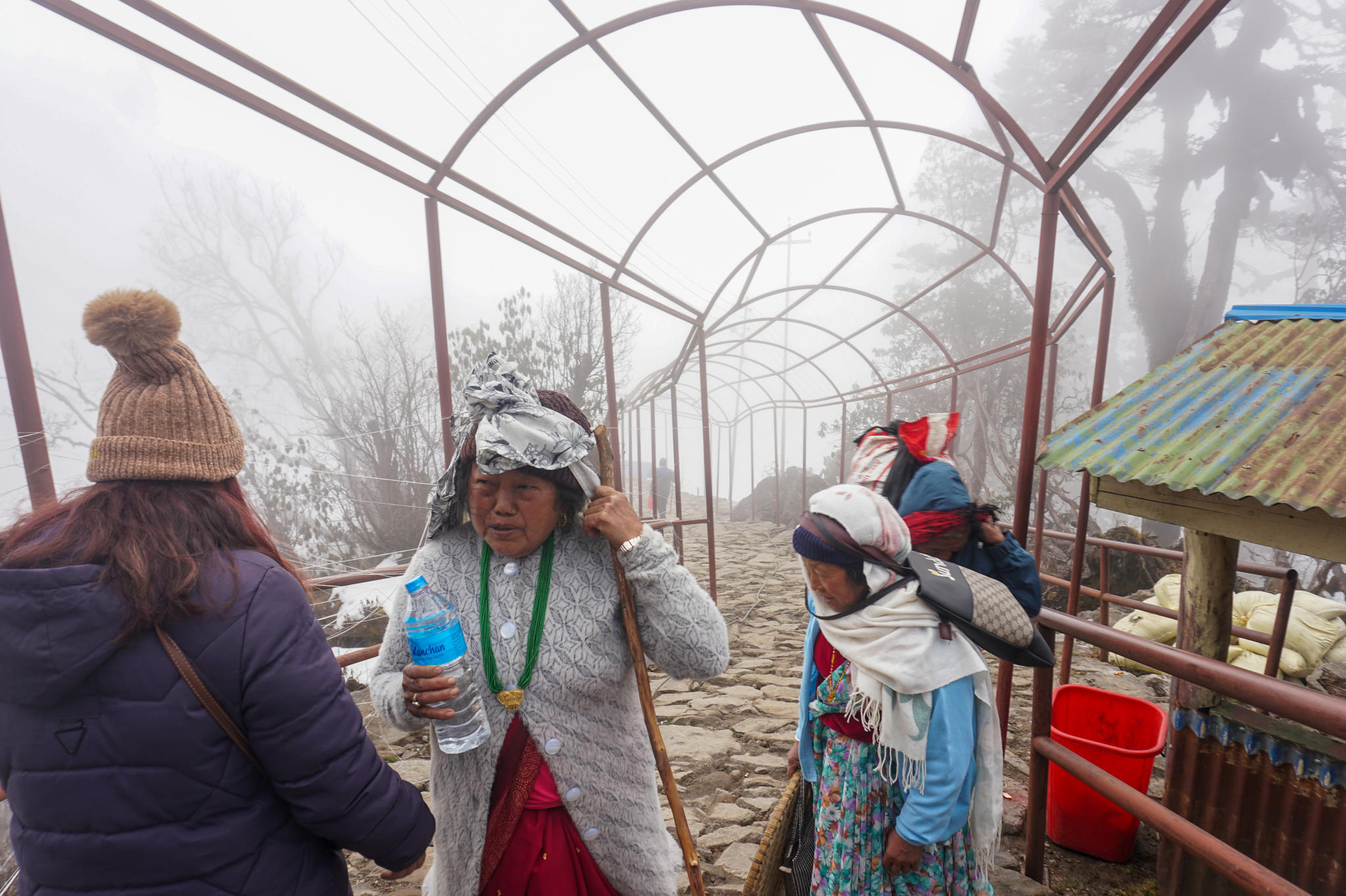
A cable car project to Nepal’s Pathibhara temple threatens the livelihood of porters and is seen by the indigenous Limbu community as a desecration of sacred land. Their protests reflect broader struggles over development and indigenous rights in the country.
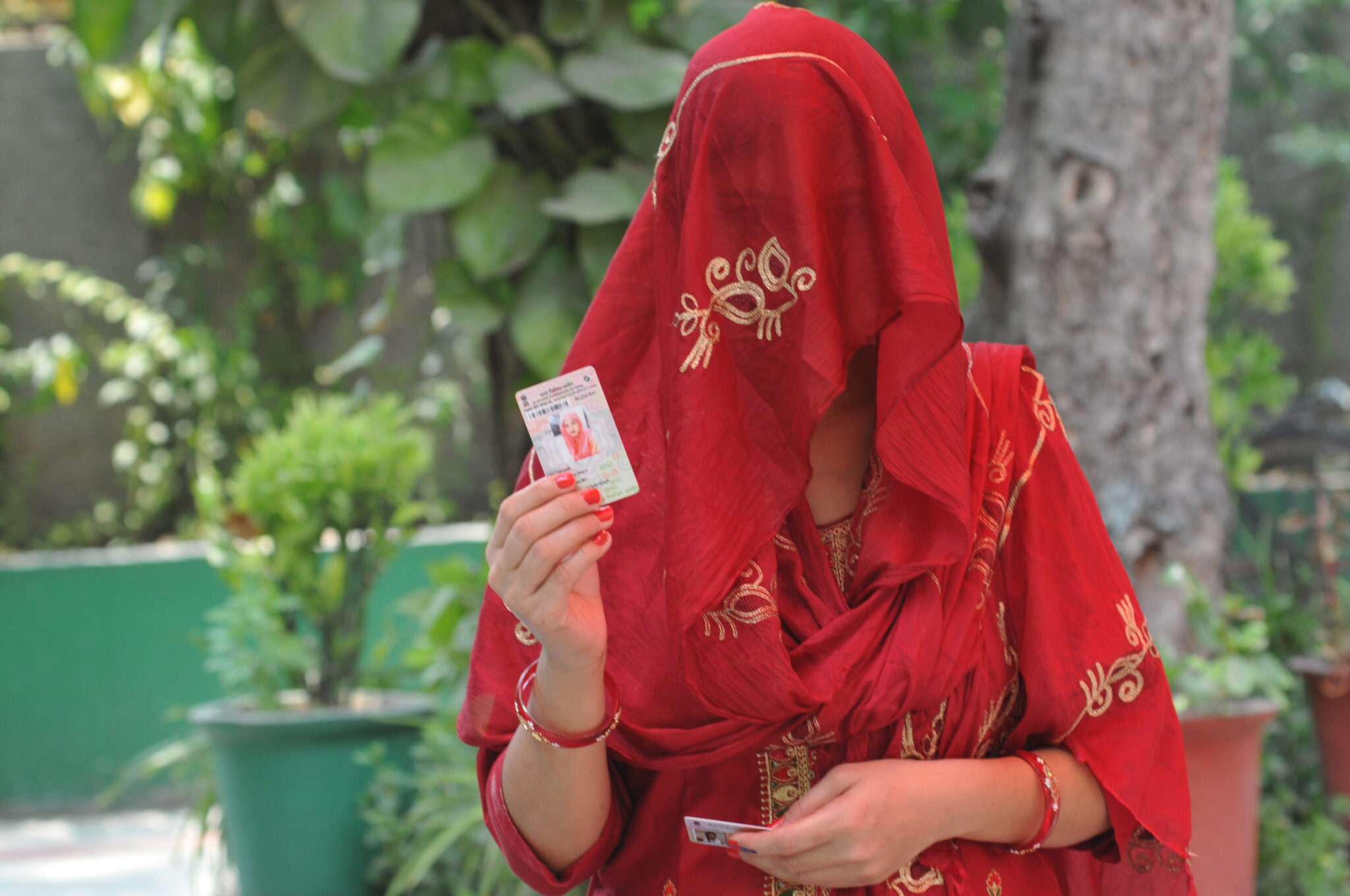
Some women say cash transfer schemes are paternalistic. Others say they’re the only way to get the money they need.
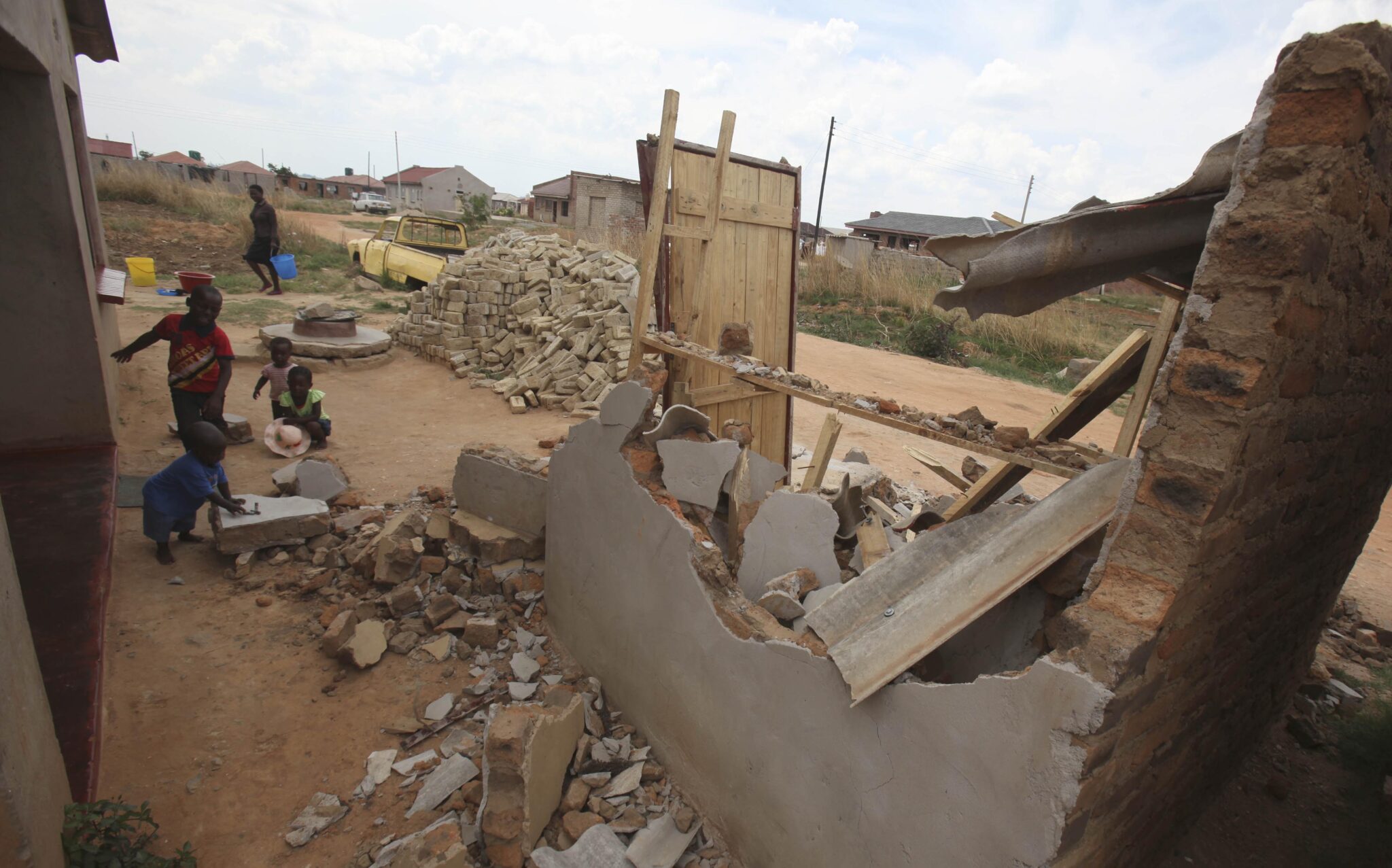
As Zimbabwe prepares to host a global wetlands summit, its own wetlands are disappearing at an alarming rate.
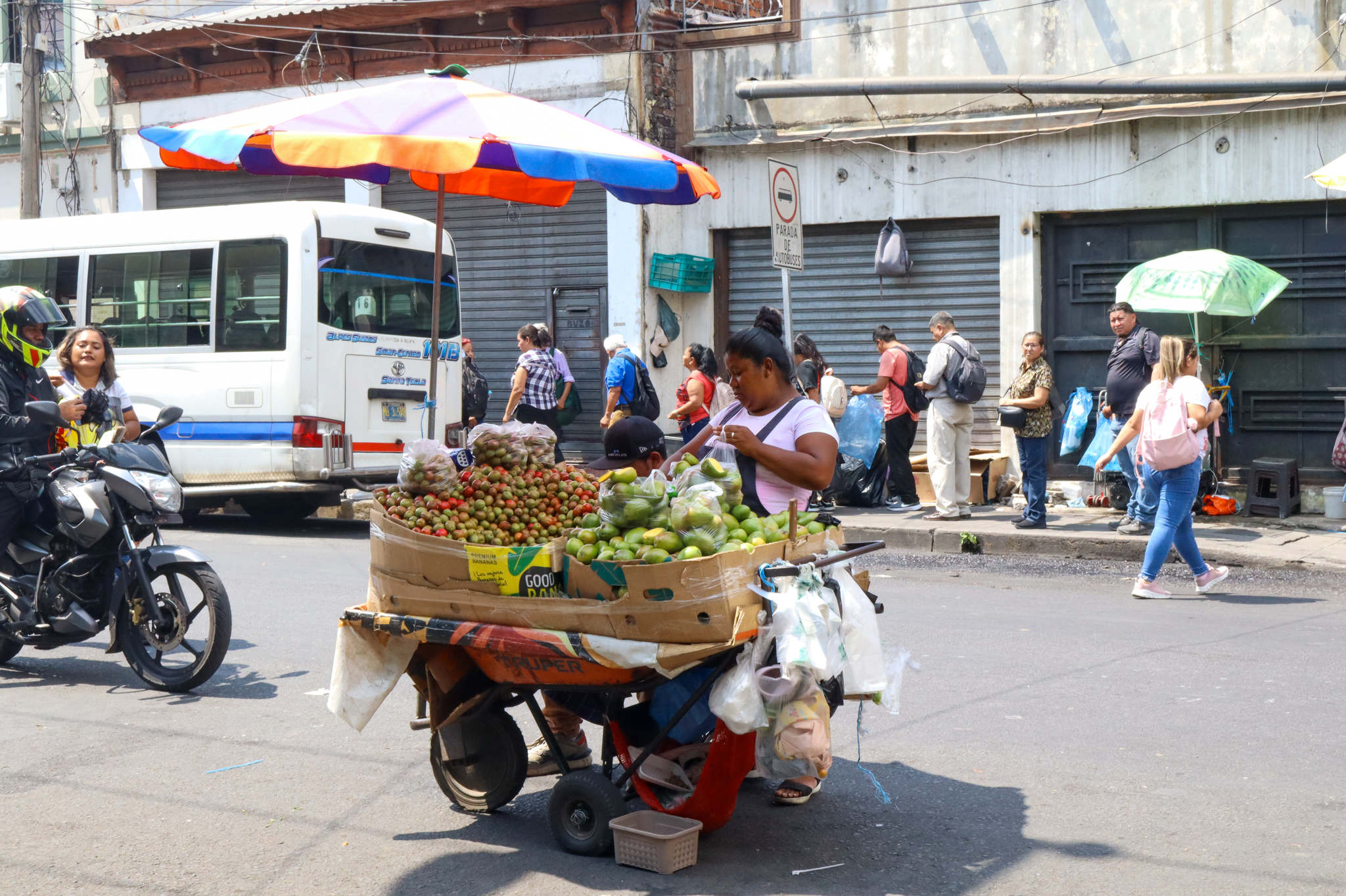
In downtown San Salvador, longtime vendors face abrupt evictions amid Bukele’s push for revitalization. For thousands of street vendors who risk centuries of history for security, the promise of safety now comes with the heavy cost of lost livelihoods.
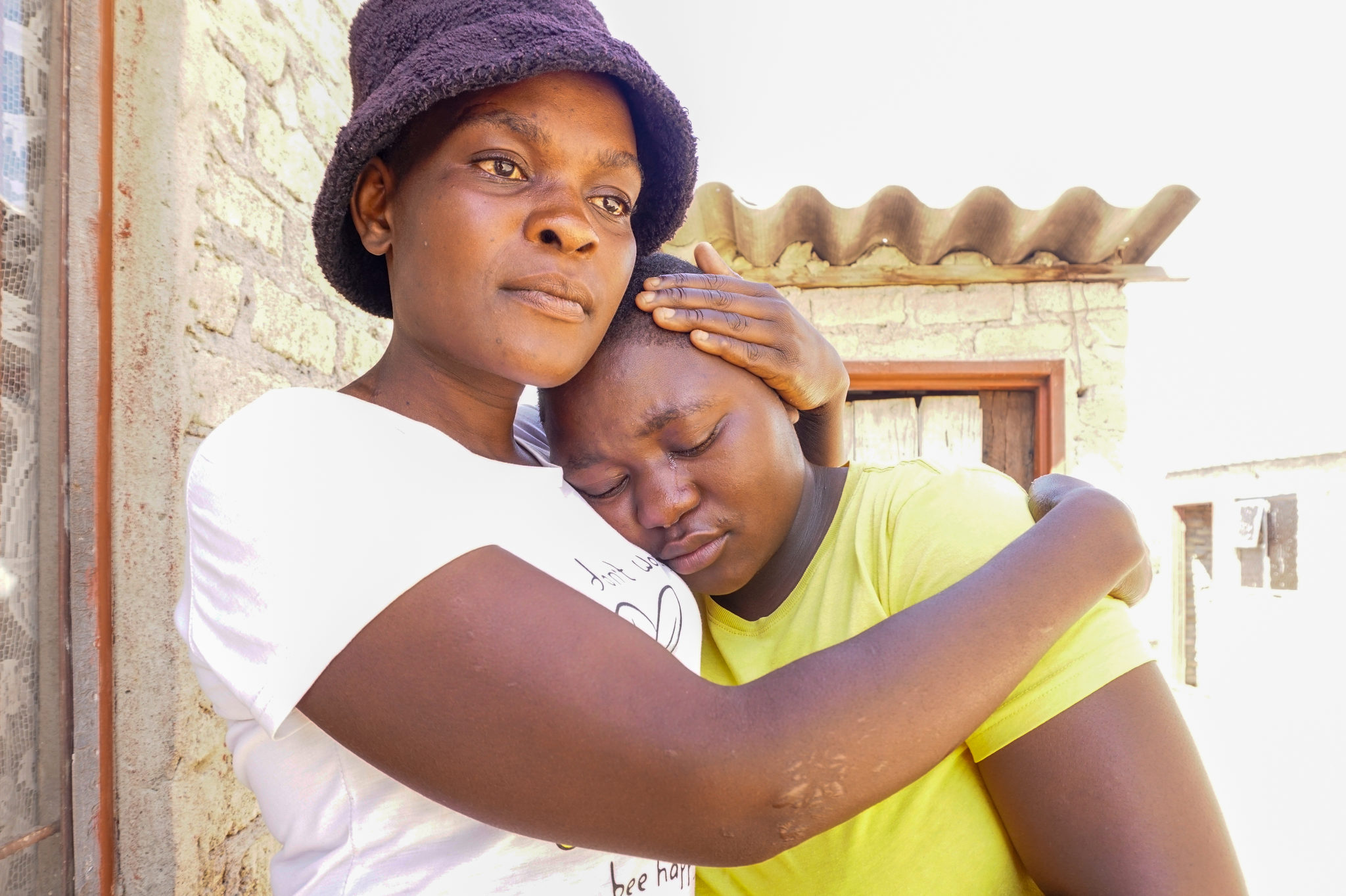
A shortage of pathologists and a culture of corruption have made mortuaries sites of extortion and grief.
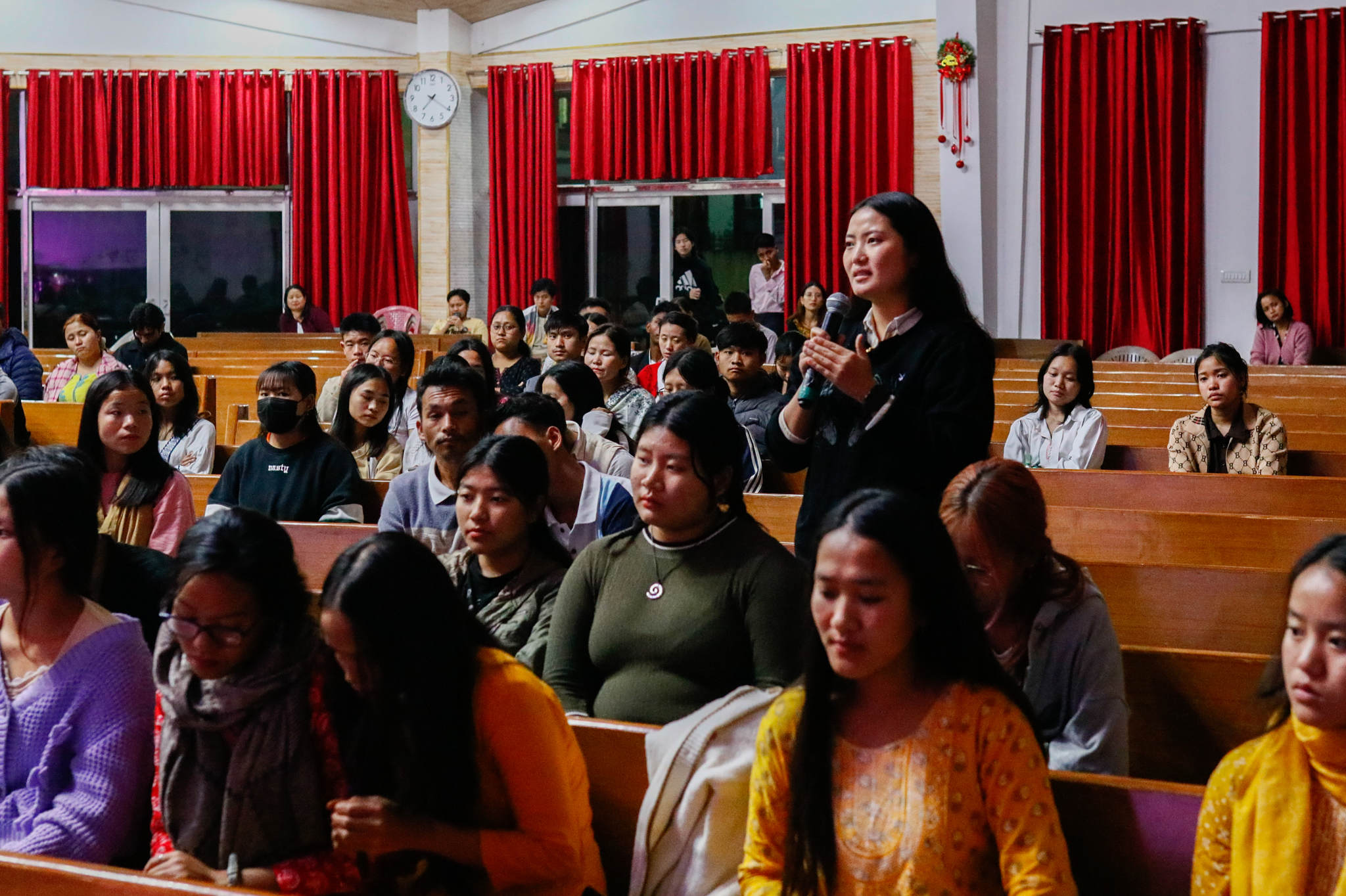
Christians say the dormant law, first passed in the 1970s, targets their faith. Those trying to revive it say it is essential for preservation of indigenous faiths and culture.
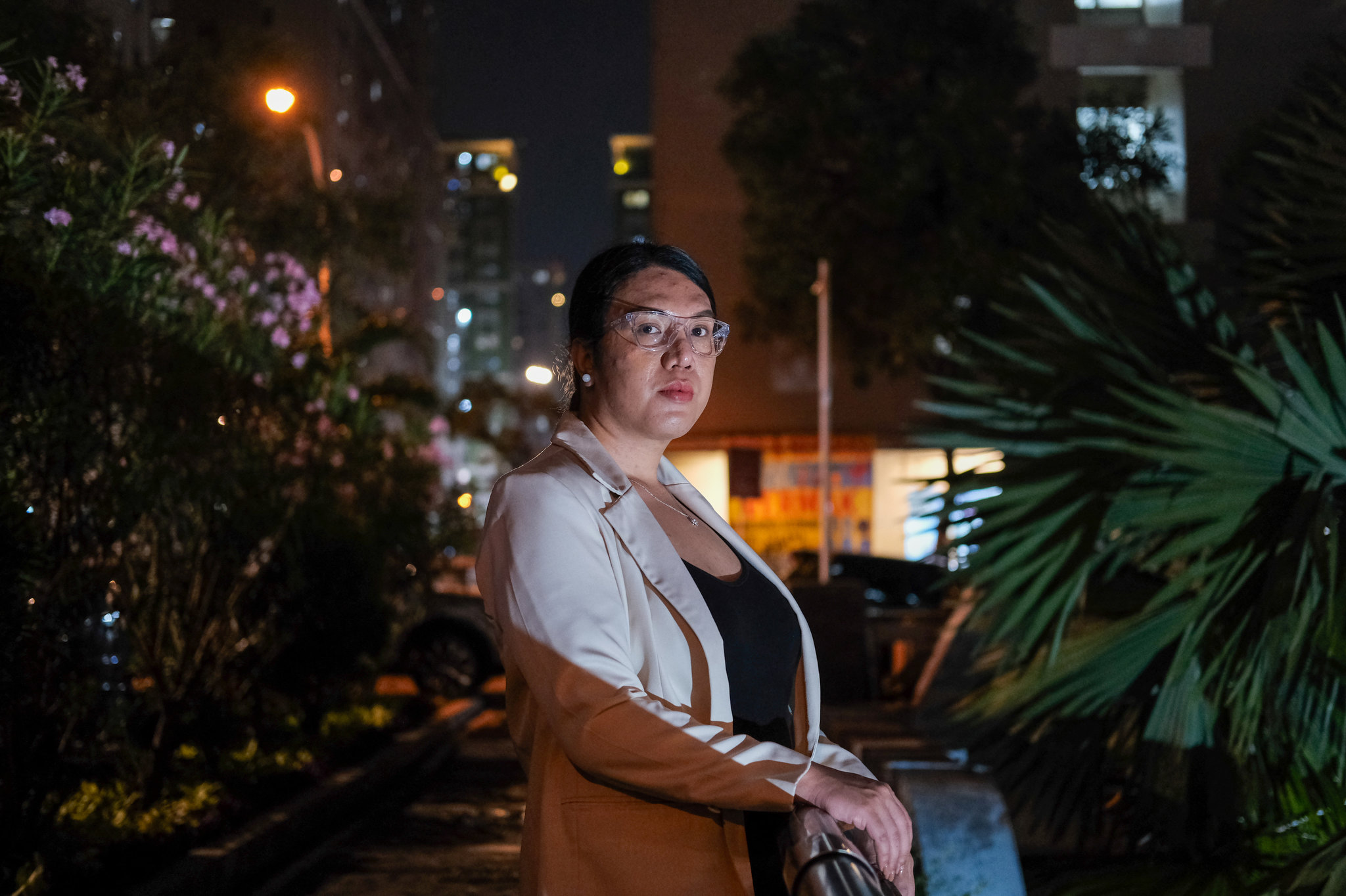
Advocates warn that proposed laws will deepen discrimination against sexual minorities, as Parliament considers wider controls over digital platforms, surveillance, and online speech.
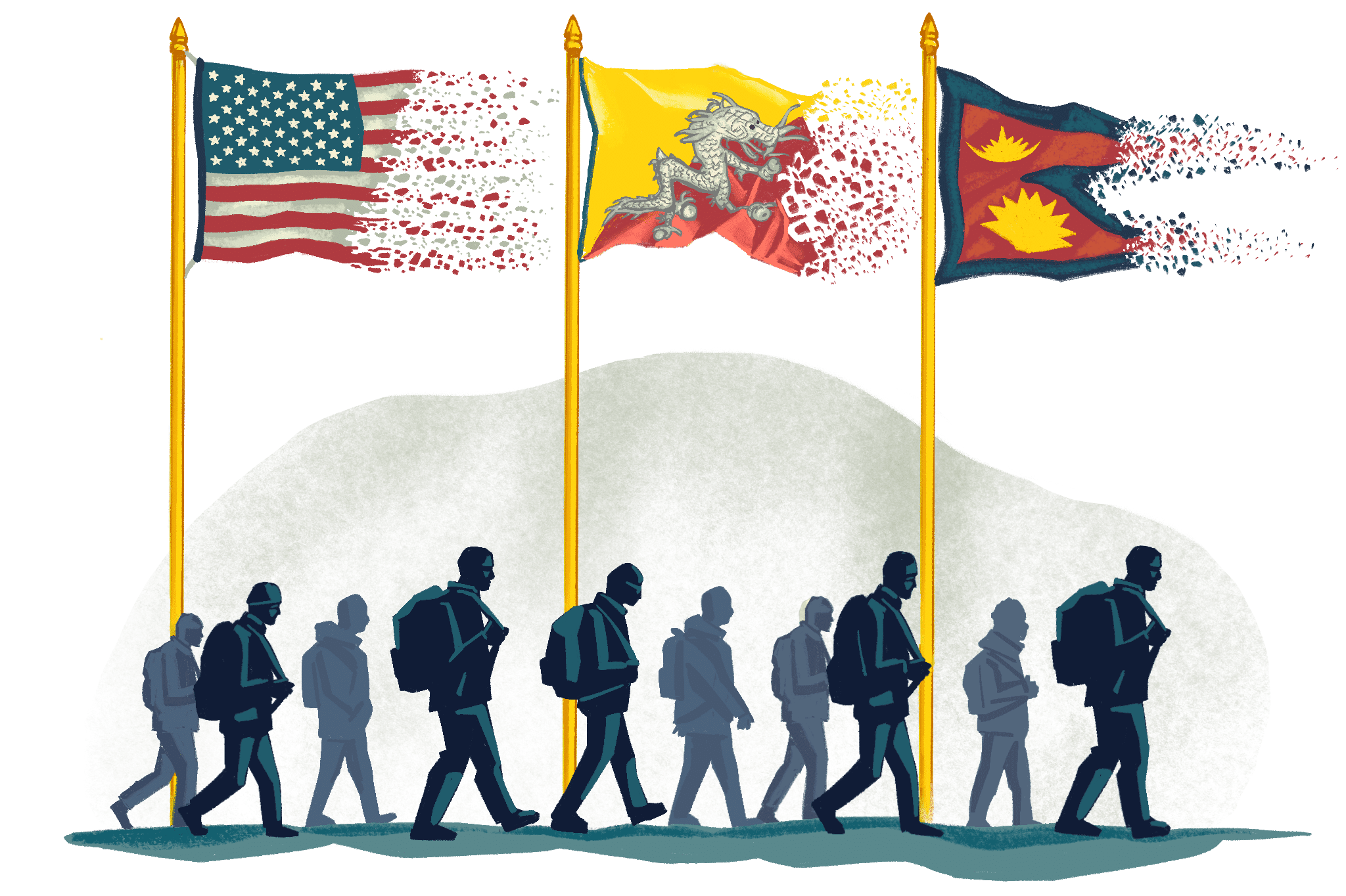
Deported by the U.S. and rejected by Bhutan, dozens of former refugees are now stranded in Nepal without citizenship or legal status. Their statelessness raises urgent legal and human rights questions about the consequences of deportation.
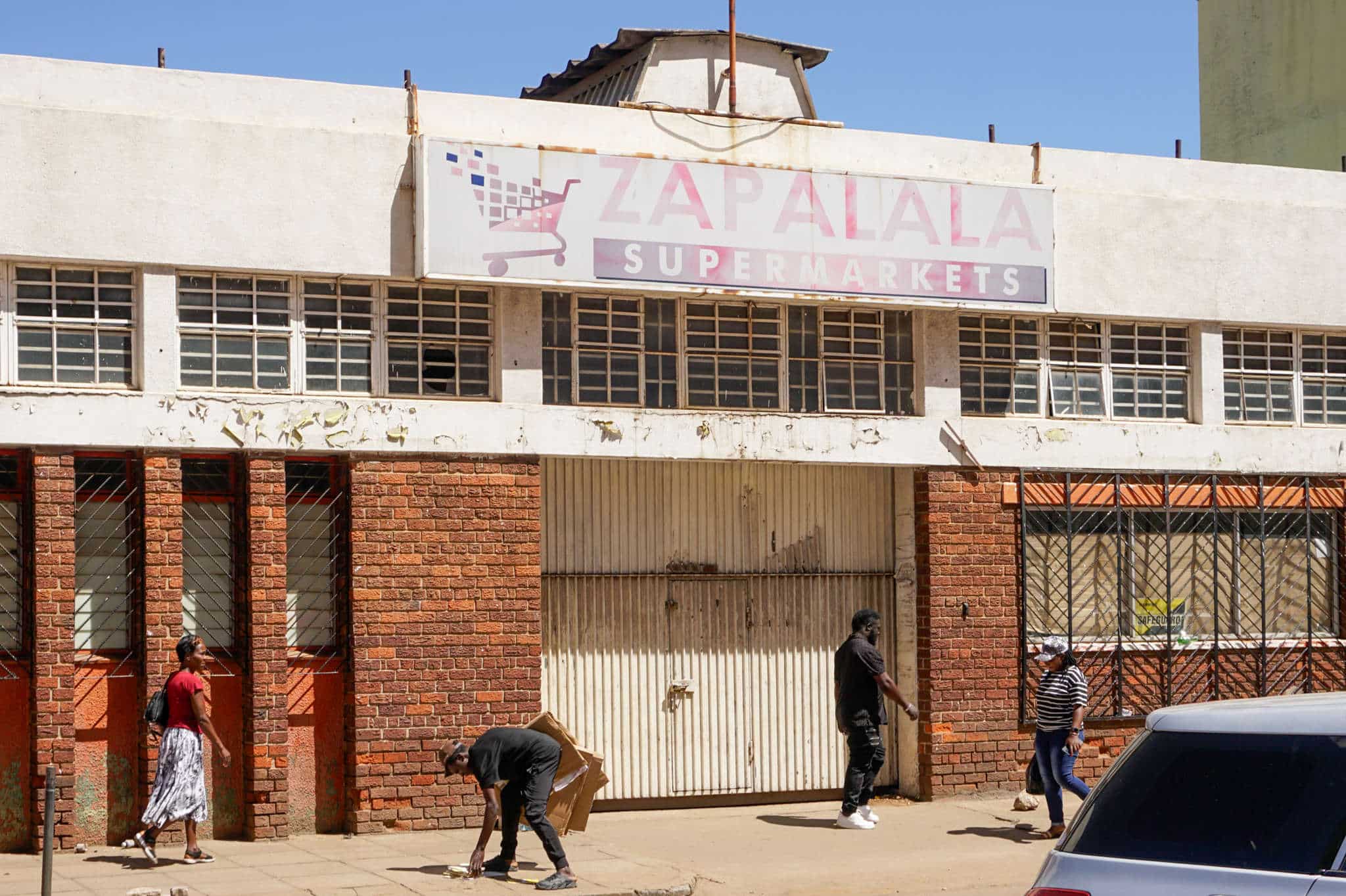
The price of doing business in Zimbabwean gold — the country’s latest currency — is too steep for many retailers, who can’t compete with an informal market still churning on U.S. dollars.
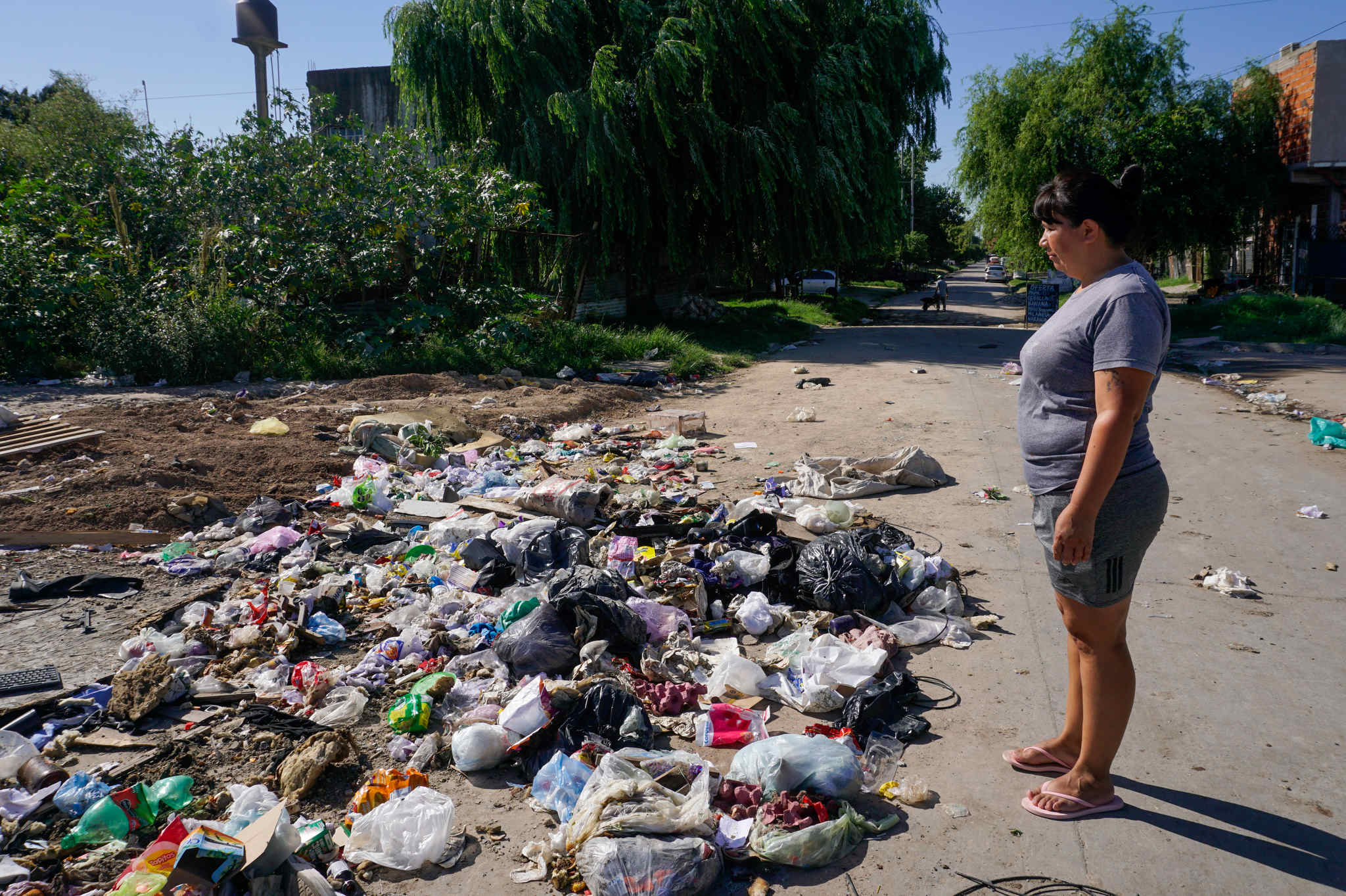
Among the many cuts by the Milei government was a program that paid people to clear trash from their own neighborhoods. Now, both garbage and health fears are piling up.
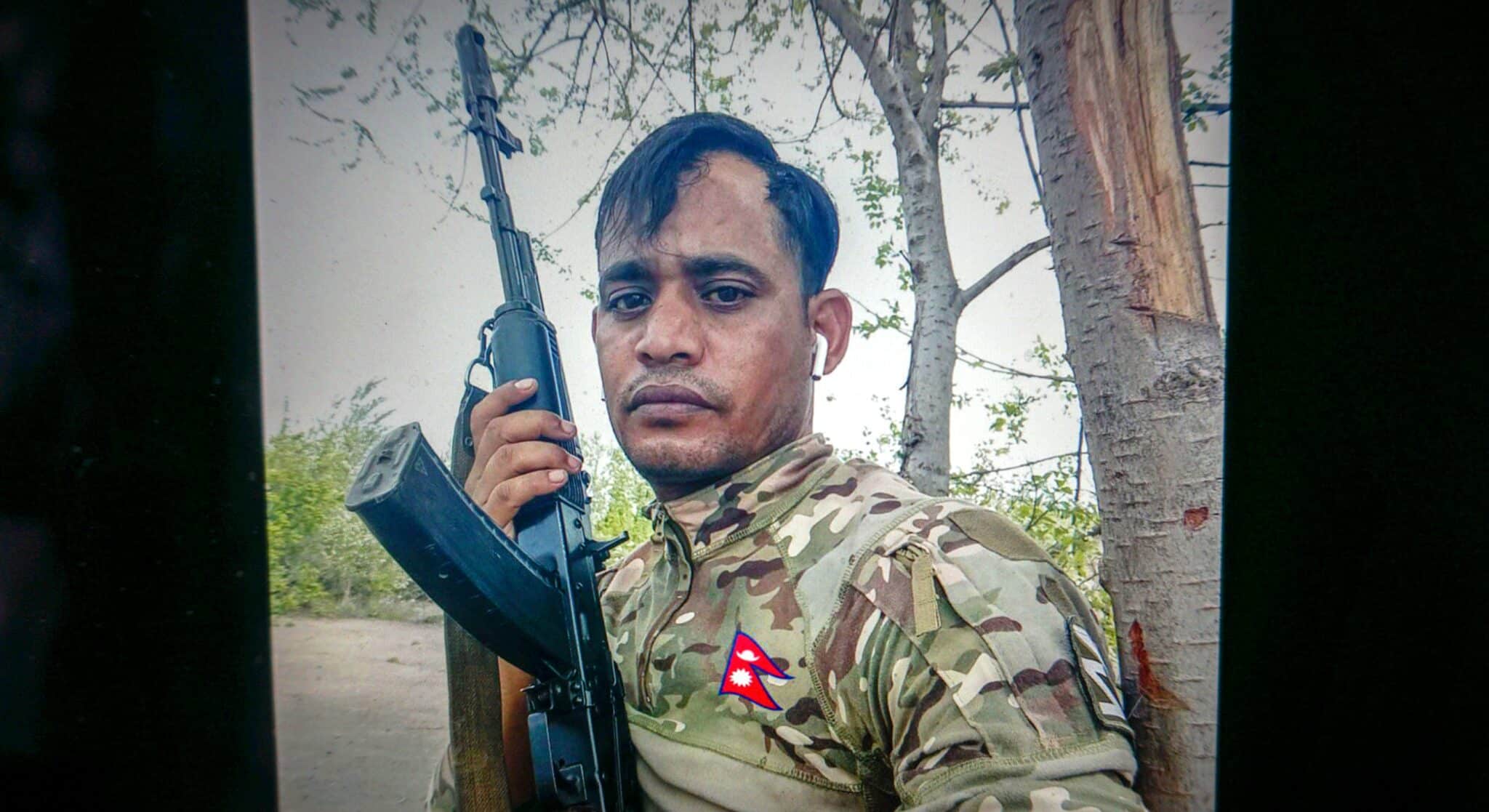
TikTok videos and promises of big paydays have lured Nepali men to Ukraine’s front lines — but many haven’t come home. Now, their families are crossing continents to learn their fates.
Tobacco farming in Uganda has resulted in the loss of trees key to the diets of chimpanzees and baboons, increasing human-primate interactions — and the risk for disease spillover.
As Argentina deregulates pesticide and herbicide drones, residents in Lobos fight the growing threat to health and the environment.
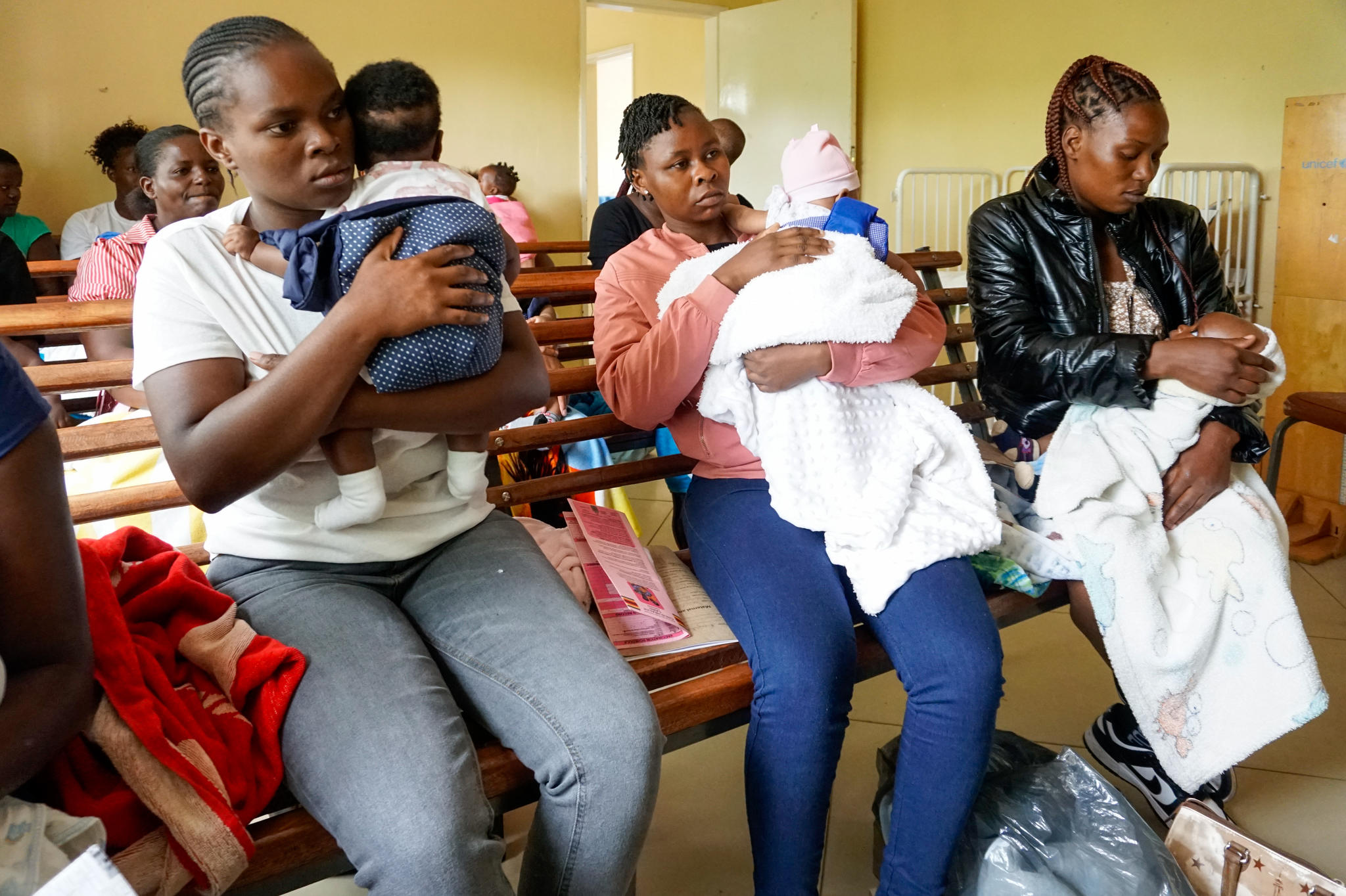
The quiet return of maternity fees and the black-market sale of essential documents put extra burdens on mothers as they struggle to navigate a broken system.