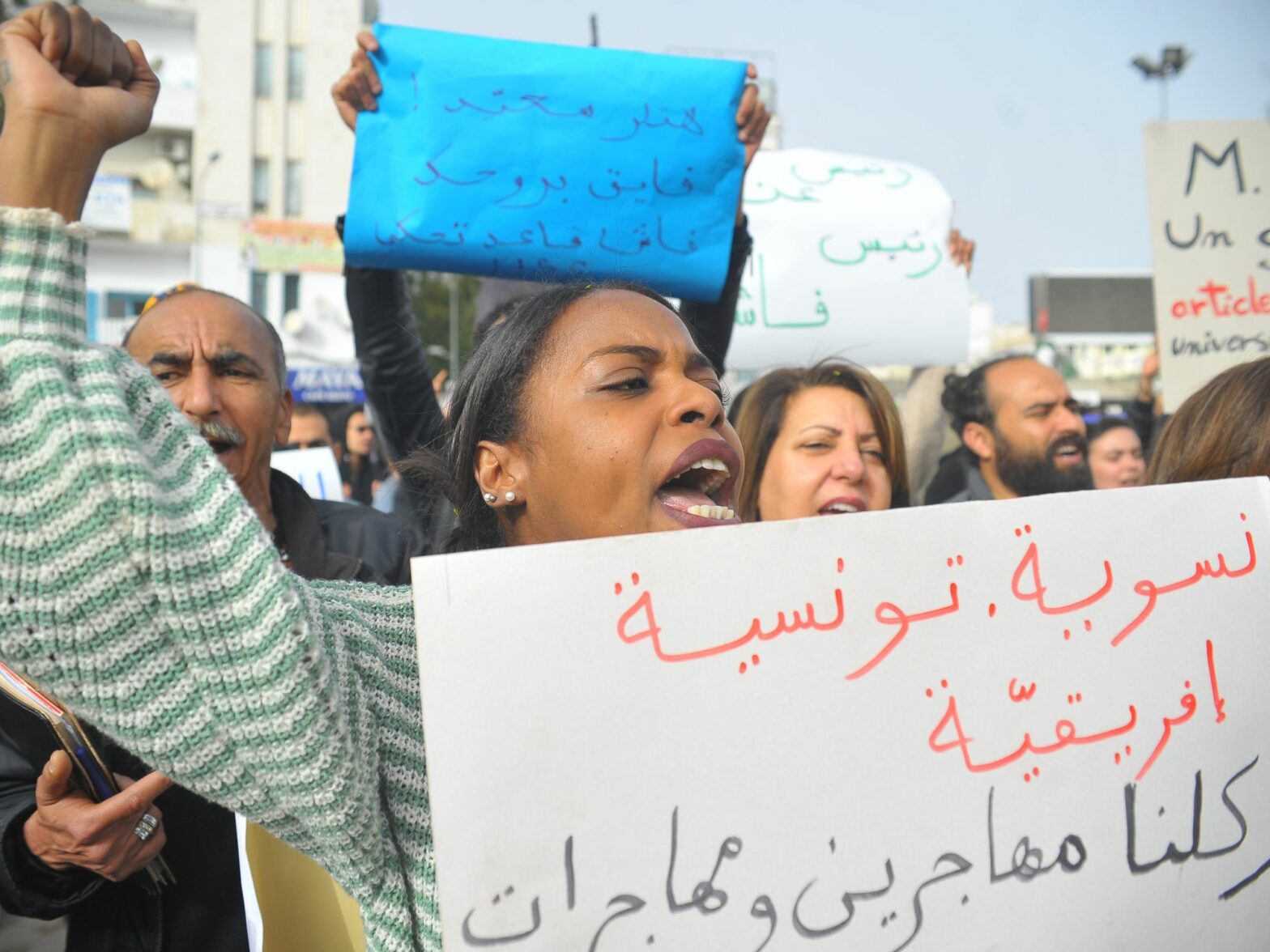
Tunisian President Kaïs Saïed’s xenophobic claims that a conspiracy aims to replace Tunisians with sub-Saharan migrants has unleashed racist violence in the country. It’s a sign of the growing authoritarianism of the popular but powerless president.
 Worldcrunch
France Inter is a major French public radio channel and part of Radio France. It is a “generalist” station, aiming to provide a wide national audience with a full service of news and spoken-word programming, both serious and entertaining, liberally punctuated with an eclectic mix of music.
Tunisian President Kaïs Saïed’s xenophobic claims that a conspiracy aims to replace Tunisians with sub-Saharan migrants has unleashed racist violence in the country. It’s a sign of the growing authoritarianism of the popular but powerless president.
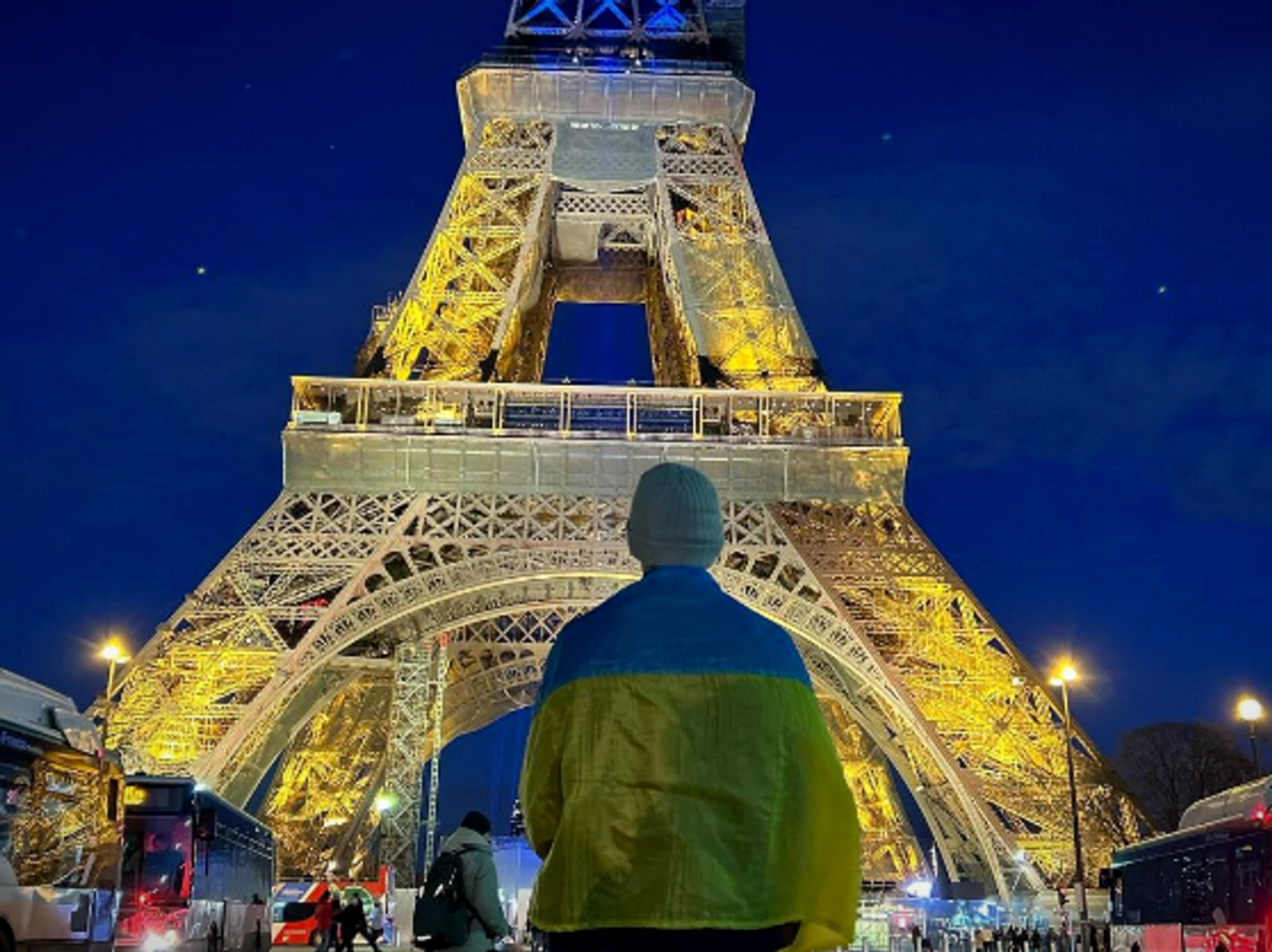
Vladimir Putin thought the West would wind up divided over the backing of Ukraine. Yet a year later with new survey numbers out, and more aid flowing to Kyiv, this appears to be one of the most crucial errors in launching his invasion.
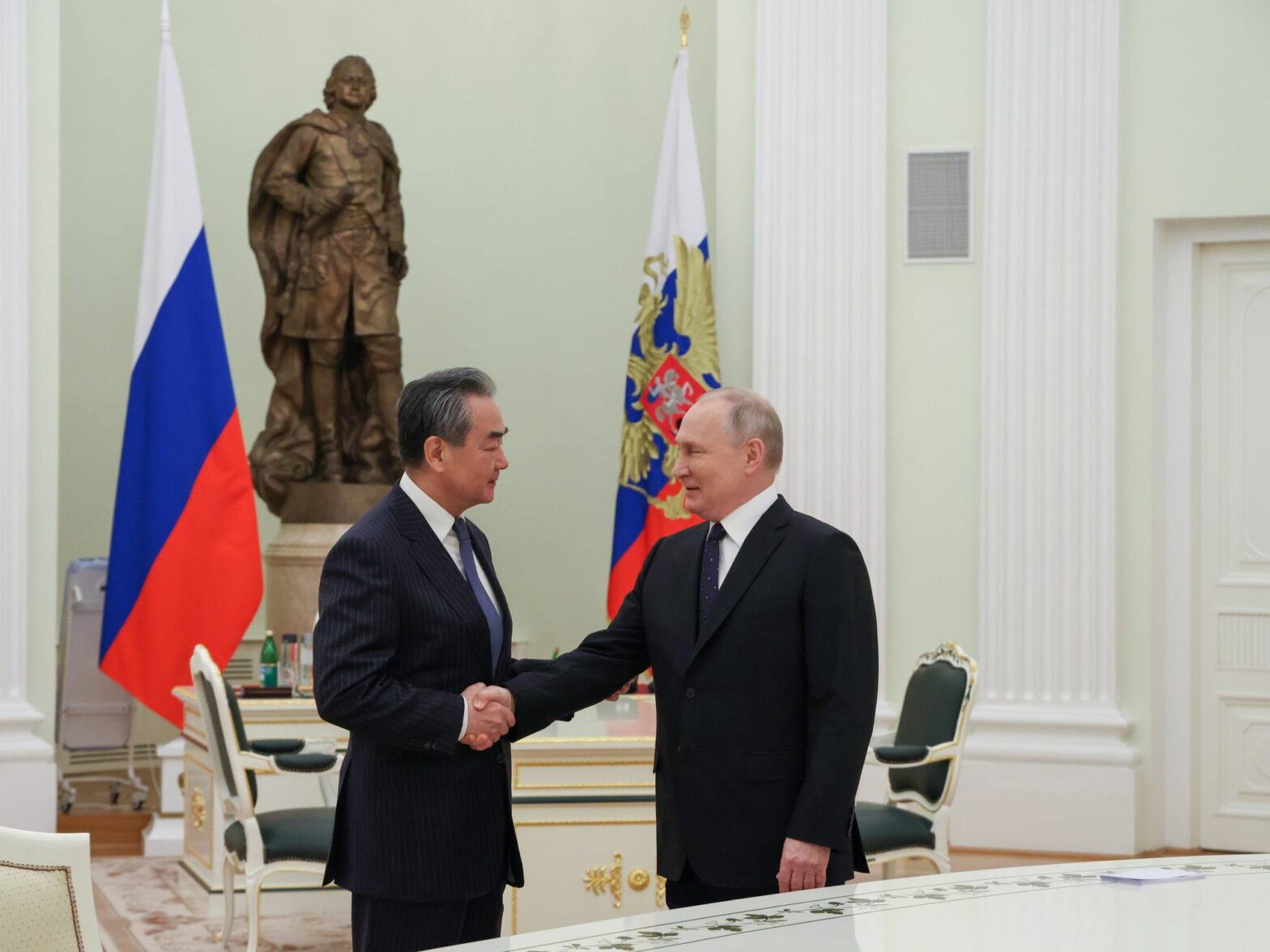
One year since Russia’s invasion, the global stakes of the war in Ukraine have come more fully into focus. It’s a battle over fundamental questions of sovereignty and democracy, but also the very meaning of power.
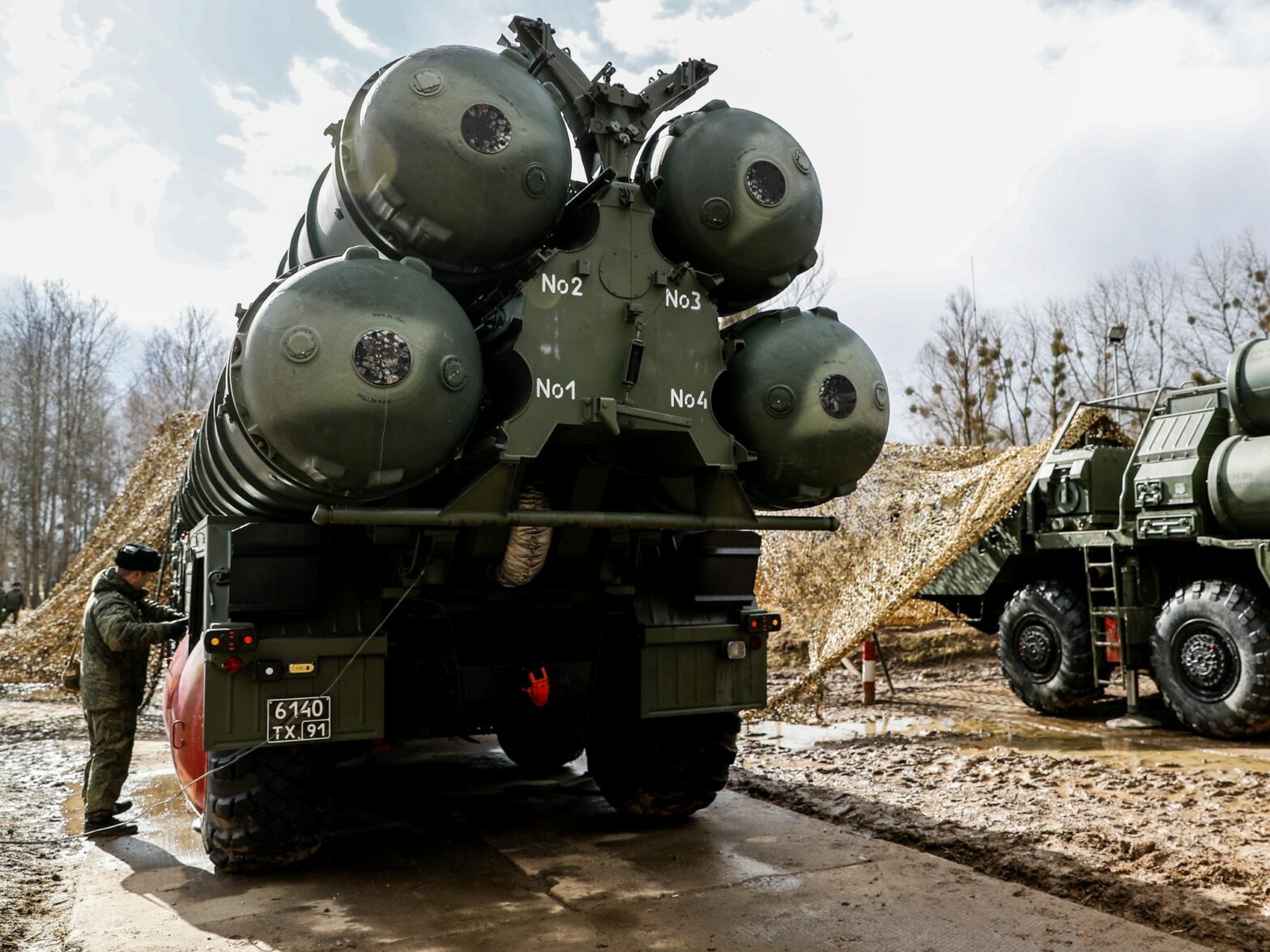
Russia has announced its withdrawal from a post-Cold War nuclear arms control treaty it signed with the U.S. The decision risks re-launching a global arms race.
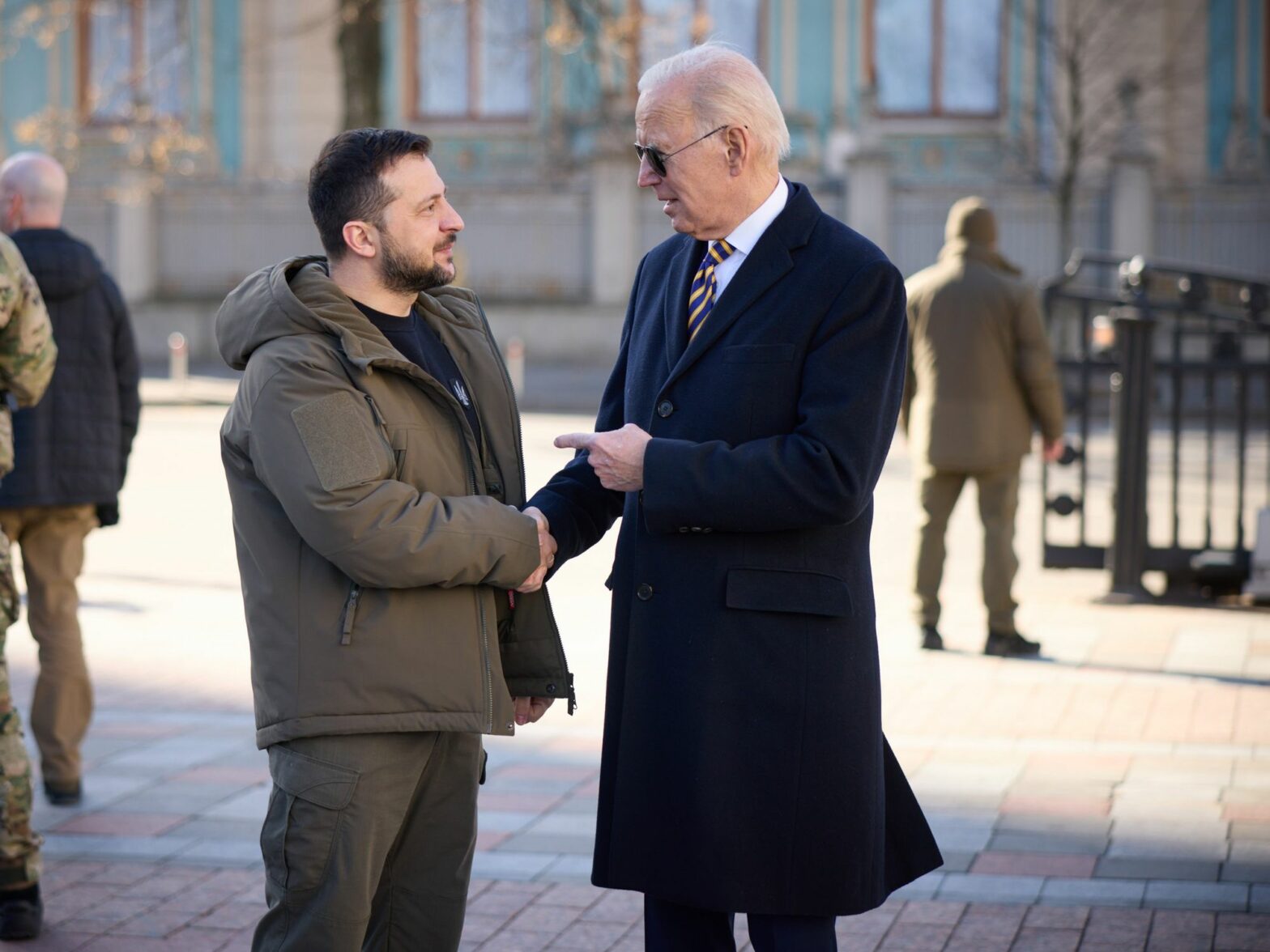
In the inevitable race for symbolic victories on the eve of the Ukraine invasion’s first anniversary, Joe Biden scored a major victory with his surprise visit to Kyiv. Meanwhile, one year on, Vladimir Putin has yet to visit his own country’s troops on the front line.
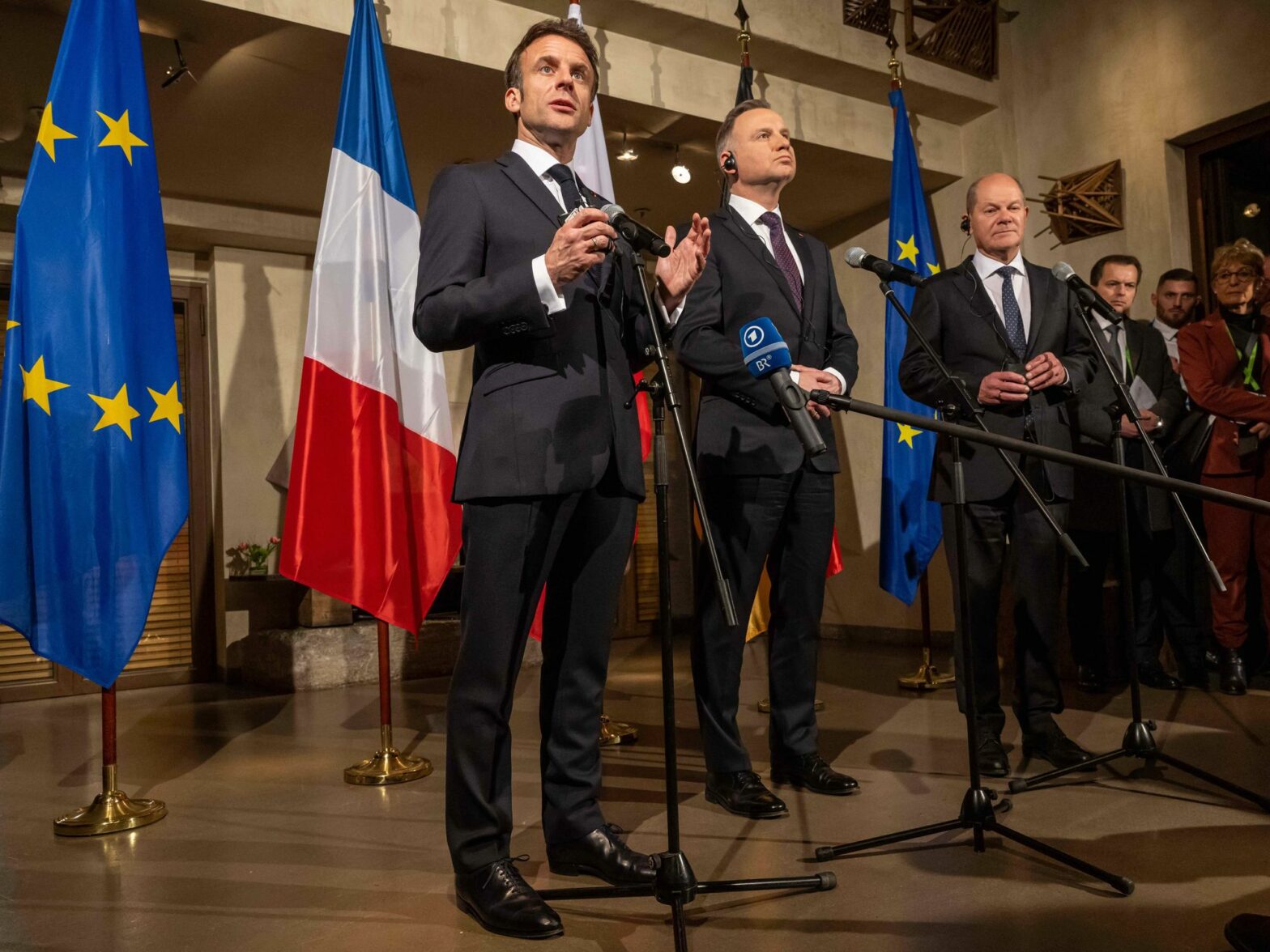
Returning from this weekend’s Munich Security Conference, French President told France Inter public radio: “I do not think that Russia should be defeated completely, or attacked on its soil. These observers want above all to crush Russia. This has never been the position of France and it never will be.”
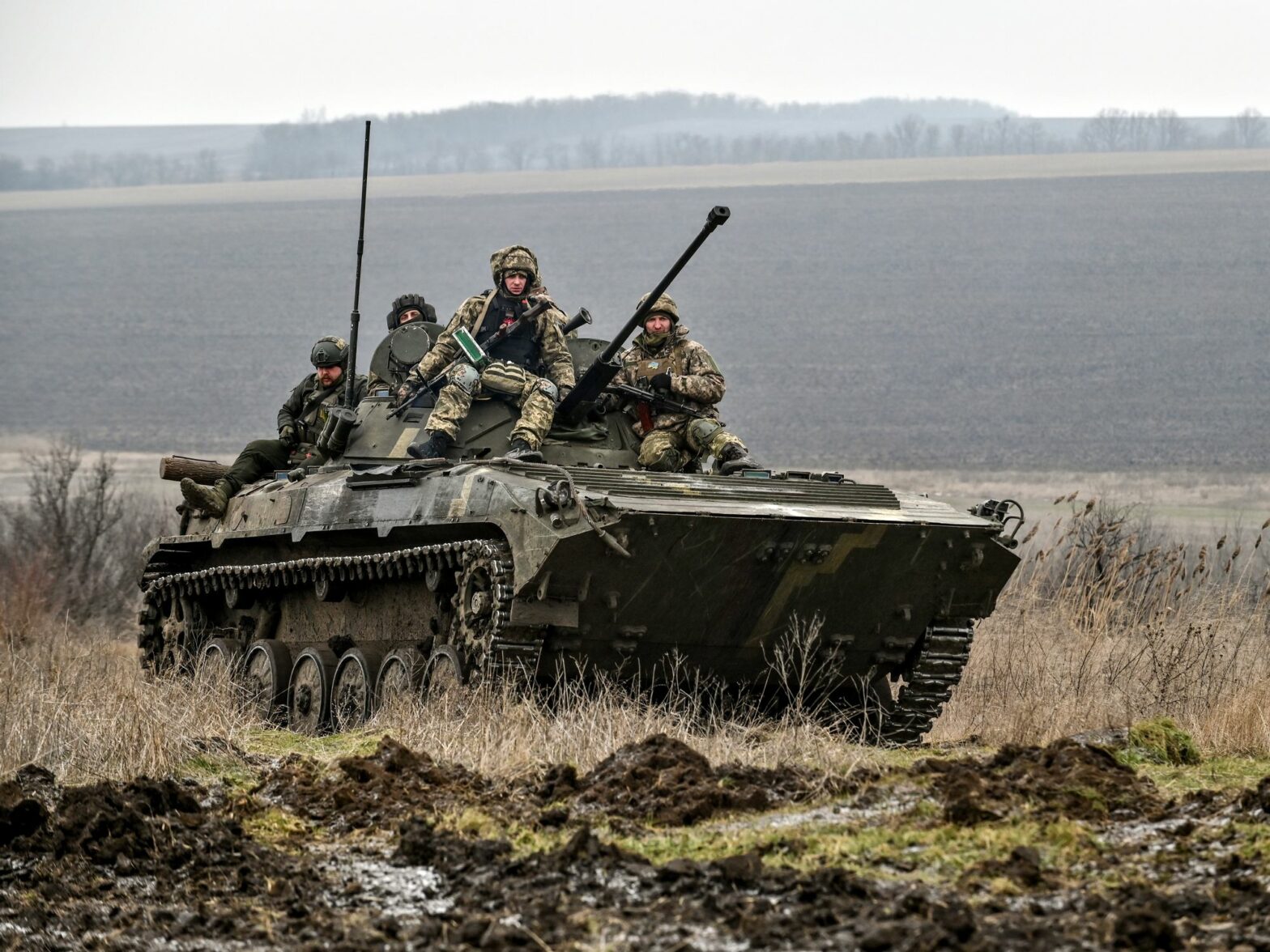
French President Emmanuel Macron turned heads by saying that his objective was to defeat Russia, without “crushing” it. This diverges with the objectives of Ukraine and other allies. It’s a question that will ultimately be answered on the battlefield.
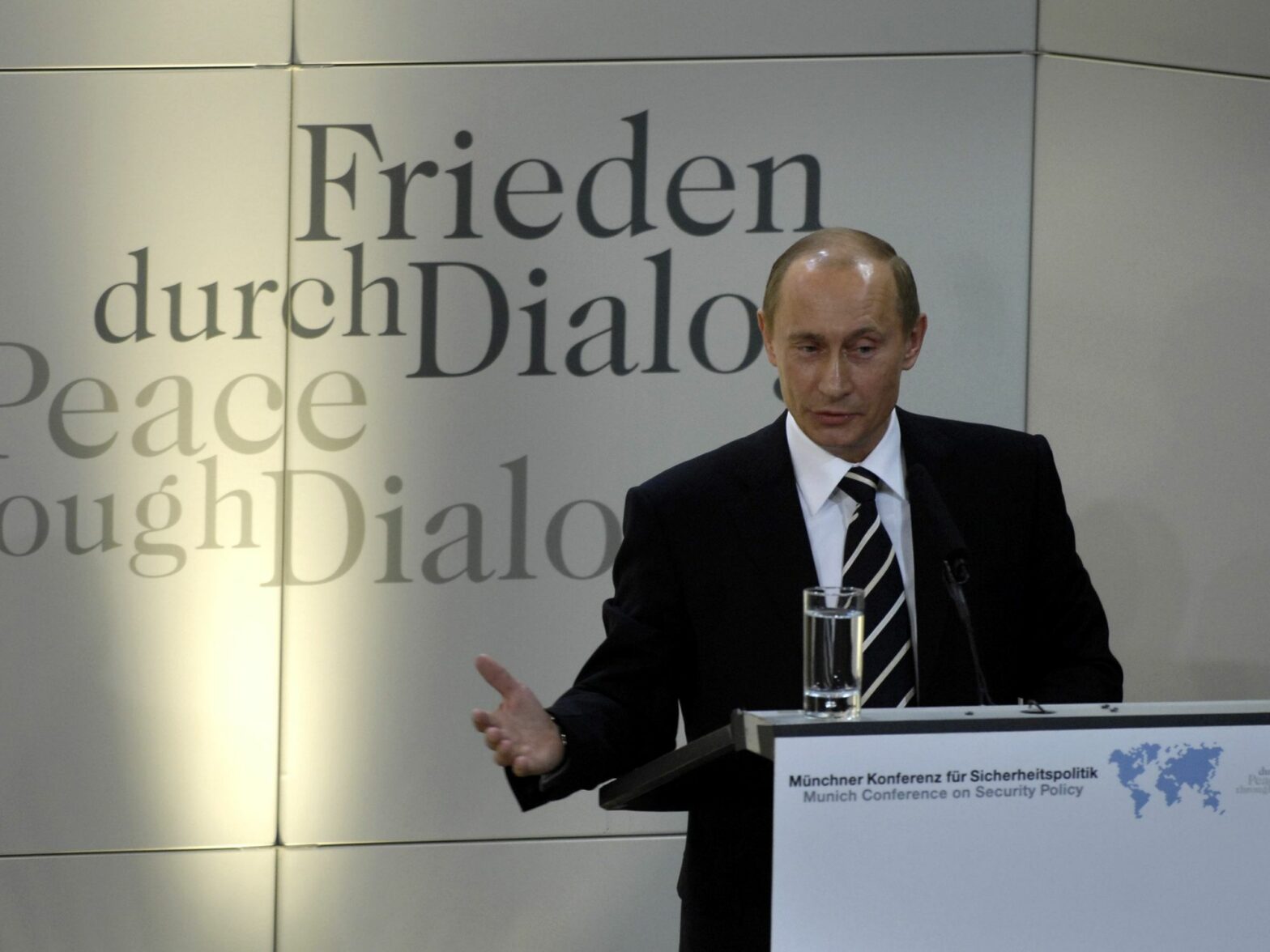
The Munich Security Conference of 2023 takes place this weekend. The 2007 edition was a turning point for the world, where Vladimir Putin made his intentions clear — and today it all looks destined to arrive at the invasion of Ukraine.

The revelations of a clandestine digital operation that provides services to destabilize nations and manipulate opinion are a wake-up call for democratic states to take urgent action, including the need to hold Big Tech accountable.
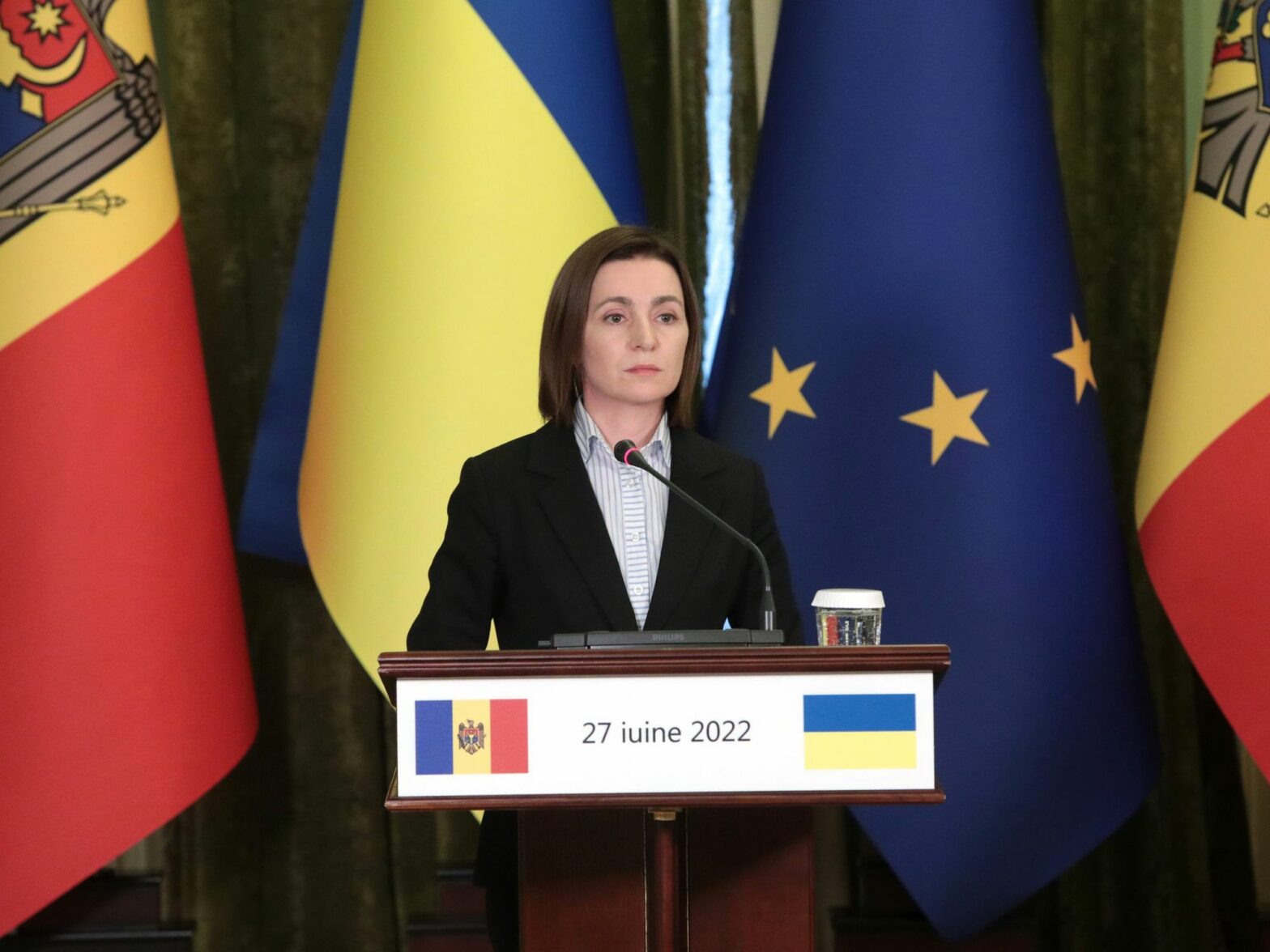
Moldovan President Maia Sandu has warned that Russia aims to install a pro-Kremlin leadership in the former Soviet country across the border from Ukraine. Vladimir Putin has both the means and desire to do so.
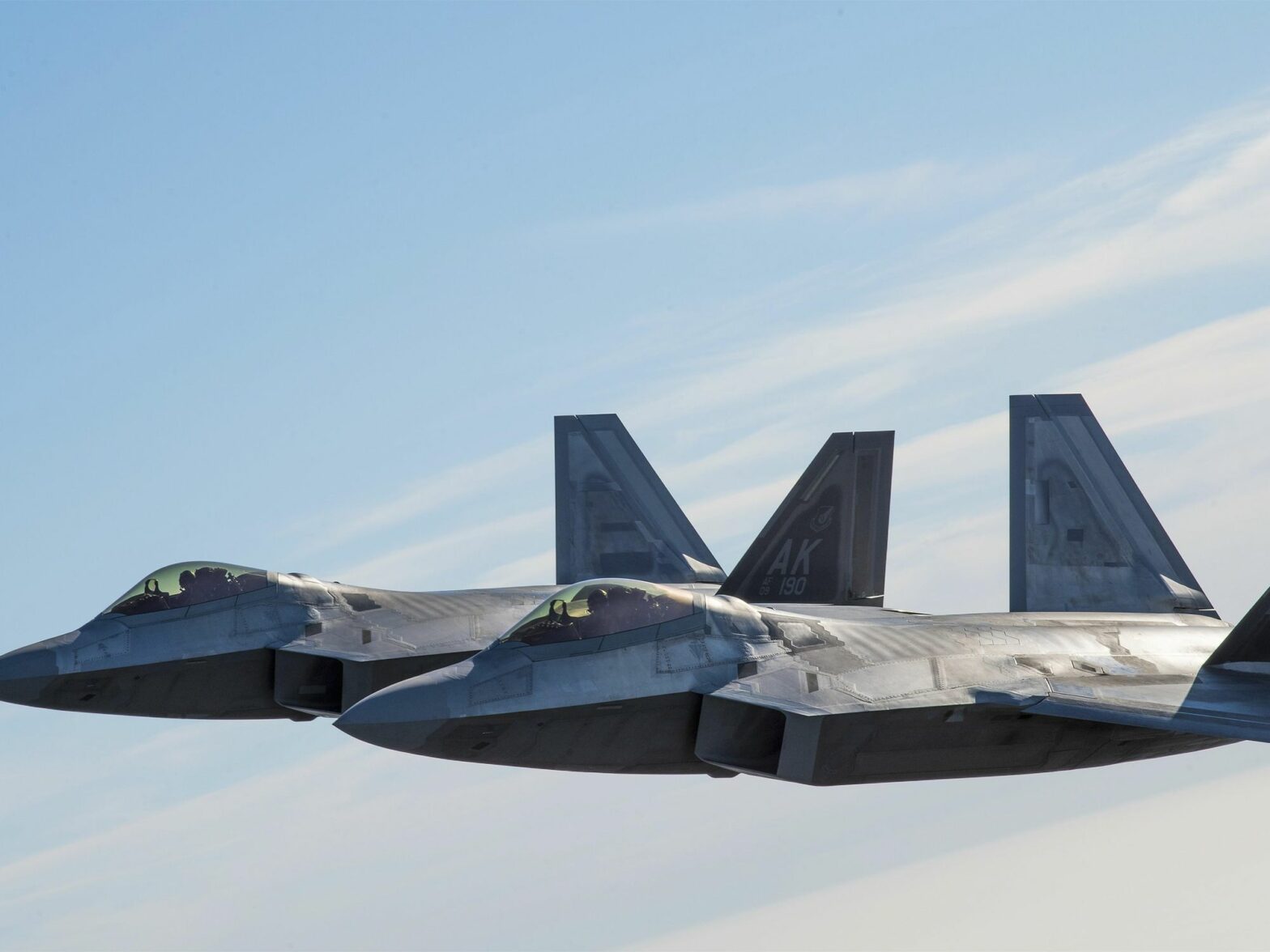
Let’s call it the “war of the balloons”: Four unidentified flying objects have now been shot down by fighter jets in one week over North America. But the mystery of the details should not hide the bigger picture of how far U.S.-Sino relations have sunk in the past 10 days.
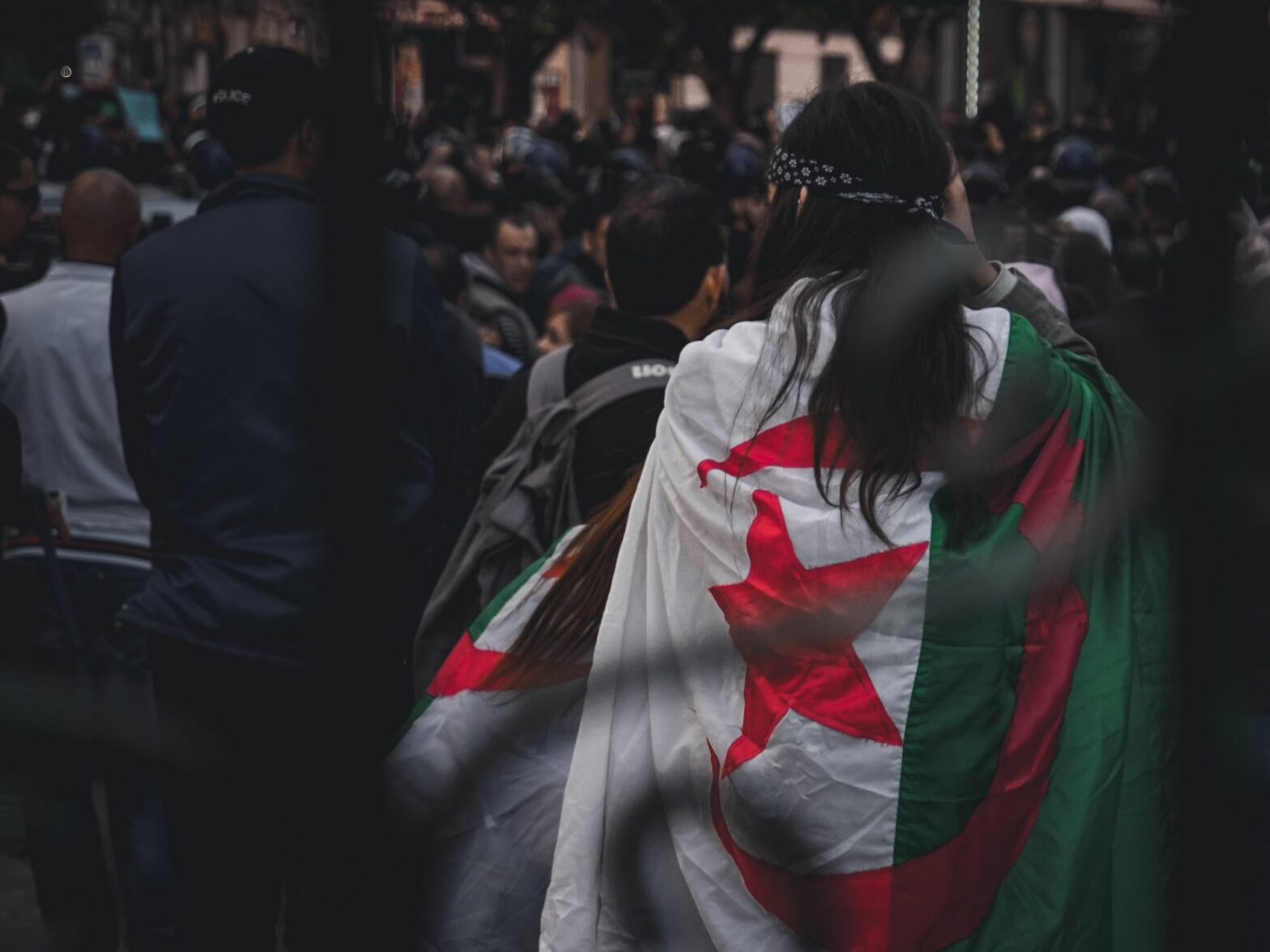
Whether it’s in Tunis, Algiers or Rabat, France is faced with the near-impossible task of finding its diplomatic footing in countries that were under its colonial rule last century.
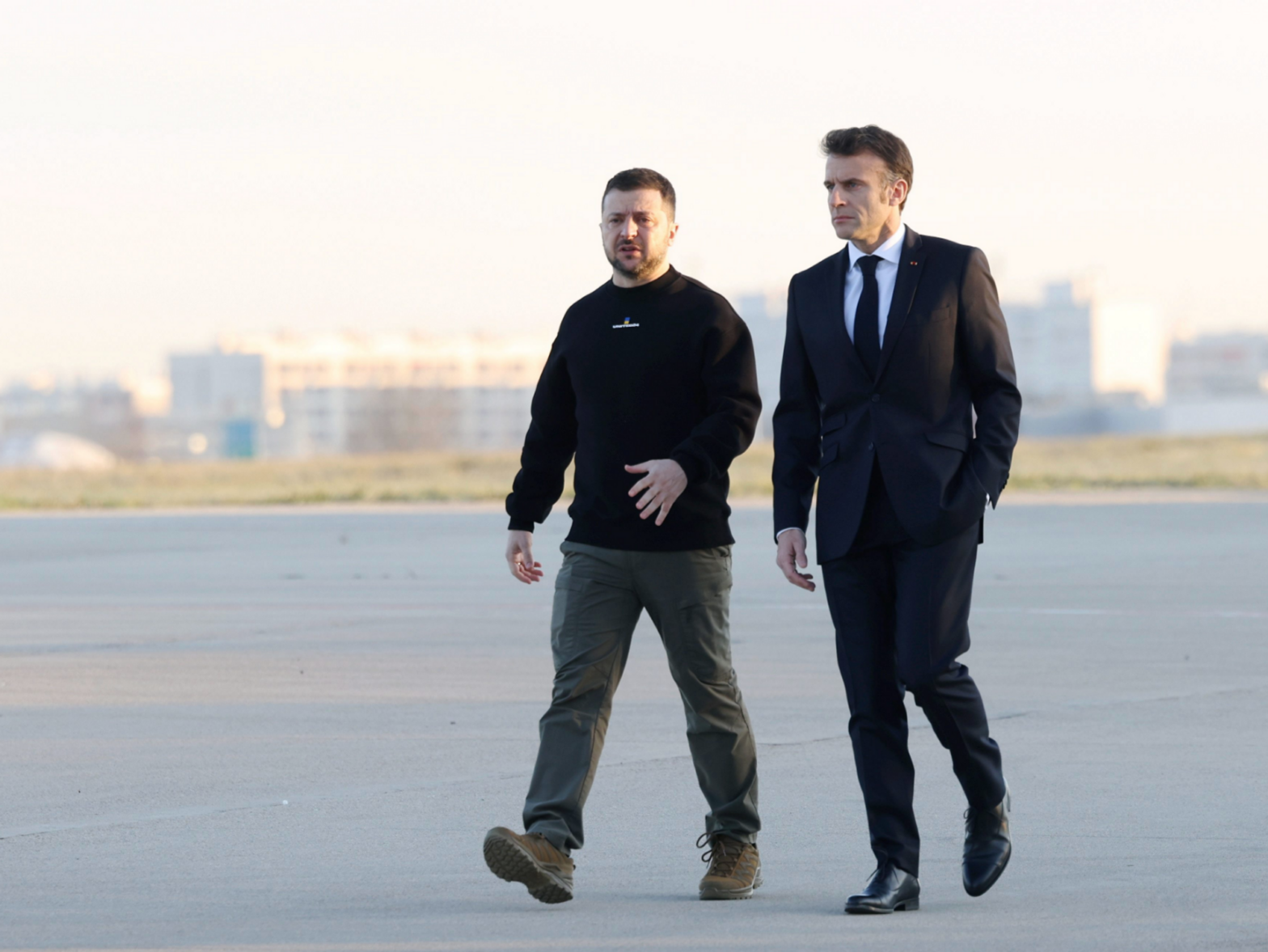
Volodymyr Zelensky’s visits this week to London, Paris and Brussels reinforce the intertwined fates of Europe and Ukraine. And for Kyiv that will ultimately mean more weapons support.
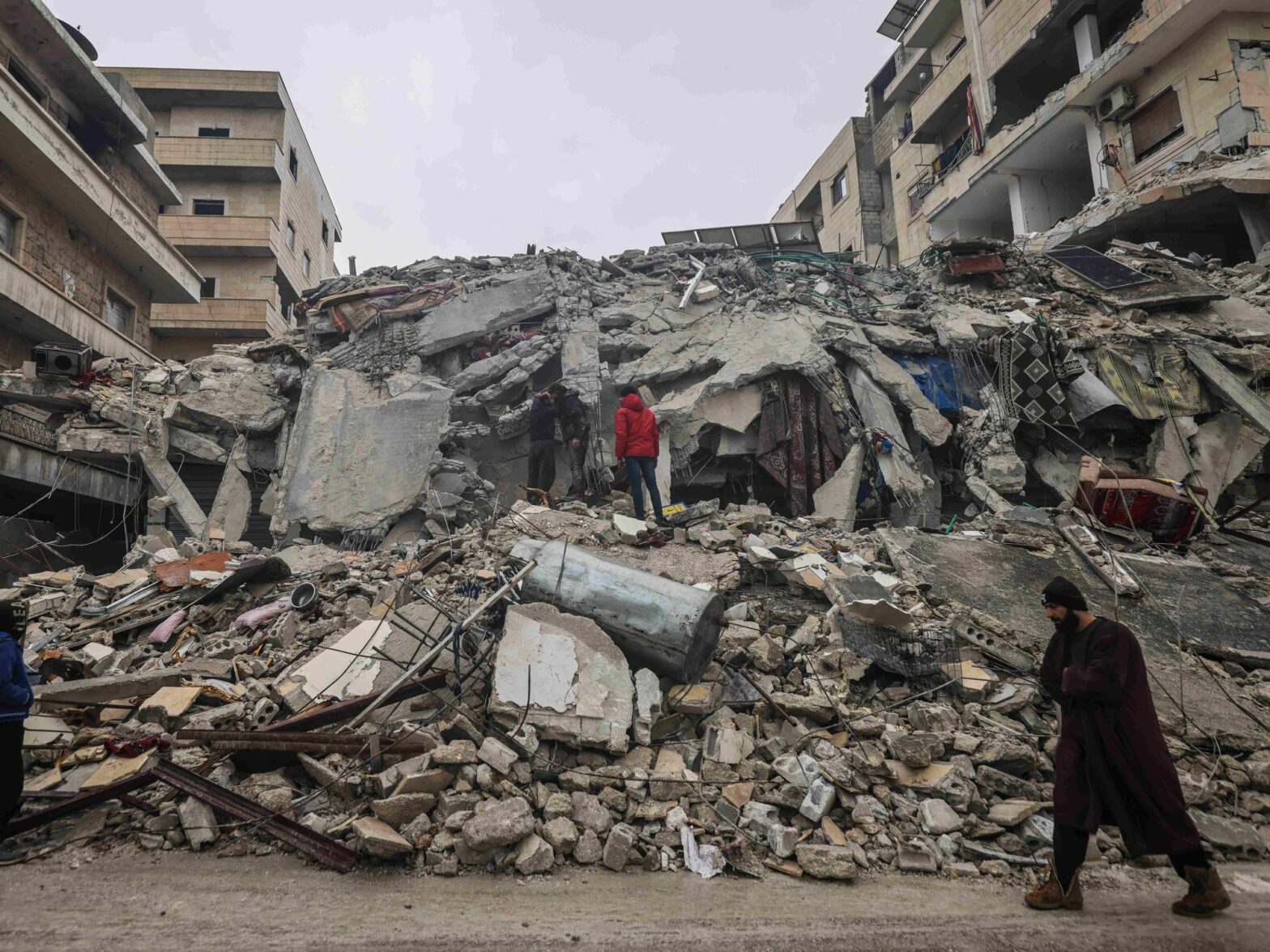
Across the border from the epicenter in Turkey, the Syrian region of Idlib is home to millions of people displaced by the 12-year-long civil war. The victims there risk not getting assistance because of the interests of Syrian leader Bashar al-Assad, reminding the world of one of the great unresolved conflicts of our times.
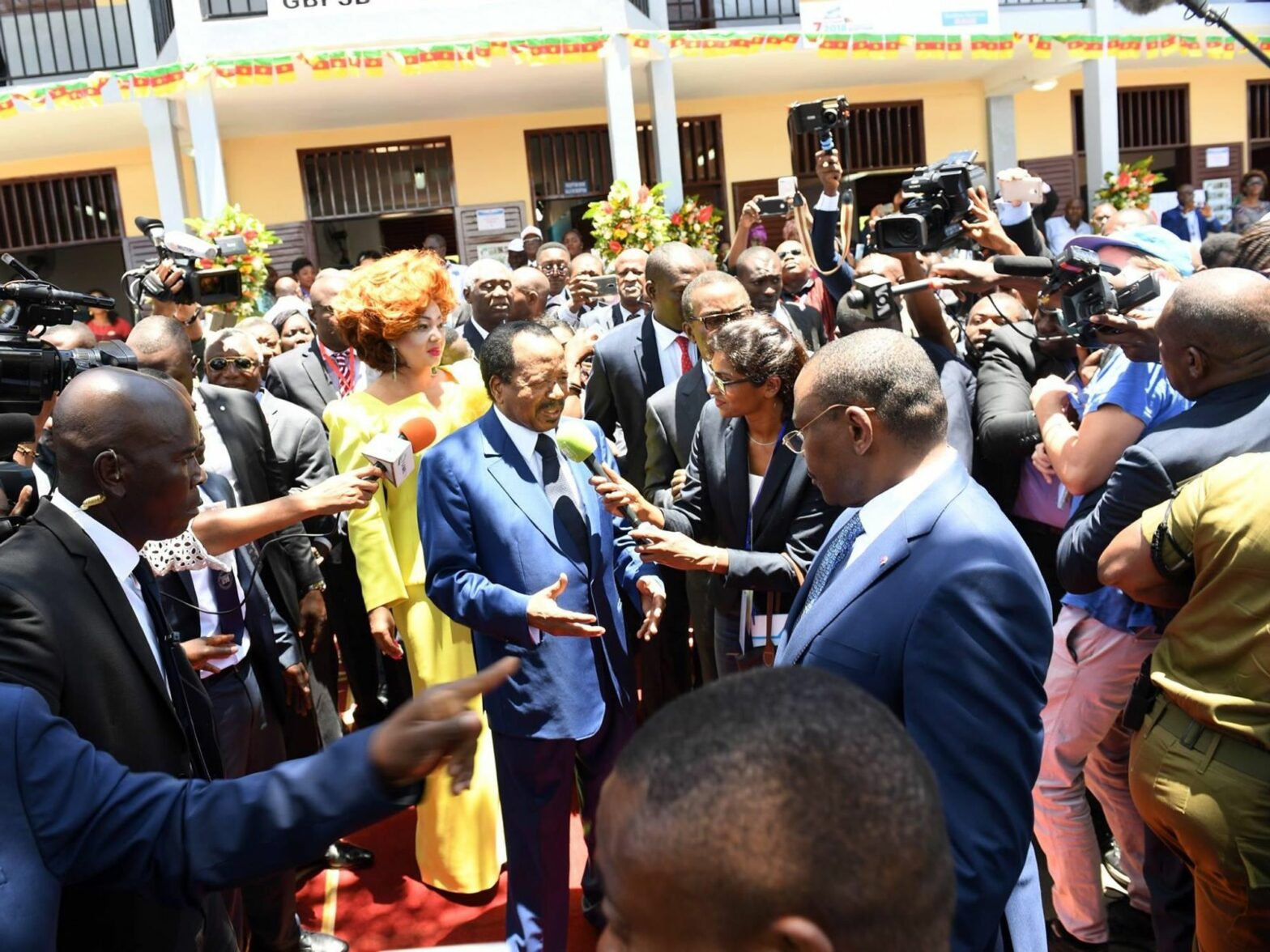
The central African nation has been run by the same man, Paul Biya, for decades. But as the 89-year-old fades from public view, high-stakes maneuvering is underway, which may have led to the brutal murder and mutilation of a well-known journalist.
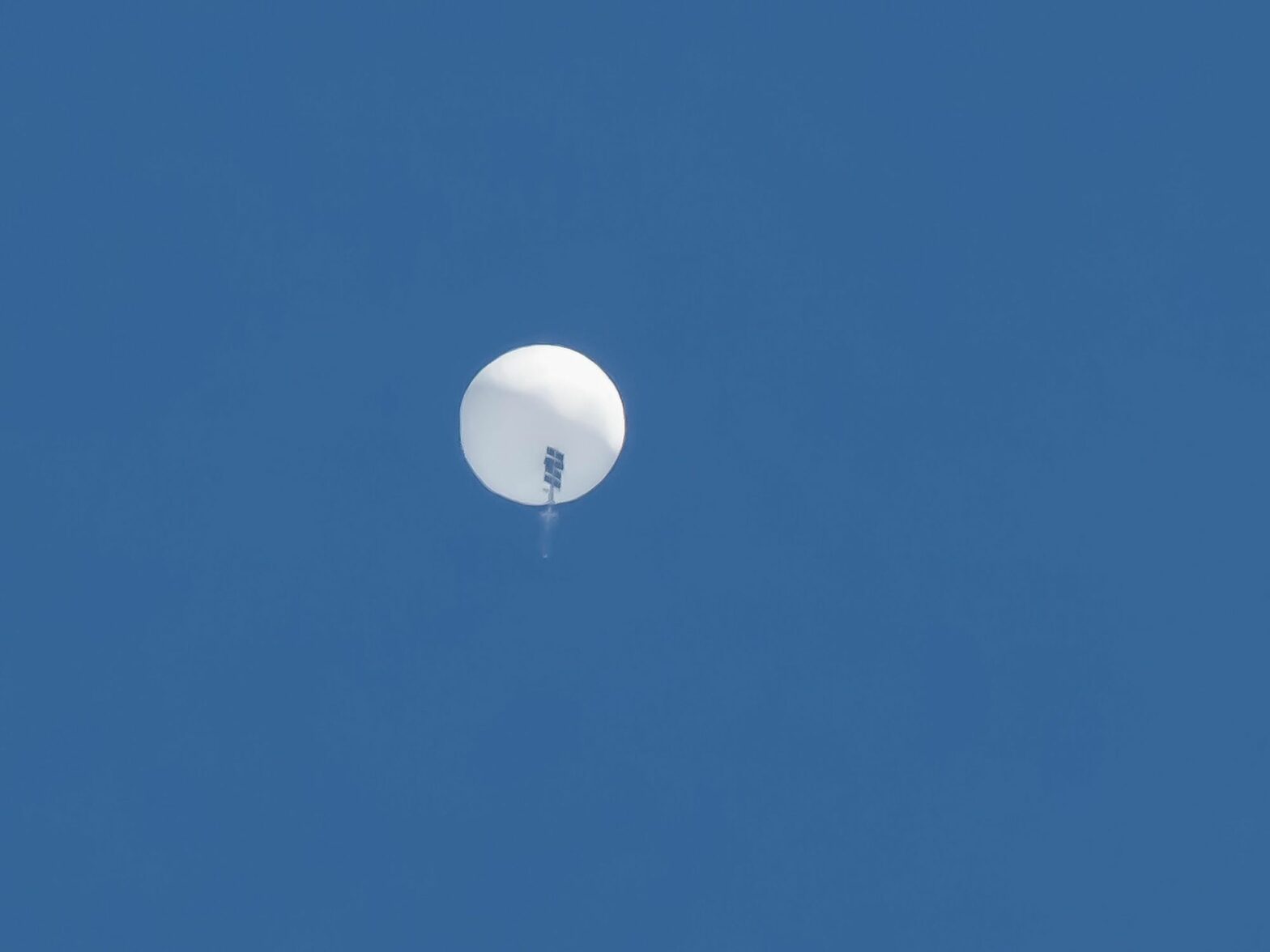
The Chinese spy balloon spotted over the U.S. and shot down on Saturday has suddenly brought once-distant fears into America’s backyard, which could set off a kind of “butterfly effect” of a small incident that leads to a much more dangerous showdown.
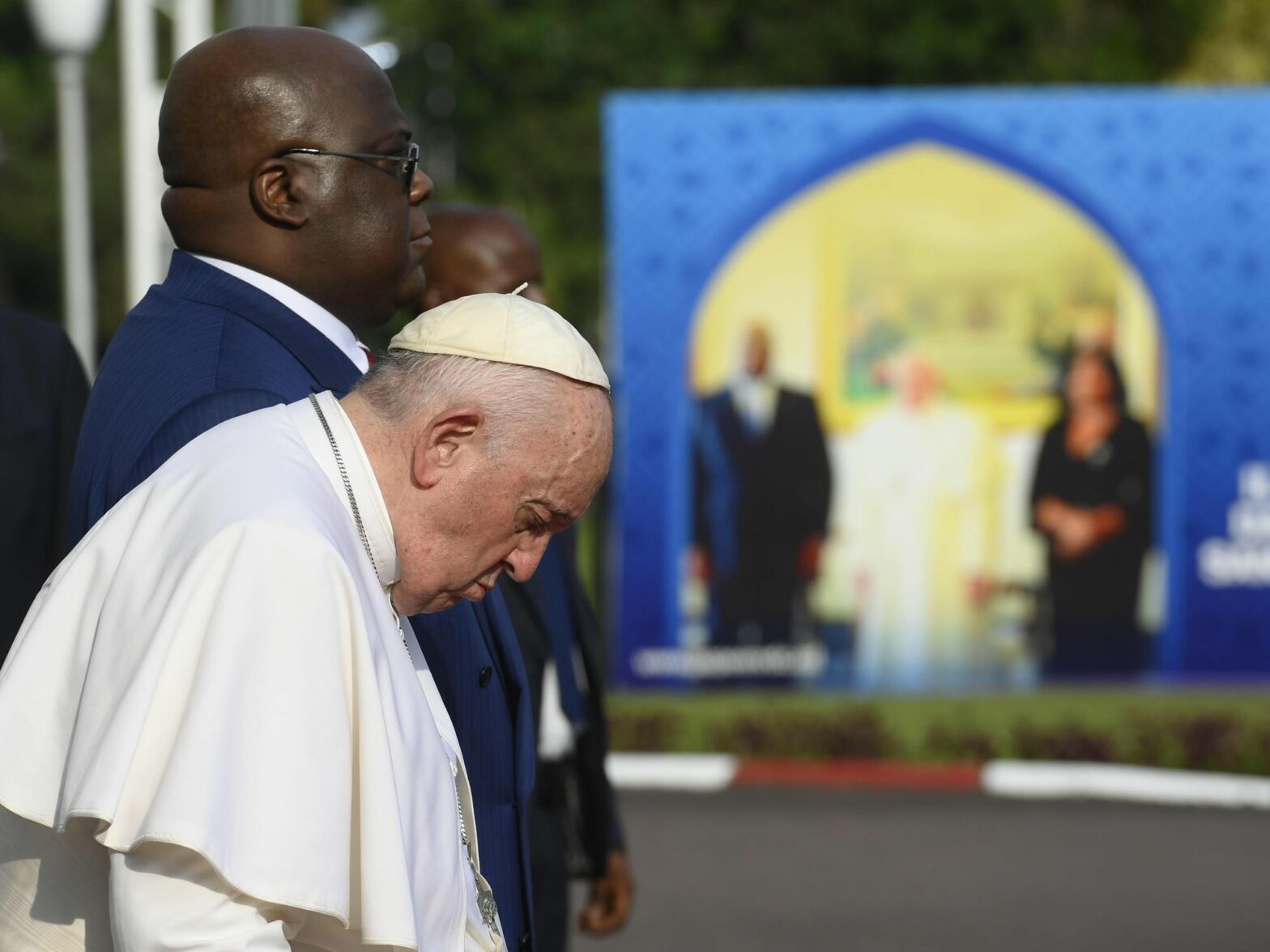
Before heading to South Sudan to continue his highly anticipated trip to Africa, the pontiff was in the Democratic Republic of Congo where he delivered a powerful speech, in a country where 40 million Catholics live.
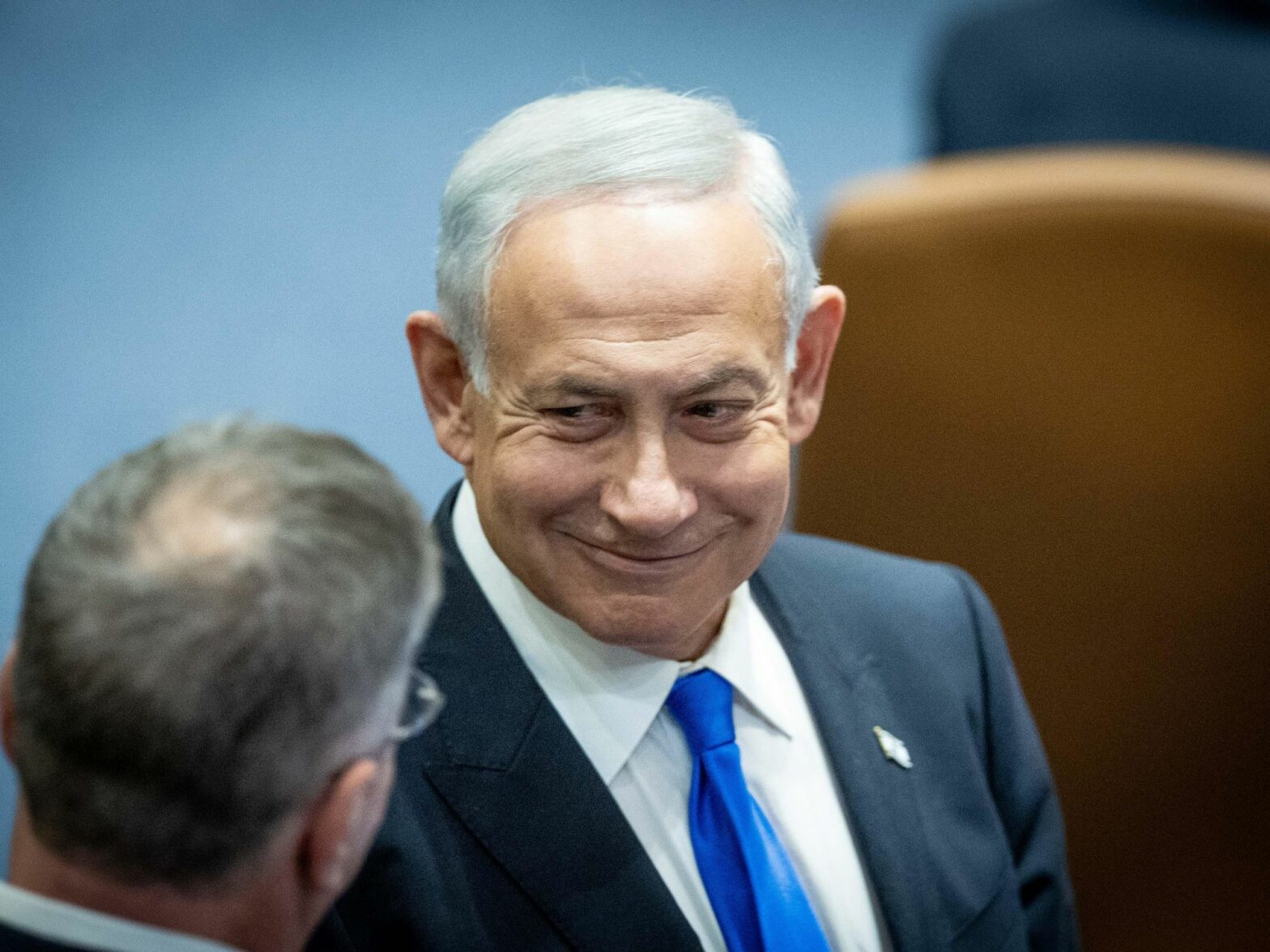
After forming a governing coalition with right-wing extremists, will Israeli Prime Minister Benjamin Netanyahu face a chill in relations with the West? The reshuffled geopolitical cards offer a fair share of paradoxes.
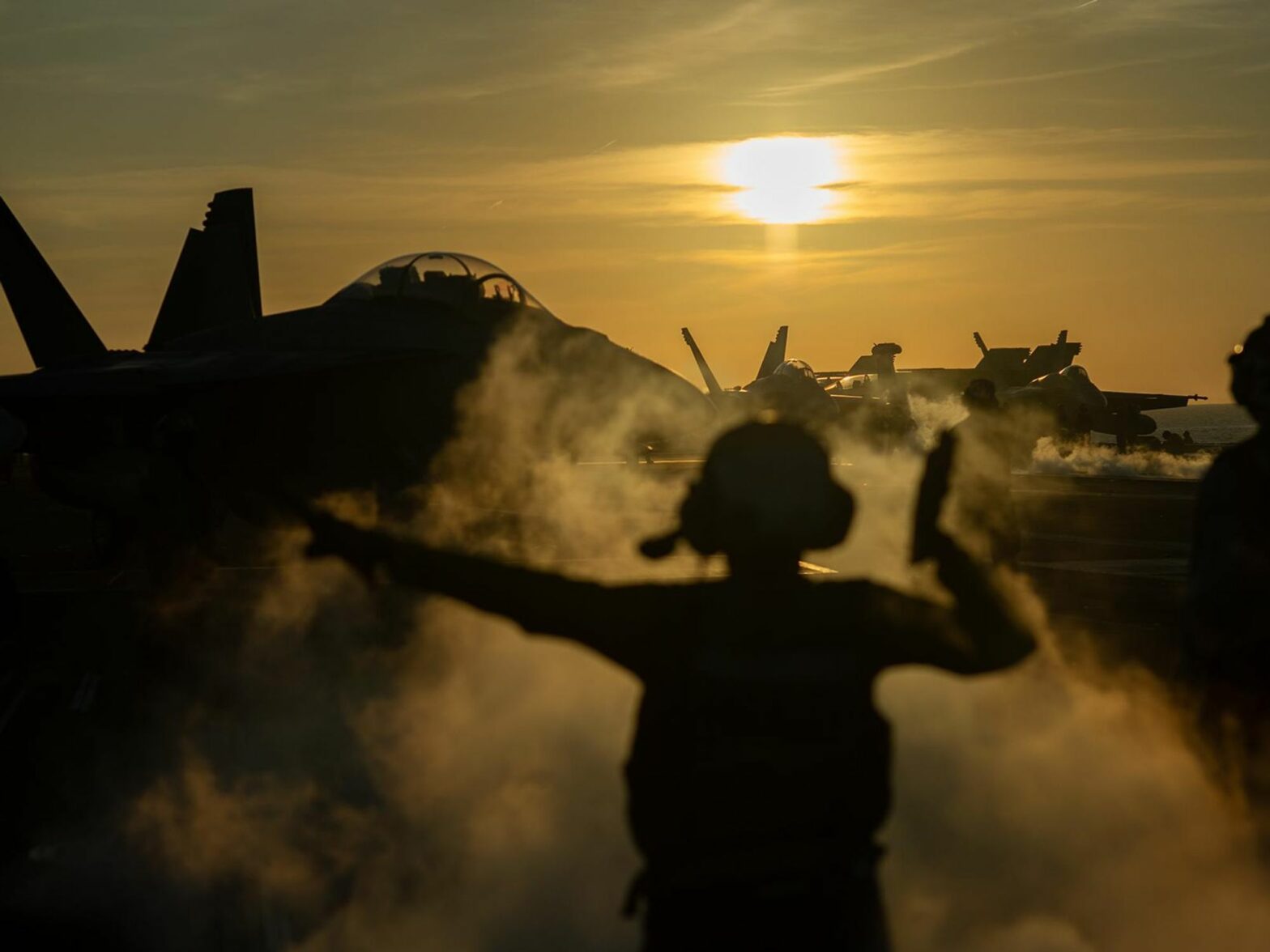
The open debate on weapon deliveries to Ukraine is highly unusual, but Kyiv has figured out how to use the public moral suasion — and patience — to repeatedly shift the question in its favor. But will it work now for fighter jets?
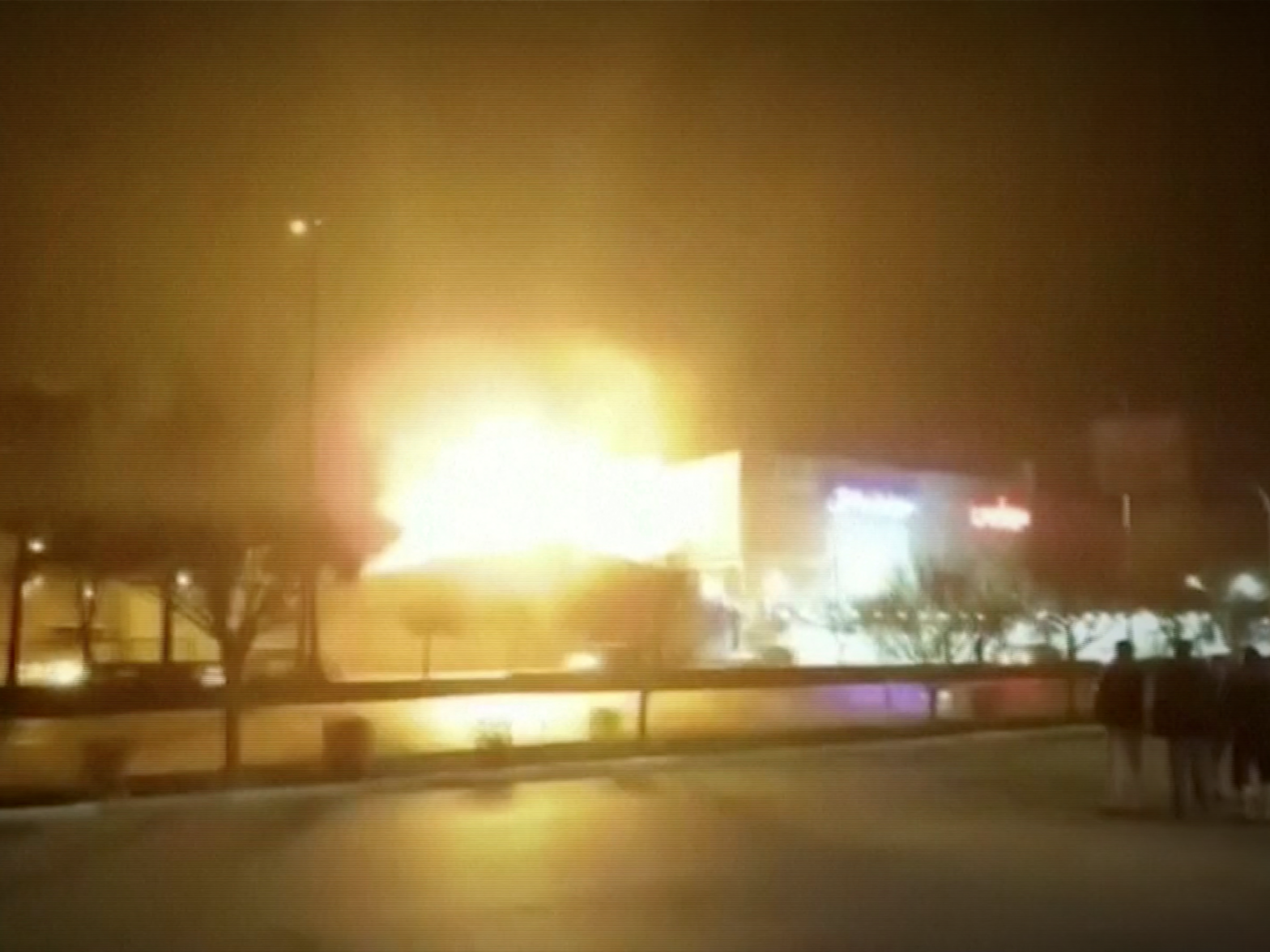
It is still not clear what was the exact target of an attack by three armed drones Saturday night on an arms factory in central Iran. But it comes as Tehran authorities appear increasingly vulnerable to both its foreign and domestic enemies, with more attacks increasingly likely.
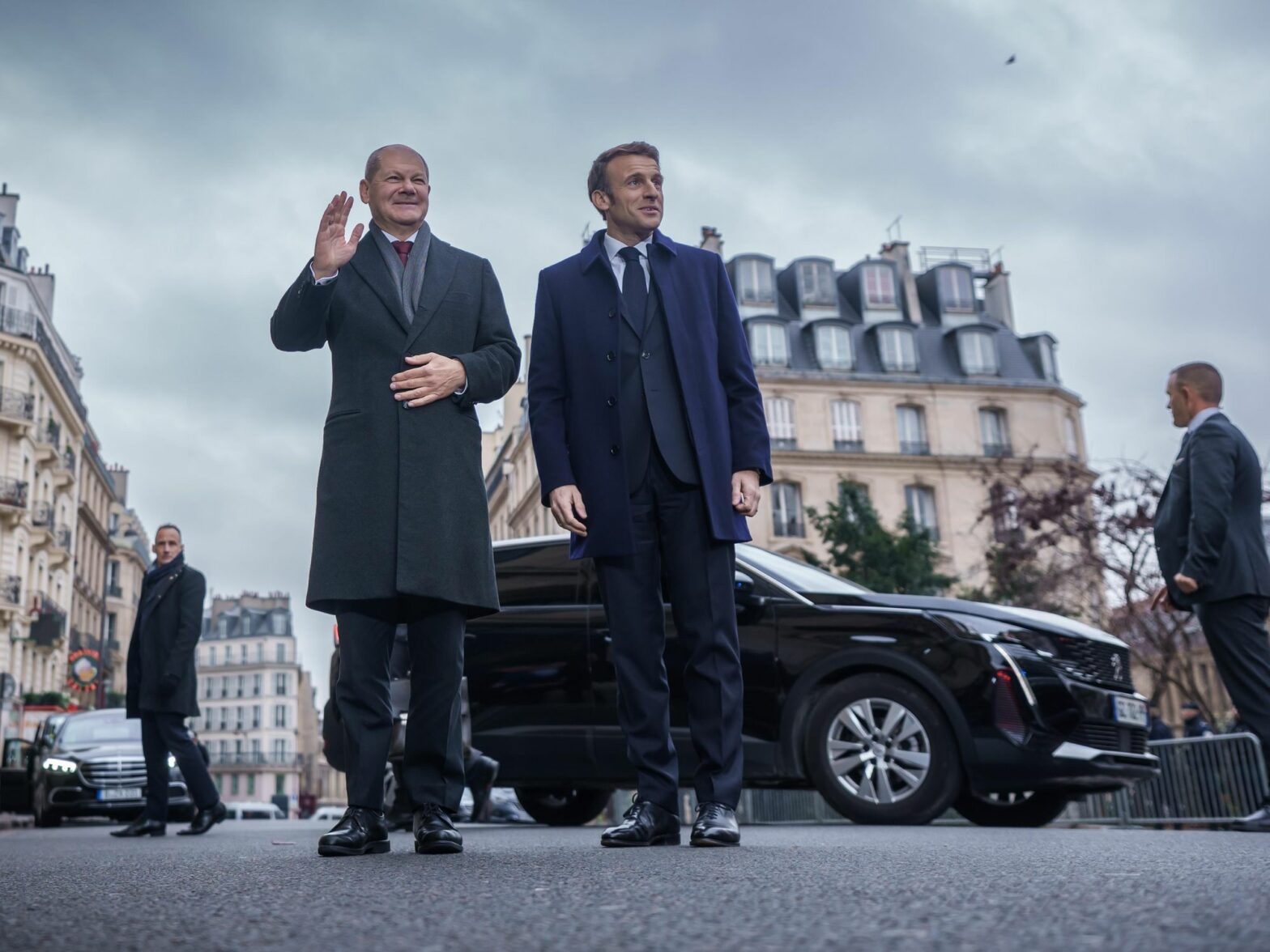
If symbols were sufficient to govern international relations, France and Germany would be in total and absolute agreement today. But much more than that is needed, especially with a full-fledged war burning just to the east.
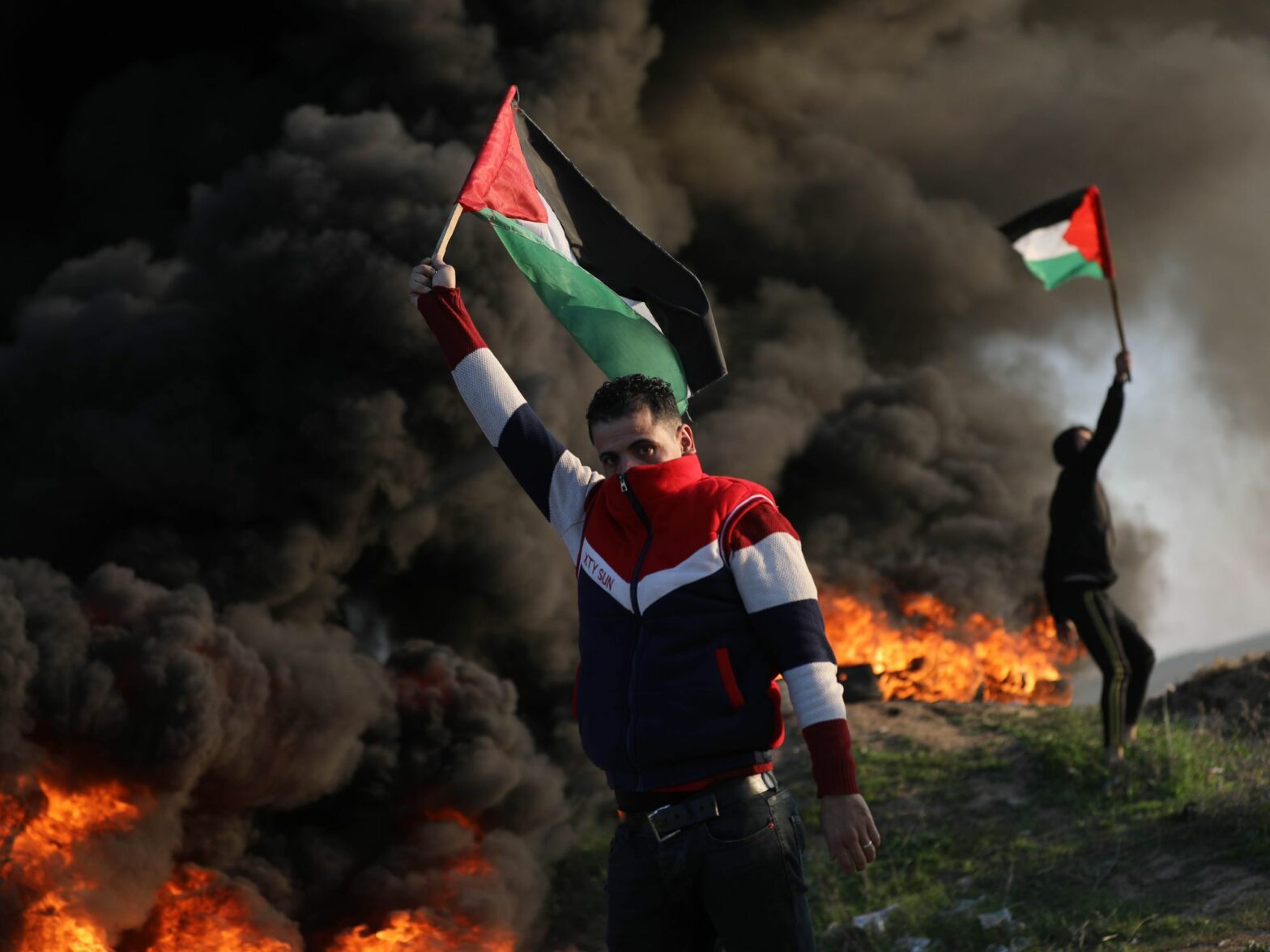
… and it runs much deeper than Benjamin Netanyahu’s new government.
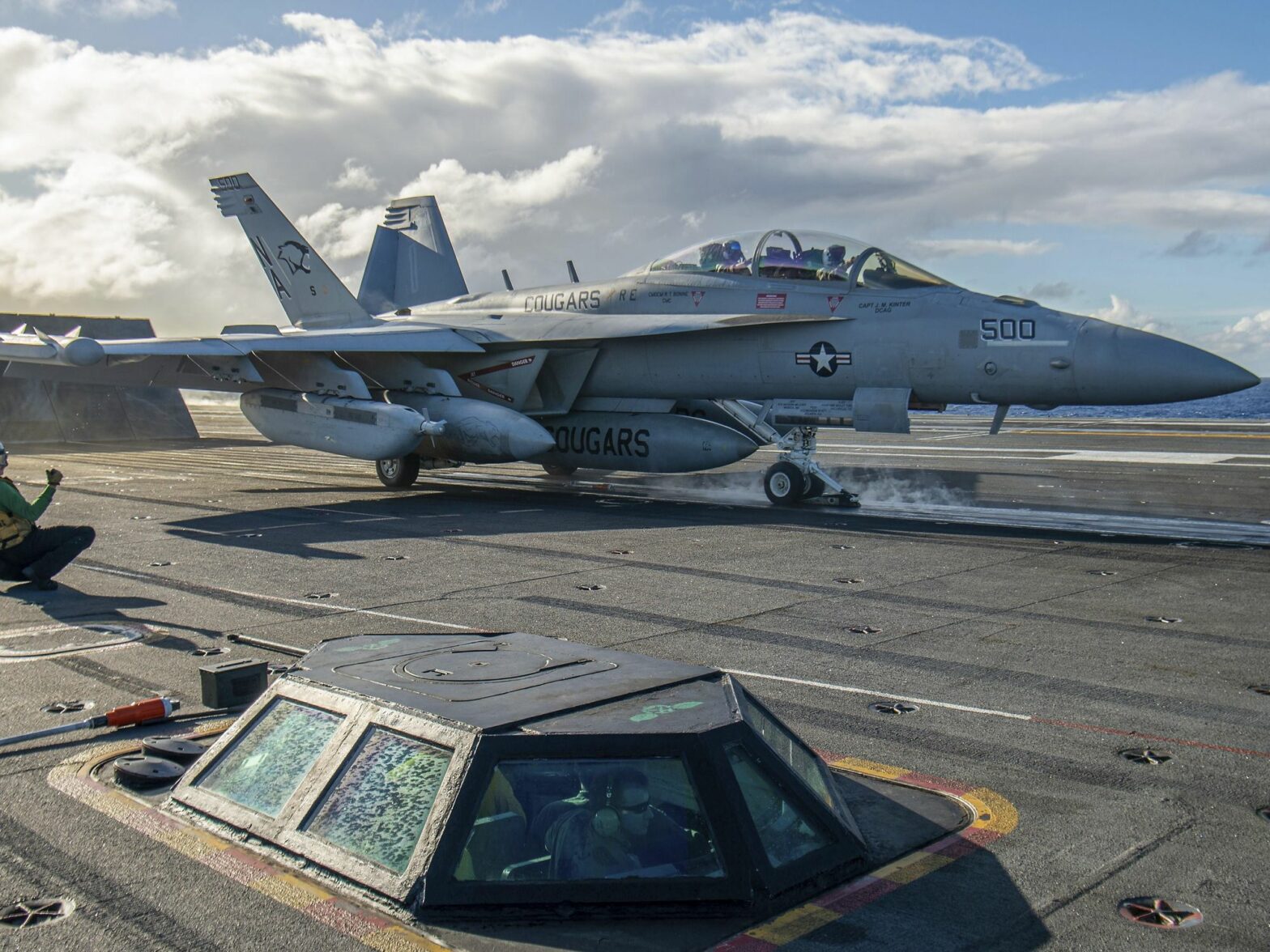
After Germany and the U.S. finally approved sending heavy combat tanks, Kyiv now eyes fighter jets. Who could ask them to do otherwise? And does the West really have a choice but ensure Russian defeat?
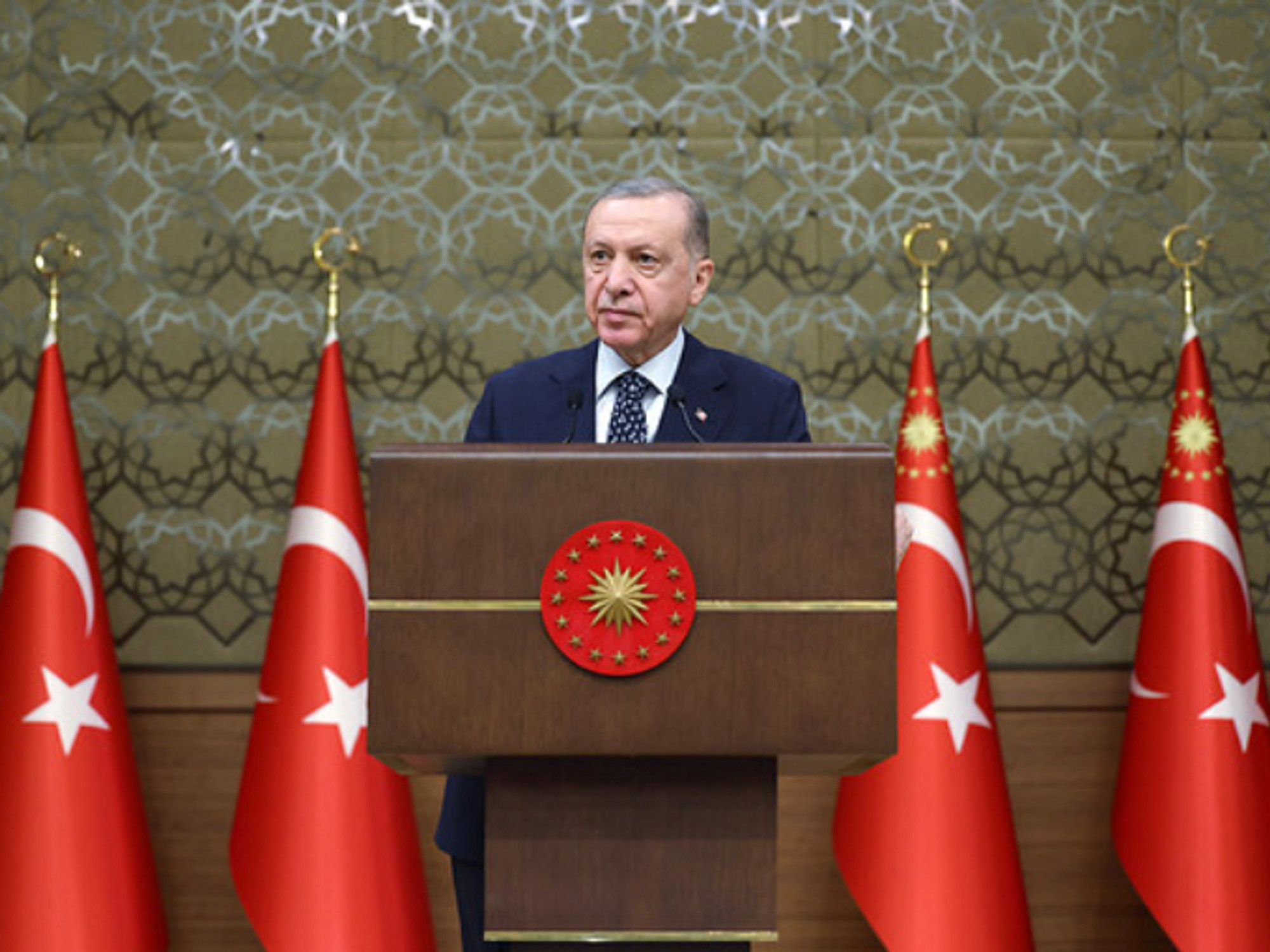
Turkey’s objections to Swedish membership of NATO may mean that Finland joins first. But as he approaches his highly contested reelection bid at home, Turkish President Recep Tayyip Erdogan is ready to use the issue to his advantage.
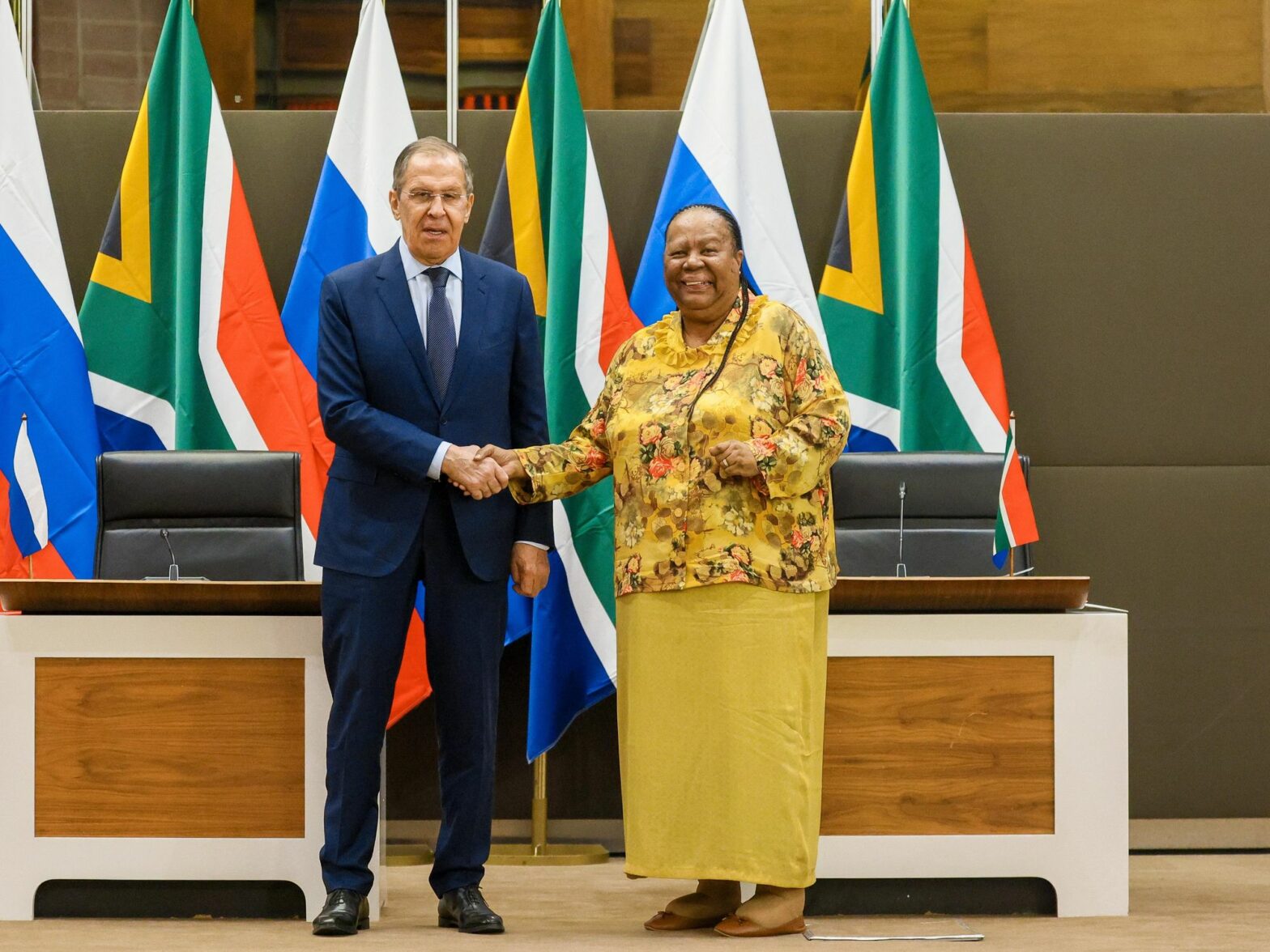
Russia’s Foreign Minister is in South Africa for the second time in a year. In spite of the West’s best efforts, Vladimir Putin’s delegation is still welcomed in large parts of Africa, which still harbors colonial resentment toward Europe.
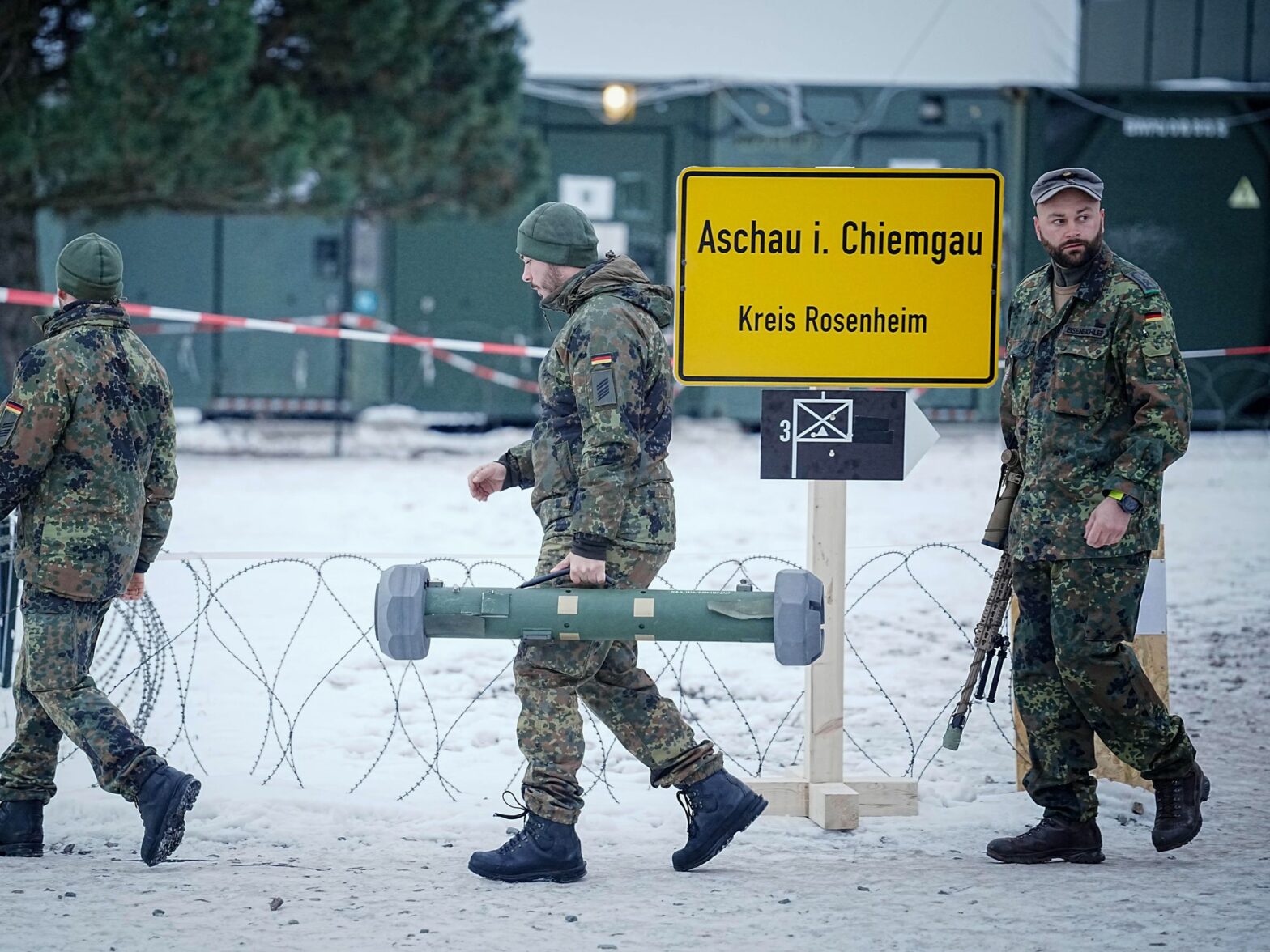
A new future is unfolding in real time, one that leaders in France, Germany and beyond could not have envisioned even a year ago.

The news that China’s population has shrunk for the first time in 60 years, comes as India appears to be outperforming its giant neighbor on a number of fronts. But this reversal of fortune still has too many variables to predict the demise of one or the rise of the other.
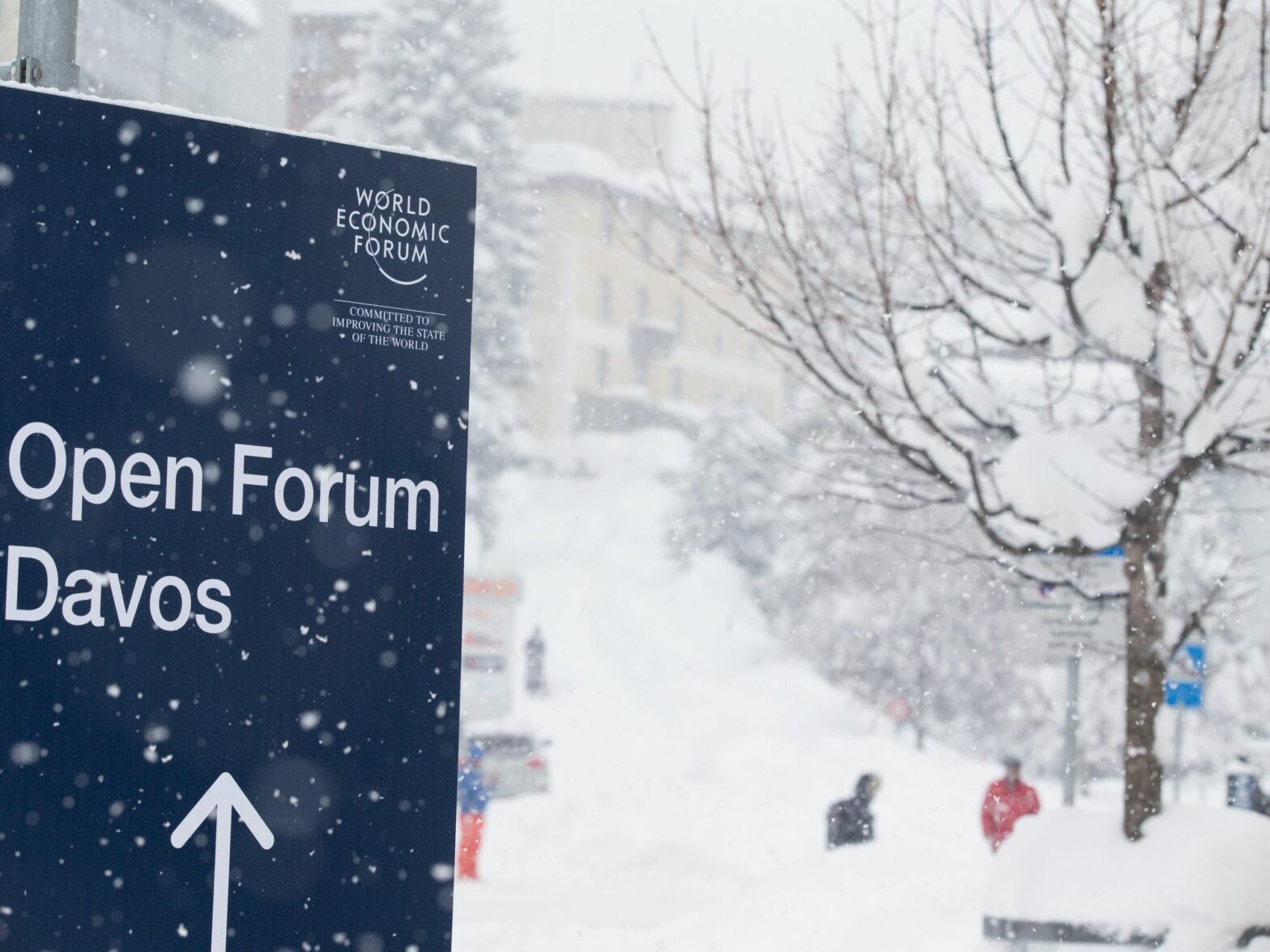
The Davos Forum was once a true shaper of our collective future in a globalized world. Today it is beyond its expiry date, even if global solutions to global problems are needed more than ever.
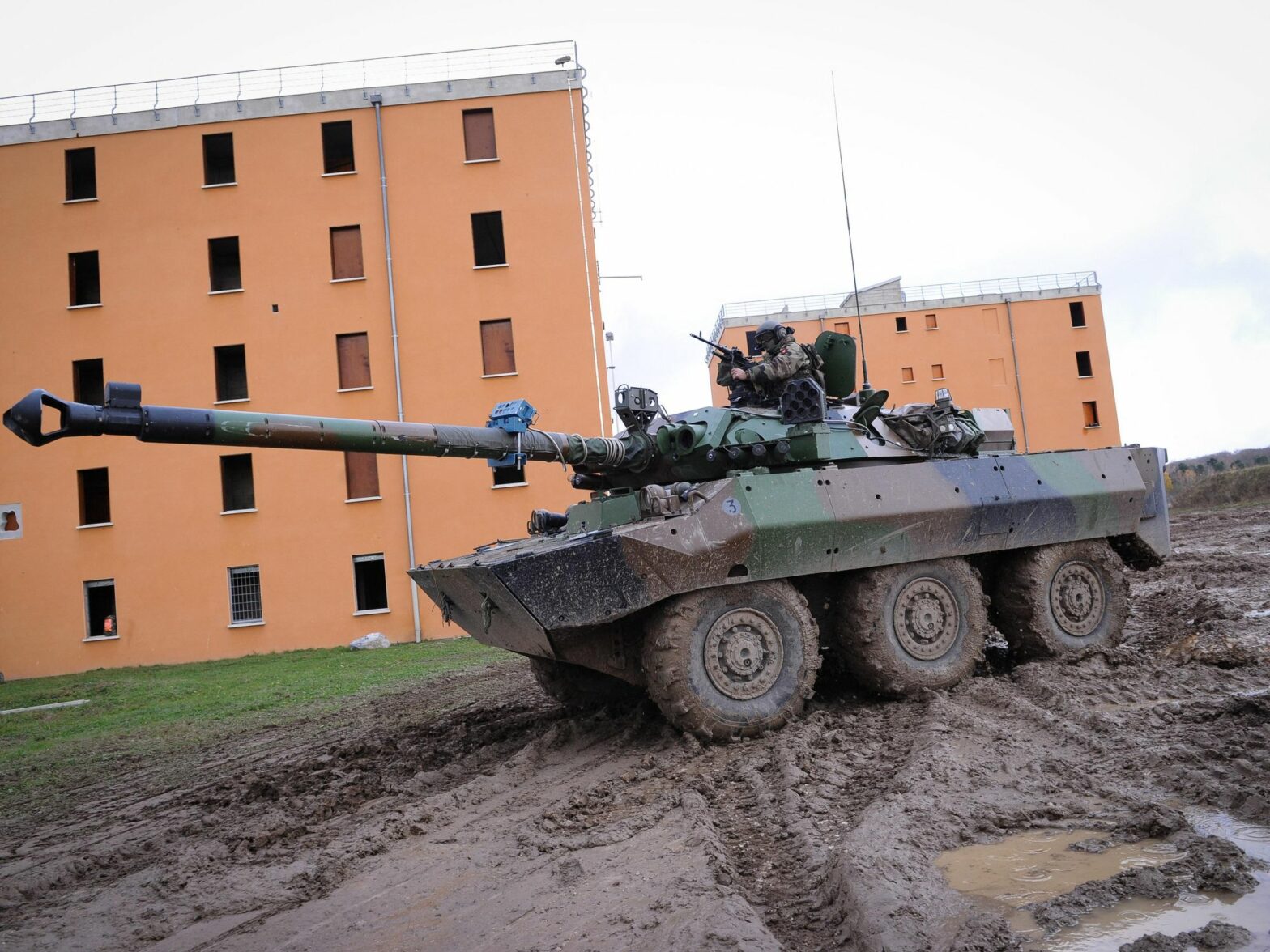
After Dnipro was left devastated by one of Russia’s deadliest attacks on Ukrainian civilians to date, the problem of arms delivery in a war that keeps escalating has never been more urgent.
That it fools nobody is essential to the plot. That people are dying turns it into tragedy.
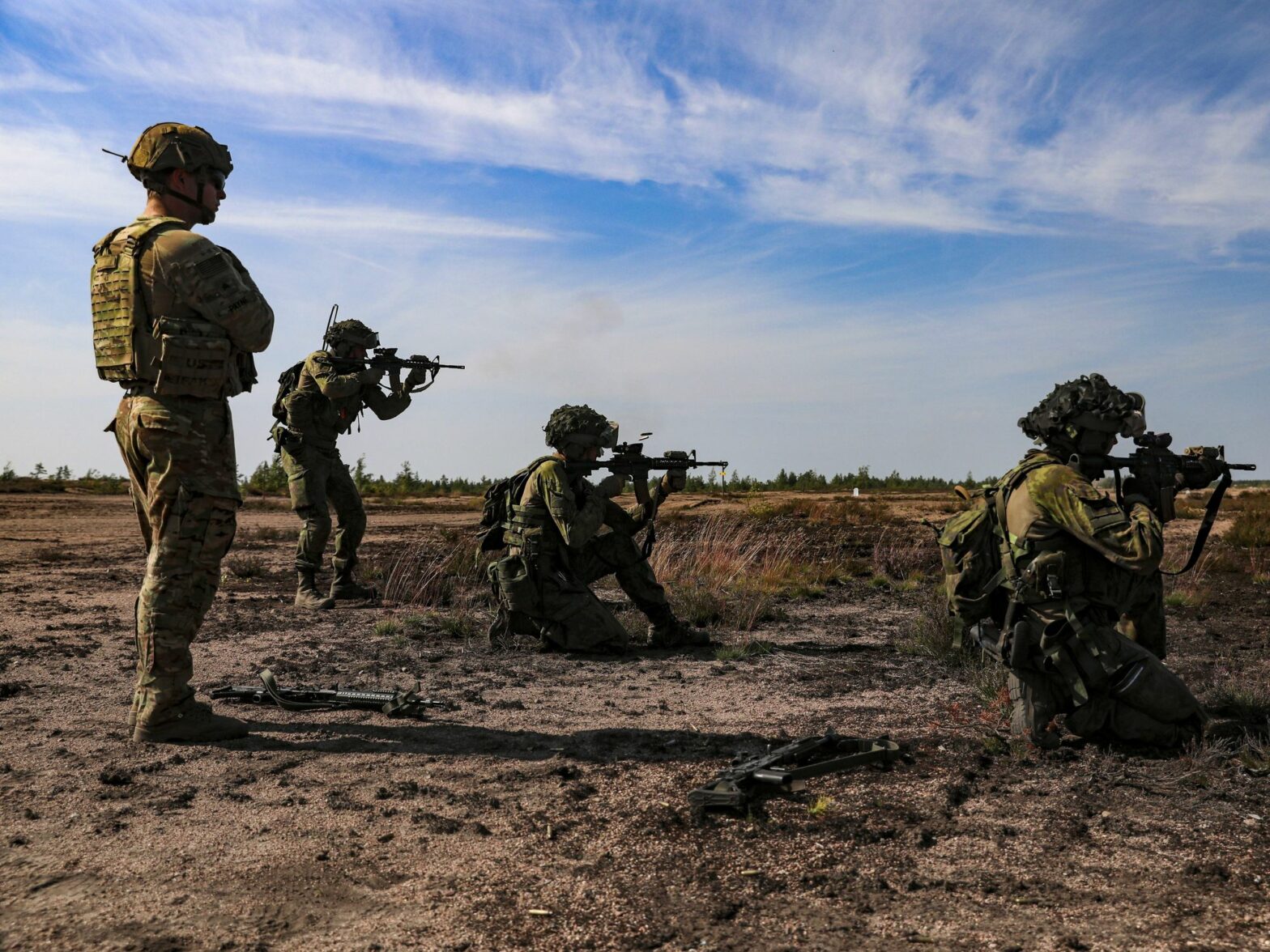
The EU and NATO have vowed to expand cooperation, which may mean a major long-term shift in European defense strategy. Still, the French know that the reality on the ground means that European defense effectively still means NATO.
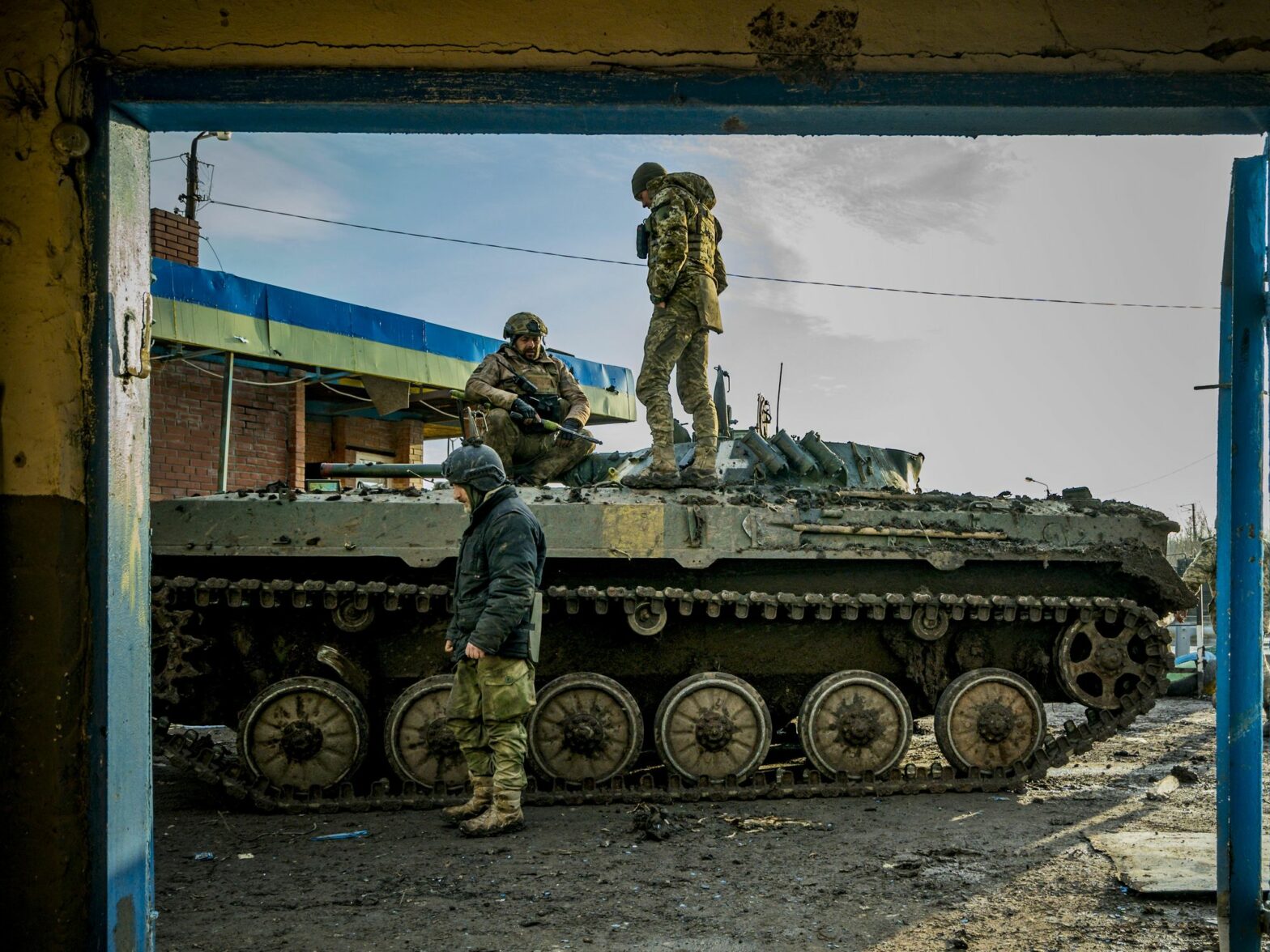
Fighting has been fierce for the city of Bakhmut in eastern Ukraine. What is the price of a victory that is, above all, symbolic?
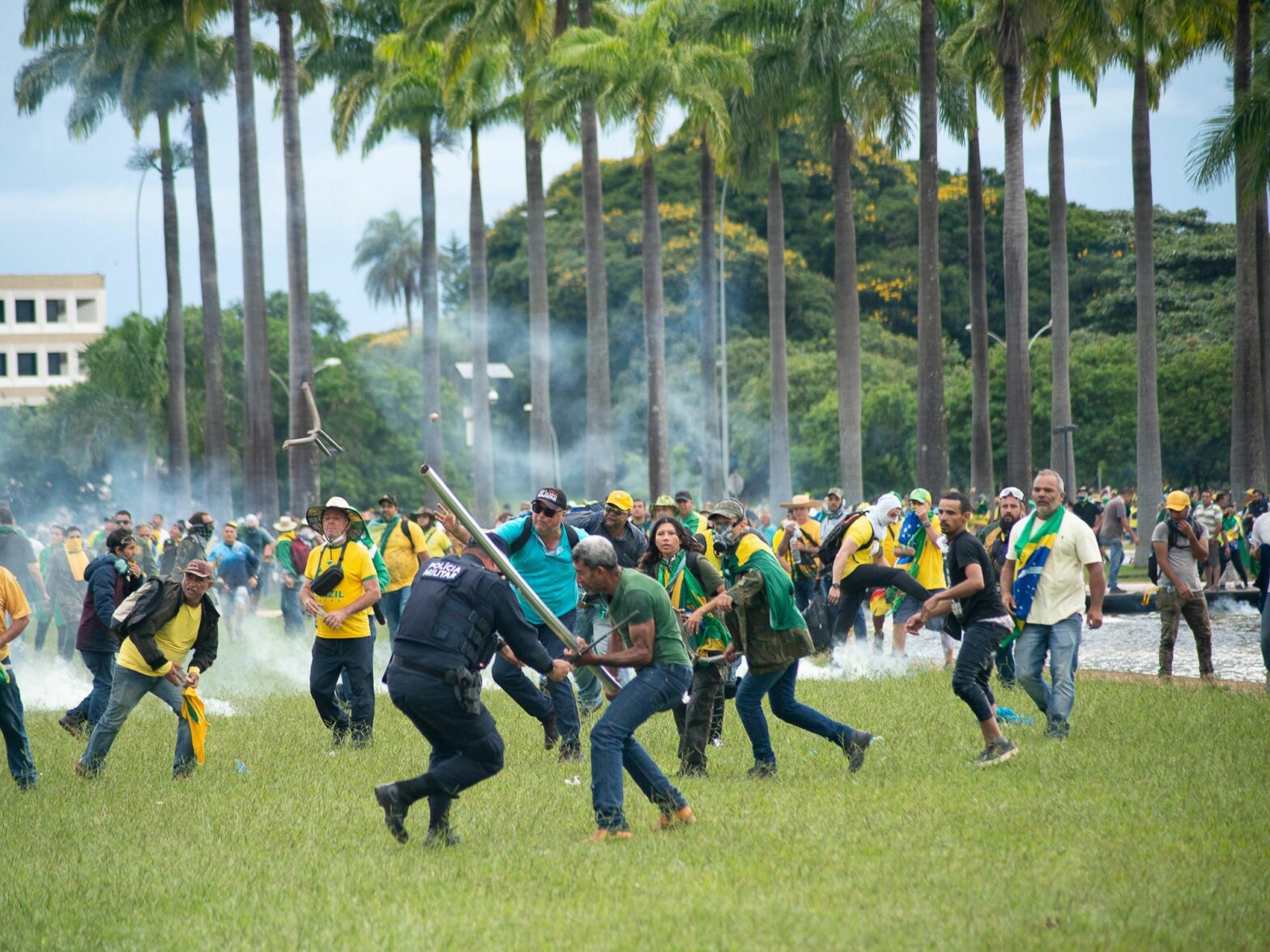
What do we make of the echos from the U.S. Capitol assault on Jan. 6? Will Lula be able to heal Brazil’s democratic institutions?
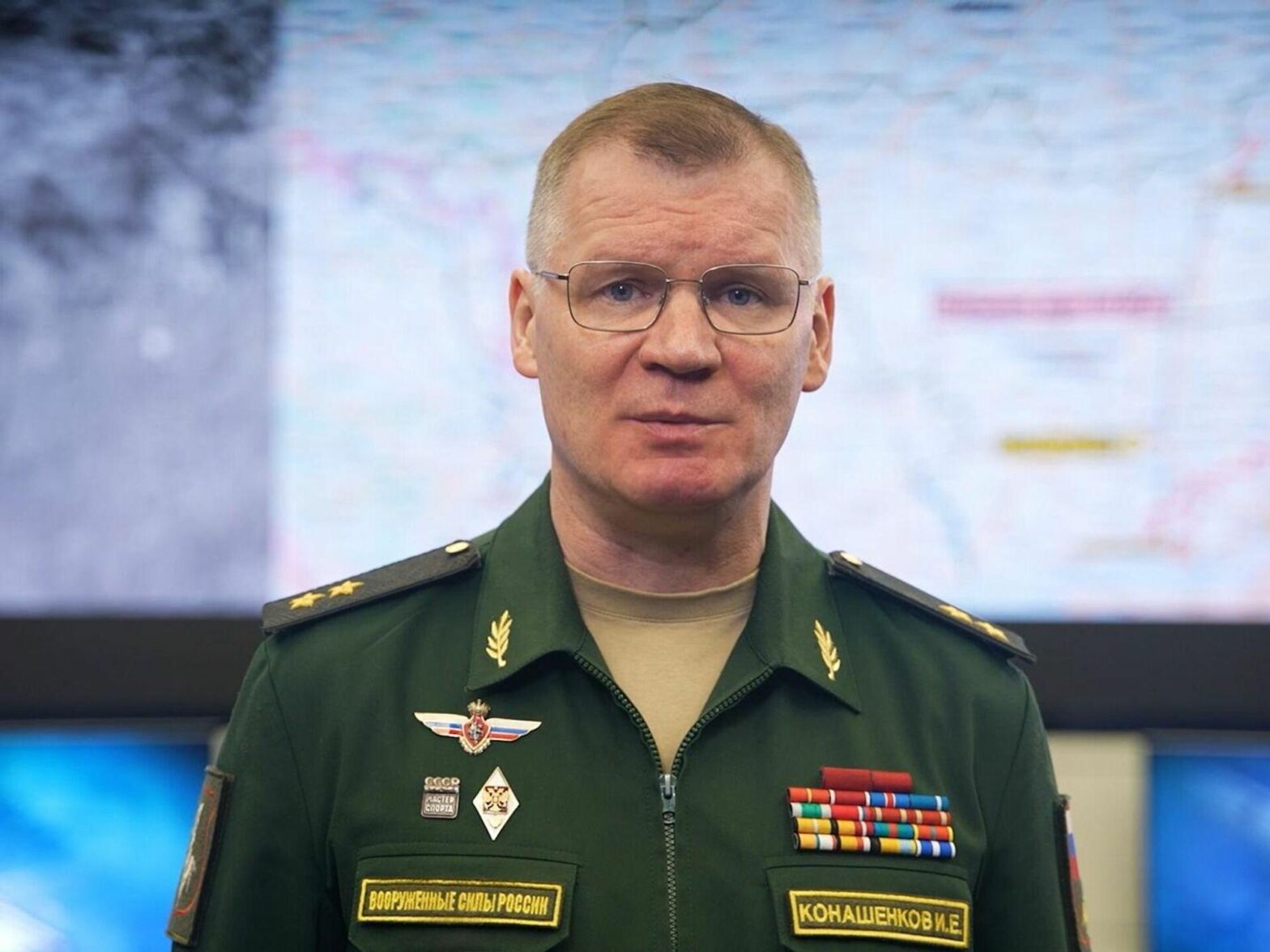
The killing of likely hundreds of Russian troops has set of a spiral of recriminations that could change the way Moscow approaches its 10-month-old invasion of Ukraine

Less than a week after being sworn in for the sixth time as Prime Minister, Benjamin Netanyahu was defied by a highly charged visit his far-right coalition ally, Itamar Ben-Gvir, made to the al-Aqsa Mosque compound, that has enflamed the entire Muslim world. Netanyahu has a choice to make.