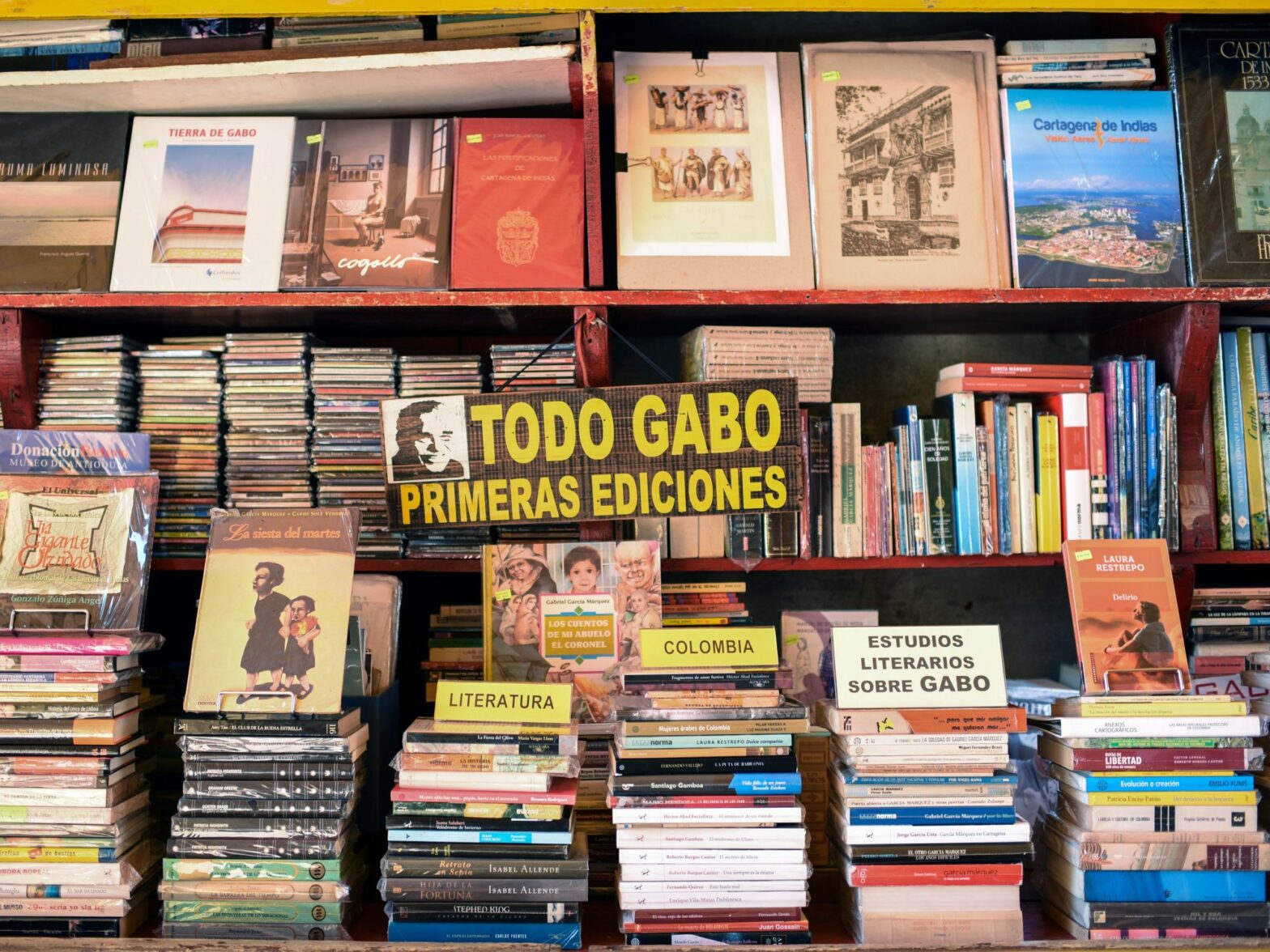
The release of “En agosto nos vemos” as a posthumous novel by Gabriel García Márquez would have horrified Colombia’s Nobel laureate, who had described it as useless and wanted it to be “destroyed.”
 Worldcrunch
The oldest newspaper in Colombia, El Espectador was founded in 1887. The national daily newspaper has historically taken a firm stance against drug trafficking and in defense of freedom of the press. In 1986, the director of El Espectador was assassinated by gunmen hired by Pablo Escobar. The majority share-holder of the paper is Julio Mario Santo Domingo, a Colombian businessman named by Forbes magazine as one of the wealthiest men in the world in 2011.
The release of “En agosto nos vemos” as a posthumous novel by Gabriel García Márquez would have horrified Colombia’s Nobel laureate, who had described it as useless and wanted it to be “destroyed.”
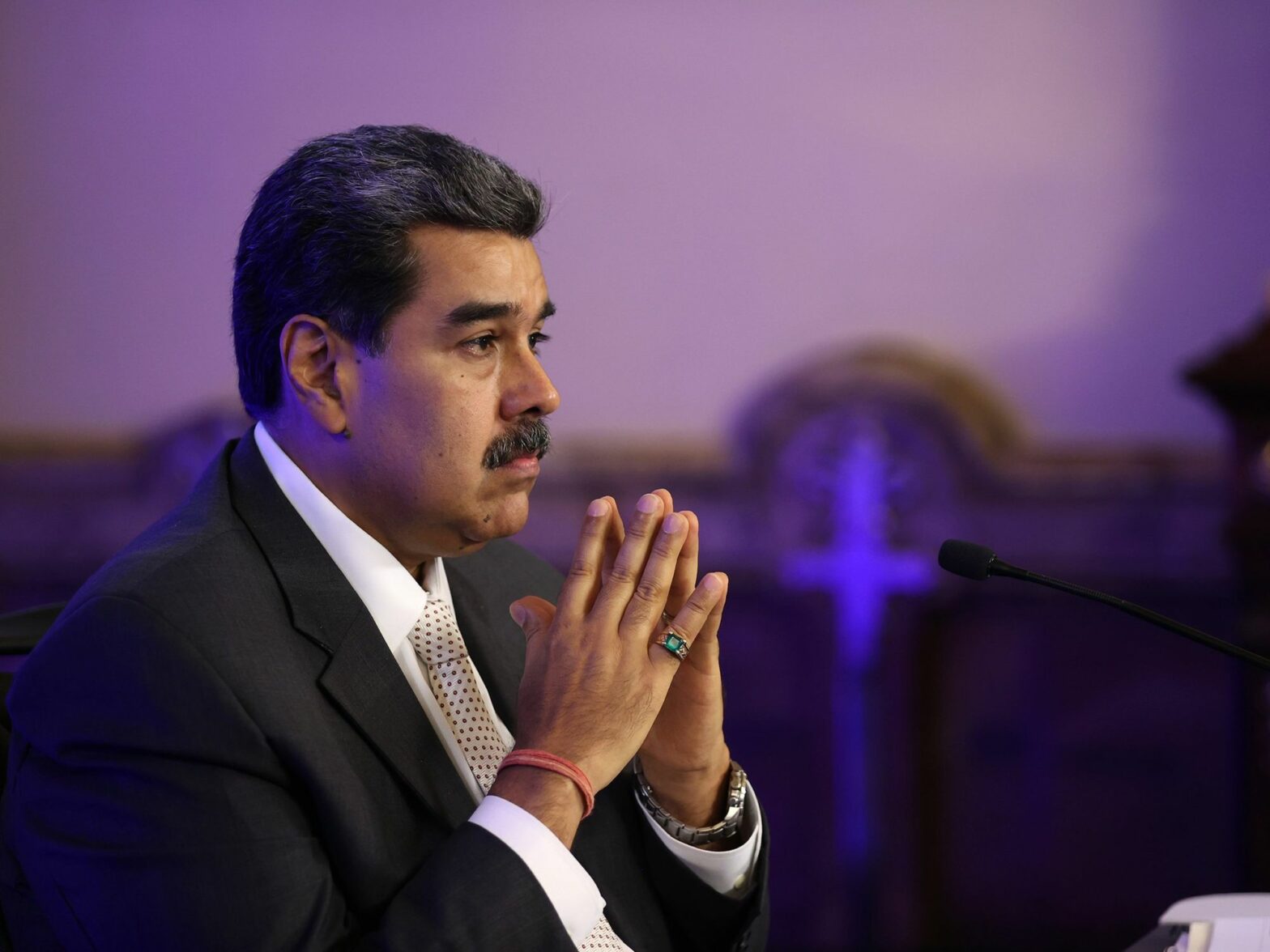
In keeping with the pseudo-democratic style of certain autocracies of our time, Venezuela’s leftist ruler is not averse to holding a general election, to be held when he says and once he has the results readied in advance.
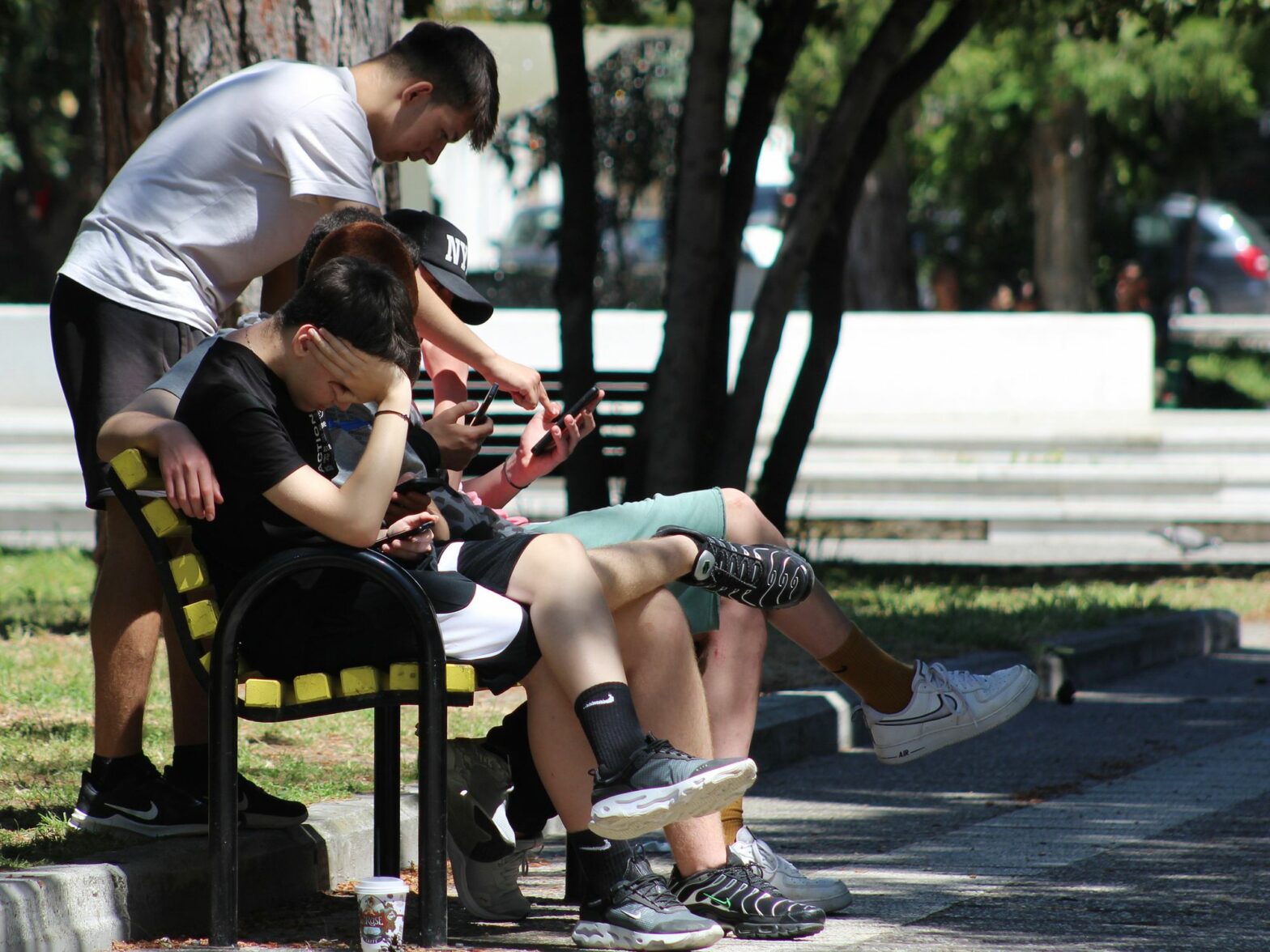
We’re renouncing books to gorge ourselves on digital imagery and short texts. If we continue like this, ditching the written word of the past, we may soon become fitting descendants of the cringing, timorous masses of the dark ages.
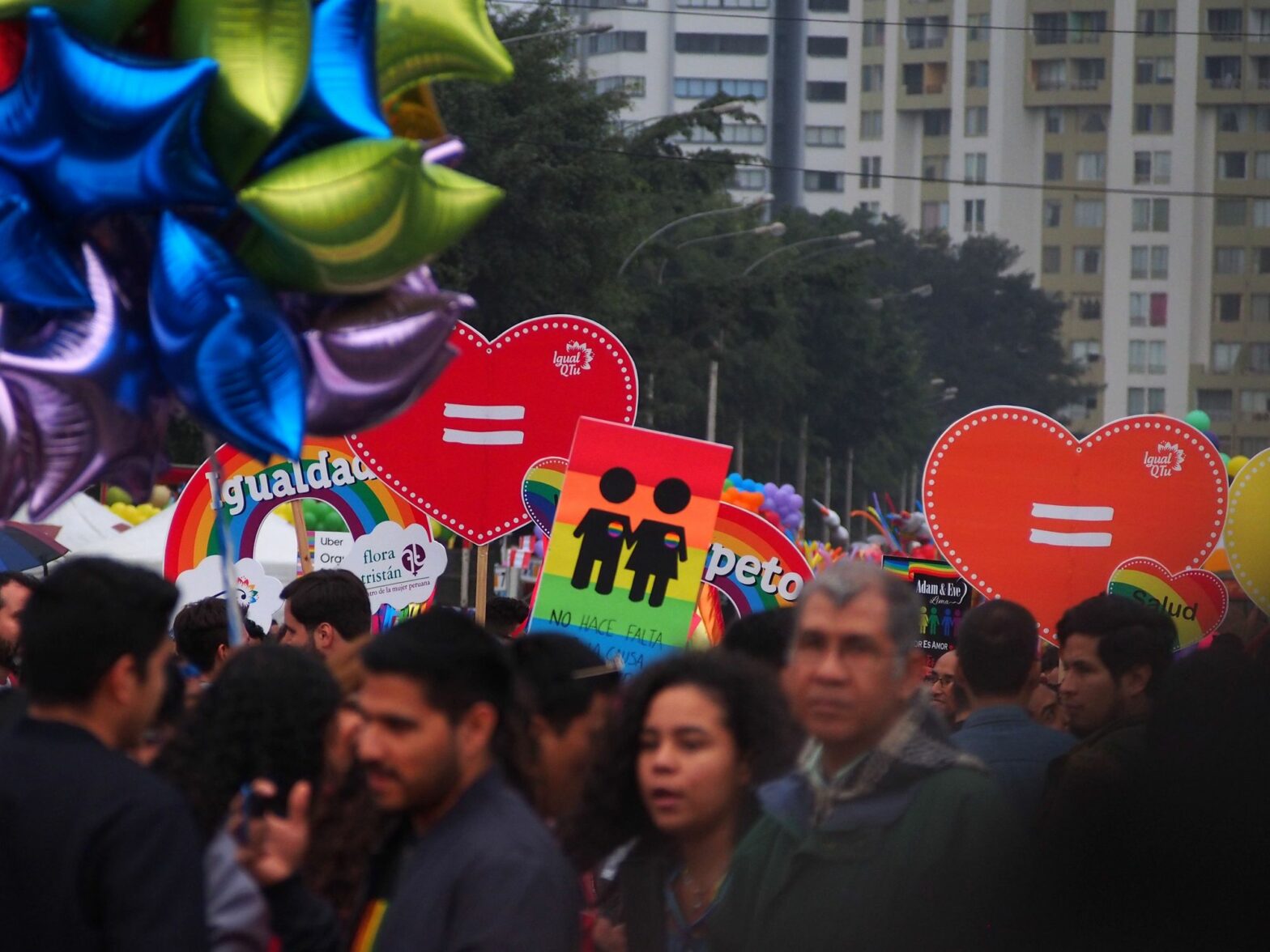
It’s not easy coming out to your family as gay or transgender, nor for every family to accept it, especially in conformist societies like Latin America’s. But, unlike decades ago, today families can seek out sensible information and professional help to avoid hurting their children.
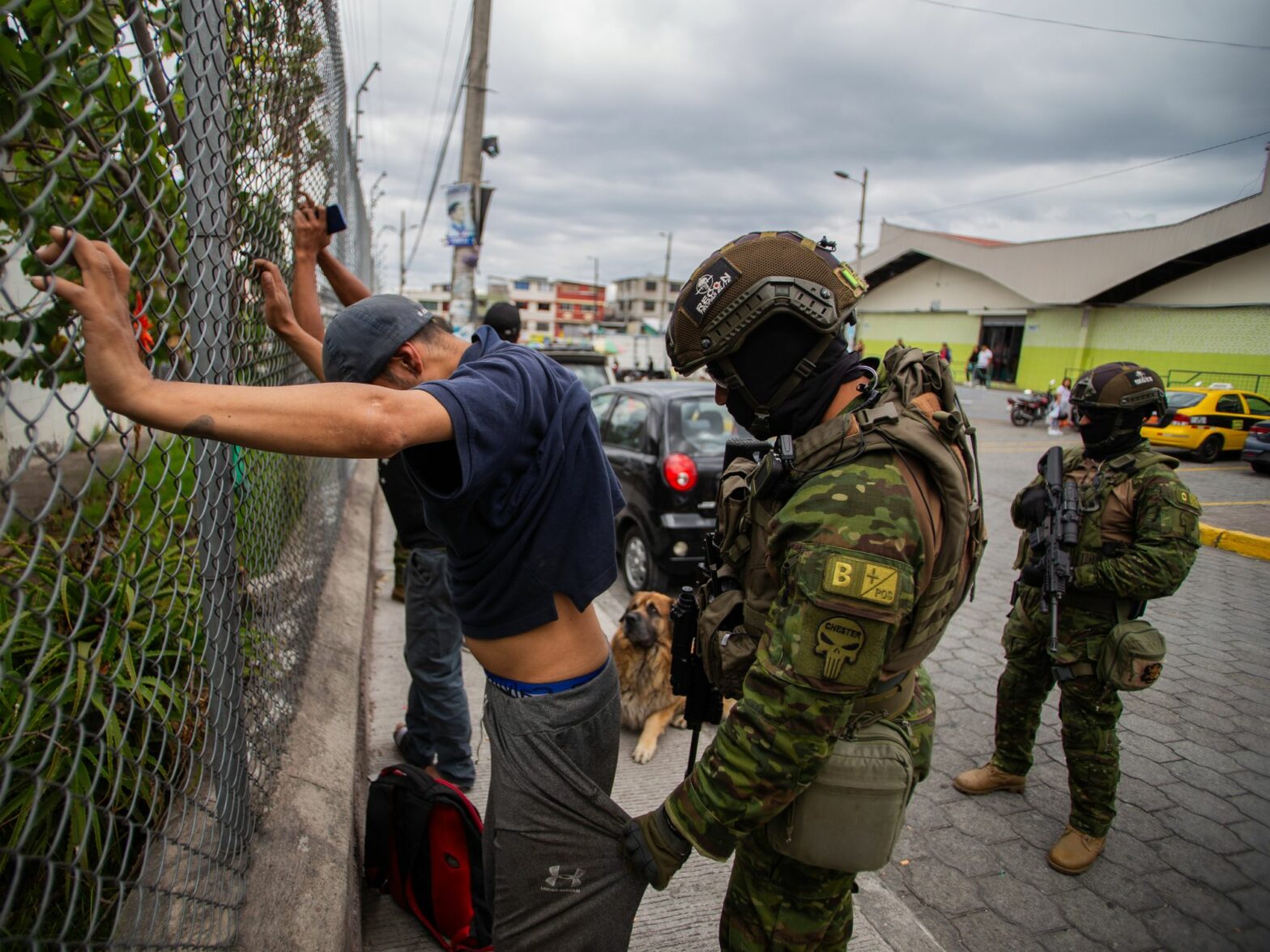
The crisis of gang violence in Ecuador is being driven by international drug trafficking, a major illicit economy that exists because of the ban on drugs. It and other Latin American countries are paying a high price for this unjust ban, and must unite to call for its end.
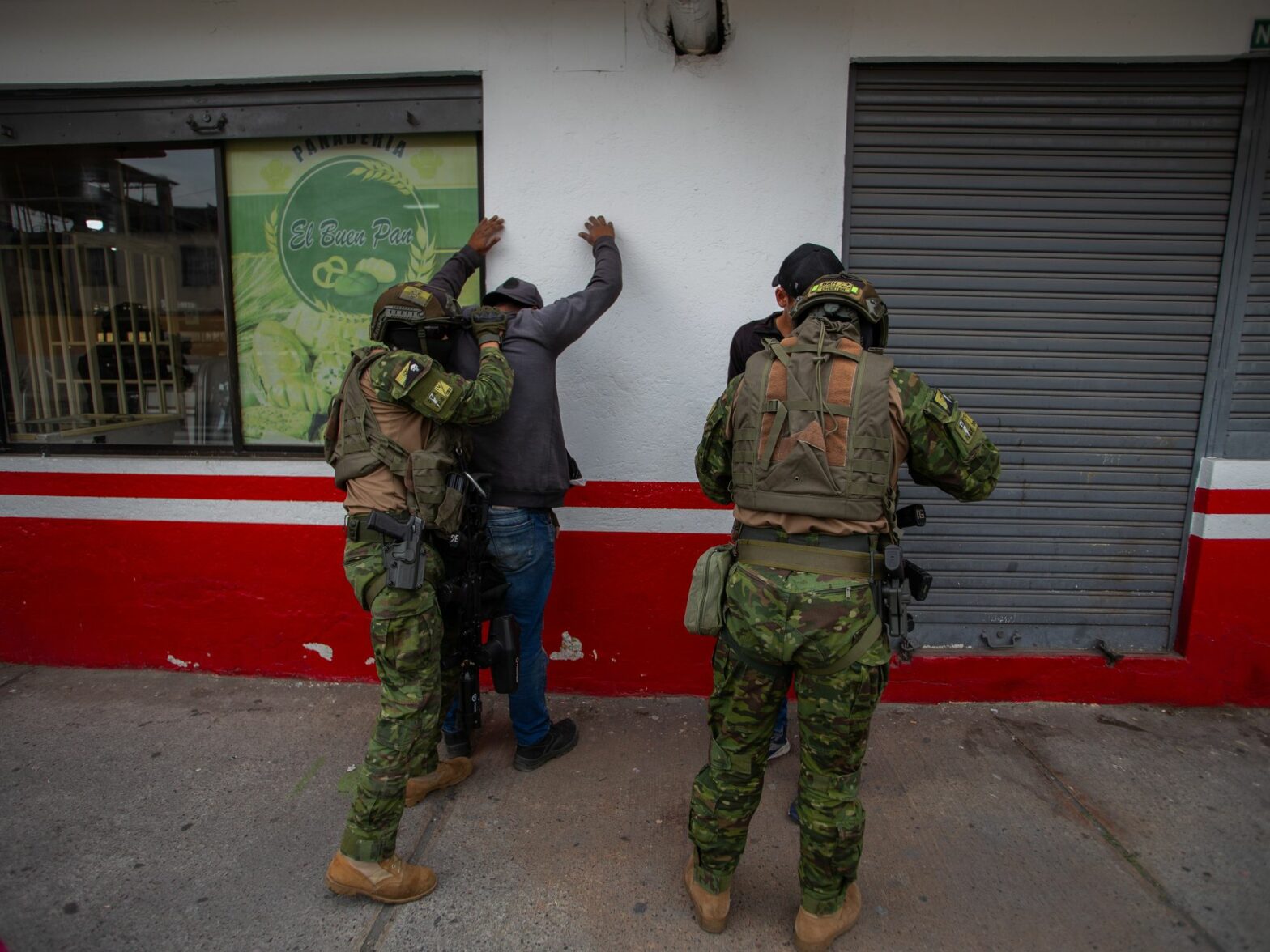
Ecuador’s simmering civil war, curiously, appears to also be a byproduct of the disbanding of Colombia’s FARC rebels in 2016. Since then, chaos has reigned through much of Latin American drug trafficking routes, reverberating with criminal elements in Ecuador.
On climate and peace negotiations, Colombia’s president has lots to say. But has he ever seen the filth which late-night drinkers leave on streets and at doorsteps nearly every night?
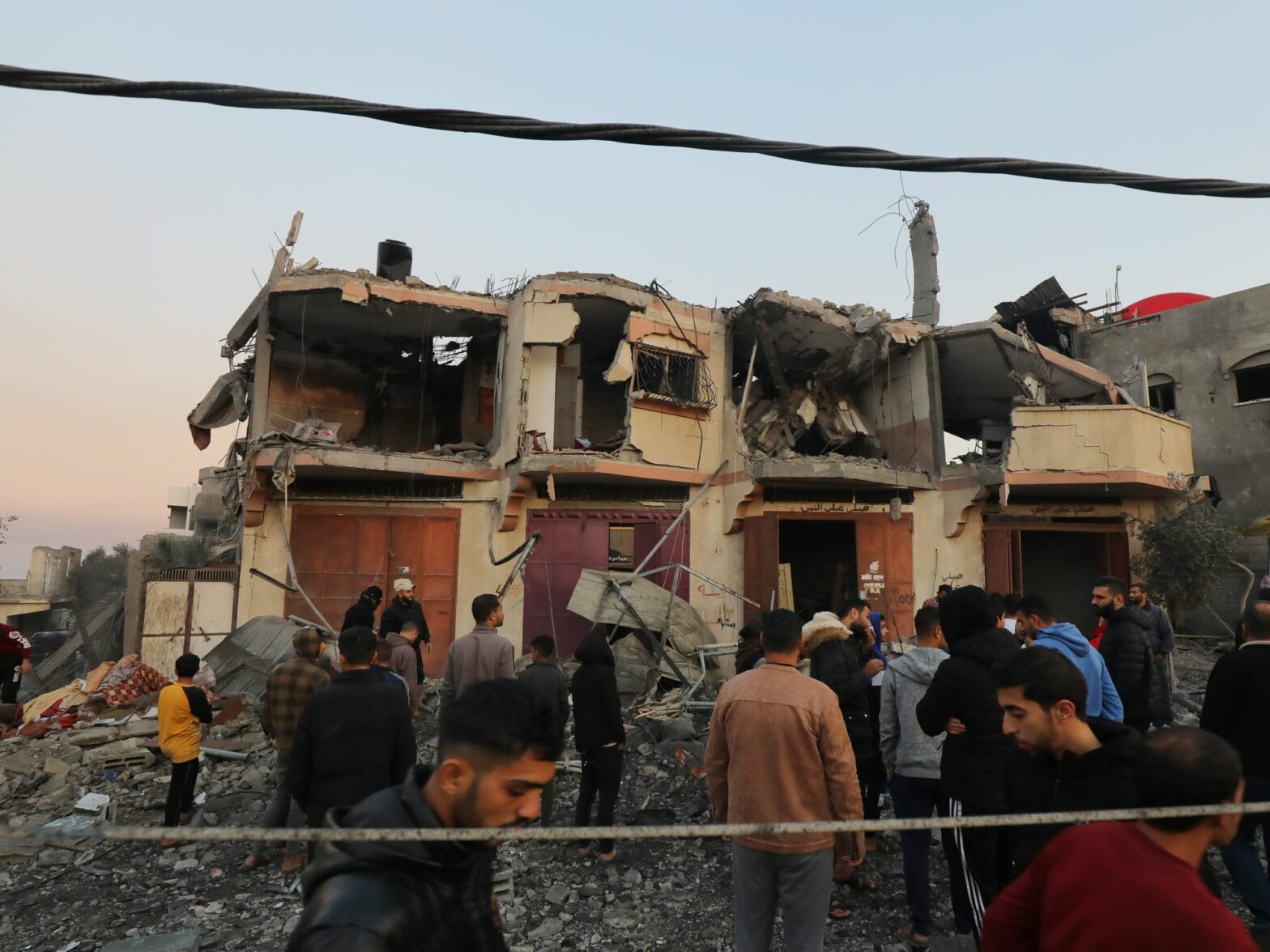
Are the Israelis perpetrating a genocide in Gaza? The answer is tied up in the definition and legal significance of the word itself, which is still not settled.

Postmodernism’s eagerness to relativize what is commonly considered factual, objective or real is attractive to recent, jaded, generations, but can barely help a contemporary world lurching between chaos and calamity.
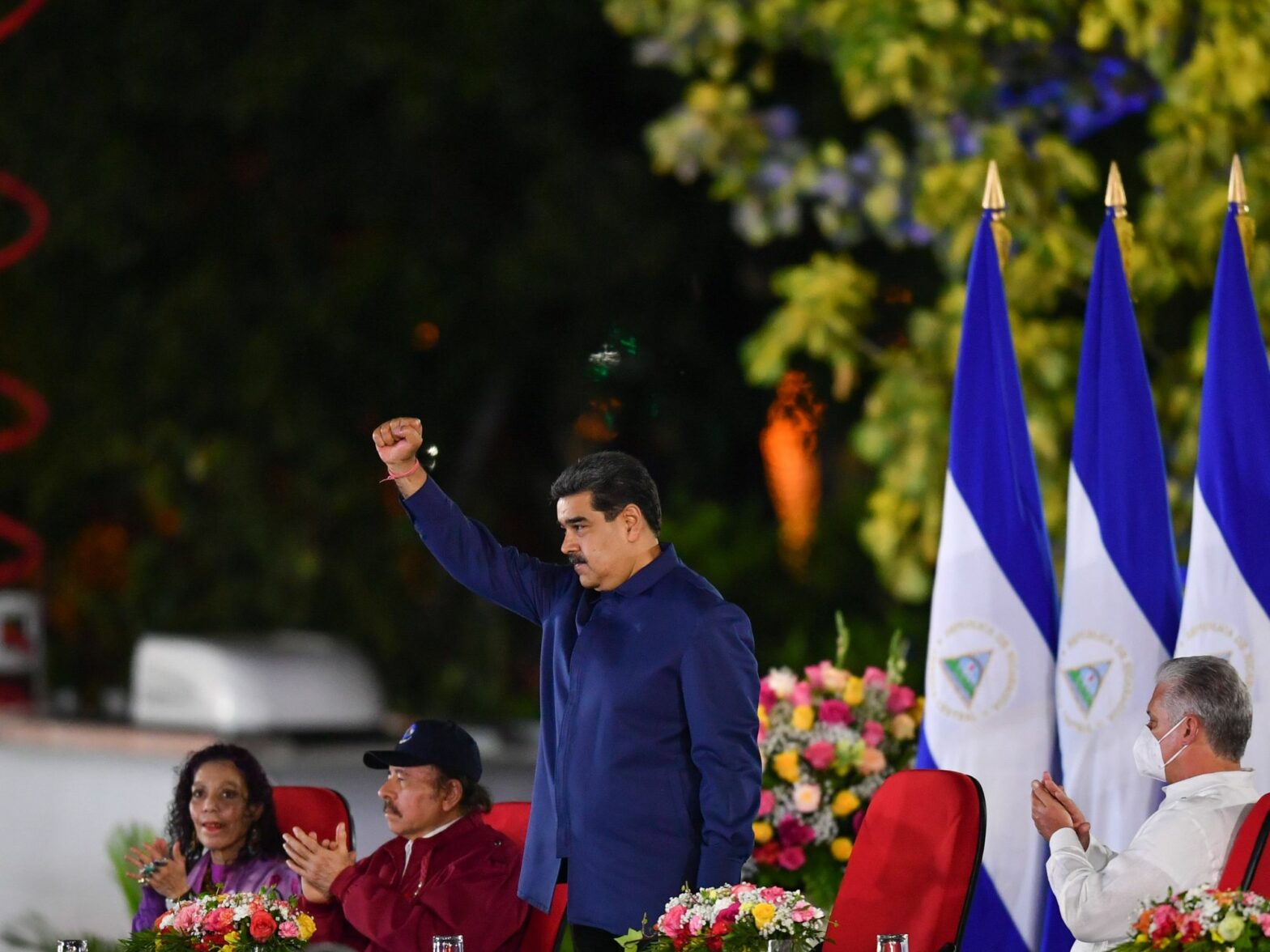
Is Venezuela’s President Maduro renewing the country’s long-standing claim to a big part of neighboring Guyana to distract from his unpopularity at home, to postpone next year’s general elections, or to nab some of Guyana’s rocketing oil wealth?
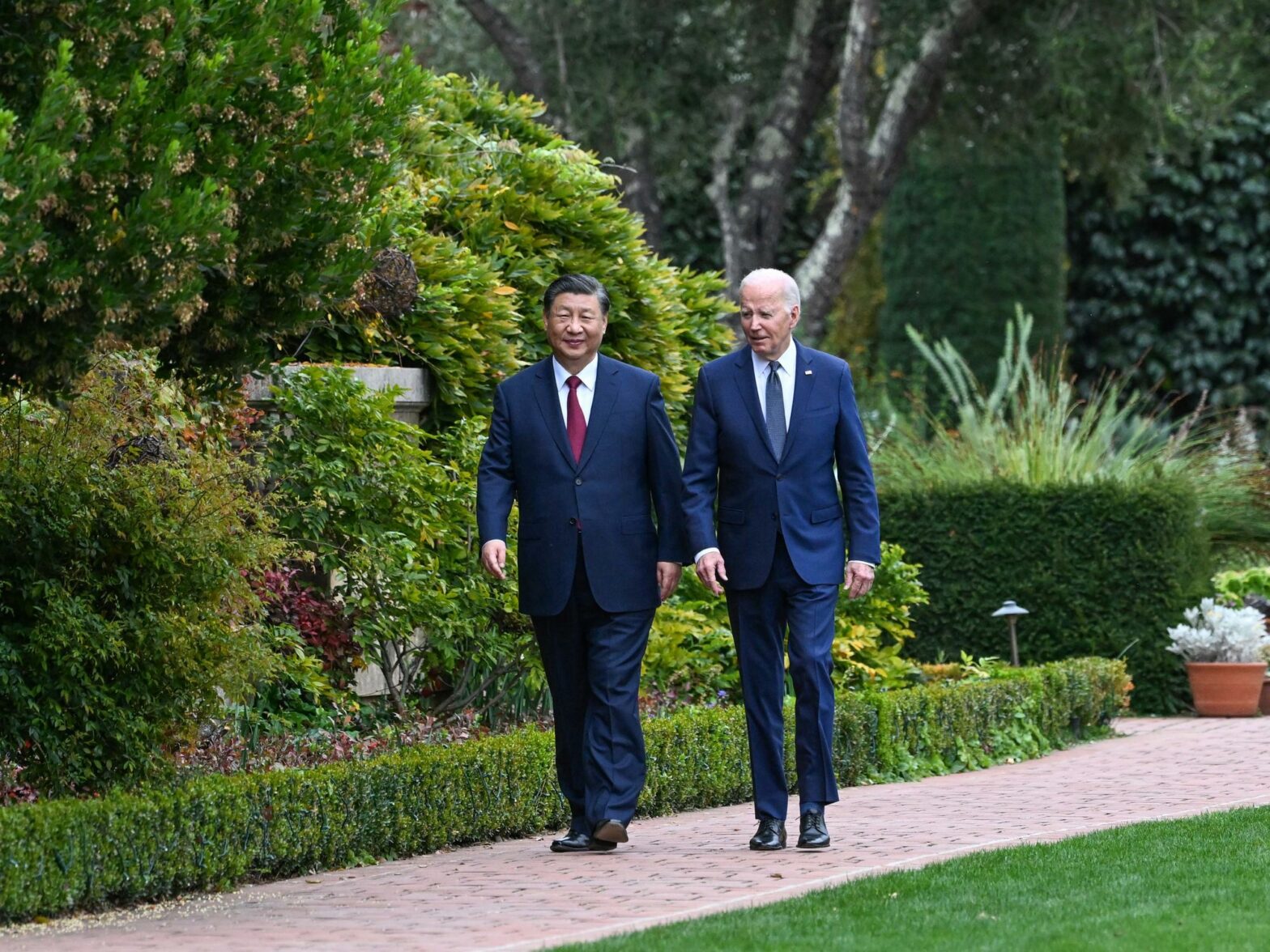
Twenty years of costly interventions and China’s economic ascent have robbed the United States of its global supremacy. It is time for the two biggest powers to work together, to help the world.

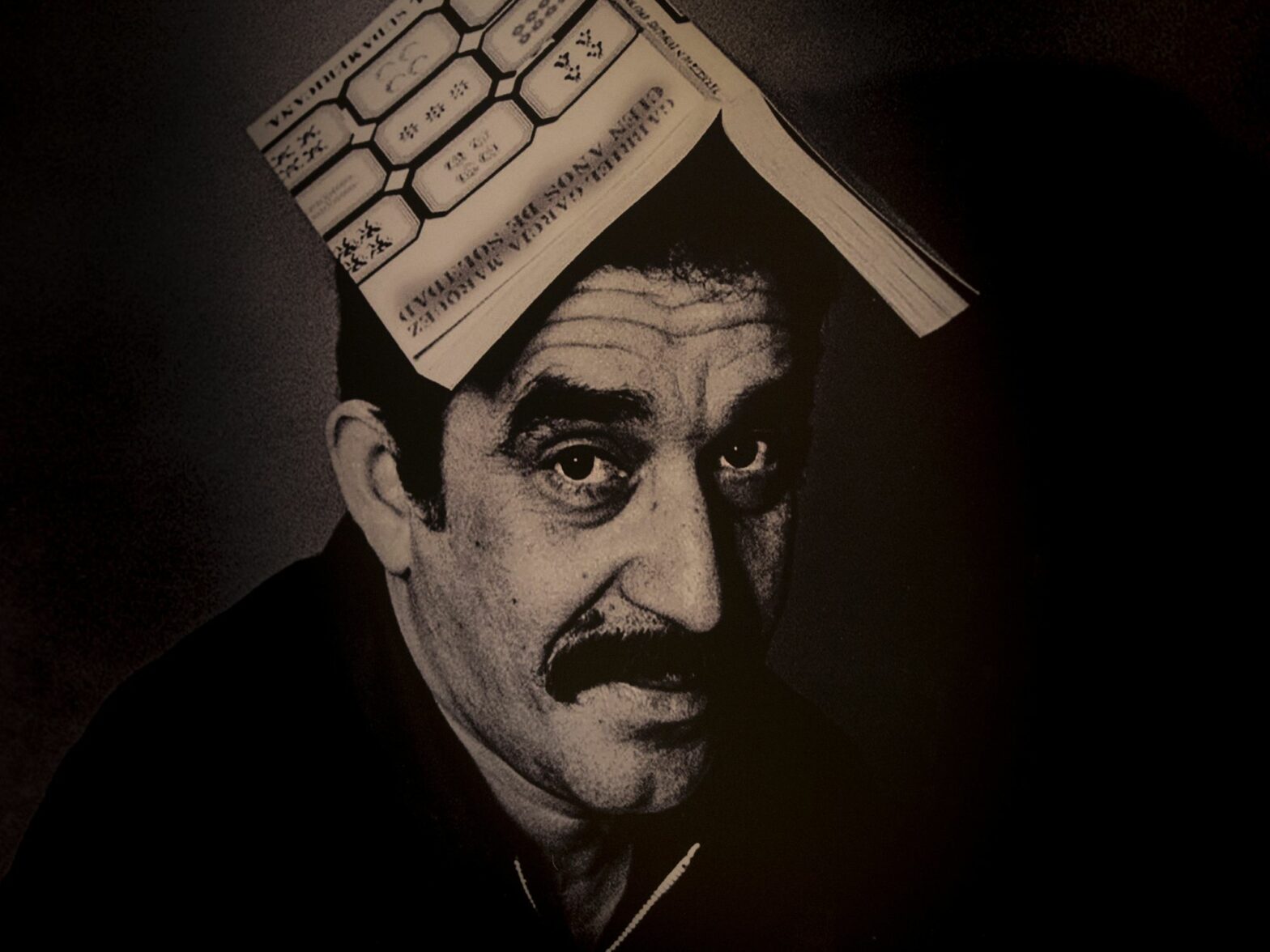
A noted expert of the late Gabriel García Márquez is putting to rest the idea that the legendary Gabo was just a fantasist and man of fiction, revealing poignant and pointed essays and literary criticism.

Sectors of the political Left around the world have practically lauded the Oct. 7 Hamas attack on Israel — finally barely bothering to hide their good ol’ fashioned hatred of the Jews, rather than hiding behind anti-Zionist rhetoric. Something evil has been re-released.
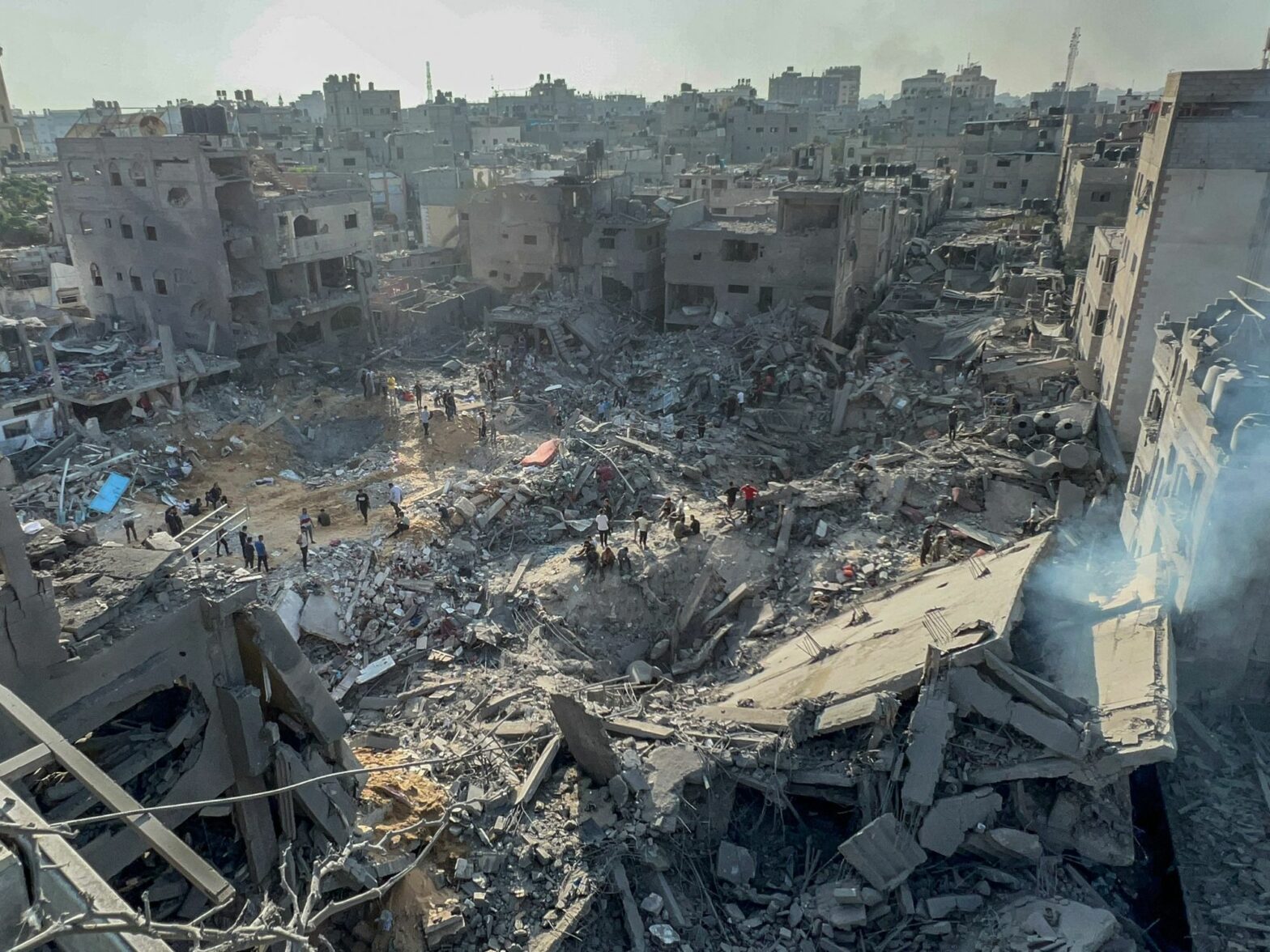
Considering that our “final war” may be arriving isn’t so far-fetched when states like Iran, Russia and North Korea are courting confrontation and taking “crazy” risks, a little like the European powers of 1914. But let’s proceed with caution.
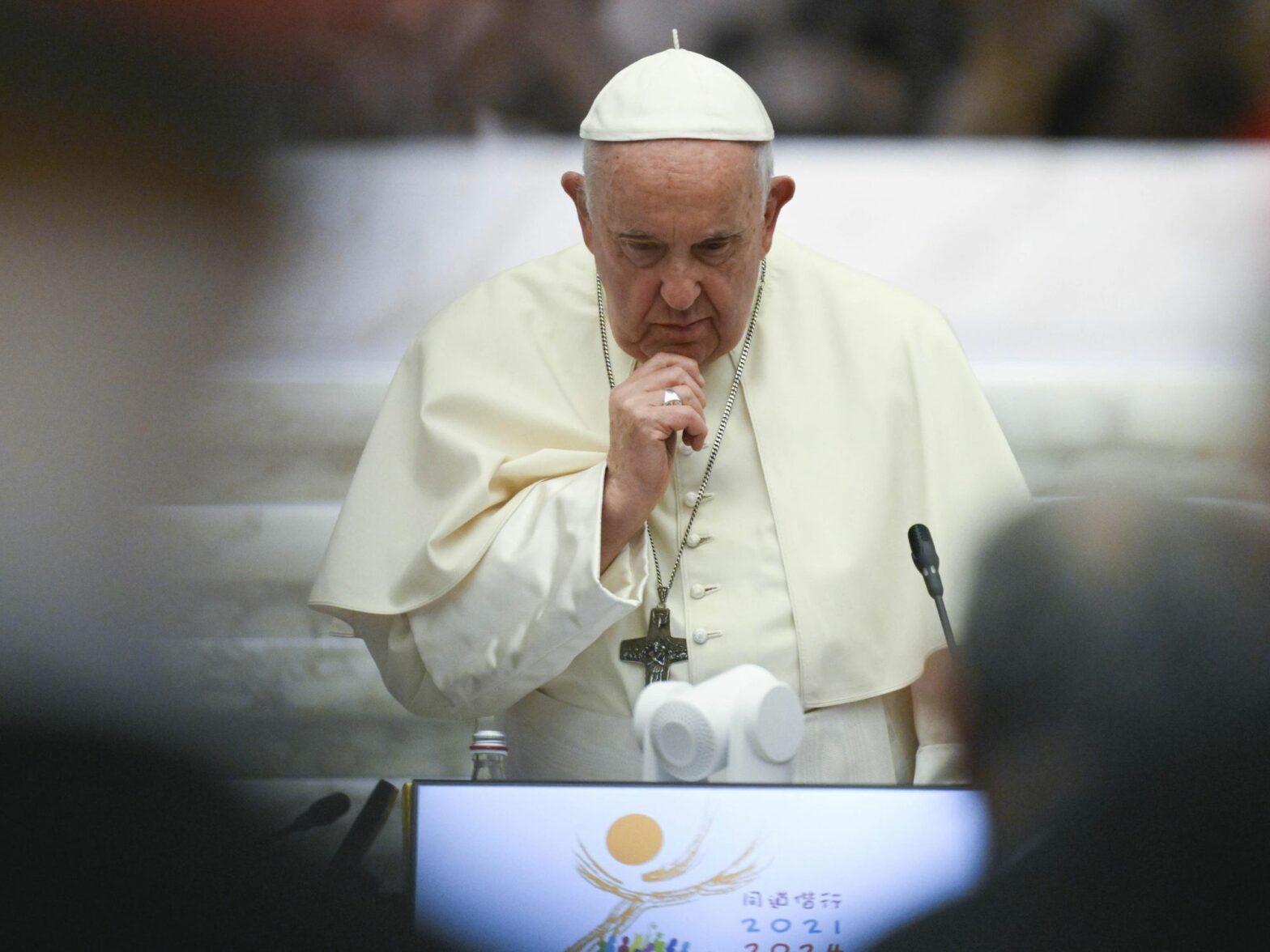
Pope Francis has convoked a momentous synod gathering in Rome to debate changes to Catholic doctrines and practices. It is a frontal reformist push that reflects the current pope’s ideals — and it has conservatives seething.
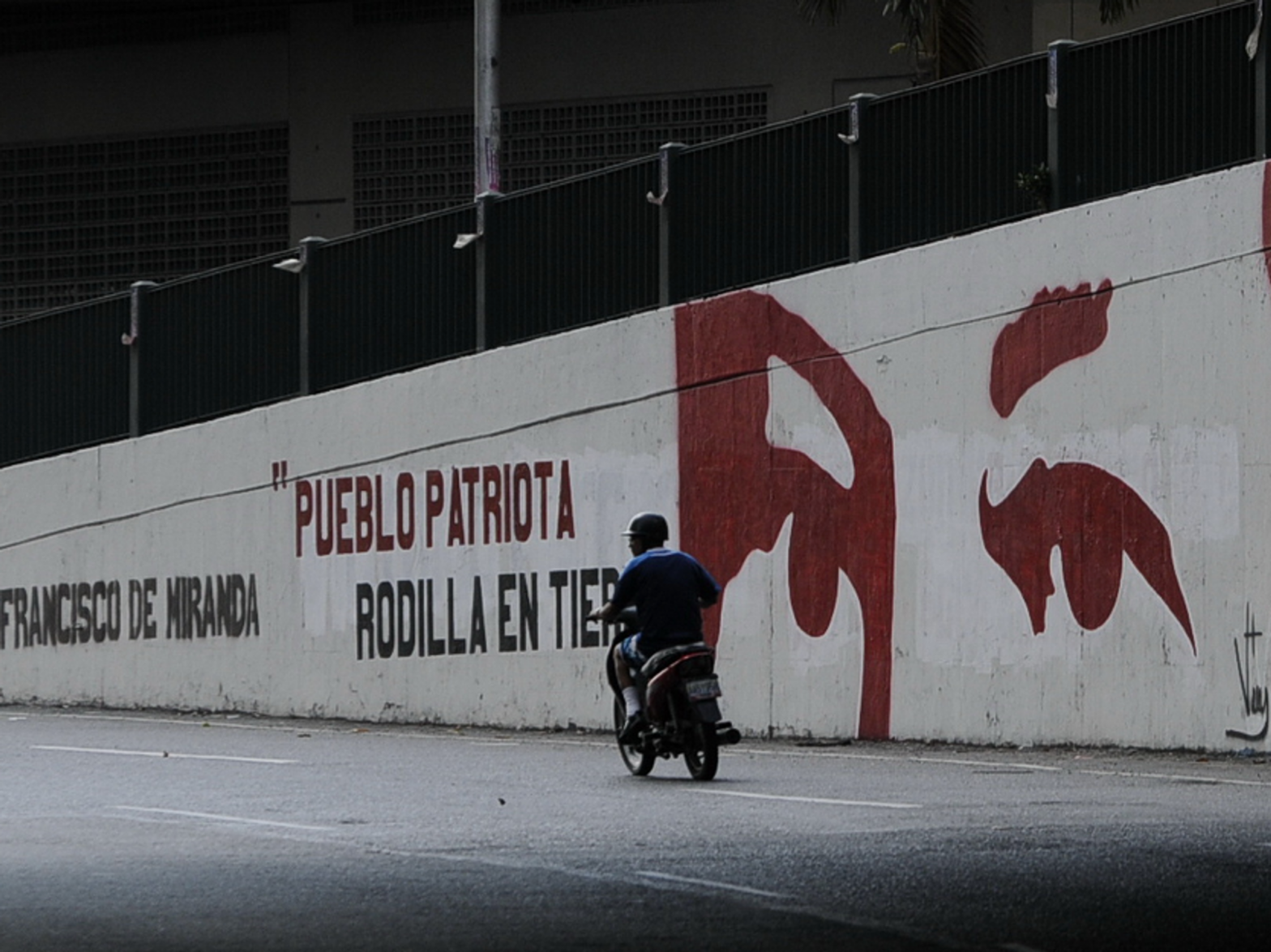
The Biden administration’s exploration to lift sanctions on Venezuela, hoping to gently push its regime back on the path of democracy, might have taken its cue from Brazilian President Lula’s calls to stop demonizing Venezuela.
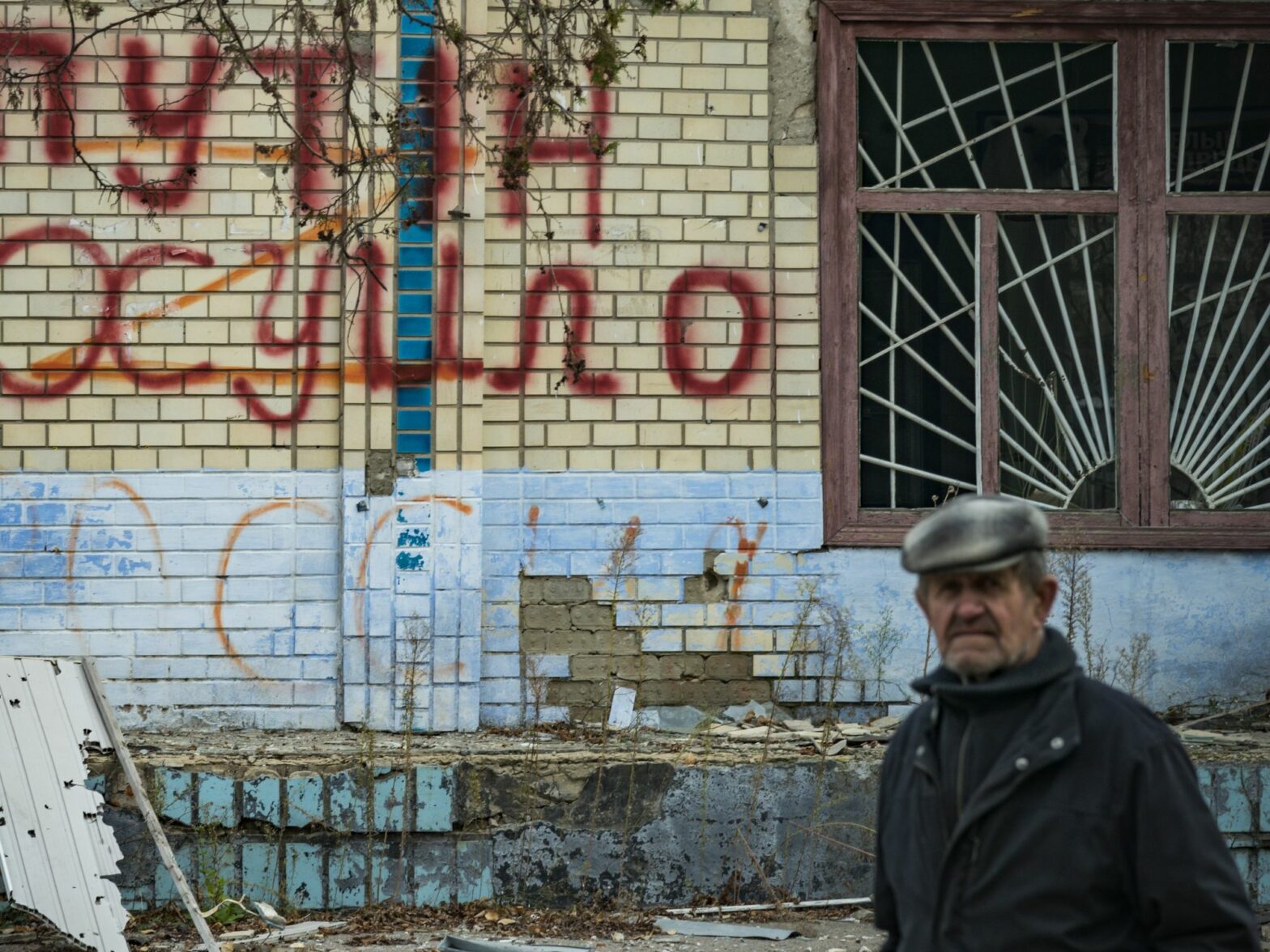
With multilateral diplomacy in tatters, the fighting gumption of weaker states against aggression by bigger powers is helping end the age of empires.

The cold arrogance of Henry Kissinger extends from Santiago de Chile half a century ago, where he helped orchestrate the violent overthrow of the leftist President Salvador Allende to his view today on Russia’s would-be “sphere of influence.”
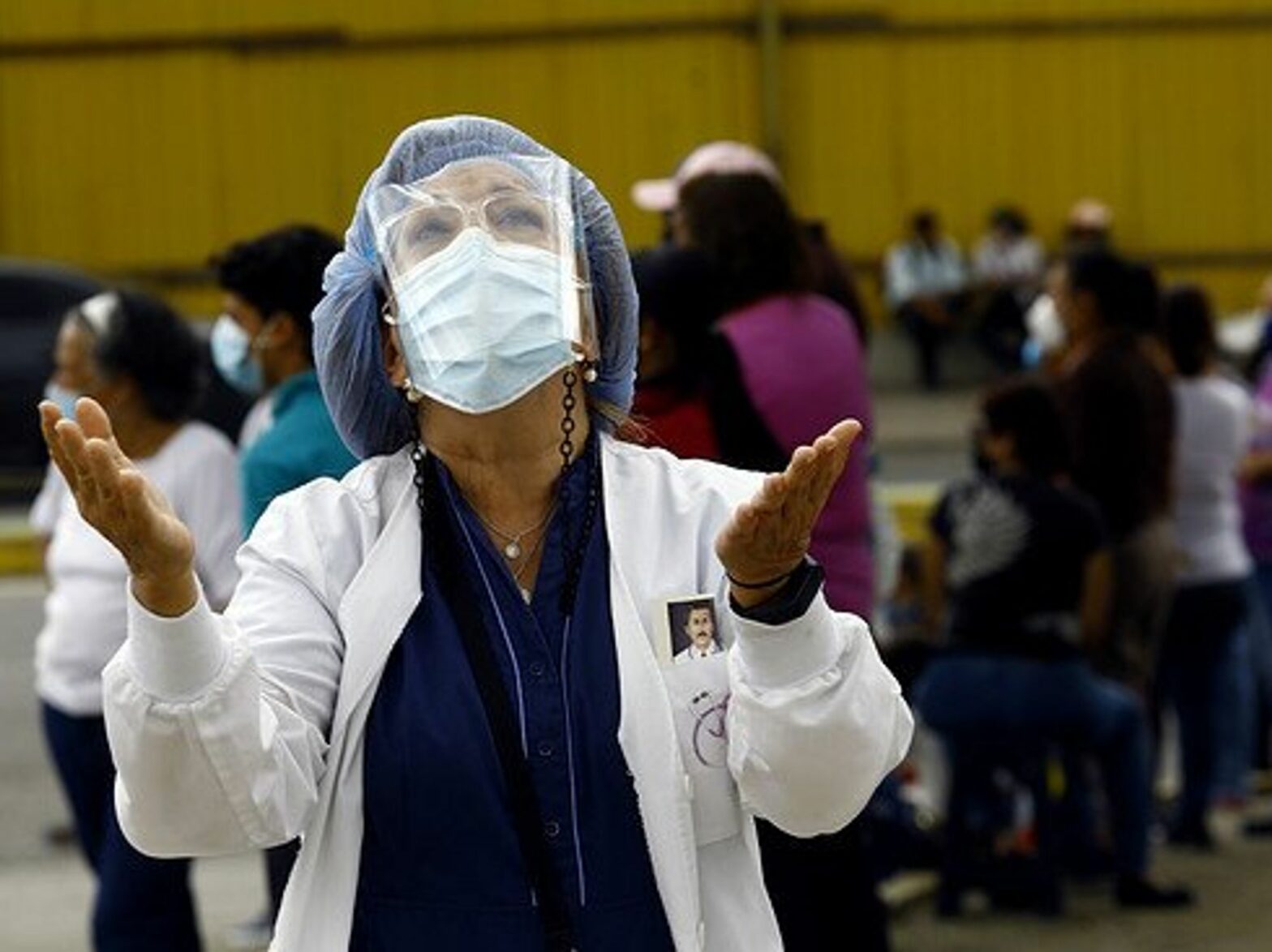
Like Cuba, Venezuela churns out doctors who are poorly trained and overworked. Colombia then lets them practice medicine in the country in yet another senseless gesture of political goodwill toward Venezuela.

Industrial-style farming should certainly be reimagined, but not with a guilt-ridden assault on the livelihoods of millions of farmers, herders and fishermen.
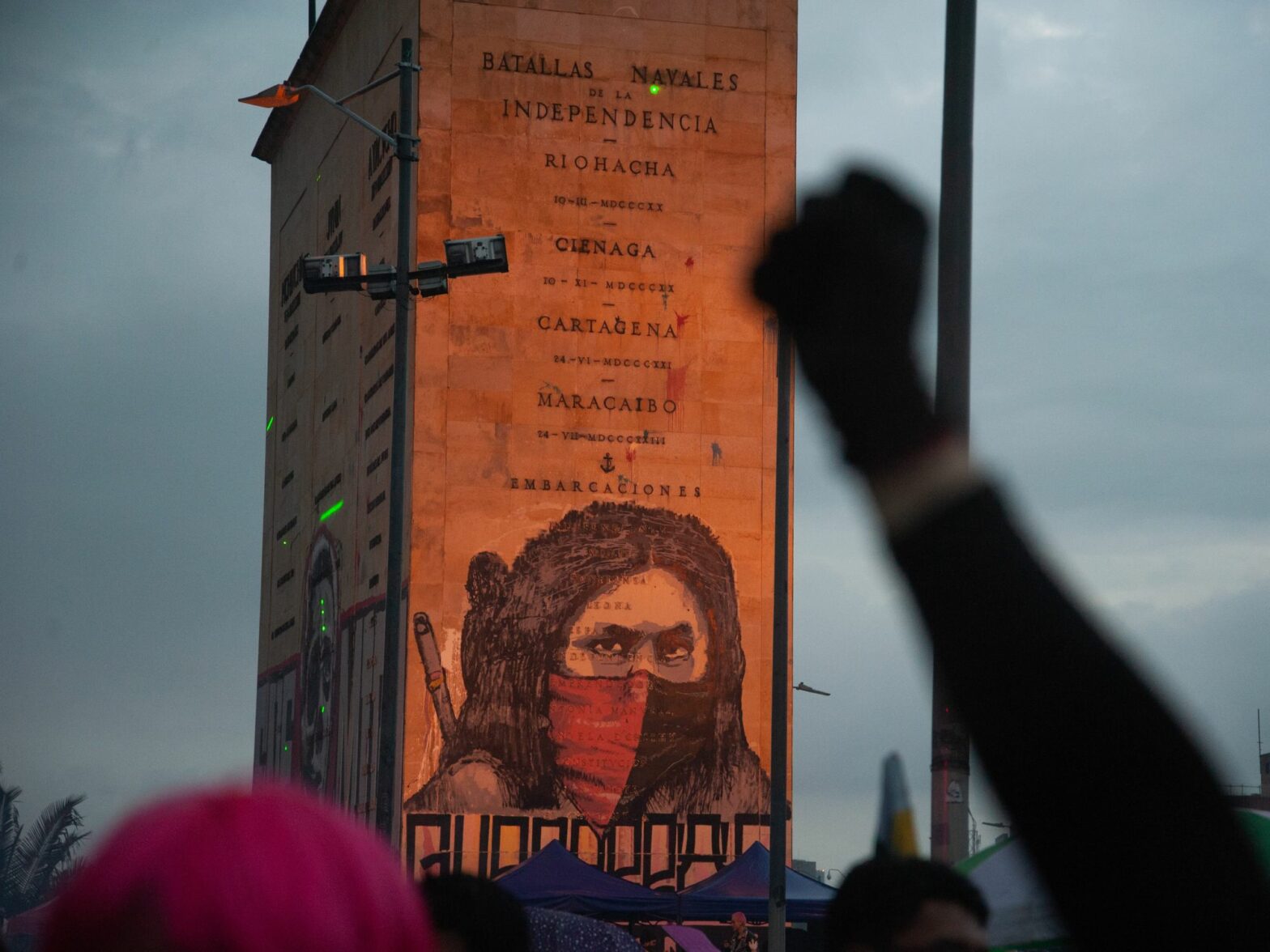
Three women who were victims of sexual violence during the Colombian Civil War recount their stories of struggle and survival. They speak up in the hopes that the judiciary will open a new case to bring justice to them and many more survivors of sexual abuse perpetrated during the conflict.
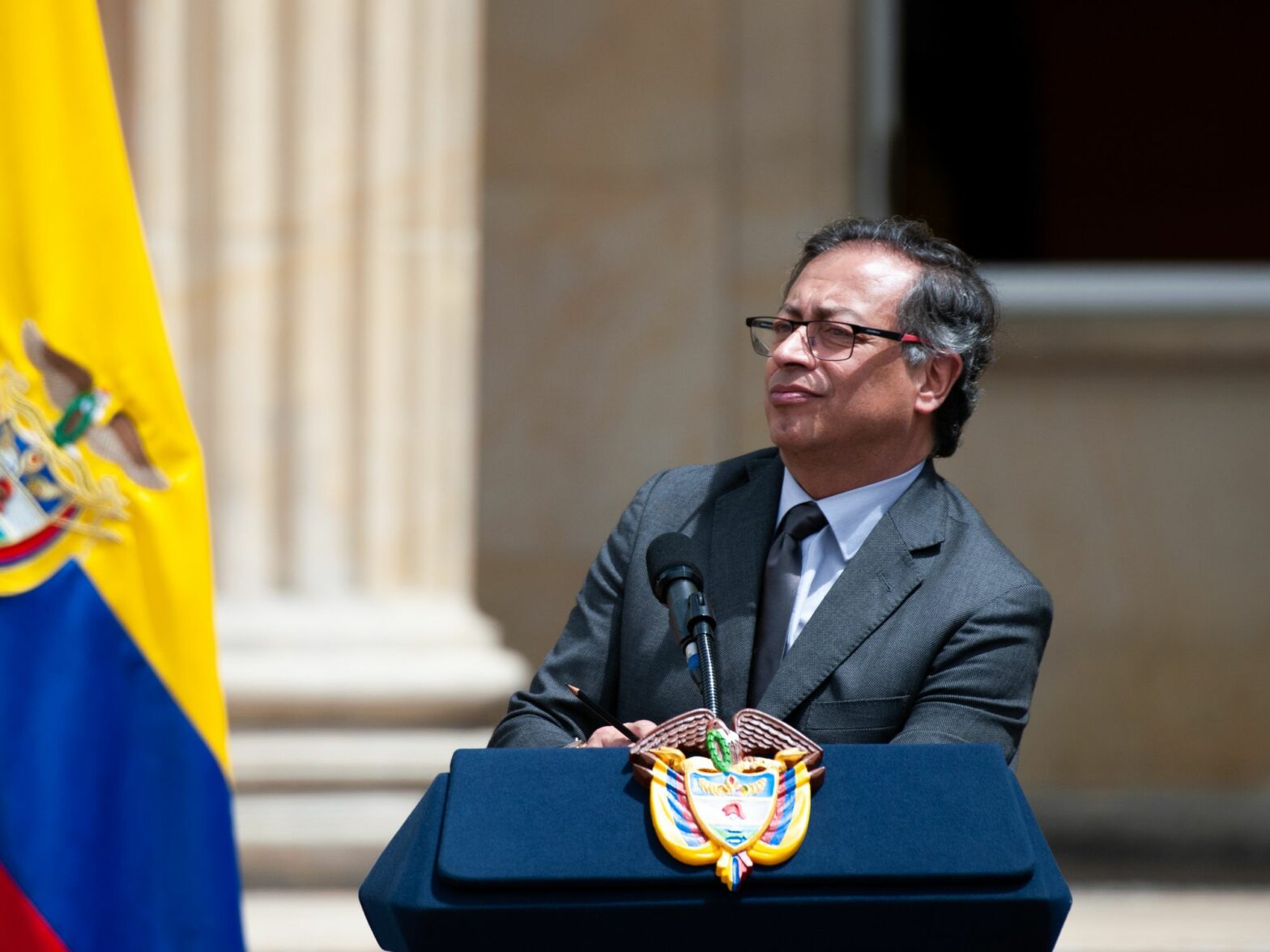
Colombia’s leftist president claims Russia and the United States act in “much the same” way in the world, disregarding the fact that only one of those states poisons or throws critics out the window.
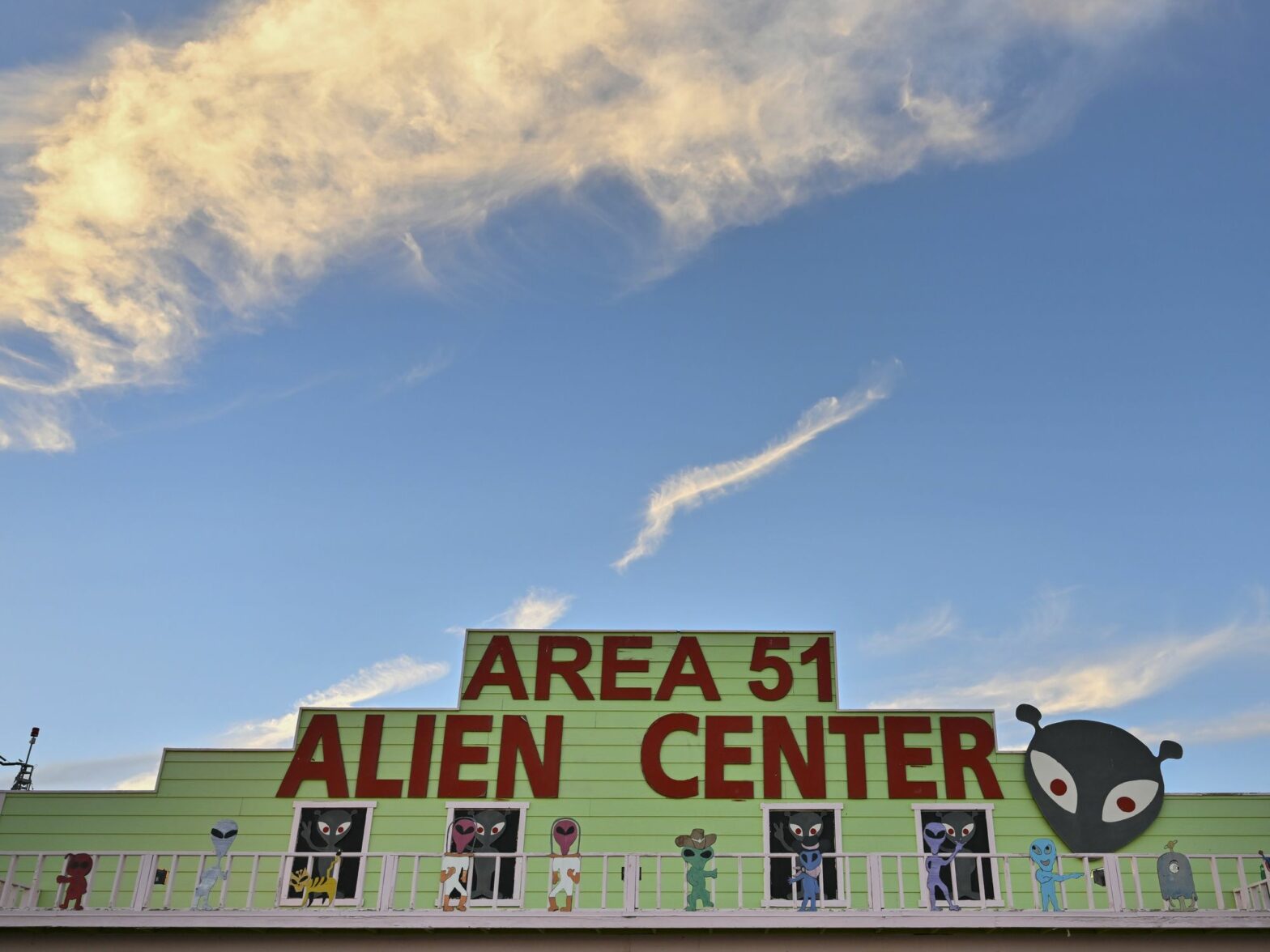
The U.S. Congress recently held a public hearing about “Unidentified Aerial Phenomena” (previously known as UFOs), partly because of intense public interest on the matter. But what is it that makes Americans so prone to believe in aliens and conspiracy theories?
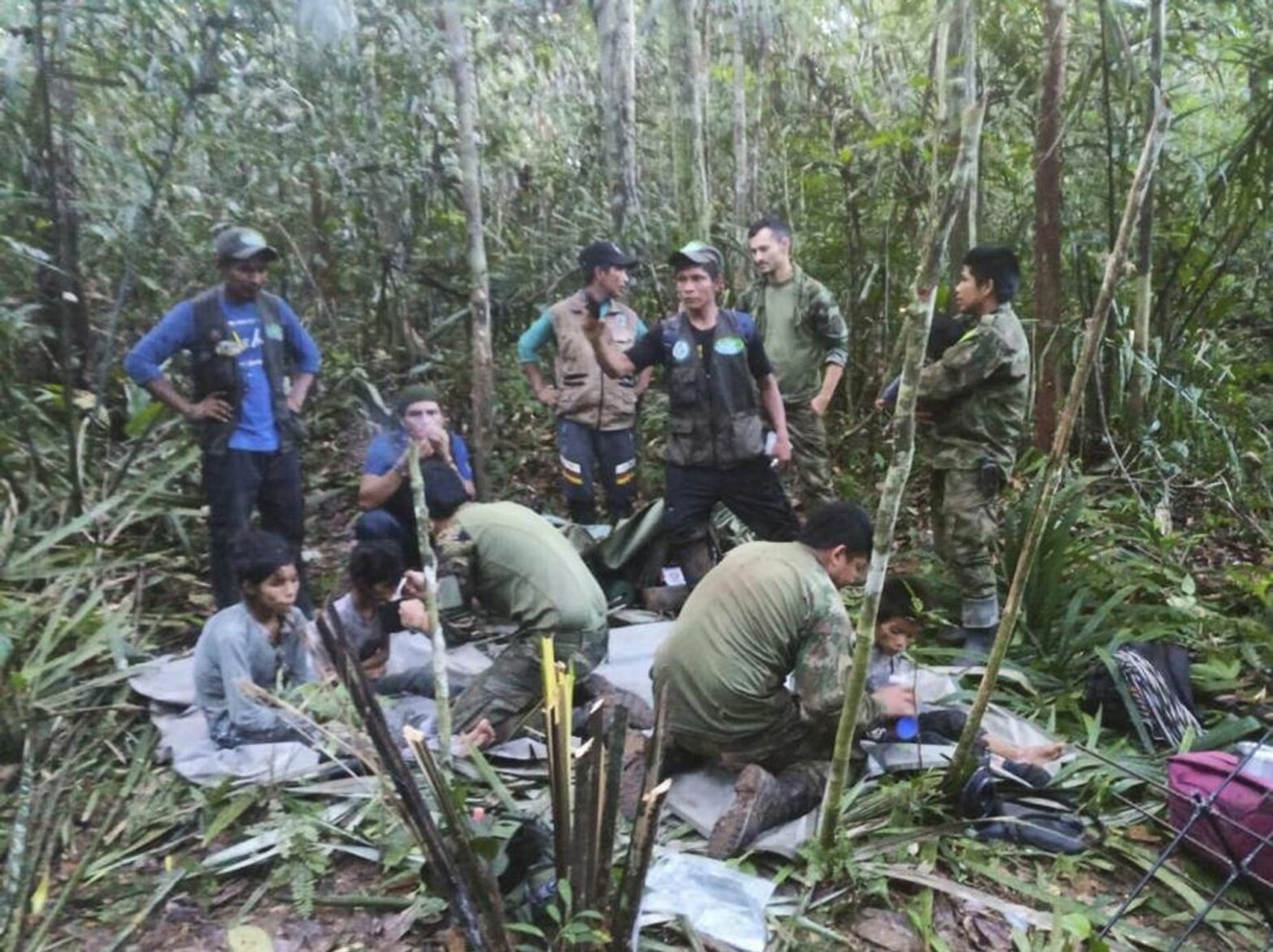
Much has been said about how the children’s local culture helped them survive 40 days stranded. But there are indigenous people in Colombia who believe “natural spirits” watched over them, keeping them safe until it was time for them to be found.

Venezuela’s Aragua Train, which began smuggling women into jails a decade ago, has become an international forced prostitution and people-smuggling operation. A special investigation by Colombia’s El Espectador*.

Dior recently tried to fight gender violence in Mexico City, in a catwalk inspired by late artist icon Frida Kahlo. However, this took place in the form of an elitist show, with hollow slogans and no real action.

In several parts of Colombia over the past decades, right-wing paramilitaries and their successor gangs have targeted all those tagged as sexual “deviants” for execution, supposedly in a bid to restore traditional values.
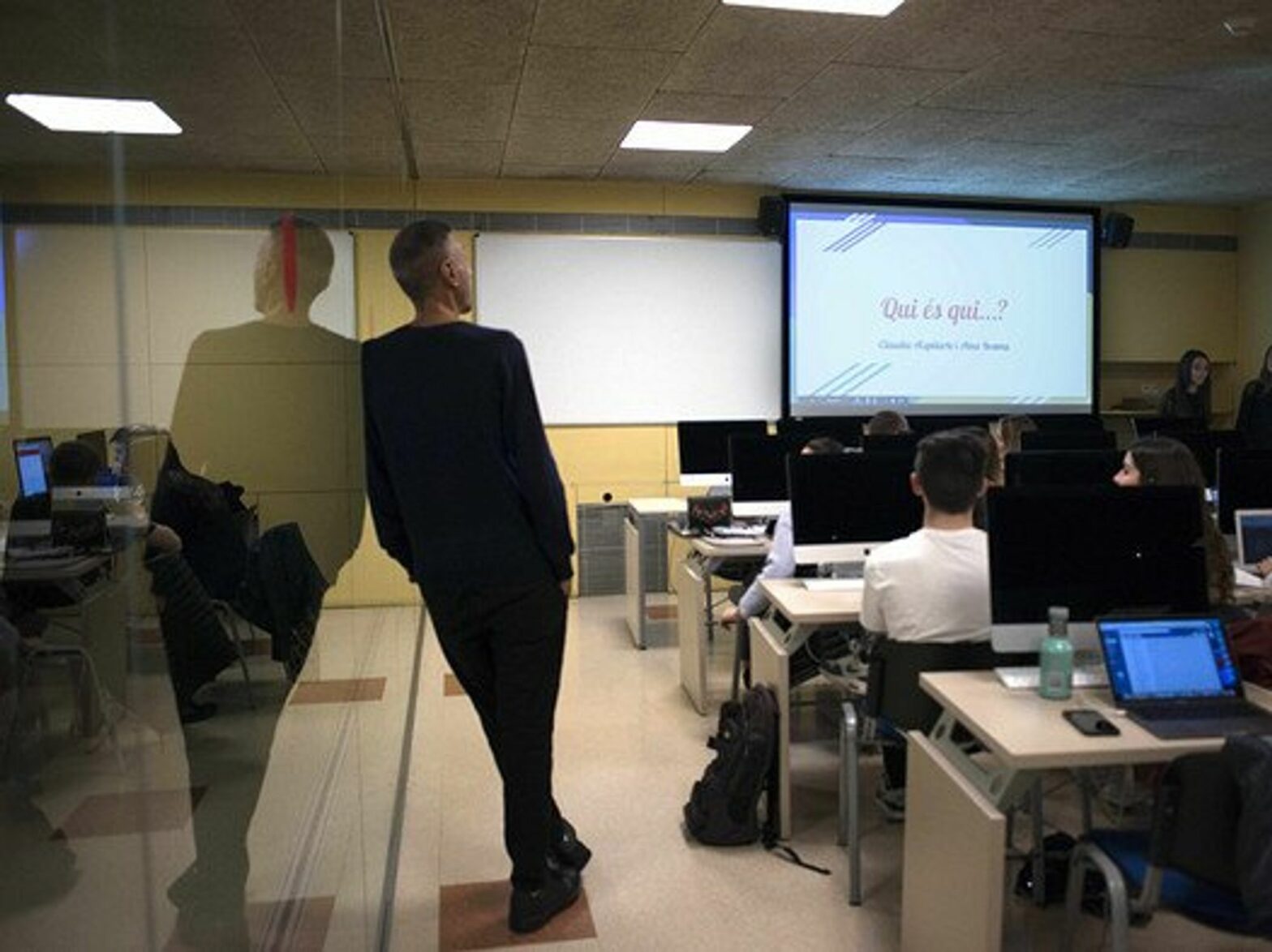
Despite fears of AI upending the education and the teaching profession, artificial education will be an extremely valuable tool to free up teachers from rote exercises to focus on the uniquely humanistic part of learning.
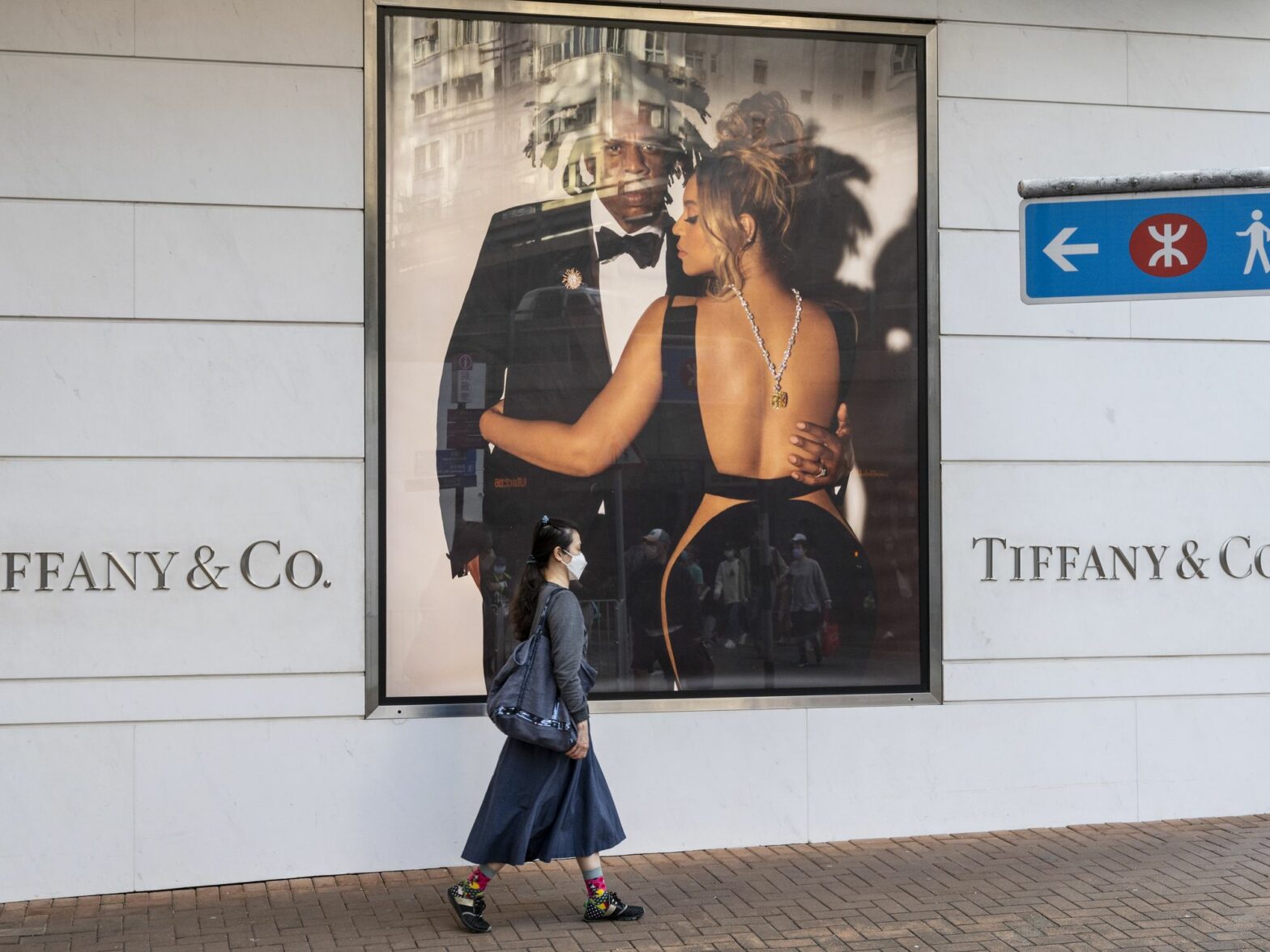
The West and its brand of modernity may be waning in favor of an ascendant China, but is it offering anything besides replacing market forces with brute force.

Male dominance and violence is often encouraged in popular Latin American music, and particularly in genres like salsa or bachata. The more memorable the songs, the bigger the harm they will have done to generations of women.
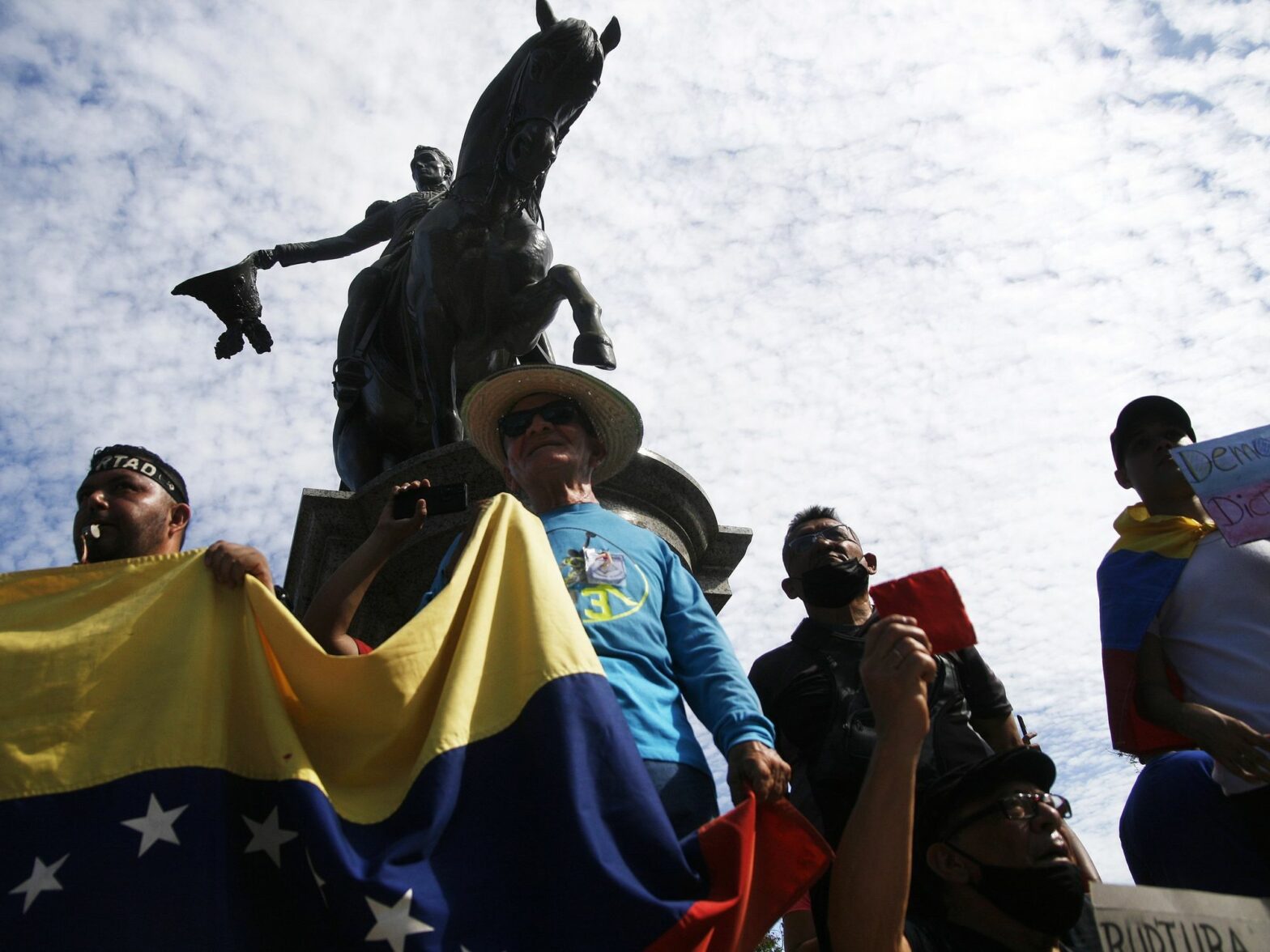
Like fears of communist subversion during the Cold War, claims that the Left will destroy the economy and end freedom persist in Latin American elections, in spite of their ridiculousness.
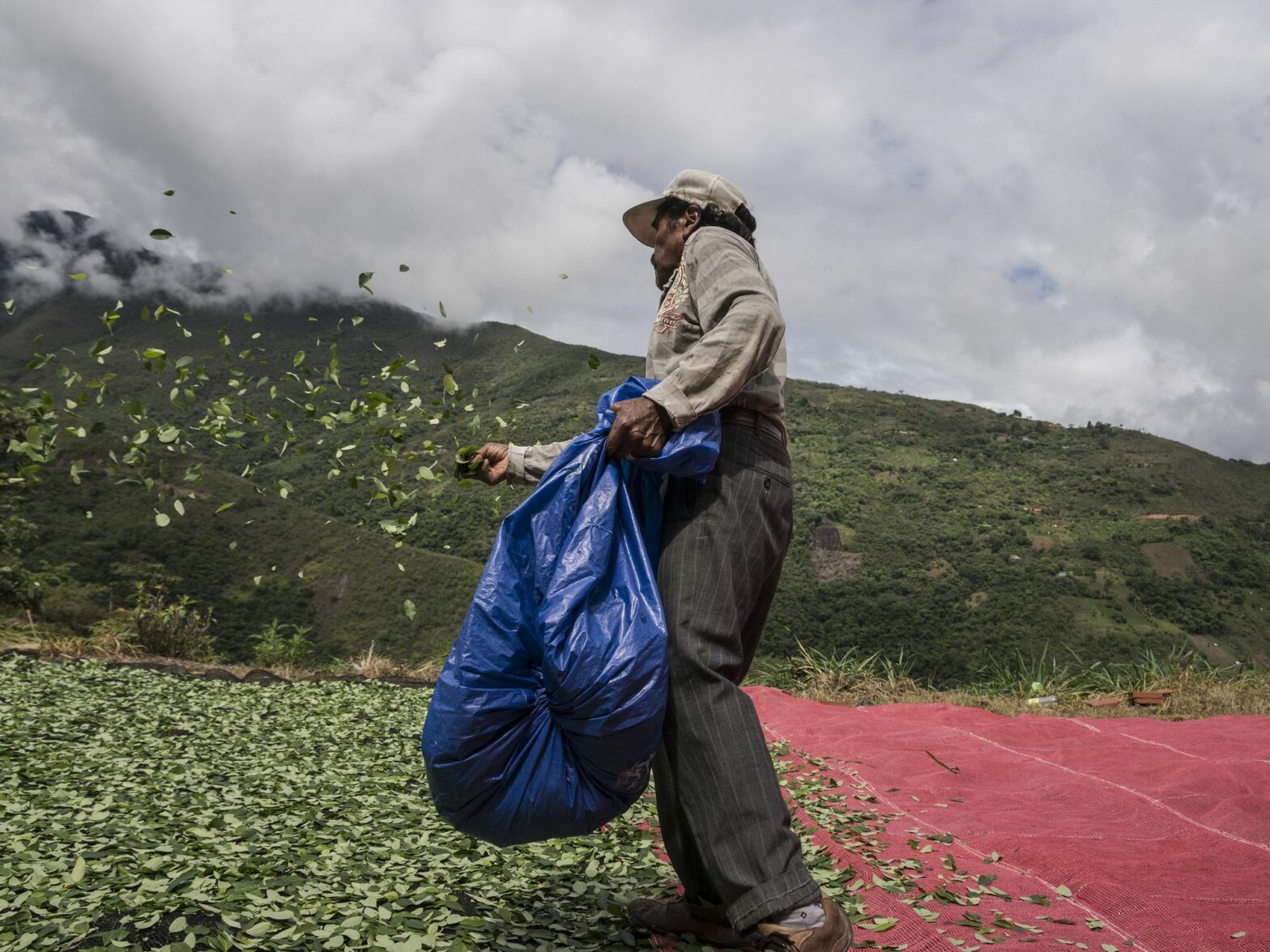
Convincing coca farmers to plant legal crops is better than spraying poisonous pesticides to wipe out the plants. And yet it turns out these crop substitution programs are problematic, disrupting livelihoods and unintentionally causing violence and deforestation.
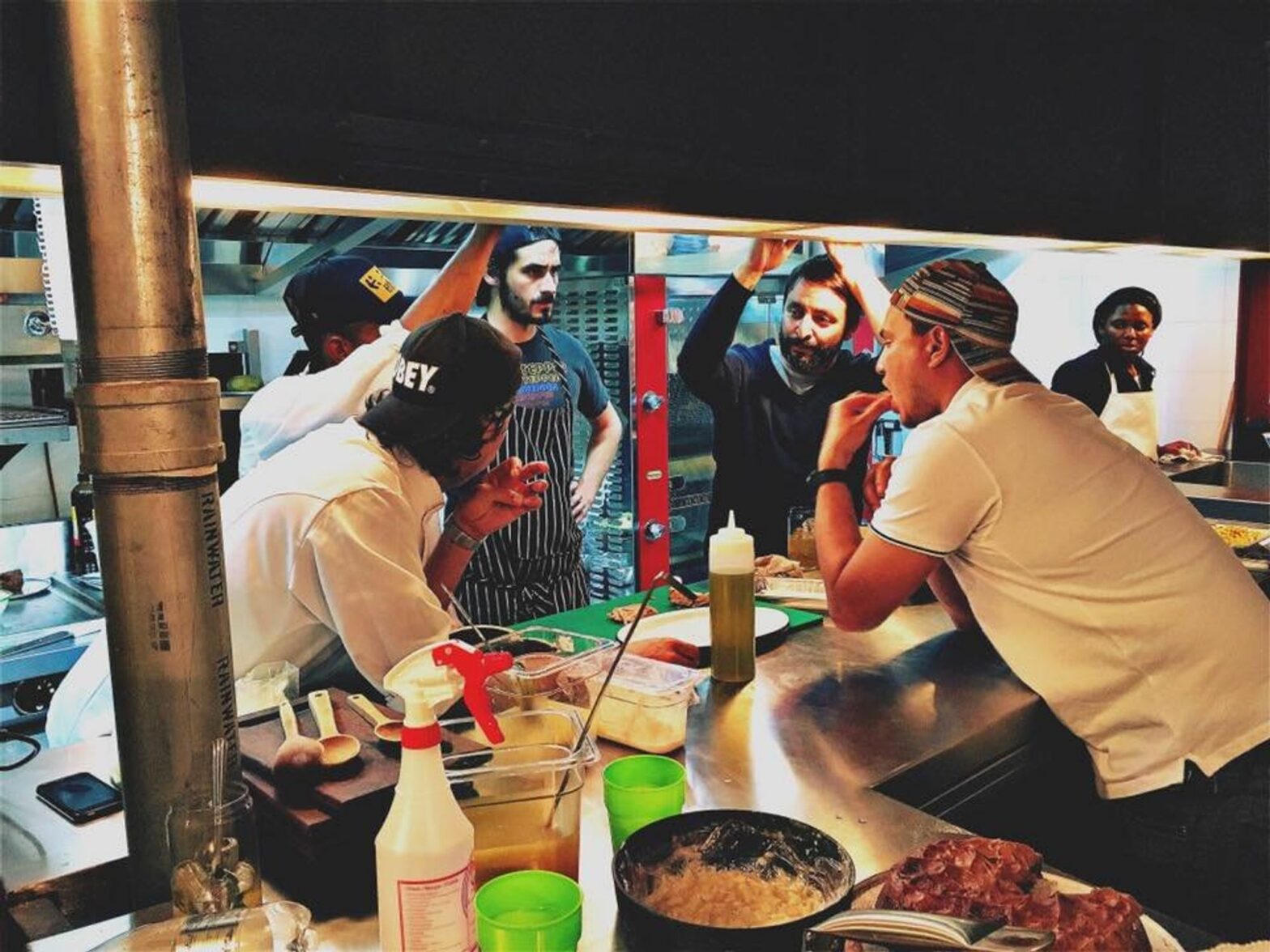
Top chefs in Bogotá and other big cities in Colombia are rediscovering and updating the country’s traditional fare to celebrate local ingredients.

Atheists may not have been blessed with faith, but God has graced them with a mischievous wit and a love of the arts that has led to some of the most beautiful depictions of religion.

Without an extended family network, modern parents have sought to raise happy kids in a “hostile” world. It’s a tall order, when youngsters absorb the fears (and devices) around them like a sponge.
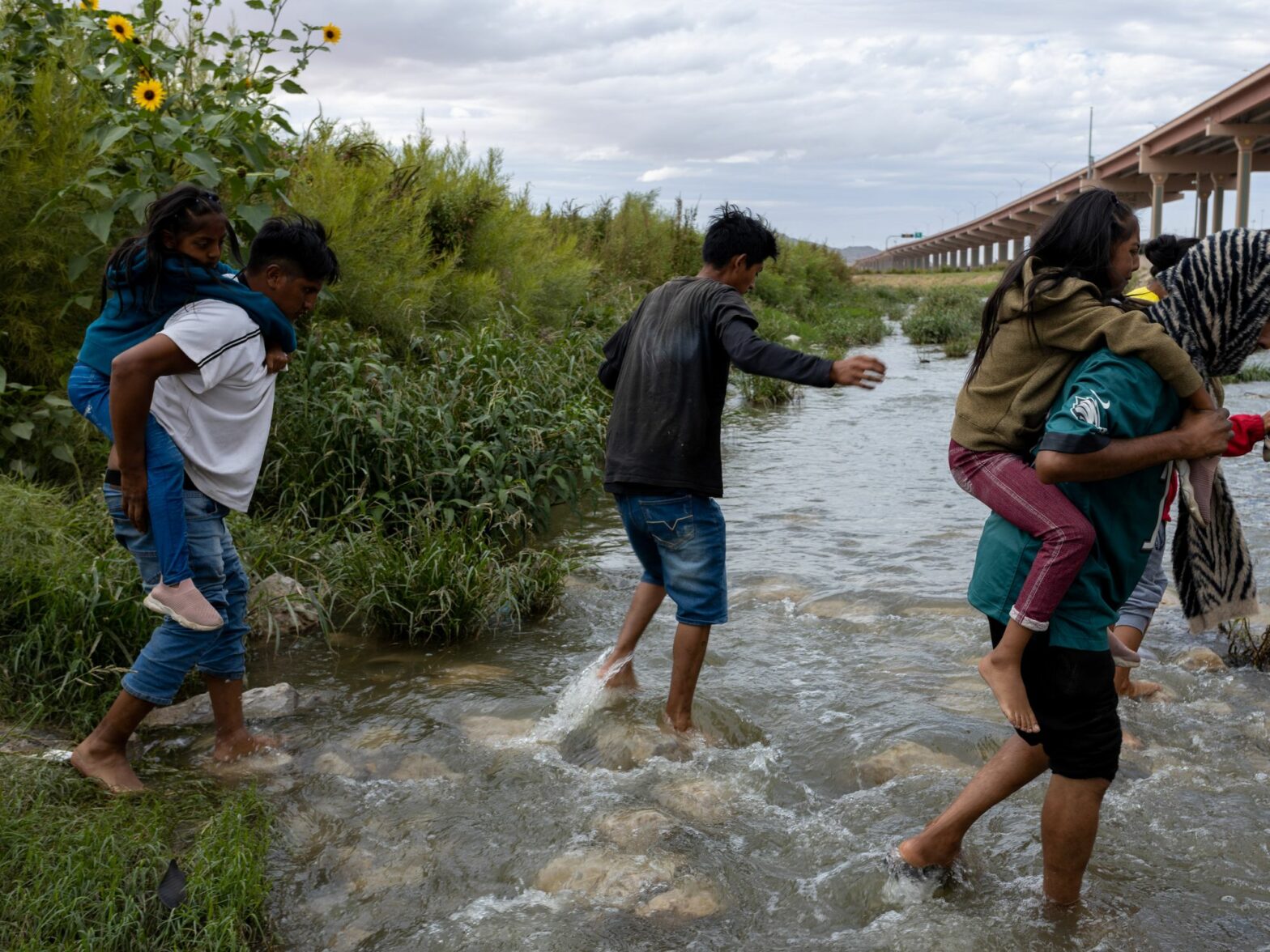
With dimmed hopes of a transition from the economic crisis and repressive regime of Nicolas Maduro, many Venezuelans increasingly see the United States, rather than Latin America, as the place to rebuild a life.

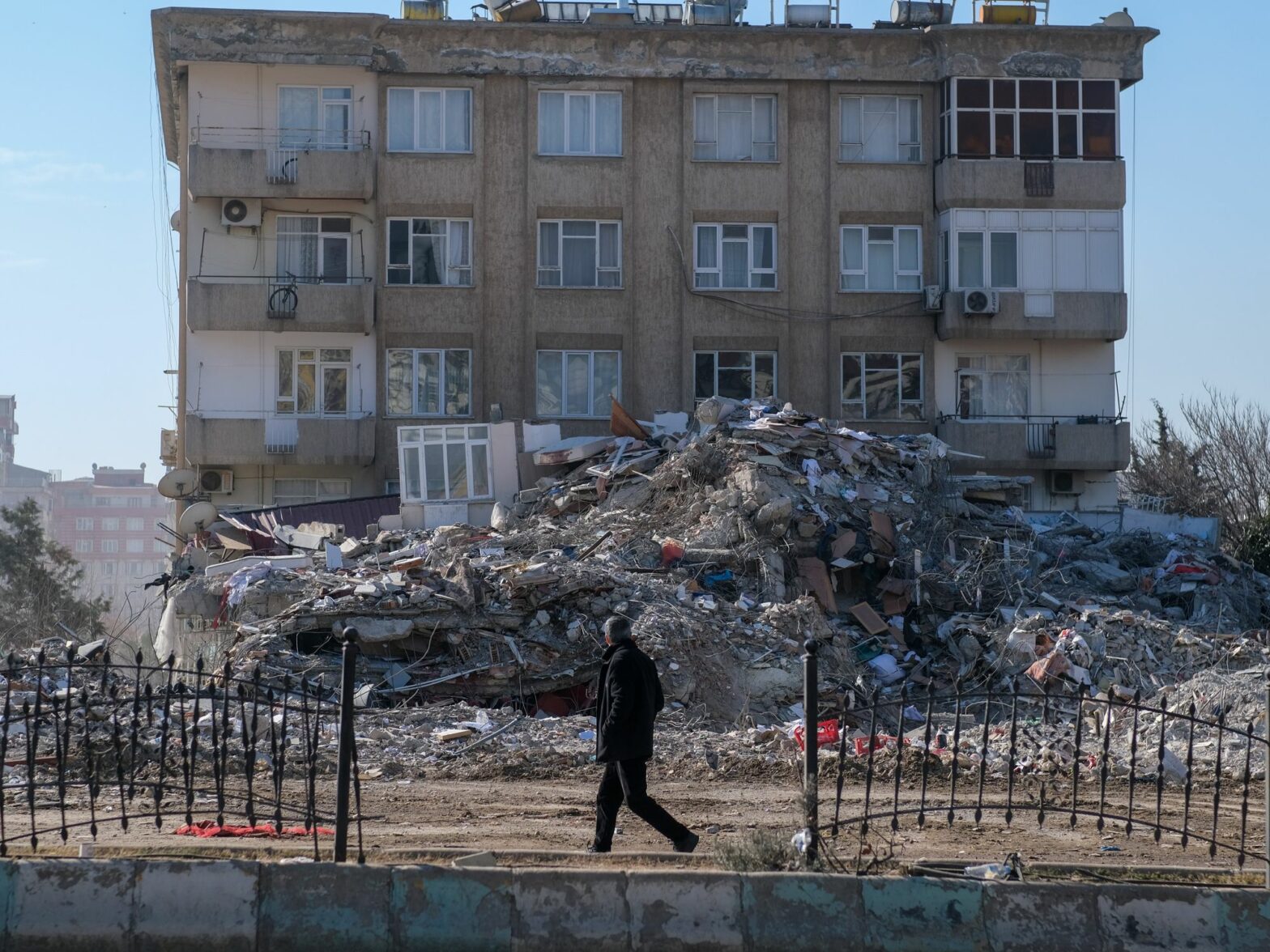
Colombia has a history of earthquakes, yet many of its buildings are not designed to withstand even moderate tremors. As Turkey and Syria reel from disaster, will other countries around the world learn any lessons?
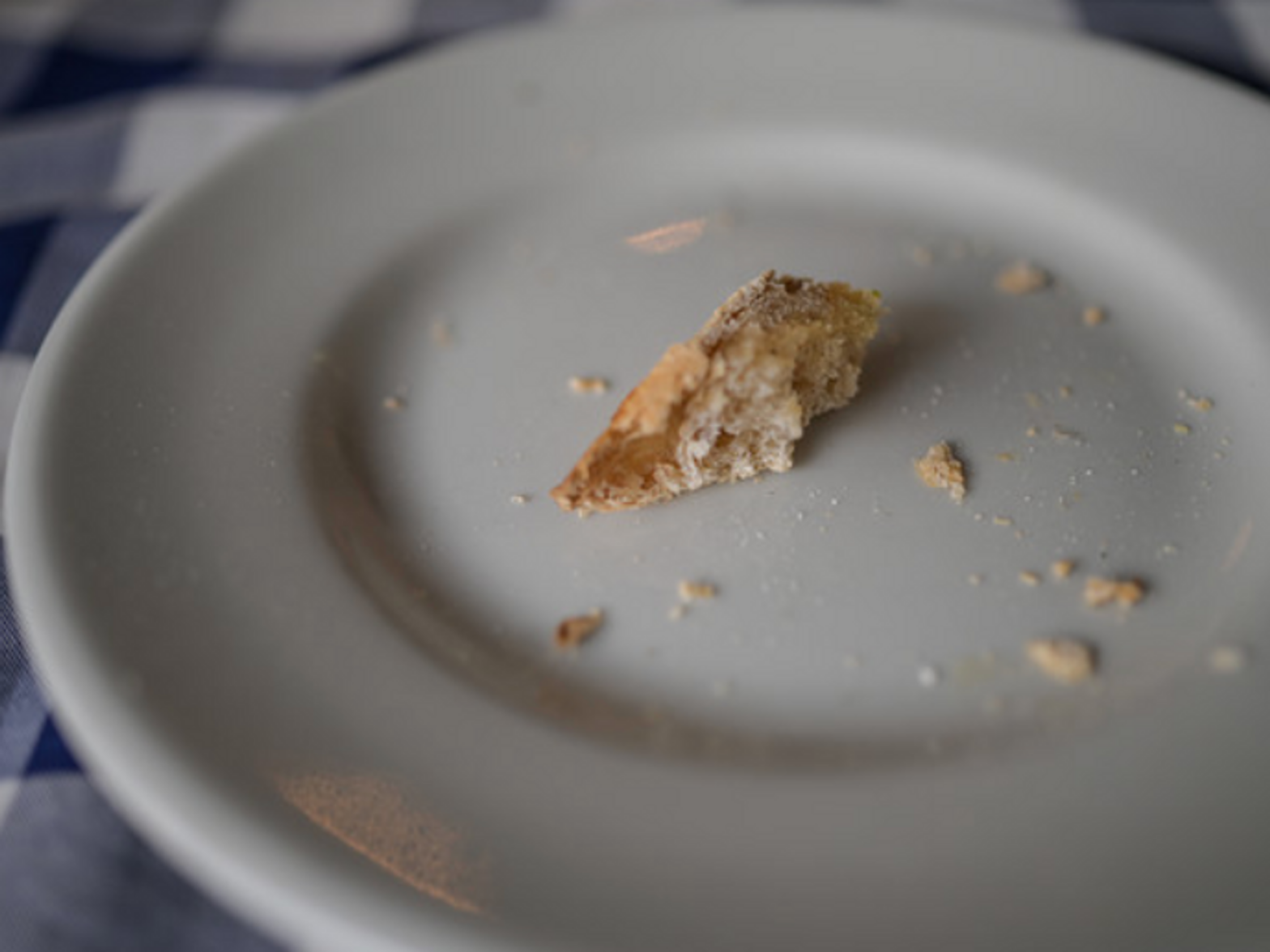
Social media hype and the “obsessive-compulsive” tendencies of younger generations are demonizing some basic foods, like bread, that have fed humanity for some 8,000 years.