Why do the autocrats of this first quarter of the 21st century from Donald Trump to Jair Bolsonaro hate women so much? It may have something to do with the role of female activism in strengthening and expanding democracy.

 Worldcrunch
Founded in 2011 by women reporters, Agência Pública is the first non-profit investigative news agency in Brazil.
Why do the autocrats of this first quarter of the 21st century from Donald Trump to Jair Bolsonaro hate women so much? It may have something to do with the role of female activism in strengthening and expanding democracy.
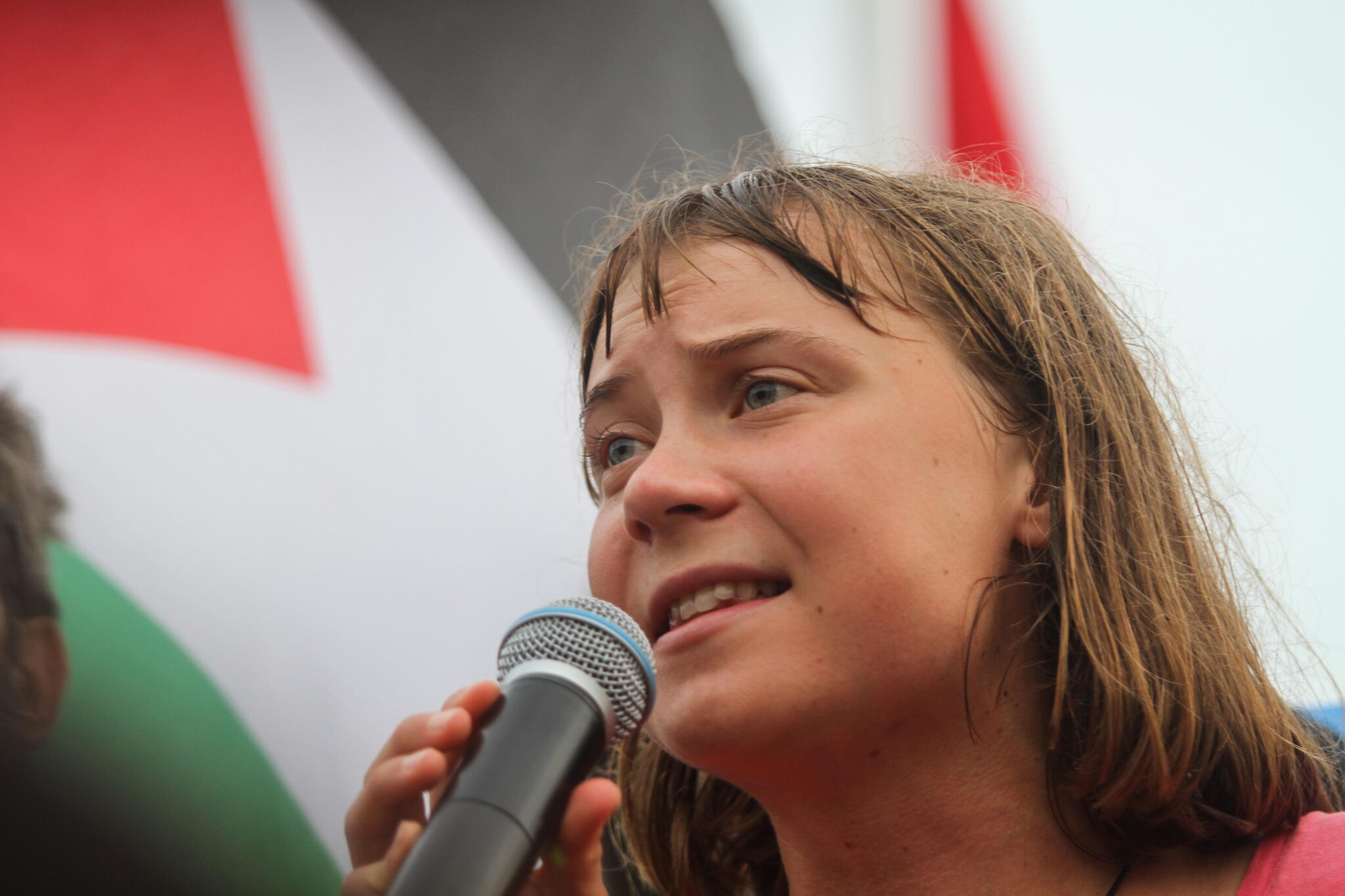
As Israel’s devastating war on Gaza continues, Swedish climate activist Greta Thunberg draws a clear link between environmental devastation and political violence. Her stance is based on a reality: in Gaza, like elsewhere, environmental destruction is yet another weapon of war.
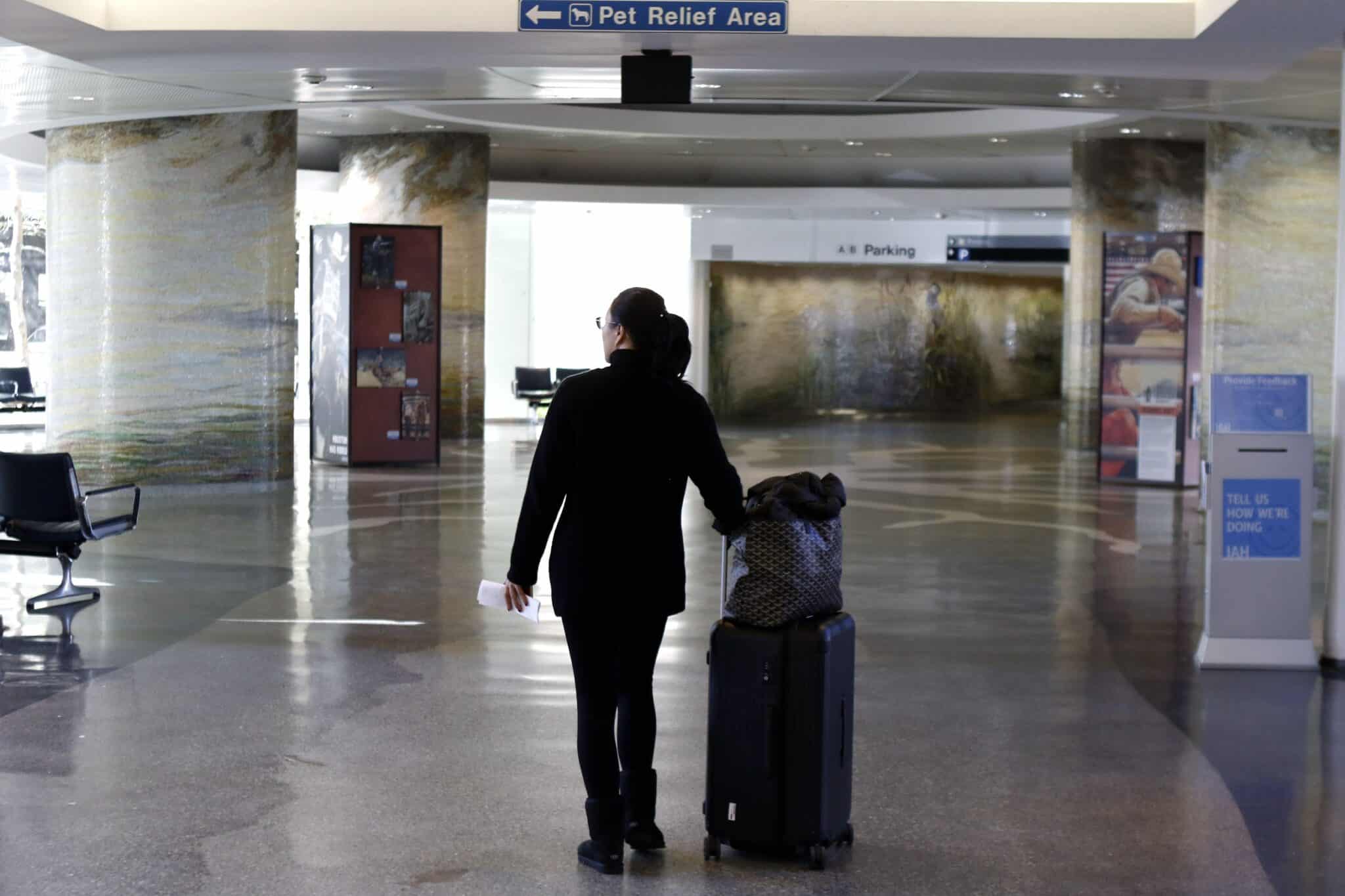
Brazilian journalist Maria Martha Bruno shares the intimidation she faced at the airport in Houston, Texas, where she writes that she was targeted as a non-white woman traveling alone from Colombia.
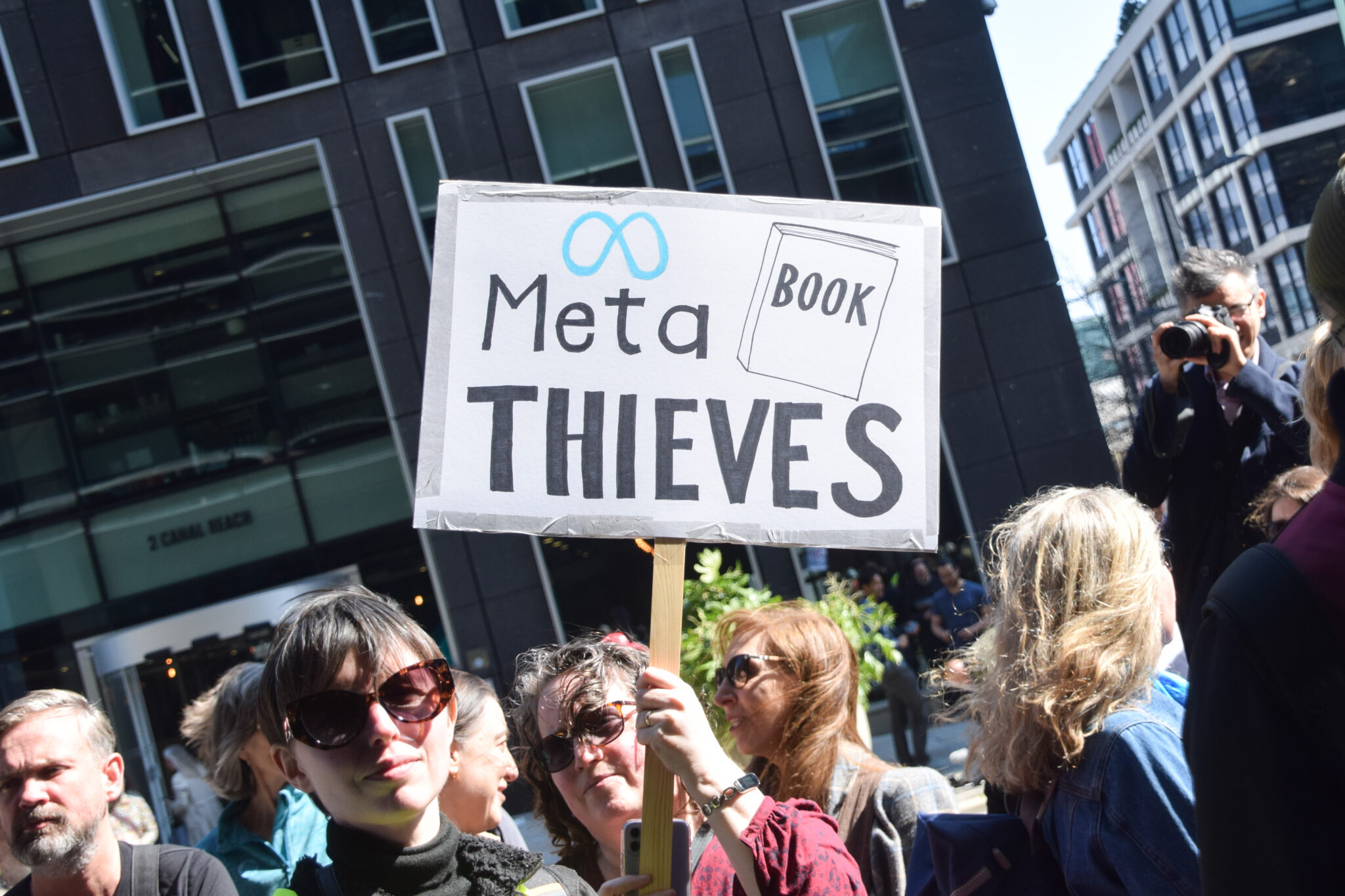
While disinformation and authoritarianism grow stronger in the U.S., countries across the Global South are leading the charge for regulation and resistance. It may be the beginning of a worldwide reckoning with Silicon Valley’s dominance.
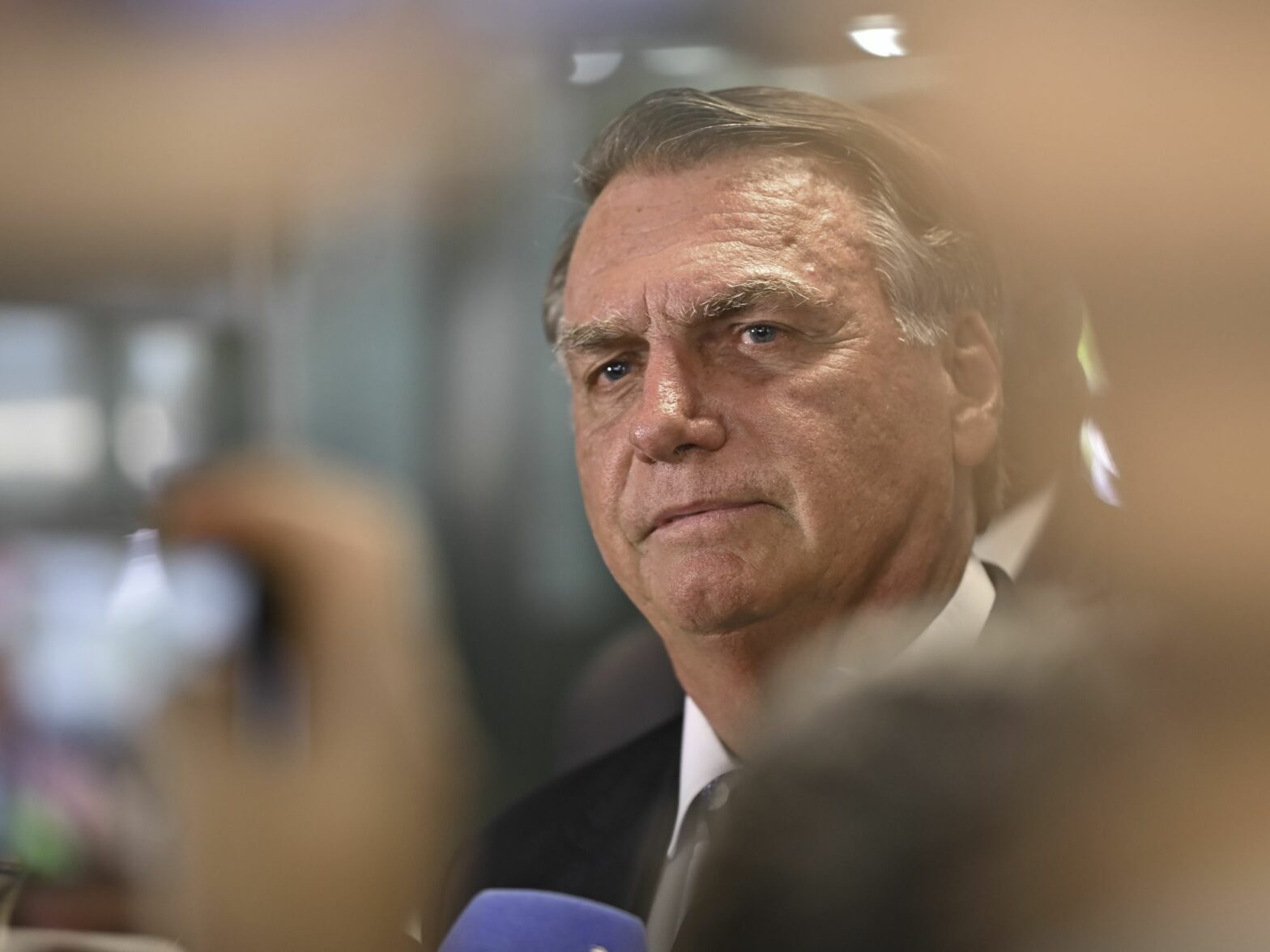
As Brazil’s Supreme Court prepares to rule on whether Jair Bolsonaro led a coup attempt, the battle is playing out on the internet, flooded with a counter-narrative of political persecution. It’s all very similar to what happened in the United States after the Capitol attack.
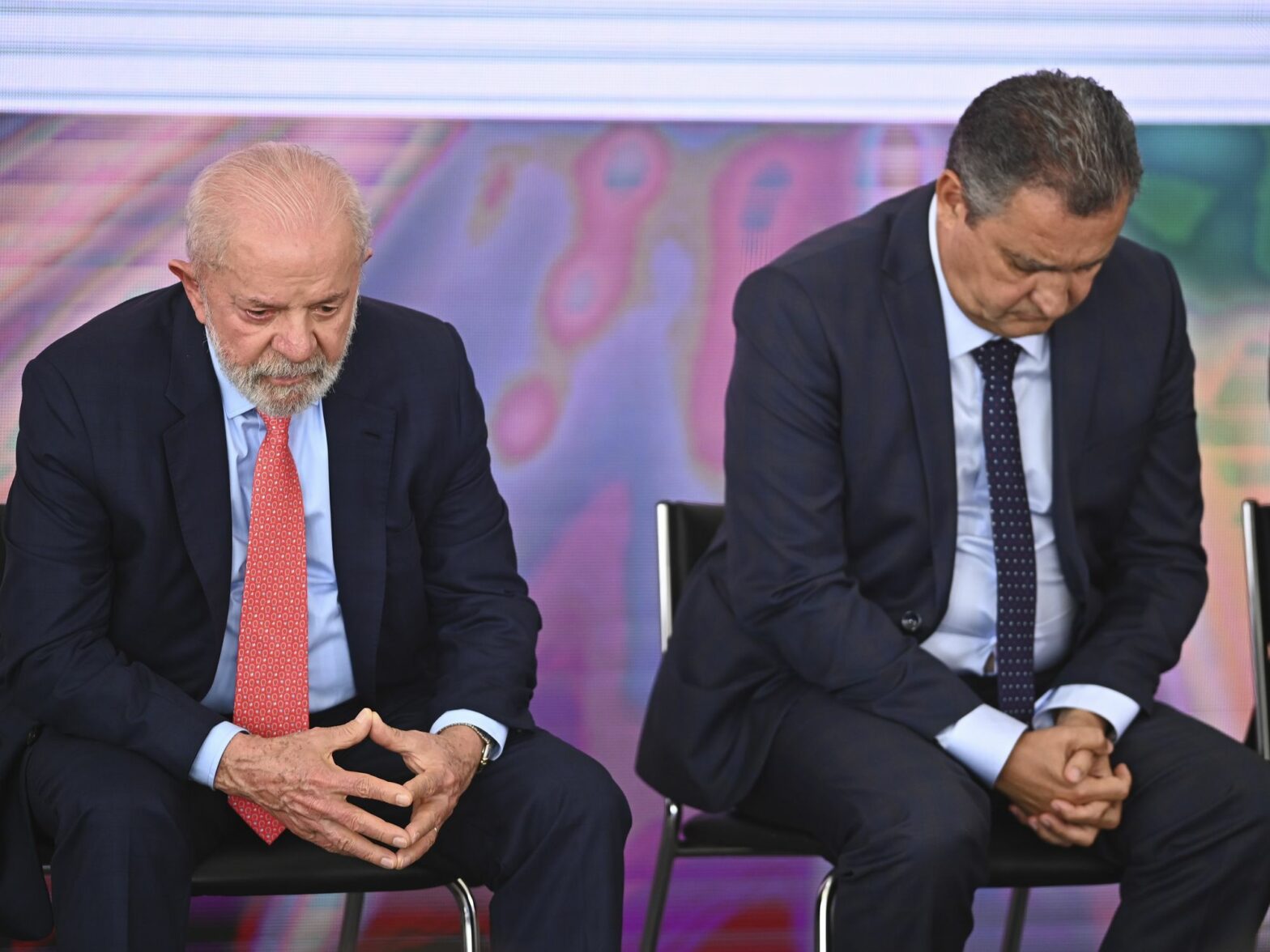
Voters used to reward good governance, but not anymore. From Brazil to the United States to the UK, a new political reality is unfolding, where incumbents struggle for reelection regardless of their performance. Our addiction to digital platforms may help explain this shift?
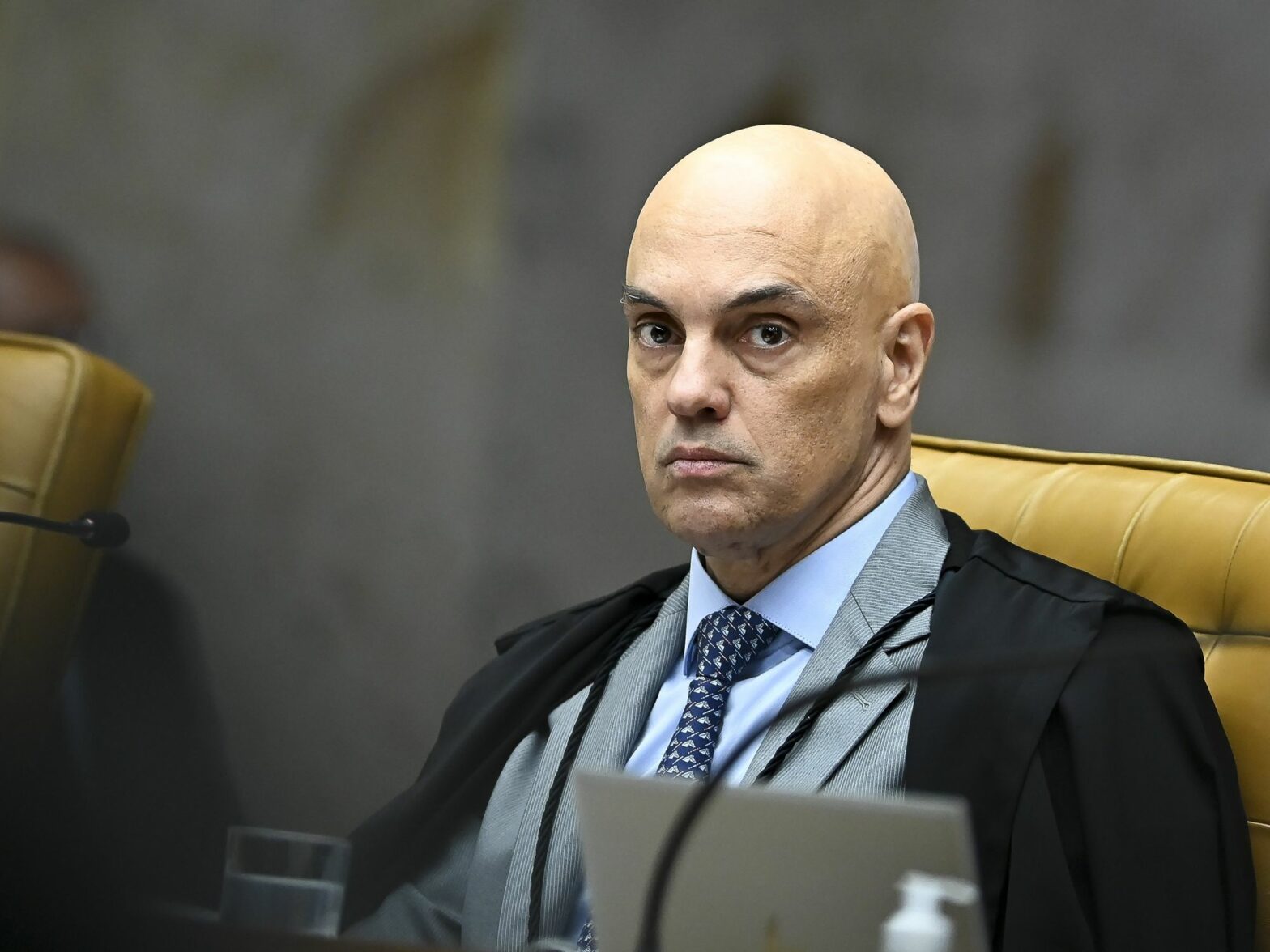
Trump’s media company Truth Social and the far-right video platform Rumble have joined forces in a U.S. lawsuit against a Brazilian judge. The case, packed with conspiracy theories and legal acrobatics, is less about law and more about politics, turning the American courts into a stage for Bolsonaro’s allies and Trump’s broader war on institutions.

The Oscar-winning film has reignited national discussions on the dictatorship. With the debate over amnesty resurfacing, Brazil has a new opportunity to hold perpetrators accountable.
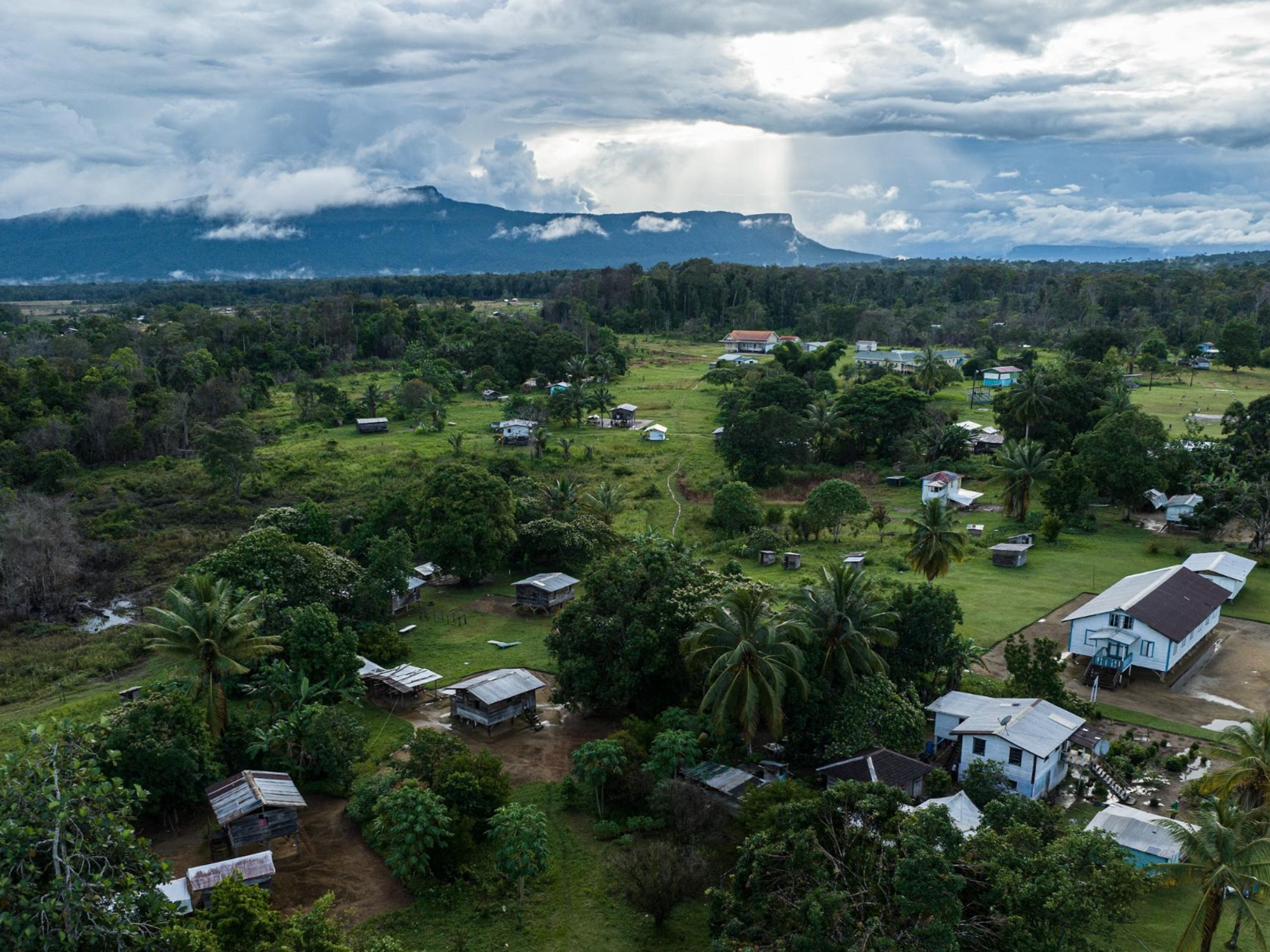
Andy’s Mall is the result of the first payment made by Guyana’s government to the Indigenous people of the Kako area, who are proud to say that they were the last to give in and sign the contract with the government that determined the conversion of their forests into carbon credits, sold to the Hess Corporation, an American oil company.

A personal journey through memory, loss, and resilience — reflecting on Eunice Facciolla Paiva’s quiet strength, Marcelo Paiva’s storytelling, and the haunting echoes of dictatorship in today’s world. It’s a rare Oscars Best Picture nominee from Brazil.

Natalia Viana, of Brazil’s leading investigative platform Agência Pública, writes that Zuckerberg’s attack on fact-checkers may be cynical and vile, but the practice is here to stay, and gets at the core of maintaining a healthy democracy.
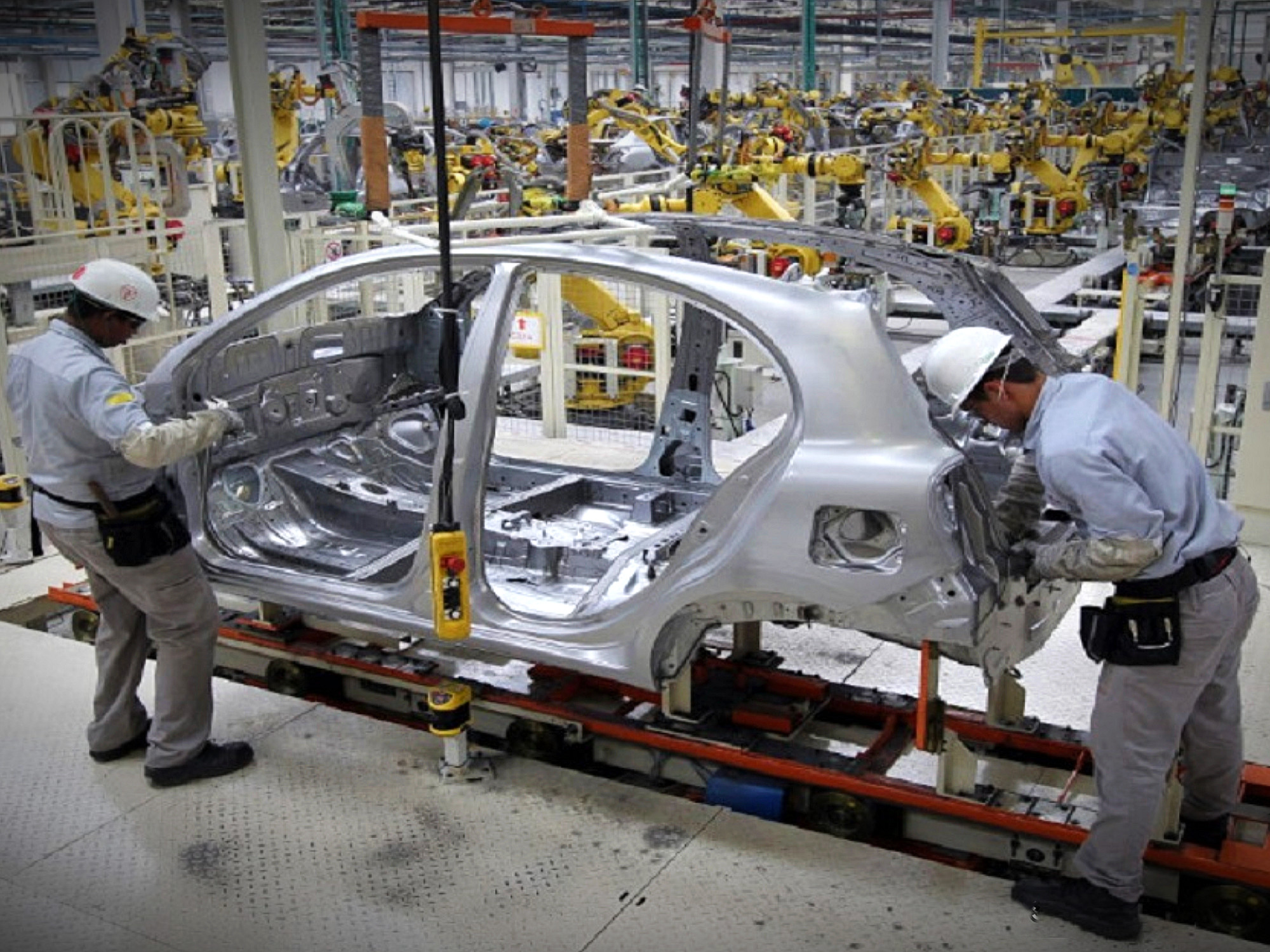
The rescue of 163 Chinese workers from a BYD plant in Brazil reveals the persistence of labor exploitation in the 21st century. This case, alongside reports of politicians with slave-owning ancestors facing similar accusations, underscores how Brazil’s colonial legacy continues to shape its present.
Brazil’s independent investigative outlet Agência Pública has published revelations that link the founder of one of the country’s largest retail chains to a decade-long sexual exploitation scheme. Why has the mainstream media stayed silent?

The initiative led by OpenAI CEO Sam Altman to create a global identity system through iris scanning has landed in Brazil. But what about privacy, transparency and the ethical implications of such a vast biometric project?
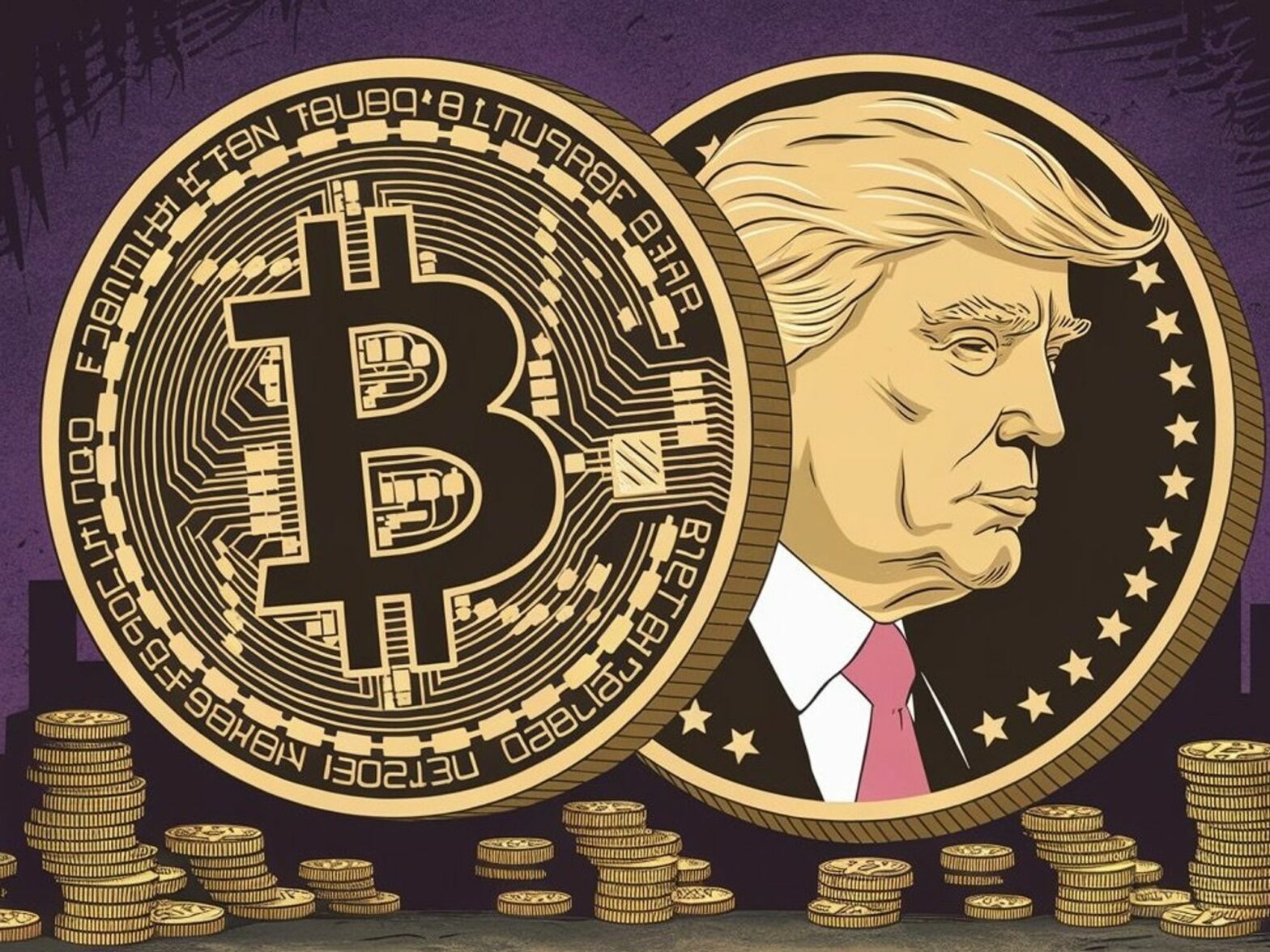
With a pro-crypto agenda and substantial backing from industry investors, Donald Trump’s presidency is poised to reshape the landscape of digital currencies, promising a future where Bitcoin and other cryptocurrencies thrive under favorable regulations and government support.
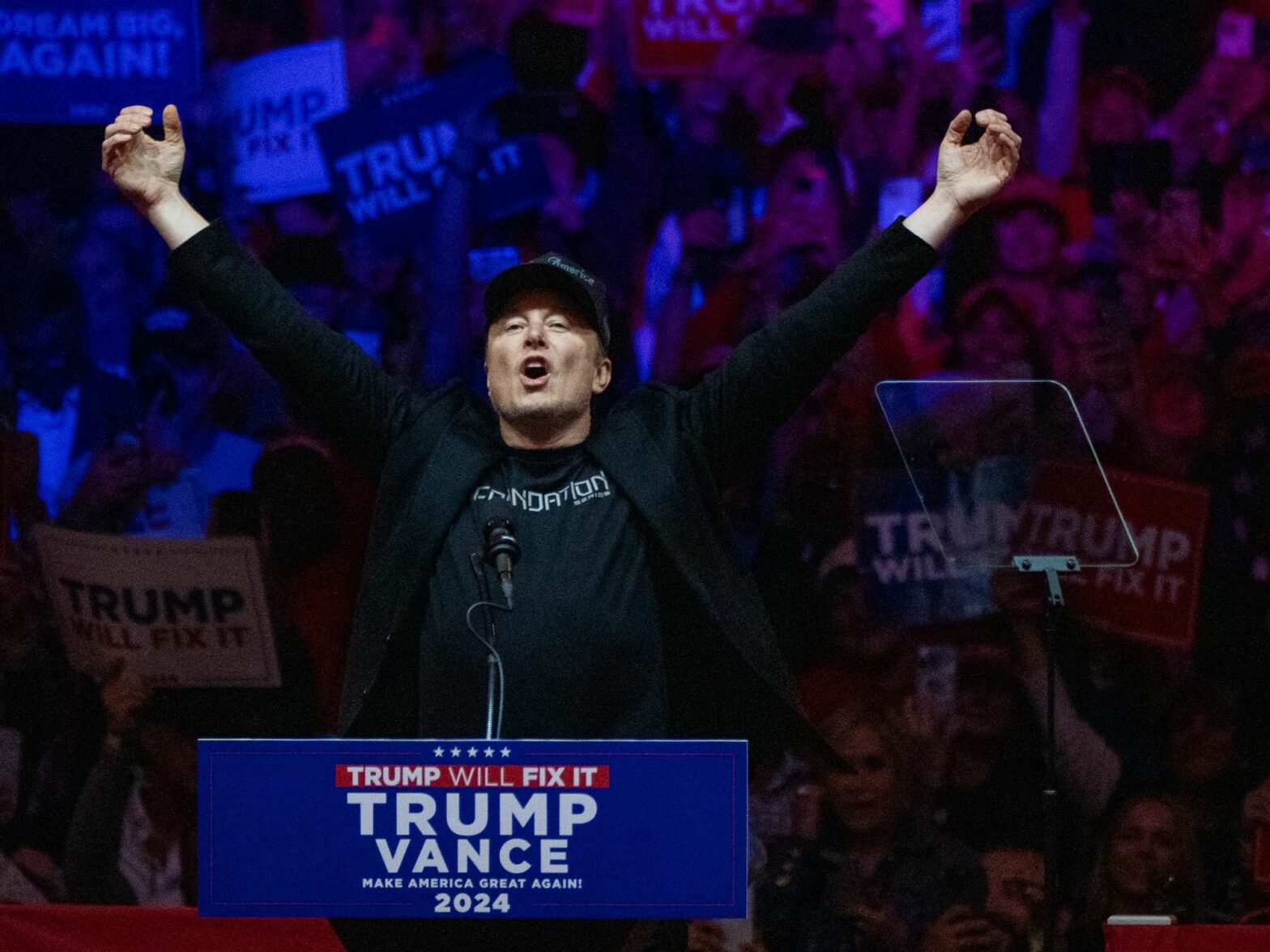
With the announcement that Elon Musk will become part of Donald Trump’s administration, the tech billionaire’s influence on the U.S. will keep on growing. From pouring hundreds of millions into Trump’s campaign to bending social media narratives, Musk’s actions underscore the ease with which the techno-oligarchy can buy political sway, writes Natalia Viana of Brazil’s leading investigative platform Agência Pública.
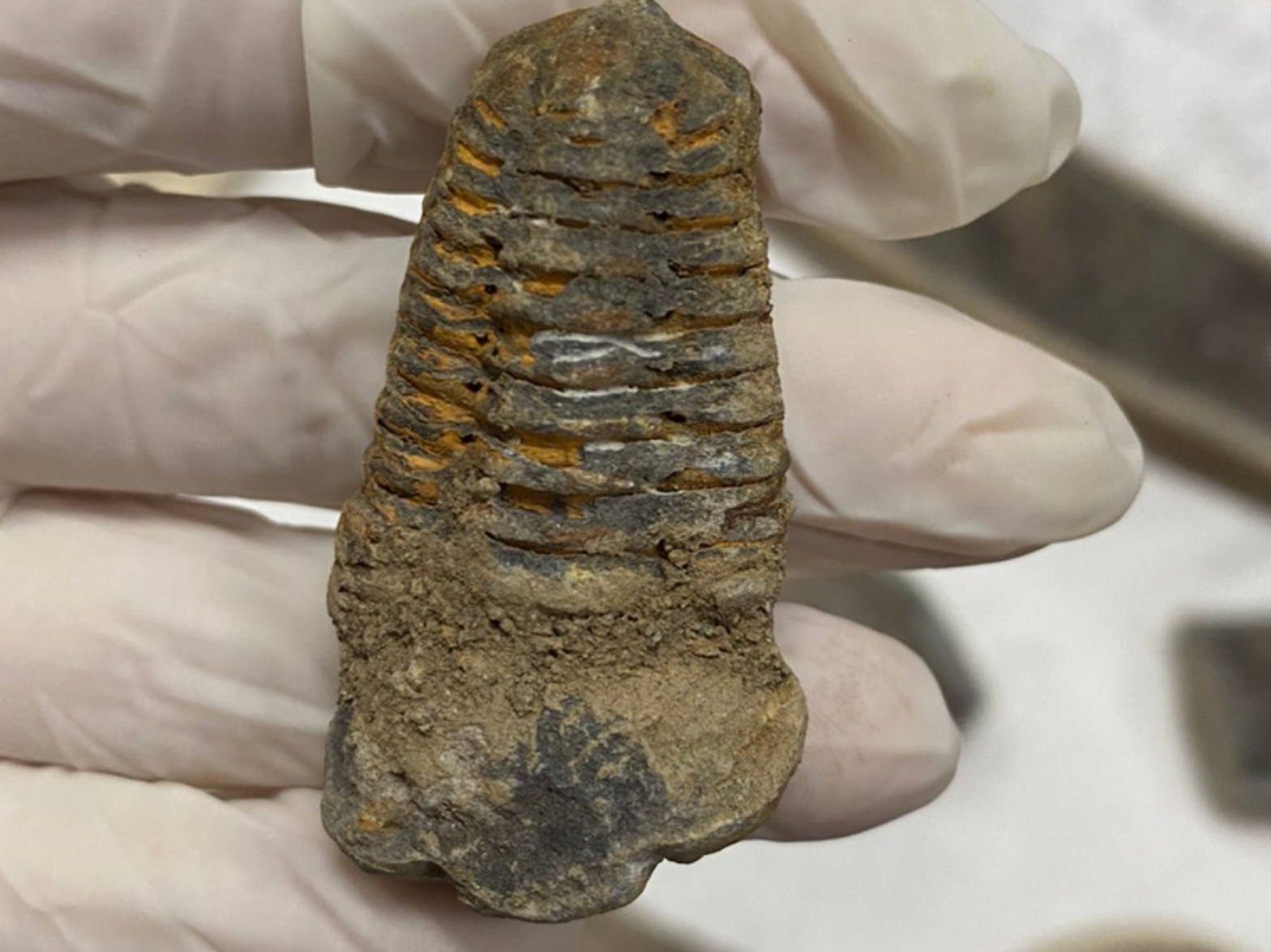
Some 88% of fossils from the Araripe Basin northeastern Brazil, one of the world’s richest paleontological sites, are housed in foreign museums — a historical and cultural heritage Brazilian authorities and researchers are working to repatriate.
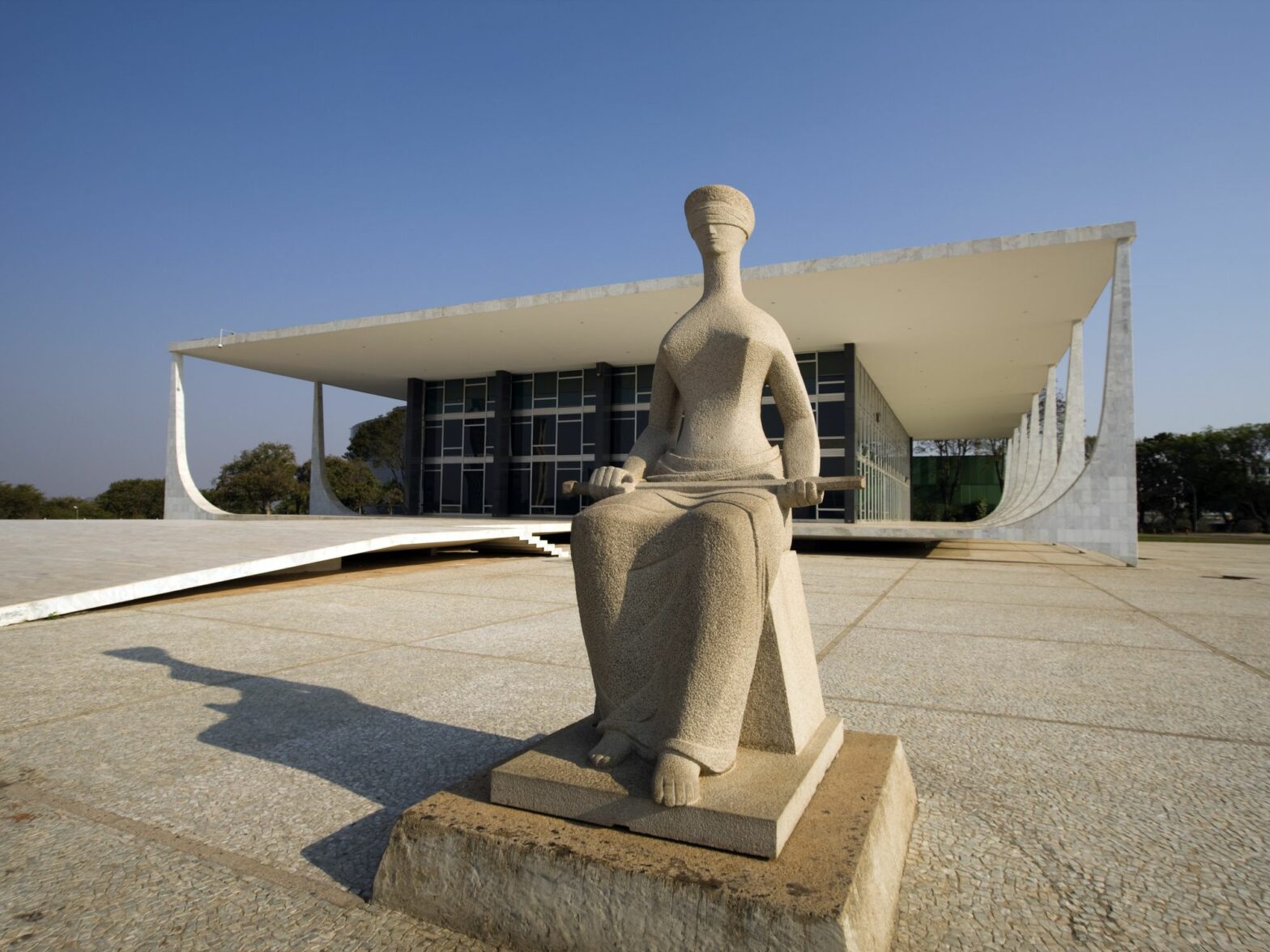
Laws in the late 1990s ended bans on women from wearing pants in Brazil’s courts and legislature, a practice that de facto has continued in many place. Female judges and legislators discuss how dress codes hinder women’s access to power, and the battle to change habits.
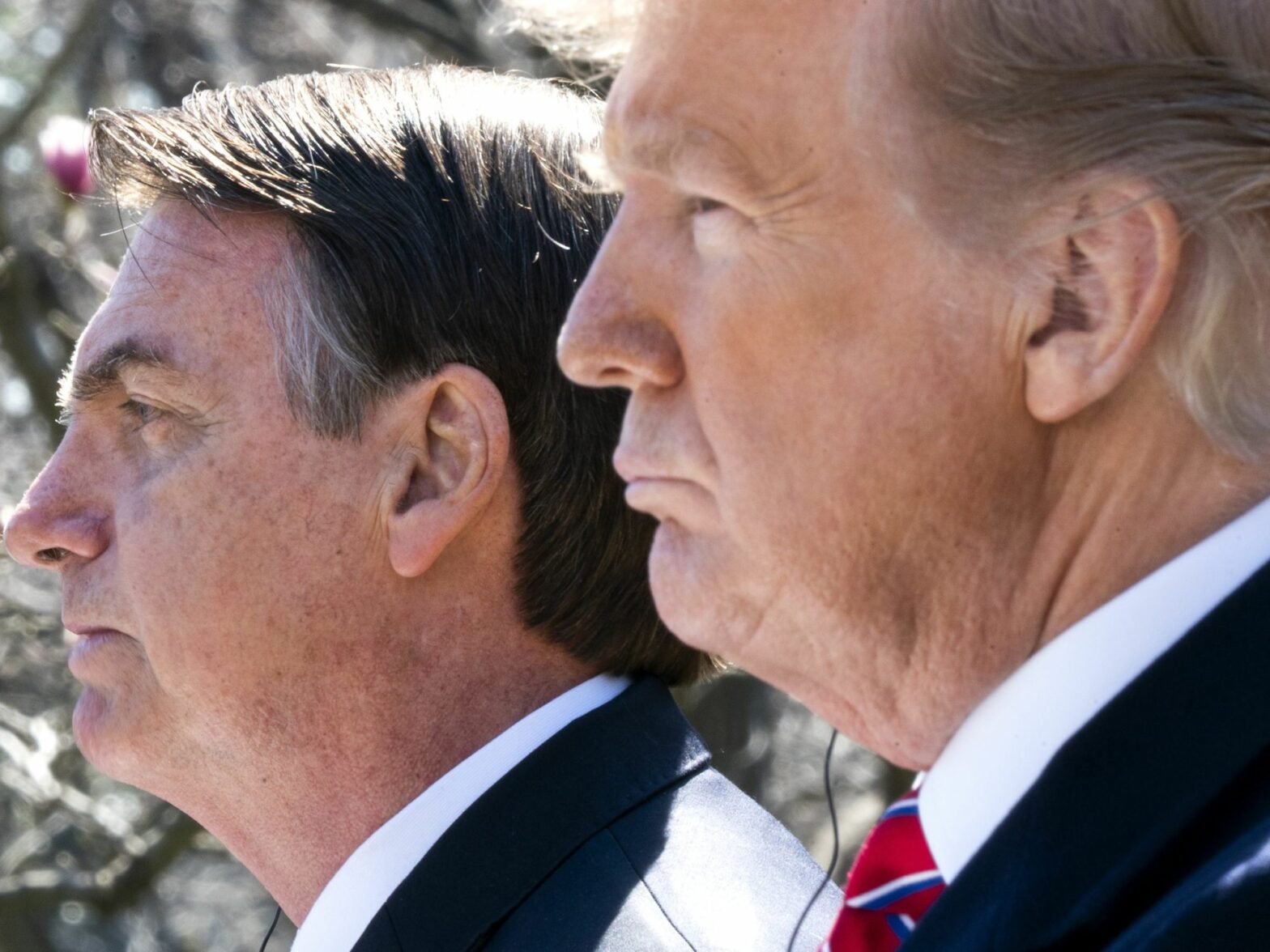
Natalia Viana, editor-in-chief of Agência Pública, draws a comparison between Trump and Bolsonaro, who survived an assassination attempt in 2018. The path to victory for the Democrats is narrowing with every passing day.

Brazil’s public health system has offered free access to the transsexualization process since 2008. But difficulties in accessing hormone therapy, transphobia among public health officials and the high cost of private care are pushing some trans women to self-medicate, even with animal hormones — with dangerous side effects.
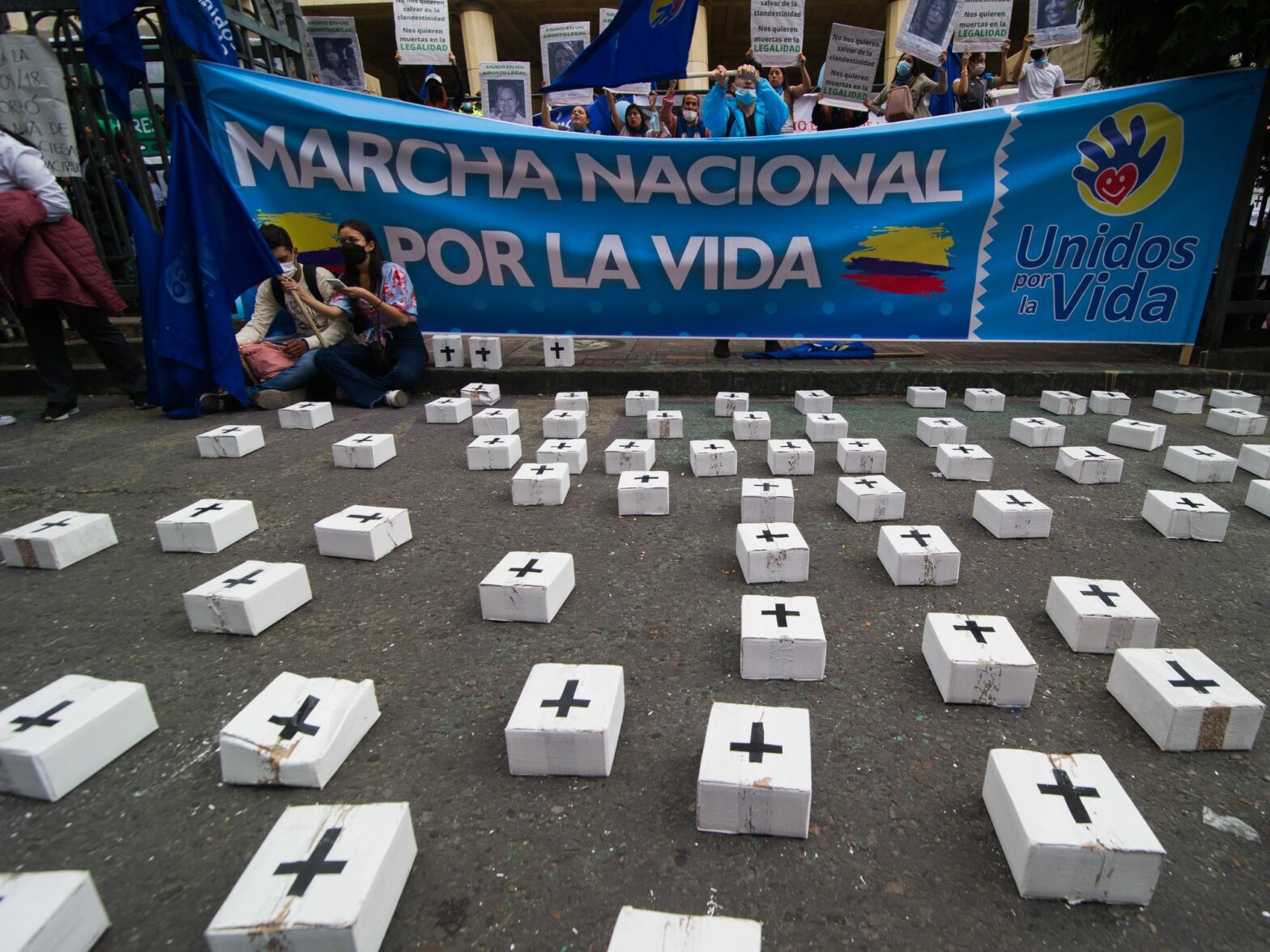
Legalized in Argentina up to 14 weeks in 2020, abortion is now under attack by Javier Milei’s far-right government, which is compromising access to the procedure and spurring anti-abortion movements in the country — with implications for women in neighboring Brazil, Paraguay and Chile.
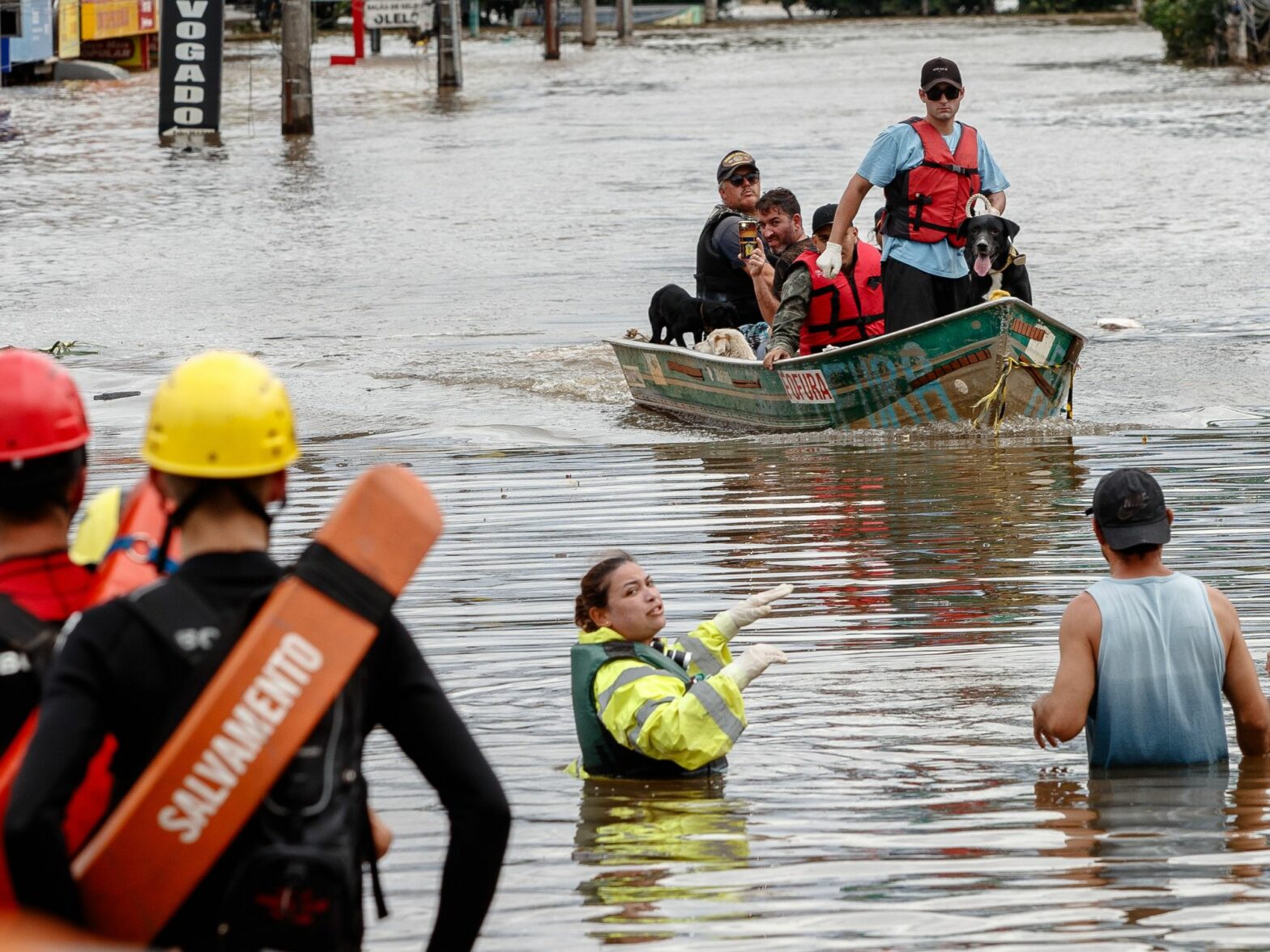
The deadly floods in southern Brazil are unprecedented but not unexpected. Ahead of the October local elections, Brazilians must remember that politicians have ignored scientists’ predictions and weakened legislation that could have helped deal with climate change.

Brazilian journalist Ludmila Pizarro grew up surrounded by idealists who were targeted and tortured during Brazil’s brutal dictatorship. But it wasn’t until she started researching a story to mark 60 years from the beginning of the dictatorship that she learned the details of her father’s own ordeal. For Agência Pública, she reconstructs the story of her family’s past.
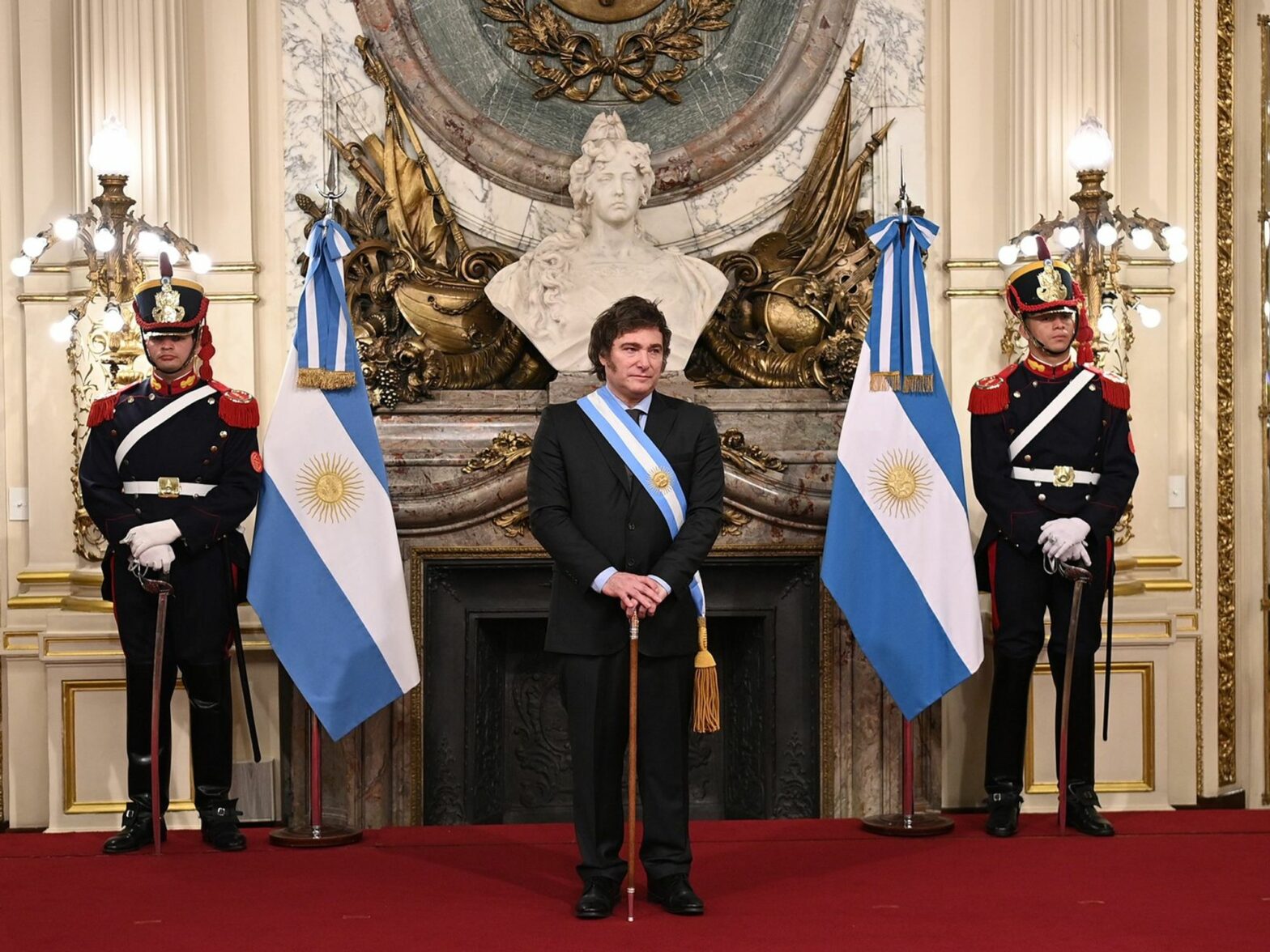
It’s the most insipid kind of historical revisionism. Both in Argentina and Brazil, far-right leaders are denying the countries’ history of human rights abuses during the brutal dictatorships of the 1960s and 70s, and using it to rally support around their causes.
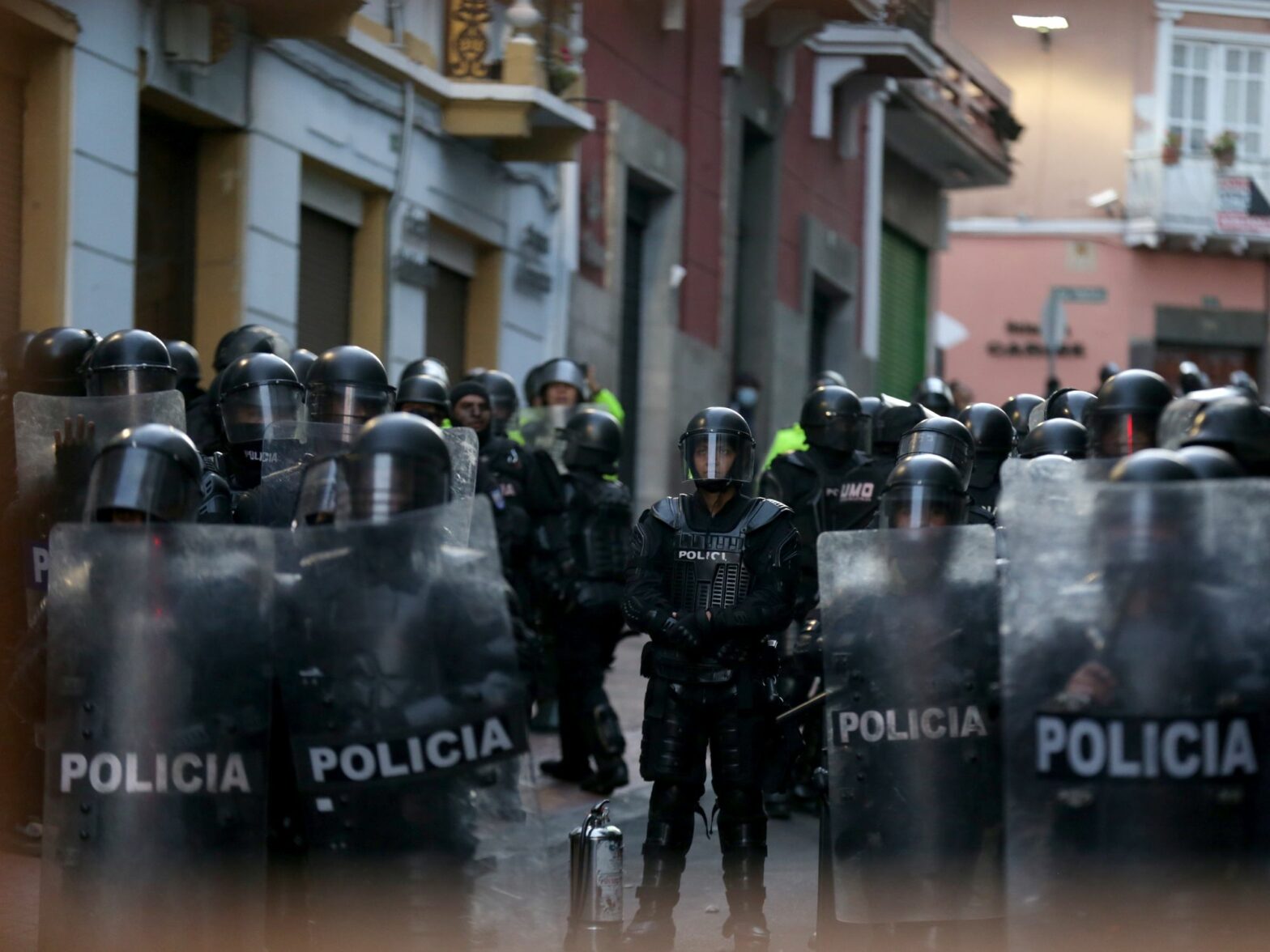
Since Ecuador’s president declared a state of emergency in January, military violence has increased. For Agência Pública, Ecuadorian journalist Thalíe Ponce talks to the families of three of those who were killed by the military.
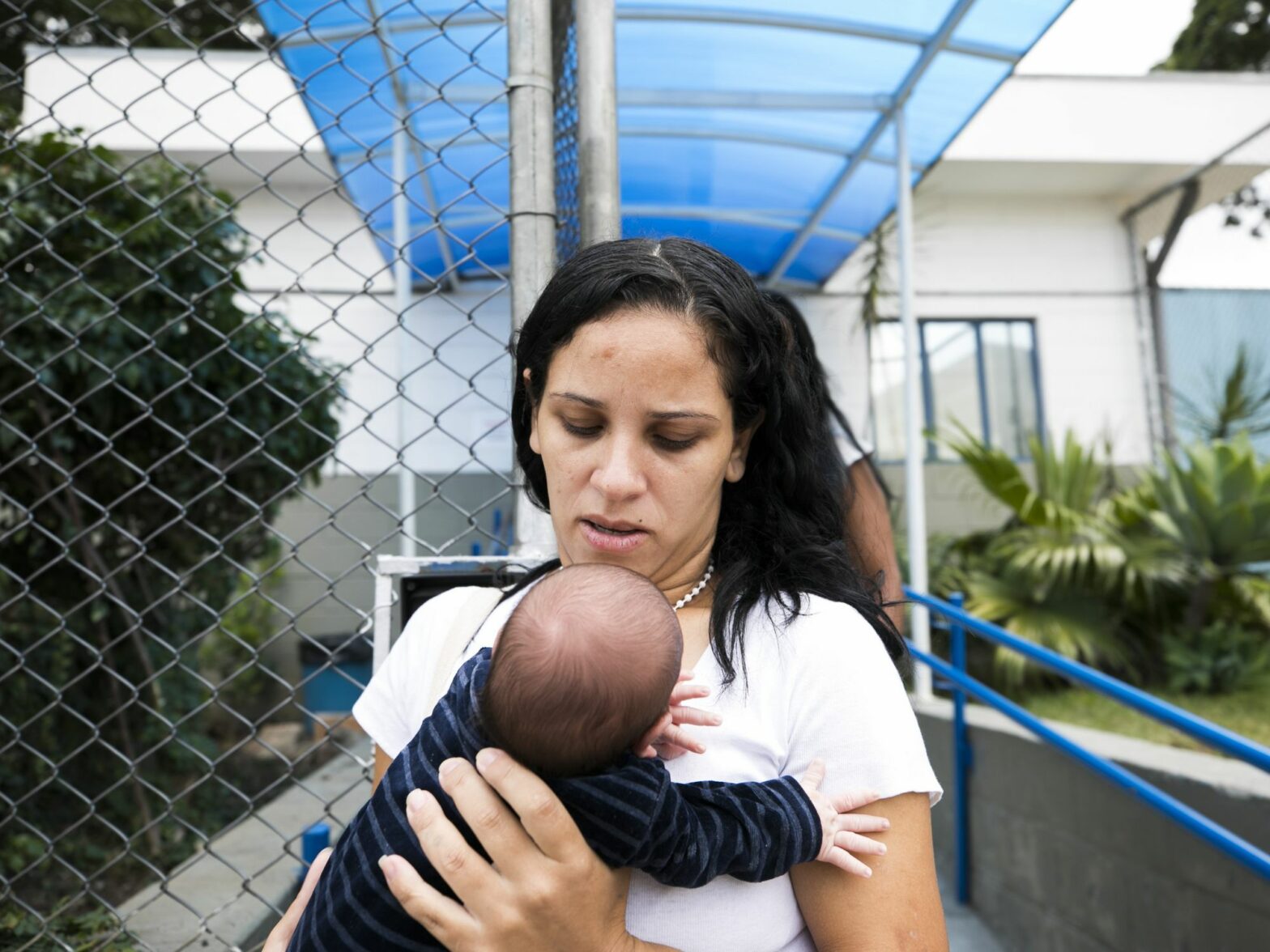
Children and teenagers whose parents are in prison report depression, anxiety and a drop in school performance. New laws meant to protect them are not properly applied.
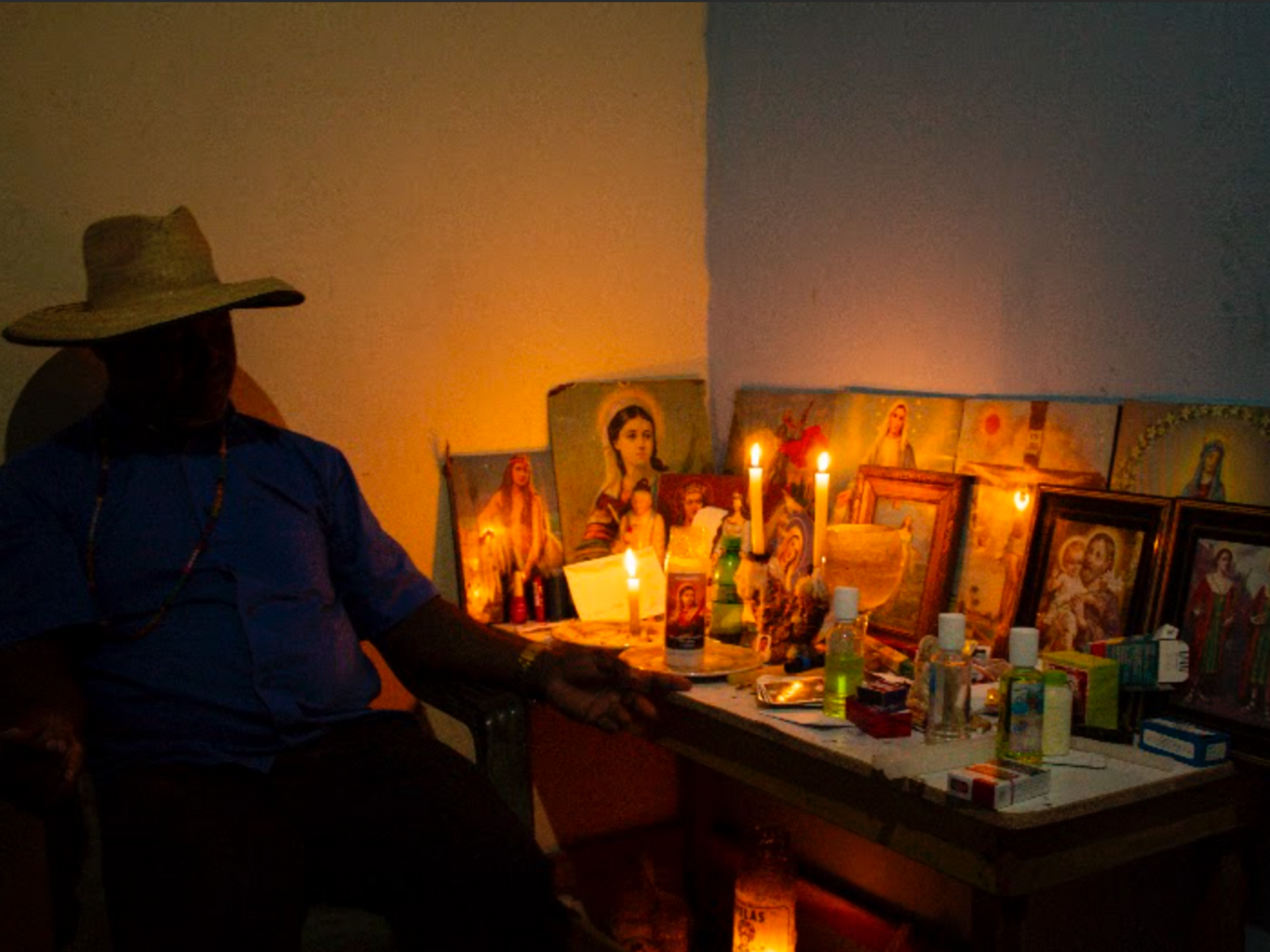
Followers of the Afro-Brazilian Umbanda religion in four traditional communities in the country’s northeast are resisting pressure to convert to evangelical Christianity.

In a small town in southern Brazil, photos of Nazi flags and Hitler supporters are displayed in the entrance hall of a publish building. An investigation by independent media Agência Pública looks into how the Santa Catarina state, a bastion of support of former president Jair Bolsonaro, has a long history of extremist groups and hate speech.

With the price of meat on the rise, Brazilians have turned to eggs. The country is now producing 55 billion eggs a year, presenting challenges for farmers and raising questions of animal welfare. And in Brazil’s “Egg Capital”, the climate crisis is complicating matters further.
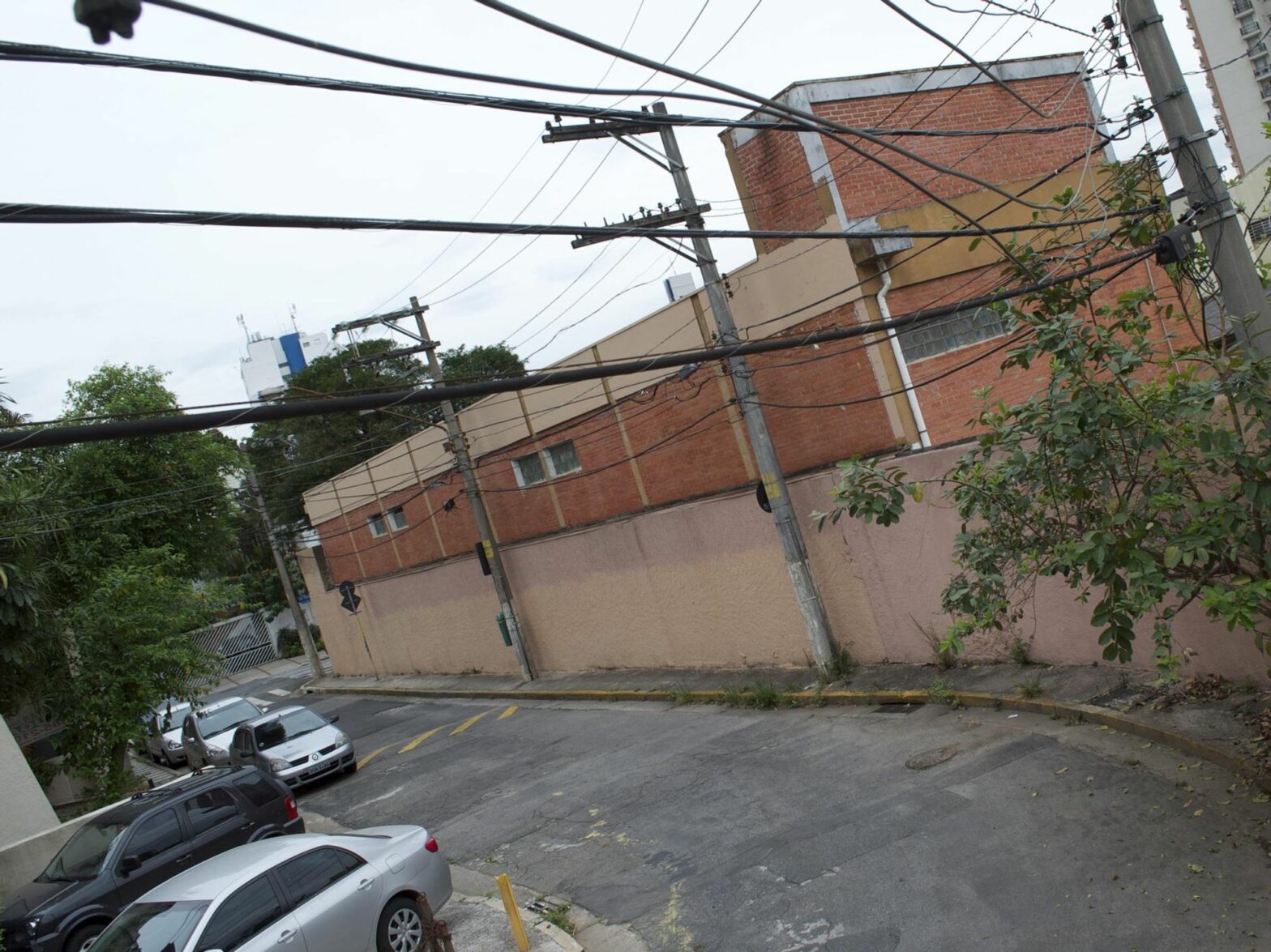
As the country gears up for a politically-charged run-off election, a team of archaeologists, historians and forensics experts are set to excavate the grounds and buildings of one of the worst torture centers in São Paulo, trying to recover the country’s painful history of torture during the military regime.

Ahead of Brazil’s national elections Sunday, the most interacted-with posts on Facebook, Twitter, YouTube, Telegram and WhatsApp contradict trustworthy information about the public’s voting intentions.

Vladimir Putin, Xi Jinping and Jair Bolsonaro all share what seems a natural antipathy toward women — yet it is ultimately because they fear them. And with good reason: When women participate in political movements, they are more likely to succeed — which is bad news for authoritarianism.
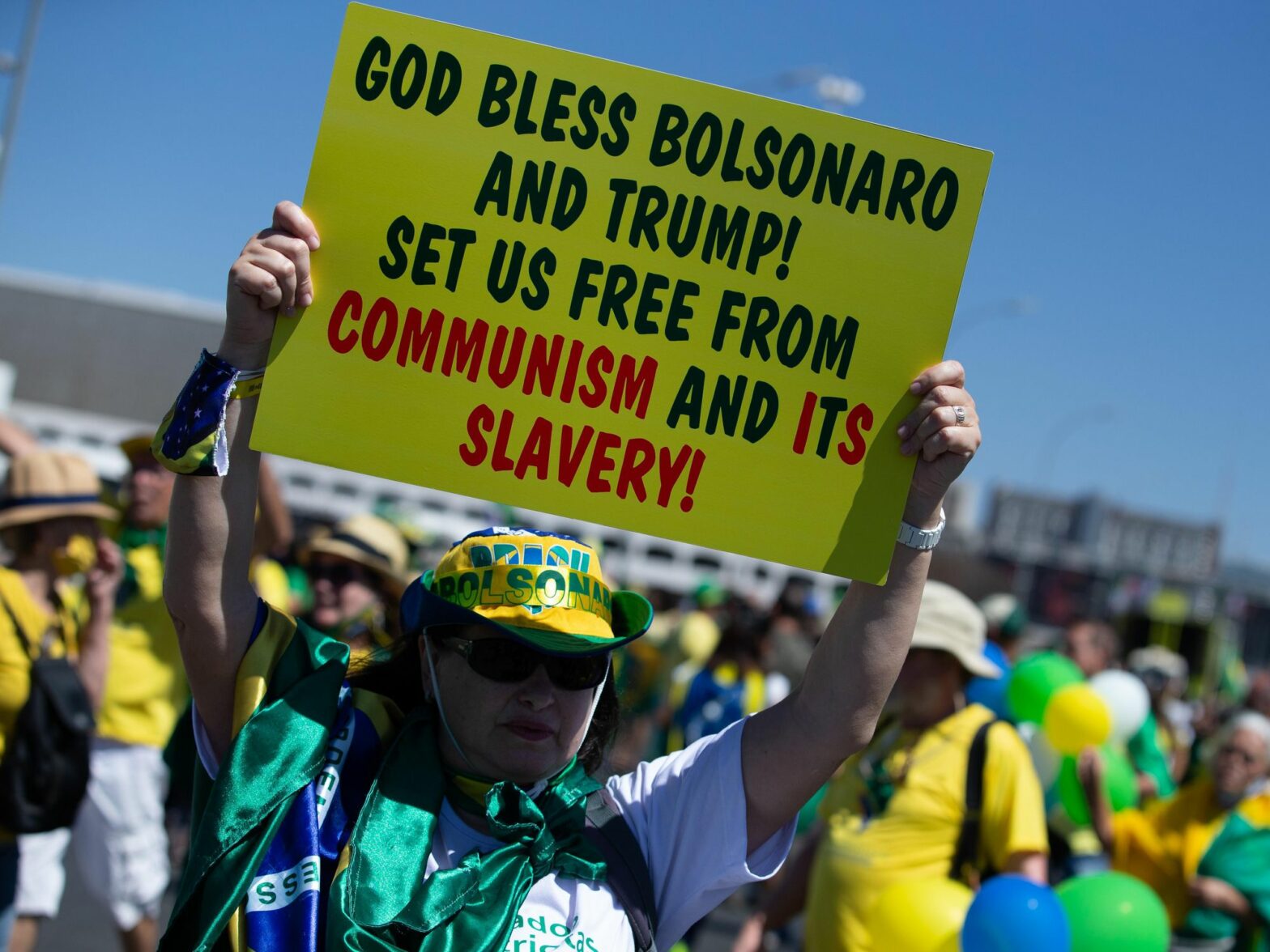
Brazil’s Agência Pública reveals that Gettr, the social network run by Donald Trump’s former adviser Jason Miller, has sponsored conservative conferences in Brazil ahead of October’s presidential elections, which Steve Bannon has called the most important in South American history.
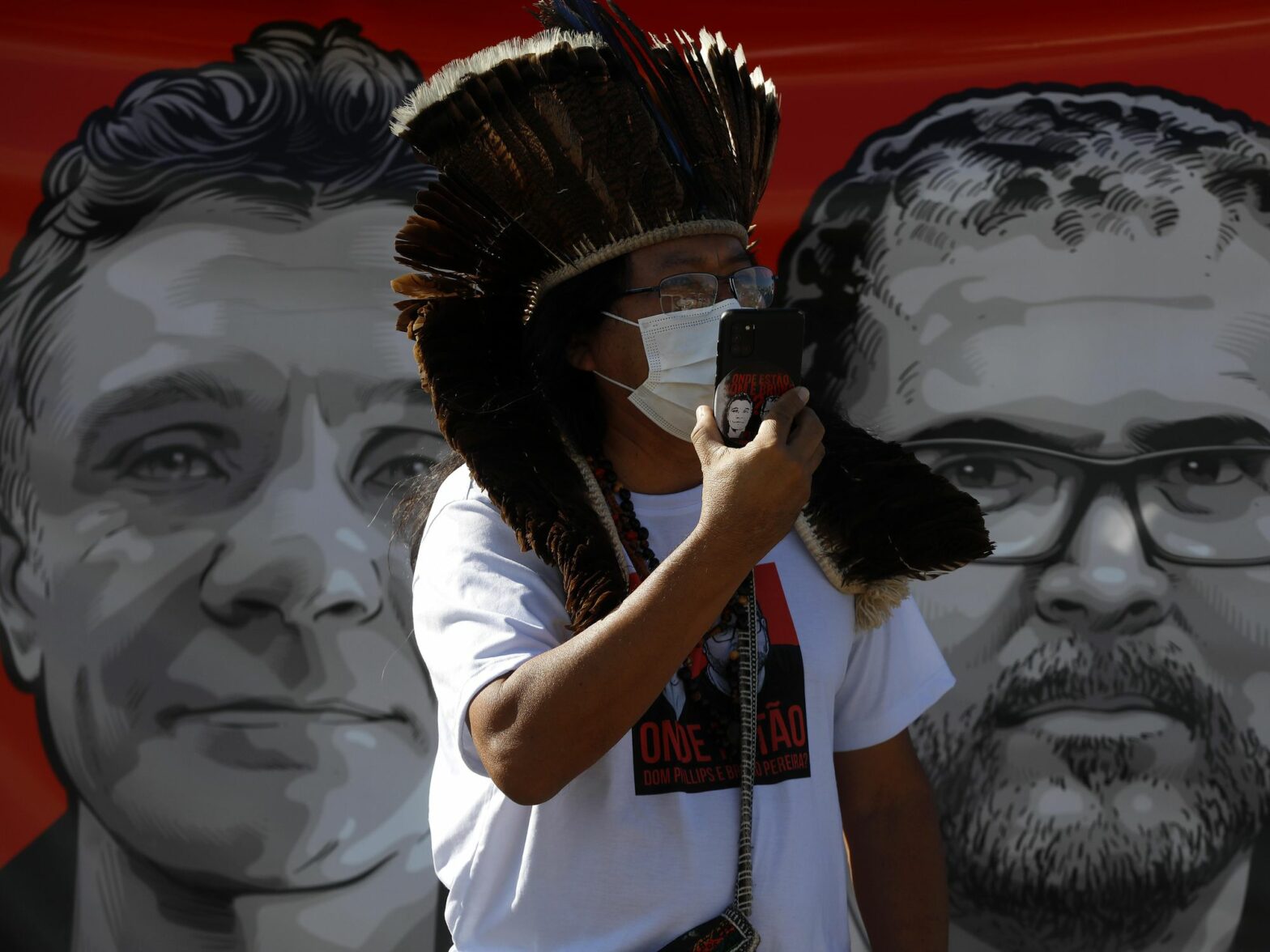
The murder of Brazil indigenist Bruno Pereira and British journalist Dom Phillips is shocking. Still, once looking more closely, it is not necessarily a surprise considering both the violence in Brazil and the situation in the rain forest under President Jair Bolsonaro.