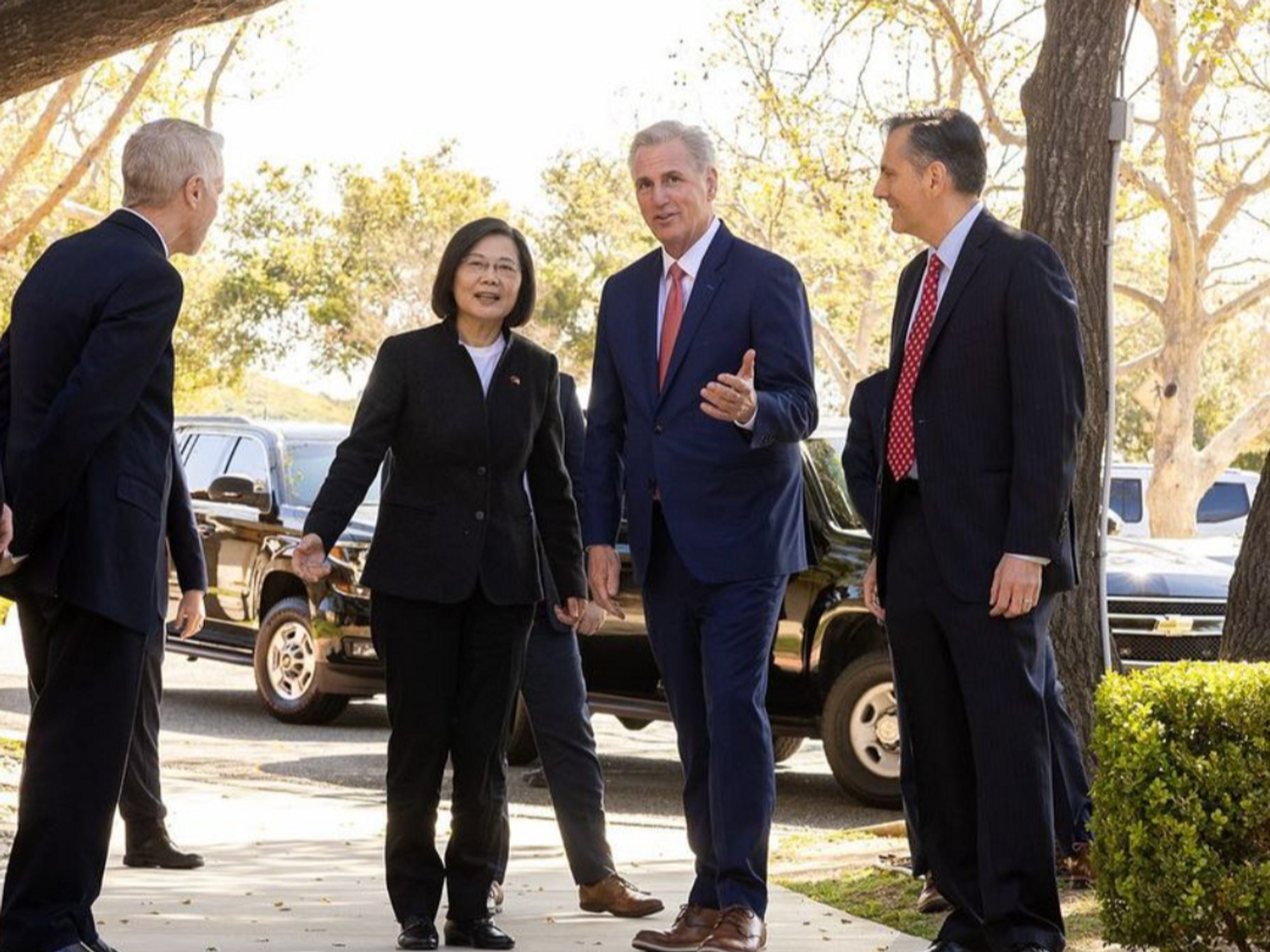
The issue of Taiwan has come up during French President Emmanuel Macron’s visit to China. The unresolved question of the island’s independence shows Europe will find it hard to remain neutral as tensions between the U.S. and China reach a new peak.
 Worldcrunch
Pierre Haski was born in 1953 in Tunis. He has been a correspondant for Agence France Presse (AFP) and Libération, and is now the President of Reporter Sans Frontières since 2017. He also runs the radio show “Géopolitique” for France Inter.
The issue of Taiwan has come up during French President Emmanuel Macron’s visit to China. The unresolved question of the island’s independence shows Europe will find it hard to remain neutral as tensions between the U.S. and China reach a new peak.
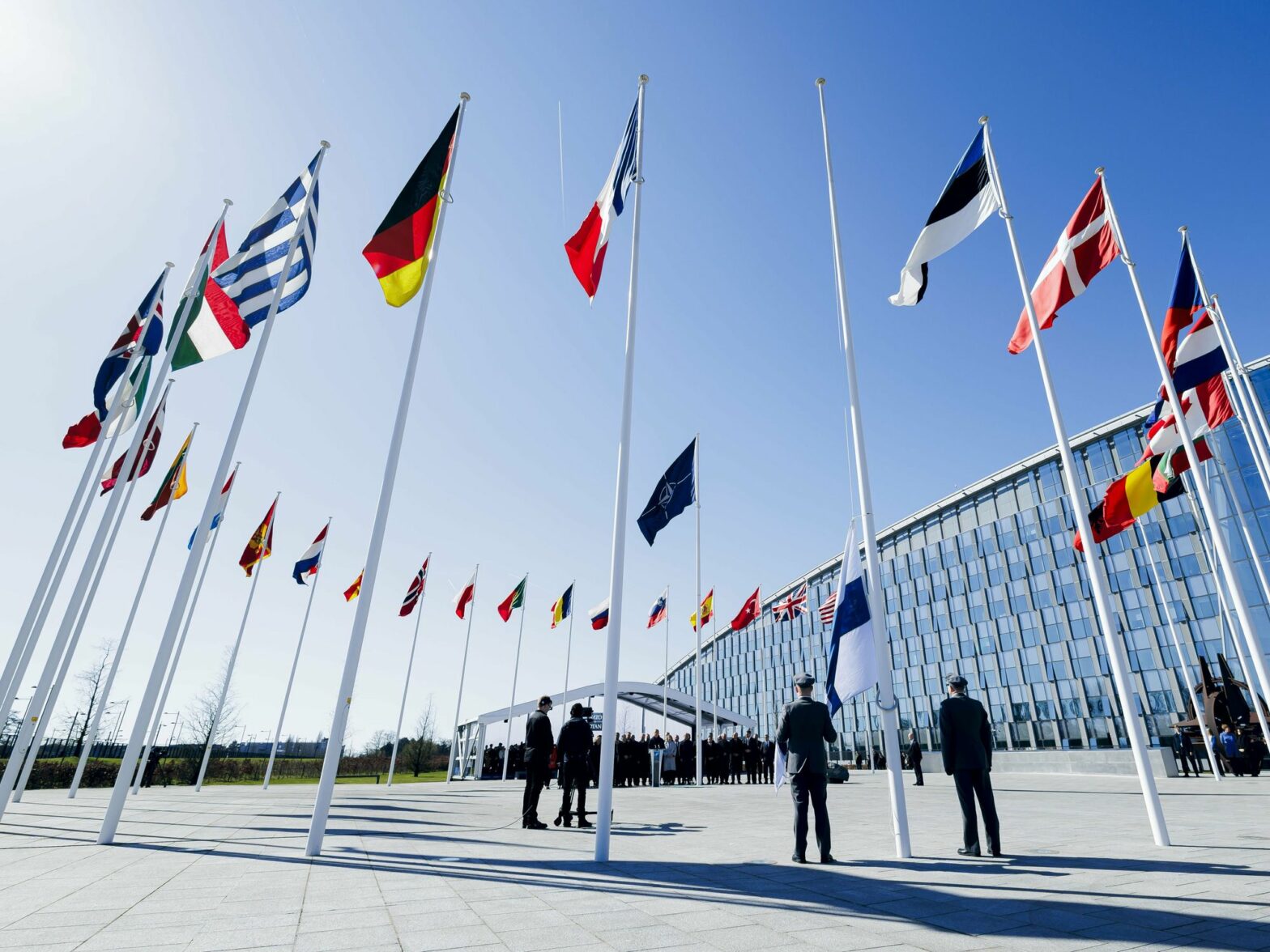
Russia’s president only has himself to blame for historically neutral Finland acquiring NATO status.
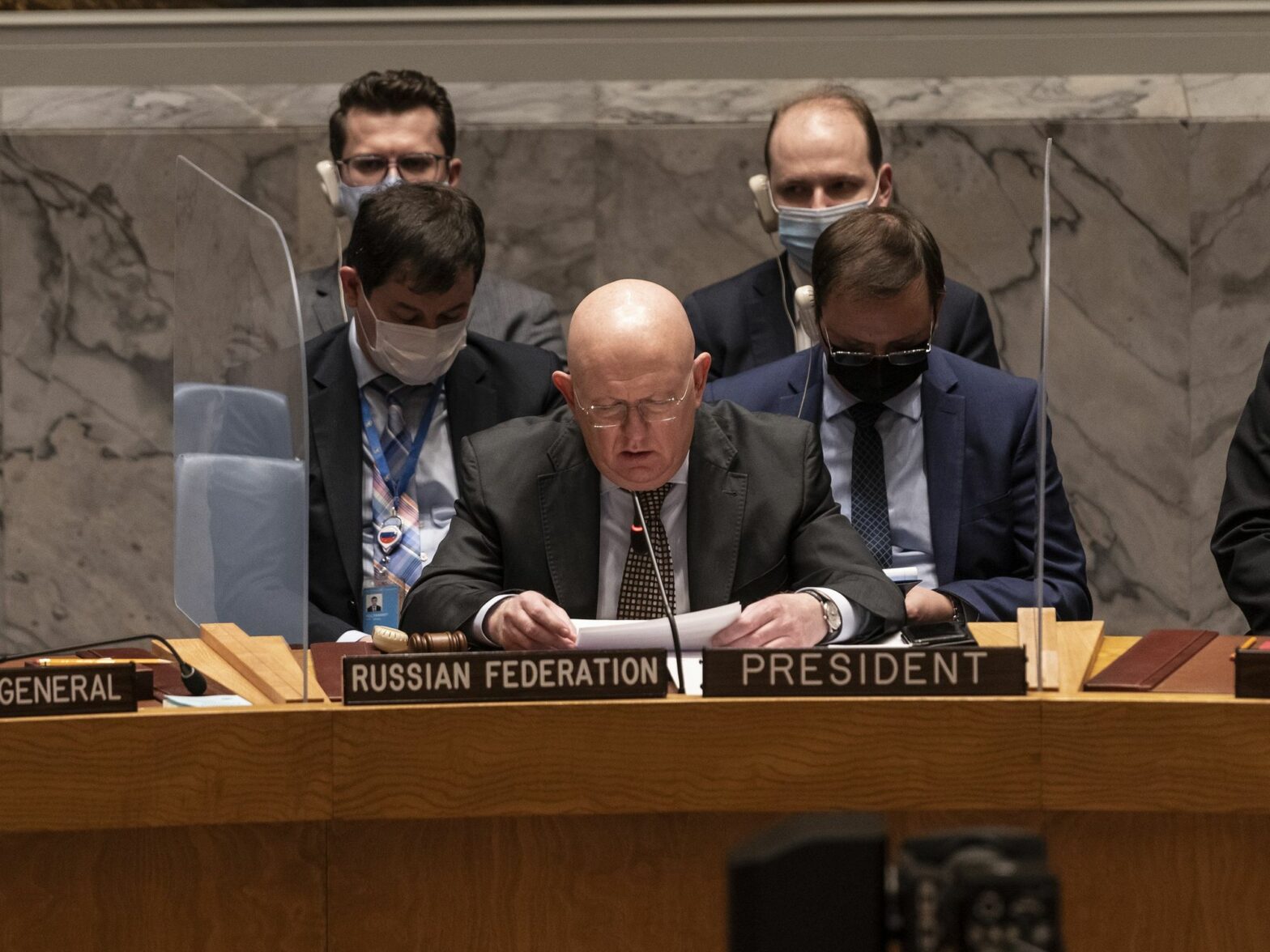
It sounded made for April Fool’s: Russia is taking over the presidency of the UN Security Council, the highest governing body in the world. But this is all too real. It’s time to rethink how the council works, Pierre Haski writes.
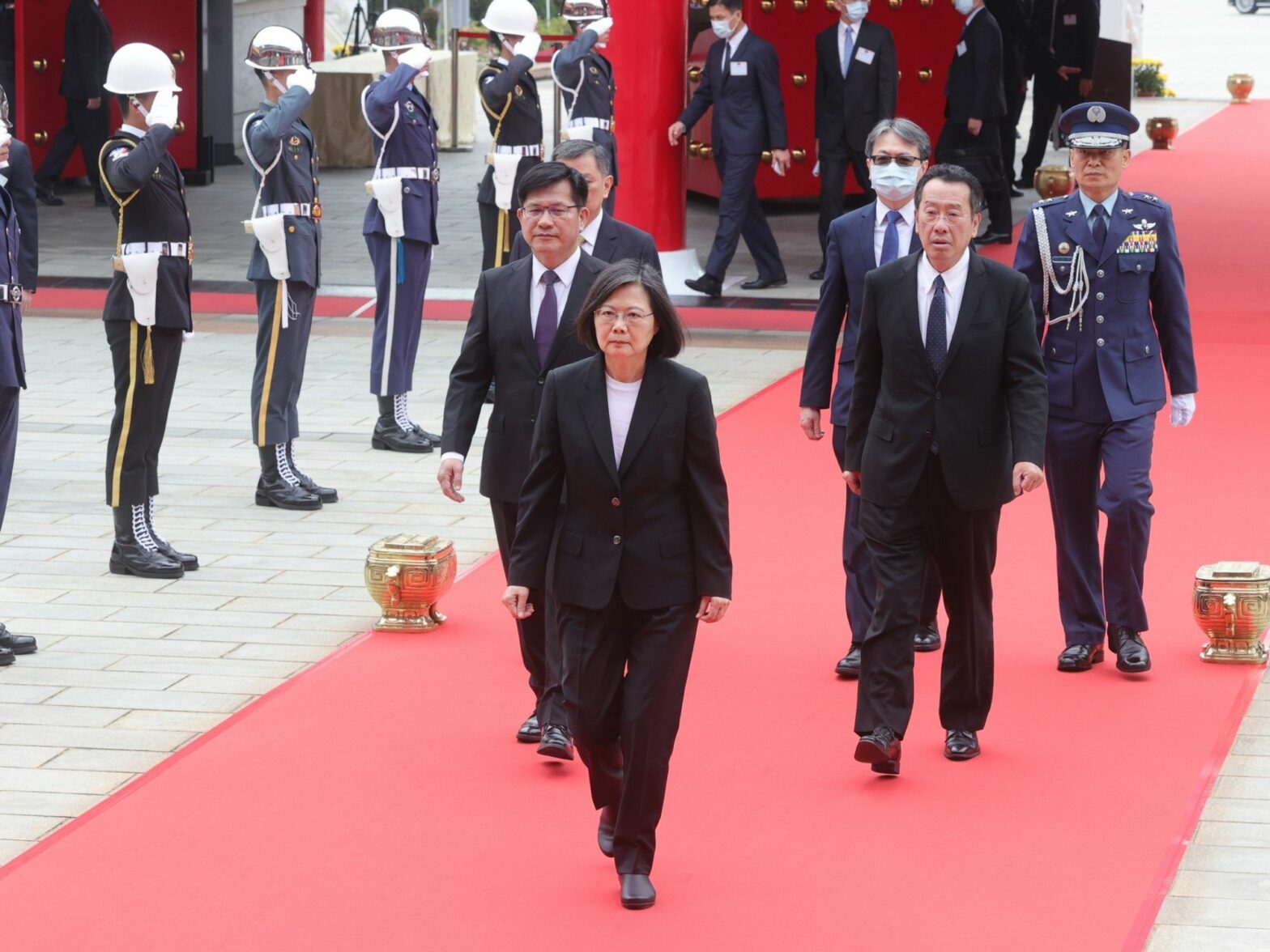
Two presidents of Taiwan, the current serving president, Tsai Ing-wen, and her predecessor, Ma Ying-jeou from the opposition Kuomintang party, are traveling in opposite directions these days. Taiwan must choose whom to follow.
Israeli Prime Minister Benjamin “Bibi” Netanyahu has backed down in the 11th hour on his plans to push forward on a major judicial reform bill that had sparked massive protests.
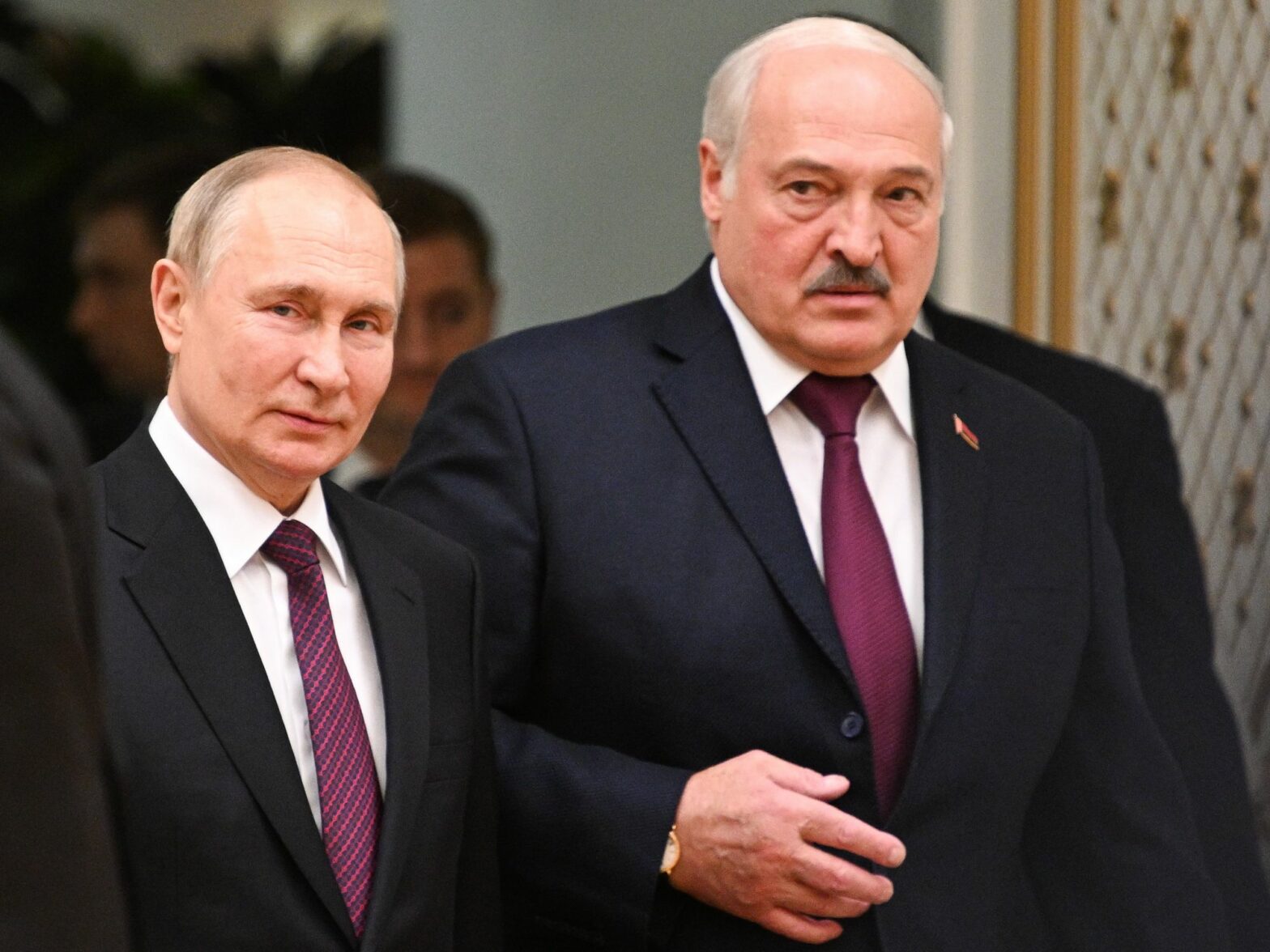
Of course Russia’s announcement of moving tactical nuclear weapons to Belarus should not be underestimated. But the reality is that, since the beginning of the invasion, Russia’s nuclear situation has not changed. We should instead look hard at where both Minsk and Beijing have wound up.
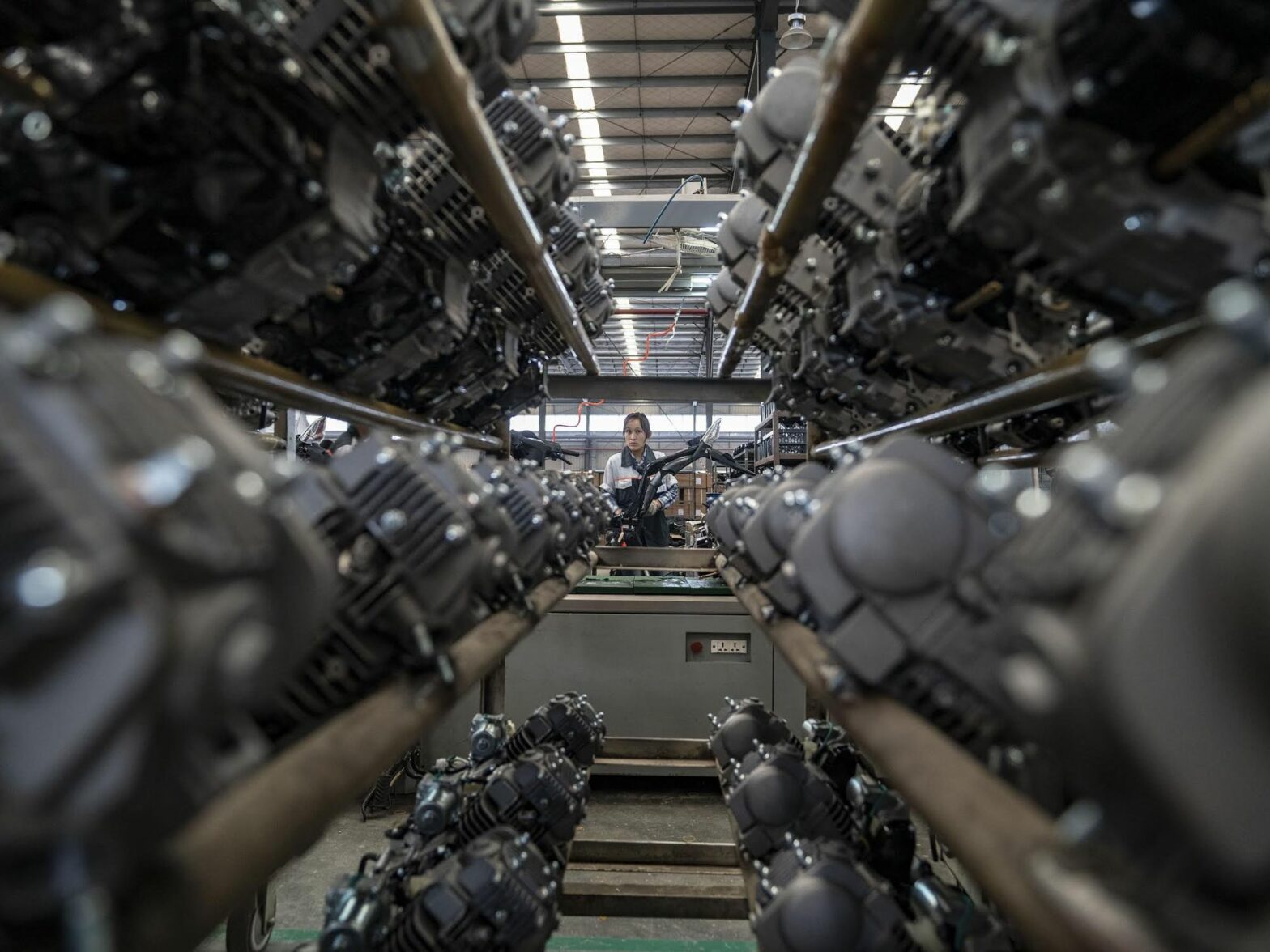
China is still a manufacturing juggernaut and a growing power, but companies are looking for alternatives as Chinese labor costs continue to rise — as do geopolitical tensions with Beijing.
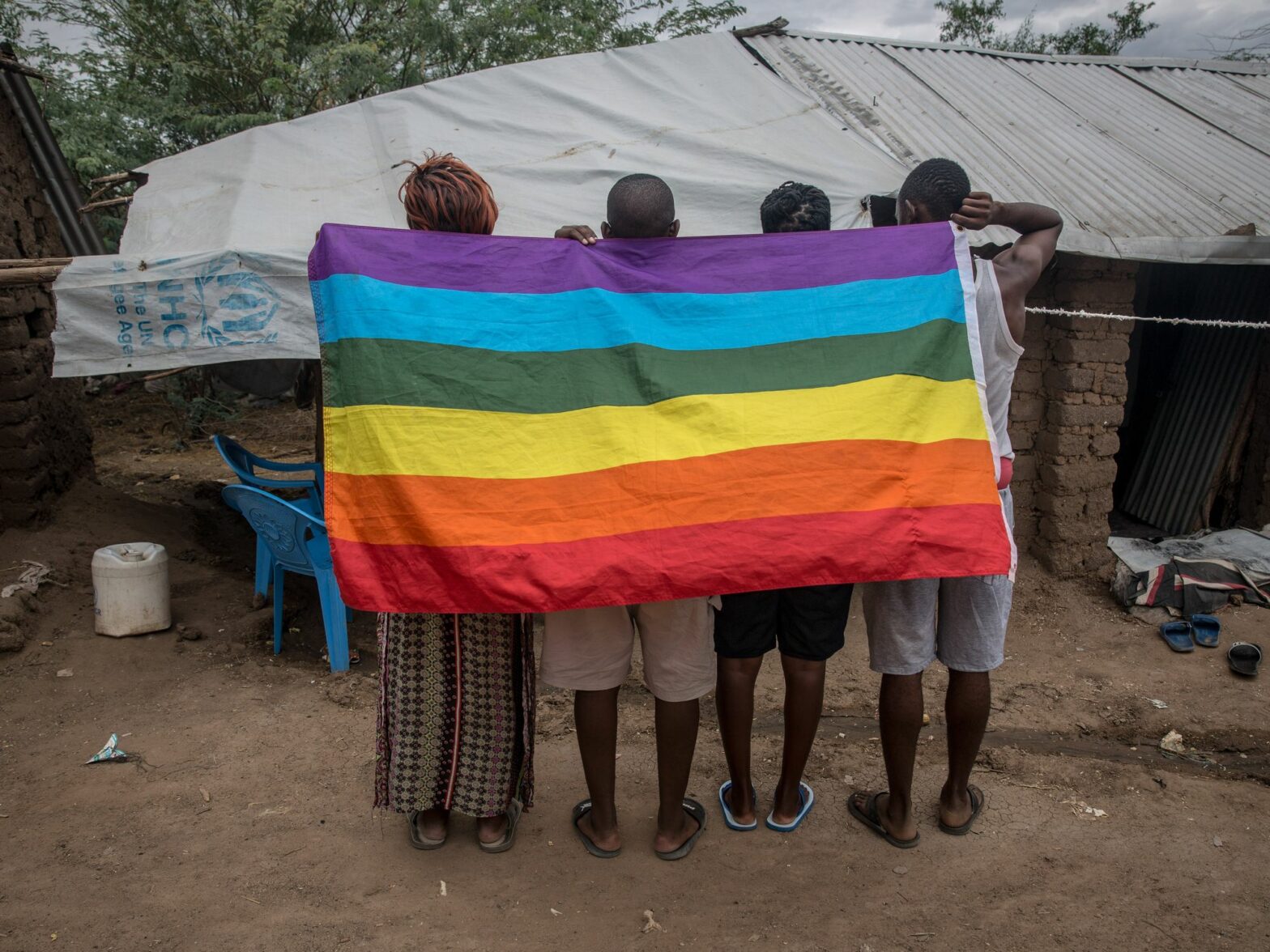
Uganda’s new law that calls for life imprisonment for gay sex is part of a wider crackdown against LGBTQ+ rights that is particularly harsh on the African continent.
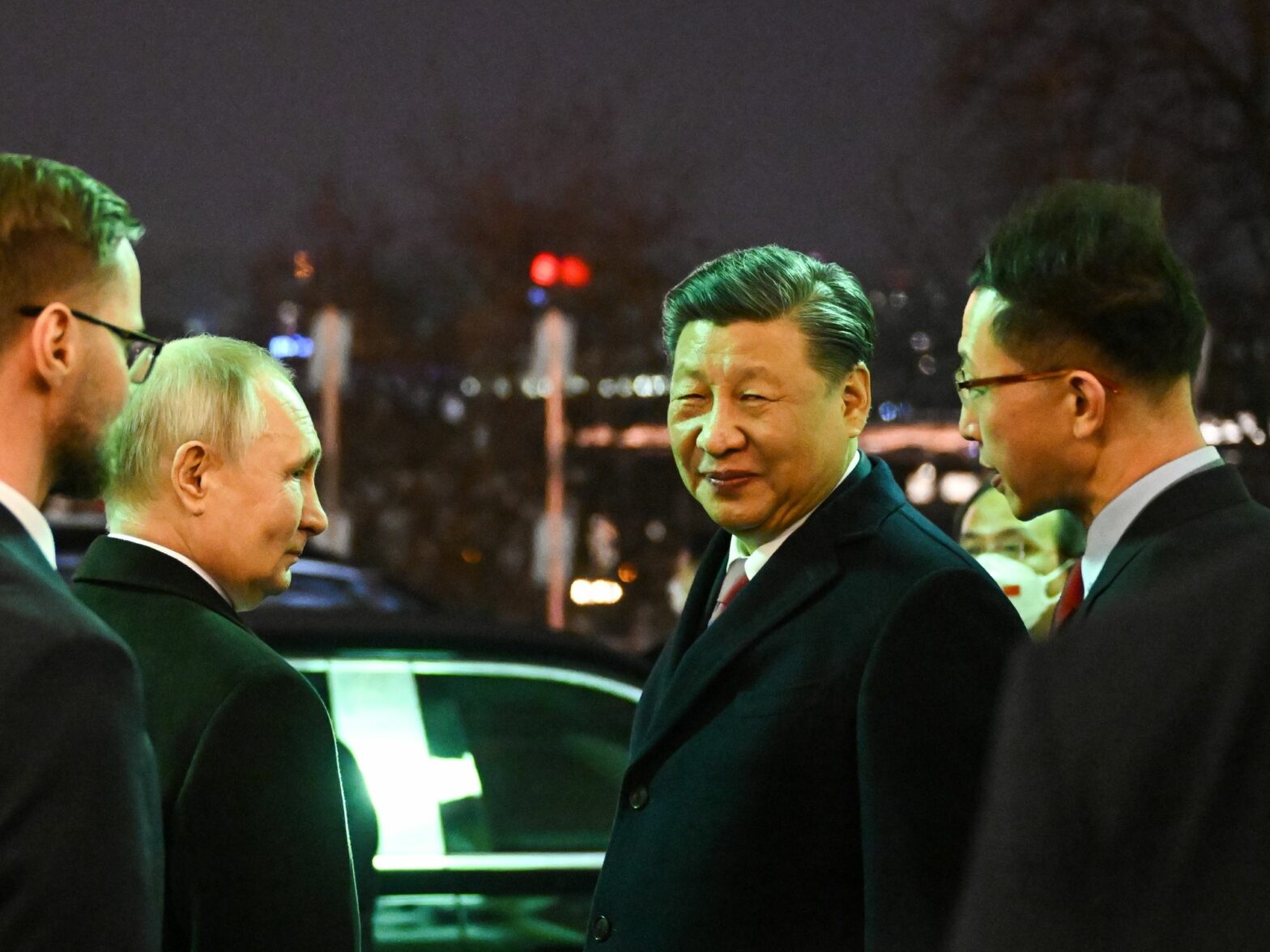
China has adopted a stance of pro-Putin neutrality since the start of Russia’s invasion. But this is not an alliance of equals. China has the upper-hand and sees the opportunity to present itself as an alternative world leader.
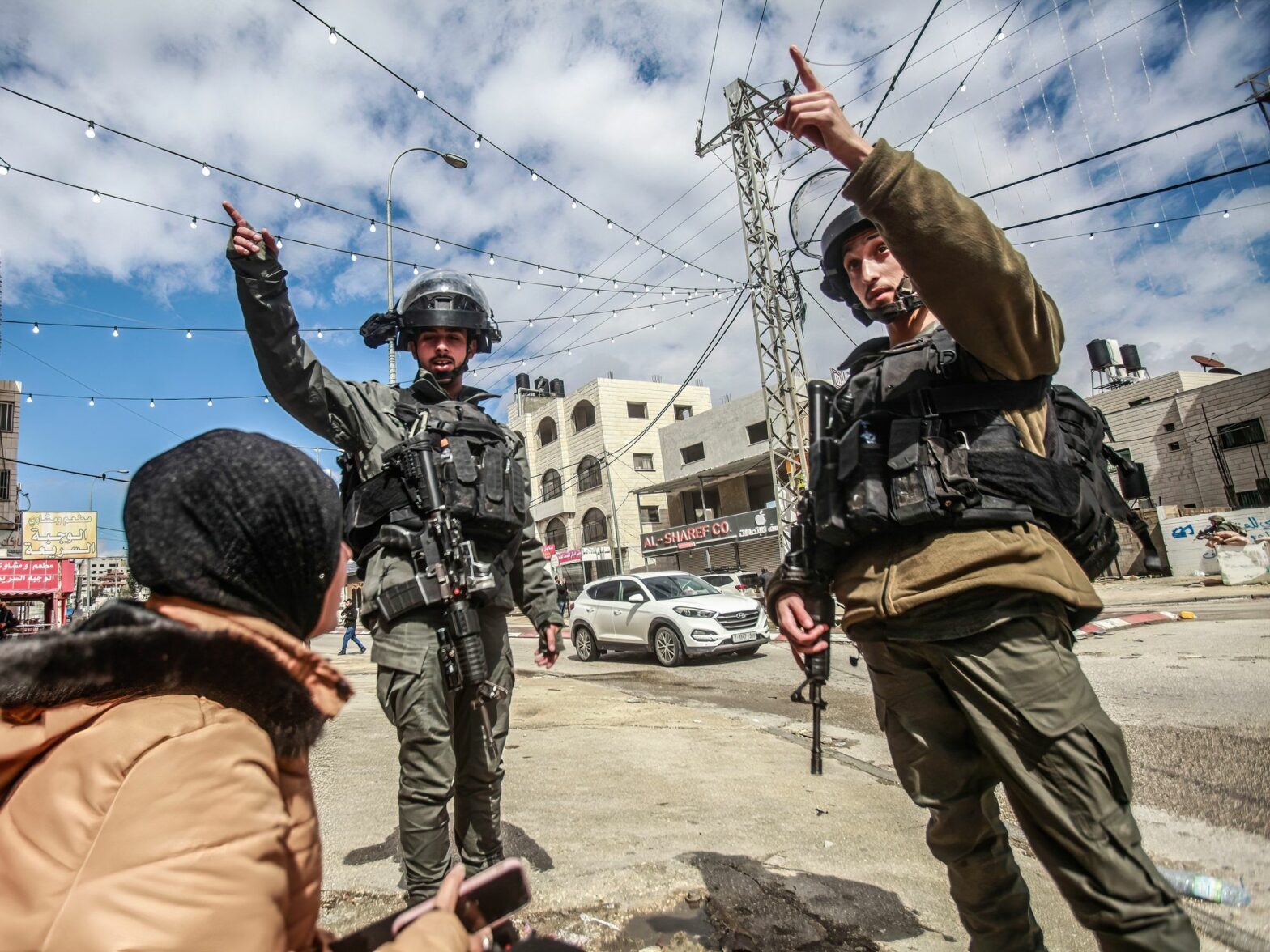
In a speech in Paris, Bezalel Smotrich, Israel’s finance minister, denied the existence of the Palestinians, sparking angry reactions in Ramallah, Amman and Brussels. But Israel’s extreme right is not afraid of provoking a violent crisis with the Palestinians.
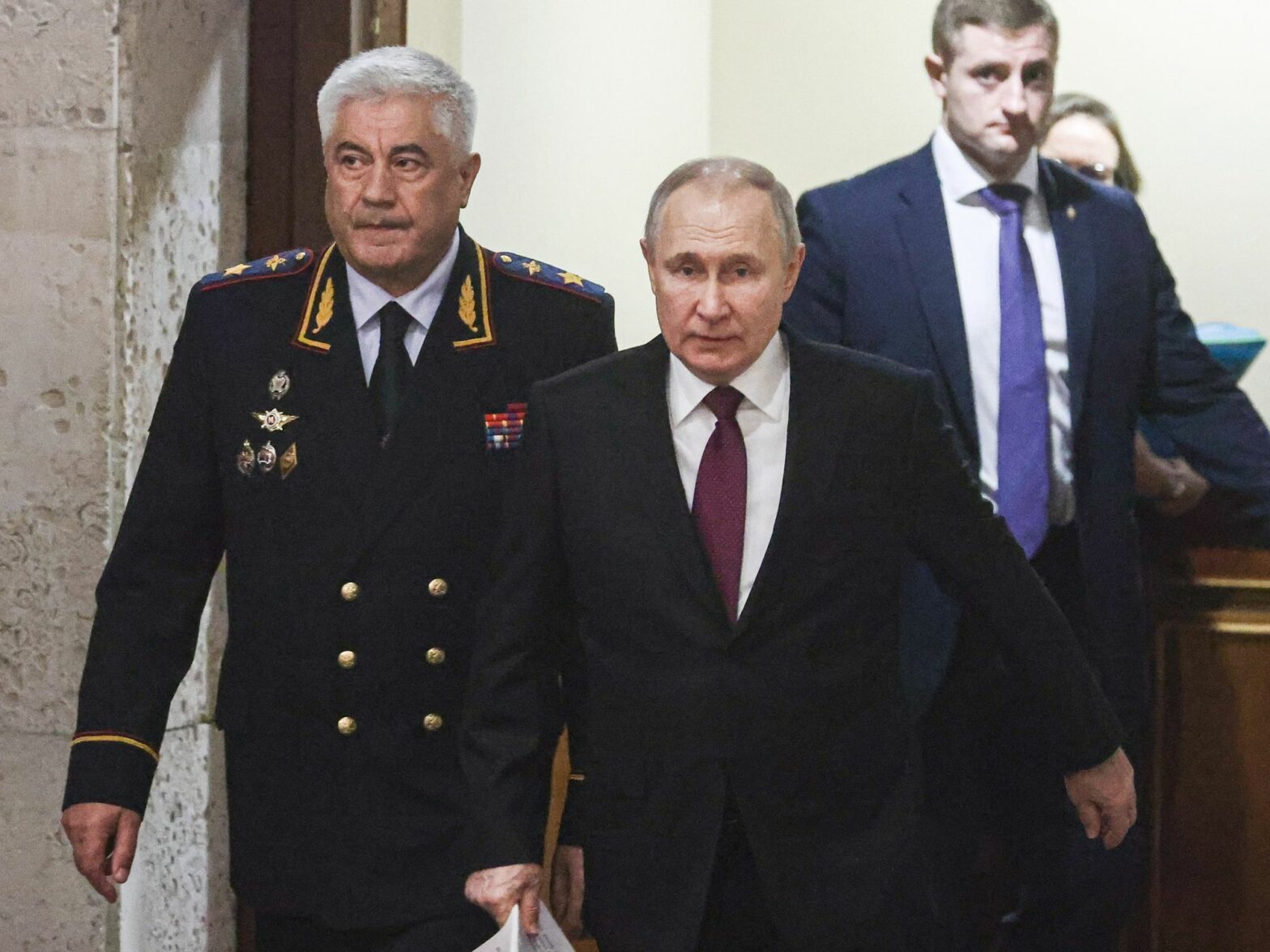
After the International Criminal Court issued an arrest warrant for Vladimir Putin, Chinese President Xi Jinping arrives in Moscow for a three-day visit. How far will he be willing to go to support Putin, a fugitive from international justice?
The European Union has a new plan that challenges the long-established dogmas of globalization, with its just-in-time supply chains and outsourcing the “dirty” work to the developing world.
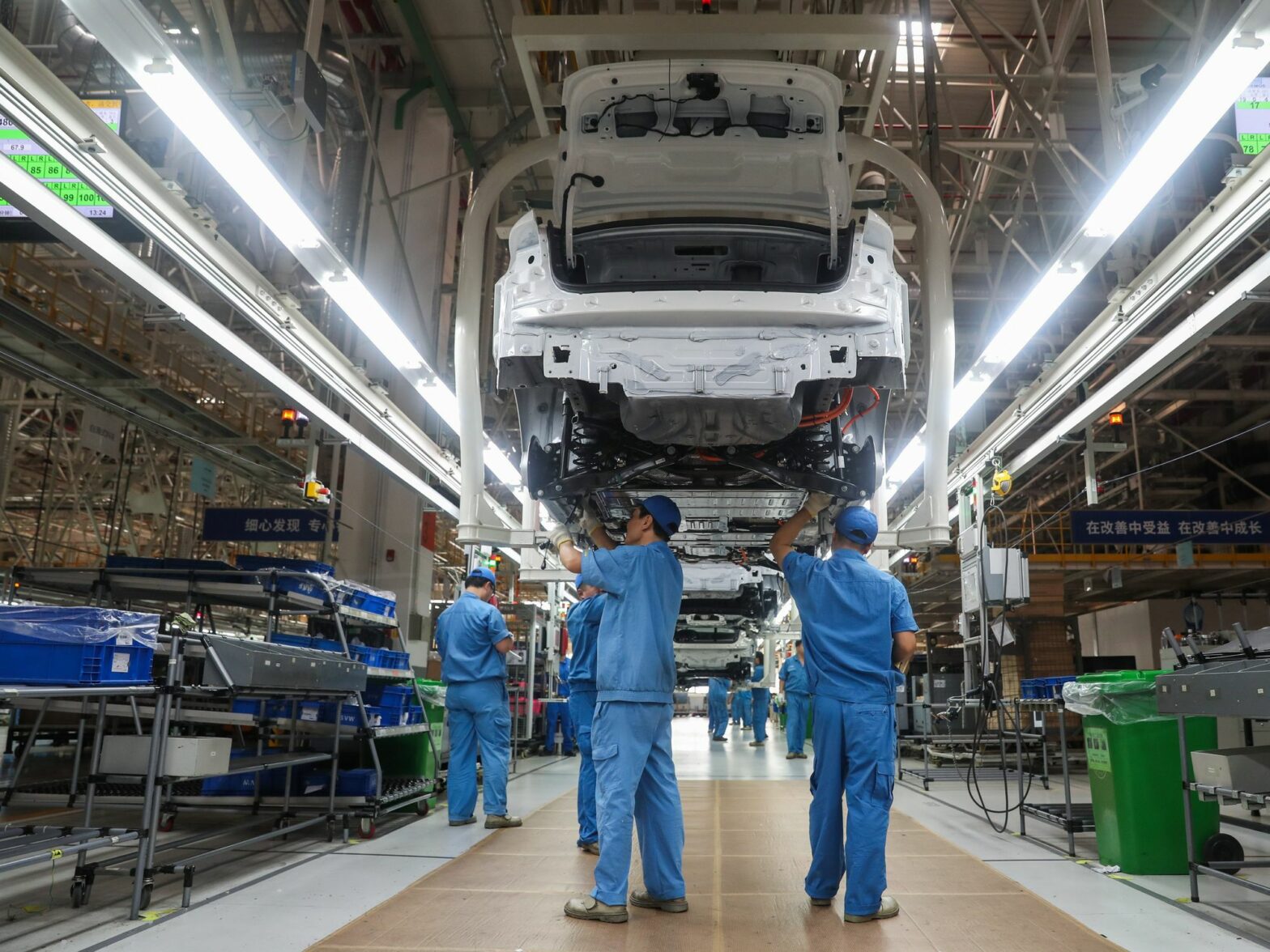
German automobile giant Volkswagen will invest billions in China to manufacture electric vehicles. It has deemed the risk of China invading Taiwan “unlikely,” a peek into the calculations that private-sector conglomerates make, just like state actors.
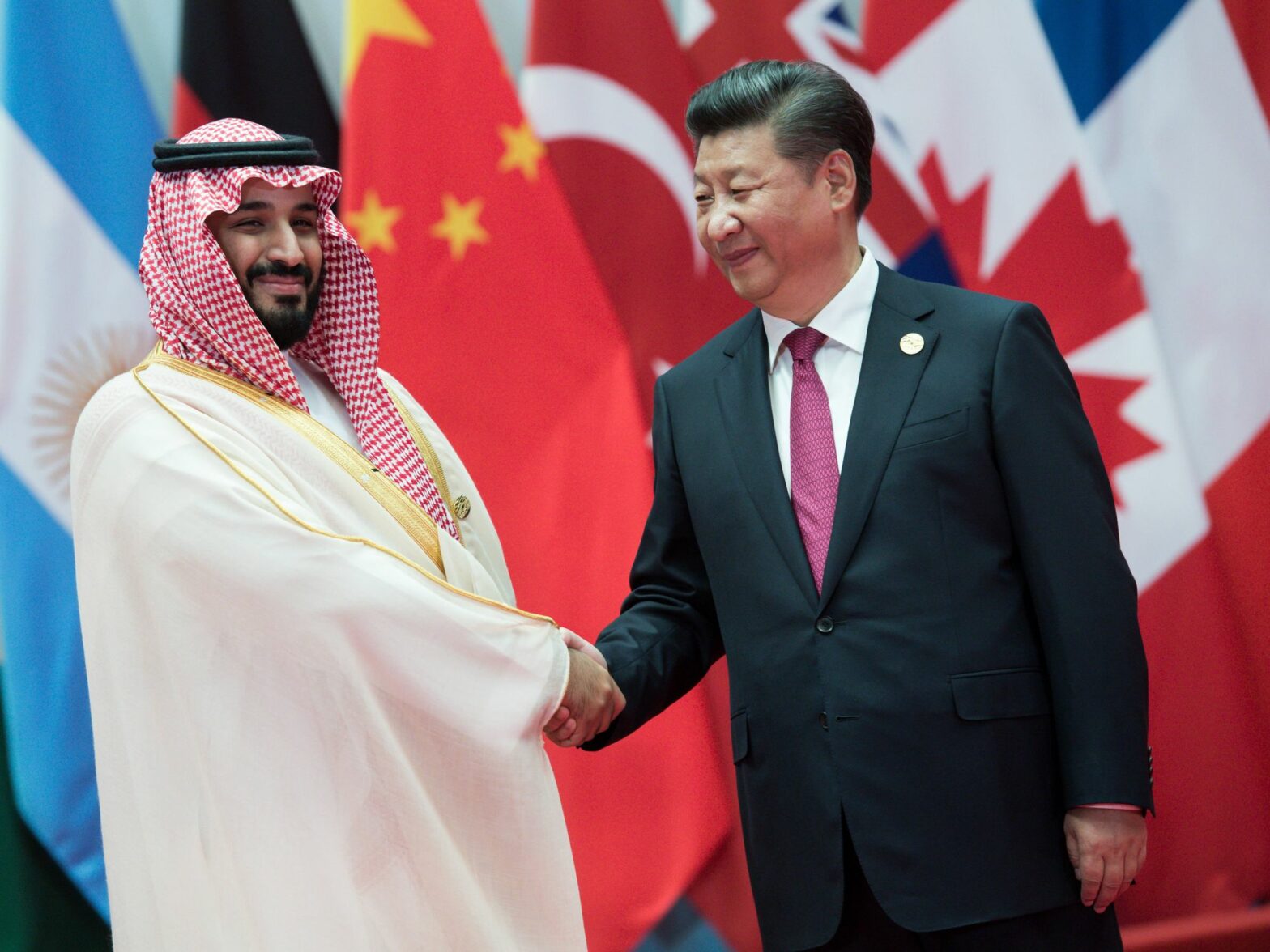
The move is seen as a coup for China in its efforts to assert itself as a global superpower, while also presenting itself as a responsible and peaceful nation in the eyes of the non-Western world. The agreement is expected to help reduce tensions in the region and revive hopes for peace in Yemen, where the two countries have been fighting a proxy war.
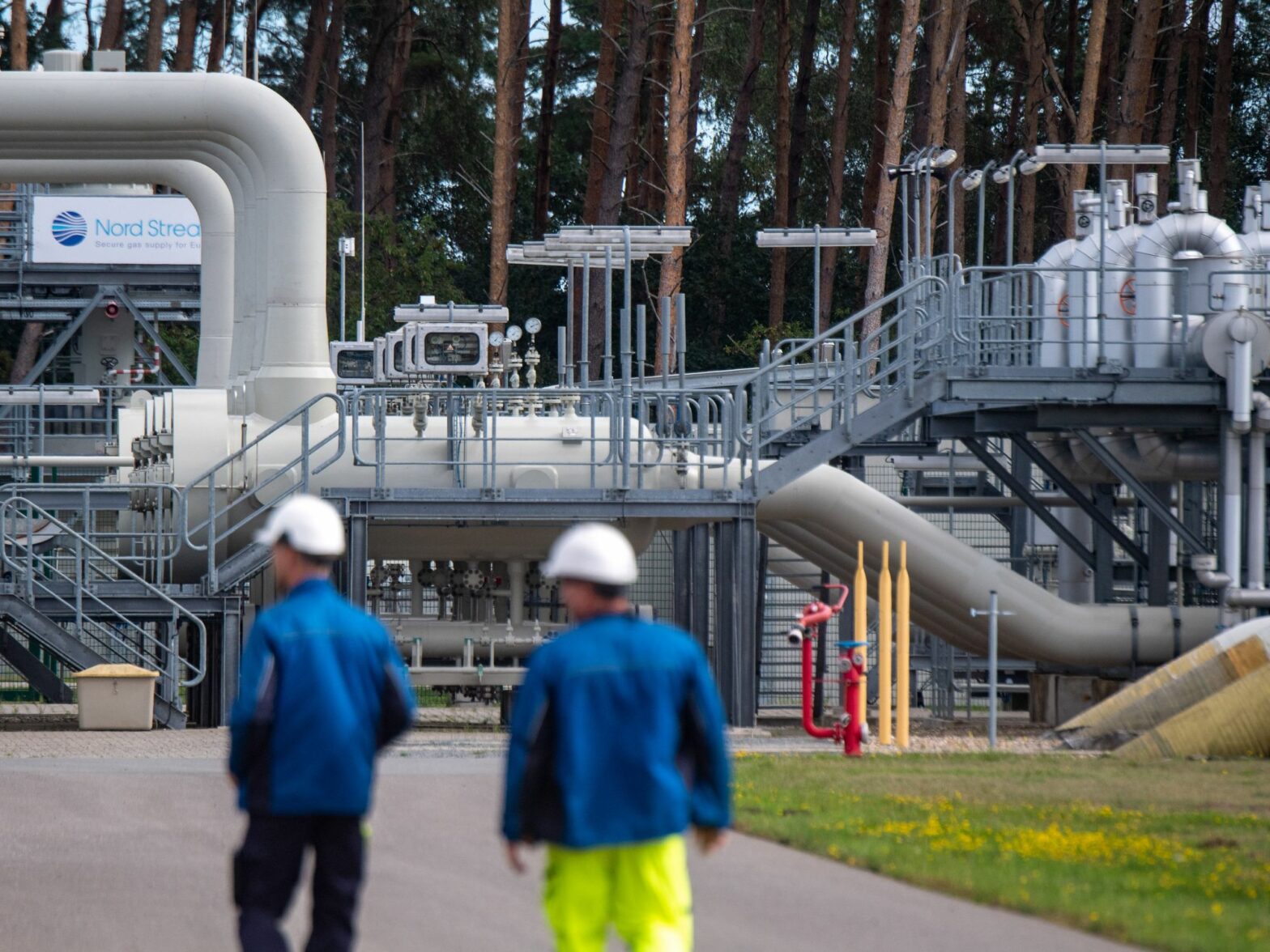
A new report blames the attack last September on a pro-Ukrainian outfit. It is hardly the last word on the case, but a good sign that the truth will come out in the end, which is crucial to maintain support in the West.
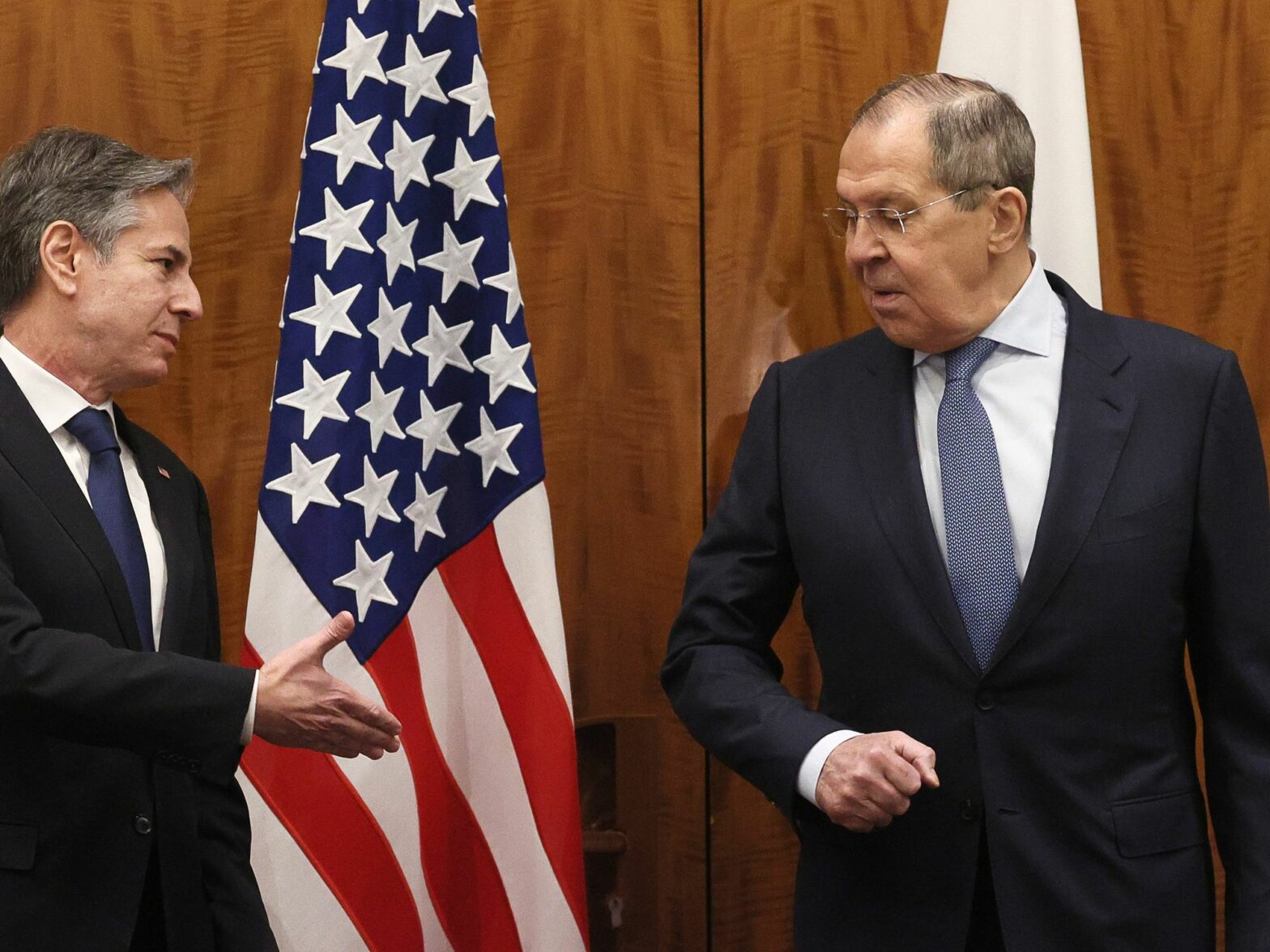
It’s not just about the current diplomatic impasse between Russia and the West, it’s about the future — and that means China.
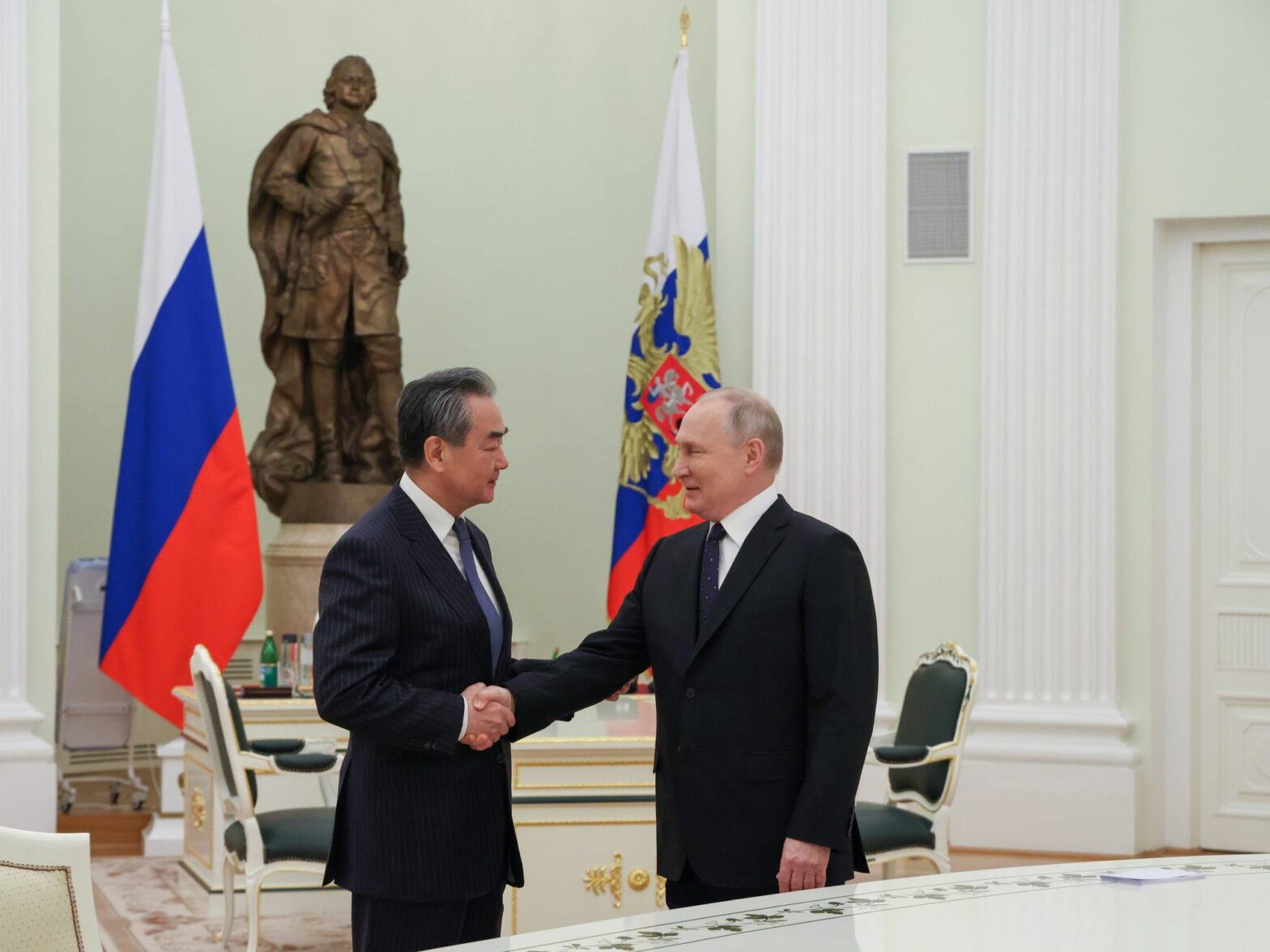
South Korean President, Yoon Suk-yeol, made a gesture of reconciliation towards Japan, the country’s former colonizer. It gives Washington hope that its two key Asian allies can overcome differences as they face an emboldened China and North Korea.
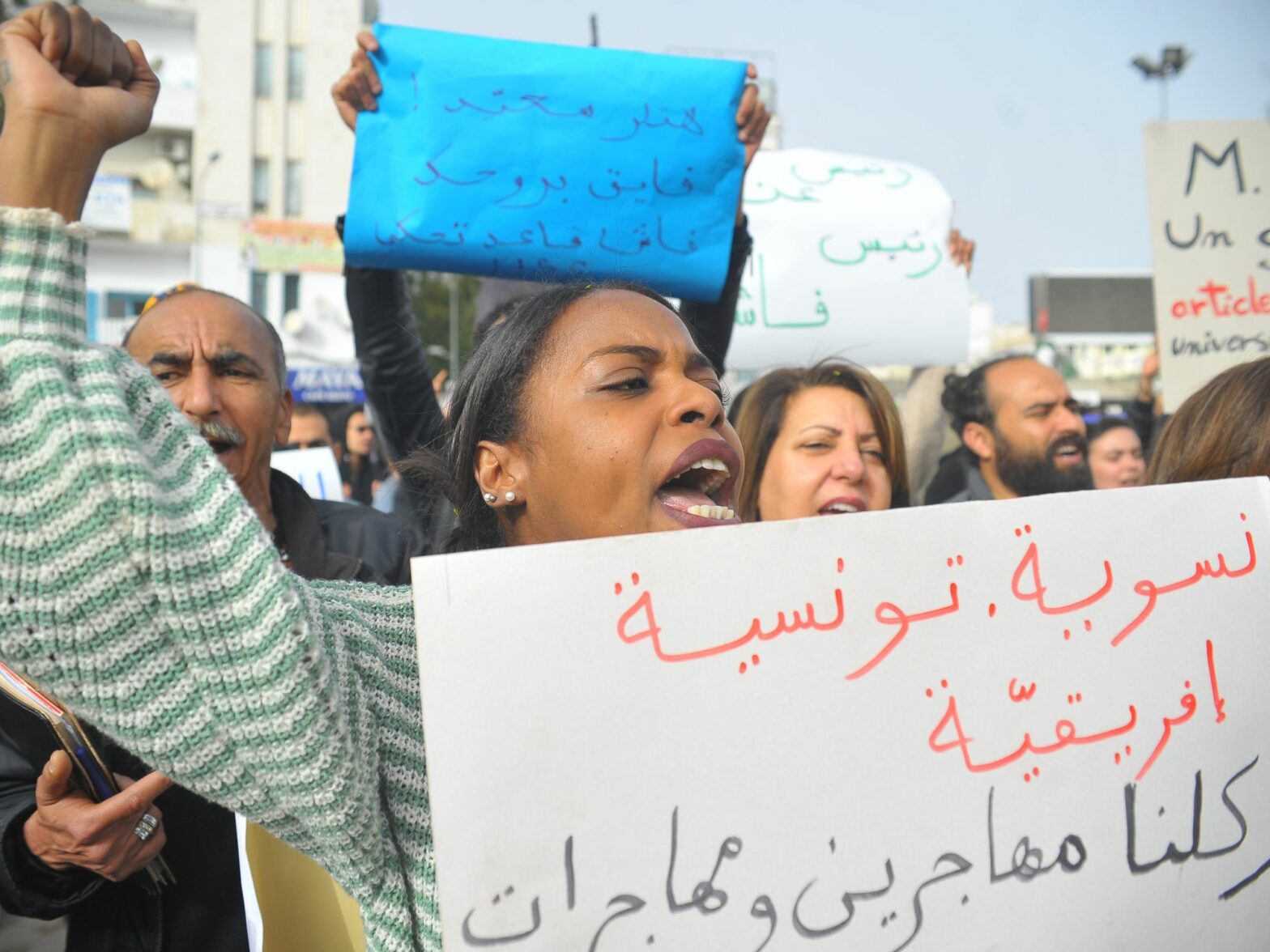
Tunisian President Kaïs Saïed’s xenophobic claims that a conspiracy aims to replace Tunisians with sub-Saharan migrants has unleashed racist violence in the country. It’s a sign of the growing authoritarianism of the popular but powerless president.
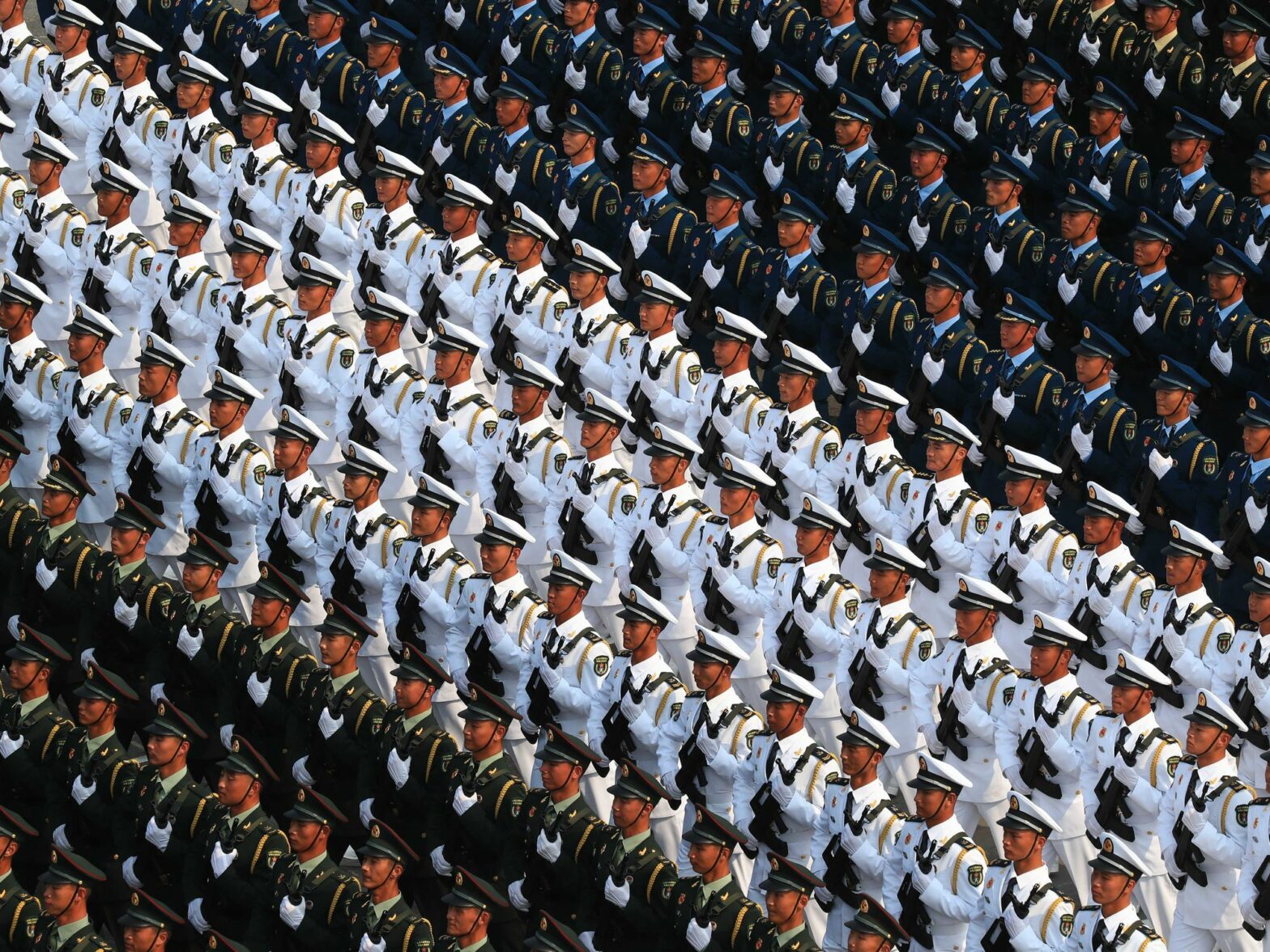
One year since Russia’s invasion, the global stakes of the war in Ukraine have come more fully into focus. It’s a battle over fundamental questions of sovereignty and democracy, but also the very meaning of power.
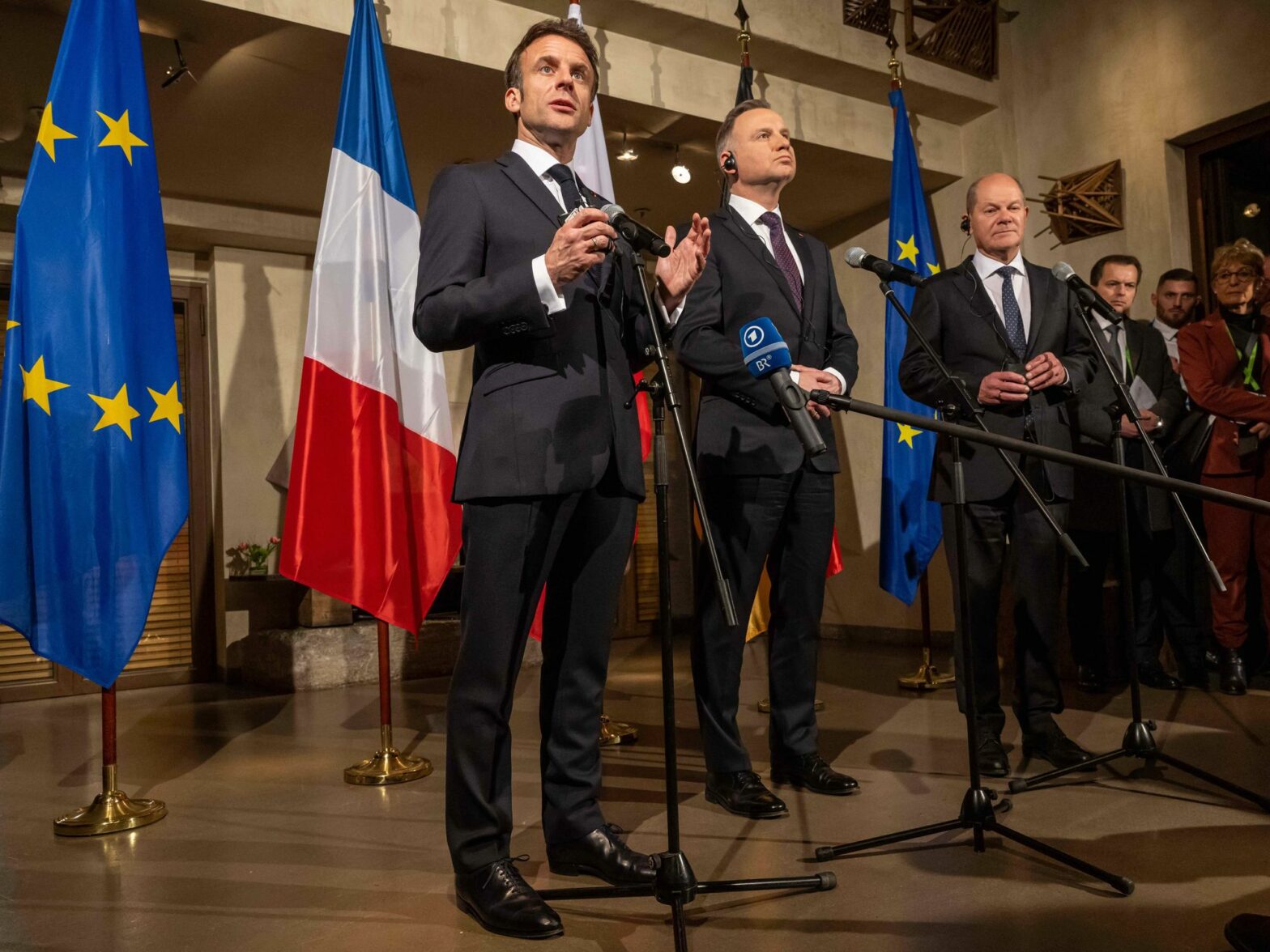
Returning from this weekend’s Munich Security Conference, French President told France Inter public radio: “I do not think that Russia should be defeated completely, or attacked on its soil. These observers want above all to crush Russia. This has never been the position of France and it never will be.”
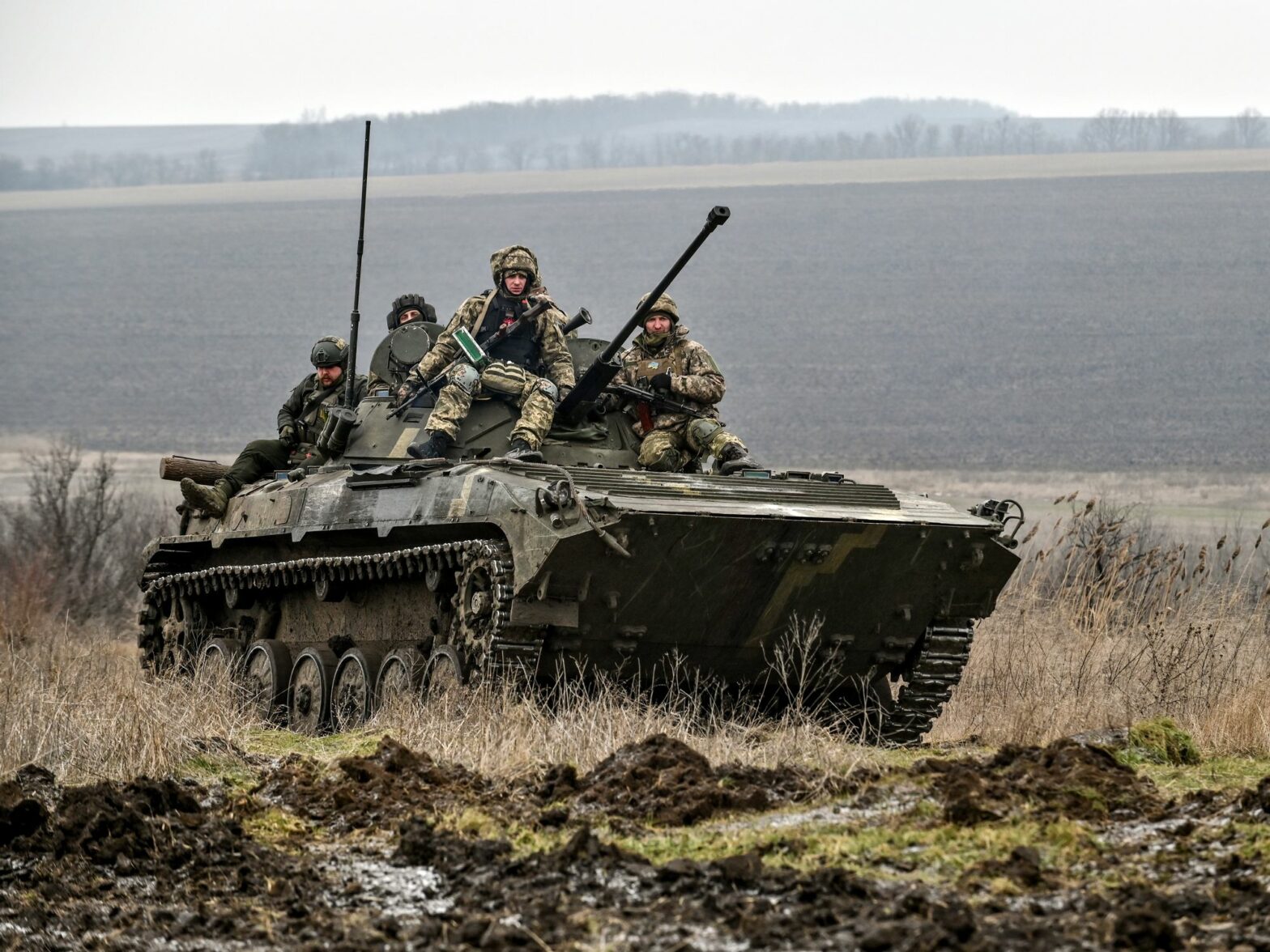
French President Emmanuel Macron turned heads by saying that his objective was to defeat Russia, without “crushing” it. This diverges with the objectives of Ukraine and other allies. It’s a question that will ultimately be answered on the battlefield.
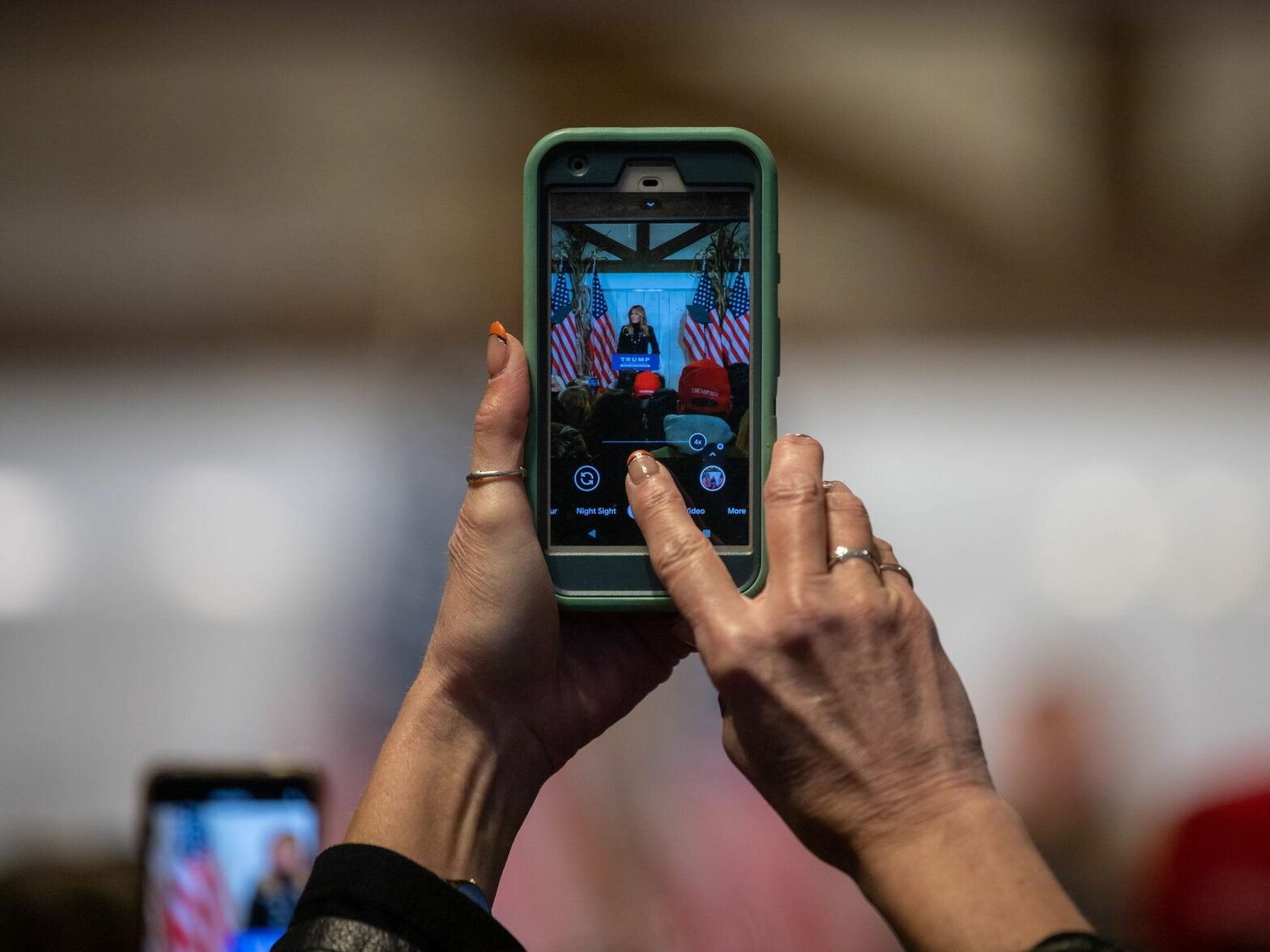
The revelations of a clandestine digital operation that provides services to destabilize nations and manipulate opinion are a wake-up call for democratic states to take urgent action, including the need to hold Big Tech accountable.
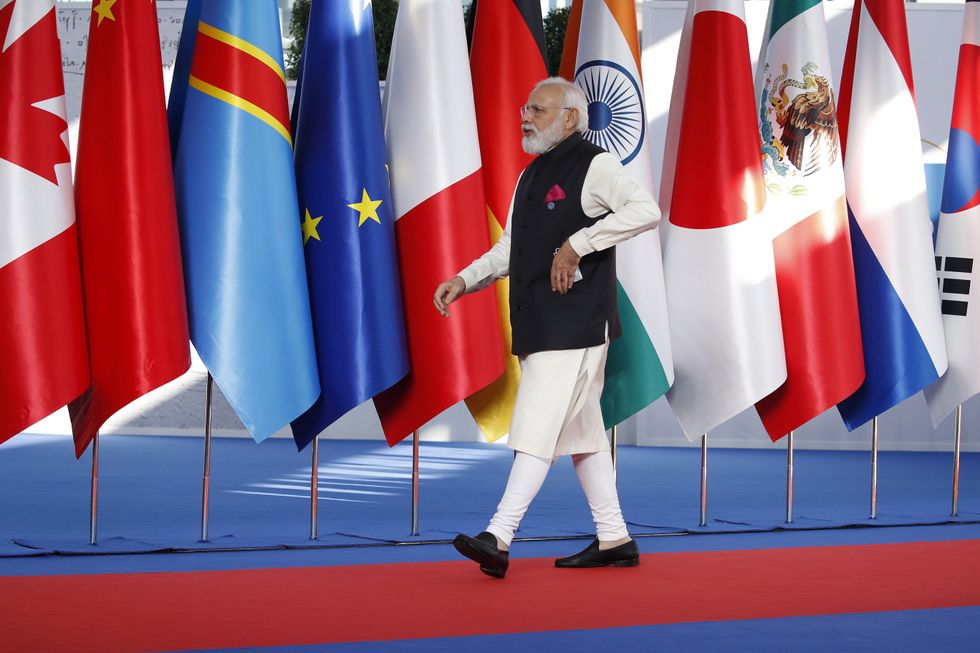
After not buying any aircraft for 17 years, Air India has announced the largest order in the history of aviation. It’s a symbol of India’s new standing in the world, its ambitions and the role it has as a model for other non-aligned nations
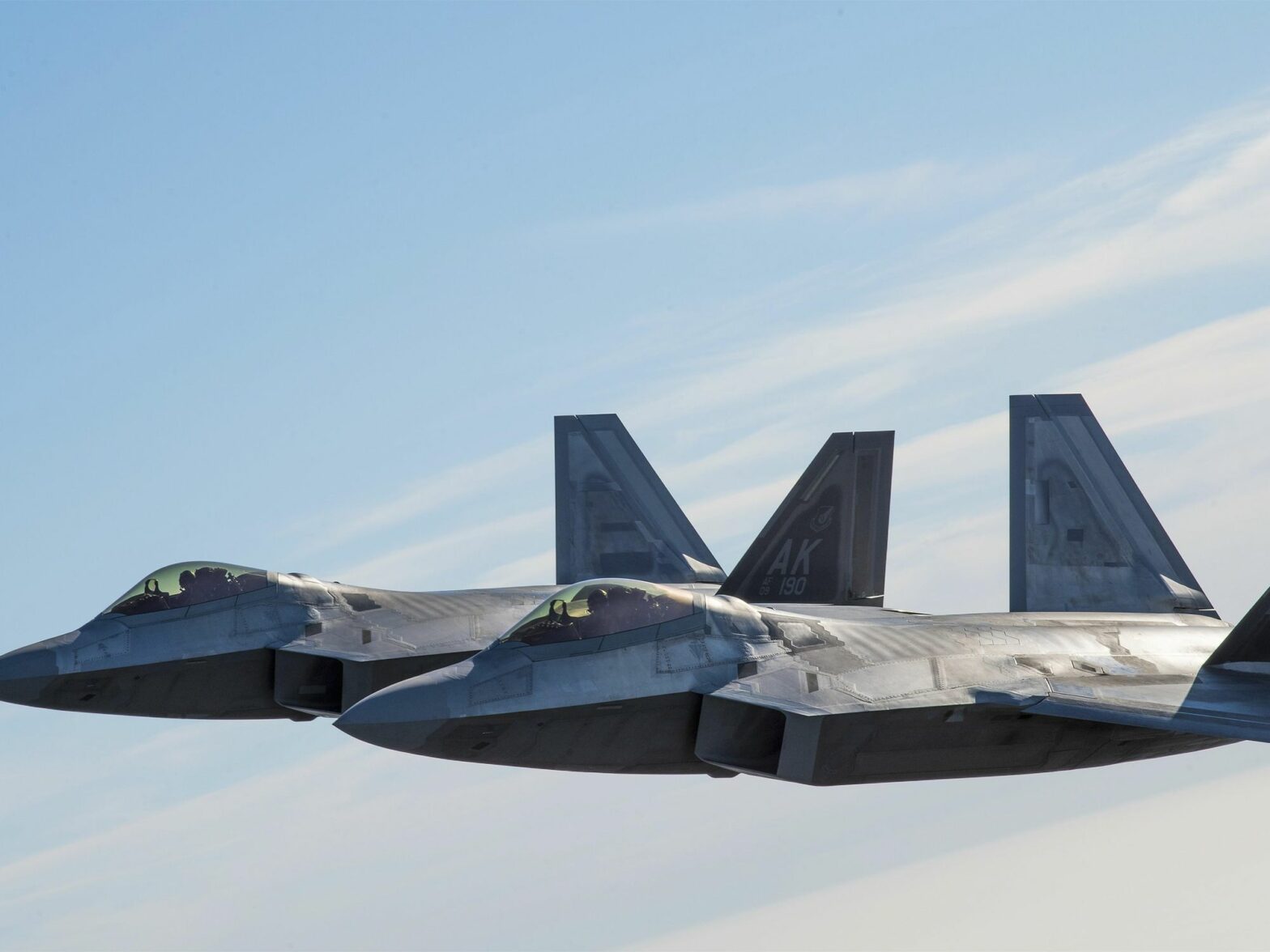
Let’s call it the “war of the balloons”: Four unidentified flying objects have now been shot down by fighter jets in one week over North America. But the mystery of the details should not hide the bigger picture of how far U.S.-Sino relations have sunk in the past 10 days.
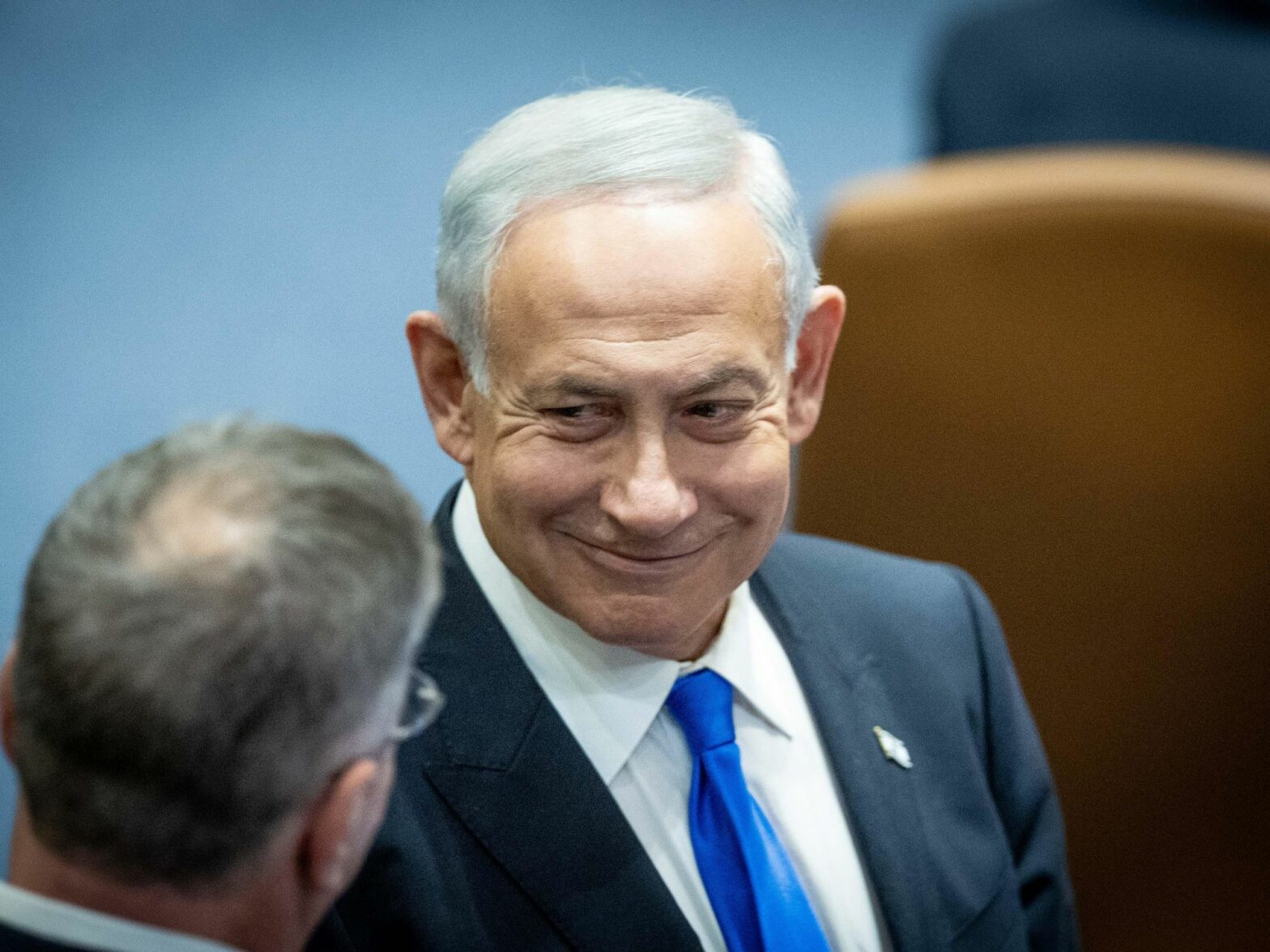
After forming a governing coalition with right-wing extremists, will Israeli Prime Minister Benjamin Netanyahu face a chill in relations with the West? The reshuffled geopolitical cards offer a fair share of paradoxes.
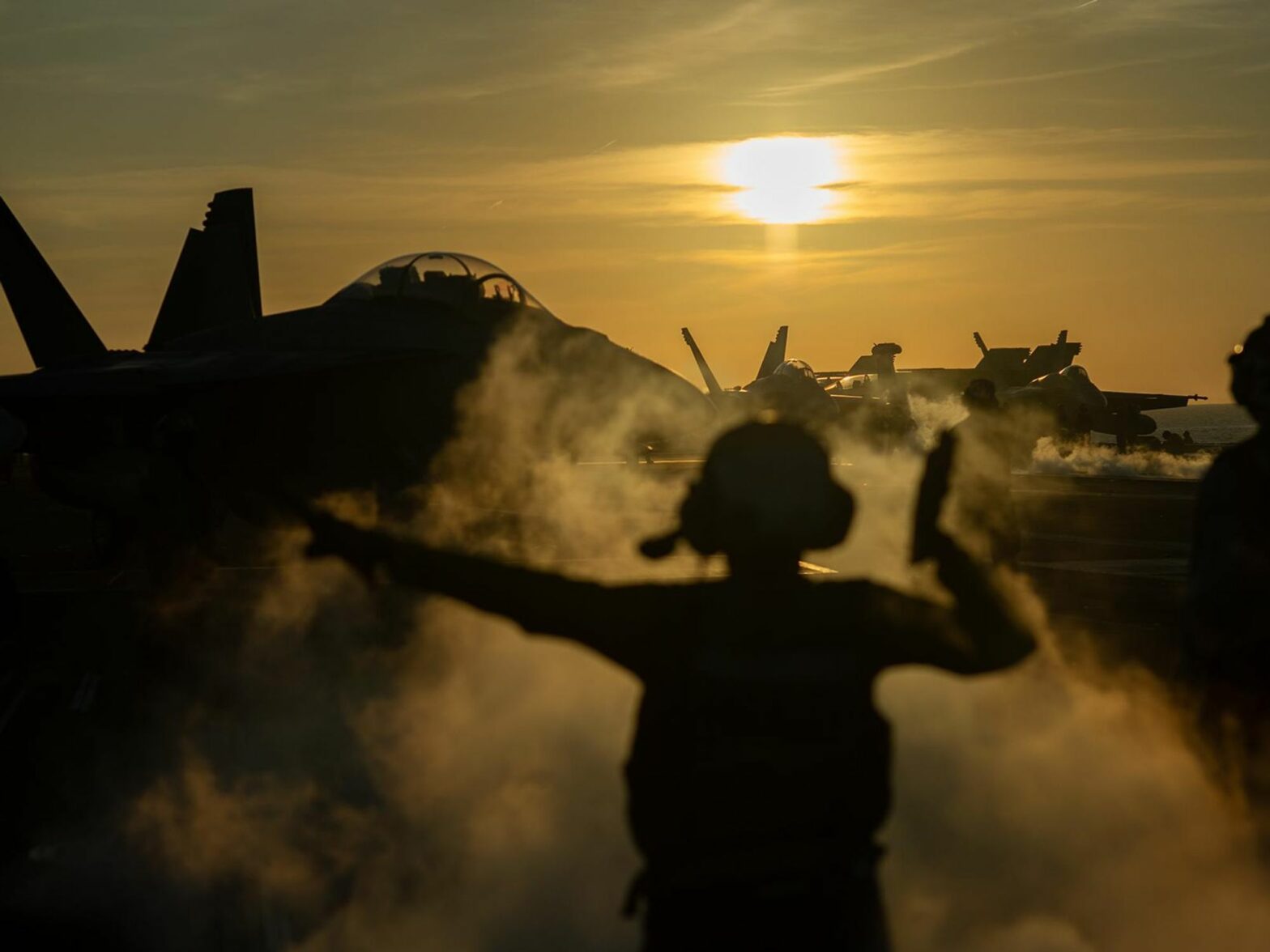
The open debate on weapon deliveries to Ukraine is highly unusual, but Kyiv has figured out how to use the public moral suasion — and patience — to repeatedly shift the question in its favor. But will it work now for fighter jets?
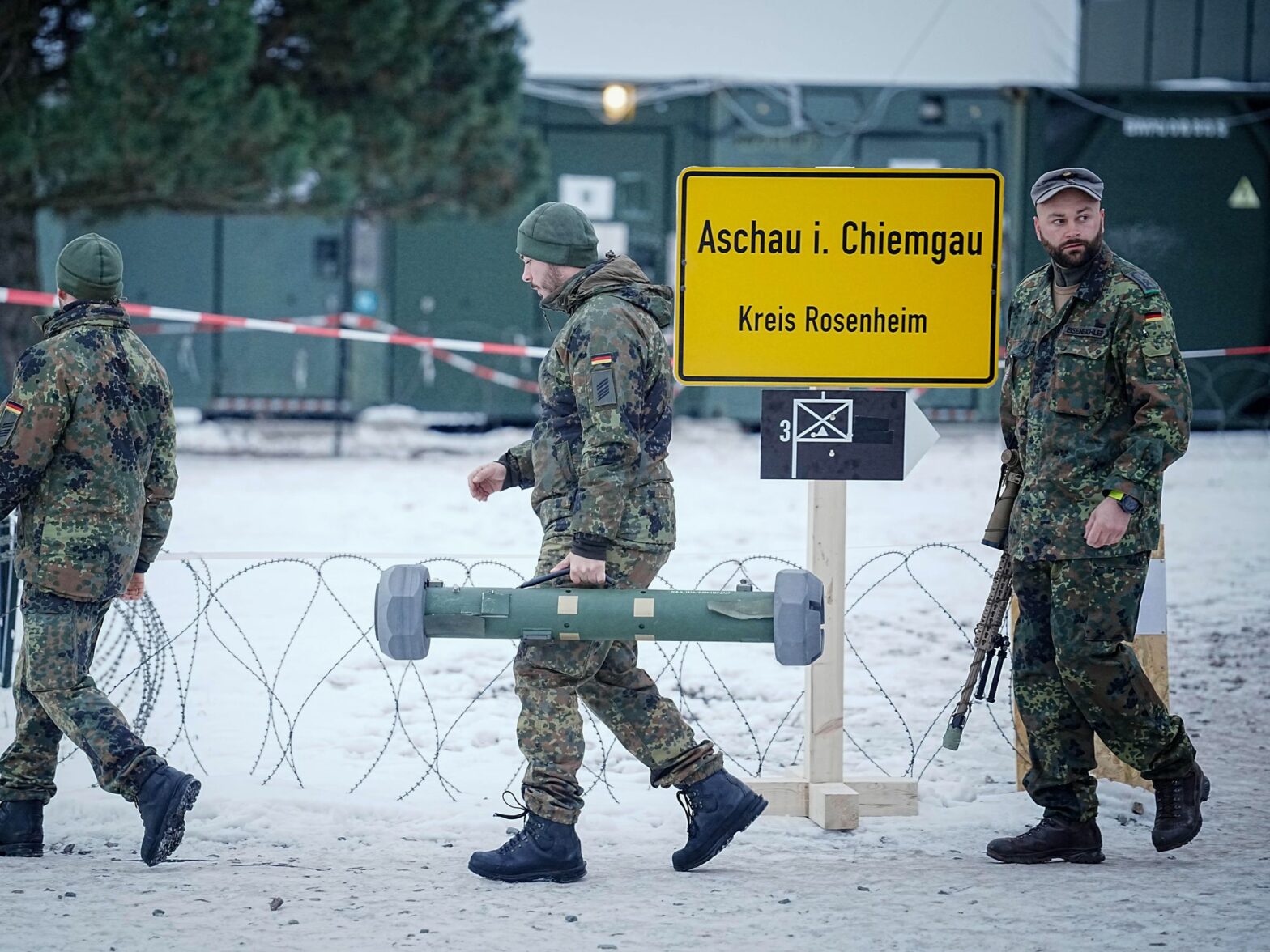
A new future is unfolding in real time, one that leaders in France, Germany and beyond could not have envisioned even a year ago.
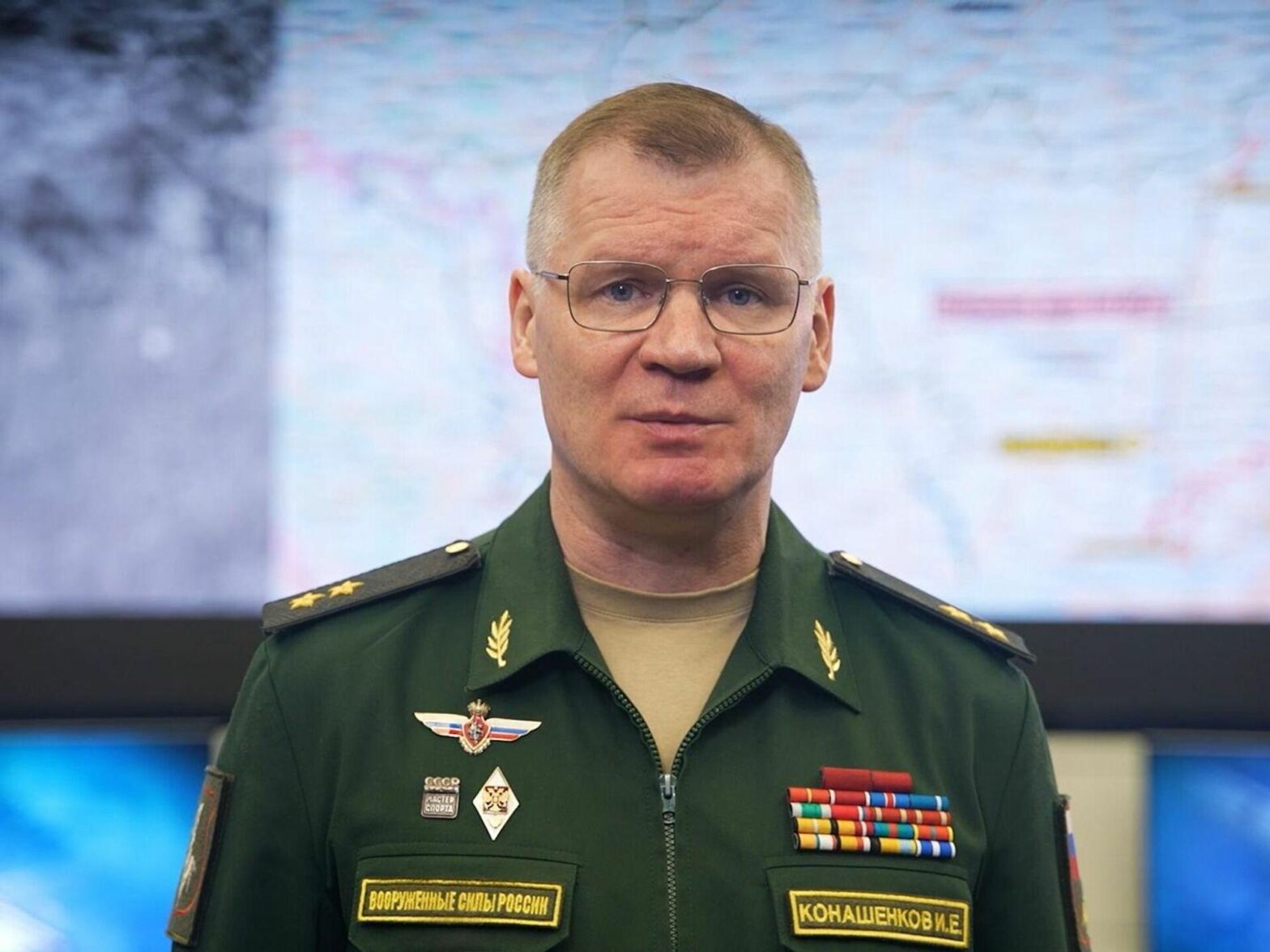
The killing of likely hundreds of Russian troops has set of a spiral of recriminations that could change the way Moscow approaches its 10-month-old invasion of Ukraine

Less than a week after being sworn in for the sixth time as Prime Minister, Benjamin Netanyahu was defied by a highly charged visit his far-right coalition ally, Itamar Ben-Gvir, made to the al-Aqsa Mosque compound, that has enflamed the entire Muslim world. Netanyahu has a choice to make.