Israel has reacted sharply to the French president’s criticism of the IDF continued bombing of civilians in Gaza. France is the first country to break with Western unanimity on Israel since October 7, which explains the virulence of the reaction.
 Worldcrunch
Pierre Haski was born in 1953 in Tunis. He has been a correspondant for Agence France Presse (AFP) and Libération, and is now the President of Reporter Sans Frontières since 2017. He also runs the radio show “Géopolitique” for France Inter.
Israel has reacted sharply to the French president’s criticism of the IDF continued bombing of civilians in Gaza. France is the first country to break with Western unanimity on Israel since October 7, which explains the virulence of the reaction.
In Qatar, Egypt, Paris or on the phone, negotiators are busy trying to secure the release of hostages, push for “humanitarian pauses”, and prepare for the political aftermath of the war. Meanwhile, the war rages on in Gaza.
Prime Minister Netanyahu’s mention of “indefinite” control of security in Gaza does not sit well with Washington. Biden has a growing number of reasons to start pushing back against Israel’s war and post-war aims.
Marking one month of war in the Middle East, French political commentator Pierre Haski takes stock of three major geopolitical consequences.
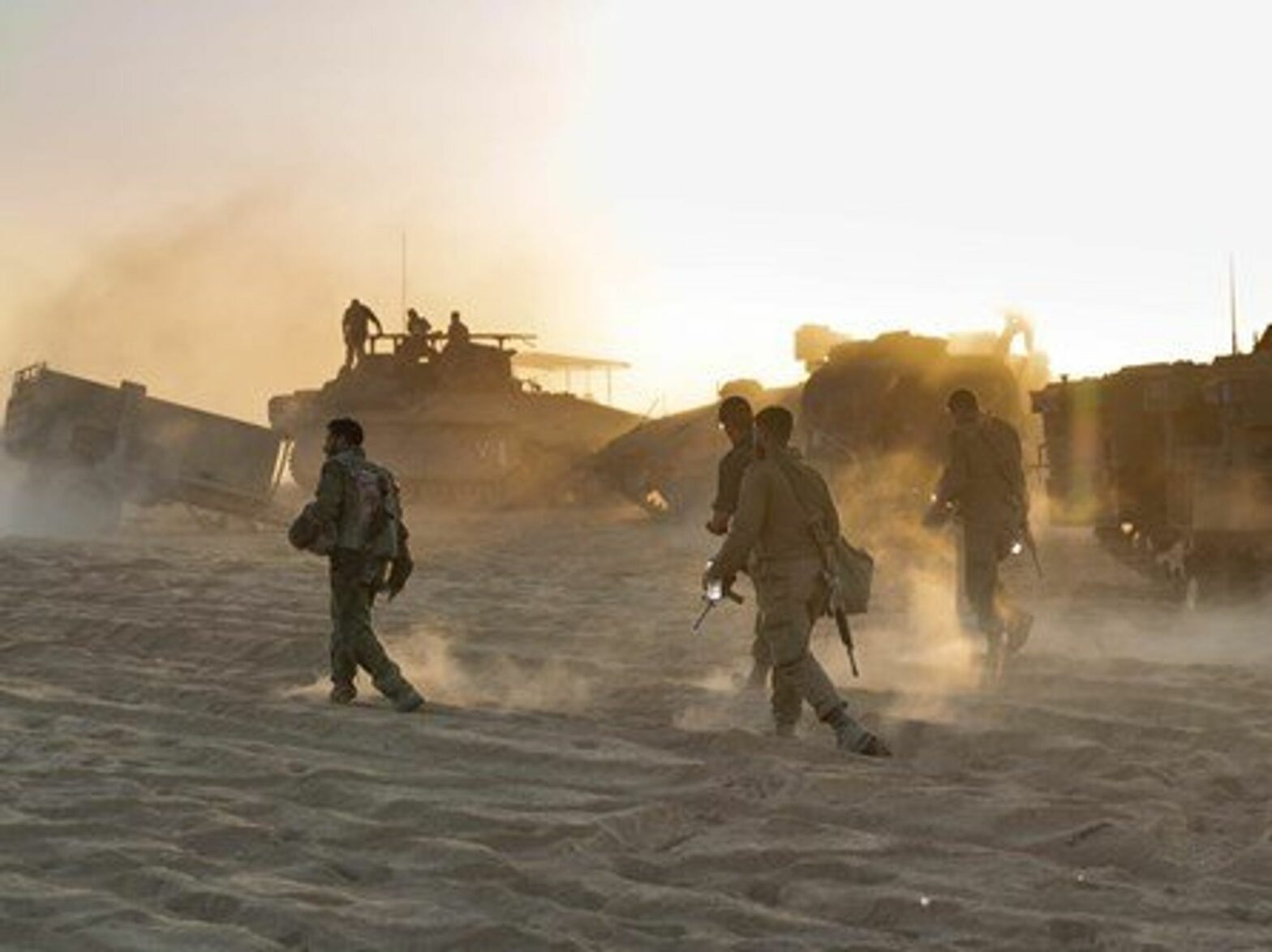
Calls for a “humanitarian pause” are multiplying as the war rages on for almost a month, but the West is careful not to talk about a ceasefire, which Israel totally rejects. Where does that leave us in a search for a way out?
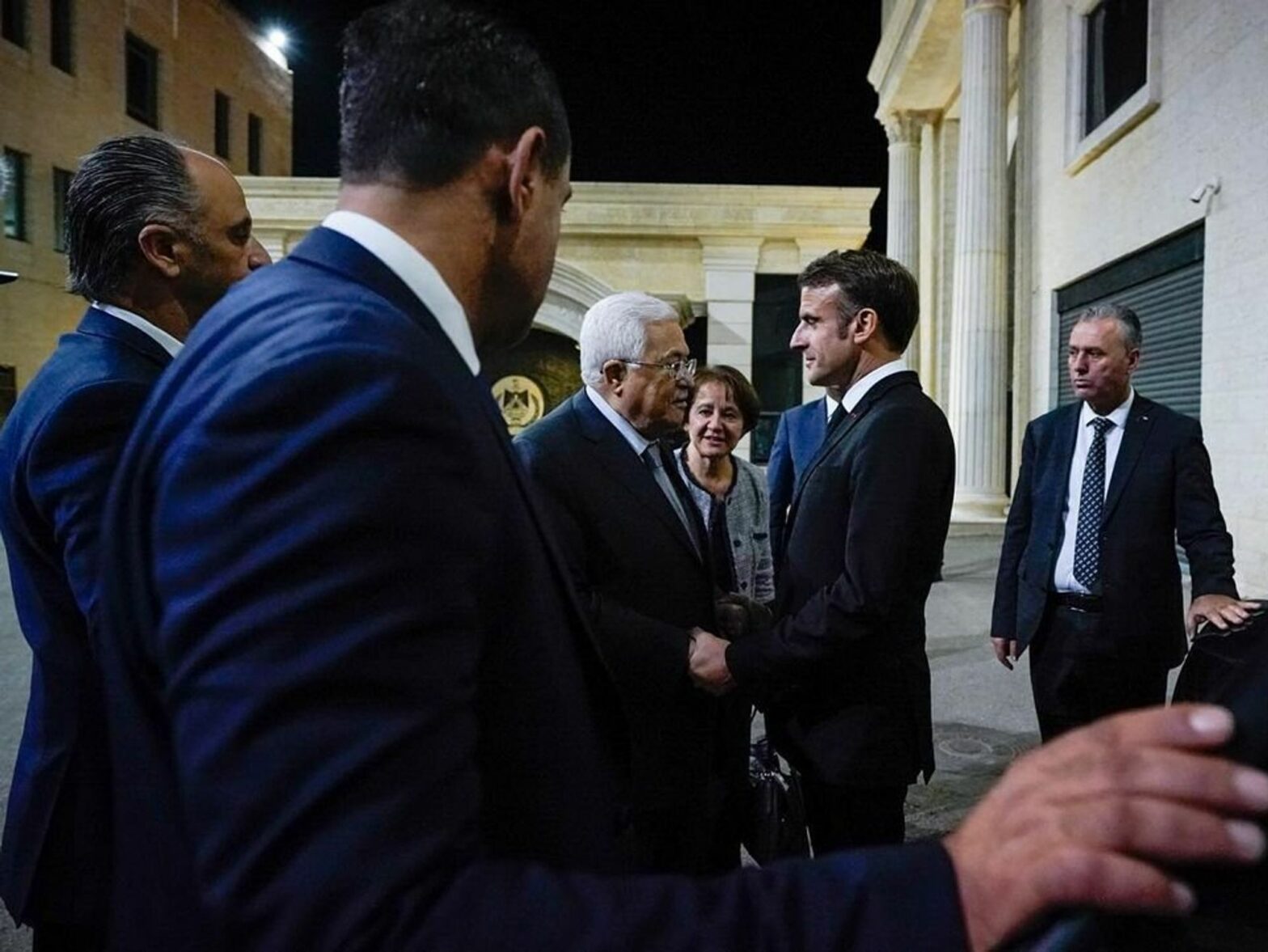
The French president expressed his solidarity with Israel while calling for a political solution for the Palestinians; but he also made a surprise proposal for an international coalition against Hamas, which faces several obstacles — but is also a way to “frame” the conflict so that the dormant two-state solution can return.
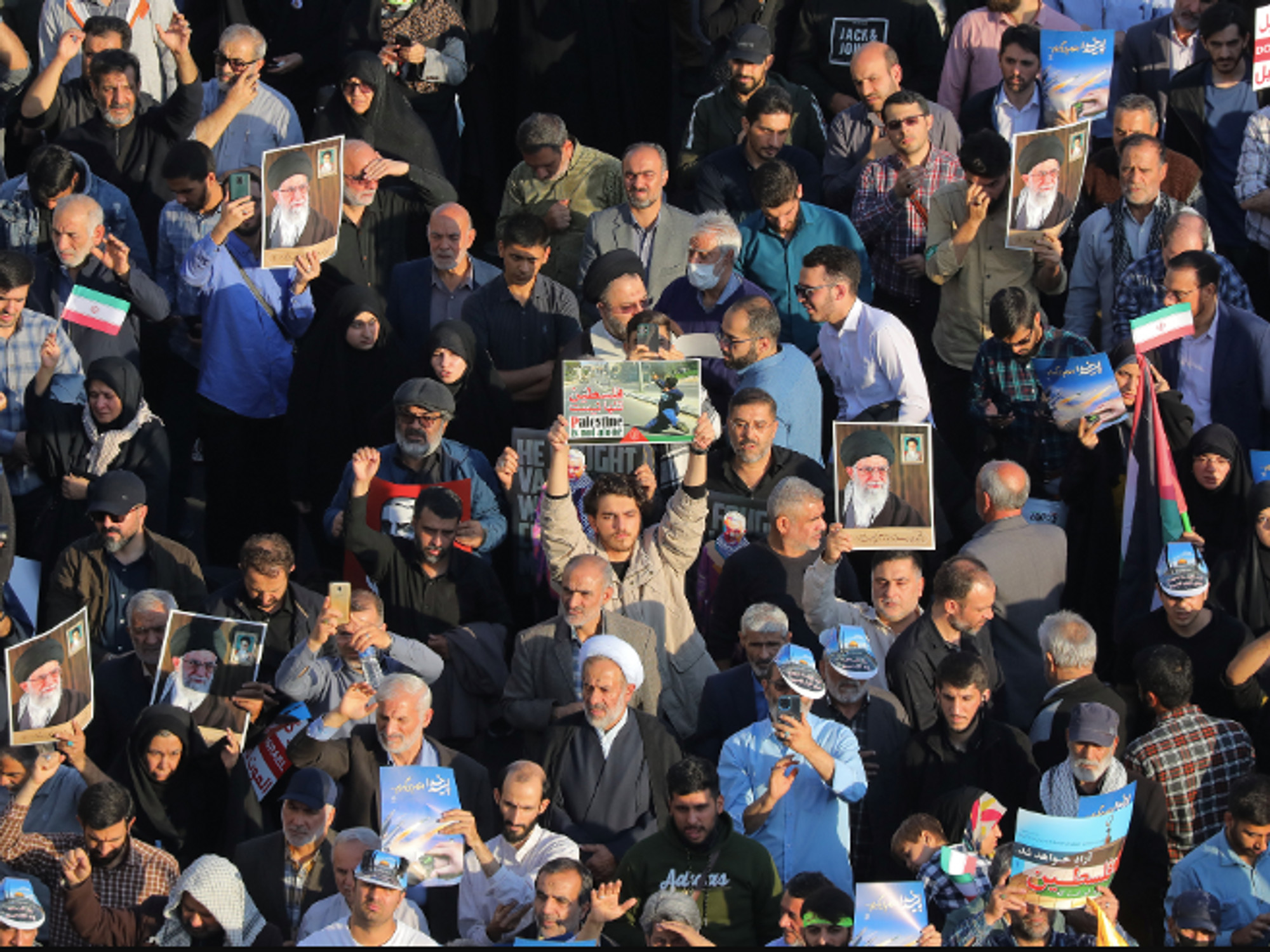
What happens next in the Middle East, including a possible expansion of the war at the Israeli-Lebanon border, will be determined by choices that are made in different capitals. Keep your eye on Tehran.
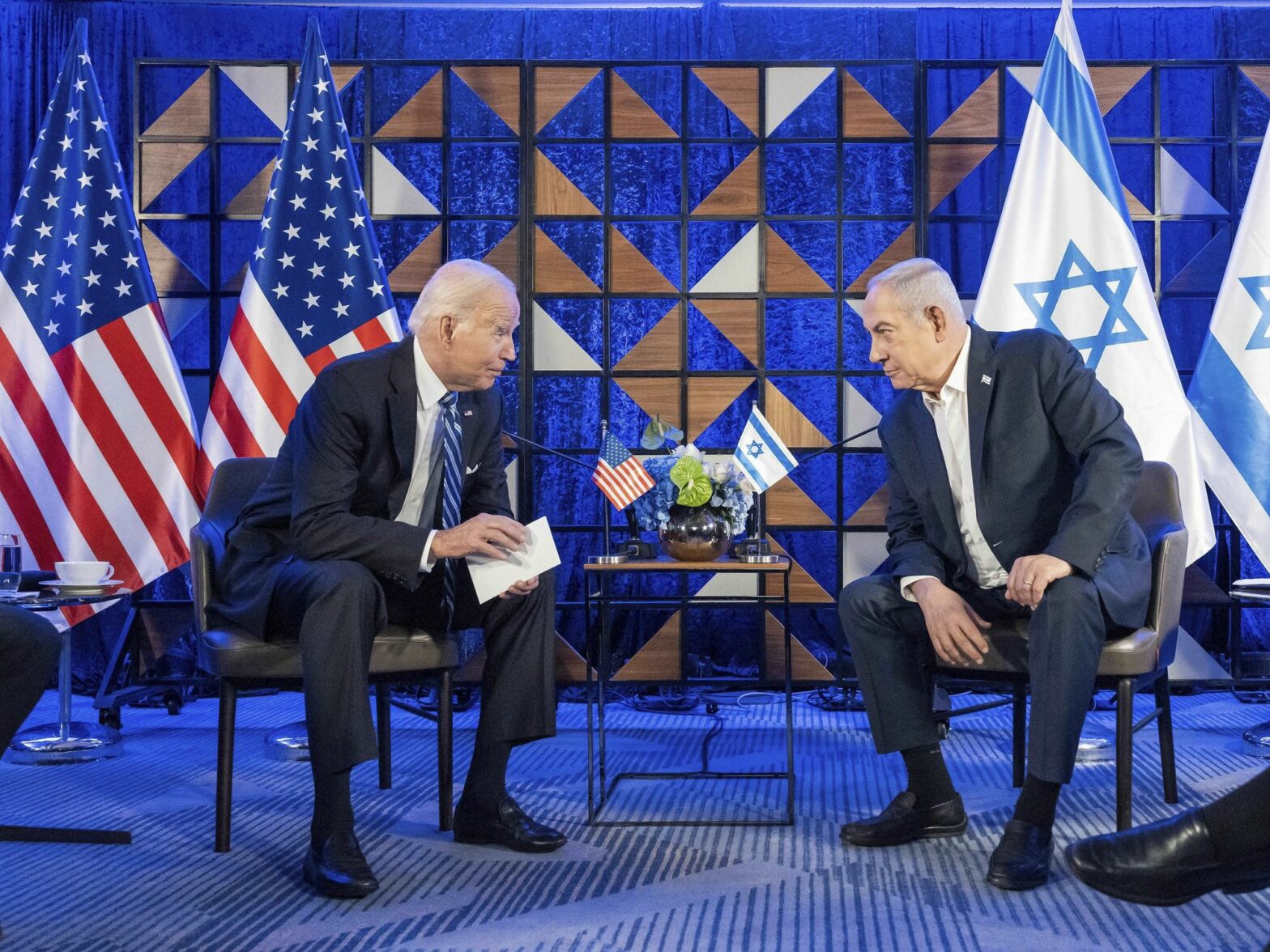
The American president succeeded in obtaining humanitarian corridors through Gaza, and supported Israel’s claims that it wasn’t responsible for bombing a Gaza hospital. But in the Arab world, he consolidated his image as Israel’s main supporter, and lost the political battle for public opinion.
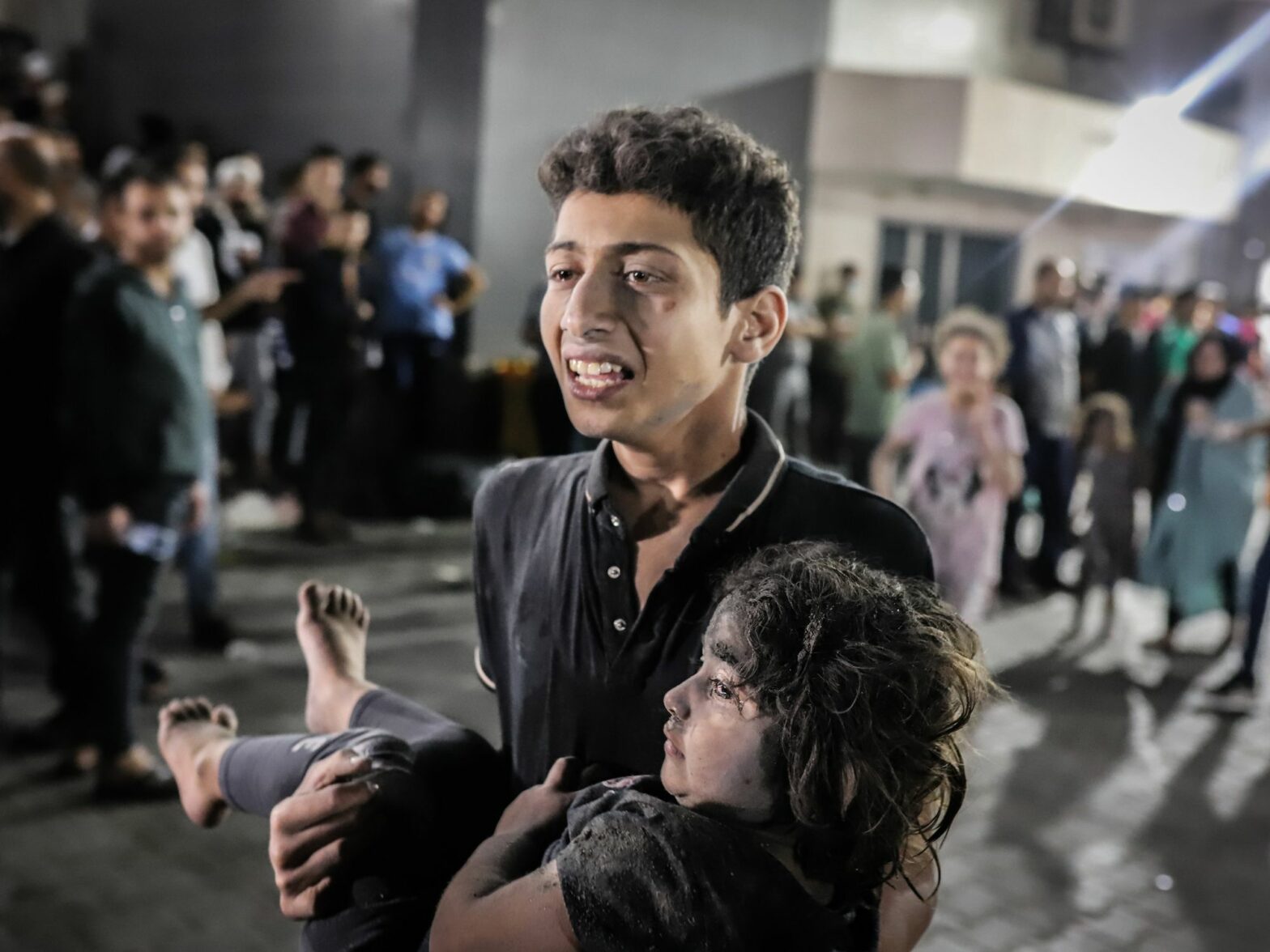
The strike on Gaza’s Al-Ahli hospital, which left hundreds dead, has changed the climate of the conflict between Israel and Hamas, even as the two sides shift the blame to each other. Calls for a ceasefire multiply as Joe Biden arrives in Israel.
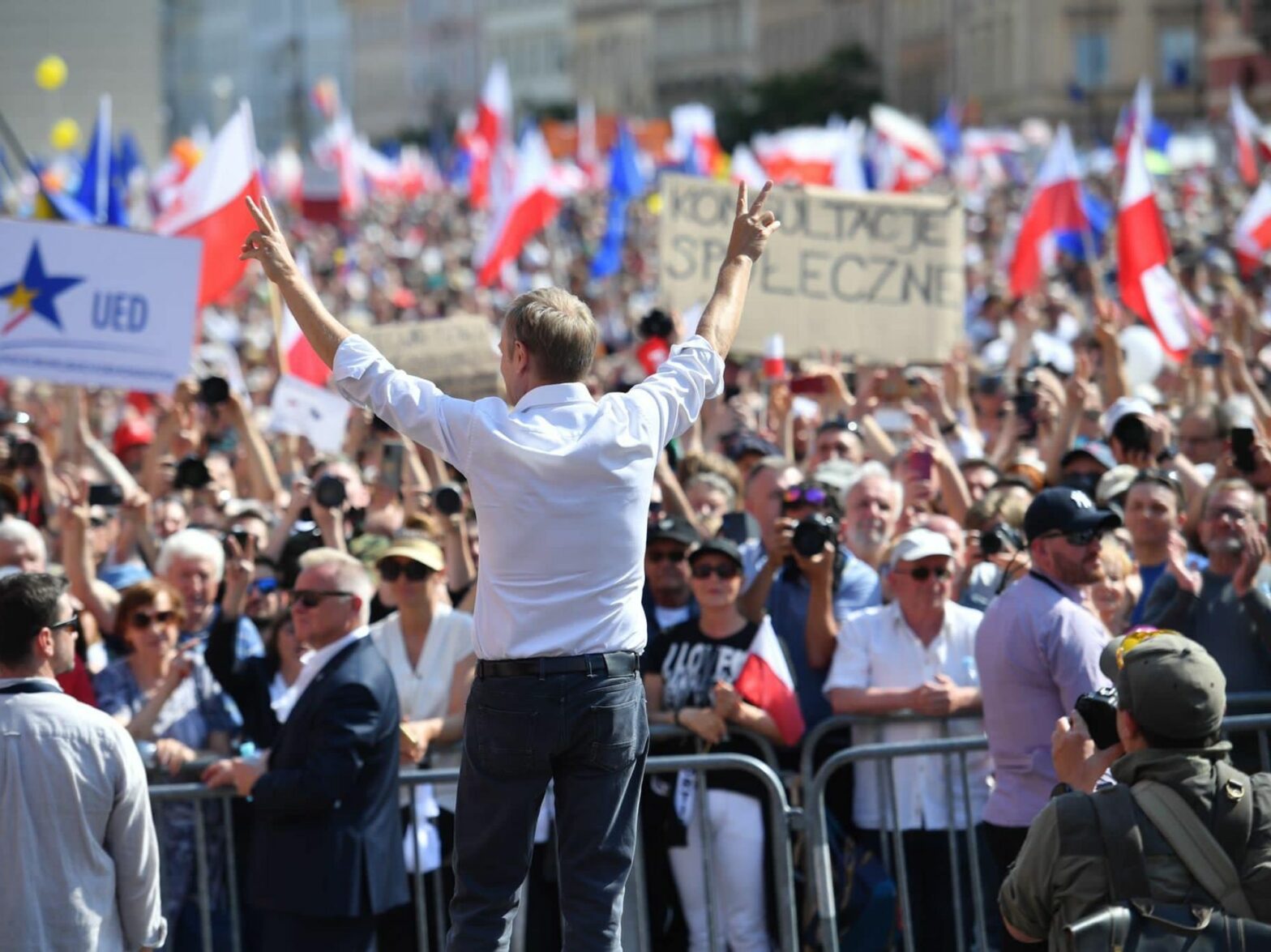
The results from the landmark Polish election, which saw a surge by liberal and center-right parties, is long awaited good news for the European Union… and not-so-good news for Viktor Orban.
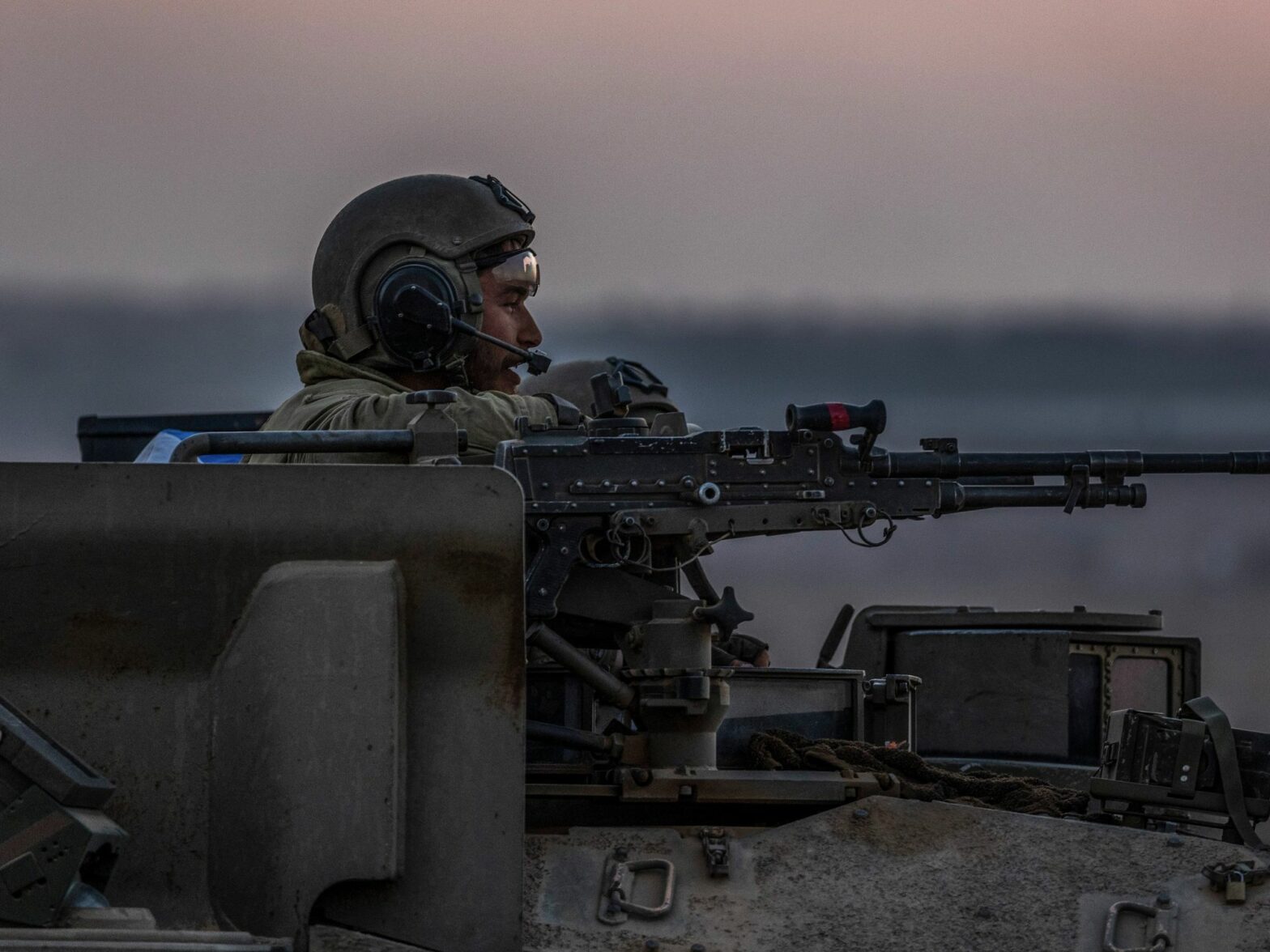
After extending its complete support to Israel in the wake of the October 7 attacks, the West has started to soften its stance and demand that the state follow international law. But there are scant signs that Israel will let up its all-out assault in Gaza.
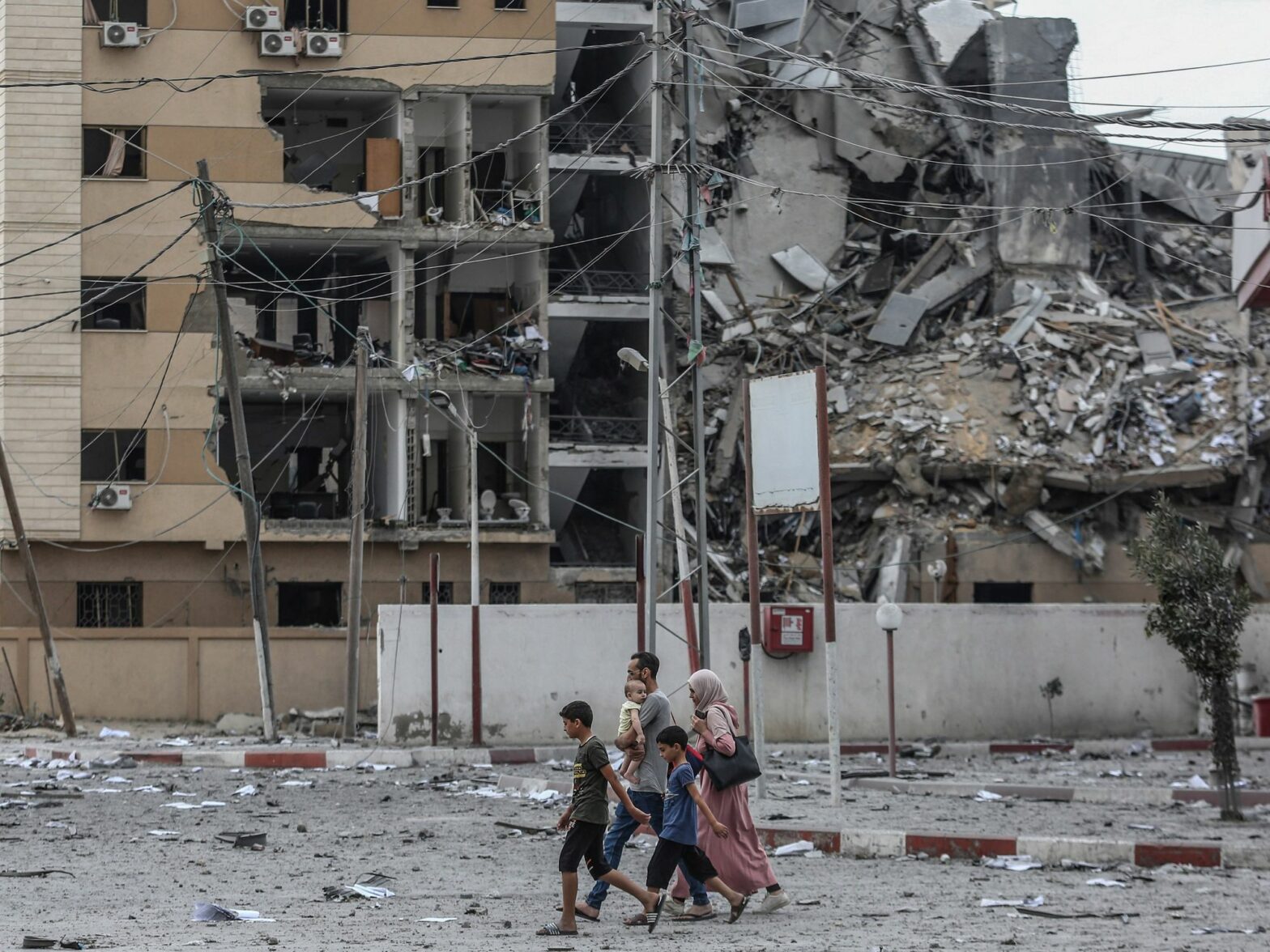
Even as the borders close and the siege tightens, most of the Palestinians also deeply fear leaving, convinced that (like their forebears) they’ll never return.
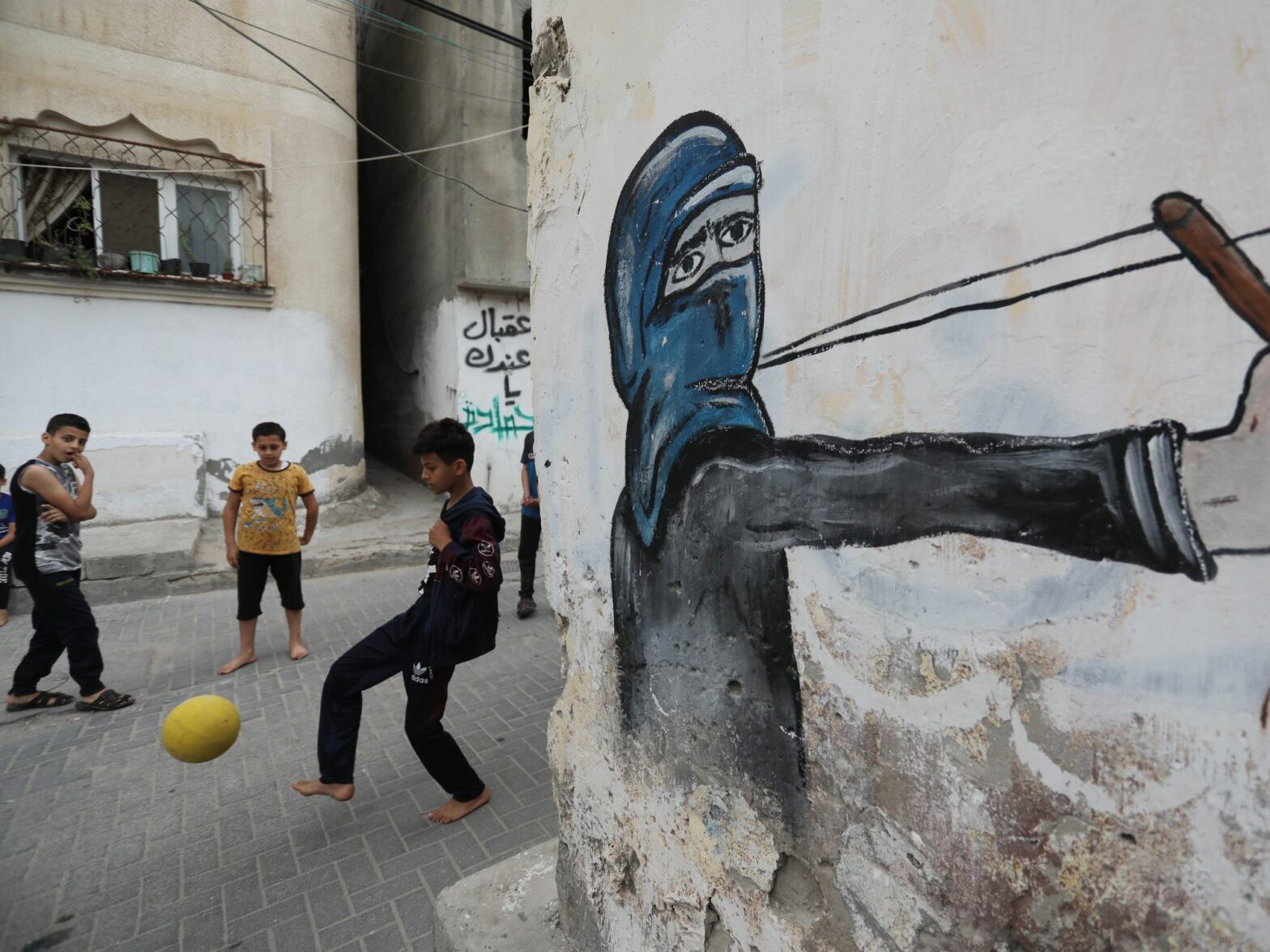
In response to the attack by Hamas, Israel promises to eradicate the group, but what does this really look like? With the promise of a high toll in human lives and the complex network of the Gaza Strip, an operation to retaliate against Hamas may be even more difficult that one may think.
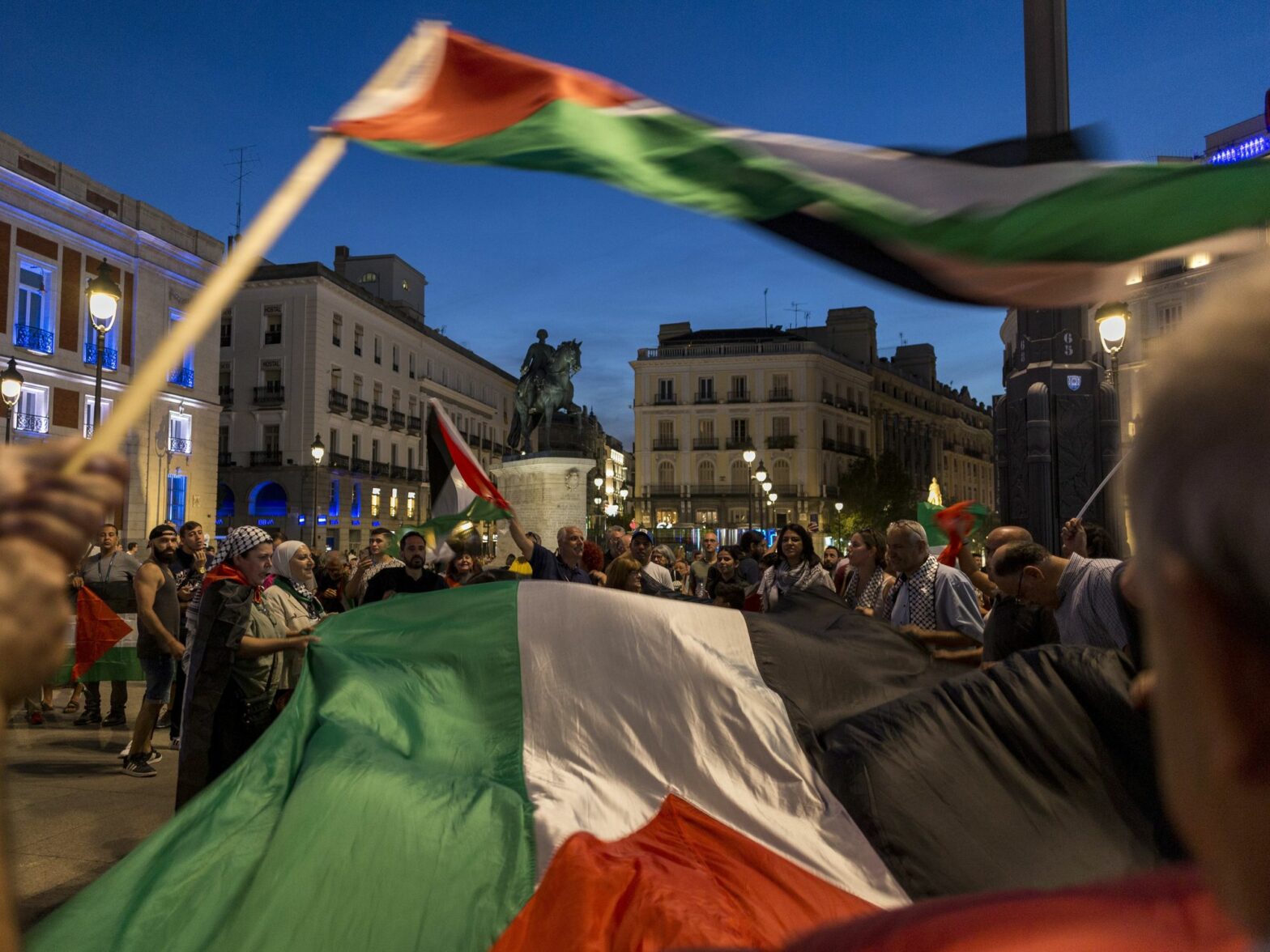
There will be a before and after to October 7, 2023, so unprecedented and traumatic have the events of the last 48 hours been for Israel, followed by massive retaliation. We can already draw several lessons from this.
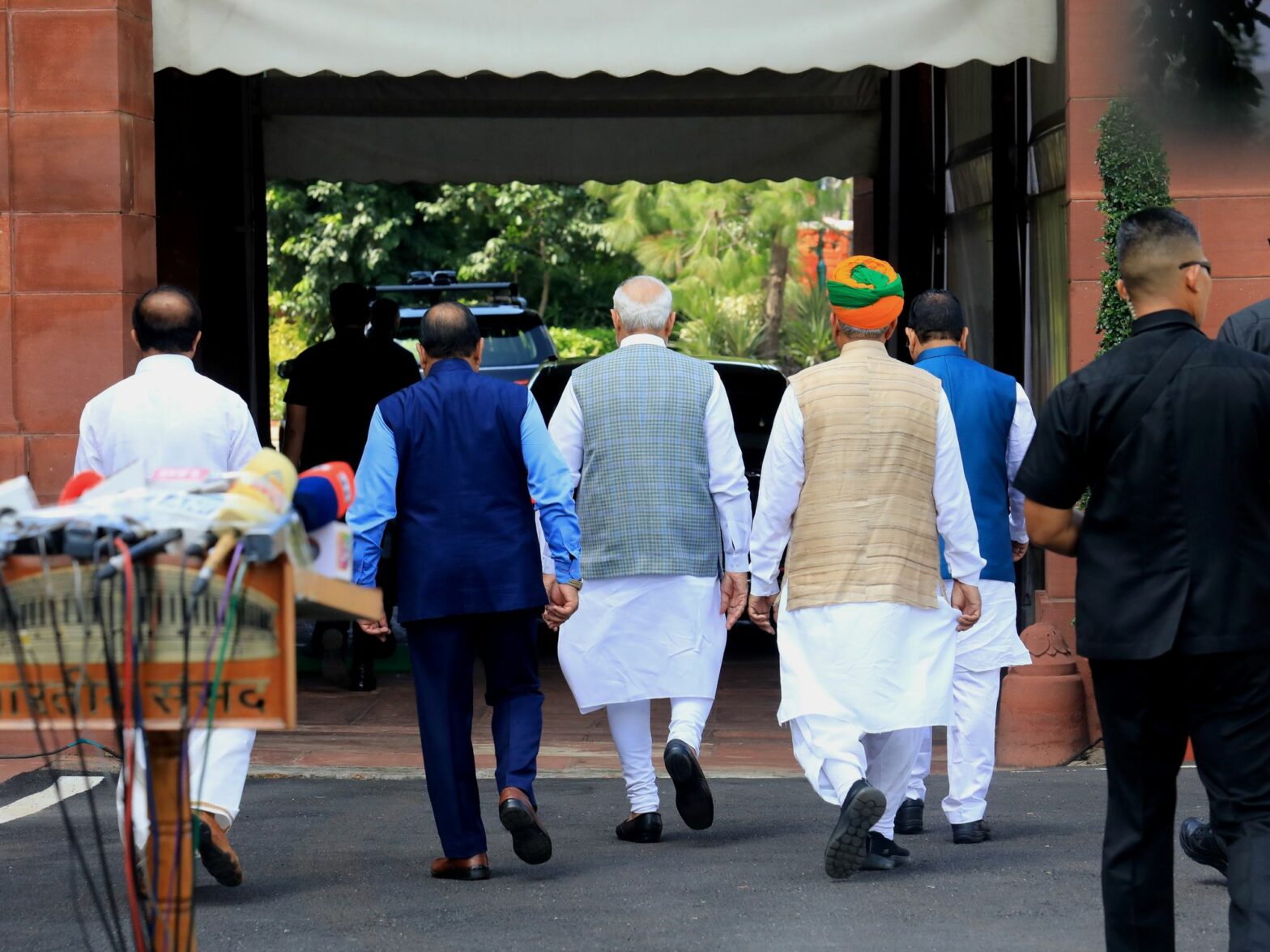
The diplomatic showdown between India and Canada continues to worsen, the latest sign of the rising power of former mid-level nations that increasingly are asserting themselves in the face of Western dominance.
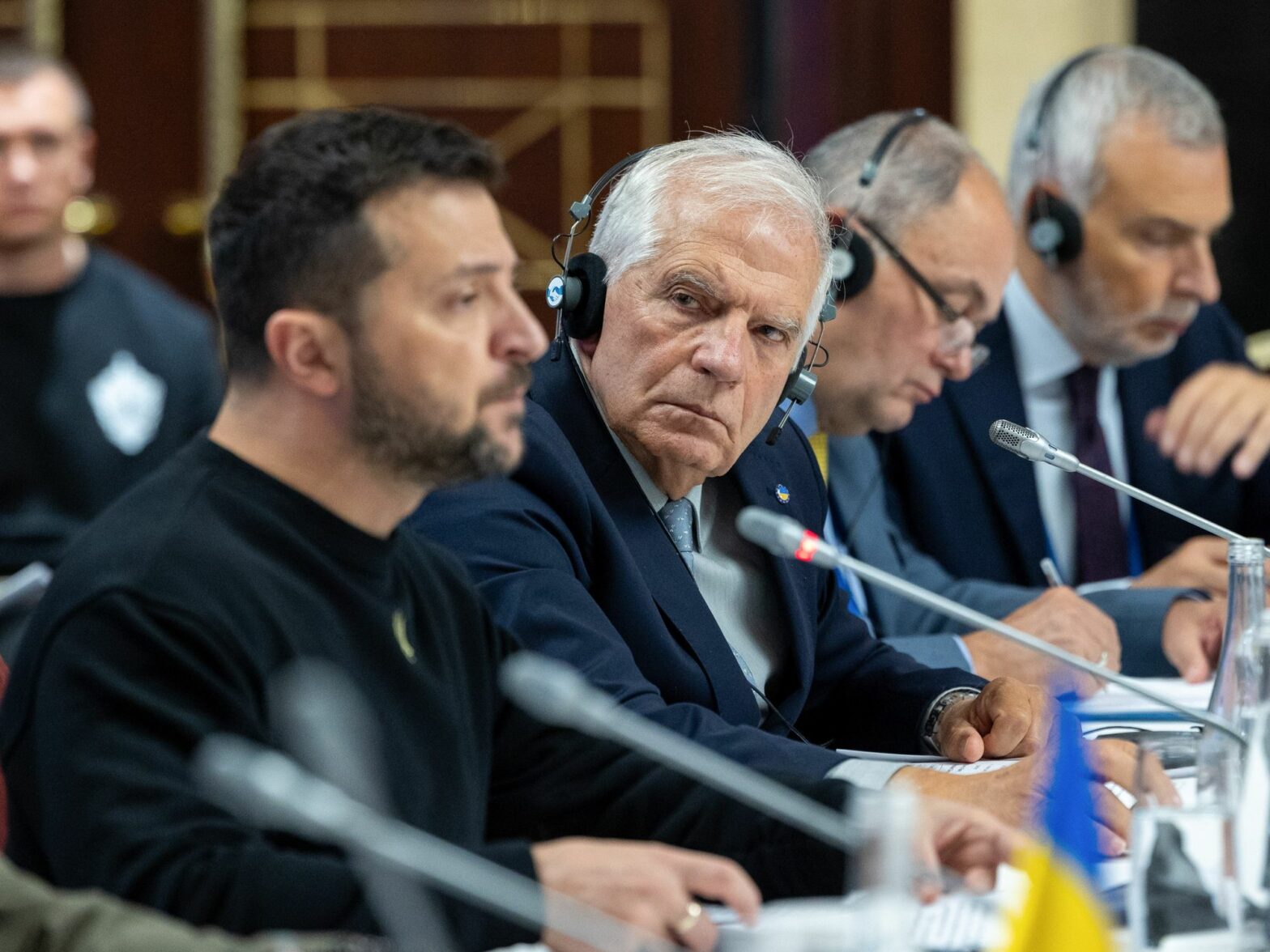
Europe’s foreign ministers traveled together to Kyiv yesterday to reaffirm their support for Ukraine. It is necessary after the first signs of “fatigue” in Western support, from a Polish about-face to the victory of a pro-Russian prime minister in Slovakia.
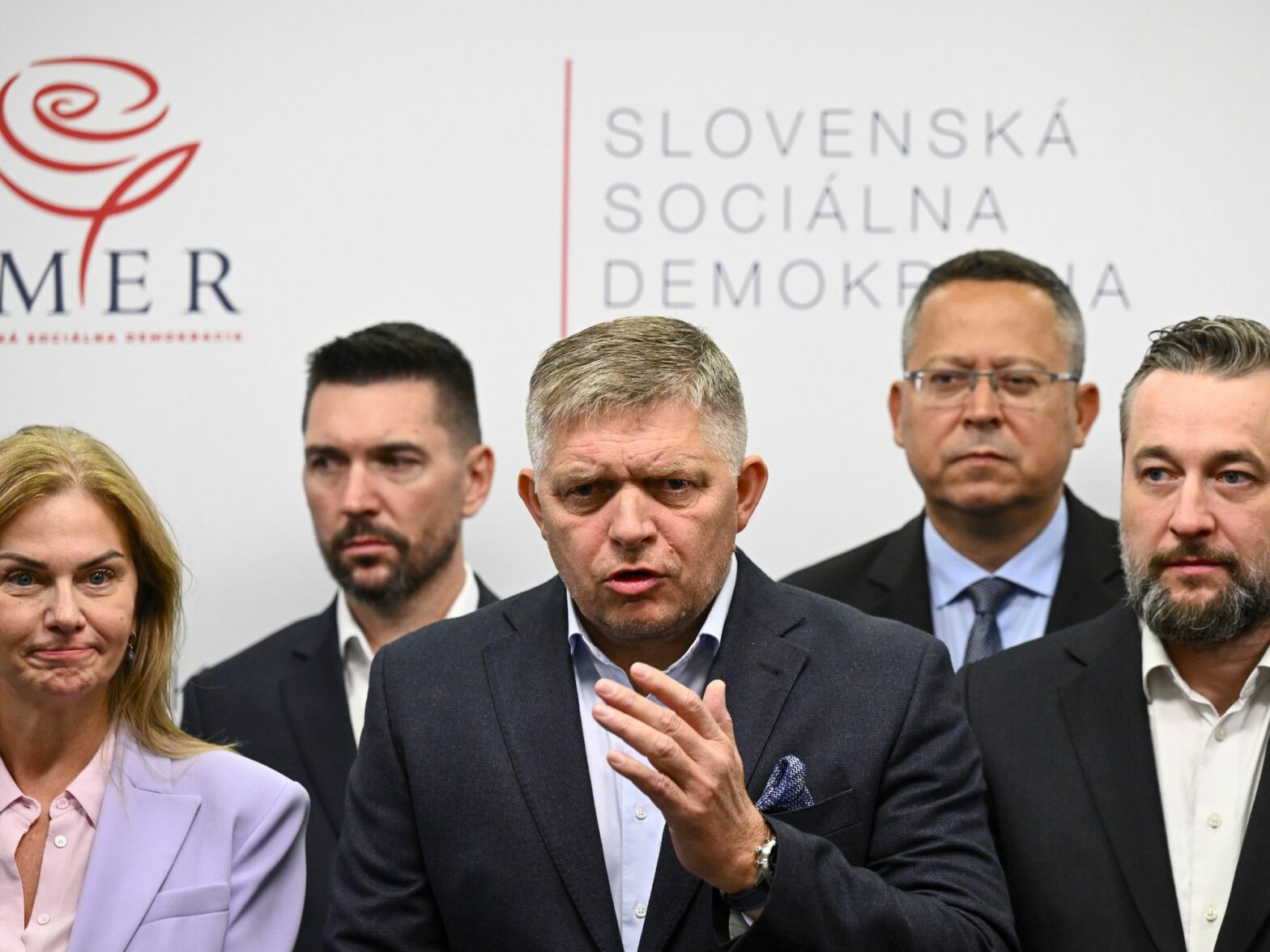
One man’s victory in Slovakia may move the tides of European support for Ukraine, and play into an “illiberal temptation” that is spreading across the continent, with Hungary’s prime minister set to cash in on his perennial clash with the EU.
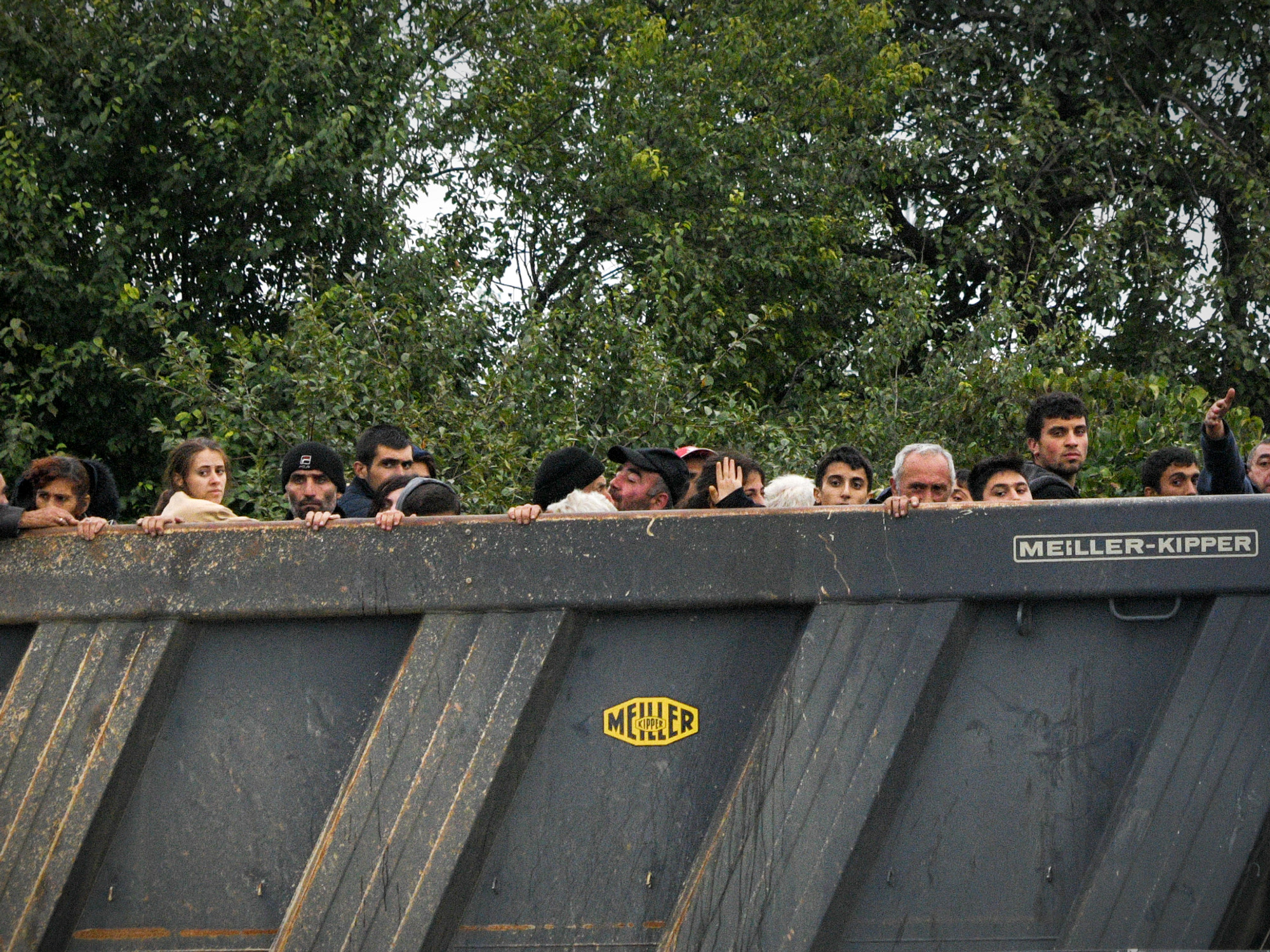
In a few days’ time, there will probably be no Armenians left in Nagorno-Karabakh, part of a long history of ethnic cleansing. The self-proclaimed Republic, defeated by Azerbaijan, has announced its dissolution, signaling its historic failure. But it also has much wider geopolitical implications.
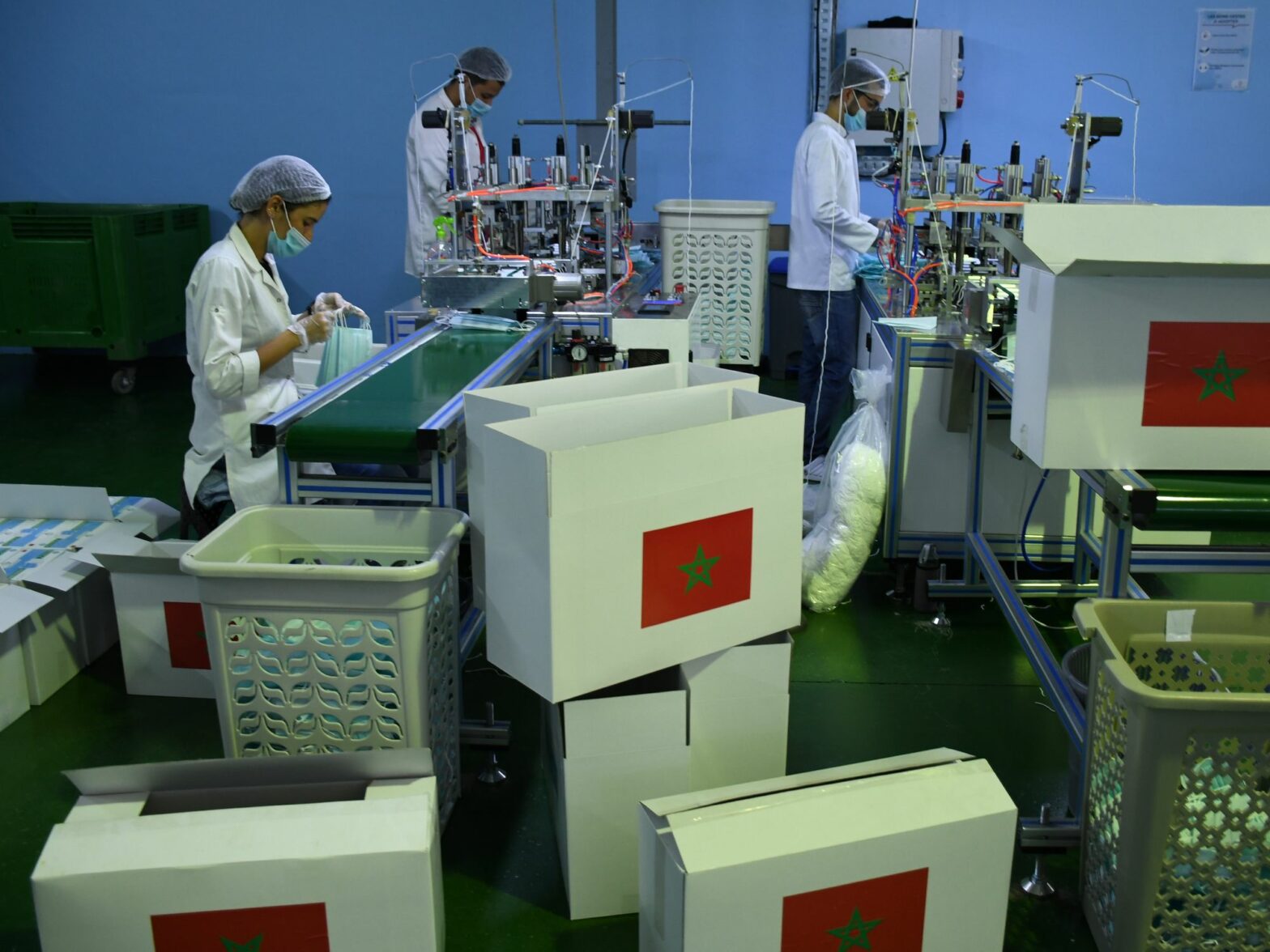
As the world’s technologies change, so do the countries with not only advantages in production, but also geography and diplomacy. China knows this, and sees that investing in Moroccan resources is a particularly smart bet in the long run.
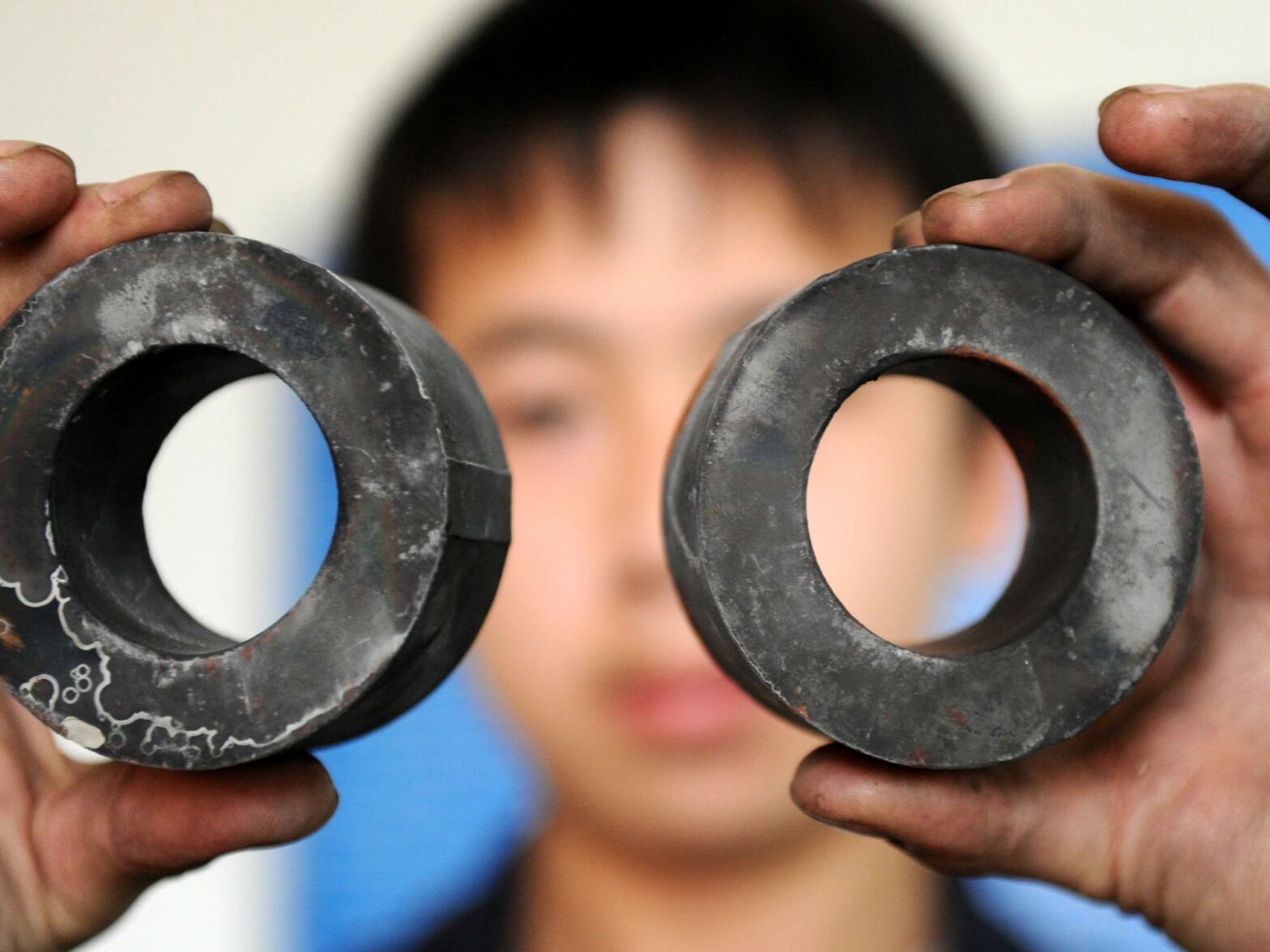
The government is launching a “major inventory of French mining resources”, to prepare for the relaunch of mining in France of the minerals needed for the ecological transition. A concern for sovereignty in the face of Chinese domination of the sector.
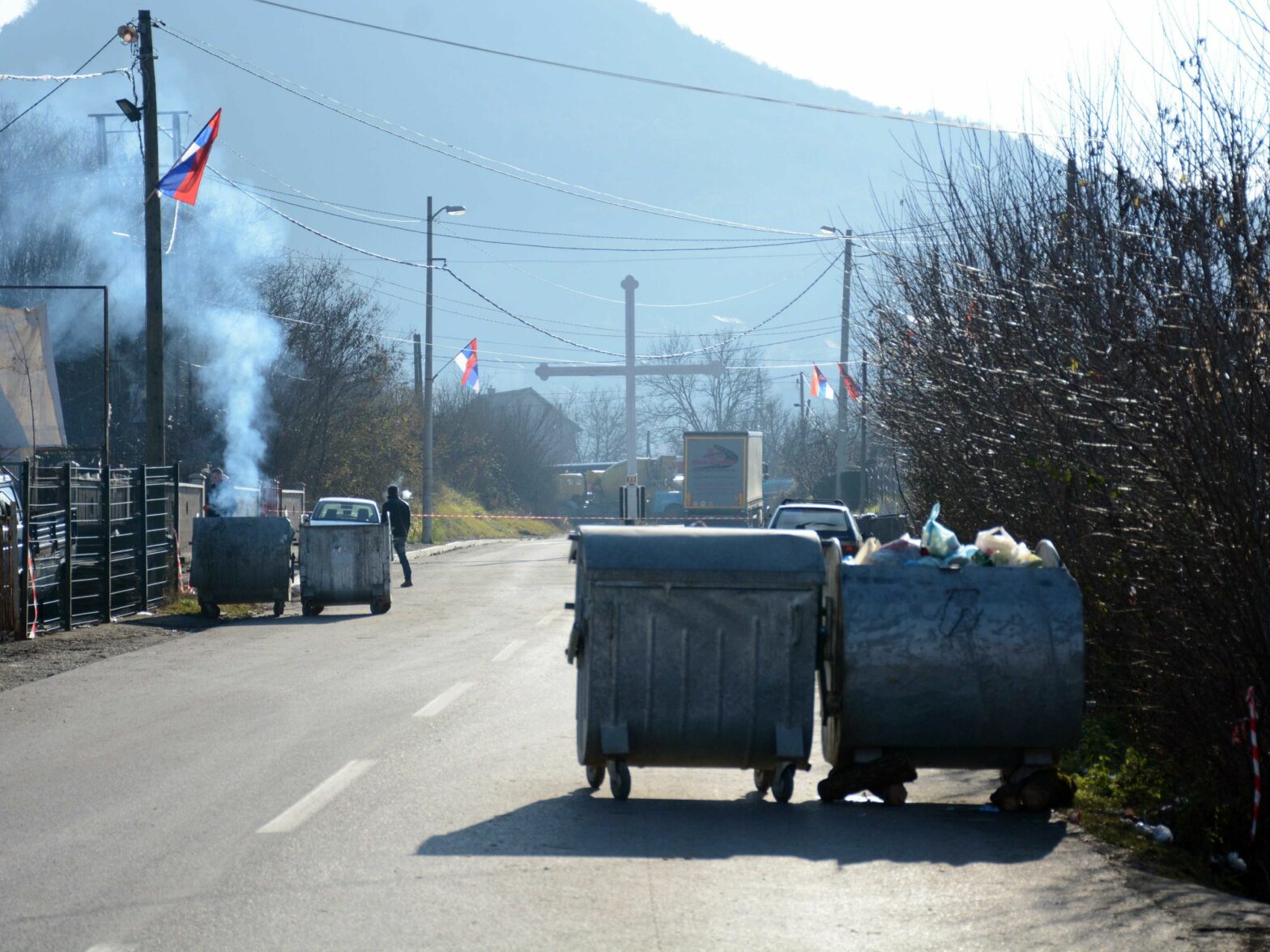
Tension are rising between Serbia and Kosovo, taking on an international dimension with Russia lending its support to Serbia, while NATO has long had a presence in Kosovo. There is only one real solution to such a historic feud over territory and ethnicity, and it’s called: Europe.
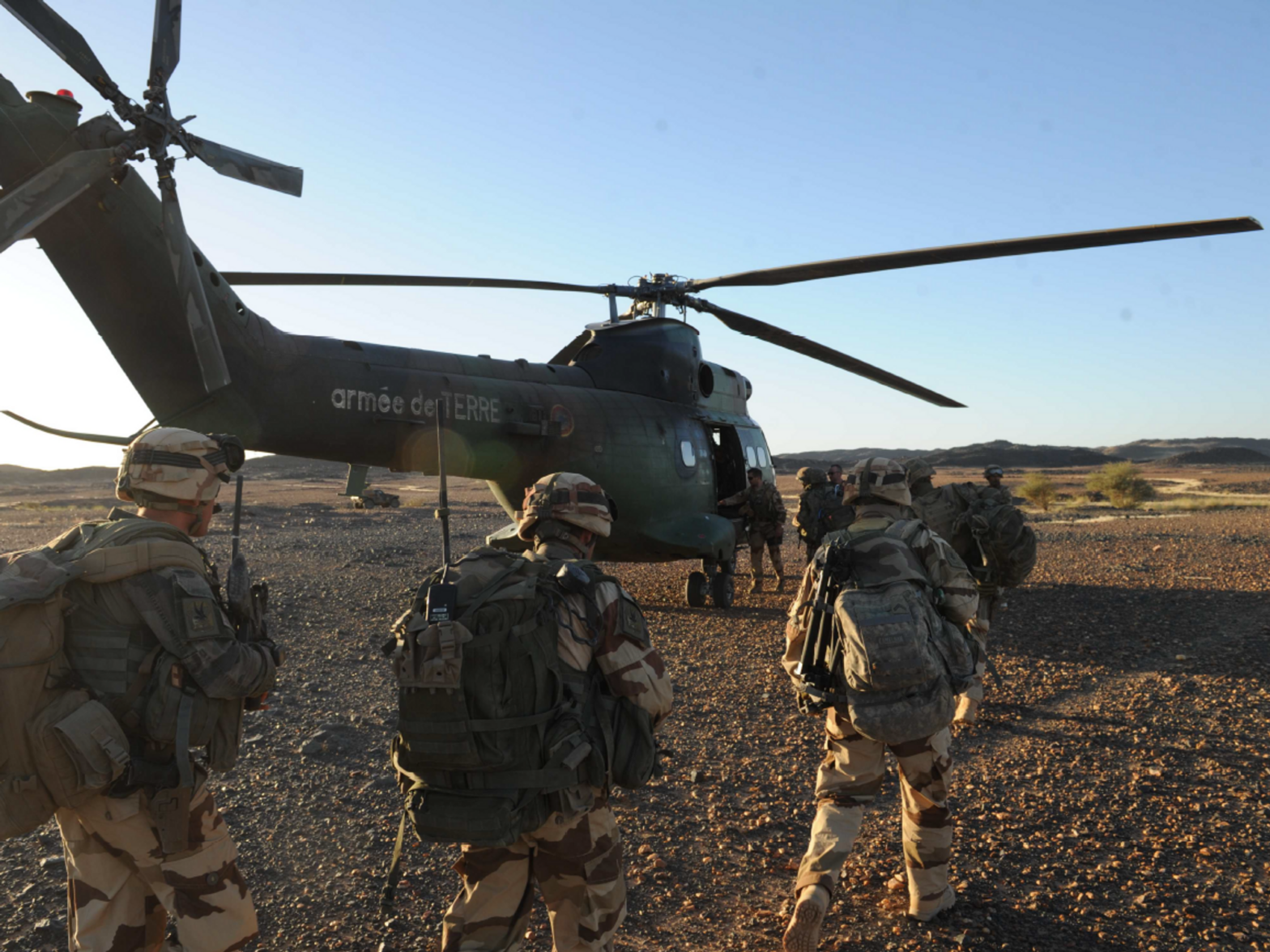
Emmanuel Macron announced on Sunday evening the recall of the French ambassador to Niger, and the departure of the 1,500 French soldiers stationed there: the end of a dangerous impasse. France is being forced to wholly review its African policy.
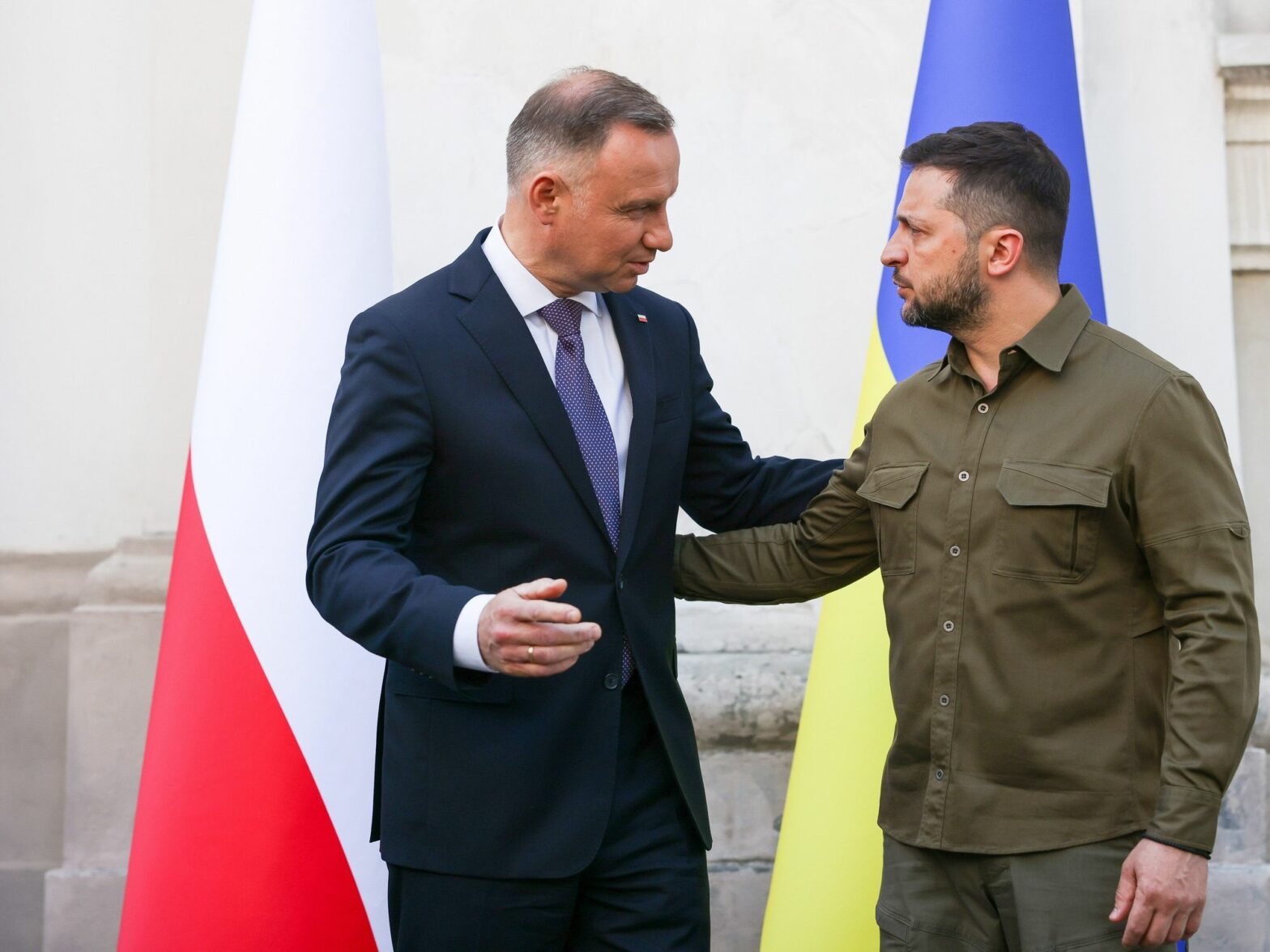
Poland has taken President Zelensky’s criticism at the UN very badly, and has decided to not supply new arms to Ukraine. One man in the Kremlin couldn’t be more pleased.
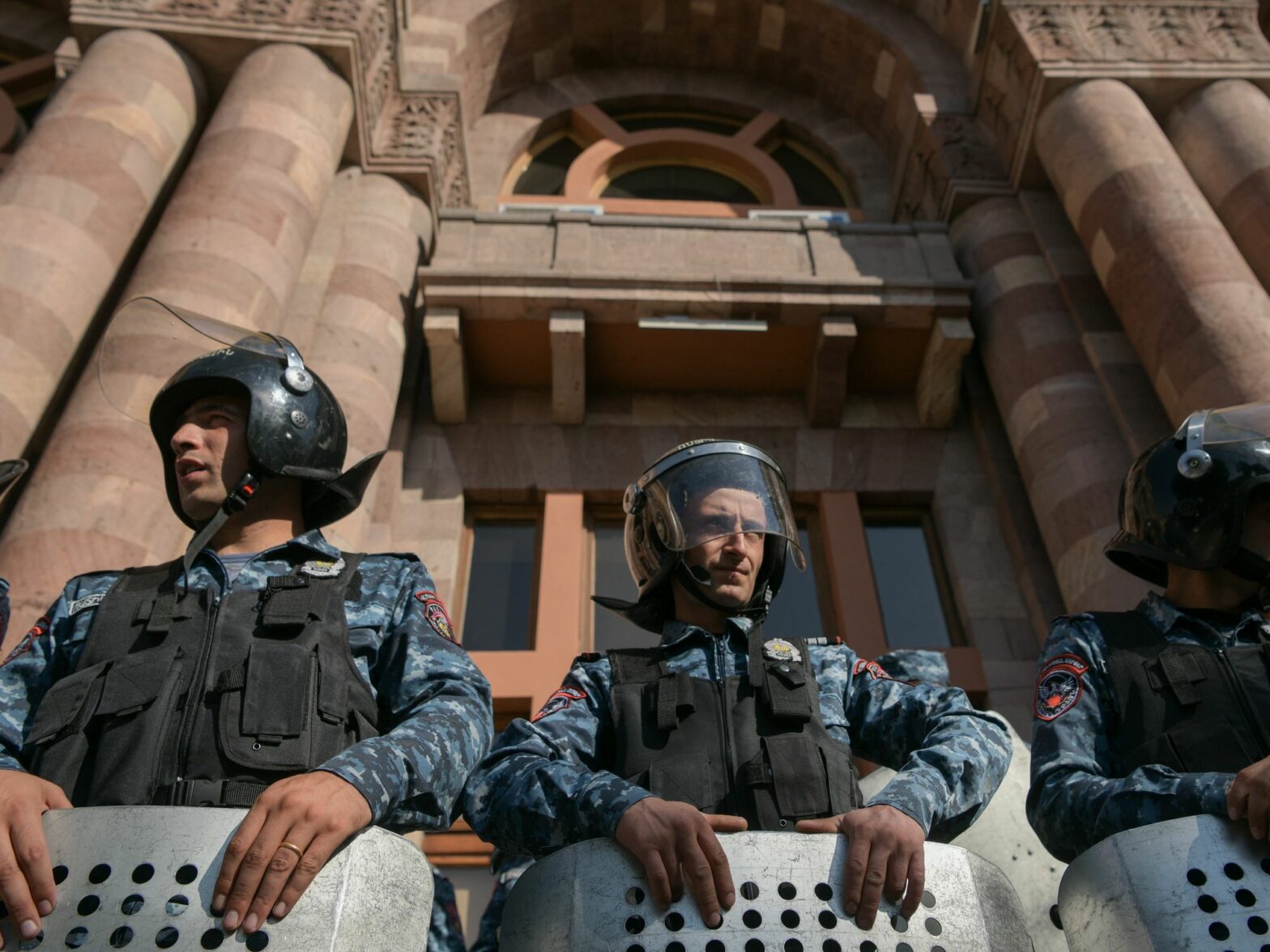
It’s been a whirlwind 24 hours in the Armenian enclave, whose sudden surrender is reshaping the power dynamics in the volatile Caucasus region, leaving lingering questions about the future of a region long under the Russian sphere of influence.
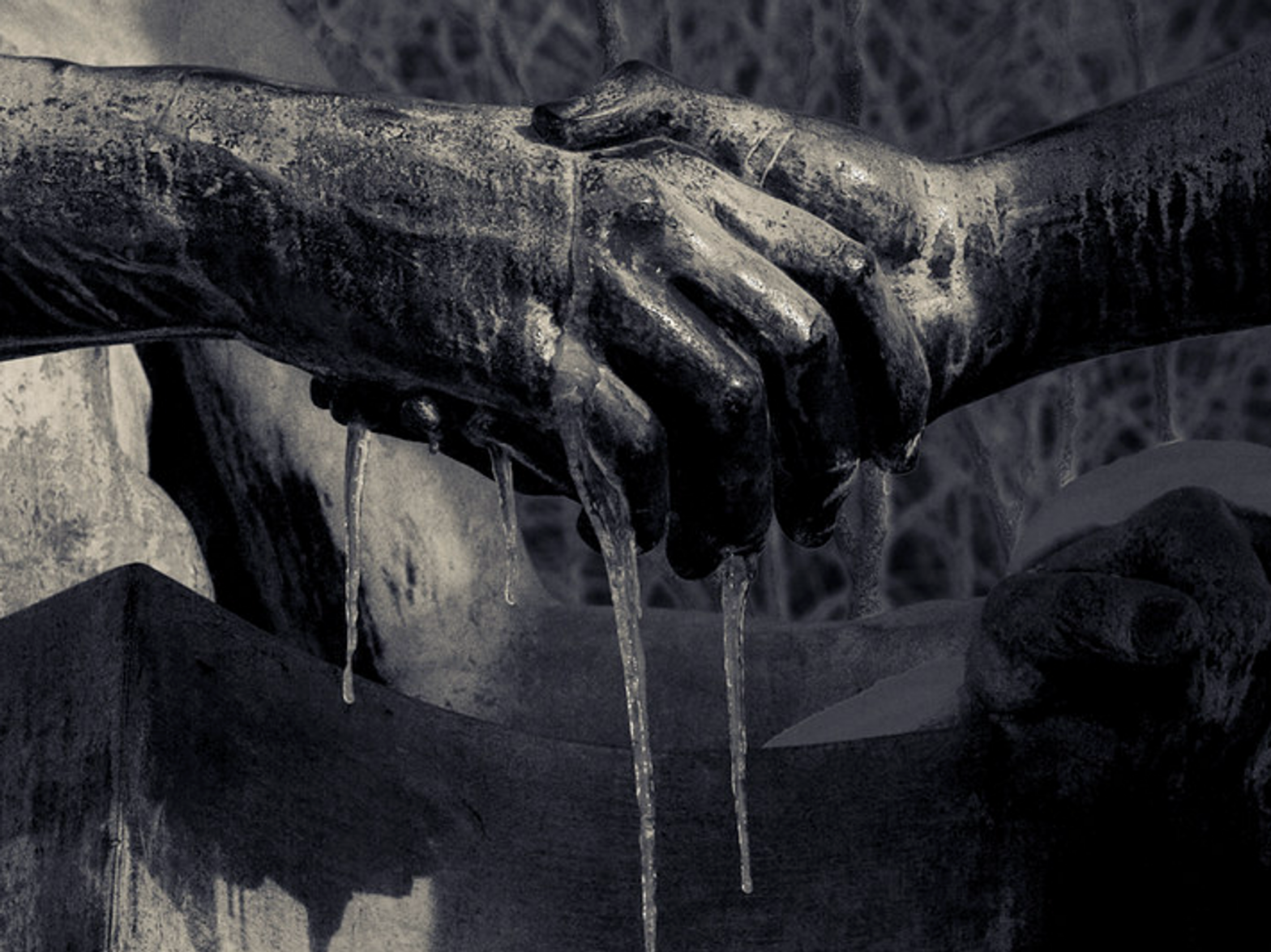
With $6 billion freed up to go in the coffers of the corrupt and repressive regime in Tehran, nobody is happy. But sometimes there is no alternative to the imperfect nature of international diplomacy.
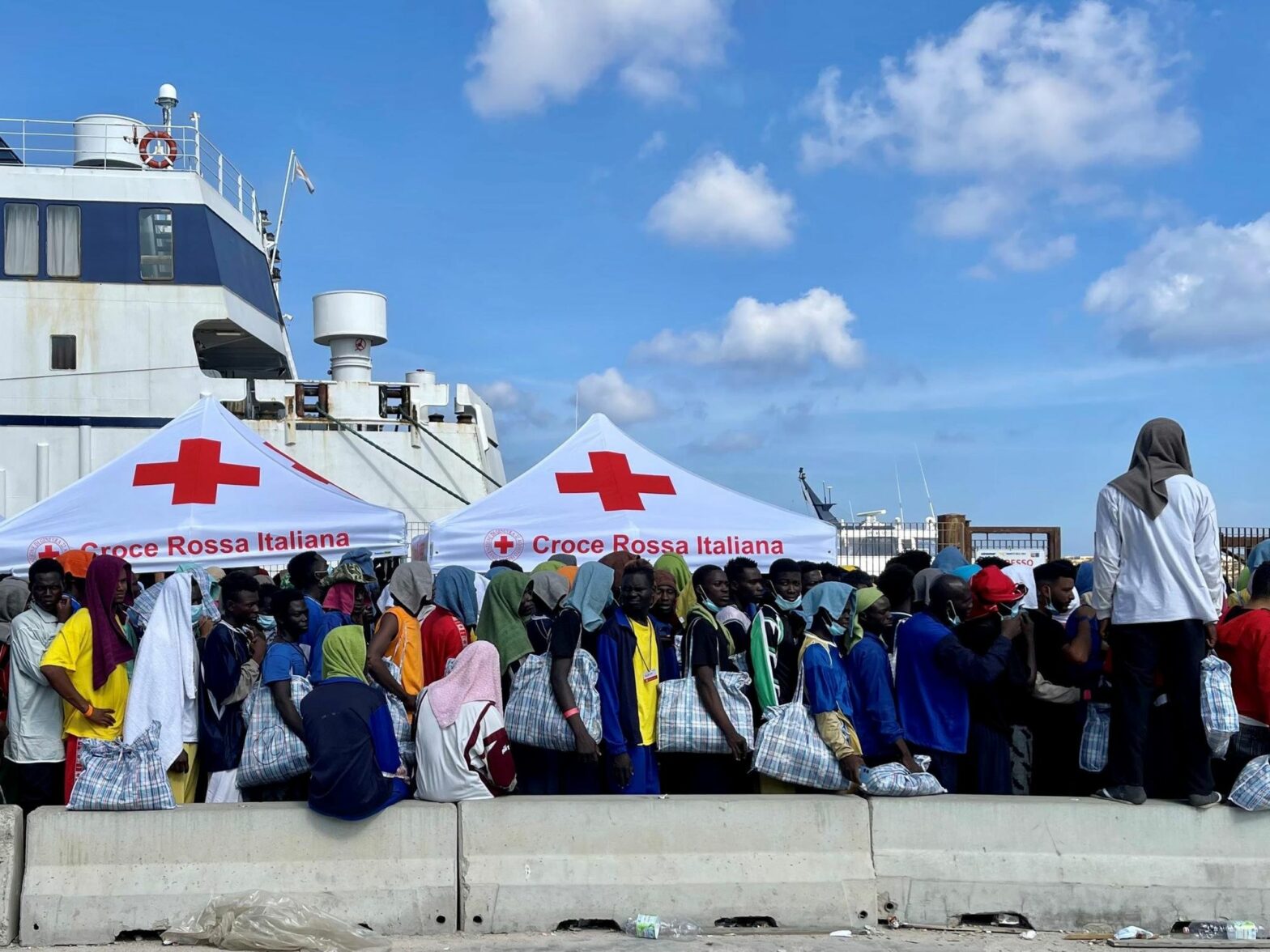
The European migrant crisis is once again making headlines, this time from the small island of Lampedusa, Italy. It exposes not only the far right’s eagerness to exploit the issue of immigration, but also the delicate balance of power in electoral terms.
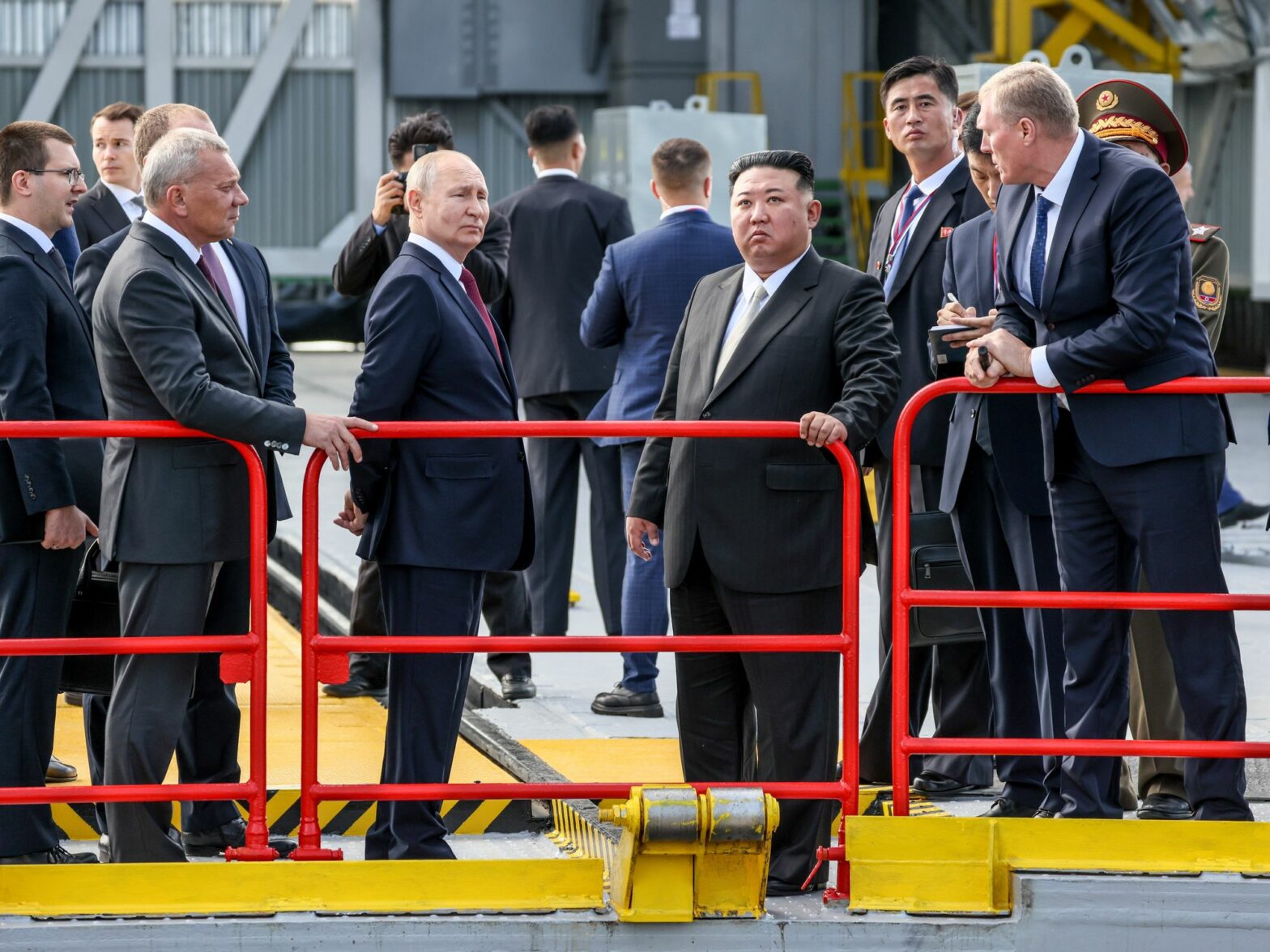
North Korea lends its full support to Russia’s war in Ukraine, and will supply ammunition to Moscow, which in return will help Kim Jong-un with his space ambitions. With the whiff of a Cold War alliance, it shows how two regimes that have become so isolated they multiply the risks for the rest of the world.
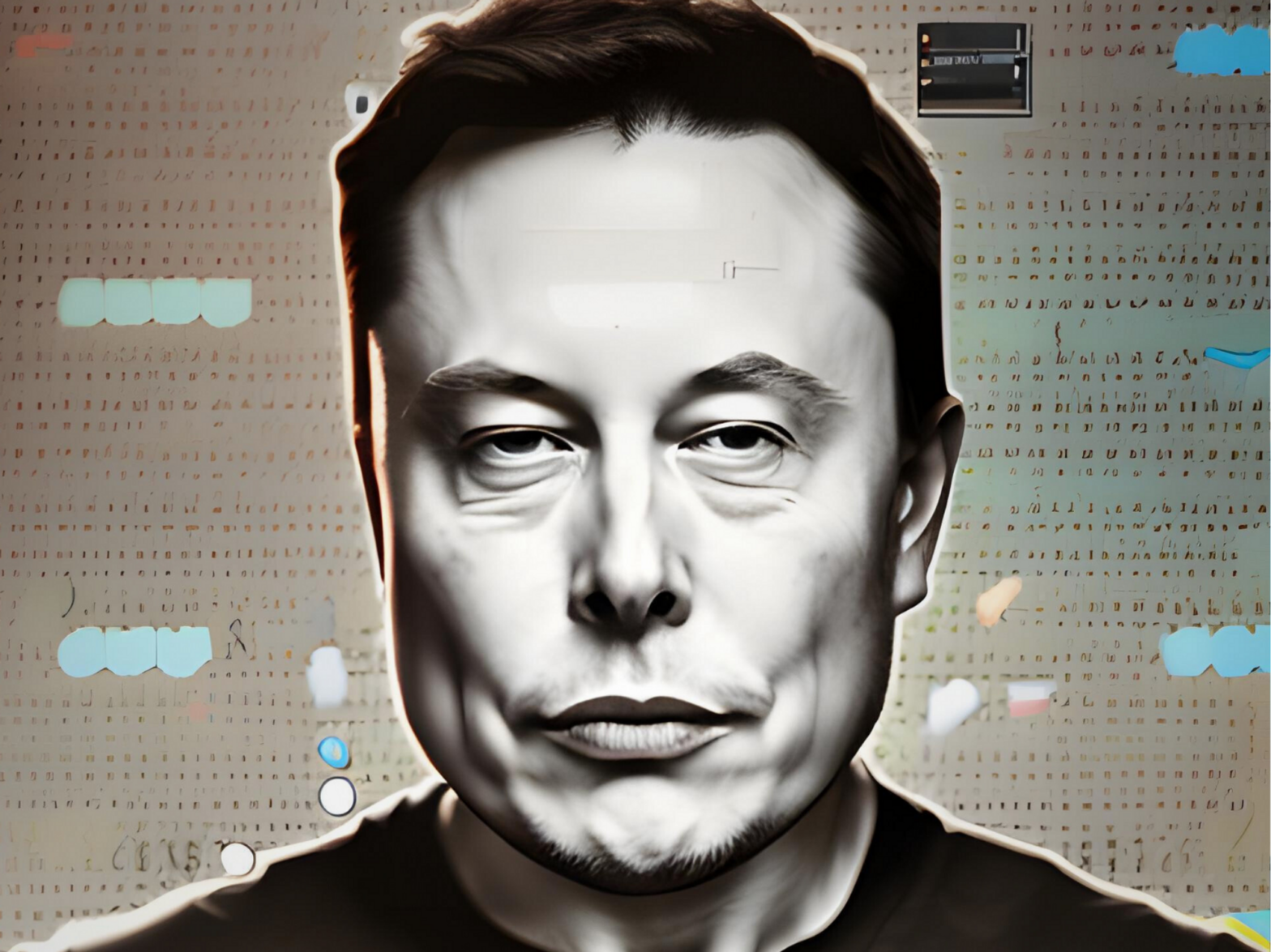
A new biography of the Tesla, X (formerly Twitter) and Space X boss reveals that Elon Musk prevented the Ukrainian army from attacking the Russian fleet in Crimea last year, by limiting the beam of his Starlink satellites. Unchecked power is a problem.
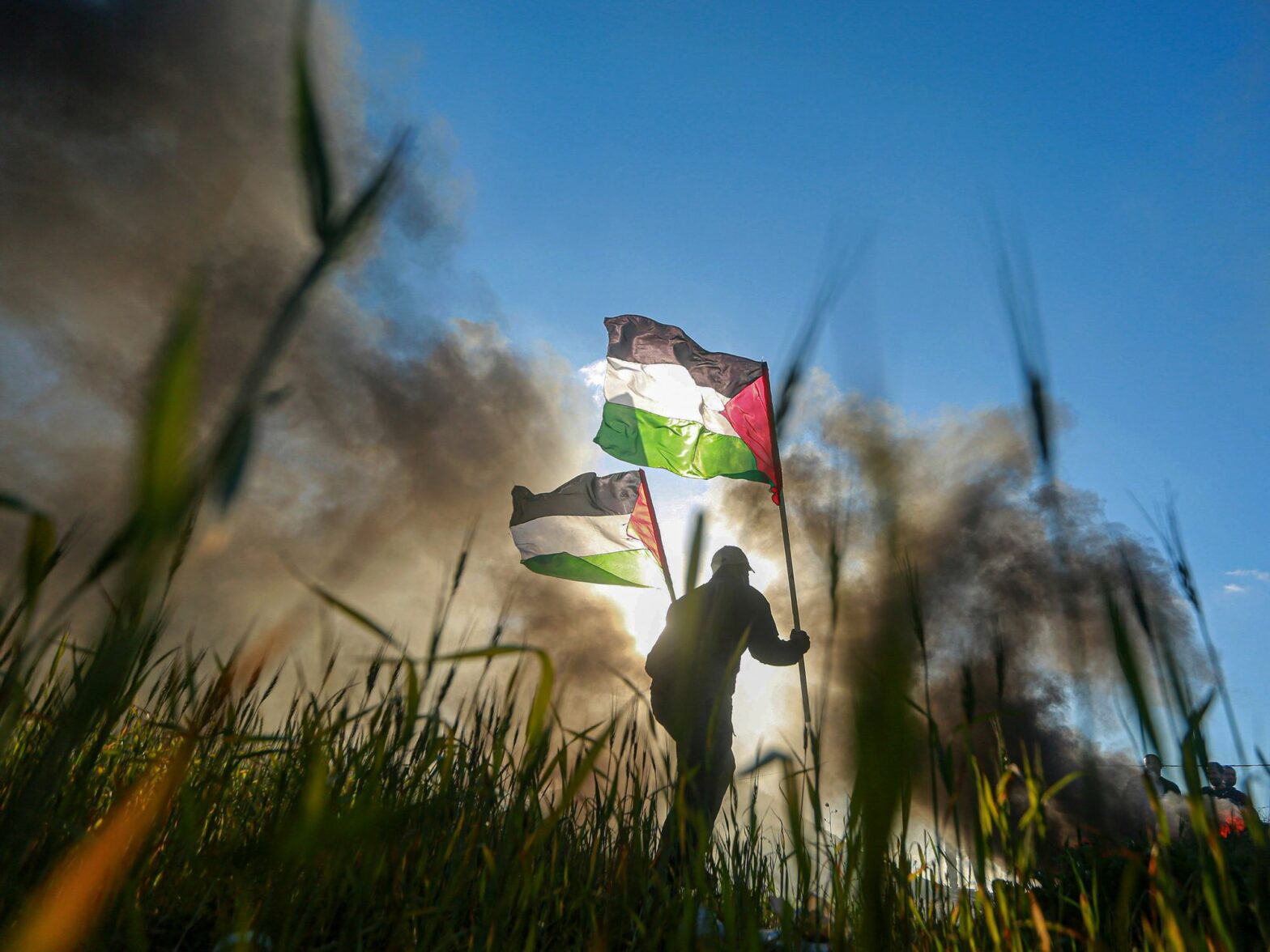
The signing of the Oslo Accords 30 years ago was followed by a failure that set back the very idea of peace between Israelis and Palestinians. A look back at this historic episode and the lessons we can learn from it today.
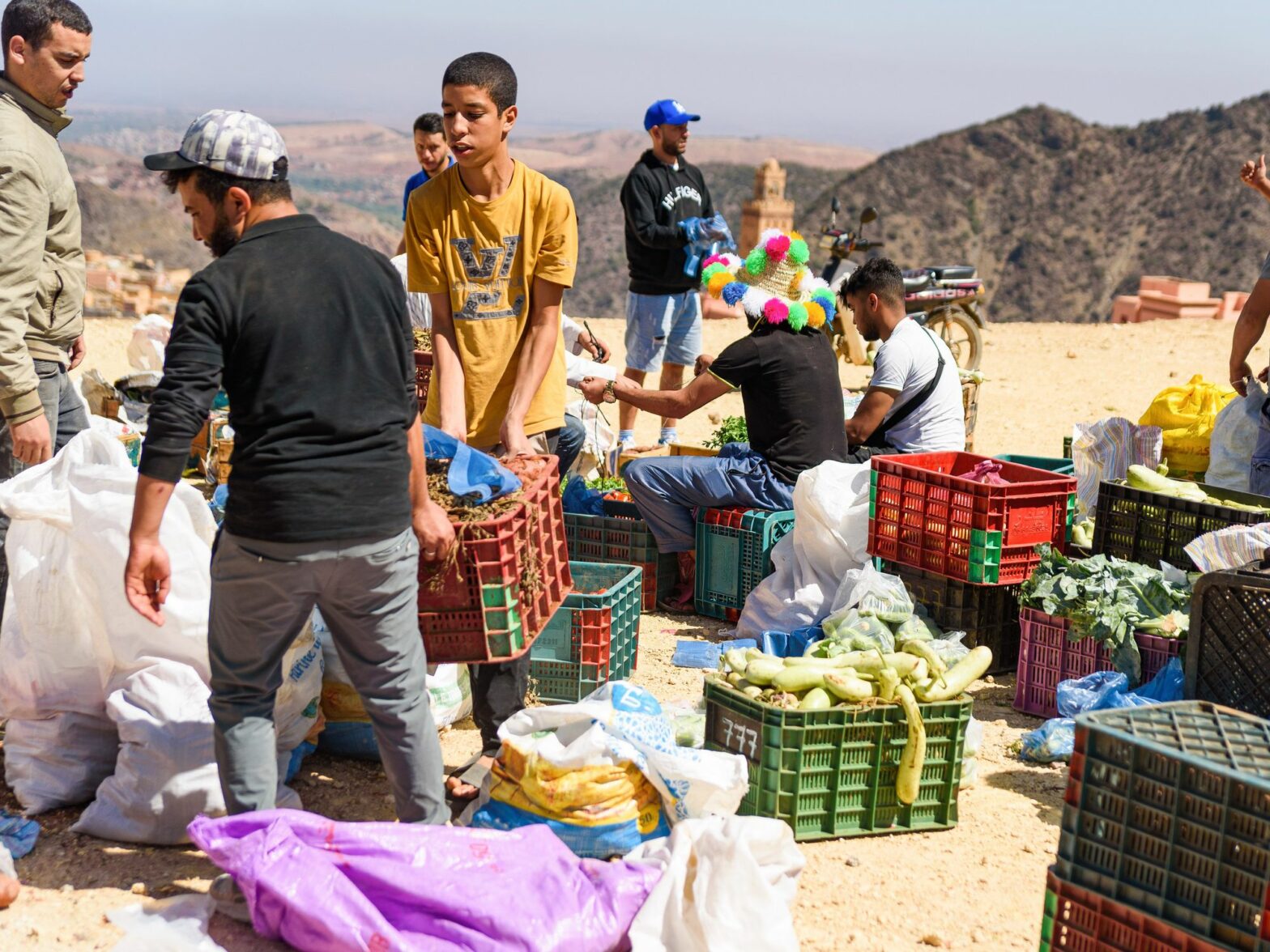
Time is the most precious resource when it comes to disaster relief, and yet French teams have been left waiting for Morocco’s approval for their aid. Looking at recent tensions might explain why the country is hesitating on accepting help in a time of such dire need.
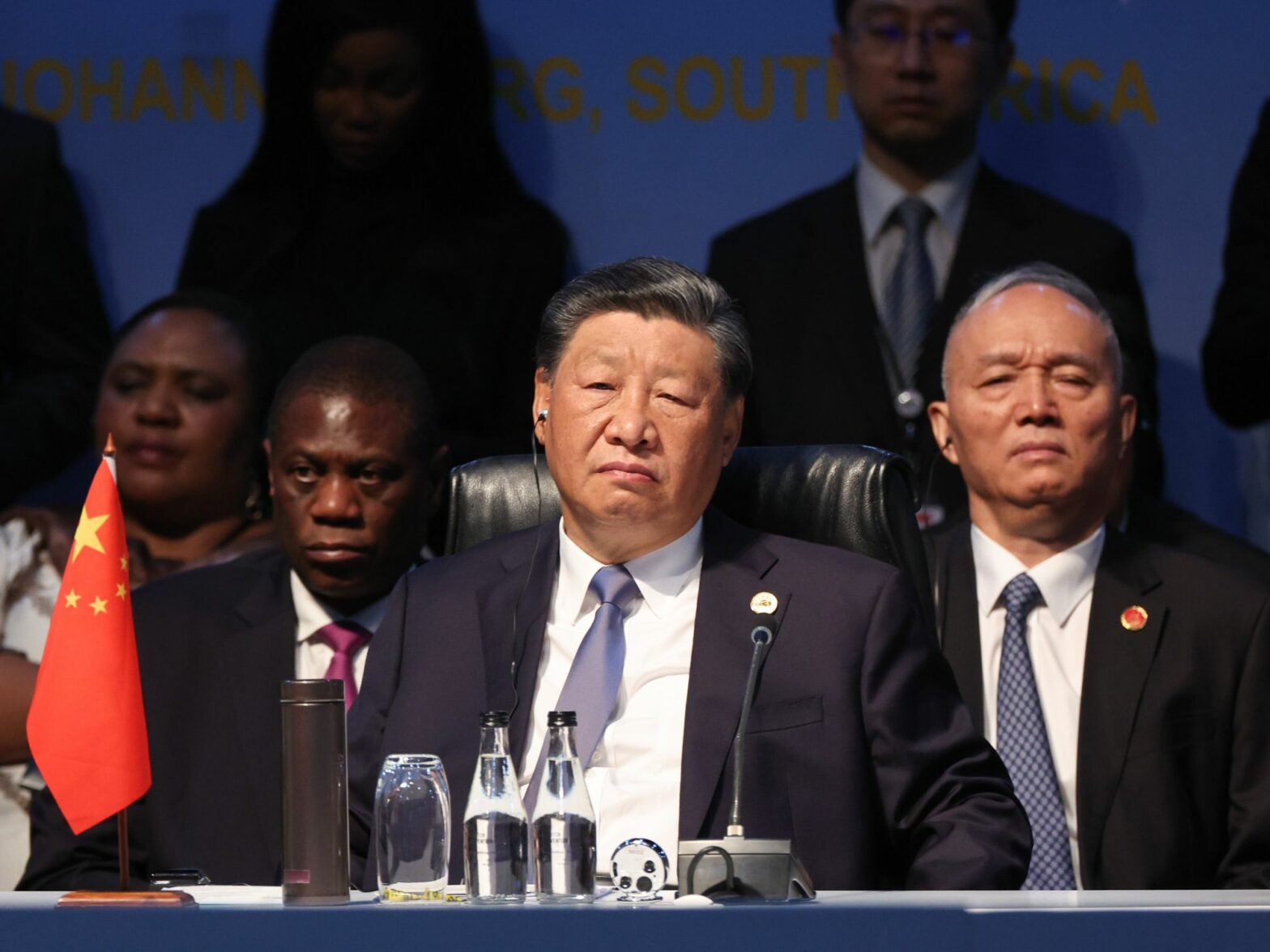
There will be no Vladimir Putin or Xi Jinping at this weekend’s summit of the world’s 20 leading economies in New Delhi: a symbol of the fragmentation of the world that has accelerated since Russia’s invasion of Ukraine.
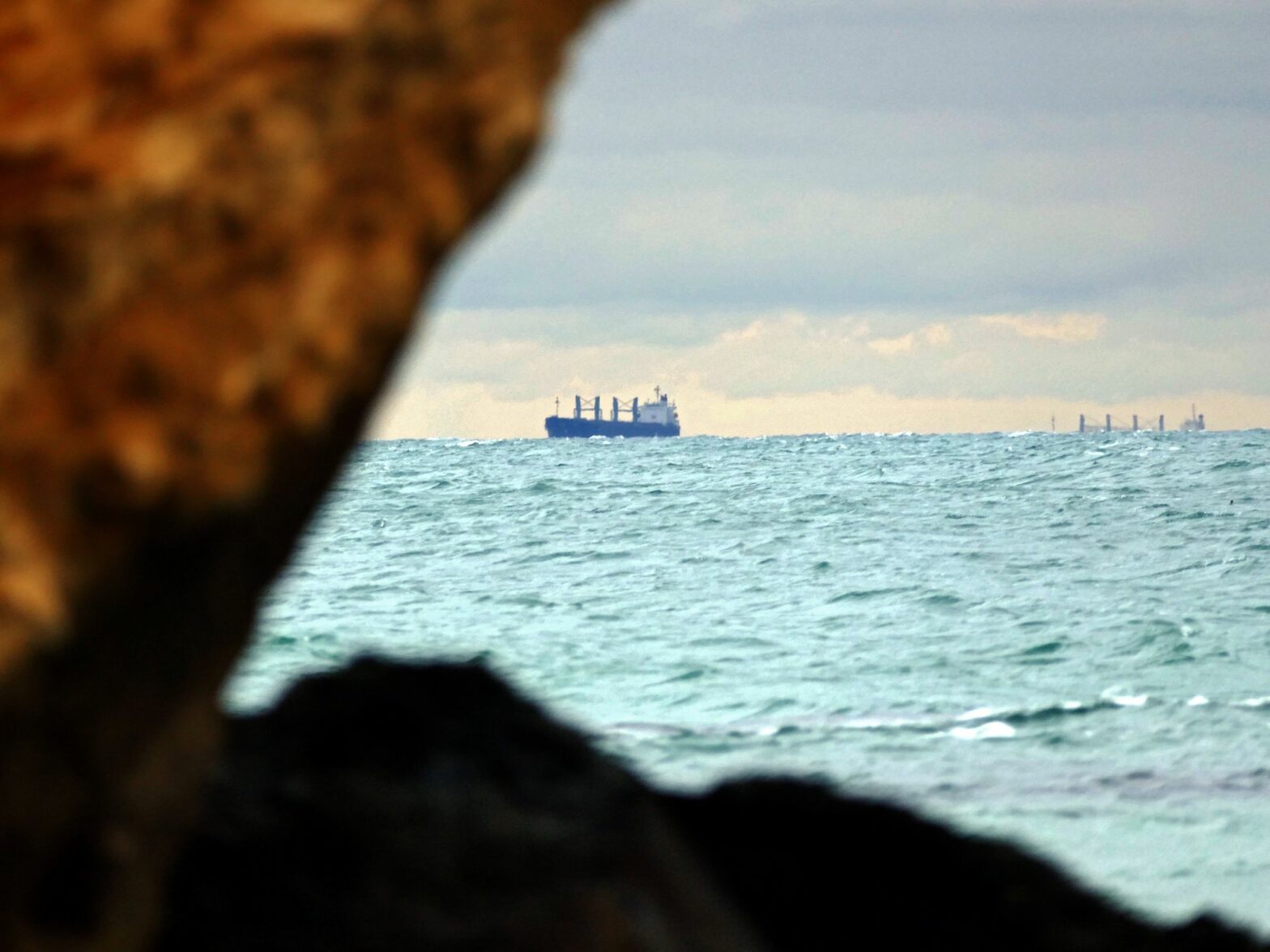
In recent months, Moscow has intensified its attacks on Ukrainian grain export routes that are dangerously close to NATO member Romania. Is Putin playing with fire?
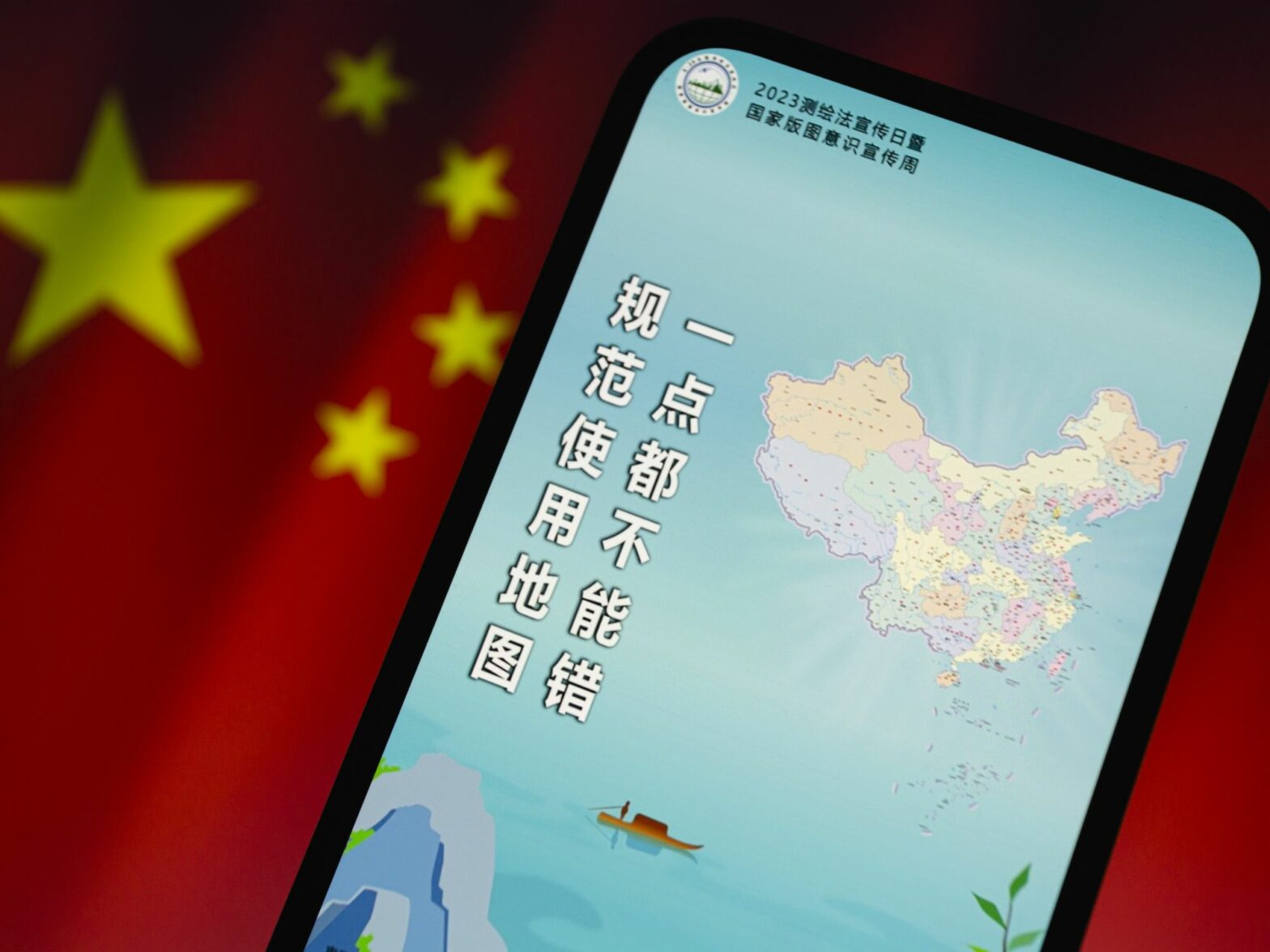
China released a new map where it borrows strips of lands from its neighbors. Although this is far from being the first time the country is involved in territorial disputes, Beijing’s growing military shows it has the power (and will?) to try to make it a reality.
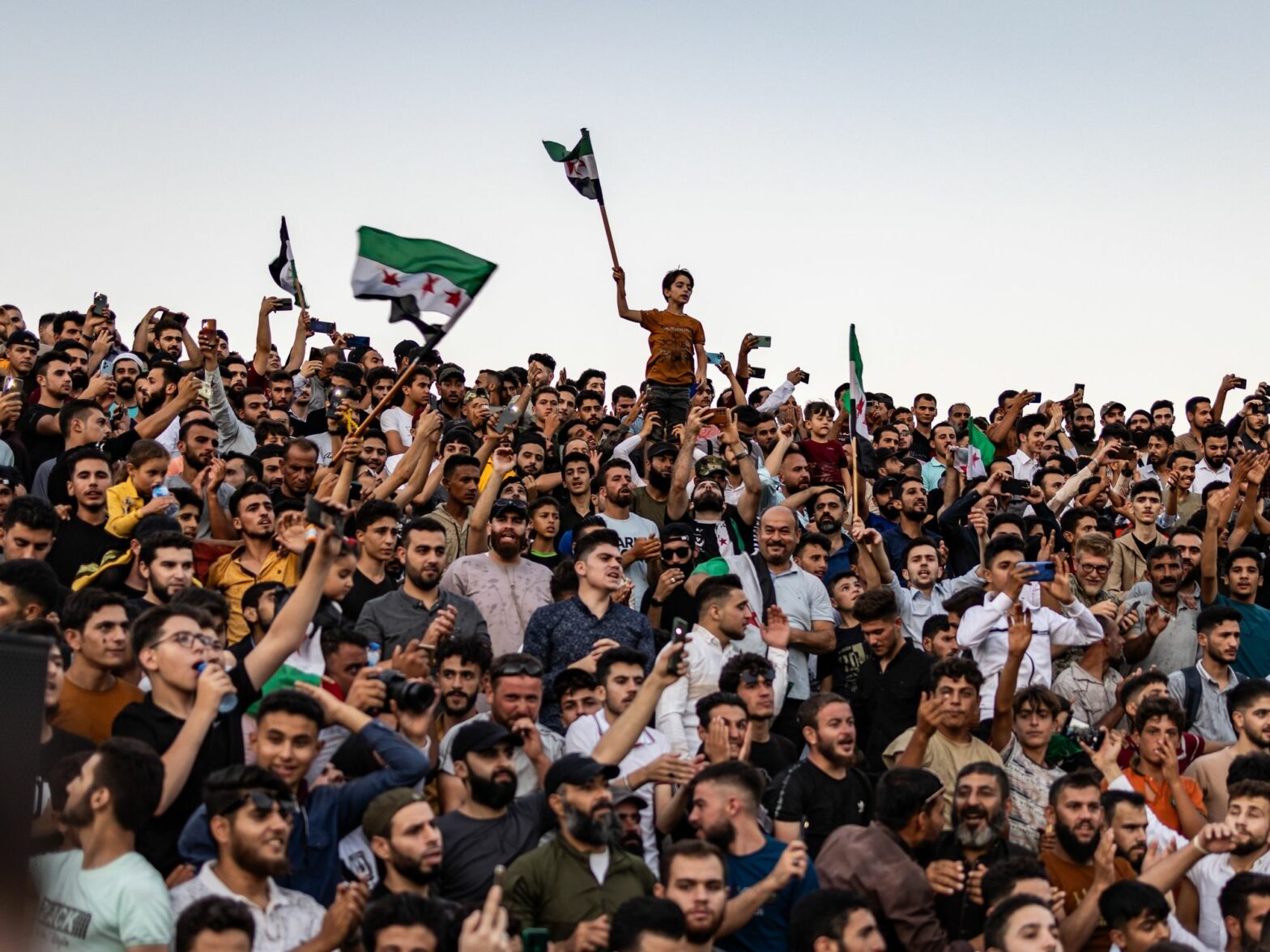
Syria is positioned to return to the geopolitical fold in the Arab world, but the political structure inside the country is still fractured, facing protests from its citizens and the need to call in the Russian air force and Iranian backers.
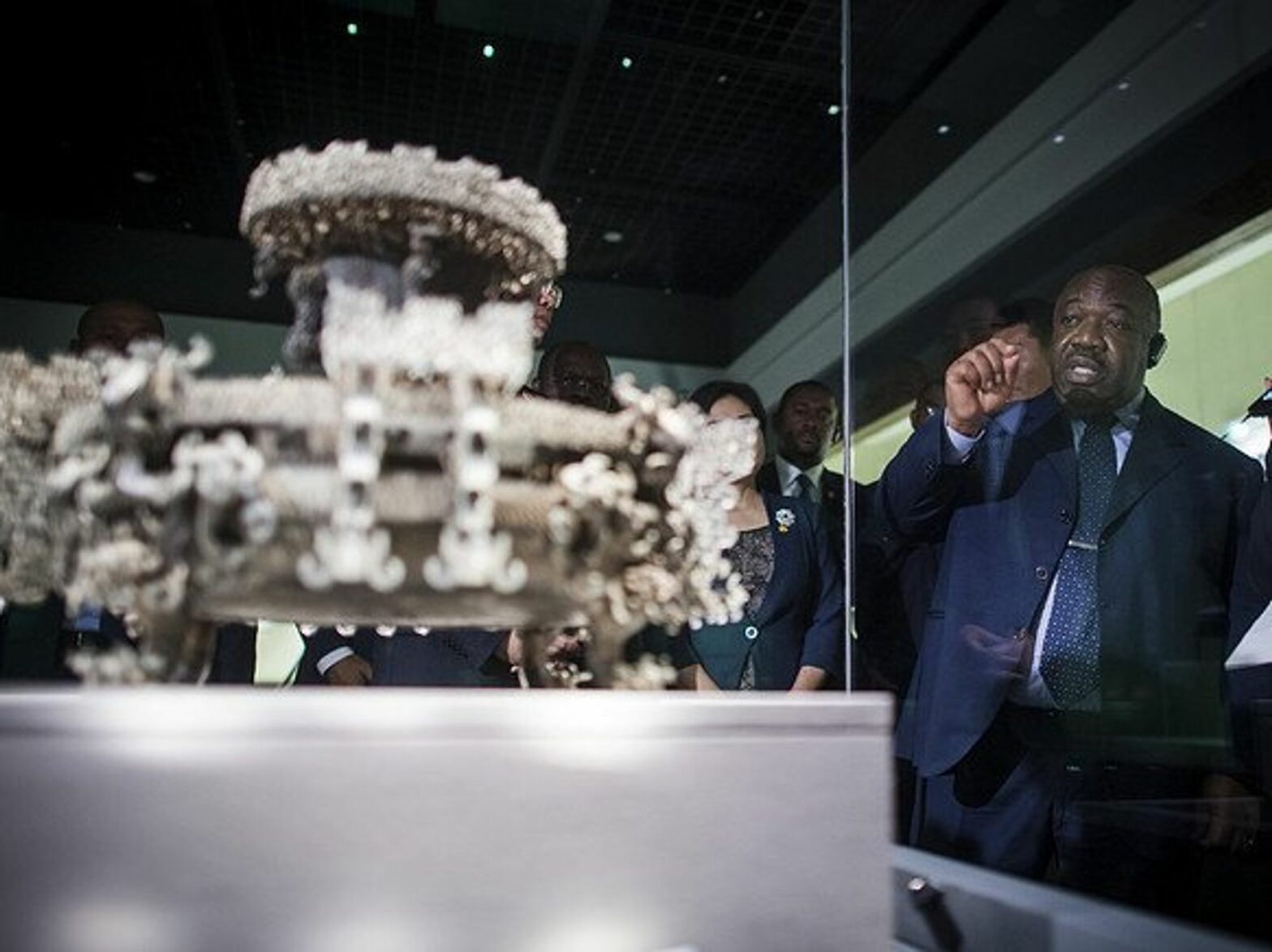
After a series of coups in West Africa, what will happen to the corrupt systems set up by past rulers — will they endure, or could reform be ahead?
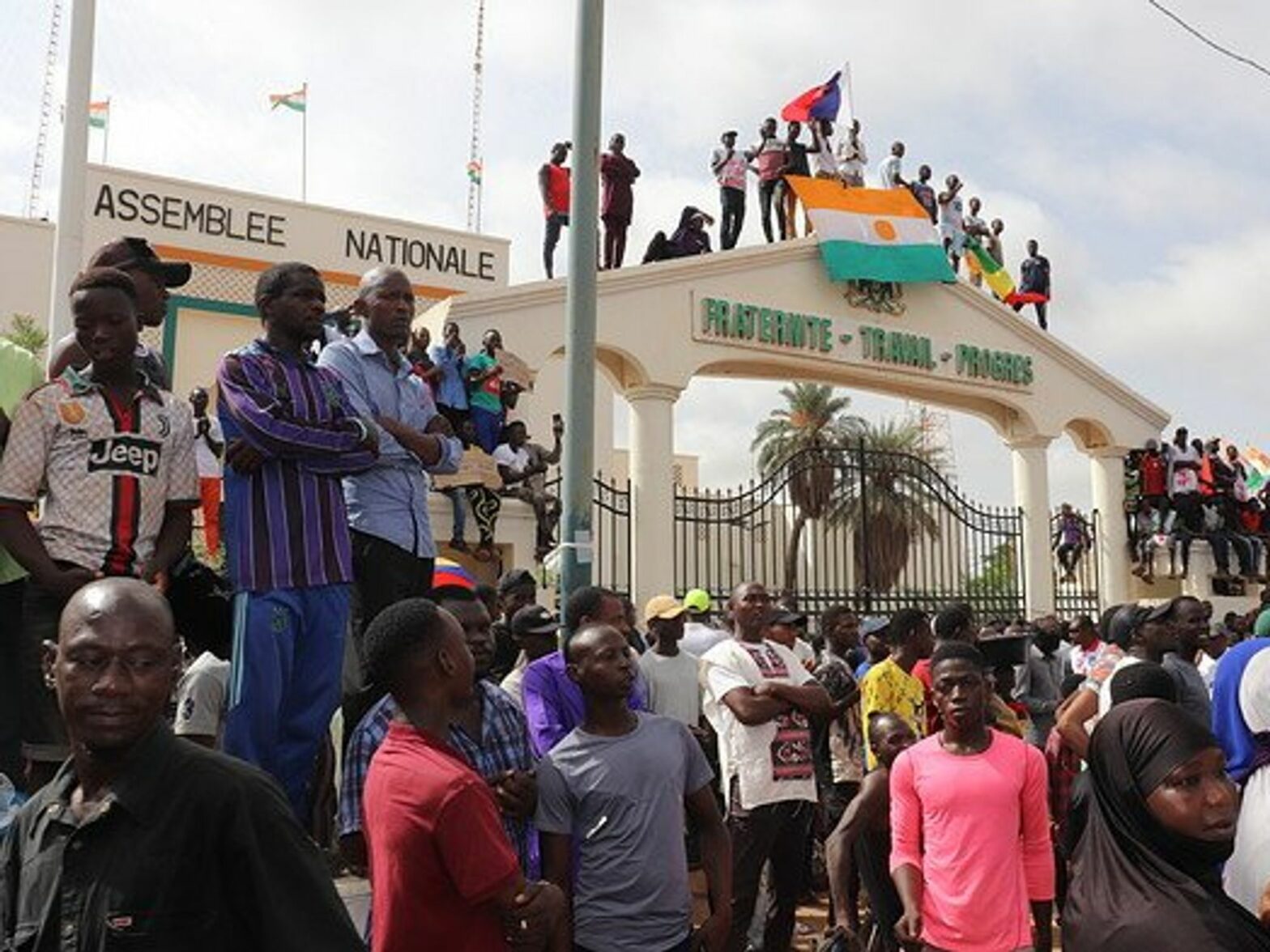
Is it a Russian conspiracy or anti-Paris bias? Or a sign that democracy has never really taken root in post-colonial realities?
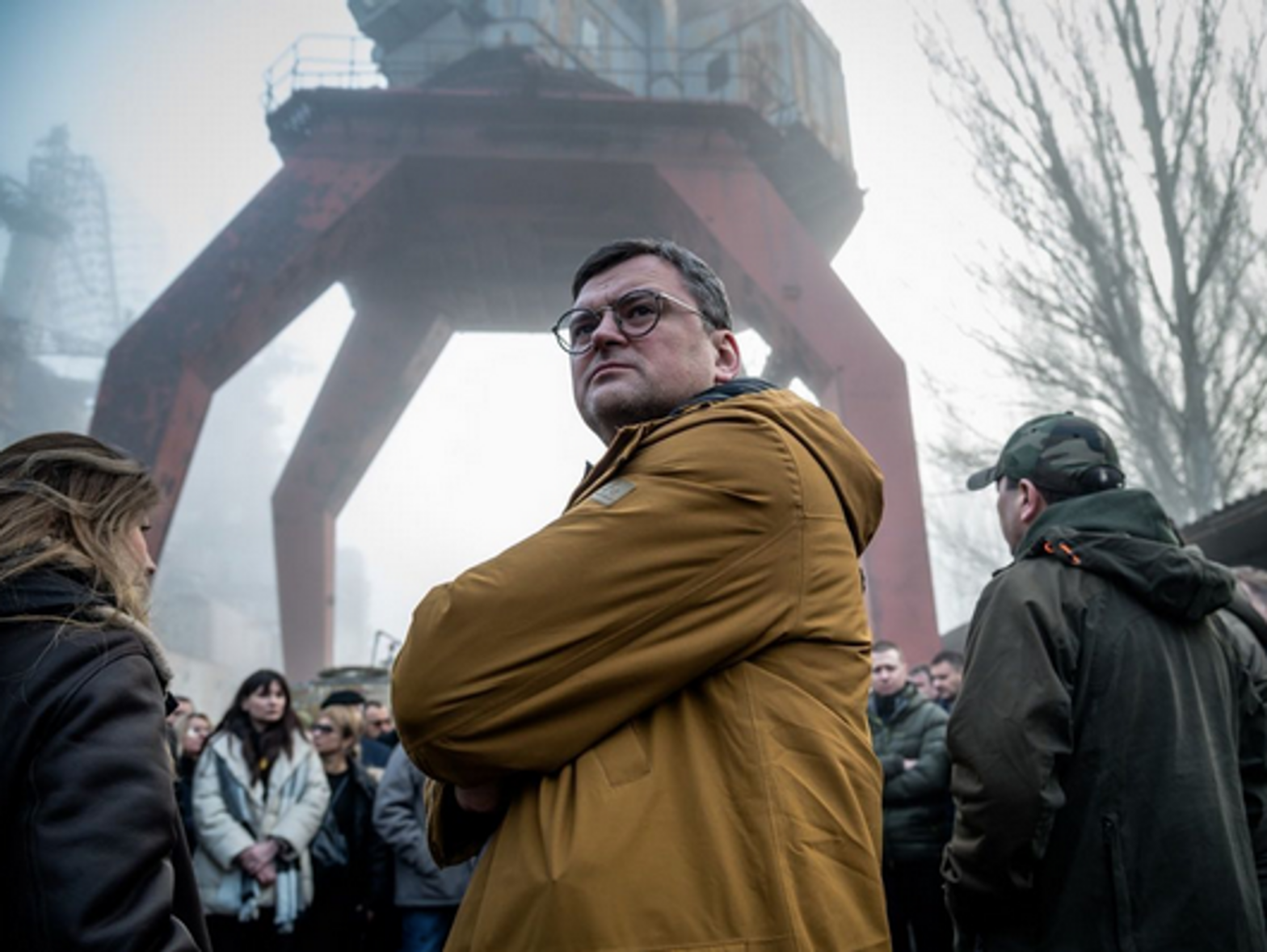
Ukrainian Foreign Minister Dmitry Kuleba is in Paris seeking help to convince Africa to abandon its wait-and-see attitude, which benefits Russia. It’s an extraordinary illustration of how Africa is singularly focused on emancipating itself from its former colonizers.
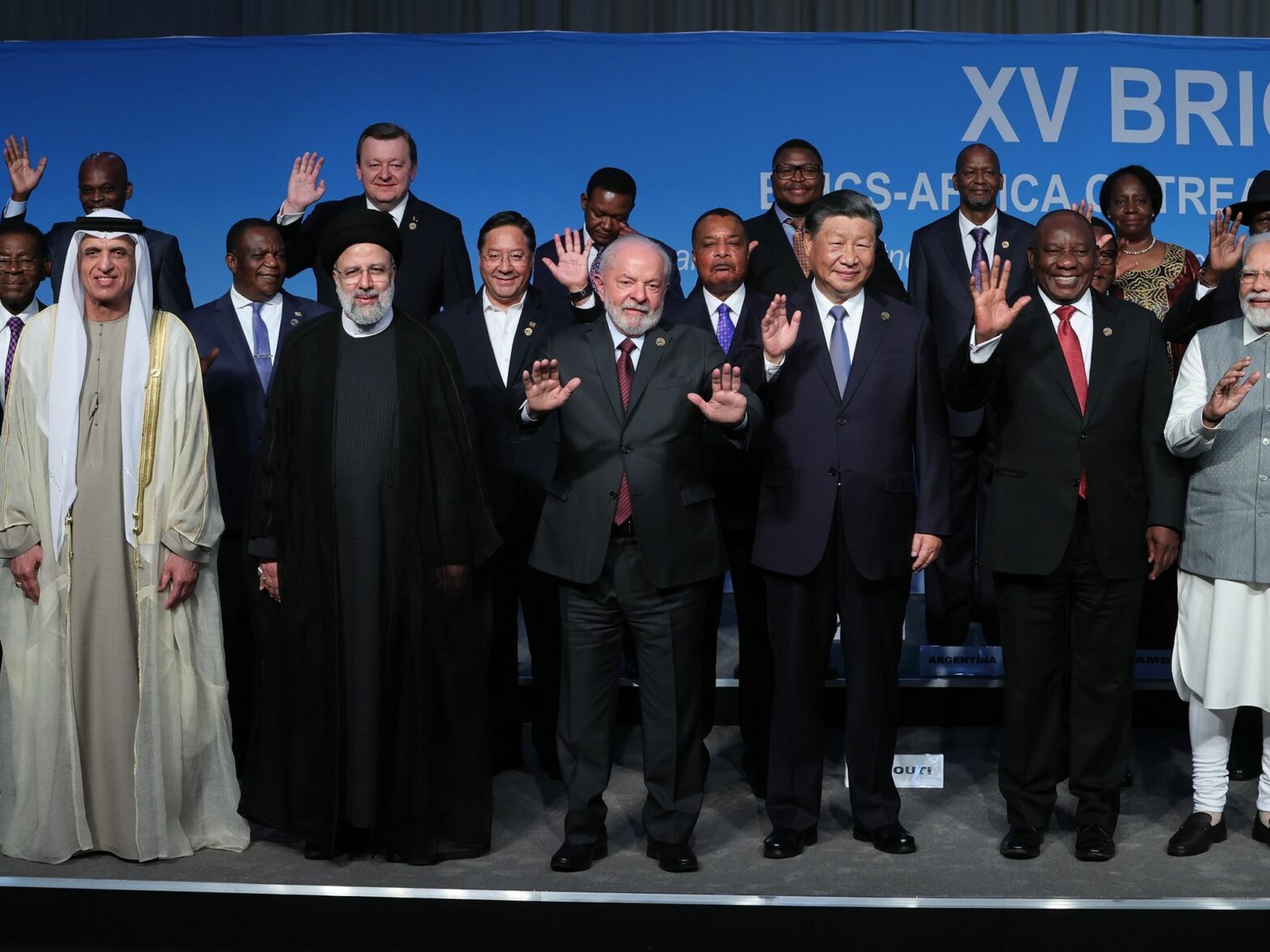
The West is losing influence on many fronts, embodied in the rise of the BRICS alliance as a kind of “counter-G7.” But Western leaders will need to decide if they want to be part of this change, or its victim.
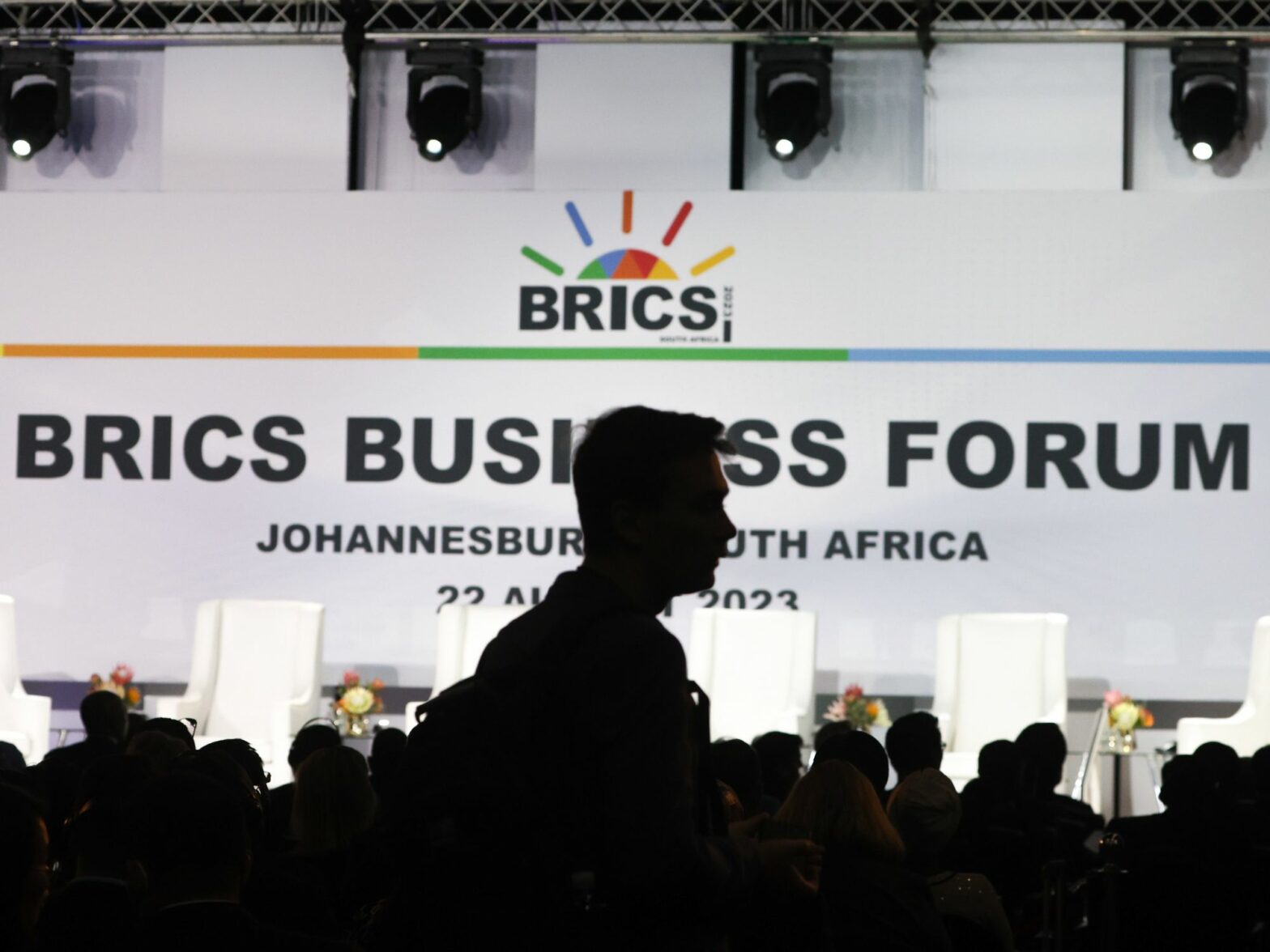
The war in Ukraine has become globalized, with its effects being felt from Africa to China. The only hope of de-escalation is in a potential diplomatic summit between the U.S. and China this autumn.
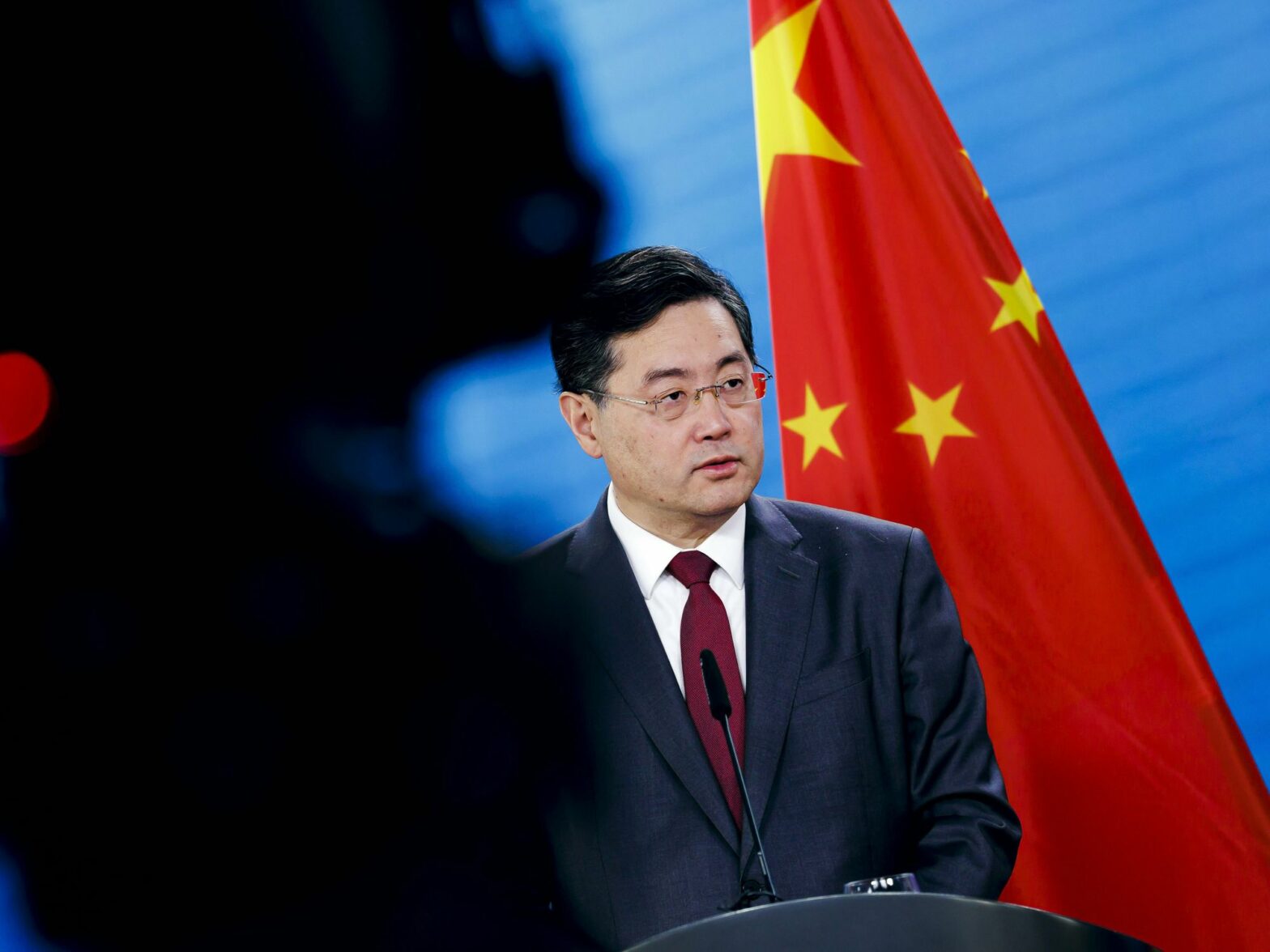
A movie star, a tennis player, a tech billionaire — and now the Foreign Minister: the Chinese Party’s parallel justice system does not discriminate when it comes to hushing down figures deemed “subversive.”