Why do the autocrats of this first quarter of the 21st century from Donald Trump to Jair Bolsonaro hate women so much? It may have something to do with the role of female activism in strengthening and expanding democracy.

 Worldcrunch
Natalia Viana is co-founder and executive director of Portuguese newspaper Agência Pública. She has won several journalism awards as a reporter and editor.
Why do the autocrats of this first quarter of the 21st century from Donald Trump to Jair Bolsonaro hate women so much? It may have something to do with the role of female activism in strengthening and expanding democracy.

While disinformation and authoritarianism grow stronger in the U.S., countries across the Global South are leading the charge for regulation and resistance. It may be the beginning of a worldwide reckoning with Silicon Valley’s dominance.
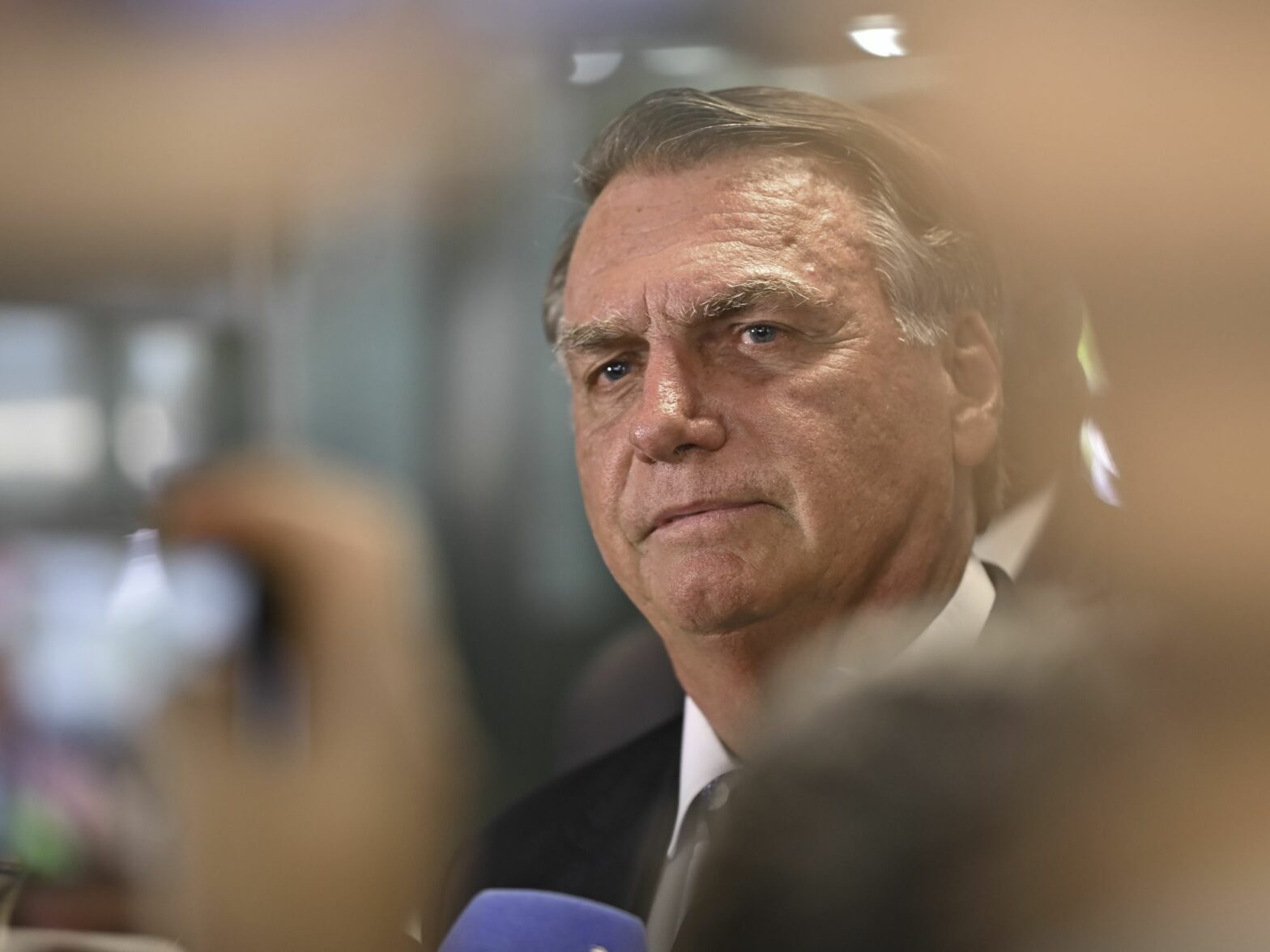
As Brazil’s Supreme Court prepares to rule on whether Jair Bolsonaro led a coup attempt, the battle is playing out on the internet, flooded with a counter-narrative of political persecution. It’s all very similar to what happened in the United States after the Capitol attack.
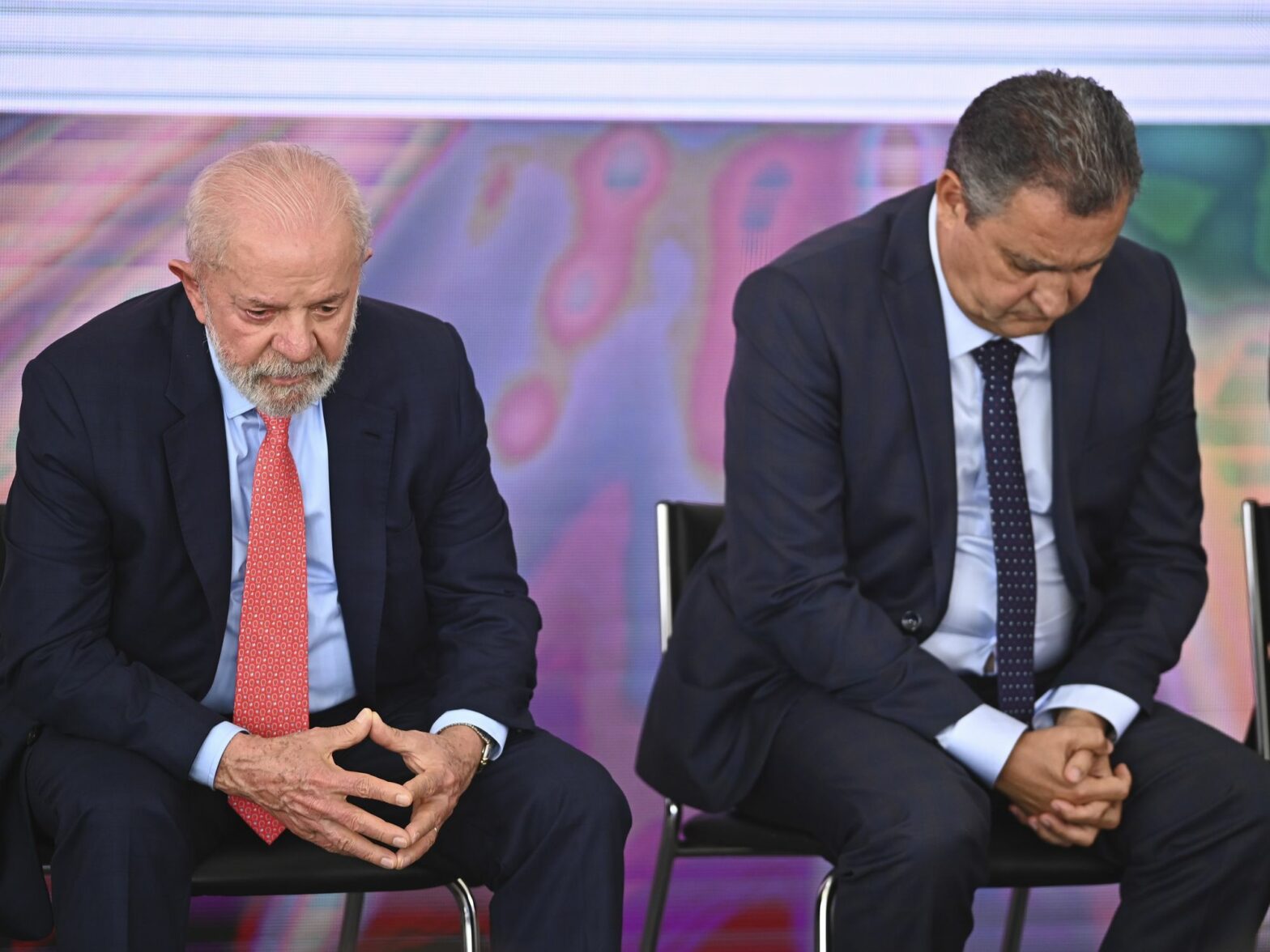
Voters used to reward good governance, but not anymore. From Brazil to the United States to the UK, a new political reality is unfolding, where incumbents struggle for reelection regardless of their performance. Our addiction to digital platforms may help explain this shift?
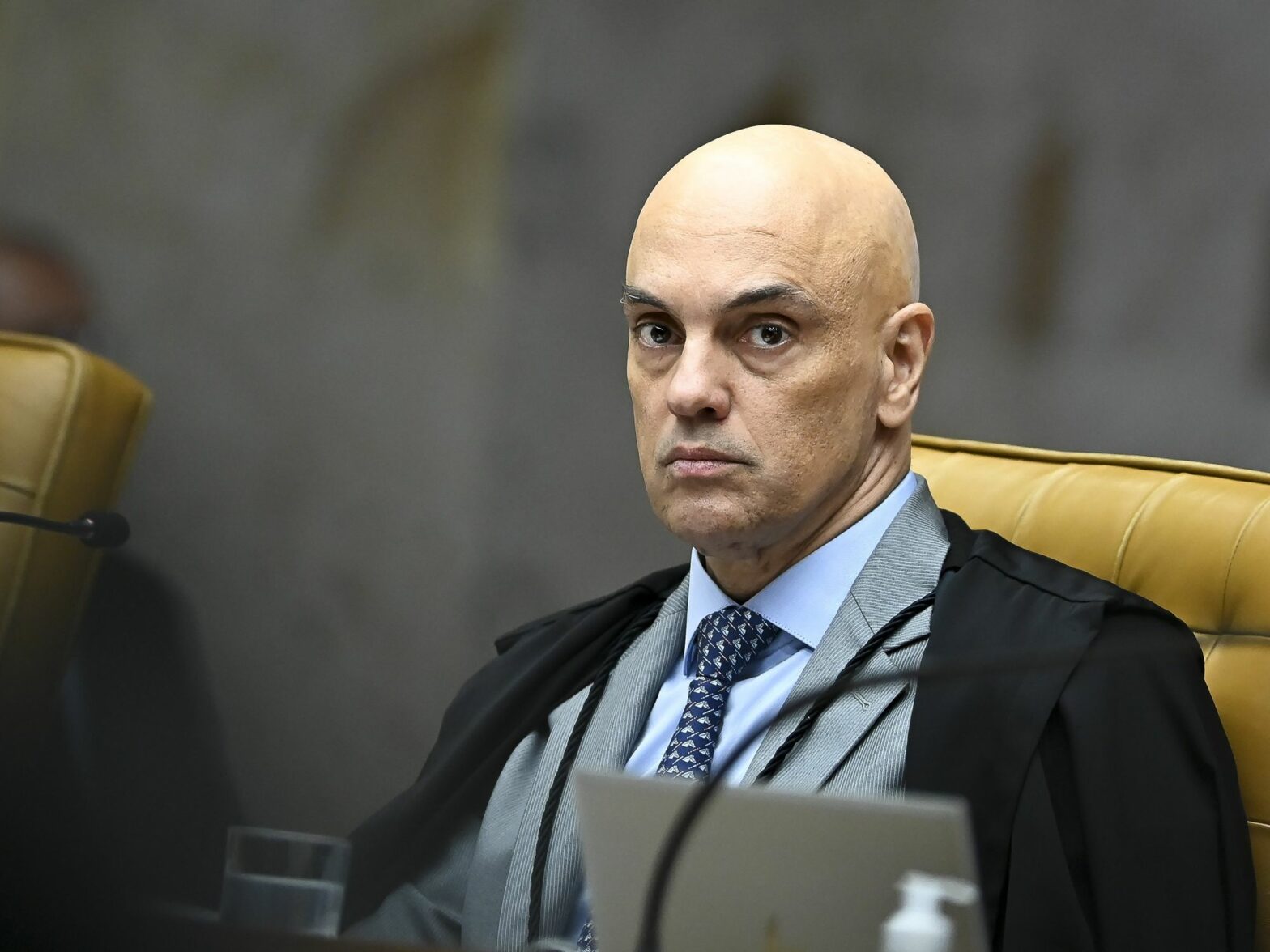
Trump’s media company Truth Social and the far-right video platform Rumble have joined forces in a U.S. lawsuit against a Brazilian judge. The case, packed with conspiracy theories and legal acrobatics, is less about law and more about politics, turning the American courts into a stage for Bolsonaro’s allies and Trump’s broader war on institutions.

Natalia Viana, of Brazil’s leading investigative platform Agência Pública, writes that Zuckerberg’s attack on fact-checkers may be cynical and vile, but the practice is here to stay, and gets at the core of maintaining a healthy democracy.
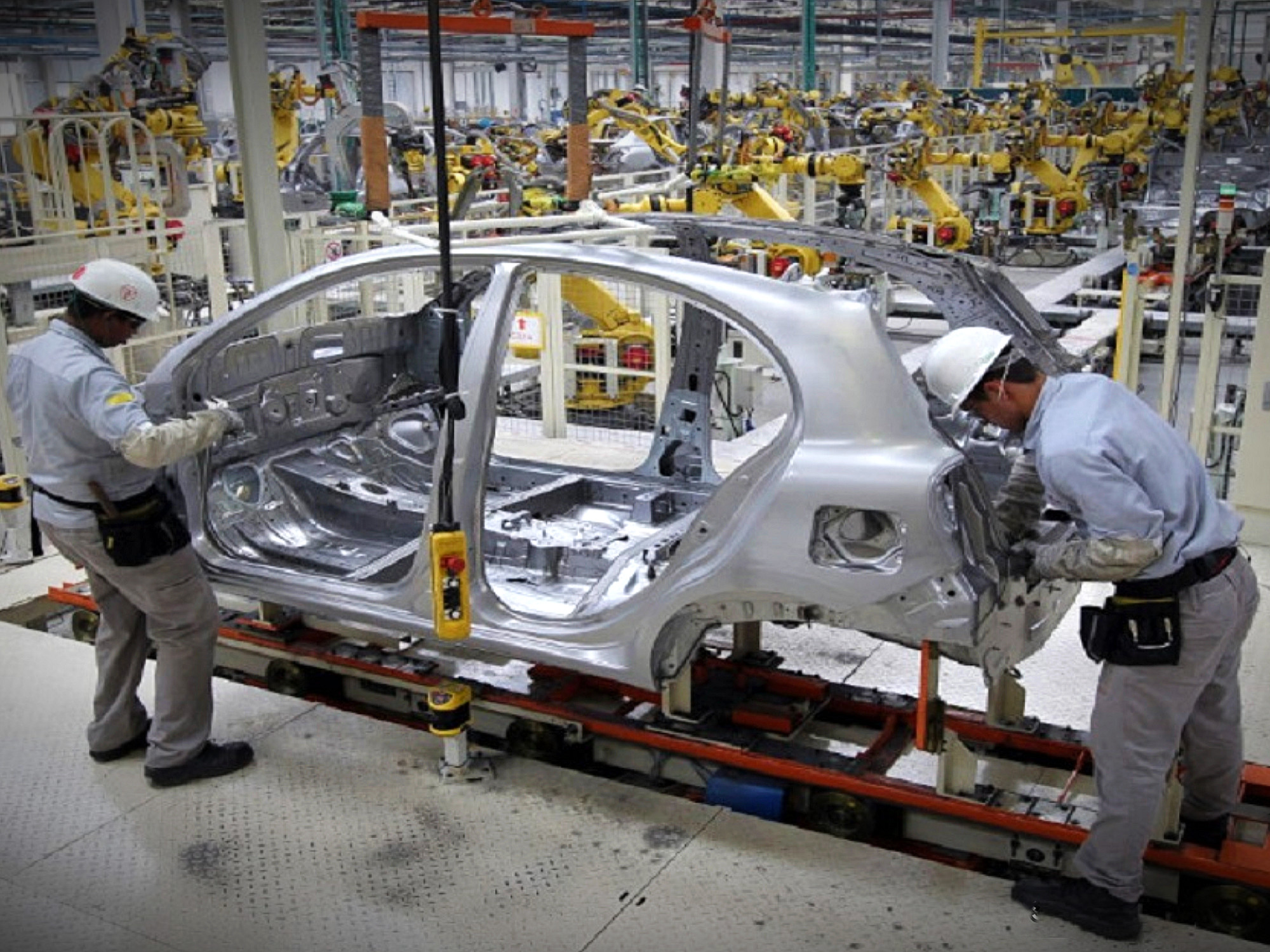
The rescue of 163 Chinese workers from a BYD plant in Brazil reveals the persistence of labor exploitation in the 21st century. This case, alongside reports of politicians with slave-owning ancestors facing similar accusations, underscores how Brazil’s colonial legacy continues to shape its present.
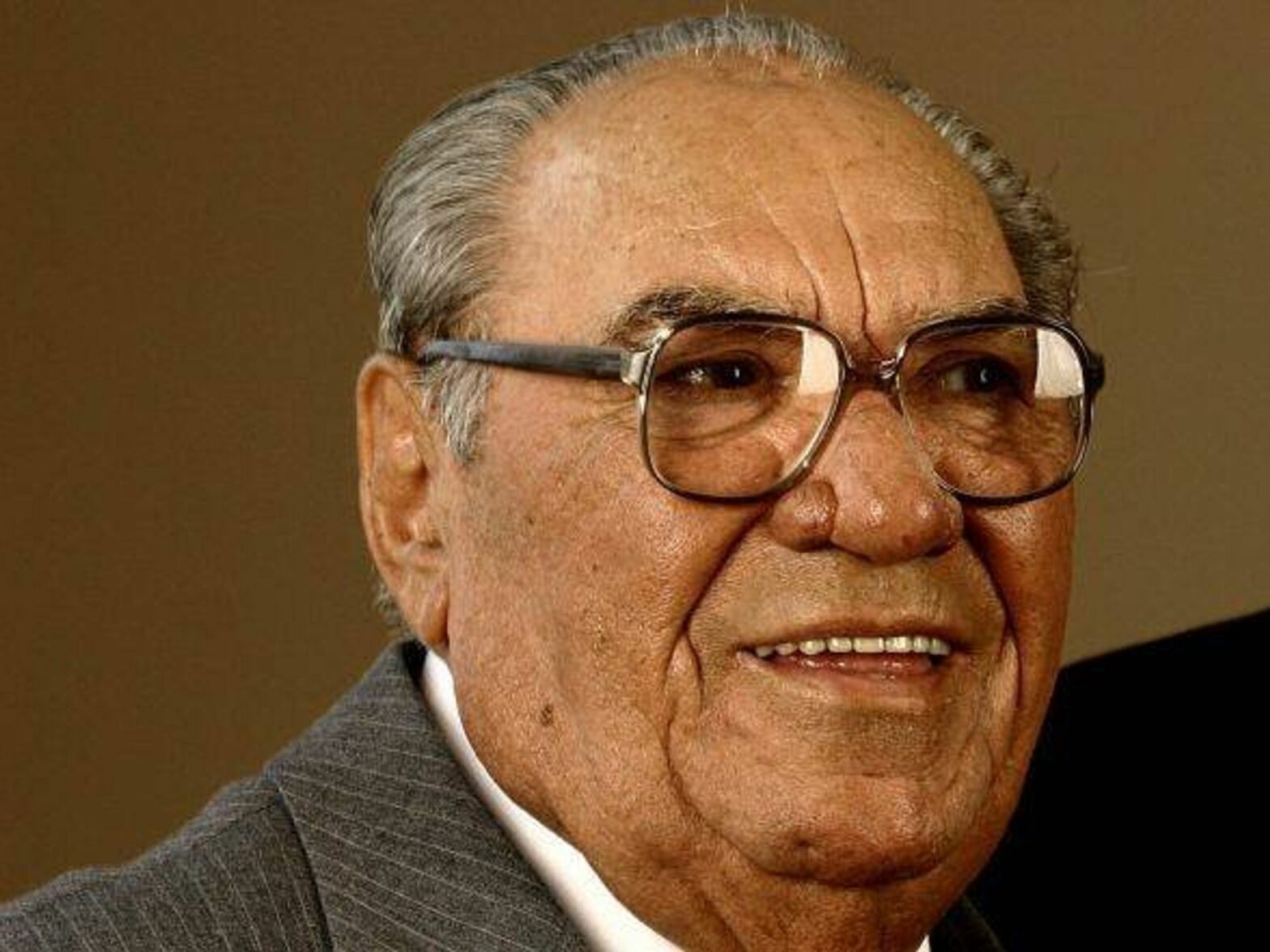
Brazil’s independent investigative outlet Agência Pública has published revelations that link the founder of one of the country’s largest retail chains to a decade-long sexual exploitation scheme. Why has the mainstream media stayed silent?

The initiative led by OpenAI CEO Sam Altman to create a global identity system through iris scanning has landed in Brazil. But what about privacy, transparency and the ethical implications of such a vast biometric project?
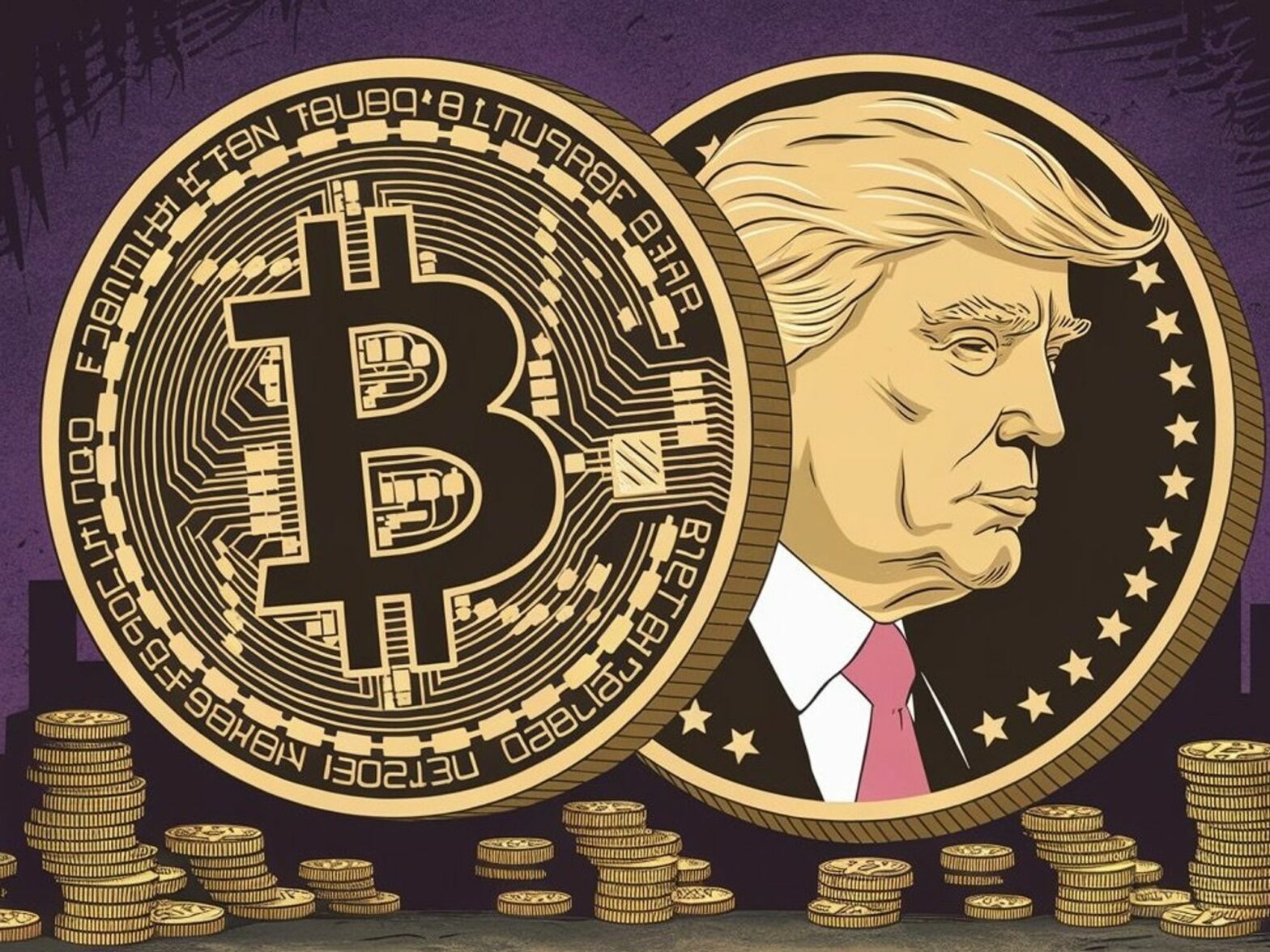
With a pro-crypto agenda and substantial backing from industry investors, Donald Trump’s presidency is poised to reshape the landscape of digital currencies, promising a future where Bitcoin and other cryptocurrencies thrive under favorable regulations and government support.
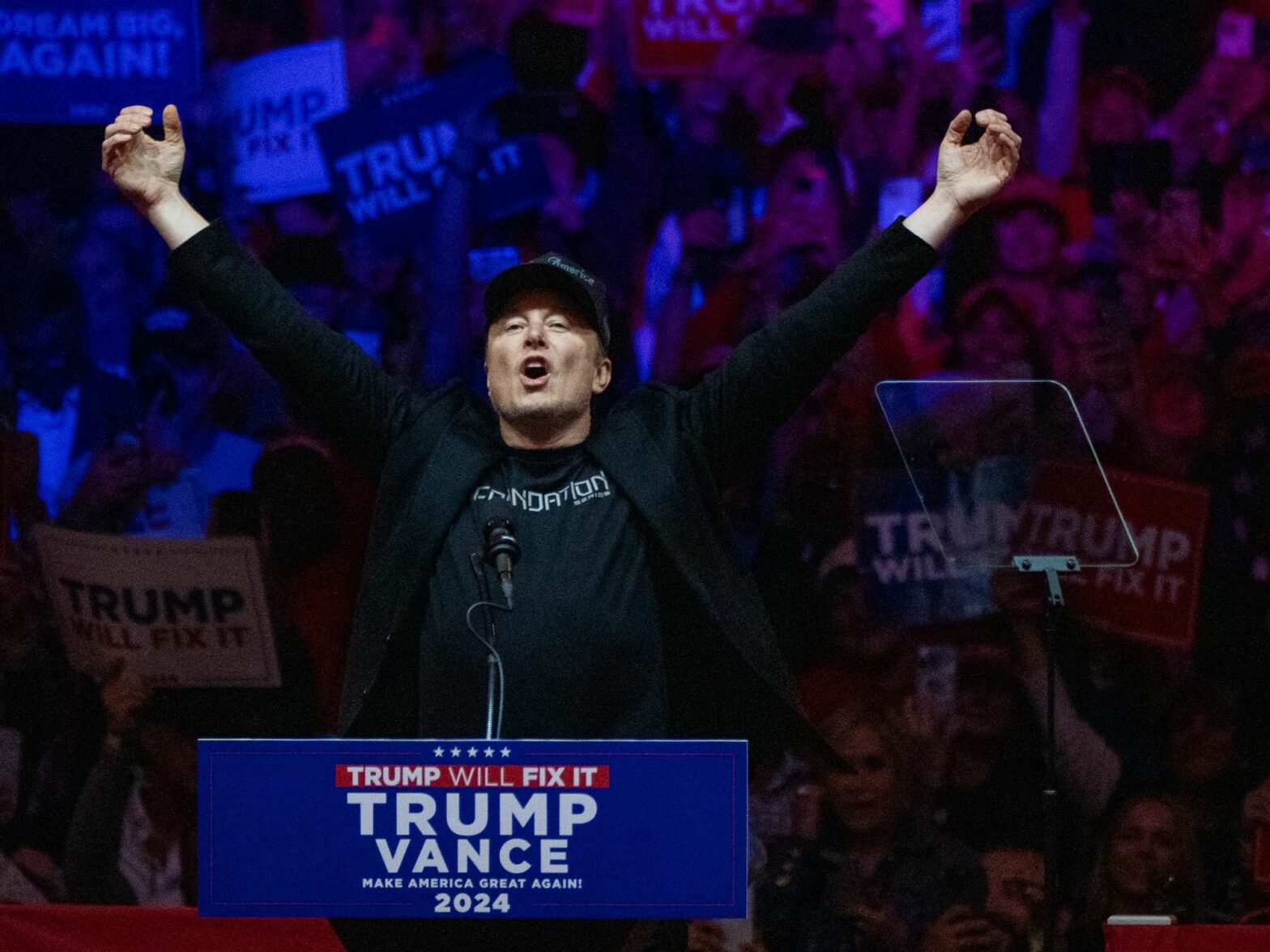
With the announcement that Elon Musk will become part of Donald Trump’s administration, the tech billionaire’s influence on the U.S. will keep on growing. From pouring hundreds of millions into Trump’s campaign to bending social media narratives, Musk’s actions underscore the ease with which the techno-oligarchy can buy political sway, writes Natalia Viana of Brazil’s leading investigative platform Agência Pública.
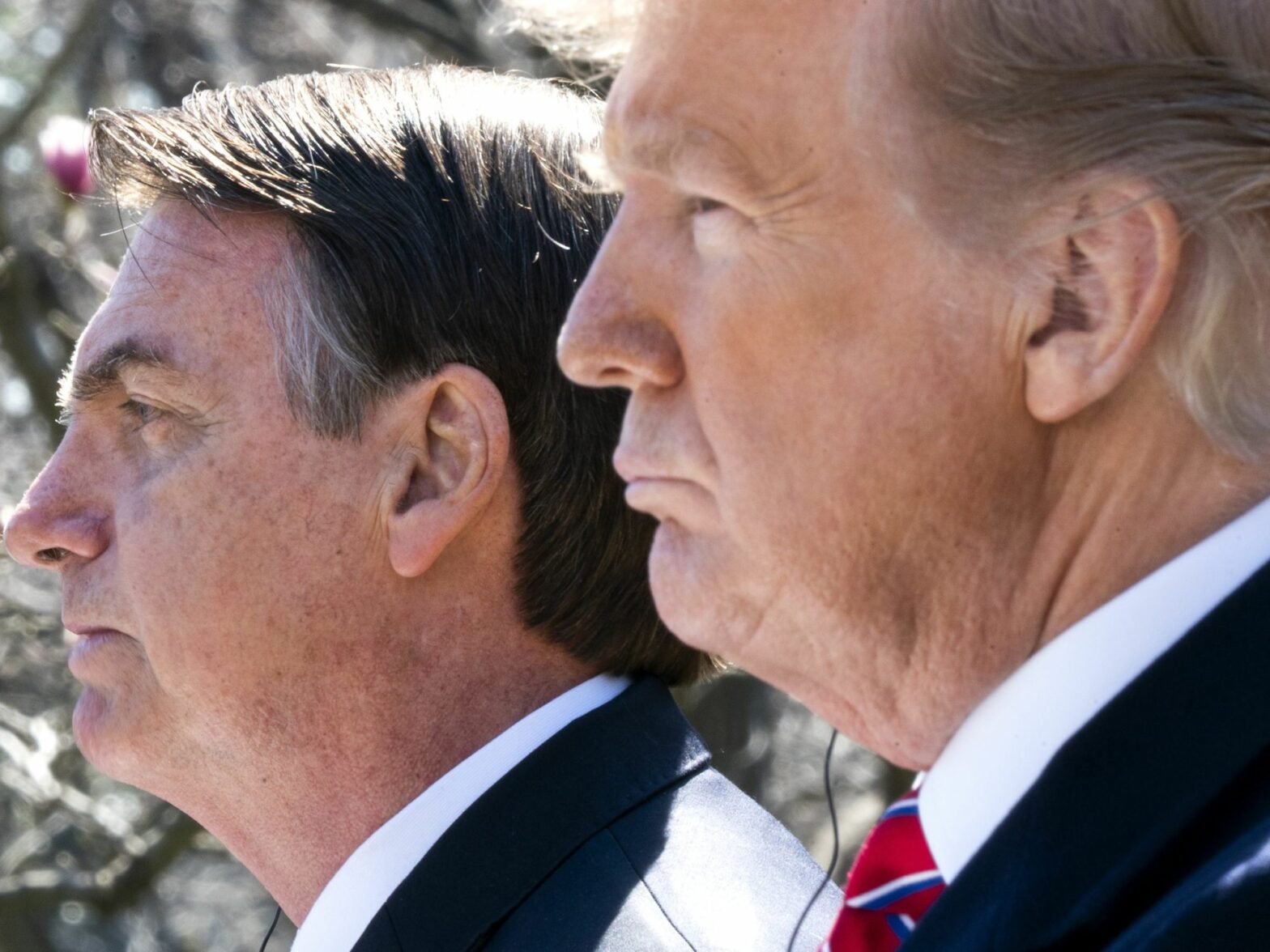
Natalia Viana, editor-in-chief of Agência Pública, draws a comparison between Trump and Bolsonaro, who survived an assassination attempt in 2018. The path to victory for the Democrats is narrowing with every passing day.

It’s the most insipid kind of historical revisionism. Both in Argentina and Brazil, far-right leaders are denying the countries’ history of human rights abuses during the brutal dictatorships of the 1960s and 70s, and using it to rally support around their causes.