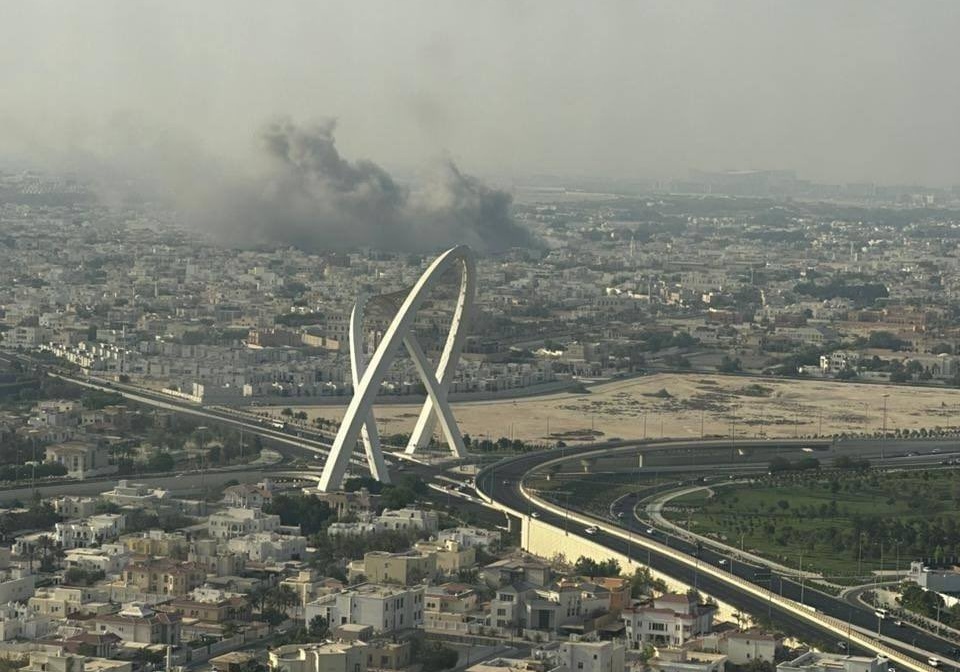
Once a fortress of neutrality and wealth, Qatar now finds itself on the front lines of an escalating regional conflict, as Israel, Iran, and Gulf powers maneuver for strategic advantage.
 Worldcrunch
Giordano Stabile is an Italian journalist and foreign editor at La Stampa. A graduate of the Scuola Normale Superiore, he has covered major conflicts across the Middle East, including Syria, Libya, and Iraq. Based in Beirut since 2016, he was awarded the Premiolino in 2017 for his reporting, recognized as a leading Italian voice from the region.
Once a fortress of neutrality and wealth, Qatar now finds itself on the front lines of an escalating regional conflict, as Israel, Iran, and Gulf powers maneuver for strategic advantage.
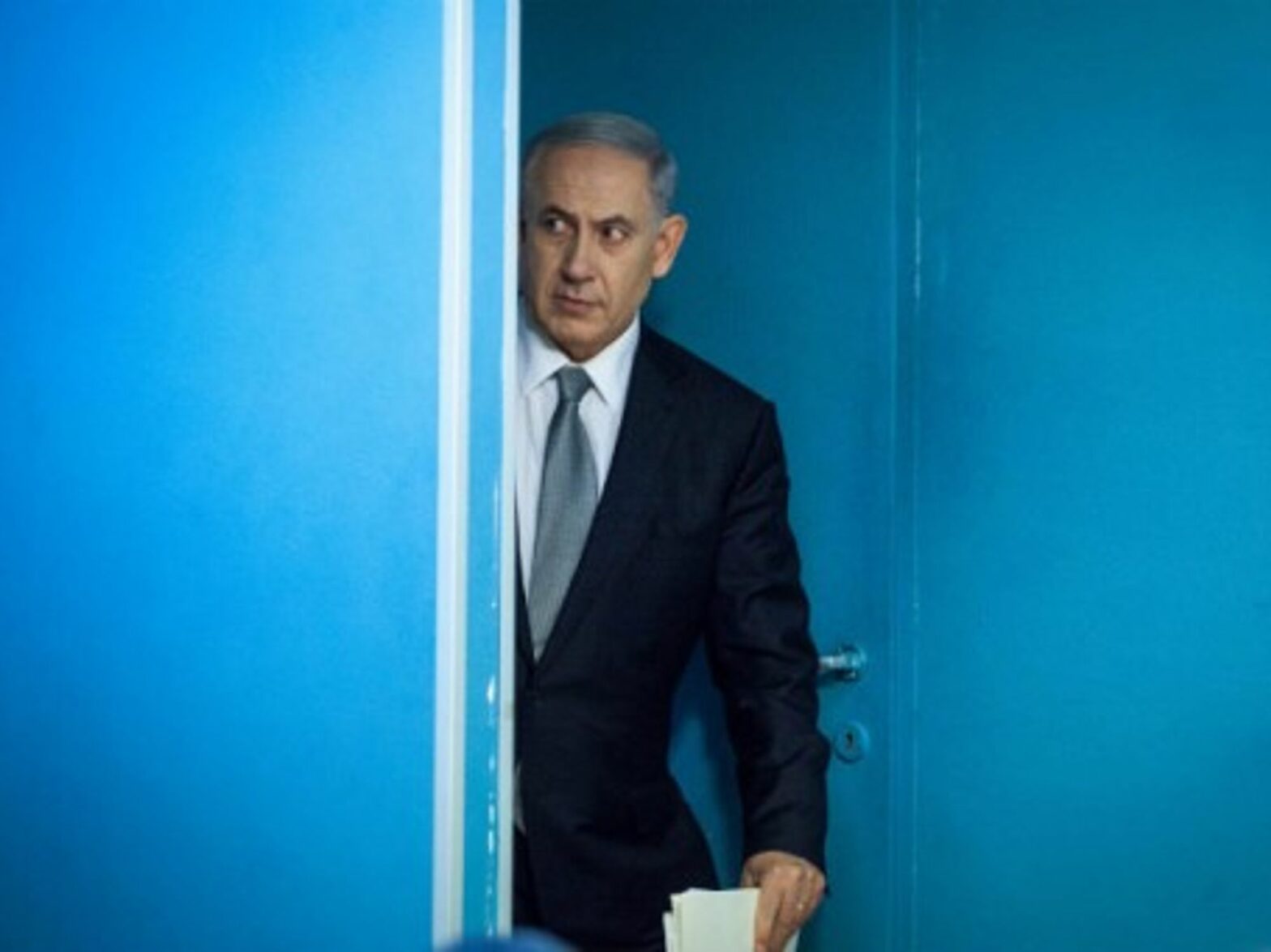
As he launches the unprecedented attacks against Iran, much seems to be going Netanyahu’s way, from the decimation of both Hamas and Hezbollah leaders to the toppling of the Assad regime and softening of Gulf states. But a closer look shows a much more ambiguous picture across the region.
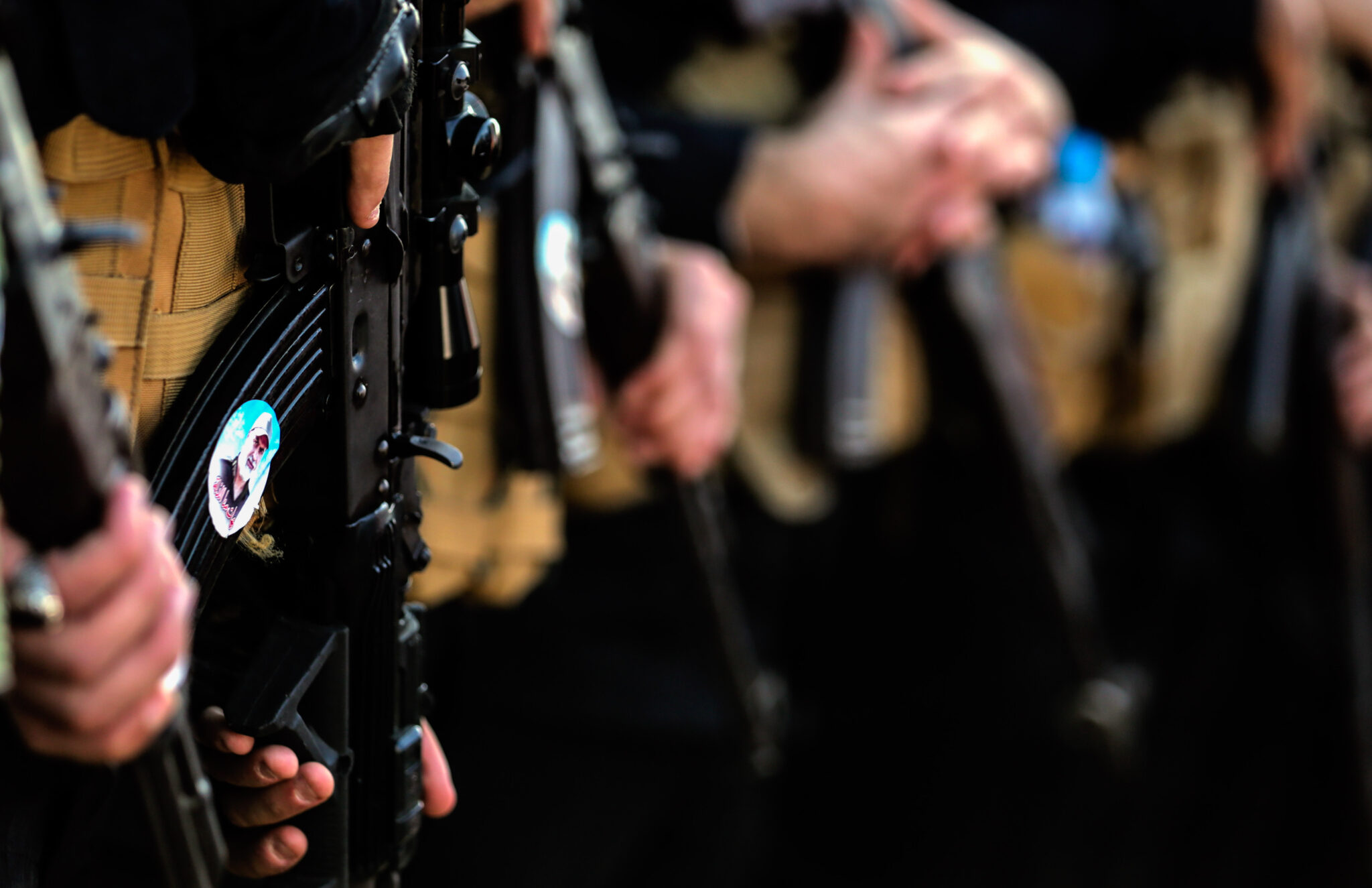
Six centuries after the Arab world’s greatest philologist traced a cultural fault line between Bedouins and urban Arabs, that same divide echoes in today’s Middle East conflicts — from ISIS and al-Nusra to Gaza’s shifting alliances.