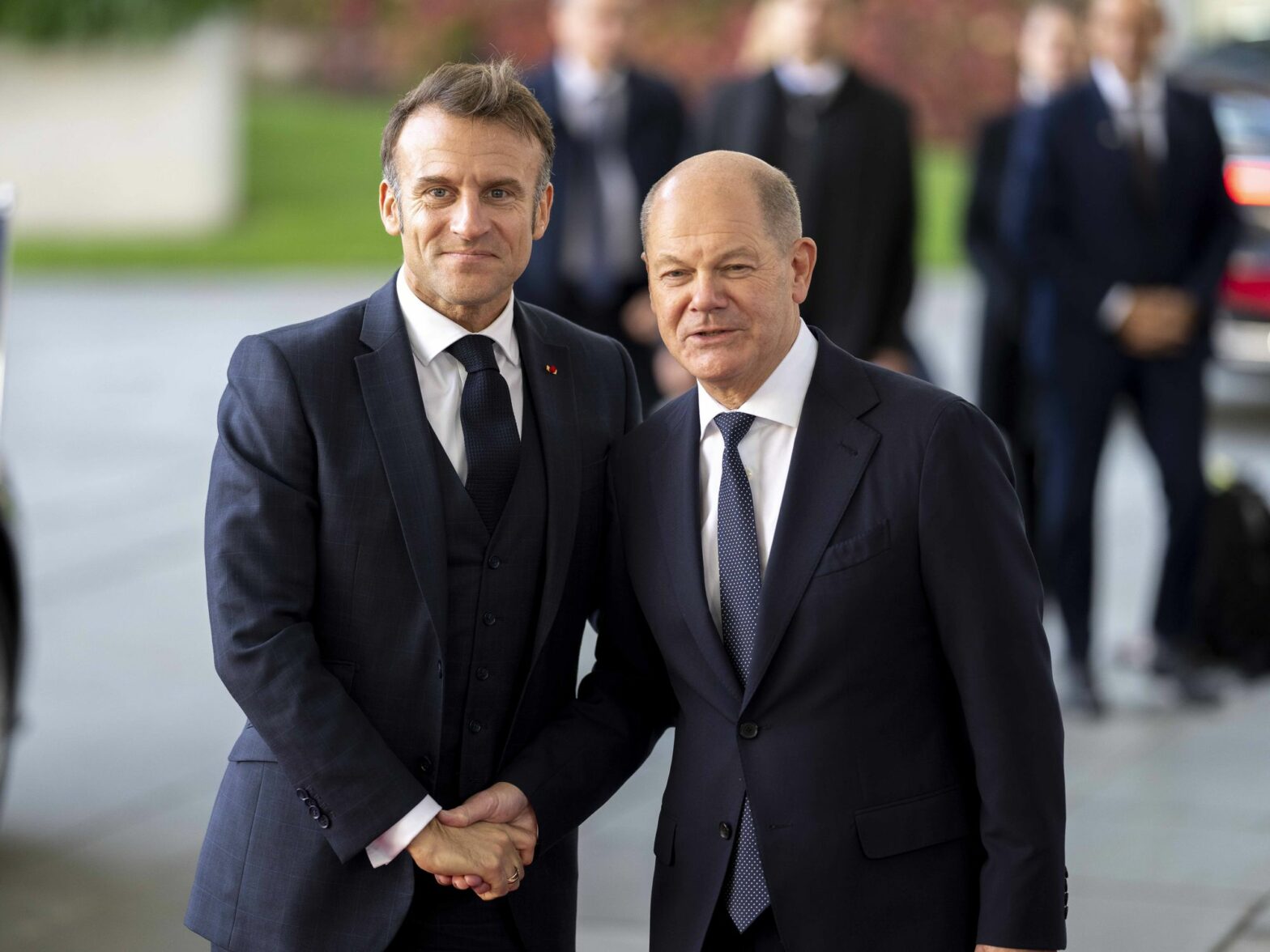
Having long been the driving force of the European Union, France and Germany are facing multiple crises simultaneously, threatening the balance of their relationship. It couldn’t have come at a worse time.
 Worldcrunch
Dominique Moïsi is a columnist with Les Echos. He is a political and geopolitical scientist and special advisor to the Institut Montaigne.
Having long been the driving force of the European Union, France and Germany are facing multiple crises simultaneously, threatening the balance of their relationship. It couldn’t have come at a worse time.
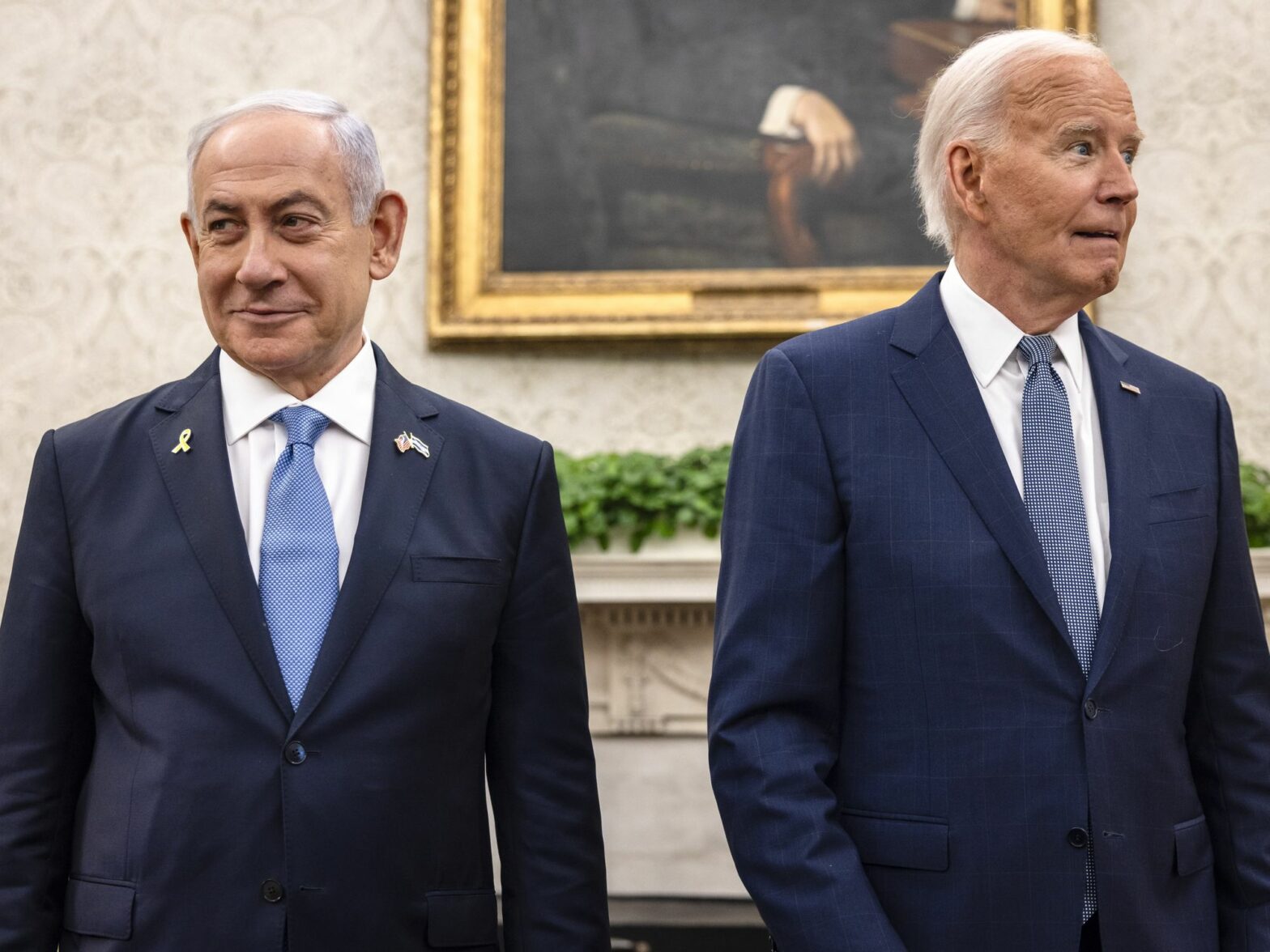
Never since it became the “great protector” of the Jewish state has the United States shown so much weakness towards Israel, as the Israeli prime minister stays one step ahead of his adversaries in a cunning maneuver to help Trump return to the White House.
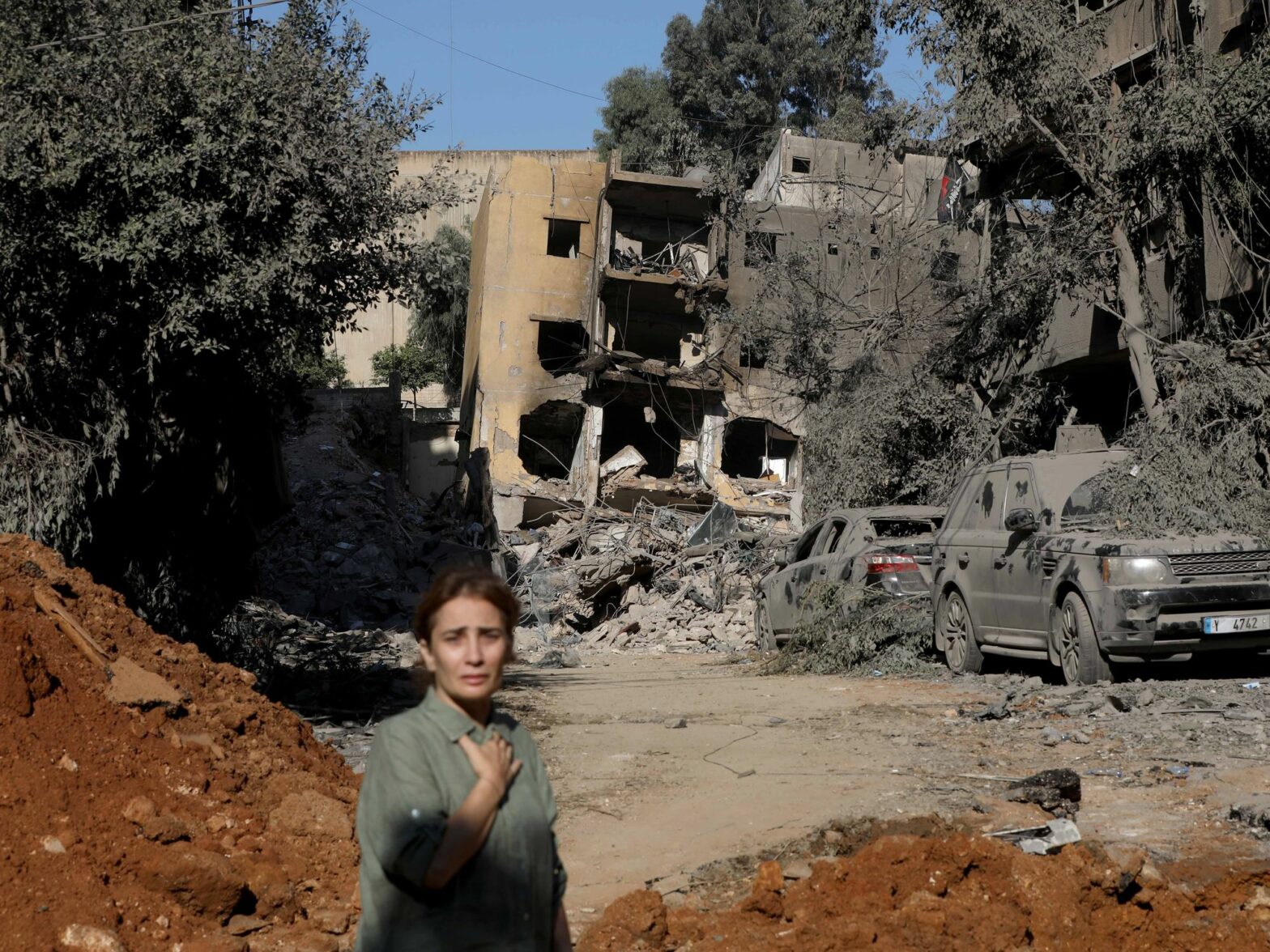
As Israel celebrates the death of Hezbollah’s leader, Washington and Tehran both suddenly seem powerless, looking like spectators of an unraveling tragedy that is beyond their control. Yet, given its demographics and geography, Israel desperately needs allies.
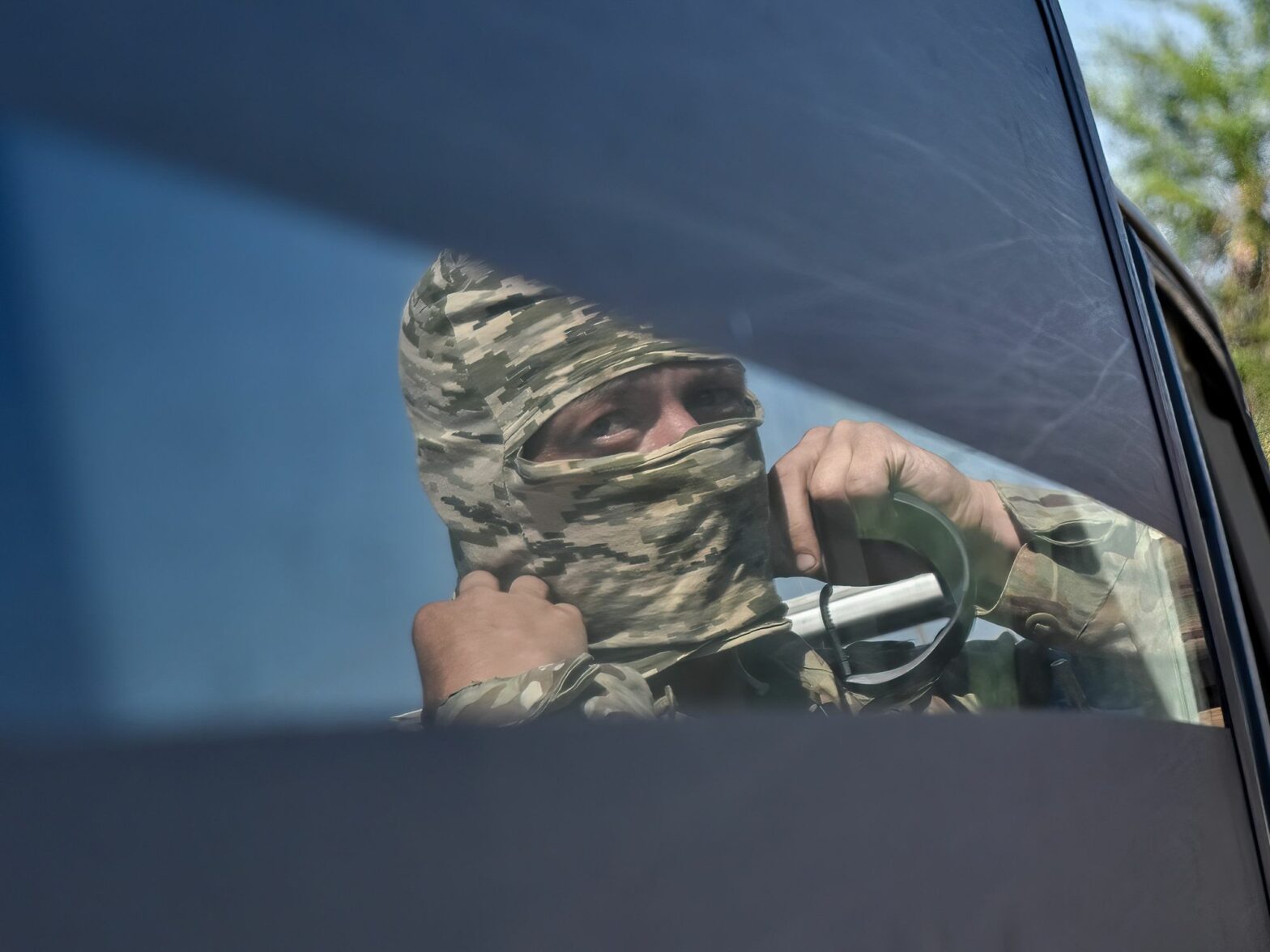
Russian President Vladimir Putin’s brutality and the escalation of Russian strikes on Ukrainian cities should prompt Ukraine’s allies to demonstrate total unity and solidarity against Moscow.
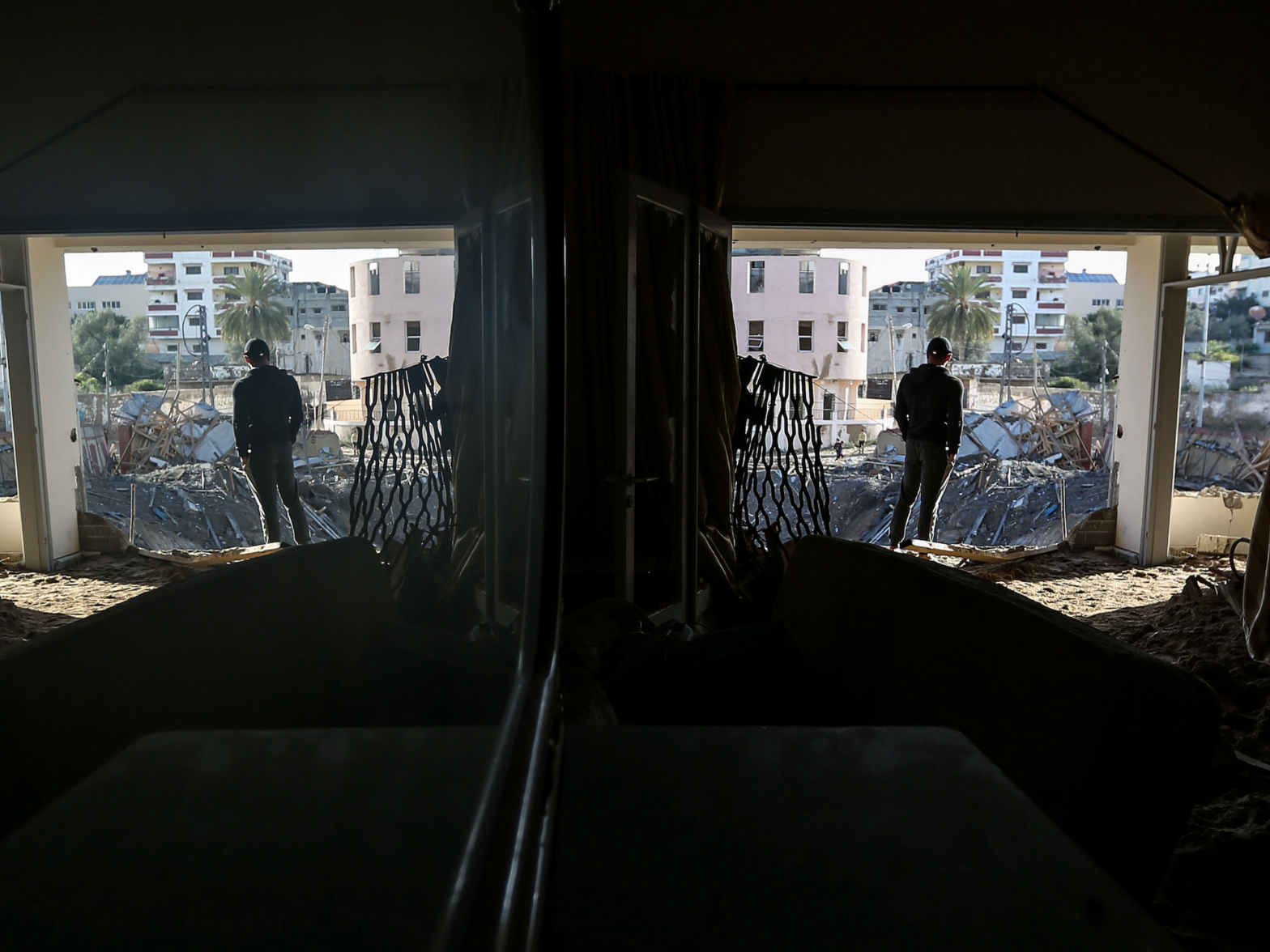
Almost 10 months after the Oct. 7 attack, the Middle East appears to be on the verge of a second act of tragedy. This new escalation of the conflict could result in regional war on a massive scale.
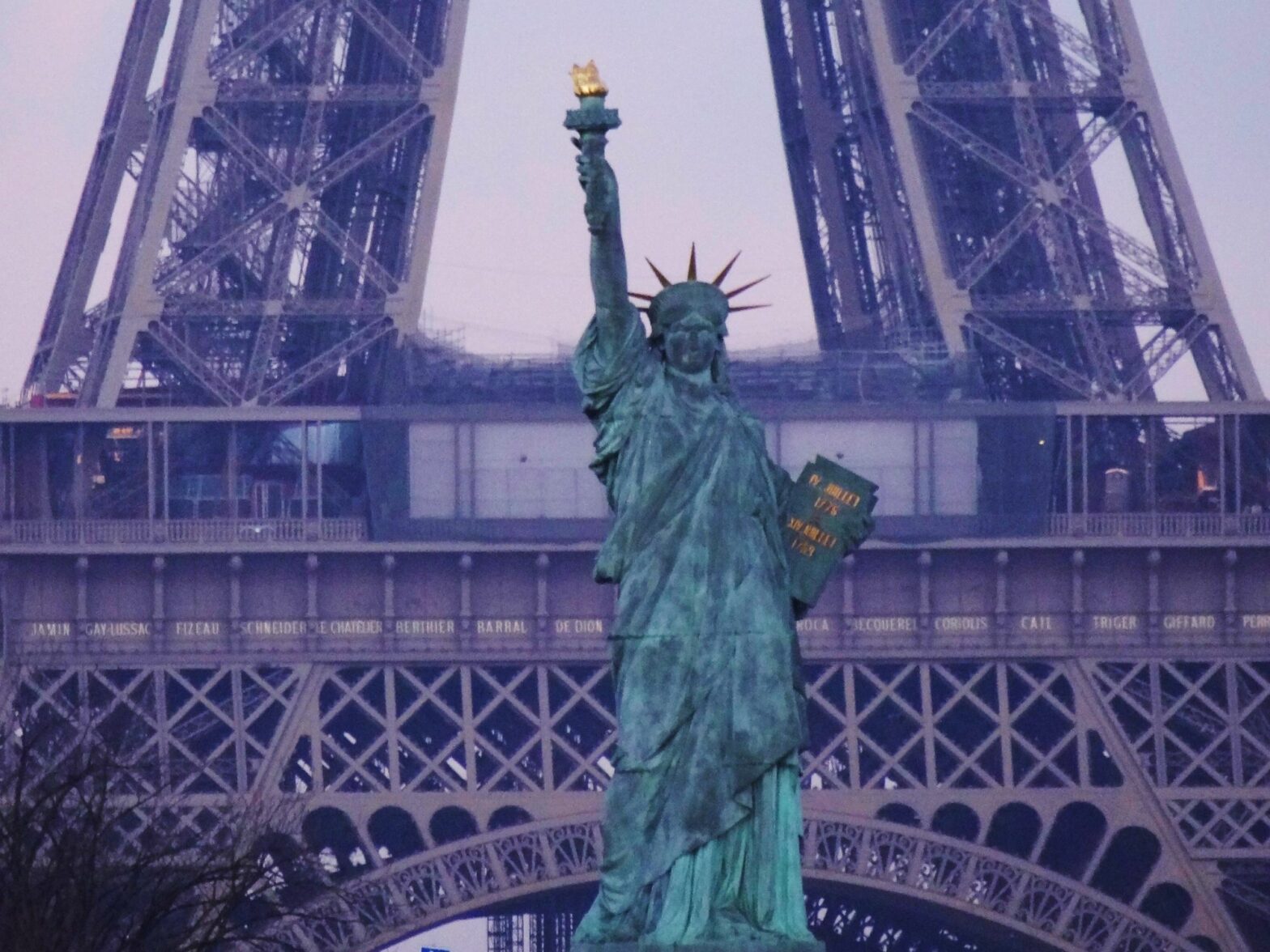
The same nostalgia and same fear of the future seem to animate the two countries that have made exceptionalism their trademark
In matters of foreign policy, whether the war in Ukraine or in Gaza, the rejection of extremes should appear as an obvious fact of reason and ethics. Unfortunately, this is not the case.
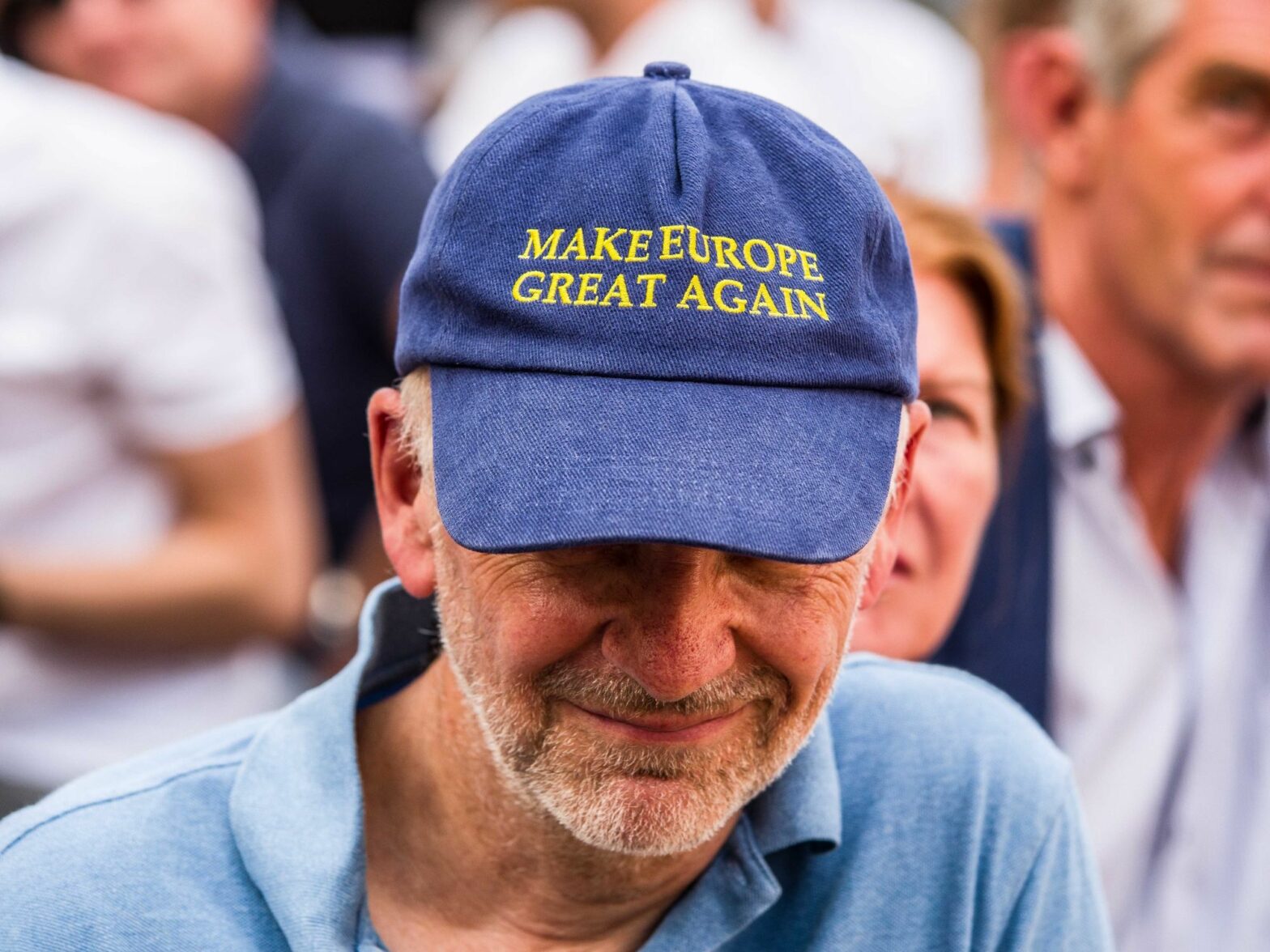
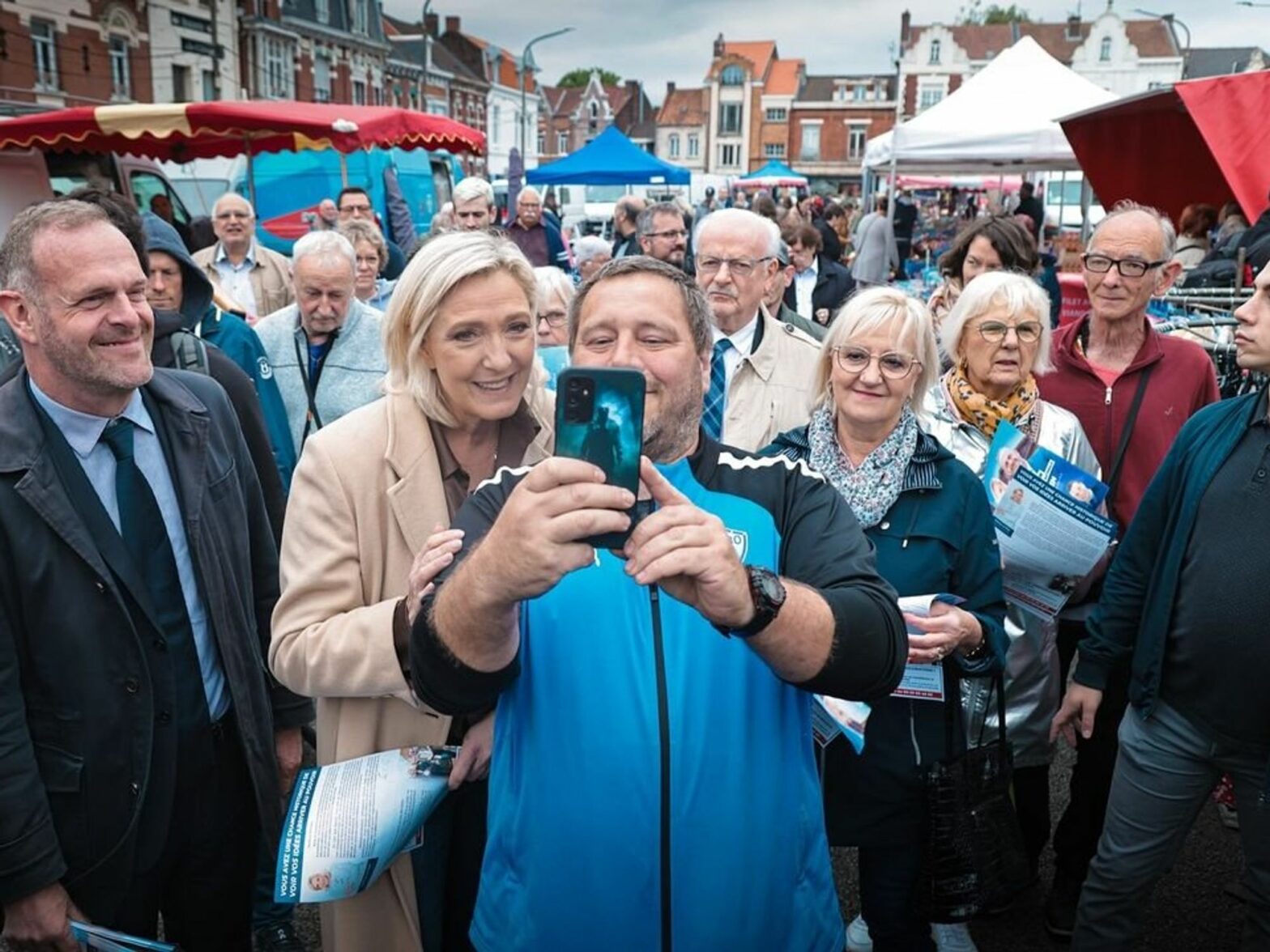
Can the surge of the far right in Europe pave the way for Donald Trump’s victory in the United States in November? Or will a majority of Americans reject a convicted former president running for office? Though political patterns are hard to detect, young voters play an important role in what comes next, writes political scientist Dominique Moïsi in French business daily Les Echos.
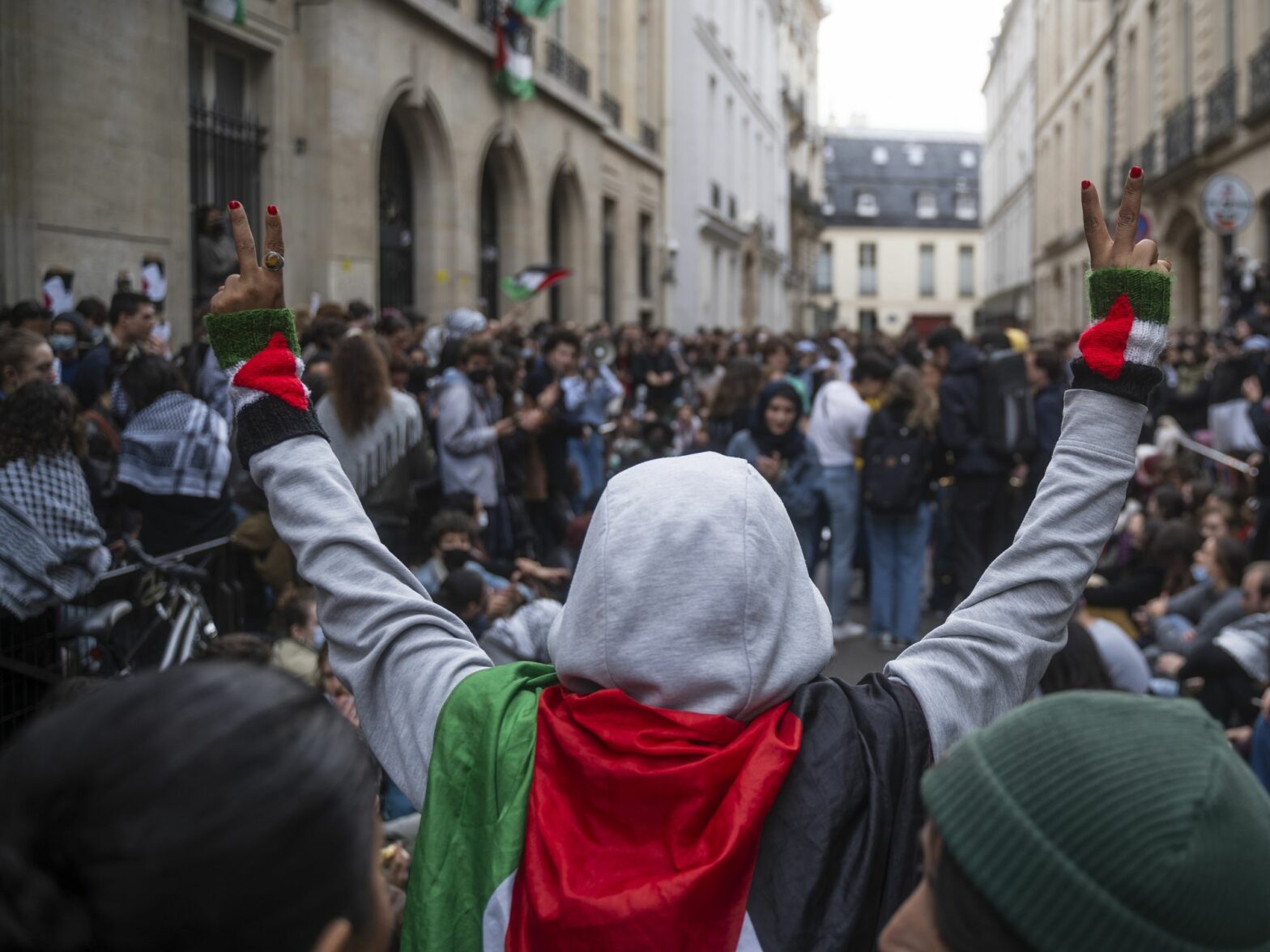
Images of recent student-led, pro-Palestinian protests across the world are reminiscent of the demonstrations of solidarity in support of Vietnam, that rocked campuses some 50+ years ago. But beyond the same indignation fueling the demonstrations, the context, and potential political repercussions, vary greatly.
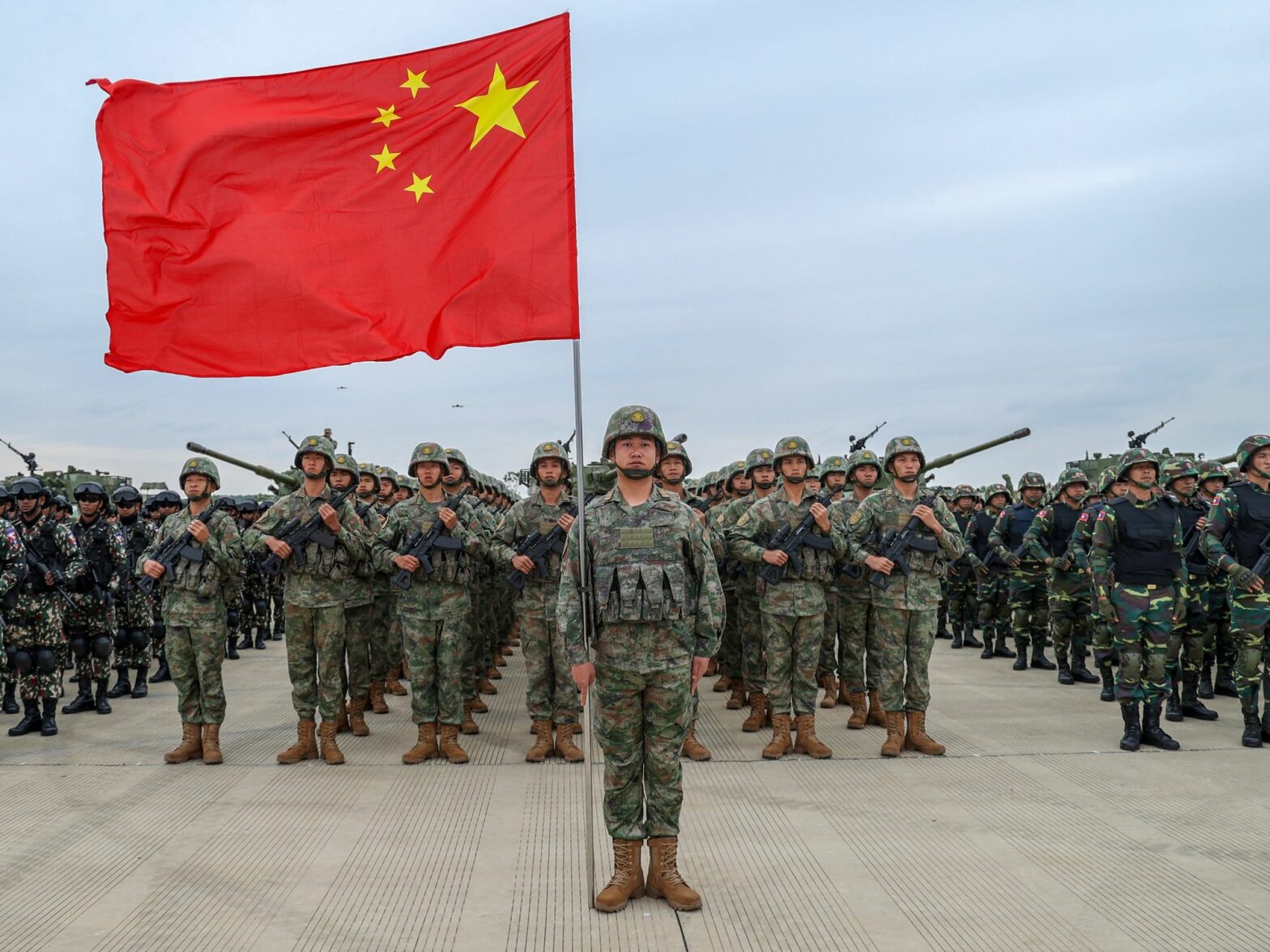
Just because war appears more likely to spread to Europe or the Middle East than Asia, we should not forget China’s enormous weight. But does Beijing want to do with it?
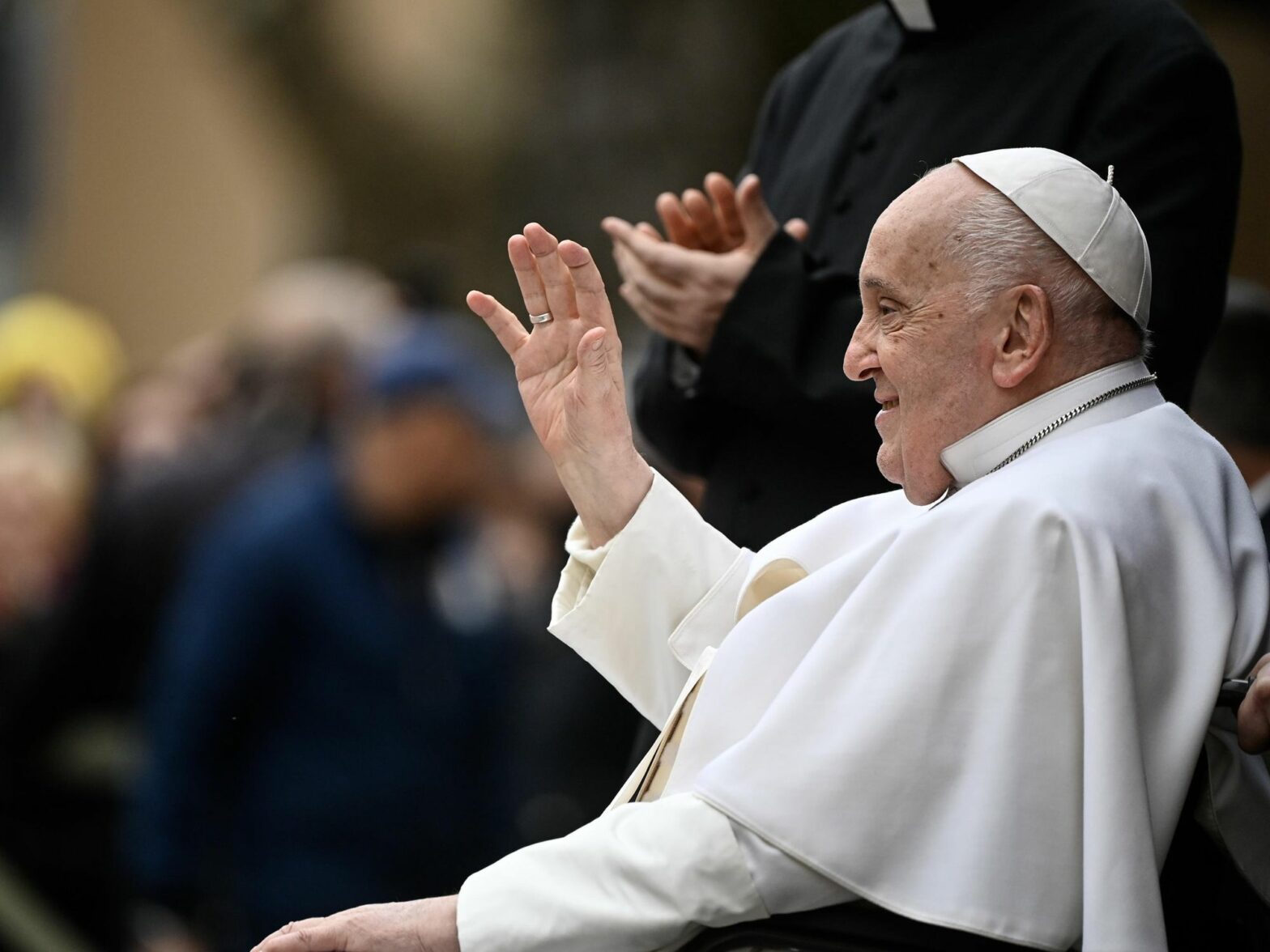
Pope Francis appears incapable of grasping that for Ukraine to “raise the white flag” would be to concede defeat, and accept the victory of evil over good. Is he a poor theologian or a poor global strategist, or both?
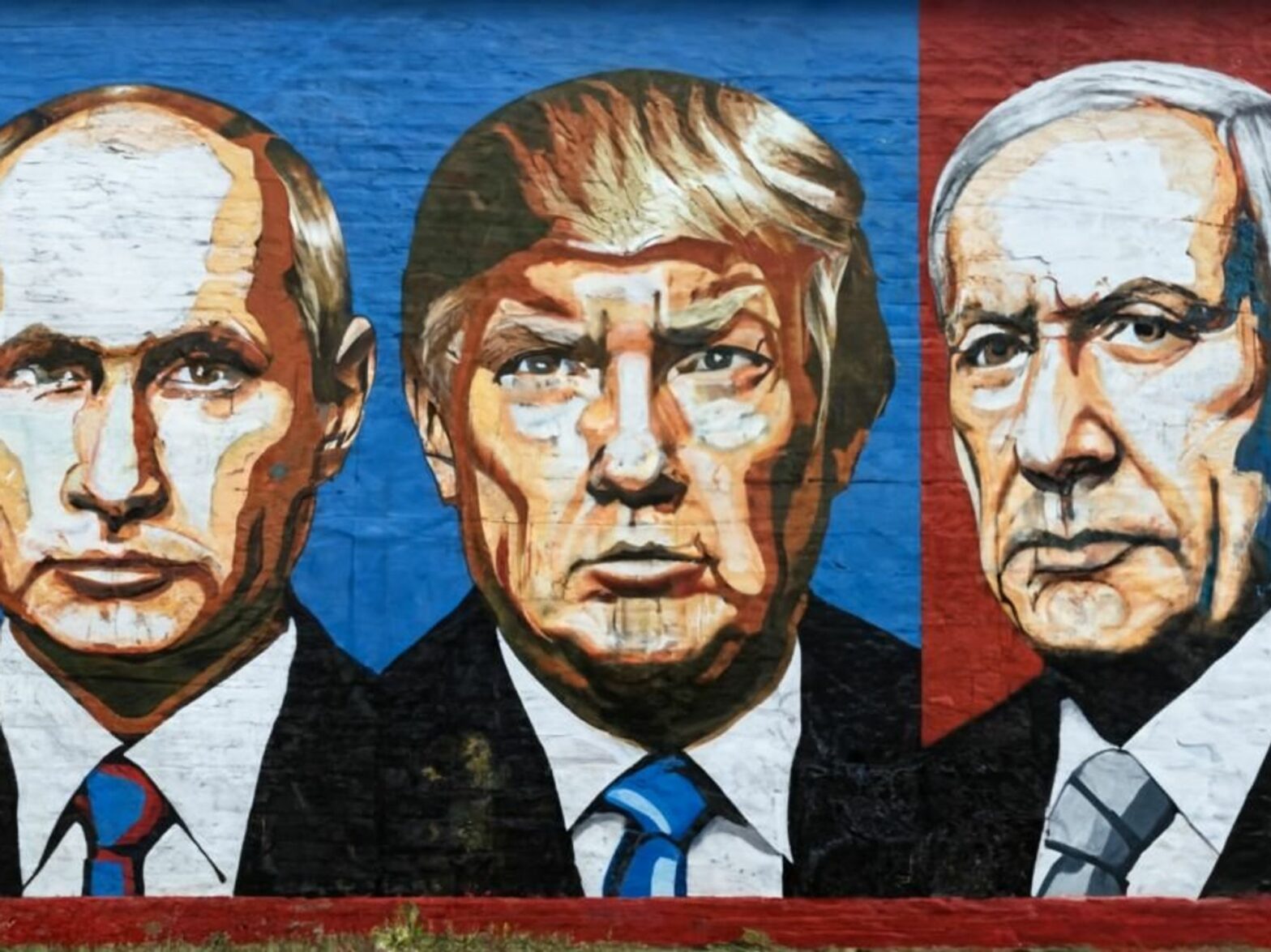
Donald Trump is not creating the U.S. malaise any more than Putin is creating the Russian malaise or Netanyahu the Israeli identity crisis. But all three illustrate the inescapable risk if a “me-first” attitude is taken to an extreme degree by individuals who’ve accumulated power.
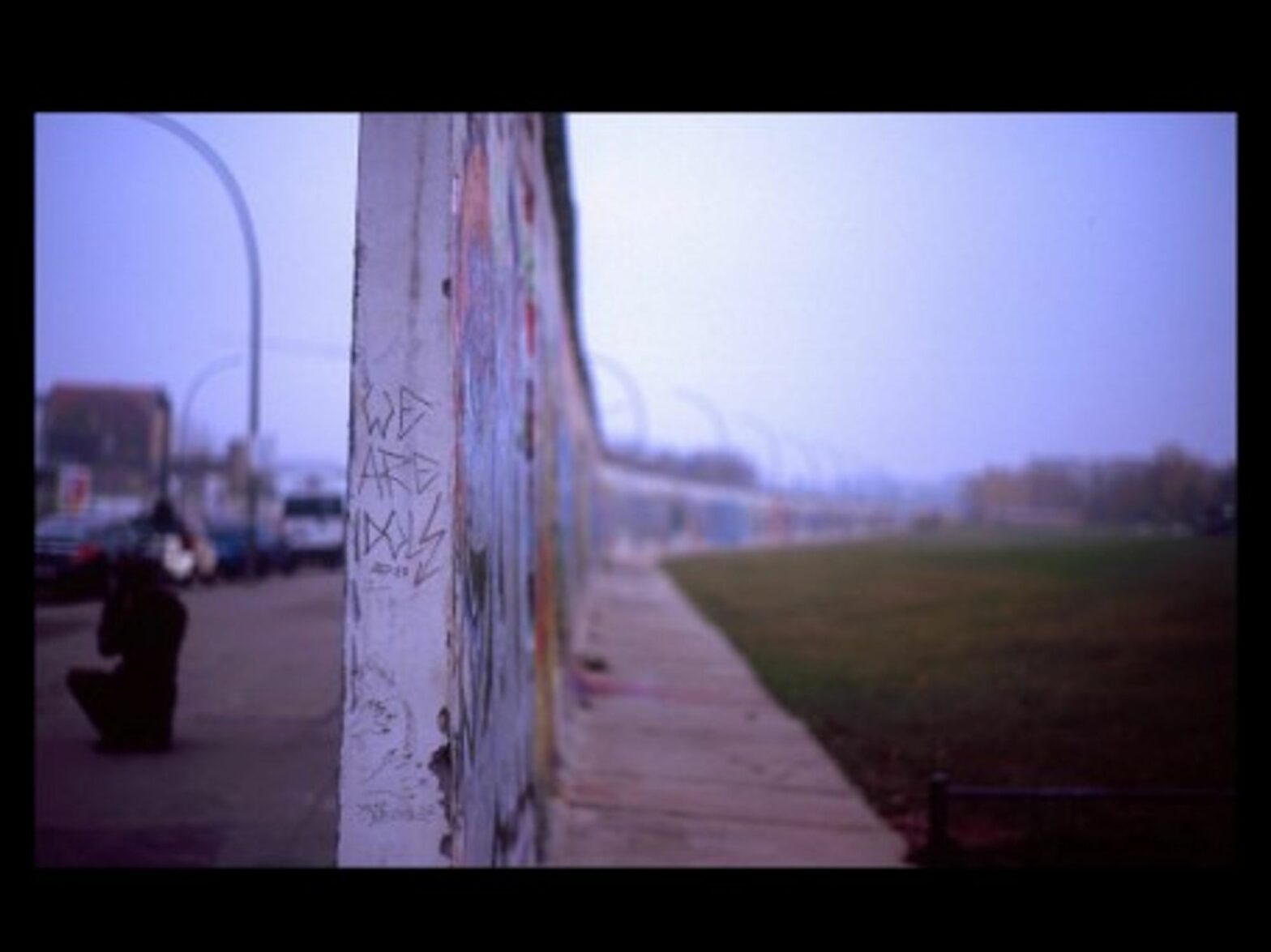
-OpEd- PARIS — As Germany celebrates the 25th anniversary of the fall of the Berlin Wall on Sunday, we mark the passage of time. Historically speaking, time is a variable. Much can happen in a quarter century, or very little. Twenty-five years was how long military service used to last for peasants in Tsarist Russia. […]