
-Analysis-
PARIS — Who designed the U.S. peace plan for Ukraine? Thanks to Vice President JD Vance, we know who didn’t write it: the experts on the conflict and its intricacies. On social media platform X, the Vance defended the plan with this explanation: “Peace won’t be made by failed diplomats or politicians living in a fantasy land. It might be made by smart people living in the real world.”
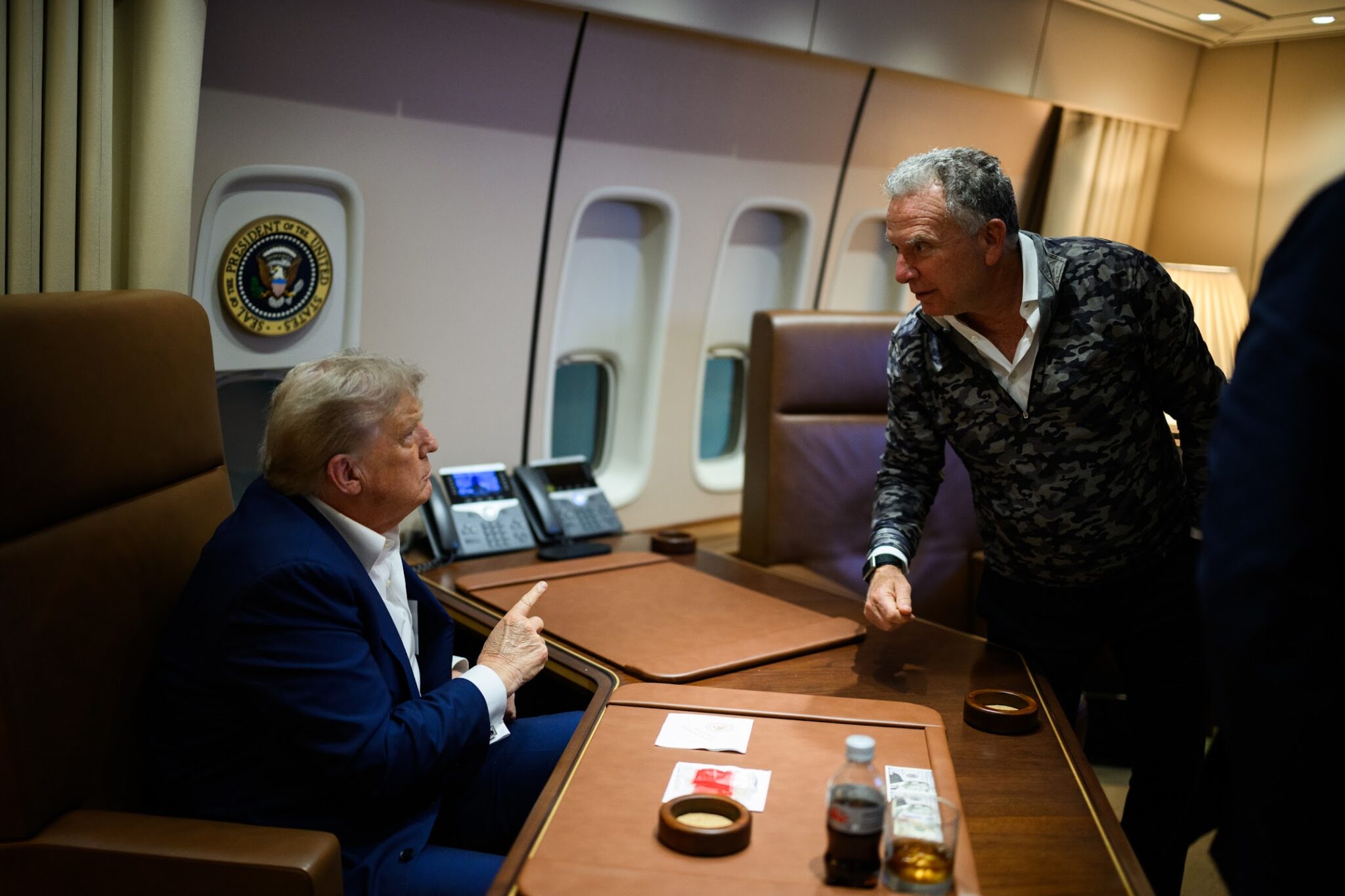
This sentence speaks volumes about the change of mentality in Washington. Donald Trump only trusts a very small circle of advisors, led by Steve Witkoff, who, like him, is a former real estate developer, and golfer. Witkoff is the man behind both the Gaza agreement and the Ukraine agreement. As with the talks on Gaza, he is flanked by Jared Kushner, the president’s indispensable son-in-law.
On the Russian end, their counterpart is Kirill Dmitriev, president of the Russian investment fund, whose wife is a childhood friend and colleague of one of Putin’s daughters, Katerina Tikhonova. Dmitriev was placed under U.S. sanctions at the start of the invasion of Ukraine, but that did not prevent him from coming to Miami to negotiate the 28 points with Witkoff. These men are from the same world, and their proximity to their leader gives them decisive weight.
Shutting out NSC
In the Trump system, professionals are kept at a distance. Such is the case with the National Security Council, an organization whose famous leaders have included over the years such figures as Henry Kissinger and Zbigniew Brzezinsky, and more recently Jake Sullivan, a key figure in Joe Biden’s administration. Its current head is Marco Rubio, who also serves as Secretary of State, but he only took over the plan for Ukraine once it had been finalized. This has certainly had an adverse effect.
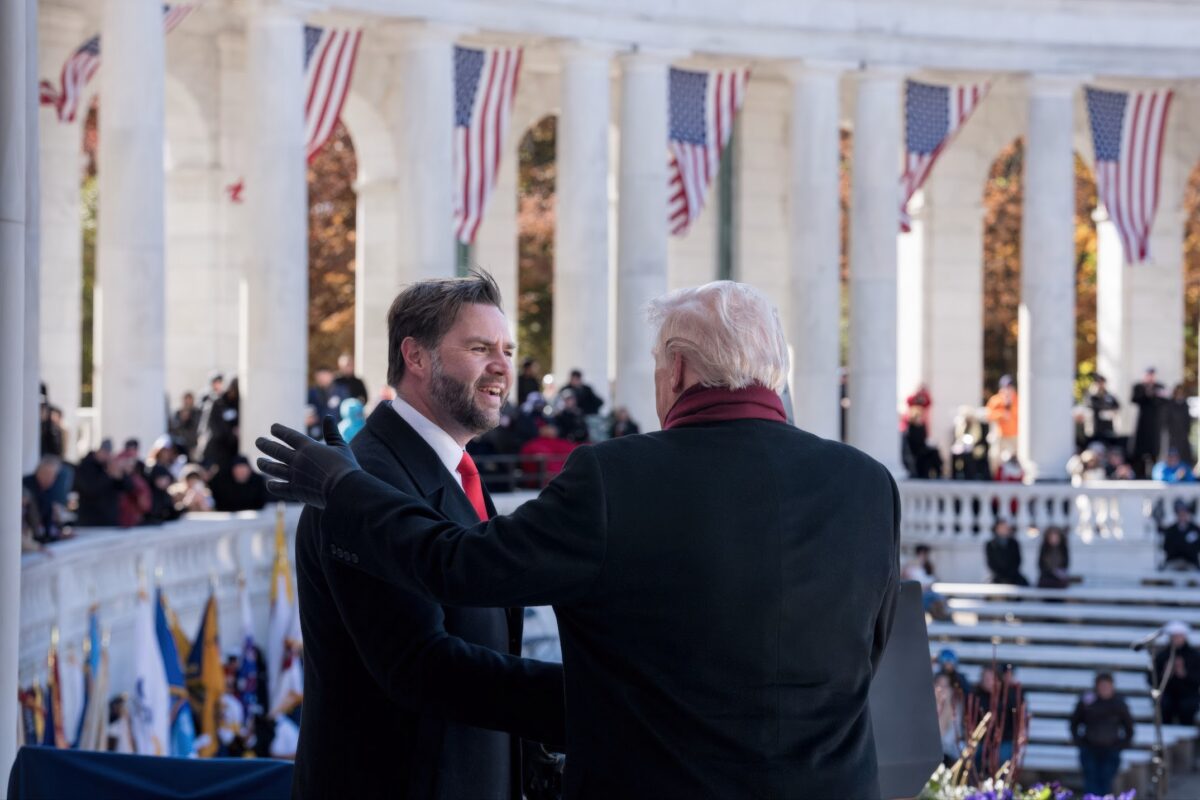
Vance’s argument obviously includes criticism of the old world: if diplomats and “failed politicians,” to use his words, had succeeded, we would not have all these conflicts to resolve. But if expertise does not guarantee success, is the absence of expertise the key?
Memories and wounds
Can peace be brought between Israelis and Palestinians without taking into account the weight of history, long memories, and wounds? The same goes for Ukraine and Russia. The real world Vance is talking about has roots that cannot be ignored; wars are not just financial issues to be resolved.
Challenging the “experts” has become fashionable.
But this is not the only area where expertise is being called into question; it is a major trend of our time. Science and climate are areas in which, as we see every day, knowledge is being challenged. Trump boycotted the COP conference in Belem, Brazil referring to climate change as a “hoax.” His Secretary of Health, Robert Kennedy Jr., has attacked vaccination, one of the pillars of public health. This has had consequences for budgets and for energy and health choices.
In France, too, challenging the “experts” has become fashionable, a pejorative term used to describe those who participate in public debate with the weight of recognized expertise.
In theory, decisionmakers have all the national expertise at their disposal to make choices based on their political orientations. But delegitimizing expertise in the name of a clean slate is not rational — if anything, it is the first step toward obscurantism, which we now see threatening the United States.