
-Analysis-
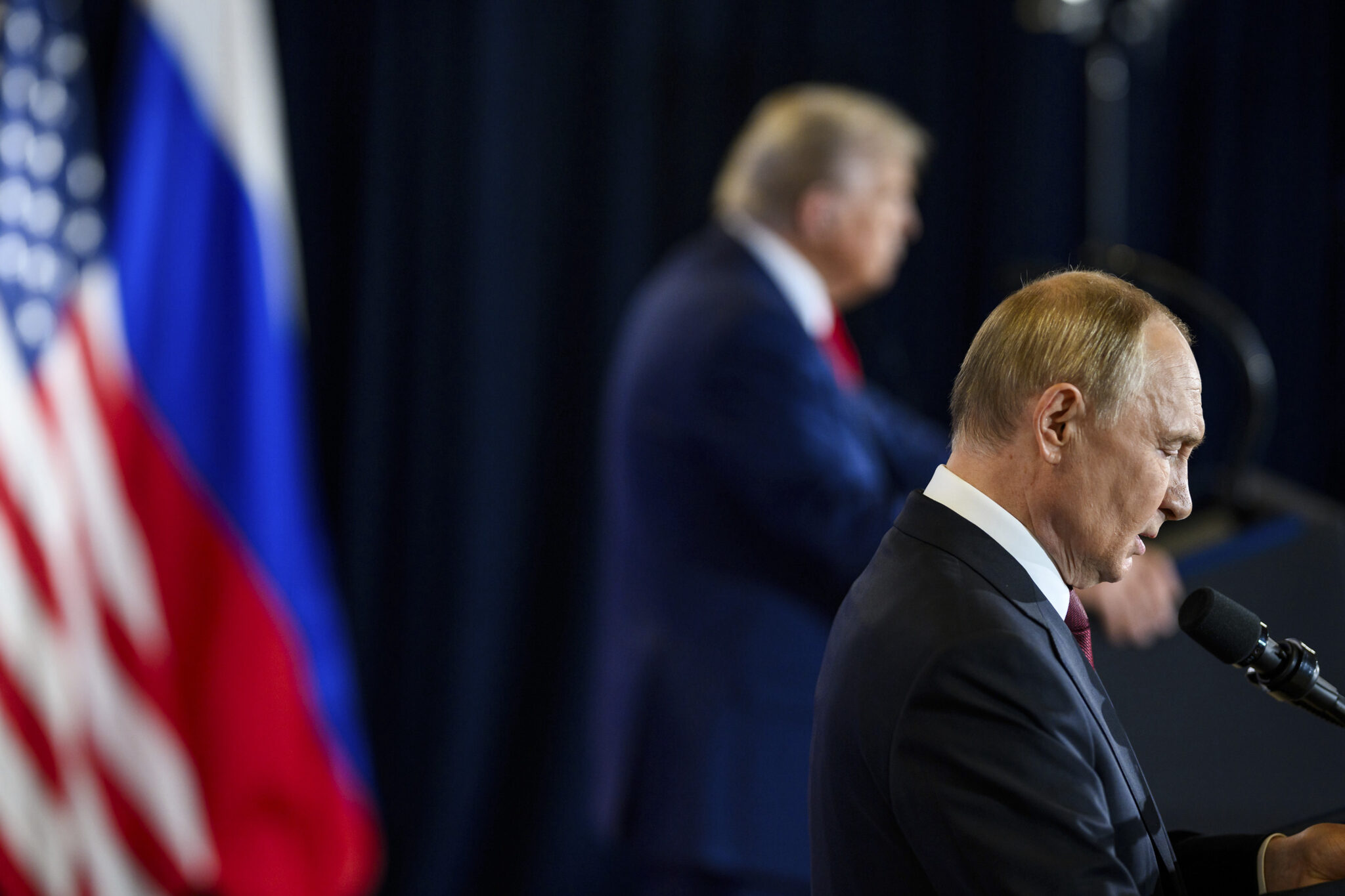
BERLIN — After weeks of back-to-back summits, all signs point to Russia pressing ahead in Ukraine with undiminished ferocity. Statements from Russian Foreign Minister Sergei Lavrov suggest there will be no meeting between Russian President Vladimir Putin and Ukrainian President Volodymyr Zelensky any time soon.
Moscow insists on a veto over any security guarantees for Ukraine and flatly rejects the idea of foreign troops securing peace. Meanwhile, Russia’s military continues to pound Ukraine with hundreds of drones and missiles, while pushing forward in the Donetsk region.
Putin keeps fighting not only because he can, but because he is convinced Russia can outlast Ukraine. Each day, Russia recruits about twice as many soldiers as its neighbor. Over the past year, it has massively increased domestic production of Geran-2 drones. More broadly, Moscow has reshaped its foreign trade policy around a long-term confrontation with the West.
Russian companies, public and private, are constantly finding ways around EU sanctions: The shadow fleet carrying Russian oil is growing, while trade with non-Western countries is booming. At the same time, Putin calculates that Russia’s partners, especially China and North Korea, will stand by him more reliably than Ukraine’s Western allies will stand by Kyiv.
Putin is continuing the war not only because he can, but also because he believes he must. His endgame is a dictated peace. That necessity stems from a historically and culturally rooted, ideologically entrenched claim: that Russia alone has the right to decide the political fate of a demilitarized Ukraine.
War has become the cornerstone of Russia’s foreign policy. Putin has sacrificed influence in other regions for it. Moscow’s vision of world order revolves around this war, and the outcome will either cement or cripple Russia’s reputation in the Global South.
For more than three years, Russia has poured staggering military, political and economic resources into the fight. This has sapped its capacity to act elsewhere. In the South Caucasus, strong economic ties with Azerbaijan and Turkey became more valuable to sanctions-hit Moscow than the security concerns of long-time ally Armenia.
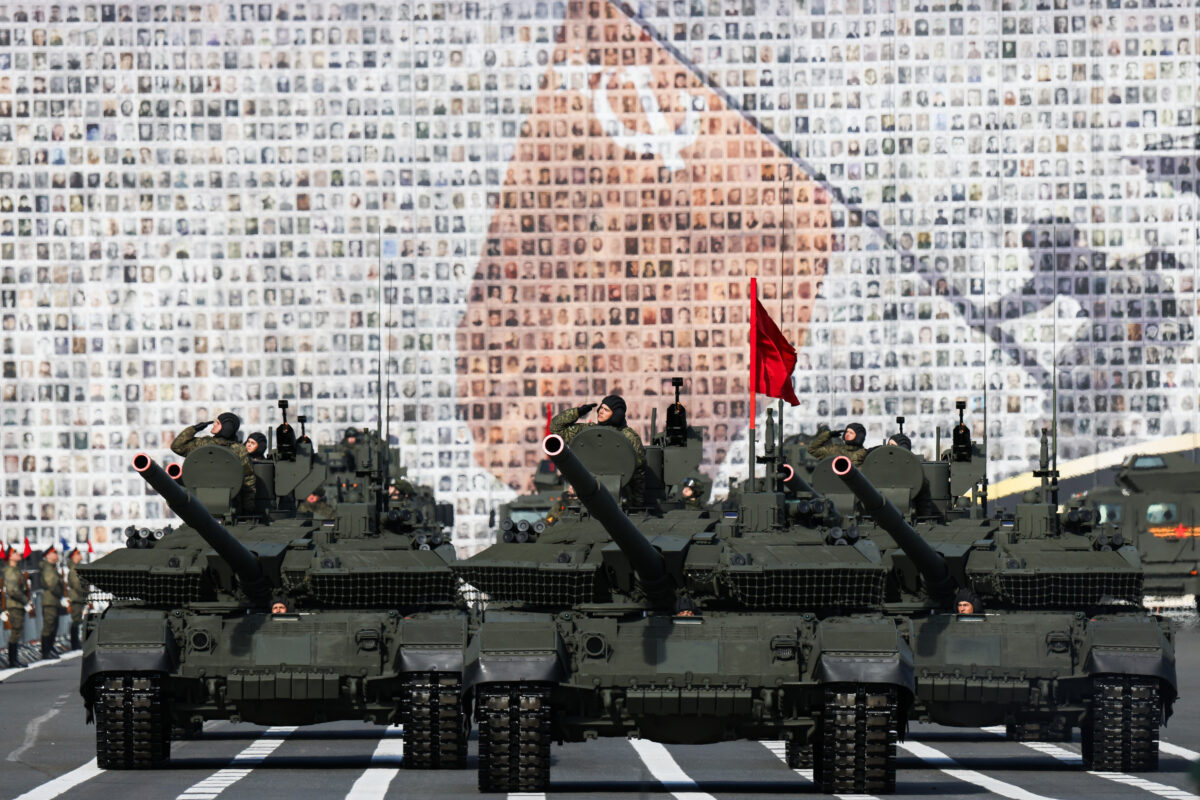
When Azerbaijan seized Nagorno-Karabakh in September 2023, Putin stood by, and Russian peacekeepers did not intervene. When Syrian rebels advanced on Damascus later that year and toppled Assad, Russia lacked both the military means and the political will to save its ally again. And when Iran found itself in a dangerous escalation with Israel after Oct. 7, 2023, Russia had little to offer its partner. Fighting a major war against a major neighbor means Moscow cannot intervene everywhere.
Defining Russia’s role
One could argue: If Putin ended the war tomorrow, Russia’s room to maneuver abroad would expand again. Its military could project power elsewhere. The problem, though, is that Moscow’s influence in the South Caucasus and Central Asia, regions it has long claimed as its privileged sphere of influence, is bound up with the result in Ukraine.
If Putin pulls back in Ukraine, he fears losing ground in Ankara or Astana, Baku or Bishkek, Tashkent or Tbilisi. His dilemma stretches well beyond the post-Soviet sphere. The Kremlin has anchored its entire foreign policy narrative, echoed endlessly by Russian diplomats at the UN and in global information wars, to the conflict in Ukraine. Russia, which is in fact deeply capitalist, presents itself as the champion of the struggle against Western “imperialism” and “neocolonialism.”
In the eyes of many non-Western societies, this is first and foremost a proxy war between NATO and Russia.
In this myth, Ukraine is the lynchpin of a supposed system-wide struggle: If Russia bows to the West here, then, so the propaganda goes, other countries will inevitably fall victim to Washington and Brussels. For the “global majority,” the fairer, multipolar, post-Western order that Putin promises would vanish like a soap bubble. At the Russia-Africa Summit in the summer of 2023, Foreign Ministry spokeswoman Maria Zakharova drove home this narrative. Addressing African officials, she declared solemnly that Russian soldiers were giving their lives on the Ukrainian front so that Africa, and the rest of the world, could live free.
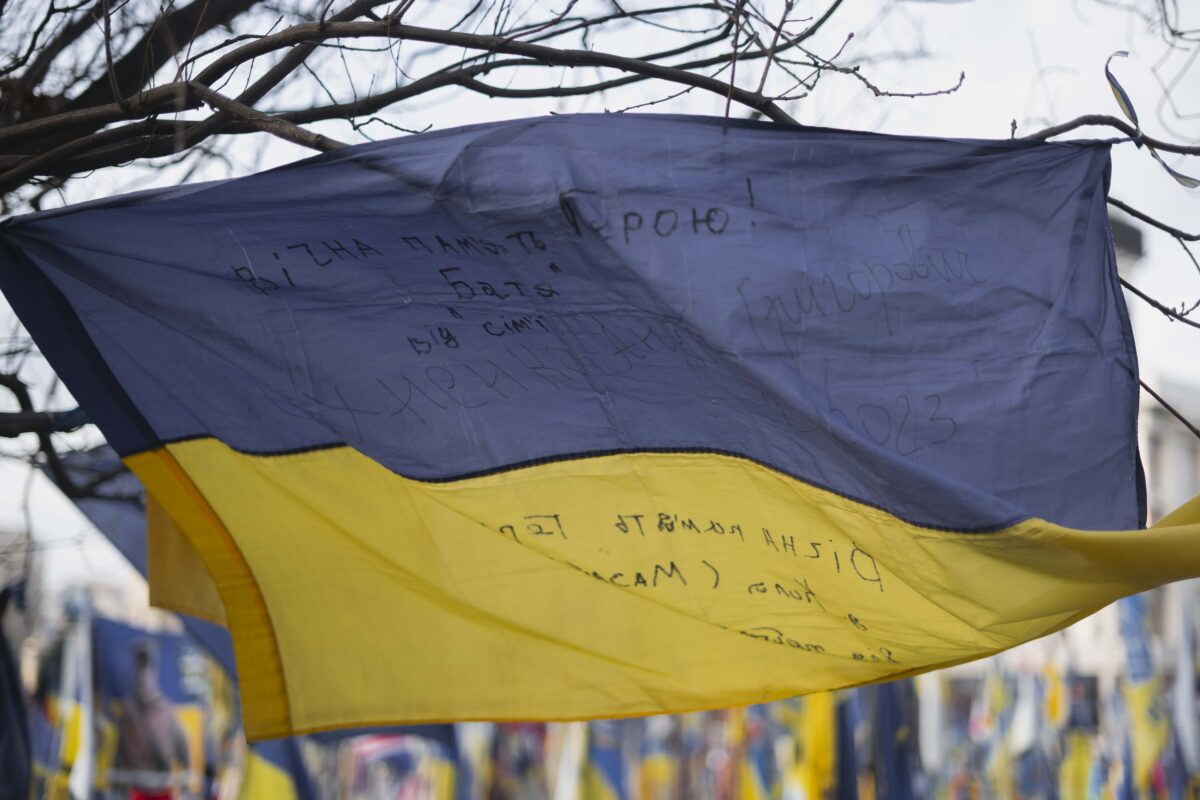
Seen this way, a Russia that insists on its maximal war aims in Ukraine casts itself as defying the West on behalf of the world’s discontented; the lone David standing up to Goliath. That story resonates, because in the eyes of many non-Western societies, this is first and foremost a proxy war between NATO and Russia, and only secondarily an illegal war of aggression by Moscow against Kyiv.
Putin’s strategic dead end
In a war that Russian propaganda has inflated into a struggle for humanity’s fate, Putin cannot simply fold. What else does Russia have to offer the world? Beyond oil and gas, fertilizers, grain and a few weapons systems, very little. Russia is a nuclear power with a UN Security Council veto, and naturally casts itself as a great power. But if it cannot prevail in Ukraine, what are these attributes worth?
Some Russian intellectuals argue this war will harden and strengthen the country. That a total break with a disrespectful West was long overdue. That the conflict is consolidating Russian society and boosting its industries. Narratives that justify, even glorify, war are as old as war itself.
The fact remains: By invading Ukraine, Russia has driven itself into a strategic cul-de-sac. It is waging a relentless war that can only weaken the country over time. The conflict is deforming the Russian economy, making the country massively dependent on China, and has poisoned relations with Ukraine and Europe for generations.
Still, it is also a war Putin cannot easily end, because he has tied Russia’s entire foreign policy to its outcome.