
-Analysis-
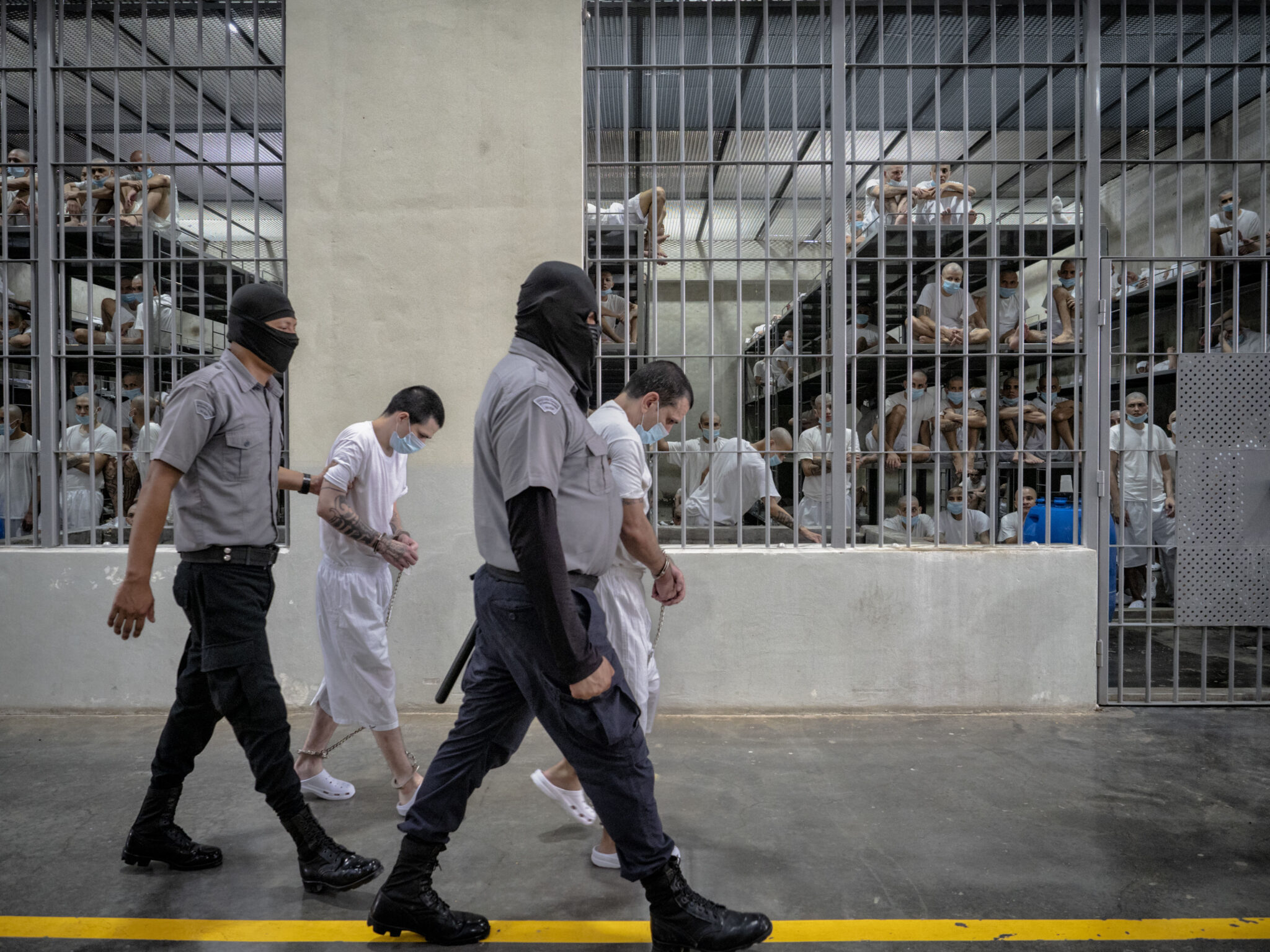
BOGOTÁ – Here in Colombia, El Salvadoran President Nayib Bukele is seen by many as a hardline leader who achieved what seems impossible to us: defeating criminal gangs and returning territorial control to the State.
Politicians of differing ideological hues have openly declared themselves “Bukeleists,” while writers and analysts continue to suggest copying his model. But the reality is different, which one can see both from a New York Times investigative report last week, and years of revelations from the Salvadoran news outlet El Faro, which risked persecution for doing so.
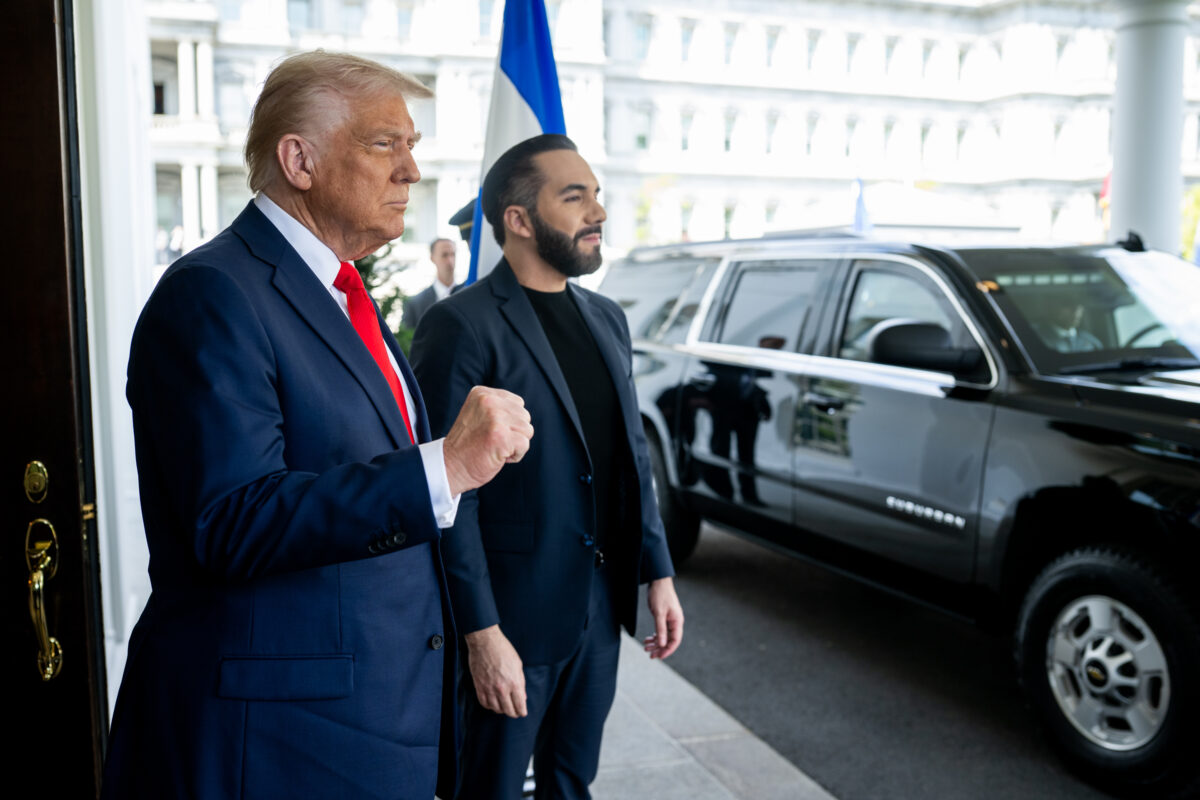
Bukele has in fact made a pact with the gangs, a practice of preceding governments he had vociferously denounced. He also now has the active support of U.S. President Donald Trump to cover up that pact and silence witnesses.
Federal prosecutors in the United States, who have led an investigation into the Mara Salvatrucha (MS-13) gang for years, recently began dropping charges and deporting leaders of that gang to El Salvador, at Bukele’s request. One of them, César Humberto López-Larios, alias El Greñas (the Shock), who is accused of terrorism and multiple murders, was repatriated just before he was slated to face trial in New York.
Government vs. gangs
The same is about to happen to the bloodthirsty Vladimir Vampiro Arévalo Chávez, whose capture had been a triumph for U.S. authorities. The gravity of the situation is not only the judicial decision but also the political implication. These gang leaders, in addition to being criminals, are key witnesses to the secret pact between the Bukele government and MS-13.
The U.S. government has been aware of this pact since at least 2020, when Osiris Luna, deputy-minister of security and director of the Salvadoran prison system, appeared at the U.S. embassy in San Salvador to confess his “discomfort” with the meetings between government officials and gang leaders.
Gang leaders as bargaining chips
He showed records of clandestine visits to prisons, admitted to having accompanied one of the leaders, and now requested a “luxurious” asylum in exchange for testifying. His offer was rejected as U.S. authorities suspected Luna was more involved in the criminal behavior than he claimed. A year later, the U.S. Treasury Department sanctioned Luna and another senior official for offering MS-13 leaders money, cell phones and prostitutes in prison in exchange for political support and fewer homicides.
A protection pact
Far from destroying the gangs as promised, Trump has turned its leaders into bargaining chips. In exchange for Bukele accepting hundreds of deported migrants into his maximum-security prison — in many cases without due process and through arbitrary detention — the U.S. government has begun sending back key MS-13 leaders, thereby disrupting federal investigations that had been underway for years. This cannot be justified. It’s a covert political pact that undermines justice and fosters impunity.
Bukele is neither an example of democratic leadership nor a champion of security. He is, at best, an authoritarian strongman who negotiated with murderers to consolidate his power and built his image on a farce. At worst, he is a central player in a criminal network now protected by Washington.
This isn’t about defending gangs. It’s about defending the rule of law. Justice cannot be subordinated to geopolitical calculations or the ambitions of those who believe that anything goes as long as they appear “tough.” The journalism of El Faro and revelations by the New York Times remind us that behind the spectacle lie mafia deals, corruption and weakened institutions. The Bukele method is anything but exemplary.