
-Analysis-
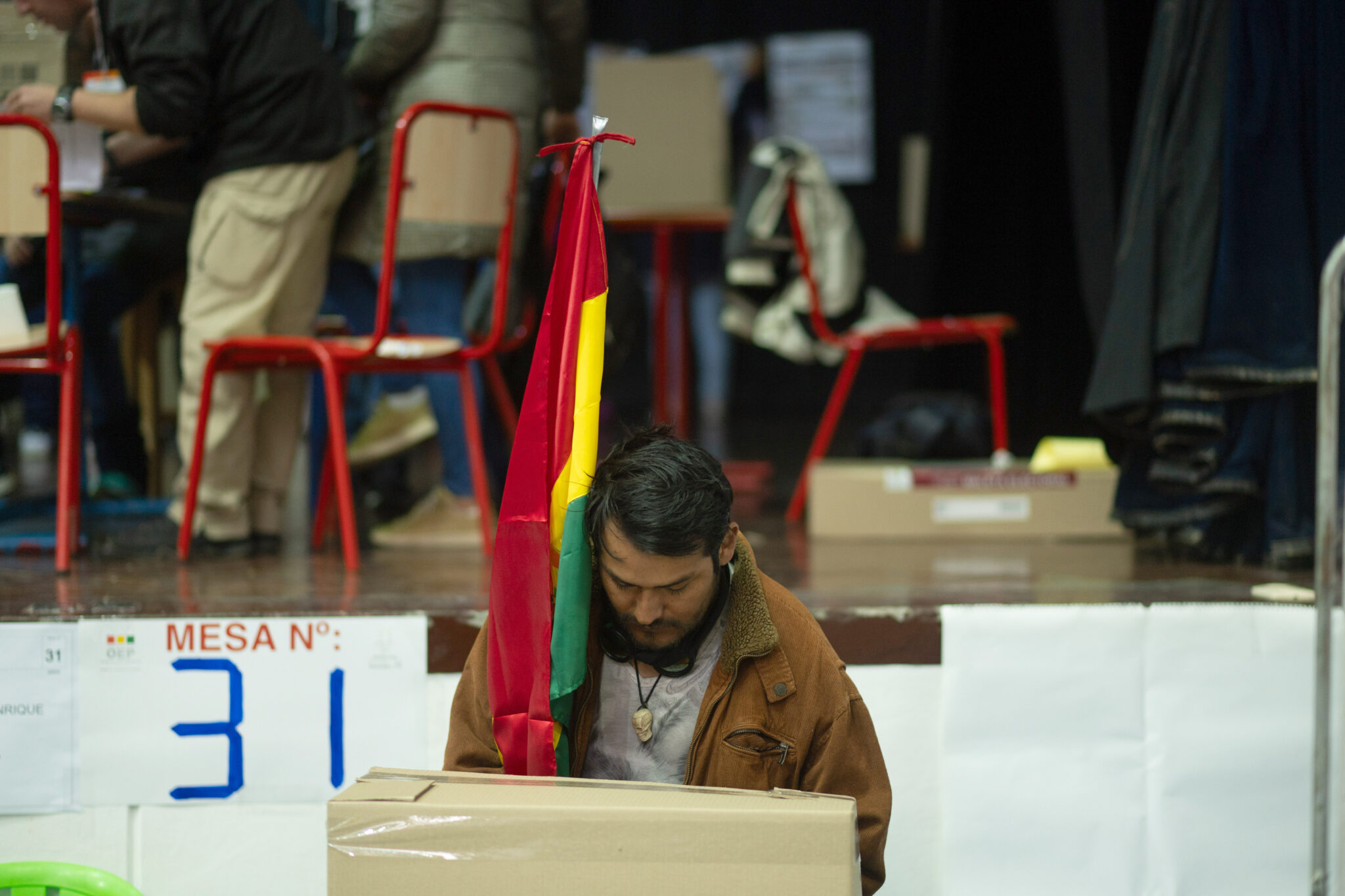
BUENOS AIRES — Bolivia has just experienced something that seemed impossible. The Movement Toward Socialism (MAS), which has run the country for two decades, lost its position as the dominant political force with the Aug. 17 presidential election. For the first time, the election will go to a runoff, which will be held on Oct. 19 — and without a leftist candidate.
What began in 2006 as a “people’s government” led by the coca farmers’ leader Evo Morales, had long become a power apparatus that was worn out, divided and in full decline.
MAS did not compete as a bloc this time. Morales, who left the presidency in 2019 amid fraud allegations and massive protests and was now eager to regain power, sought refuge in a campaign urging voters to cast null and void votes. Incumbent President Luis Arce — a former Morales companion turned rival for leadership of the Left — tried in turn to use the state apparatus to retain power.
Yet neither an ample staff of government officials nor fear of reprisals could get the better of a hard-hitting economic crisis, with a rising inflation rate, shortage of U.S. dollars and falling gas exports. The independent leftist candidate, Andrónico Rodríguez, was exposed as a docile figure without a project of his own. Three leaderships, three defeats.
The novelty is not just the fall of MAS but what lies ahead. For the first time in 20 years, the Bolivian opposition has advanced to the second round and is seen as a real option to govern the country.
Complex mission
The candidates with the most votes in the first round were both from the center-right: Jorge “Tuto” Quiroga and Rodrigo Paz Pereira. The winner of the October round will face the complex mission of meeting society’s demand for the restoration of institutional government after two decades of strongman dominance.
For the first time in a long time, MAS will have no seats in the Legislative Assembly. This means any new government must be built on consensus. Governance will depend less on imposing majority rule, and more on agreeing on clear rules among diverse actors.
Bolivian politics will have to reinvent itself on the parliamentary path, with prior and stable agreements to prevent crises turning into paralysis and blockades. The country will also redefine its course on the international scene. Bolivia needs to change its friends, leave behind its alignment with the authoritarian axis of Venezuela, Russia, Iran and China, and rebuild ties with open democracies that can sustain its transition.
Difficult mission ahead
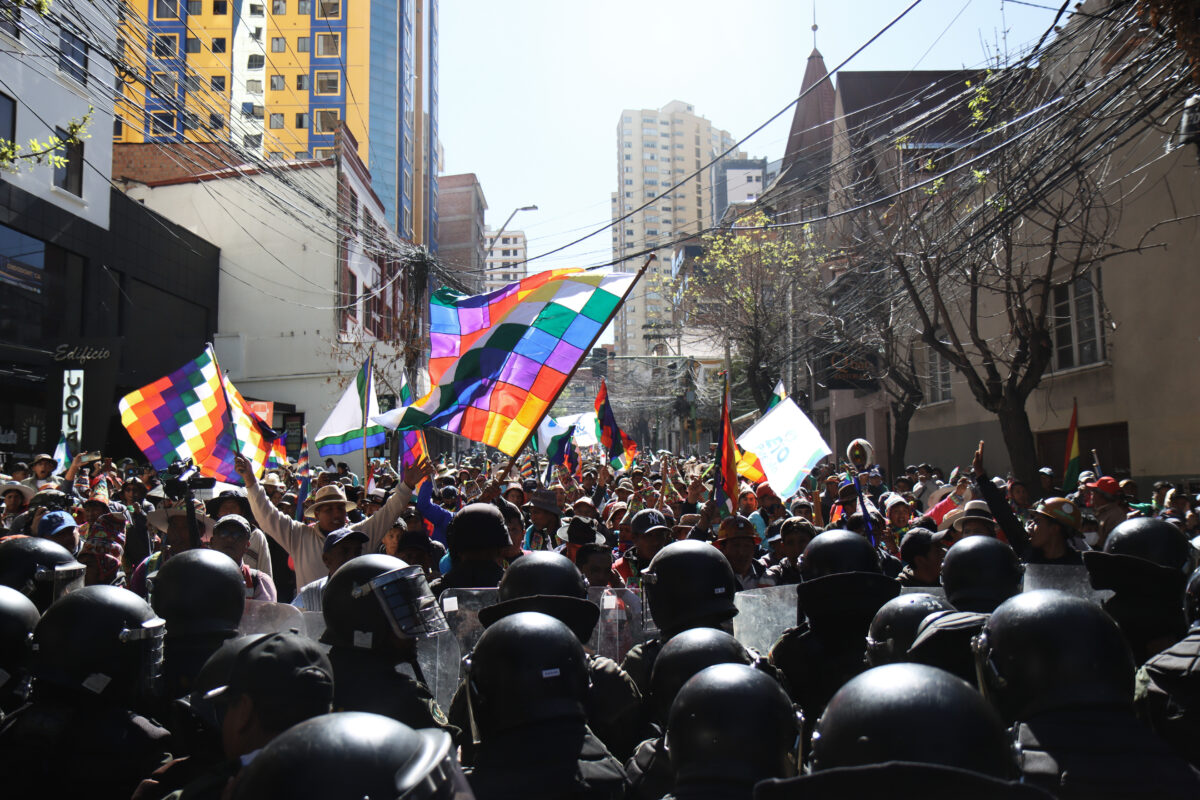
The next government must also confront two latent threats: the persistence of political prisoners, which reminds Bolivians that authoritarianism has not completely disappeared; and the role of Morales who, with the backing of a 20% proportion of spoiled ballots in this round, will seek to become a destabilizing factor. He is no longer power but could become chaos. He will likely bet on the government’s failure, so he can tout his narrative of “better times” under MAS.
The immediate challenge will be twofold. On the one hand, ensuring that political change does not remain in a vacuum, but translates into a pluralistic system that respects the rules and avoids a repetition of the old strongman spats. The other challenge is to tackle an economic emergency that is driving thousands of Bolivians to emigrate. Society doesn’t expect miracles, rather peace, work and a clear future.
The difference with the past is in Bolivia’s citizens.
The difference with the past is in the country’s citizens. Initiatives like Cuidemos el voto (Let’s Take Care of the Vote) were key to ensuring that the election was not the subject of close scrutiny as in the past, while organizations like Libera Bolivia (the political and legislative think tank I head), are training a new generation of leaders in a country where several names will be retiring after this election.
Argentine band Los Enanitos Verdes sings in “Lamento boliviano” that the “Bolivian lament” seems eternal. Well, the Aug. 17 election has proved that it doesn’t have to be endless. What lies ahead now is the most difficult mission: to ensure that the end of hegemony isn’t just a change of names, but the beginning of a cycle of institutional government.