
-Analysis-
PARIS — It is one thing to assume the American administration is playing into Russia’s hands; it is another to see it in black-and-white. The revelations from Bloomberg are as striking as they are devastating: The news agency has just published the transcripts of two secret phone calls — the first is between Donald Trump’s envoy, Steve Witkoff, and Vladimir Putin’s diplomatic advisor, Yuri Ushakov; the second is between the same Ushakov and Putin’s envoy, Kirill Dmitriev.
How did Bloomberg gain access to these transcripts? The news agency does not elaborate, of course — nor does it explain how a conversation between two Russian officials fell into its hands. But no one is disputing the authenticity of these exceptional documents.
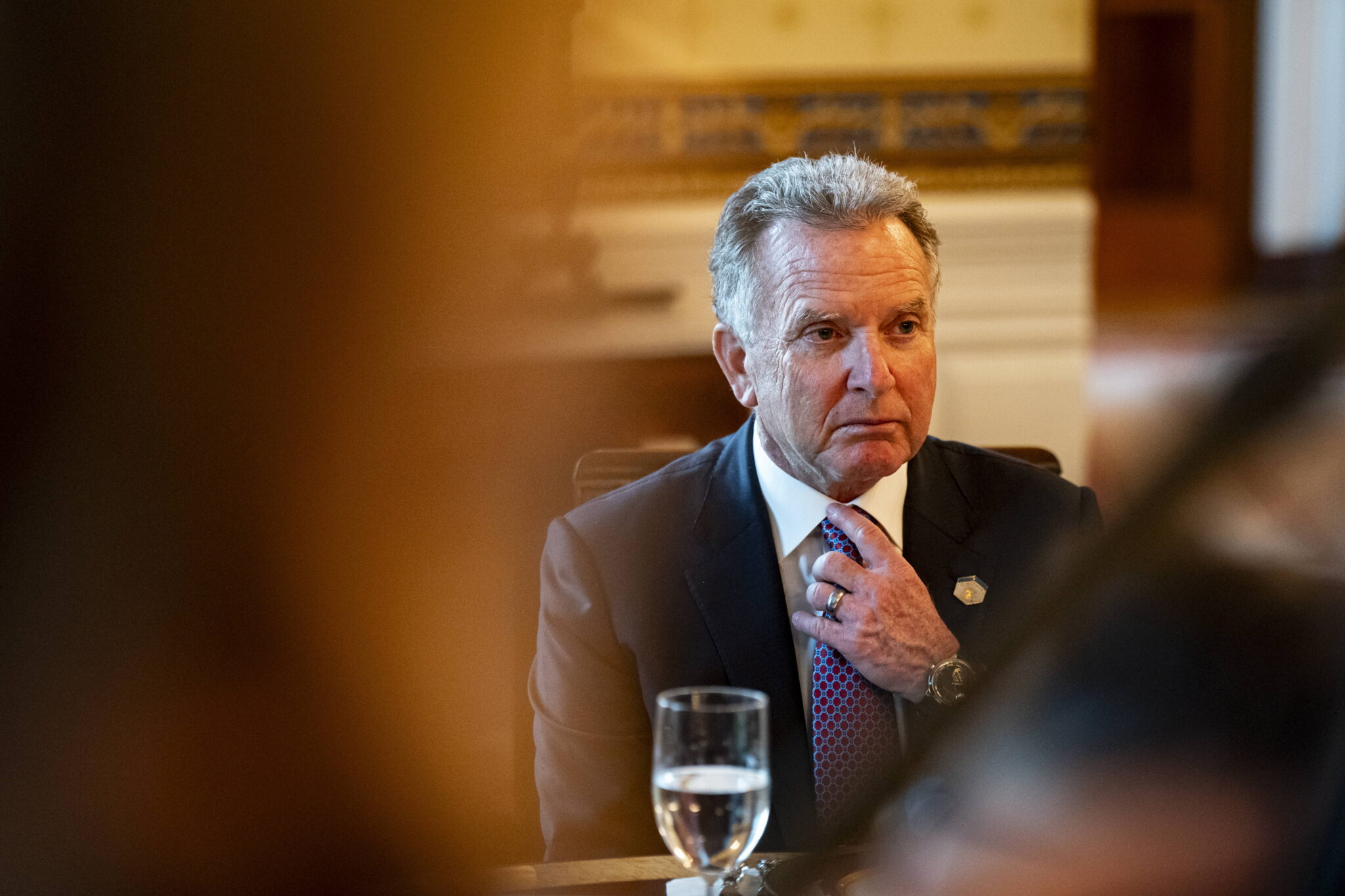
In the first conversation, which occurred last month, Trump’s close friend Steve Witkoff advises his Russian interlocutor on how Vladimir Putin should speak to the American president. He should congratulate him on the success in Gaza, flatter him as a “man of peace,” and “from that it’s going to be a really good call.” He adds: “I told the president that you — that the Russian Federation has always wanted a peace deal. That’s my belief. I told the president I believed that.”
From Dmitriev to Witkoff
The second conversation is even more revealing, and confirms what everyone suspected: that the 28-point plan, presented as “American,” is in fact … a Russian document! In his conversation with Putin’s diplomatic advisor, Kirill Dmitriev — a banker very close to the Kremlin leader — offers to give the Americans a document based on Russian positions. “I’ll informally pass it along,” he explains. “Let them do like their own.” Dmitriev adds, “I don’t think they’ll take exactly our version, but at least it’ll be as close to it as possible.” A few days later, the banker was in Miami, at Steve Witkoff’s house, and handed him the document.
The collusion between the Trump administration and the Kremlin is total.
The rest is history: a peace plan that caused widespread consternation, which Trump urged Volodymyr Zelensky to approve before Nov. 27, before U.S Secretary of State Marco Rubio, — kept out of the loop until then — took matters into his own hands and came to negotiate with the Ukrainians and the Europeans in Geneva.
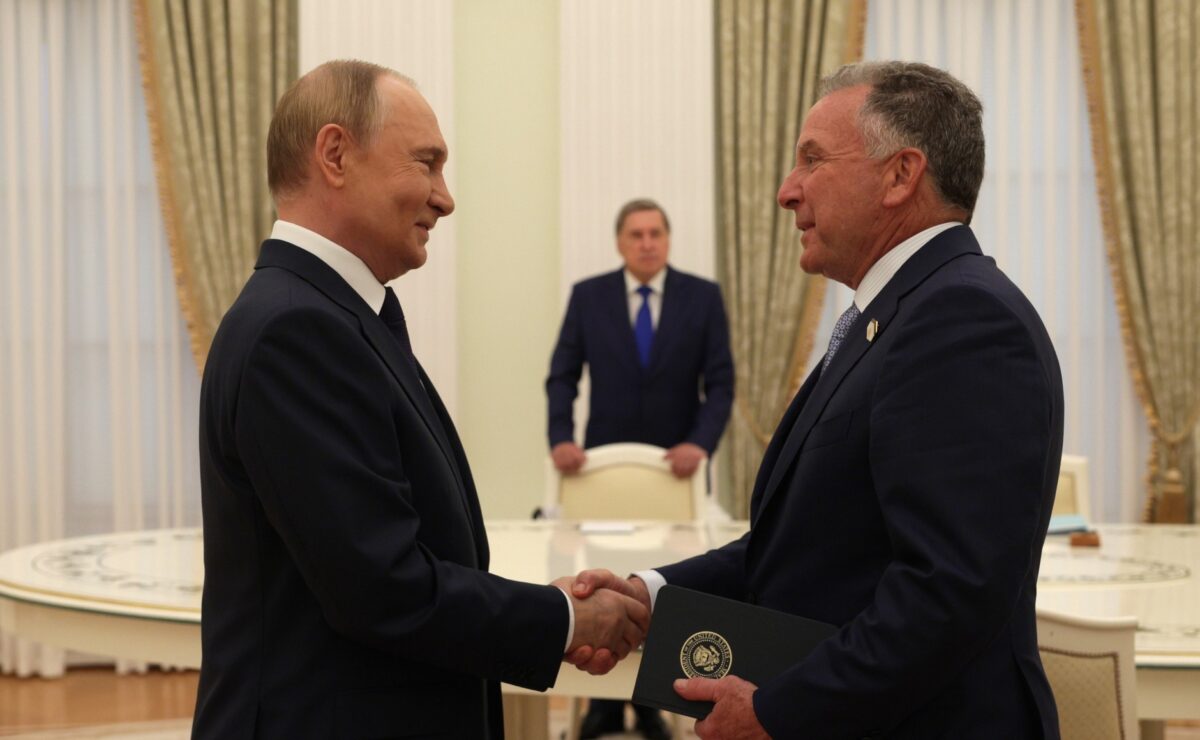
The first lesson of this episode is that the collusion between the Trump administration and the Kremlin is total. It is based on the conviction that it is with Putin, the strongman that holds Russia’s economic potential, that one must come to an understanding; not with the country under attack, Ukraine, which is too weak, which does not “have the cards right now,” as Trump had told Zelensky in the Oval Office.
Wake-up call
The second lesson is that the United States can no longer be respected as the leader of a Western bloc that no longer exists. It remains the world’s leading power, and as such, no one — starting with European countries who are in a position of weakness — can do without it.
But the Europeans should at least have the clarity of mind to admit this instead of clinging to illusions about their ability to sway Donald Trump.
On Tuesday, the members of the “Coalition of the Willing” held a virtual summit to coordinate their support for Ukraine. Marco Rubio attended the meeting: this old-school Republican, now aligned with Trump, may be in the best position to understand both what is happening and what is at stake. Ten months since the start of the new Trump presidency, the masks are well and truly off.