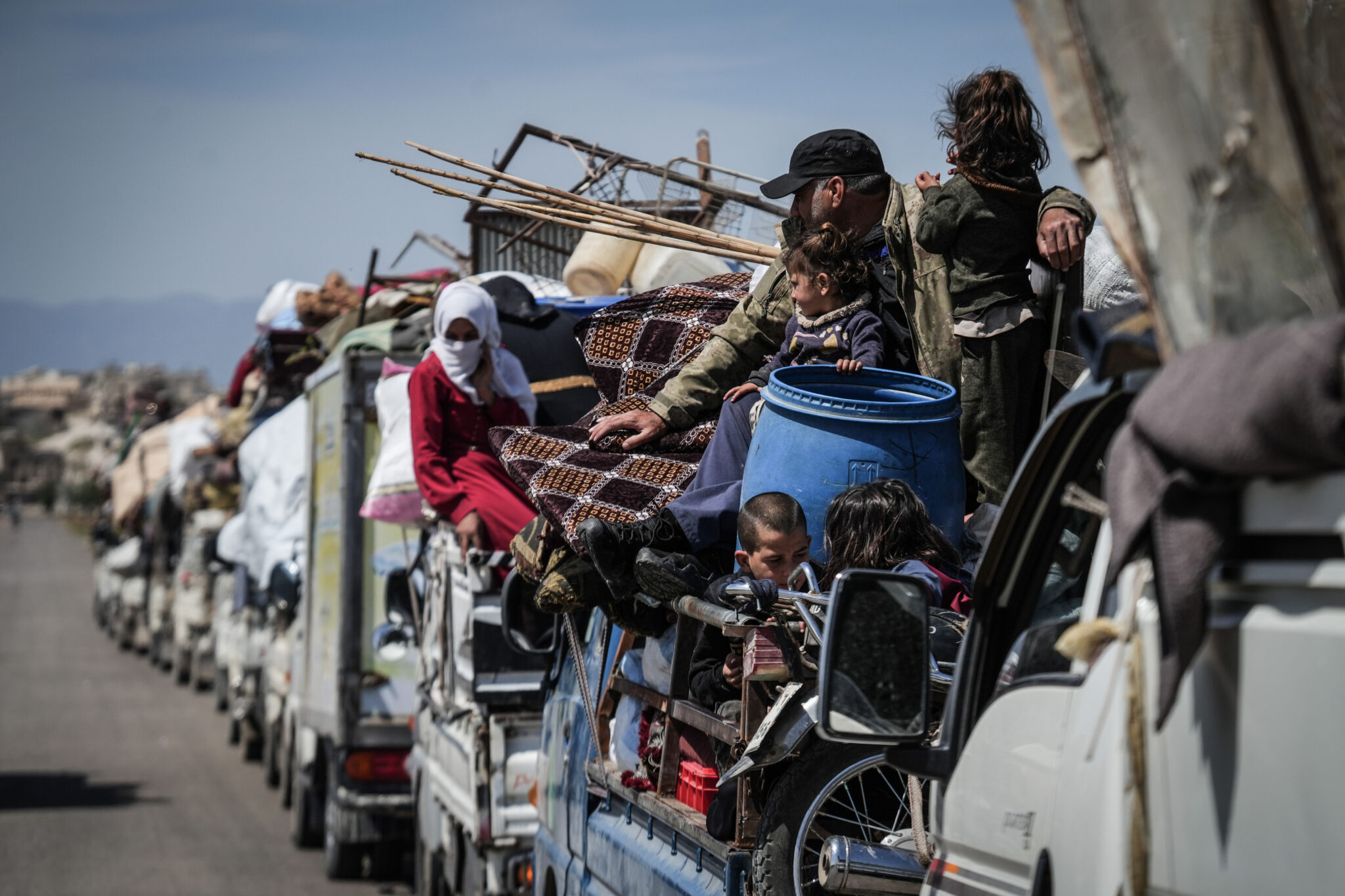
After Assad fled to Russia, Moscow opened the door for asylum and humanitarian protection to many Syrians, including former military members. Yet their journeys north are very different.
 Worldcrunch
After Assad fled to Russia, Moscow opened the door for asylum and humanitarian protection to many Syrians, including former military members. Yet their journeys north are very different.
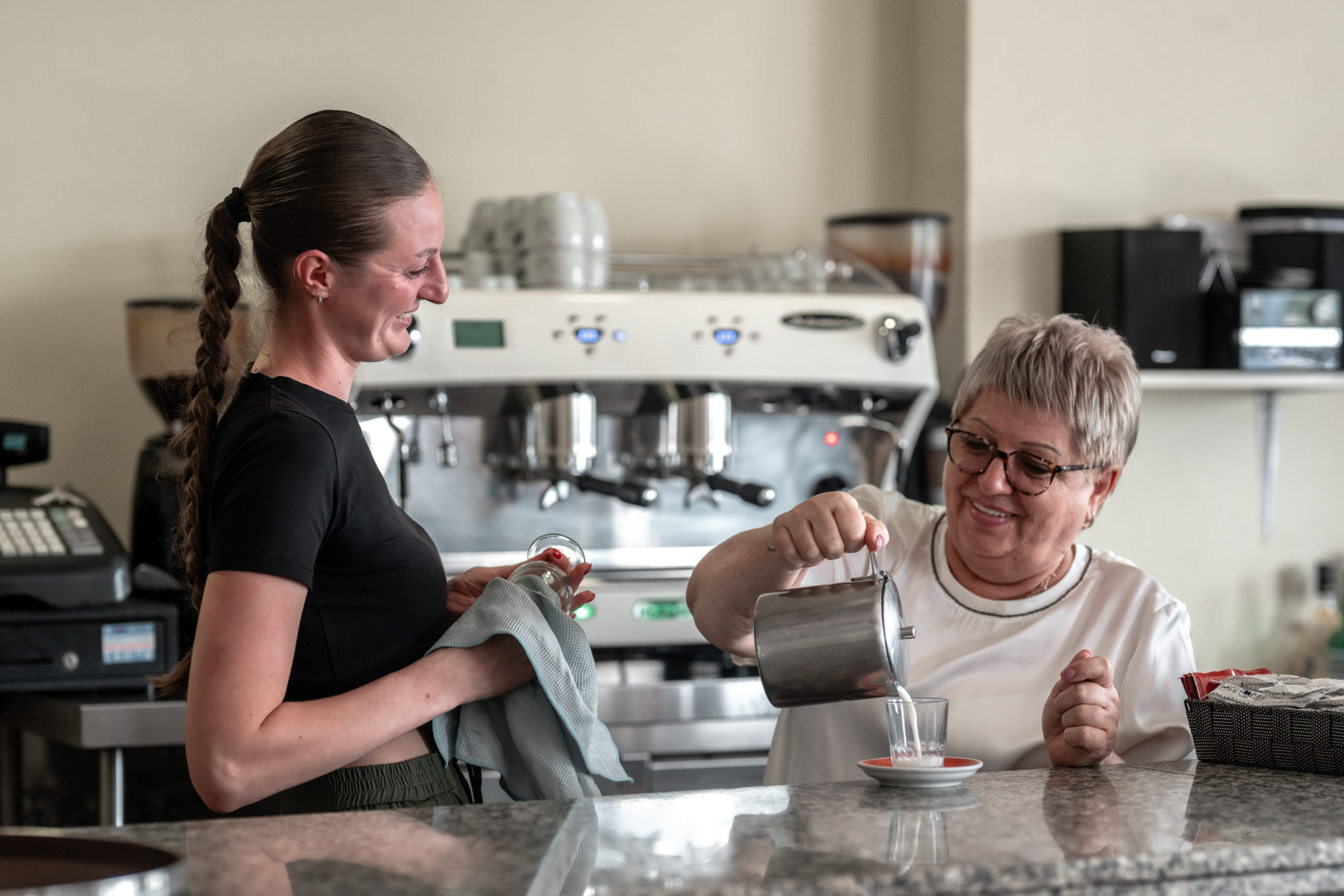
In a small Valencian town shaped by migration and memory, everyday places like lunch bars have become unexpected points of arrival for people displaced by war and economic upheaval. Alberic (Valencia, Spain) is one such place, where new lives quietly take root amid sandwiches, shared routines, and informal networks of support.
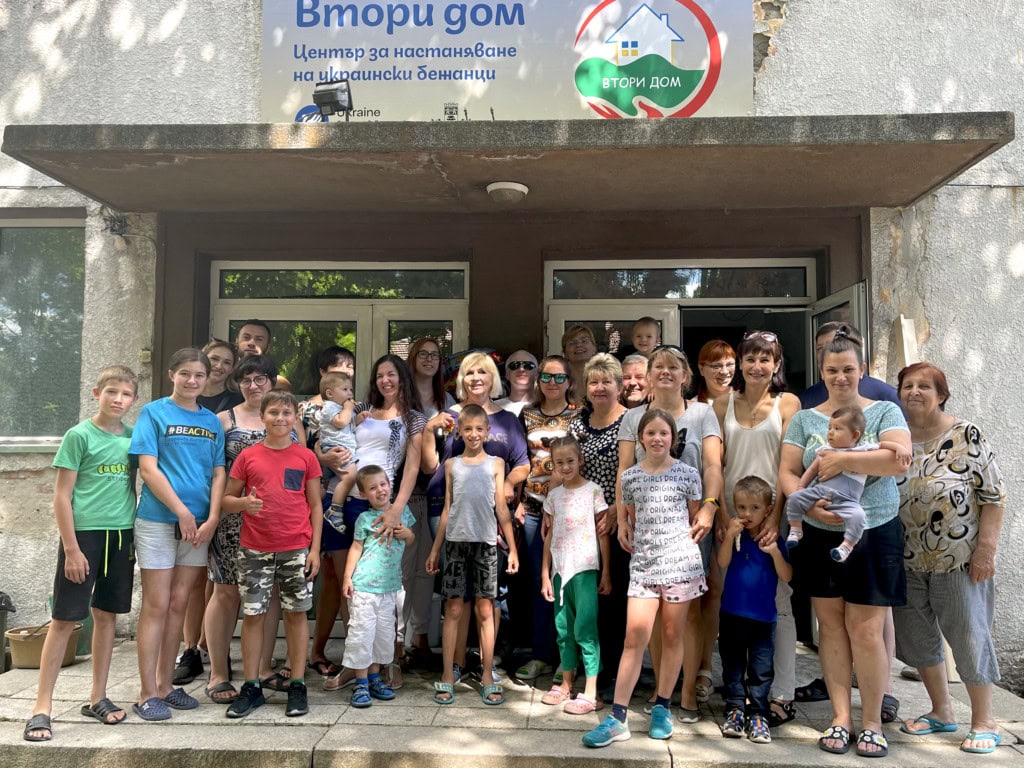
Plovdiv and the surrounding region have become a second home to nearly 12,000 Ukrainians who fled the war, around 4,000 of them children. This places the city among the leading Bulgarian communities in terms of the number of refugees received and turns it into a model of social solidarity and successful integration on a European scale.
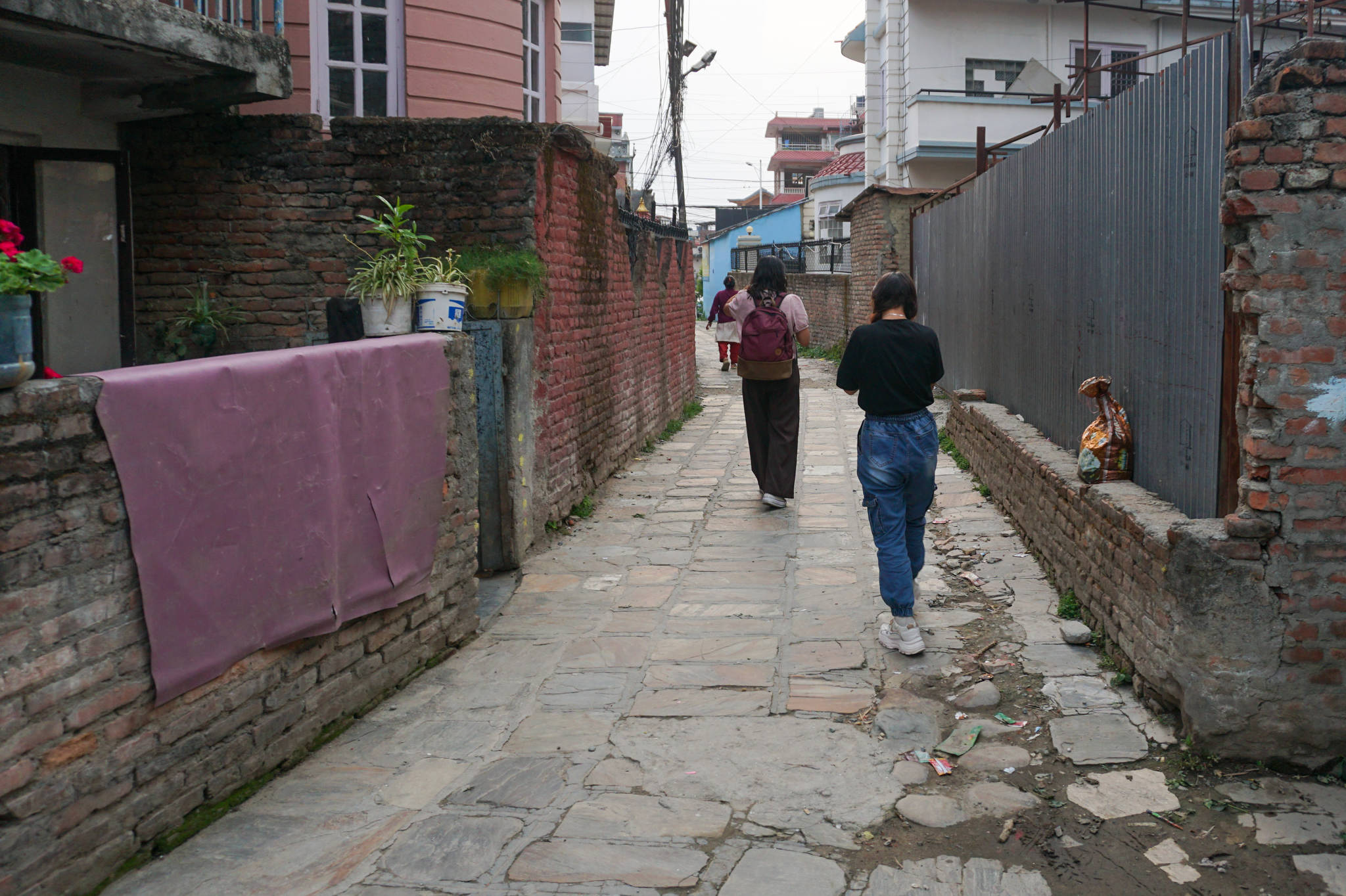
The Nepali government bars working abroad in Iraq for safety reasons. But more Nepali women are ending up there in abusive domestic work — including some who were trafficked.
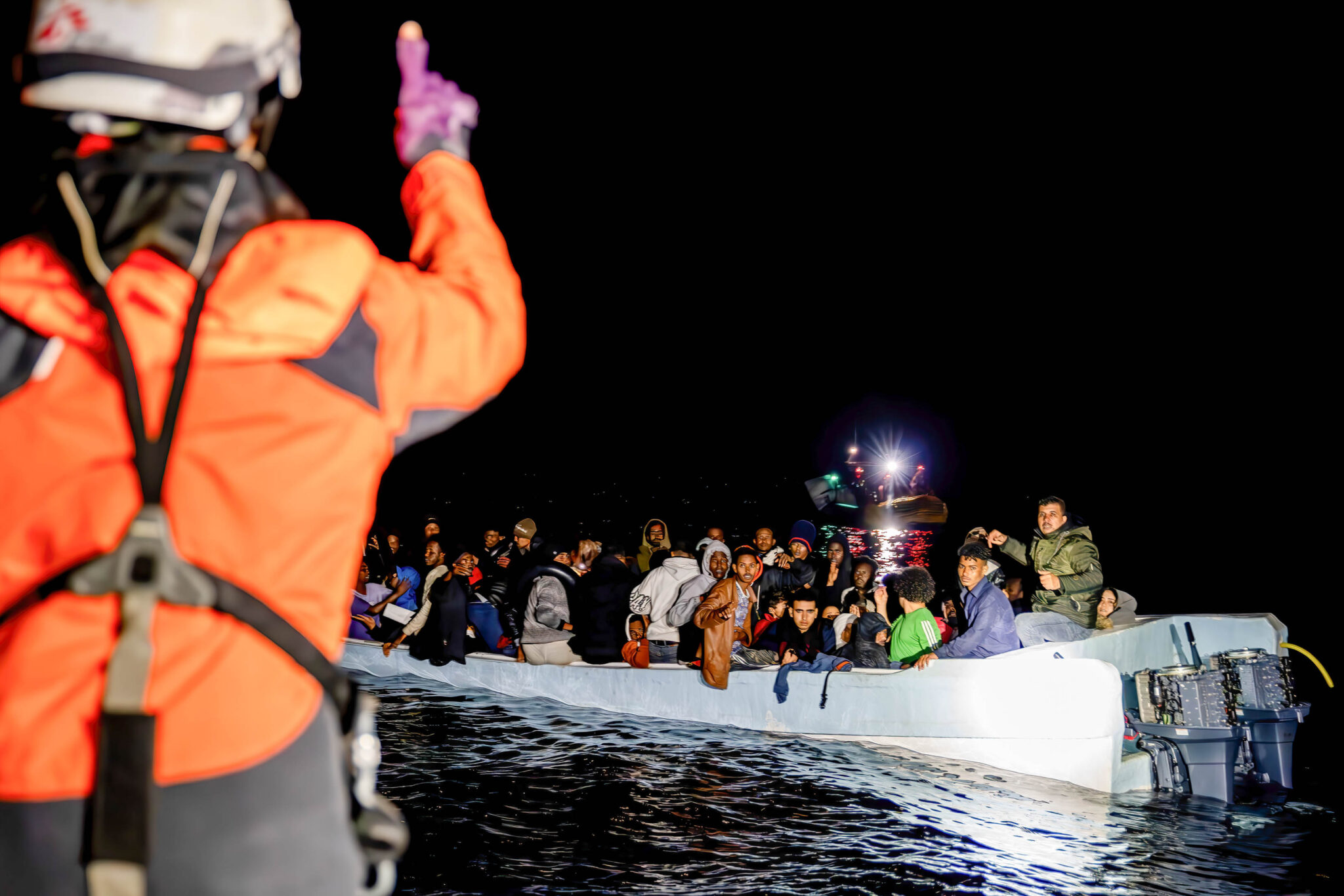
A warning from Monica Minardi, president of the Italian branch of Doctors Without Borders, on how EU and Italian policies dehumanize migrants, empower Libyan abuses, strip reception services, and dodge safe legal routes as the “Fortress Europe” deal is silently renewed.
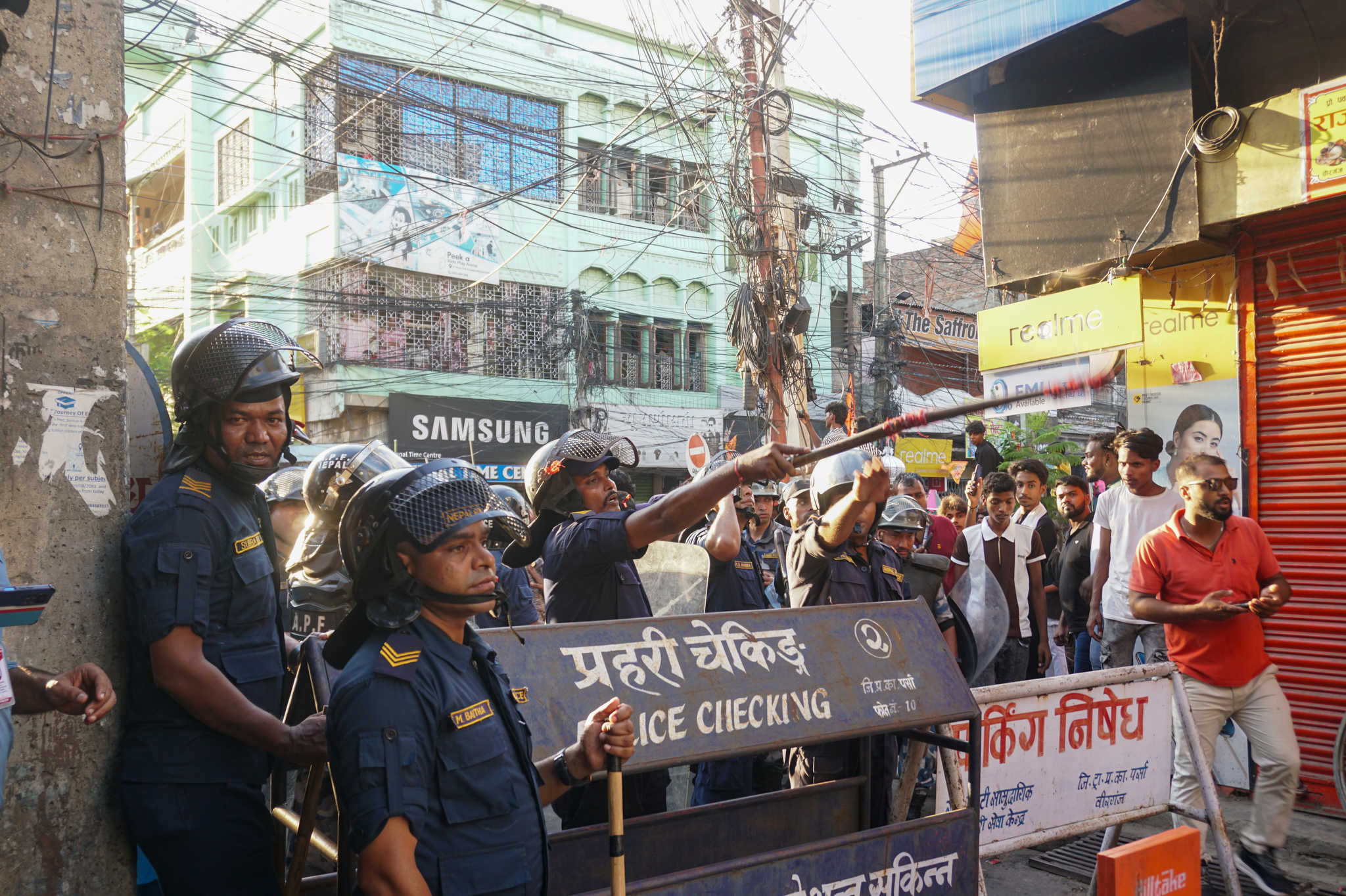
In border towns, rallies organized by Hindu nationalists often end in violence — fracturing communities and threatening Nepal’s fragile secularism.
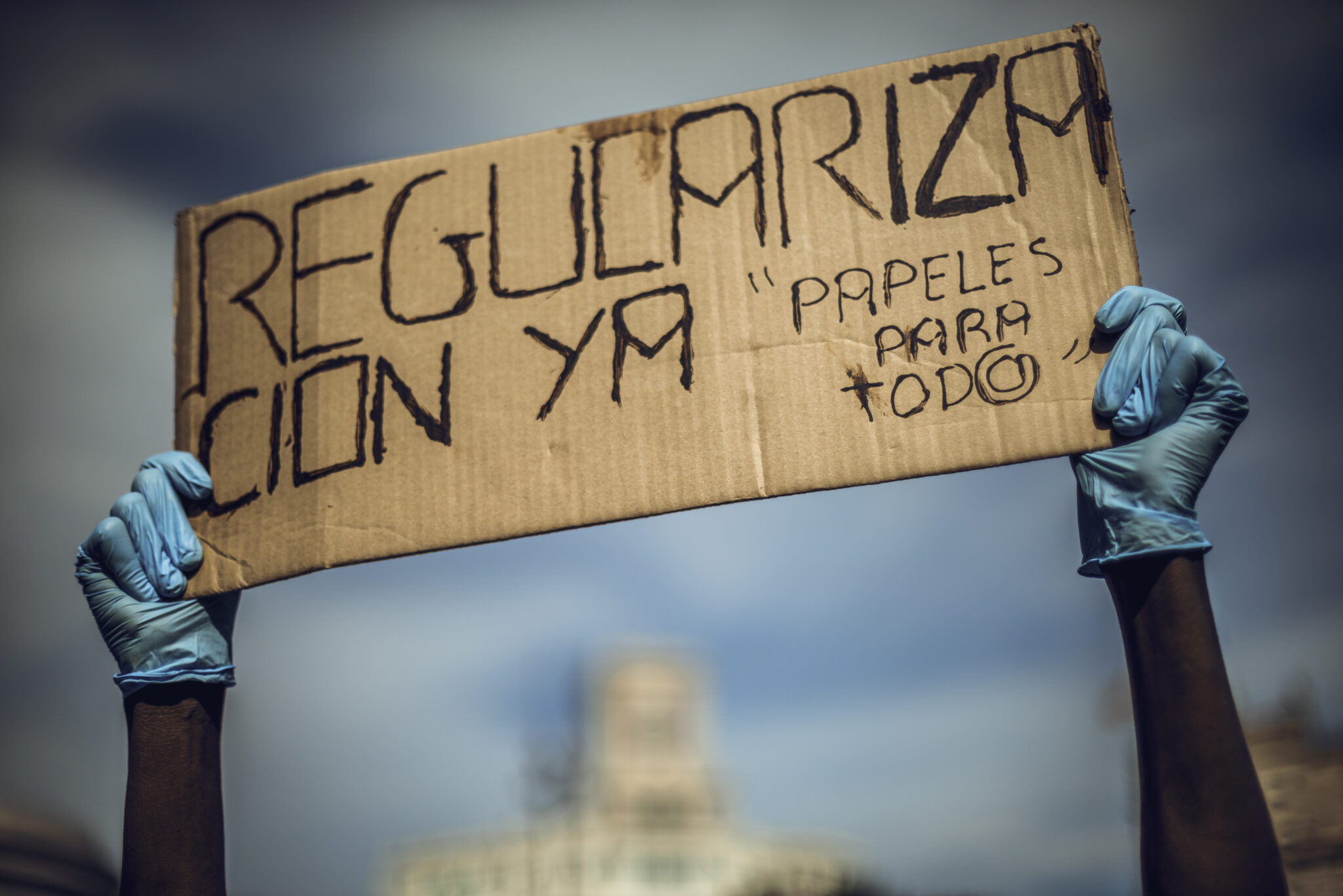
Defending immigration for selfish reasons is just a modern ode to slavery — justice demands equality, not gratitude.
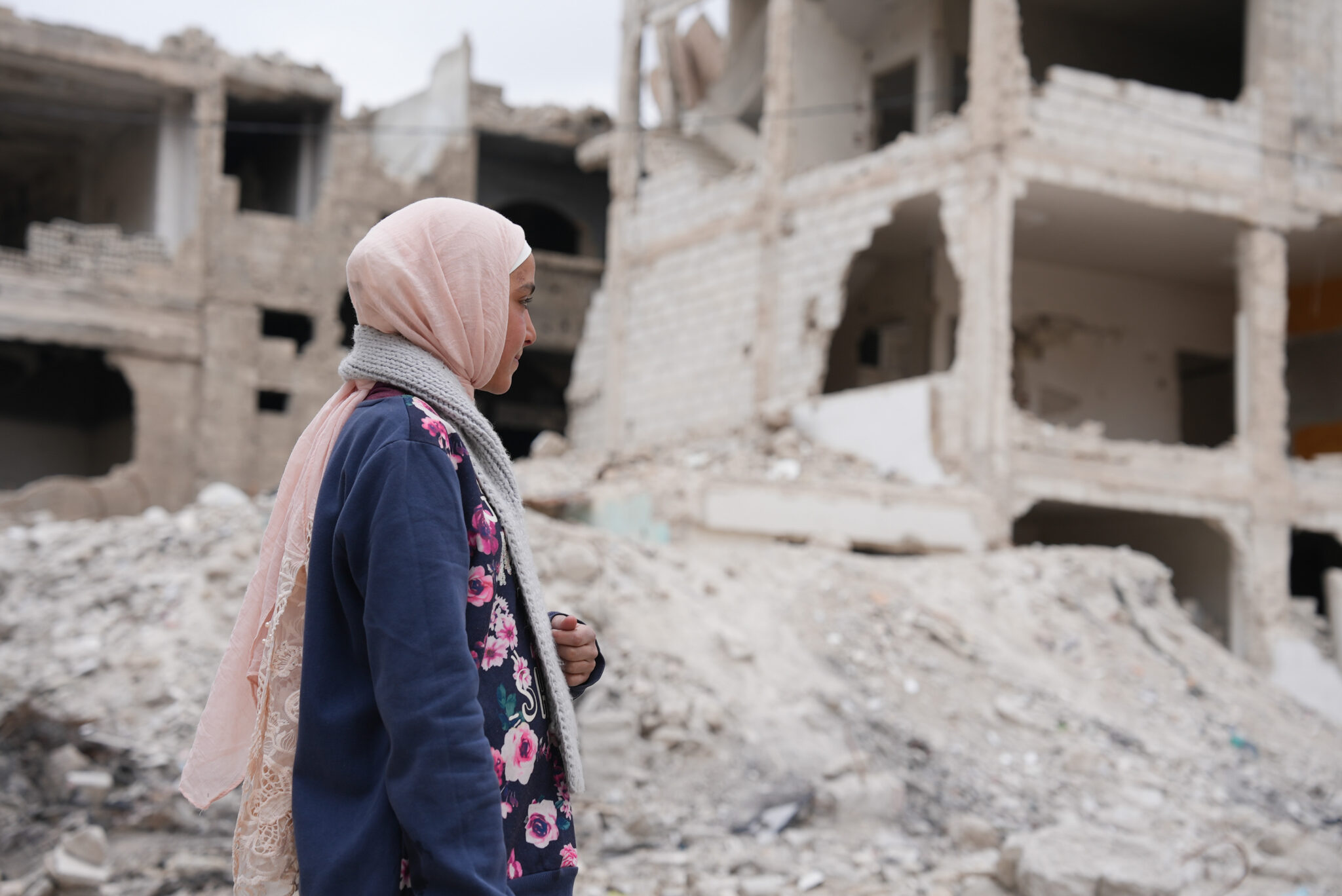
Since the Assad regime fell in December 2025, Europe’s 1.4 million Syrian refugees have been navigating the legal, emotional and security challenges of going back to a country they thought they may never see again.
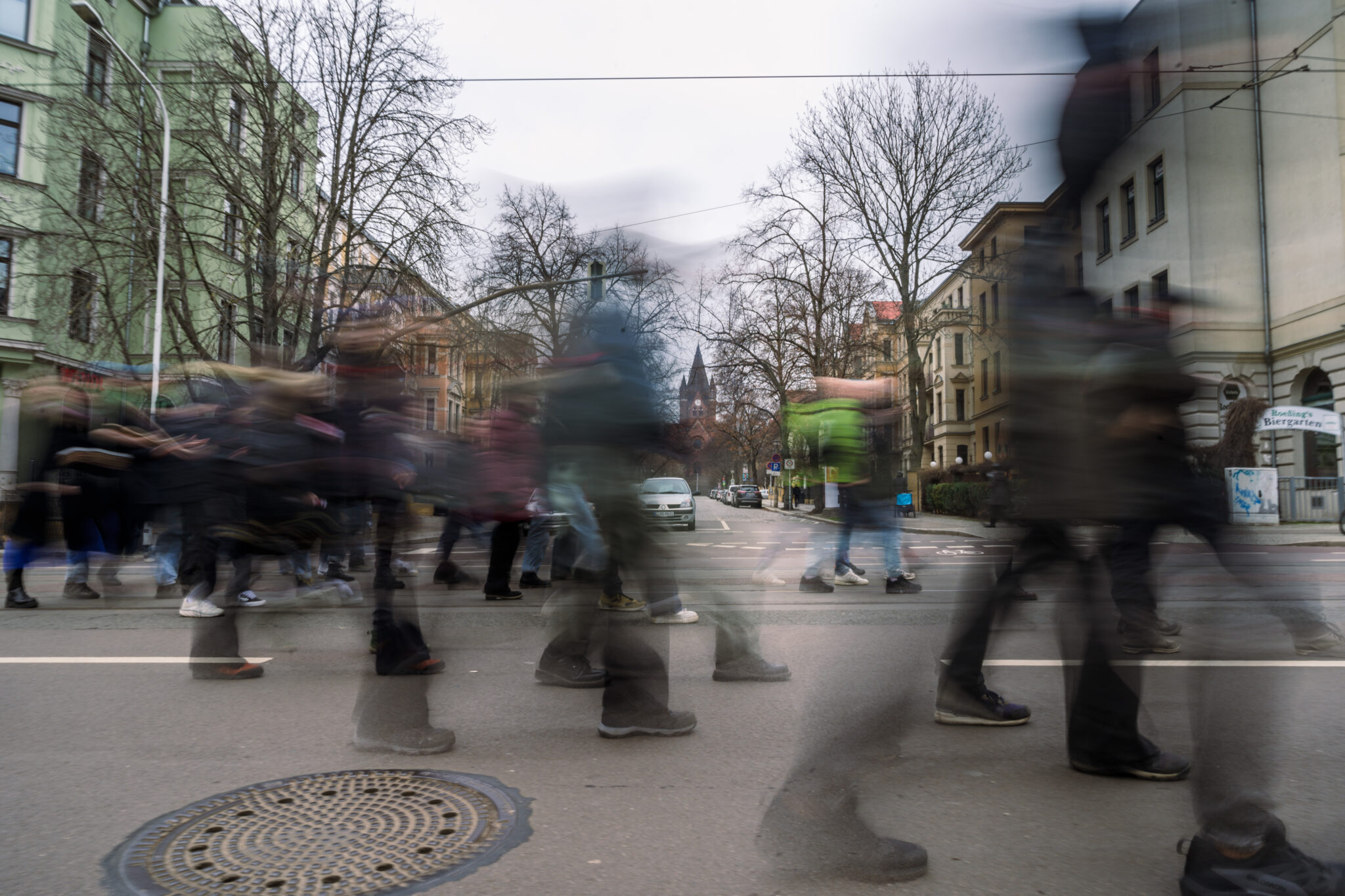
While the political debate and far right fixate on visible problems, new research shows that Germany’s everyday institutions quietly succeed in integrating refugees, often without anyone noticing.
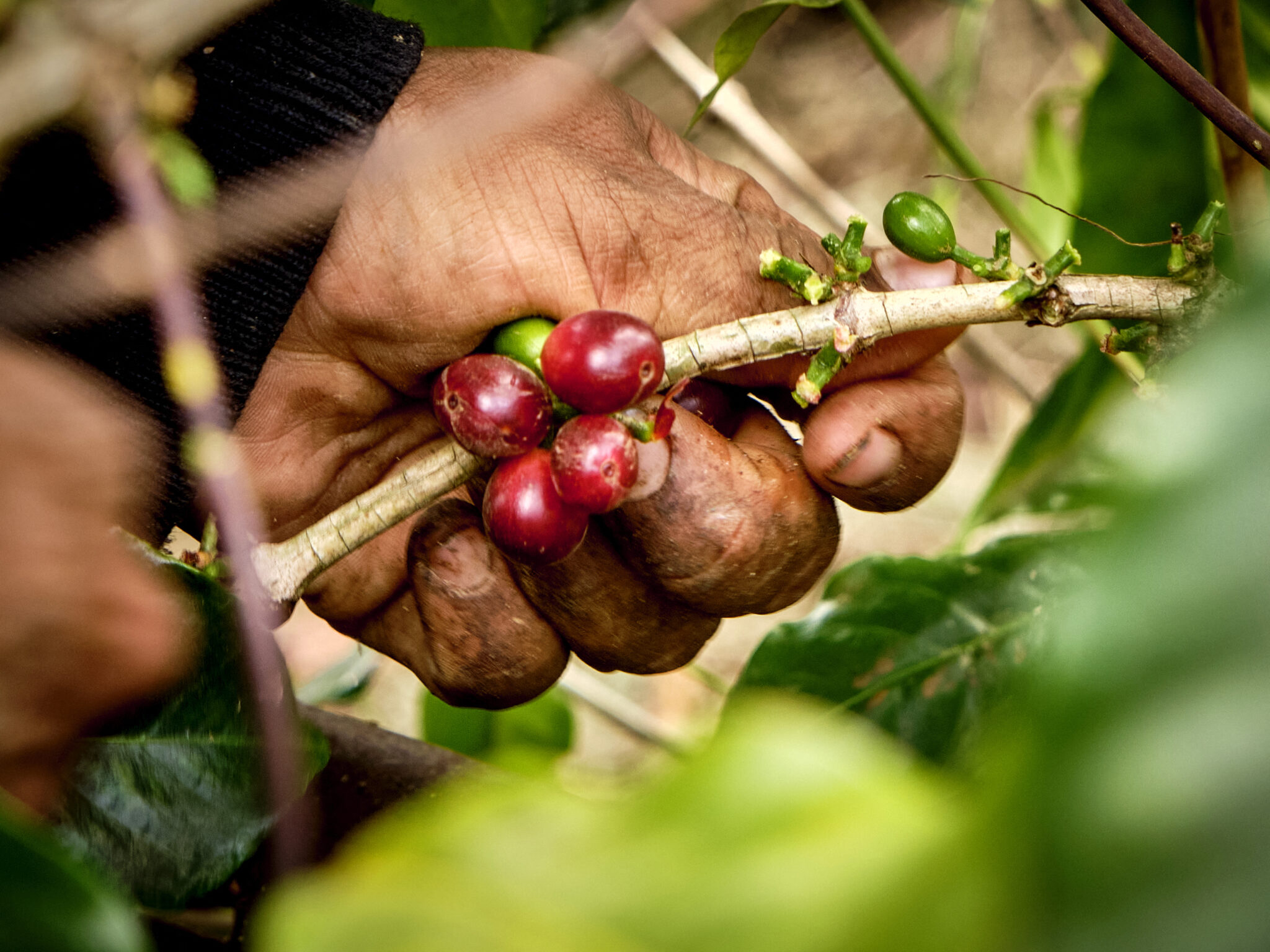
Coffee is a multi-million dollar industry in Costa Rica. But the work on coffee farms is demanding and carried out mainly by migrants, many of whom have left neighboring Nicaragua in search of a better life.
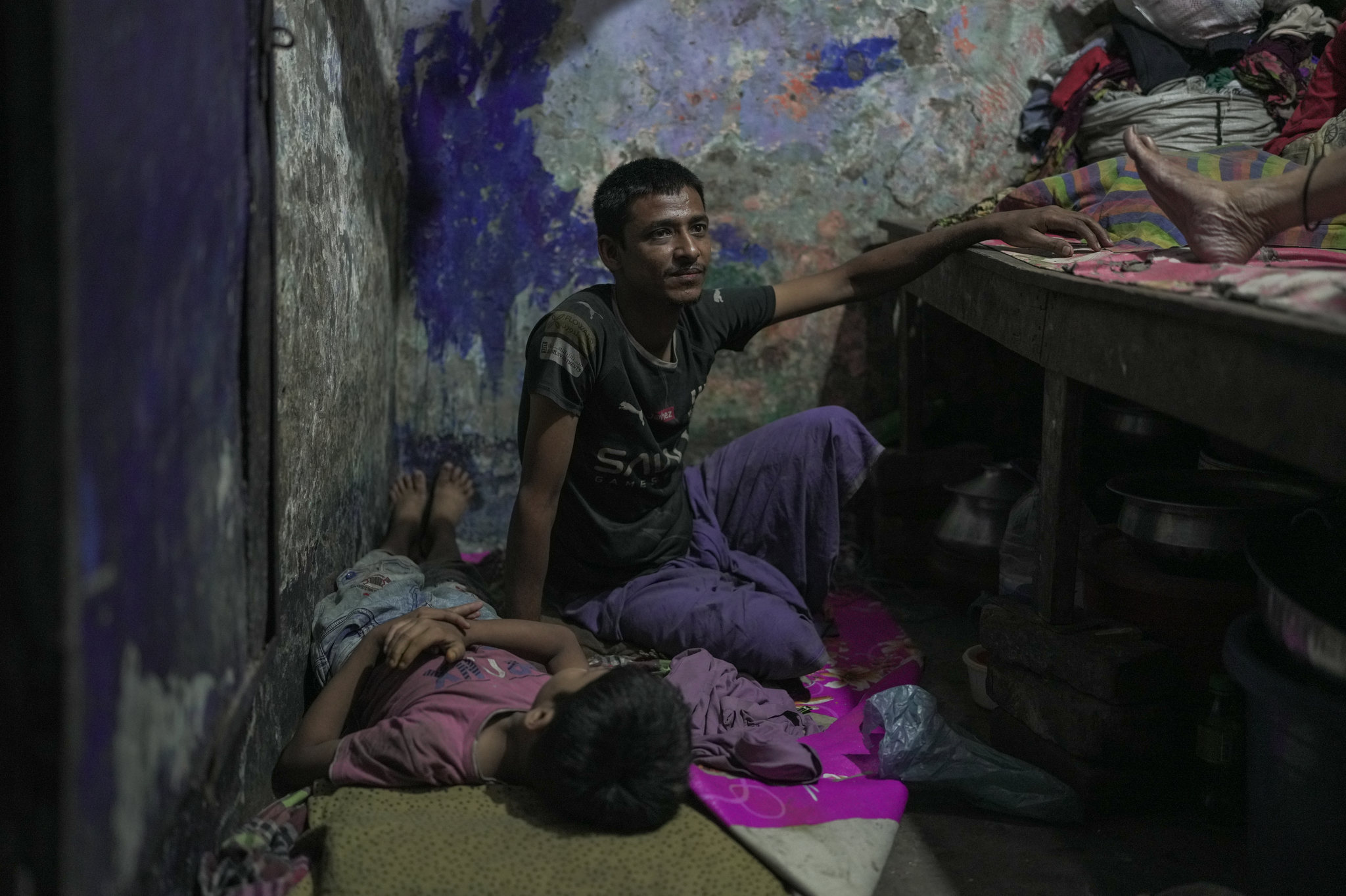
The Urdu-speaking minority remains marginalized in Bangladesh, facing poor living conditions and limited access to education and services. Many Biharis feel abandoned by the government’s unkept promises of citizenship.
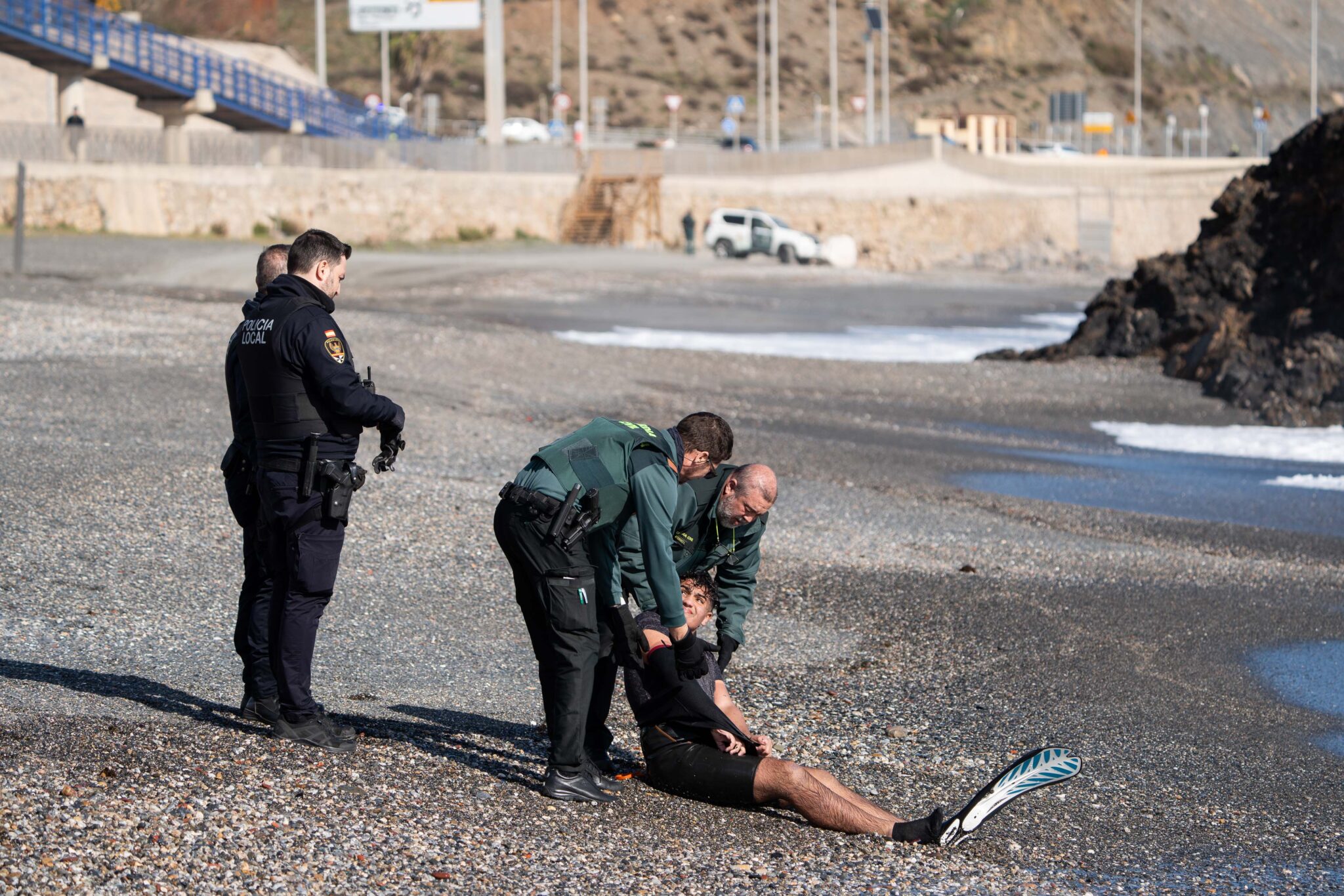
Far from being a threat, migration has contributed to maintaining the balance between workers and retirees, delaying a demographic collapse that would otherwise already be underway.
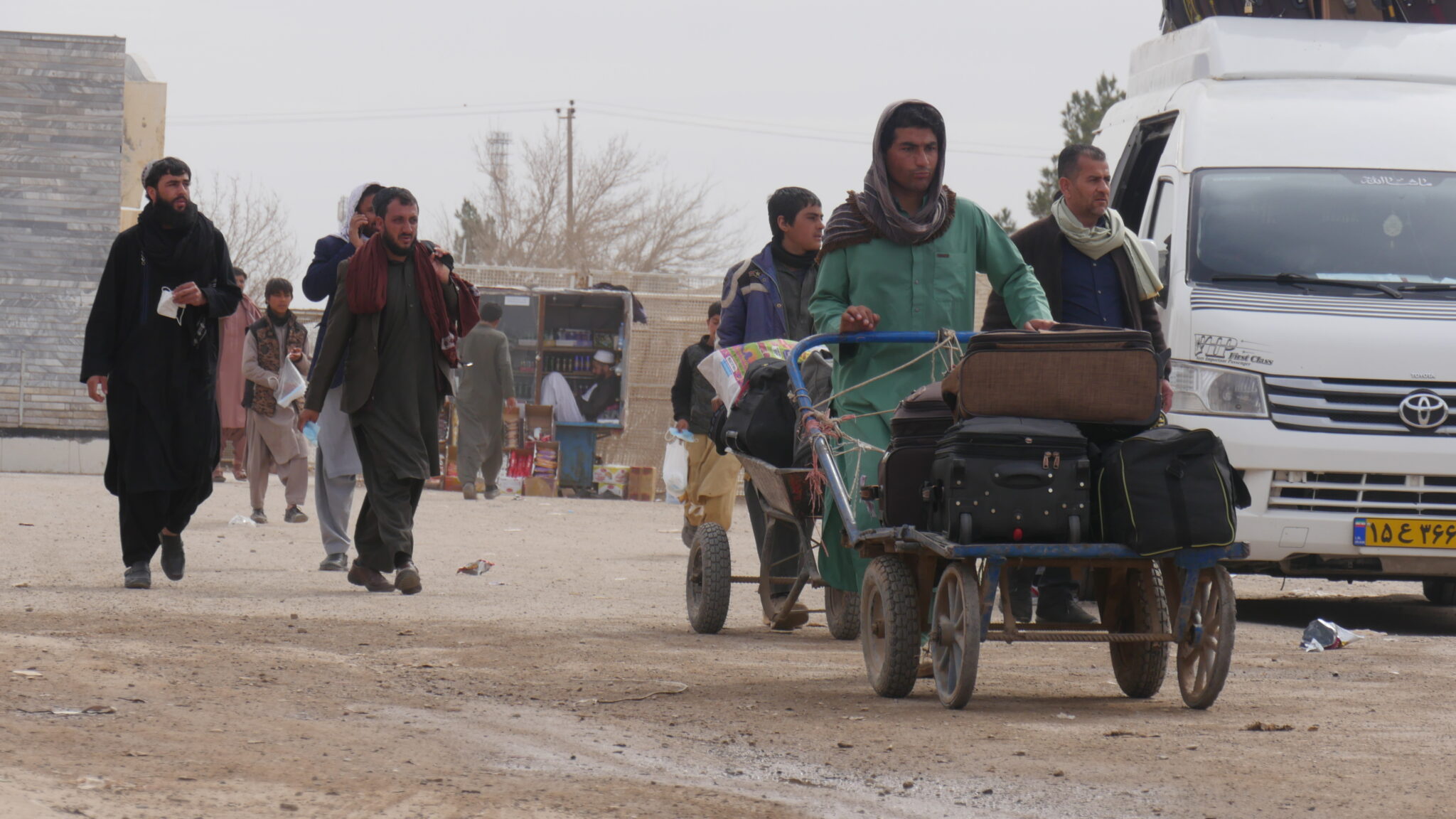
Iran is reportedly deporting thousands of Afghans — including many legal residents — claiming it can no longer afford to host millions of migrants. Witnesses describe chaotic expulsions marked by beatings and last-minute extortion at the border.
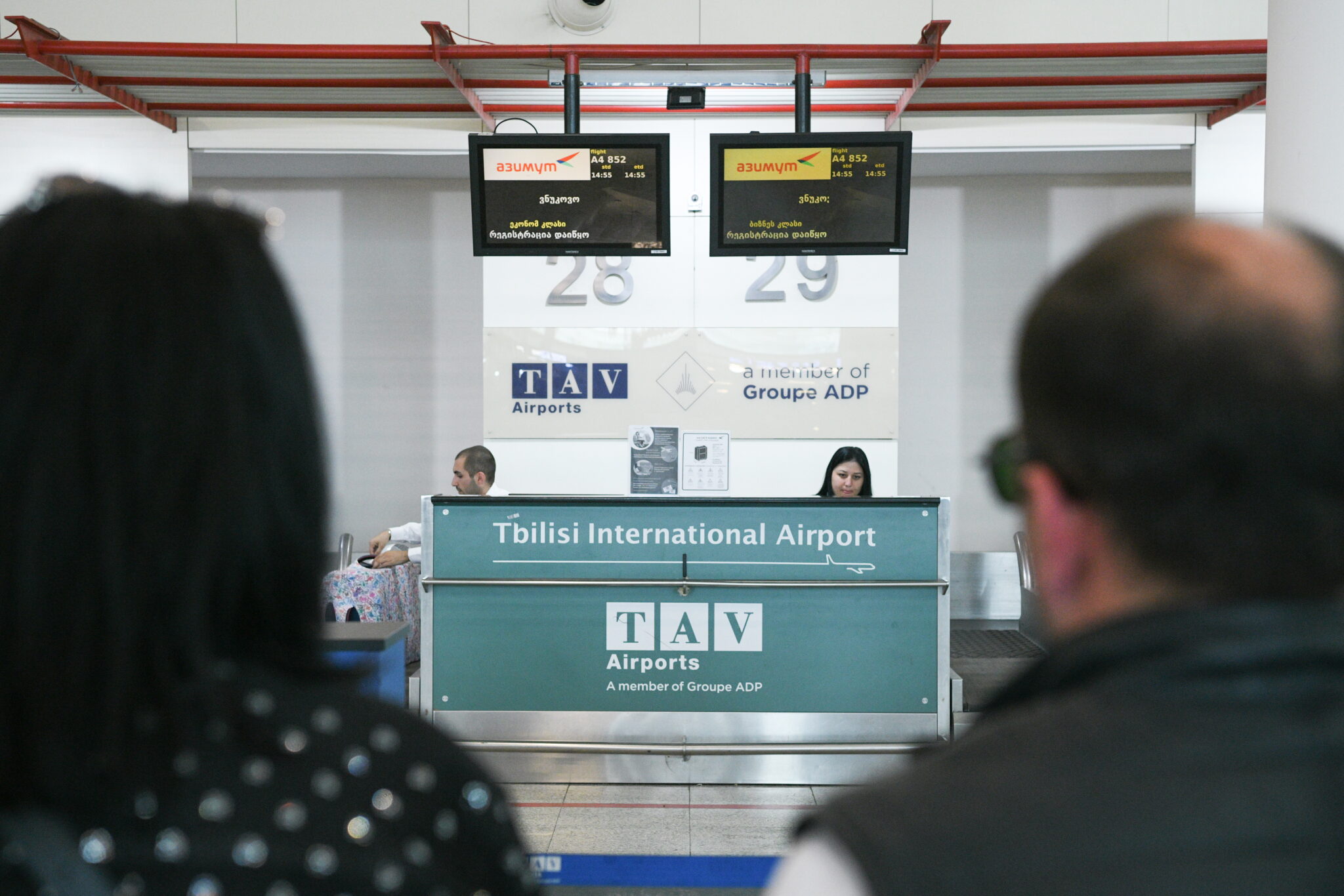
The Wire spoke to Indian nationals, travelers and students who say they have experienced arbitrary detention and deportation at Tbilisi’s airport and on Georgian borders. This paints a chilling picture of human rights violations in the country; meanwhile, Indian authorities also stay silent on the matter.
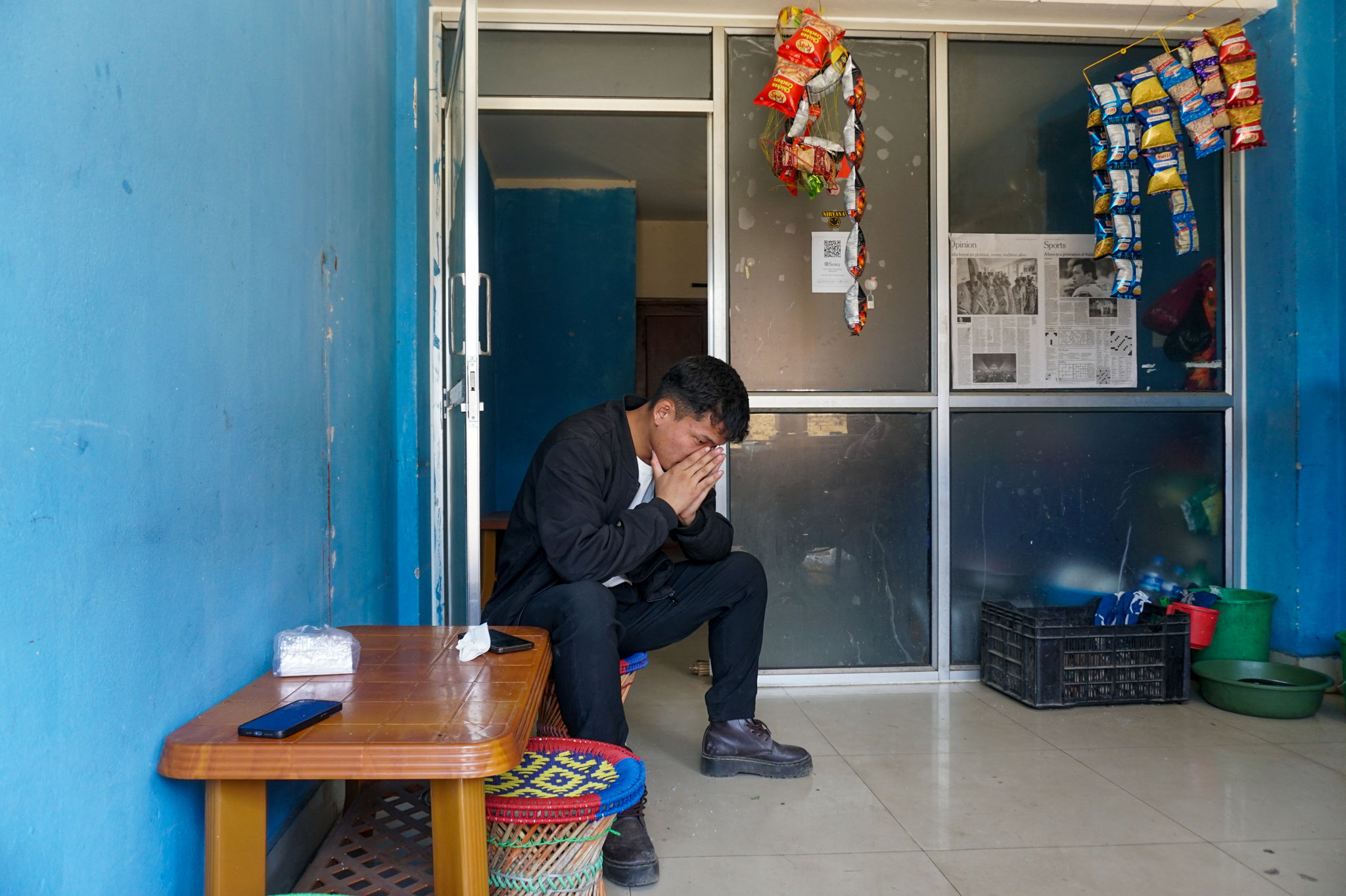
Cyber slavery rings are growing across the region, trapping young jobseekers in brutal scam compounds — and fueling a global criminal enterprise.
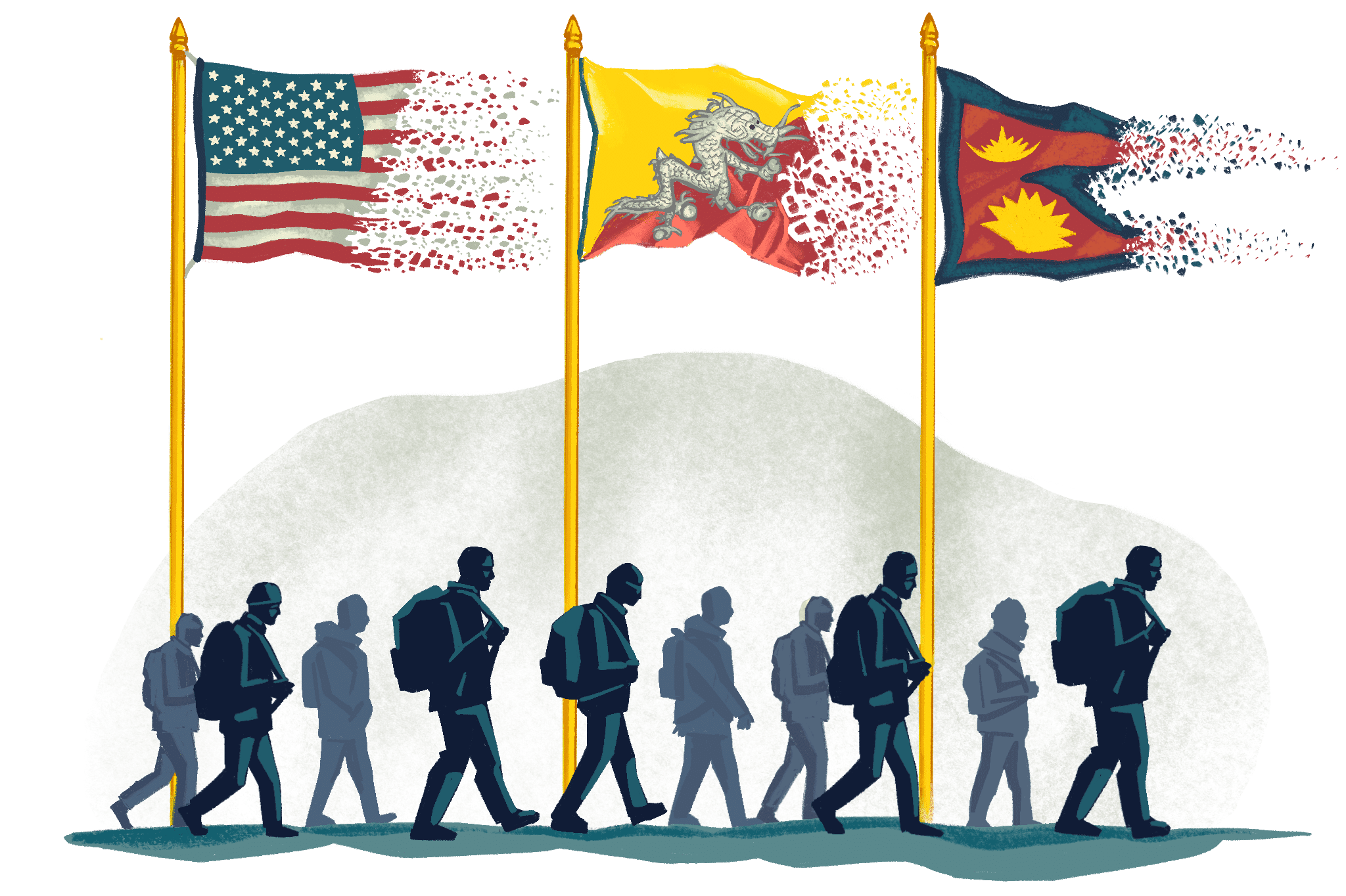
Deported by the U.S. and rejected by Bhutan, dozens of former refugees are now stranded in Nepal without citizenship or legal status. Their statelessness raises urgent legal and human rights questions about the consequences of deportation.
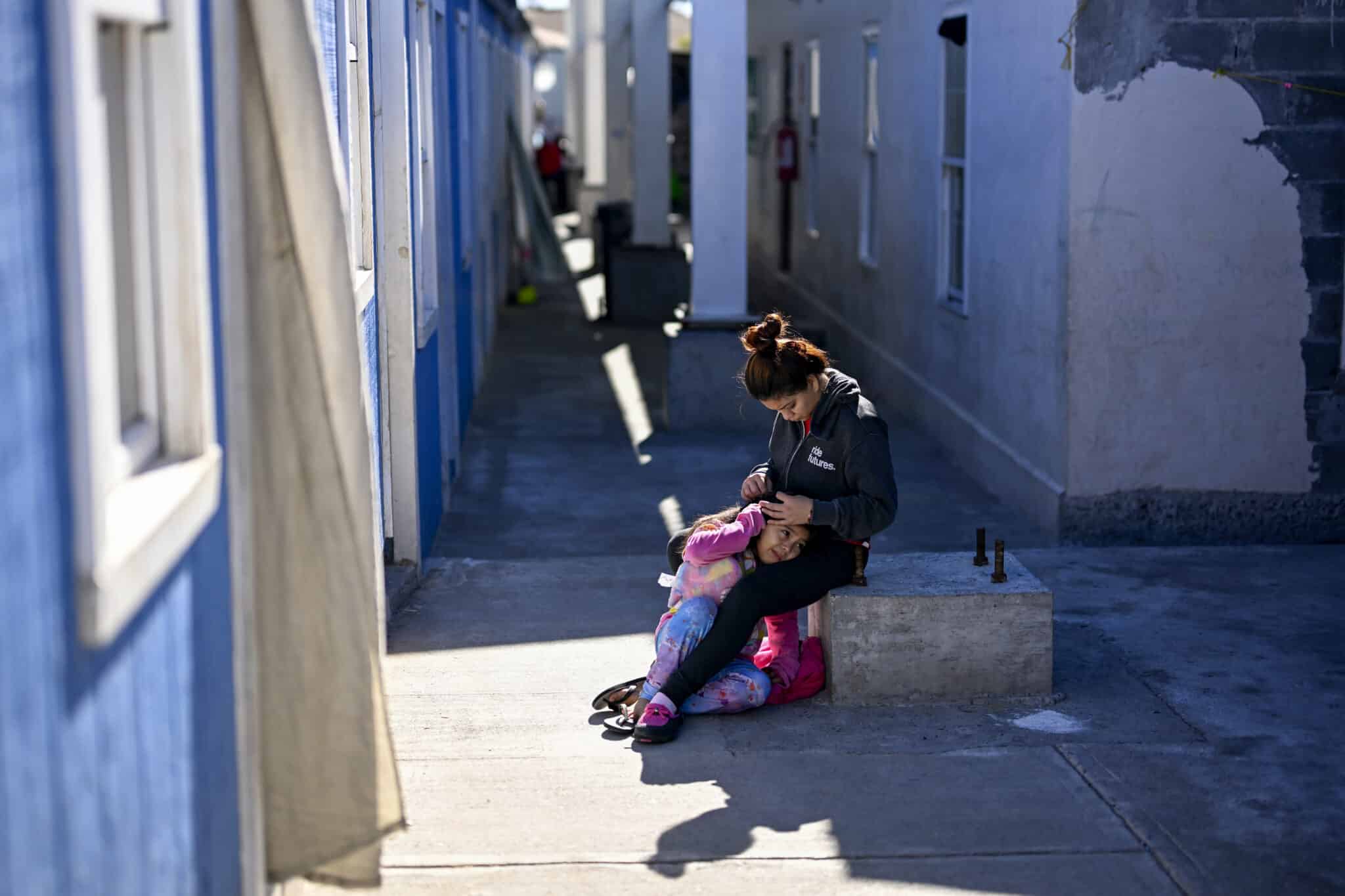
Far fewer Latin American migrants are trying to reach the United States under the Trump administration, but is this a “problem solved”? For now?
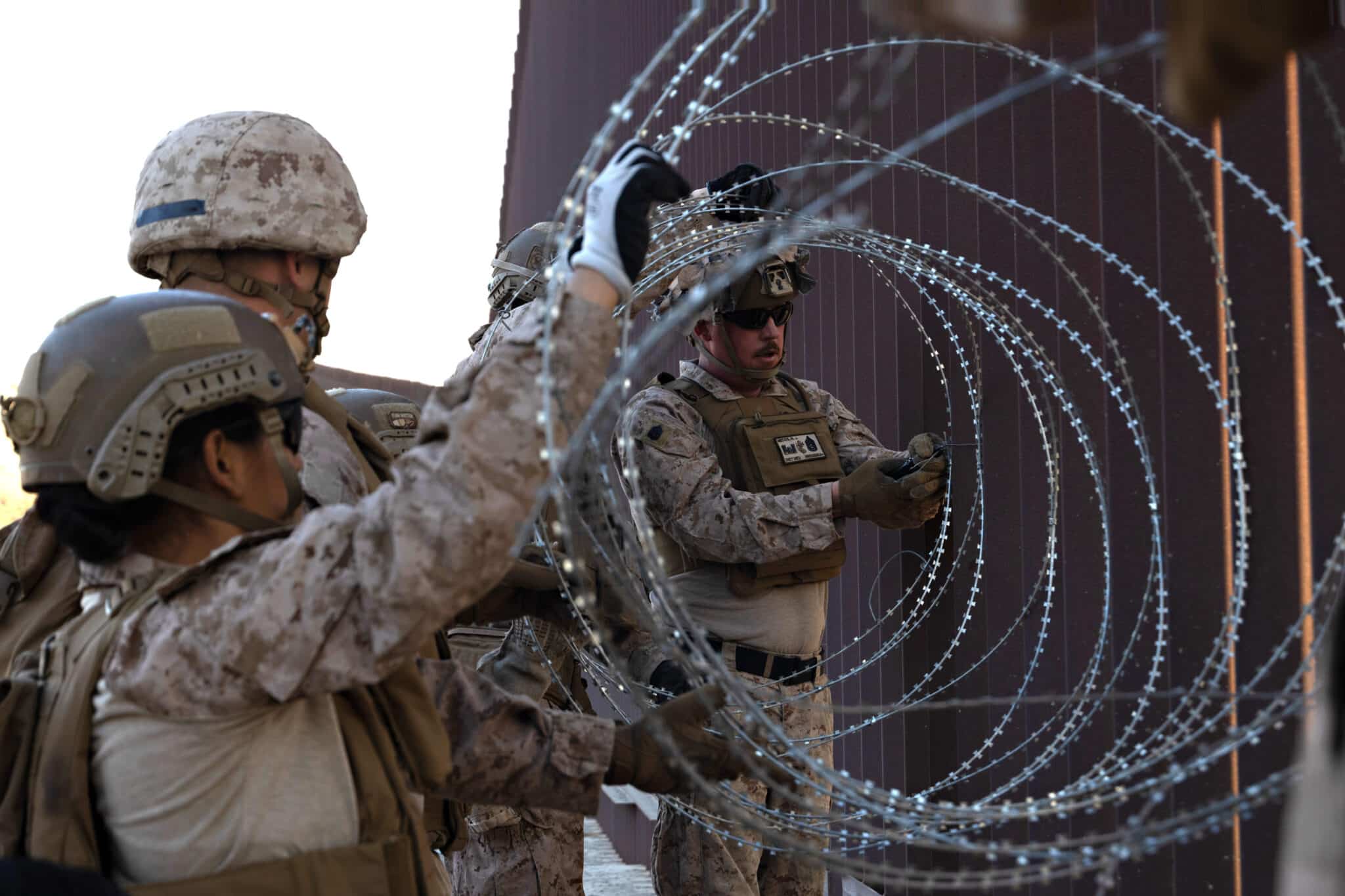
The Trump administration is using the claim that immigrants have “invaded” the country to justify possibly suspending habeas corpus, part of the constitutional right to due process. A faction of the far right has been building this case for years.
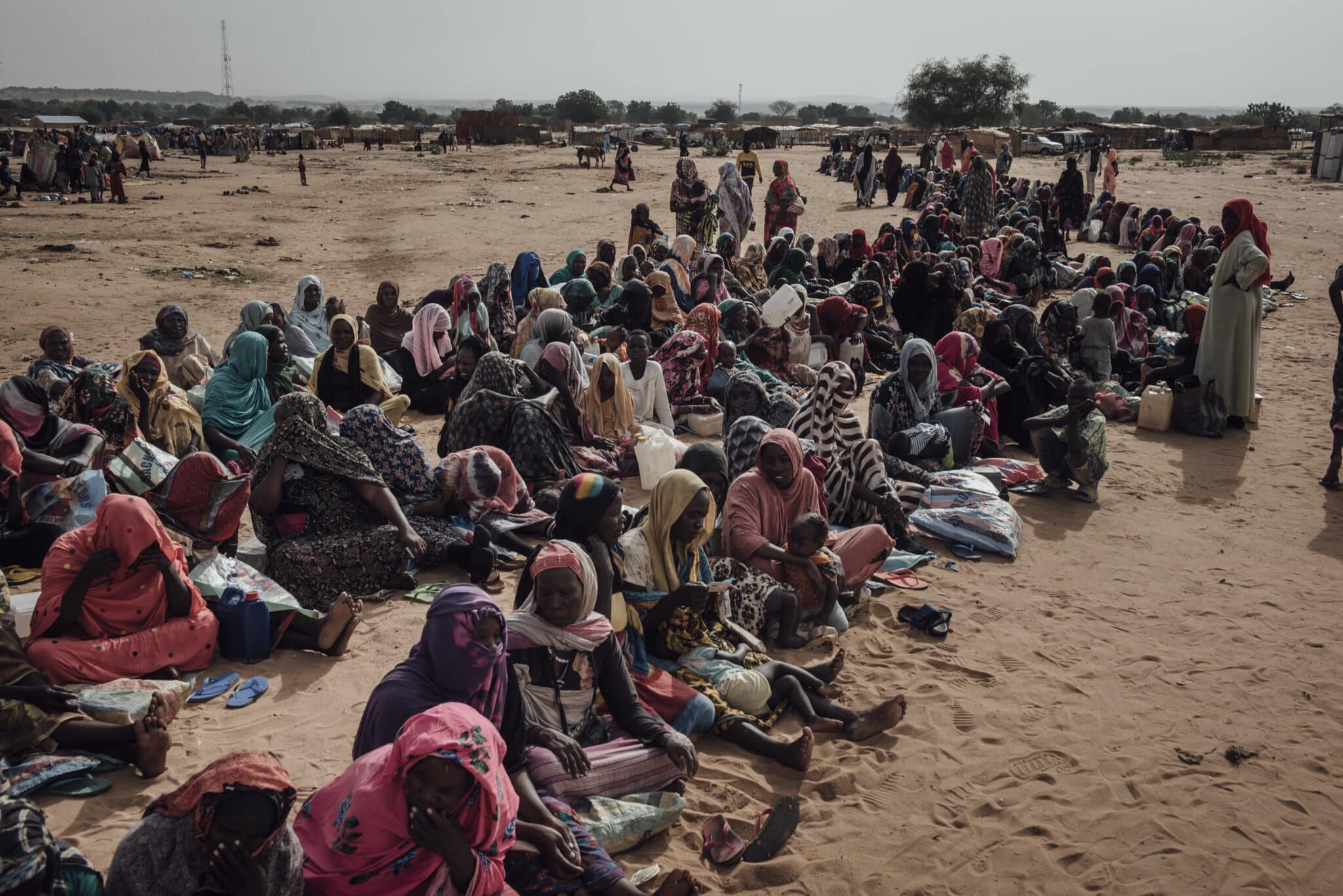
La Stampa journalist Francesca Mannocchi reports from Chad, where she spoke to some of the 700,000 Sudanese refugees who have fled the civil war that is ravaging the country. Their hopes to find a safer place were crushed by lack of funding and resources, creating yet another threat to their lives: famine.
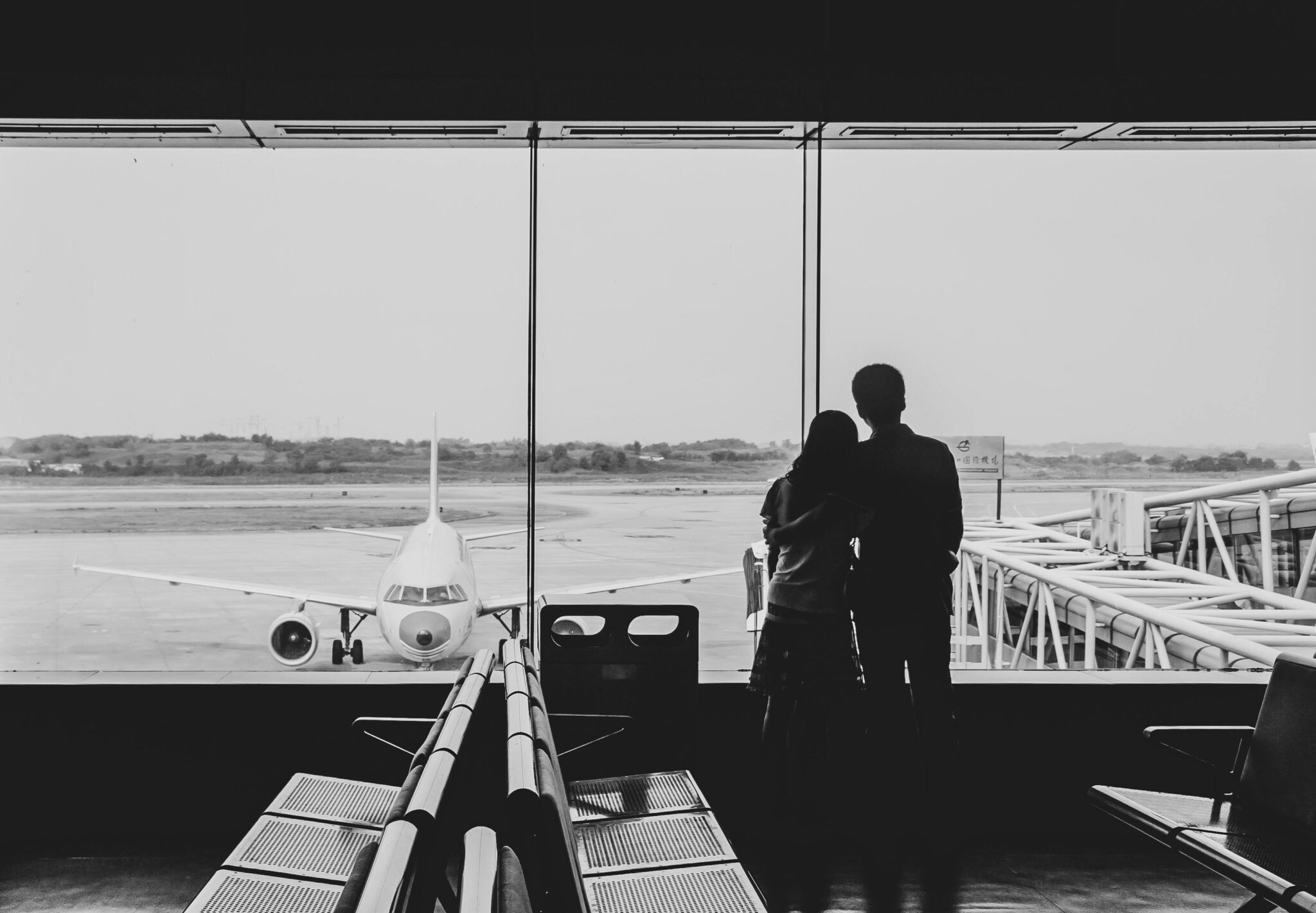
A personal reflection from Beirut capturing the quiet heartbreak of watching loved ones emigrate in search of stability and dignity. As friends and family disappear into the distance, what remains is a world shaped by absence, memory, and the lingering question: should I go too?
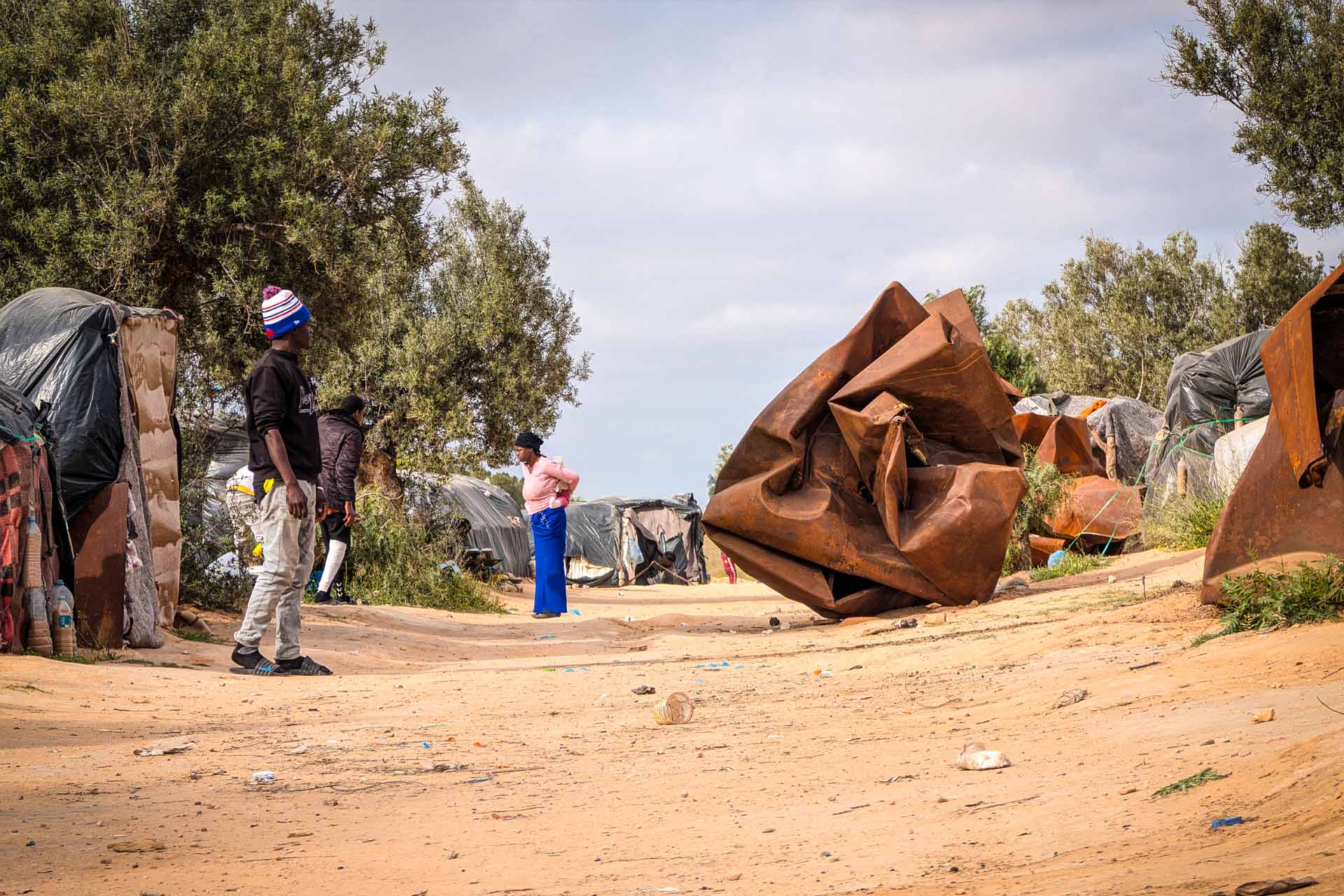
In the Sfax region, migrants are mostly using artisanal metal boats to cross the Mediterranean. Leaked European Union documents reveal the role these vessels play in the increase in migration flows from Tunisia and the dangers they pose for migrants.
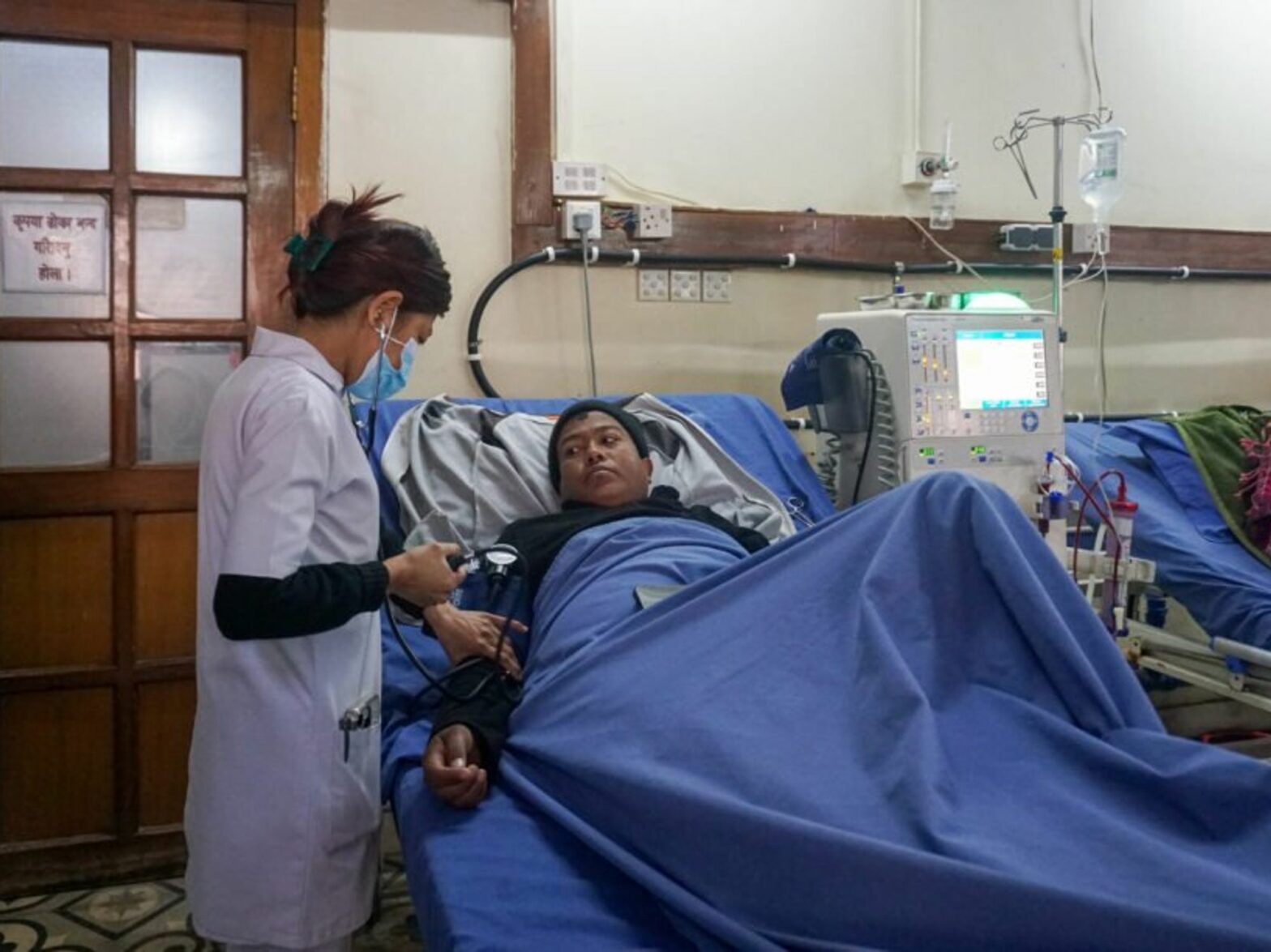
One-third of the dialysis patients at the country’s National Kidney Center came for treatment after working abroad, often at jobs with grueling hours and few water or bathroom breaks in stifling heat.
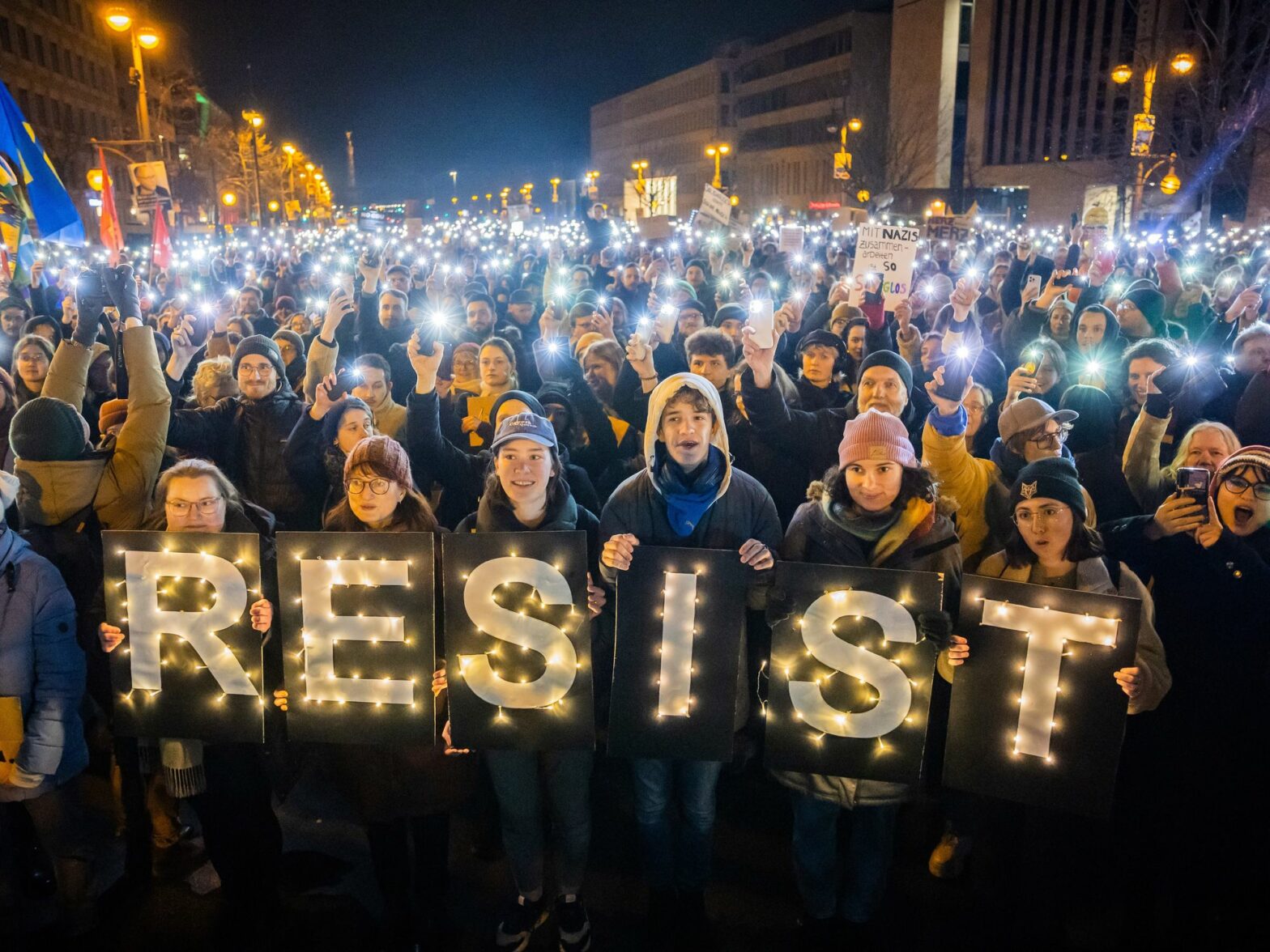
How Germany, like other countries in the West, can avoid sweeping judgments and take a clear-eyed approach to a complex reality.
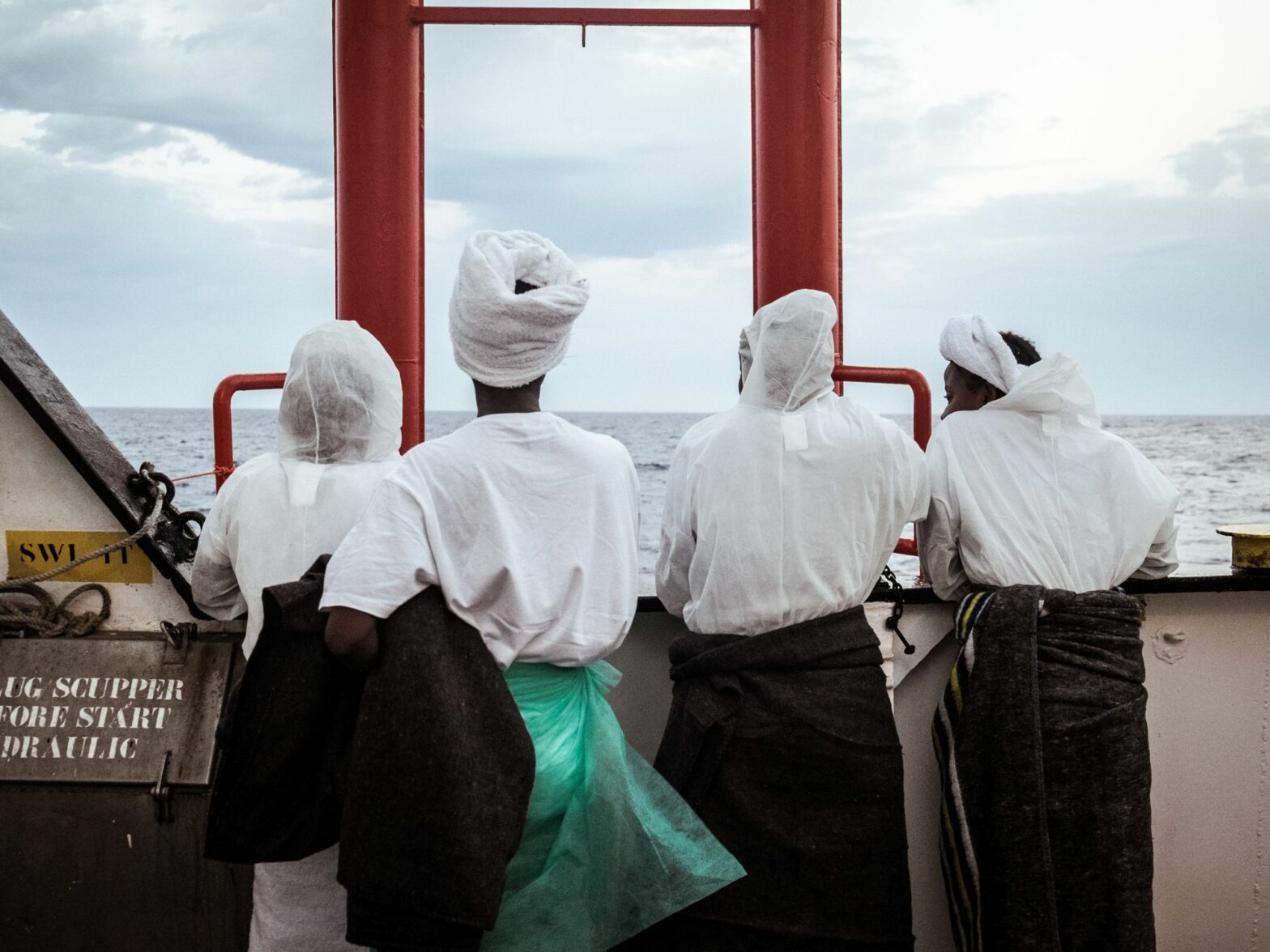
A recent video of a woman being tortured in Libyan refugee camps is further proof that agreements signed by the EU and Italy with Libyan and Tunisian authorities are doing more harm than good. But the work of associations like Refugees in Libya shows that there is still some hope for the future, writes Don Mattia Ferrari, a Catholic priest who works closely with these NGOs.
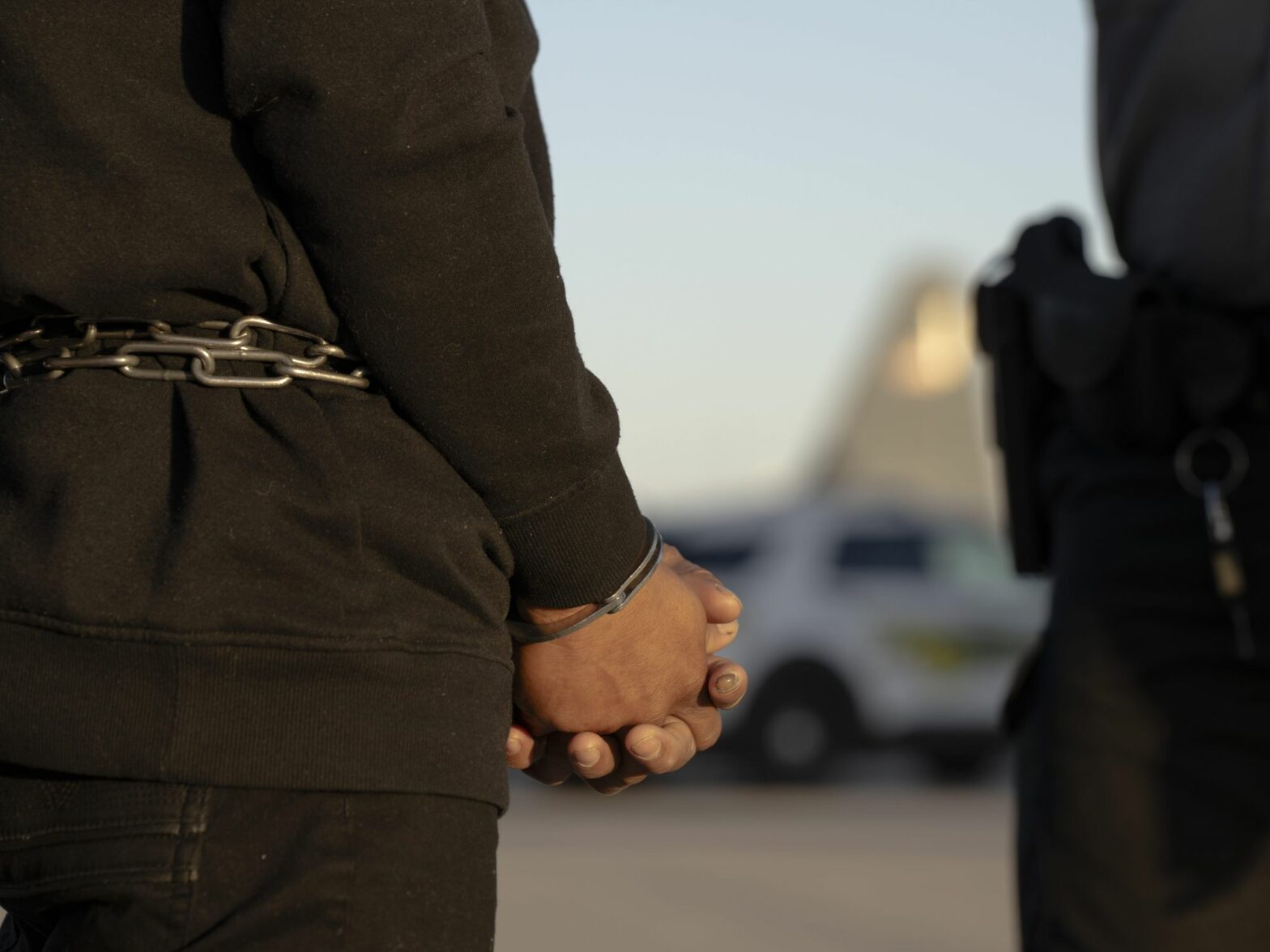
The White House has showcased images of deported migrants in shackles. This deliberate display of humiliation is part of a broader strategy that combines cruelty with political messaging, undermining both personal dignity and democratic values, writes Caterina Soffici for Italian daily La Stampa.
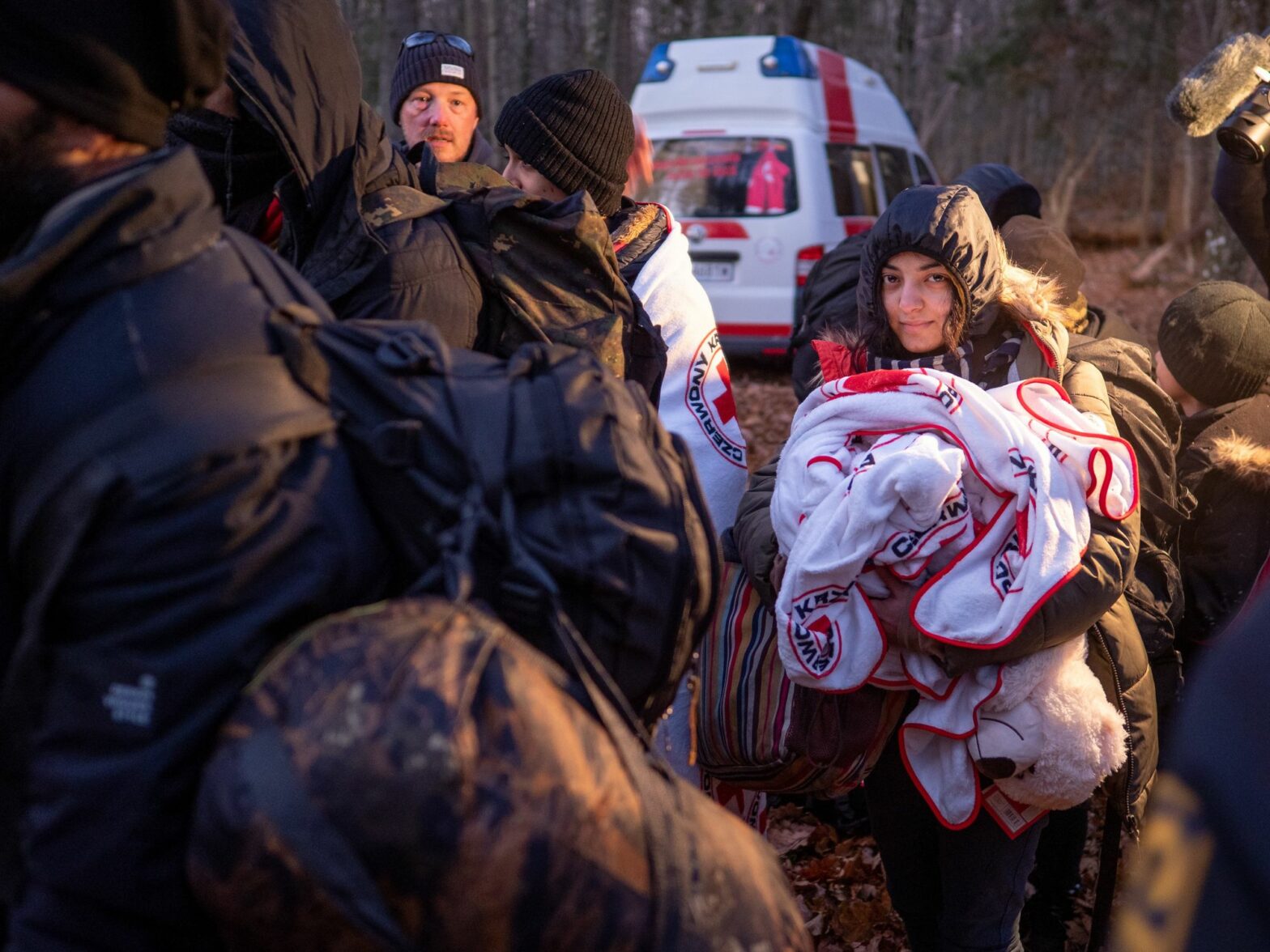
Since 2021, Poland has been facing a humanitarian and migration crisis along its border with Belarus. In the meantime, several collectives of volunteers have sprung up, providing aid to migrants stuck between the two borders, such as food, water, and emergency blankets. Now, facing a harsher Pan-European border policy, and security pressure at home, some of these volunteers may be prosecuted for their efforts.
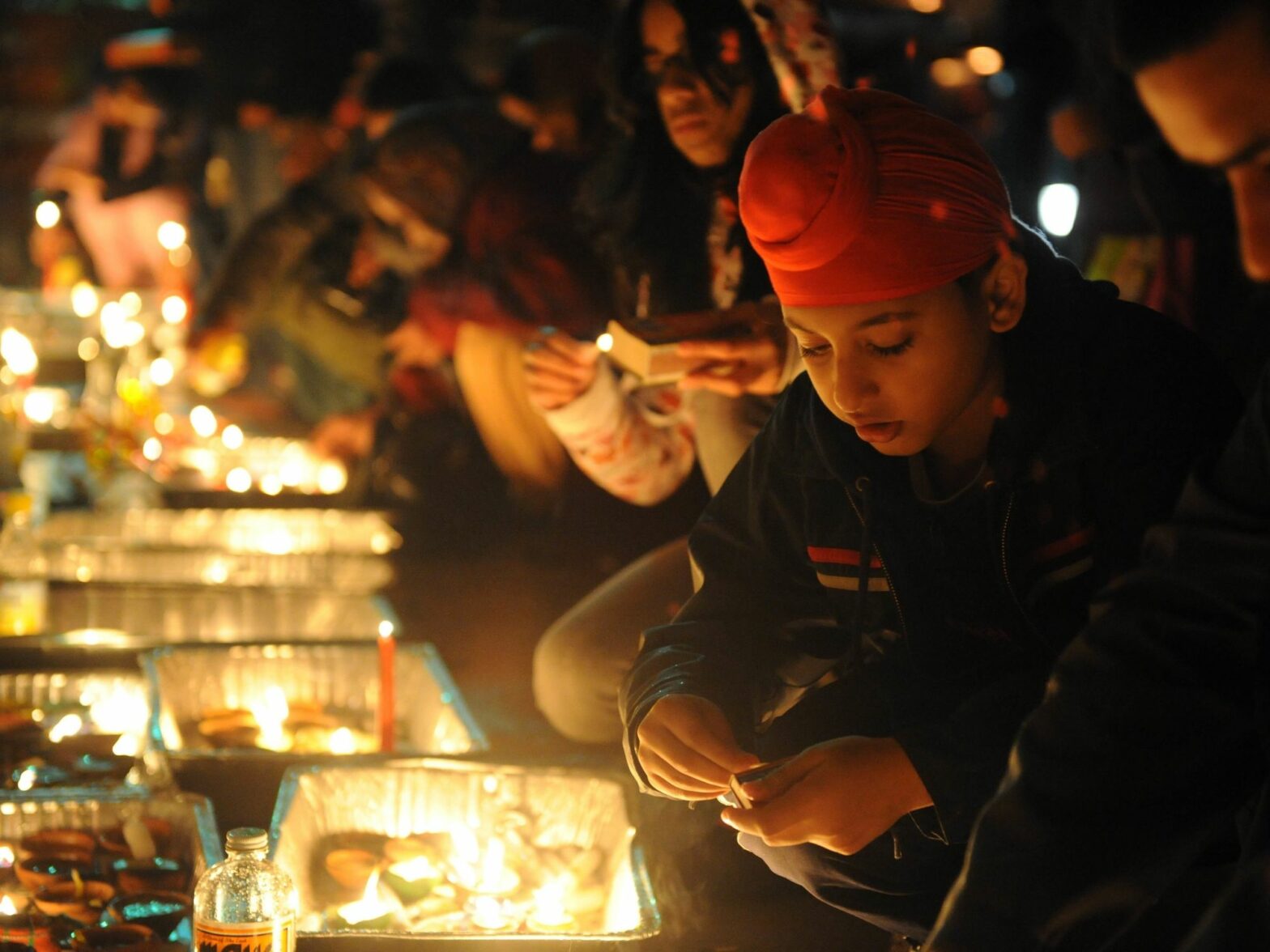
The Indian middle class has a stake in the West’s future and must pick a side in its culture wars. The BJP should catch-up on MAGA’s long-term implications.
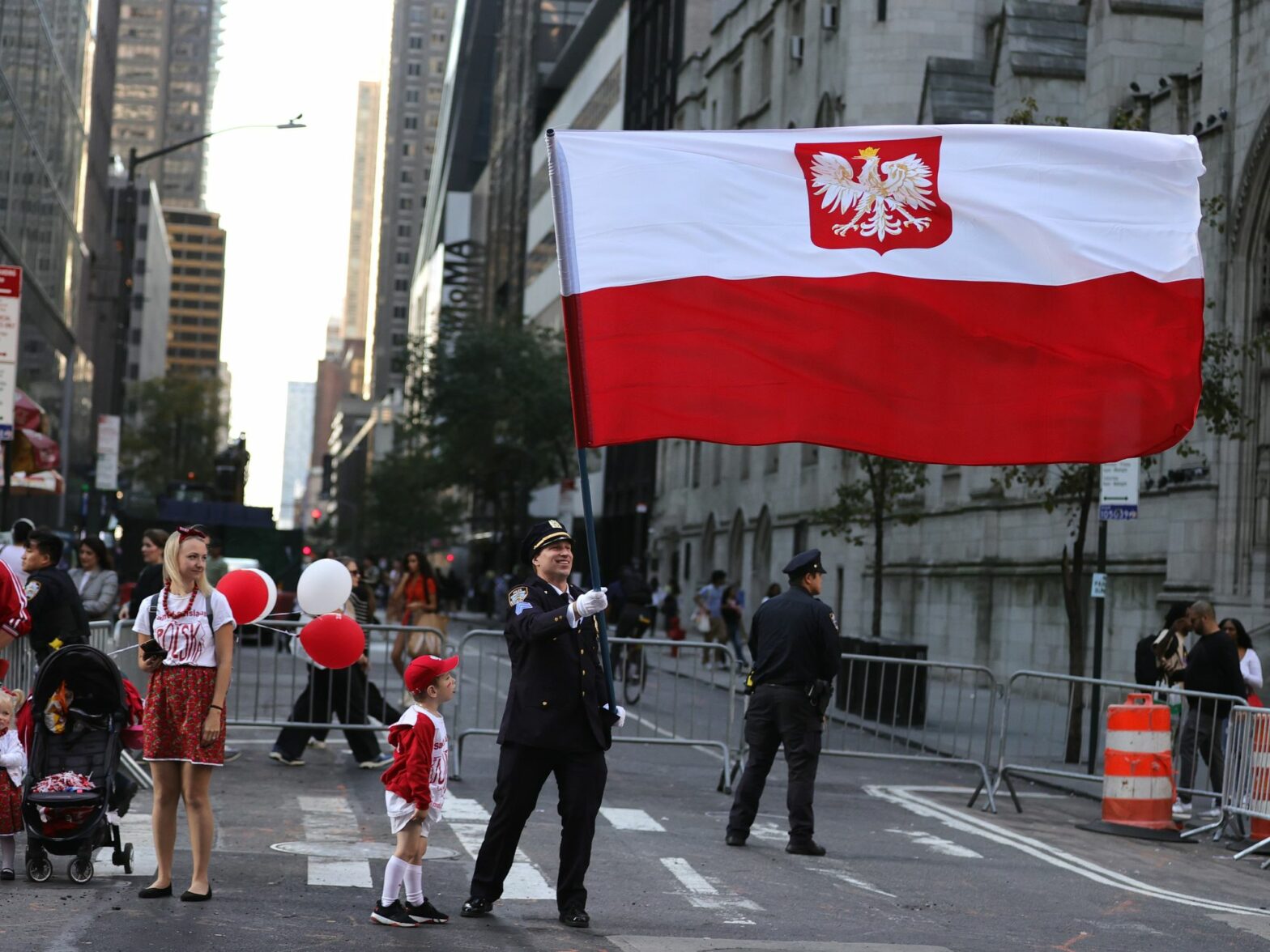
Trump’s politics of mass deportation have long been associated with migrants coming from Latin America and the Caribbean. However, as the first roundups begin in Chicago, home to the largest Polish community in the U.S., Warsaw-based looks at thousands of Polish immigrants who have been there for decades without proper documentation.
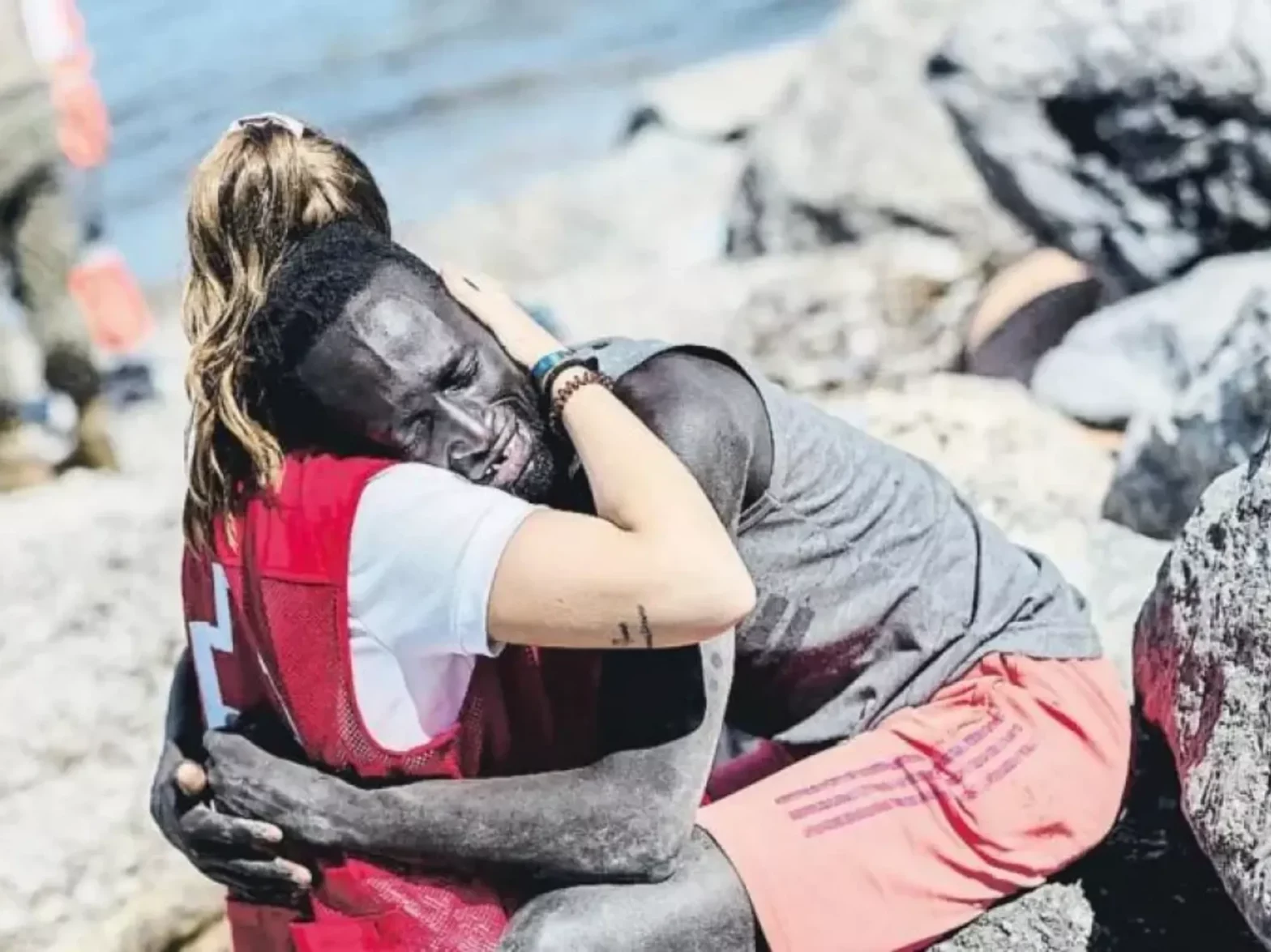
How can we transcend the anonymity of numbers? How can we preserve moments of love, resilience and defiance against oppression. Egyptian filmmaker and writer Basel Ramsis reflects on human connection, memory and the fight against dehumanization.
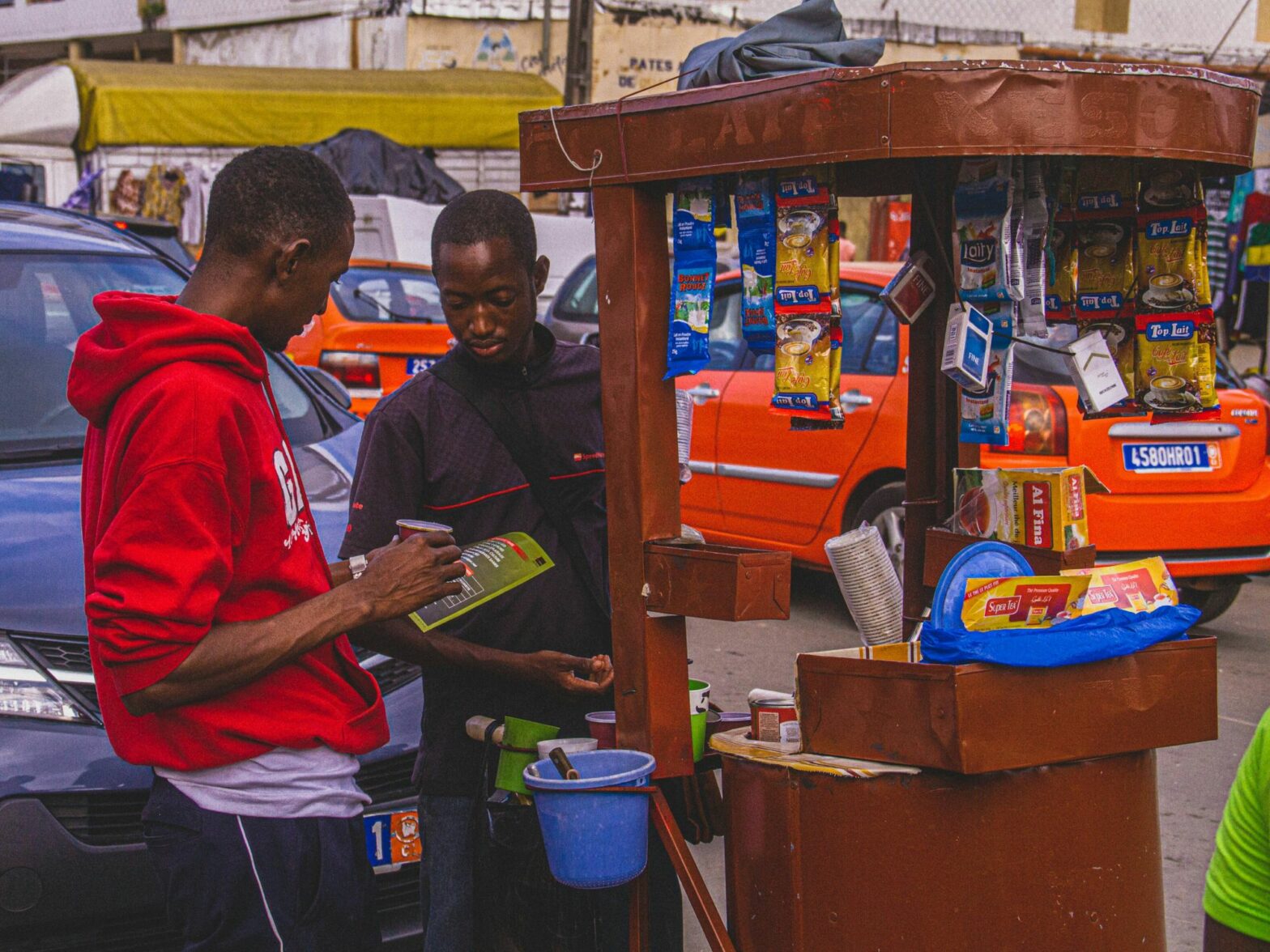
Germany needs 400,000 skilled workers from abroad every year. So why does the visa application process make it incredibly difficult for them to come to the country? For Die Zeit, Simon Langemann reports on one young Ivorian’s efforts to move legally to Germany as a migrant worker.
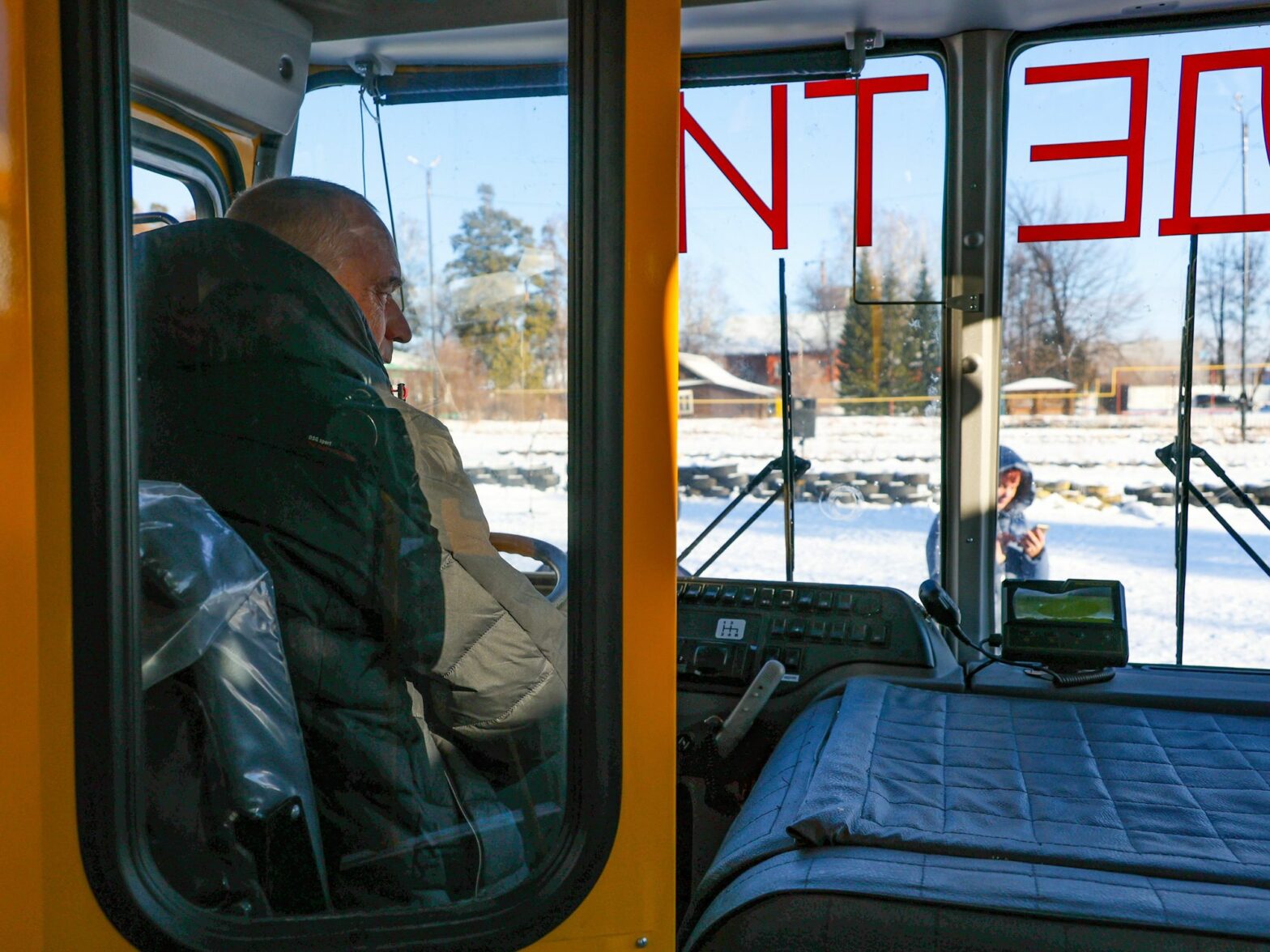
Russia’s Parliament has approved a law that would limit migrant children’s access to schools. It contradicts basic decency, international law and the Constitution. It is also bad for Russians.
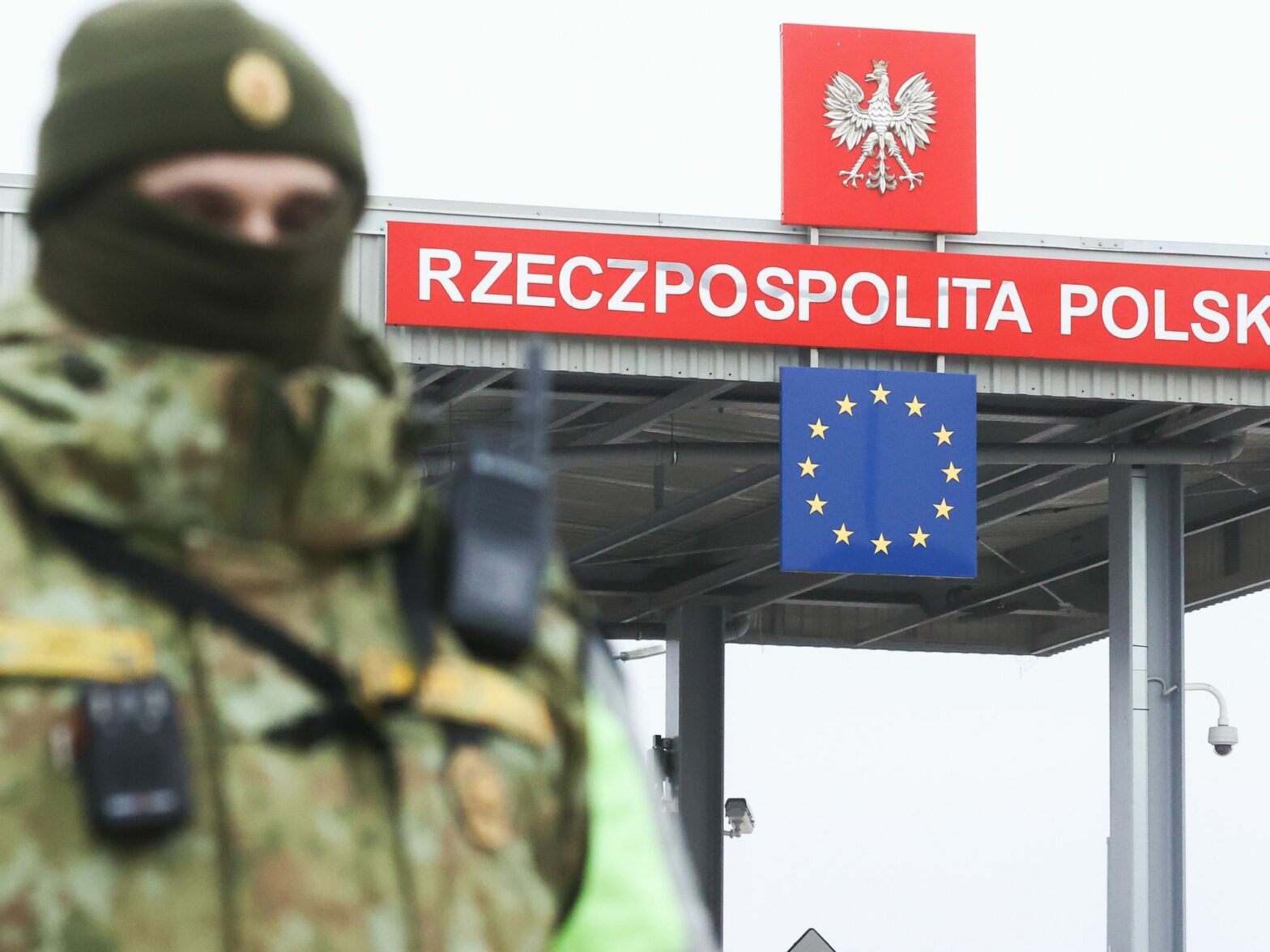
One of the few EU countries to not agree to the 2015 migration scheme, Poland had long been viewed as a right-wing periphery on migration. But with the rest of Europe moving rightward, Poland has emerged as the new leader on the issue.
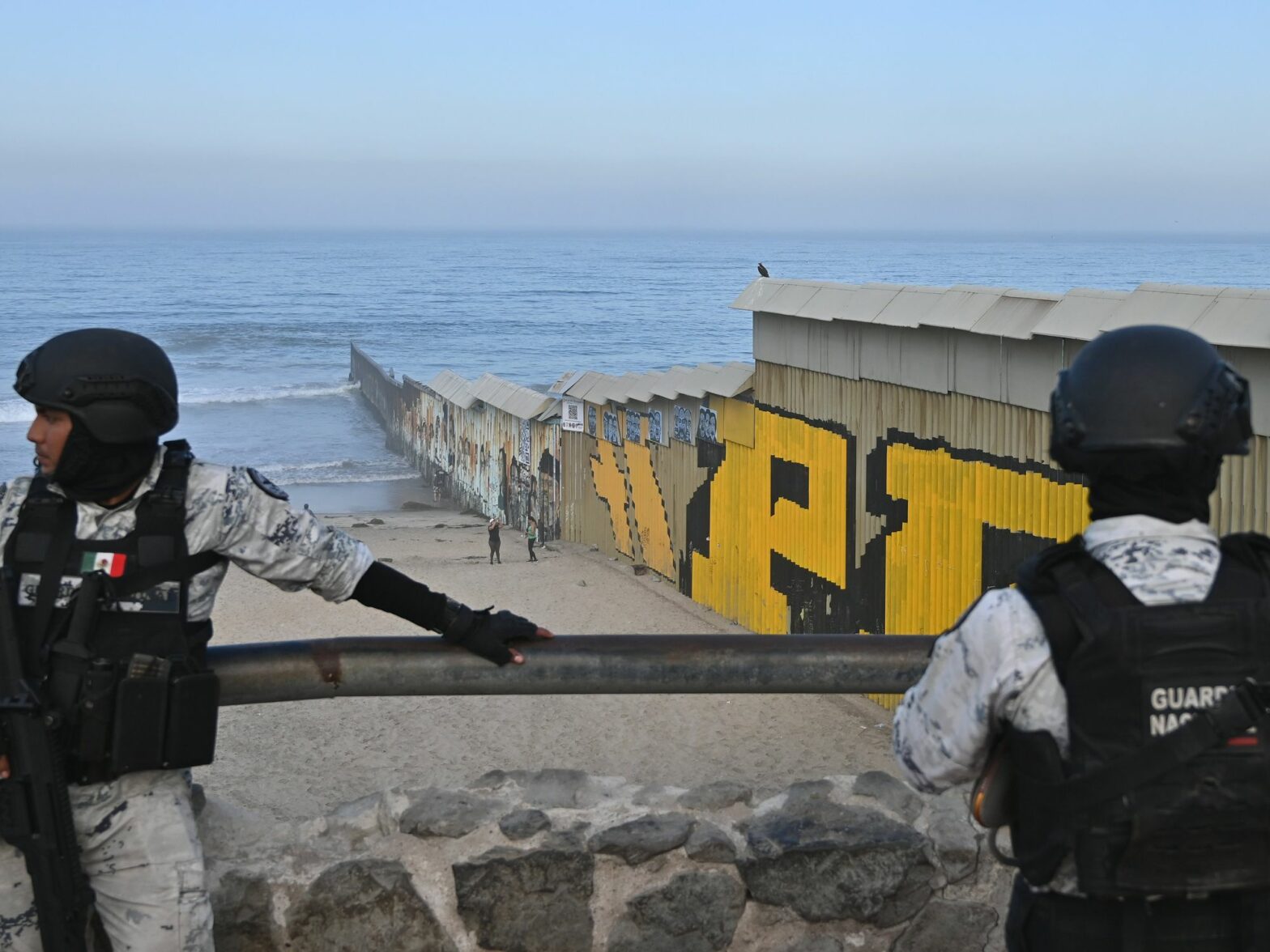
November 9 marks 35 years since the fall of the Berlin Wall. Once seen as a step toward open borders, walls and fences now span a quarter of the world’s land borders today. It’s central to what’s being called the “rebordering” among nations around the world.
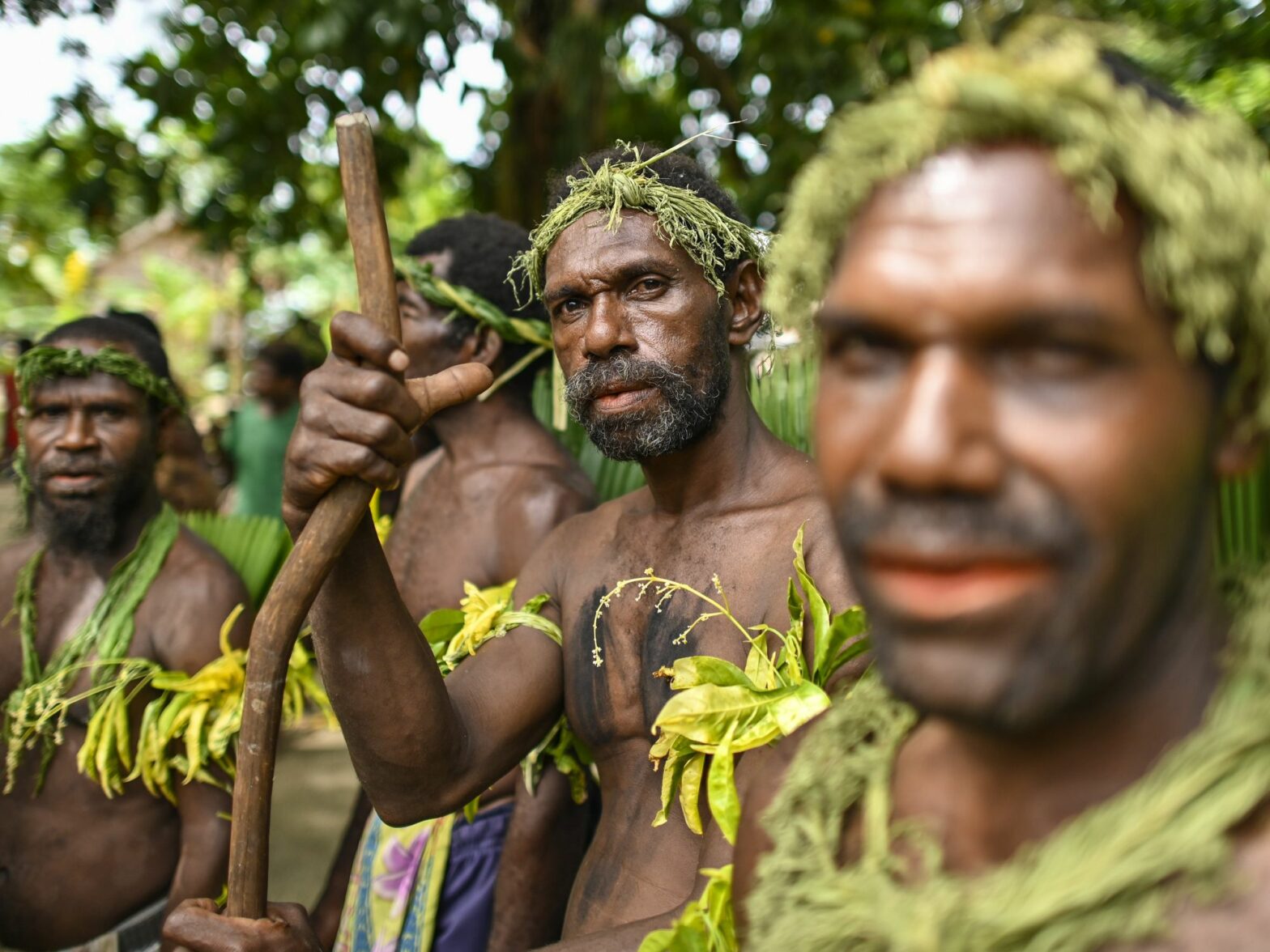
From combating invasive species in New Zealand to dealing with melting ice in Alaska, Indigenous peoples are on the front lines of climate change adaptation — yet often overlooked in international initiatives.
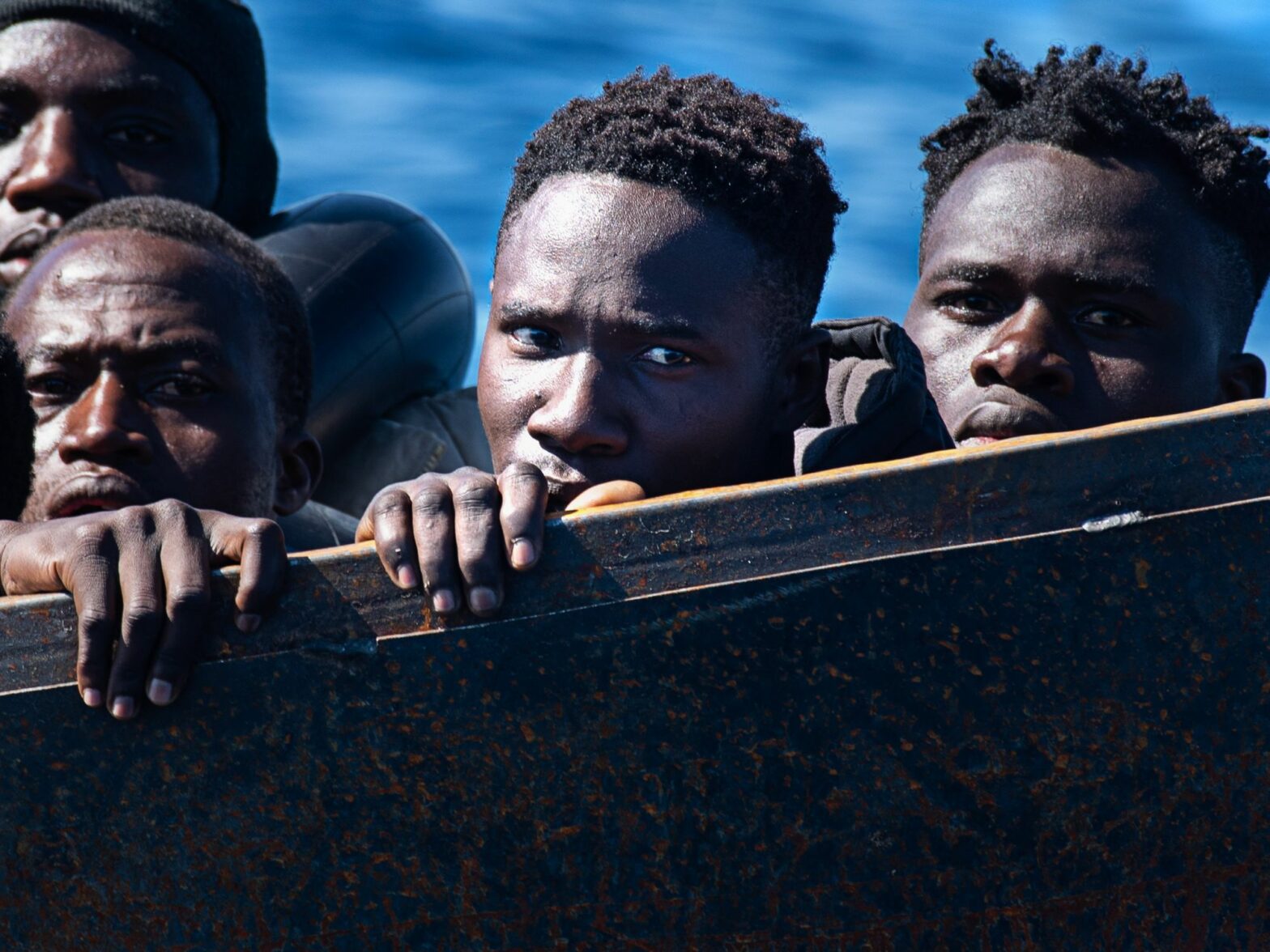
Soumaila Diawara, a refugee living in Italy, addresses Matteo Salvini’s remarks made on live television last week, where Italy’s deputy prime minister compared unregulated migrants to dogs and pigs.
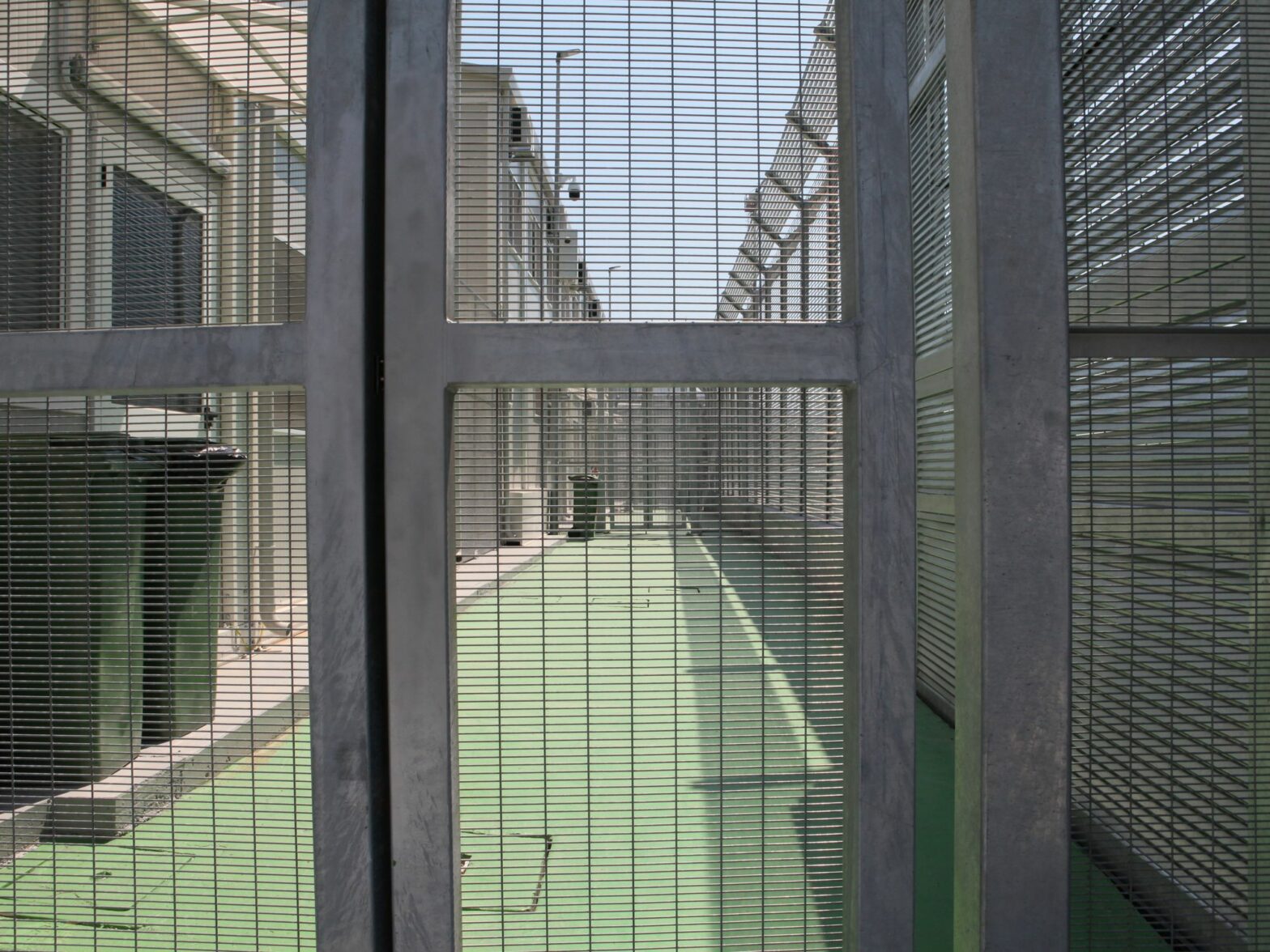
In the next few days, the first migrants to land in Italy will be transferred to the controversial new overseas migrant detention centers on Albanian soil. Human rights organizations warn of the way migrants to be treated fairly in them.
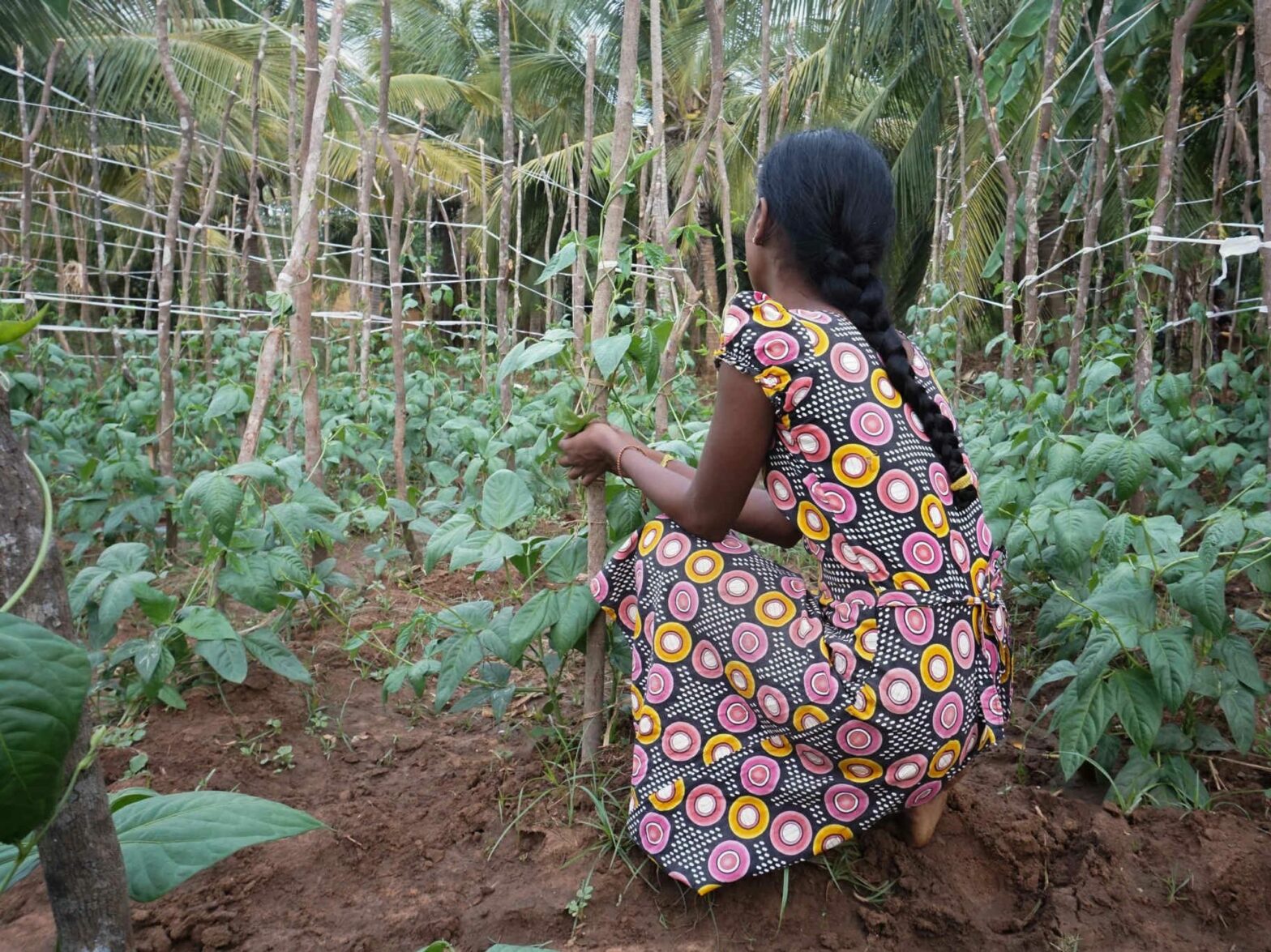
Many Sri Lankan women leave with the hope of finding work and a better life, and that makes them the perfect target for human traffickers.
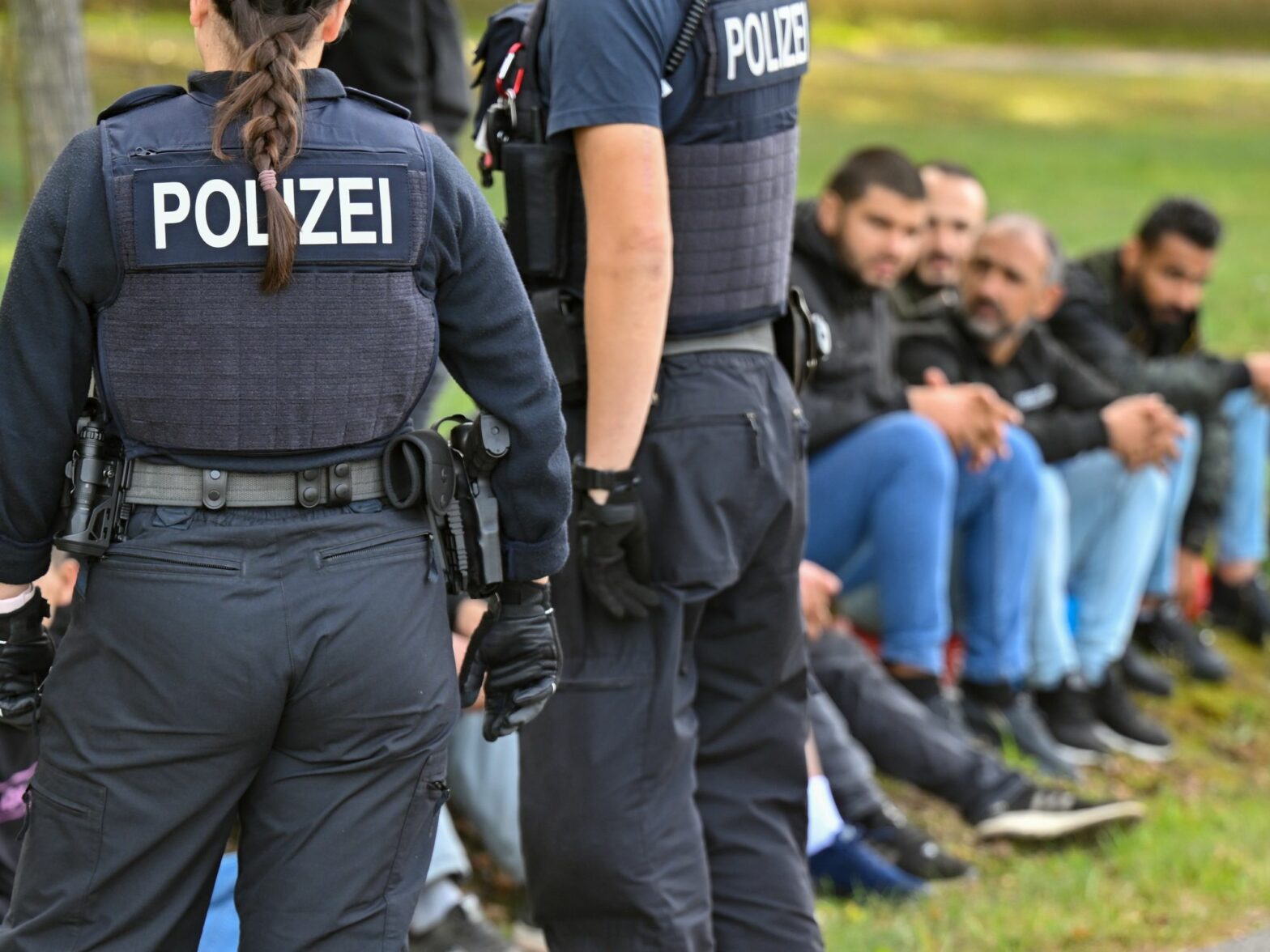
With new border controls with its EU neighbors, Germany is once again proving that it does not trust its European partners. This puts the whole European single market project at risk.
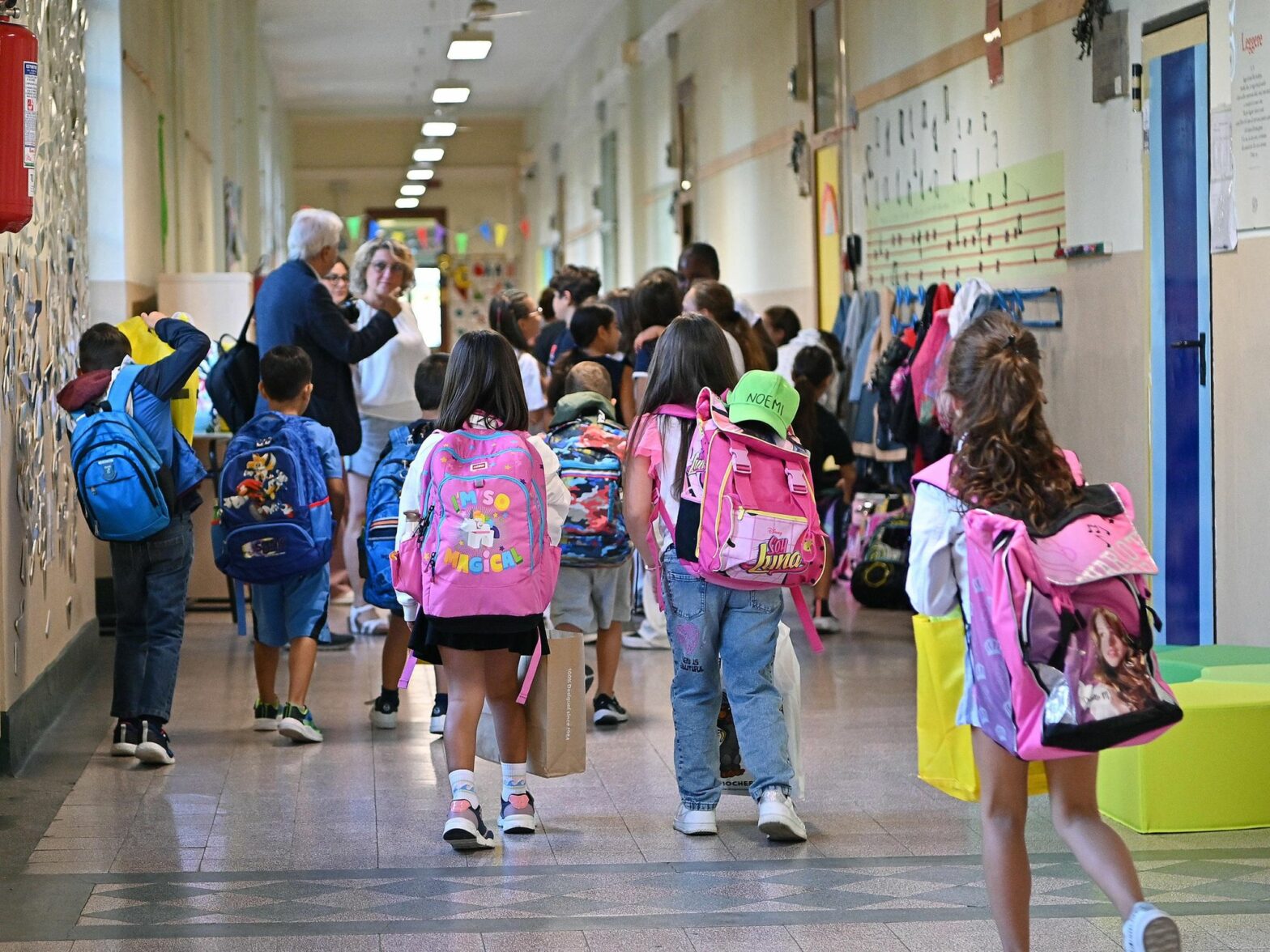
Italy is debating a new bill that would allow foreign-born students to become Italian citizens, linked to their status within Italy’s school system.
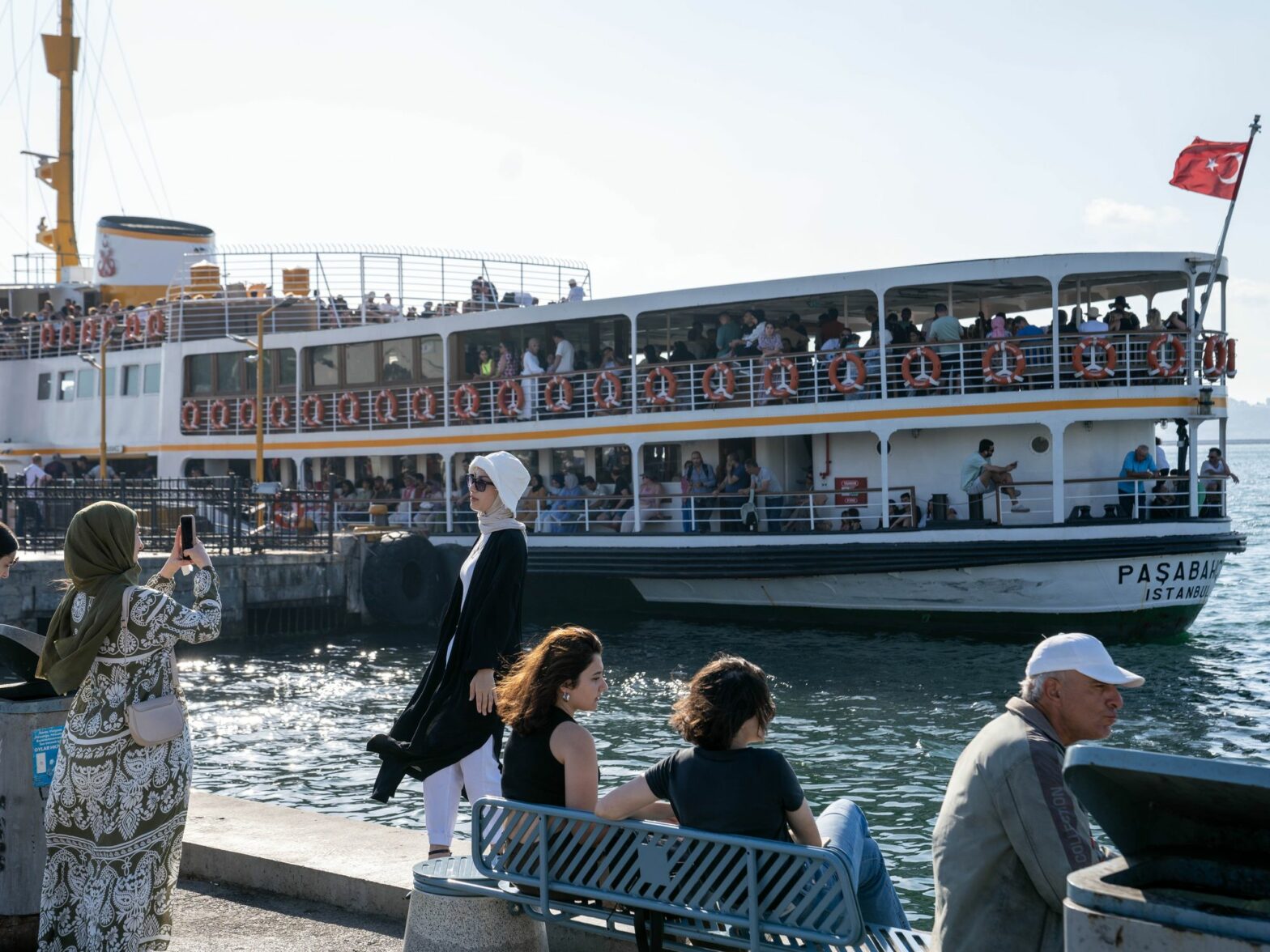
Thousands of Turks who want to come to Germany are having their visa requests denied. Asylum influencers show them how to get in and how to navigate welfare and benefits.