
-Analysis-
PARIS — On the eve of Secretary of State Anthony Blinken’s arrival in Tel Aviv, Israeli officials were busy stepping up their statements to the U.S. press, announcing a “new phase” in the more targeted war in Gaza.
But to the Israeli public, the army says this is just “semantics.”
For the latest news & views from every corner of the world, Worldcrunch Today is the only truly international newsletter. Sign up here.
The explanation Israelis give is simple: we need to reassure our American ally. For weeks, Washington has been calling for a strategy that would result in fewer civilian casualties. But they have not been heard: every day brings new dramatic images from Gaza.
The political cost is being felt: a few days ago, Joe Biden was holding an election rally when he was sharply challenged by young voters accusing him of “complicity” in civilian casualties. They were removed from the event, but the President said he “understands their passion,” and again called for fewer casualties. The audience rose to their feet and applauded.
Yes, the conflict in the Middle East is at the center of the American political agenda in this election year.
What Washington wants
Of course, it’s not just in the U.S. that this is playing out. During his visit to Doha, home of the Qatari TV channel Al Jazeera, Blinken expressed all the compassion he could muster in response to a question about Al Jazeera journalist Wael al-Dahdouh, who lost his wife, three sons and a grandson in two Israeli strikes.
How can we remain credible when the United States is supplying the bombs?
So what is this “new phase” the Israelis are talking about? Israeli Defense Minister Yoav Gallant told The Wall Street Journal that Israel would be moving from the phase of “intensive warfare” to “different types of special operations.” This is what the United States has been demanding for several weeks, while sharing Israel’s objective of militarily eliminating Hamas.
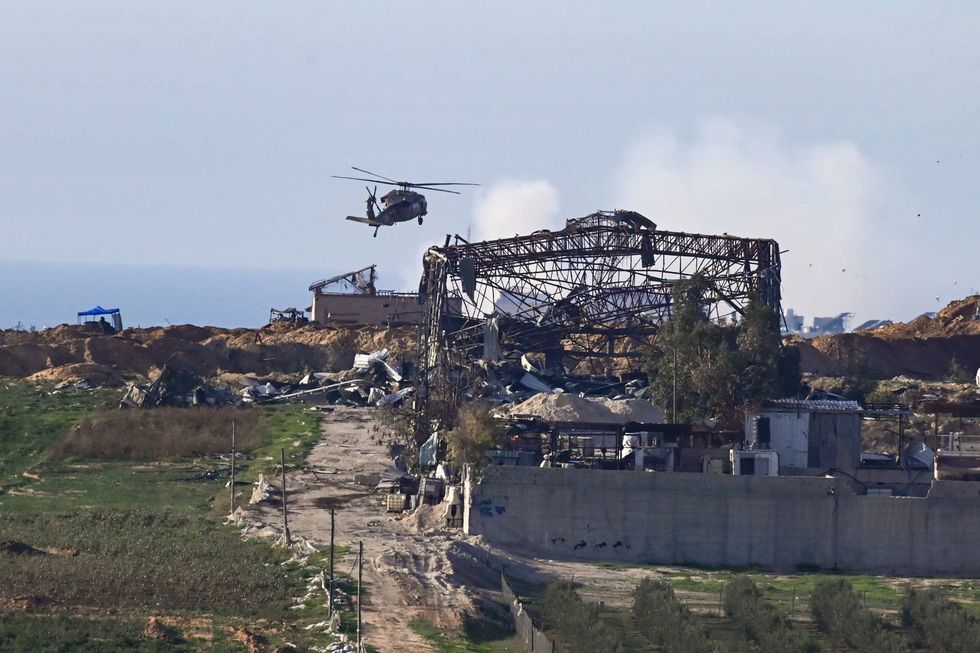
In actual fact, we have yet to see the results. Israel has announced that it has achieved its objectives in the north of the territory, of which little remains intact after three months; but the war continues with the same intensity in the south, particularly around the Khan Younis camp, a Hamas stronghold.
What Netanyahu won’t do
The difficulty with Blinken’s assignment is that there are several subjects in one: the Gaza war, the regional risk, and the aftermath.
He’s struggling to produce results
First point is that the United States does not want to be dragged into an all-out war that it neither planned or wanted: this is what is at stake in the current tour by the head of American diplomacy, who is worried about the rising dangers in southern Lebanon and the Red Sea. If he succeeds in halting the escalation, he will have achieved one of his objectives.
But he also wants to keep his hand on the post-war agenda, and that’s where the trouble with Prime Minister Benjamin Netanyahu begins. Blinken arrived from Saudi Arabia with a clear message: the kingdom’s leaders are ready to resume the process of recognizing Israel, provided that peace returns; and, a new condition, that there is a prospect of a two-state solution. Netanyahu does not want this.
This is Blinken’s fourth shuttle visit to the Middle East since Oct. 7, and he’s struggling to produce results. It’s also starting to show that nothing is changing — and that’s not good news for Joe Biden.