
-Essay-
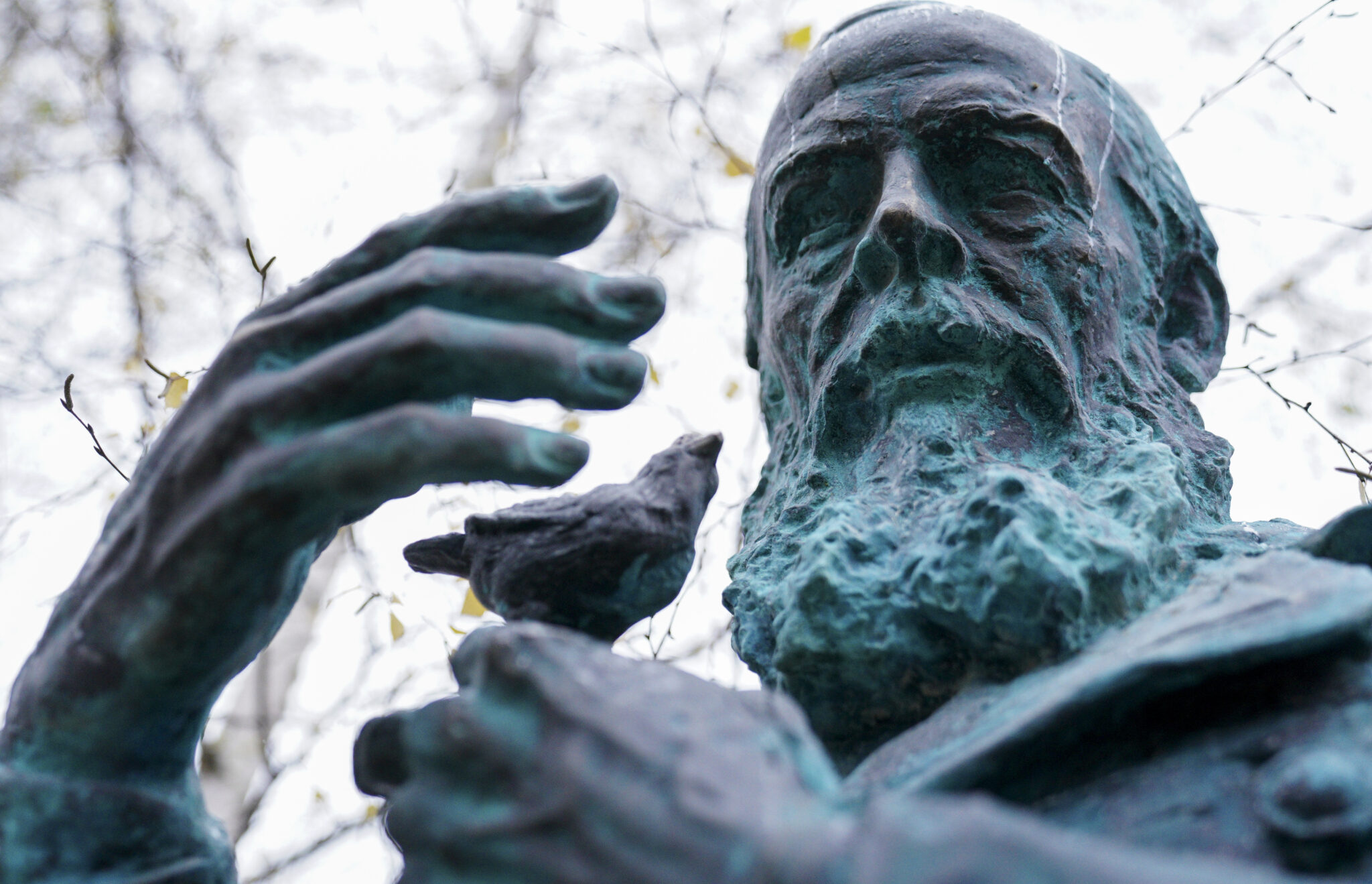
BOGOTÁ — The 19th-century Russian novelist Fyodor Dostoevsky began defining his work with the concept of “fantastic realism” in his columns in Vremya, a monthly magazine founded and edited by himself and his brother Mikhail in 1860.
He did so to explain why stories by Nikolai Uspensky — especially one titled Grushka in which the realist writer described, and only described, common people — generated “confusion, not accuracy.”
The radical Russian press, which had been clamoring and fighting for absolute revolution, was now claiming, almost boastfully, that someone had finally written the unvarnished truth about the people. Among many other things, Dostoevsky stated then that, in general, the artist “raised to consciousness some aspect of life that previously existed in obscurity.”
Fantastic realism
He later clarified that Uspensky had merely described scenes and paintings, then more scenes and more paintings, as if he had placed a daguerreotype in a public square, to cite Dostoevksy’s biographer, the late Joseph Frank.
Magical realism practically became a brand that fitted in the possible and the impossible, the real and the fictional.
Elsewhere, Dostoevsky said that it was not true that Uspensky had “contributed something new to the portrait of the people,” as the radicals kept saying, because that was already done and in great detail, by other novelists of their time, Leo Tolstoy, Ivan Turgenev and Alexander Ostrovsky.
Dostoevsky rejected the idea that an artist merely copies reality and insisted in several of his journalistic texts that art, and all the arts, depicted a reality, but these had but little value if the author does not recreate that reality.
He termed the artist’s recreation of reality — or subjectivity or point of view — “fantasy.” Later, he clarified that this “fantasy” must start from reality and be oriented toward it, from a succession of spaces, decisions and events, or paint strokes, that constituted “realism.” For Frank, this “fantastic realism” would in time define the quintessence of his literary art.
A forgotten footnote
Eighty-seven years after the publication of Dostoevsky’s columns, the Venezuelan writer Arturo Uslar Pietri wrote the term “magical realism” in a segment of his book Letras y hombres de Venezuela (“Letters and Men of Venezuela”), explaining that the concept arose unconsciously from certain texts he had read by a critic named Franz Roh, who 10 years earlier had baptized a post-expressionist trend as “magical realism.”
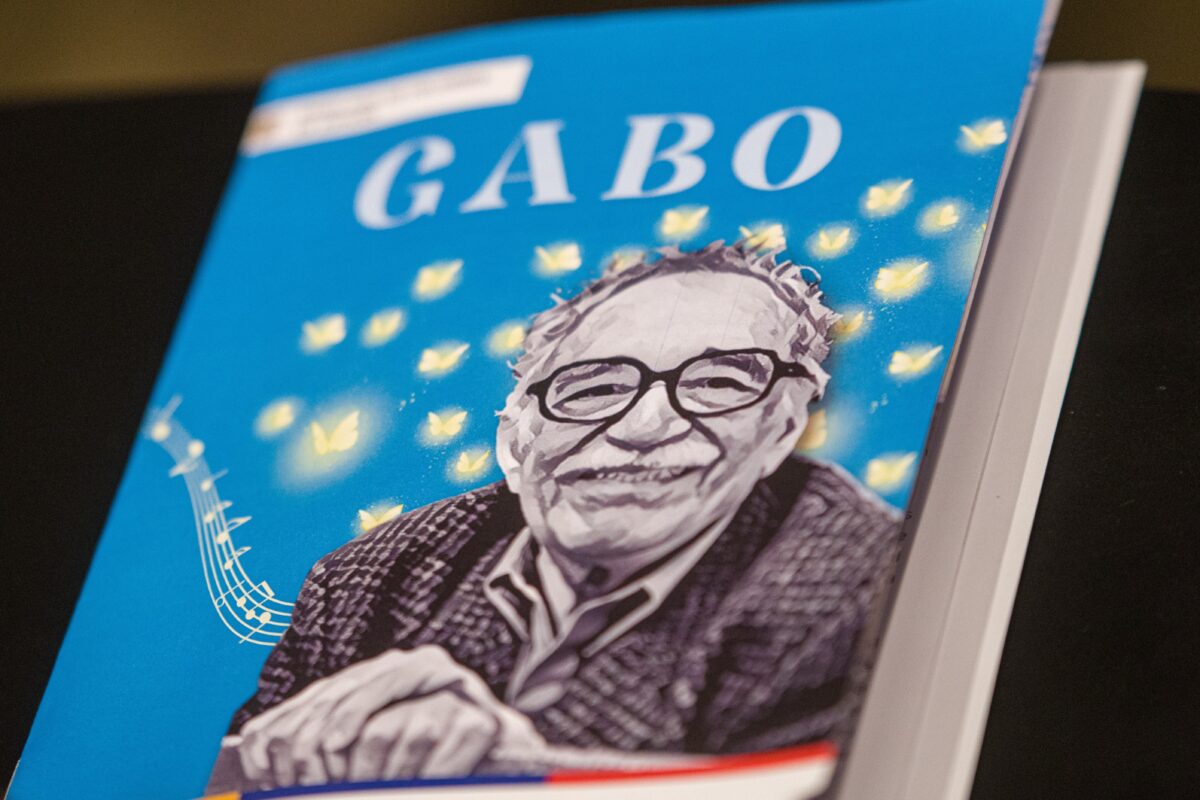
The rest of the story began to take shape in the 1960s, starting with Mexico’s Juan Rulfo and his novel Pedro Páramo, and Colombia’s Gabriel García Márquez and his One Hundred Years of Solitude.
With and through these and a handful of other writers, magical (or magic) realism practically became a brand that fitted in the possible and the impossible, the real and the fictional, and a whole lot of political, judicial, national, populist and popular material and their imaginable and imaginary offshoots — all of them immersed in an avalanche of articles, commentaries, reviews and publicity that ended up erasing Uslar Pietri and Roh from history and relegating Dostoevsky’s concept of “fantastic realism” to a forgotten footnote.