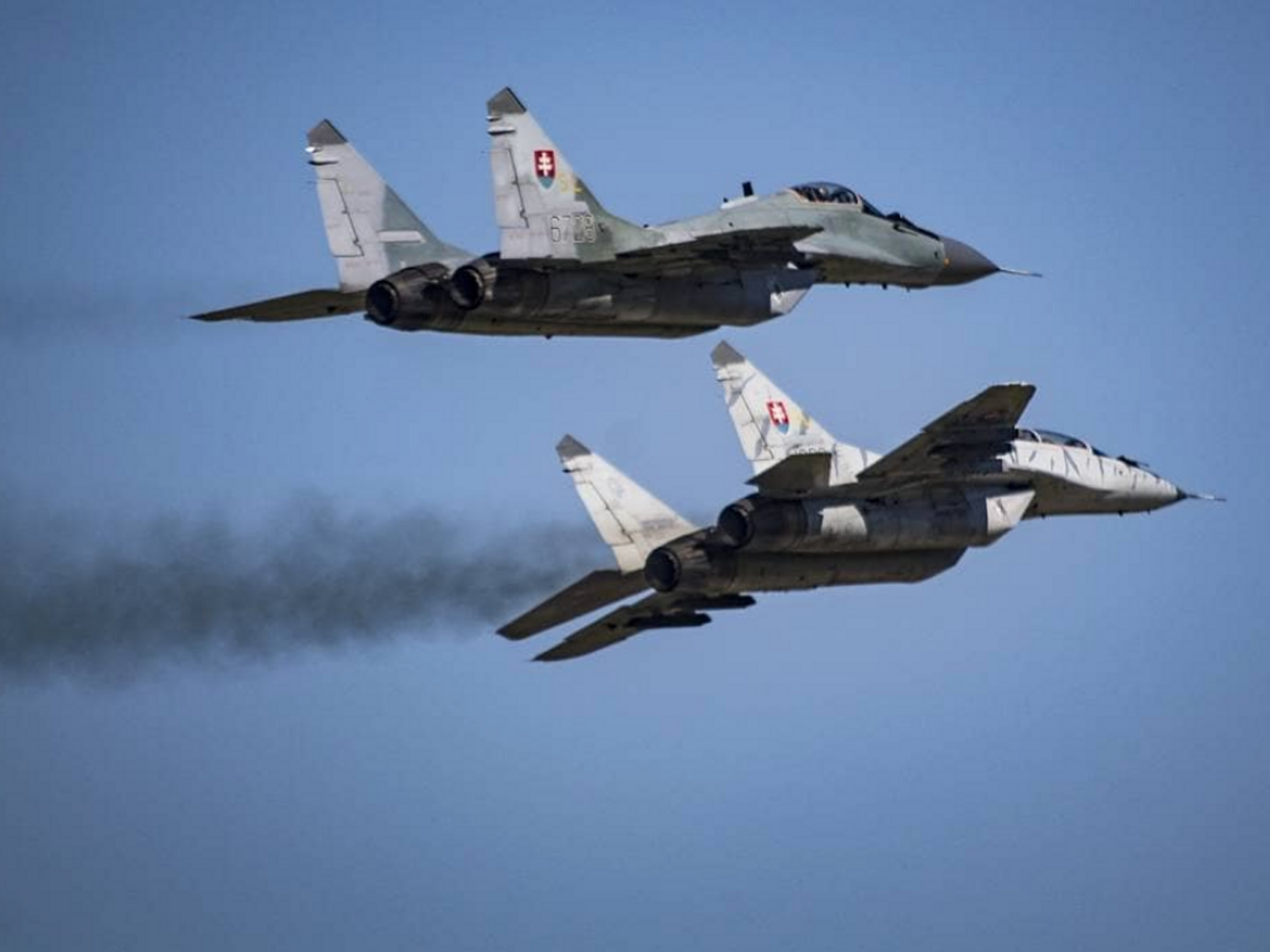
A bloc of eastern European countries has distanced themselves from Western Europe — Germany in particular — by sending Soviet era jets to Ukraine, part of growing push to supply the country with Western-made fighter jets.
 Worldcrunch
Stay updated with comprehensive news on Ukraine from Worldcrunch. Discover insights on Ukrainian politics, economic strategies, societal issues, and cultural landmarks with translations from top international sources. Highlights include Kyiv, Ukrainian history, and current events.
A bloc of eastern European countries has distanced themselves from Western Europe — Germany in particular — by sending Soviet era jets to Ukraine, part of growing push to supply the country with Western-made fighter jets.
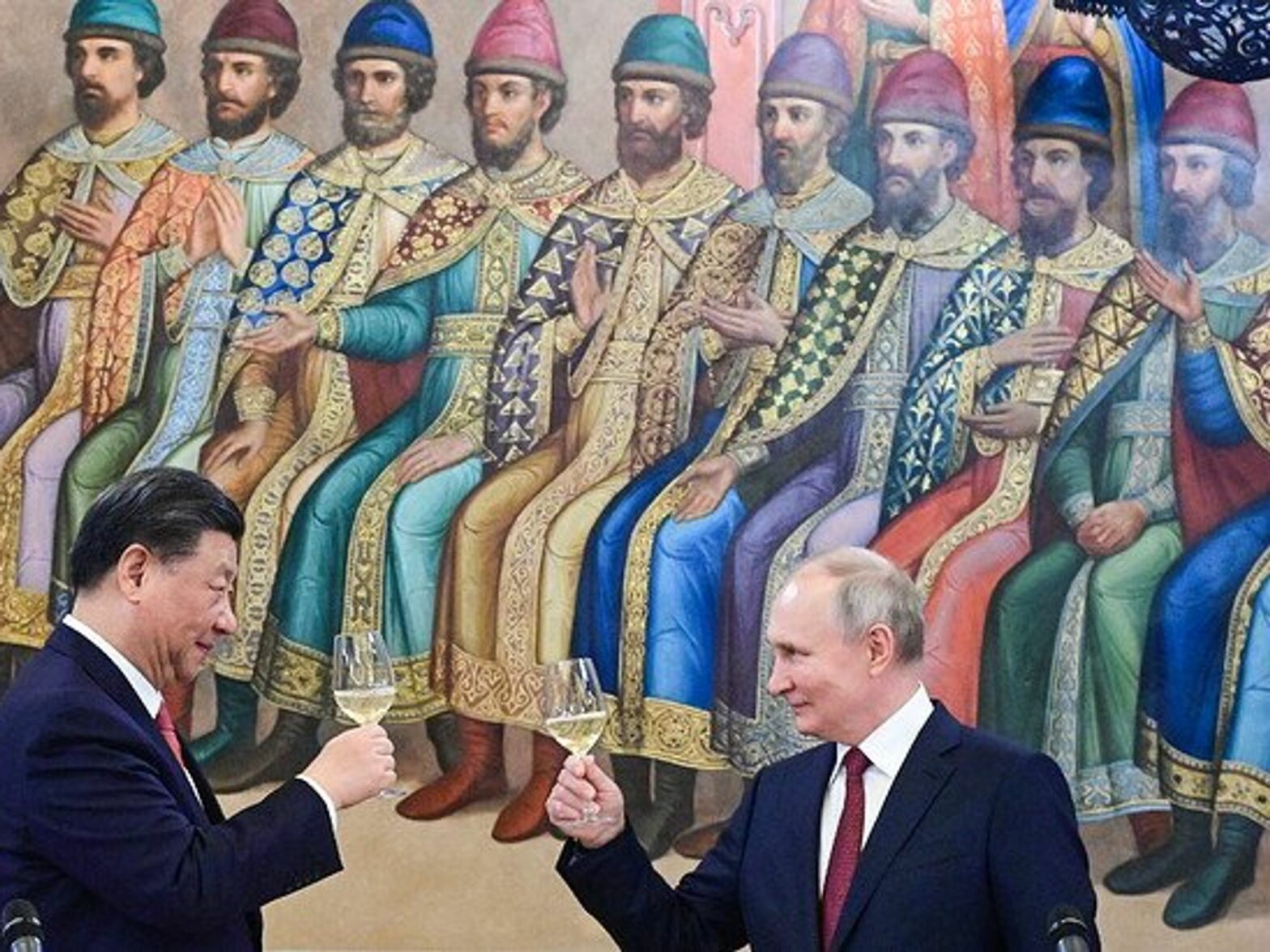
Chinese President Xi Jinping’s visit to Moscow was a much-needed favor Vladimir Putin. But make no mistake, Beijing is there to serve Beijing — and holds virtually all the cards.
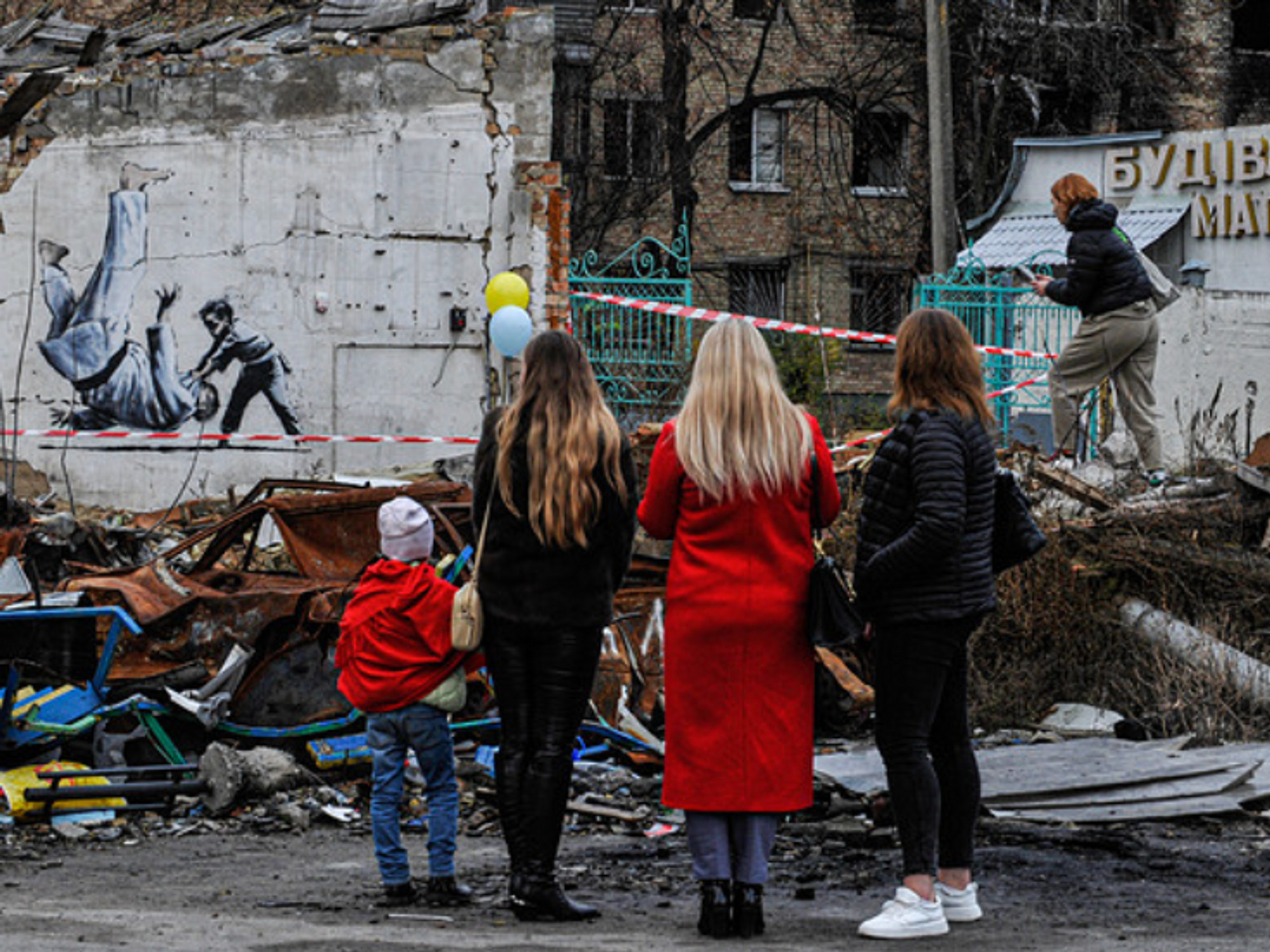
With the right support, Ukrainians are ready to return, even to new parts of the country where they’ve never lived.
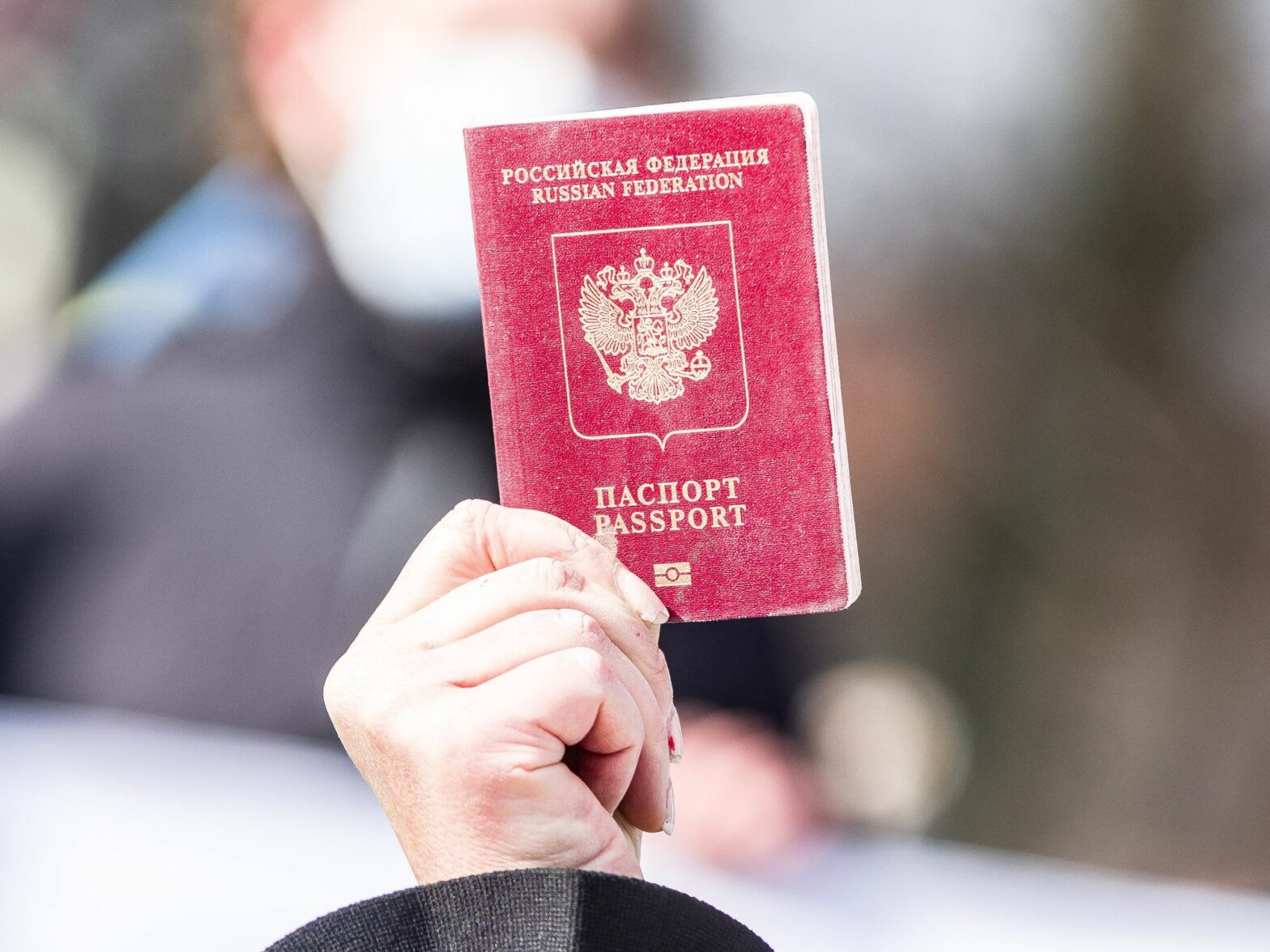
Reports have emerged of children, retirees, and workers being forced by the Russian military and occupying administration to obtain Russian Federation passports, or face prison, beating or loss of public benefits.
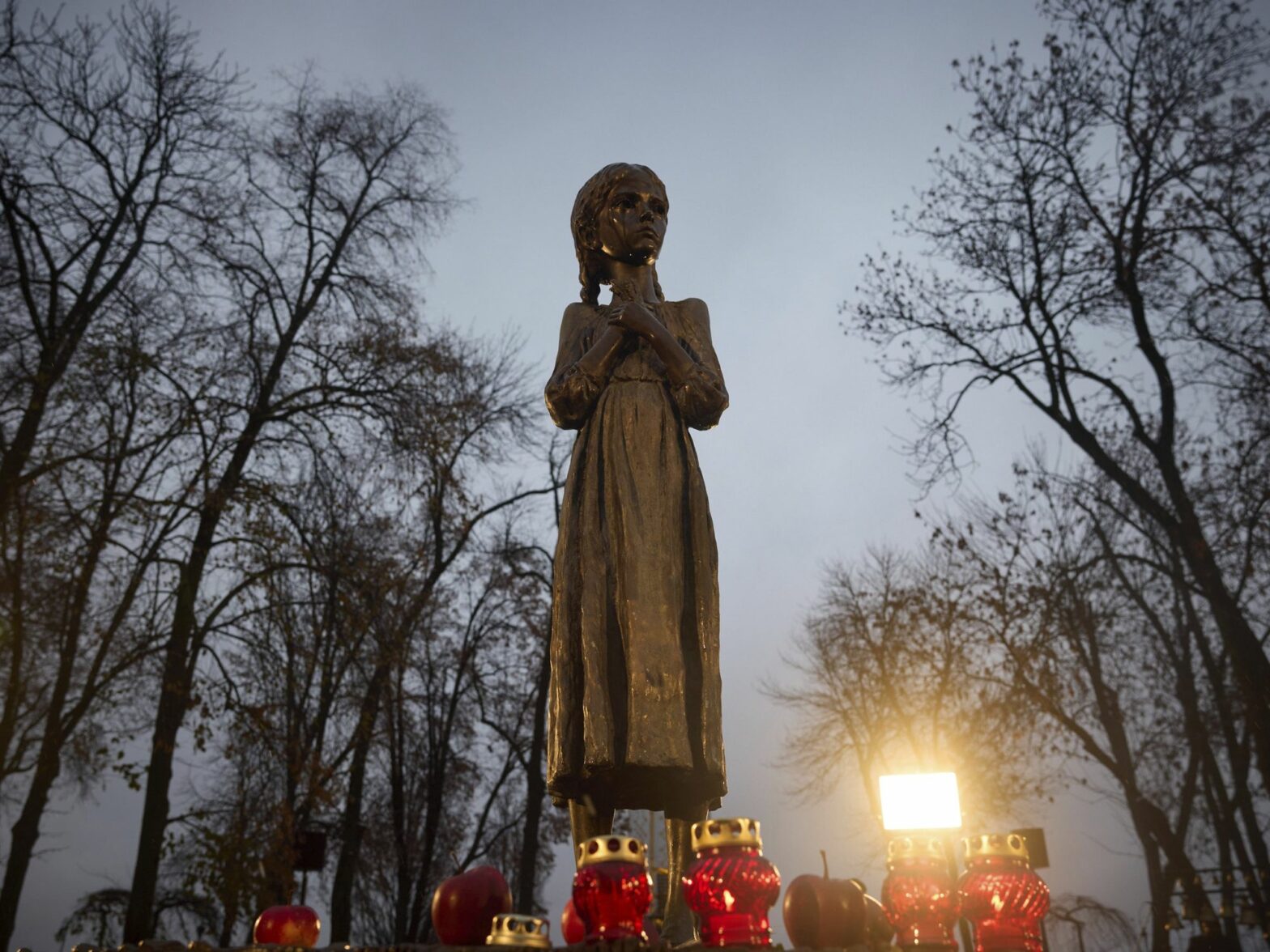
Ukraine and countries around the world recognize the Holodomor, the famine which killed millions of Ukrainians in the early 1930s, as a genocide caused by Soviet authorities. But Russia still refuses to admit responsibility. A new study uses agricultural records and mathematical modeling to show that the famine clearly targeted Ukrainians.
If Russia’s invasion of Ukraine hadn’t gone so badly, the Kremlin had two possible plans for governing the country under the Russian flag.
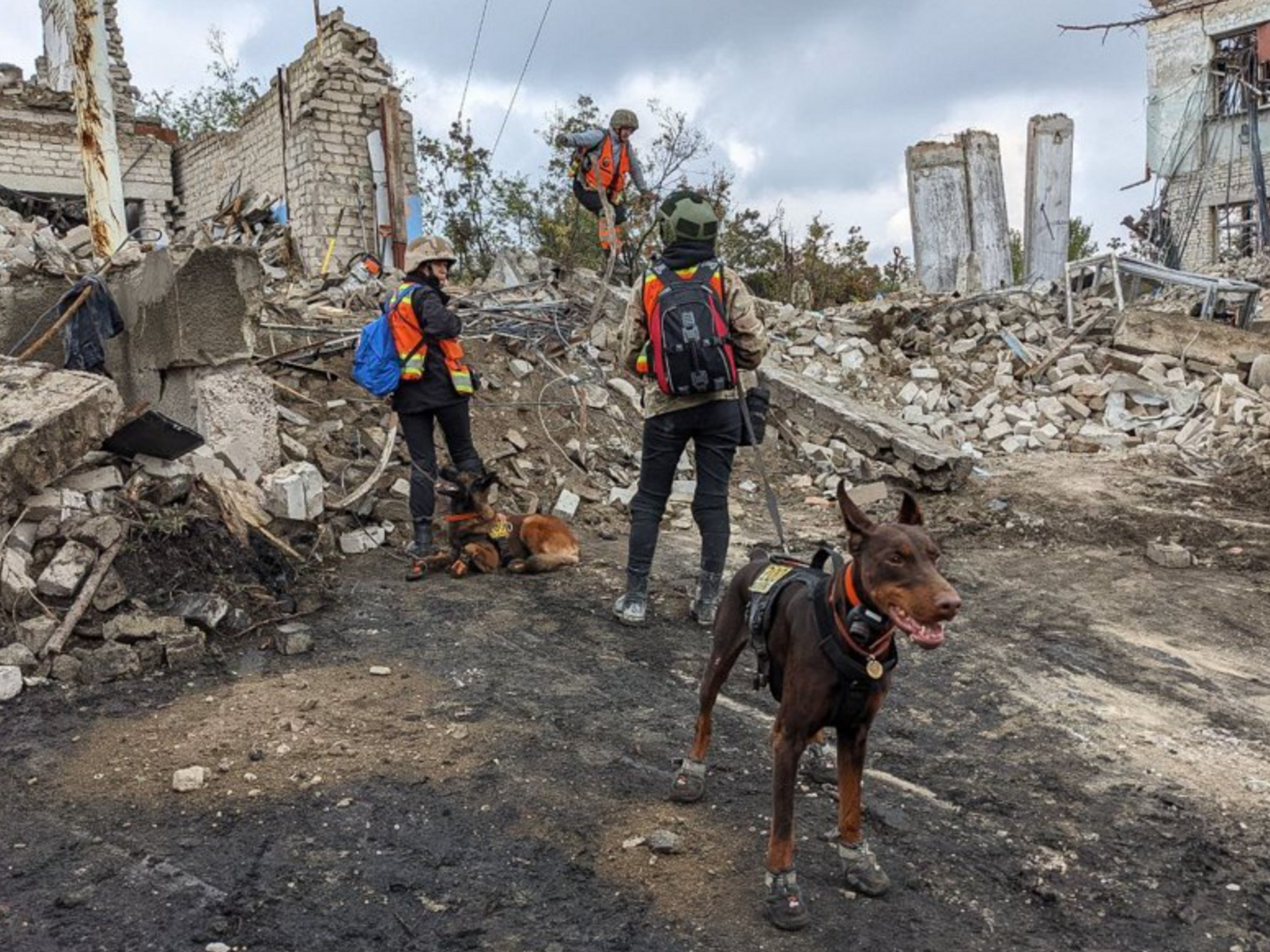
Former canine athletes forced by war to become rescuers, a squad of dogs searches for survivors in ruined homes destroyed by rockets, and for unmarked graves in liberated Ukrainian territory.
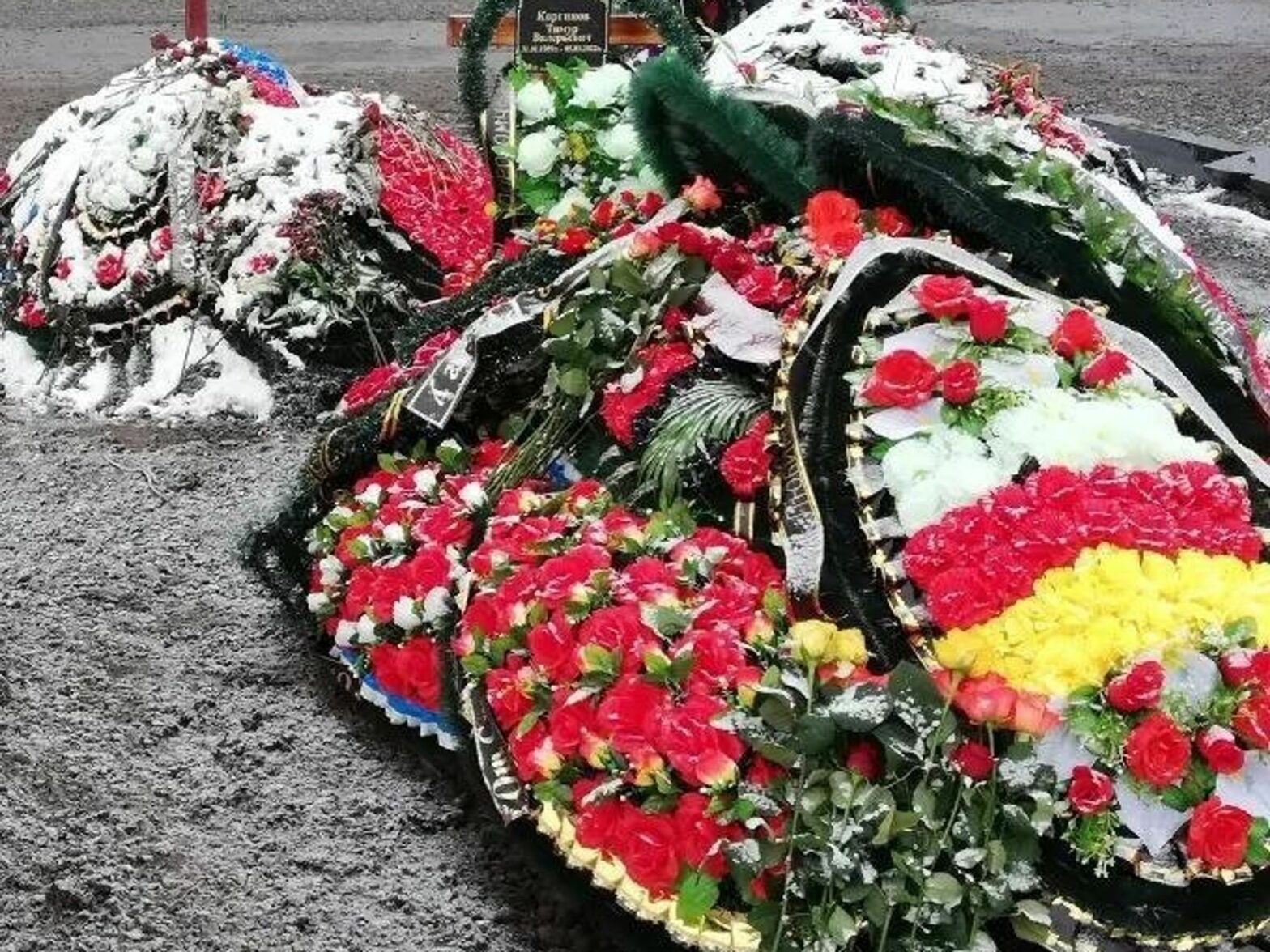
This is the other side of the Kremlin’s “special operation” in Ukraine. The human cost of the Russian side remains unclear. The reportage takes place in the capital of one of the poorest regions of Russia, in the heart of the Caucasus, where a growing number of soldiers are buried.
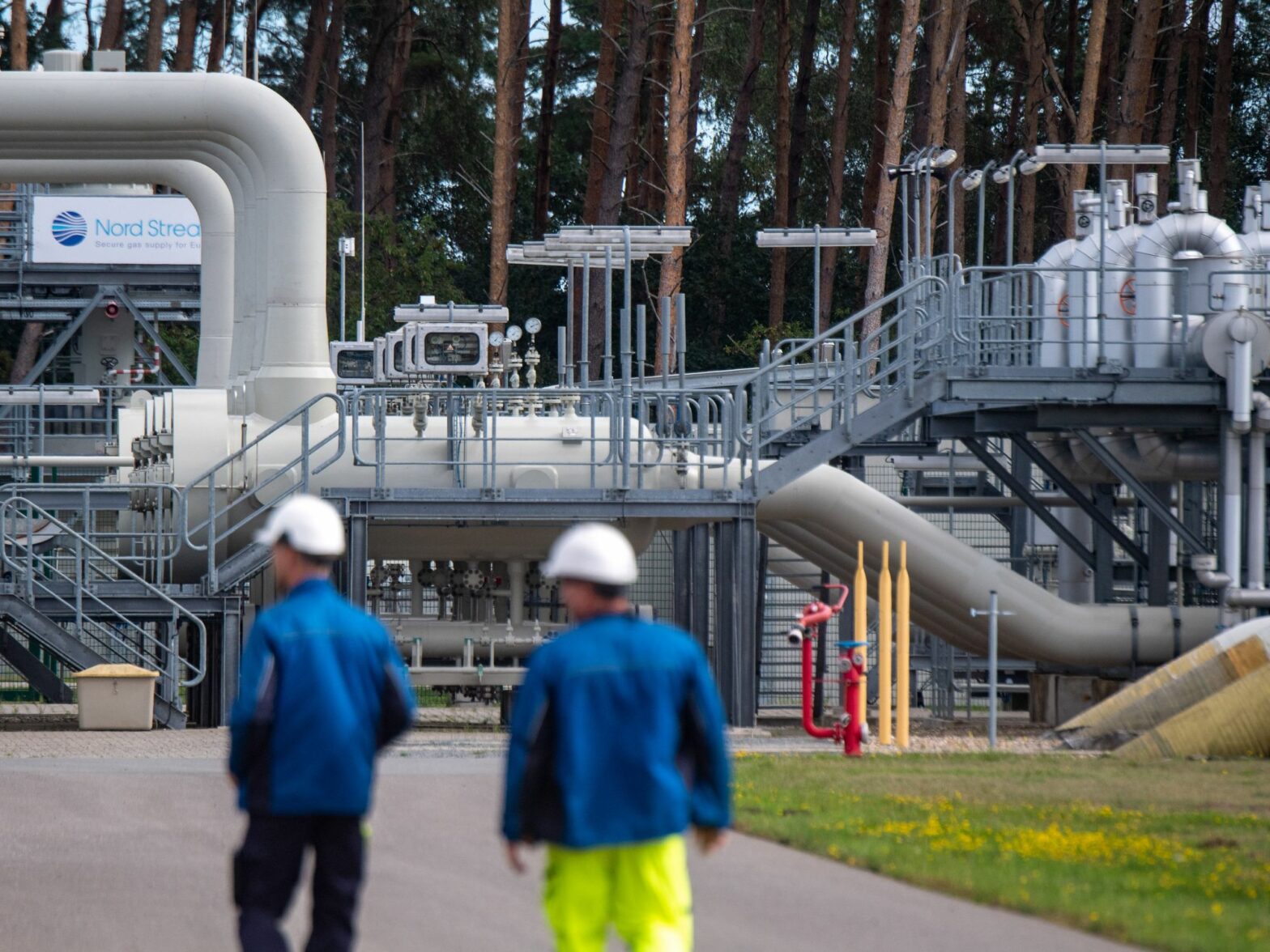
A new report blames the attack last September on a pro-Ukrainian outfit. It is hardly the last word on the case, but a good sign that the truth will come out in the end, which is crucial to maintain support in the West.
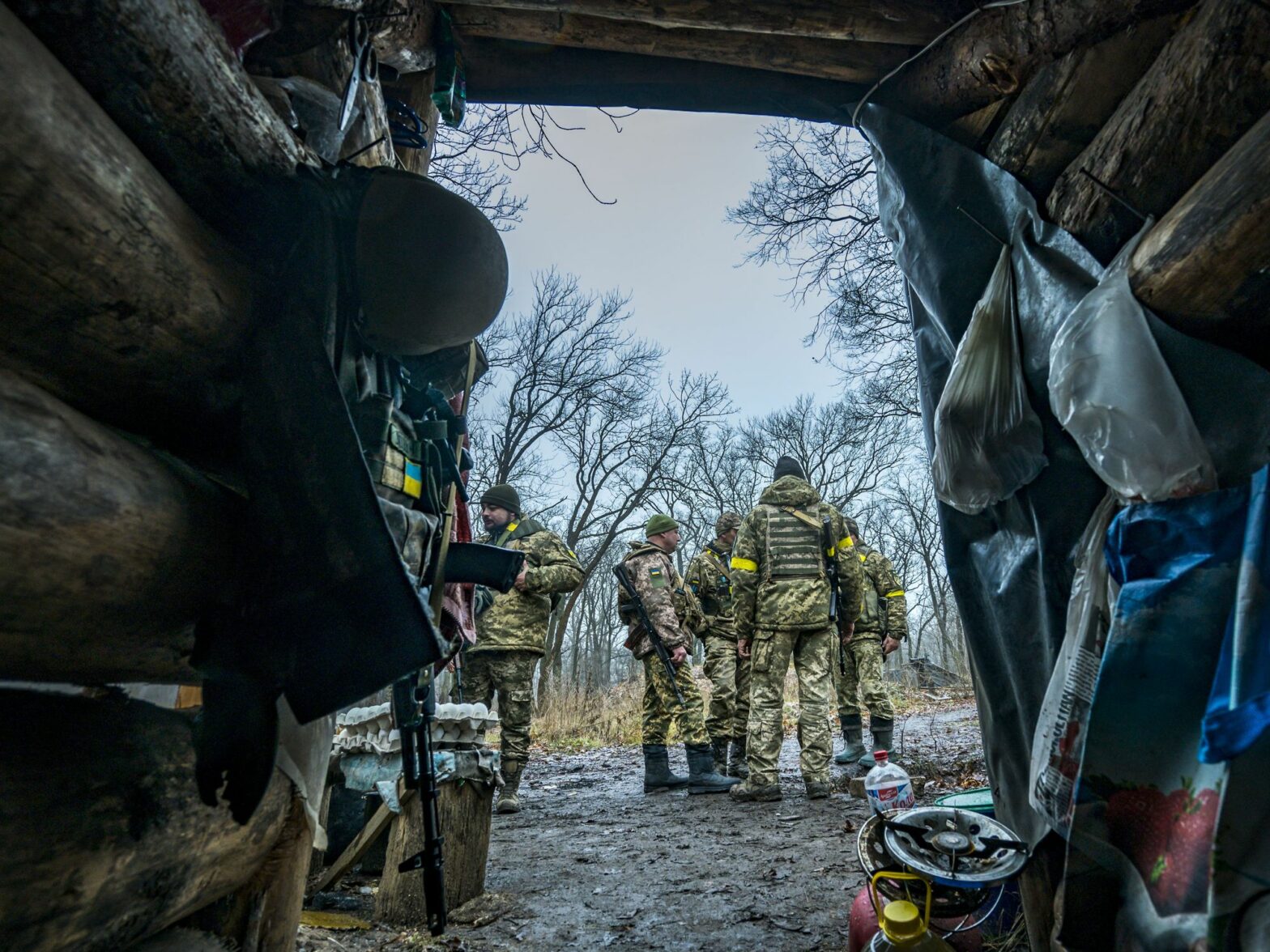
A 39-year-old fighter codenamed “Alaska,” a member of the Ukrainian Battalion 243, has decided to share his story in the battles of Bakhmut and other key frontline positions in eastern Ukraine over the past six months.
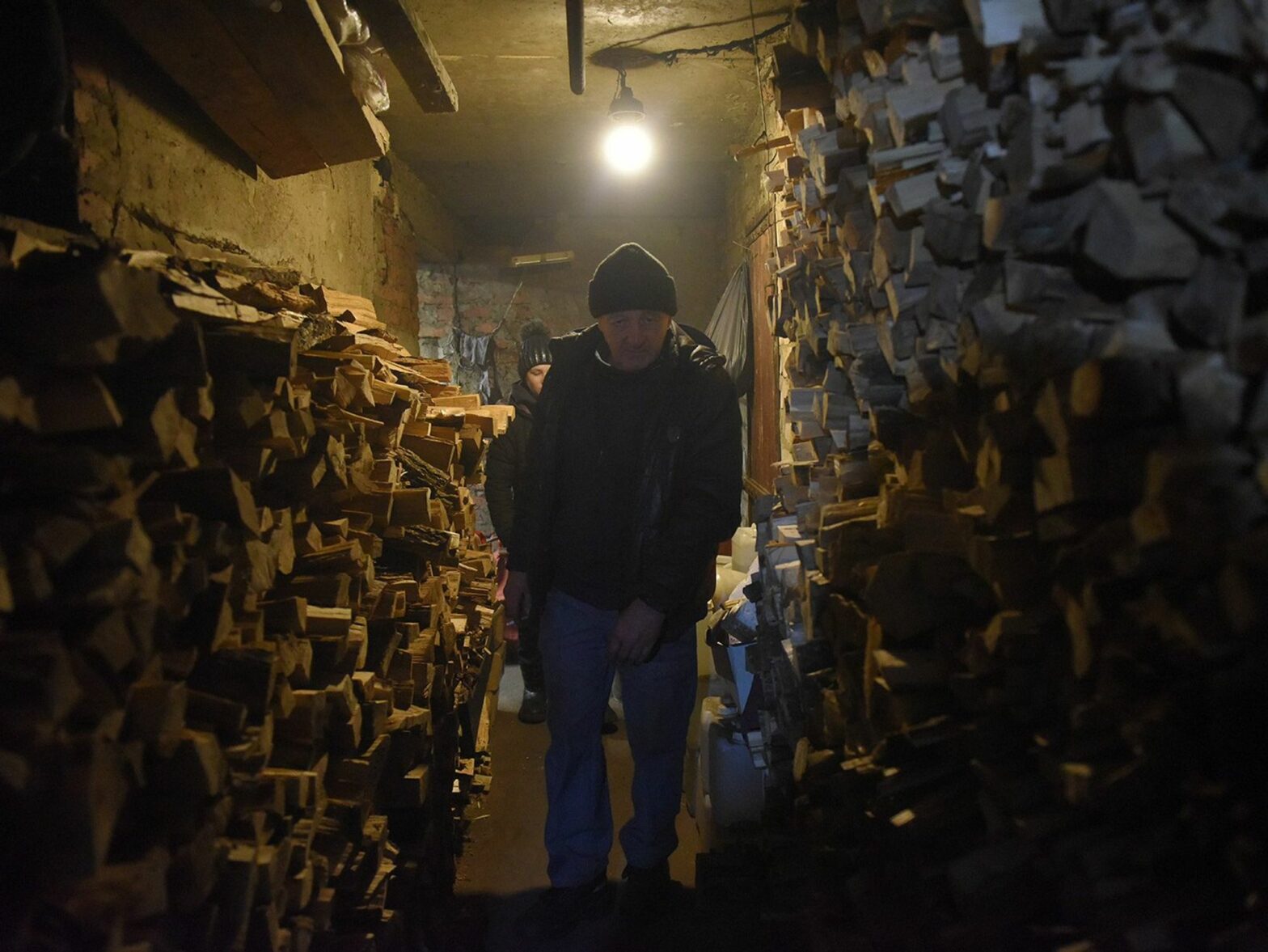
Russian shells hit frontline cities Siversk and Lyman every day, but some people are refusing to abandon their homes. Life has gone underground. A year since the beginning of the Russian invasion, a reporter from Ukrainska Pravda meets people surviving in basements — their towns destroyed, but still alive.
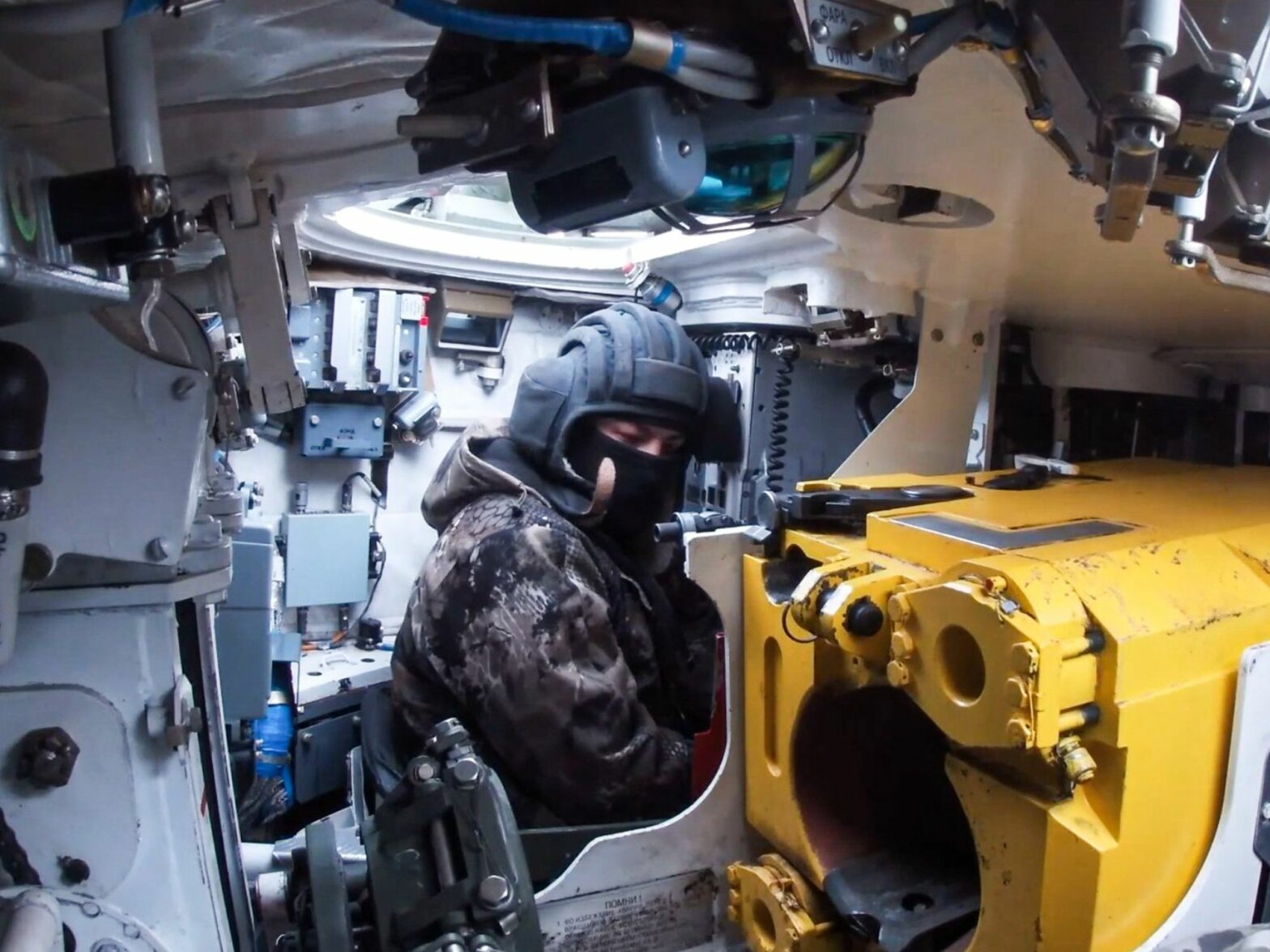
Russia is losing in Ukraine not just because of Putin’s madness and the heroism of Ukrainians, but also because Russia’s army is built for rapid invasion and occupation, not for the type of grinding war it is now fighting in Ukraine.
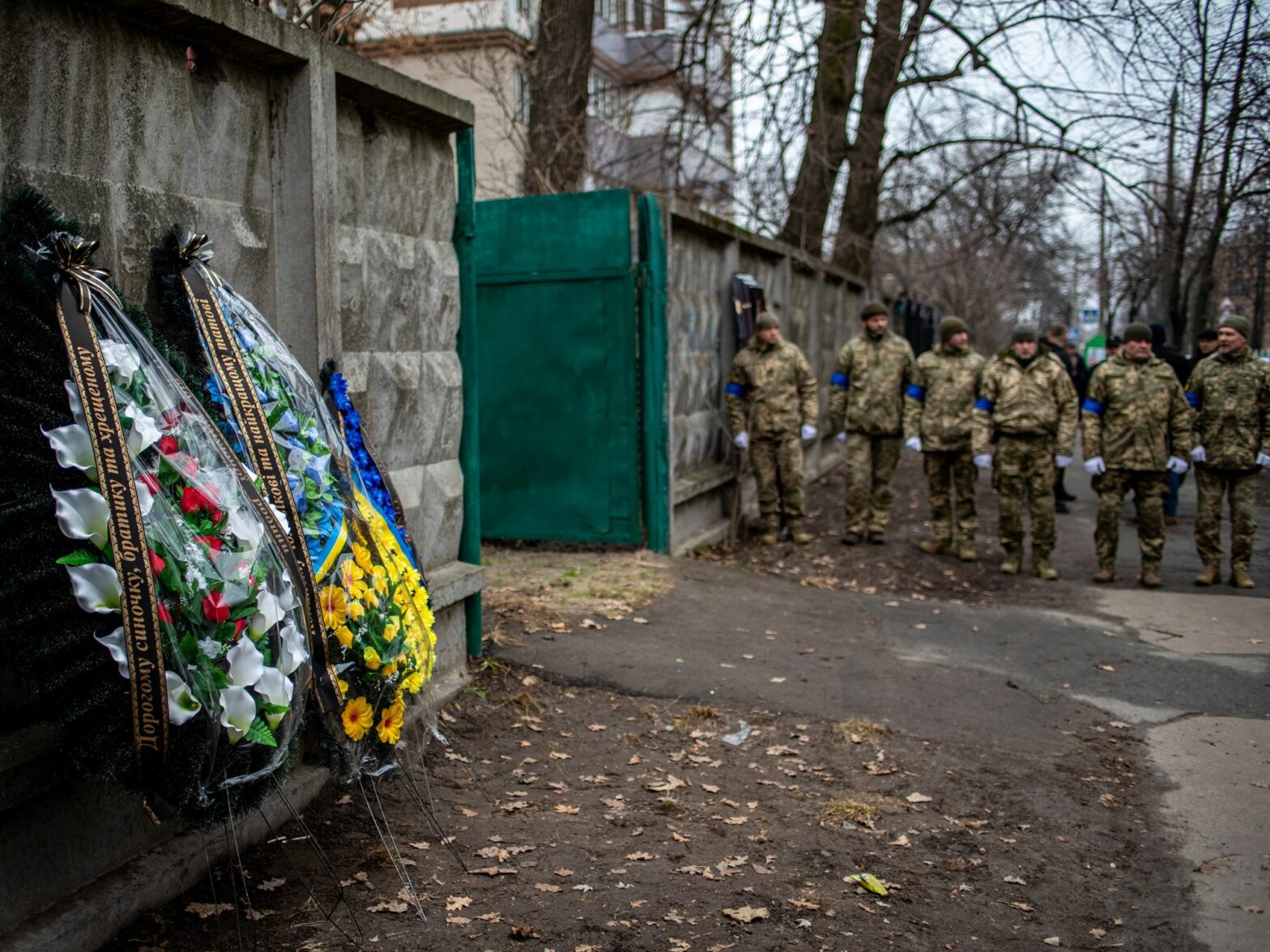
Heavy fighting continues in Bakhmut, as Russia steps up efforts to take the besieged eastern Ukrainian city. But there is a subplot taking place between competing Russian factions that are forcing all sides to double down. And there are many more battles to come.
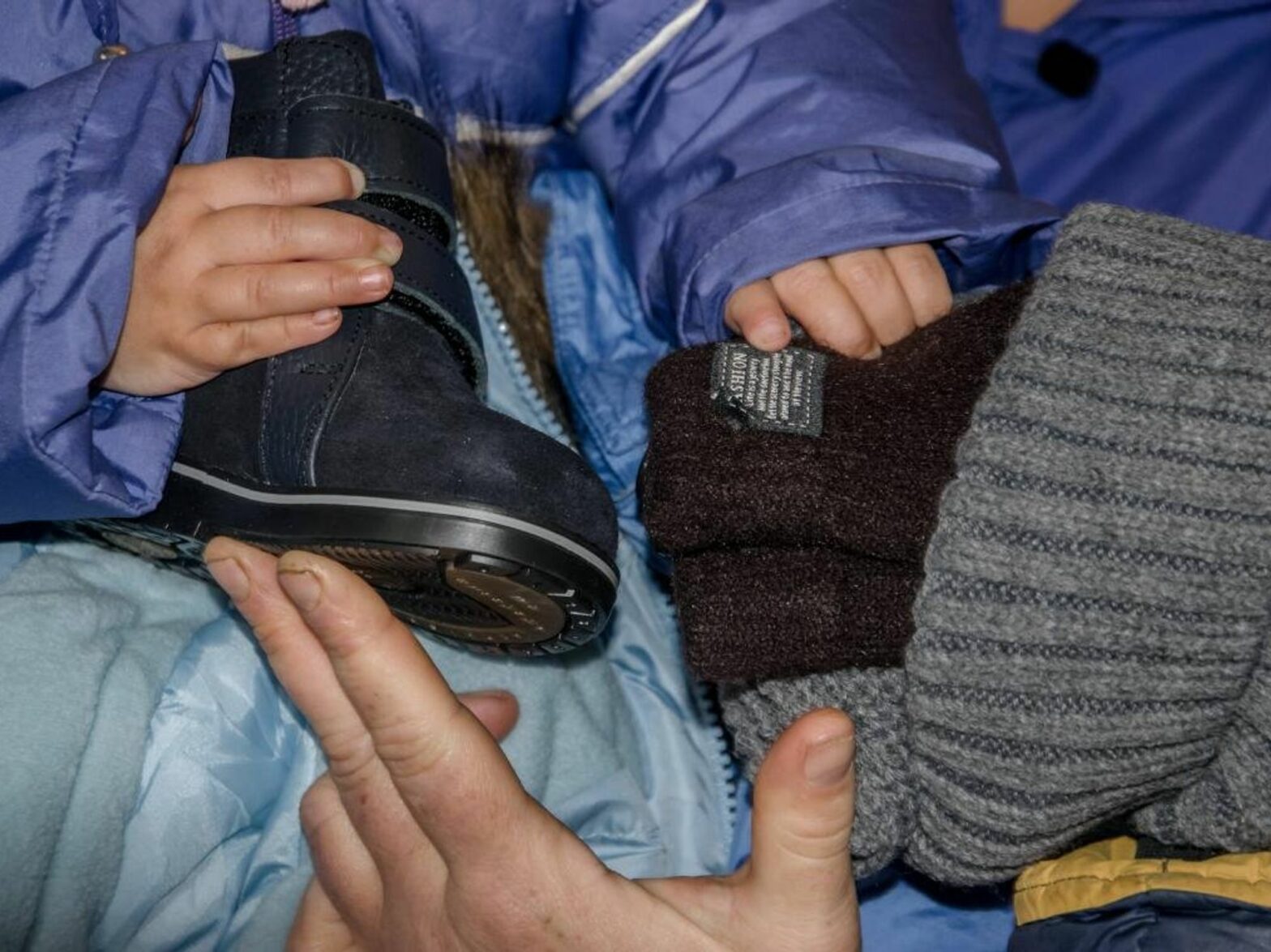
Russians have been practicing the illegal transfer and deportation of Ukrainian children since 2014. Experts consider it one of the five main signs of genocide, and Ukraine’s Office of the Prosecutor General has been working to prove this component of the “crime of crimes.”
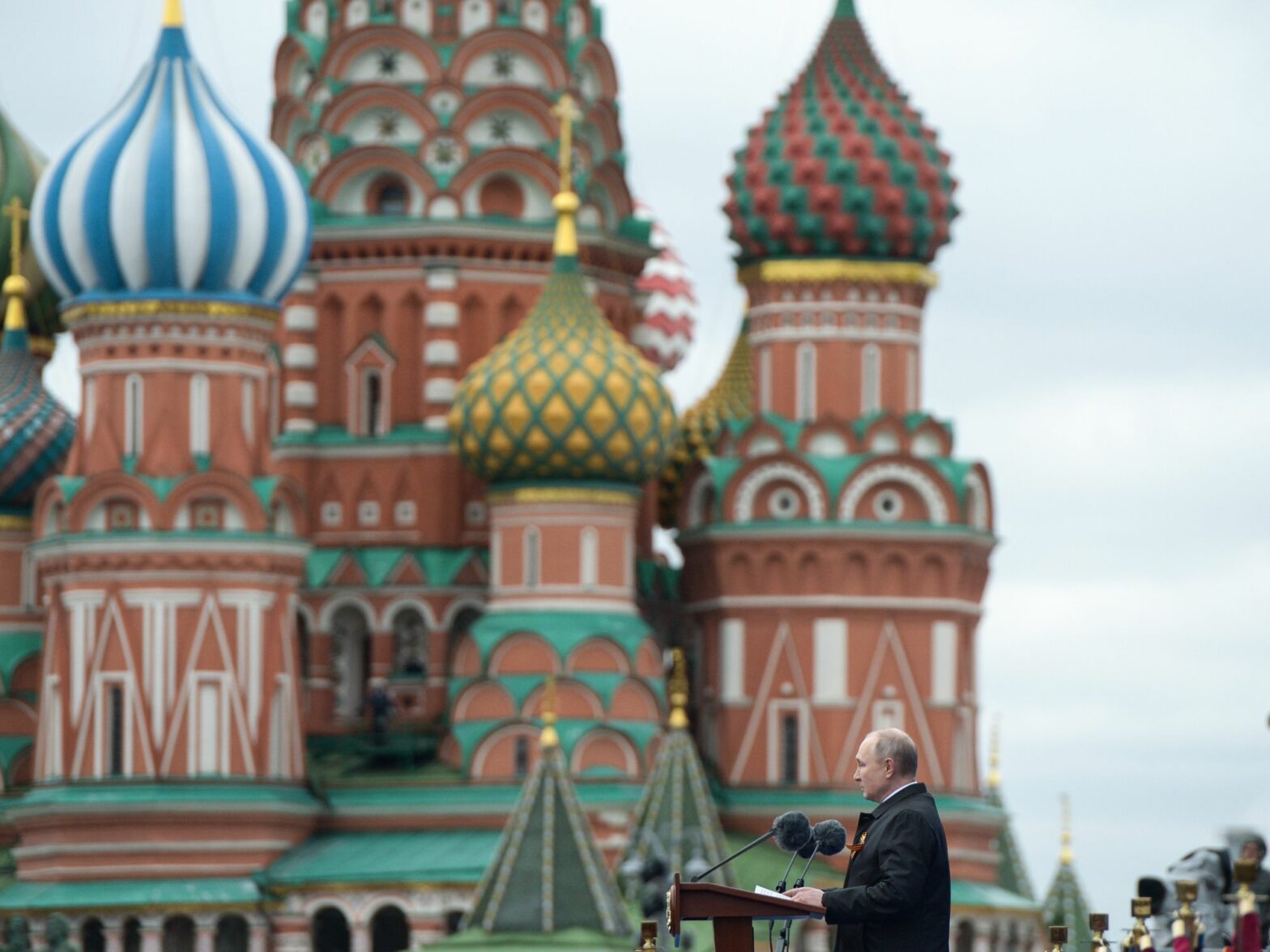
The fundamentally irrational decision to invade Ukraine was the final proof that Russian President Vladimir Putin has been living in a world of illusions. He may be best understood by retracing the steps of history’s other tyrants, and gauging how their stories ended.
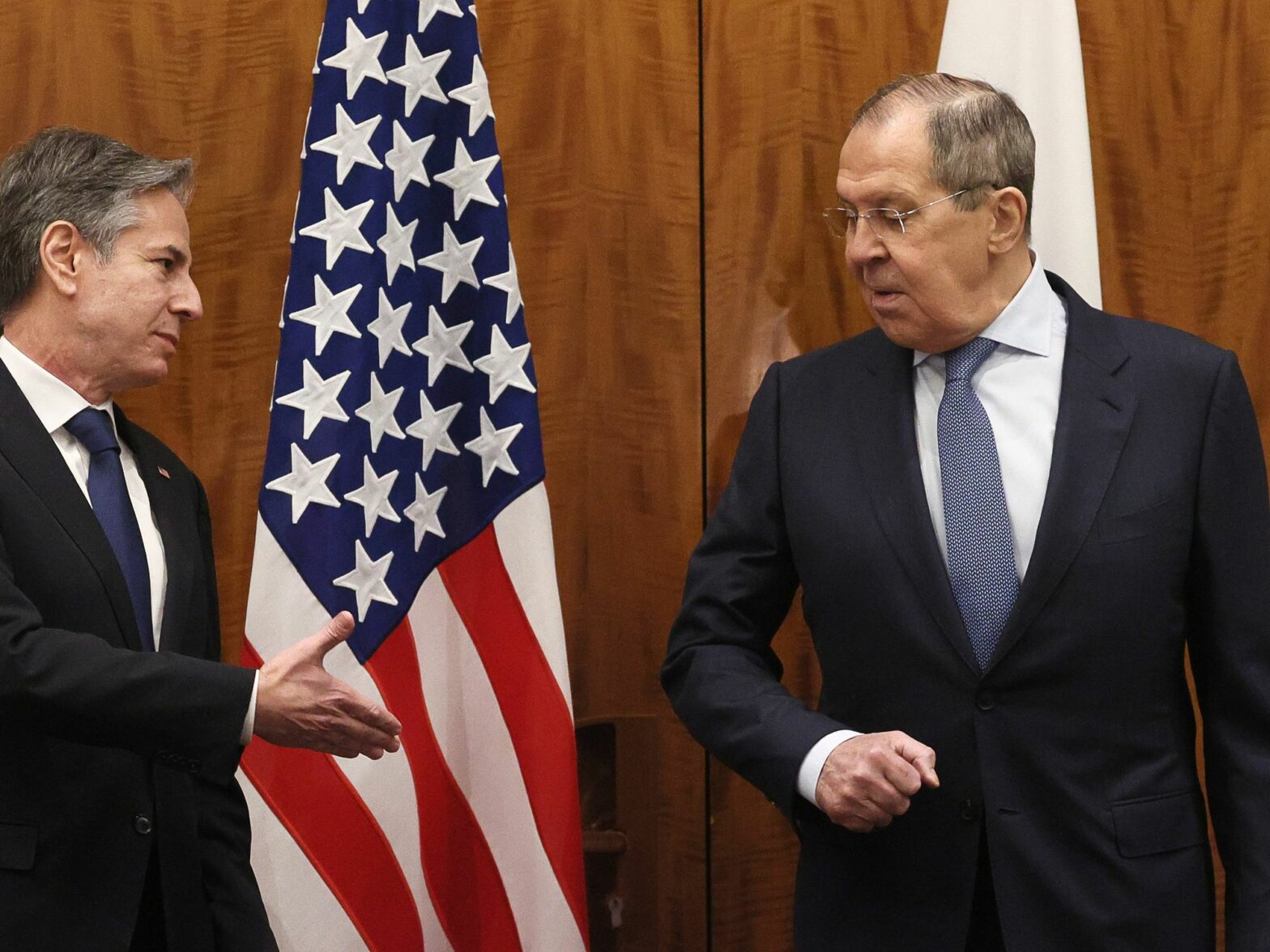
It’s not just about the current diplomatic impasse between Russia and the West, it’s about the future — and that means China.
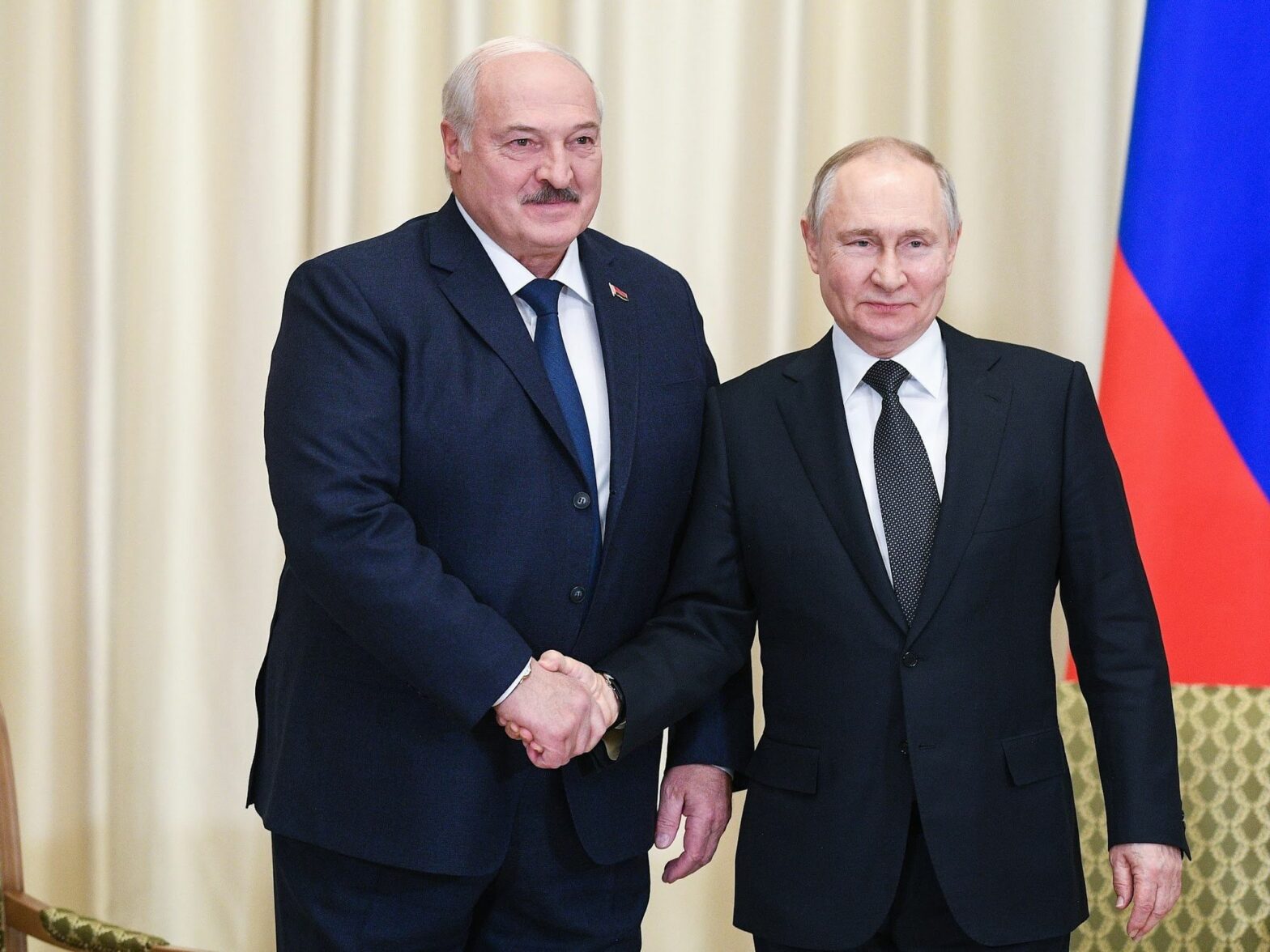
The regime in Belarus bet on a rapid Russian victory in Ukraine. But after a year of war, the armed forces of Belarus still haven’t been ordered to attack. Why? Ukrainian publication Livy Bereg looks at Belarusian President Alexander Lukashenko’s cunning game — and how much longer it can go on.
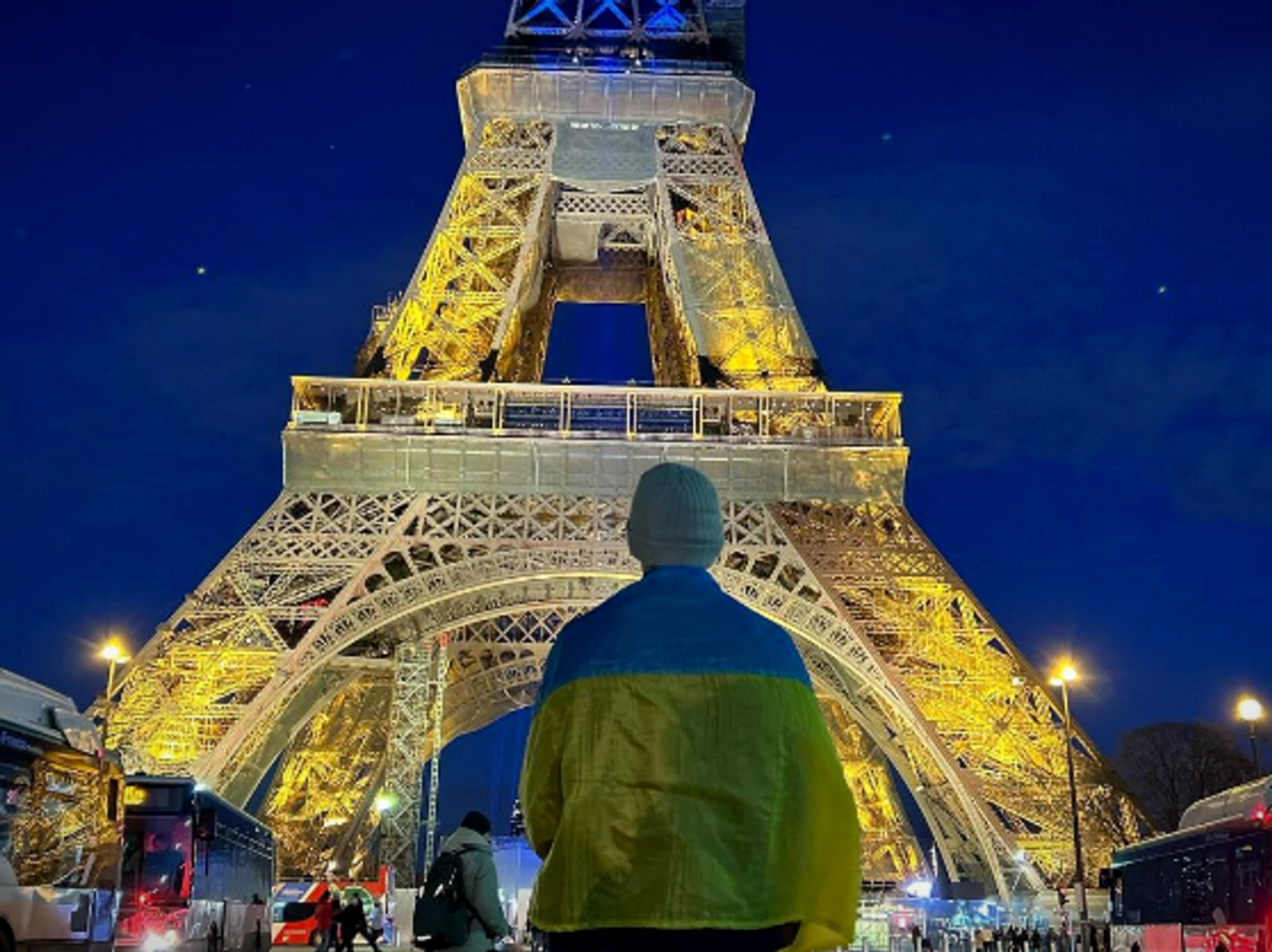
Vladimir Putin thought the West would wind up divided over the backing of Ukraine. Yet a year later with new survey numbers out, and more aid flowing to Kyiv, this appears to be one of the most crucial errors in launching his invasion.
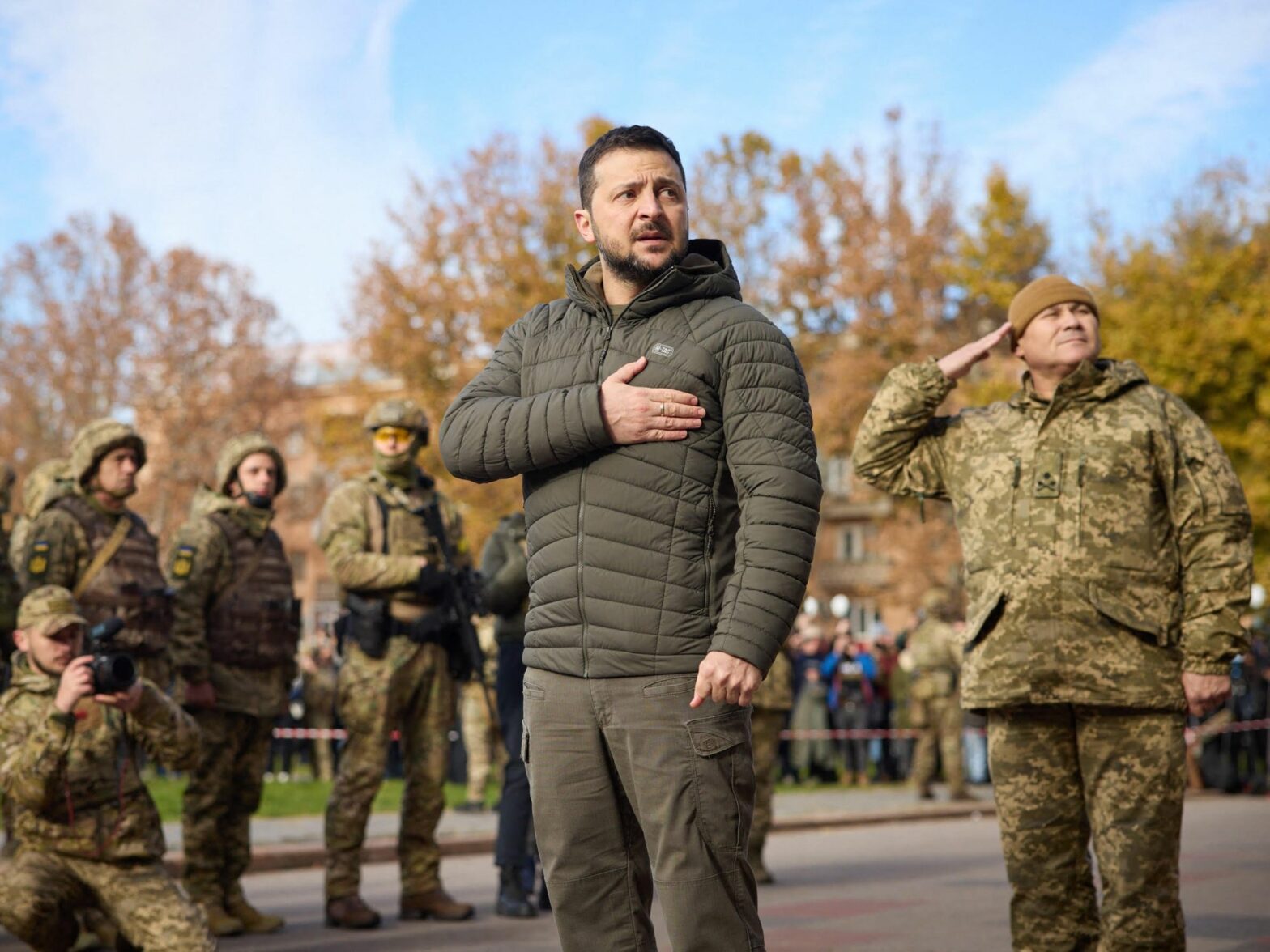
On the eve of Vladimir Putin’s invasion, Volodymyr Zelensky was not a particularly popular figure in Ukraine. In the year since, he has achieved virtually universal support at home, and hero status abroad. What will the onetime anti-corruption crusader do with this political capital?
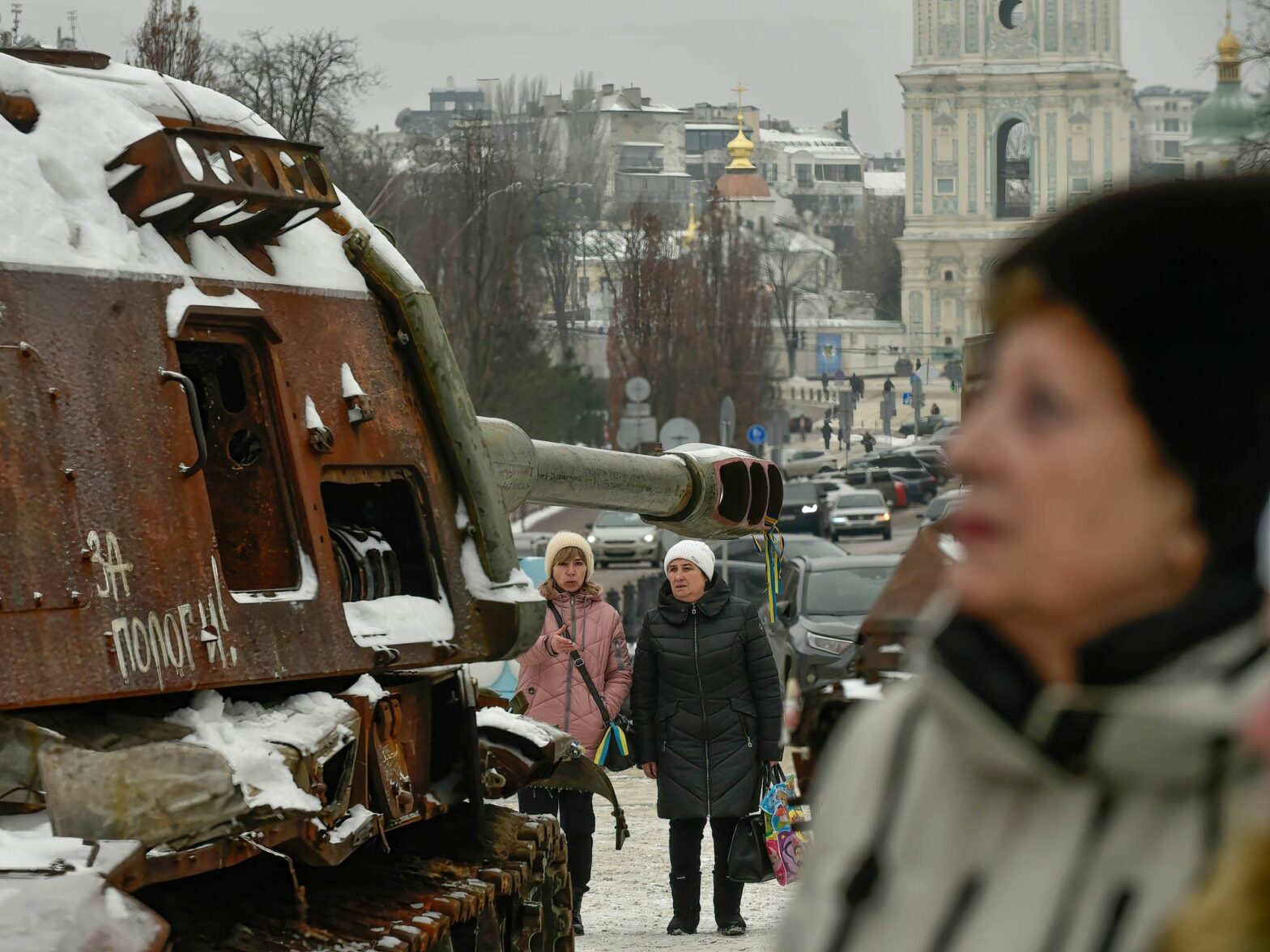
One year after the Russian invasion, Kyiv has become an international symbol of resistance, also in the way that ordinary life continues, despite air raids and bomb blasts.
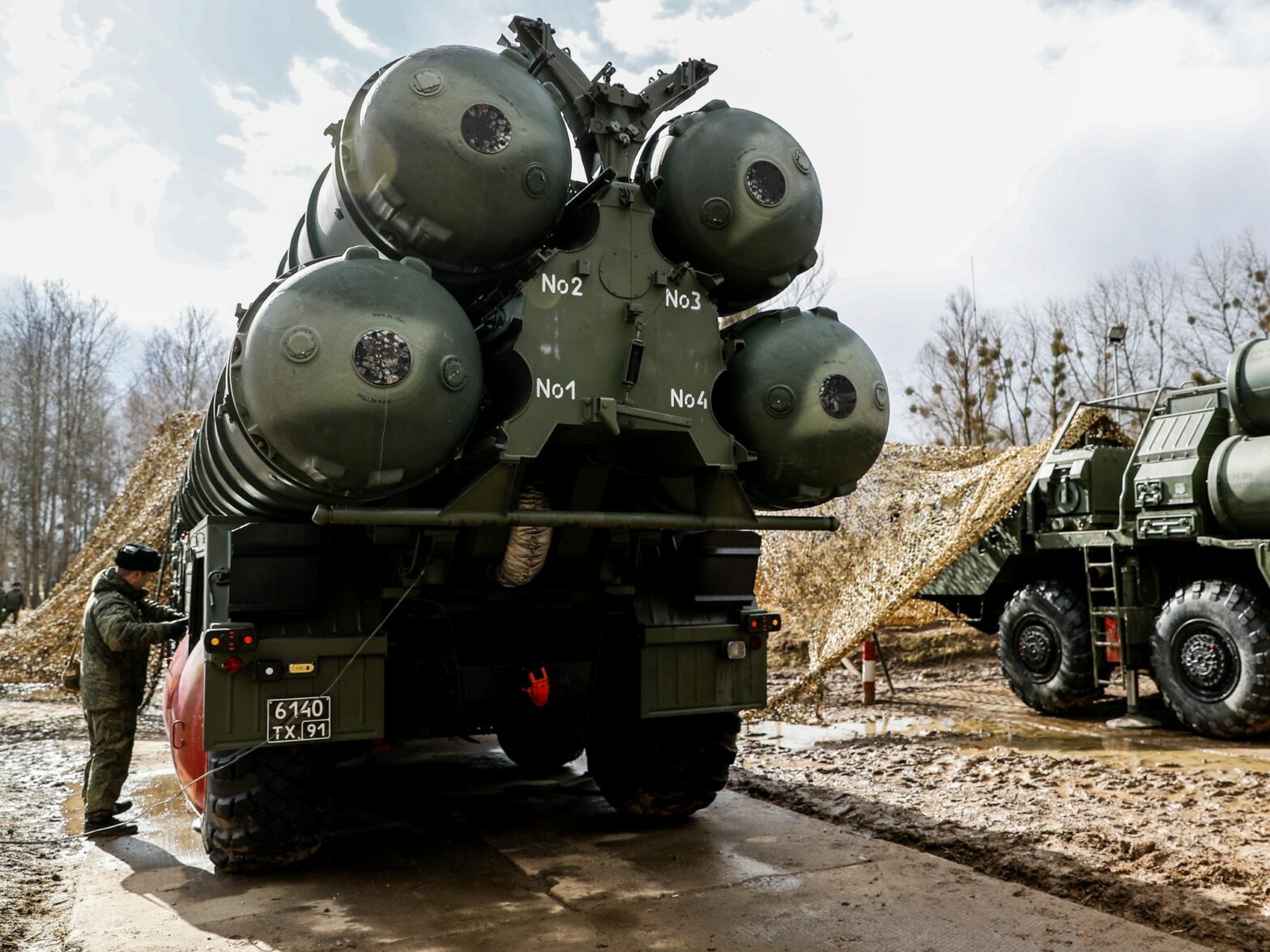
Russia has announced its withdrawal from a post-Cold War nuclear arms control treaty it signed with the U.S. The decision risks re-launching a global arms race.
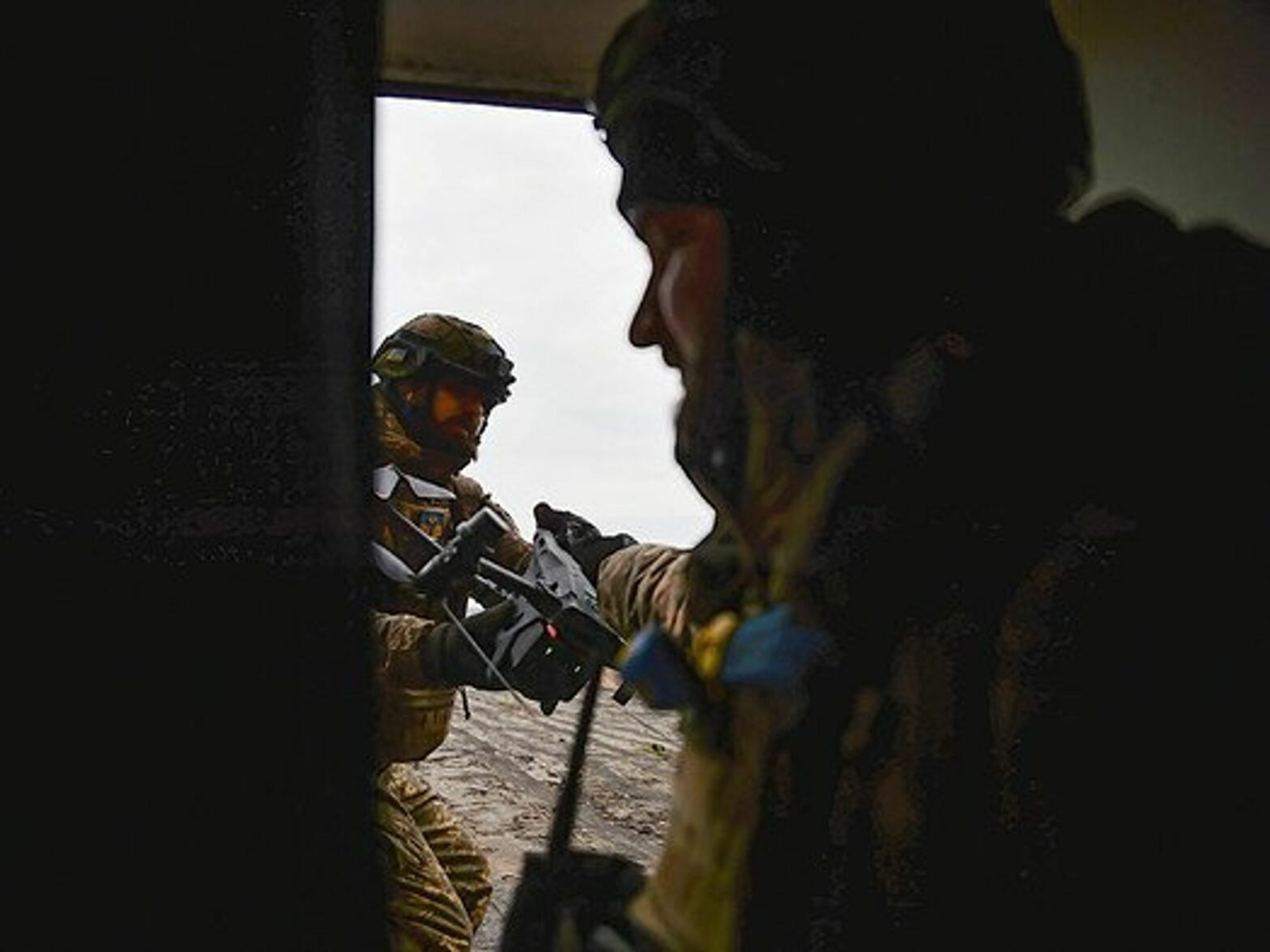
Bakhmut in eastern Ukraine has been the site of some of the fiercest and bloodiest battles since Russia’s invasion. As the human toll mounts, Ukraine must decide between symbolism and strategy in a fight against waves of untrained Russian civilian troops.
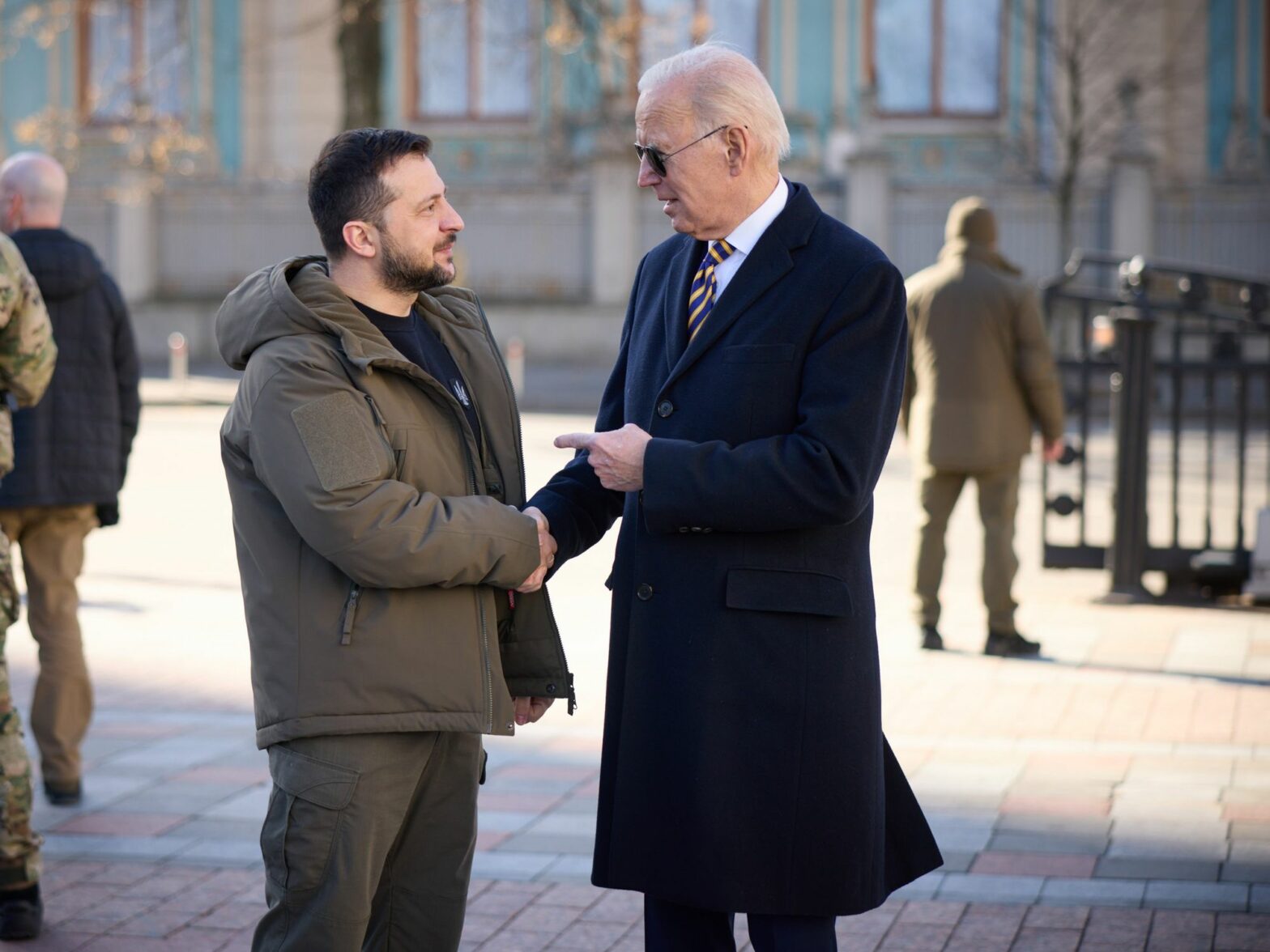
In the inevitable race for symbolic victories on the eve of the Ukraine invasion’s first anniversary, Joe Biden scored a major victory with his surprise visit to Kyiv. Meanwhile, one year on, Vladimir Putin has yet to visit his own country’s troops on the front line.
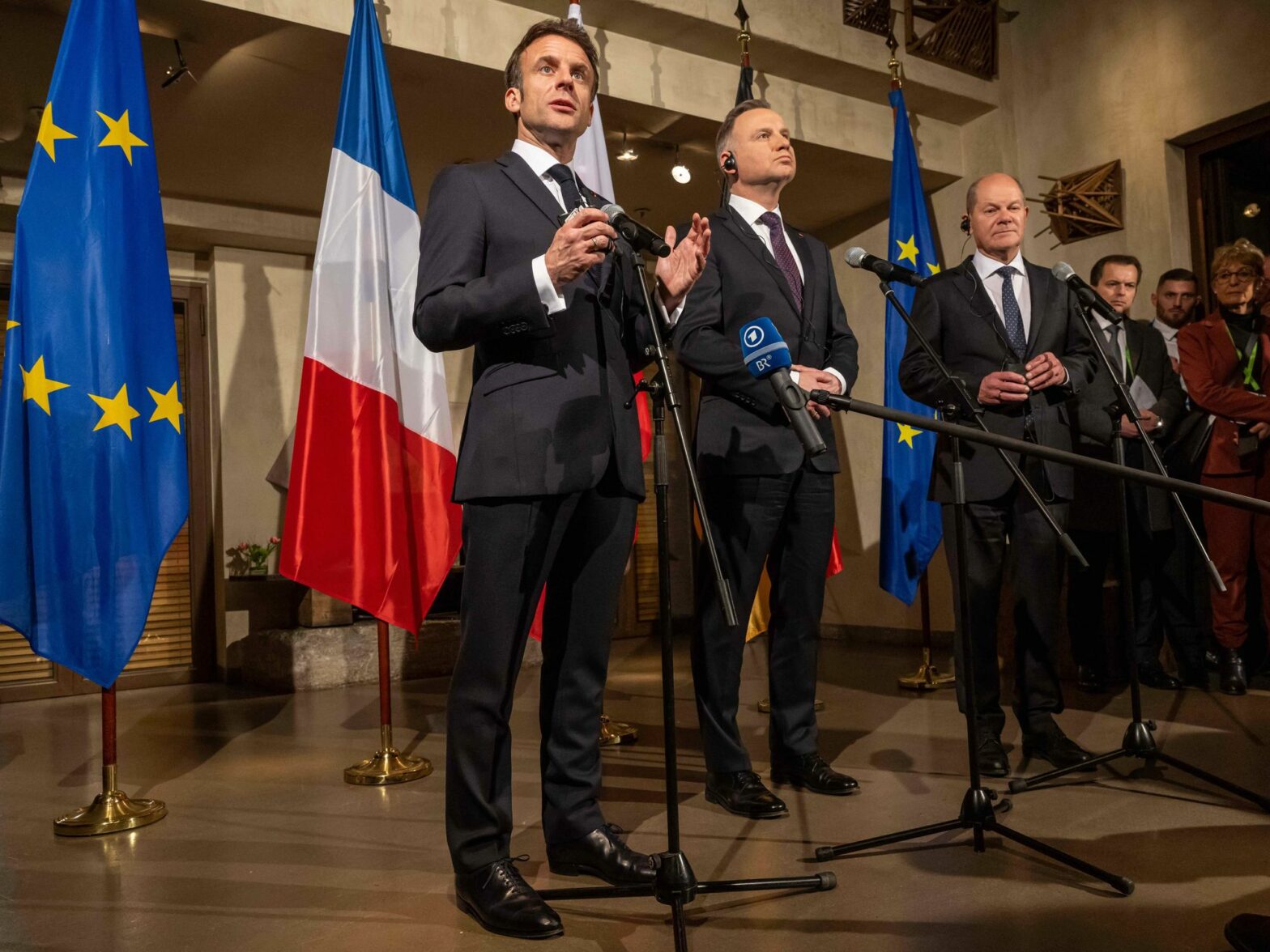
Returning from this weekend’s Munich Security Conference, French President told France Inter public radio: “I do not think that Russia should be defeated completely, or attacked on its soil. These observers want above all to crush Russia. This has never been the position of France and it never will be.”
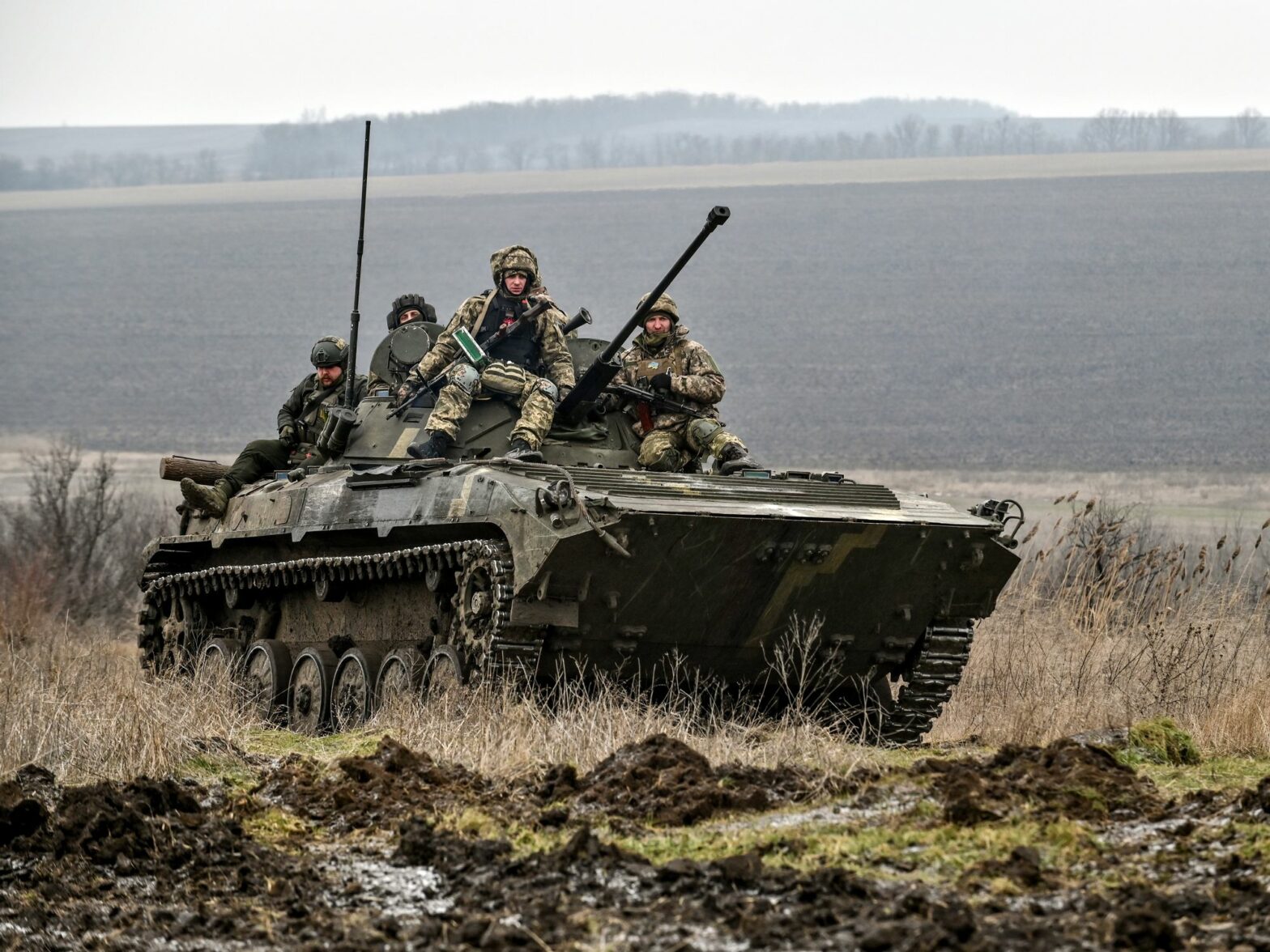
French President Emmanuel Macron turned heads by saying that his objective was to defeat Russia, without “crushing” it. This diverges with the objectives of Ukraine and other allies. It’s a question that will ultimately be answered on the battlefield.
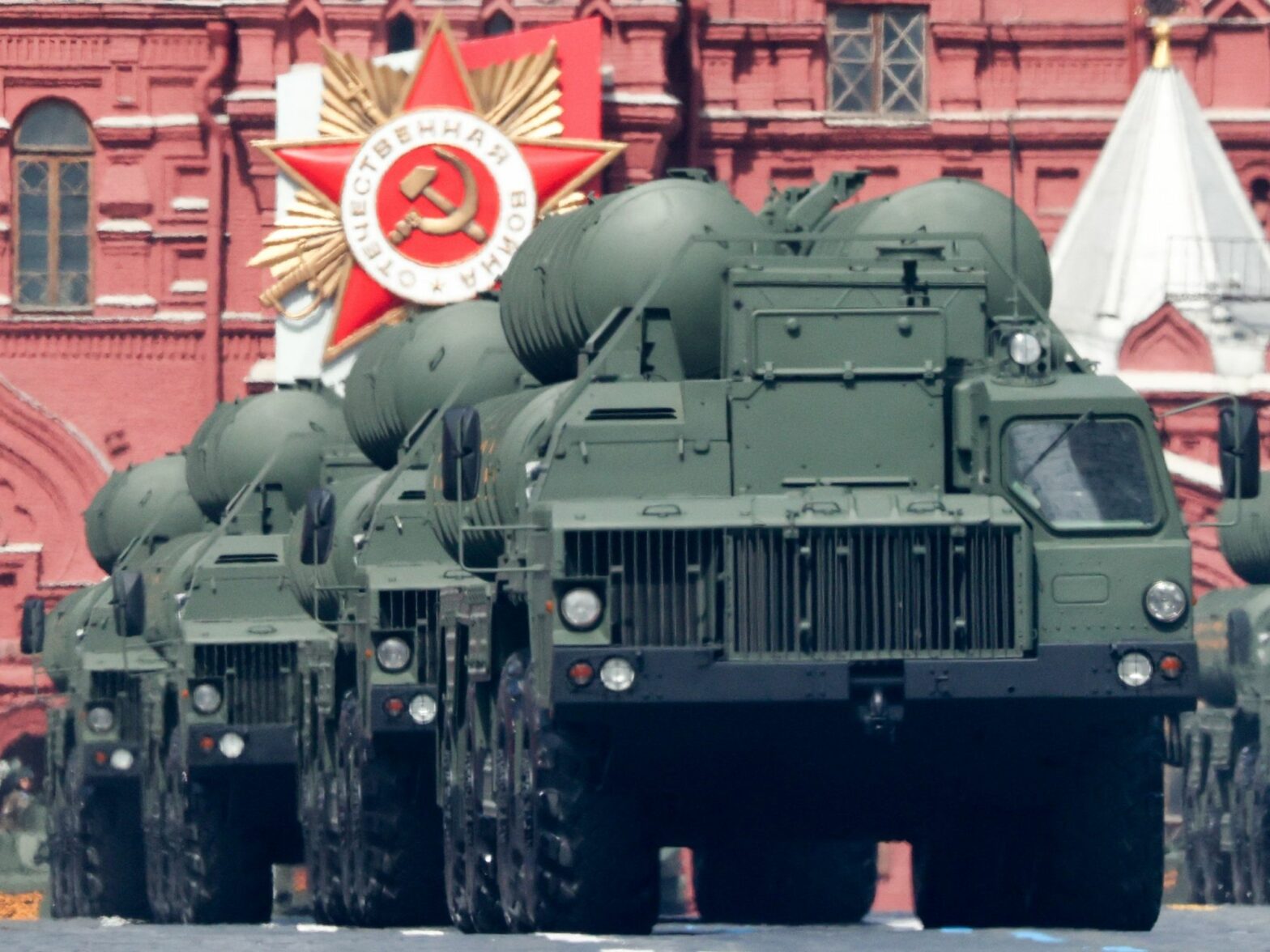
A healthy dose of cynicism and short cuts allows parts for weapons and other technology to still make their way into Russia. Independent Russian-language media Vazhnyye Istorii traces the way both Moscow and much of the rest of the world circumvent export bans.
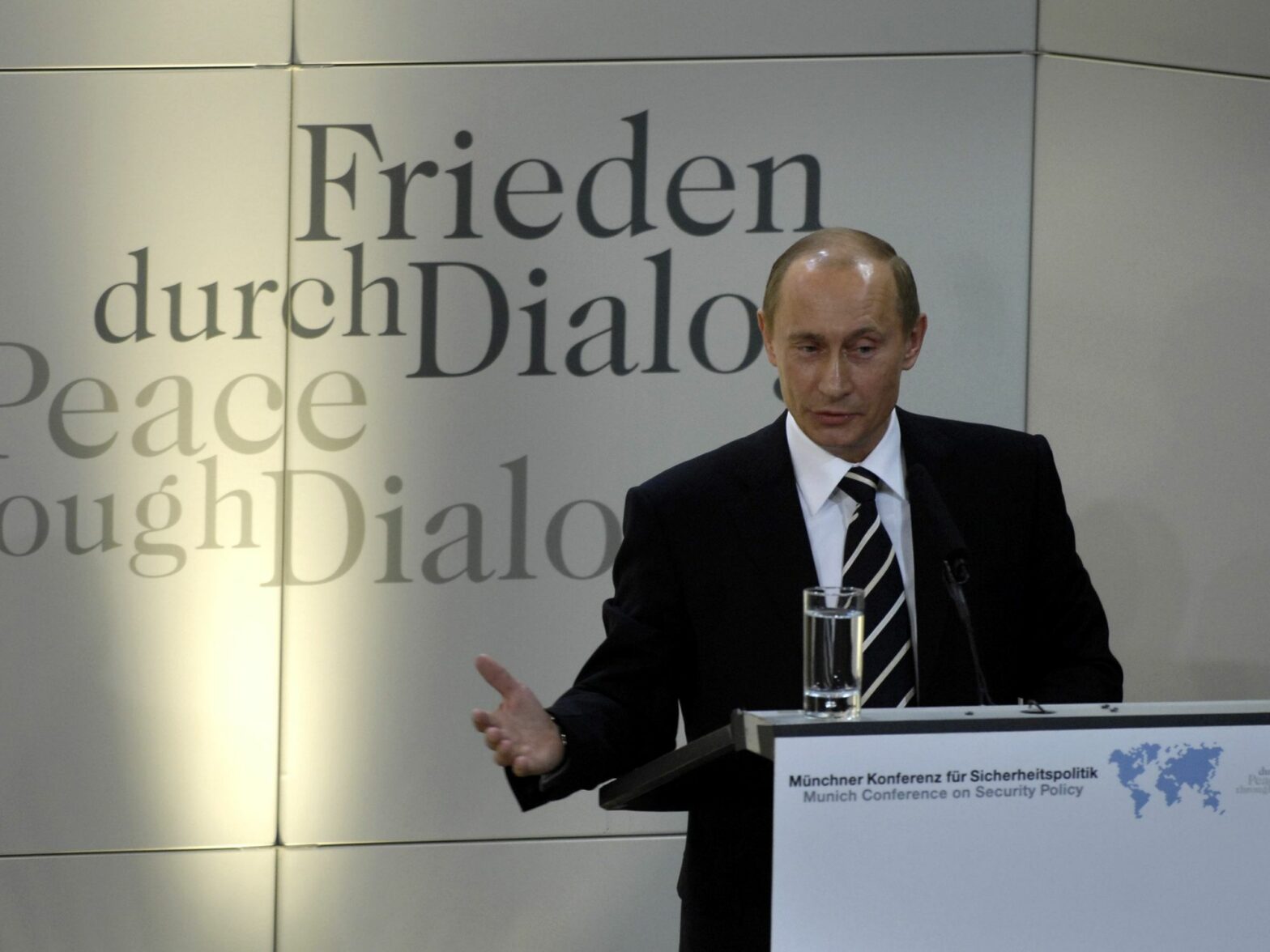
The Munich Security Conference of 2023 takes place this weekend. The 2007 edition was a turning point for the world, where Vladimir Putin made his intentions clear — and today it all looks destined to arrive at the invasion of Ukraine.
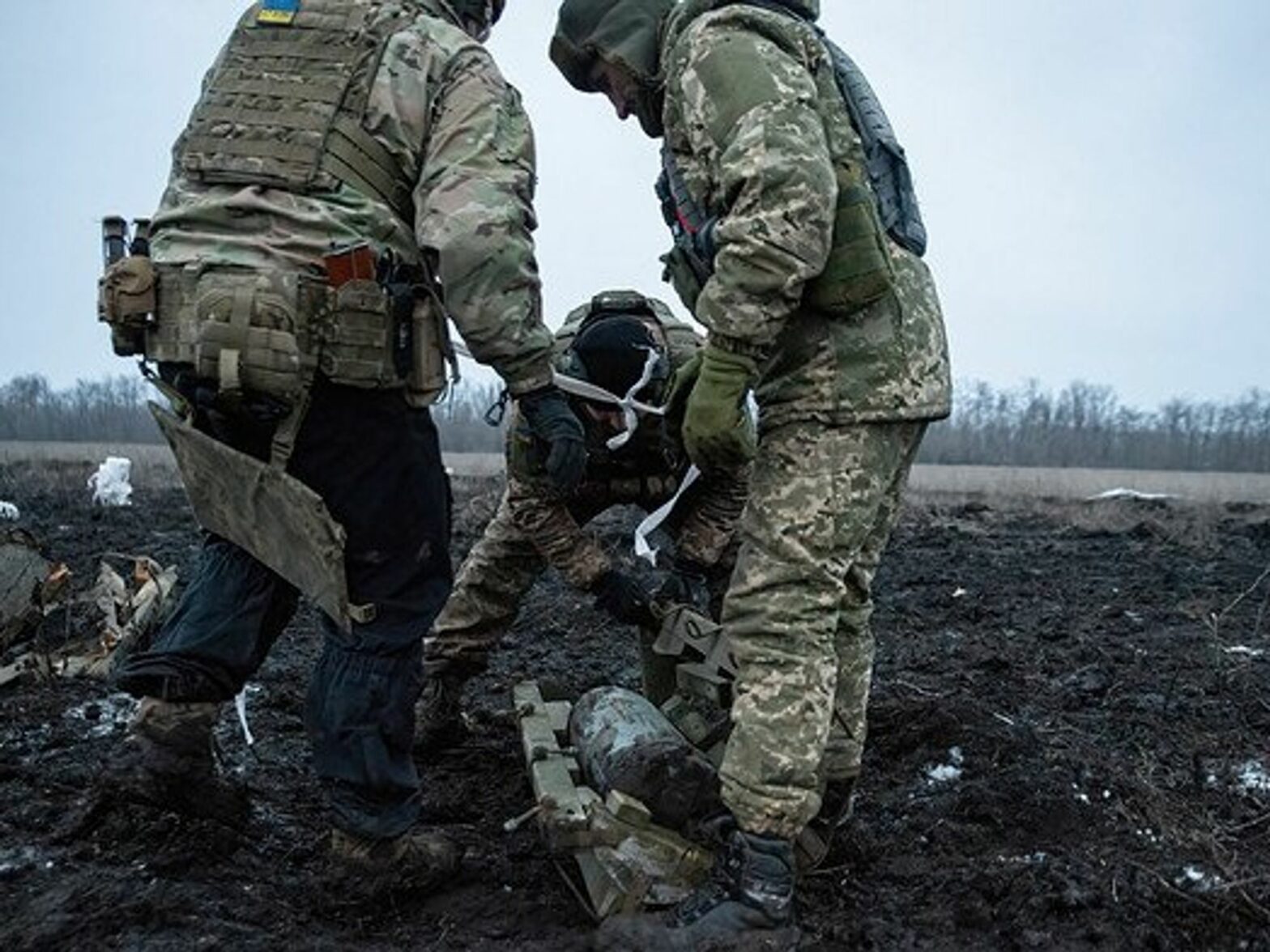
Tech billionaire Elon Musk has long been considered one of Ukraine’s key supporters, but he has just announced restrictions on the Ukrainian military’s use of his Starlink satellites. Die Welt spoke to soldiers on the front lines in Bakhmut who are already feeling the effects.
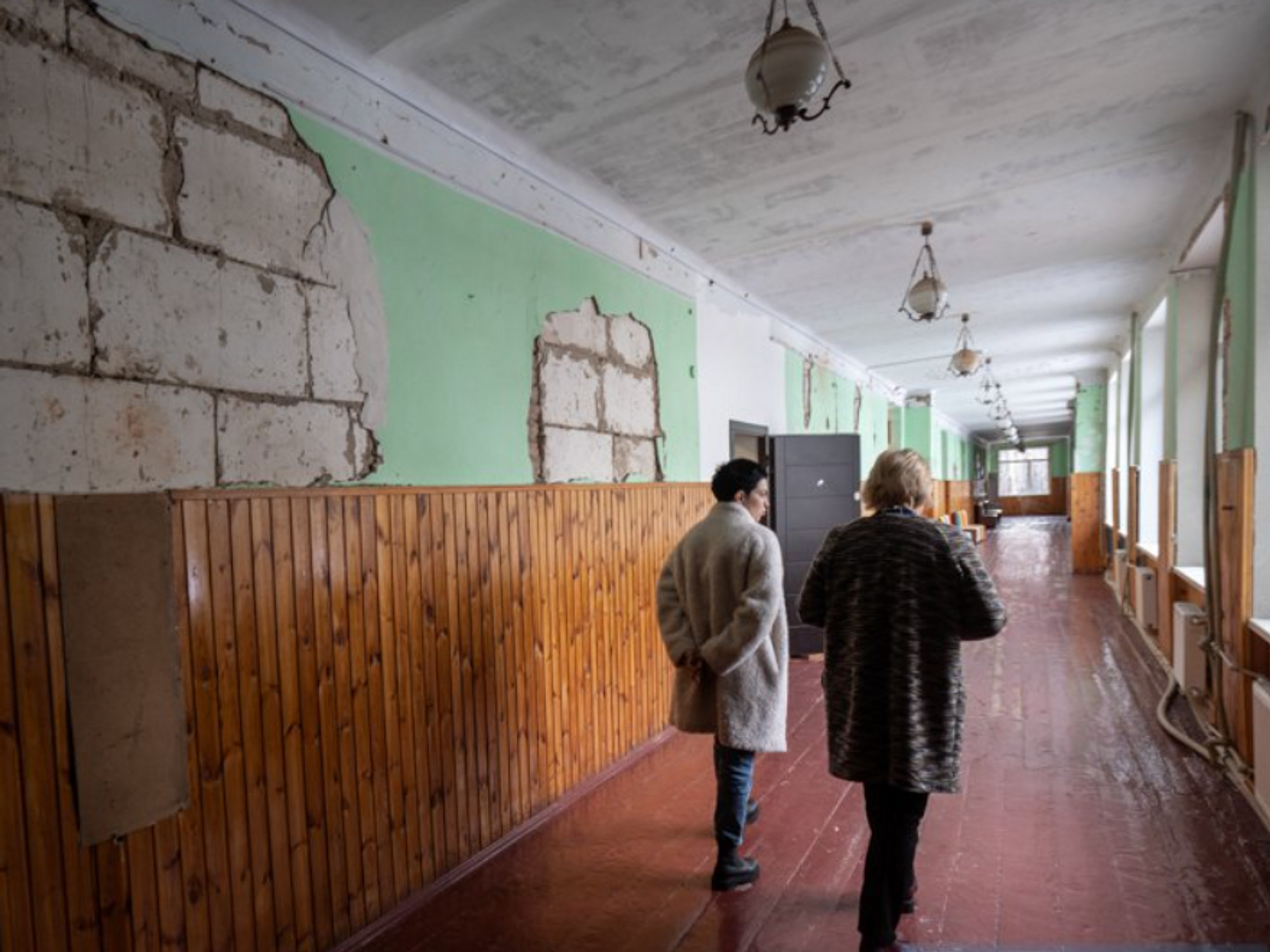
Almost one year after being occupied, a village near Kyiv is being rebuilt as locals try to piece their lives back together.
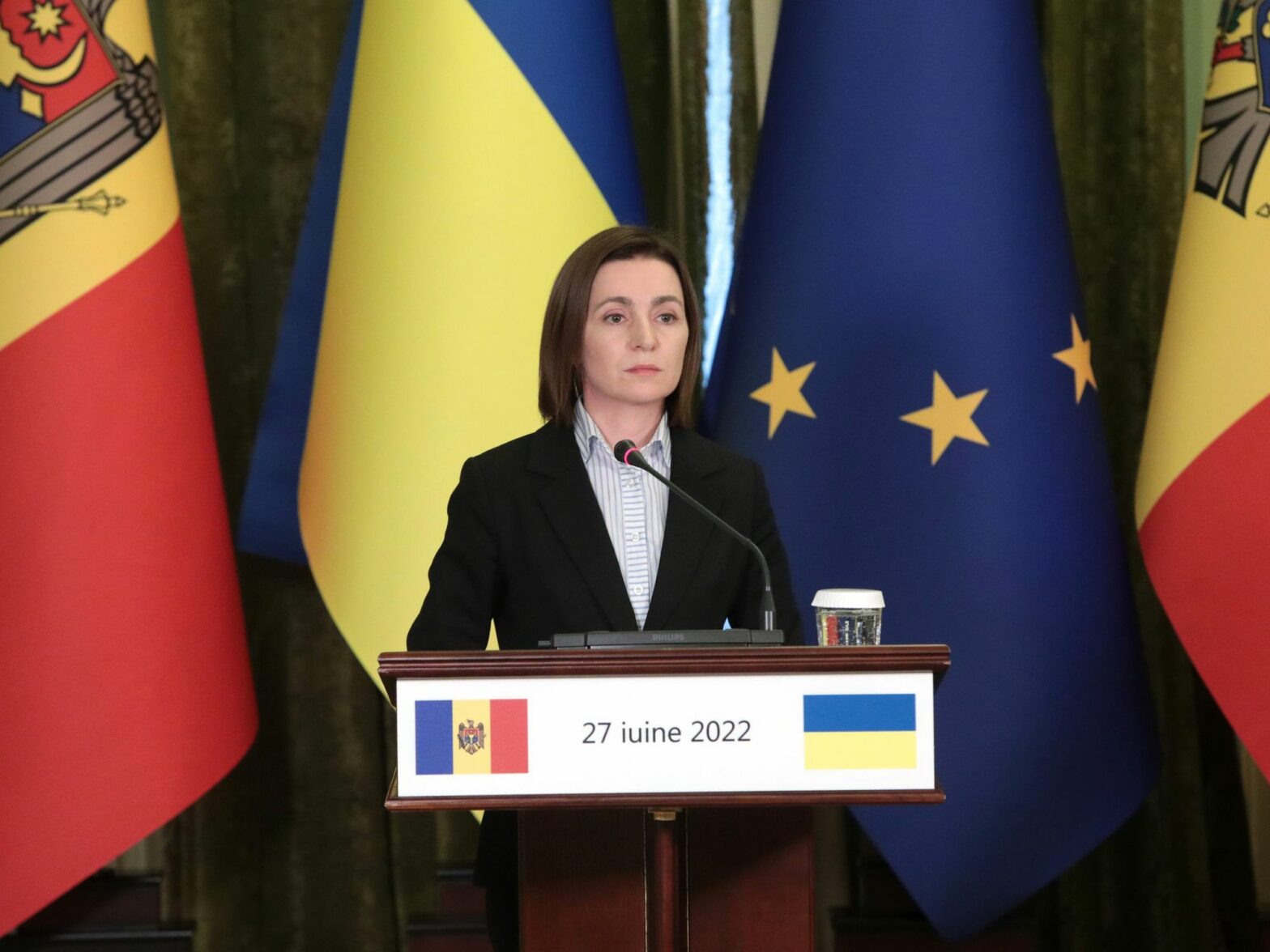
Moldovan President Maia Sandu has warned that Russia aims to install a pro-Kremlin leadership in the former Soviet country across the border from Ukraine. Vladimir Putin has both the means and desire to do so.
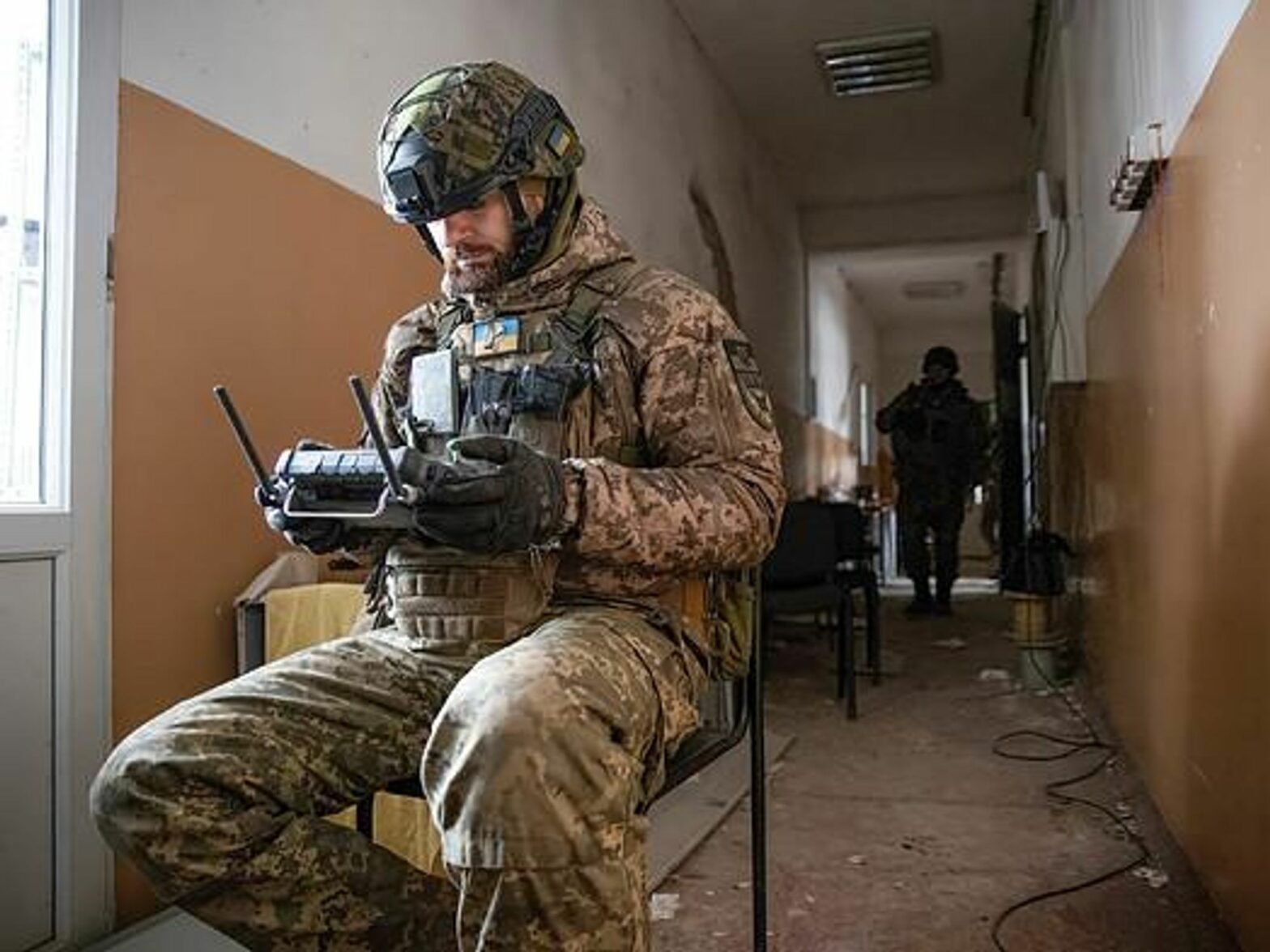
Russians who oppose the war in Ukraine face a tough moral question: How far are they prepared to go? Around the world, a group of Russians are organizing and raising money to send much-needed drones to help Ukrainian forces fight the Russian invasion.
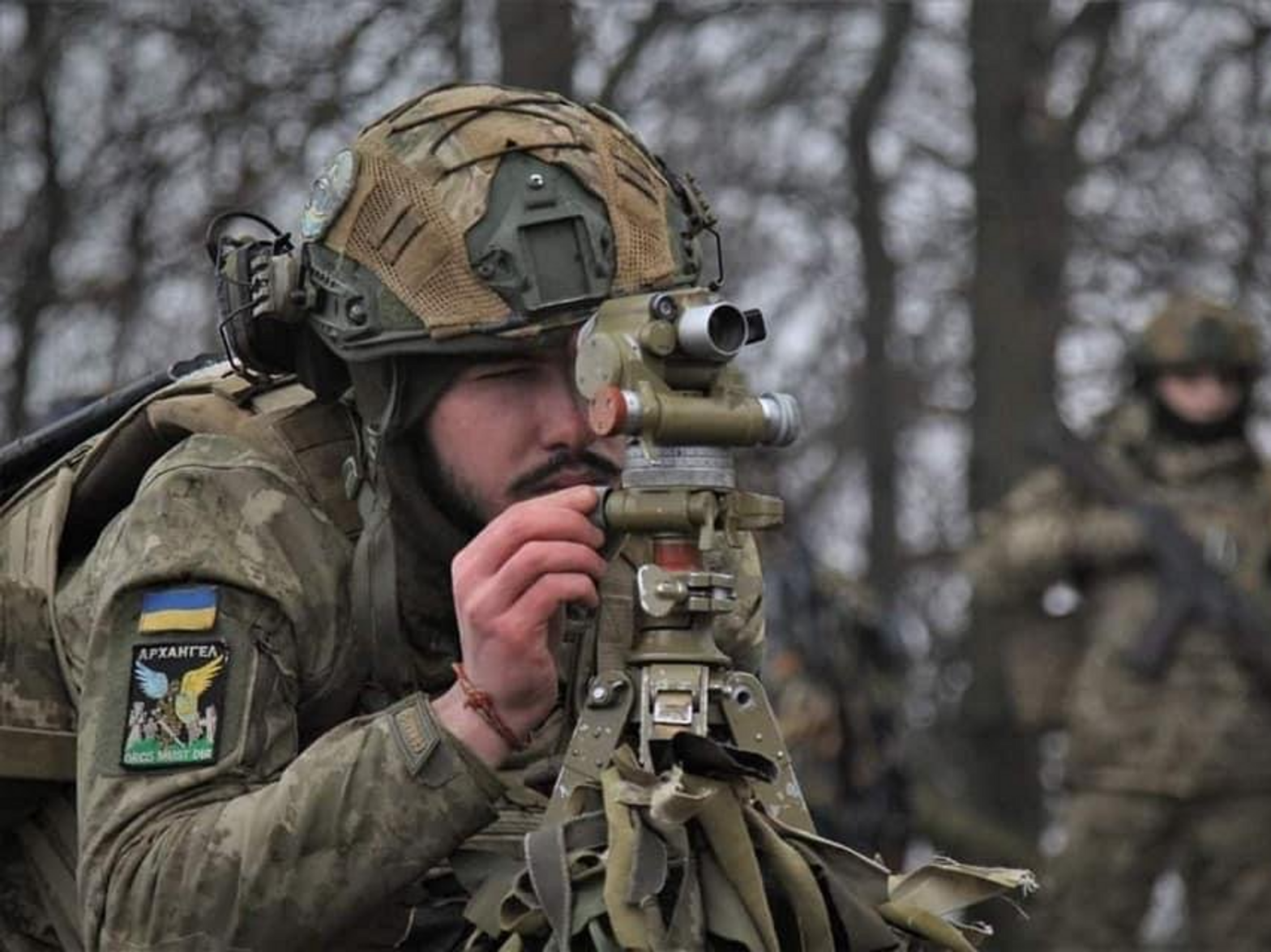
Latest reports show that Russia is stepping up its operations in eastern Ukraine, with a major offensive looking to be imminent. But international military strategists and tactical experts think that instead of sealing Kyiv’s fate, this rushed assault could precipitate the demise of Vladimir Putin and his war.
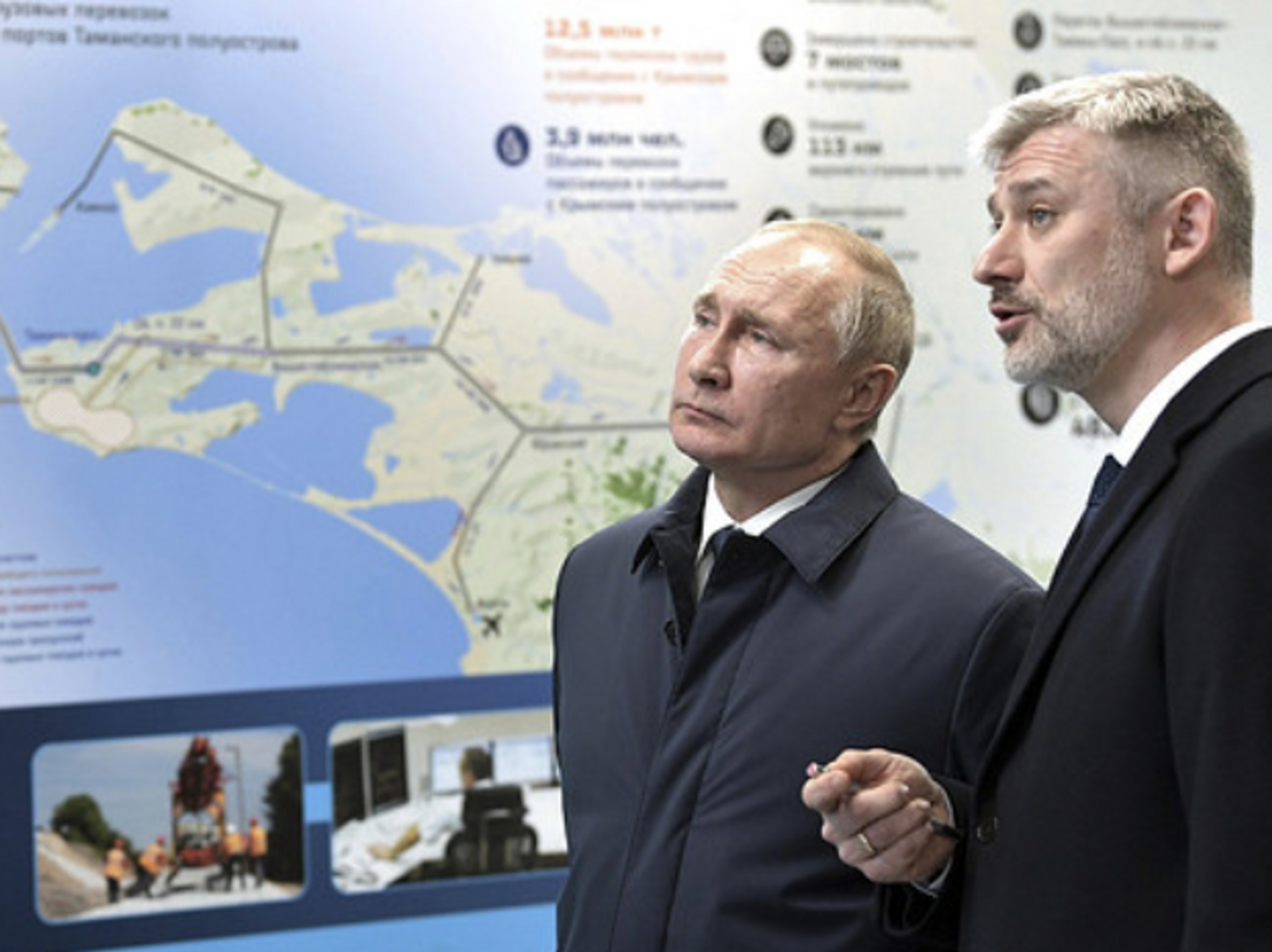
After the annexation of Crimea, the peninsula’s prized resources were identified and distributed among Russian oligarchs with connections to the Russian President, handing out everything from wine vineyards to hockey clubs to steelworks.
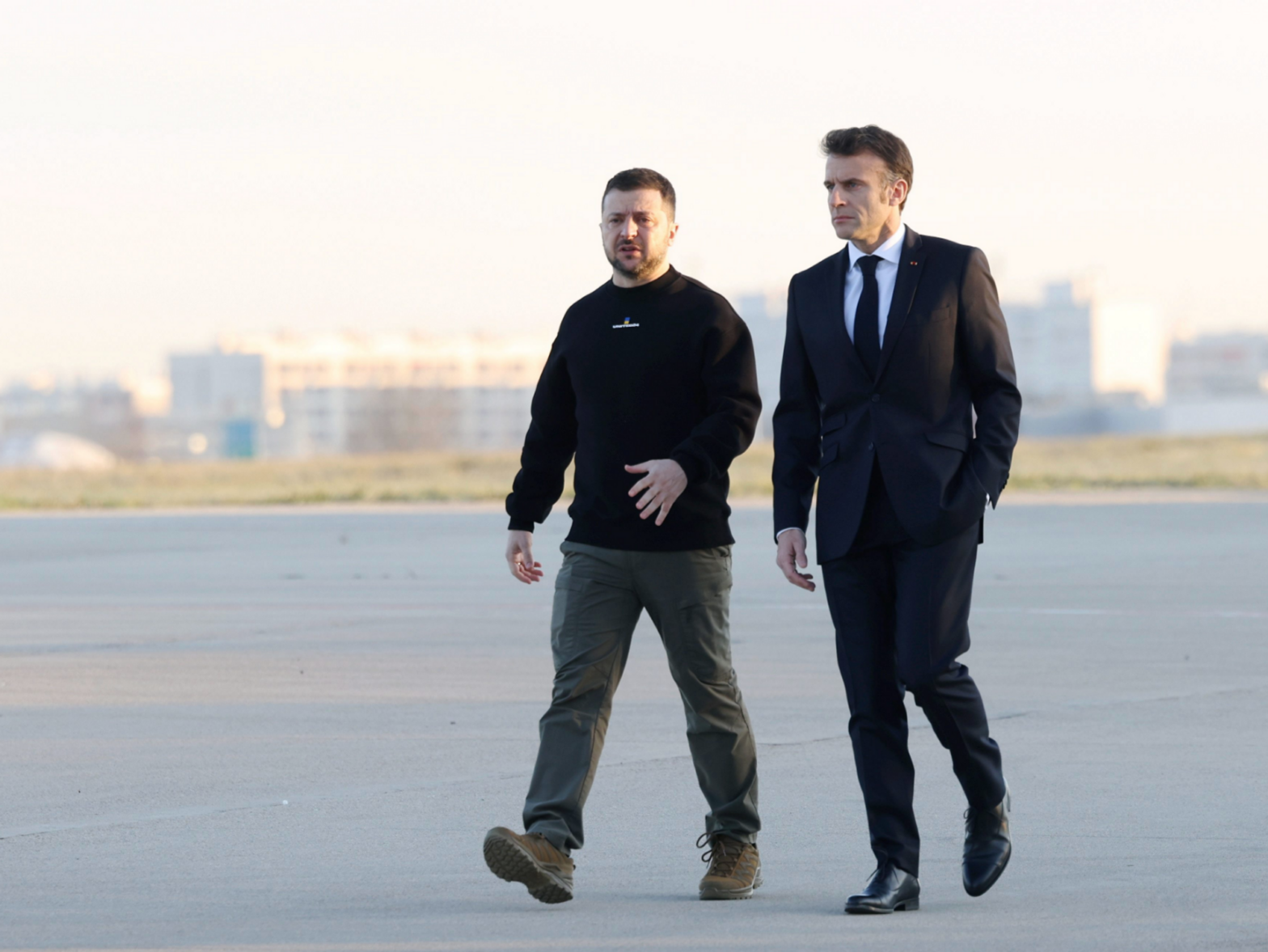
Volodymyr Zelensky’s visits this week to London, Paris and Brussels reinforce the intertwined fates of Europe and Ukraine. And for Kyiv that will ultimately mean more weapons support.
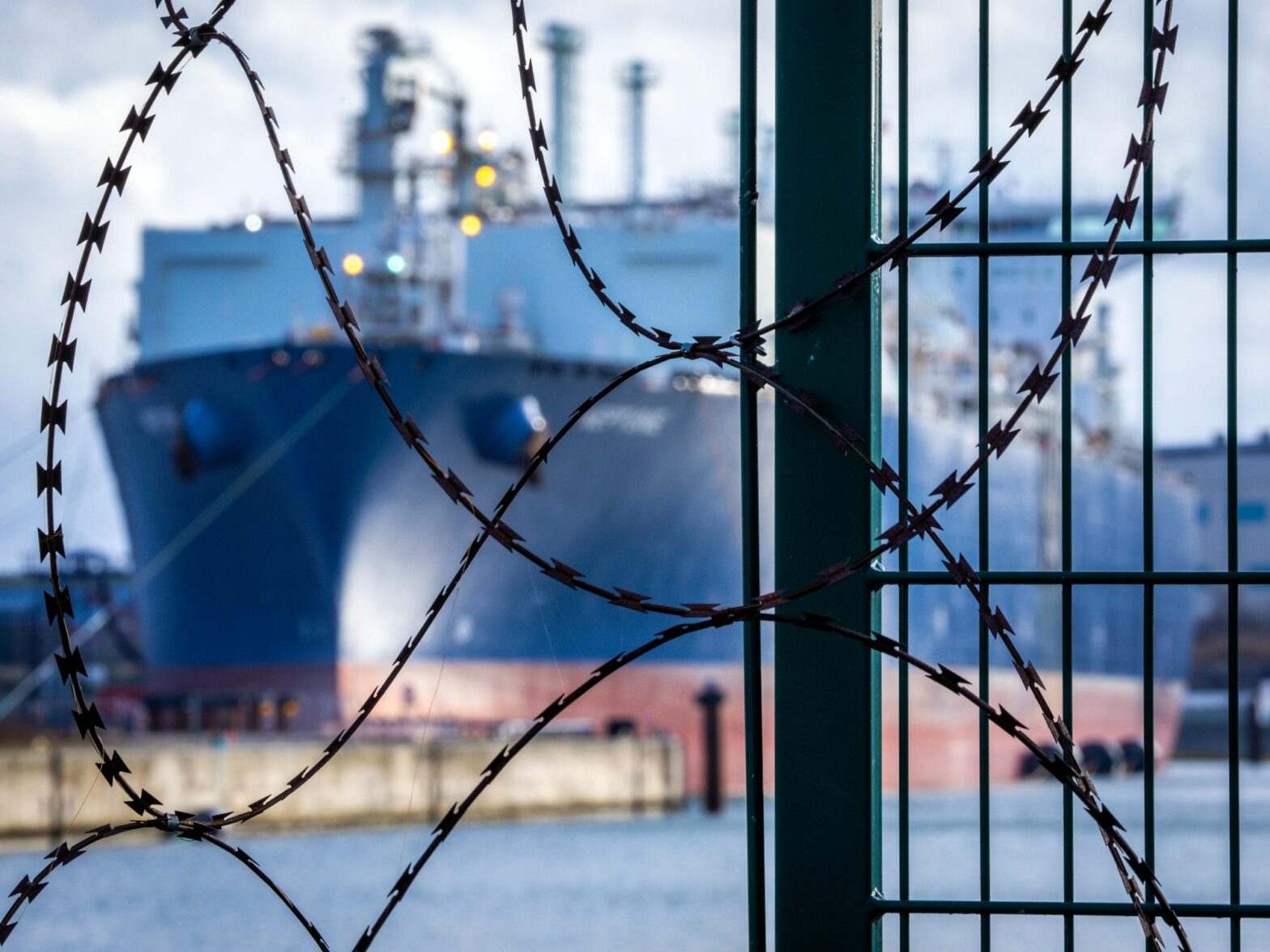
Petro Poroshenko, the Ukrainian businessman and politician, who served as the fifth president of Ukraine from 2014 to 2019, believes more can be done to defeat Putin, by truly crippling the Russian economy:
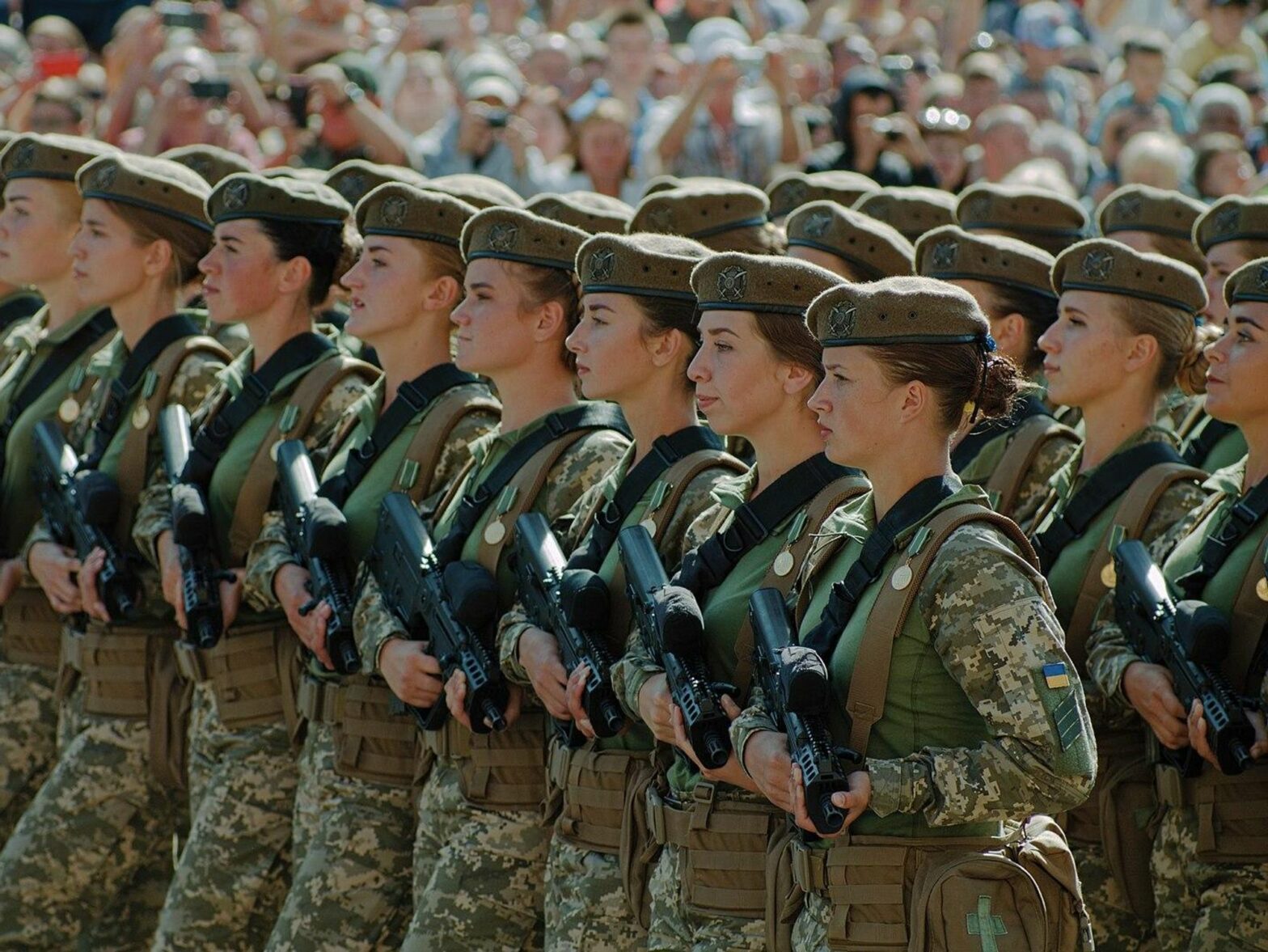
Almost a year ago, a well-known lawyer, Yevhenia Zakrevska, became a soldier in the Ukrainian Armed Forces and now serves as an aerial reconnaissance officer. She tells her story to Ukrainian news media Livy Bereg.
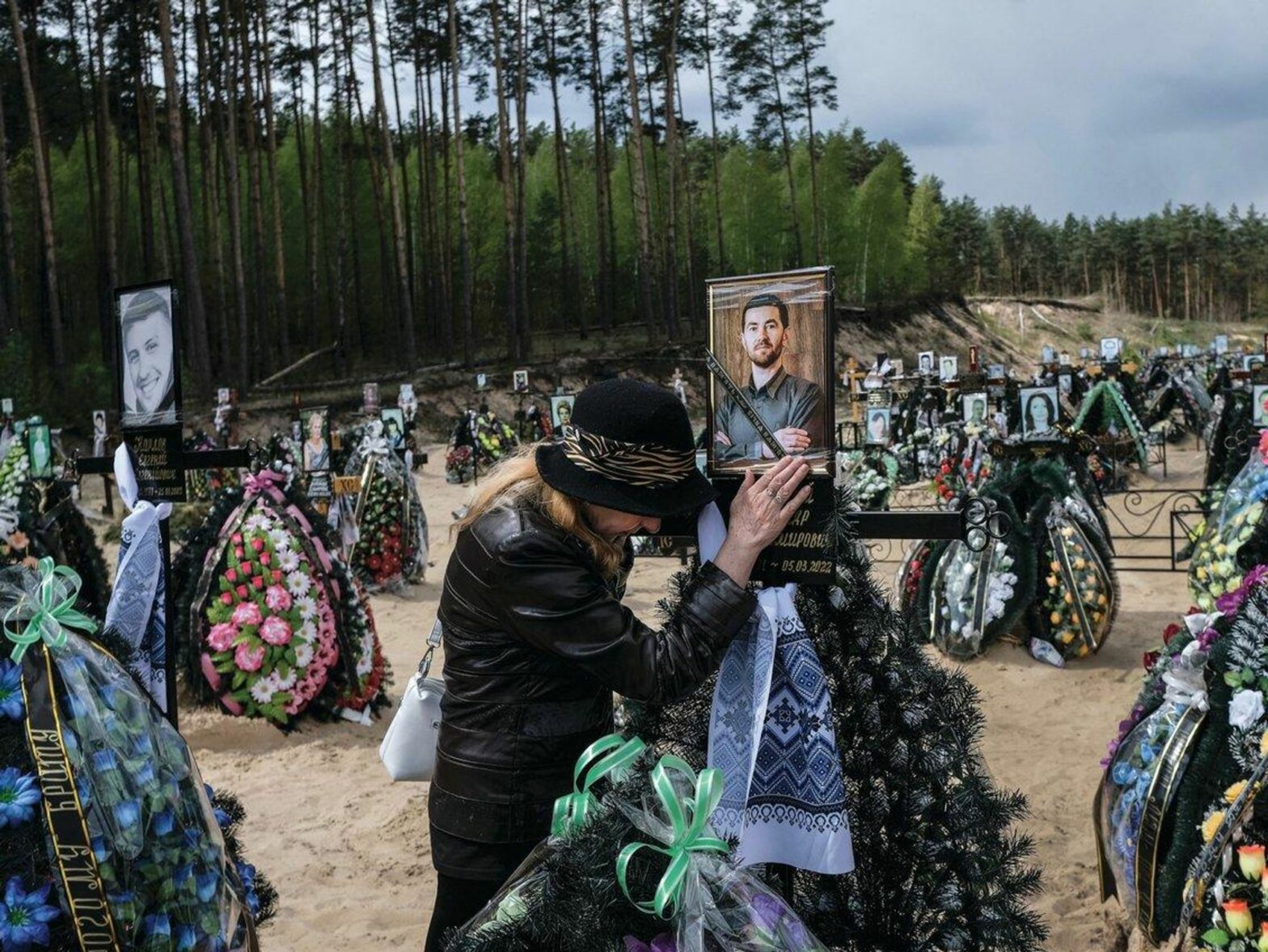
It’s hard to admit, but every day, the chance of a Ukrainian victory moves further away. Kyiv is running out of troops and equipment. The enemy is better prepared and has significant reinforcements at its disposal. It’s no surprise, then, that the talk among Western diplomats is of a truce.
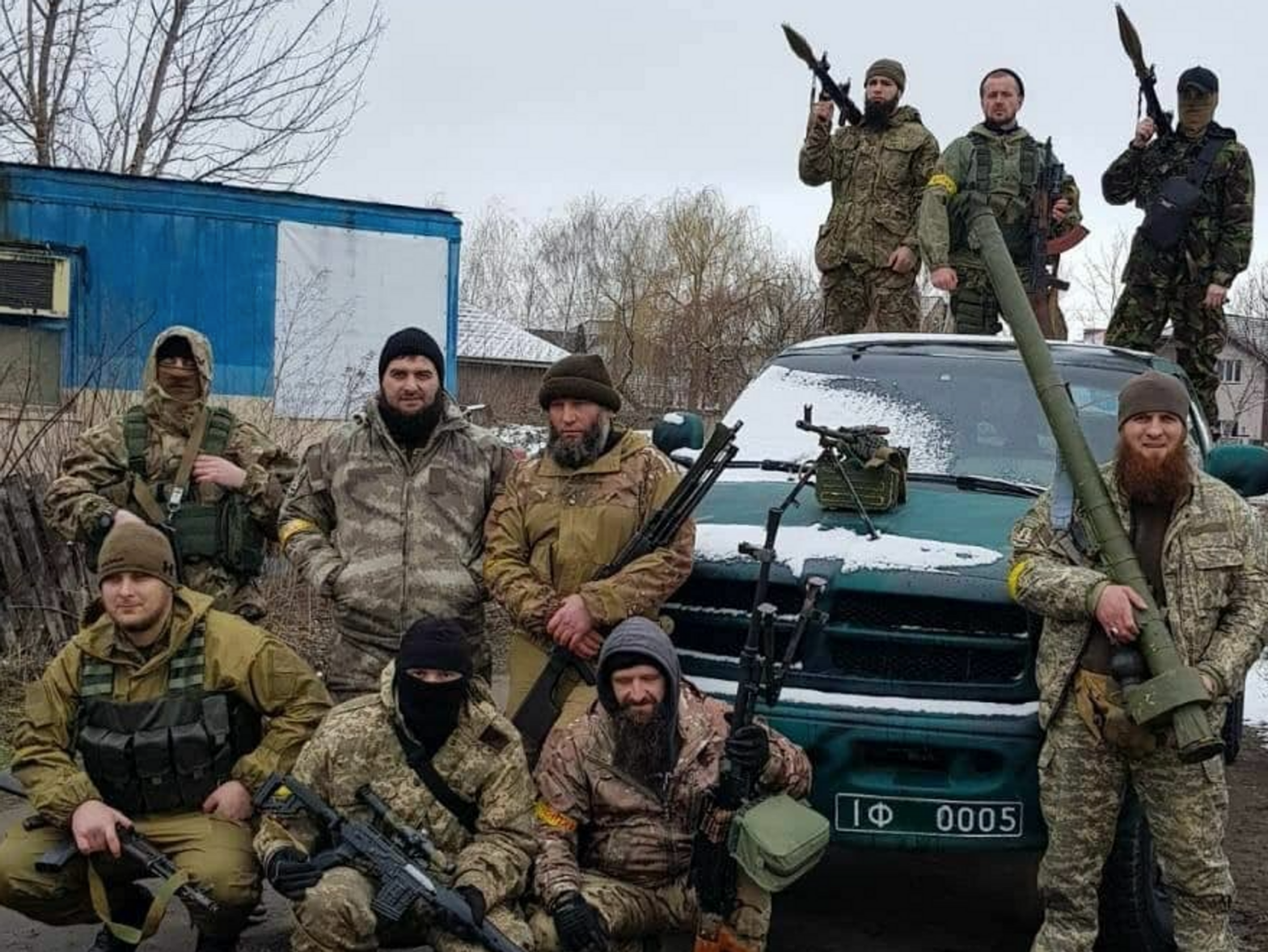
They came to fight Russia, and to avenge the deaths of their loved ones and friends killed in Chechnya. Not wanting to sit in the trenches, they’ve found work in intelligence and sabotage.
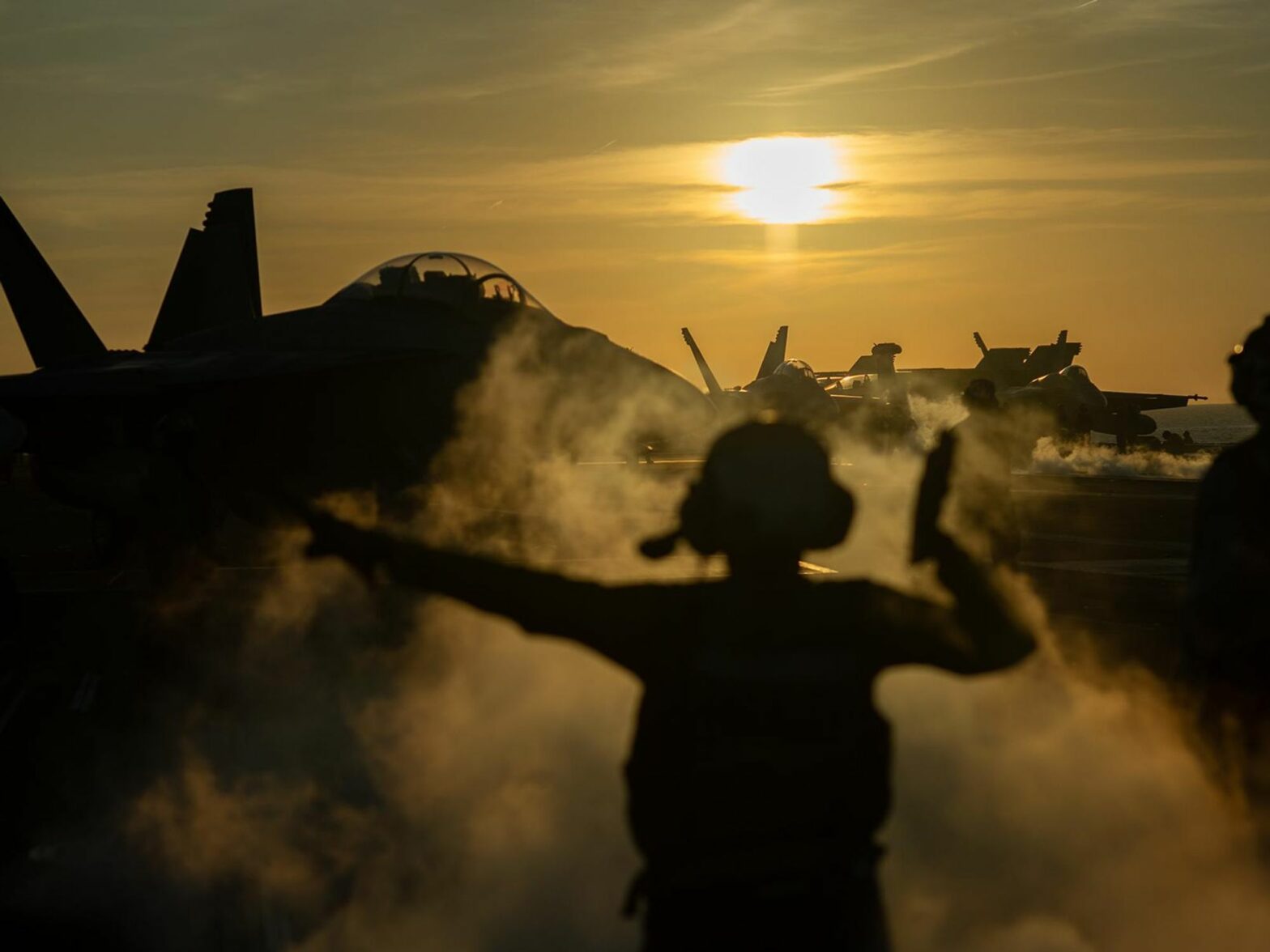
The open debate on weapon deliveries to Ukraine is highly unusual, but Kyiv has figured out how to use the public moral suasion — and patience — to repeatedly shift the question in its favor. But will it work now for fighter jets?
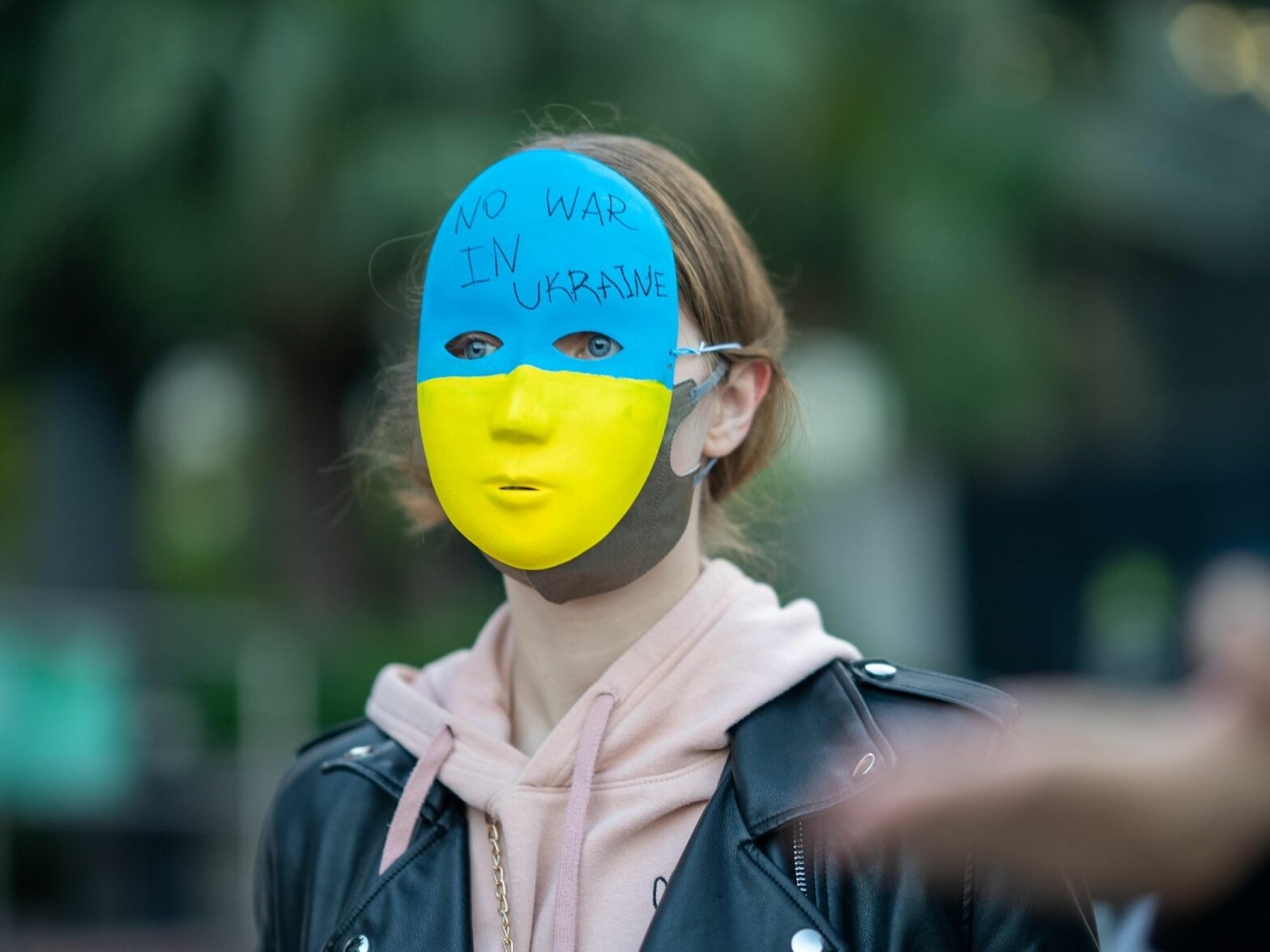
Russia’s 2021 census showed a record drop in the number of Ukrainians living in Russia. But the cleansing of everything Ukrainian, including language and culture, started long before Putin’s invasion.