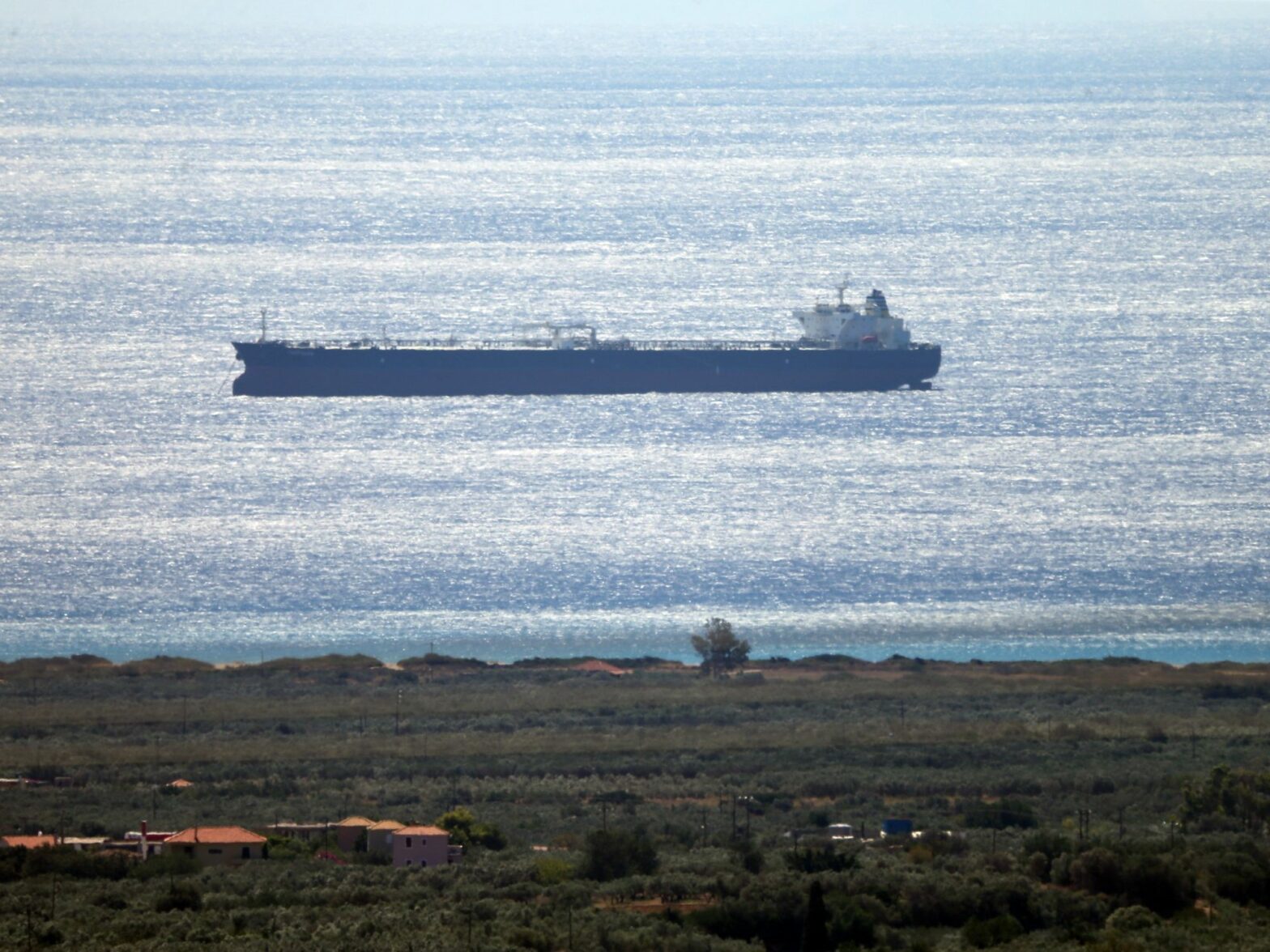
Moscow relies on international shipping companies to ship its oil, especially tankers flying the Greek flag. To protect its lucrative business, Athens is resisting tougher sanctions — and thus playing right into Vladimir Putin’s hands.
 Worldcrunch
Stay updated with comprehensive news on Russia from Worldcrunch. Discover insights on Russian politics, economic strategies, societal issues, and cultural landmarks with translations from top international sources. Highlights include Moscow, Russian history, and events like the Moscow International Film Festival.
Moscow relies on international shipping companies to ship its oil, especially tankers flying the Greek flag. To protect its lucrative business, Athens is resisting tougher sanctions — and thus playing right into Vladimir Putin’s hands.
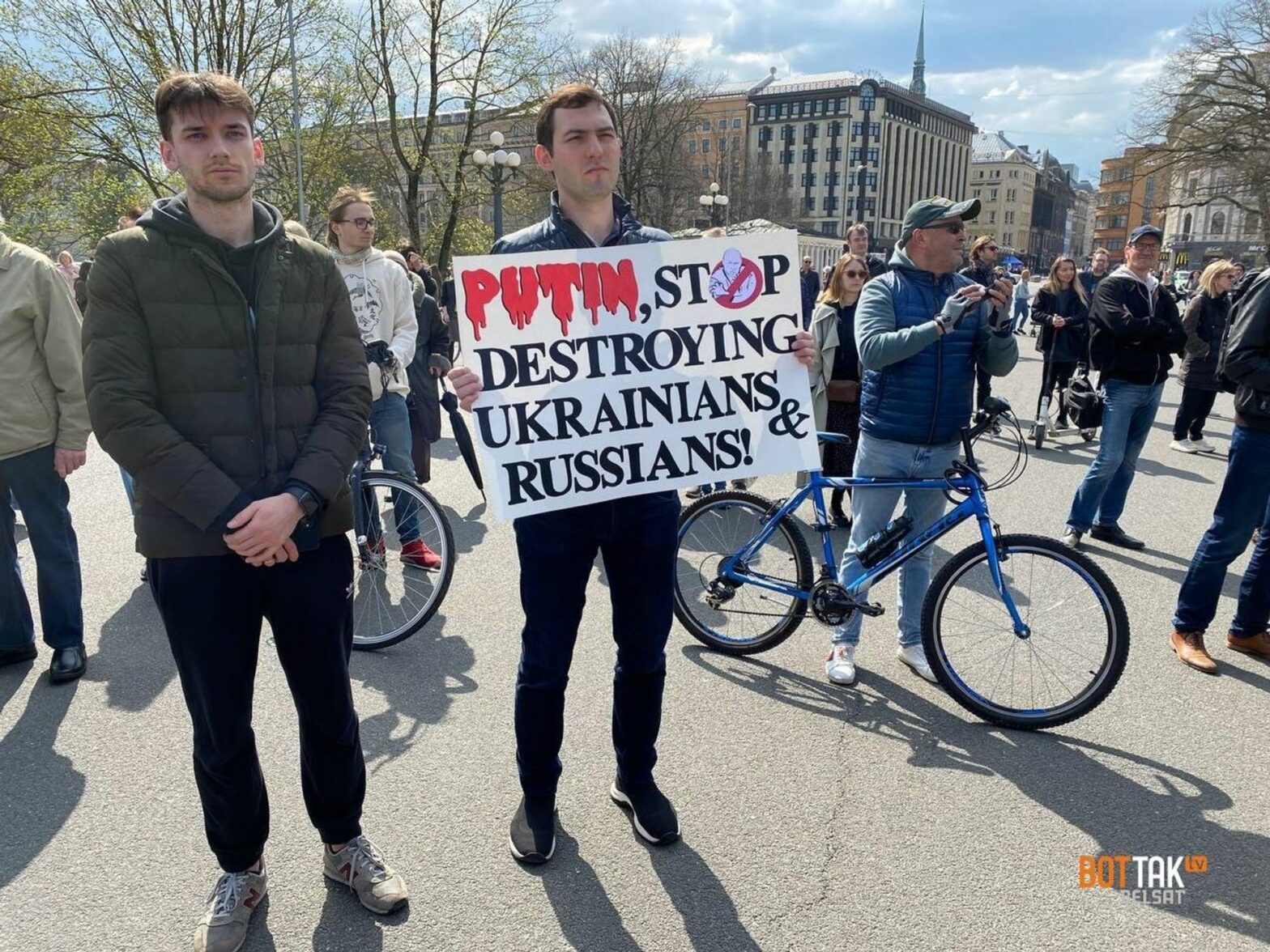
The Russian invasion of Ukraine has sparked an anti-Moscow nationalist upsurge in Latvia, which is now seeking to reduce the use of the Russian language in the public sphere in a country where almost 40% of the population are Russian speakers. While support for Kyiv is widespread, tensions in the country are growing, including on the language front.
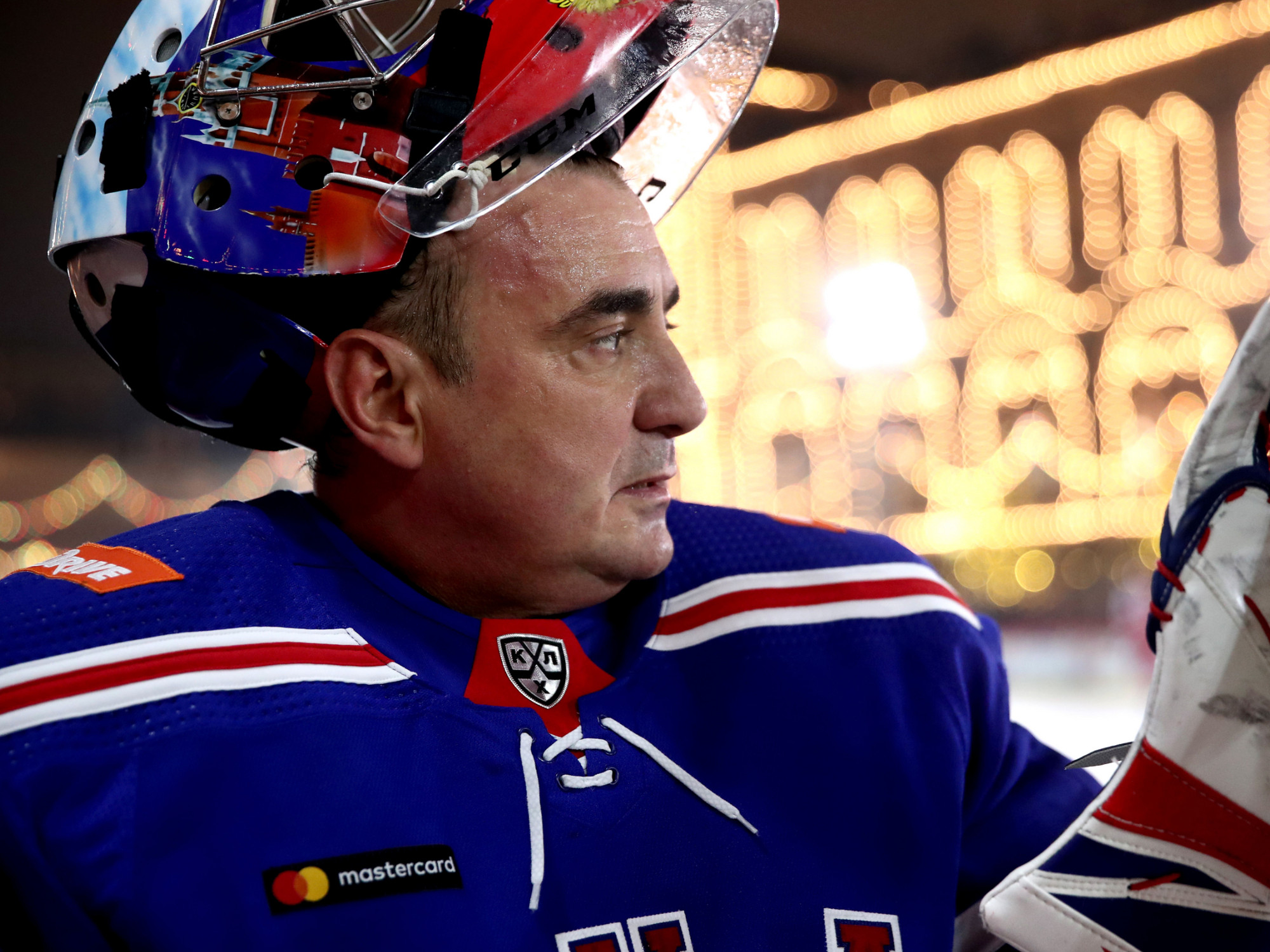
Alexei Dyumin, a former bodyguard of Russian President Vladimir Putin, has been touted as a likely successor to the man he once protected. Russian independent news outlet Important Stories takes a closer look at a man who prefers to keep a low profile.
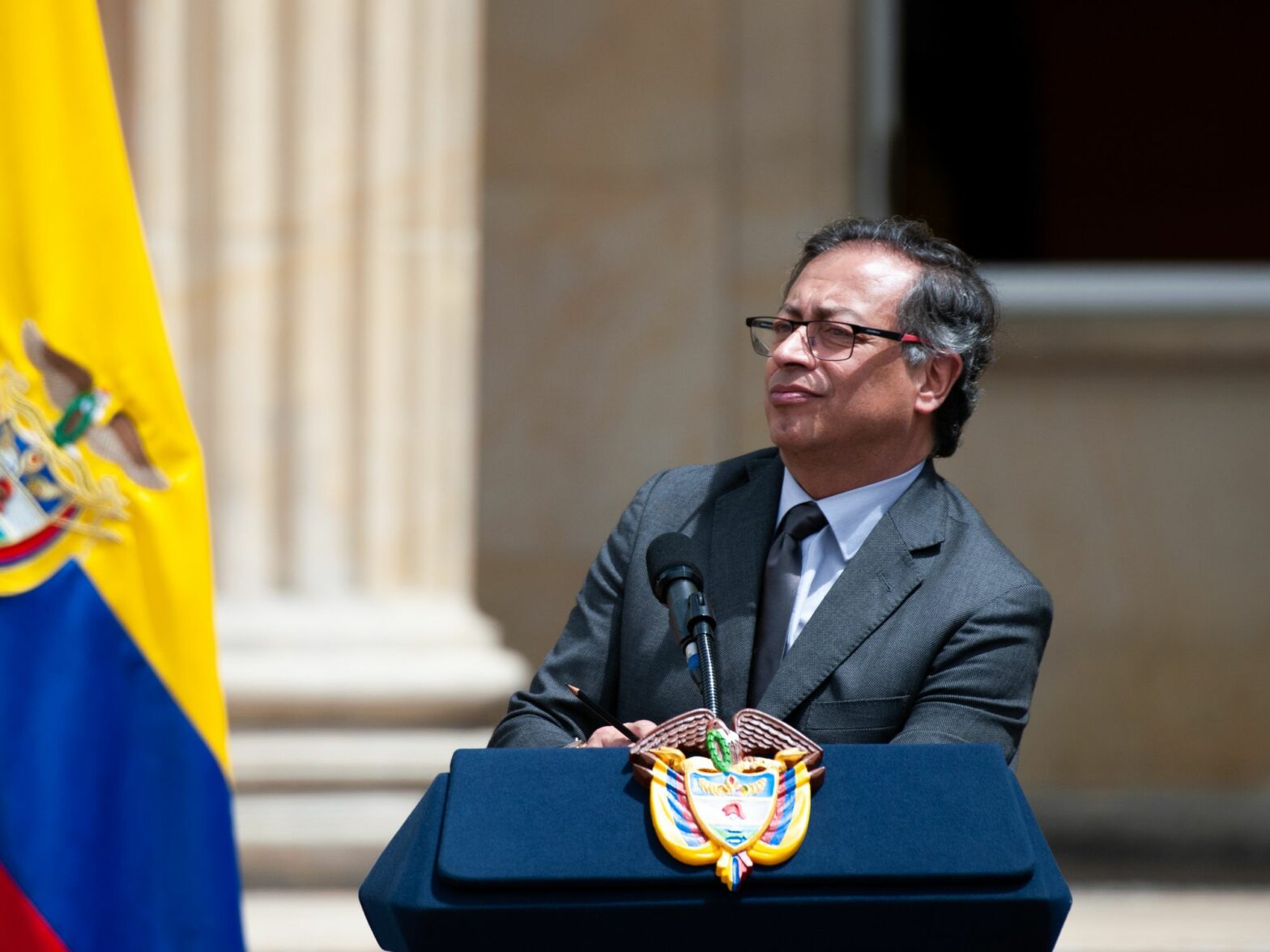
Colombia’s leftist president claims Russia and the United States act in “much the same” way in the world, disregarding the fact that only one of those states poisons or throws critics out the window.
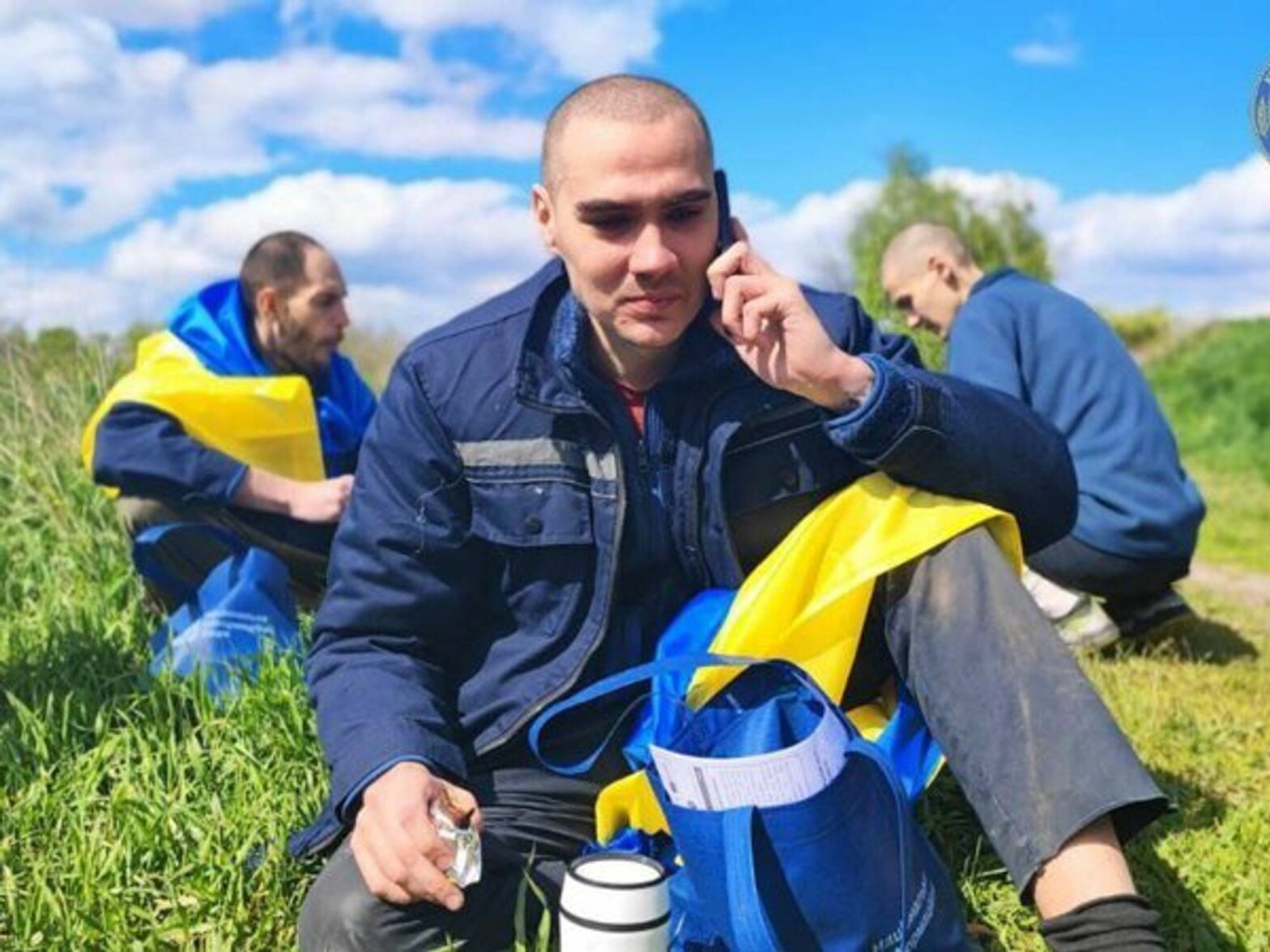
An estimated 700 soldiers who defended Mariupol remain in Russian captivity. As prisoner exchanges prove challenging, relatives wait nervously for news.
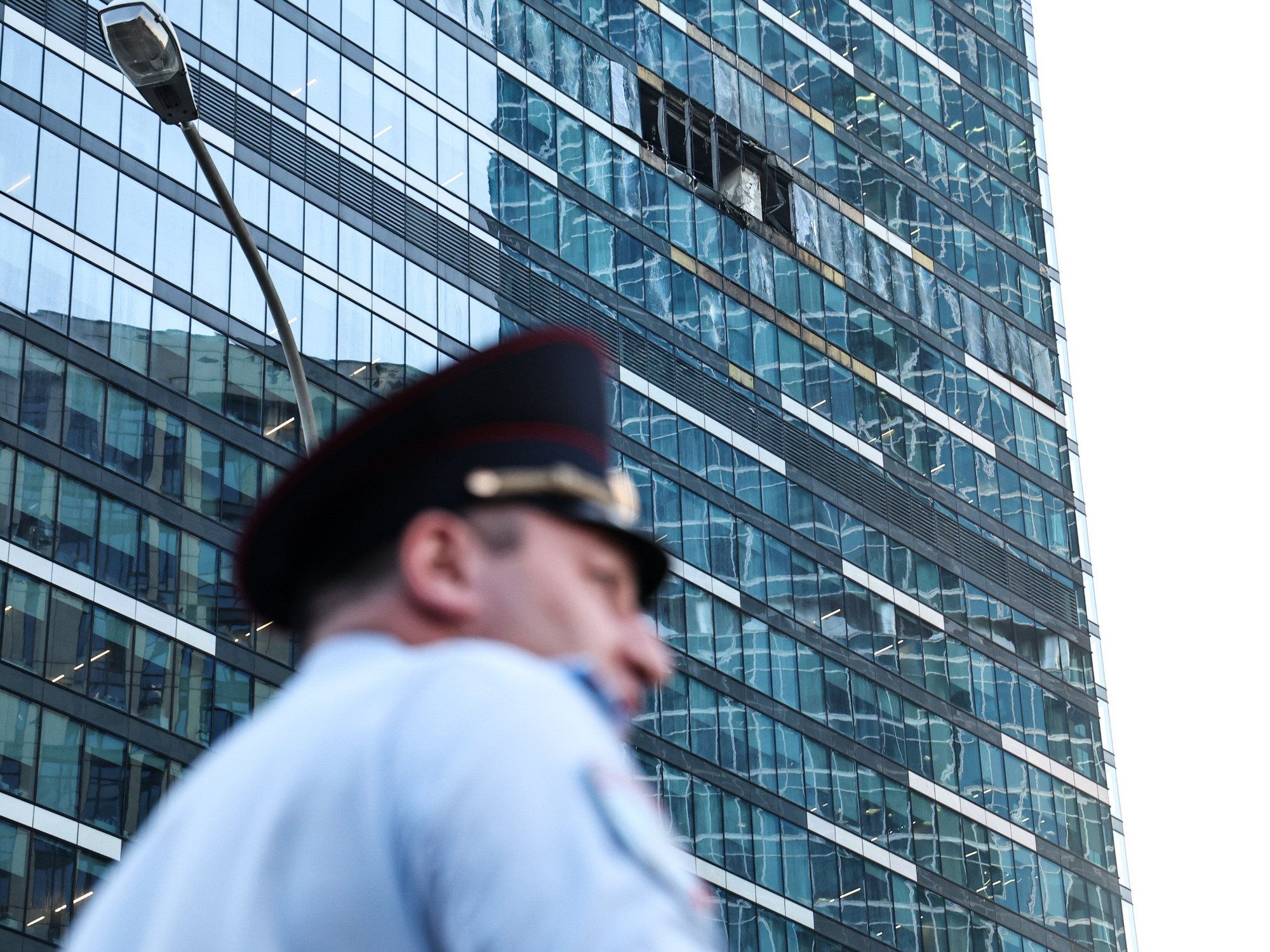
In recent days, multiple drone attacks targeted and hit skyscrapers in Moscow’s business district. These strikes are thought to have been led by Ukrainian unmanned aerial vehicles (UAVs), reportedly belonging to a new category of “Beaver” drones. Here’s what we know about them.
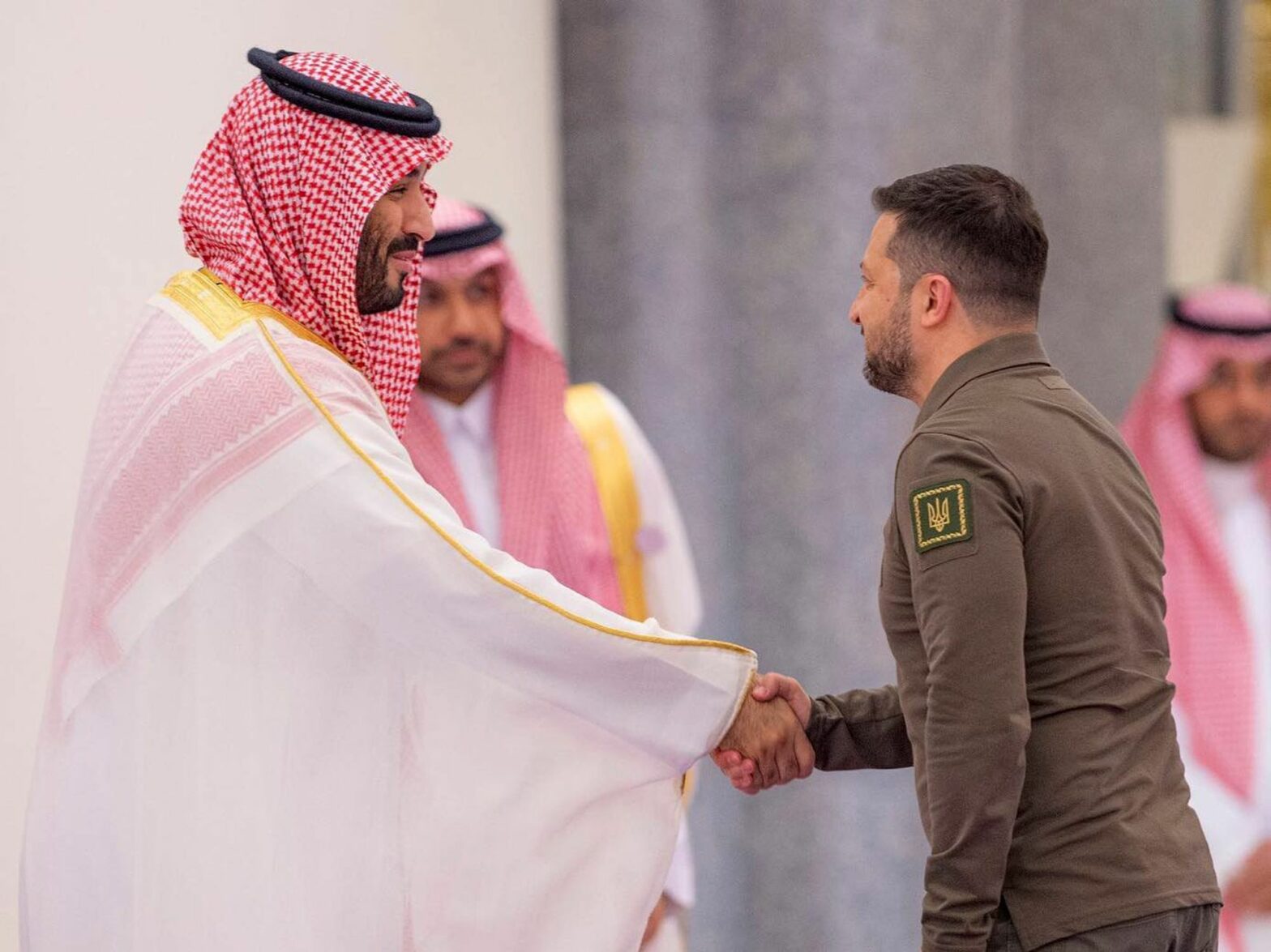
Saudi Arabia is set to host non-Western countries to discuss how to initiate peace talks between Russia and Ukraine. Moscow-based daily Kommersant takes an in-depth look at what the high-level talks, slated for Aug. 5 in Jeddah, mean for Russia — who wasn’t invited to the summit —, Ukraine and the world.
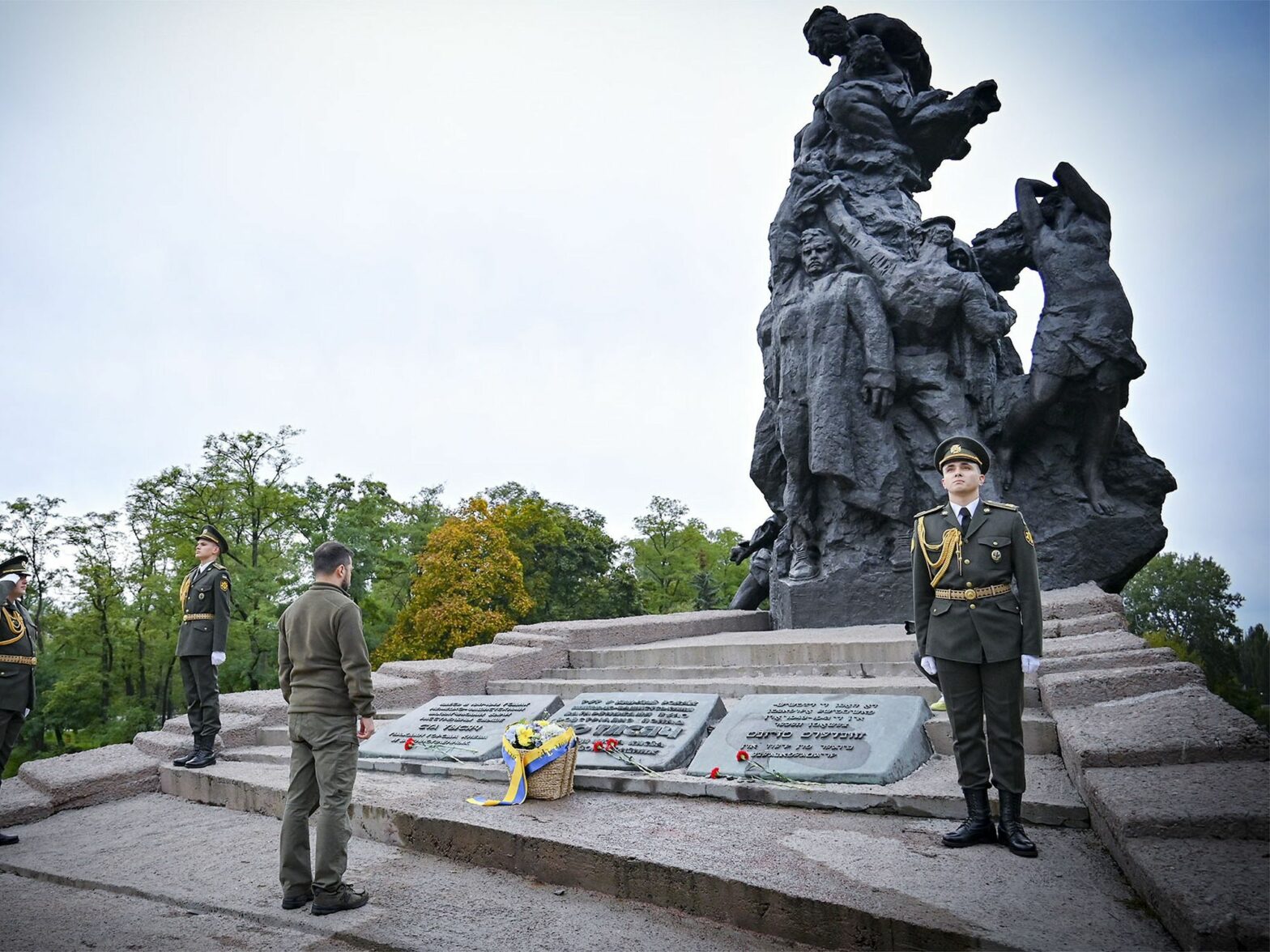
The images of World War II have been used many times when describing Russia’s invasion of Ukraine. But memory can deceive — many Ukrainian victims were forgotten as the Soviet Union spun history for its own purposes.
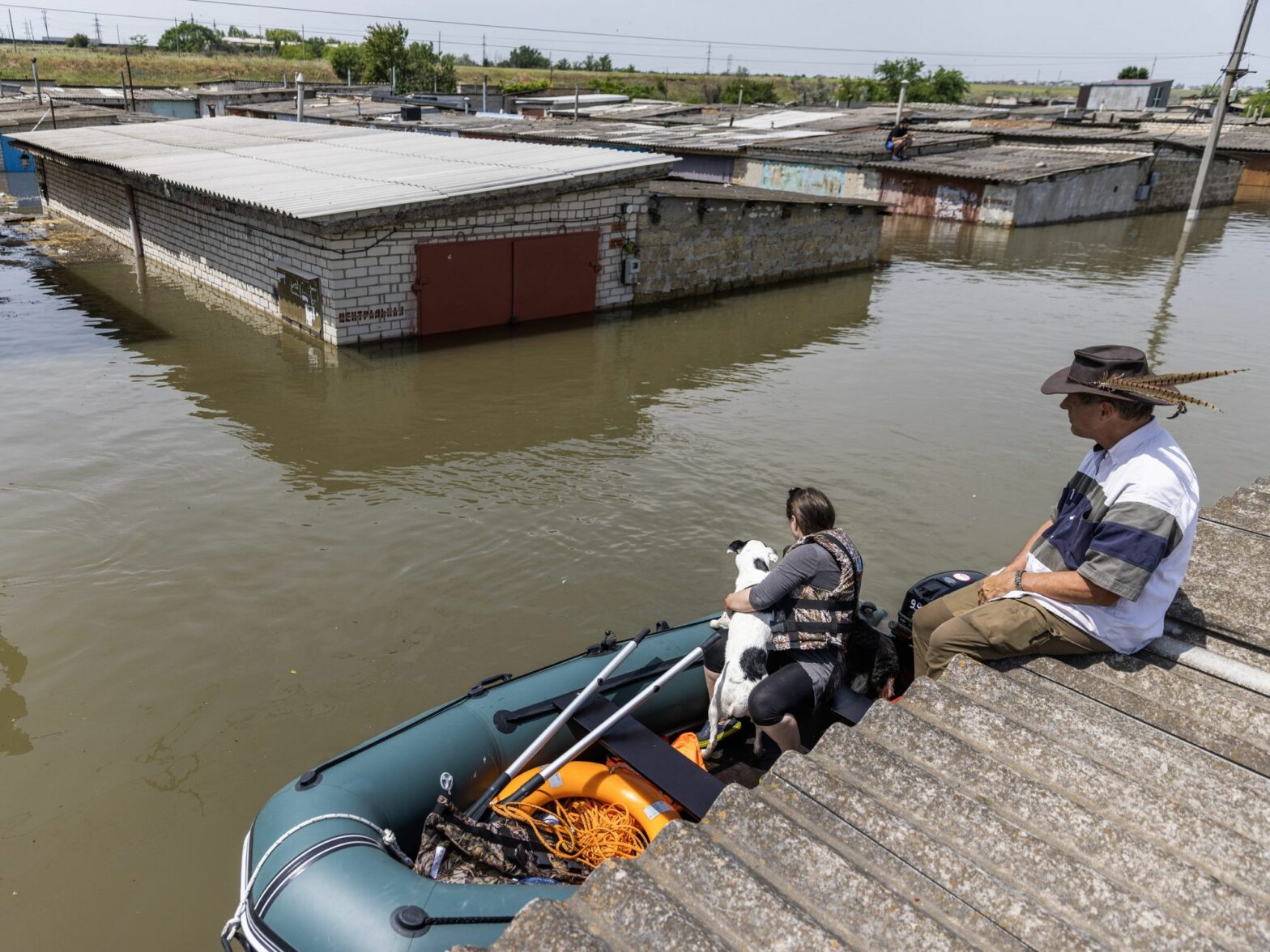
Warfare is not only traumatic for people and infrastructure but also has a large impact on the natural environment. The environmental damages of the Ukraine war will likely be be so great that even neighboring countries will suffer their effects.
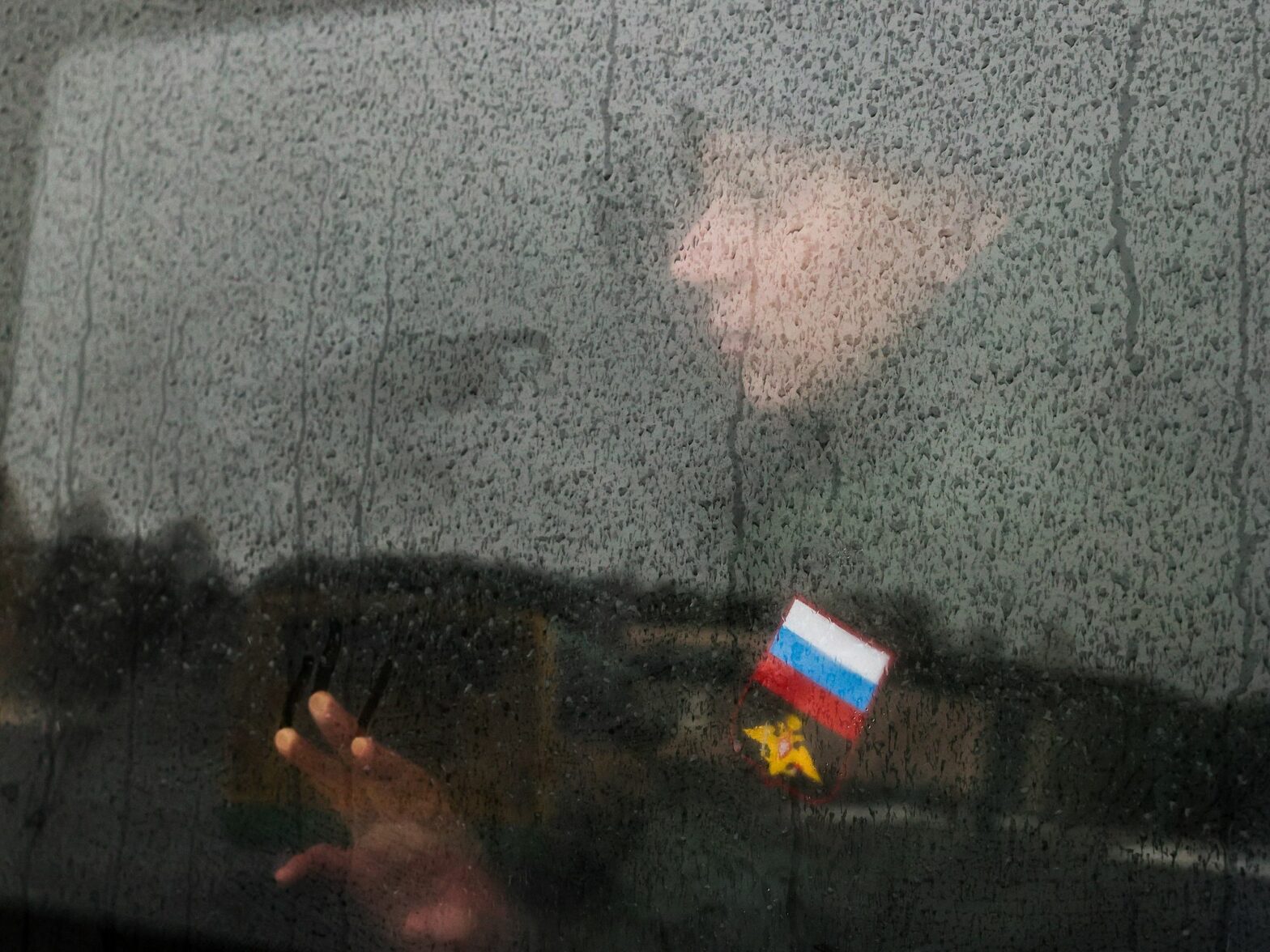
Many Russians have tried to avoid being conscripted to join the war in Ukraine, but many others believed deeply in the constant campaign of state propaganda. Here are some of the stories of the lucky ones who made it back — and those who didn’t.
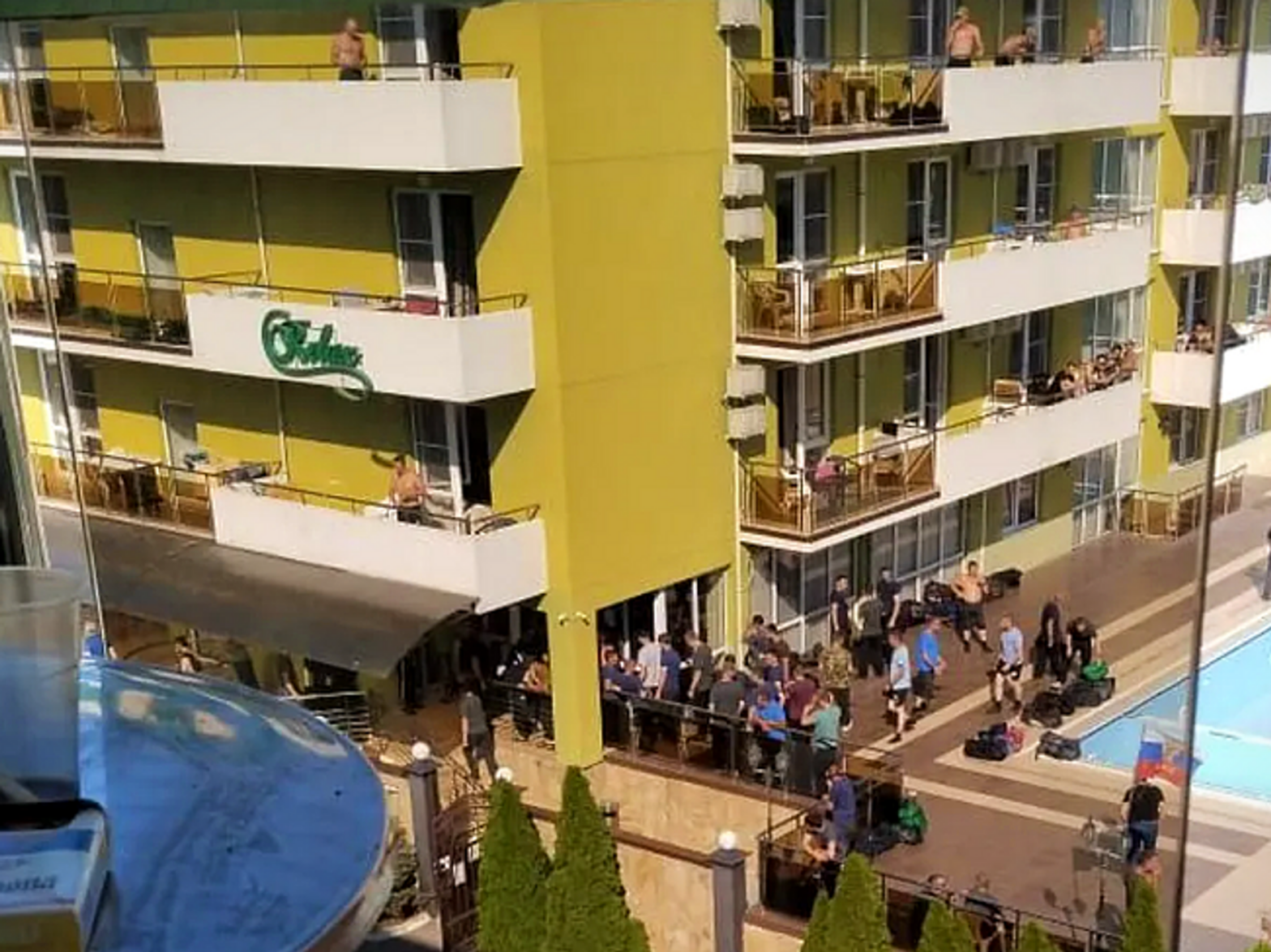
The last of the former convicts who served under the Wagner mercenary are heading home. According to private Telegram chats of the soldiers’ relatives, many are currently staying in resorts and hotels along the Black Sea awaiting pardons, and behaving badly. Some may end up staying on with Wagner in Belarus.
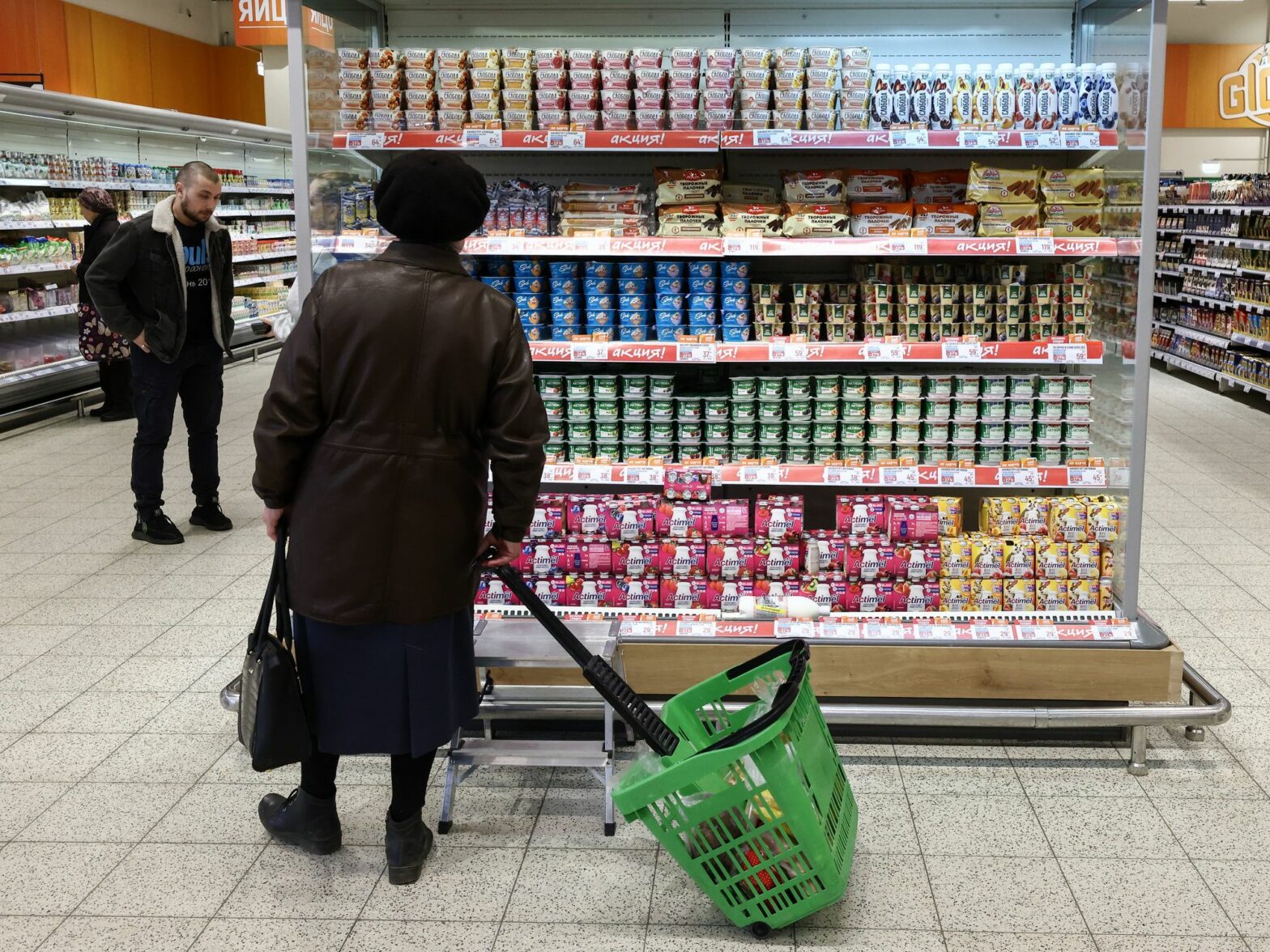
The French dairy group Danone and Denmark’s Carlsberg brewer were in talks with buyers to limit their financial losses in Russia. But the Kremlin’s sudden “temporary” takeover of the two companies Sunday night (involving the seizure of Danone by Chechen leader Ramzan Kadyrov’s “favorite” nephew) may in fact be a sign that business is over once and for all for Western subsidiaries that have pulled out since the war began.
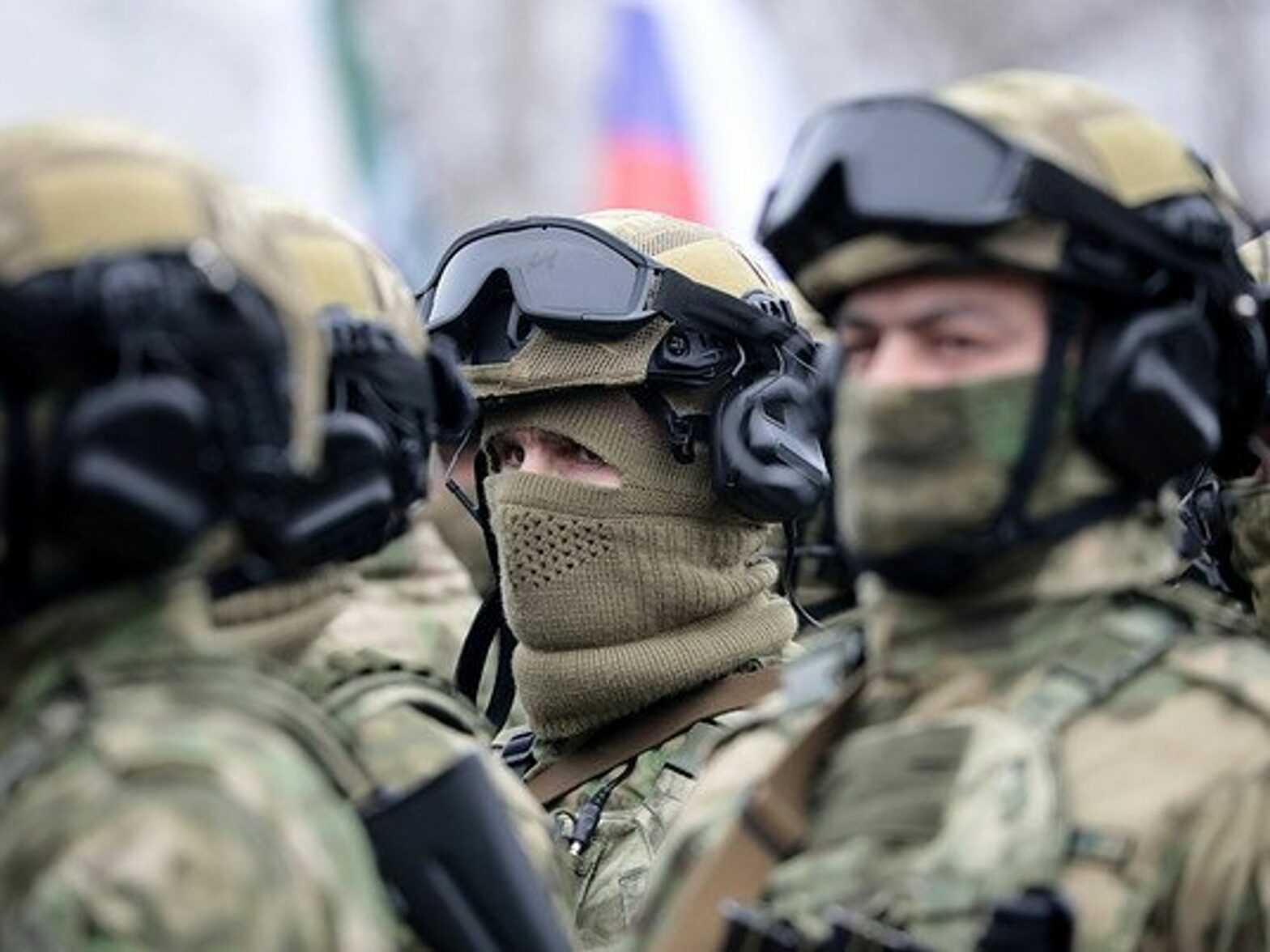
A bill introduced to the Russian State Duma this week would allow the National Guard of Russia to receive tanks and other heavy military equipment and could turn the structure directly under Putin’s command into a second army.
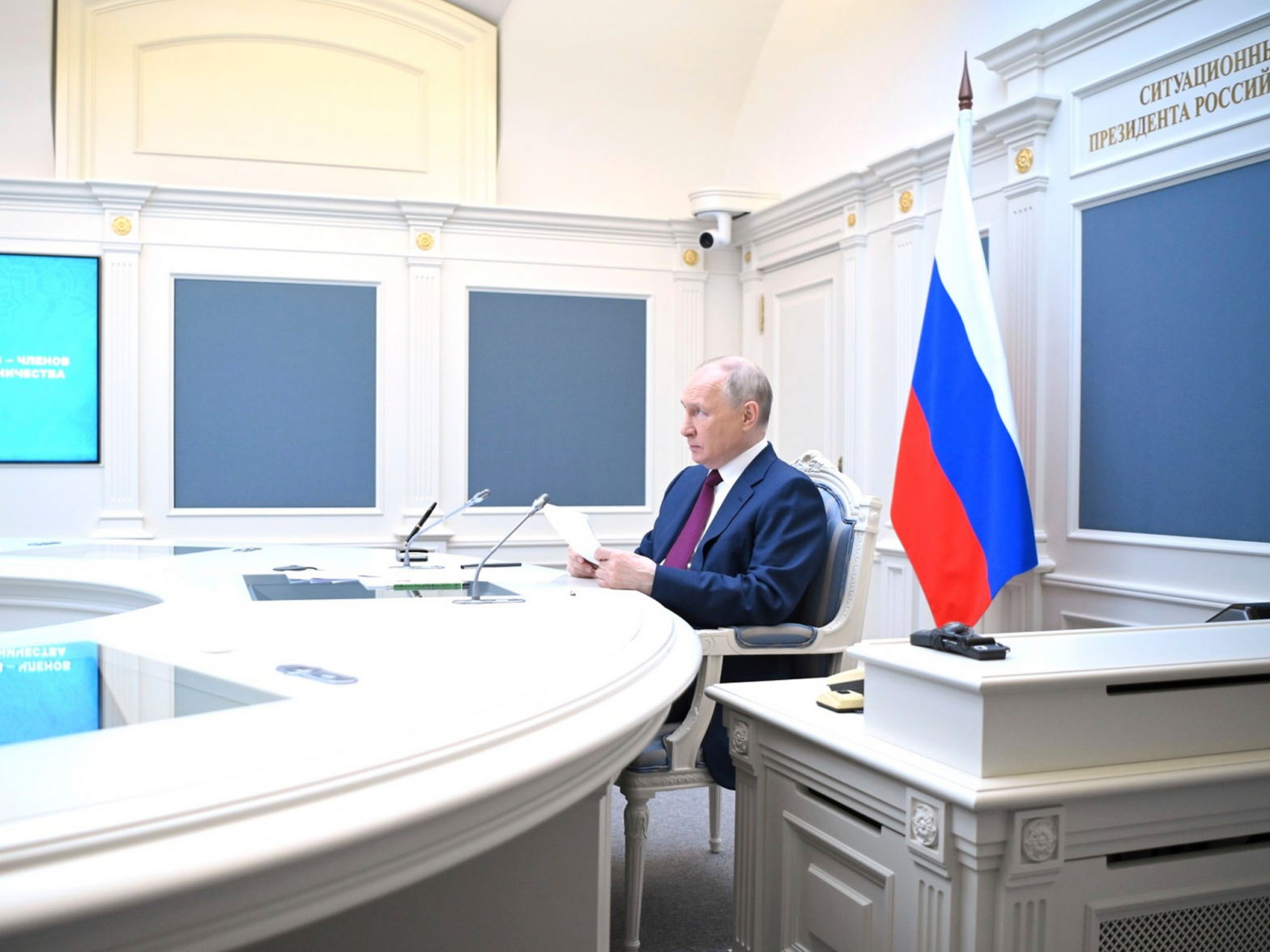
The prospect of Ukraine joining NATO has been postponed. Vladimir Putin will be pleased, knowing that Russia’s best hope is for a long war.
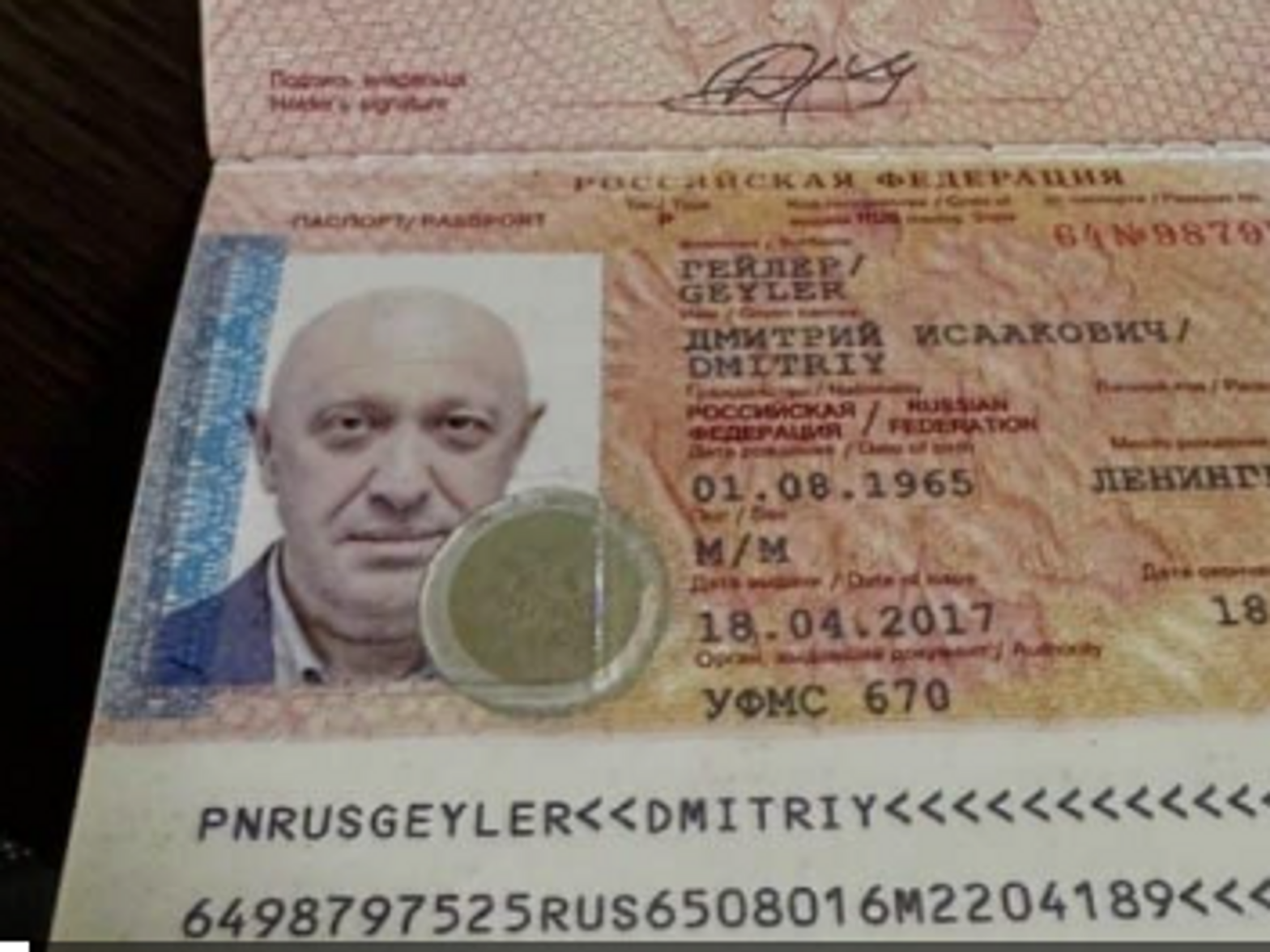
After the Wagner mutiny, the palatial home of the mercenary group’s founder, Yevgeny Prigozhin, was searched in St. Petersburg. Among other chilling finds was a framed photograph of the severed heads of slain Africans. It fits in with the profile of a man Proekt media calls “Putin’s Sadist.”
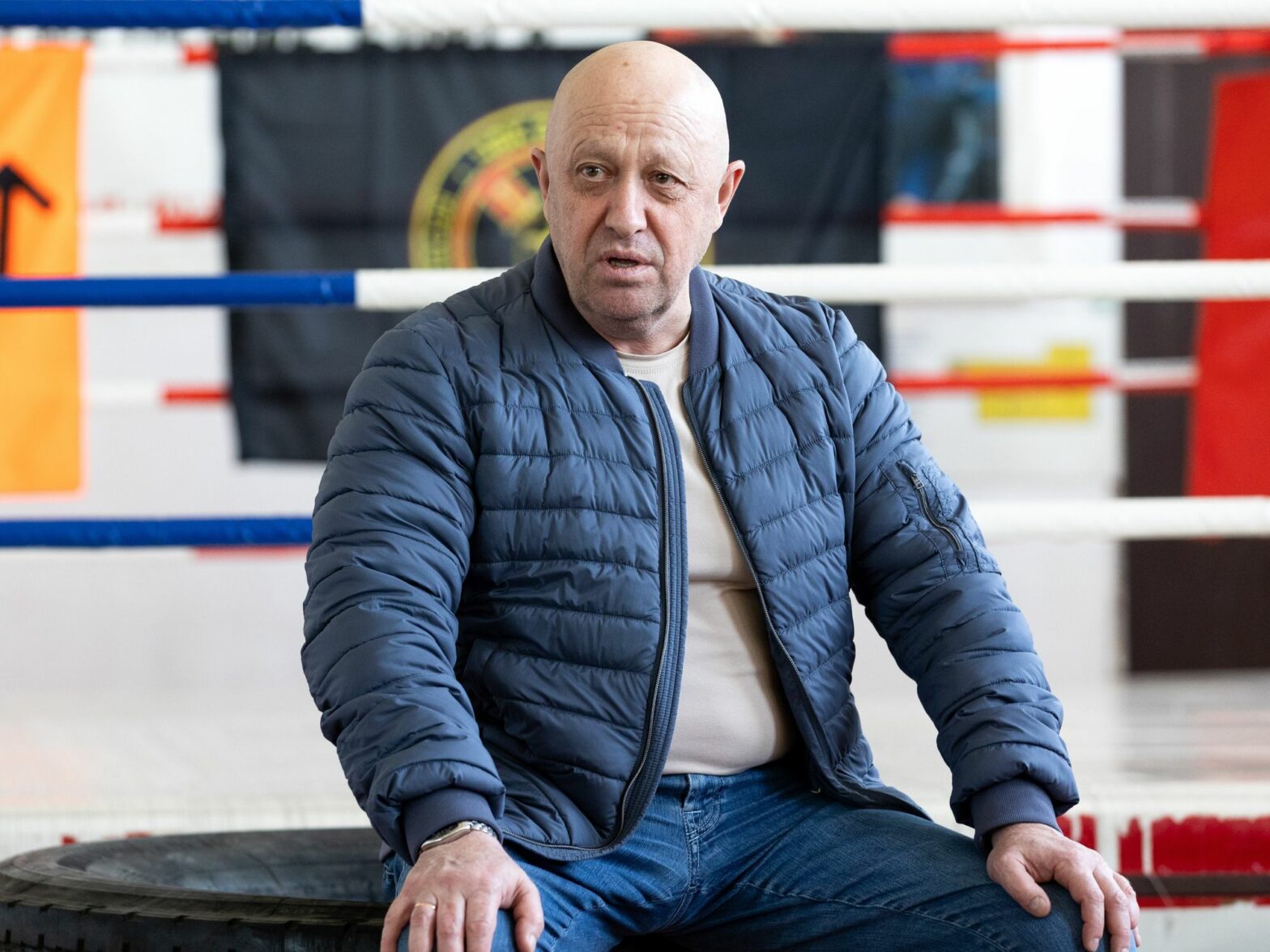
The post-coup mystery continues with reports that Wagner founder Yevgeny Prigozhin is not, in fact, in Belarus, but in Russia. A look at what it says about Vladimir Putin’s hold on power.
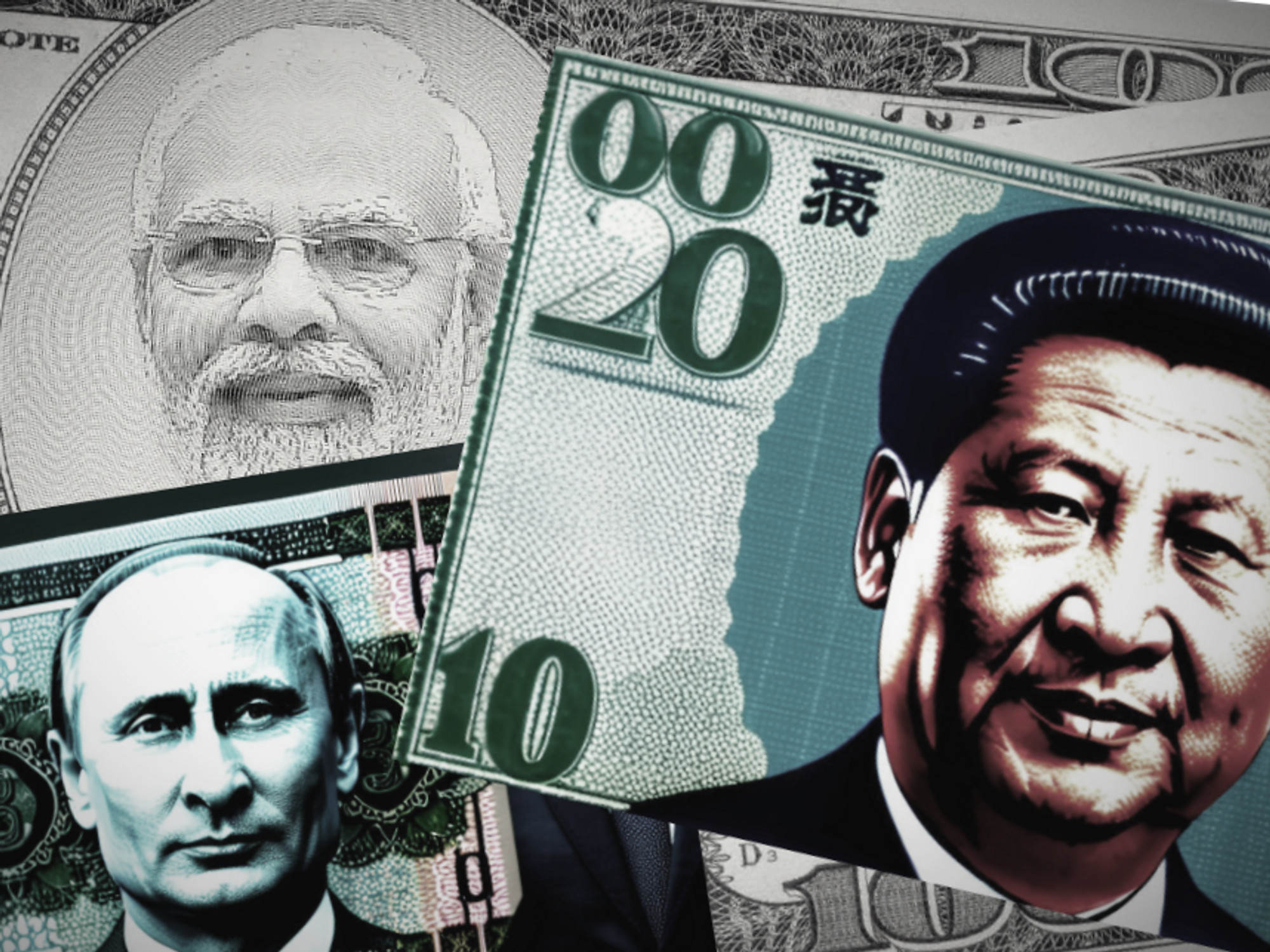
The creation of a new common currency will be one of the main questions on the agenda at the BRICS summit in South Africa in August. But there are still many obstacles to overcome before breaking free from the almighty dollar.
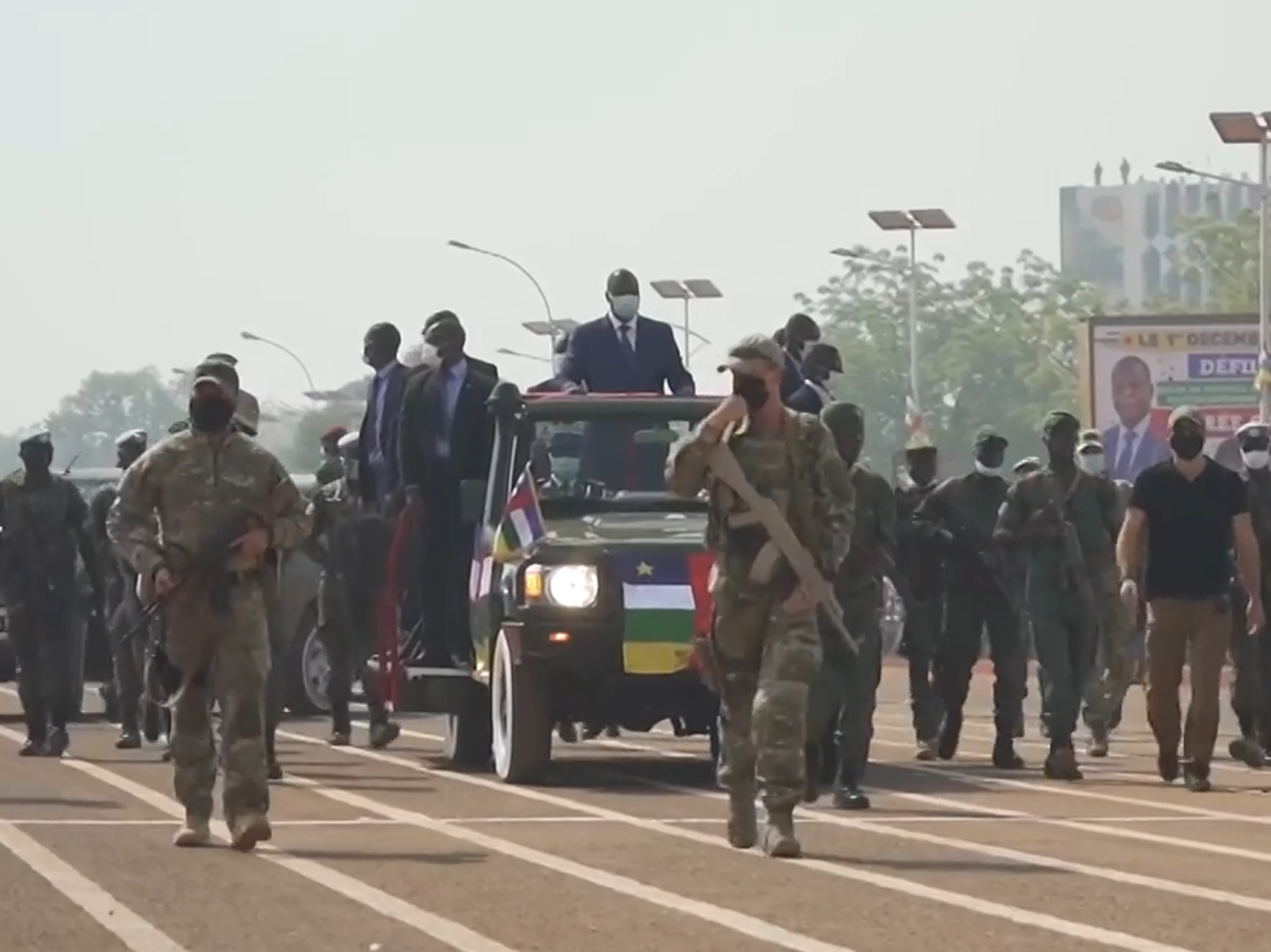
The Wagner mercenaries, who came to the world’s attention for their involvement in the Russian invasion of Ukraine, and more recently in the coup attempt, have been operating in Africa and elsewhere for years with a profitable formula to cash in on ongoing conflict.
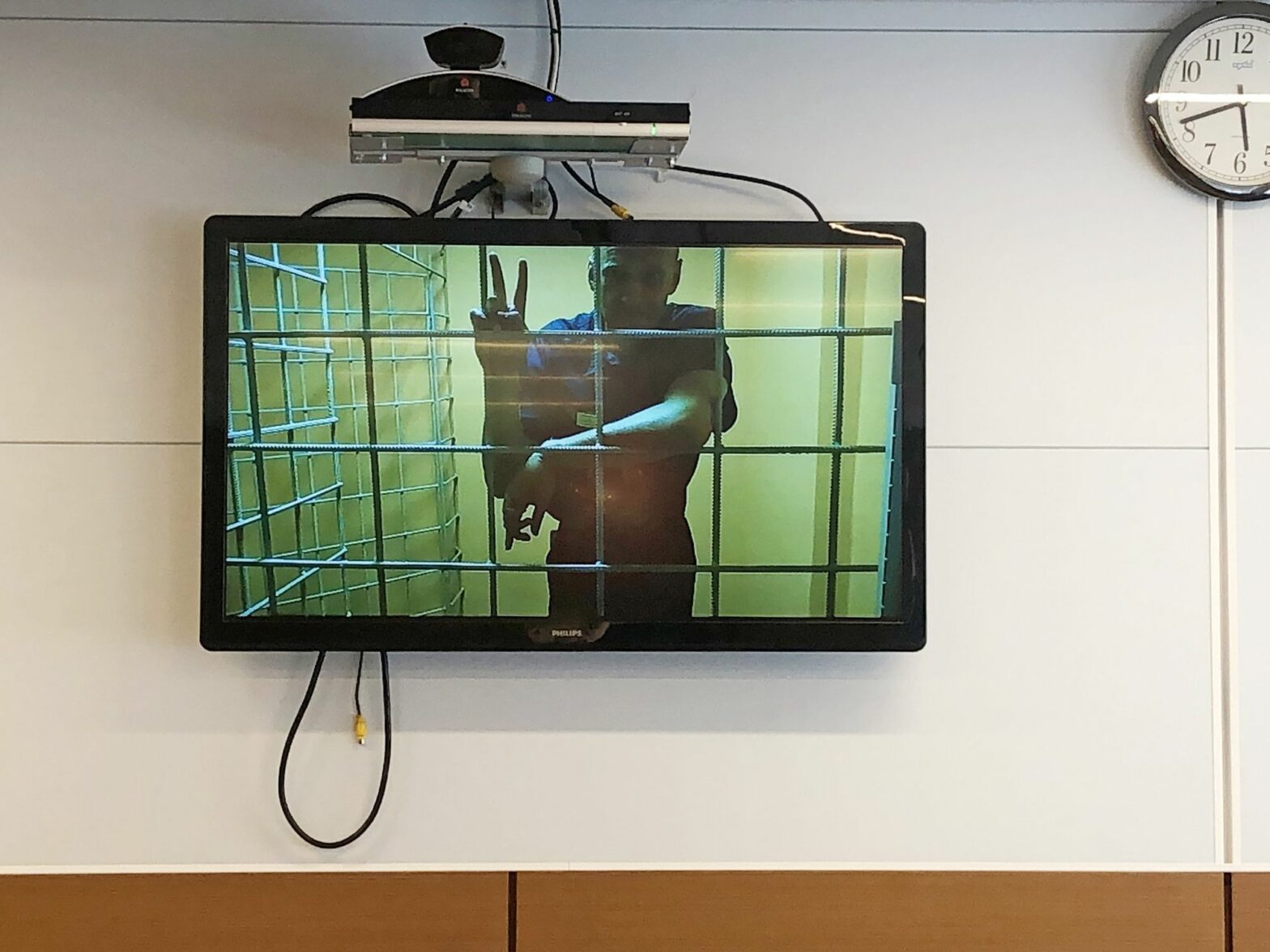
From the depths of his prison cell, President Putin’s best-known opponent, Alexei Navalny, appears to have a plan for how to turn Yevgeny Prigozhin’s failed uprising into new momentum for his cause for democracy and regime change in Moscow.
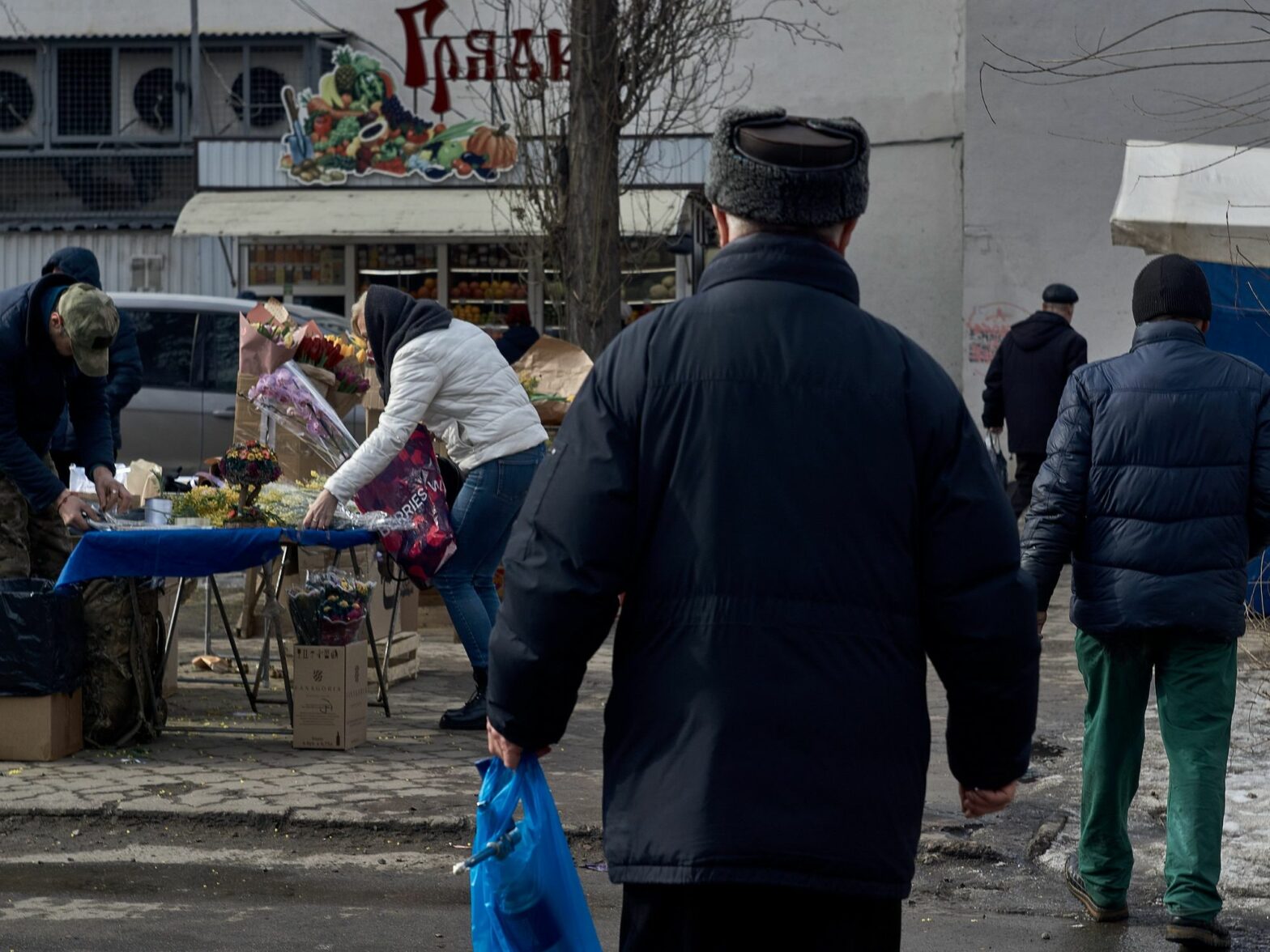
Countries around the world have imposed round after round of sanctions on Russia since the beginning of its full-scale invasion of Ukraine. But are they enough?
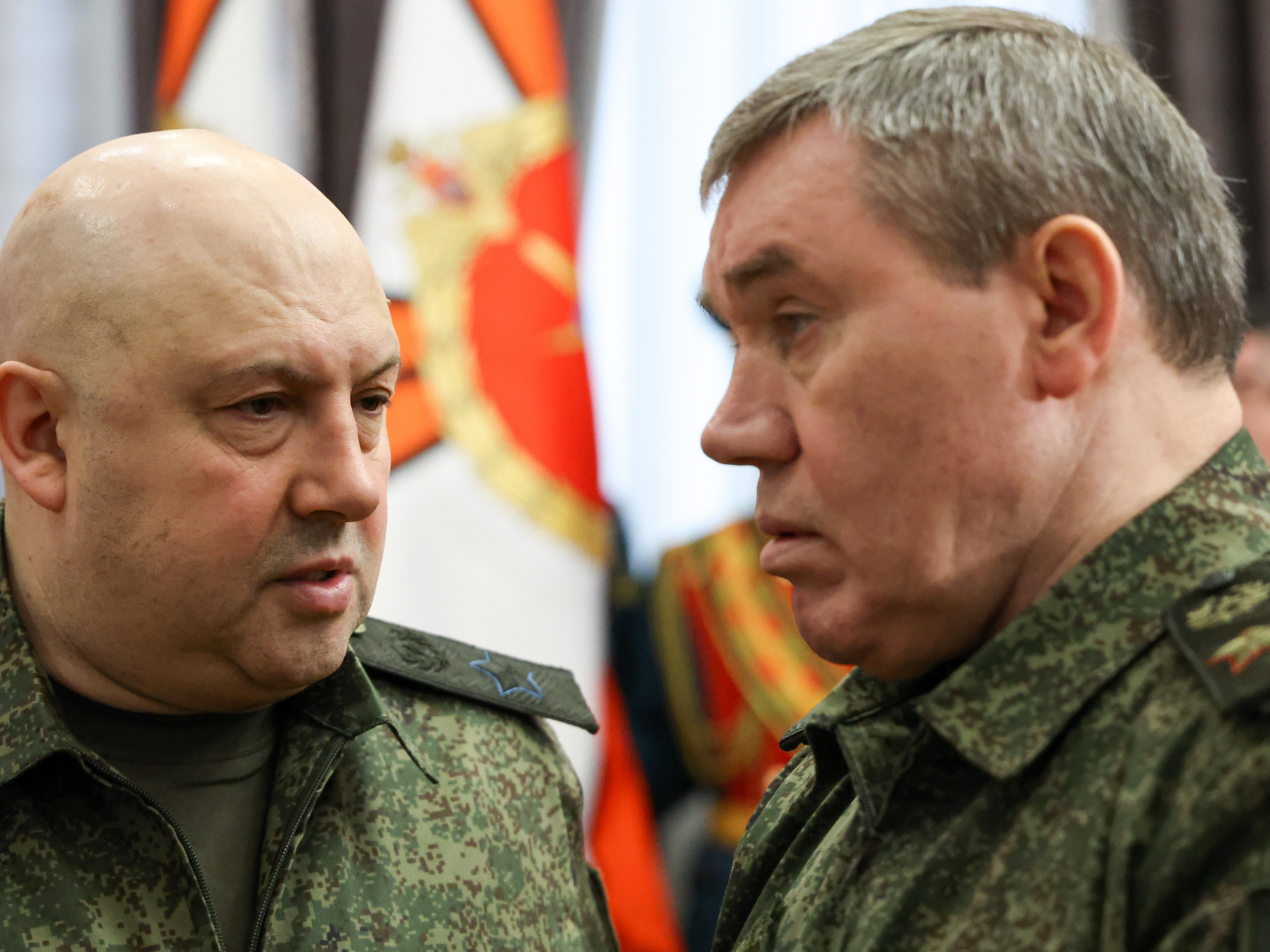
A rebel chief in exile, a top General arrested, a President waving at the crowd. While Putin is putting on a show in public, a large- scale investigation is cleaning house among the Russian military, one week after the Wagner group’s attempted coup.
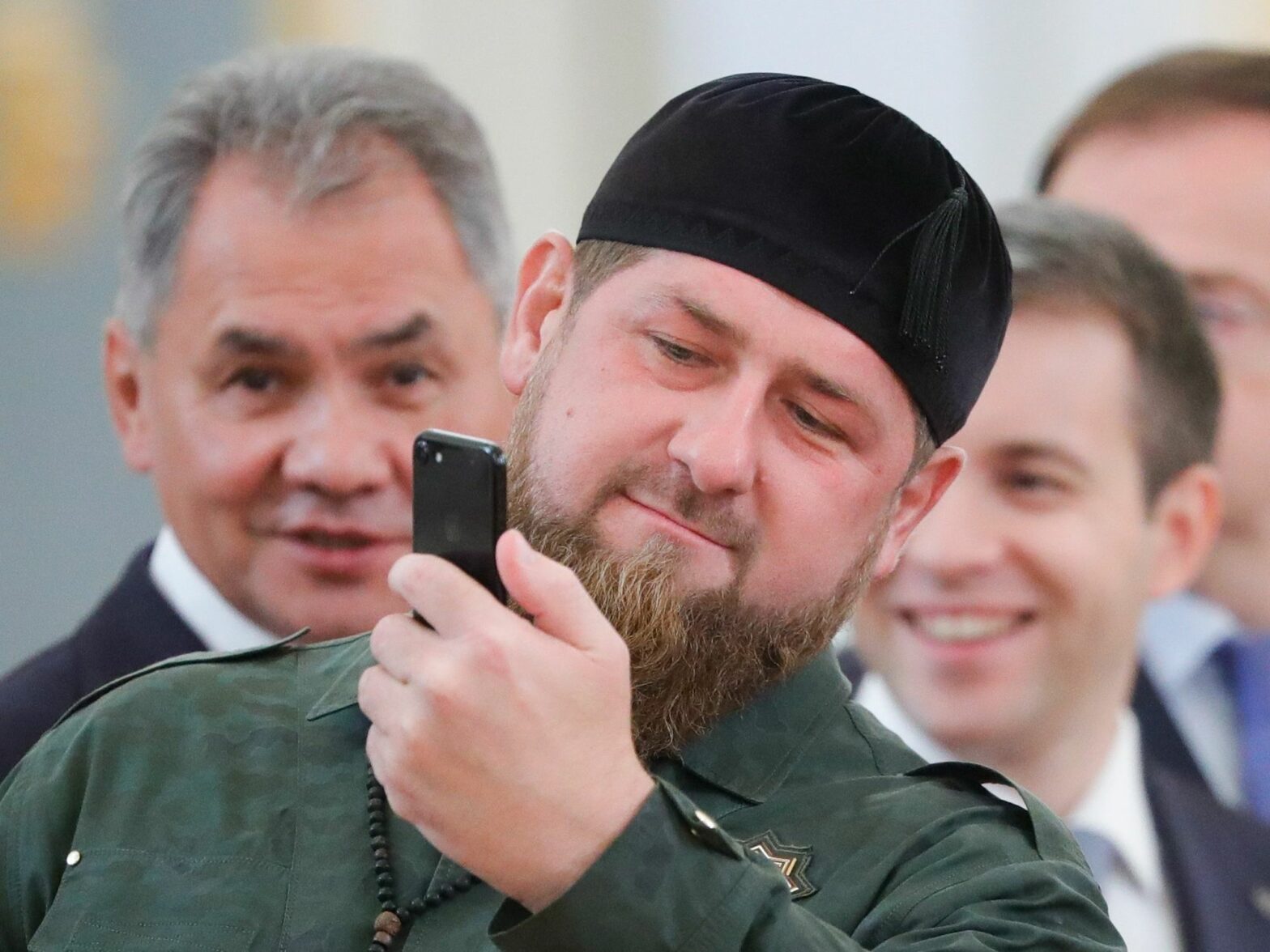
Russian President Vladimir Putin had long governed in a fragmented style, holding together multiple “gray zones” with his personal influence because he has never trusted the traditional state apparatus nor the private sector. But it comes with a predicament, exemplified by the recent Wagner insurrection: his grasp on power only goes as far as the loyalty of Russia’s elites.
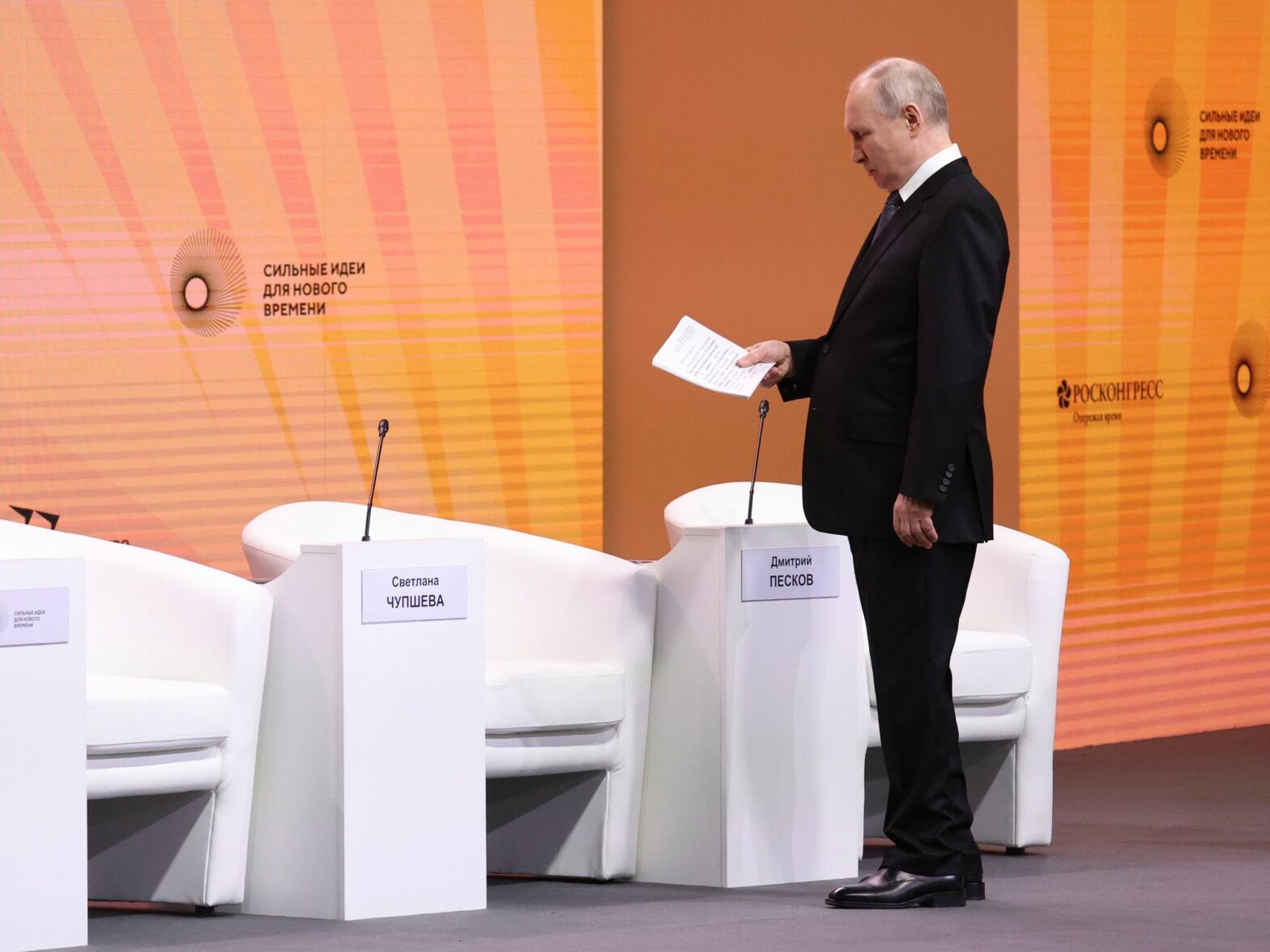
After relatively in-depth coverage beginning last weekend, Russian state-owned TV channels have suddenly stopped reporting on the consequences of the Wagner mutiny.
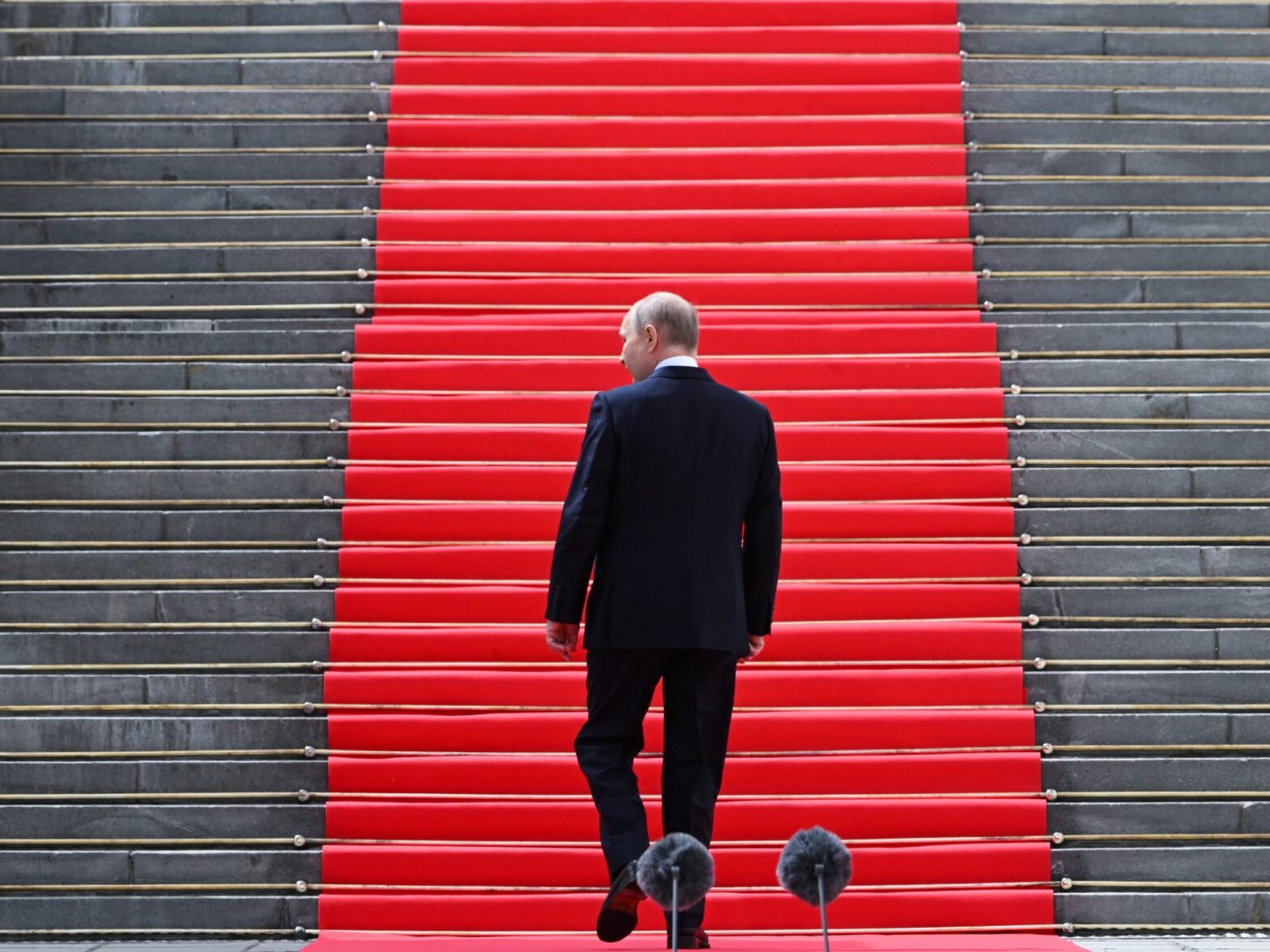
There are many lessons to be taken from Yevgeny Prigozhin’s aborted uprising in the halls of power China. Going forward, Beijing will see Russia as a model on what to avoid in maintaining stability autocratic rule.
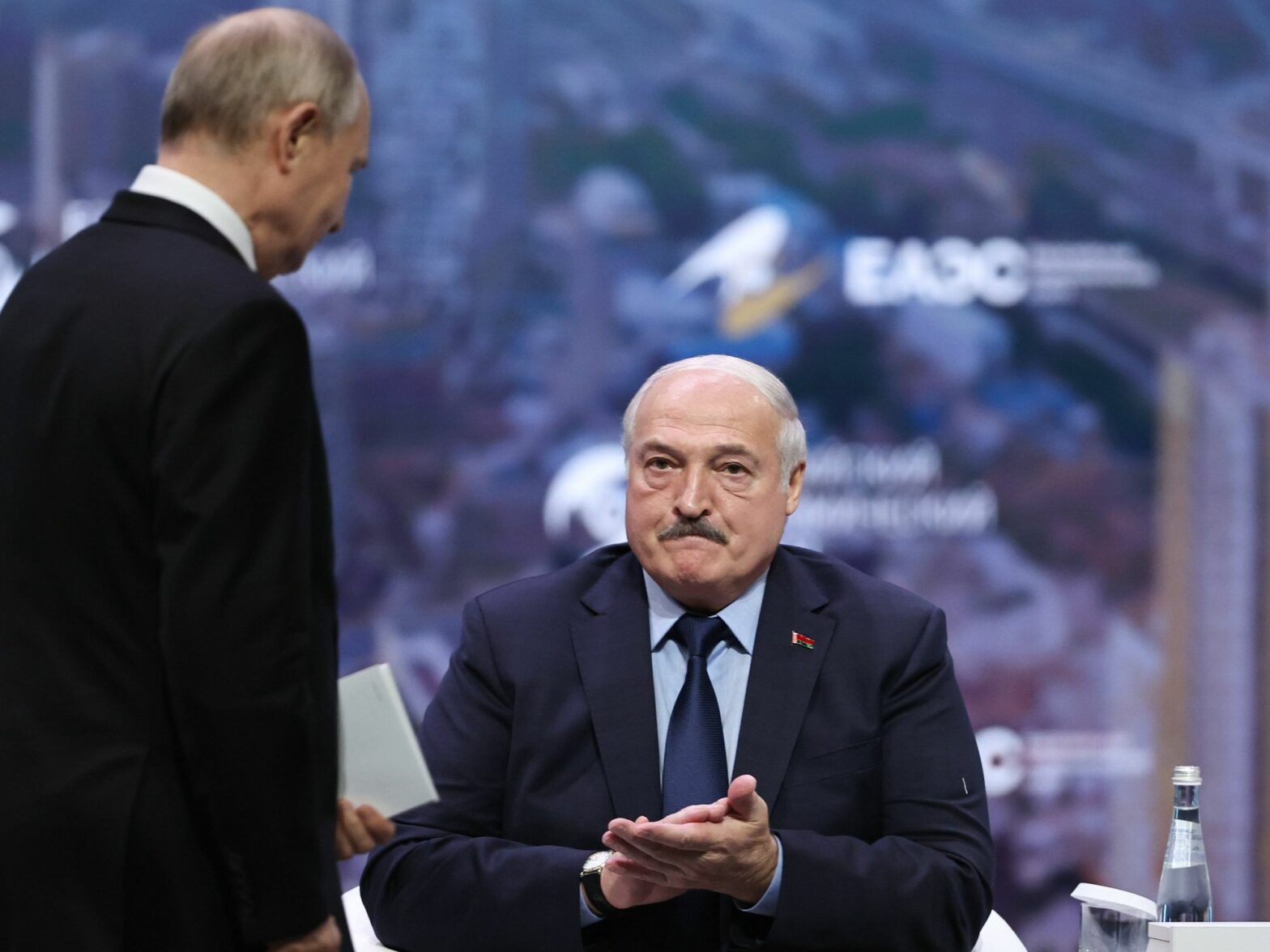
Alexander Lukashenko recounts how he took charge of the operation to defend Moscow from Yevgeny Prigozhin, and looks to shift the region’s balance of power. “I am as much a participant in these events as Putin. So if someone in Russia talks about Lukashenko mediating, there is no mediation!”
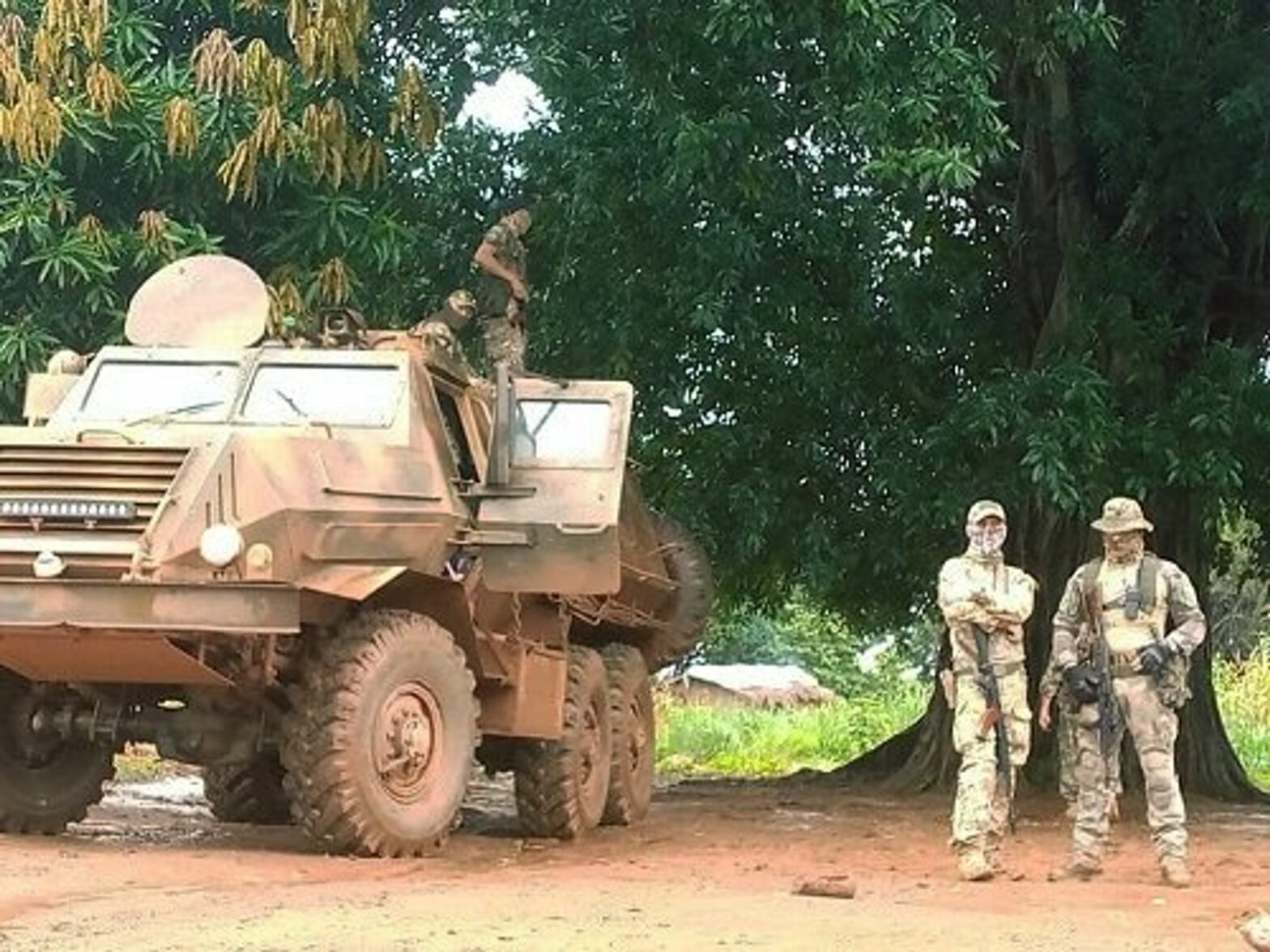
Prigozhin’s brief insurrection will be watched closely in many African countries, where Wagner mercenaries have largely been the beachhead for Russian foreign policy. Keep an eye on a key African-Russian summit next month.
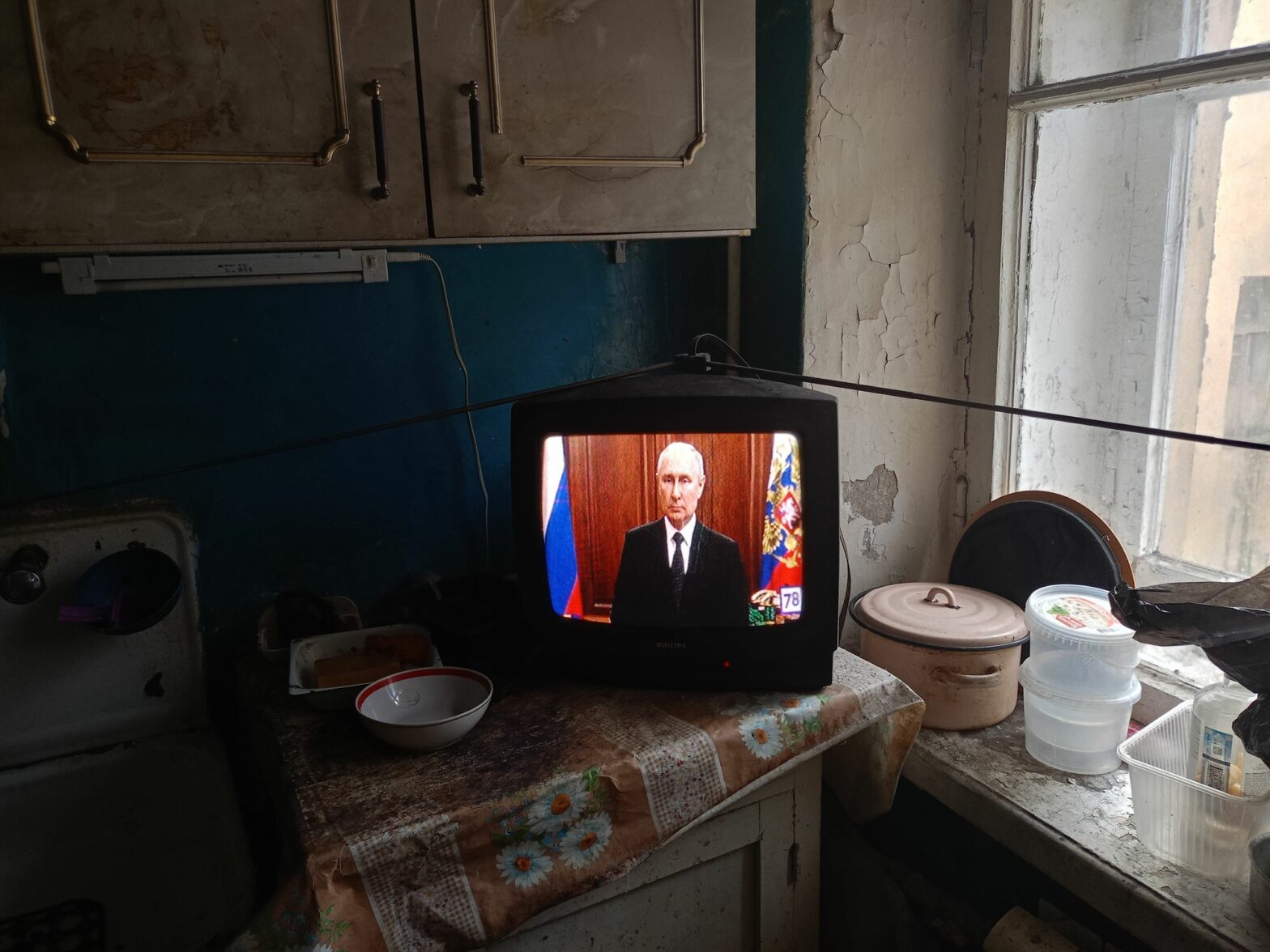
The recent revolt led by Wagner mercenary chief Yevgeny Prigozhin has opened the door to what Russia could become after Vladimir Putin is deposed.
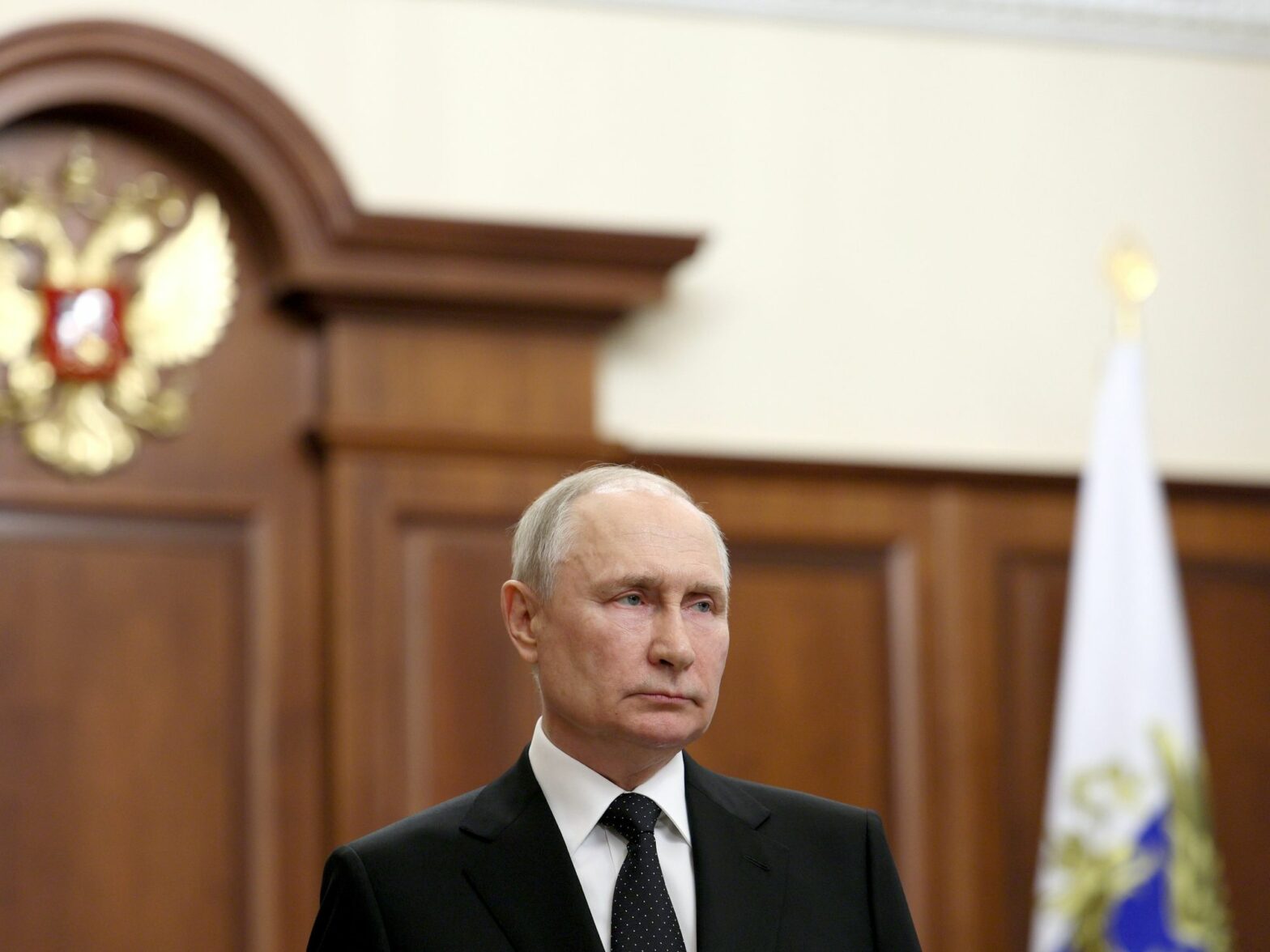
Wagner mercenary chief Yevgeny Prigozhin’s aborted coup against Russian President Vladimir Putin reveals the great confusion that reigns in Russia, and the weakness of the Kremlin’s leader — but it’s a weakness that makes him all the more unpredictable.
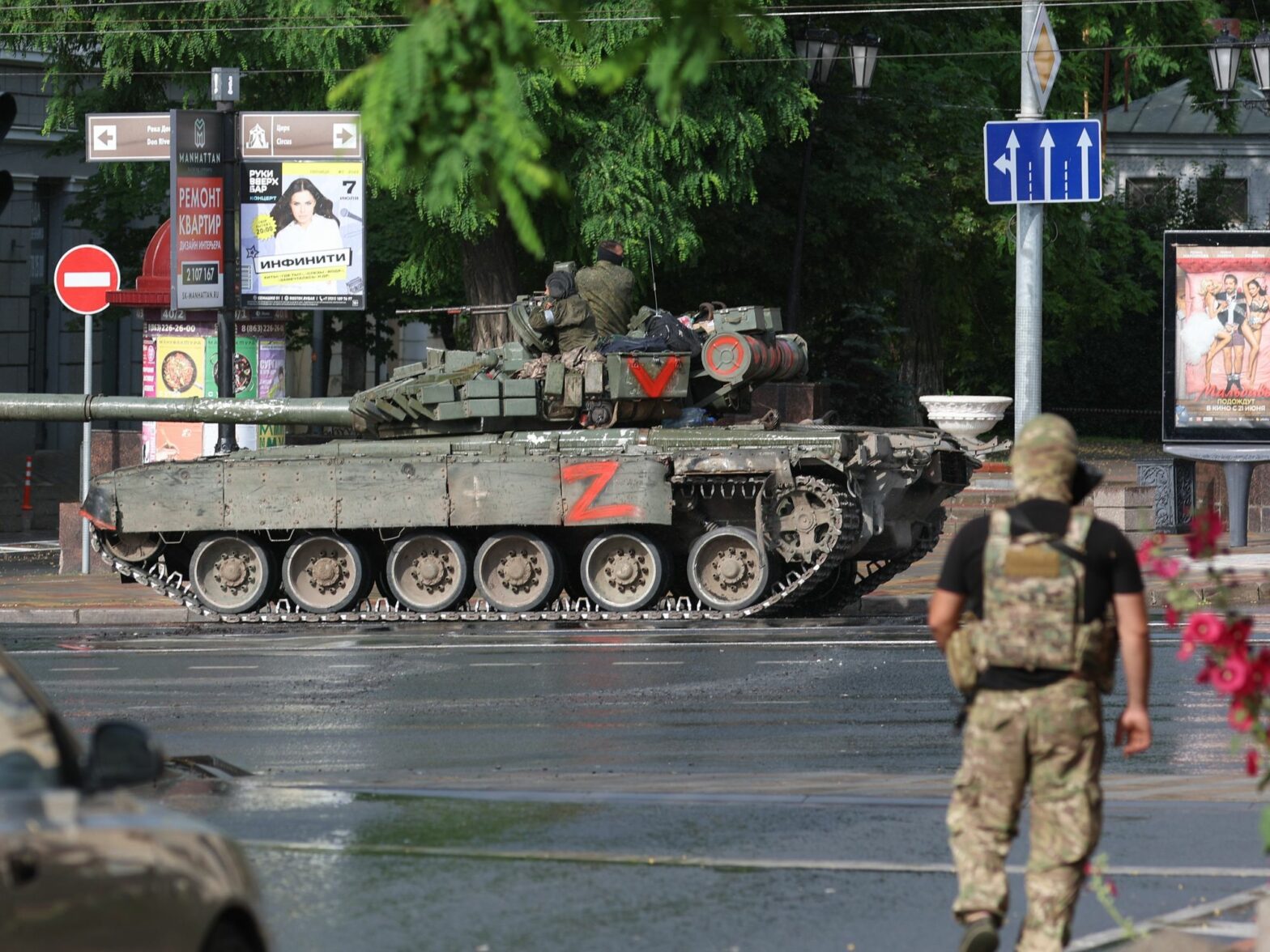
The fate of Prigozhin, Putin and Ukraine hang in the balance. And though much is still not clear, Russia is simply no longer under the reign of an all-powerful Vladimir Putin.
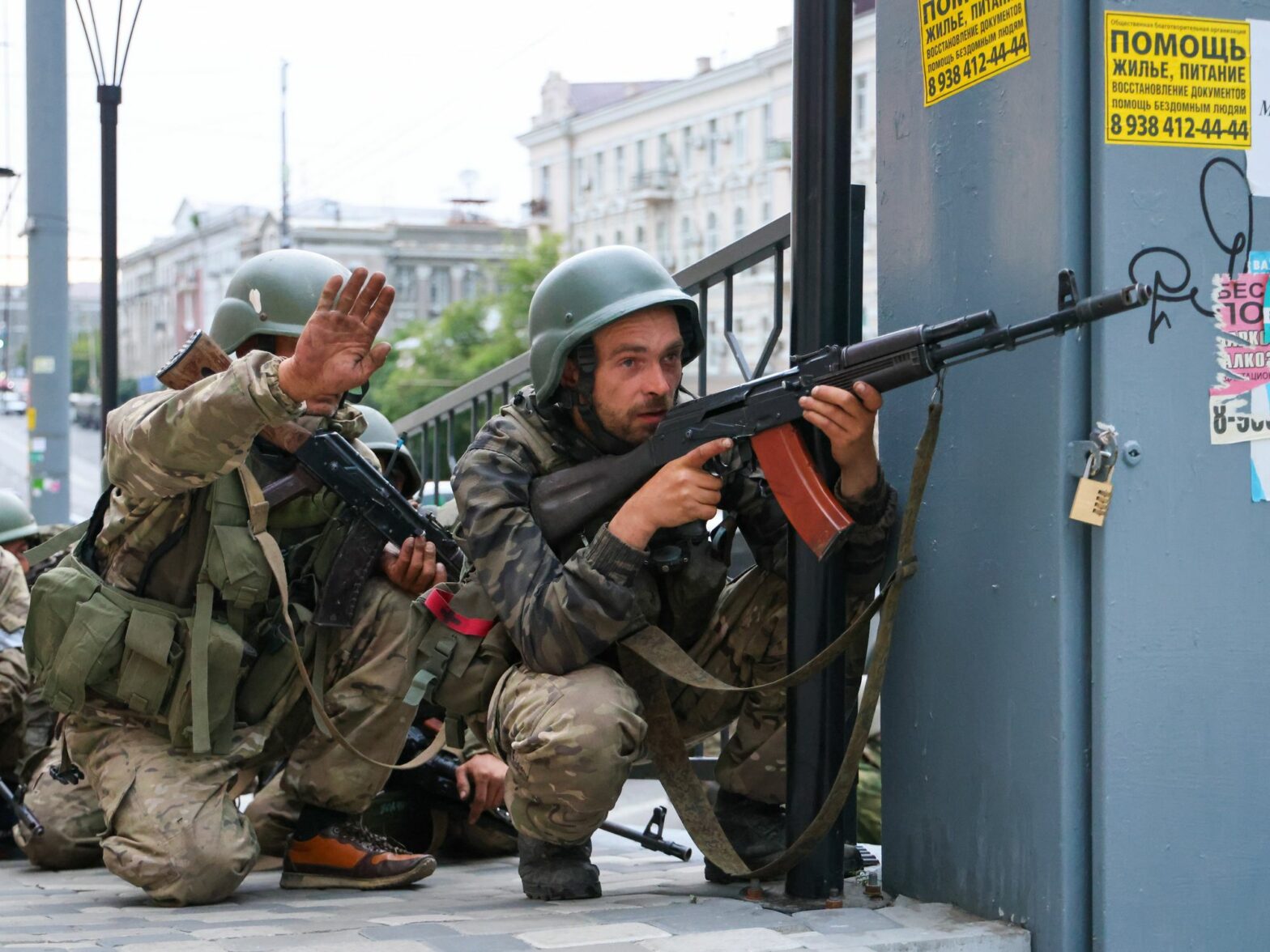
Much is still unclear about the reported insurrection by Wagner mercenary group forces against the Russian regular military troops. But one long-view scenario would have Yevgeny Prigozhin making a lot of noise to ultimately help Vladimir Putin stay in power. The story of Ivan the Terrible, the dreaded 16th century Tsar, and his brutal henchman, offers a blueprint.
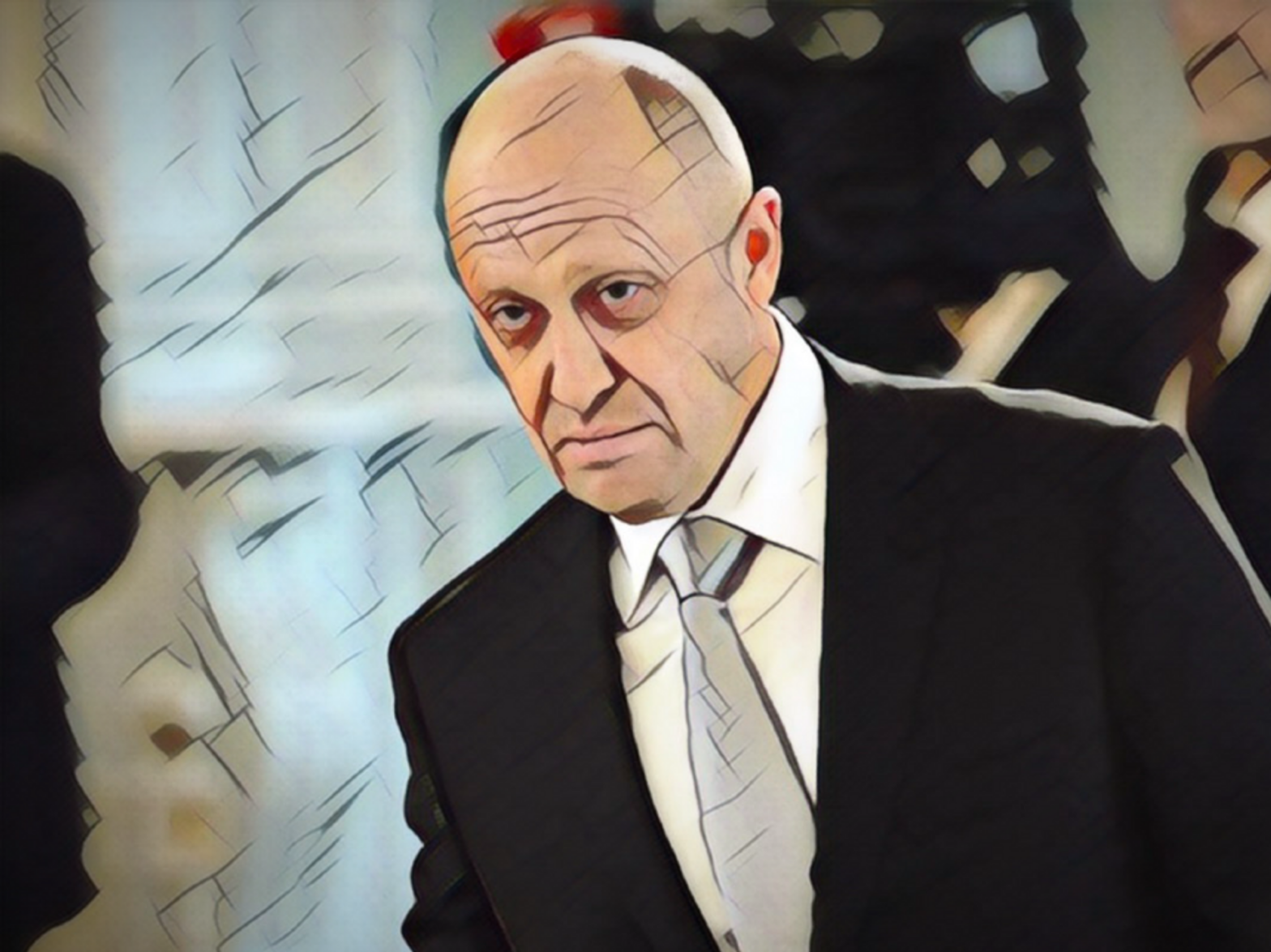
Head of the Wagner mercenary group, Yevgeny Prigozhin, has launched an apparent all-out insurrection against the Russian military. His gambit seems a long shot to succeed, but behind his audacity and aggressive rhetoric Prigozhin has acquired a powerful mix of audacity, money and media visibility that will not be easy to vanquish, says Russian political scientist Ekaterina Shulman
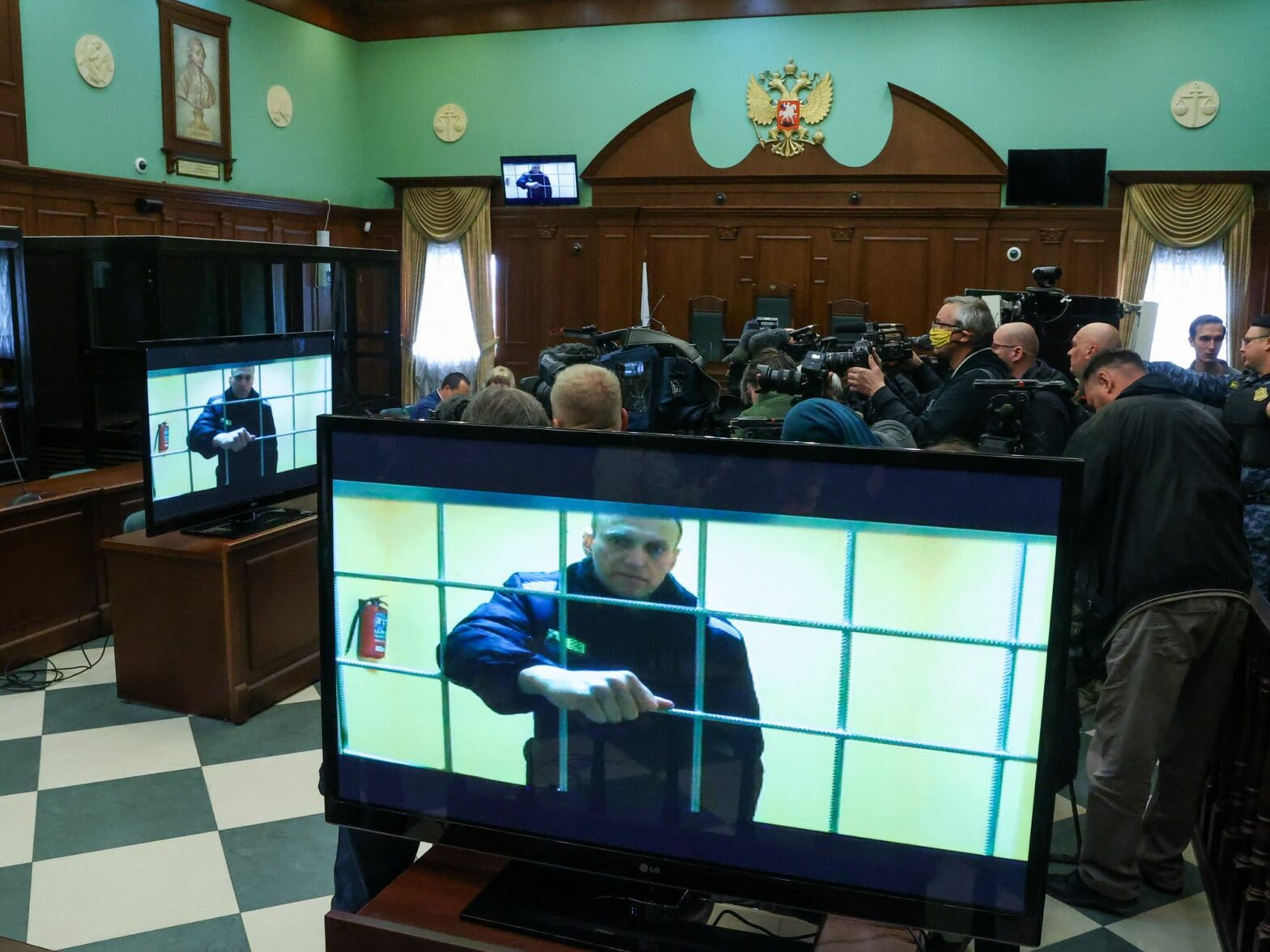
The ongoing show trial of prominent Putin critic Alexei Navalny continues. Yet even in the face of totalitarianism, Russia’s opposition cannot present a united front.
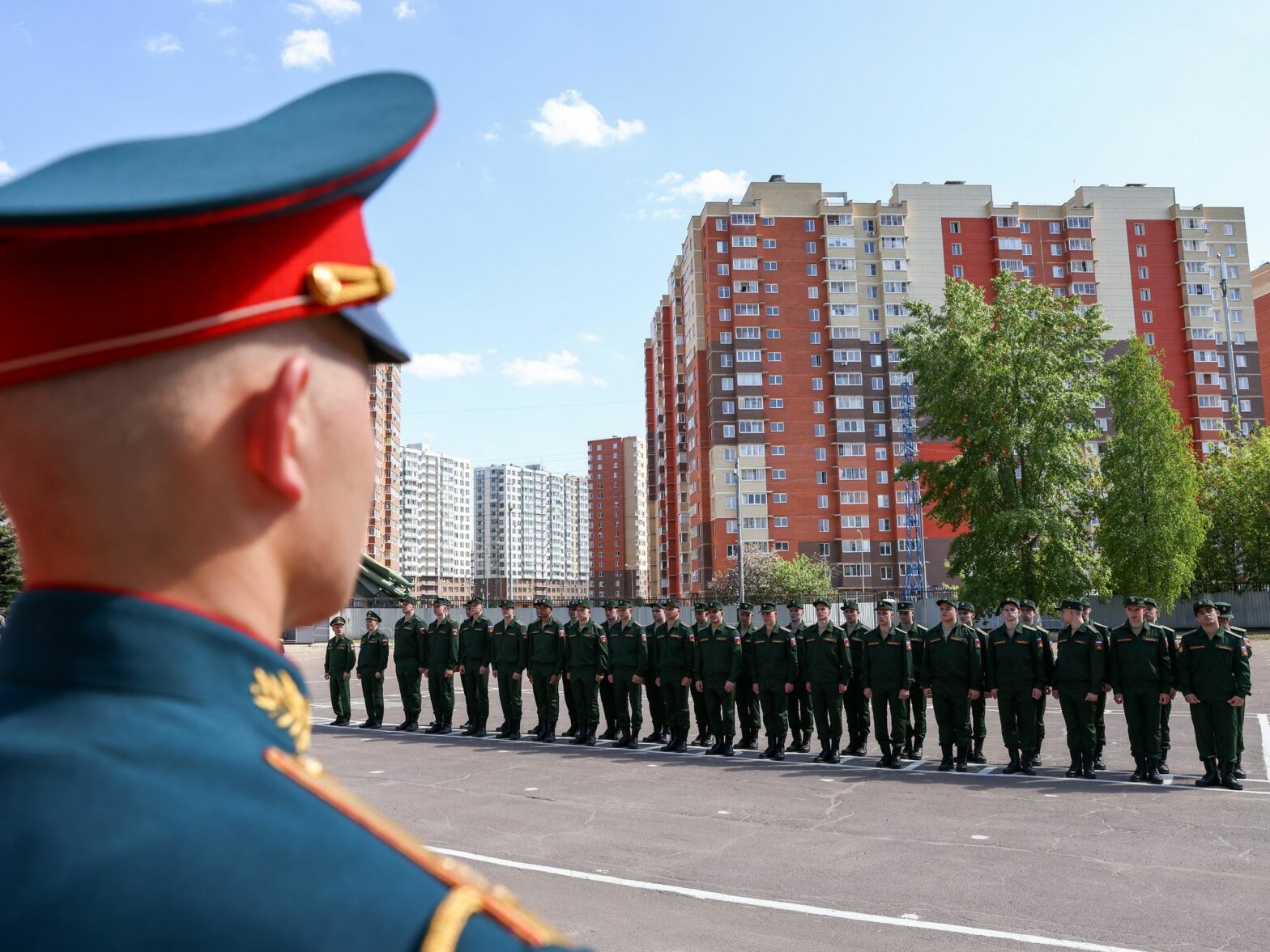
The Defense Ministry had pushed for a bill to adopt the same dubious method of recruiting volunteers from prisons begun by the Wagner Group private mercenary outfit. Parliament approved it on Tuesday, the latest sign of the Kremlin’s desperate search to recruit soldiers to stave off the Ukrainian counteroffensive.
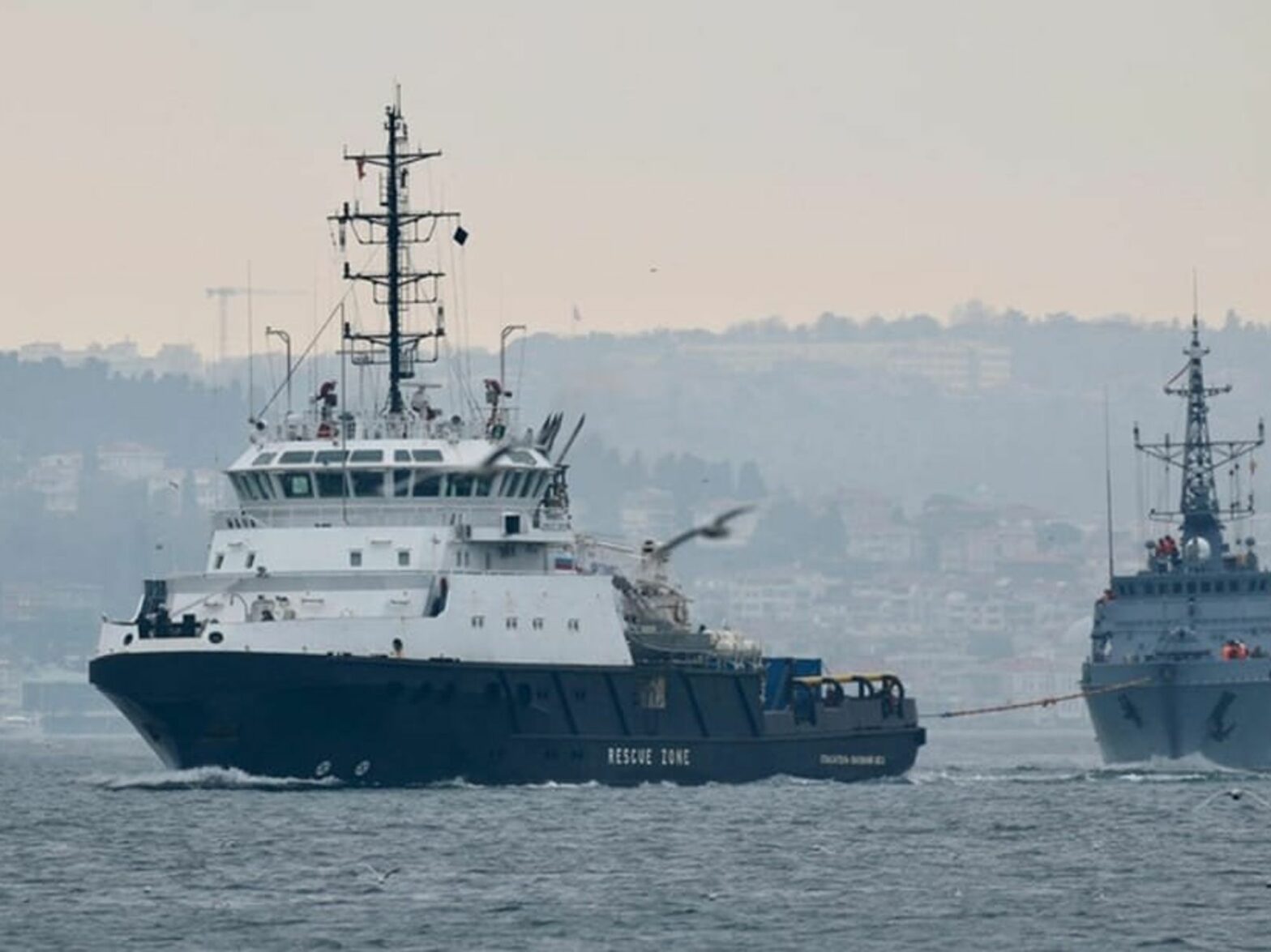
In the secrecy that often surrounds wars, and in the realm of information warfare, losses are often deliberately underreported or completely omitted. But this case in Crimean port city of Sevastopol is pure paradox.
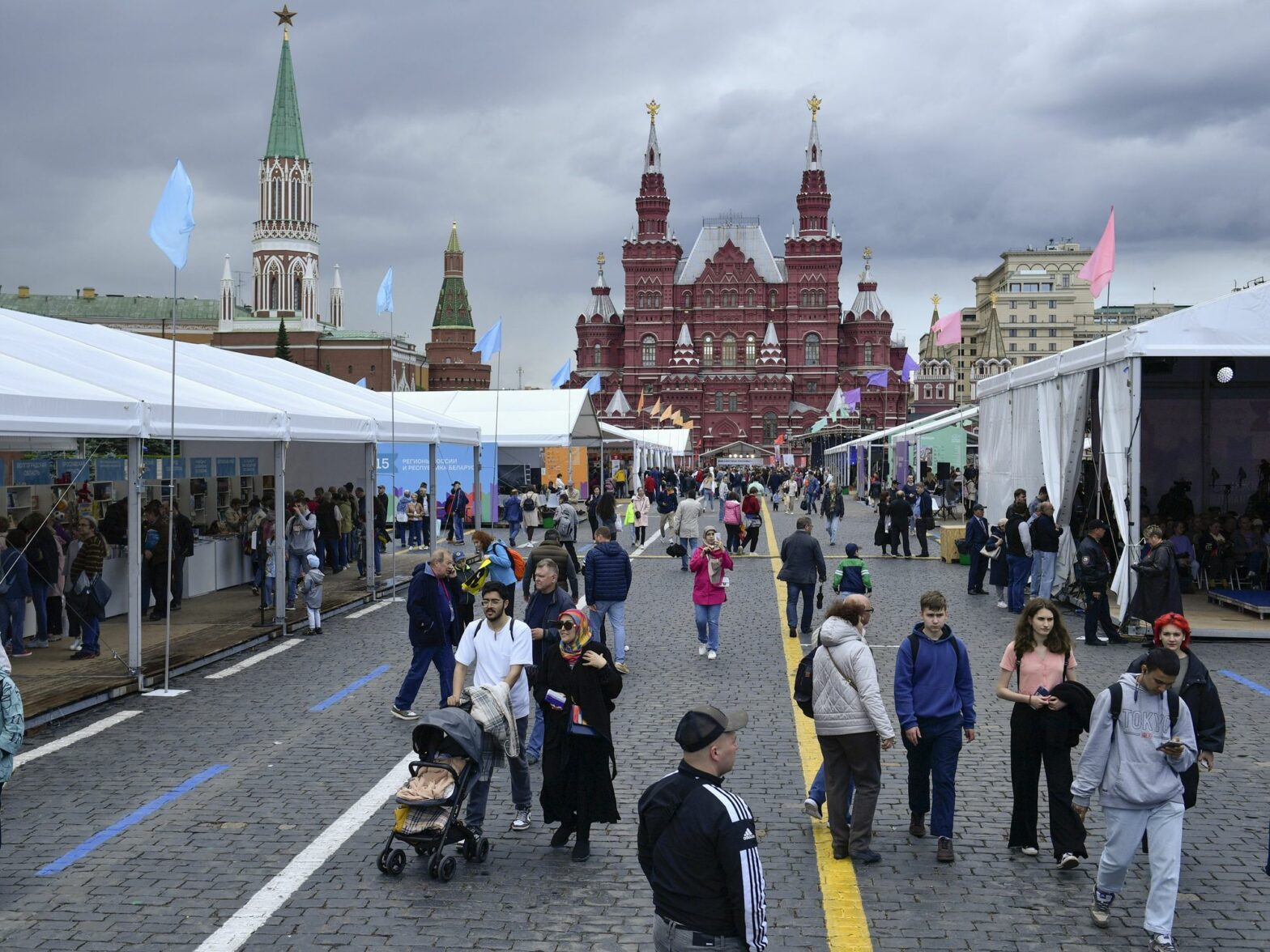
The outdoor cafés are joyful, the metro is expanding and the city is becoming more modern. A visit to the Russian capital finds citizens trying to keep the war as far away as possible — even as it creeps closer.
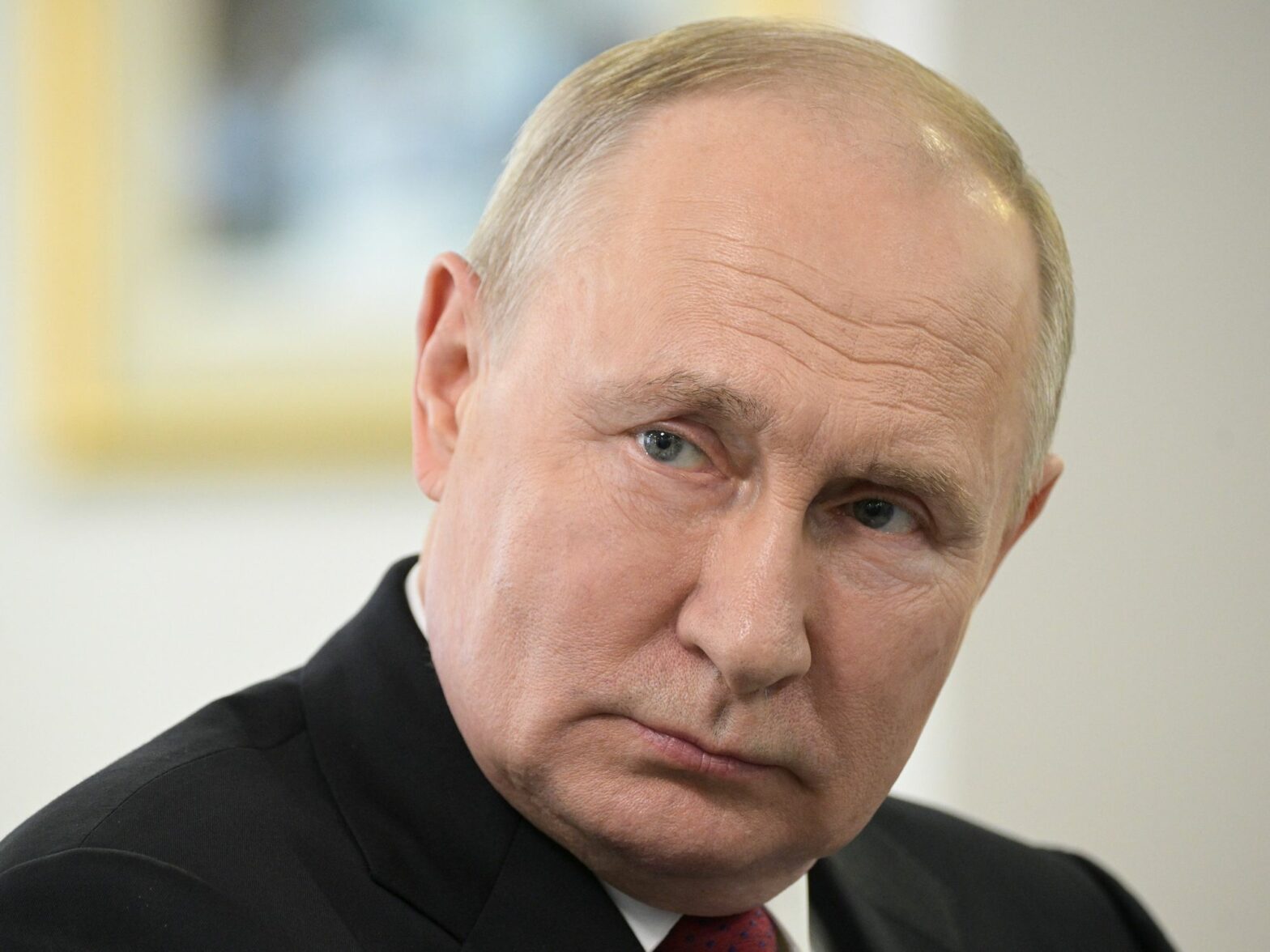
The idea of “peacemaking” with Russia has been creeping into Western media, bolstered by fears that Putin could ultimately resort to nuclear weapons. But Oleksiy Danilov, Secretary of the National Security Council of Ukraine, warns of the traps of this thinking.
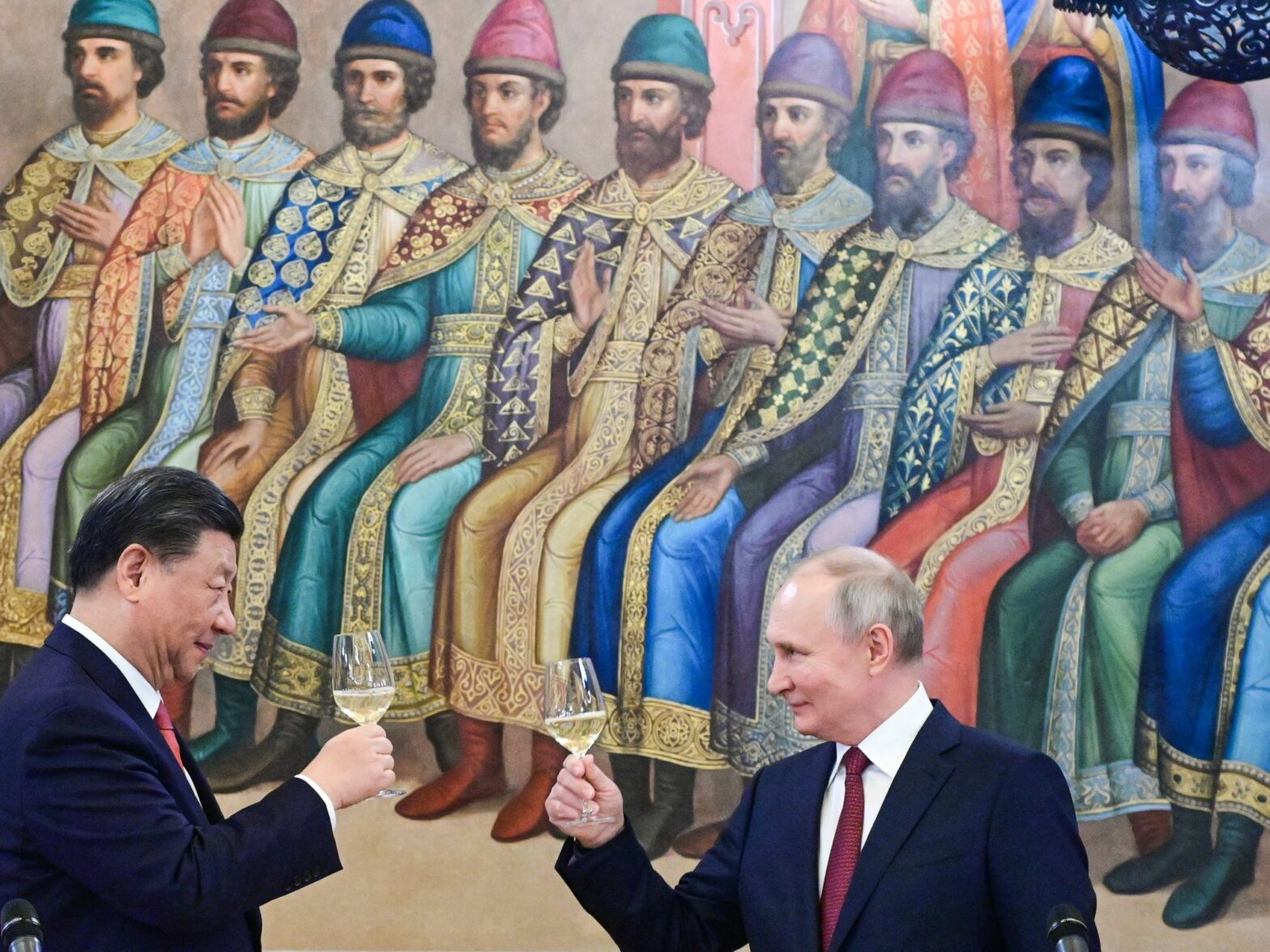
The Spief, the political-economic forum dear to the Russian president, takes place this weekend in Saint Petersburg. The West will be absent, as the Kremlin increasingly appears beholden to Beijing.
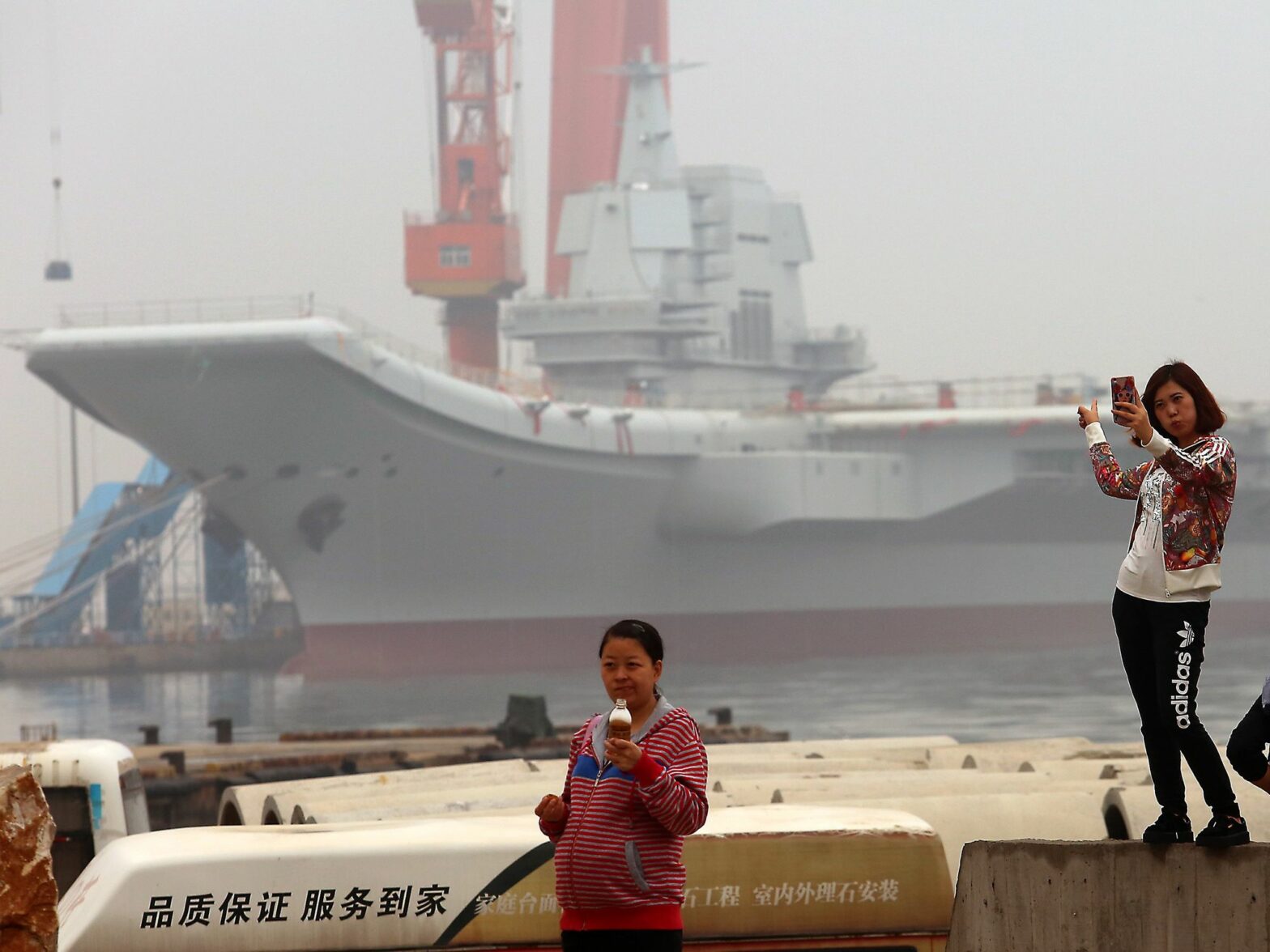
Military spending has increased dramatically worldwide, driven by war in Ukraine and Chinese-Tawian tensions. With $2.24 trillion spent globally in 2022, the amount looks likely to continue to increase.
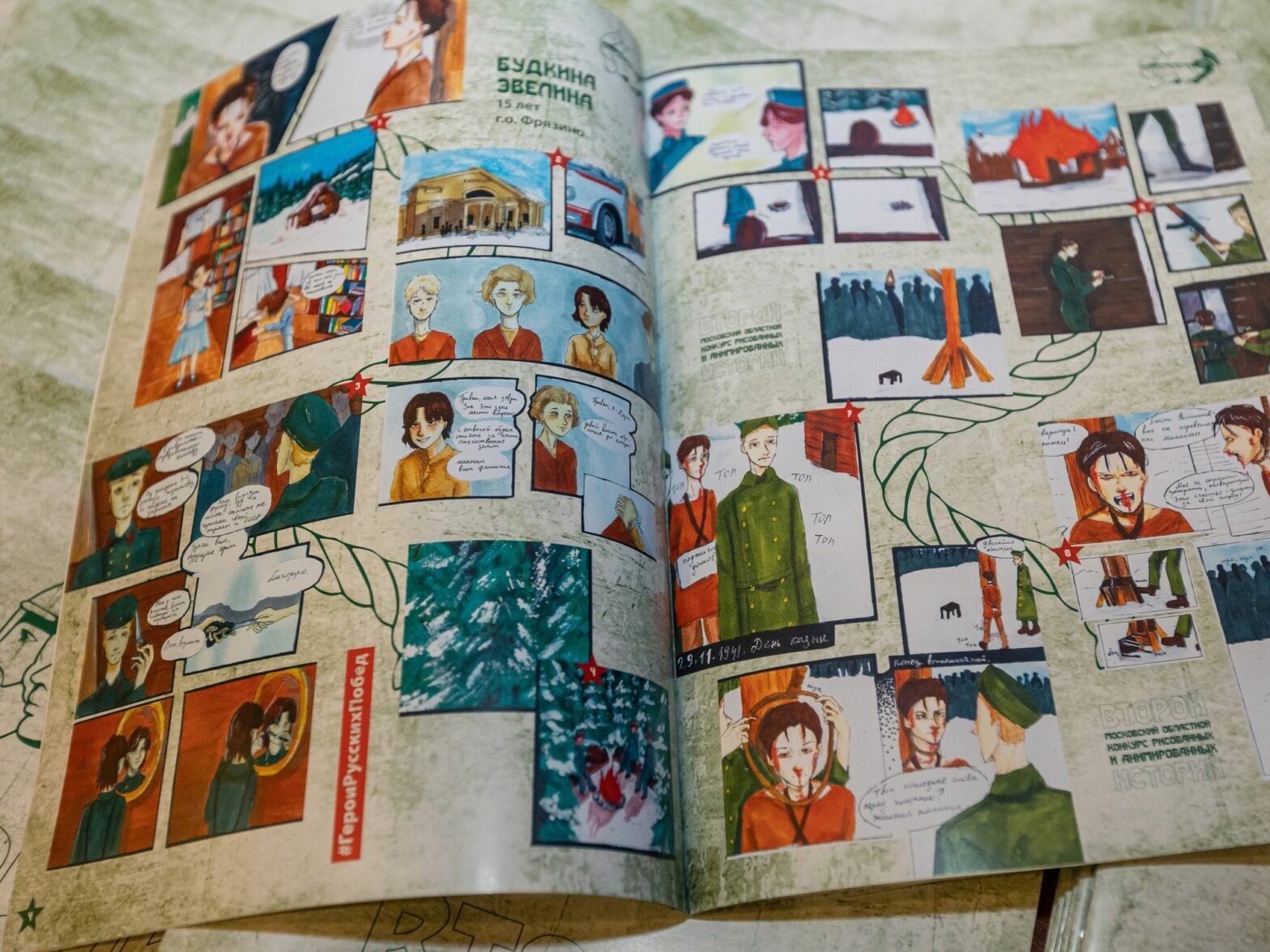
After Russia’s full-scale invasion of Ukraine, the government allocated some grant funding to various projects aimed at bolstering support for the war. One such initiative was a comic book contest, where some graphic artwork showed dead Ukrainian soldiers.
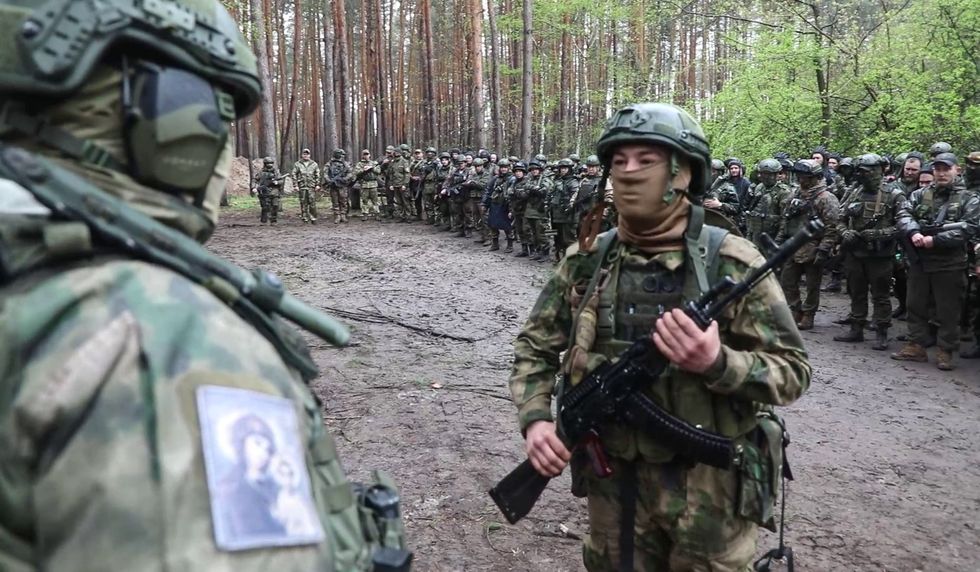
Moscow quickly deleted an article detailing the mobilization process and the formation of new units, which made clear that potential Russian conscripts have two choices: flee or fight.