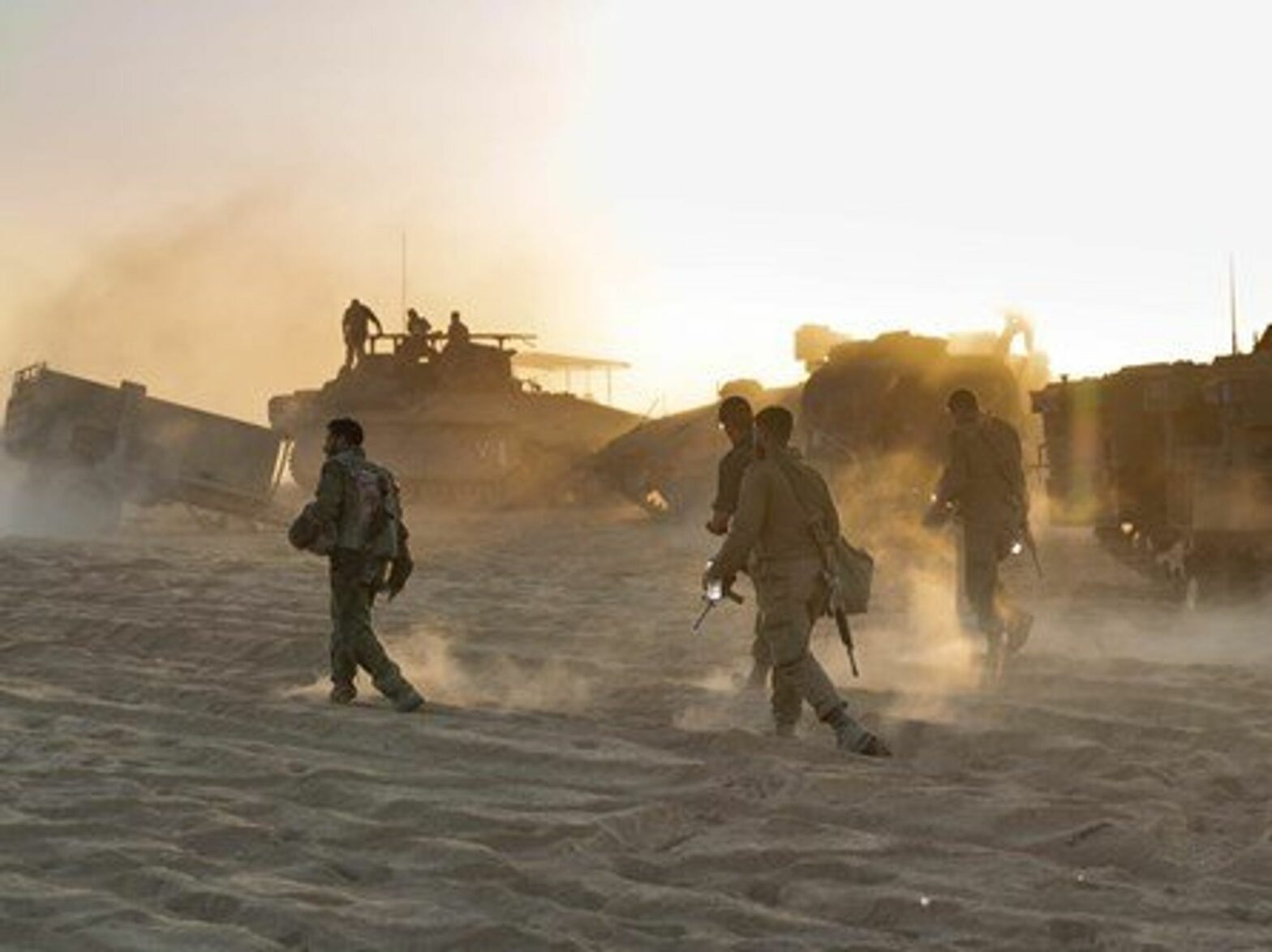
Calls for a “humanitarian pause” are multiplying as the war rages on for almost a month, but the West is careful not to talk about a ceasefire, which Israel totally rejects. Where does that leave us in a search for a way out?
 Worldcrunch
Stay updated with comprehensive news on Israel from Worldcrunch. Discover insights on Israeli politics, economic strategies, societal issues, and cultural landmarks with translations from top international sources. Highlights include Jerusalem, Israeli history, and cultural events.
Calls for a “humanitarian pause” are multiplying as the war rages on for almost a month, but the West is careful not to talk about a ceasefire, which Israel totally rejects. Where does that leave us in a search for a way out?
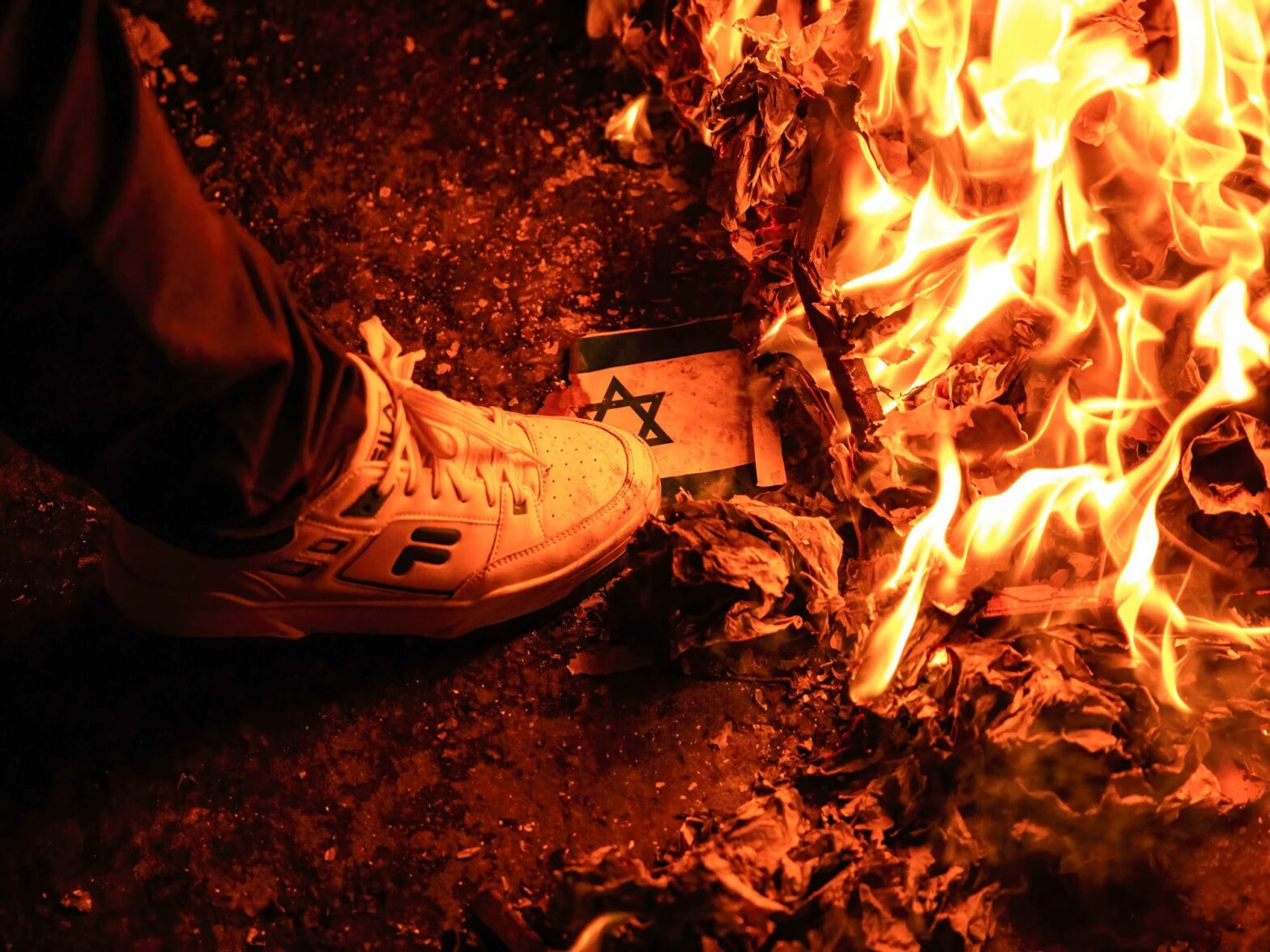
Sectors of the political Left around the world have practically lauded the Oct. 7 Hamas attack on Israel — finally barely bothering to hide their good ol’ fashioned hatred of the Jews, rather than hiding behind anti-Zionist rhetoric. Something evil has been re-released.
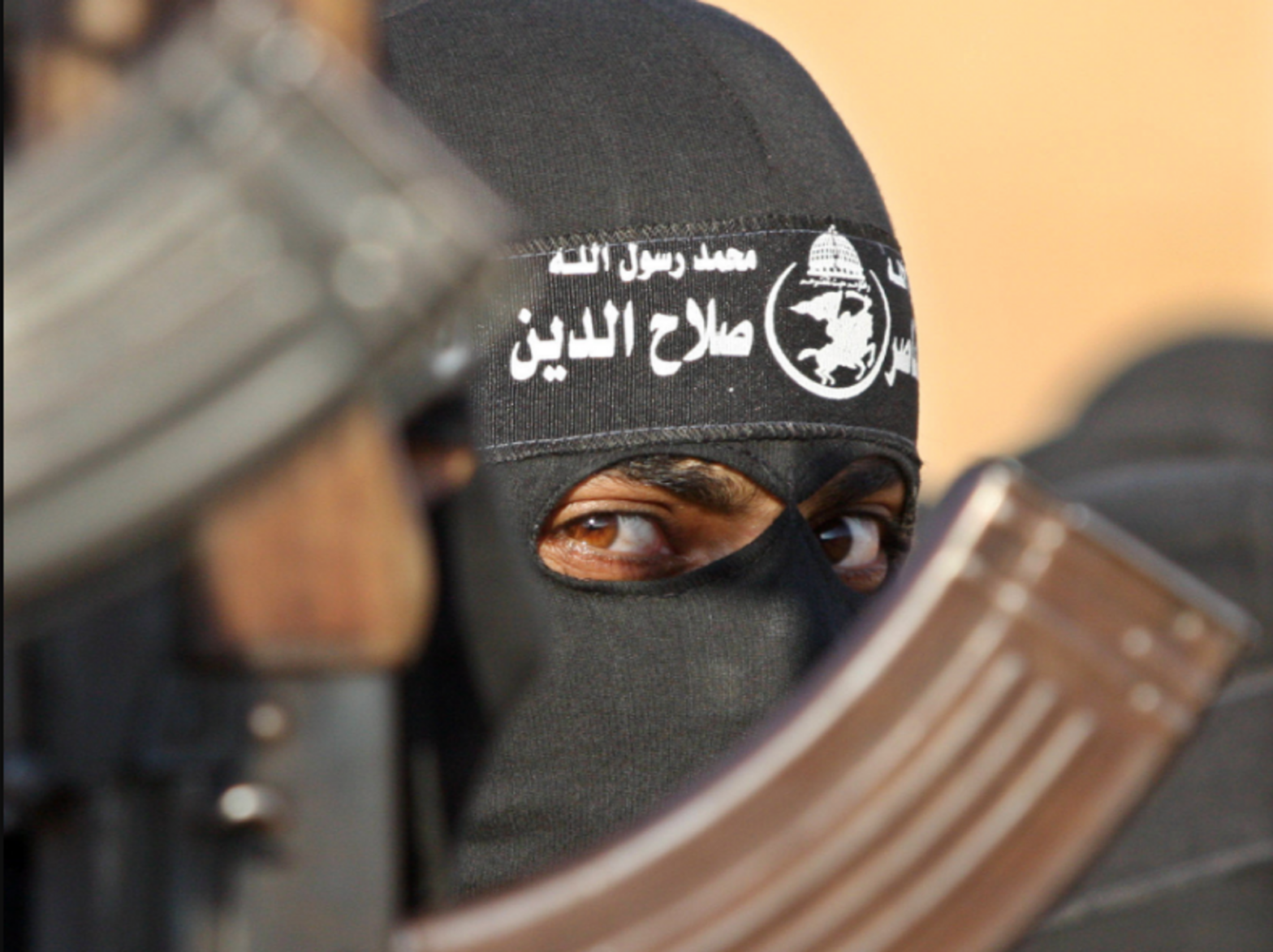
Russia is largely discrediting itself as a viable leader in diplomacy after siding so plainly with Hamas.
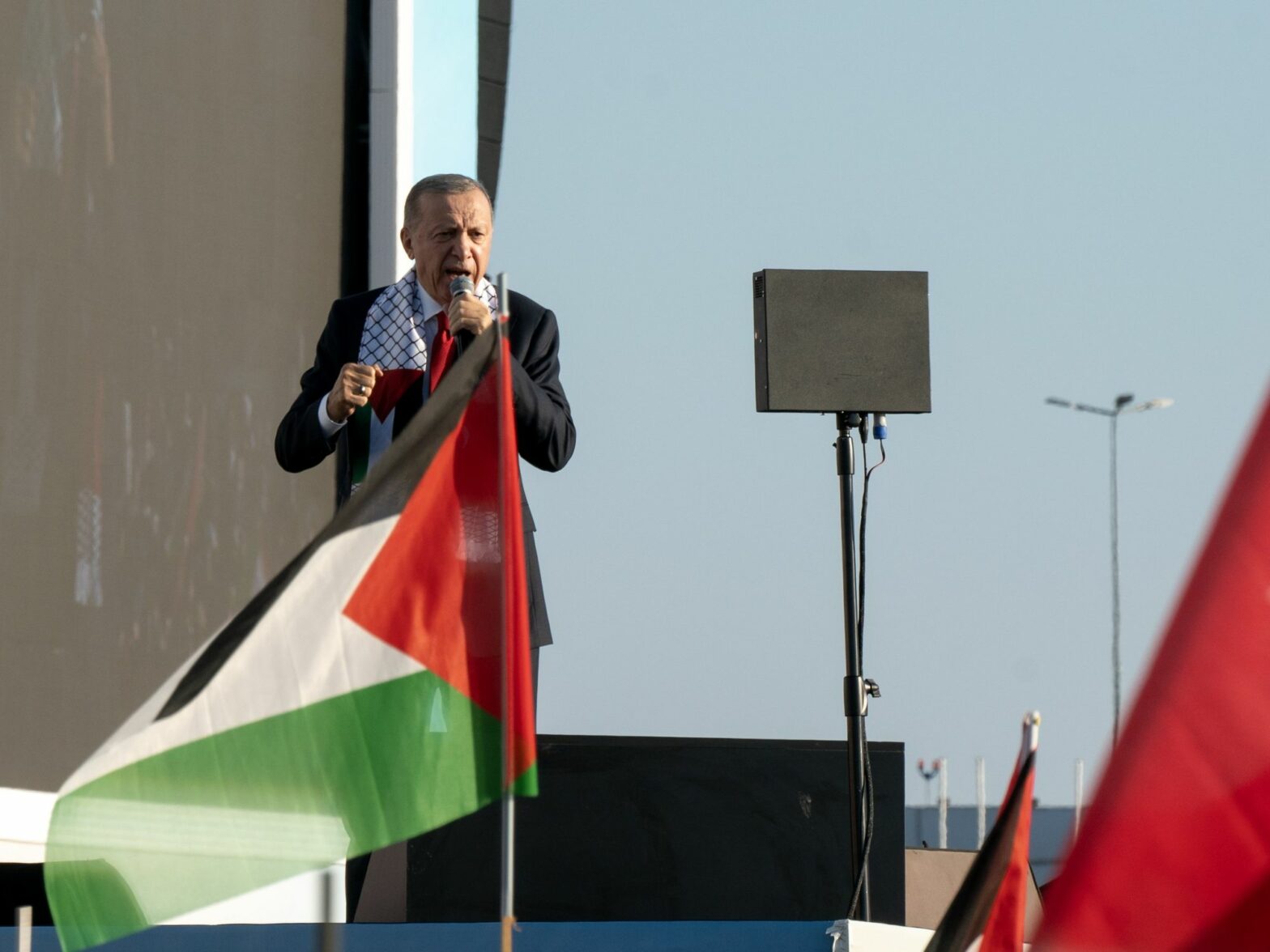
The Turkish president praises the Hamas terrorists as “freedom fighters” and NATO says nothing. This is a snapshot of realpolitik at 360 degrees — starting with Erdogan.
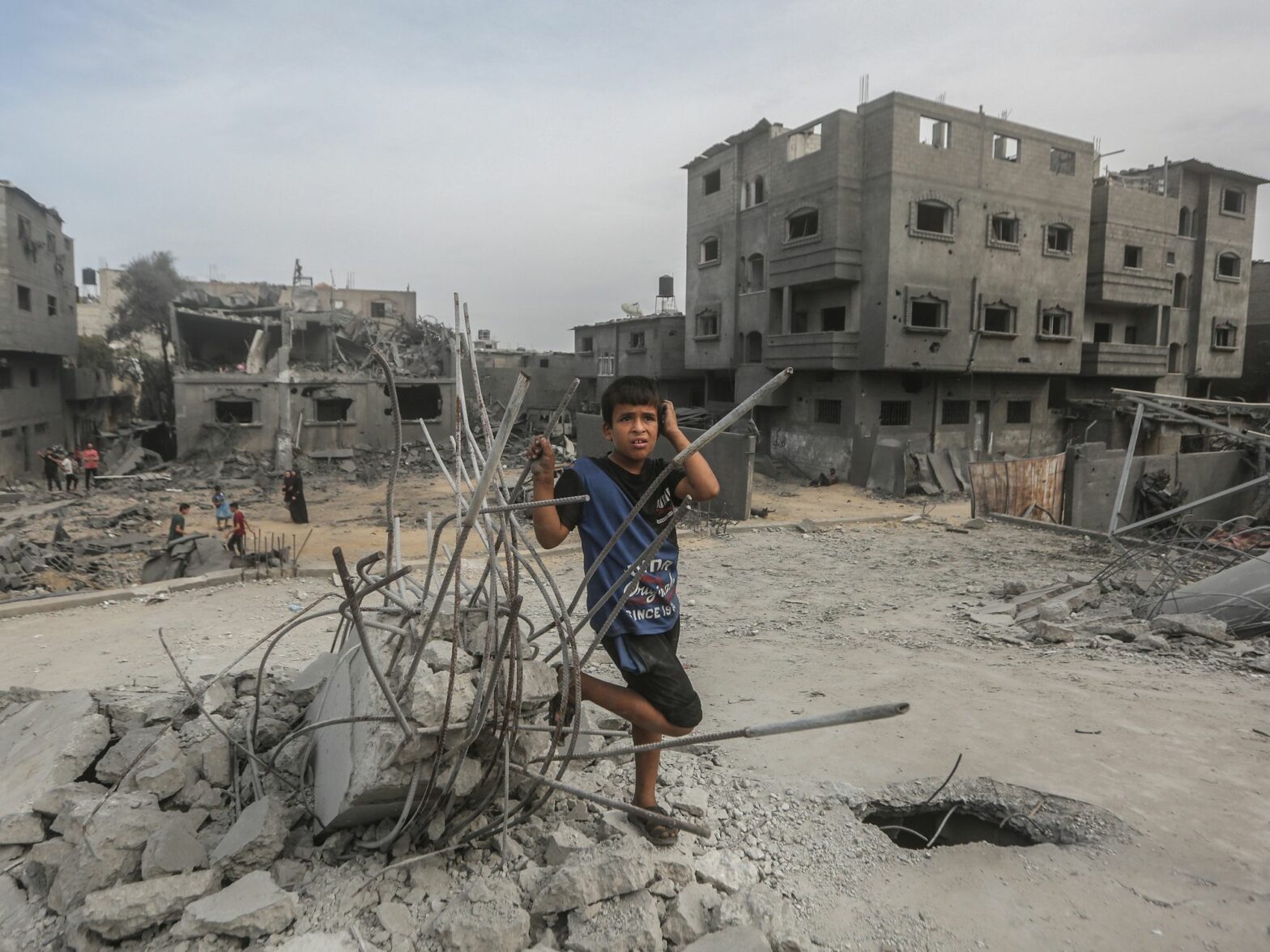
For the future of our world, neither the stakes in Ukraine nor Gaza should be underestimated. But understanding the limits of the comparison is important to trying to find a way out of each, says veteran French political scientist Dominique Moïsi.
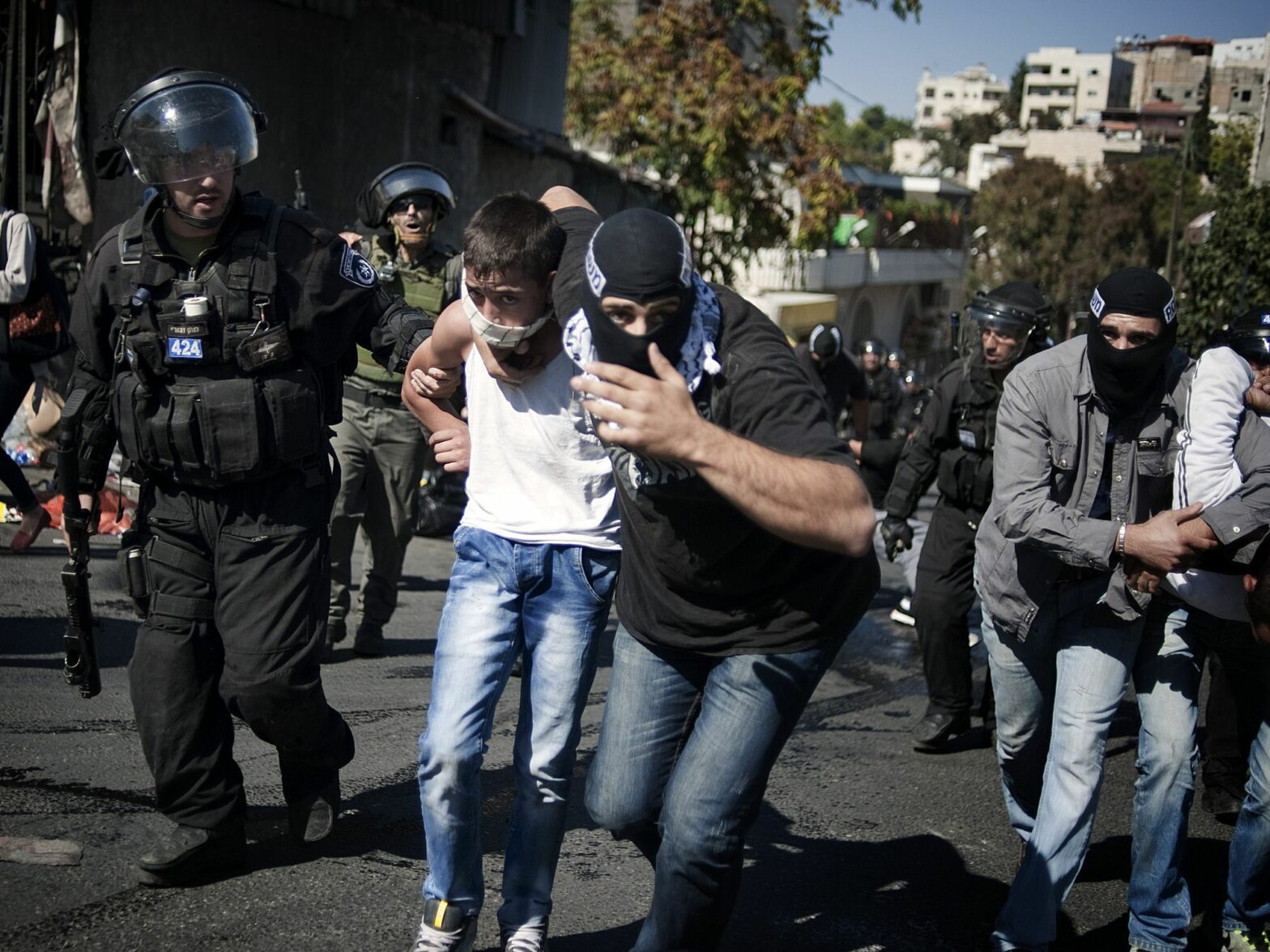
The number of Palestinian prisoners in Israel’s jails has doubled since the Hamas attack of Oct. 7. Some ask if the roundups of Palestinians is a tactic to win the release in an exchange with Hamas for the 200 hostages held in Gaza.
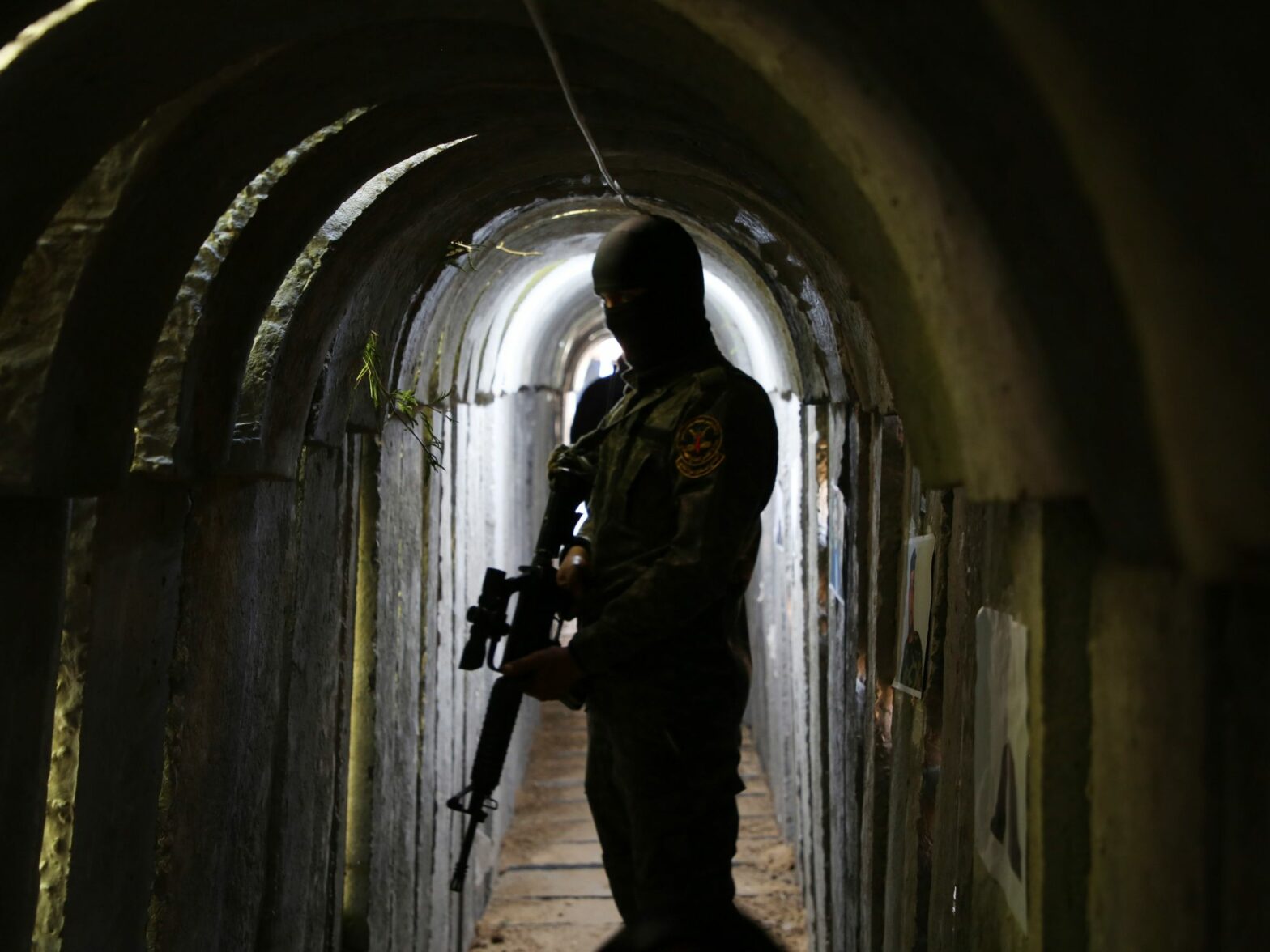
Hamas has dug an enormous network of tunnels under Gaza that may turn out to be the biggest challenge for the impending Israeli ground offensive.
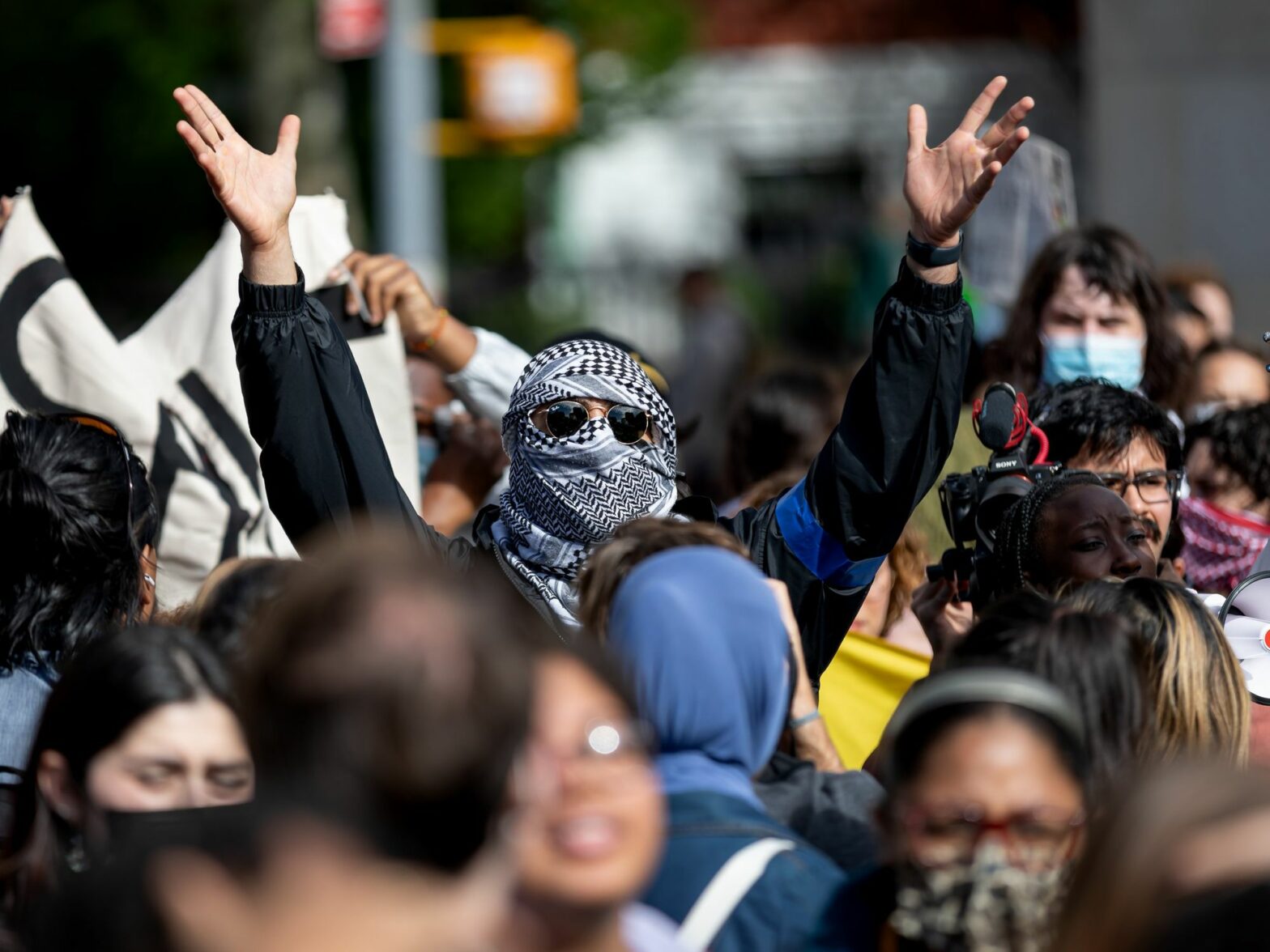
Even as casualties are mounting and bombs keep falling on civilians in Gaza, Western countries fail to reach a consensus and unambiguously call for a ceasefire. It’s a mix of history, alliances and being too careful.
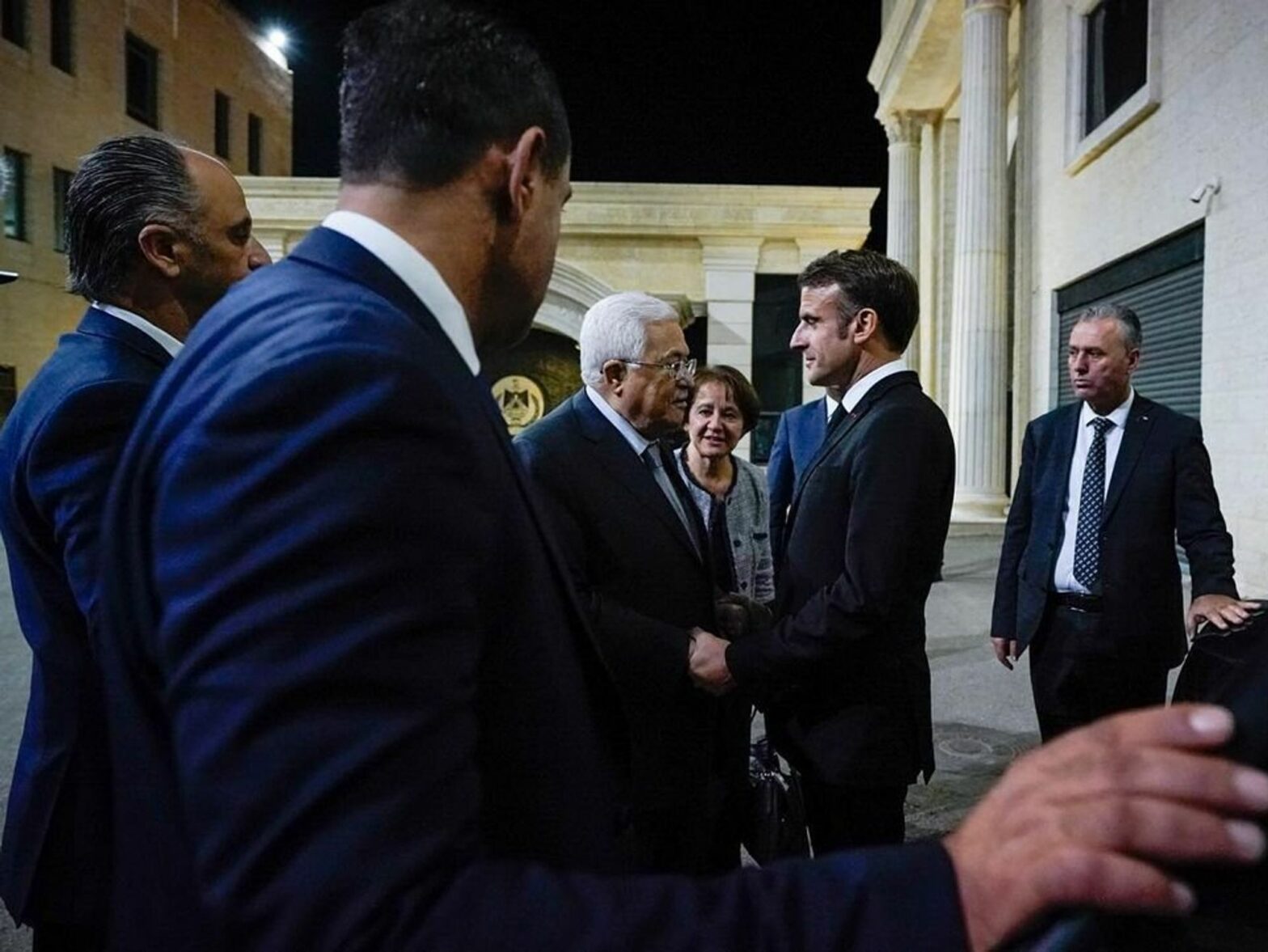
The French president expressed his solidarity with Israel while calling for a political solution for the Palestinians; but he also made a surprise proposal for an international coalition against Hamas, which faces several obstacles — but is also a way to “frame” the conflict so that the dormant two-state solution can return.
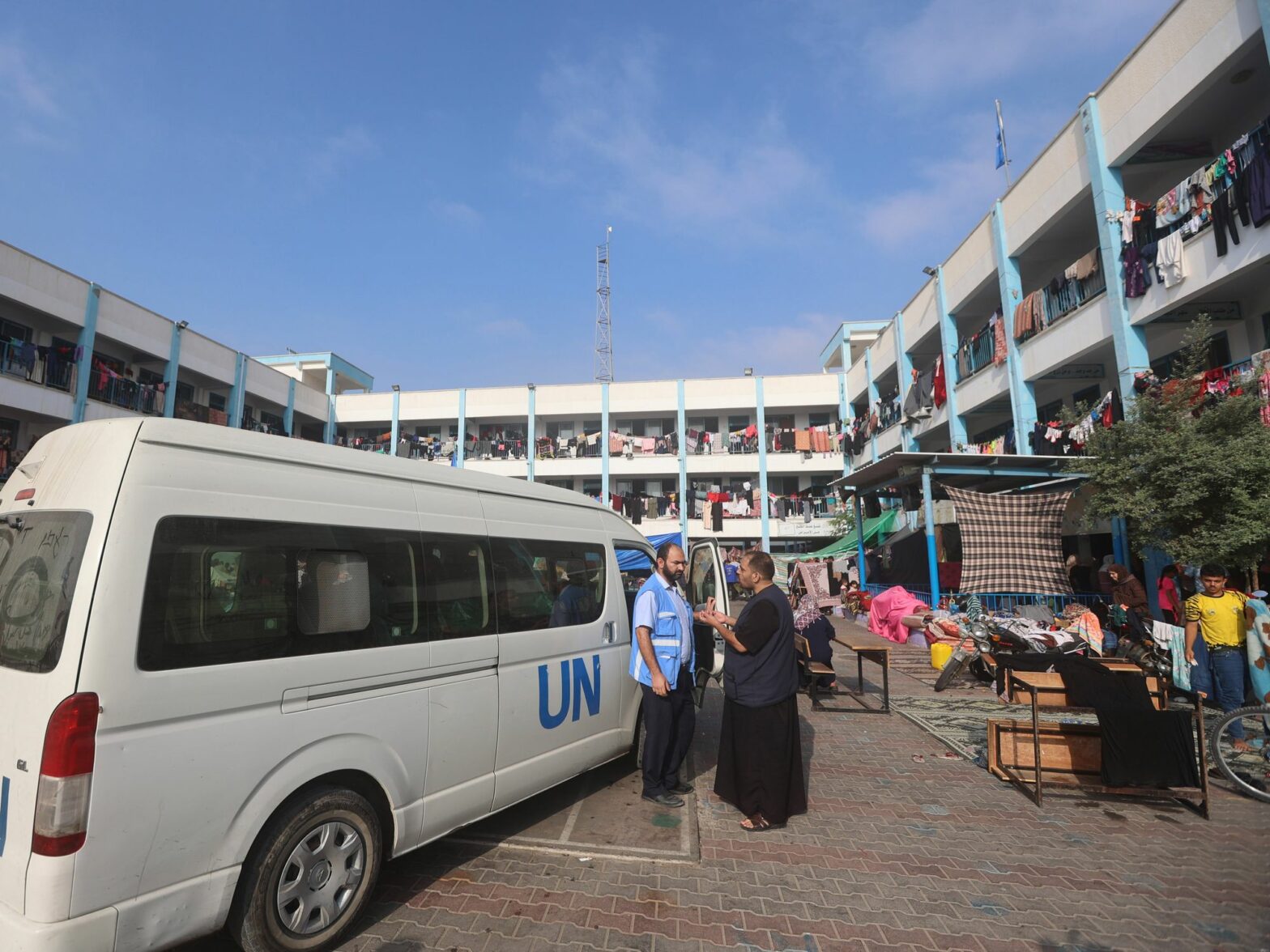
The growing rift between Israel and the United Nations, since Secretary-General António Guterres’ statement that the Oct. 7 Hamas attack did not happen in a “vacuum.”
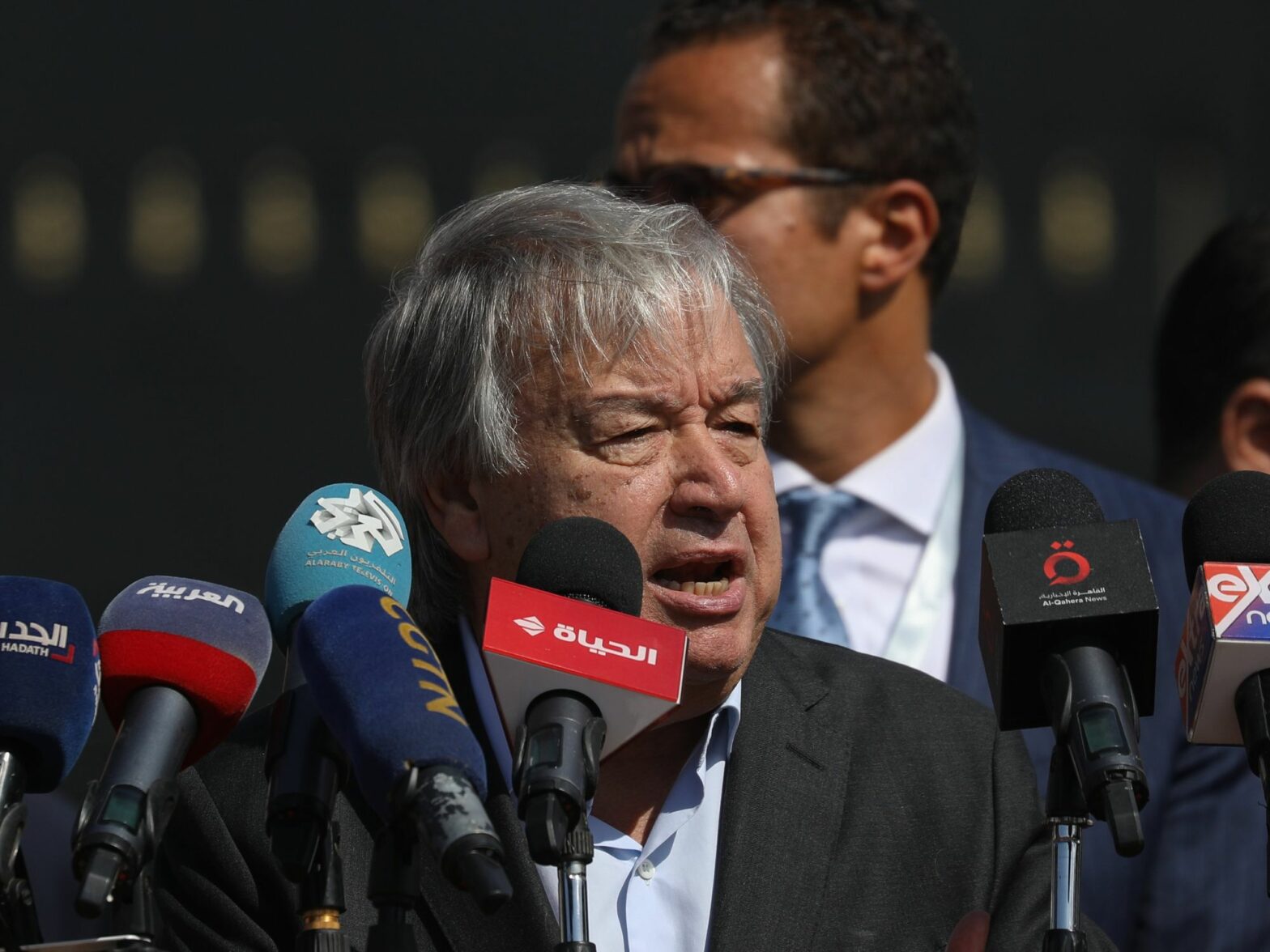
UN Secretary-General Antonio Guterres’ comments on the Oct. 7 attacks on Israel by Hamas, which he said “did not occur in a vacuum,” constitute an incomprehensible relativization of a barbaric mass murder. Shameful, but not surprising, writes Die Welt‘s editor-in-chief Jennifer Wilton.
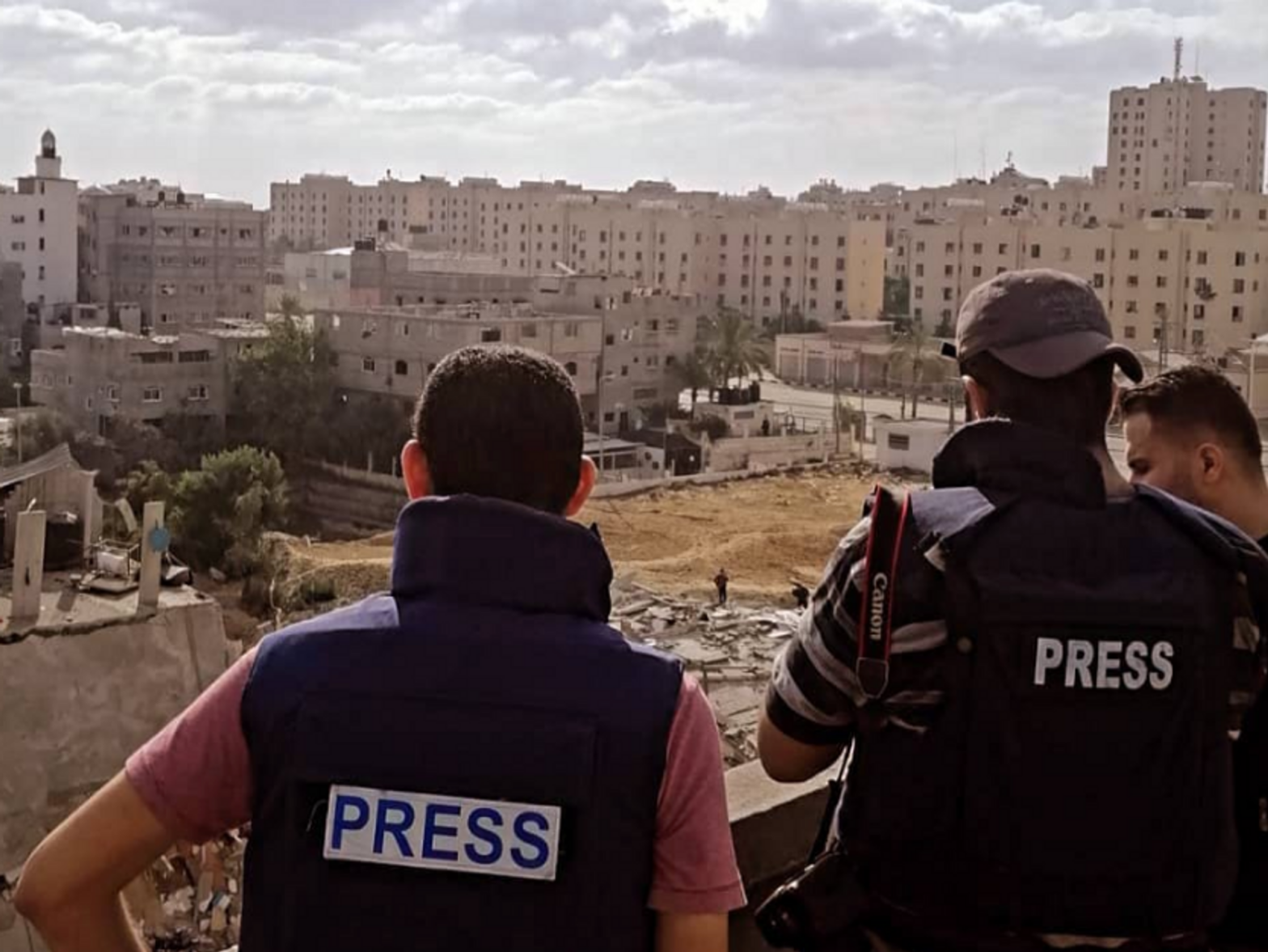
Since the beginning of Israel’s attacks on Gaza, journalists on the ground have been on the front lines, and many of them have already lost their lives. Meanwhile, the media machine in the rest of the world has gone wild, with even the most prominent media outlets spreading fake news.
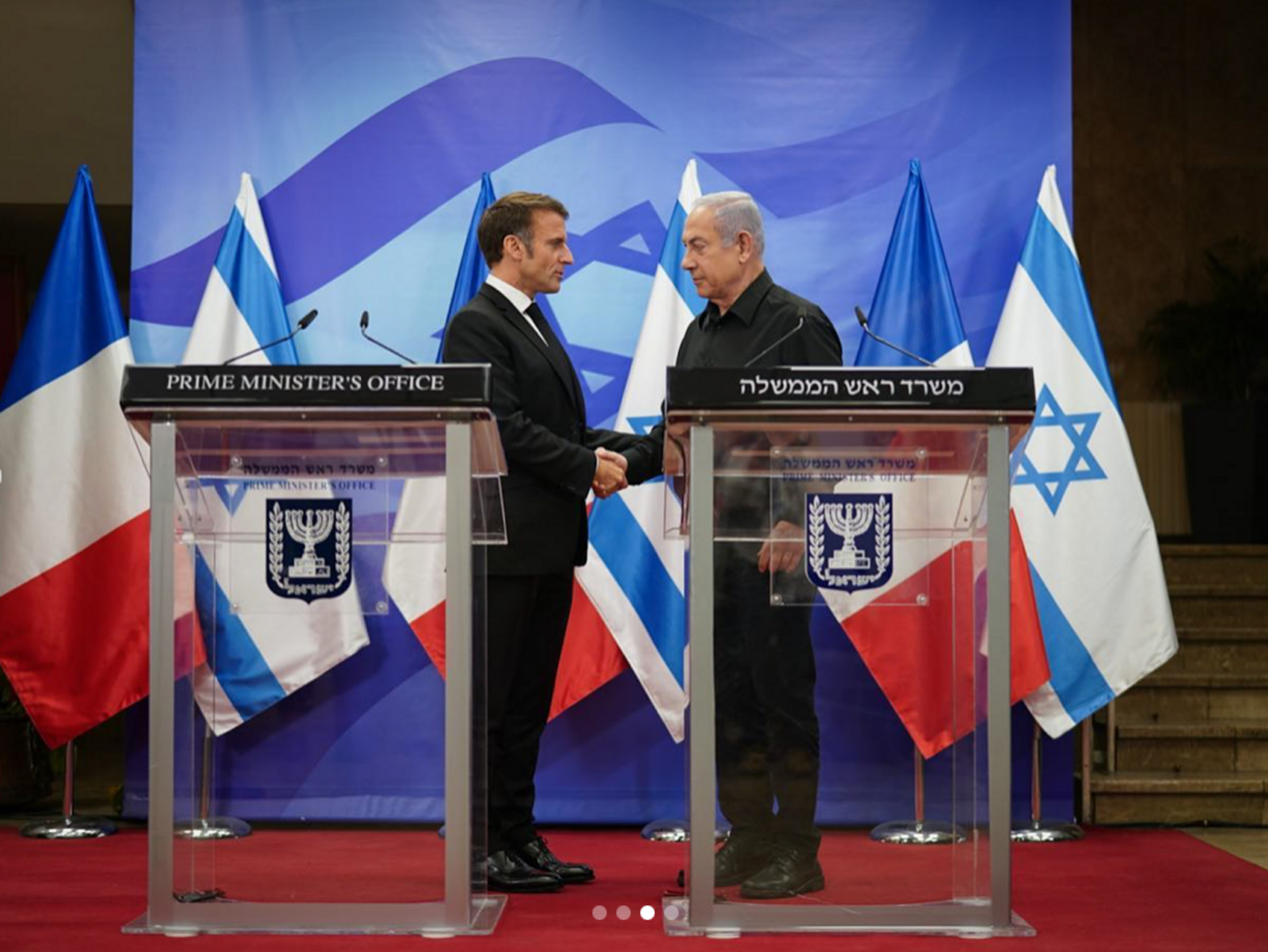
The French president is expected to call for a “humanitarian pause” in Israel and the opening of a “political perspective” for the Palestinians, while displaying his solidarity with Israel. A singular voice, which recalls France’s past commitments, but in a radically changed context.
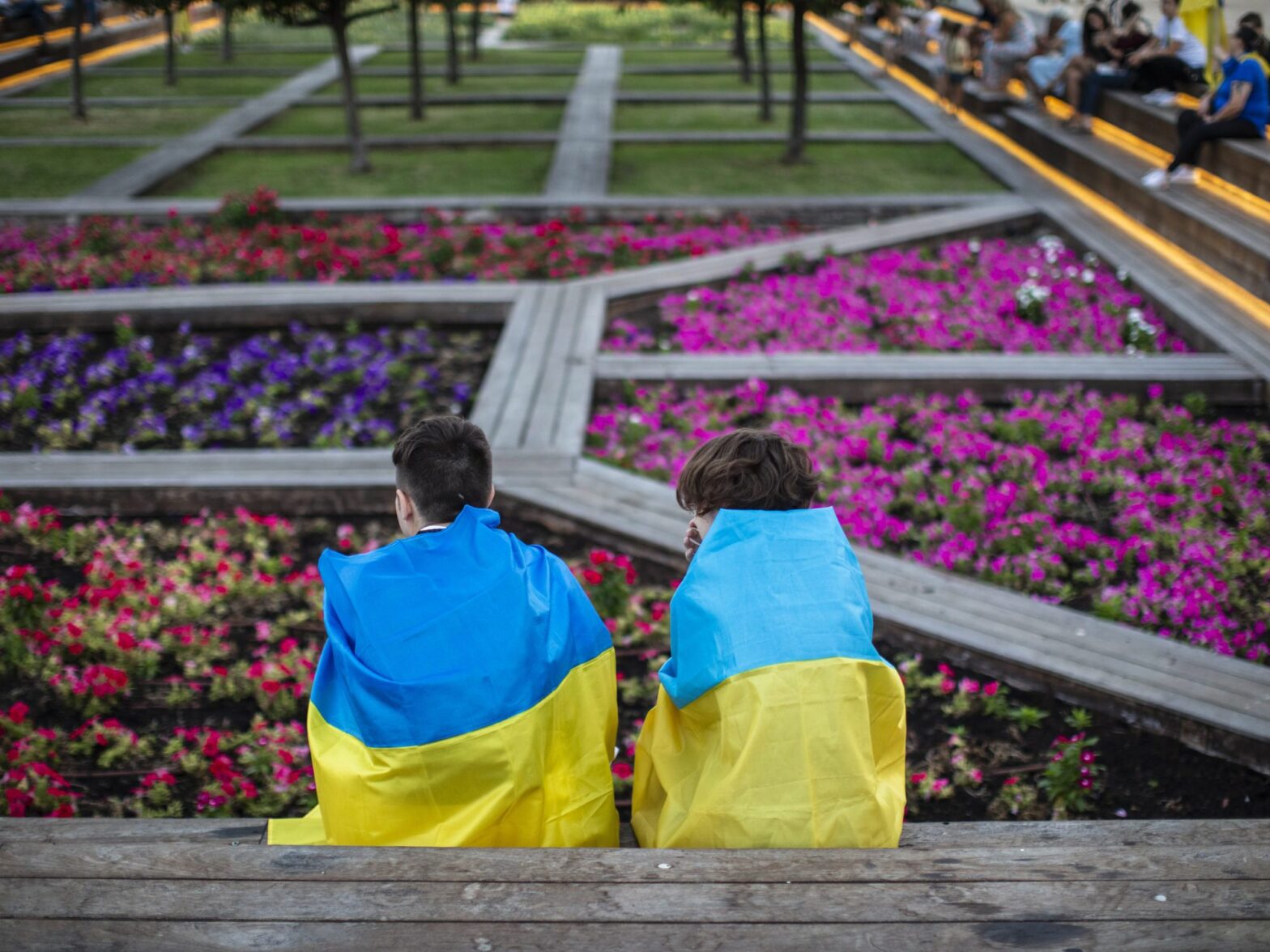
Among the victims of the recent conflict in Israel are many Ukrainian citizens who fled the Russian invasion and are now finding themselves at the center of another war.
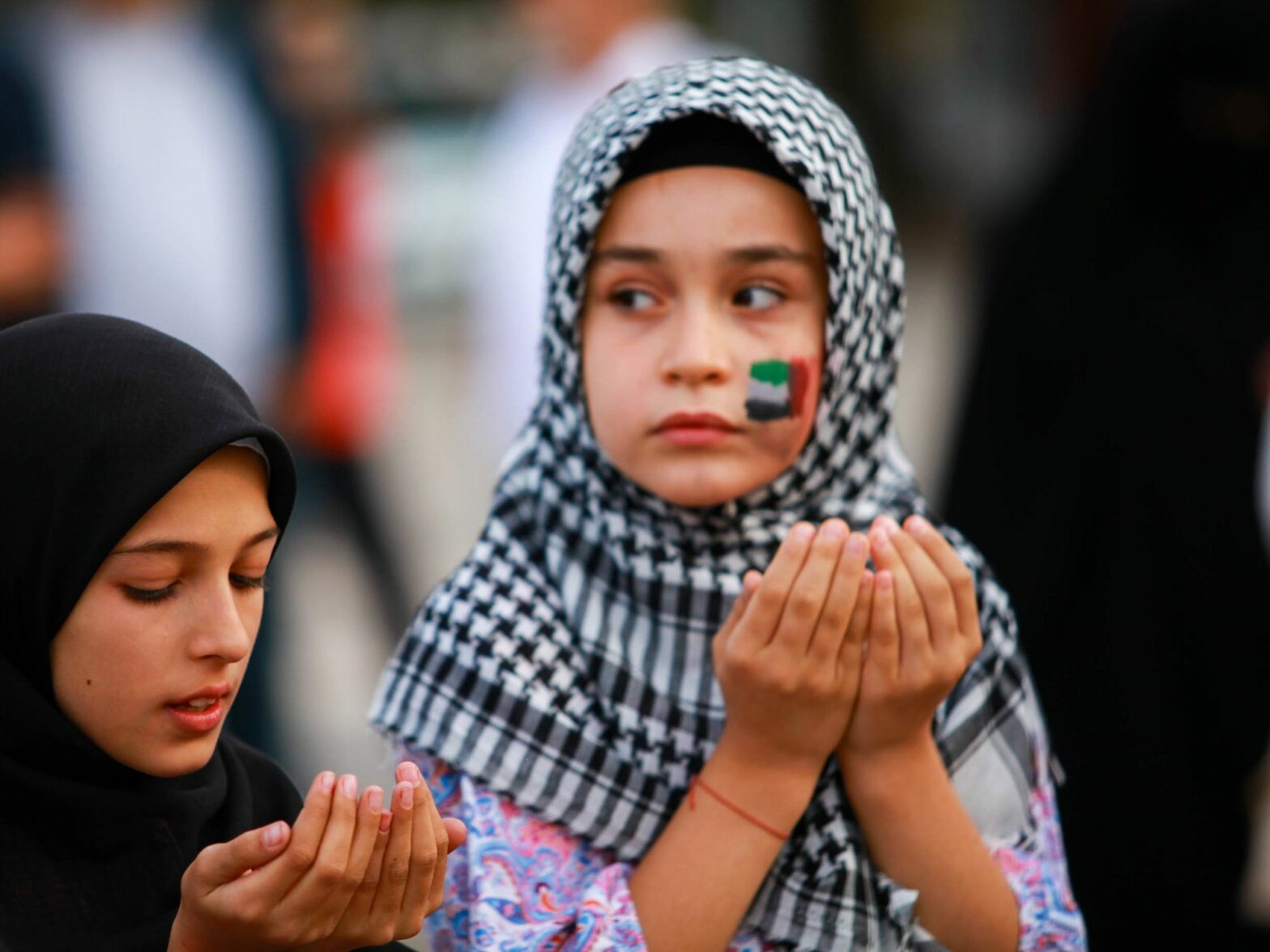
Both Hamas and Israel should stop manipulating the language of faith and morals to justify extreme and indiscriminate violence, writes Islamic theologian Marwan Sarwar Gill. Religion (in good faith) ultimately offers a way out of conflict the bad faith has fueled.
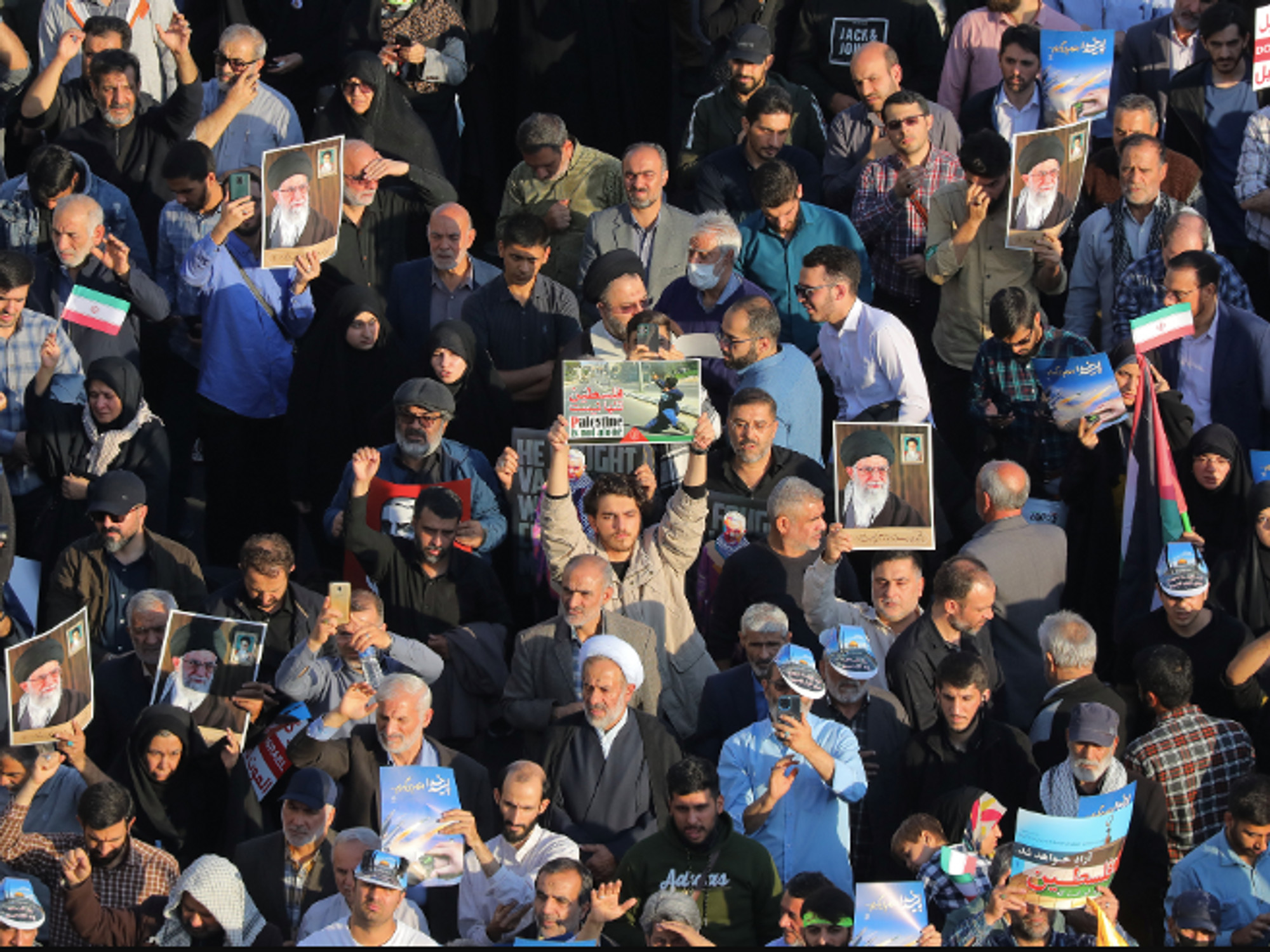
What happens next in the Middle East, including a possible expansion of the war at the Israeli-Lebanon border, will be determined by choices that are made in different capitals. Keep your eye on Tehran.
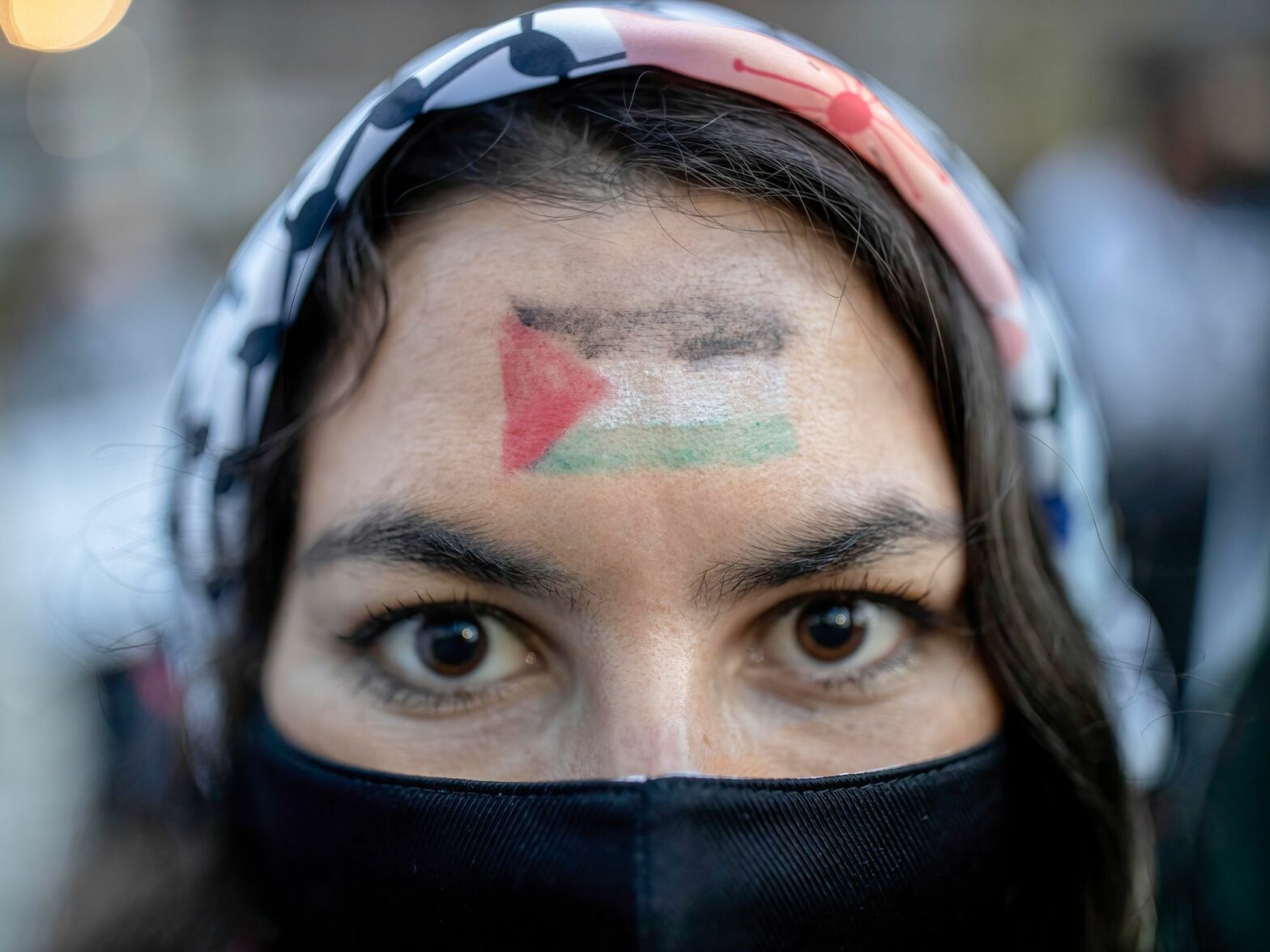
The lack of credible Palestinian leadership could plague the region once the war is over, leaving it without any legitimate political representation.
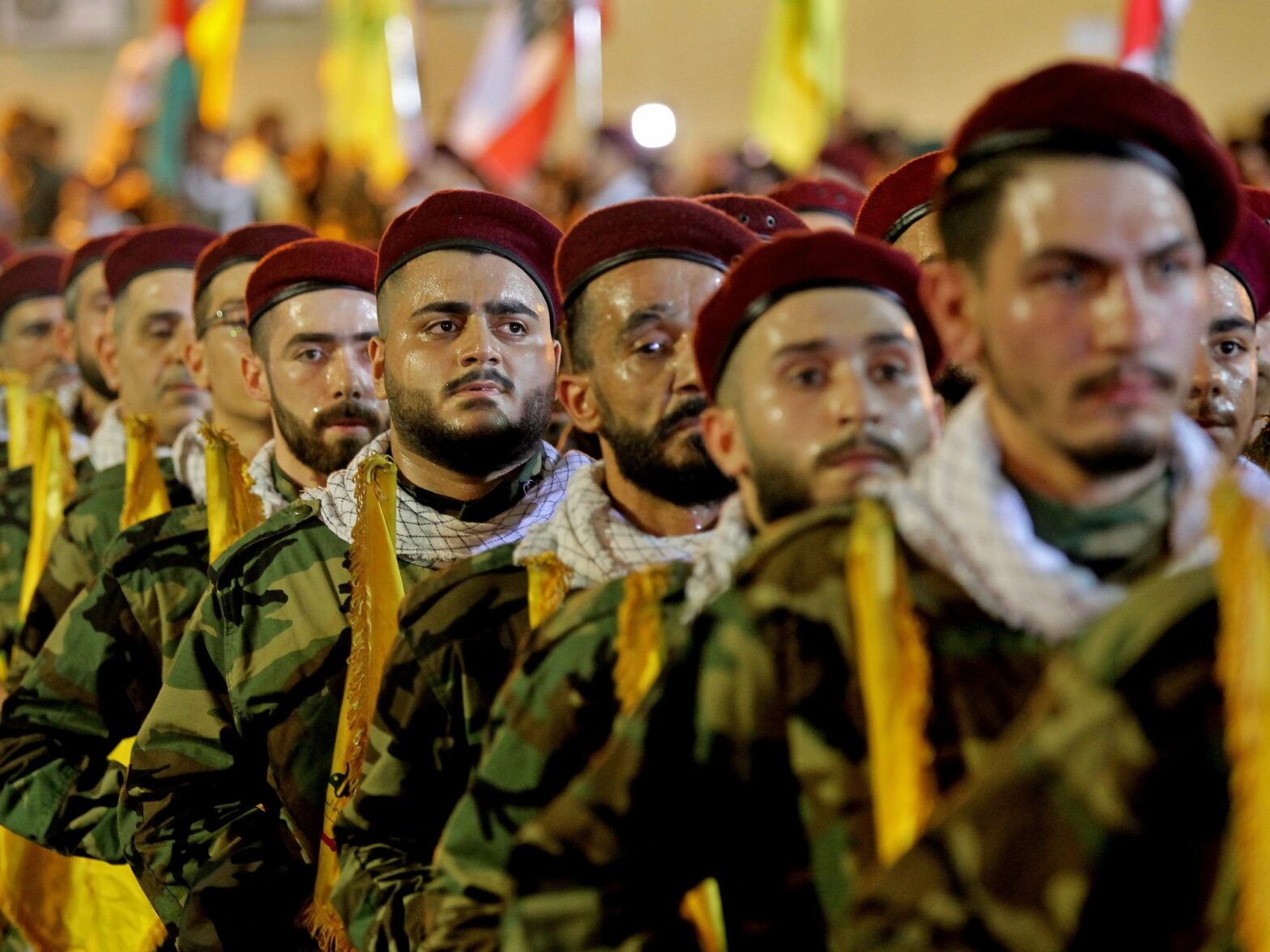
For decades now, the Islamic Republic of Iran has created, armed and trained paramilitary groups in several Middle Eastern states, all of which are believed to stand at the ready to strike Israel and Western targets at Tehran’s command.
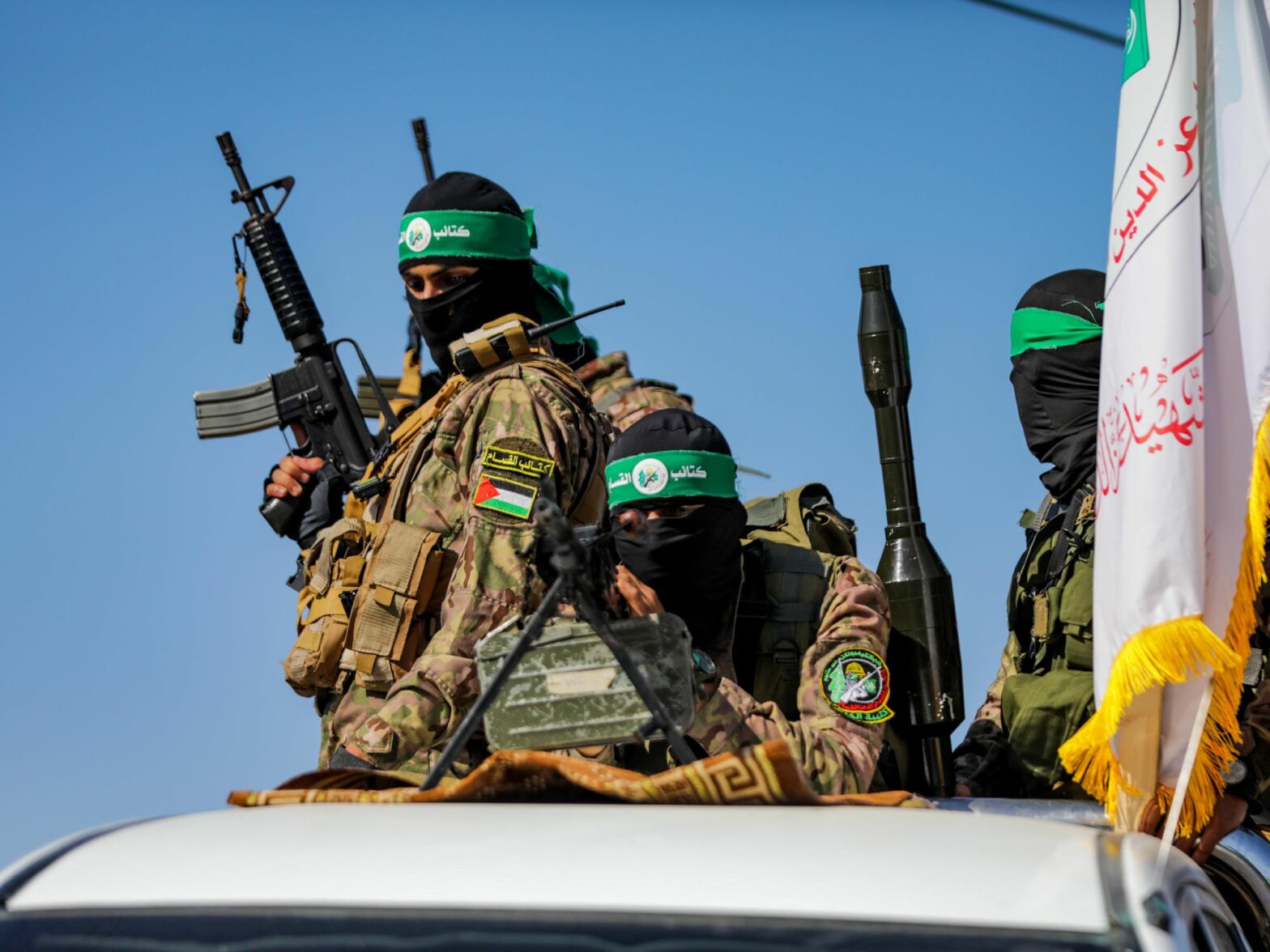
The Middle East is ablaze. Many have blamed this “endless war” on the seemingly eternal fight between Islam and Judaism, which are both religions without an intermediary to God. But there are key differences both within and between the two faiths.
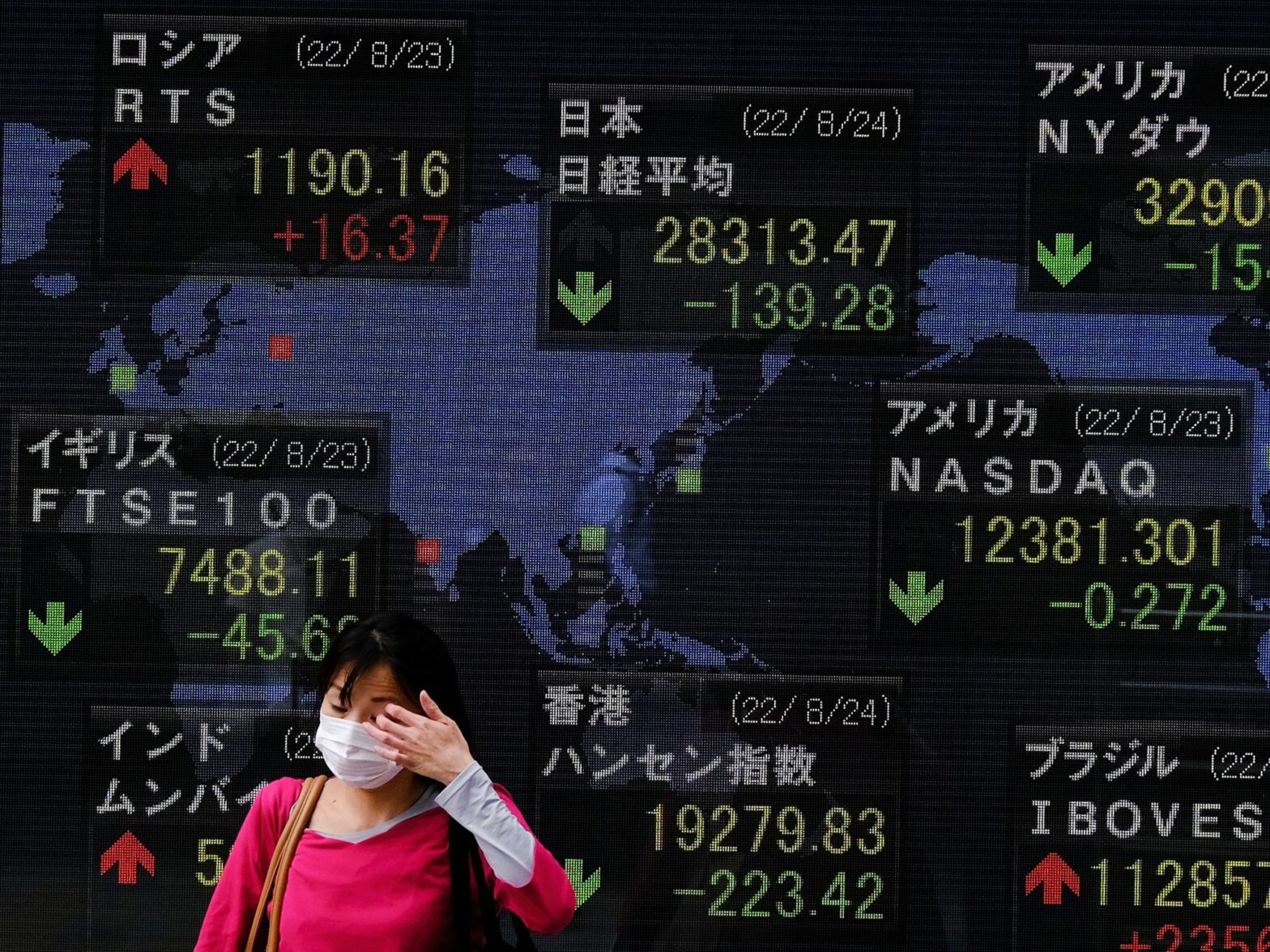
The destabilization of the Middle East could send prices soaring once more and trigger a new shock for the world economy, which has so far been resilient despite the COVID-19 pandemic and the war in Ukraine.
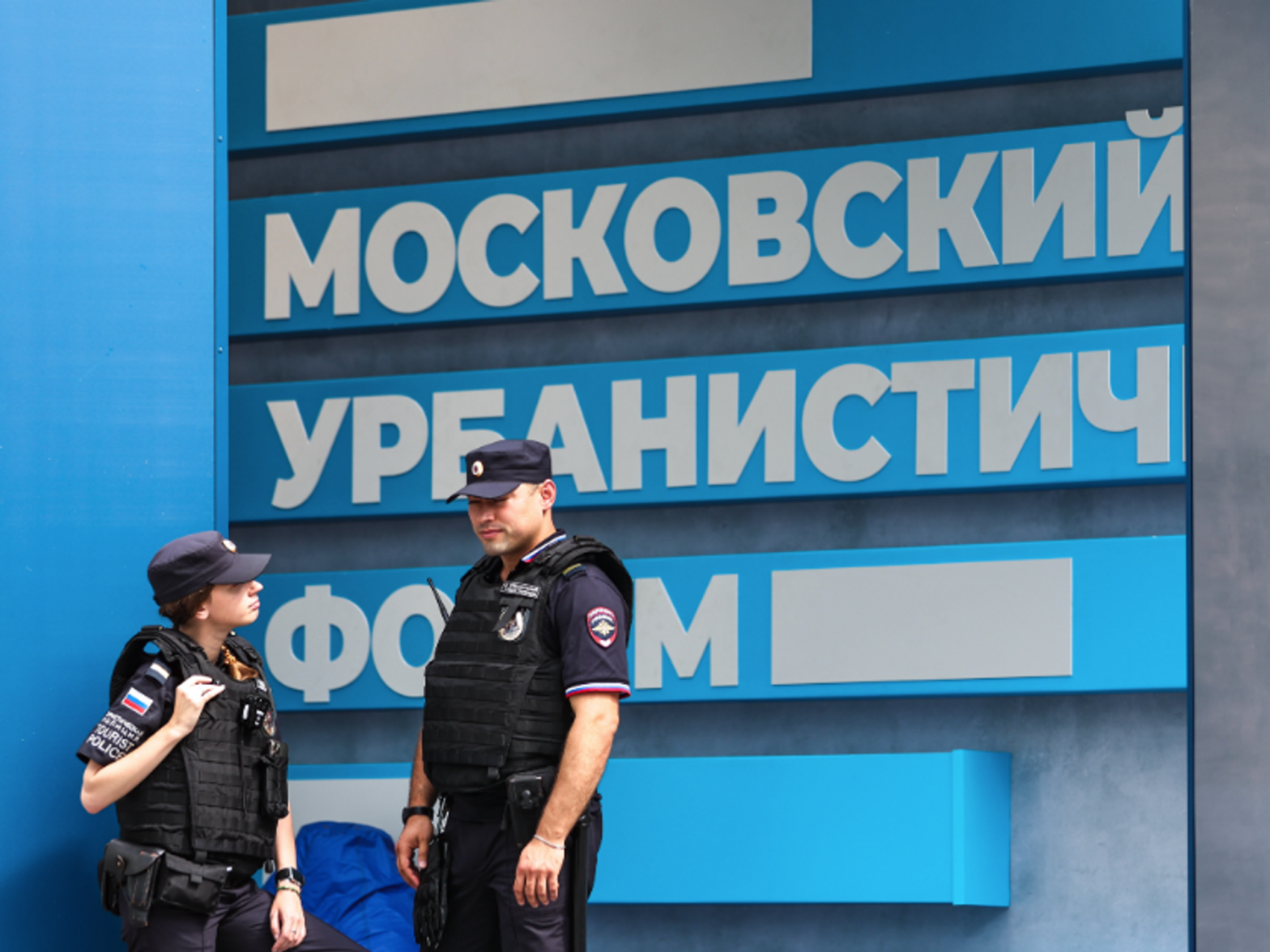
Western leaders must take a more resolute stance in addressing terrorism and its hybrid forms, and see the connection with the tactics and strategy of Putin’s Russia.
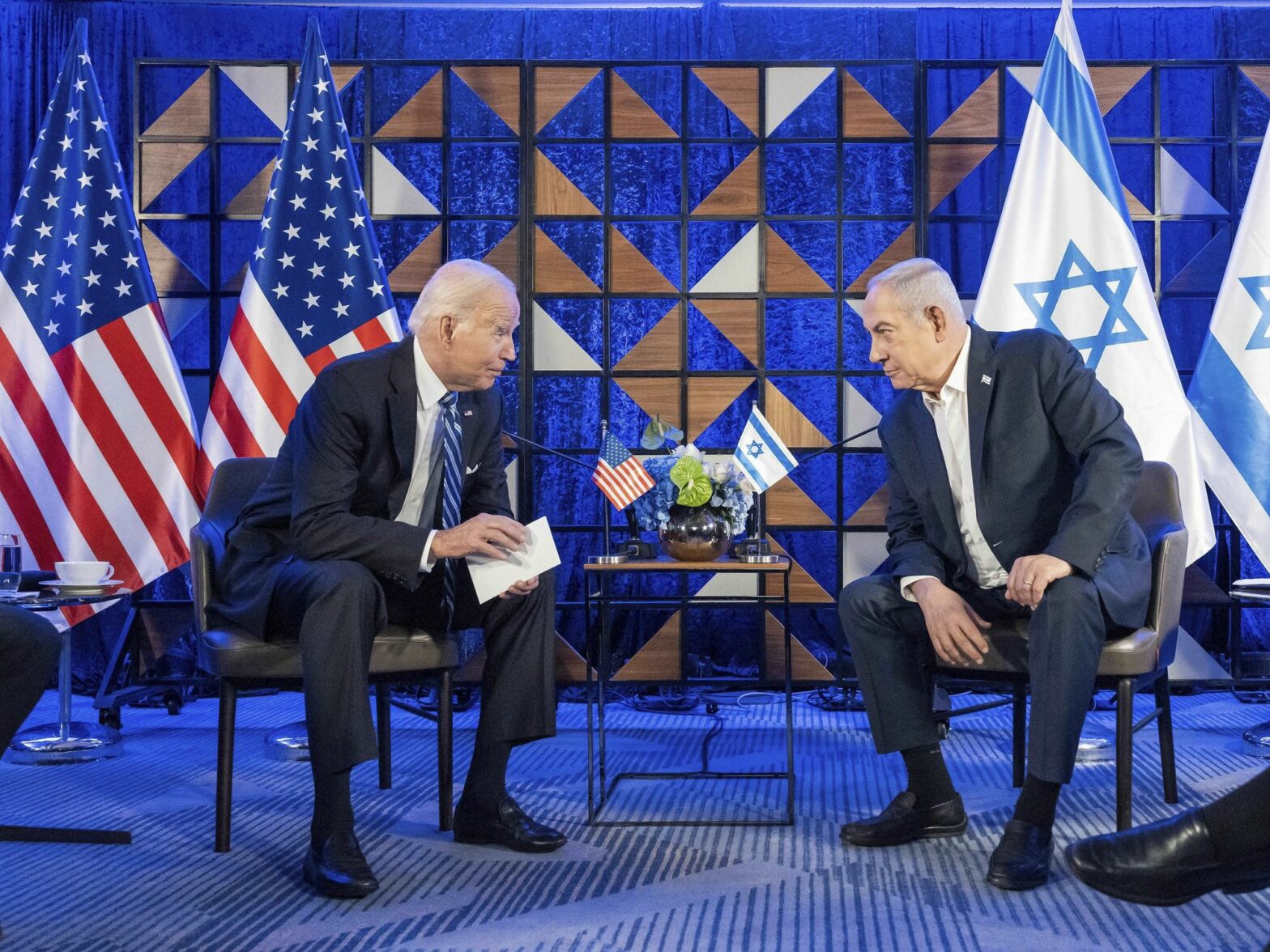
The American president succeeded in obtaining humanitarian corridors through Gaza, and supported Israel’s claims that it wasn’t responsible for bombing a Gaza hospital. But in the Arab world, he consolidated his image as Israel’s main supporter, and lost the political battle for public opinion.
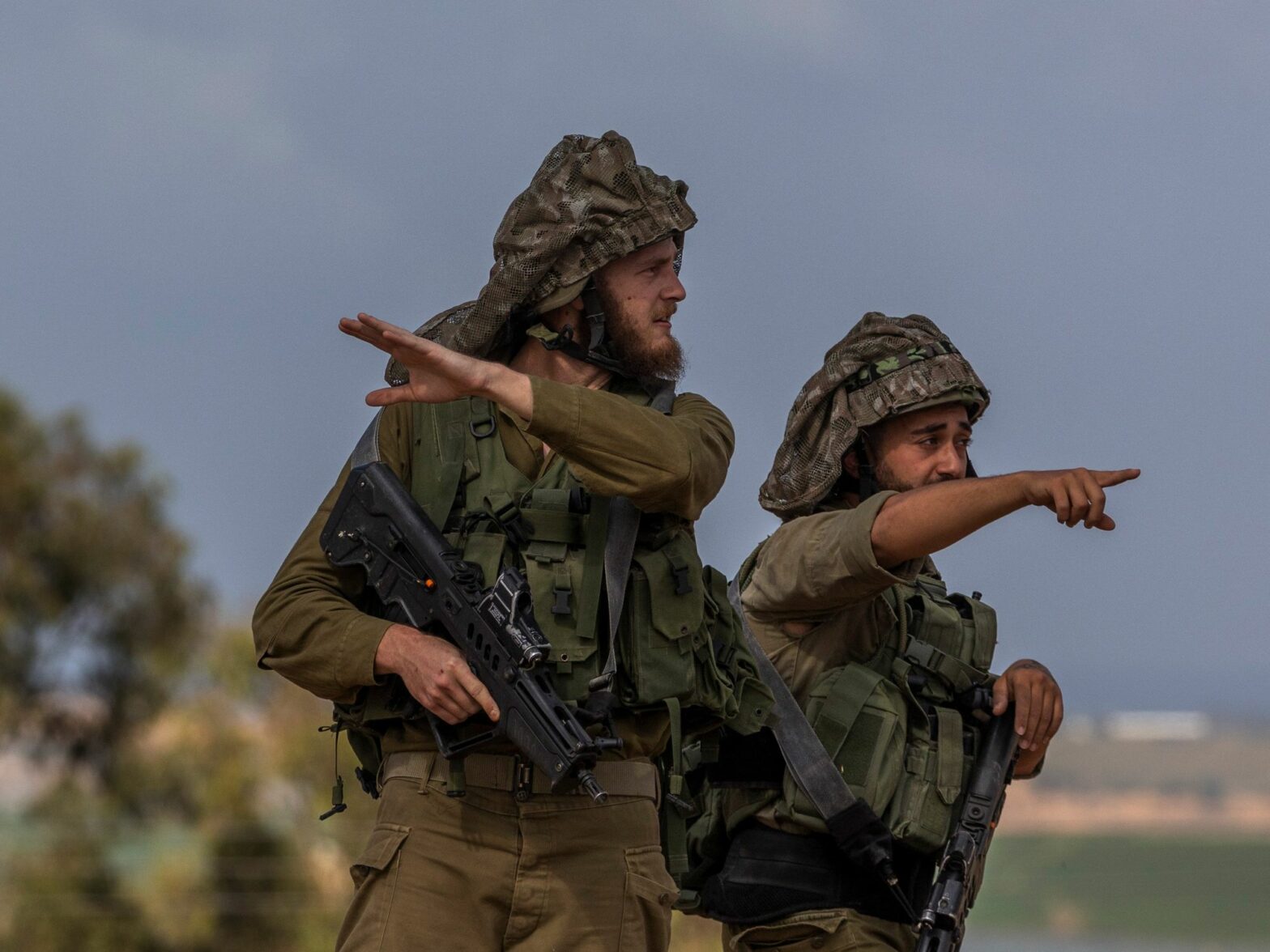
There are very real risks that this conflict may expand and re-shape the entire region. Israel appears to have the means to win on the battlefield, but risks losing along the way the very principles of justice on which it was founded.
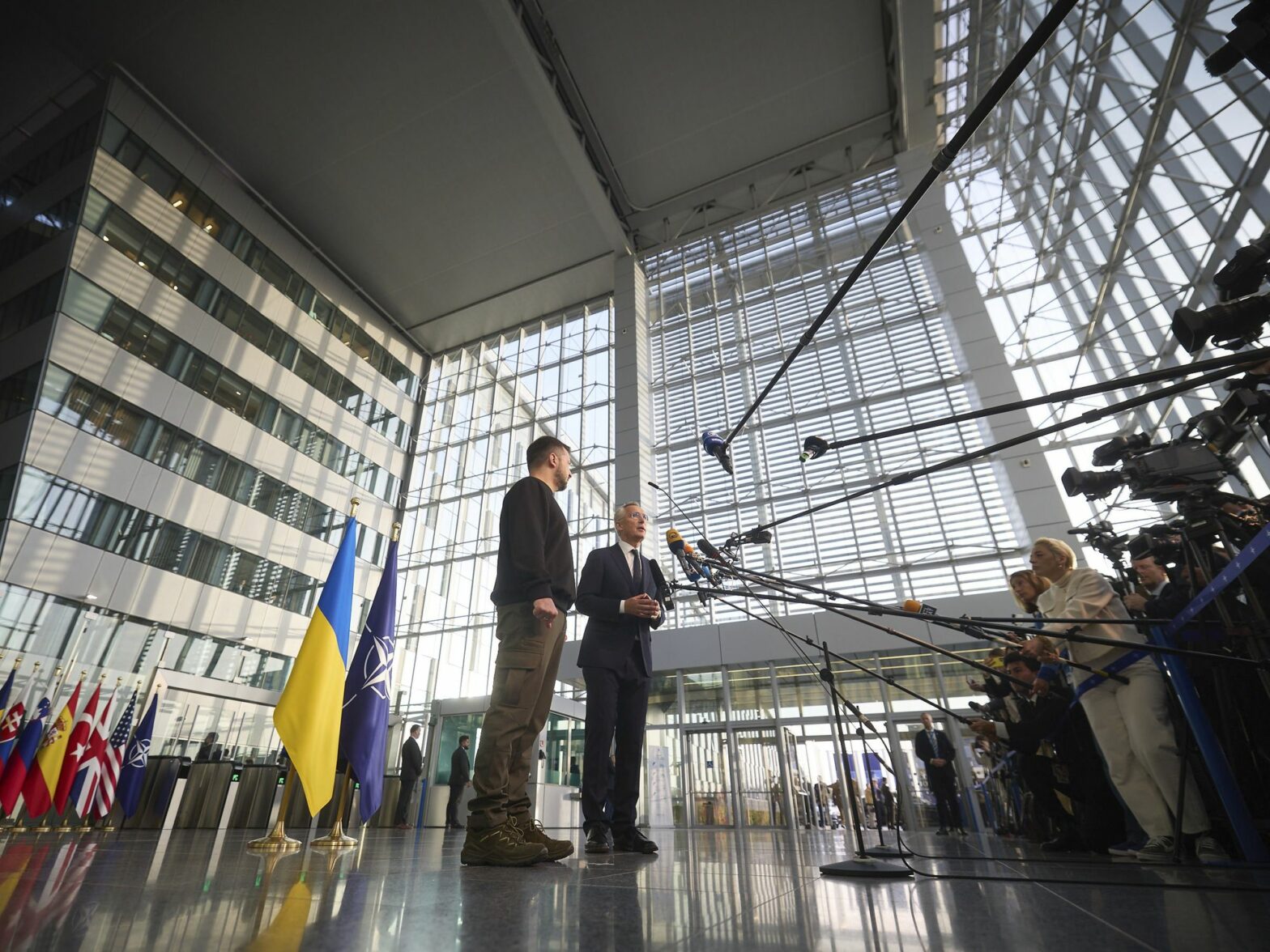
The EU must find a way to negotiate uncomfortable disagreements within its ranks. Ukraine can’t be seen as taking an unequivocal stand in support of any one side either.
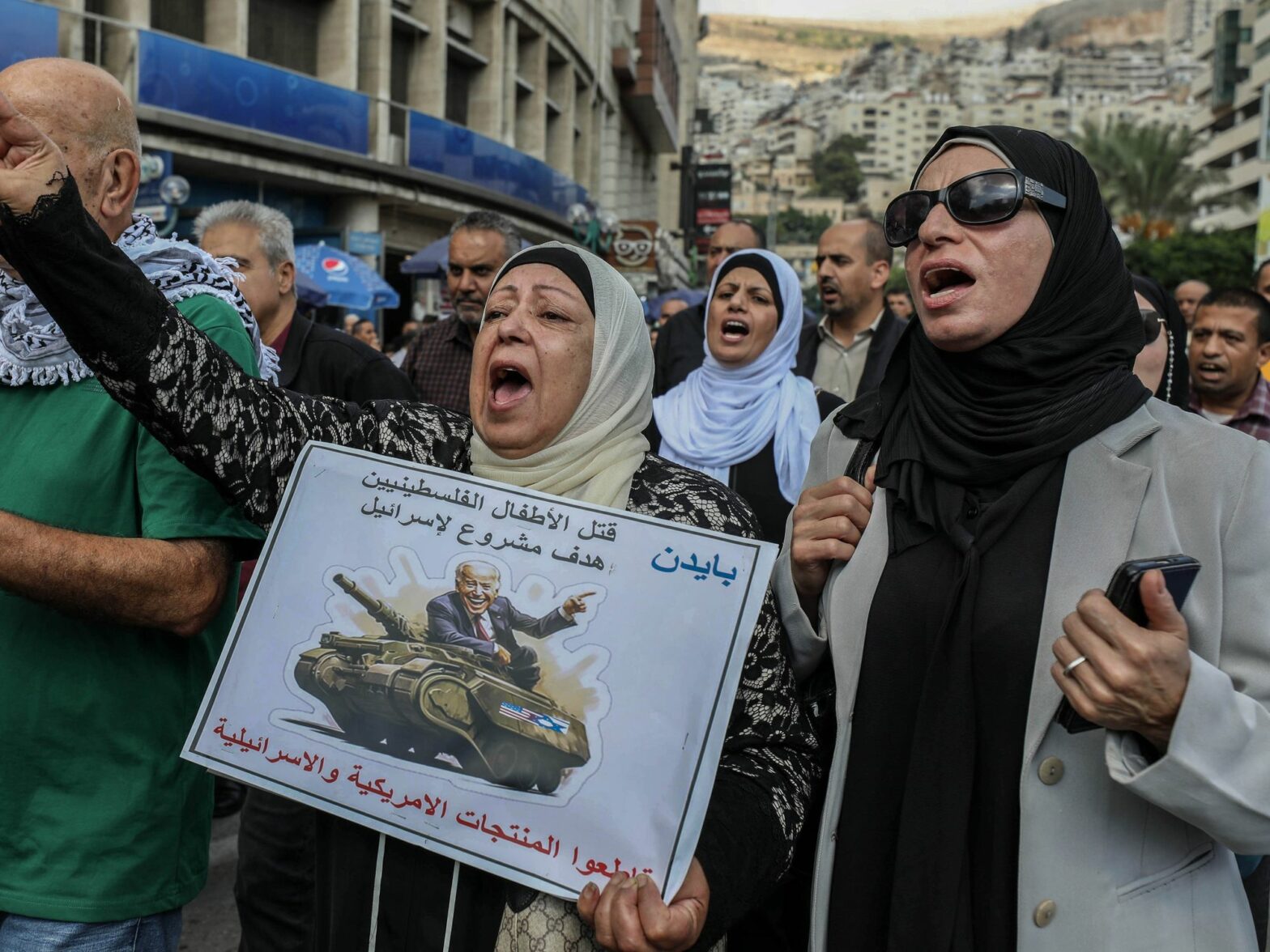
In the capital of the Palestinian Authority, residents are outraged at Israel — but also their own leaders for not taking a harder line. The beneficiary is the militant group Hamas, which rules the other Palestinian enclave of Gaza, and is in an all-out war with Israel.
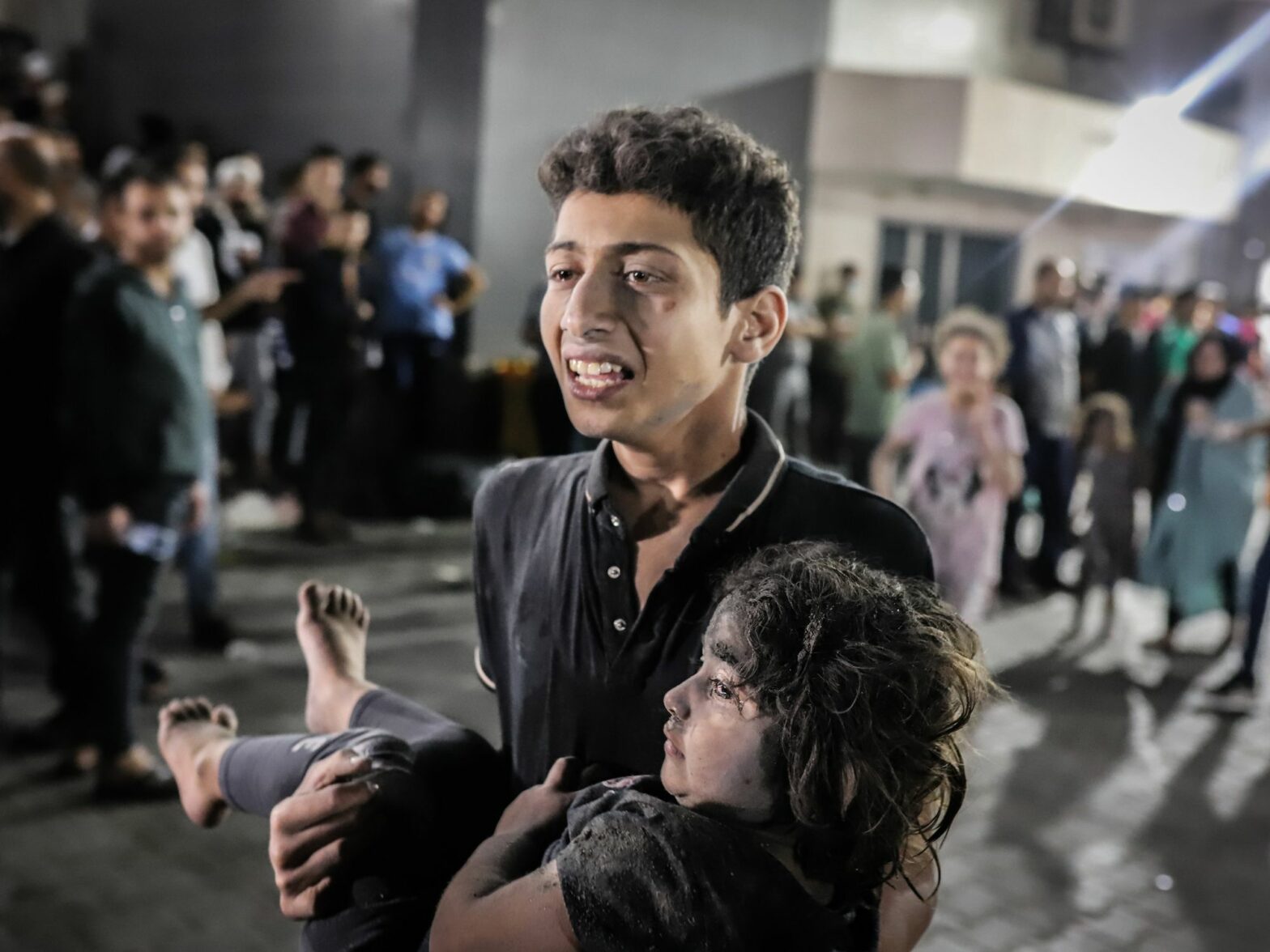
The strike on Gaza’s Al-Ahli hospital, which left hundreds dead, has changed the climate of the conflict between Israel and Hamas, even as the two sides shift the blame to each other. Calls for a ceasefire multiply as Joe Biden arrives in Israel.
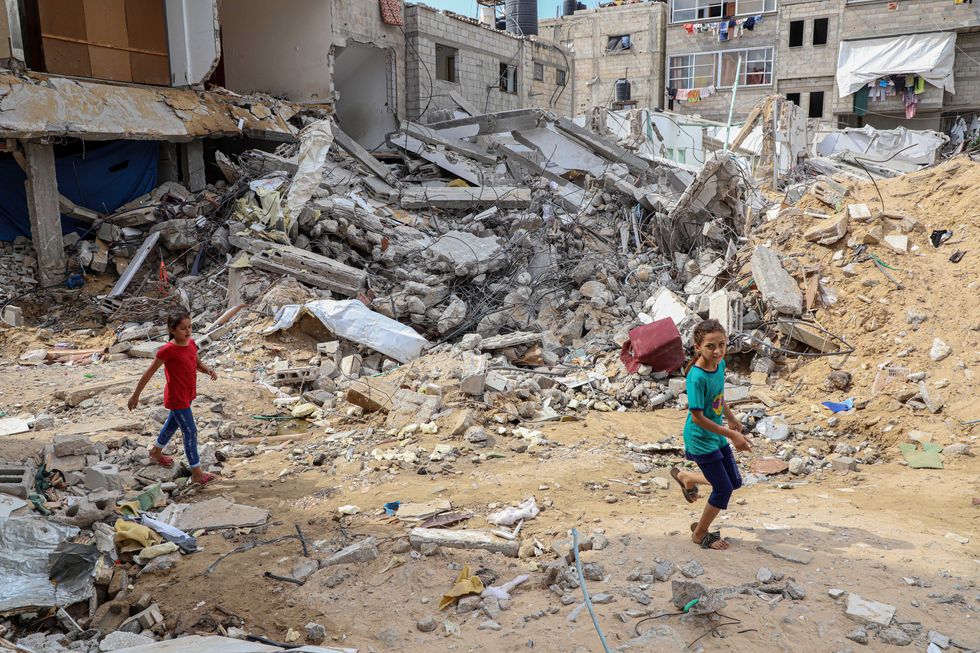
Hamas has shown callous disregard for the lives of Palestinians living in Gaza, but this was inevitable given its history and the inspiration of its patrons – Iran’s hangman regime.
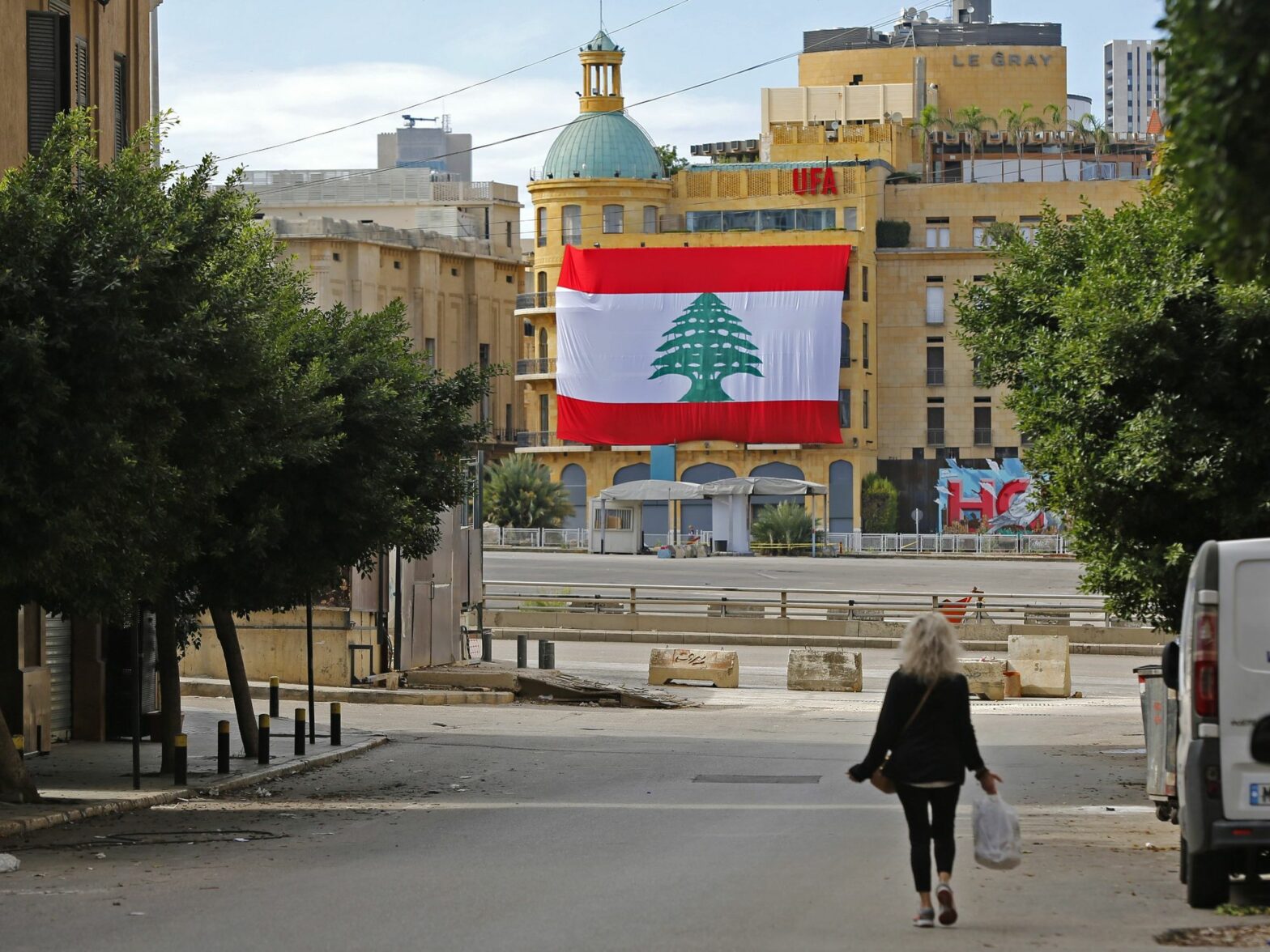
Memories are still clear of the war in 2006, which exploded after a Hezbollah attack in northern Israel. Nobody wants war again, even as solidarity for the Palestinian cause is stronger than ever.
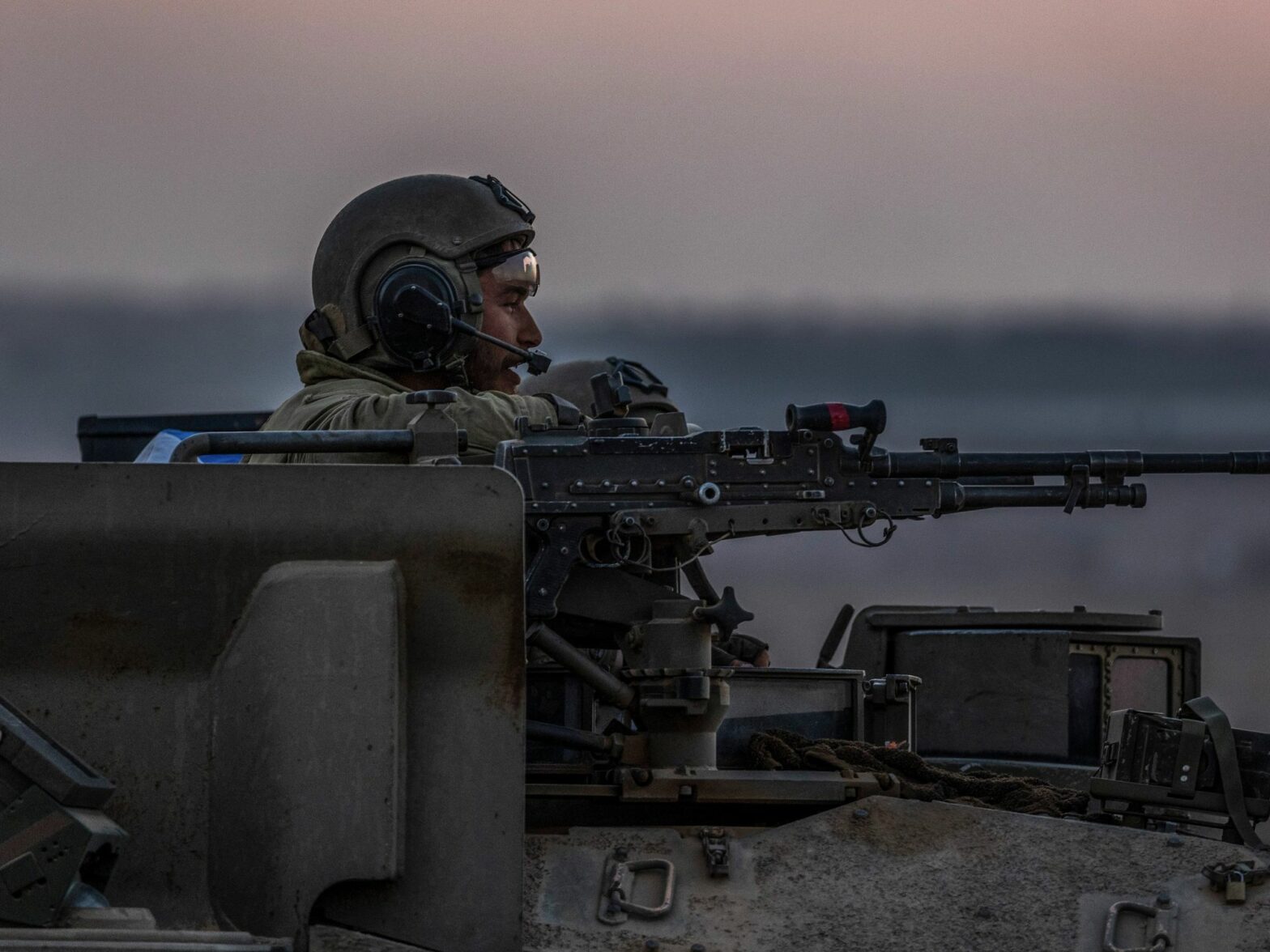
After extending its complete support to Israel in the wake of the October 7 attacks, the West has started to soften its stance and demand that the state follow international law. But there are scant signs that Israel will let up its all-out assault in Gaza.
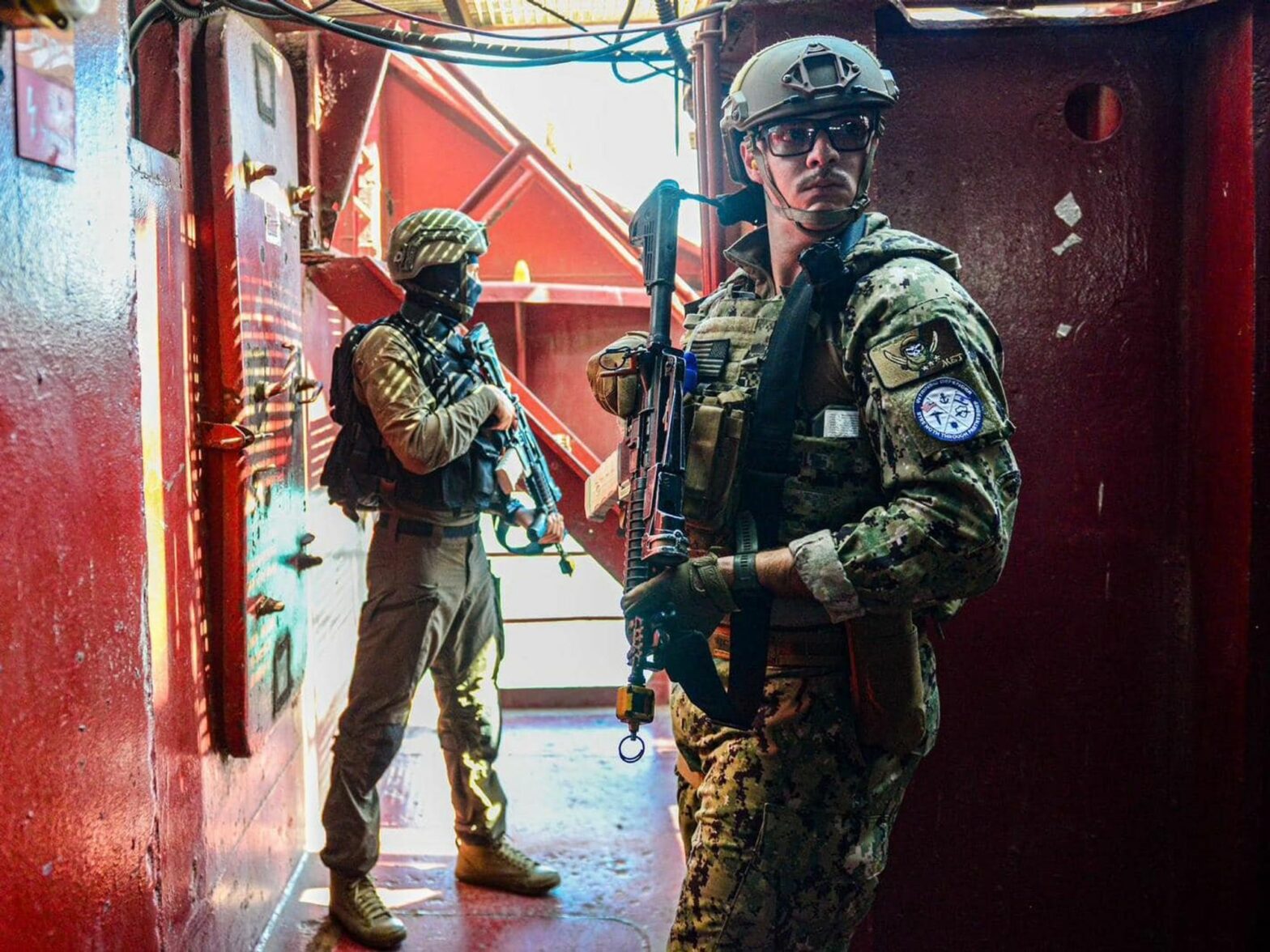
The blind spots began appearing in the first hours and days after more than 1,200 civilians were slaughtered by Hamas terrorists, who breached the border from Gaza. A former Israeli military intelligence operative guides us through the mistakes that allowed it to happen.
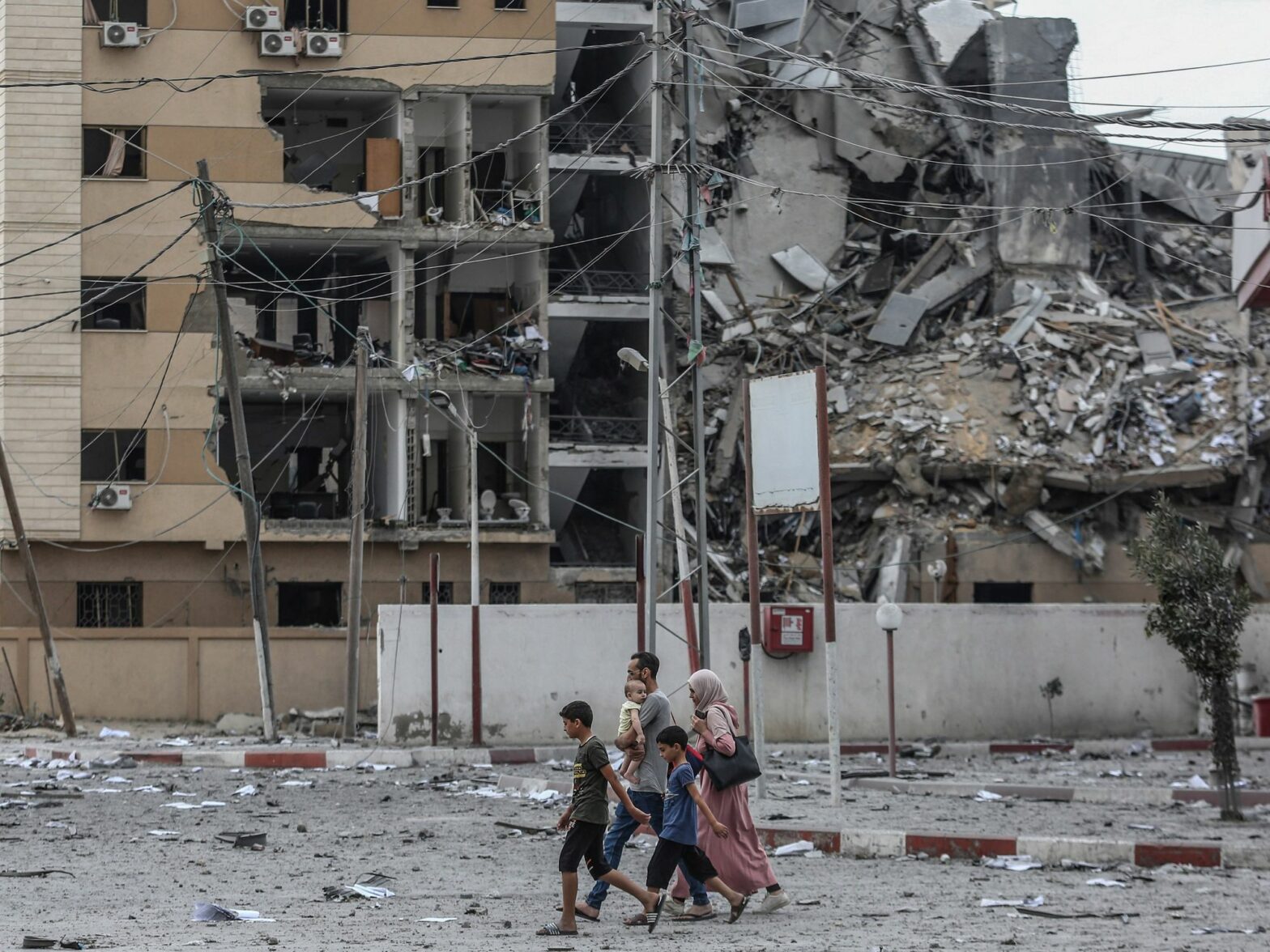
Even as the borders close and the siege tightens, most of the Palestinians also deeply fear leaving, convinced that (like their forebears) they’ll never return.
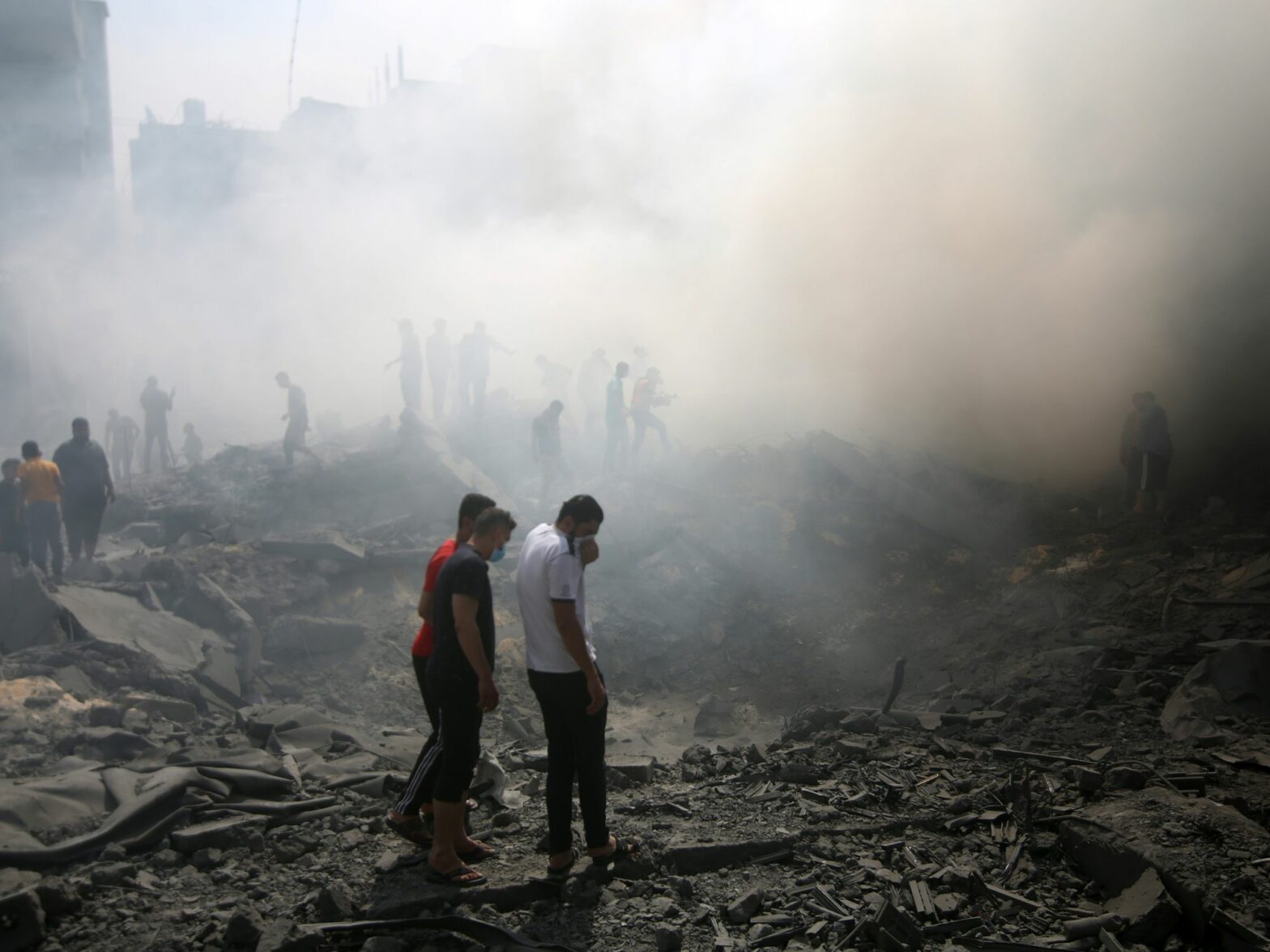
Over the past week, Gaza has been officially under siege, even if the roots have long been planted in the confined territory. Others may say that Israel itself has long felt under siege, surrounded by hostile nations. It’s worth tracing the origins of this policy of war that targets entire populations, from Troy in ancient Greece to Leningrad in World War II.
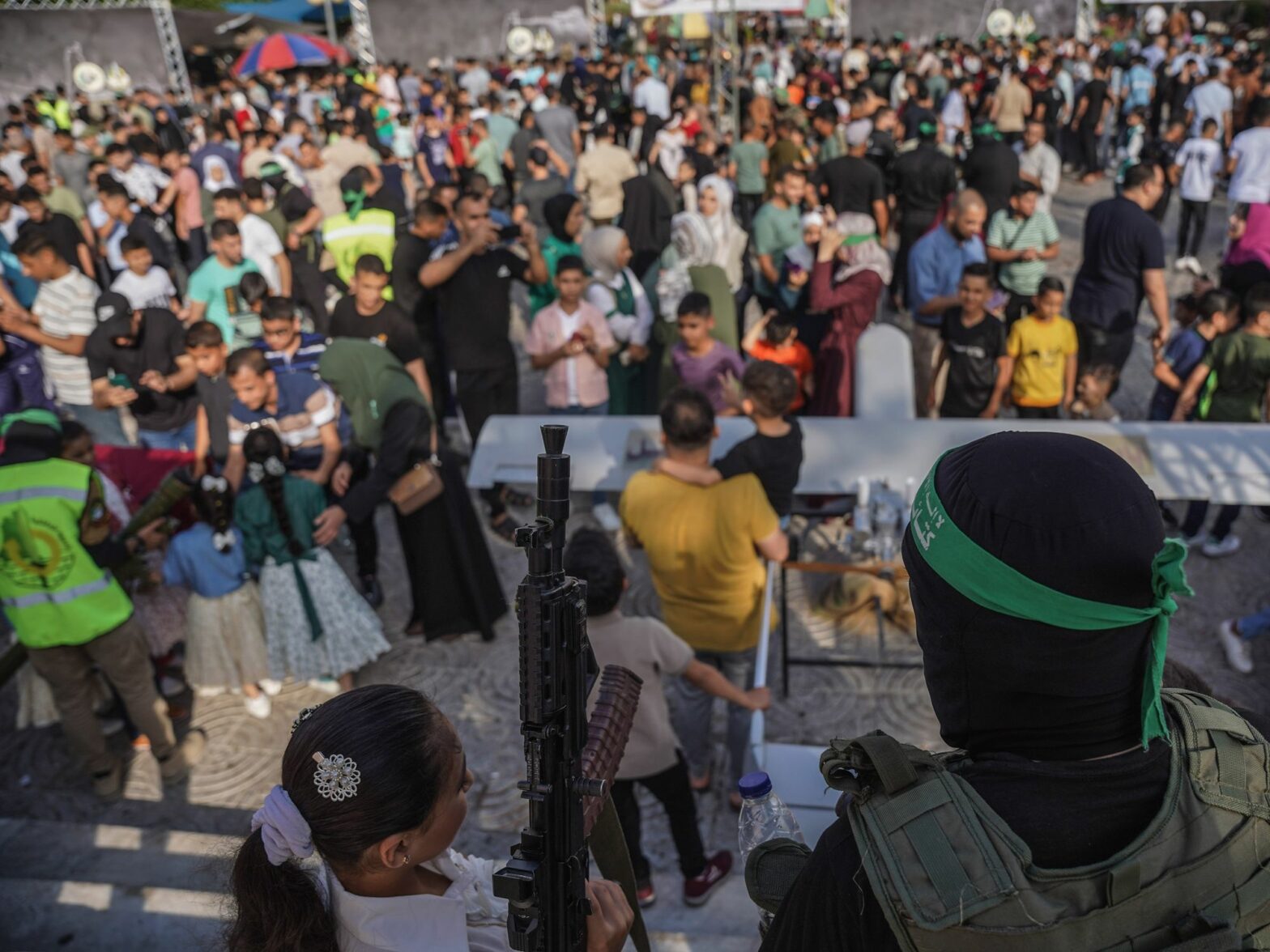
Will the West stop coddling the Iranian regime now, or continue its mix of appeasement and a cat-and-mouse game that Tehran has deftly exploited to undermine peace in the Middle East?
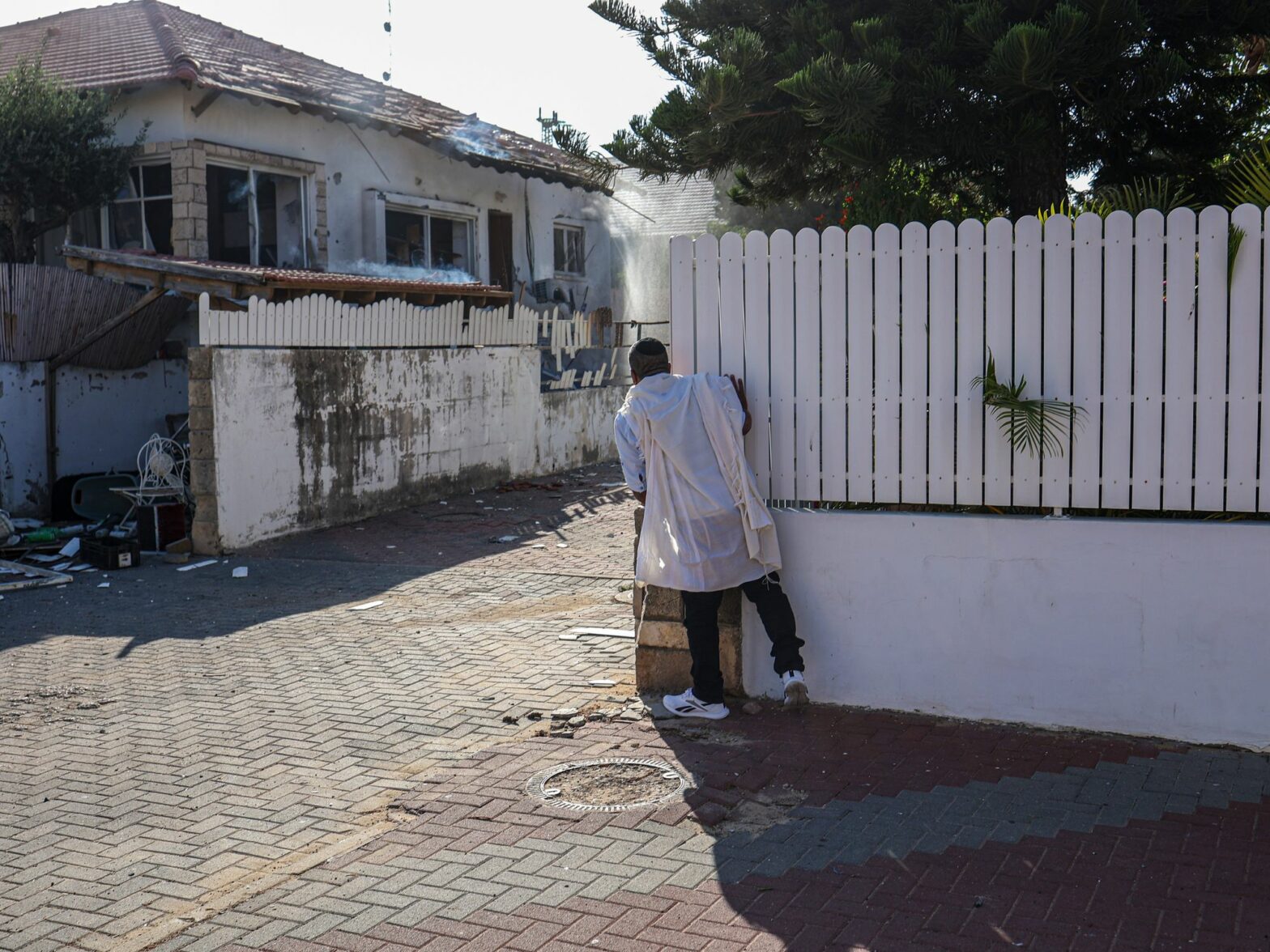
Since Saturday’s bloody Hamas assault began, Ashkelon, a city located 20 kilometers from Gaza, has become the front line in what is shaping up to be Israel’s most dangerous war in a generation.
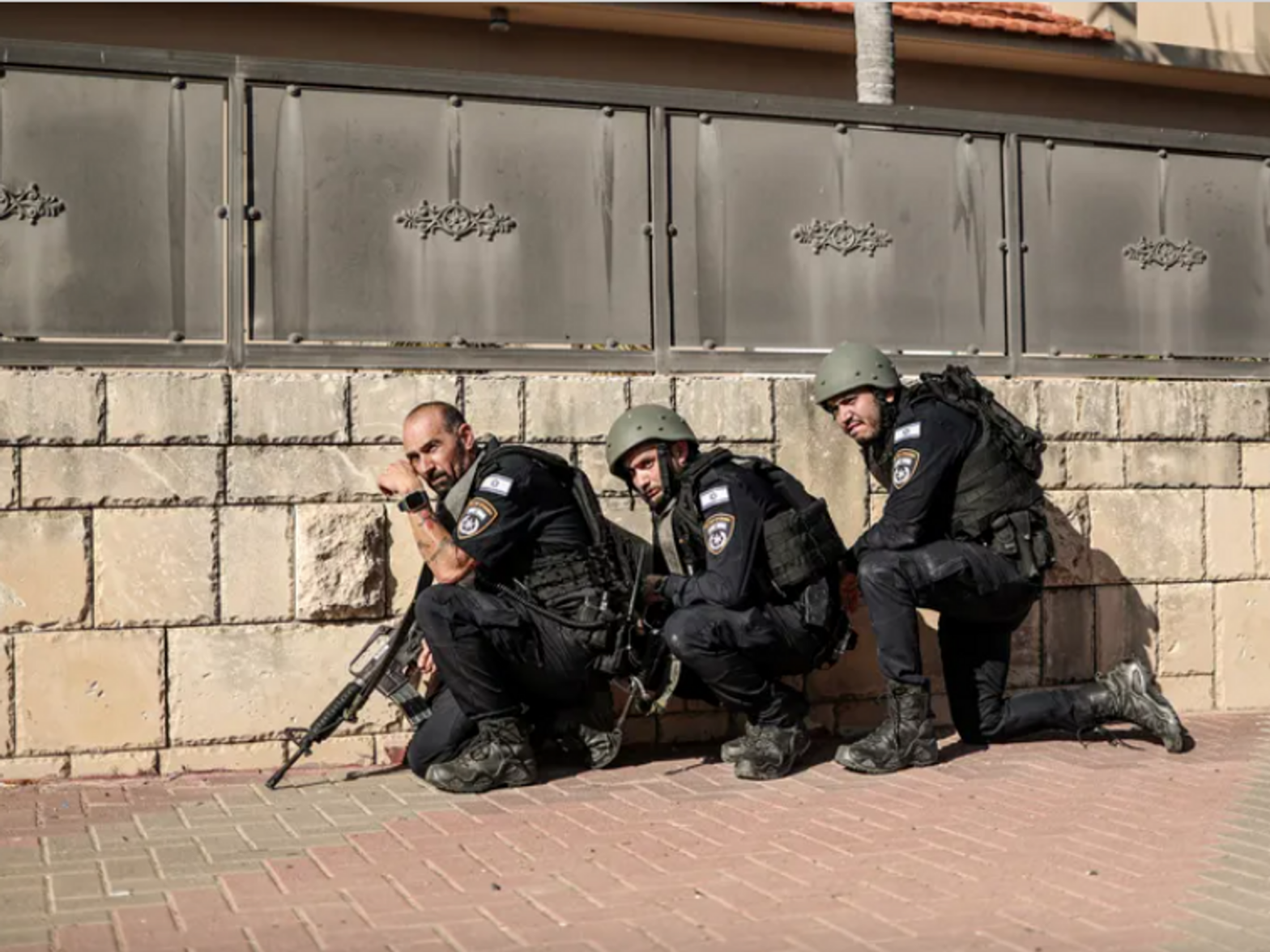
From preparing for the complexity of urban warfare to addressing technological vulnerabilities and gaining self-reliance in military production, the unfolding crisis in Israel has a number of critical messages for Ukraine.
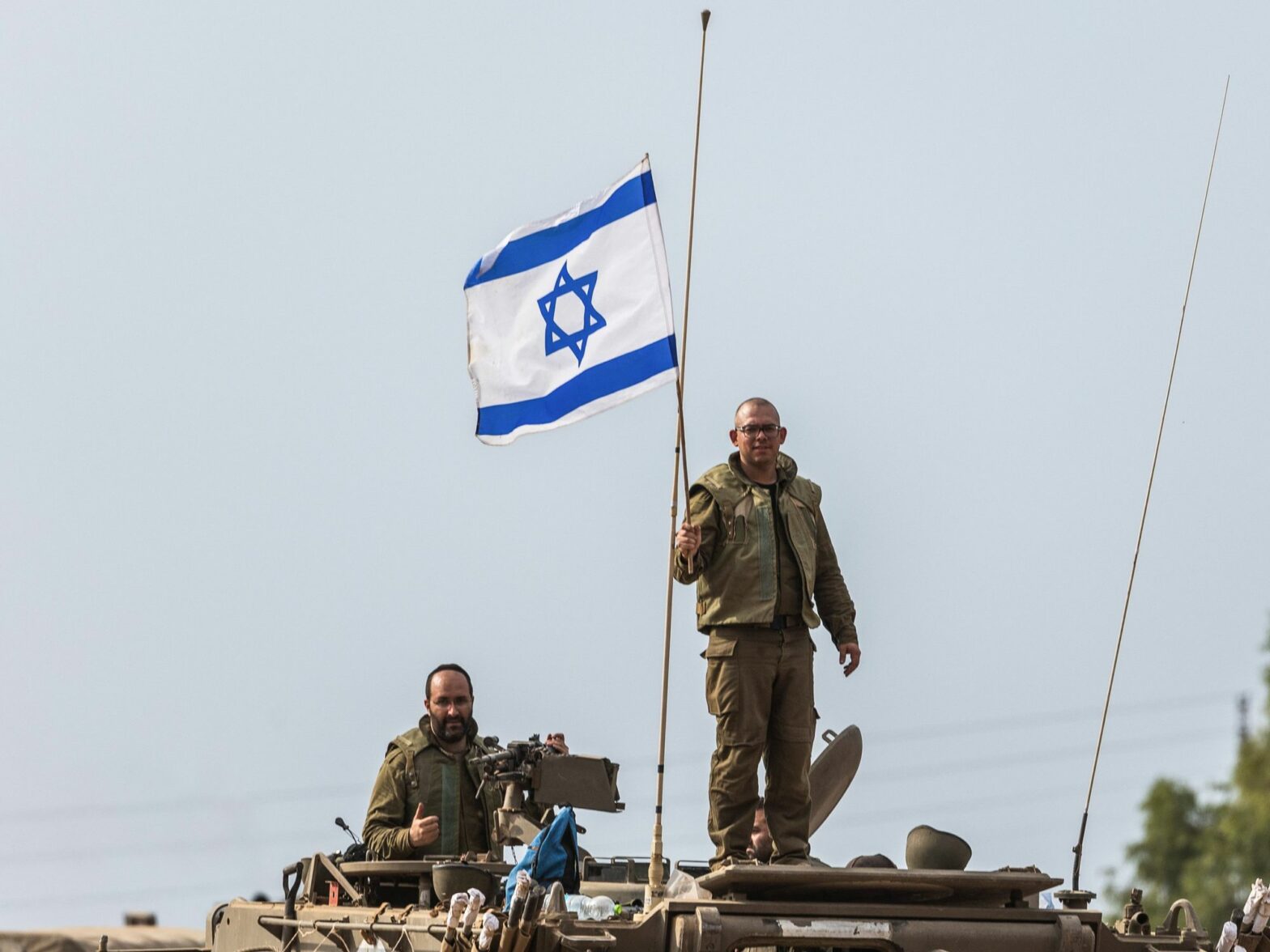
The Oct. 7 Hamas attacks are as devastating on Israel as the Sep. 11 were on the U.S. But like it did 20 years ago, such an attack also has the power to reshape politics inside Israel and around the region in a way that risks making everything worse.
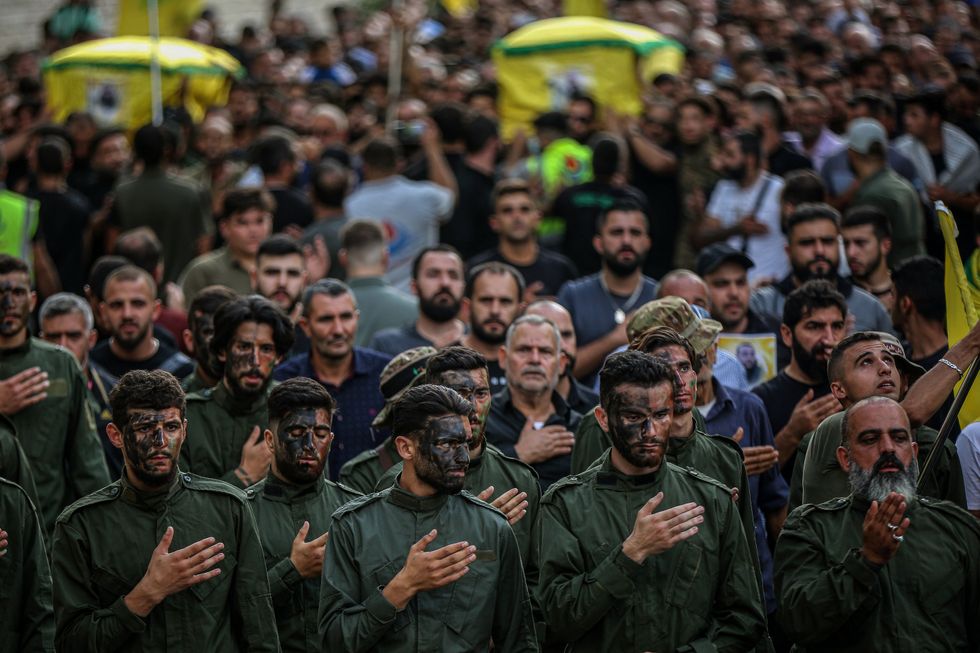
The widely believed inability of Lebanon to control Hezbollah has sparked fears among Lebanese that the Iranian-backed group will join Hamas’ war against Israel and dragged their troubled nation back to a dark chapter in history.
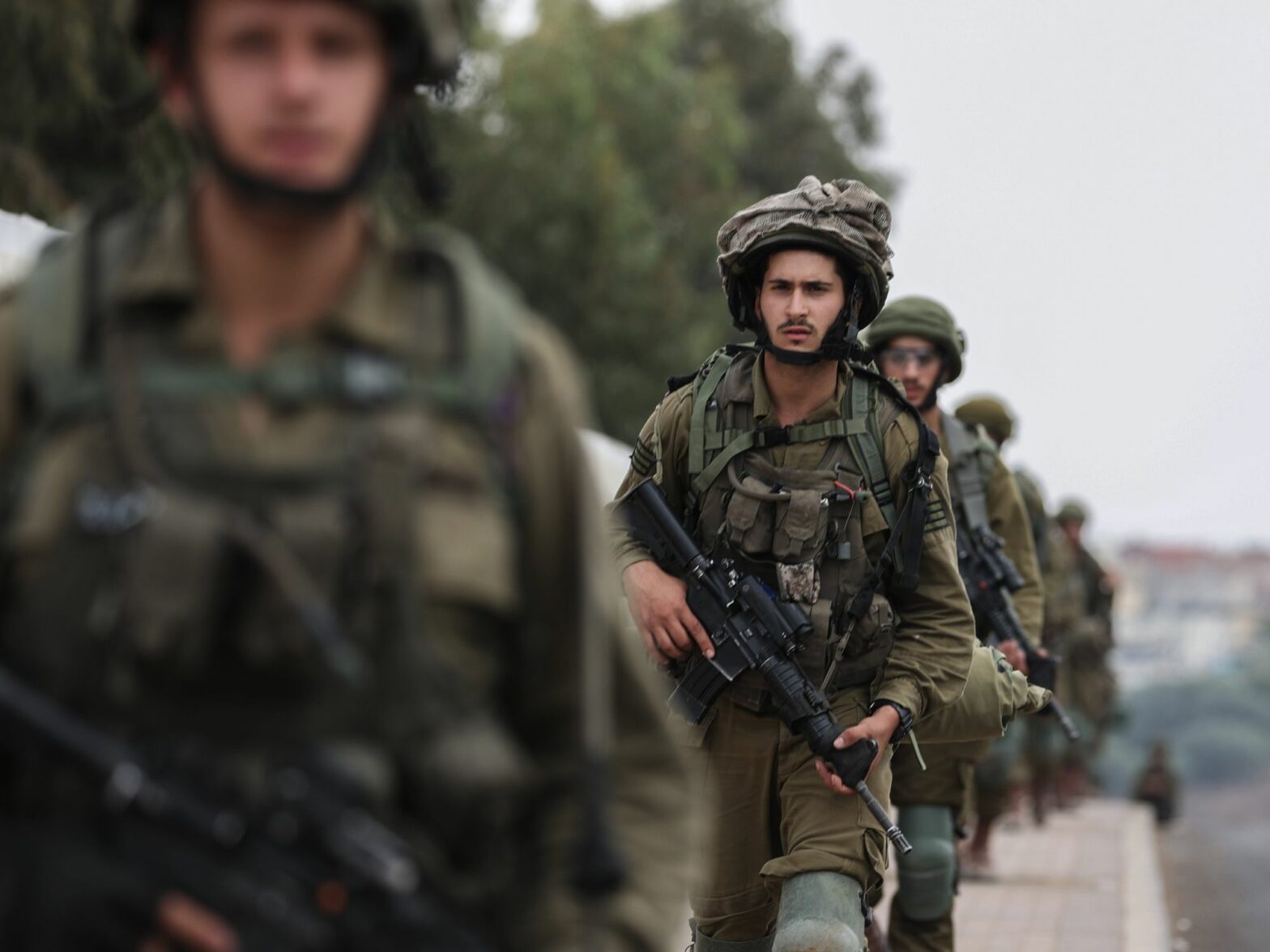
The Hamas attacks leave Israel with no choice but to launch a ground offensive in Gaza. This is the only way Jerusalem can truly debilitate the terrorist organization. And so a race against time begins with any such assault, as casualties would be high, international support will weaken, and the question of the ultimate “end game” lurks behind.
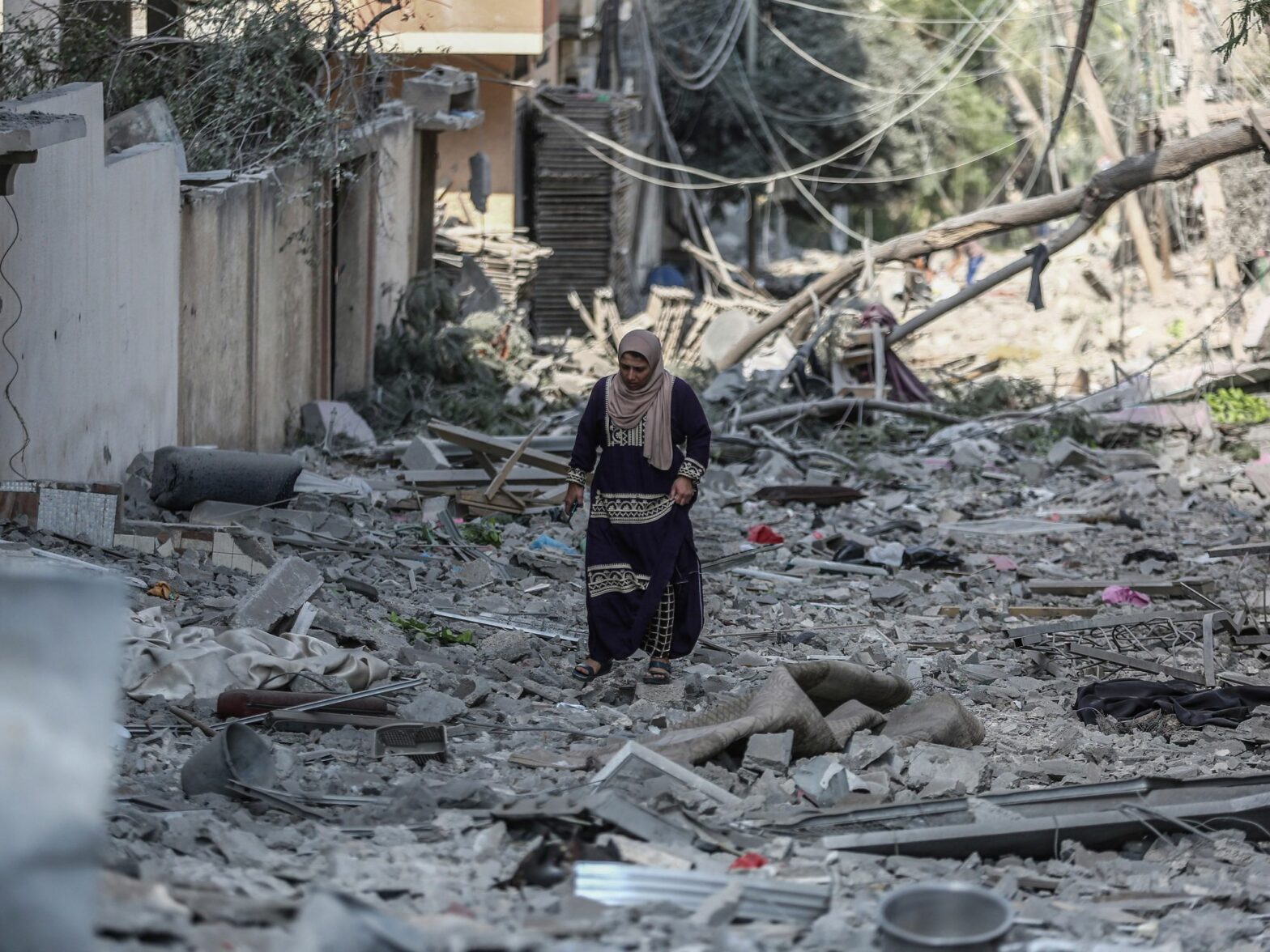
The West has largely been united in clear condemnation of Hamas and support of Israel. For the rest of the international community, even if Hamas has very little backing, most countries have preferred an ambiguous neutrality. It’s part of a deeper shift in geopolitics where the so-called Global South, and elsewhere, no longer tolerate what they see as Western “double standards.”
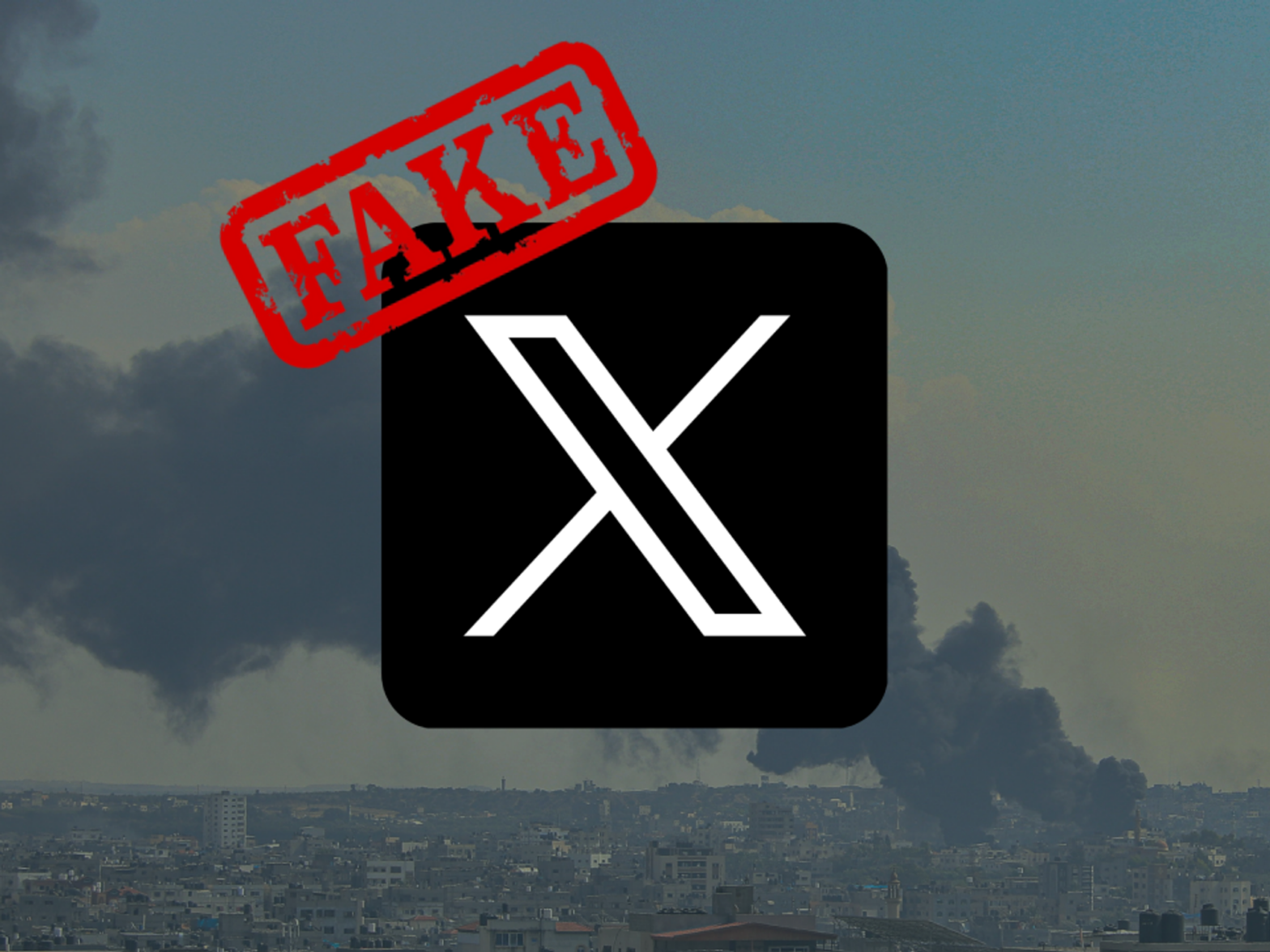
Elon Musk has been criticized before for his management of Twitter, now known as X. But it was not until Saturday that the social network revealed just how inept and dangerous it had become, as fake news spread far and wide. It may never recover.