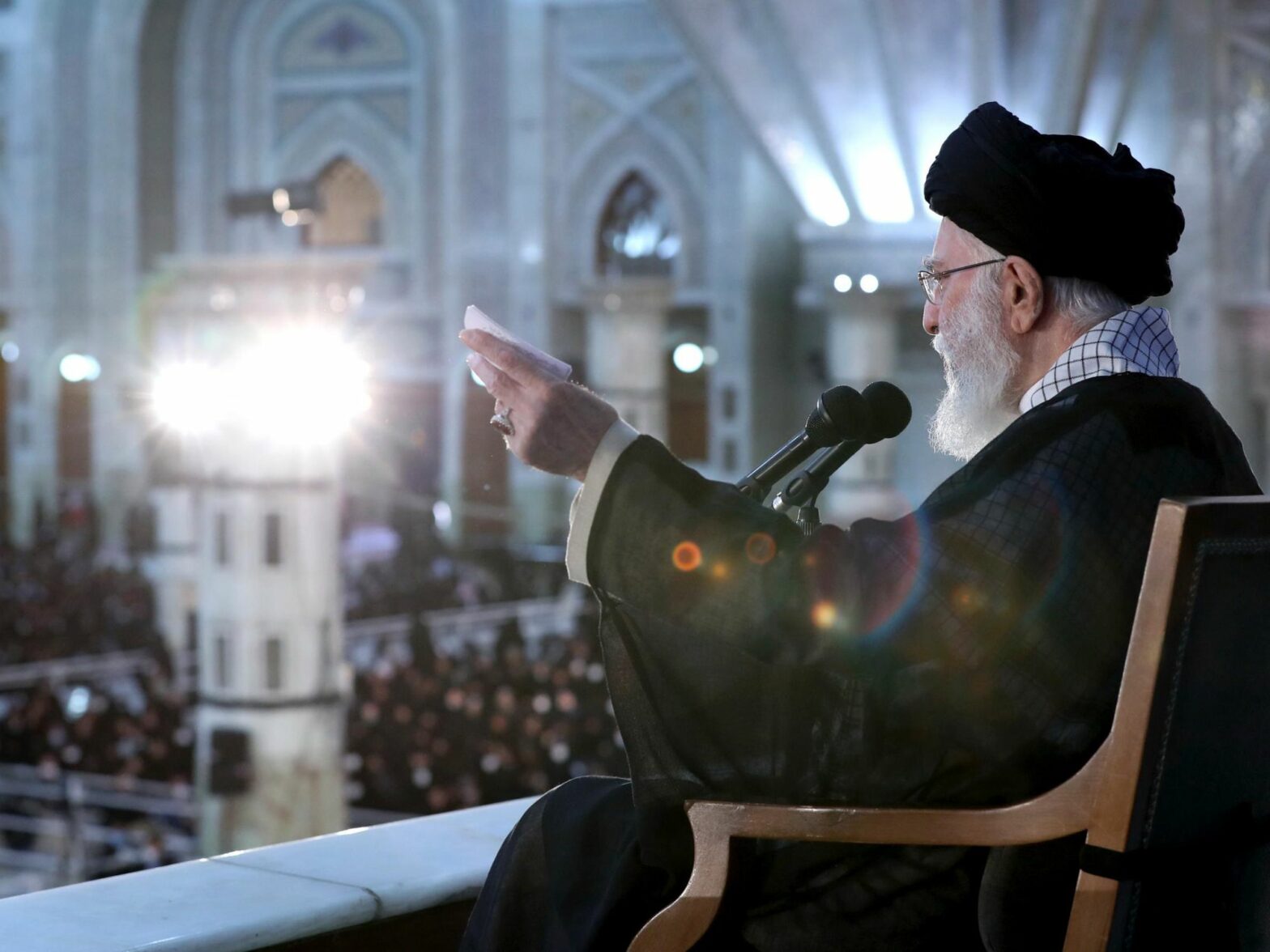
After years of ignoring or downplaying domestic protests in Iran, Western states and media have begun to imagine — and even prepare for — the still slim but growing possibility of a regime change in Tehran.
 Worldcrunch
Stay updated with comprehensive news on Iran from Worldcrunch. Discover insights on Iranian politics, economic strategies, societal issues, and cultural landmarks with translations from top international sources. Highlights include Tehran, Iranian history, and cultural events.
After years of ignoring or downplaying domestic protests in Iran, Western states and media have begun to imagine — and even prepare for — the still slim but growing possibility of a regime change in Tehran.
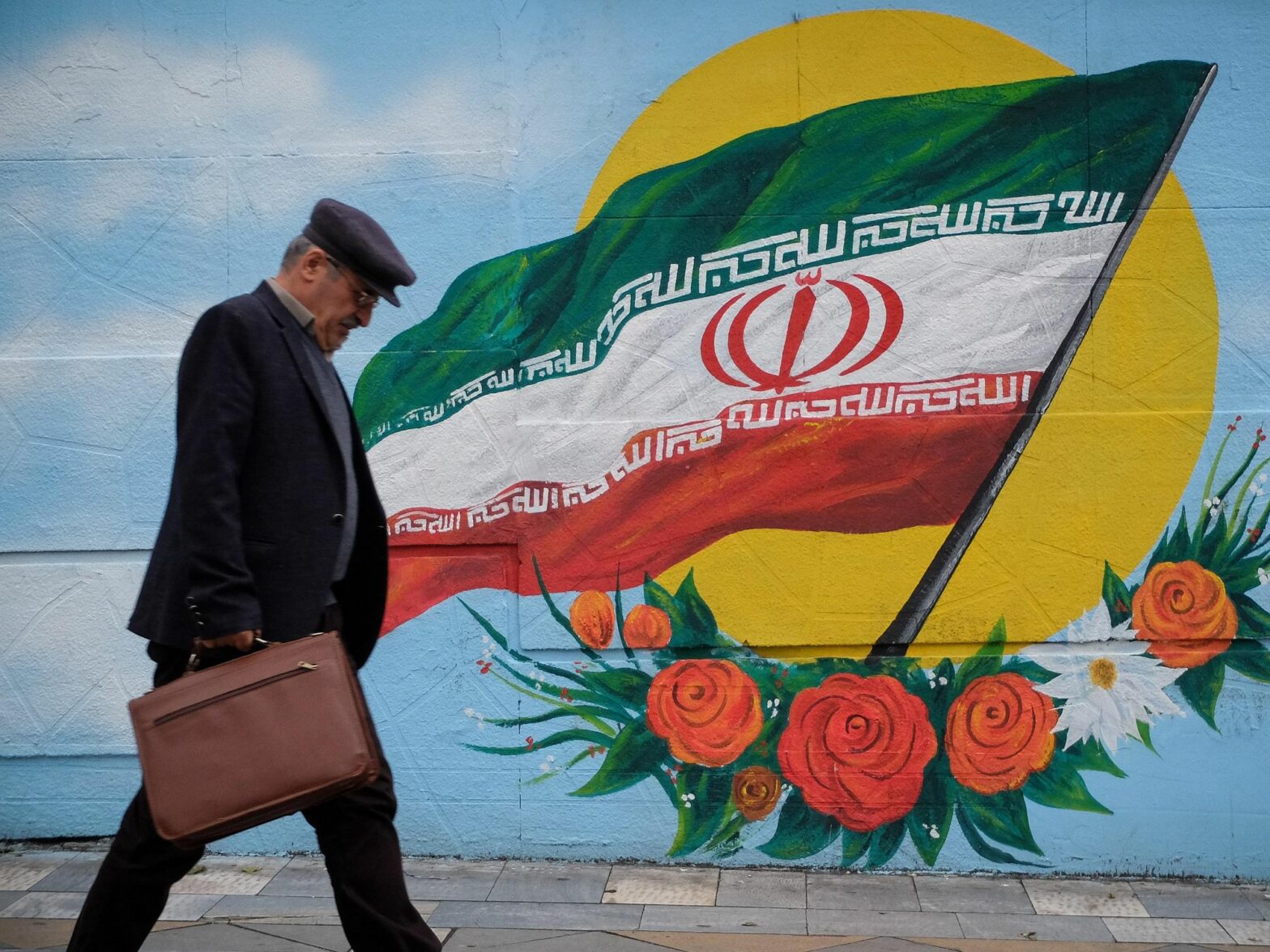
Israel’s vocal support for Iranians protesting the regime will lay the grounds for ties with a future democratic Iran, whenever that may come.
The Persian Gulf has become lucrative fishing territory. Sharks, a threatened species, are being hunted to be used in cooking and medicines. Local fishermen are being arrested, but the operation involves people much higher up the food chain.
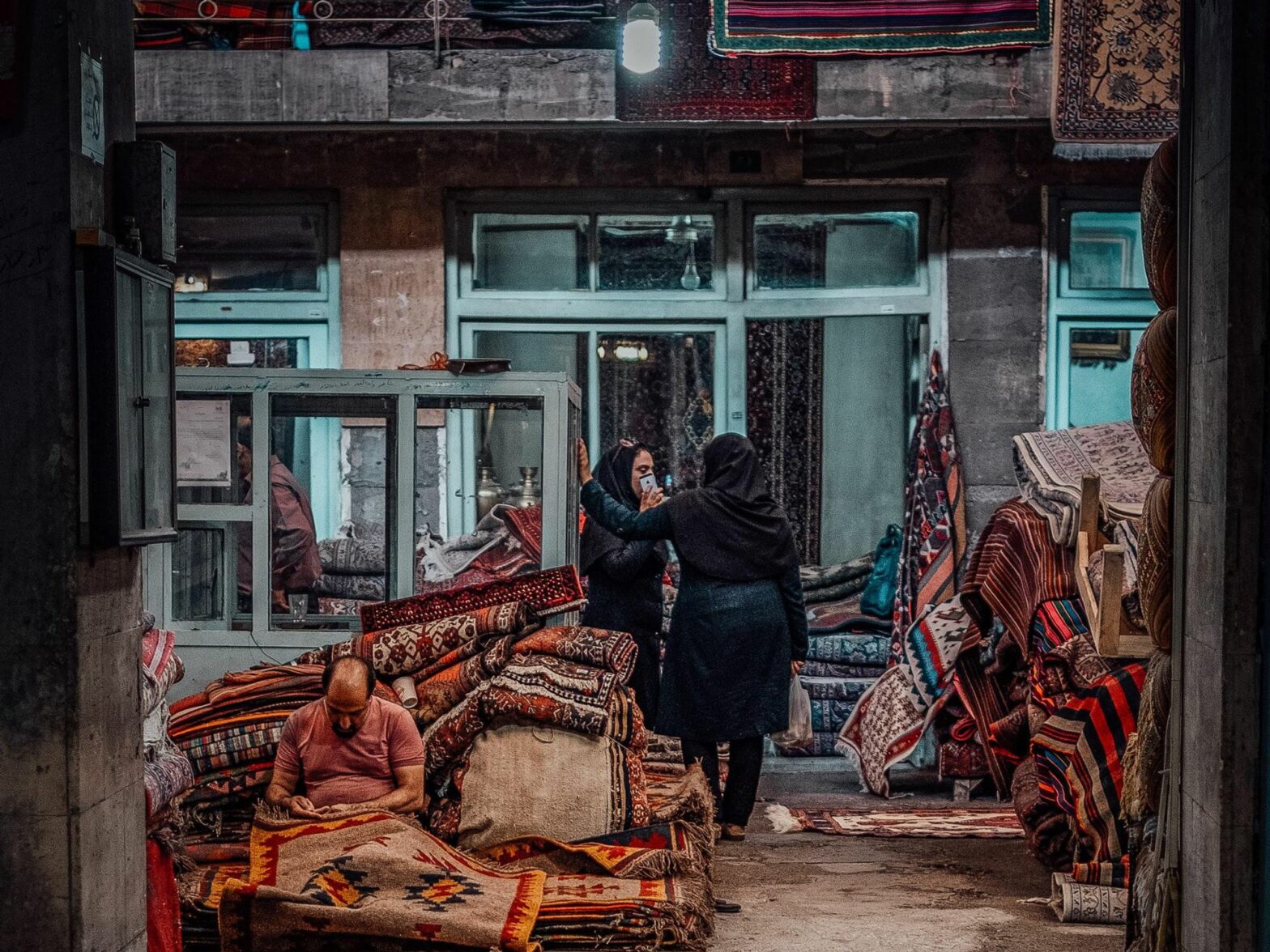
Facing resurgent protests in several provinces, Iran’s clerical regime now relies on two defenses: brute force and Western appeasement. But its days may be numbered as younger Iranians are increasingly emboldened to demand a different future.
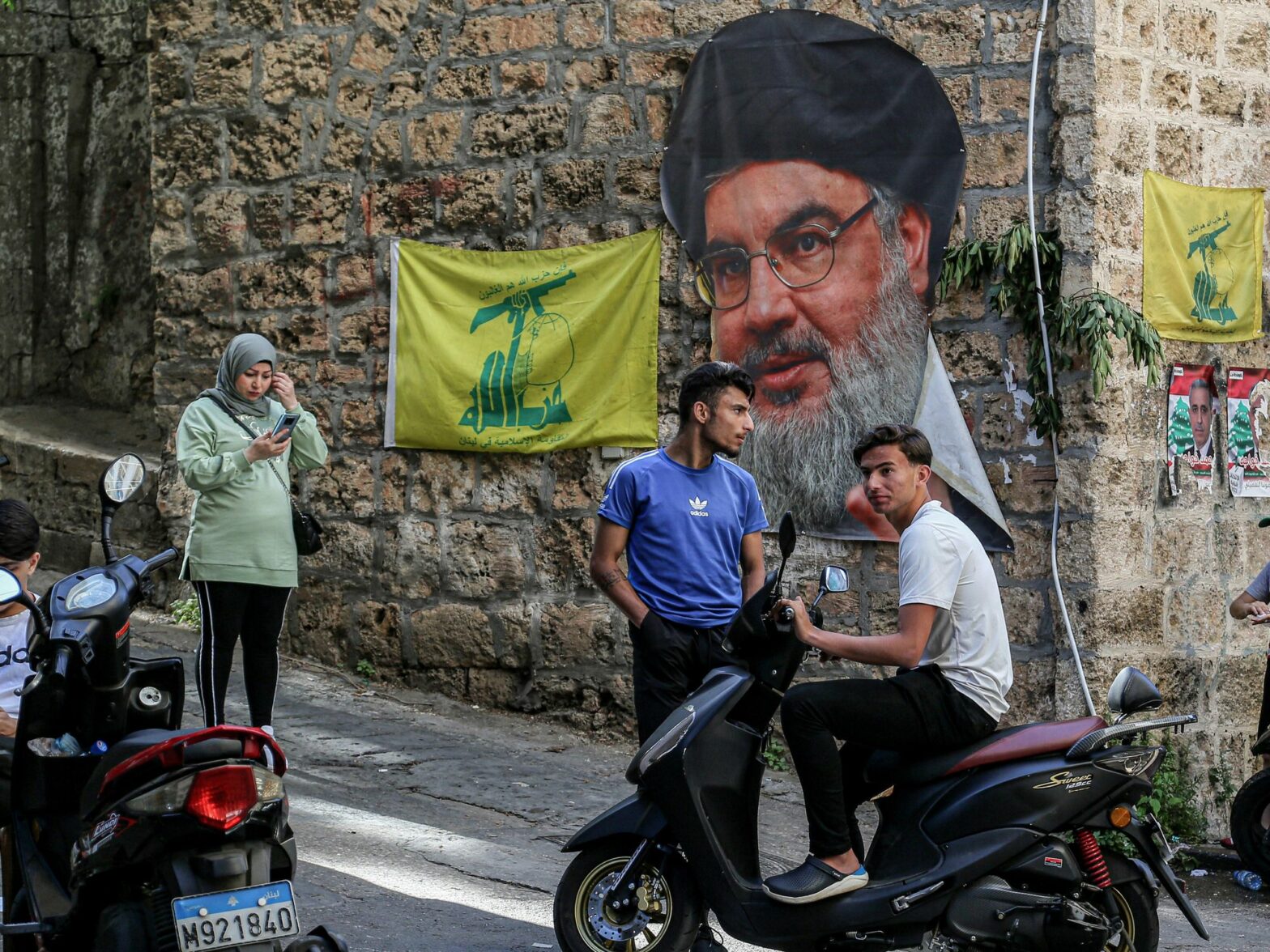
Lebanon’s recent elections have shrunk the legislative block led by national power-brokers Hezbollah. But will a precarious new majority be able to rid the government of the long shadow of Tehran?
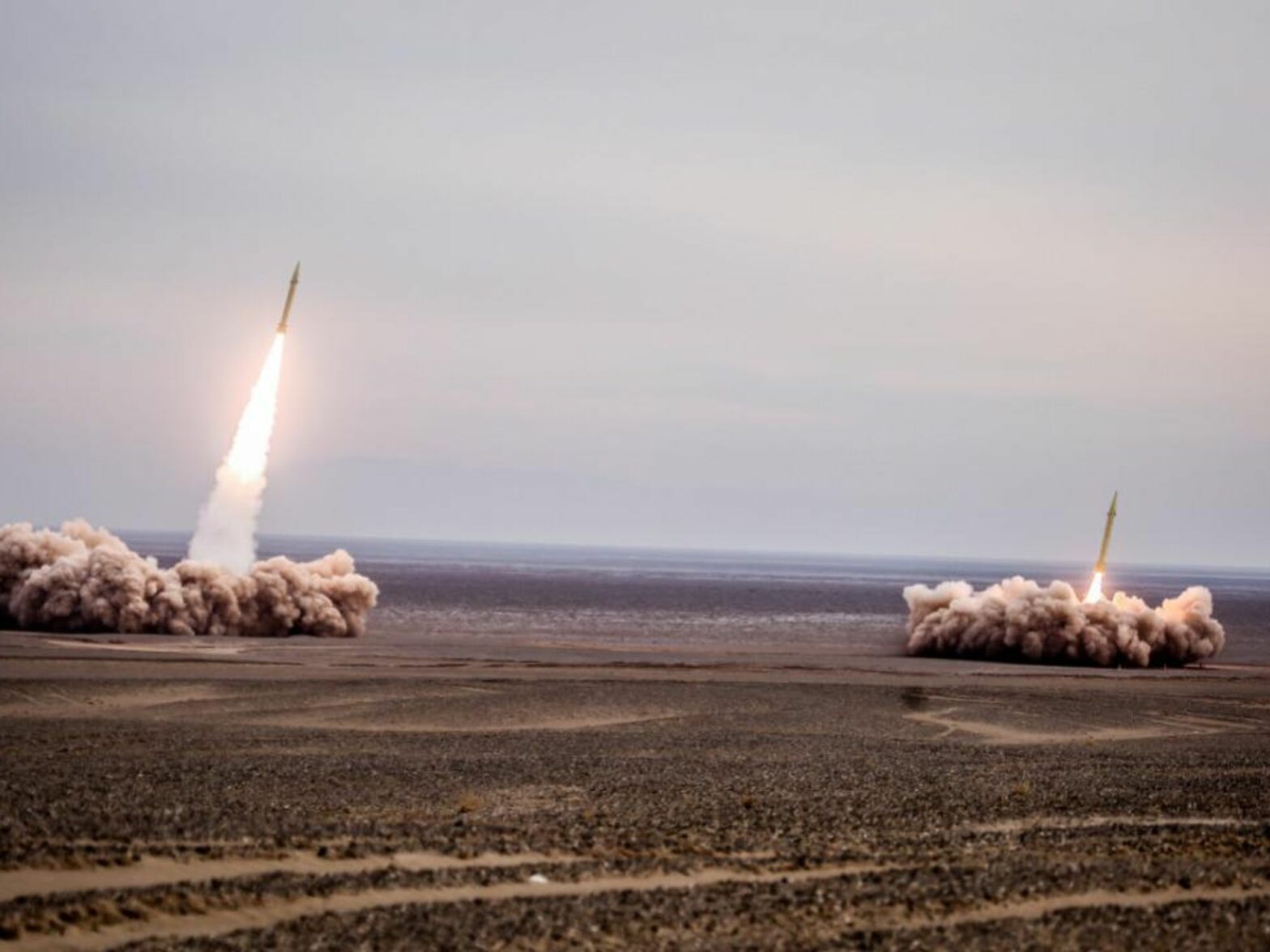
A new round of comments from inside Iran’s leadership ranks reaffirms its intention to produce a nuclear bomb, a decades-long cat and mouse game between the regime and an ever cautious West that hasn’t seemed to change even as the Russia-Ukraine war brings in a new world order.
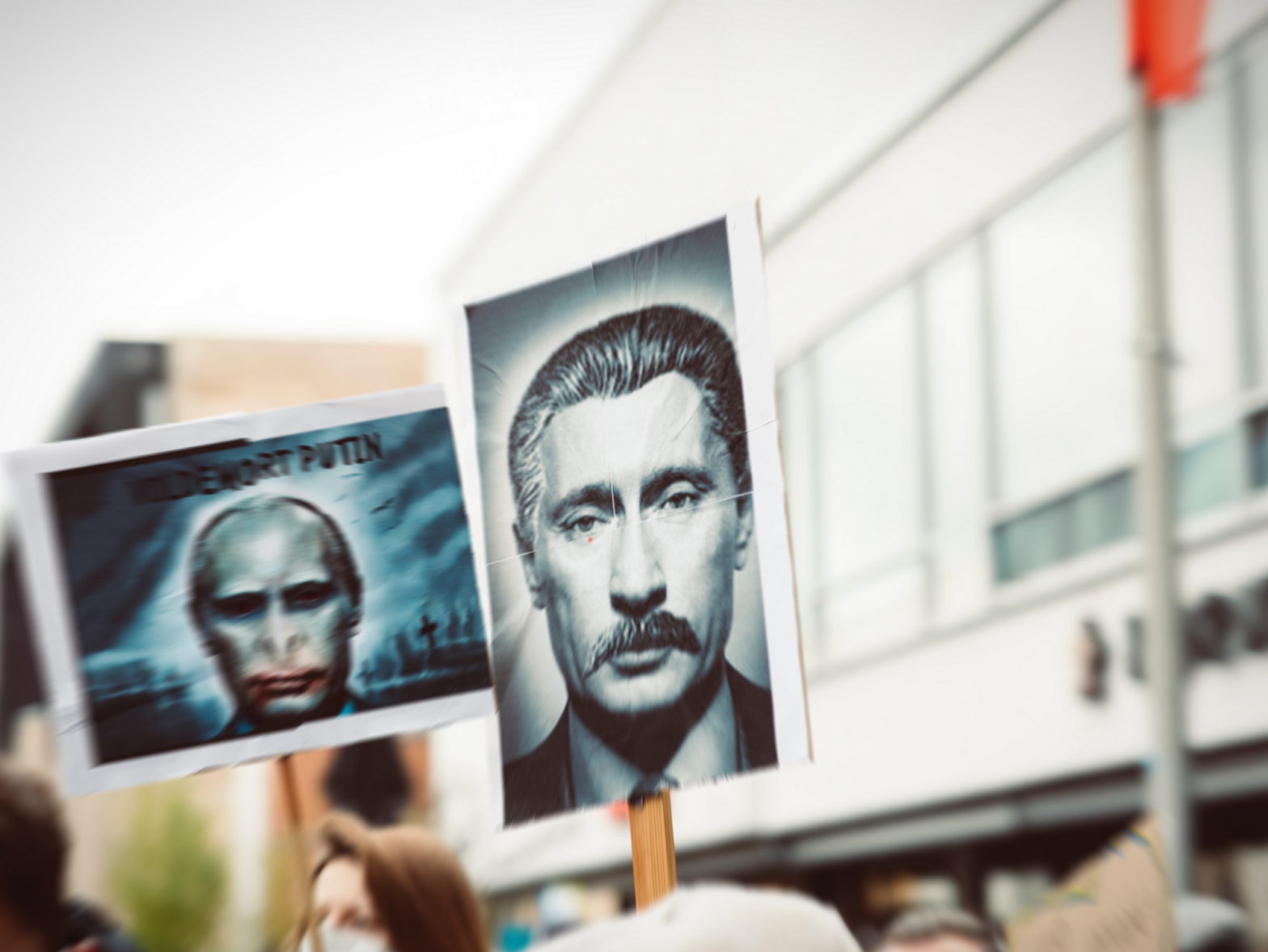
The war in Ukraine has set off the dynamics of a new Cold War: a standoff between democracy and authoritarianism, whatever the ideological stripe. Faraway parts of the world will be affected by what happens on the ground in Ukraine.
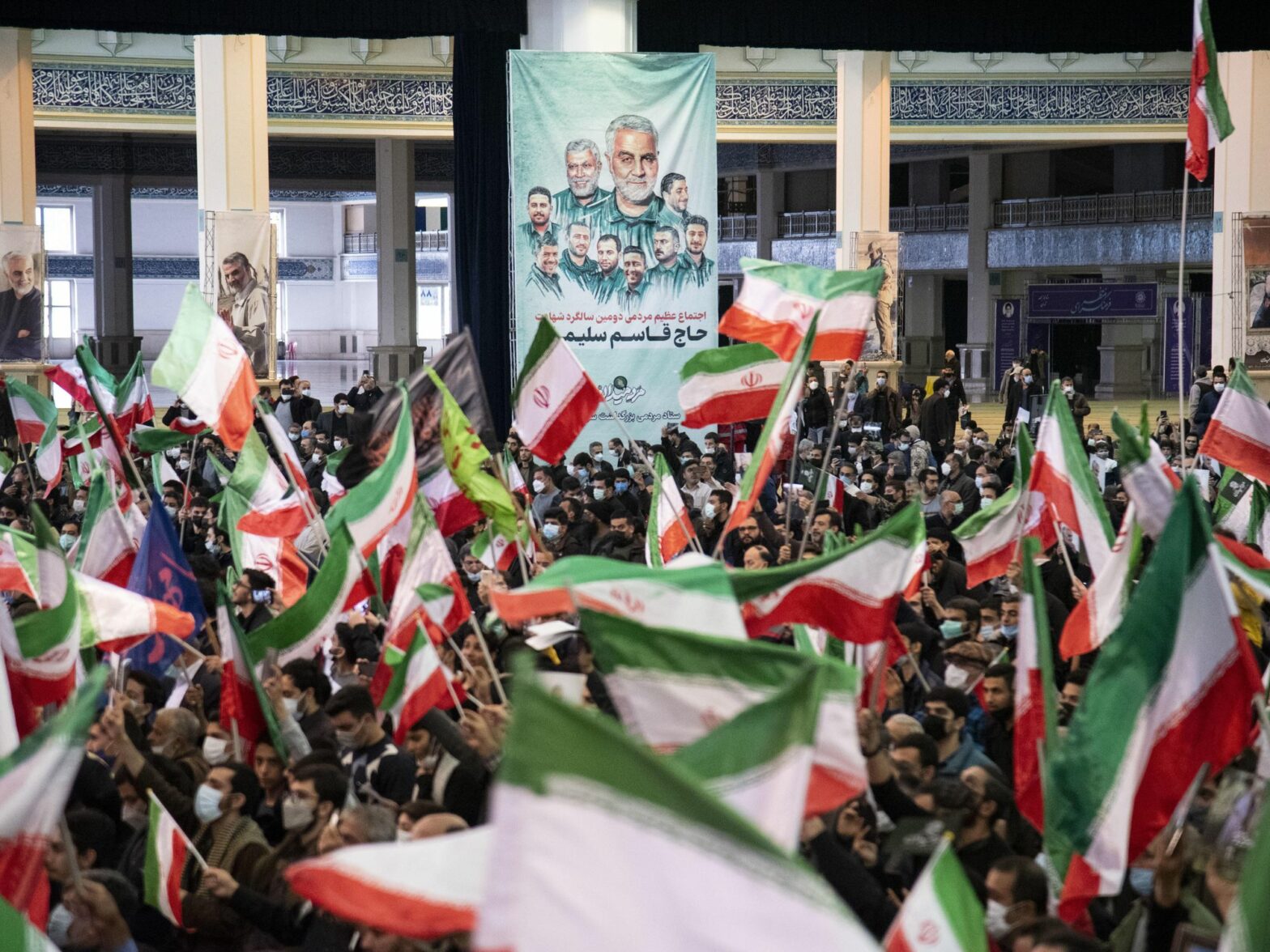
Is there calculated diplomacy or just confusion behind the Biden administration’s ambivalent positions on what can only be defined as ‘terrorism’ of the Iranian Revolutionary Guards?
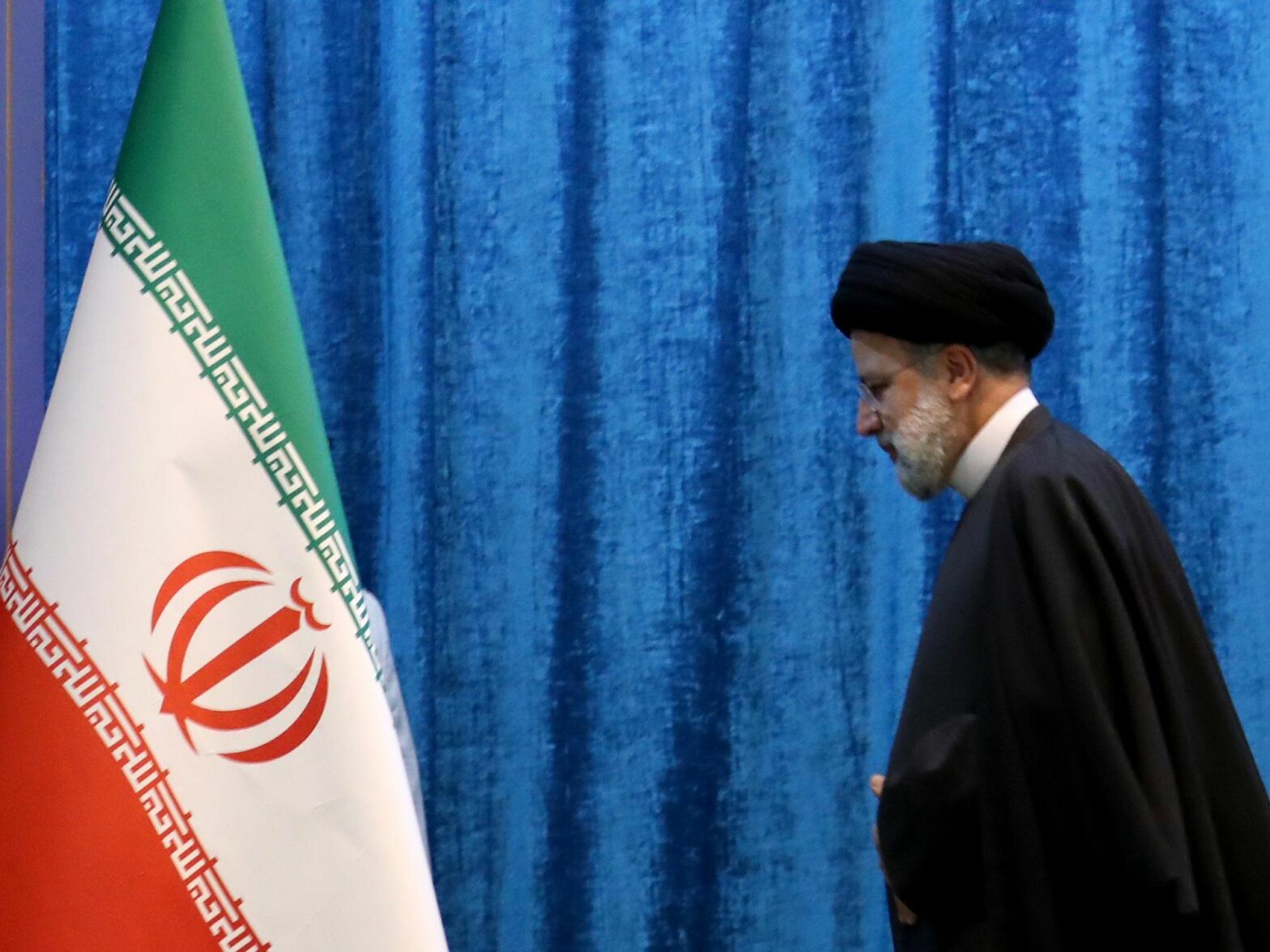
After a break in late March, small protests have broken out all over Iran over wages and pensions. A higher cost of living caused by the war in Ukraine may be the final straw for exasperated Iranians.
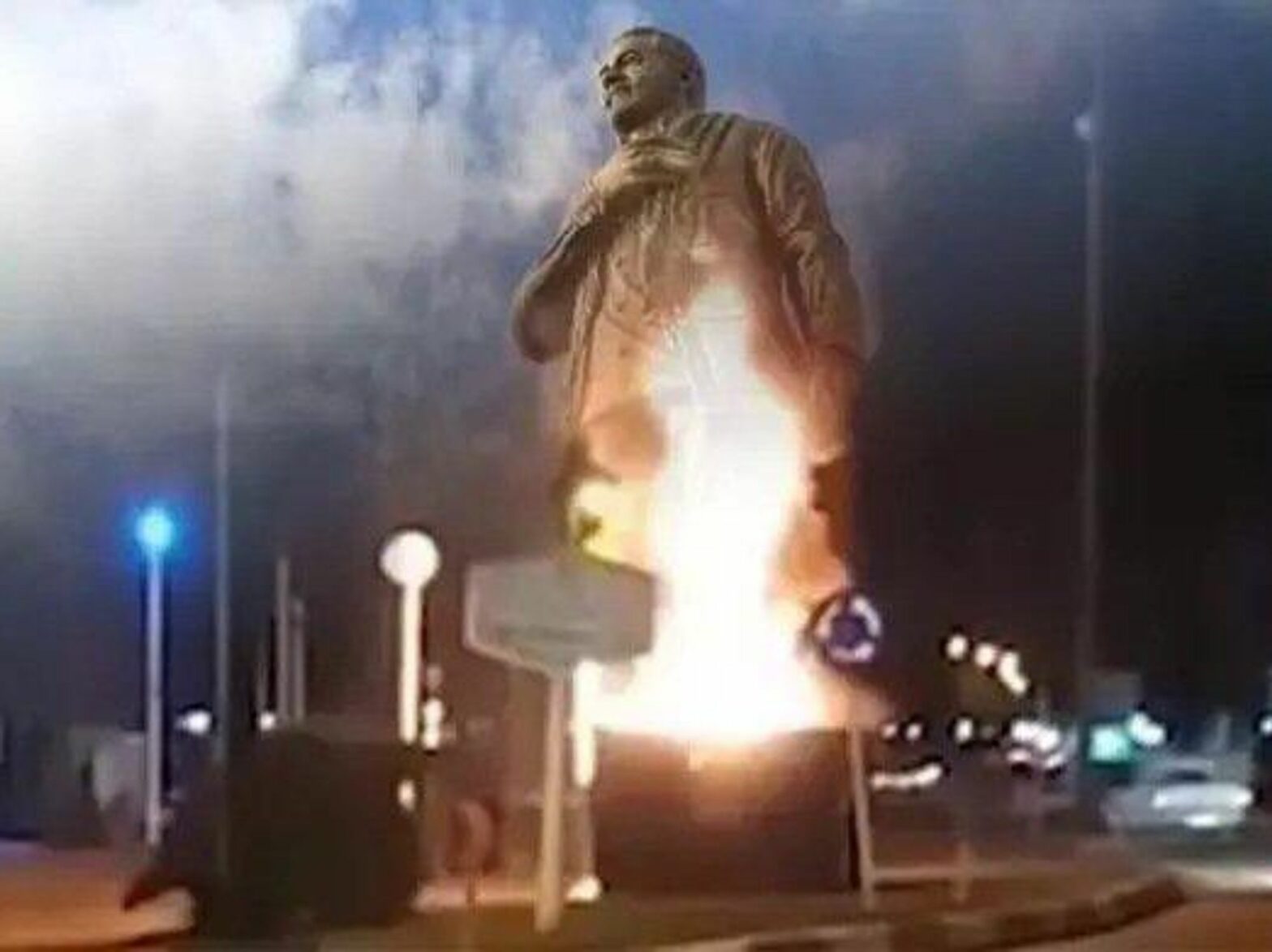
With increasing frequency, Iranians are destroying or defacing the monuments of revolutionary and clerical leaders that they have come to loathe as symbols of oppression. It is a dangerous act of protest against the regime, which has called the vandalism “vile.”
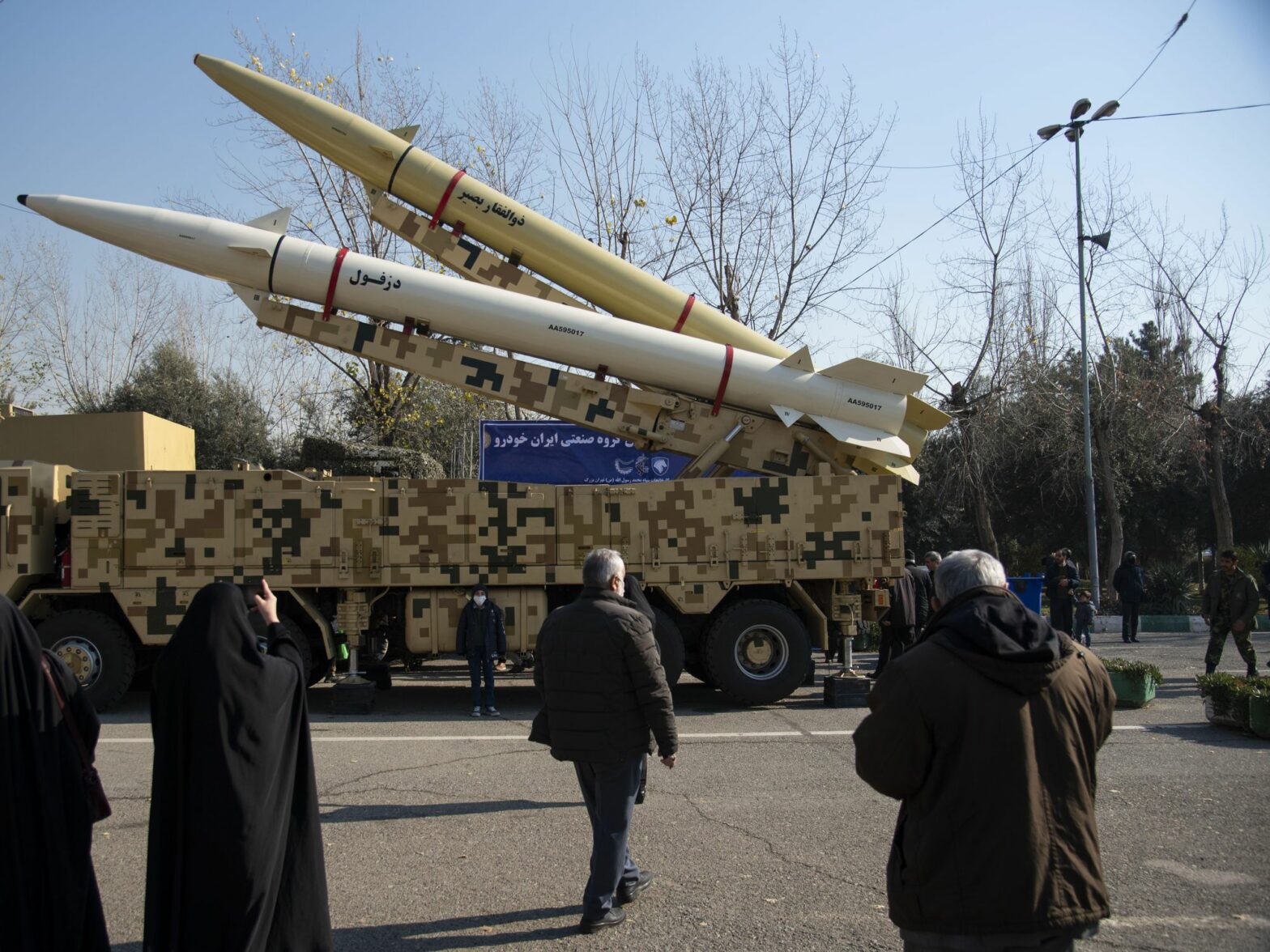
A dispute between Iran’s foreign minister and a leading regime hardliner over whether to insist on removing the paramilitary from the “terrorist” list indicates divisions in the Islamic Republic over what kind of nuclear deal it wants with the West.
While cheering the Russian attack on Ukraine, Iranian state media have also drawn the “lesson” from this war that a state can only be strong if it has a nuclear arsenal.
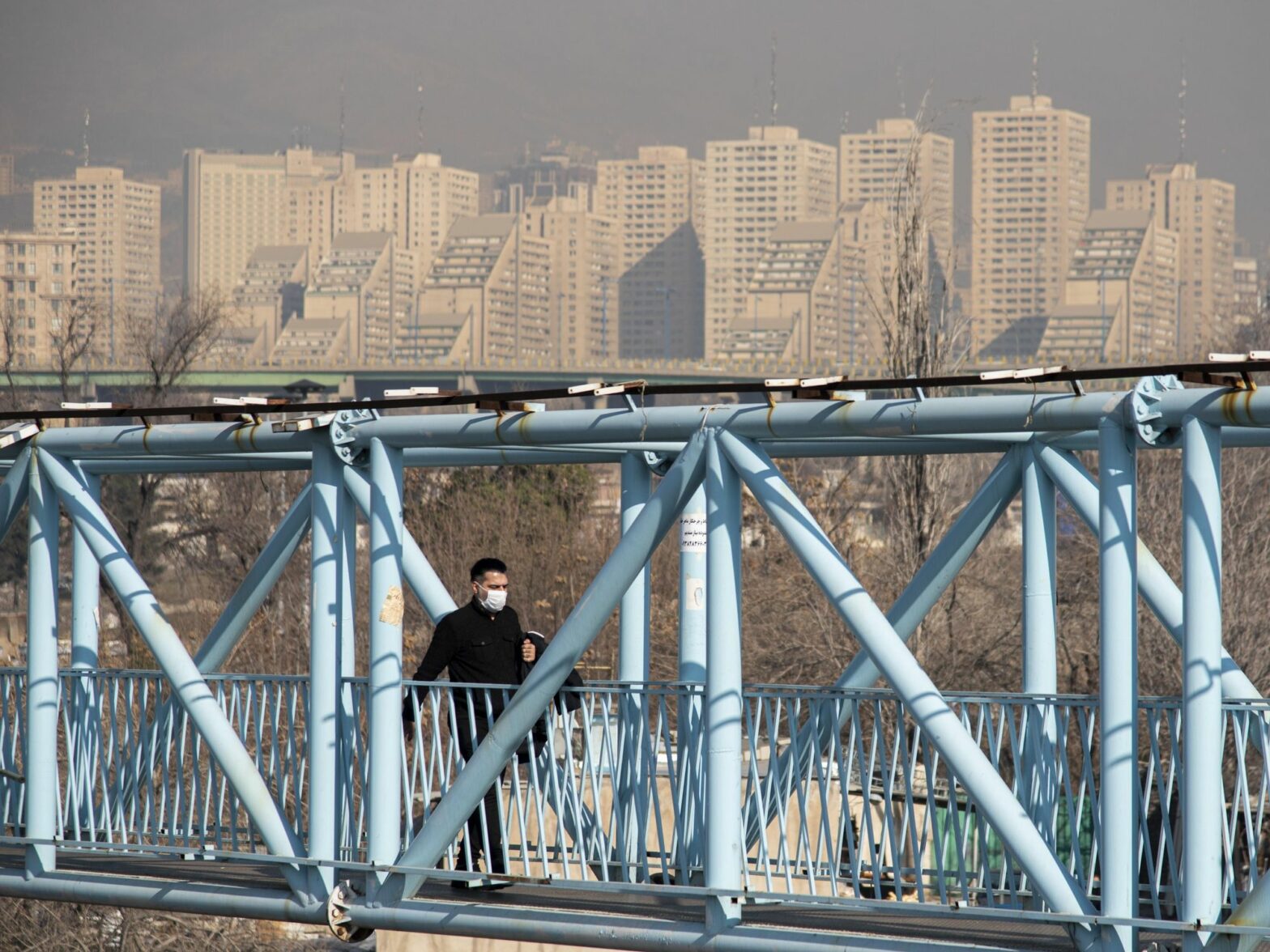
Iranians only have online speculation to guess how much the country’s clerical regime has conceded to China as part of the New Silk Road initiative. There are now reports of 5,000 Chinese security agents being deployed in Iran to “protect” Chinese personnel working in the oil sector.

Faced with a $32 billion drop in their wealth this year, Russian oligarchs are looking for assets to allow them to overcome sanctions that will increase with the invasion of Ukraine. Familiar with crises, they see bitcoin and other cryptocurrencies as an escape from the hegemony of the dollar, and a way to diversify their holdings.
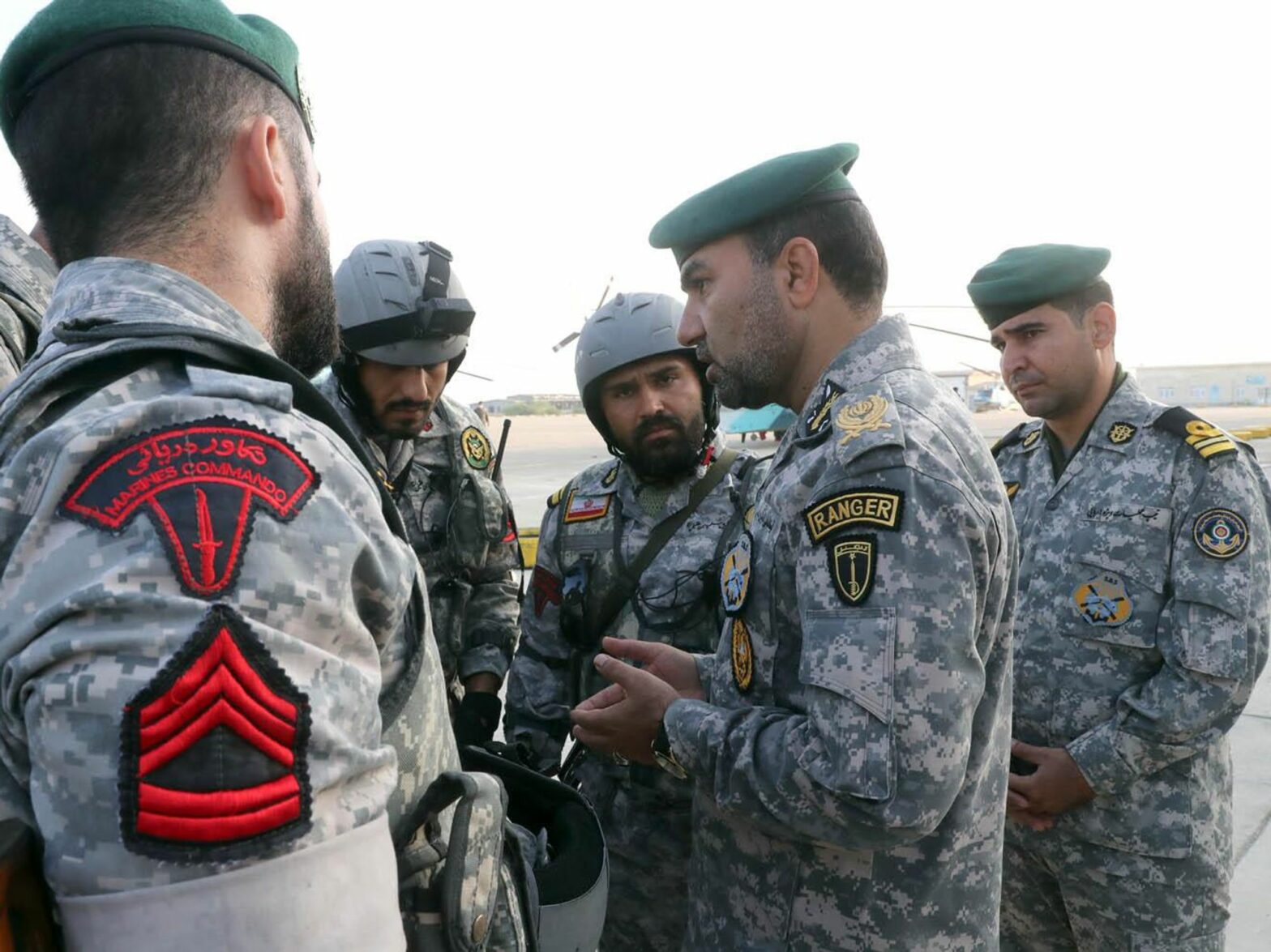
Iran’s clerical regime is handing over vital economic sectors to its “allies,” Russia and China. But future generations may end up paying the real price for the country’s “Look to the East” philosophy.
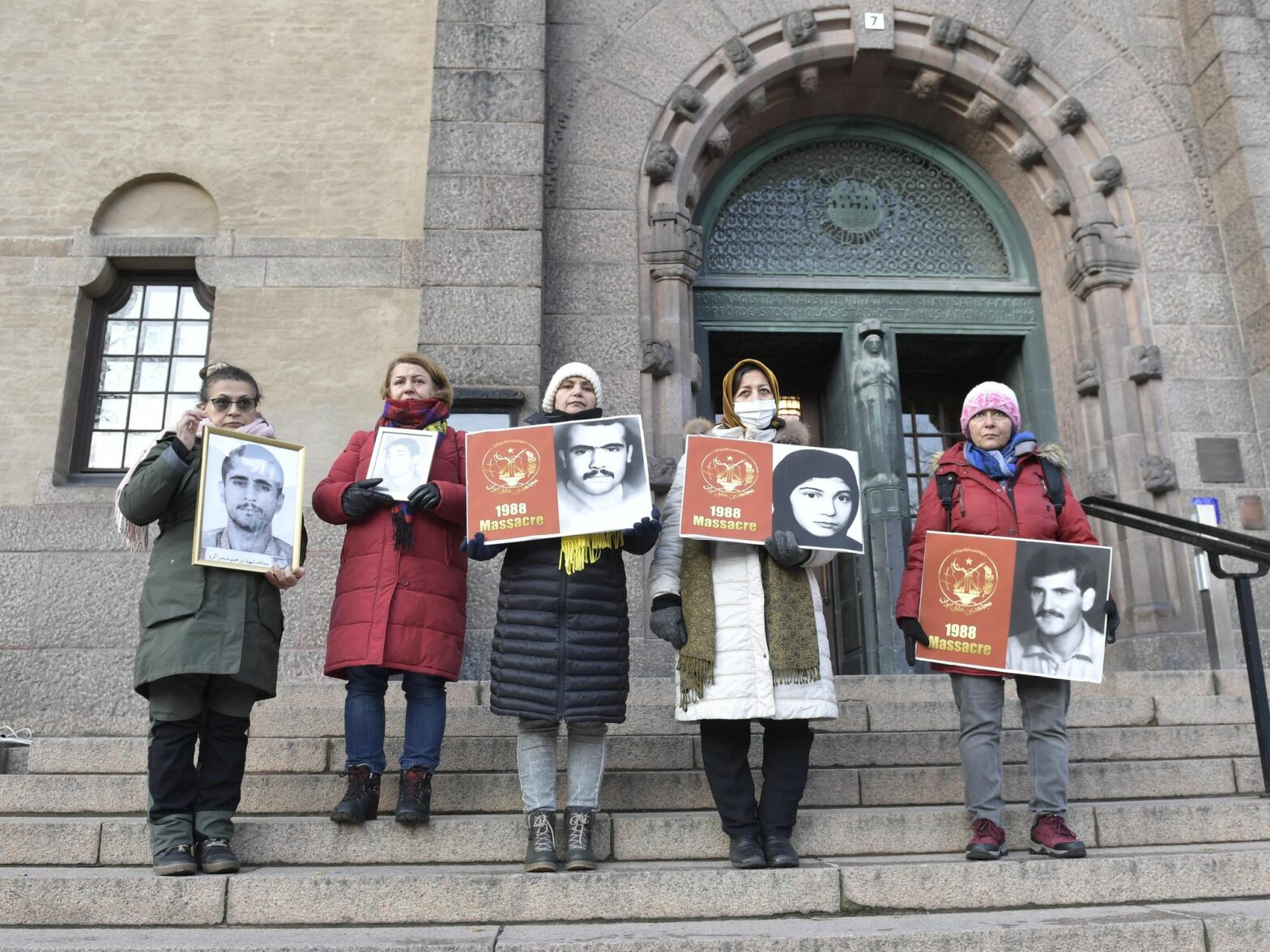
A former Iranian official being tried in Sweden on charges of complicity in murders of hundreds of prisoners outside Tehran in 1988, typifies the violent nature of the Islamic leaders who took over Iranian institutions 40 years ago.
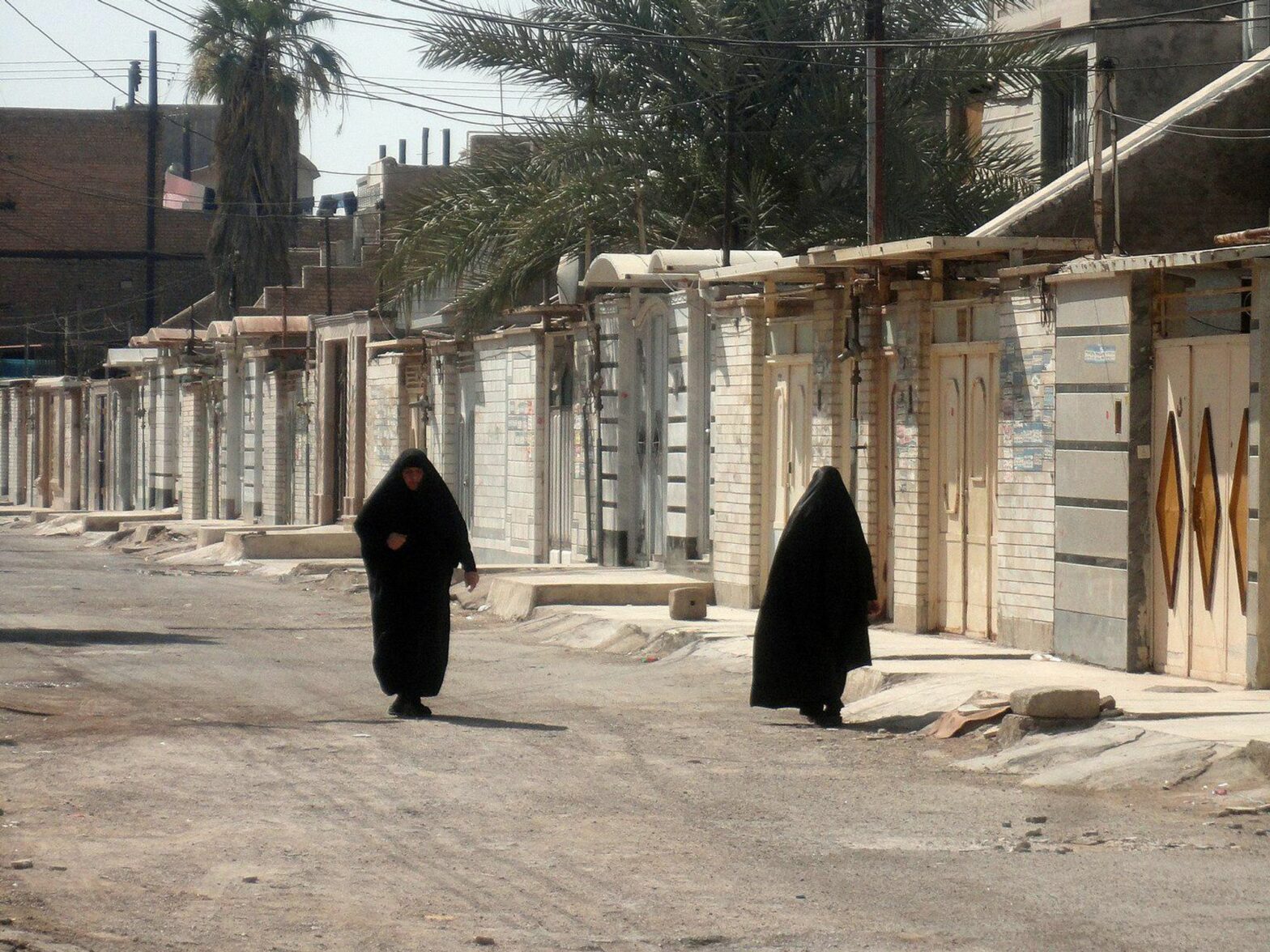
The beheading of a 17-year-old in southern Iran by her husband, who then paraded her head through the streets and on social media, has prompted Iranians to accuse the clerical regime of encouraging such acts through systematic misogyny.
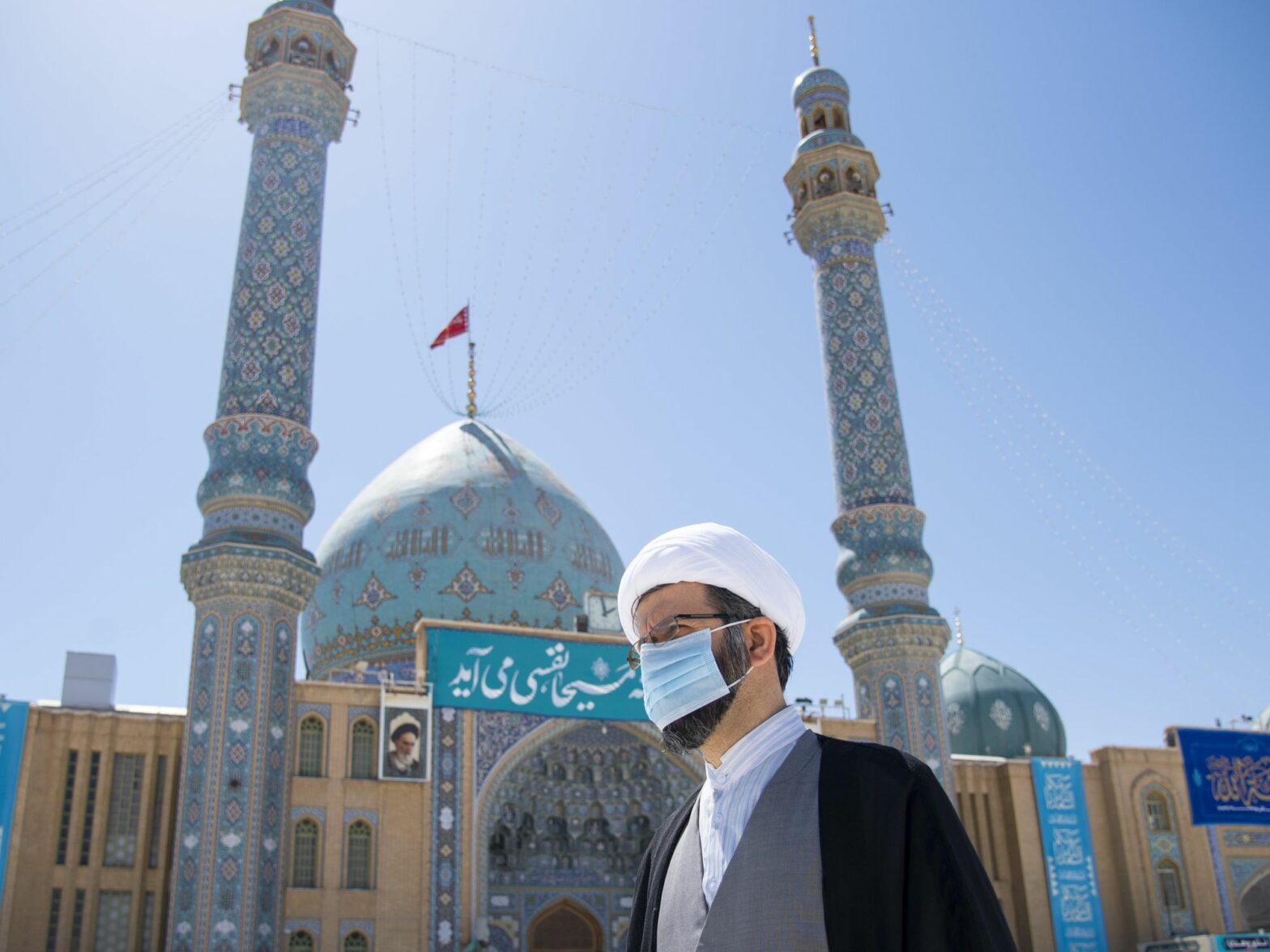
An increase in public protests has sounded the alarm bell for Iranian officials and clerics. But public discontent runs much deeper than discontent over wages and water. There are also signs of nostalgia for the monarchy that ruled the country before the 1979 revolution.
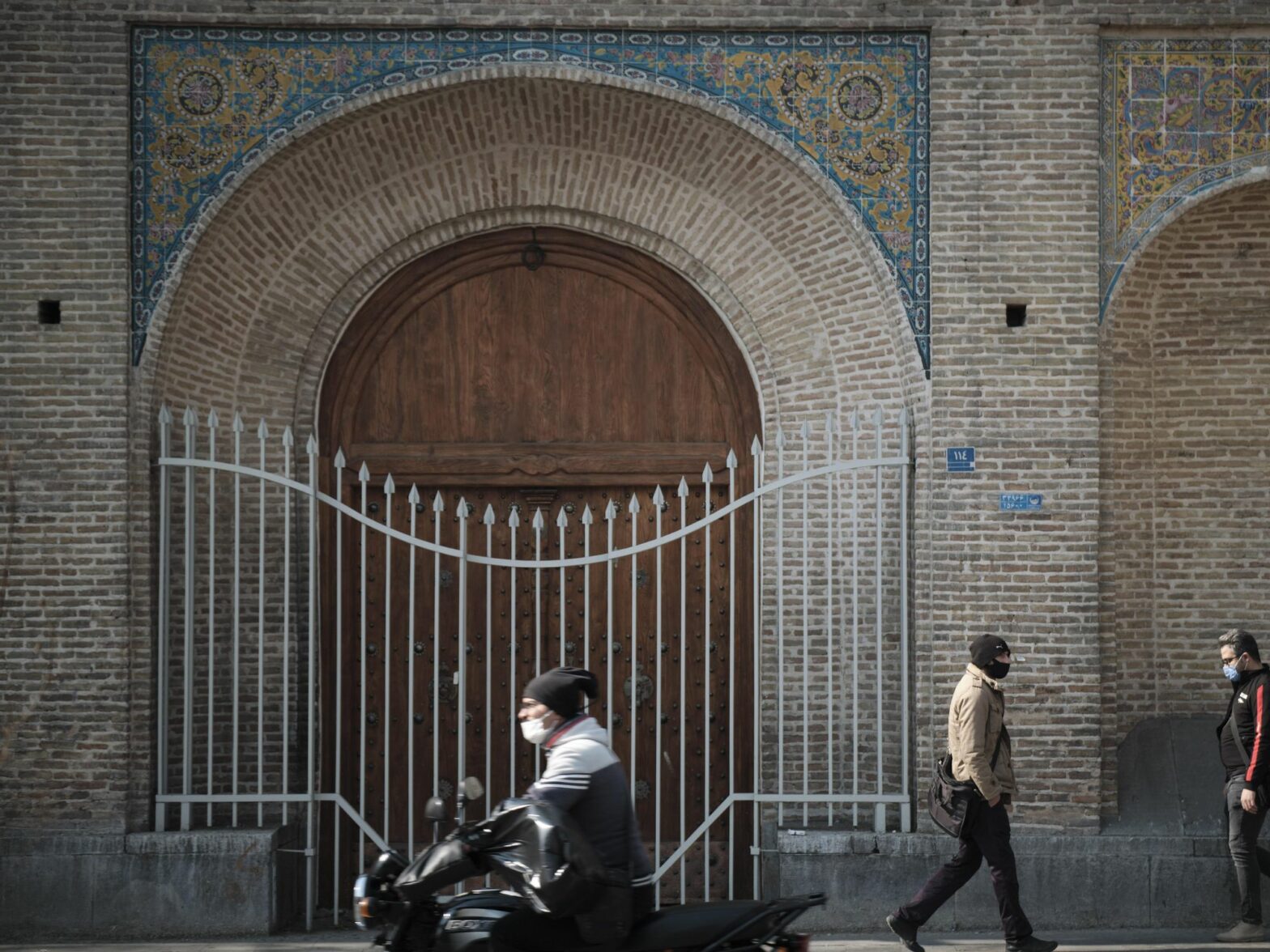
The desperation to leave Islamic Iran has spread from writers, dissidents and minority groups to hundreds of thousands of Iranians willing to live and work “anywhere that isn’t Iran.”
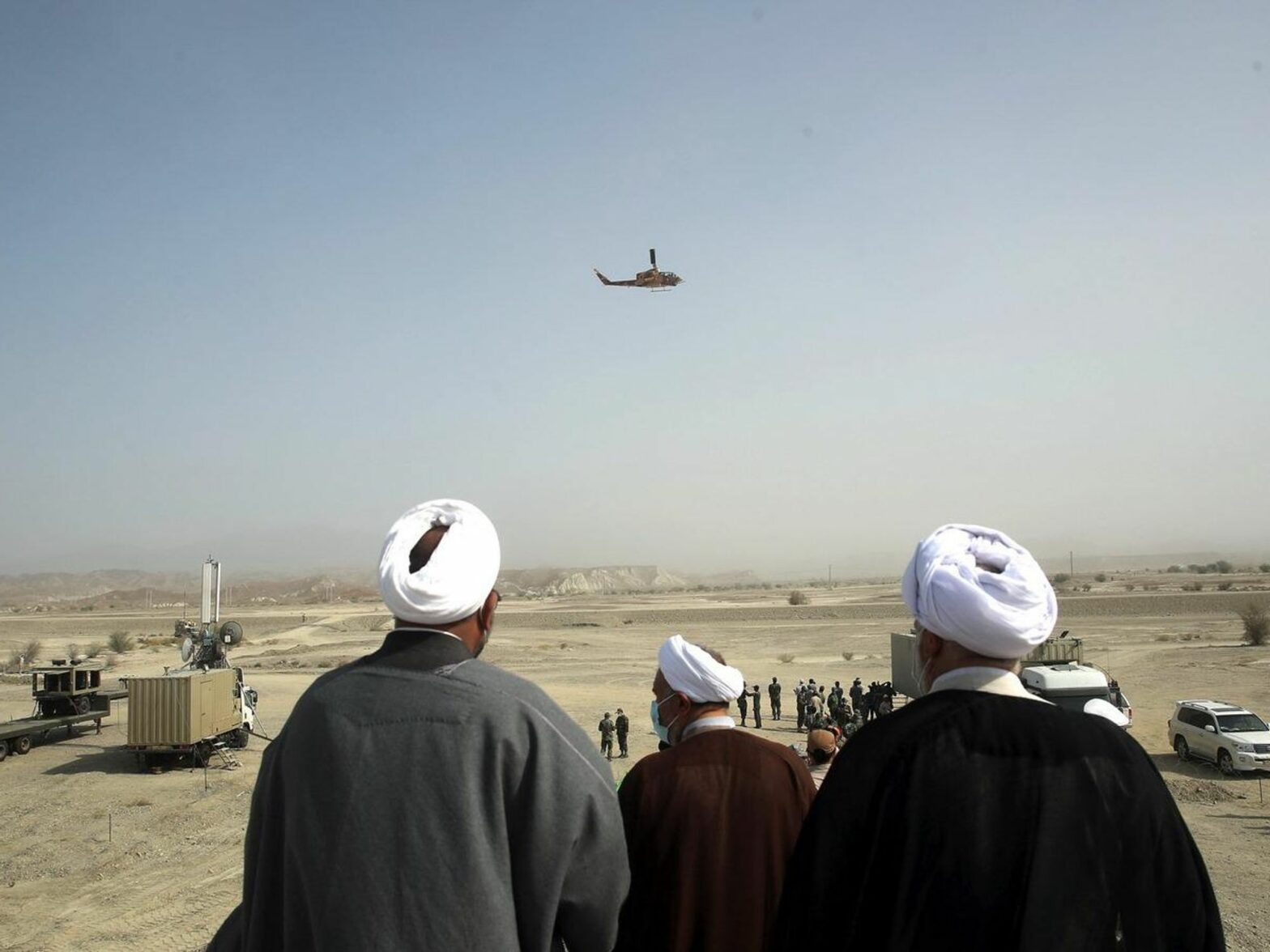
Russia’s role in in Iranian affairs goes to the highest levels of its military and security structures. But will anyone in Iran dare question Supreme Leader Ali Khamenei, in spite of the grave risks to the country’s national security?
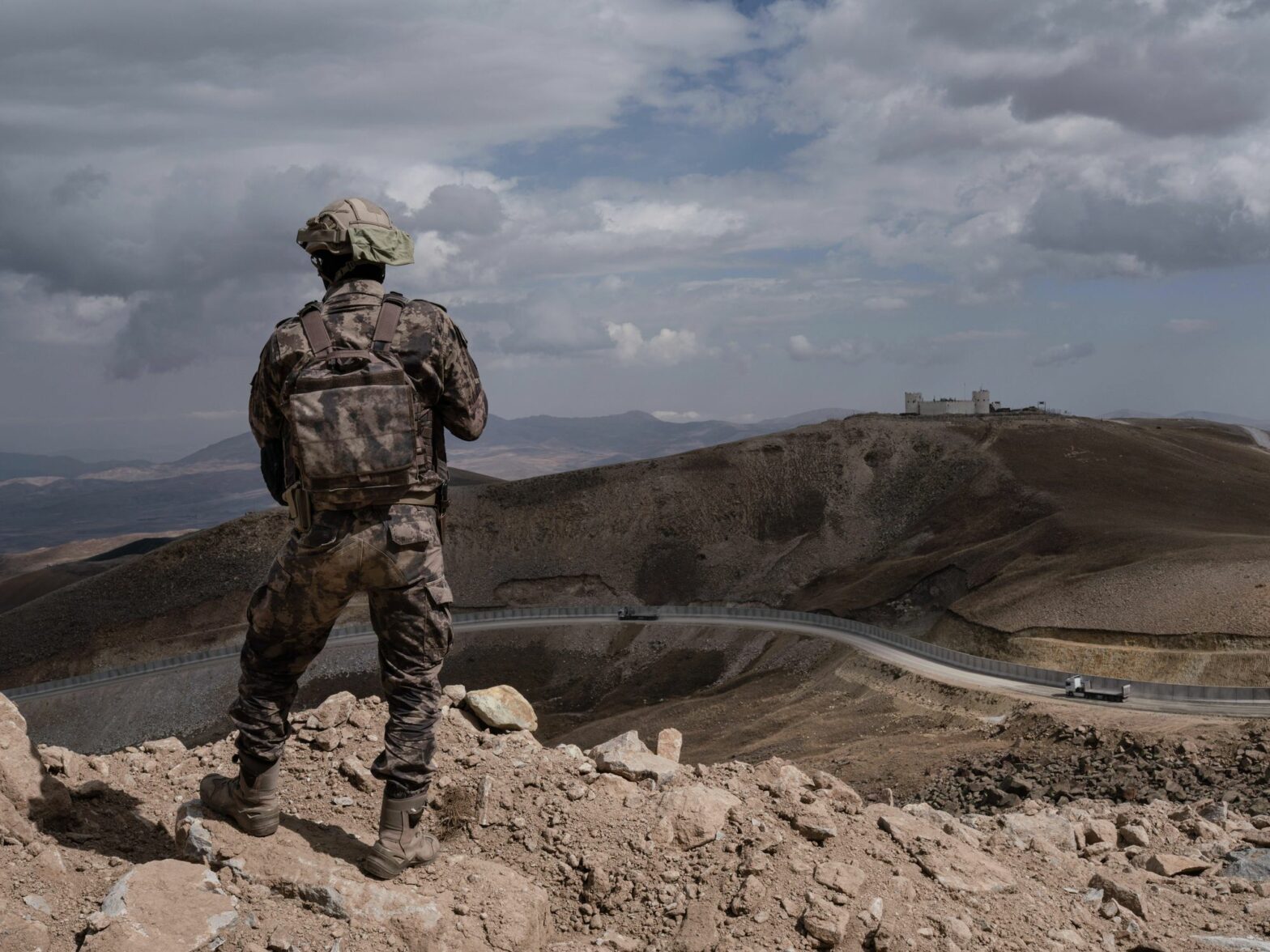
Iran’s clerical regime is able to sabotage asylum applications, prompt deportations and, failing that, beat and murder Iranian political refugees in Turkey.
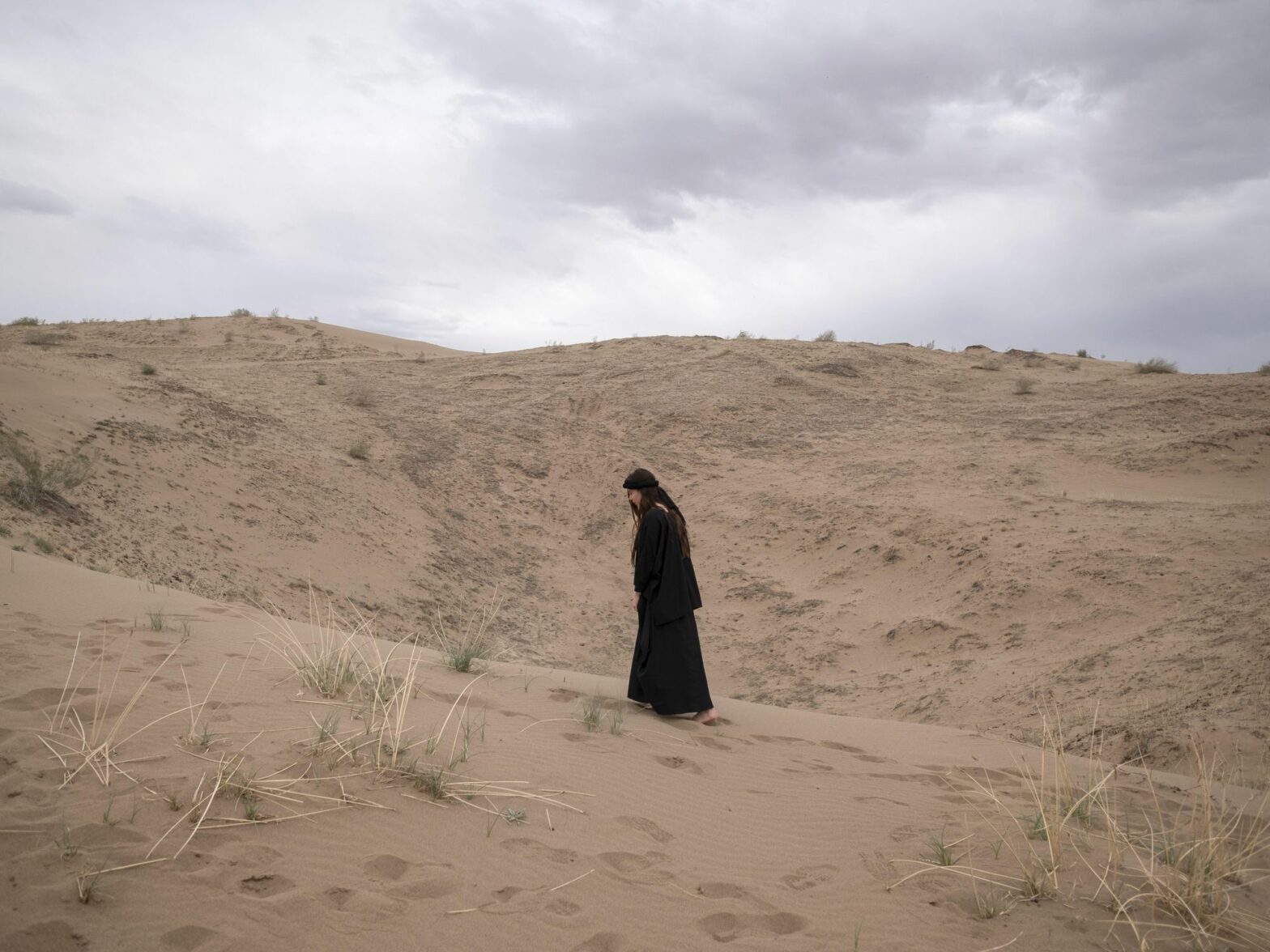
The Iranian government is responding to peaceful protests with batons and bullets. Their brutality and criminal incompetence are galvanizing protestor solidarity and resistance, which might finally prove fatal to the ruling elite.
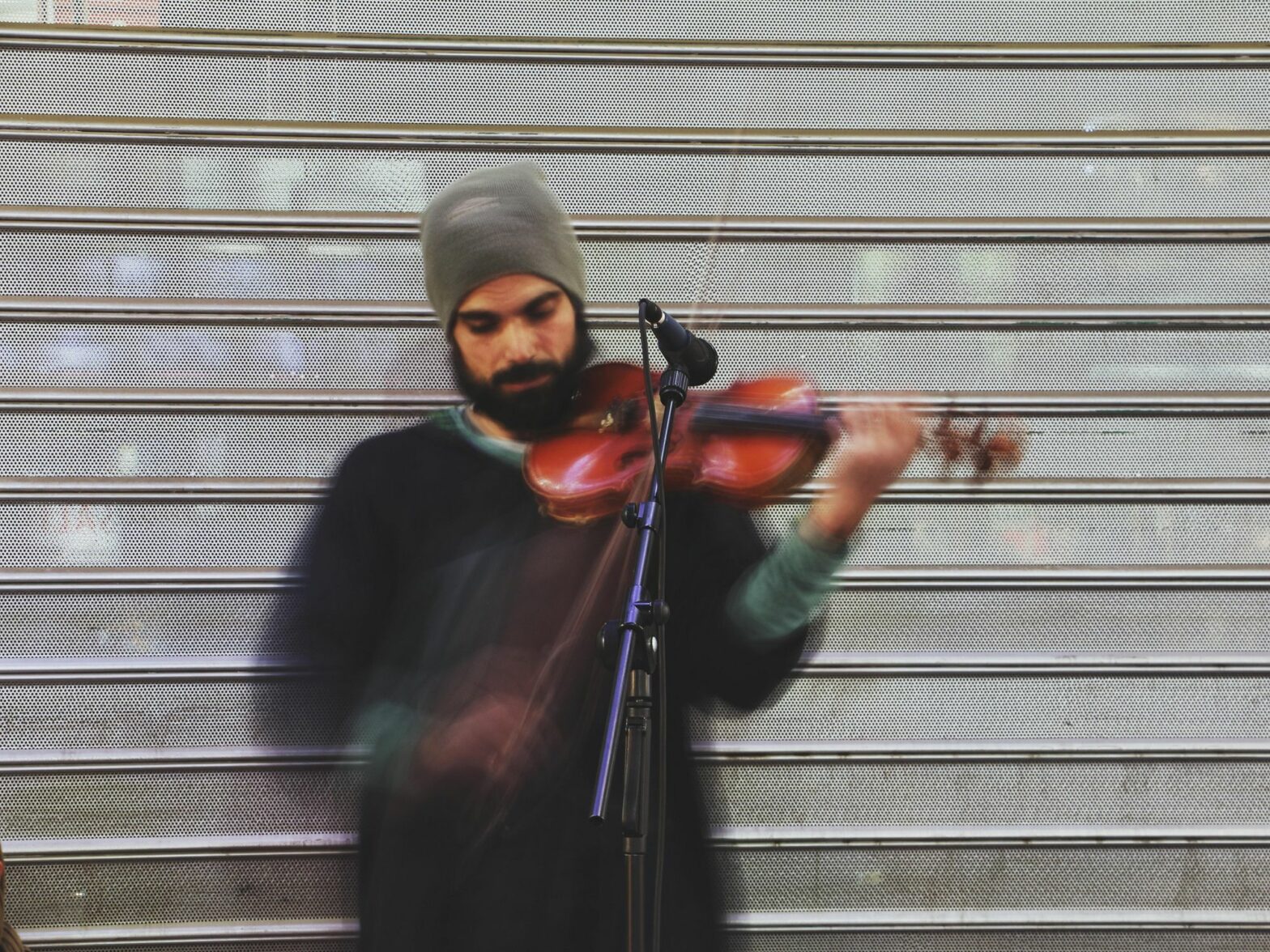
Tehran authorities have drafted a list of “luxury” imports it will block, citing both financial and religious motivations.
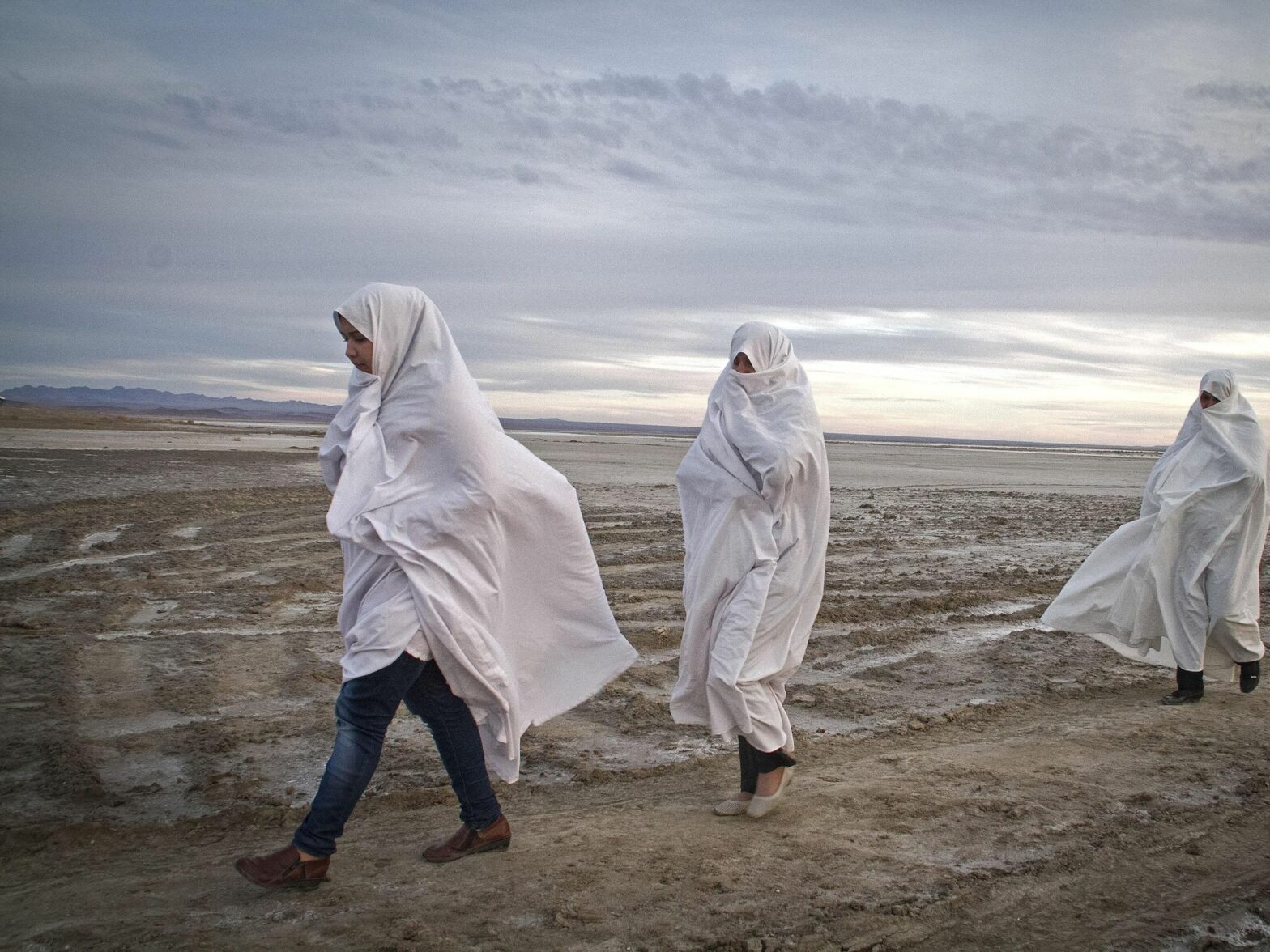
The growing environmental movement in the West, wittingly or not, has given no attention to mass protests in Iran against the clerical regime, most recently focused on the drought conditions and other ecological risks. Had ecologists been hoping to sign a green pact with Tehran?
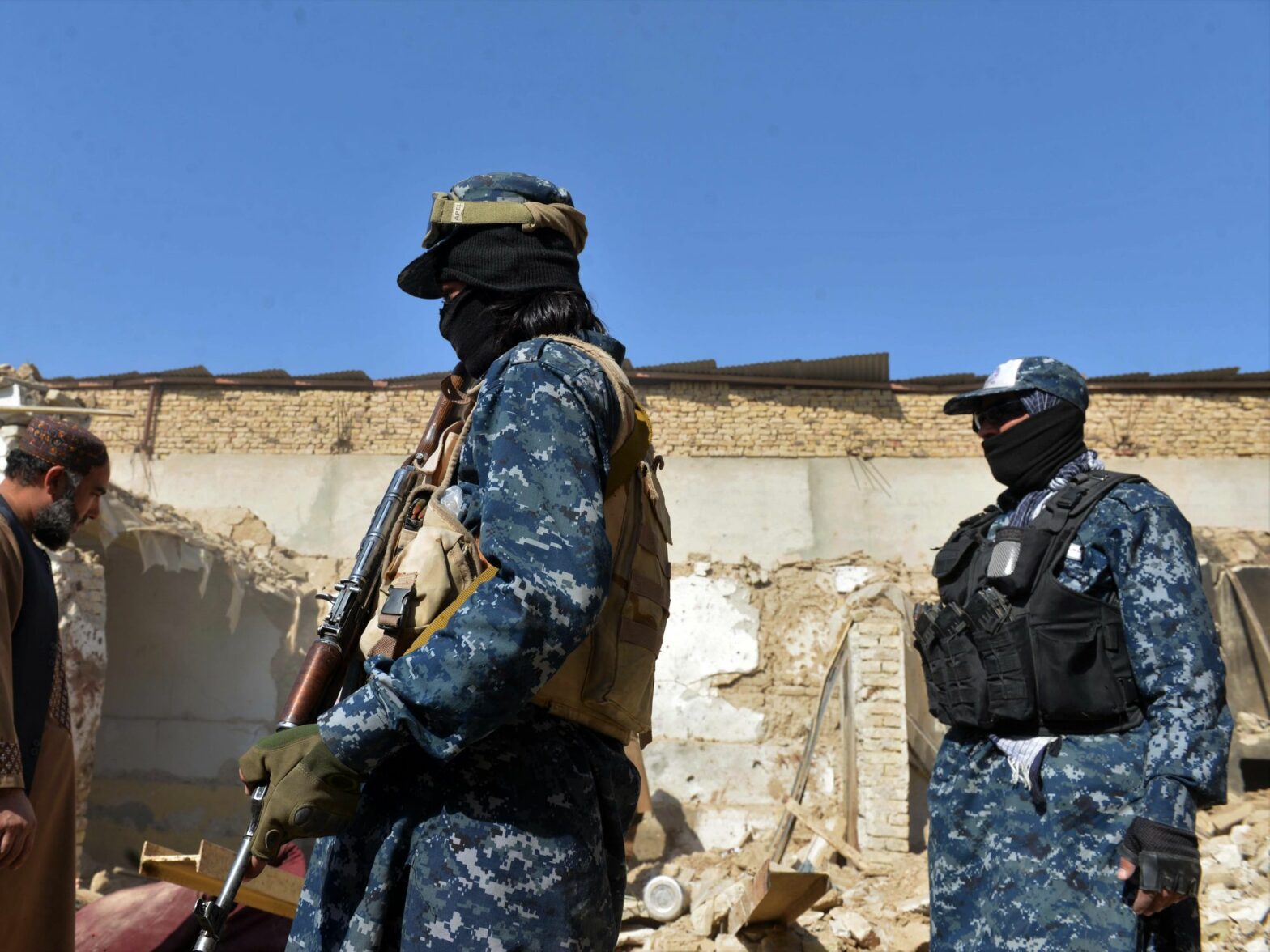
After the Sunni fundamentalist Taliban rulers retook control of Afghanistan, there were initial, friendly signals exchanged with Iran’s Shia regime. But a recent border skirmish recalls tensions from the 1990s, when Iran massed troops on the Afghan frontier.
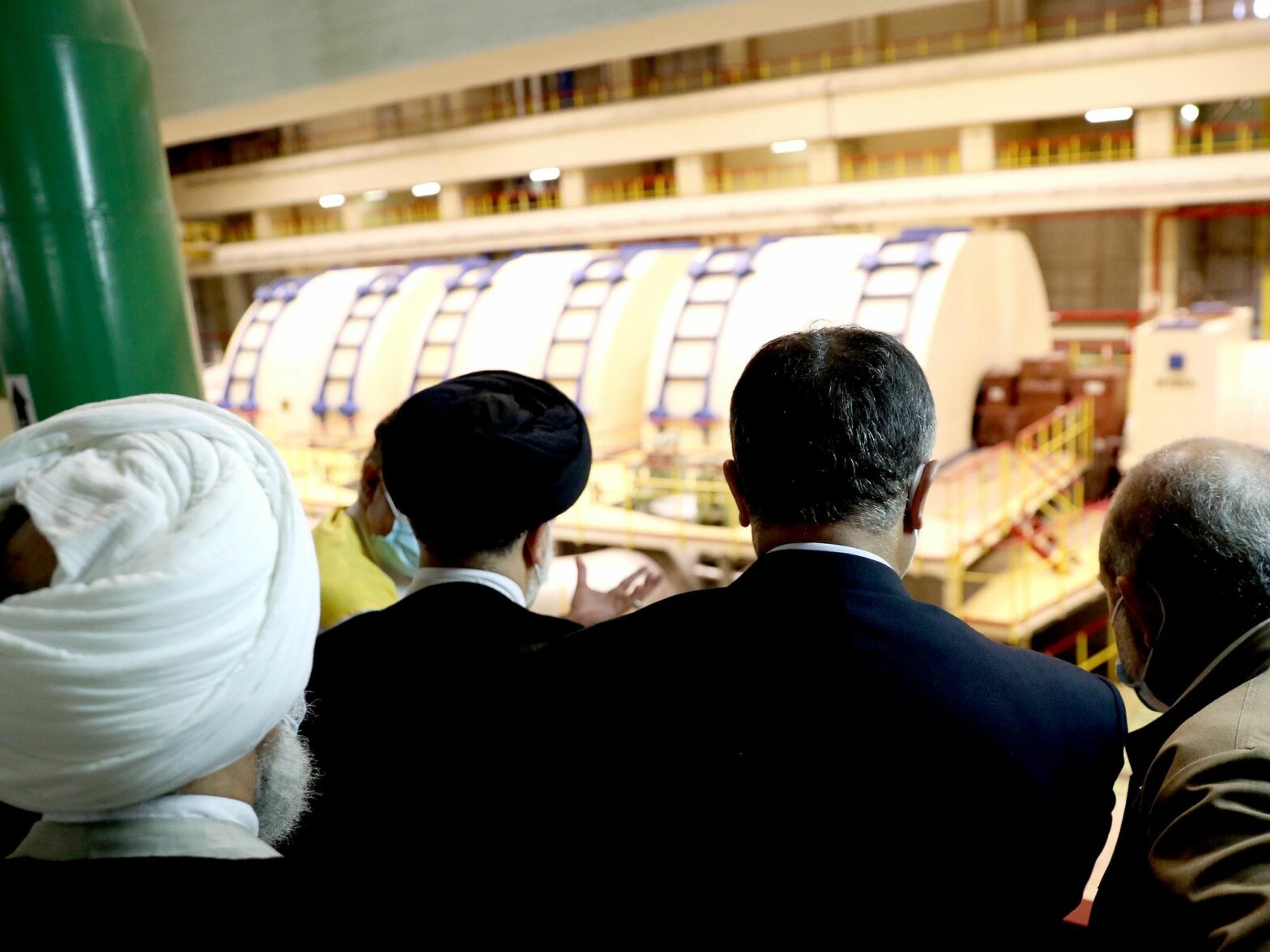
In spite of the toll sanctions have taken on its economy, Iran wants a deal on its nuclear program that addresses none of the West’s concerns about its military ambitions. It is also moving forward with new uranium enrichment technology.
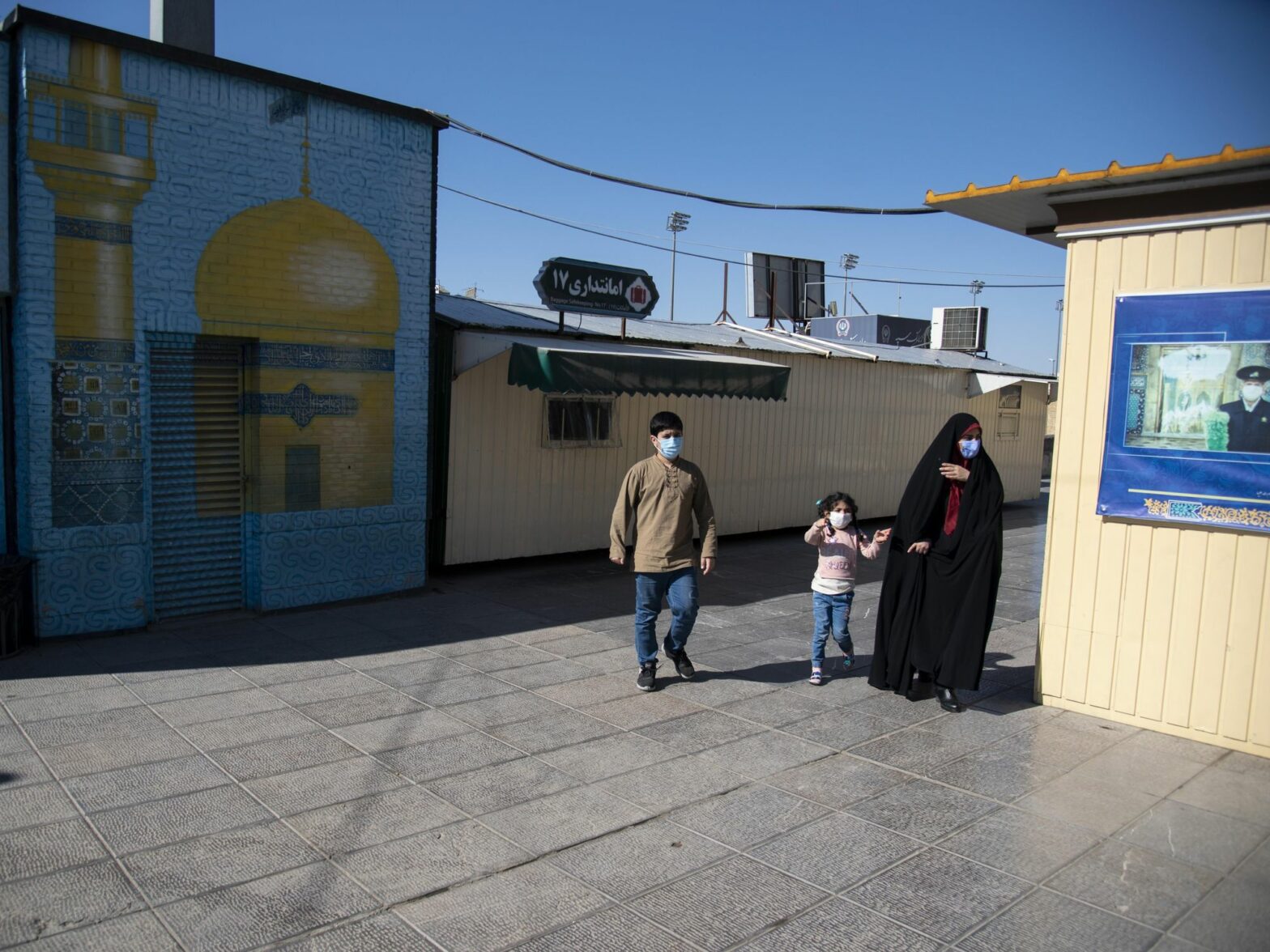
An Iranian public healthcare official warns that a parliamentary bill to boost birth rates will cut access to condoms, and could fuel sexually-transmitted diseases like AIDS.
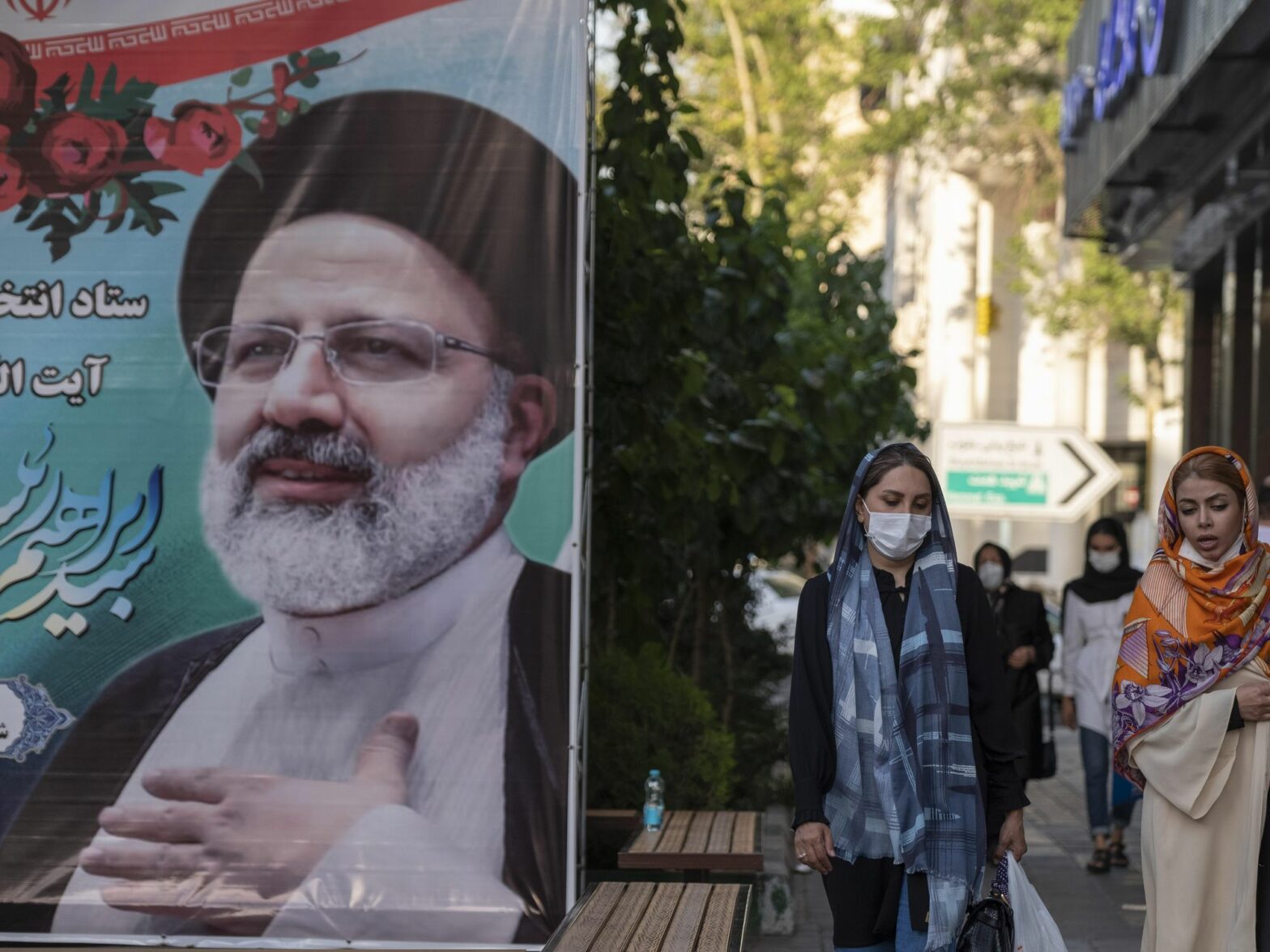
Whether out of cynicism, greed or basic lack of knowledge, the West has willingly embraced the fabricated vision of the Islamic Republic of Iran as a slightly unruly, but essentially legitimate government with which it can do business.
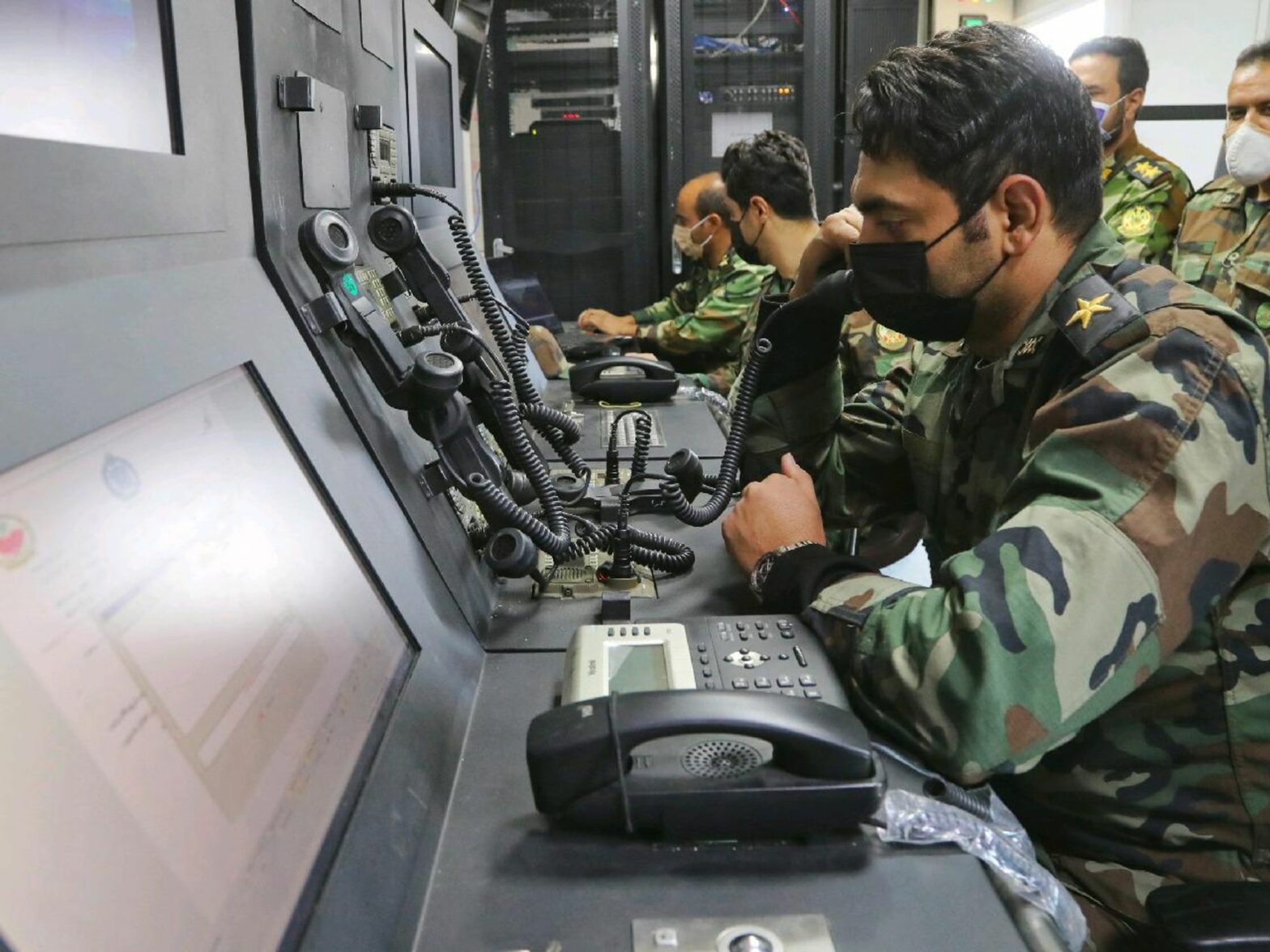
The U.S. is calling for “imminent” return to talks. But Tehran has made advances on its nuclear program that could force the West to accept, in a new pact, its bomb-making capacity, which Iran will “freeze” if Western powers lift sanctions.
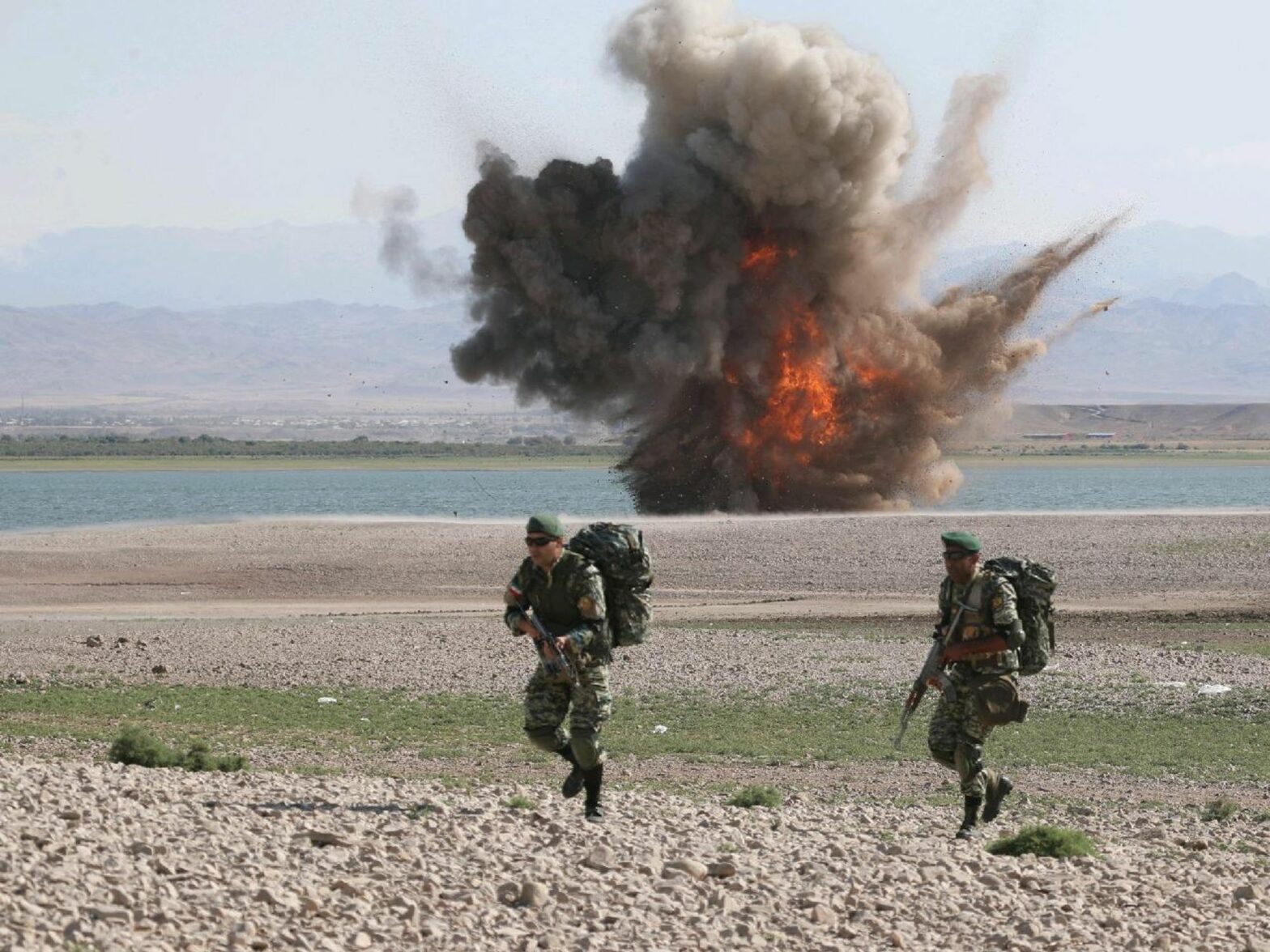
Azerbaijan’s flourishing ties with Turkey and Israel threaten Iran’s regional trade and strategic security after Iranian Supreme Leader Ayatollah Ali Khamenei overestimated his ability to woo Azerbaijan leader, Ilham Aliev, because both nations are predominantly Shia Muslim.
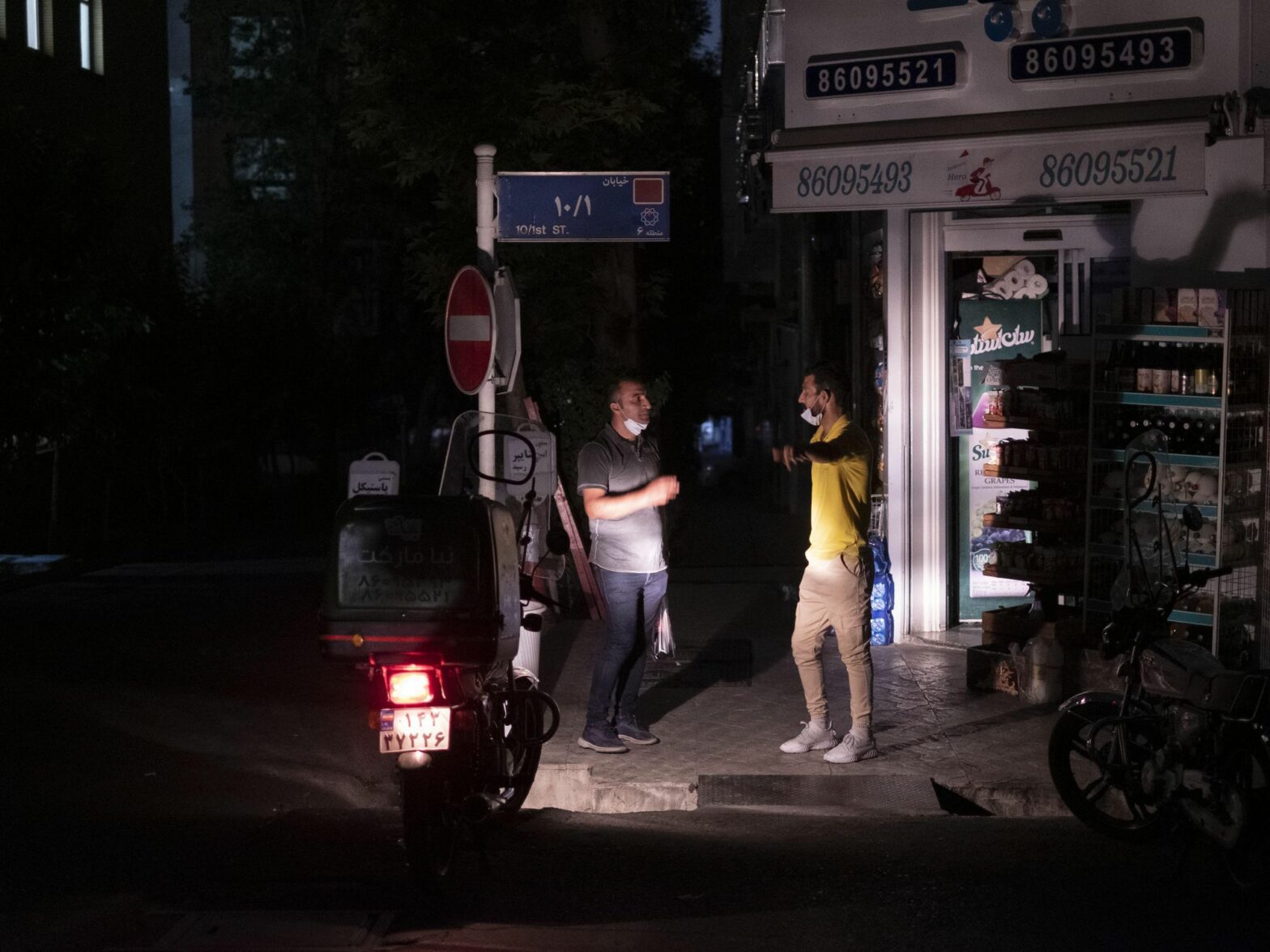
The Islamic Republic of Iran has no shortage of oil and gas. And yet, its people and industries are having to contend right now with regular power cuts. The question, then, is why, and what — if anything — the Iranian government can hope to do about it.
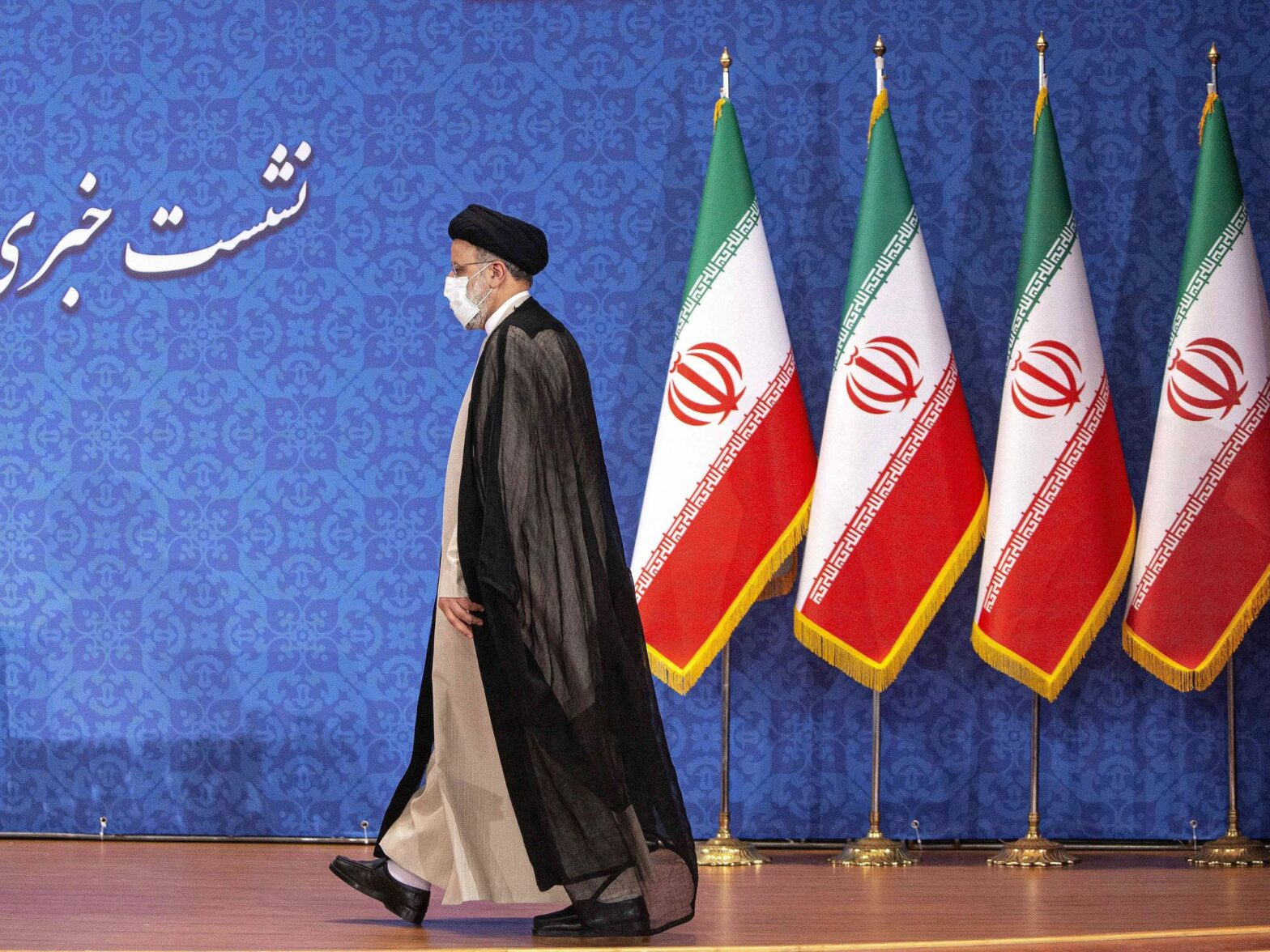
Institute for Science and International Security concludes that Iran is enriching uranium at a 60% level, with new centrifuges meaning that Tehran is a month away from obtaining arms-grade material to move toward its first weapon.
Keen to revive the 2015 nuclear pact, Washington and its allies are turning a blind eye to what’s really taking place in the Islamic Republic.
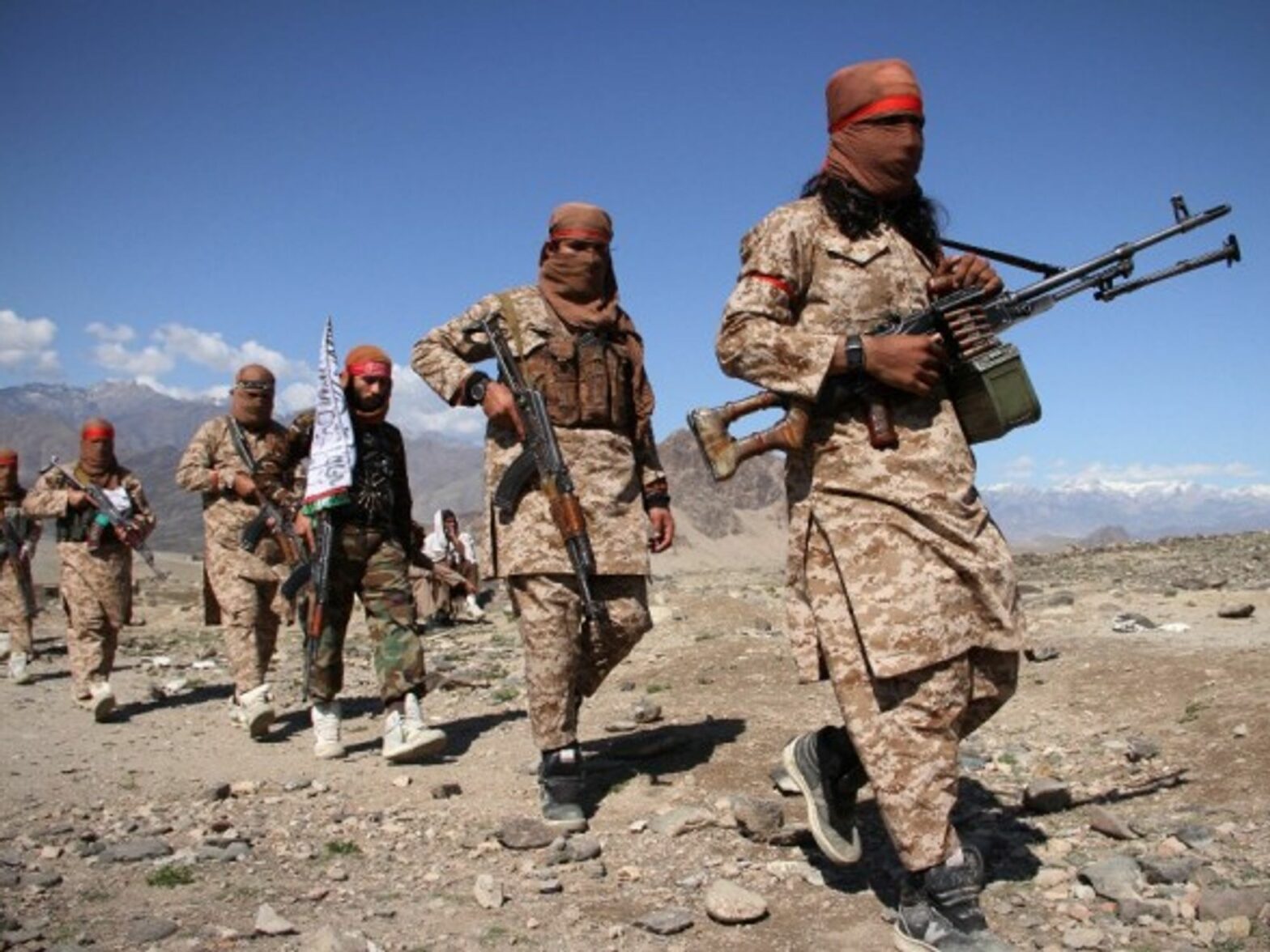
Iran’s clerical Shiite regime has seemingly overturned its long-held hostility to the Taliban, and may be readying itself to welcome the ‘enemies of America’ as Kabul’s new masters.
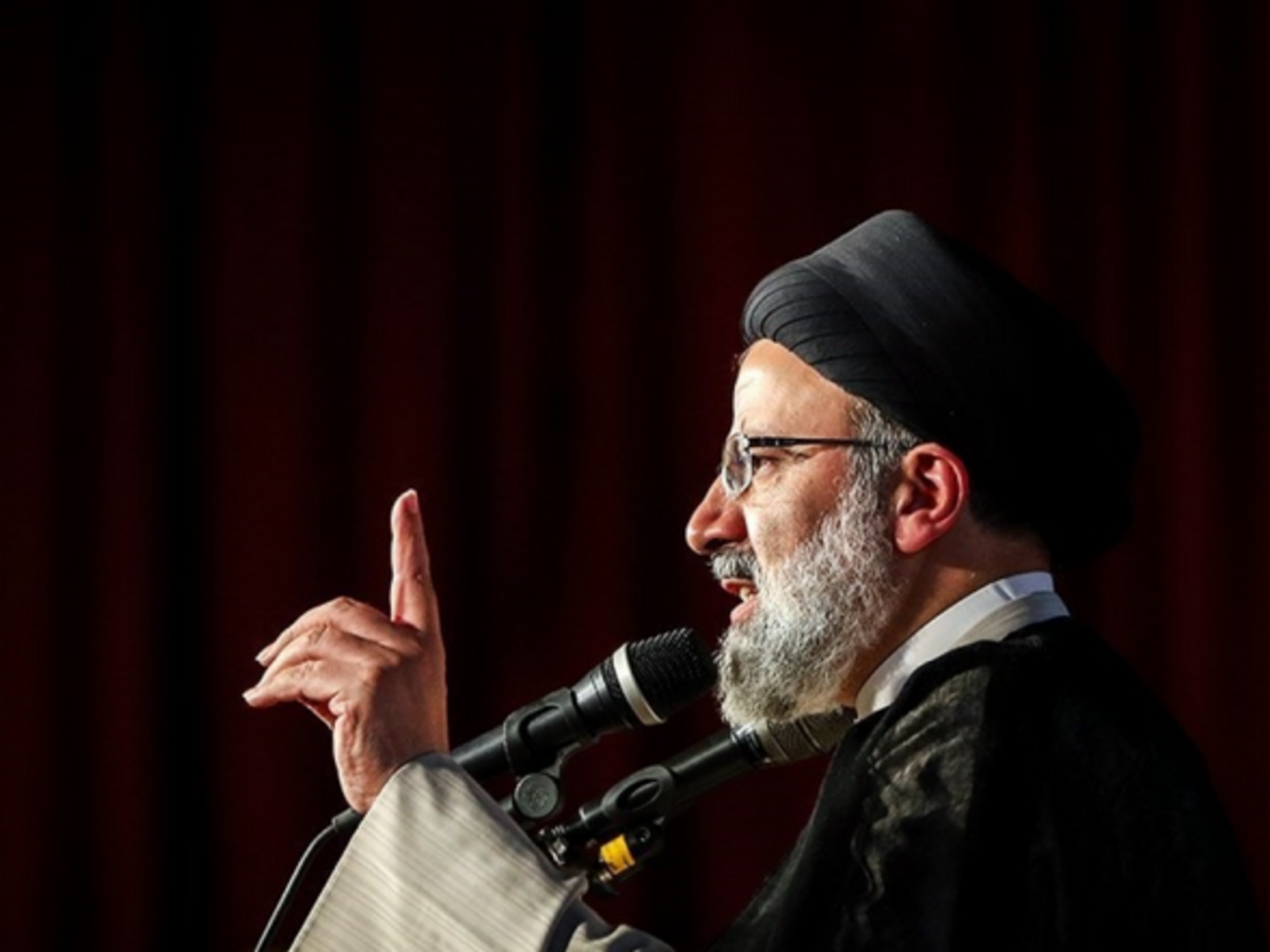
The arch-conservative Ibrahim Raisi’s election to the Iranian presidency is pushing its regime closer to Russia and farther from the West — and leaving a big question mark on relations with China.
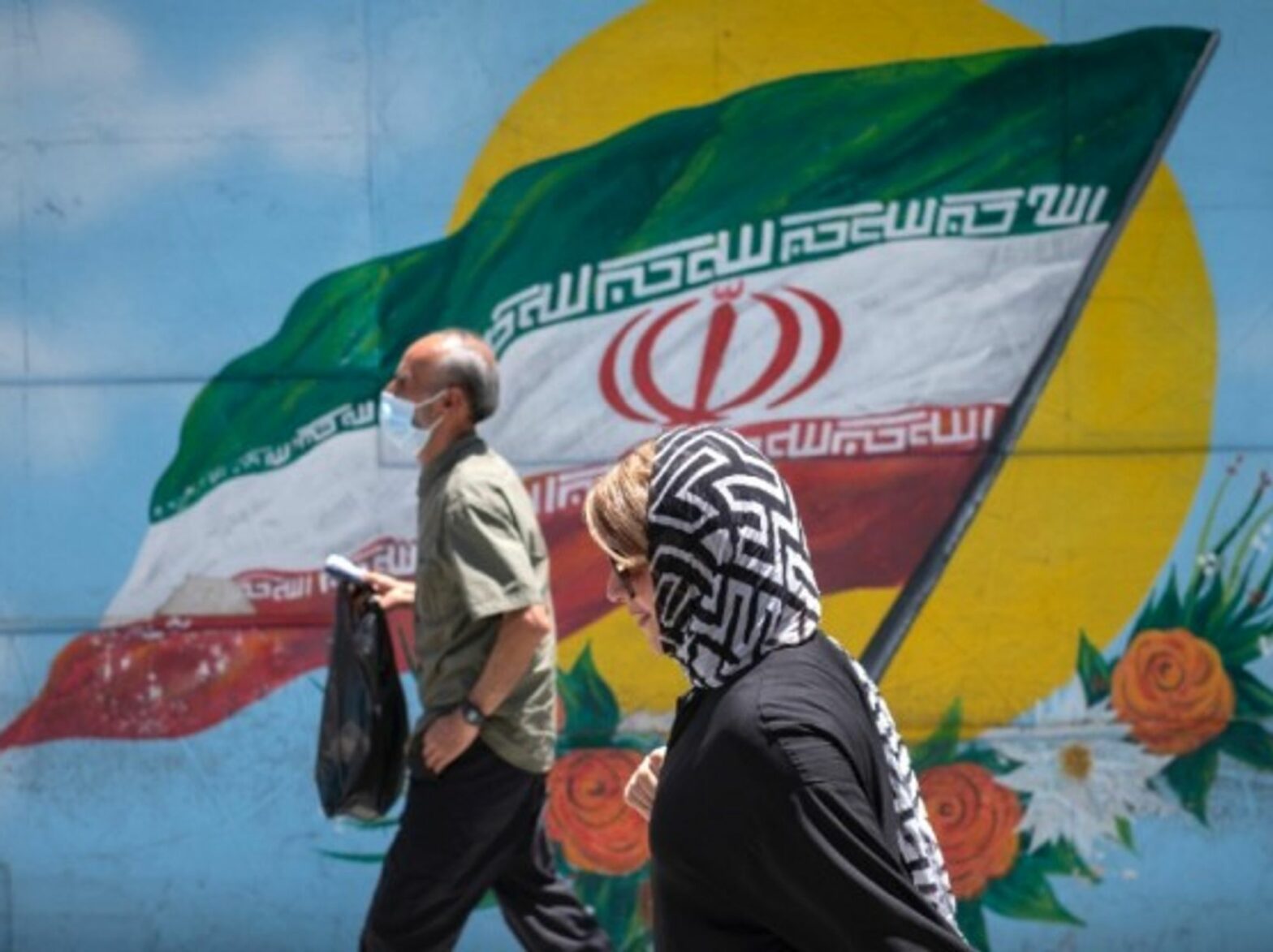
By denying the right to moderate candidates for the upcoming presidential elections, the regime shows it has little interest in even a semblance of democracy.
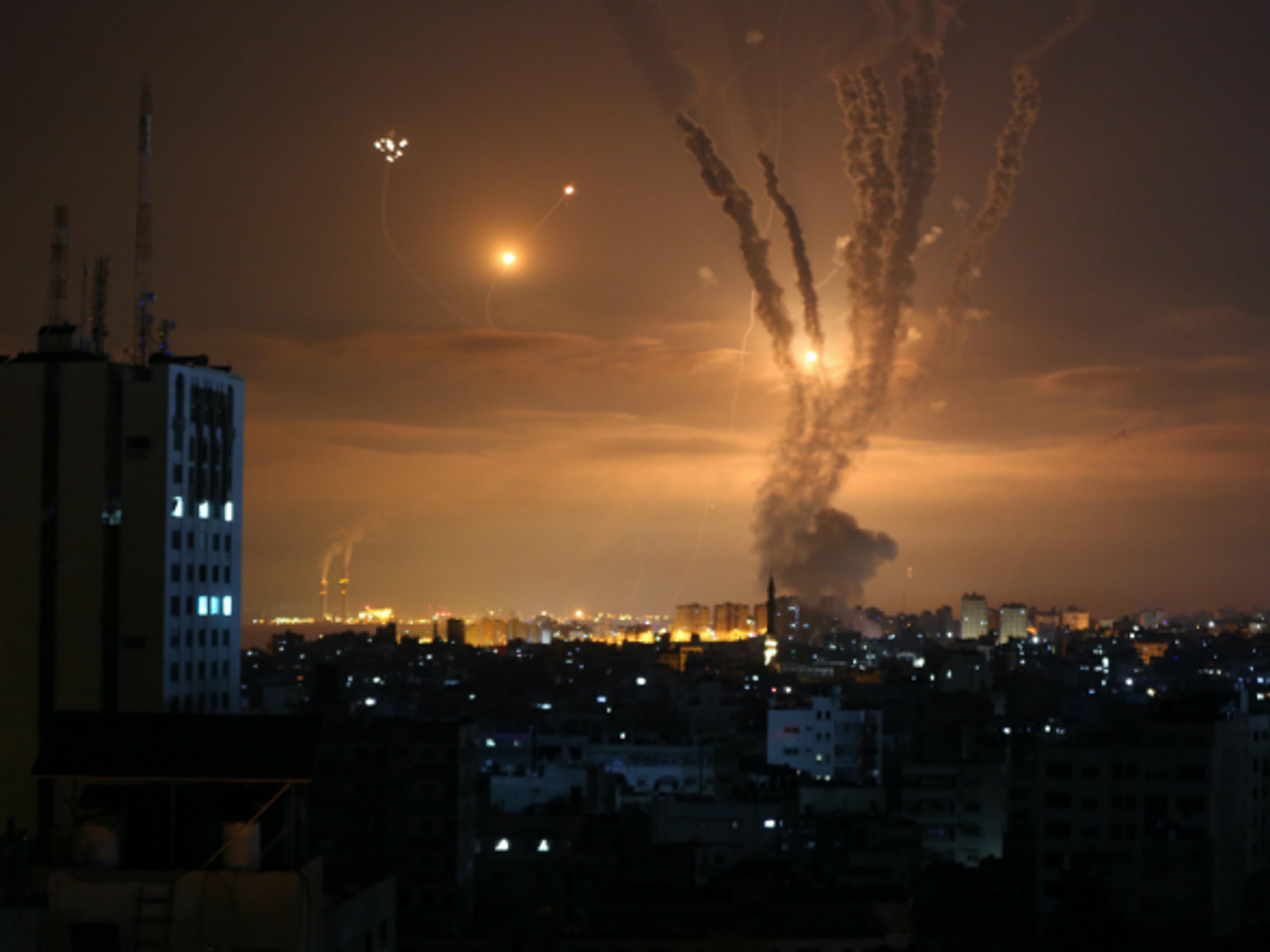
Israel had struck Iranian interests in recent months without significant reprisals. Meanwhile, Iran is growing impatient that nuclear talks in Vienna are stalling, and may have turned to the Palestinian groups it arms to provoke the violence.

TEHRAN — An Iranian man who divorced his first wife over her “secretive” use of Instagram is now ending his second marriage for the same reason. Tehran-based Shargh daily cited the anonymous man from an unnamed city as admitting he had a “good life” with his first wife, until he found she was on Instagram […]
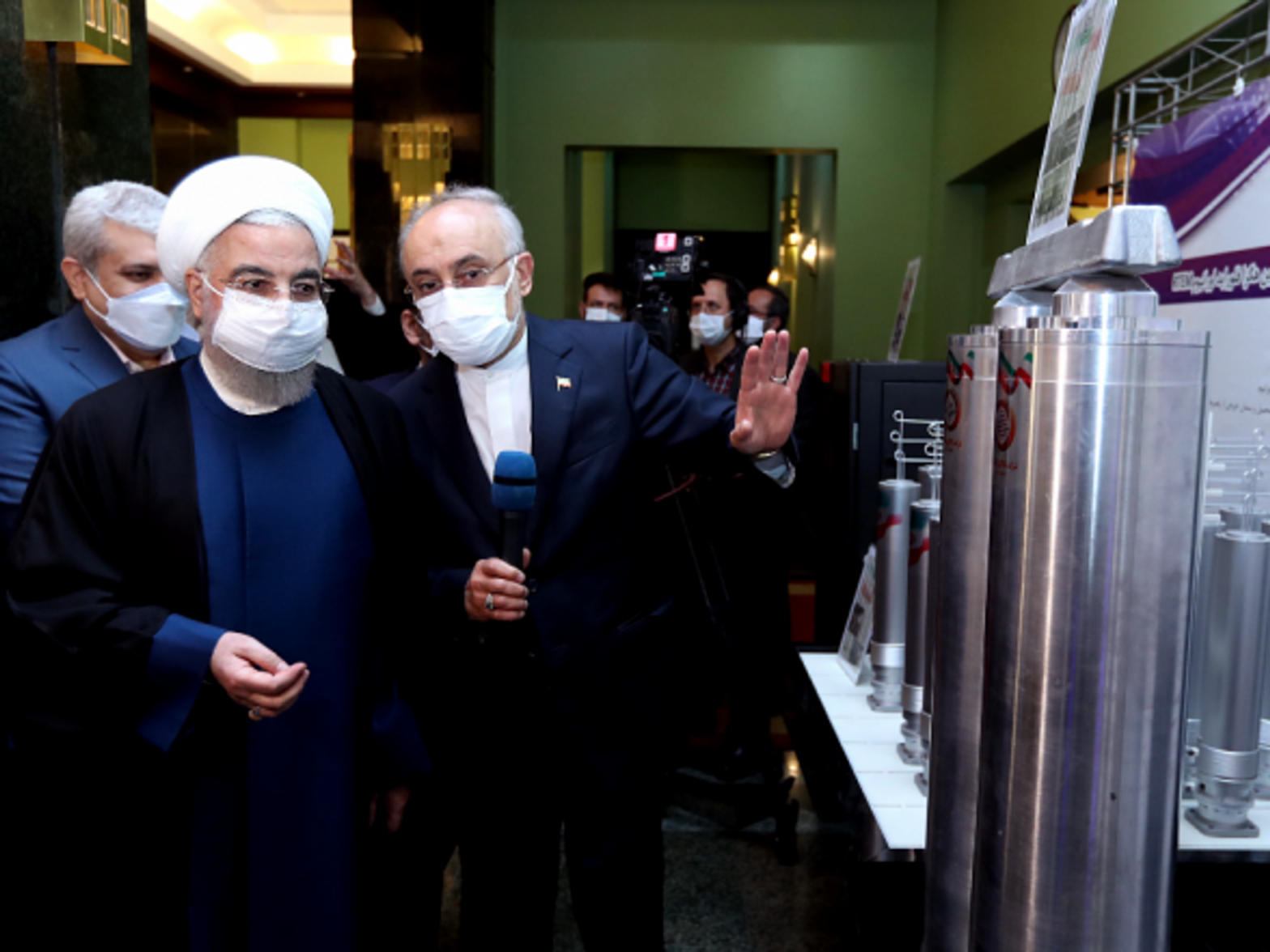
Sanctions have shrunk Islamic Iran’s regional and nuclear ambitions, but it retains a trump card in current talks with the Powers: the determination of the Western camp to appease its regime in return for a bit of peace
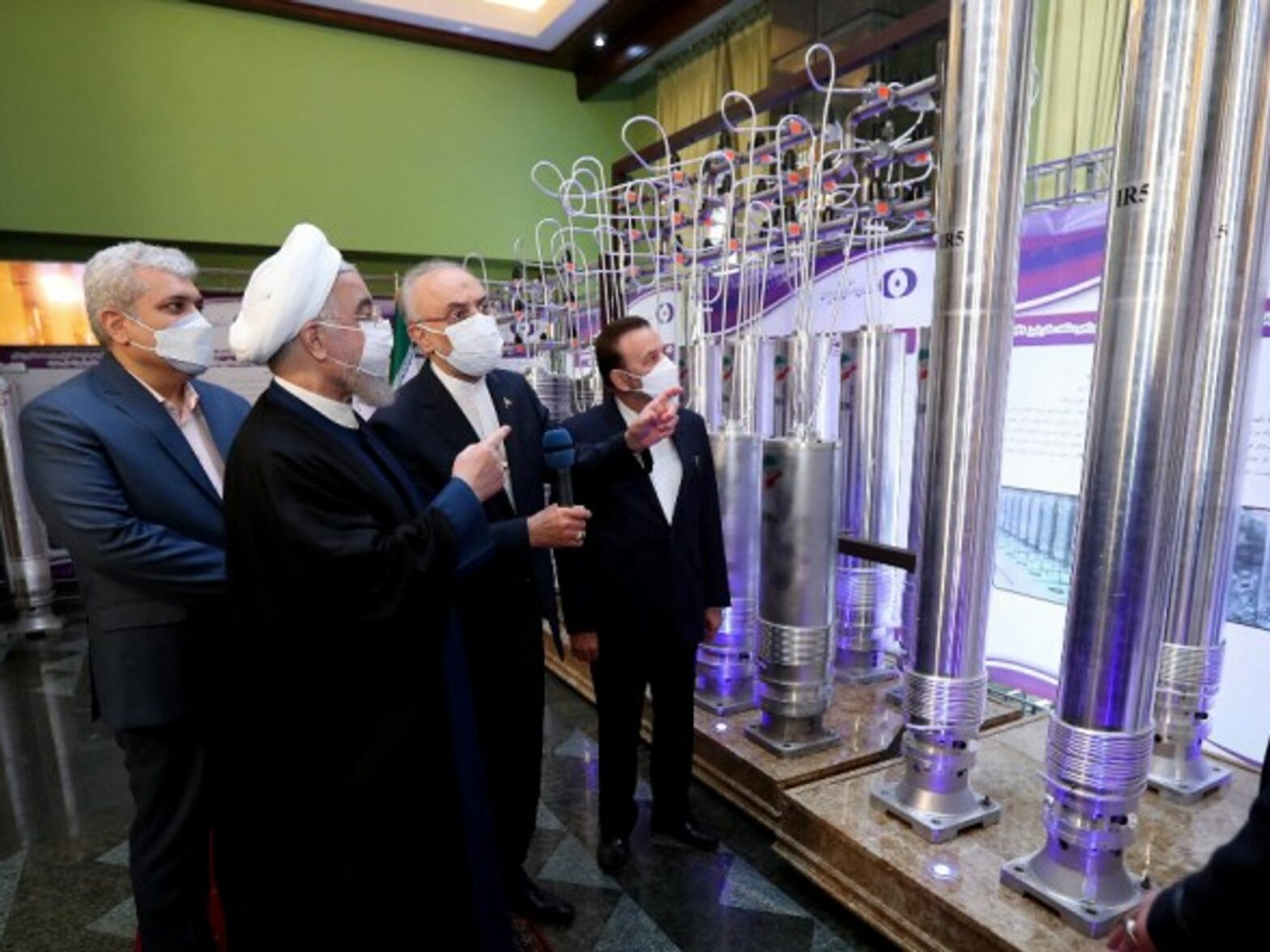
Besides partially destroying a key nuclear installation, the suspected sabotage at the Natanz uranium enrichment facility is also exacerbating tensions within Iran’s leadership ranks. Was that part of the purpose of the attack?