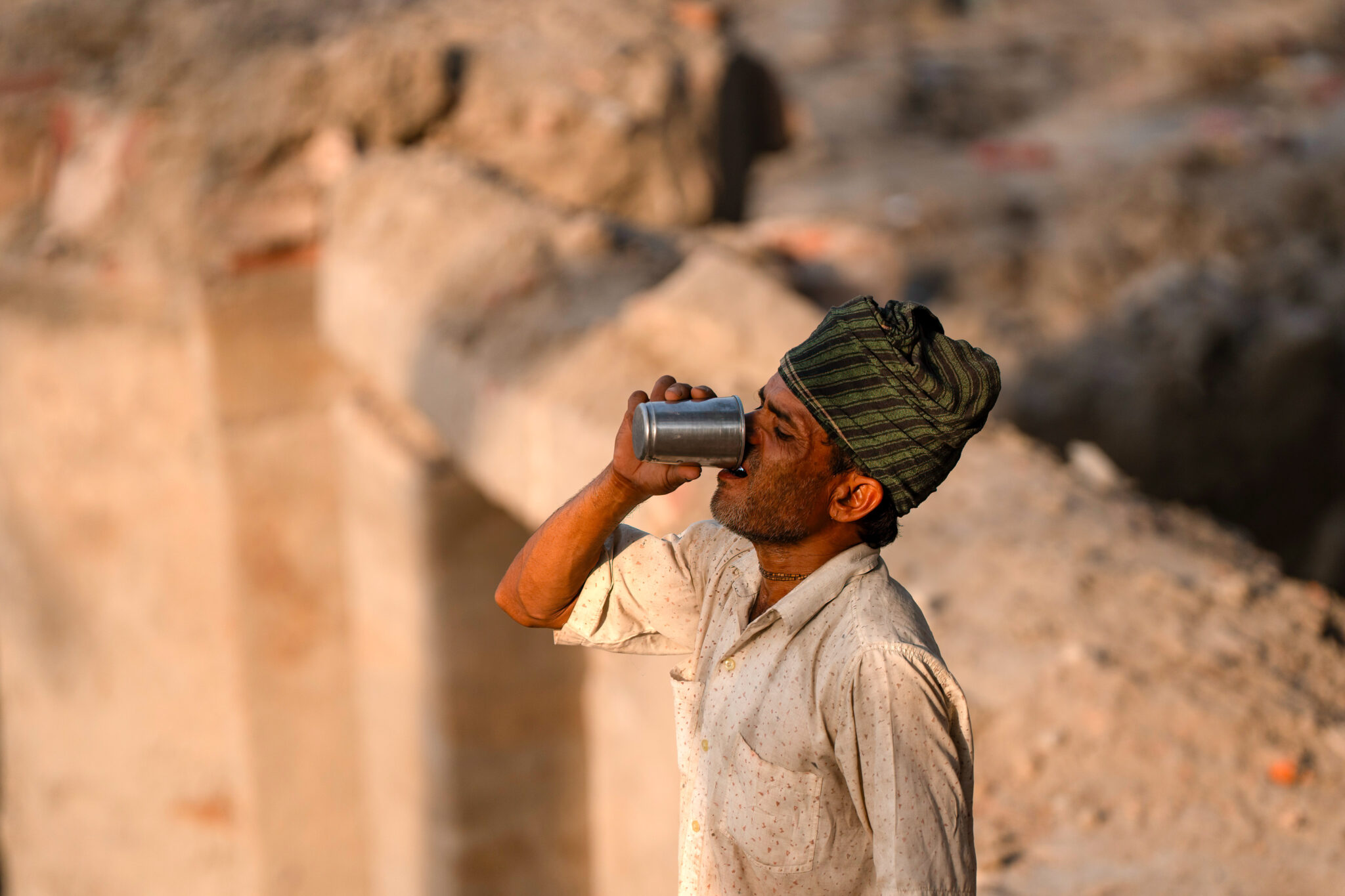
India’s heatwaves have become a public health emergency, putting workers’ health and livelihoods at risk. Without urgent reforms, the economic impact will be felt as well.
 Worldcrunch
India’s heatwaves have become a public health emergency, putting workers’ health and livelihoods at risk. Without urgent reforms, the economic impact will be felt as well.
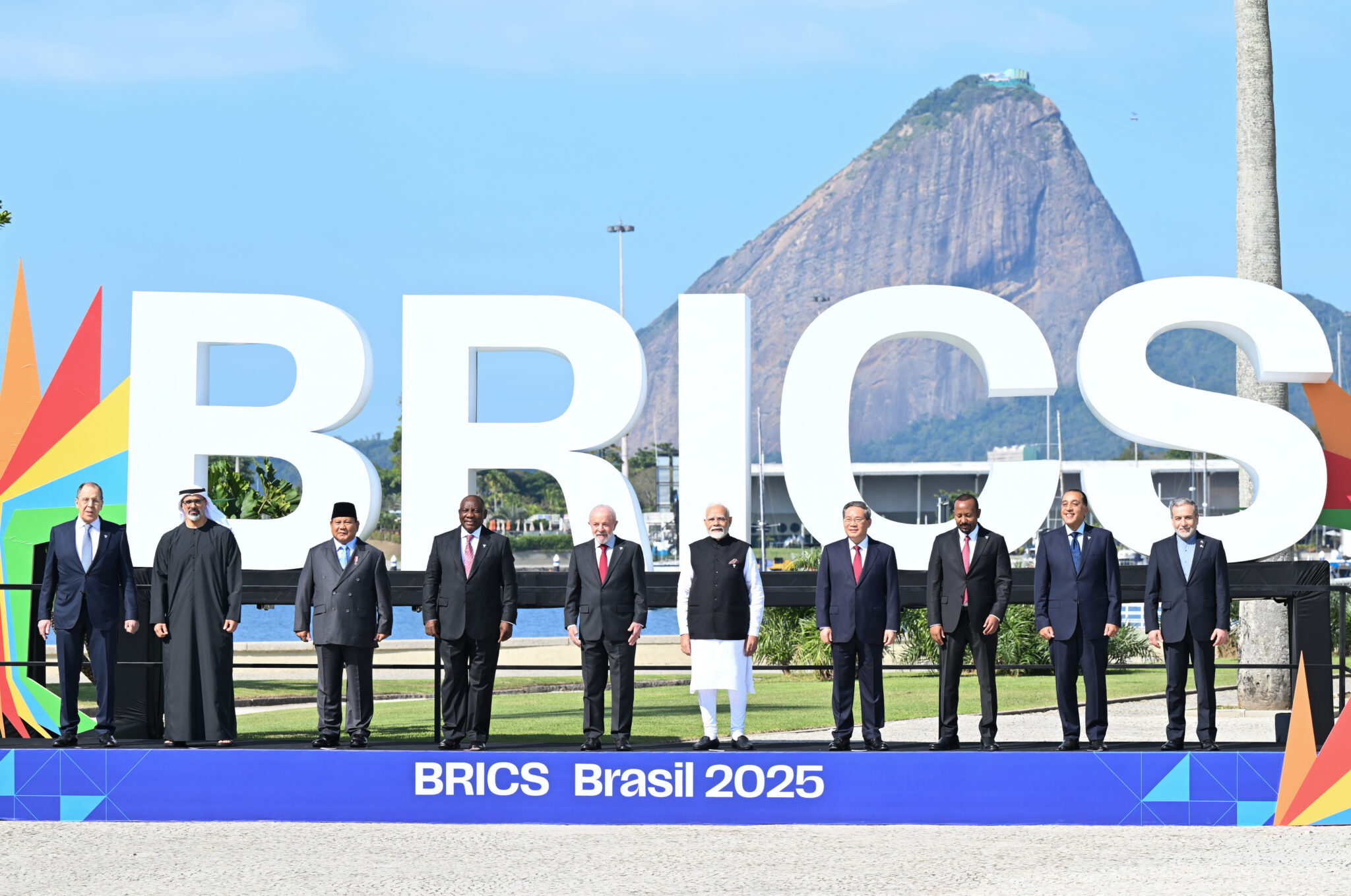
Some 17 years since its founding, BRICS+ (now including Egypt, Ethiopia, Iran, the UAE and Indonesia — beyond founding members Brazil, Russia, India, China and South Africa) continues to struggle with delivering on its promise to reform global governance and represent the Global South.
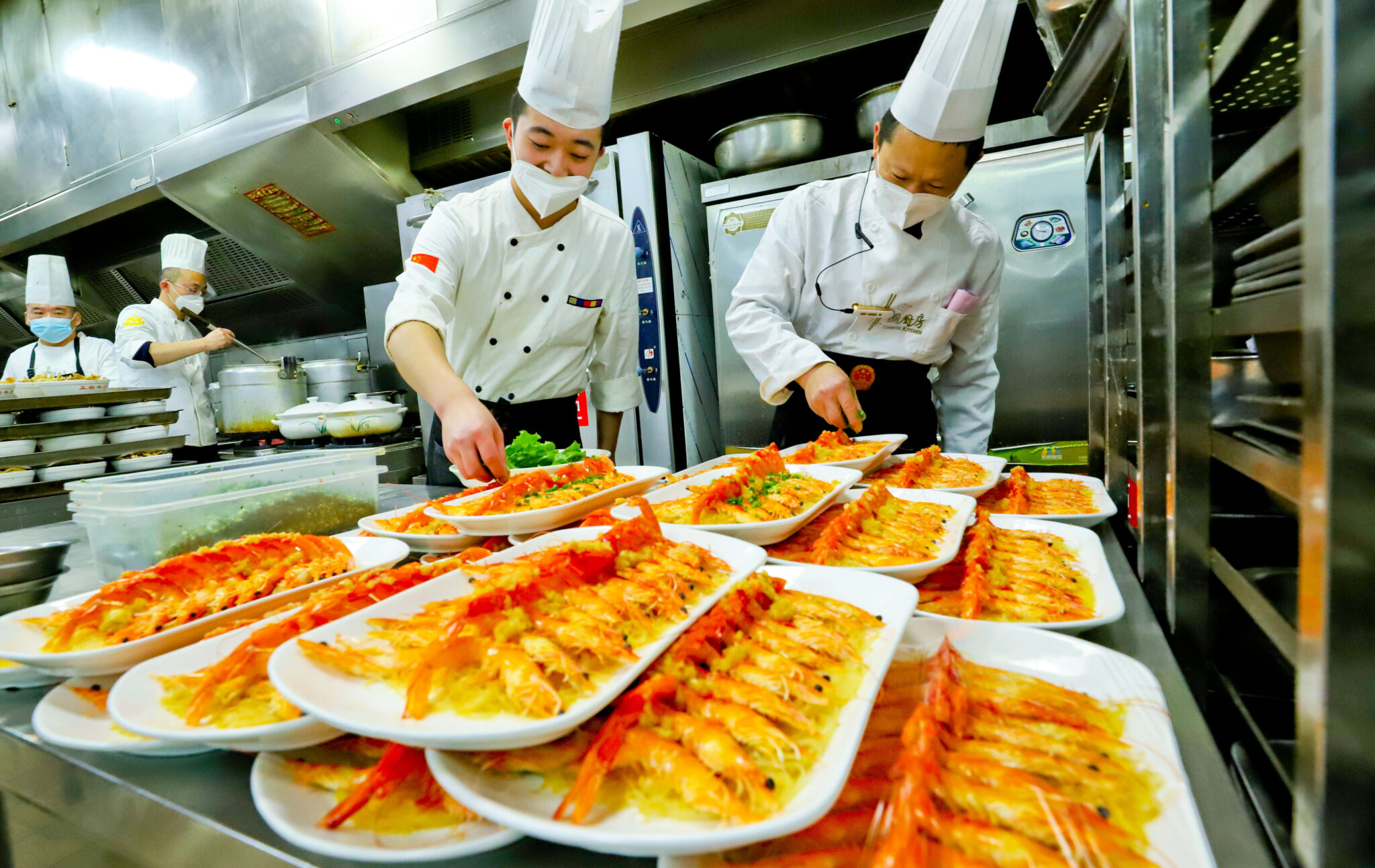
Lavish dinners and alcohol-fueled networking among China’s civil servants face strict new limits, as Beijing imposes austerity measures to curb rising public debt — leaving the catering sector reeling.
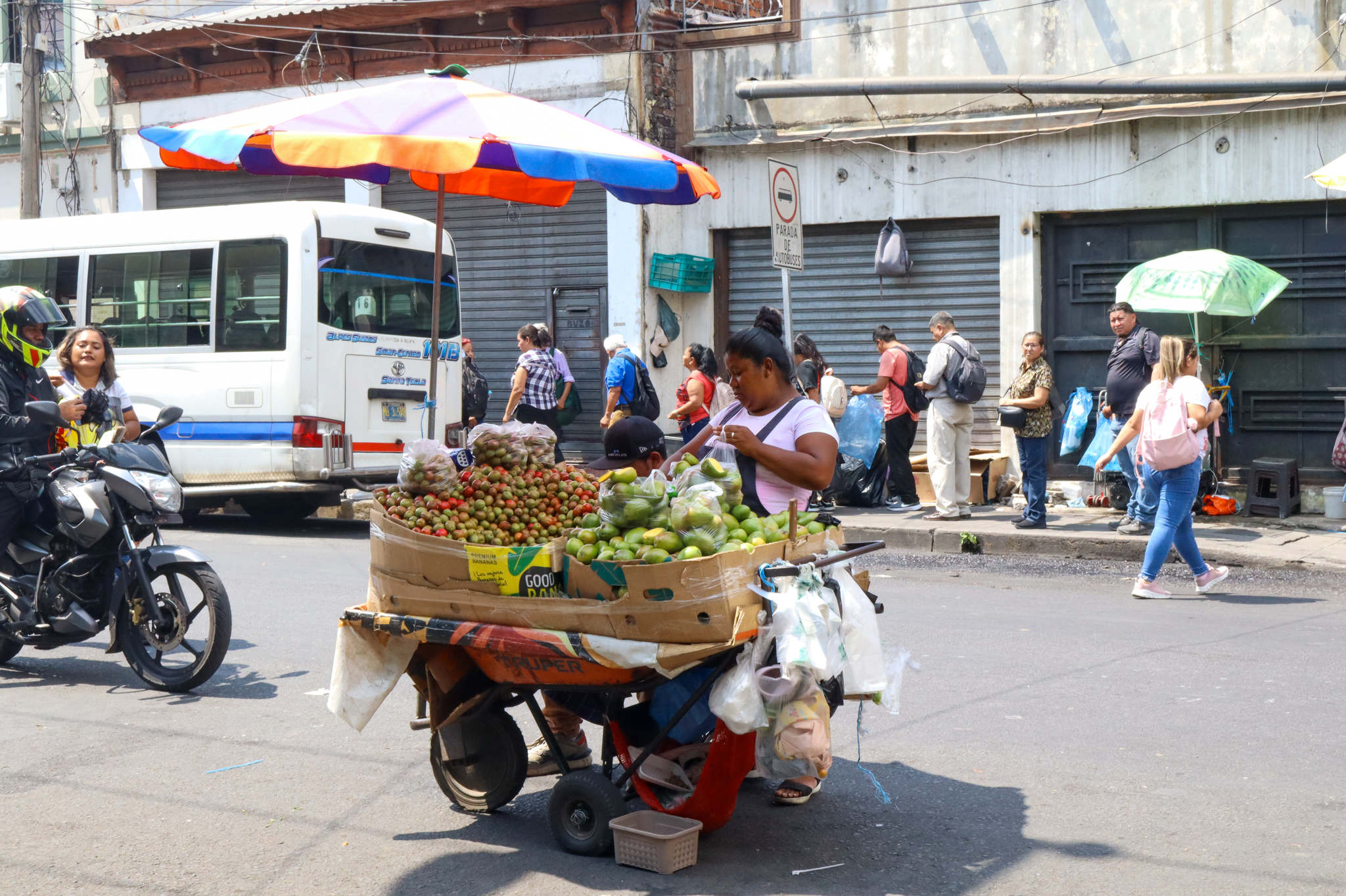
In downtown San Salvador, longtime vendors face abrupt evictions amid Bukele’s push for revitalization. For thousands of street vendors who risk centuries of history for security, the promise of safety now comes with the heavy cost of lost livelihoods.
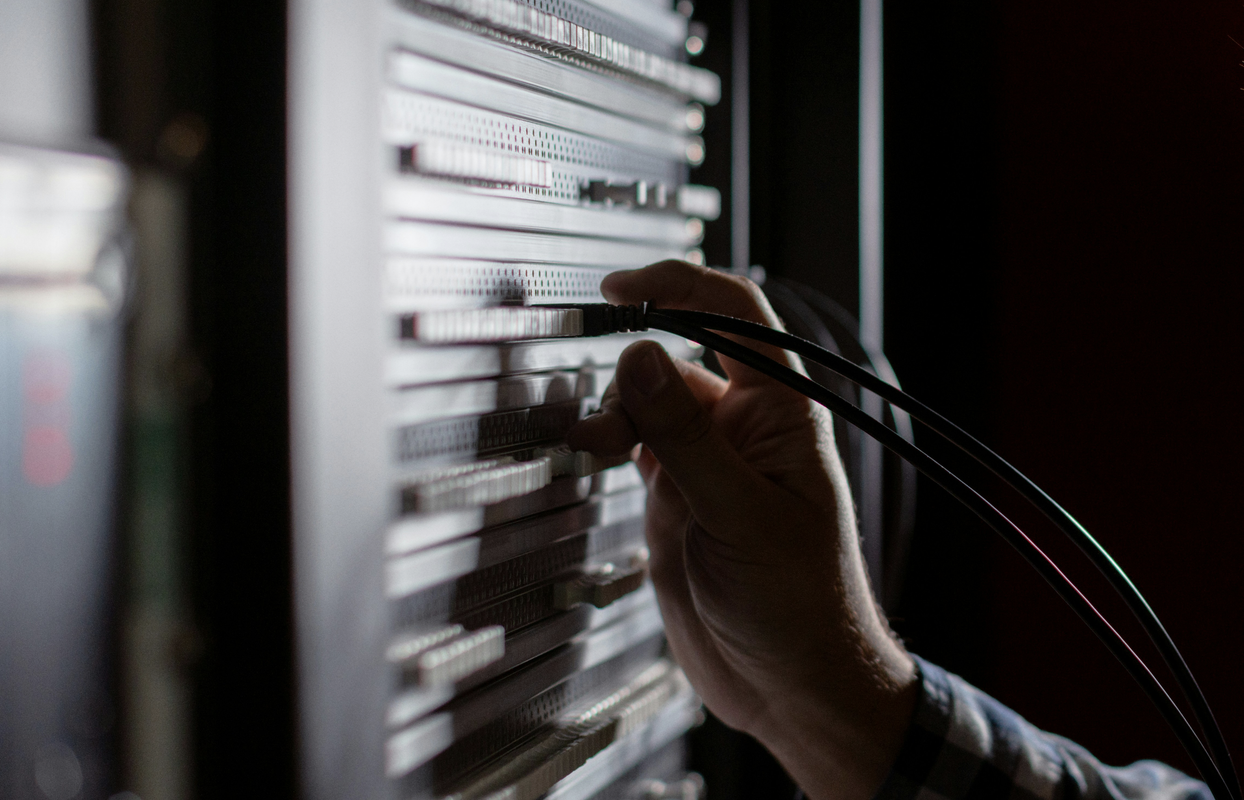
A report from Oxford University lists the 32 countries – 16% of the world’s nations – with the infrastructure needed to develop artificial intelligence. The gap is widening with the rest of the world, in the key technological sector of the 21st century.
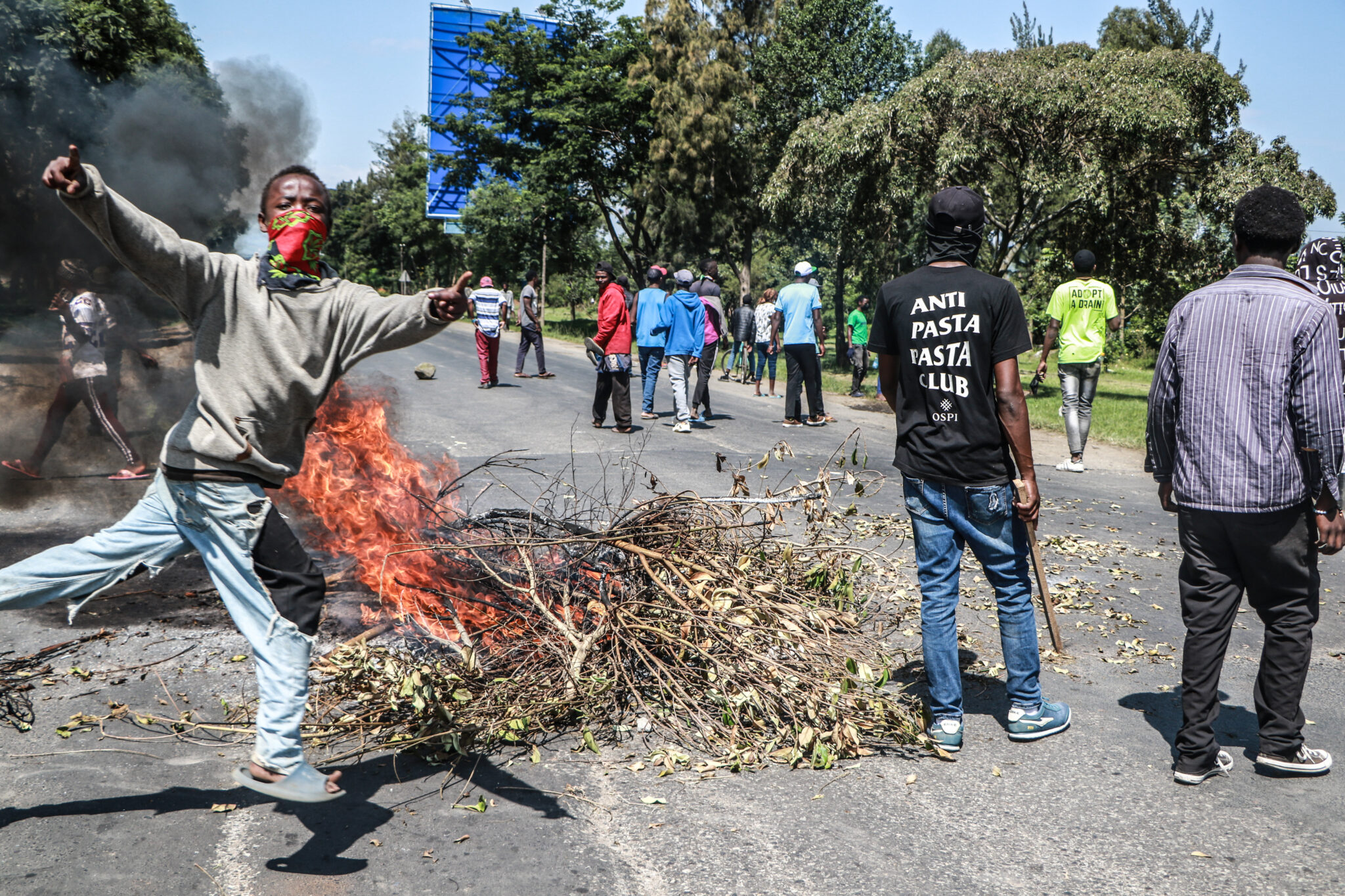
👋 ನಮಸ್ಕಾರ* Welcome to Thursday, where Iran’s nuclear sites are reported to be “severely damaged,” Gaza mediators are intensifying ceasefire efforts, and our daily quiz question is related to a very old discovery from a Polish cave. Meanwhile, Inma Mora Sánchez for Ethic outlines the issues surrounding women’s self-esteem, from the housewives’ awakening of the […]
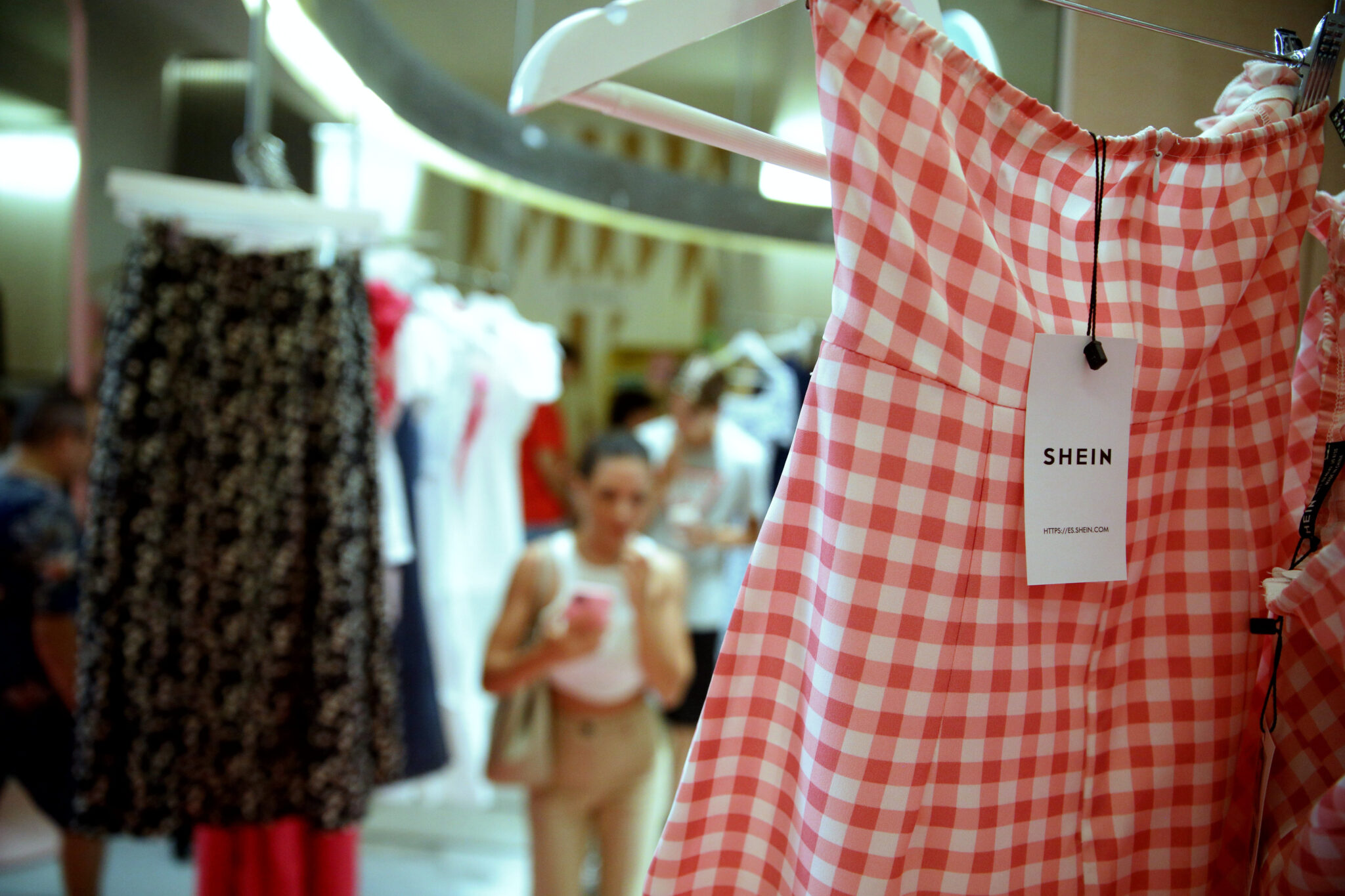
The world of ultra-fast fashion has adapted quickly to Trump’s newer “reciprocal” tariffs and has become even more exploitative.
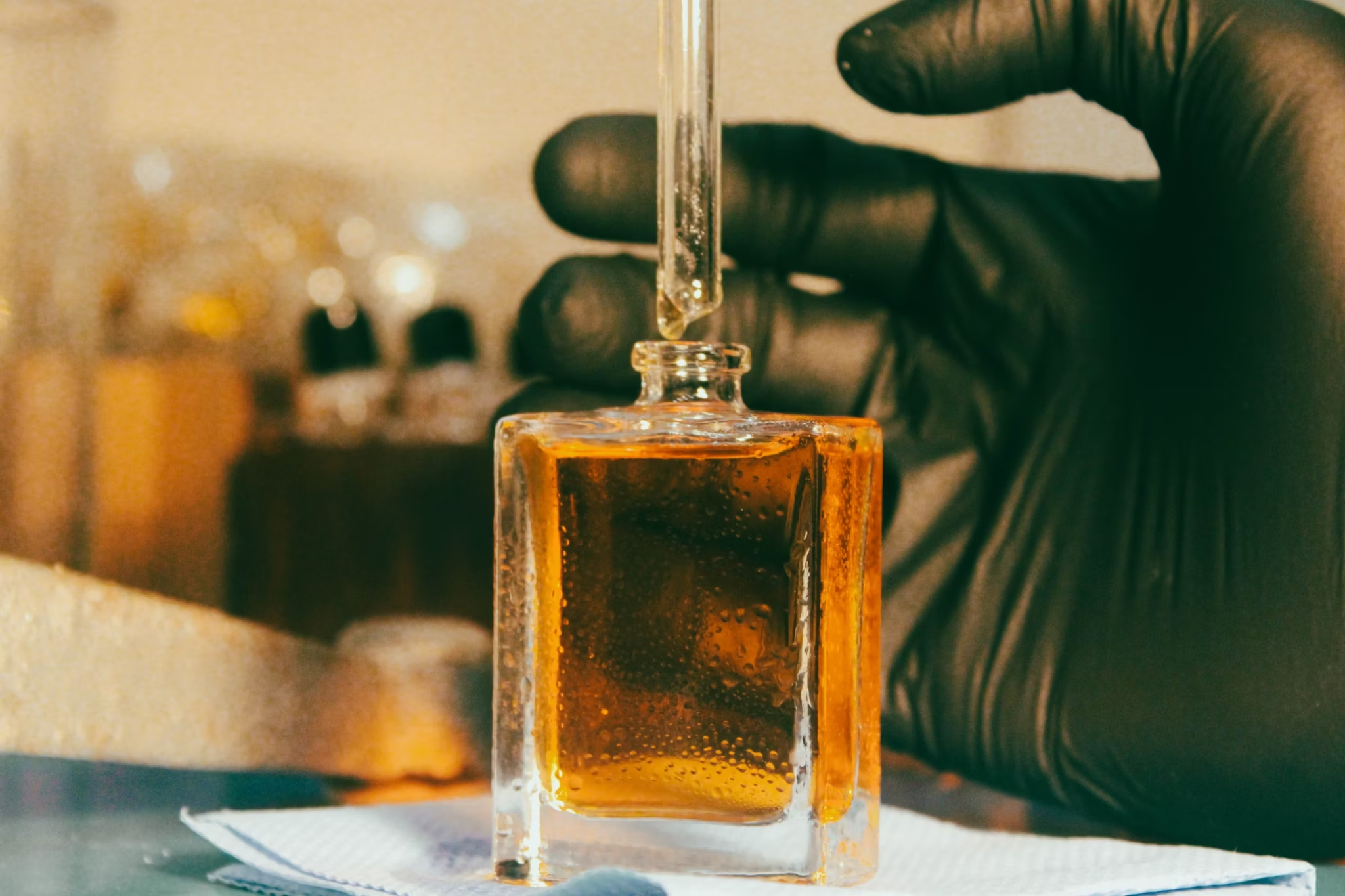
As flagship products of the luxury industry, fragrances have reached stratospheric prices, supposedly justified by craftsmanship and rare ingredients — simultaneously fueling a boom in the dupe market.
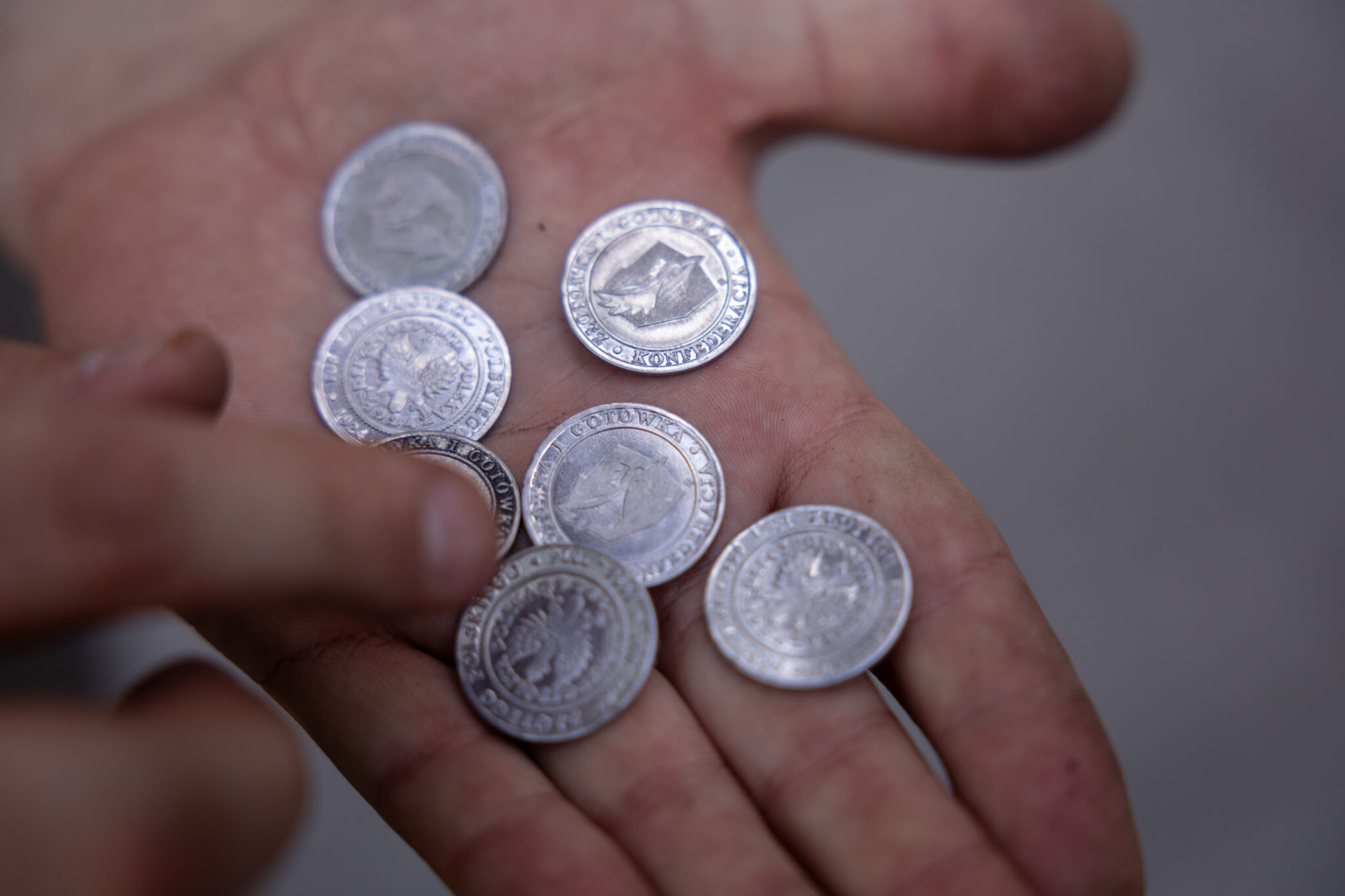
Poland is the EU country that is most afraid of adopting the euro. But why are Poles so afraid, and what economic prospects could help them change their mind?
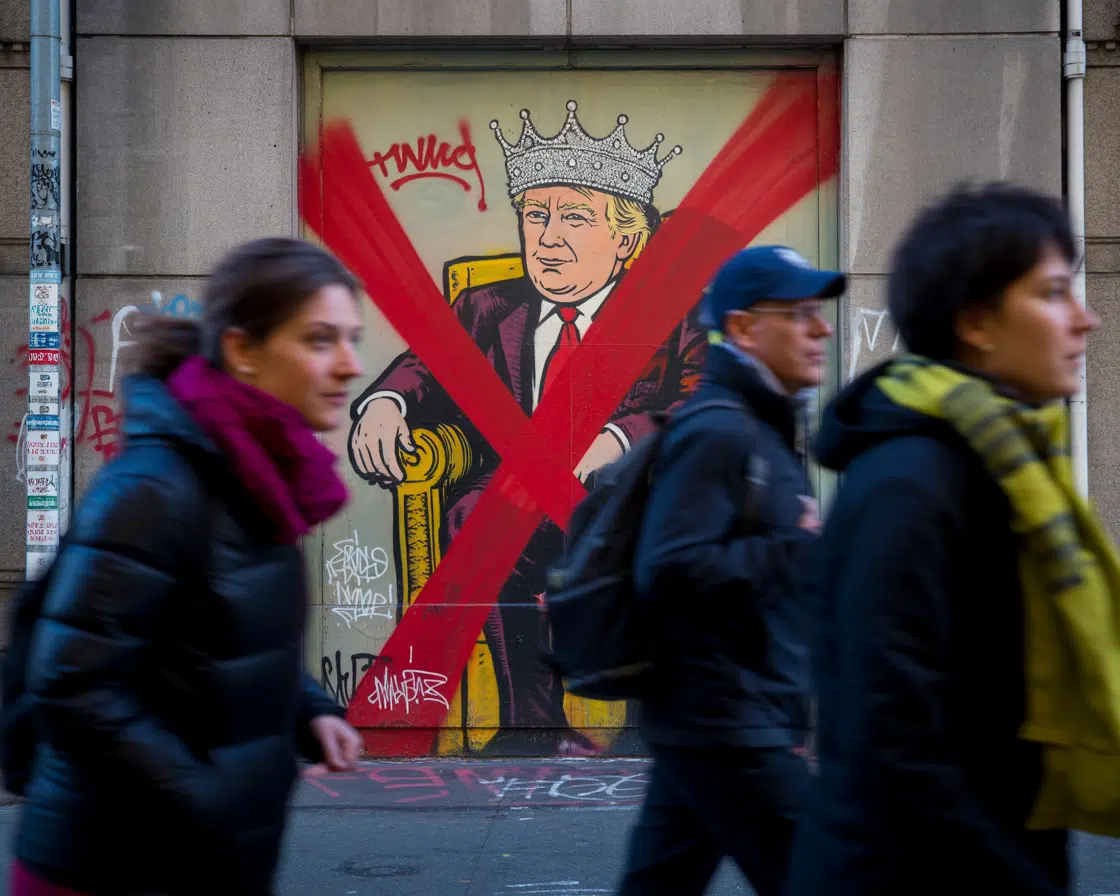
In the 21st century, international leadership is not defined by force alone, but by the strategic intelligence to understand that openness is not a threat, but an opportunity.

Homeownership for young people is becoming less attainable across the globe, in the face of record high home prices, cost of living crises and high debt. The economic shift is changing the very nature of society.
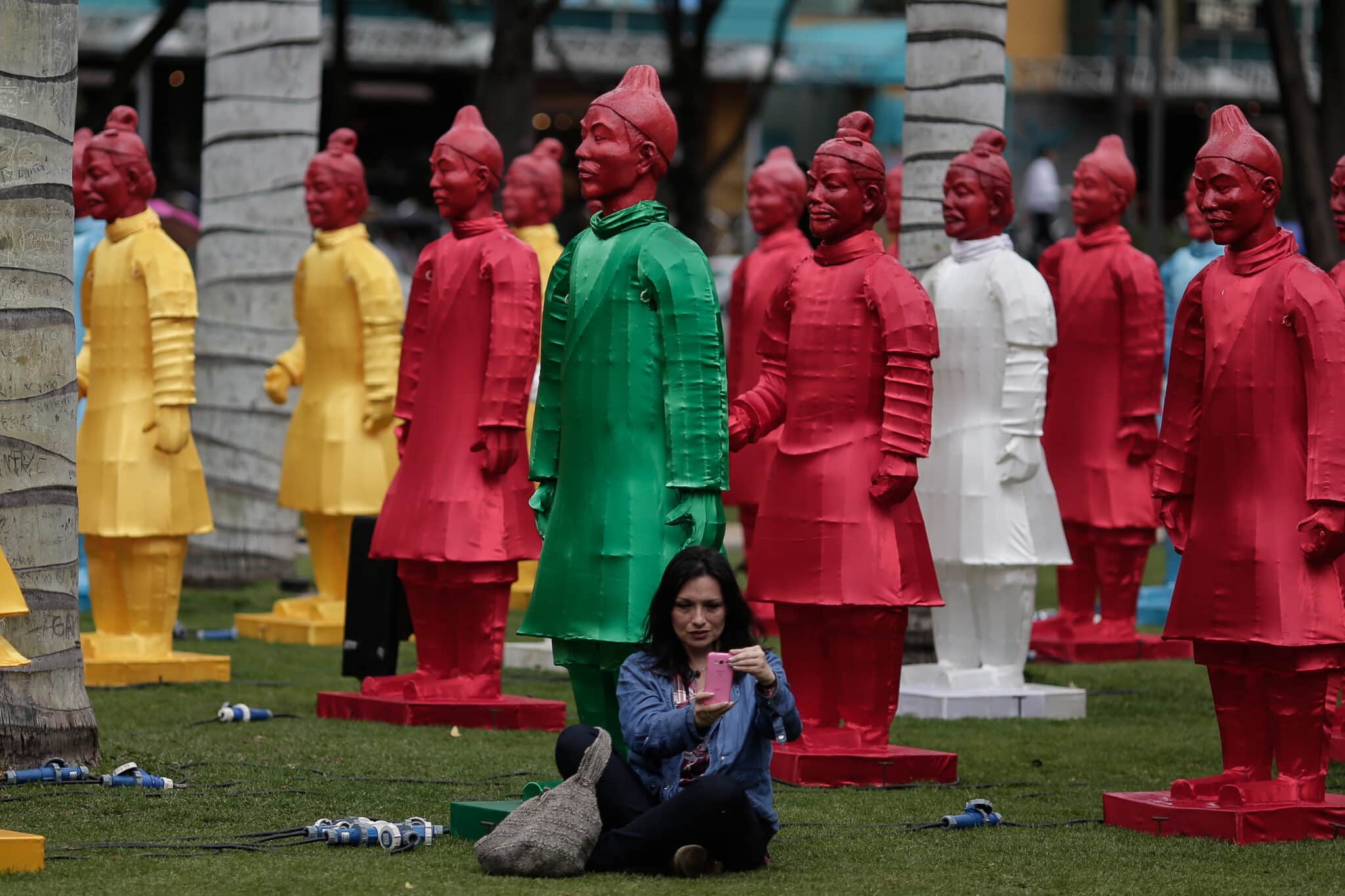
China is taking a growing interest in investing in Latin America — just as the Trump administration is making the United States less reliable. But what are Beijing’s real motivations.

As digital facades and minimalist design dominate the urban landscape, architect Florent Auclair argues for the revival of ornamentation as a cultural language that connects buildings to their time, their place, and the people who live among them.
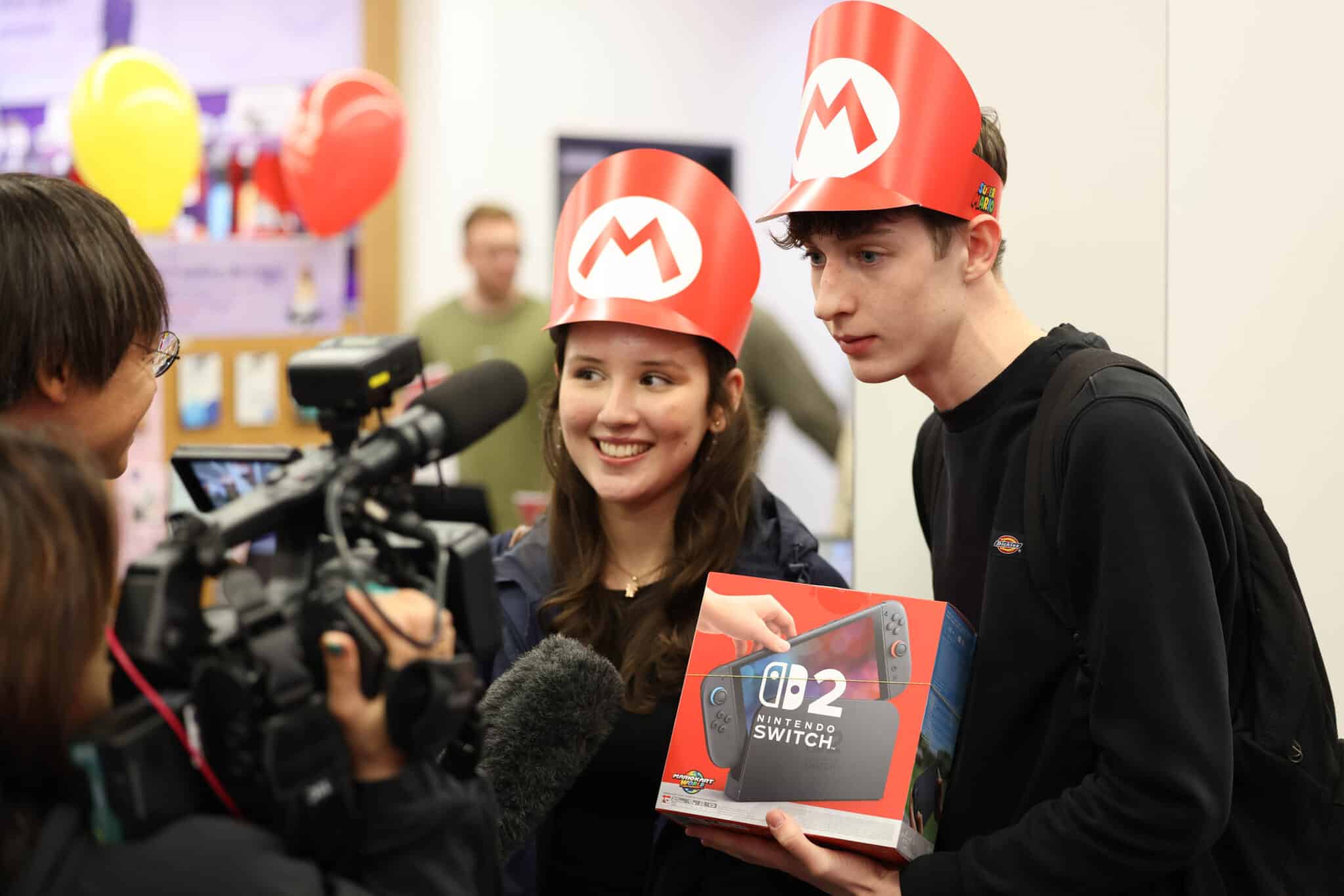
👋 Halo!* Welcome to Thursday, where U.S. President Donald Trump signs a travel ban for 12 countries, Israel recovers the bodies of two Israeli-American hostages in southern Gaza, and our daily quiz question goes Back to the Future. Meanwhile, for Worldcrunch, Hagar Farouk explores how Gulf states are using architecture as a strategic tool of […]
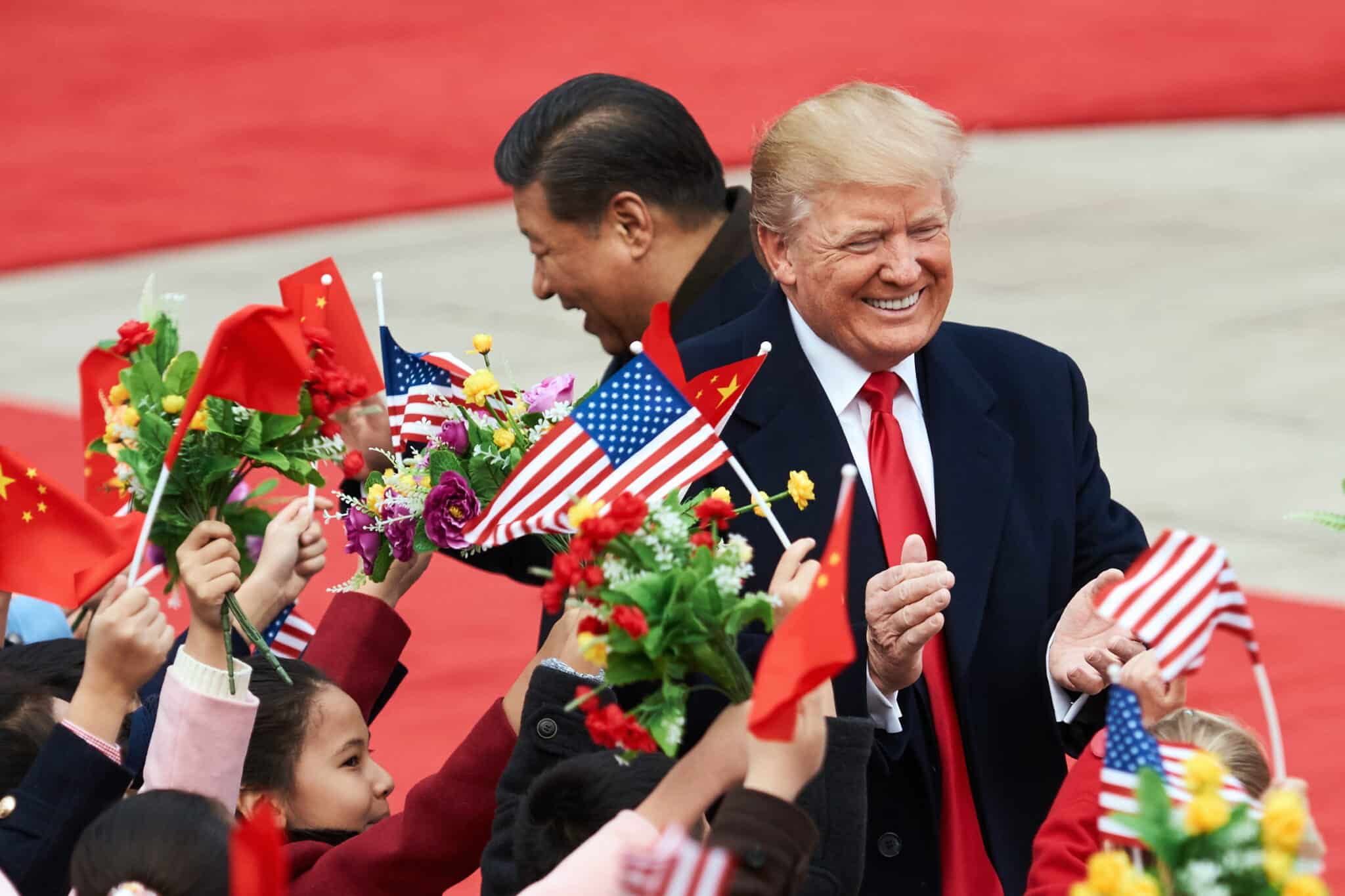
China is blocking exports of rare earth material in response to the U.S. trade war, which is now beginning to affect Western industries. Indeed, the American position is weakened just as negotiations are set to resume. Will Trump chicken out again?
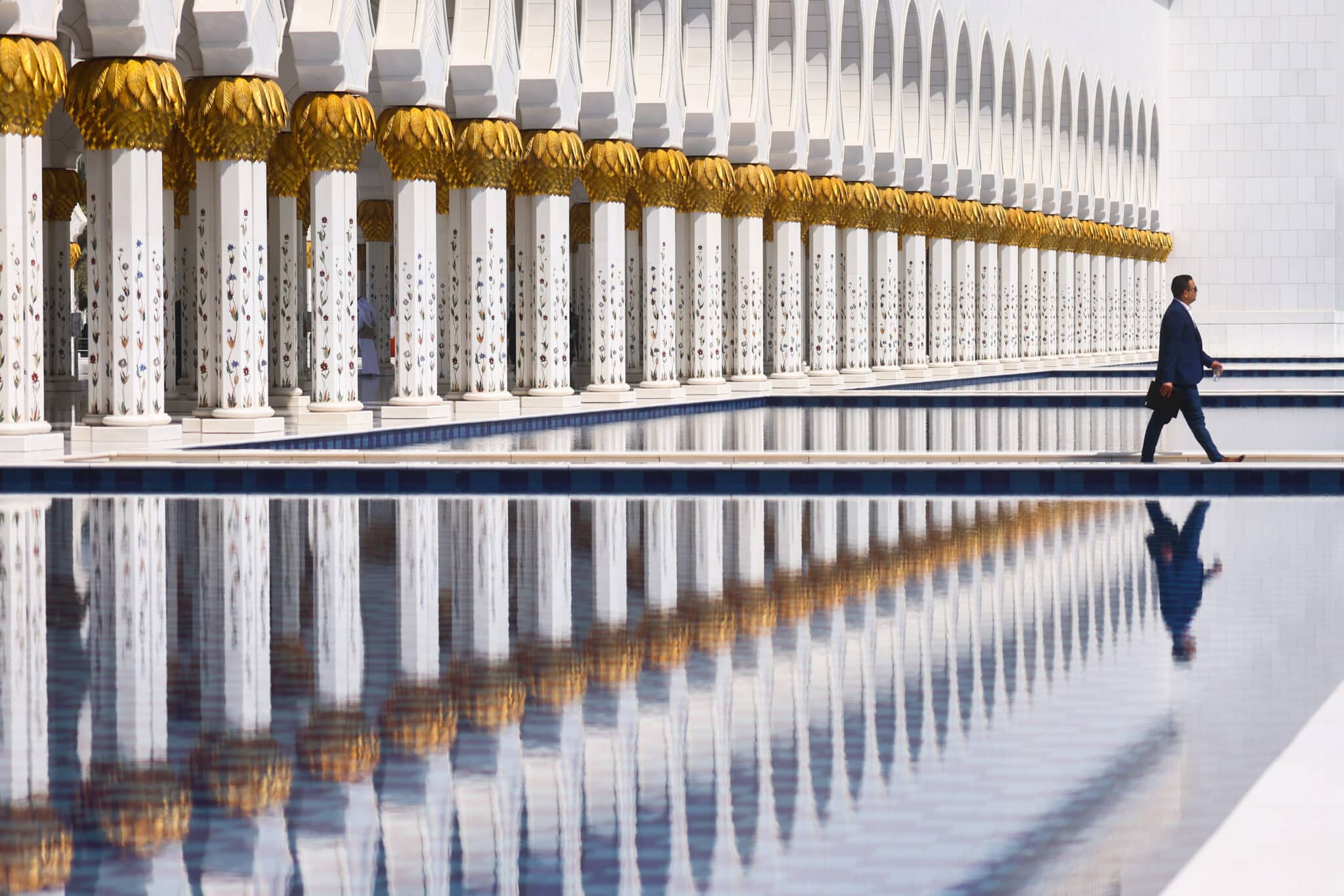
Architecture is a form of soft power, a symbolic language through which Gulf states tell stories about themselves to the world and to their own citizens — and ultimately, to exercise control.
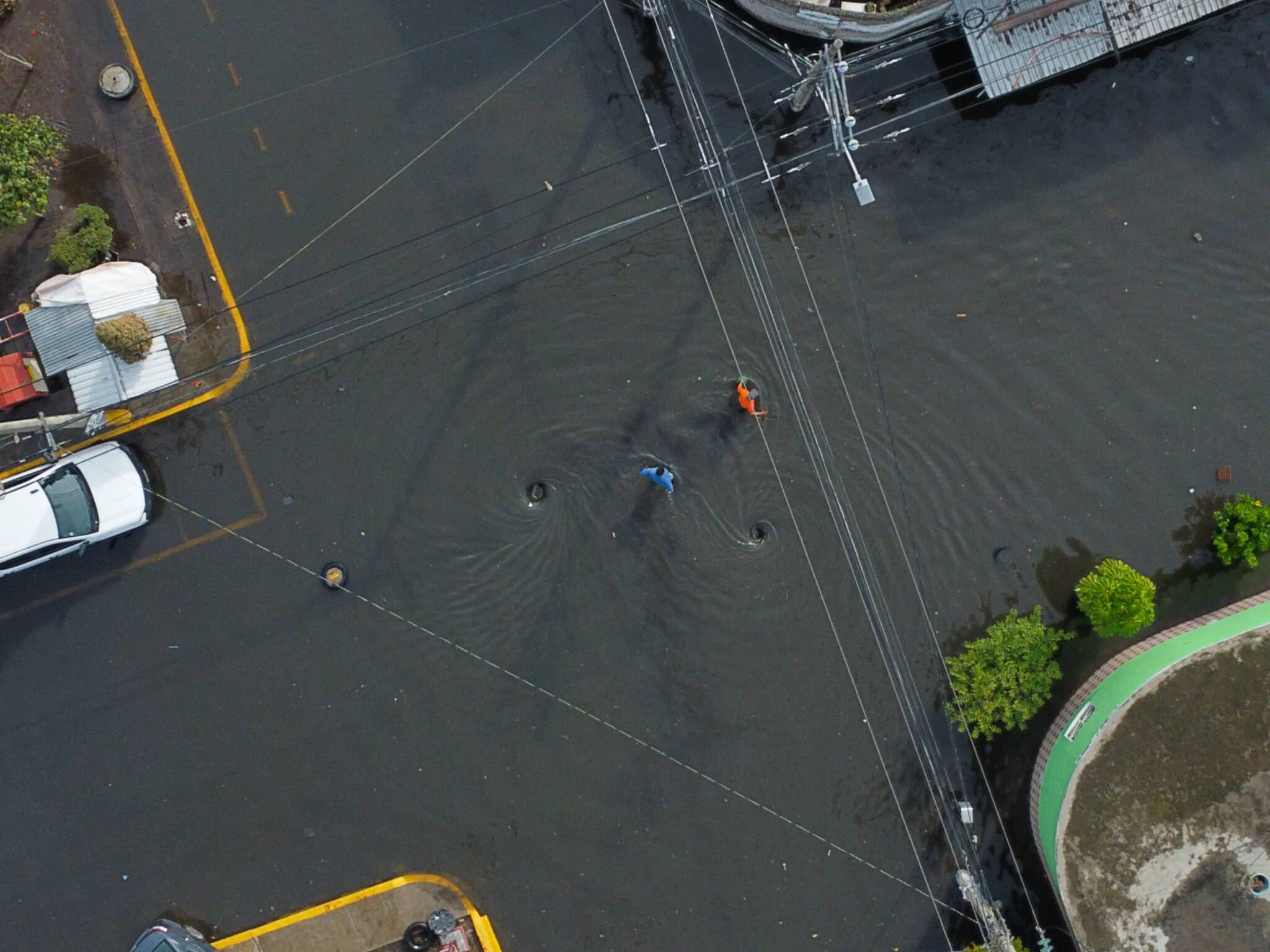
👋 Saluton!* Welcome to Wednesday, where Trump doubles steel and aluminium tariffs, South Korea’s new president is sworn in and our quiz question takes you to one of Amsterdam’s iconic museums. Meanwhile, for Daraj, Iman Adel tells us the story of Laila Soueif, the mother of a jailed British-Egyptian activist who has been on a […]

While French law theoretically allows employers to justify job cuts by the introduction of Artificial Intelligence, unions and labor law experts are warning that AI is becoming an alibi for unjustified cost-cutting.
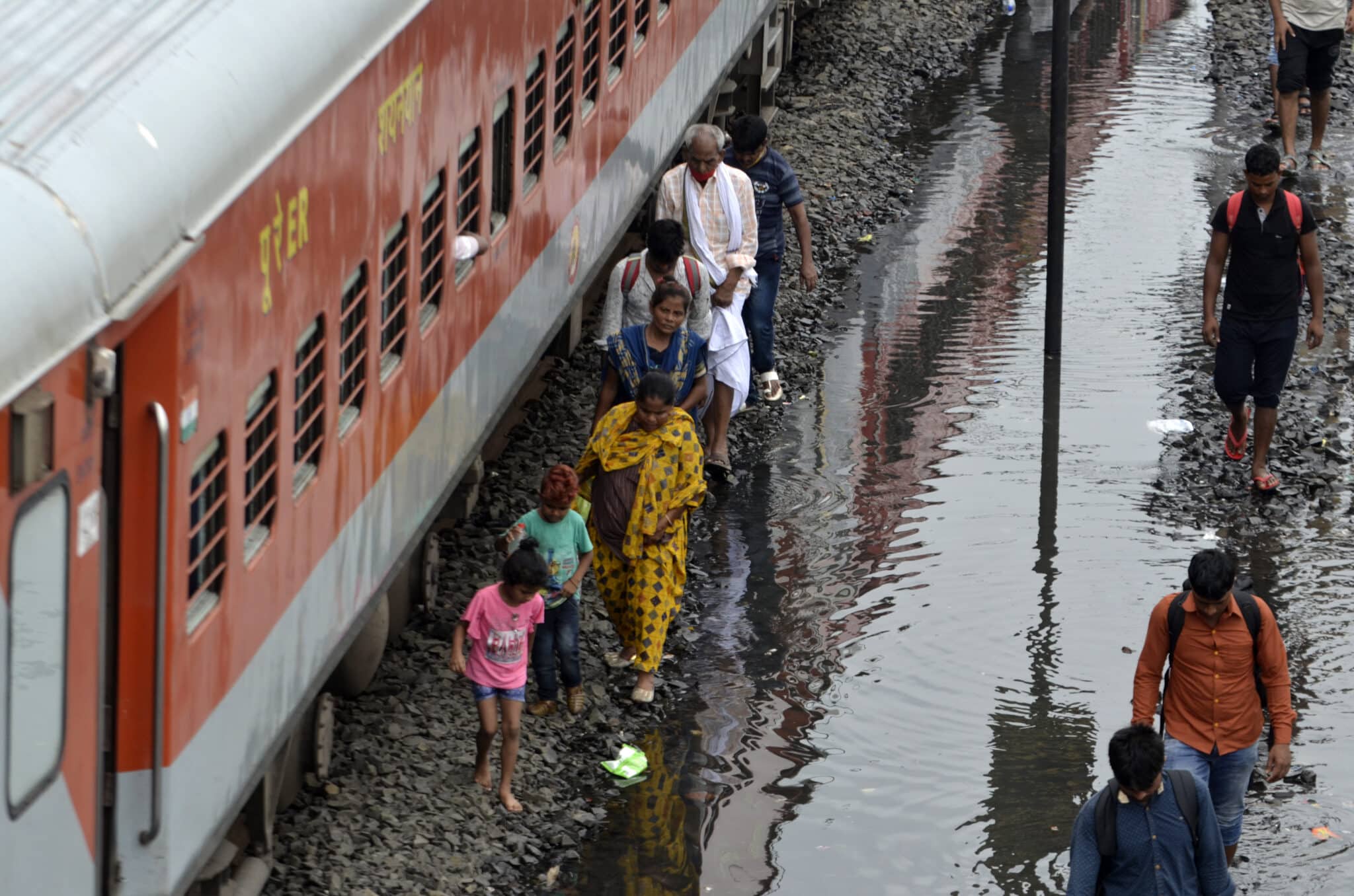
For the first time, countries are growing richer, but their people are not. Income and wealth inequality not only skew per capita averages, they make economies seem healthier than they are. In short, they reflect realities of a few, at a huge cost to others.
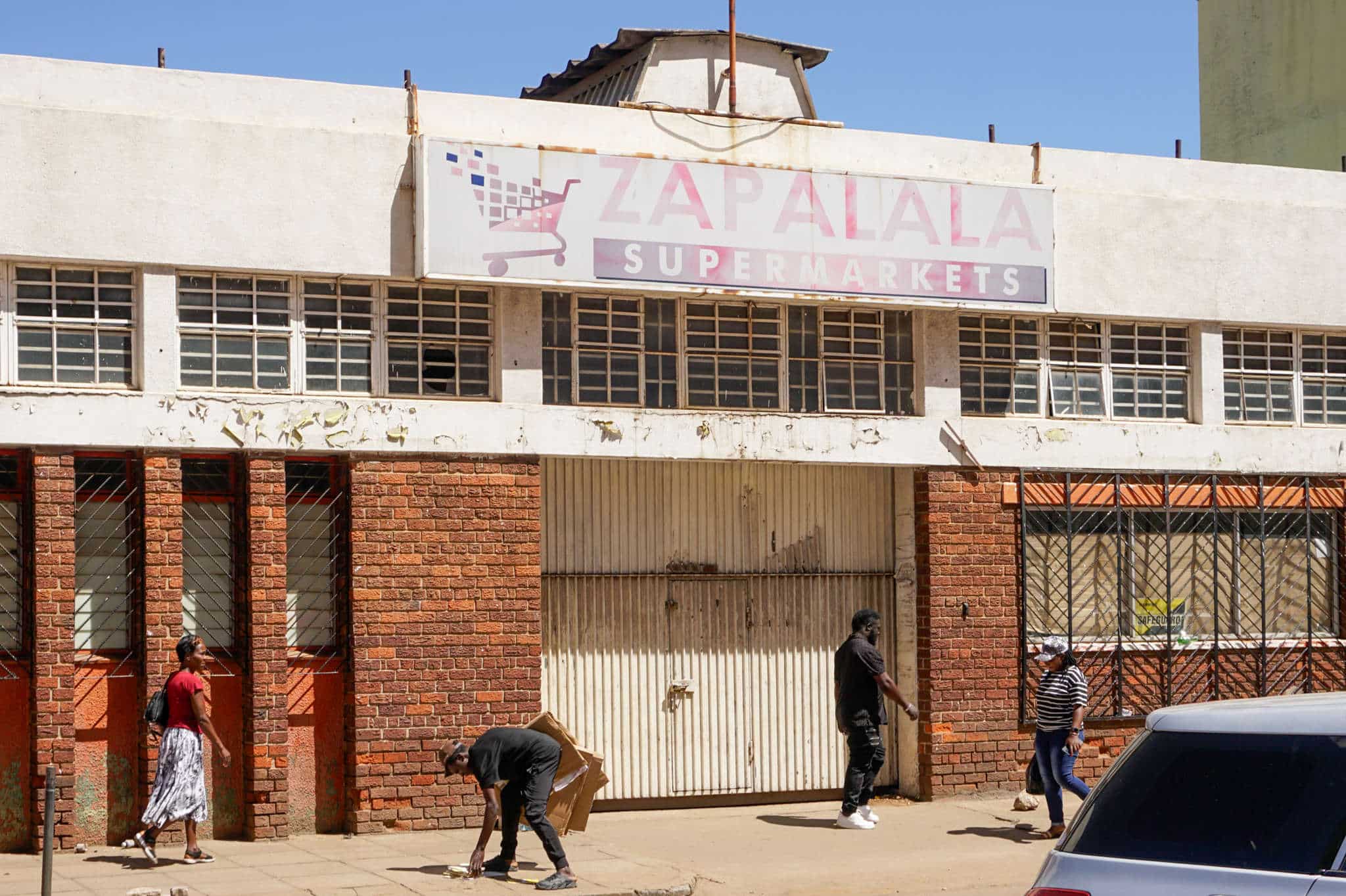
The price of doing business in Zimbabwean gold — the country’s latest currency — is too steep for many retailers, who can’t compete with an informal market still churning on U.S. dollars.

As Europe debates how to play a bigger role in the digital sphere, the industry and some politicians blame strict regulations for stifling innovation. But a closer look reveals that smart rules may be Europe’s greatest strength — not its weakness — in the global tech race.
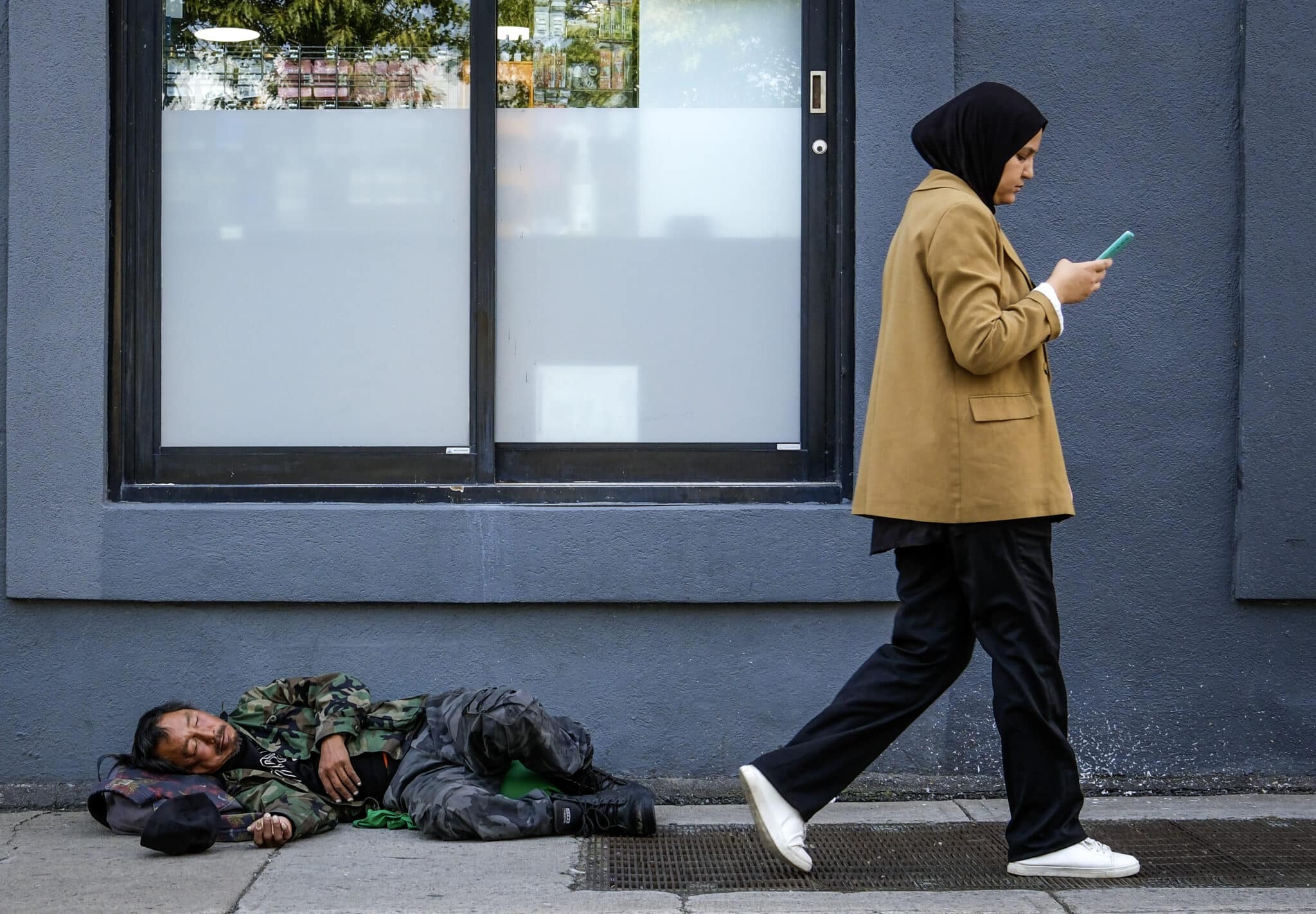
AI is here whether we like it or not. But who owns it, and who gets to use it, are questions that are far from being settled.
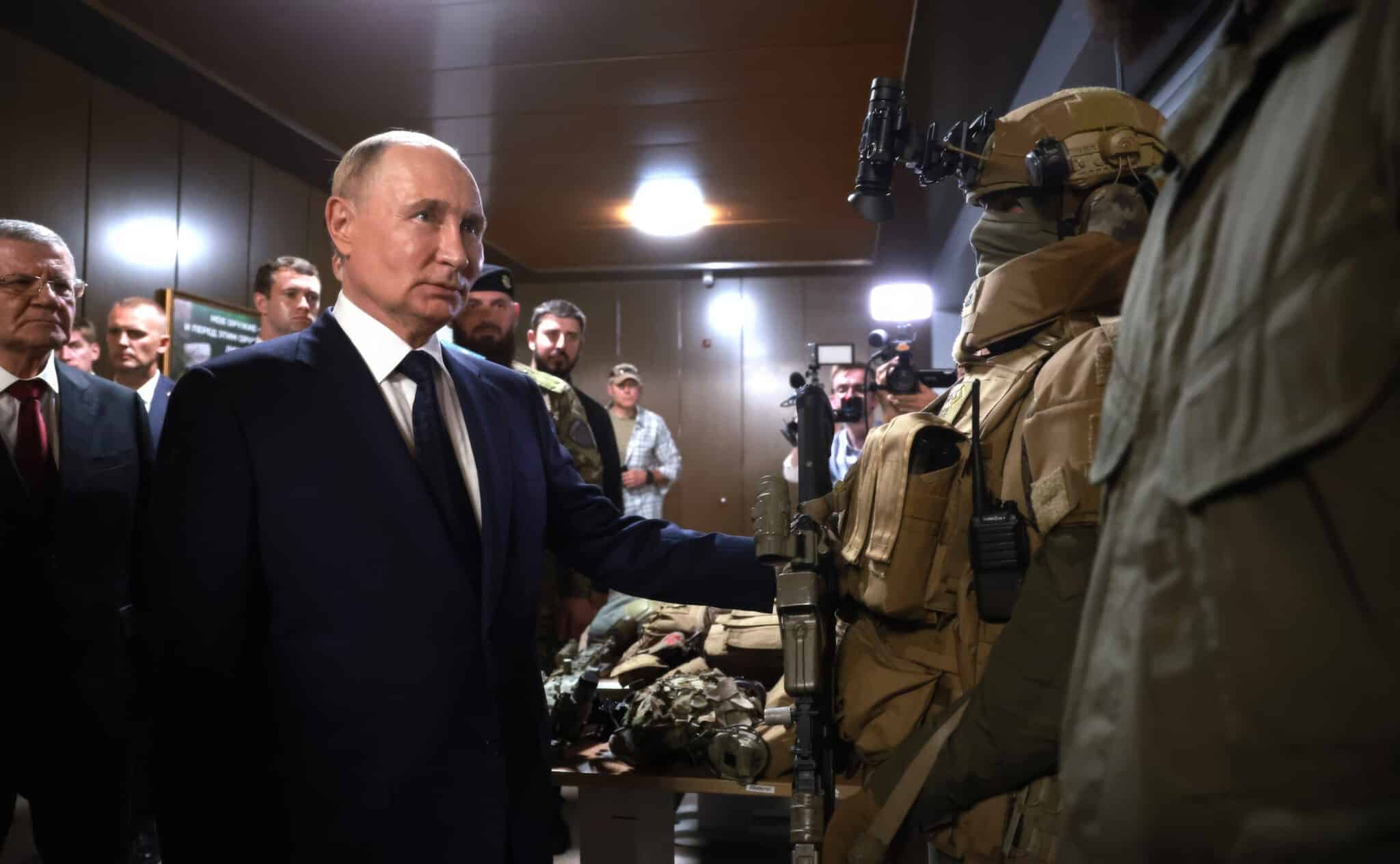
Despite heavy international sanctions from the West, Russia has taken a lighter economic hit than expected. Rather than suffering from war, it’s become dependent on it — like Germany in the 1930s.
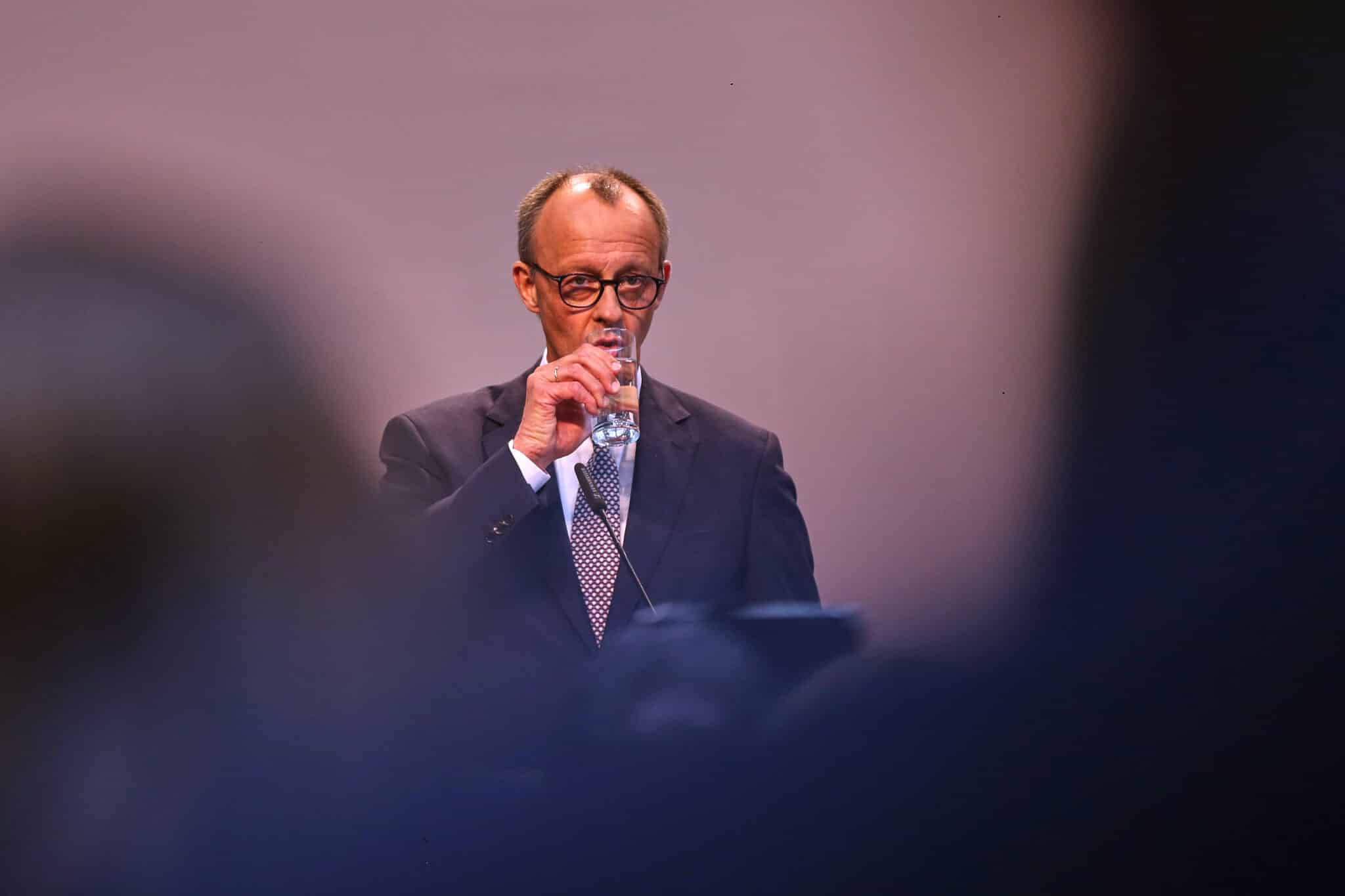
As pressure mounts to divvy up Germany’s largest infrastructure fund in decades, the new chancellor must resist scattershot spending and steer the country toward high-tech transformation.
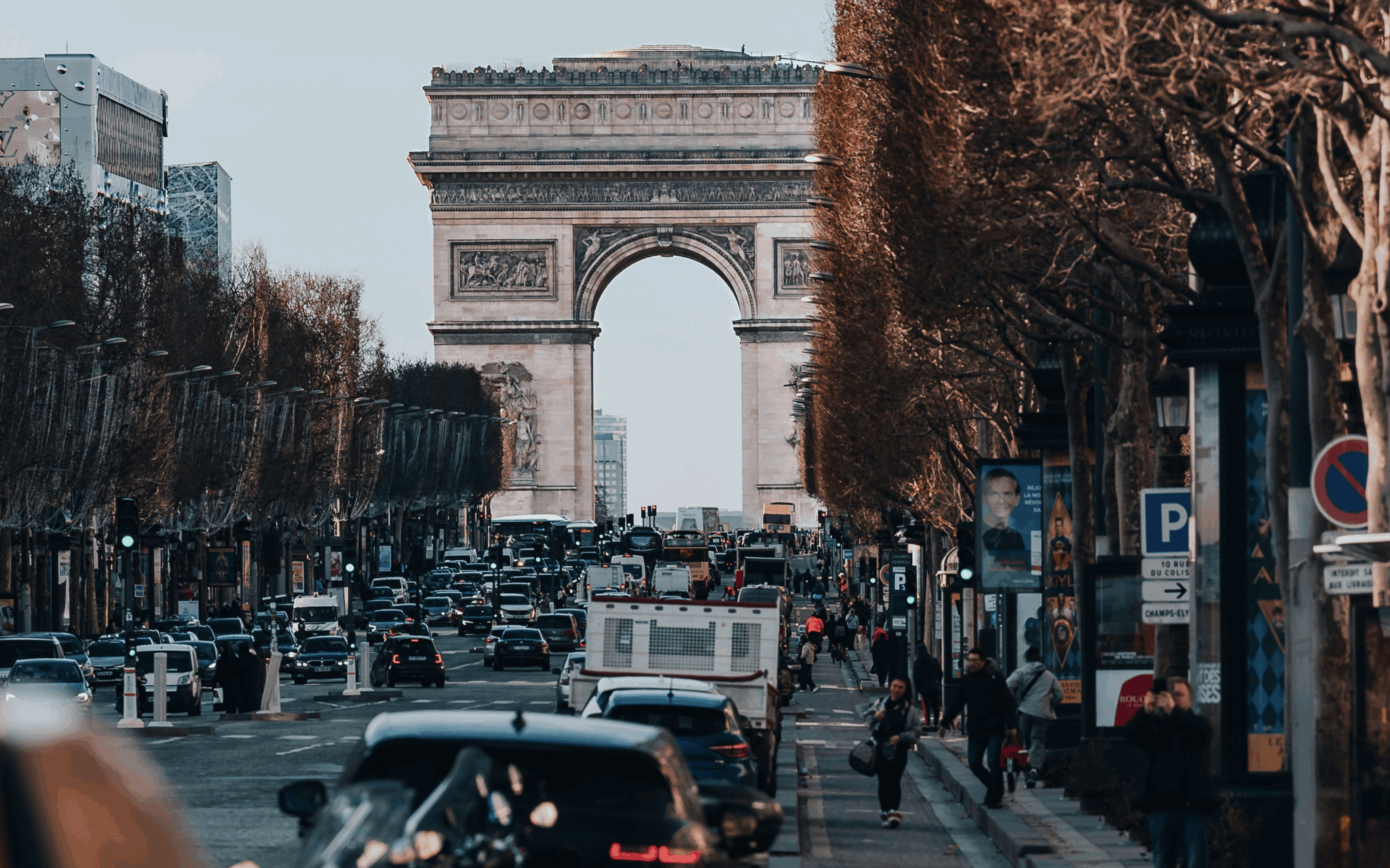
Beneath the world’s most famous avenue, a bonafide metamorphosis is unfolding to create a massive underground warehouse in the heart of Paris.
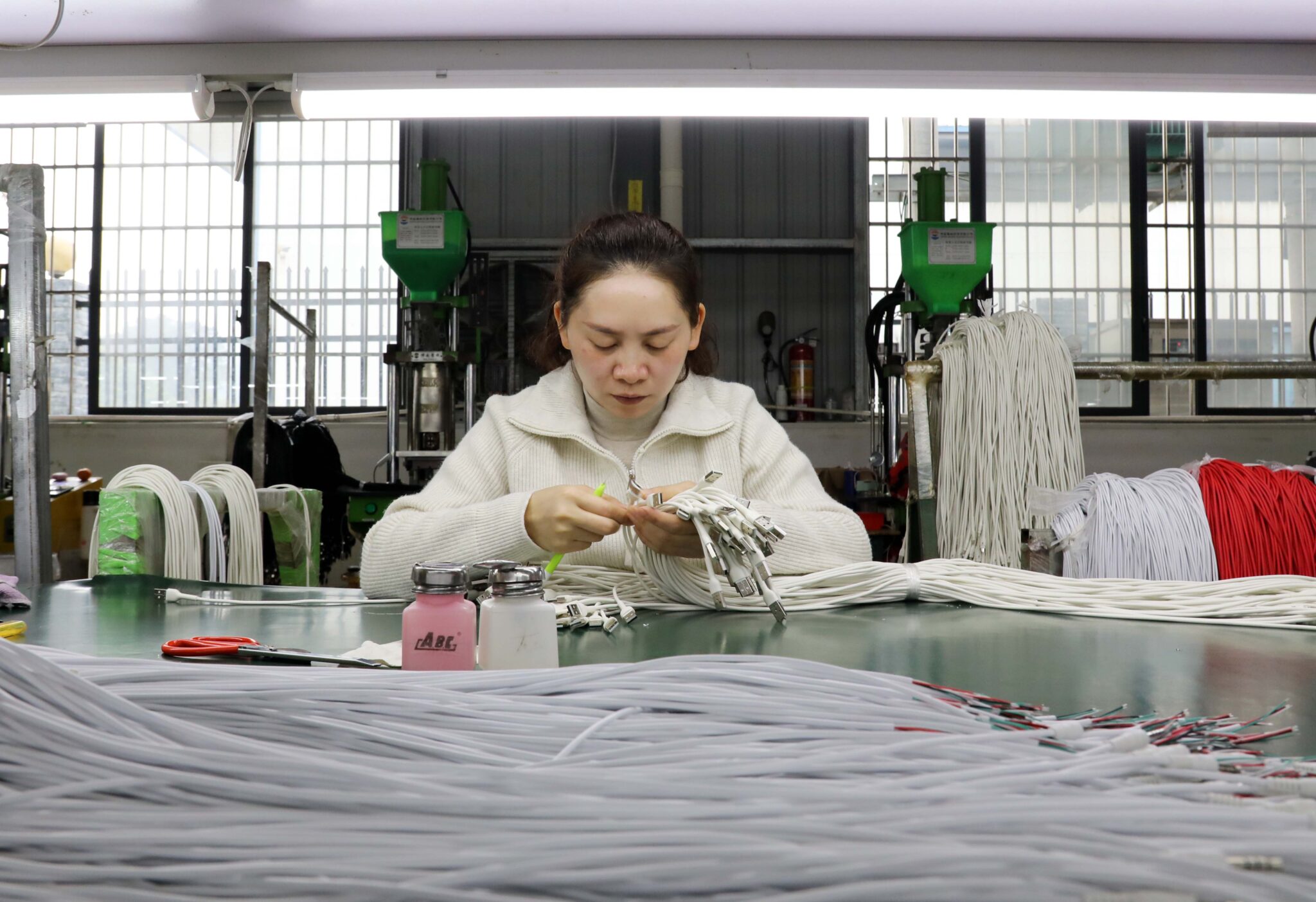
Xi Jinping and the rest of the Chinese leadership is defying Donald Trump in the tariff duel – and positioning itself as a more reliable superpower. The nation has been expecting this moment.
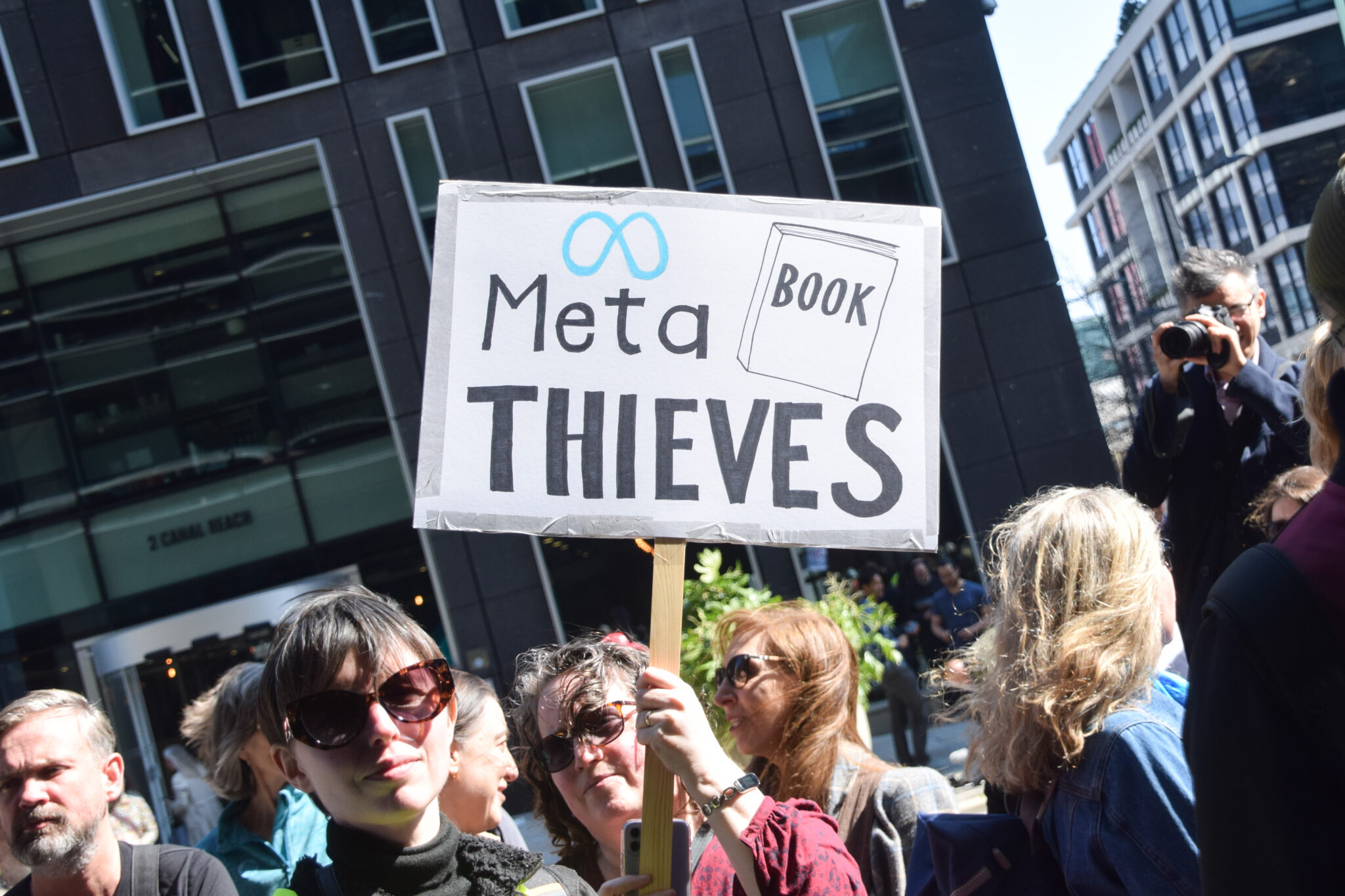
While disinformation and authoritarianism grow stronger in the U.S., countries across the Global South are leading the charge for regulation and resistance. It may be the beginning of a worldwide reckoning with Silicon Valley’s dominance.
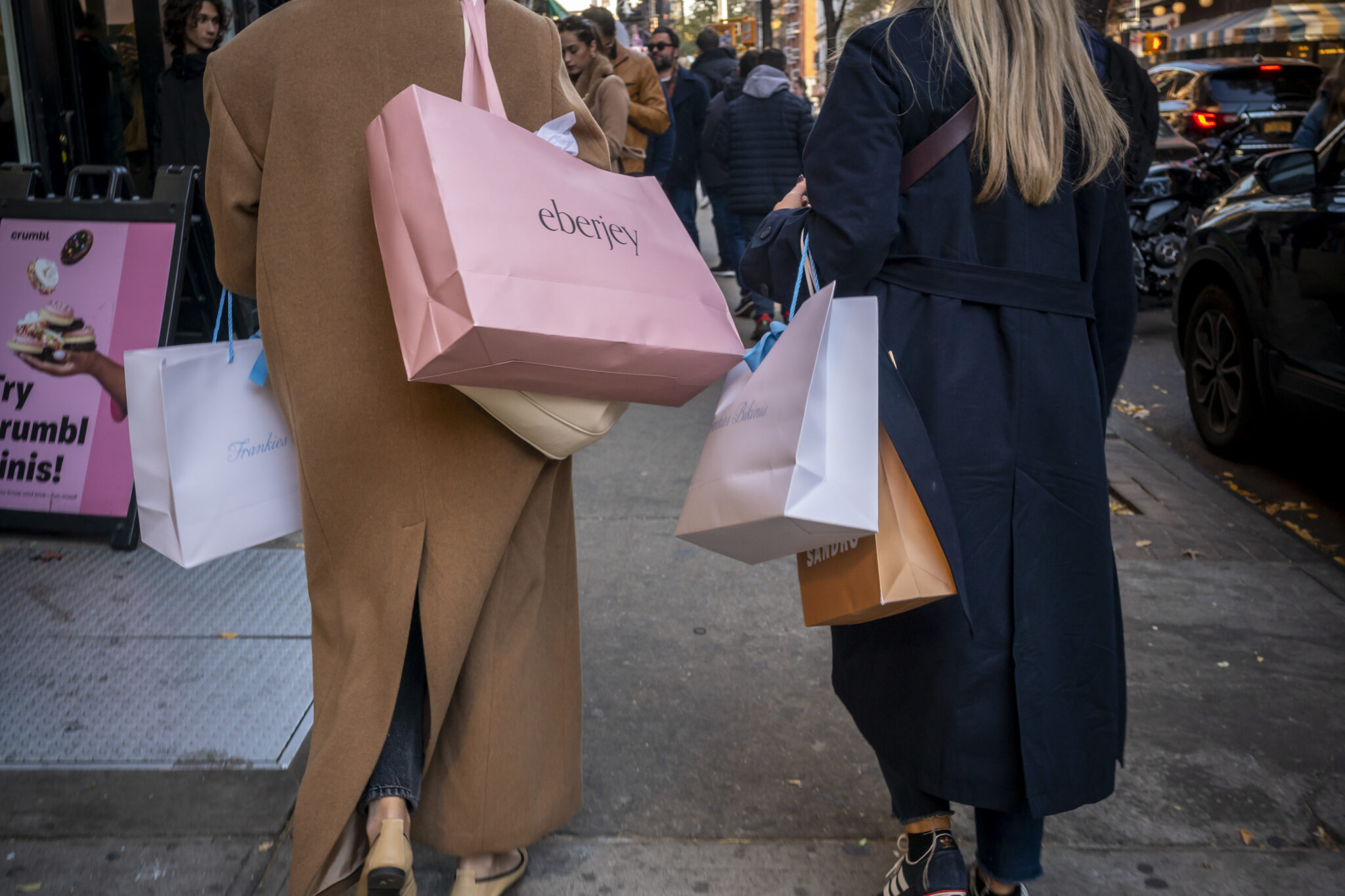
Clothing, air travel, food: we are once again consuming as if the climate crisis didn’t exist. But it may provide much needed clarity about how to actually protect the environment.
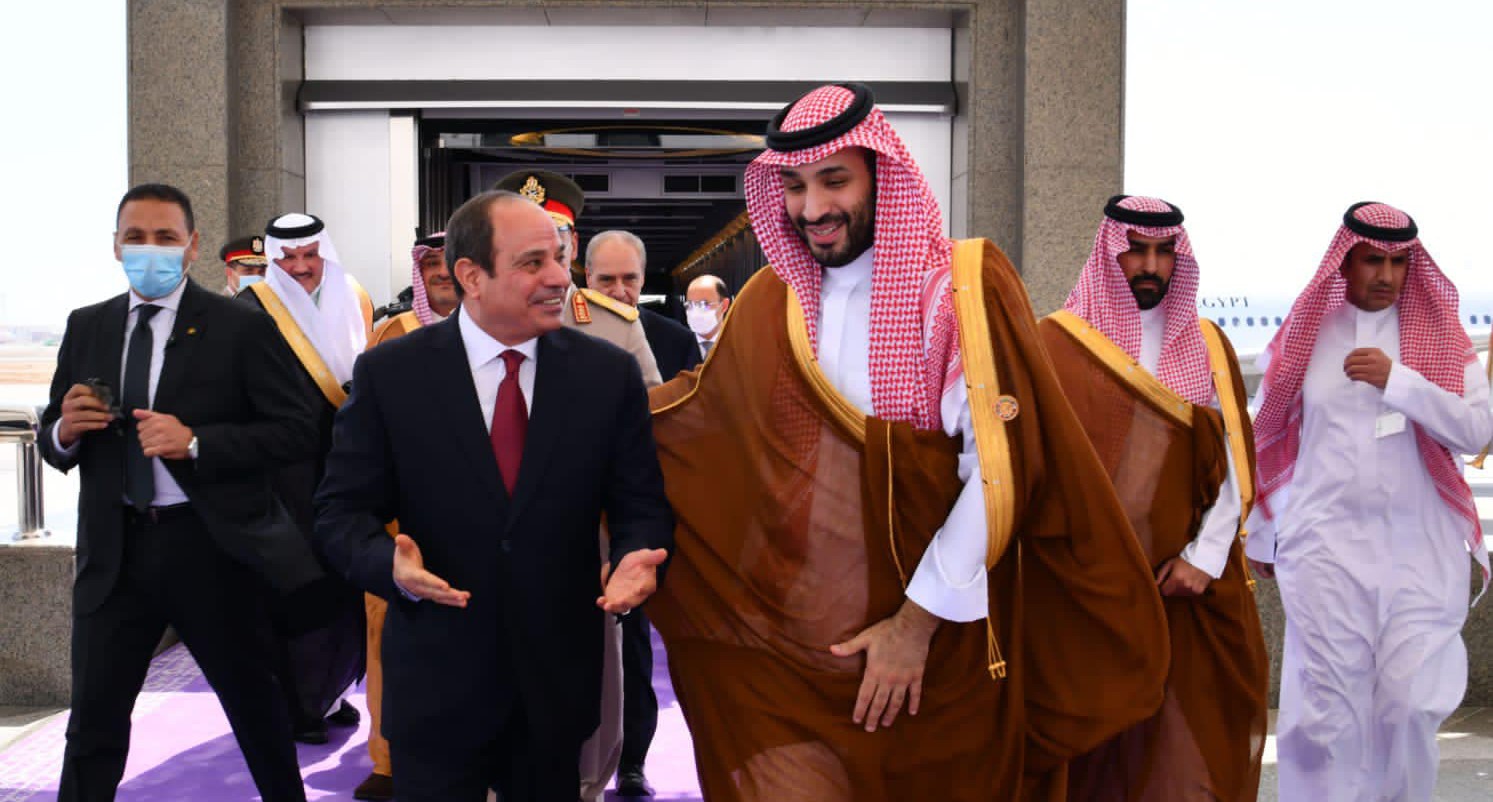
Egypt’s economic subjugation: A nation for sale.
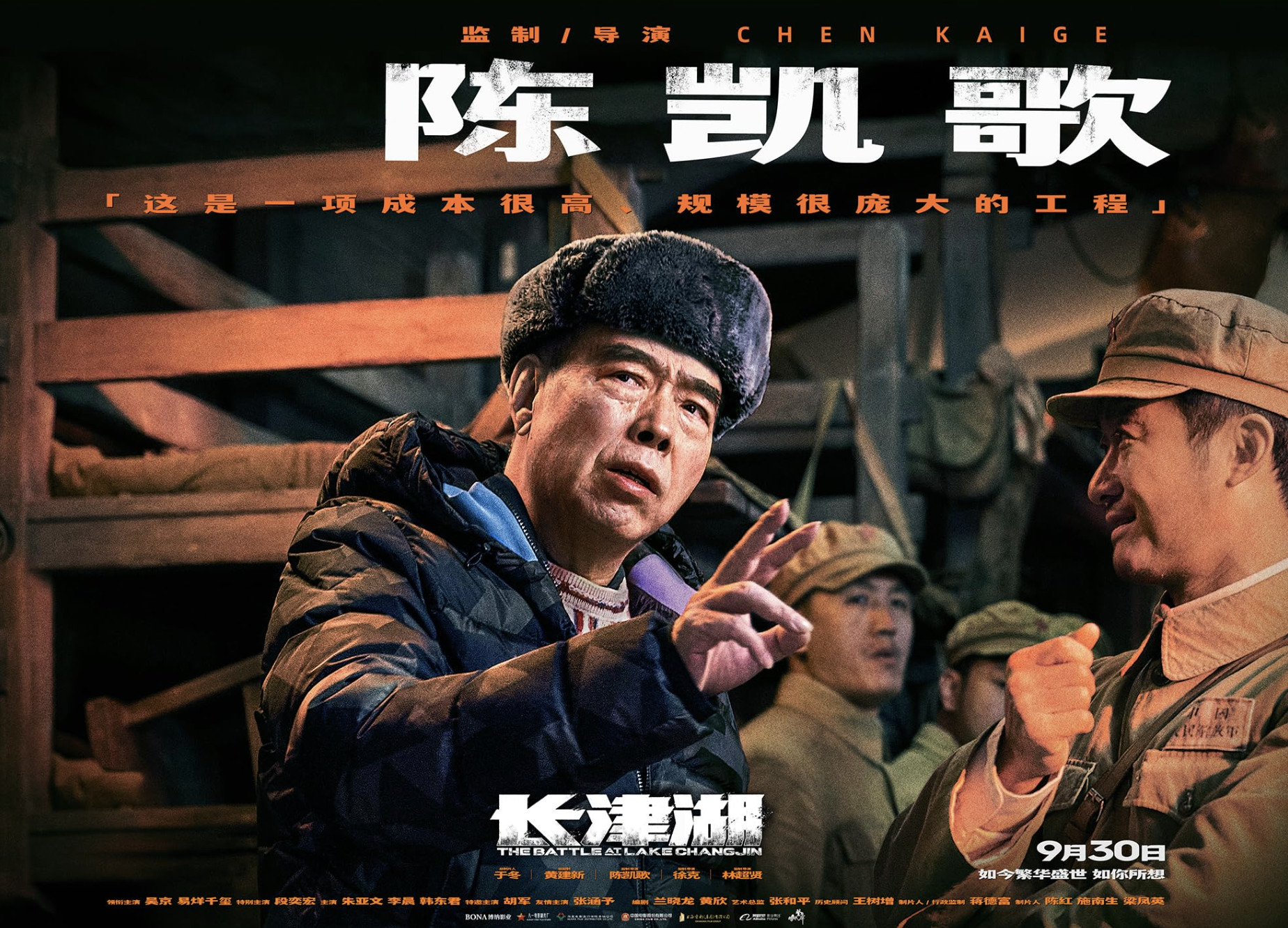
As trade tensions with the US escalate, Beijing retaliates with Hollywood bans and a high-stakes Southeast Asia tour.
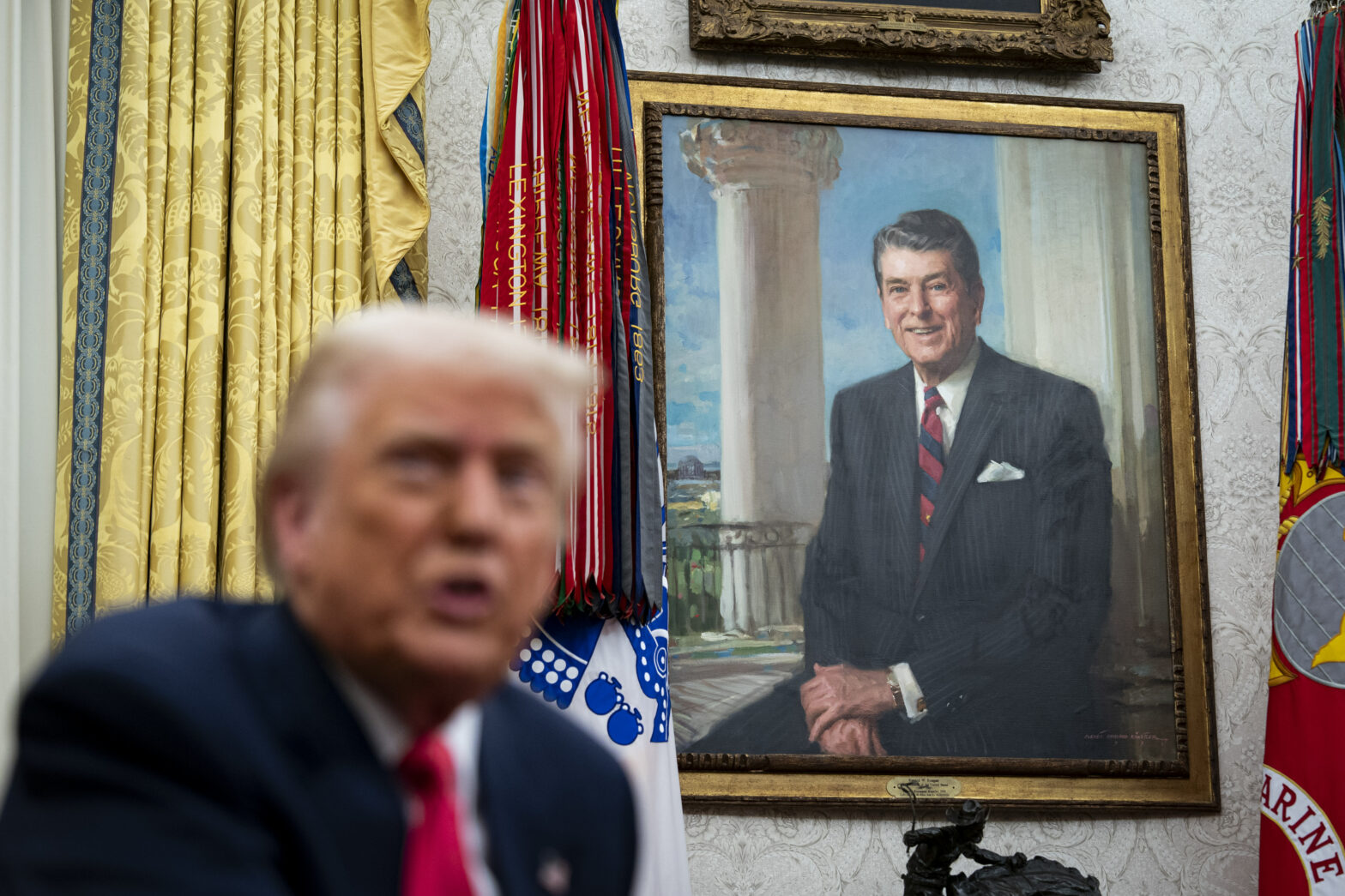
By seeking to impose his rules on the rest of the world, Donald Trump follows in the footsteps of his 20th century predecessors in the White House. But protectionism is a whole new trick.
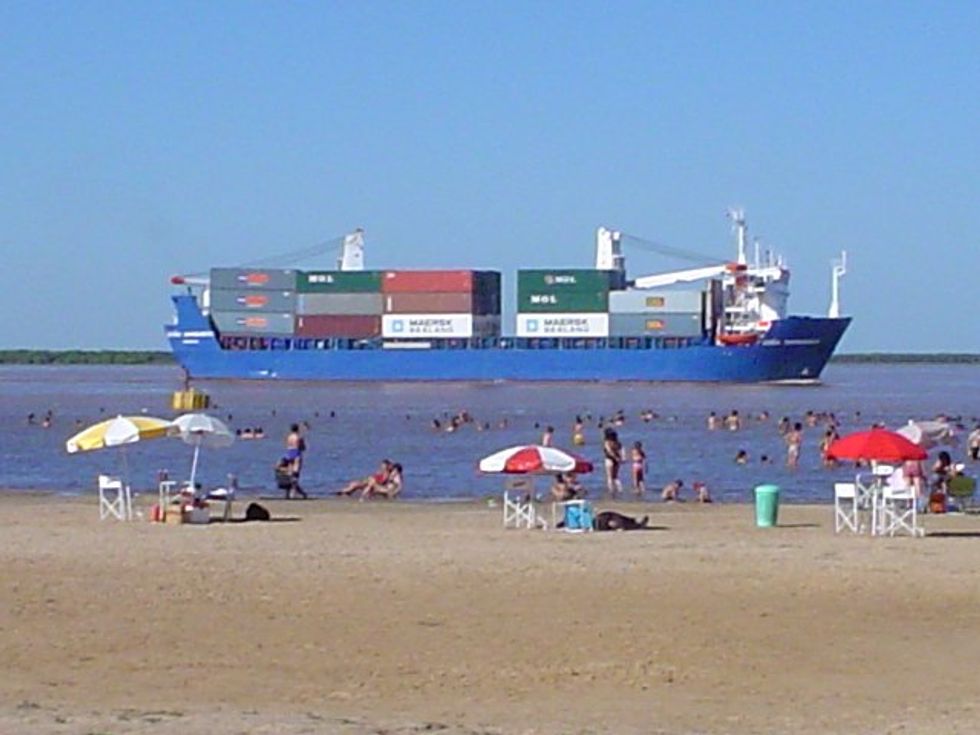
Donald Trump has raised a hue and cry with his tariffs and is no doubt wallowing in the repercussions. Yet we may have forgotten he is a businessman, not an arsonist, and doing what he has always done, playing hardball for a fast buck.
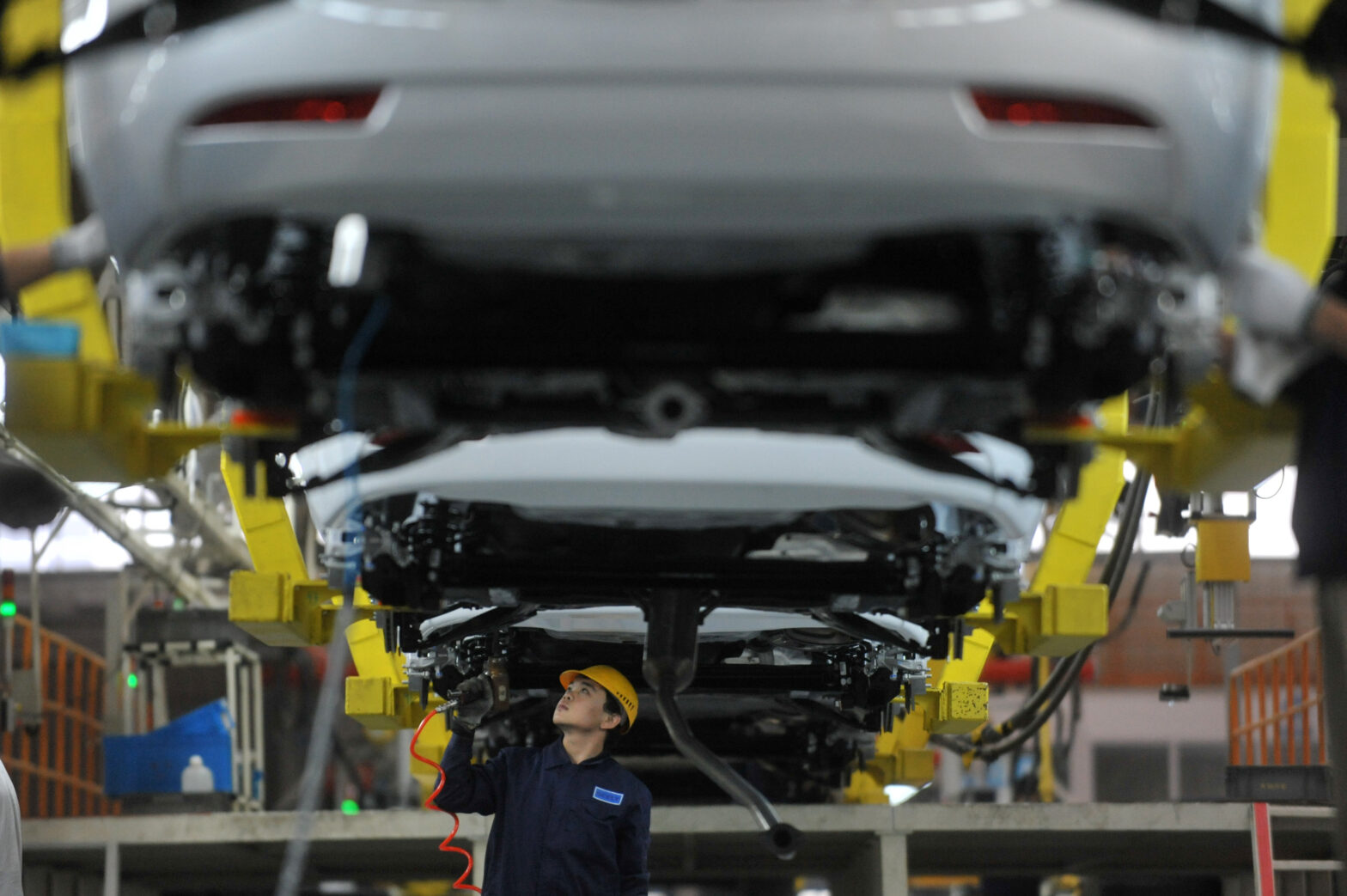
Volvo is setting records, especially with its electric cars. At its plant in Belgium, it becomes clear why the Swedish-Chinese brand is better equipped than its competitors to ride out a looming global trade war.
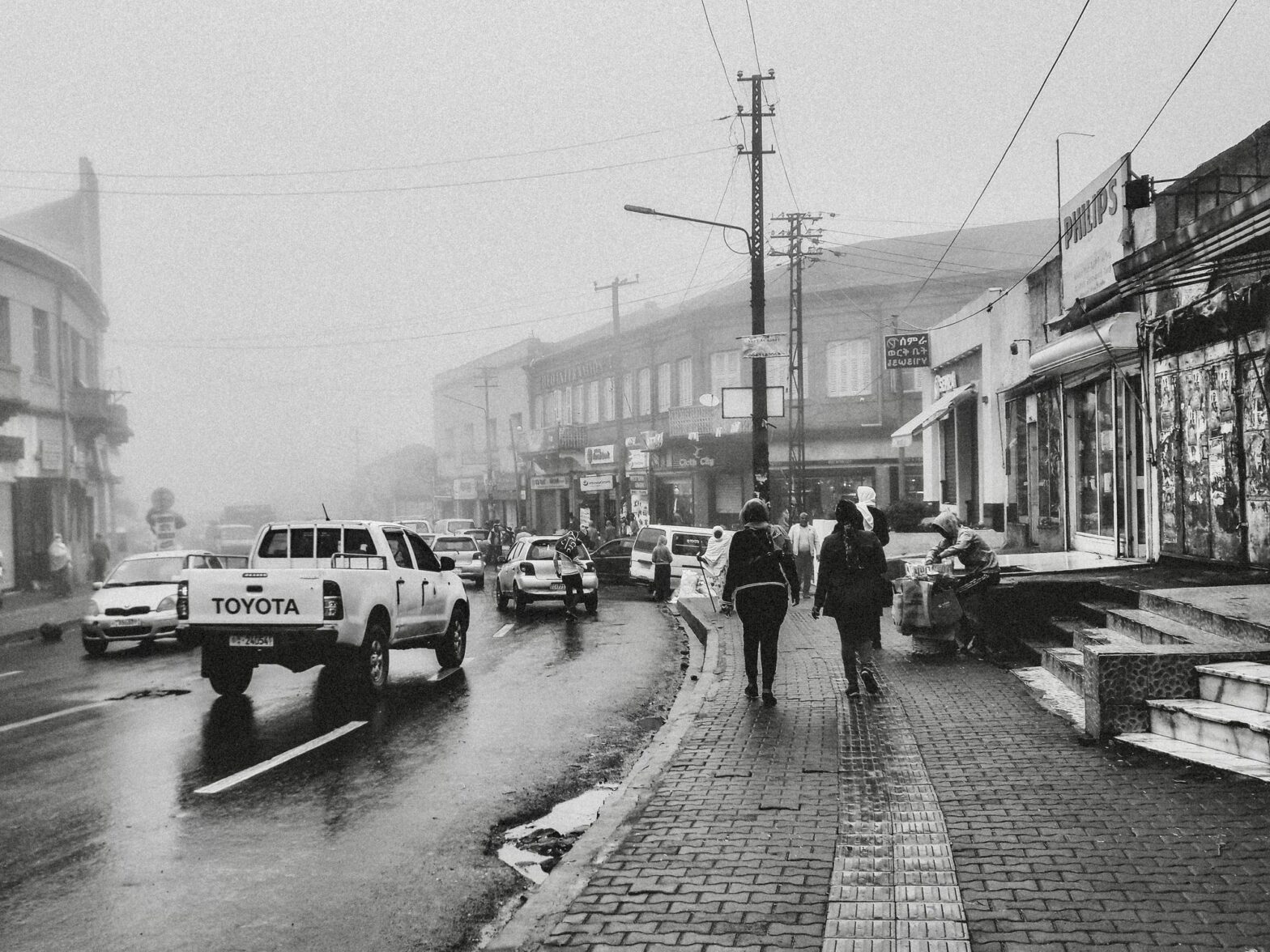
Trump’s “Liberation Day” tariffs may have sparked a new era of wealth for America’s economy, but at what cost? As trade wars escalate, vulnerable countries will bear the brunt of economic turmoil.
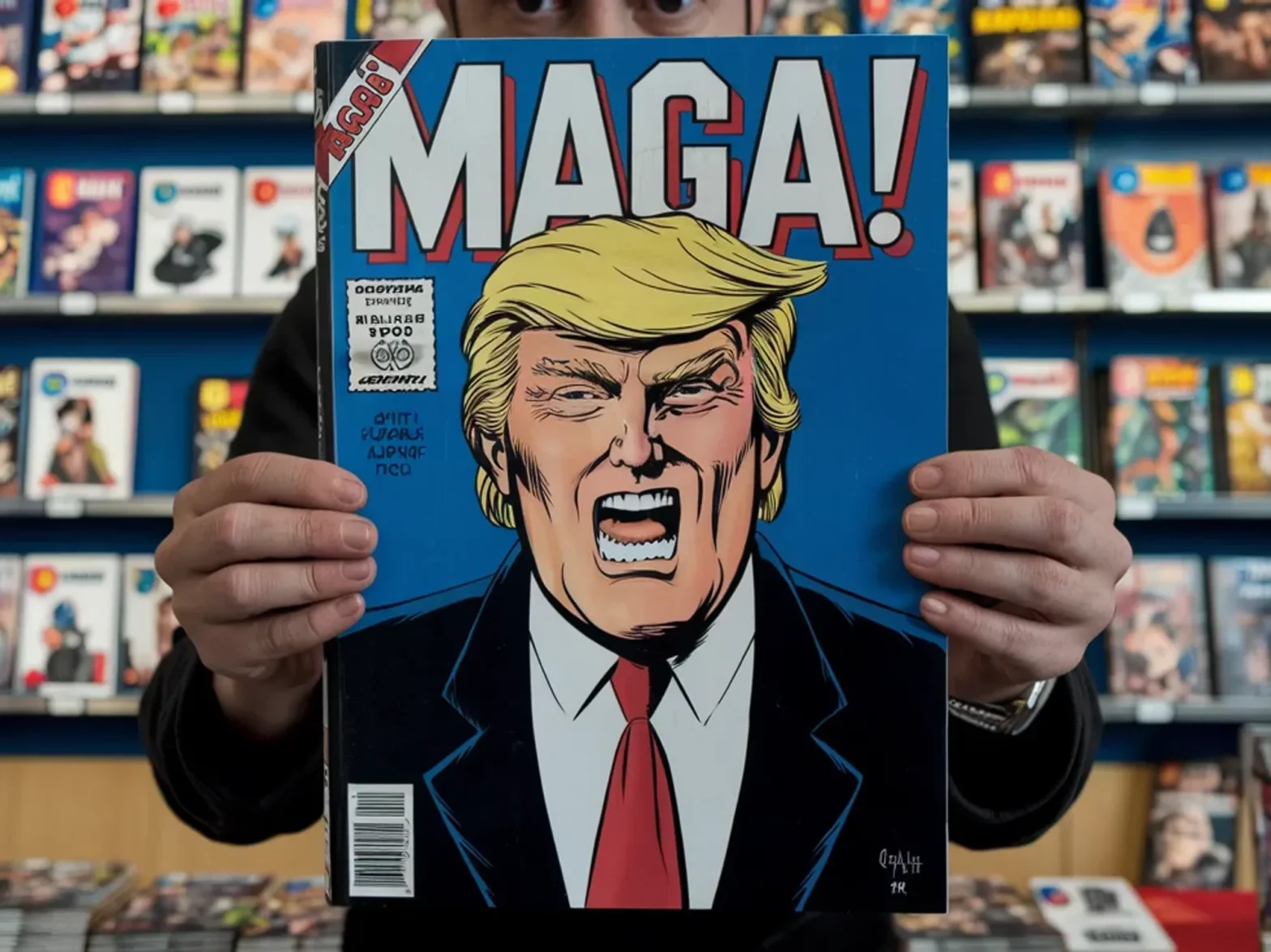
The U.S. president has unveiled a new round of tariffs against his trading partners. But Europeans have leverage against this policy, French essayist Édouard Tétreau writes.
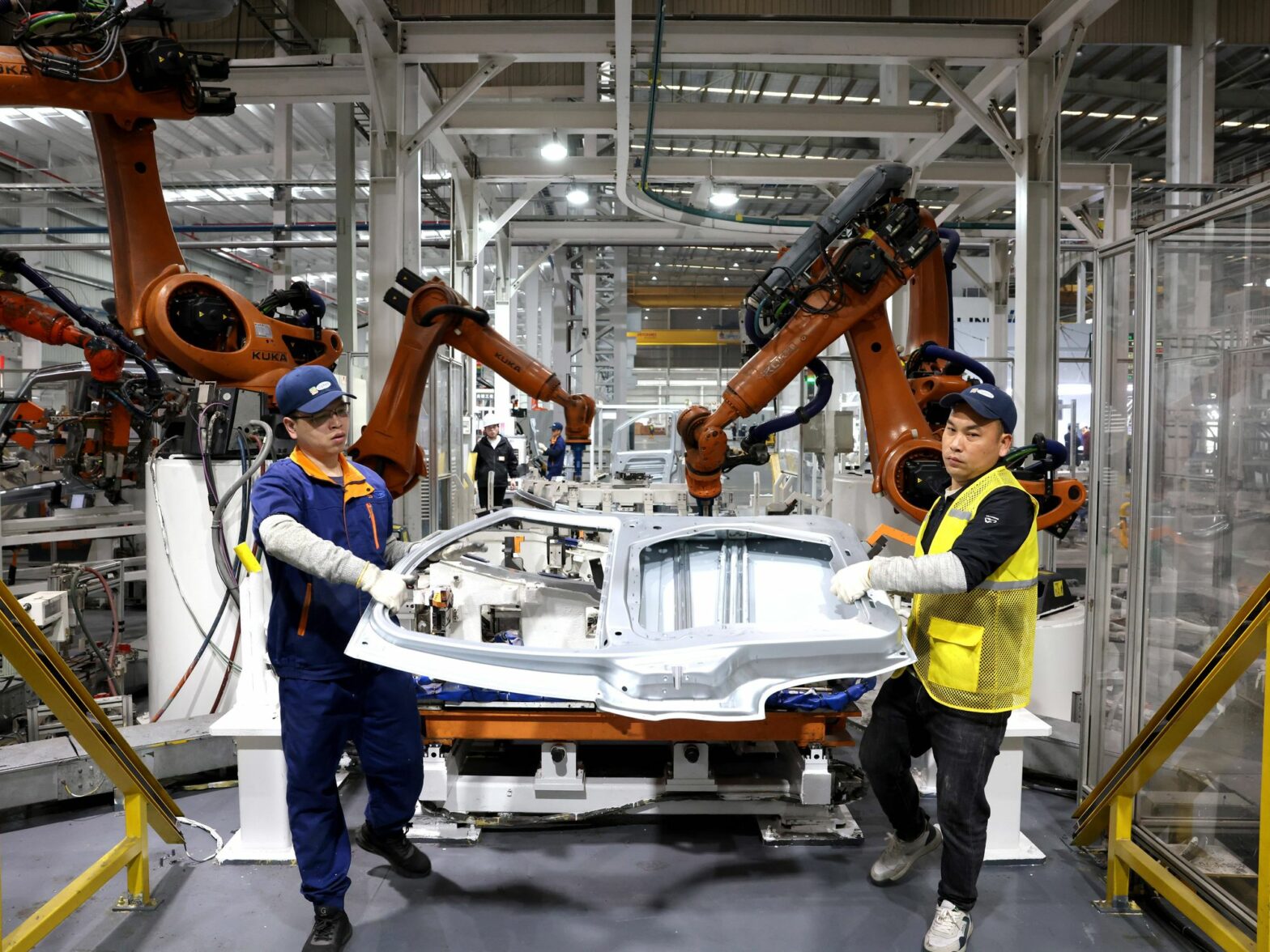
Trump’s tariffs are putting China’s shaky growth at serious risk. The standoff threatens to escalate across the globe, and the worst-case scenario would find the world’s two superpowers turning to other means.
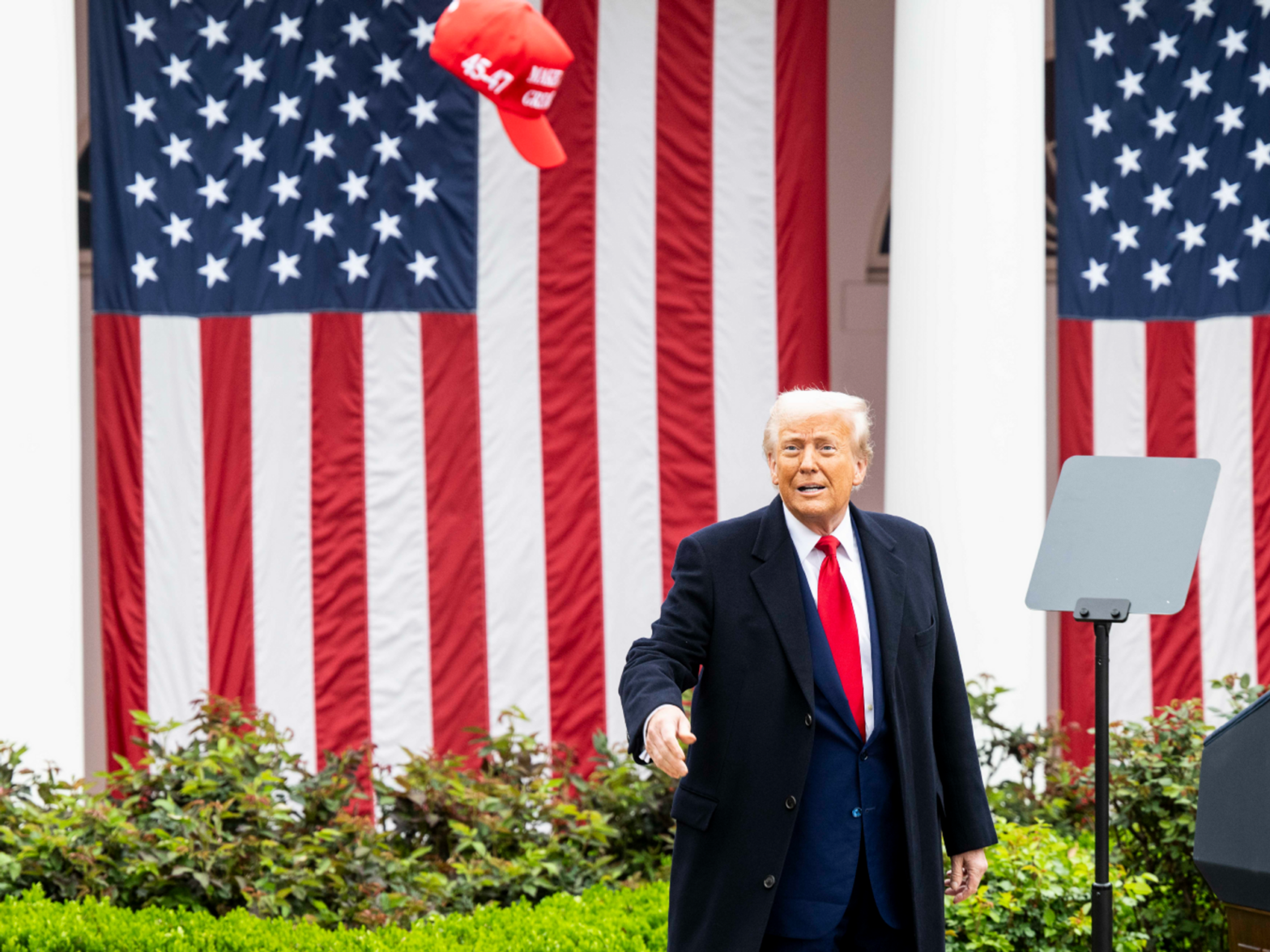
Donald Trump has cultivated his image as a “disruptor,” a term coined by tech startups. But by launching a global trade war, the U.S. president risks achieving the opposite of what he intends. What’s the opposite of “great again?”
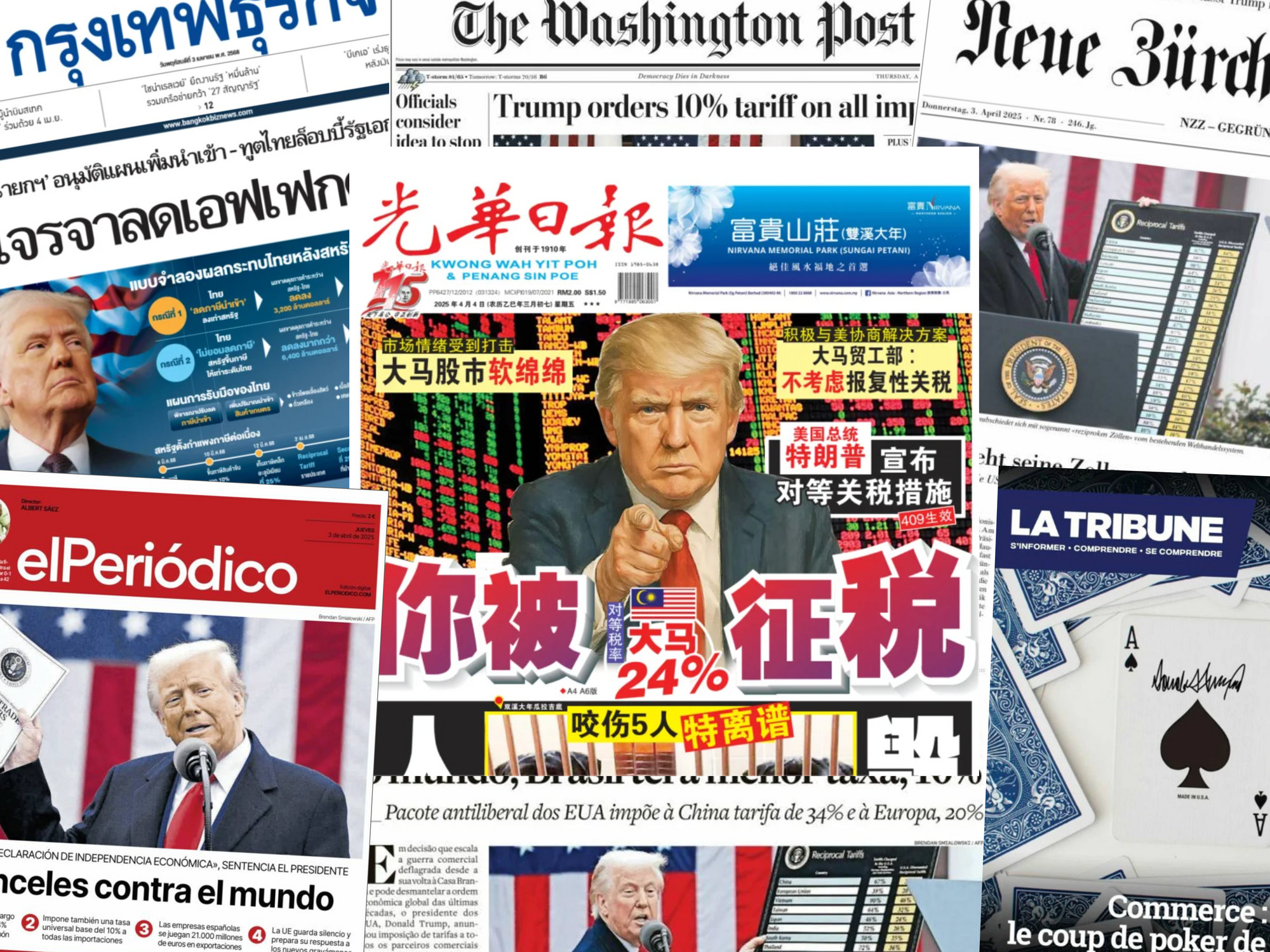
U.S. President Donald Trump’s far-reaching new tariffs have sent markets falling, in a watershed moment that made the front page of many newspapers around the world.
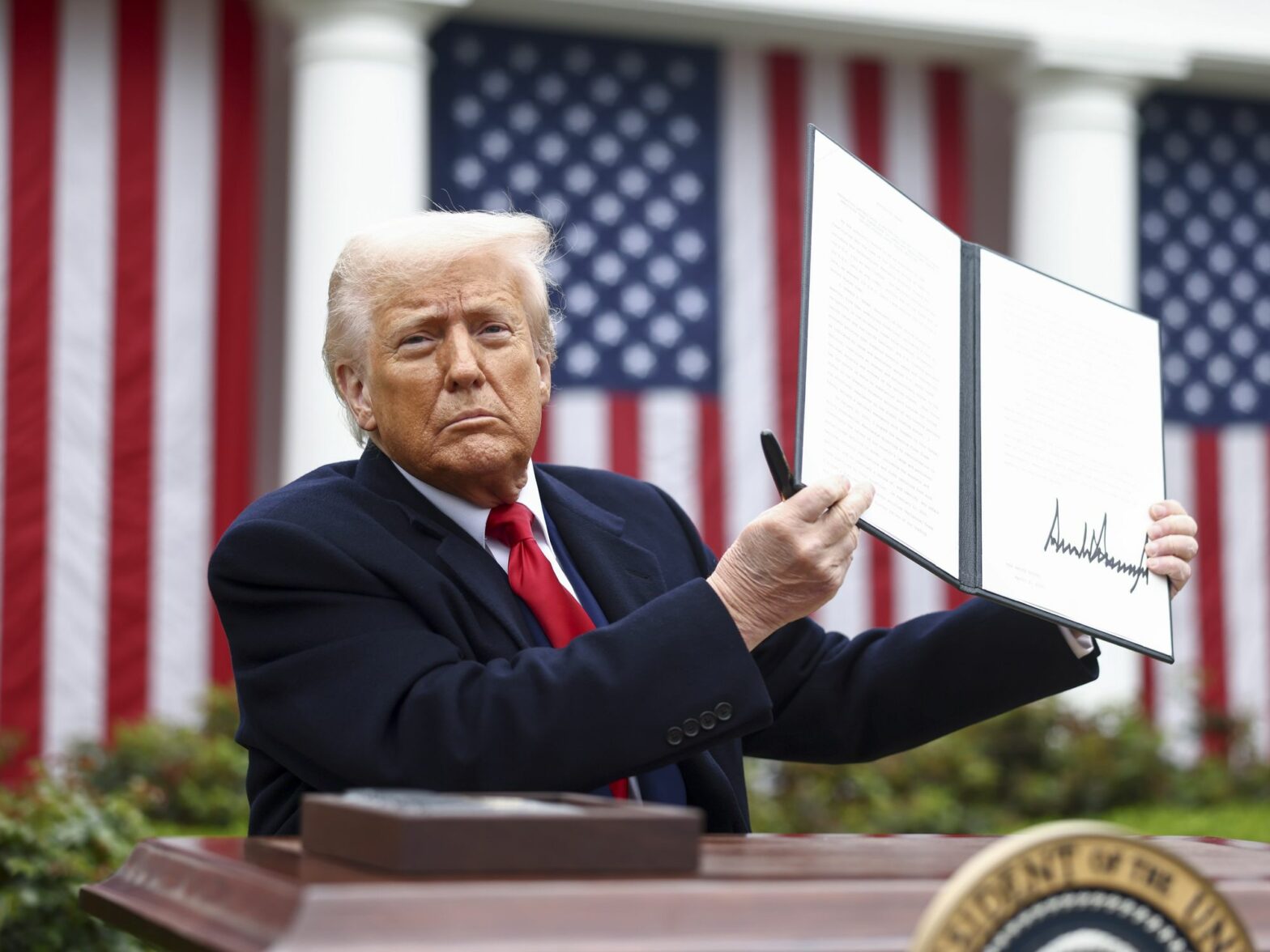
American protectionism has returned, with tariffs that vary by country, but are permanent. There will be exceptions and specific negotiations but, in Trump’s intentions, they become one of the foundations of the American economy. The world must respond with this reality in mind.
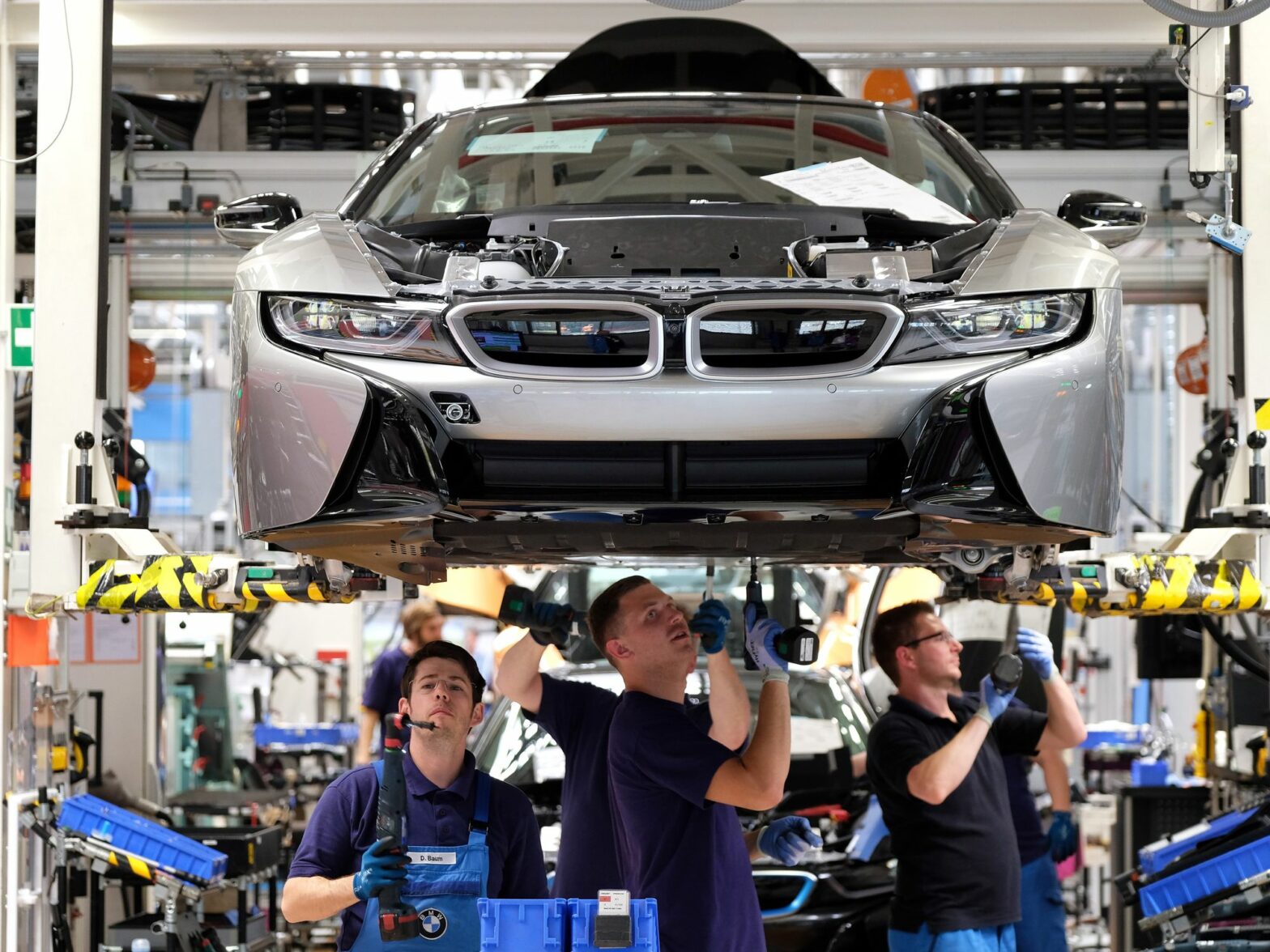
The EU should resist the temptation to retaliate against U.S tariffs on European cars. If we look closer at the recent past and the uncertain future, Trump’s bad intentions produce some good.